 English
 русский
 Español
 عربى
عربى Deutsch
-
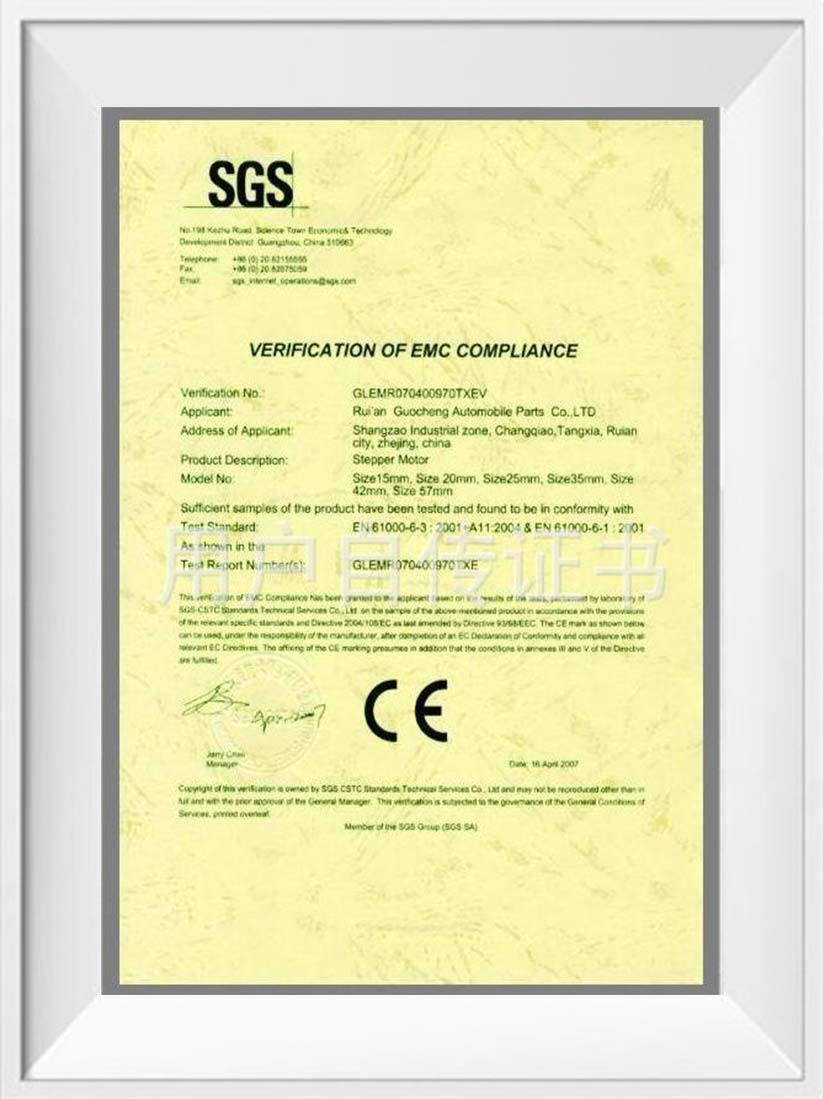
CE
-
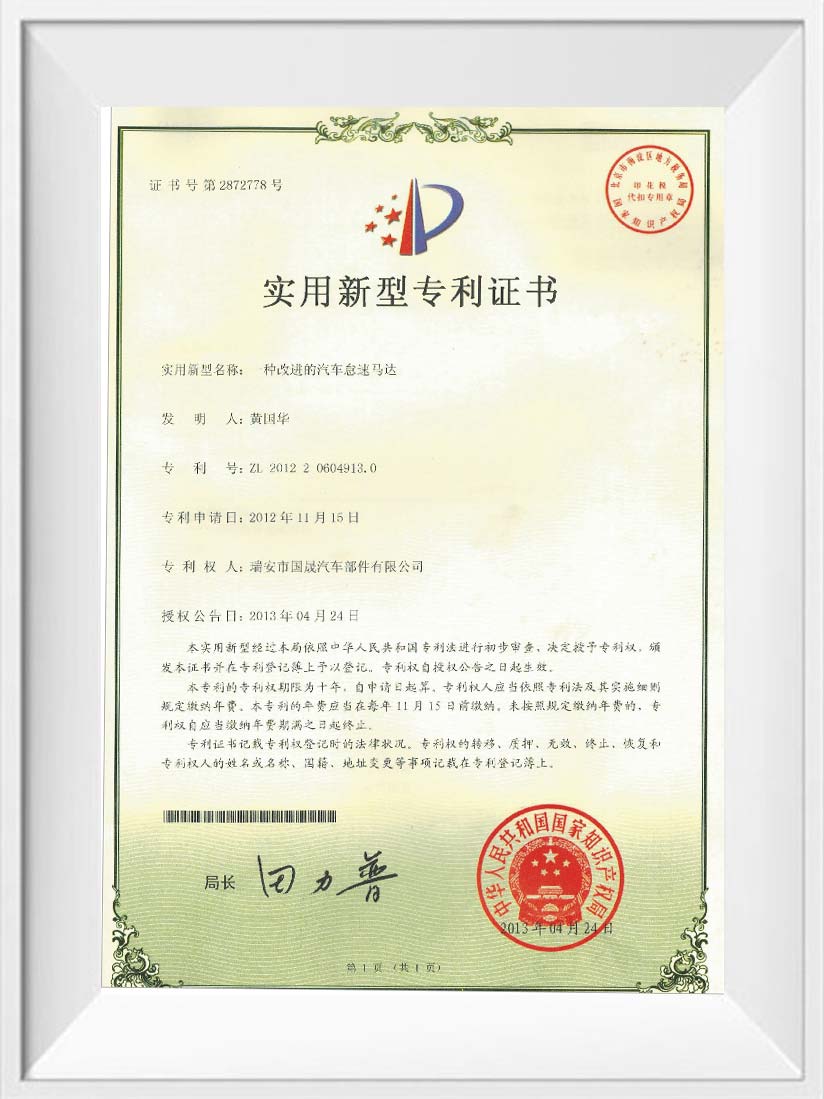
Patent
-
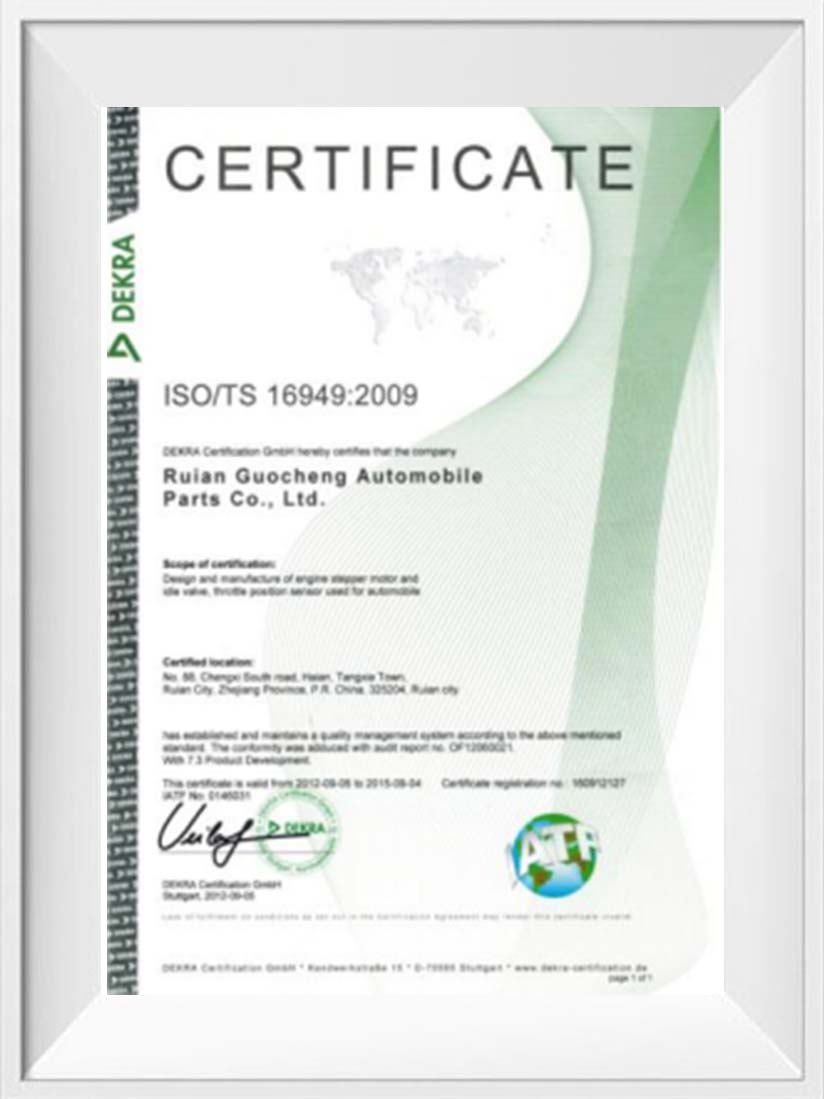
ISO/TS 16949:2009

Electronic Throttle Control, also known as "drive-by-wire," replaces conventional cables with an electronic system composed of a pedal sensor, ECU algorithm, and throttle-body servo motor. The ECU processes inputs such as pedal position, throttle feedback, vehicle speed, engine RPM, wheel speeds, and traction control data, then precisely adjusts the throttle opener for optimal performance. ETC offers configurable throttle response, adapts to different driving modes, enhances slip control (via ESP/traction), and supports cruise control and pre-crash systems. However, system failures may trigger limp mode, throttle cutoff, or erratic responses like unintended acceleration or deceleration—so robust hardware design and redundant safety systems are essential.
information to be updated
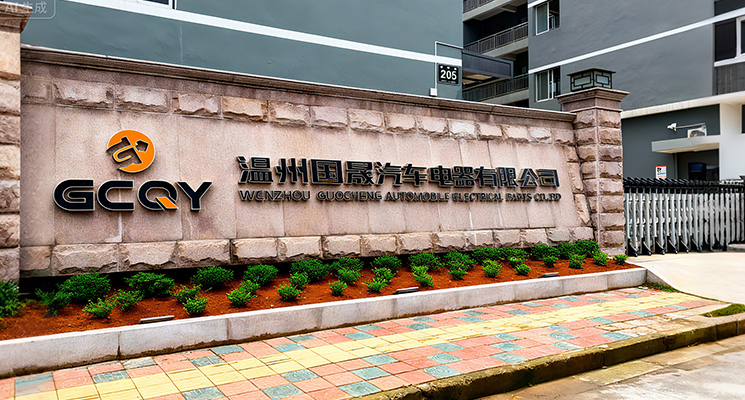
Wenzhou Guocheng Automobile Electrical Parts Co., Ltd. is located in Wenzhou, Zhejiang Province, known as China's capital of auto parts. Established in 1997, the company covers a land area of 3,000 square meters with a built-up area of 10,000 square meters. It is a high quality Electronic Throttle Controls manufacturer integrating product development, production, and sales.
Our core products include idle speed motors, idle control valves, throttle position sensors, and other sensor series primarily used in automotive and construction machinery engines. To ensure superior quality, key components such as sensor brushes are imported from Japan and Germany, while films are custom-produced by top-tier domestic and international suppliers. Our products are already supplied to first-tier brands both in China and abroad, and our annual production and sales volume holds a significant position in the OEM market.
To meet production demands and customer requirements, we have continuously invested in advanced production, testing, and experimental equipment from both domestic and international sources. This has significantly enhanced our production inspection and testing capabilities, ensuring consistent and reliable product quality. Currently, we have over 80 employees, including 6 experienced technical engineers and 8 professional technical and inspection personnel, providing strong support for product development and quality control.
Since its inception, the company has adhered to the quality policy of "Continuous Learning, Technological Innovation, Pursuit of Excellence, and Customer Satisfaction." We uphold a "people-oriented" talent philosophy and emphasize a customer-centric approach in quality management, focusing on process control, prevention, continuous improvement, and customer satisfaction. Since 2007, the company has been certified with ISO 9001:2000 and ISO/TS 16949:2009 international quality management system standards. To become a trustworthy OEM/ODM Electronic Throttle Controls factory.
Over the years, through relentless efforts, innovation, and improvement, Guosheng has earned consistent praise from both new and existing customers for its exceptional product quality, comprehensive service, and competitive pricing. To achieve greater development, our team remains committed to striving harder, learning humbly, and making continuous progress. We constantly summarize experiences and enhance product quality while working with passion and sincerity to collaborate with partners worldwide for mutual success. We sincerely welcome your valuable feedback and visits for guidance.
Certificate of Honor
CE
Patent
ISO/TS 16949:2009
The rise of smart mobility has created a growing demand for components that improve safety, efficien...
READ MOREThe automotive industry is witnessing a rapid shift toward hybrid and electric powertrains, with man...
READ MOREAs global mobility continues to evolve, intelligent components such as Motorcycle Sensor technologie...
READ MOREElectronic Throttle Controls (ETC) are essential components in contemporary automotive and engineering machinery engines. Unlike traditional mechanical throttle systems, ETC uses electronic signals to regulate the air intake in the engine. This system provides improved responsiveness, better fuel management, and integration with other engine control systems. By replacing the mechanical linkage with sensors and actuators, vehicles can achieve more precise air-fuel ratios, which contributes to smoother engine performance and compliance with emission standards.
The Electronic Throttle Control Module (ETCM) serves as the central processing unit for the throttle system. It receives input from the accelerator pedal sensor and calculates the required throttle opening based on engine conditions, load, and driver input. The module then sends commands to the throttle valve actuator to adjust airflow accurately. ETCM plays a critical role in managing idle speed, acceleration, and overall engine efficiency. Regular monitoring and calibration of the ETCM are essential to maintain stable engine operation, particularly in engines with turbocharging or direct injection systems.
Electronic Throttle Valves (ETV) are the physical components responsible for controlling airflow into the engine. The valve is operated by an electric motor, which adjusts the opening based on signals from the ETCM. Sensors built into the valve provide feedback to ensure the throttle position matches the module's command. This precise control allows engines to optimize combustion and reduce fuel consumption. In addition, the electronic throttle valve helps maintain consistent idle speed and supports functions such as cruise control and traction management systems.
Implementing Electronic Throttle Controls offers several practical advantages. Firstly, it eliminates the need for mechanical linkages, reducing wear and maintenance requirements. Secondly, ETC allows for more accurate control of engine airflow, which contributes to better fuel economy and lower emissions. Thirdly, by integrating with other engine sensors and control units, ETC systems enhance vehicle stability and responsiveness. The electronic feedback loop between the throttle valve and control module enables adaptive adjustments to varying driving conditions, which can improve drivability in both light and heavy-duty vehicles.
Despite their advantages, Electronic Throttle Control Modules can encounter operational challenges. Malfunctions in the module may result from wiring issues, sensor failure, or software glitches. Symptoms often include inconsistent idle speed, reduced engine responsiveness, or engine warning lights. Diagnosing ETCM problems requires specialized diagnostic tools to read fault codes and analyze throttle position data. Preventive maintenance, such as inspecting electrical connections and ensuring the module is free from contaminants, can extend the service life of the ETC system.
Electronic Throttle Valves require careful handling to maintain their functionality. Over time, carbon deposits can accumulate on the valve surface, affecting its movement and airflow regulation. Periodic cleaning of the throttle valve, along with ensuring that sensors and actuators are functioning correctly, can help maintain consistent engine performance. Avoiding harsh chemicals and using recommended cleaning agents ensures the valve and sensors remain intact, preventing damage to the electronic components.
The development of Electronic Throttle Controls continues to evolve alongside advancements in vehicle technology. Increasingly, ETC systems are integrated with hybrid powertrains, adaptive cruise control, and autonomous driving features. Continuous improvements in sensor accuracy and module software algorithms aim to enhance fuel efficiency, emission control, and overall engine management. As the industry moves toward electrification and intelligent mobility solutions, ETC will remain a critical component in managing air intake and ensuring engine performance under various driving conditions.
Contact Us
Let's start collaborating

Guocheng is specialized in the R&D and production of key engine components for the automotive and engineering machinery industries.
Product
Stay Connected
(+86) - 577 - 8582 0886 (Tel)
(+86) - 577 - 8582 8085 (Fax)
(+86) - 19730213059 (Phone)
sales@wz-gc.com
No. 205, Baiyu Road, 15th Road, Binhai Park, Wenzhou, Zhejiang, China
Mobile

Electronic Throttle Controls Manufacturer