 English
 русский
 Español
 عربى
عربى Deutsch
-
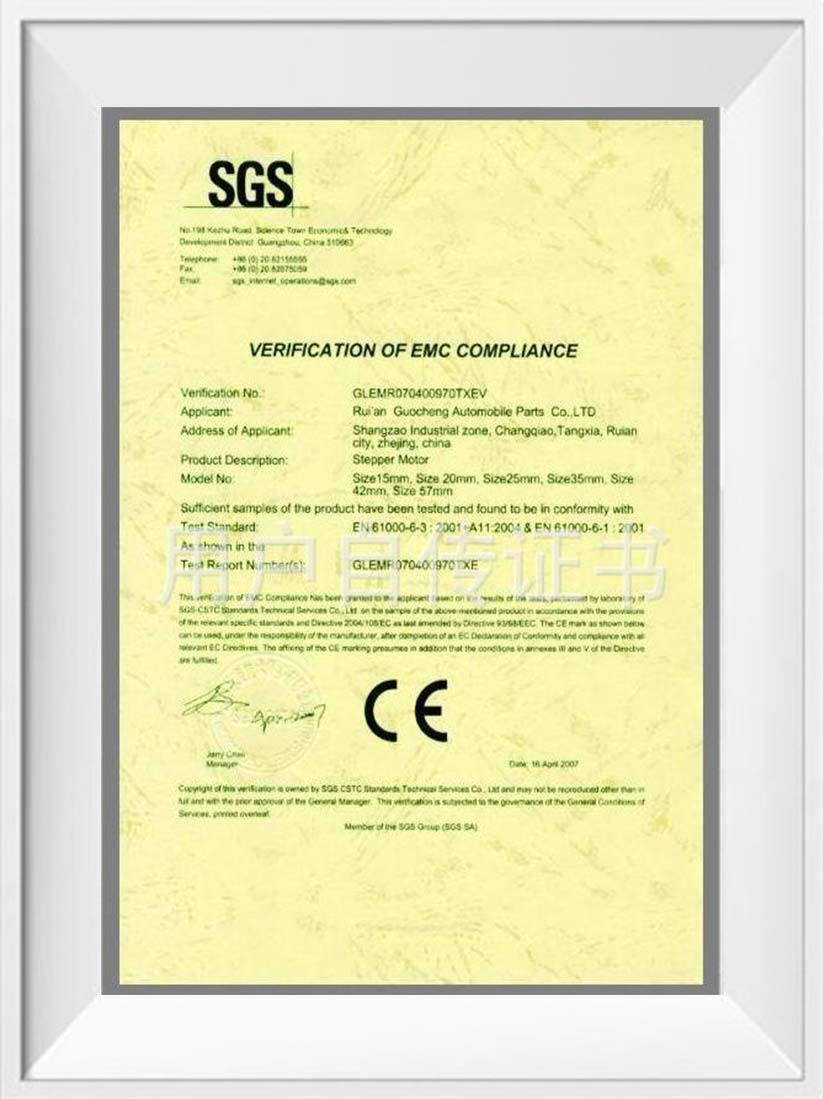
CE
-
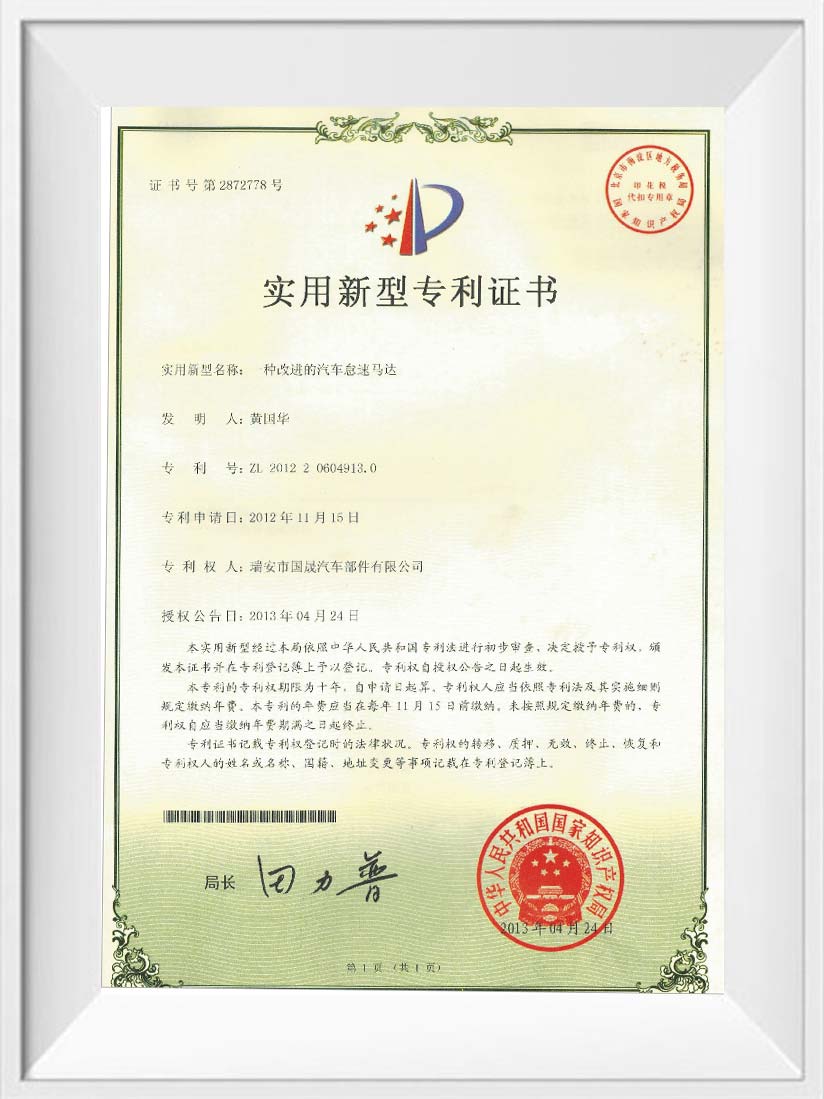
Patent
-
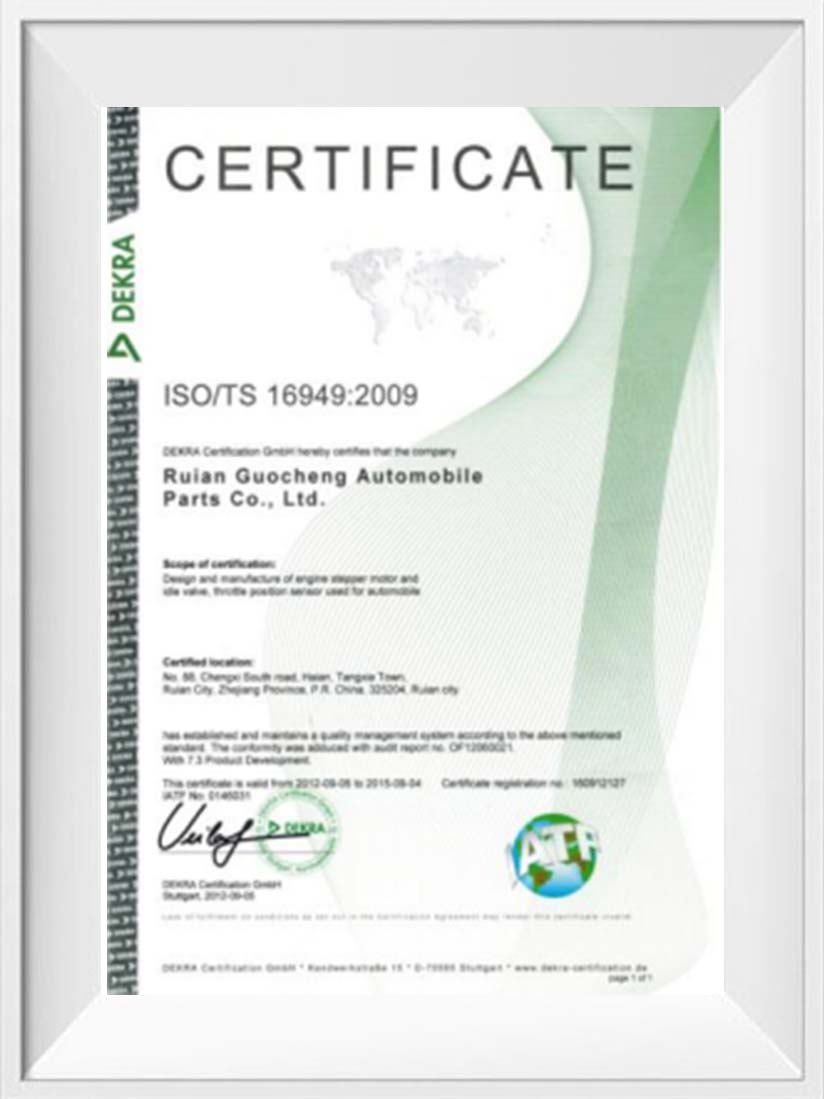
ISO/TS 16949:2009

OEM NUMBER
A96156, 1920CA, 6NW009141261
APPLICAION
Peugeot 406(8B);406 Break(8E/F); Citroen C5/XSARA/Picasso(N68)1.8
OEM NUMBER
A96156, 1920CA, 6NW009141261
APPLICAION
Peugeot 406(8B);406 Break(8E/F); Citroen C5/XSARA/Picasso(N68)1.8

OEM NUMBER
WELLS: AC327 4874373AB
APPLICAION
DODGE DAKOTA 02-99 L4-2.5L
JEEP CHEROKEE/00-99 L4-2.5L/01-98 L6-4.0L
JEEP GRAND CHEROKEE 04-98L6-1.0L
JEEP WRANGLER 02-99 L4-2.5L/04-98L6-4.0L
OEM NUMBER
WELLS: AC327 4874373AB
APPLICAION
DODGE DAKOTA 02-99 L4-2.5L
JEEP CHEROKEE/00-99 L4-2.5L/01-98 L6-4.0L
JEEP GRAND CHEROKEE 04-98L6-1.0L
JEEP WRANGLER 02-99 L4-2.5L/04-98L6-4.0L

OEM NUMBER
SMP:AC416 53032067AA
APPLICAION
DODGE PICKUP-FULLSIZE/RAMCHARGE(03-00)
OEM NUMBER
SMP:AC416 53032067AA
APPLICAION
DODGE PICKUP-FULLSIZE/RAMCHARGE(03-00)


OEM NUMBER
AUDI:078133455D VDO:D95109
APPLICAION
AUDI 80 2.6/AVABT;A4 2.6/AVABT;A6 2.6/AVABT QUATTRO;CABRIOLET(8G7.B4)2.6;COUPE(89.8B)2.6 QUATTRO
OEM NUMBER
AUDI:078133455D VDO:D95109
APPLICAION
AUDI 80 2.6/AVABT;A4 2.6/AVABT;A6 2.6/AVABT QUATTRO;CABRIOLET(8G7.B4)2.6;COUPE(89.8B)2.6 QUATTRO

OEM NUMBER
HOT-STAMP:B22/00 B22/01
PEUGEOT:19204X
SIMENCE:A97104 A97113
APPLICAION
CITROEN BERLINGO(MF)1.8 i(MFKFX)/4WD(MFKFX);
CITRO XANTIA /Break(X1)(X2)1.8i/1.8i 16V;
CITRO XSARA(N1)1.8i/1.8I 16V; Break(N2)1.8i/1.8i 16V;
Coupe(N0)1.8i/1.8i 16V; PICASSO(N68)1.8 16V;
PENGEOT 306/Break/Cabriolet/Schraqheck;
PEUGEOT 406/ Break;
PEUGEOT PARINER Combispace(5F)1.8
OEM NUMBER
HOT-STAMP:B22/00 B22/01
PEUGEOT:19204X
SIMENCE:A97104 A97113
APPLICAION
CITROEN BERLINGO(MF)1.8 i(MFKFX)/4WD(MFKFX);
CITRO XANTIA /Break(X1)(X2)1.8i/1.8i 16V;
CITRO XSARA(N1)1.8i/1.8I 16V; Break(N2)1.8i/1.8i 16V;
Coupe(N0)1.8i/1.8i 16V; PICASSO(N68)1.8 16V;
PENGEOT 306/Break/Cabriolet/Schraqheck;
PEUGEOT 406/ Break;
PEUGEOT PARINER Combispace(5F)1.8

OEM NO.:
FIAT 60808200 7740101
FORD YB09853
APPLICATION :
ALFA 155(167);FLAT COUPE/CROMA/TEMPRA/TIPO;LANCI DEDRA/DEDRA SW/DELTA I/DELTA II/PRISMA/THEMA;MASER 420/430 /BITURBO COUPE/COUPE SI/SPIDER/QUATROPORTE II/SHAMAL 3.2
OEM NO.:
FIAT 60808200 7740101
FORD YB09853
APPLICATION :
ALFA 155(167);FLAT COUPE/CROMA/TEMPRA/TIPO;LANCI DEDRA/DEDRA SW/DELTA I/DELTA II/PRISMA/THEMA;MASER 420/430 /BITURBO COUPE/COUPE SI/SPIDER/QUATROPORTE II/SHAMAL 3.2

OEM NO.:
0280122001 1628L1 3517022001 3517022010 OK01118911 94460611600 7701047921
APPLICATION :
ALFA ROMEO/CHEVROLET/CITROEN/FERRARL/FIAT/HYUNDAI/KIA/LANCIA/OPEL/PEUGEOT/PORSCHE/CAAB/TATA/TOYOTA
OEM NO.:
0280122001 1628L1 3517022001 3517022010 OK01118911 94460611600 7701047921
APPLICATION :
ALFA ROMEO/CHEVROLET/CITROEN/FERRARL/FIAT/HYUNDAI/KIA/LANCIA/OPEL/PEUGEOT/PORSCHE/CAAB/TATA/TOYOTA
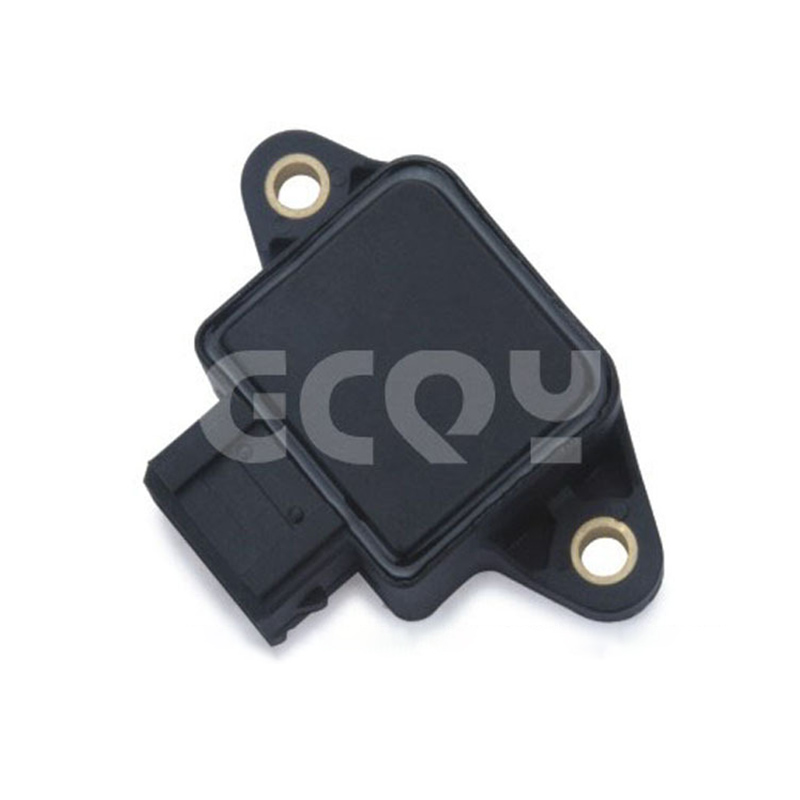
OEM NUMBER
SHORT CODE:D5104
MARELLI:40396502
FIAT:7078983 0269980492
VDO:AT-5104R
APPLICAION
FIAT:Palio/Siena 1.6 98>99-EFI(gassolina)
VW:Gol 1.08v94>>96-EFI(gasolina)
OEM NUMBER
SHORT CODE:D5104
MARELLI:40396502
FIAT:7078983 0269980492
VDO:AT-5104R
APPLICAION
FIAT:Palio/Siena 1.6 98>99-EFI(gassolina)
VW:Gol 1.08v94>>96-EFI(gasolina)


OEM NO.:
5851005, 17095232,851581,93184995 MD628074
APPLICATION :
ASTRA CAVALIER, CORSA,TIGRA VECTRA
OEM NO.:
5851005, 17095232,851581,93184995 MD628074
APPLICATION :
ASTRA CAVALIER, CORSA,TIGRA VECTRA


Wenzhou Guocheng Automobile Electrical Parts Co., Ltd. is located in Wenzhou, Zhejiang Province, known as China's capital of auto parts. Established in 1997, the company covers a land area of 3,000 square meters with a built-up area of 10,000 square meters. It is a high quality Crankshaft Position Sensor manufacturer integrating product development, production, and sales.
Our core products include idle speed motors, idle control valves, throttle position sensors, and other sensor series primarily used in automotive and construction machinery engines. To ensure superior quality, key components such as sensor brushes are imported from Japan and Germany, while films are custom-produced by top-tier domestic and international suppliers. Our products are already supplied to first-tier brands both in China and abroad, and our annual production and sales volume holds a significant position in the OEM market.
To meet production demands and customer requirements, we have continuously invested in advanced production, testing, and experimental equipment from both domestic and international sources. This has significantly enhanced our production inspection and testing capabilities, ensuring consistent and reliable product quality. Currently, we have over 80 employees, including 6 experienced technical engineers and 8 professional technical and inspection personnel, providing strong support for product development and quality control.
Since its inception, the company has adhered to the quality policy of "Continuous Learning, Technological Innovation, Pursuit of Excellence, and Customer Satisfaction." We uphold a "people-oriented" talent philosophy and emphasize a customer-centric approach in quality management, focusing on process control, prevention, continuous improvement, and customer satisfaction. Since 2007, the company has been certified with ISO 9001:2000 and ISO/TS 16949:2009 international quality management system standards. To become a trustworthy OEM/ODM Odometer Sensor factory.
Over the years, through relentless efforts, innovation, and improvement, Guosheng has earned consistent praise from both new and existing customers for its exceptional product quality, comprehensive service, and competitive pricing. To achieve greater development, our team remains committed to striving harder, learning humbly, and making continuous progress. We constantly summarize experiences and enhance product quality while working with passion and sincerity to collaborate with partners worldwide for mutual success. We sincerely welcome your valuable feedback and visits for guidance.
Certificate of Honor
CE
Patent
ISO/TS 16949:2009
The rise of smart mobility has created a growing demand for components that improve safety, efficien...
READ MOREThe automotive industry is witnessing a rapid shift toward hybrid and electric powertrains, with man...
READ MOREAs global mobility continues to evolve, intelligent components such as Motorcycle Sensor technologie...
READ MOREIn modern motorcycles, electronic control has replaced many traditional mechanical responses, and the Motorcycle Sensor group plays a central role in this transition. A motorcycle relies on multiple sensors such as throttle position sensing, intake pressure sensing, oxygen sensing, and temperature monitoring to support stable combustion, smooth acceleration, safety assistance, and fuel efficiency management. The industry discussion today is mainly about durability in harsh outdoor conditions, accuracy at different speeds, and stability in long-term vibration environments. Google search trends show riders and technicians pay attention to how Motorcycle Sensor systems affect fuel consumption, throttle response, and fault diagnosis.
From a technical perspective, these sensors continuously provide data to the ECU to adjust ignition timing, mixture formation, and emissions. In commuter motorcycles and performance motorcycles, stable signal output is important to avoid irregular idling, hesitation during acceleration, and increased fuel burn. Another industry topic relates to environmental standards. As emission standards tighten in different markets, Motorcycle Sensor technology needs to ensure consistent measurement accuracy to support cleaner operation. At the service and maintenance level, riders are interested in how to judge a failing sensor, common fault symptoms, and whether replacement or recalibration is required. This makes sensor quality, sealing design, and vibration resistance frequently discussed topics in the motorcycle industry.
The Odometer Sensor is directly related to mileage recording, which influences maintenance cycles, fuel statistics, insurance assessment, and even resale value. Users often search for how odometer systems work, why mileage errors occur, and how digital odometers compare with earlier mechanical systems. Today, odometer measurement is not only about showing distance; it is part of the broader vehicle data ecosystem used for trip management, navigation assistance, and predictive maintenance.
The Odometer Sensor typically works through magnetic pulse or Hall detection principles, sending rotational data to a control unit which converts it to distance information. Accuracy depends on wheel size calibration, signal stability, and processing consistency. As motorcycles and vehicles move toward smarter dashboards, integration with GPS-based mileage verification is another trend widely discussed. Market expectations focus on stable performance, anti-interference capability, long-term durability, and consistent reading under different road conditions.
Failures in odometer sensing may cause unstable mileage display, inaccurate readings, or total mileage freeze. Users care about how to detect faults early, whether recalibration is possible, and how replacement affects stored mileage records. In engineering and manufacturing, companies pay attention to sealing structures, anti-dust design, waterproof stability, and the stability of signal transmission, because these directly influence reliability in diverse riding or working environments.
Among automotive and engineering machinery sensors, the Crankshaft Position Sensor is one of the most discussed devices because it directly relates to ignition timing and engine start reliability. Users often search to understand its working principle, failure symptoms, and its relationship to misfires, stalling, and starting difficulty. This sensor monitors the rotational speed and specific position of the crankshaft, and its signal guides the ECU to control ignition and fuel injection timing.
From an engineering perspective, the Crankshaft Position Sensor works under high-temperature, vibration-intense, and oil-environment conditions. Therefore, heat resistance, magnetic stability, and long service life under continuous stress are technical priorities discussed in the industry. Any delay or instability in signal output can affect combustion accuracy, leading to power loss, rough idling, increased fuel use, and in some cases, engine shutdown. For engineering machinery engines, reliability requirements are even higher because equipment often runs under heavy load for long durations.
Common market concerns include how to diagnose failure, whether symptoms such as engine shaking, long starting time, and sudden shutdown relate to crankshaft sensing, and whether high-quality sensors reduce maintenance costs. Installation positioning precision, connector reliability, and internal coil stability are key manufacturing considerations that users and technicians increasingly care about.
Across Motorcycle Sensor, Odometer Sensor, and Crankshaft Position Sensor categories, the overall industry trend points toward smarter control, digital integration, and higher environmental adaptability. In automotive and engineering machinery applications, users care about whether sensors can provide consistent signals under vibrations, heat, and complex working conditions. At the same time, integration with ECU strategies, compatibility with modern engine platforms, and alignment with emission and efficiency requirements remain long-term topics.
As vehicles evolve toward smarter operation and more precise electronic control, the industry continues focusing on accuracy, durability, traceability, and stable performance. Well-designed sensors support smoother engines, reliable mileage recording, and dependable operation across motorcycles, automobiles, and engineering machinery equipment, forming an essential foundation for modern power systems.
Contact Us
Let's start collaborating

Guocheng is specialized in the R&D and production of key engine components for the automotive and engineering machinery industries.
Product
Stay Connected
(+86) - 577 - 8582 0886 (Tel)
(+86) - 577 - 8582 8085 (Fax)
(+86) - 19730213059 (Phone)
sales@wz-gc.com
No. 205, Baiyu Road, 15th Road, Binhai Park, Wenzhou, Zhejiang, China
Mobile

Motorcycle Sensor Factory