 English
 русский
 Español
 عربى
عربى Deutsch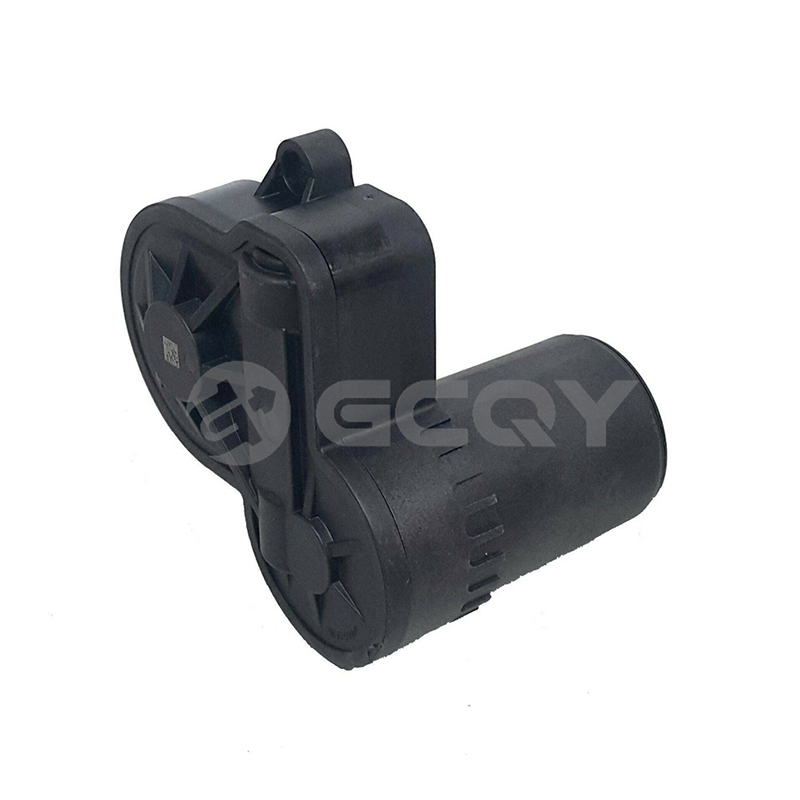
-
CE
-
Patent
-
ISO/TS 16949:2009

The parking brake motor is the actuator in the Electronic Parking Brake (EPB) system, replacing the manual handbrake. Activated by a button, the motor applies or releases brake pressure on the calipers. EPB systems have two common designs: caliper-integrated motors and motor-driven cable systems; both use motor-driven cables or gear mechanisms to clamp the brake pads. They support hill-start assist, automatic hold, and remote parking features, integrating signals from ABS, vehicle speed, and incline sensors for intelligent control. Benefits include increased convenience and safety (e.g., preventing roll-away), but they also introduce complexity and demand high reliability from the motor, sensors, and ECU.
OEM NUMBER
34216794618 LR036573 LR036573 3421-6794-618
APPLICATION
BMW 5 (F10) 520 i
2011-2016
BMW X3 (F25) sDrive 20 i
2014-2017
RANGE ROVER IV (L405)
RANGE ROVER SPORT (L494)
OEM NUMBER
34216794618 LR036573 LR036573 3421-6794-618
APPLICATION
BMW 5 (F10) 520 i
2011-2016
BMW X3 (F25) sDrive 20 i
2014-2017
RANGE ROVER IV (L405)
RANGE ROVER SPORT (L494)
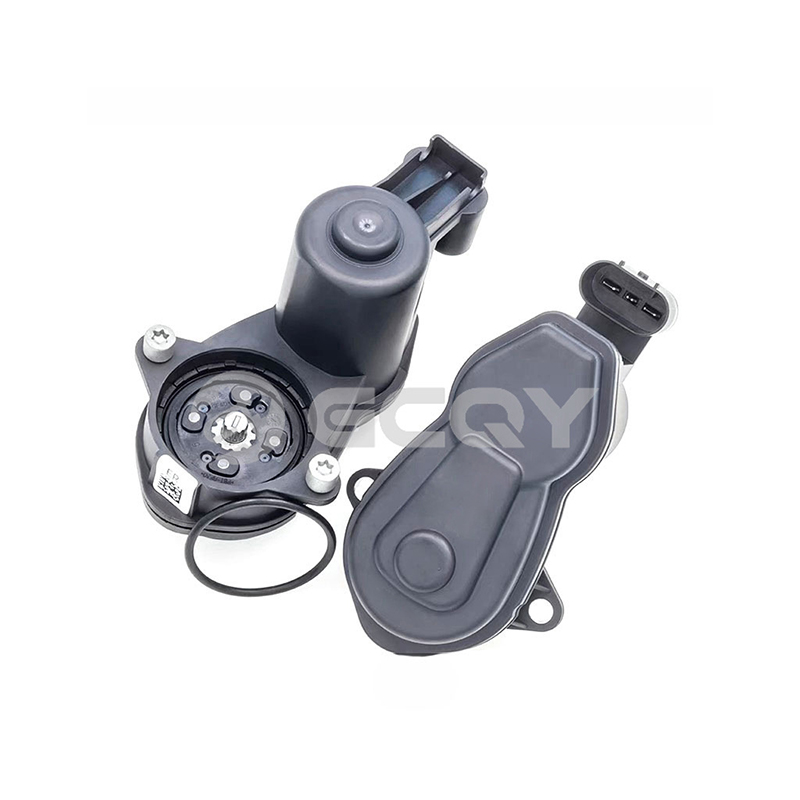
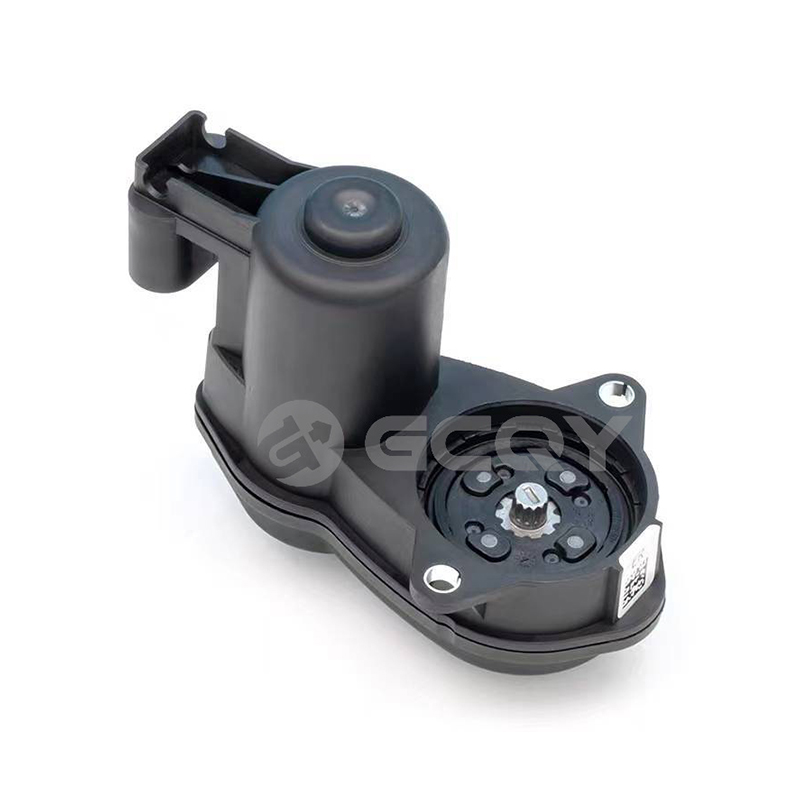
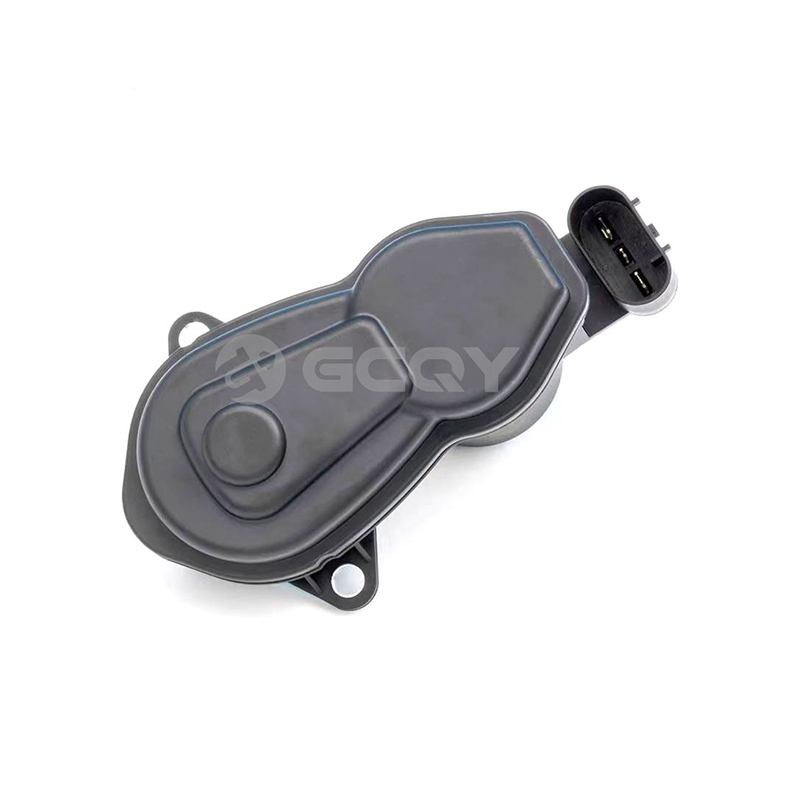
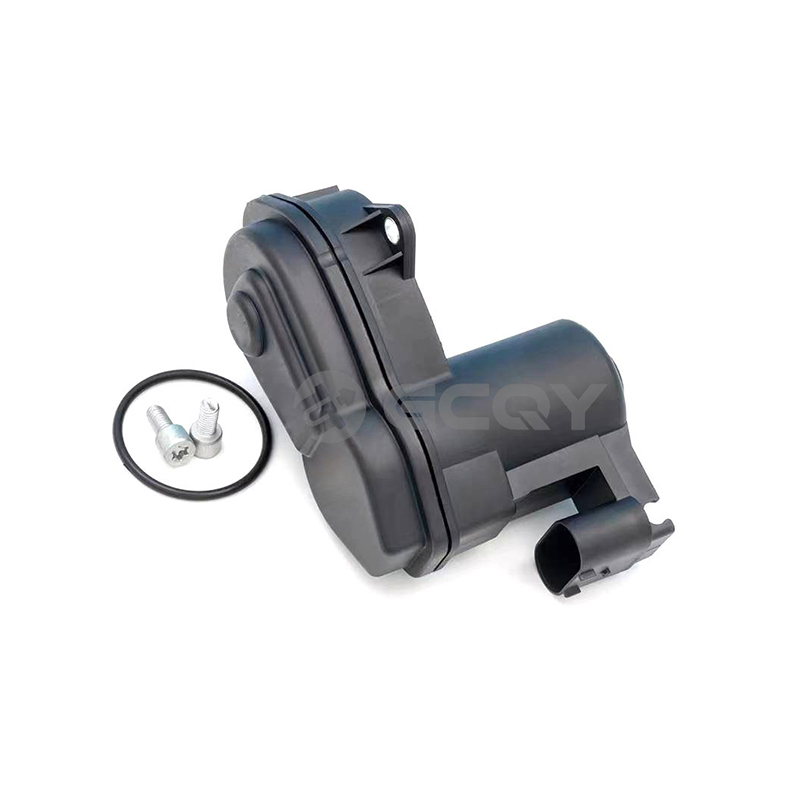
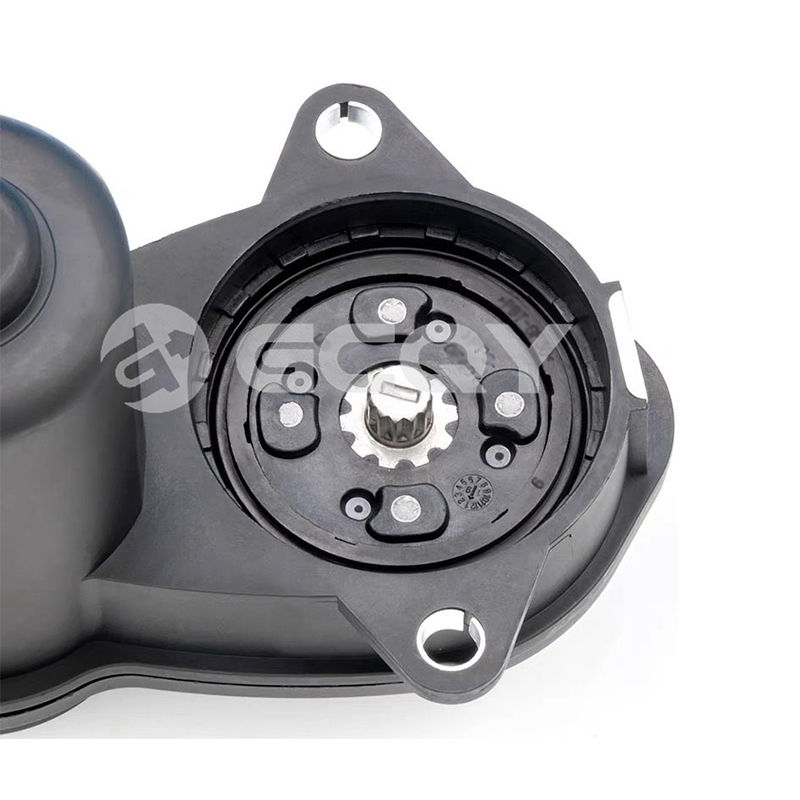
OEM NUMBER
34216860007 34216860008
APPLICATION
Suitable for BMW F45 F48 F54 F60
OEM NUMBER
34216860007 34216860008
APPLICATION
Suitable for BMW F45 F48 F54 F60
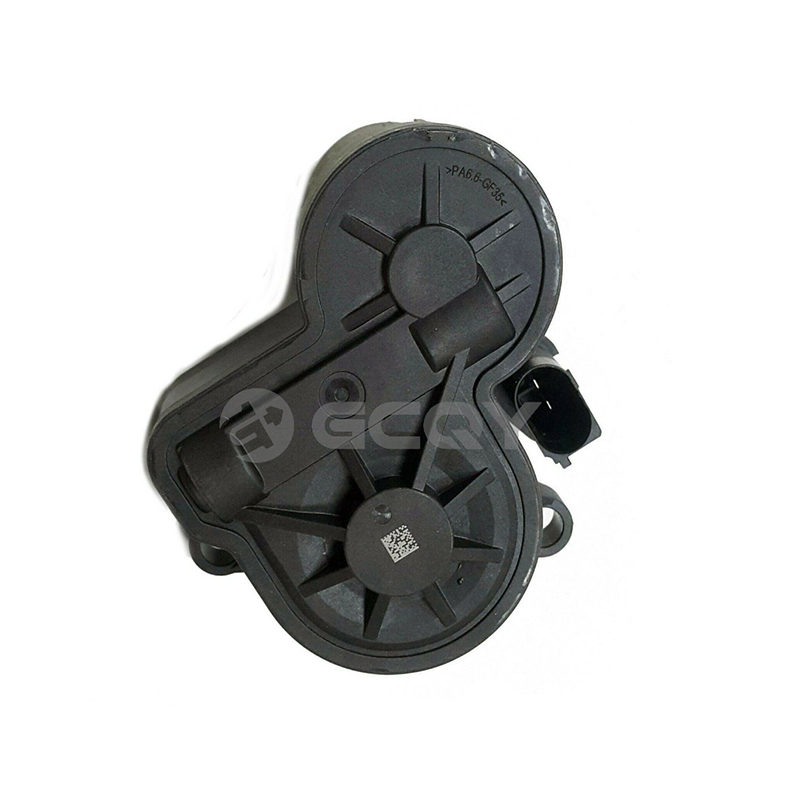
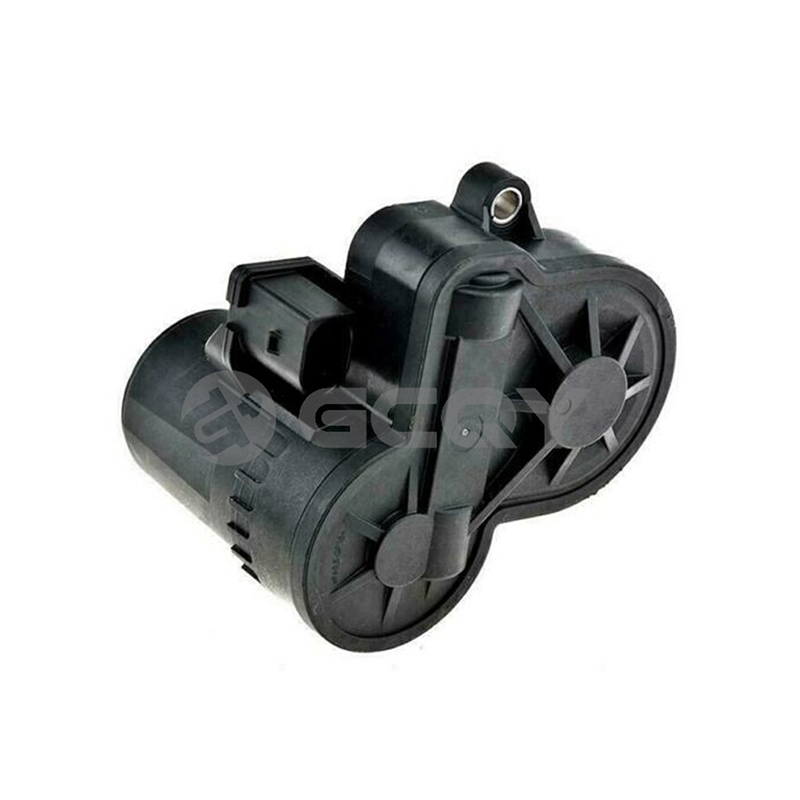
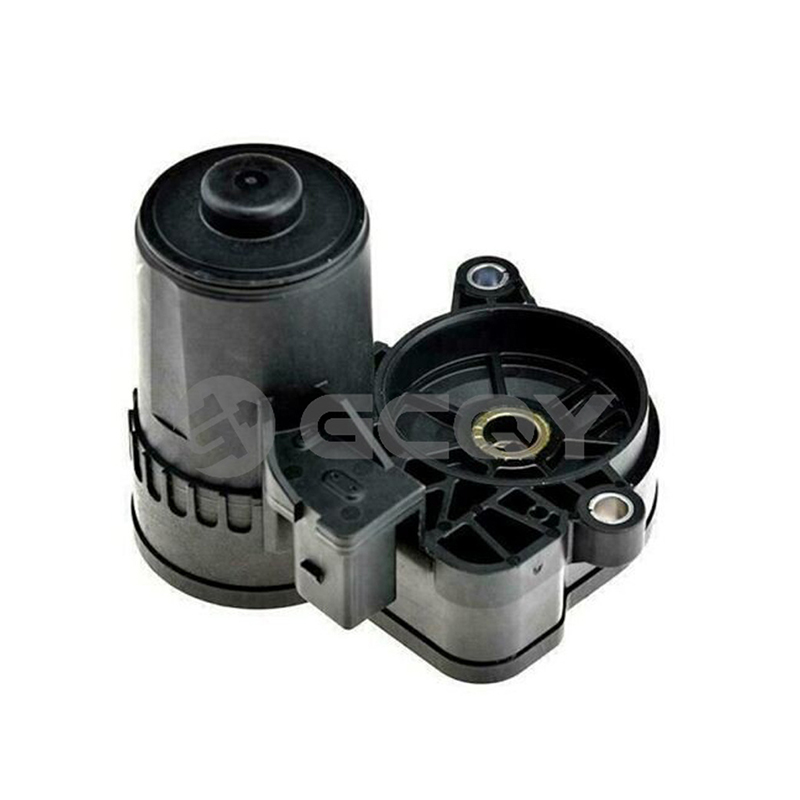
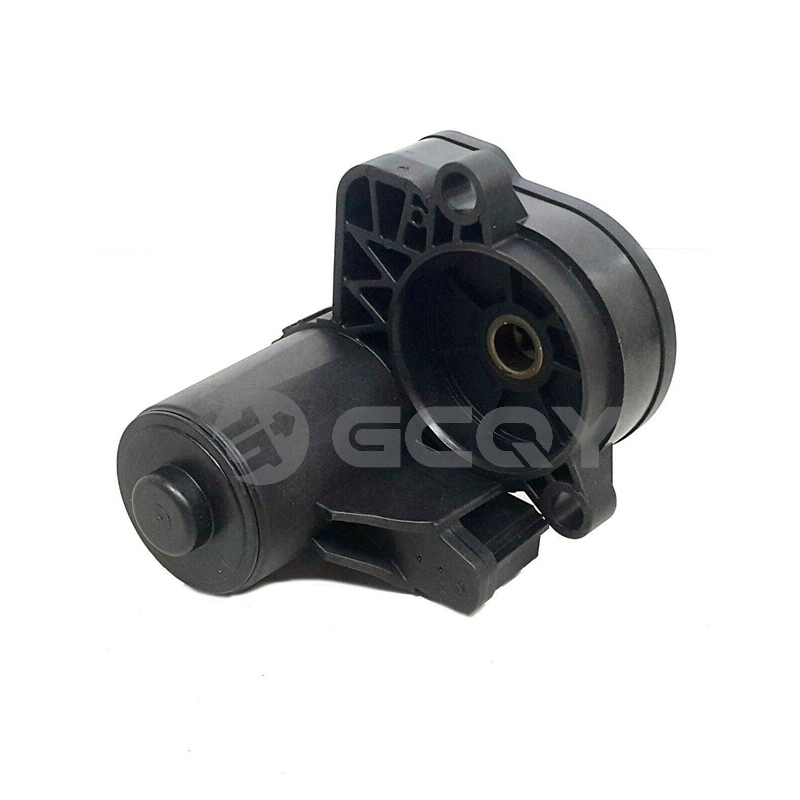
OEM NUMBER
1669065401 1669060102
APPLICATION
Mercedes-Benz ML250 ML350
OEM NUMBER
1669065401 1669060102
APPLICATION
Mercedes-Benz ML250 ML350
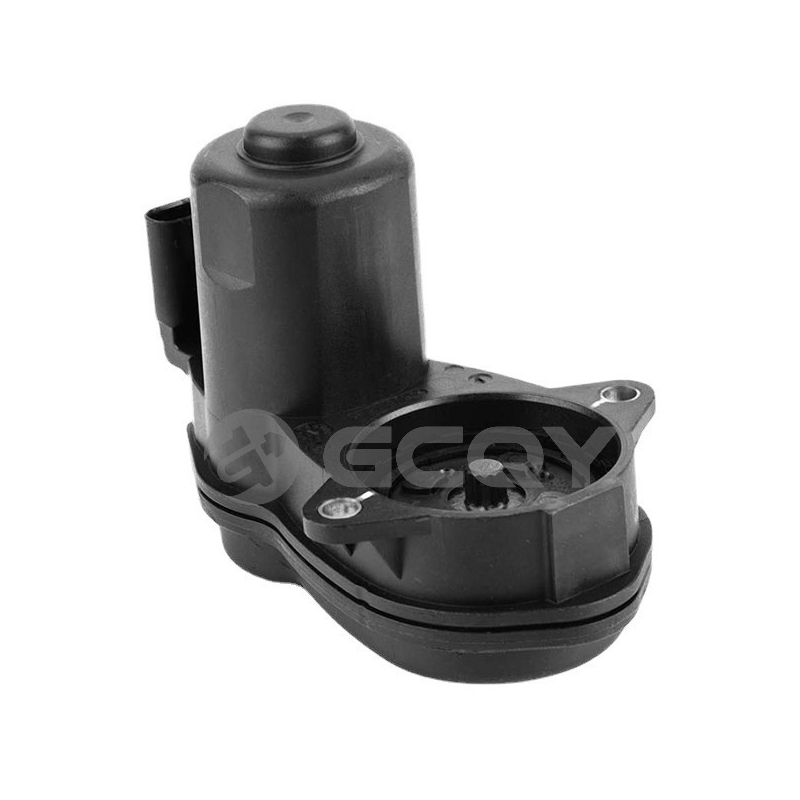
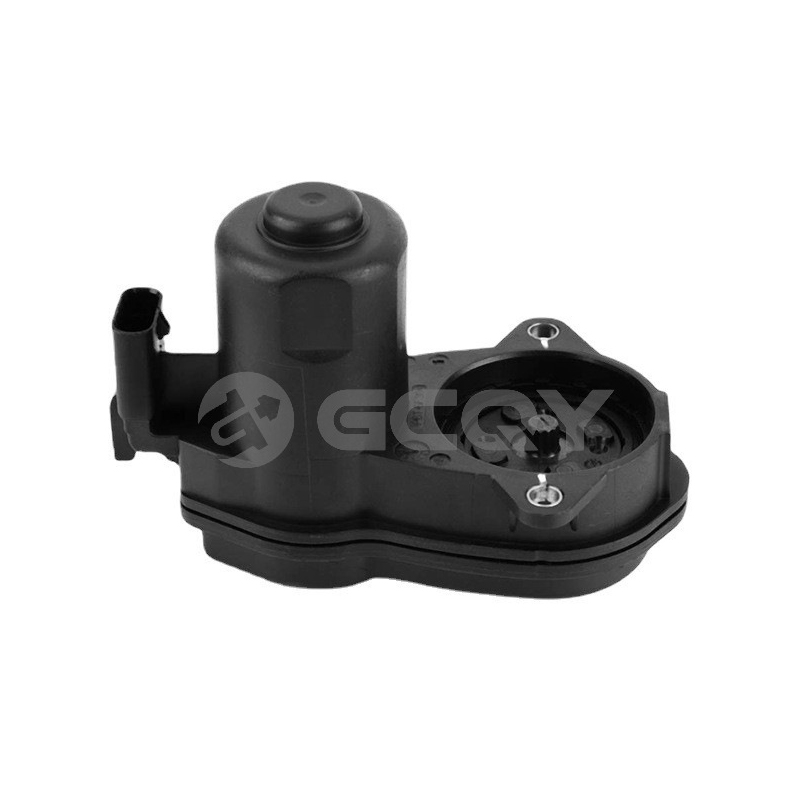
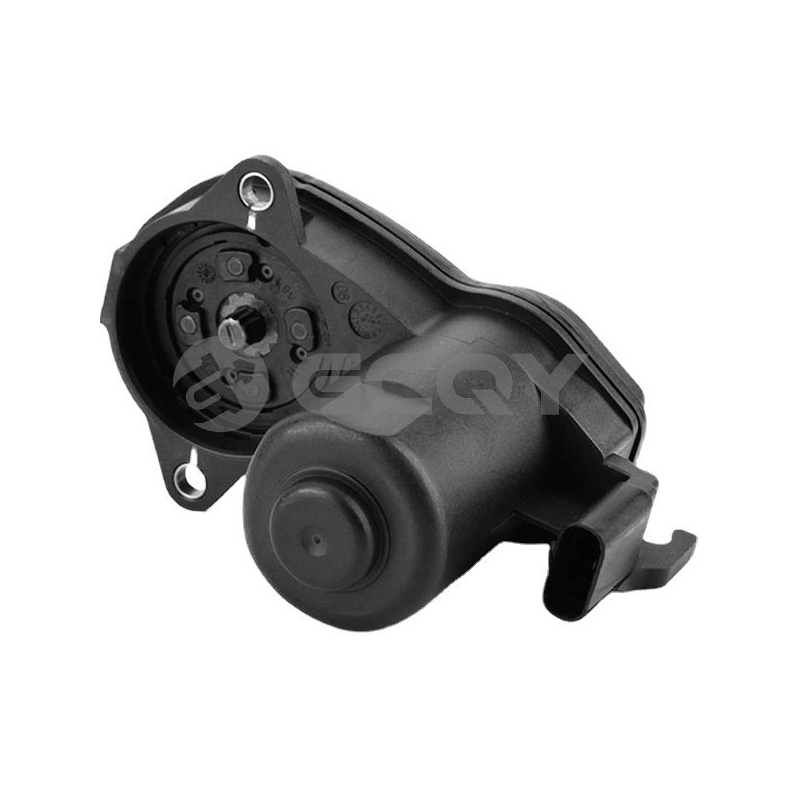
OEM NUMBER
1621620888C 40C07812
APPLICATION
Applicable to Tesla
OEM NUMBER
1621620888C 40C07812
APPLICATION
Applicable to Tesla
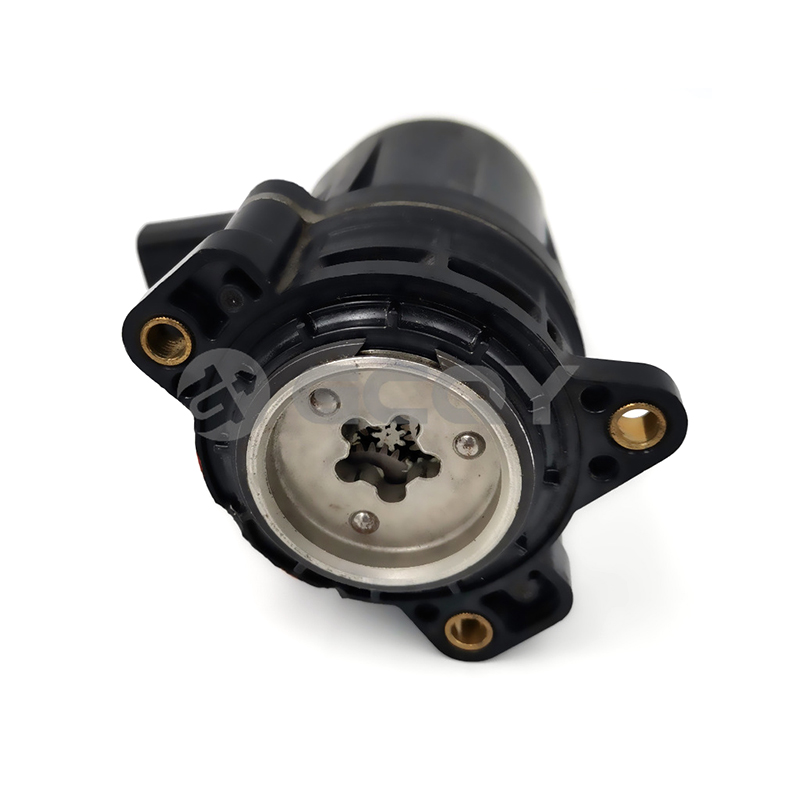
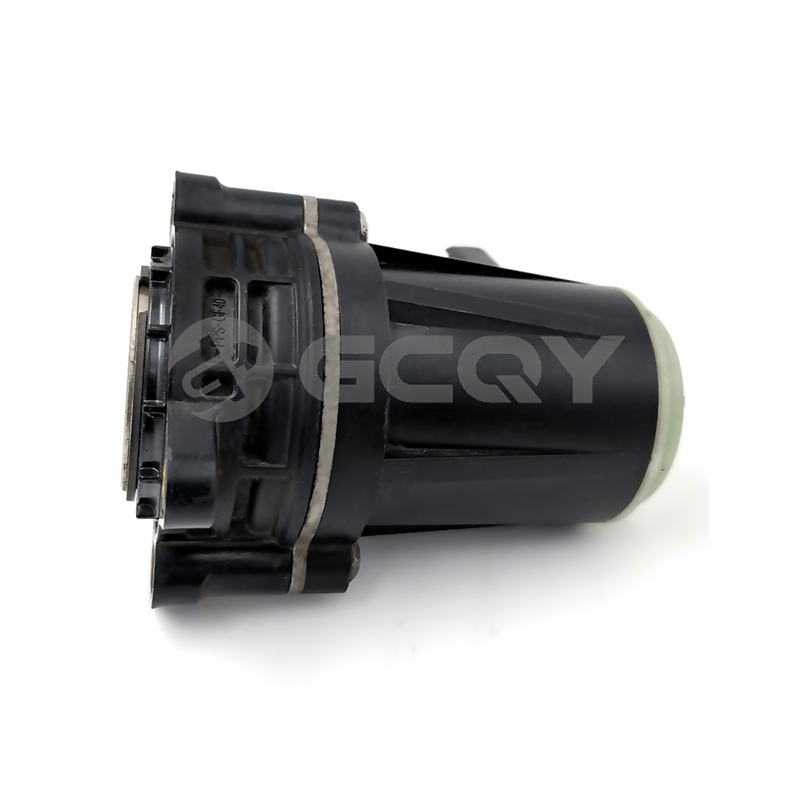
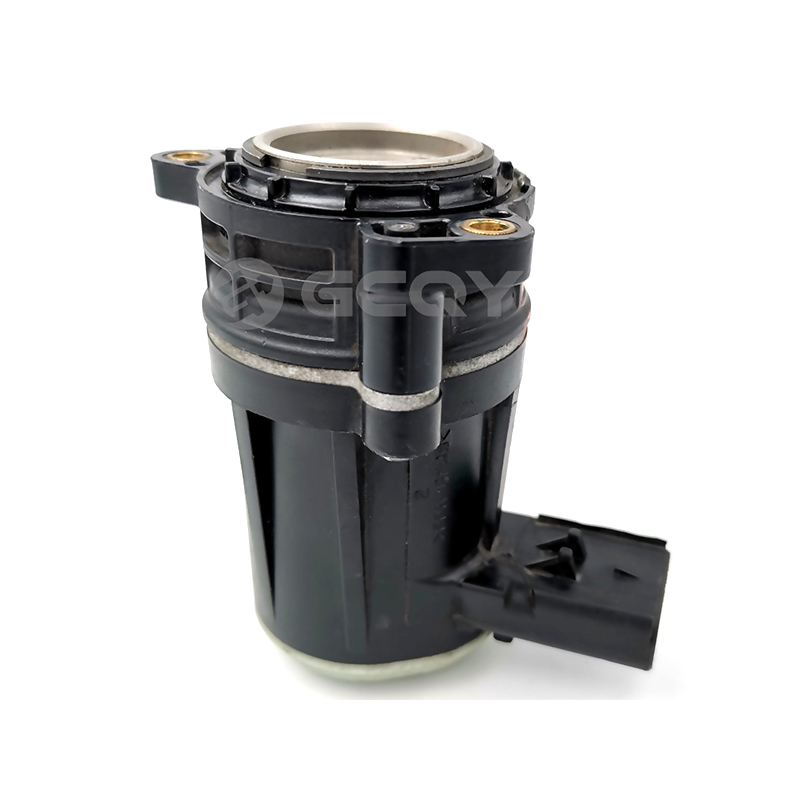

Wenzhou Guocheng Automobile Electrical Parts Co., Ltd. is located in Wenzhou, Zhejiang Province, known as China's capital of auto parts. Established in 1997, the company covers a land area of 3,000 square meters with a built-up area of 10,000 square meters. It is a high quality Parking Brake Motors manufacturer integrating product development, production, and sales.
Our core products include idle speed motors, idle control valves, throttle position sensors, and other sensor series primarily used in automotive and construction machinery engines. To ensure superior quality, key components such as sensor brushes are imported from Japan and Germany, while films are custom-produced by top-tier domestic and international suppliers. Our products are already supplied to first-tier brands both in China and abroad, and our annual production and sales volume holds a significant position in the OEM market.
To meet production demands and customer requirements, we have continuously invested in advanced production, testing, and experimental equipment from both domestic and international sources. This has significantly enhanced our production inspection and testing capabilities, ensuring consistent and reliable product quality. Currently, we have over 80 employees, including 6 experienced technical engineers and 8 professional technical and inspection personnel, providing strong support for product development and quality control.
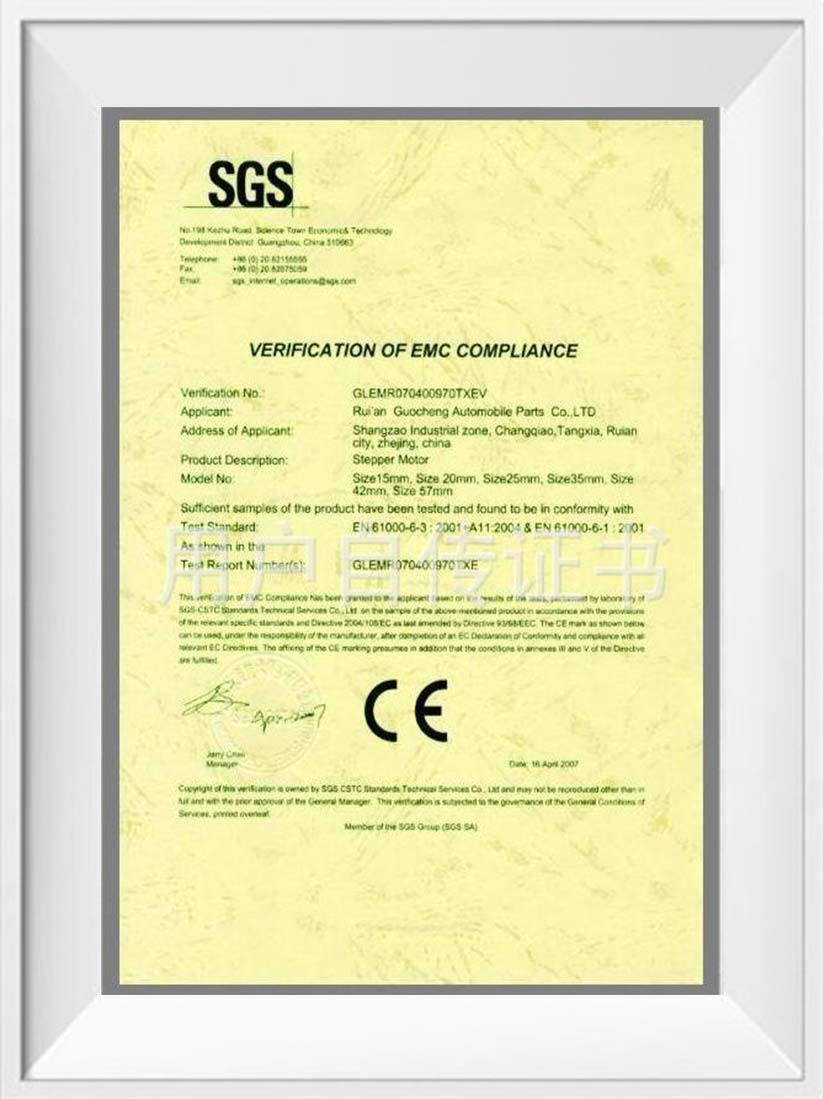
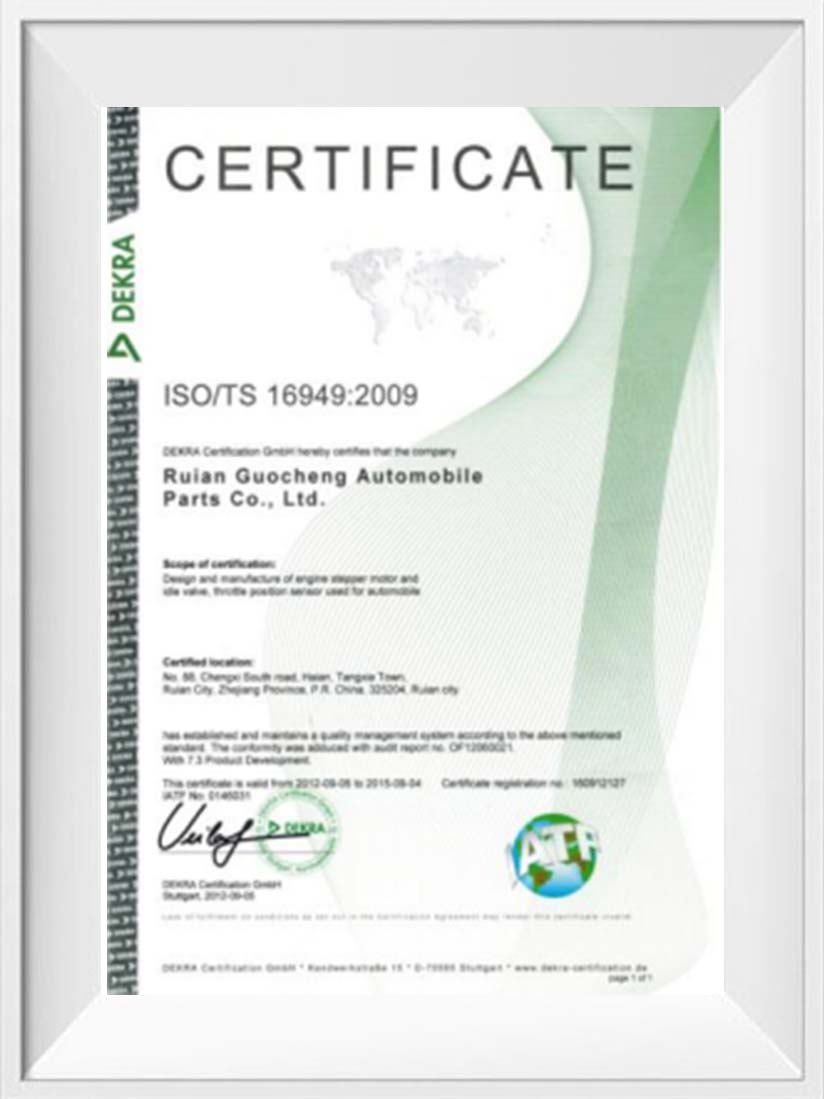
Since its inception, the company has adhered to the quality policy of "Continuous Learning, Technological Innovation, Pursuit of Excellence, and Customer Satisfaction." We uphold a "people-oriented" talent philosophy and emphasize a customer-centric approach in quality management, focusing on process control, prevention, continuous improvement, and customer satisfaction. Since 2007, the company has been certified with ISO 9001:2000 and ISO/TS 16949:2009 international quality management system standards. To become a trustworthy OEM/ODM Parking Brake Motors factory.
Over the years, through relentless efforts, innovation, and improvement, Guosheng has earned consistent praise from both new and existing customers for its exceptional product quality, comprehensive service, and competitive pricing. To achieve greater development, our team remains committed to striving harder, learning humbly, and making continuous progress. We constantly summarize experiences and enhance product quality while working with passion and sincerity to collaborate with partners worldwide for mutual success. We sincerely welcome your valuable feedback and visits for guidance.
Certificate of Honor
CE
Patent
ISO/TS 16949:2009
The rise of smart mobility has created a growing demand for components that improve safety, efficien...
READ MOREThe automotive industry is witnessing a rapid shift toward hybrid and electric powertrains, with man...
READ MOREAs global mobility continues to evolve, intelligent components such as Motorcycle Sensor technologie...
READ MOREParking Brake Motors are the drive components that enable the parking brake system to apply and release brake force when a vehicle is parked. Unlike traditional mechanical handbrake cables, these motors use electrical power to provide consistent and controllable force to the brake mechanism. In an Electronic Parking Brake system, the Parking Brake Motor interacts with gears and reduction mechanisms to convert electrical energy into mechanical movement, enabling the brake pads or shoes to clamp and hold the vehicle securely. This design helps improve vehicle safety and integrates smoothly with modern vehicle electrical systems such as CAN bus networks.
An Electronic Parking Brake Actuator is a key module within the Electronic Parking Brake (EPB) system that receives signals from the vehicle’s control unit and translates them into physical parking brake application or release. These actuators typically consist of a compact motor, gearbox, position sensors, and control electronics. When the driver presses the parking brake button or when automatic hold is engaged, the actuator processes the command and drives the Parking Brake Motors to apply the parking brake. The actuator also provides feedback on the position of the mechanism, allowing the vehicle controller to determine whether the brake is fully applied or released.
A Parking Brake Actuator Motor must balance several engineering requirements: torque output, response time, size constraints, and reliability under varying environmental conditions. These motors are usually DC brush or brushless designs that deliver the torque necessary to move brake components against spring pressure. Because parking brake systems must operate reliably on steep slopes and in emergency situations, the Parking Brake Actuator Motor is designed to produce sufficient torque at low speeds while maintaining thermal and electrical durability over the life of the vehicle. In addition, integrating appropriate sensors and feedback loops helps ensure that the motor’s position and load are monitored to prevent runaway conditions or stalls.
In modern vehicles, the Electronic Parking Brake Actuator integrates the Parking Brake Motors with the control electronics and vehicle communication networks. When a parking brake signal is initiated, the actuator’s microcontroller evaluates inputs such as vehicle speed, incline, and brake pedal status. It then commands the Parking Brake Motors to engage or disengage accordingly. This integration allows EPB systems to support additional functions such as automatic hill hold, automatic release when shifting into drive, and fail-safe logic if a fault is detected. Such integration aligns with broader automotive trends toward electric and brake-by-wire architectures that reduce mechanical linkages and improve control precision.
Several factors are driving increased adoption of Electronic Parking Brake Actuator systems in both passenger vehicles and commercial equipment. First, regulatory safety requirements and consumer expectations for convenience push vehicle manufacturers to adopt systems that can offer automated engagement and enhanced safety features, such as roll-back prevention on slopes. Second, EPB systems eliminate bulky handbrake levers or foot pedals, freeing up interior space and simplifying cabin design. Third, the modular nature of actuators allows easier integration with advanced driver assistance functions and onboard diagnostics, making maintenance and fault detection more straightforward. This trend reflects how parking brake functions are being subsumed into intelligent vehicle control ecosystems.
Engineering a reliable Parking Brake Actuator Motor involves addressing several challenges: mechanical wear in the geartrain, thermal management of the motor during repetitive cycles, and ensuring precise position sensing for safety-critical operations. Engineers must select materials and designs that withstand harsh underbody environments, including moisture, vibration, and temperature swings. They also must fine-tune the control algorithms so that the actuator responds appropriately without overcurrent conditions that could lead to premature failure. Finally, designing effective diagnostics is critical so that any faults in the EPB system can be quickly detected and communicated to the vehicle control system and service technicians.
Safety is a core requirement for Electronic Parking Brake Actuator systems. These systems are expected to reliably hold a parked vehicle under static and dynamic loads, such as on inclines or during brake system failure conditions. Actuator electronics often incorporate features that monitor motor current, temperature, and movement patterns to detect stalls or degraded performance. If an anomaly is detected, the actuator can signal a diagnostic trouble code through the vehicle’s onboard diagnostics system, prompting a service alert. These capabilities help ensure that the parking brake functions remain dependable across the vehicle’s service life.
While electronic systems improve usability, they also introduce new maintenance considerations. Technicians must be aware of proper service modes when working on rear brakes or suspension components connected to the parking brake. For example, during brake pad replacement, the controller may need to be placed into a maintenance mode to prevent unnecessary force from the Parking Brake Motors and actuators. Diagnostic tools are often required to reset and recalibrate the system after major service operations to ensure the actuator and motor are in sync with vehicle software expectations.
Contact Us
Let's start collaborating

Guocheng is specialized in the R&D and production of key engine components for the automotive and engineering machinery industries.
Product
Stay Connected
(+86) - 577 - 8582 0886 (Tel)
(+86) - 577 - 8582 8085 (Fax)
(+86) - 19730213059 (Phone)
sales@wz-gc.com
No. 205, Baiyu Road, 15th Road, Binhai Park, Wenzhou, Zhejiang, China
Mobile

OEM Parking Brake Motors