Date:Dec 23, 2025
In the rapidly evolving automotive industry, engine performance, fuel efficiency, and emission control remain central to vehicle design and engineering. Among the key components that contribute to these goals are the Idle Speed Control Valve, the Electronic Accelerator Pedal, and the Engine Throttle Sensor. These components play critical roles in maintaining engine stability, precise throttle management, and overall driving experience.
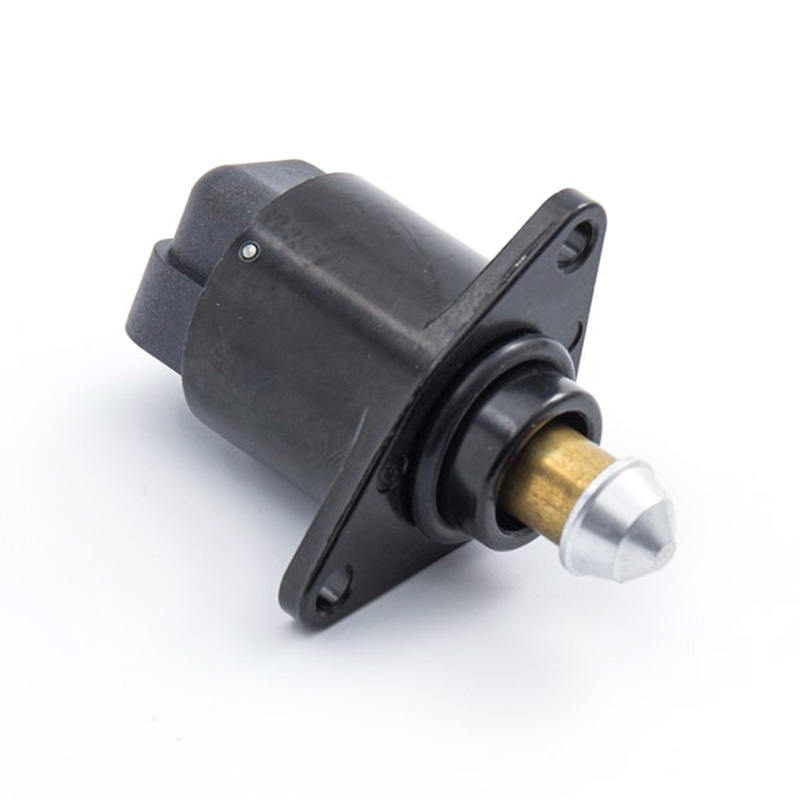
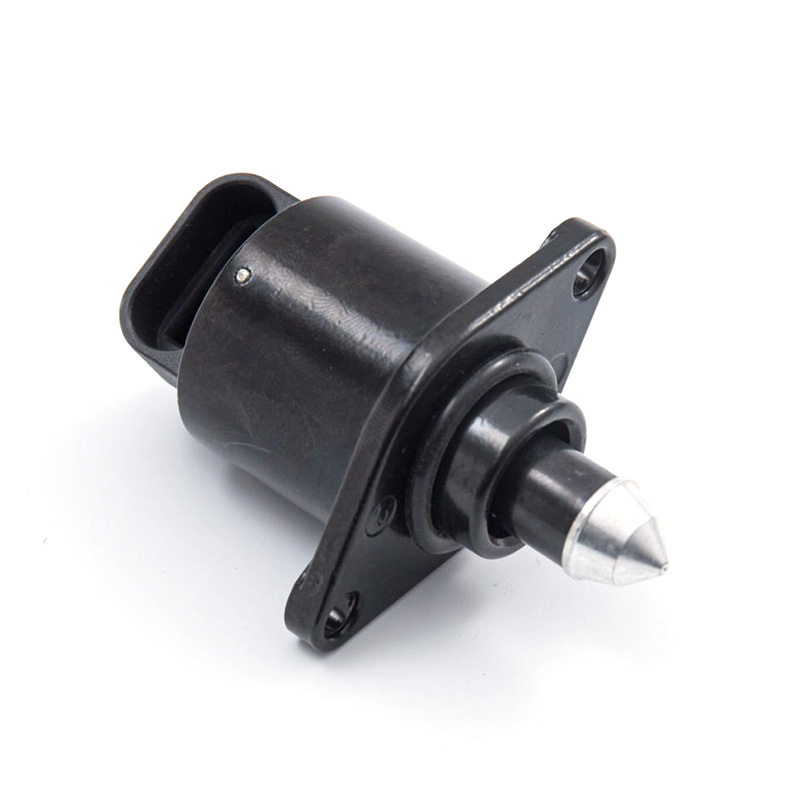
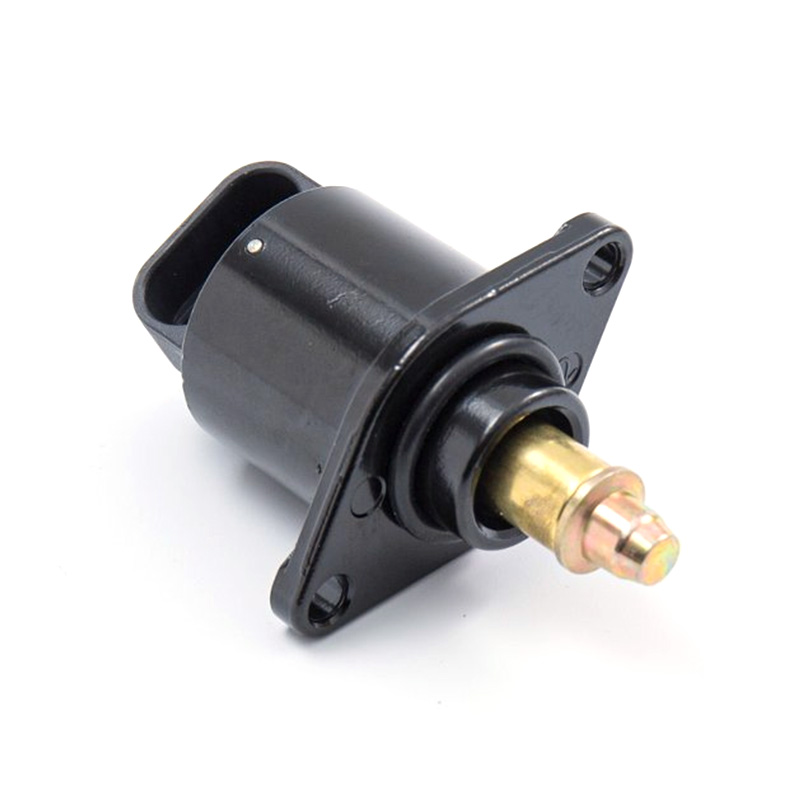
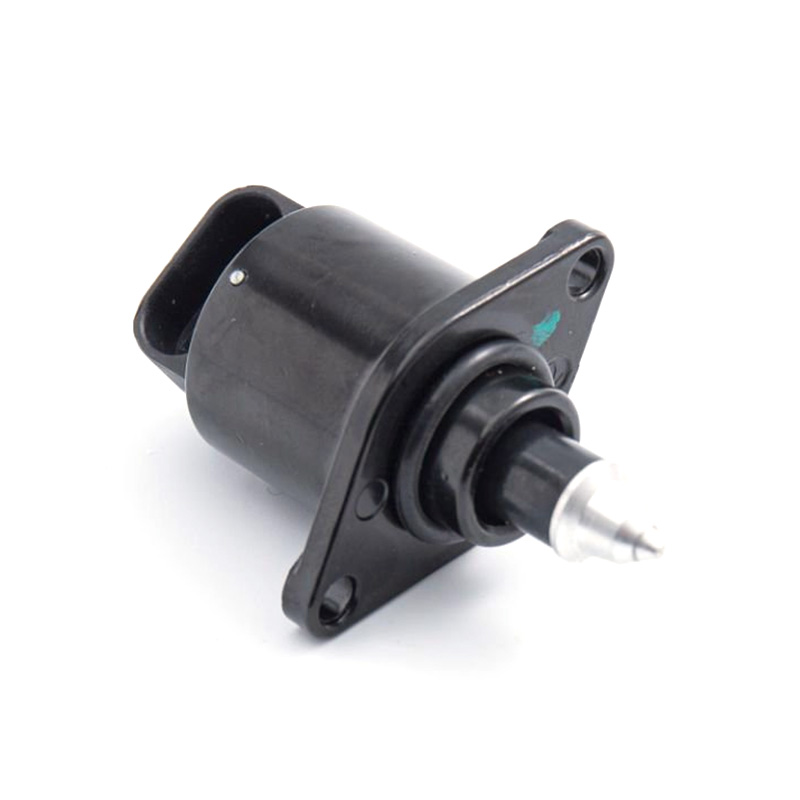
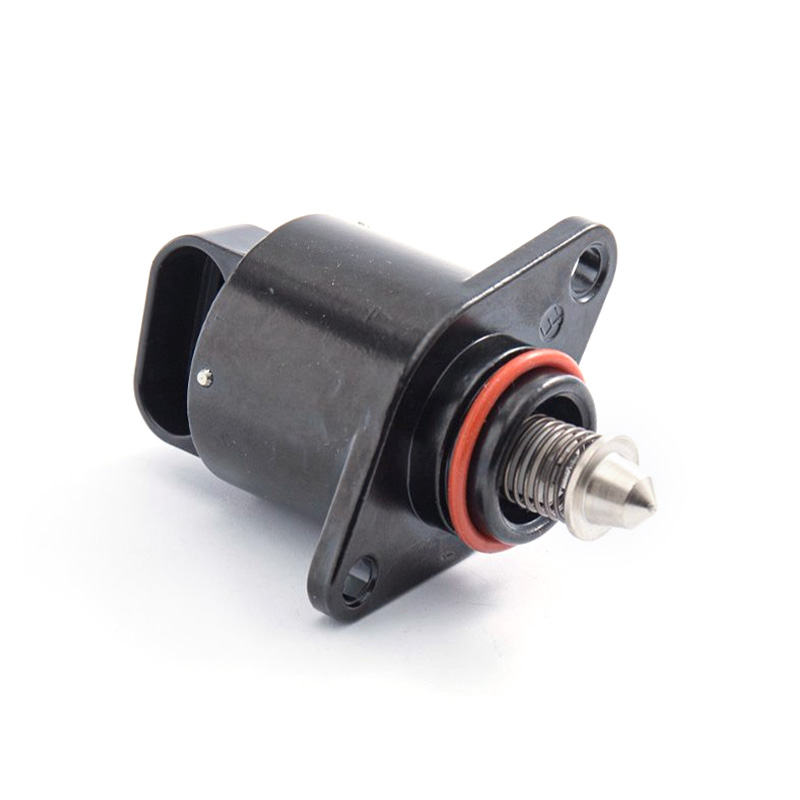
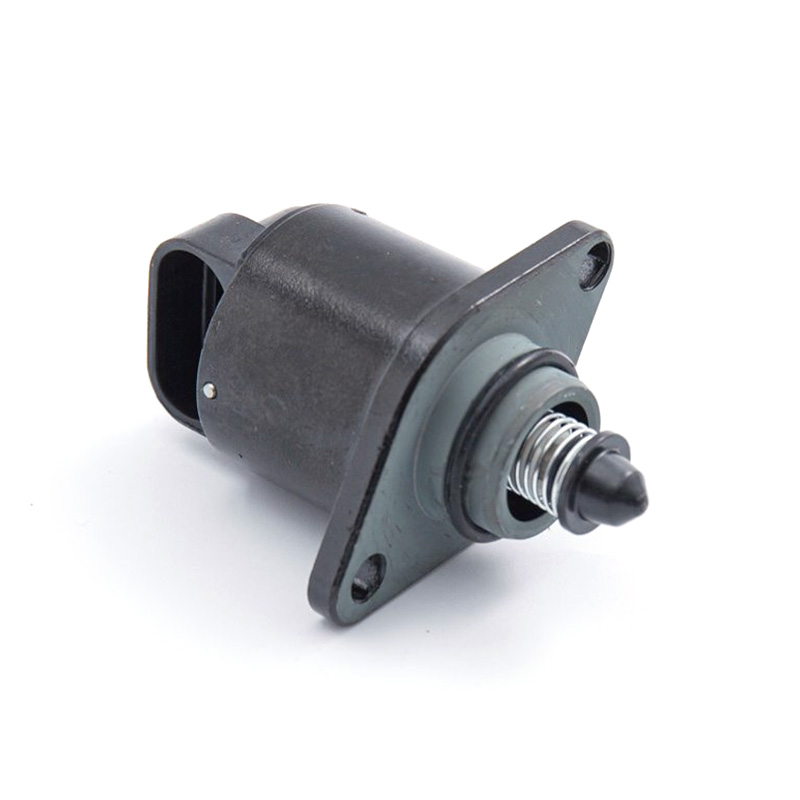
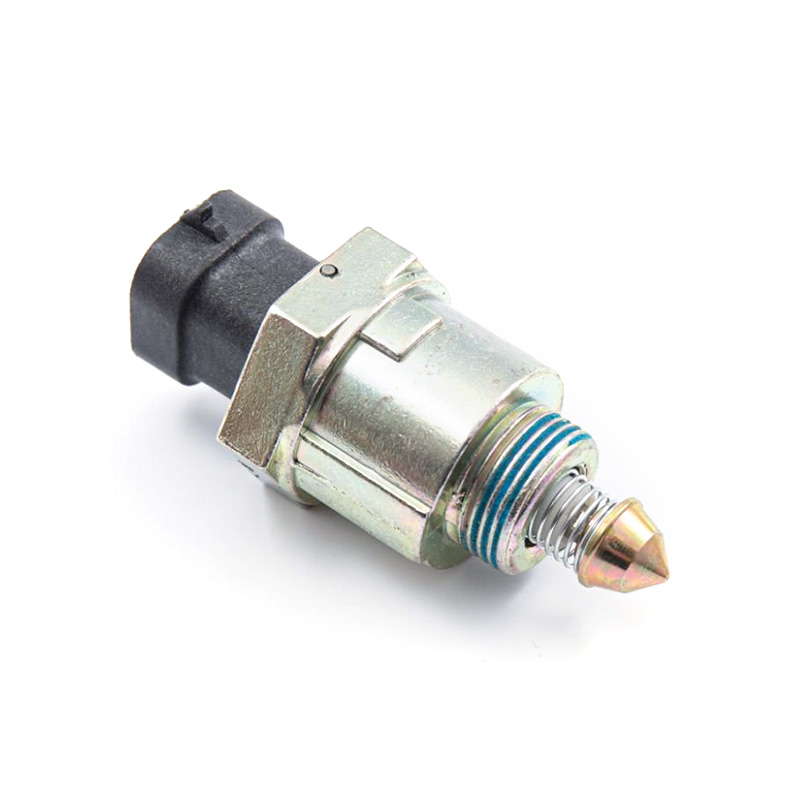
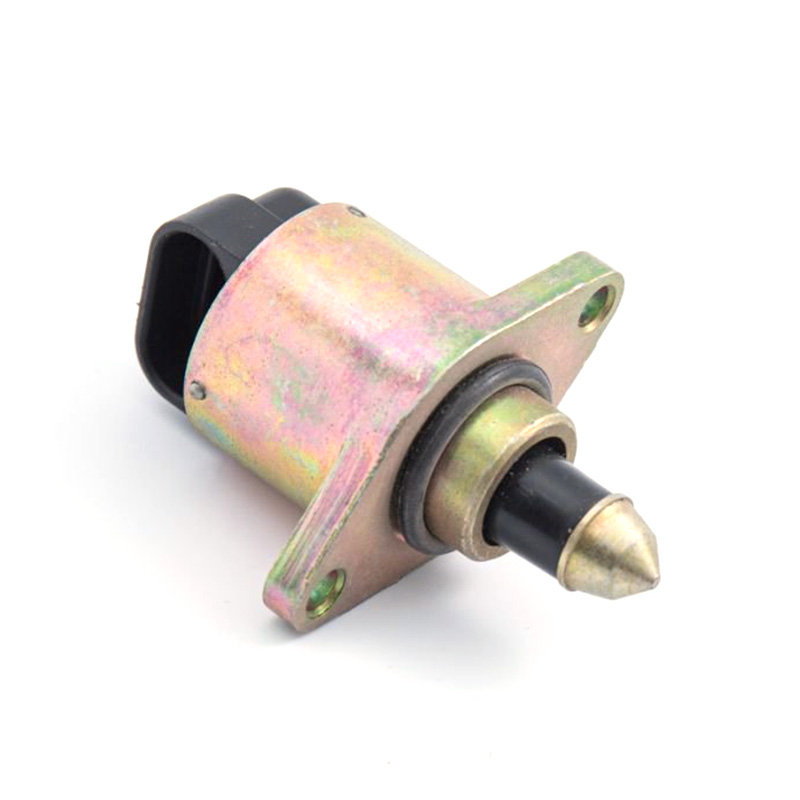
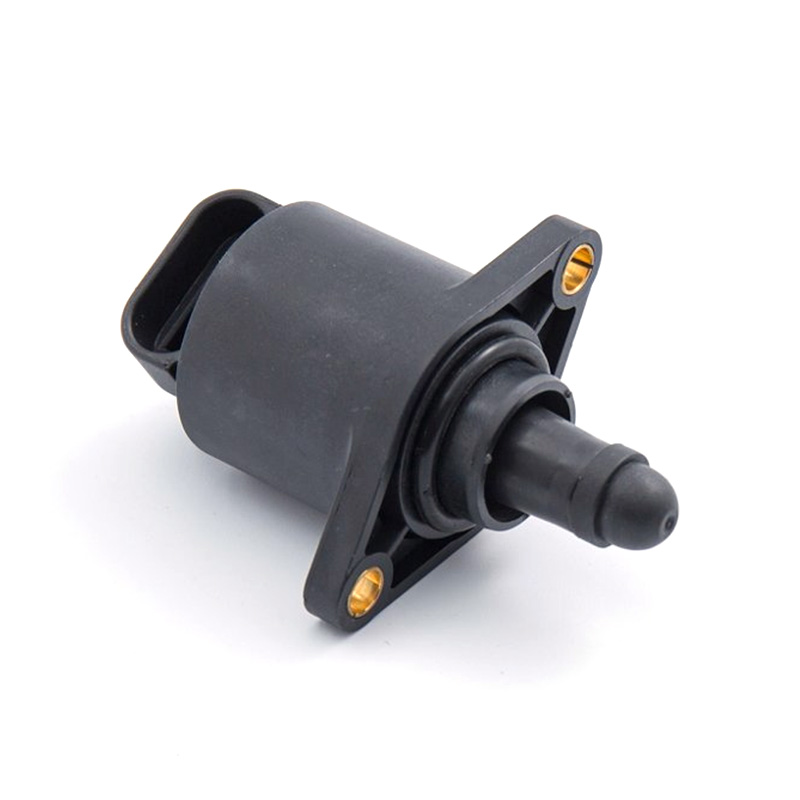
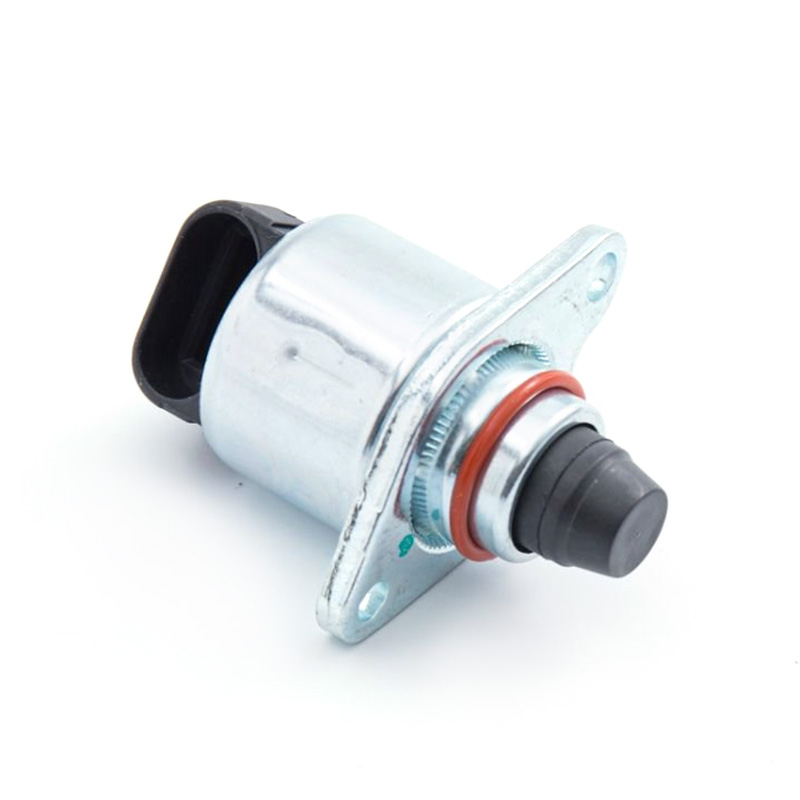
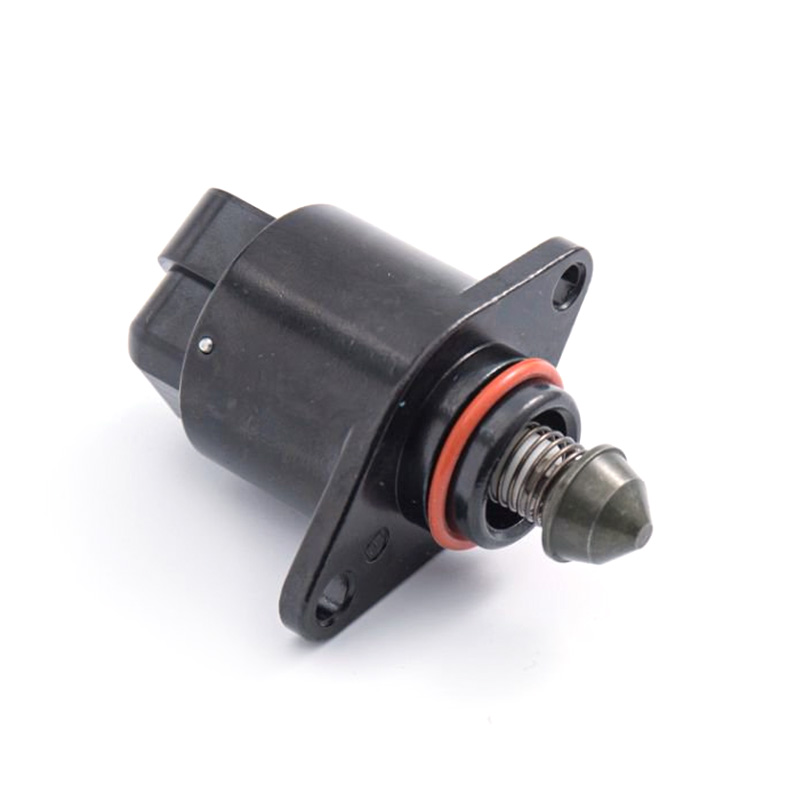
The Idle Speed Control Valve has been a pivotal component in regulating engine idle speed for decades. Traditionally, idle speed was controlled mechanically, relying on springs and manual adjustments. However, as engine systems became more complex, electronic control became essential for maintaining consistent performance across varying engine loads and environmental conditions.
Modern Idle Speed Control Valves are designed to work in conjunction with the vehicle’s electronic control unit (ECU). This integration allows the valve to automatically adjust the airflow entering the engine when the vehicle is idling. By regulating the engine idle precisely, these valves help reduce fuel consumption and control emissions, which is increasingly important in regions with stringent environmental standards.
Recent developments have focused on enhancing the responsiveness and durability of these valves. Improved sensors, materials, and actuator designs enable faster and more reliable adjustments, which support smoother engine operation even during abrupt load changes such as turning on the air conditioning or engaging electrical accessories.
The Electronic Accelerator Pedal represents a significant shift from mechanical throttle control to a drive-by-wire system. Instead of a direct mechanical connection between the pedal and the throttle body, the electronic pedal sends position data to the ECU, which then controls the throttle accordingly. This system allows for more precise throttle control, better fuel management, and smoother vehicle response.
One of the notable aspects of the Electronic Accelerator Pedal is its ability to work seamlessly with other engine control components, including the Idle Speed Control Valve. When a driver depresses the pedal, the ECU evaluates signals from multiple sensors, including the throttle position and engine speed, and adjusts the idle control and fuel injection accordingly. This integration ensures that the engine responds accurately to driver inputs while maintaining stability at low speeds.
In addition to performance, the Electronic Accelerator Pedal contributes to safety. Drive-by-wire systems can incorporate features such as traction control and stability control, which rely on precise throttle input to prevent wheel slip or loss of vehicle control. As automotive systems become increasingly automated, the role of the electronic pedal extends beyond simple acceleration, integrating with vehicle safety and efficiency systems.
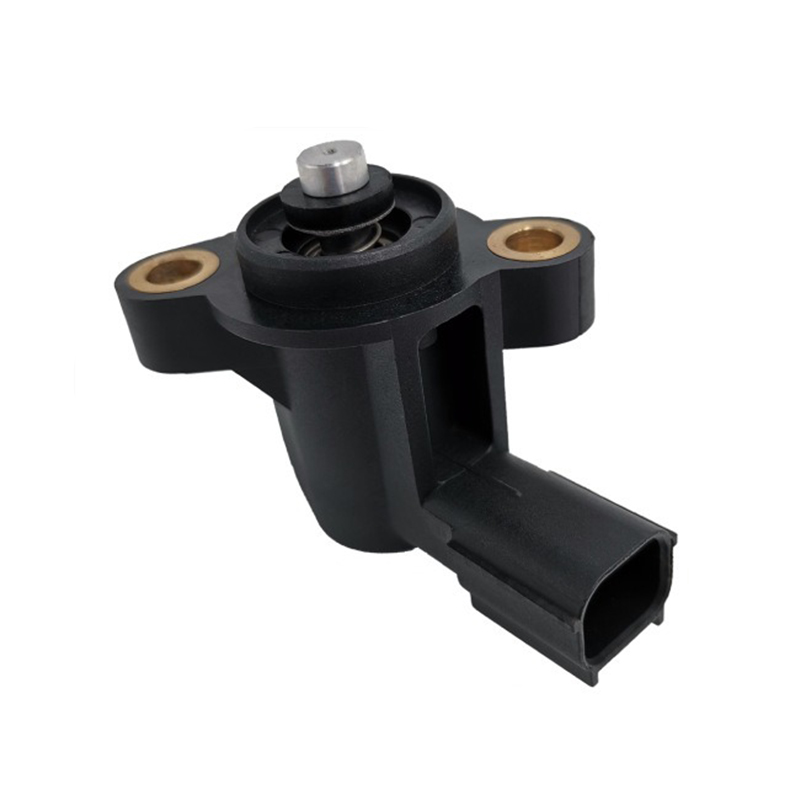
The Engine Throttle Sensor is another essential component in modern vehicles, providing critical data about throttle position and airflow to the ECU. Accurate sensing allows the ECU to optimize fuel delivery, ignition timing, and idle speed management. Without precise input from the throttle sensor, engine performance could be compromised, leading to uneven acceleration, higher emissions, and reduced fuel efficiency.
Engine Throttle Sensors have evolved alongside advancements in engine management systems. Contemporary sensors use high-precision electronics that can measure subtle variations in throttle position and communicate this data with minimal delay. This capability is particularly important in vehicles equipped with electronic throttle control systems, where small variations in pedal input must be interpreted and executed instantly to maintain smooth acceleration and engine stability.
Furthermore, the Engine Throttle Sensor collaborates closely with the Idle Speed Control Valve and Electronic Accelerator Pedal. When the driver releases the accelerator pedal, the throttle sensor informs the ECU of the pedal position, allowing the idle speed control system to maintain engine stability. Similarly, during acceleration, the throttle sensor ensures that the engine receives the correct amount of air and fuel based on real-time pedal input, supporting both performance and efficiency.
The interaction between the Idle Speed Control Valve, Electronic Accelerator Pedal, and Engine Throttle Sensor illustrates how modern vehicles achieve precise engine management. These components work together within the vehicle’s ECU system to balance power delivery, fuel efficiency, and emission control.
For instance, when the vehicle is stopped at a traffic light, the Idle Speed Control Valve regulates airflow to maintain a stable idle. When the driver presses the Electronic Accelerator Pedal, the ECU interprets the pedal position using data from the Engine Throttle Sensor and other engine sensors, adjusting the throttle accordingly. This integrated system ensures smooth transition from idle to acceleration, minimizes fuel wastage, and reduces engine strain.
Additionally, modern engine management strategies incorporate feedback from multiple sensors, including oxygen sensors, manifold pressure sensors, and temperature sensors, alongside the throttle sensor and accelerator pedal. The Idle Speed Control Valve responds to changes in engine load detected by these sensors, while the Electronic Accelerator Pedal provides driver input for dynamic adjustments. This network of components forms a cohesive control system that balances performance, efficiency, and emission compliance.
Current trends in Idle Speed Control Valve technology include increased electronic integration, higher durability materials, and compact designs that allow easier installation in modern engine compartments. Similarly, Electronic Accelerator Pedals are being refined to improve signal accuracy and response speed, enhancing the driver experience and supporting automated driving functions.
Engine Throttle Sensors continue to evolve with higher precision and faster response times. Sensor calibration methods are improving, allowing consistent performance across various environmental conditions and over the lifespan of the vehicle. The trend towards electrification and hybrid engines also impacts the design and integration of these components, requiring collaboration between engine management systems and electric powertrain control units.
Future developments are expected to focus on enhancing the interoperability of these components. The Idle Speed Control Valve, Electronic Accelerator Pedal, and Engine Throttle Sensor are likely to become part of more intelligent, networked engine management systems that can adapt to driving conditions, optimize fuel consumption, and meet stricter emission regulations.
Vehicle maintenance and troubleshooting often involve these key components. A malfunctioning Idle Speed Control Valve can lead to unstable idling, while issues with the Electronic Accelerator Pedal or Engine Throttle Sensor can result in delayed acceleration or poor throttle response. Understanding the functions and interactions of these components is crucial for automotive engineers and maintenance professionals.
Regular inspection, calibration, and cleaning of the Idle Speed Control Valve and throttle sensor are recommended to ensure consistent engine performance. Replacing worn or damaged Electronic Accelerator Pedals can restore precise throttle response and improve fuel efficiency. Knowledge of how these components work together can also aid in diagnosing engine performance issues more efficiently.
Related Products
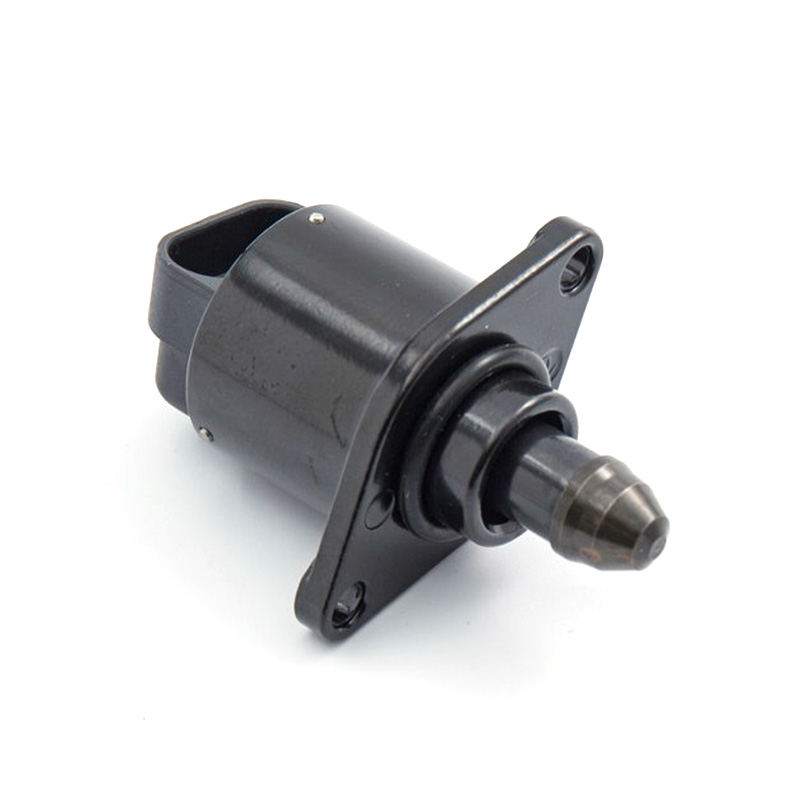
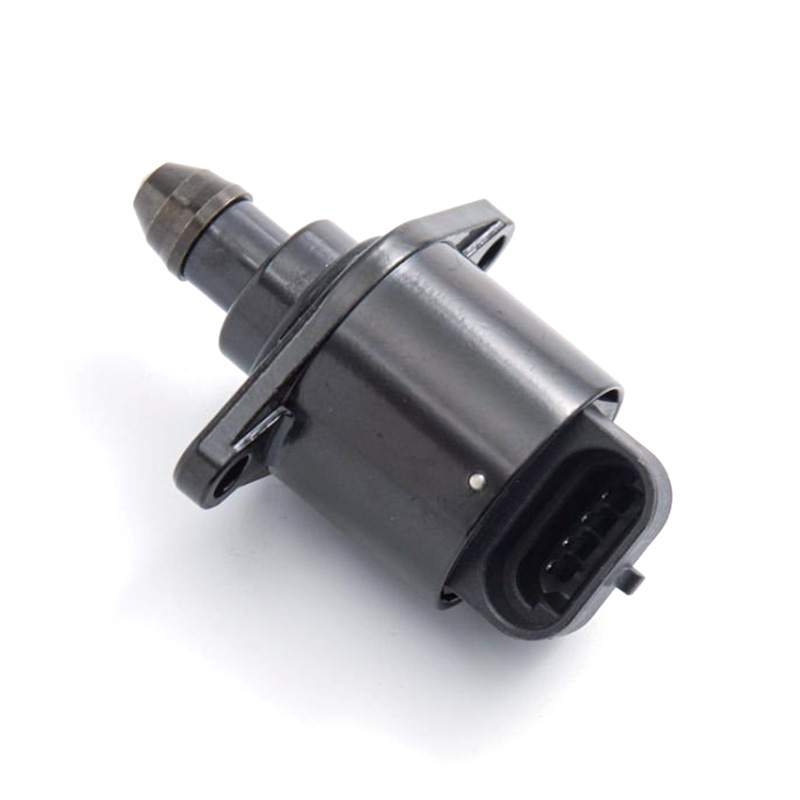
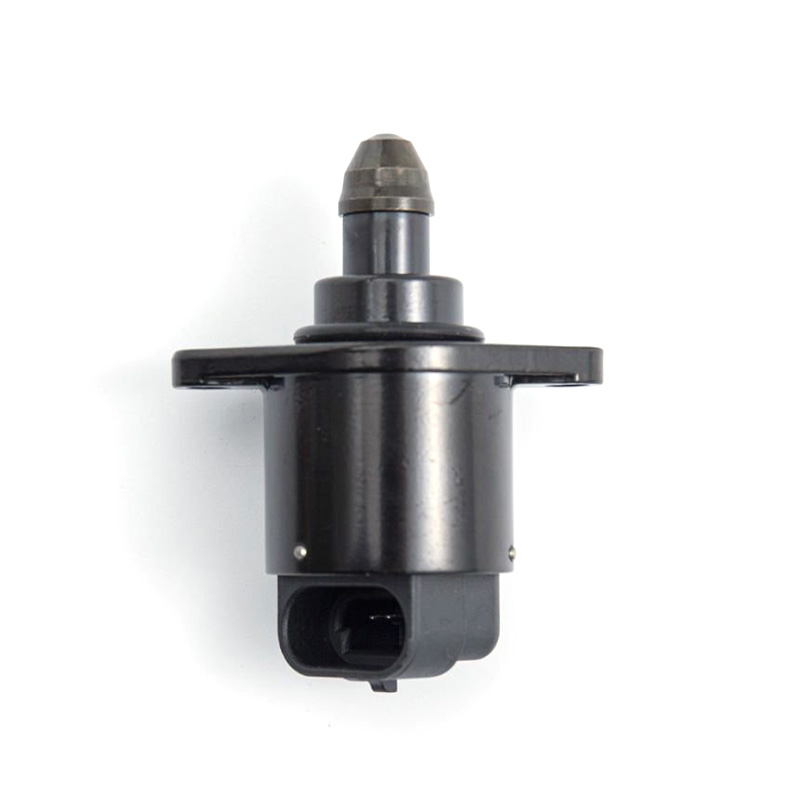
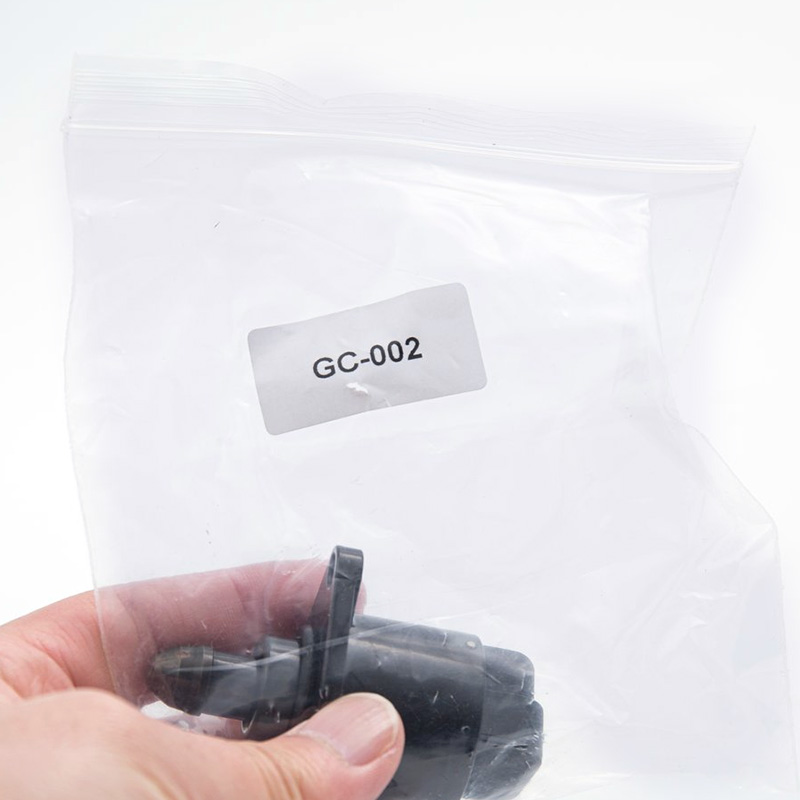
GC-002
REFERENCE OE:
SHORT CODE: B95/00
PEUGEOT: 1920X9 C95197
APPLICATION:
PEUGEOT 306 Break/Cabriolet/Schraqheck;PEUGEOT 405 II Break; PEUGEOT 406 Break/Coupe;
PEUGEOT 605 806;PEUGEOT BOXER Bus/Kasten/Pritsche/Fahrqestell
China original factory for idle air control valve and different kind of sensors with high quality and competitive price!
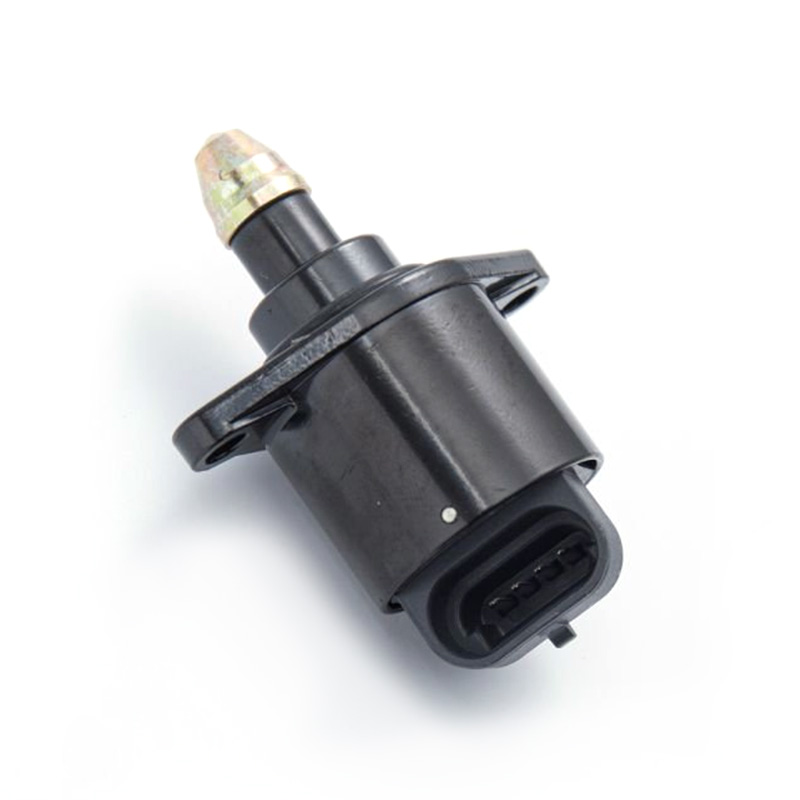
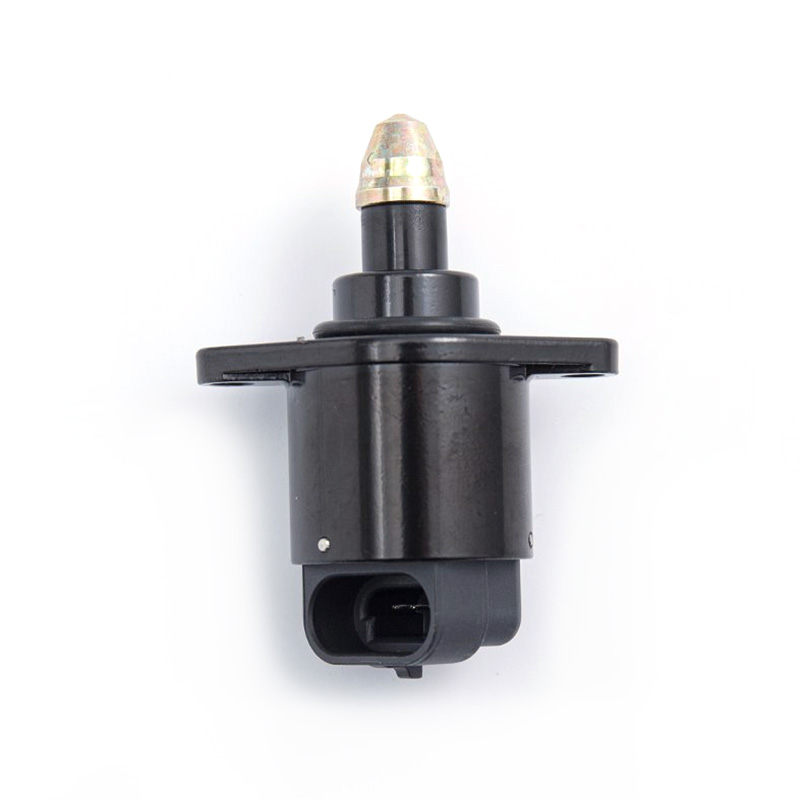
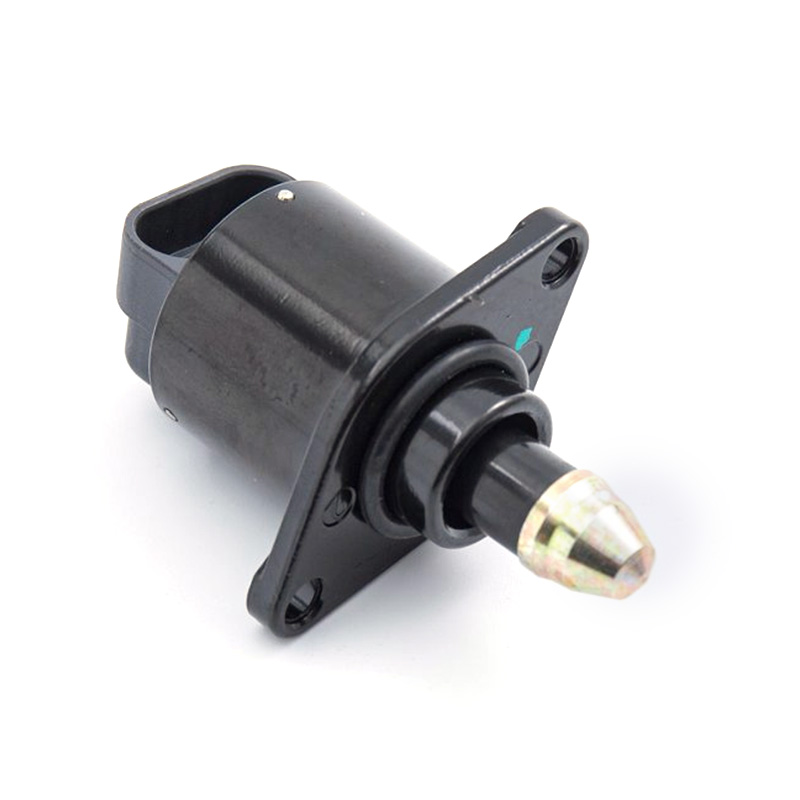
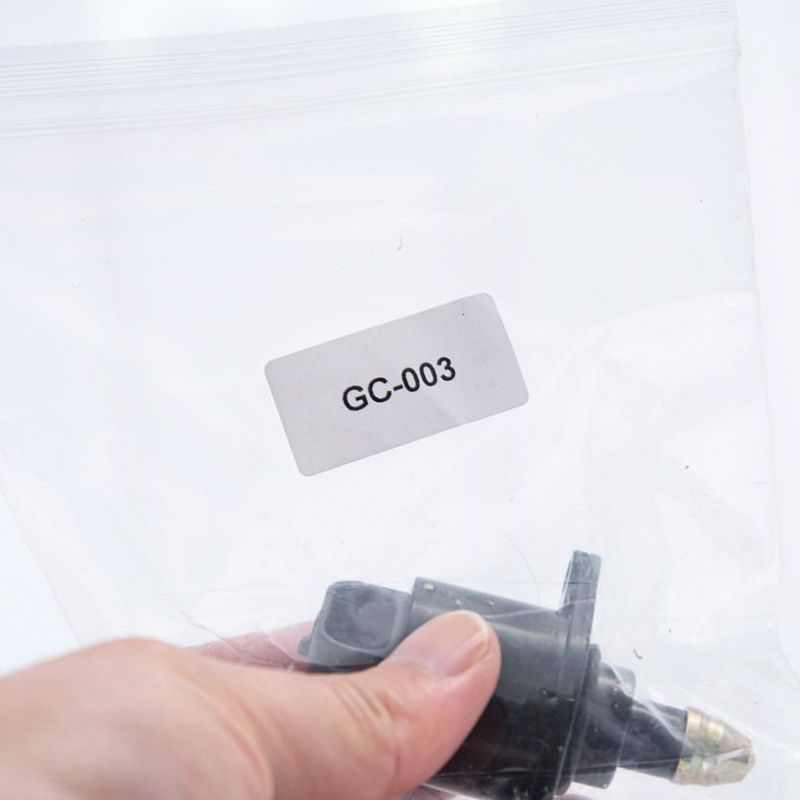
GC-003
REFERENCE OE:
SHORT CODE:B04/01 D5131
MARELLI:230016079057
PEUGEOT:1920N1
SIMENCE:A95269
APPLICATION:
PEUGEOT 306 Break/Cabriolet/Schraqheck;PEUGEOT 405 II Break; PEUGEOT 406 Break/Coupe;
PEUGEOT 605 806;PEUGEOT BOXER Bus/Kasten/Pritsche/Fahrqestell
China manufacture for wholesale and retail, idle air control, crankshaft valve, camshaft valve, Throttle position sensor, and many kind of sensors.
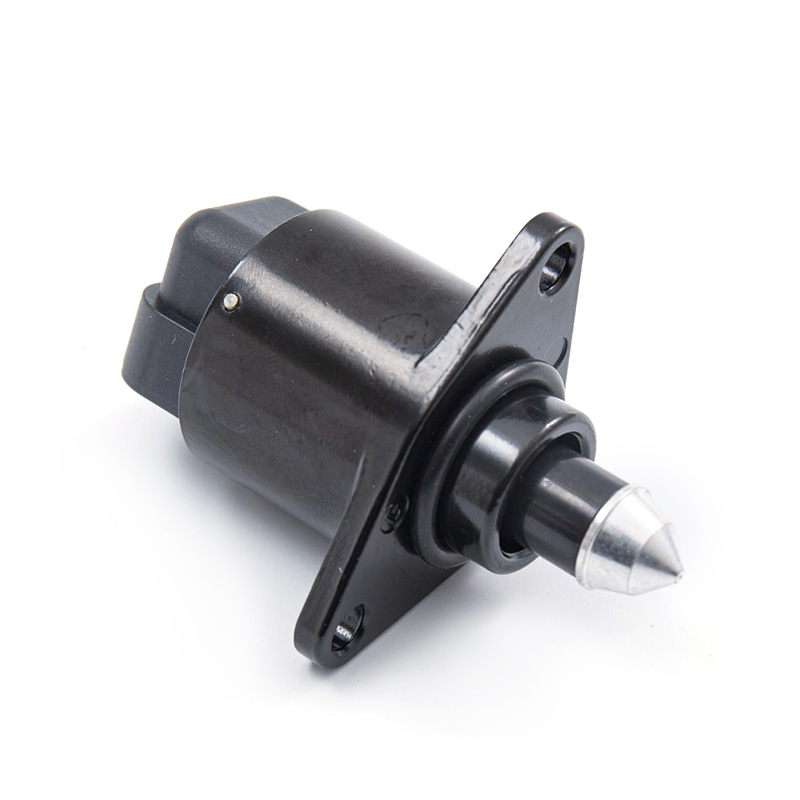
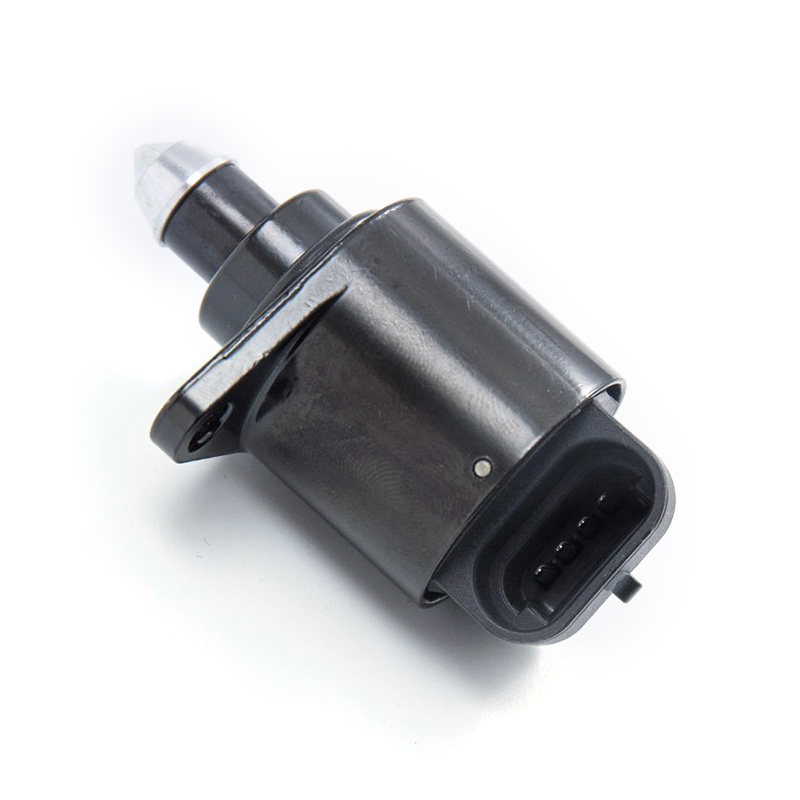
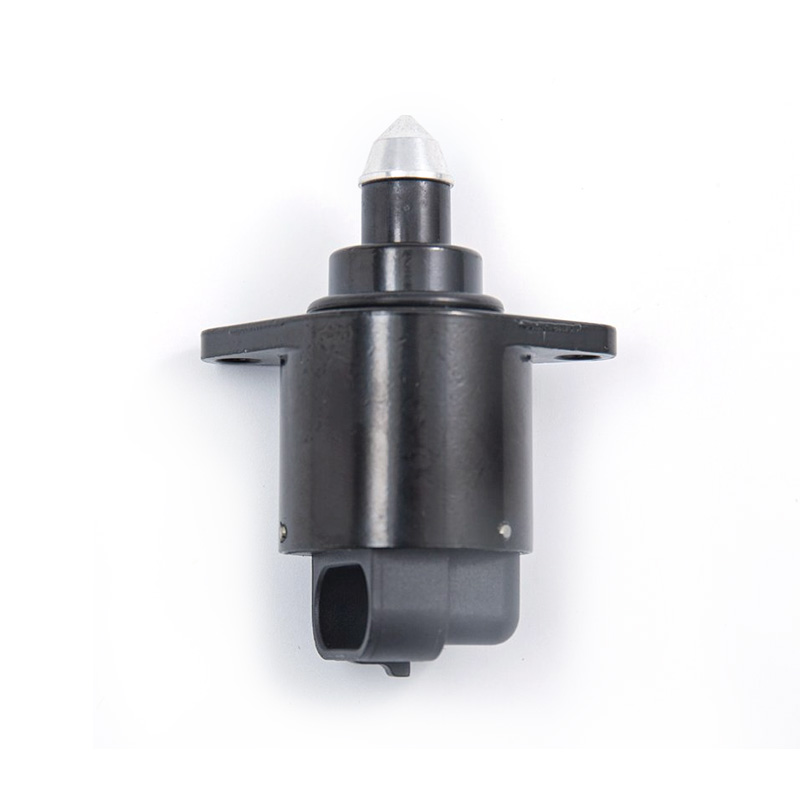
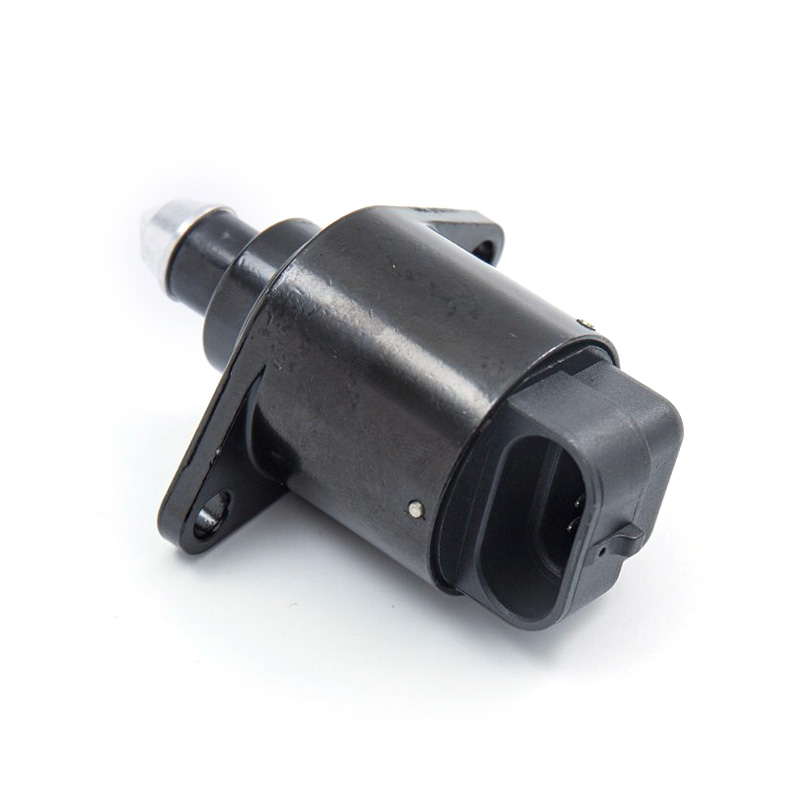
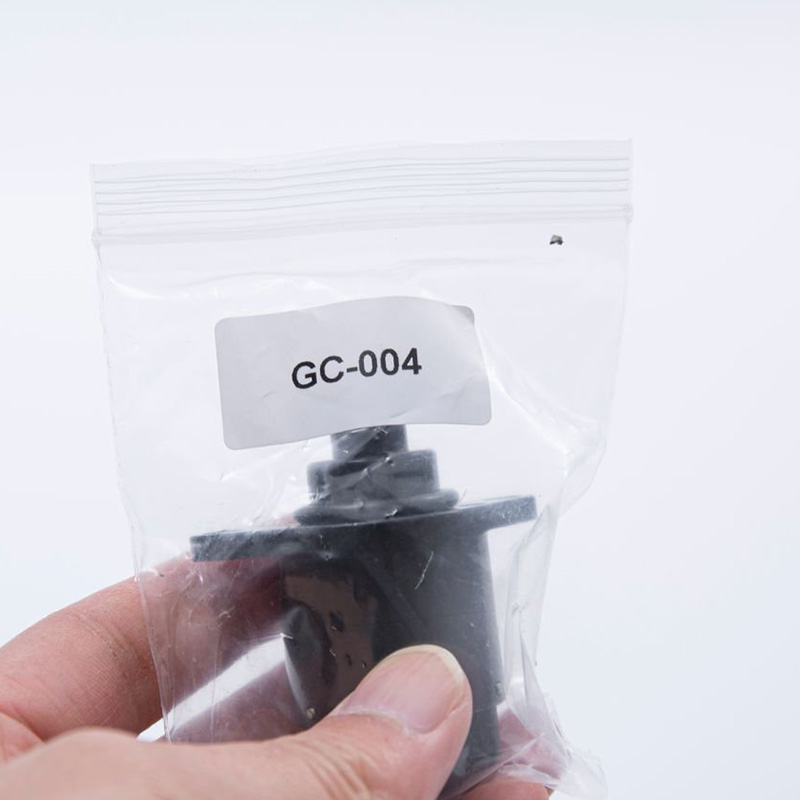
GC-004
REF OE:
SHORT CODE:B32/00
SIMENCE:A97115 19206W
APPLICATION:
CITROEN BERLINGO(MF)/Kasten(M_)1.4 i(MFKFX);CITRO SAXO(S0,S1) 1.4VTS,CITRO XSARA(N1)/Break(N2)/Coupe(N0)1.4i;
PEUGEOT 106 II(1)1.4i;PEUGEOT 206 Schraqheck(2A/C)1.4i/SW(2E/K)1.4;
PEUGEOT306(7B,N3,N5)1.4SL/Break(7E,N3,N5)1.4/Schraqheck(7A,7C,N3,N5)1.4;
PEUGEOT PARTNER Combispace(5F)1.4/Kasten(5)1.4
China manufacture for idle air control valve,high quality and competitive price!
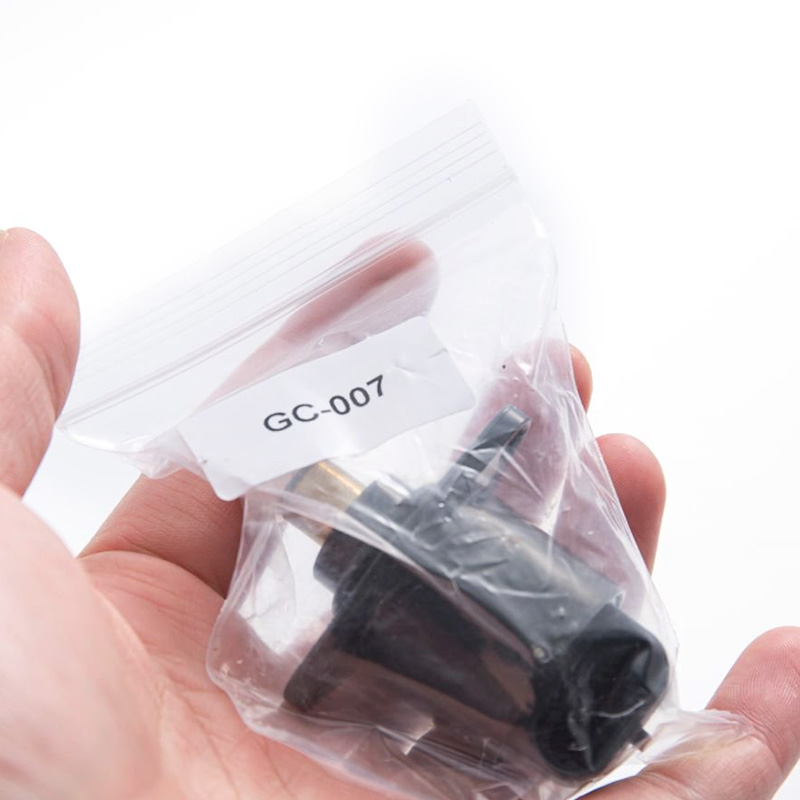
GC-007
REF OE:
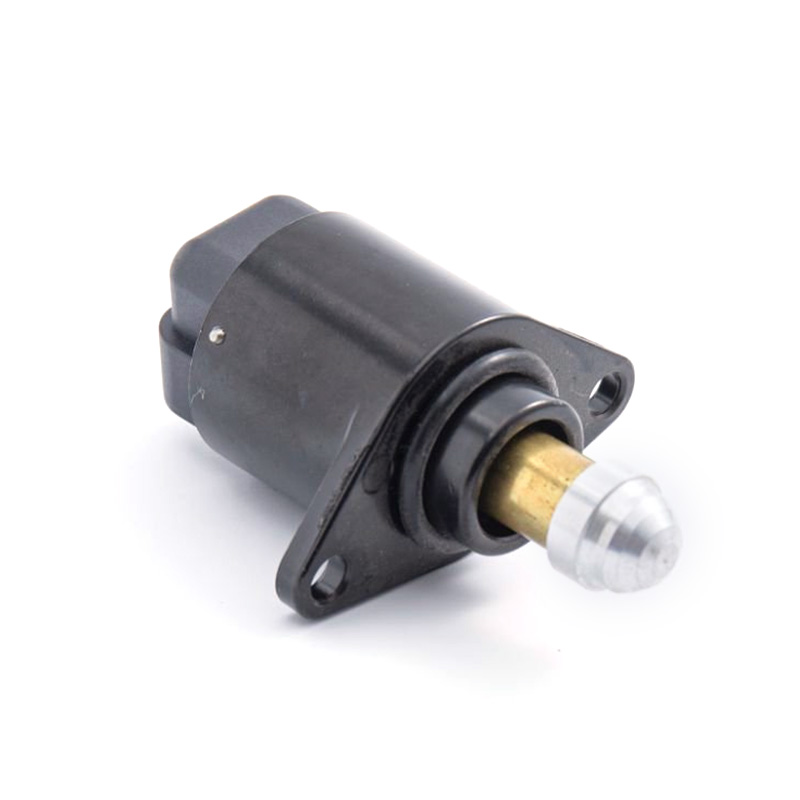
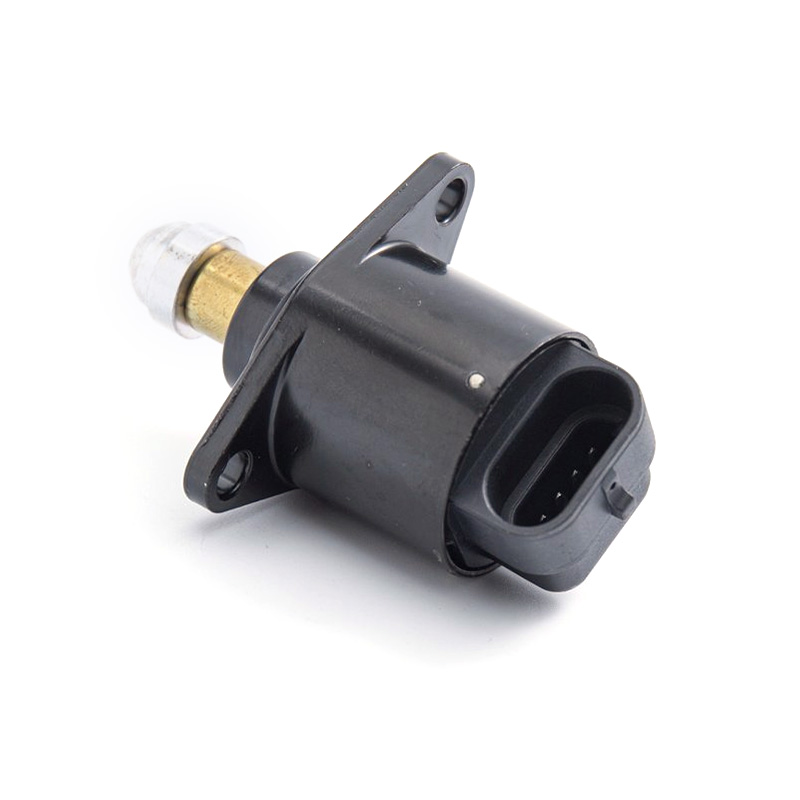
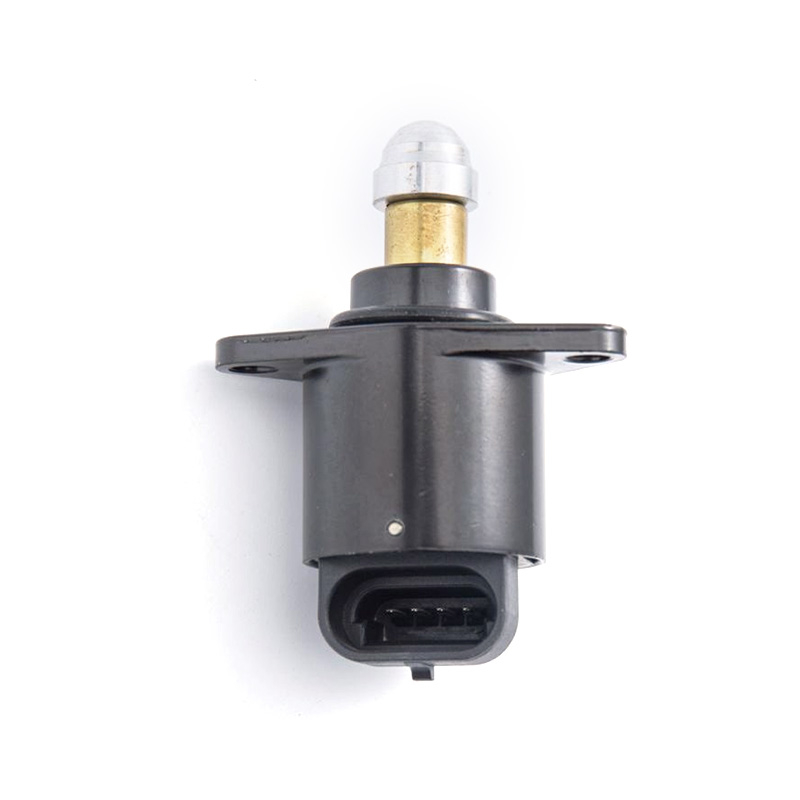
SIMENCE:A96158 A97116
PEUGEOT:19208X;1920.8X
MARELLI:230016079217
APPLICATION:
PEUGEOT 206 CC(2D)2.0 S16;PEUGEOT 206 SW(2E/K)2.0 16V;PEUGEOT 307;
PEUGE 406/Break/Coupe;PEUGE 806/807;PEUGE EXPERT(224)2.0
China auto parts factory for idle air control valve and many kind of sensor imprting and exporting.
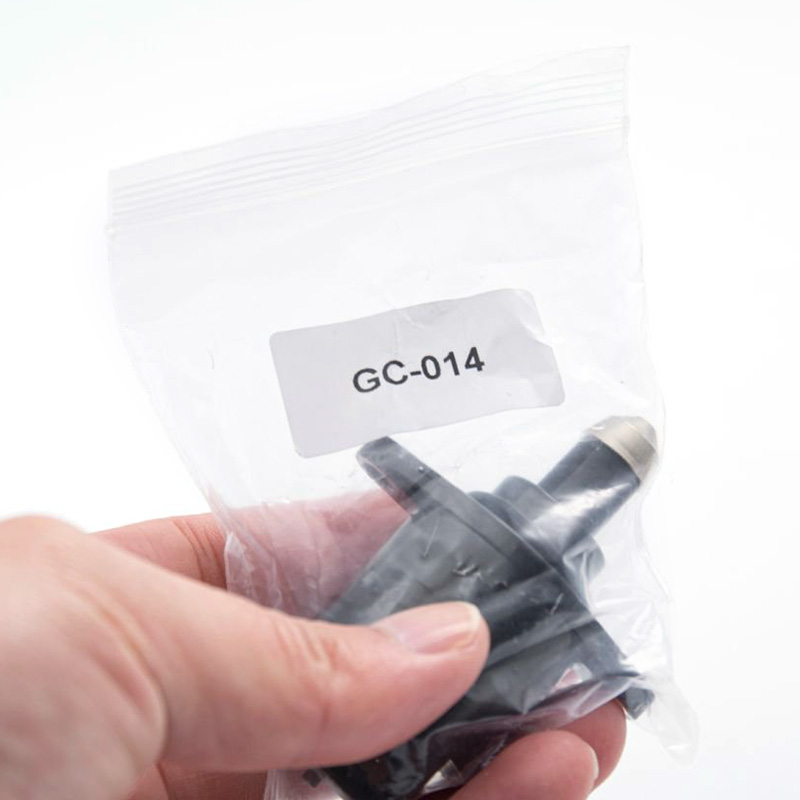
GC-014
REFERENCE OE:
MEAT DORIA:84048; 078133455;
APPLICATION:
AUDI 100/100 Avant;AUDI 80/80 Avant;AUDI A4/A4 Avant;AUDI A6/A6 Avant;AUDI CABRIOLET/COUPE
Idle air control valve for Audi,from China factory for wholesale and retail.
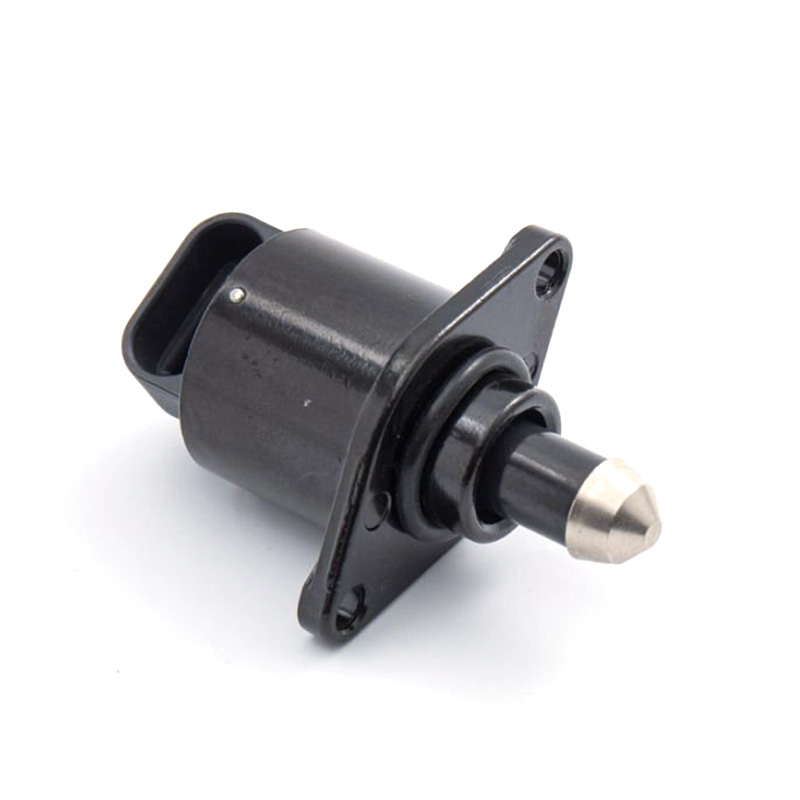
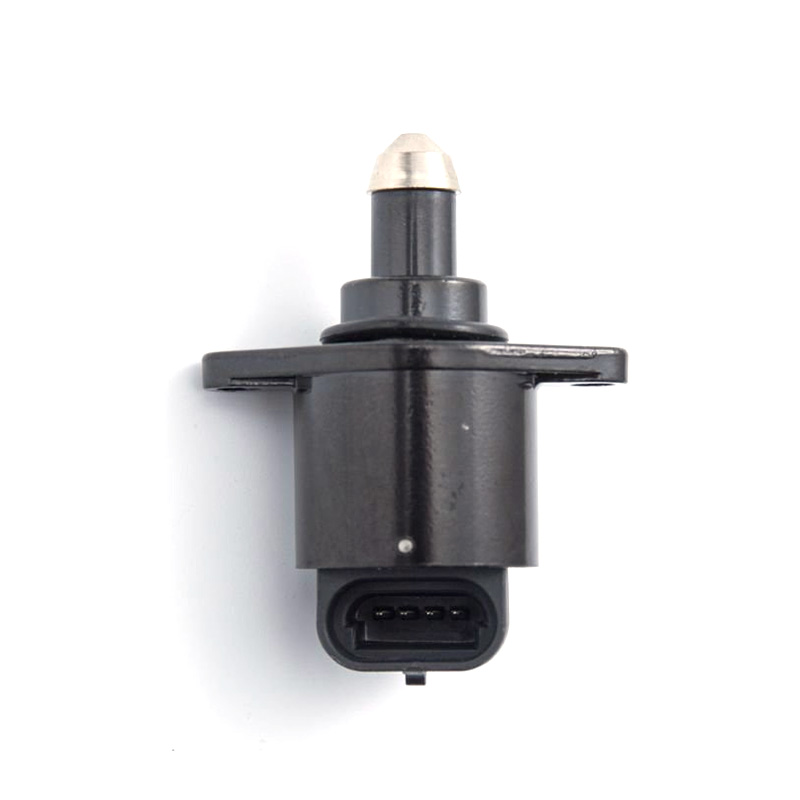
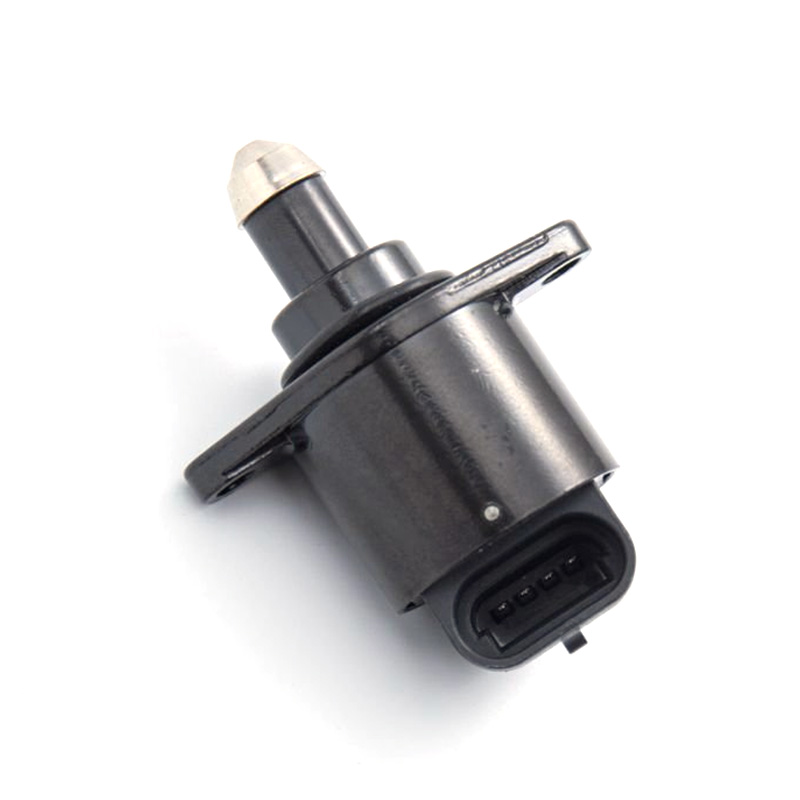
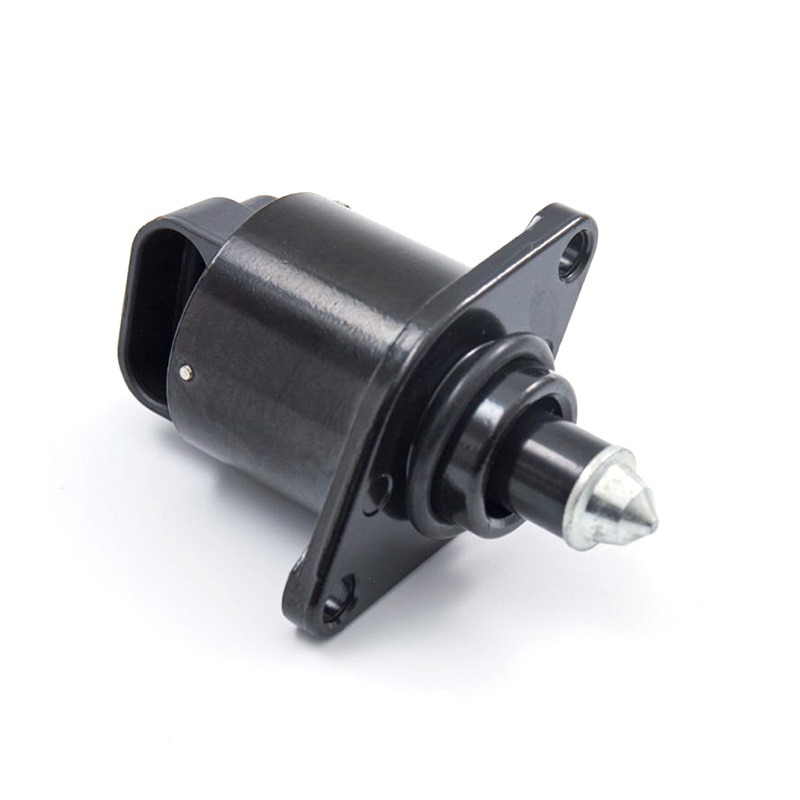
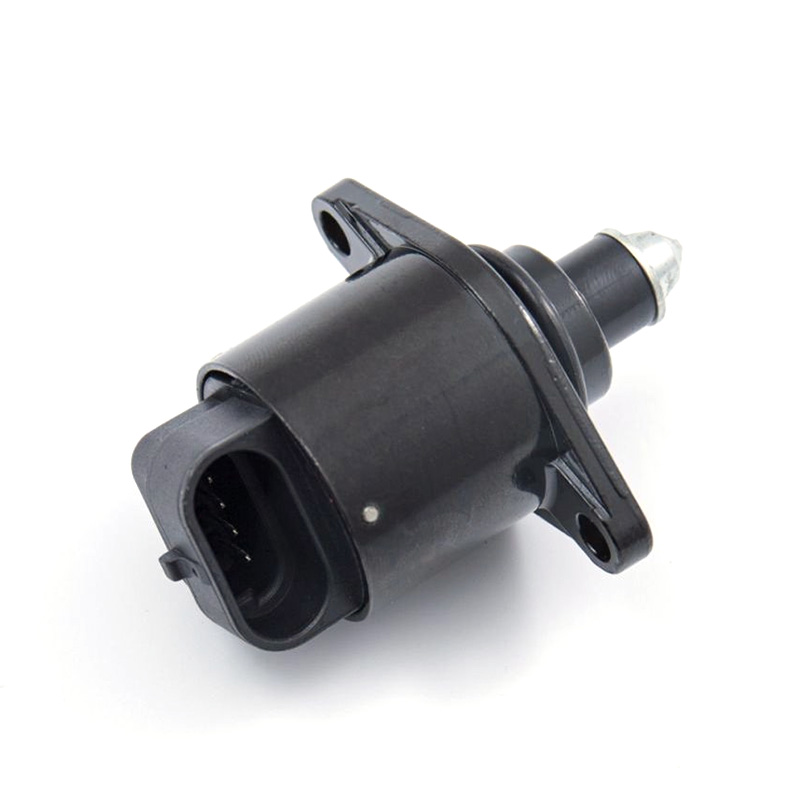
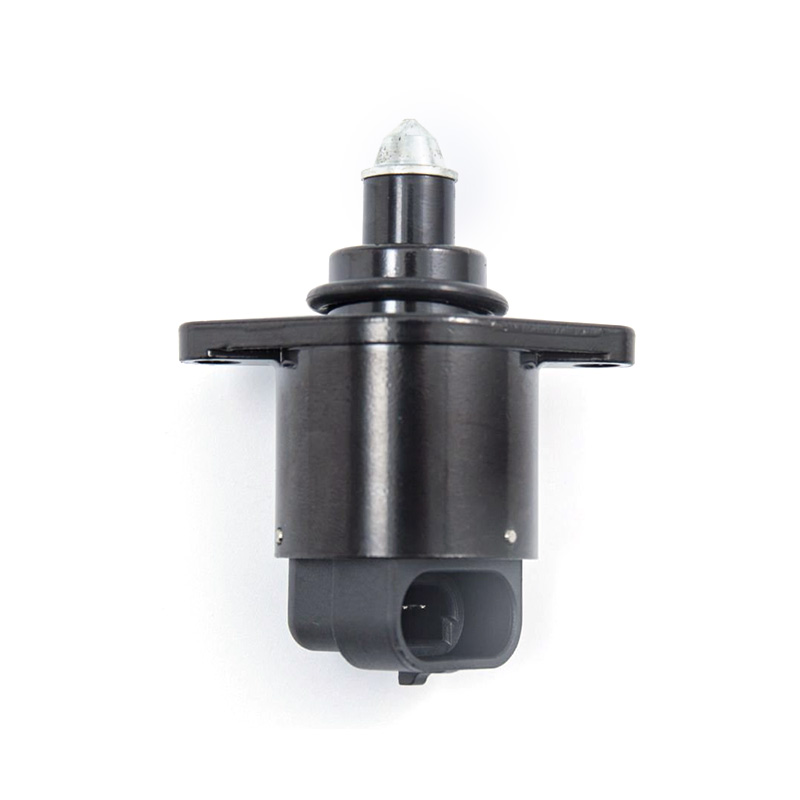
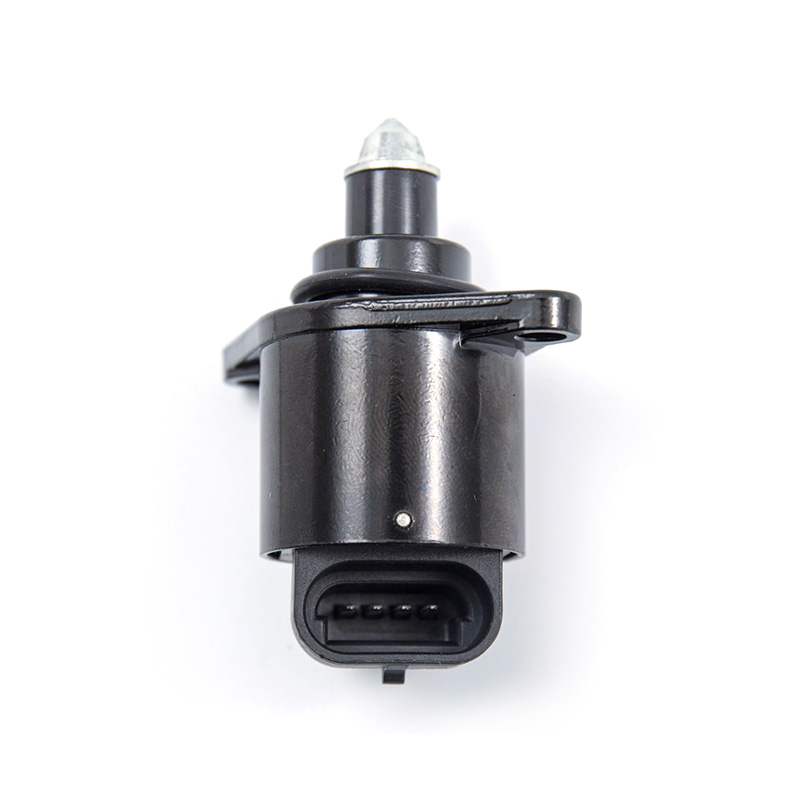
GC-016
REFERENCE OE:
MEAT DORIA:84037
SHORT CODE:B32/00 D95129
RENAULT: 7701042403 801000774001
APPLICATION:
RENAULT CLIO I;
RENAU CLIO II/II Kasten;
RENAU KANGOO/KANGOO Express;
RENAU TWINGO
Importing auto parts idle air control valve from China factory!
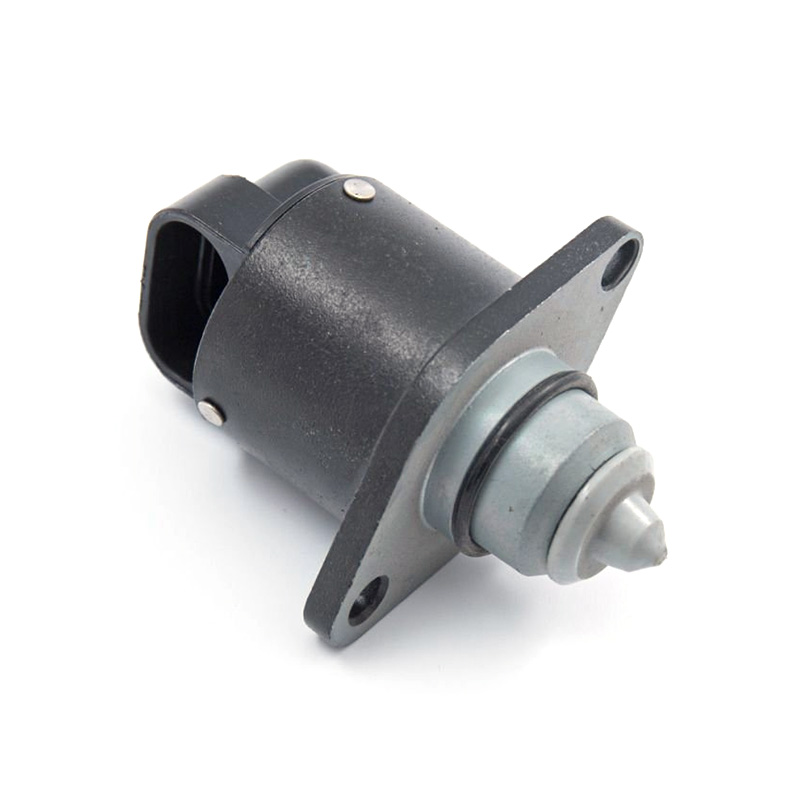
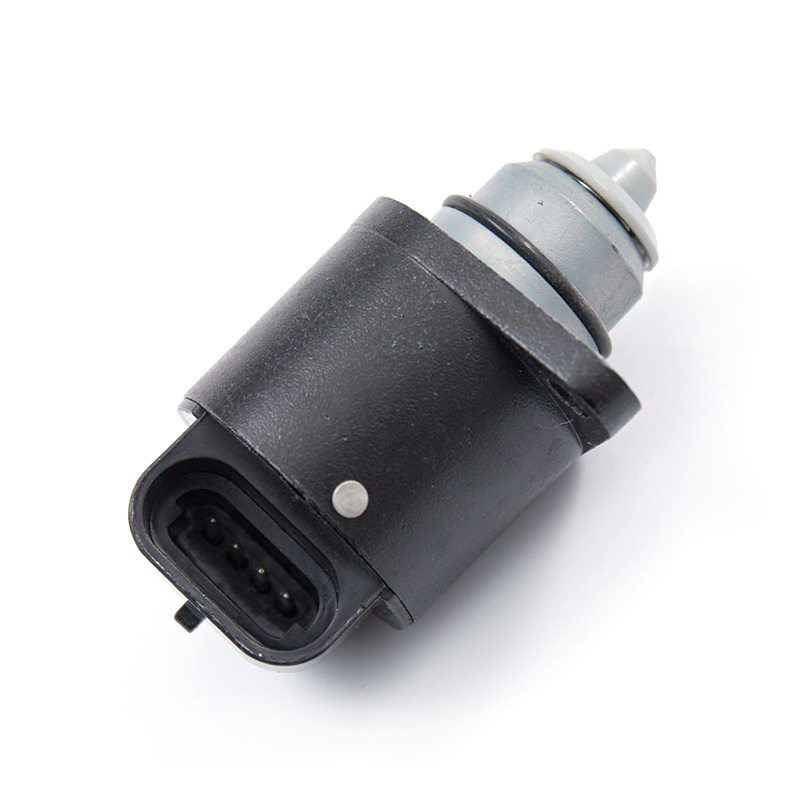
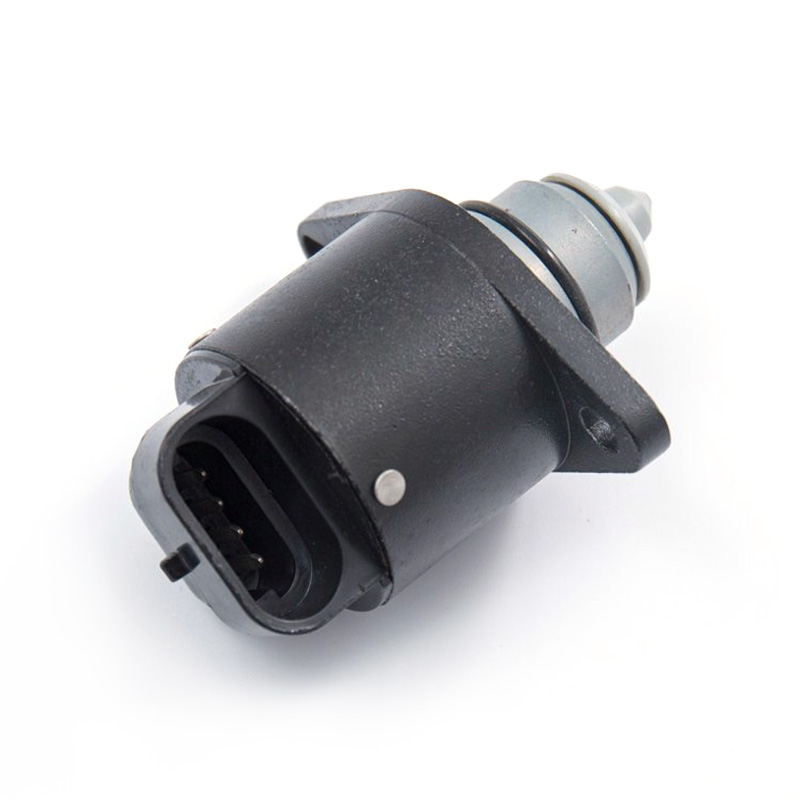
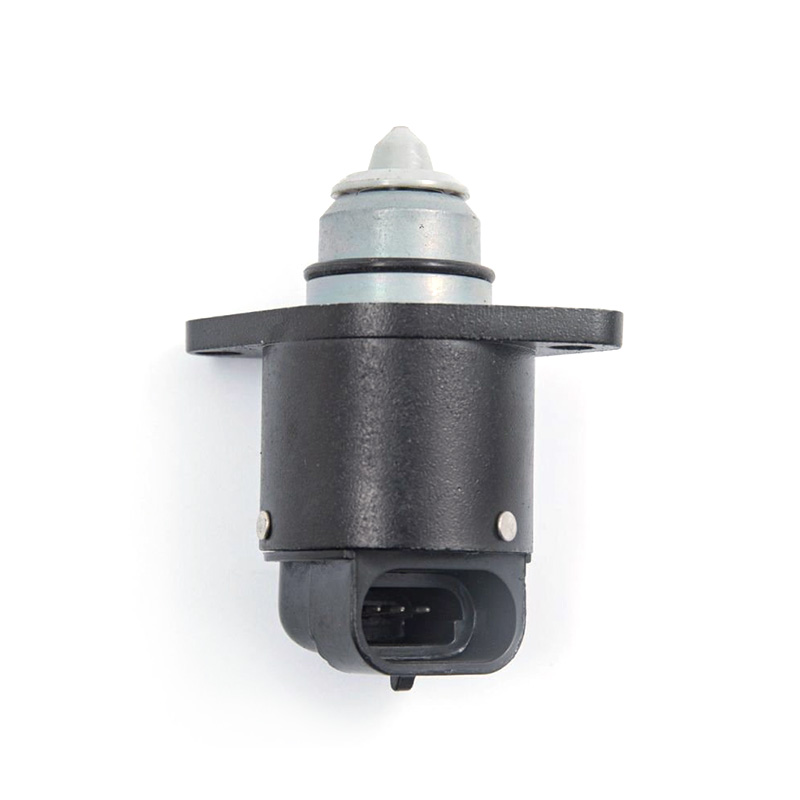
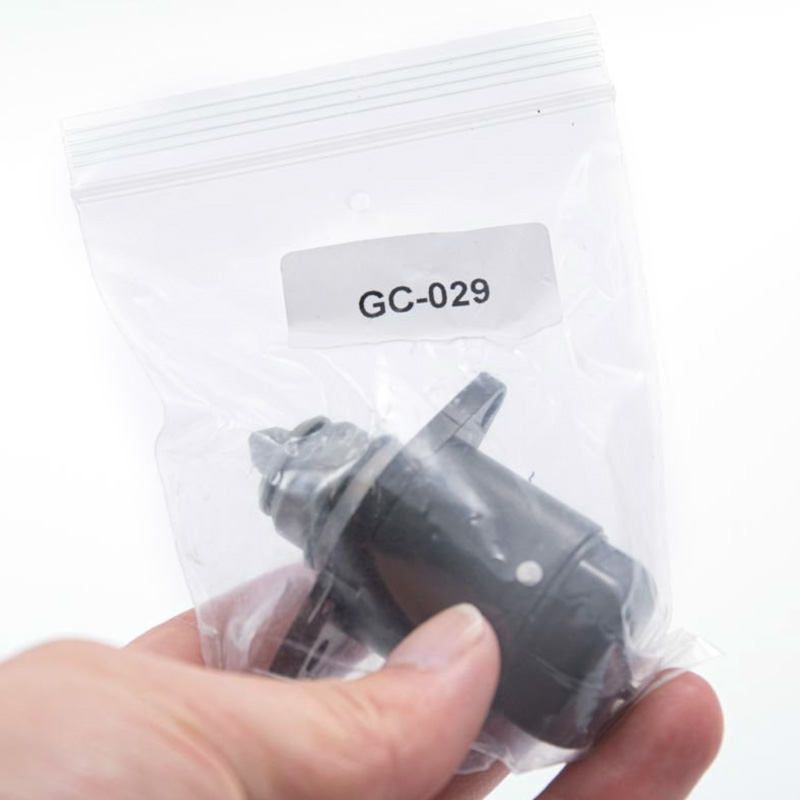
GC-029
REFERENCE OE:
2112-1148300-04
APPLICATION:
LADA
Idle air control valve from China factory for Lada.
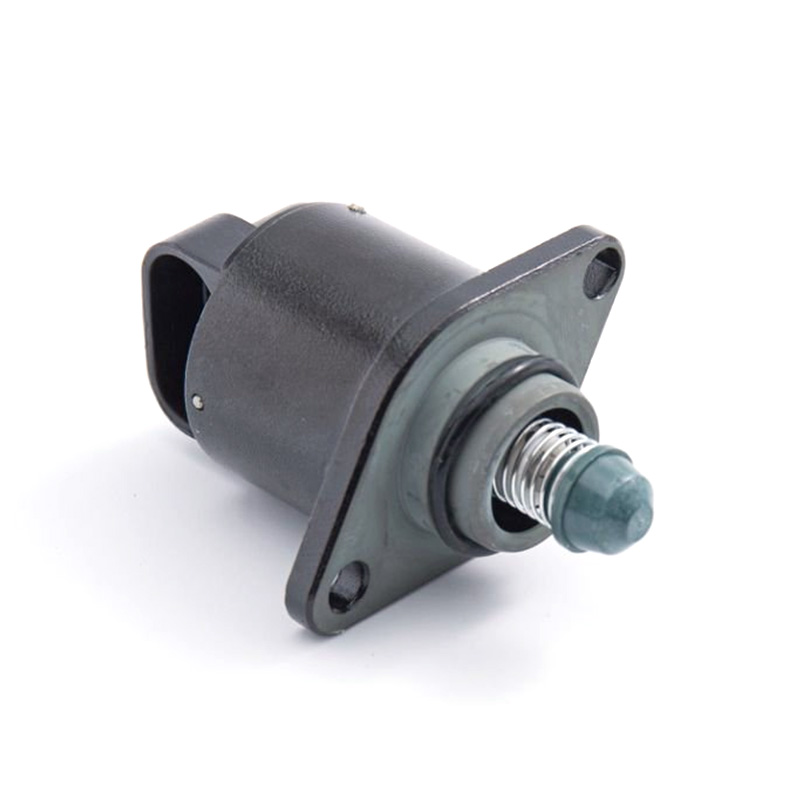
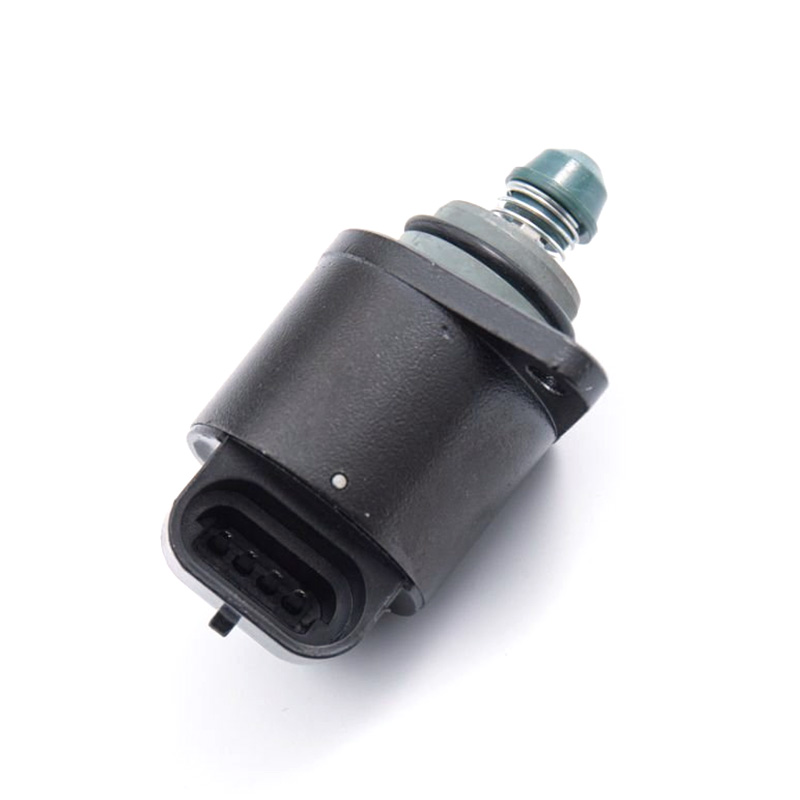
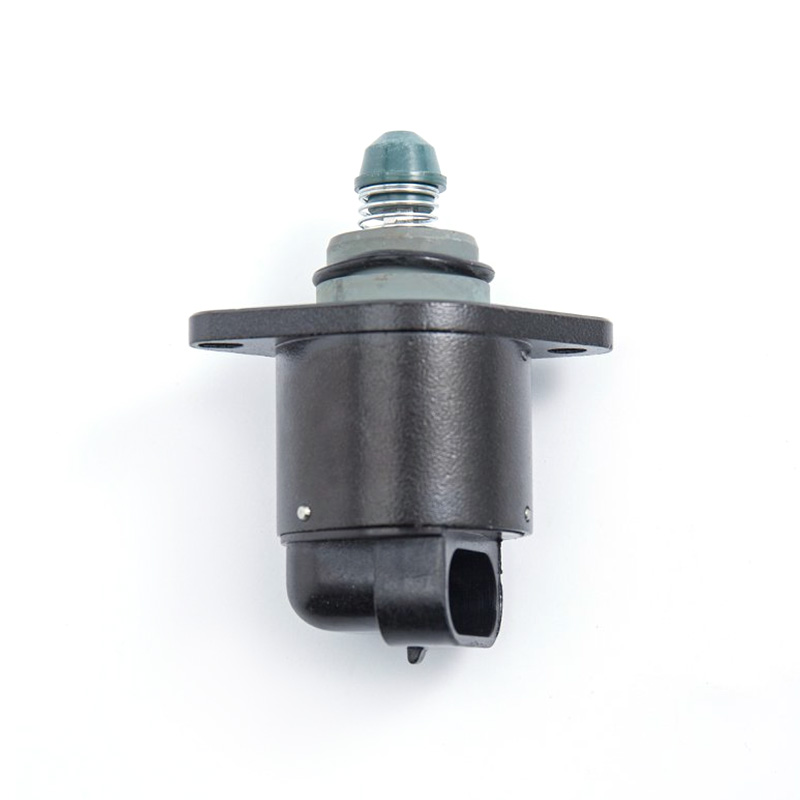
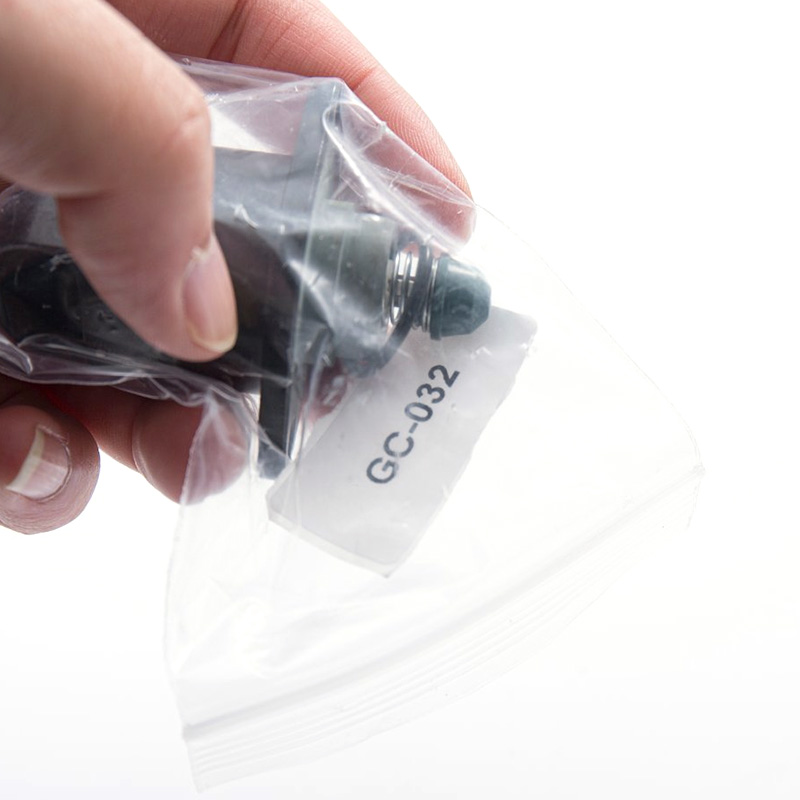
GC-032
REFERENCE OE:
21203-1148300
APPLICATION:
LADA
Idle air control valve from China factory for Lada.
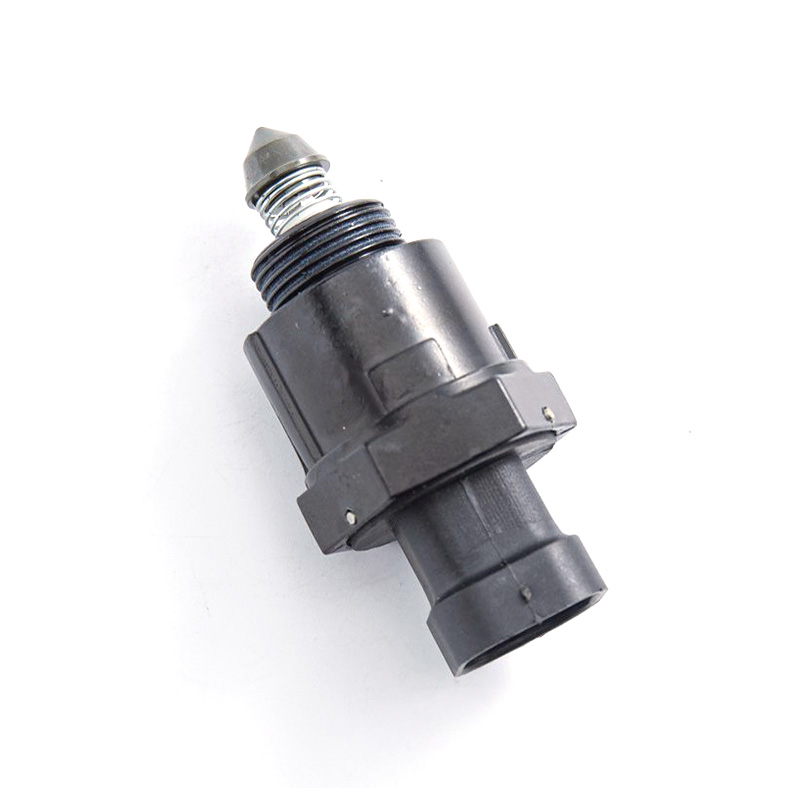
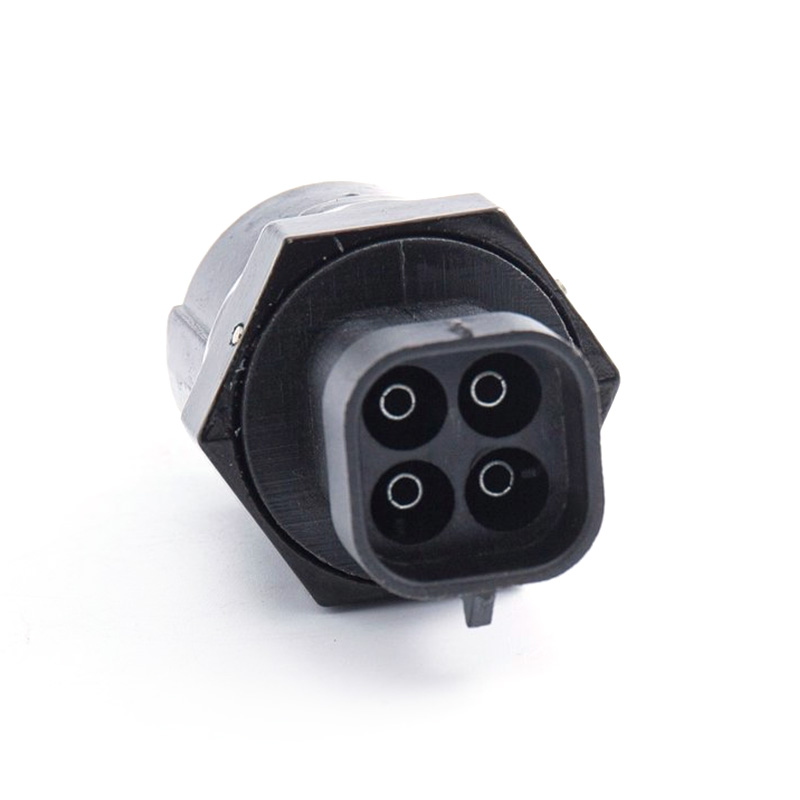
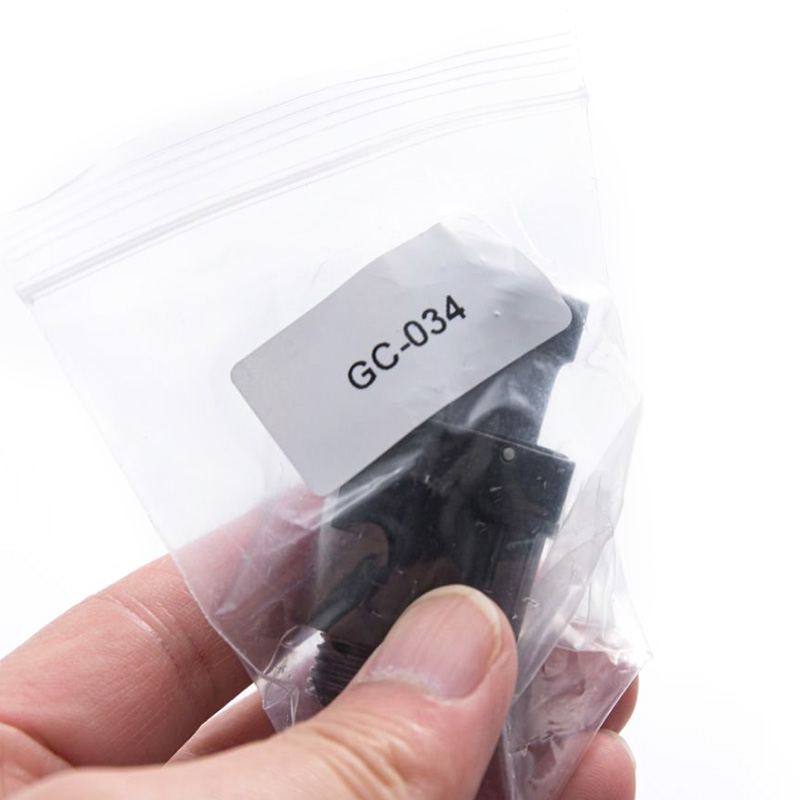
GC-034
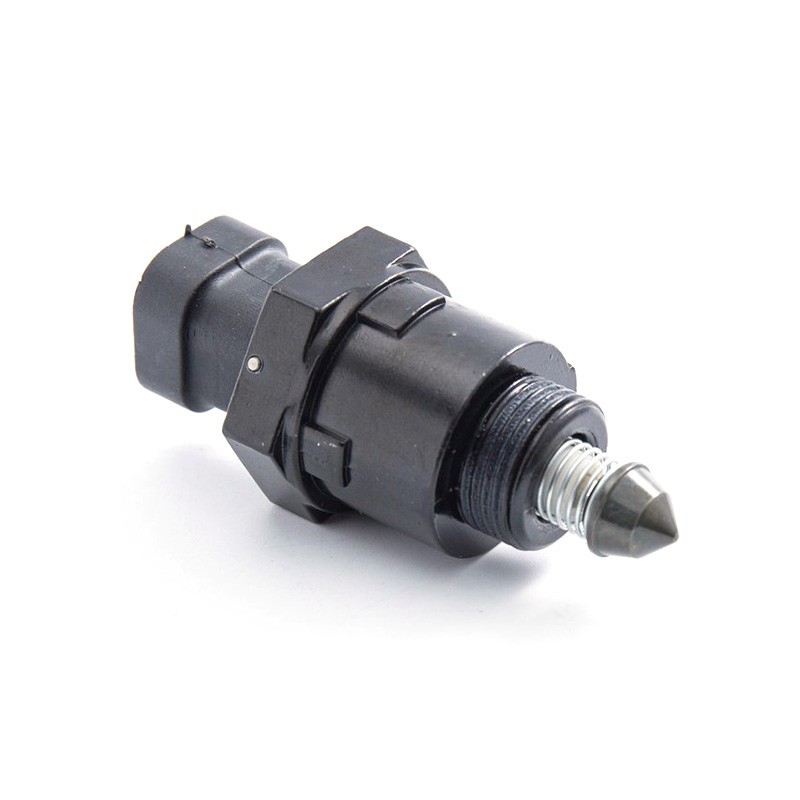
REFERENCE OE:
STD:AC16 WELLS:AC114 OEM:C403056730 17112193, 217415
APPLICATION:
LAND ROVER;
1985-1994 Astro)
1992-1995 Suburban
1988-1995y C1500 pickup
1988-1995y K1500 pickup
Idle air control valve from China factory for Land Rover.
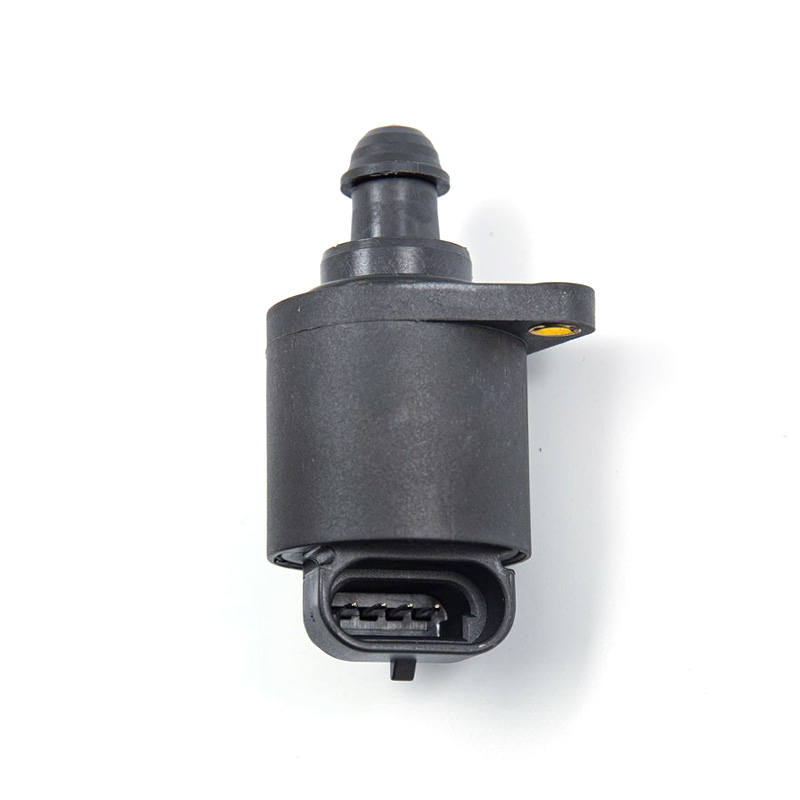
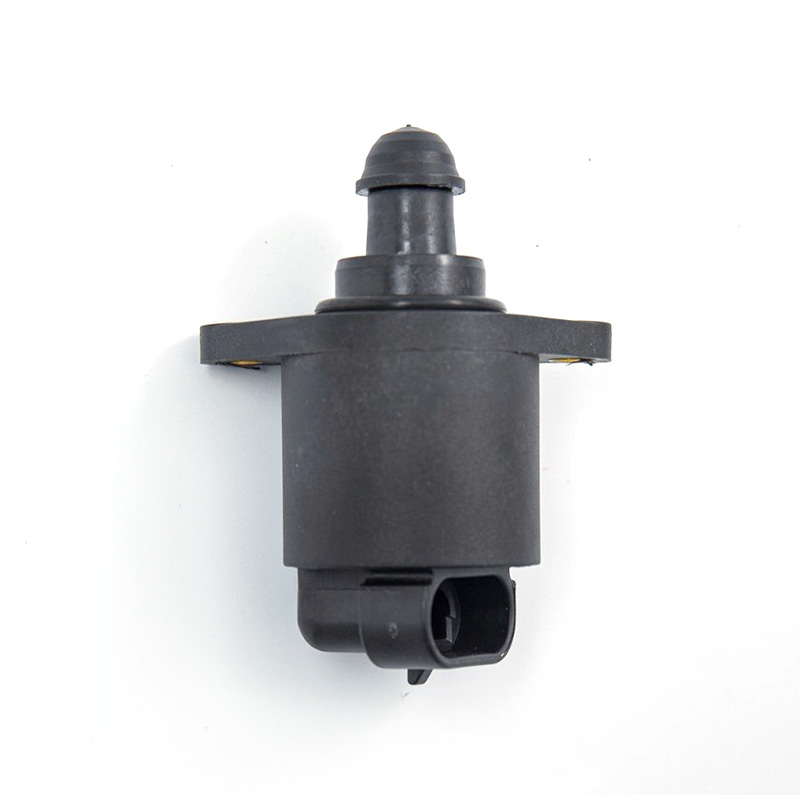
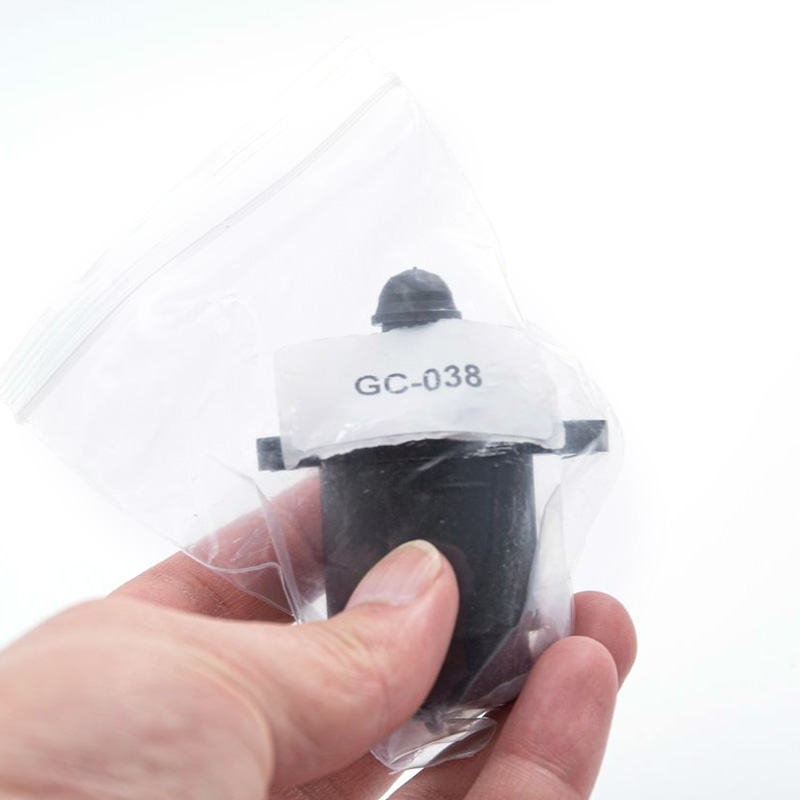
GC-038
REFERENCE OE:
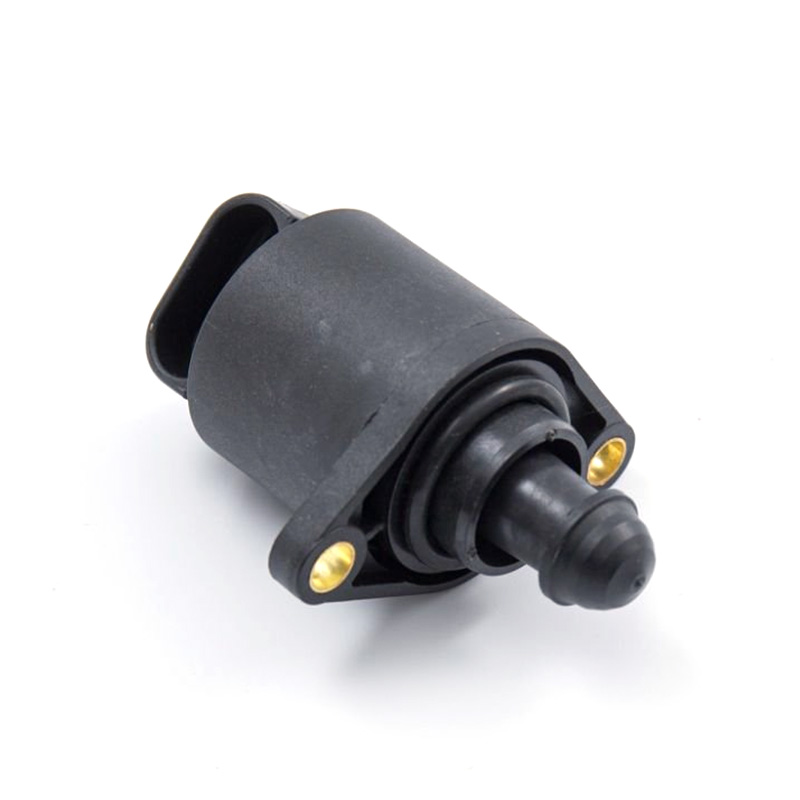
SIMENCE:A96158 A97116
PEUGEOT:19208X
MARELLI:230016079217
APPLICATION:
PEUGEOT 206SW/CC;PEUGEOT 307SW;406;806;807;EXPERT(224)
Idle air control valve from China factory for Peugeot 206 307 406 806 807.
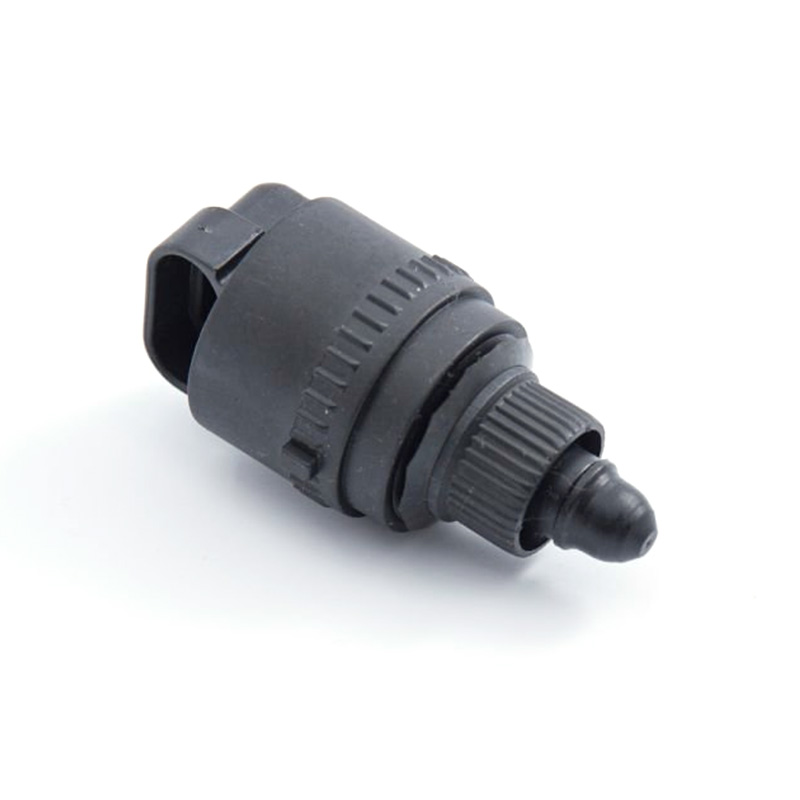
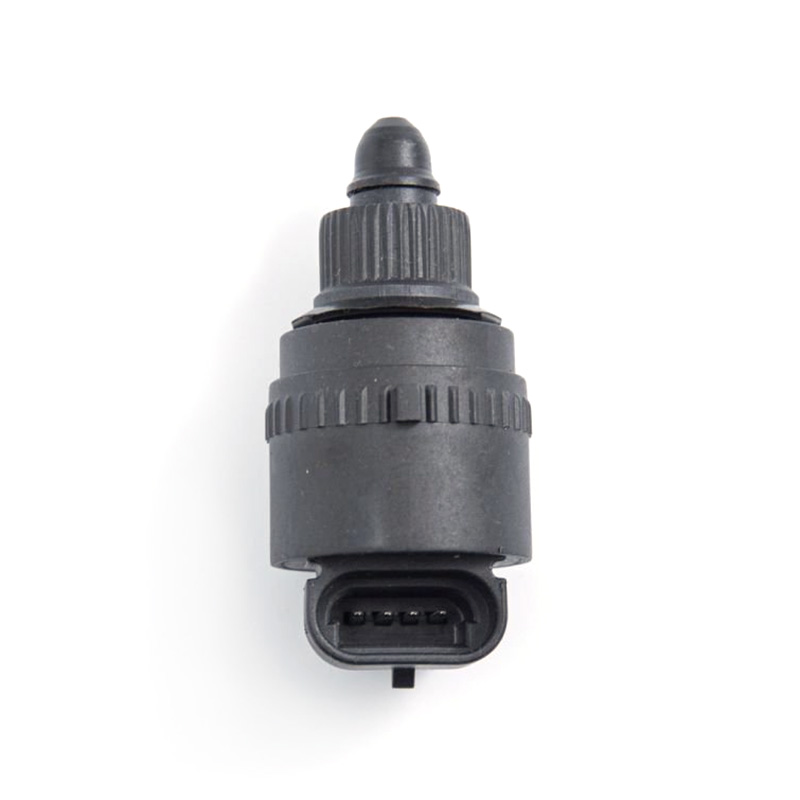
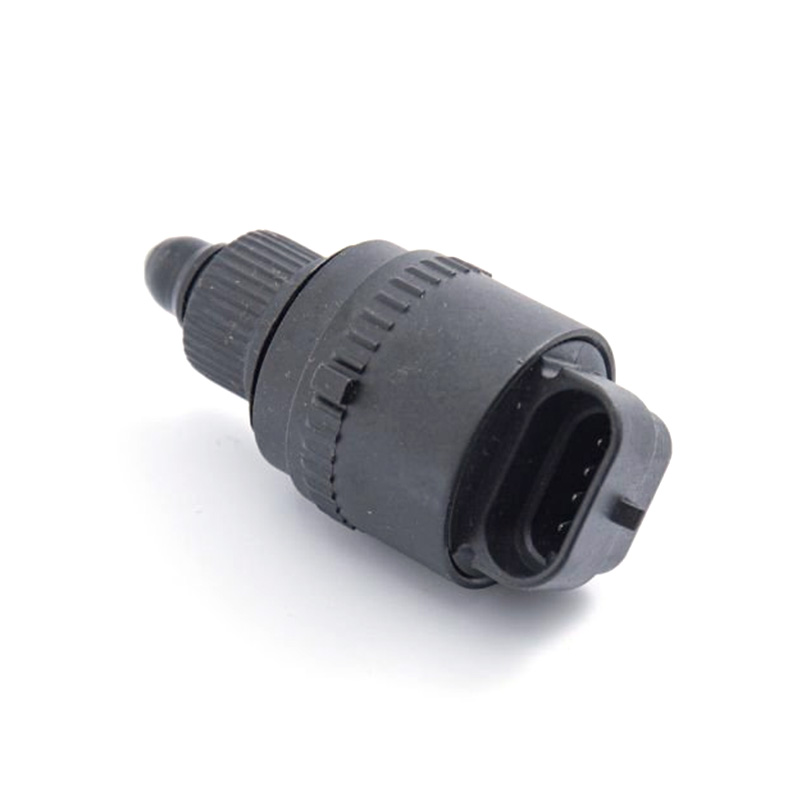
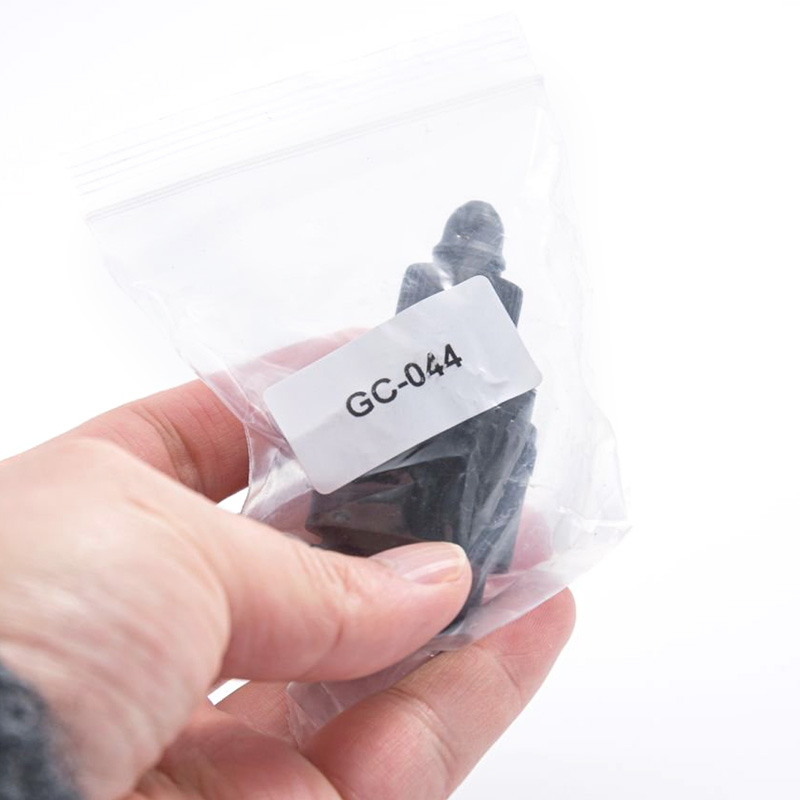
GC-044
REFERENCE OE:
IB01/00
40442902
71718105
APPLICATION:
FIAT 500 1.2;Boblo;Grande Punto;Idea 1.4;Linea 1.4;Palio(178BX)1.2;Panda;Punto;Lanci Musa 1.4;Y(840A)1.2;Ypsilon 1.2 1.4
Idle air control valve from China factory for Fiat Palio.
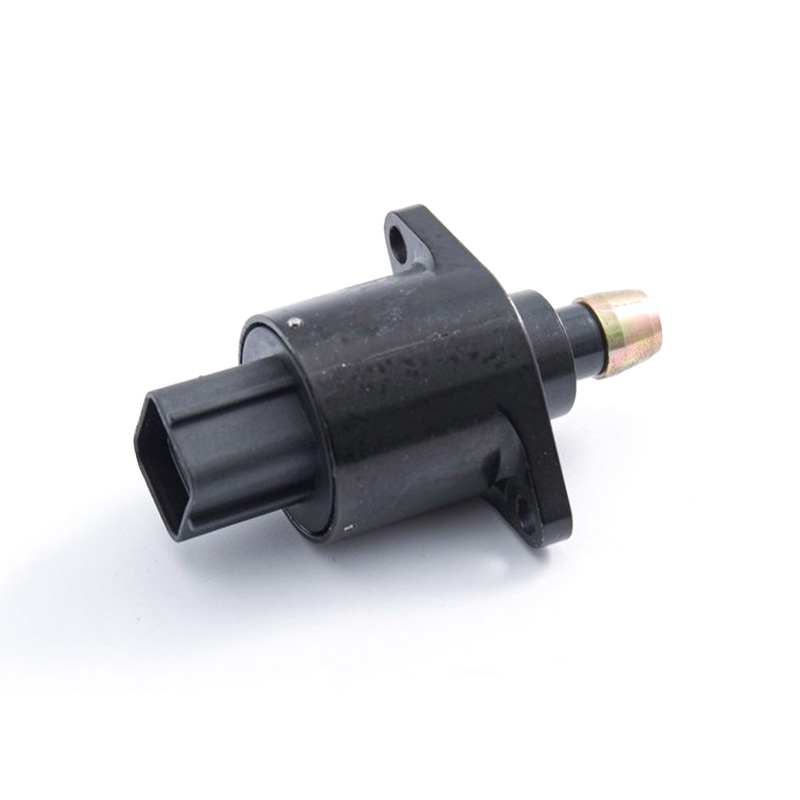
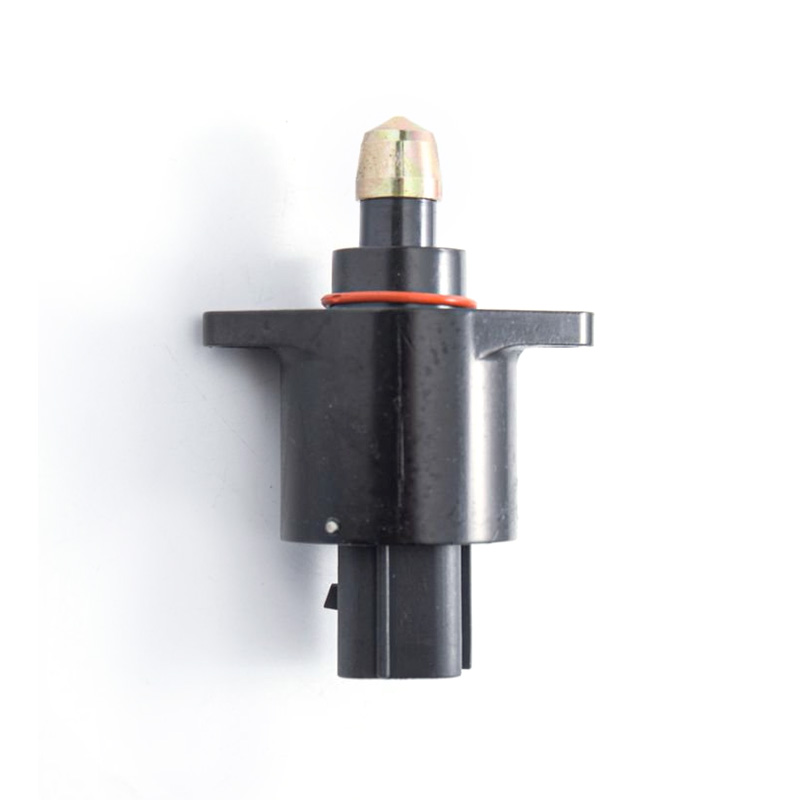
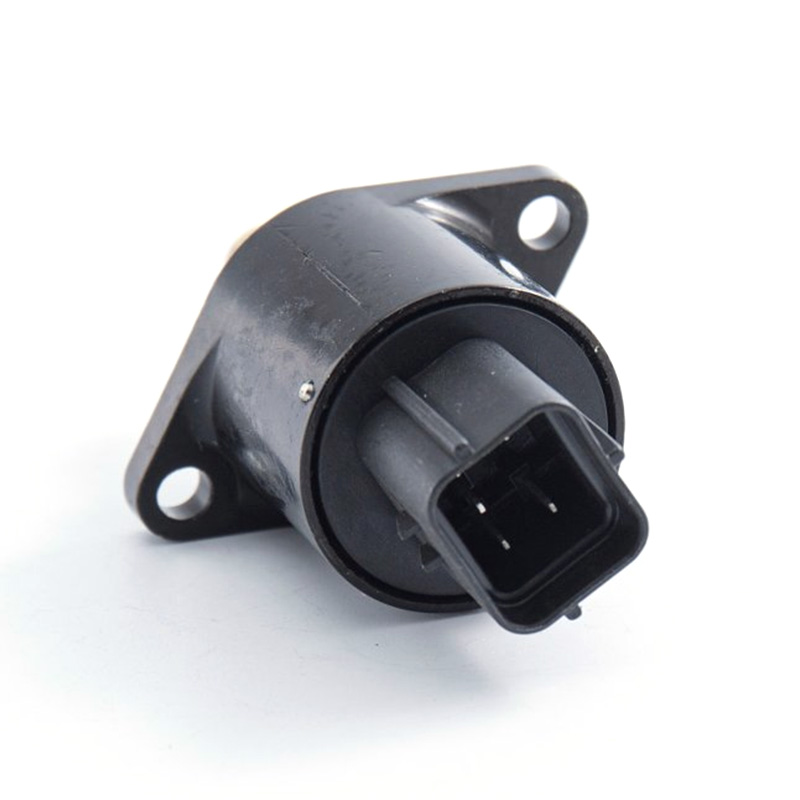
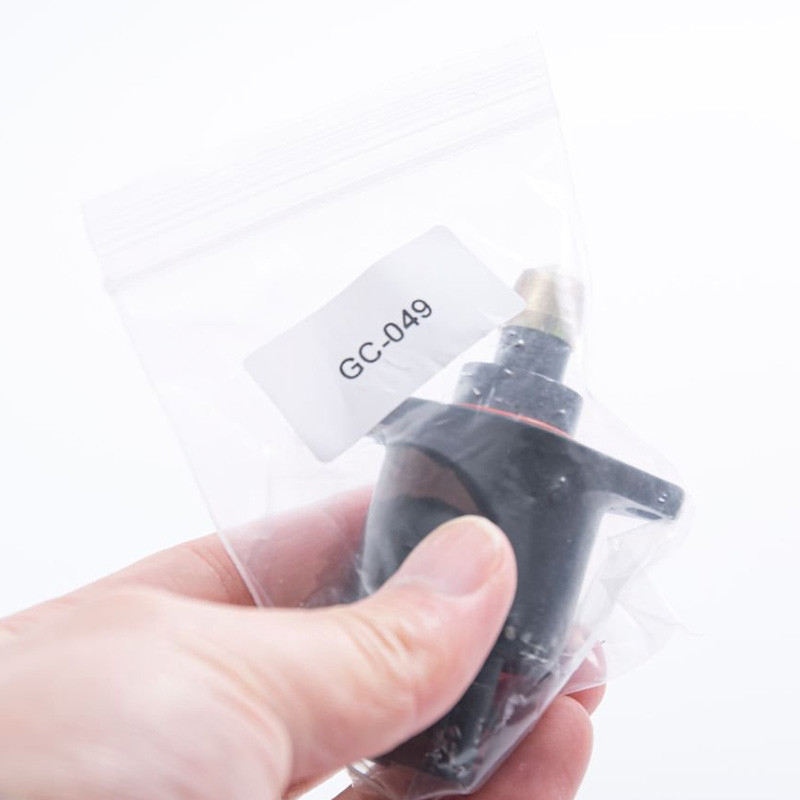
GC-049
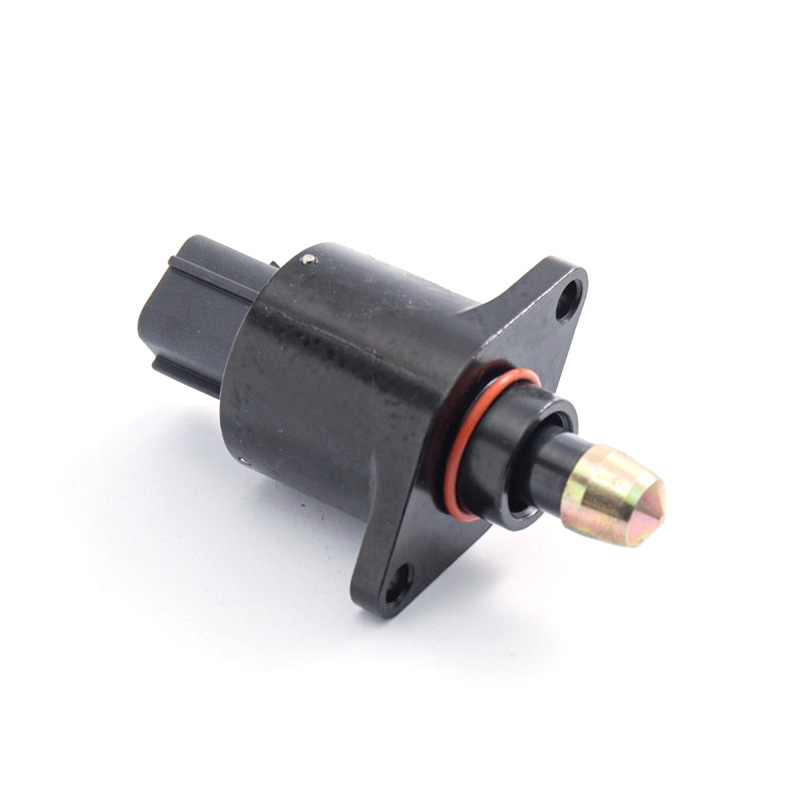
REFERENCE OE:
MDQ100040
APPLICATION:
ROVER
Idle air control valve from China factory for Rover.
Contact Us
Let's start collaborating

Guocheng is specialized in the R&D and production of key engine components for the automotive and engineering machinery industries.
Product
Stay Connected
(+86) - 577 - 8582 0886 (Tel)
(+86) - 577 - 8582 8085 (Fax)
(+86) - 19730213059 (Phone)
sales@wz-gc.com
No. 205, Baiyu Road, 15th Road, Binhai Park, Wenzhou, Zhejiang, China
Mobile

ODM Engine Management System Components
 English
 русский
 Español
 عربى
عربى Deutsch