Date:Dec 23, 2025
Modern automotive technology has seen a steady shift from mechanical linkages to electronic control systems. Among these developments, drive-by-wire (DBW) systems play a critical role in how vehicles manage throttle and engine performance. Unlike traditional mechanical throttle systems, DBW systems rely on electronic signals to control the engine, offering smoother operation, greater precision, and improved integration with other engine management components. Key components in these systems include the Throttle Pedal Sensor, the Electronic Throttle Position Sensor, and the Idle Air Valve. Understanding the function and interaction of these components is essential for anyone interested in modern automotive systems, vehicle maintenance, or engineering design.

Drive-by-wire systems eliminate the physical connection between the accelerator pedal and the throttle body. Instead, the driver’s input is measured electronically through a Throttle Pedal Sensor. This sensor detects the position of the accelerator pedal and sends a corresponding electrical signal to the vehicle’s electronic control unit (ECU). The ECU interprets the signal and adjusts the throttle opening through the Electronic Throttle Position Sensor, ensuring that the engine receives the correct air-fuel mixture.
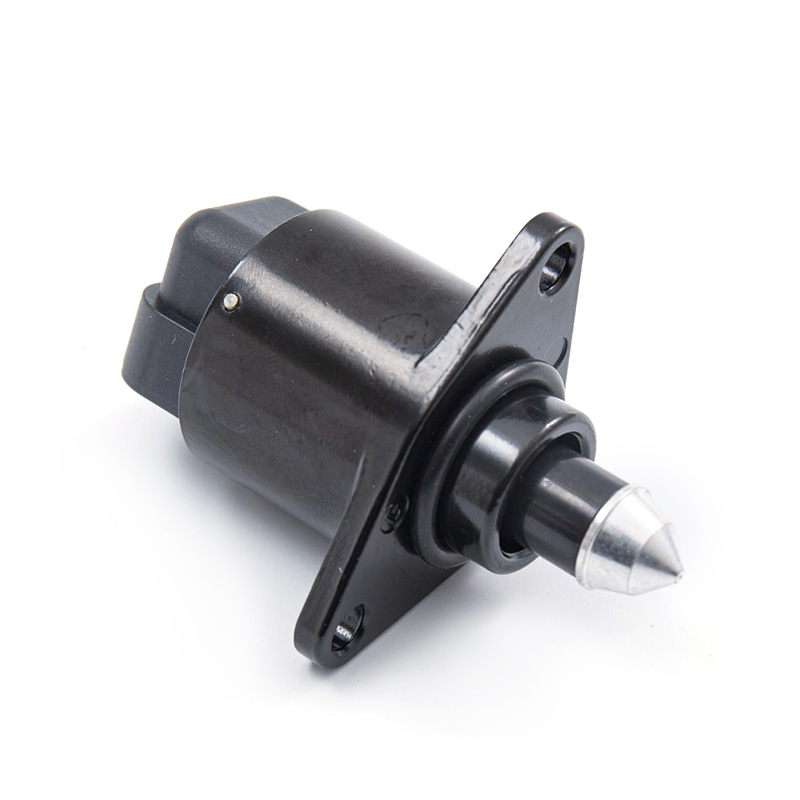
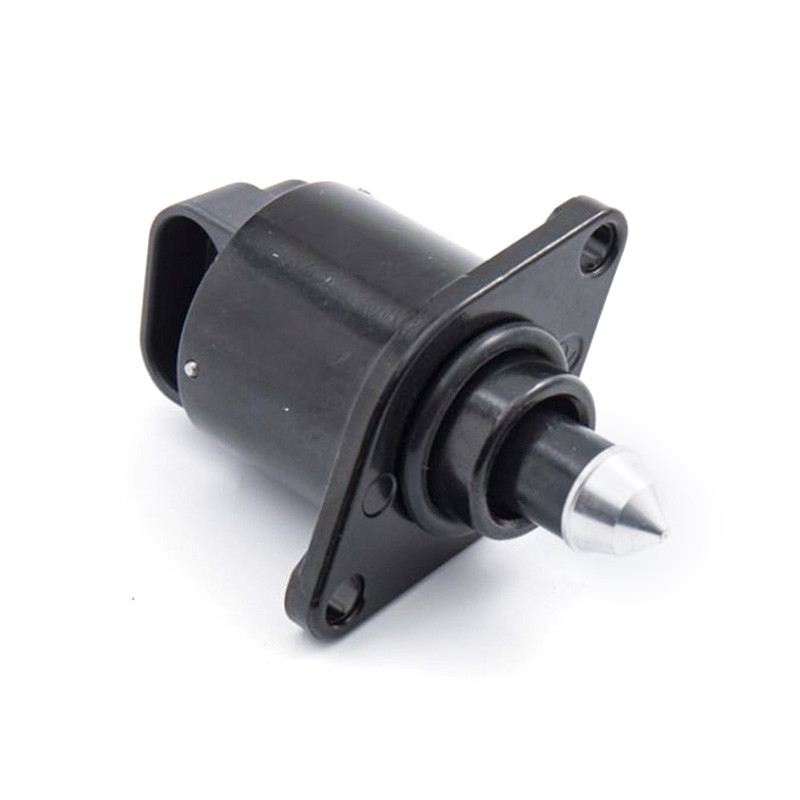
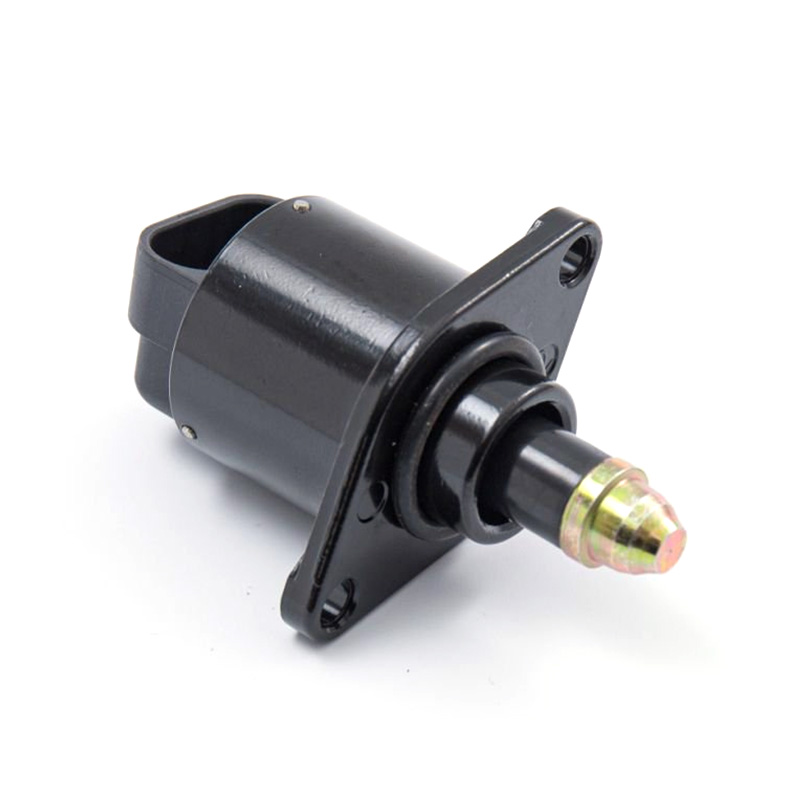
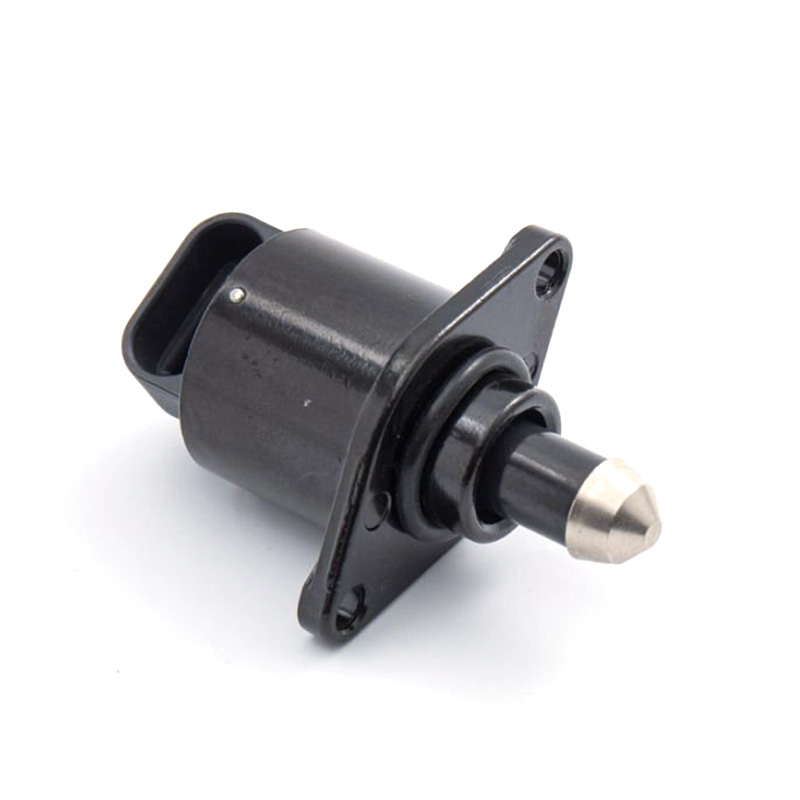
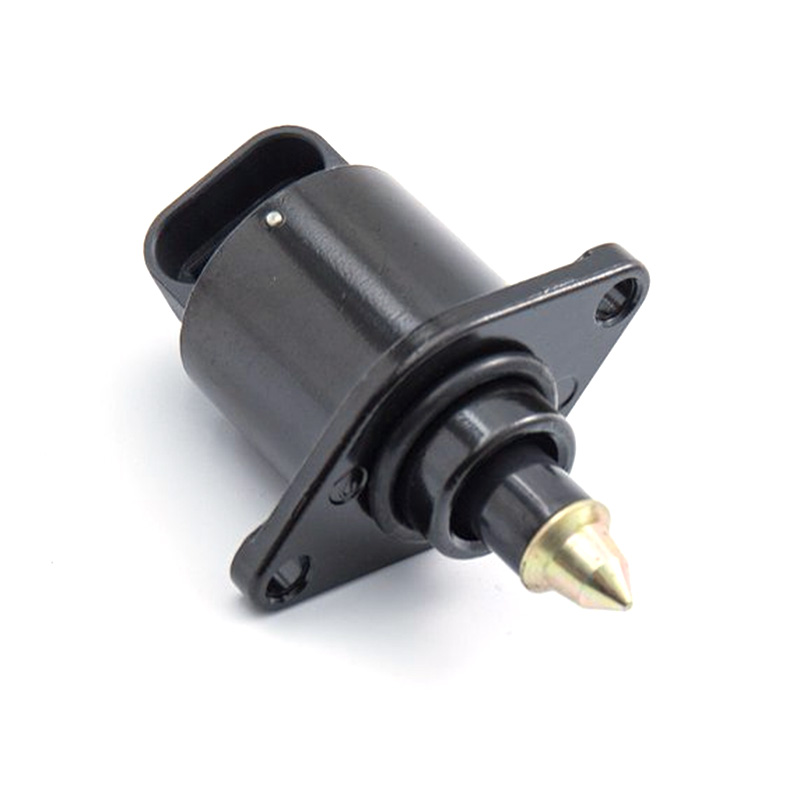
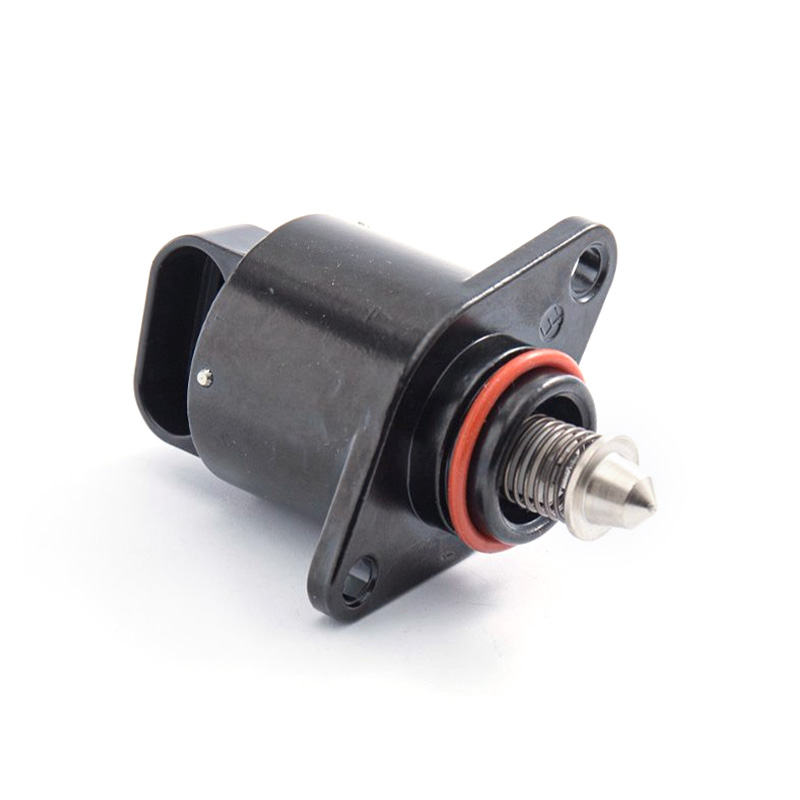
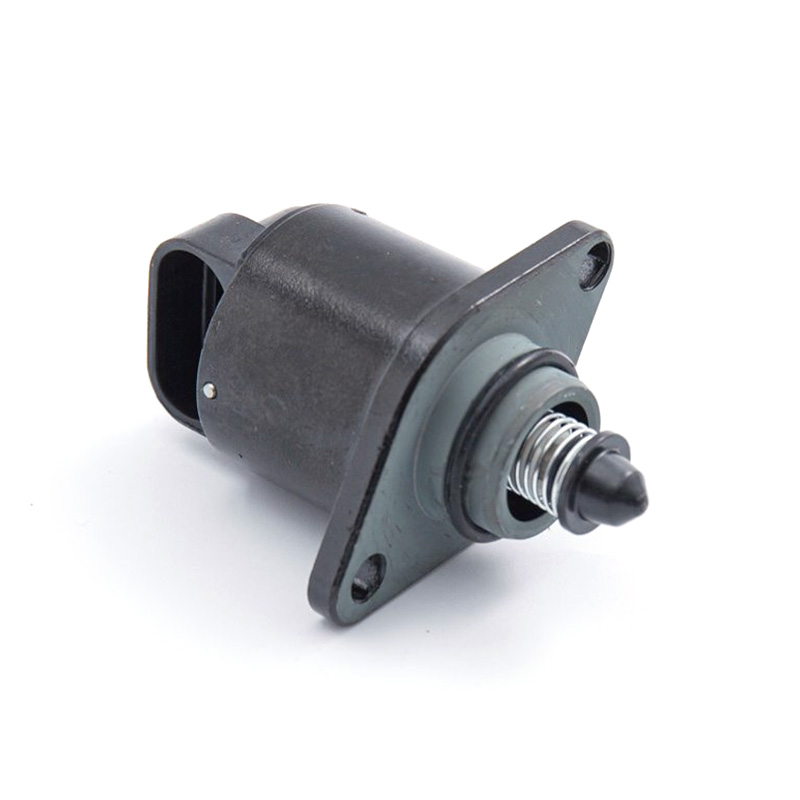
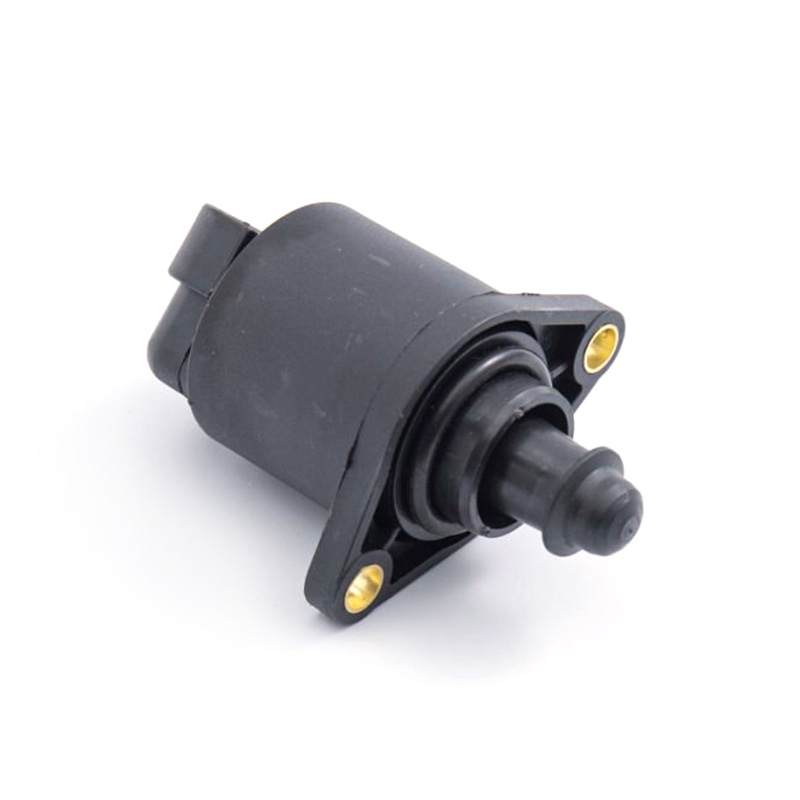
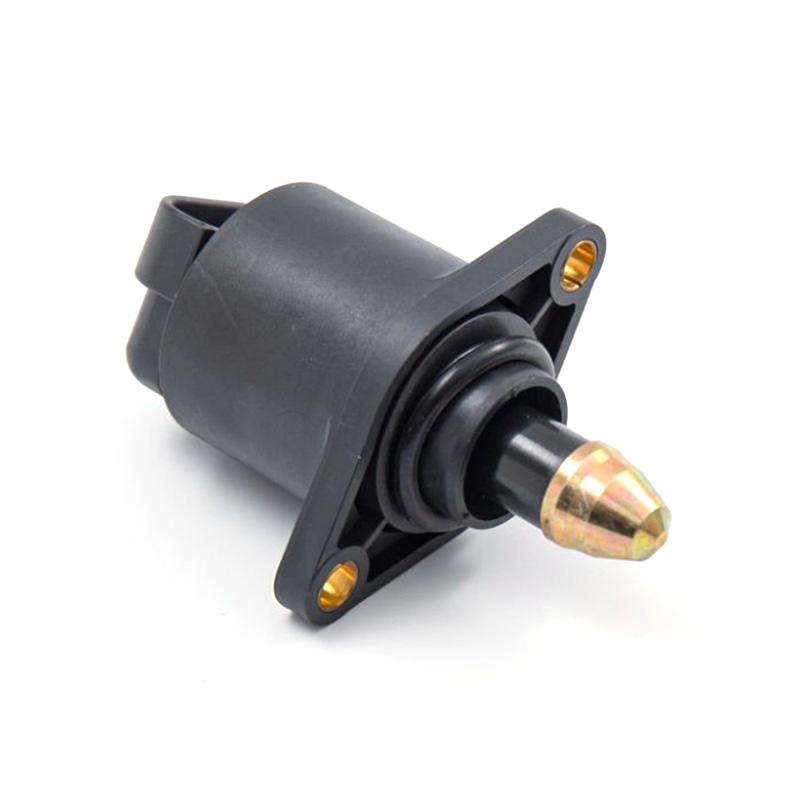
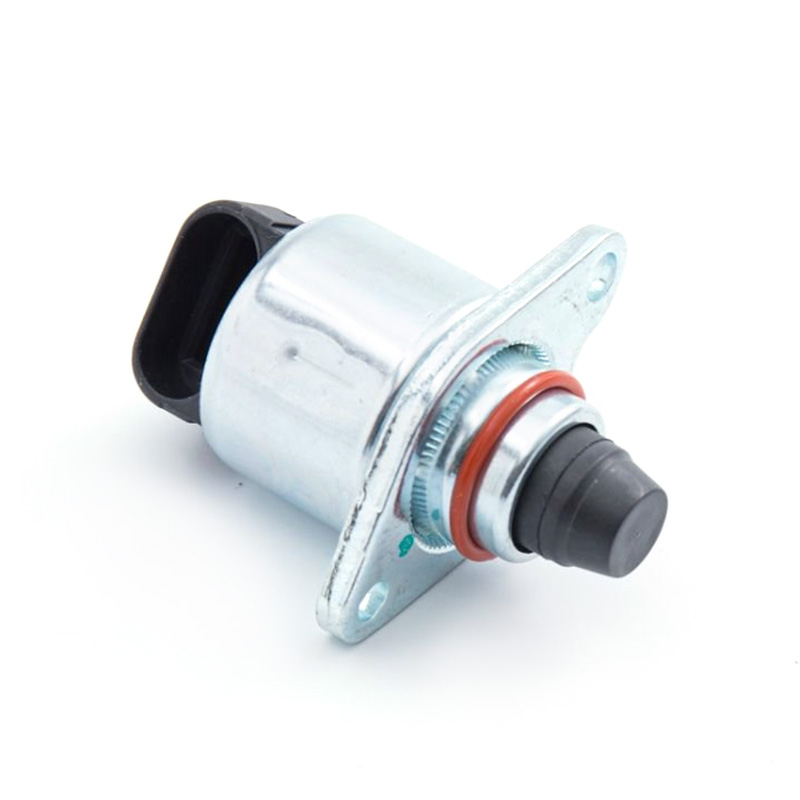
Within this system, the Idle Air Valve plays a supporting role. While the throttle sensor controls general engine acceleration, the idle air valve regulates airflow during idle conditions, ensuring the engine remains stable when the accelerator pedal is not pressed. Together, these components form an integrated network that maintains engine performance, efficiency, and drivability.
The Throttle Pedal Sensor is a critical interface between the driver and the engine. It translates the mechanical motion of pressing the accelerator into an electronic signal that the ECU can process. The sensor’s design typically involves a potentiometer or a hall-effect sensor to measure pedal position accurately. Accurate readings from the throttle pedal sensor are vital because even small errors in input can affect engine responsiveness, fuel efficiency, and emissions.
In practical applications, throttle pedal sensors are used in a wide range of vehicles, from passenger cars to heavy-duty trucks. The sensor works in tandem with the Electronic Throttle Position Sensor, providing real-time feedback that enables precise control of the throttle plate. By monitoring pedal position and throttle angle, the vehicle can adjust engine output smoothly, reducing fuel consumption and improving drivability.
Additionally, the throttle pedal sensor plays a safety role. Many modern vehicles include diagnostic functions to detect sensor malfunctions. If the Throttle Pedal Sensor reports a value outside its expected range, the ECU can limit throttle response to prevent unintended acceleration or engine surges. This feature highlights the sensor’s importance beyond performance, emphasizing safety in electronic throttle systems.
The Electronic Throttle Position Sensor is another essential component in drive-by-wire systems. While the Throttle Pedal Sensor measures driver input, the electronic throttle sensor monitors the actual position of the throttle plate. This feedback ensures that the throttle position corresponds accurately to the driver’s demand.
The integration of the Electronic Throttle Position Sensor with the ECU allows for finer control of engine parameters. For example, during sudden acceleration, the ECU can calculate the precise throttle angle needed to achieve the requested power output while avoiding engine hesitation. This coordination also contributes to improved fuel efficiency, as the system adjusts air intake in response to driving conditions.
In addition, the sensor supports auxiliary engine functions. Features such as traction control, cruise control, and start-stop systems rely on accurate throttle position data. By maintaining precise throttle control, the Electronic Throttle Position Sensor helps ensure consistent engine performance across various operating conditions.
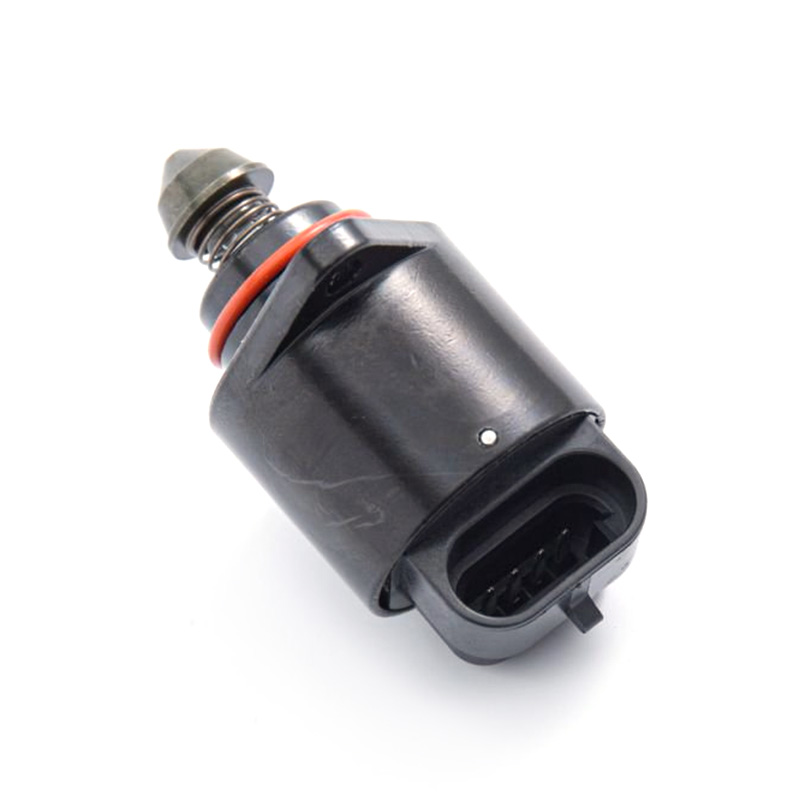
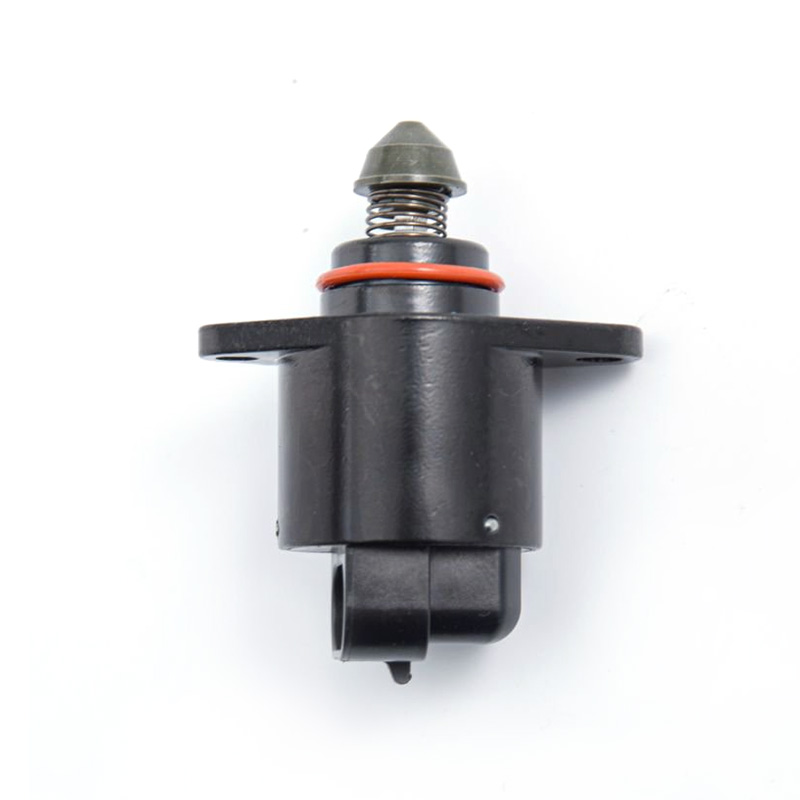
While the Throttle Pedal Sensor and the Electronic Throttle Position Sensor manage engine load and acceleration, the Idle Air Valve addresses idle stability. When a vehicle is stopped or operating at low speeds, the idle air valve controls airflow bypassing the throttle plate, maintaining smooth engine operation.
The Idle Air Valve works in coordination with other sensors to prevent stalling and support features such as air conditioning and electrical load management. For instance, when additional engine load occurs due to climate control systems or power steering, the idle air valve adjusts airflow to compensate for the change, preventing engine speed fluctuations.
Maintenance of the Idle Air Valve is important to sustain engine stability. Over time, carbon deposits or mechanical wear can reduce its effectiveness, leading to rough idling or unexpected stalling. Regular inspection and cleaning of the idle air valve can maintain consistent performance, particularly in vehicles equipped with drive-by-wire systems.
The seamless operation of a drive-by-wire system depends on the interaction between the Throttle Pedal Sensor, the Electronic Throttle Position Sensor, and the Idle Air Valve. Together, these components provide a network of feedback and control that manages engine response accurately.
When the driver presses the accelerator pedal, the Throttle Pedal Sensor sends a signal to the ECU. The ECU calculates the required throttle opening and instructs the Electronic Throttle Position Sensor to adjust the throttle plate accordingly. Simultaneously, the Idle Air Valve ensures that airflow is sufficient to maintain engine stability, especially at low speeds or idle.
This coordination allows the vehicle to respond smoothly to driver input while maintaining fuel efficiency and emissions compliance. It also enables advanced engine features, such as adaptive cruise control and electronic stability control, which rely on accurate throttle and idle management.
Using electronic sensors like the Throttle Pedal Sensor and the Electronic Throttle Position Sensor offers several advantages:
The combination of these components provides a level of control and reliability not achievable with traditional mechanical systems, contributing to overall vehicle performance and driving experience.
The Throttle Pedal Sensor, Electronic Throttle Position Sensor, and Idle Air Valve are critical elements in modern drive-by-wire systems. Each component plays a unique role in controlling engine response, maintaining stability, and improving fuel efficiency. The throttle pedal sensor captures driver input, the electronic throttle sensor monitors the throttle position, and the idle air valve regulates airflow during idle. Together, these components form an integrated network that supports performance, safety, and engine management in contemporary vehicles.
For those interested in automotive technology or vehicle maintenance, understanding the function and interaction of these components is essential. Proper maintenance, timely inspection, and awareness of these sensors and valves can contribute to smoother driving, longer engine life, and more reliable vehicle operation. Drive-by-wire systems demonstrate the advantages of electronic engine management, and the Throttle Pedal Sensor, Electronic Throttle Position Sensor, and Idle Air Valve remain central to this technology.
Related Products
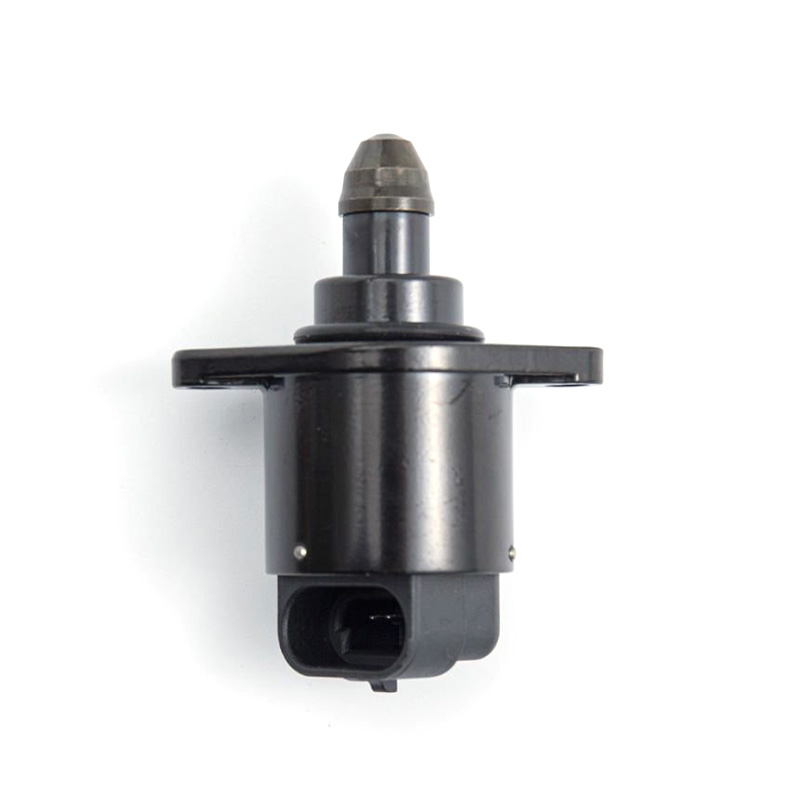
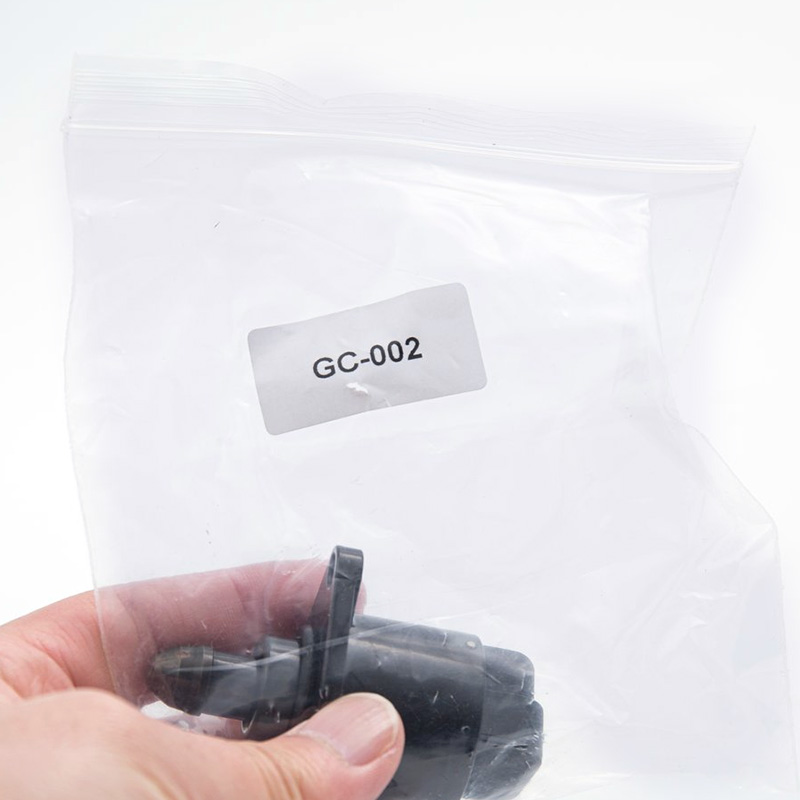
GC-002
REFERENCE OE:
SHORT CODE: B95/00
PEUGEOT: 1920X9 C95197
APPLICATION:
PEUGEOT 306 Break/Cabriolet/Schraqheck;PEUGEOT 405 II Break; PEUGEOT 406 Break/Coupe;
PEUGEOT 605 806;PEUGEOT BOXER Bus/Kasten/Pritsche/Fahrqestell
China original factory for idle air control valve and different kind of sensors with high quality and competitive price!
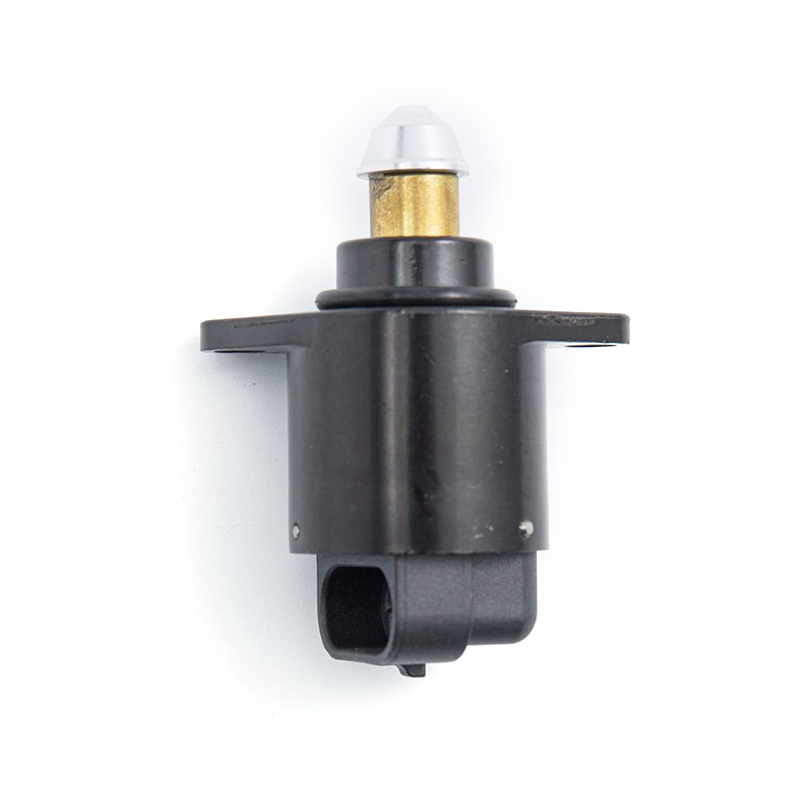
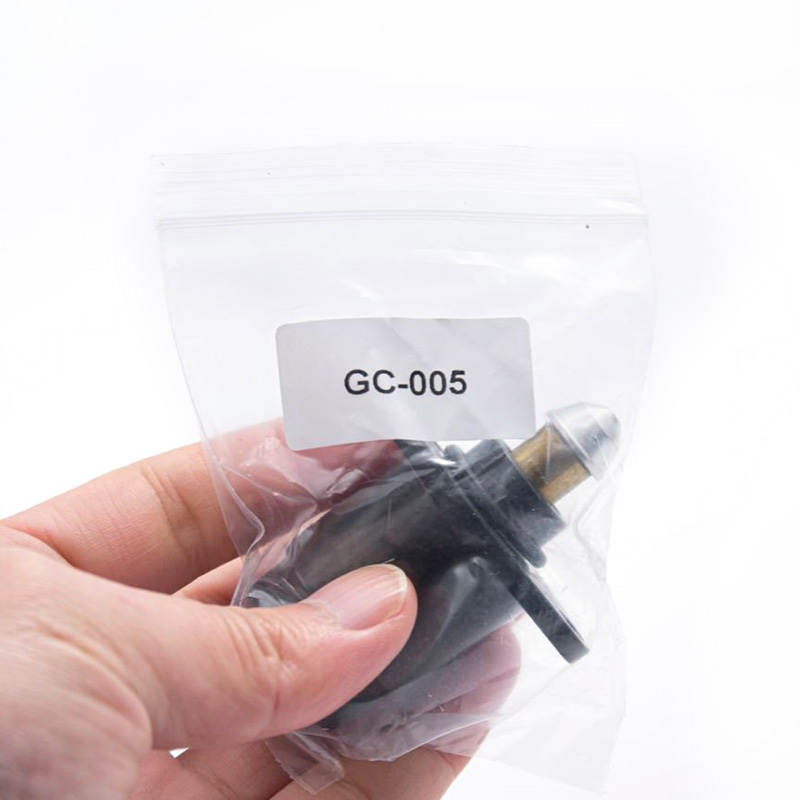
GC-005
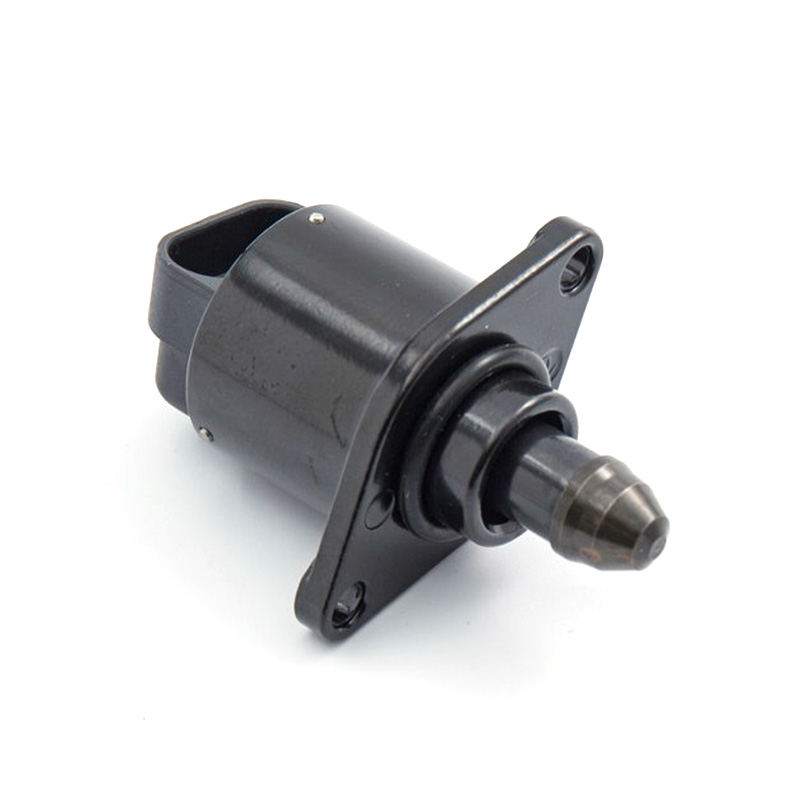
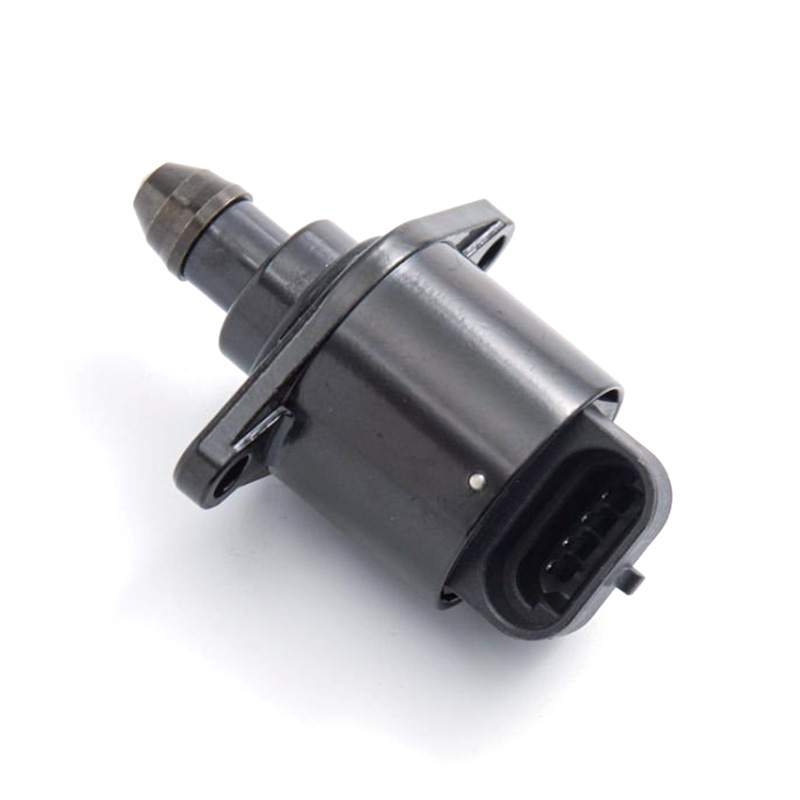
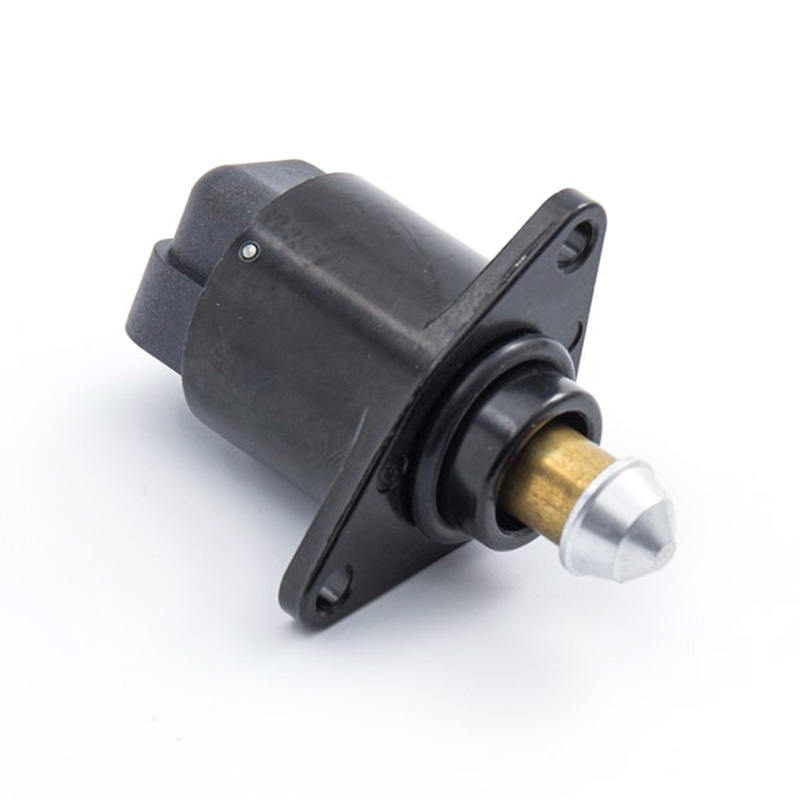
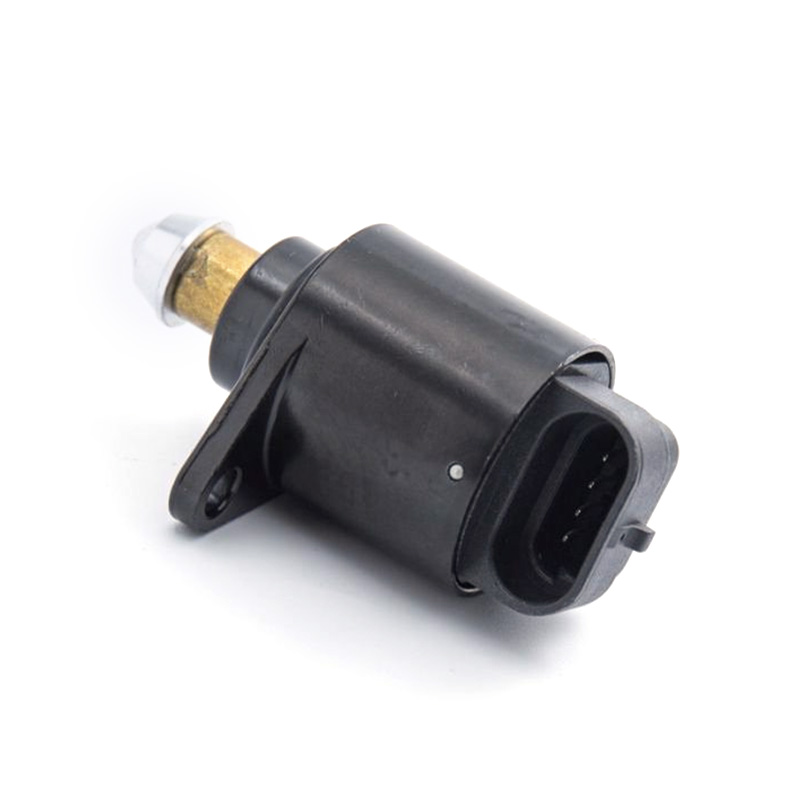
REF OE:
HOT-STAMP:B22/00 B22/01
PEUGEOT:19204X
SIMENCE:A97104 A97113 B22/00 B22/01 19204X A97104 A97113
APPLICATION:
CITROEN BERLINGO(MF)1.8i(MFLFX)4WD(MFLFX);CITRO XANTIA/Break(X1)/(X2)1.8i/1.8i 16V;CITRO XSARA(N1)1.8i/1.8i 16V;Break(N2) 1.8i/1.8i 16V;Coupe(N0)1.8i/1.8i 16V;
PICASSO(N68)1.8 16V;PEUGEOT 306/Break/Cabriolet/Schraqheck;PEUGEOT 406/Break;PEUGEOT PARTNER Combispace(5F)1.8
China Auto Parts Manufacture with Wholesale Price for Idle Air Control Valve,Crankshaft Position Sensor,Camshaft Position Sensor,Throttle Position Sensor.
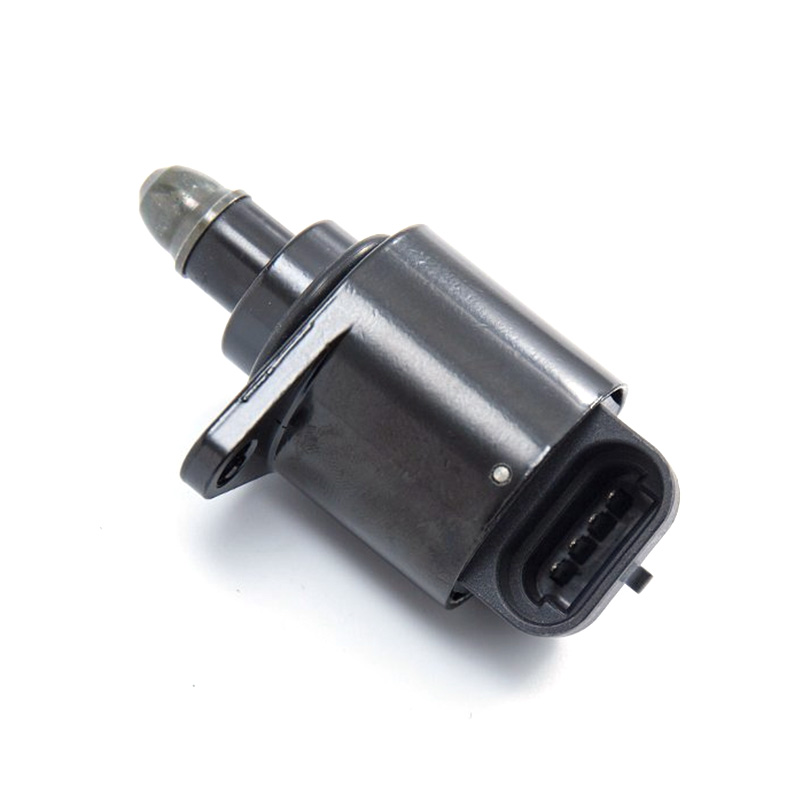
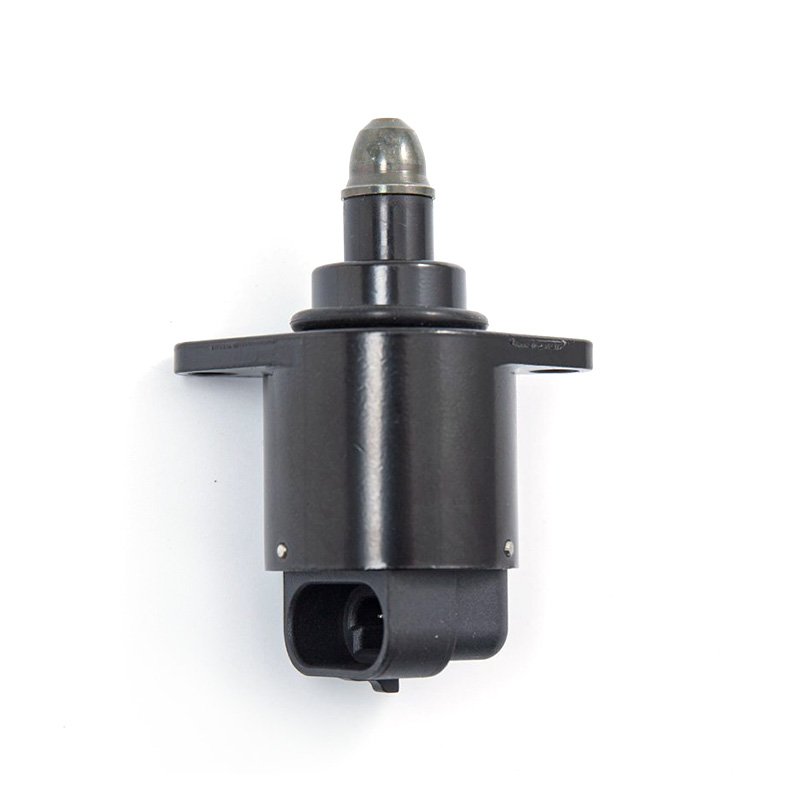
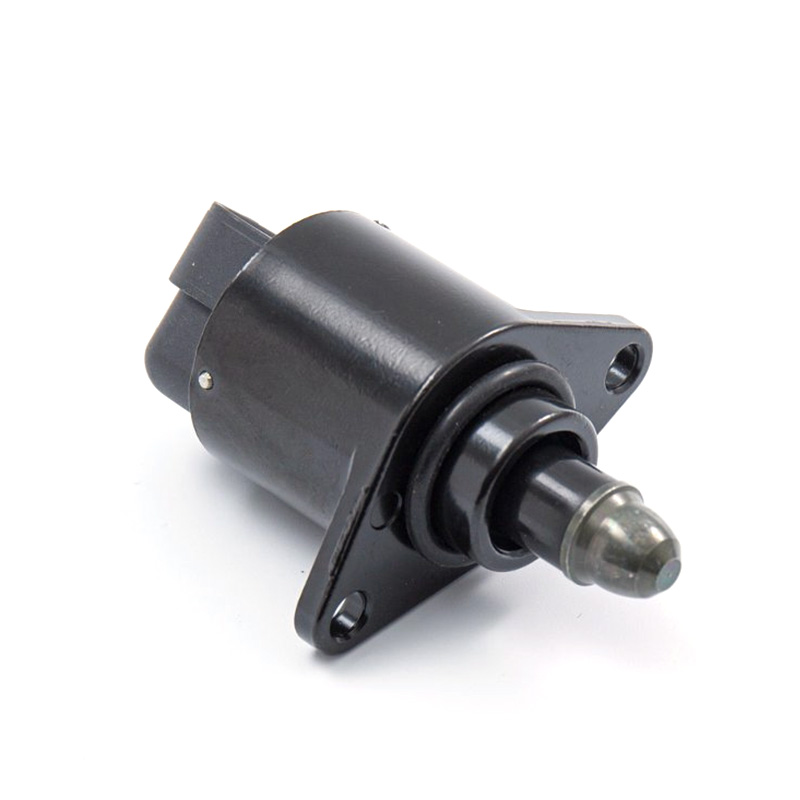
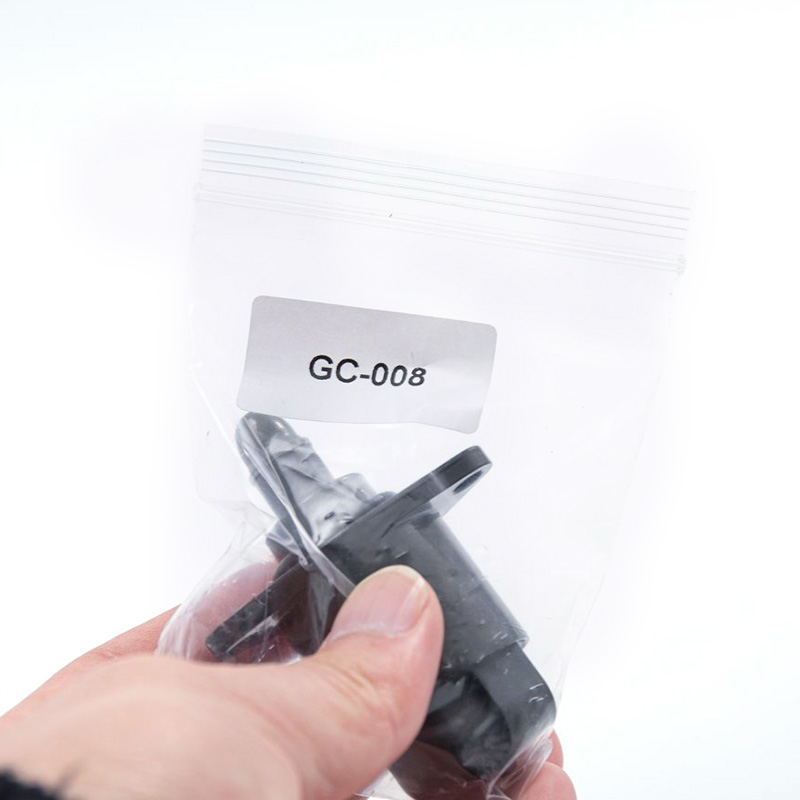
GC-008
REF OE:
SHORT CODE:B20/01
VDO:AT-02001R
MARELLI:40415202 219244820500
FIAT:46451794
APPLICATION:
Punto 85 16V 1.2 97>MPI PALIO 98->1.3 MPI/SIENA 98->1.3,Palio 1.0,1.5,96 98,Siena 1.5 99,UNO 1.0 99;Weekend 1.5 97;Uno Furgoneta,
Fiorino 1.5 97 98,Palio 1.0 1.5 96 98 ,Siena 1.0, Strada 1.5
Idle air control valve from china manufacture,main market to US and south America.
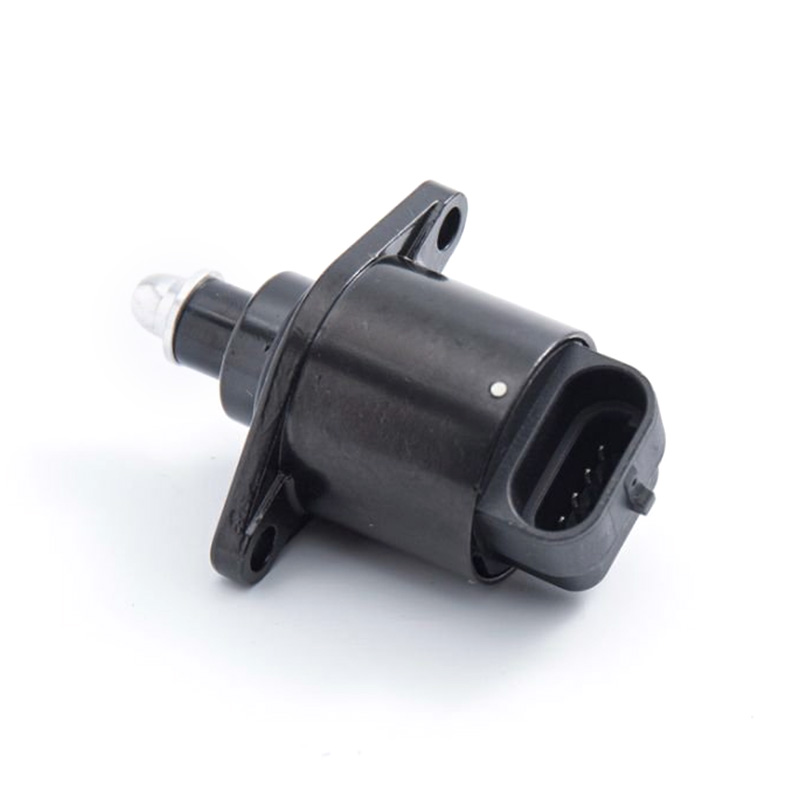
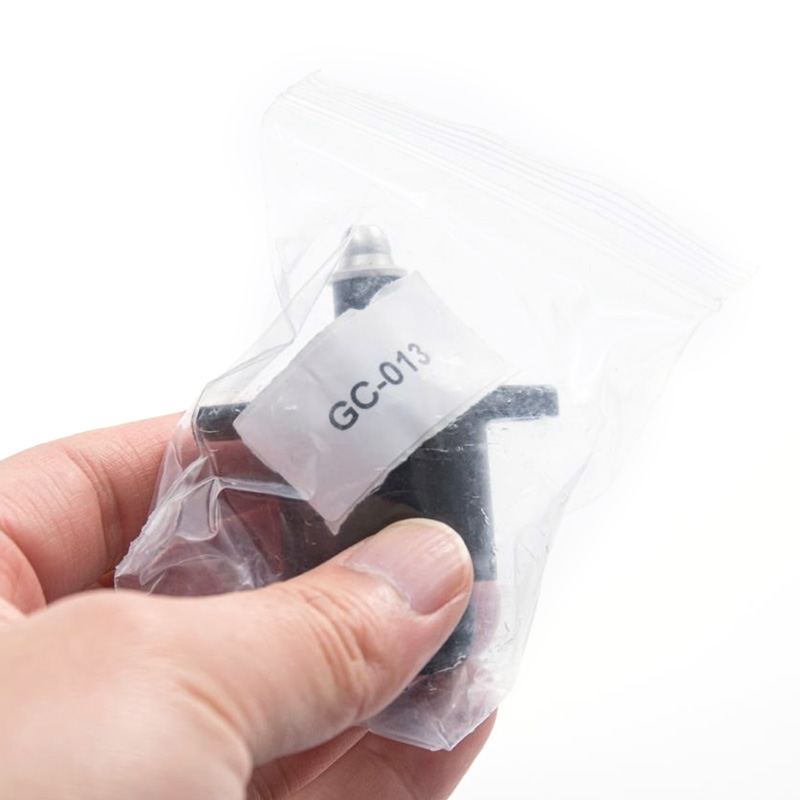
GC-013
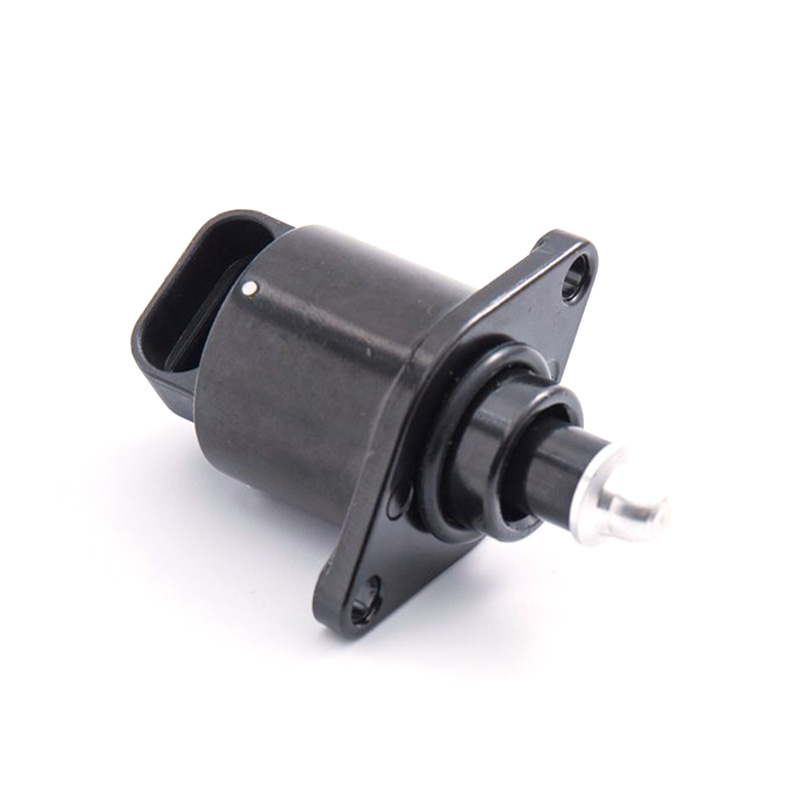
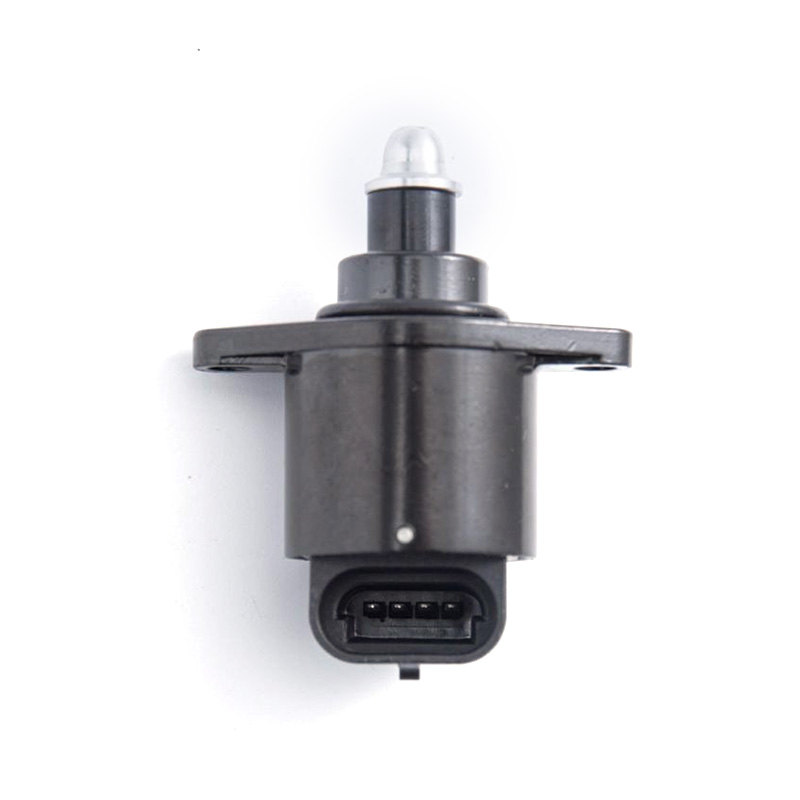
REFERENCE OE:
SHORT CODE: D5103
MARELLI: 40397102
VDO: AT-05103R
FIAT: 7077213
RENAULT: 7702217296
APPLICATION:
RENAULT MEGANE Classic/Grandtour(KA0/1_)I(BA0/1_);
RENAU SCENIC I(JA0/1_)1.8 16V
Idle air control valve from China manufacture!
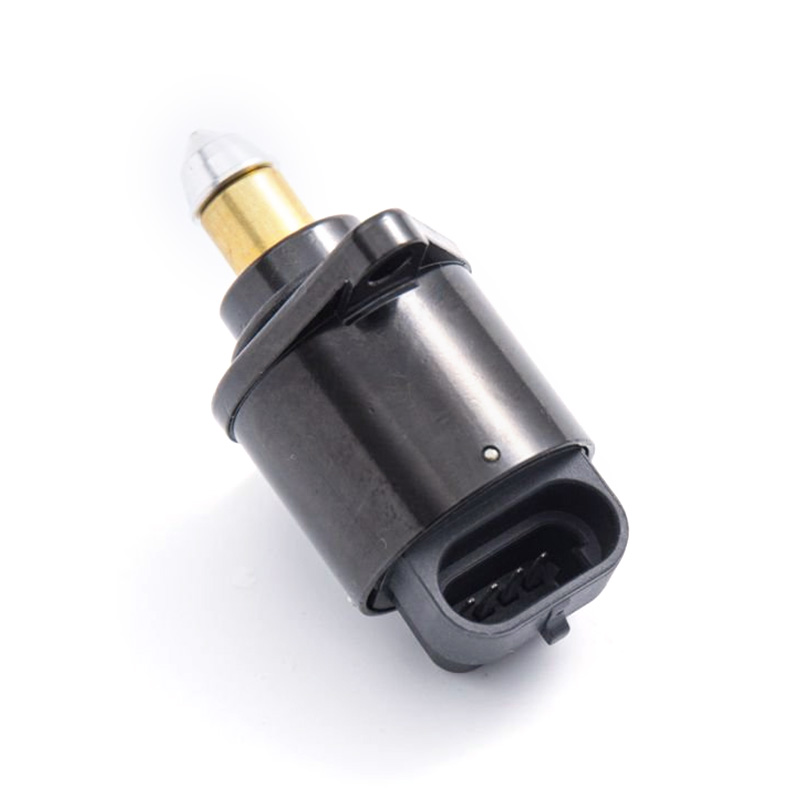
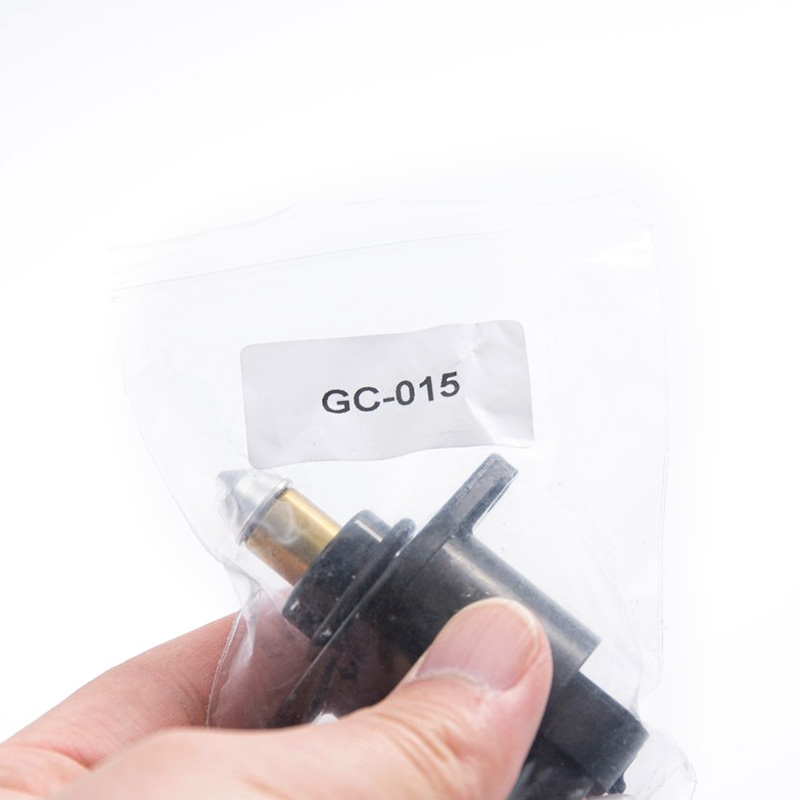
GC-015
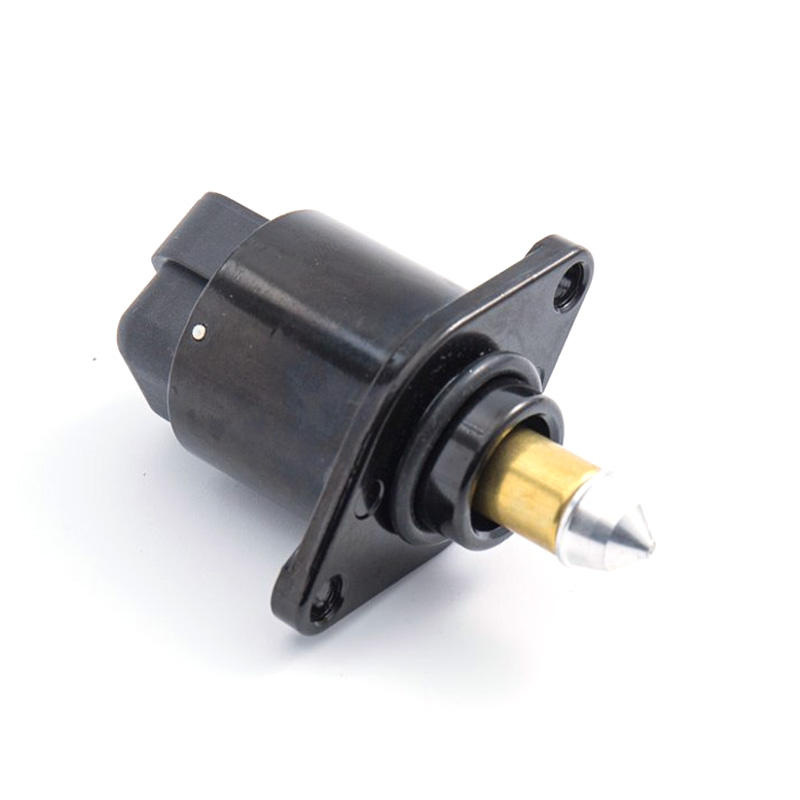
REFERENCE OE:
SHORT CODE:D95177
RENAULT:7701206370
APPLICATION:
RENAULT 19II/19II Chamade;
RENAULT MEGANE Classic/Grandtour;
RENAU MEGANE I/Scenic;
RENAULT RAPID Kasten
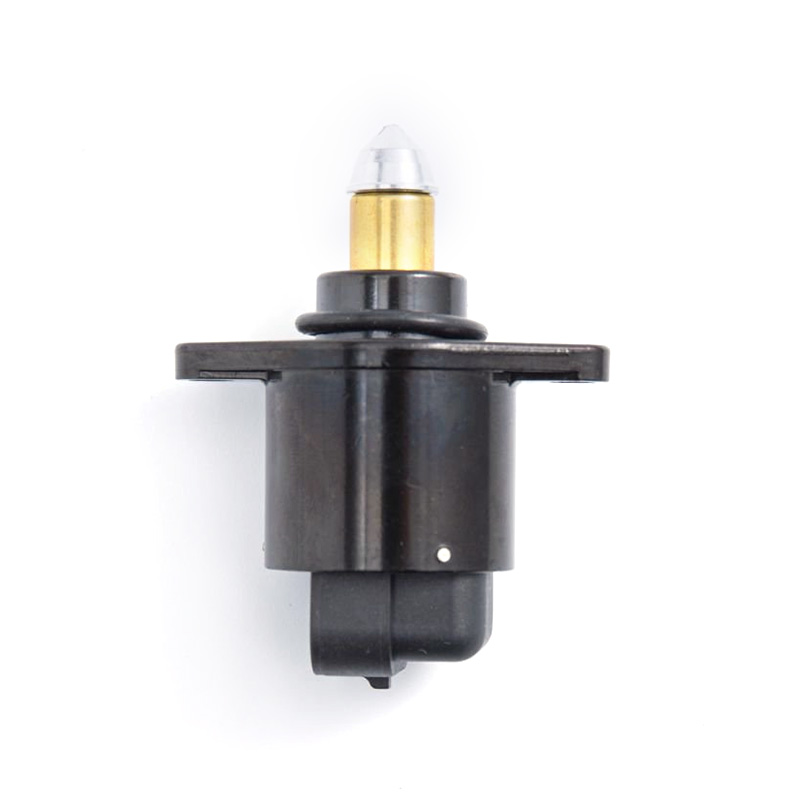
Buy idle air control valve from China factory!
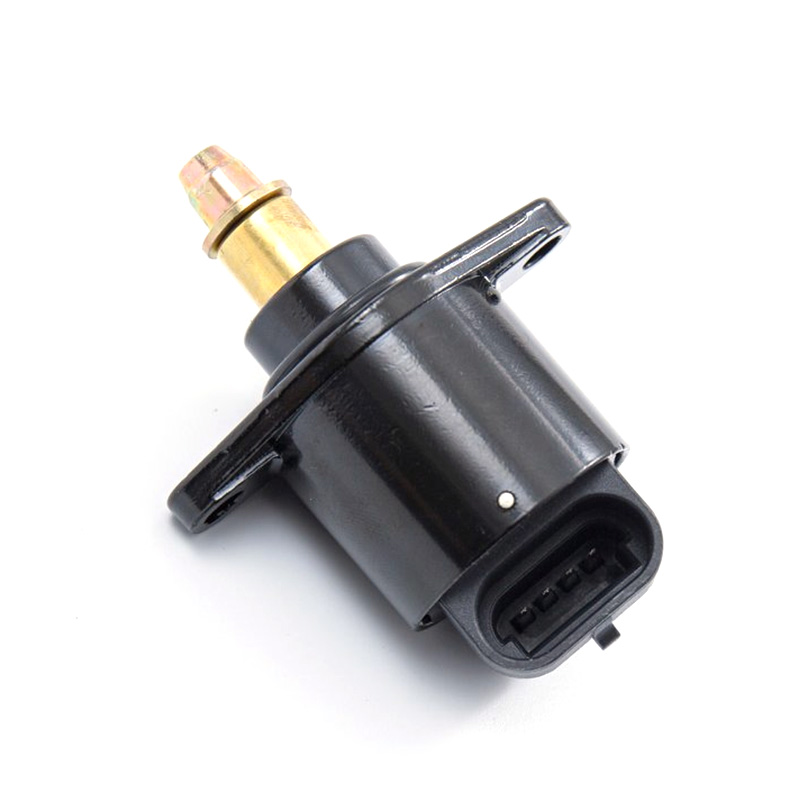
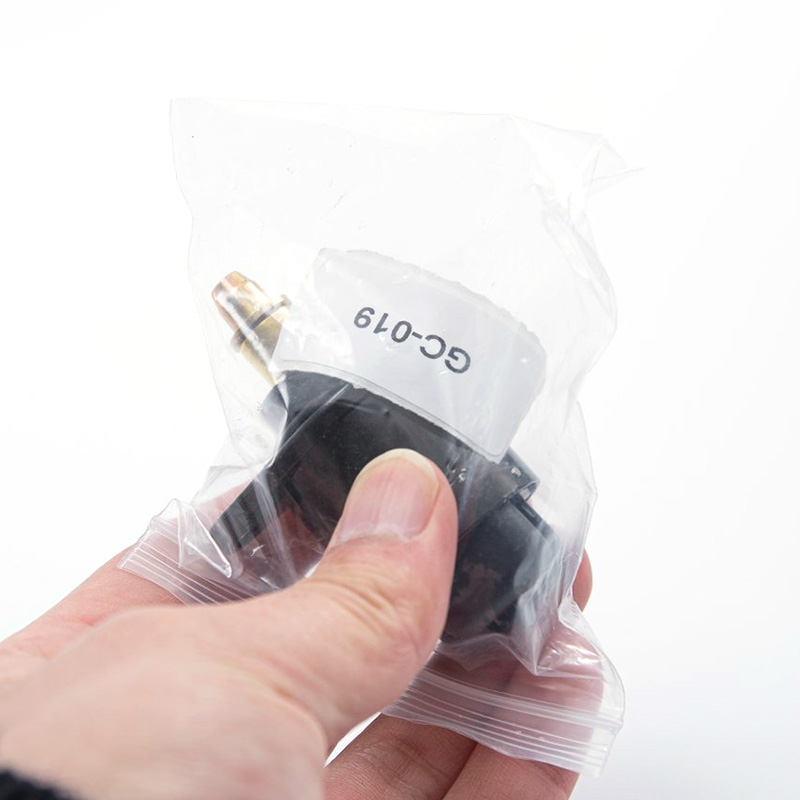
GC-019
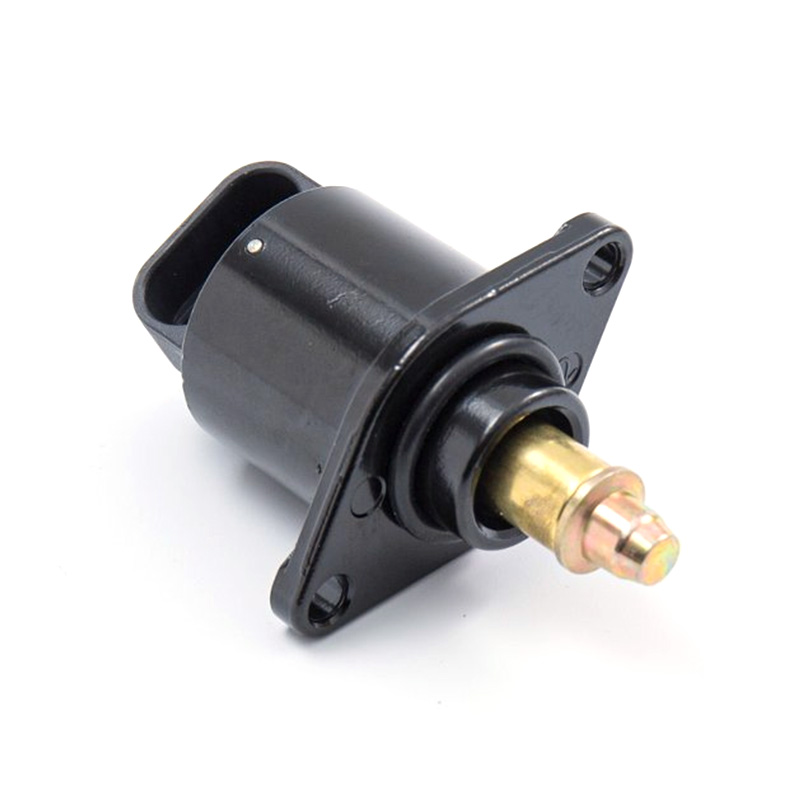
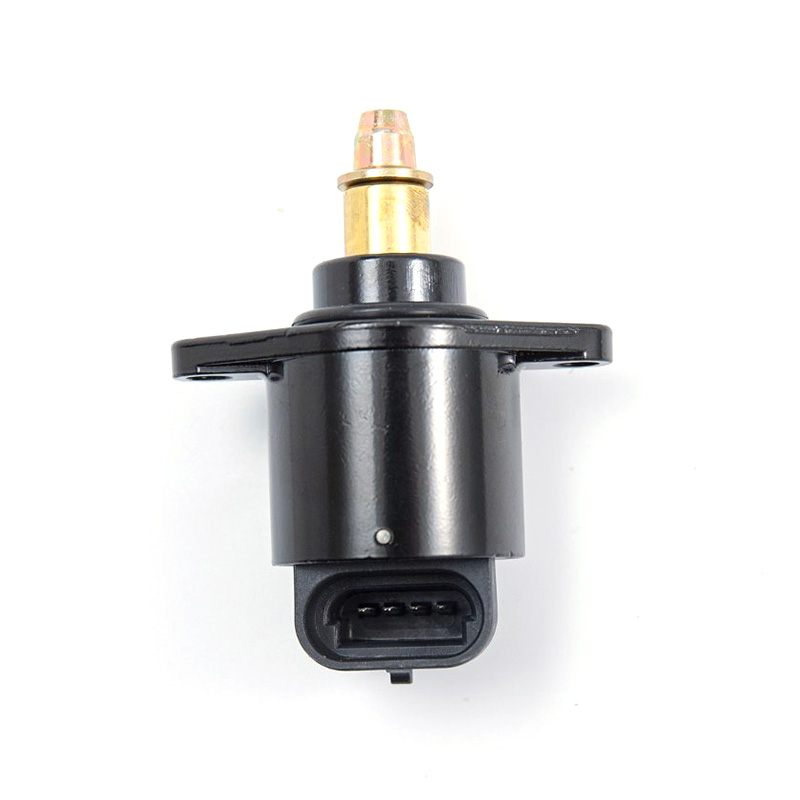
REFERENCE OE:
SHORT CODE: D5104
MARELLI: 40396502
FIAT: 7078983 0269980492
VDO: AT-5104R
APPLICATION:
FIAT:Palio/Siena 1.6 98>99-EFI(gasolina) VW:Gol 1.08v94>>96-EFI(gasolina)
Idle air control valve with high quality and low price from China!
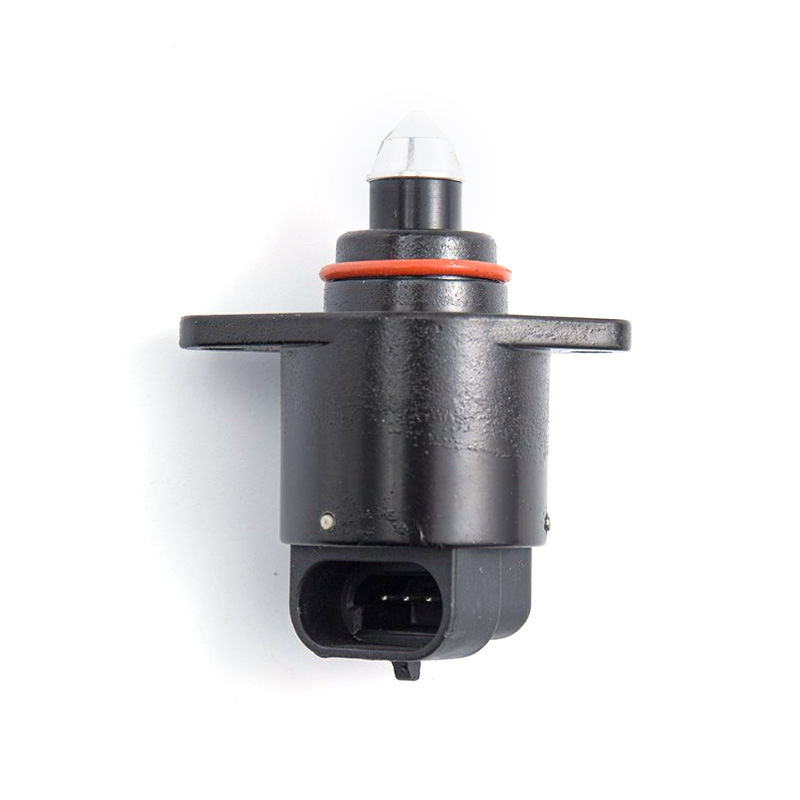
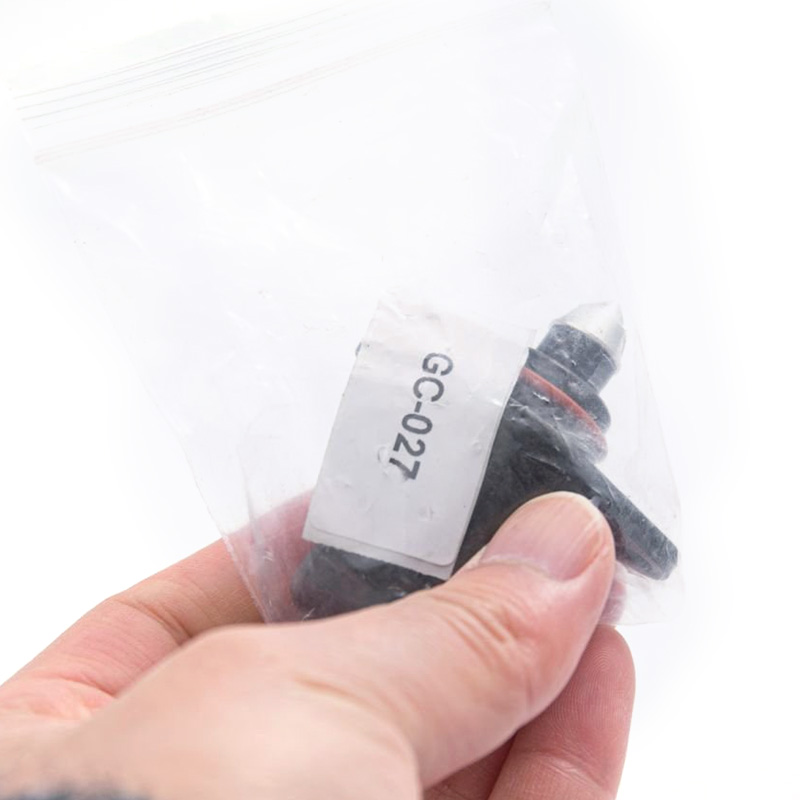
GC-027
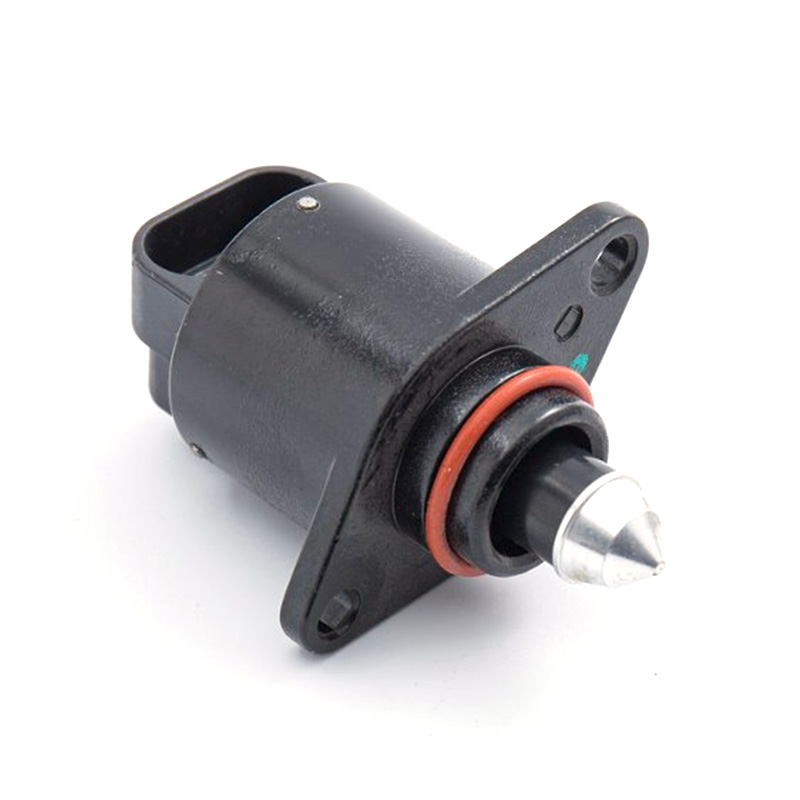
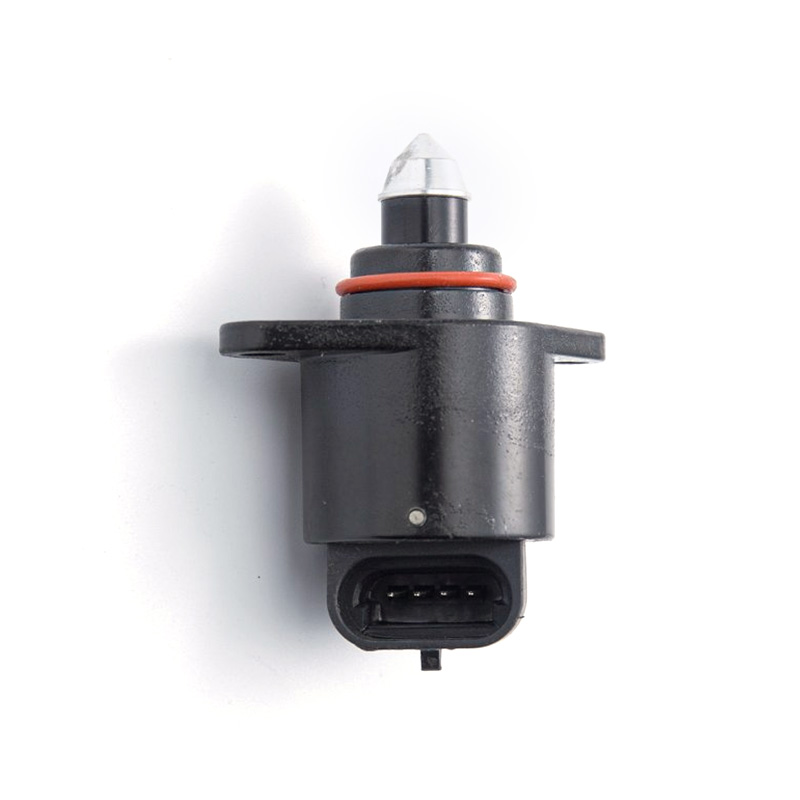
REFERENCE OE:
STD: AC64 WELLS:AC132
DELPHI: ICD00126
GM:17059600; 17112898
APPLICATION:
IPANEMA 1.8/2.0 EF191>,KADETT1.8/2.0 EF191>,MONZA 1.8/2.0 Ef191>
Idle air control valve from China factory for Ipanema Kadett Monza.
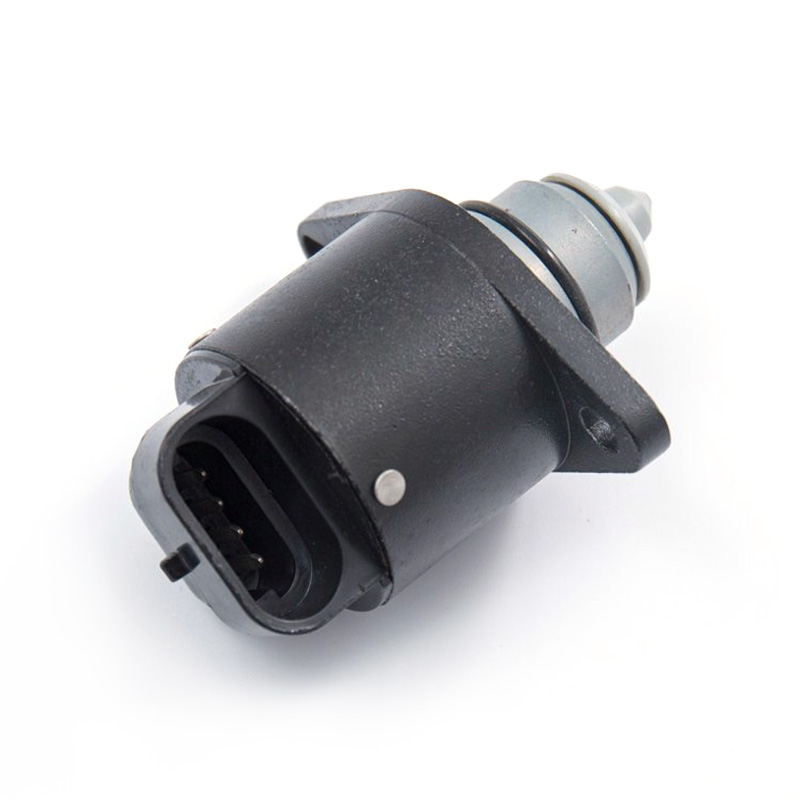
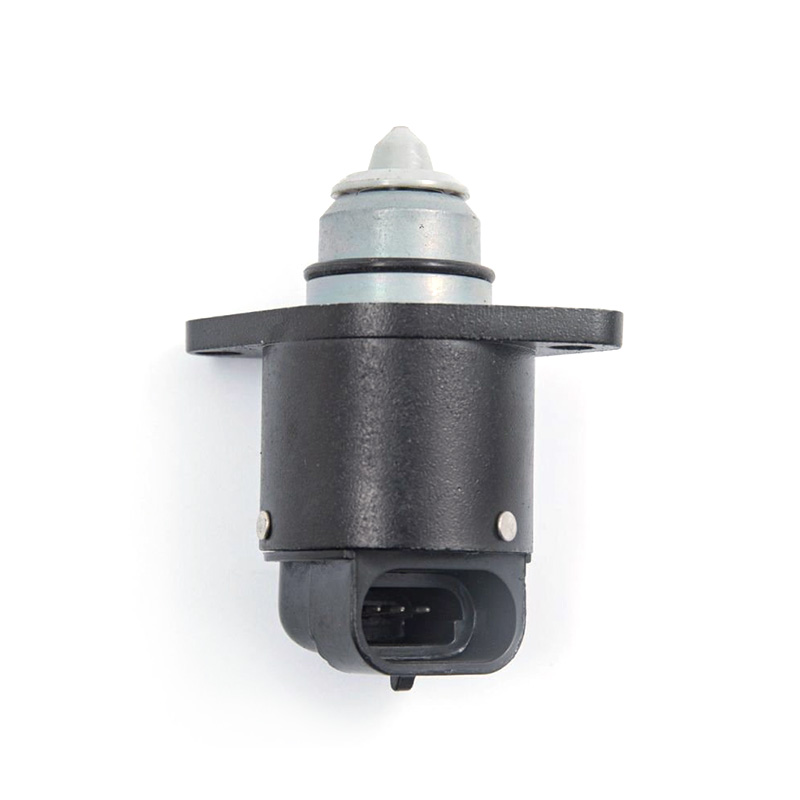
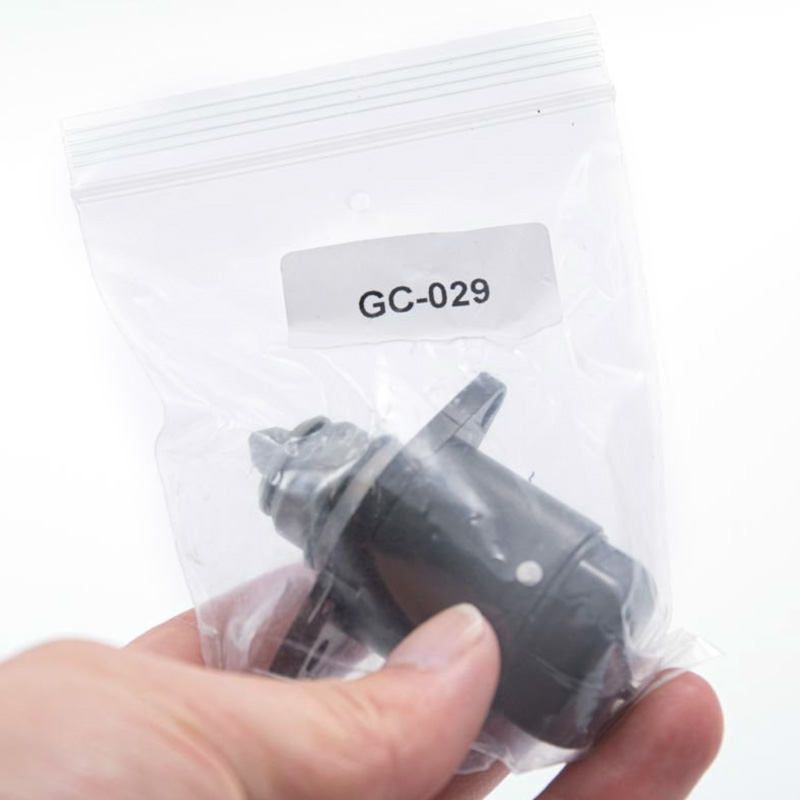
GC-029
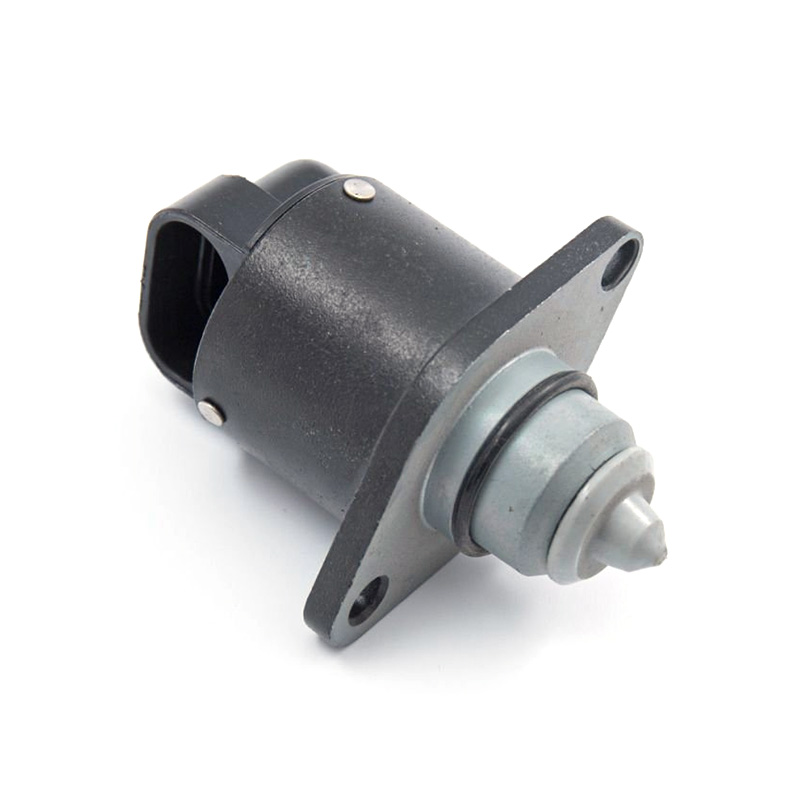
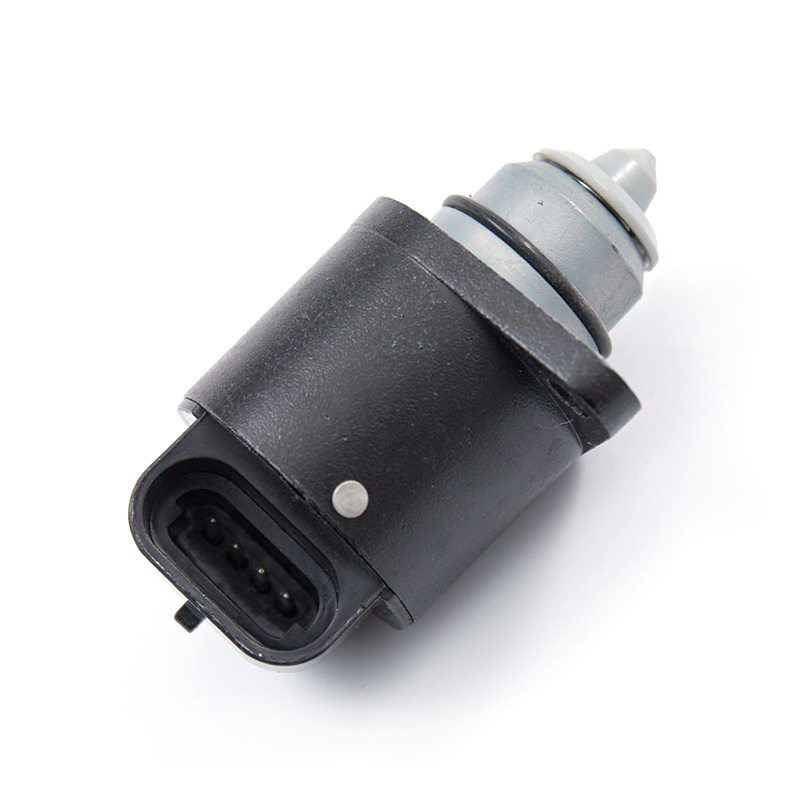
REFERENCE OE:
2112-1148300-04
APPLICATION:
LADA
Idle air control valve from China factory for Lada.
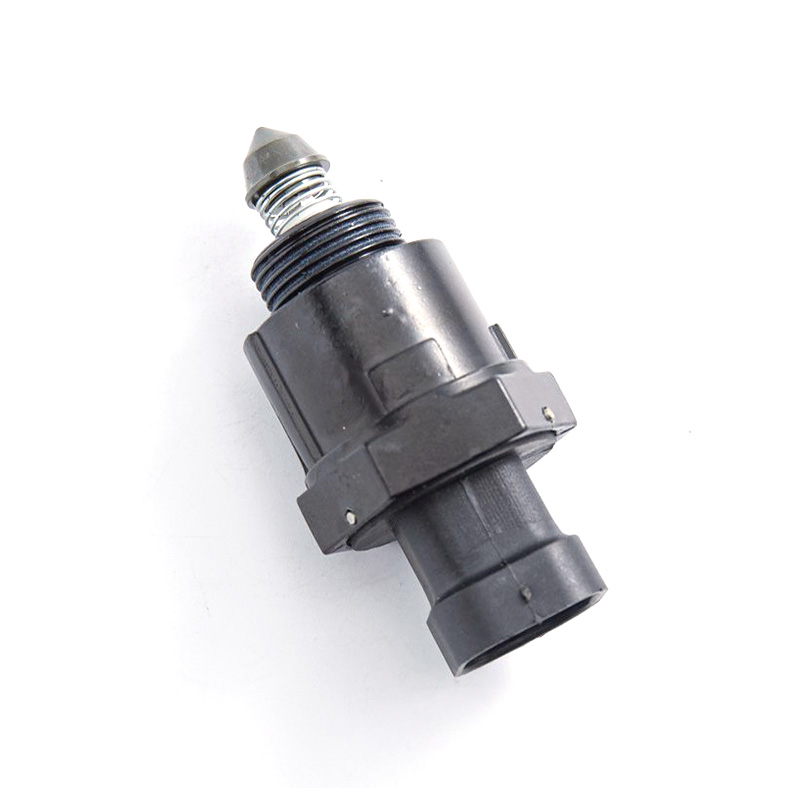
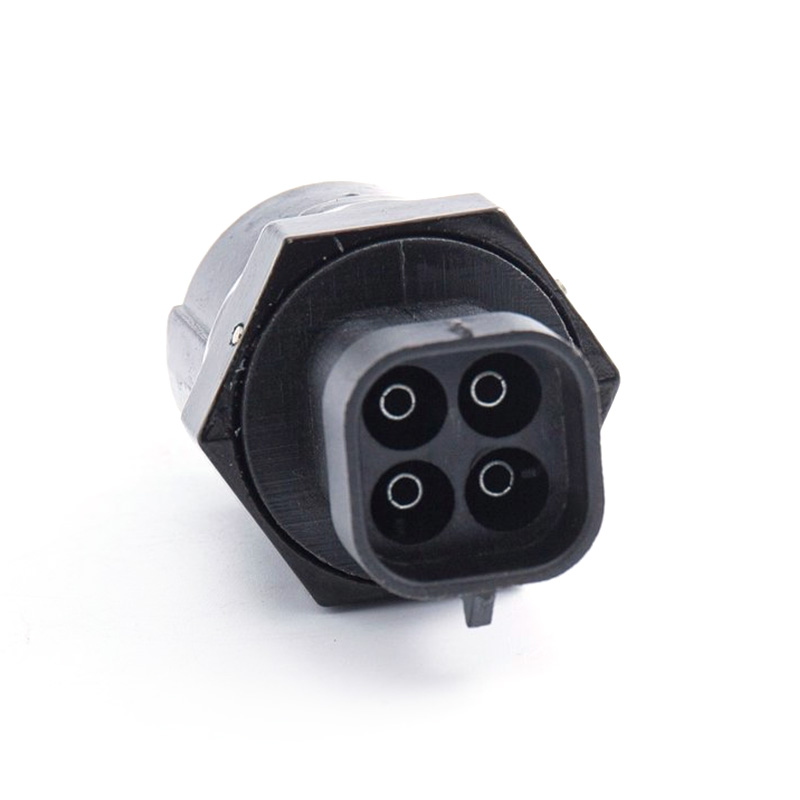
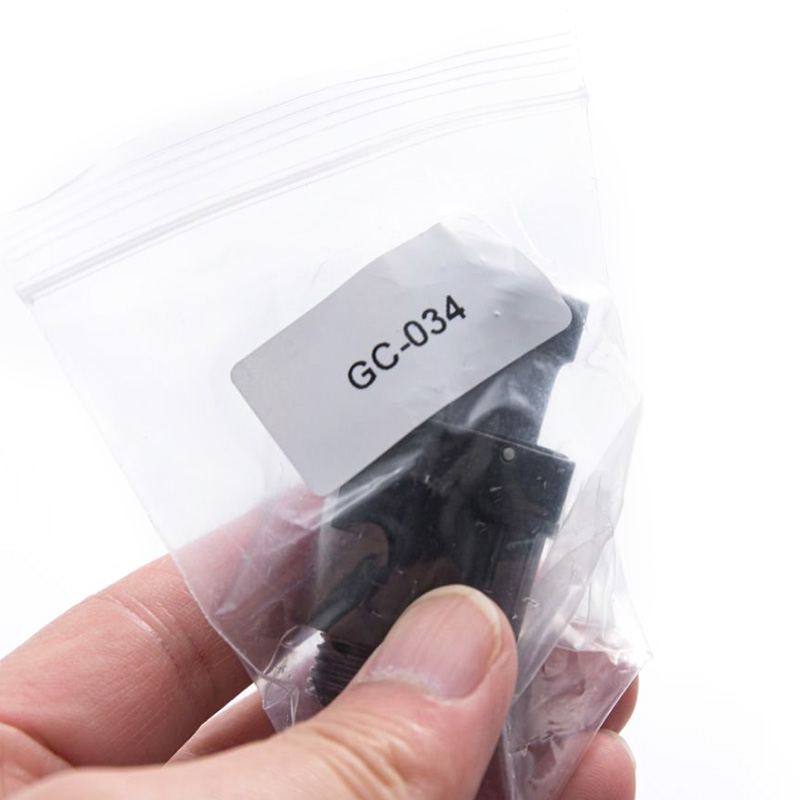
GC-034
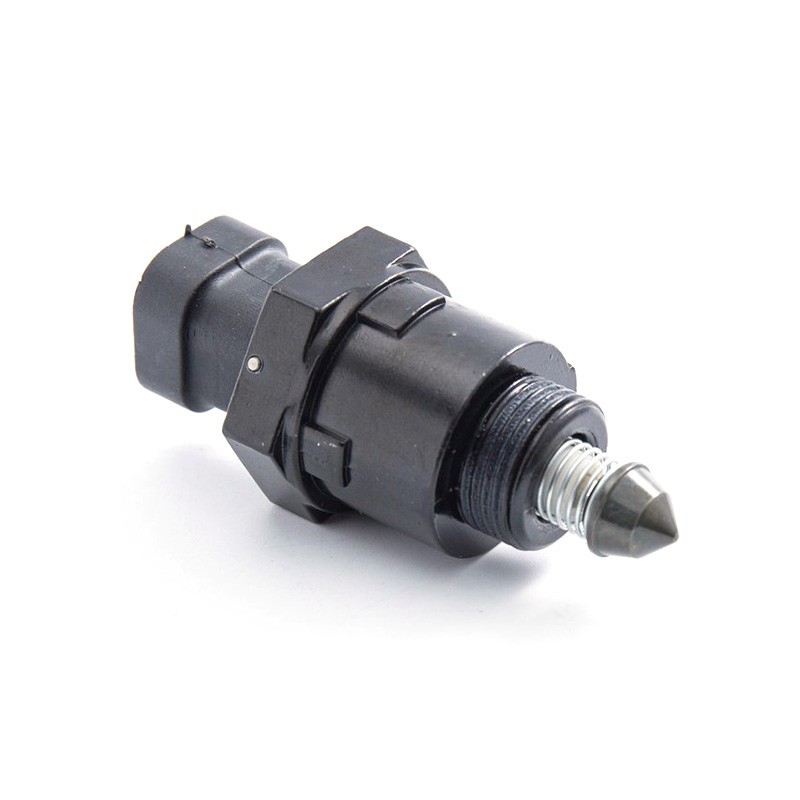
REFERENCE OE:
STD:AC16 WELLS:AC114 OEM:C403056730 17112193, 217415
APPLICATION:
LAND ROVER;
1985-1994 Astro)
1992-1995 Suburban
1988-1995y C1500 pickup
1988-1995y K1500 pickup
Idle air control valve from China factory for Land Rover.
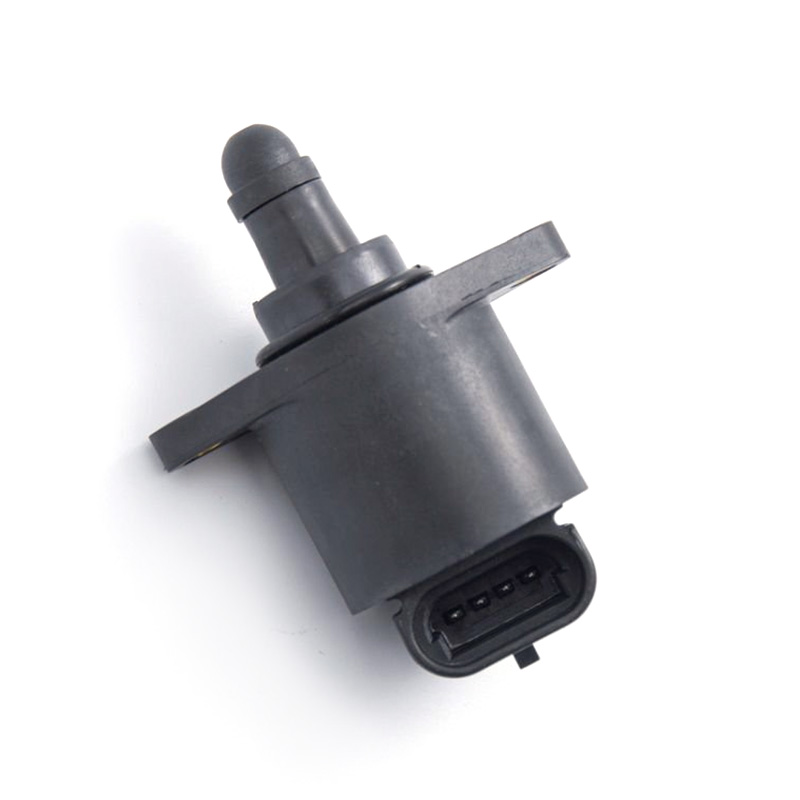
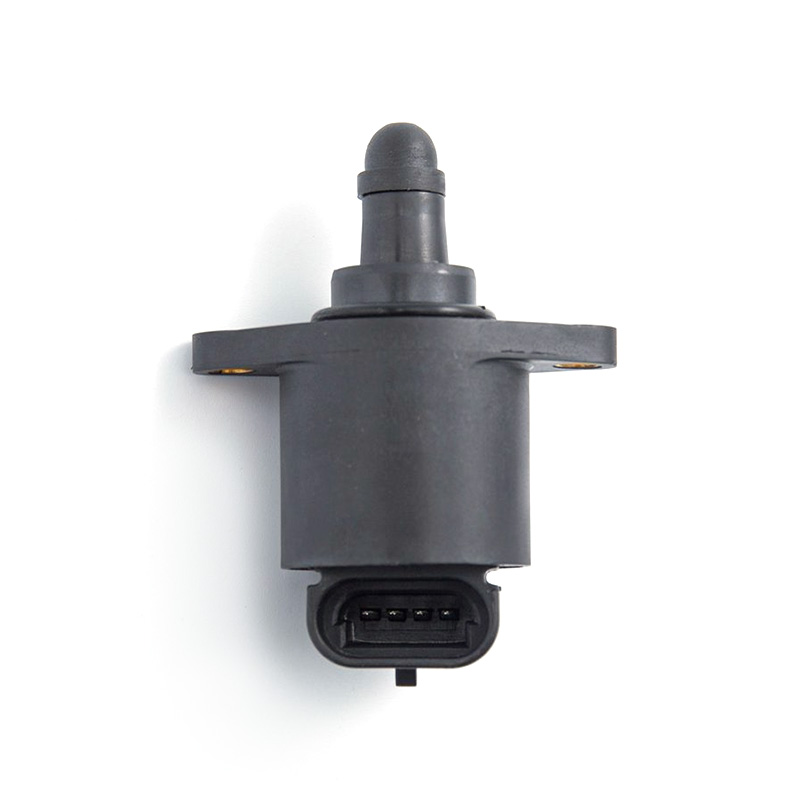
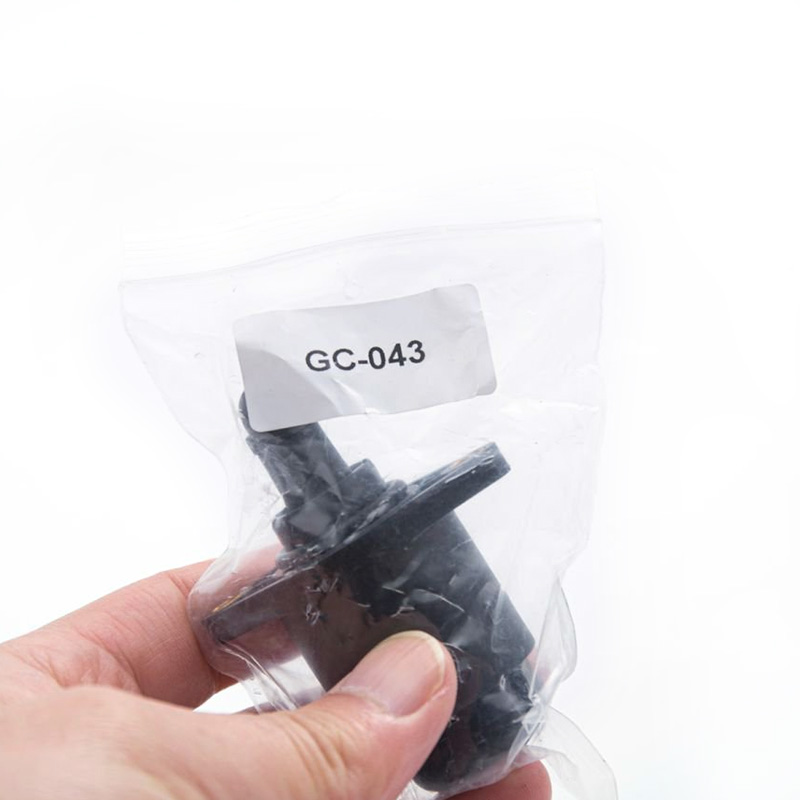
GC-043
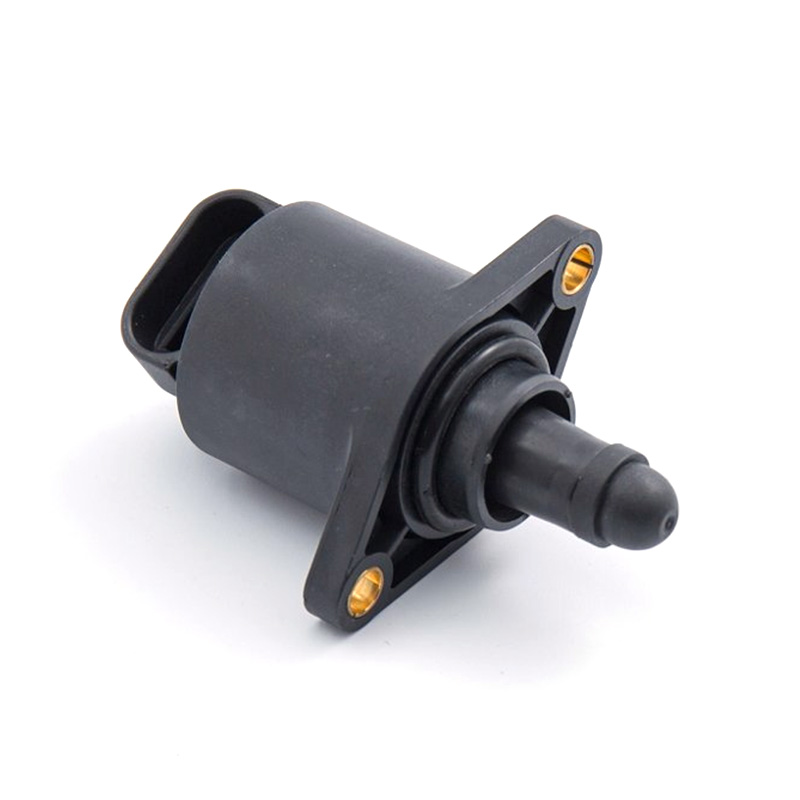
REFERENCE OE:
SHORT CODE: B12/00
MARELLI:21924470500
OEM:9945035
APPLICATION:
FIAT PANDA(141A_)1000; Punto(176)55 1.1; Uno(146A/E) 45 i.e. 1.0; Lanci Y10(156)1.0 Fire(156e) KAT
Idle air control valve from China factory for Fiat Punto.
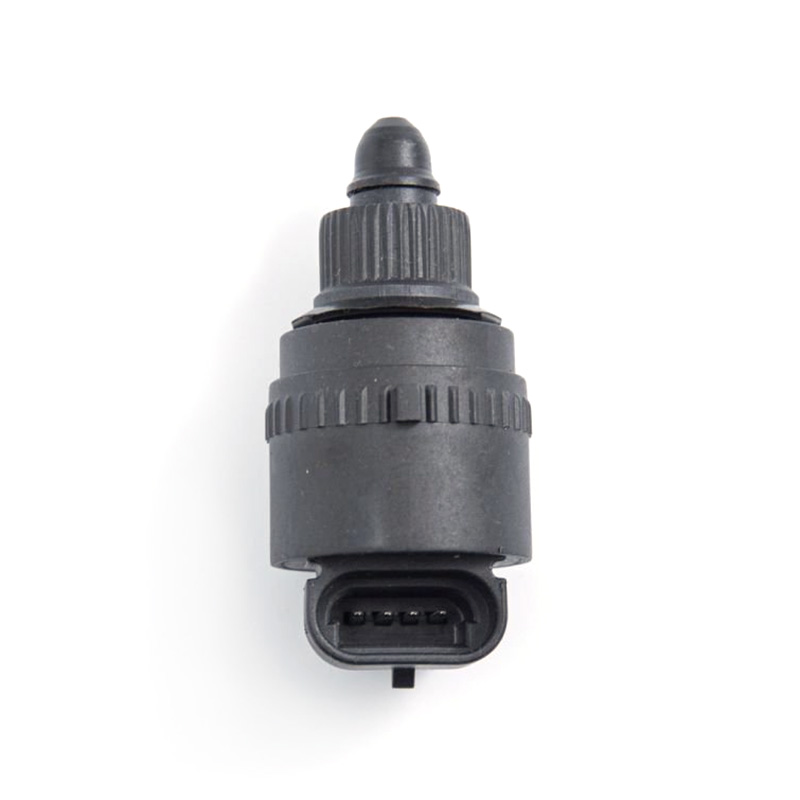
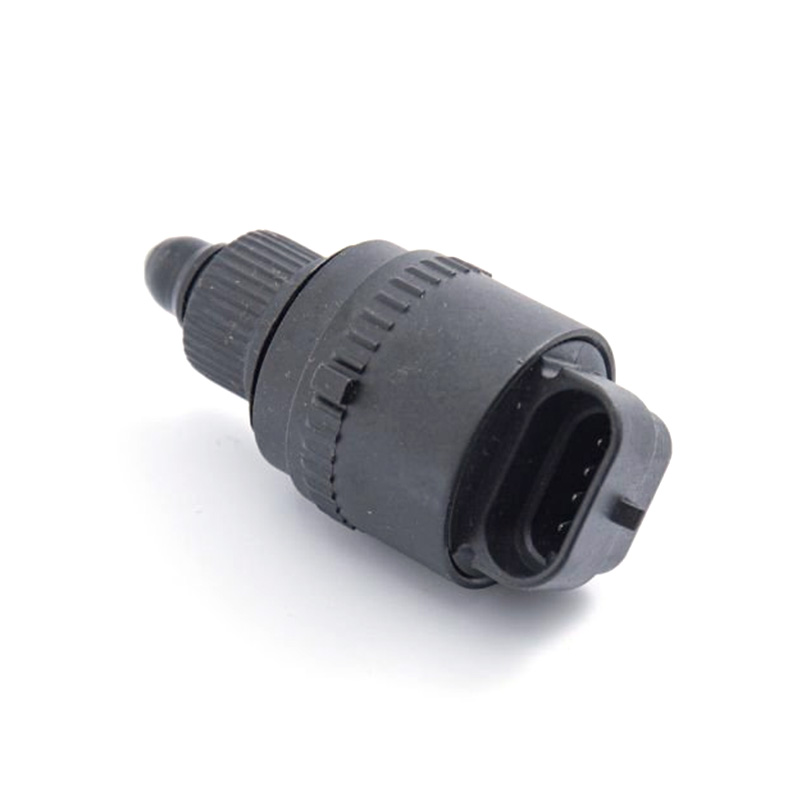
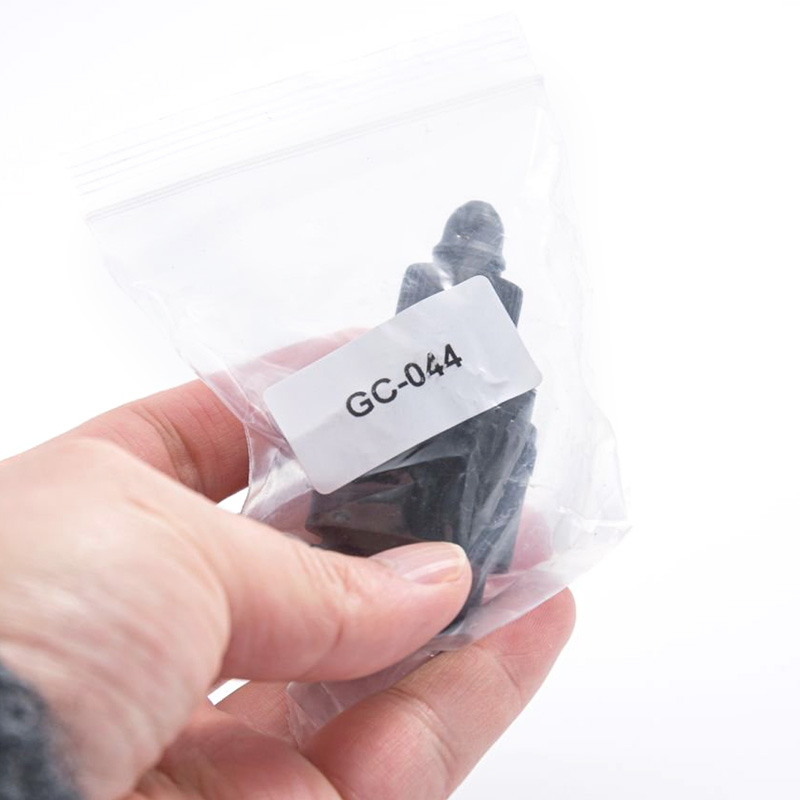
GC-044
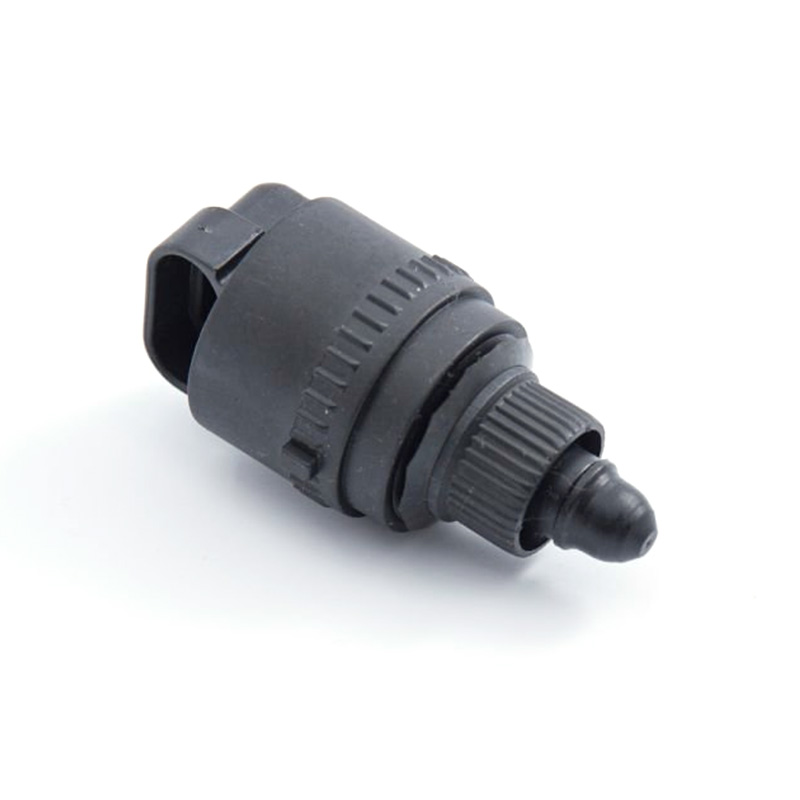
REFERENCE OE:
IB01/00
40442902
71718105
APPLICATION:
FIAT 500 1.2;Boblo;Grande Punto;Idea 1.4;Linea 1.4;Palio(178BX)1.2;Panda;Punto;Lanci Musa 1.4;Y(840A)1.2;Ypsilon 1.2 1.4
Idle air control valve from China factory for Fiat Palio.
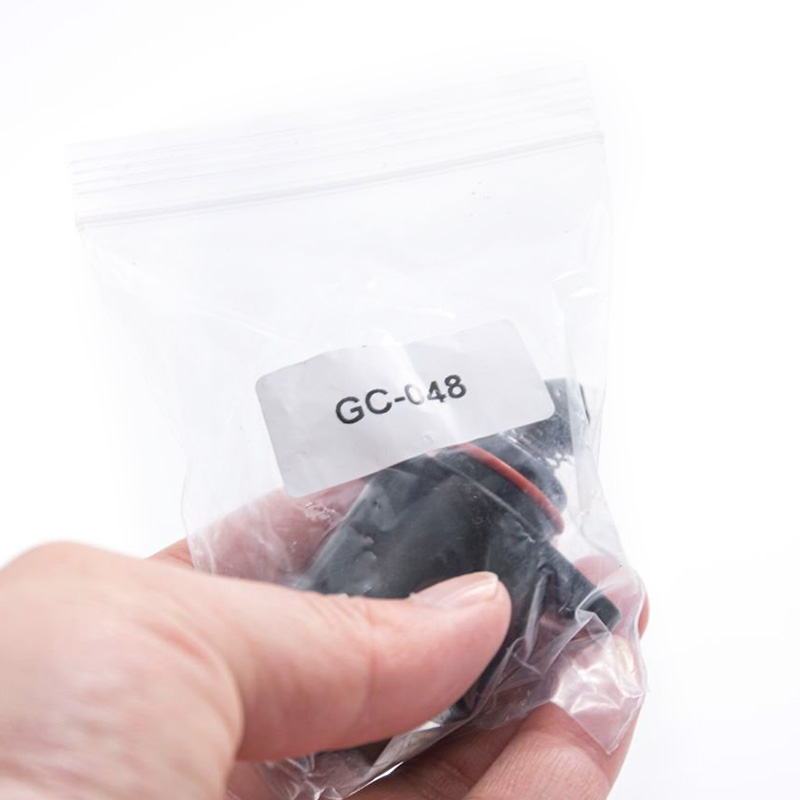
GC-048
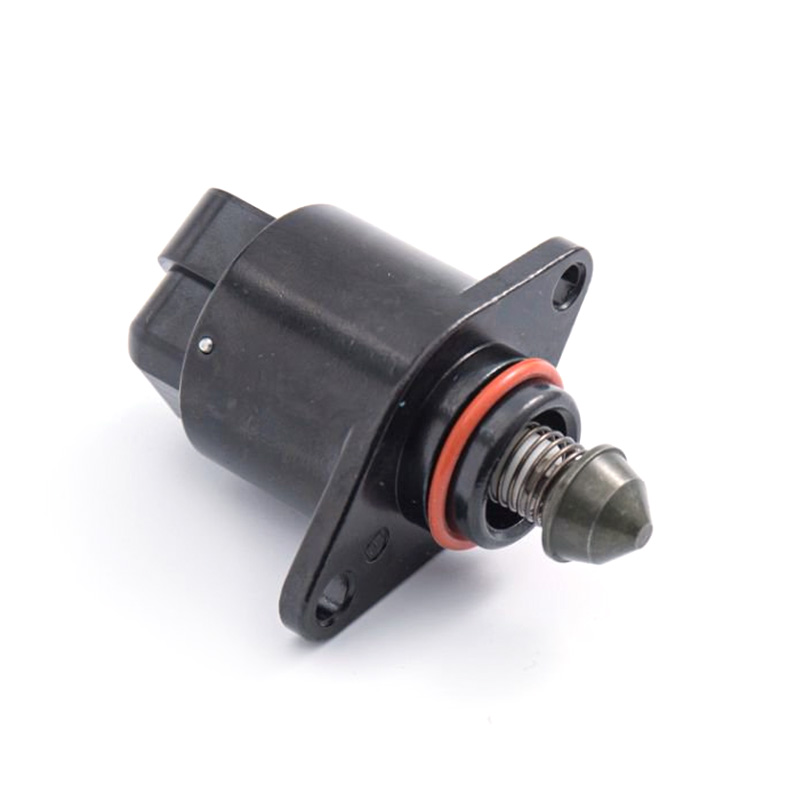
REFERENCE OE:
SHORT COD:02851
GM: 17102851
GM: 17112966
GM: 17112967
VDO: A95267
SMW299933
BUICK: D0016,C2177
2151025, AC124, AC130
217428,2H1058
APPLICATION:
Delica Van
Idle air control valve from China factory for Delica Van.
Contact Us
Let's start collaborating

Guocheng is specialized in the R&D and production of key engine components for the automotive and engineering machinery industries.
Product
Stay Connected
(+86) - 577 - 8582 0886 (Tel)
(+86) - 577 - 8582 8085 (Fax)
(+86) - 19730213059 (Phone)
sales@wz-gc.com
No. 205, Baiyu Road, 15th Road, Binhai Park, Wenzhou, Zhejiang, China
Mobile

ODM Engine Management System Components
 English
 русский
 Español
 عربى
عربى Deutsch