Date:Jan 28, 2026
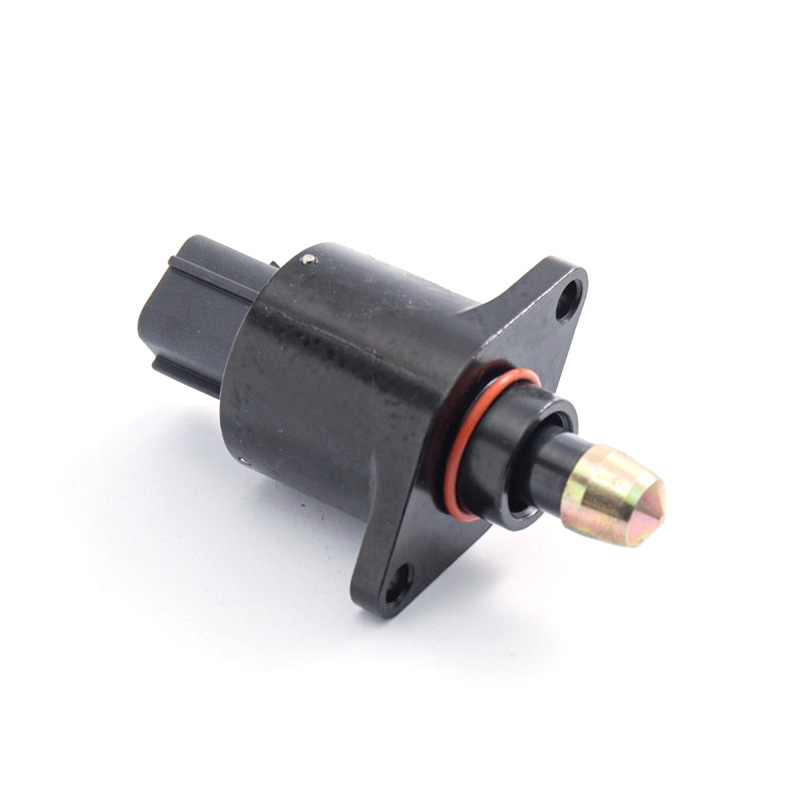
As global automotive discussions shift toward intelligence, safety, and driving transparency, two components are gaining renewed attention across overseas industry forums and social media channels: the Odometer Sensor and the Automotive Accelerator Pedal. From EV communities on LinkedIn to aftermarket professionals sharing insights on YouTube, users are no longer focused only on engines and exteriors. Instead, they are paying closer attention to the smaller components that quietly shape driving accuracy, responsiveness, and long-term vehicle reliability.
One recurring topic across automotive communities is trust in vehicle data. Buyers, fleet operators, and service providers increasingly care about mileage accuracy, usage tracking, and maintenance planning. Discussions often highlight how reliable vehicle feedback can influence resale value, warranty decisions, and daily driving confidence.
This shift places greater importance on components that support accurate data flow within modern vehicles. When drivers feel confident in what their dashboard tells them, they feel more in control. That sense of clarity has become a key expectation in today’s automotive market.
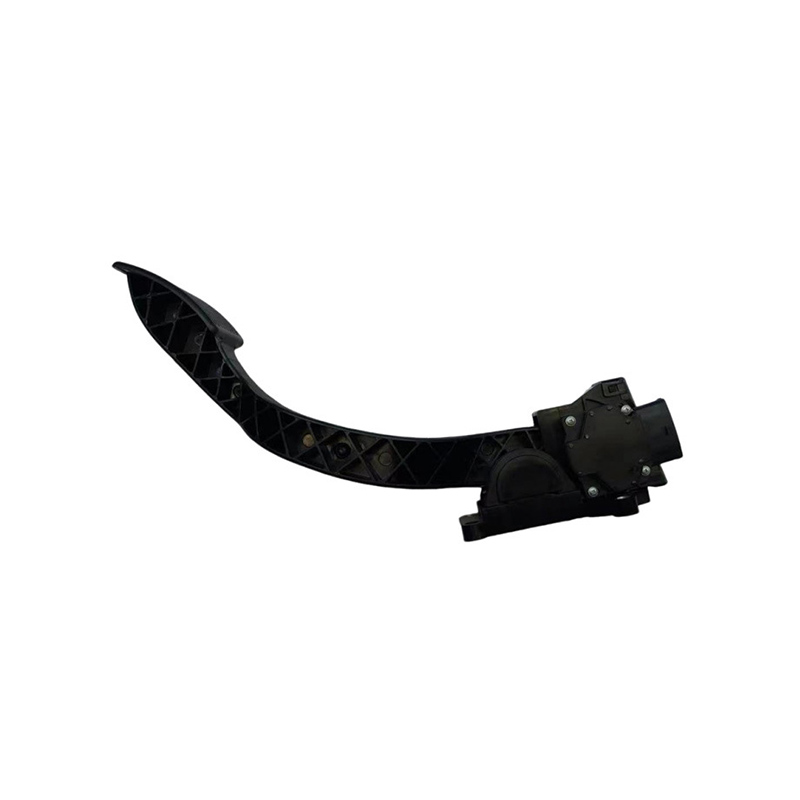
While advanced infotainment systems attract attention, drivers frequently discuss something far more basic online: how a car feels when they press the pedal. Smooth acceleration, predictable response, and consistent control are often mentioned as signs of a well-engineered vehicle.
The accelerator pedal is no longer viewed as a simple mechanical part. In modern vehicles, it plays a central role in how drivers interact with the car, especially in urban traffic, long commutes, or stop-and-go conditions. A stable and responsive pedal contributes directly to comfort and driving confidence, which explains why this topic continues to surface in user reviews and professional discussions.
From Mechanical to Intelligent: Evolving Expectations
Across overseas automotive platforms, there is a noticeable trend toward smarter, more integrated vehicle components. Consumers now expect parts to communicate seamlessly with onboard systems, adapt to driving behavior, and maintain consistency over time.
This evolution is not driven by novelty alone. Drivers want components that reduce uncertainty—fewer unexpected responses, fewer inconsistencies, and fewer surprises during daily use. Manufacturers that understand this mindset are increasingly focused on precision, compatibility, and long-term stability rather than short-term performance claims.
In global B2B discussions, especially among distributors and aftermarket buyers, manufacturing standards are becoming a key talking point. Social media conversations often highlight the importance of consistent production processes, material control, and testing discipline.
From an industry perspective, this reflects a broader shift: buyers want reassurance that components are designed with real-world driving conditions in mind. Reliability is no longer assumed—it is evaluated through reputation, experience, and proven manufacturing capability. This is particularly true for components that influence vehicle feedback and control.
Another topic gaining traction is adaptability. Vehicles operate in vastly different environments—from dense urban centers to long-distance highways. Automotive professionals often discuss how well components perform across varied conditions without requiring drivers to change habits or adjust expectations.
Components that integrate smoothly into existing vehicle systems and driving routines are valued more highly. This “fit without friction” mindset has become a practical benchmark in international markets, shaping purchasing decisions and long-term partnerships.
As the automotive industry continues to evolve, attention is shifting toward the parts that quietly support safety, transparency, and driving comfort. Reliable mileage feedback and consistent acceleration response are no longer secondary concerns—they are essential elements of the modern driving experience. In this context, well-designed solutions centered around the Odometer Sensor and the Automotive Accelerator Pedal play a meaningful role in helping vehicles meet the expectations of today’s informed and experience-driven global market.
Related Products
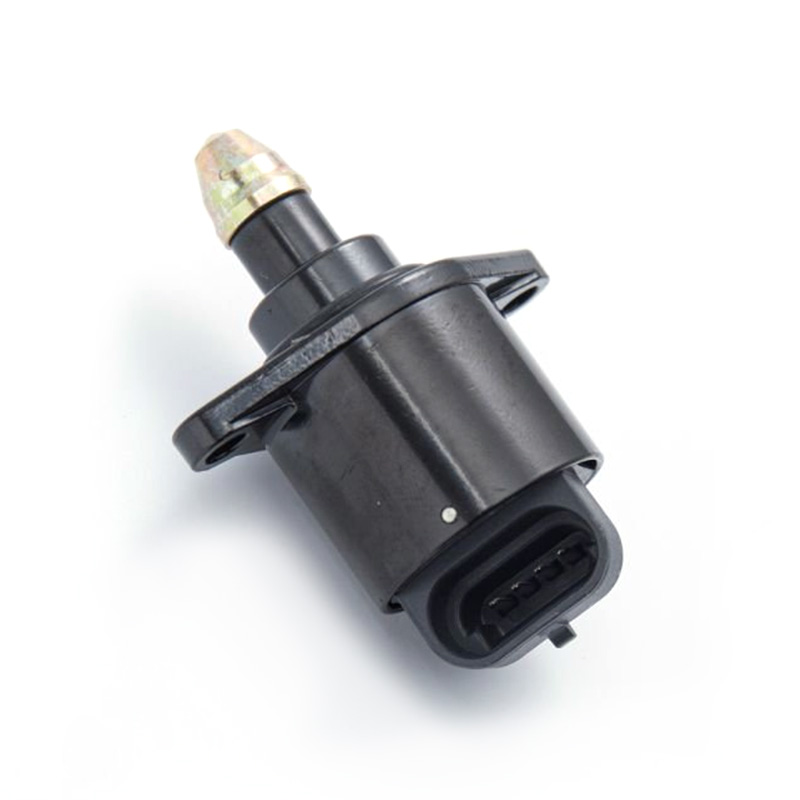
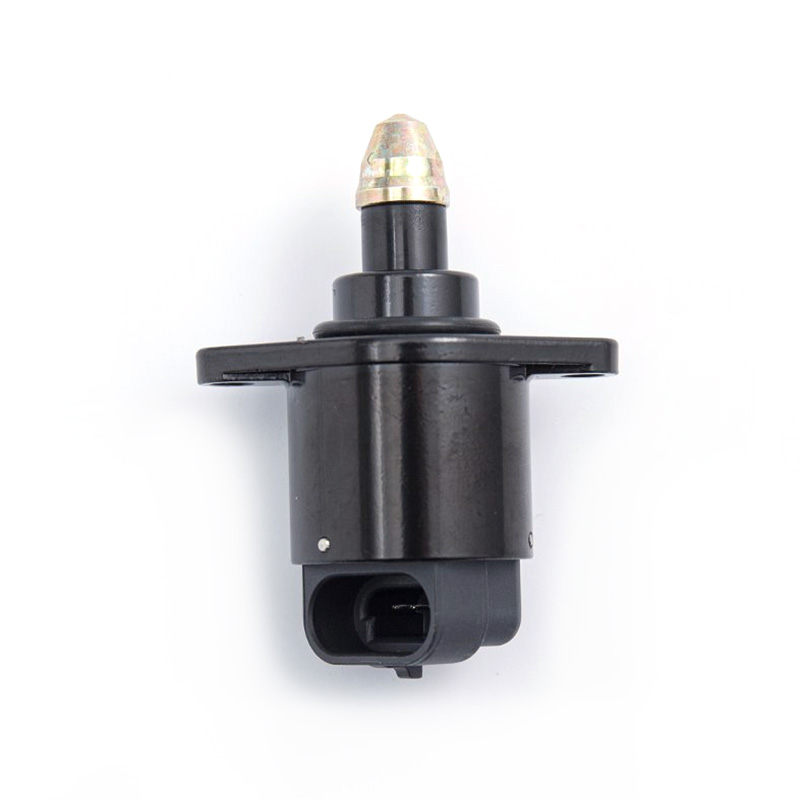
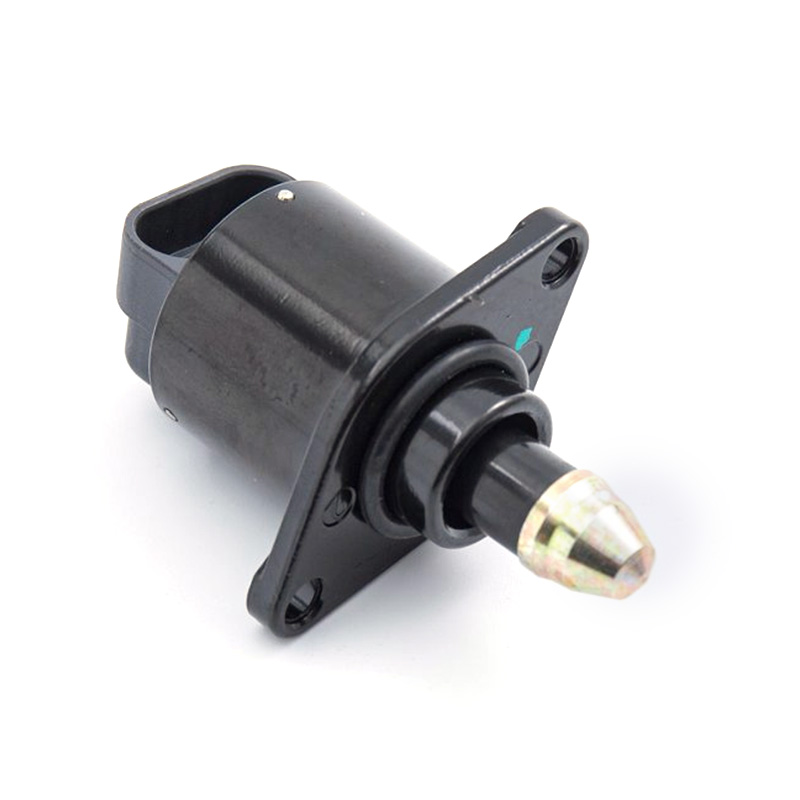
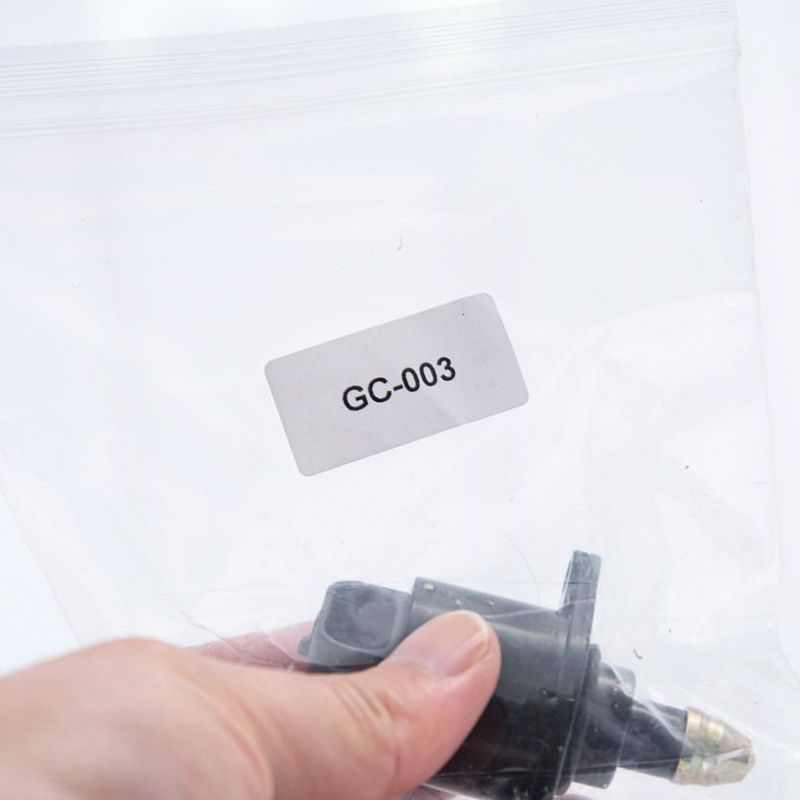
GC-003
REFERENCE OE:
SHORT CODE:B04/01 D5131
MARELLI:230016079057
PEUGEOT:1920N1
SIMENCE:A95269
APPLICATION:
PEUGEOT 306 Break/Cabriolet/Schraqheck;PEUGEOT 405 II Break; PEUGEOT 406 Break/Coupe;
PEUGEOT 605 806;PEUGEOT BOXER Bus/Kasten/Pritsche/Fahrqestell
China manufacture for wholesale and retail, idle air control, crankshaft valve, camshaft valve, Throttle position sensor, and many kind of sensors.
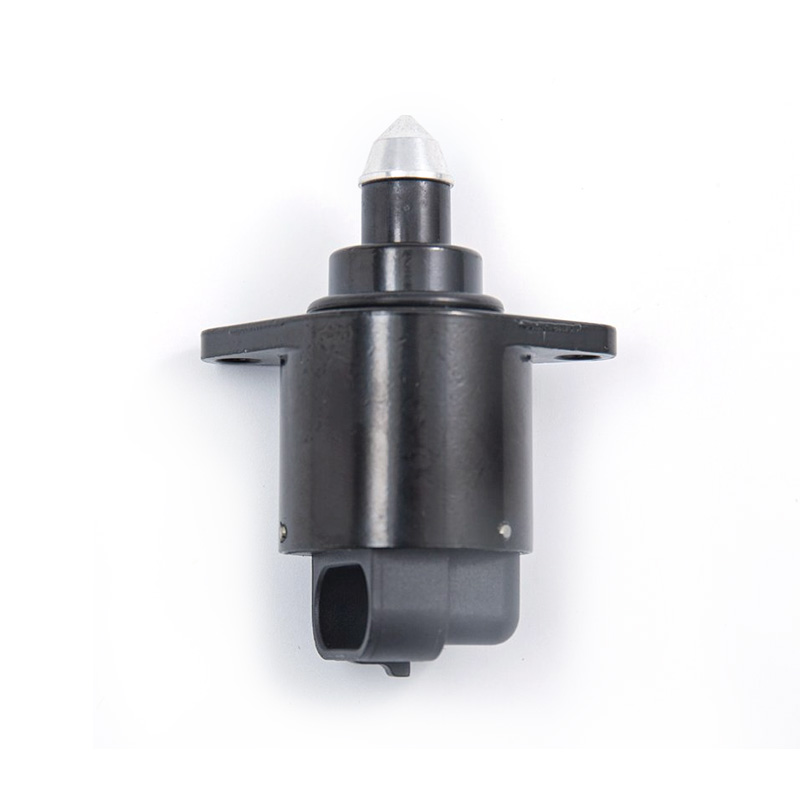
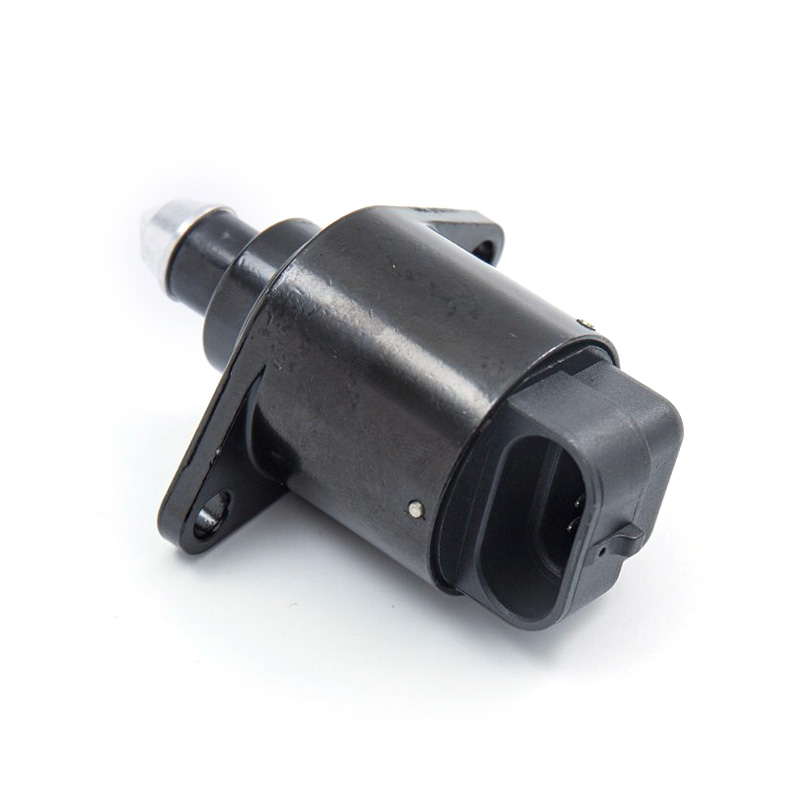
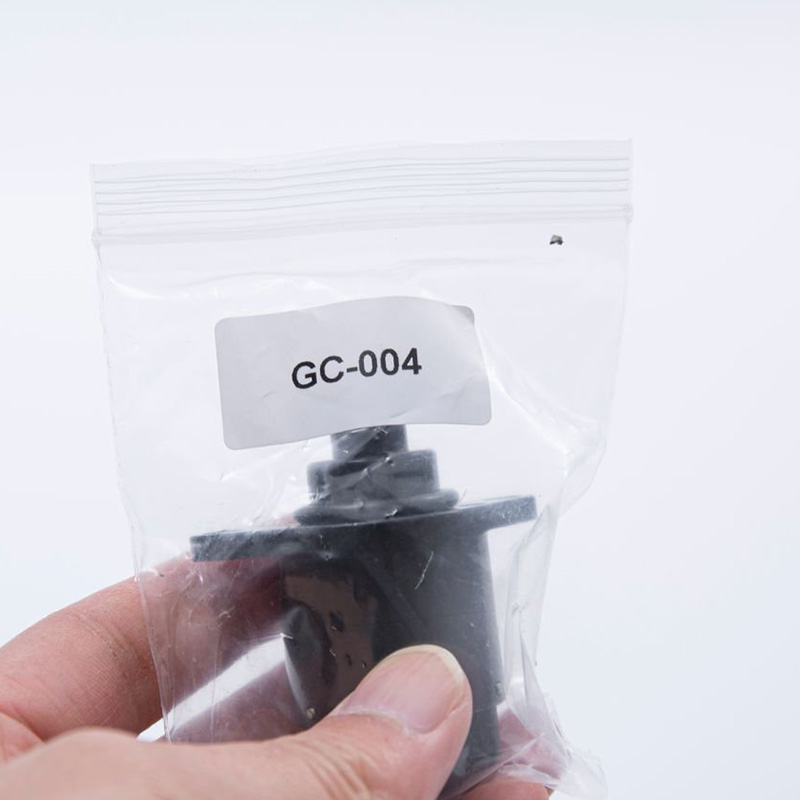
GC-004
REF OE:
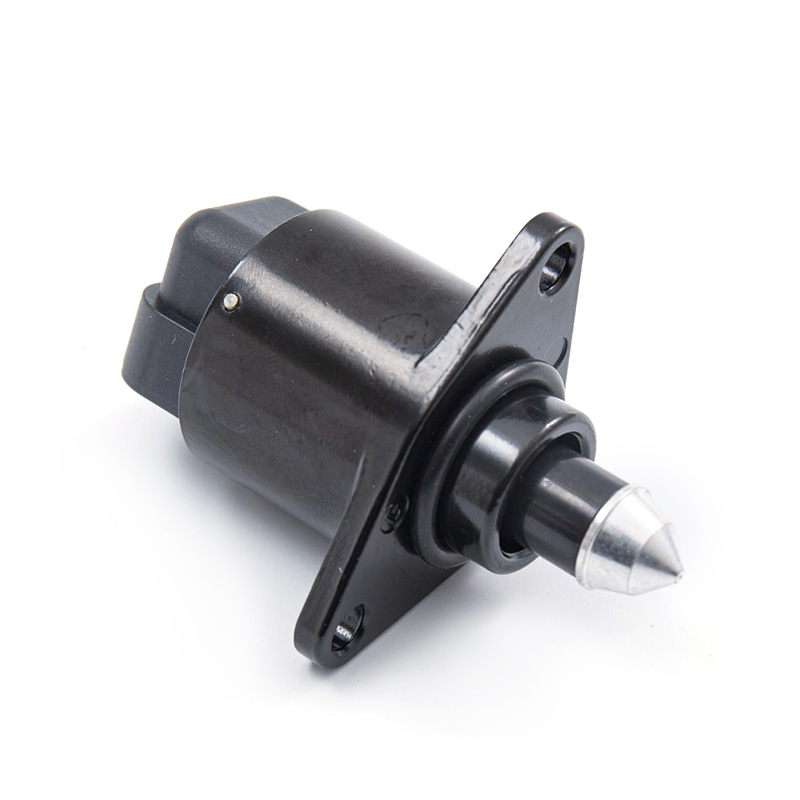
SHORT CODE:B32/00
SIMENCE:A97115 19206W
APPLICATION:
CITROEN BERLINGO(MF)/Kasten(M_)1.4 i(MFKFX);CITRO SAXO(S0,S1) 1.4VTS,CITRO XSARA(N1)/Break(N2)/Coupe(N0)1.4i;
PEUGEOT 106 II(1)1.4i;PEUGEOT 206 Schraqheck(2A/C)1.4i/SW(2E/K)1.4;
PEUGEOT306(7B,N3,N5)1.4SL/Break(7E,N3,N5)1.4/Schraqheck(7A,7C,N3,N5)1.4;
PEUGEOT PARTNER Combispace(5F)1.4/Kasten(5)1.4
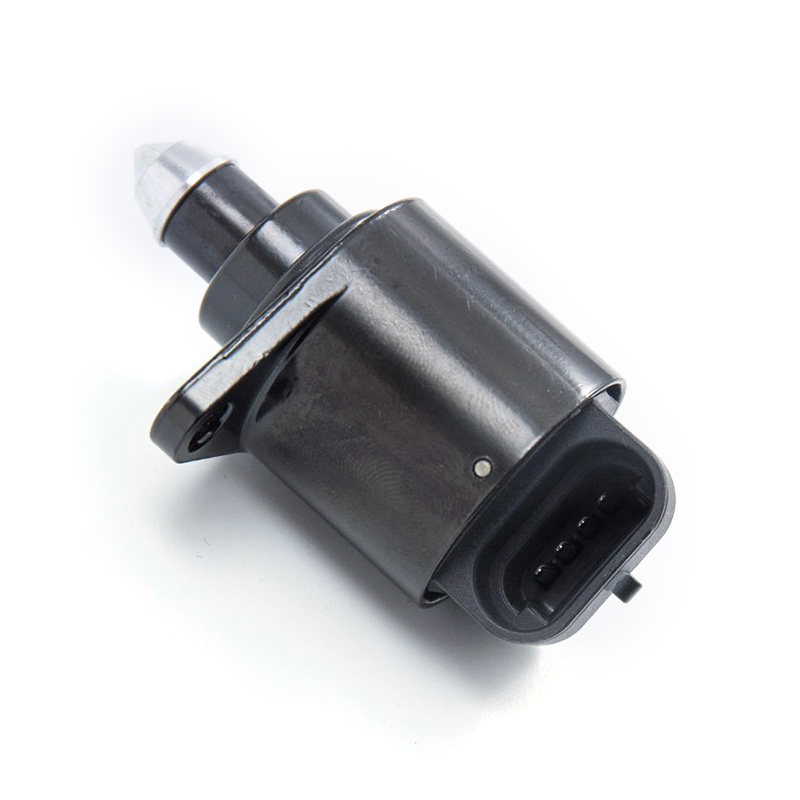
China manufacture for idle air control valve,high quality and competitive price!
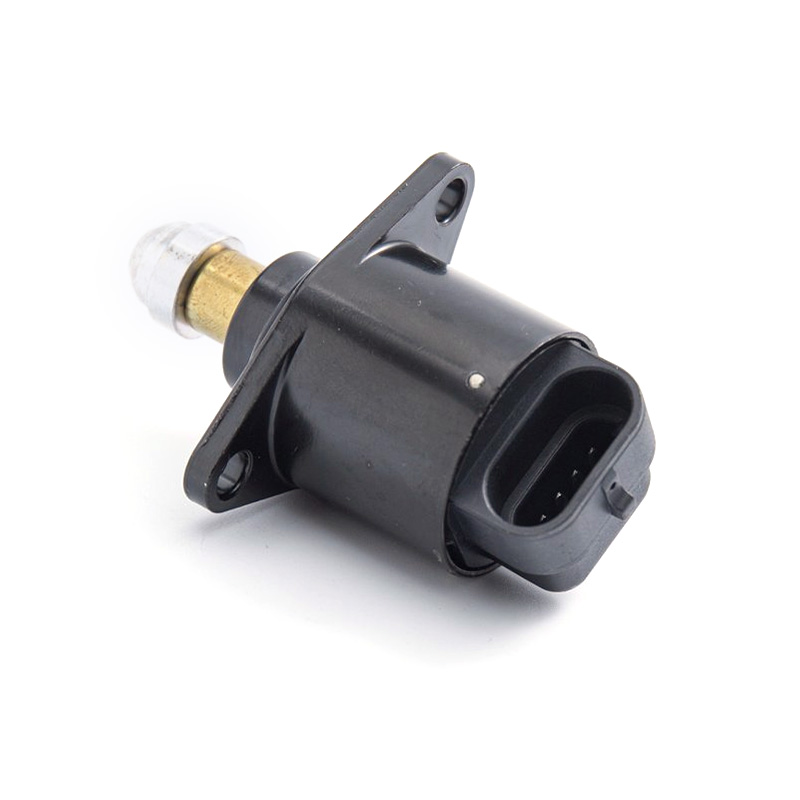
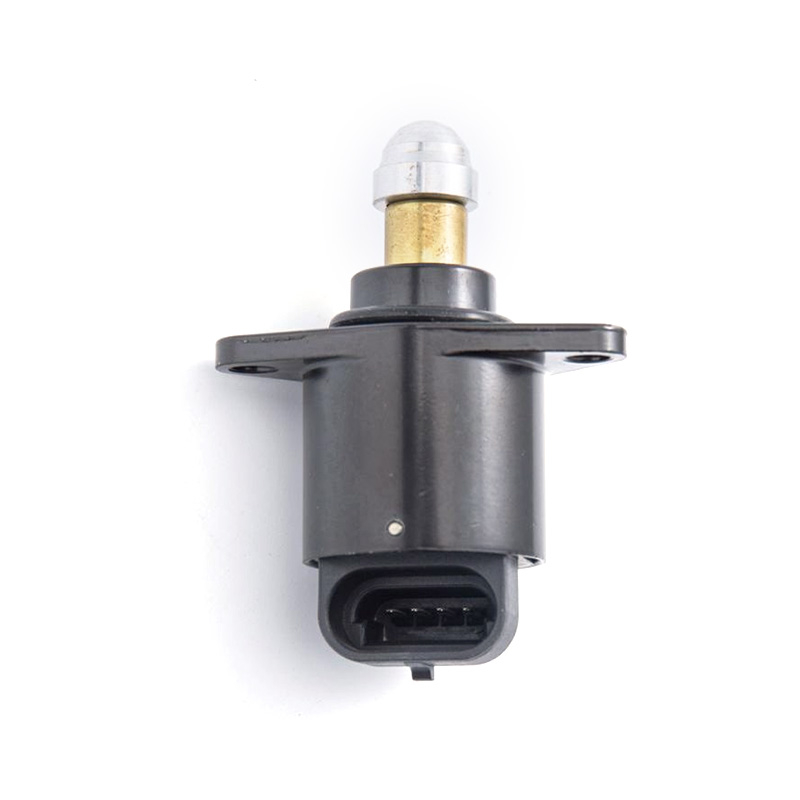
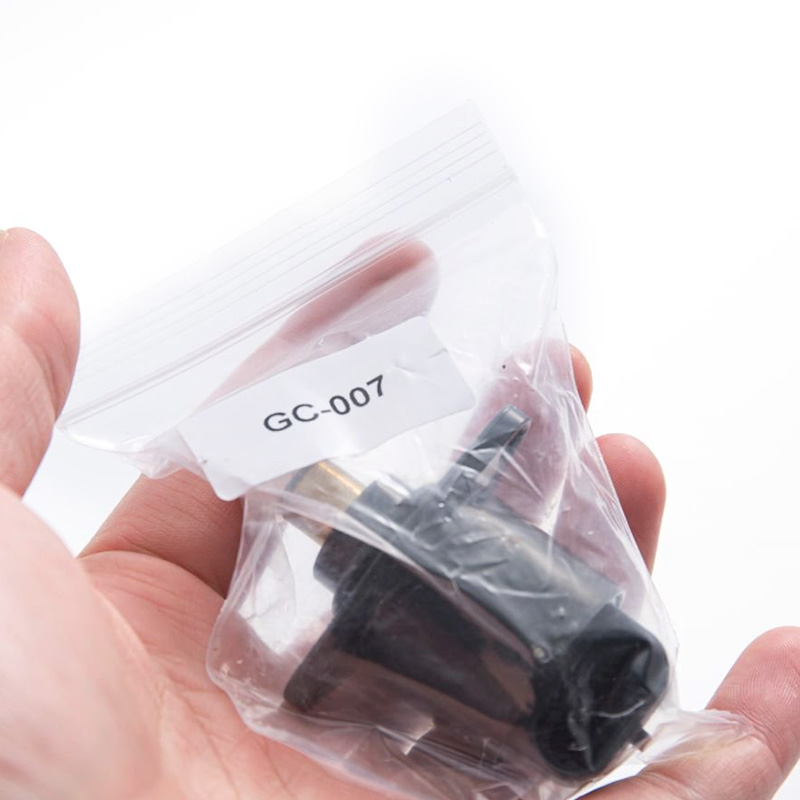
GC-007
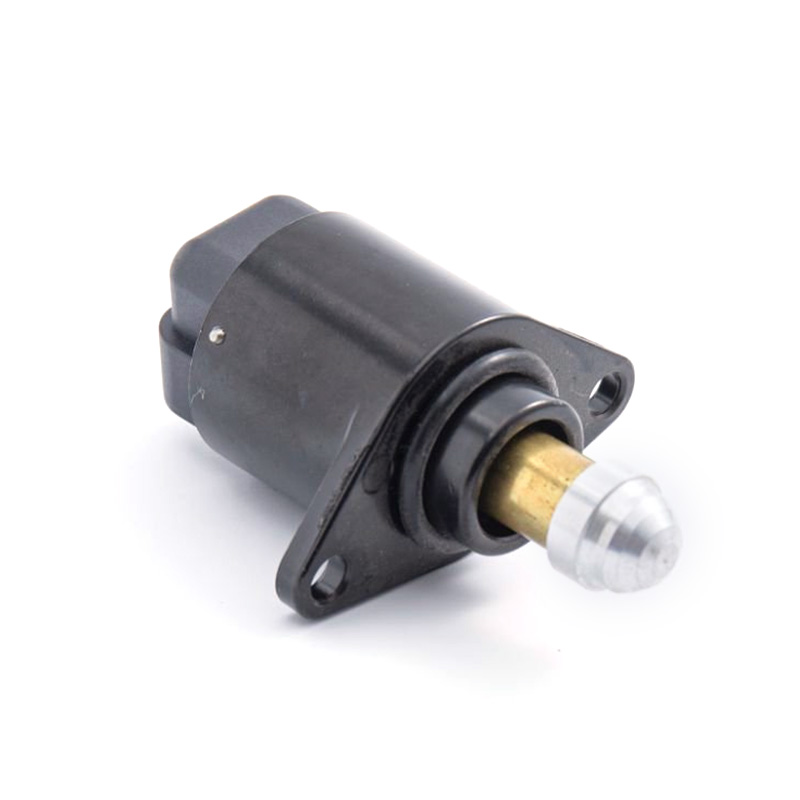
REF OE:
SIMENCE:A96158 A97116
PEUGEOT:19208X;1920.8X
MARELLI:230016079217
APPLICATION:
PEUGEOT 206 CC(2D)2.0 S16;PEUGEOT 206 SW(2E/K)2.0 16V;PEUGEOT 307;
PEUGE 406/Break/Coupe;PEUGE 806/807;PEUGE EXPERT(224)2.0
China auto parts factory for idle air control valve and many kind of sensor imprting and exporting.
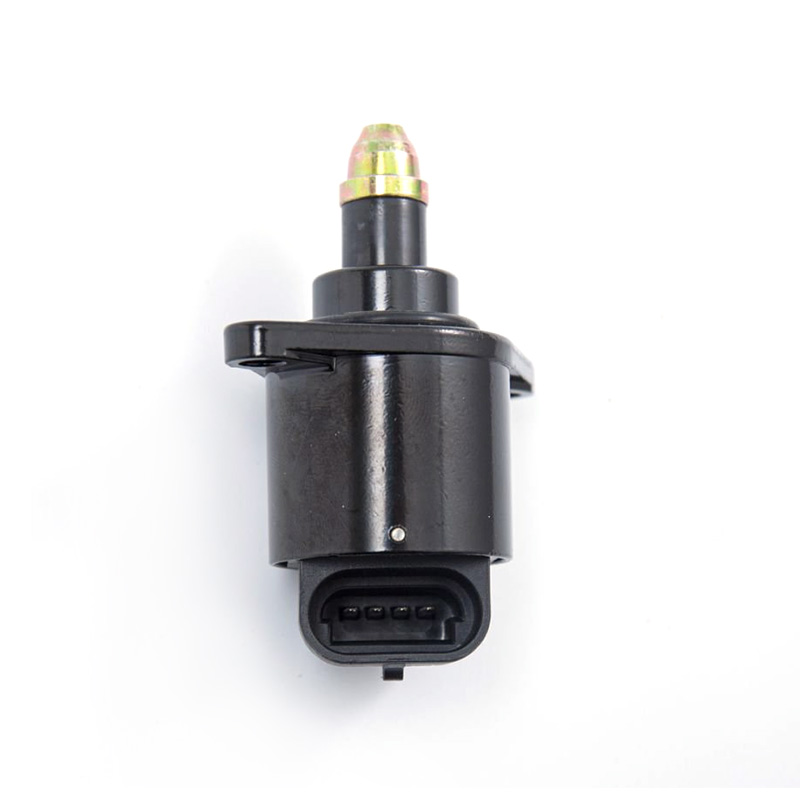
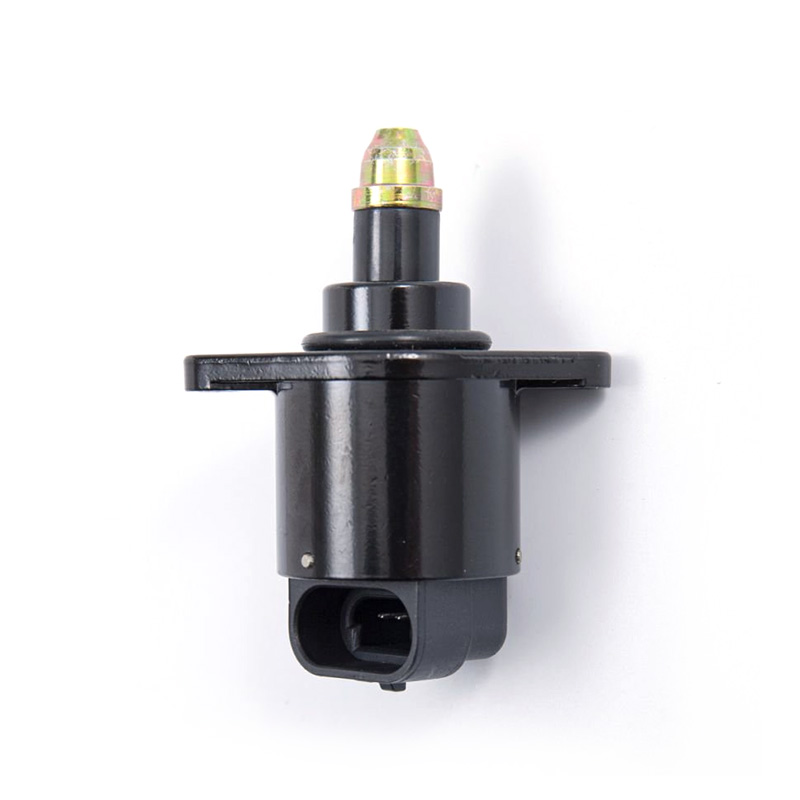
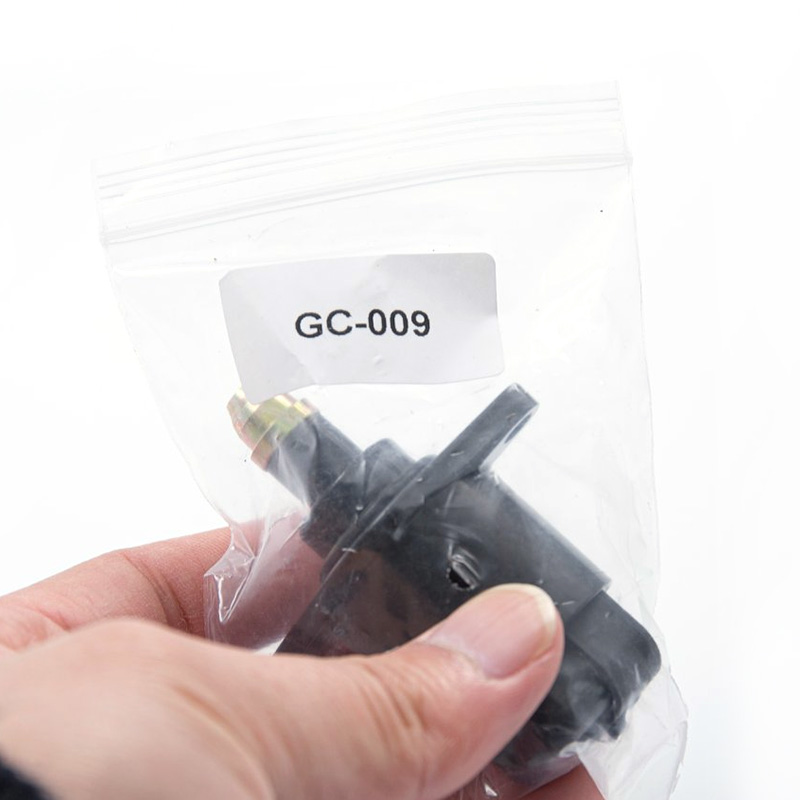
GC-009
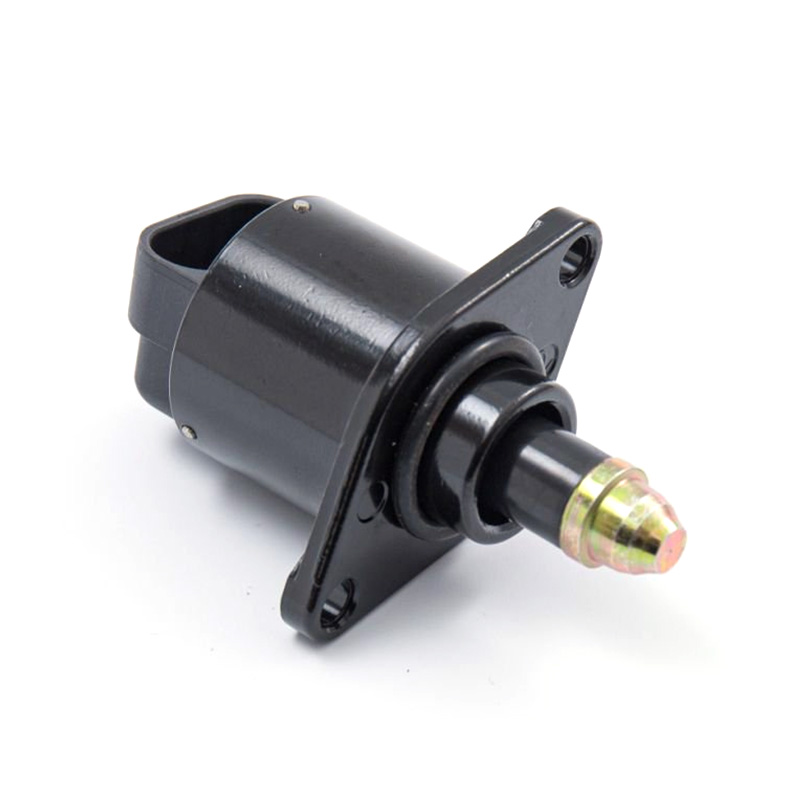
REF OE:
SHORT CODE:D5150
MARELLI:40430102 7079064
VW: 0279980491
VDO: AT-05150R
APPLICATION:
Gol/Parati/Quantum/Santana1.8/Saveiro 1.6,1.8 todos MPFI alcool 96>>
Gol/Parati/Polo Classic 1.8/Quantum/Santana 1.8,2.0/Saveiro 1.6,1.8,2.0/Van 1.6 todos MPFI gasolina 96>>
Idle air control valve whole sale price,direct from China factory.
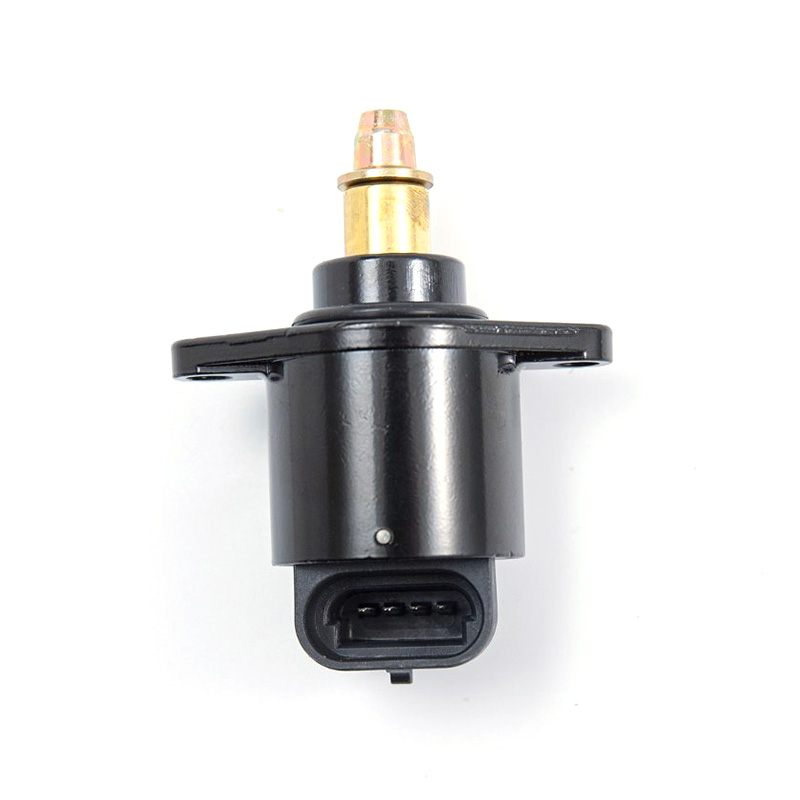
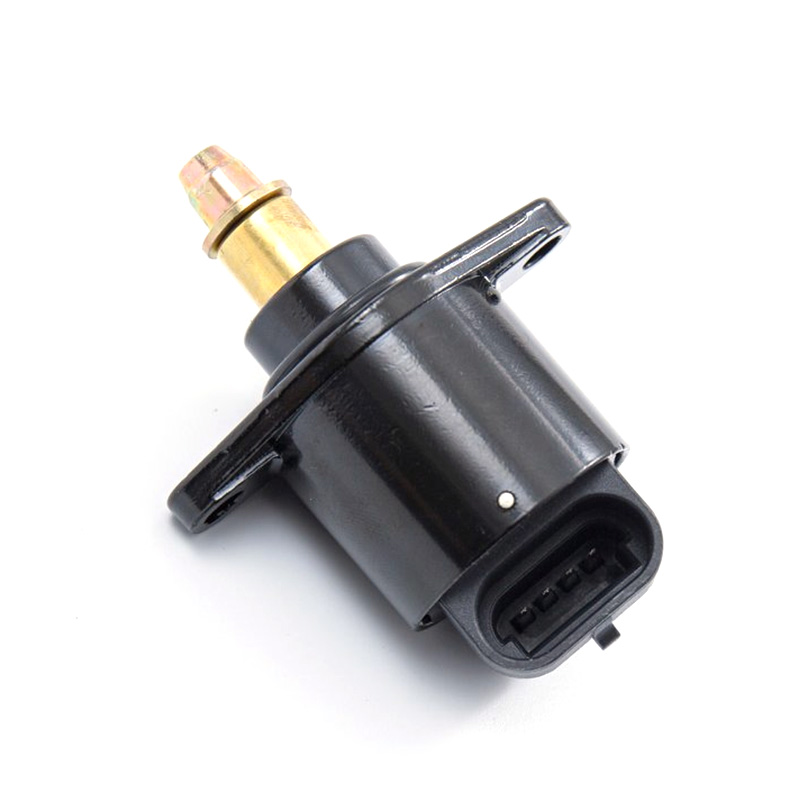
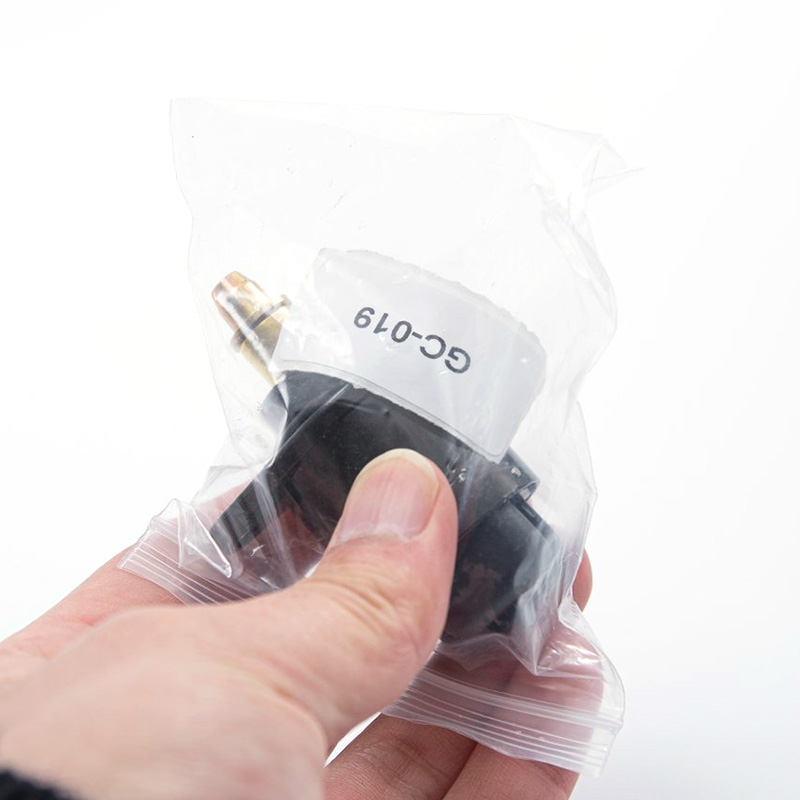
GC-019
REFERENCE OE:
SHORT CODE: D5104
MARELLI: 40396502
FIAT: 7078983 0269980492
VDO: AT-5104R
APPLICATION:
FIAT:Palio/Siena 1.6 98>99-EFI(gasolina) VW:Gol 1.08v94>>96-EFI(gasolina)
Idle air control valve with high quality and low price from China!
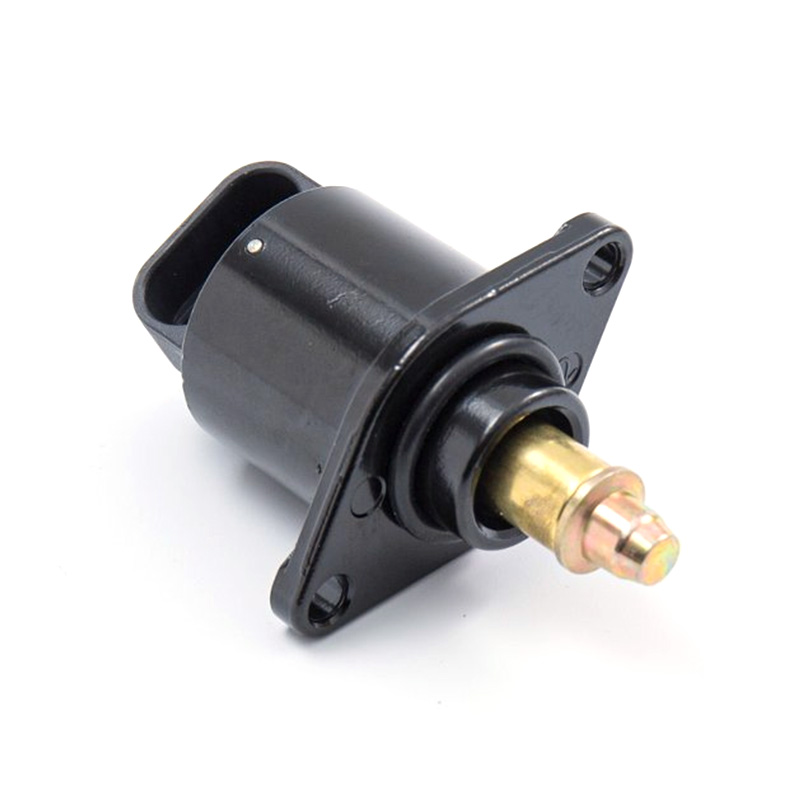
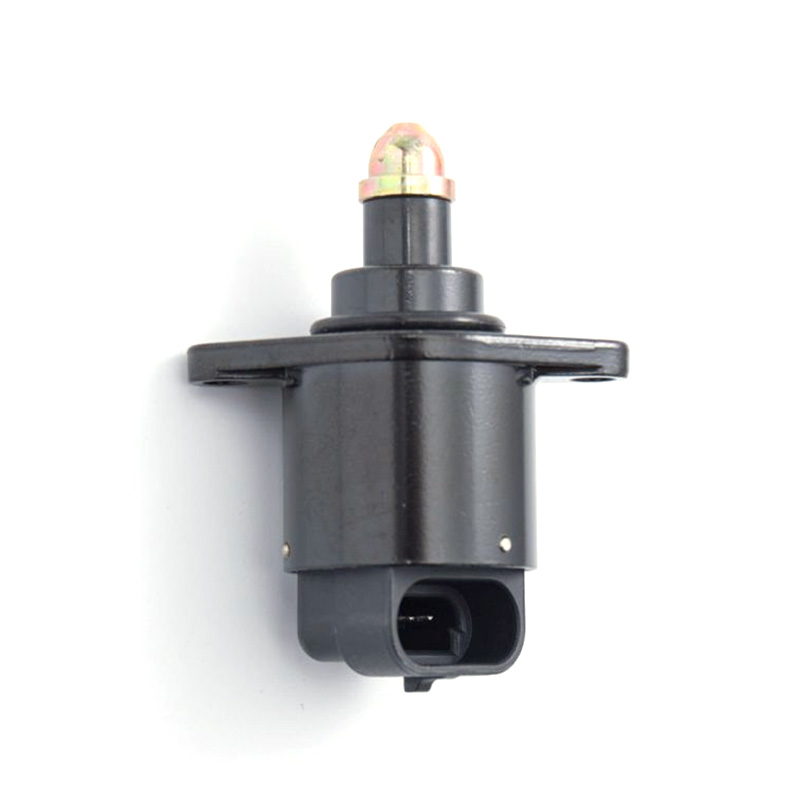
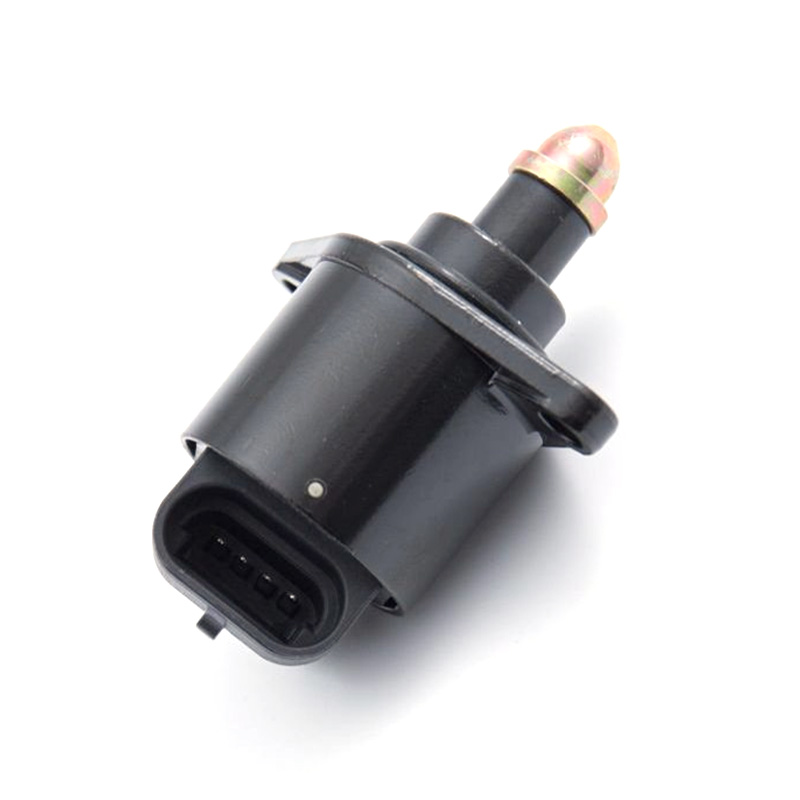
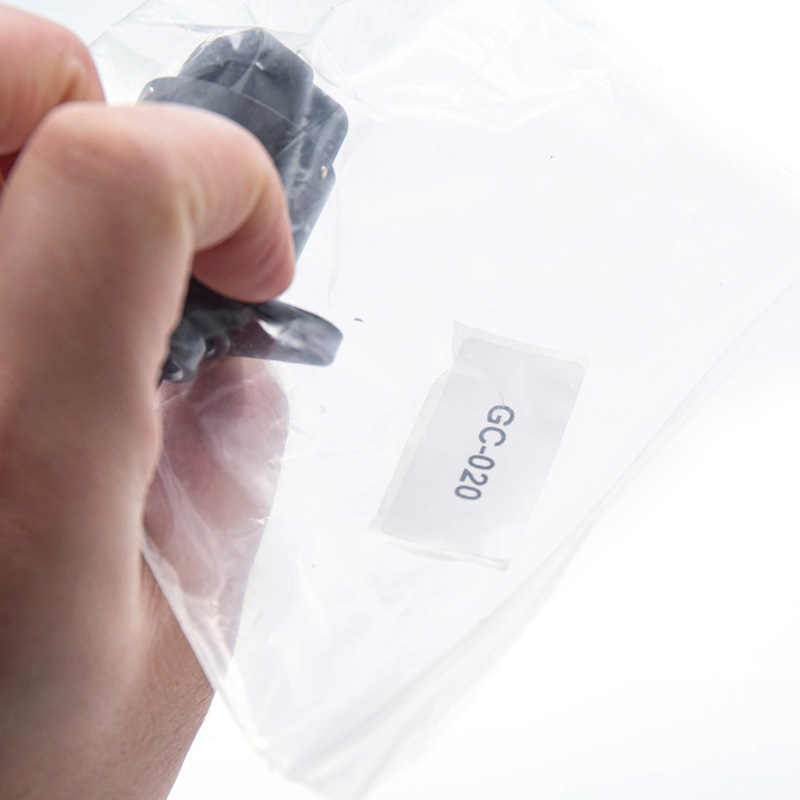
GC-020
REFERENCE OE:
SHORT CODE: B02/01
VDO: AT01200R C95128
FIAT: 9945635
OEM: 7766269 9950635
APPLICATION:
ALFA 145/146;FIAT BRAVA/FIAT BRAVO;FIAT MAREA/MAREA Weekend;FIAT PALIO/SIENA/TEMPRA/TIPO;LANCI DELTA II
Buy idle air control valve from China factory!
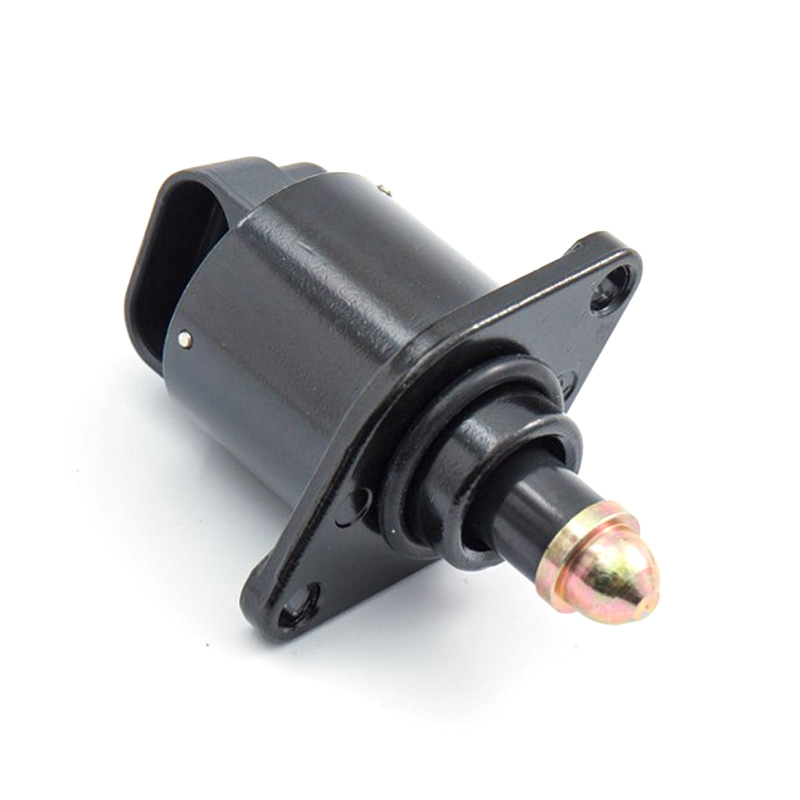
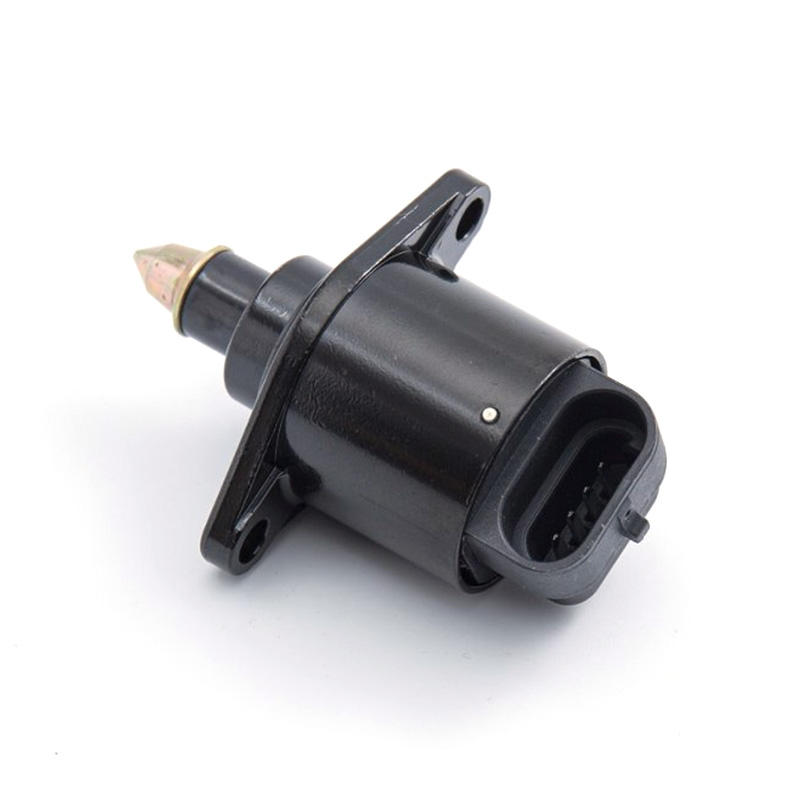
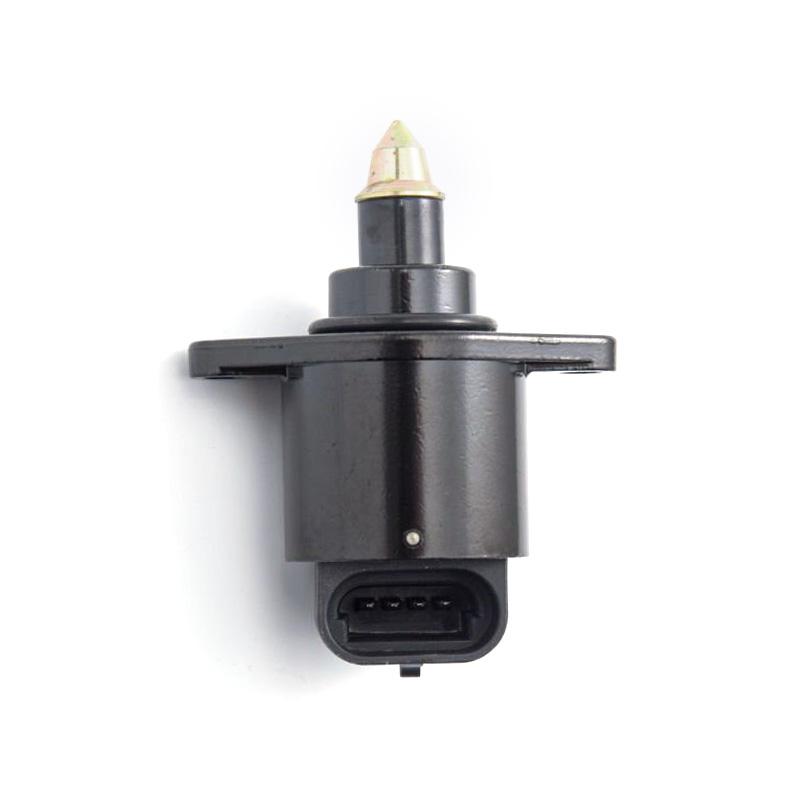
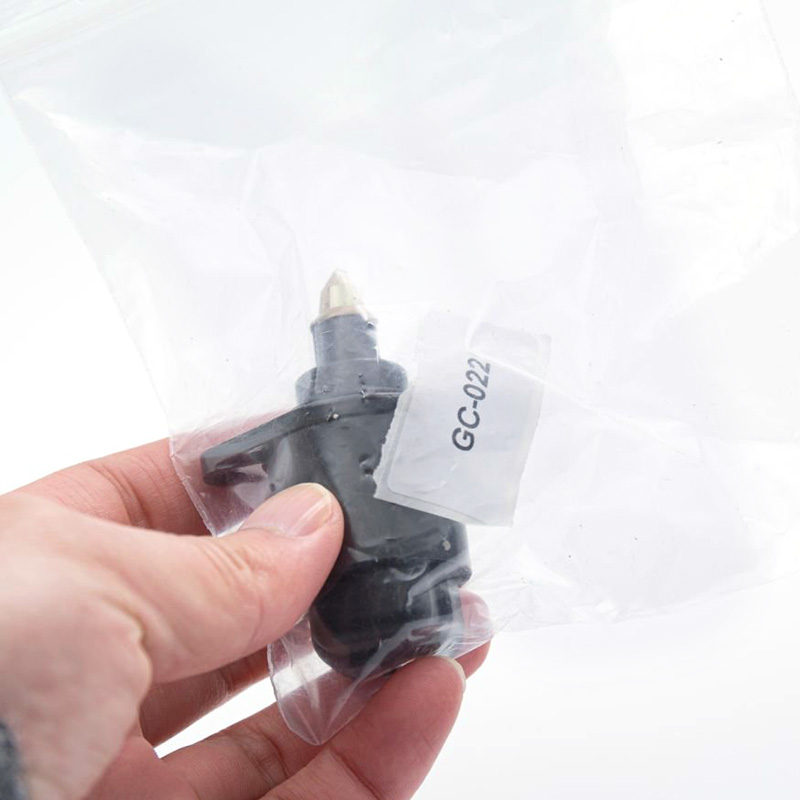
GC-022
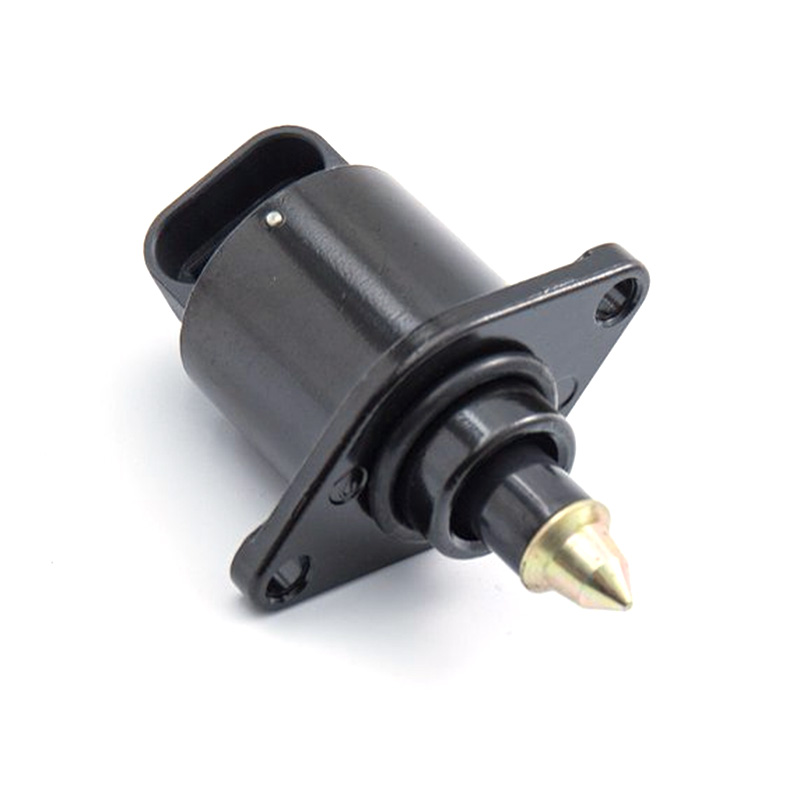
REFERENCE OE:
SHORT CODE:B08/01
MARELLI:40380202
VDO:AT-00801R
VW:0269060491
FIAT:7076356
FORD:F5PF.9N825 .AA
APPLICATION:
VW,FIAT,FORD
Idle air control valve wholesale and retail,China manufacture direct!
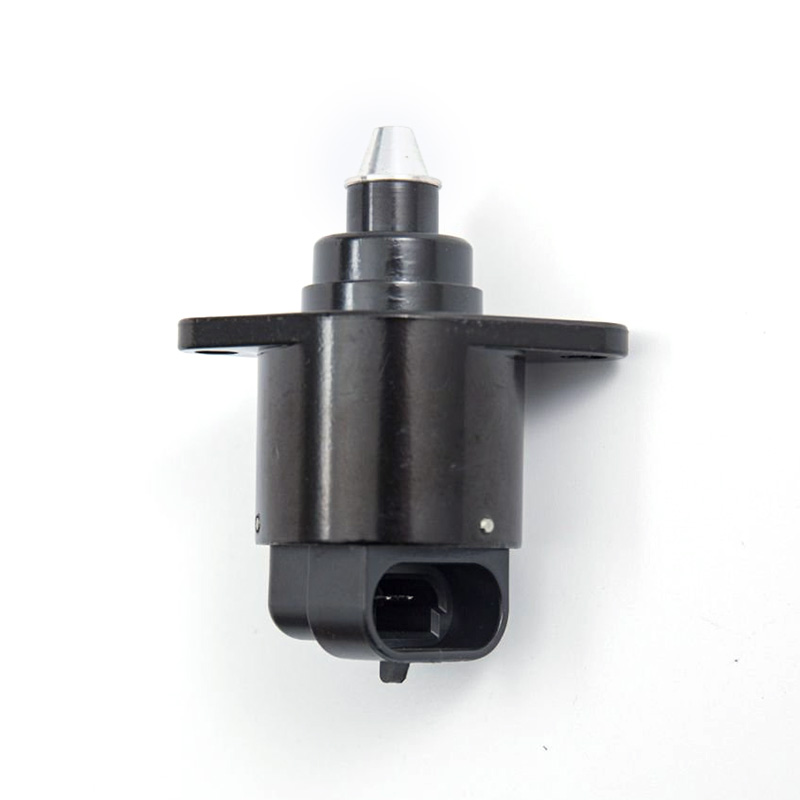
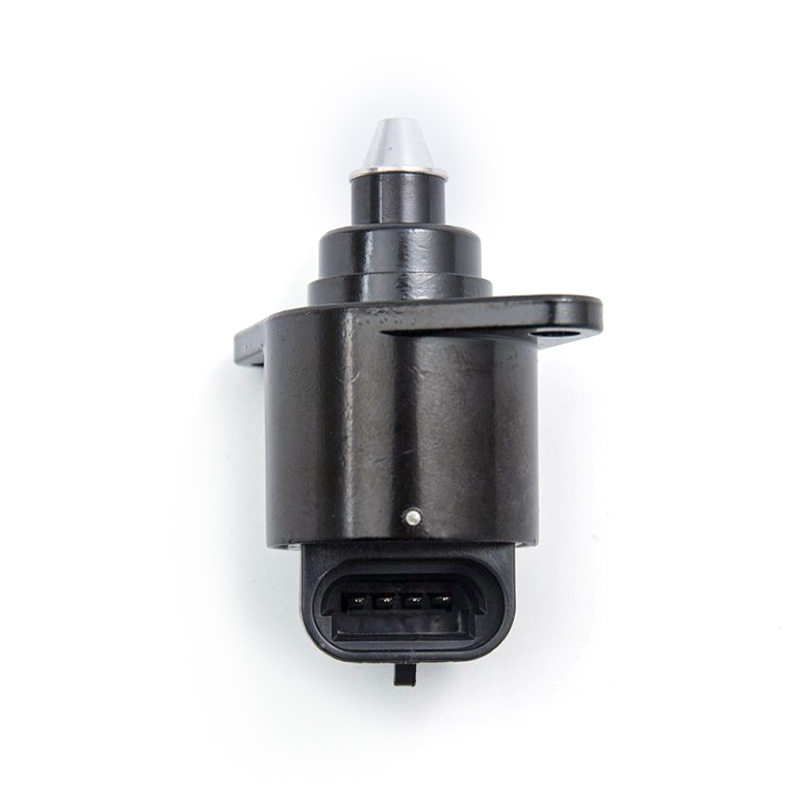
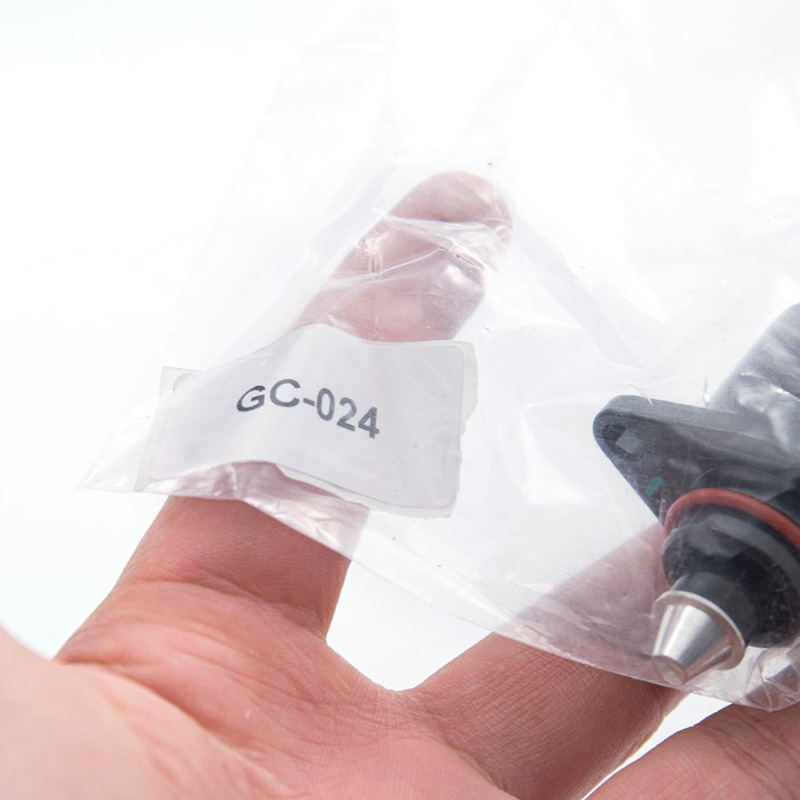
GC-024
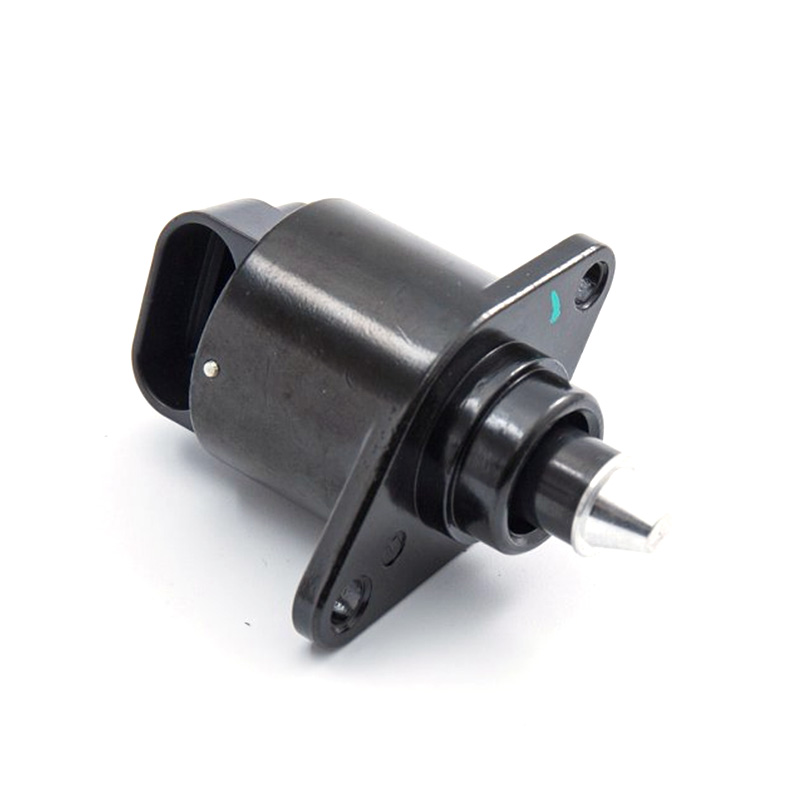
REFERENCE OE:
SHORT CODE: C1351
OPEL: 817254 17112027
SIMENCE: A95160
DELPHI:ICD 00127
VDO: AT-59524R
HELLA:6NW009141121;0817254; 93227674
APPLICATION:
OPEL ASTRA F CLASSIC Kombi/Schraqheck;
OPEL COMBO;
OPEL CORSA A Schraqheck/TR;
OPEL CORSA B;
OPEL KADETT E;
OPEL TIGRA
Idle air control valve from China factory for Opel, IACV.
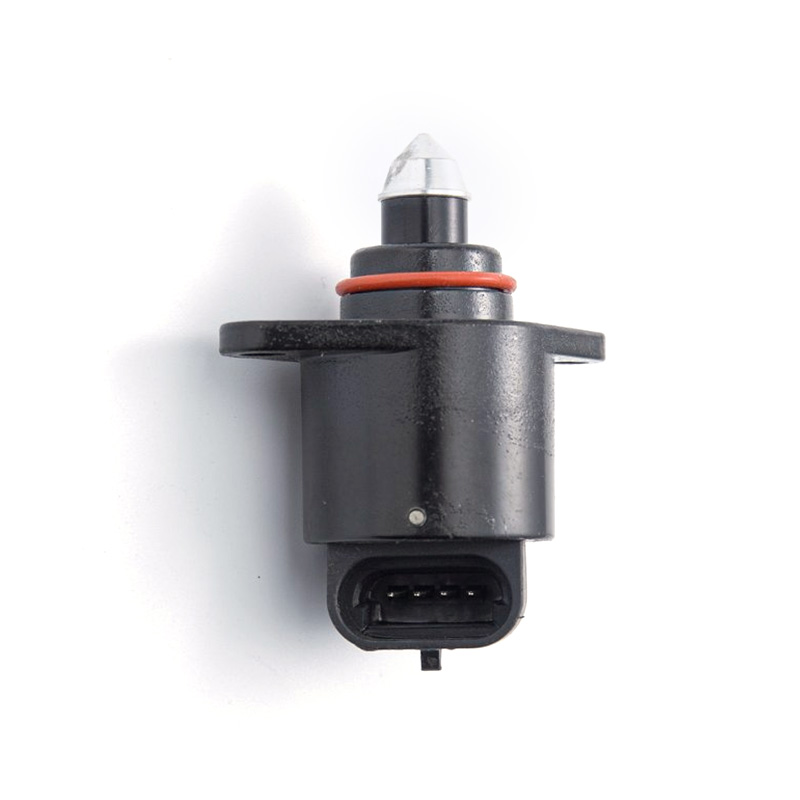
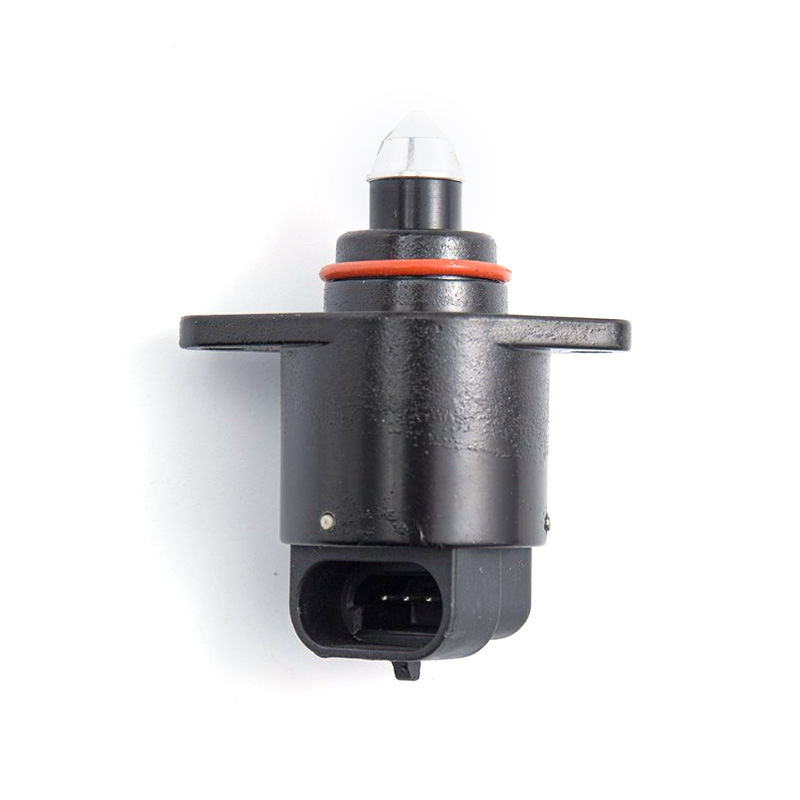
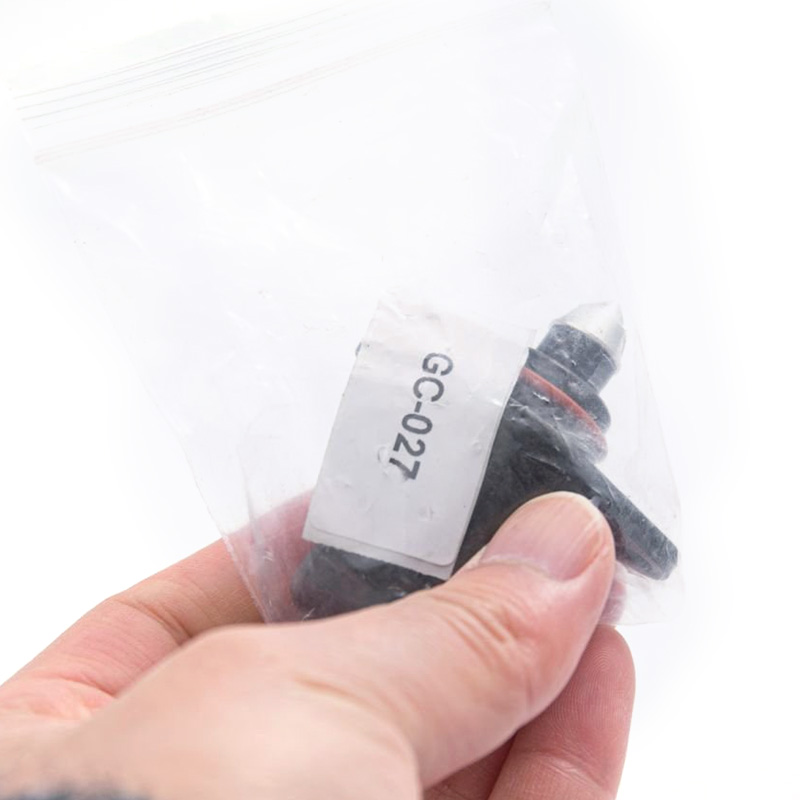
GC-027
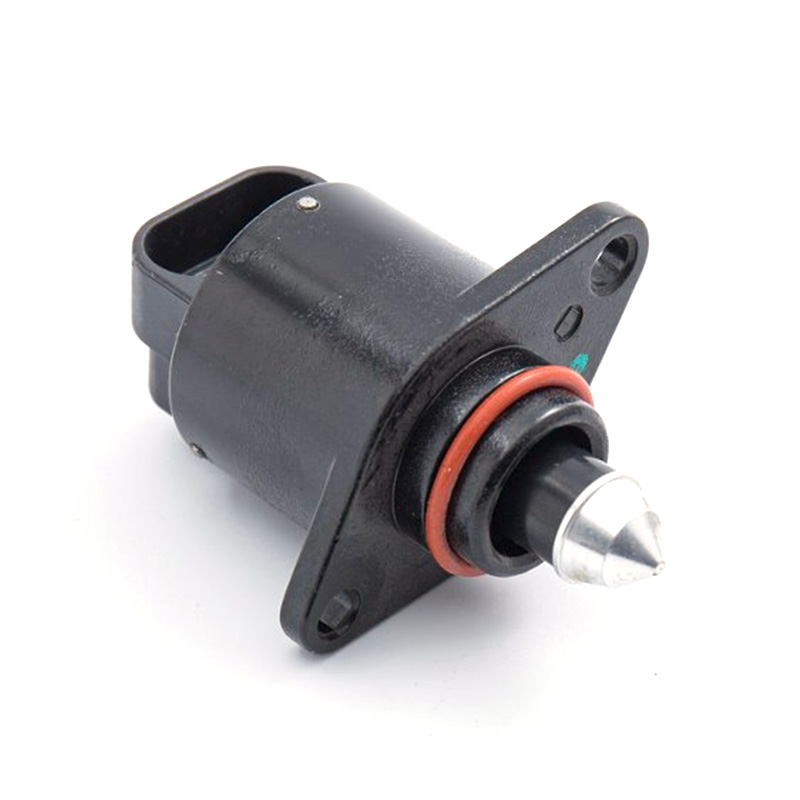
REFERENCE OE:
STD: AC64 WELLS:AC132
DELPHI: ICD00126
GM:17059600; 17112898
APPLICATION:
IPANEMA 1.8/2.0 EF191>,KADETT1.8/2.0 EF191>,MONZA 1.8/2.0 Ef191>
Idle air control valve from China factory for Ipanema Kadett Monza.
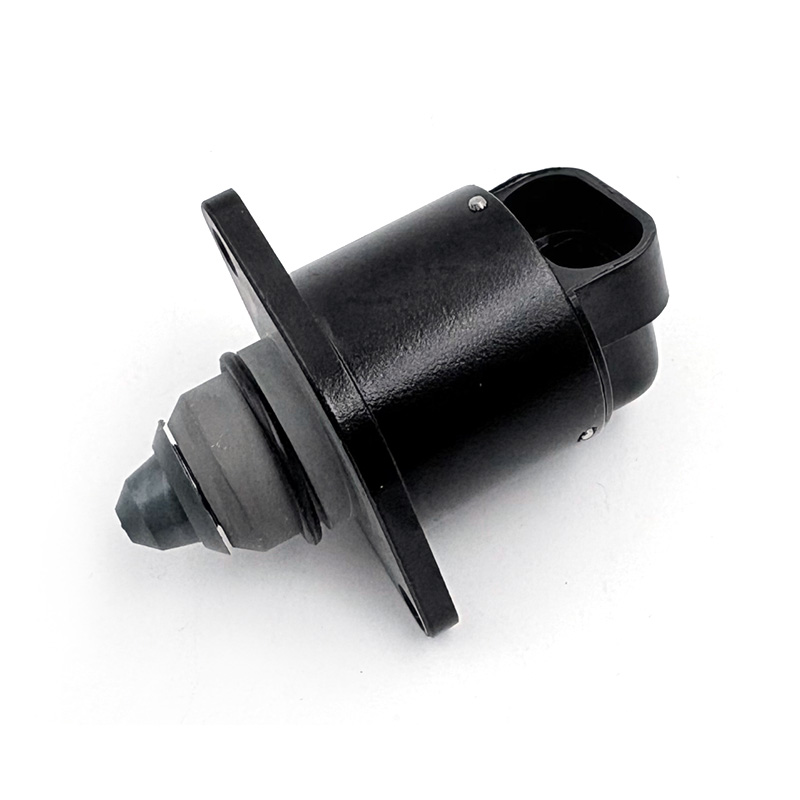
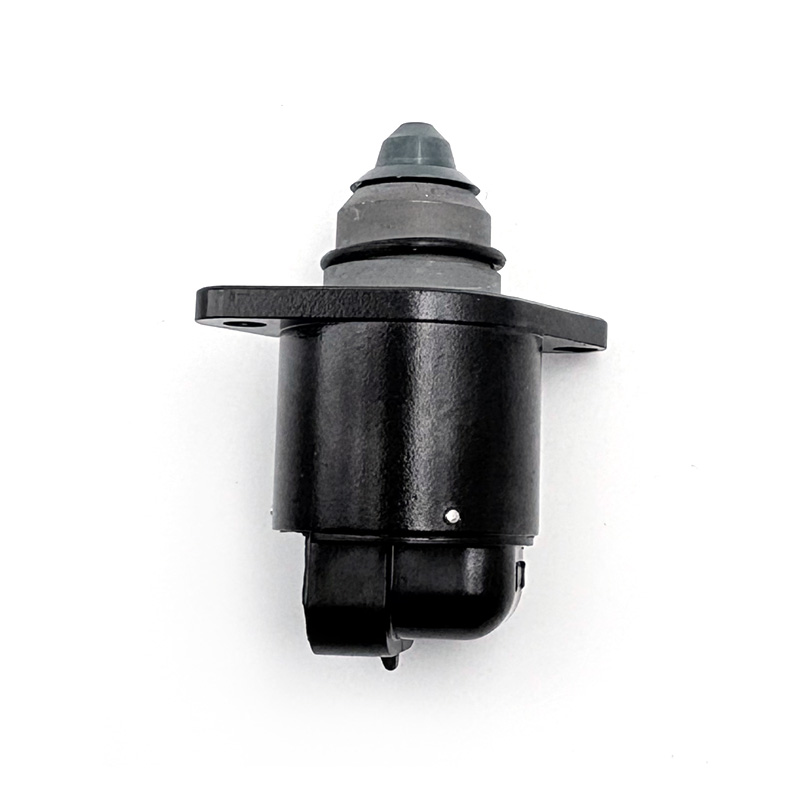
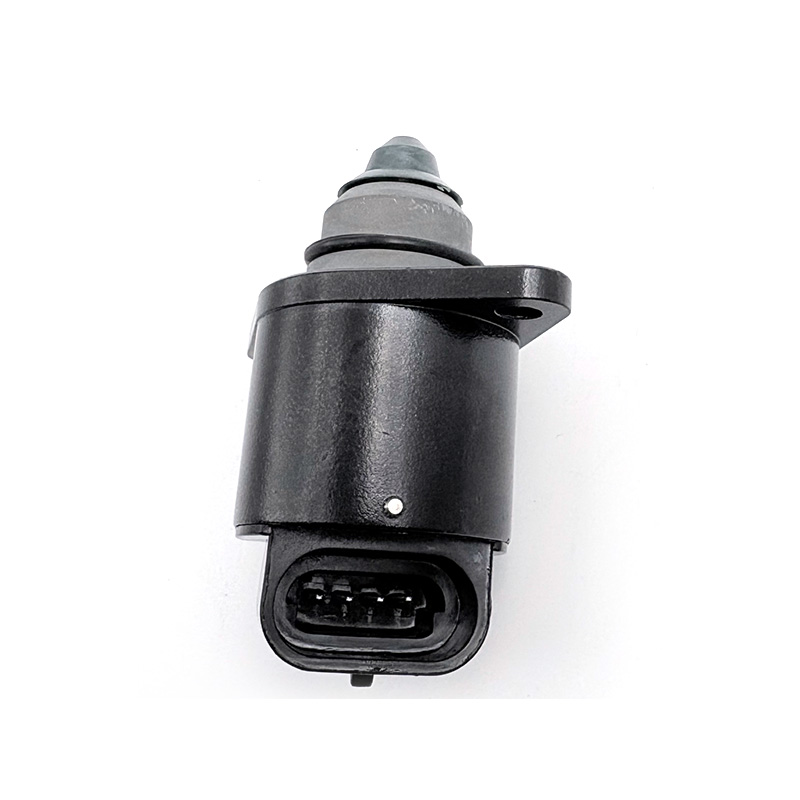
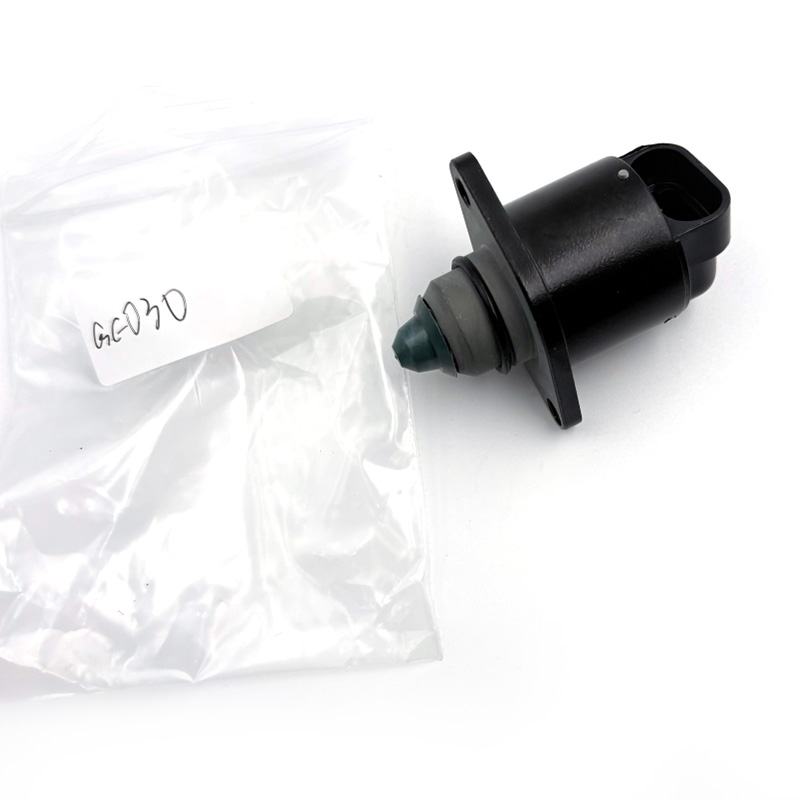
GC-030
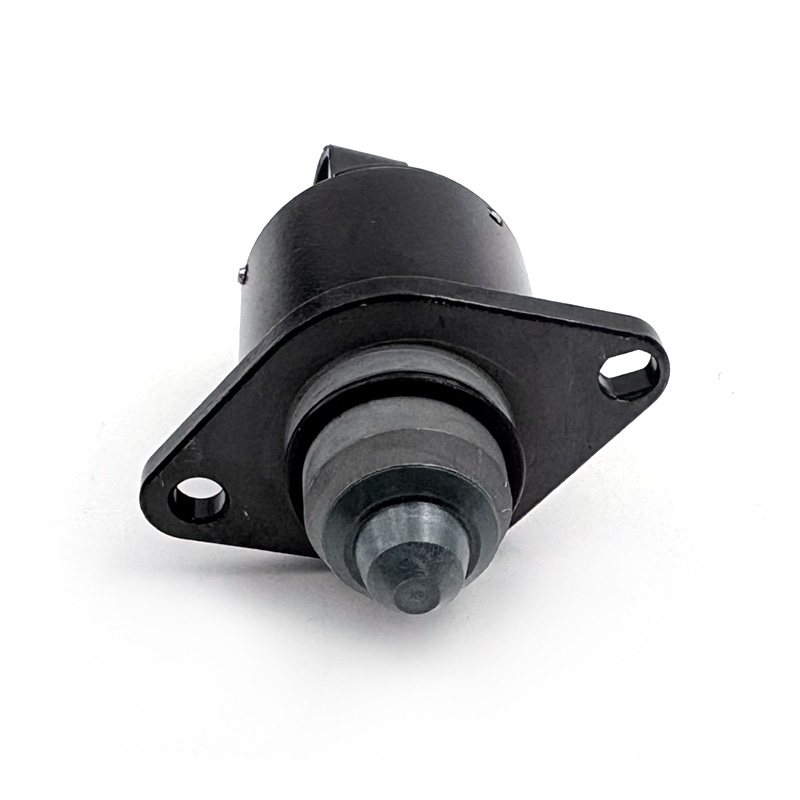
REFERENCE OE:
21203-1148300-03
APPLICATION:
LADA
Idle air control valve from China factory for Lada.
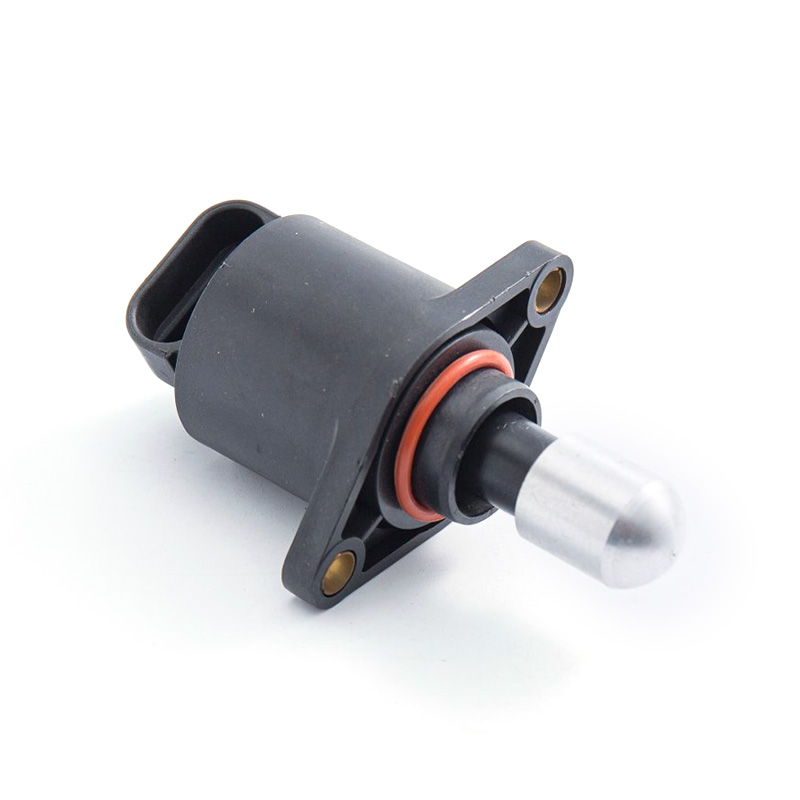
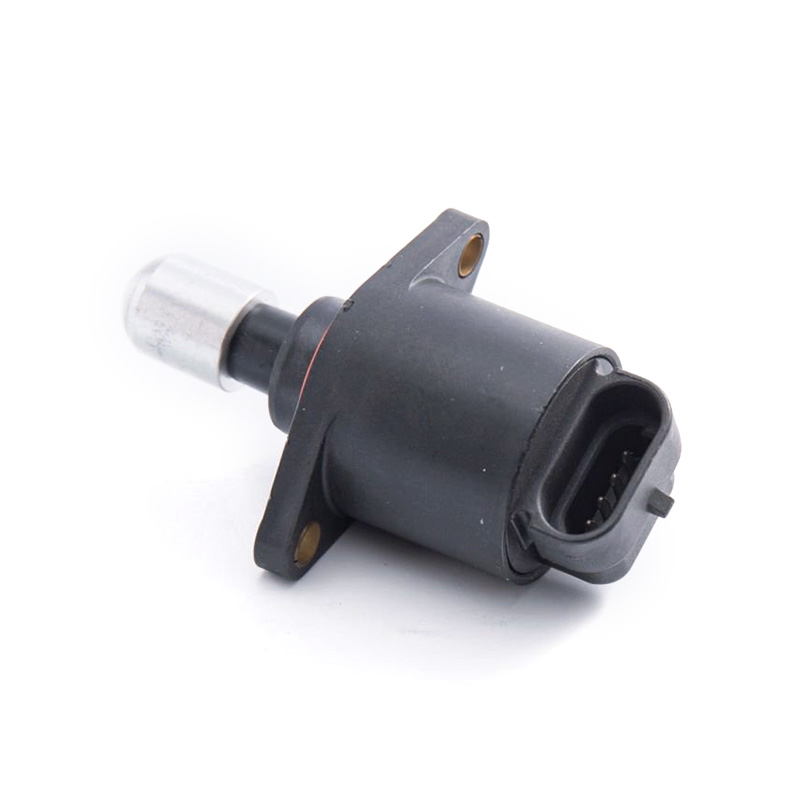
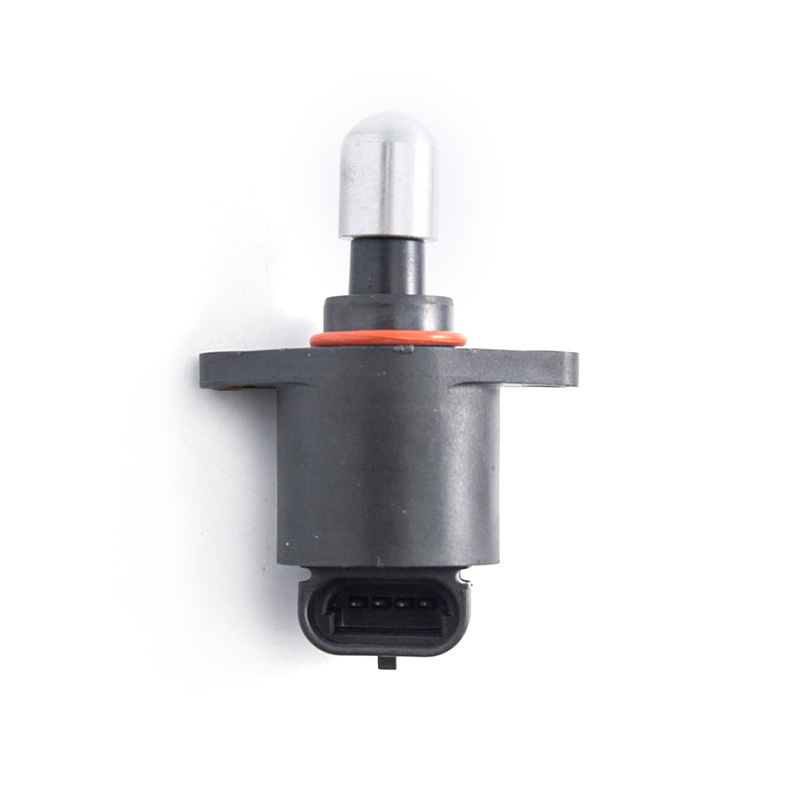
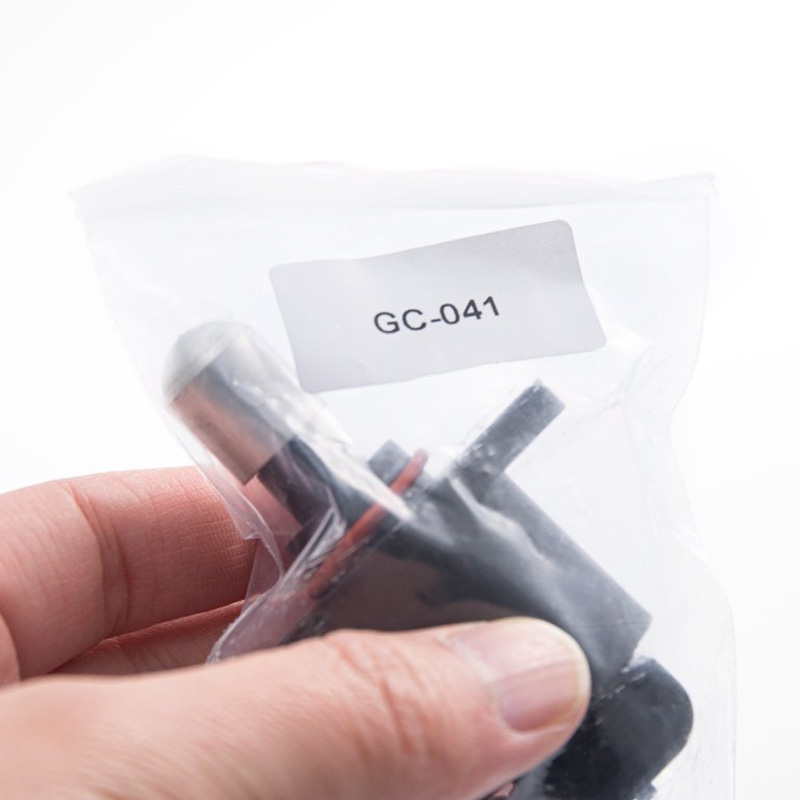
GC-041
REFERENCE OE:
R008/2243
APPLICATION:
KIA GAS
Idle air control valve from China factory for Kia.
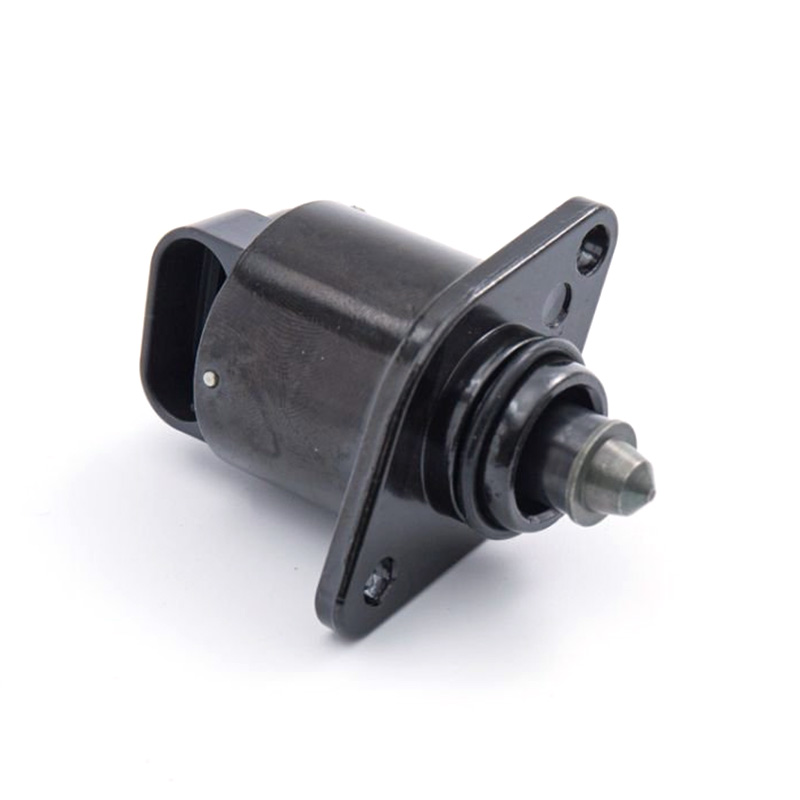
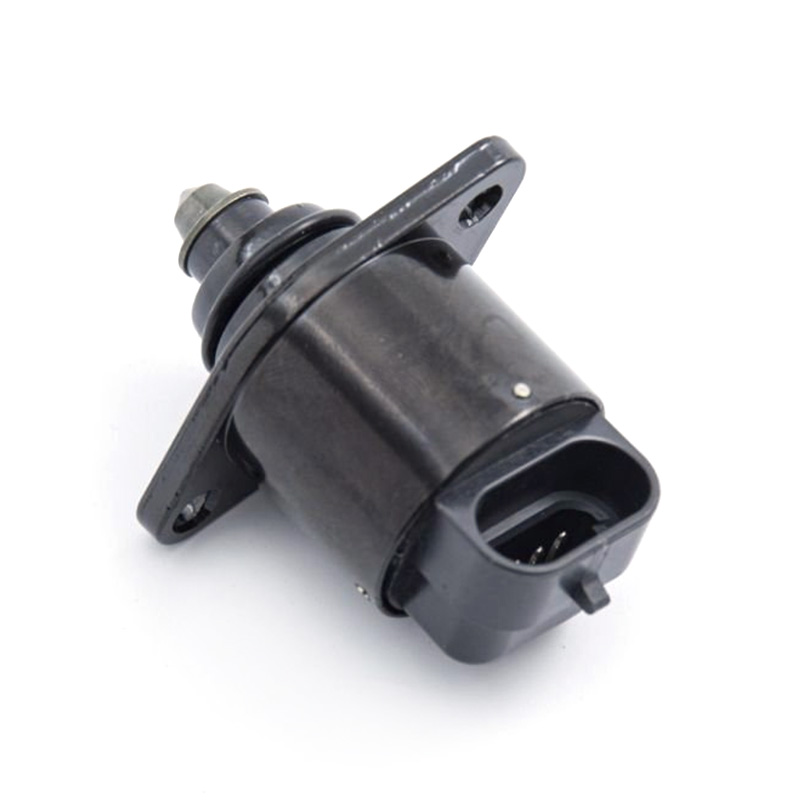
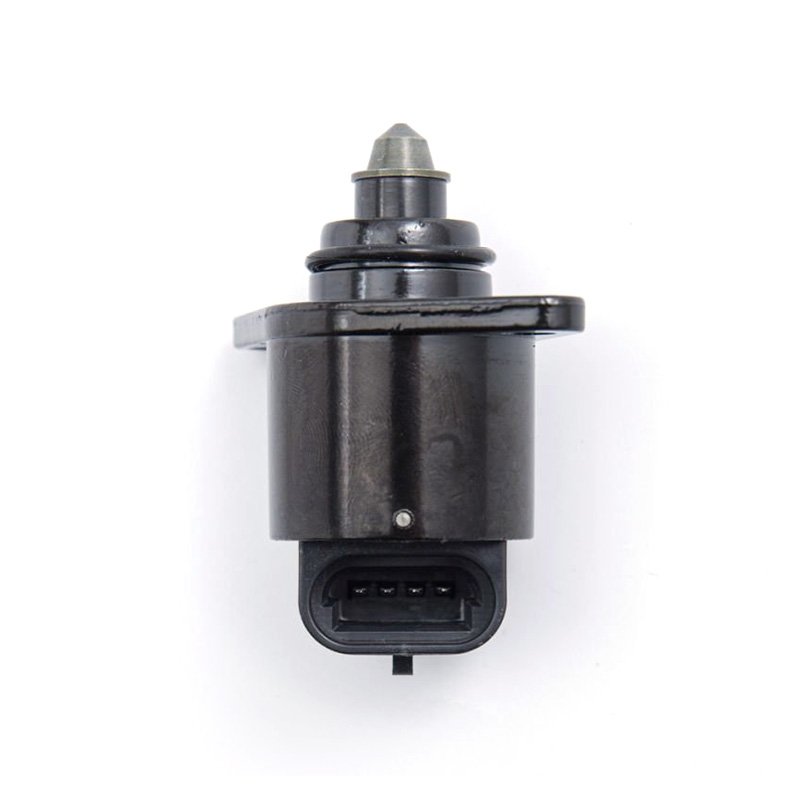
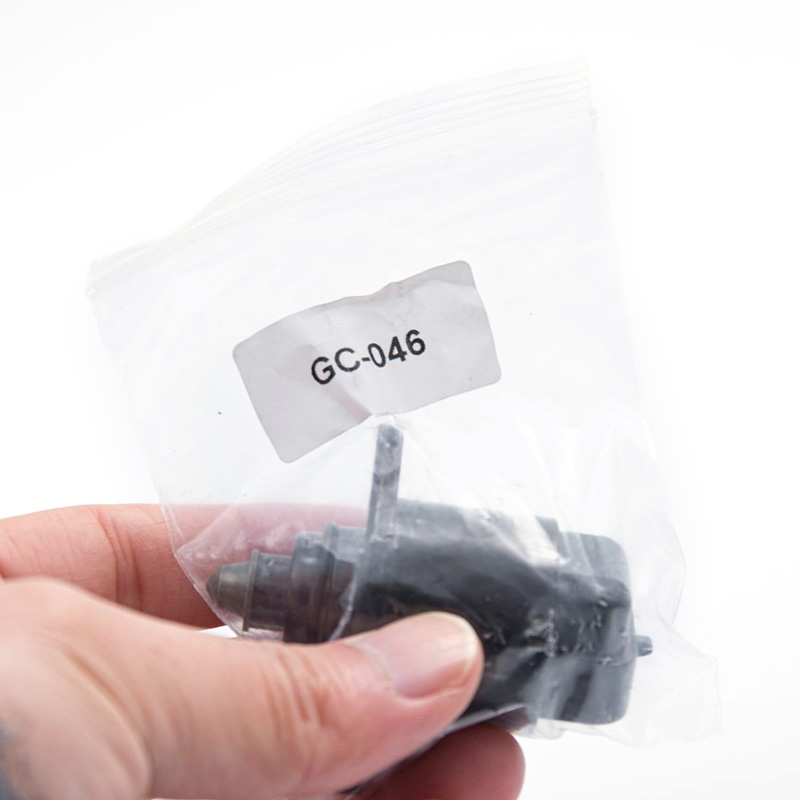
GC-046
REFERENCE OE:
2112-1148300
APPLICATION:
LADA
Idle air control valve from China factory for Lada.
Contact Us
Let's start collaborating

Guocheng is specialized in the R&D and production of key engine components for the automotive and engineering machinery industries.
Product
Stay Connected
(+86) - 577 - 8582 0886 (Tel)
(+86) - 577 - 8582 8085 (Fax)
(+86) - 19730213059 (Phone)
sales@wz-gc.com
No. 205, Baiyu Road, 15th Road, Binhai Park, Wenzhou, Zhejiang, China
Mobile

ODM Engine Management System Components
 English
 русский
 Español
 عربى
عربى Deutsch