Date:Nov 13, 2026
Fleet vehicles often operate under demanding conditions, including frequent stops, extended idling, repeated engine starts, and changing workloads. These operating patterns place continuous demands on engine management components. An unstable idle, unexpected engine stalling, or abnormal RPM fluctuations may indicate a problem with the idle air control system. Understanding the right time for air control valve replacement helps fleet operators manage repair schedules and avoid unnecessary component purchases.
At Wenzhou Guocheng Automobile Electrical Parts Co., Ltd., we manufacture automotive electrical components, including idle air control valves, sensors, and throttle bodies. Through our experience in automotive parts production, we understand that accurate fault identification and vehicle compatibility are essential considerations for distributors, repair workshops, and fleet maintenance teams.

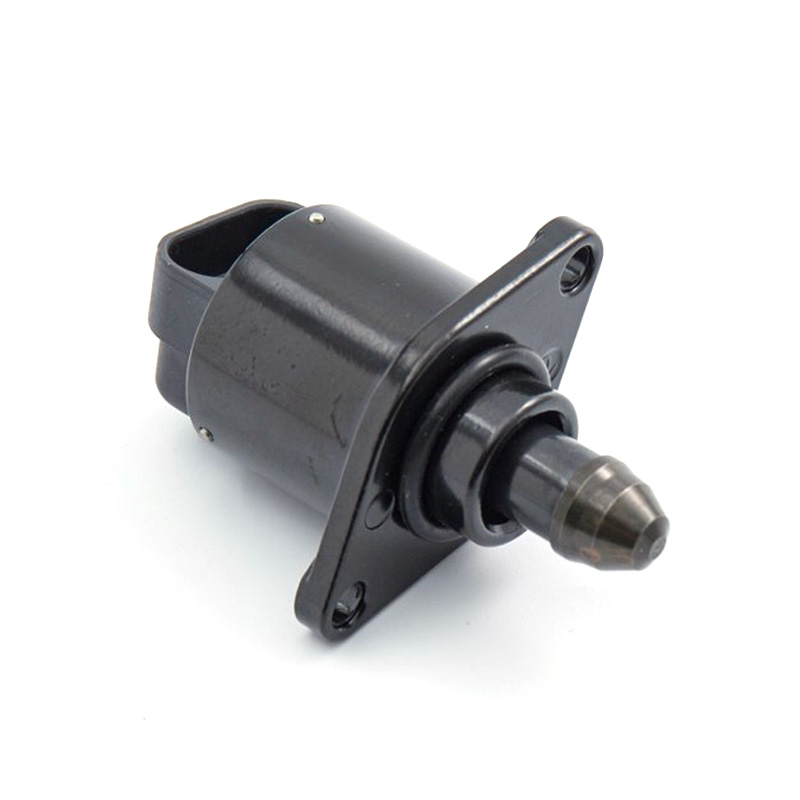
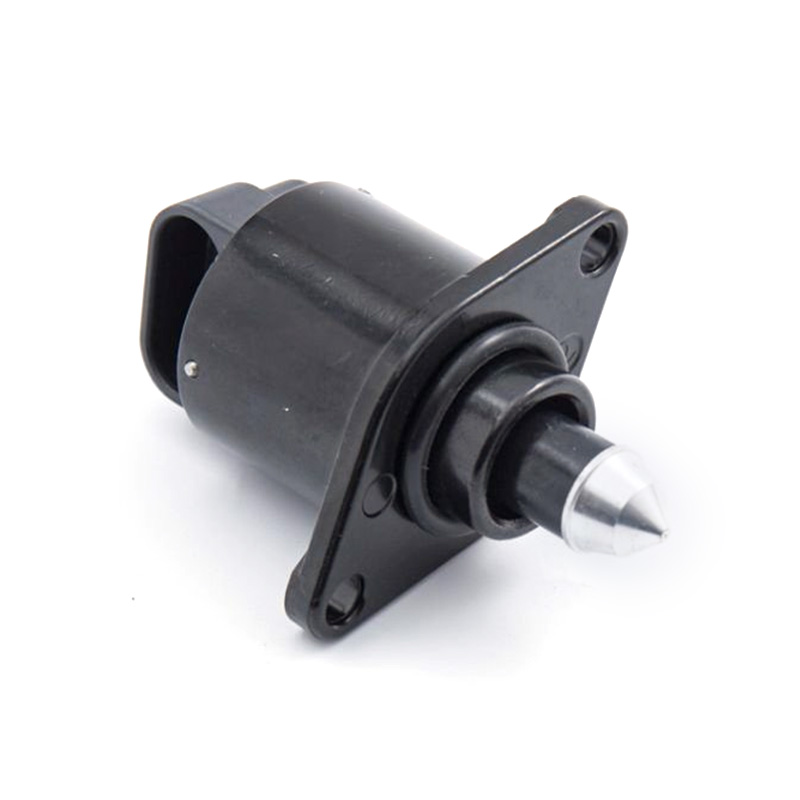
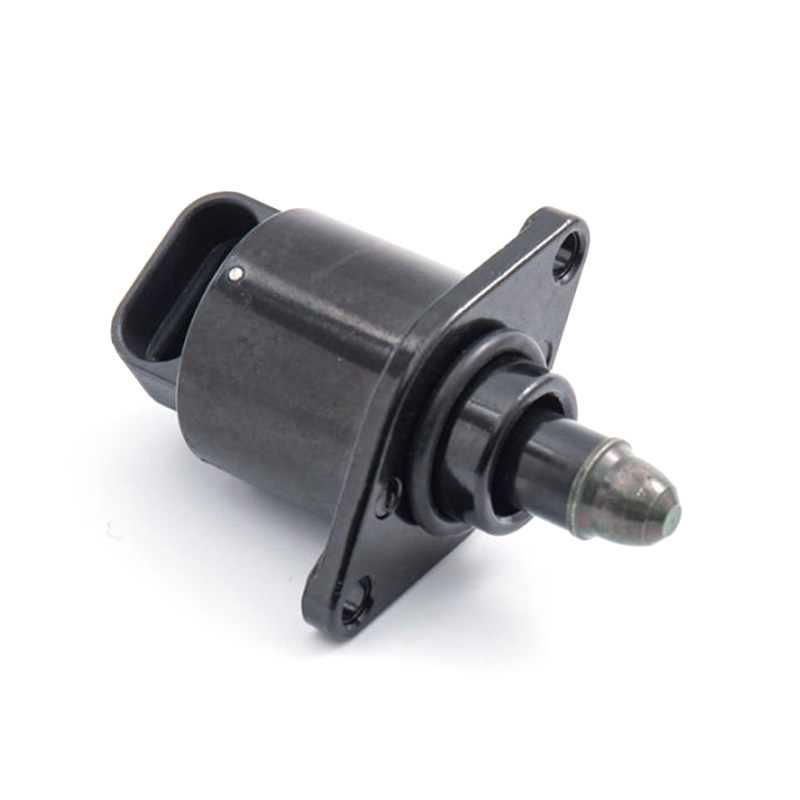
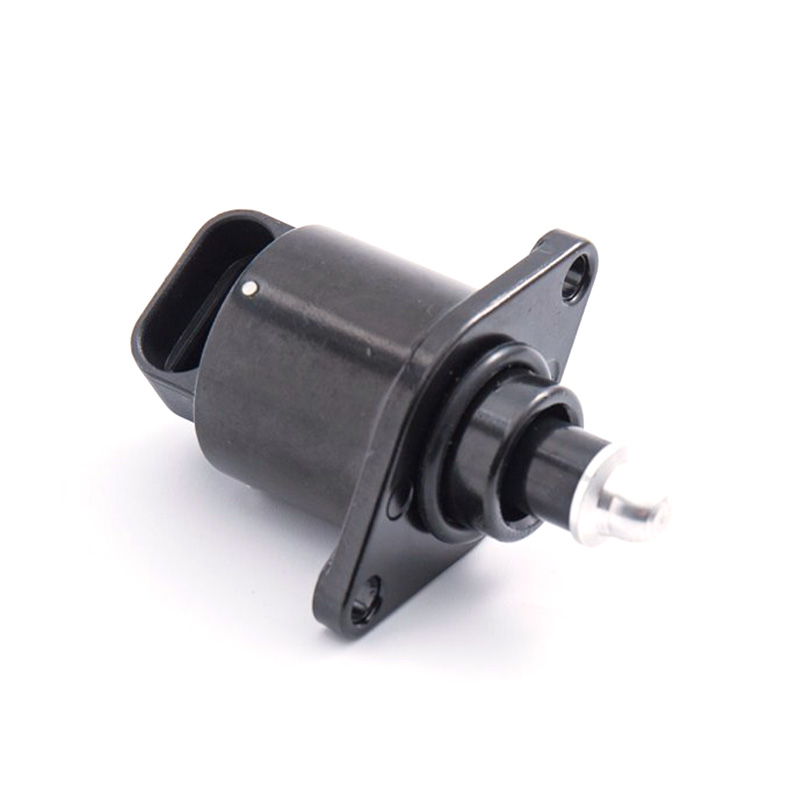
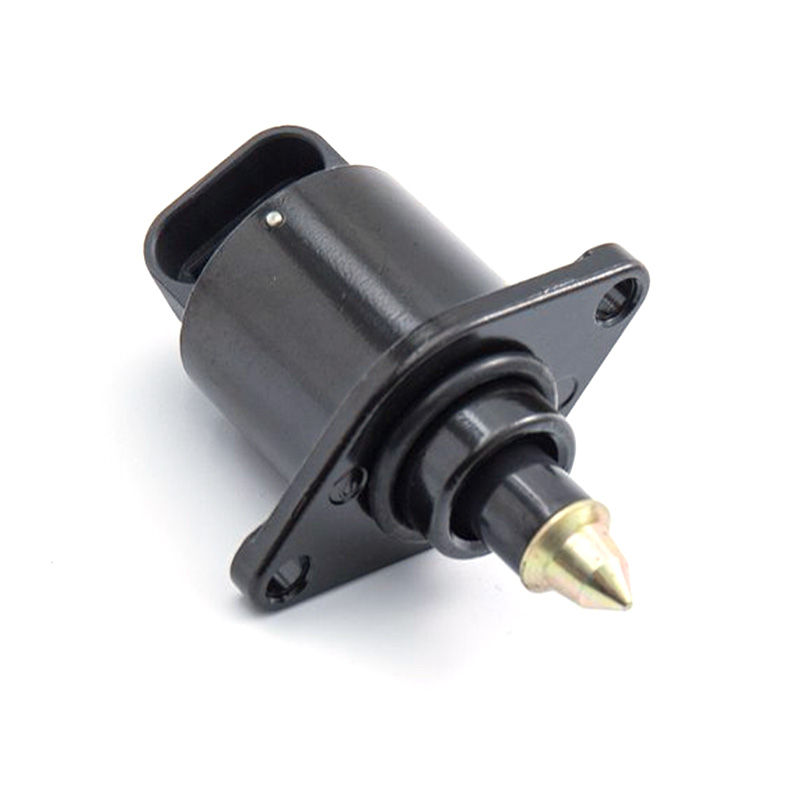
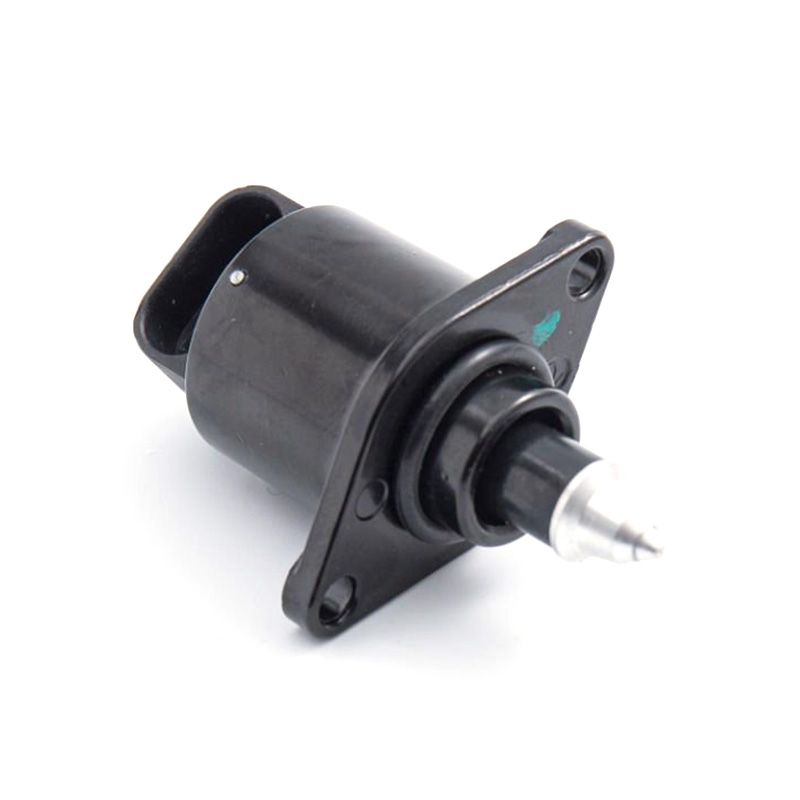
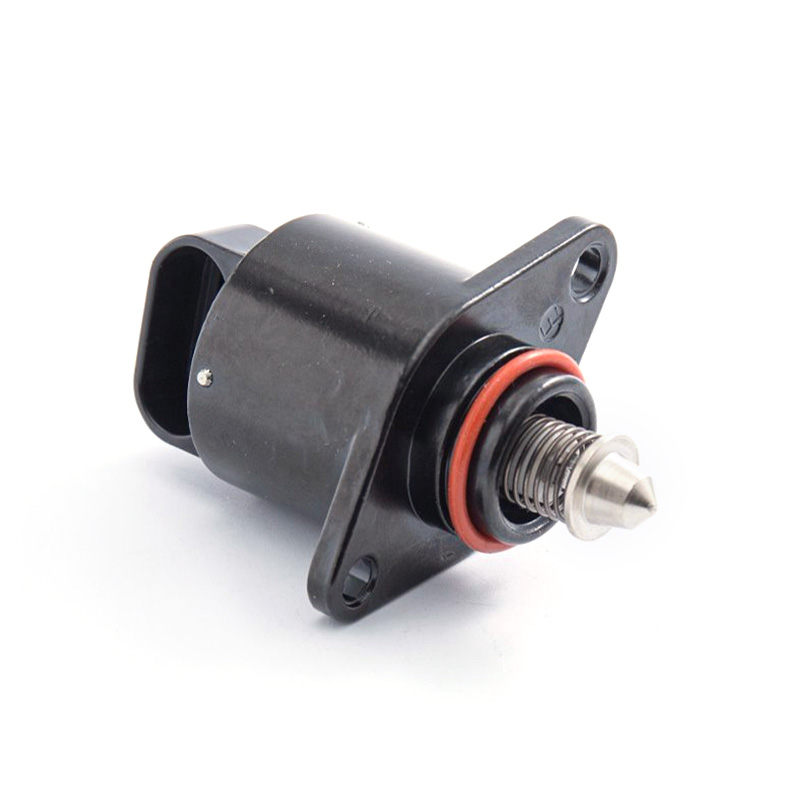
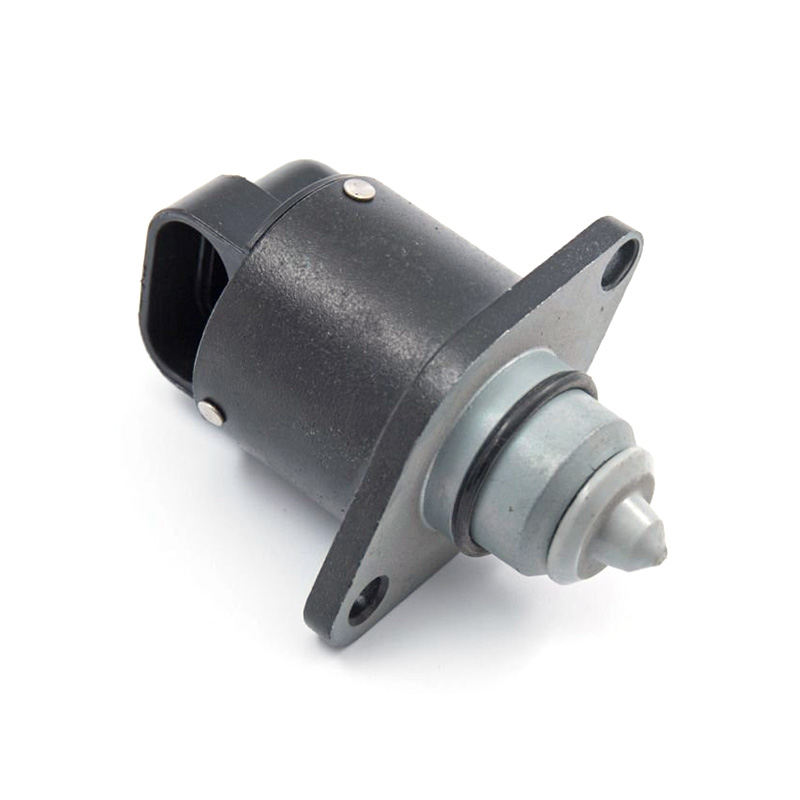
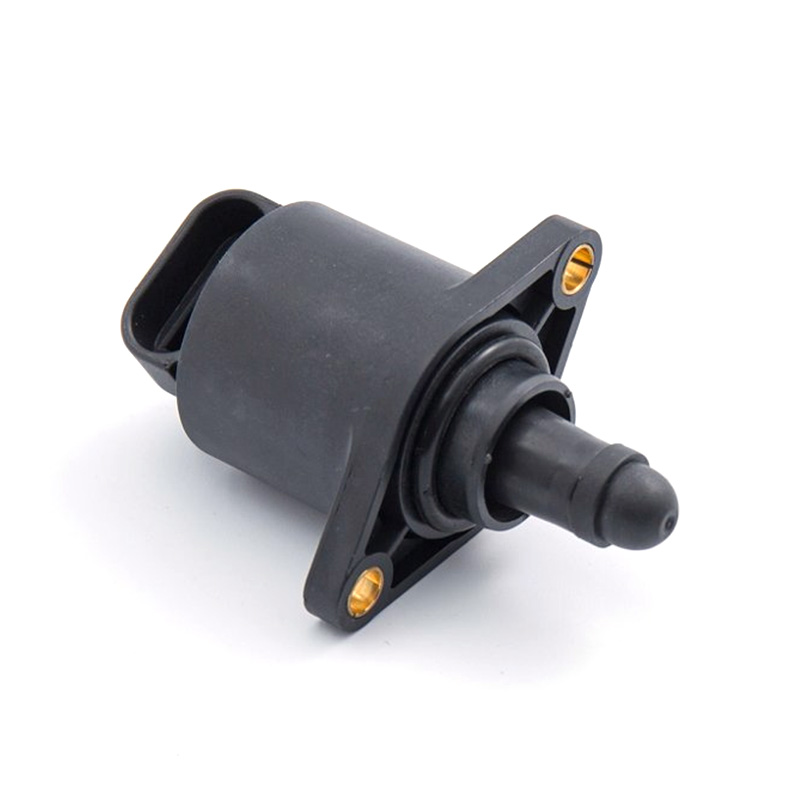
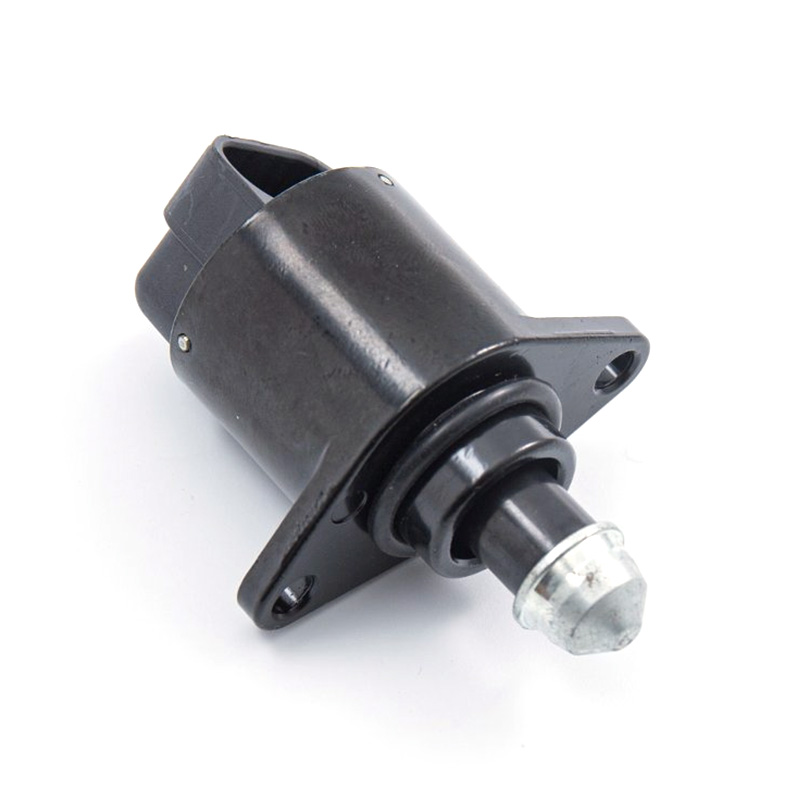
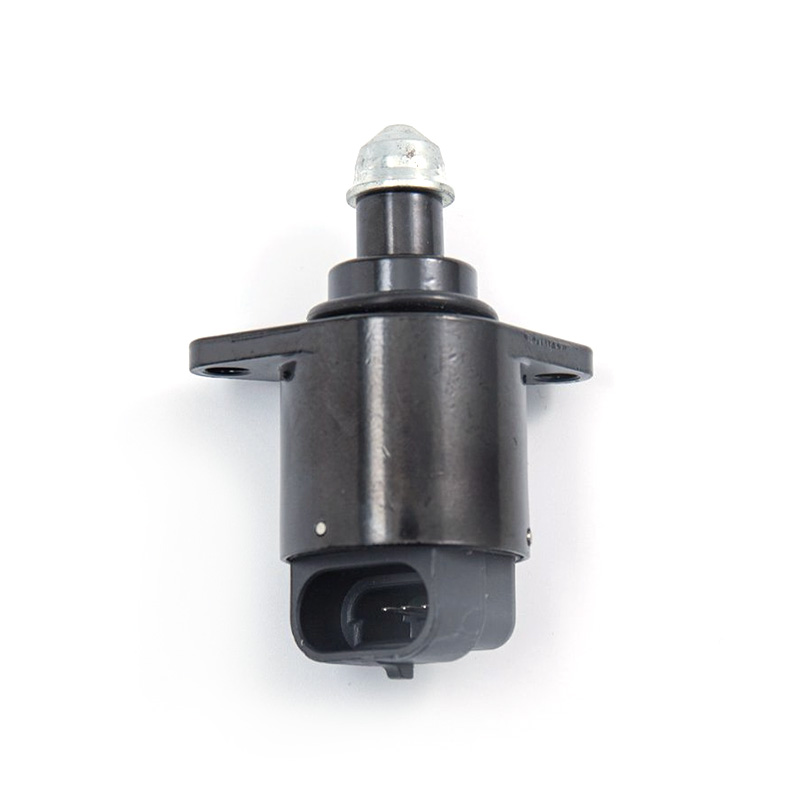
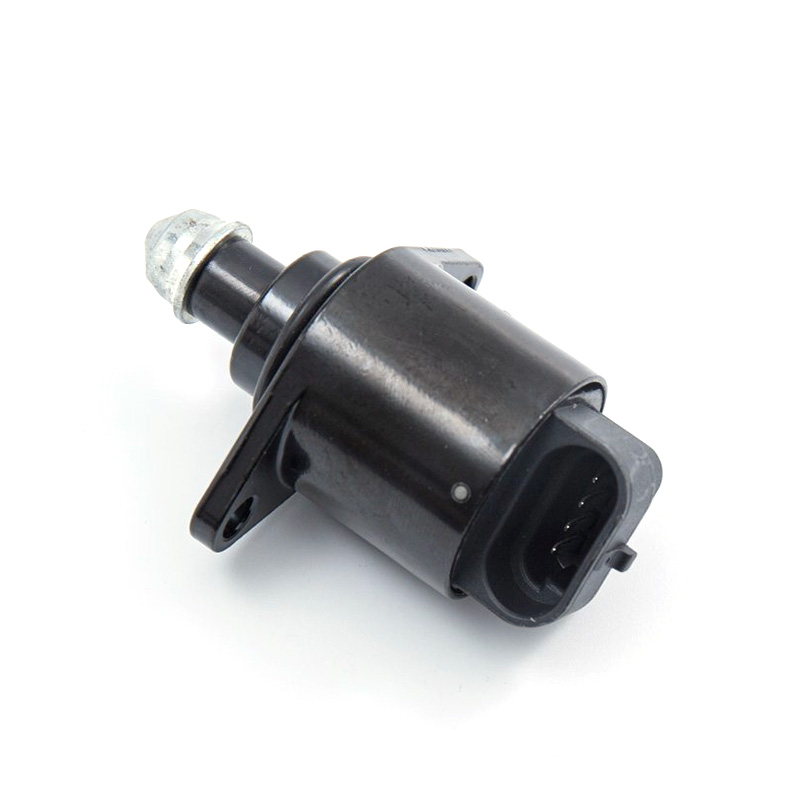
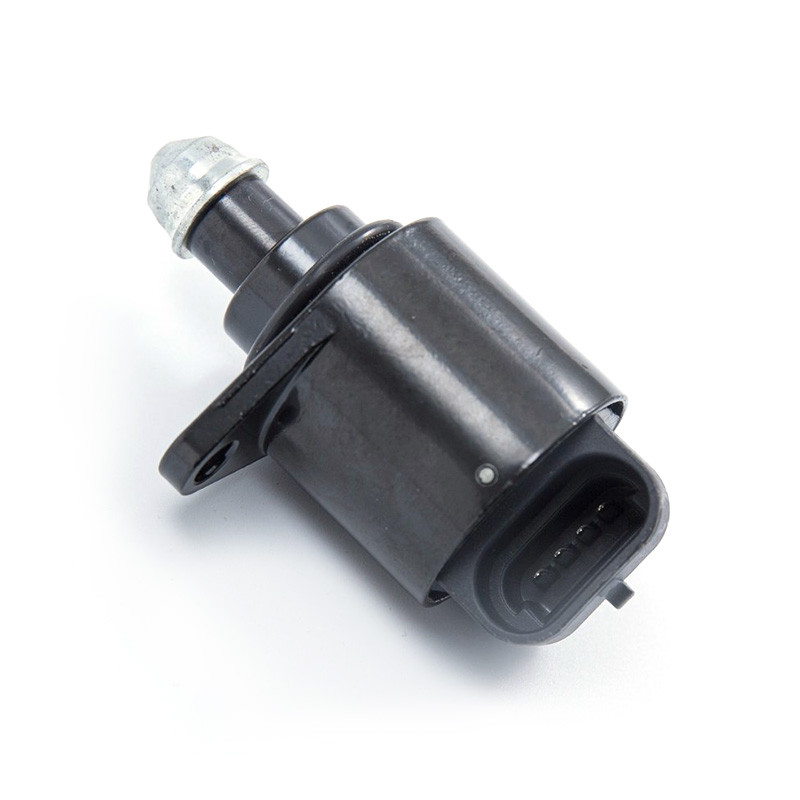
An idle air control (IAC) valve regulates the airflow bypassing the throttle plate when the engine operates at idle. The ECU adjusts the valve according to engine conditions and additional electrical or mechanical loads.
Several warning signs deserve attention during routine fleet inspections:
These symptoms do not automatically confirm valve failure. Vacuum leaks, throttle body contamination, damaged wiring, and sensor faults can produce similar operating conditions.
Not every idle control problem requires a new component. Carbon deposits and dirt can restrict valve movement or obstruct bypass air passages. A technician should inspect the valve and surrounding intake system before making a purchasing decision.
| Inspection Finding | Recommended Action |
| Carbon deposits around the valve | Inspect and clean according to manufacturer procedures |
| Damaged electrical connector | Repair or replace the connector and check wiring |
| Open circuit or failed motor winding | Evaluate the valve for replacement |
| Valve fails movement or functional testing | Replace with a compatible component |
| Idle problems caused by vacuum leakage | Repair the intake system before replacing the valve |
At Guocheng, we recommend confirming the actual fault before ordering replacement components. This approach helps fleet maintenance departments control spare parts expenditure and reduce repeat repair work.
Electrical testing provides useful evidence when diagnosing an IAC valve. Maintenance technicians can inspect connector terminals, check wiring continuity, and measure the electrical characteristics of the valve against the vehicle manufacturer's specifications.
Common diagnostic procedures include:
Resistance values and electrical test procedures vary according to valve design. Stepper-motor and solenoid-operated units should not be evaluated using identical specifications. Correct testing helps distinguish an internal valve fault from an external electrical problem.
Vehicle usage patterns influence the maintenance requirements of engine management components. Delivery vehicles, taxis, and commercial fleets may experience frequent idling and repeated engine starts, making consistent idle control particularly important.
Fleet managers should consider several maintenance factors:
A documented maintenance history helps purchasing teams estimate spare parts demand without relying on arbitrary replacement intervals.
Correct application matching is essential for aftermarket automotive parts. Two idle air control valves may have similar external appearances but different connector configurations, mounting dimensions, electrical characteristics, or internal operating structures.
Before confirming an order, buyers should provide:
At Wenzhou Guocheng Automobile Electrical Parts Co., Ltd., we support international automotive parts distributors and OEM/ODM customers with a range of engine management components. Our production and quality inspection processes cover incoming materials, production procedures, finished products, and outgoing orders.
Air control valve maintenance should be based on actual operating symptoms, electrical test results, and mechanical inspection rather than mileage alone. Cleaning may resolve contamination-related problems, while damaged coils, failed actuators, and persistent functional faults may require component replacement.
Guocheng provides idle air control valves and other automotive electrical components for aftermarket and OEM applications. Buyers looking for a dependable manufacturing partner can contact our team with OEM references, vehicle information, and product specifications. We are ready to discuss suitable replacement components and supply cooperation for different automotive markets.
Related Products
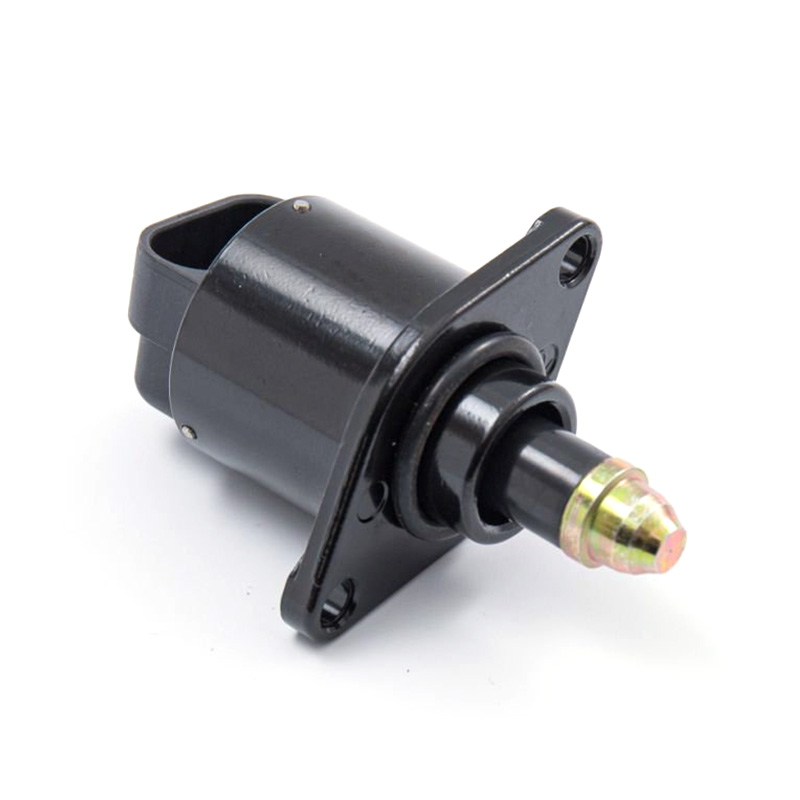
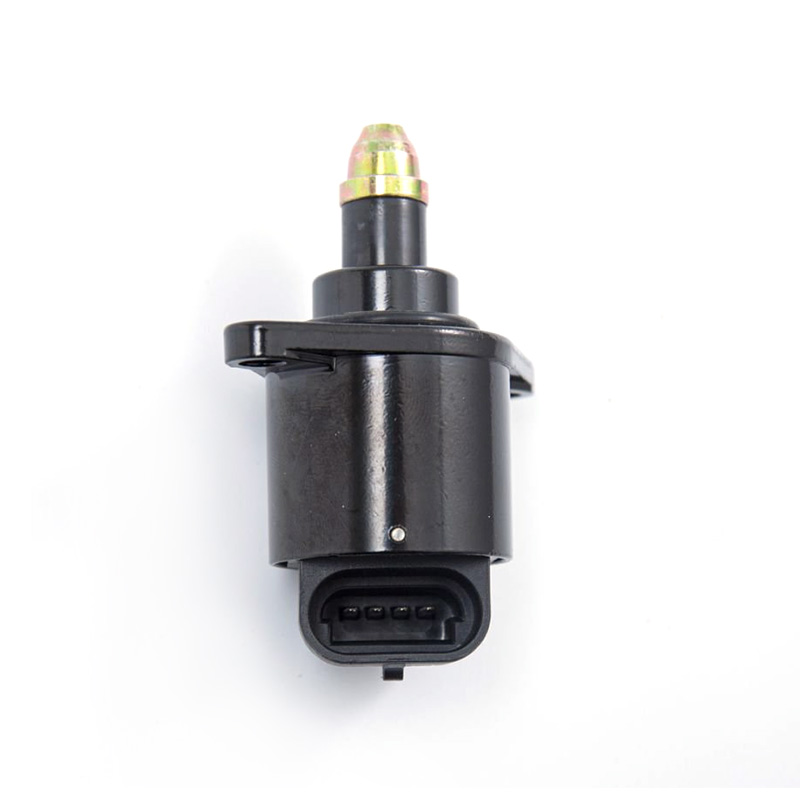
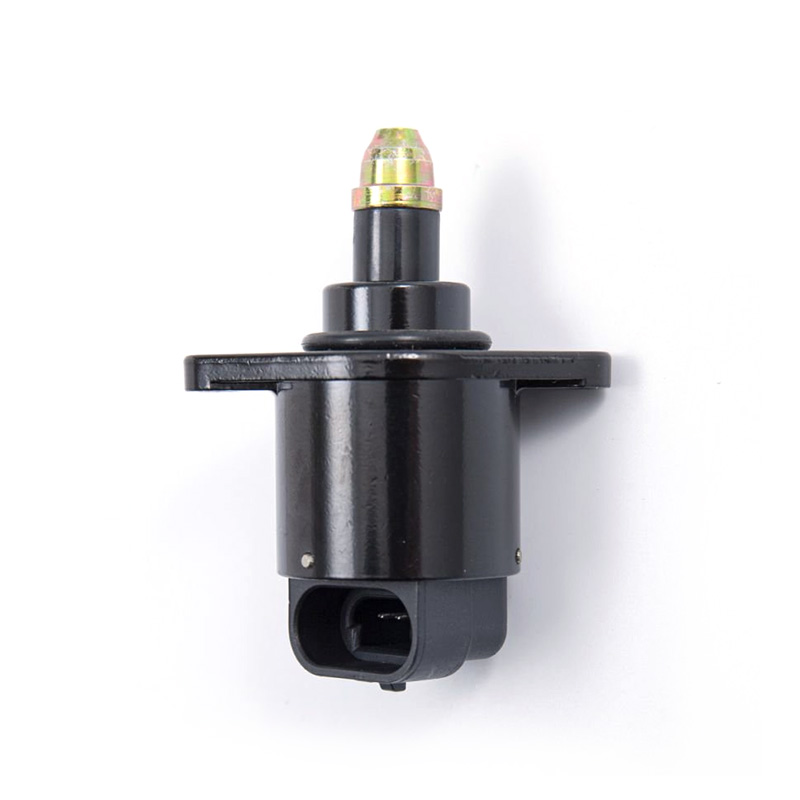
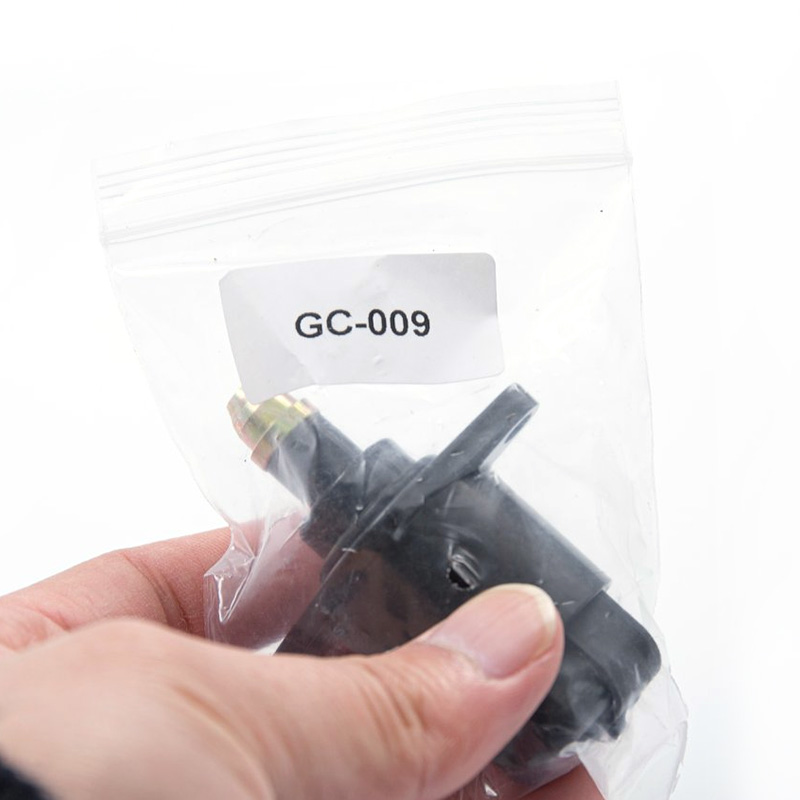
GC-009
REF OE:
SHORT CODE:D5150
MARELLI:40430102 7079064
VW: 0279980491
VDO: AT-05150R
APPLICATION:
Gol/Parati/Quantum/Santana1.8/Saveiro 1.6,1.8 todos MPFI alcool 96>>
Gol/Parati/Polo Classic 1.8/Quantum/Santana 1.8,2.0/Saveiro 1.6,1.8,2.0/Van 1.6 todos MPFI gasolina 96>>
Idle air control valve whole sale price,direct from China factory.
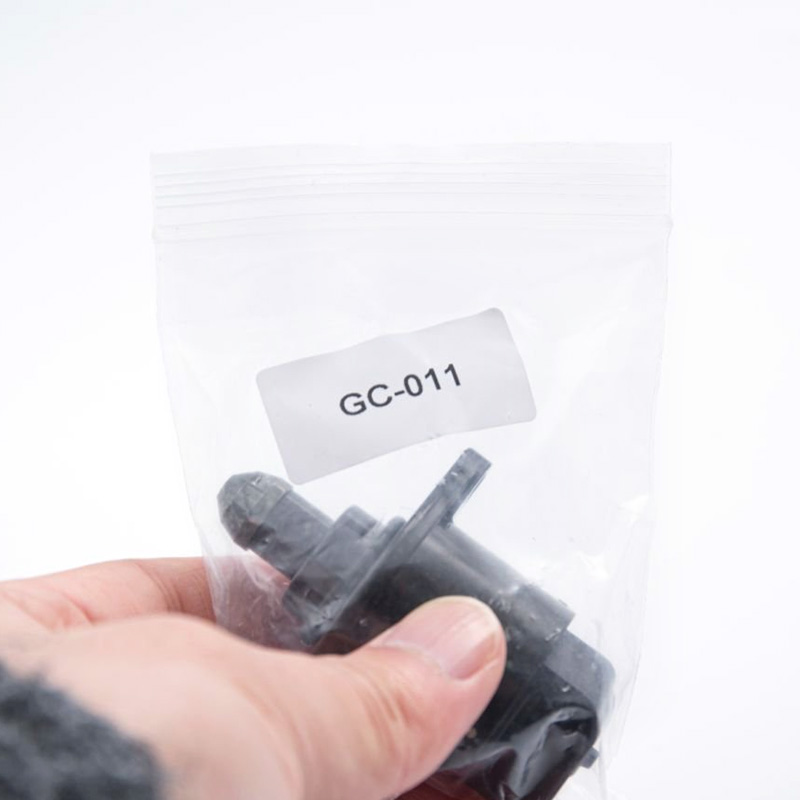
GC-011
REF OE:
SHORT CODE: B13/00
MARELLI: 230016079087 230016079247
SIMENCE: 19201F 1920V7 C95181
APPLICATION:
PEUGEOT 106I(1A,1C)1.3;
PEUGEOT 306/306 Cabriolet/Schraqheck;
PEUGEOT 406/406 Break
China factory for idle air control valve with high quality!
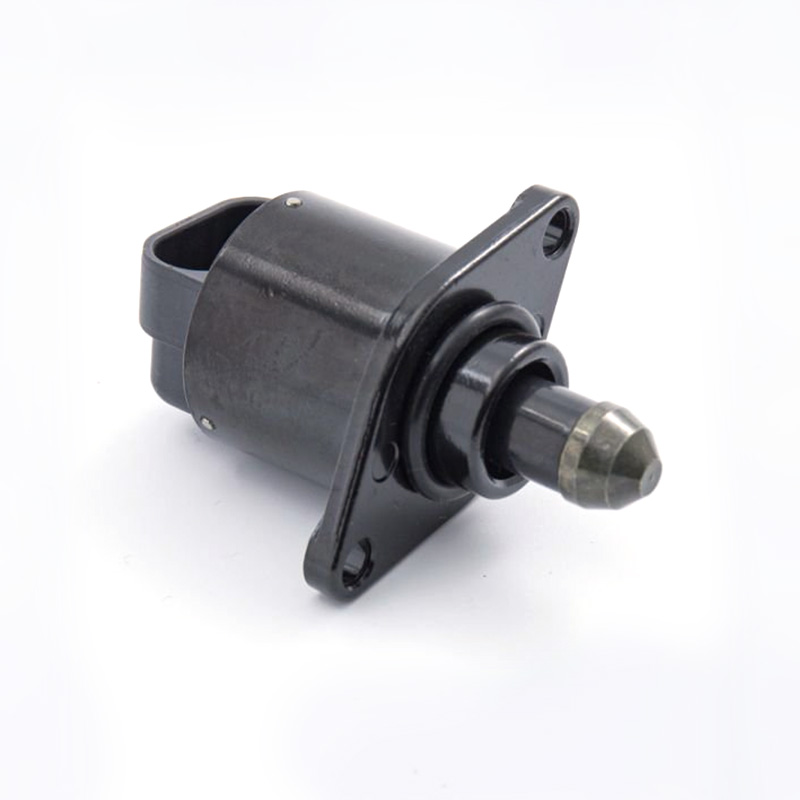
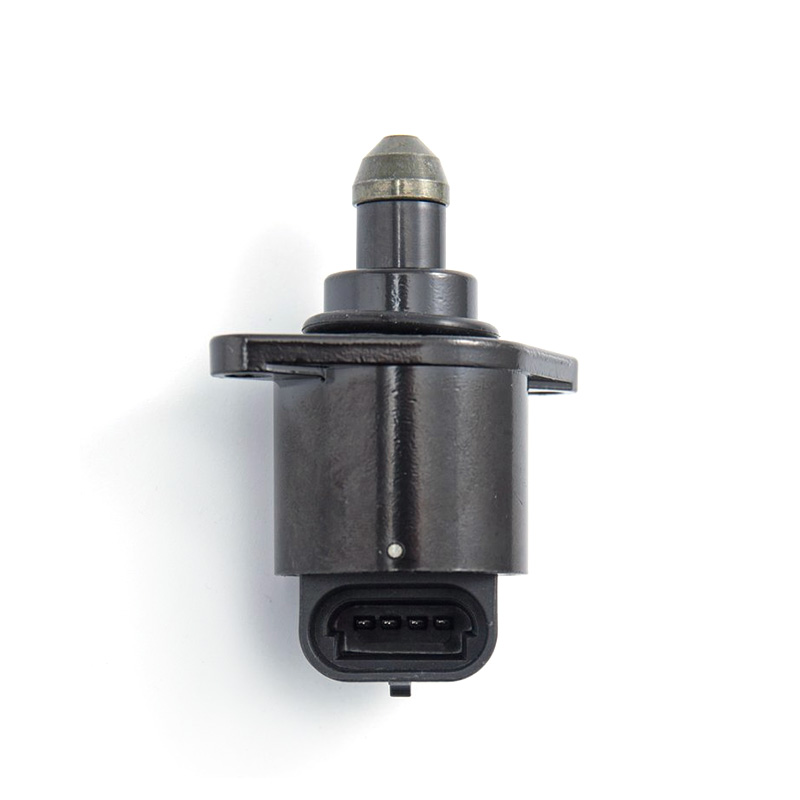
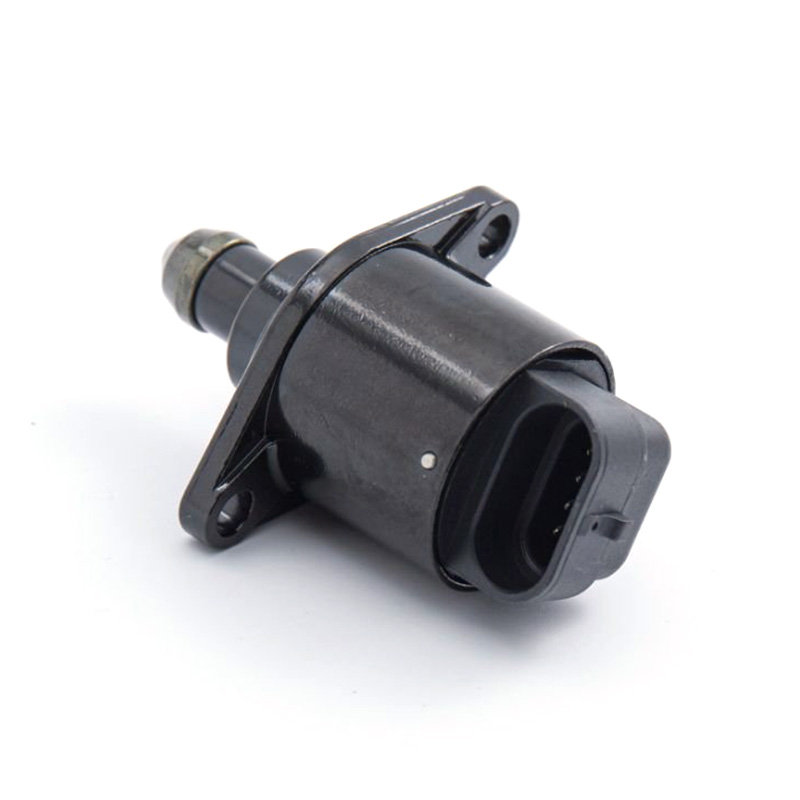
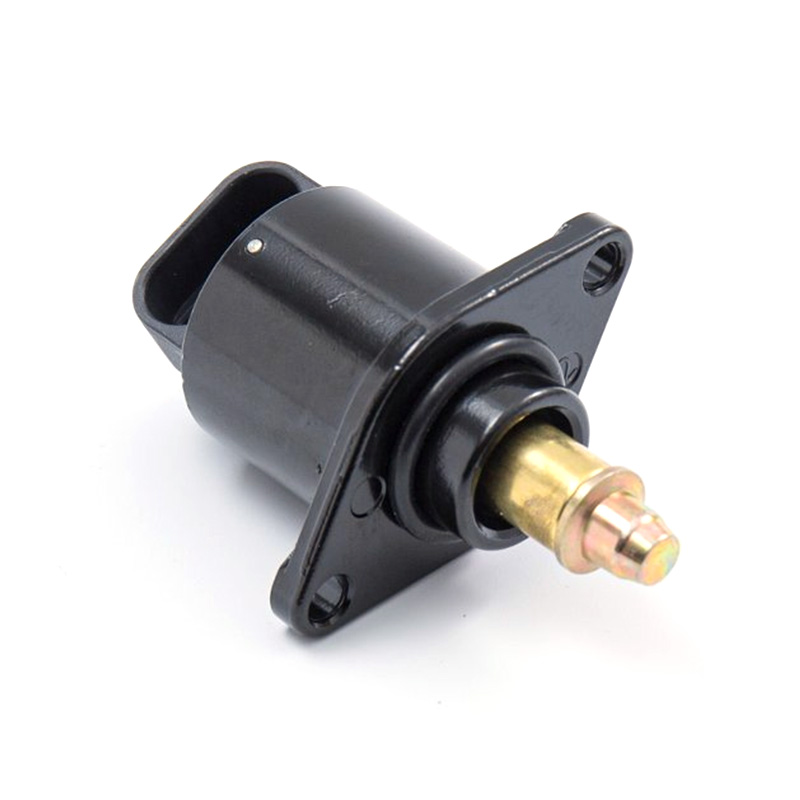
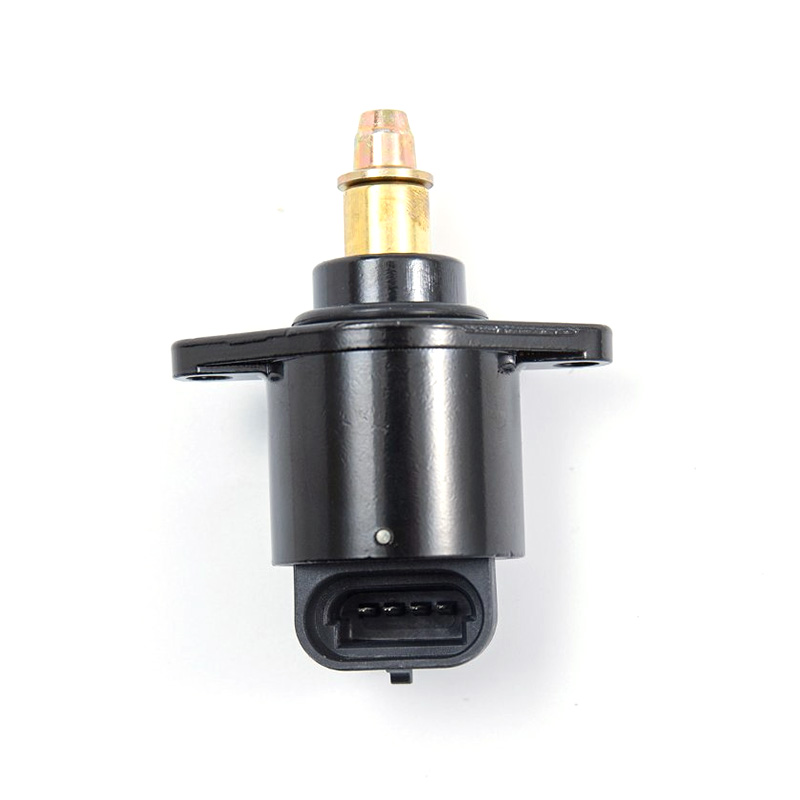
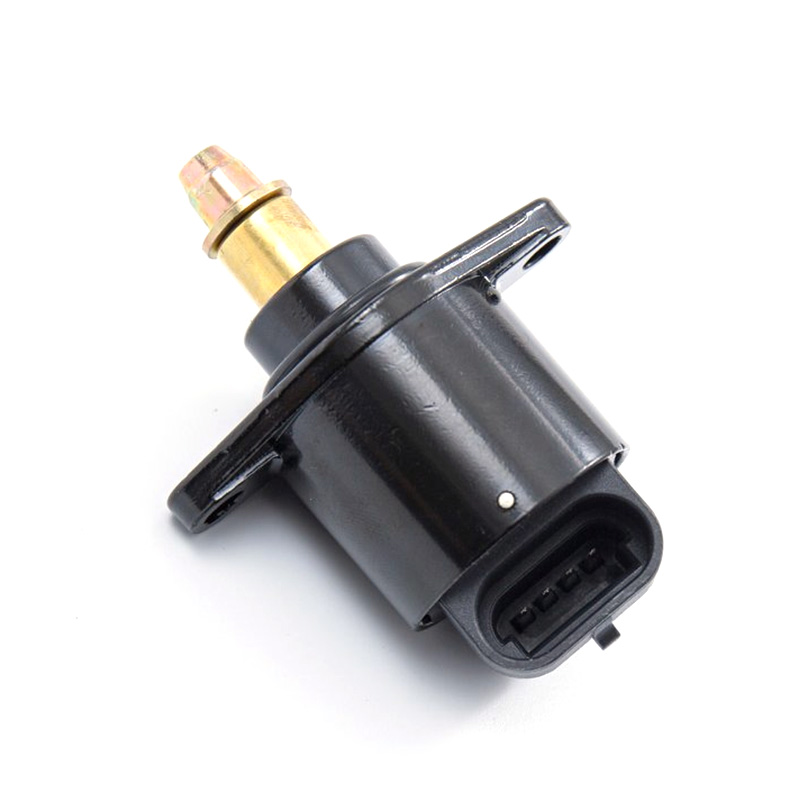
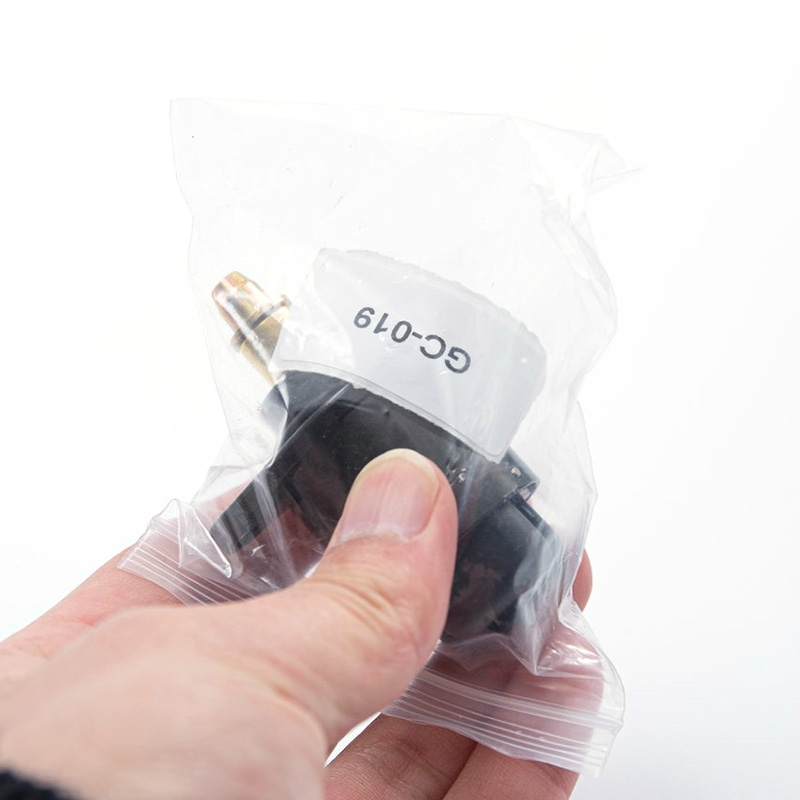
GC-019
REFERENCE OE:
SHORT CODE: D5104
MARELLI: 40396502
FIAT: 7078983 0269980492
VDO: AT-5104R
APPLICATION:
FIAT:Palio/Siena 1.6 98>99-EFI(gasolina) VW:Gol 1.08v94>>96-EFI(gasolina)
Idle air control valve with high quality and low price from China!
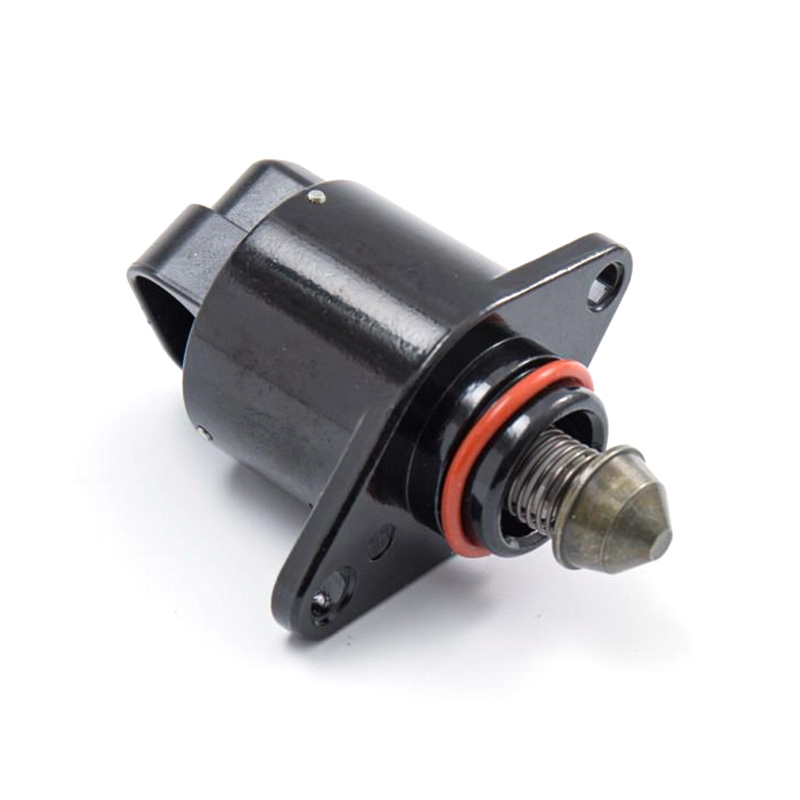
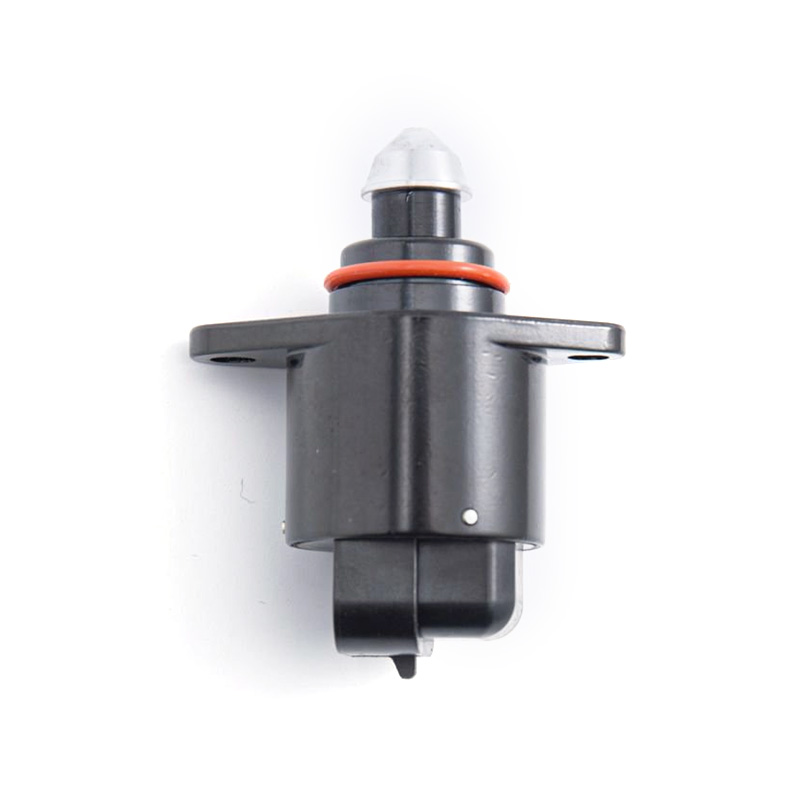
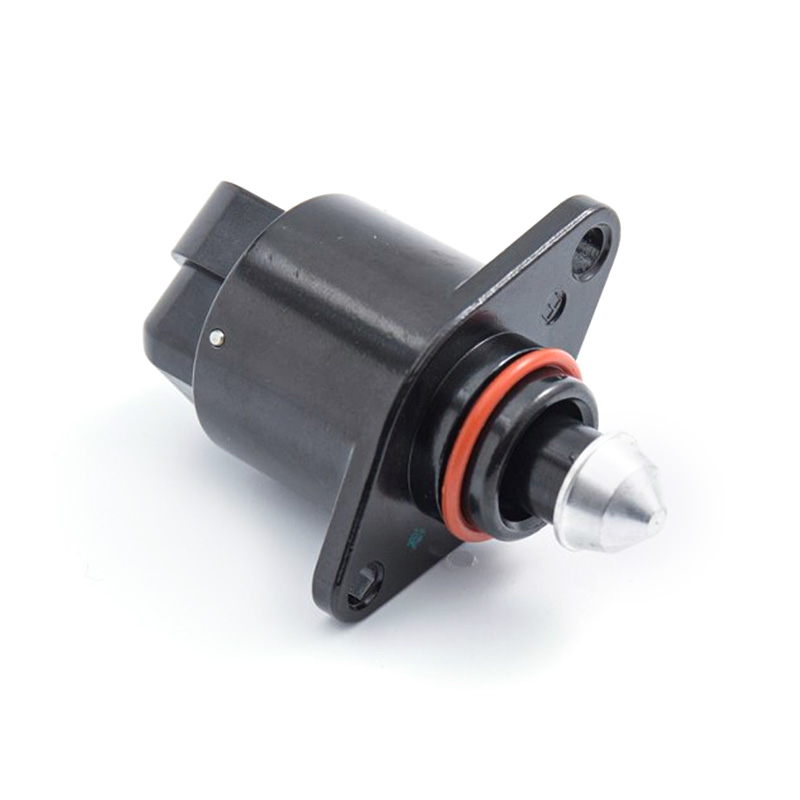
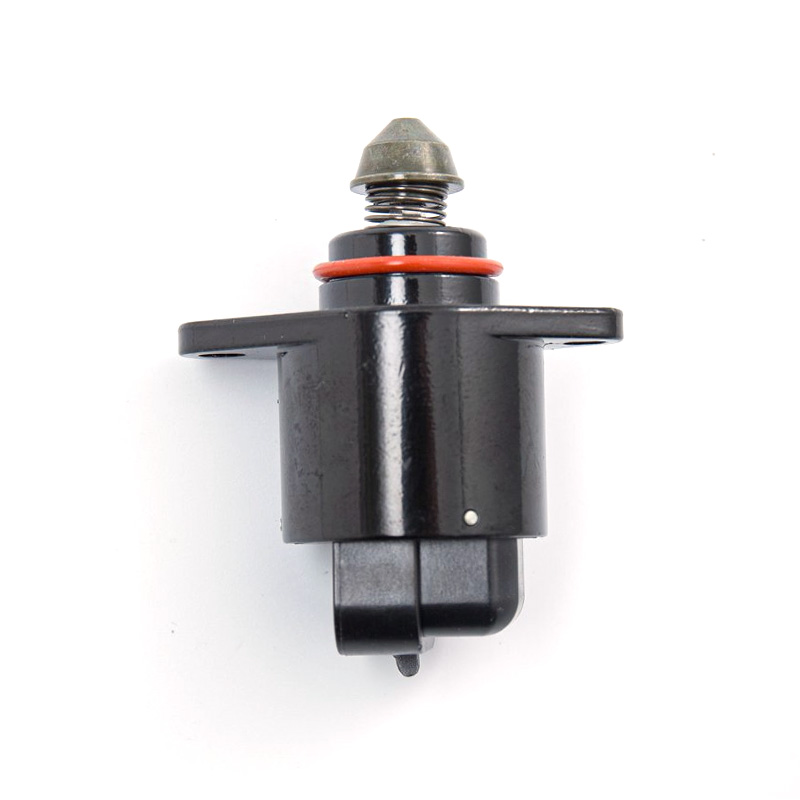
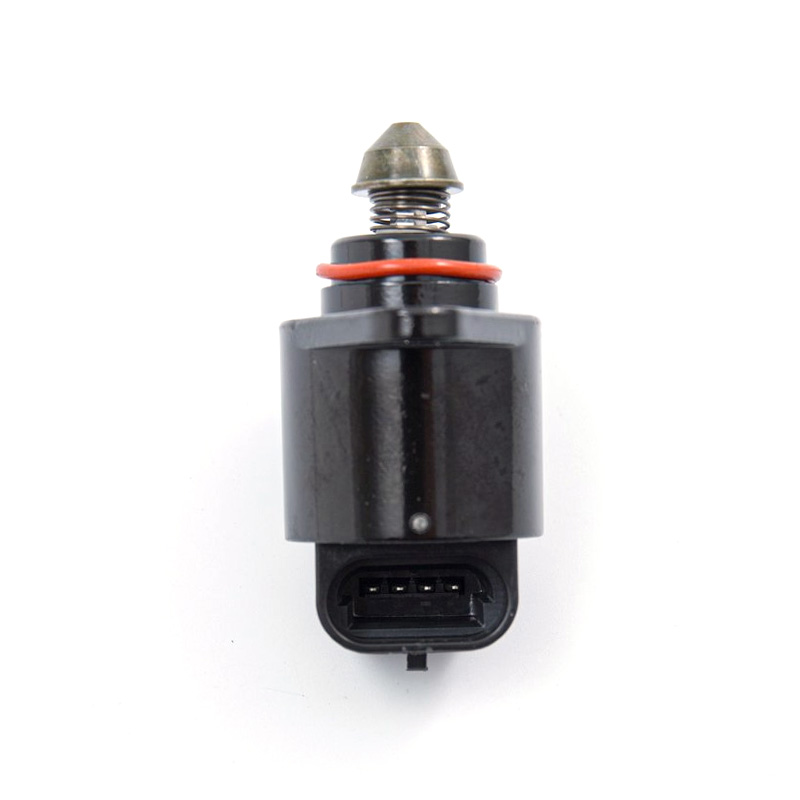
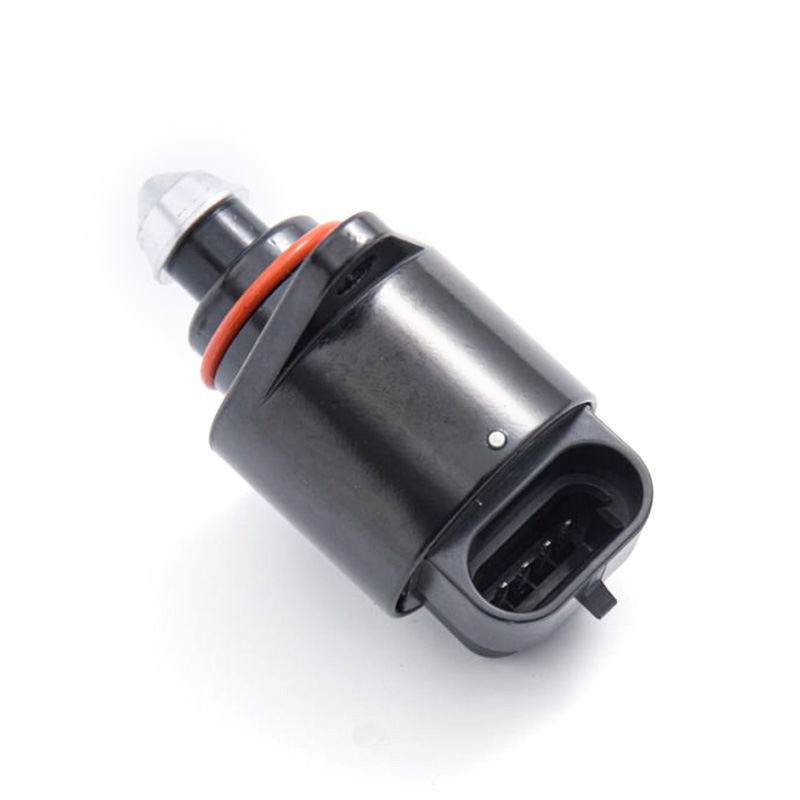
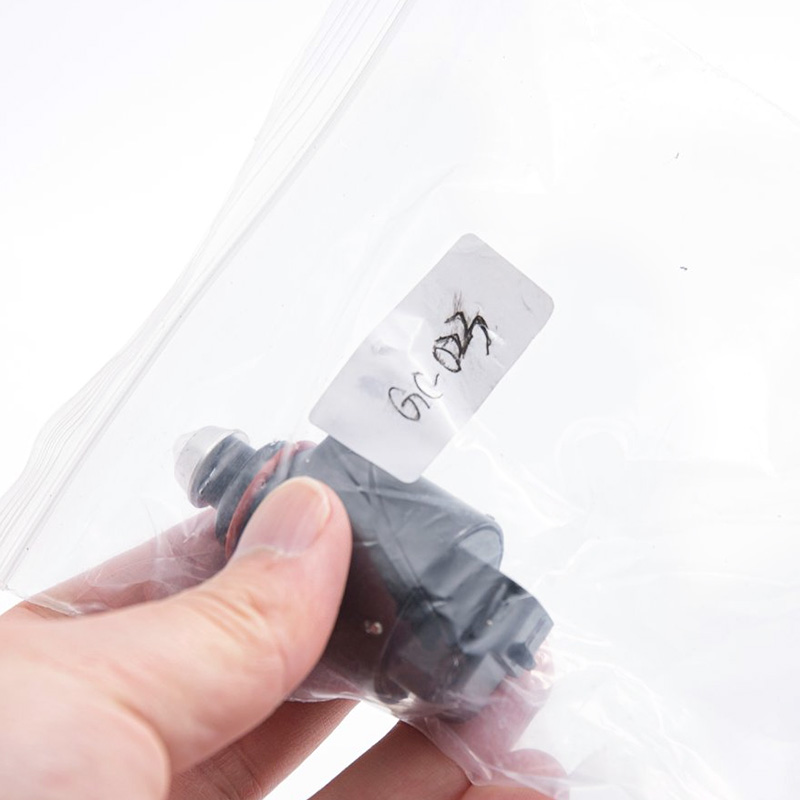
GC-023
REFERENCE OE:
GM 17112350 STD:AC5 17111808; WELLS:AC107;
APPLICATION:
Buick Century Sedan/Coupe(05-87);
Buick Lacrosse(05);
Buick Regal Sedan/Coupe(96-88)
Cadillac, chevrolet, pontiac, oldsmobile;
Idle air control valve from China manufacture for Buick!
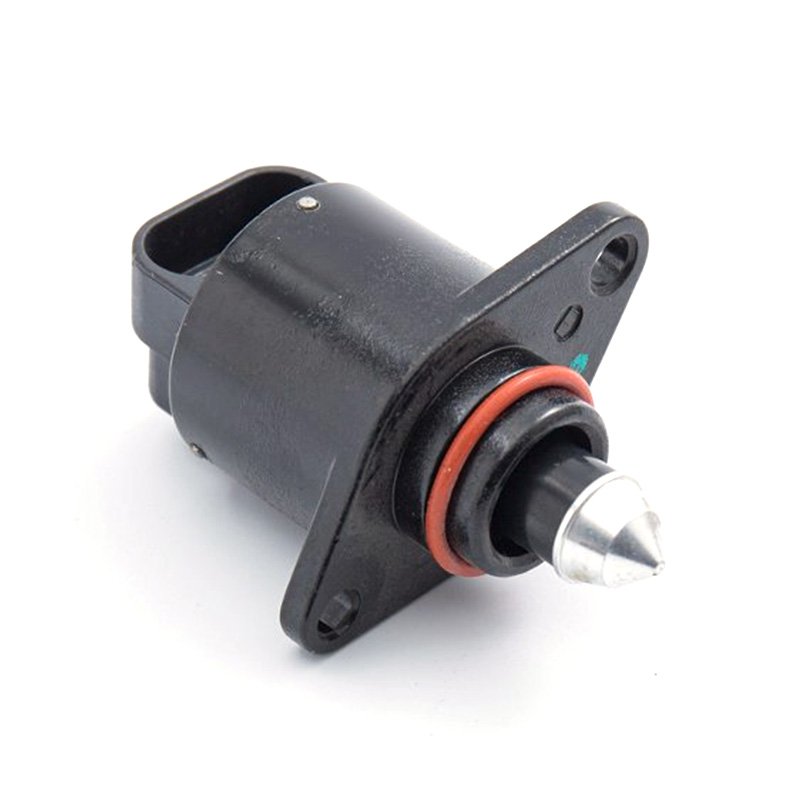
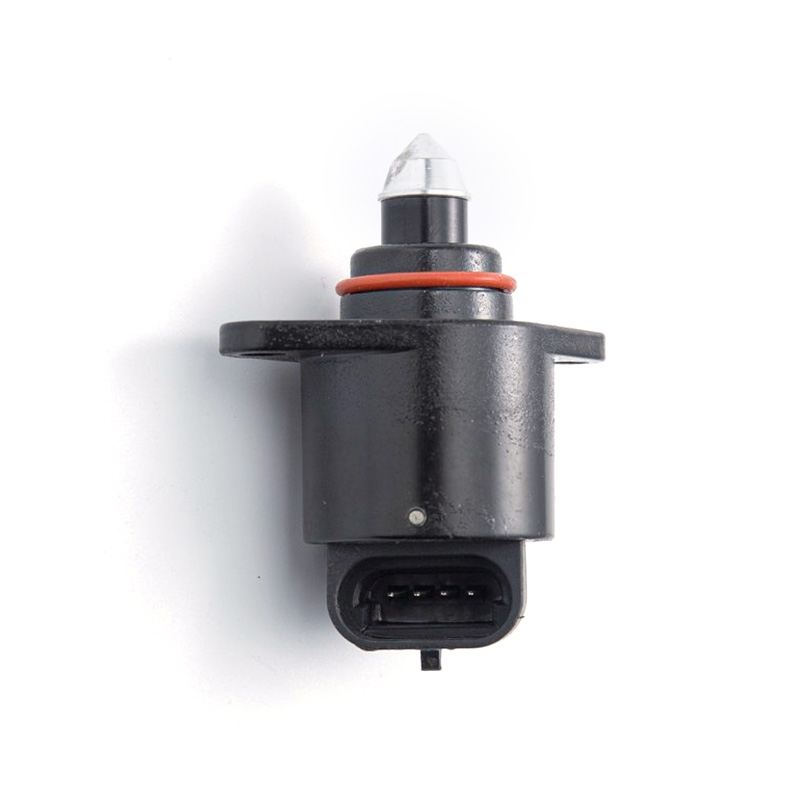
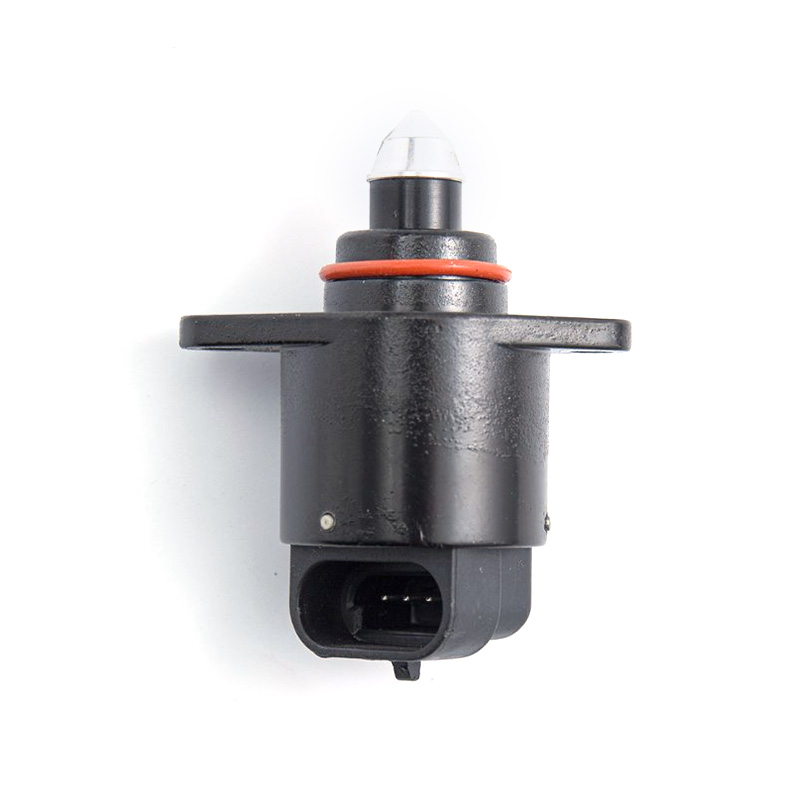
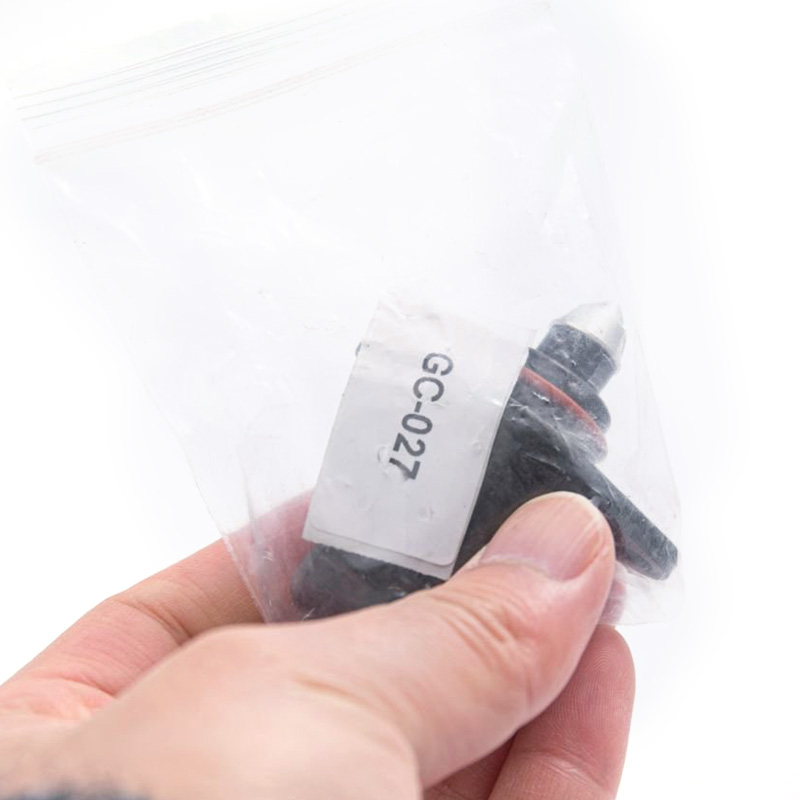
GC-027
REFERENCE OE:
STD: AC64 WELLS:AC132
DELPHI: ICD00126
GM:17059600; 17112898
APPLICATION:
IPANEMA 1.8/2.0 EF191>,KADETT1.8/2.0 EF191>,MONZA 1.8/2.0 Ef191>
Idle air control valve from China factory for Ipanema Kadett Monza.
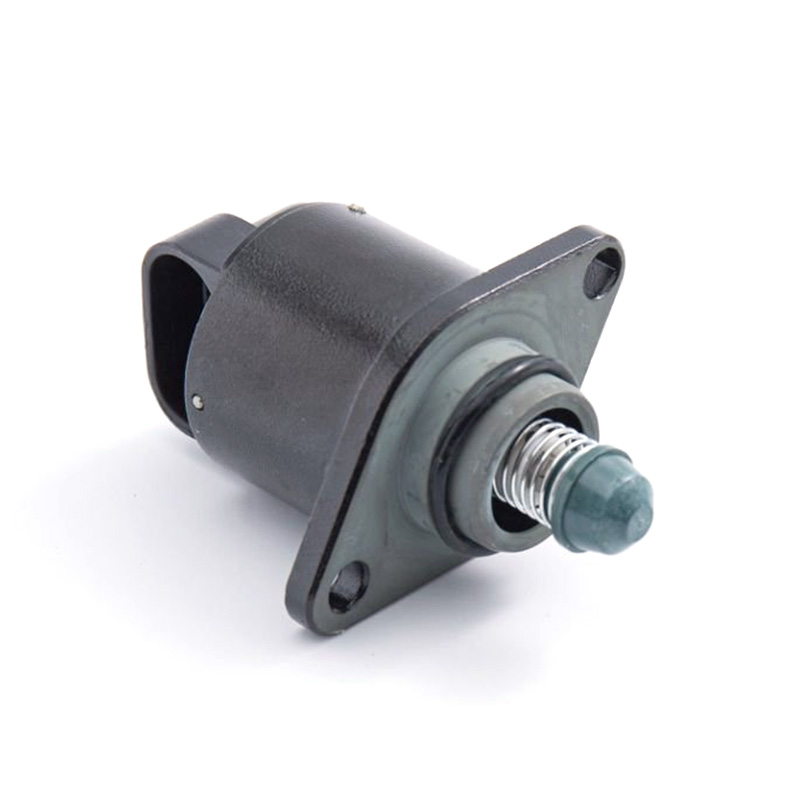
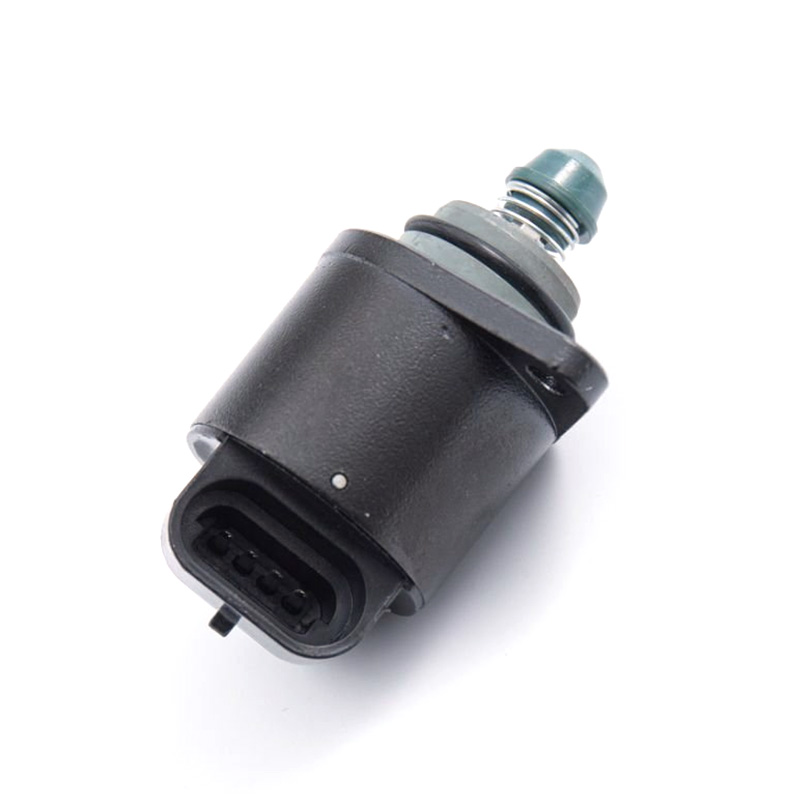
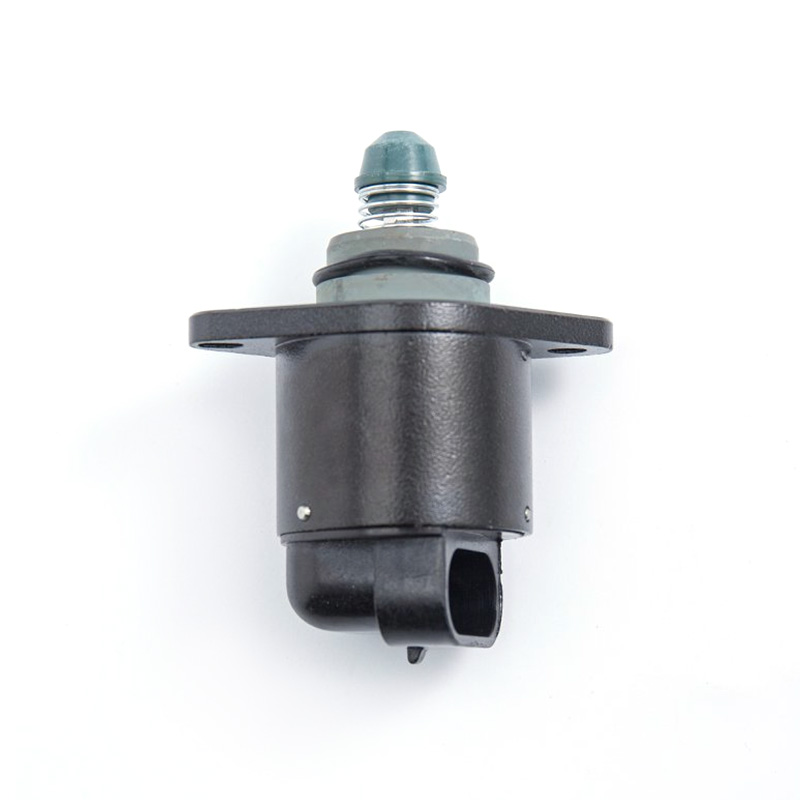
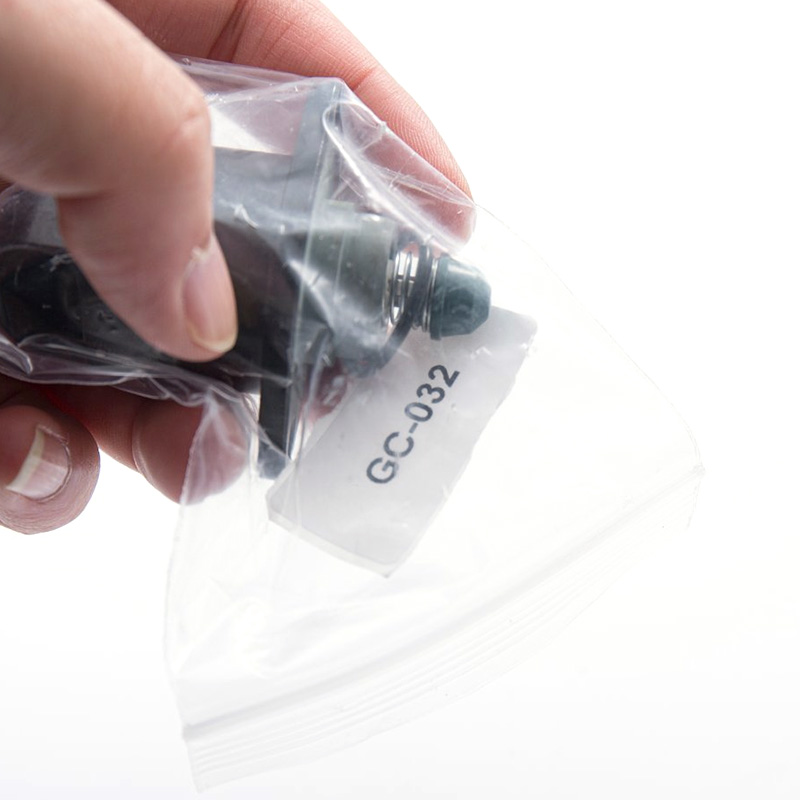
GC-032
REFERENCE OE:
21203-1148300
APPLICATION:
LADA
Idle air control valve from China factory for Lada.
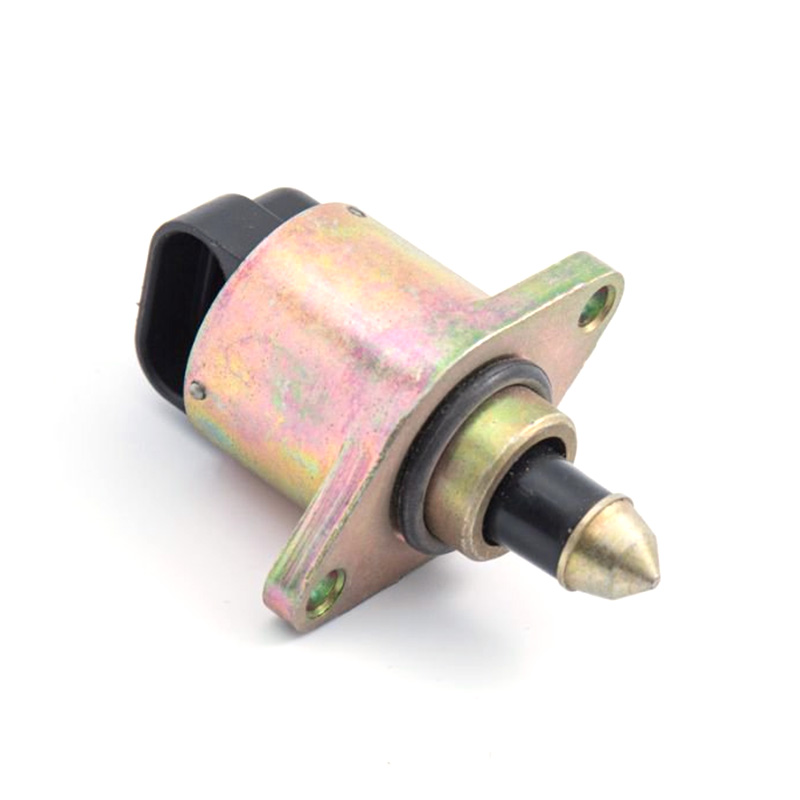
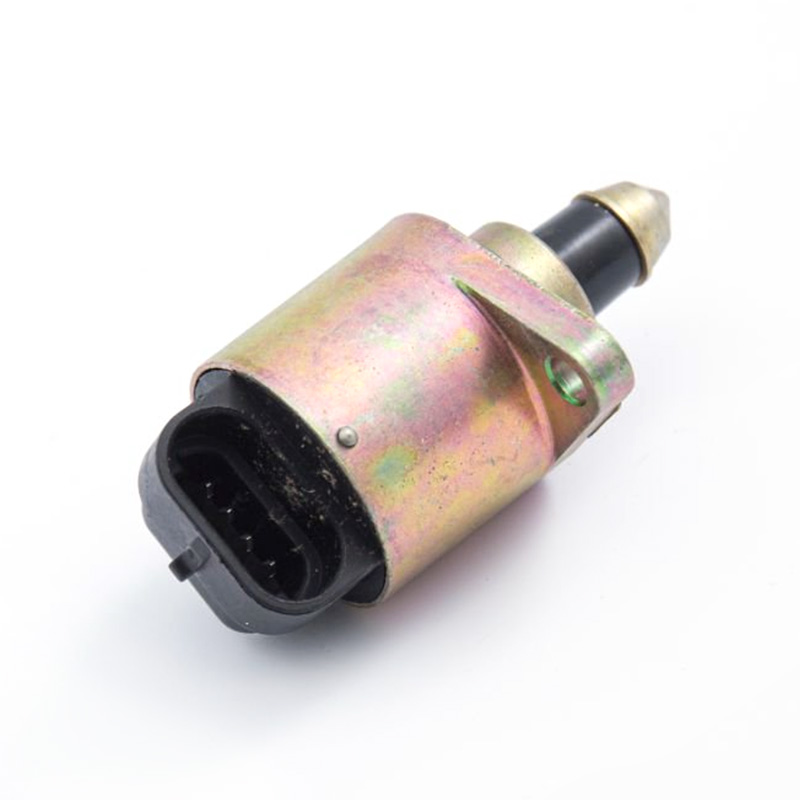
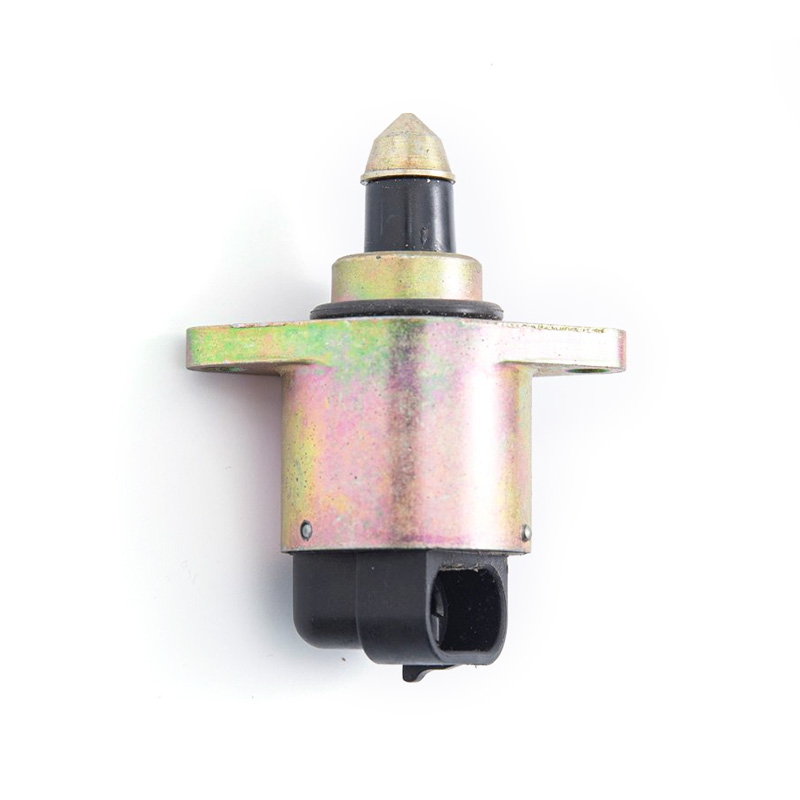
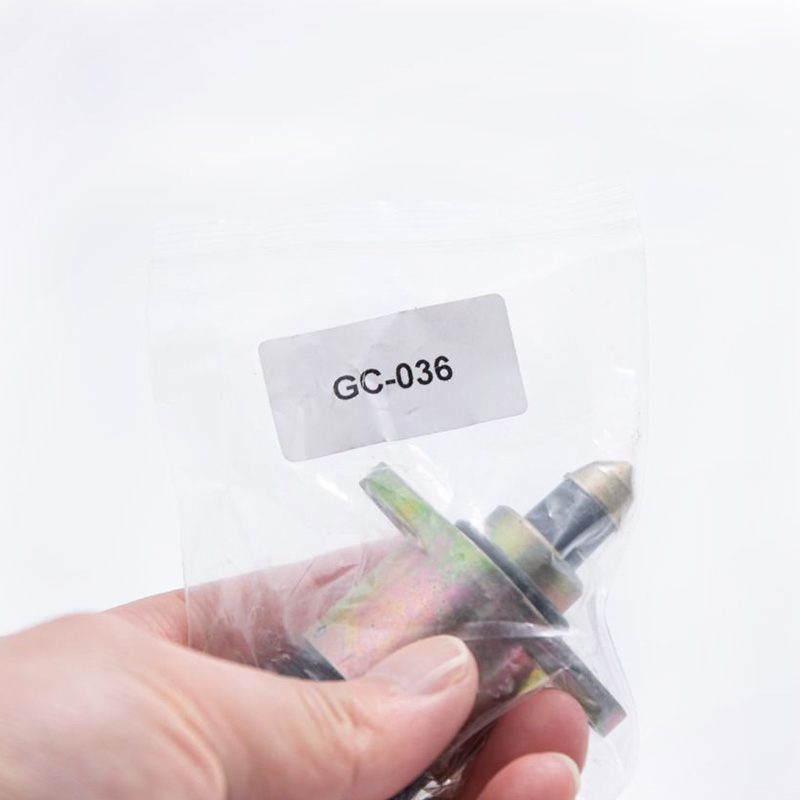
GC-036
REFERENCE OE:
STD: AC10
WELLS: AC300 17119274, 17119279, 217200, 217206, 4288298, 4300264, 4307899, 4419639, 4458355, 4612453, 4612491, 4612749, 4861084, AC10T
APPLICATION:
Chrysler Cirrus(97-95);
Daytona(93-87);
Dynasty(93-88);
Lebaron(95-86);
Dodge Caravan/Grand Caravan(97-88);
Dokota(96-89);
Daytona(93-86);
Plymouth Caravelle(88-86);
Acclaim(95-89);Sundance(98-87)
Idle air control valve from China factory for Chrysler.
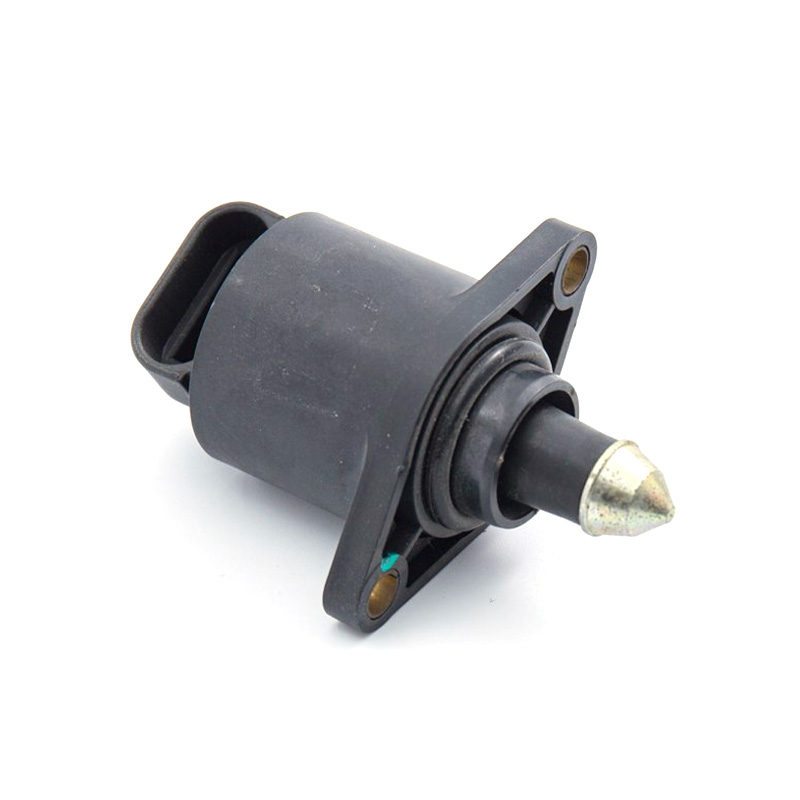
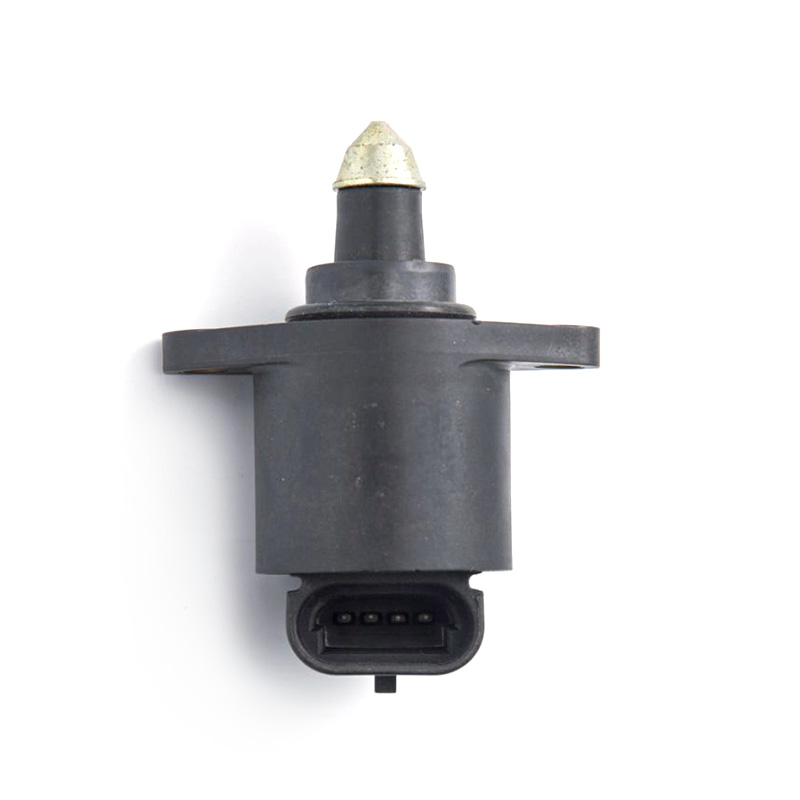
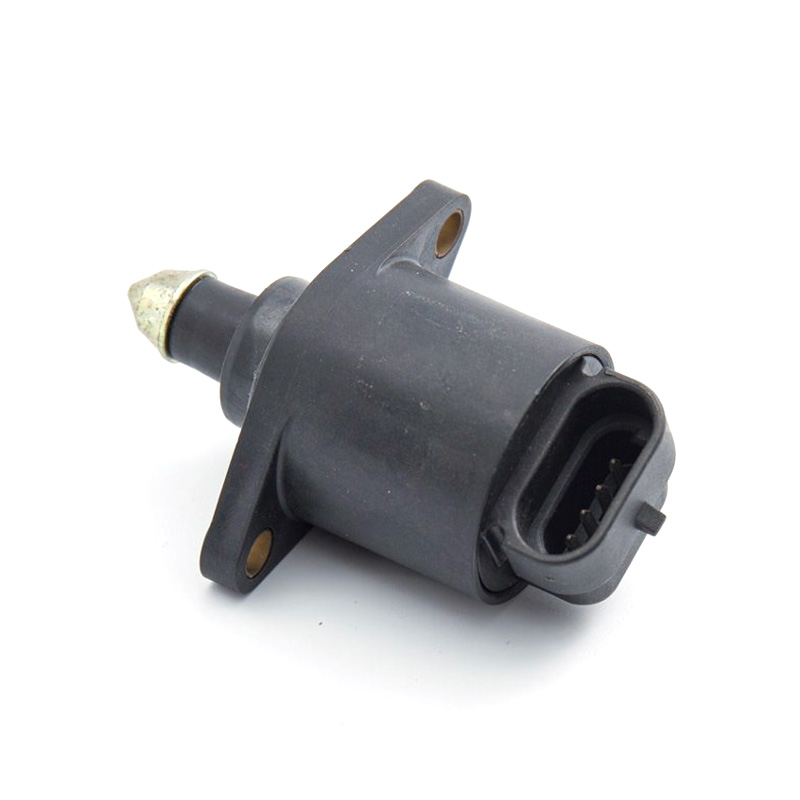
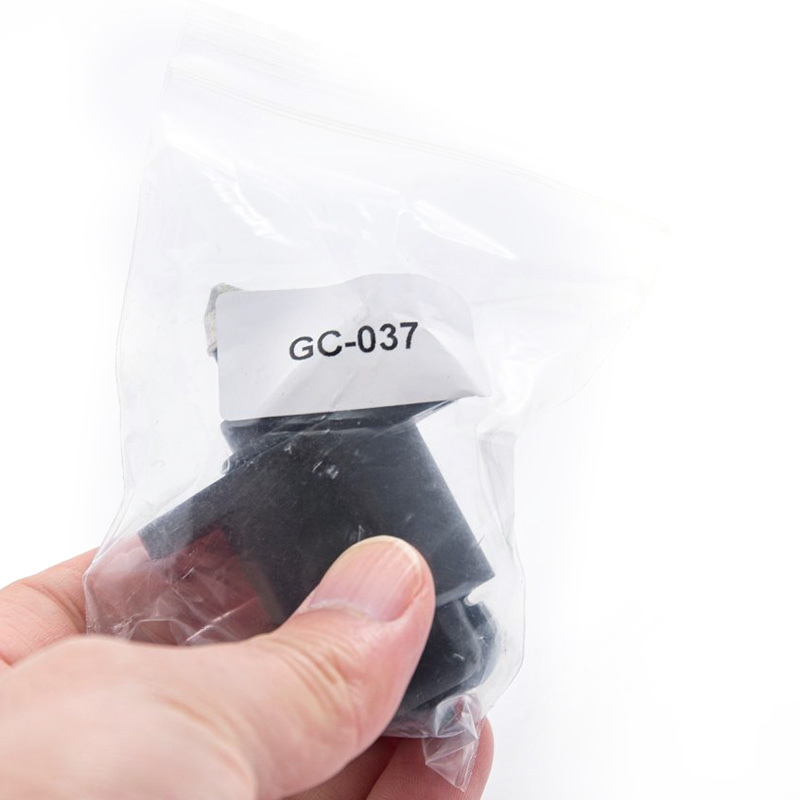
GC-037
REFERENCE OE:
HOT-STAMP:D5174
RENAULT:7701047909
APPLICATION:
RENAULT CLIO MkII;MEGANE I(BA);MEGANE Grandtour(KA);MEGANE Coach(DA0/1)/Cabriolet(EA0_)/Scenic(JA0_);PAYKAN;KIA
Idle air control valve from China factory for Renault Clio Megane Scenic.
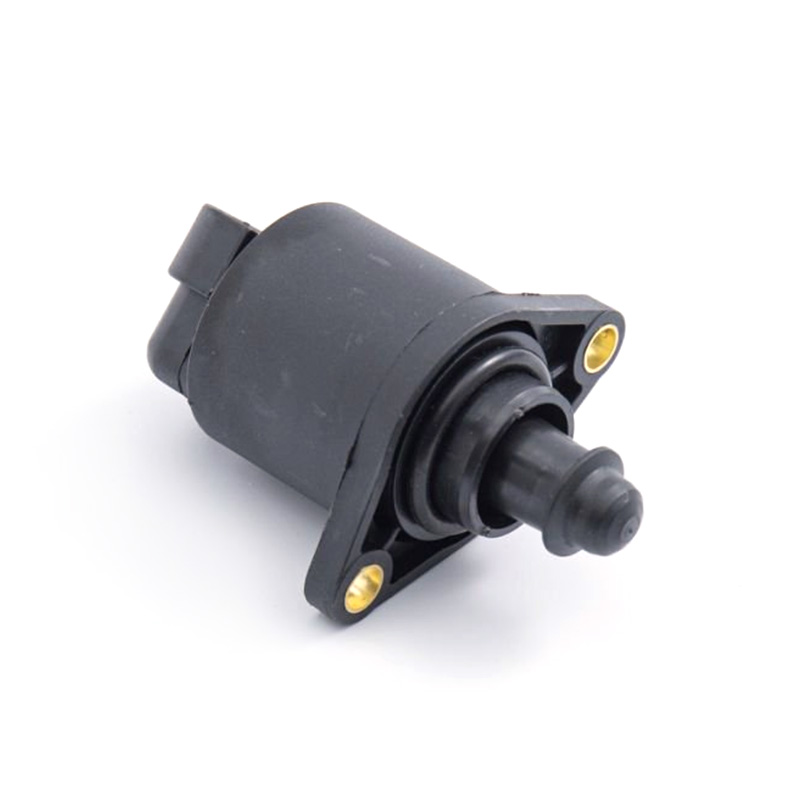
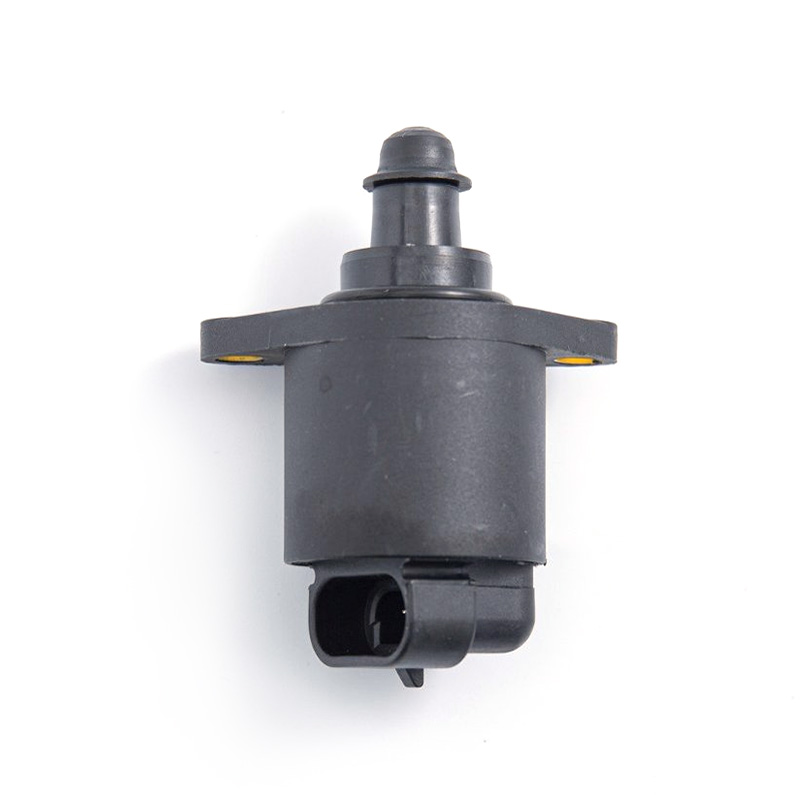
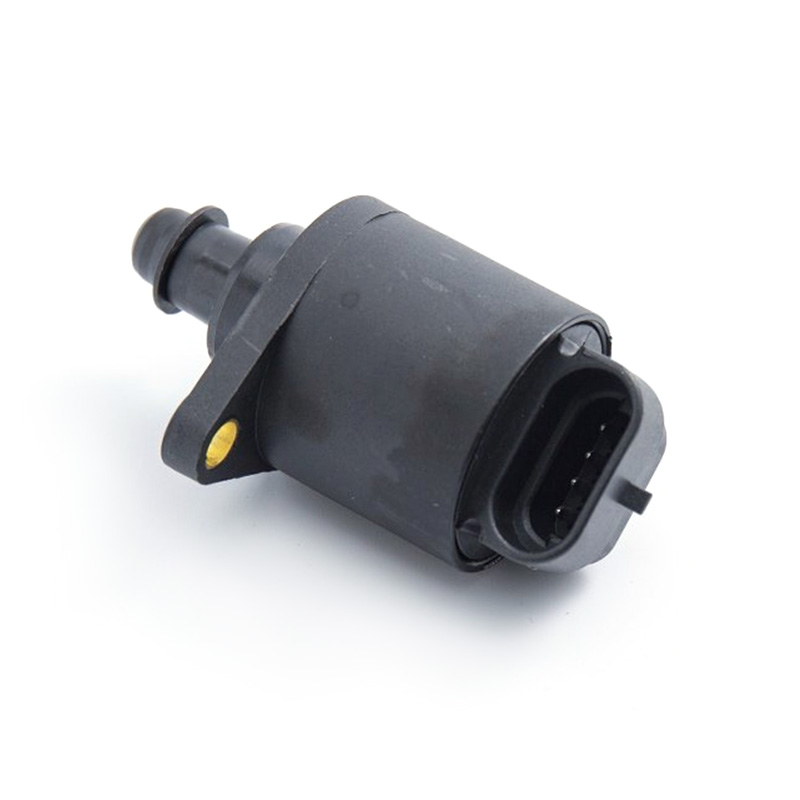
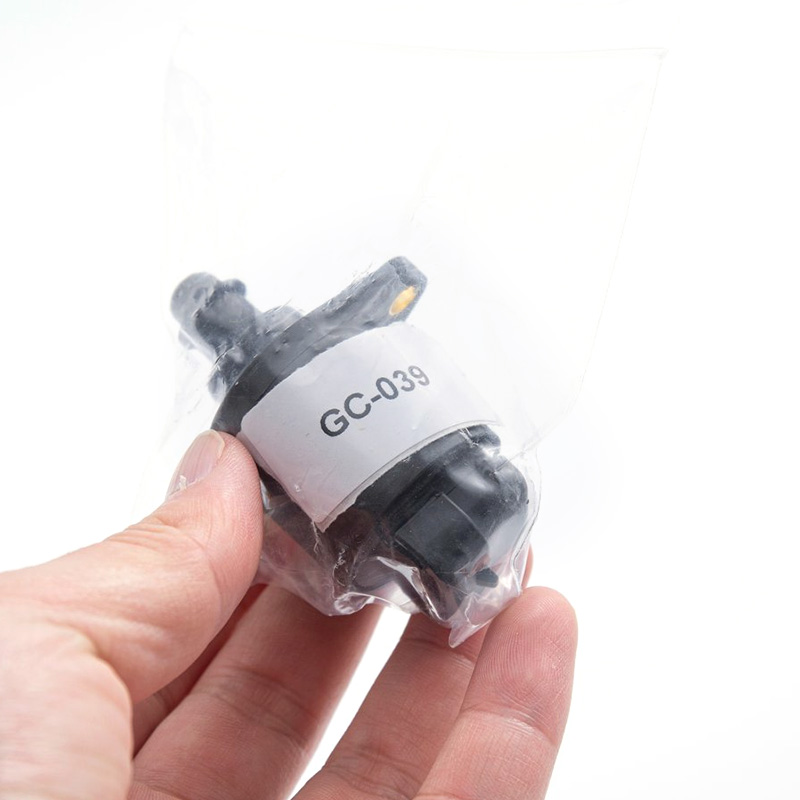
GC-039
REFERENCE OE:
MARELLI:B35/00
MARELLI:801001185201
PSA:1920AH
APPLICATION:
PEUGEOT 206 1.1 EOBD
Idle air control valve from China factory for Peugeot 206.
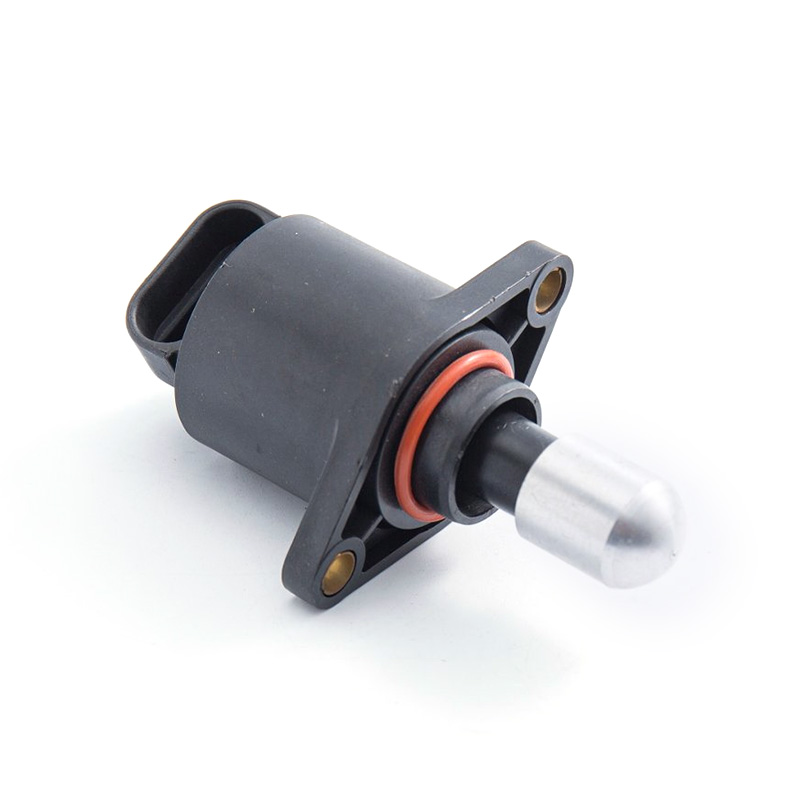
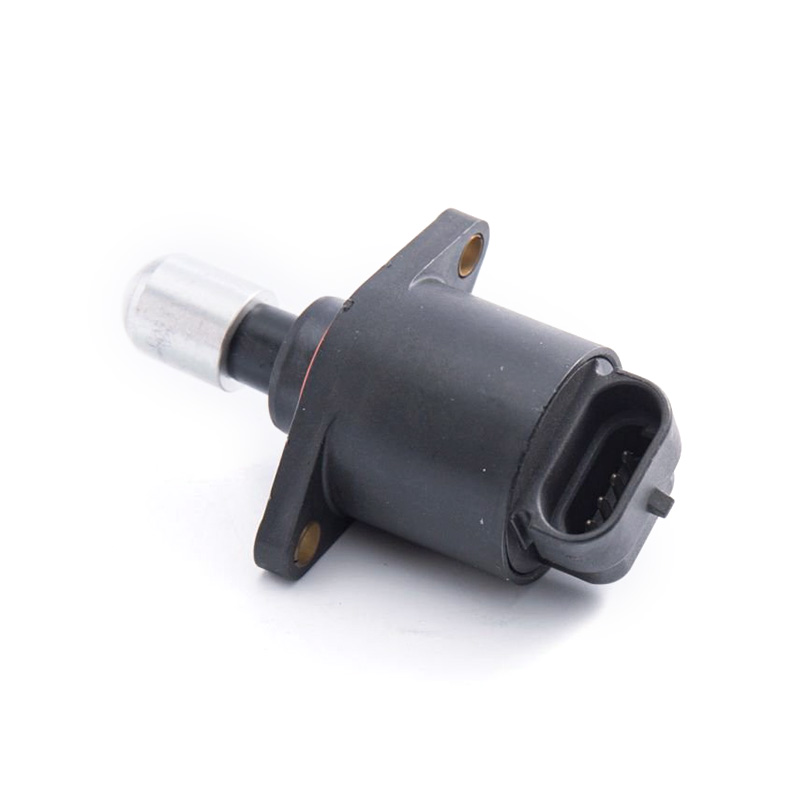
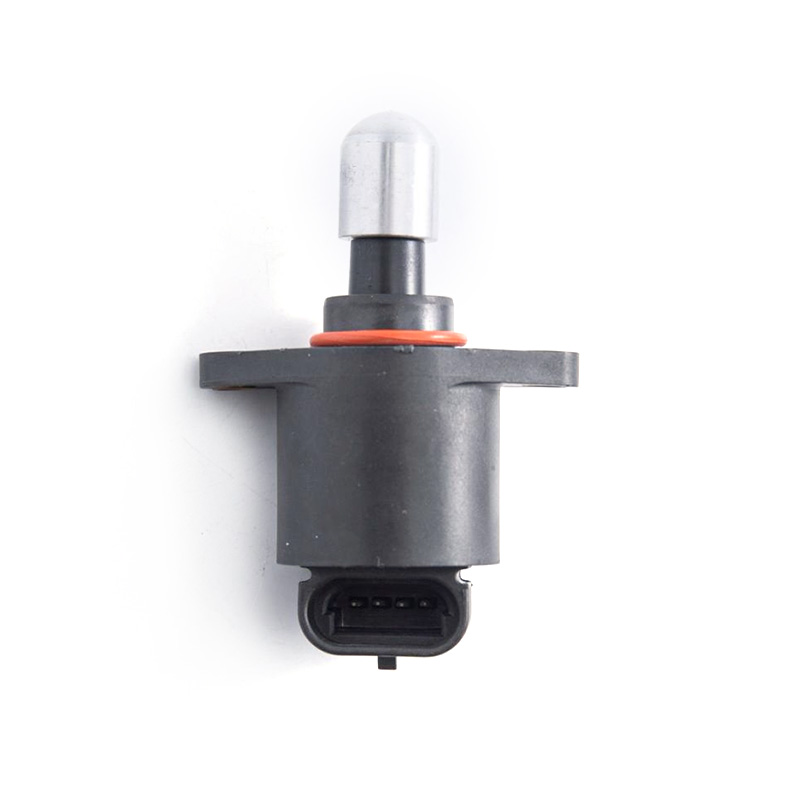
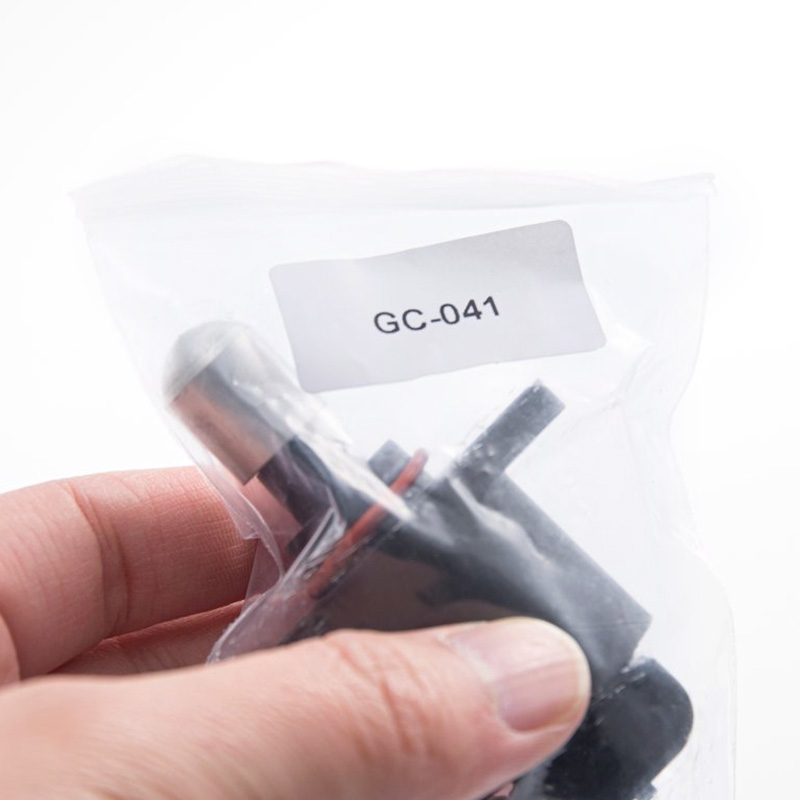
GC-041
REFERENCE OE:
R008/2243
APPLICATION:
KIA GAS
Idle air control valve from China factory for Kia.
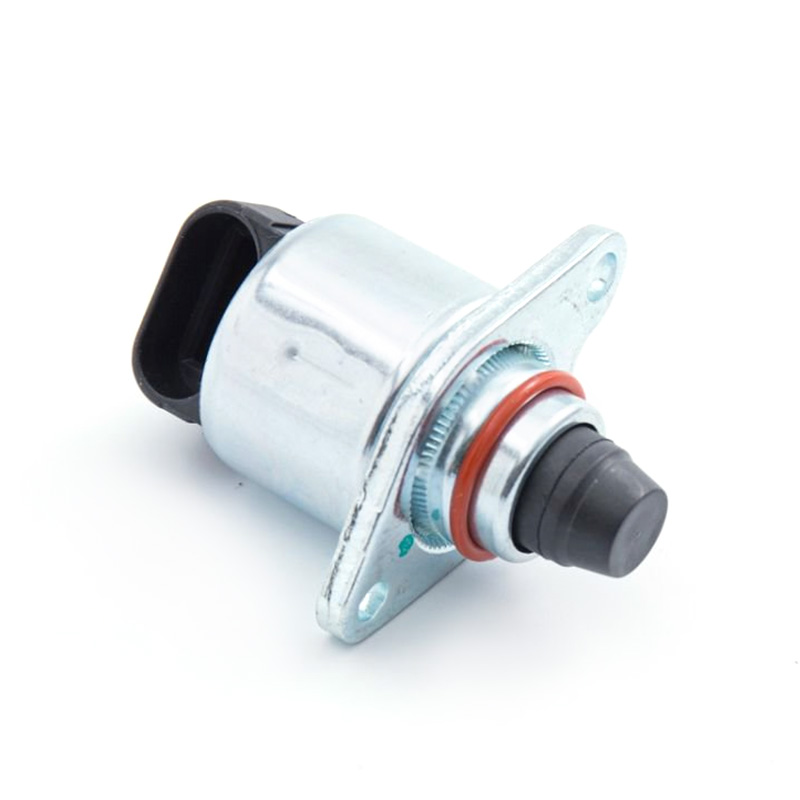
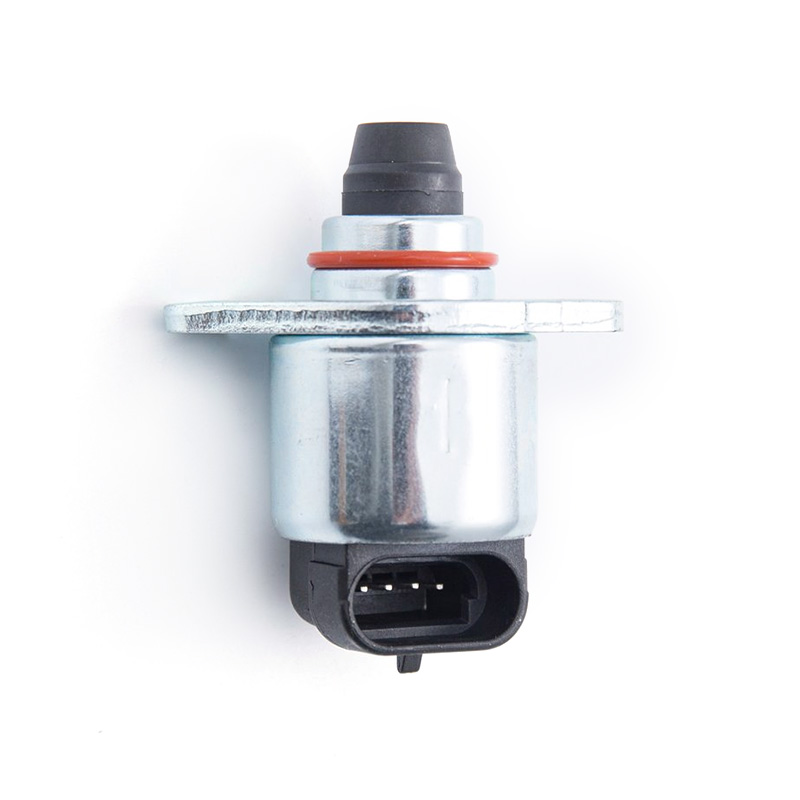
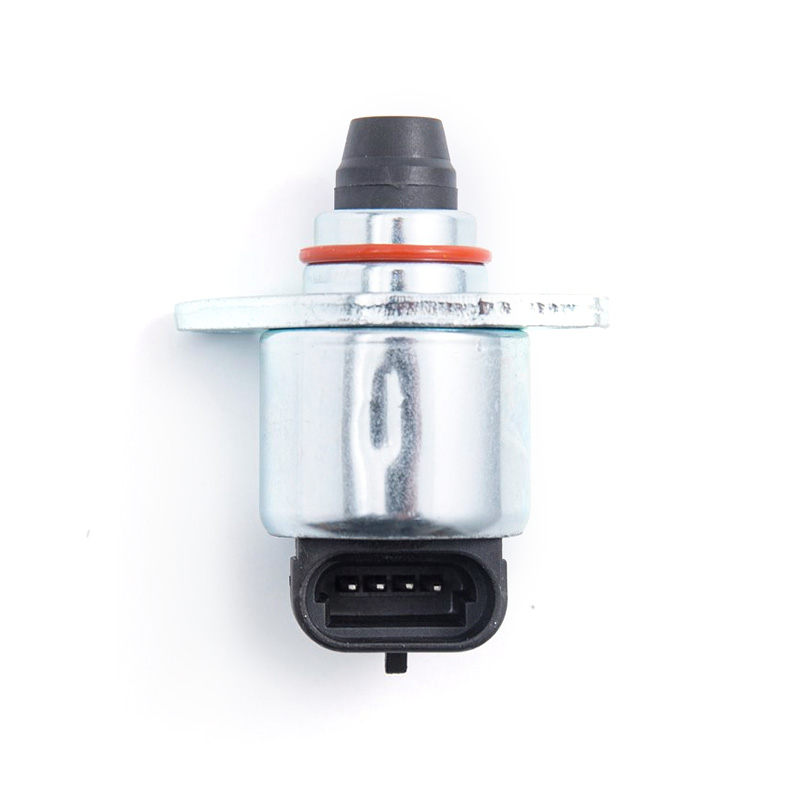
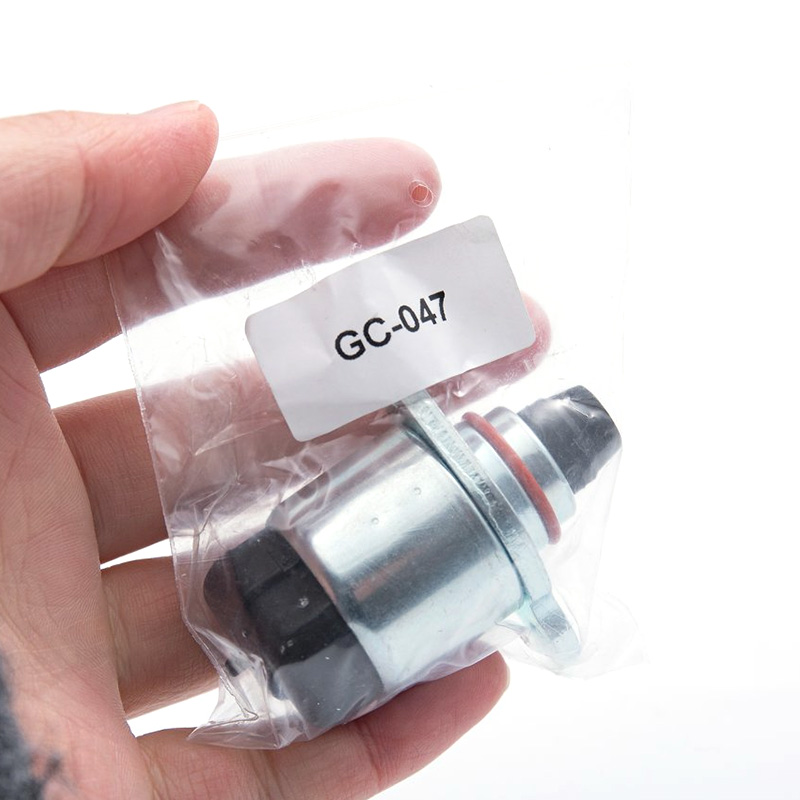
GC-047
REFERENCE OE:
STD:AC160
OEM: 12482707, 217436, 8124827070
OEM: 17113167, 2H1048;12482707;
APPLICATION:
Buick Skylarkx/Chevrolet Cavalier, Malibu, S10/GMC Sonoma/Isuzu Hombre/Oldsmobile Achieva, Alero/Pontiac Grand Am, Sunfire
Idle air control valve from China factory for Buick Chevrolet Malibu.
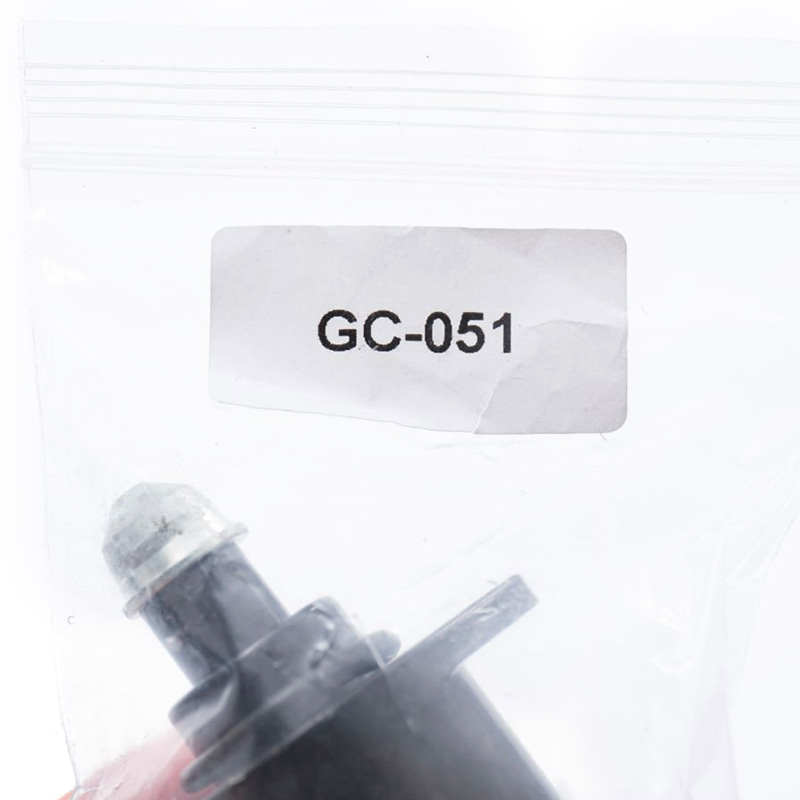
GC-051
REFERENCE OE:
PEUGEOT:19205F
APPLICATION:
CITRO SAXO(S0,S1)1.4VTS 1.6VTS;PEUGEOT 106 II(1) 1.4i;206 Schraqheck(2A/C)1.4i
Idle air control valve from China factory for Citroen Saxo Peugeot 106 206.
Contact Us
Let's start collaborating

Guocheng is specialized in the R&D and production of key engine components for the automotive and engineering machinery industries.
Product
Stay Connected
(+86) - 577 - 8582 0886 (Tel)
(+86) - 577 - 8582 8085 (Fax)
(+86) - 19730213059 (Phone)
sales@wz-gc.com
No. 205, Baiyu Road, 15th Road, Binhai Park, Wenzhou, Zhejiang, China
Mobile

ODM Engine Management System Components
 English
 русский
 Español
 عربى
 Deutsch