Date:Nov 06, 2026
A reliable parking brake system is essential for vehicle safety, particularly in commercial transportation, passenger cars, and vehicles operating under frequent stop-and-park conditions. For automotive parts distributors, repair businesses, and OEM purchasing teams, evaluating a parking brake control valve involves more than checking its external dimensions or comparing supplier quotations. Buyers also need to understand the braking system architecture, component compatibility, operating conditions, and inspection requirements.
At Wenzhou Guocheng Automobile Electrical Parts Co., Ltd., we work with automotive electrical components and electronic parking brake motors. Our experience in automotive component manufacturing helps us understand the importance of functional compatibility, stable electrical performance, and consistent production quality. These considerations are particularly relevant to buyers sourcing electronic parking brake components for replacement programs or vehicle assembly projects.
One important distinction deserves attention: a pneumatic parking brake control valve and an electronic parking brake motor perform different functions. The former manages compressed-air signals in an air brake system, while the latter converts electrical energy into mechanical movement within an EPB assembly. Understanding this difference helps purchasing teams define the correct product requirements before placing an order.
The vehicle's braking architecture determines which component is required. Commercial trucks and buses commonly use pneumatic parking brake controls, while many modern passenger vehicles use electronically operated parking brake systems.
Air-operated parking brake systems use compressed air to manage spring brake chambers and related control circuits. A dashboard control valve allows the driver to apply or release the parking brake by controlling air pressure. Its operating condition depends on valve sealing, internal mechanisms, air passages, and connections.
Purchasing teams evaluating pneumatic valves should confirm:
Electronic Parking Brake (EPB) systems replace traditional manual operating mechanisms with electrically controlled actuators. A parking brake motor receives commands through the vehicle's control system and drives a mechanical gear mechanism or cable assembly to apply or release the parking brake.
Depending on the vehicle design, EPB assemblies may use caliper-integrated motors or motor-driven cable mechanisms. These configurations require different mounting structures and mechanical interfaces. Buyers should therefore confirm the actuator design rather than assuming that similar-looking components are interchangeable.
Vehicle compatibility is a central purchasing consideration for replacement parking brake components. Even products with similar housings may differ in electrical connections, mounting positions, internal gear structures, or control characteristics.
At Guocheng, we recommend using original equipment references as the starting point for product identification. A clear part number reduces communication errors between buyers, distributors, and manufacturers.
The following information can help suppliers verify an application:
| Verification Item | Information to Confirm | Purchasing Purpose |
| OEM Number | Original part number and cross-reference numbers | Identify the corresponding replacement component |
| Vehicle Application | Make, model, year, and configuration | Check application compatibility |
| Electrical Connection | Connector shape, pin arrangement, and terminal layout | Prevent wiring and connection mismatches |
| Mechanical Structure | Housing dimensions, mounting points, and gear interface | Confirm physical installation requirements |
| Operating Characteristics | Voltage, torque, current, and movement requirements | Evaluate functional suitability |
For example, Guocheng supplies parking brake motor references including 34216794618, 34216860007, 34216860008, 1669065401, 1669060102, and 1621620888C. These references serve different vehicle applications and should be checked against the corresponding original equipment specifications before ordering.
Technical evaluation should reflect the actual braking system rather than rely on general product descriptions. Pneumatic and electronic components require different inspection methods, and buyers should request specifications relevant to their intended application.
Air leakage can affect the ability of a parking brake system to maintain its intended operating condition. Valve inspection should cover both applied and released positions, together with the condition of exhaust passages and pneumatic connections.
A March 2024 Bendix technical bulletin concerning PP-1 and PP-8 park control valves provides useful service reference data. Its inspection procedure specifies an air reservoir pressure of 120–135 psi before testing. The bulletin also describes leakage checks using a soap solution, with an allowable bubble size of no more than one inch over five seconds in the released position and three seconds in the applied position.
These figures apply to the specified Bendix valve inspection procedure. They should not be treated as universal acceptance limits for every pneumatic valve. Buyers and maintenance teams should follow the relevant manufacturer's service documentation and part-specific requirements.
Electronic parking brake actuators require a different set of technical checks. Their performance depends on the motor, reduction gears, mechanical transmission, and vehicle control interface.
We recommend reviewing the following parameters during supplier communication:
Actual numerical values should be obtained from the applicable OEM documentation or confirmed product specifications. A supplier should not substitute generic figures for application-specific engineering data.
Parking brake components operate in environments exposed to temperature changes, moisture, vibration, dust, and mechanical stress. These conditions vary according to vehicle type and operating location.
Commercial vehicles used in urban delivery services may experience frequent parking brake activation throughout the working day. Passenger vehicles may have different usage patterns, but their EPB motors still need to withstand repeated engagement and release operations.
Several environmental factors deserve attention during purchasing evaluation:
These requirements are particularly important for distributors serving different vehicle markets. A component intended for ordinary passenger vehicle applications may require a different validation profile from one used in heavy-duty transportation or construction machinery.
Product quality depends on more than the design of an individual component. Manufacturing consistency, incoming material inspection, assembly control, and final testing all influence the reliability of replacement parts.
At Guocheng, our manufacturing operations focus on production process management and inspection capabilities. Established in 1997, Wenzhou Guocheng Automobile Electrical Parts Co., Ltd. operates a 10,000-square-meter built-up facility in Wenzhou, Zhejiang, China. Our technical team includes experienced engineers and professional quality inspection personnel.
During supplier evaluation, we suggest that purchasing teams request information about the following quality procedures:
| Quality Stage | Inspection Focus | Value to Buyers |
| IQC | Incoming materials and component specifications | Material consistency |
| IPQC | Assembly procedures and production parameters | Process stability |
| FQC | Completed product appearance and functional performance | Finished product conformity |
| OQC | Final order inspection and packaging condition | Shipment consistency |
For electronic parking brake motors, functional testing may include electrical continuity, operating current, motor movement, and mechanical engagement according to the product's approved specifications. For pneumatic control valves, inspection may involve pressure response, leakage testing, and switching behavior.
We also recommend checking the manufacturer's quality management certifications and asking whether inspection records can be provided for the relevant product series.
Product specifications are only part of a successful purchasing arrangement. Communication efficiency, documentation, application verification, and after-sales support also influence the overall sourcing process.
Automotive parts importers and wholesale distributors often manage multiple vehicle references within the same product category. A supplier that can organize part number information and respond to technical inquiries can help purchasing teams manage their product portfolios more clearly.
Before confirming a supplier, buyers can review these service capabilities:
At Guocheng, we support OEM and ODM cooperation for automotive electrical components. Our product development, production, and quality inspection capabilities provide a foundation for working with international distributors, aftermarket suppliers, and automotive parts businesses.
A structured purchasing checklist helps reduce specification gaps and makes communication between buyers and manufacturers more straightforward. Rather than evaluating a component solely by its quoted price, purchasing teams should review its complete application requirements.
The following checklist can be used during supplier inquiries:
Completing these checks before order confirmation gives both parties a clearer understanding of the required product and its intended application. It also provides a practical reference for repeat orders and aftermarket inventory management.
No. A pneumatic parking brake control valve manages compressed-air flow within an air brake system. An electronic parking brake motor is an electrical actuator that converts motor rotation into mechanical movement to apply or release the parking brake. Buyers should identify the vehicle's braking architecture before requesting a quotation.
Buyers should provide the OEM number, vehicle make and model, production year, available reference numbers, and product photographs when possible. Additional details about voltage, connector configuration, and mounting structure can help manufacturers verify the application.
Distributors can review material specifications, electrical performance, motor operating characteristics, mechanical durability, and production inspection procedures. Sample testing against the original equipment requirements is also useful before adding a new reference to an aftermarket product catalog.
Not necessarily. EPB motors may differ in housing dimensions, gear structures, electrical connections, torque characteristics, and control requirements. A matching appearance does not establish functional compatibility. OEM reference verification and application testing are recommended.
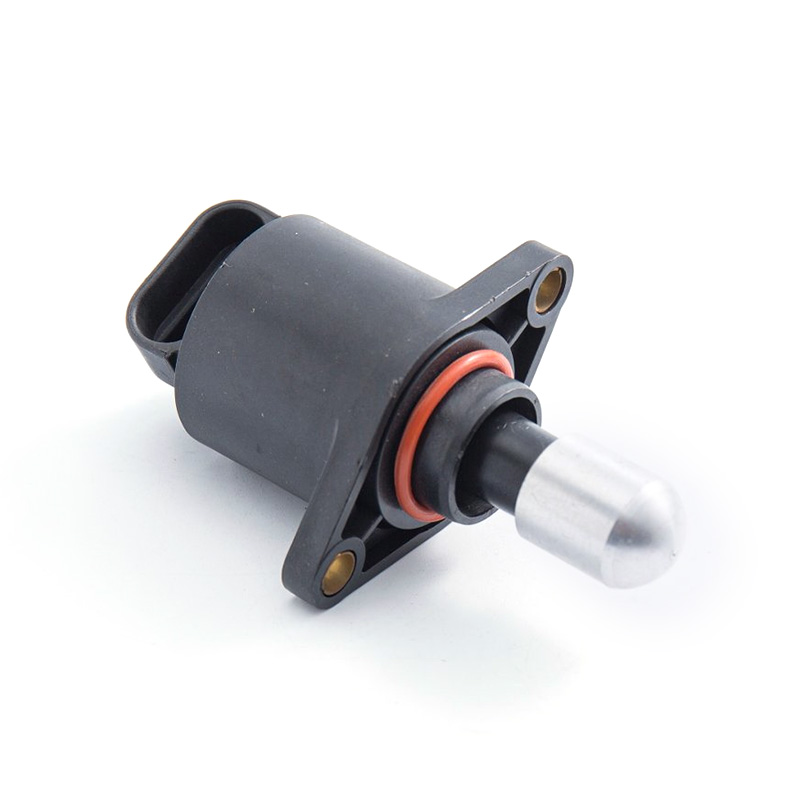
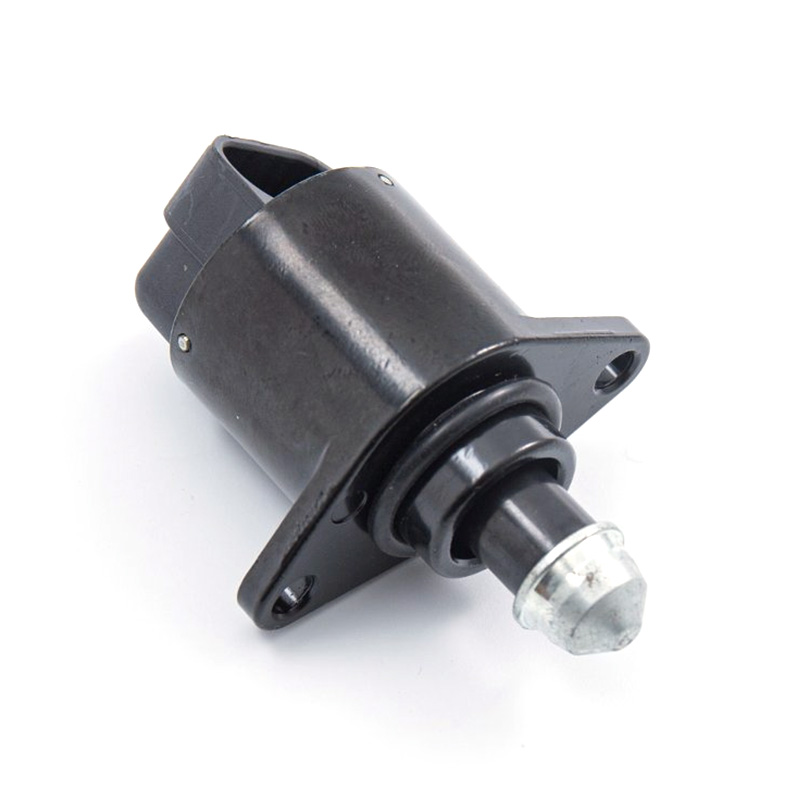
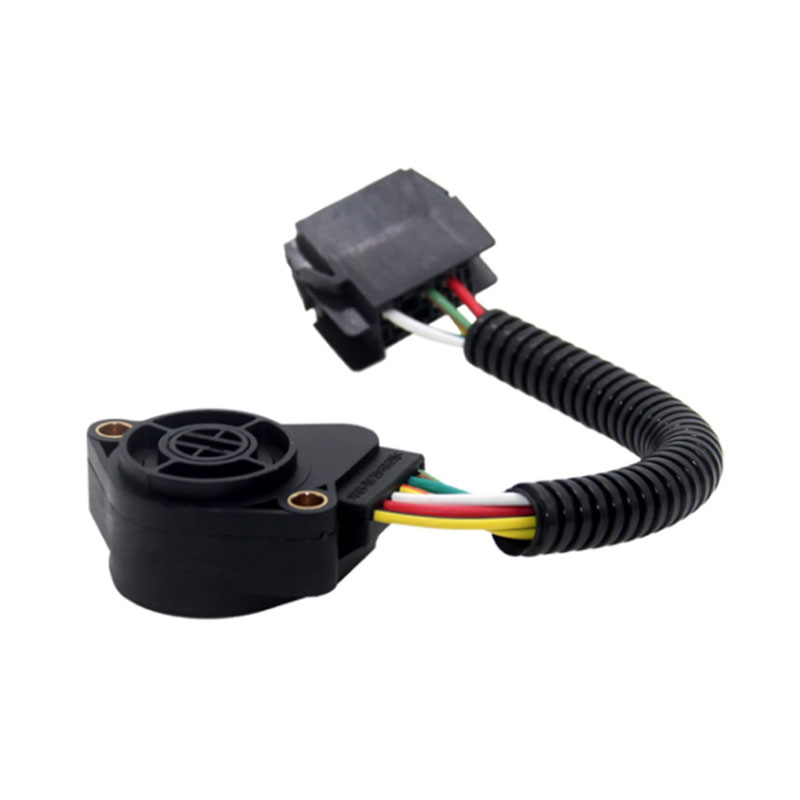
Yes. Wenzhou Guocheng Automobile Electrical Parts Co., Ltd. provides OEM and ODM manufacturing services for automotive electrical components, including parking brake motors, idle air control valves, throttle position sensors, and other engine management products. Buyers can contact our team with their application details and product requirements for further communication.
Related Products
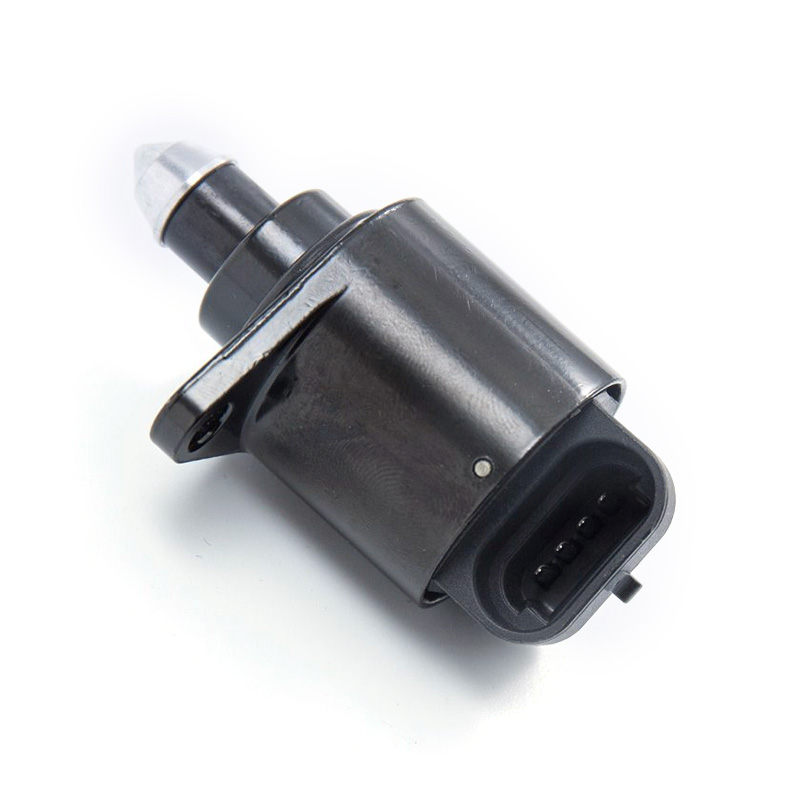
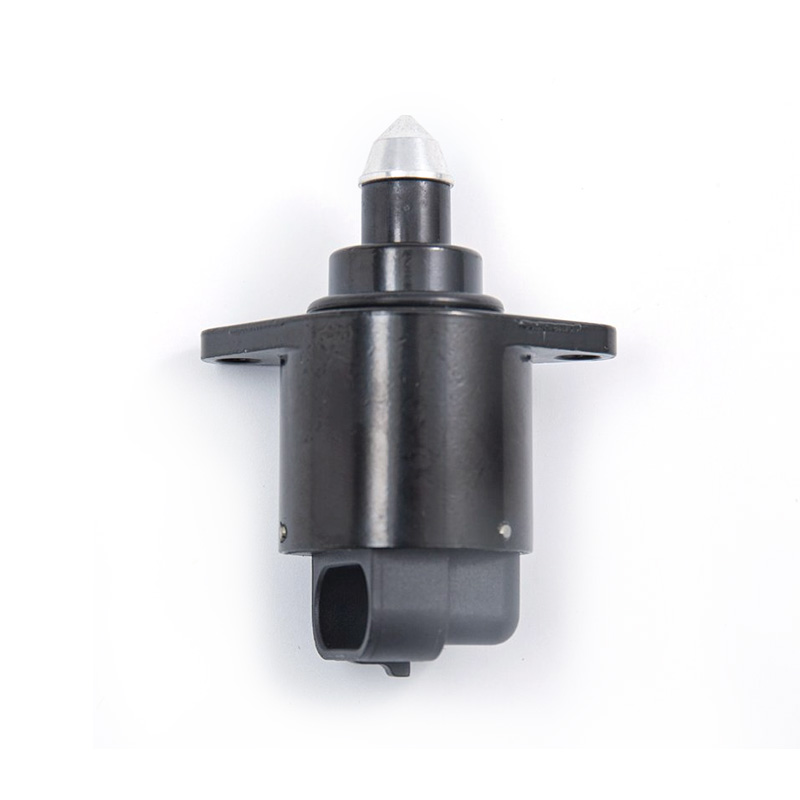
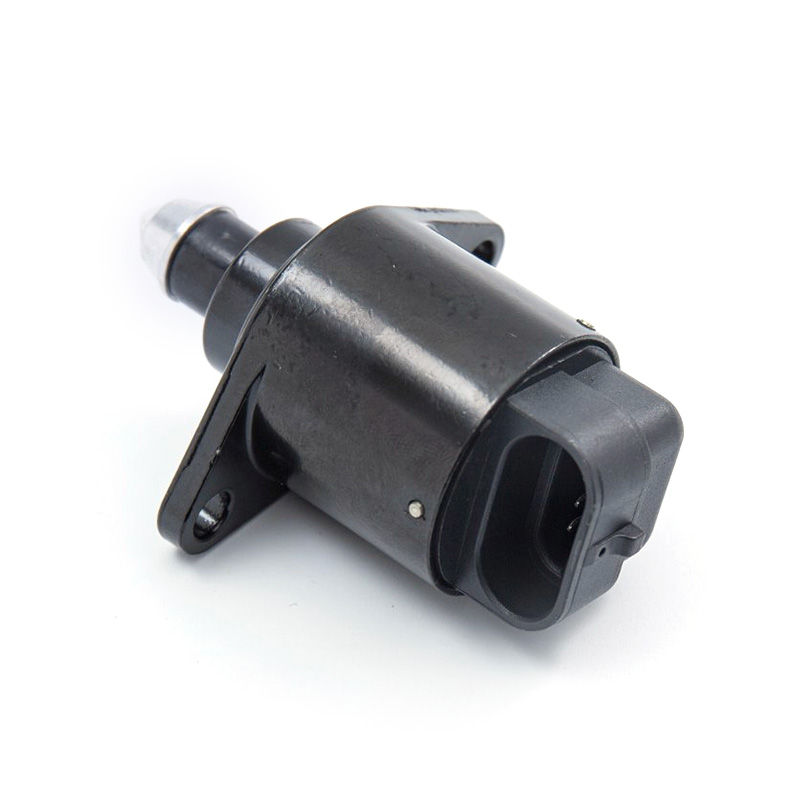
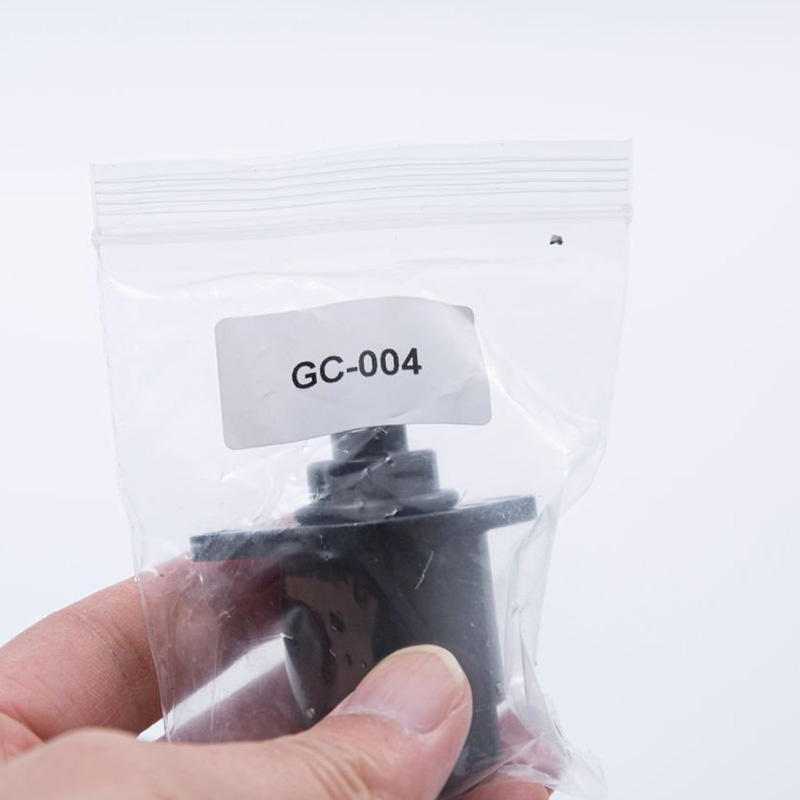
GC-004
REF OE:
SHORT CODE:B32/00
SIMENCE:A97115 19206W
APPLICATION:
CITROEN BERLINGO(MF)/Kasten(M_)1.4 i(MFKFX);CITRO SAXO(S0,S1) 1.4VTS,CITRO XSARA(N1)/Break(N2)/Coupe(N0)1.4i;
PEUGEOT 106 II(1)1.4i;PEUGEOT 206 Schraqheck(2A/C)1.4i/SW(2E/K)1.4;
PEUGEOT306(7B,N3,N5)1.4SL/Break(7E,N3,N5)1.4/Schraqheck(7A,7C,N3,N5)1.4;
PEUGEOT PARTNER Combispace(5F)1.4/Kasten(5)1.4
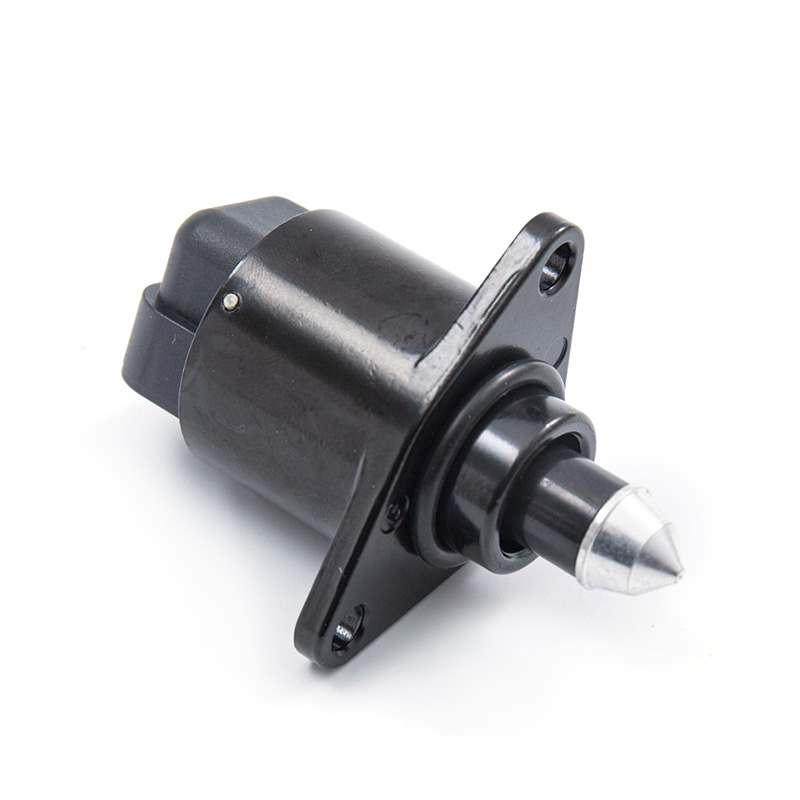
China manufacture for idle air control valve,high quality and competitive price!
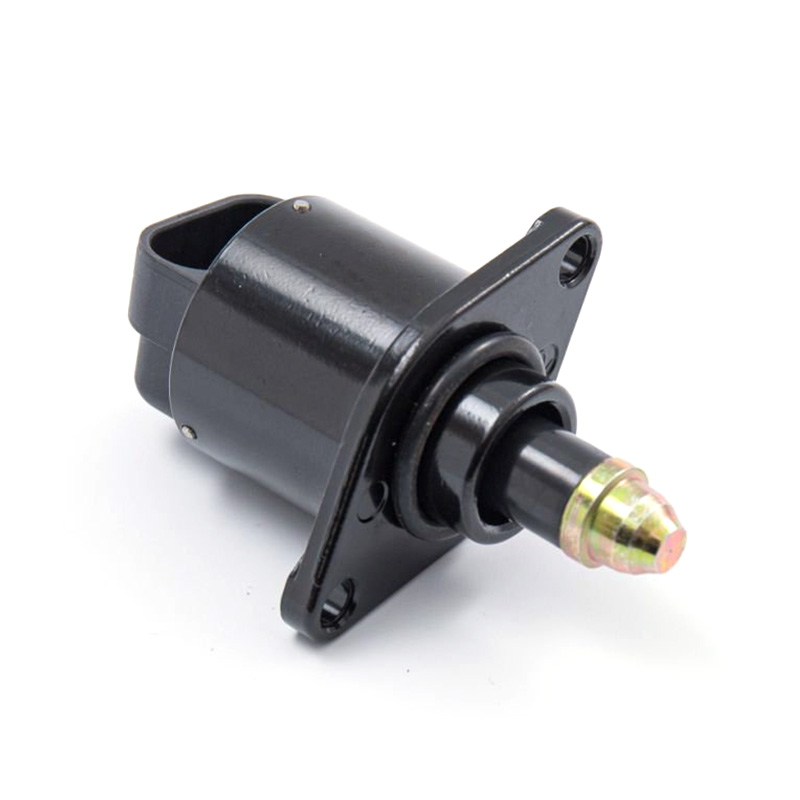
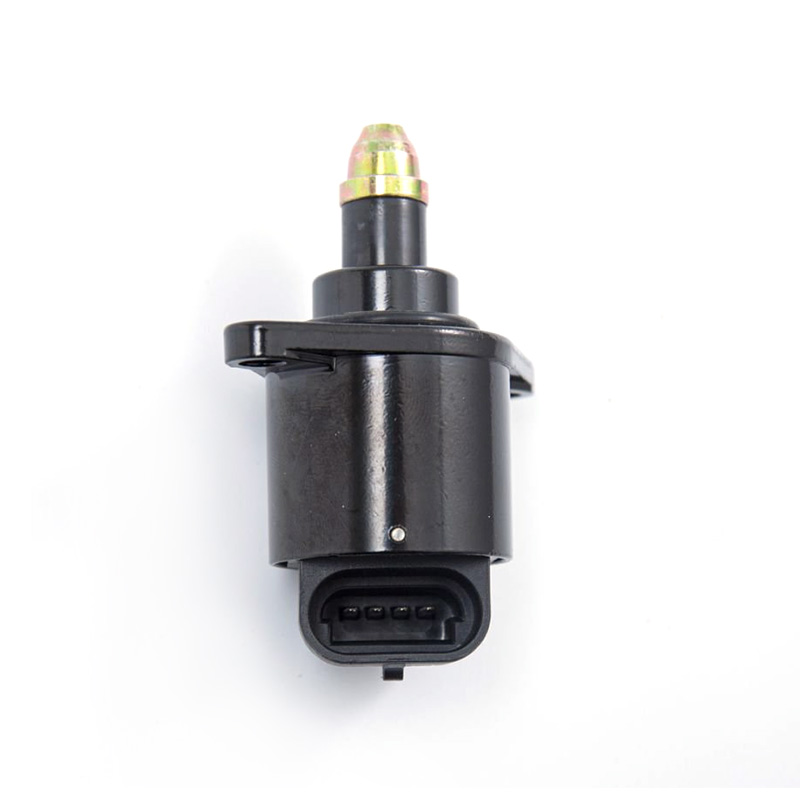
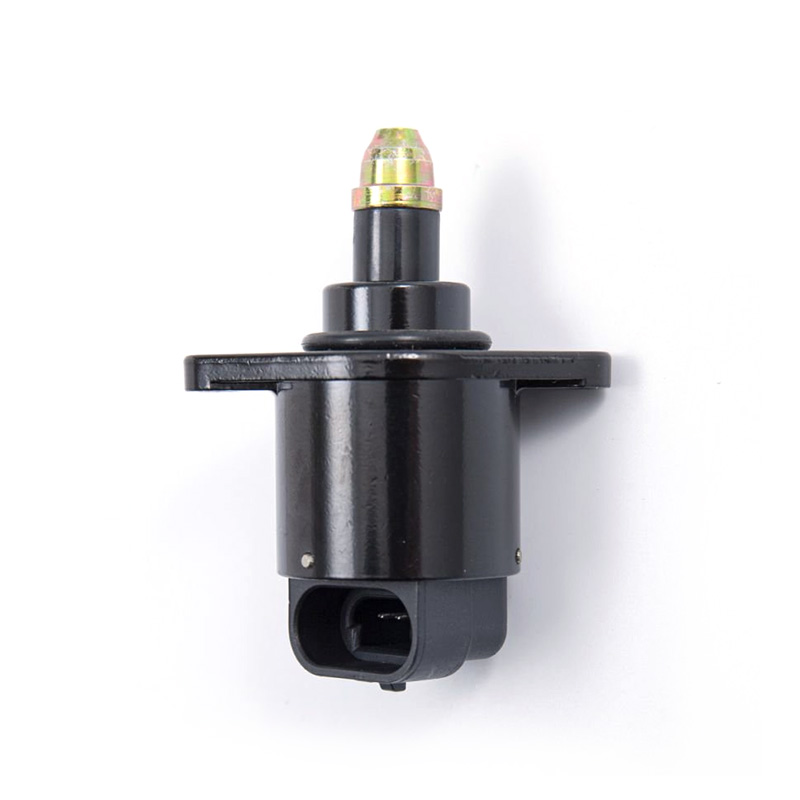
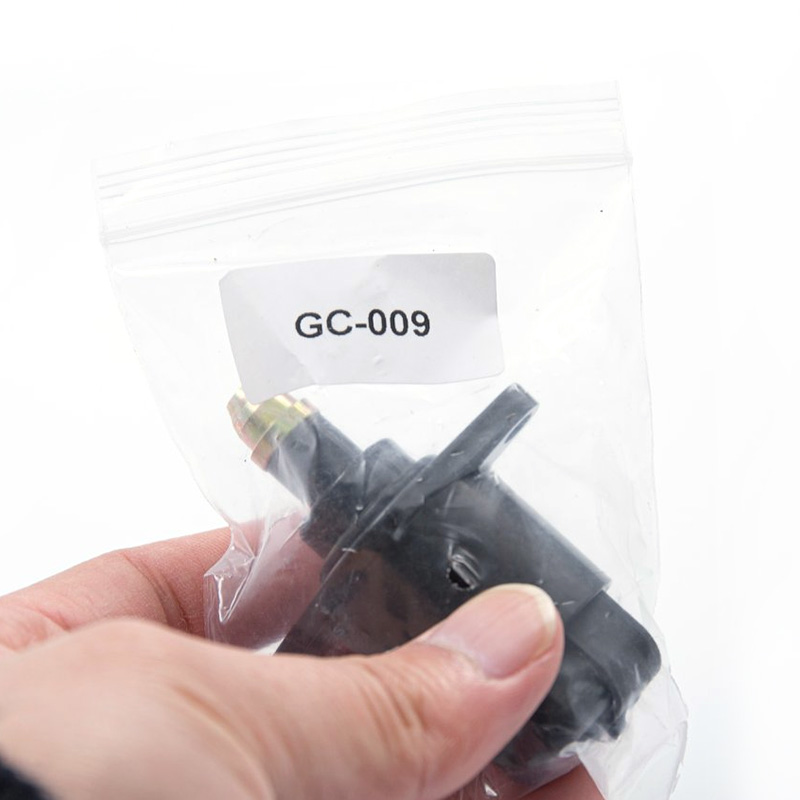
GC-009
REF OE:
SHORT CODE:D5150
MARELLI:40430102 7079064
VW: 0279980491
VDO: AT-05150R
APPLICATION:
Gol/Parati/Quantum/Santana1.8/Saveiro 1.6,1.8 todos MPFI alcool 96>>
Gol/Parati/Polo Classic 1.8/Quantum/Santana 1.8,2.0/Saveiro 1.6,1.8,2.0/Van 1.6 todos MPFI gasolina 96>>
Idle air control valve whole sale price,direct from China factory.
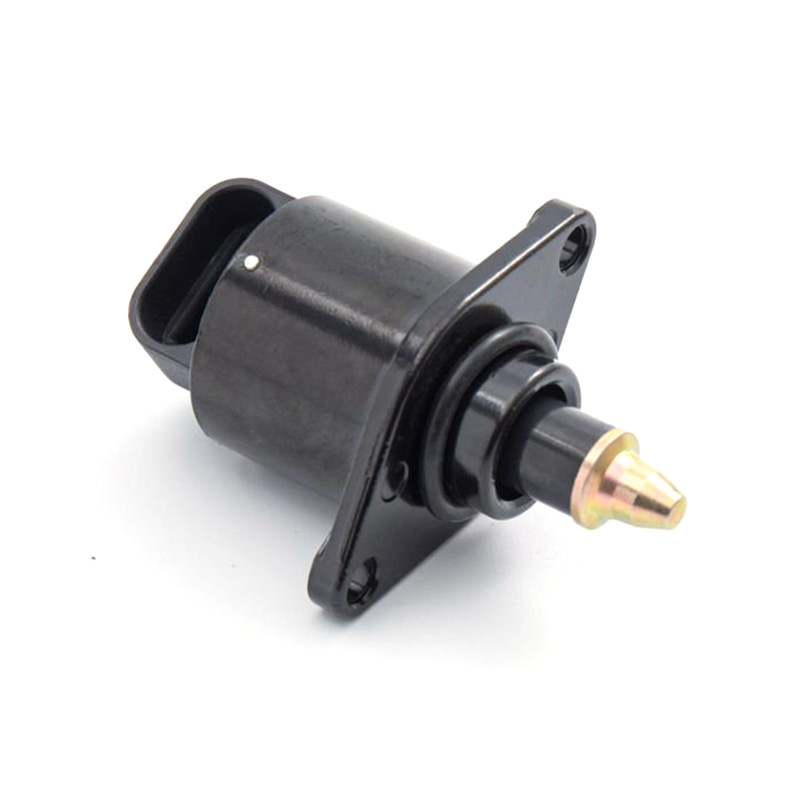
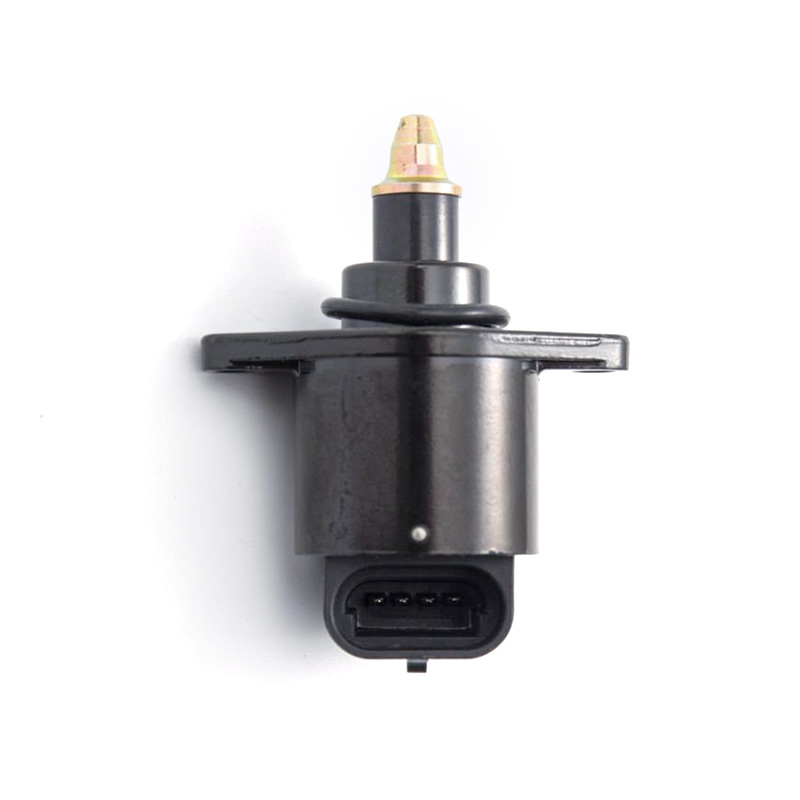
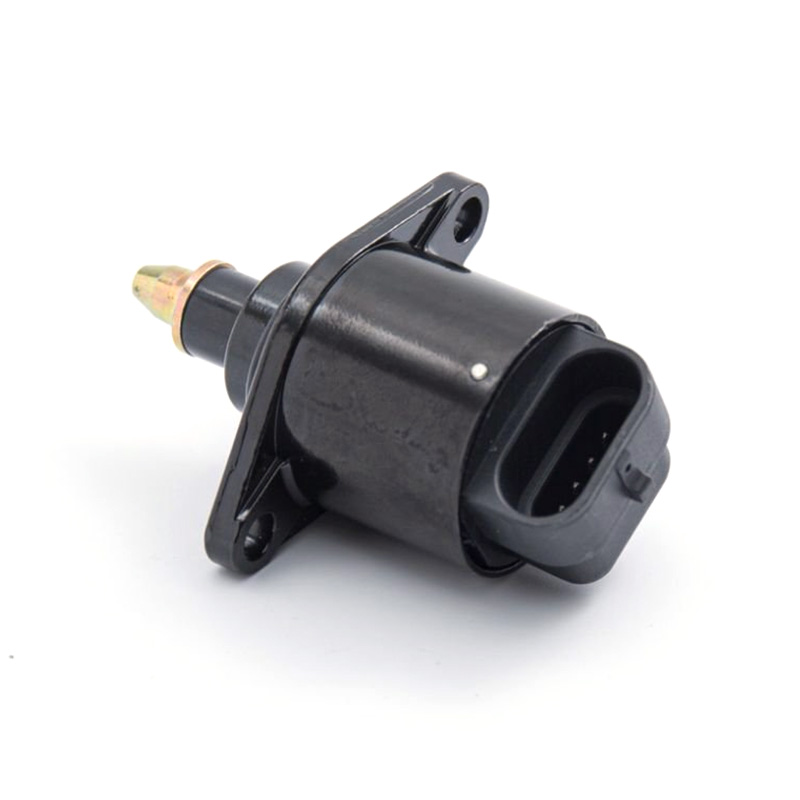
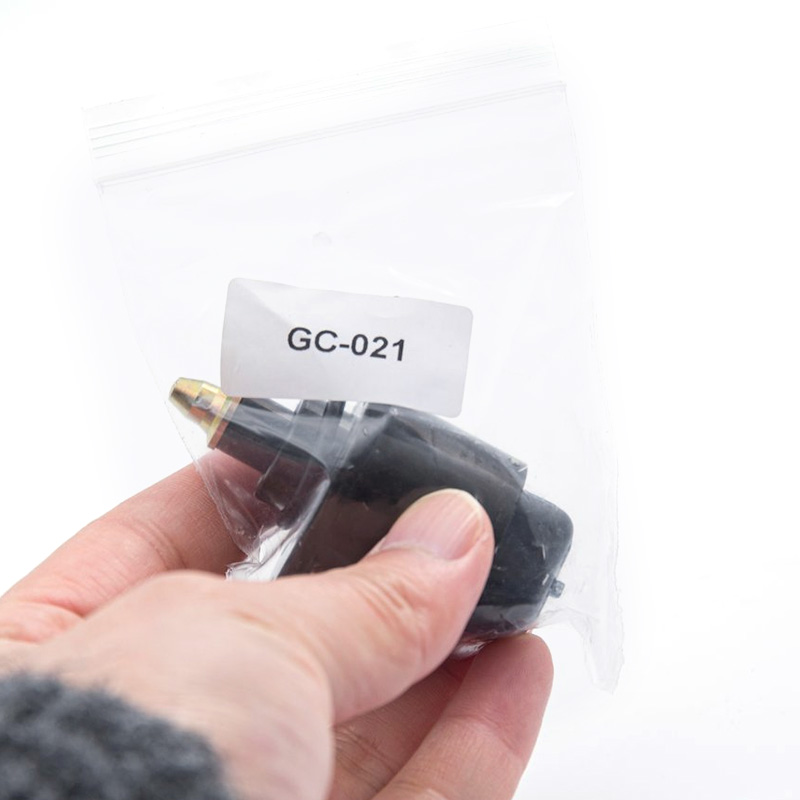
GC-021
REFERENCE OE:
MARELLI:230016079047
SIMENCE:A95262 1920Q8
CITRO NO:95644634
RENAULT:7701204054
APPLICATION:
CITROEN AX;PEUGEOT 106I/II;PEUGEOT 205 I/II;PEUGEOT 306/306 Schraqheck;RENAULT TWINGO
Idle air control valve selling,China manufacture quality!
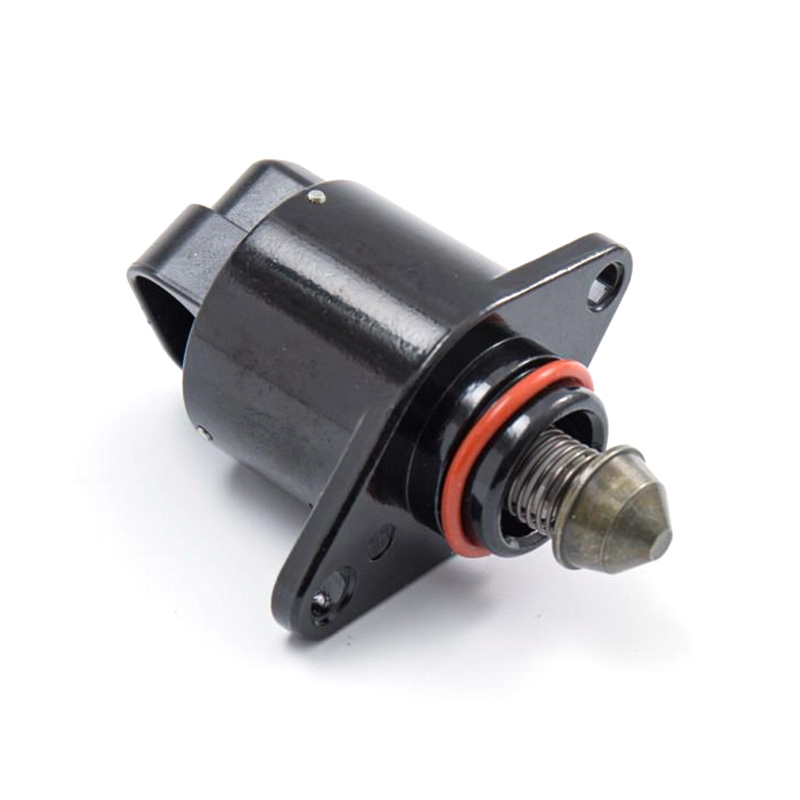
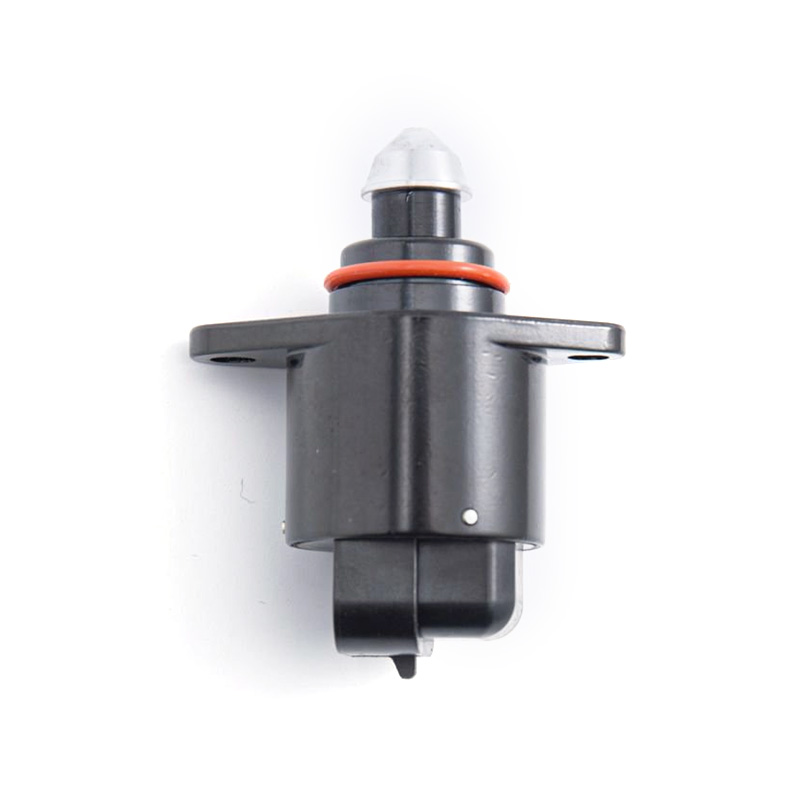
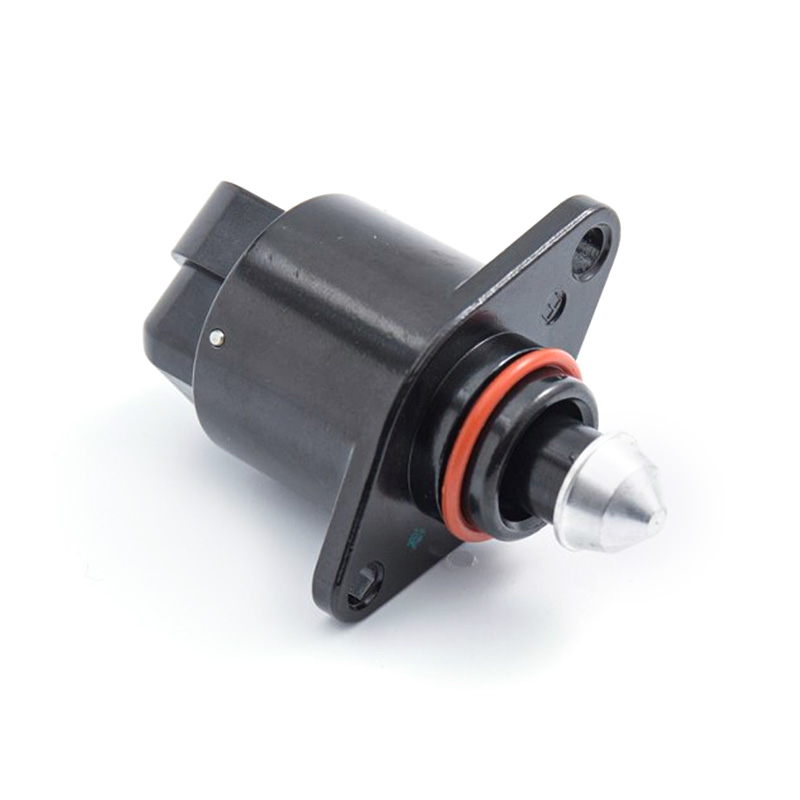
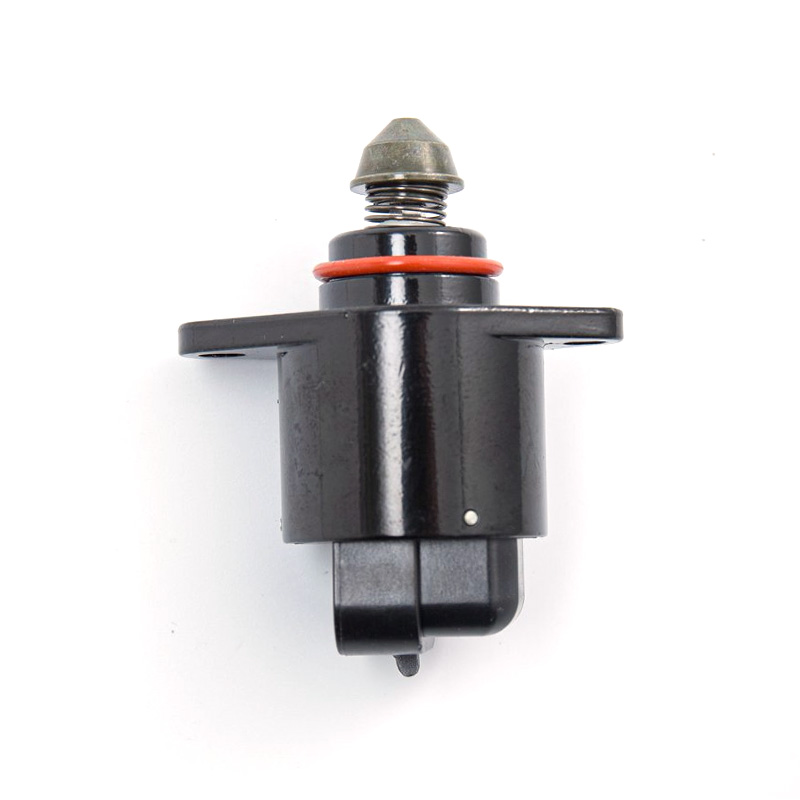
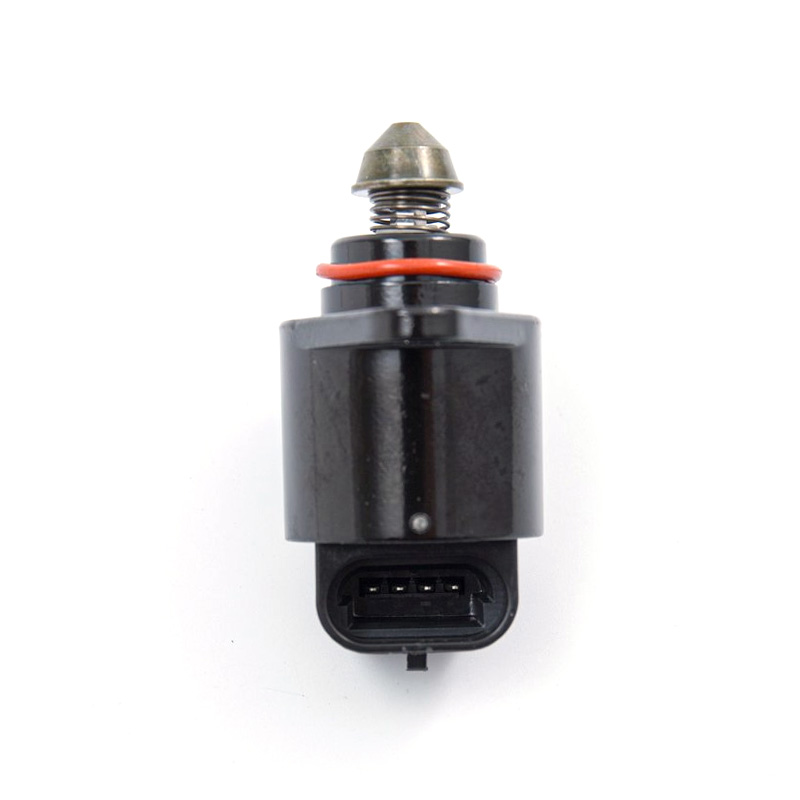
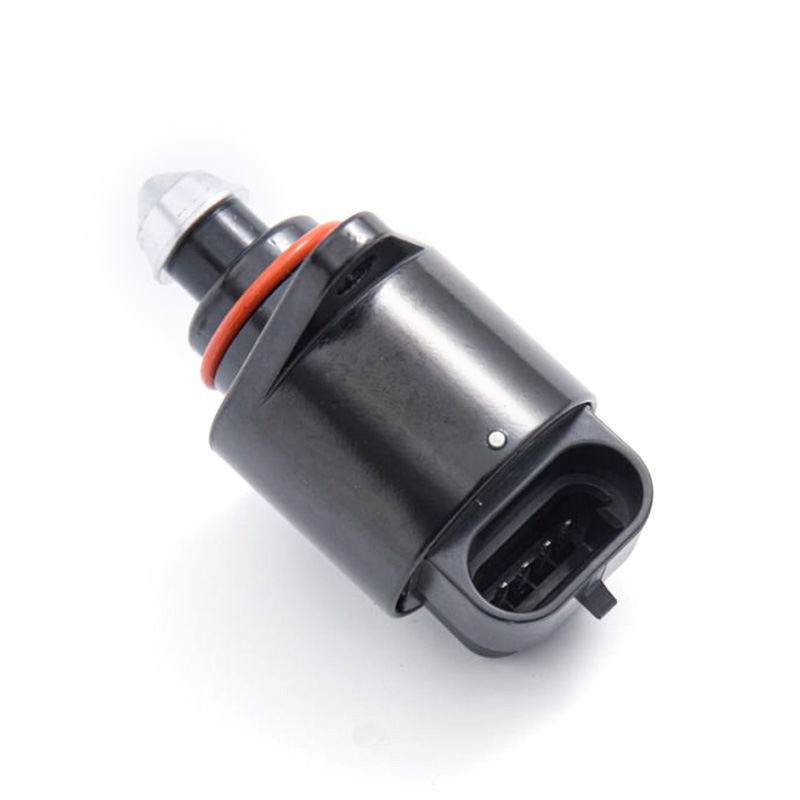
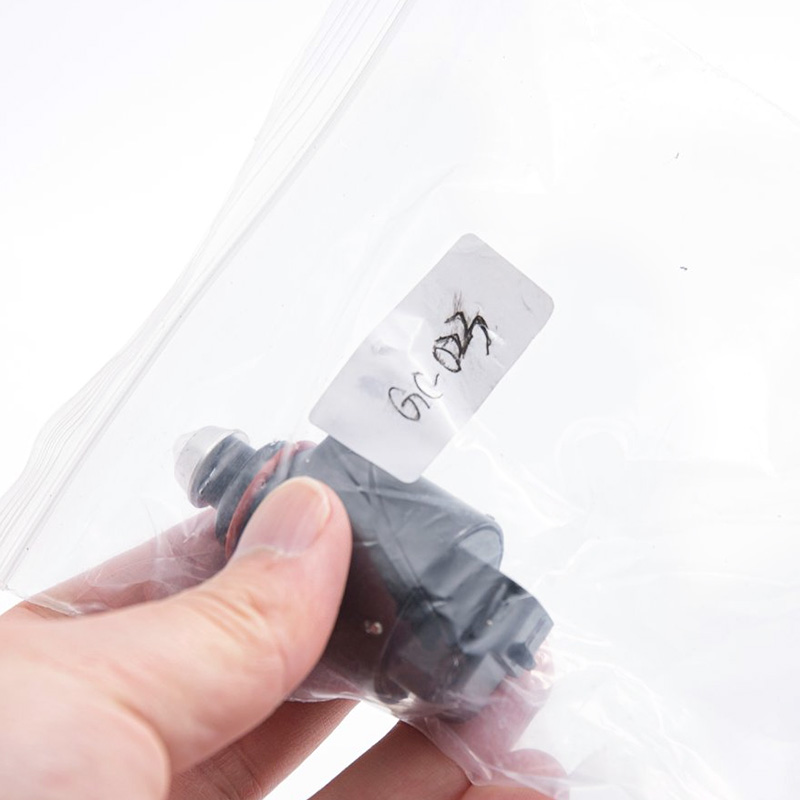
GC-023
REFERENCE OE:
GM 17112350 STD:AC5 17111808; WELLS:AC107;
APPLICATION:
Buick Century Sedan/Coupe(05-87);
Buick Lacrosse(05);
Buick Regal Sedan/Coupe(96-88)
Cadillac, chevrolet, pontiac, oldsmobile;
Idle air control valve from China manufacture for Buick!
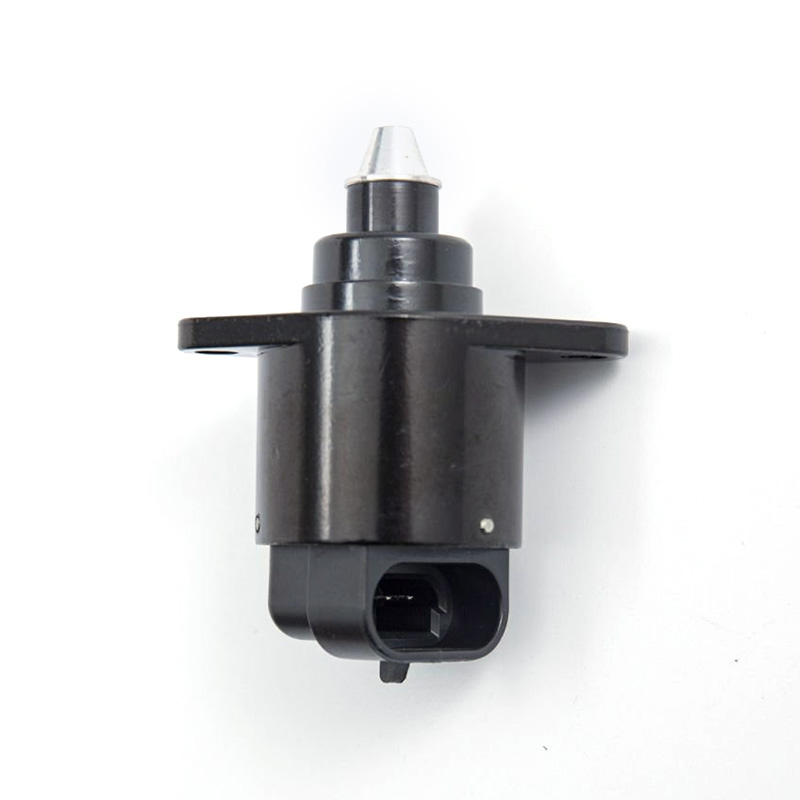
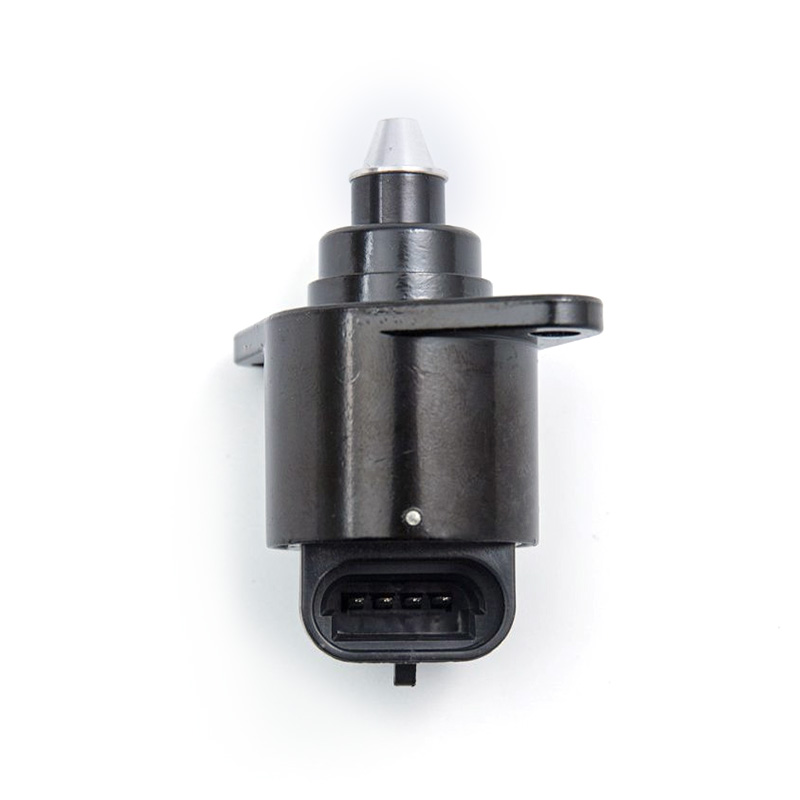
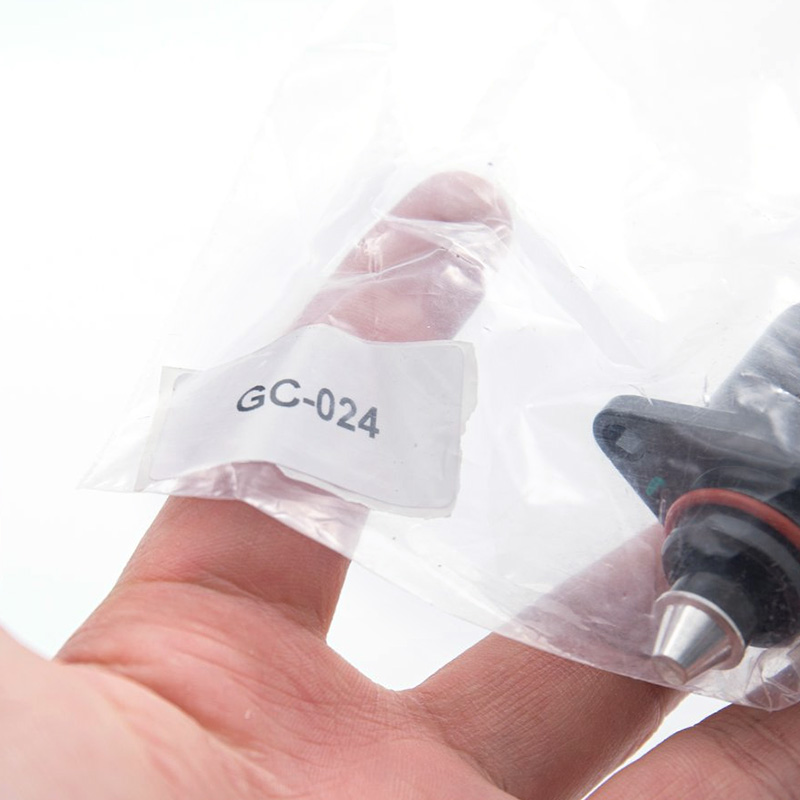
GC-024
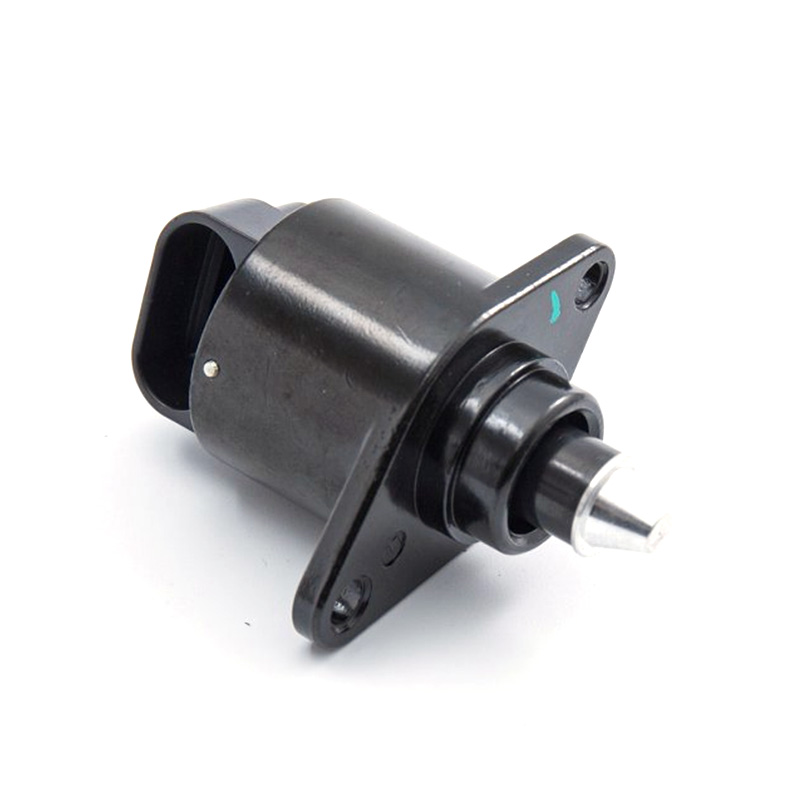
REFERENCE OE:
SHORT CODE: C1351
OPEL: 817254 17112027
SIMENCE: A95160
DELPHI:ICD 00127
VDO: AT-59524R
HELLA:6NW009141121;0817254; 93227674
APPLICATION:
OPEL ASTRA F CLASSIC Kombi/Schraqheck;
OPEL COMBO;
OPEL CORSA A Schraqheck/TR;
OPEL CORSA B;
OPEL KADETT E;
OPEL TIGRA
Idle air control valve from China factory for Opel, IACV.
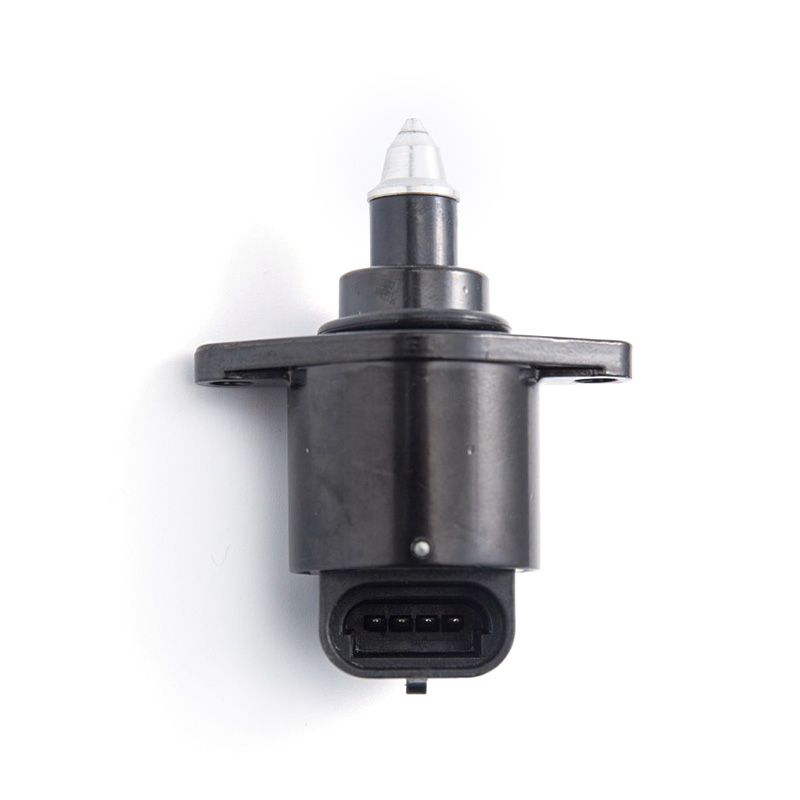
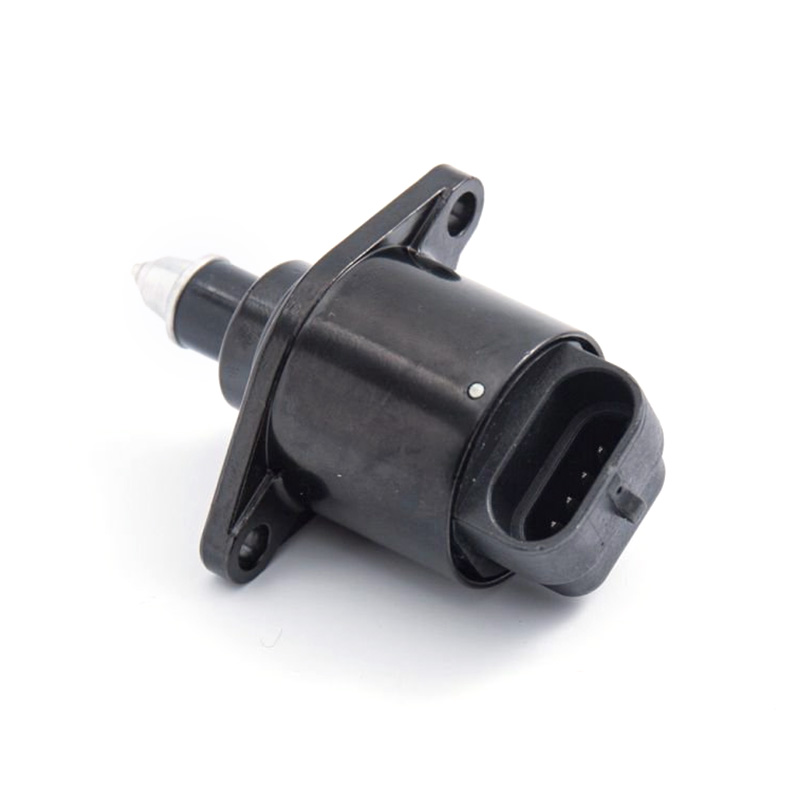
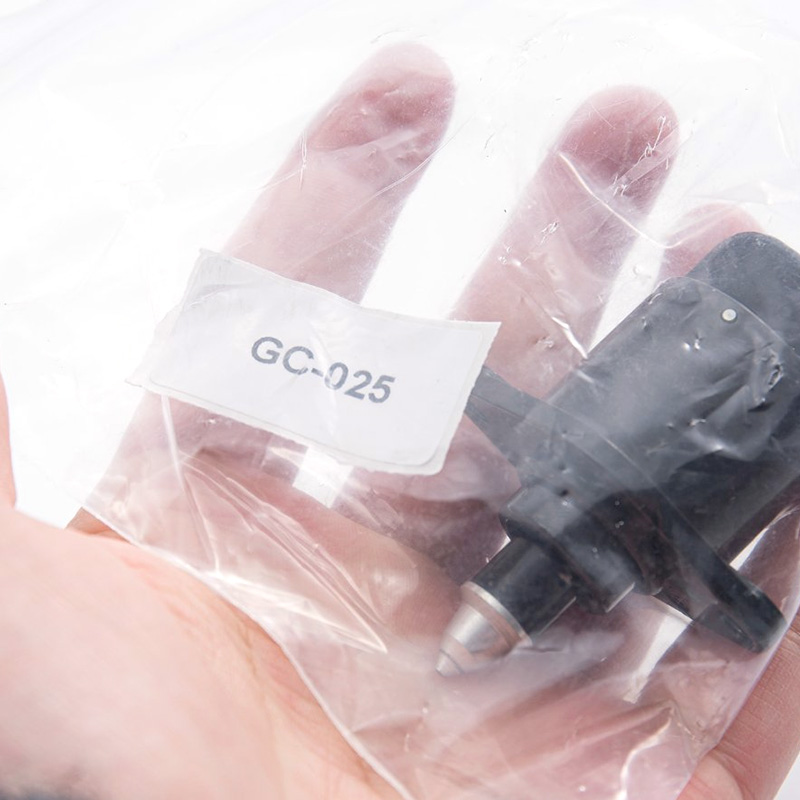
GC-025
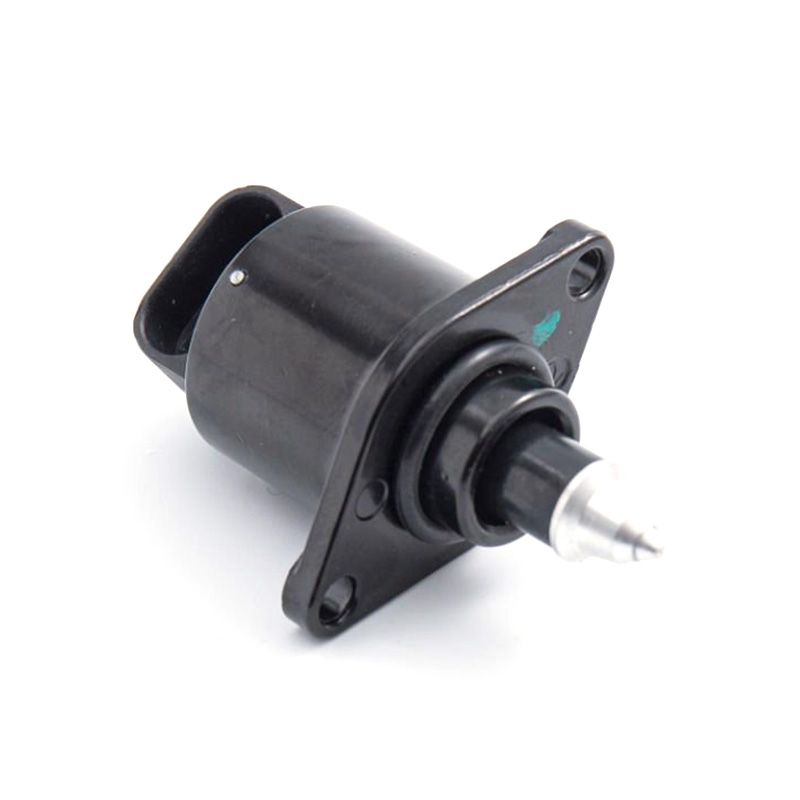
REFERENCE OE:
STD: AC495 SHORT CODE:59602
DELPHI: ICD00120
GM: 17059602
VDO: AT-59602R
WELLS: AC167; 93744675; 96434613; 17059602
APPLICATION:
CHEVR AVEO Stufenheck;
DAEWOO KALOS/LANOS/NUBIRA/NUBIRA Stufenheck;
GENTRA 06-07
Idle air control valve from China factory for Chevrolet Aveo Daewoo.
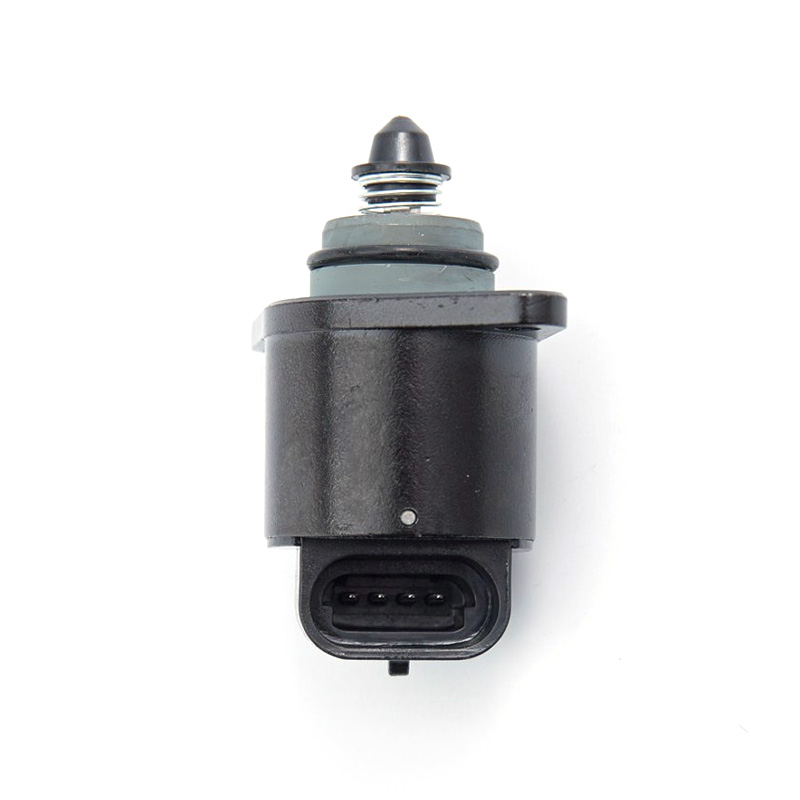
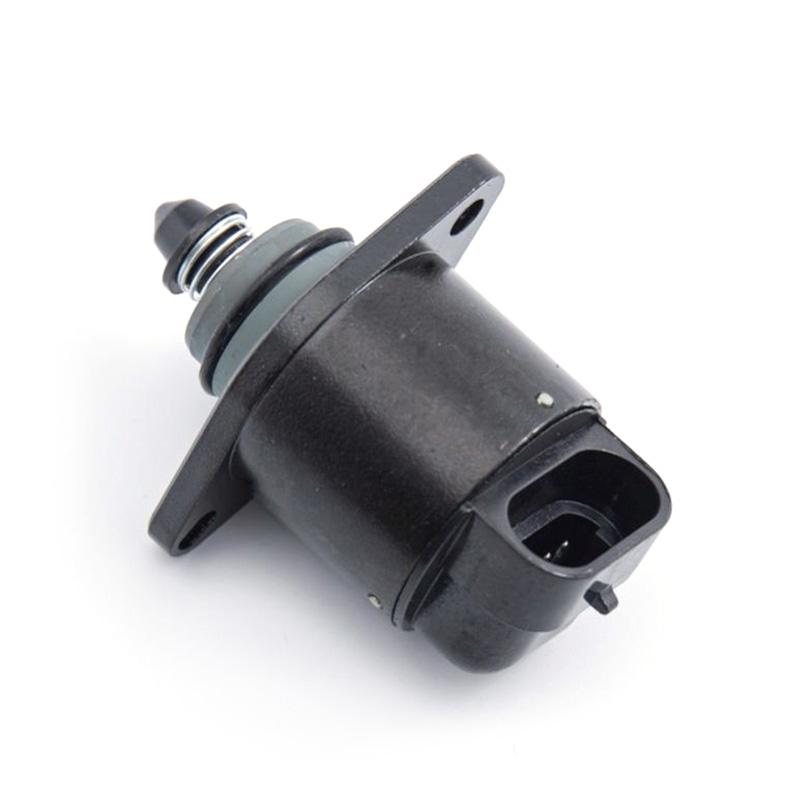
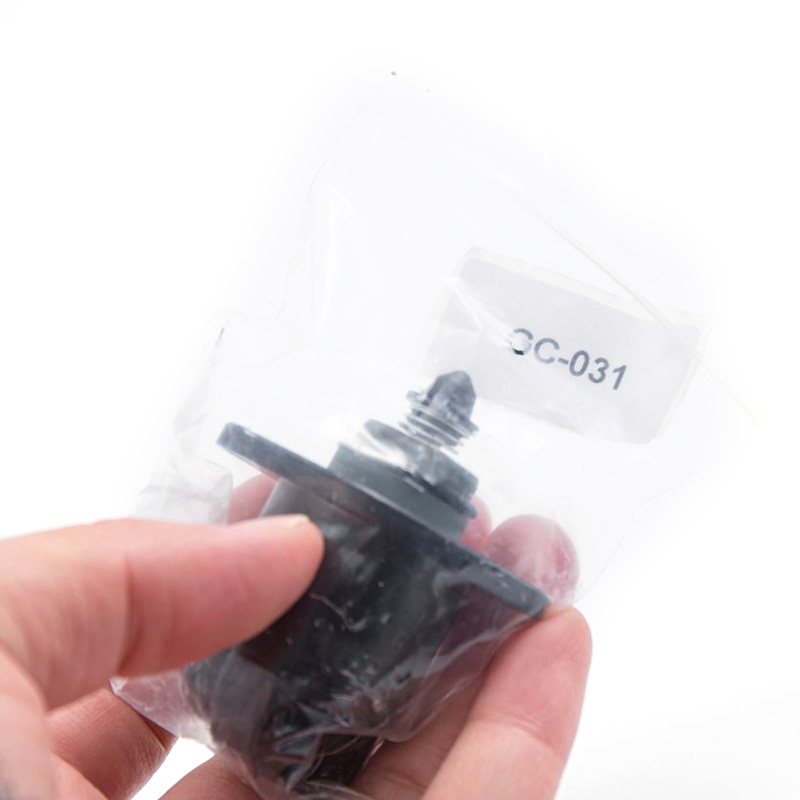
GC-031
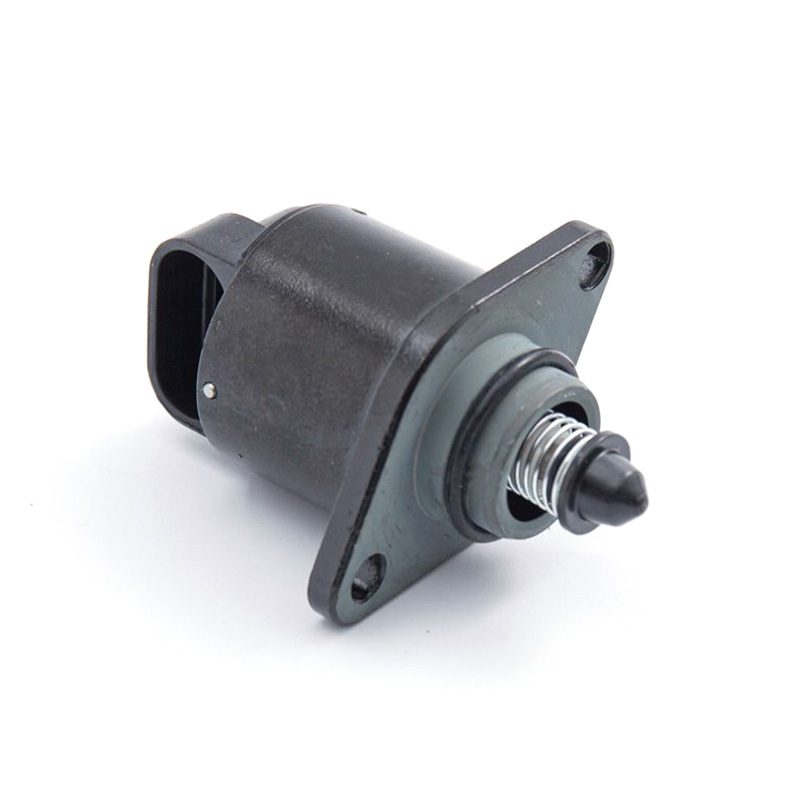
REFERENCE OE:
2112-148300-02
APPLICATION:
LADA
Idle air control valve from China factory for Lada.
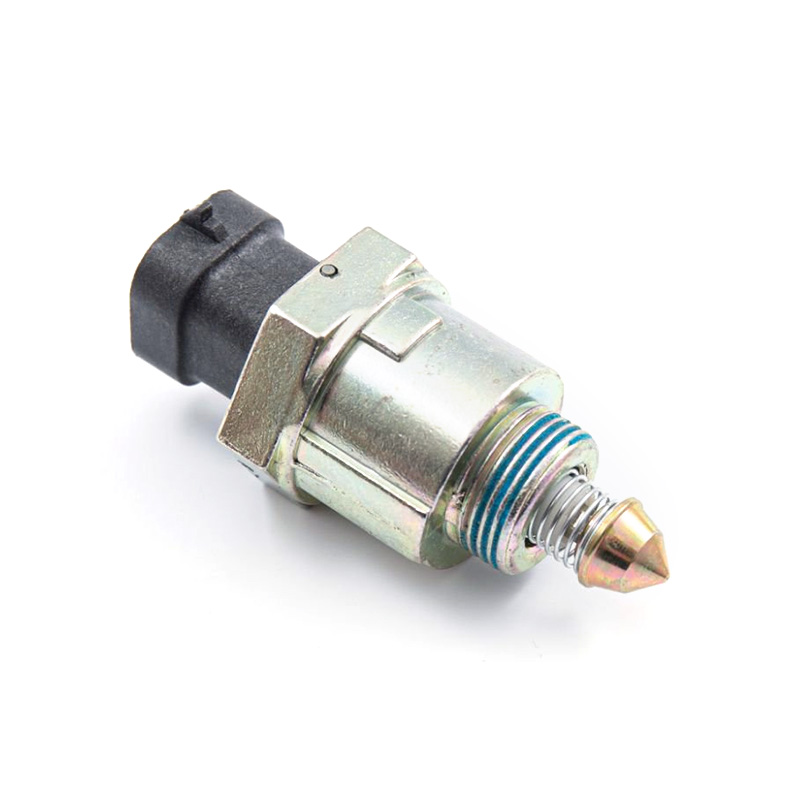
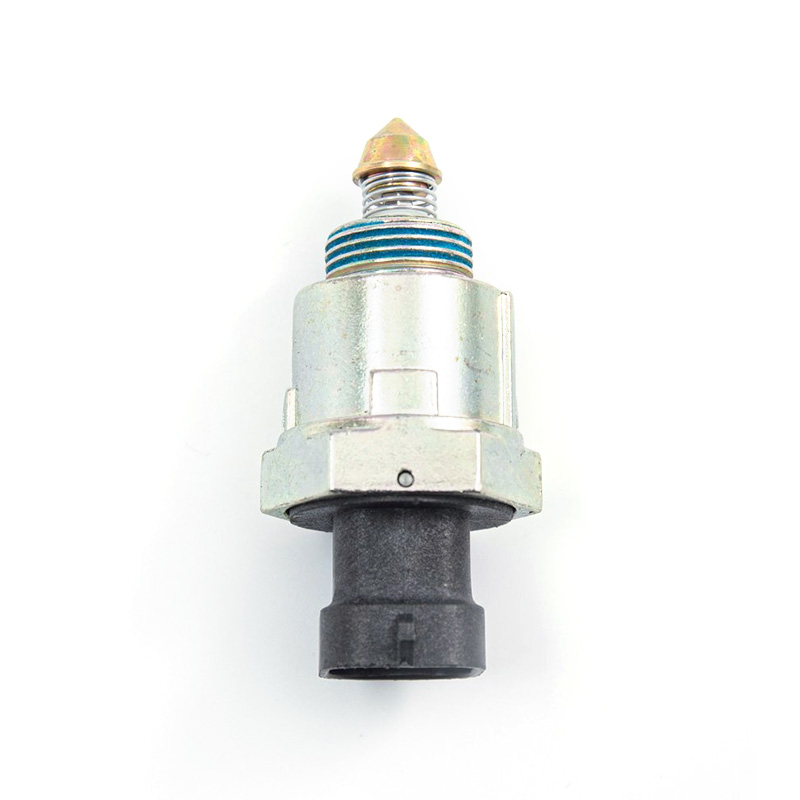
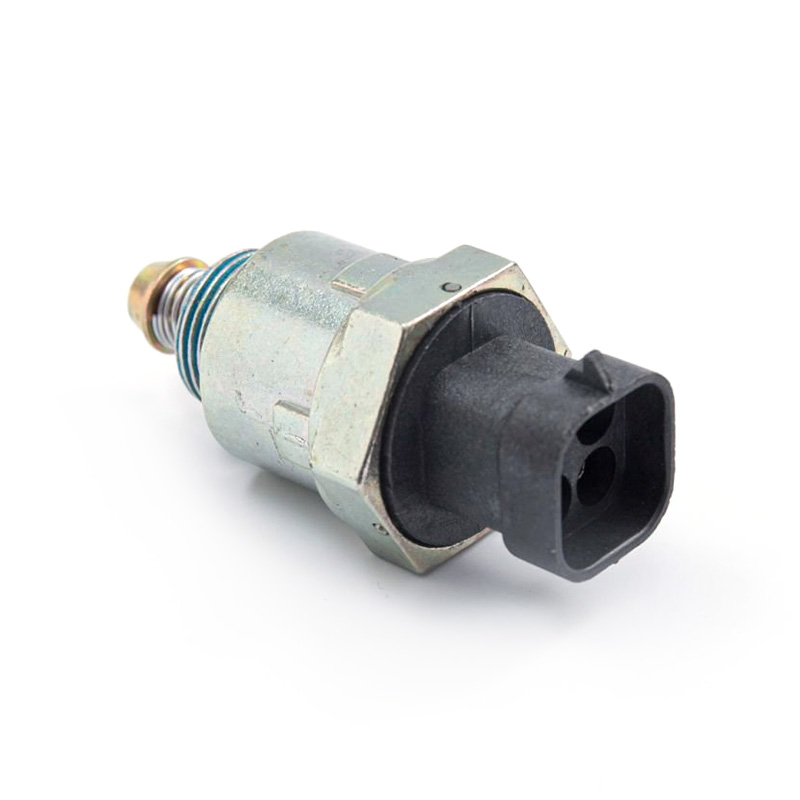
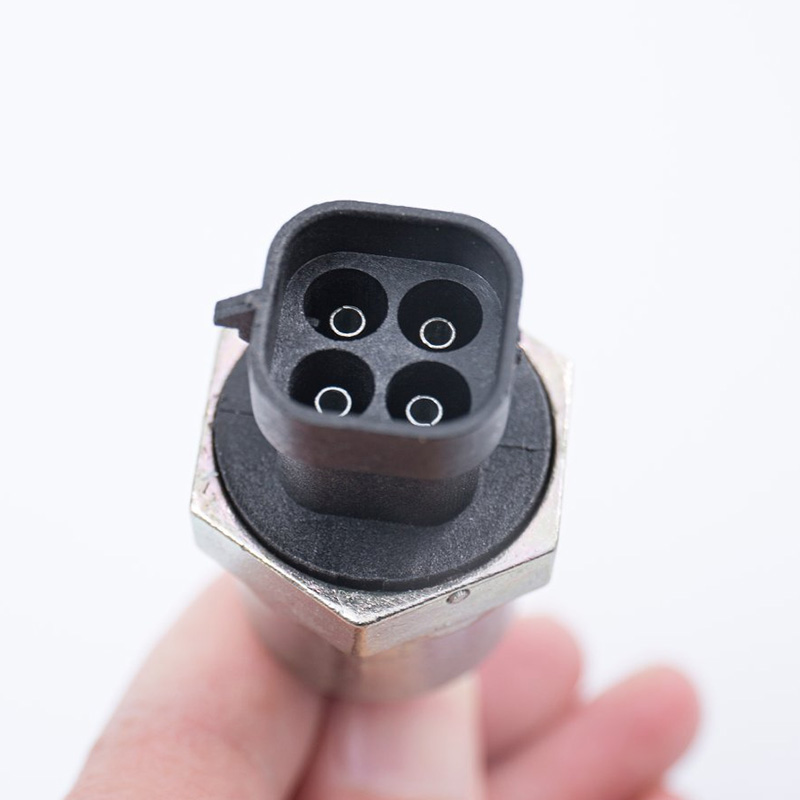
GC-033
REFERENCE OE:
WELLS:AC102 STD:AC1
GM:25527077
SUZU:8-17111460-0
WALKER:215-1003 17079256;
WELLS: AC4115;2H1293; AC102
APPLICATION:
Buick Century Sedan/Coupe(87-83);
Buick Regal Sedan/Coupe(87-86);
Buick Roadmaster(93-91);
Cadillac Fleetwood/Brougham(93-90);
Chevrolet Astro(94-85);
GMC Fullsize Pickup(95-87);
Oldsmobile;
Pontiac
Idle air control valve from China factory for Buick Regal Cadillac Chevrolet.
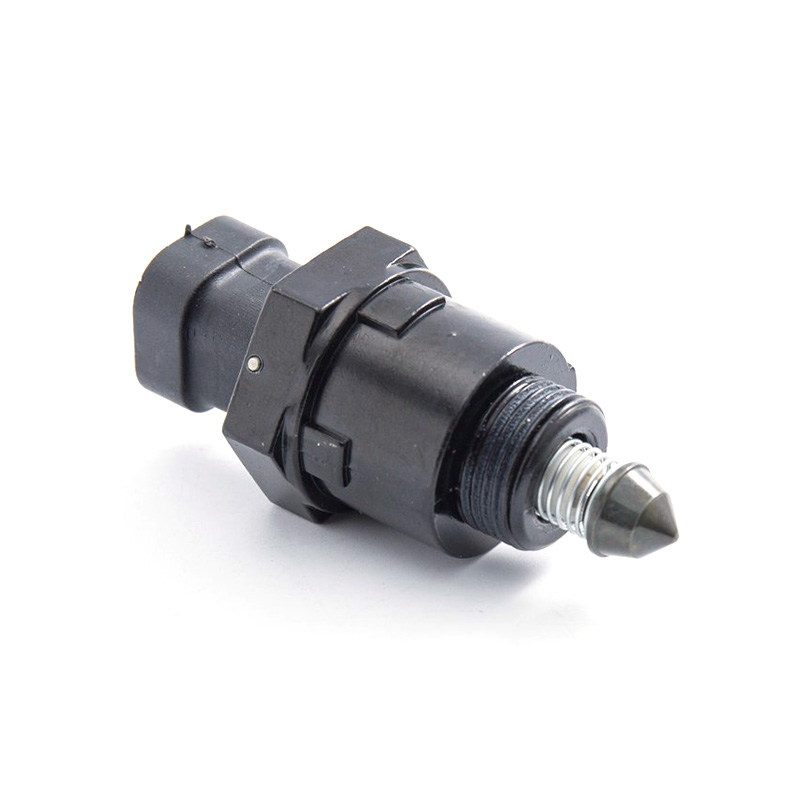
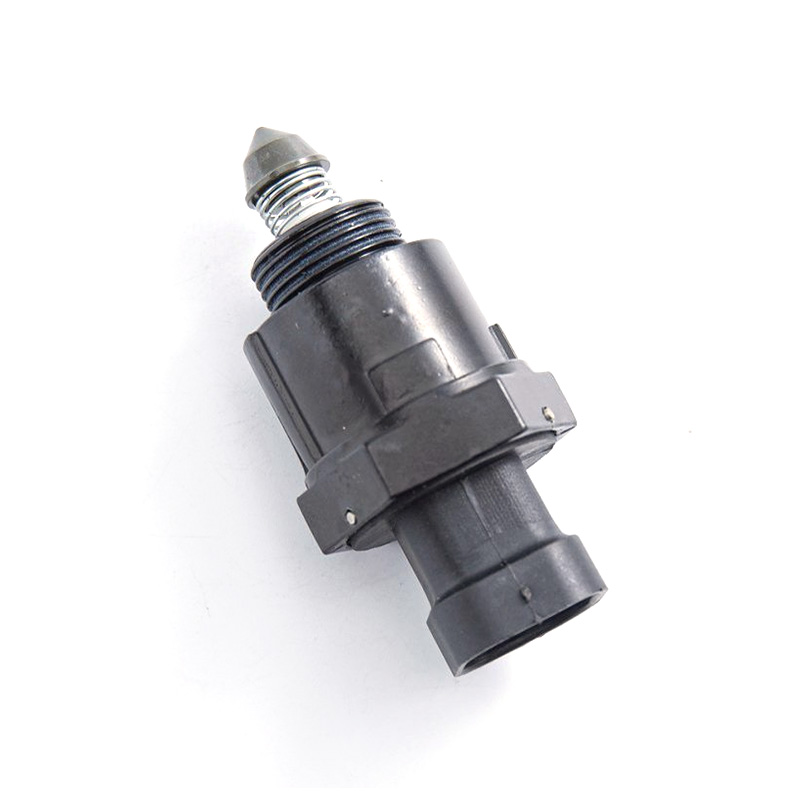
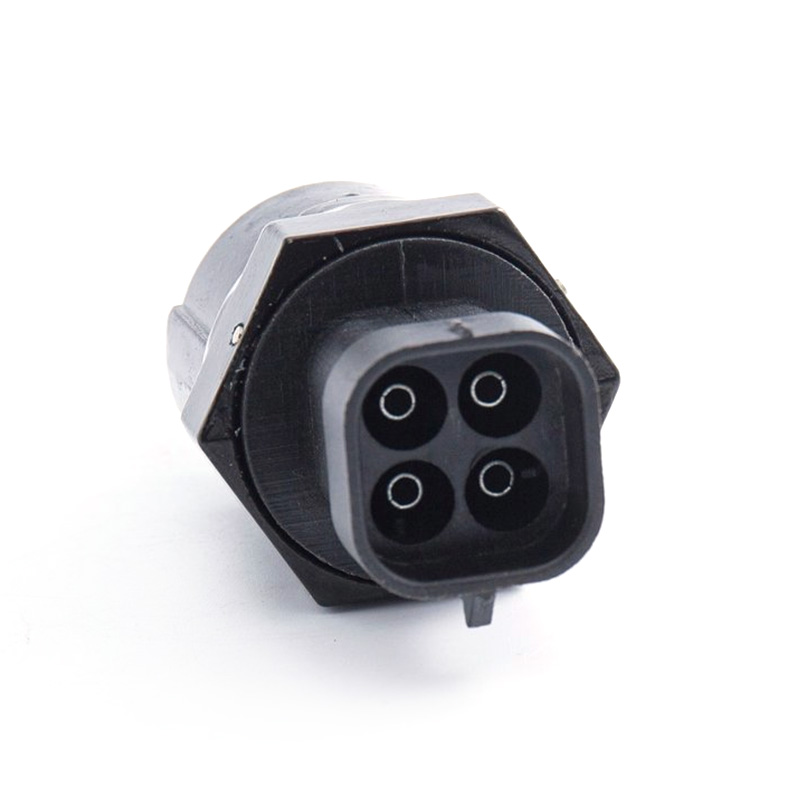
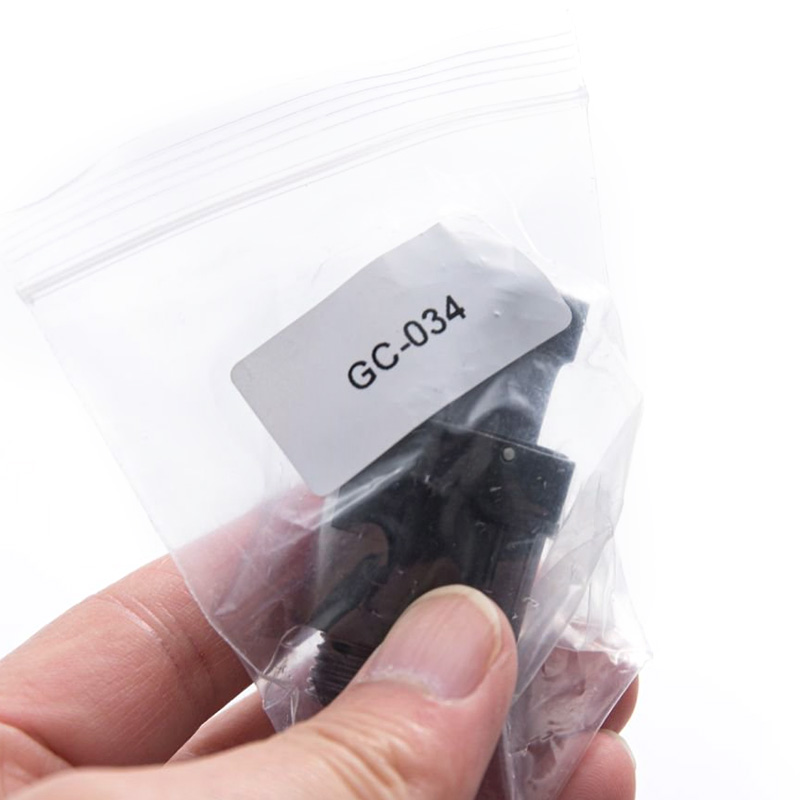
GC-034
REFERENCE OE:
STD:AC16 WELLS:AC114 OEM:C403056730 17112193, 217415
APPLICATION:
LAND ROVER;
1985-1994 Astro)
1992-1995 Suburban
1988-1995y C1500 pickup
1988-1995y K1500 pickup
Idle air control valve from China factory for Land Rover.
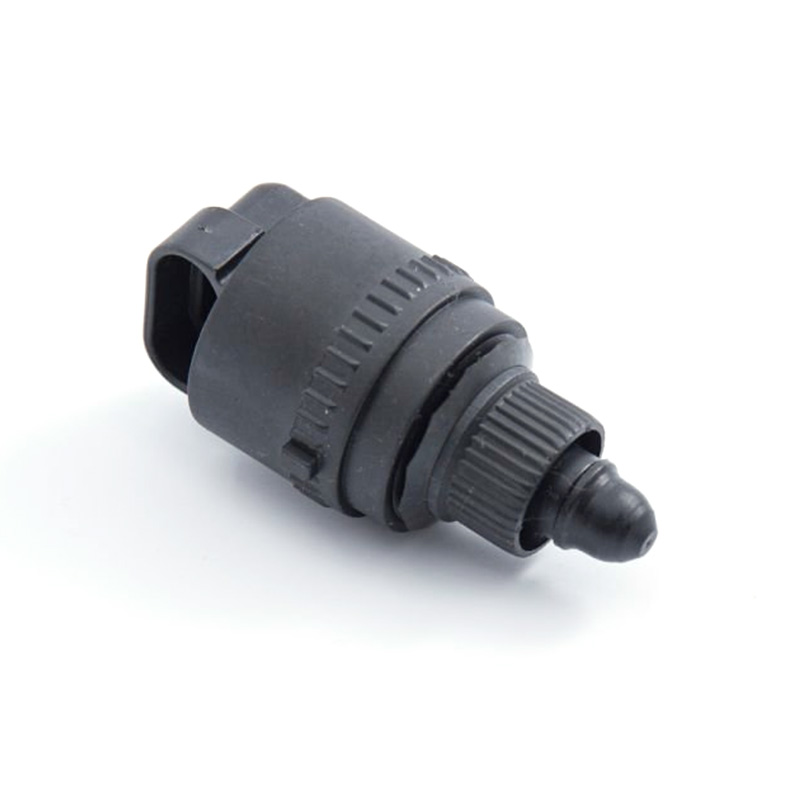
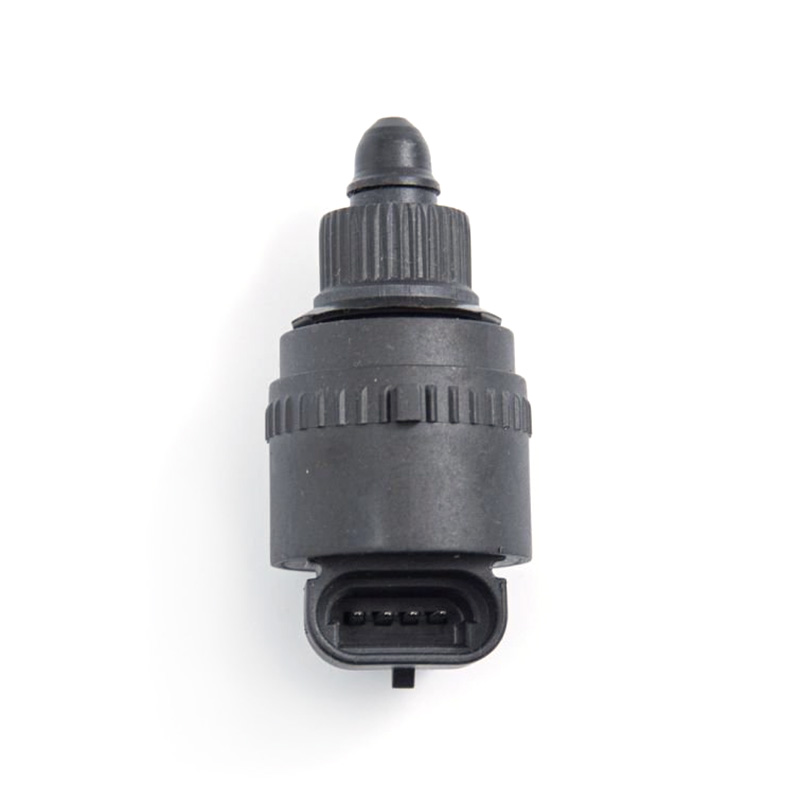
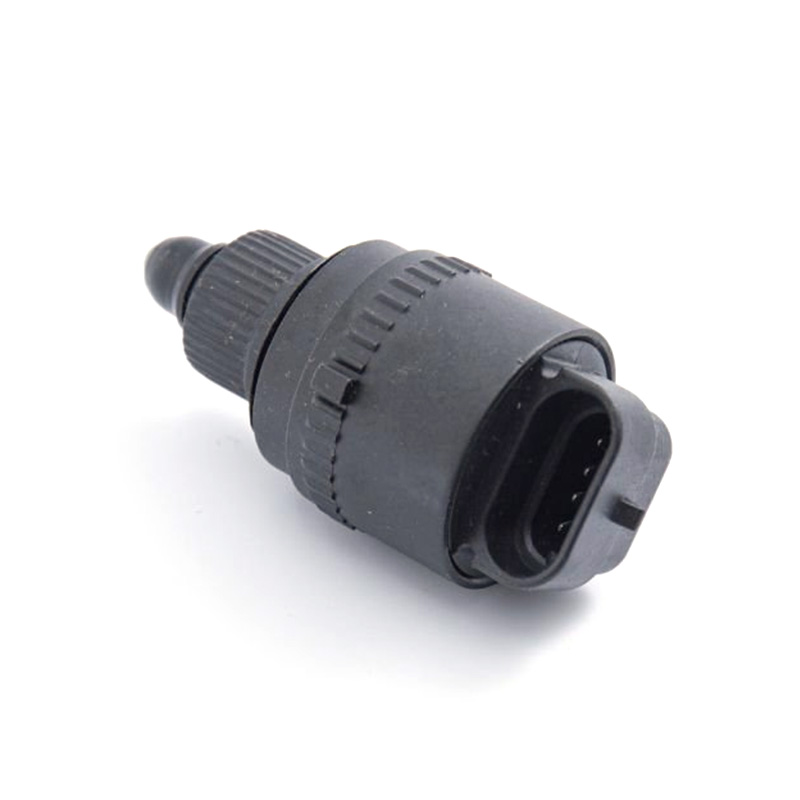
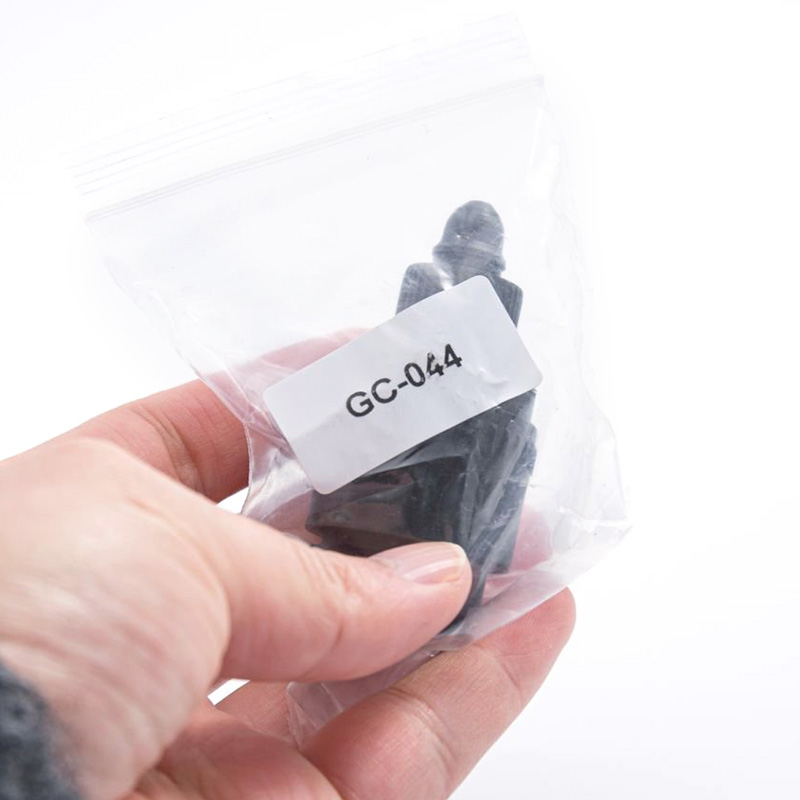
GC-044
REFERENCE OE:
IB01/00
40442902
71718105
APPLICATION:
FIAT 500 1.2;Boblo;Grande Punto;Idea 1.4;Linea 1.4;Palio(178BX)1.2;Panda;Punto;Lanci Musa 1.4;Y(840A)1.2;Ypsilon 1.2 1.4
Idle air control valve from China factory for Fiat Palio.
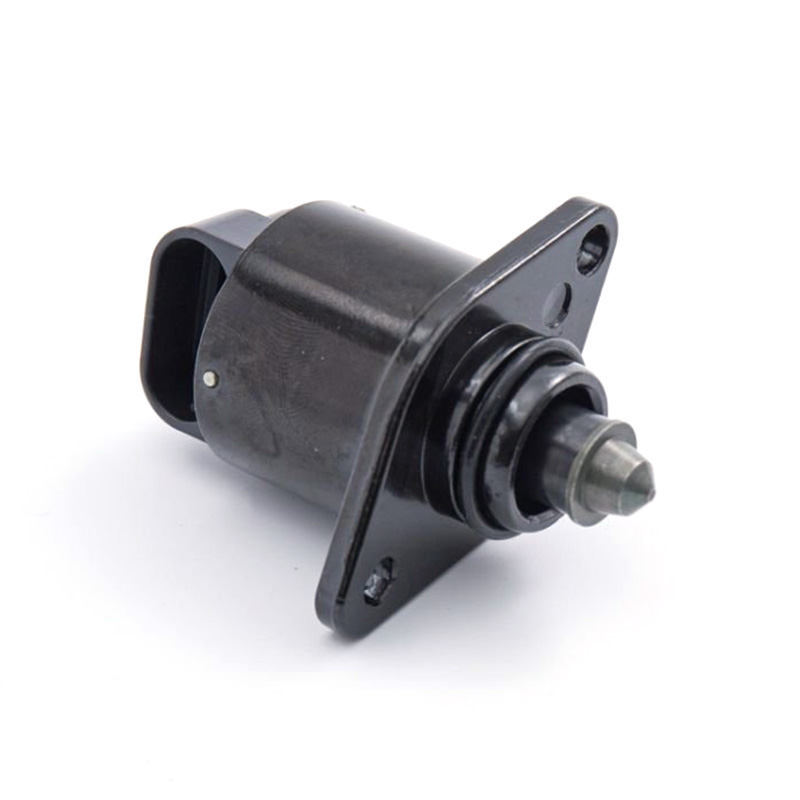
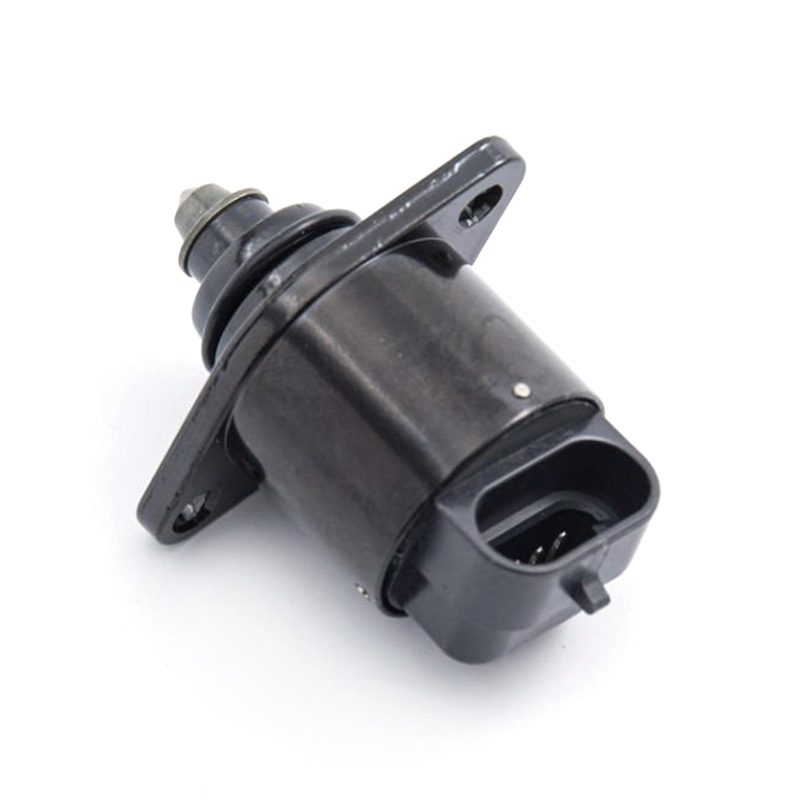
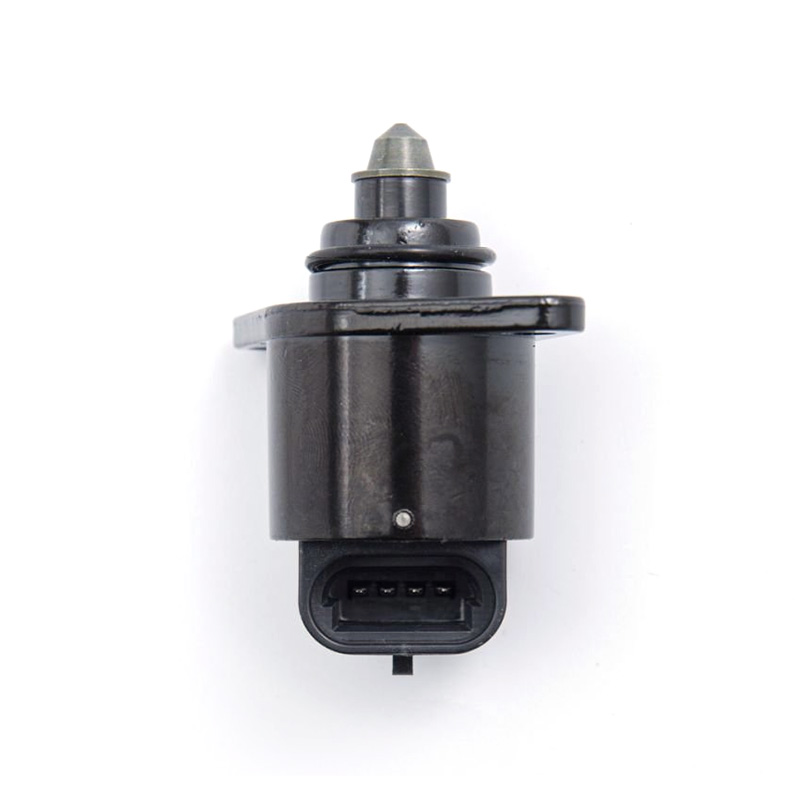
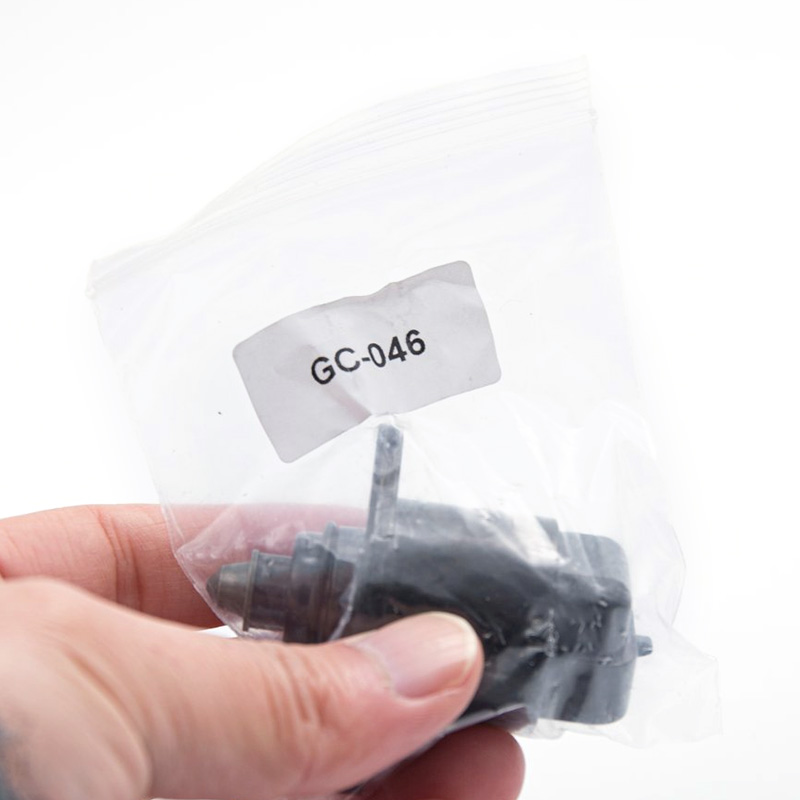
GC-046
REFERENCE OE:
2112-1148300
APPLICATION:
LADA
Idle air control valve from China factory for Lada.
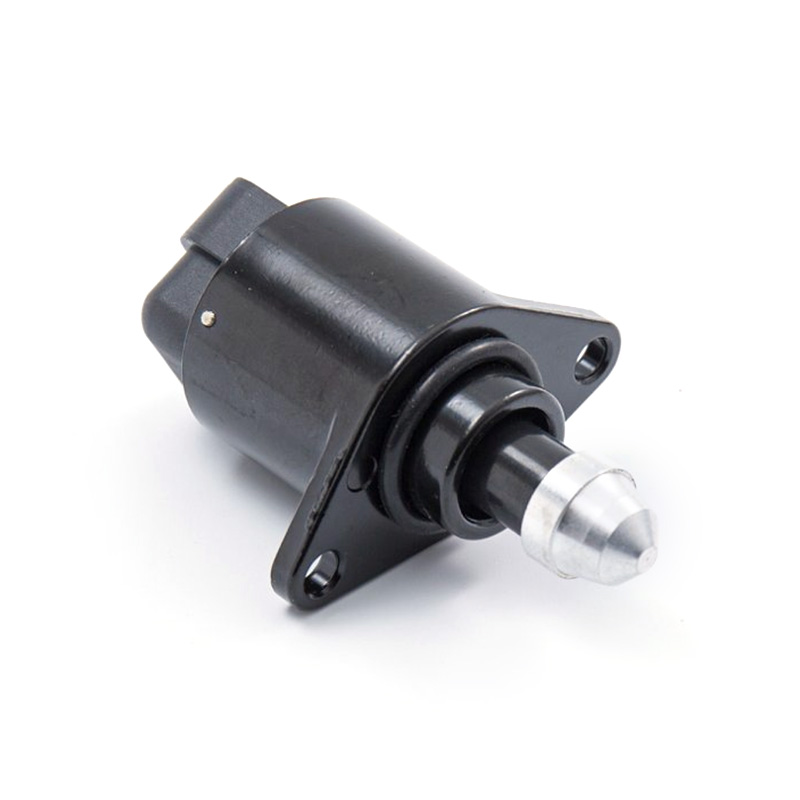
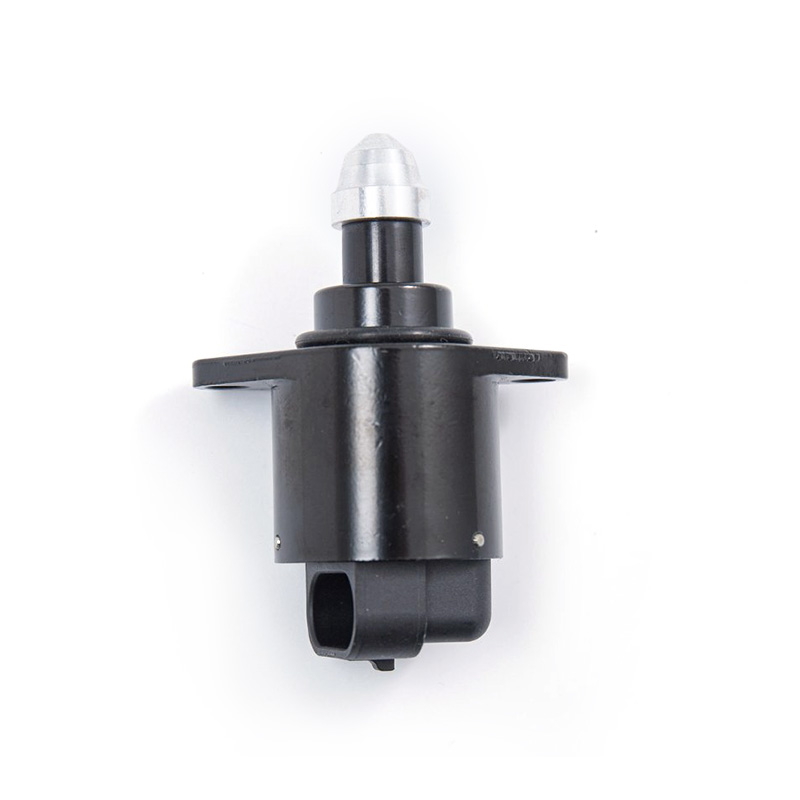
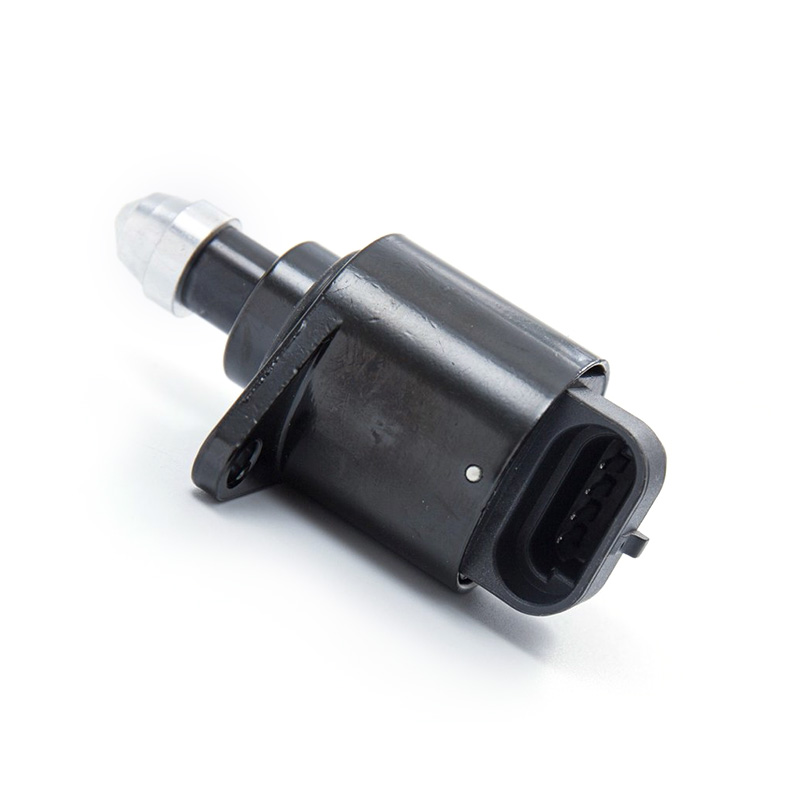
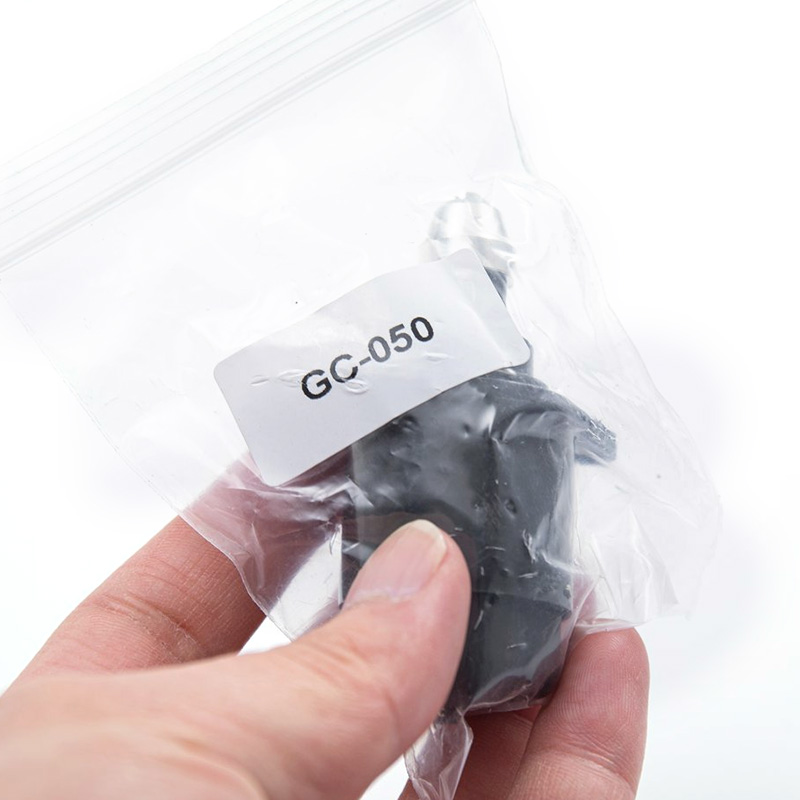
GC-050
REFERENCE OE:
PEUGEOT:19202Q
B17/00
APPLICATION:
CITRO SAXO(S1,S1)1.6VTS;PEUGEOT 106II(1) 1.6 S16
Idle air control valve from China factory for Citroen Peugeot.
Contact Us
Let's start collaborating

Guocheng is specialized in the R&D and production of key engine components for the automotive and engineering machinery industries.
Product
Stay Connected
(+86) - 577 - 8582 0886 (Tel)
(+86) - 577 - 8582 8085 (Fax)
(+86) - 19730213059 (Phone)
sales@wz-gc.com
No. 205, Baiyu Road, 15th Road, Binhai Park, Wenzhou, Zhejiang, China
Mobile

ODM Engine Management System Components
 English
 русский
 Español
 عربى
 Deutsch