Date:Dec 23, 2025
Modern vehicles increasingly rely on advanced electronic systems to improve safety, performance, and driving comfort. Among the critical components in automotive control systems, the Electric Parking Brake Motor plays a pivotal role in ensuring secure and reliable braking. Alongside this, components such as the Engine Idle Speed Controller and Automotive Throttle Pedal Sensor contribute significantly to vehicle stability, engine efficiency, and precise driver input response. This article explores how these components function individually and together, highlighting their relevance in modern automotive technology.
The Electric Parking Brake Motor, often referred to as an EPB motor, is a key component in electronic parking brake systems. Unlike traditional mechanical handbrakes that rely on cables and manual force, the EPB motor utilizes electrical actuation to engage and disengage the brake automatically. This automation provides consistent braking force and reduces the potential for human error.
An EPB motor is typically integrated with a parking brake actuator. When the driver engages the parking brake, the motor converts electrical energy into mechanical force to apply the brake pads or shoes to the wheels. This process is controlled by the vehicle's electronic control unit (ECU), which ensures smooth and controlled braking. The EPB motor also allows additional functions such as automatic release when the driver accelerates and hill-hold assistance during incline starts.
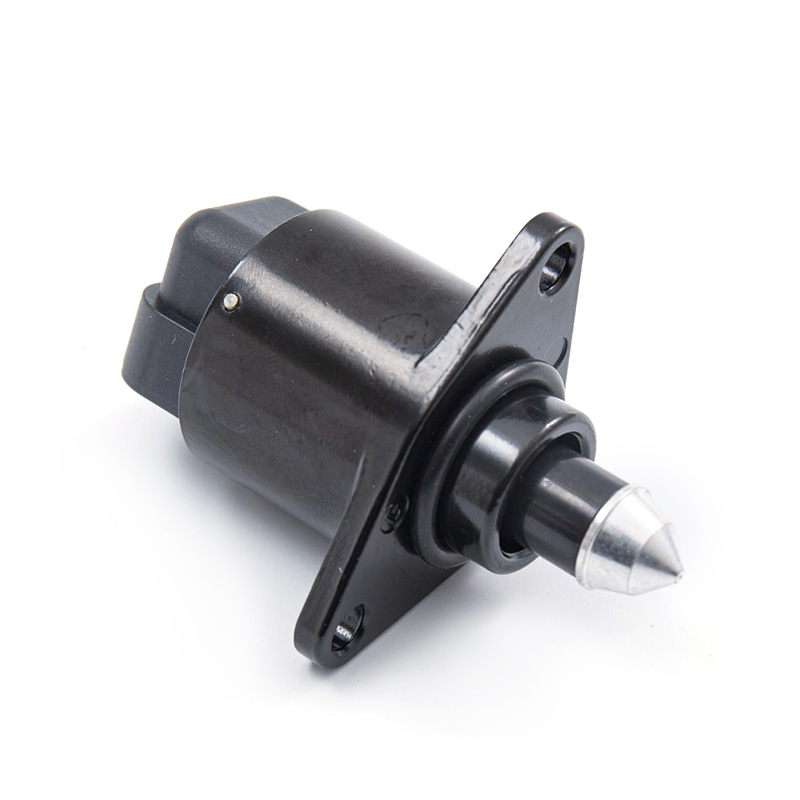
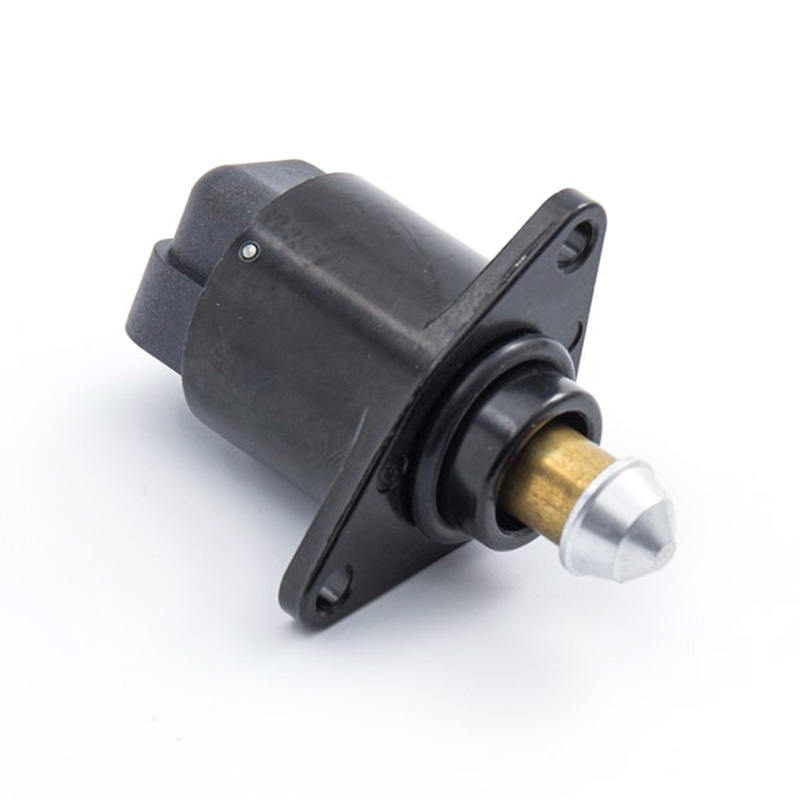
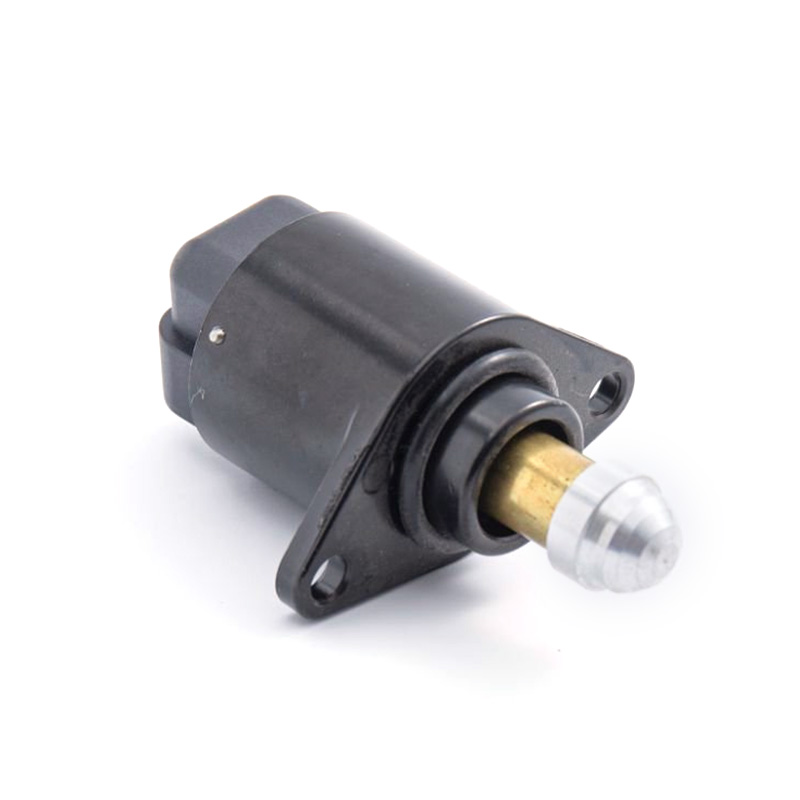
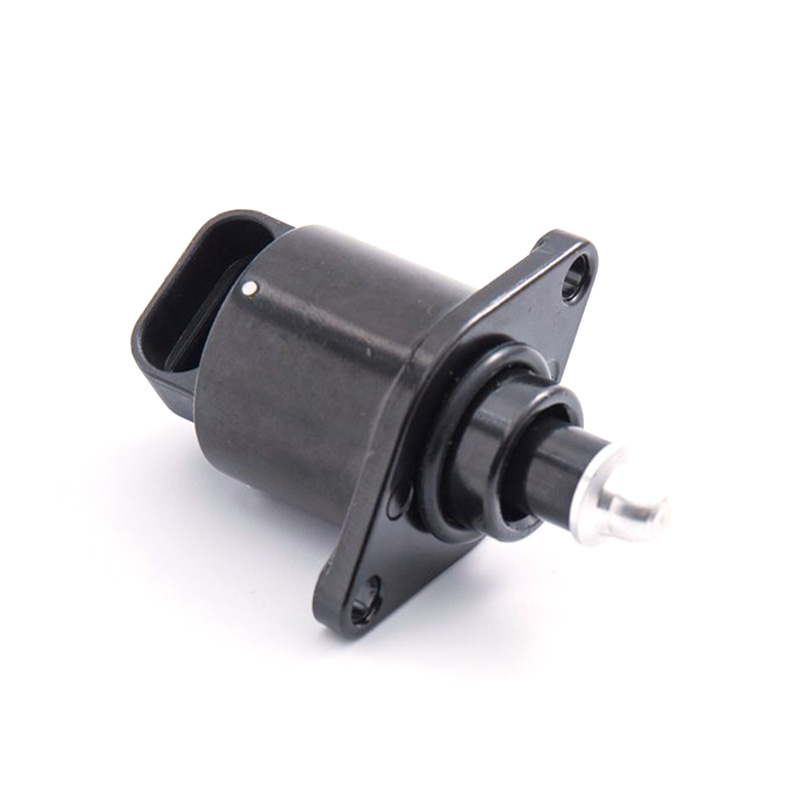
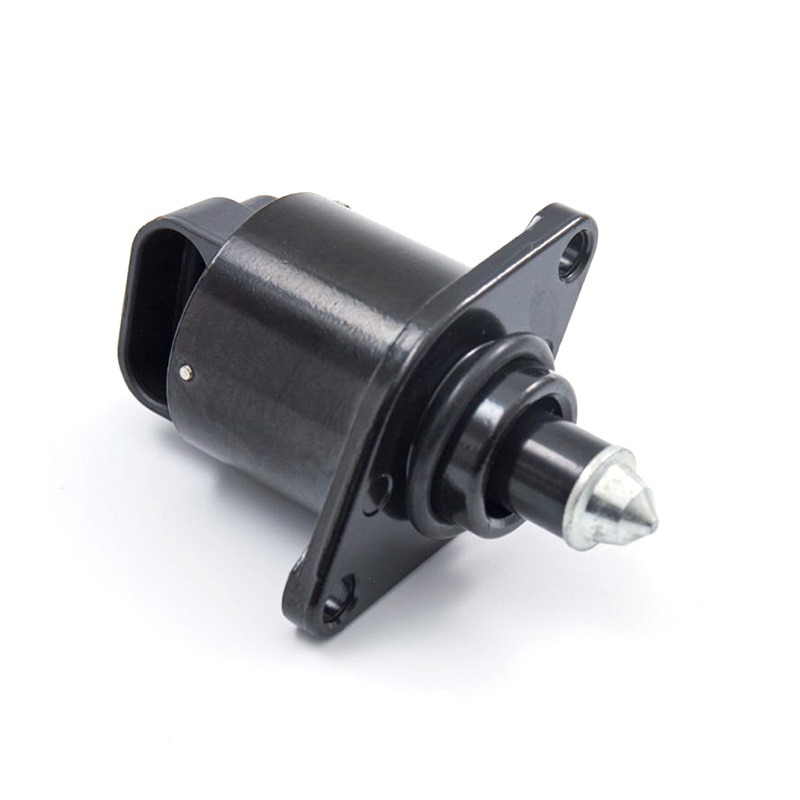
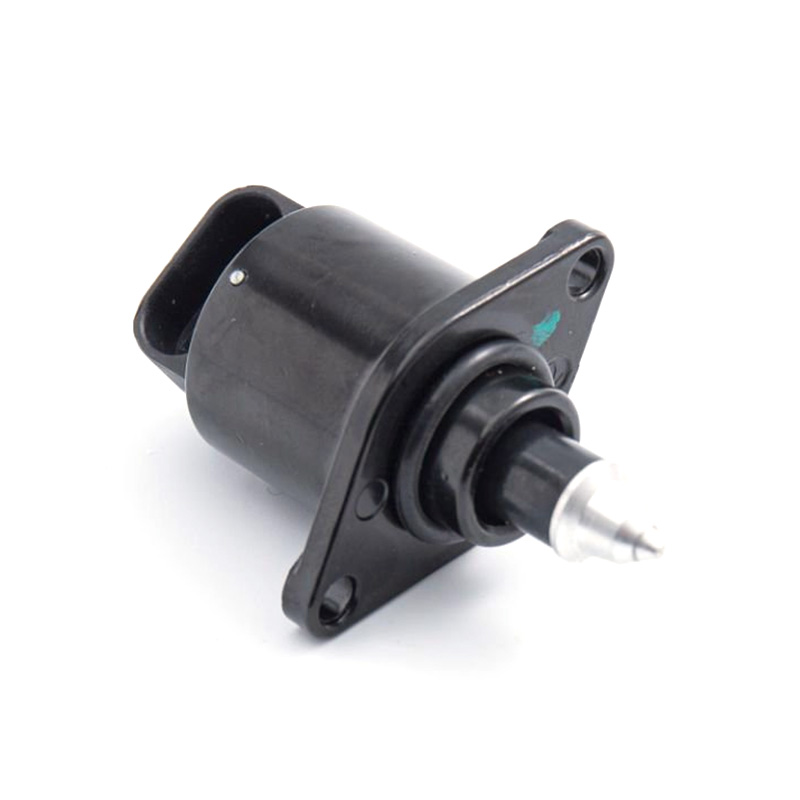
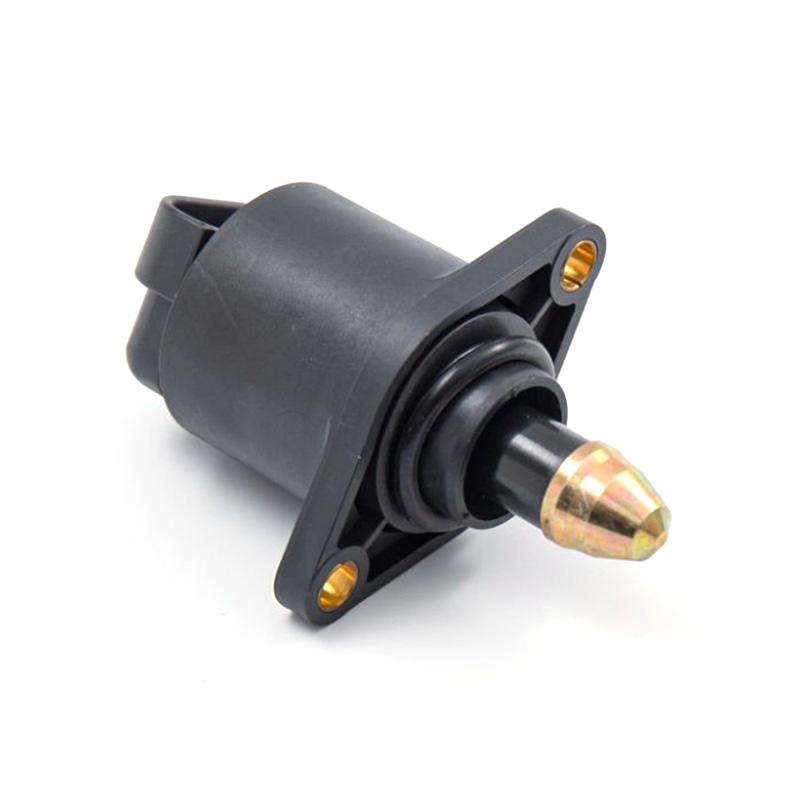
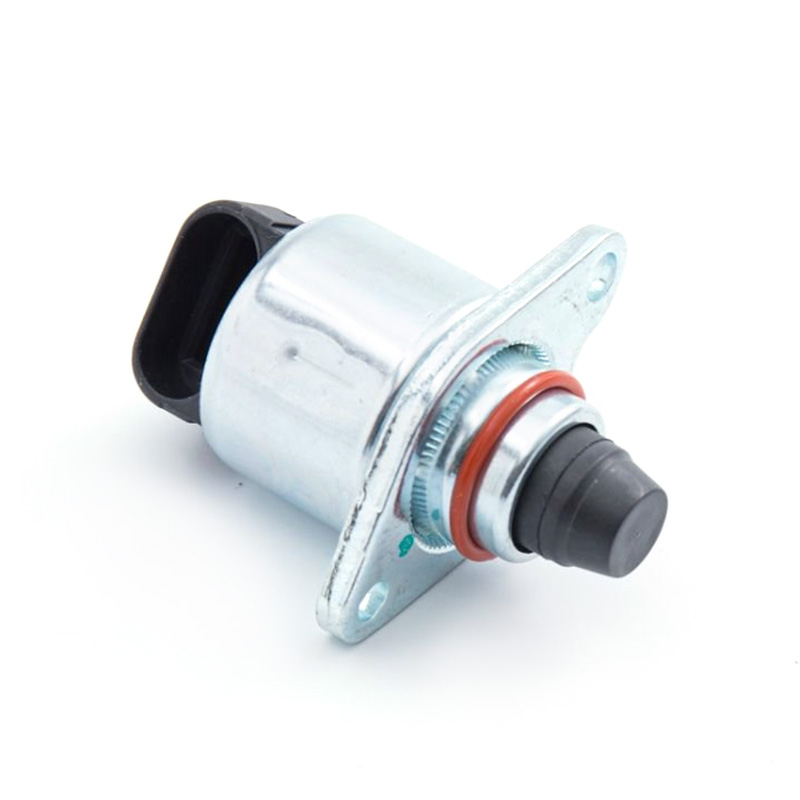
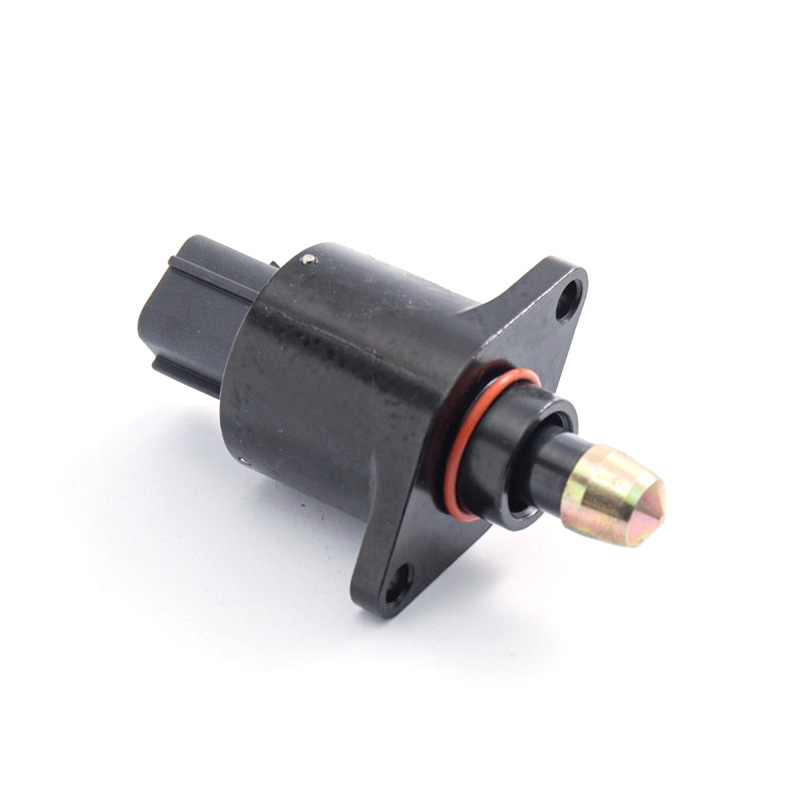
While the EPB motor manages braking, the Engine Idle Speed Controller (ISC) focuses on maintaining consistent engine performance, especially when the vehicle is at idle. The ISC regulates the engine’s air intake to maintain a stable idle speed, preventing engine stalling and reducing vibrations. This component is particularly important in modern vehicles where electronic systems manage multiple engine functions simultaneously.
The ISC interacts with other components, including throttle sensors and electronic control units, to adjust the engine speed according to load conditions. For example, when the air conditioning system is active or when the steering wheel requires additional power assistance, the ISC compensates by adjusting idle speed to prevent fluctuations. In vehicles equipped with electronic parking brakes, the ISC also ensures that engine performance remains stable during brake engagement or release, contributing to smoother vehicle operation.
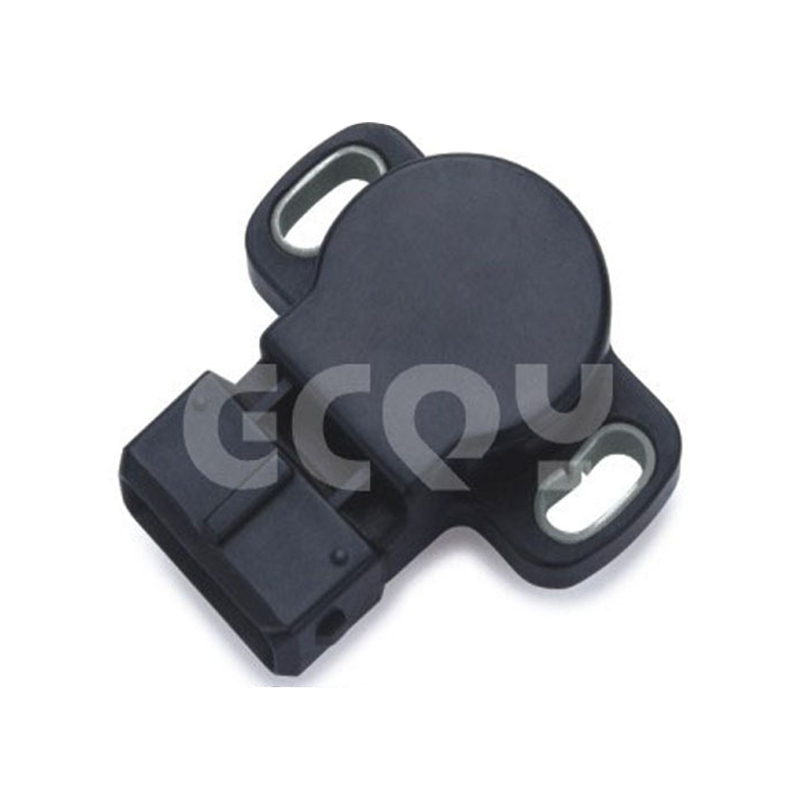
Another essential component is the Automotive Throttle Pedal Sensor, which is part of the vehicle’s drive-by-wire system. This sensor monitors the position of the accelerator pedal and transmits the data to the ECU. The electronic control system then determines the appropriate throttle opening to regulate engine power output.
By accurately measuring pedal position, the sensor ensures responsive acceleration while preventing excessive fuel consumption. It also works in coordination with the EPB motor and ISC to maintain vehicle stability. For instance, during uphill starts, the sensor provides input to the ECU to increase throttle output slightly, while the EPB motor holds the vehicle in place until the driver releases the brake. This interplay enhances safety and reduces the likelihood of roll-back incidents.
Modern vehicles rely on the coordinated operation of multiple components to deliver a smooth and safe driving experience. The Electric Parking Brake Motor, Engine Idle Speed Controller, and Automotive Throttle Pedal Sensor form a subset of the vehicle’s control system that ensures both stability and responsiveness.
When the EPB motor engages the parking brake, the ISC adjusts engine idle speed to maintain a smooth operation, avoiding sudden jerks or stalls. Simultaneously, the throttle pedal sensor communicates driver input to the ECU, which fine-tunes the throttle response according to the vehicle’s state. This level of integration not only improves safety during low-speed maneuvers but also contributes to driver confidence when navigating challenging road conditions.
The coordination of these components also reduces wear on mechanical parts. For example, precise control over engine idle and throttle response minimizes stress on the brake system and drivetrain components. Additionally, by providing consistent electronic feedback, these components enable diagnostic systems to detect potential issues before they escalate, allowing timely maintenance.
The applications of the EPB motor, ISC, and throttle pedal sensor span a wide range of vehicle types. In passenger cars, these components enhance urban driving comfort, ensuring smooth starts and stops, reliable hill-hold performance, and responsive acceleration. In commercial and engineering vehicles, their roles become even more critical, as precise control can reduce downtime, improve fuel efficiency, and enhance operational safety.
For instance, in vehicles operating on inclined surfaces, the EPB motor ensures the vehicle remains stationary when parked, while the ISC adjusts idle speed to prevent engine stalling. At the same time, the throttle pedal sensor provides precise input to modulate engine power during acceleration. The combination of these components improves overall vehicle control and reduces the likelihood of operator error.
Maintaining the functionality of these components is essential for vehicle reliability. Regular inspection and timely replacement of the Electric Parking Brake Motor can prevent issues such as incomplete brake engagement or failure to release. Similarly, the Engine Idle Speed Controller requires periodic checks to ensure it regulates engine speed effectively, especially in vehicles exposed to frequent stop-and-go traffic.
The Automotive Throttle Pedal Sensor should be inspected for wear, loose connections, or contamination that could interfere with accurate signal transmission. Keeping these components in good condition not only maintains vehicle performance but also supports safety systems that rely on accurate engine and brake control signals.
Advancements in electronic control systems continue to enhance the capabilities of components like the EPB motor, ISC, and throttle pedal sensor. As vehicles incorporate more automated functions and driver-assistance technologies, the interaction between braking, engine control, and throttle systems becomes increasingly sophisticated. Components are being designed with higher durability, improved responsiveness, and enhanced electronic diagnostics, allowing for predictive maintenance and better integration with emerging vehicle technologies.
Moreover, the push toward electric and hybrid vehicles has emphasized the importance of electronic components in vehicle control systems. The EPB motor, ISC, and throttle pedal sensor now play key roles in optimizing energy efficiency, maintaining battery performance, and ensuring smooth operation in vehicles with regenerative braking systems.
The Electric Parking Brake Motor represents a significant advancement in vehicle braking systems, providing automated and reliable control. When combined with the Engine Idle Speed Controller and Automotive Throttle Pedal Sensor, it contributes to a cohesive and responsive vehicle control system. Together, these components improve vehicle safety, enhance driving comfort, and support modern electronic control strategies.
Understanding the functions and interactions of these components is essential for automotive professionals, enthusiasts, and vehicle operators who seek consistent performance and safety. By integrating these electronic systems effectively, modern vehicles achieve a level of control and reliability that meets the demands of both everyday driving and specialized applications.
Related Products
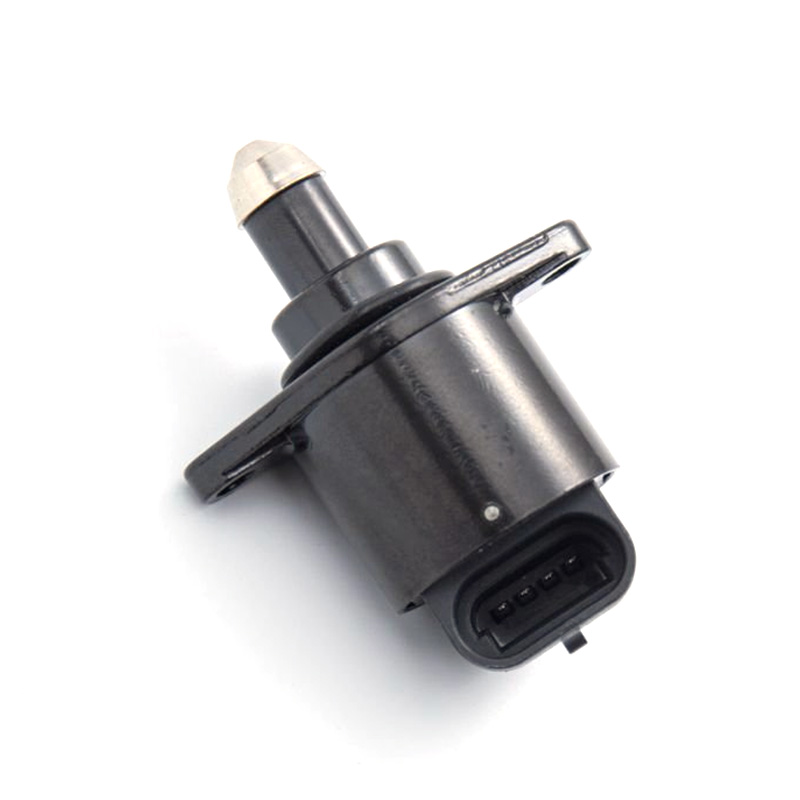
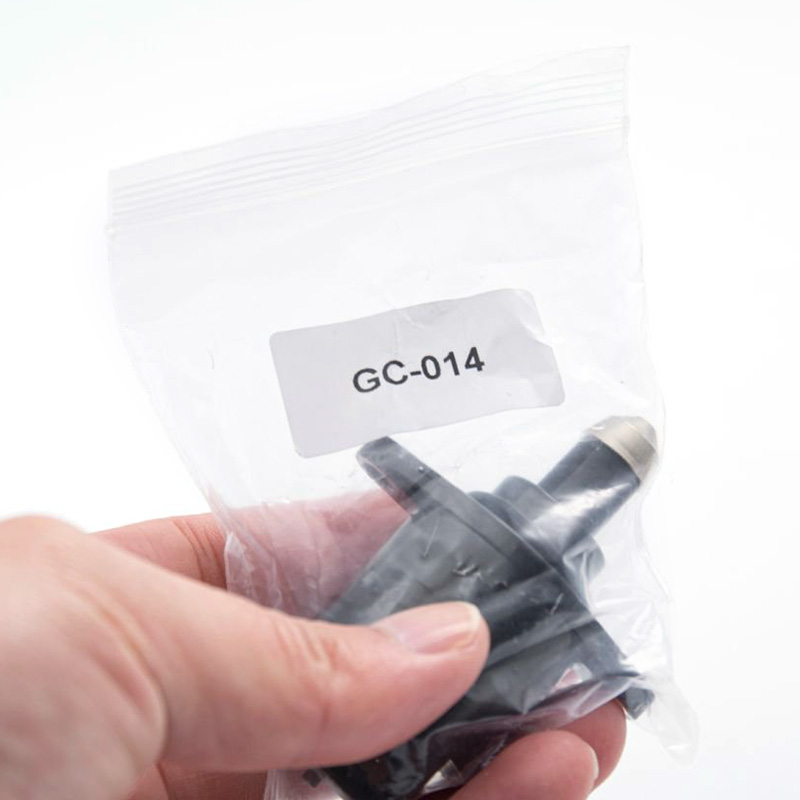
GC-014
REFERENCE OE:
MEAT DORIA:84048; 078133455;
APPLICATION:
AUDI 100/100 Avant;AUDI 80/80 Avant;AUDI A4/A4 Avant;AUDI A6/A6 Avant;AUDI CABRIOLET/COUPE
Idle air control valve for Audi,from China factory for wholesale and retail.
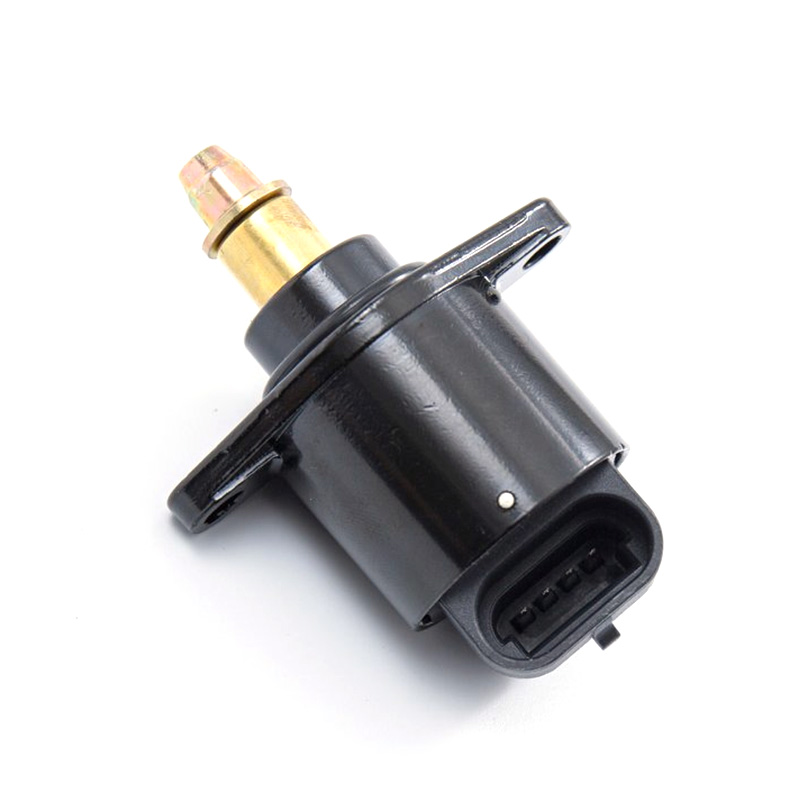
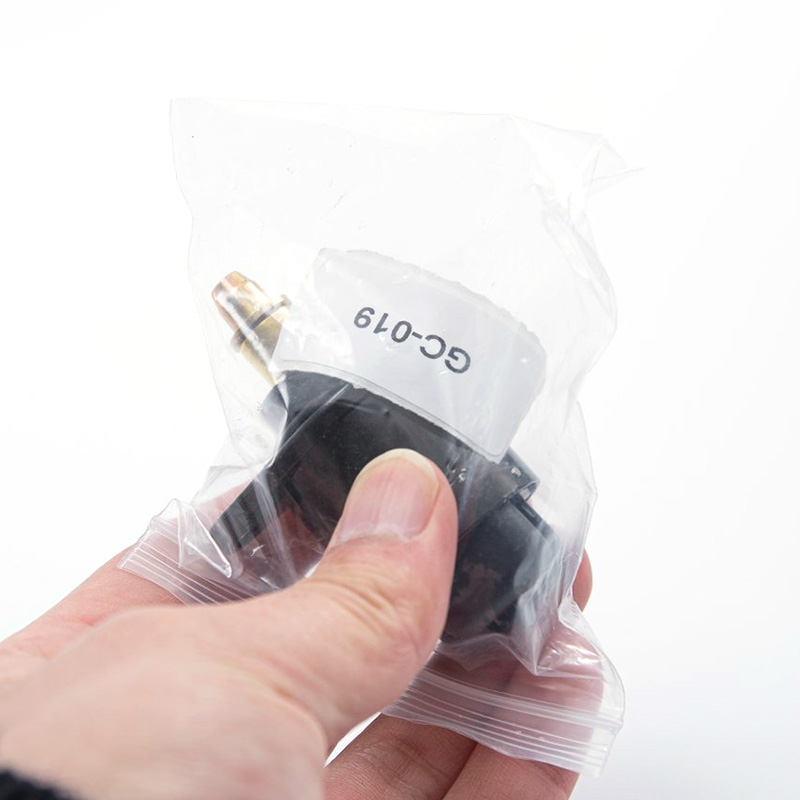
GC-019
REFERENCE OE:
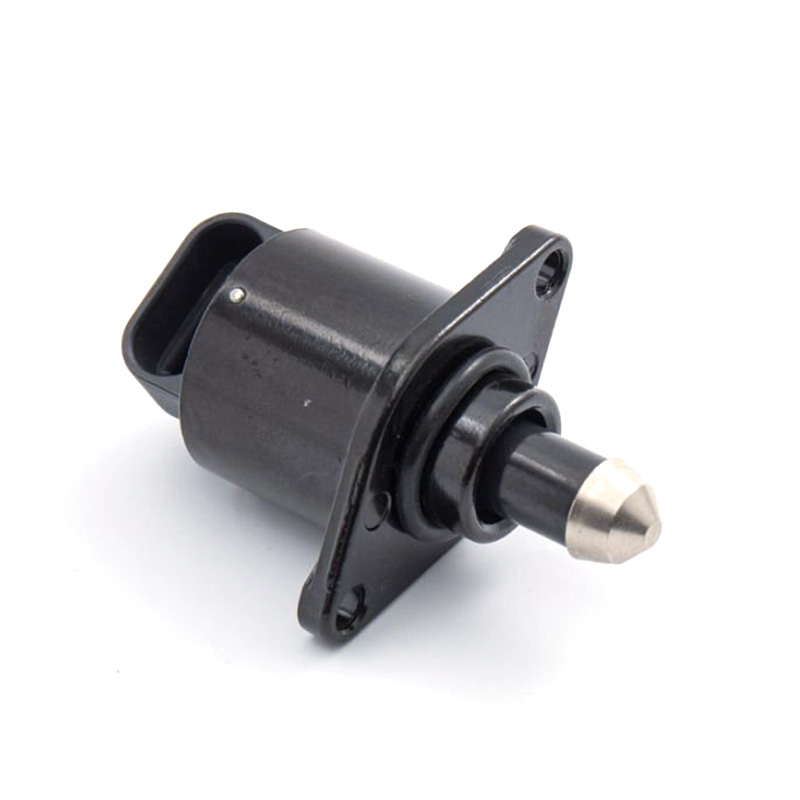
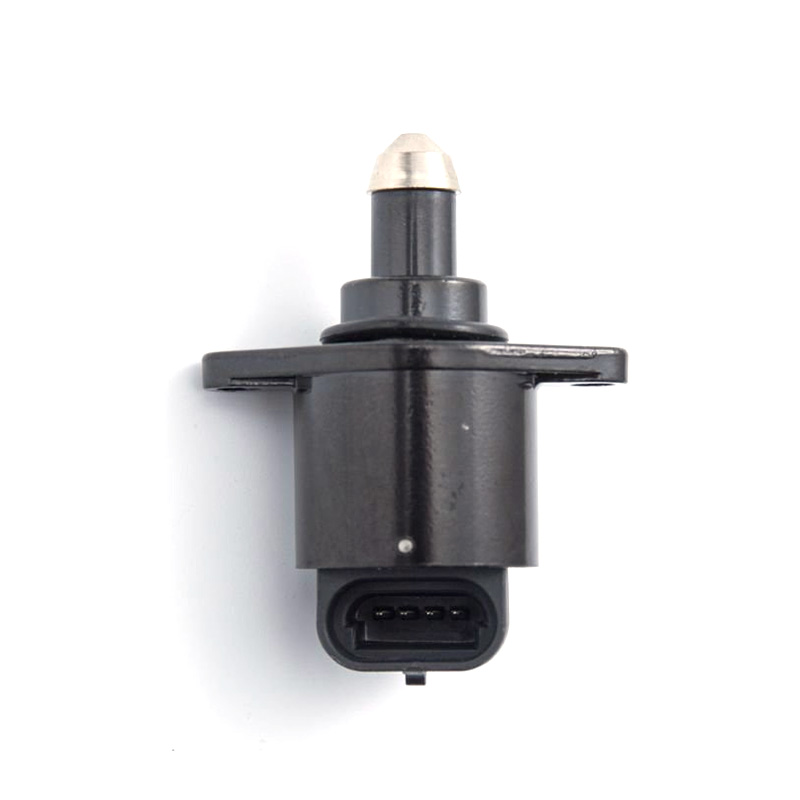
SHORT CODE: D5104
MARELLI: 40396502
FIAT: 7078983 0269980492
VDO: AT-5104R
APPLICATION:
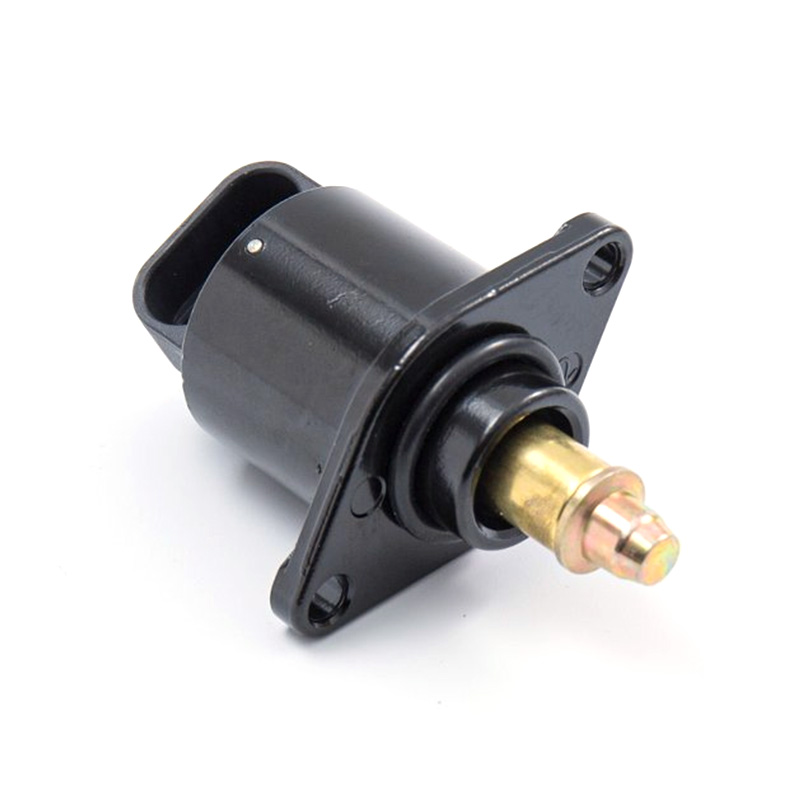
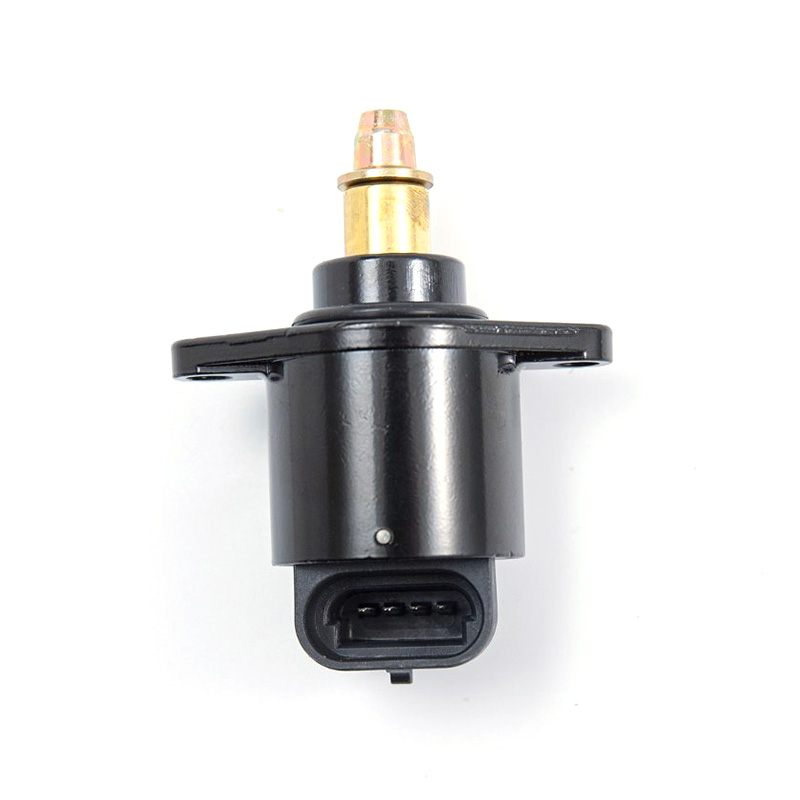
FIAT:Palio/Siena 1.6 98>99-EFI(gasolina) VW:Gol 1.08v94>>96-EFI(gasolina)
Idle air control valve with high quality and low price from China!
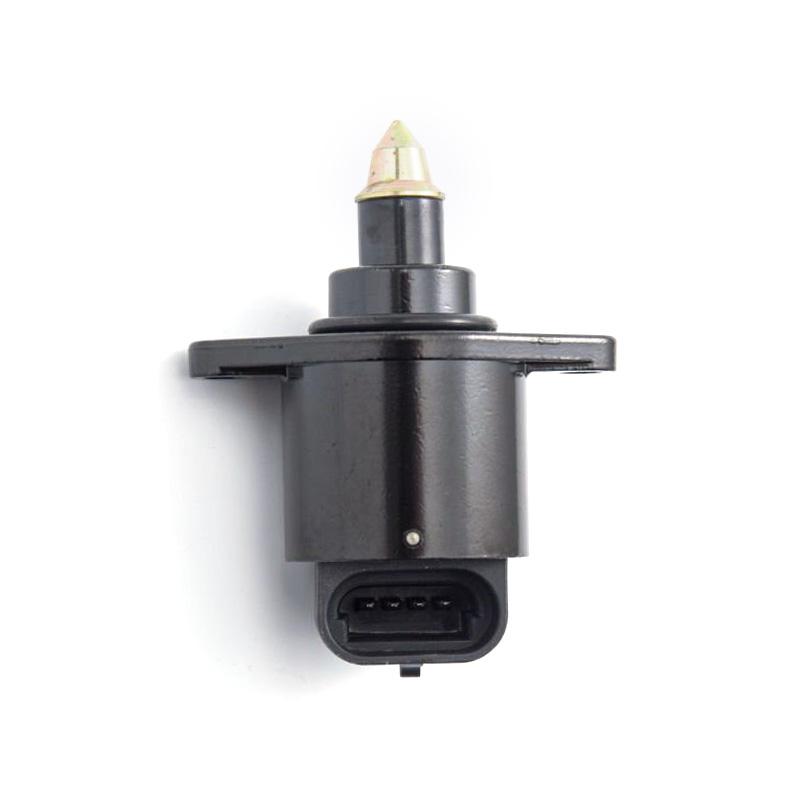
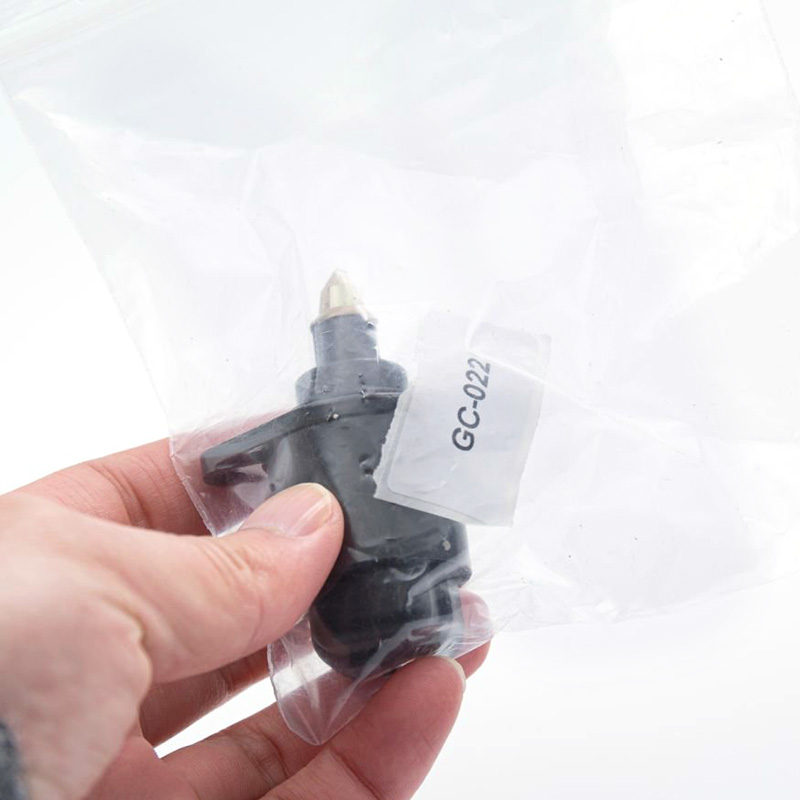
GC-022
REFERENCE OE:
SHORT CODE:B08/01
MARELLI:40380202
VDO:AT-00801R
VW:0269060491
FIAT:7076356
FORD:F5PF.9N825 .AA
APPLICATION:
VW,FIAT,FORD
Idle air control valve wholesale and retail,China manufacture direct!
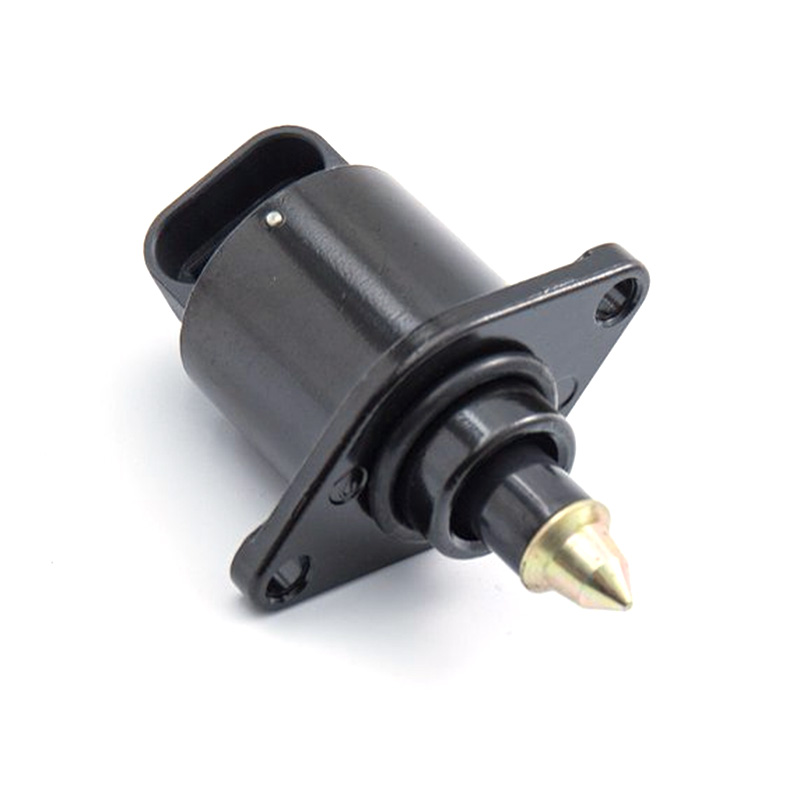
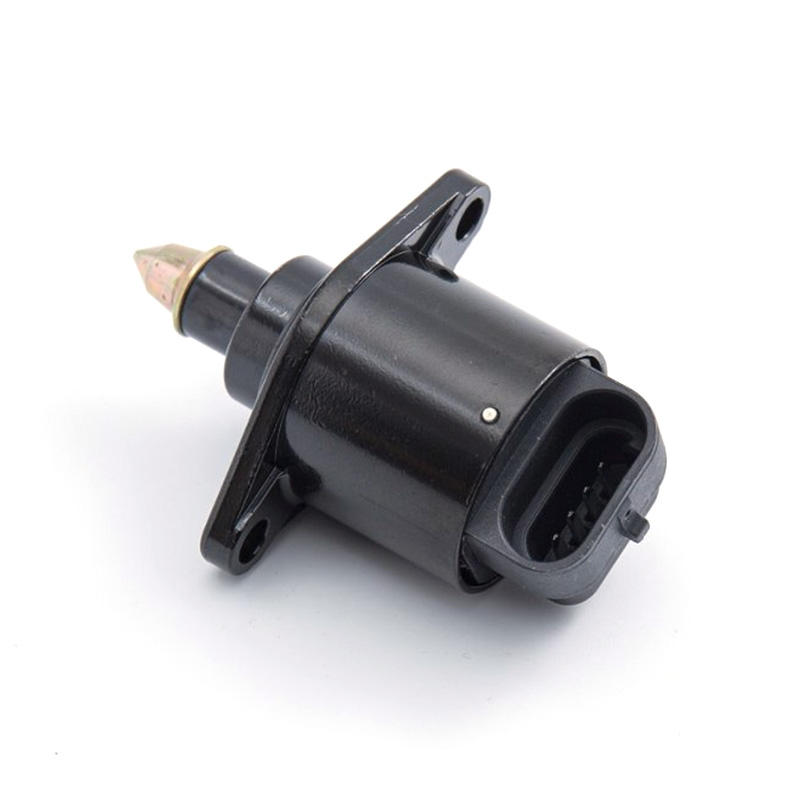
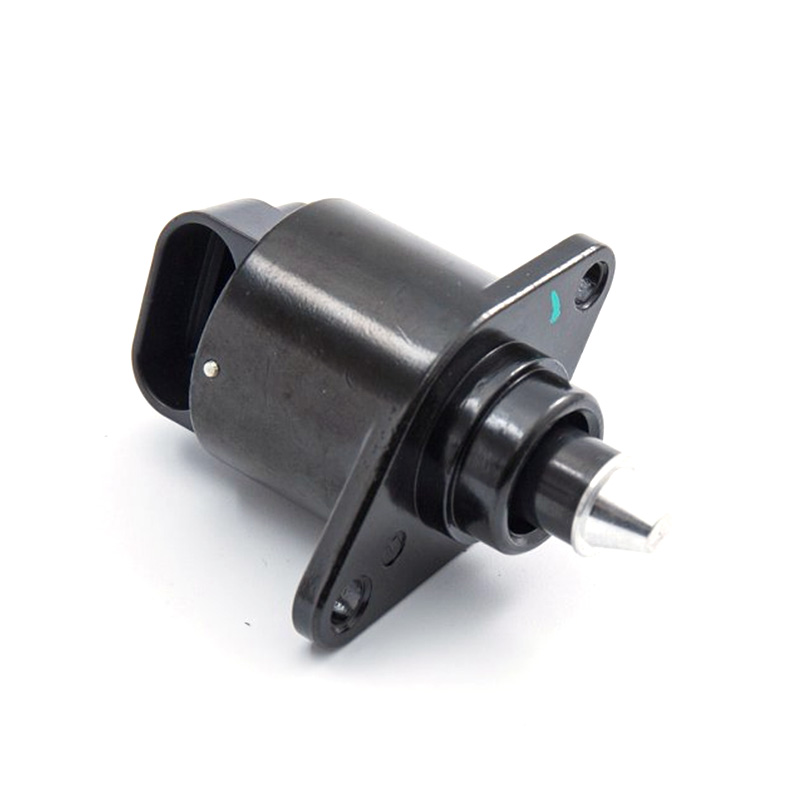
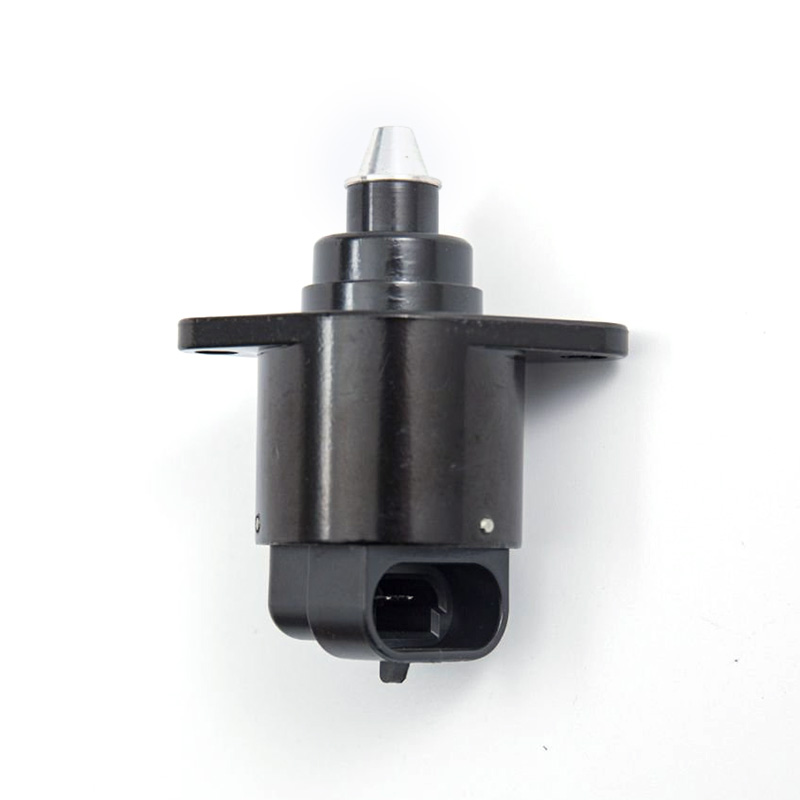
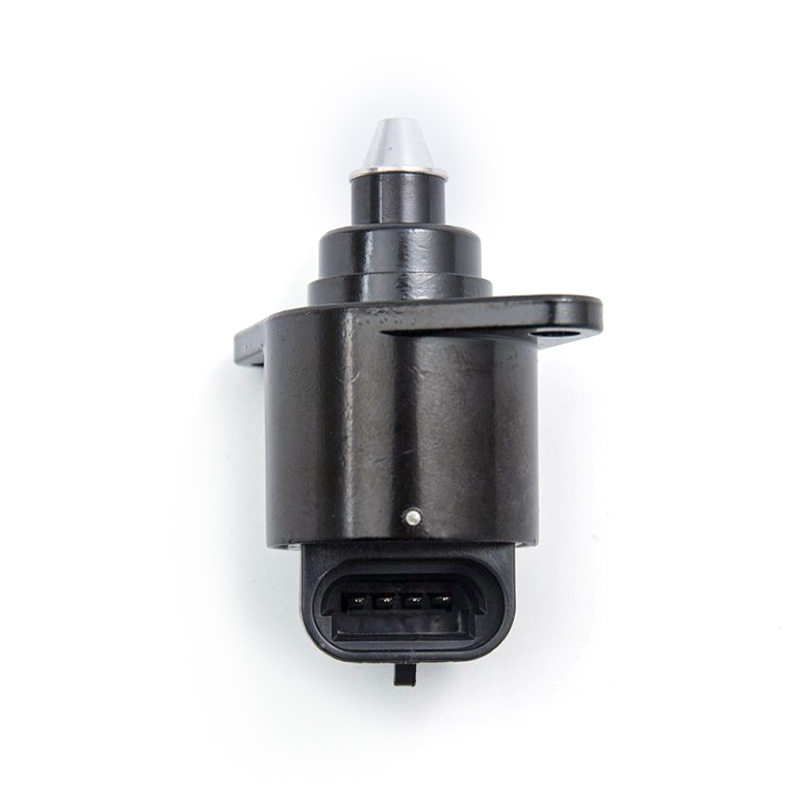
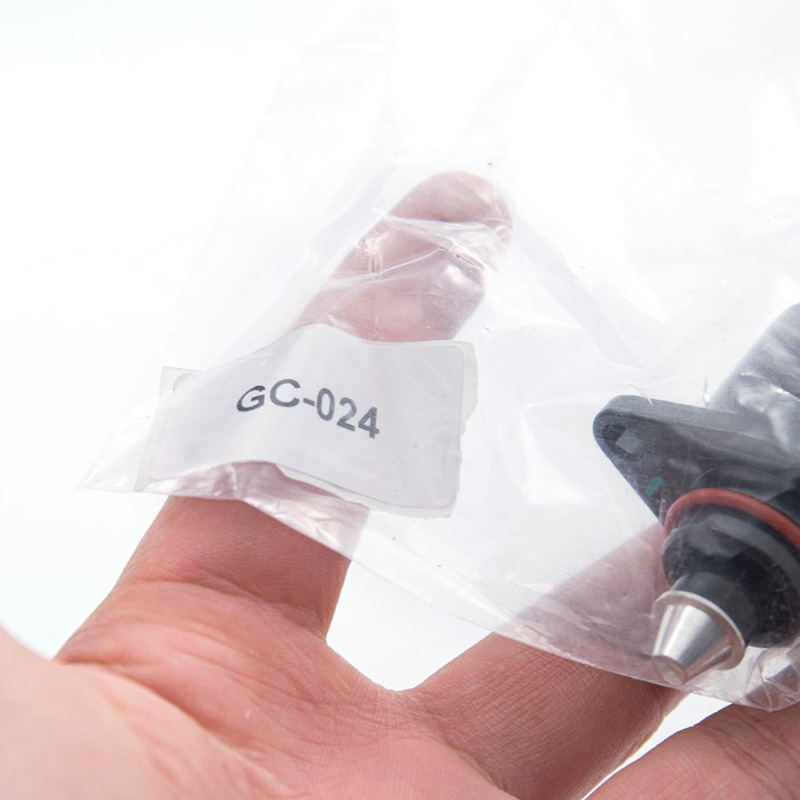
GC-024
REFERENCE OE:
SHORT CODE: C1351
OPEL: 817254 17112027
SIMENCE: A95160
DELPHI:ICD 00127
VDO: AT-59524R
HELLA:6NW009141121;0817254; 93227674
APPLICATION:
OPEL ASTRA F CLASSIC Kombi/Schraqheck;
OPEL COMBO;
OPEL CORSA A Schraqheck/TR;
OPEL CORSA B;
OPEL KADETT E;
OPEL TIGRA
Idle air control valve from China factory for Opel, IACV.
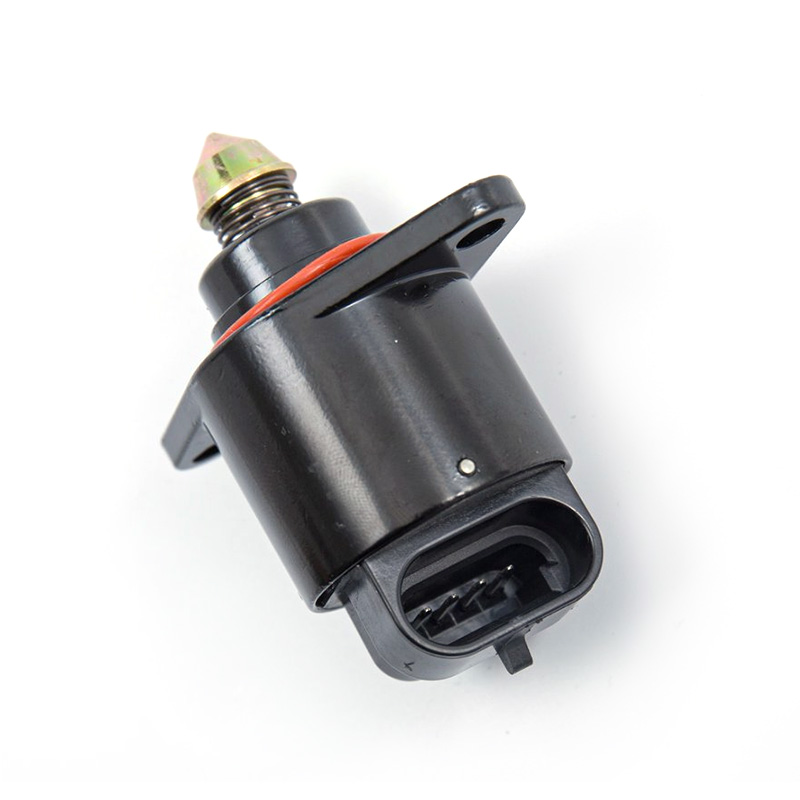
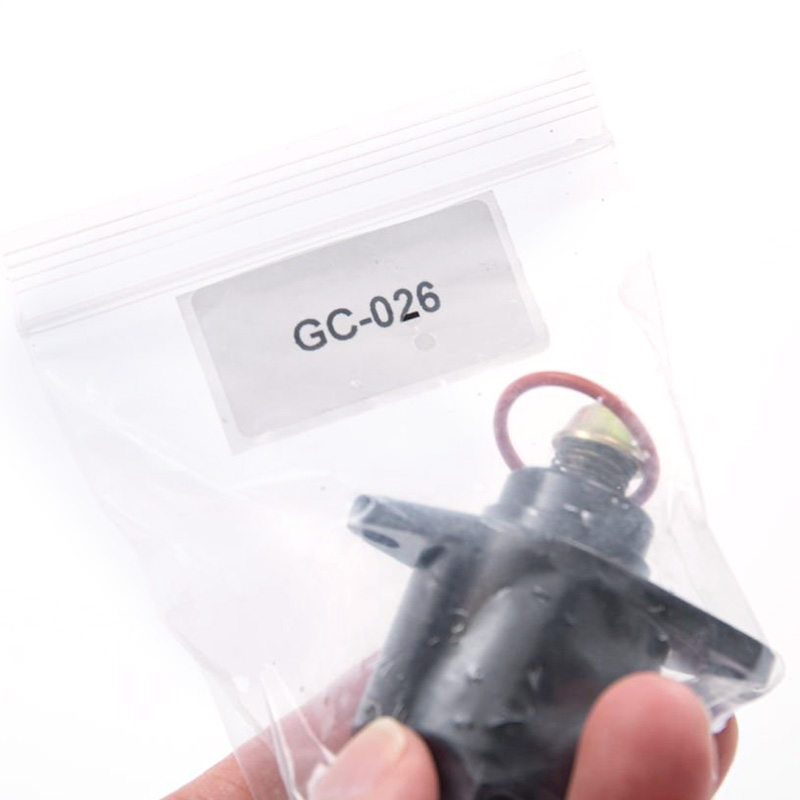
GC-026
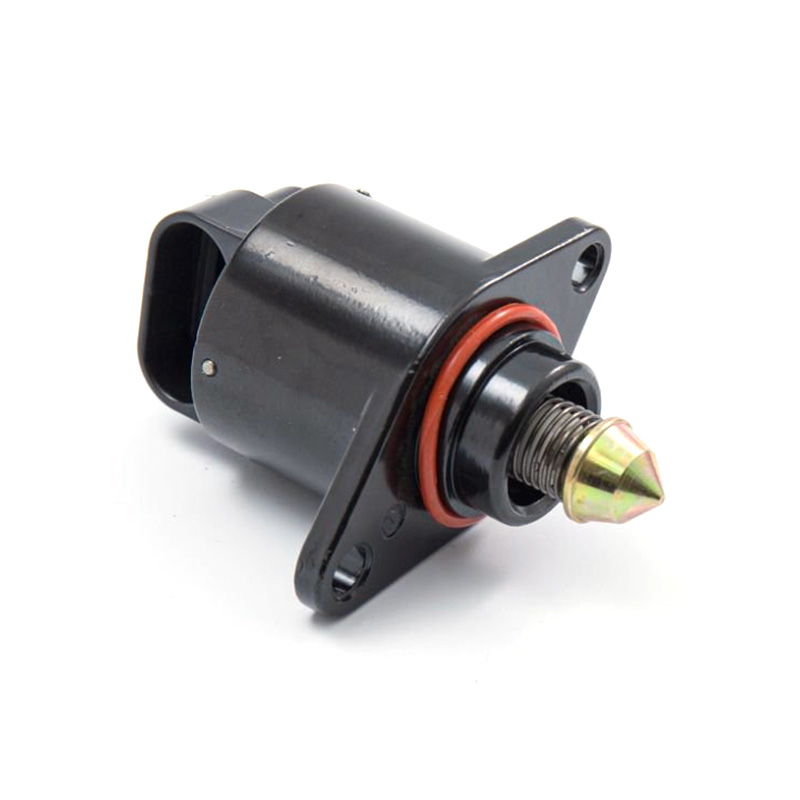
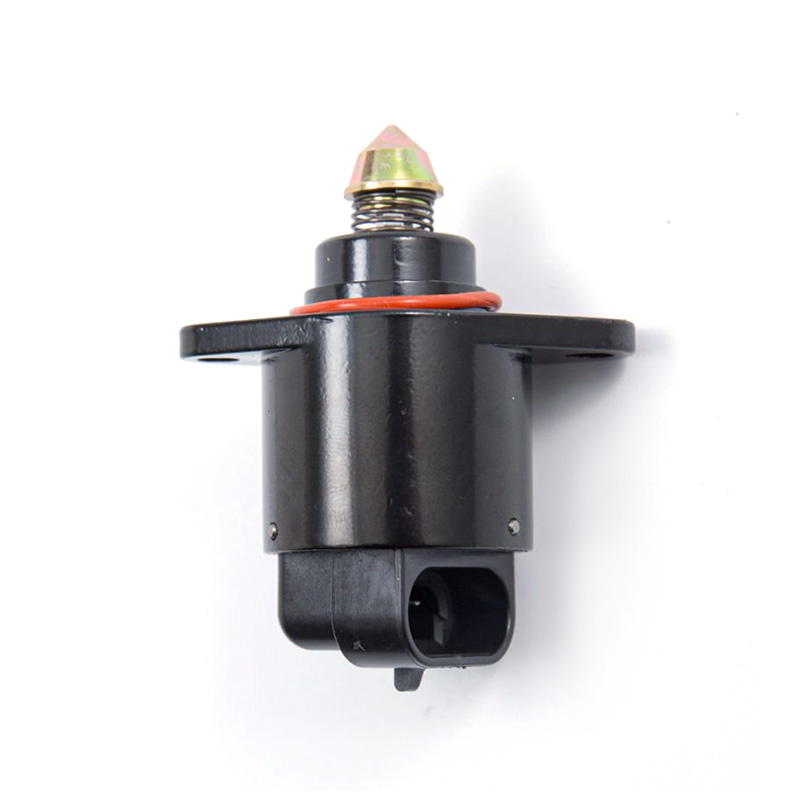
REFERENCE OE:
SHORT CODE: 59603; 17059603
DELPHI: ICD00125
GM: 817253 817255 17112031 17112023
SIMENCE: A95214
VDO: AT-59603R STD: AC15
APPLICATION:
OPEL ASCONA C;
OPEL ASTRA F;
OPEL ASTRA F Cabriolet/Kombi/Schraqheck/Van;
OPEL KADETT E;
OPEL KADETT E Cabriolet/Kombi/Schraqheck
Idle air control valve from China manufacture for Opel.
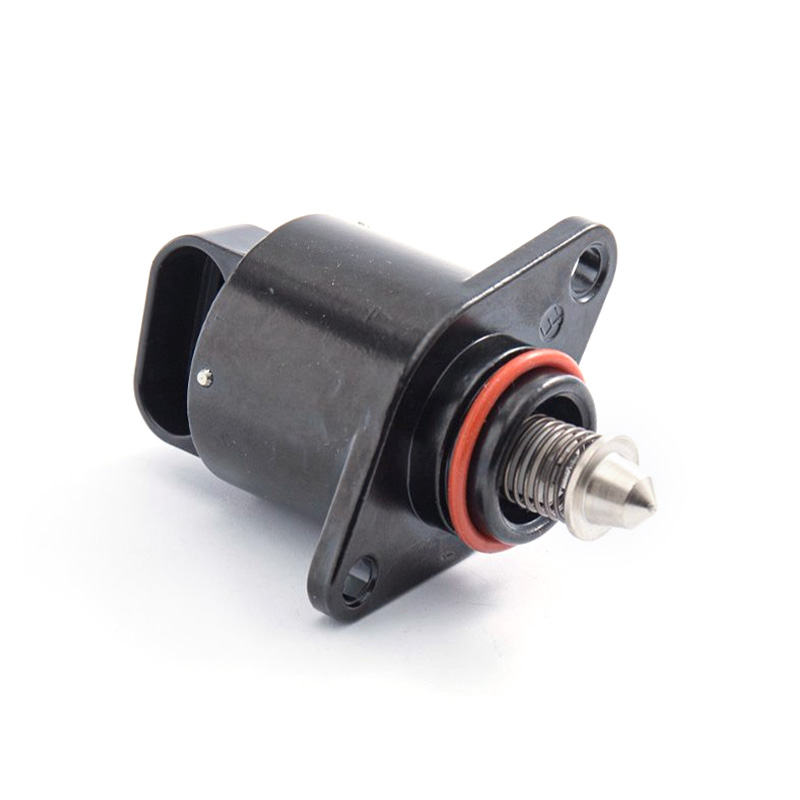
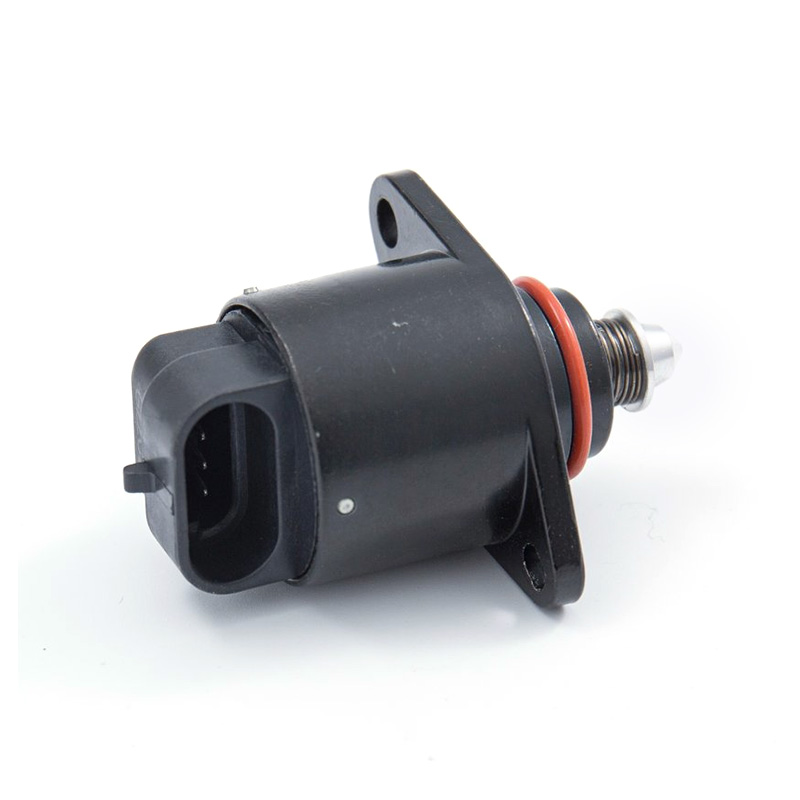
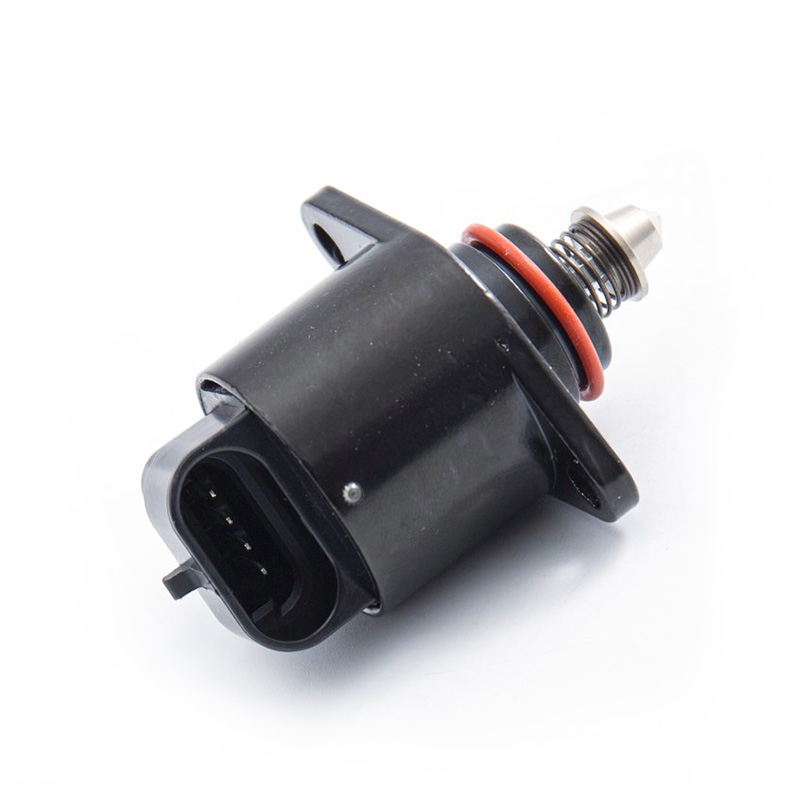
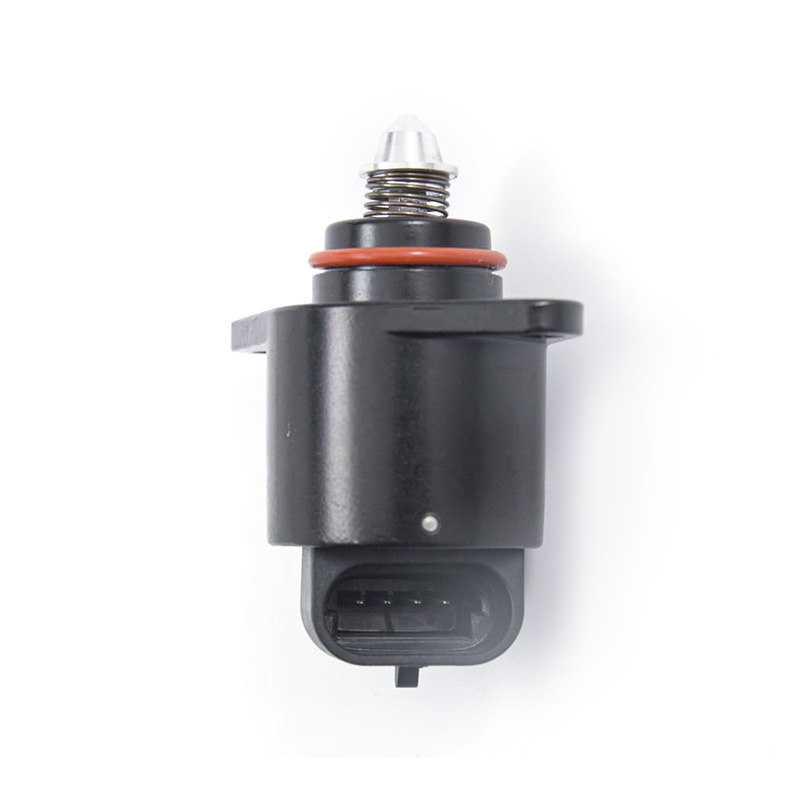
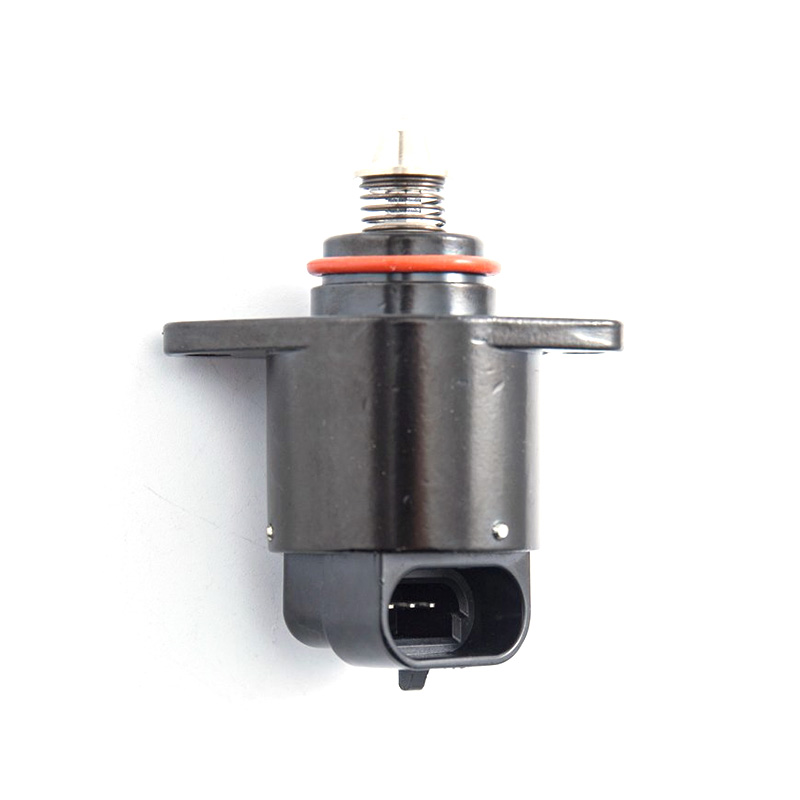
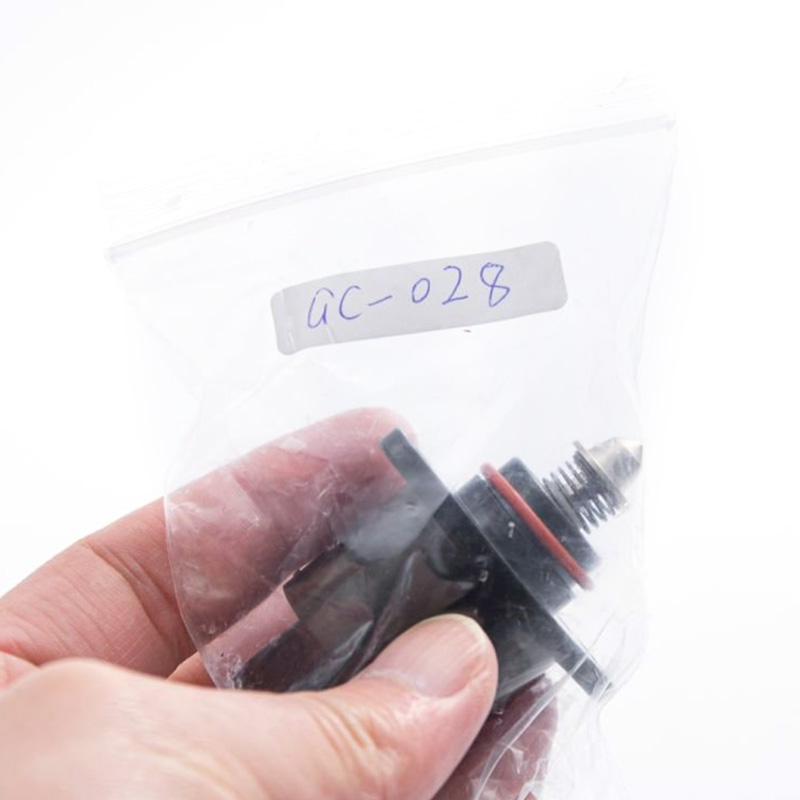
GC-028
REFERENCE OE:
SHORT VDO:A95278
TRADE NUMBER:02739
SHORT CODE:C0973
APPLICATION:
LADA
Idle air control valve from China factory for Lada.
GC-030
REFERENCE OE:
21203-1148300-03
APPLICATION:
LADA
Idle air control valve from China factory for Lada.
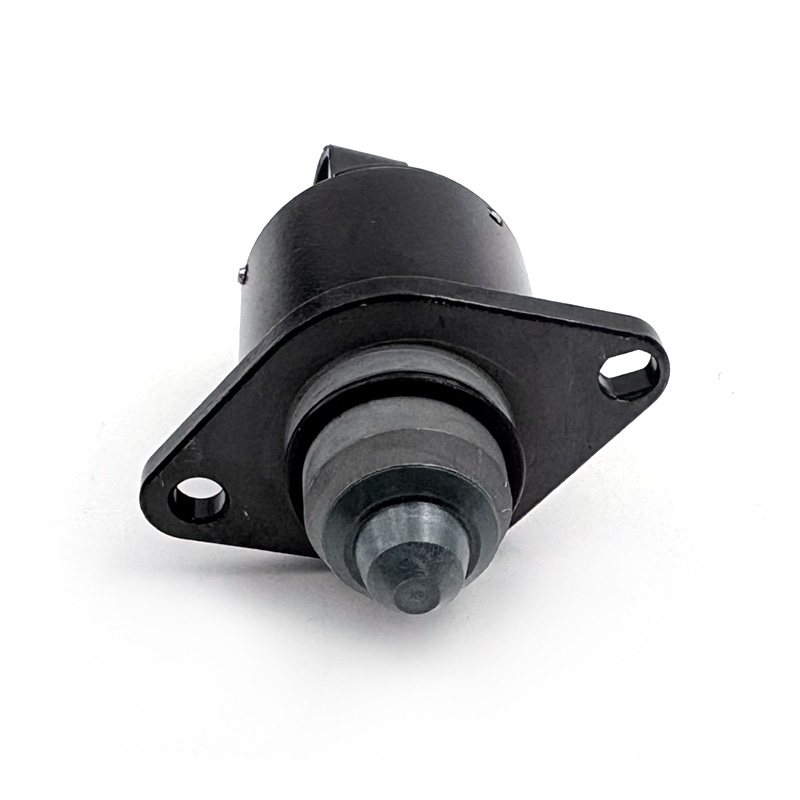
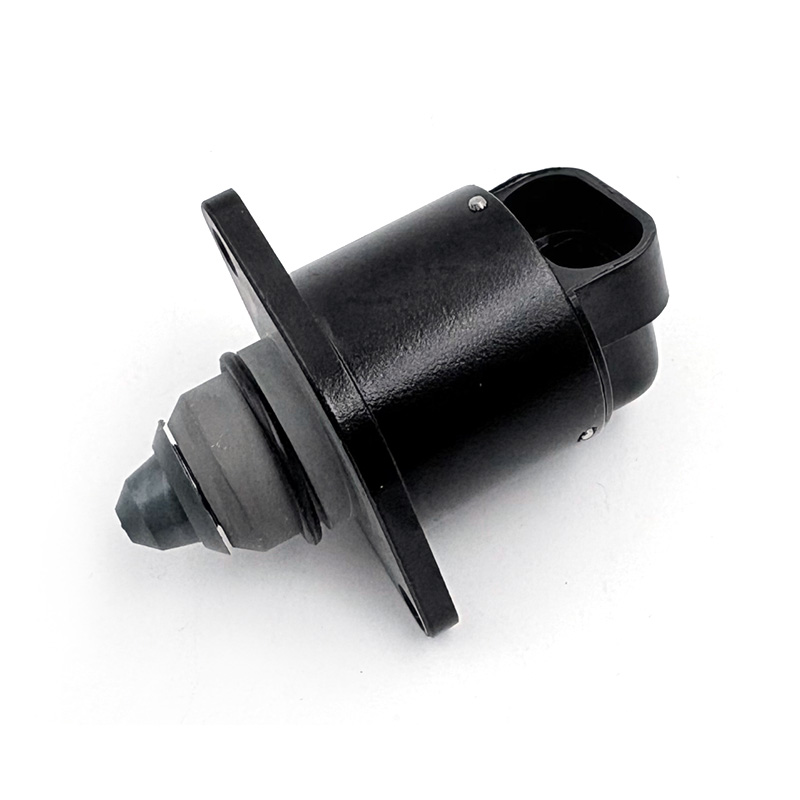
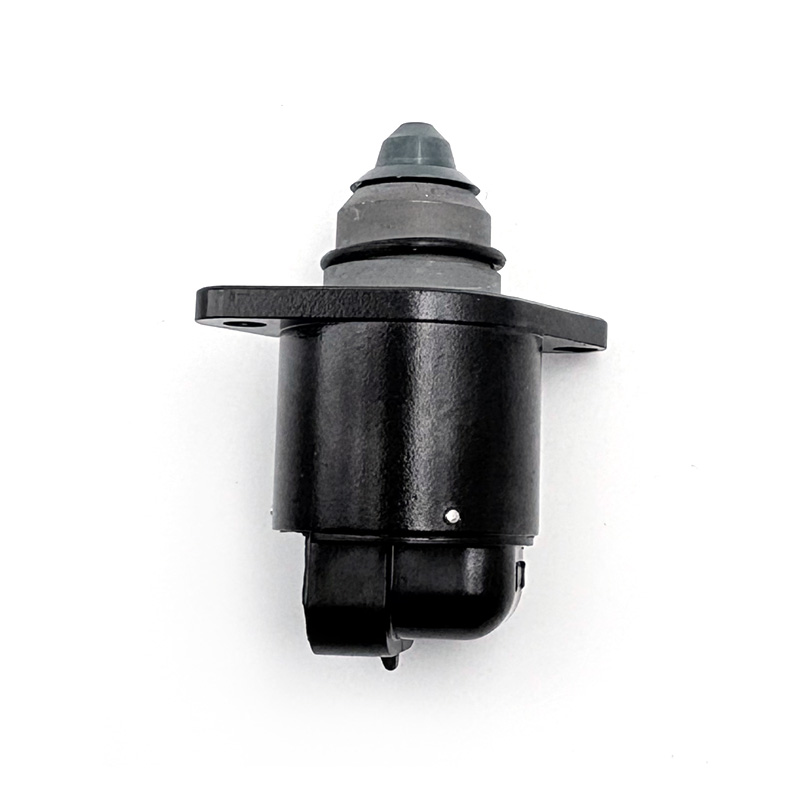
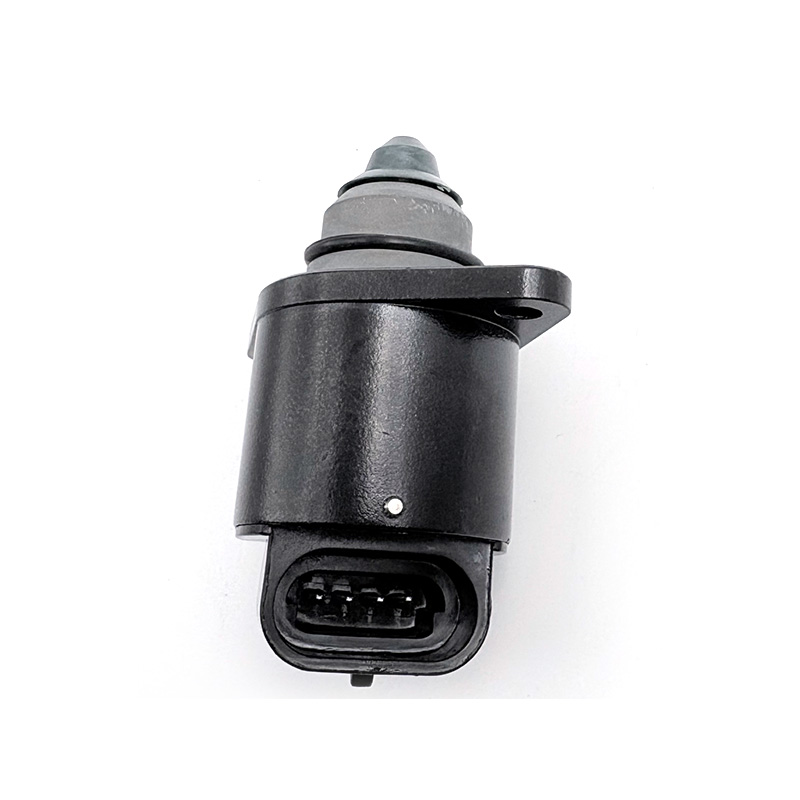
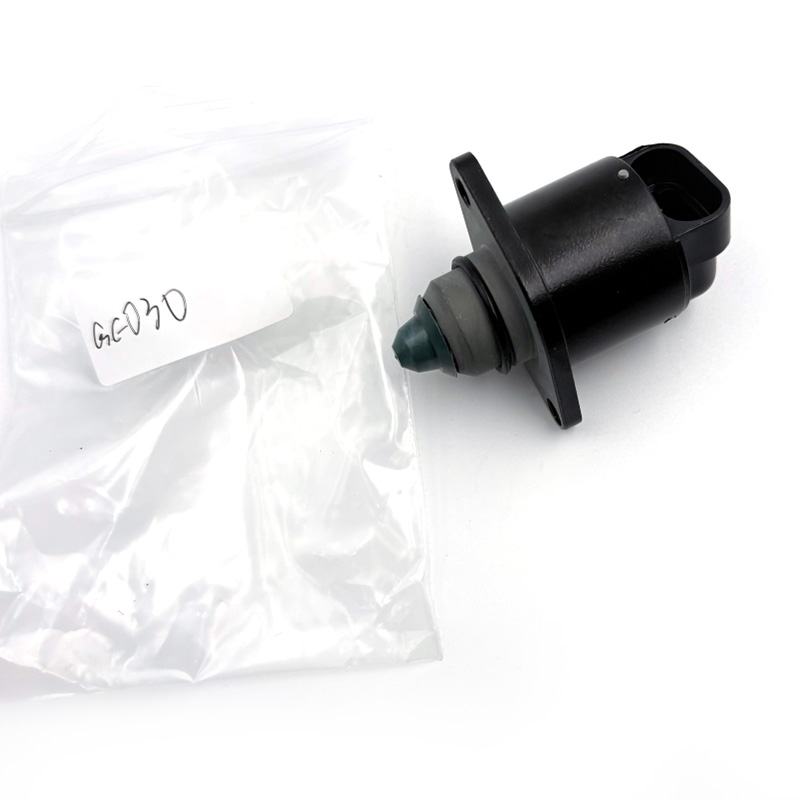
GC-032
REFERENCE OE:
21203-1148300
APPLICATION:
LADA
Idle air control valve from China factory for Lada.
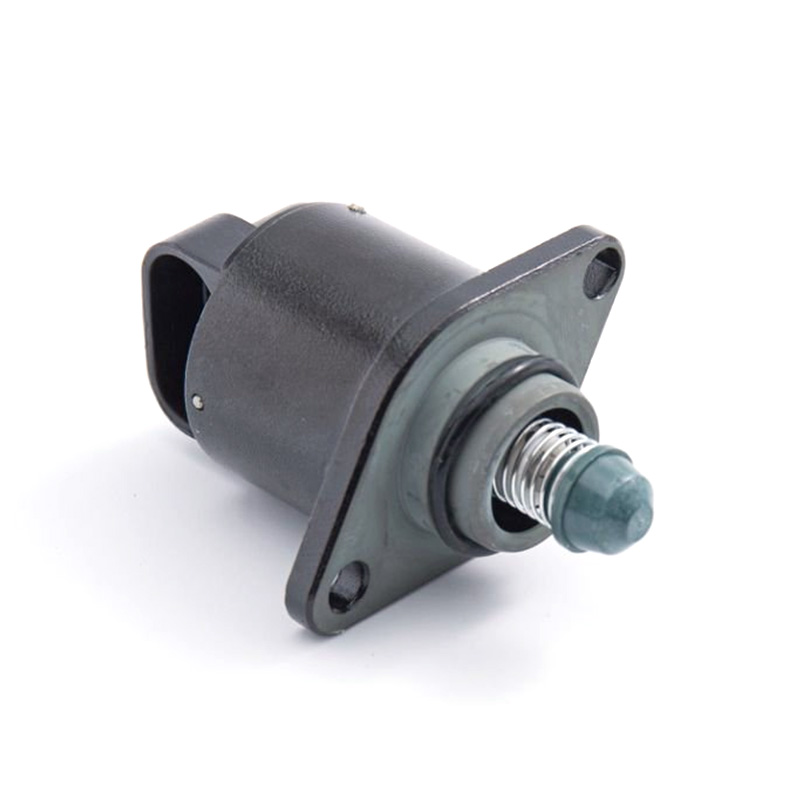
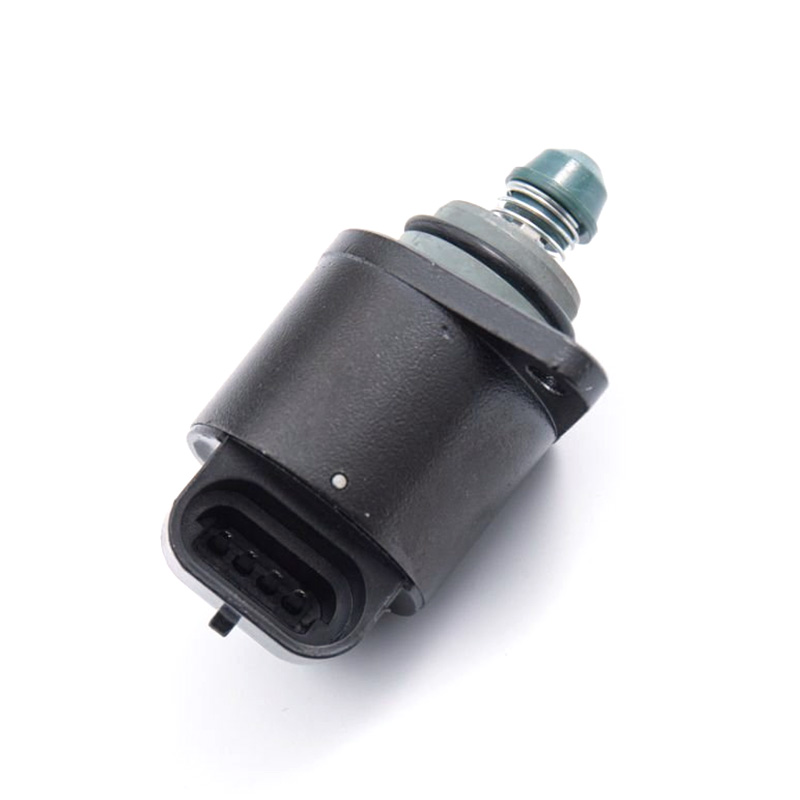
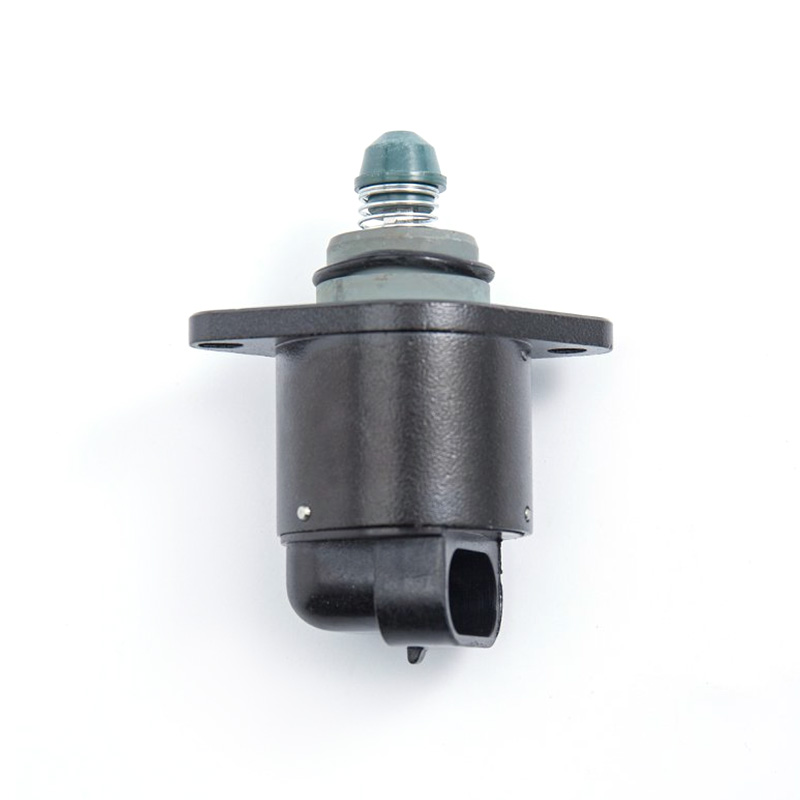
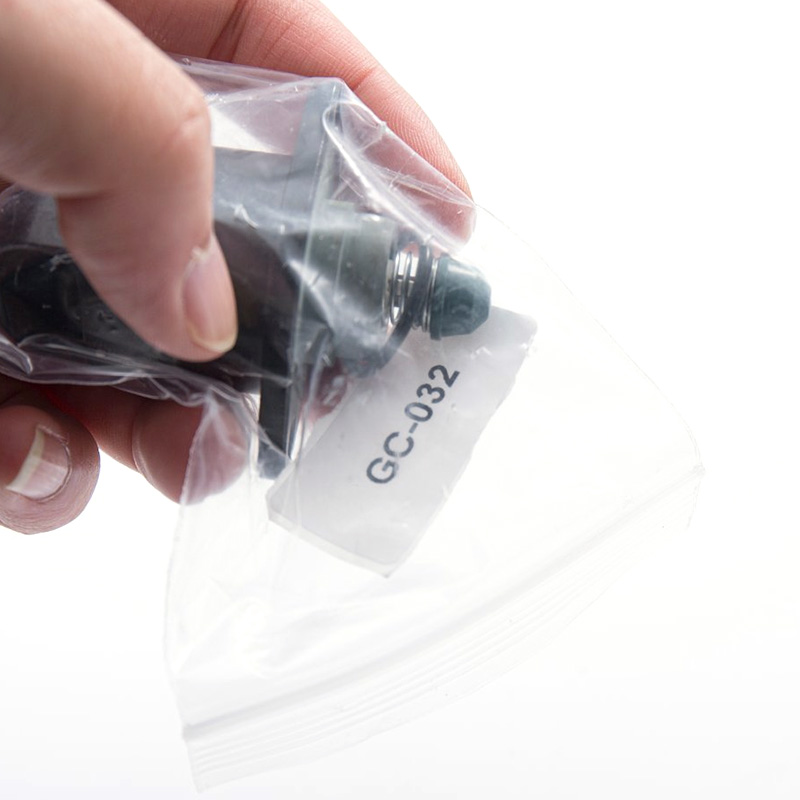
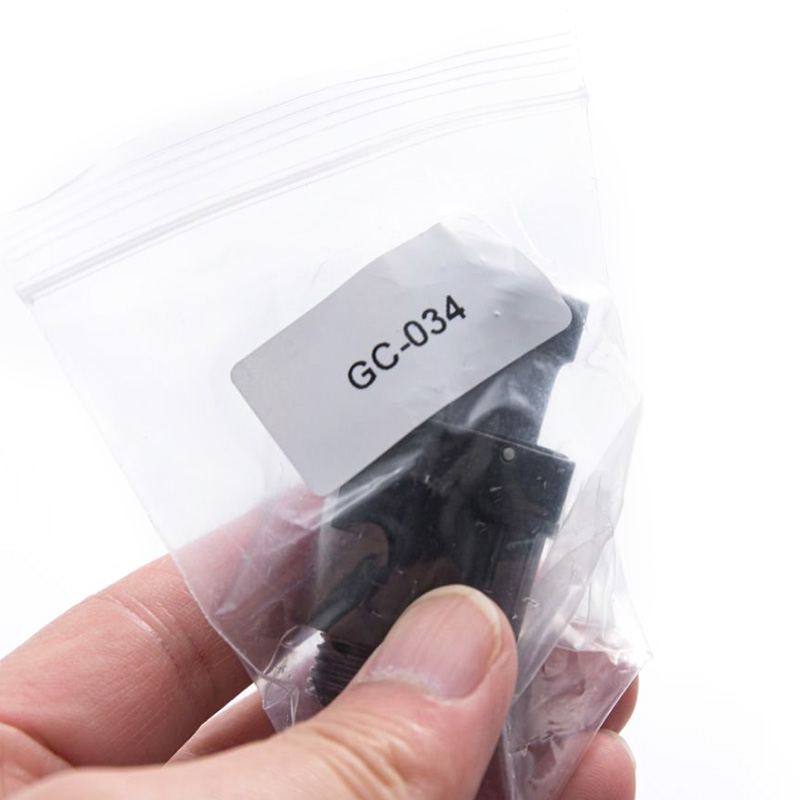
GC-034
REFERENCE OE:
STD:AC16 WELLS:AC114 OEM:C403056730 17112193, 217415
APPLICATION:
LAND ROVER;
1985-1994 Astro)
1992-1995 Suburban
1988-1995y C1500 pickup
1988-1995y K1500 pickup
Idle air control valve from China factory for Land Rover.
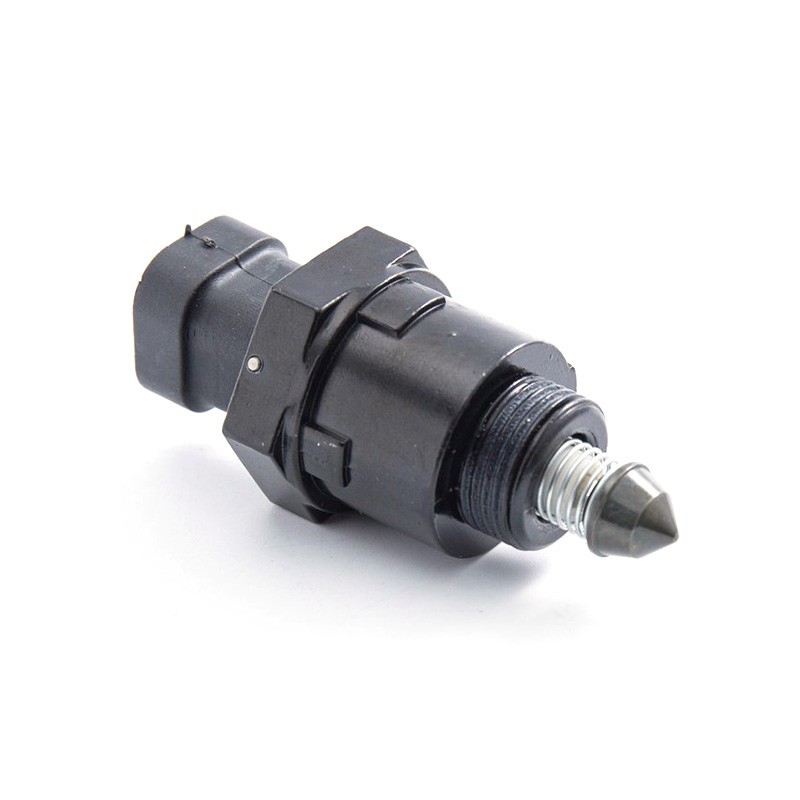
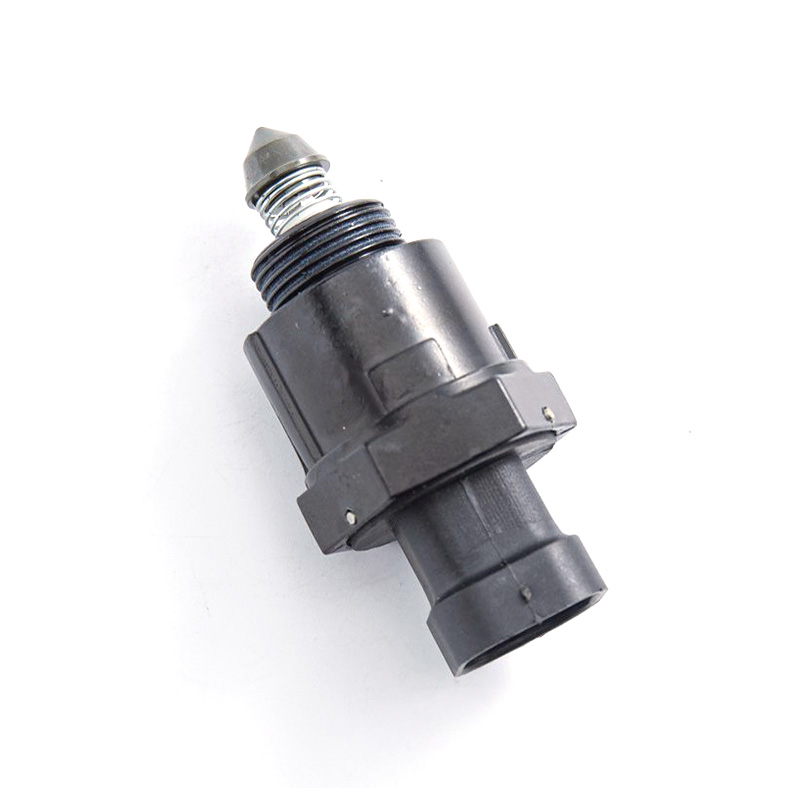
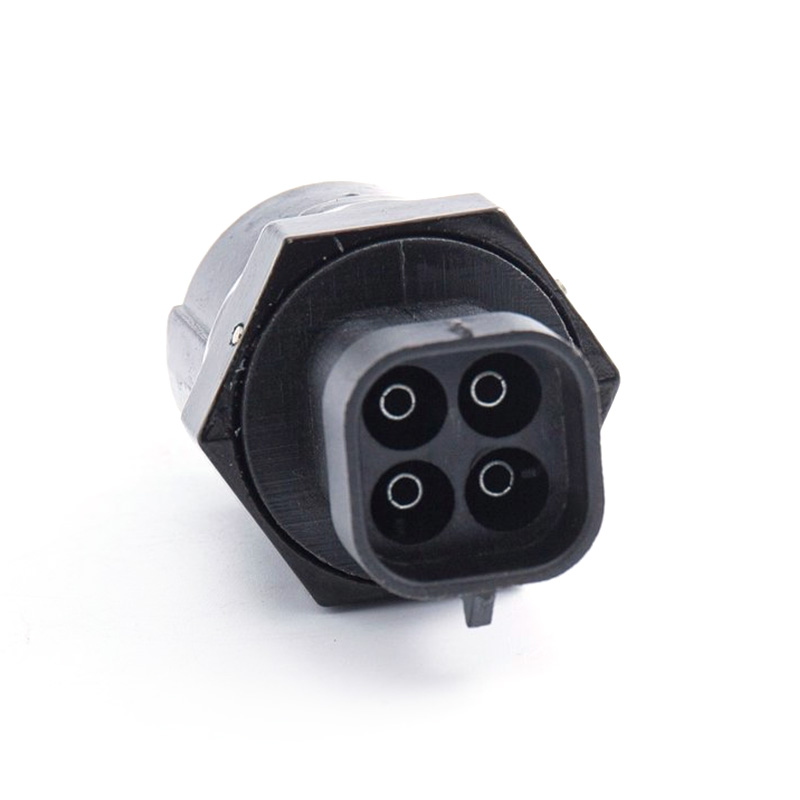
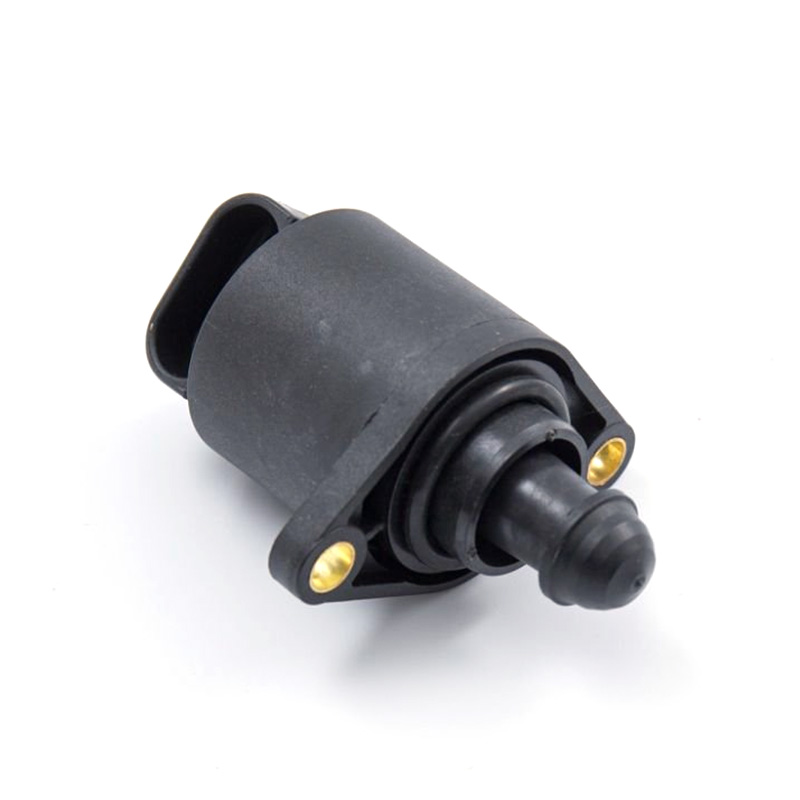
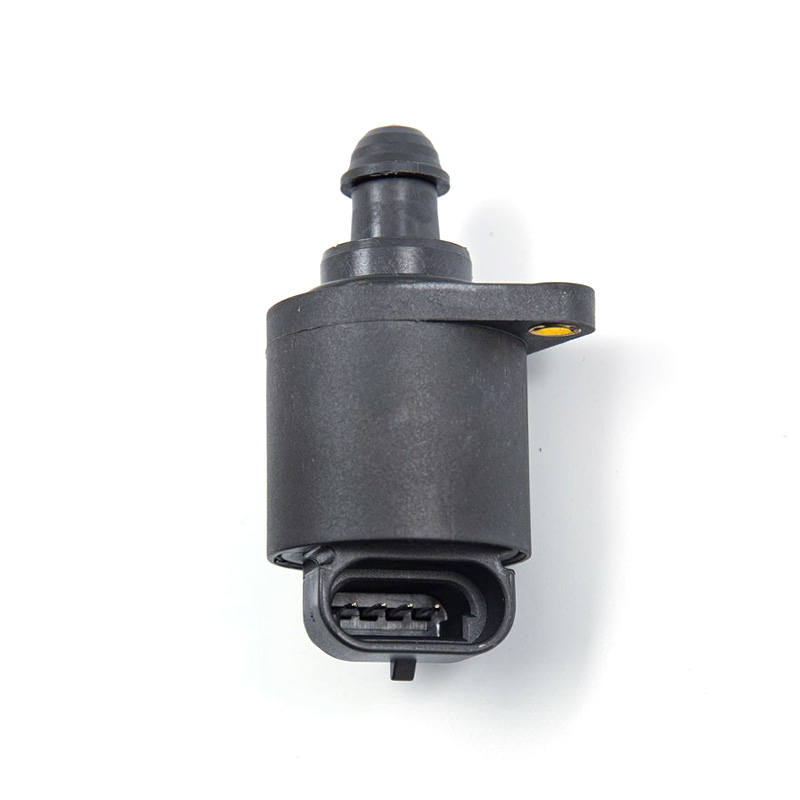
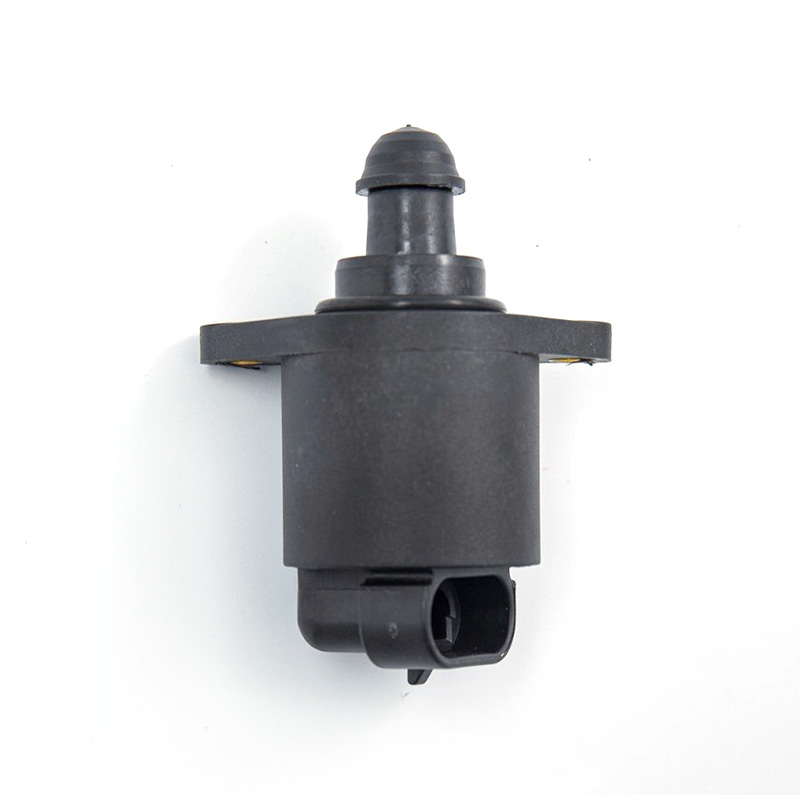
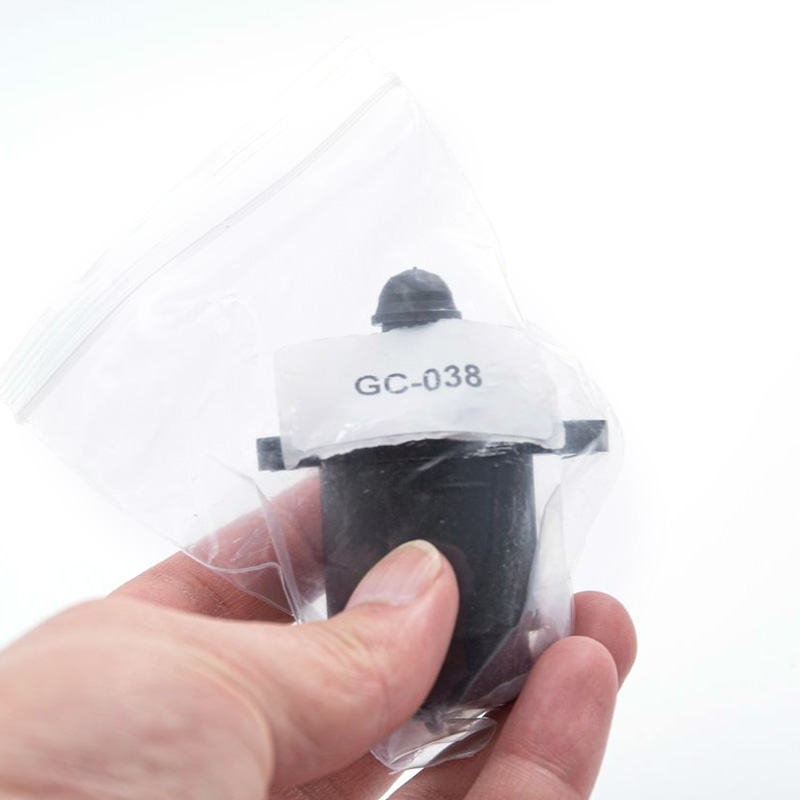
GC-038
REFERENCE OE:
SIMENCE:A96158 A97116
PEUGEOT:19208X
MARELLI:230016079217
APPLICATION:
PEUGEOT 206SW/CC;PEUGEOT 307SW;406;806;807;EXPERT(224)
Idle air control valve from China factory for Peugeot 206 307 406 806 807.
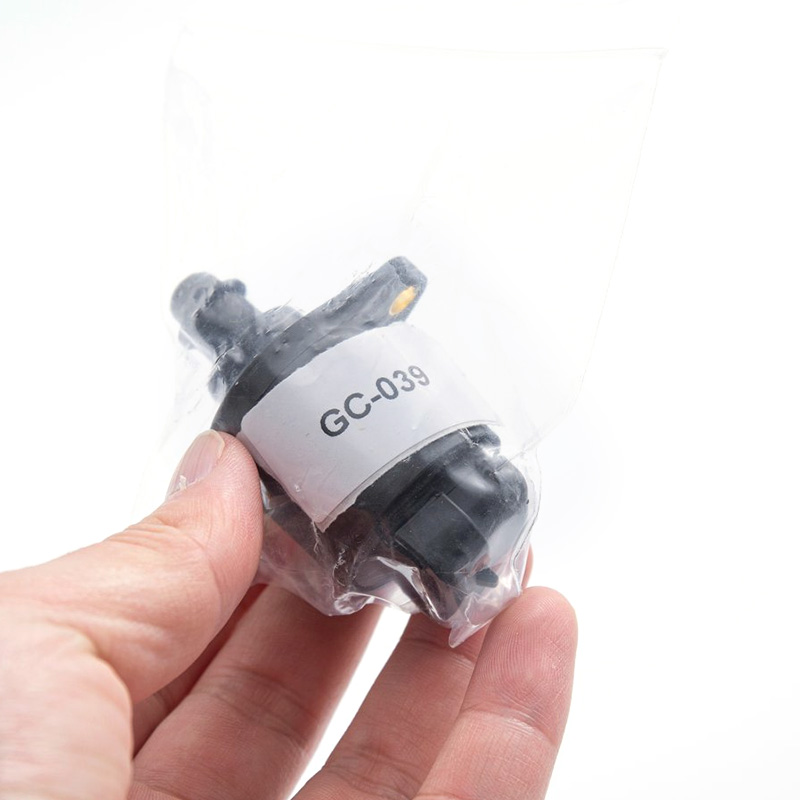
GC-039
REFERENCE OE:
MARELLI:B35/00
MARELLI:801001185201
PSA:1920AH
APPLICATION:
PEUGEOT 206 1.1 EOBD
Idle air control valve from China factory for Peugeot 206.
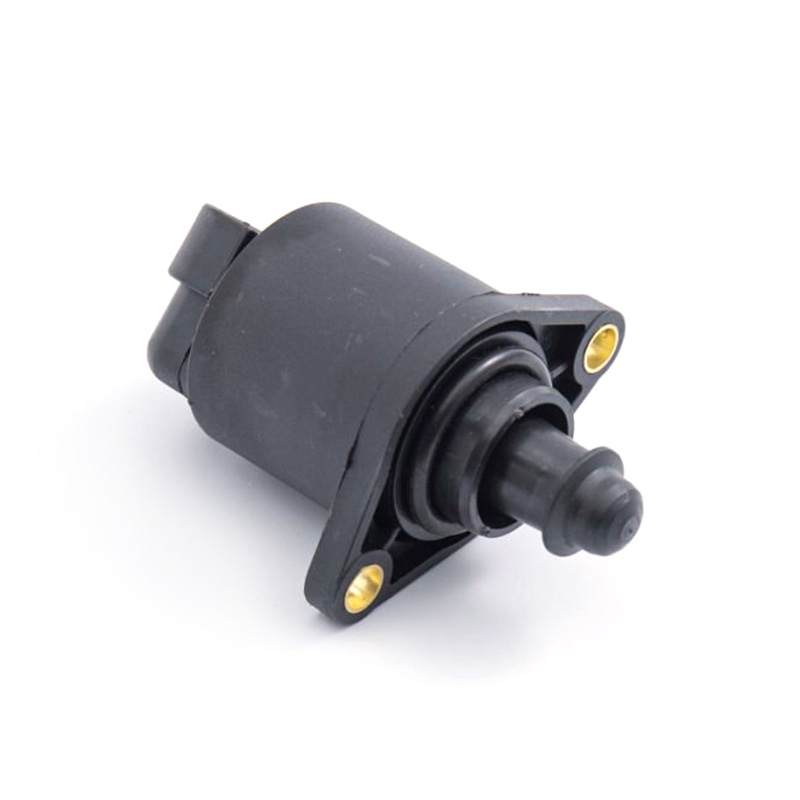
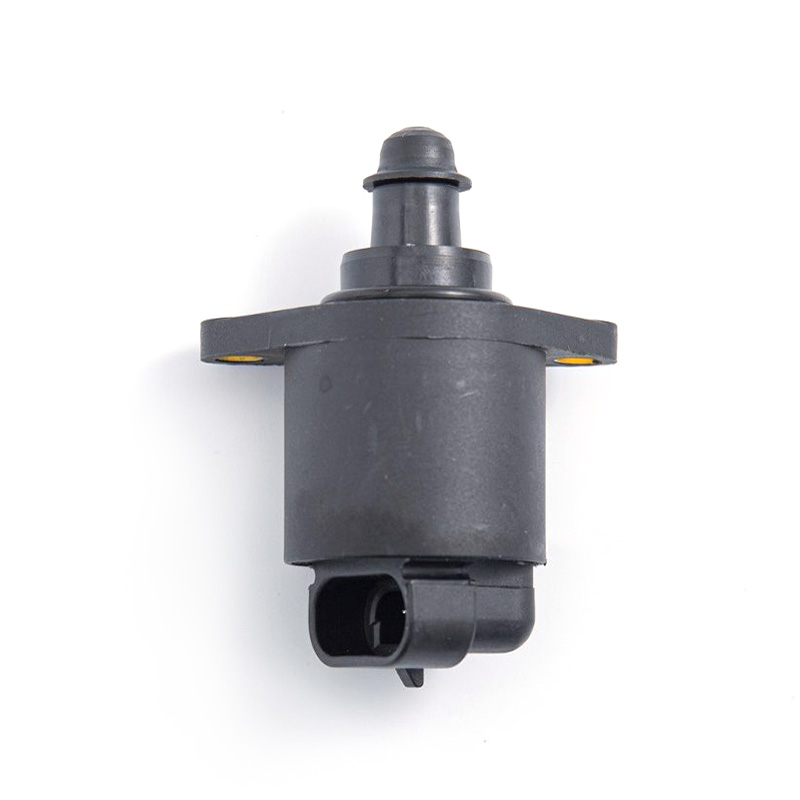
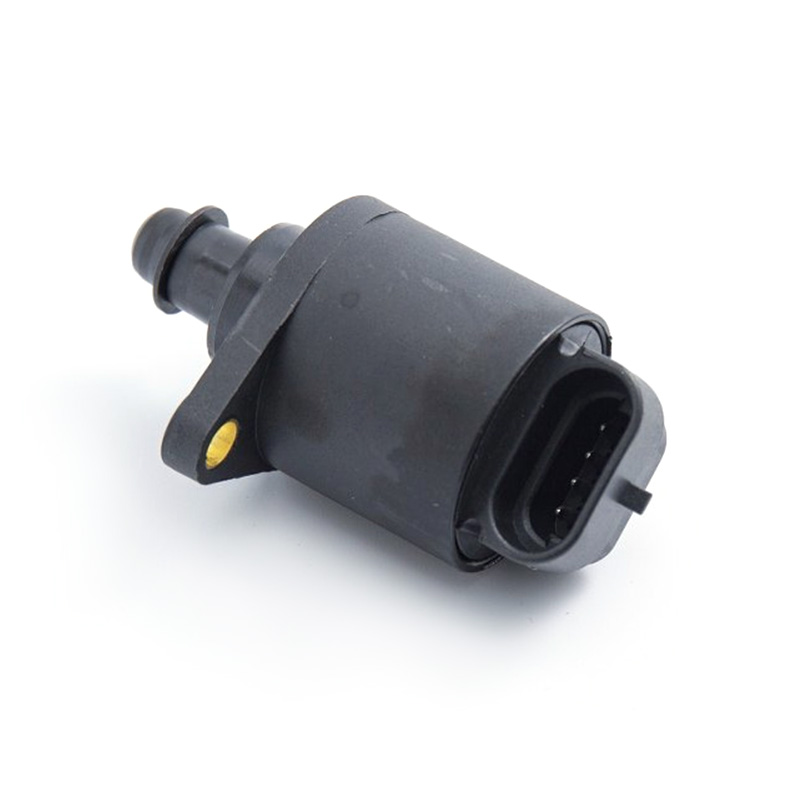
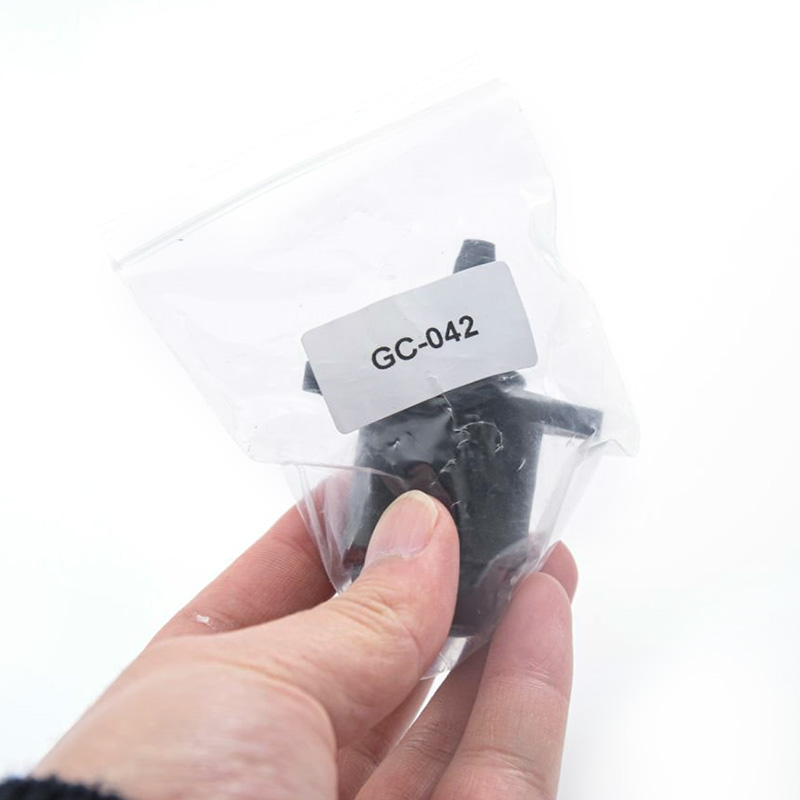
GC-042
REFERENCE OE:
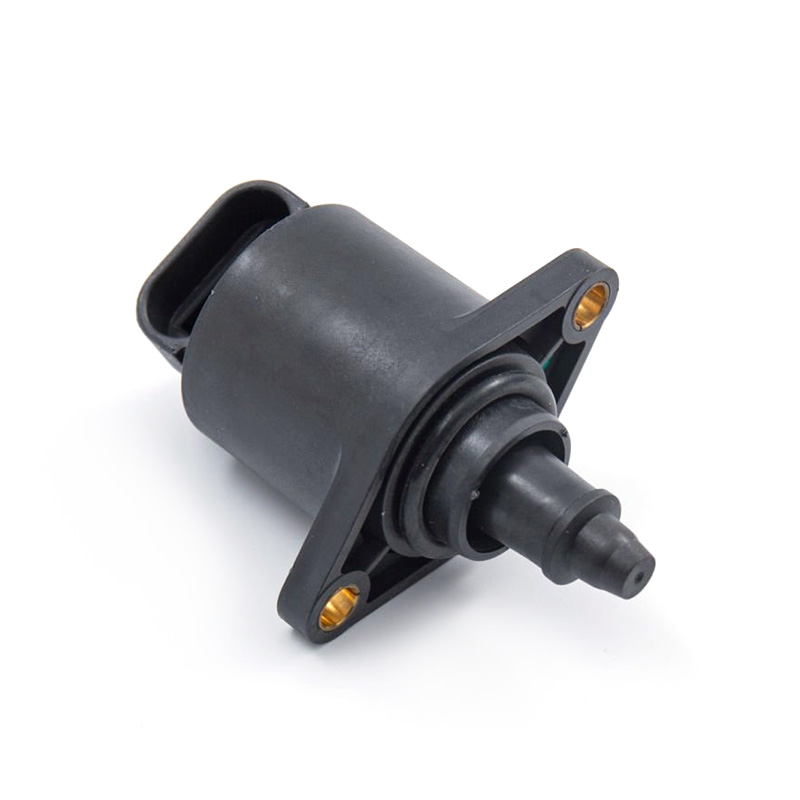
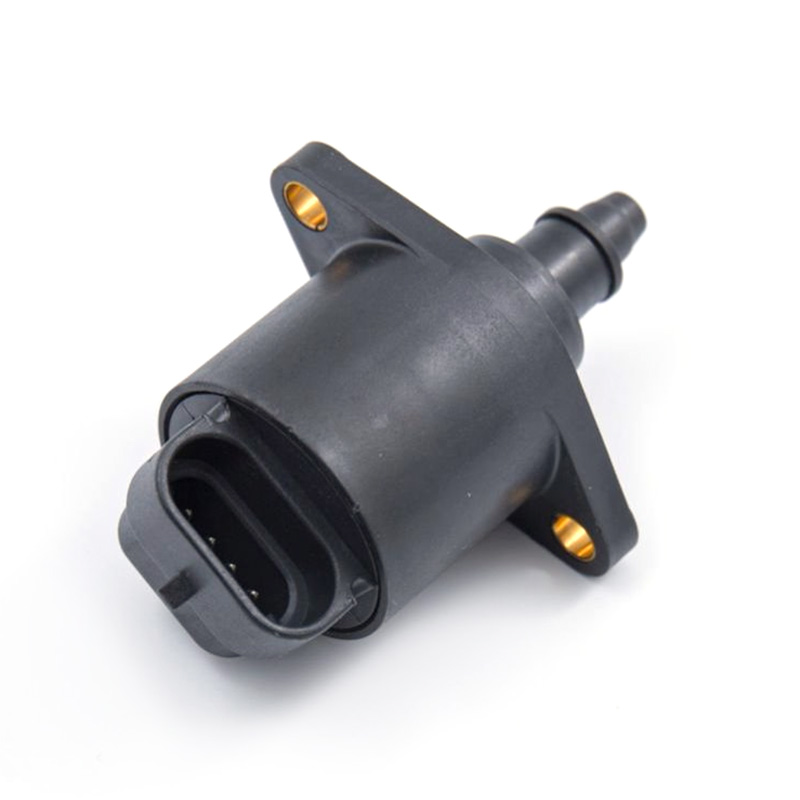
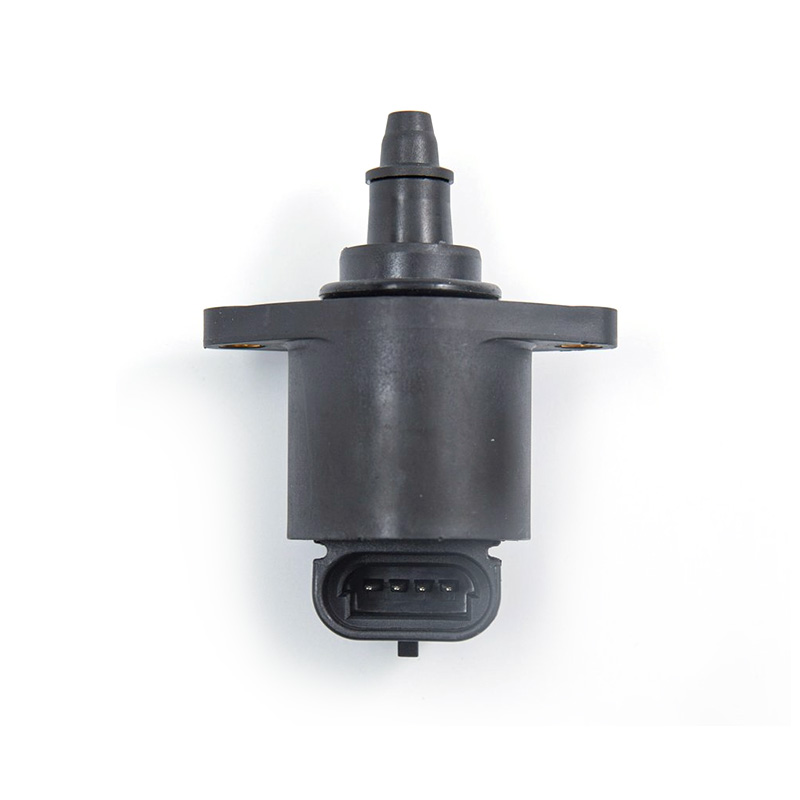
SHORT CODE: D5104
FIAT: 7078983 0269980492
VDO: AT-5104R ;
APPLICATION:
PALIO 99->1.6 SPI/SIENA 99->1.6SPI/STRADA 99->1.6SPI/GOL99->1.0 SPI
Idle air control valve from China factory for Fiat Palio.
Contact Us
Let's start collaborating

Guocheng is specialized in the R&D and production of key engine components for the automotive and engineering machinery industries.
Product
Stay Connected
(+86) - 577 - 8582 0886 (Tel)
(+86) - 577 - 8582 8085 (Fax)
(+86) - 19730213059 (Phone)
sales@wz-gc.com
No. 205, Baiyu Road, 15th Road, Binhai Park, Wenzhou, Zhejiang, China
Mobile

ODM Engine Management System Components
 English
 русский
 Español
 عربى
عربى Deutsch