Date:Jan 02, 2026
As the global automotive industry accelerates toward electrification, intelligent control, and enhanced driving safety, core vehicle components are being re-evaluated at a deeper level. In overseas automotive forums, engineering communities, and LinkedIn industry discussions, professionals are paying increasing attention to how motion data and driver input are collected and translated into precise vehicle responses. Within this context, the Odometer Sensor has emerged as a crucial element for accurate vehicle data tracking, while accelerator pedal systems continue to evolve to meet modern performance and safety expectations.
Across global markets, accurate vehicle data is no longer a secondary consideration. Odometer readings influence maintenance schedules, fleet management decisions, regulatory compliance, and resale transparency. As connected vehicles and digital dashboards become more common, international buyers are focusing on the reliability of internal sensing components that support these systems.
Discussions on overseas automotive platforms increasingly emphasize the need for sensors that provide stable signals under varying road conditions. A dependable odometer sensor ensures consistent mileage data, supporting both driver confidence and backend vehicle management systems.
The odometer sensor plays a vital role in monitoring vehicle movement by converting mechanical or rotational motion into electronic signals. These signals are then processed by onboard systems to display mileage and support additional functions such as service reminders and performance analysis.
With the rise of electric vehicles, hybrid platforms, and advanced driver assistance systems, odometer sensors are expected to integrate seamlessly with digital control units. Manufacturers that focus on signal stability, durability, and compatibility are gaining more attention from overseas OEMs and aftermarket distributors.
While digital systems advance rapidly, driver input remains a core part of the driving experience. Overseas automotive discussions increasingly highlight how accelerator pedal responsiveness affects comfort, safety, and energy efficiency.
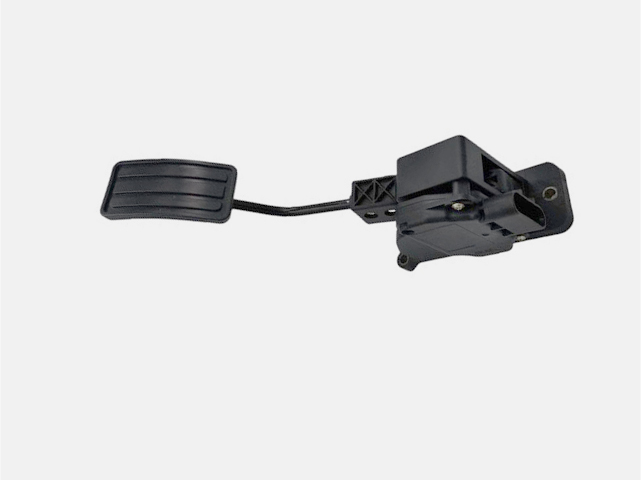
Modern accelerator pedal systems are designed to deliver smooth signal transmission, consistent feedback, and reliable performance across diverse driving conditions. As vehicles adopt electronic throttle control, the pedal system becomes a critical interface between the driver and the vehicle’s powertrain, making quality and precision essential considerations for global buyers.
International automotive sourcing trends show a clear shift toward manufacturers that can demonstrate production stability, component consistency, and customization capability. Buyers are no longer focused solely on individual parts but on how those parts perform within an integrated vehicle system.
For odometer sensors and accelerator pedal assemblies, this means controlled production processes, material reliability, and compatibility with various vehicle platforms. Manufacturers that invest in precision assembly and thorough validation are increasingly seen as long-term partners rather than short-term suppliers.
Application Scenarios Across Global Automotive Markets
These components are widely applied across multiple vehicle categories, including:
Such broad application scenarios underline the importance of adaptable designs and stable performance in both odometer sensors and pedal systems.
In overseas procurement conversations, quality consistency is frequently mentioned as a deciding factor. Buyers seek components that maintain stable performance over time without unnecessary complexity. Clear communication, traceable production processes, and application-focused design help manufacturers build trust with international customers.
Rather than making exaggerated performance claims, suppliers that emphasize reliability, compatibility, and long-term usability align more closely with current global purchasing expectations.
As intelligent vehicle platforms continue to develop, the integration between sensors, control systems, and driver interfaces will become even more important. Odometer sensors will play a greater role in data-driven vehicle management, while accelerator pedal systems will continue evolving to support smooth control and driving efficiency.
Manufacturers that stay aligned with these trends—focusing on precision, adaptability, and system-level understanding—are better positioned to support the future of automotive mobility.
In a global automotive landscape shaped by digitalization and intelligent control, selecting the right component manufacturer is essential. From accurate motion tracking to responsive driver input systems, every detail contributes to overall vehicle performance. By focusing on manufacturing strength, application awareness, and long-term reliability, suppliers can deliver solutions that meet international expectations. This approach ensures consistent performance not only from sensing components, but also from critical driver interfaces such as the Automotive Accelerator Pedal.
Related Products
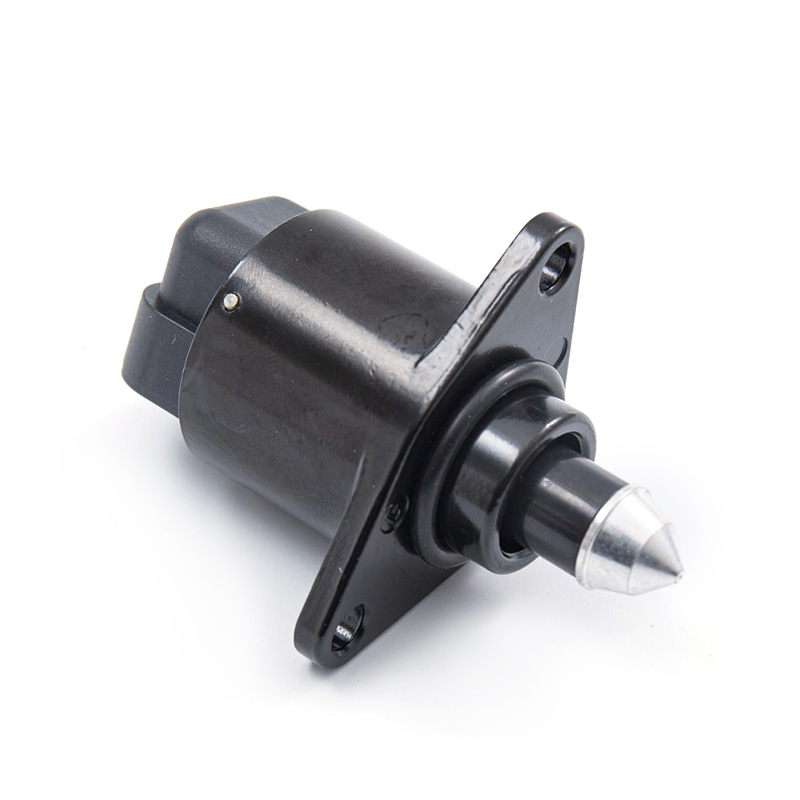
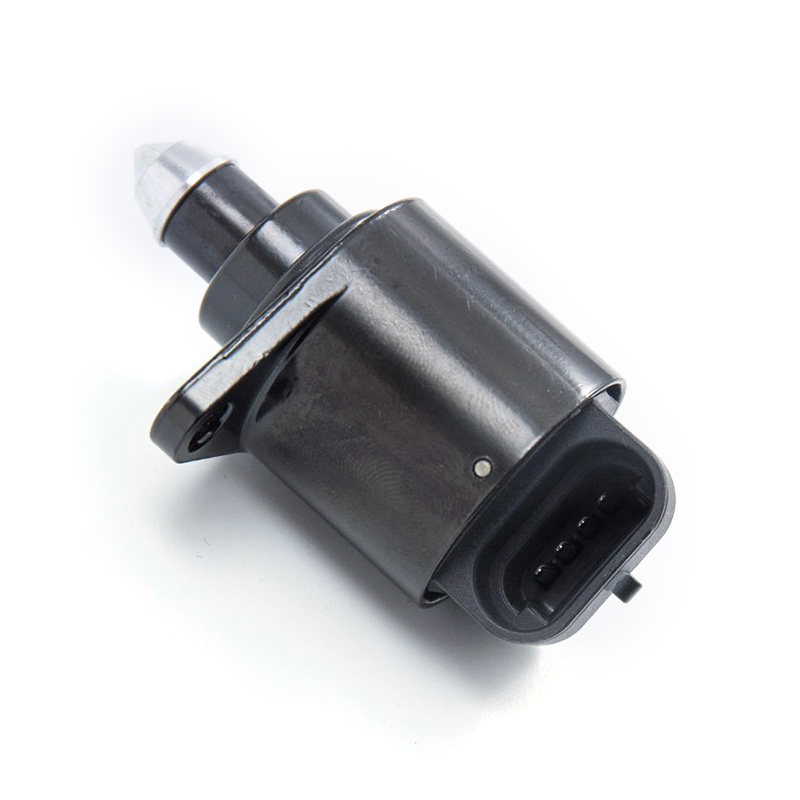
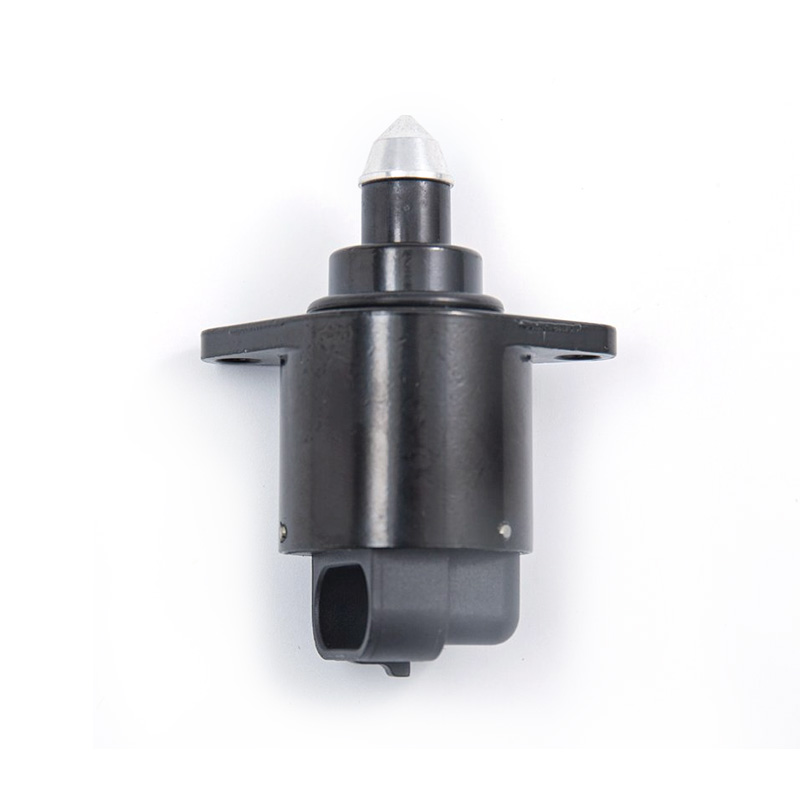
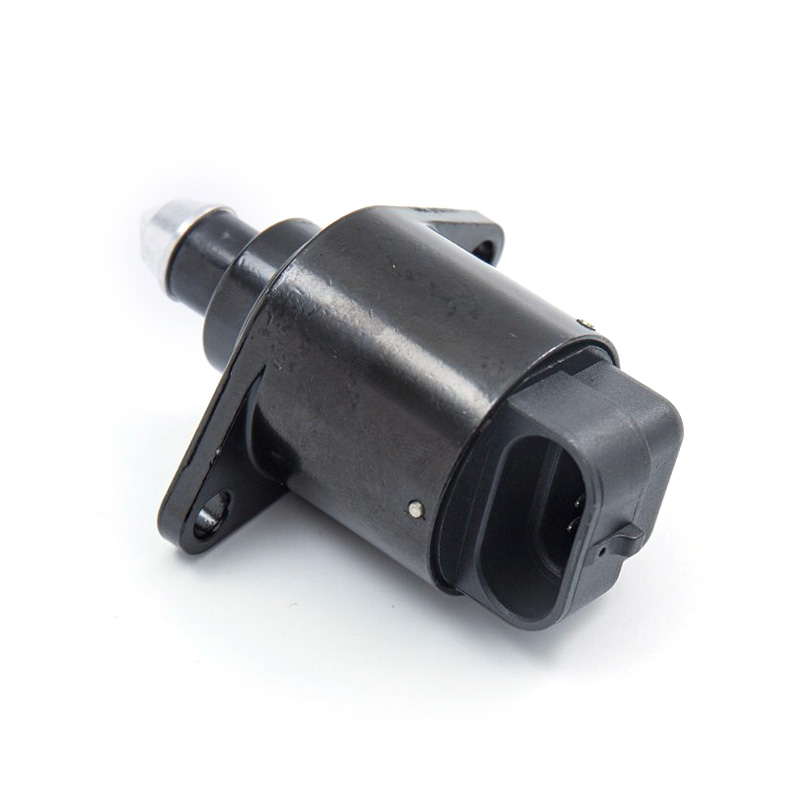
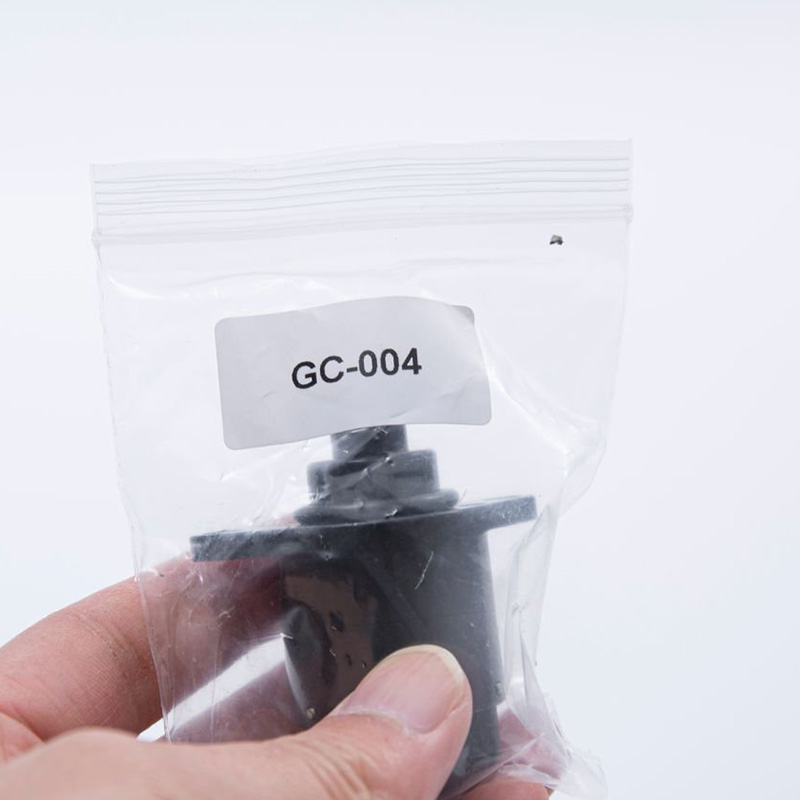
GC-004
REF OE:
SHORT CODE:B32/00
SIMENCE:A97115 19206W
APPLICATION:
CITROEN BERLINGO(MF)/Kasten(M_)1.4 i(MFKFX);CITRO SAXO(S0,S1) 1.4VTS,CITRO XSARA(N1)/Break(N2)/Coupe(N0)1.4i;
PEUGEOT 106 II(1)1.4i;PEUGEOT 206 Schraqheck(2A/C)1.4i/SW(2E/K)1.4;
PEUGEOT306(7B,N3,N5)1.4SL/Break(7E,N3,N5)1.4/Schraqheck(7A,7C,N3,N5)1.4;
PEUGEOT PARTNER Combispace(5F)1.4/Kasten(5)1.4
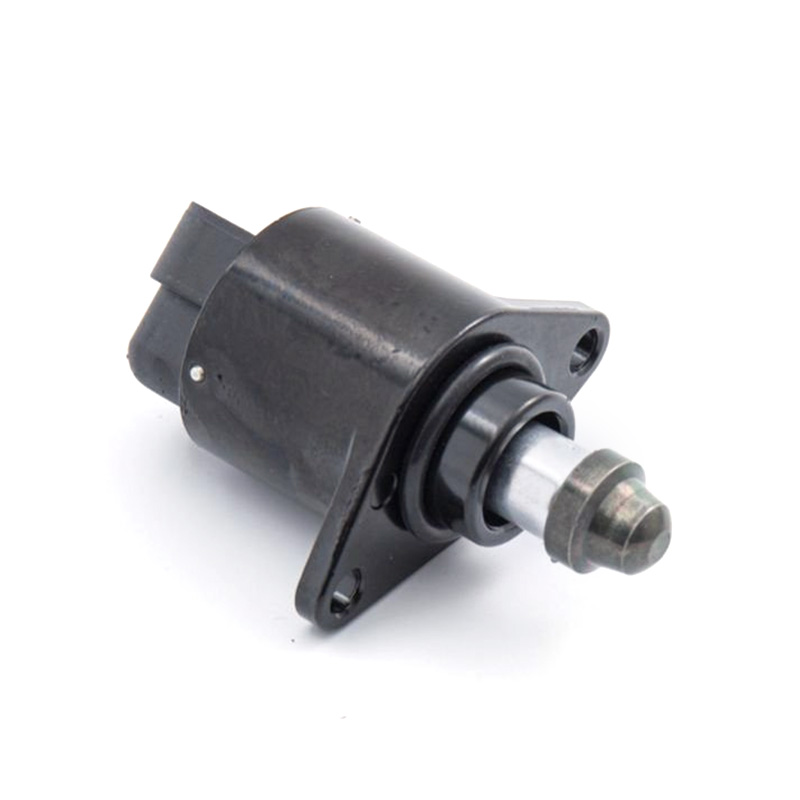
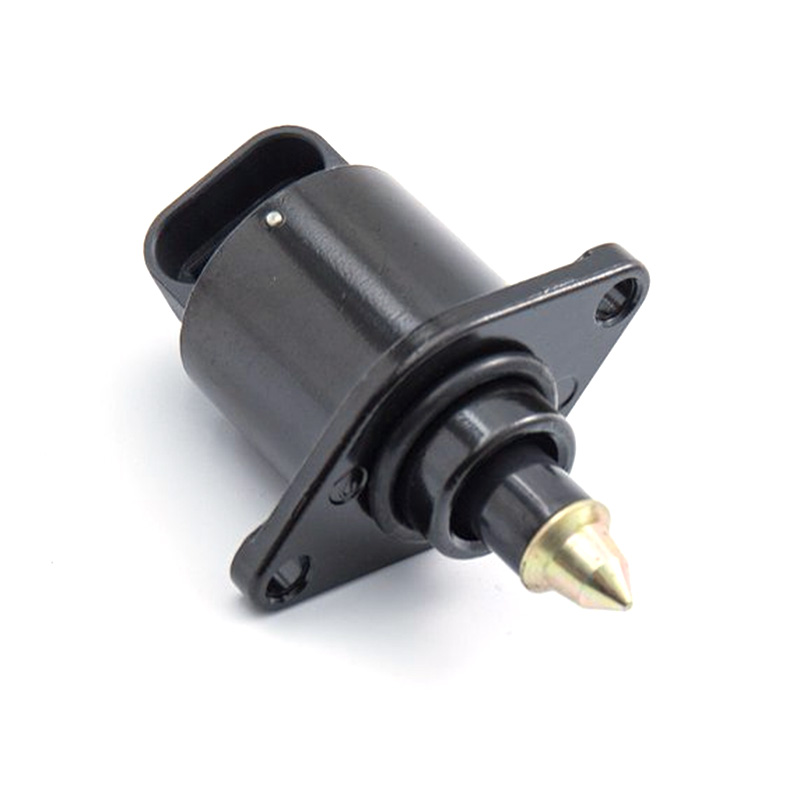
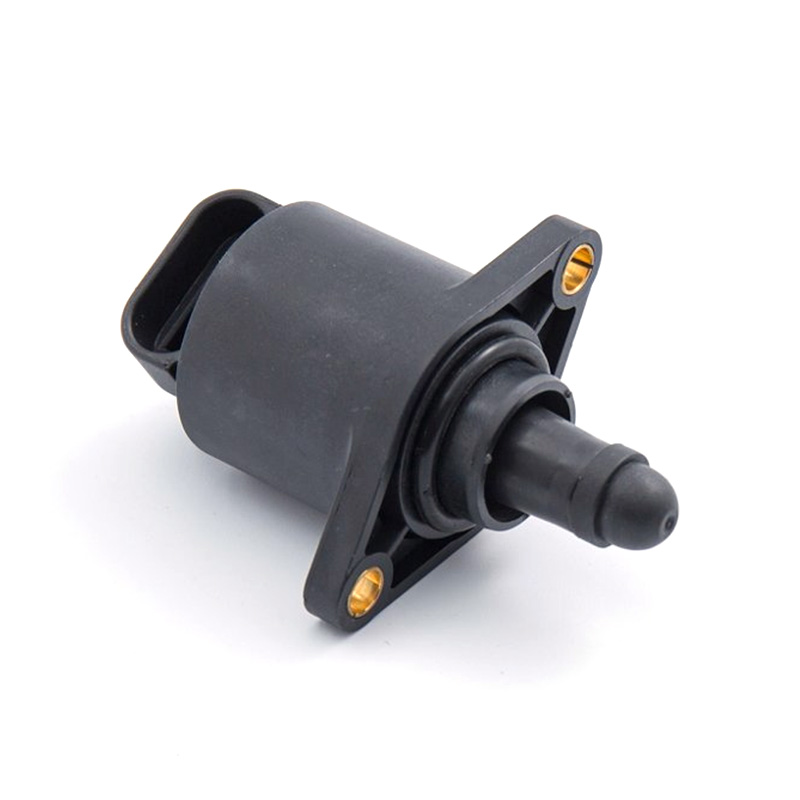
China manufacture for idle air control valve,high quality and competitive price!
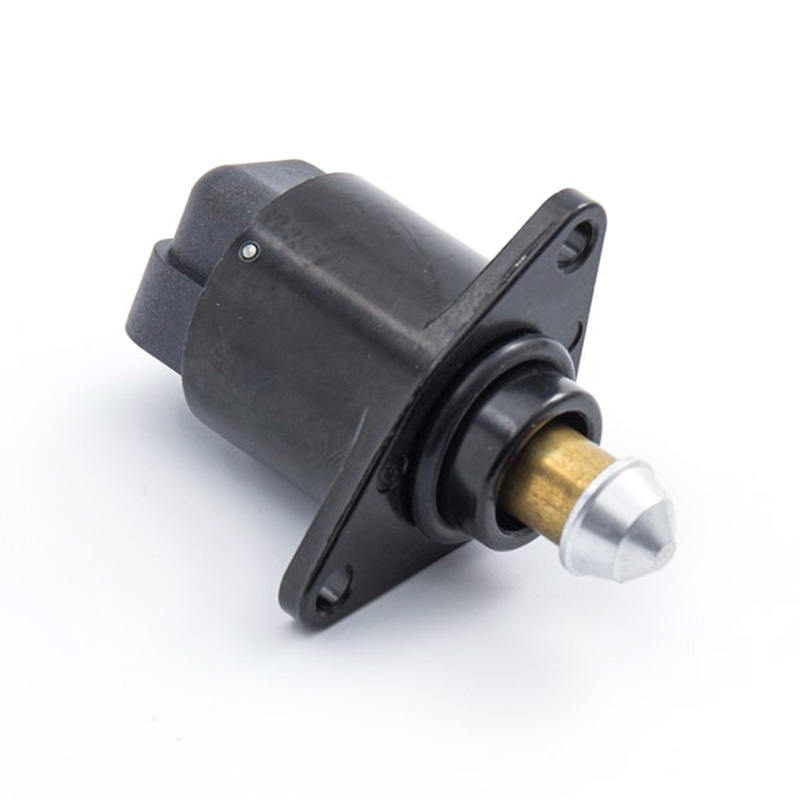
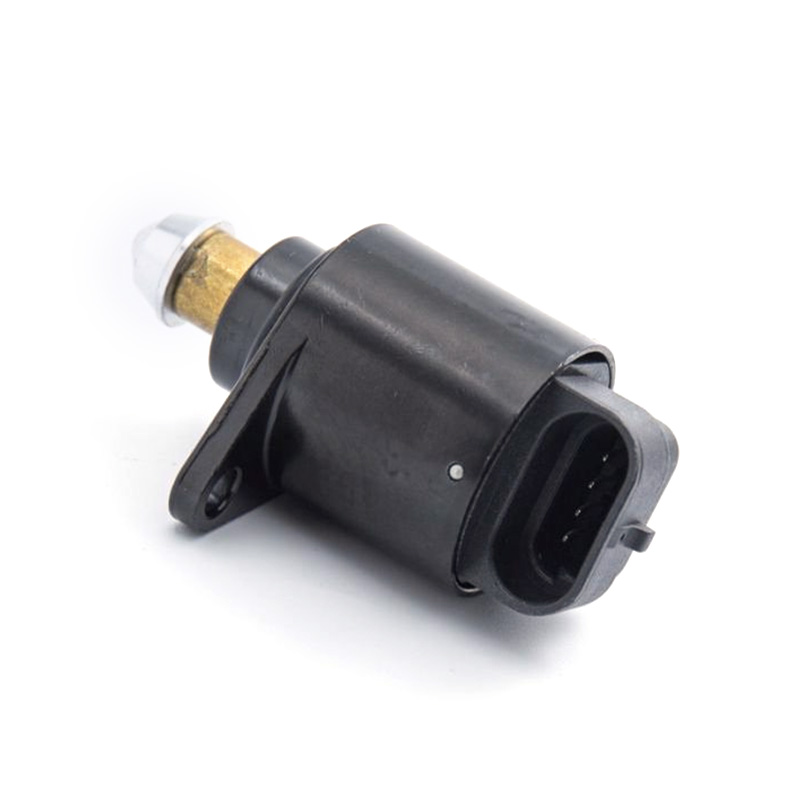
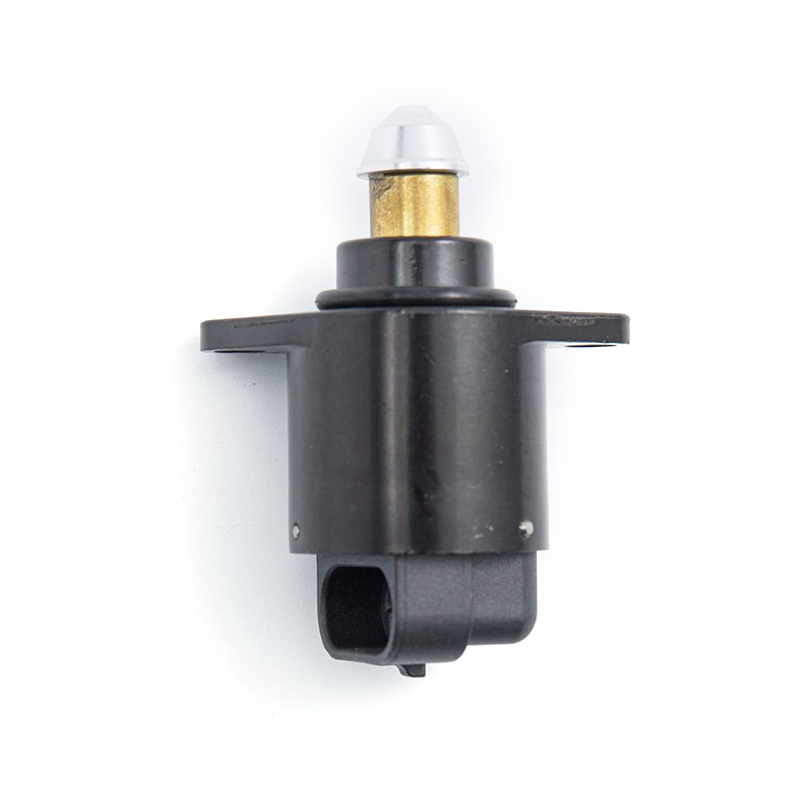
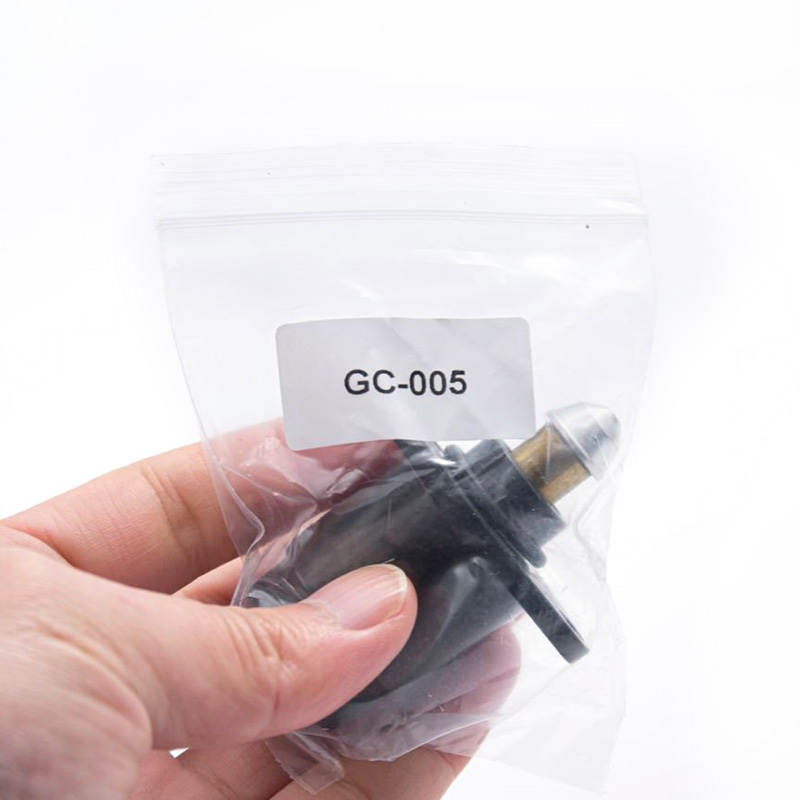
GC-005
REF OE:
HOT-STAMP:B22/00 B22/01
PEUGEOT:19204X
SIMENCE:A97104 A97113 B22/00 B22/01 19204X A97104 A97113
APPLICATION:
CITROEN BERLINGO(MF)1.8i(MFLFX)4WD(MFLFX);CITRO XANTIA/Break(X1)/(X2)1.8i/1.8i 16V;CITRO XSARA(N1)1.8i/1.8i 16V;Break(N2) 1.8i/1.8i 16V;Coupe(N0)1.8i/1.8i 16V;
PICASSO(N68)1.8 16V;PEUGEOT 306/Break/Cabriolet/Schraqheck;PEUGEOT 406/Break;PEUGEOT PARTNER Combispace(5F)1.8
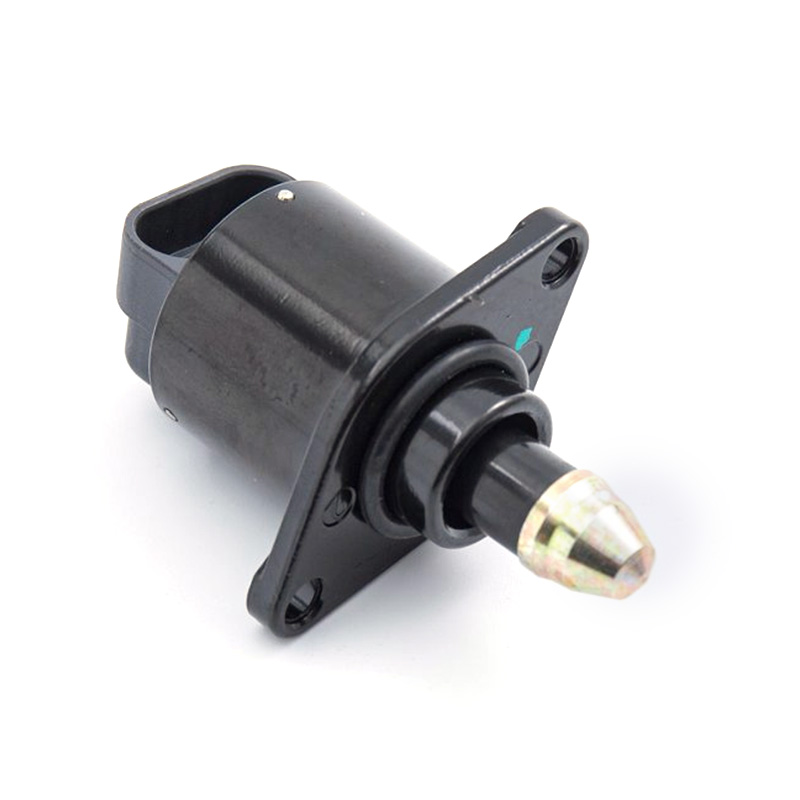
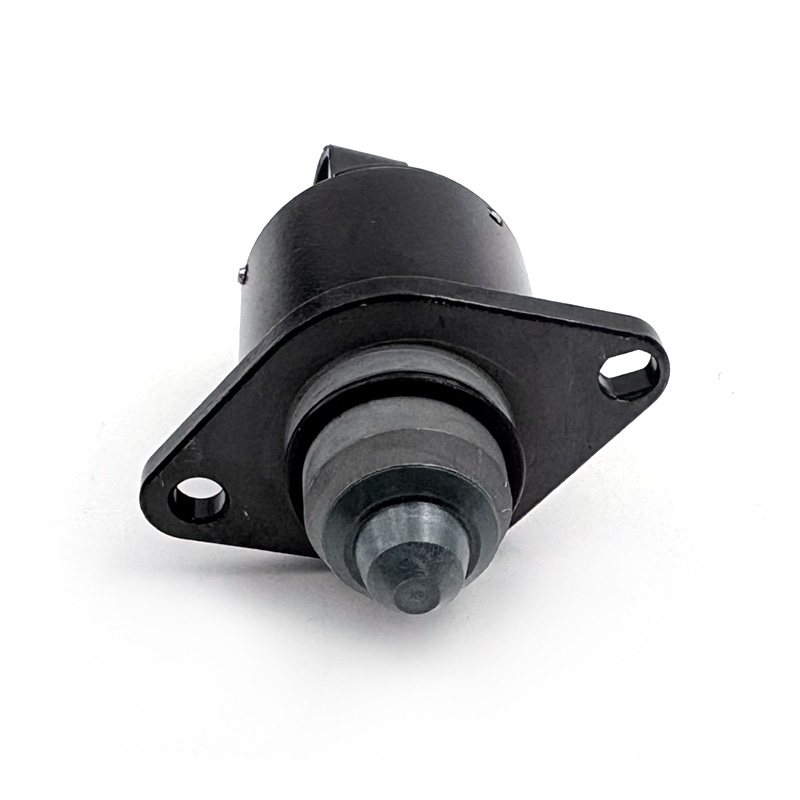
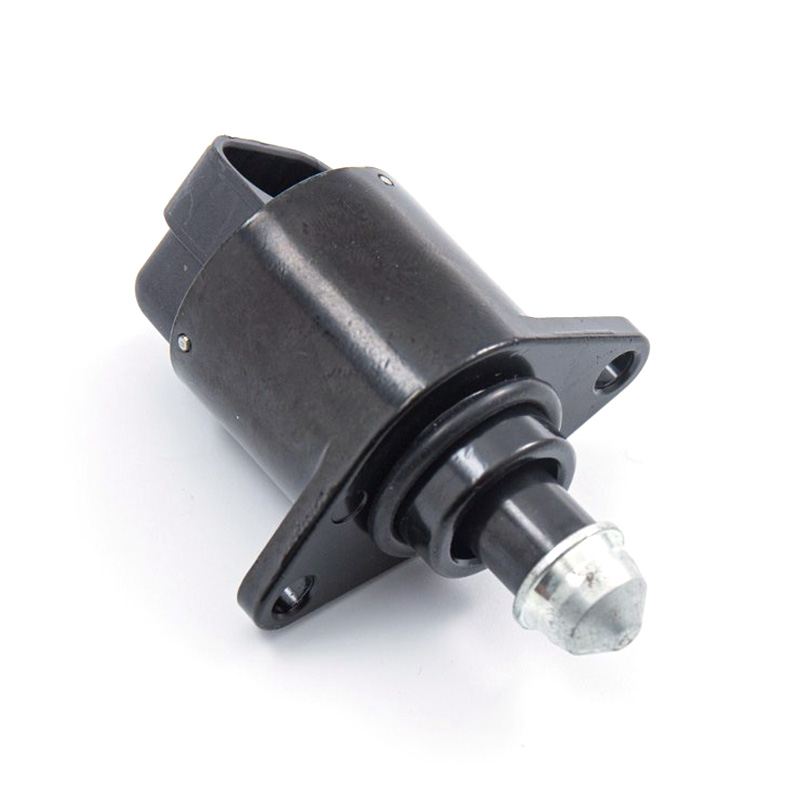
China Auto Parts Manufacture with Wholesale Price for Idle Air Control Valve,Crankshaft Position Sensor,Camshaft Position Sensor,Throttle Position Sensor.
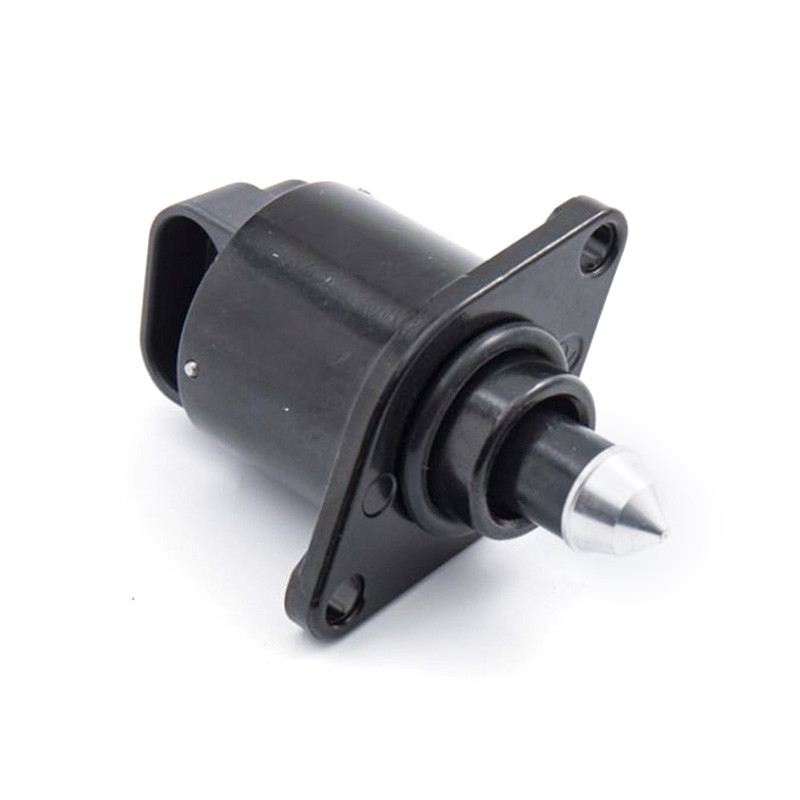
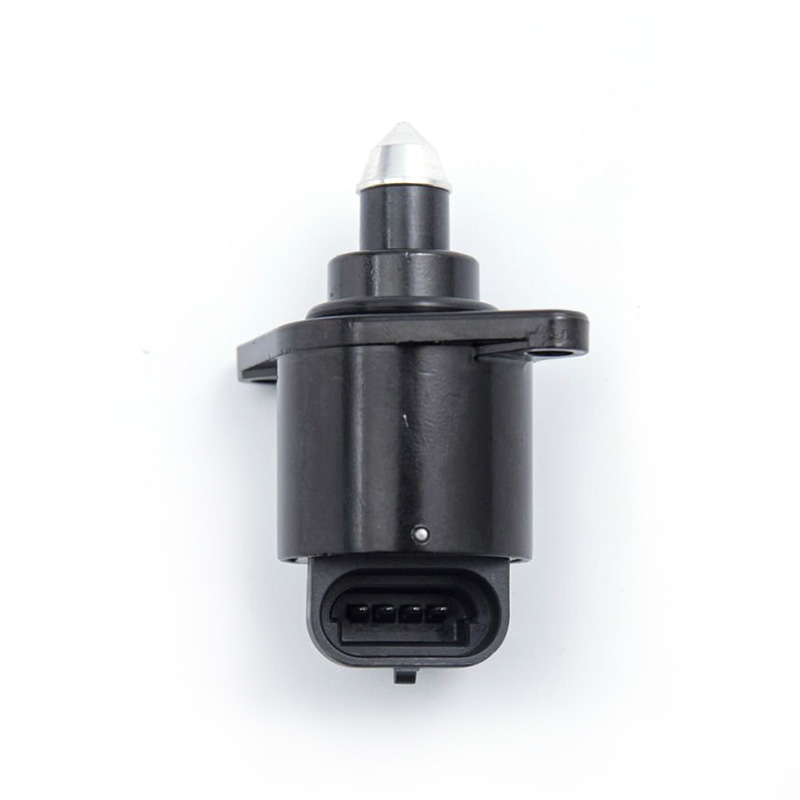
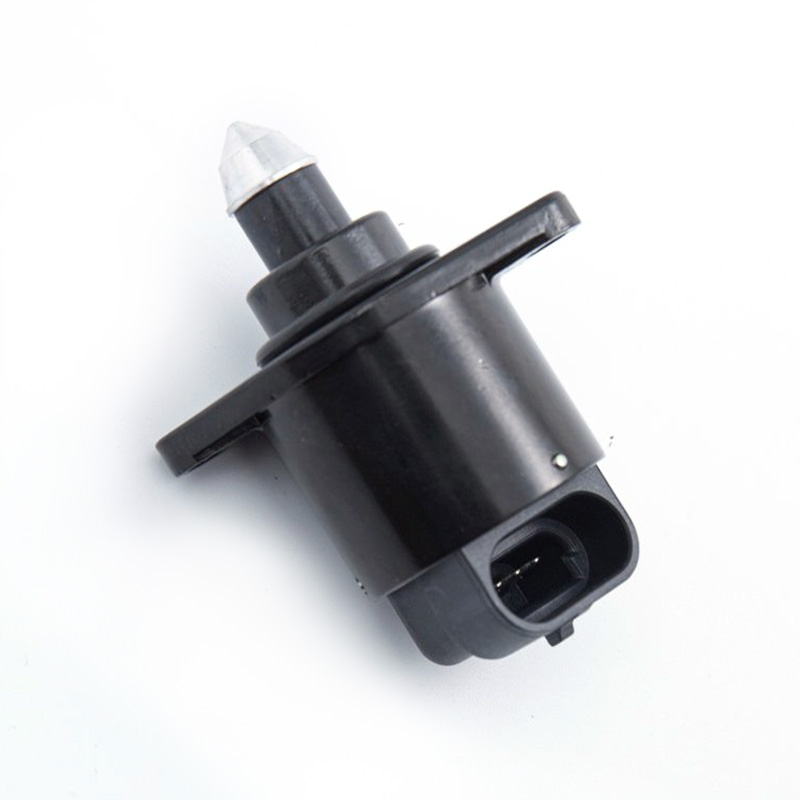
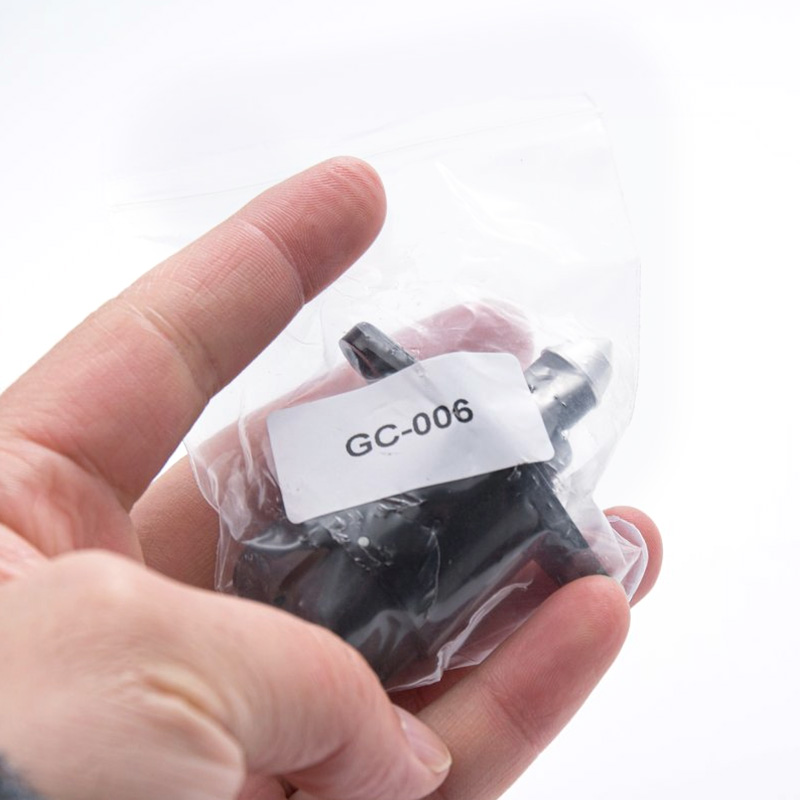
GC-006
REF OE:
SHORT CODE:D5134
VDO:D95134
RENAULT:7701044401
APPLICATION:
RENAULT CLIO I(B/C57_,5/357)1.4/II(BB0/1/2_,CB0/1/2_)1.4;RENAULT KANGOO(KC0/1)1.4/Express(FC0/1_)1.4;
RENAULT MEGANE Grandtour(KA0/1_)1.4e/I(BA0/1_)1.4e
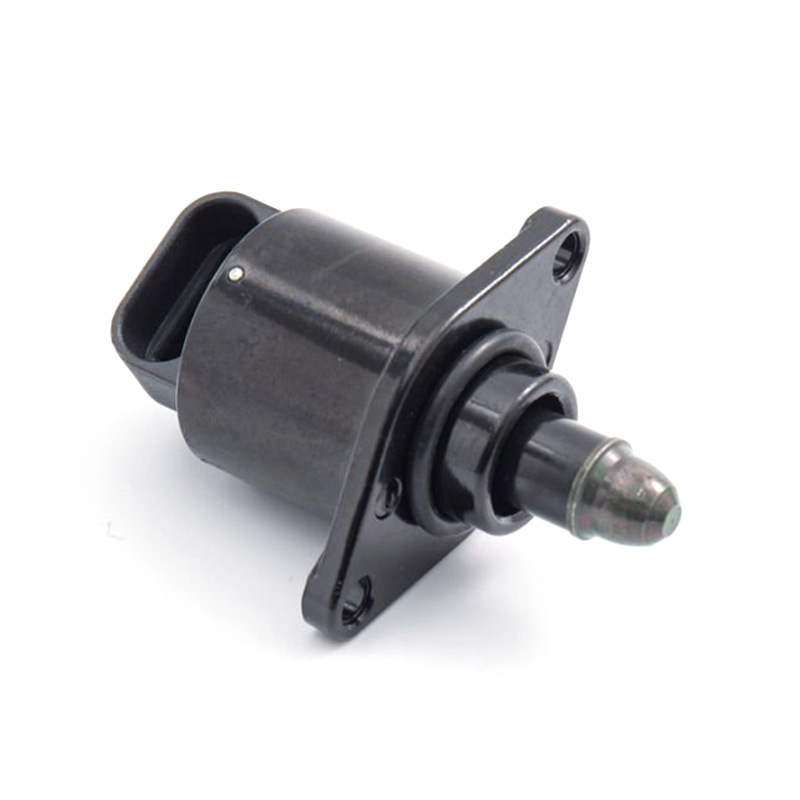
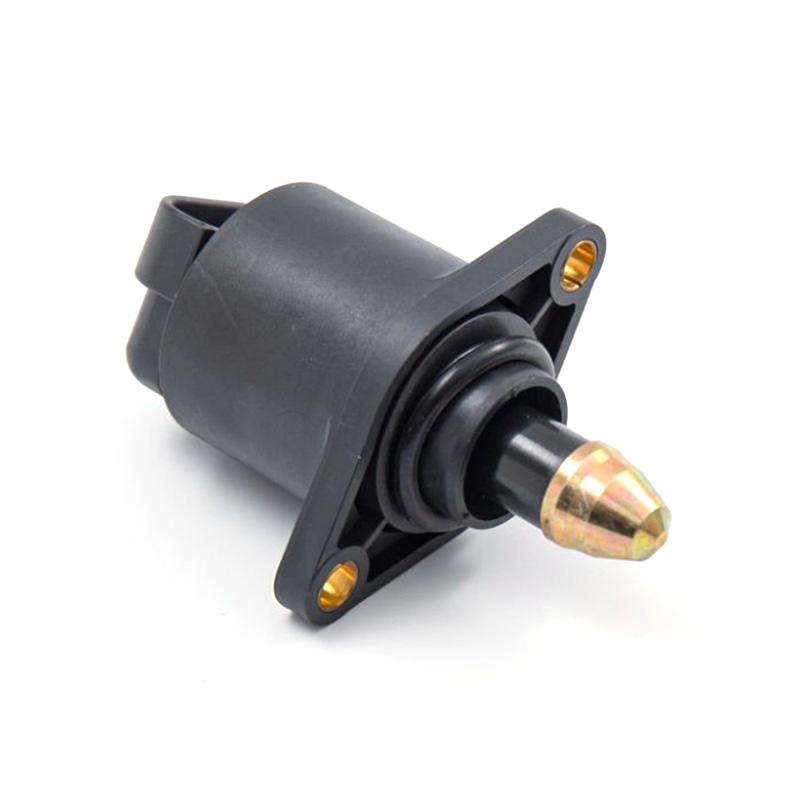
Low price and good quality idle air control valve (IACV) from China,buying and purchasing from China auto parts factory direct!
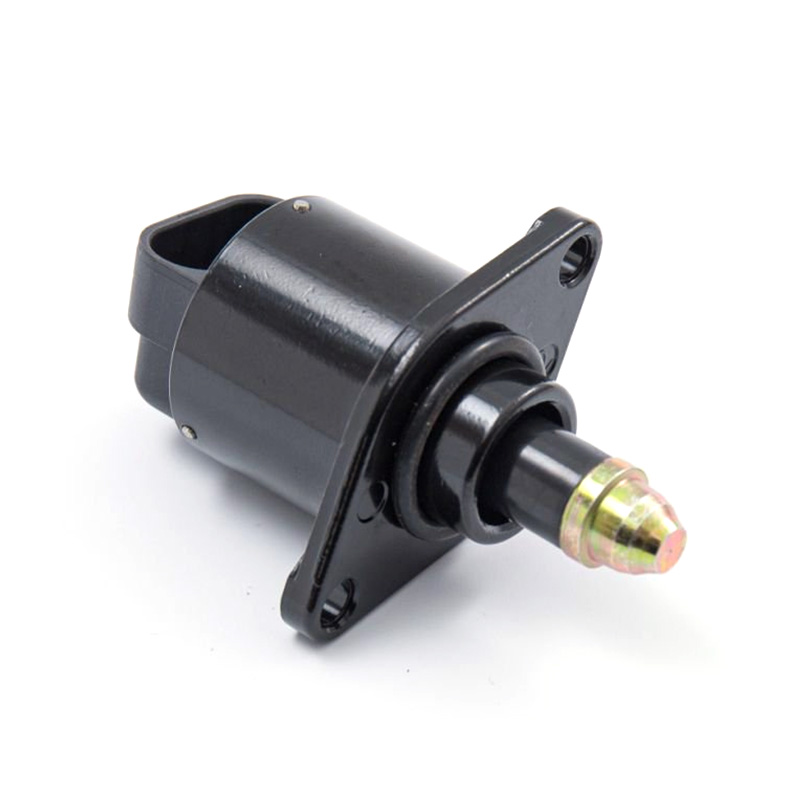
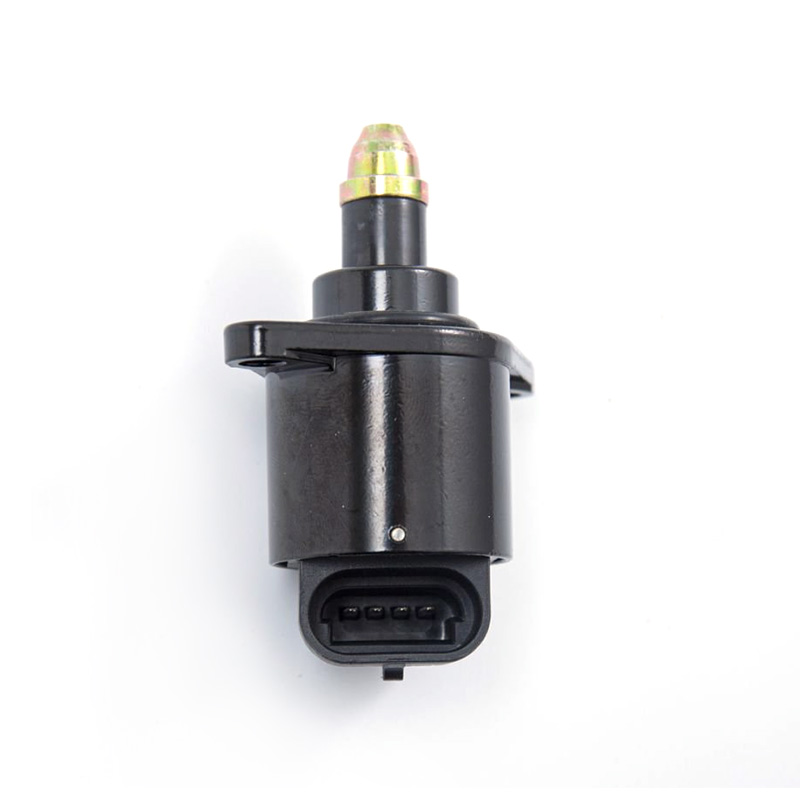
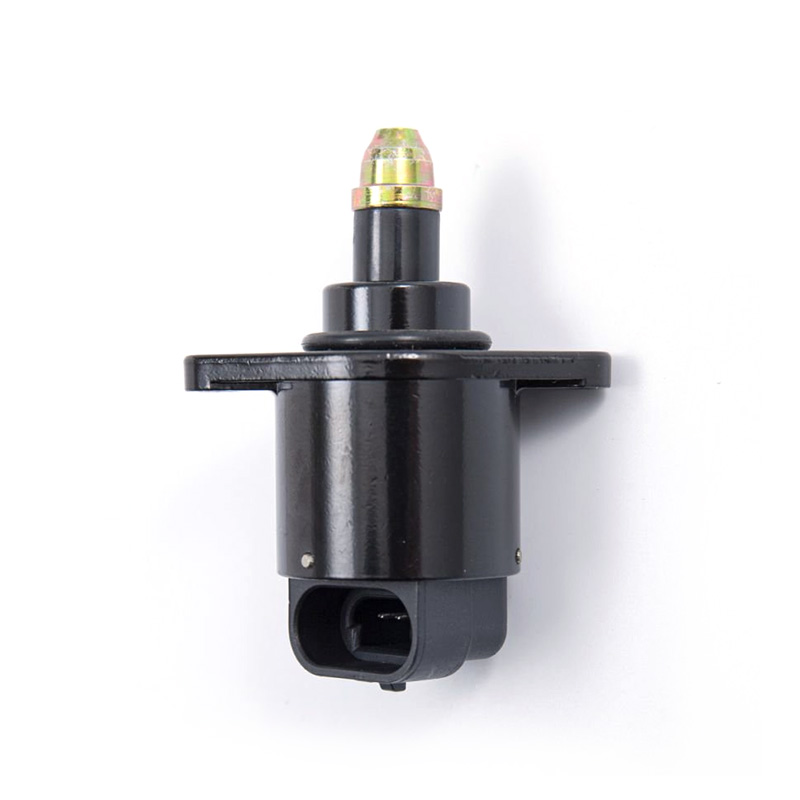
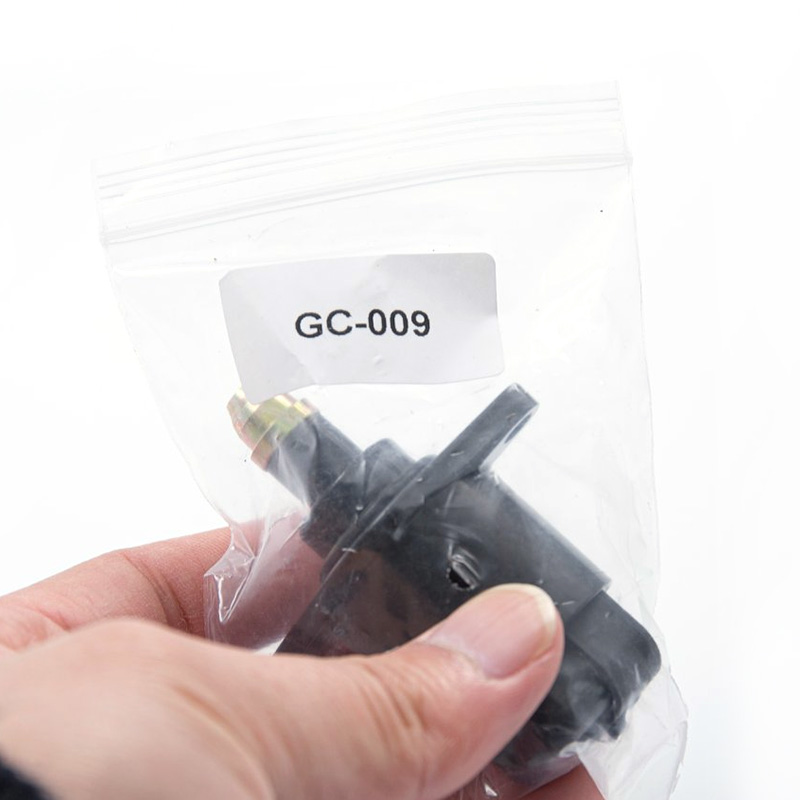
GC-009
REF OE:
SHORT CODE:D5150
MARELLI:40430102 7079064
VW: 0279980491
VDO: AT-05150R
APPLICATION:
Gol/Parati/Quantum/Santana1.8/Saveiro 1.6,1.8 todos MPFI alcool 96>>
Gol/Parati/Polo Classic 1.8/Quantum/Santana 1.8,2.0/Saveiro 1.6,1.8,2.0/Van 1.6 todos MPFI gasolina 96>>
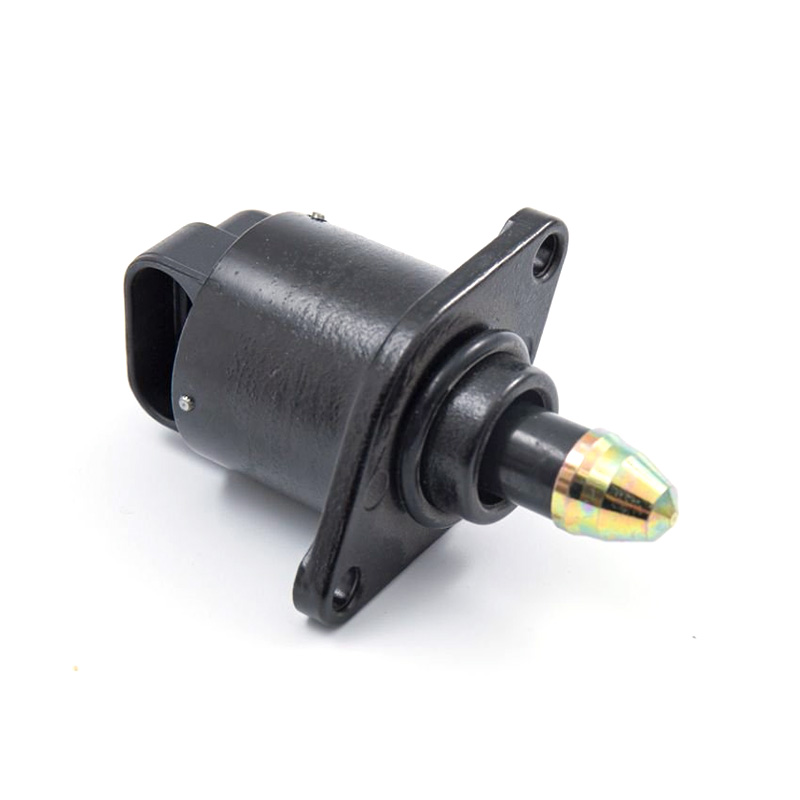
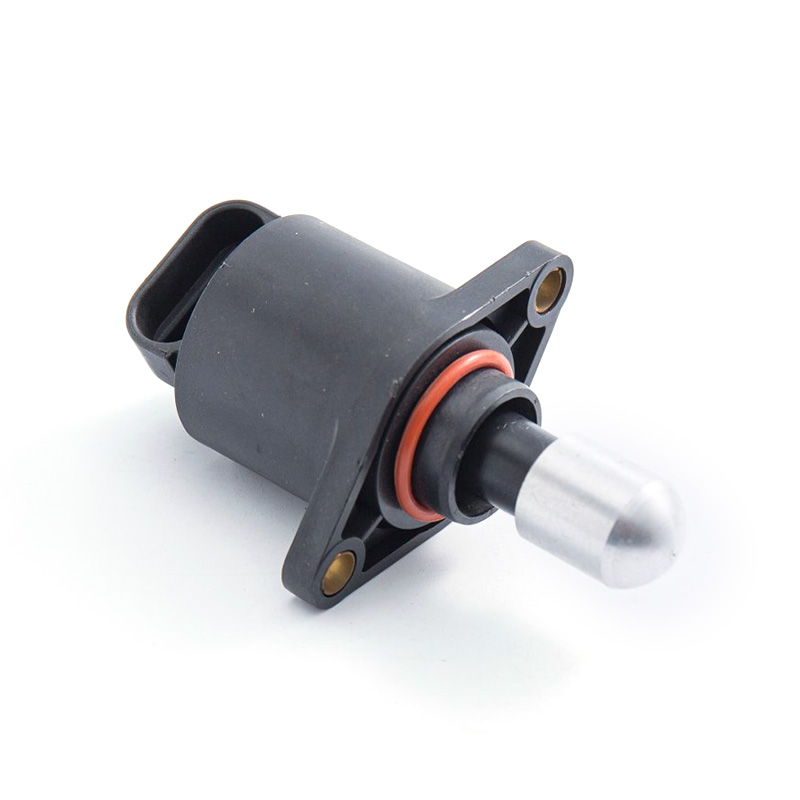
Idle air control valve whole sale price,direct from China factory.
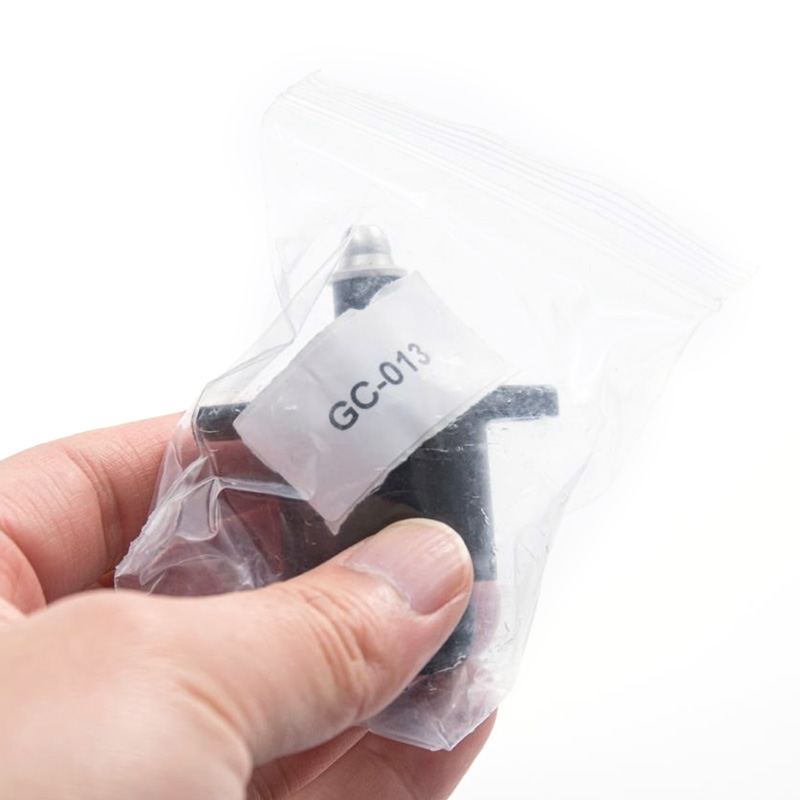
GC-013
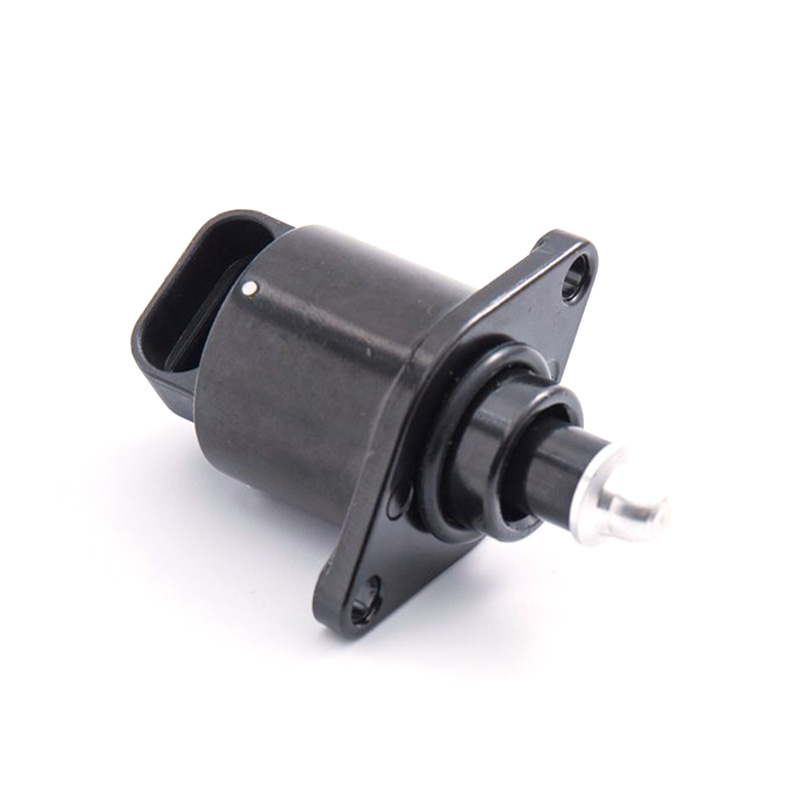
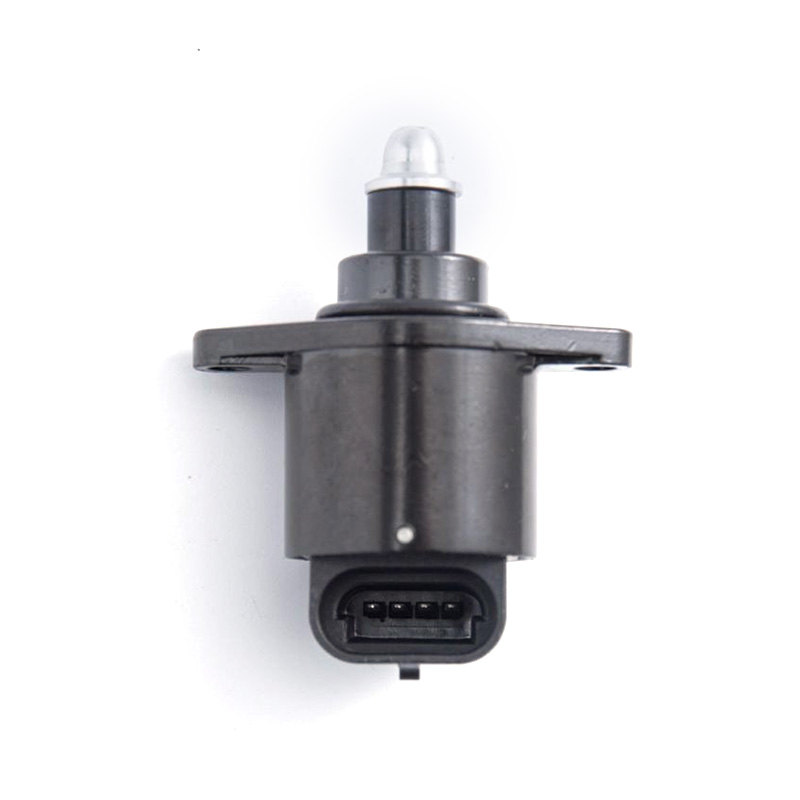
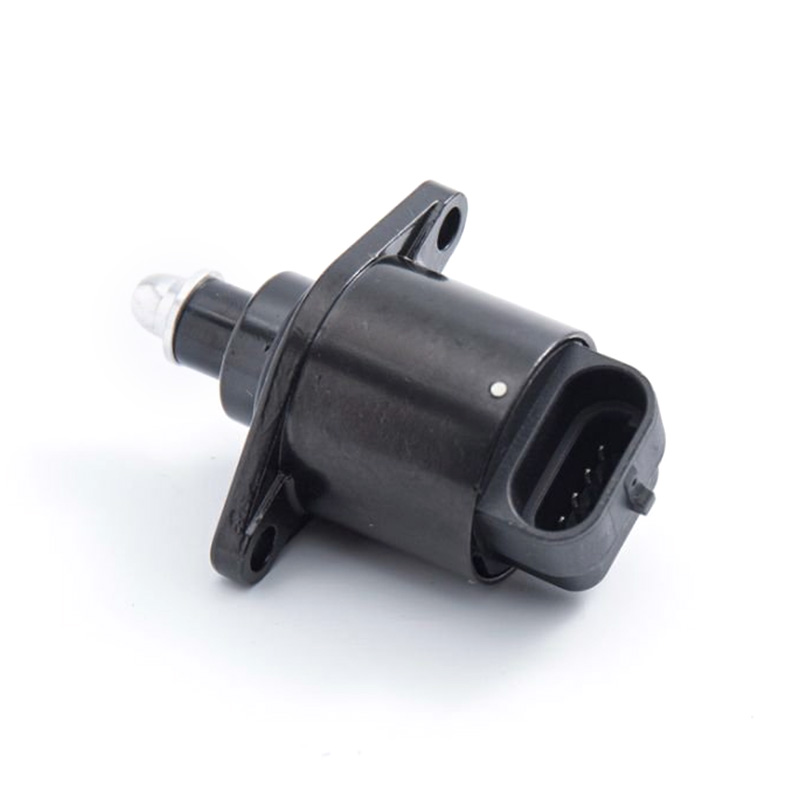
REFERENCE OE:
SHORT CODE: D5103
MARELLI: 40397102
VDO: AT-05103R
FIAT: 7077213
RENAULT: 7702217296
APPLICATION:
RENAULT MEGANE Classic/Grandtour(KA0/1_)I(BA0/1_);
RENAU SCENIC I(JA0/1_)1.8 16V
Idle air control valve from China manufacture!
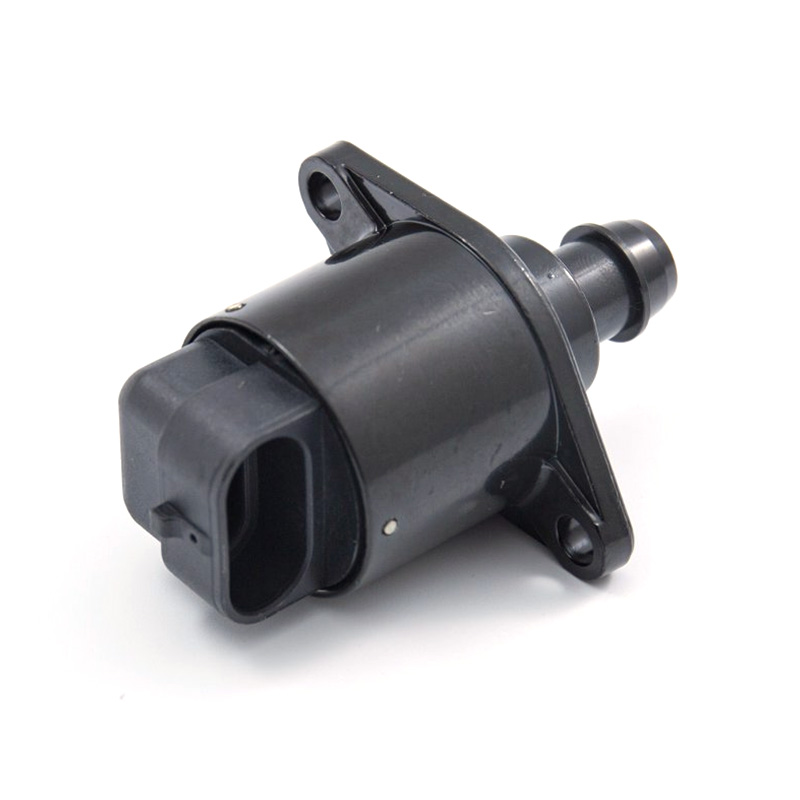
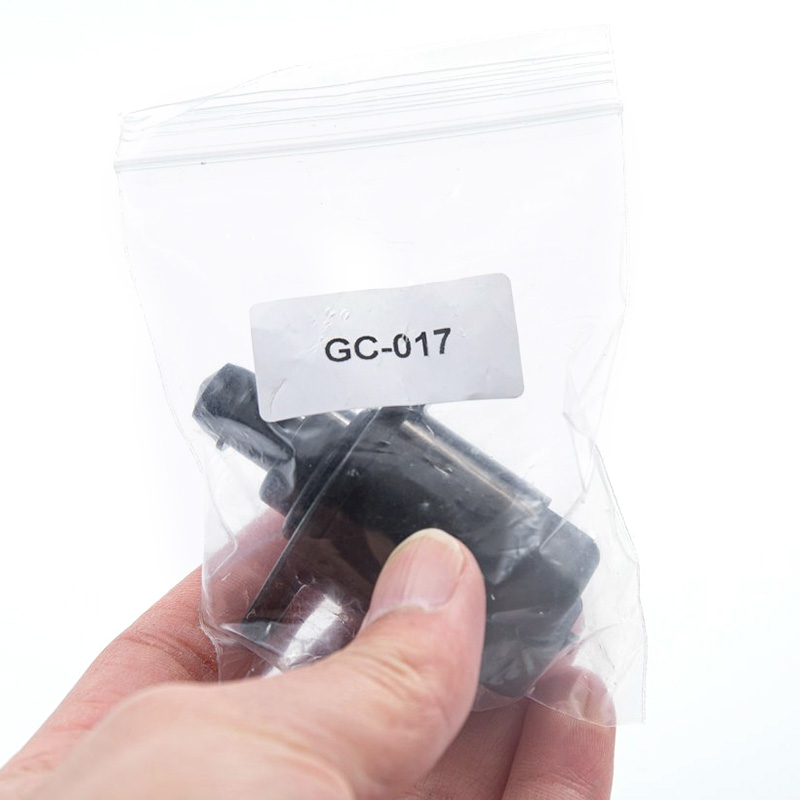
GC-017
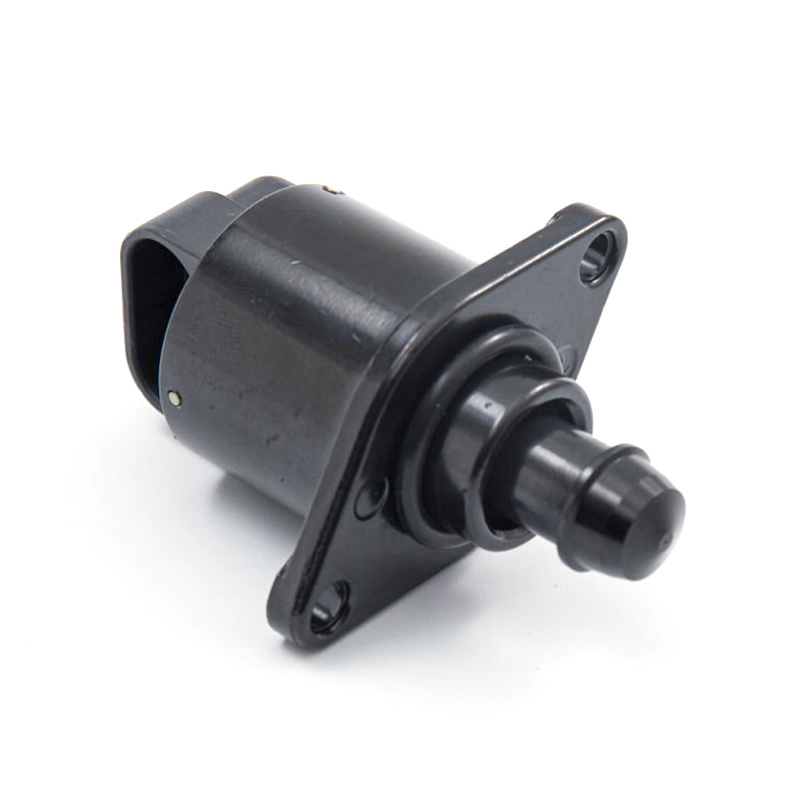
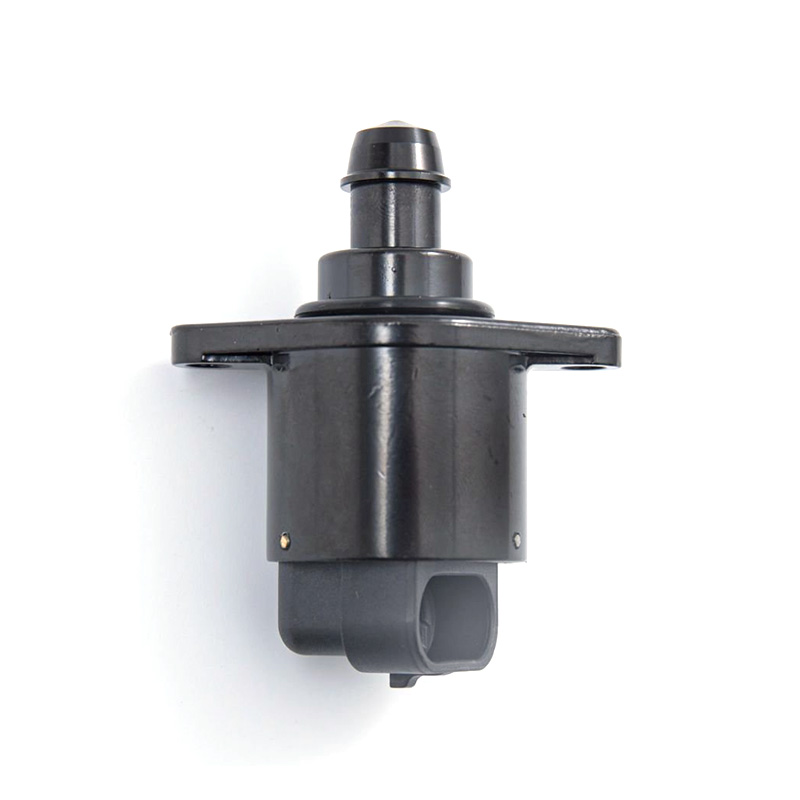
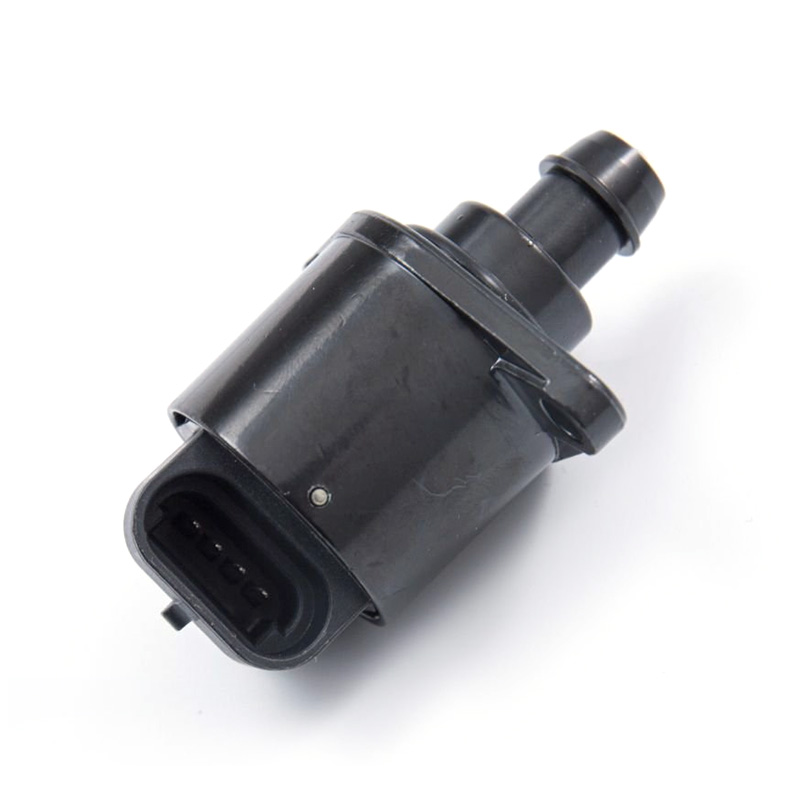
REFERENCE OE:
SHORT CODE:B28/00
RENAULT:8200299241 7700102539
SIMENCE:D95166 B28/00 8200299241 7700102539 D95166
APPLICATION:
OPEL VIVARO Combi/Kasten;
RENAU AVANTIME;
RENAU CLIO II/ESPACE III;
RENAU LAGUNA/LAGUNA II;
RENAU MEGANE Cabriolet/Classic/Coach/Grandtour;
RENAU SCENIC I/II
Idle air control valve for wholesale and retail from China!
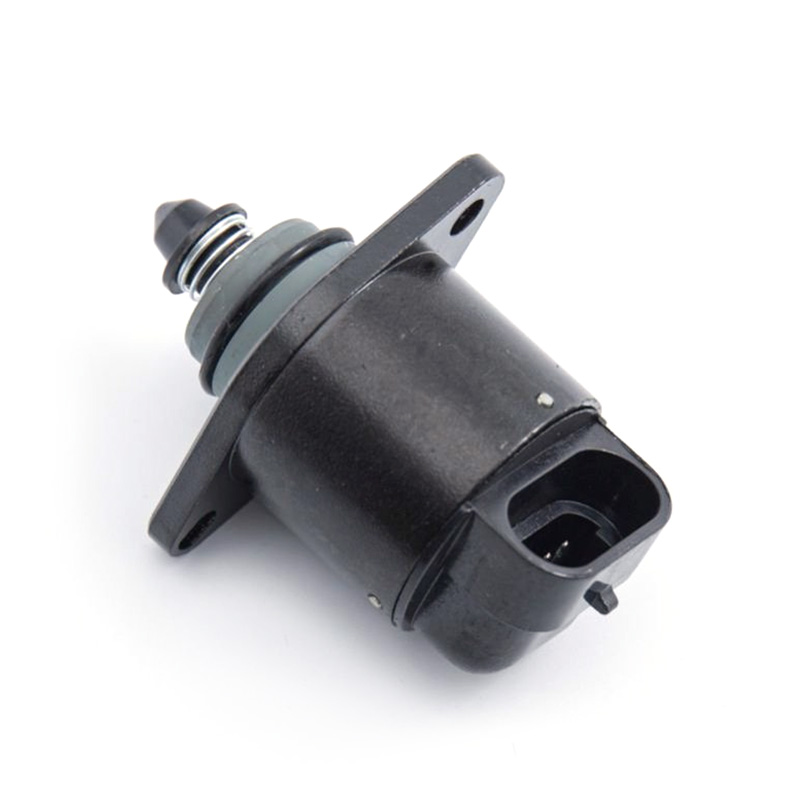
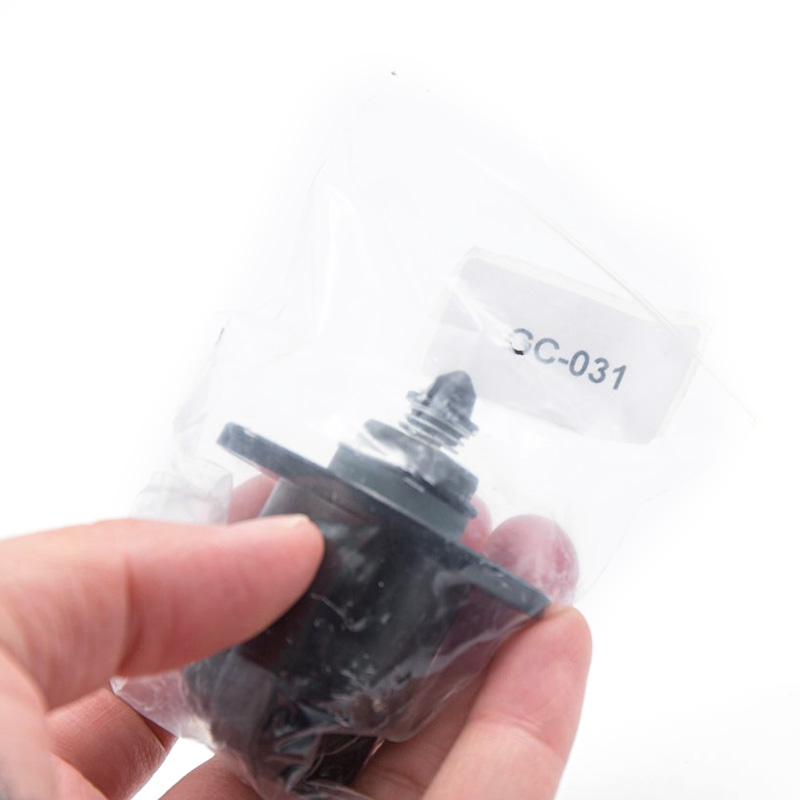
GC-031
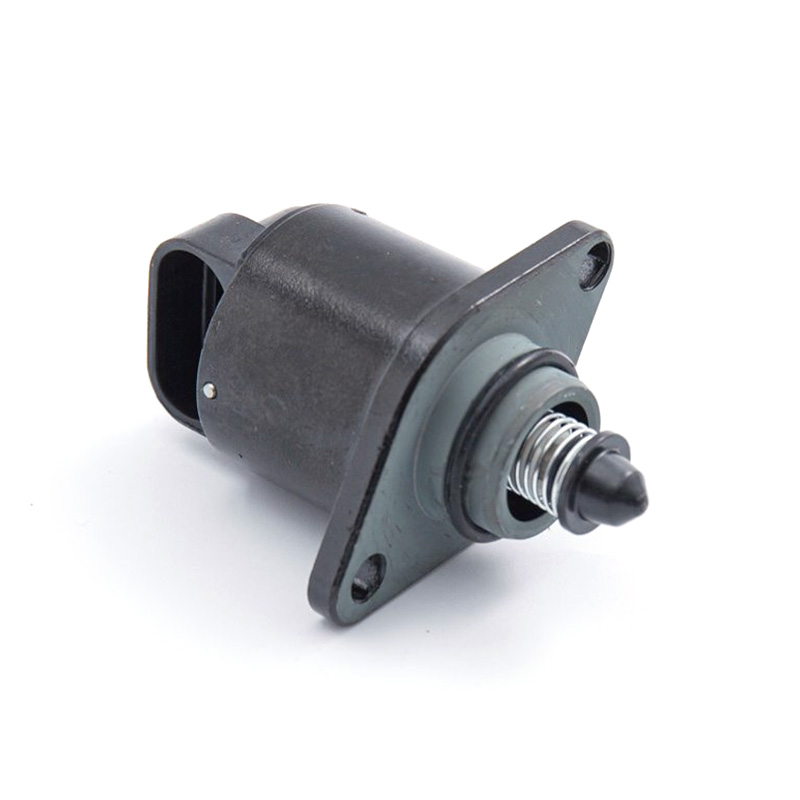
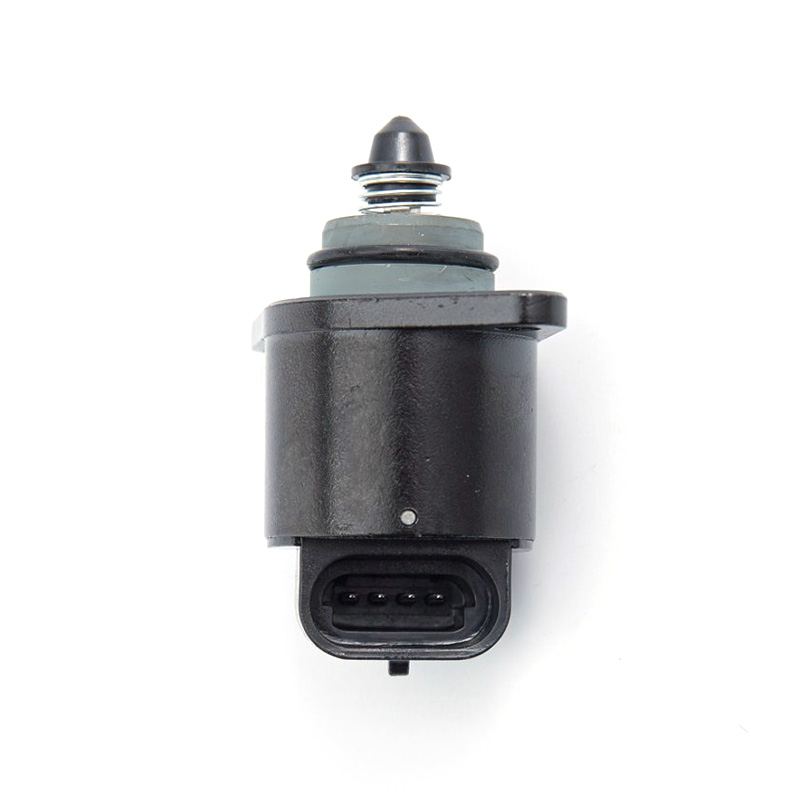
REFERENCE OE:
2112-148300-02
APPLICATION:
LADA
Idle air control valve from China factory for Lada.
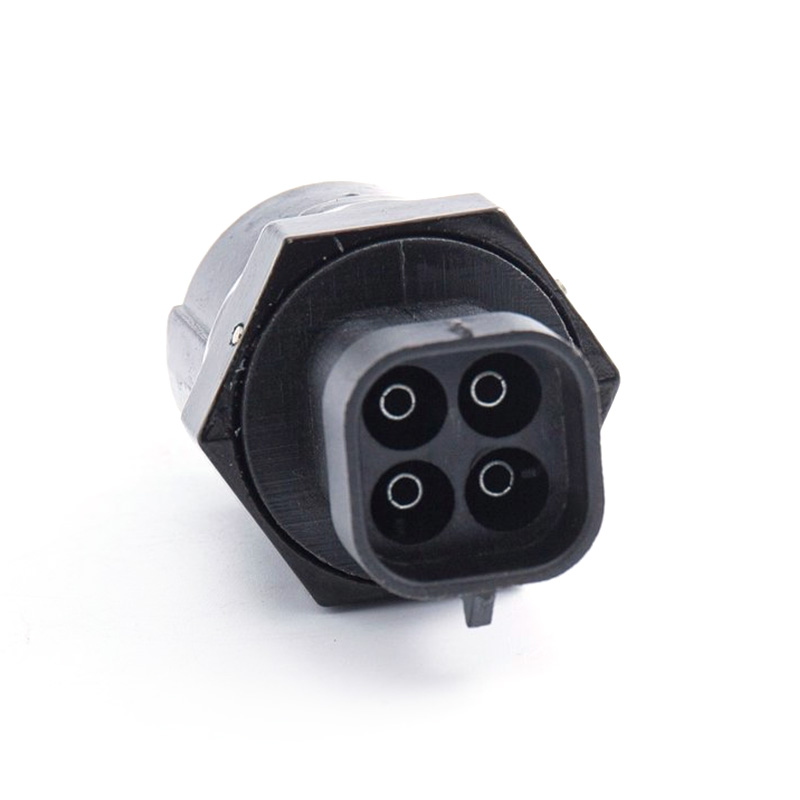
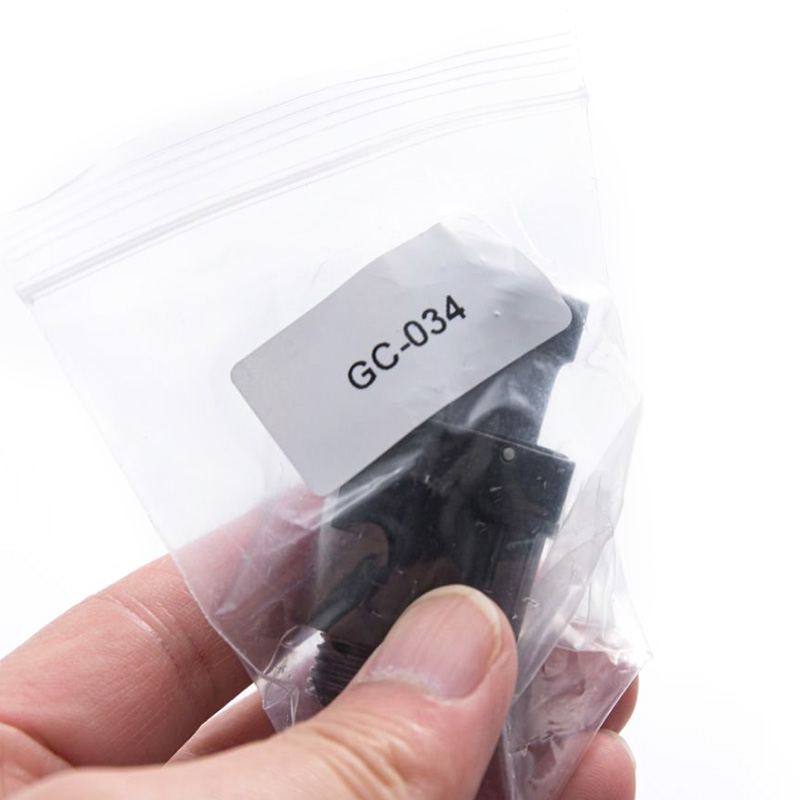
GC-034
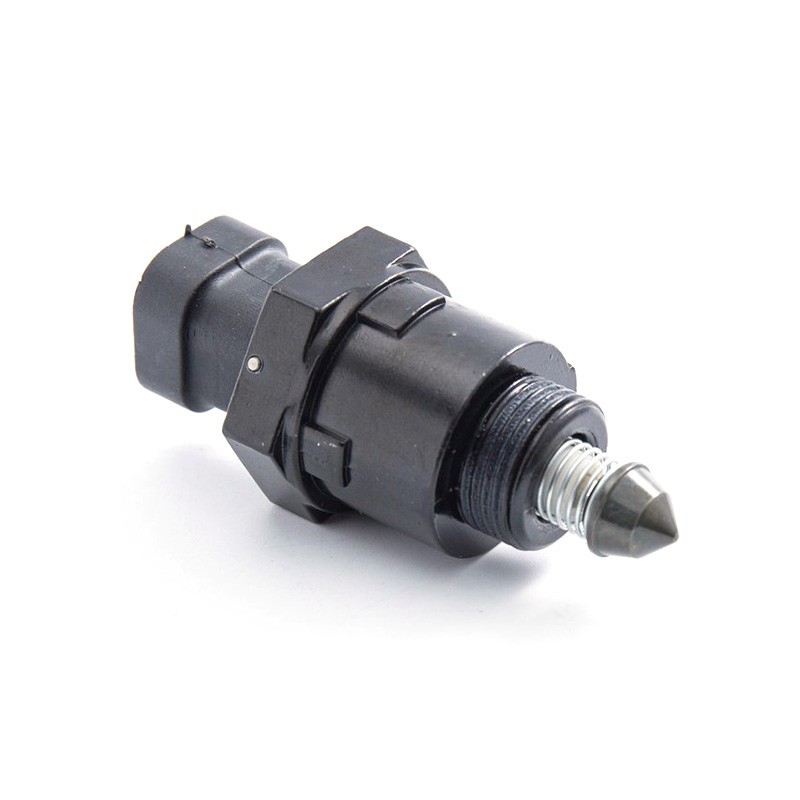
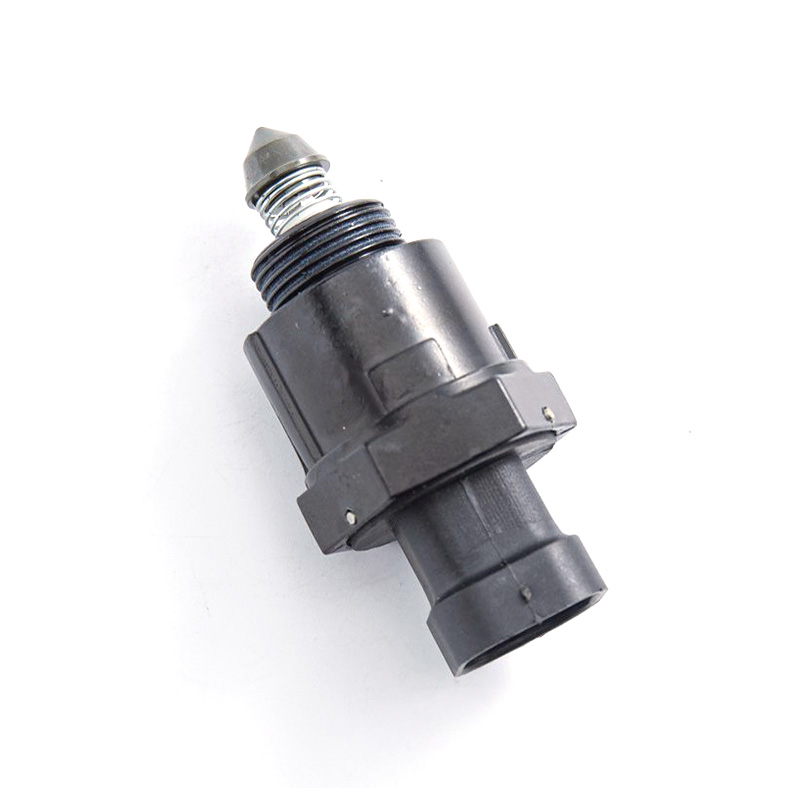
REFERENCE OE:
STD:AC16 WELLS:AC114 OEM:C403056730 17112193, 217415
APPLICATION:
LAND ROVER;
1985-1994 Astro)
1992-1995 Suburban
1988-1995y C1500 pickup
1988-1995y K1500 pickup
Idle air control valve from China factory for Land Rover.
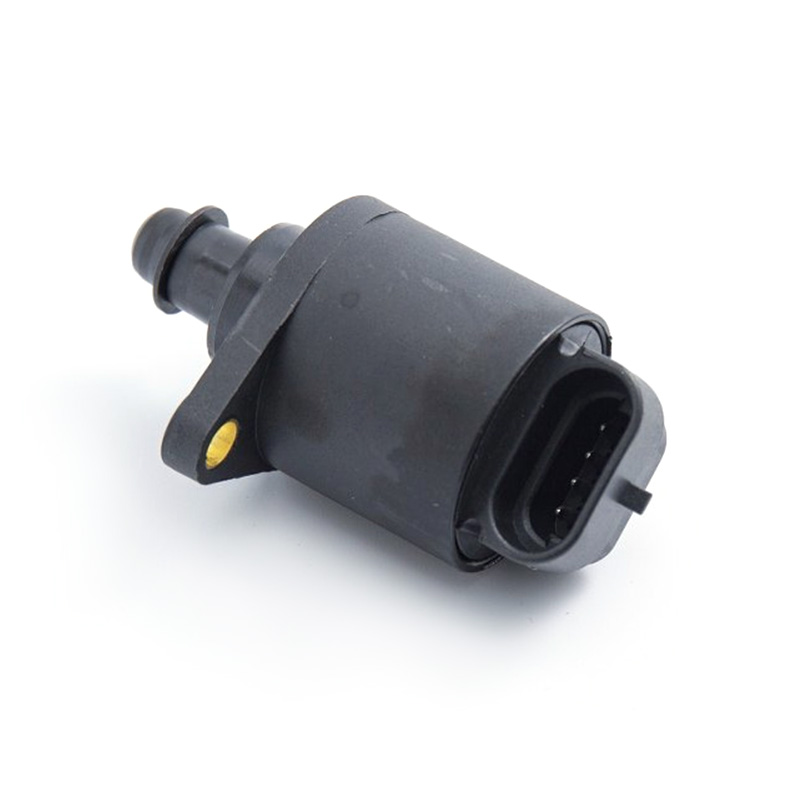
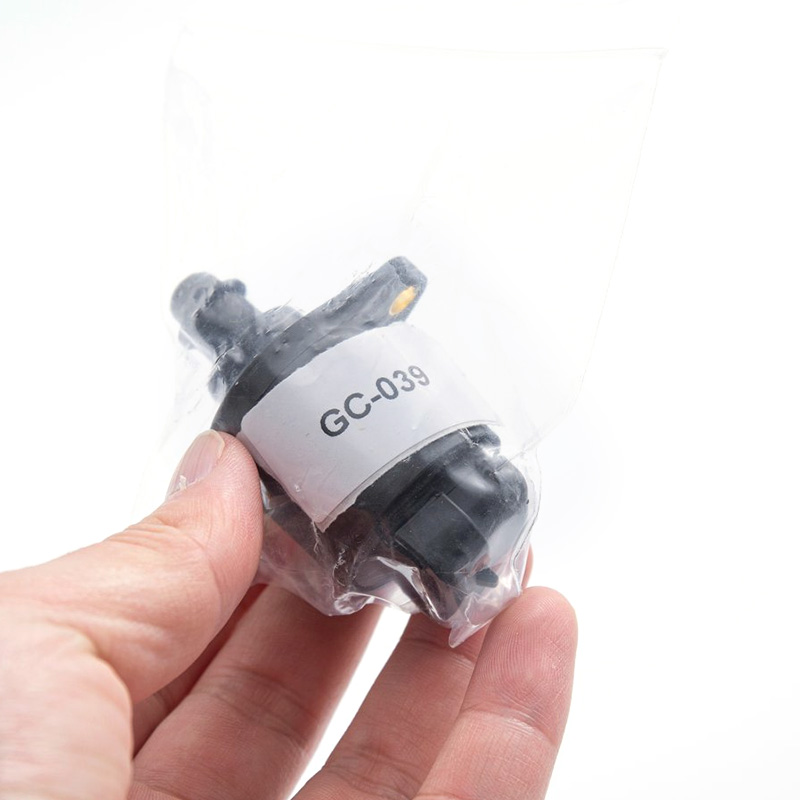
GC-039
REFERENCE OE:
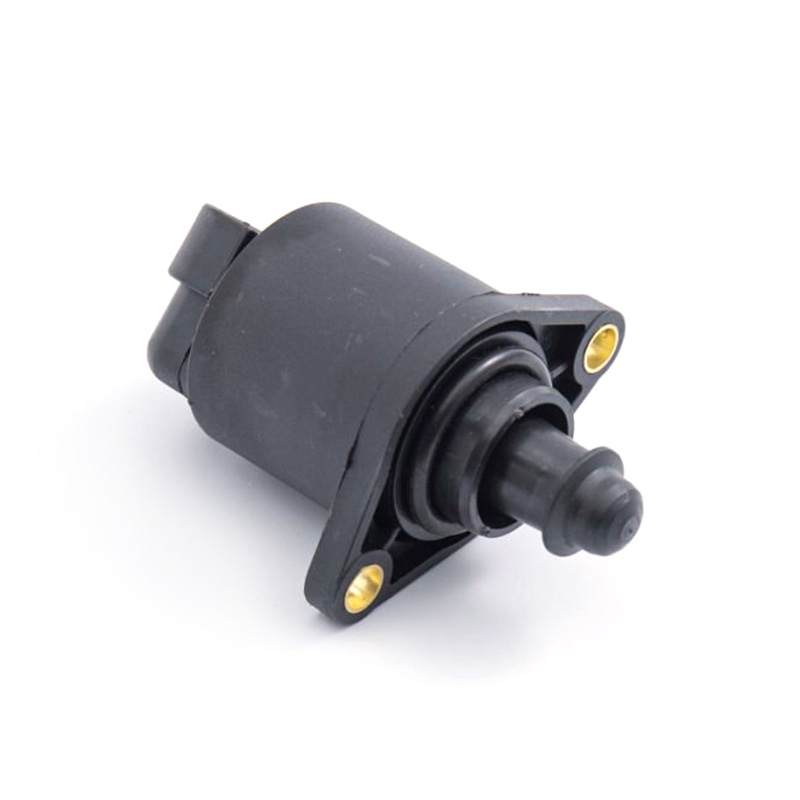
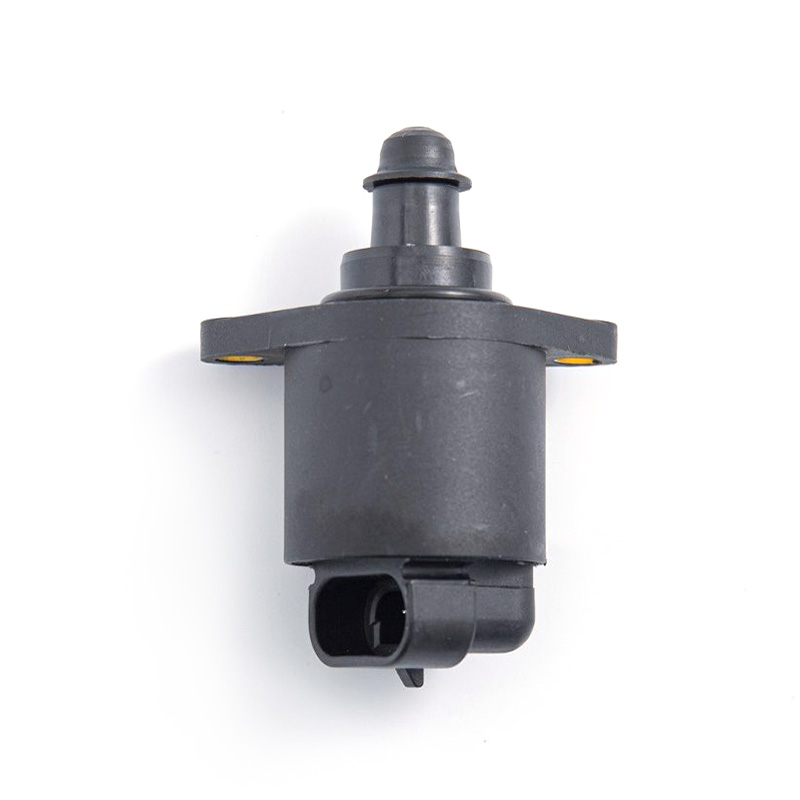
MARELLI:B35/00
MARELLI:801001185201
PSA:1920AH
APPLICATION:
PEUGEOT 206 1.1 EOBD
Idle air control valve from China factory for Peugeot 206.
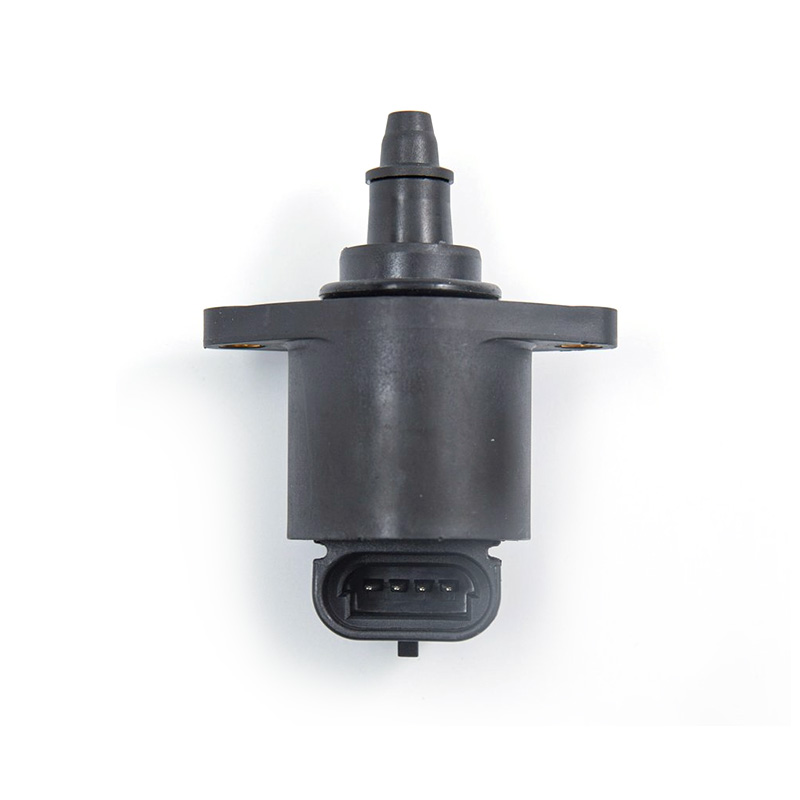
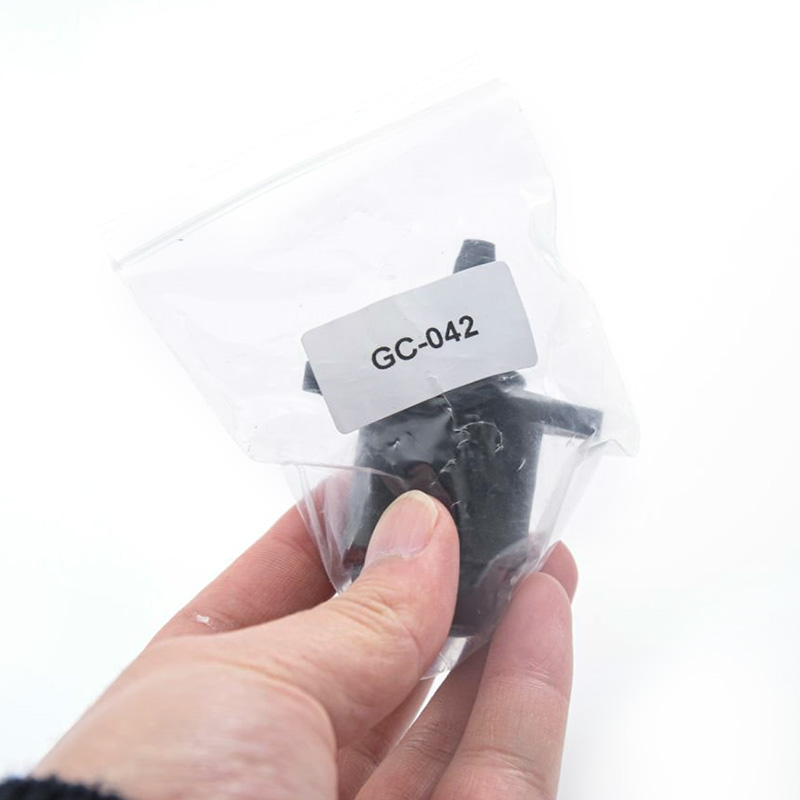
GC-042
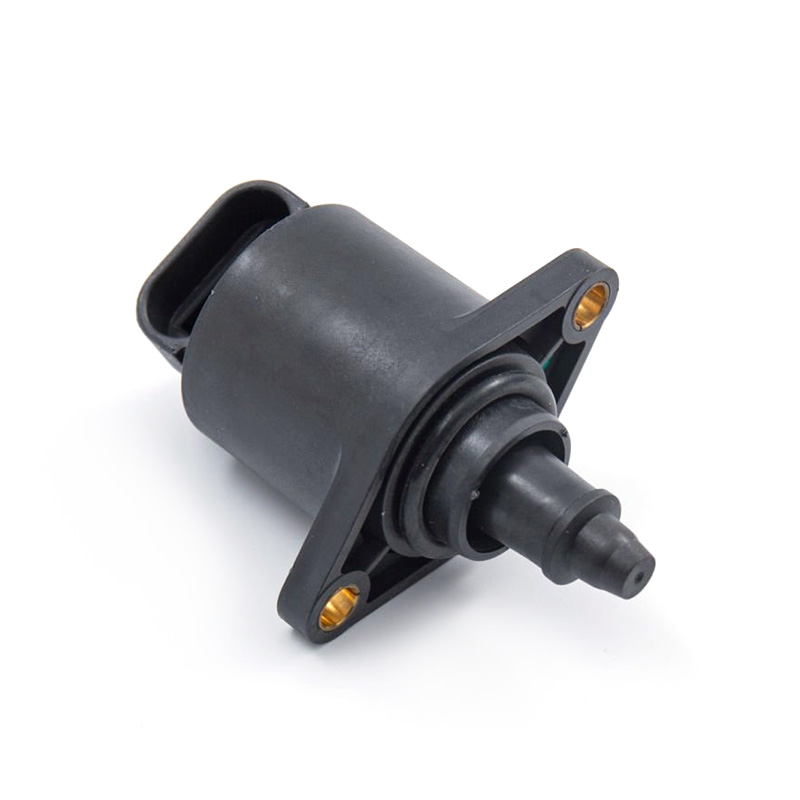
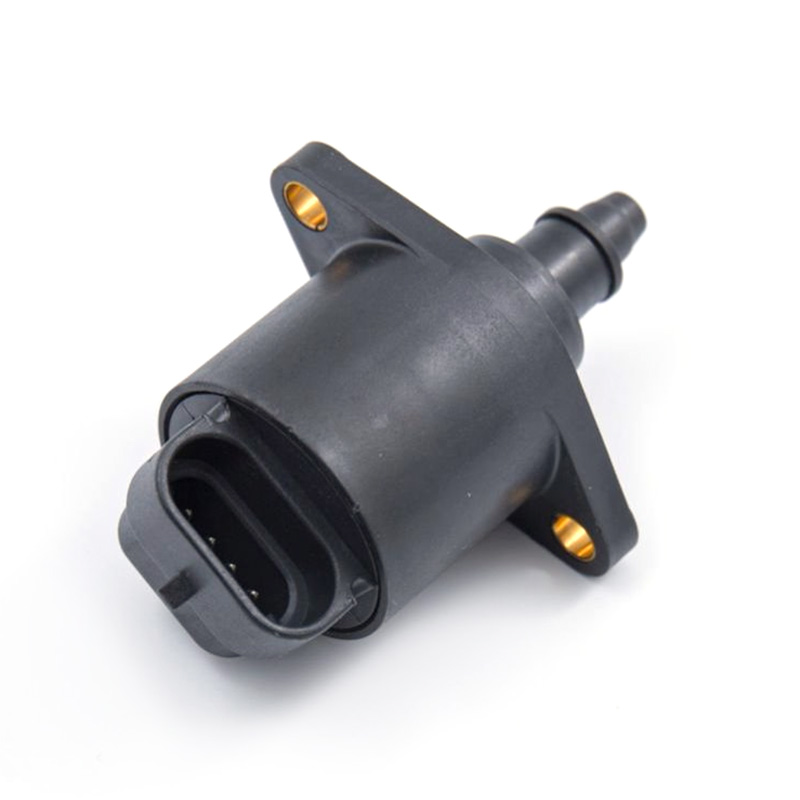
REFERENCE OE:
SHORT CODE: D5104
FIAT: 7078983 0269980492
VDO: AT-5104R ;
APPLICATION:
PALIO 99->1.6 SPI/SIENA 99->1.6SPI/STRADA 99->1.6SPI/GOL99->1.0 SPI
Idle air control valve from China factory for Fiat Palio.
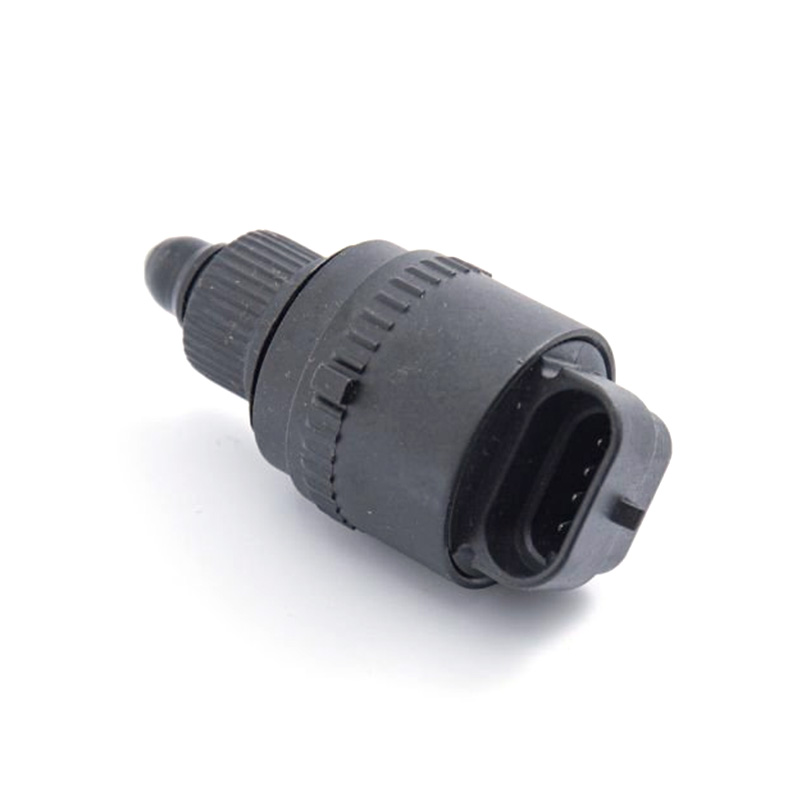
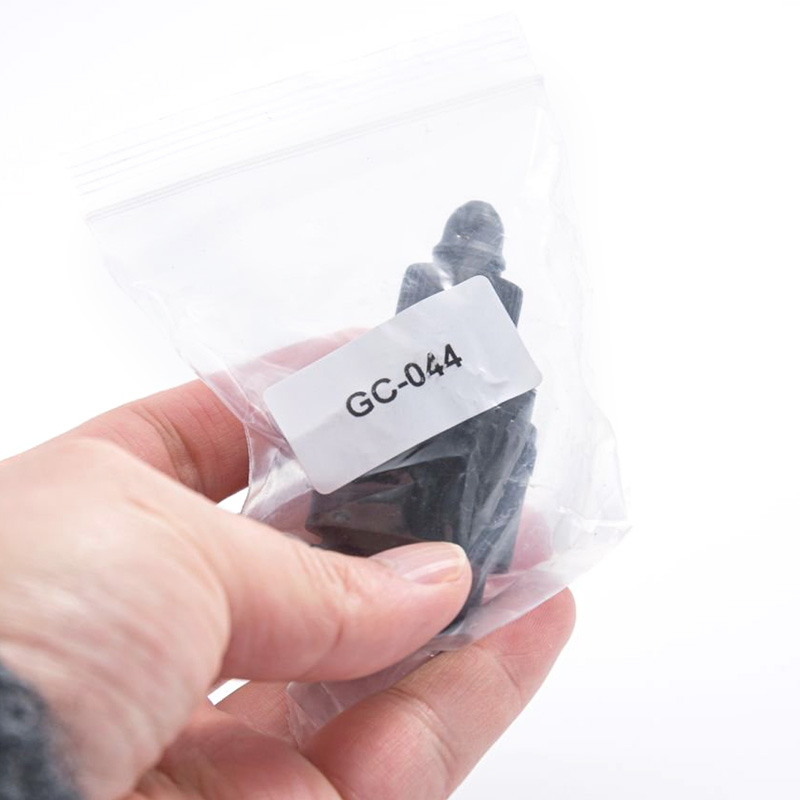
GC-044
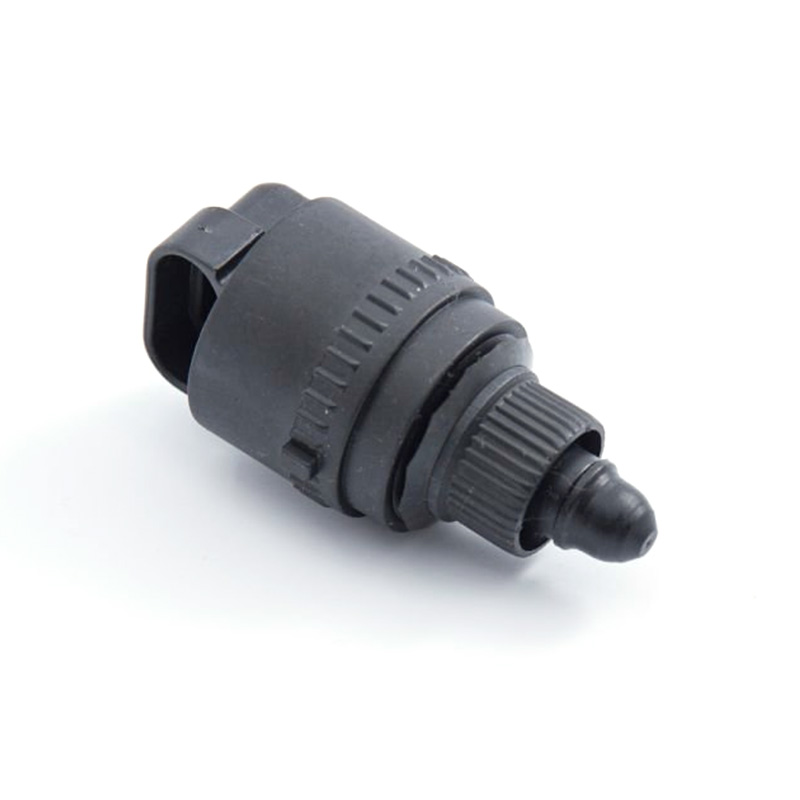
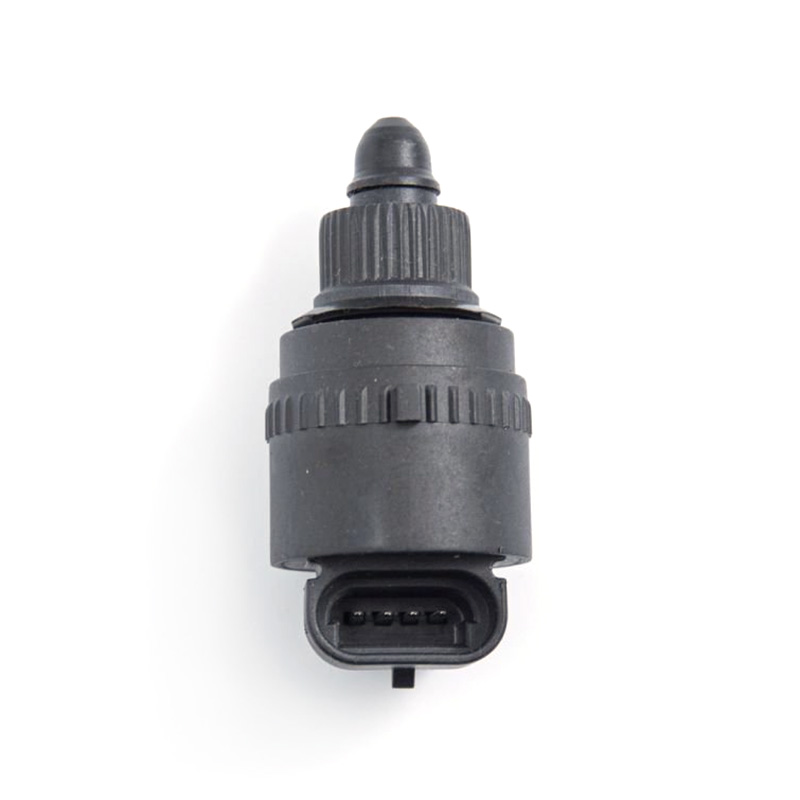
REFERENCE OE:
IB01/00
40442902
71718105
APPLICATION:
FIAT 500 1.2;Boblo;Grande Punto;Idea 1.4;Linea 1.4;Palio(178BX)1.2;Panda;Punto;Lanci Musa 1.4;Y(840A)1.2;Ypsilon 1.2 1.4
Idle air control valve from China factory for Fiat Palio.
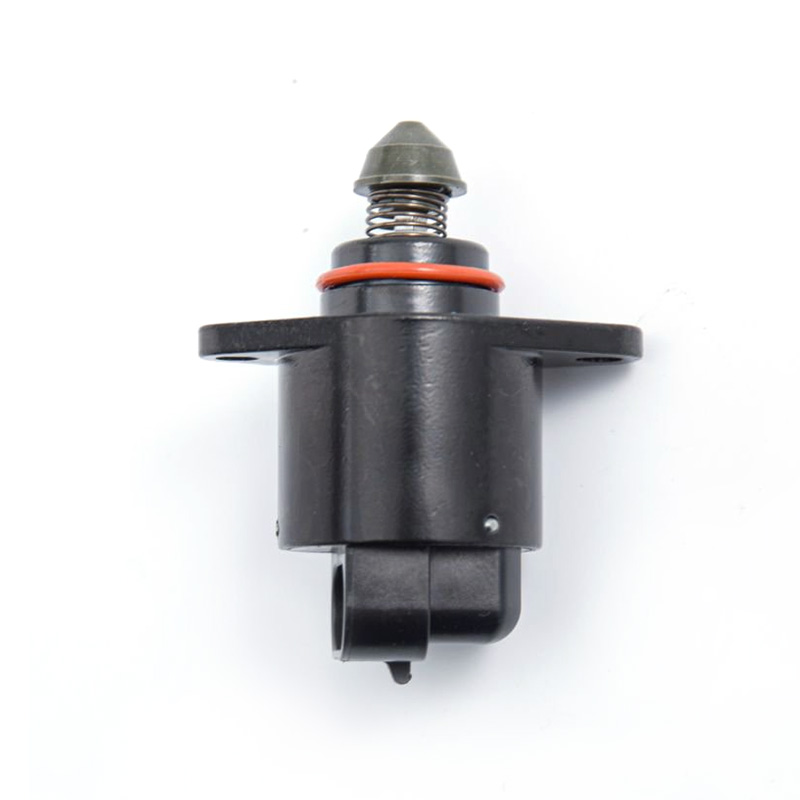
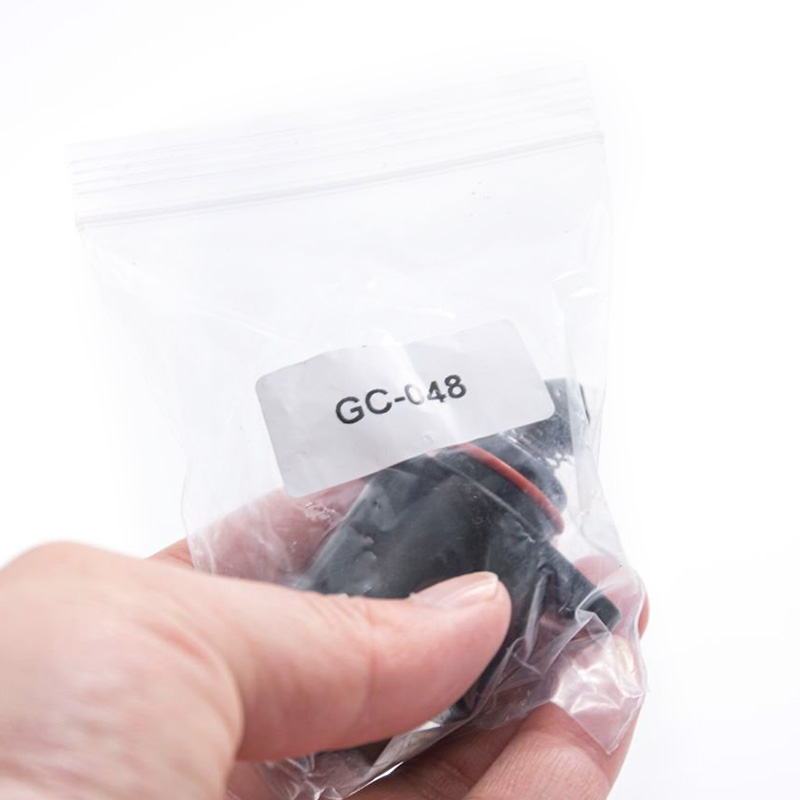
GC-048
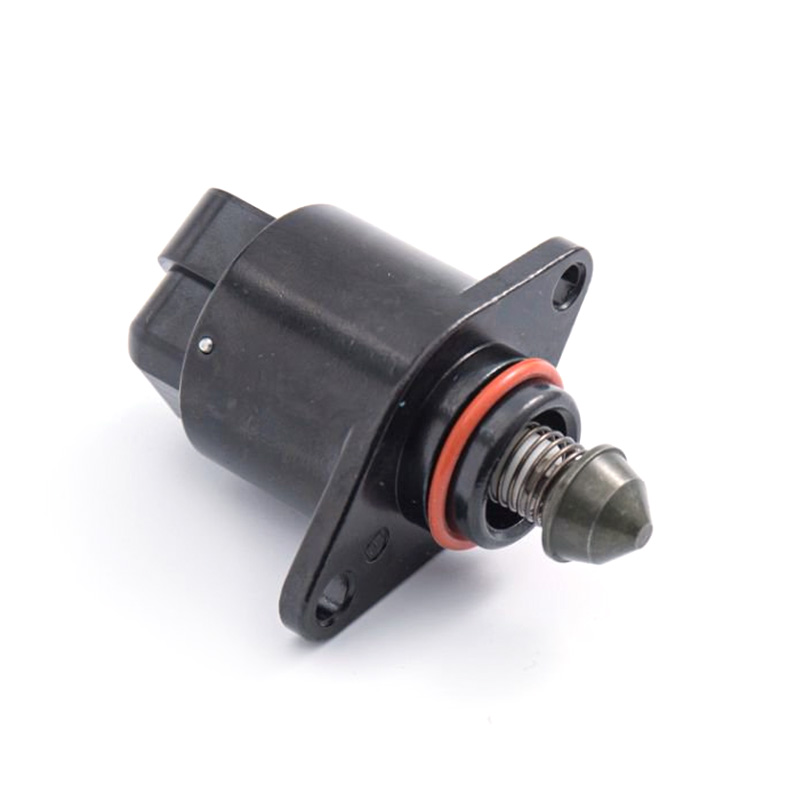
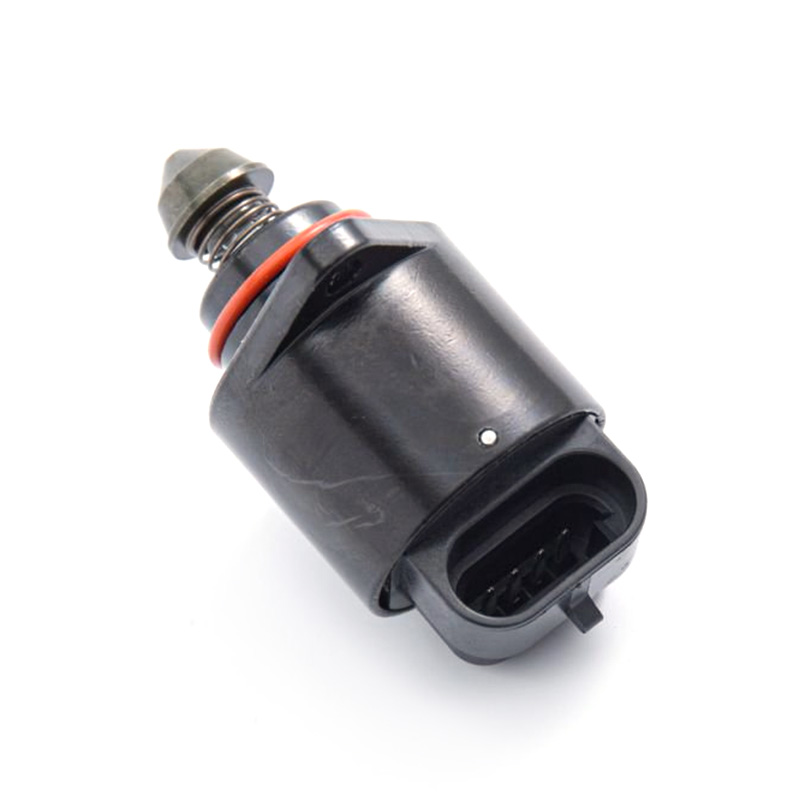
REFERENCE OE:
SHORT COD:02851
GM: 17102851
GM: 17112966
GM: 17112967
VDO: A95267
SMW299933
BUICK: D0016,C2177
2151025, AC124, AC130
217428,2H1058
APPLICATION:
Delica Van
Idle air control valve from China factory for Delica Van.
Contact Us
Let's start collaborating

Guocheng is specialized in the R&D and production of key engine components for the automotive and engineering machinery industries.
Product
Stay Connected
(+86) - 577 - 8582 0886 (Tel)
(+86) - 577 - 8582 8085 (Fax)
(+86) - 19730213059 (Phone)
sales@wz-gc.com
No. 205, Baiyu Road, 15th Road, Binhai Park, Wenzhou, Zhejiang, China
Mobile

ODM Engine Management System Components
 English
 русский
 Español
 عربى
عربى Deutsch