Date:Dec 23, 2025
Modern vehicles increasingly rely on electronic systems to ensure engine efficiency, responsiveness, and reliability. Among the critical components that enable this level of control are sensors and actuators that manage throttle behavior, idle speed, and engine performance. The TPS Sensor, Electronic Idle Air Control Valve, and Electronic Throttle Control Pedal form a core trio of devices that interact closely within the engine management system to deliver smooth operation and precise control. Understanding their functions and interconnections is essential for automotive engineers, mechanics, and vehicle enthusiasts interested in engine optimization.
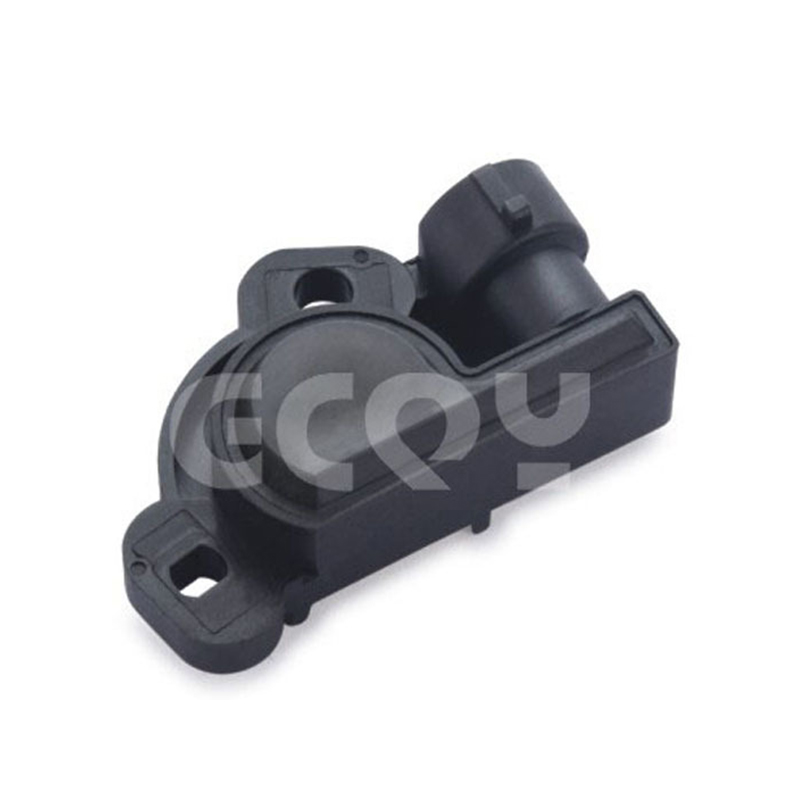
A Throttle Position Sensor (TPS Sensor) is an electronic device installed on the throttle body of a vehicle. Its primary function is to monitor the position of the throttle valve and send this data to the engine control unit (ECU). The ECU uses this information to adjust fuel injection, ignition timing, and other engine parameters to match driver input and driving conditions.
TPS Sensors are crucial in regulating engine response during acceleration, deceleration, and steady-state driving. By accurately detecting the throttle position, the sensor allows the ECU to modulate the air-fuel mixture and optimize combustion. This contributes to smoother acceleration, reduced fuel consumption, and lower emissions. In modern electronic throttle systems, TPS Sensors work in conjunction with other components such as the Electronic Throttle Control Pedal and Electronic Idle Air Control Valve to create a fully integrated engine management system.
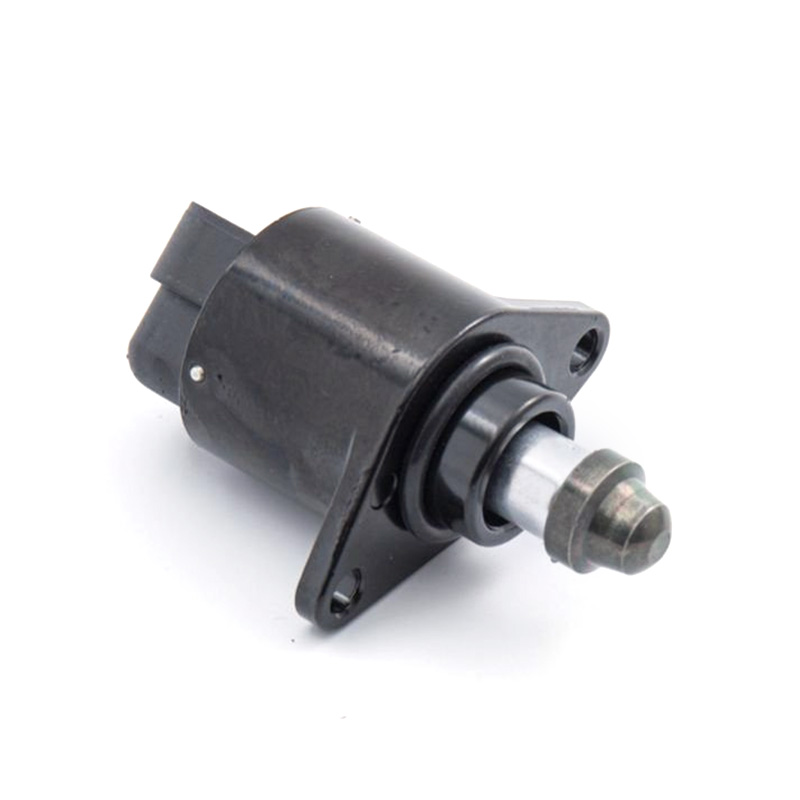
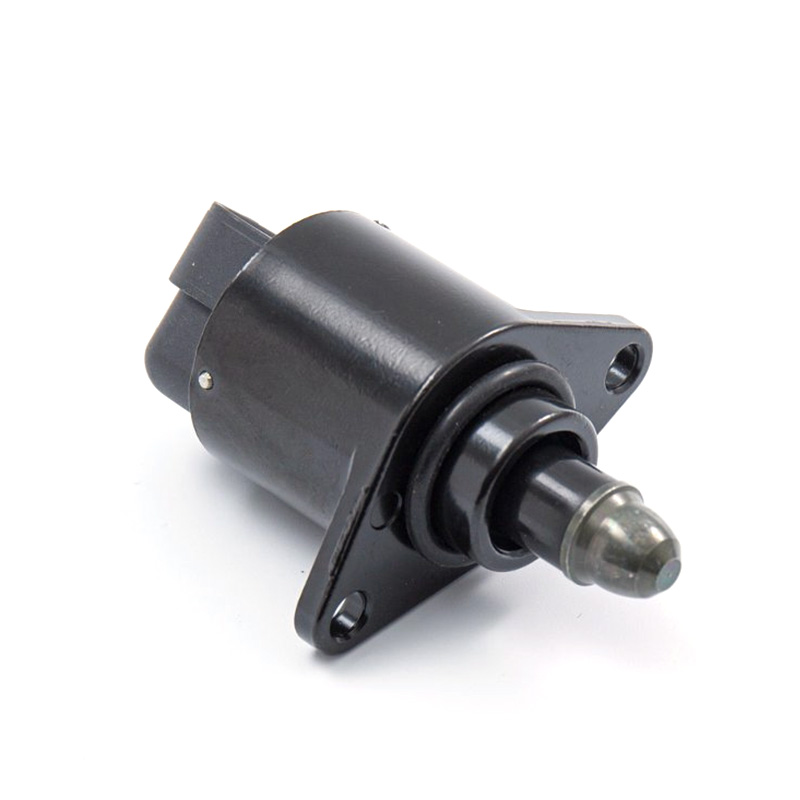
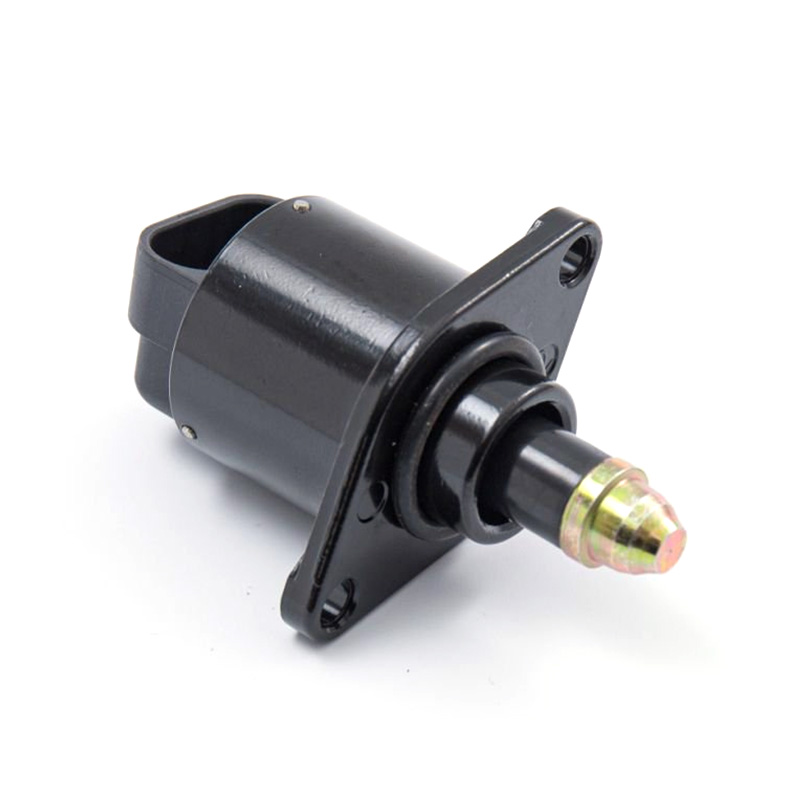
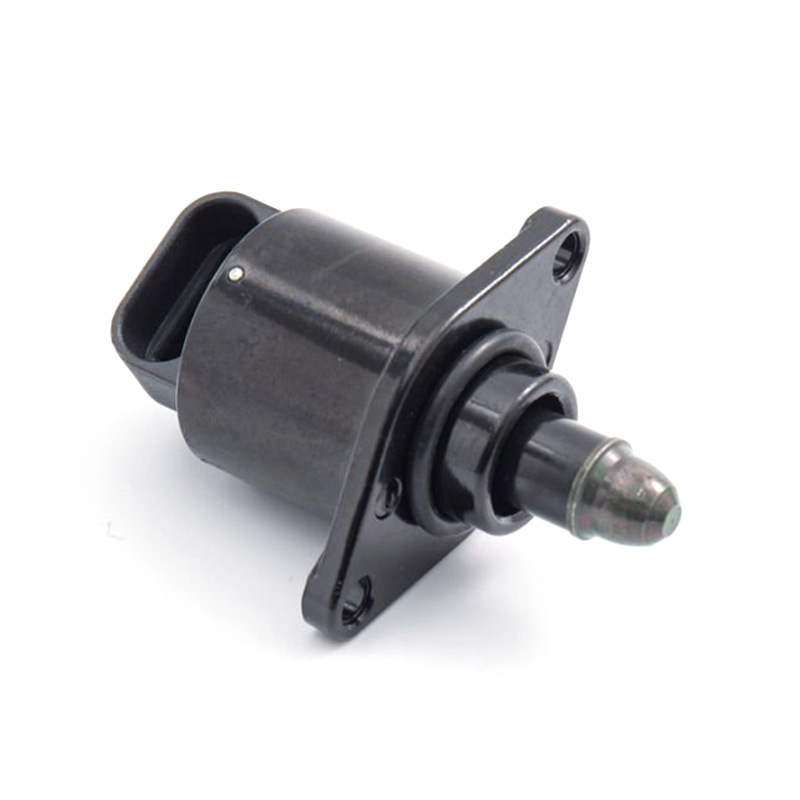
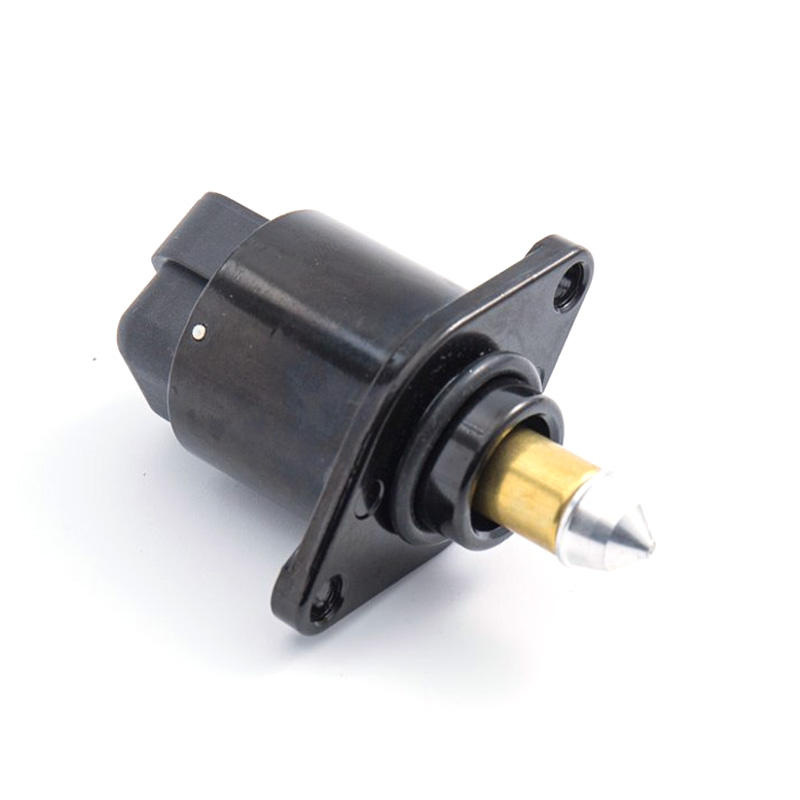
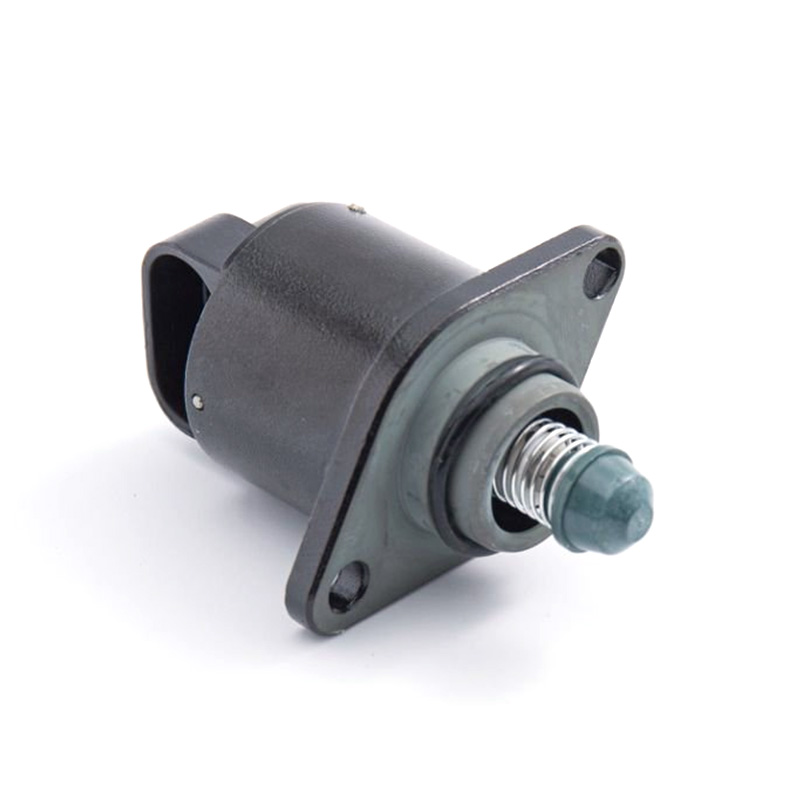
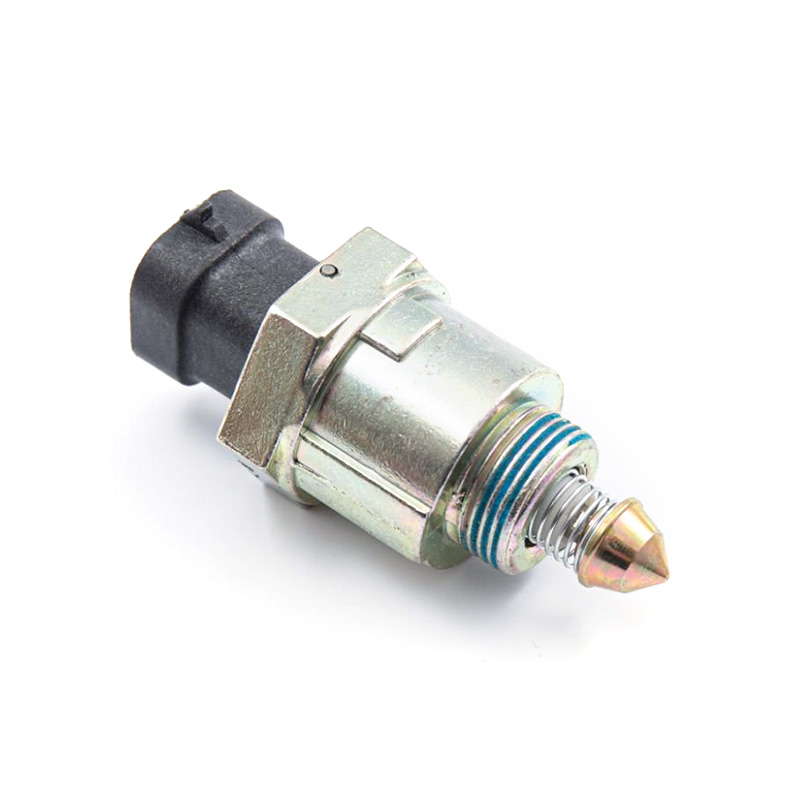
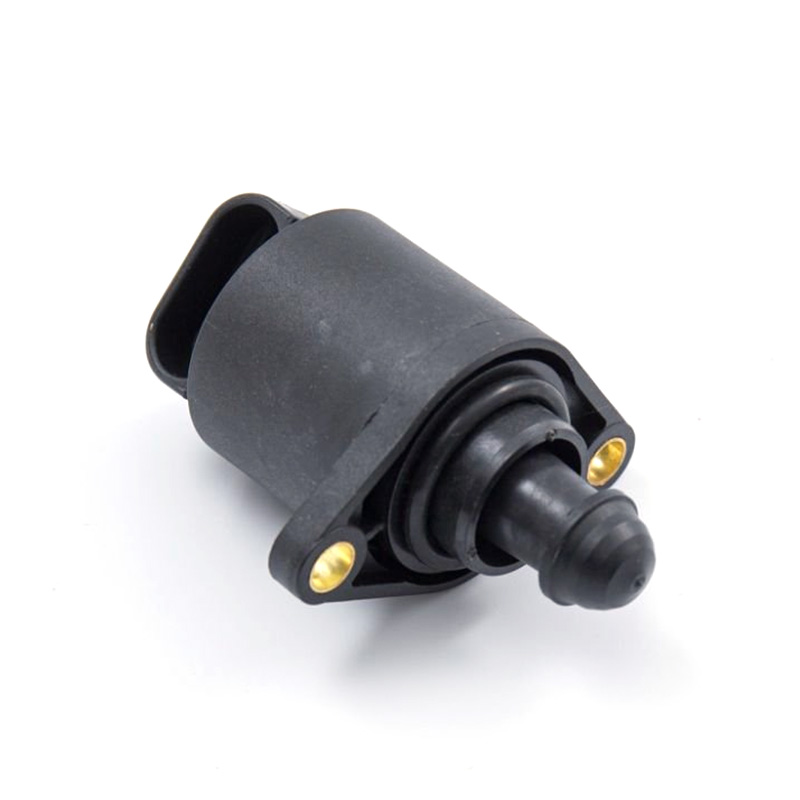
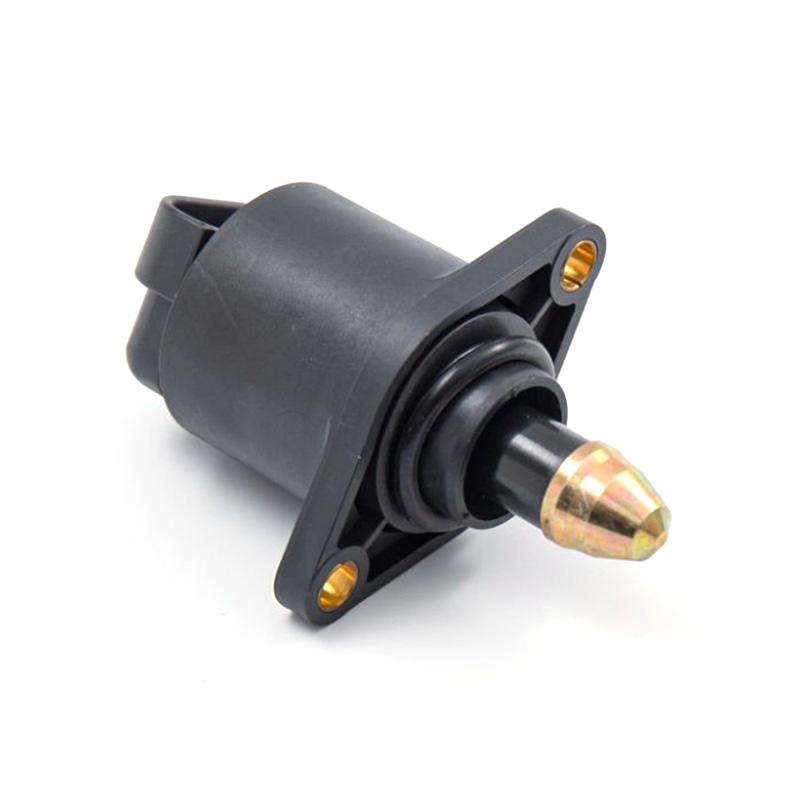
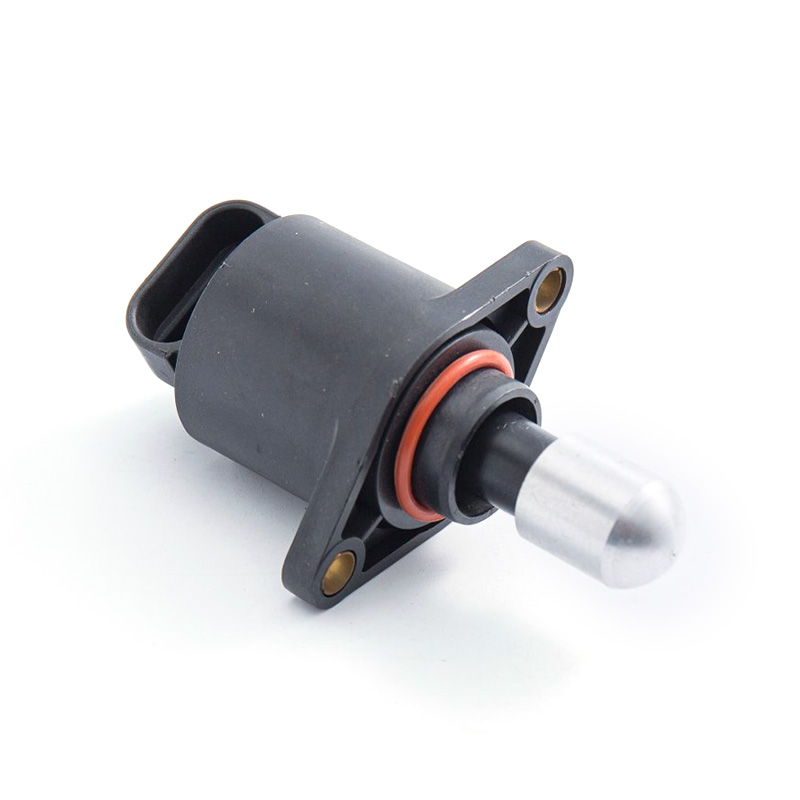
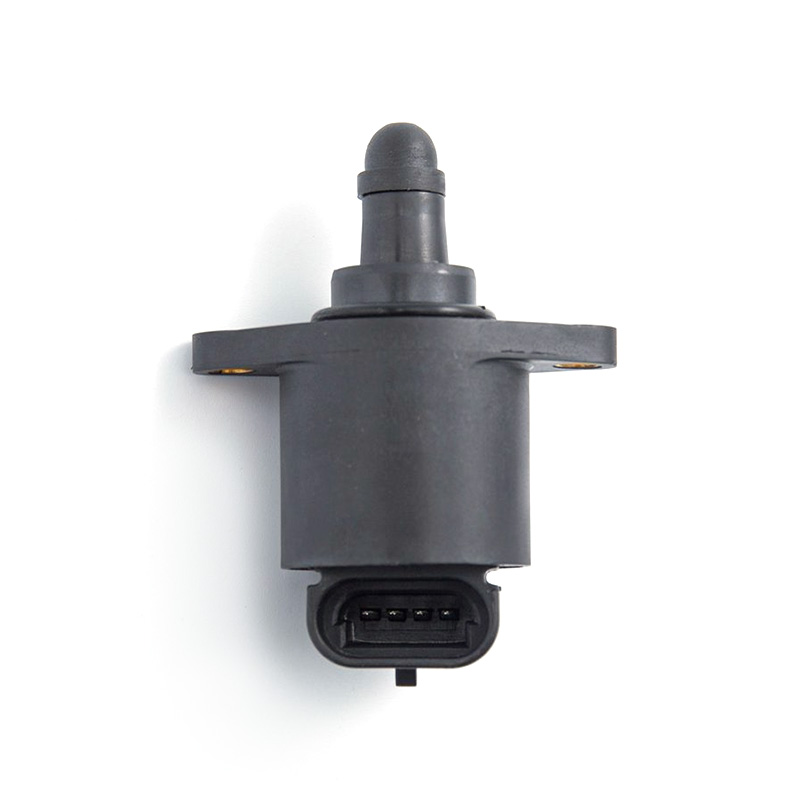
While the TPS Sensor monitors throttle position, the Electronic Idle Air Control Valve plays a complementary role by regulating the airflow during engine idle. The idle air control system adjusts the amount of air bypassing the throttle plate to maintain a stable engine speed when the vehicle is stationary or when the throttle is closed. This is particularly important during cold starts, sudden deceleration, or when auxiliary systems such as air conditioning place additional load on the engine.
The Electronic Idle Air Control Valve interacts with the TPS Sensor to provide real-time adjustments to idle speed. When the TPS Sensor indicates that the throttle is partially closed, the idle control valve can compensate for variations in engine load, preventing stalling and ensuring a smooth transition between idle and acceleration. Proper functioning of the idle air control valve contributes to improved fuel efficiency and consistent engine behavior.
Another critical component in modern engine management systems is the Electronic Throttle Control Pedal. Unlike traditional mechanical linkages, the electronic pedal communicates driver input directly to the ECU via sensors. This "drive-by-wire" system allows for more precise control of throttle operation, reducing mechanical friction and enabling advanced engine management strategies.
The Electronic Throttle Control Pedal works closely with the TPS Sensor to provide real-time feedback on driver demand. When a driver presses the pedal, the sensor within the pedal assembly detects the degree of depression and sends this data to the ECU. The ECU then calculates the appropriate throttle valve position, controlling engine power output accordingly. This integration allows for smooth acceleration, responsive driving dynamics, and the ability to implement safety features such as traction control and cruise control more effectively.
The combination of TPS Sensors, Electronic Idle Air Control Valves, and Electronic Throttle Control Pedals enables a level of engine optimization that was not achievable with purely mechanical systems. These components collectively manage air intake, throttle response, and idle speed in a way that adapts to both driver input and environmental conditions.
For example, during acceleration from a stop, the TPS Sensor detects the initial throttle movement, the Electronic Throttle Control Pedal provides precise input data from the driver, and the Electronic Idle Air Control Valve ensures the transition from idle to higher engine speeds is smooth. The result is a coordinated system where fuel injection, ignition timing, and airflow are continuously adjusted for efficient engine operation. This integration not only improves vehicle drivability but also contributes to emissions reduction and fuel economy.
Additionally, these components play a key role in diagnostic capabilities. Modern vehicles can detect anomalies in TPS Sensors, throttle control pedals, or idle air control valves, allowing technicians to identify and correct issues before they affect engine performance. This predictive approach enhances vehicle reliability and maintenance efficiency.
The impact of TPS Sensors, Electronic Idle Air Control Valves, and Electronic Throttle Control Pedals is not limited to passenger cars. Heavy-duty trucks, commercial vehicles, and engineering machinery also benefit from these electronic components. In large engines, precise throttle and idle control help manage fuel consumption and engine load, which is critical for operational efficiency in industrial and commercial settings.
Moreover, vehicles with turbocharged or hybrid engines require even finer control over air and fuel delivery. In these systems, the TPS Sensor provides accurate throttle data, the Electronic Throttle Control Pedal ensures driver input is translated smoothly into engine response, and the Electronic Idle Air Control Valve maintains consistent idle behavior under varying conditions. This combination supports both performance and reliability in diverse vehicle applications.
Automotive engine management is continually evolving. Advances in sensor technology and electronic control systems are enabling engines to operate more efficiently and respond more precisely to driver input. TPS Sensors are becoming more accurate and durable, Electronic Throttle Control Pedals are integrating additional features such as haptic feedback, and Electronic Idle Air Control Valves are improving in responsiveness and control algorithms.
Emerging technologies such as predictive engine control, artificial intelligence integration, and real-time diagnostics rely heavily on the accurate functioning of these components. Vehicles of the future will leverage the capabilities of these electronic systems to optimize engine behavior while meeting stricter fuel efficiency and emissions standards.
In modern automotive engines, electronic components like the TPS Sensor, Electronic Idle Air Control Valve, and Electronic Throttle Control Pedal are central to engine optimization. They ensure that throttle response, idle stability, and overall engine performance are coordinated and efficient. By working together within the engine management system, these components enhance drivability, reduce fuel consumption, and support emission compliance.
Understanding the role of these components provides valuable insight into how modern engines achieve precision control and reliability. As automotive technology continues to evolve, the integration of advanced sensors and electronic controls will remain a key factor in engine performance and vehicle efficiency.
Related Products
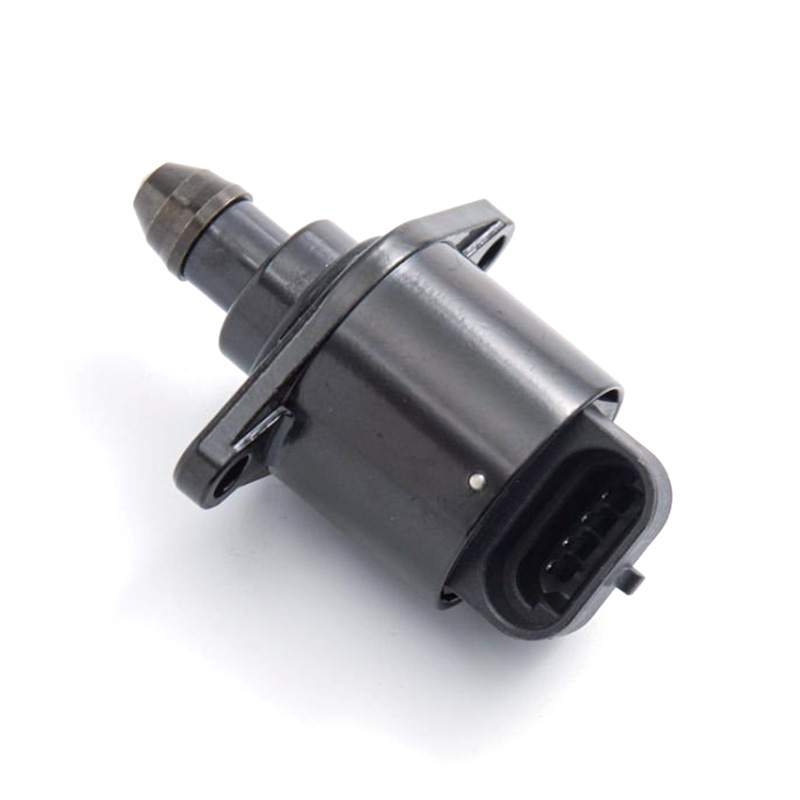
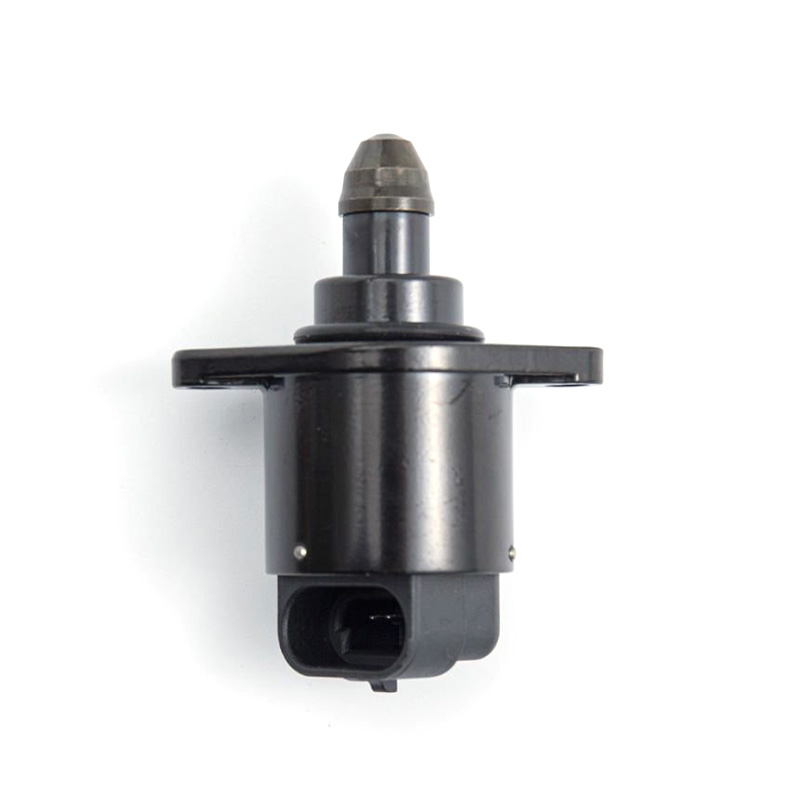
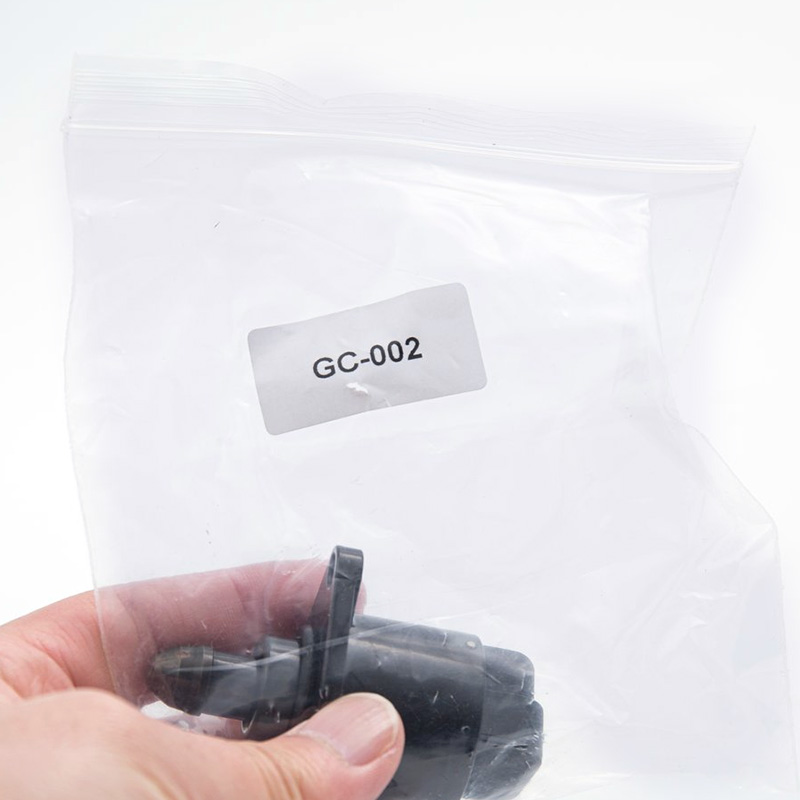
GC-002
REFERENCE OE:
SHORT CODE: B95/00
PEUGEOT: 1920X9 C95197
APPLICATION:
PEUGEOT 306 Break/Cabriolet/Schraqheck;PEUGEOT 405 II Break; PEUGEOT 406 Break/Coupe;
PEUGEOT 605 806;PEUGEOT BOXER Bus/Kasten/Pritsche/Fahrqestell
China original factory for idle air control valve and different kind of sensors with high quality and competitive price!
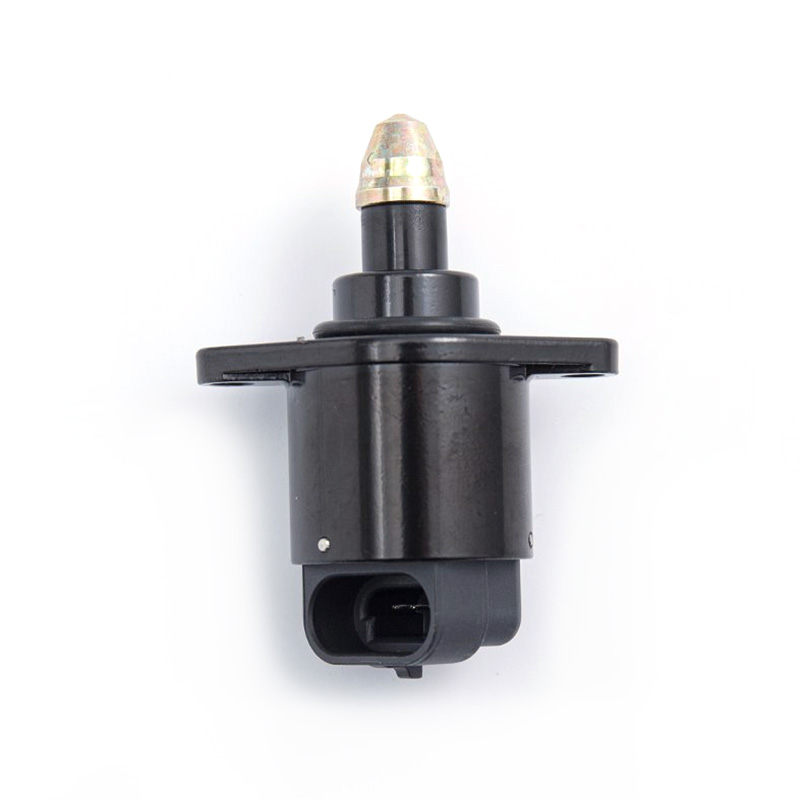
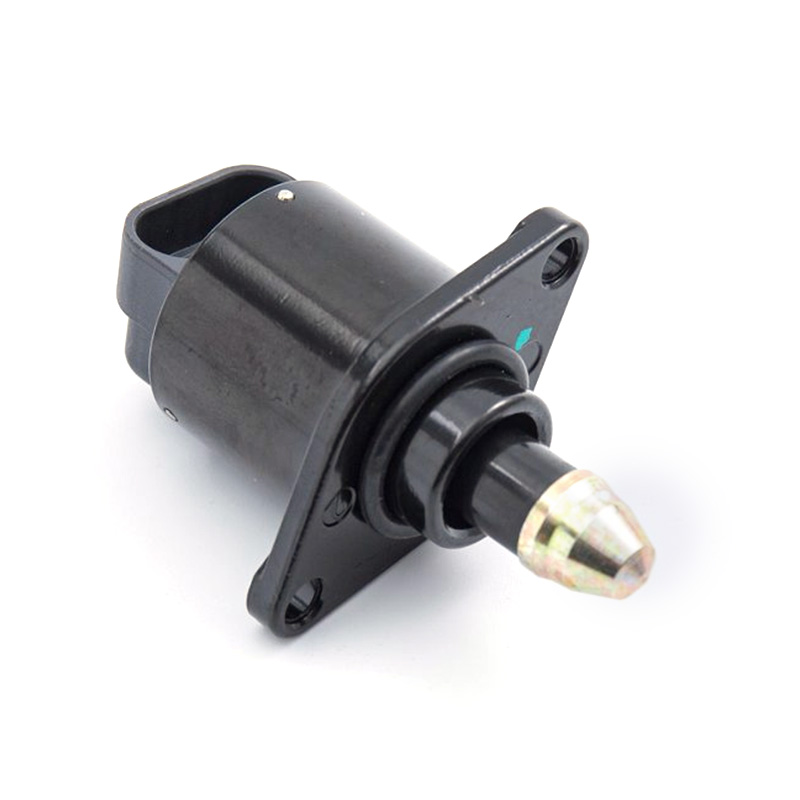
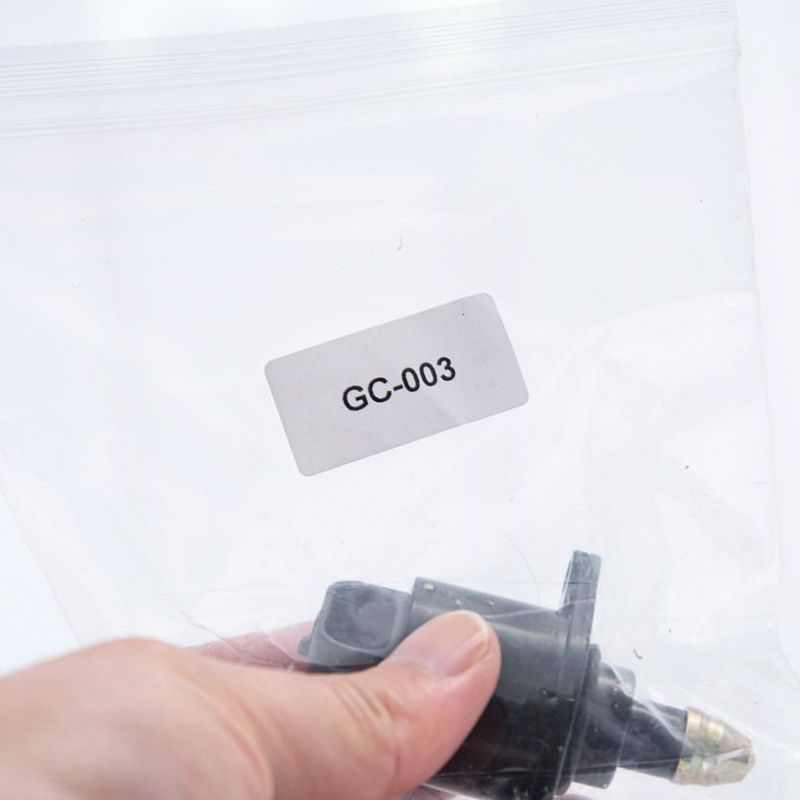
GC-003
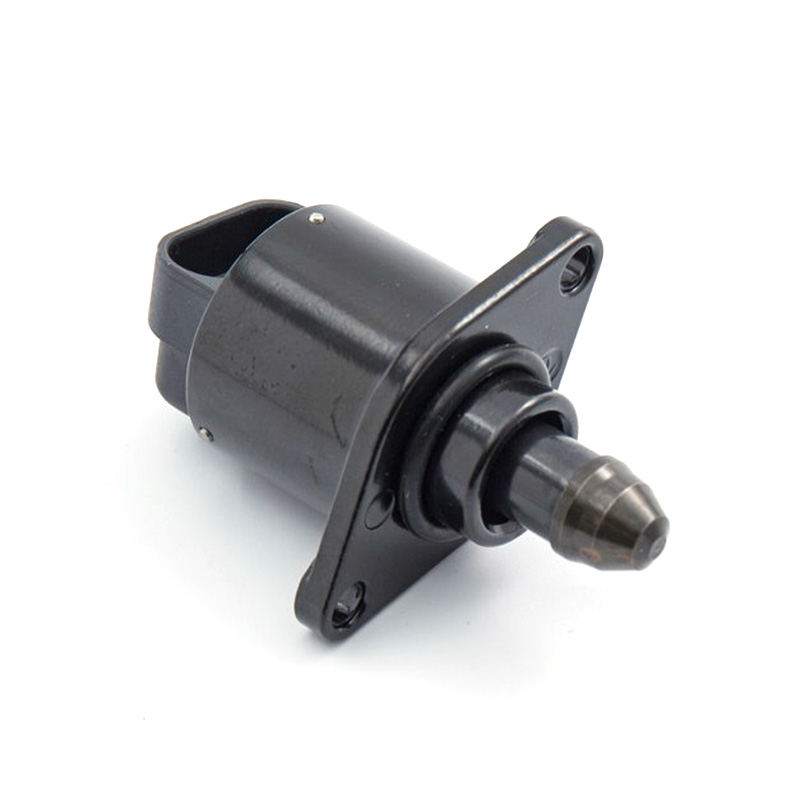
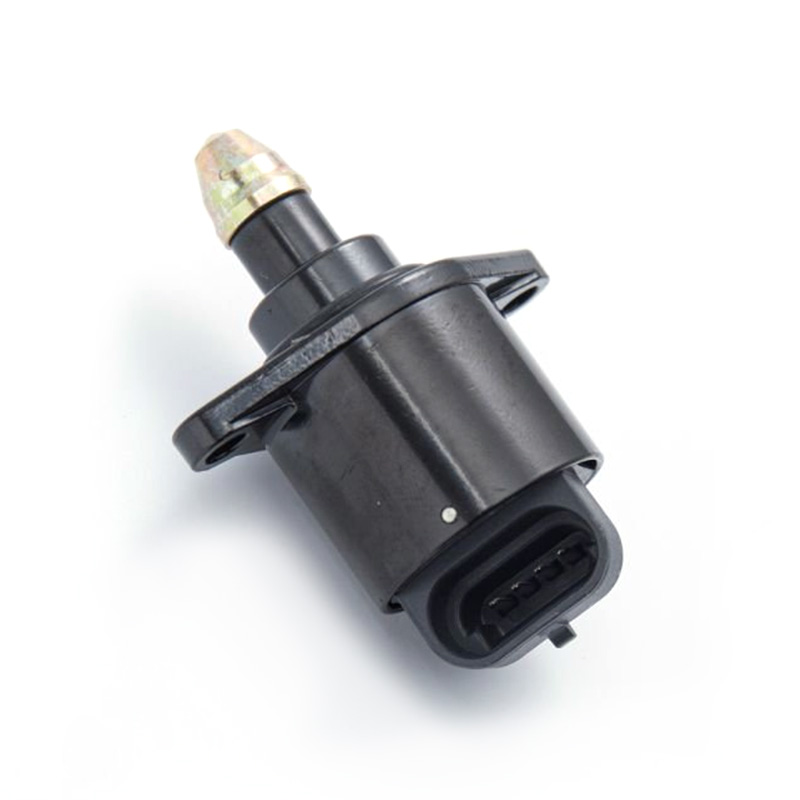
REFERENCE OE:
SHORT CODE:B04/01 D5131
MARELLI:230016079057
PEUGEOT:1920N1
SIMENCE:A95269
APPLICATION:
PEUGEOT 306 Break/Cabriolet/Schraqheck;PEUGEOT 405 II Break; PEUGEOT 406 Break/Coupe;
PEUGEOT 605 806;PEUGEOT BOXER Bus/Kasten/Pritsche/Fahrqestell
China manufacture for wholesale and retail, idle air control, crankshaft valve, camshaft valve, Throttle position sensor, and many kind of sensors.
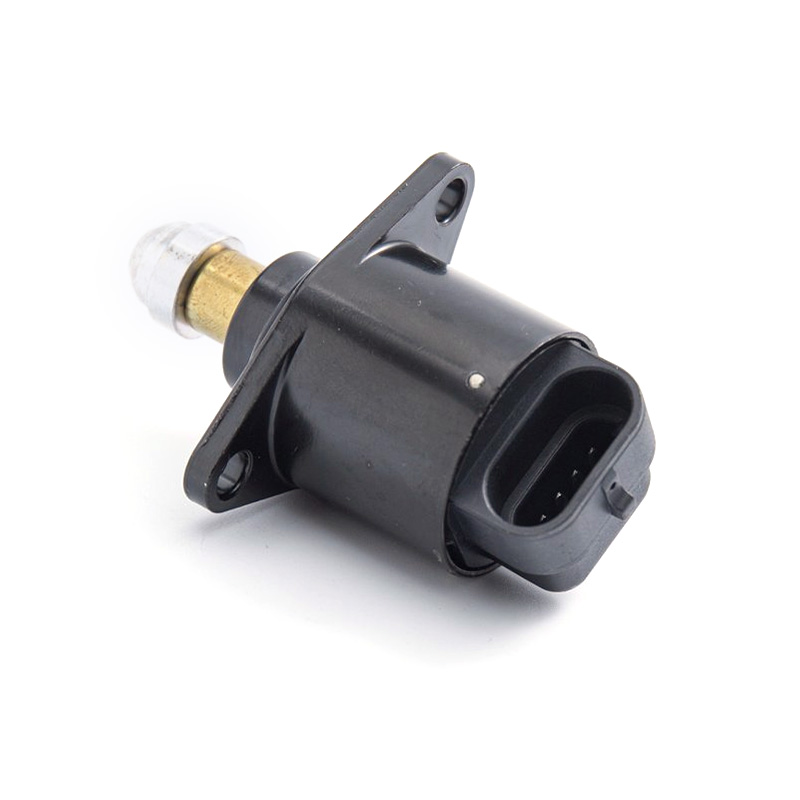
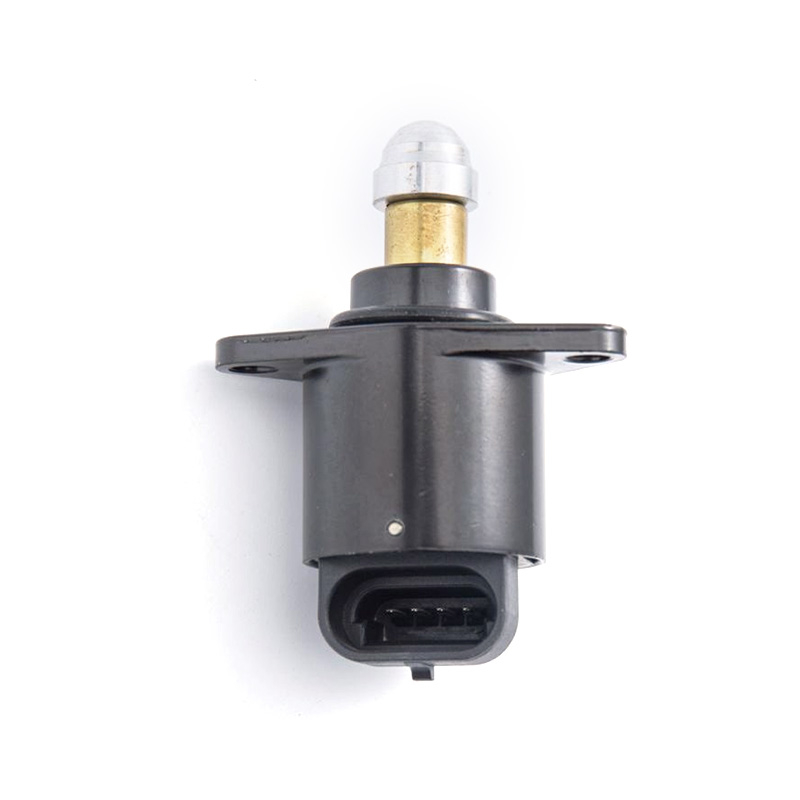
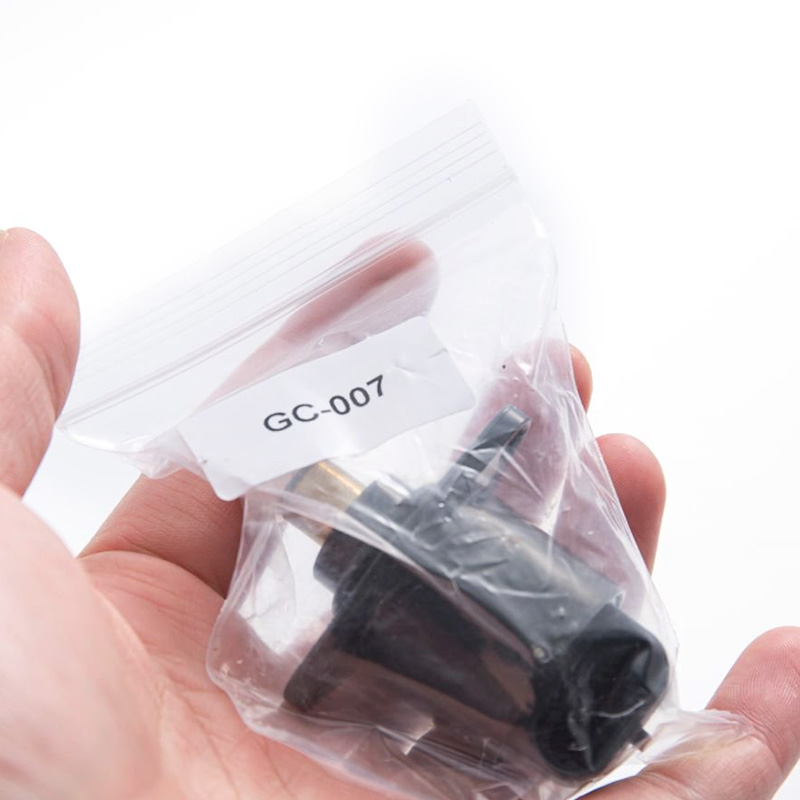
GC-007
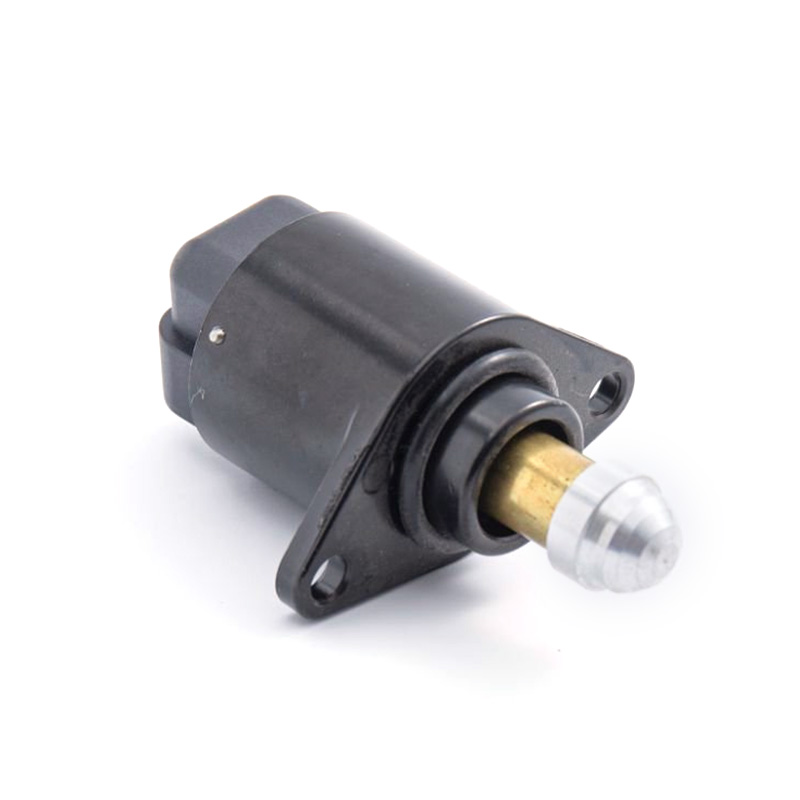
REF OE:
SIMENCE:A96158 A97116
PEUGEOT:19208X;1920.8X
MARELLI:230016079217
APPLICATION:
PEUGEOT 206 CC(2D)2.0 S16;PEUGEOT 206 SW(2E/K)2.0 16V;PEUGEOT 307;
PEUGE 406/Break/Coupe;PEUGE 806/807;PEUGE EXPERT(224)2.0
China auto parts factory for idle air control valve and many kind of sensor imprting and exporting.
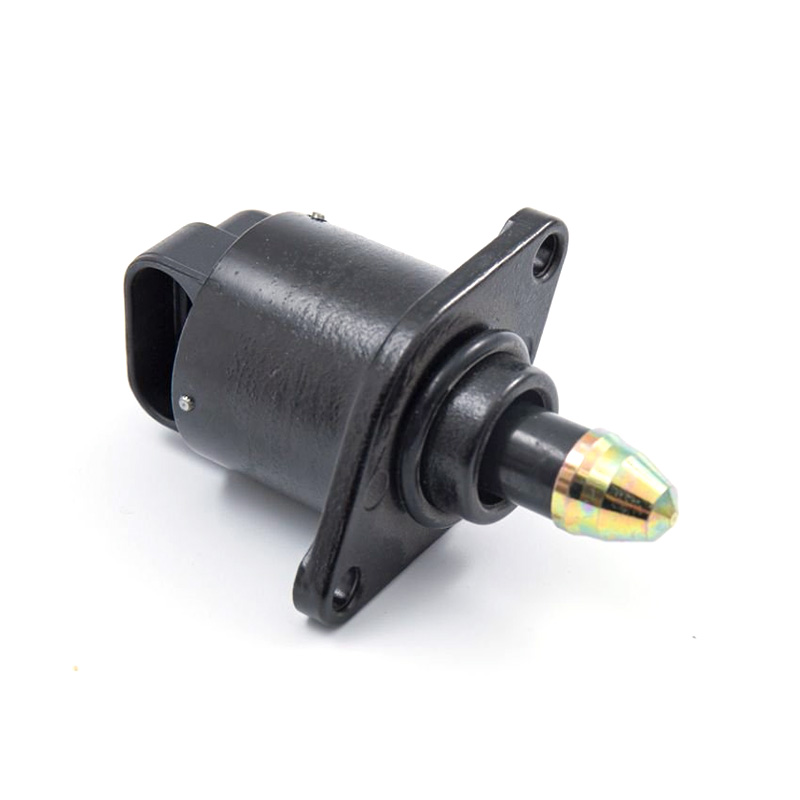
GC-018
REFERENCE OE:
FIAT:0009943223
FIAT:0009949146
SIMENCE:A95140 00600
APPLICATION:
LANCI DEDRA;LANCI DEDRA SW
Idle air control valve for auto parts,China original factory direct!
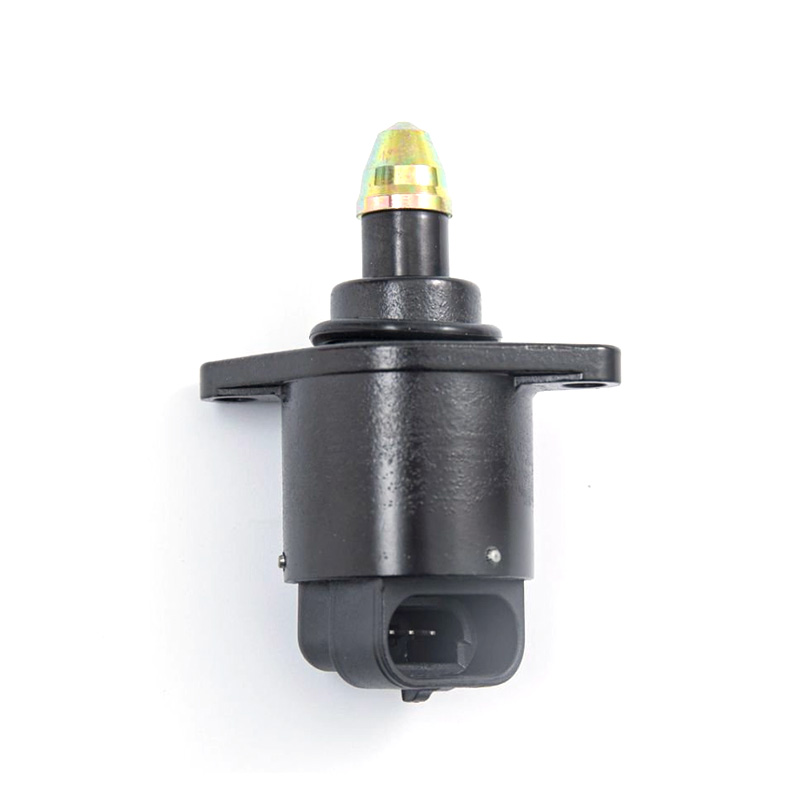
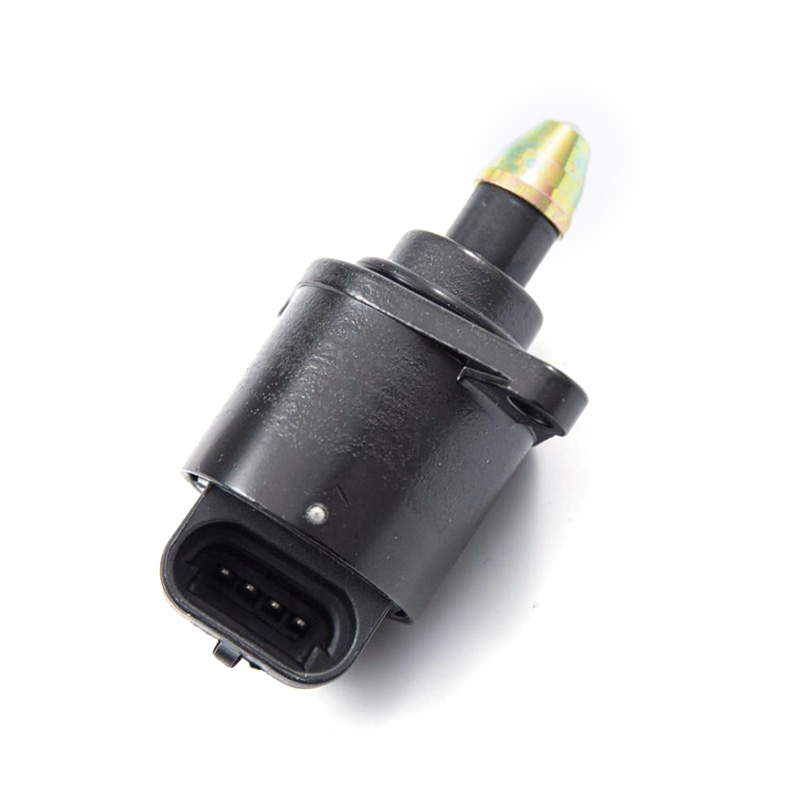
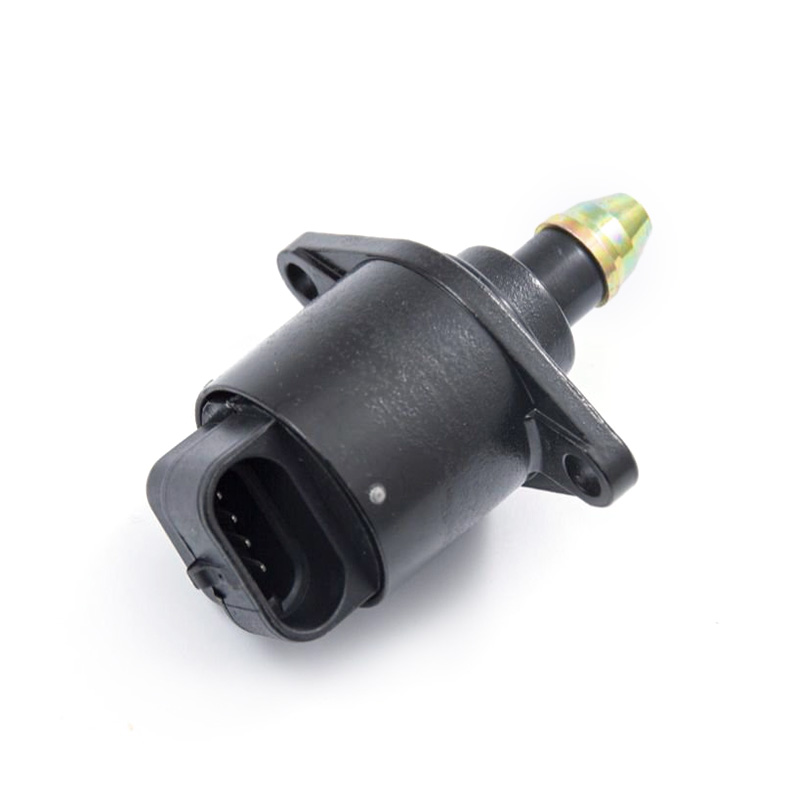
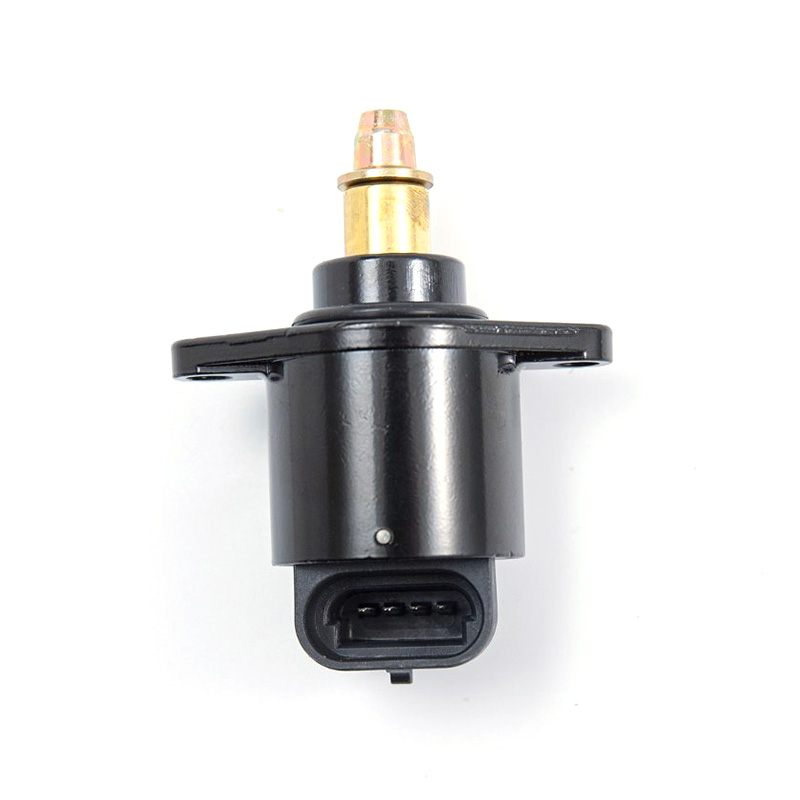
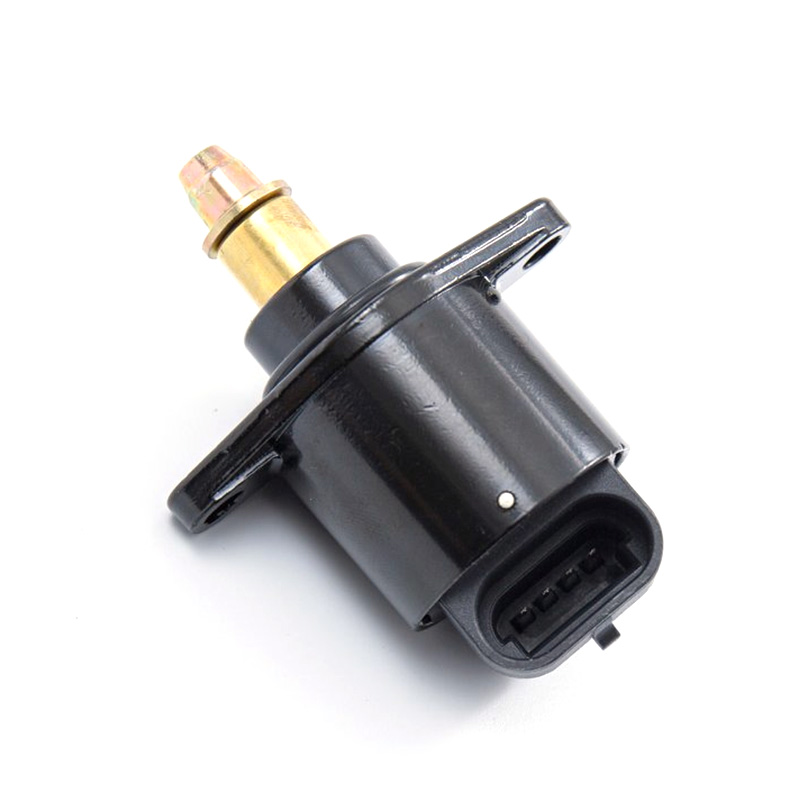
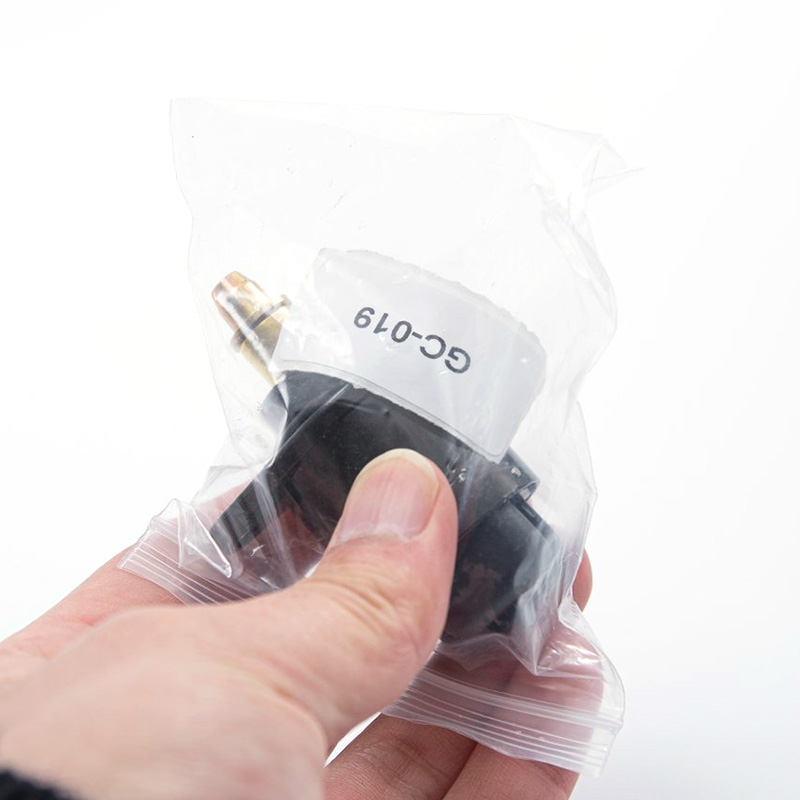
GC-019
REFERENCE OE:
SHORT CODE: D5104
MARELLI: 40396502
FIAT: 7078983 0269980492
VDO: AT-5104R
APPLICATION:
FIAT:Palio/Siena 1.6 98>99-EFI(gasolina) VW:Gol 1.08v94>>96-EFI(gasolina)
Idle air control valve with high quality and low price from China!
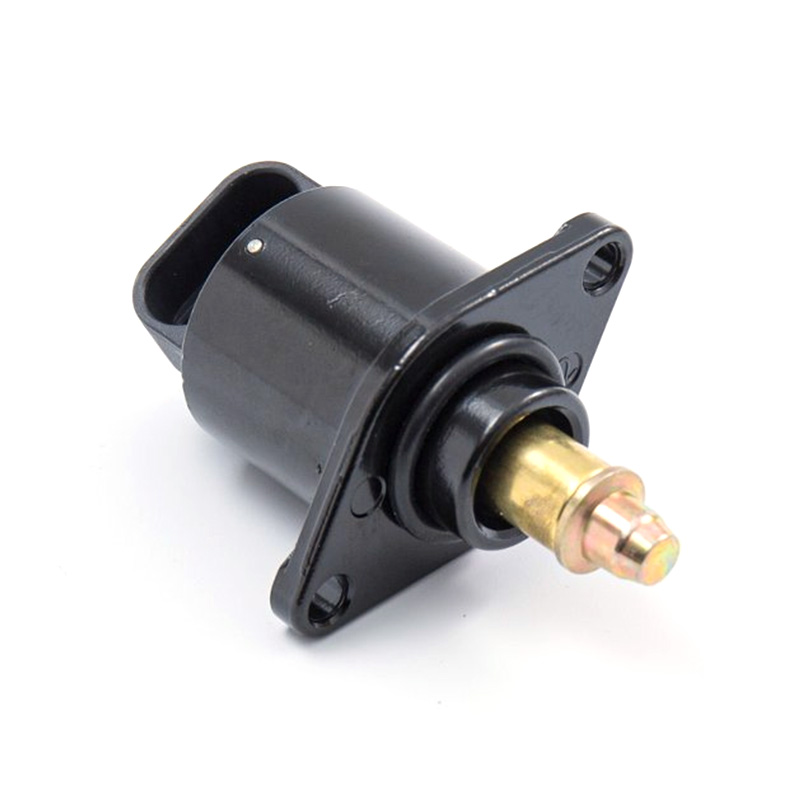
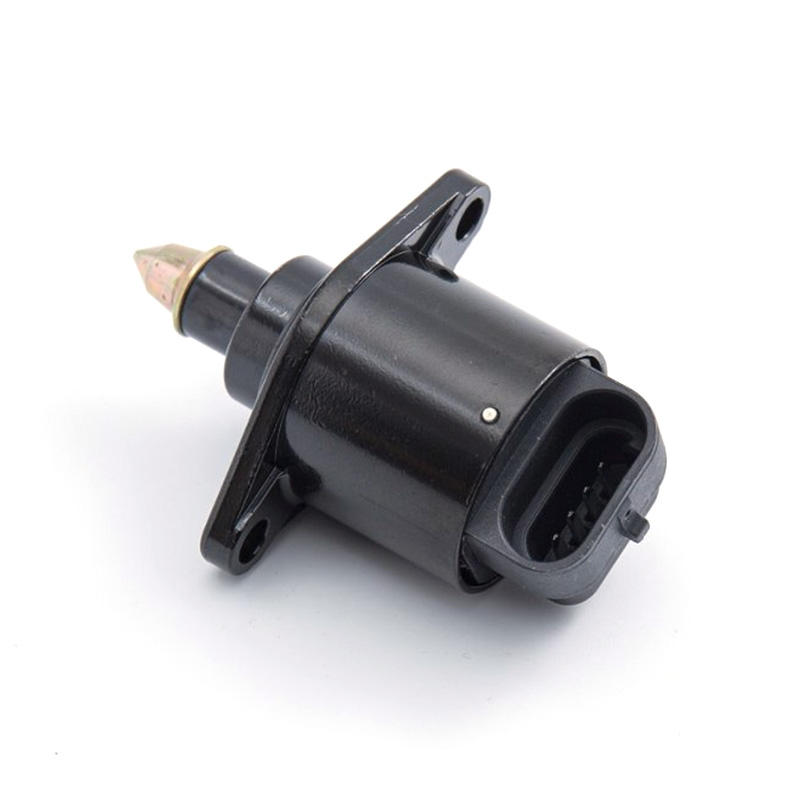
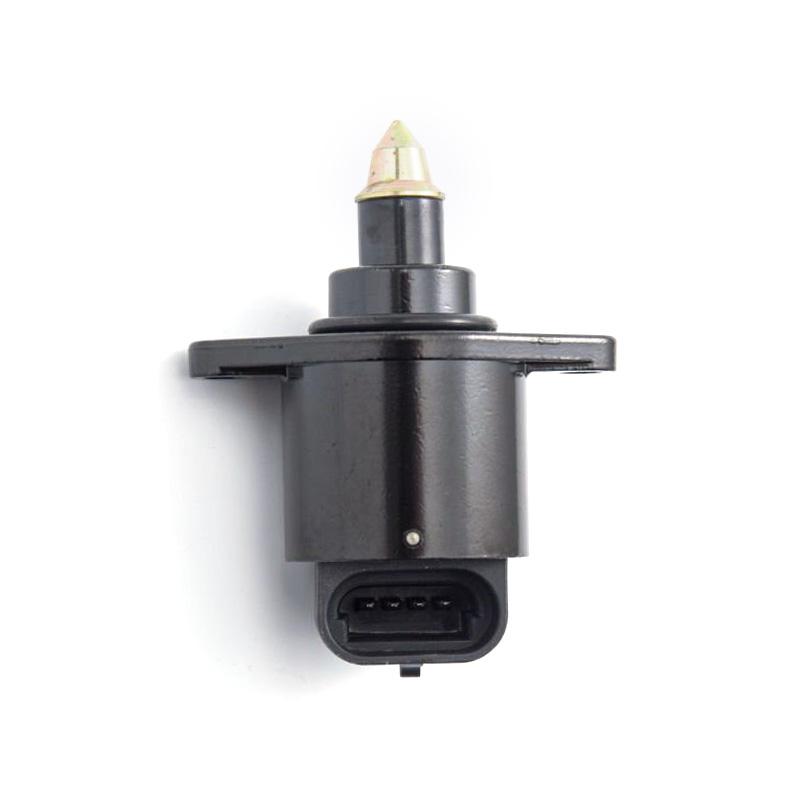
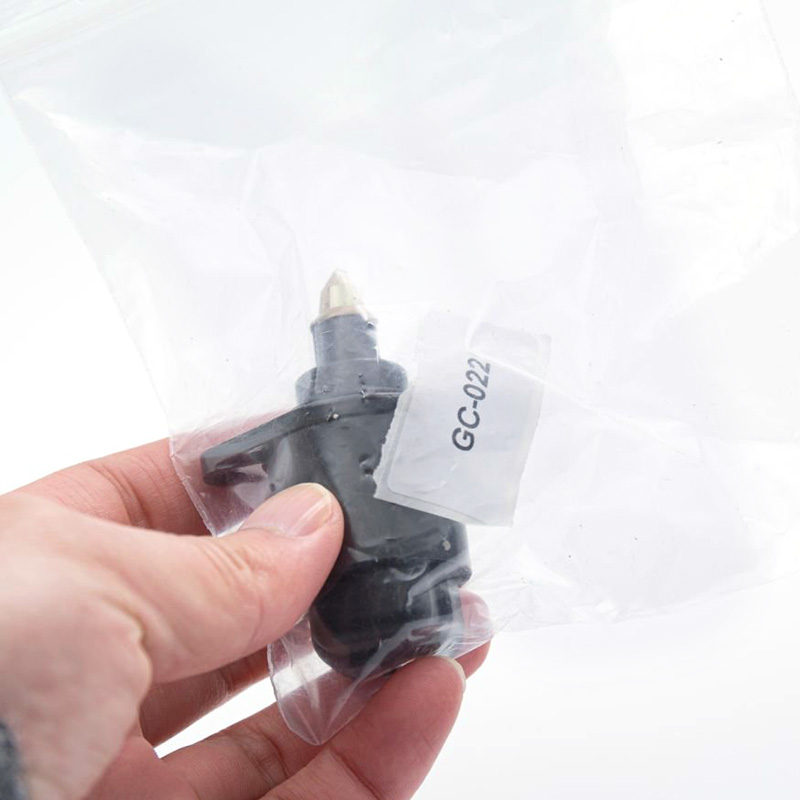
GC-022
REFERENCE OE:
SHORT CODE:B08/01
MARELLI:40380202
VDO:AT-00801R
VW:0269060491
FIAT:7076356
FORD:F5PF.9N825 .AA
APPLICATION:
VW,FIAT,FORD
Idle air control valve wholesale and retail,China manufacture direct!
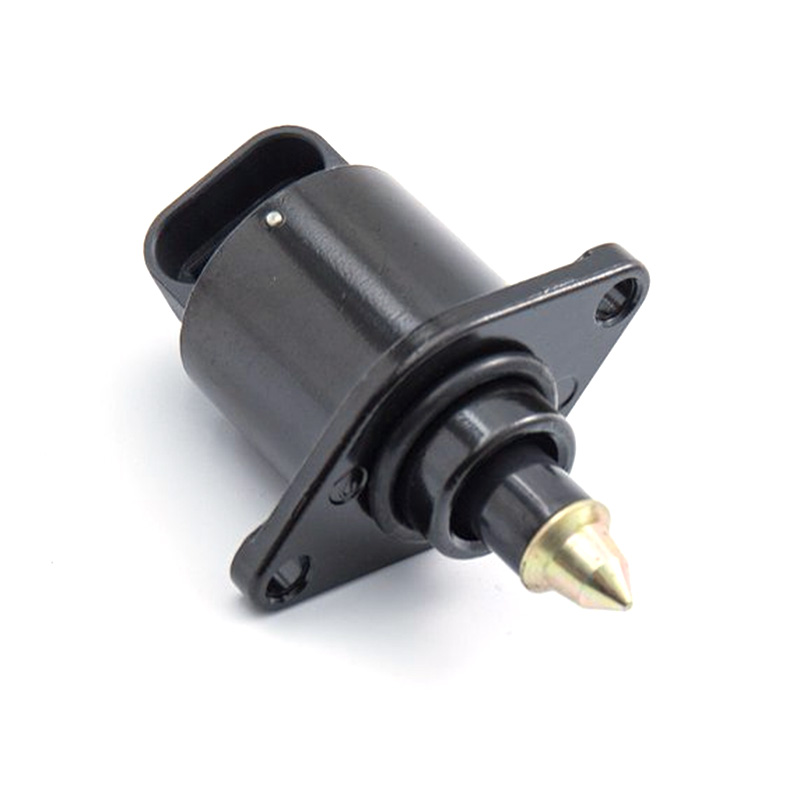
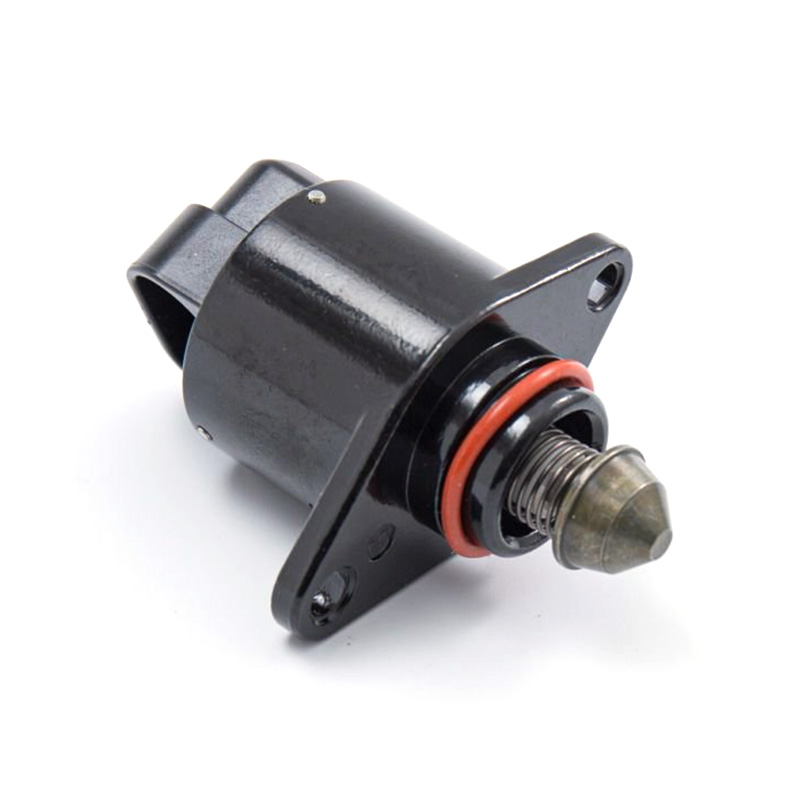
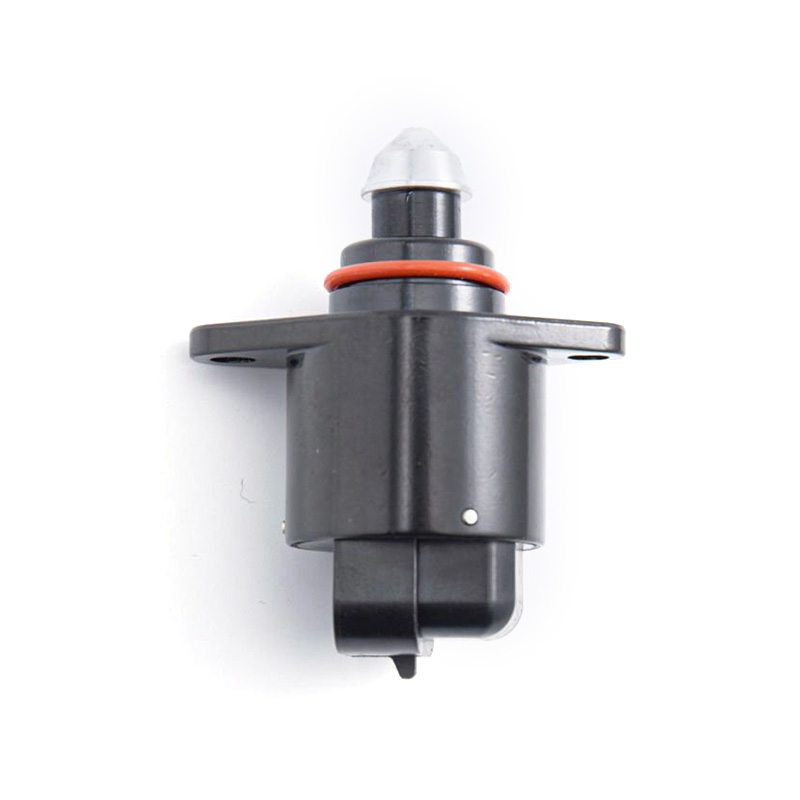
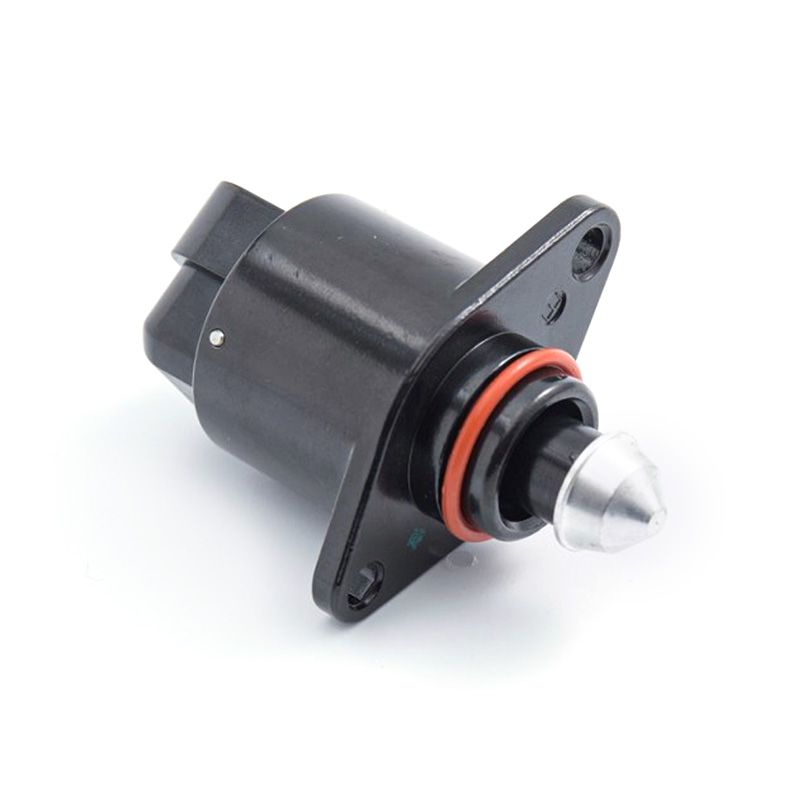
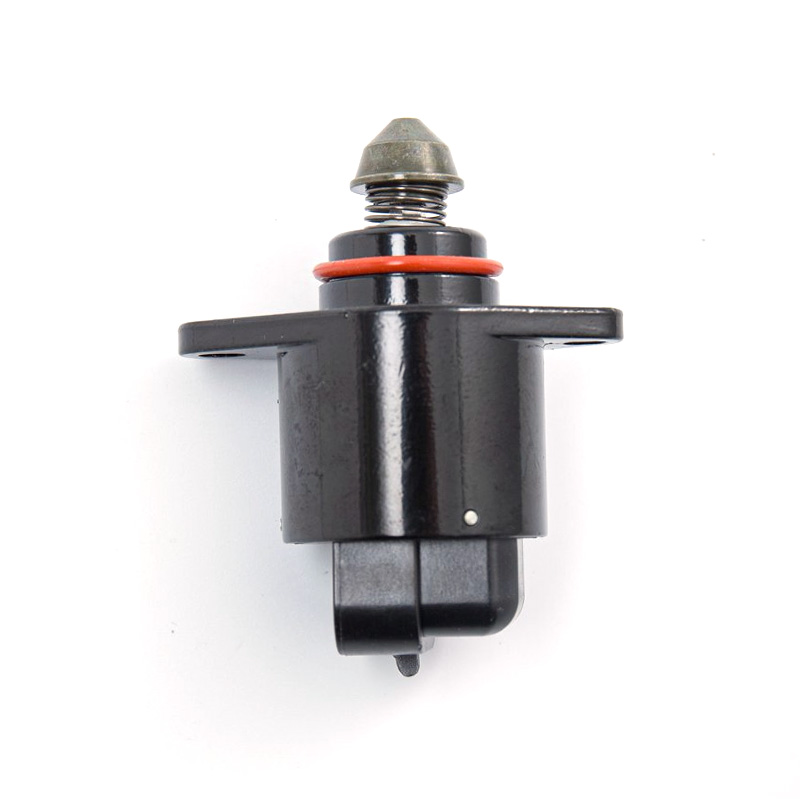
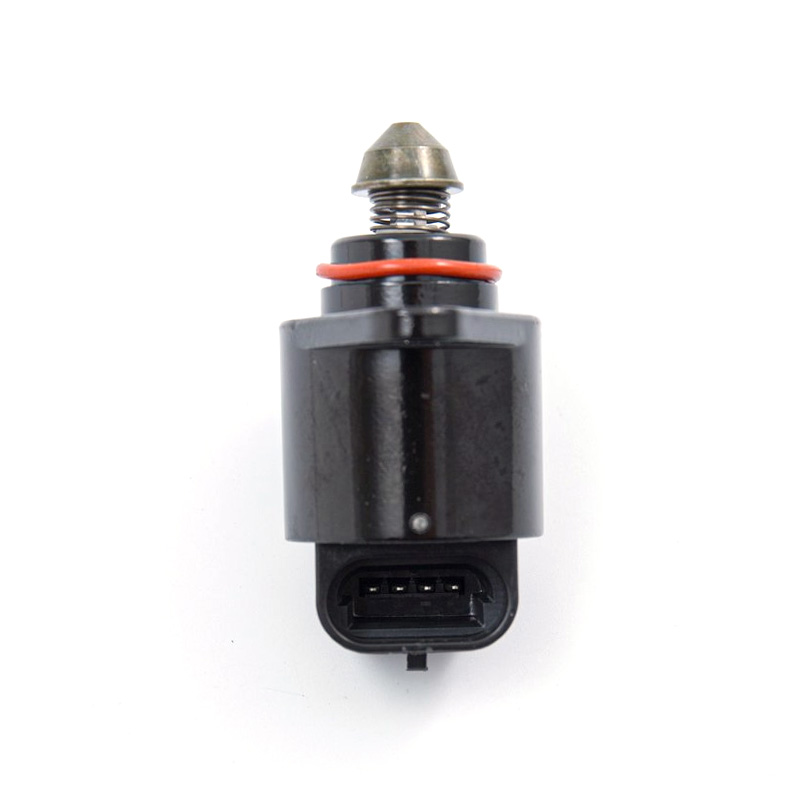
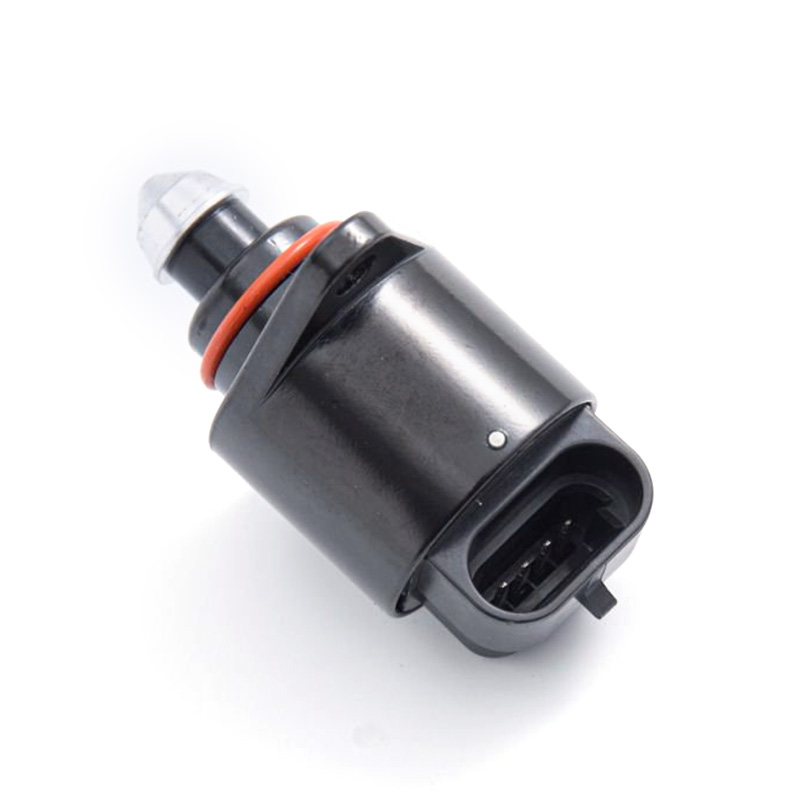
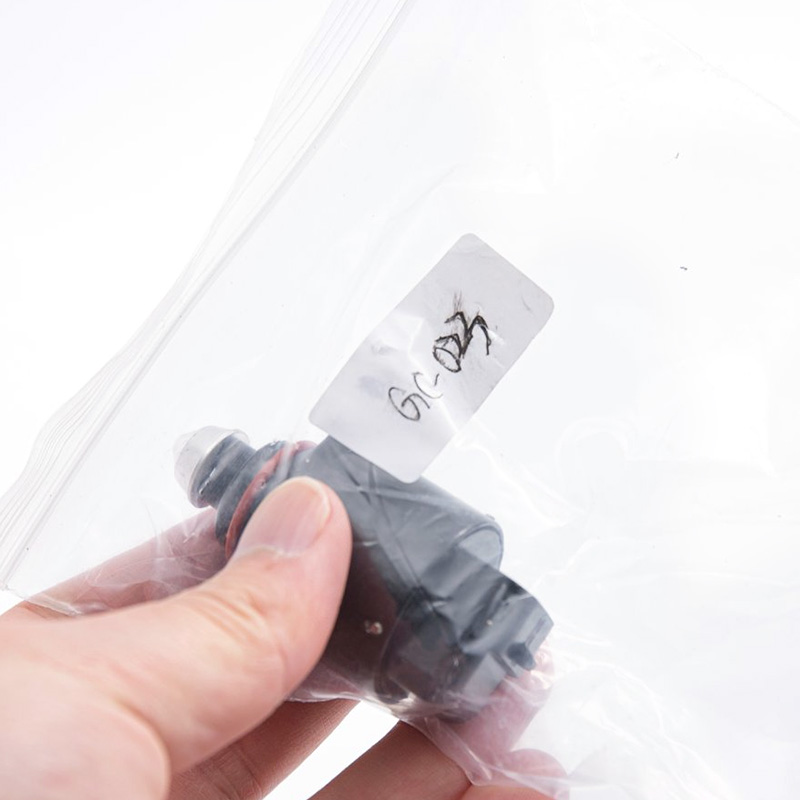
GC-023
REFERENCE OE:
GM 17112350 STD:AC5 17111808; WELLS:AC107;
APPLICATION:
Buick Century Sedan/Coupe(05-87);
Buick Lacrosse(05);
Buick Regal Sedan/Coupe(96-88)
Cadillac, chevrolet, pontiac, oldsmobile;
Idle air control valve from China manufacture for Buick!
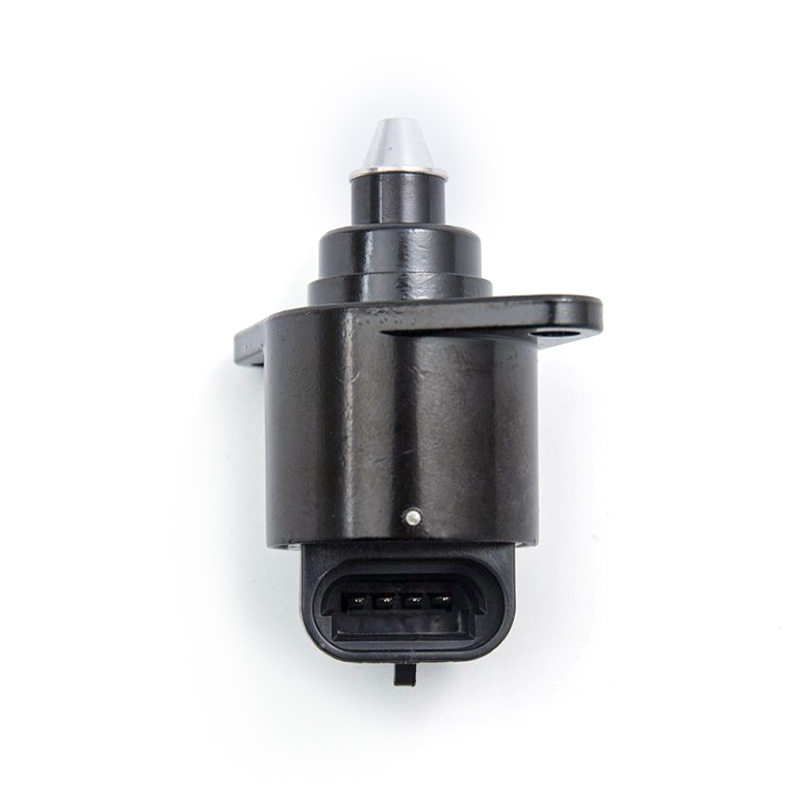
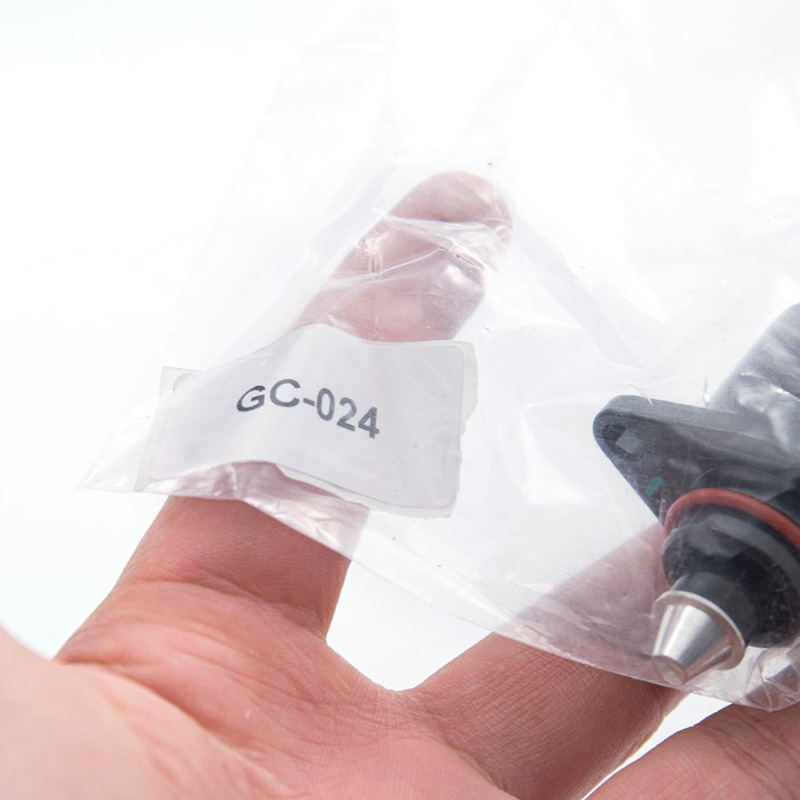
GC-024
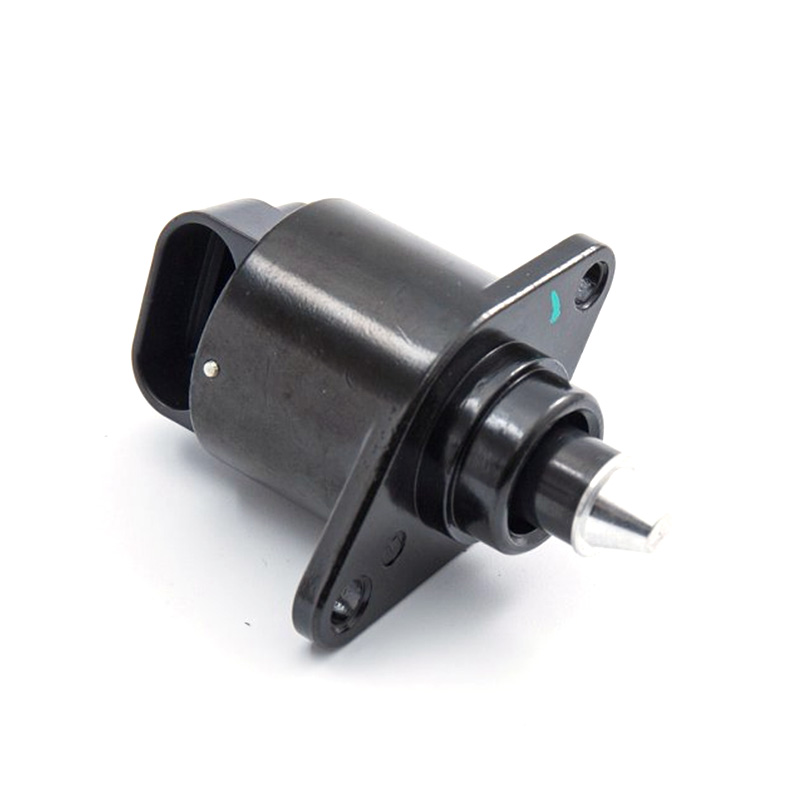
REFERENCE OE:
SHORT CODE: C1351
OPEL: 817254 17112027
SIMENCE: A95160
DELPHI:ICD 00127
VDO: AT-59524R
HELLA:6NW009141121;0817254; 93227674
APPLICATION:
OPEL ASTRA F CLASSIC Kombi/Schraqheck;
OPEL COMBO;
OPEL CORSA A Schraqheck/TR;
OPEL CORSA B;
OPEL KADETT E;
OPEL TIGRA
Idle air control valve from China factory for Opel, IACV.
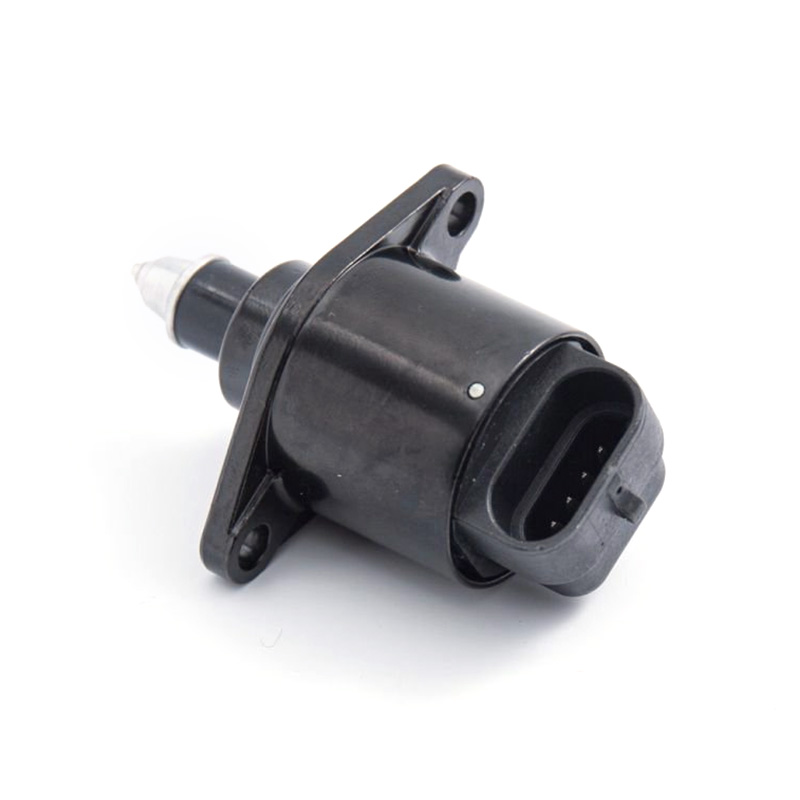
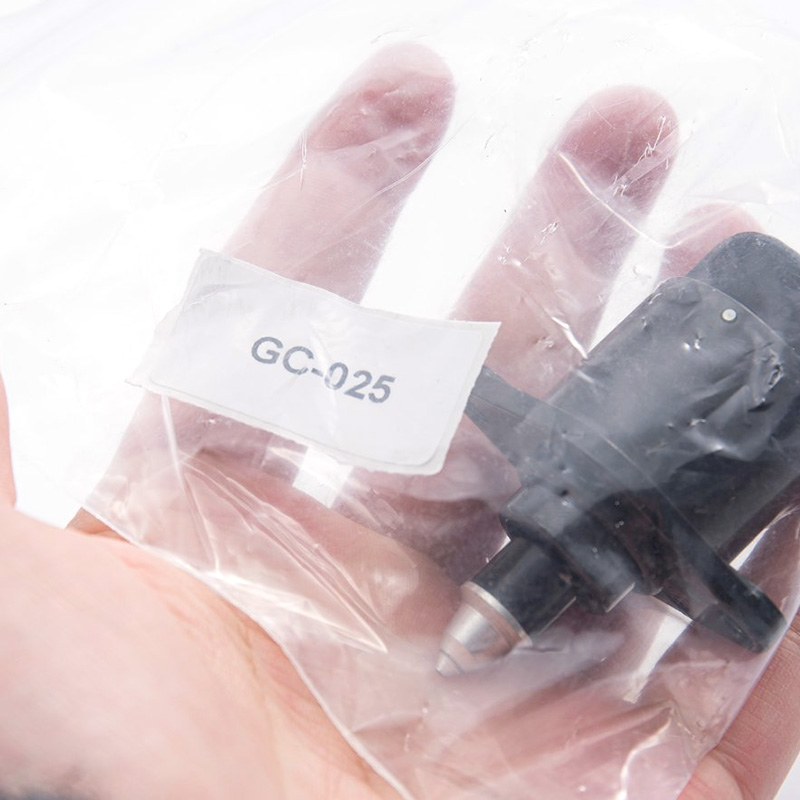
GC-025
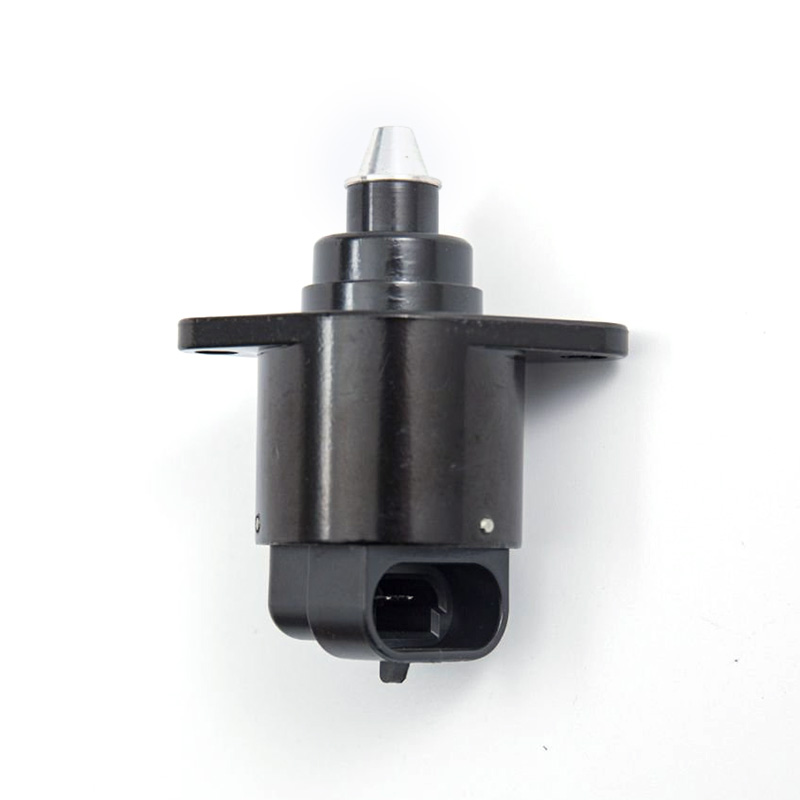
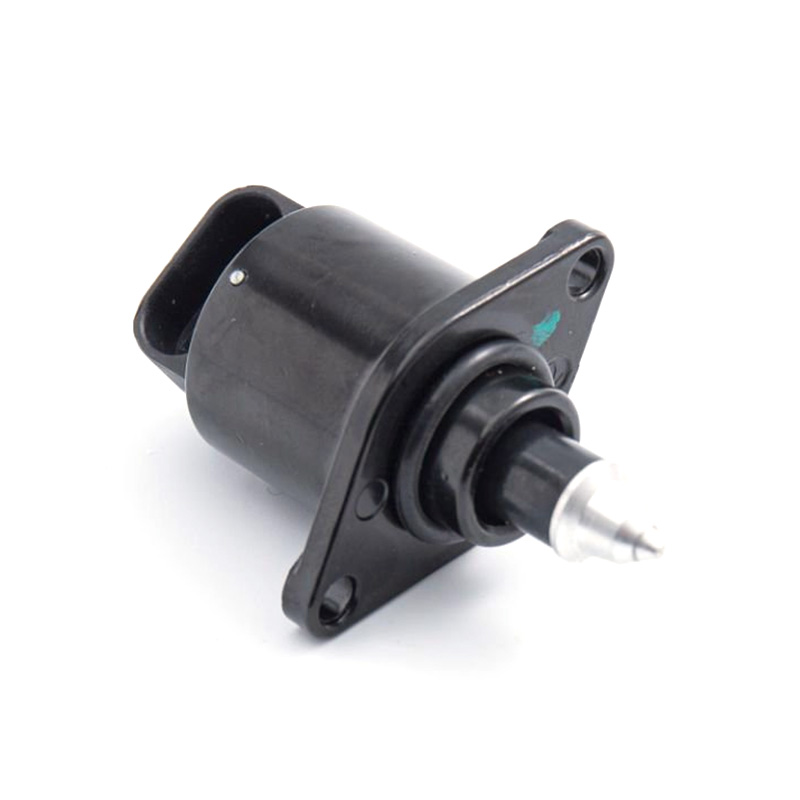
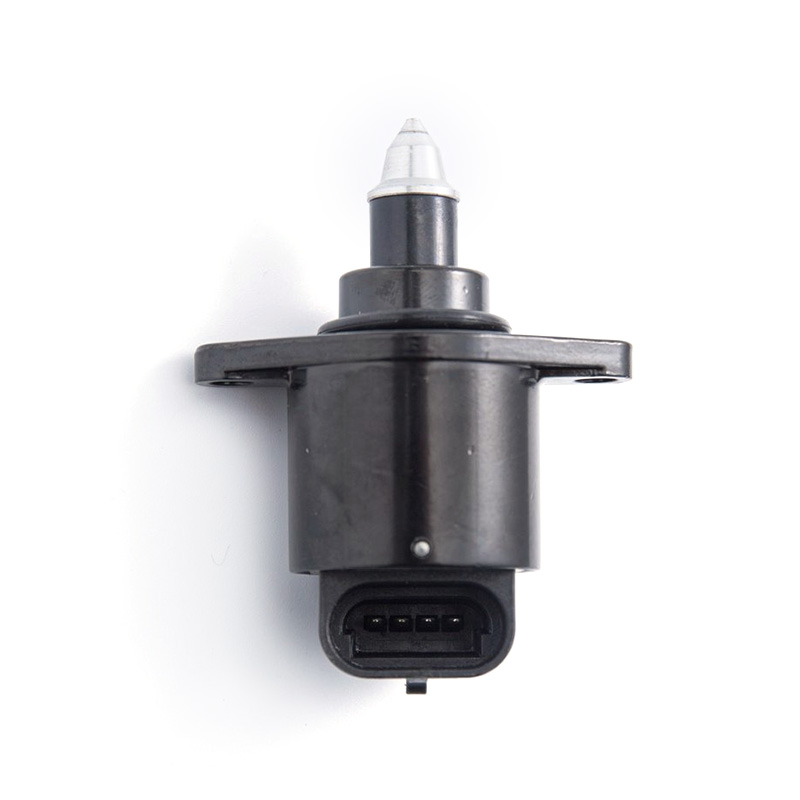
REFERENCE OE:
STD: AC495 SHORT CODE:59602
DELPHI: ICD00120
GM: 17059602
VDO: AT-59602R
WELLS: AC167; 93744675; 96434613; 17059602
APPLICATION:
CHEVR AVEO Stufenheck;
DAEWOO KALOS/LANOS/NUBIRA/NUBIRA Stufenheck;
GENTRA 06-07
Idle air control valve from China factory for Chevrolet Aveo Daewoo.
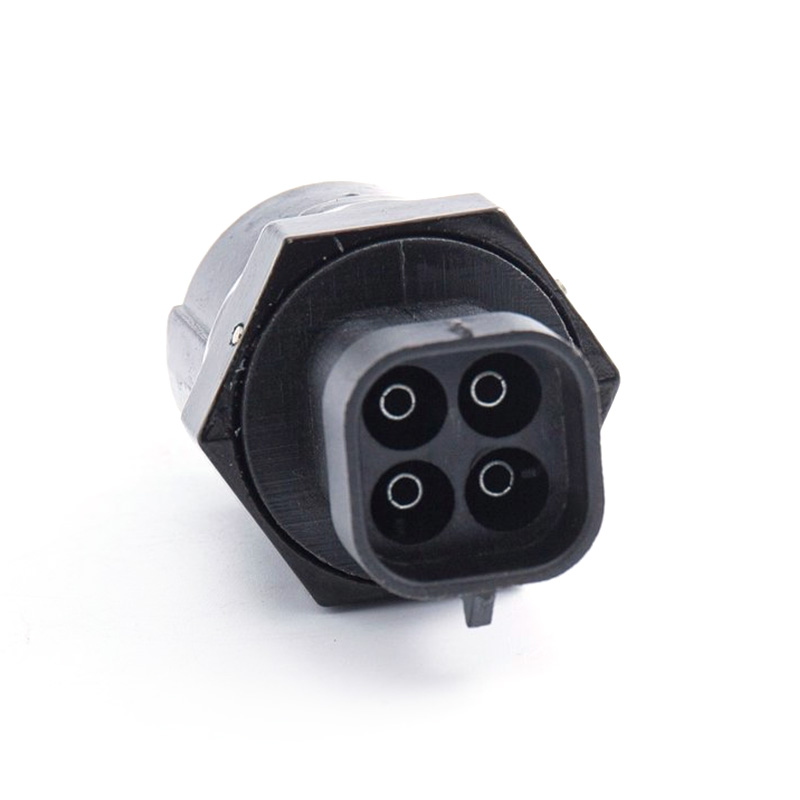
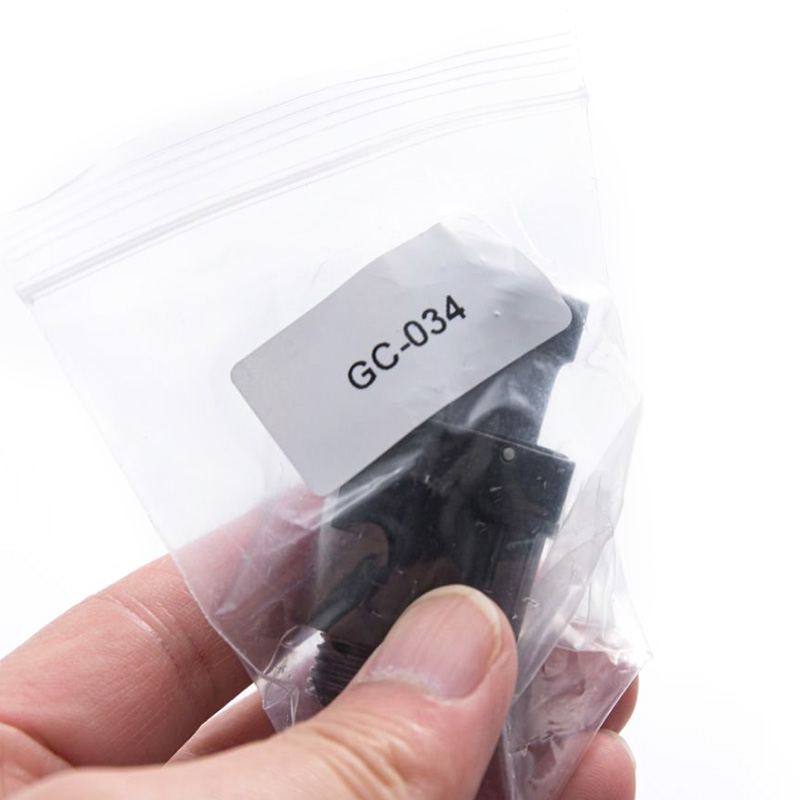
GC-034
REFERENCE OE:
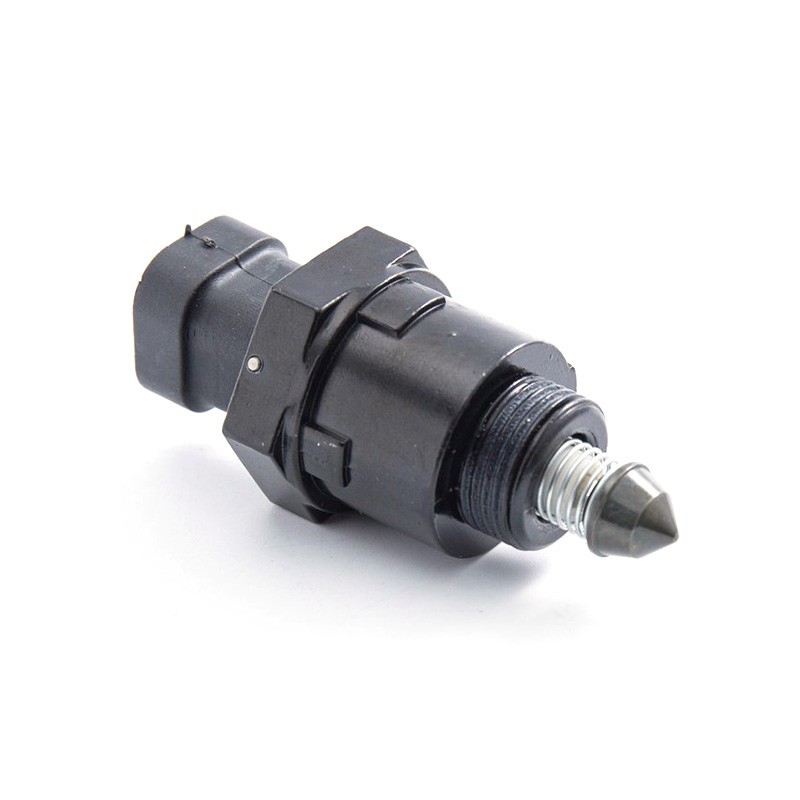
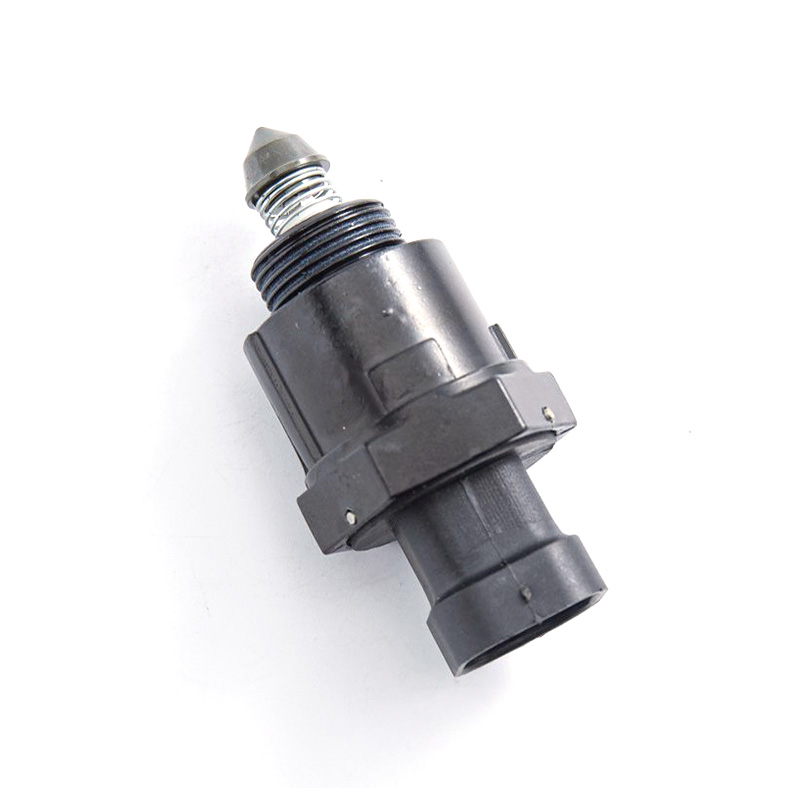
STD:AC16 WELLS:AC114 OEM:C403056730 17112193, 217415
APPLICATION:
LAND ROVER;
1985-1994 Astro)
1992-1995 Suburban
1988-1995y C1500 pickup
1988-1995y K1500 pickup
Idle air control valve from China factory for Land Rover.
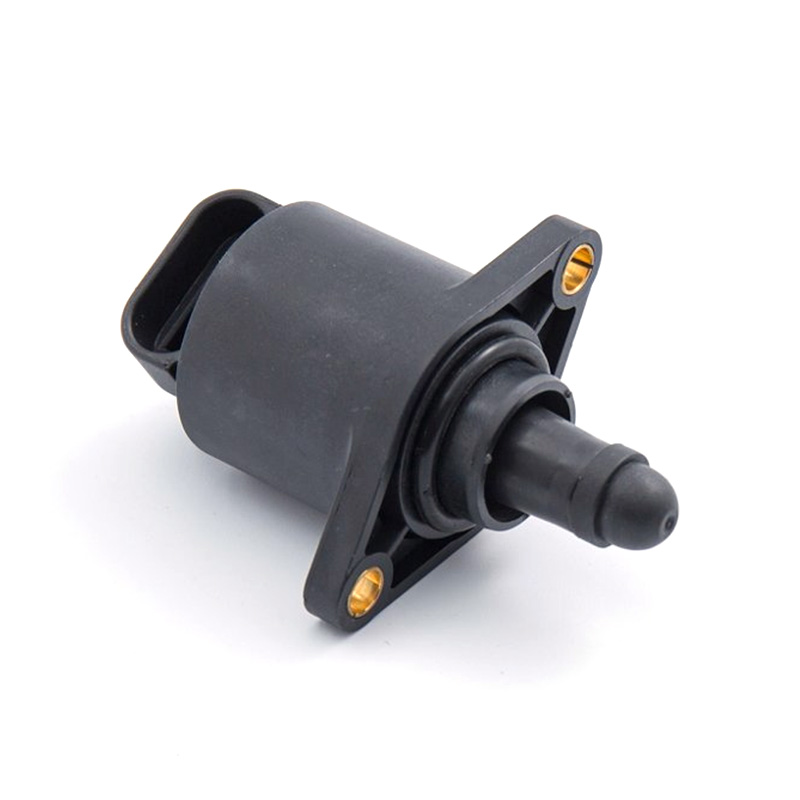
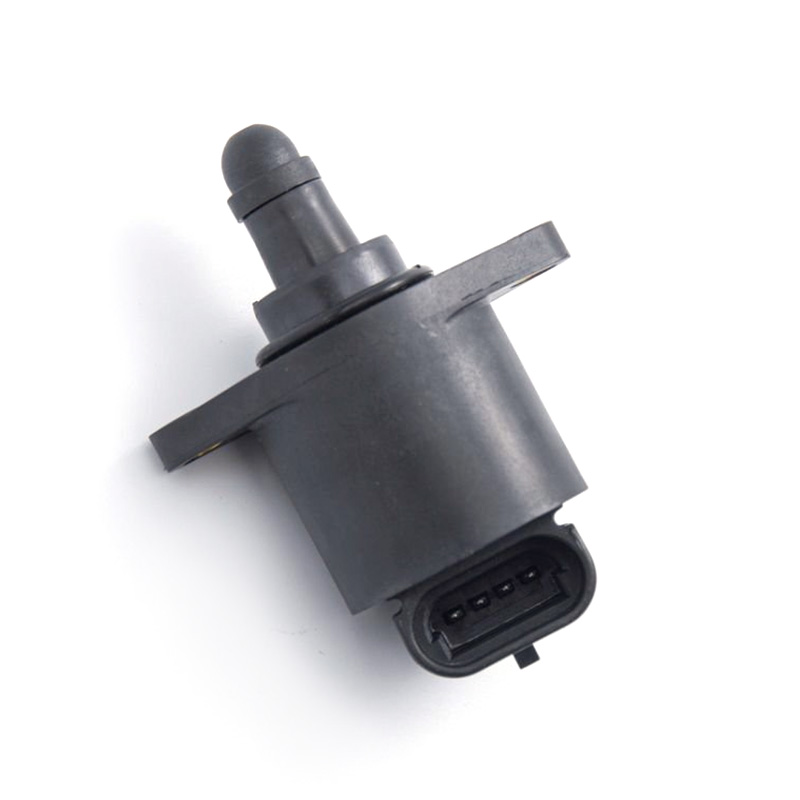
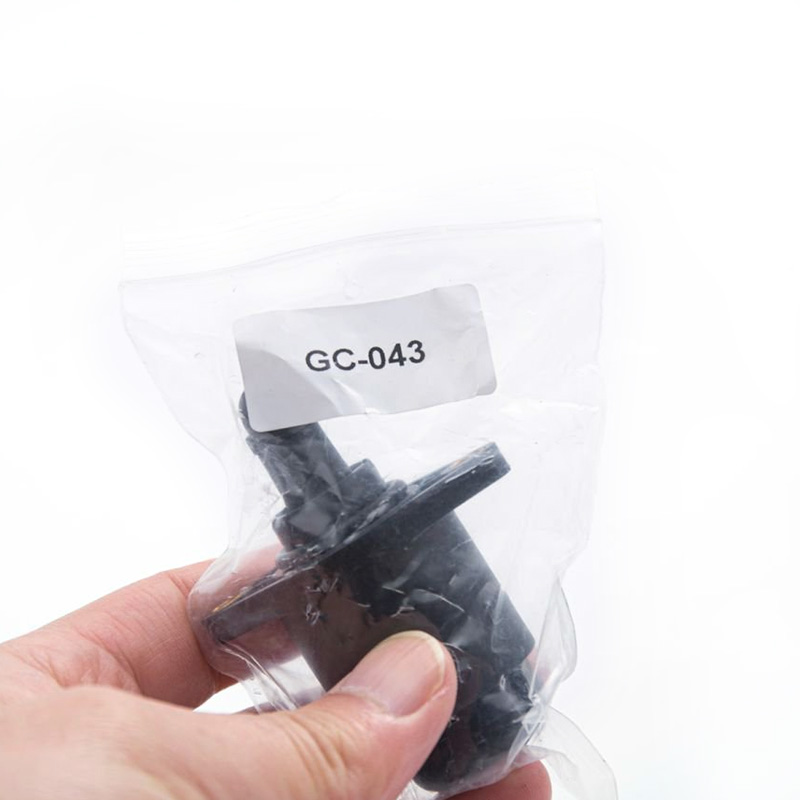
GC-043
REFERENCE OE:
SHORT CODE: B12/00
MARELLI:21924470500
OEM:9945035
APPLICATION:
FIAT PANDA(141A_)1000; Punto(176)55 1.1; Uno(146A/E) 45 i.e. 1.0; Lanci Y10(156)1.0 Fire(156e) KAT
Idle air control valve from China factory for Fiat Punto.
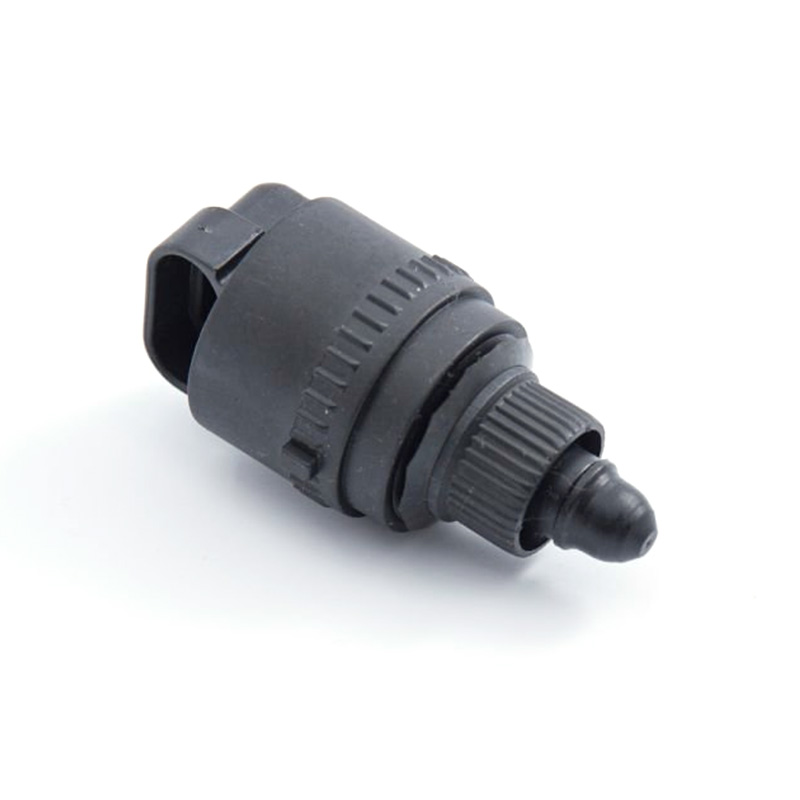
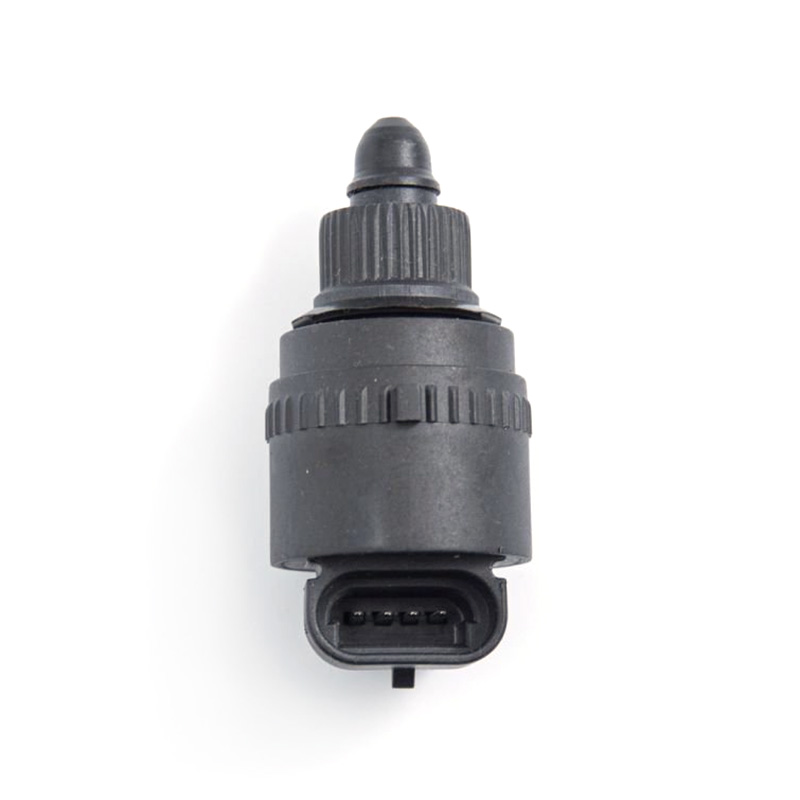
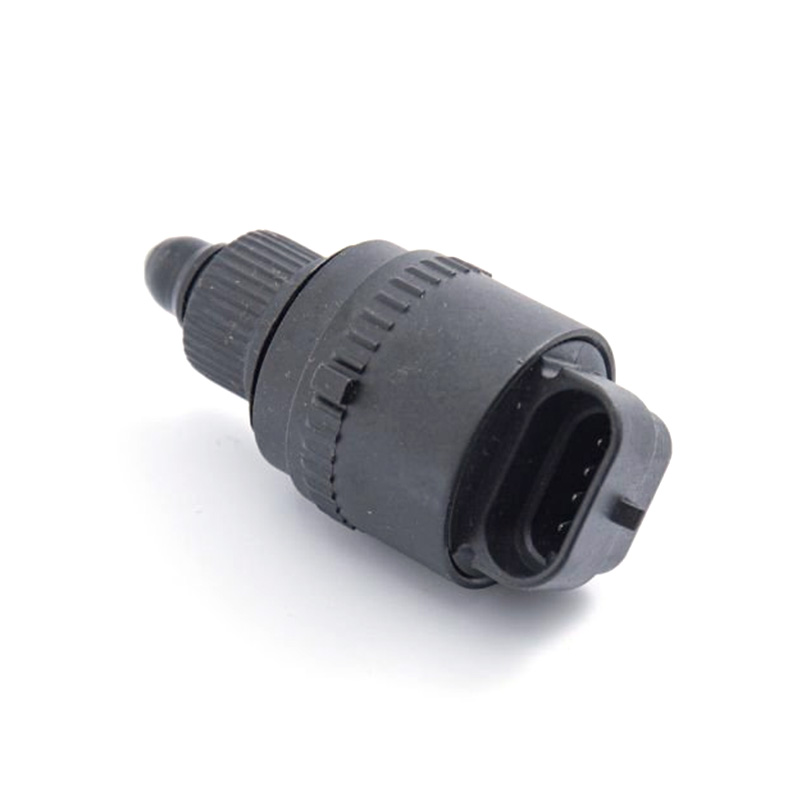
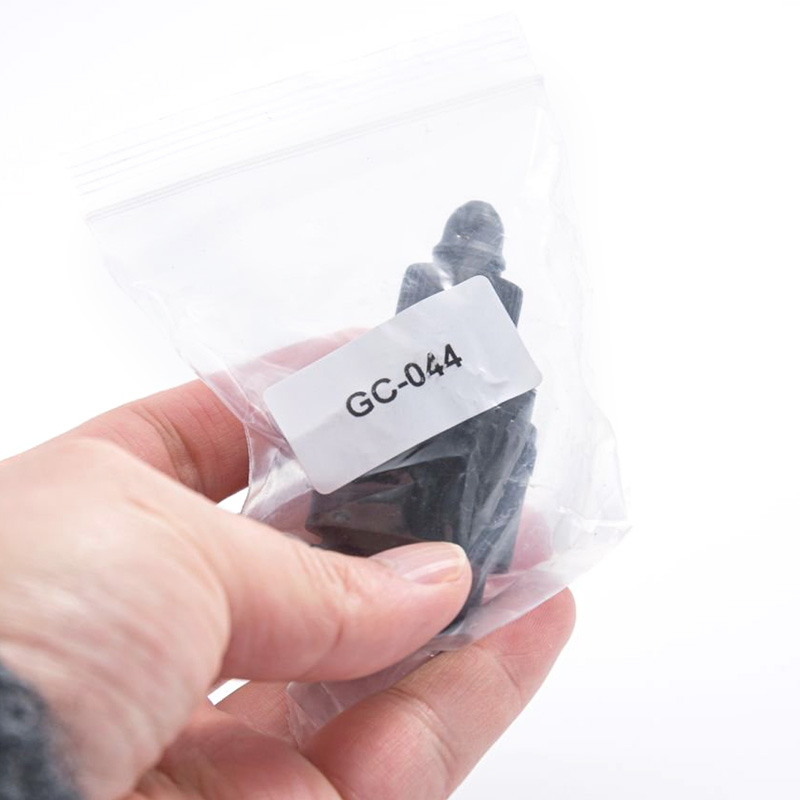
GC-044
REFERENCE OE:
IB01/00
40442902
71718105
APPLICATION:
FIAT 500 1.2;Boblo;Grande Punto;Idea 1.4;Linea 1.4;Palio(178BX)1.2;Panda;Punto;Lanci Musa 1.4;Y(840A)1.2;Ypsilon 1.2 1.4
Idle air control valve from China factory for Fiat Palio.
Contact Us
Let's start collaborating

Guocheng is specialized in the R&D and production of key engine components for the automotive and engineering machinery industries.
Product
Stay Connected
(+86) - 577 - 8582 0886 (Tel)
(+86) - 577 - 8582 8085 (Fax)
(+86) - 19730213059 (Phone)
sales@wz-gc.com
No. 205, Baiyu Road, 15th Road, Binhai Park, Wenzhou, Zhejiang, China
Mobile

ODM Engine Management System Components
 English
 русский
 Español
 عربى
عربى Deutsch