Date:Nov 27, 2026
Automotive engine systems rely on electrical connections to transmit power and signals between sensors, actuators, control modules, and wiring harnesses. A connector that does not match the original electrical or mechanical requirements may cause installation difficulties, unstable signals, or intermittent circuit faults. For automotive parts distributors, OEM purchasing teams, and aftermarket suppliers, sourcing engine electrical connectors requires careful verification of specifications before an order is confirmed.
At Wenzhou Guocheng Automobile Electrical Parts Co., Ltd., we manufacture automotive electrical components, including idle air control valves, throttle position sensors, and other engine management products. Our experience in automotive component manufacturing helps us understand the importance of connector compatibility, terminal quality, and consistent electrical performance.
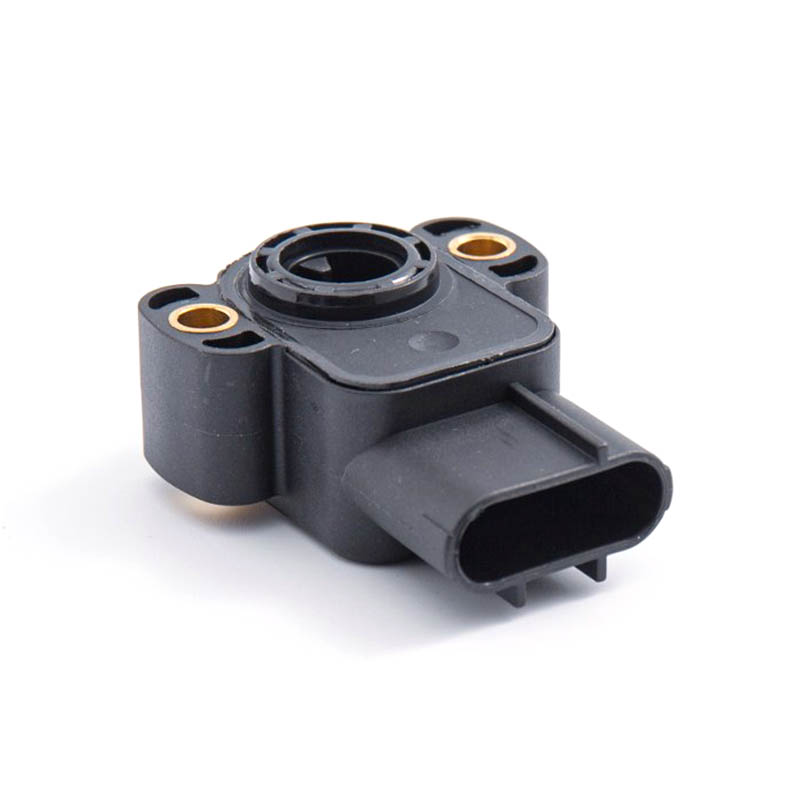
Electrical requirements should be established before comparing connector quotations. Different engine components may use connectors with similar appearances but different terminal arrangements and circuit functions.
Buyers should confirm the following details:
For example, a connector used for a temperature sensor may carry a low-current signal, while an actuator connection may need to accommodate a different electrical load. Buyers should provide the intended component application rather than relying on pin count alone.
An automotive connector is a complete assembly rather than an isolated plastic housing. Its performance depends on the compatibility of the housing, terminals, wires, seals, and locking structures.
| Component | Verification Requirement | Purchasing Consideration |
| Connector Housing | Dimensions, material, cavity layout | Physical fit and structural stability |
| Metal Terminals | Contact dimensions, plating, retention | Electrical contact consistency |
| Wiring | Wire gauge and insulation diameter | Correct terminal and seal matching |
| Locking Structure | Primary latch and secondary lock | Secure connection during vehicle operation |
| Sealing Components | Wire seals and interface seals | Protection against moisture and contamination |
Terminal-to-wire compatibility deserves particular attention. An unsuitable crimp combination may damage conductor strands, reduce mechanical retention, or increase electrical resistance. Buyers should request approved wire ranges and relevant crimping instructions before production approval.
Engine compartment installations expose electrical connections to temperature changes, vibration, moisture, oil, and other automotive fluids. Connector requirements should therefore reflect the actual installation location.
Several environmental factors should be included in the purchasing specification:
Standards such as SAE/USCAR-2 provide performance testing frameworks for automotive electrical connector systems. However, buyers should confirm the applicable revision, test conditions, and exact connector configuration rather than treating a general compliance statement as proof of suitability.
Sample inspection allows purchasing teams to identify potential specification differences before arranging larger orders. A practical evaluation should cover both the individual connector and its assembled electrical connection.
We recommend checking:
At Guocheng, our quality management procedures cover incoming material inspection (IQC), in-process quality control (IPQC), finished product inspection (FQC), and outgoing quality control (OQC). These stages provide a structured approach to monitoring manufacturing quality and order consistency.
Technical communication and production coordination also influence automotive connector sourcing decisions. Buyers handling multiple vehicle references may need assistance with OEM cross-referencing, product identification, and specification confirmation.
Before establishing a supplier relationship, purchasing teams should review these service areas:
At Wenzhou Guocheng Automobile Electrical Parts Co., Ltd., we support OEM and ODM cooperation for automotive electrical components. Our manufacturing experience and product range serve international distributors, importers, and automotive aftermarket businesses looking for stable component supply and application-related communication.
A structured RFQ helps reduce misunderstandings between buyers and manufacturers. Before submitting an inquiry, purchasing teams should prepare the following information:
Successful engine connector sourcing depends on accurate electrical specifications, compatible terminals, environmental suitability, and documented quality verification. A detailed purchasing brief also makes supplier communication more efficient and reduces the possibility of incorrect replacement parts entering inventory.
Wenzhou Guocheng Automobile Electrical Parts Co., Ltd. welcomes inquiries from global automotive parts distributors, OEM customers, and aftermarket suppliers. Contact our team with your product references and application requirements to discuss automotive electrical component sourcing and potential cooperation opportunities.
Related Products
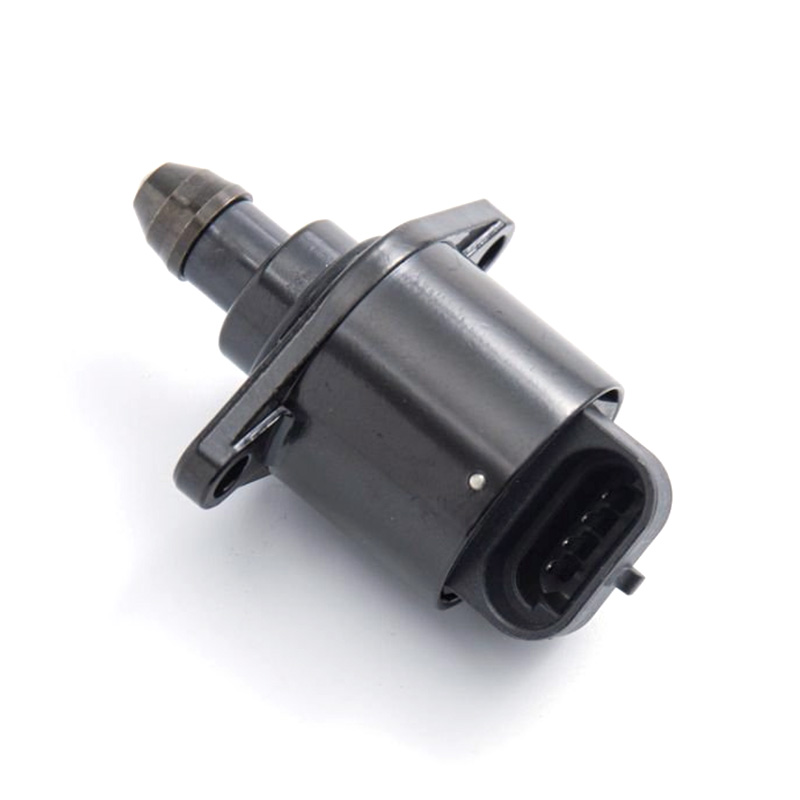
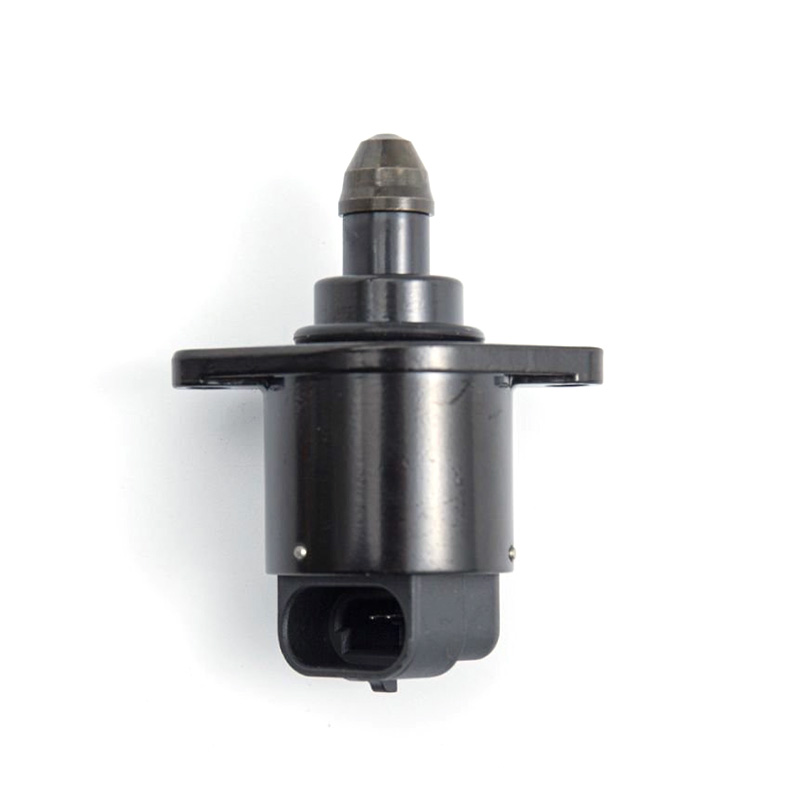
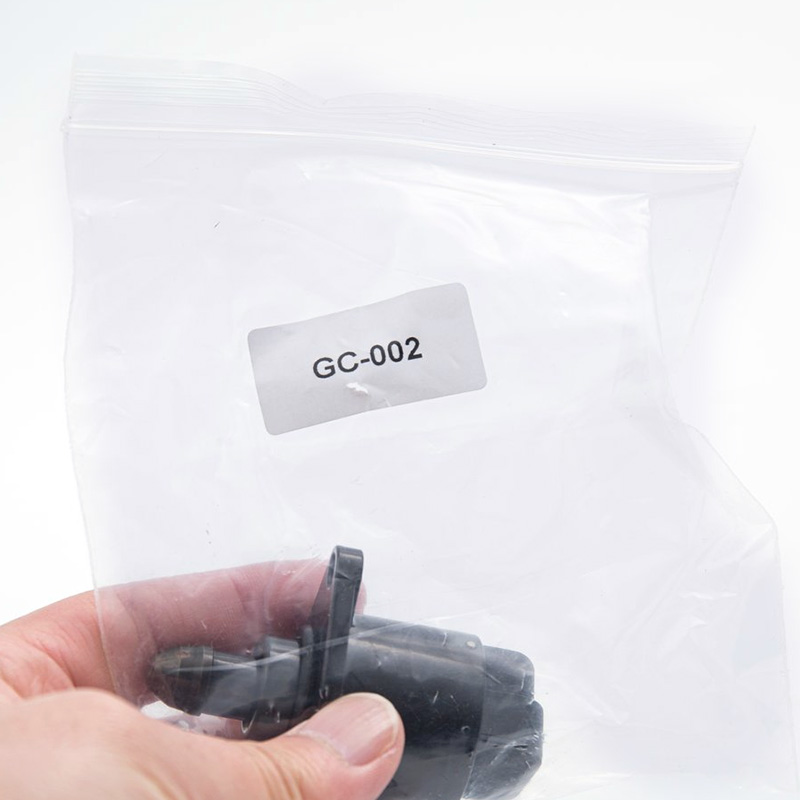
GC-002
REFERENCE OE:
SHORT CODE: B95/00
PEUGEOT: 1920X9 C95197
APPLICATION:
PEUGEOT 306 Break/Cabriolet/Schraqheck;PEUGEOT 405 II Break; PEUGEOT 406 Break/Coupe;
PEUGEOT 605 806;PEUGEOT BOXER Bus/Kasten/Pritsche/Fahrqestell
China original factory for idle air control valve and different kind of sensors with high quality and competitive price!
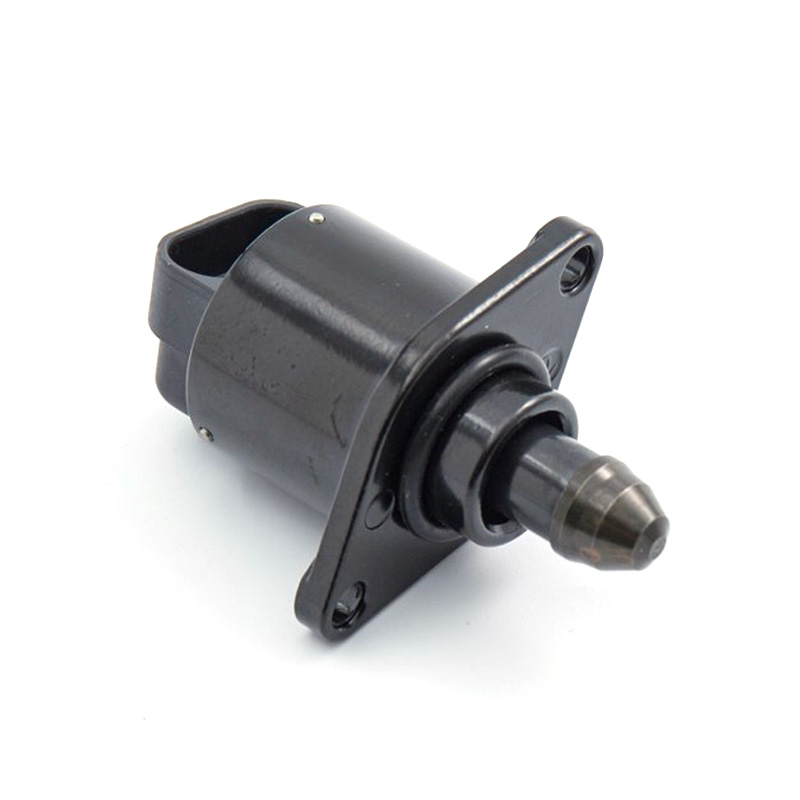
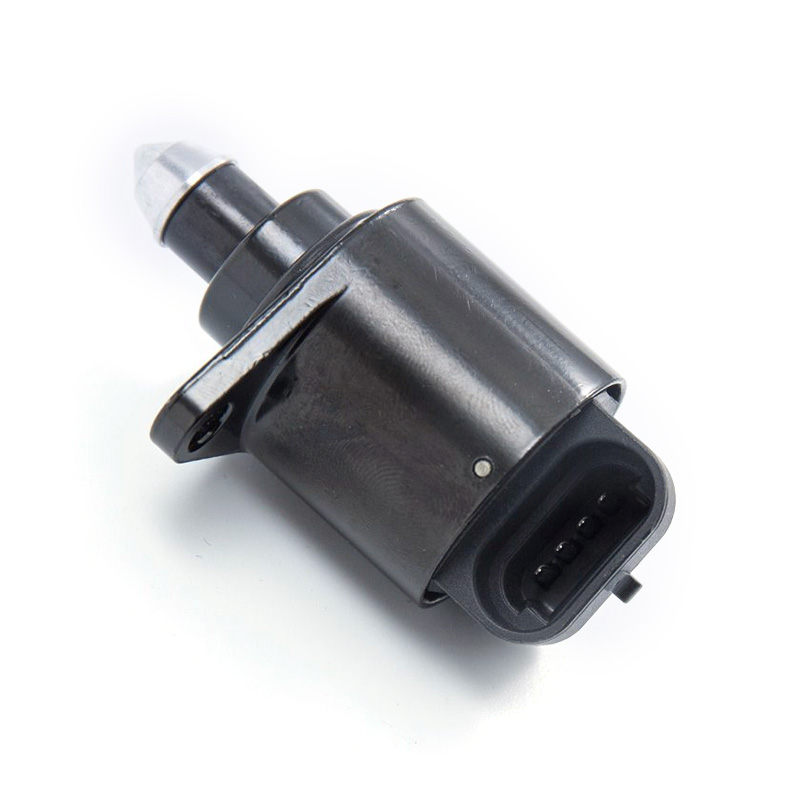
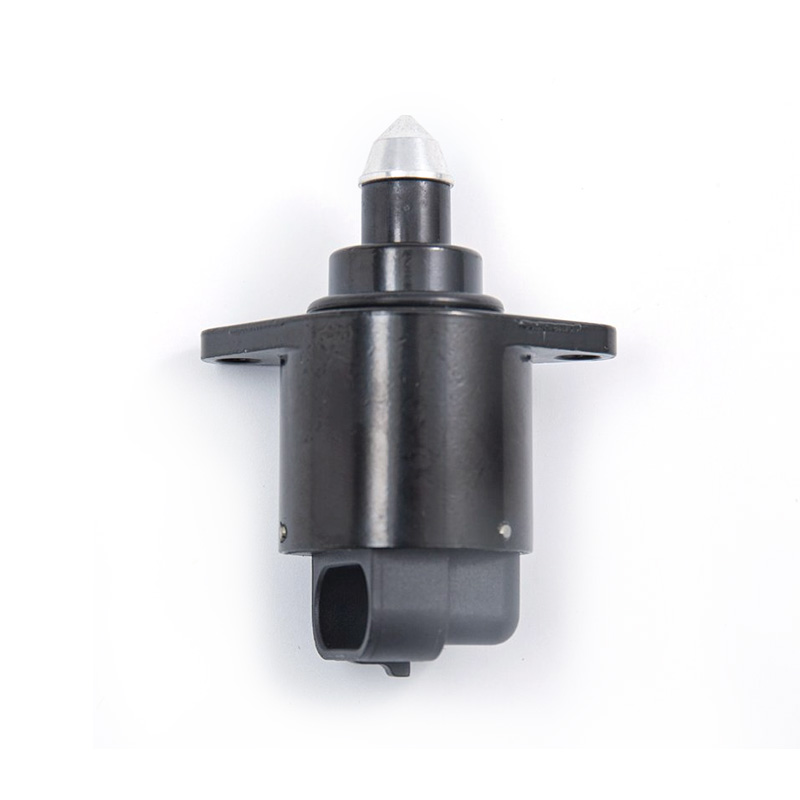
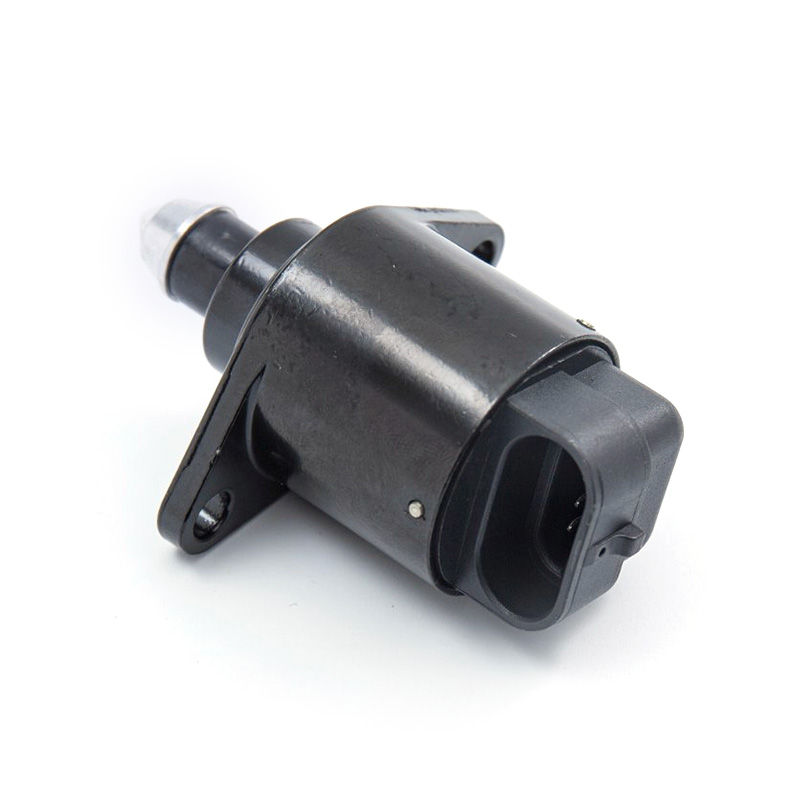
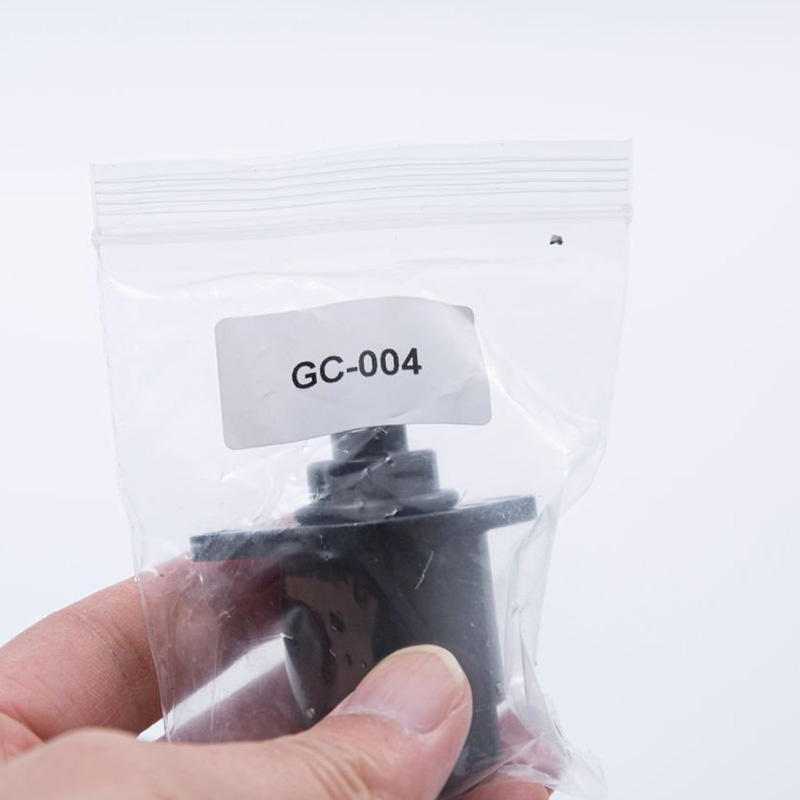
GC-004
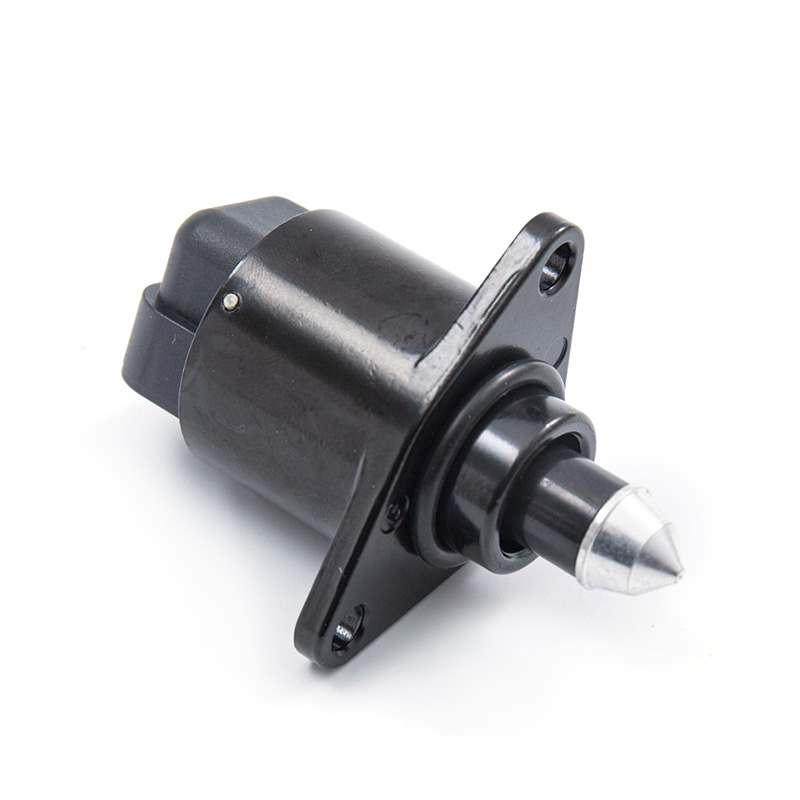
REF OE:
SHORT CODE:B32/00
SIMENCE:A97115 19206W
APPLICATION:
CITROEN BERLINGO(MF)/Kasten(M_)1.4 i(MFKFX);CITRO SAXO(S0,S1) 1.4VTS,CITRO XSARA(N1)/Break(N2)/Coupe(N0)1.4i;
PEUGEOT 106 II(1)1.4i;PEUGEOT 206 Schraqheck(2A/C)1.4i/SW(2E/K)1.4;
PEUGEOT306(7B,N3,N5)1.4SL/Break(7E,N3,N5)1.4/Schraqheck(7A,7C,N3,N5)1.4;
PEUGEOT PARTNER Combispace(5F)1.4/Kasten(5)1.4
China manufacture for idle air control valve,high quality and competitive price!
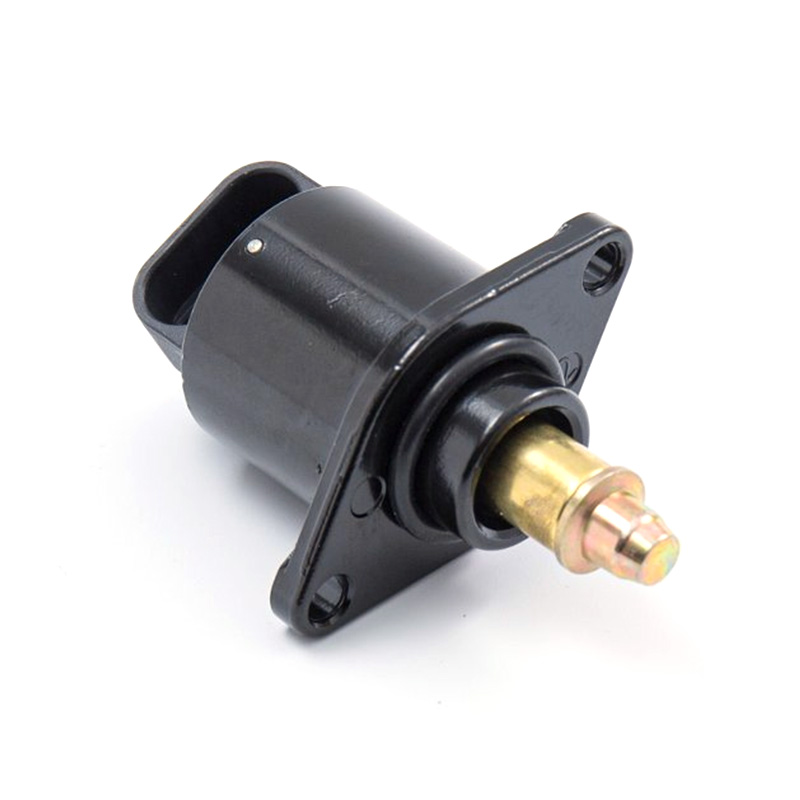
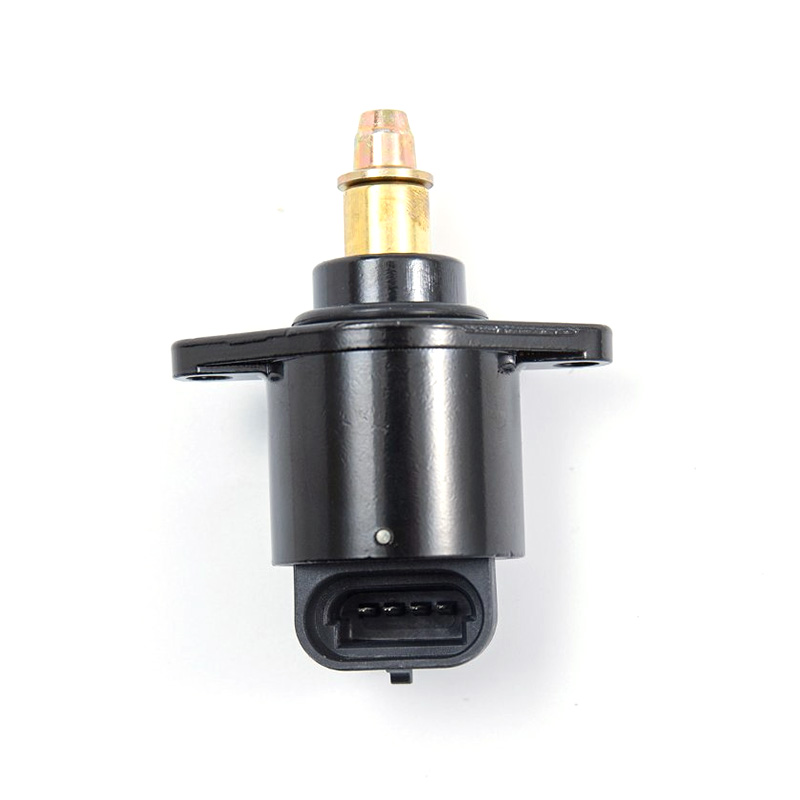
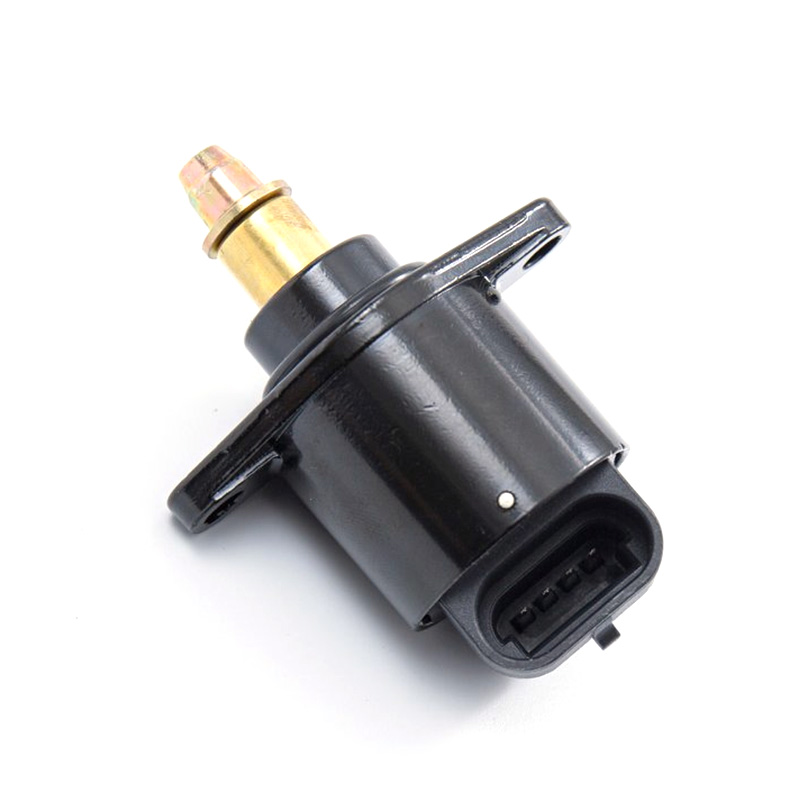
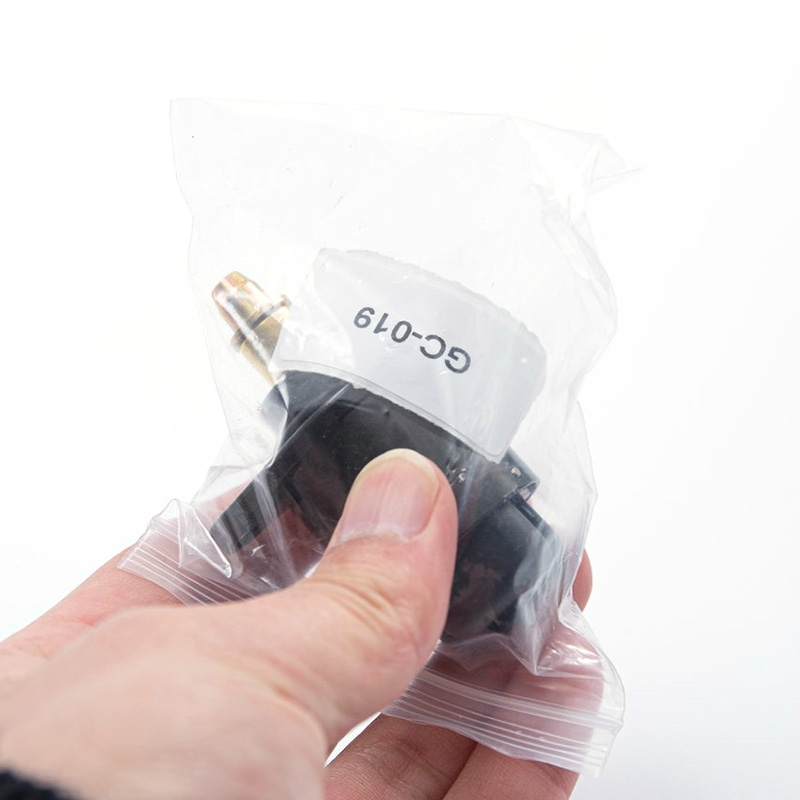
GC-019
REFERENCE OE:
SHORT CODE: D5104
MARELLI: 40396502
FIAT: 7078983 0269980492
VDO: AT-5104R
APPLICATION:
FIAT:Palio/Siena 1.6 98>99-EFI(gasolina) VW:Gol 1.08v94>>96-EFI(gasolina)
Idle air control valve with high quality and low price from China!
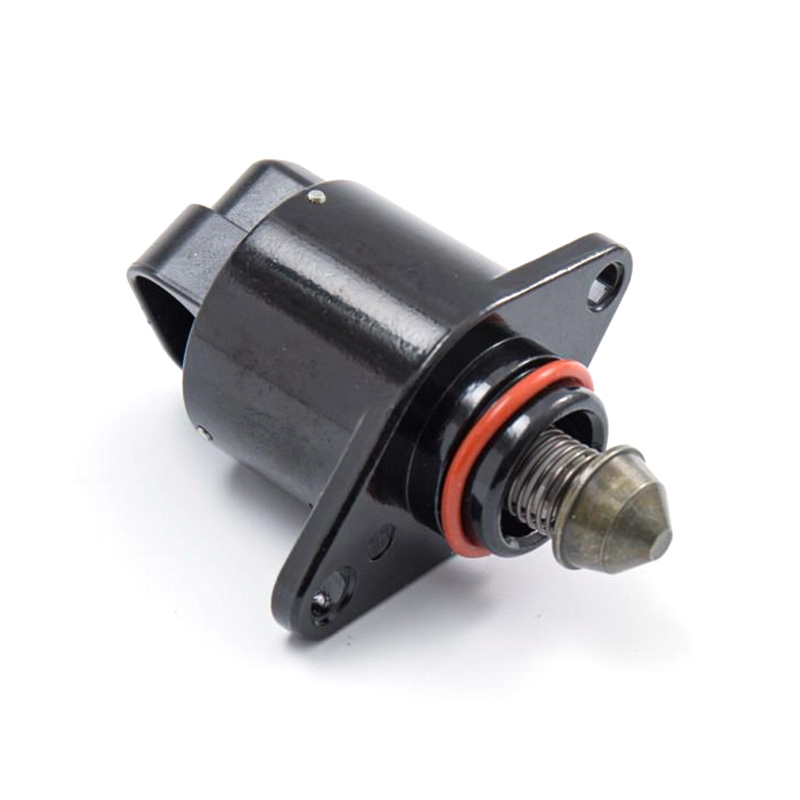
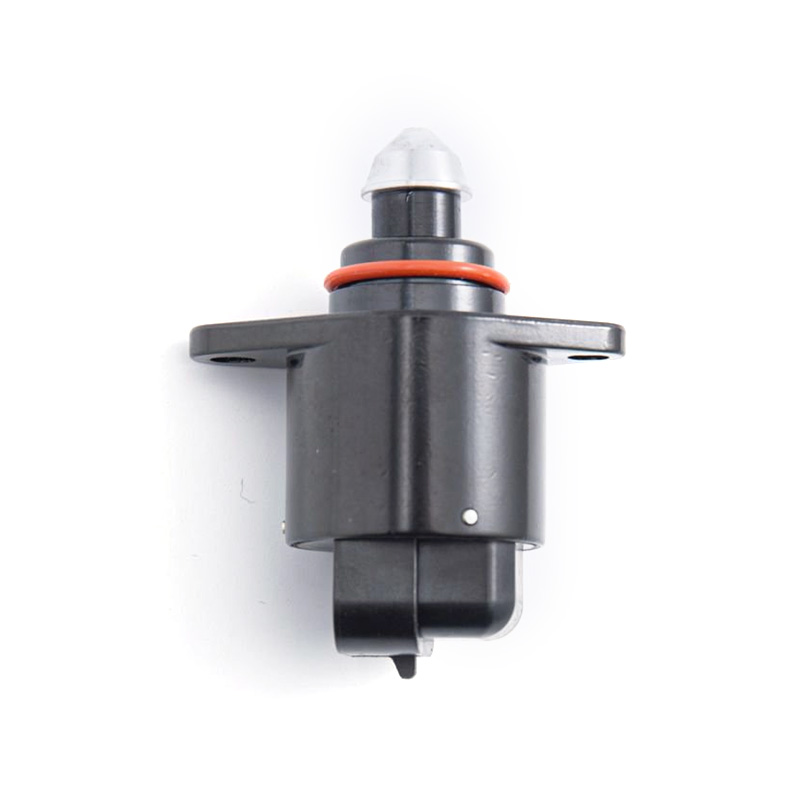
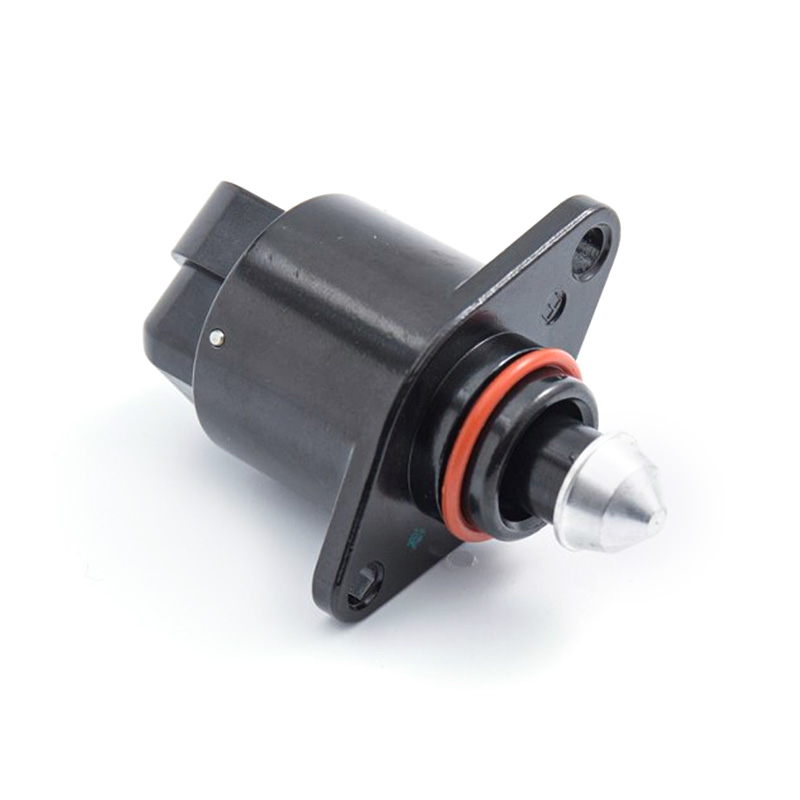
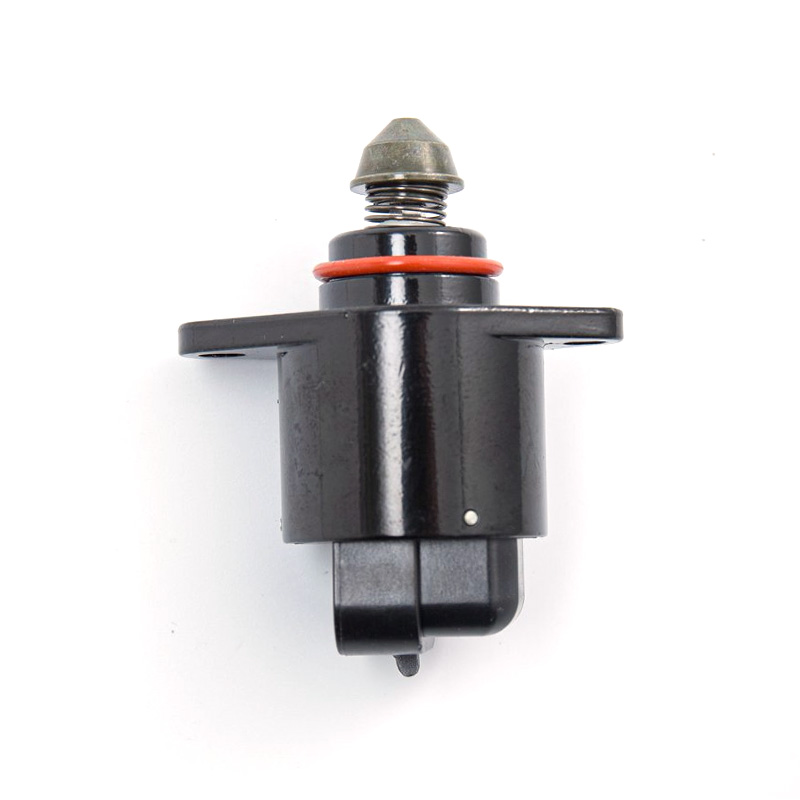
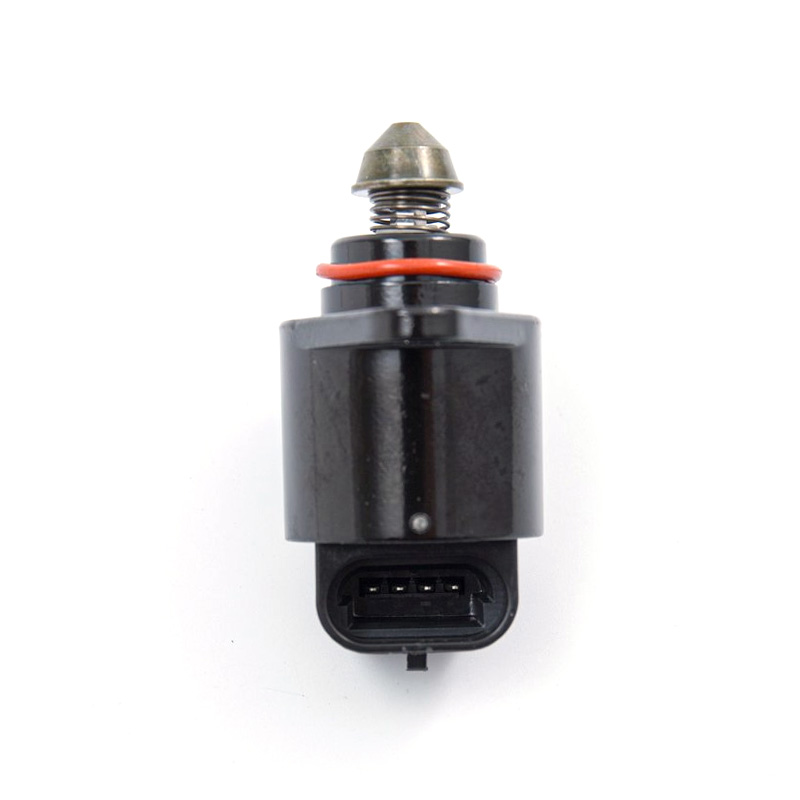
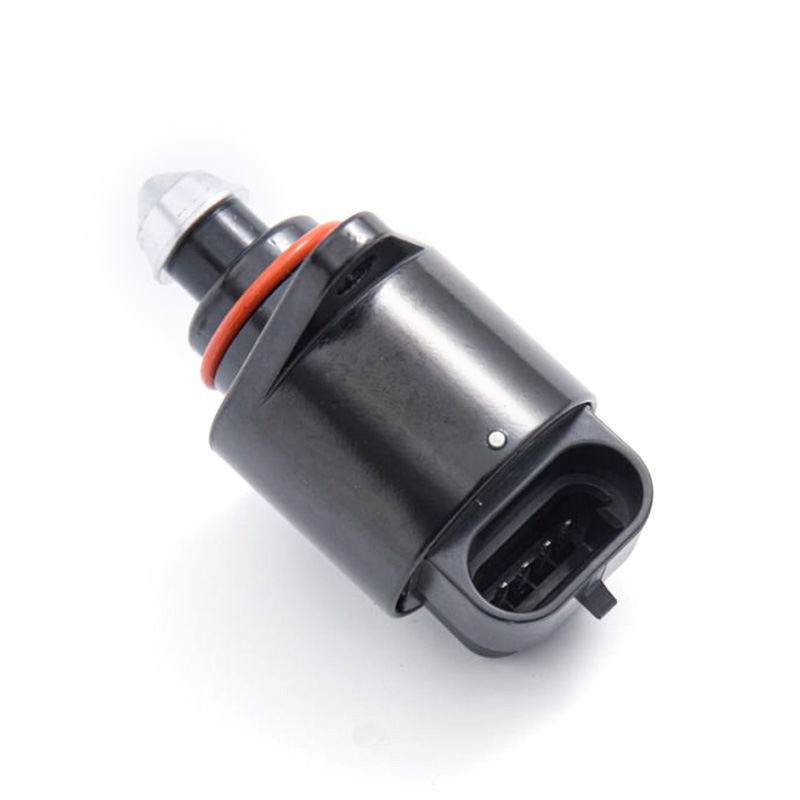
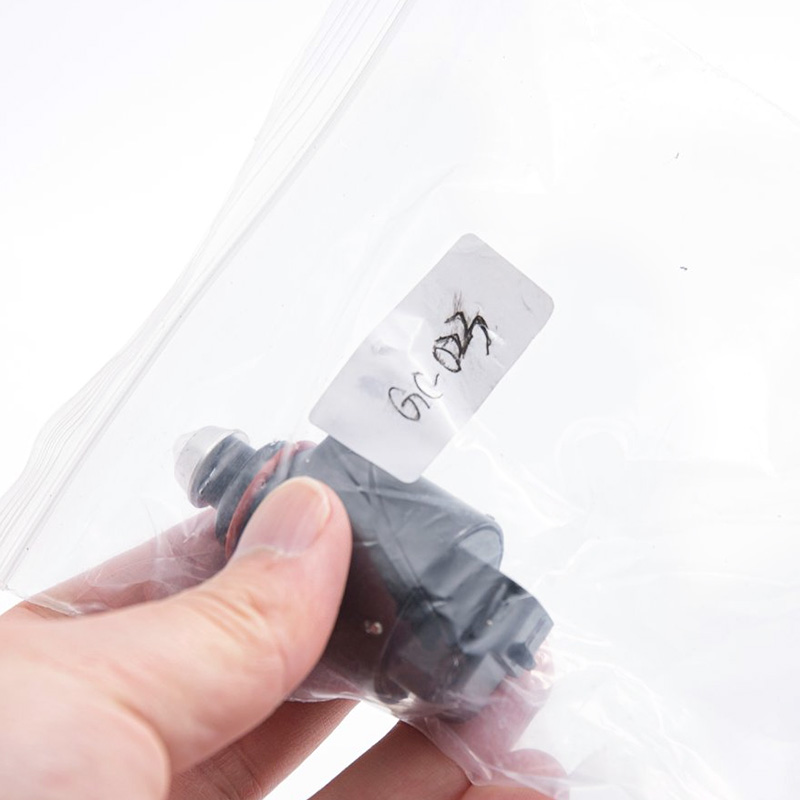
GC-023
REFERENCE OE:
GM 17112350 STD:AC5 17111808; WELLS:AC107;
APPLICATION:
Buick Century Sedan/Coupe(05-87);
Buick Lacrosse(05);
Buick Regal Sedan/Coupe(96-88)
Cadillac, chevrolet, pontiac, oldsmobile;
Idle air control valve from China manufacture for Buick!
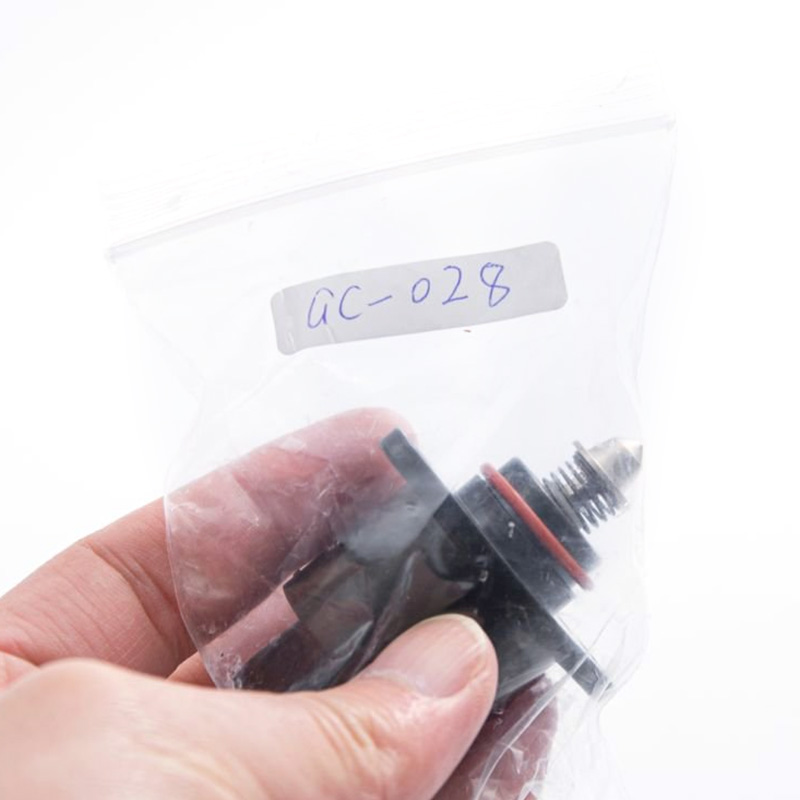
GC-028
REFERENCE OE:
SHORT VDO:A95278
TRADE NUMBER:02739
SHORT CODE:C0973
APPLICATION:
LADA
Idle air control valve from China factory for Lada.
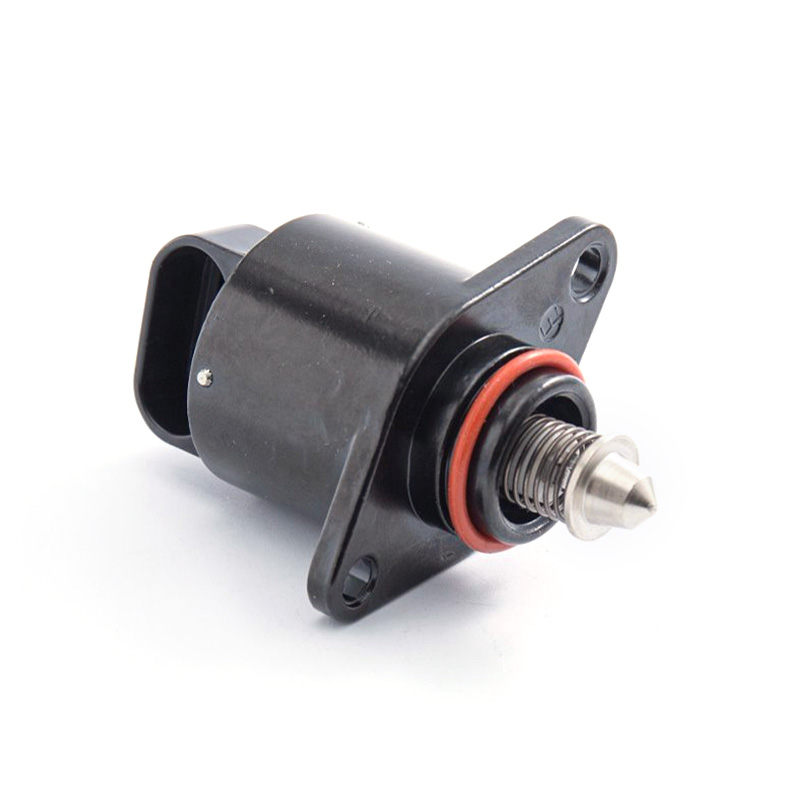
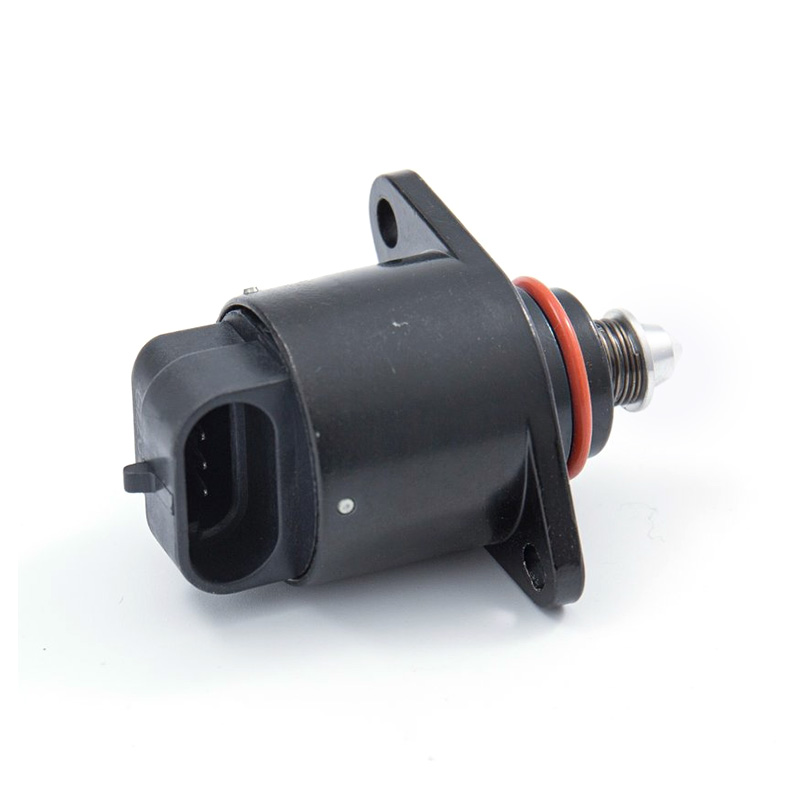
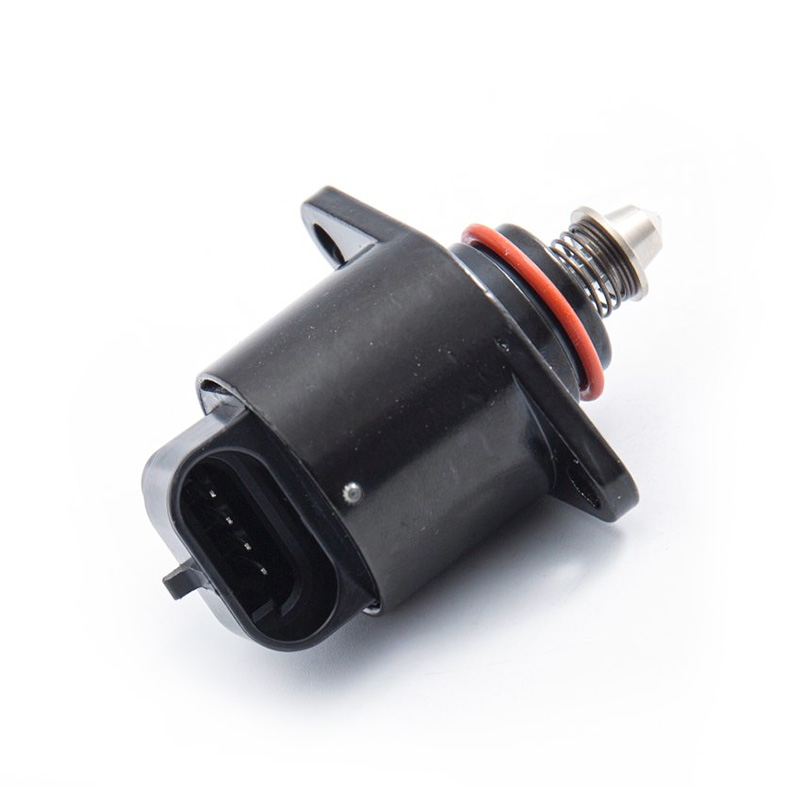
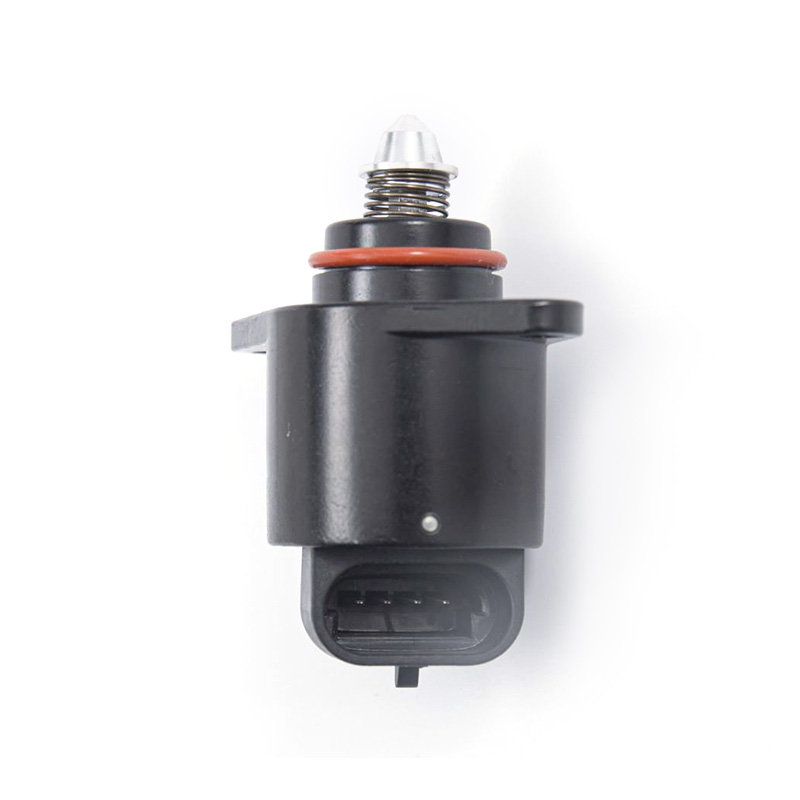
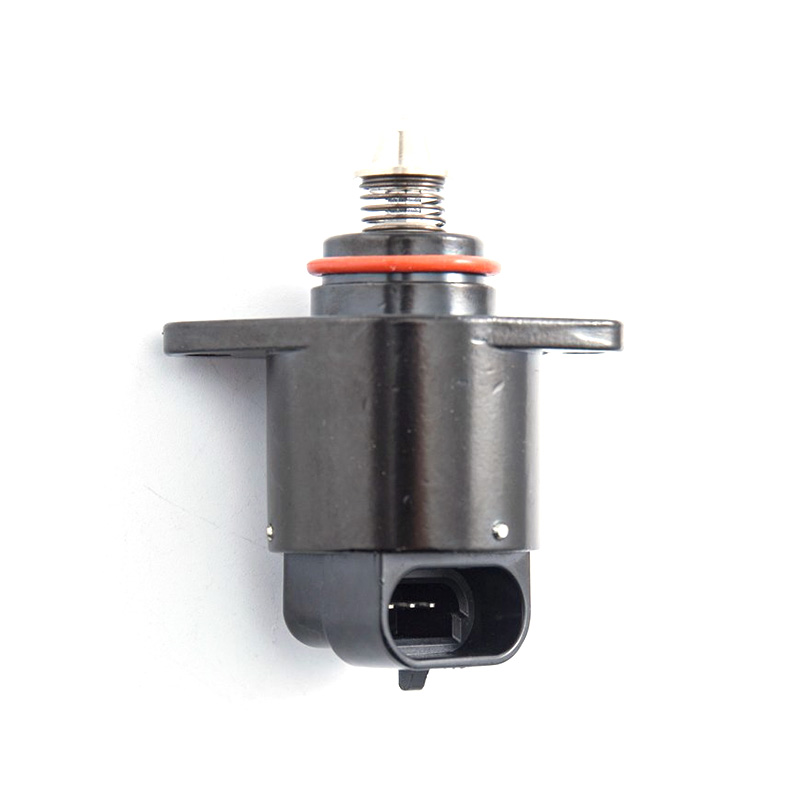
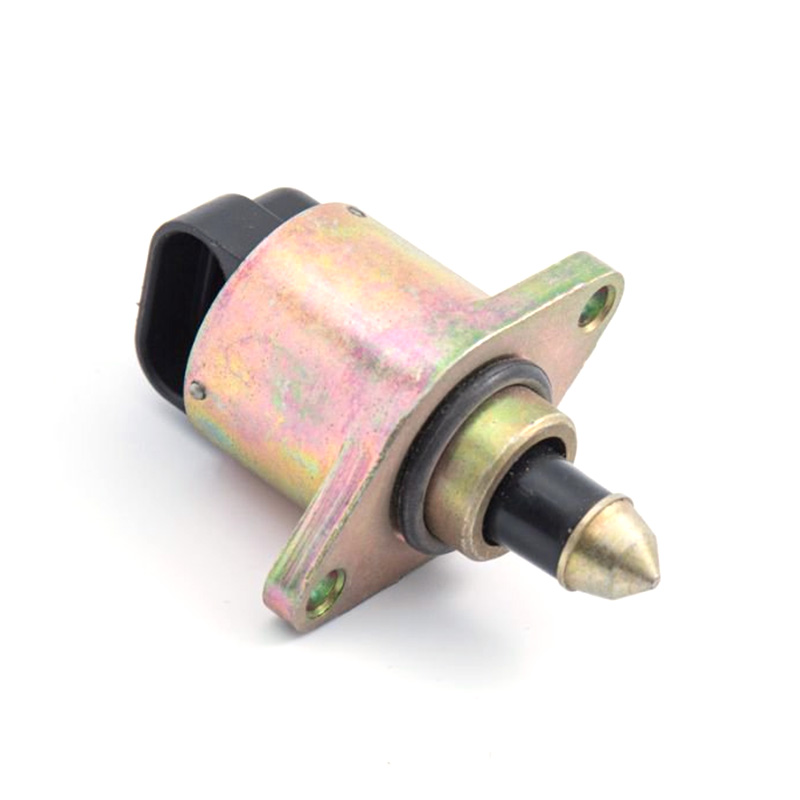
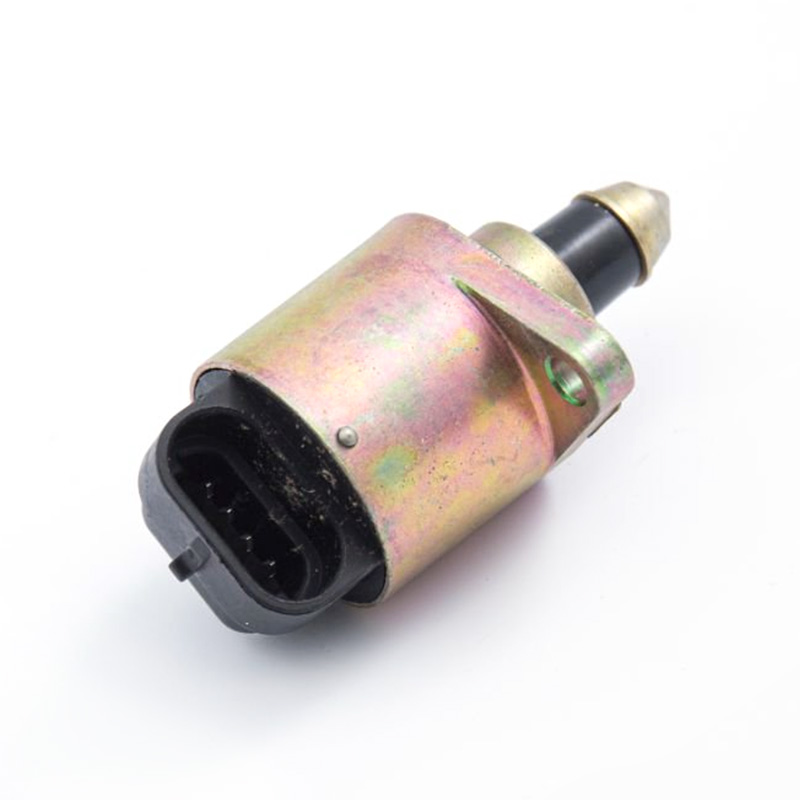
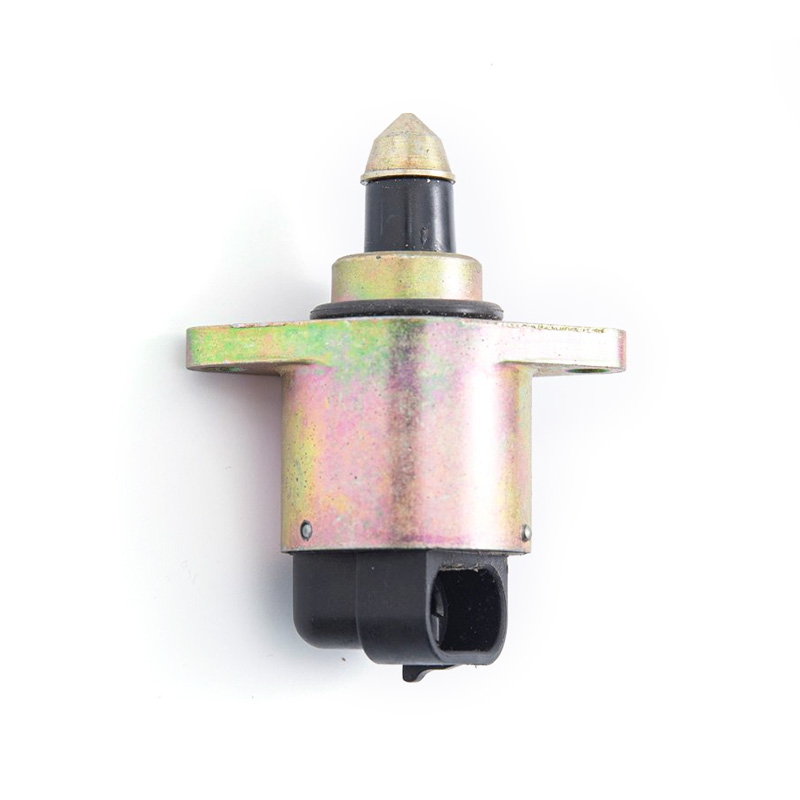
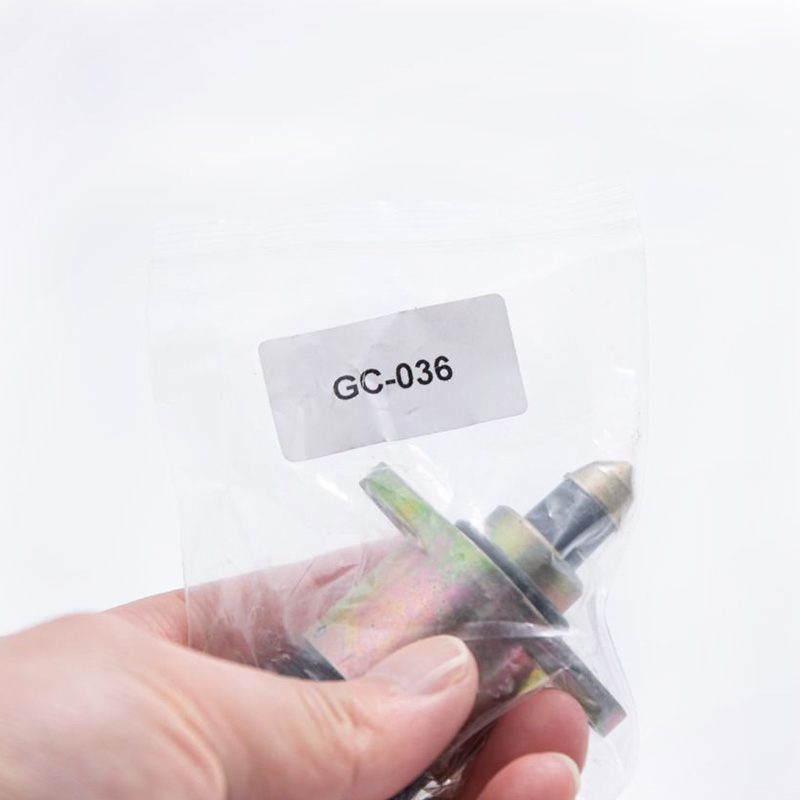
GC-036
REFERENCE OE:
STD: AC10
WELLS: AC300 17119274, 17119279, 217200, 217206, 4288298, 4300264, 4307899, 4419639, 4458355, 4612453, 4612491, 4612749, 4861084, AC10T
APPLICATION:
Chrysler Cirrus(97-95);
Daytona(93-87);
Dynasty(93-88);
Lebaron(95-86);
Dodge Caravan/Grand Caravan(97-88);
Dokota(96-89);
Daytona(93-86);
Plymouth Caravelle(88-86);
Acclaim(95-89);Sundance(98-87)
Idle air control valve from China factory for Chrysler.
GC-040
REFERENCE OE:
SHORT CODE:B04/01 D5131
MARELLI:230016079057
PEUGEOT:1920N1
SIMENCE:A95269
APPLICATION:
PEUGEOT 205 I Cabriolet(741B,20D)1.6CJ;
PEUGEOT 205 II(20A/C)1.6 Aut;
PEUGEOT 306(7B,N3,N5)1.8/2.0ST;
306 Break(7E,N3,N5)1.8;
PEUGEOT 306 Cabriolet(7B,N3,N5)1.8/2.0ST;
PG 306 Schraqheck(7A,7C,N3,N5)1.8/2.0 Xsi;
PG 309 II(3C,3A)1.6;
PG 405/Break(15B)1.6;
PG405 II(4B)1.6/1.8/2.0/2.0 X4;
PG 406;PG 806;PG BOXER Bus
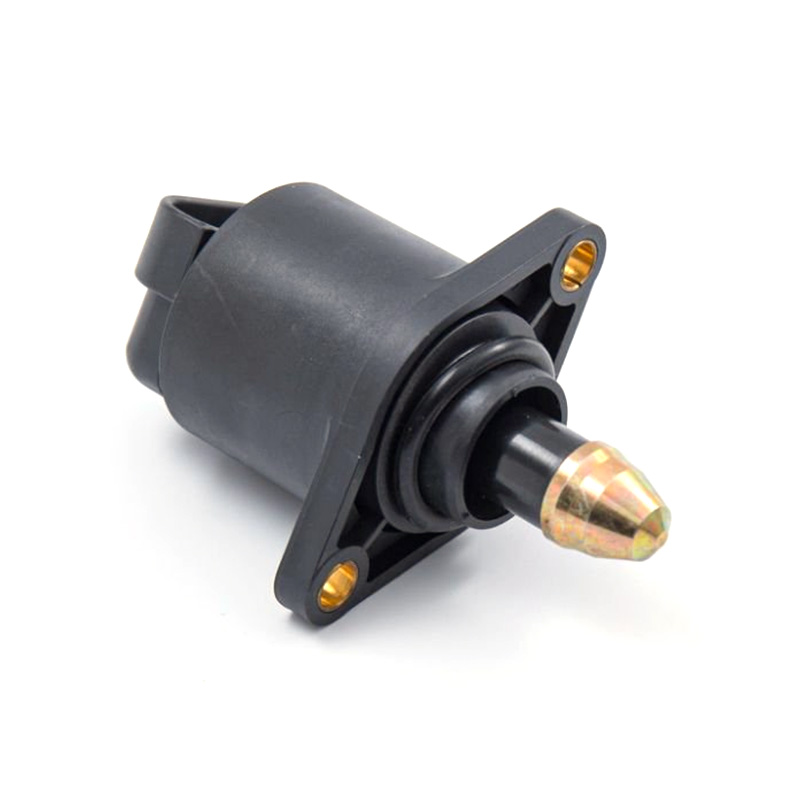
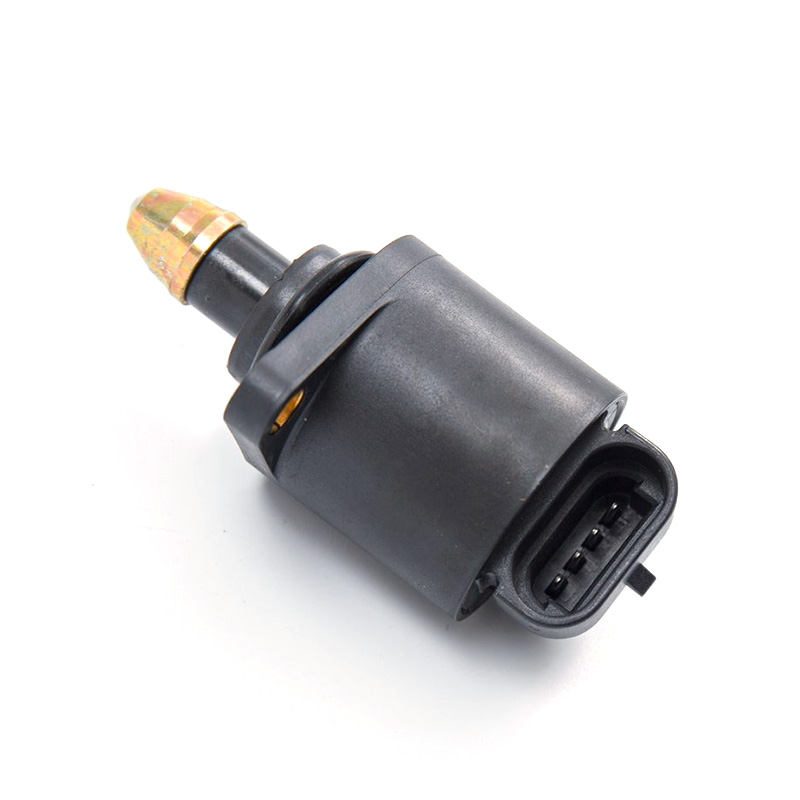
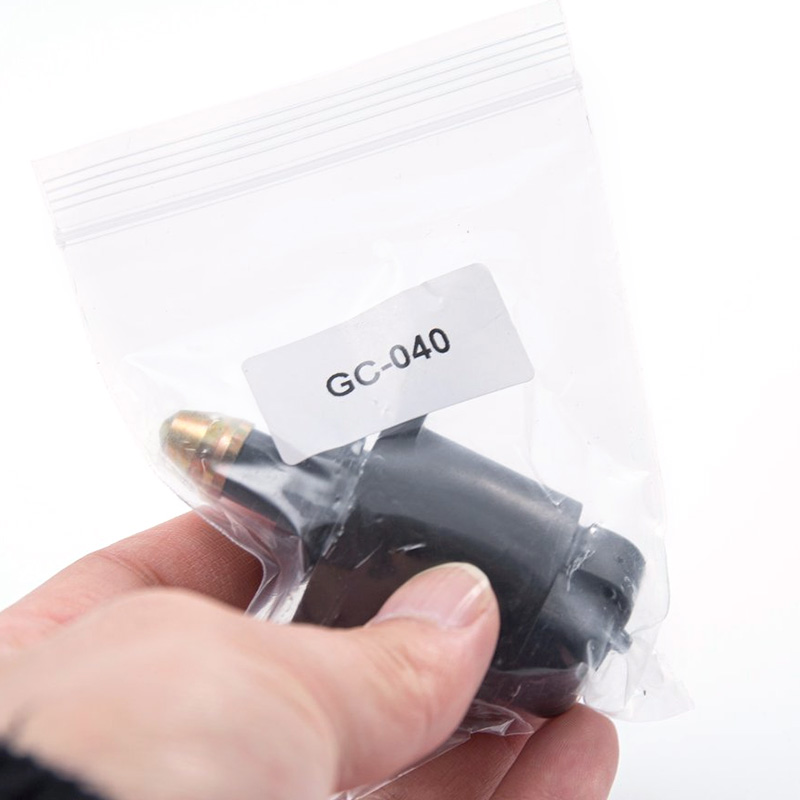
Idle air control valve from China factory for Peugeot 205 306.
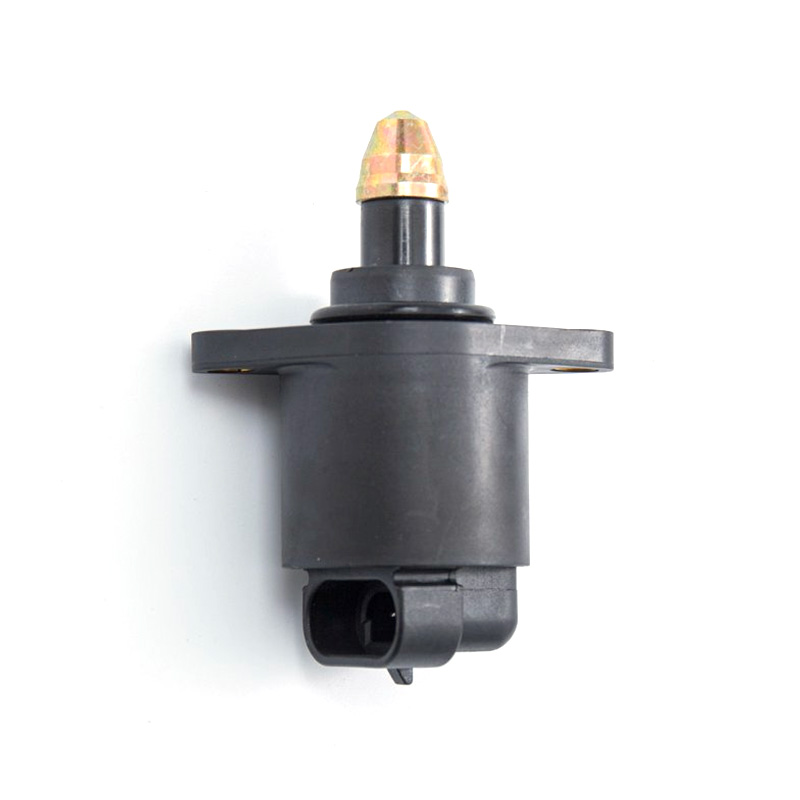
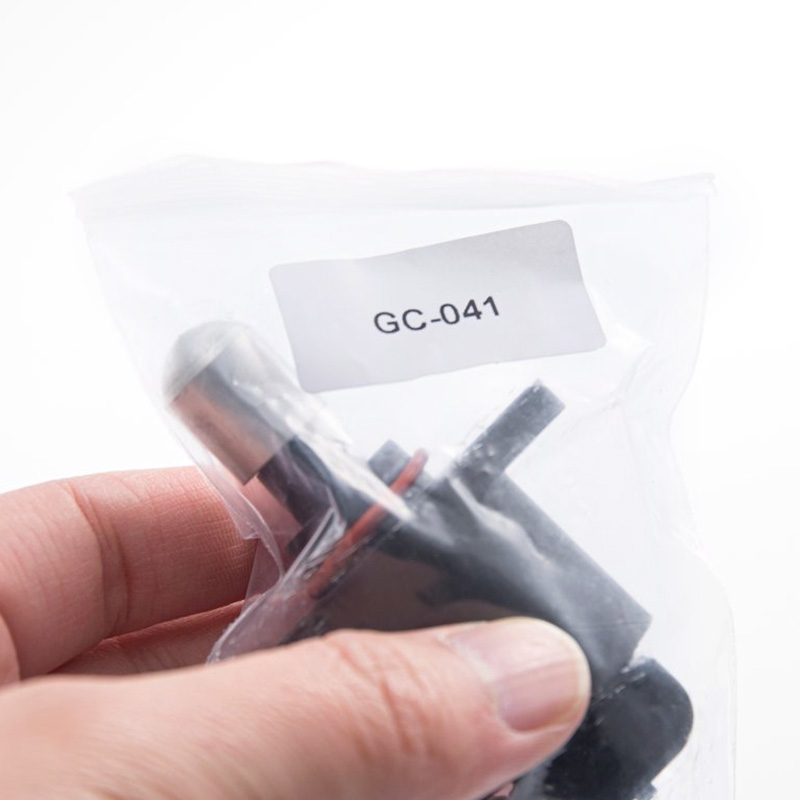
GC-041
REFERENCE OE:
R008/2243
APPLICATION:
KIA GAS
Idle air control valve from China factory for Kia.
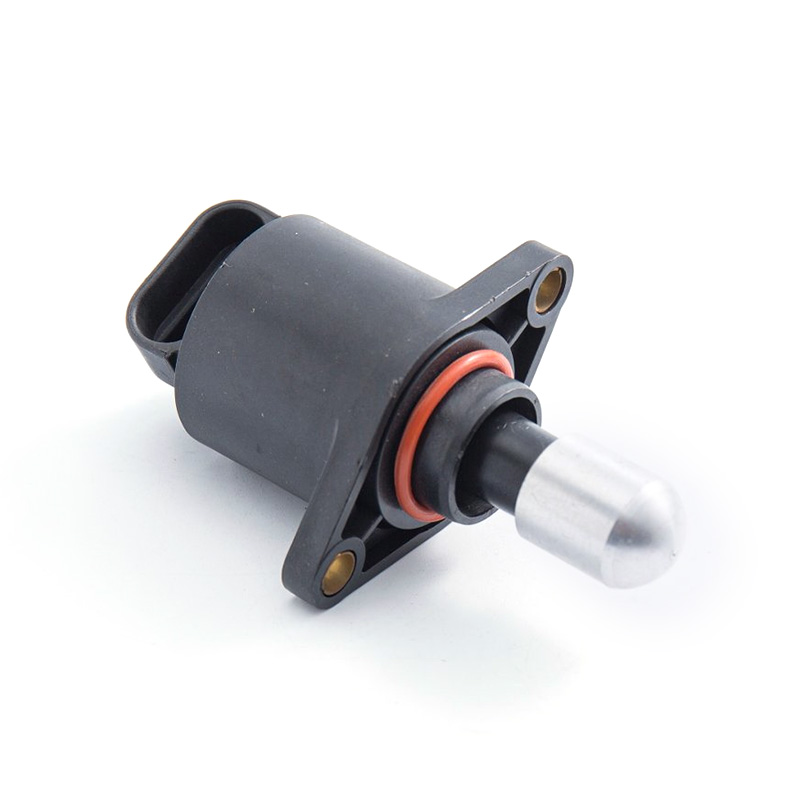
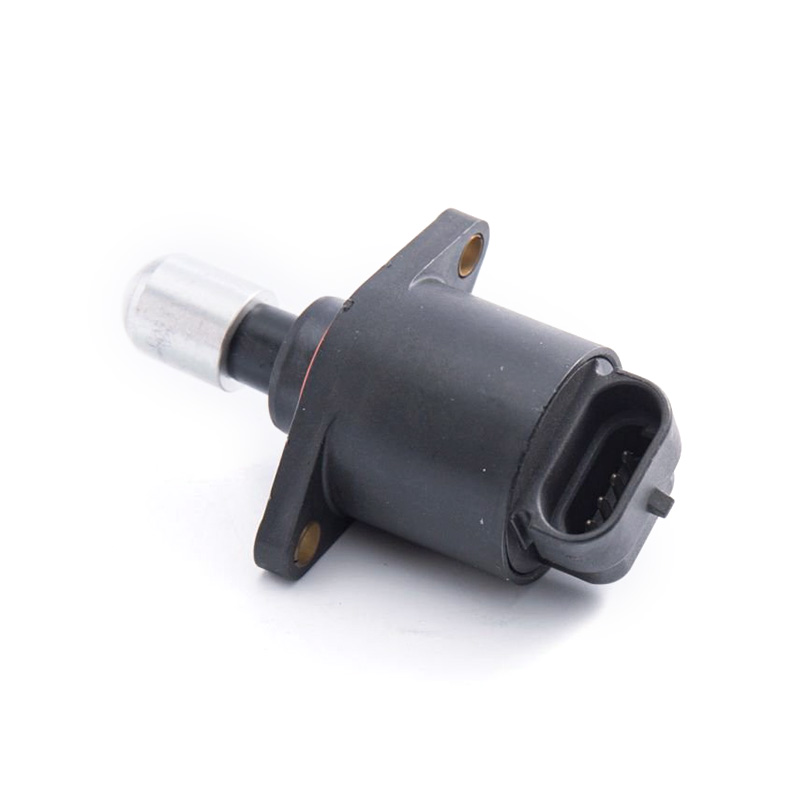
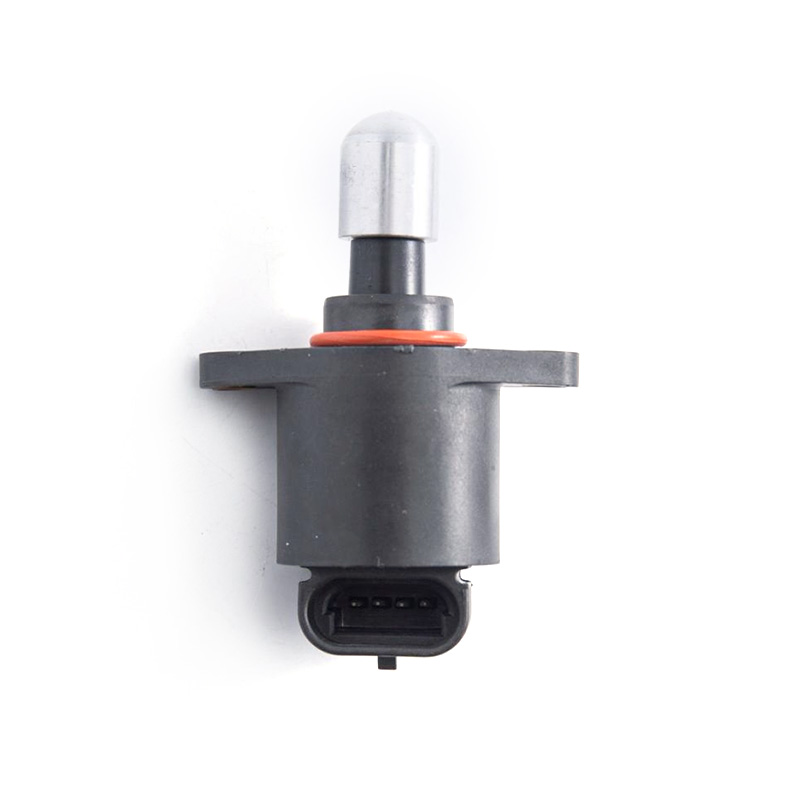
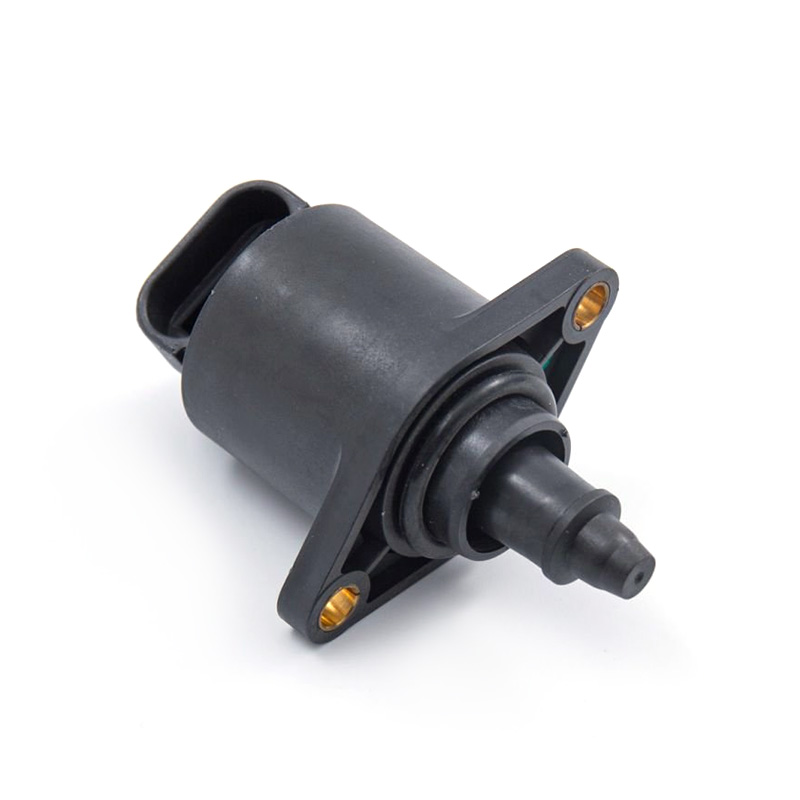
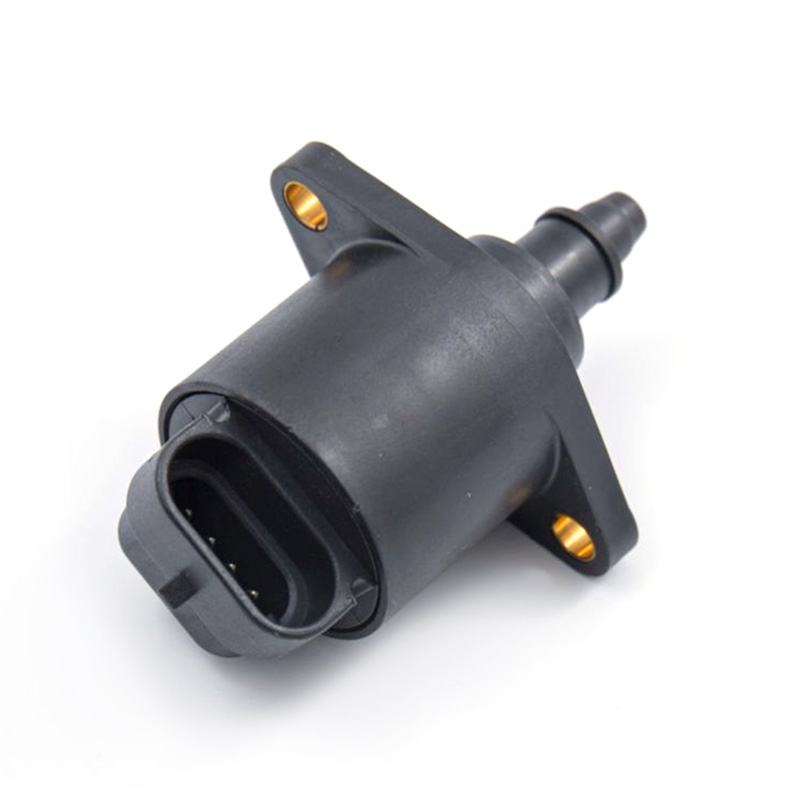
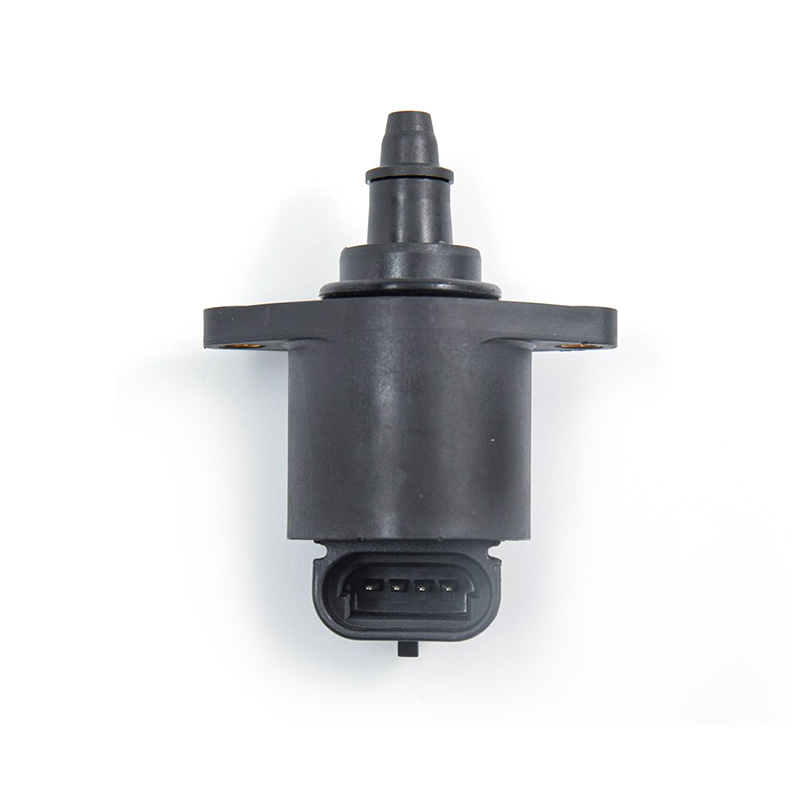
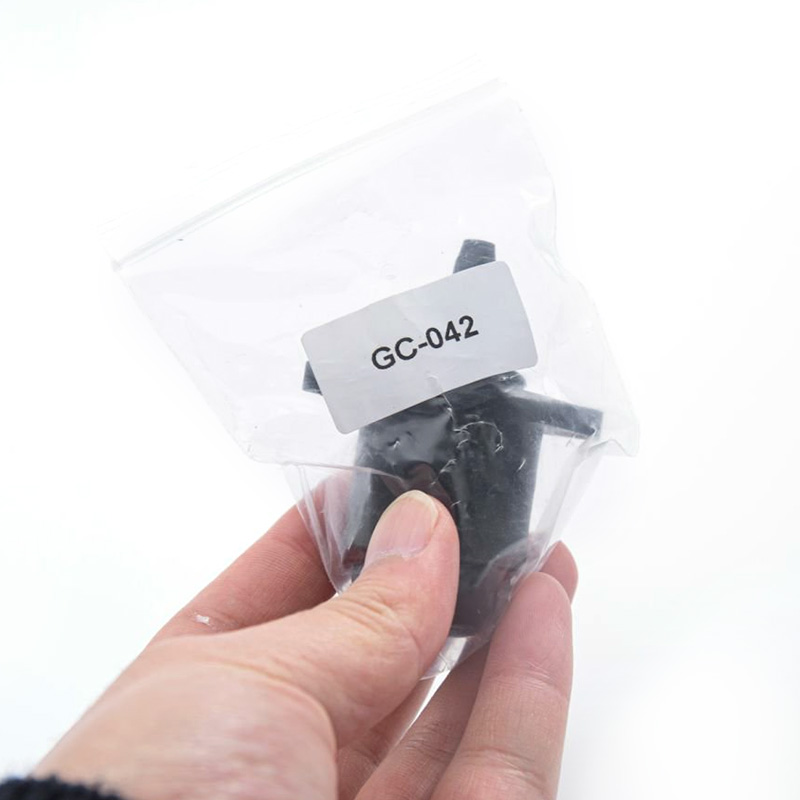
GC-042
REFERENCE OE:
SHORT CODE: D5104
FIAT: 7078983 0269980492
VDO: AT-5104R ;
APPLICATION:
PALIO 99->1.6 SPI/SIENA 99->1.6SPI/STRADA 99->1.6SPI/GOL99->1.0 SPI
Idle air control valve from China factory for Fiat Palio.
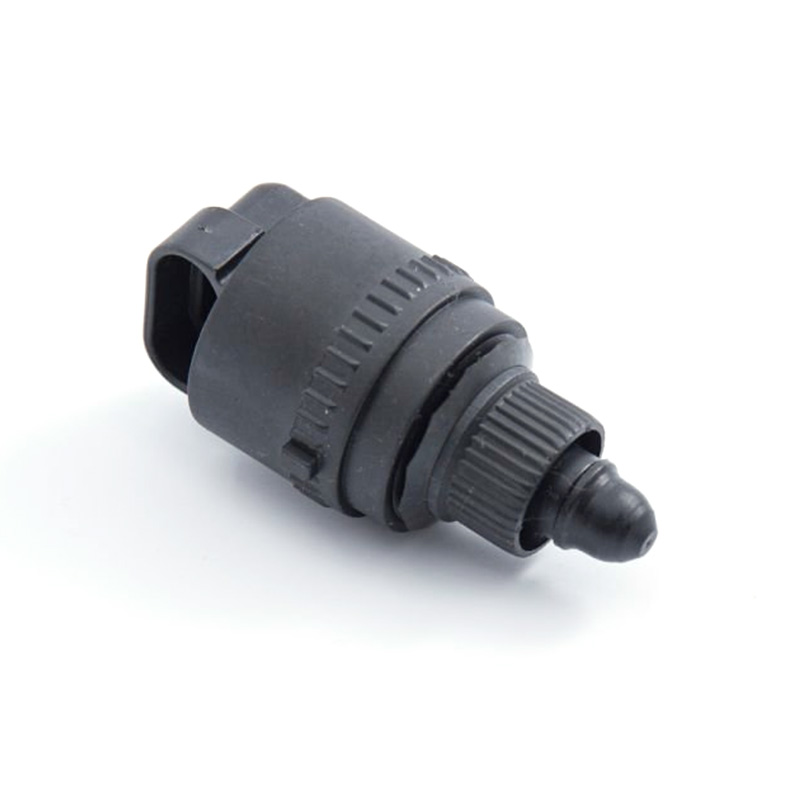
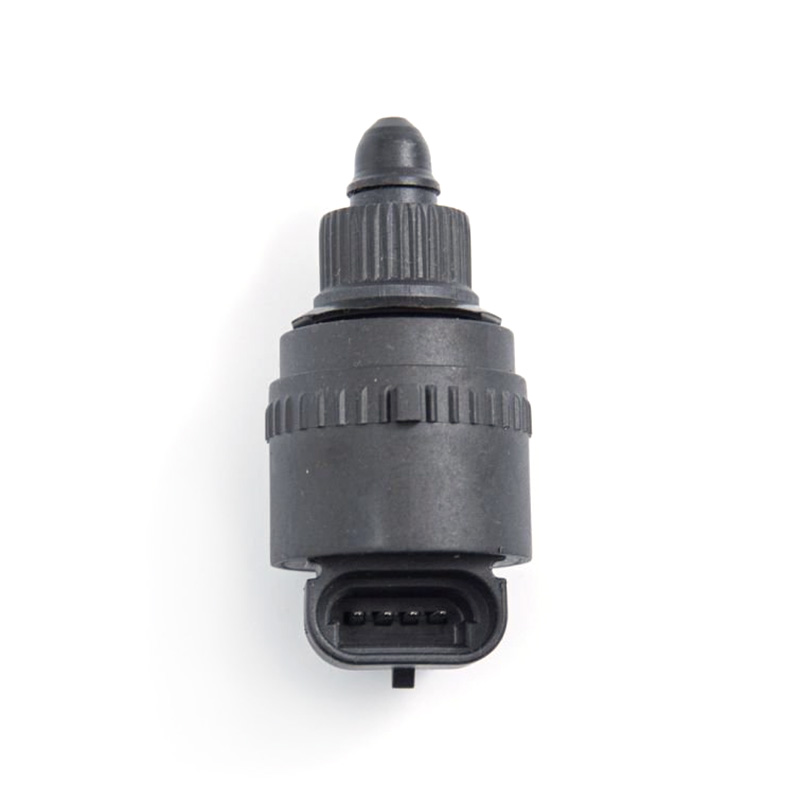
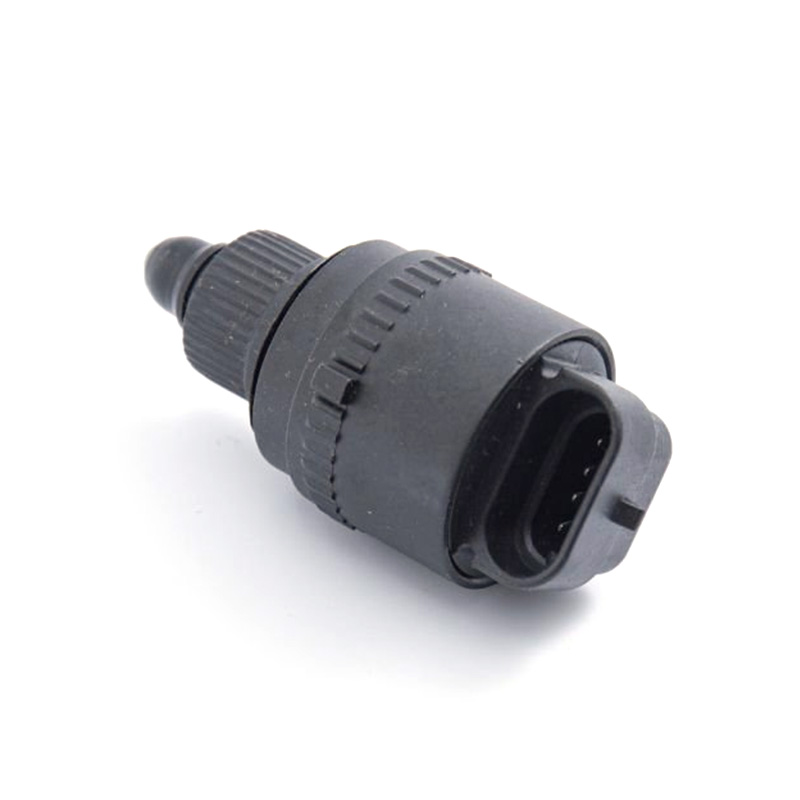
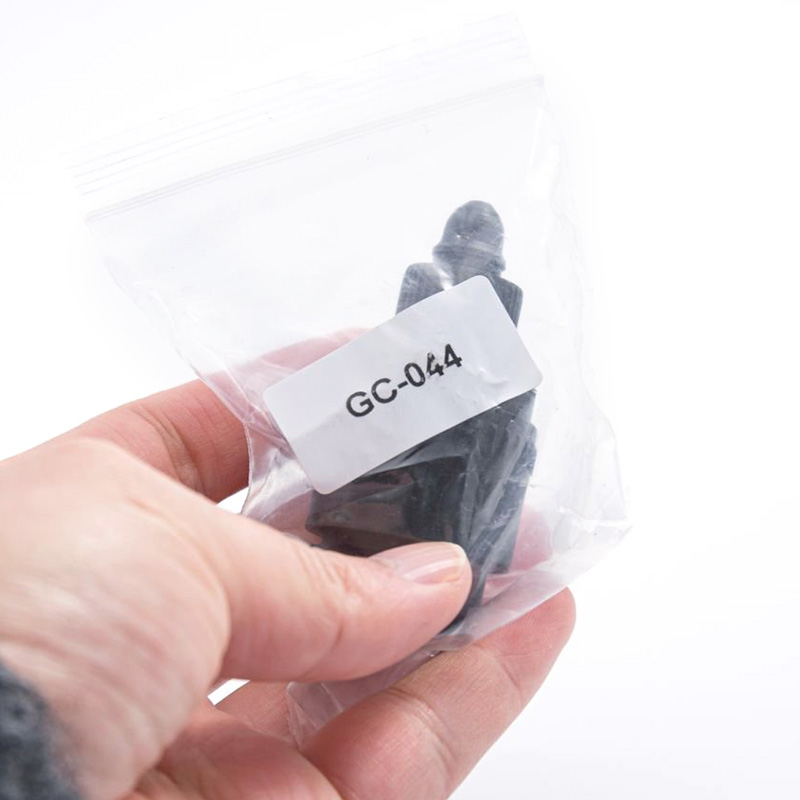
GC-044
REFERENCE OE:
IB01/00
40442902
71718105
APPLICATION:
FIAT 500 1.2;Boblo;Grande Punto;Idea 1.4;Linea 1.4;Palio(178BX)1.2;Panda;Punto;Lanci Musa 1.4;Y(840A)1.2;Ypsilon 1.2 1.4
Idle air control valve from China factory for Fiat Palio.
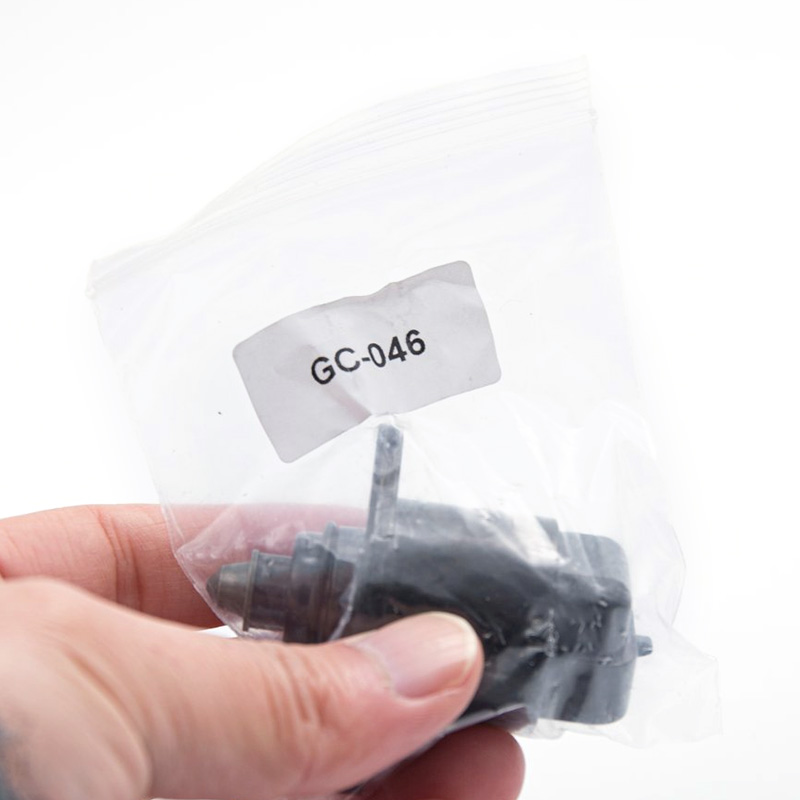
GC-046
REFERENCE OE:
2112-1148300
APPLICATION:
LADA
Idle air control valve from China factory for Lada.
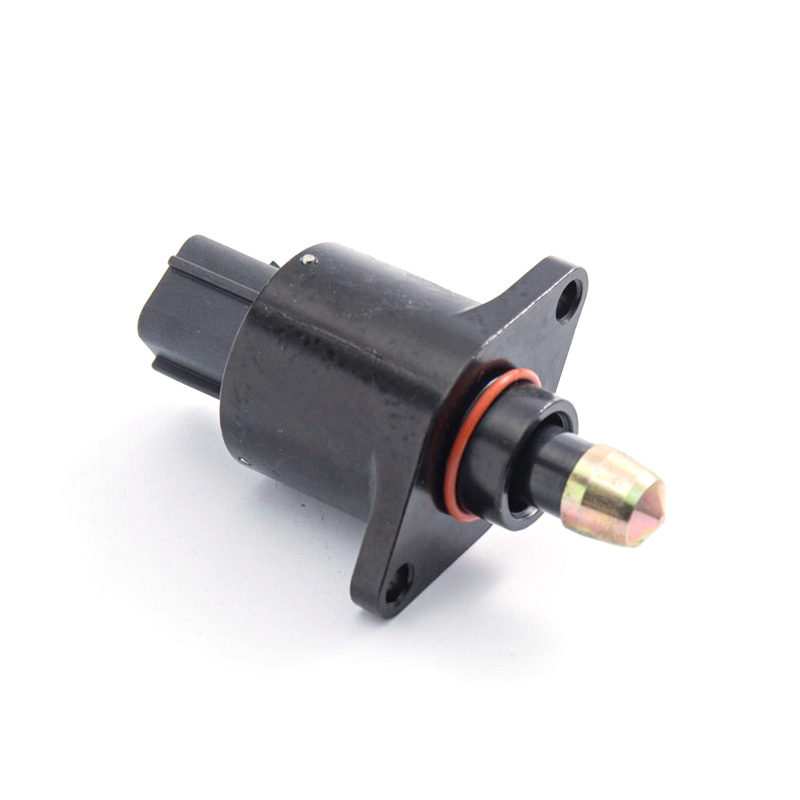
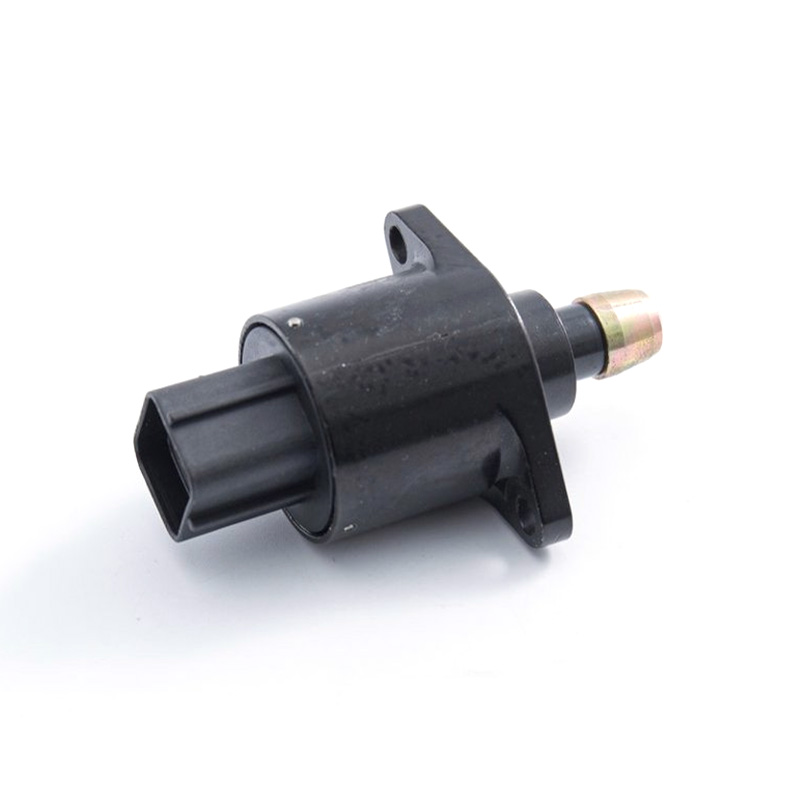
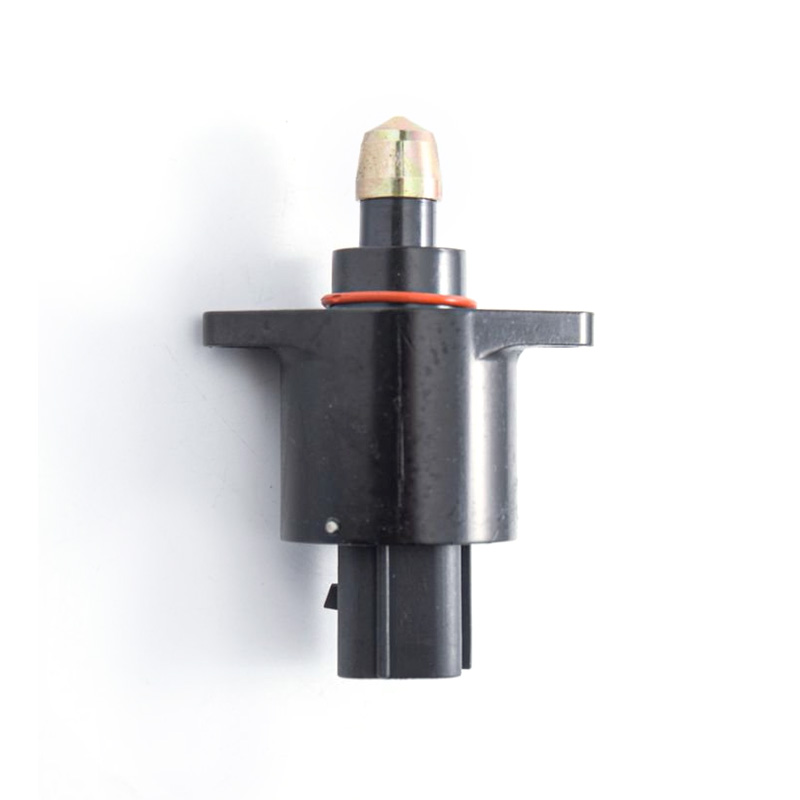
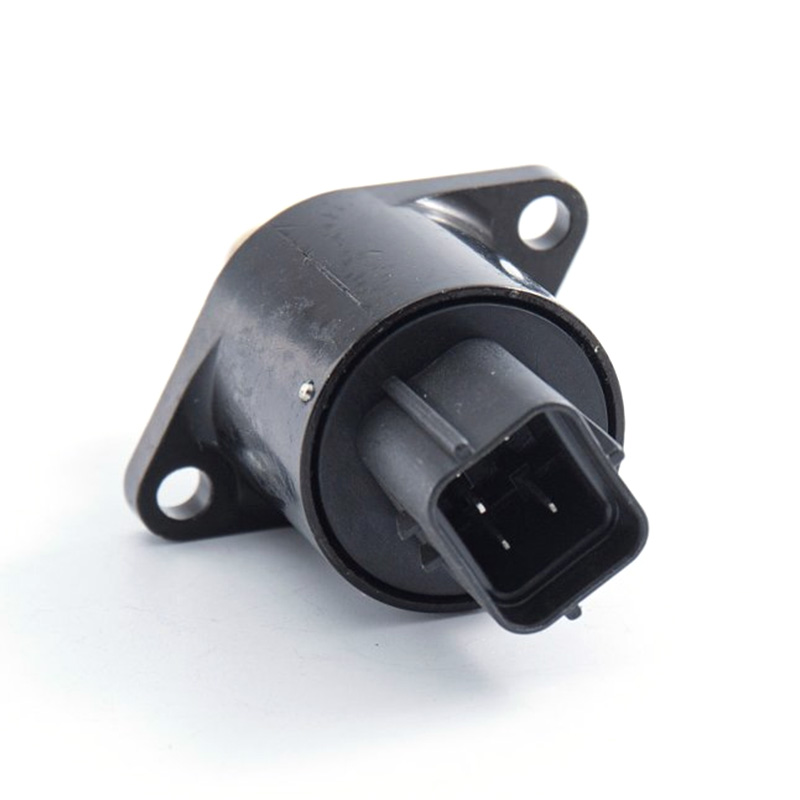
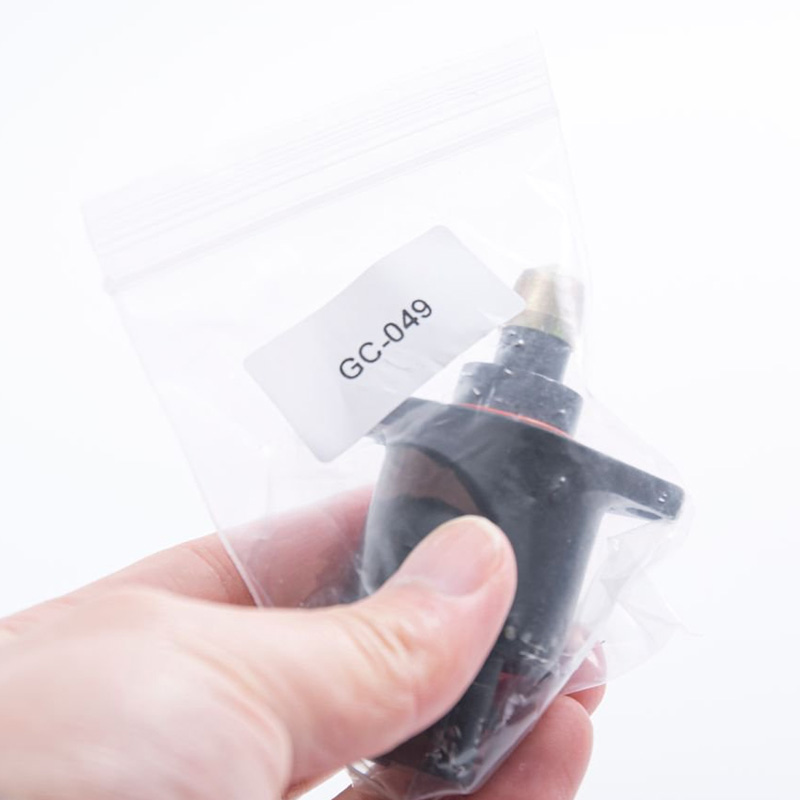
GC-049
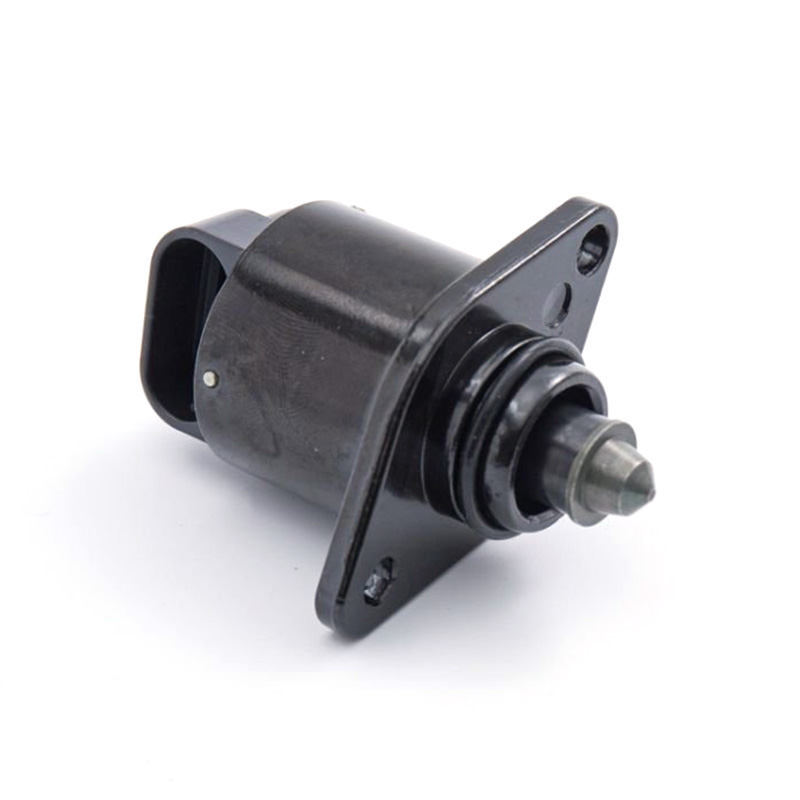
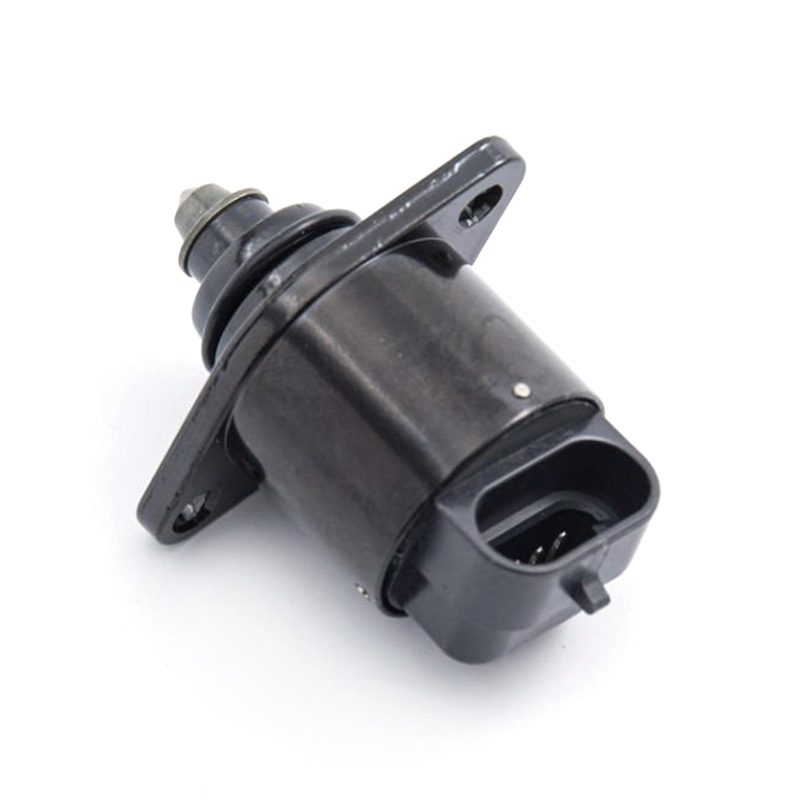
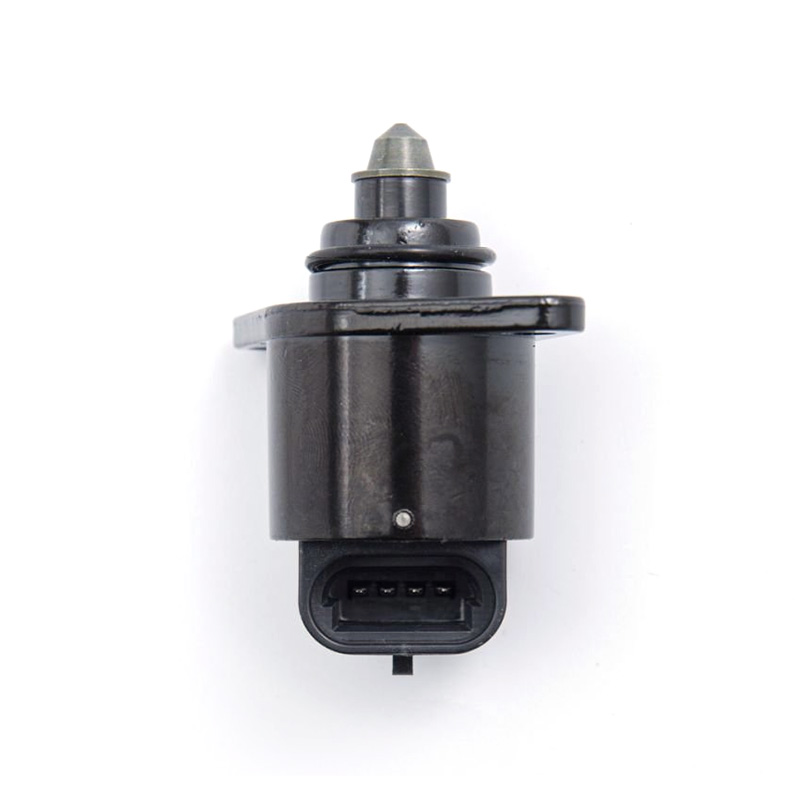
REFERENCE OE:
MDQ100040
APPLICATION:
ROVER
Idle air control valve from China factory for Rover.
Contact Us
Let's start collaborating

Guocheng is specialized in the R&D and production of key engine components for the automotive and engineering machinery industries.
Product
Stay Connected
(+86) - 577 - 8582 0886 (Tel)
(+86) - 577 - 8582 8085 (Fax)
(+86) - 19730213059 (Phone)
sales@wz-gc.com
No. 205, Baiyu Road, 15th Road, Binhai Park, Wenzhou, Zhejiang, China
Mobile

ODM Engine Management System Components
 English
 русский
 Español
 عربى
 Deutsch