Date:May 08, 2026
In today’s automotive industry, precision, emission compliance, and electronic control integration are reshaping how engine management systems are designed and manufactured. As a professional manufacturer specializing in Idle Air Control Valve, we are observing a clear shift toward electronically optimized air management solutions that improve fuel efficiency and stabilize engine idle performance. At the same time, Automotive Accelerator Pedal systems are rapidly evolving into sensor-driven, drive-by-wire modules that support modern ECU-based vehicle architectures, especially in fuel-efficient and hybrid platforms.
One of the strongest industry trends is the replacement of mechanical control systems with electronic control units (ECUs). Modern vehicles rely heavily on sensor-based feedback systems to regulate airflow, fuel injection, and throttle response.
Idle control and pedal input are now fully integrated into ECU logic, allowing real-time adjustments for smoother engine performance and reduced emissions. Industry data shows that a large proportion of newly produced vehicles already use electronic throttle and pedal systems, replacing traditional cable-based mechanisms for improved precision and safety .
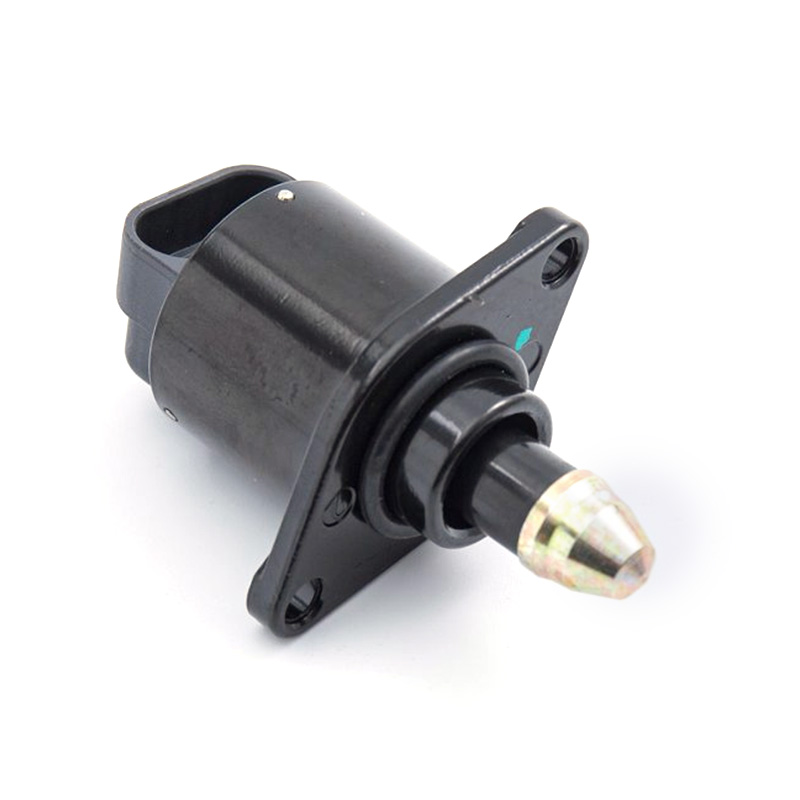
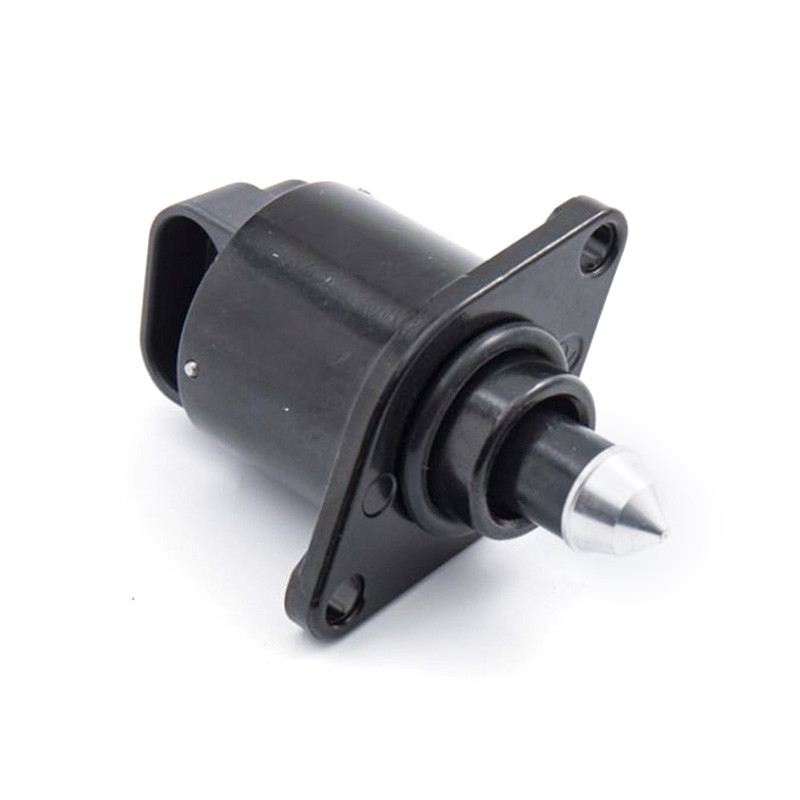
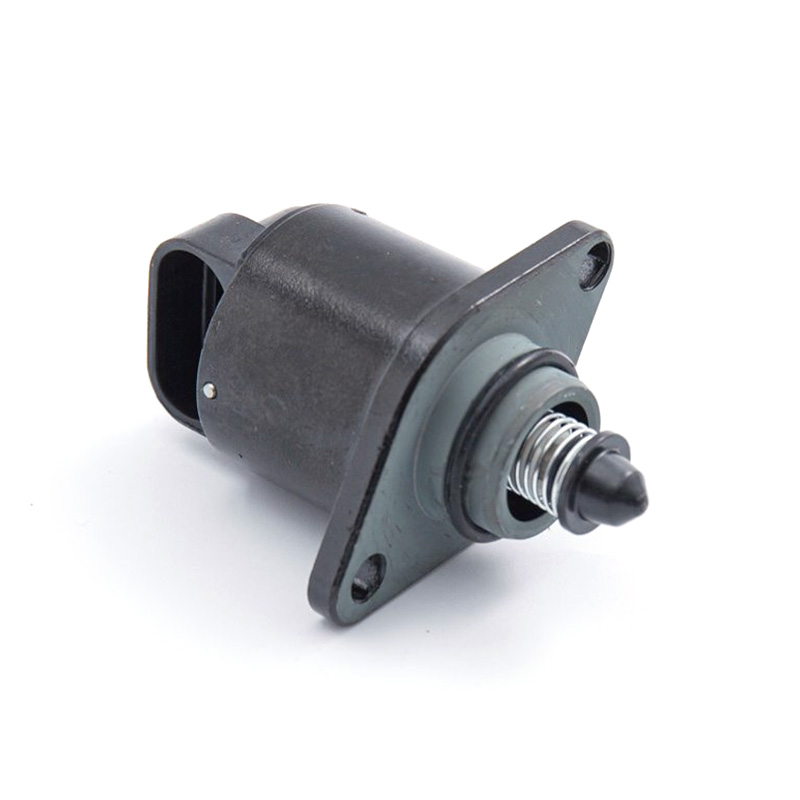
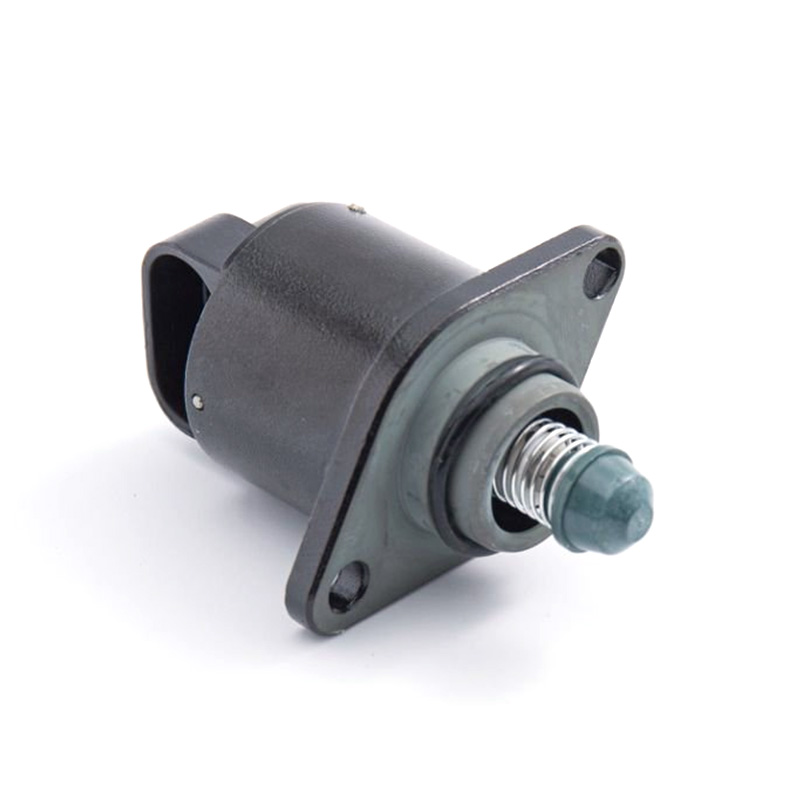
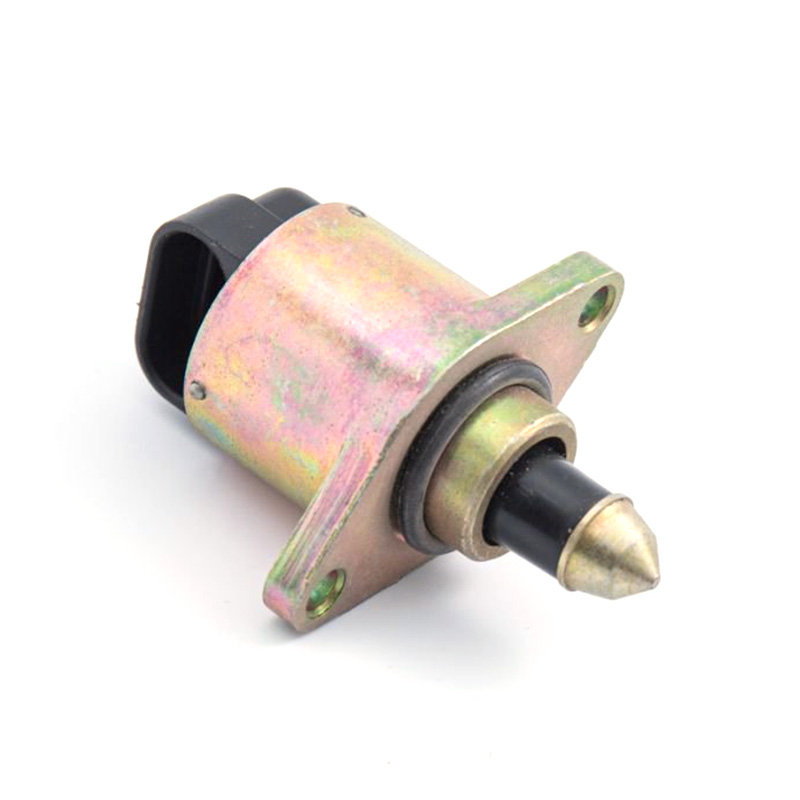
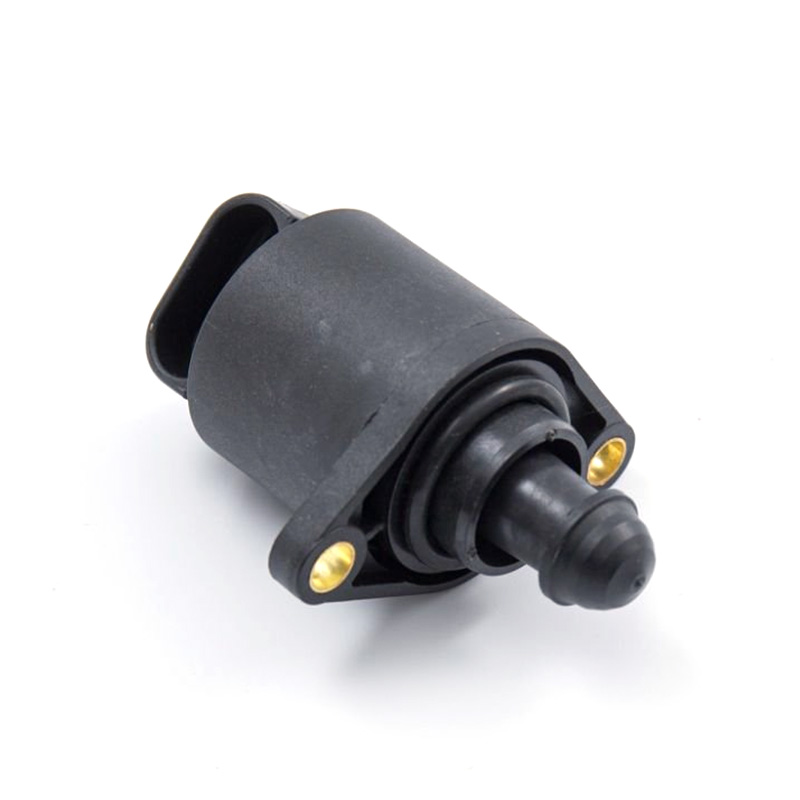
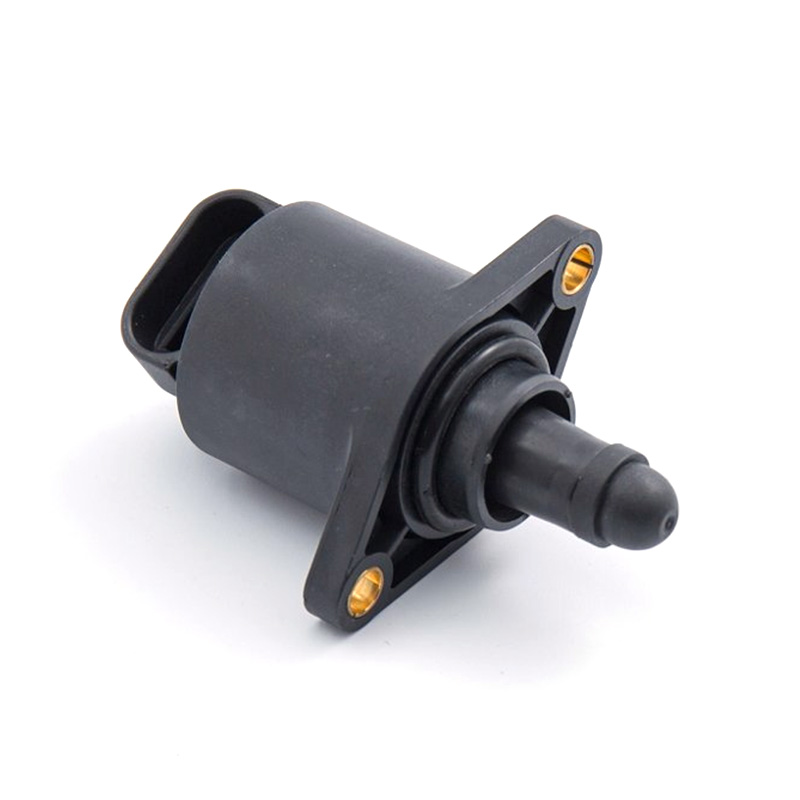
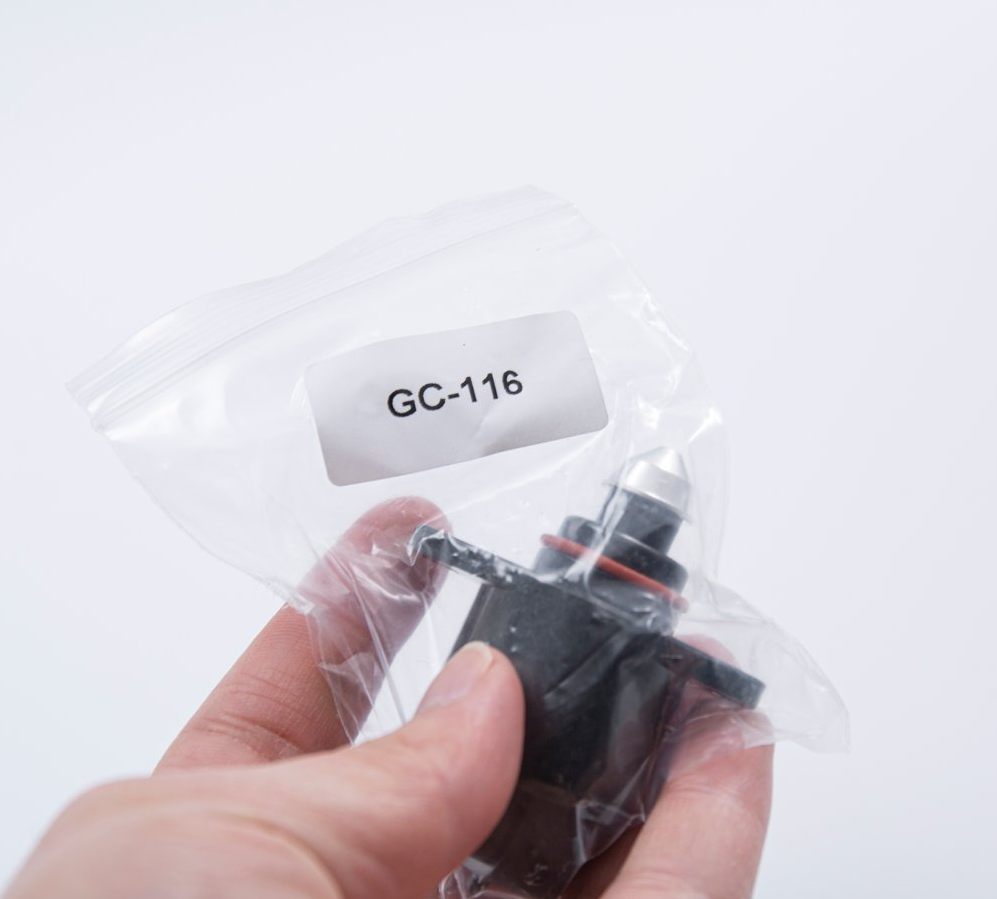
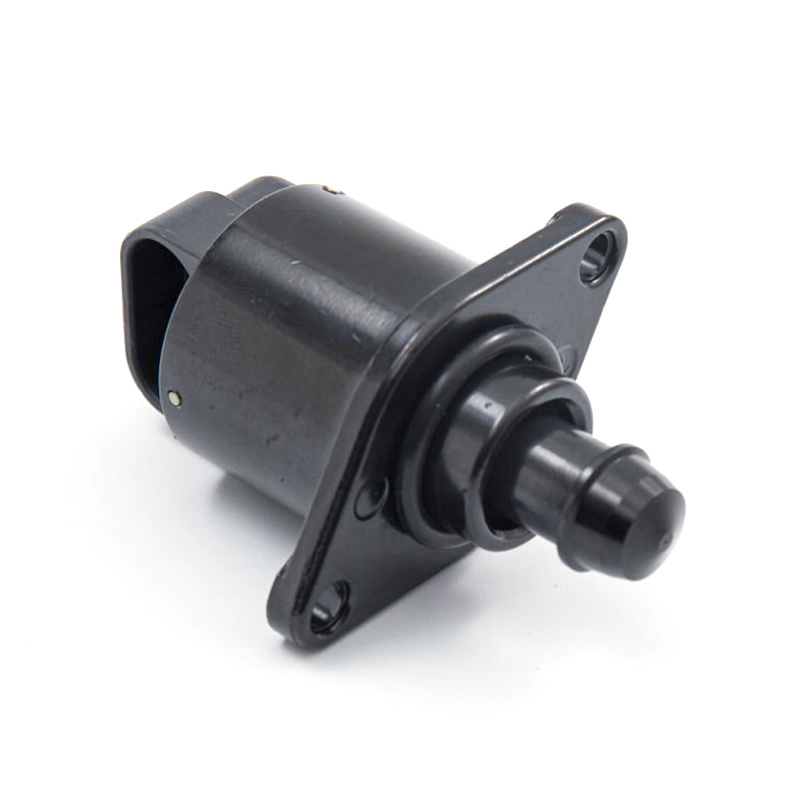
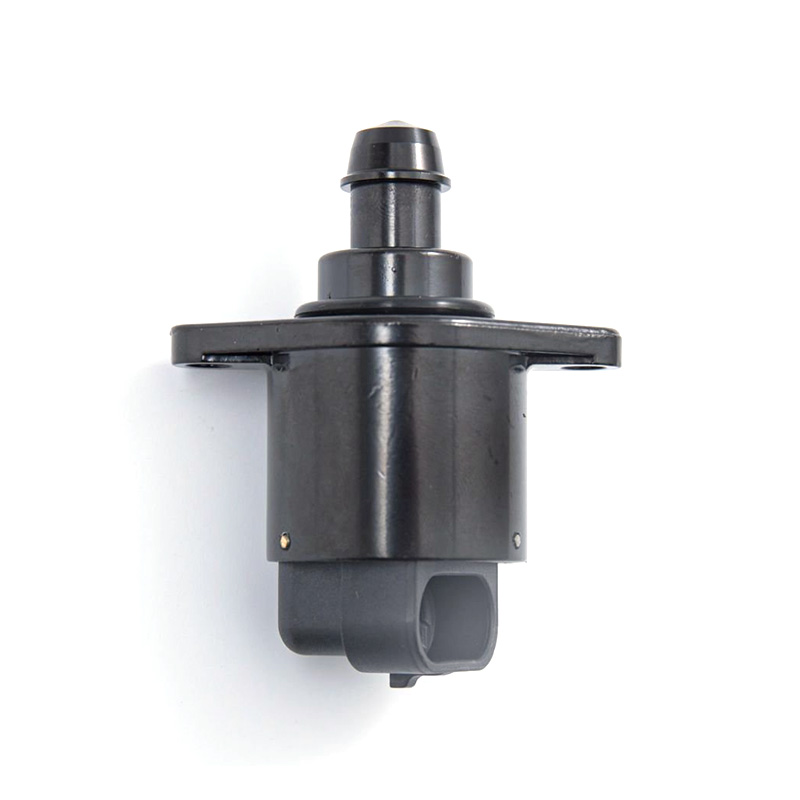
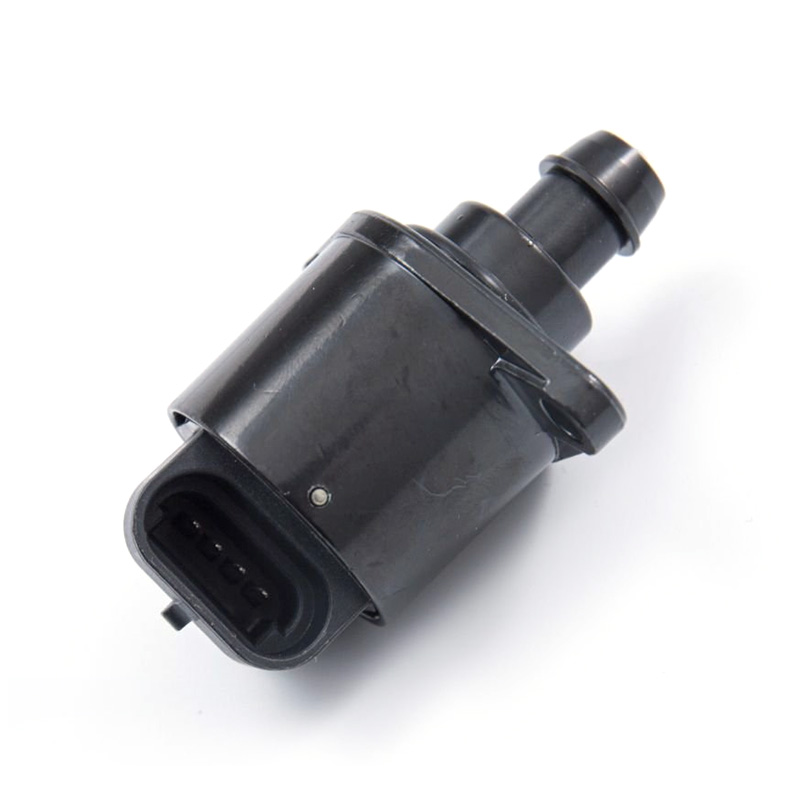
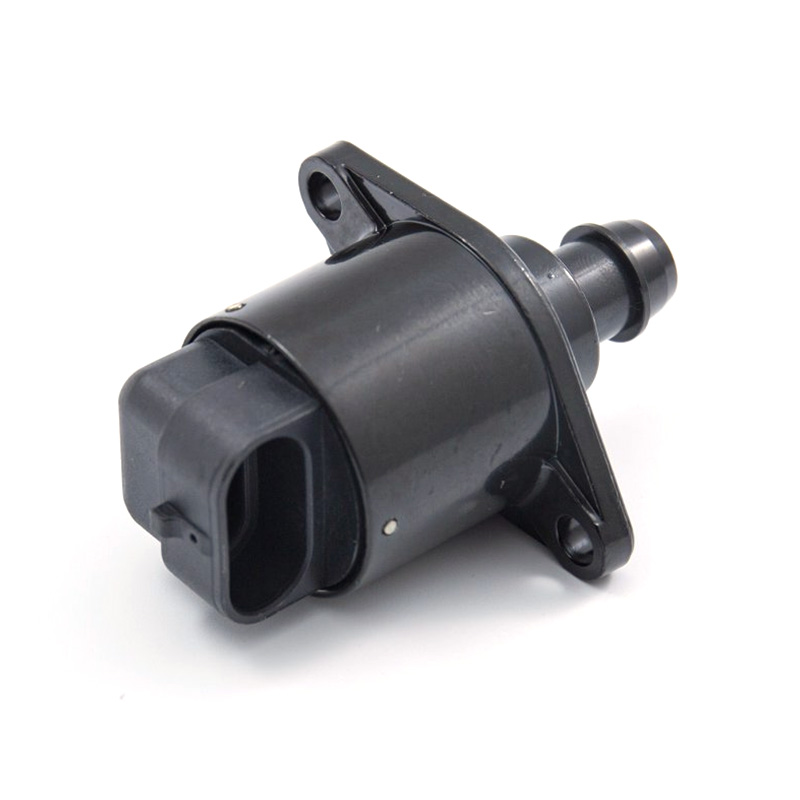
The Idle Air Control Valve plays a key role in regulating engine idle speed by adjusting the airflow bypassing the throttle plate. This function is especially important during cold starts, load changes, and air-conditioning activation.
Modern IACV systems are designed with:
Recent automotive research highlights that idle air control systems are essential for maintaining stable combustion efficiency and reducing engine stalling under varying load conditions .
The Automotive Accelerator Pedal has evolved into a key input module within electronic throttle control systems. Instead of mechanically linking the pedal to the engine, modern systems use dual sensor feedback to transmit pedal position data directly to the ECU.
Typical design features include:
Market research indicates that accelerator pedal modules are increasingly integrated with electronic control systems, enabling improved fuel efficiency and reduced emissions across global vehicle platforms .
Both idle control valves and accelerator pedals are widely used across multiple automotive segments:
In social and engineering discussions, there is increasing focus on improving responsiveness and durability of these components under real-world driving conditions, especially in congested city environments.
As a manufacturer, we emphasize consistent performance and reliability through controlled production processes:
Each component is designed to maintain stable performance under temperature variation, vibration, and long-term operational stress, which are common in real-world automotive environments.
To ensure optimal performance and extended service life, automotive engineers and service technicians generally recommend:
These practices help maintain accurate idle control behavior and consistent accelerator response, especially in vehicles with high electronic integration.
The automotive sector is moving toward higher levels of system integration, where engine control, safety systems, and driving assistance technologies work together in real time. Idle regulation and pedal input systems are now part of broader vehicle intelligence networks that include emissions control, fuel optimization, and predictive driving assistance.
As electric and hybrid platforms continue expanding, internal combustion engine components are also being redesigned for compatibility with hybrid power management systems, ensuring smoother transitions between power sources and improved overall efficiency.
In conclusion, the evolution of engine control technology is driven by precision electronics and system integration. With increasing demand for smarter vehicle performance and emission compliance, components like the Automotive Accelerator Pedal continue to play a crucial role in shaping the future of modern automotive engineering systems.
Recommended Articles
Related Products
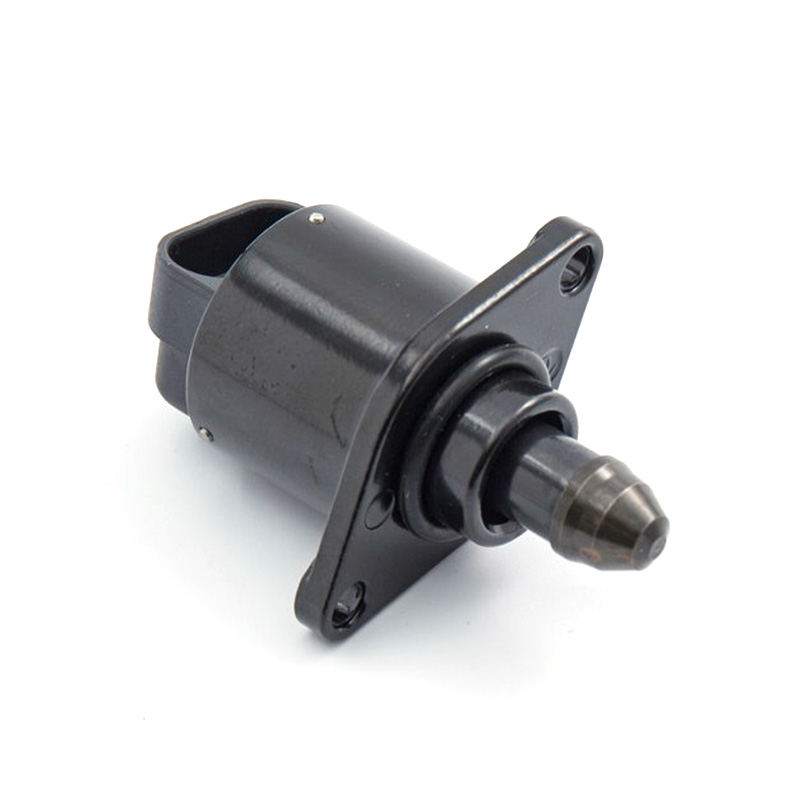
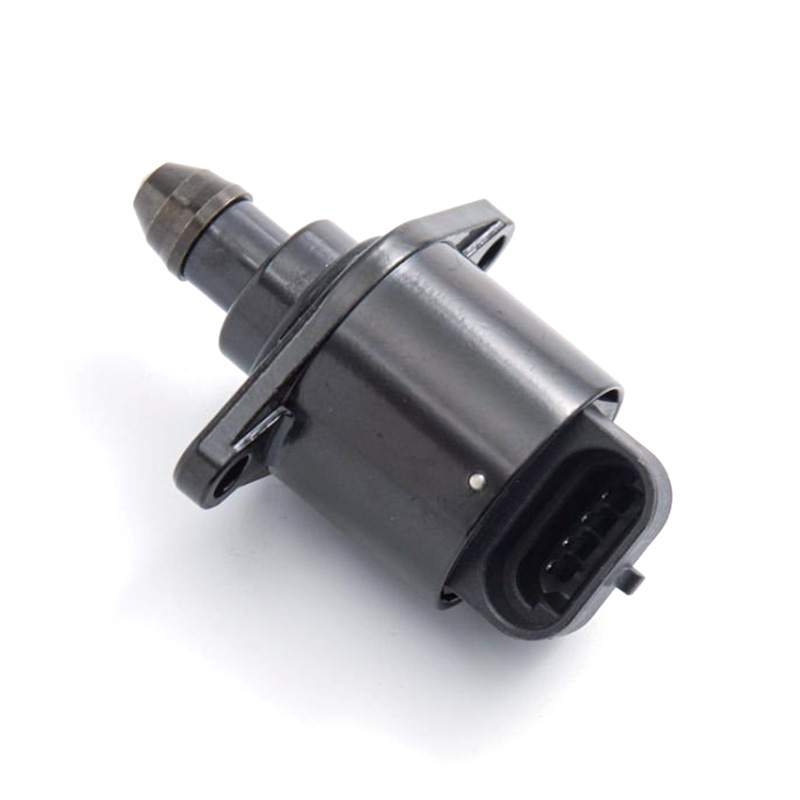
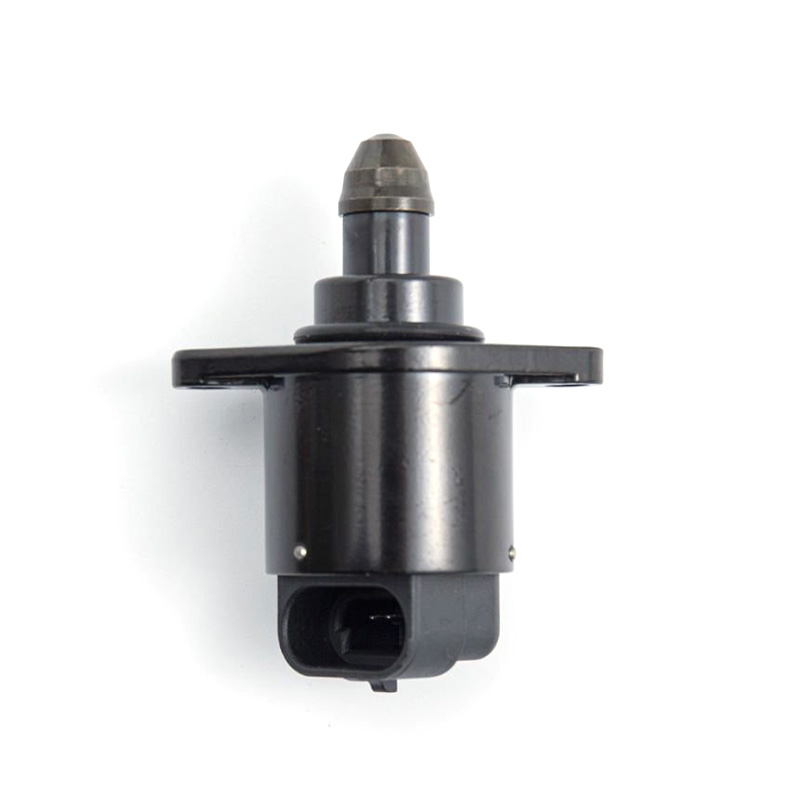
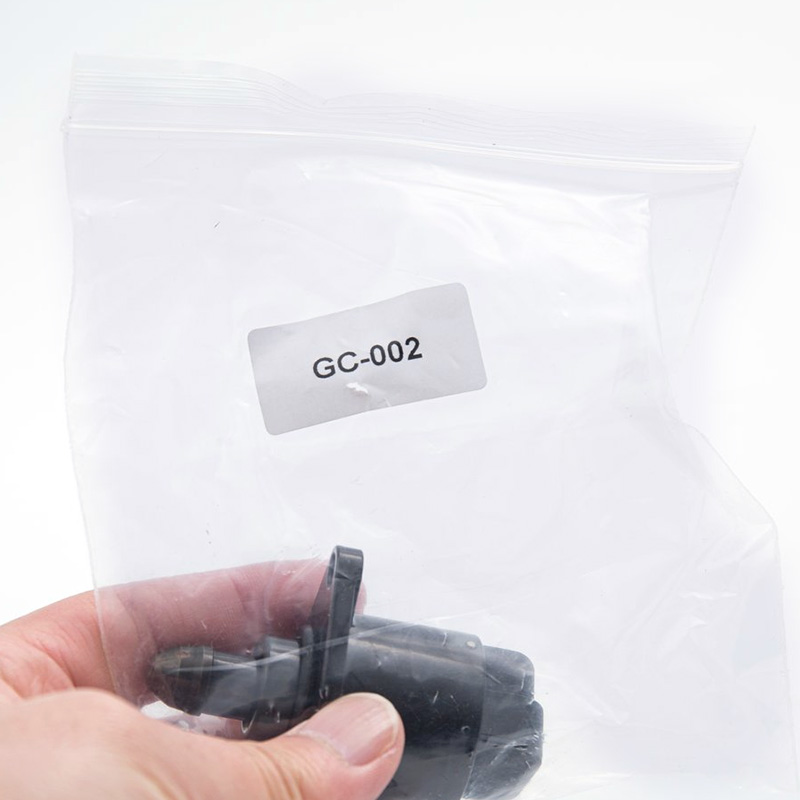
GC-002
REFERENCE OE:
SHORT CODE: B95/00
PEUGEOT: 1920X9 C95197
APPLICATION:
PEUGEOT 306 Break/Cabriolet/Schraqheck;PEUGEOT 405 II Break; PEUGEOT 406 Break/Coupe;
PEUGEOT 605 806;PEUGEOT BOXER Bus/Kasten/Pritsche/Fahrqestell
China original factory for idle air control valve and different kind of sensors with high quality and competitive price!
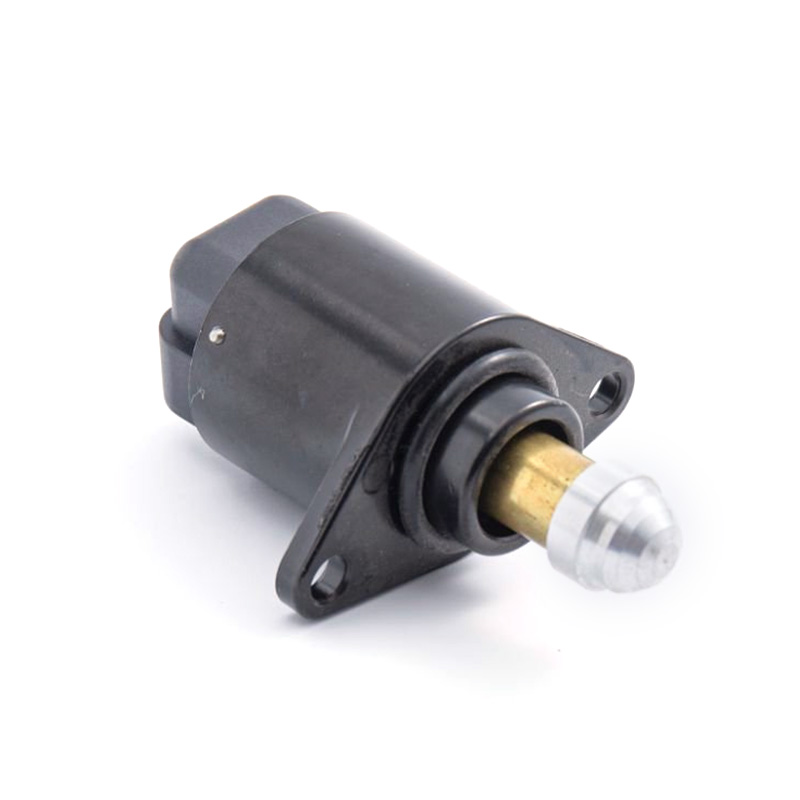
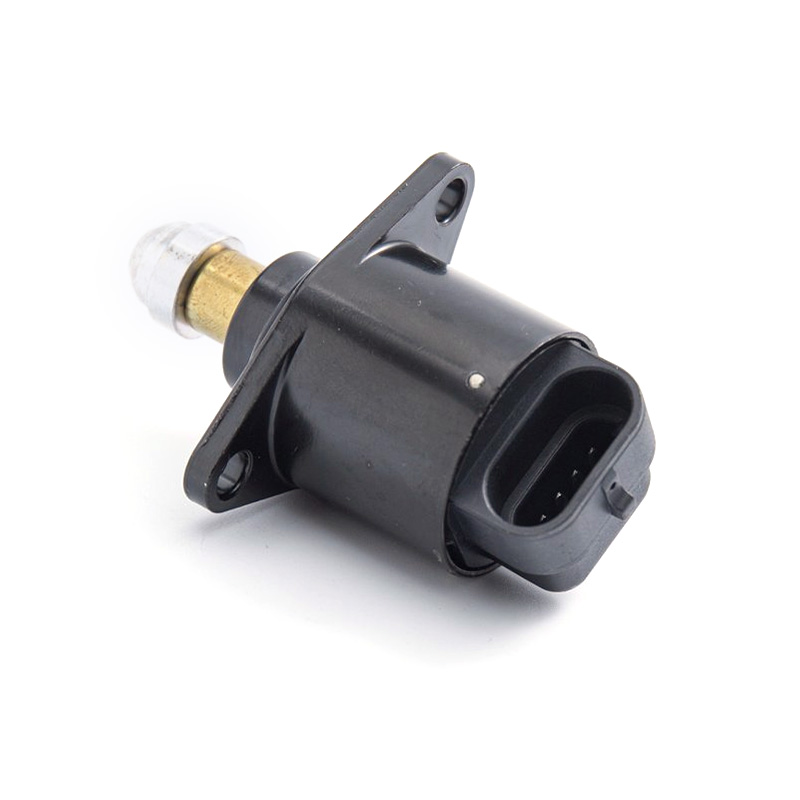
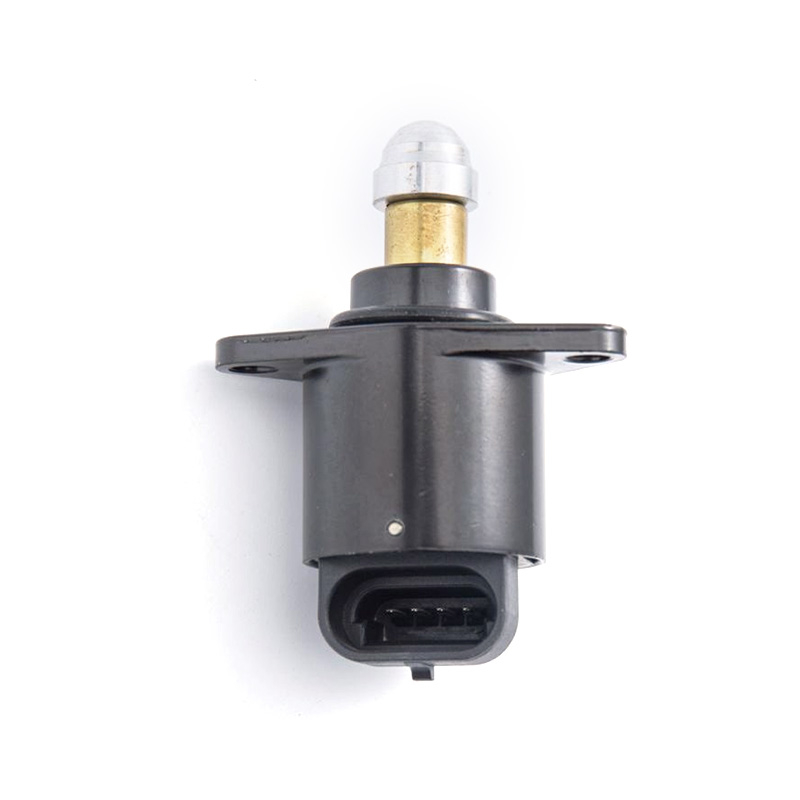
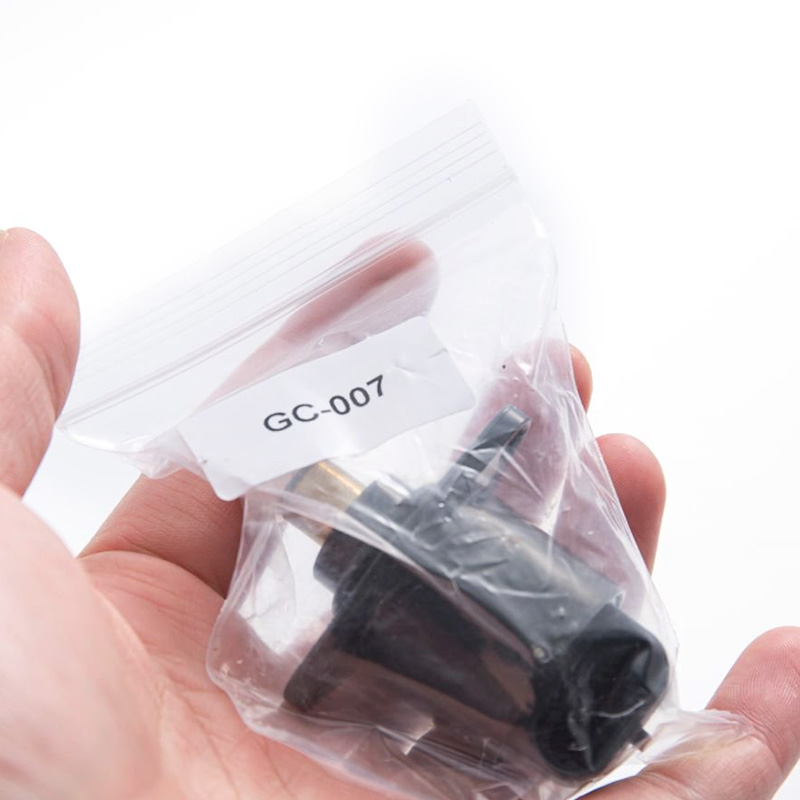
GC-007
REF OE:
SIMENCE:A96158 A97116
PEUGEOT:19208X;1920.8X
MARELLI:230016079217
APPLICATION:
PEUGEOT 206 CC(2D)2.0 S16;PEUGEOT 206 SW(2E/K)2.0 16V;PEUGEOT 307;
PEUGE 406/Break/Coupe;PEUGE 806/807;PEUGE EXPERT(224)2.0
China auto parts factory for idle air control valve and many kind of sensor imprting and exporting.
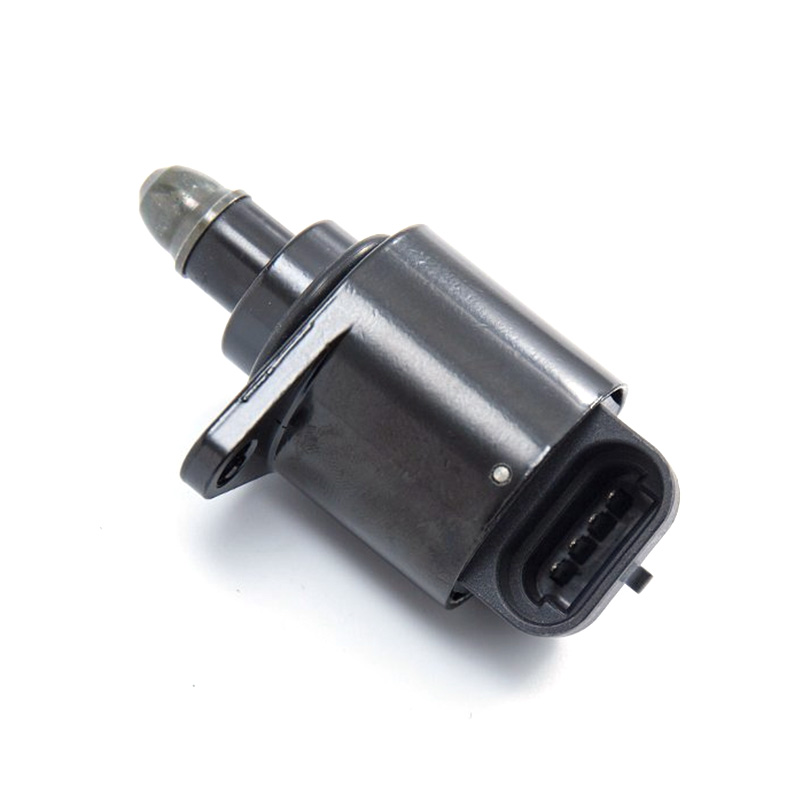
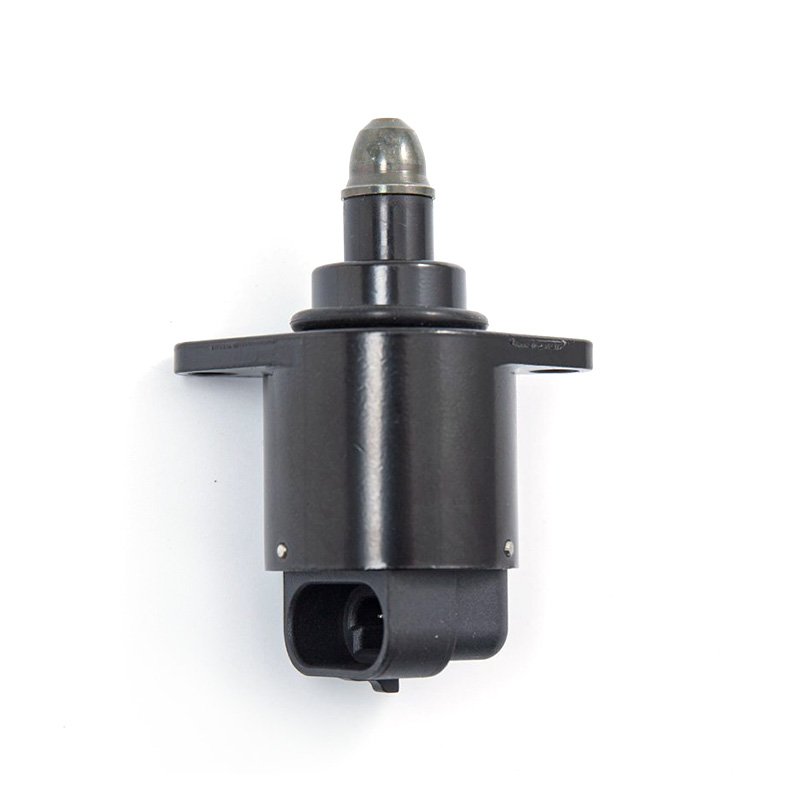
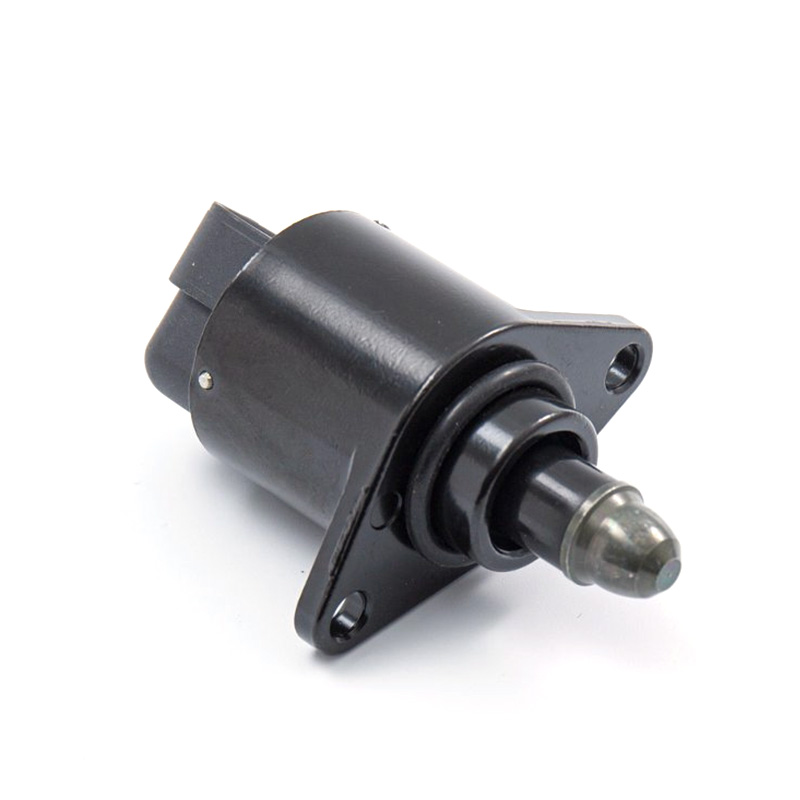
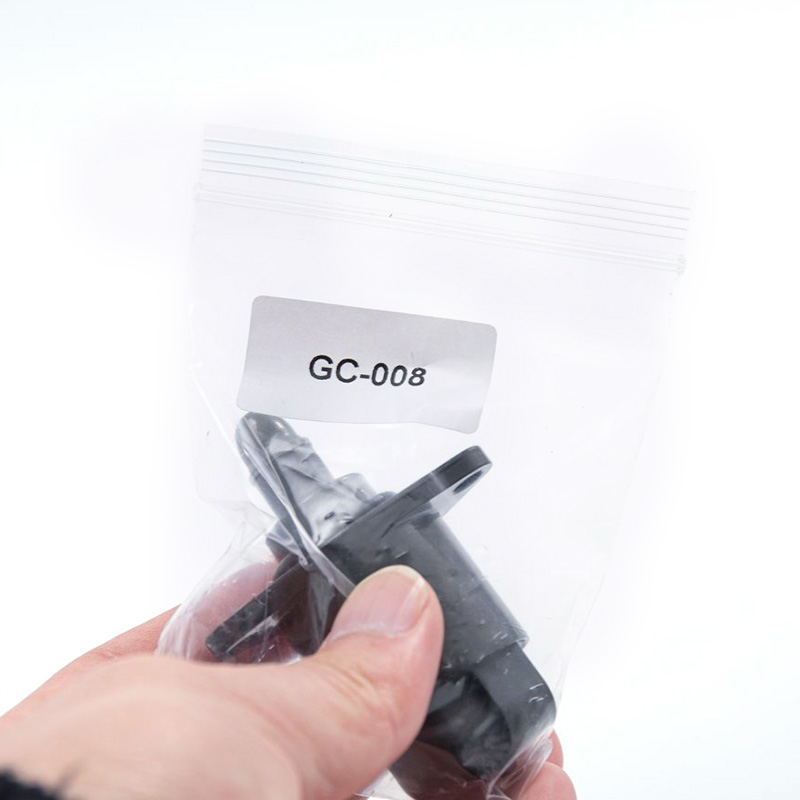
GC-008
REF OE:
SHORT CODE:B20/01
VDO:AT-02001R
MARELLI:40415202 219244820500
FIAT:46451794
APPLICATION:
Punto 85 16V 1.2 97>MPI PALIO 98->1.3 MPI/SIENA 98->1.3,Palio 1.0,1.5,96 98,Siena 1.5 99,UNO 1.0 99;Weekend 1.5 97;Uno Furgoneta,
Fiorino 1.5 97 98,Palio 1.0 1.5 96 98 ,Siena 1.0, Strada 1.5
Idle air control valve from china manufacture,main market to US and south America.
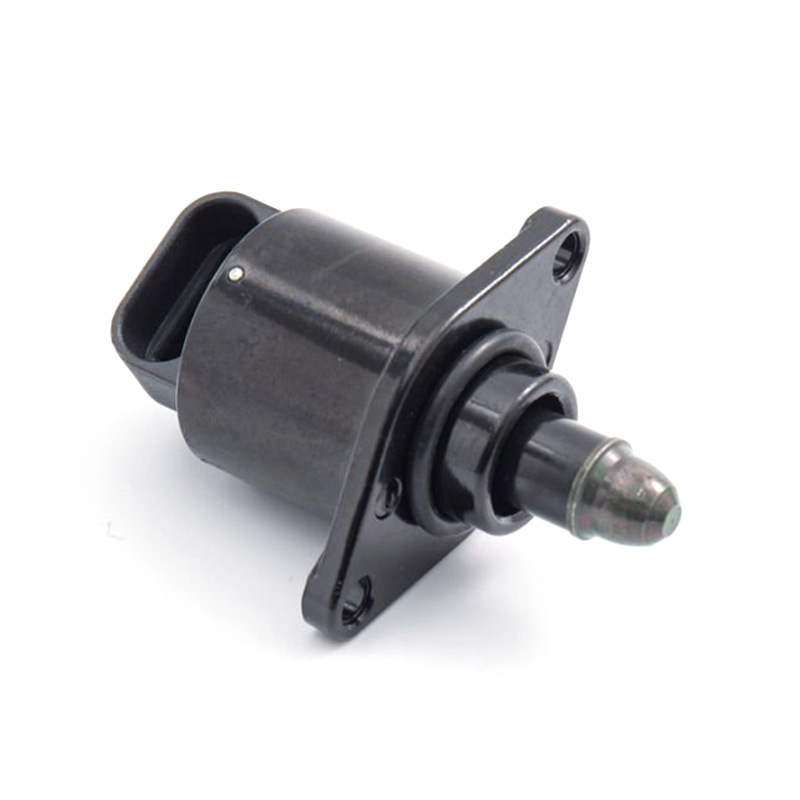
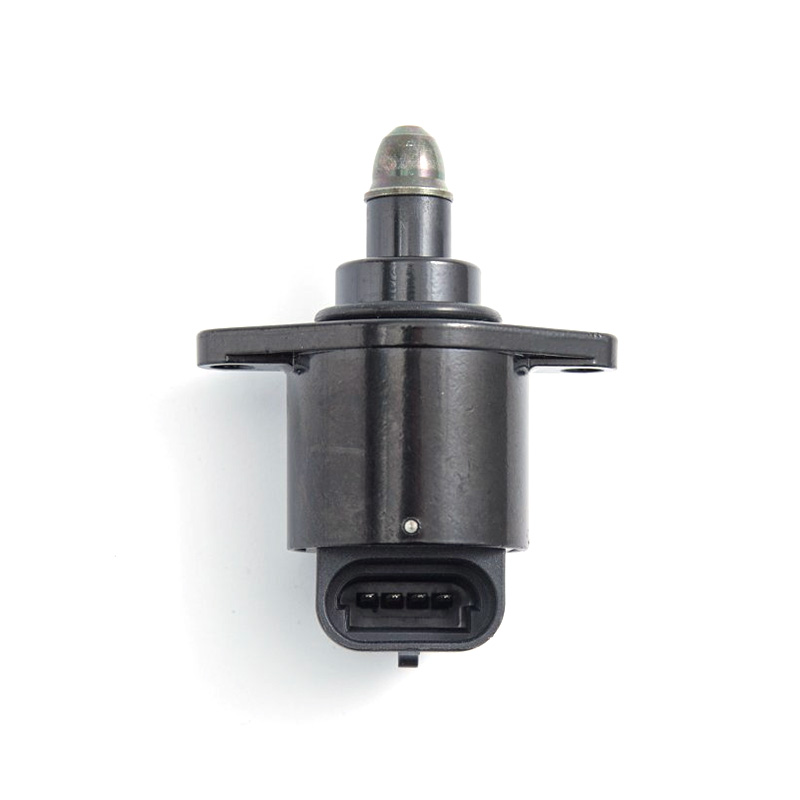
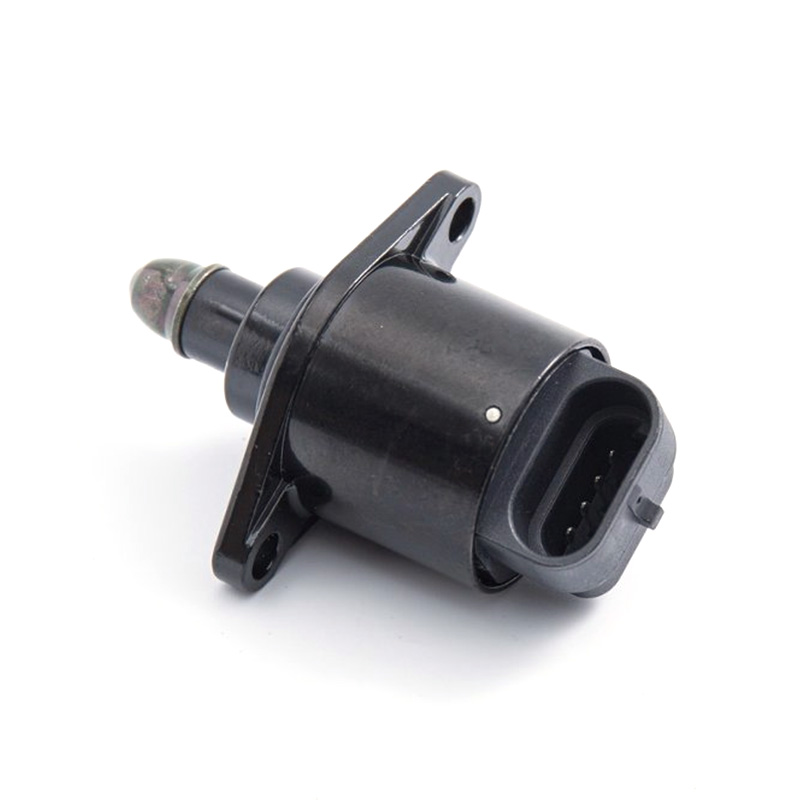
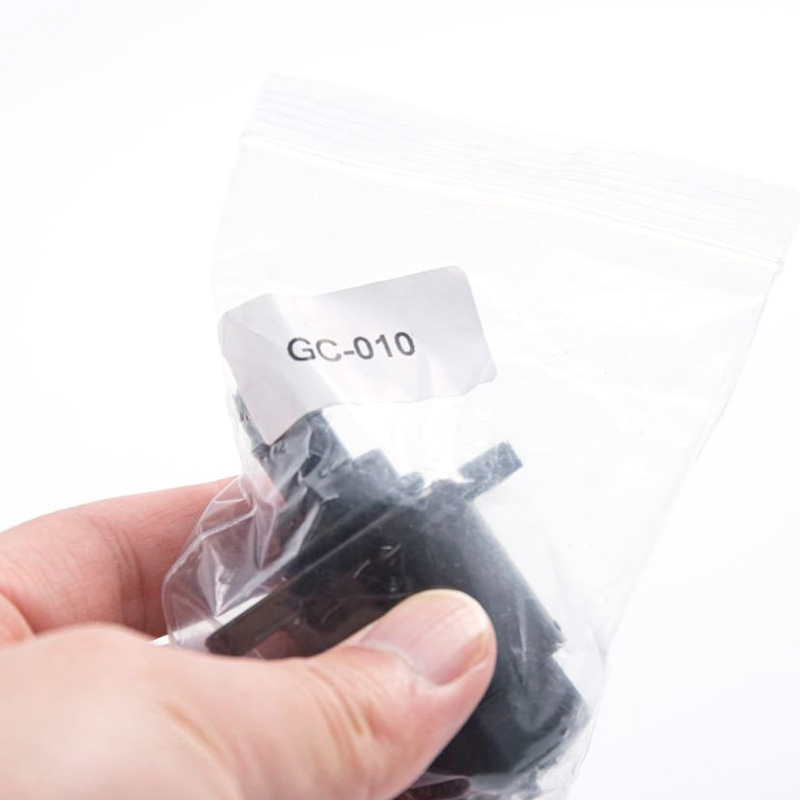
GC-010
REF OE:
SHORT CODE: D5184
APPLICATION:
FIAT PALIO/SIENA-VW GOL 1000,TEMPRA;
VALVE IACV CHEV N300
Factory direct from China for idle air control valve,first choice to buying.
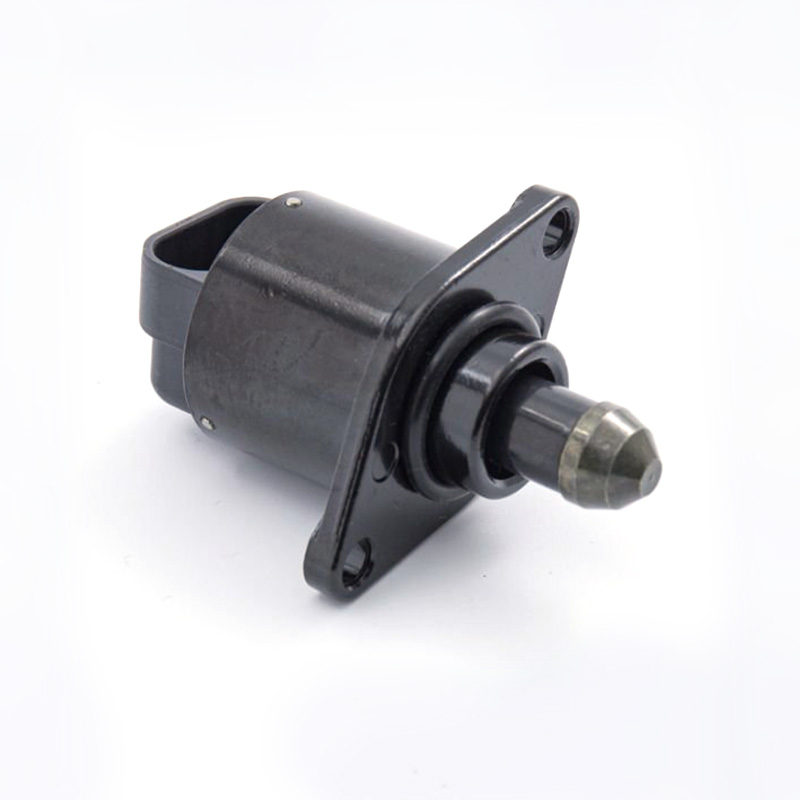
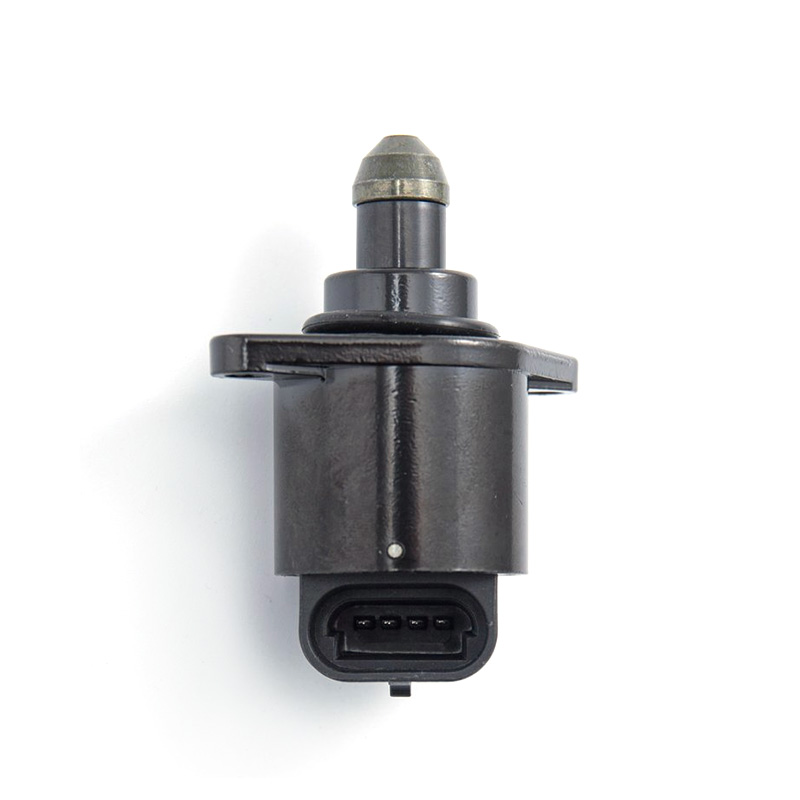
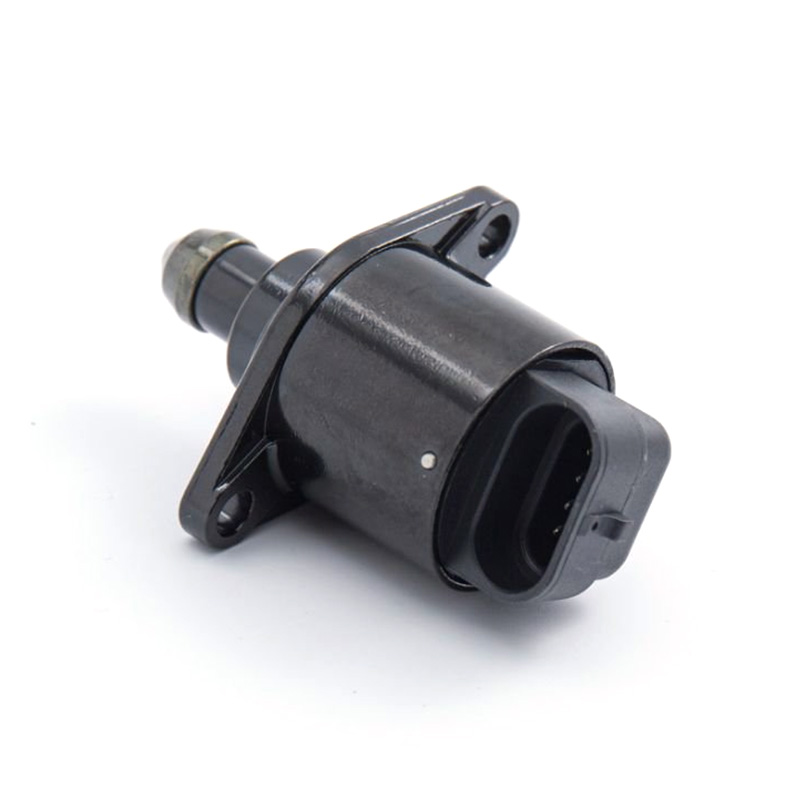
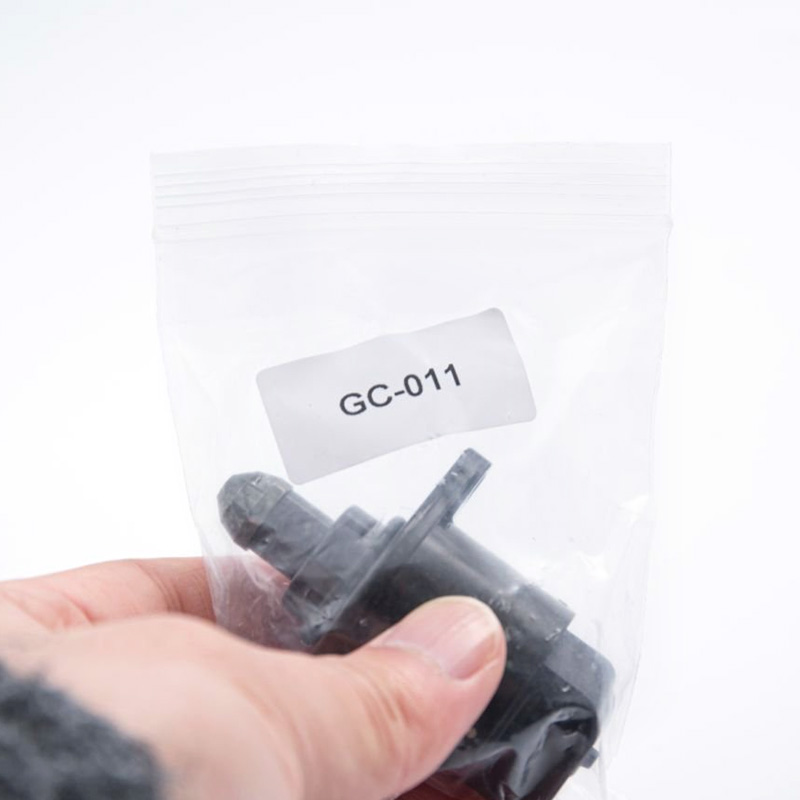
GC-011
REF OE:
SHORT CODE: B13/00
MARELLI: 230016079087 230016079247
SIMENCE: 19201F 1920V7 C95181
APPLICATION:
PEUGEOT 106I(1A,1C)1.3;
PEUGEOT 306/306 Cabriolet/Schraqheck;
PEUGEOT 406/406 Break
China factory for idle air control valve with high quality!
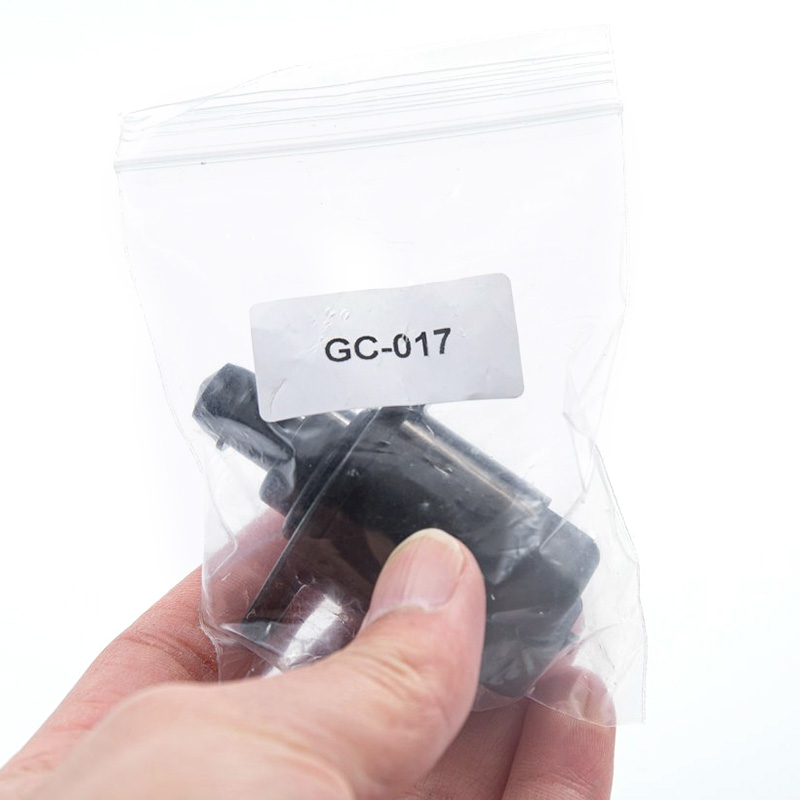
GC-017
REFERENCE OE:
SHORT CODE:B28/00
RENAULT:8200299241 7700102539
SIMENCE:D95166 B28/00 8200299241 7700102539 D95166
APPLICATION:
OPEL VIVARO Combi/Kasten;
RENAU AVANTIME;
RENAU CLIO II/ESPACE III;
RENAU LAGUNA/LAGUNA II;
RENAU MEGANE Cabriolet/Classic/Coach/Grandtour;
RENAU SCENIC I/II
Idle air control valve for wholesale and retail from China!
GC-018
REFERENCE OE:
FIAT:0009943223
FIAT:0009949146
SIMENCE:A95140 00600
APPLICATION:
LANCI DEDRA;LANCI DEDRA SW
Idle air control valve for auto parts,China original factory direct!
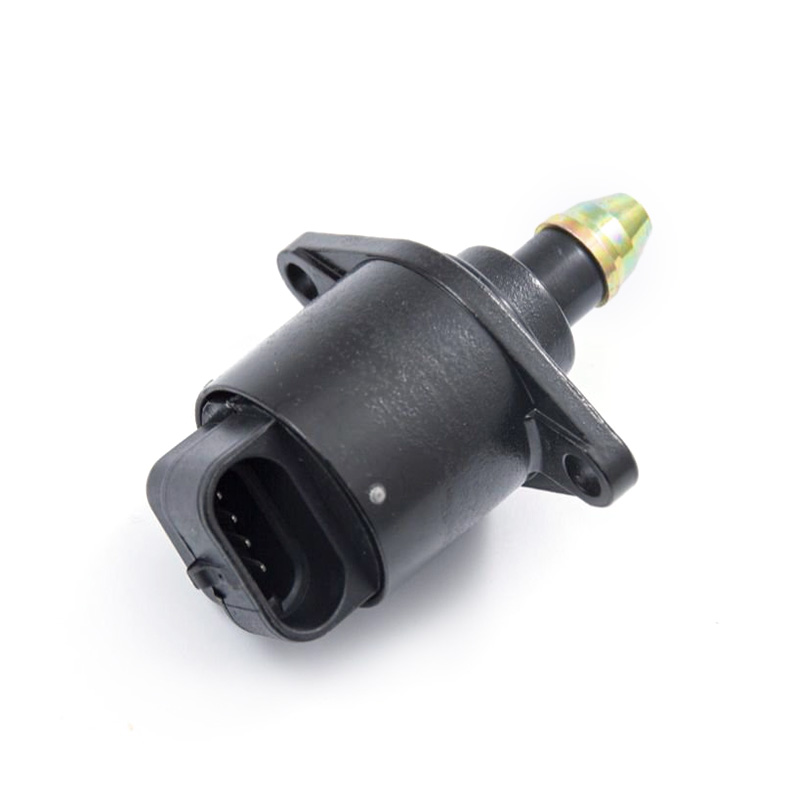
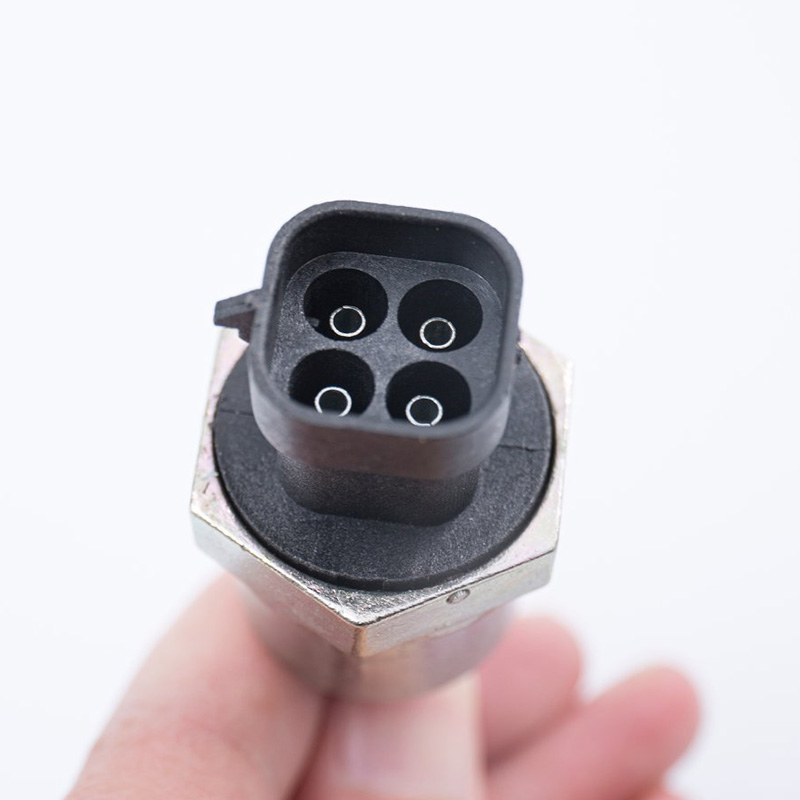
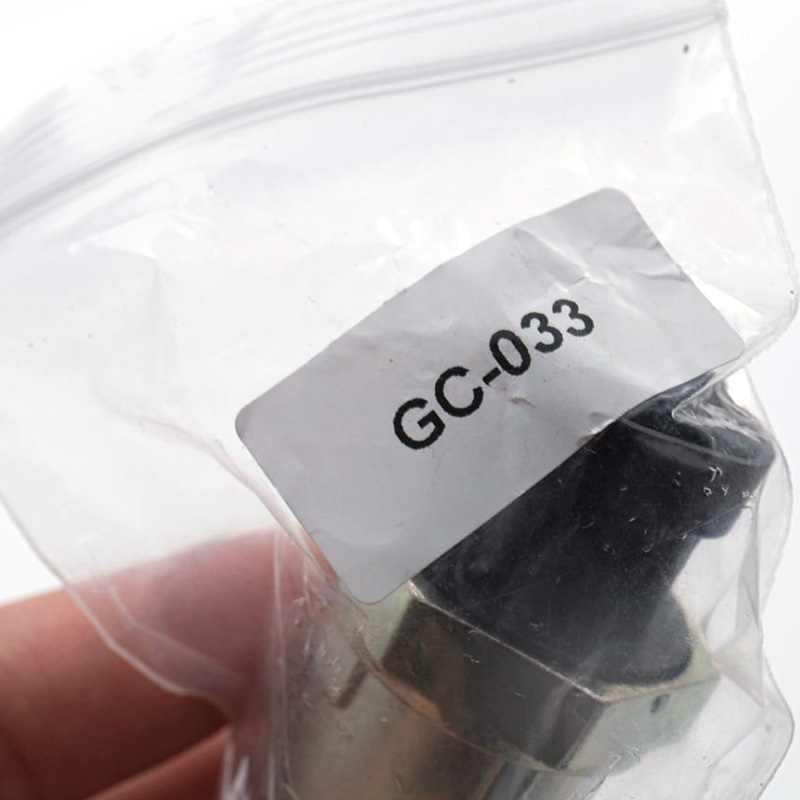
GC-033
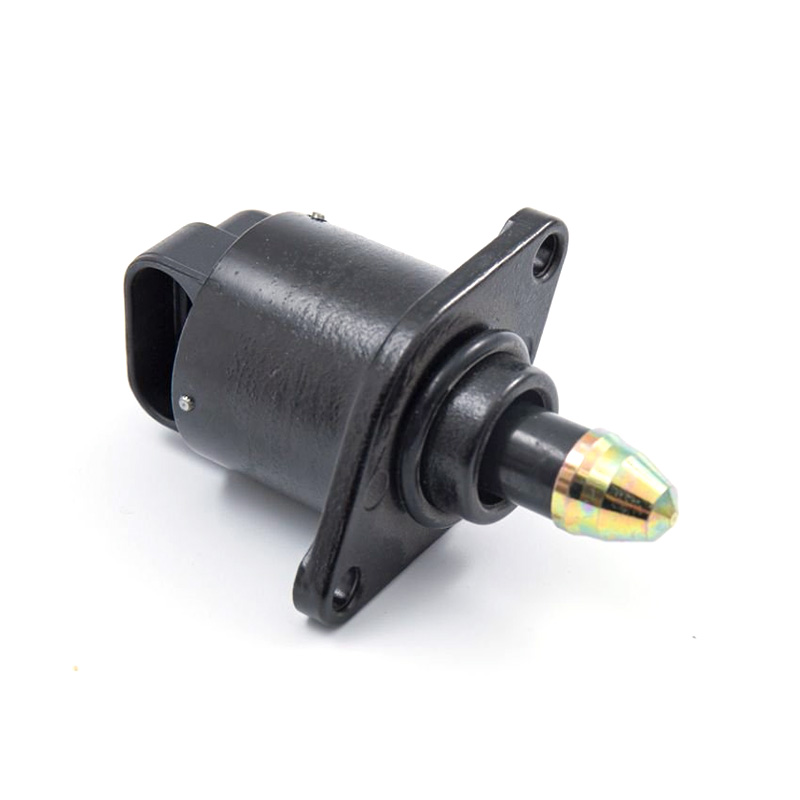
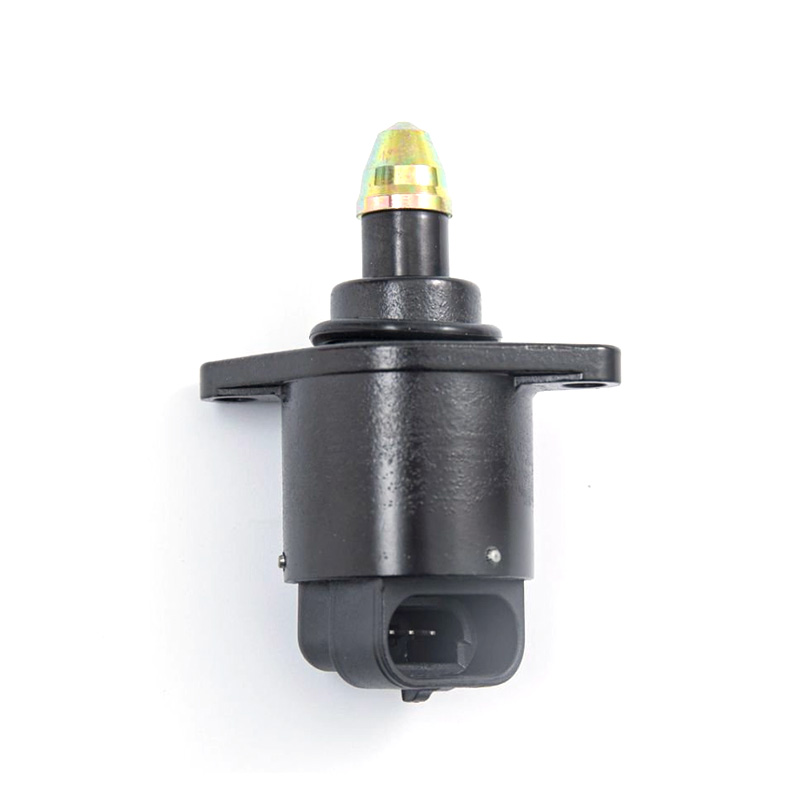
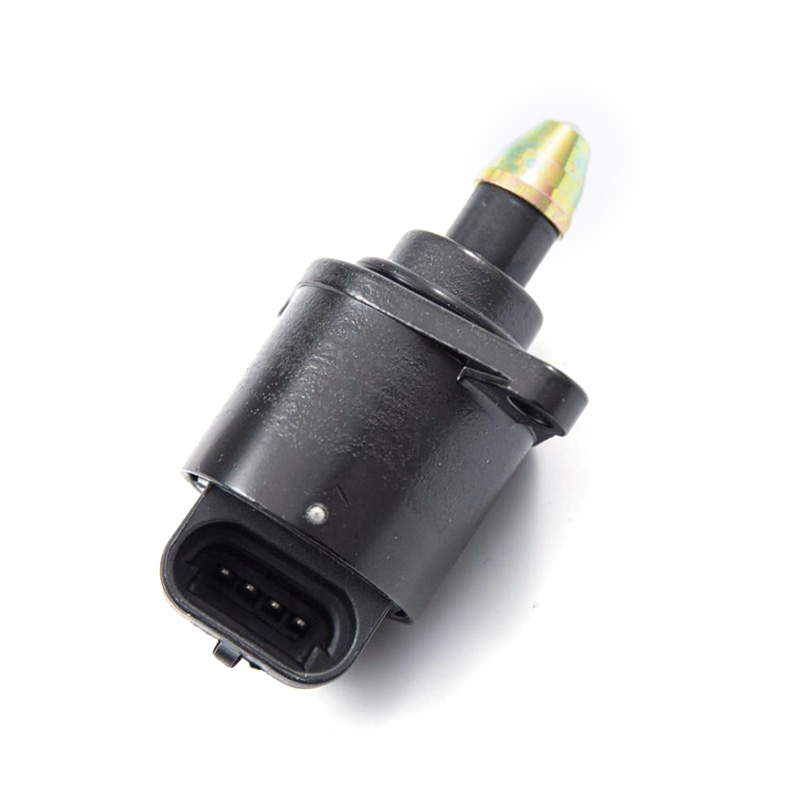
REFERENCE OE:
WELLS:AC102 STD:AC1
GM:25527077
SUZU:8-17111460-0
WALKER:215-1003 17079256;
WELLS: AC4115;2H1293; AC102
APPLICATION:
Buick Century Sedan/Coupe(87-83);
Buick Regal Sedan/Coupe(87-86);
Buick Roadmaster(93-91);
Cadillac Fleetwood/Brougham(93-90);
Chevrolet Astro(94-85);
GMC Fullsize Pickup(95-87);
Oldsmobile;
Pontiac
Idle air control valve from China factory for Buick Regal Cadillac Chevrolet.
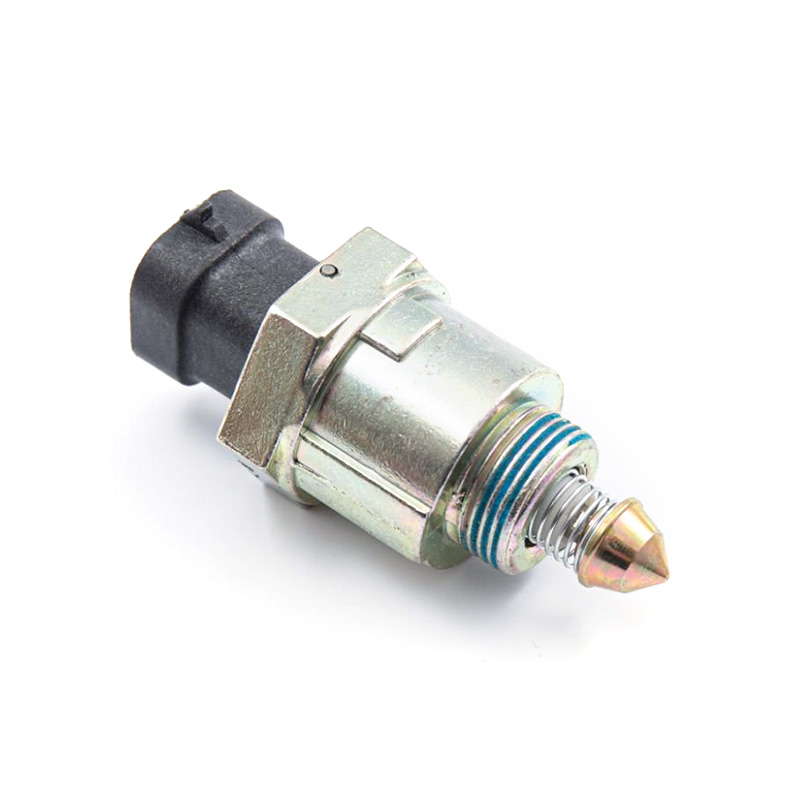
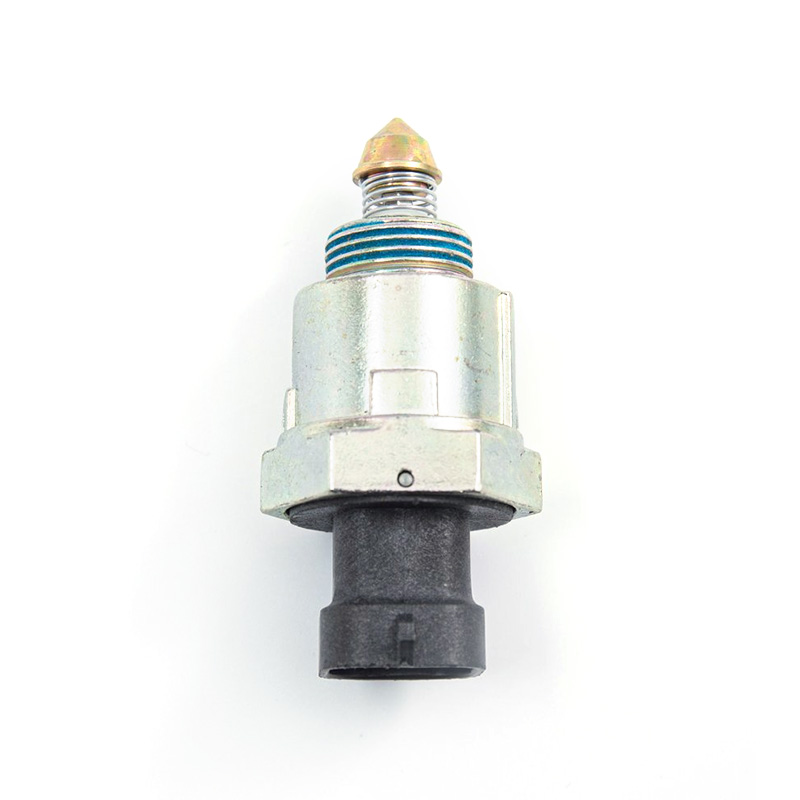
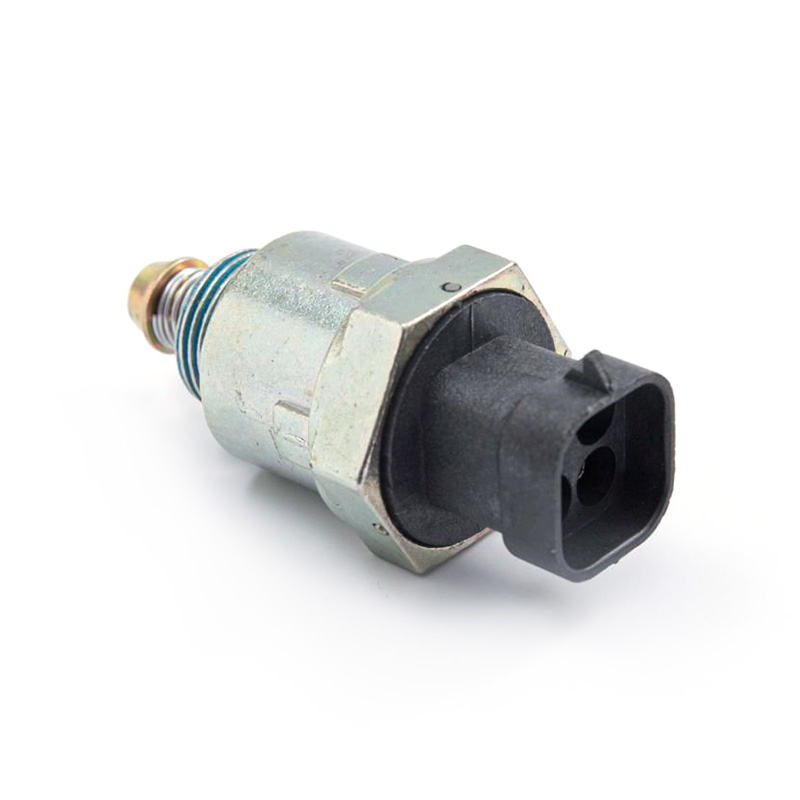
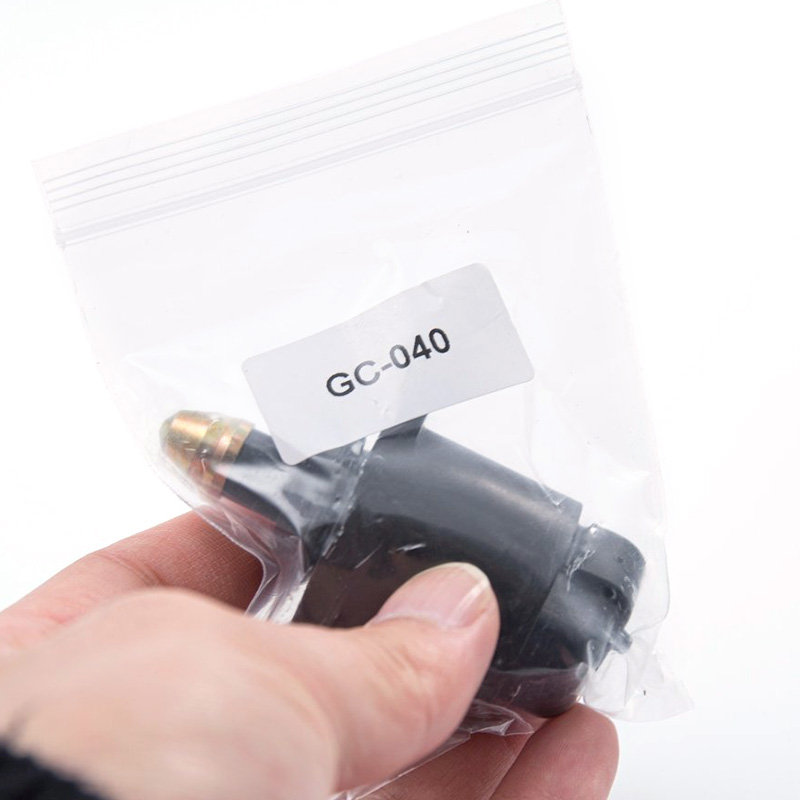
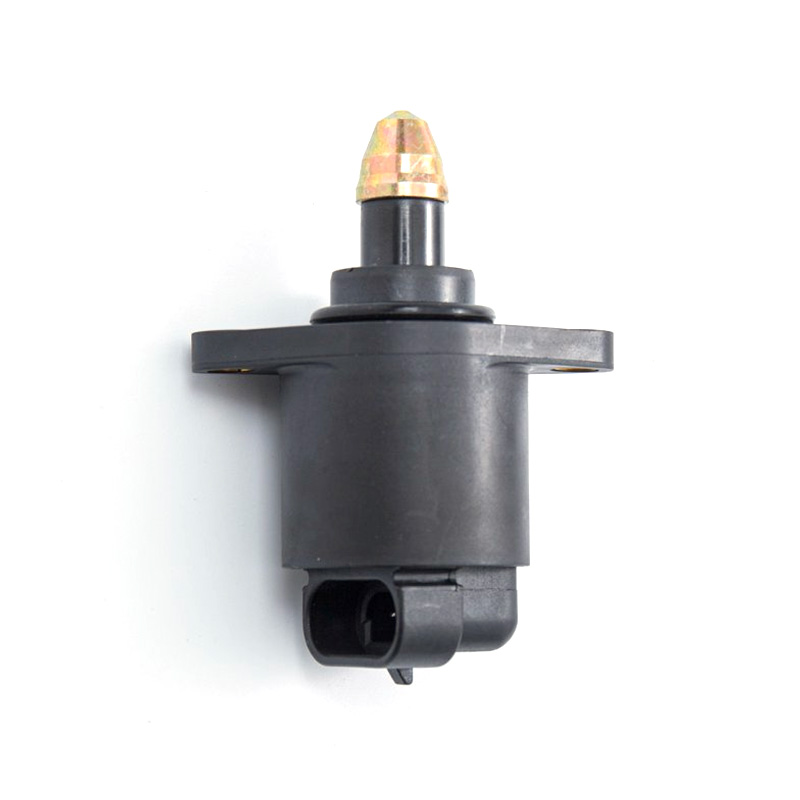
GC-040
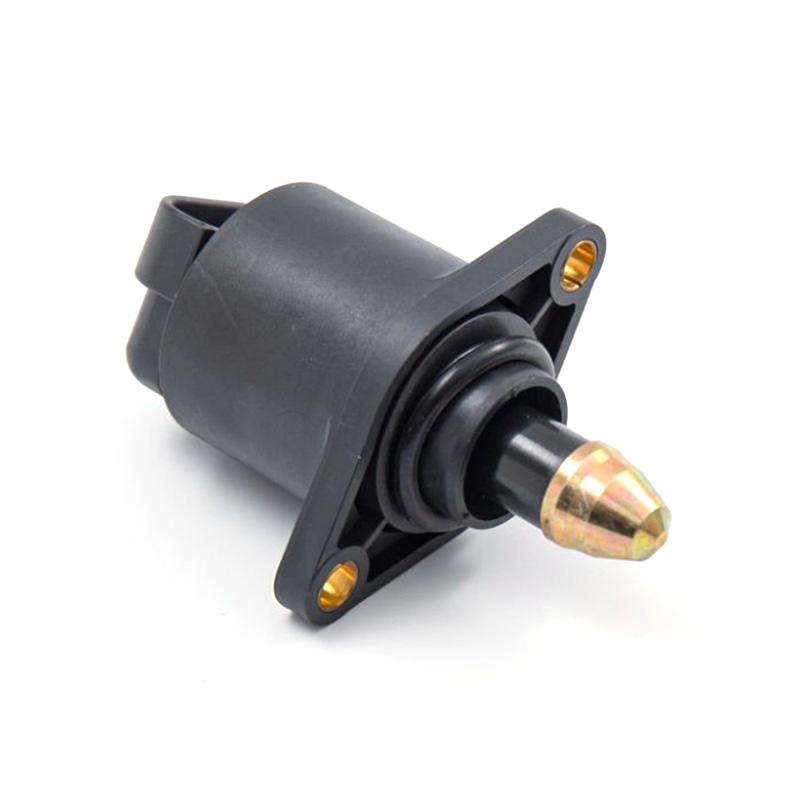
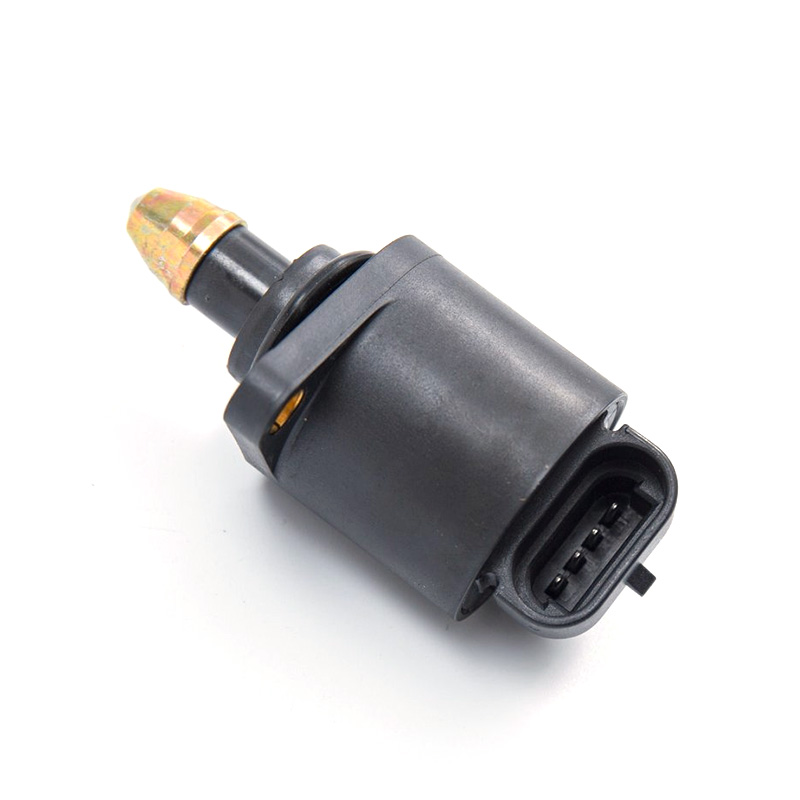
REFERENCE OE:
SHORT CODE:B04/01 D5131
MARELLI:230016079057
PEUGEOT:1920N1
SIMENCE:A95269
APPLICATION:
PEUGEOT 205 I Cabriolet(741B,20D)1.6CJ;
PEUGEOT 205 II(20A/C)1.6 Aut;
PEUGEOT 306(7B,N3,N5)1.8/2.0ST;
306 Break(7E,N3,N5)1.8;
PEUGEOT 306 Cabriolet(7B,N3,N5)1.8/2.0ST;
PG 306 Schraqheck(7A,7C,N3,N5)1.8/2.0 Xsi;
PG 309 II(3C,3A)1.6;
PG 405/Break(15B)1.6;
PG405 II(4B)1.6/1.8/2.0/2.0 X4;
PG 406;PG 806;PG BOXER Bus
Idle air control valve from China factory for Peugeot 205 306.
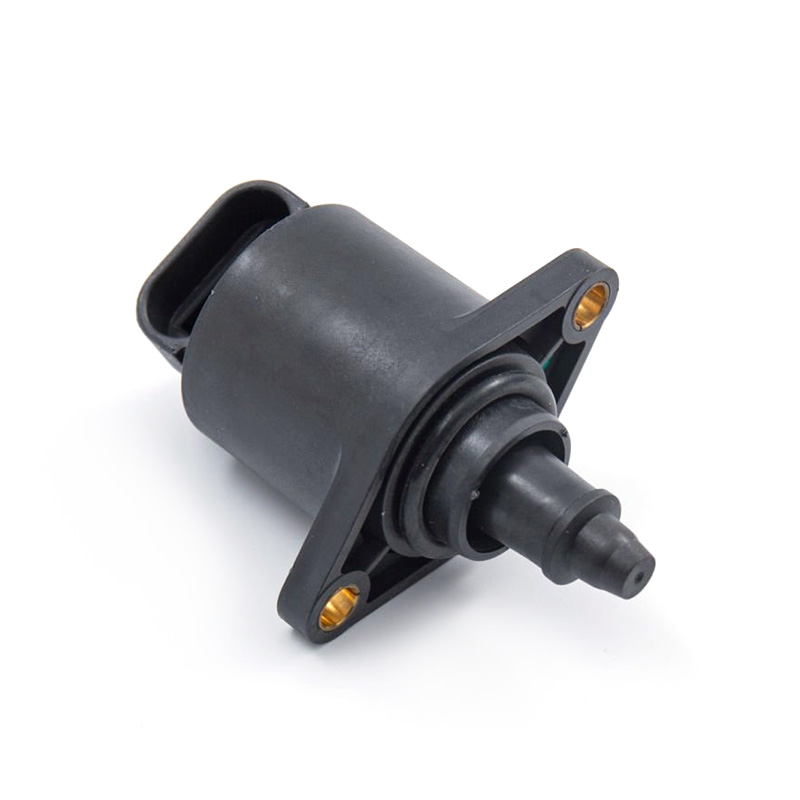
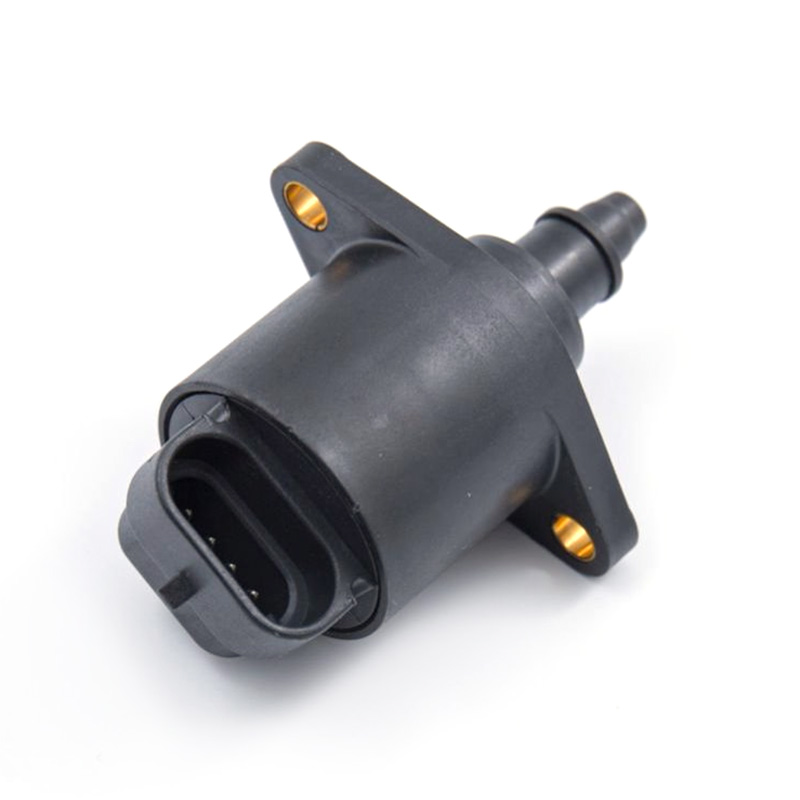
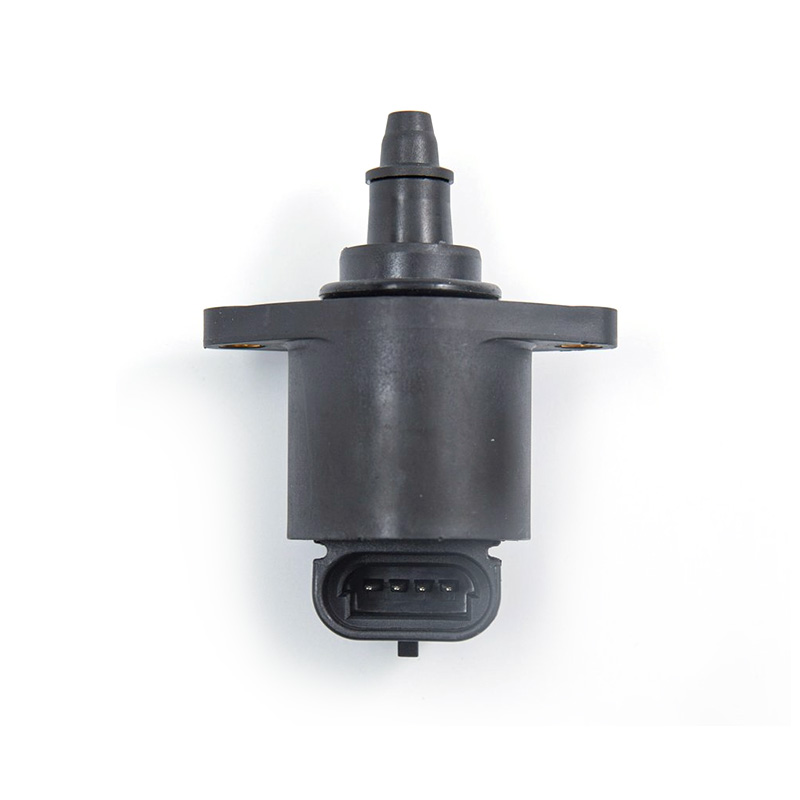
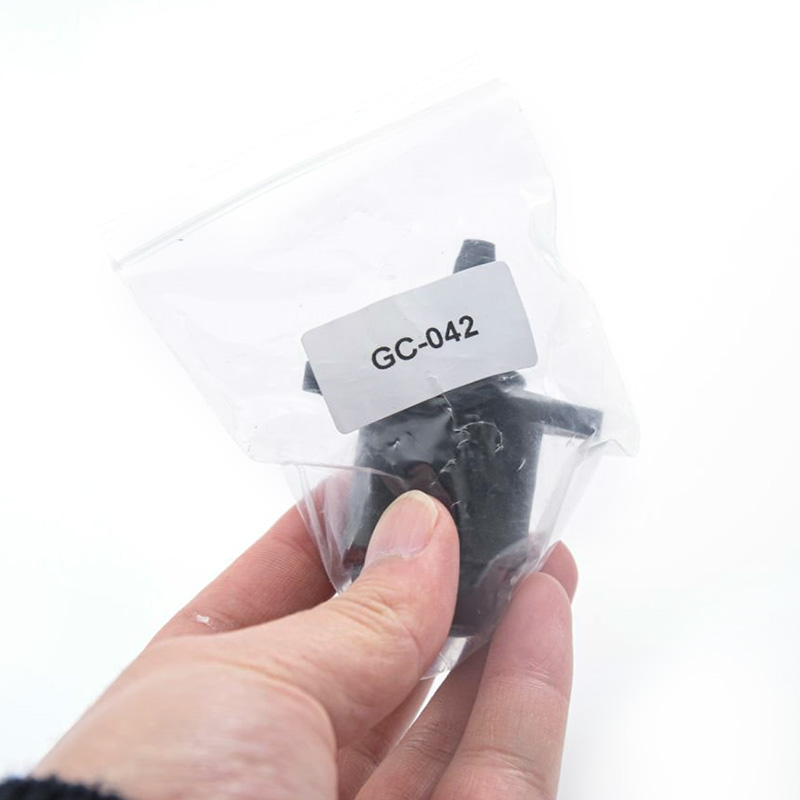
GC-042
REFERENCE OE:
SHORT CODE: D5104
FIAT: 7078983 0269980492
VDO: AT-5104R ;
APPLICATION:
PALIO 99->1.6 SPI/SIENA 99->1.6SPI/STRADA 99->1.6SPI/GOL99->1.0 SPI
Idle air control valve from China factory for Fiat Palio.
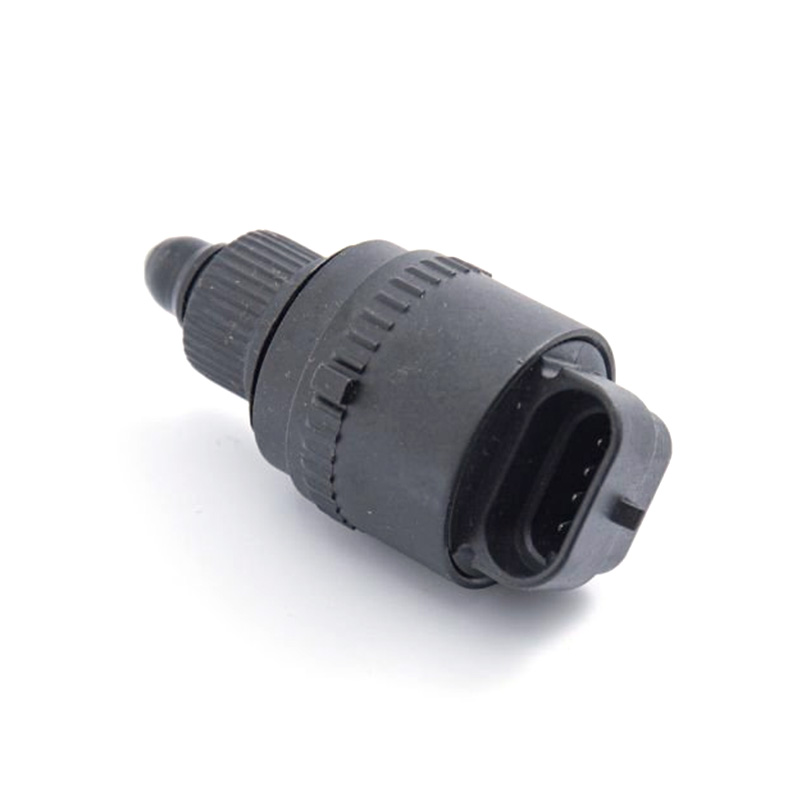
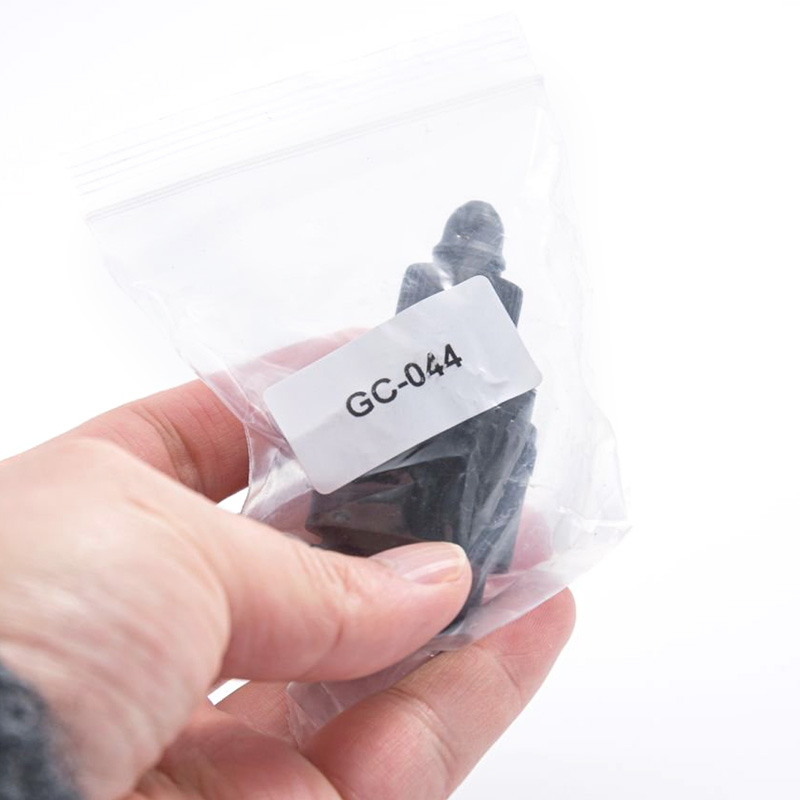
GC-044
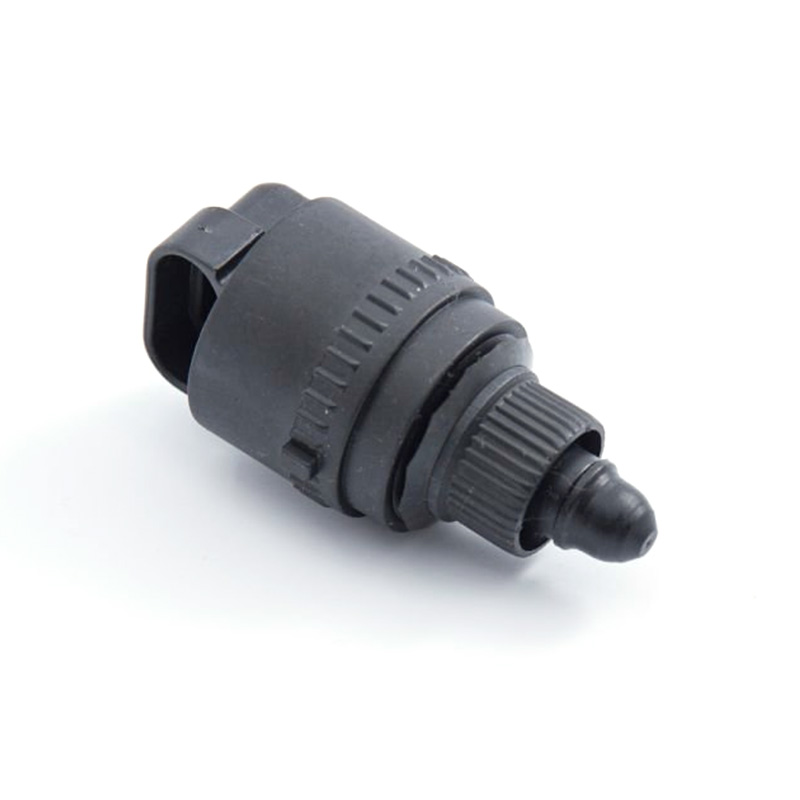
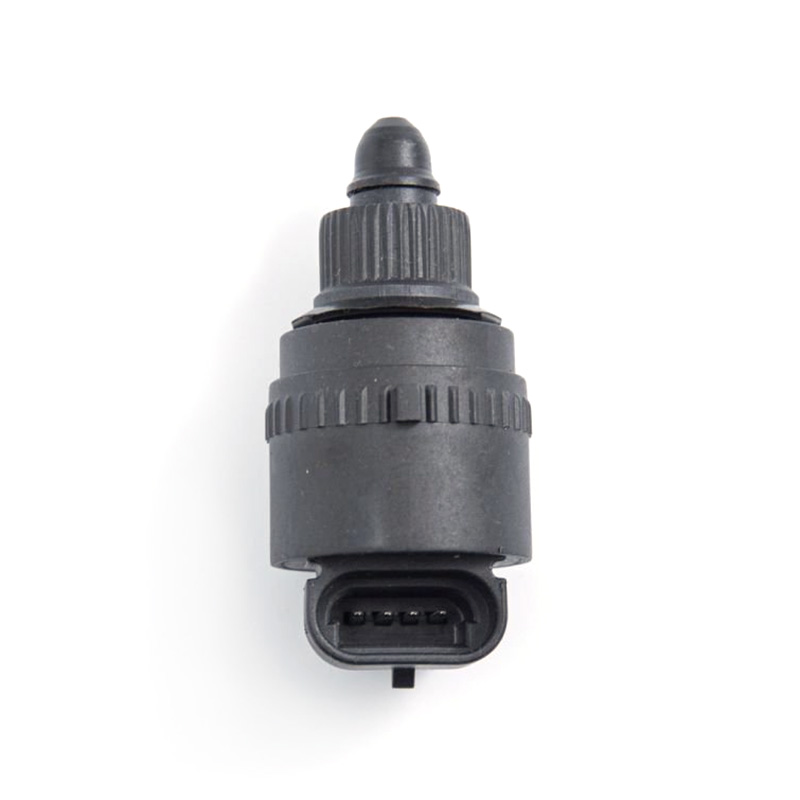
REFERENCE OE:
IB01/00
40442902
71718105
APPLICATION:
FIAT 500 1.2;Boblo;Grande Punto;Idea 1.4;Linea 1.4;Palio(178BX)1.2;Panda;Punto;Lanci Musa 1.4;Y(840A)1.2;Ypsilon 1.2 1.4
Idle air control valve from China factory for Fiat Palio.
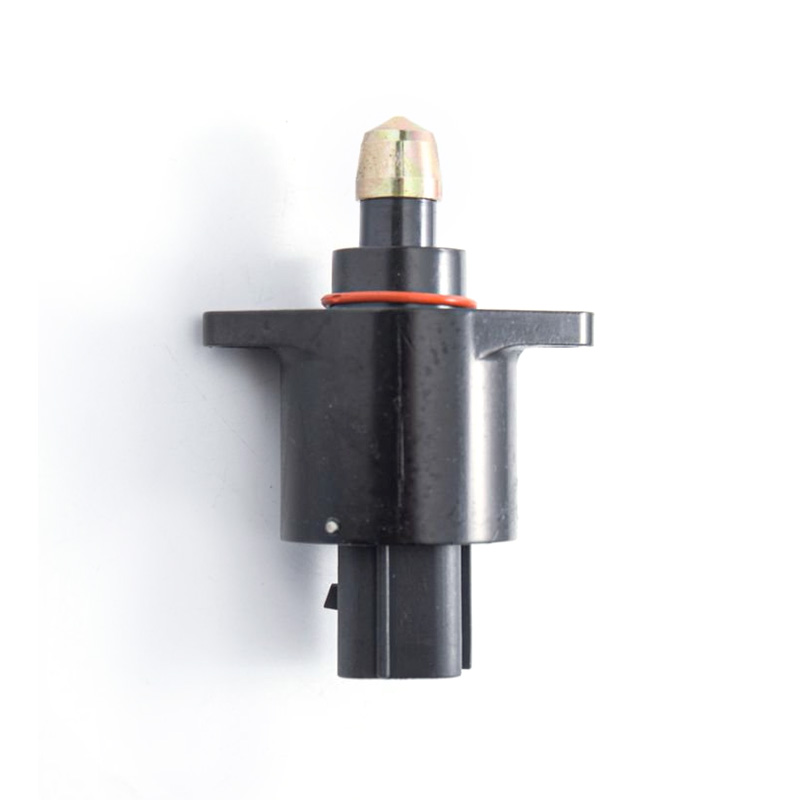
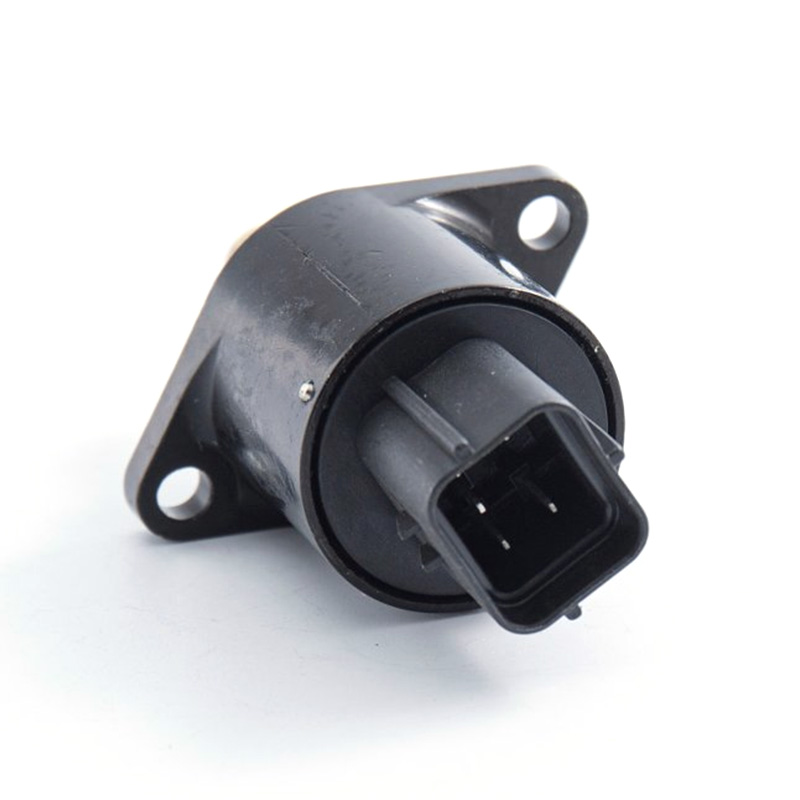
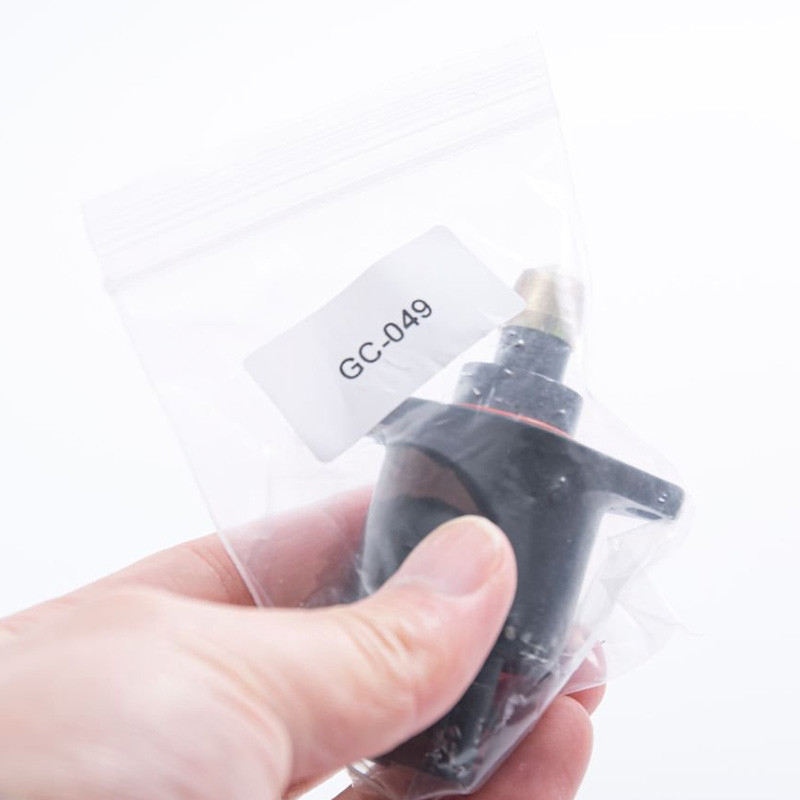
GC-049
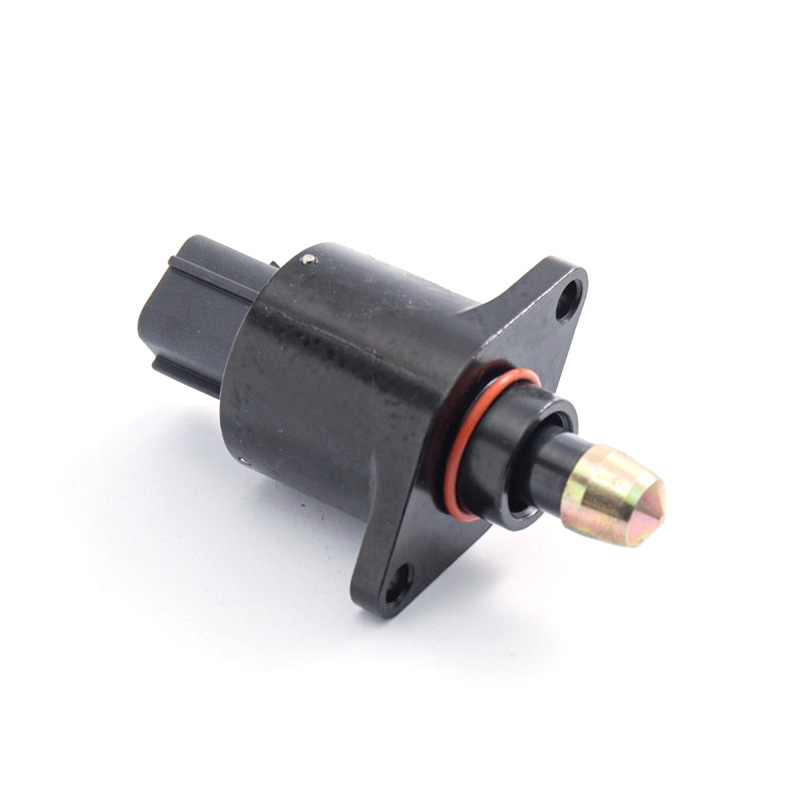
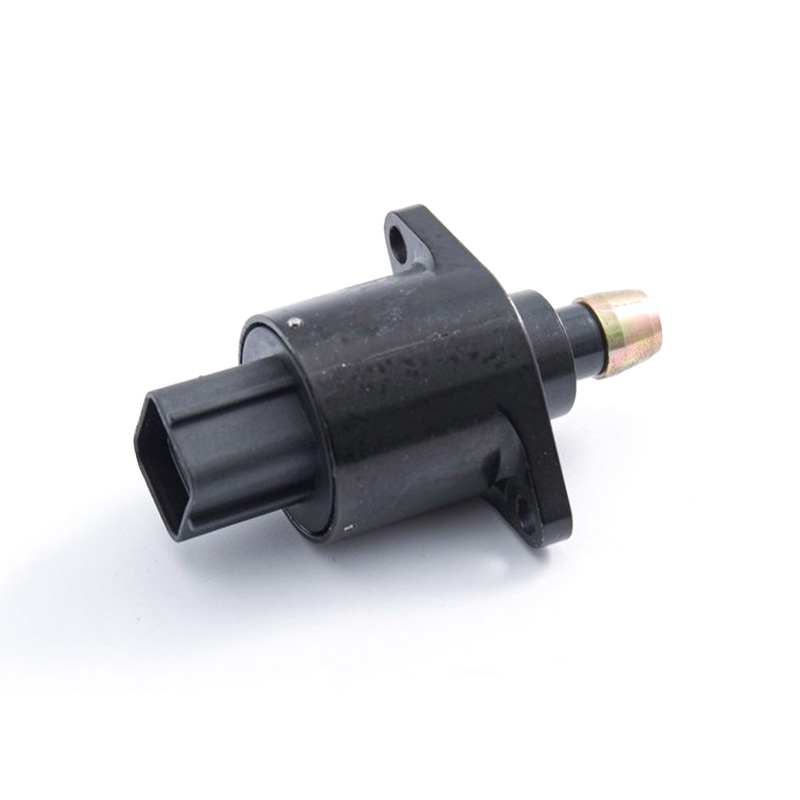
REFERENCE OE:
MDQ100040
APPLICATION:
ROVER
Idle air control valve from China factory for Rover.
Contact Us
Let's start collaborating

Guocheng is specialized in the R&D and production of key engine components for the automotive and engineering machinery industries.
Product
Stay Connected
(+86) - 577 - 8582 0886 (Tel)
(+86) - 577 - 8582 8085 (Fax)
(+86) - 19730213059 (Phone)
sales@wz-gc.com
No. 205, Baiyu Road, 15th Road, Binhai Park, Wenzhou, Zhejiang, China
Mobile

ODM Engine Management System Components
 English
 русский
 Español
 عربى
عربى Deutsch