Date:Apr 24, 2026
As the global automotive industry accelerates toward electrification and intelligent control systems, components such as the Motorcycle Sensor and Automotive Accelerator Pedal are playing increasingly critical roles. Manufacturers, engineers, and procurement teams are paying closer attention to precision, durability, and system integration. From two-wheel mobility solutions to passenger vehicles, these components are no longer just mechanical parts—they are essential elements in achieving responsive, safe, and efficient driving experiences.
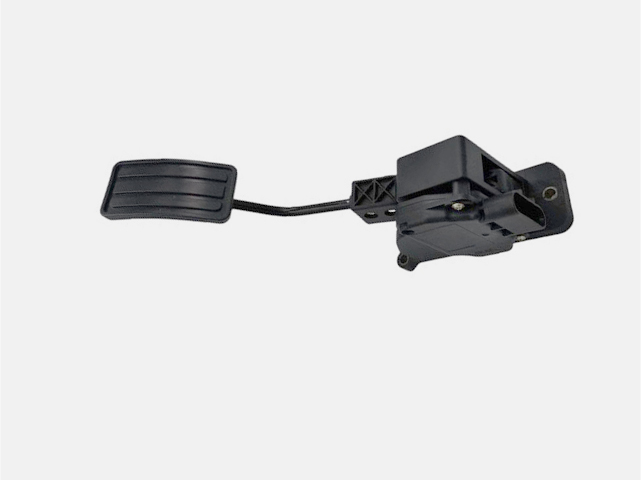
Modern vehicles rely heavily on electronic systems to ensure performance and safety. Sensors and accelerator pedals are key interfaces between driver input and vehicle response.
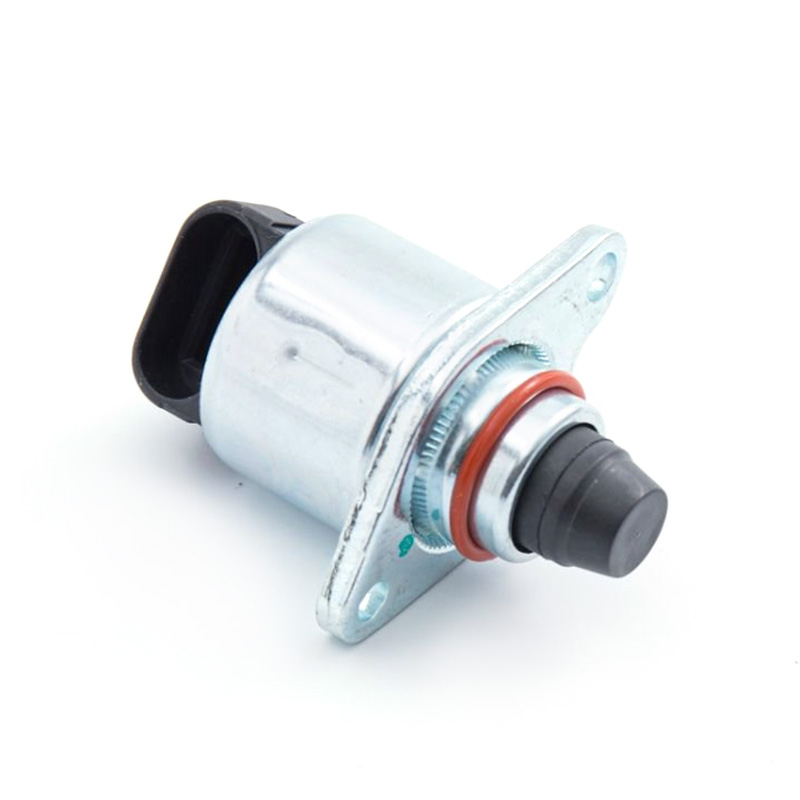
A Motorcycle Sensor collects real-time data such as position, speed, or temperature, enabling precise engine control. Meanwhile, an Automotive Accelerator Pedal converts driver input into electronic signals, ensuring accurate throttle response.
As vehicles become more intelligent, the demand for reliable and responsive components continues to rise.
These components are widely used across multiple vehicle categories, making them essential for global OEMs and aftermarket suppliers.
In motorcycles, sensors help optimize fuel efficiency and riding performance.
In passenger vehicles, accelerator pedals are integrated into drive-by-wire systems, improving control precision.
In commercial vehicles, both sensors and pedals contribute to stable operation under demanding conditions, supporting logistics and transportation industries.
From a manufacturing perspective, product performance is defined by precision and stability. Typical features include:
For accelerator pedals, dual-sensor redundancy is often implemented to enhance safety and ensure consistent signal output. These technical characteristics are essential for maintaining reliable vehicle operation.
Material choice directly affects durability and long-term performance. Common materials include:
Engineering plastics for lightweight and corrosion resistance
Metal components for structural strength
Sealed electronic modules to protect internal circuits
In addition, ergonomic pedal design improves driver comfort, while compact sensor structures allow easy integration into various vehicle systems.
For procurement teams, selecting high-quality components provides several benefits:
These advantages make sensors and accelerator pedals critical components in both OEM production and aftermarket replacement markets.
As a manufacturer, we understand that different markets and vehicle models require tailored solutions. We offer customization options such as:
Signal output calibration for specific vehicle systems
Connector types and wiring configurations
Structural adjustments for installation compatibility
Branding and packaging for aftermarket distribution
This flexibility allows clients to meet diverse market requirements while maintaining consistent product quality.
To ensure optimal performance, proper installation and usage are essential.
Sensors should be installed in appropriate positions to avoid interference and ensure accurate data collection. Accelerator pedals must be calibrated correctly to match the vehicle’s control system.
Regular inspection and maintenance can help prevent signal inconsistencies and extend product lifespan, especially in demanding operating environments.
As the automotive industry continues to evolve, the role of electronic control components will only become more significant. Buyers are increasingly looking for products that combine precision, durability, and adaptability.
As a dedicated manufacturer, we focus on delivering reliable solutions that meet these expectations. By integrating advanced Motorcycle Sensor technologies with high-performance Automotive Accelerator Pedal systems, we help global partners build smarter, more efficient, and responsive mobility solutions.
Related Products
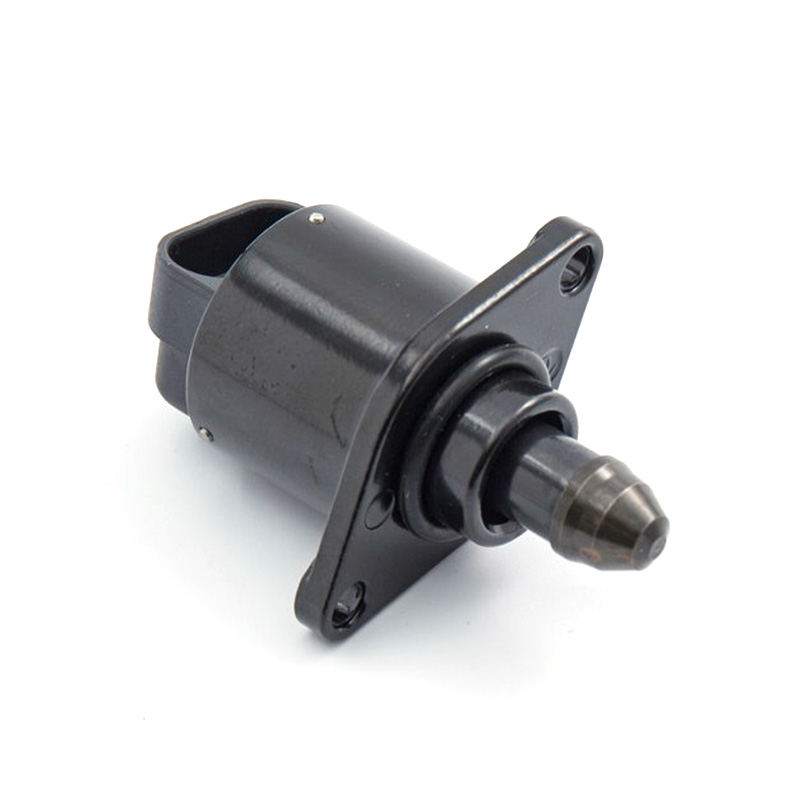
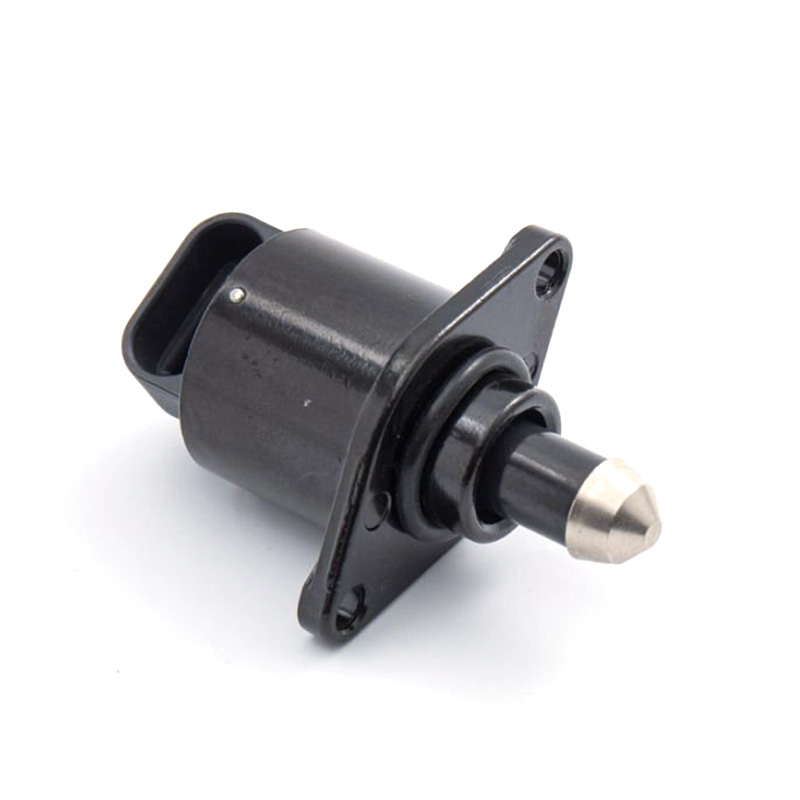
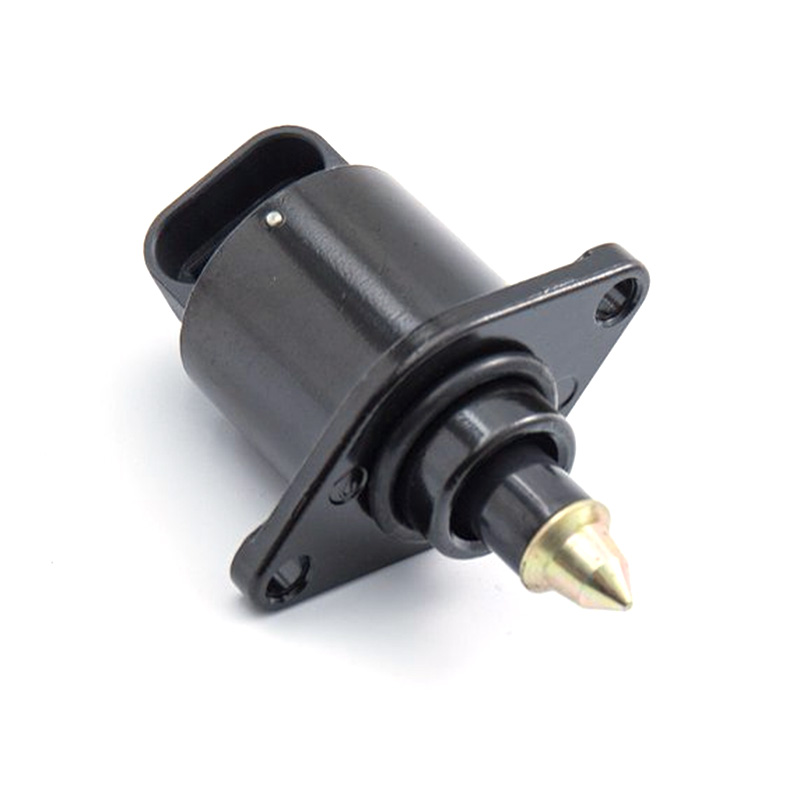
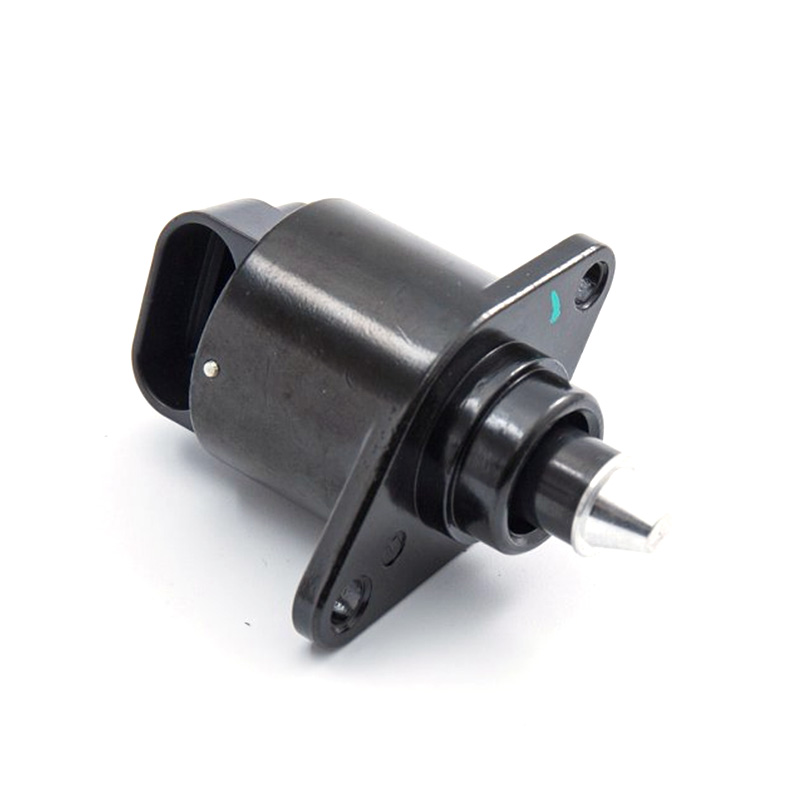
OE/Part Numbers: 1920AH A96157 B35/00
Compatible Brands: for Peugeot, Citroen
Compatible Vehicles & Years:
- for Citroen Saxo
- for Peugeot 106
- for Peugeot 206 (Schragheck /SW)
-for Peugeot 306 (Break / Schragheck)
-for Peugeot Partner (Combispace / Kasten)
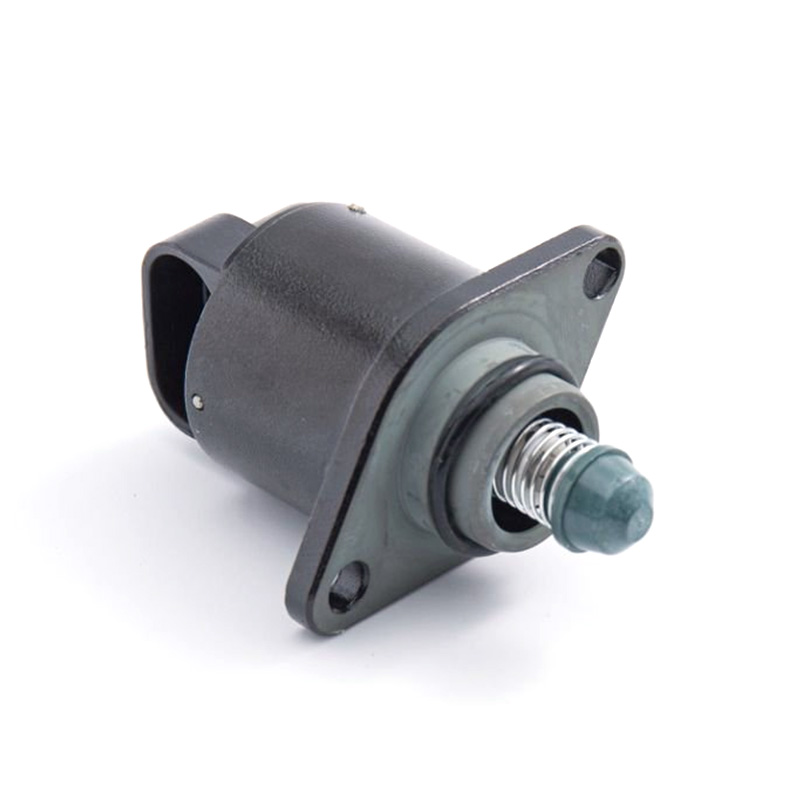
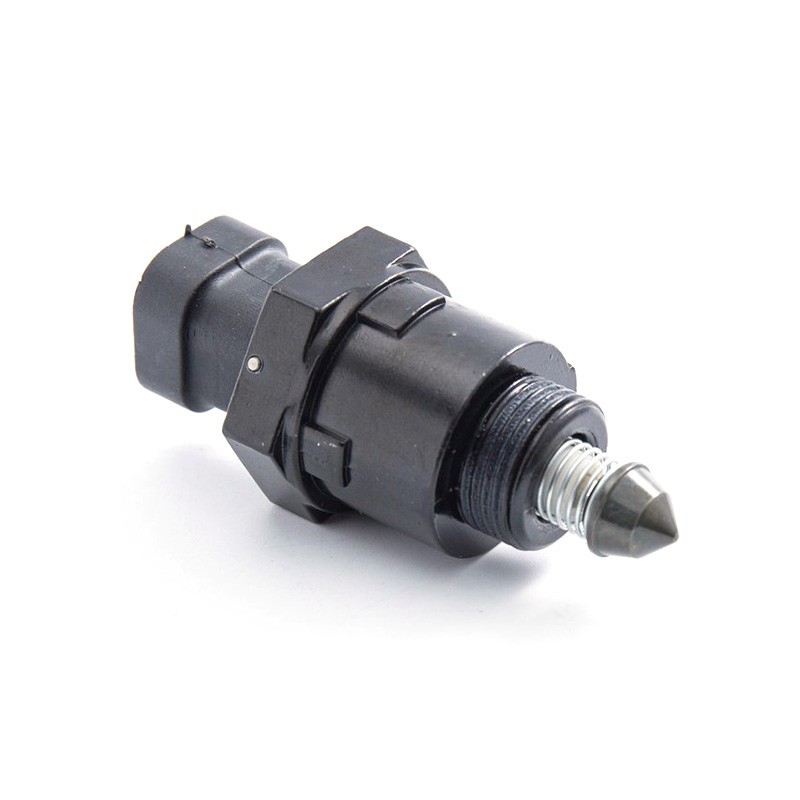
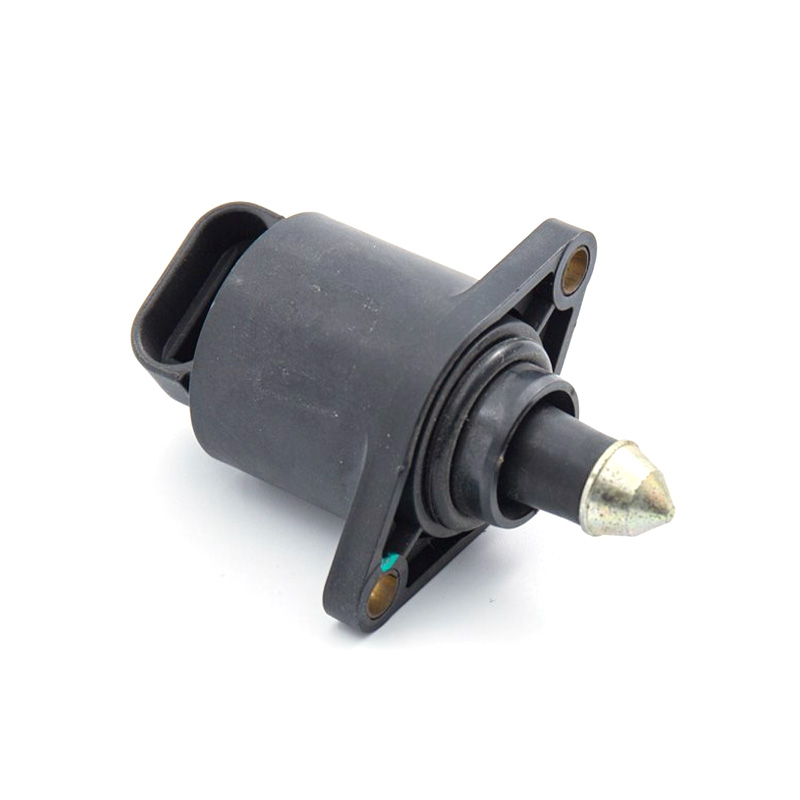
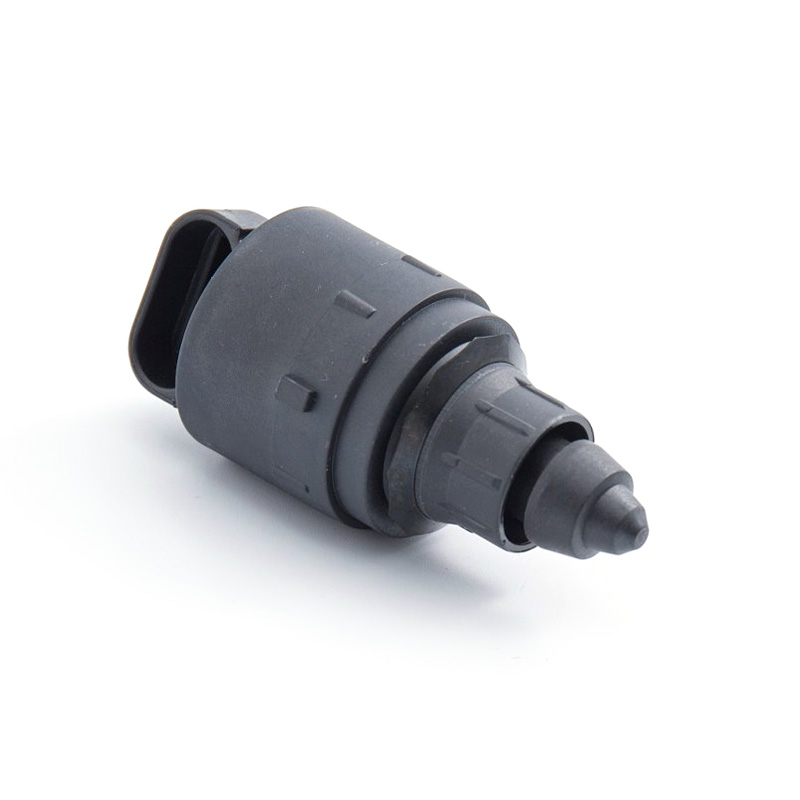
Key Functions: This idle stepper motor regulates engine idle speed, ensuring stable performance, smooth cold starts, and preventing stalling under varying loads.
Features & Advantages:
1. Direct OEM Fit & Function.
2. High-Quality Components for Reliability.
3. Rigors Quality Control.
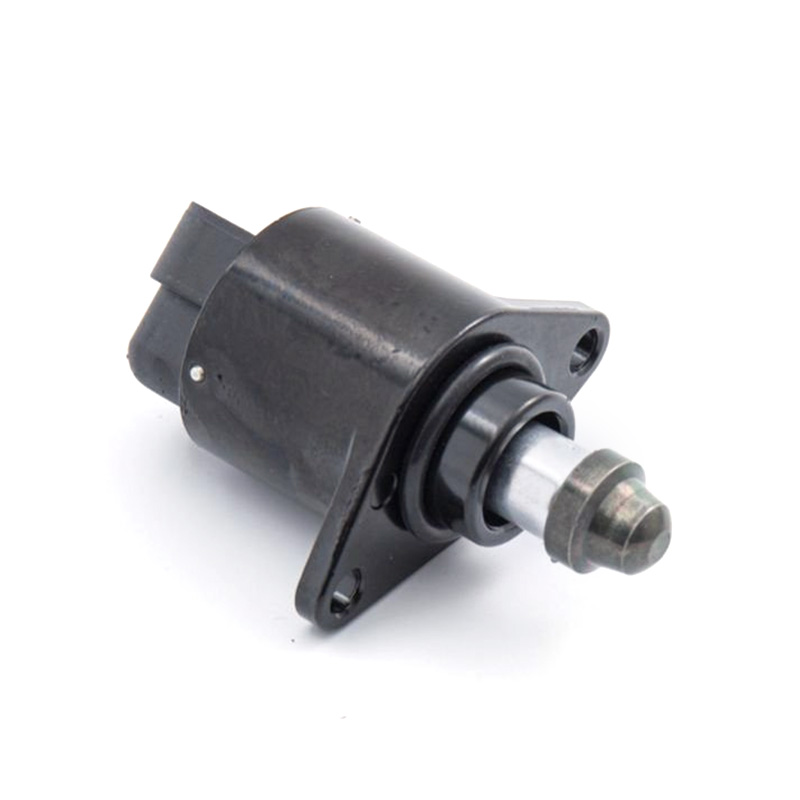
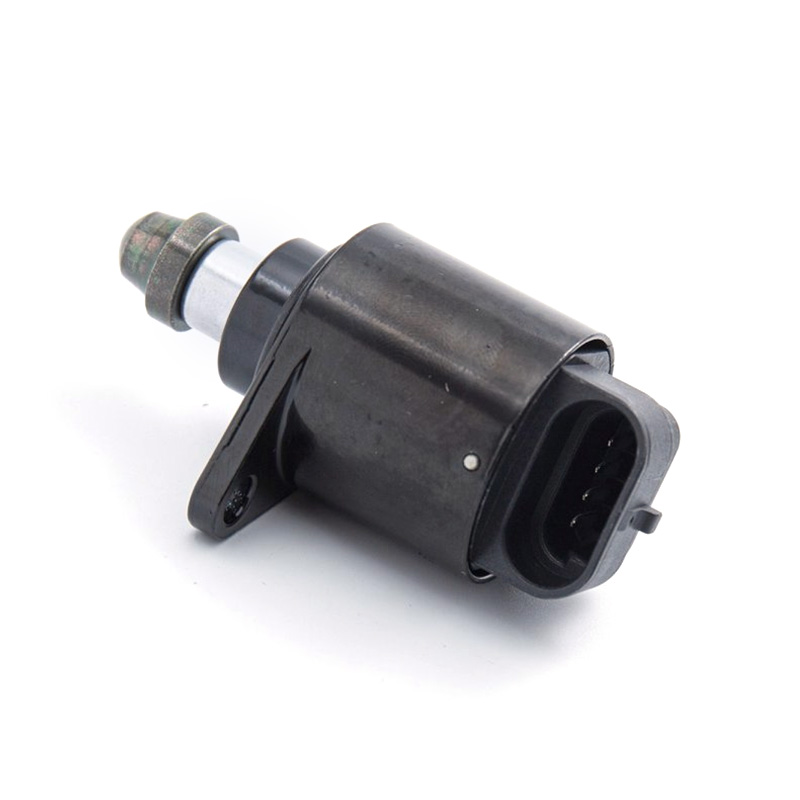
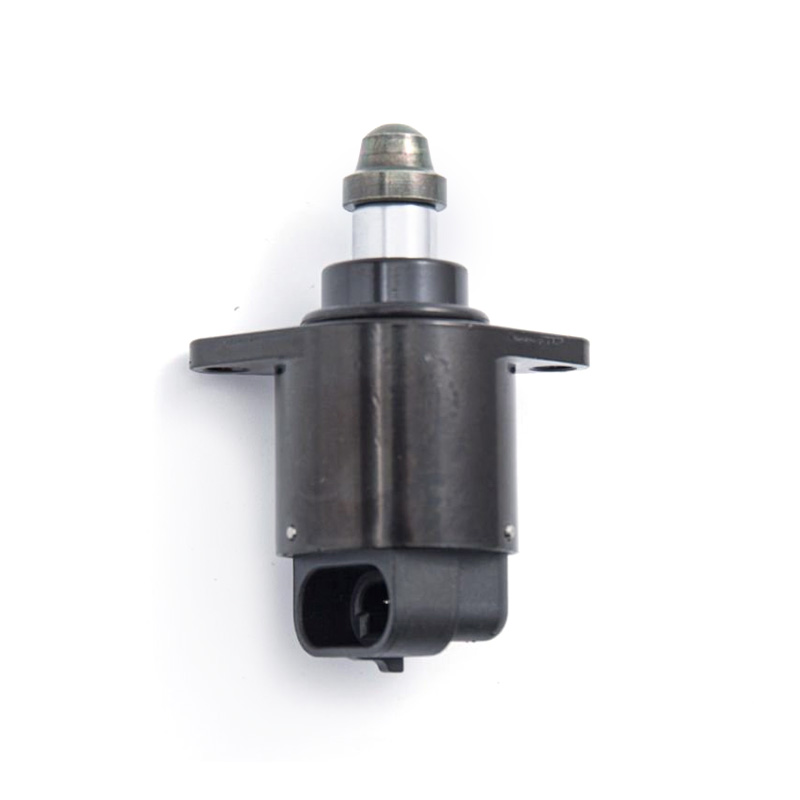
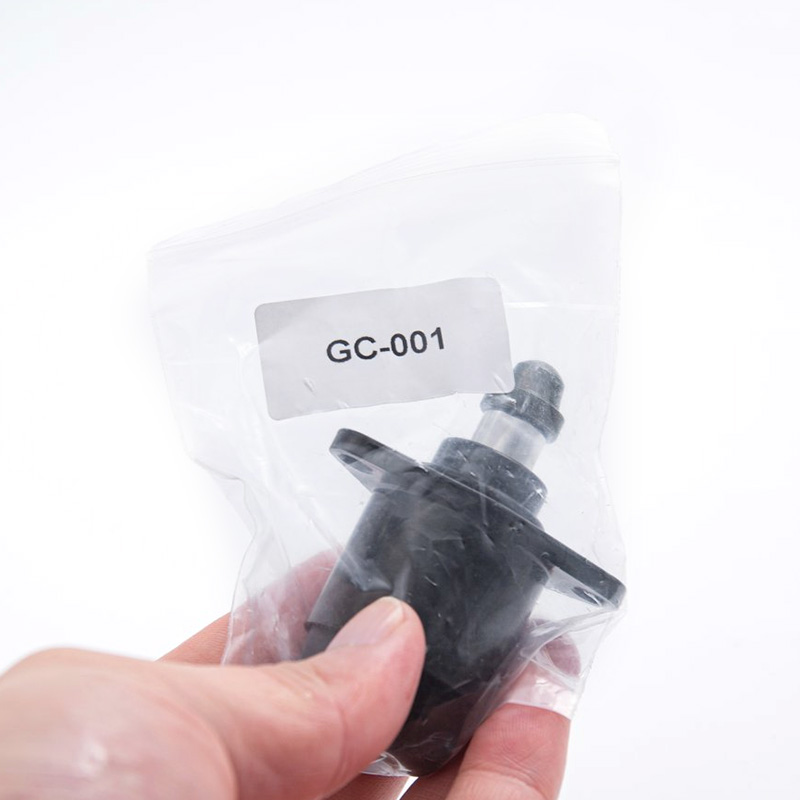
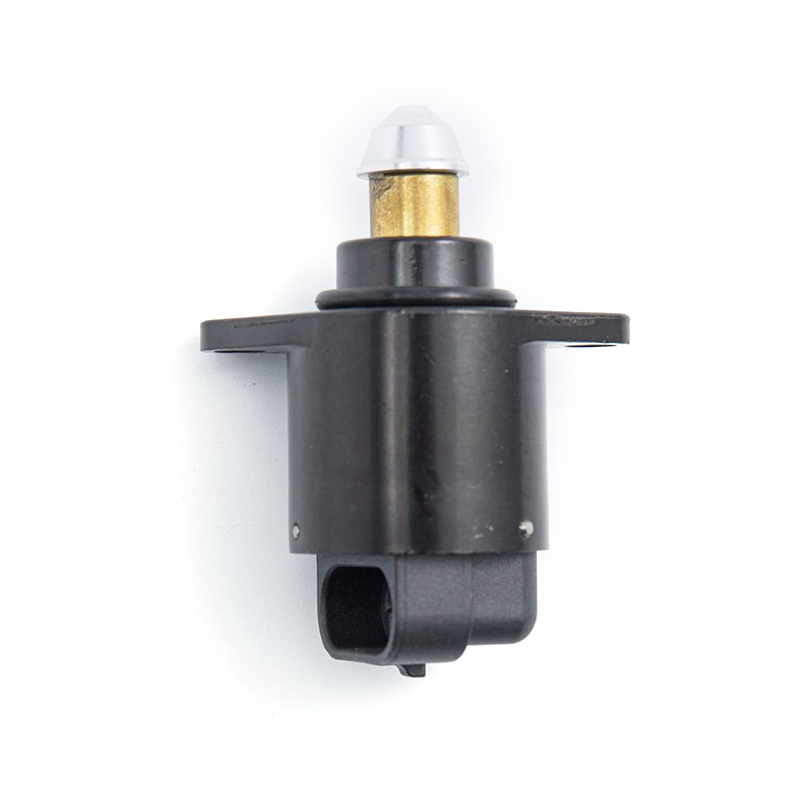
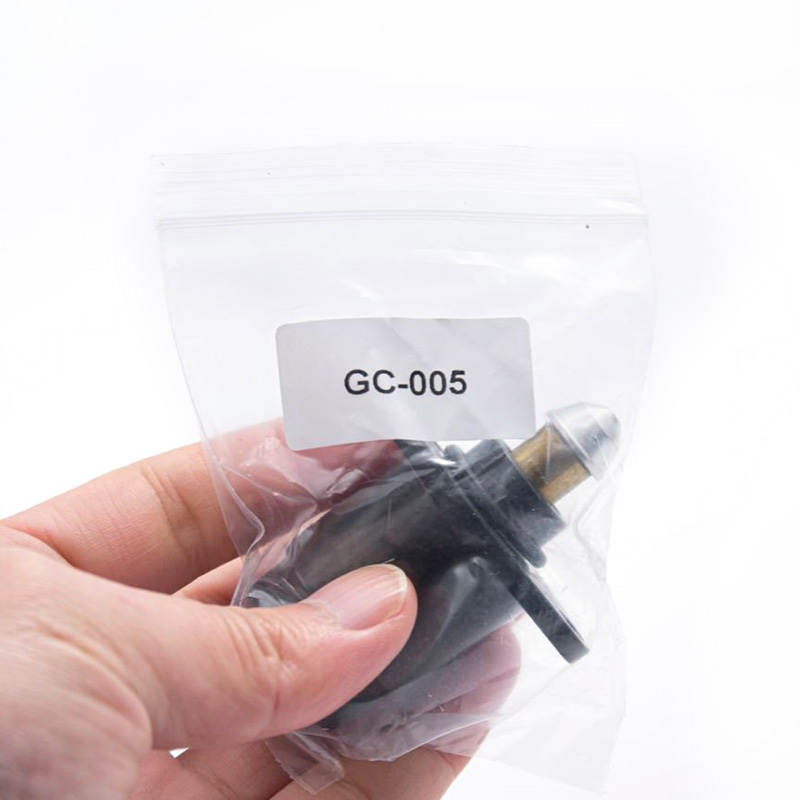
GC-005
REF OE:
HOT-STAMP:B22/00 B22/01
PEUGEOT:19204X
SIMENCE:A97104 A97113 B22/00 B22/01 19204X A97104 A97113
APPLICATION:
CITROEN BERLINGO(MF)1.8i(MFLFX)4WD(MFLFX);CITRO XANTIA/Break(X1)/(X2)1.8i/1.8i 16V;CITRO XSARA(N1)1.8i/1.8i 16V;Break(N2) 1.8i/1.8i 16V;Coupe(N0)1.8i/1.8i 16V;
PICASSO(N68)1.8 16V;PEUGEOT 306/Break/Cabriolet/Schraqheck;PEUGEOT 406/Break;PEUGEOT PARTNER Combispace(5F)1.8
China Auto Parts Manufacture with Wholesale Price for Idle Air Control Valve,Crankshaft Position Sensor,Camshaft Position Sensor,Throttle Position Sensor.
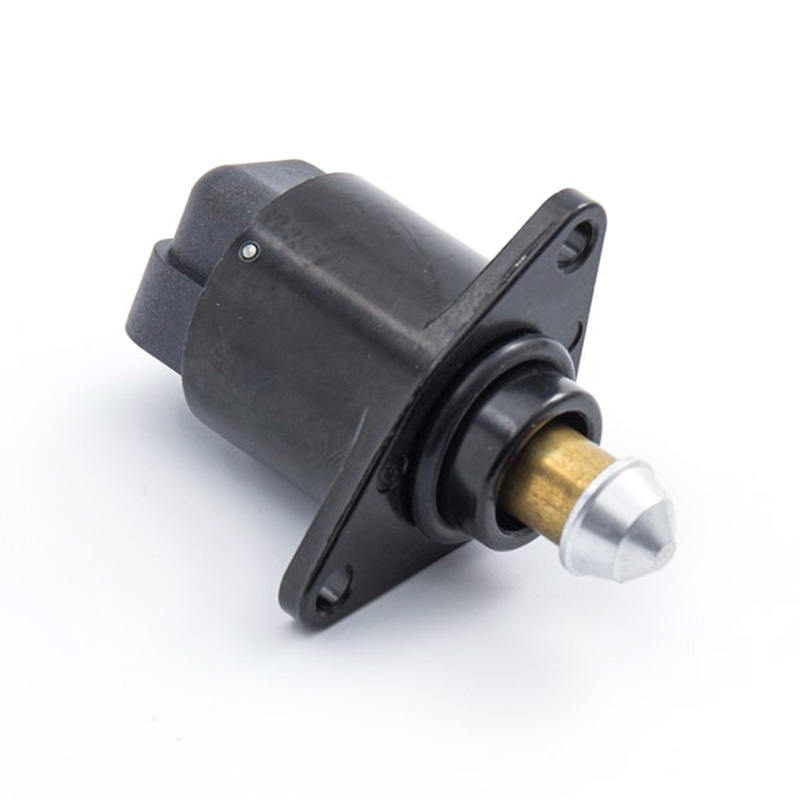
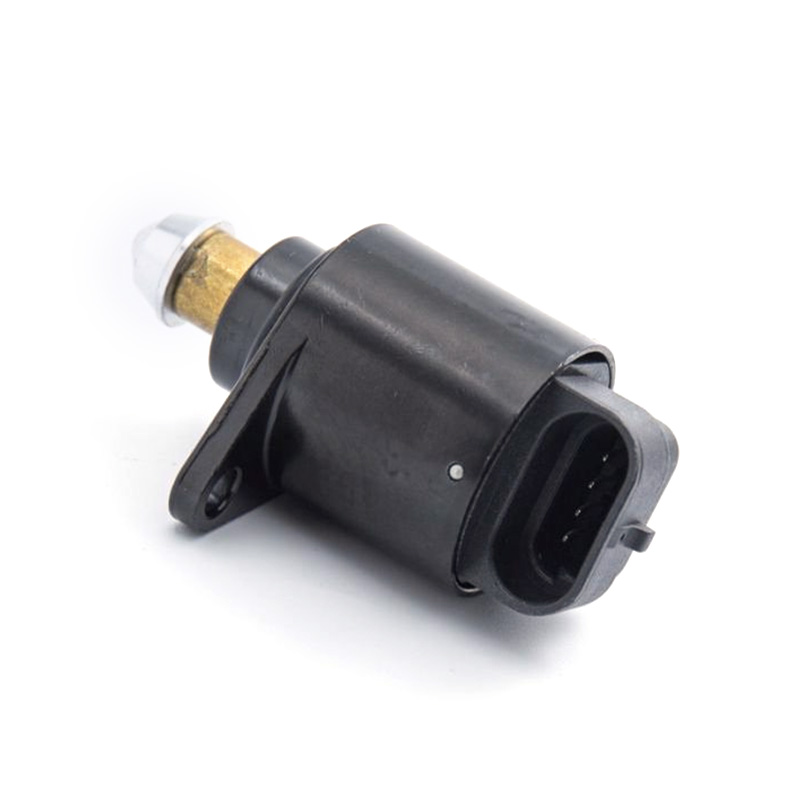
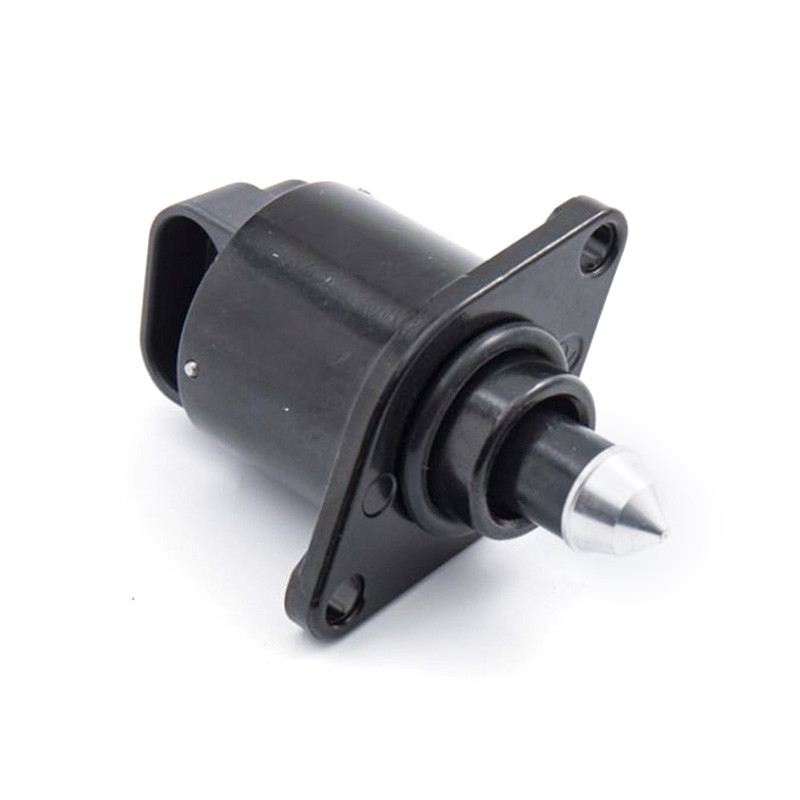
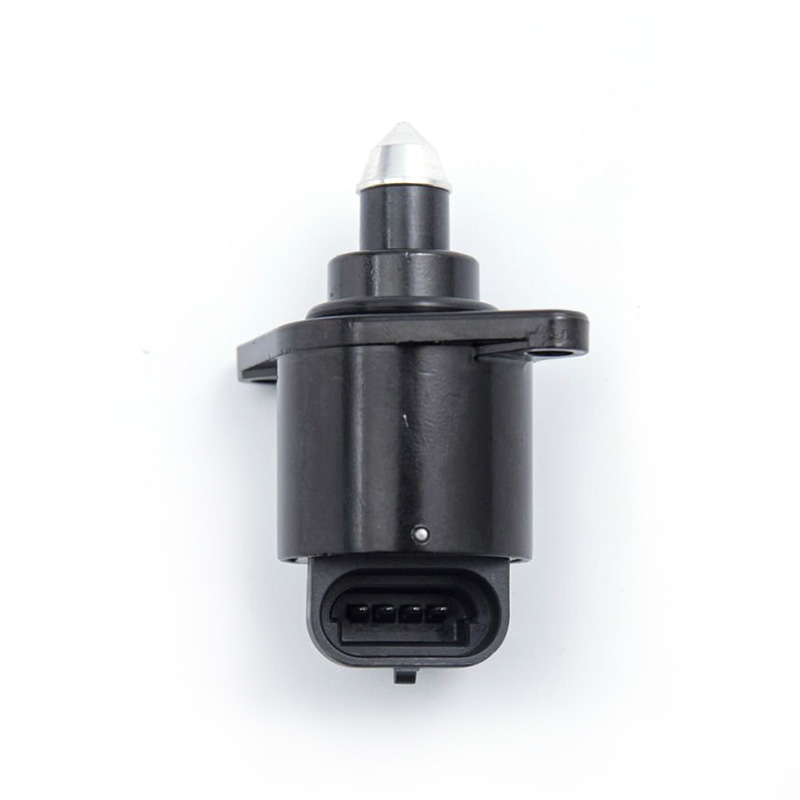
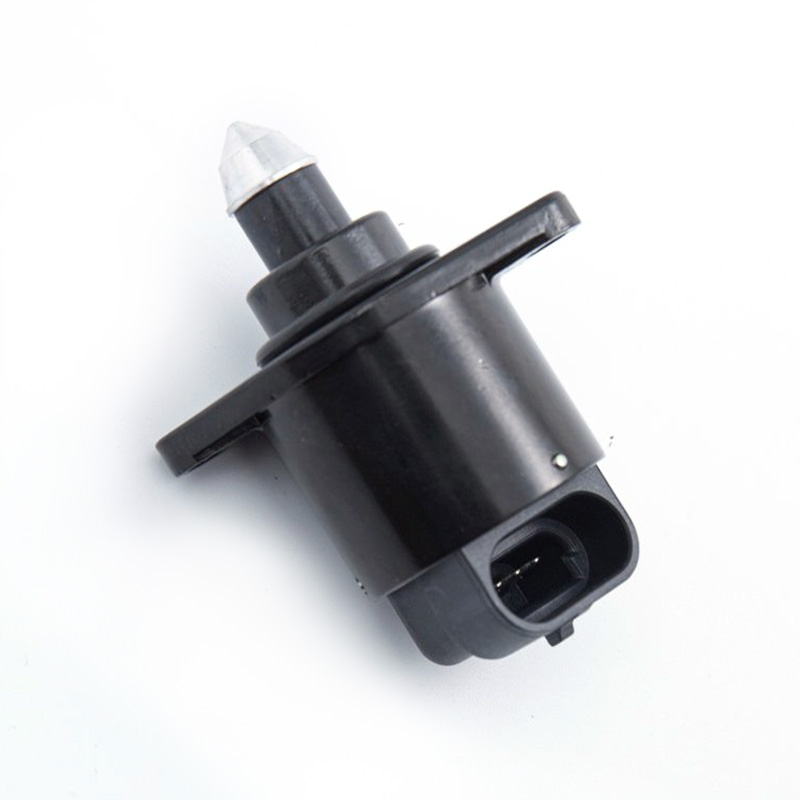
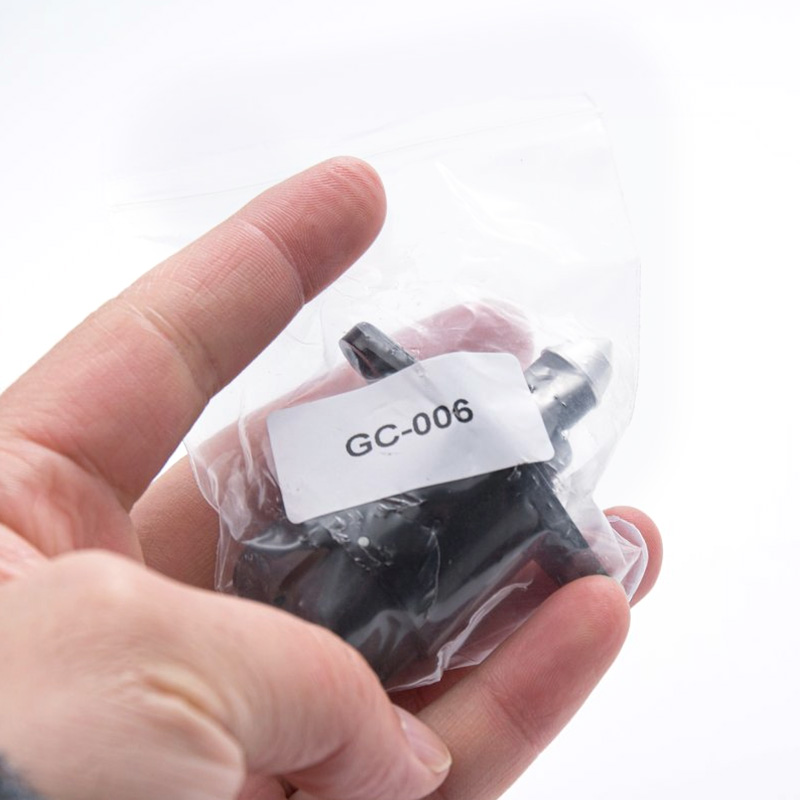
GC-006
REF OE:
SHORT CODE:D5134
VDO:D95134
RENAULT:7701044401
APPLICATION:
RENAULT CLIO I(B/C57_,5/357)1.4/II(BB0/1/2_,CB0/1/2_)1.4;RENAULT KANGOO(KC0/1)1.4/Express(FC0/1_)1.4;
RENAULT MEGANE Grandtour(KA0/1_)1.4e/I(BA0/1_)1.4e
Low price and good quality idle air control valve (IACV) from China,buying and purchasing from China auto parts factory direct!
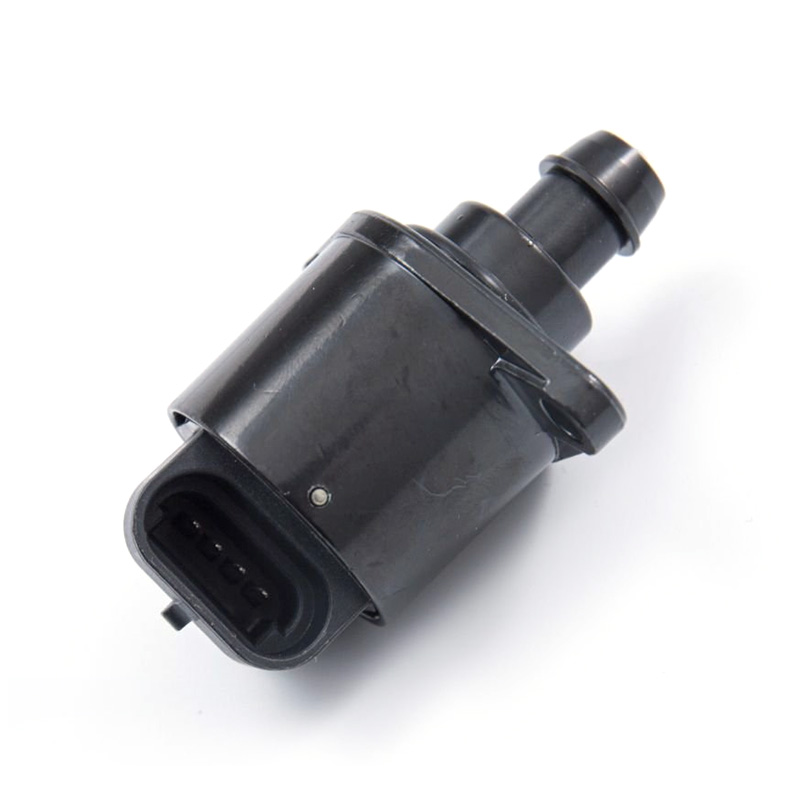
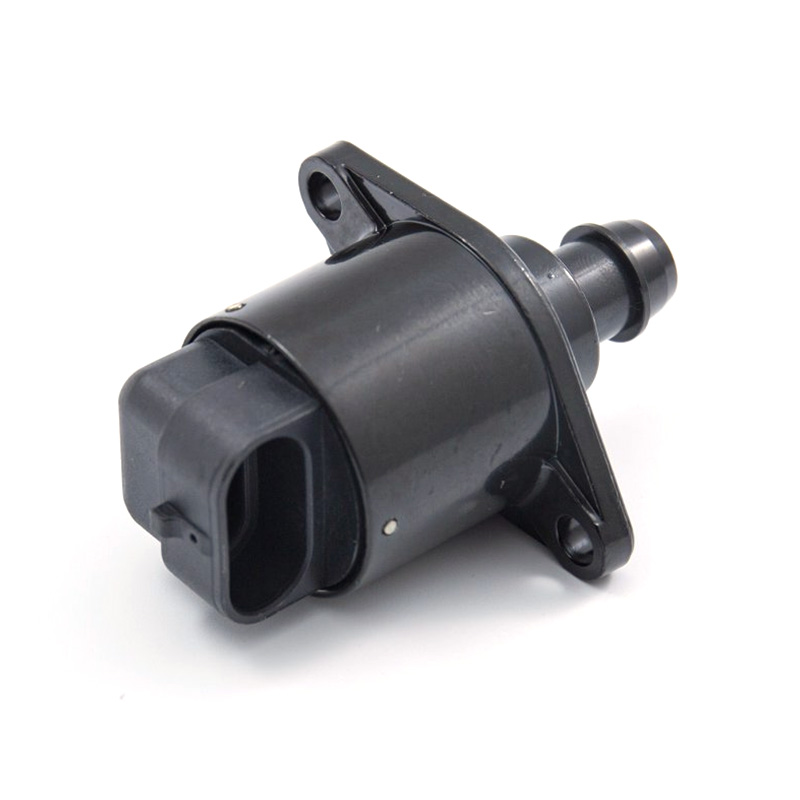
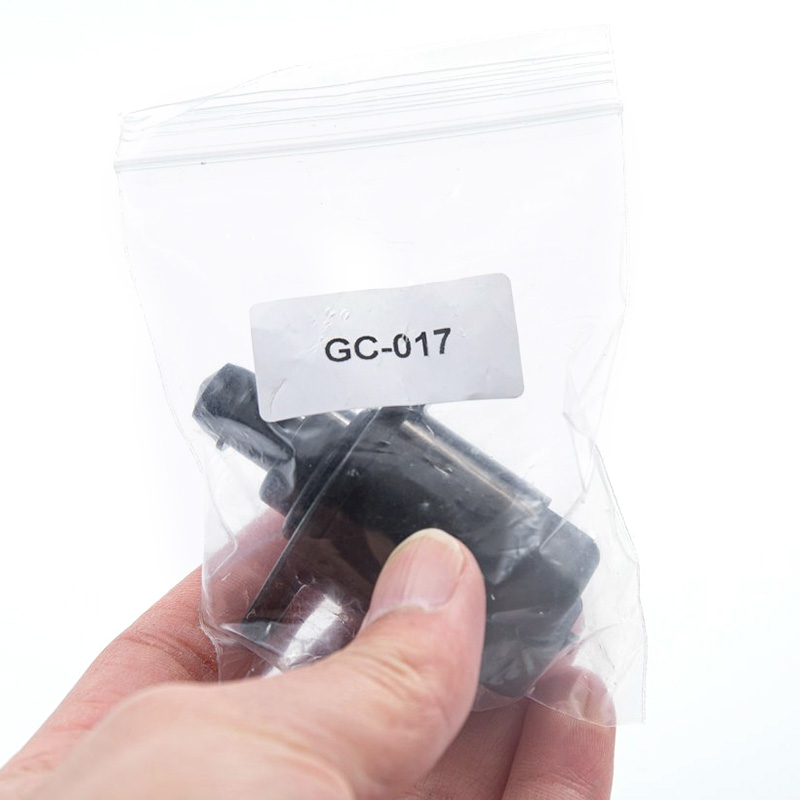
GC-017
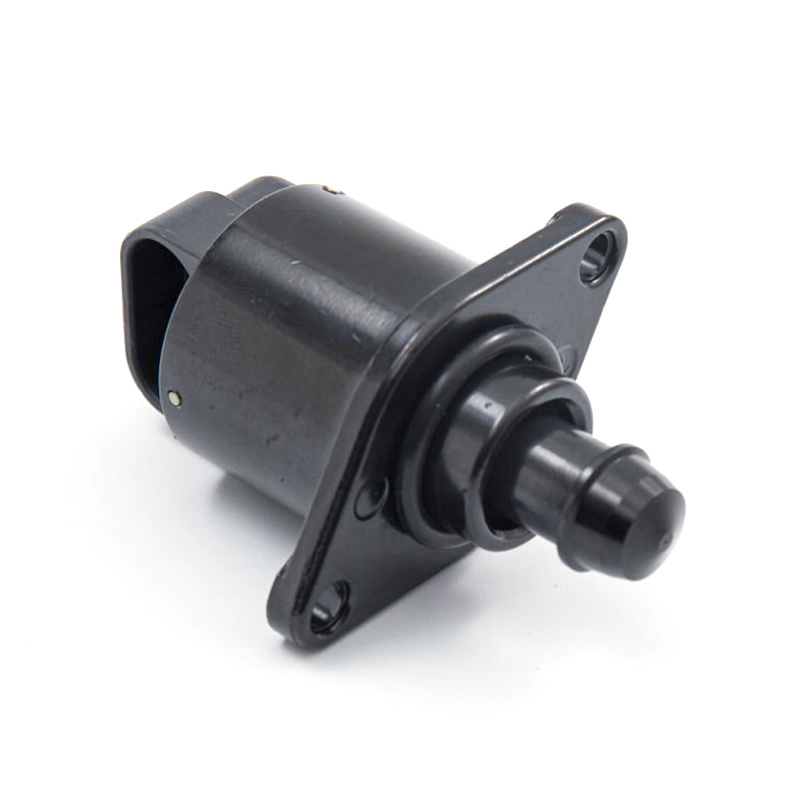
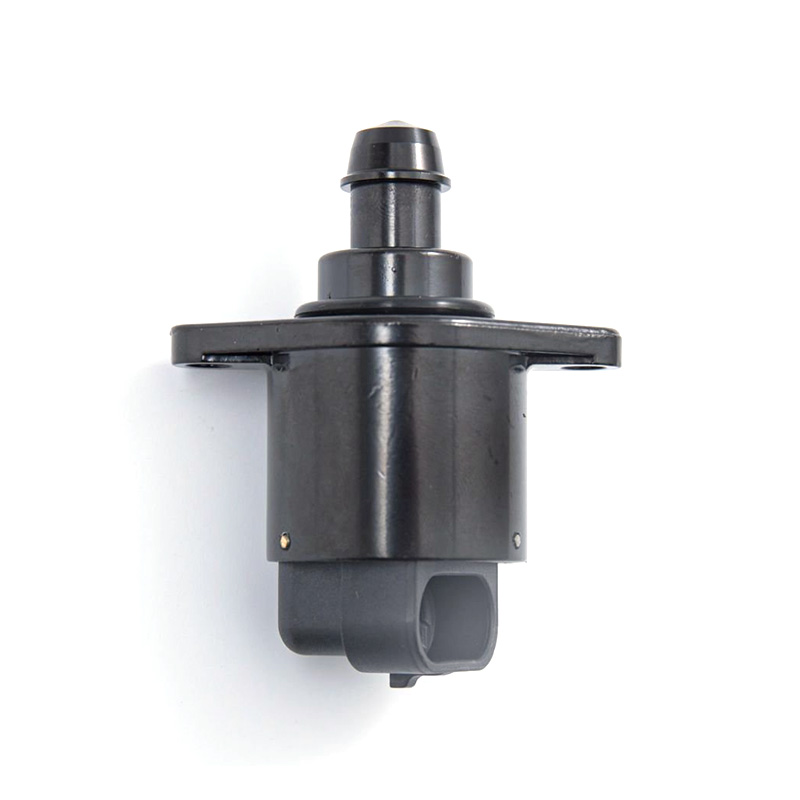
REFERENCE OE:
SHORT CODE:B28/00
RENAULT:8200299241 7700102539
SIMENCE:D95166 B28/00 8200299241 7700102539 D95166
APPLICATION:
OPEL VIVARO Combi/Kasten;
RENAU AVANTIME;
RENAU CLIO II/ESPACE III;
RENAU LAGUNA/LAGUNA II;
RENAU MEGANE Cabriolet/Classic/Coach/Grandtour;
RENAU SCENIC I/II
Idle air control valve for wholesale and retail from China!
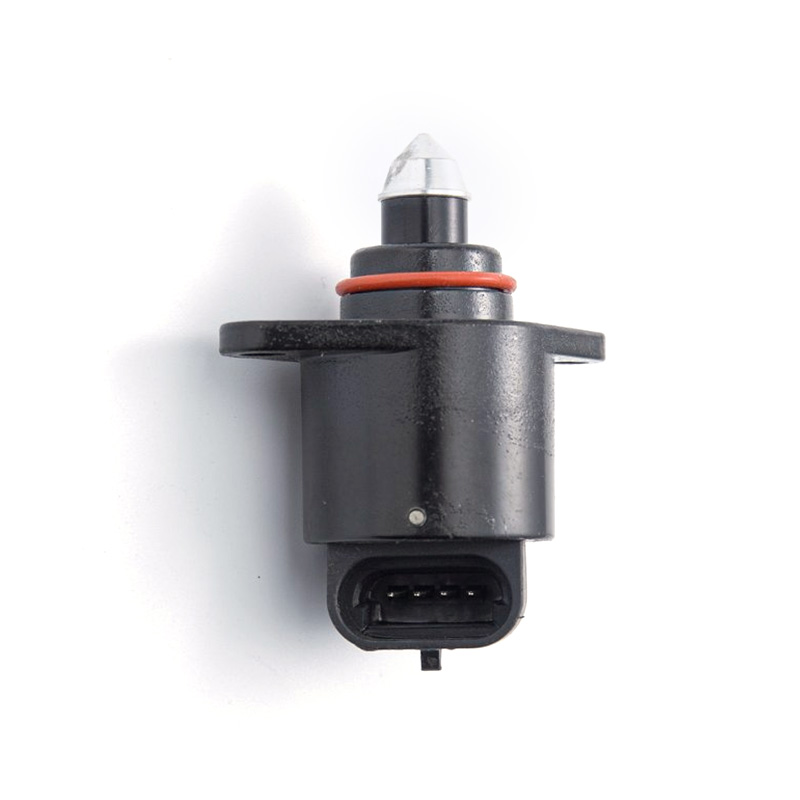
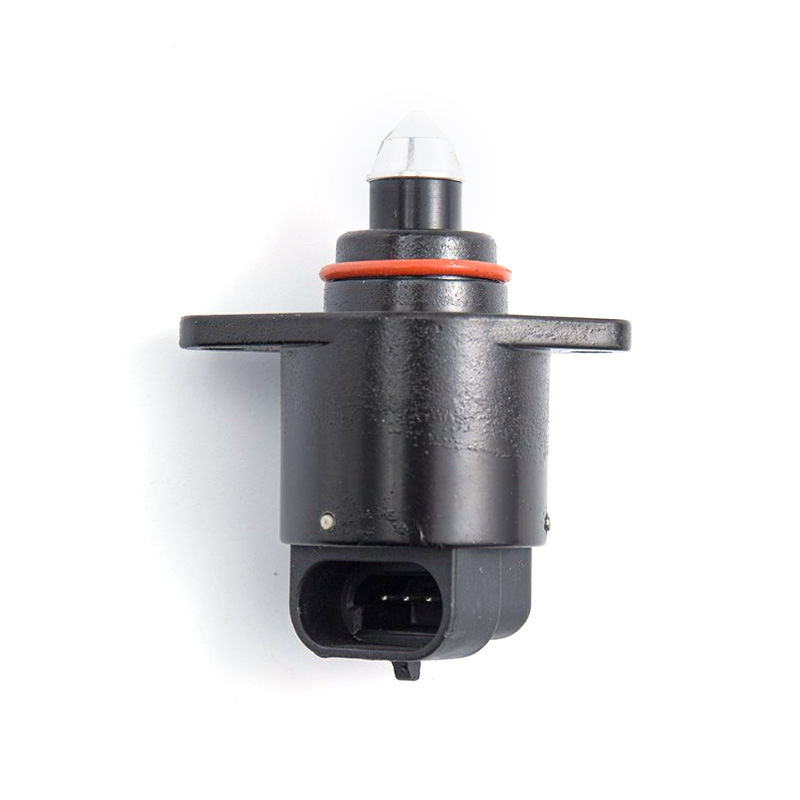
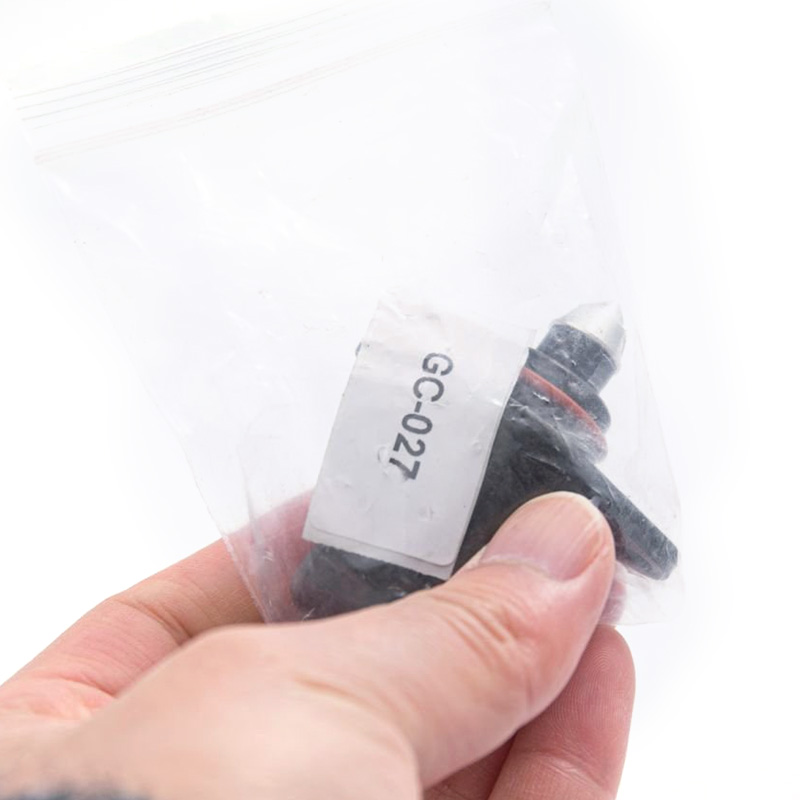
GC-027
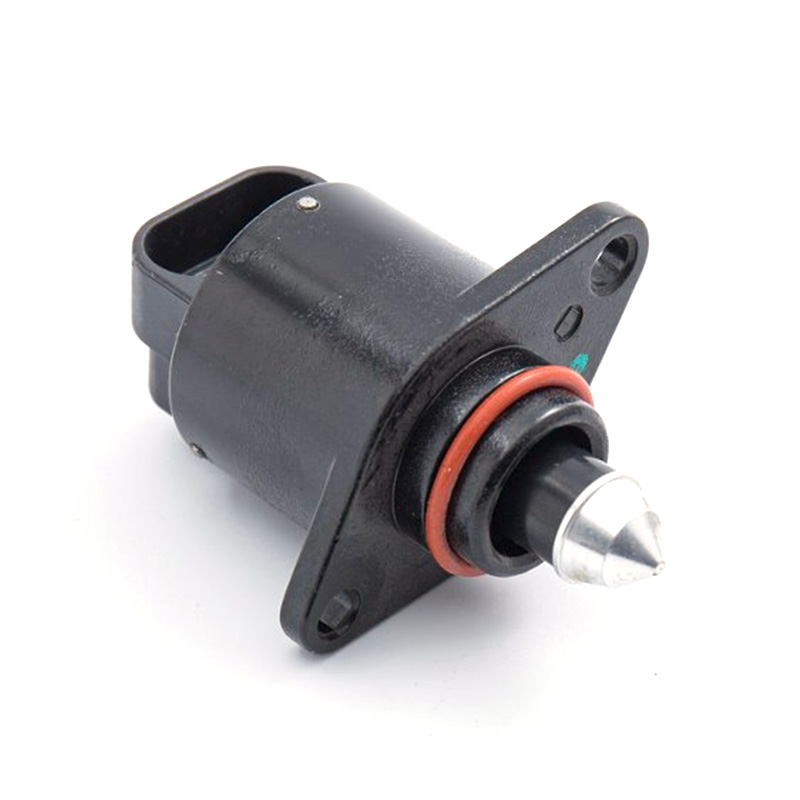
REFERENCE OE:
STD: AC64 WELLS:AC132
DELPHI: ICD00126
GM:17059600; 17112898
APPLICATION:
IPANEMA 1.8/2.0 EF191>,KADETT1.8/2.0 EF191>,MONZA 1.8/2.0 Ef191>
Idle air control valve from China factory for Ipanema Kadett Monza.
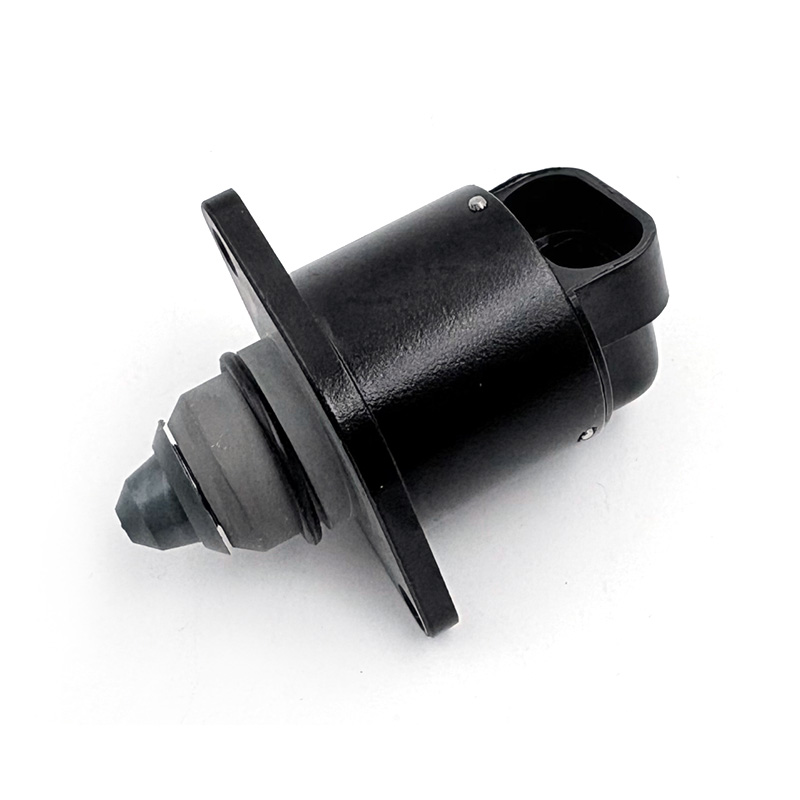
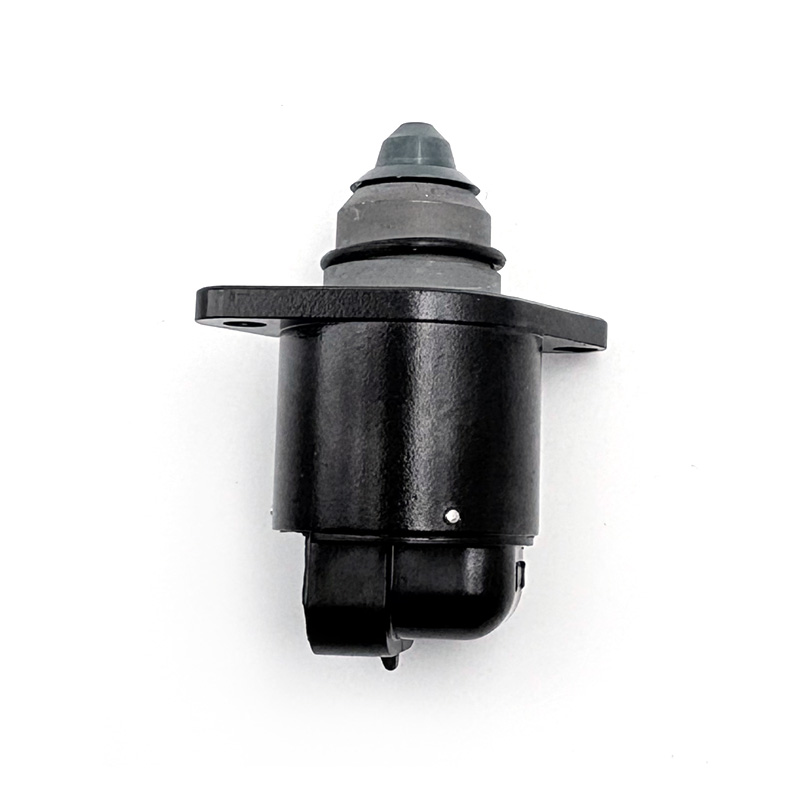
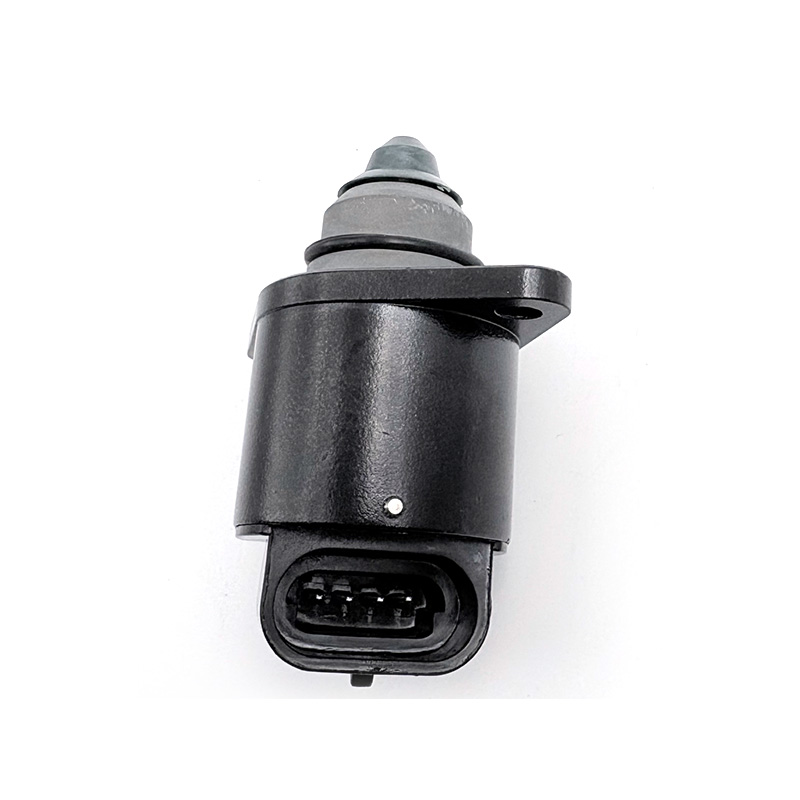
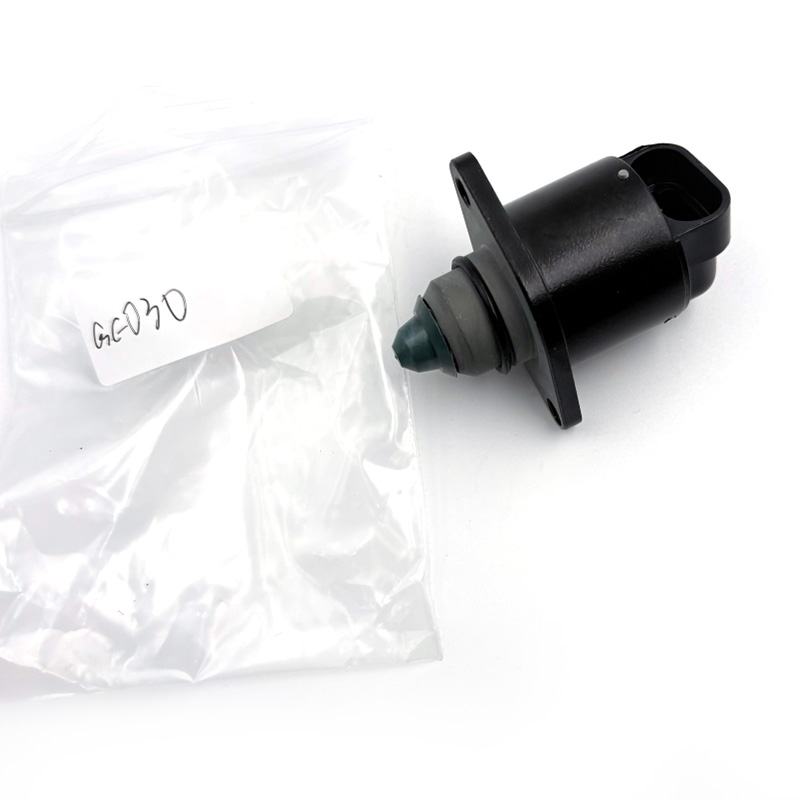
GC-030
REFERENCE OE:
21203-1148300-03
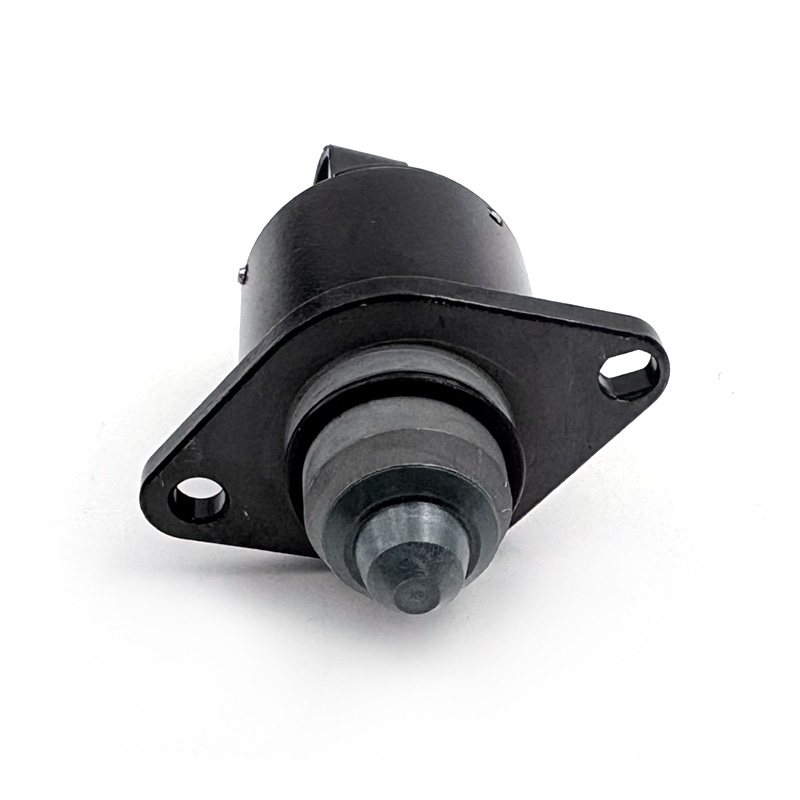
APPLICATION:
LADA
Idle air control valve from China factory for Lada.
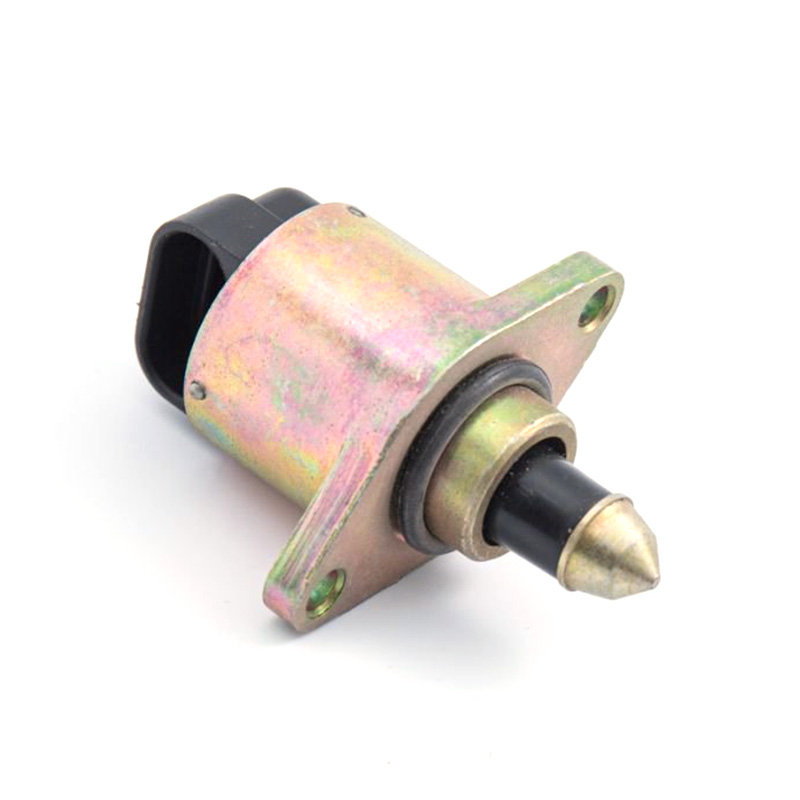
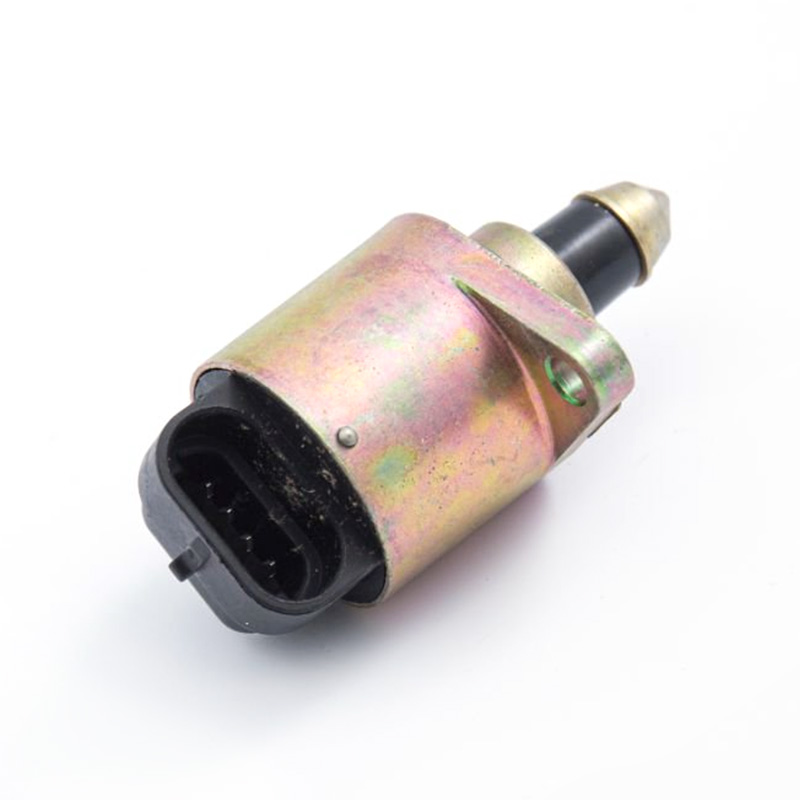
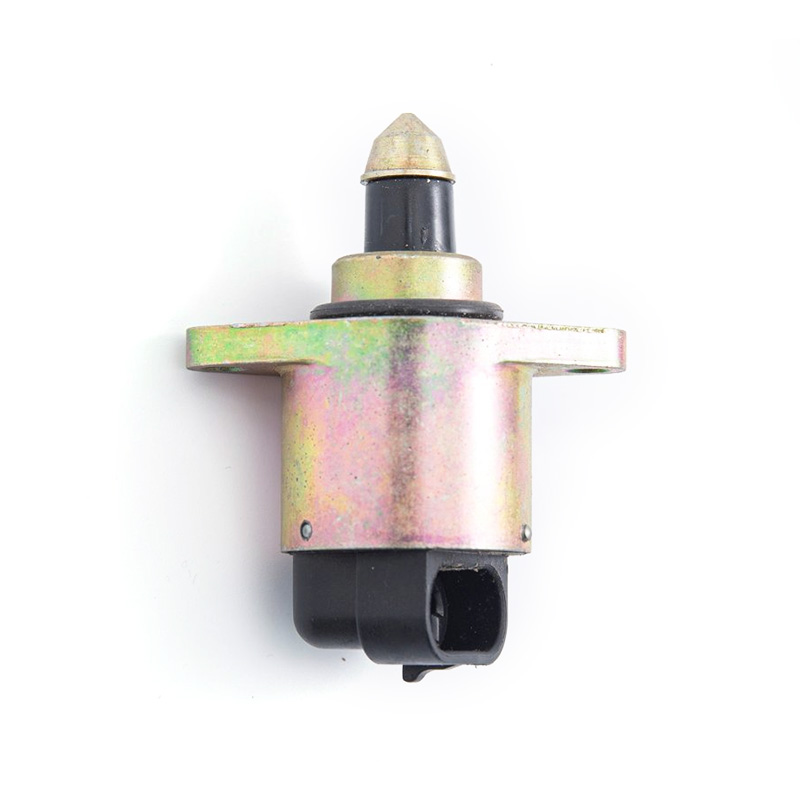
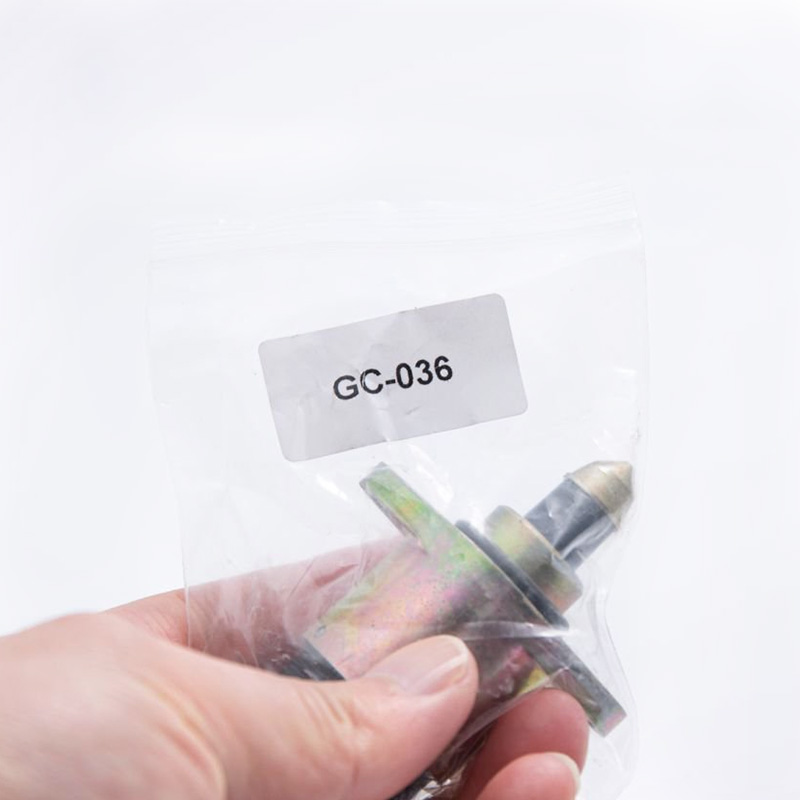
GC-036
REFERENCE OE:
STD: AC10
WELLS: AC300 17119274, 17119279, 217200, 217206, 4288298, 4300264, 4307899, 4419639, 4458355, 4612453, 4612491, 4612749, 4861084, AC10T
APPLICATION:
Chrysler Cirrus(97-95);
Daytona(93-87);
Dynasty(93-88);
Lebaron(95-86);
Dodge Caravan/Grand Caravan(97-88);
Dokota(96-89);
Daytona(93-86);
Plymouth Caravelle(88-86);
Acclaim(95-89);Sundance(98-87)
Idle air control valve from China factory for Chrysler.
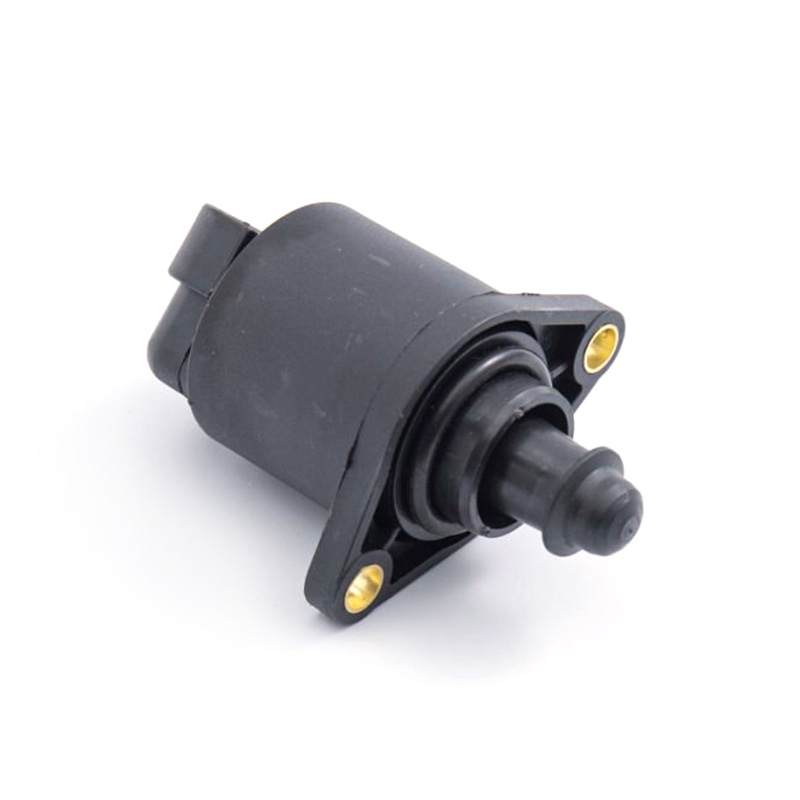
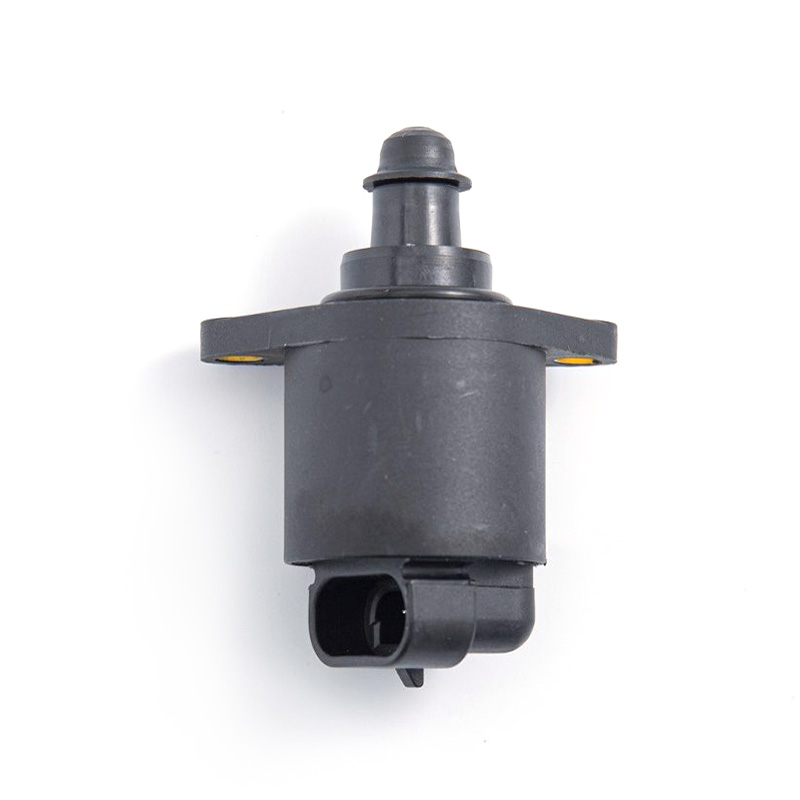
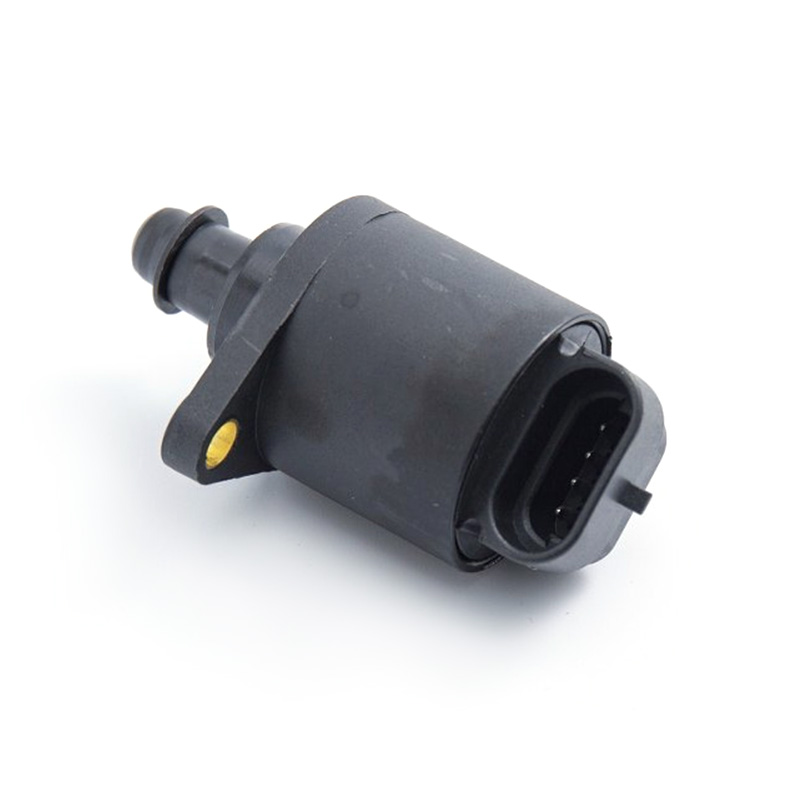
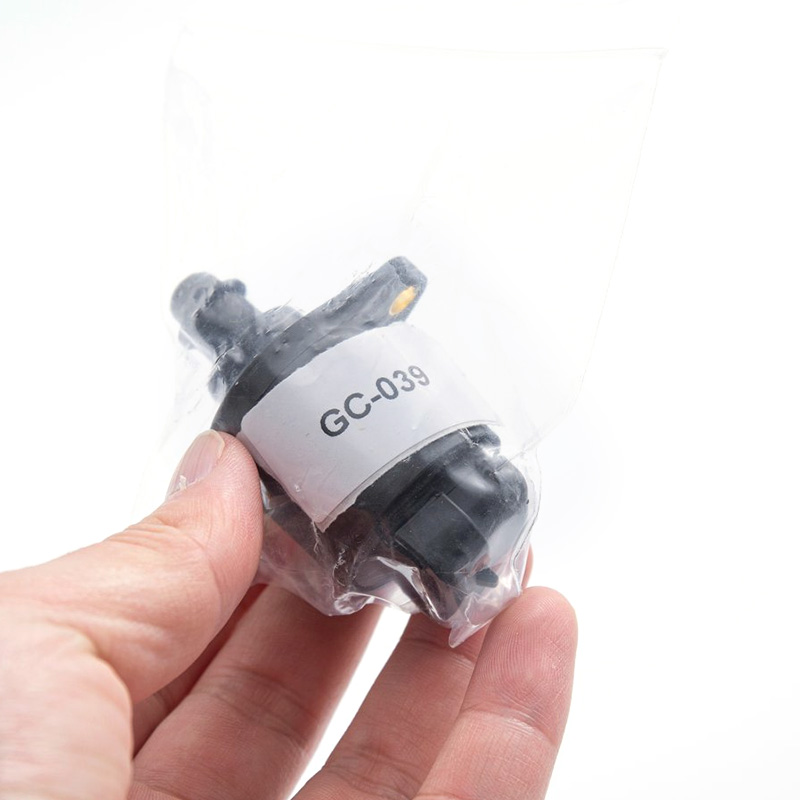
GC-039
REFERENCE OE:
MARELLI:B35/00
MARELLI:801001185201
PSA:1920AH
APPLICATION:
PEUGEOT 206 1.1 EOBD
Idle air control valve from China factory for Peugeot 206.
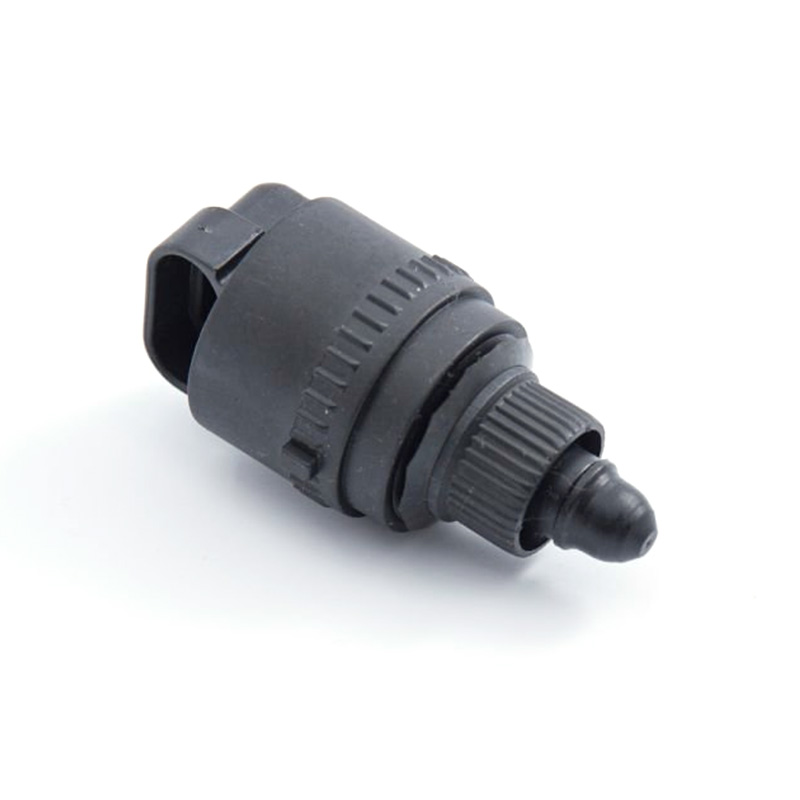
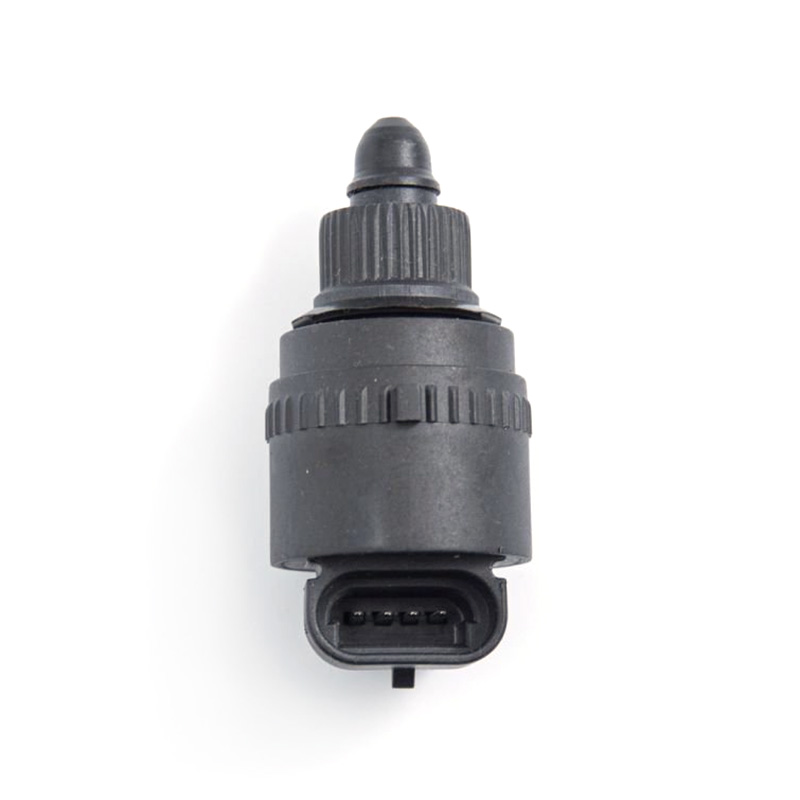
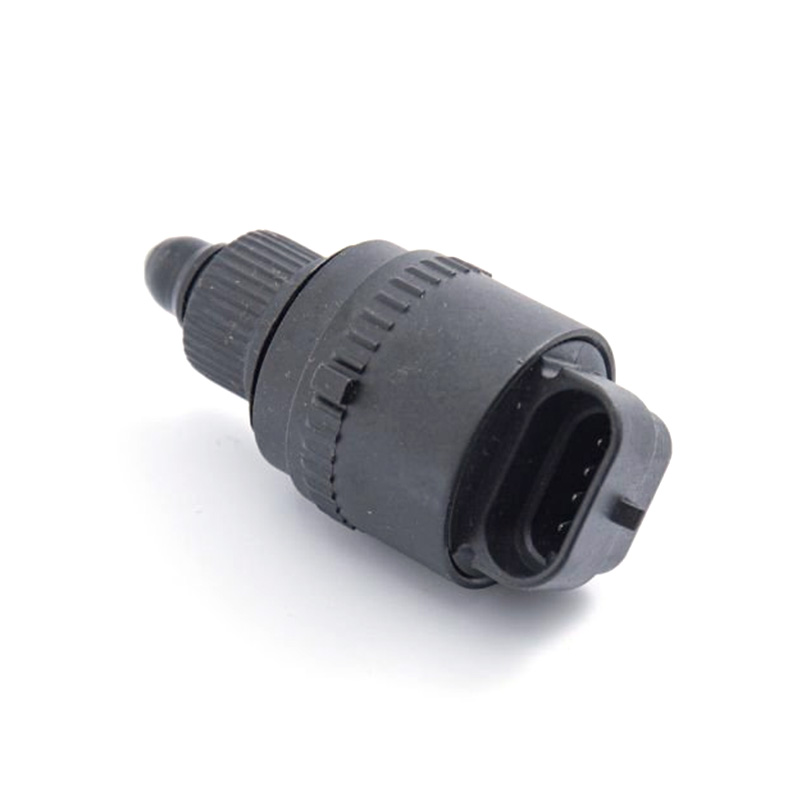
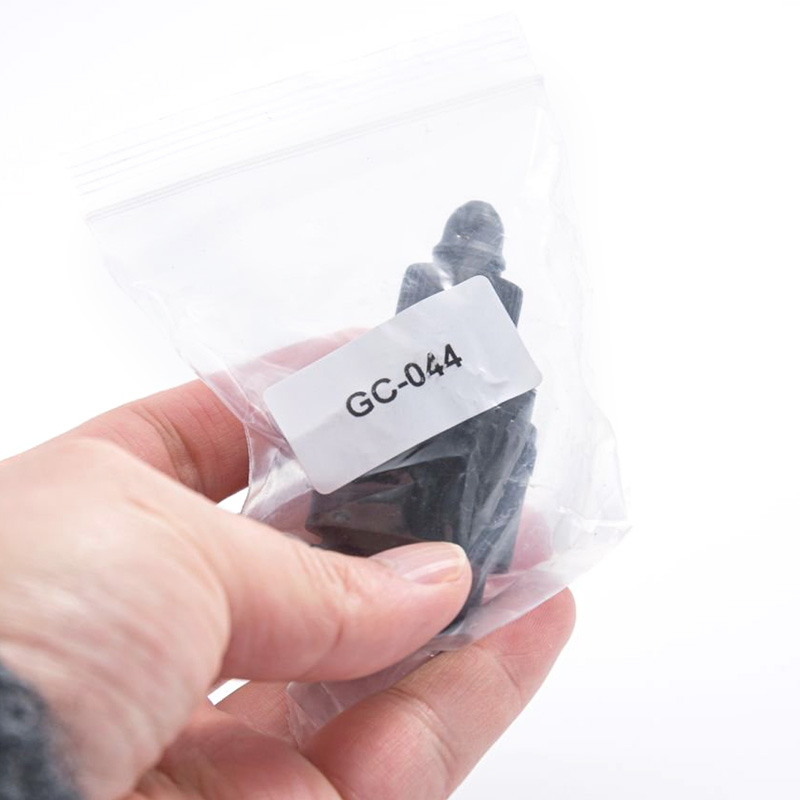
GC-044
REFERENCE OE:
IB01/00
40442902
71718105
APPLICATION:
FIAT 500 1.2;Boblo;Grande Punto;Idea 1.4;Linea 1.4;Palio(178BX)1.2;Panda;Punto;Lanci Musa 1.4;Y(840A)1.2;Ypsilon 1.2 1.4
Idle air control valve from China factory for Fiat Palio.
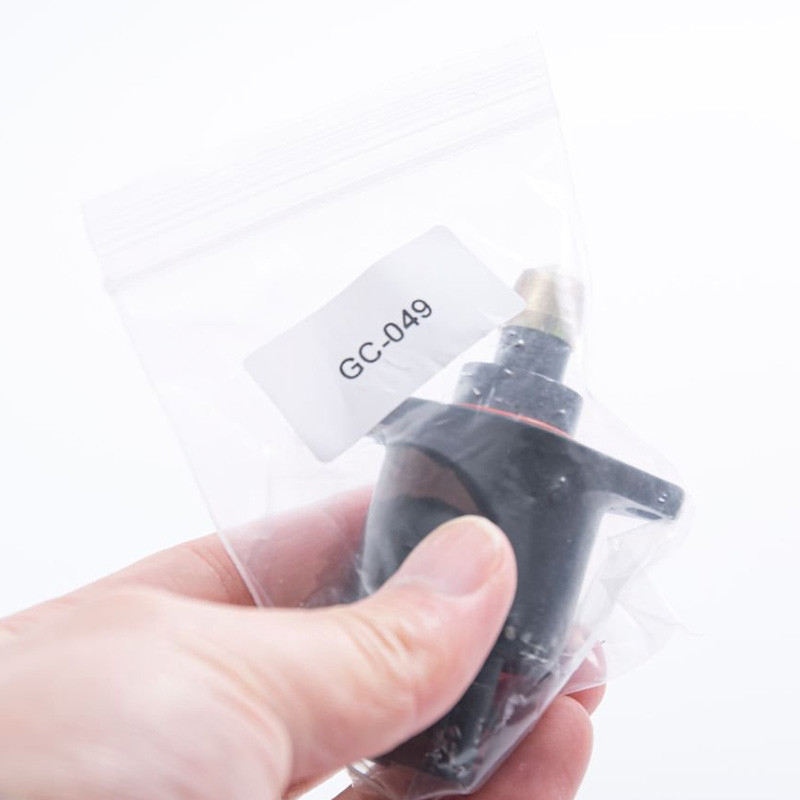
GC-049
REFERENCE OE:
MDQ100040
APPLICATION:
ROVER
Idle air control valve from China factory for Rover.
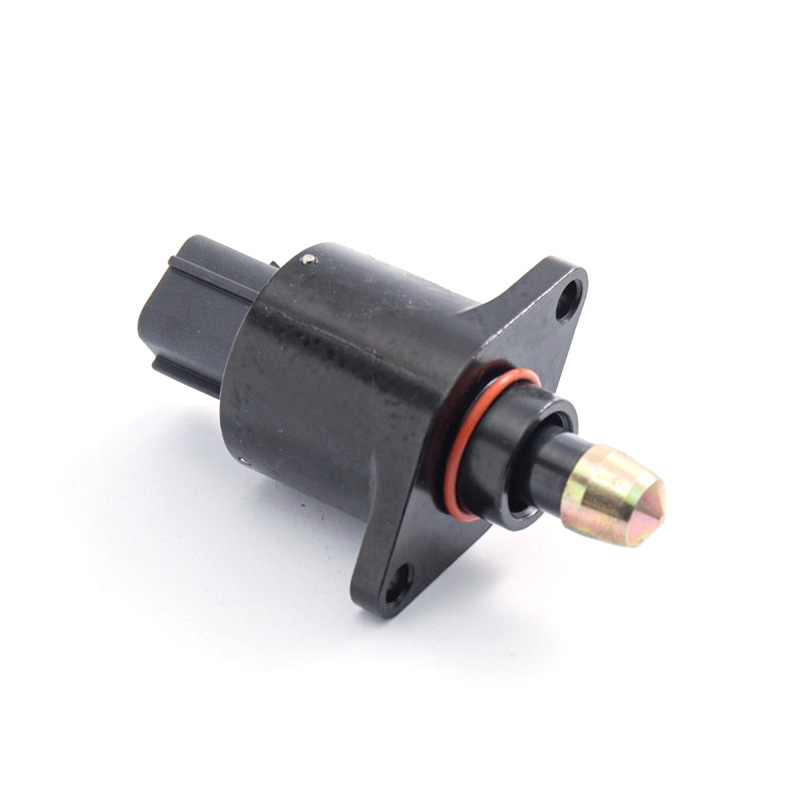
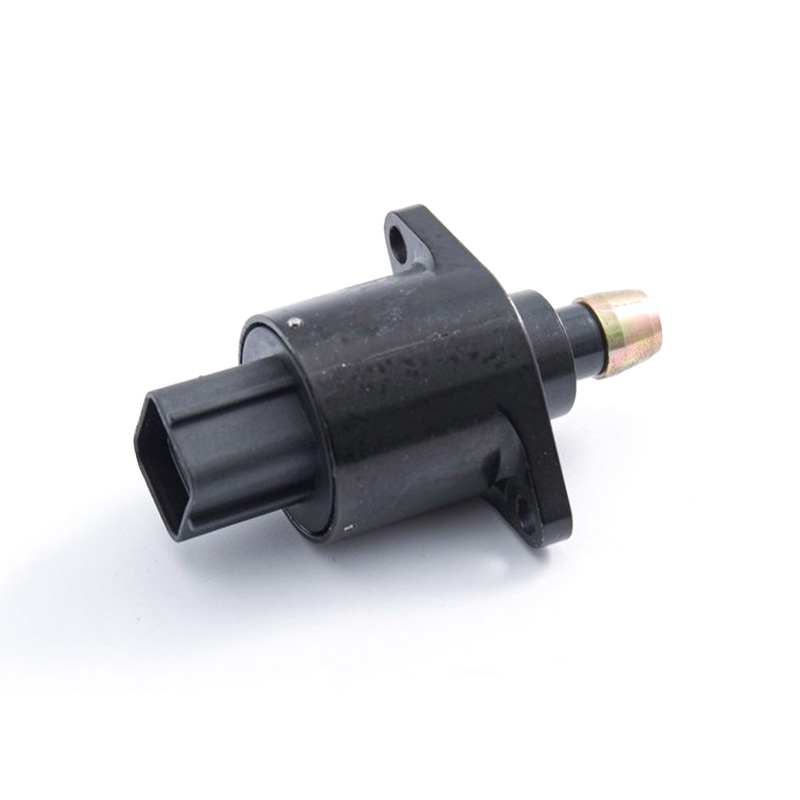
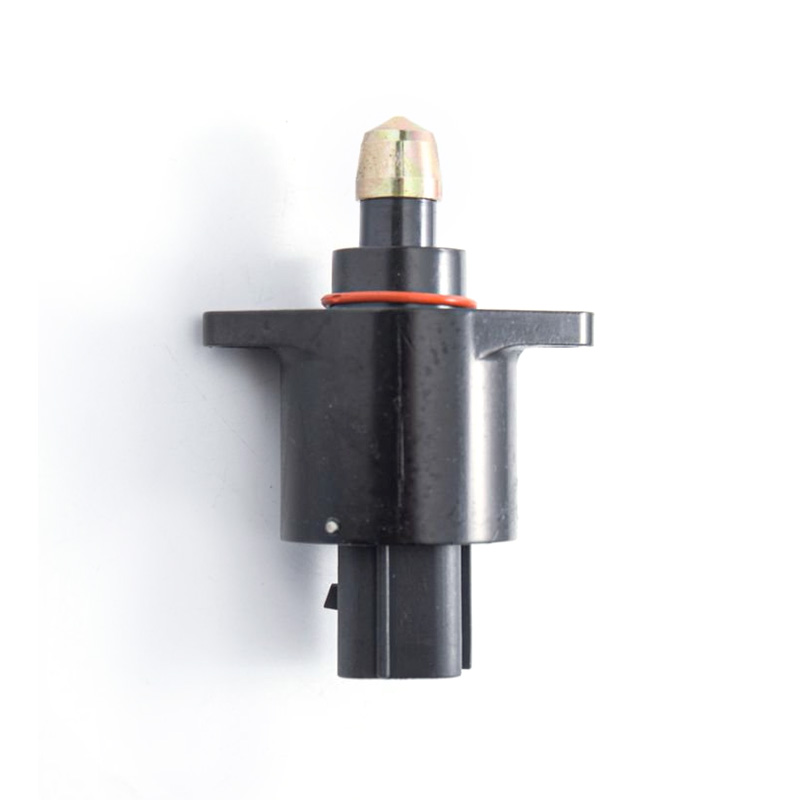
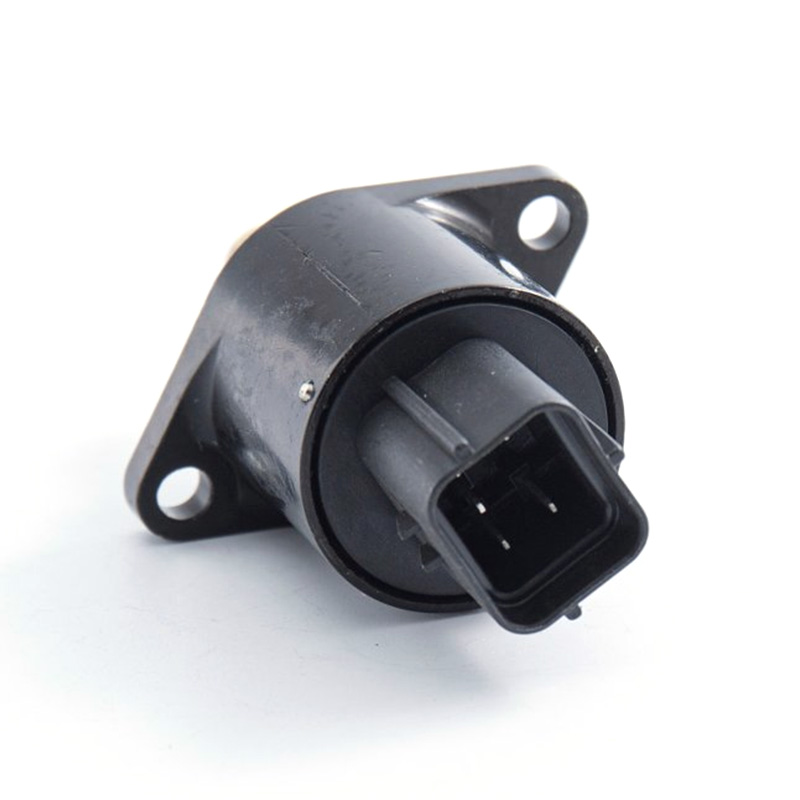
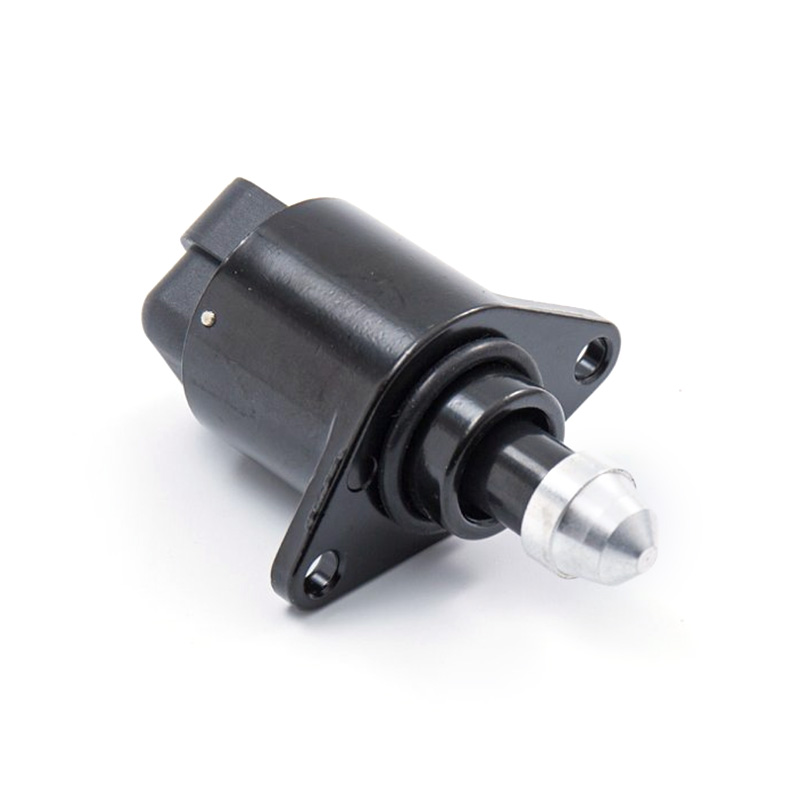
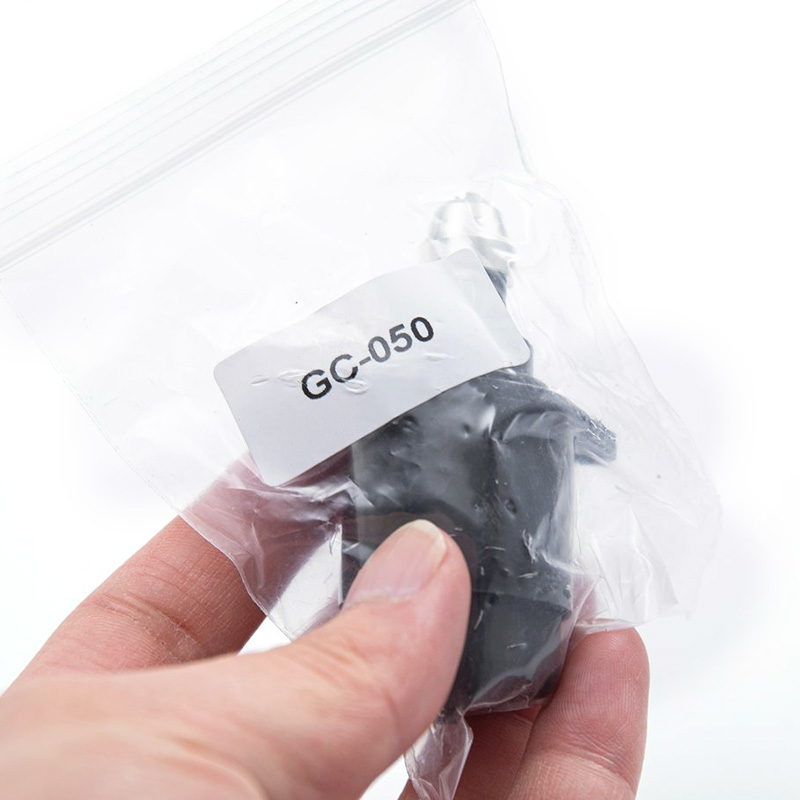
GC-050
REFERENCE OE:
PEUGEOT:19202Q
B17/00
APPLICATION:
CITRO SAXO(S1,S1)1.6VTS;PEUGEOT 106II(1) 1.6 S16
Idle air control valve from China factory for Citroen Peugeot.
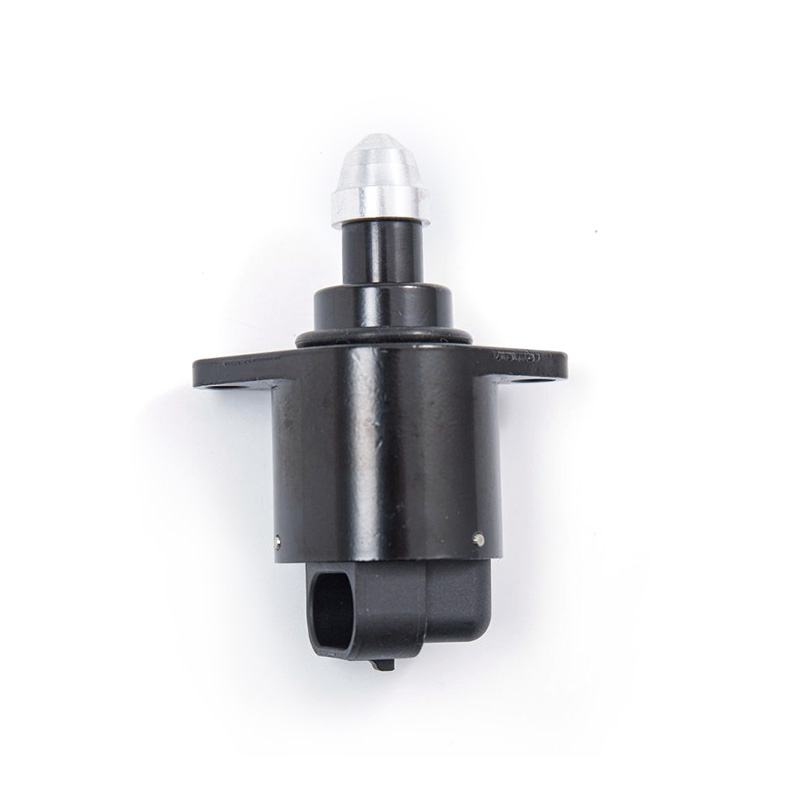
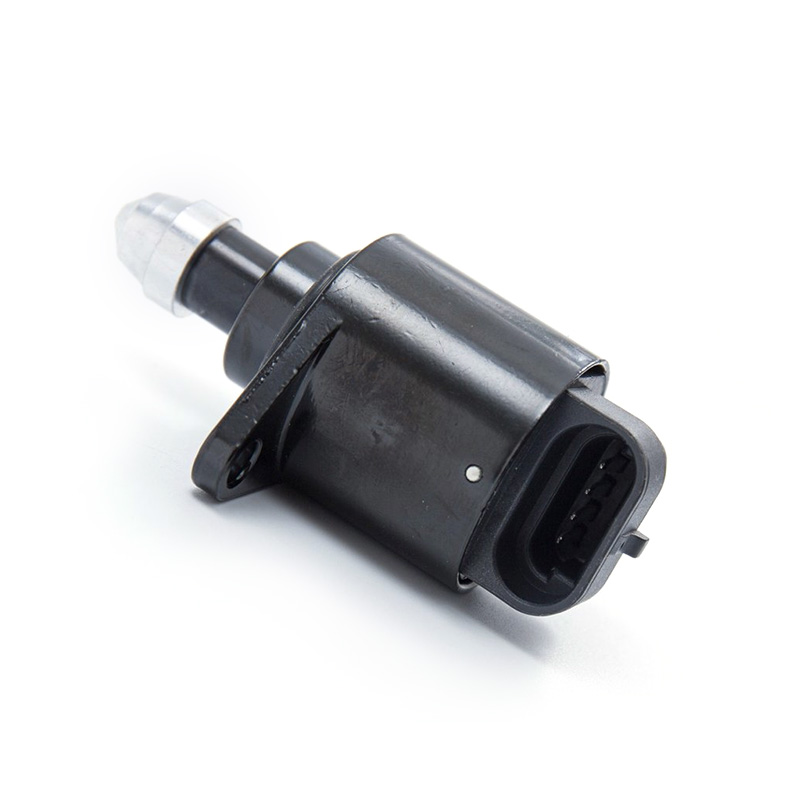
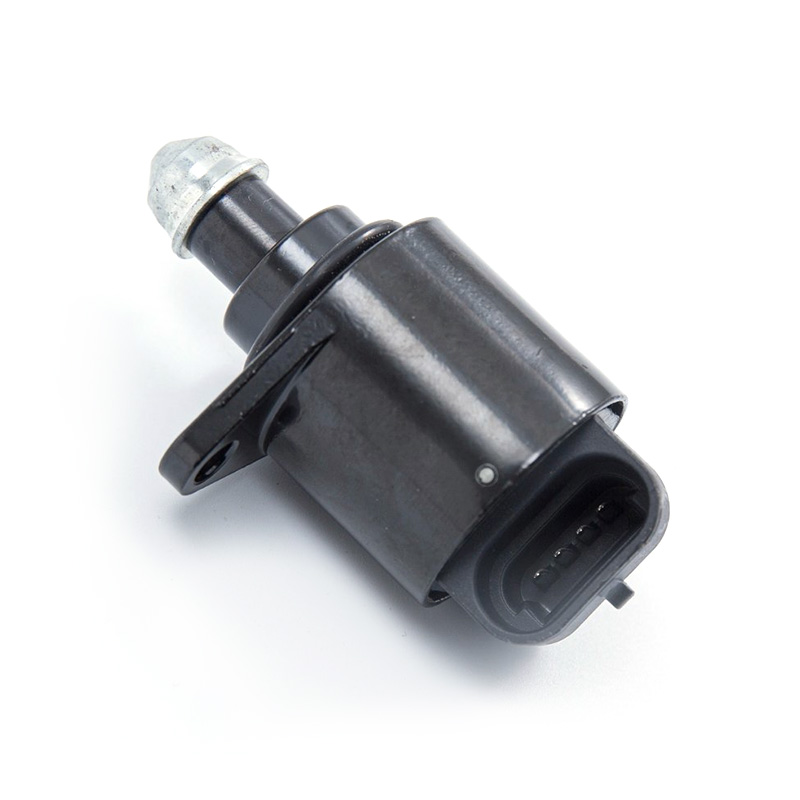
GC-051
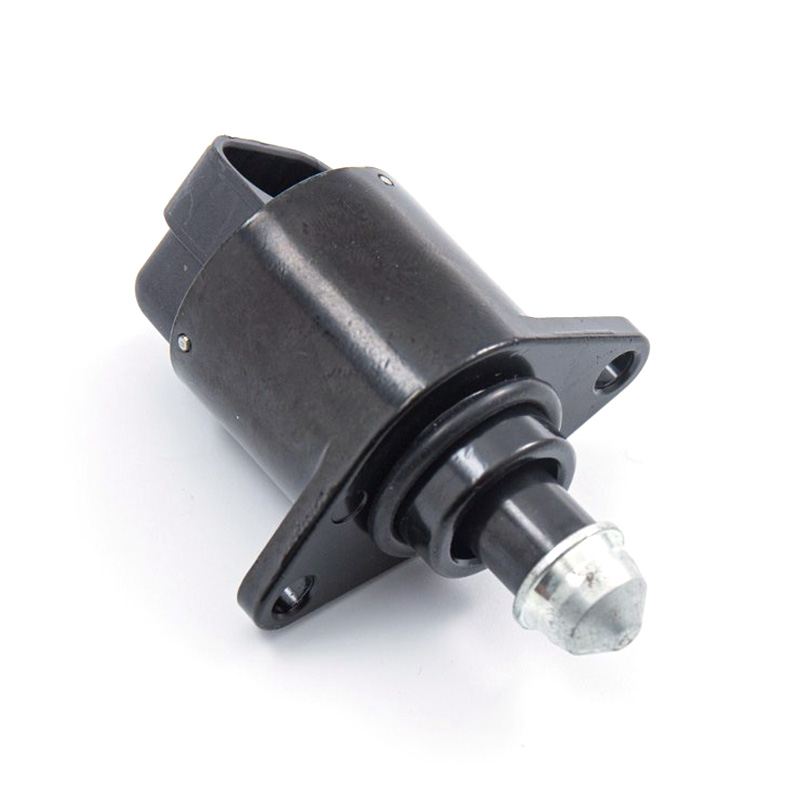
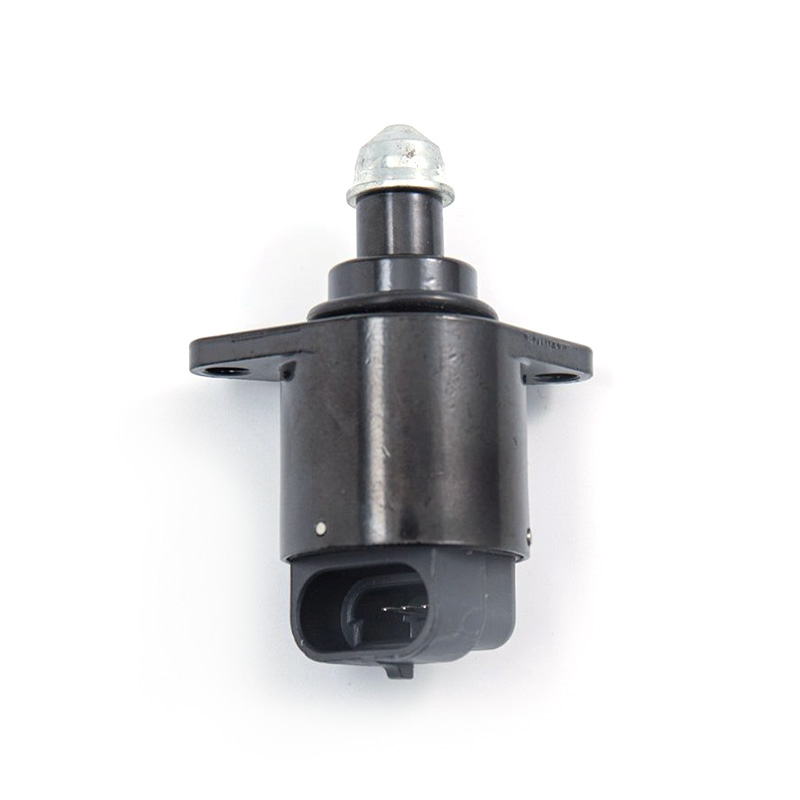
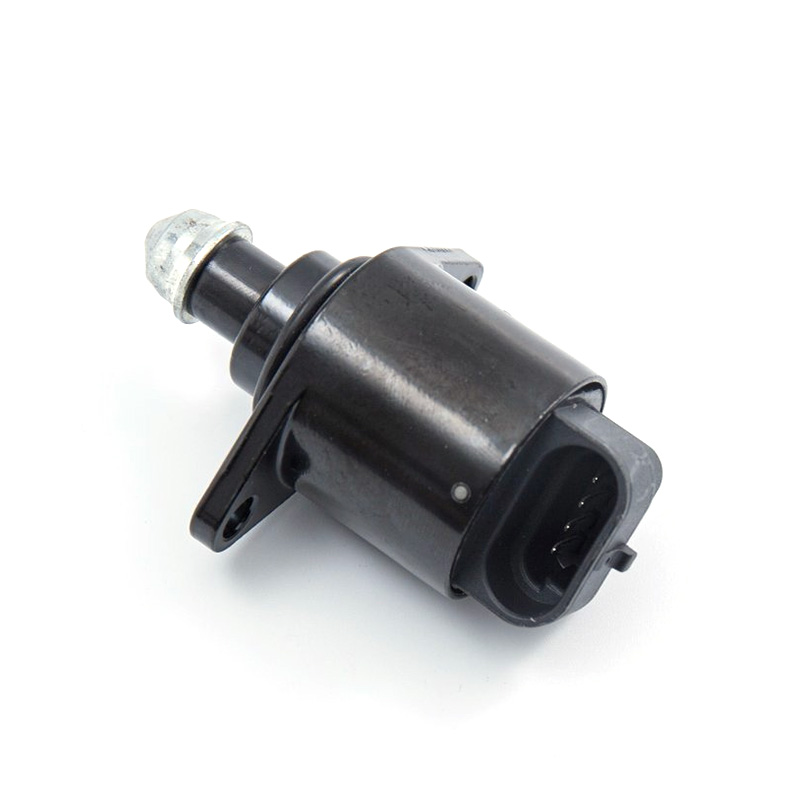
REFERENCE OE:
PEUGEOT:19205F
APPLICATION:
CITRO SAXO(S0,S1)1.4VTS 1.6VTS;PEUGEOT 106 II(1) 1.4i;206 Schraqheck(2A/C)1.4i
Idle air control valve from China factory for Citroen Saxo Peugeot 106 206.
Contact Us
Let's start collaborating

Guocheng is specialized in the R&D and production of key engine components for the automotive and engineering machinery industries.
Product
Stay Connected
(+86) - 577 - 8582 0886 (Tel)
(+86) - 577 - 8582 8085 (Fax)
(+86) - 19730213059 (Phone)
sales@wz-gc.com
No. 205, Baiyu Road, 15th Road, Binhai Park, Wenzhou, Zhejiang, China
Mobile

ODM Engine Management System Components
 English
 русский
 Español
 عربى
عربى Deutsch