Date:Oct 23, 2026
Choosing between original equipment manufacturer (OEM) parts and aftermarket components involves more than comparing quotations. Automotive parts distributors must evaluate application compatibility, manufacturing consistency, warranty conditions, and supplier communication before adding a product to their catalogs. These considerations are particularly relevant to engine air control valves, which regulate airflow in engine systems designed with a separate idle air control mechanism.
At Wenzhou Guocheng Automobile Electrical Parts Co., Ltd., we develop and manufacture automotive engine control components, including idle air control valves, idle speed motors, and throttle position sensors. Our experience in automotive component production gives us a practical perspective on the details distributors should review before placing wholesale orders.

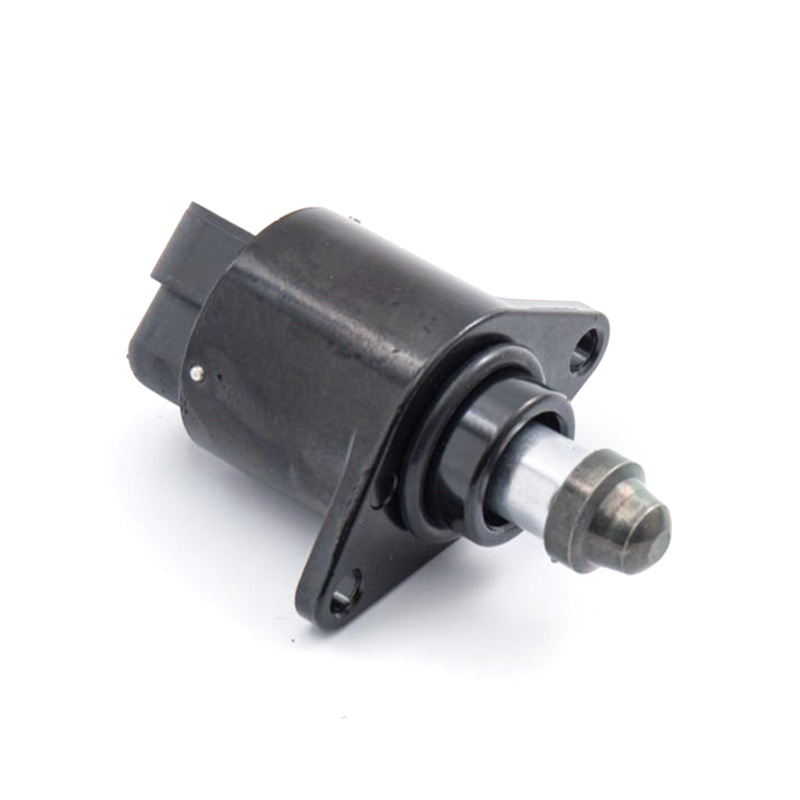
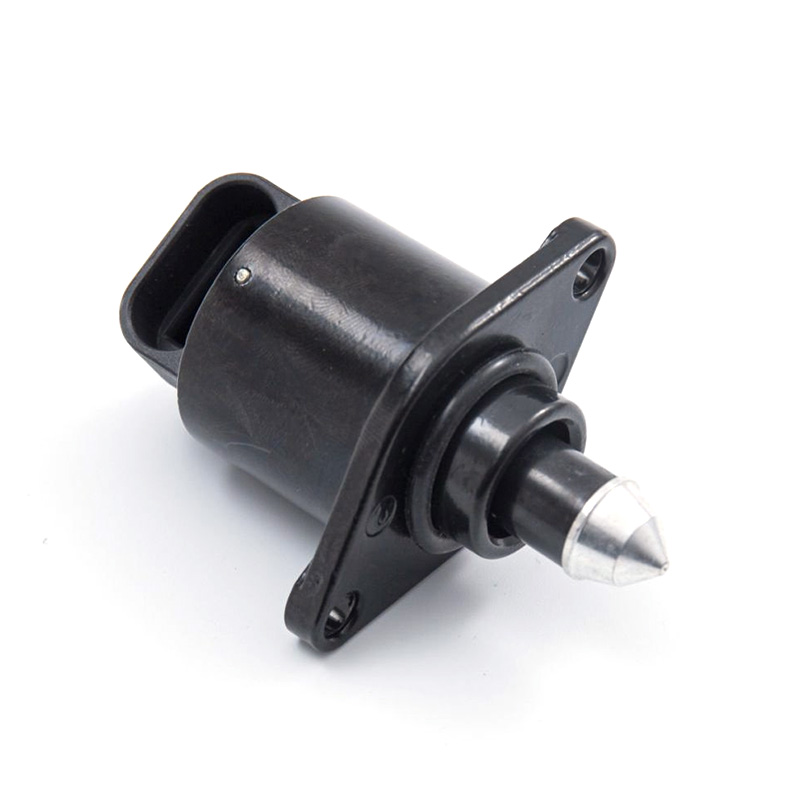
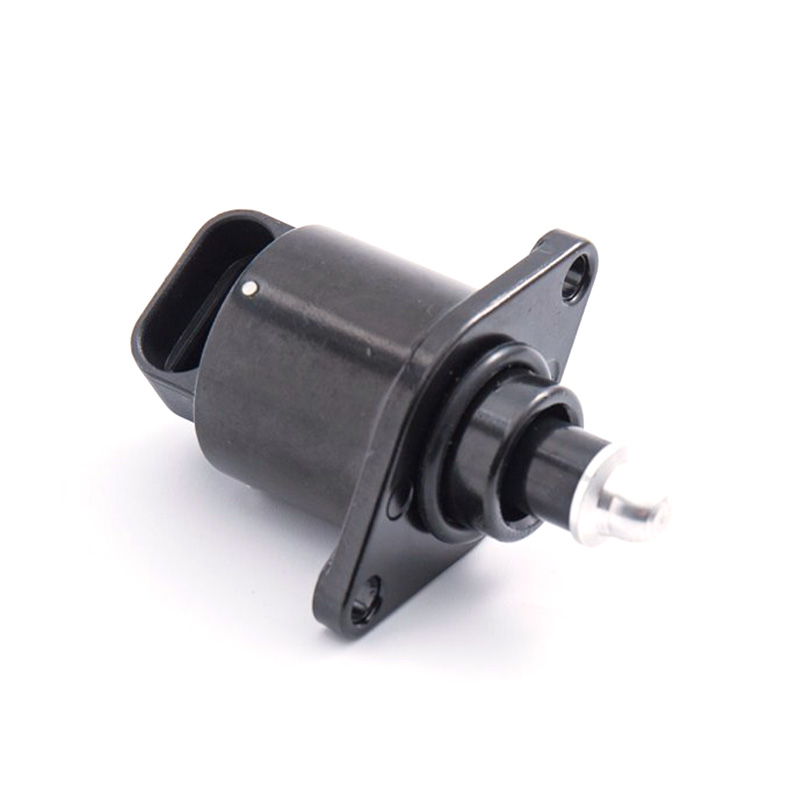
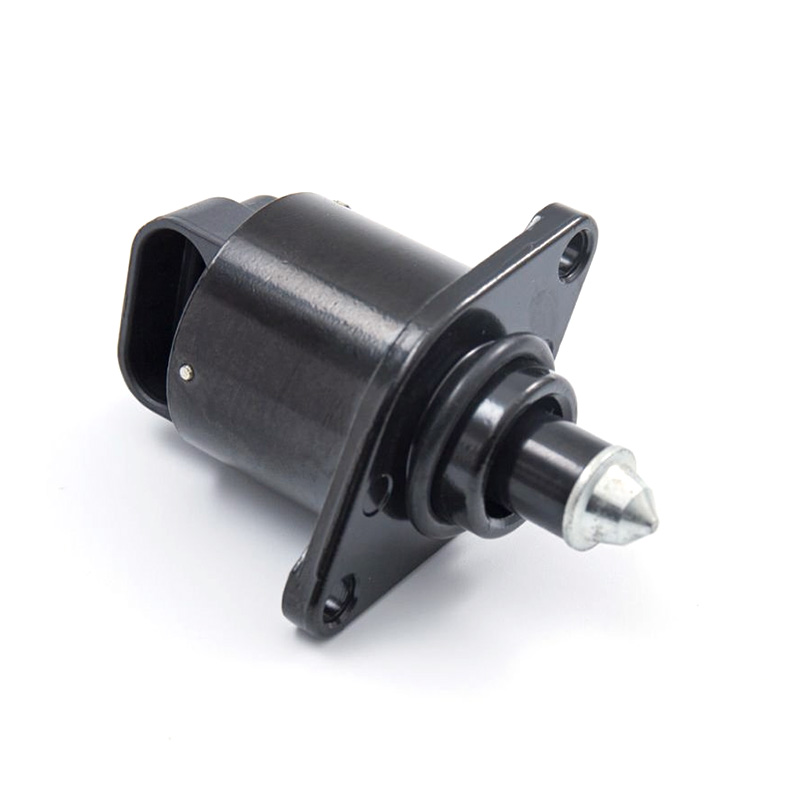
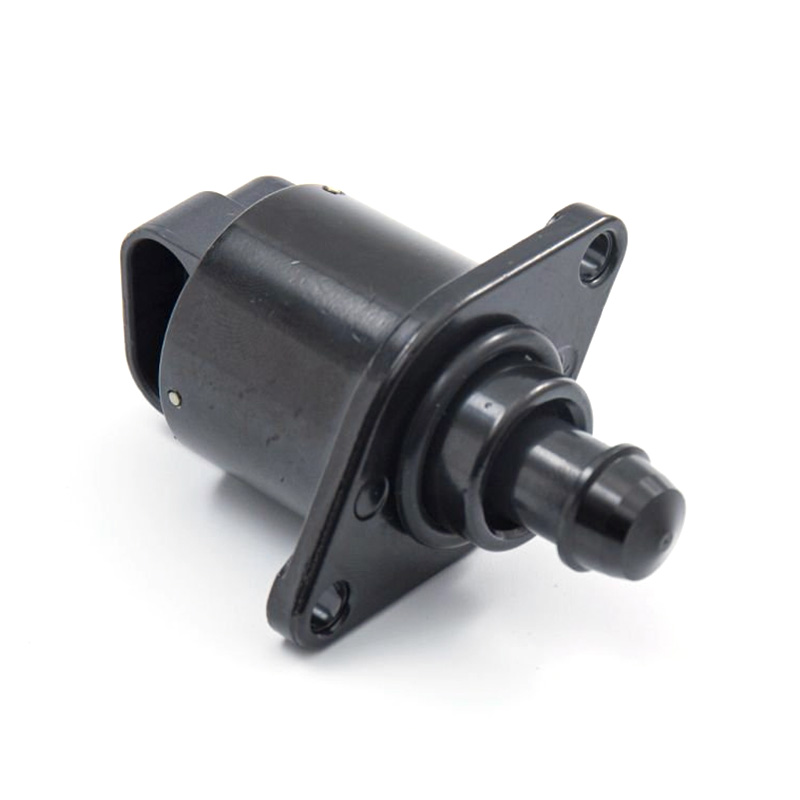
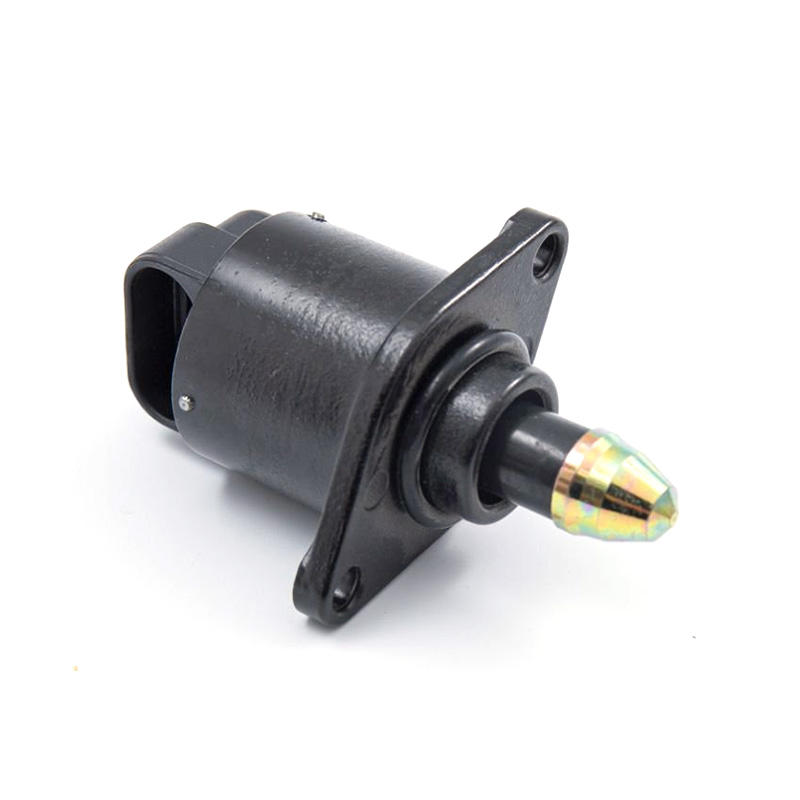
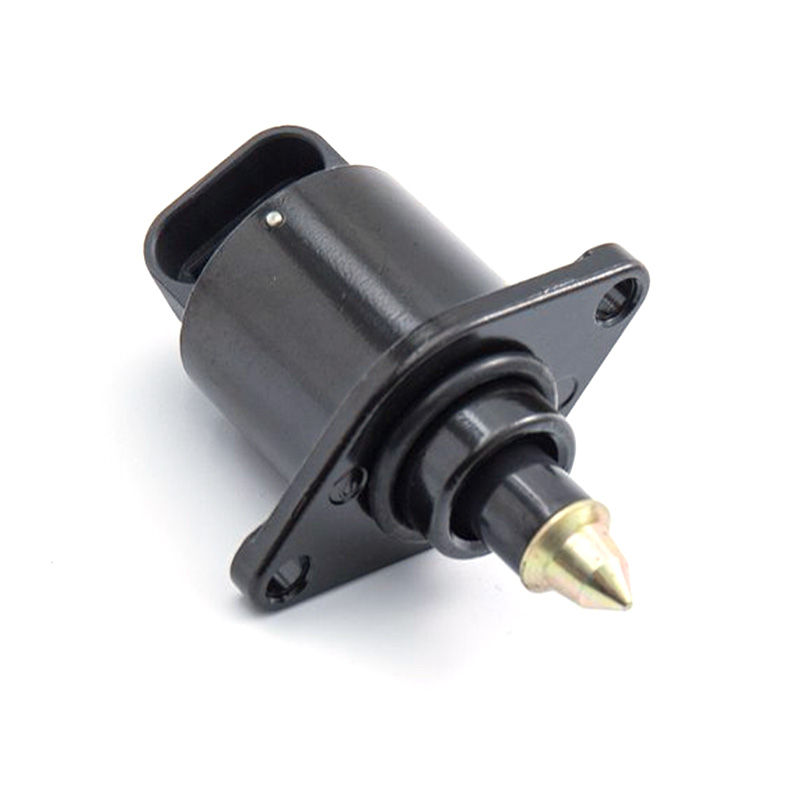
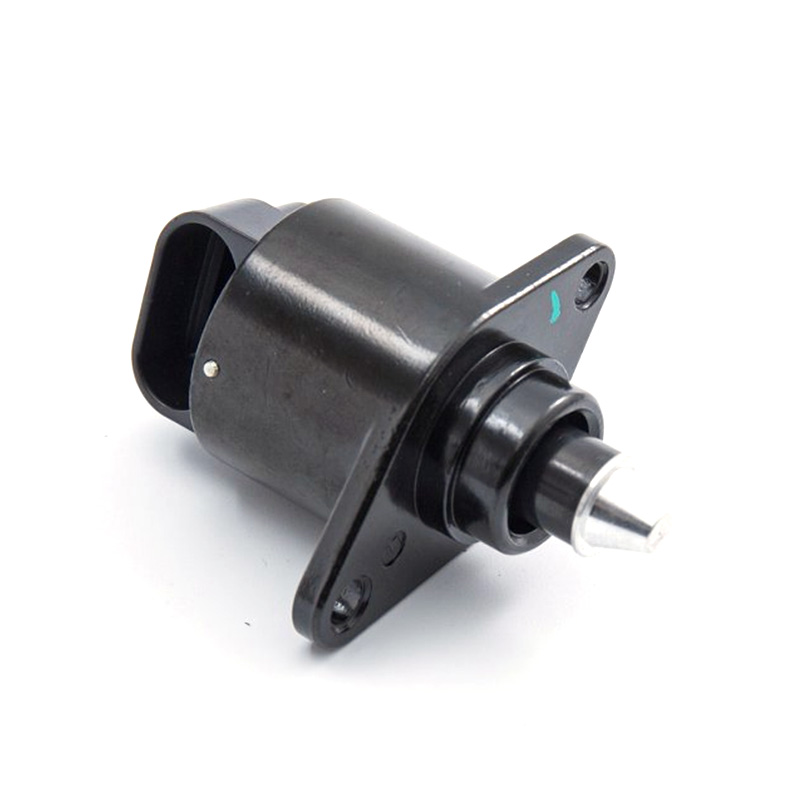
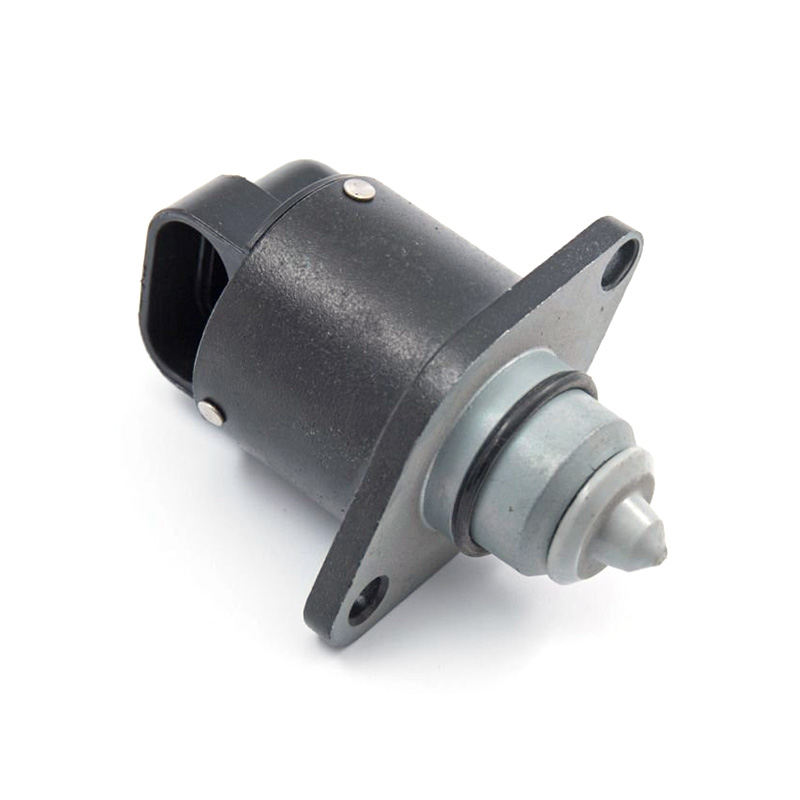
An engine air control valve used for idle regulation helps manage bypass airflow around the throttle plate on applicable engine designs. The engine control unit adjusts valve operation according to operating conditions and system requirements. A suitable replacement must match the intended application and meet the relevant technical specifications.
OEM and aftermarket products can serve similar replacement purposes, but buyers should verify the actual source, specifications, and quality documentation rather than relying on product labels alone.
| Evaluation factor | OEM parts | Aftermarket parts |
| Product source | Supplied through the original equipment or authorized supply chain, depending on the purchase channel | Produced or distributed by independent automotive parts businesses |
| Application verification | Reference the original manufacturer's catalog and part number | Check documented cross-references and vehicle application data |
| Pricing structure | Depends on the brand, supply channel, and commercial terms | Varies by manufacturer, specifications, order volume, and service scope |
| Customization | Generally follows established original specifications | May offer packaging, labeling, or development options, subject to supplier capability |
| Warranty and claims | Determined by the applicable manufacturer and sales channel | Defined by the aftermarket supplier or distributor agreement |
Neither category should be judged by price alone. Distributors need to establish whether a particular product meets their customers' requirements and whether the supplier can provide clear supporting information.
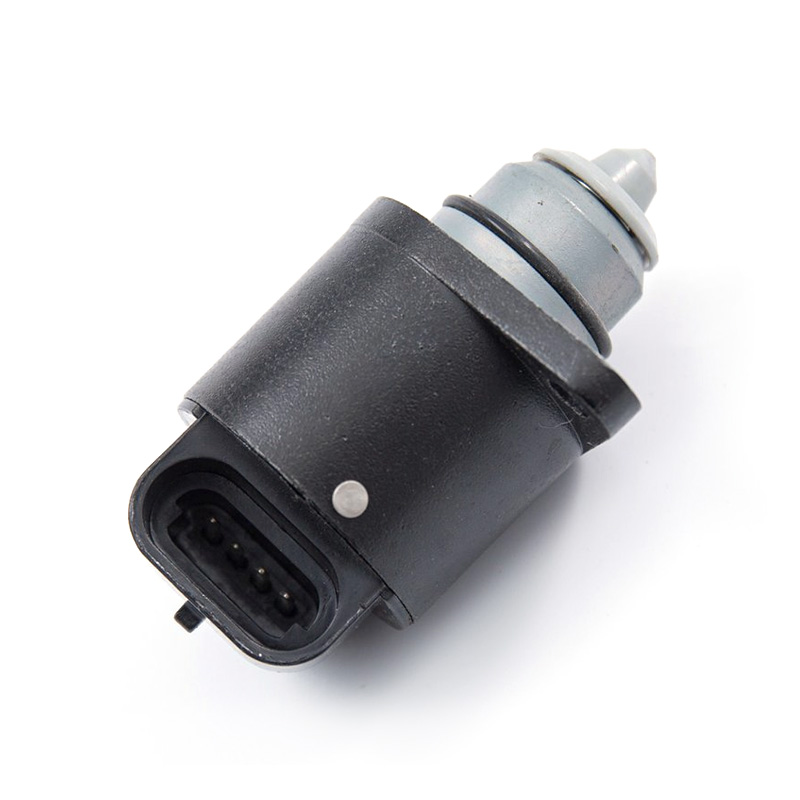
Application accuracy should be a central part of the purchasing process. Two valves may look similar but differ in connector design, mounting dimensions, internal construction, or electrical characteristics. These differences can affect installation and operation.
Distributors should avoid assuming that a valve fits every engine from the same vehicle brand. Some engines use a separate idle air control valve, while other designs regulate idle airflow through an electronically controlled throttle body. Confirming the system architecture helps prevent incorrect product listings.
Consistent production quality matters to wholesalers managing repeat orders and customer returns. A low quotation may provide limited value if a shipment contains dimensional discrepancies, inconsistent electrical performance, or insufficient product identification.
At Guocheng, we focus on automotive engine control components and invest in manufacturing, inspection, and testing capabilities to support product consistency. Buyers can discuss applicable inspection requirements with our team before an order is confirmed.
Specific test voltages, resistance values, airflow measurements, and endurance requirements depend on the product design. Buyers should request application-specific data instead of applying a single numerical standard to every valve.
Warranty arrangements can affect a distributor's operating costs, especially when selling to repair shops or regional wholesalers. Clear claim procedures help both parties distinguish manufacturing defects from incorrect installation, unsuitable applications, wiring problems, or faults elsewhere in the engine management system.
Before confirming an order, distributors should establish:
At Guocheng, we encourage customers to clarify product requirements and quality expectations during order discussions. Transparent communication helps establish responsibilities before products enter distribution channels.
The unit price is only one part of the purchasing decision. Distributors should also consider freight, import charges, packaging, inventory requirements, inspection expenses, and the potential cost of handling returns.
| Cost factor | Questions to consider |
| Unit quotation | Does the quoted price cover the required specification and packaging? |
| Order volume | Are mixed models available, and how are volume-based prices calculated? |
| Packaging | Can labels, cartons, and product identification meet local distribution needs? |
| Logistics | Which shipping method, freight charges, and delivery arrangements apply? |
| After-sales exposure | How are verified defects, incorrect applications, and returns handled? |
A supplier offering suitable specifications, clear documentation, and dependable order communication may provide better commercial value than a quotation assessed solely by unit price. Each distributor should compare the complete purchasing terms against its customer base and inventory strategy.
Wenzhou Guocheng Automobile Electrical Parts Co., Ltd. was established in 1997 and specializes in the development, production, and sales of automotive electrical components. Our product categories include idle air control valves, idle speed motors, throttle position sensors, and other engine-related sensor products.
We support purchasing discussions covering:
OEM and aftermarket air control valves should be evaluated through verified applications, relevant technical specifications, documented quality controls, warranty conditions, and total purchasing costs. These factors help distributors build a product range that meets customer requirements while keeping ordering and after-sales procedures manageable.
At Guocheng, we welcome inquiries from automotive parts importers, wholesalers, and distributors seeking idle air control valves and related engine management components. Share your part numbers, vehicle applications, and purchasing requirements with our team to discuss available products and supply options.
Related Products
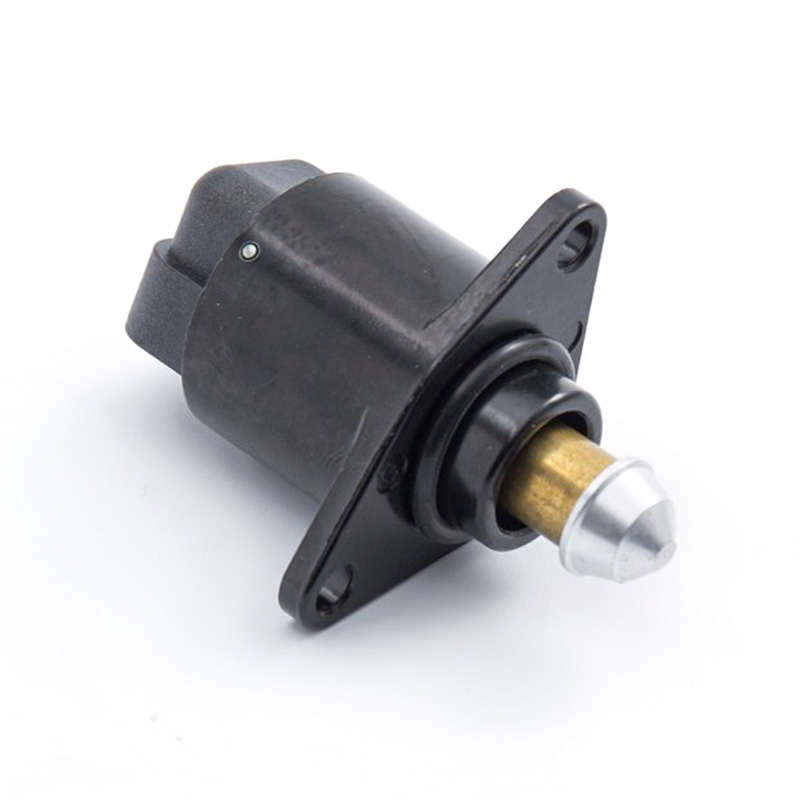
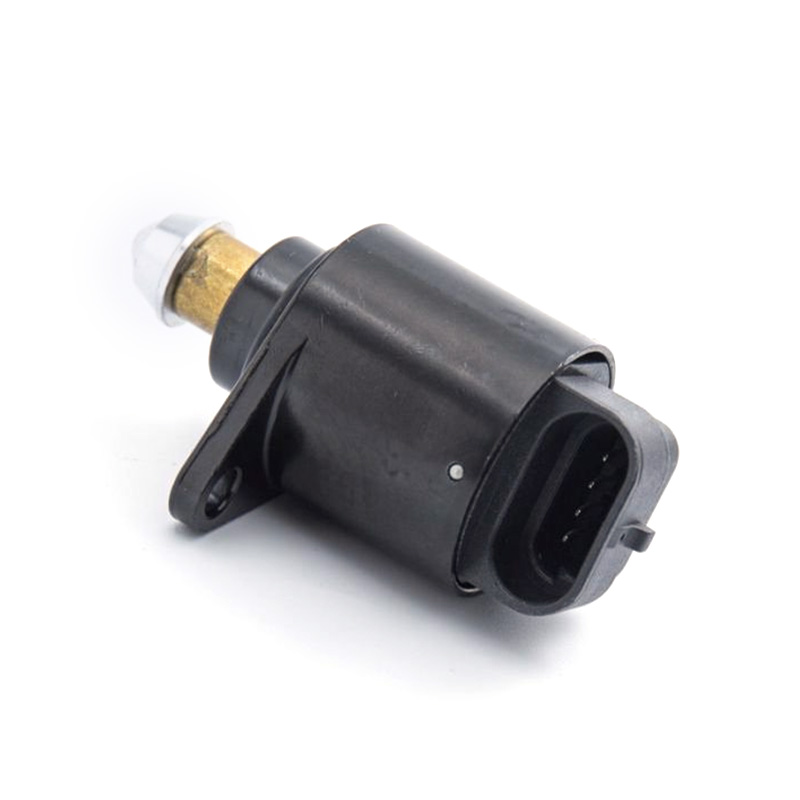
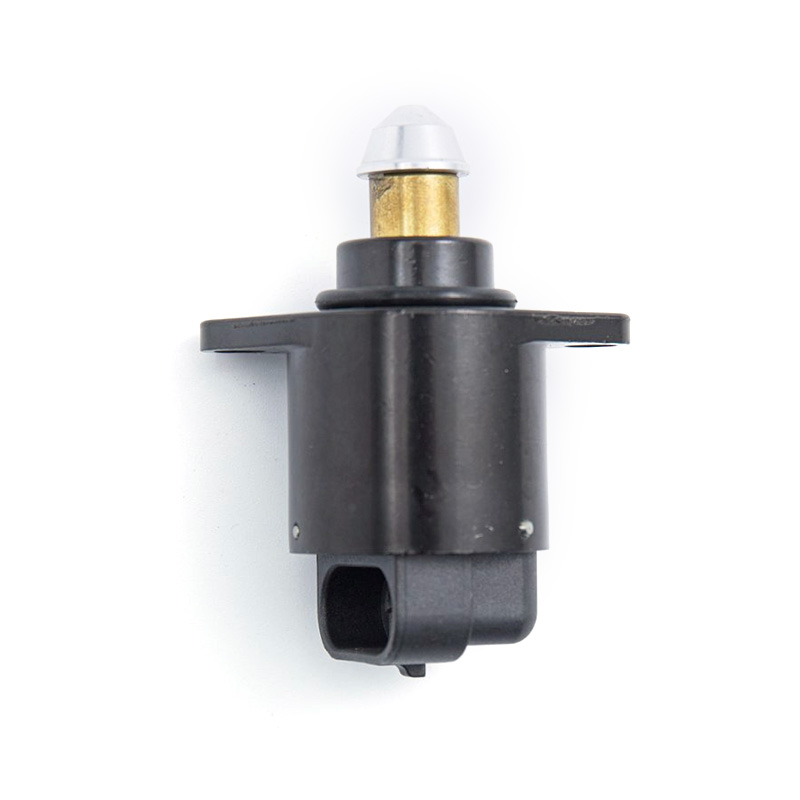
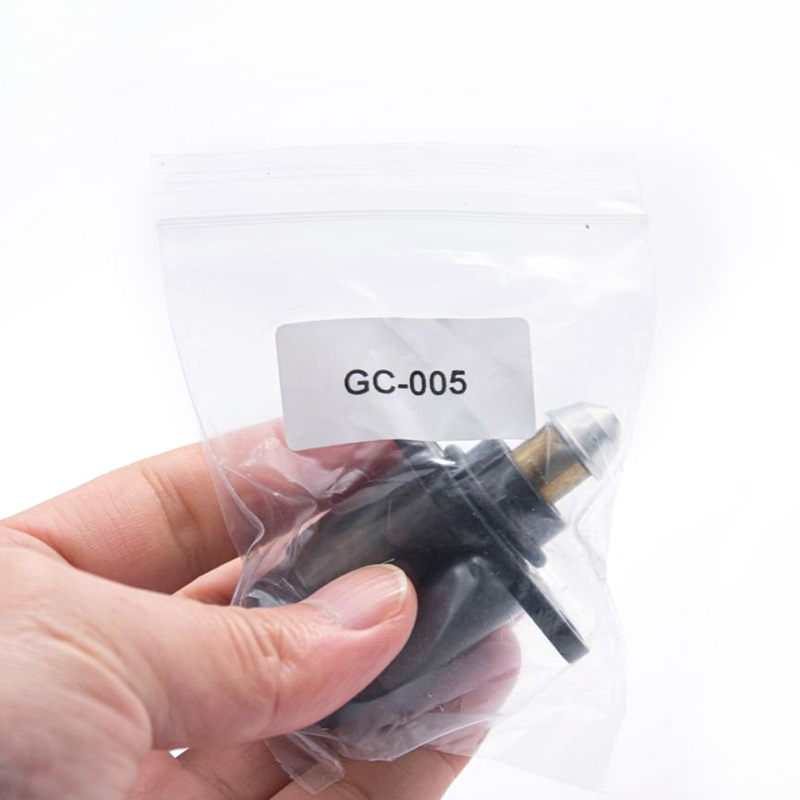
GC-005
REF OE:
HOT-STAMP:B22/00 B22/01
PEUGEOT:19204X
SIMENCE:A97104 A97113 B22/00 B22/01 19204X A97104 A97113
APPLICATION:
CITROEN BERLINGO(MF)1.8i(MFLFX)4WD(MFLFX);CITRO XANTIA/Break(X1)/(X2)1.8i/1.8i 16V;CITRO XSARA(N1)1.8i/1.8i 16V;Break(N2) 1.8i/1.8i 16V;Coupe(N0)1.8i/1.8i 16V;
PICASSO(N68)1.8 16V;PEUGEOT 306/Break/Cabriolet/Schraqheck;PEUGEOT 406/Break;PEUGEOT PARTNER Combispace(5F)1.8
China Auto Parts Manufacture with Wholesale Price for Idle Air Control Valve,Crankshaft Position Sensor,Camshaft Position Sensor,Throttle Position Sensor.
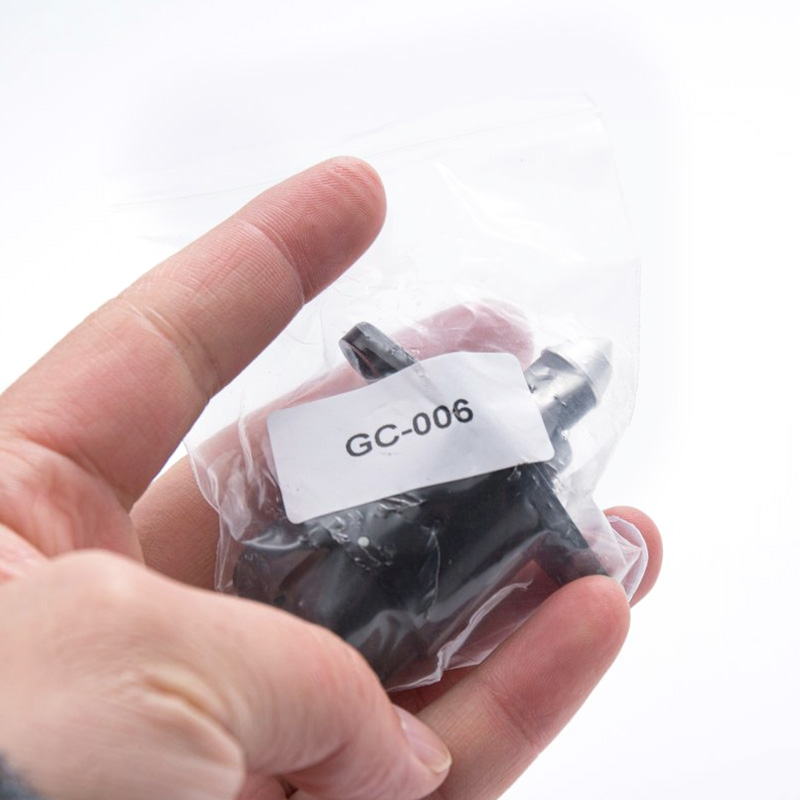
GC-006
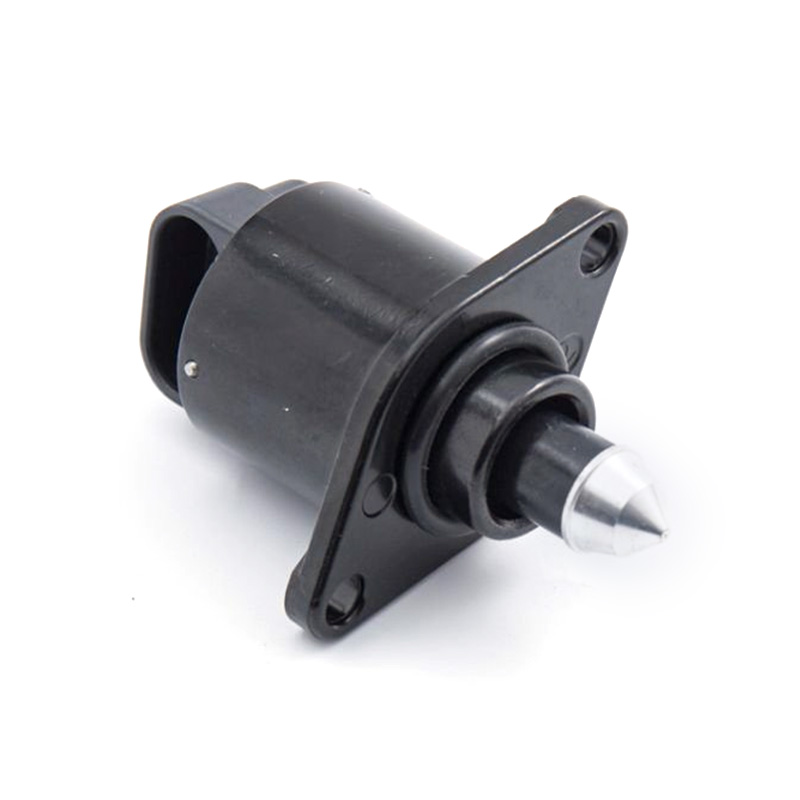
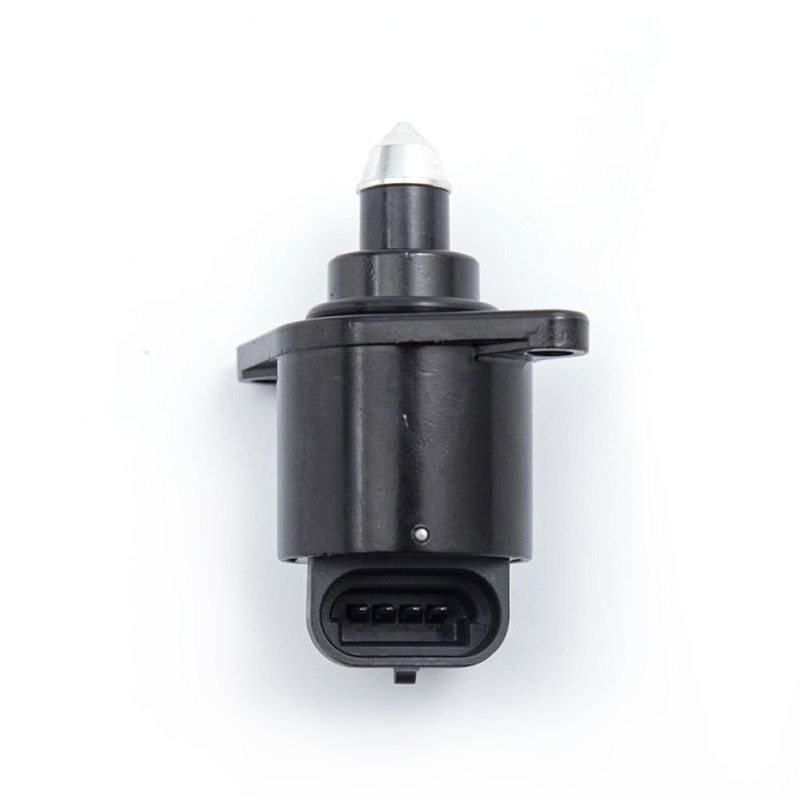
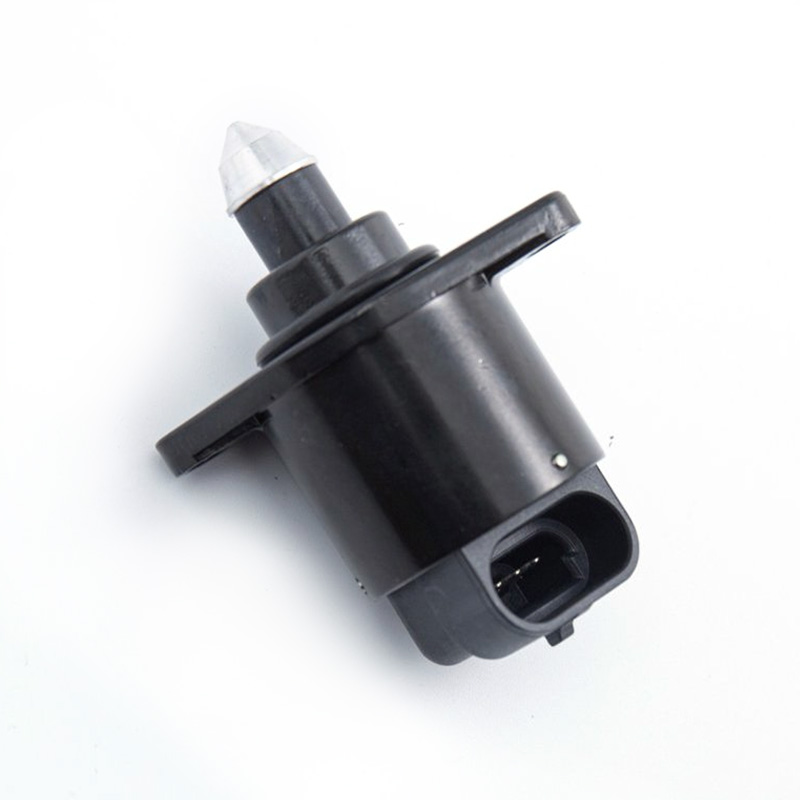
REF OE:
SHORT CODE:D5134
VDO:D95134
RENAULT:7701044401
APPLICATION:
RENAULT CLIO I(B/C57_,5/357)1.4/II(BB0/1/2_,CB0/1/2_)1.4;RENAULT KANGOO(KC0/1)1.4/Express(FC0/1_)1.4;
RENAULT MEGANE Grandtour(KA0/1_)1.4e/I(BA0/1_)1.4e
Low price and good quality idle air control valve (IACV) from China,buying and purchasing from China auto parts factory direct!
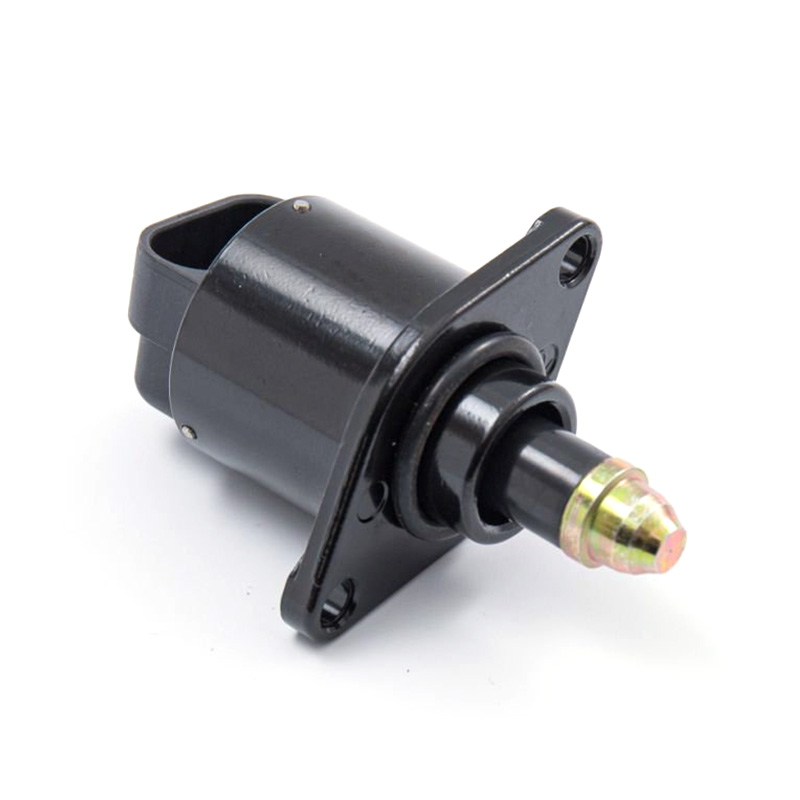
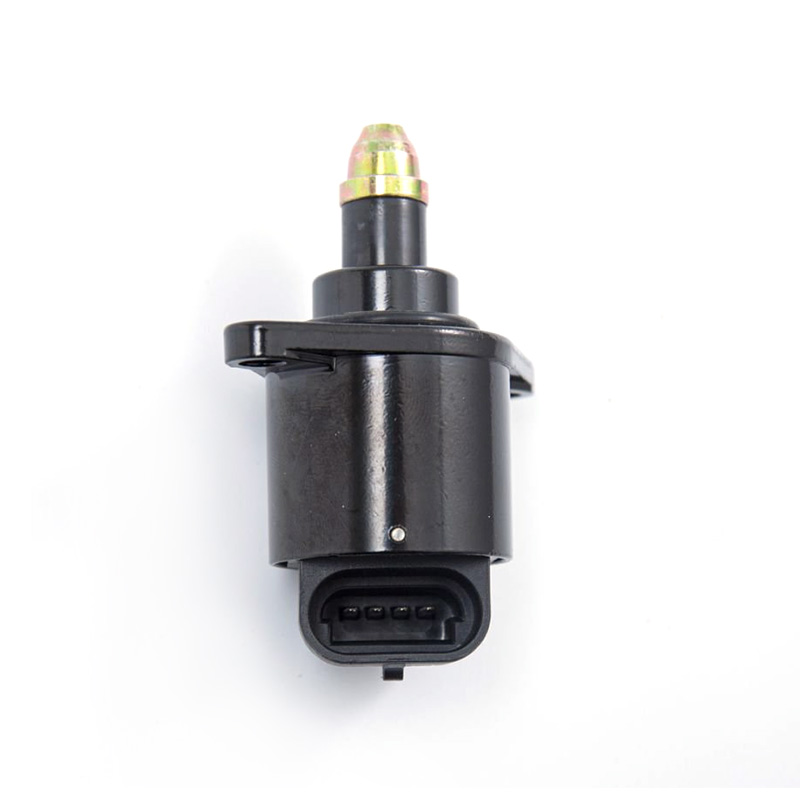
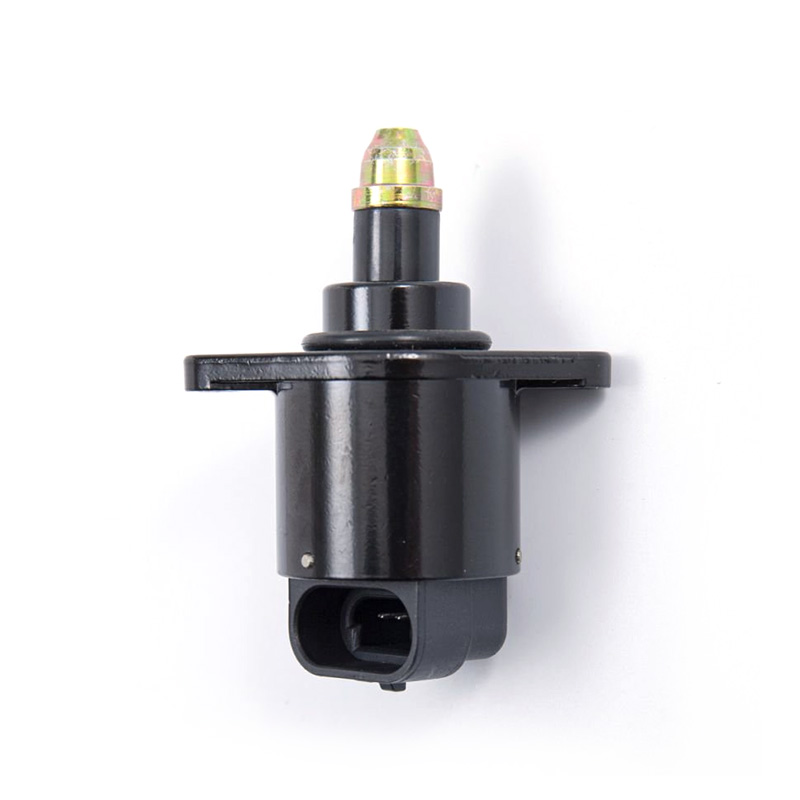
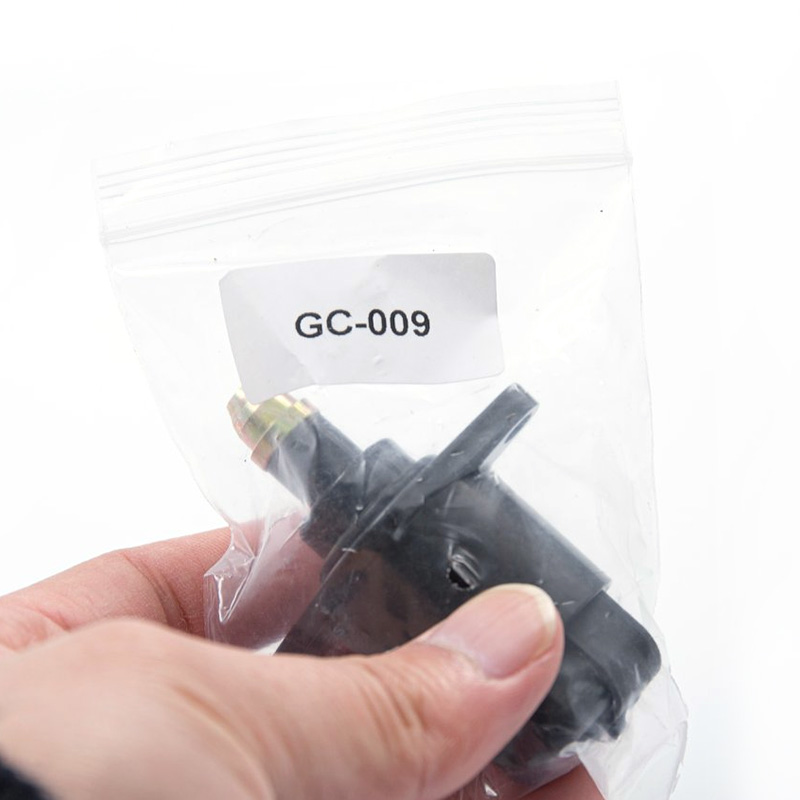
GC-009
REF OE:
SHORT CODE:D5150
MARELLI:40430102 7079064
VW: 0279980491
VDO: AT-05150R
APPLICATION:
Gol/Parati/Quantum/Santana1.8/Saveiro 1.6,1.8 todos MPFI alcool 96>>
Gol/Parati/Polo Classic 1.8/Quantum/Santana 1.8,2.0/Saveiro 1.6,1.8,2.0/Van 1.6 todos MPFI gasolina 96>>
Idle air control valve whole sale price,direct from China factory.
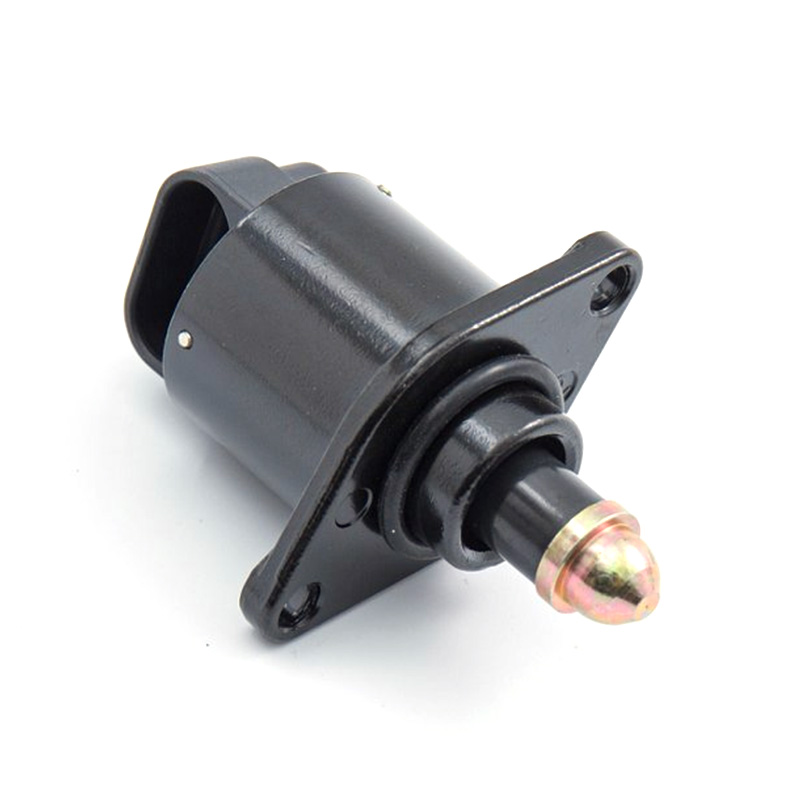
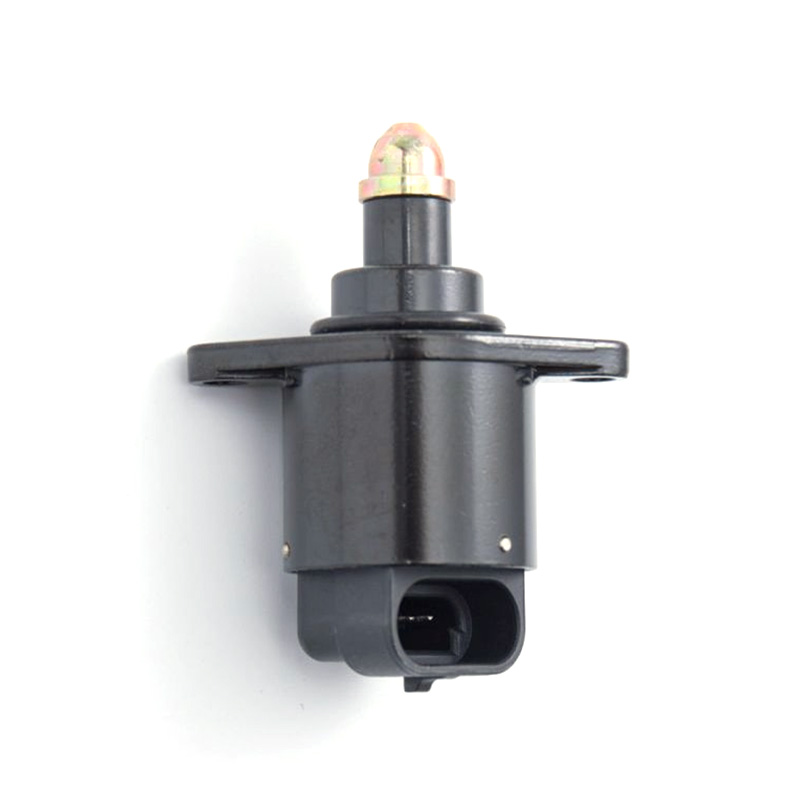
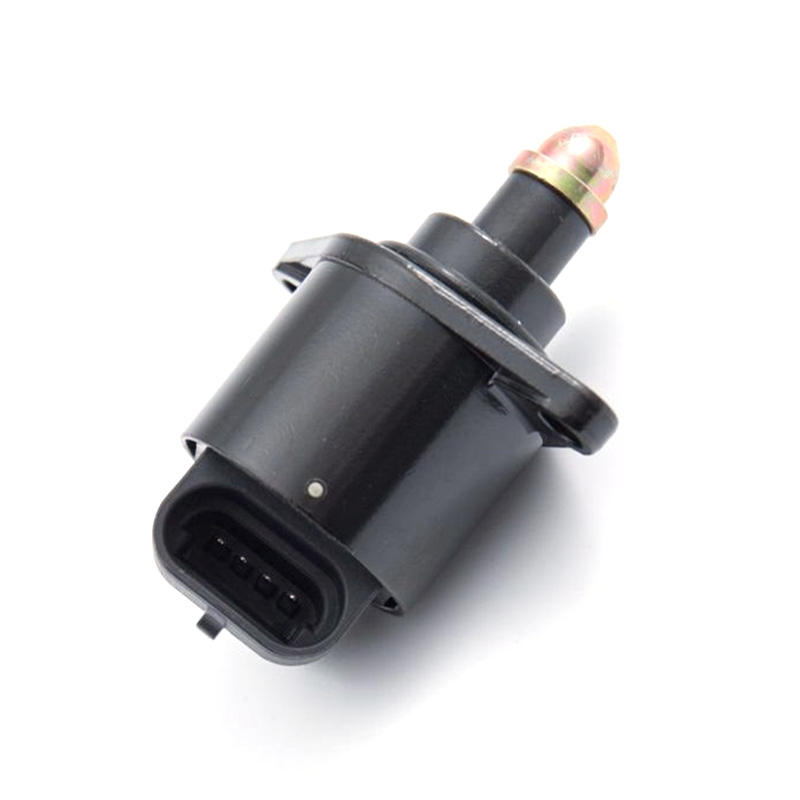
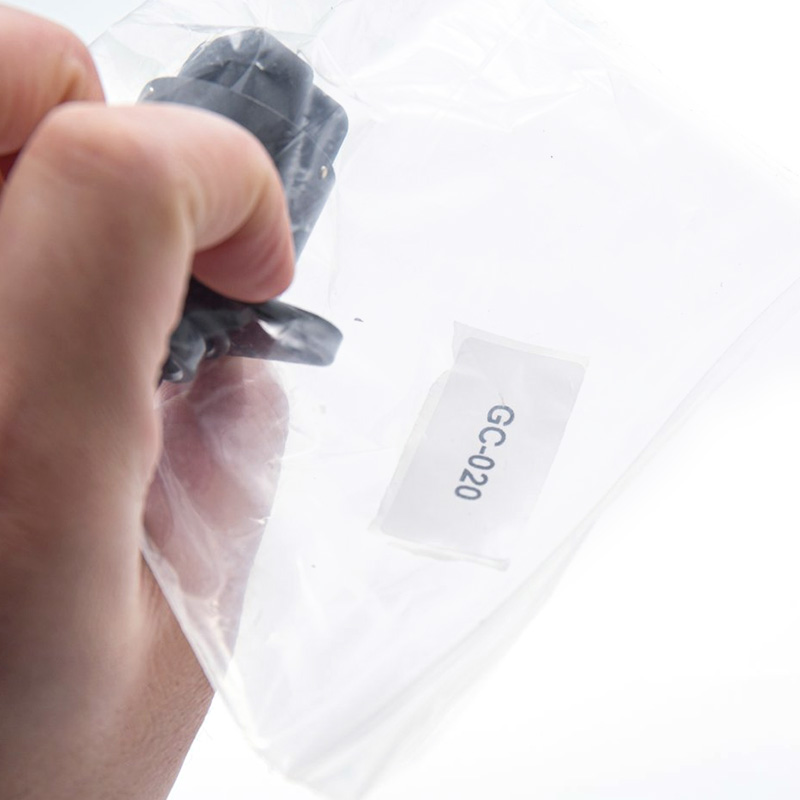
GC-020
REFERENCE OE:
SHORT CODE: B02/01
VDO: AT01200R C95128
FIAT: 9945635
OEM: 7766269 9950635
APPLICATION:
ALFA 145/146;FIAT BRAVA/FIAT BRAVO;FIAT MAREA/MAREA Weekend;FIAT PALIO/SIENA/TEMPRA/TIPO;LANCI DELTA II
Buy idle air control valve from China factory!
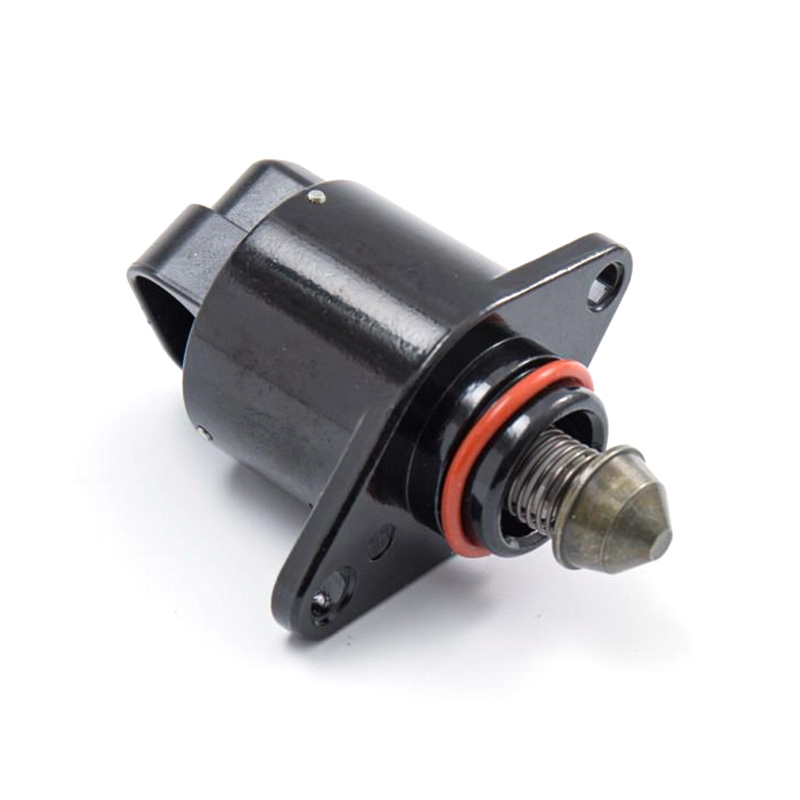
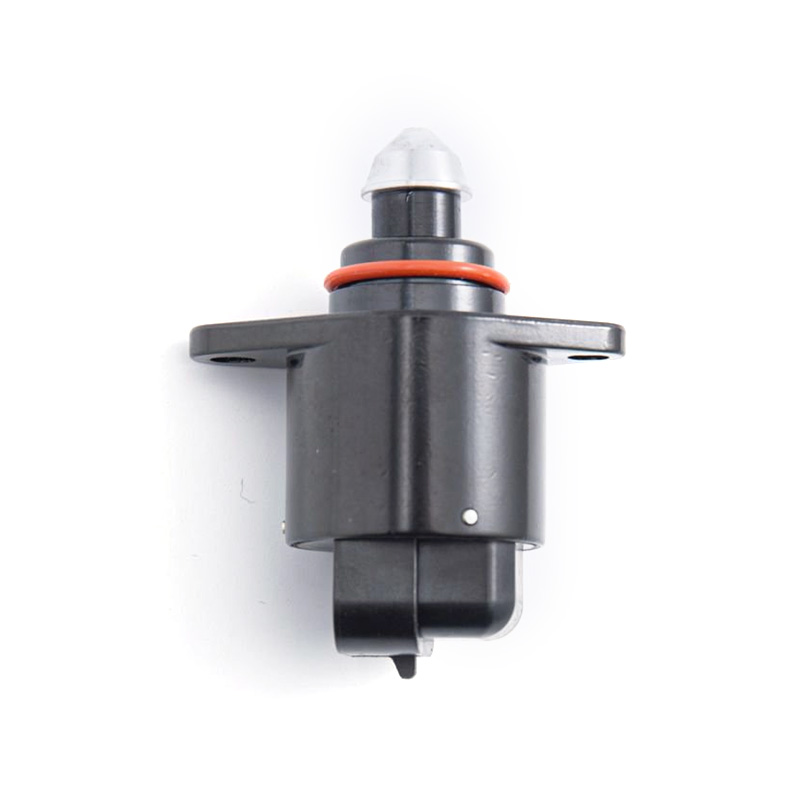
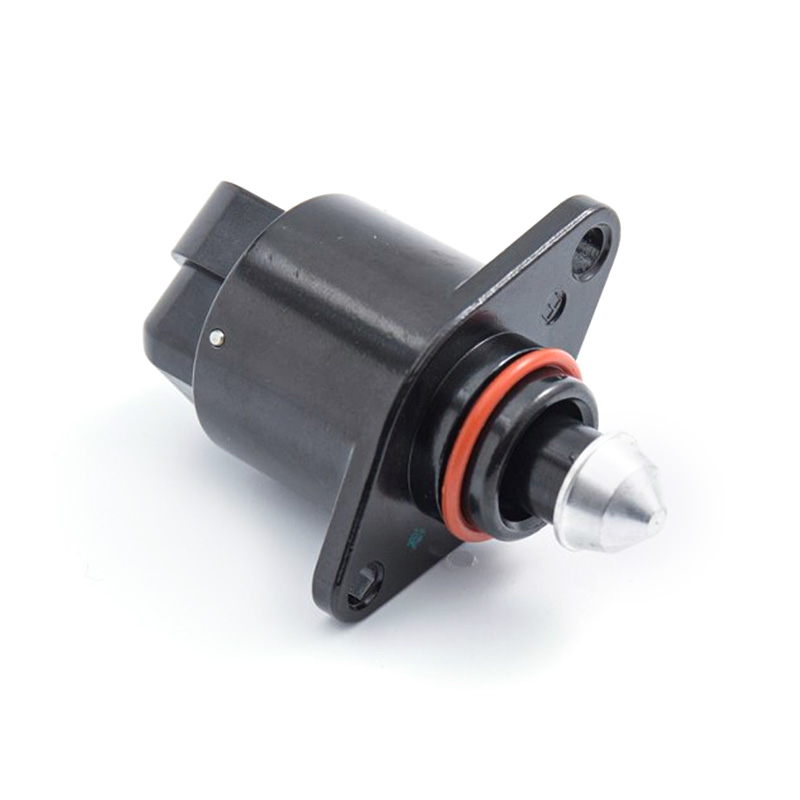
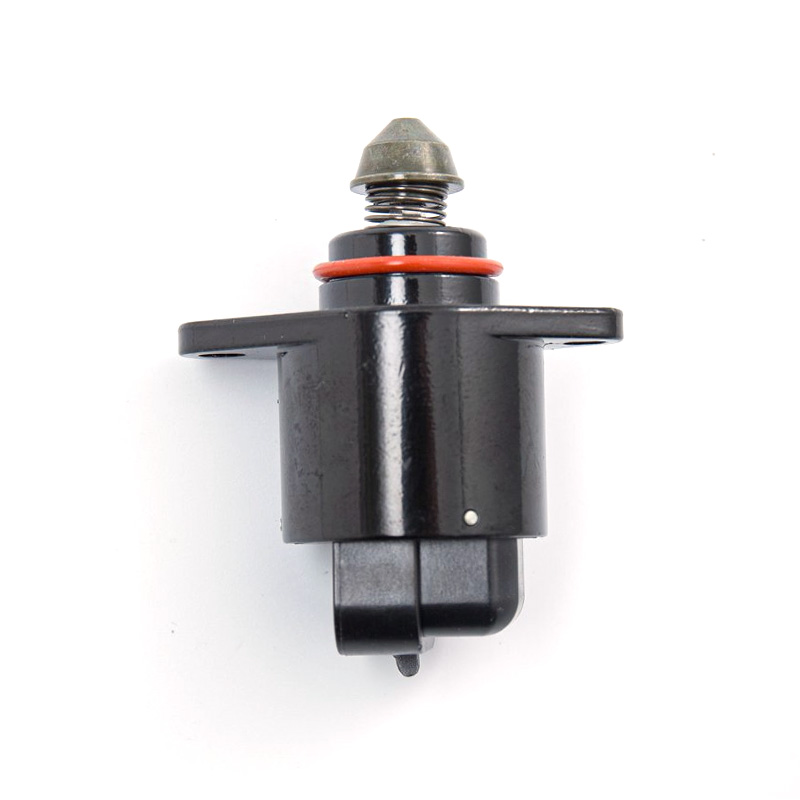
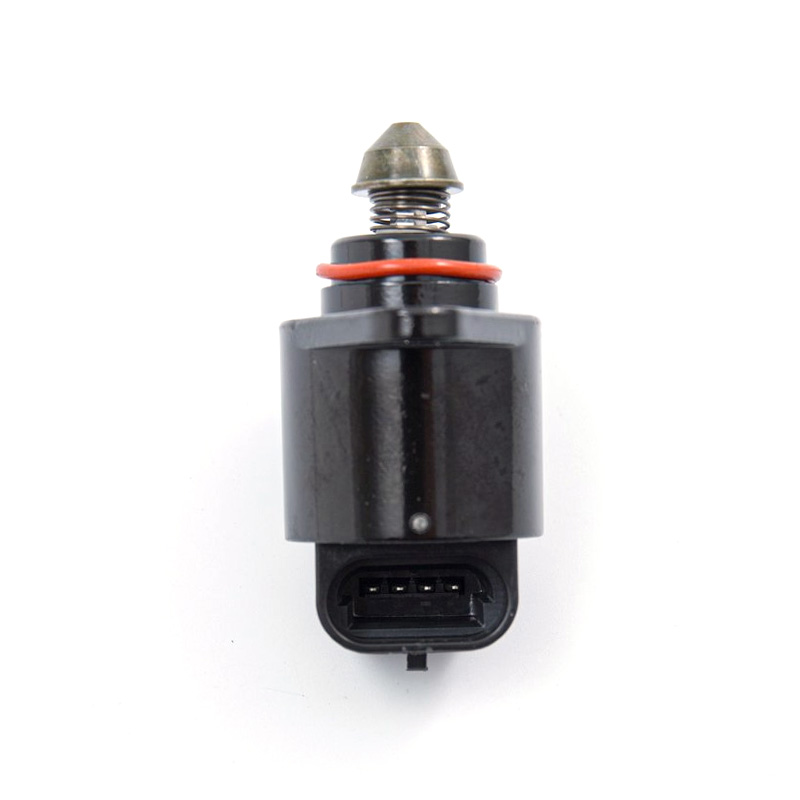
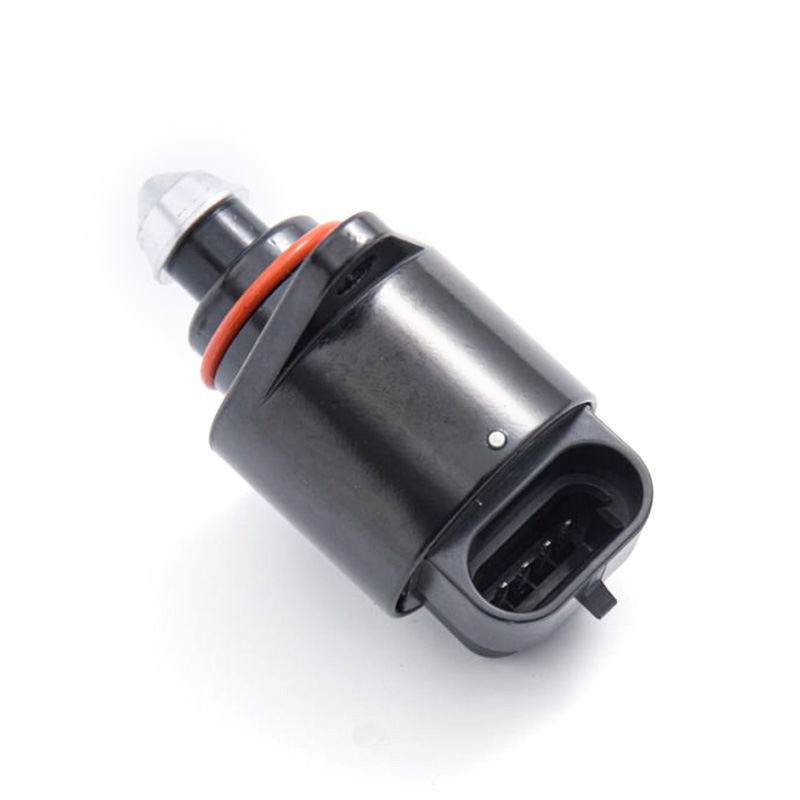
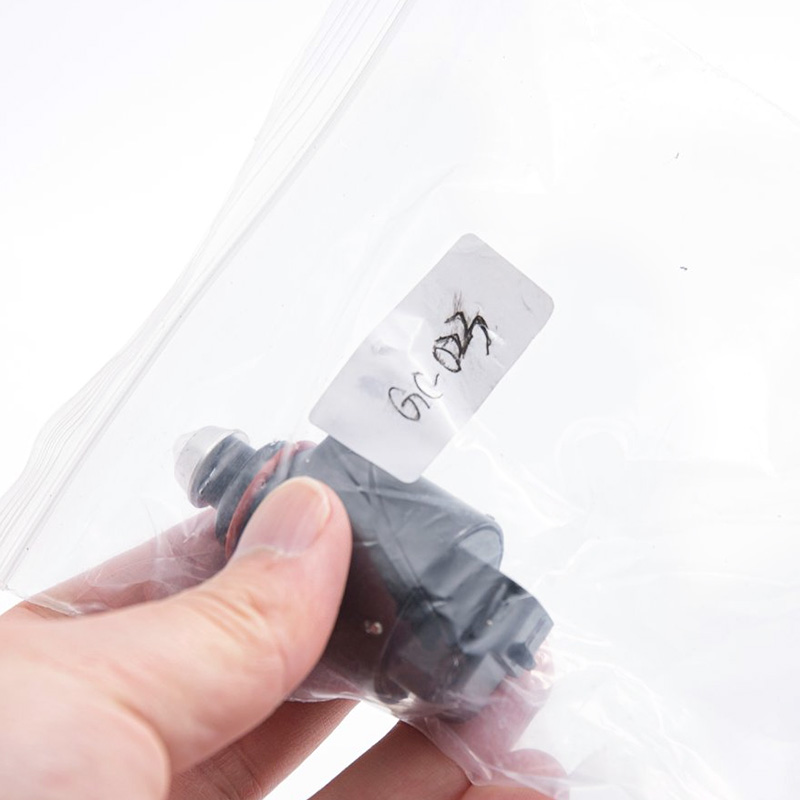
GC-023
REFERENCE OE:
GM 17112350 STD:AC5 17111808; WELLS:AC107;
APPLICATION:
Buick Century Sedan/Coupe(05-87);
Buick Lacrosse(05);
Buick Regal Sedan/Coupe(96-88)
Cadillac, chevrolet, pontiac, oldsmobile;
Idle air control valve from China manufacture for Buick!
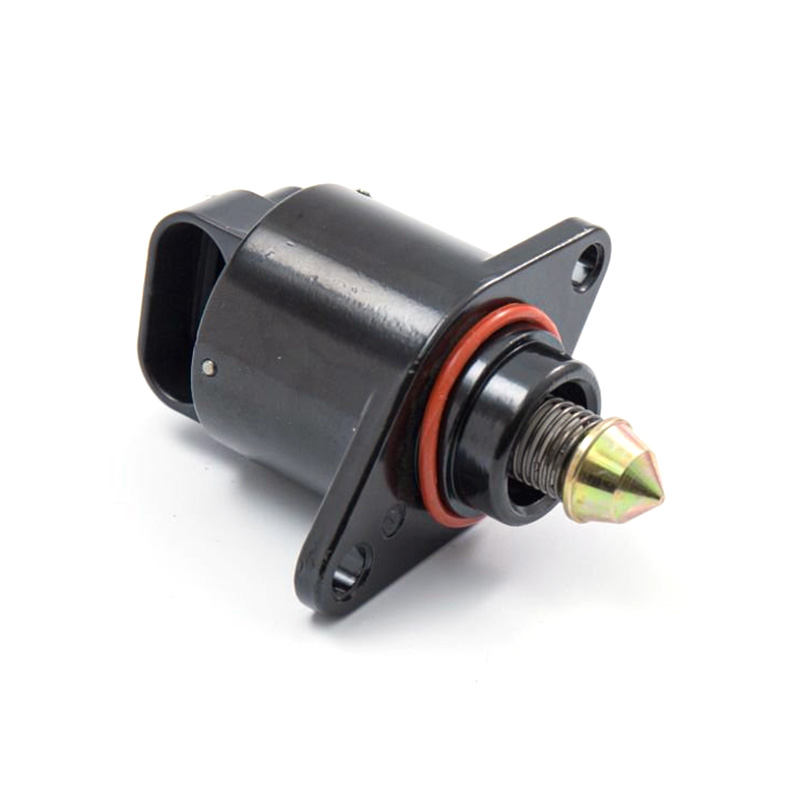
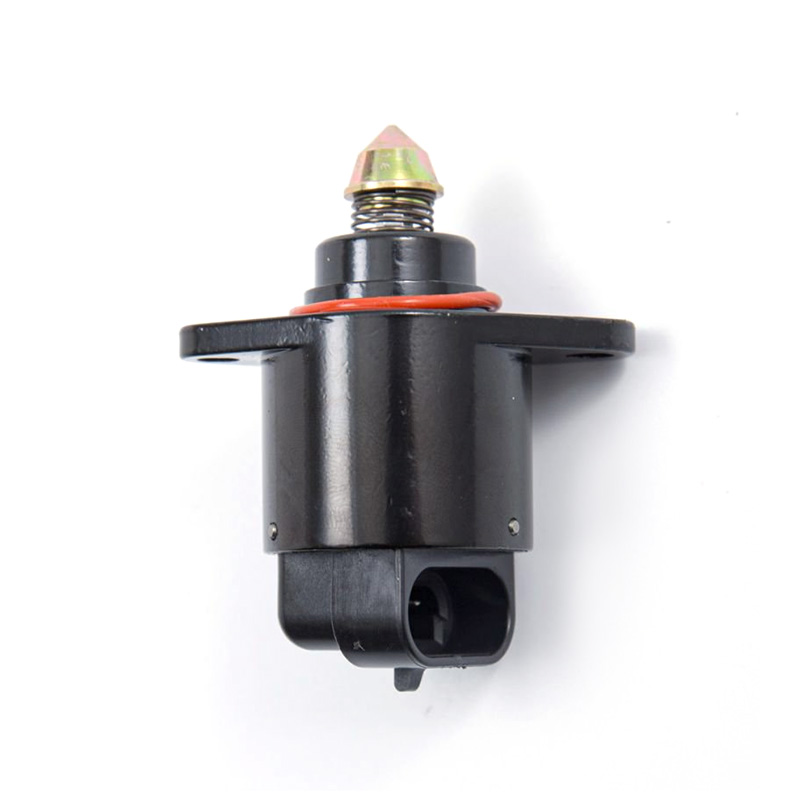
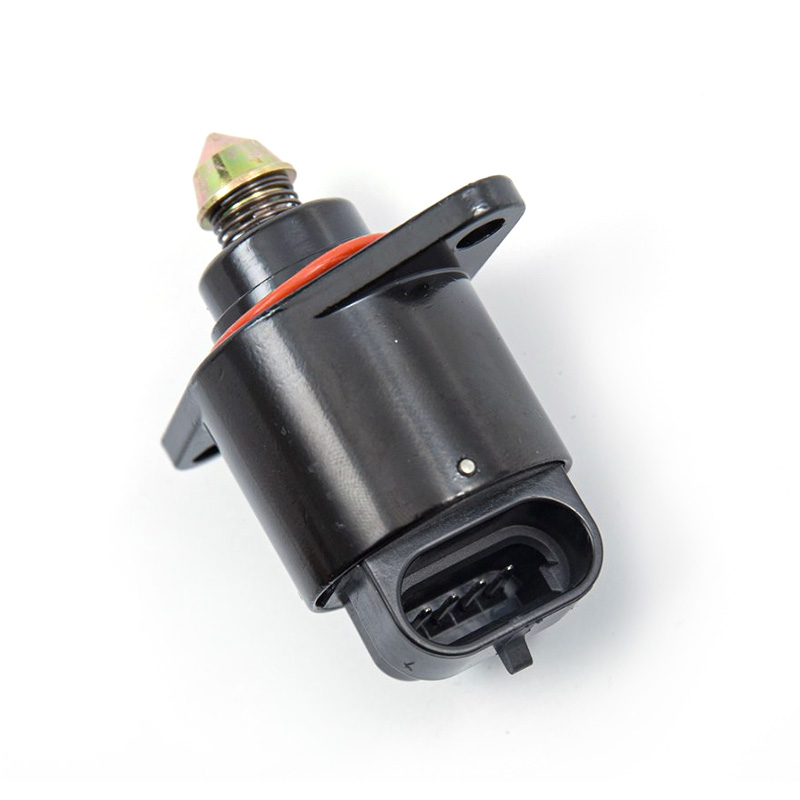
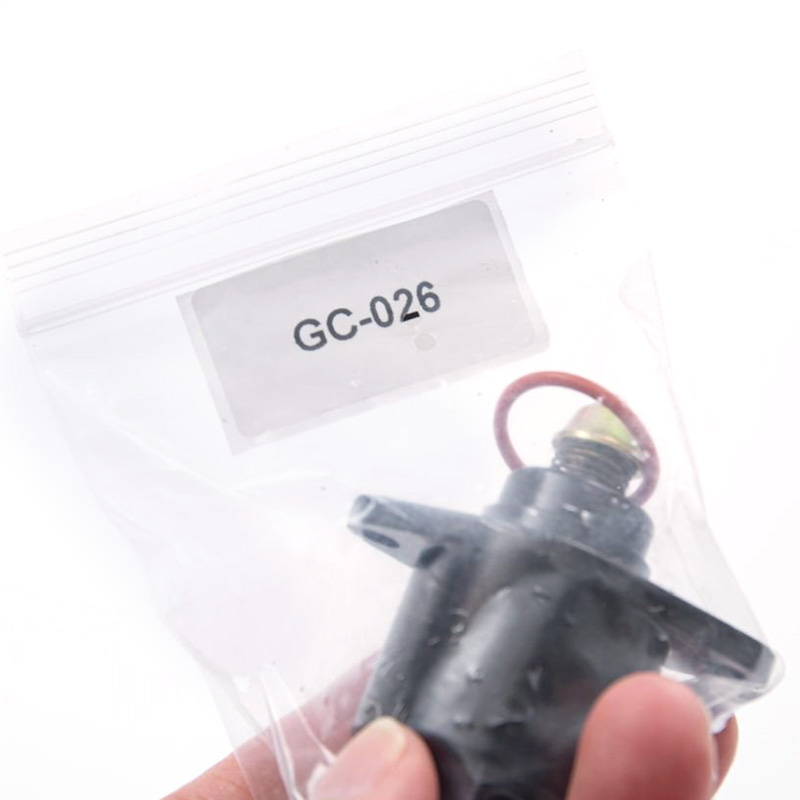
GC-026
REFERENCE OE:
SHORT CODE: 59603; 17059603
DELPHI: ICD00125
GM: 817253 817255 17112031 17112023
SIMENCE: A95214
VDO: AT-59603R STD: AC15
APPLICATION:
OPEL ASCONA C;
OPEL ASTRA F;
OPEL ASTRA F Cabriolet/Kombi/Schraqheck/Van;
OPEL KADETT E;
OPEL KADETT E Cabriolet/Kombi/Schraqheck
Idle air control valve from China manufacture for Opel.
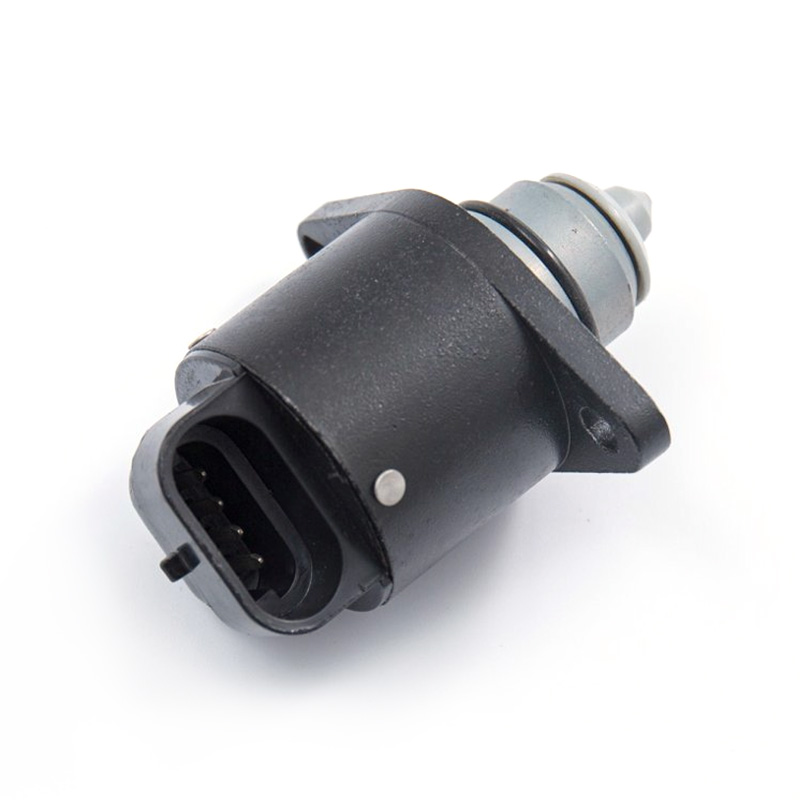
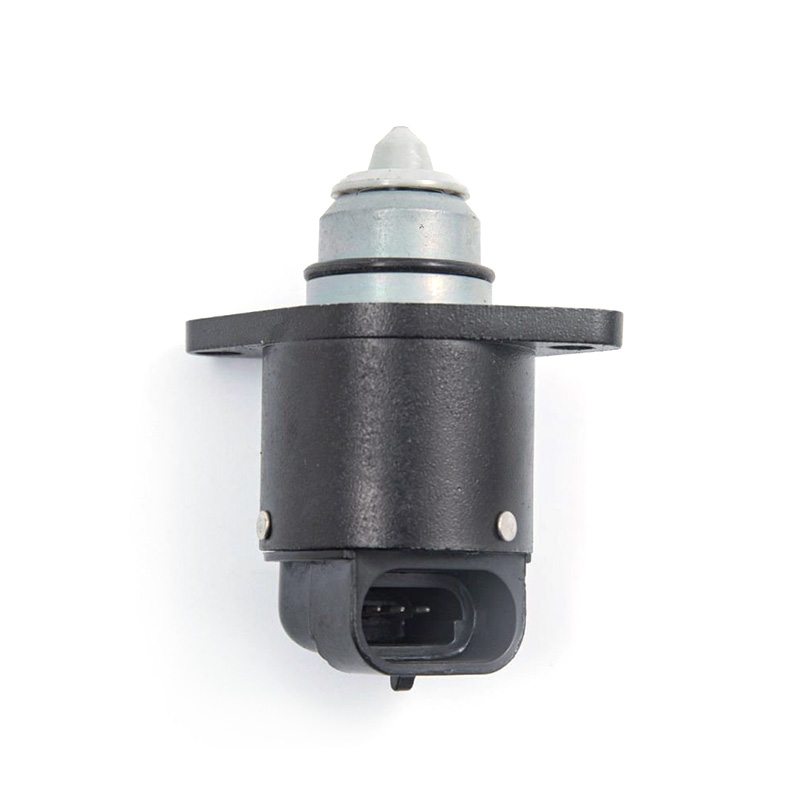
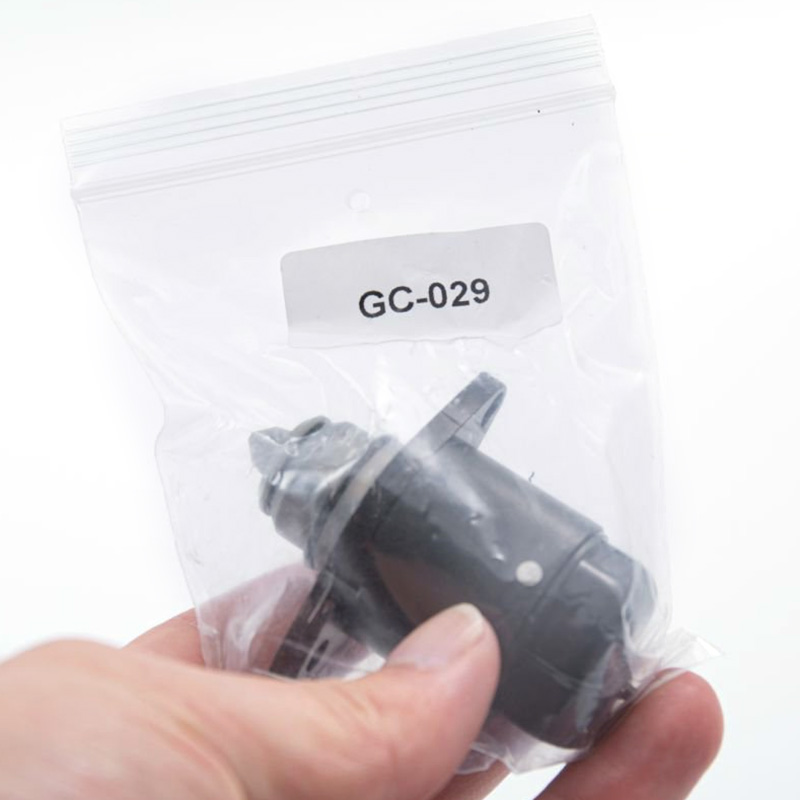
GC-029
REFERENCE OE:
2112-1148300-04
APPLICATION:
LADA
Idle air control valve from China factory for Lada.
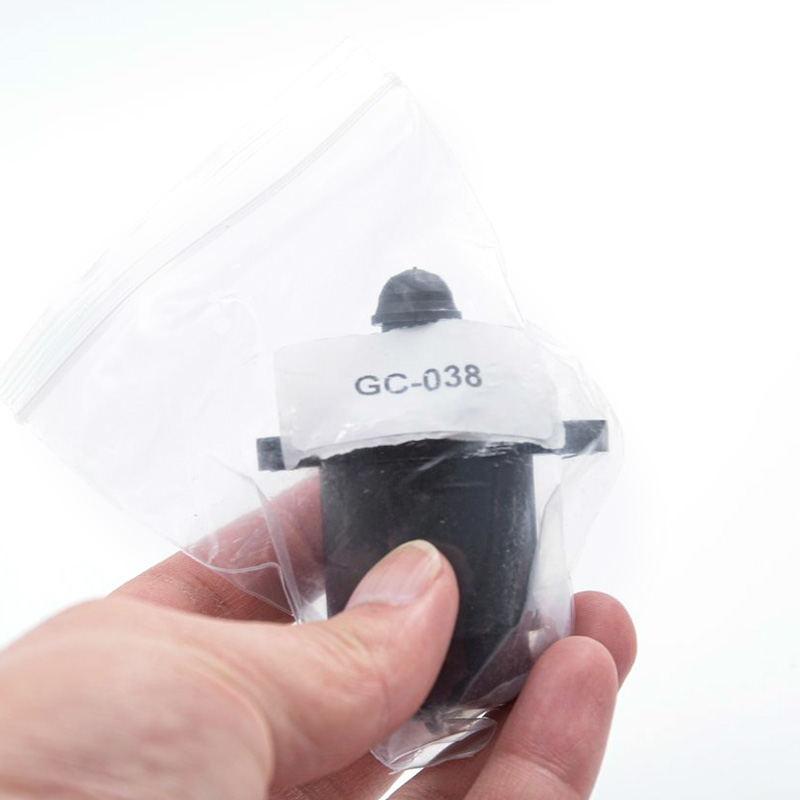
GC-038
REFERENCE OE:
SIMENCE:A96158 A97116
PEUGEOT:19208X
MARELLI:230016079217
APPLICATION:
PEUGEOT 206SW/CC;PEUGEOT 307SW;406;806;807;EXPERT(224)
Idle air control valve from China factory for Peugeot 206 307 406 806 807.
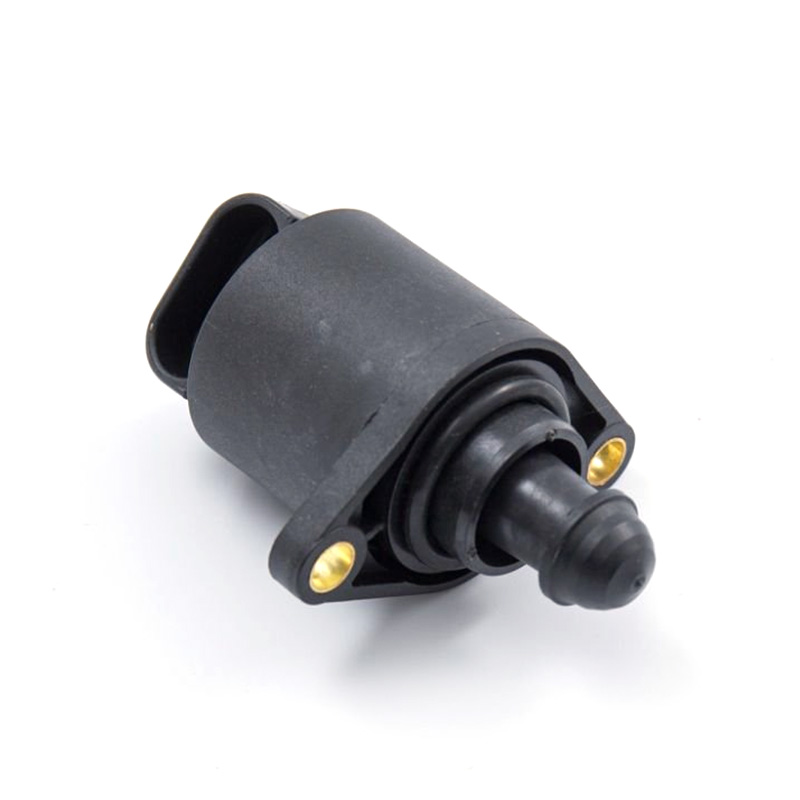
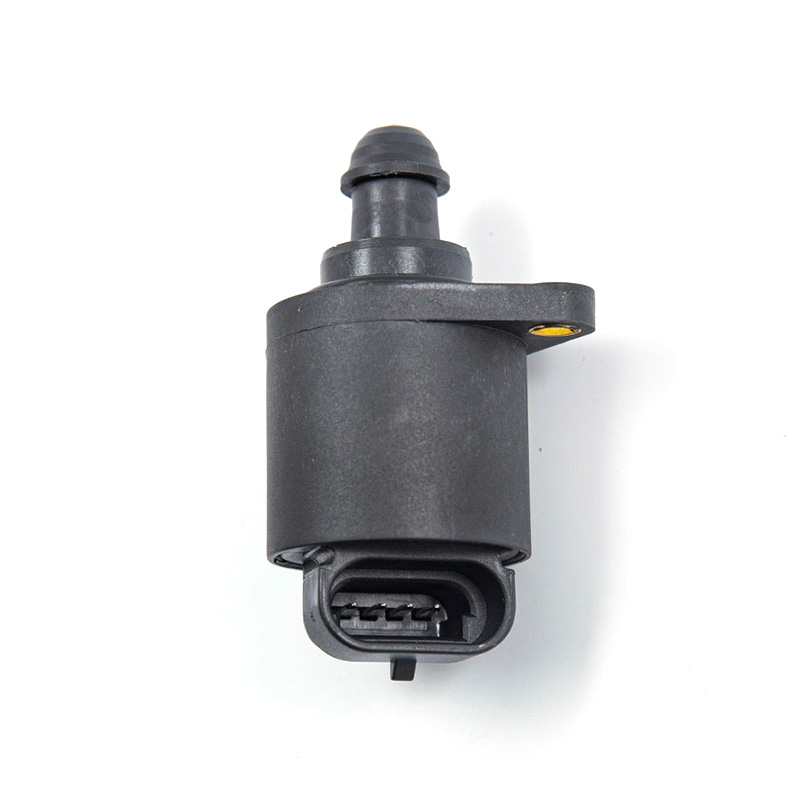
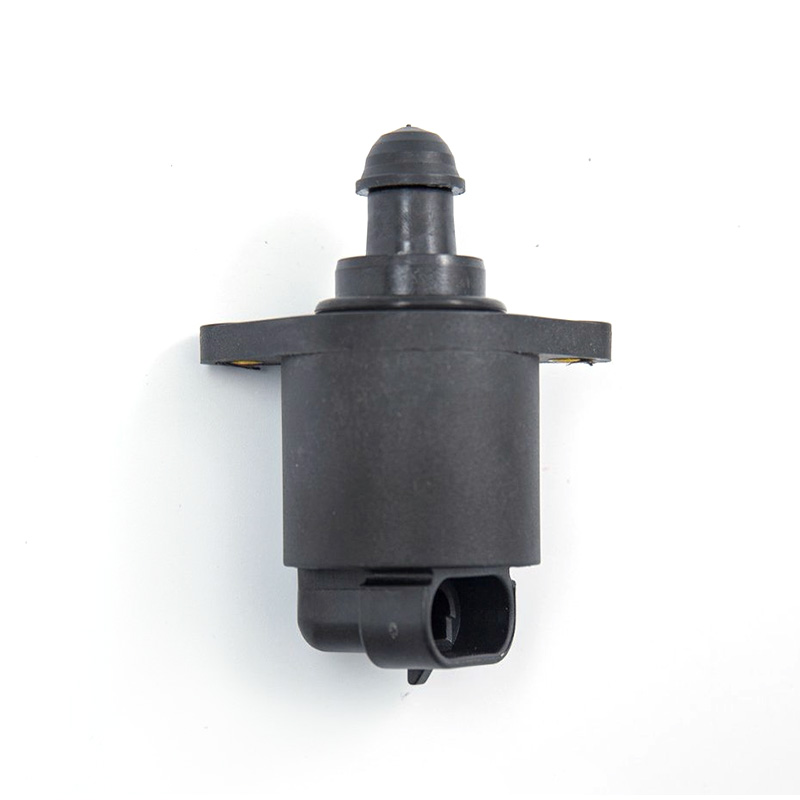
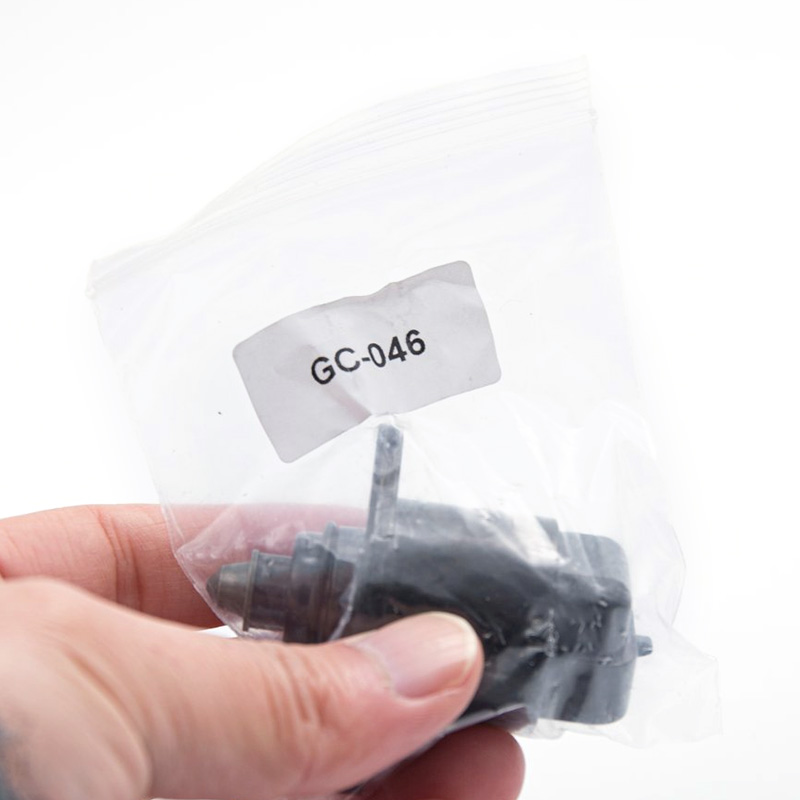
GC-046
REFERENCE OE:
2112-1148300
APPLICATION:
LADA
Idle air control valve from China factory for Lada.
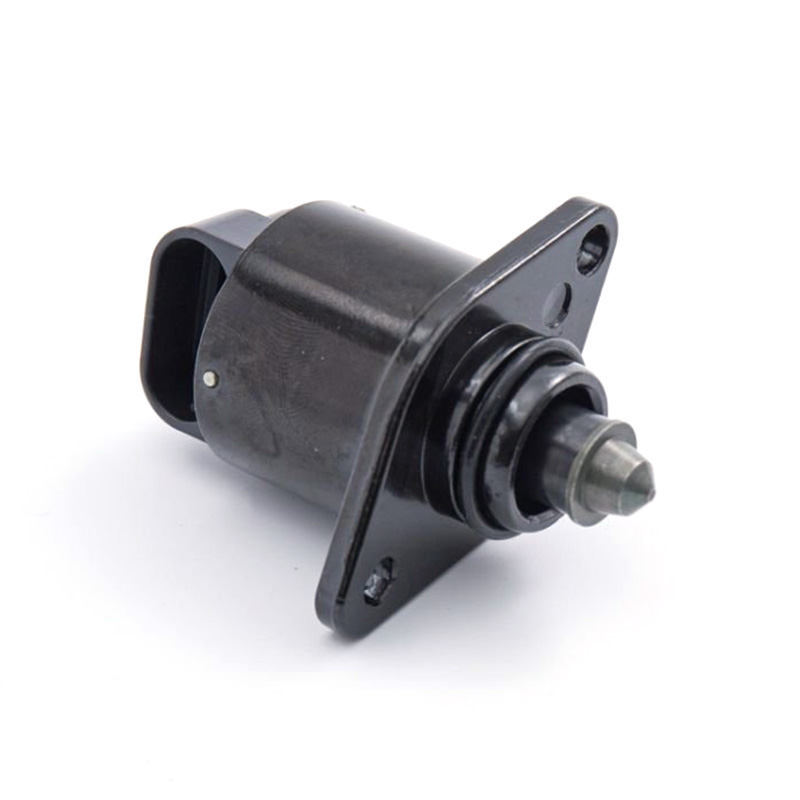
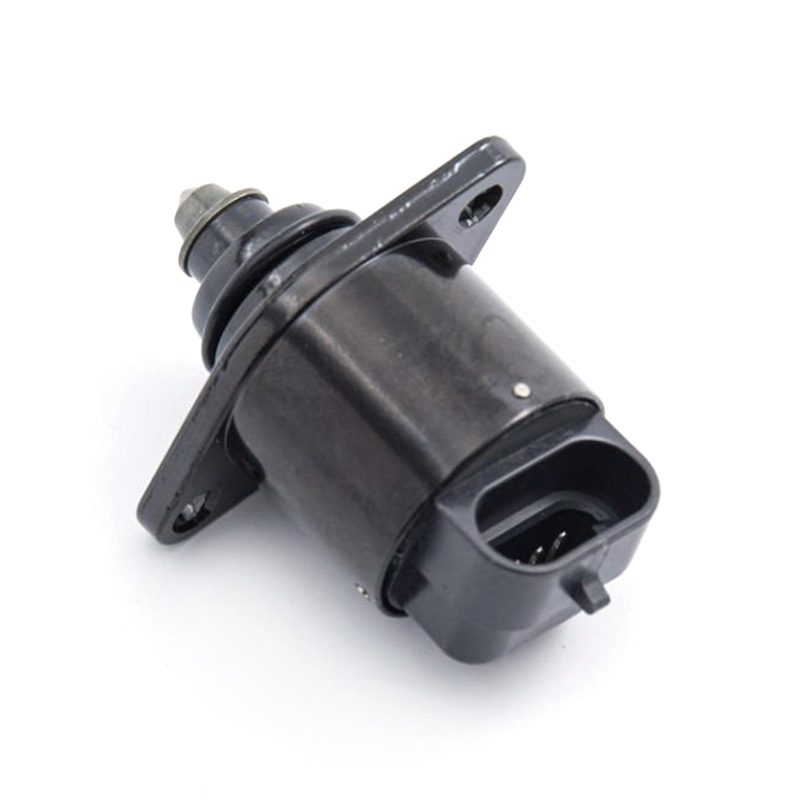
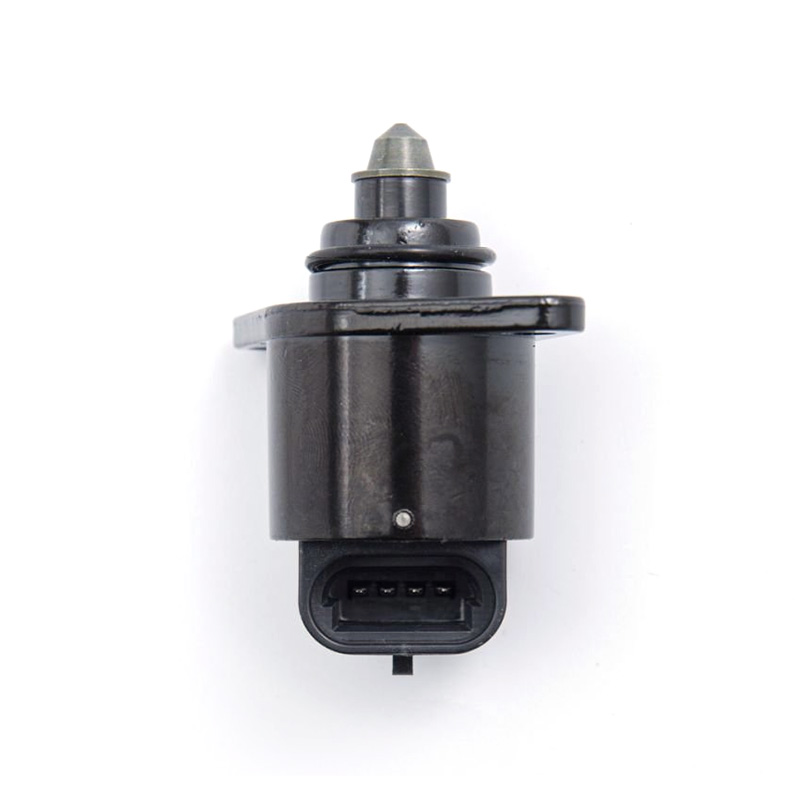
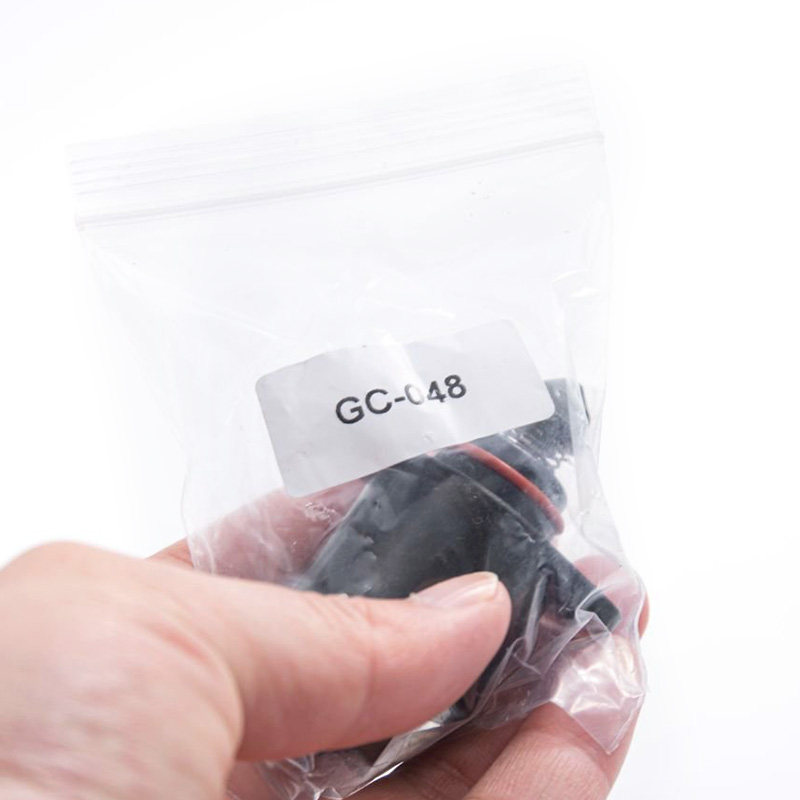
GC-048
REFERENCE OE:
SHORT COD:02851
GM: 17102851
GM: 17112966
GM: 17112967
VDO: A95267
SMW299933
BUICK: D0016,C2177
2151025, AC124, AC130
217428,2H1058
APPLICATION:
Delica Van
Idle air control valve from China factory for Delica Van.
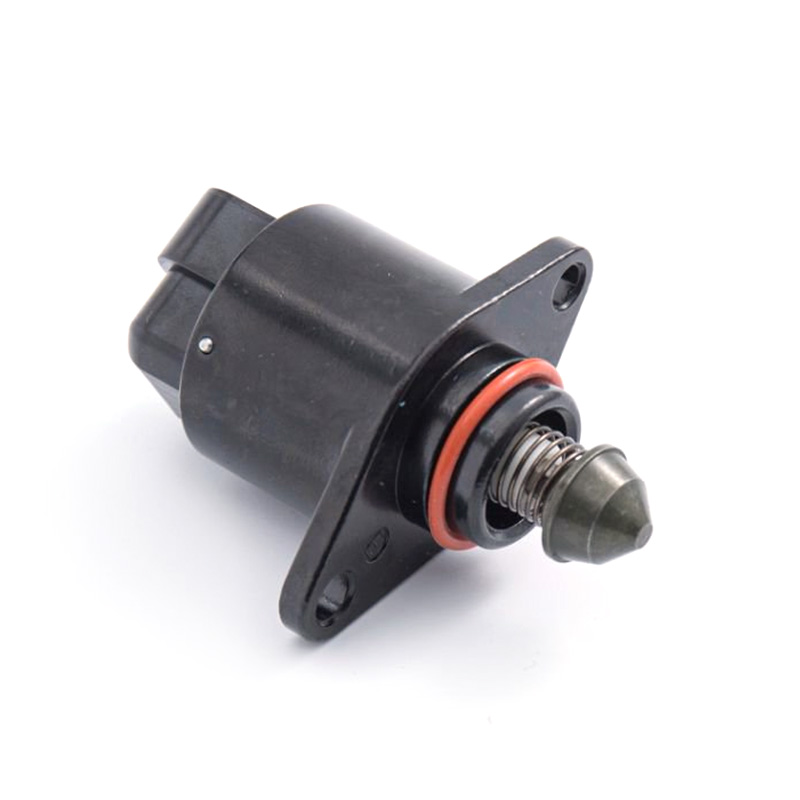
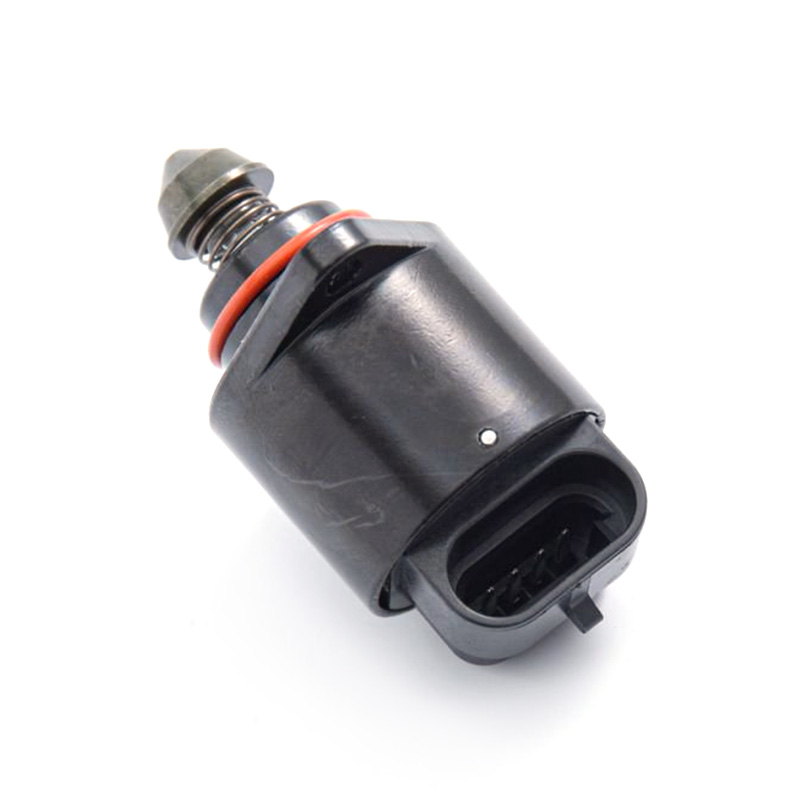
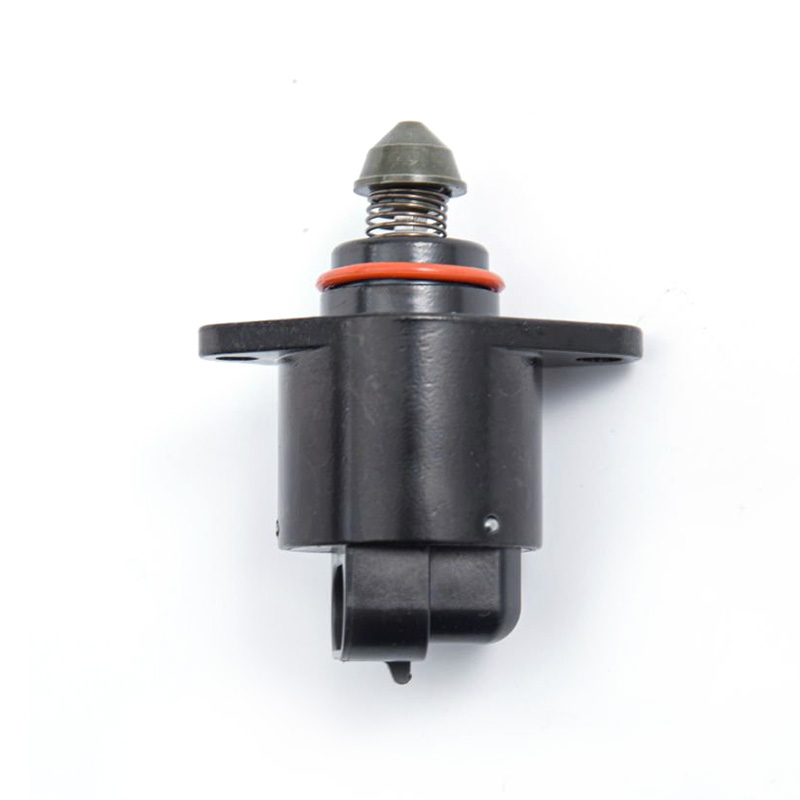
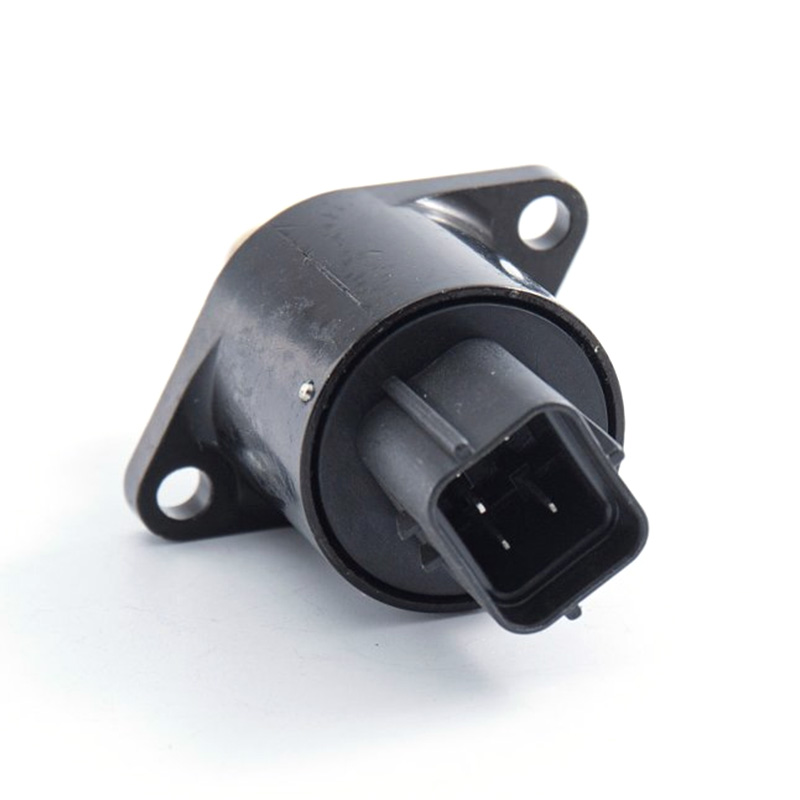
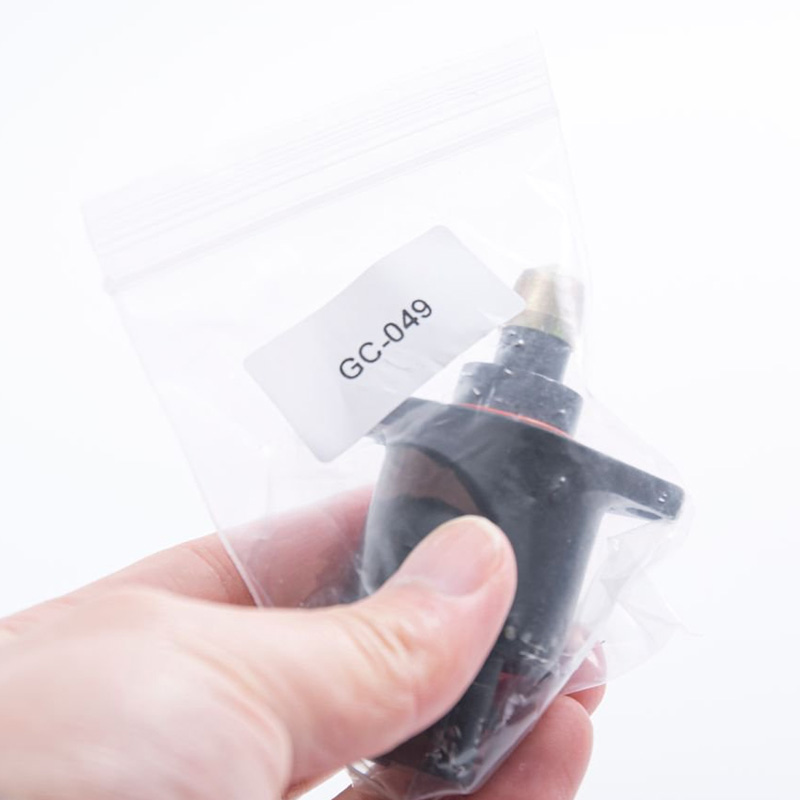
GC-049
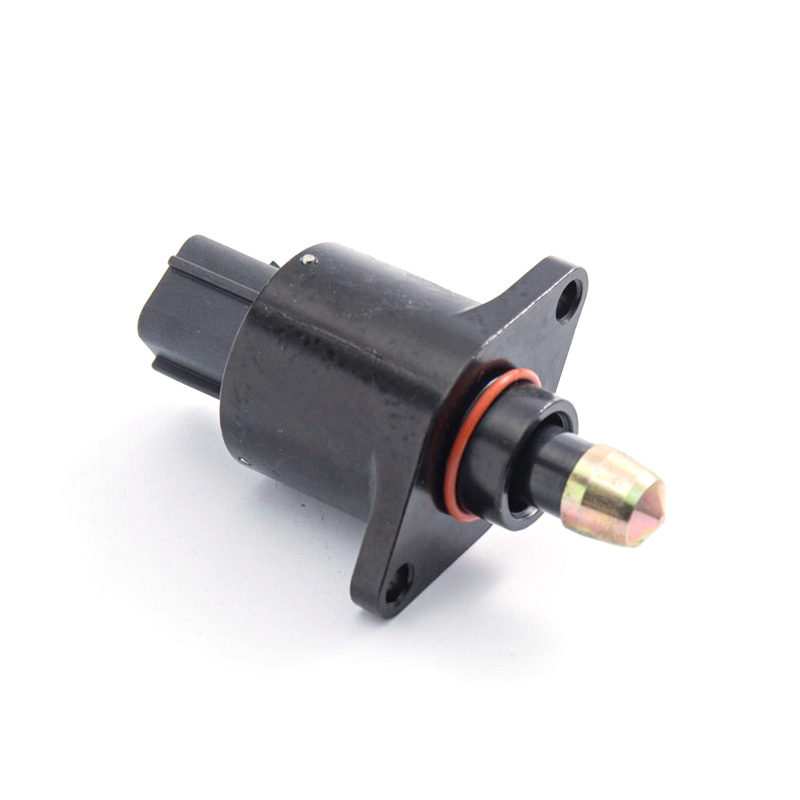
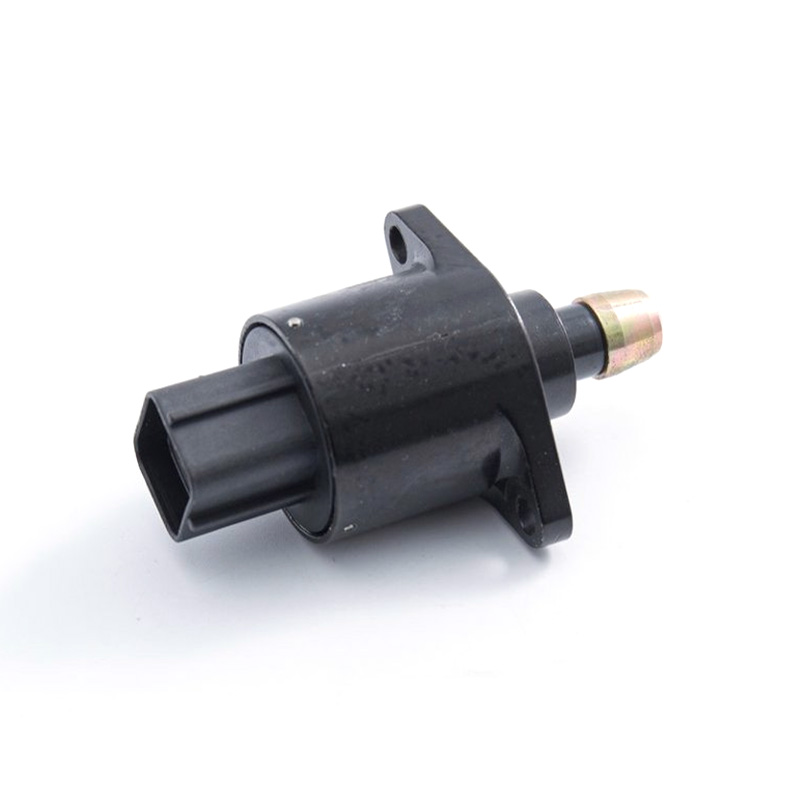
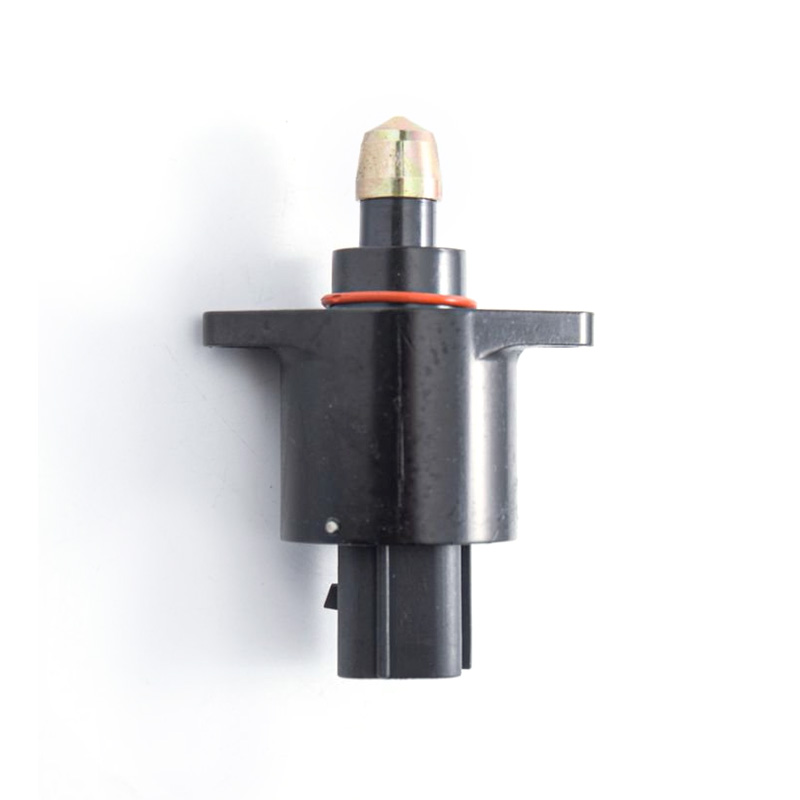
REFERENCE OE:
MDQ100040
APPLICATION:
ROVER
Idle air control valve from China factory for Rover.
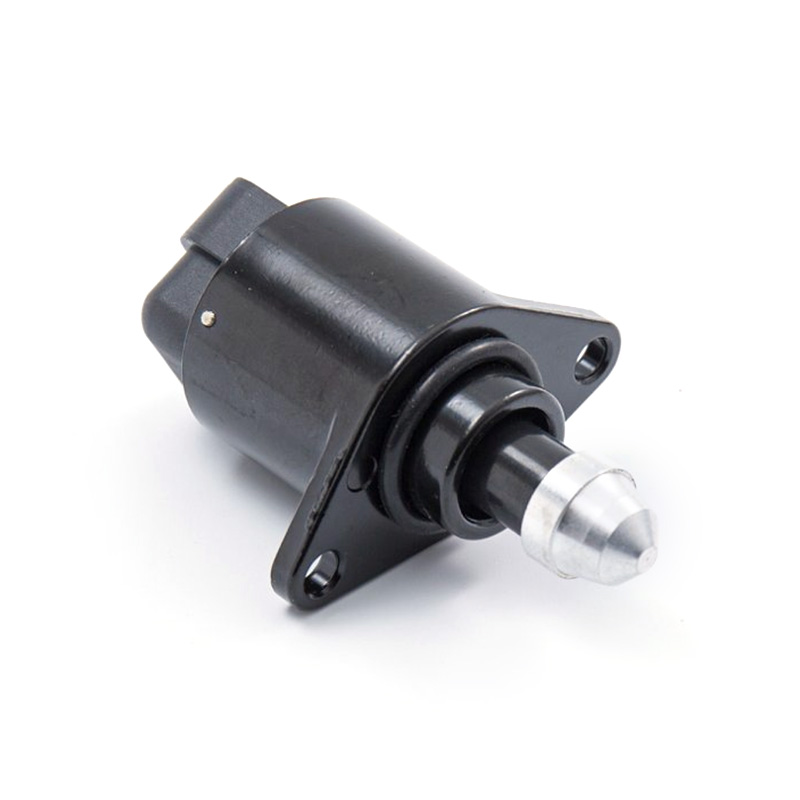
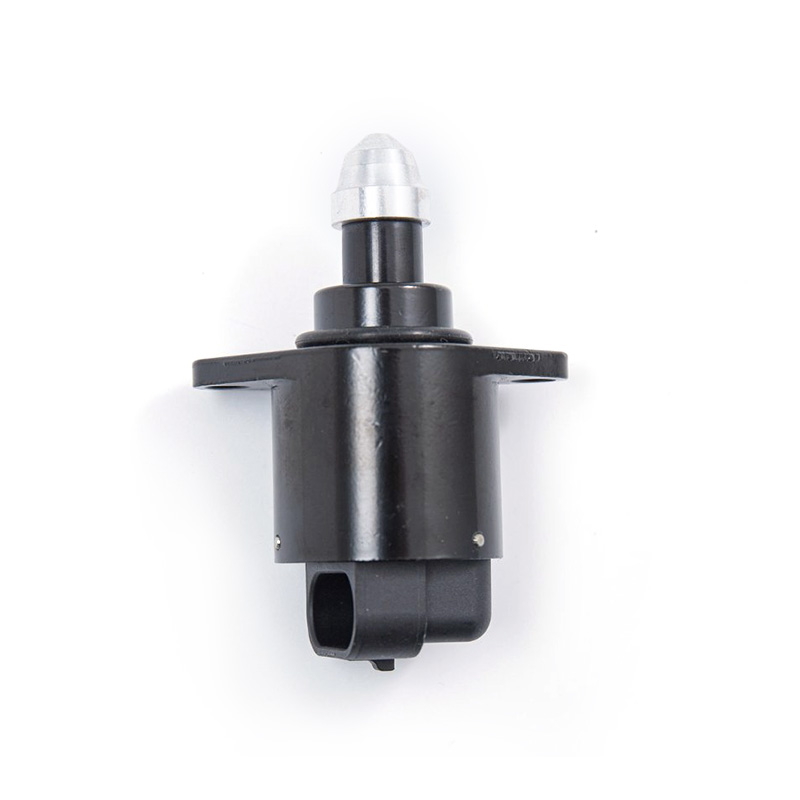
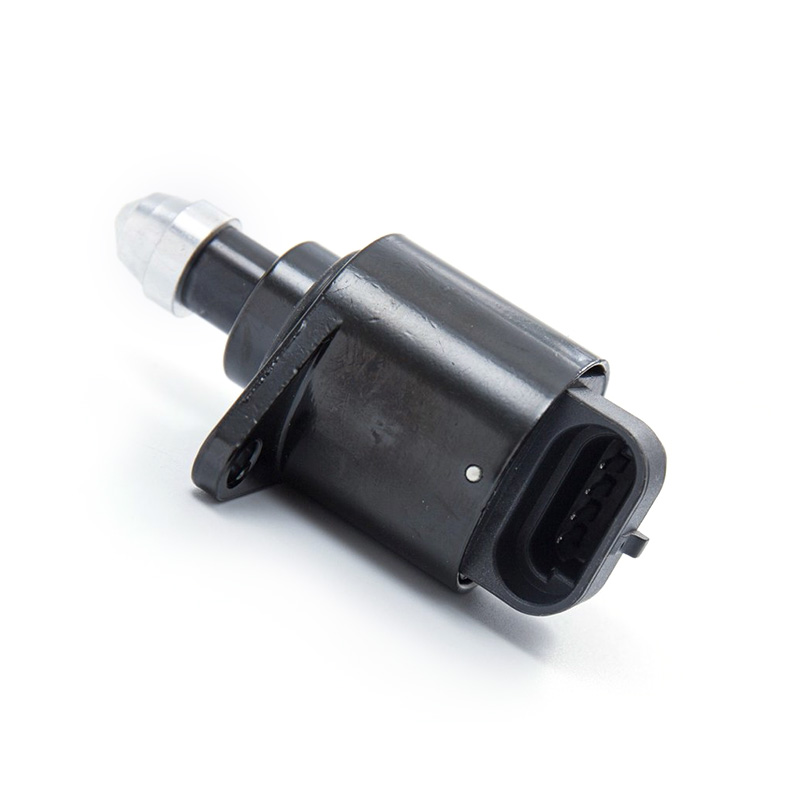
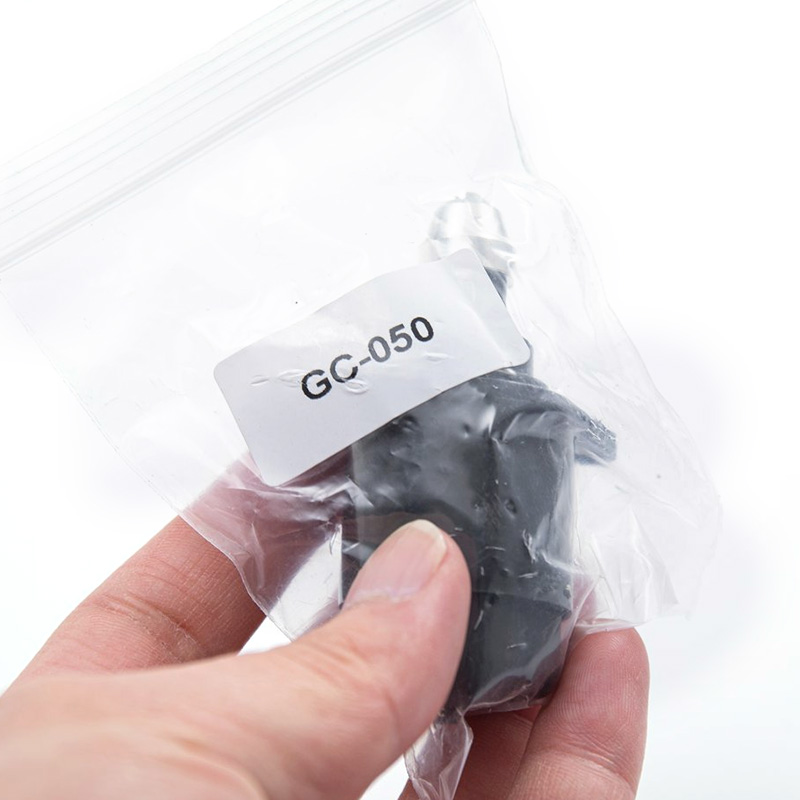
GC-050
REFERENCE OE:
PEUGEOT:19202Q
B17/00
APPLICATION:
CITRO SAXO(S1,S1)1.6VTS;PEUGEOT 106II(1) 1.6 S16
Idle air control valve from China factory for Citroen Peugeot.
Contact Us
Let's start collaborating

Guocheng is specialized in the R&D and production of key engine components for the automotive and engineering machinery industries.
Product
Stay Connected
(+86) - 577 - 8582 0886 (Tel)
(+86) - 577 - 8582 8085 (Fax)
(+86) - 19730213059 (Phone)
sales@wz-gc.com
No. 205, Baiyu Road, 15th Road, Binhai Park, Wenzhou, Zhejiang, China
Mobile

ODM Engine Management System Components
 English
 русский
 Español
 عربى
 Deutsch