Date:May 15, 2026
The automotive industry is undergoing one of its biggest technological transitions in decades. While electrification and intelligent driving systems often dominate headlines, another important transformation is happening quietly inside vehicle control architecture. Traditional mechanical systems are increasingly being replaced by electronically controlled components that offer better response accuracy, lower emissions, and improved compatibility with advanced vehicle software. For manufacturers, parts suppliers, and engineering teams, this shift is changing how vehicle control systems are designed, tested, and integrated into next-generation platforms.
Over the last several years, vehicle manufacturers have accelerated the transition from cable-based control systems to electronically managed architectures. Modern vehicles now rely heavily on sensors, control modules, and software-driven throttle management instead of direct mechanical connections.
This trend is especially visible in systems involving the Automotive Accelerator Pedal, where electronic position sensing has become standard in both passenger vehicles and commercial platforms. Industry analysts note that drive-by-wire systems continue expanding due to fuel efficiency requirements, emissions regulations, and integration with ADAS technologies.
Compared with traditional cable throttle systems, electronic pedal systems provide more precise communication between driver input and engine management software, allowing smoother acceleration control and improved system coordination.
Modern vehicles no longer treat throttle response as an isolated mechanical action. Instead, throttle control is now part of a larger electronic ecosystem connected to safety systems, fuel management, and driving assistance technologies.
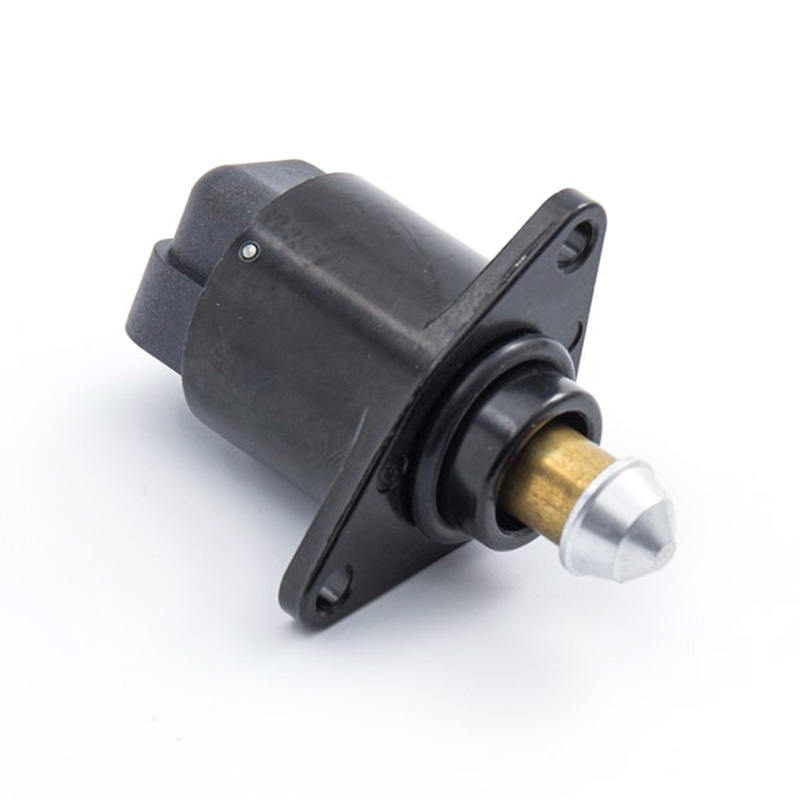
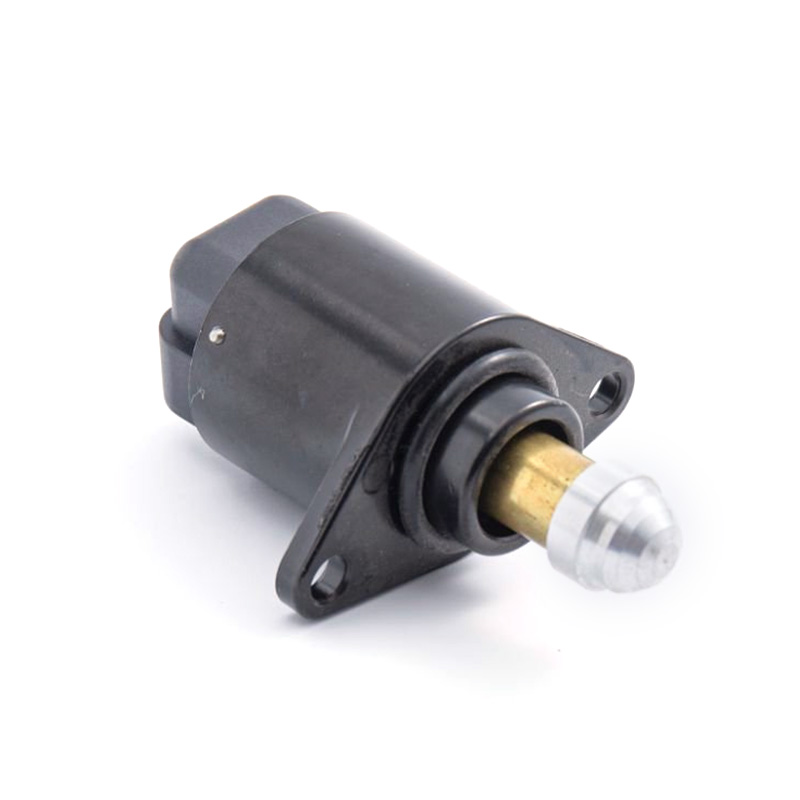
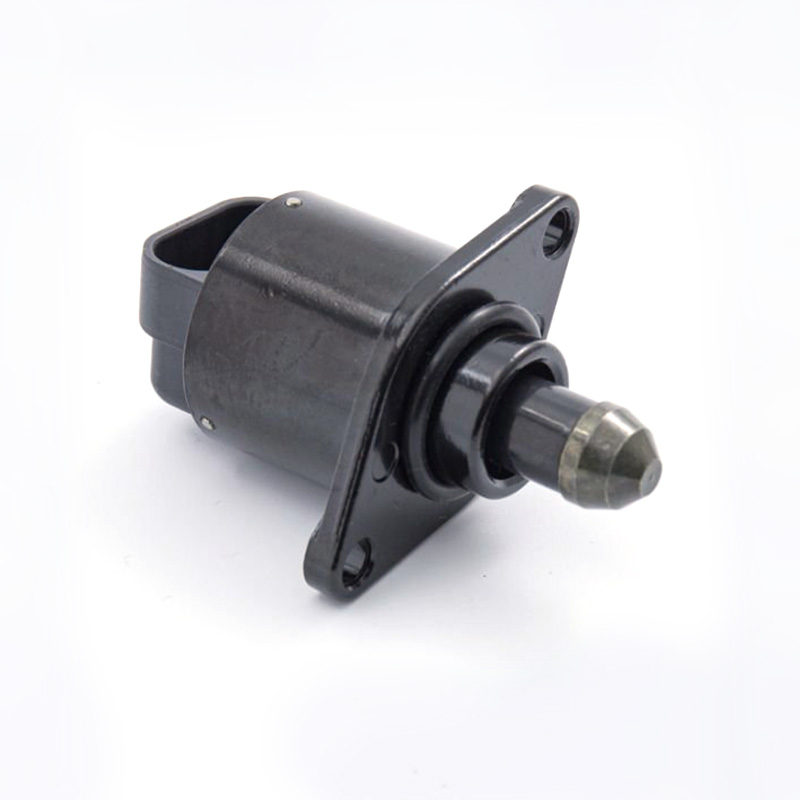
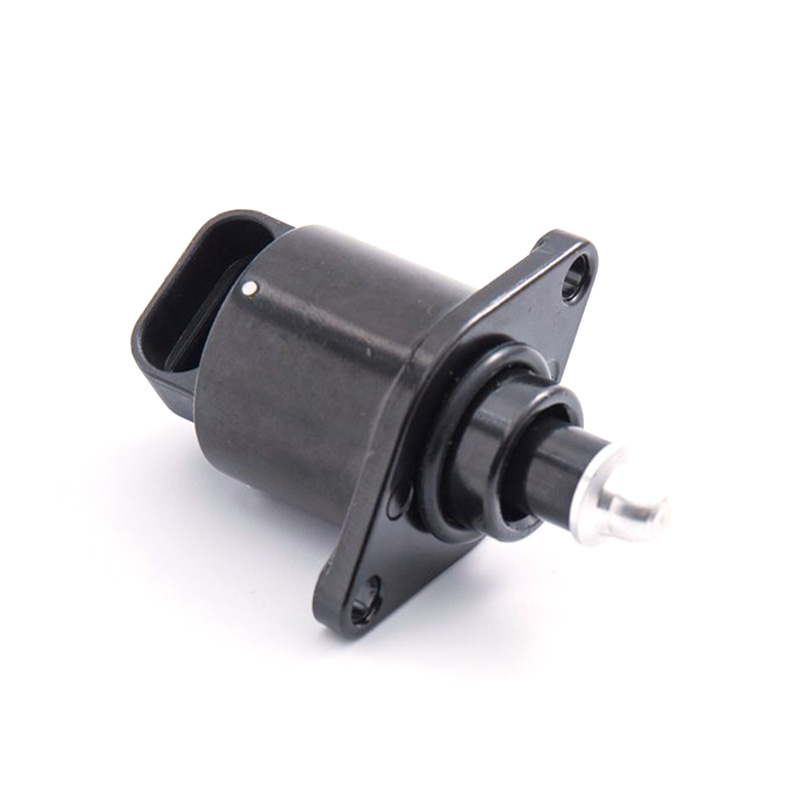
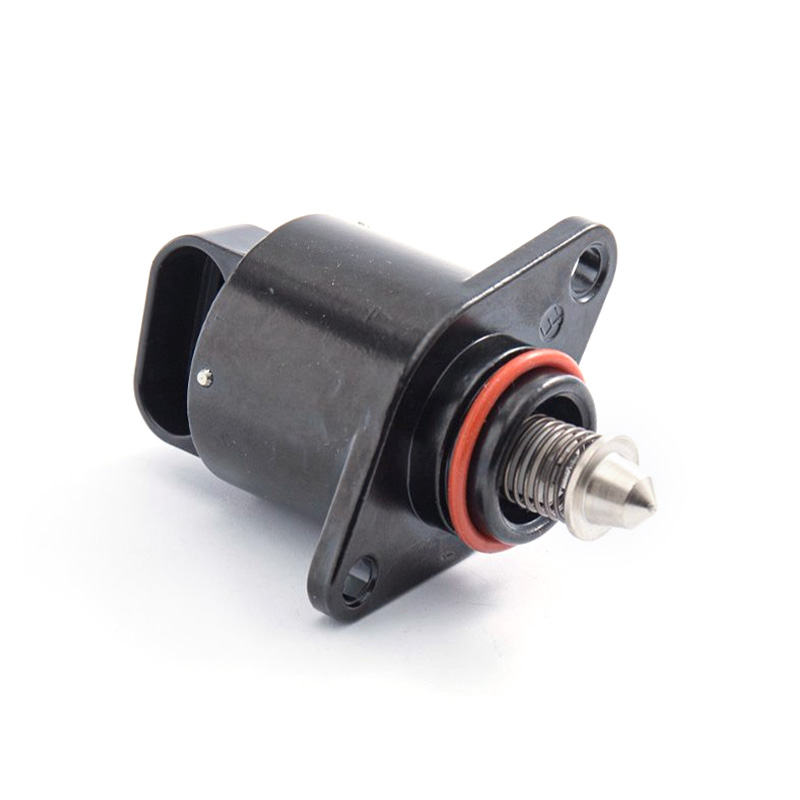
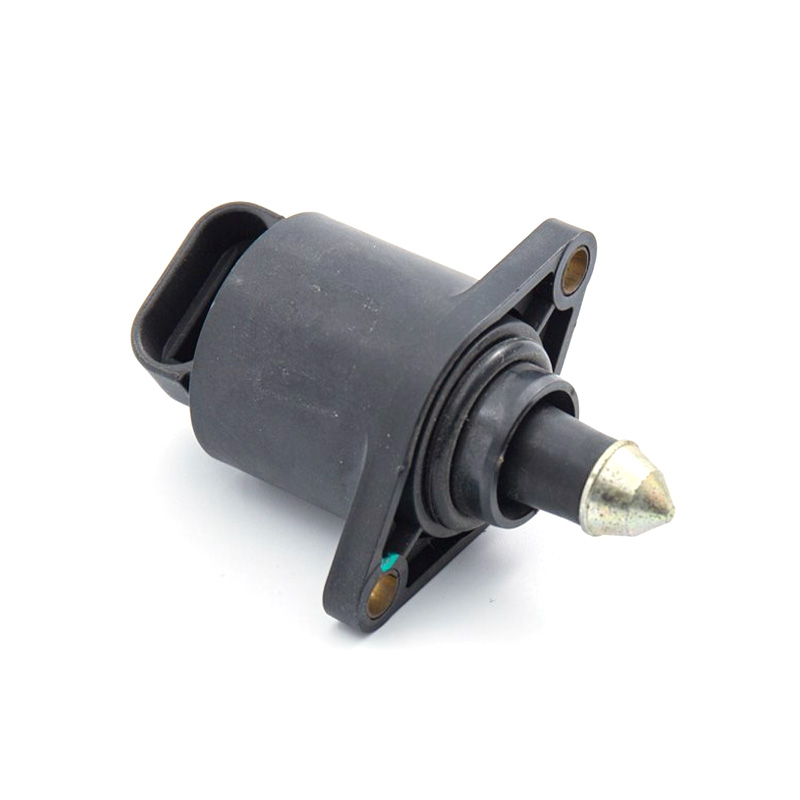
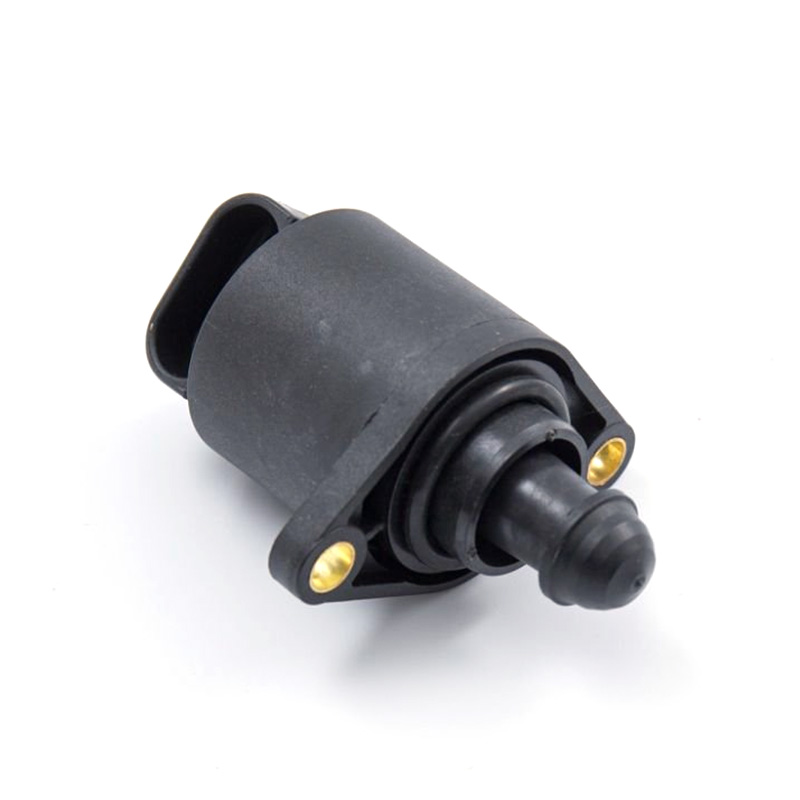
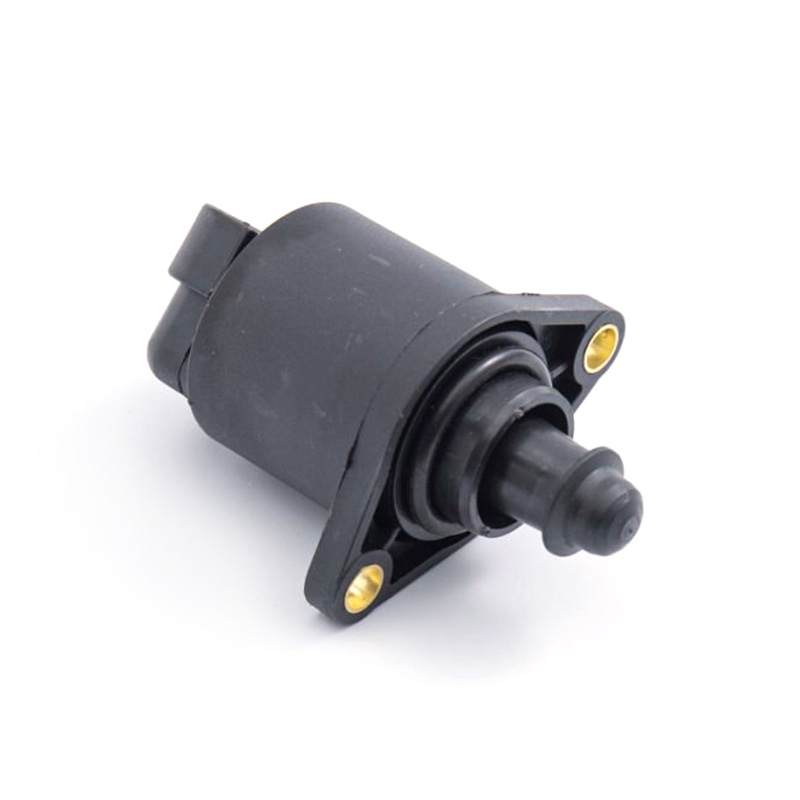
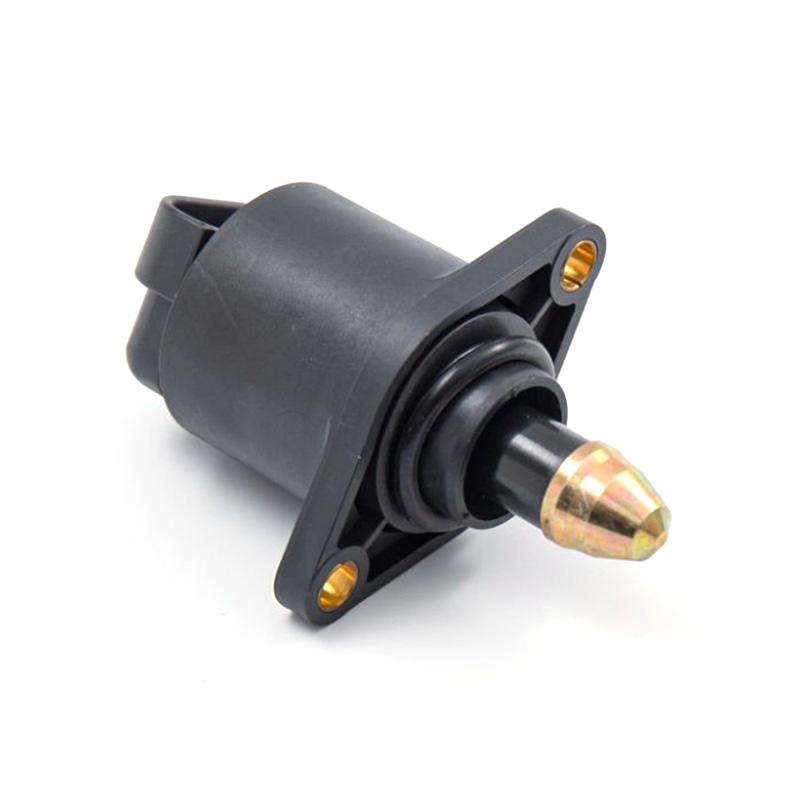
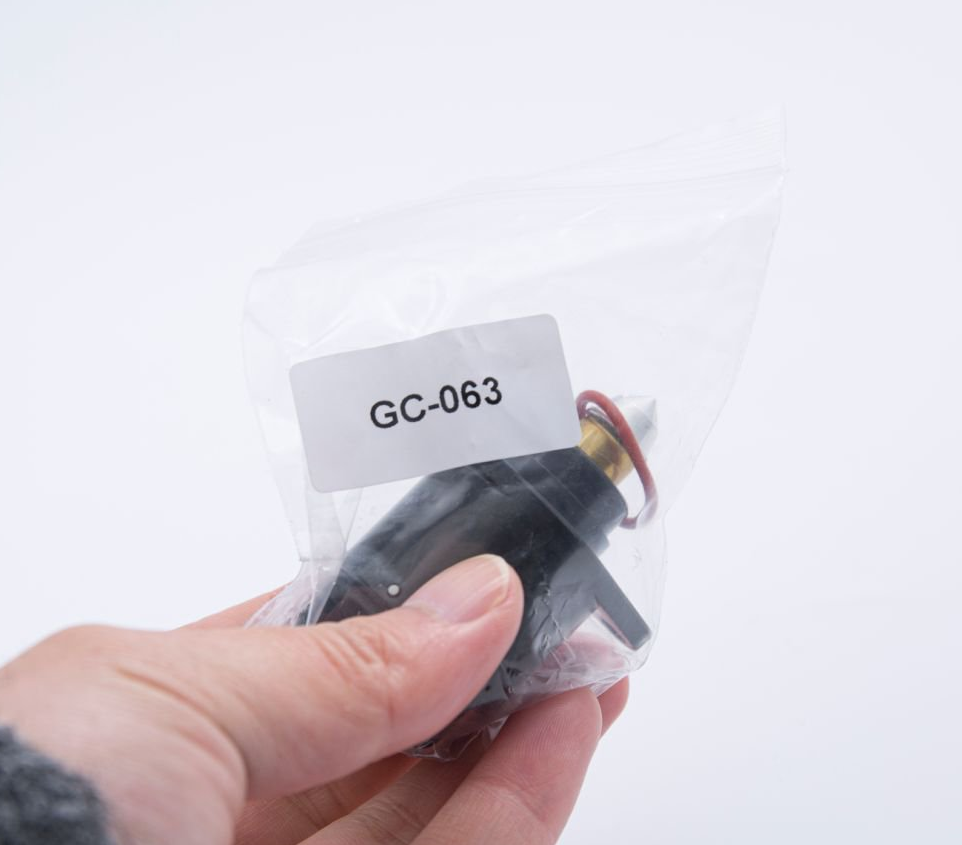
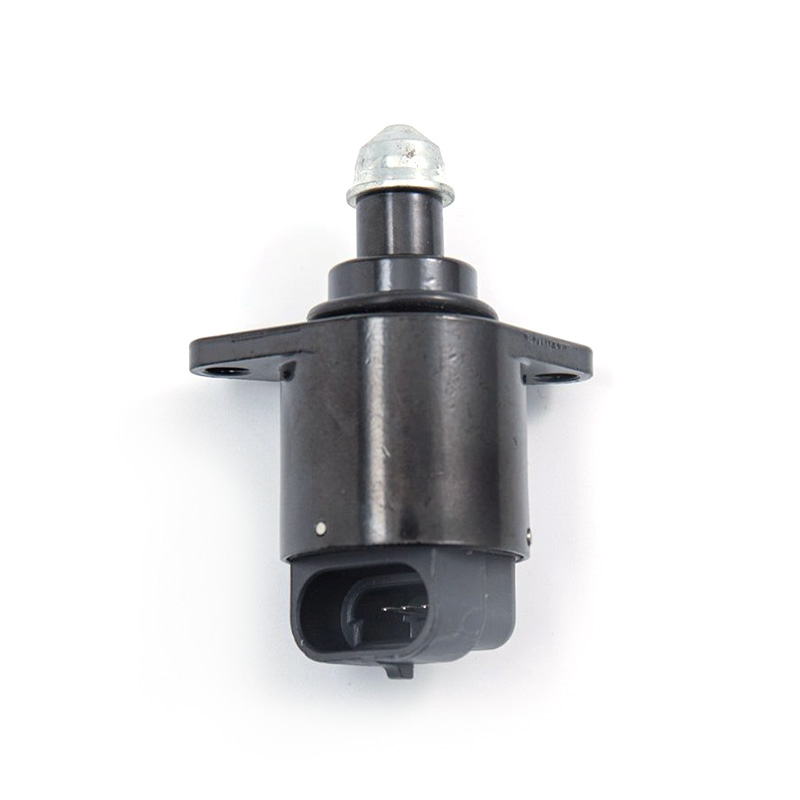
A modern Idle Air Control Valve works alongside electronic throttle systems to help maintain engine stability during idle operation, airflow adjustment, and transient load conditions. In electronically managed powertrains, airflow regulation plays a critical role in balancing fuel efficiency, emissions performance, and driving smoothness.
Recent industry discussions also highlight how electronic throttle systems improve coordination with:
These integrations are becoming increasingly important as automotive software architectures continue evolving.
Global procurement teams are no longer evaluating automotive components based only on cost or basic functionality. Long-term operational stability and sensor precision are becoming much more important.
In online automotive engineering communities, discussions around drive-by-wire systems frequently focus on reliability improvements and the reduced maintenance associated with modern electronic systems.
As electronic vehicle systems become more complex, production precision is increasingly important. Small inconsistencies in sensor calibration or component assembly can affect throttle response behavior and vehicle stability.
Manufacturing development for components such as Idle Air Control Valve systems now focuses heavily on:
This level of engineering control is especially important for suppliers supporting OEM platforms and global aftermarket distribution.
The automotive industry is steadily moving toward deeper integration between mechanical components, electronic systems, and intelligent software control. Drive-by-wire technology, sensor redundancy, predictive diagnostics, and adaptive response systems are expected to become even more common across future vehicle platforms.
As this evolution continues, manufacturers capable of combining stable production with electronic control expertise will remain important partners for global automotive brands and aftermarket buyers operating in an increasingly software-centered vehicle environment.
Related Products
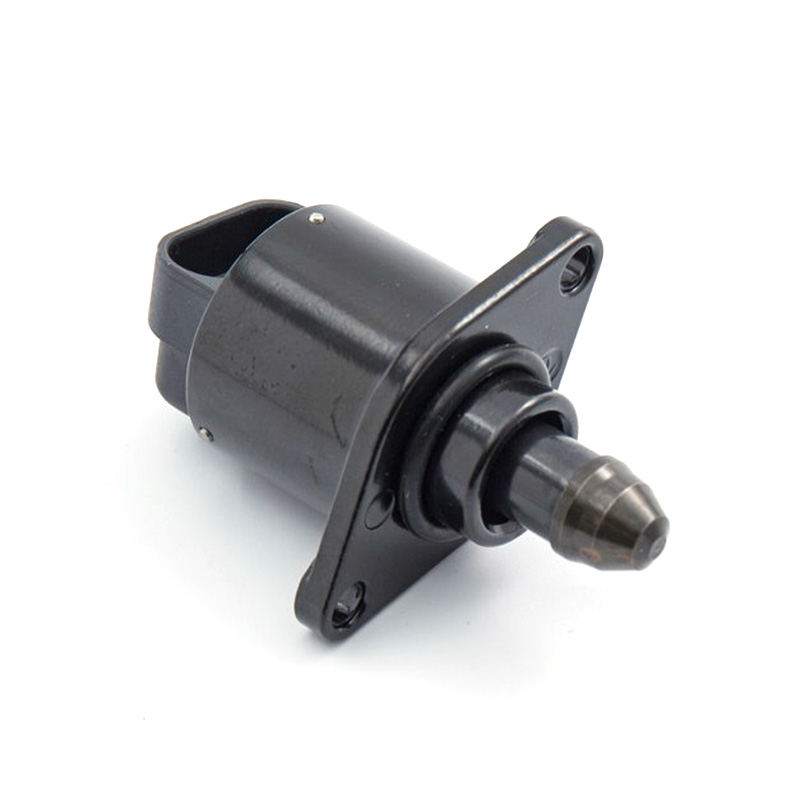
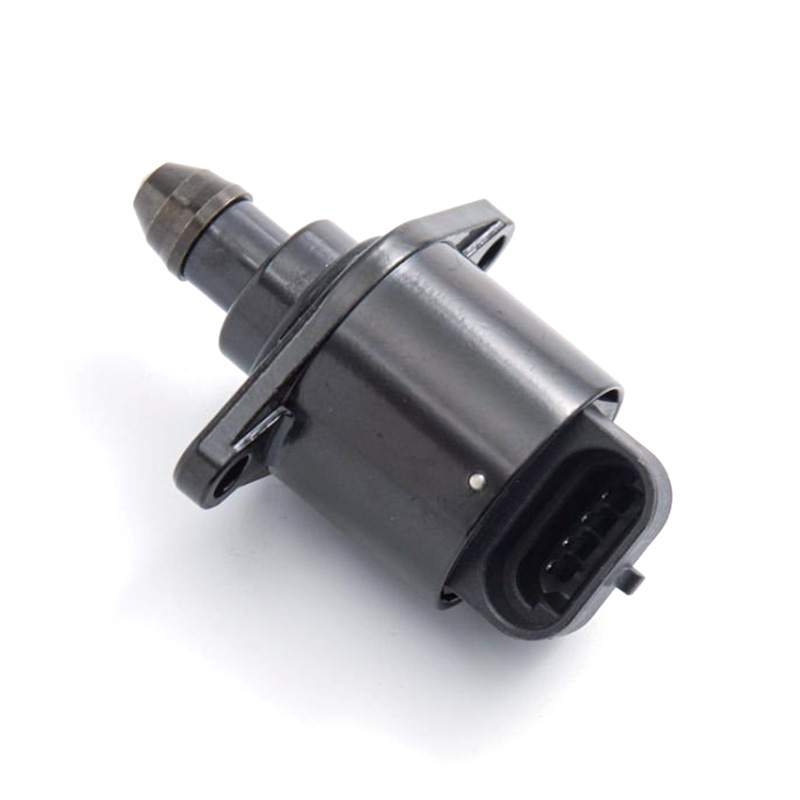
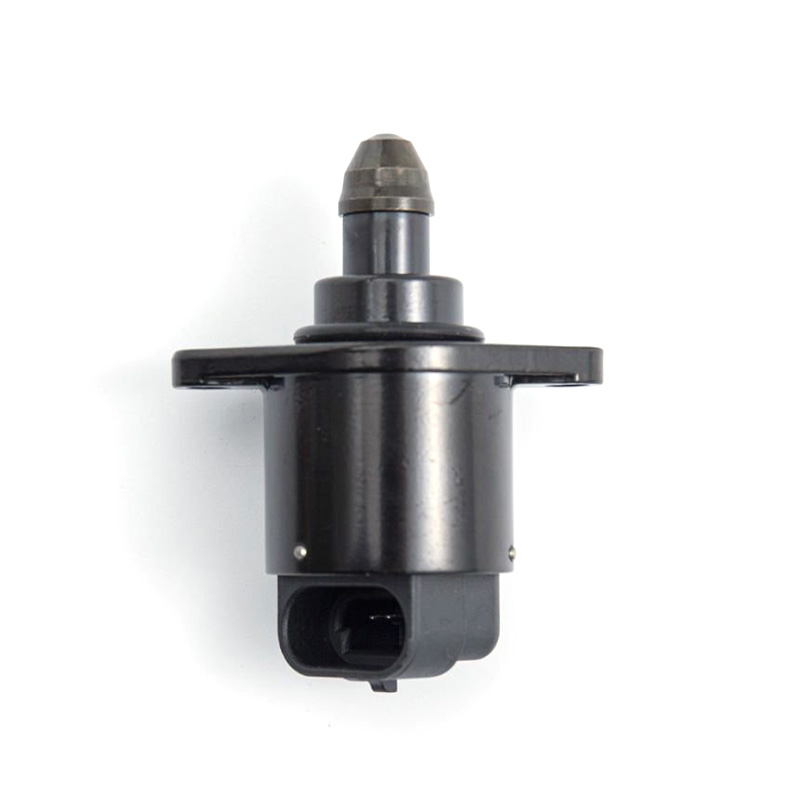
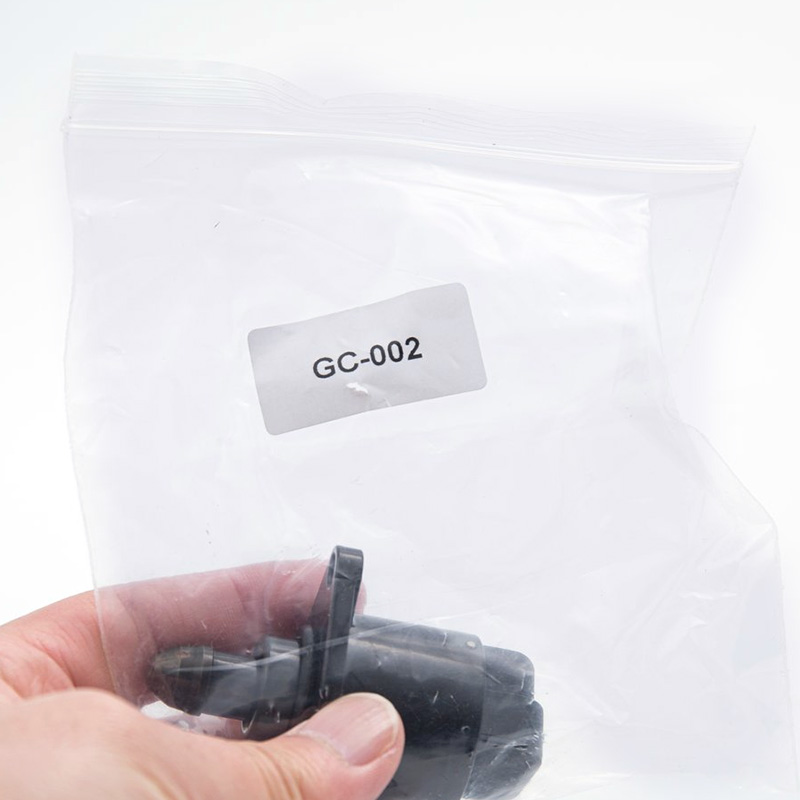
GC-002
REFERENCE OE:
SHORT CODE: B95/00
PEUGEOT: 1920X9 C95197
APPLICATION:
PEUGEOT 306 Break/Cabriolet/Schraqheck;PEUGEOT 405 II Break; PEUGEOT 406 Break/Coupe;
PEUGEOT 605 806;PEUGEOT BOXER Bus/Kasten/Pritsche/Fahrqestell
China original factory for idle air control valve and different kind of sensors with high quality and competitive price!
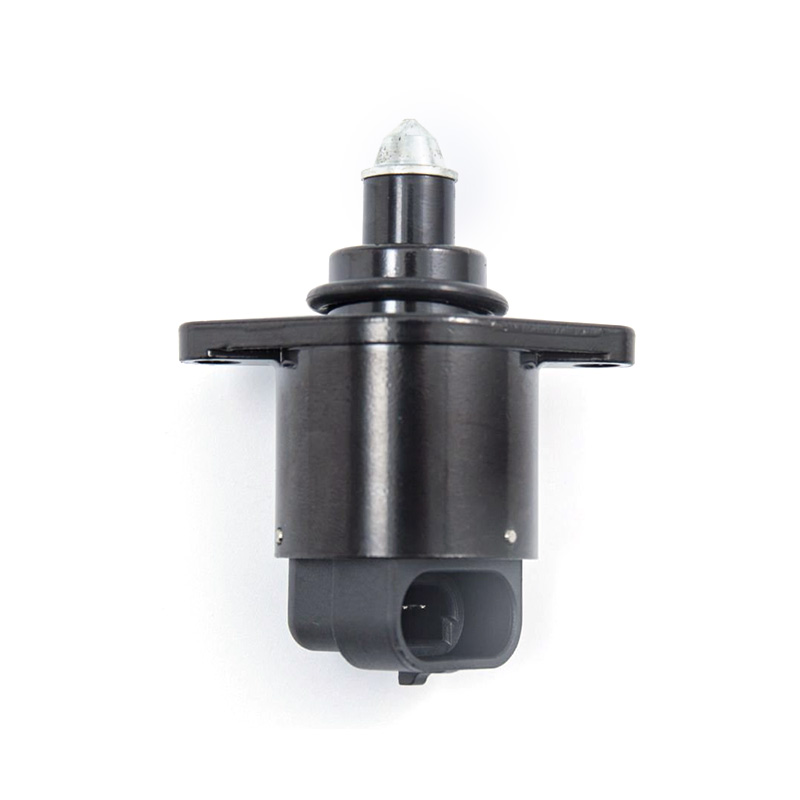
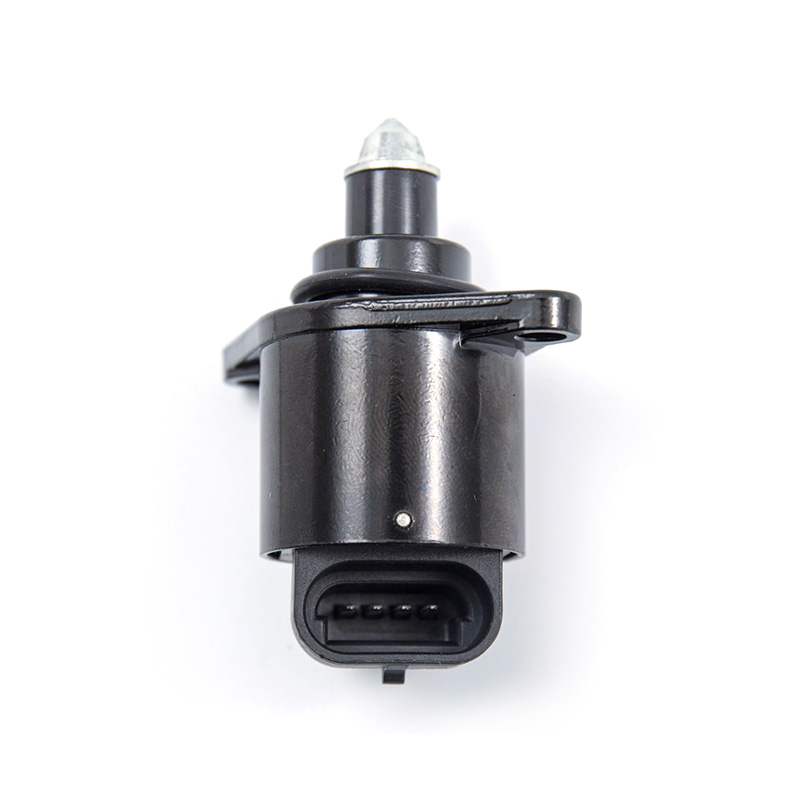
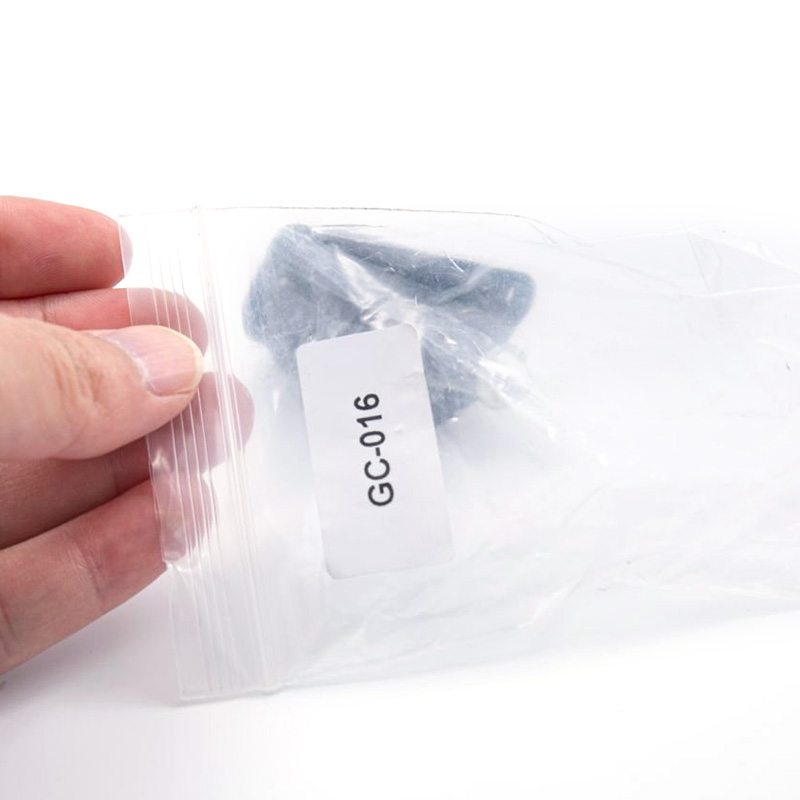
GC-016
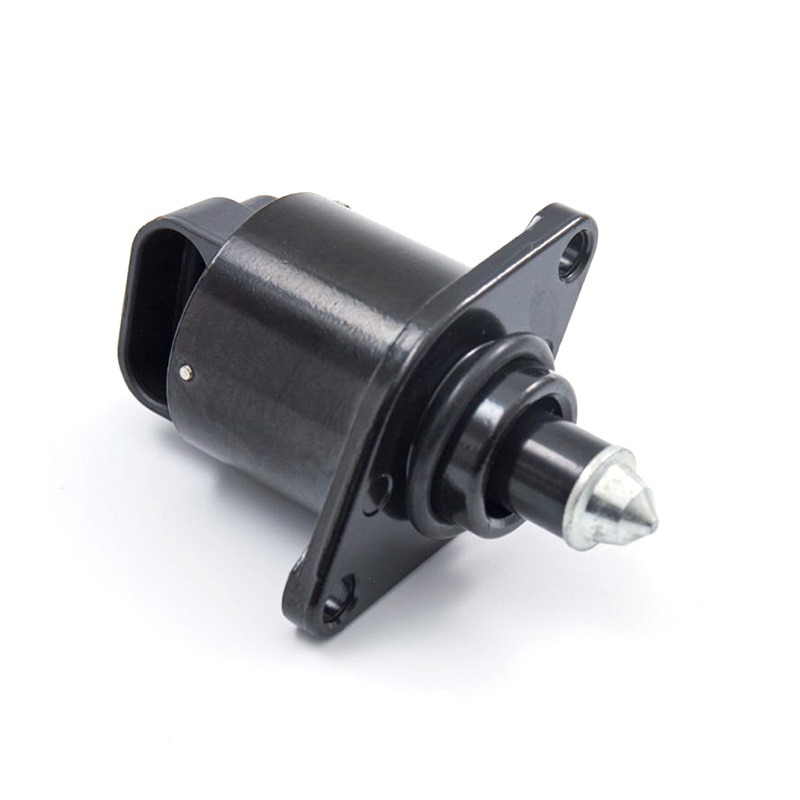
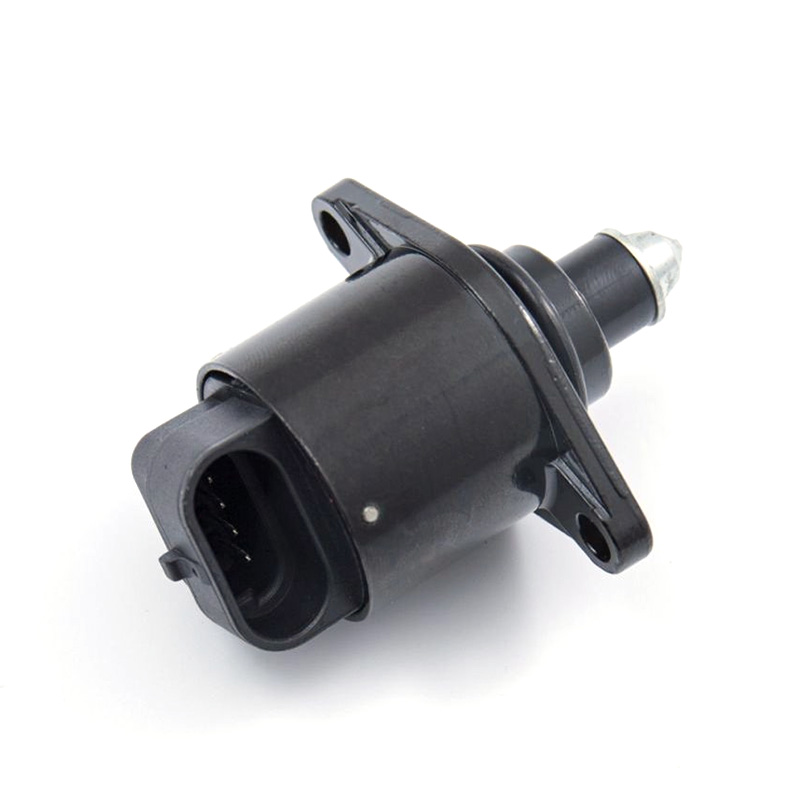
REFERENCE OE:
MEAT DORIA:84037
SHORT CODE:B32/00 D95129
RENAULT: 7701042403 801000774001
APPLICATION:
RENAULT CLIO I;
RENAU CLIO II/II Kasten;
RENAU KANGOO/KANGOO Express;
RENAU TWINGO
Importing auto parts idle air control valve from China factory!
GC-018
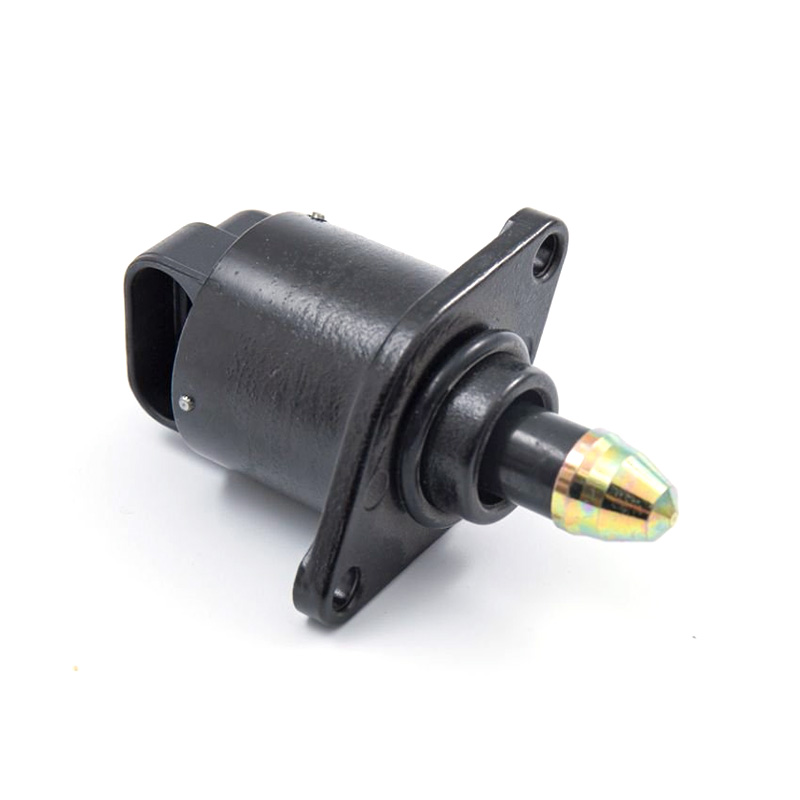
REFERENCE OE:
FIAT:0009943223
FIAT:0009949146
SIMENCE:A95140 00600
APPLICATION:
LANCI DEDRA;LANCI DEDRA SW
Idle air control valve for auto parts,China original factory direct!
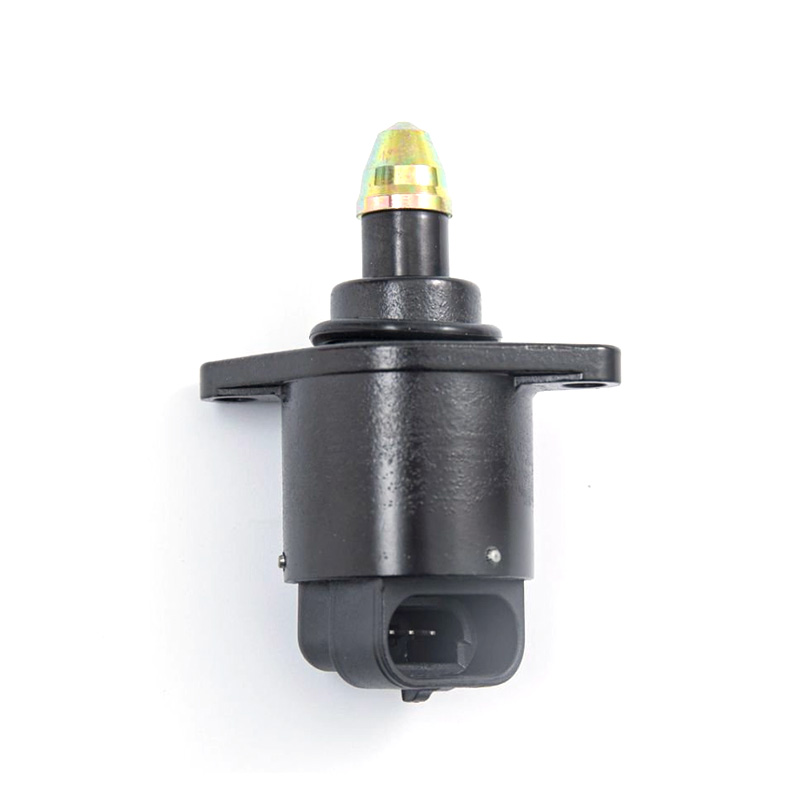
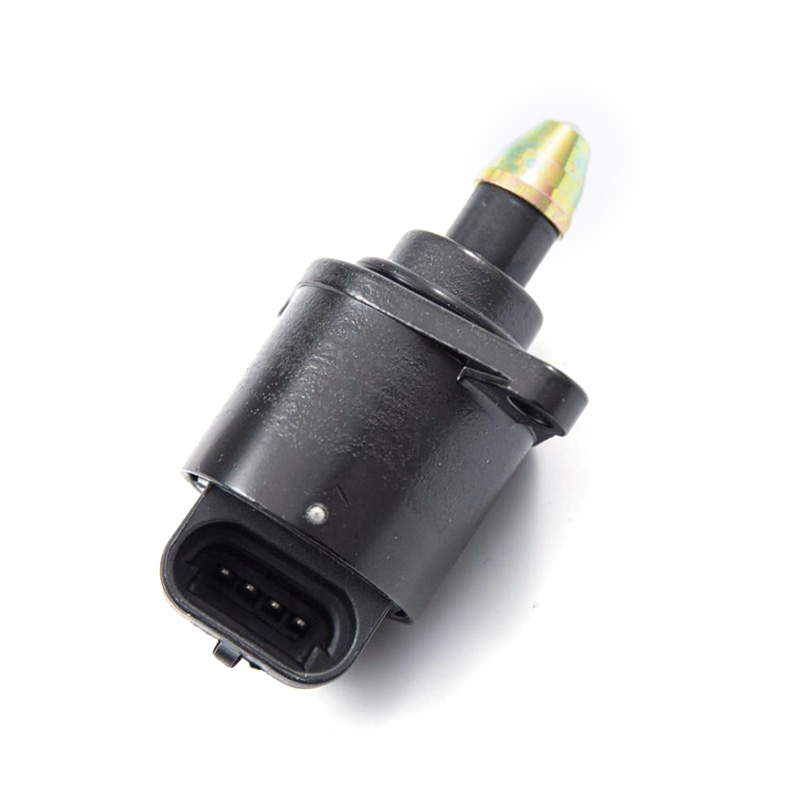
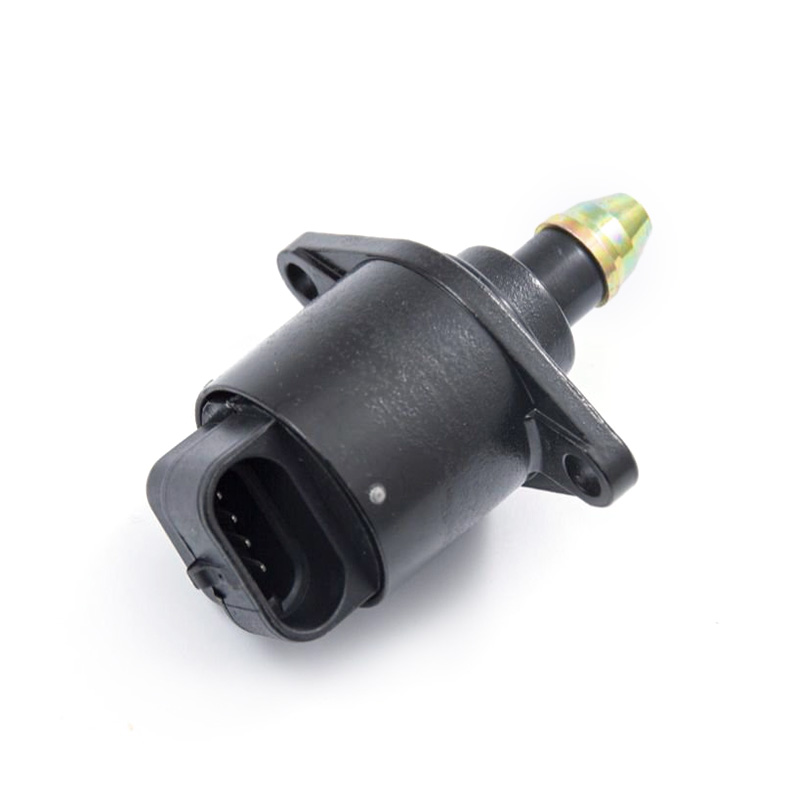
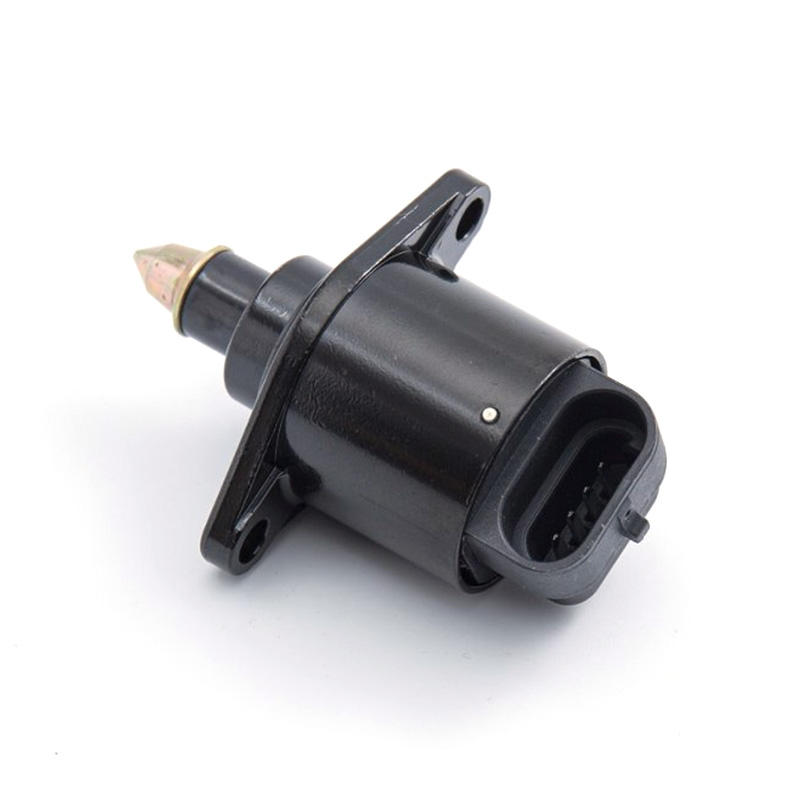
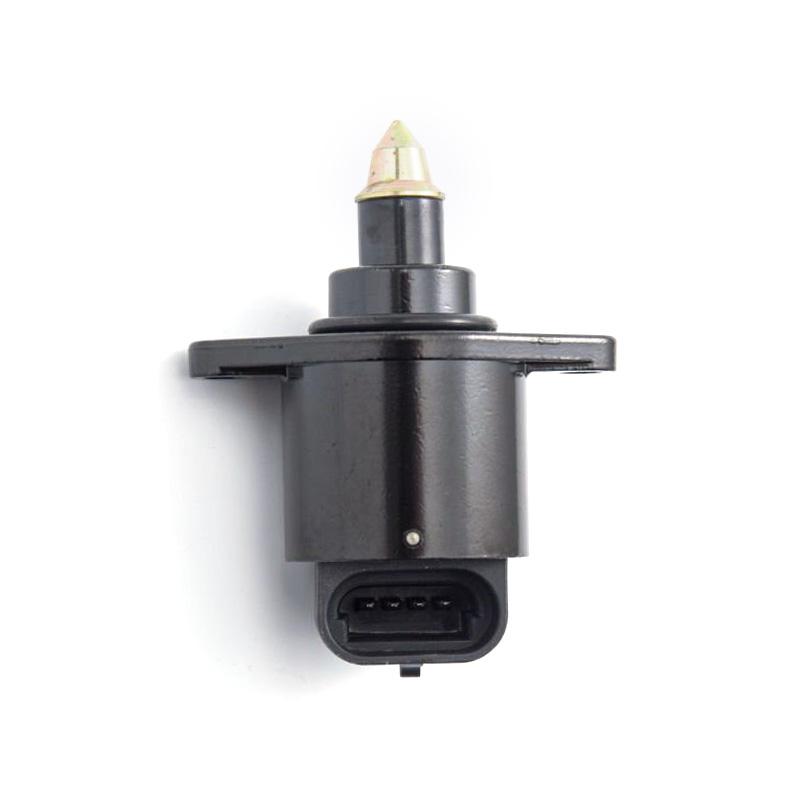
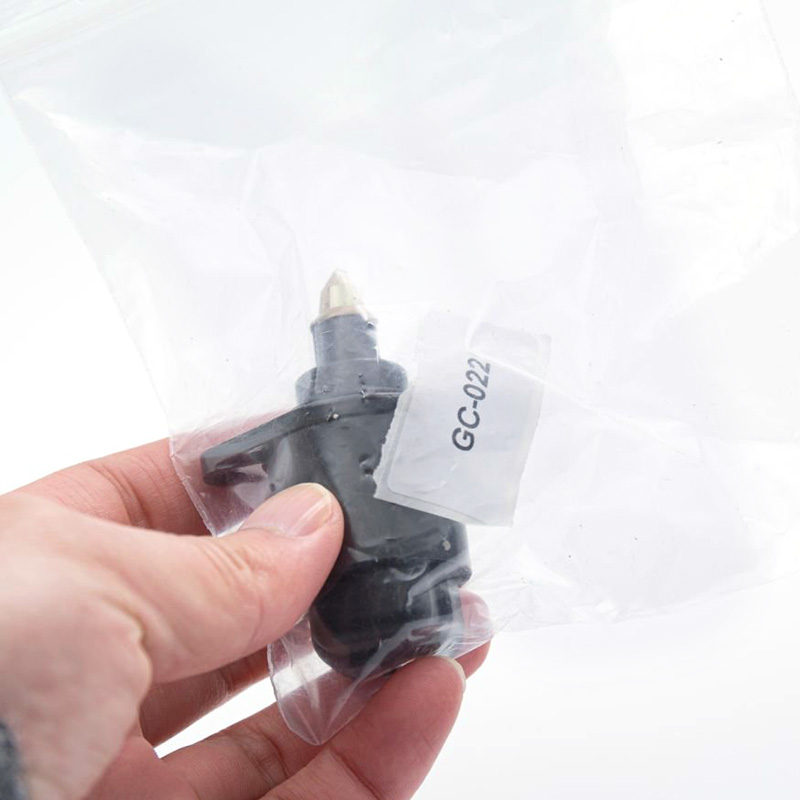
GC-022
REFERENCE OE:
SHORT CODE:B08/01
MARELLI:40380202
VDO:AT-00801R
VW:0269060491
FIAT:7076356
FORD:F5PF.9N825 .AA
APPLICATION:
VW,FIAT,FORD
Idle air control valve wholesale and retail,China manufacture direct!
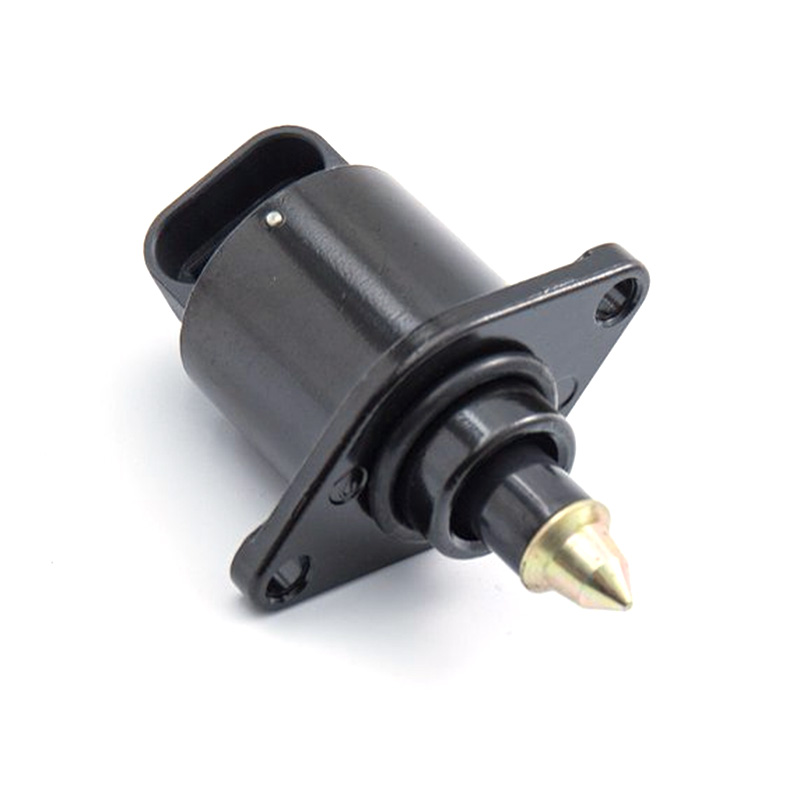
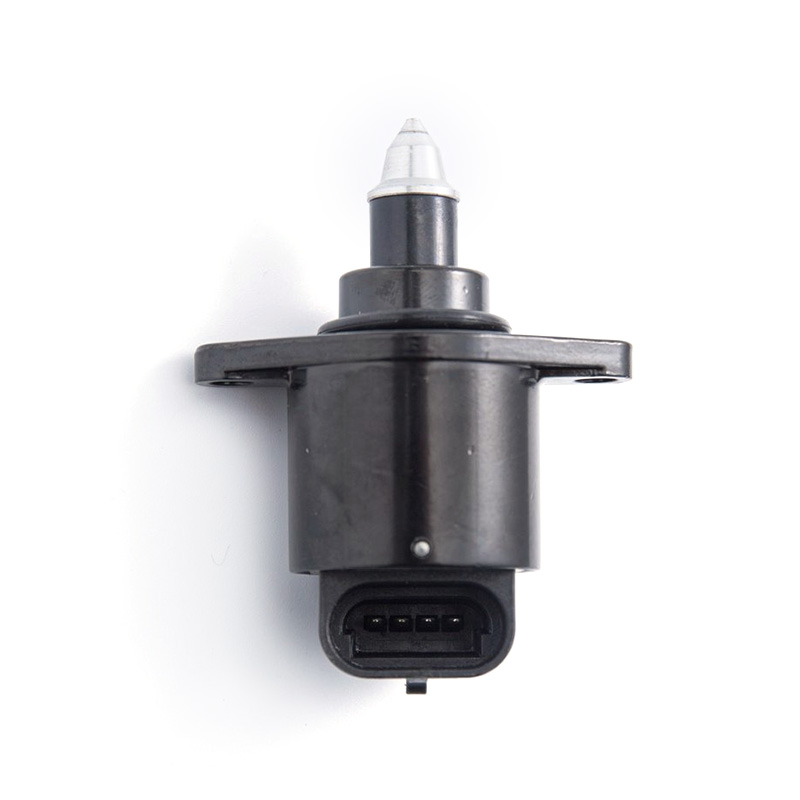
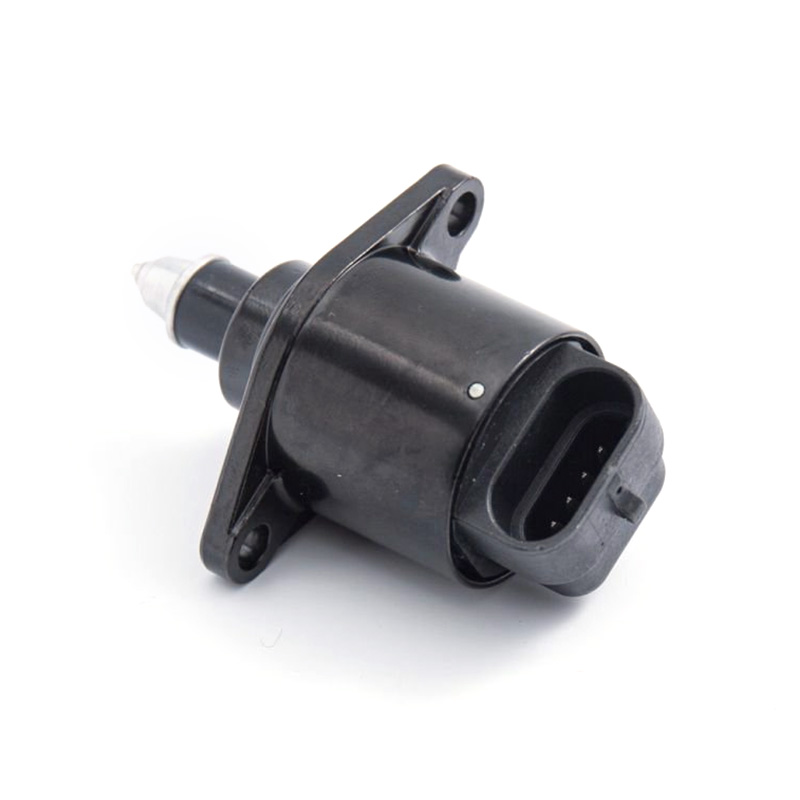
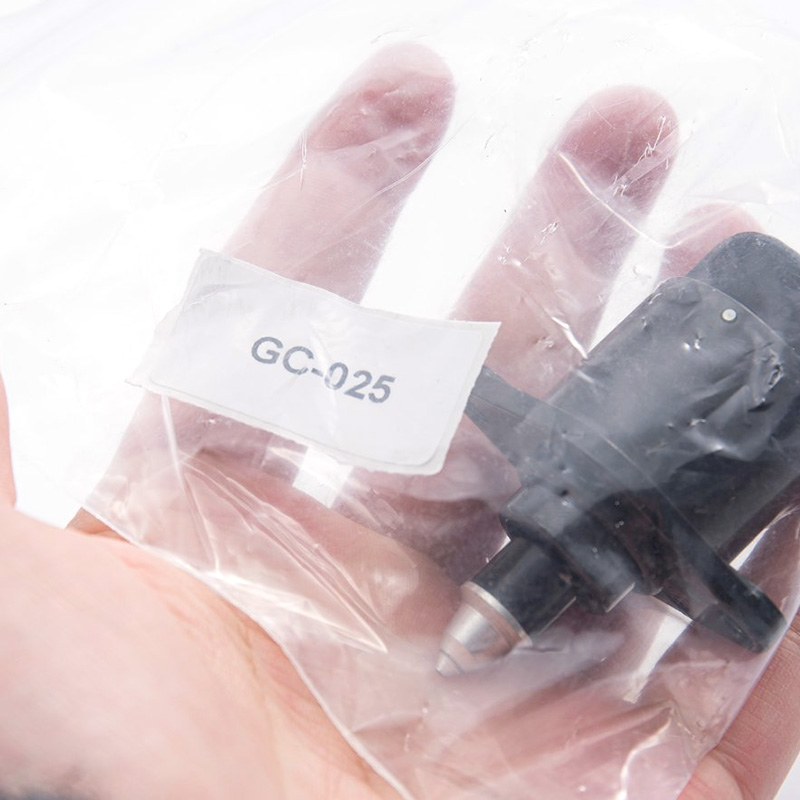
GC-025
REFERENCE OE:
STD: AC495 SHORT CODE:59602
DELPHI: ICD00120
GM: 17059602
VDO: AT-59602R
WELLS: AC167; 93744675; 96434613; 17059602
APPLICATION:
CHEVR AVEO Stufenheck;
DAEWOO KALOS/LANOS/NUBIRA/NUBIRA Stufenheck;
GENTRA 06-07
Idle air control valve from China factory for Chevrolet Aveo Daewoo.
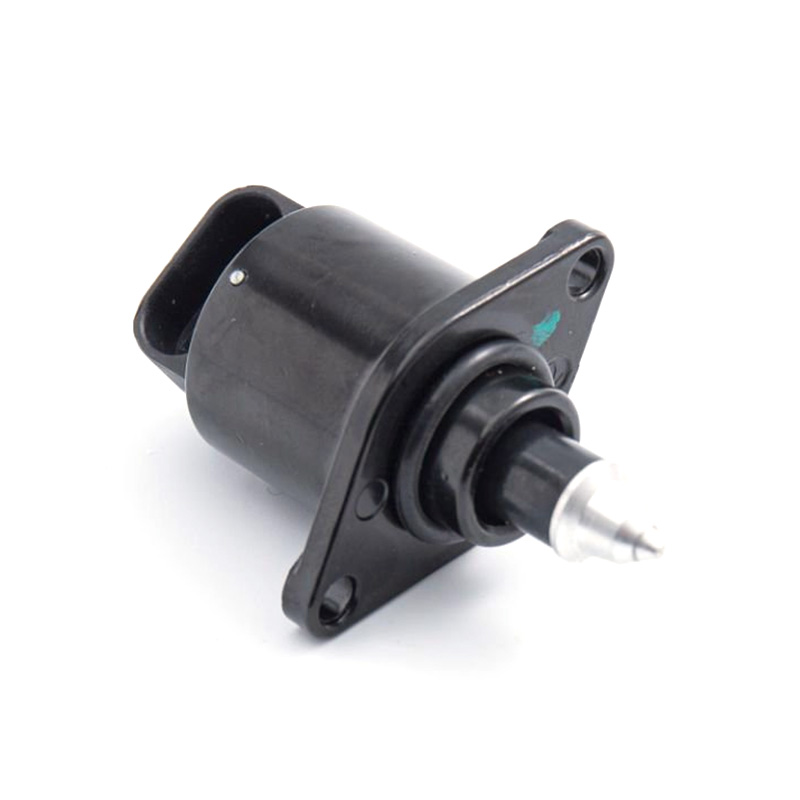
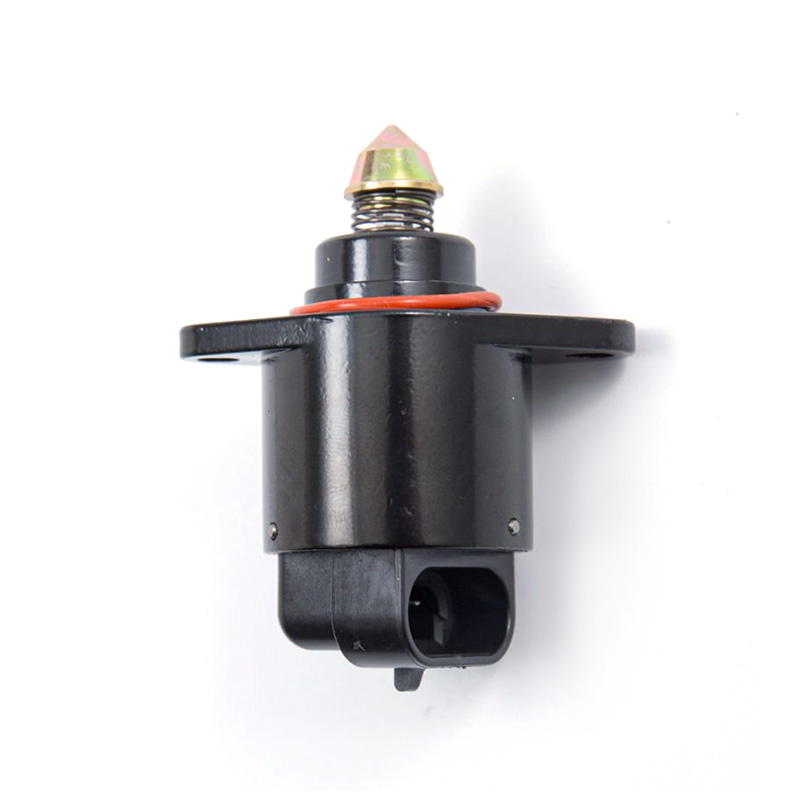
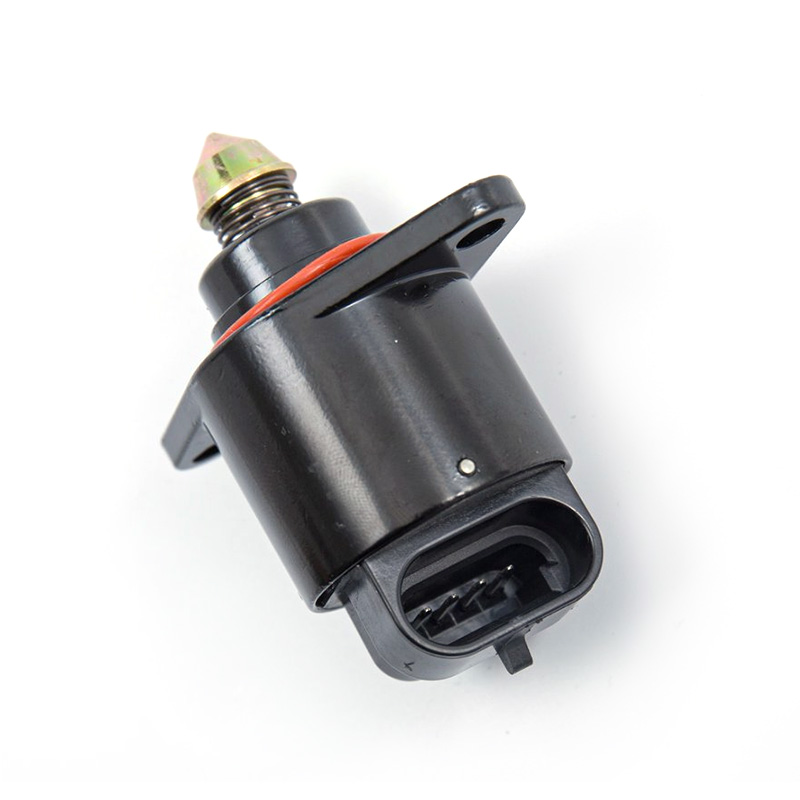
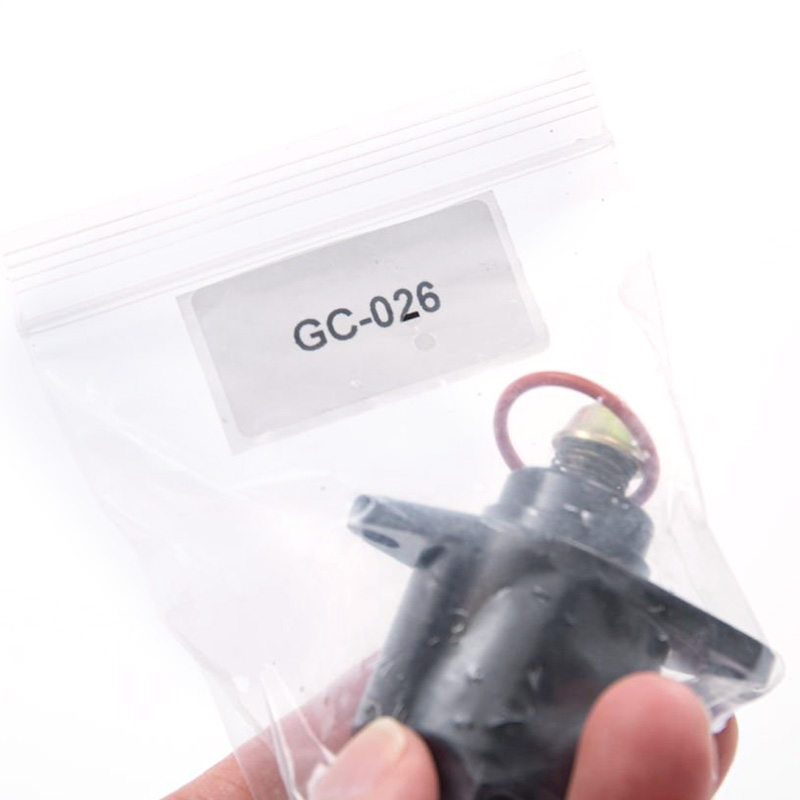
GC-026
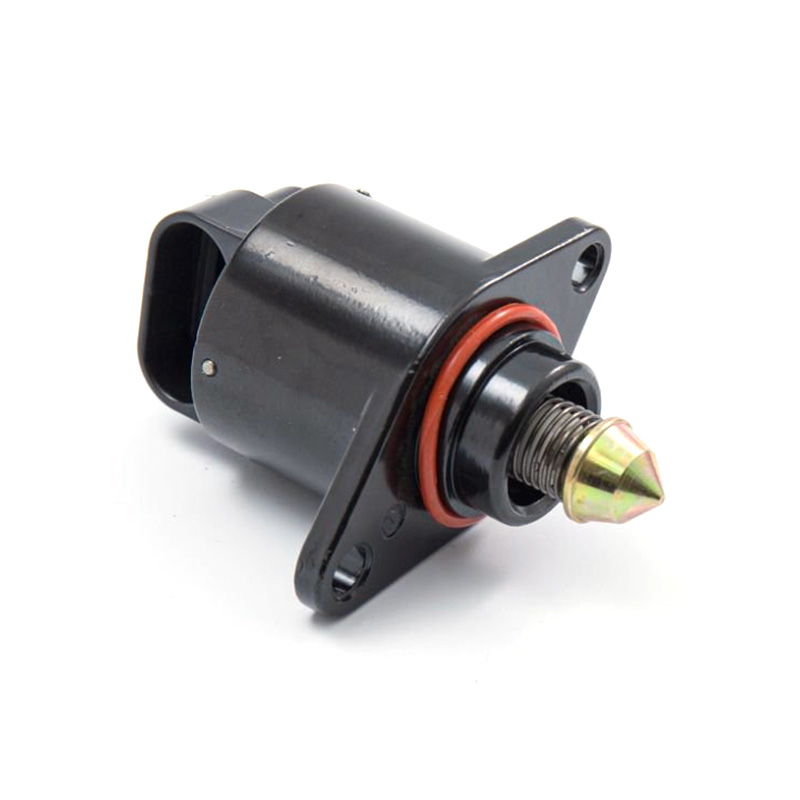
REFERENCE OE:
SHORT CODE: 59603; 17059603
DELPHI: ICD00125
GM: 817253 817255 17112031 17112023
SIMENCE: A95214
VDO: AT-59603R STD: AC15
APPLICATION:
OPEL ASCONA C;
OPEL ASTRA F;
OPEL ASTRA F Cabriolet/Kombi/Schraqheck/Van;
OPEL KADETT E;
OPEL KADETT E Cabriolet/Kombi/Schraqheck
Idle air control valve from China manufacture for Opel.
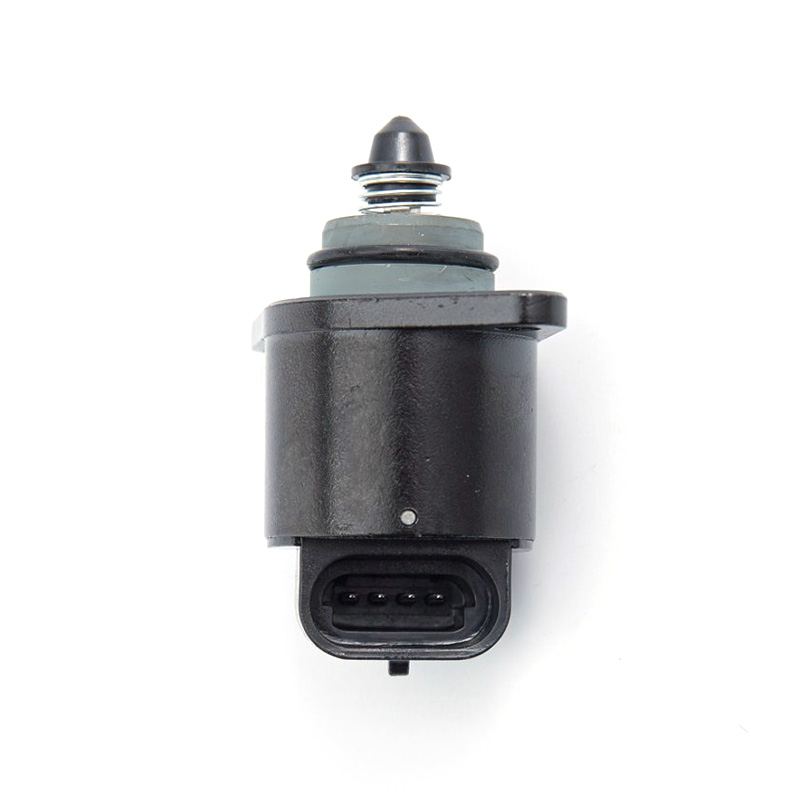
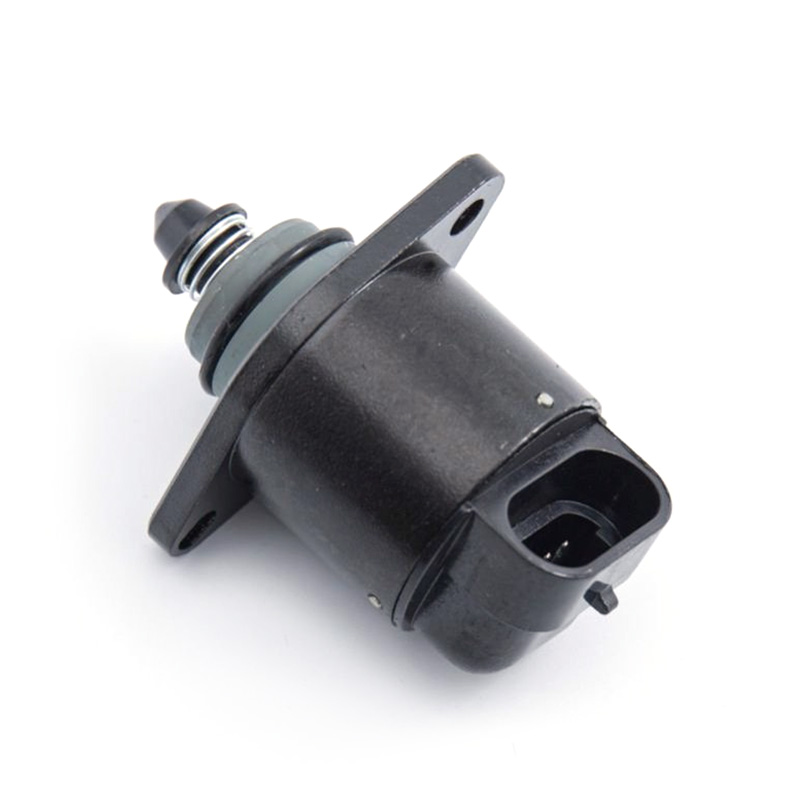
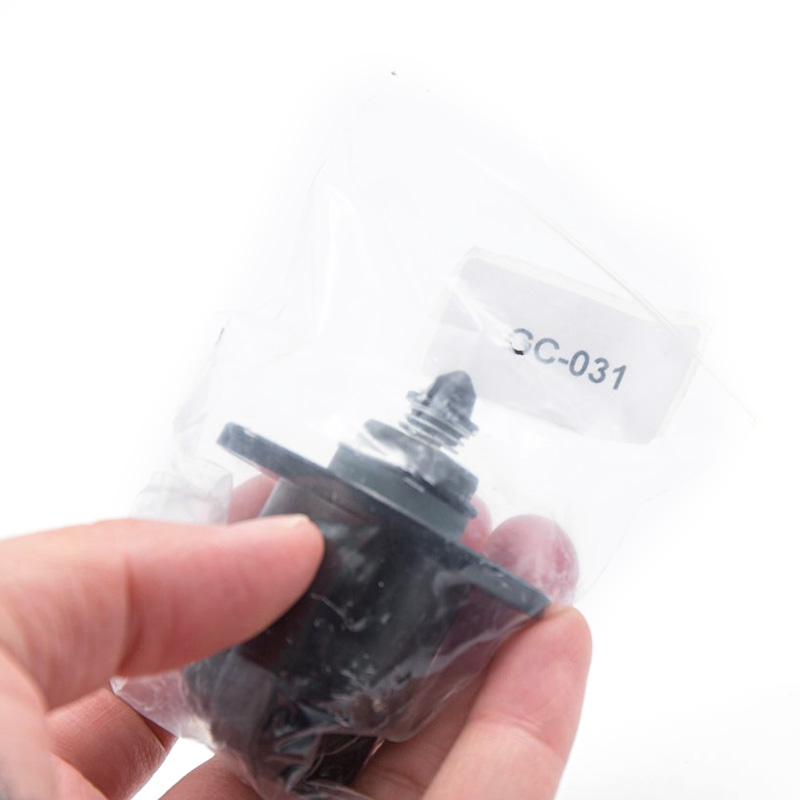
GC-031
REFERENCE OE:
2112-148300-02
APPLICATION:
LADA
Idle air control valve from China factory for Lada.
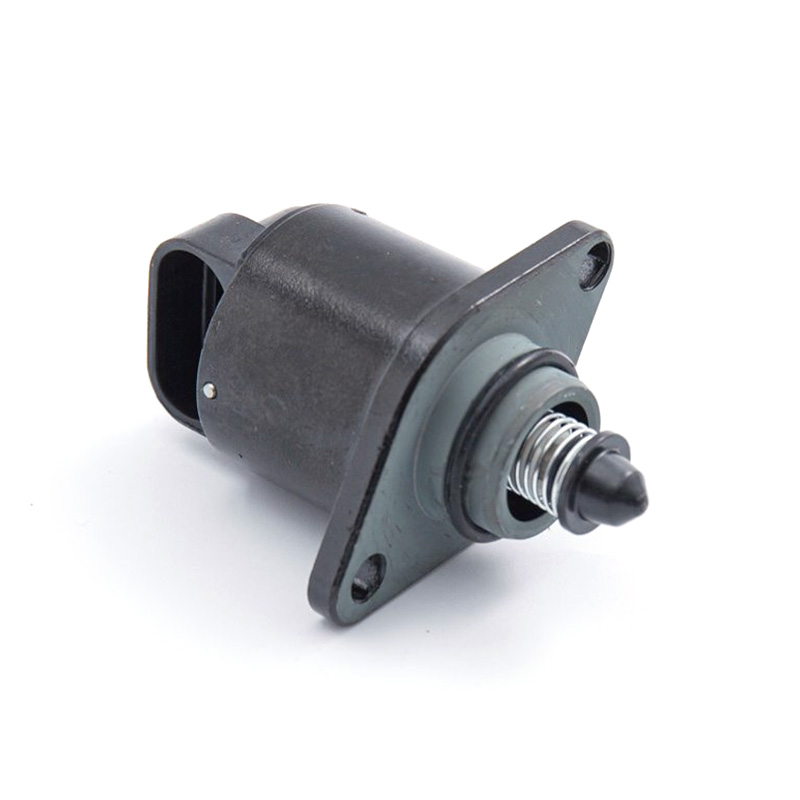
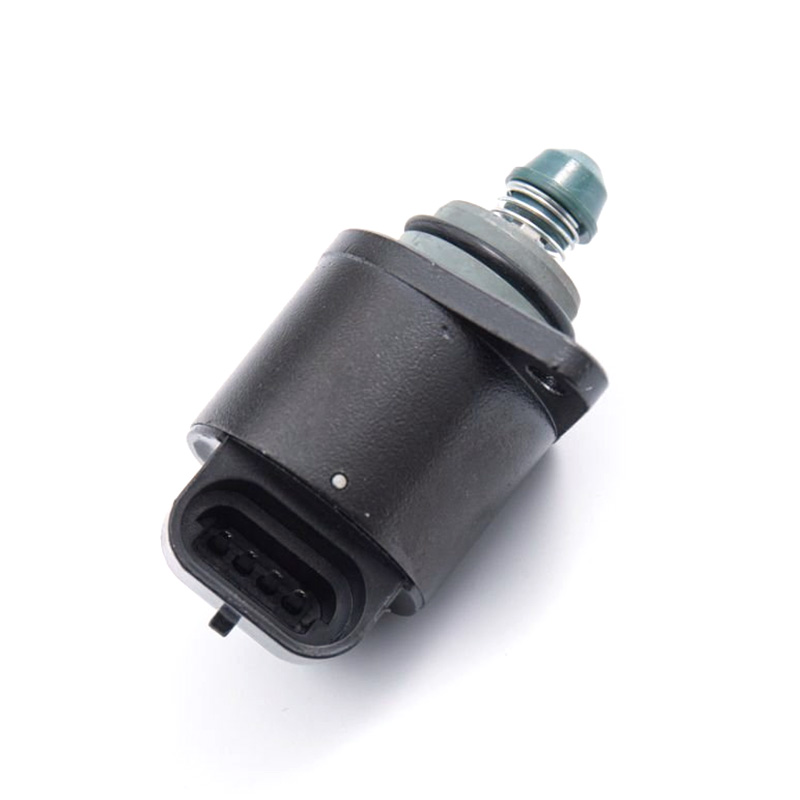
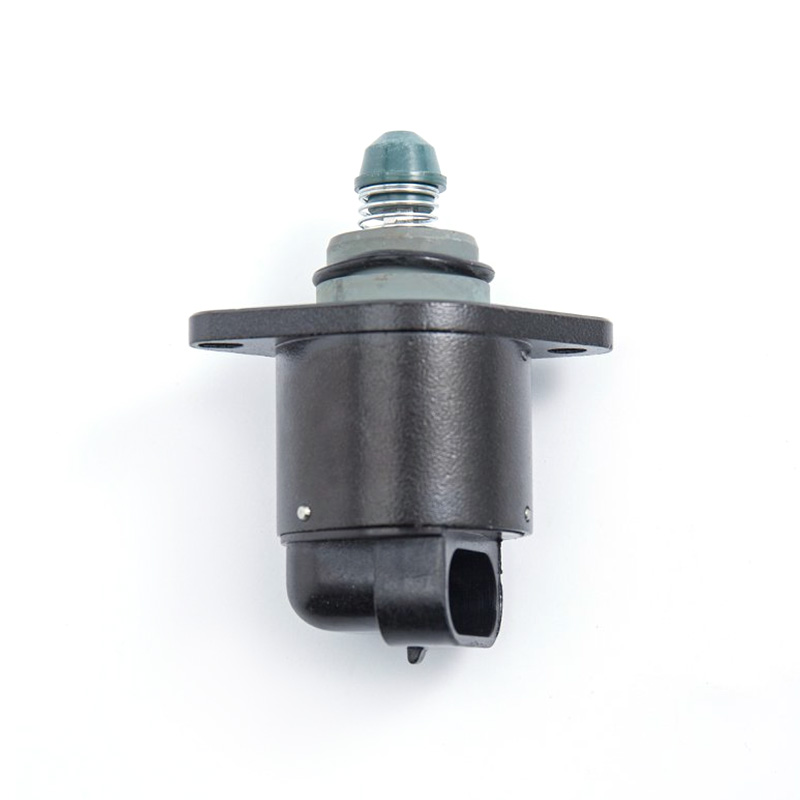
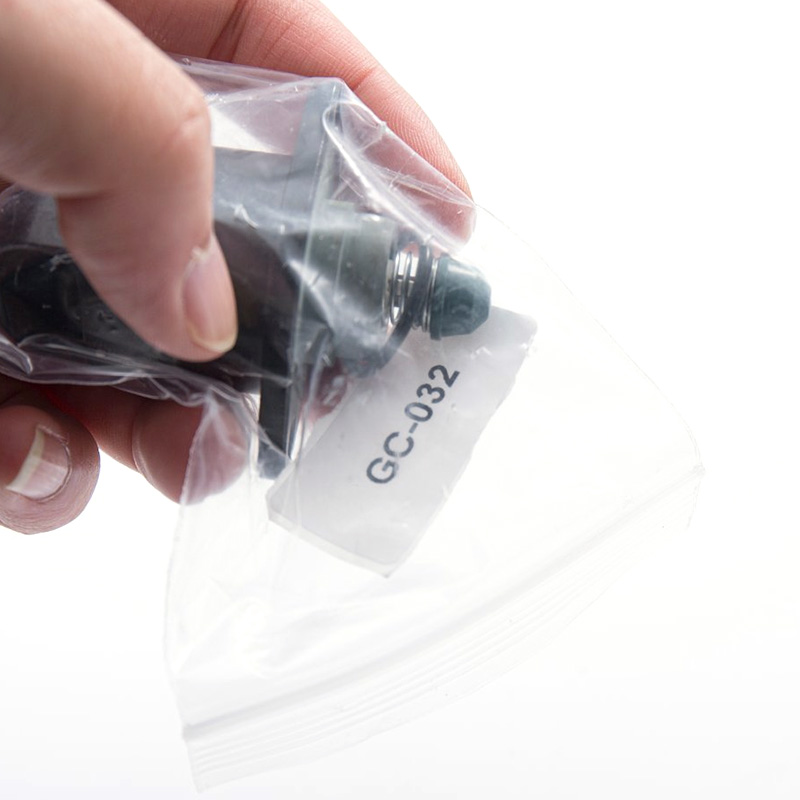
GC-032
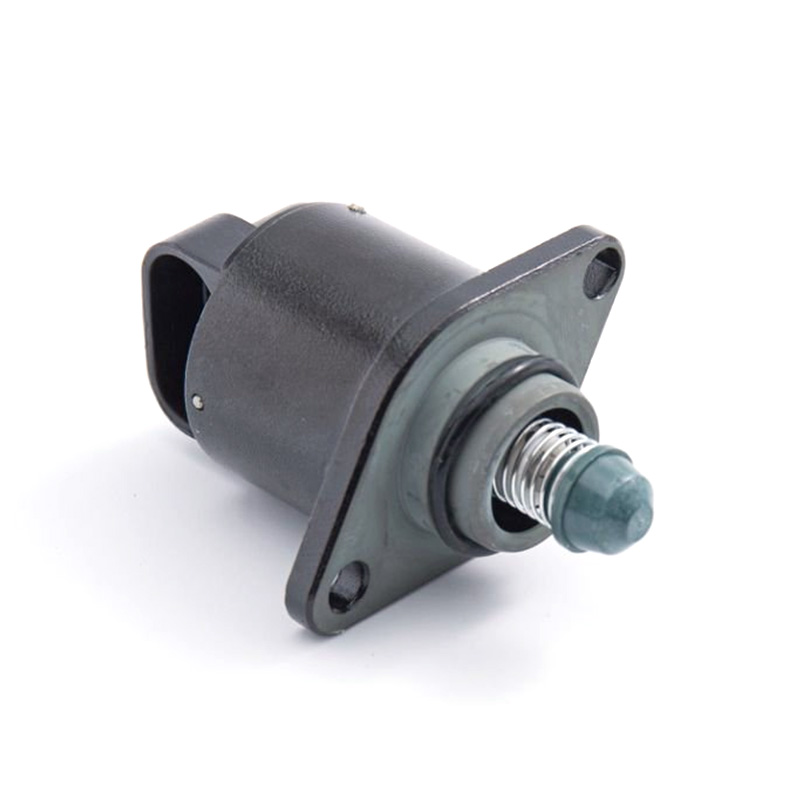
REFERENCE OE:
21203-1148300
APPLICATION:
LADA
Idle air control valve from China factory for Lada.
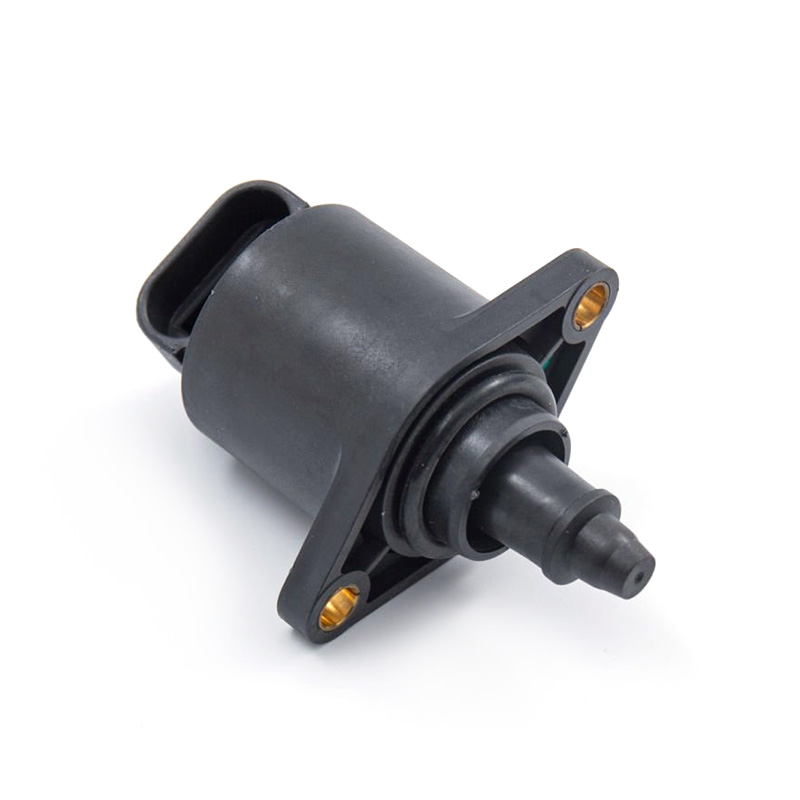
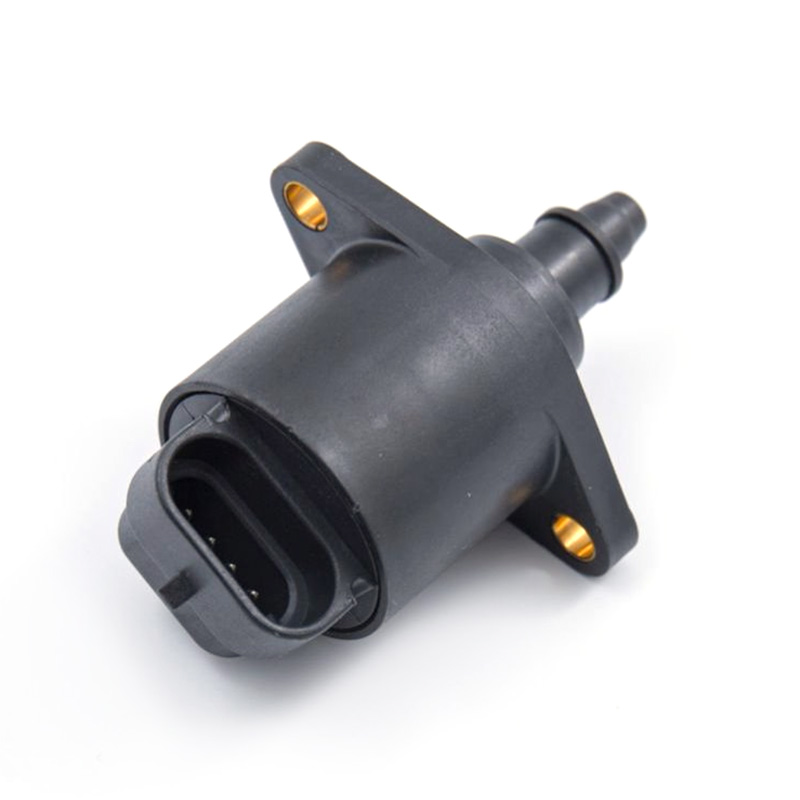
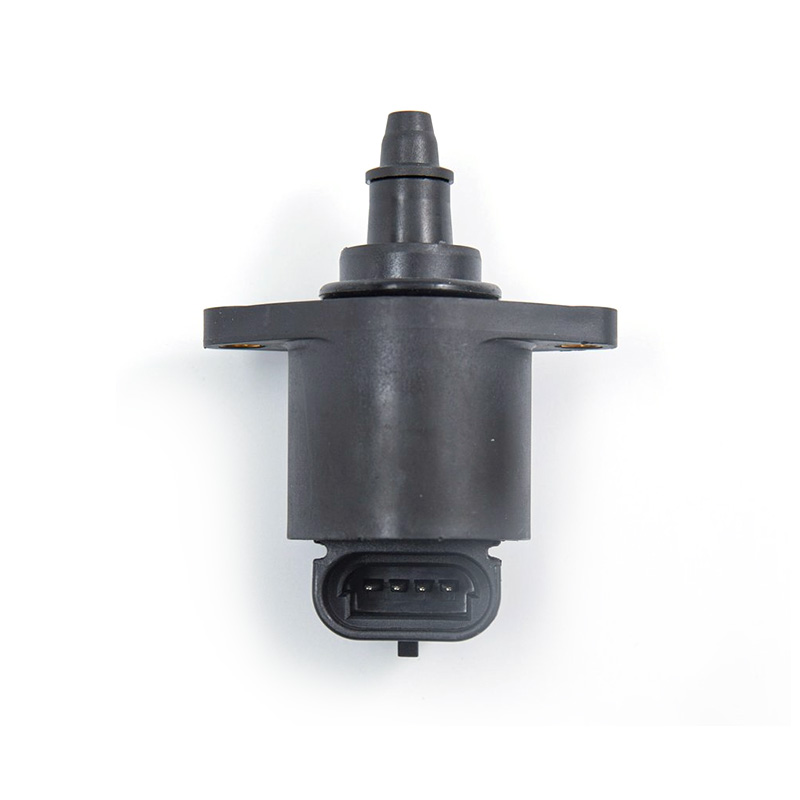
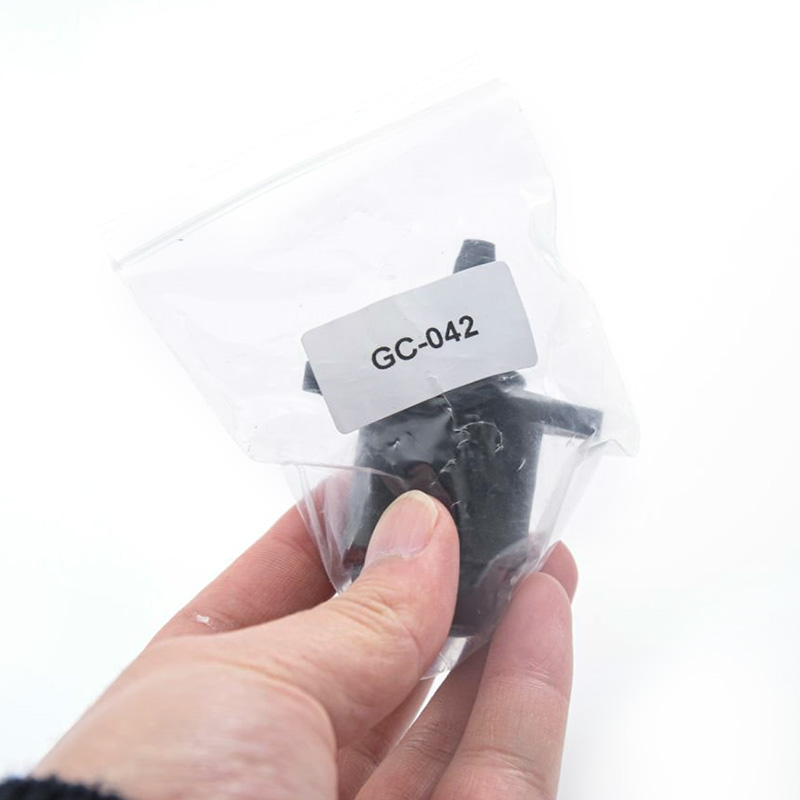
GC-042
REFERENCE OE:
SHORT CODE: D5104
FIAT: 7078983 0269980492
VDO: AT-5104R ;
APPLICATION:
PALIO 99->1.6 SPI/SIENA 99->1.6SPI/STRADA 99->1.6SPI/GOL99->1.0 SPI
Idle air control valve from China factory for Fiat Palio.
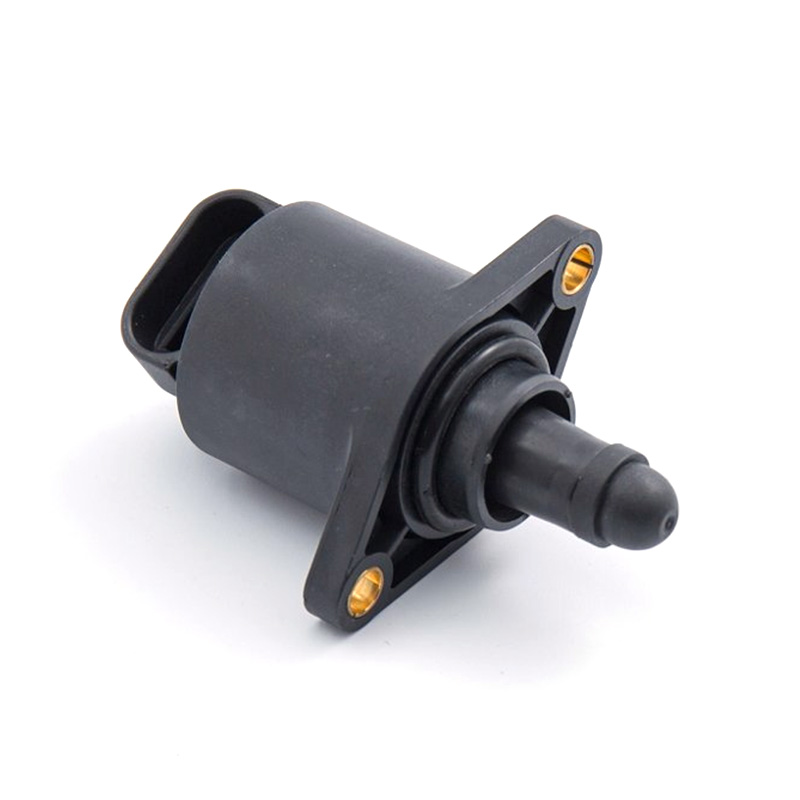
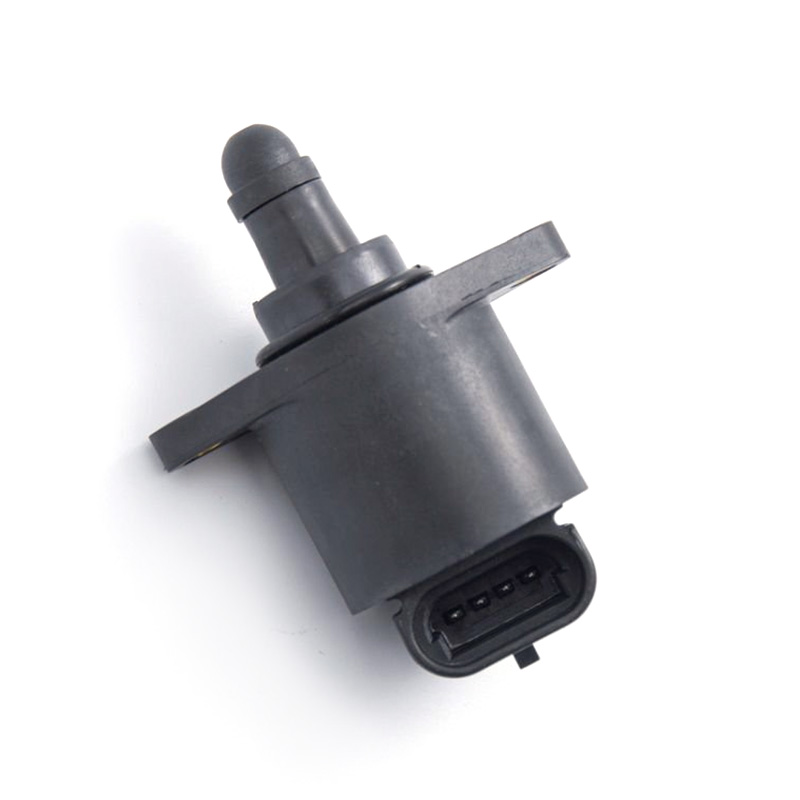
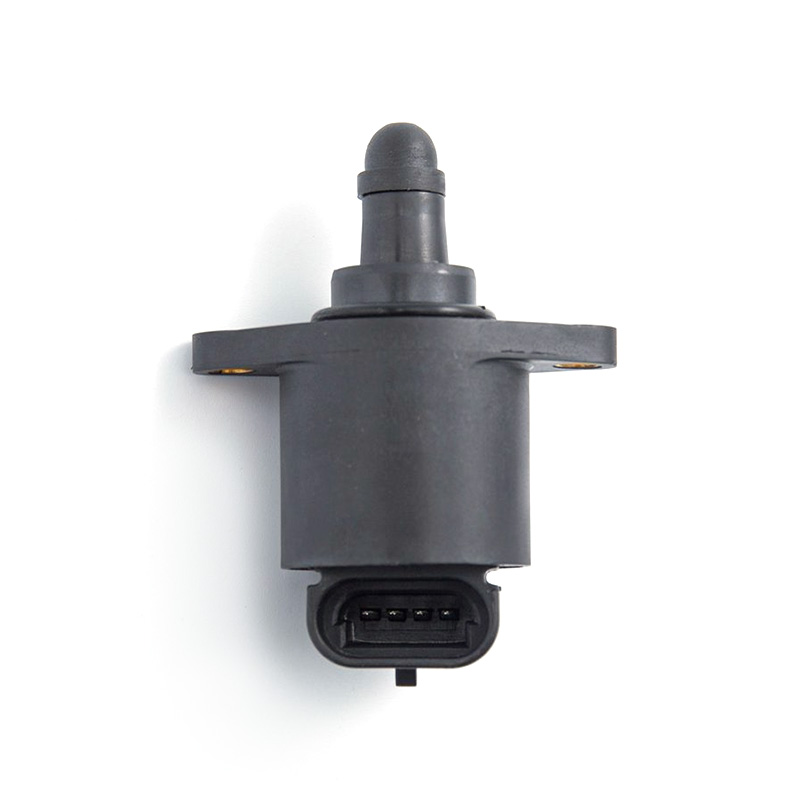
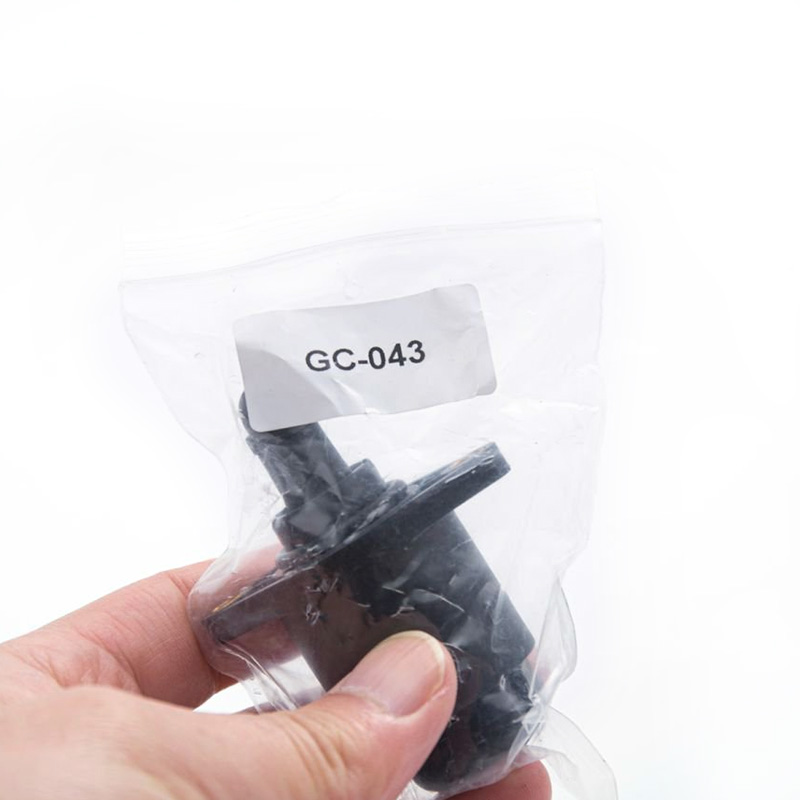
GC-043
REFERENCE OE:
SHORT CODE: B12/00
MARELLI:21924470500
OEM:9945035
APPLICATION:
FIAT PANDA(141A_)1000; Punto(176)55 1.1; Uno(146A/E) 45 i.e. 1.0; Lanci Y10(156)1.0 Fire(156e) KAT
Idle air control valve from China factory for Fiat Punto.
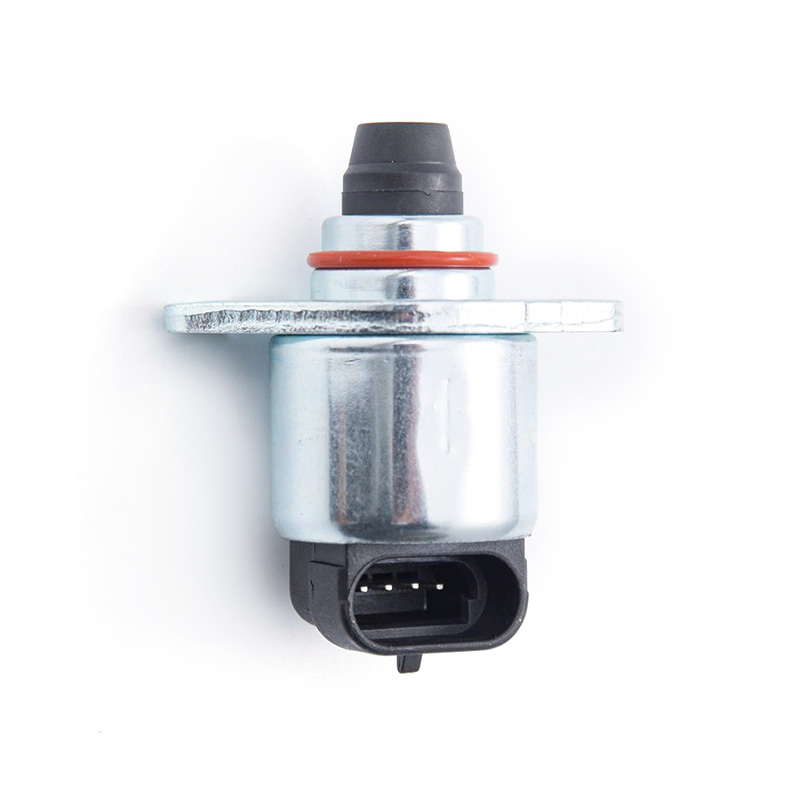
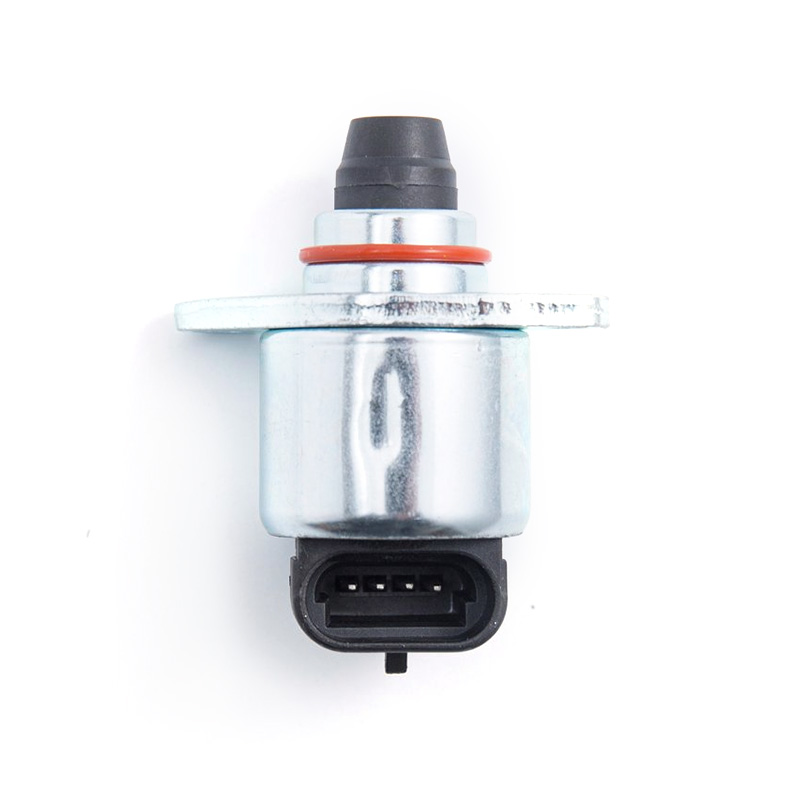
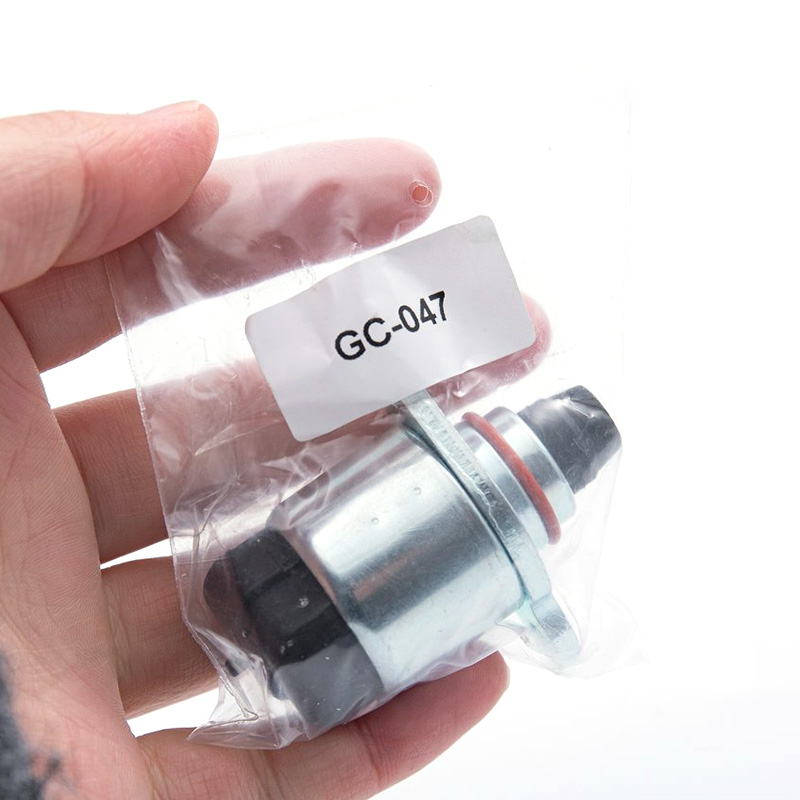
GC-047
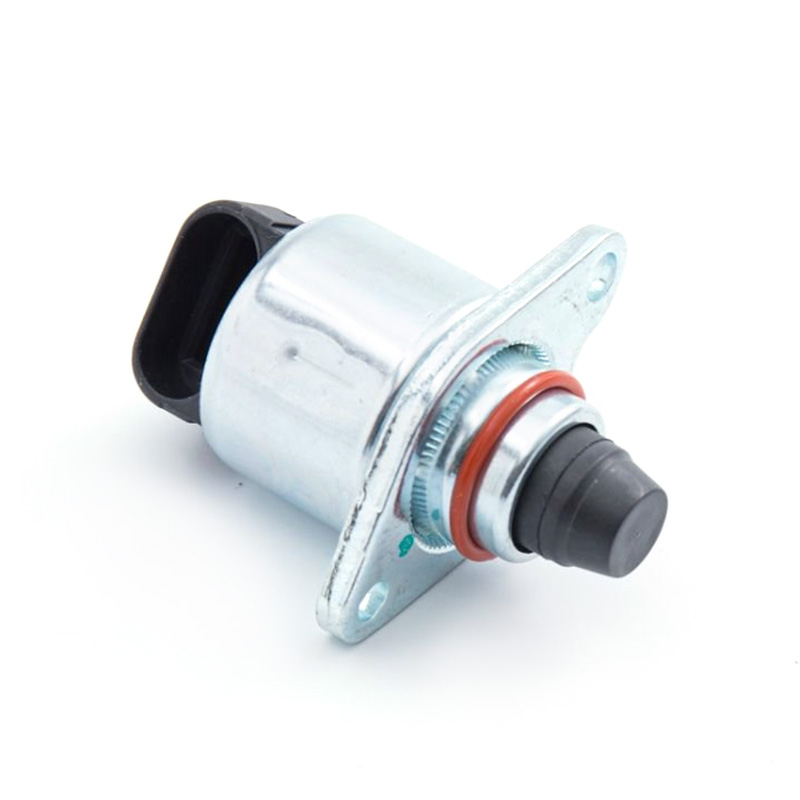
REFERENCE OE:
STD:AC160
OEM: 12482707, 217436, 8124827070
OEM: 17113167, 2H1048;12482707;
APPLICATION:
Buick Skylarkx/Chevrolet Cavalier, Malibu, S10/GMC Sonoma/Isuzu Hombre/Oldsmobile Achieva, Alero/Pontiac Grand Am, Sunfire
Idle air control valve from China factory for Buick Chevrolet Malibu.
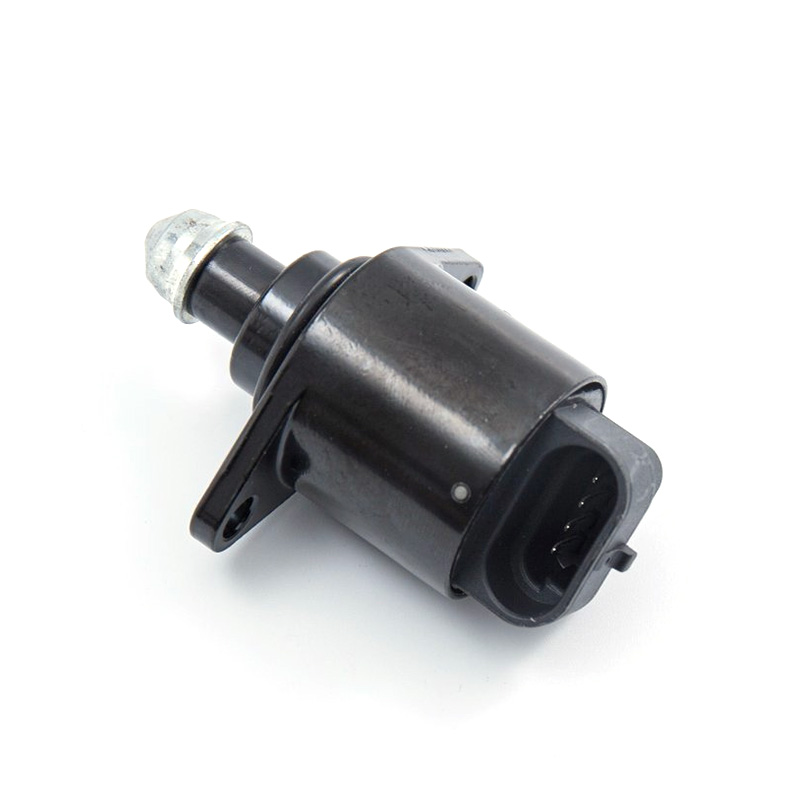
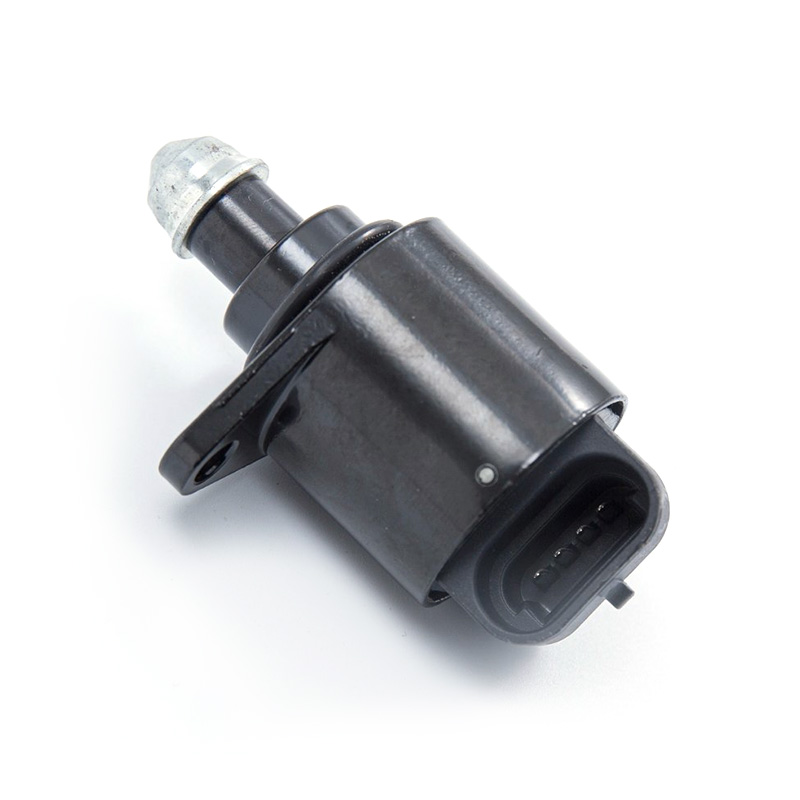
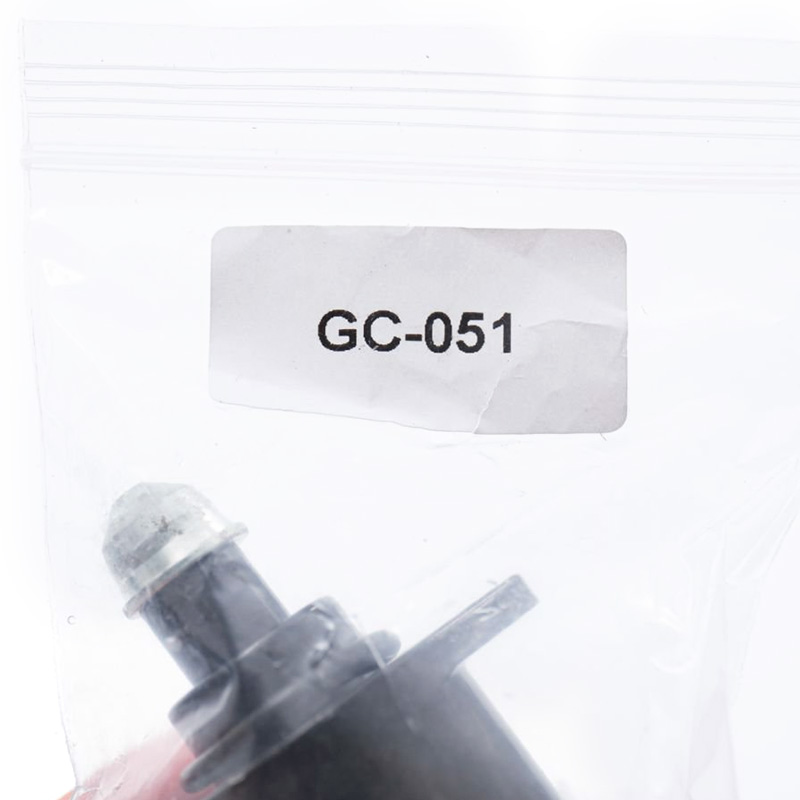
GC-051
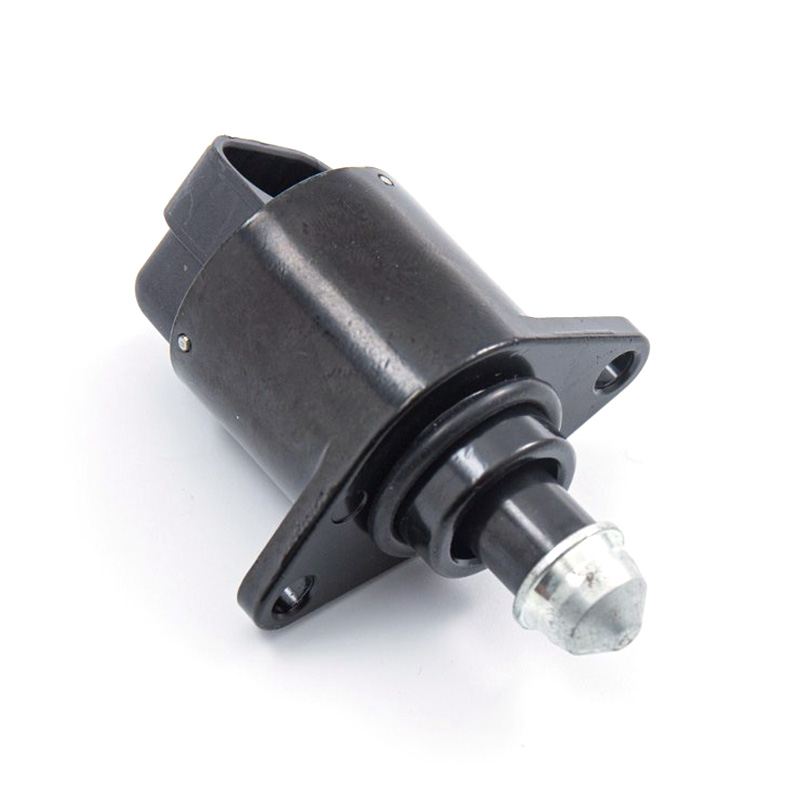
REFERENCE OE:
PEUGEOT:19205F
APPLICATION:
CITRO SAXO(S0,S1)1.4VTS 1.6VTS;PEUGEOT 106 II(1) 1.4i;206 Schraqheck(2A/C)1.4i
Idle air control valve from China factory for Citroen Saxo Peugeot 106 206.
Contact Us
Let's start collaborating

Guocheng is specialized in the R&D and production of key engine components for the automotive and engineering machinery industries.
Product
Stay Connected
(+86) - 577 - 8582 0886 (Tel)
(+86) - 577 - 8582 8085 (Fax)
(+86) - 19730213059 (Phone)
sales@wz-gc.com
No. 205, Baiyu Road, 15th Road, Binhai Park, Wenzhou, Zhejiang, China
Mobile

ODM Engine Management System Components
 English
 русский
 Español
 عربى
عربى Deutsch