Date:Aug 07, 2026
A stable idle speed is essential for smooth driving, especially on older vehicles such as the 2000 Honda Civic. Many owners notice unusual engine behavior after years of operation, including unstable RPM, unexpected stalling, or inconsistent performance during stops. A faulty 2000 civic iac valve is one possible reason behind these symptoms because this component manages the amount of air entering the engine during idle conditions.
The Idle Air Control Valve (IAC valve) works with the engine control unit (ECU) to maintain proper engine speed without pressing the accelerator pedal. Carbon deposits, internal wear, electrical issues, or airflow problems can affect its operation. Understanding the warning signs helps vehicle owners diagnose idle problems before replacing unrelated components.
The throttle plate remains almost closed during engine idle. The IAC valve provides an additional air passage around the throttle body, allowing the ECU to adjust airflow according to engine temperature, electrical load, and driving conditions. This control system helps maintain a consistent idle speed during situations such as cold starts, air conditioning operation, or stopping at traffic lights.
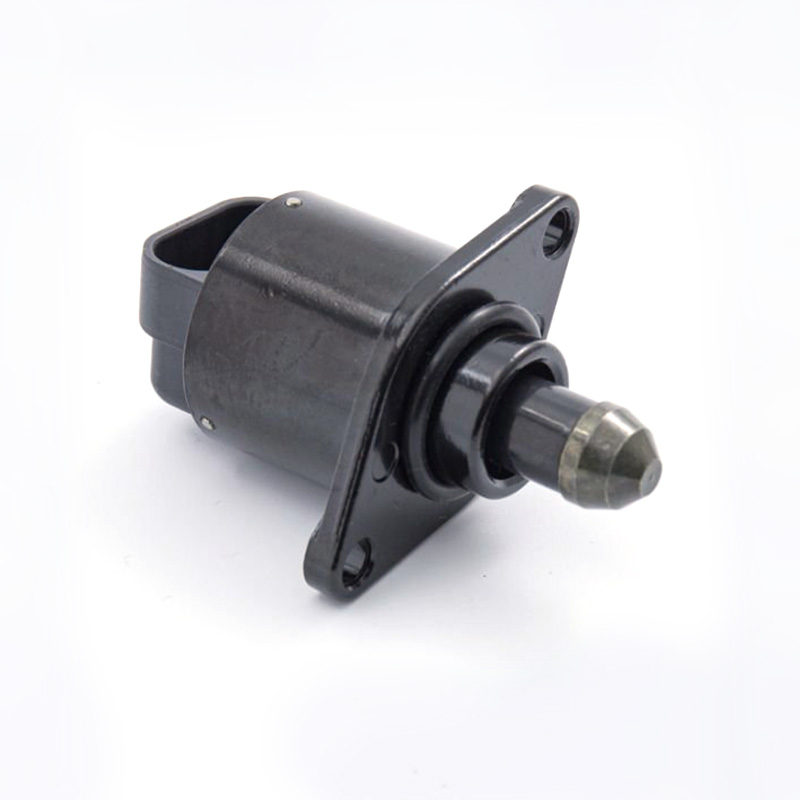
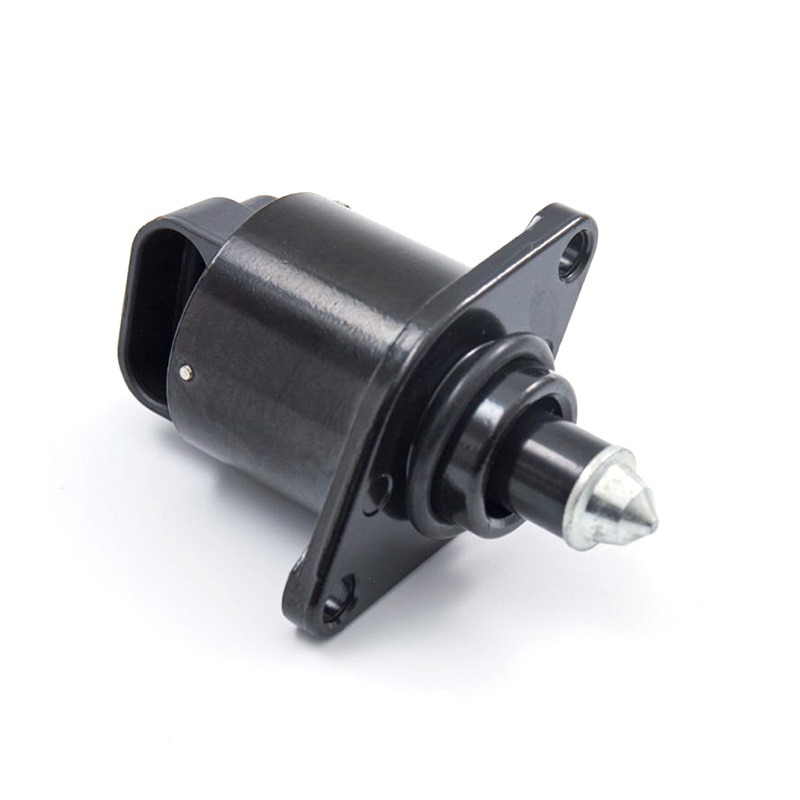
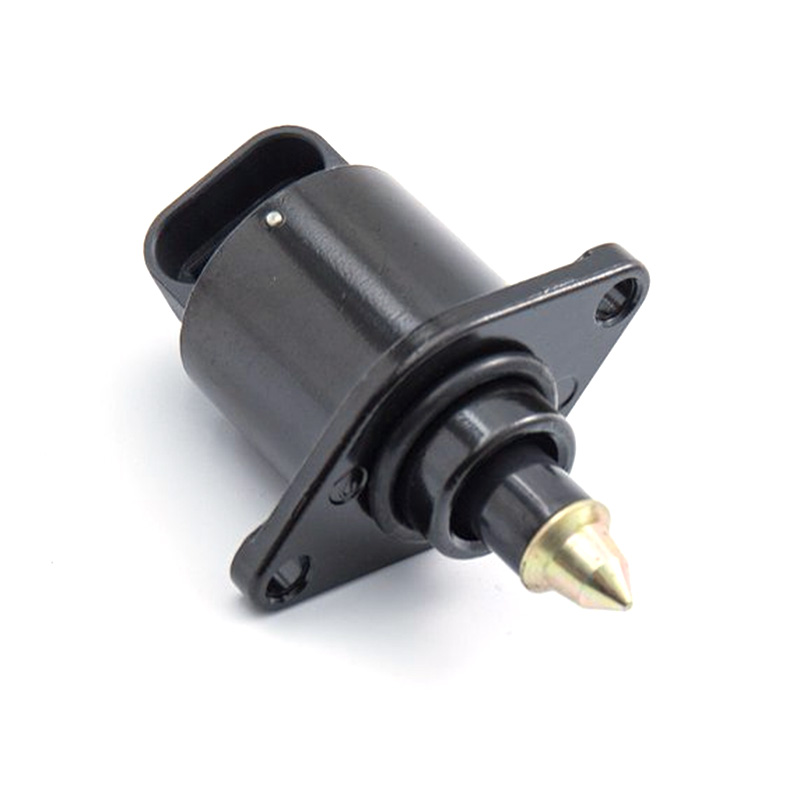
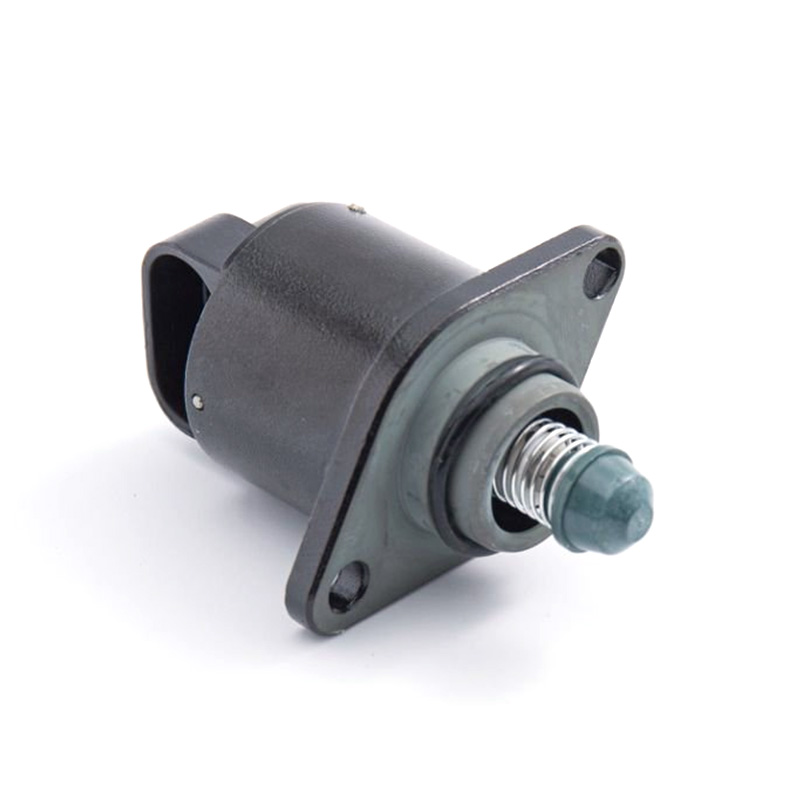
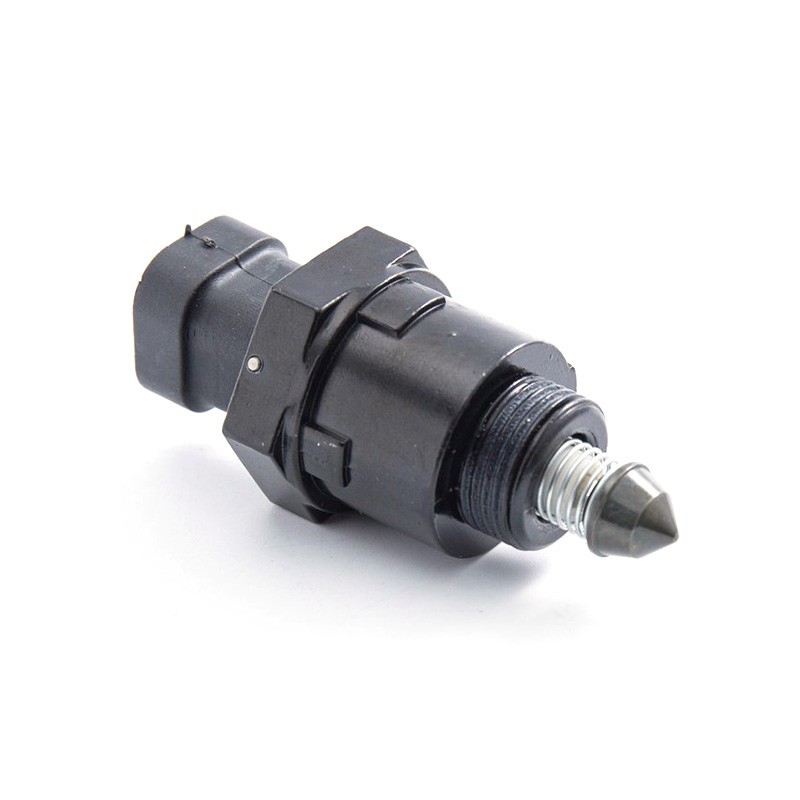
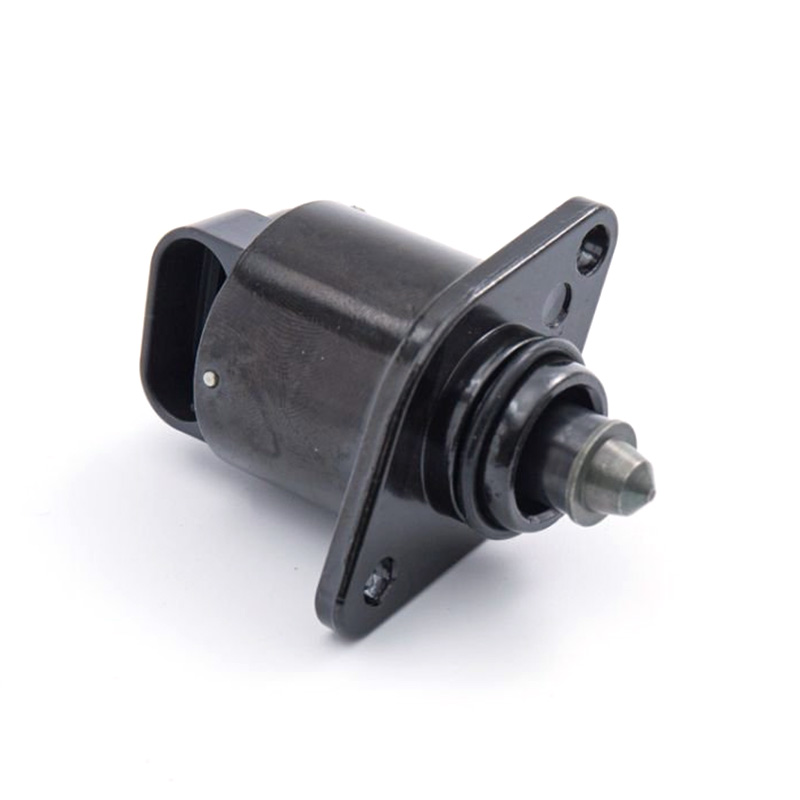
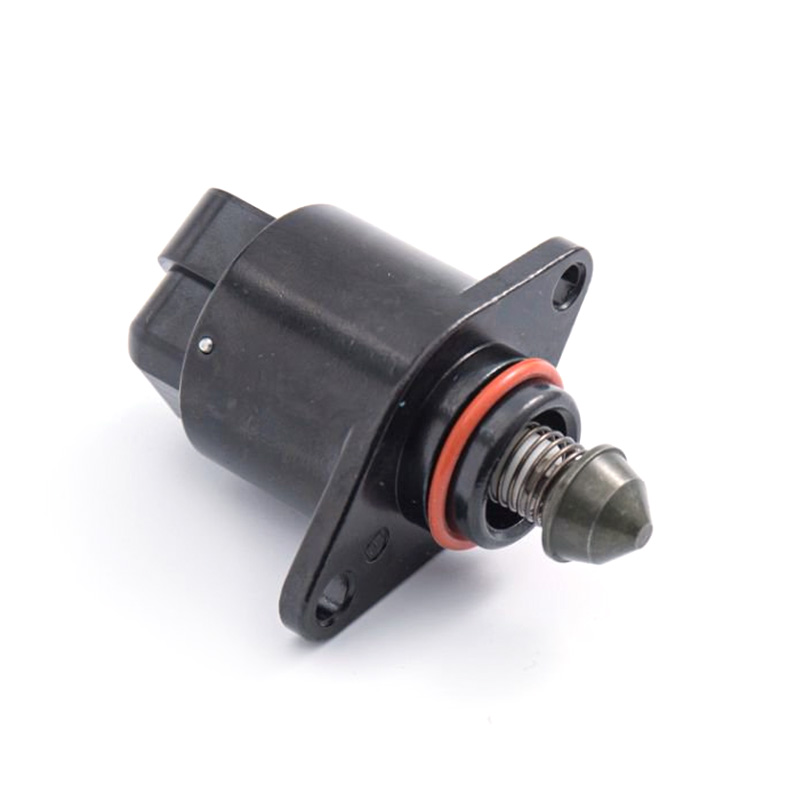
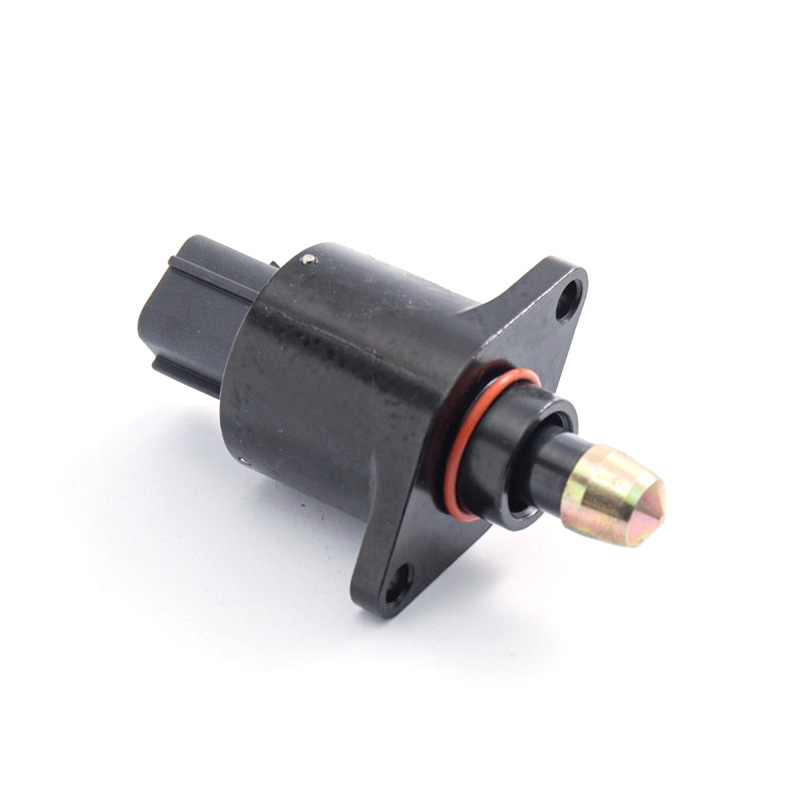
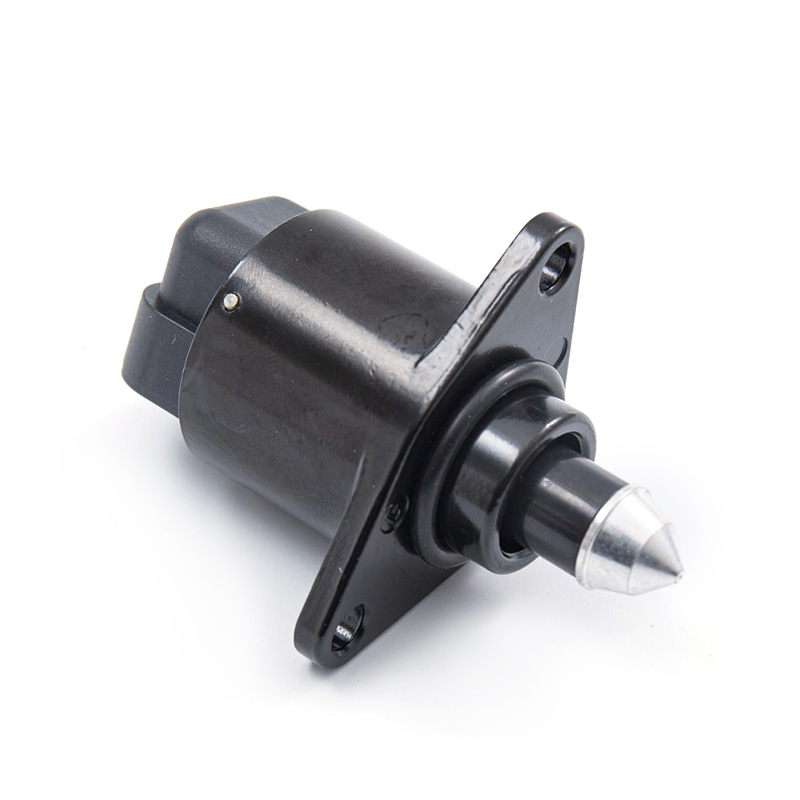
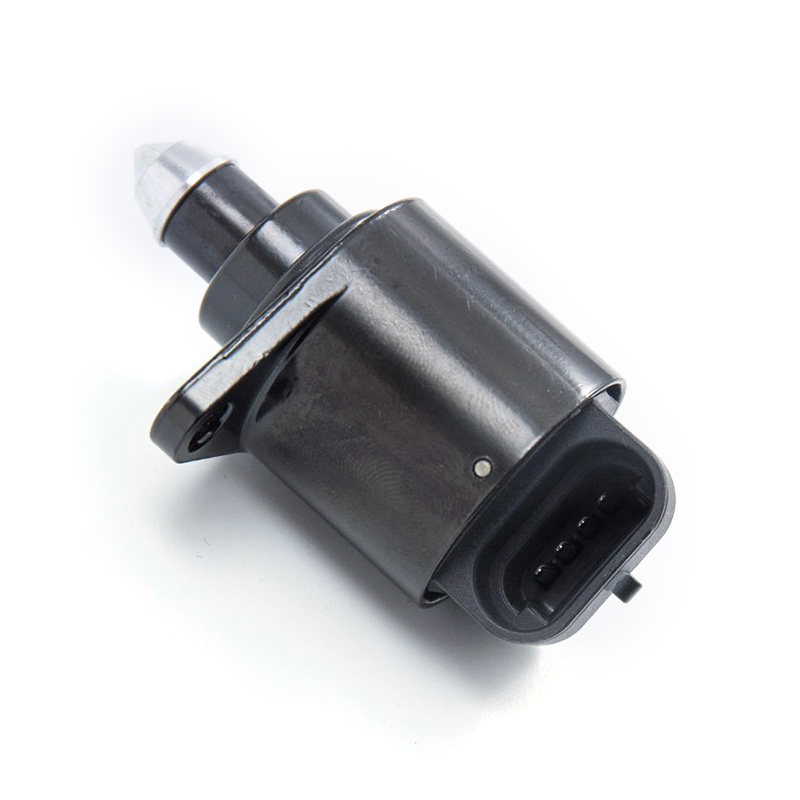
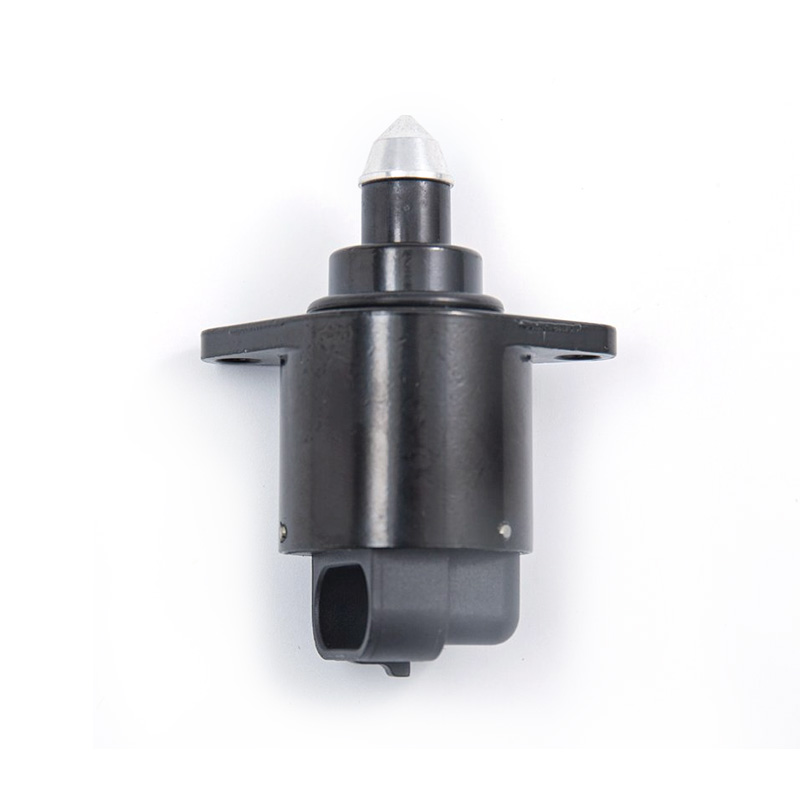
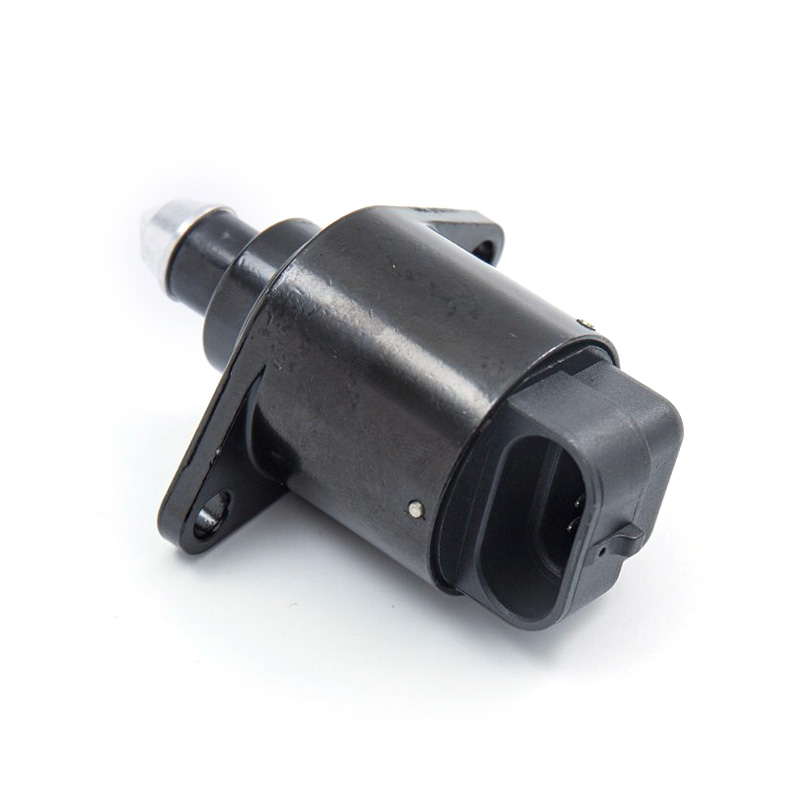
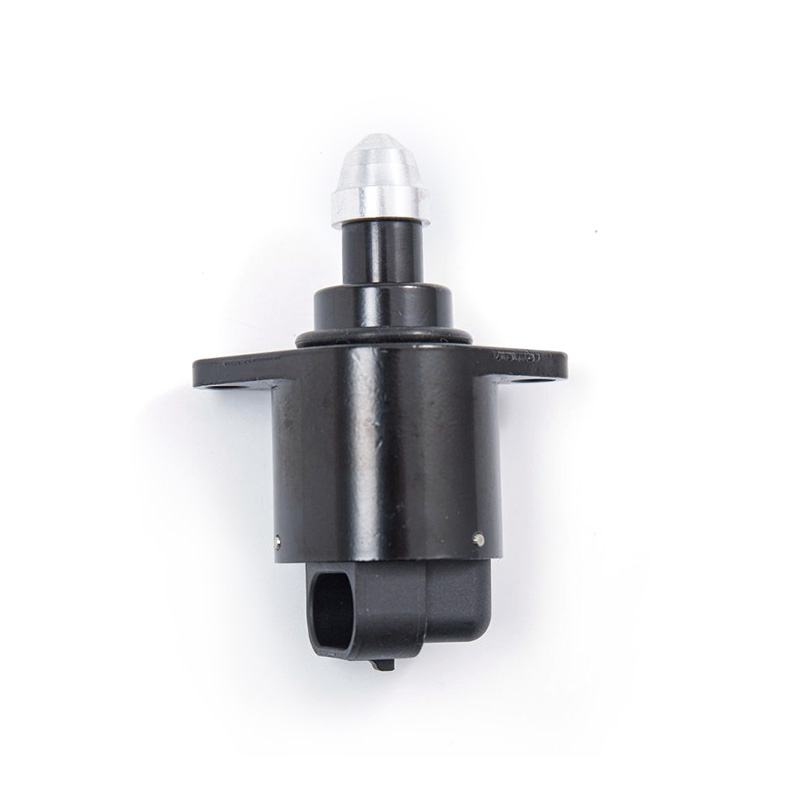
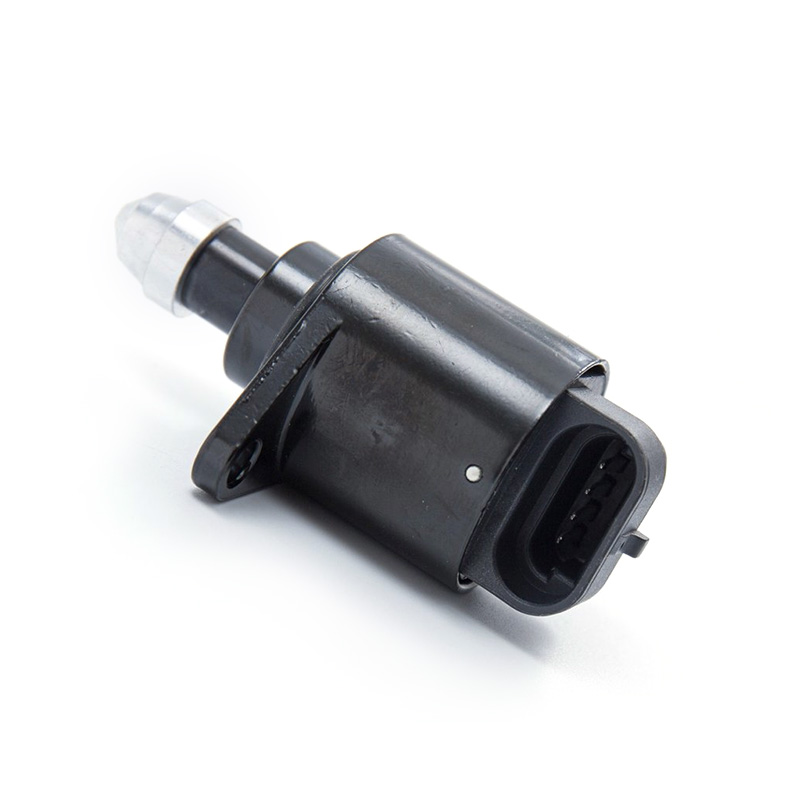
A typical 2000 civic iac valve assembly includes a valve body, electrical connector, internal actuator mechanism, and air bypass channel. Its working condition directly affects idle quality because even small airflow changes can influence engine RPM.
| Component Detail | Typical Specification |
| Valve Type | Electronic Idle Air Control Valve |
| Control Method | ECU regulated airflow adjustment |
| Electrical Connection | 3-pin connector design (varies by application) |
| Main Function | Maintains stable engine idle speed |
Many drivers replace spark plugs, sensors, or fuel system parts before checking the idle control system. Recognizing the specific symptoms related to an IAC valve can reduce unnecessary repairs.
A bouncing RPM needle is a common indication of airflow regulation problems. The engine speed may rise and fall repeatedly while the vehicle is parked or stopped. This condition is often described as idle hunting because the ECU continuously attempts to correct an unstable airflow condition.
Carbon buildup inside the valve passage is a frequent reason behind restricted or inconsistent airflow. Cleaning may improve performance in some cases, while a worn internal mechanism may require replacement.
A weak or sticking idle control valve may fail to provide enough bypass air after releasing the accelerator. Drivers may experience the engine shutting down while approaching intersections, shifting into gear, or turning on additional electrical loads.
A properly operating 2000 civic iac valve adjusts airflow quickly to compensate for changing conditions. A delayed response can create unstable combustion at low engine speed.
Many Honda Civic owners associate idle control problems with diagnostic trouble code P0505. This code indicates an idle control system malfunction, but it does not always confirm that the IAC valve itself is damaged. Other possible causes include vacuum leaks, throttle body contamination, wiring problems, or intake air issues.
| Symptom | Possible Related Area | Inspection Focus |
| High idle speed | IAC valve or air leakage | Check airflow path and vacuum condition |
| Engine stalls | Insufficient idle air supply | Inspect valve movement and throttle passage |
| P0505 code | Idle control system | Test valve, wiring, and intake system |
Replacing the idle valve does not always eliminate idle issues because several engine components work together. A new 2000 civic iac valve may still show abnormal behavior if another part affects airflow measurement or engine control.
A systematic inspection process helps confirm whether the idle control valve is the actual source of the problem.
A replacement idle control valve should match the original vehicle application, connector design, and airflow requirements. Compatibility is important because different Civic engine versions may use different valve structures and control settings.
A quality replacement 2000 civic iac valve should provide stable actuator movement, accurate airflow control, reliable sealing, and proper electrical response. These factors help restore consistent idle performance and reduce repeated troubleshooting.
Idle problems often appear as small RPM changes at the beginning, but they can develop into more noticeable driving concerns. Understanding how the IAC system works allows vehicle owners to identify the difference between a valve issue and other intake-related problems.
The 2000 civic iac valve remains a key component for maintaining smooth engine operation at low speed. Careful inspection, correct diagnosis, and proper replacement selection can help bring back stable idle performance for older Honda Civic models.
Recommended Articles
Related Products
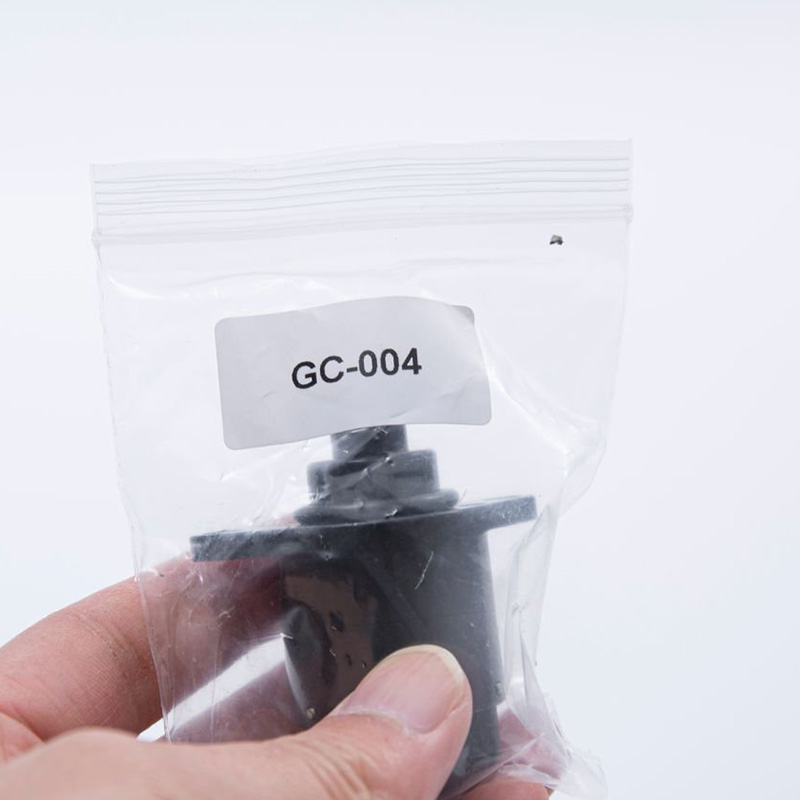
GC-004
REF OE:
SHORT CODE:B32/00
SIMENCE:A97115 19206W
APPLICATION:
CITROEN BERLINGO(MF)/Kasten(M_)1.4 i(MFKFX);CITRO SAXO(S0,S1) 1.4VTS,CITRO XSARA(N1)/Break(N2)/Coupe(N0)1.4i;
PEUGEOT 106 II(1)1.4i;PEUGEOT 206 Schraqheck(2A/C)1.4i/SW(2E/K)1.4;
PEUGEOT306(7B,N3,N5)1.4SL/Break(7E,N3,N5)1.4/Schraqheck(7A,7C,N3,N5)1.4;
PEUGEOT PARTNER Combispace(5F)1.4/Kasten(5)1.4
China manufacture for idle air control valve,high quality and competitive price!
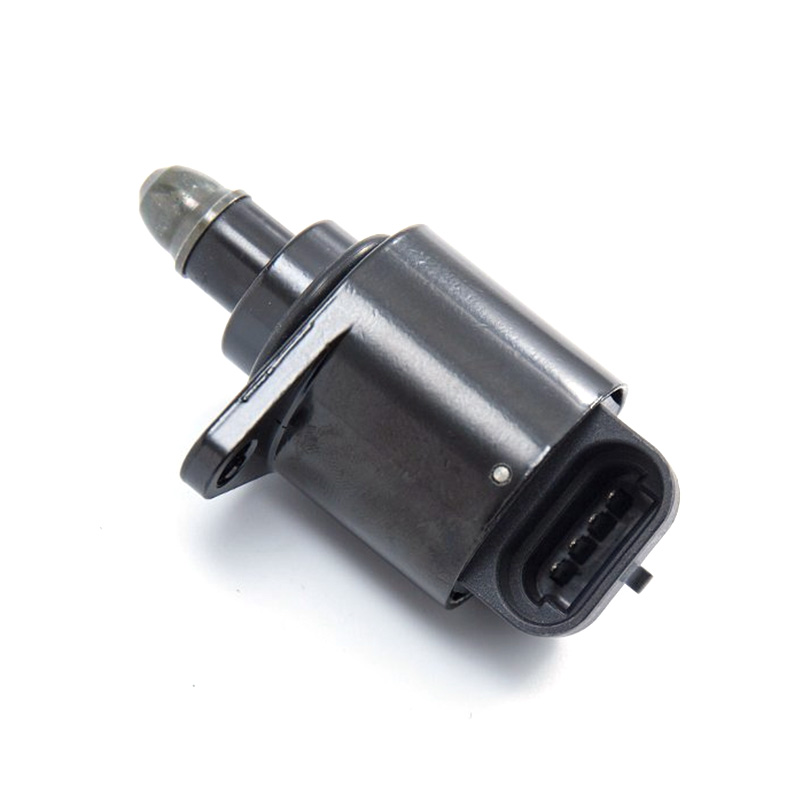
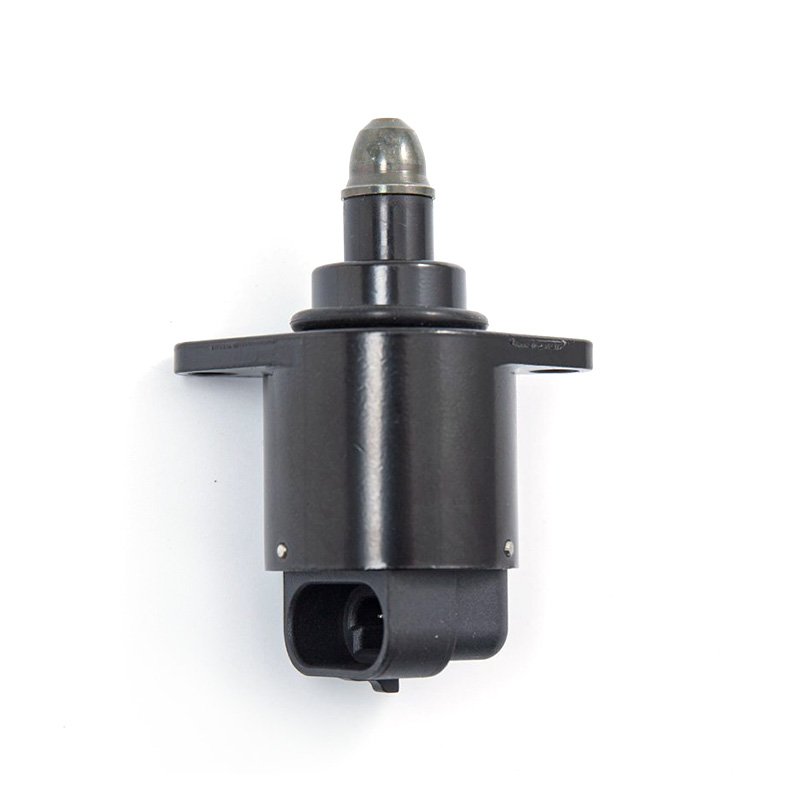
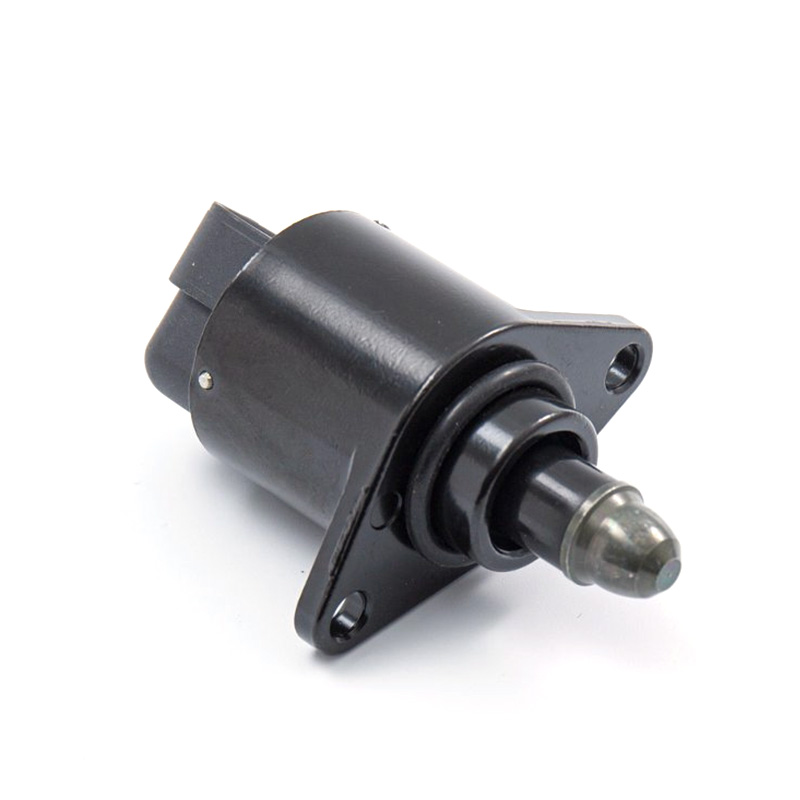
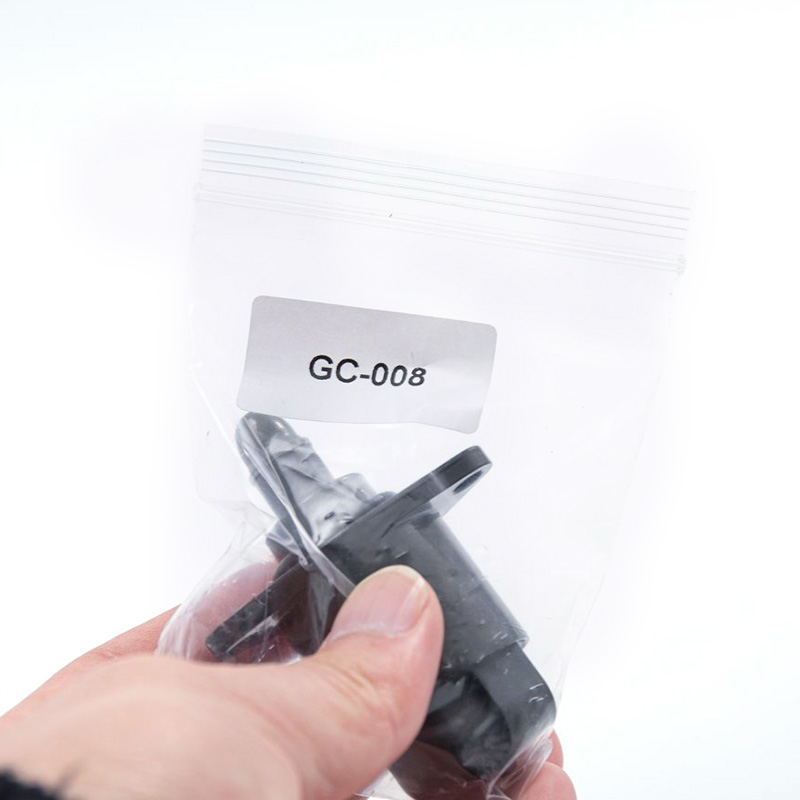
GC-008
REF OE:
SHORT CODE:B20/01
VDO:AT-02001R
MARELLI:40415202 219244820500
FIAT:46451794
APPLICATION:
Punto 85 16V 1.2 97>MPI PALIO 98->1.3 MPI/SIENA 98->1.3,Palio 1.0,1.5,96 98,Siena 1.5 99,UNO 1.0 99;Weekend 1.5 97;Uno Furgoneta,
Fiorino 1.5 97 98,Palio 1.0 1.5 96 98 ,Siena 1.0, Strada 1.5
Idle air control valve from china manufacture,main market to US and south America.
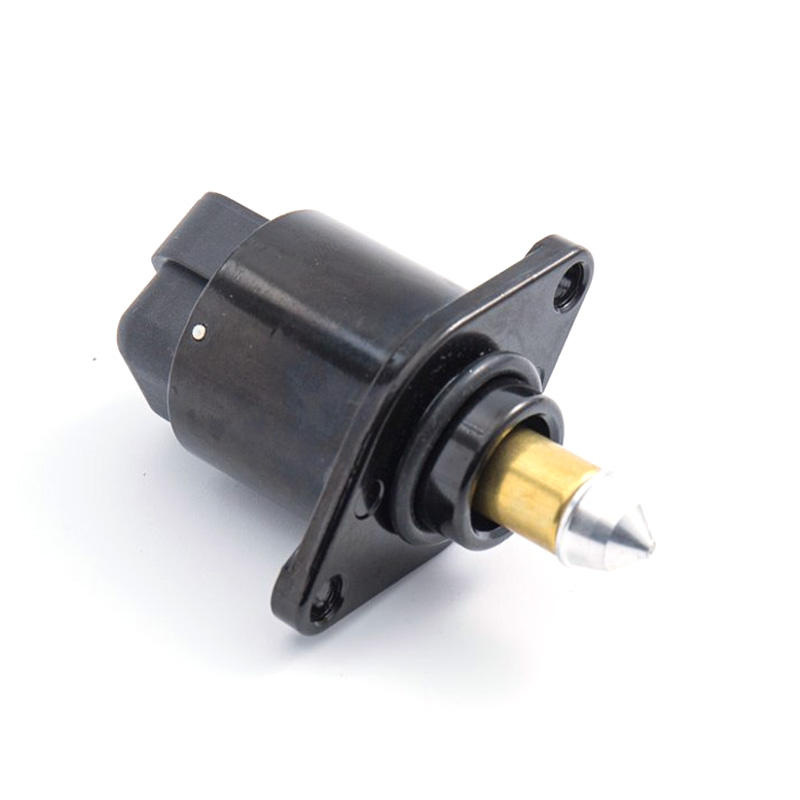
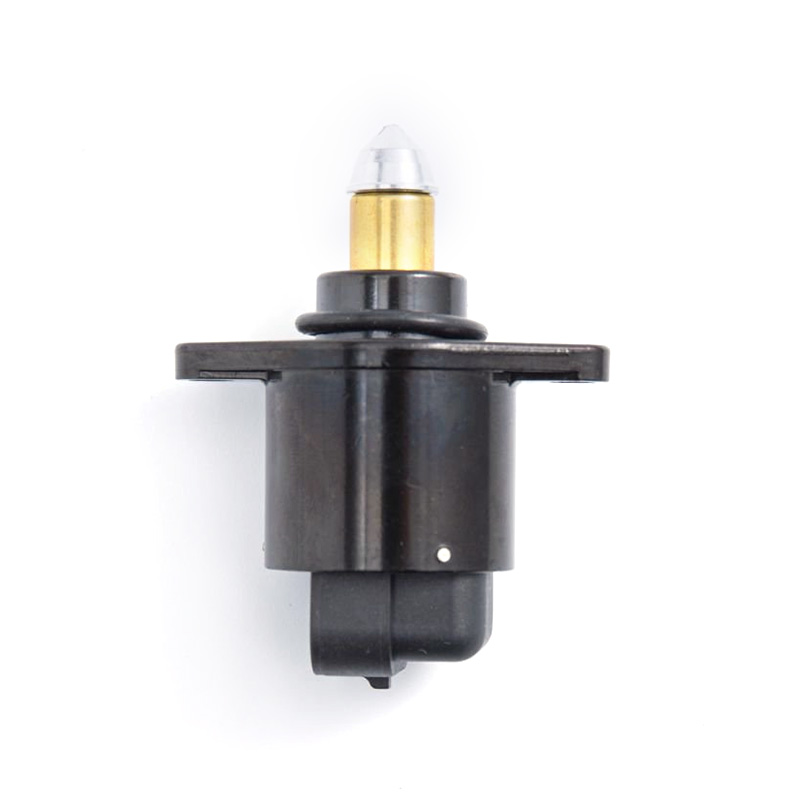
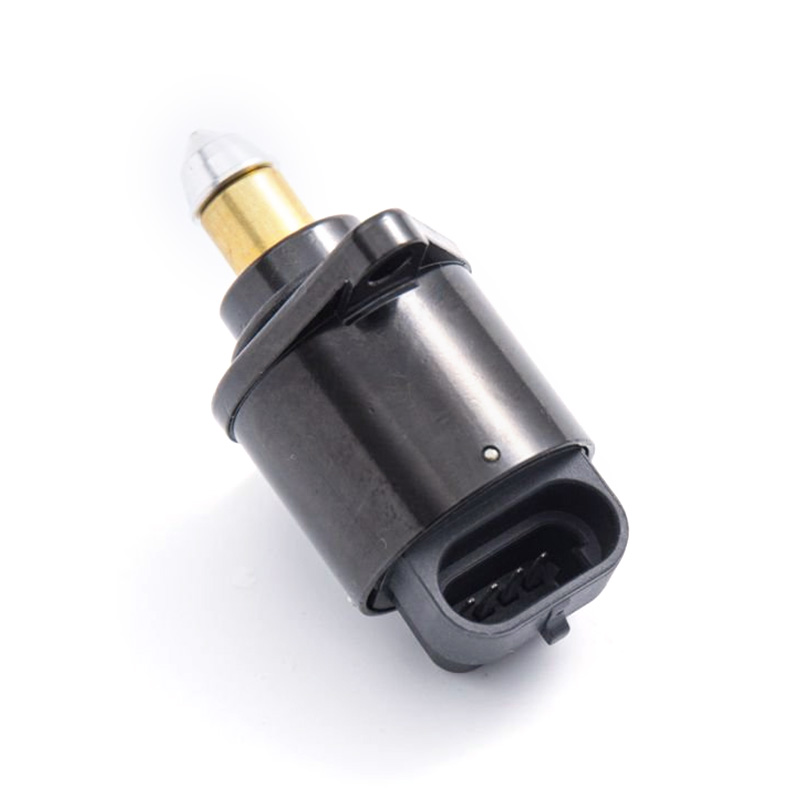
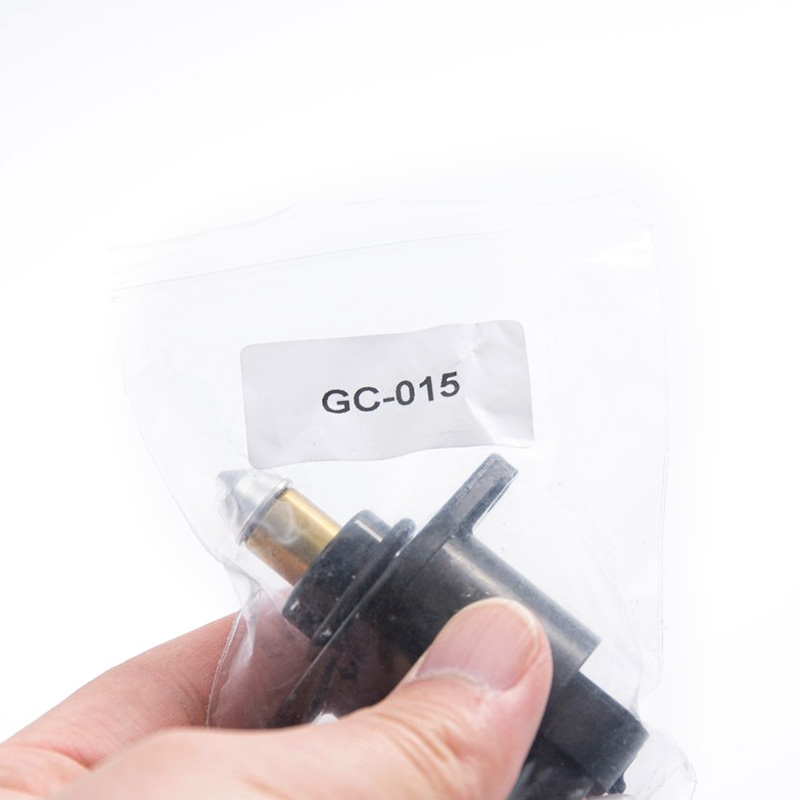
GC-015
REFERENCE OE:
SHORT CODE:D95177
RENAULT:7701206370
APPLICATION:
RENAULT 19II/19II Chamade;
RENAULT MEGANE Classic/Grandtour;
RENAU MEGANE I/Scenic;
RENAULT RAPID Kasten
Buy idle air control valve from China factory!
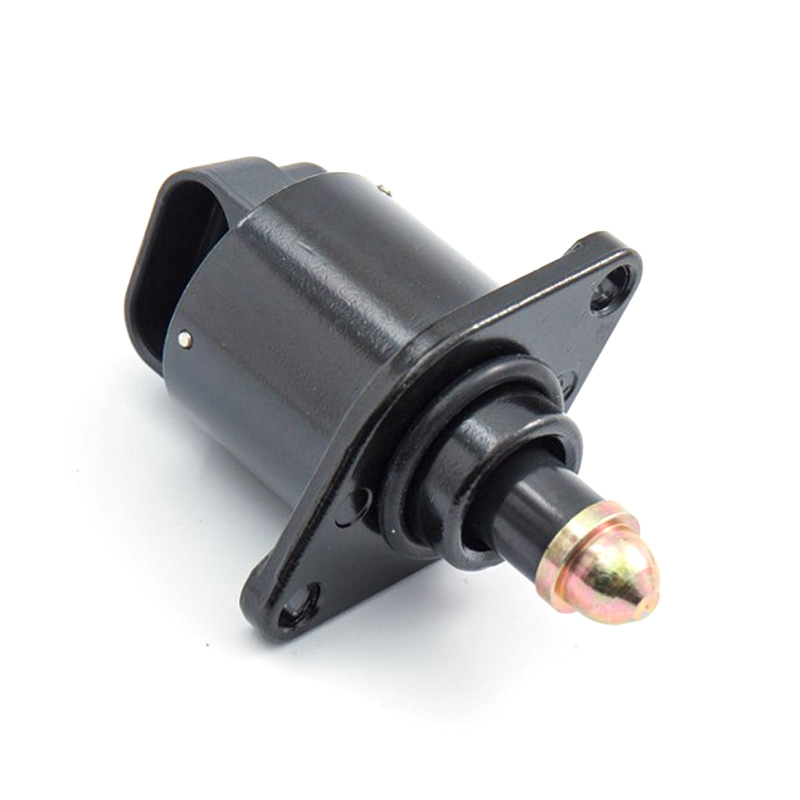
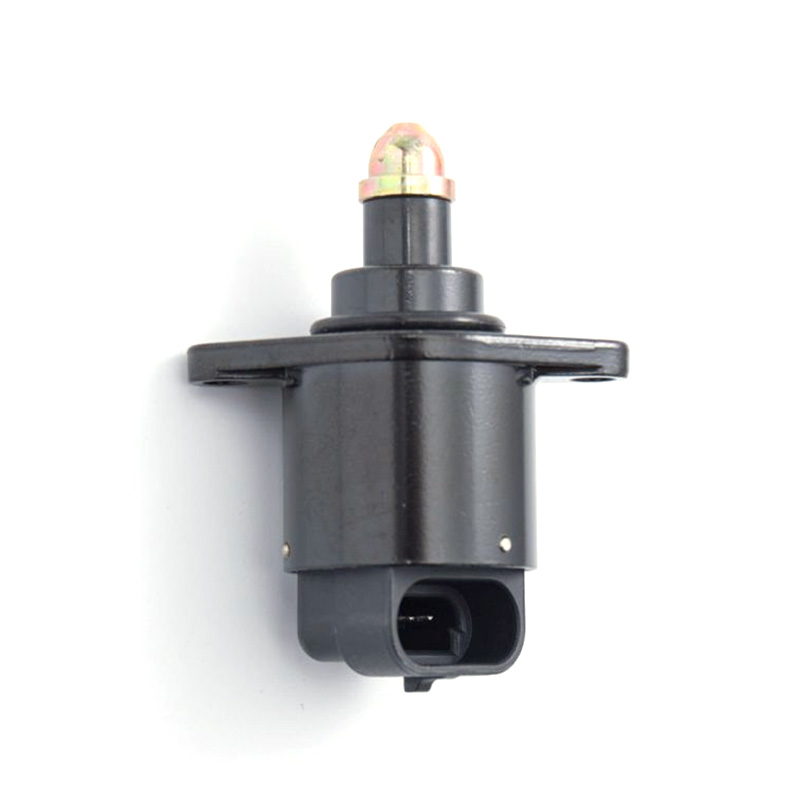
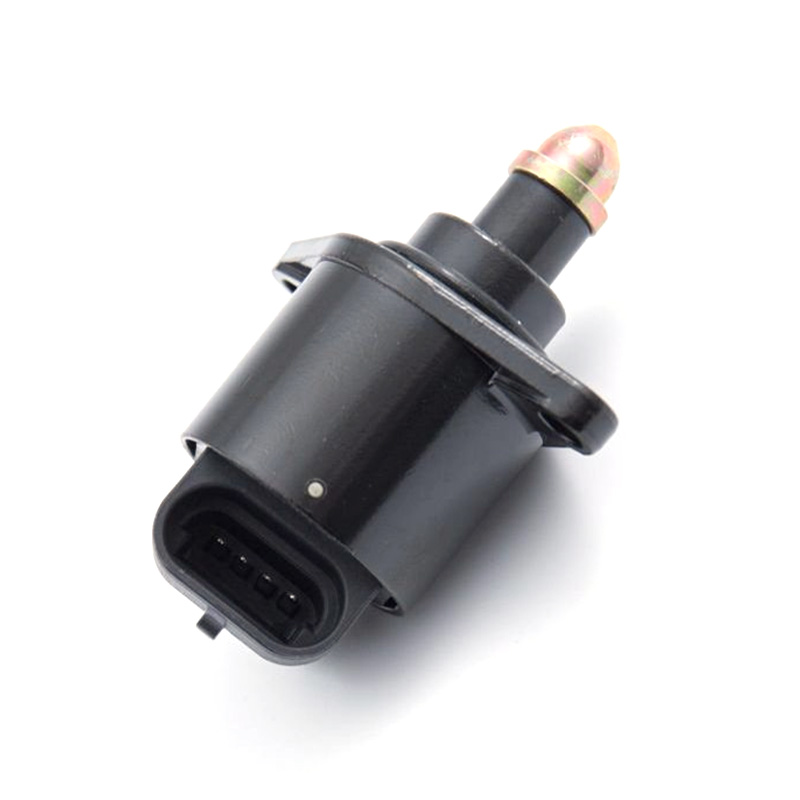
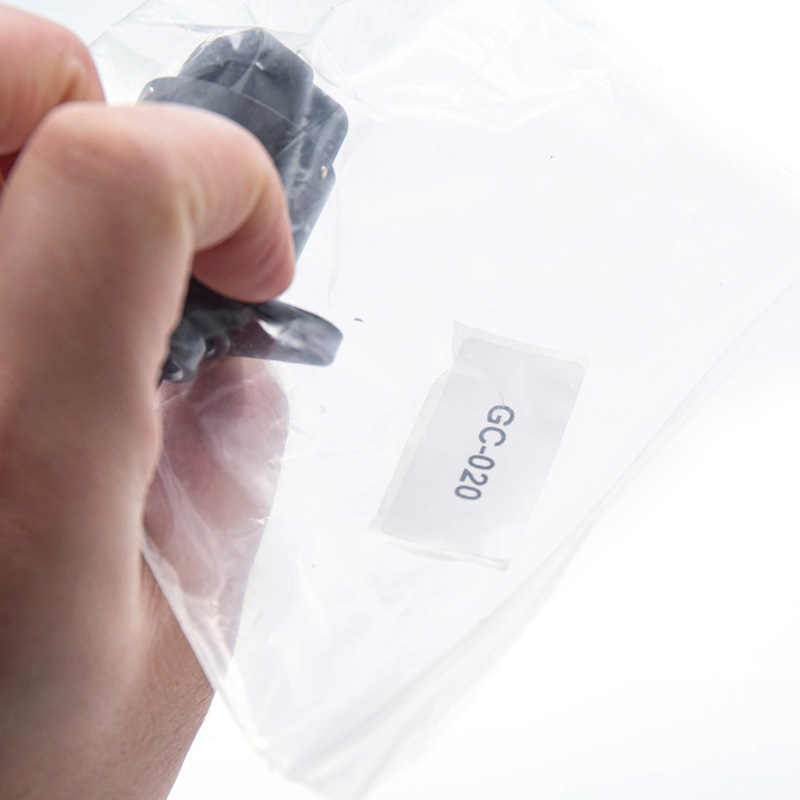
GC-020
REFERENCE OE:
SHORT CODE: B02/01
VDO: AT01200R C95128
FIAT: 9945635
OEM: 7766269 9950635
APPLICATION:
ALFA 145/146;FIAT BRAVA/FIAT BRAVO;FIAT MAREA/MAREA Weekend;FIAT PALIO/SIENA/TEMPRA/TIPO;LANCI DELTA II
Buy idle air control valve from China factory!
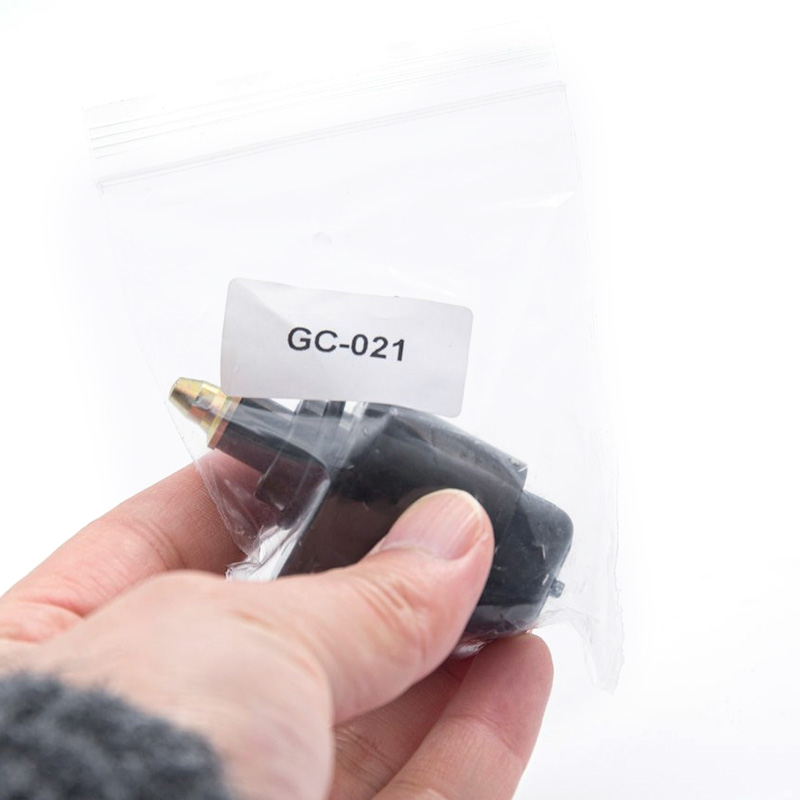
GC-021
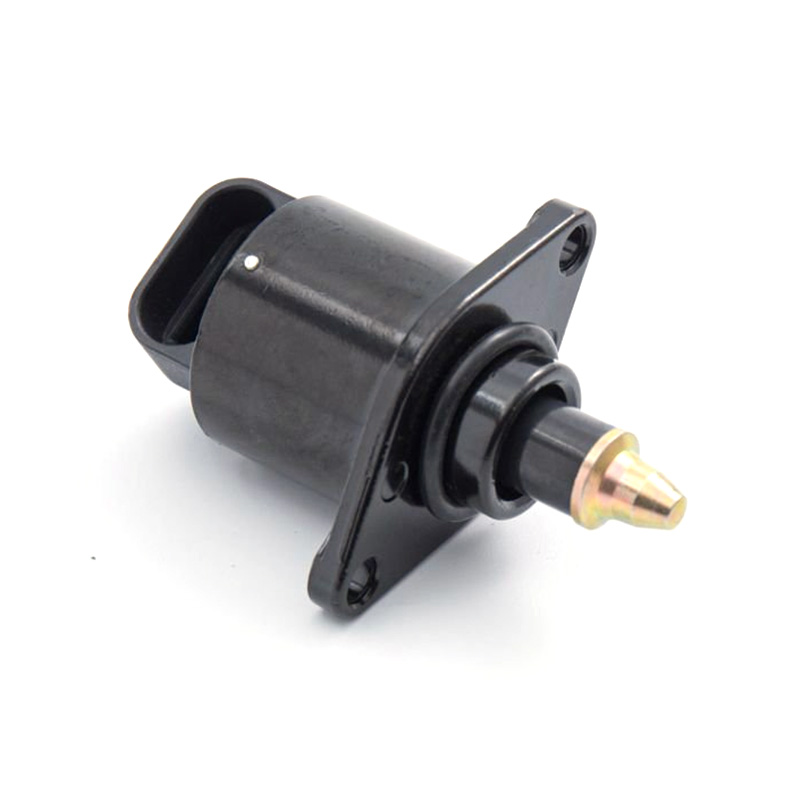
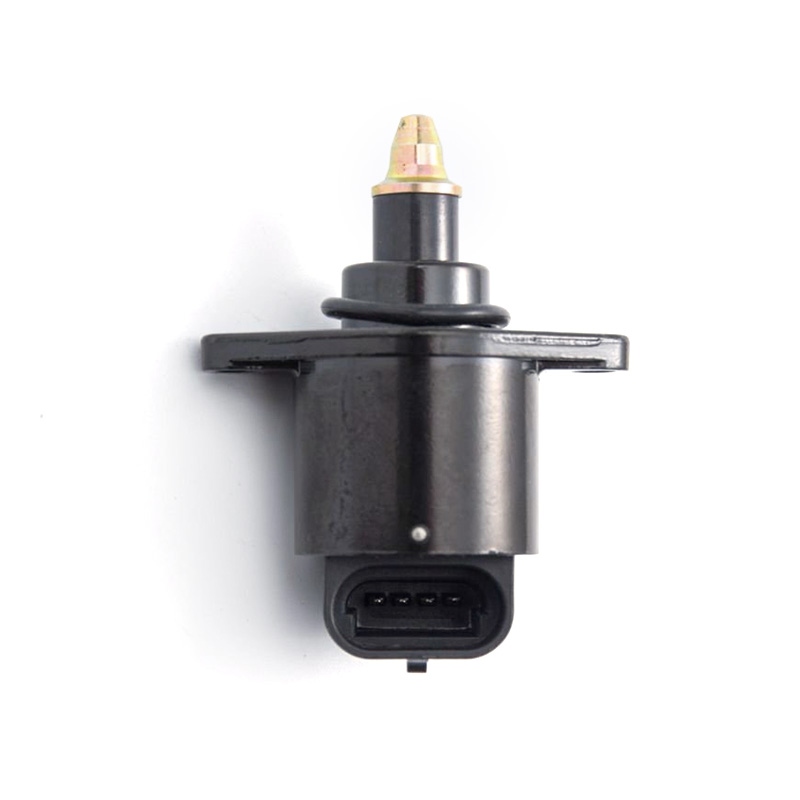
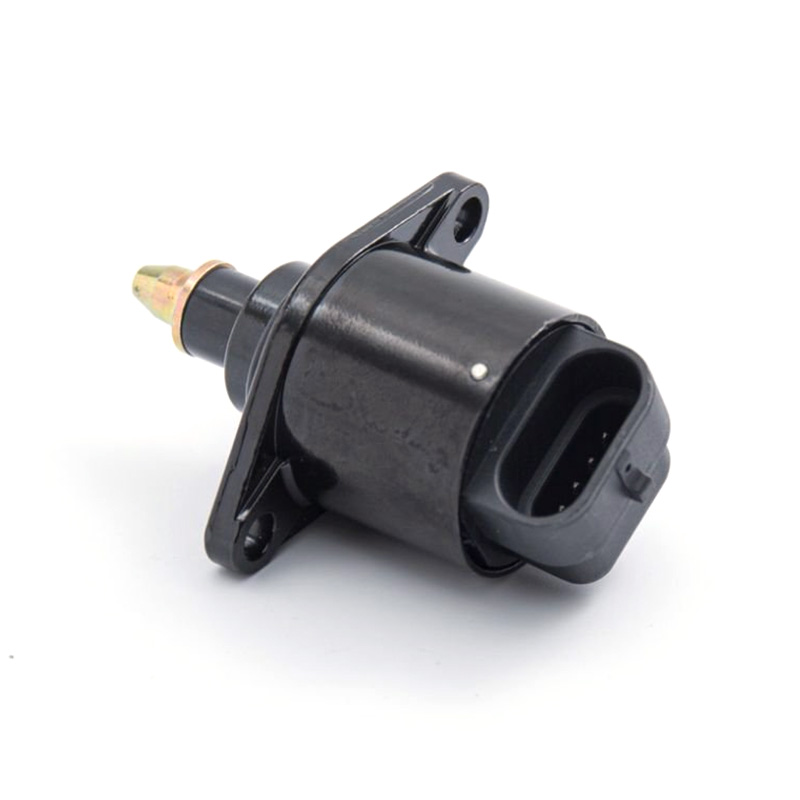
REFERENCE OE:
MARELLI:230016079047
SIMENCE:A95262 1920Q8
CITRO NO:95644634
RENAULT:7701204054
APPLICATION:
CITROEN AX;PEUGEOT 106I/II;PEUGEOT 205 I/II;PEUGEOT 306/306 Schraqheck;RENAULT TWINGO
Idle air control valve selling,China manufacture quality!
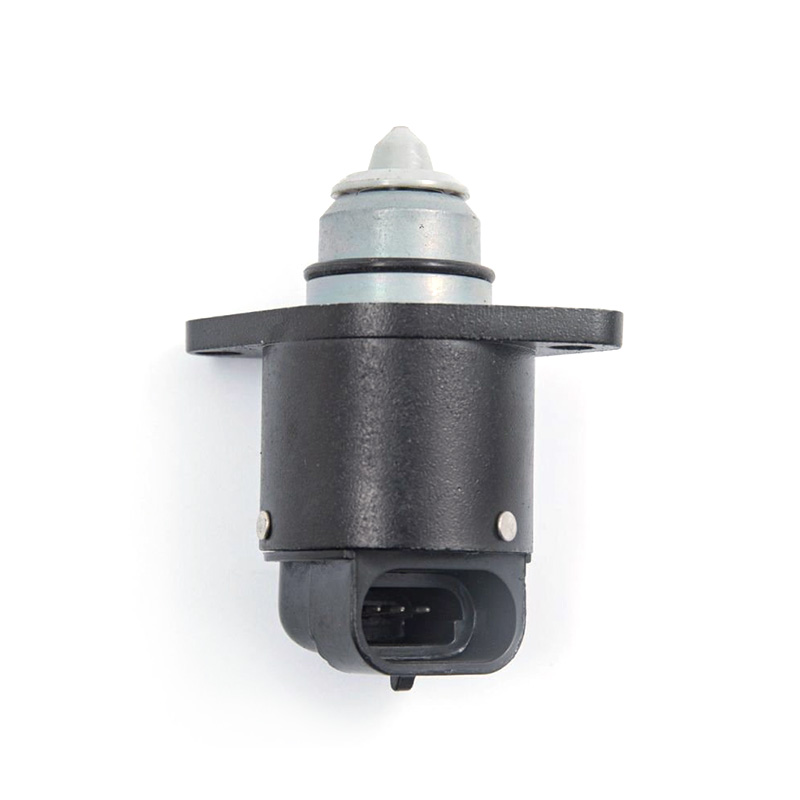
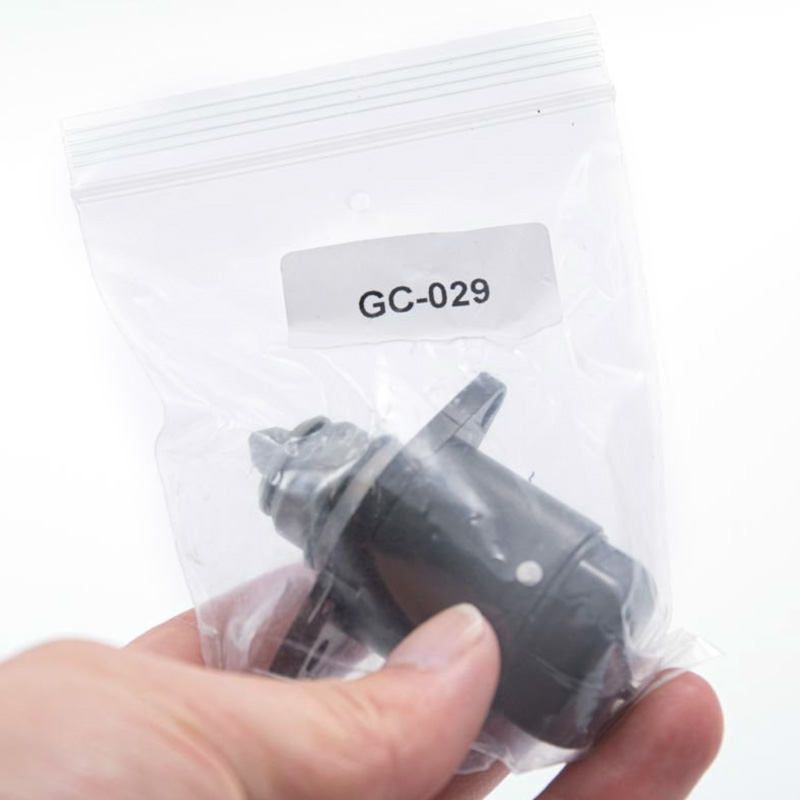
GC-029
REFERENCE OE:
2112-1148300-04
APPLICATION:
LADA
Idle air control valve from China factory for Lada.
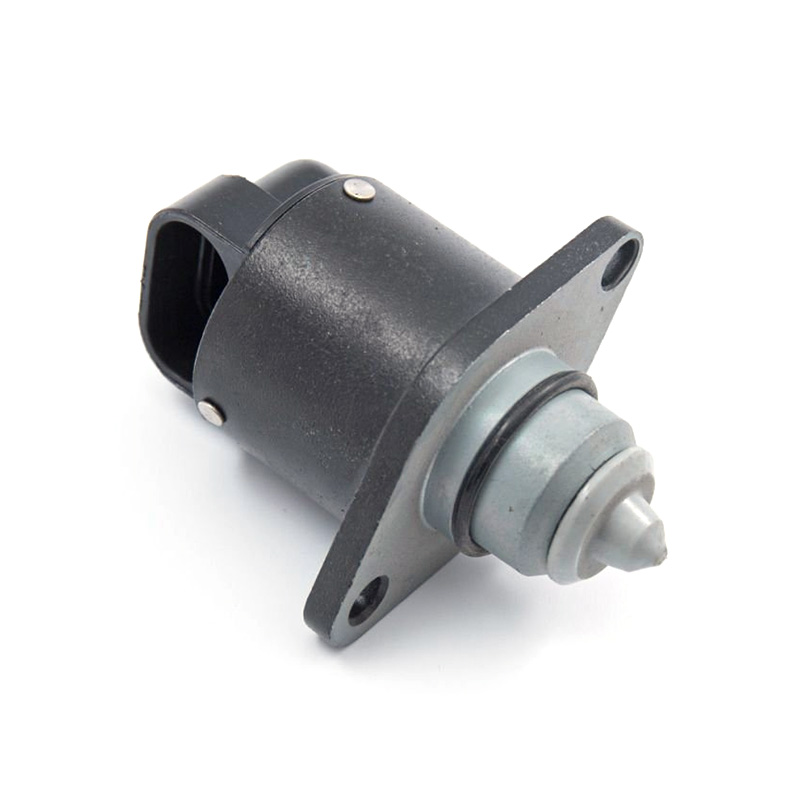
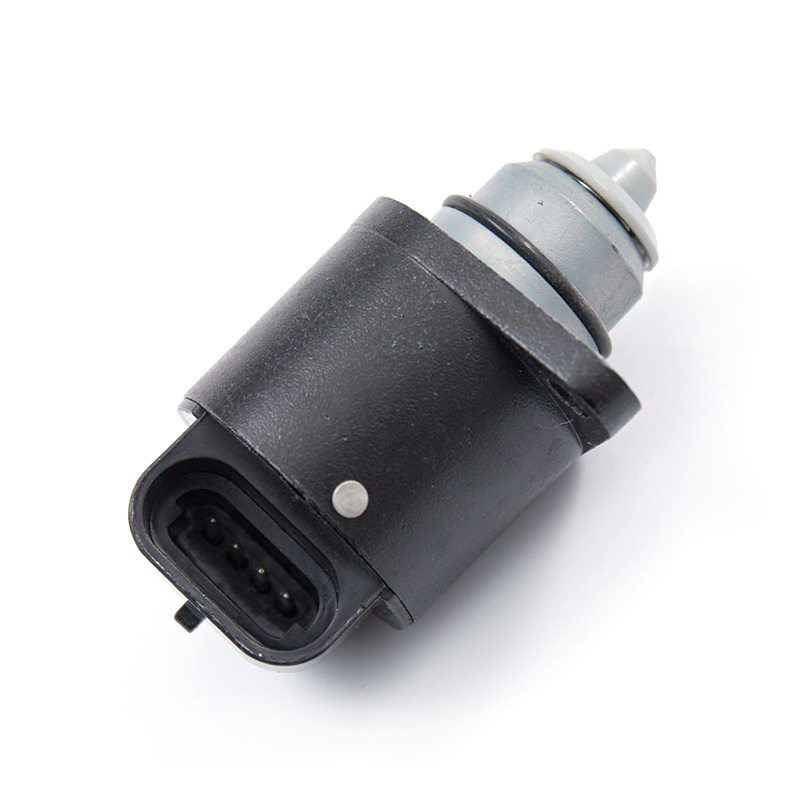
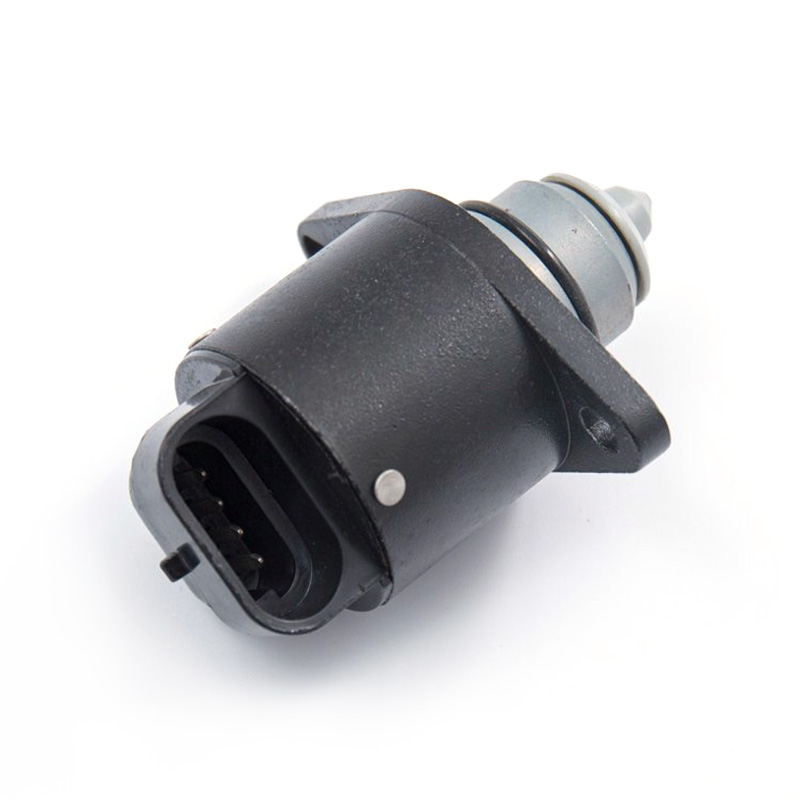
GC-031
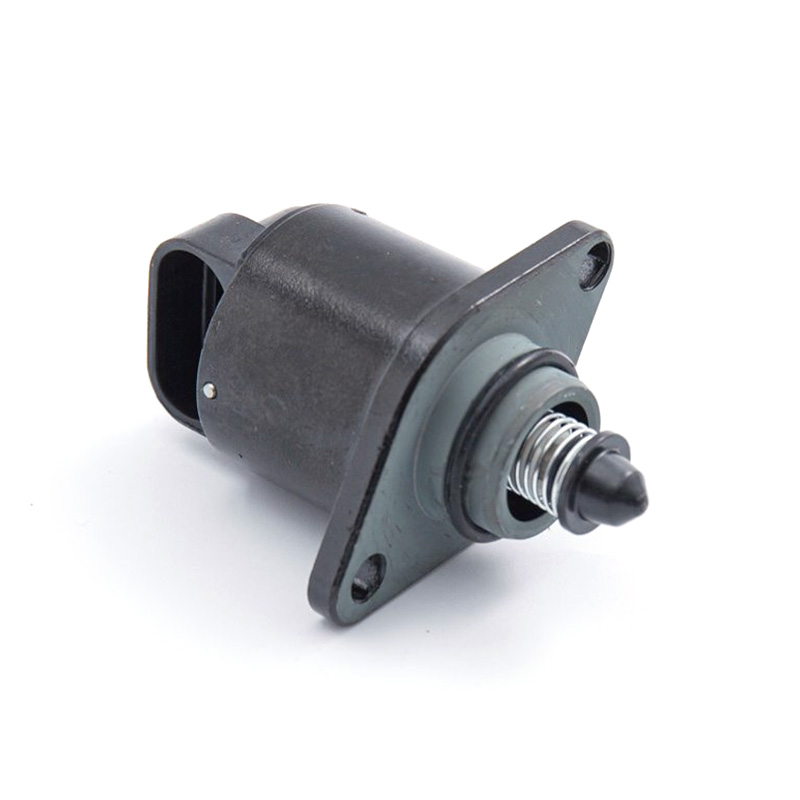
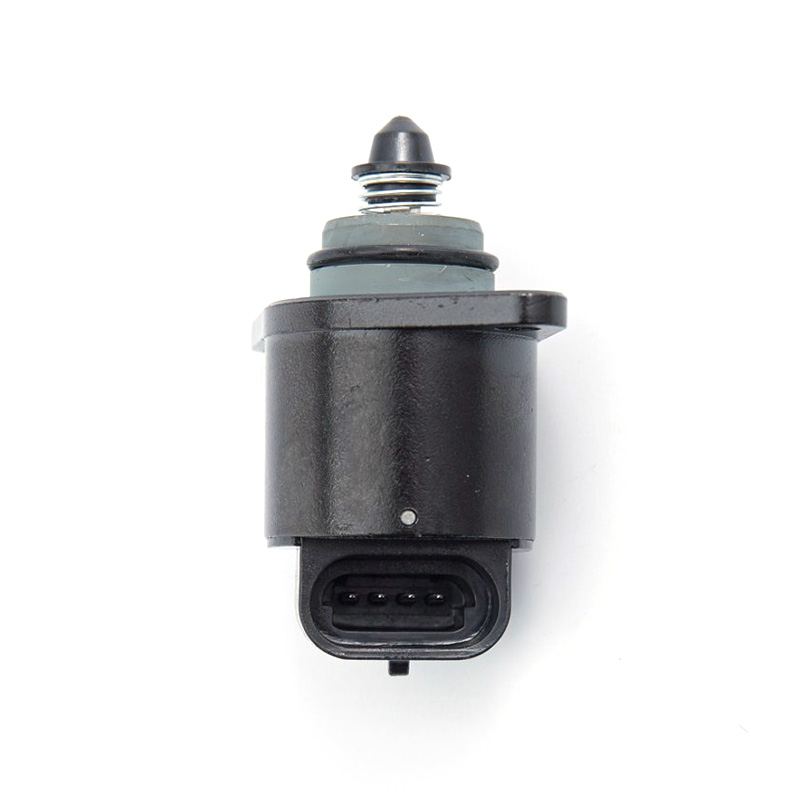
REFERENCE OE:
2112-148300-02
APPLICATION:
LADA
Idle air control valve from China factory for Lada.
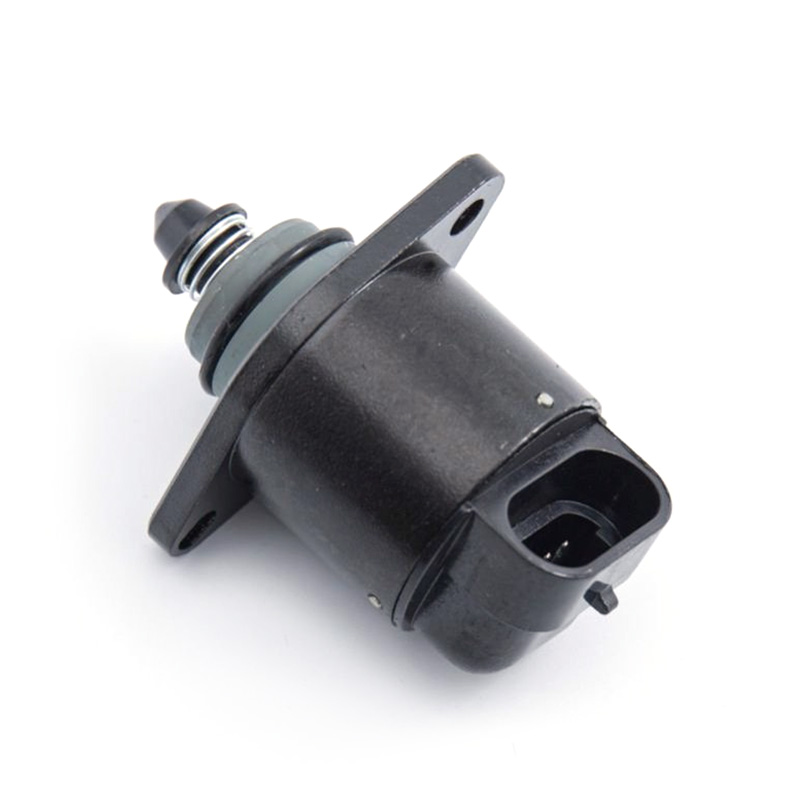
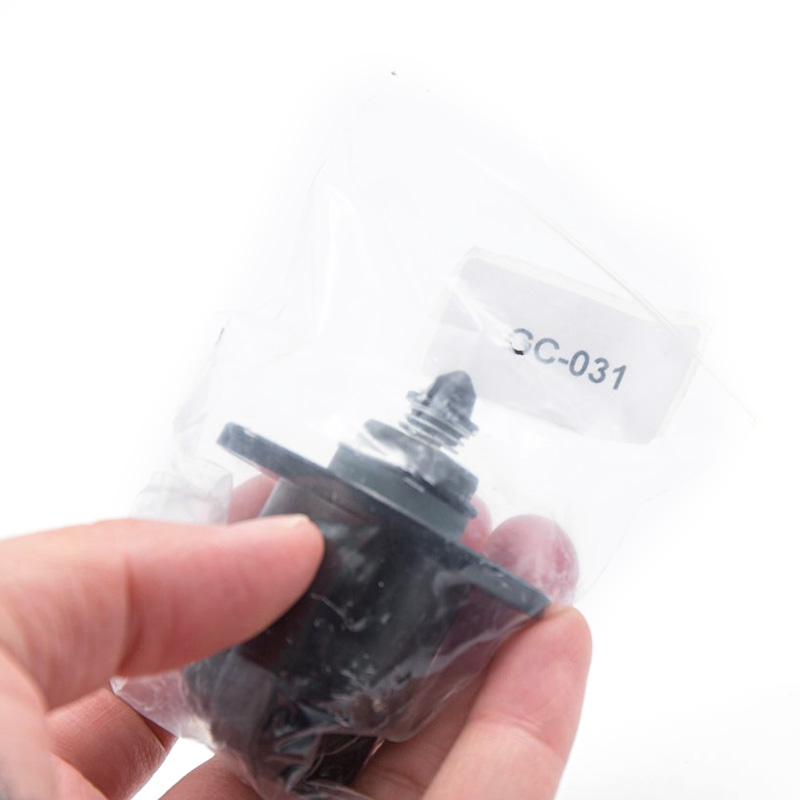
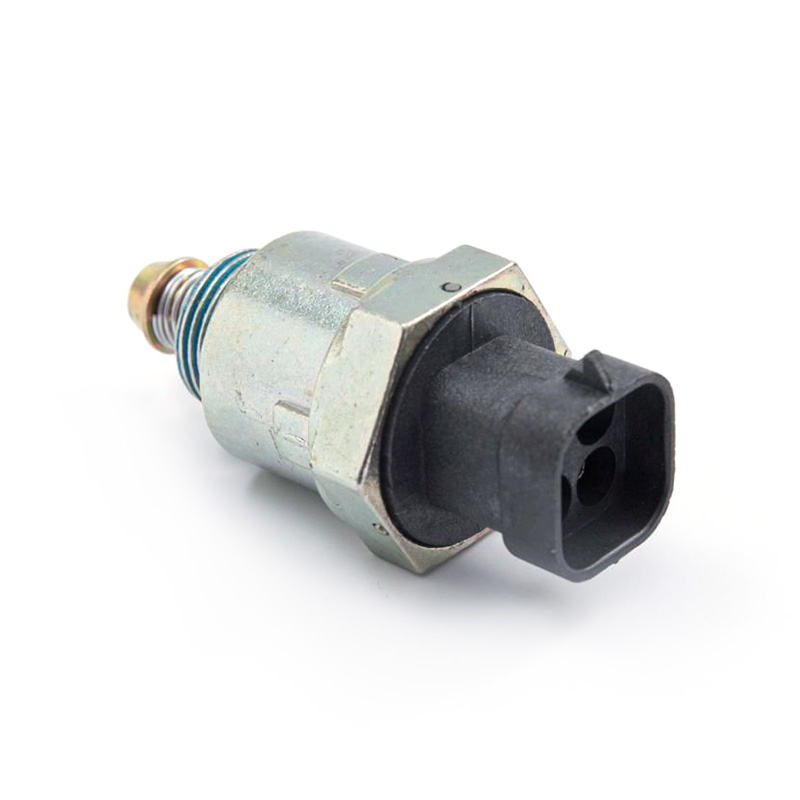
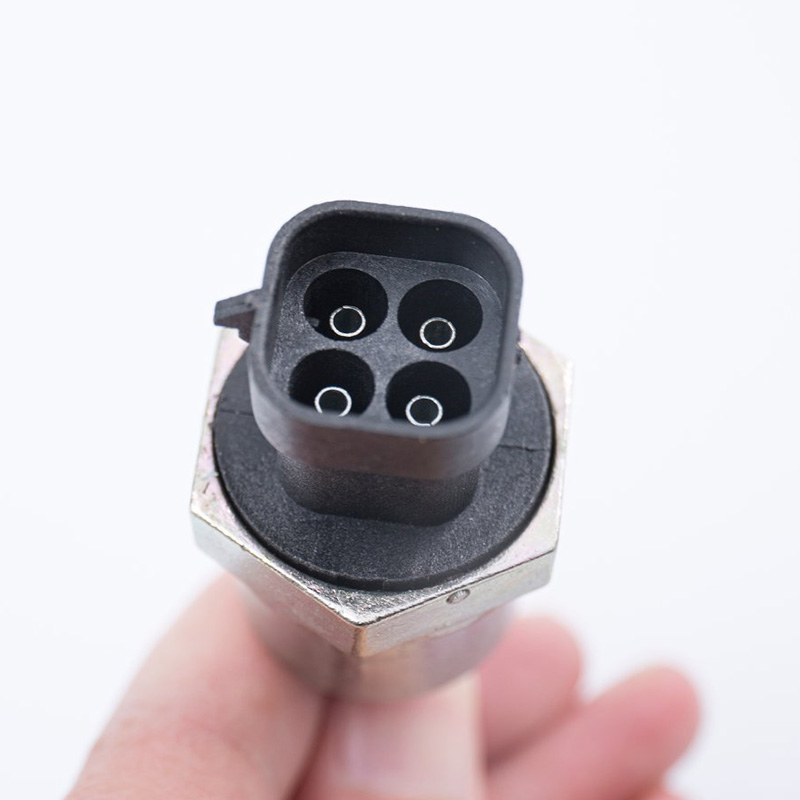
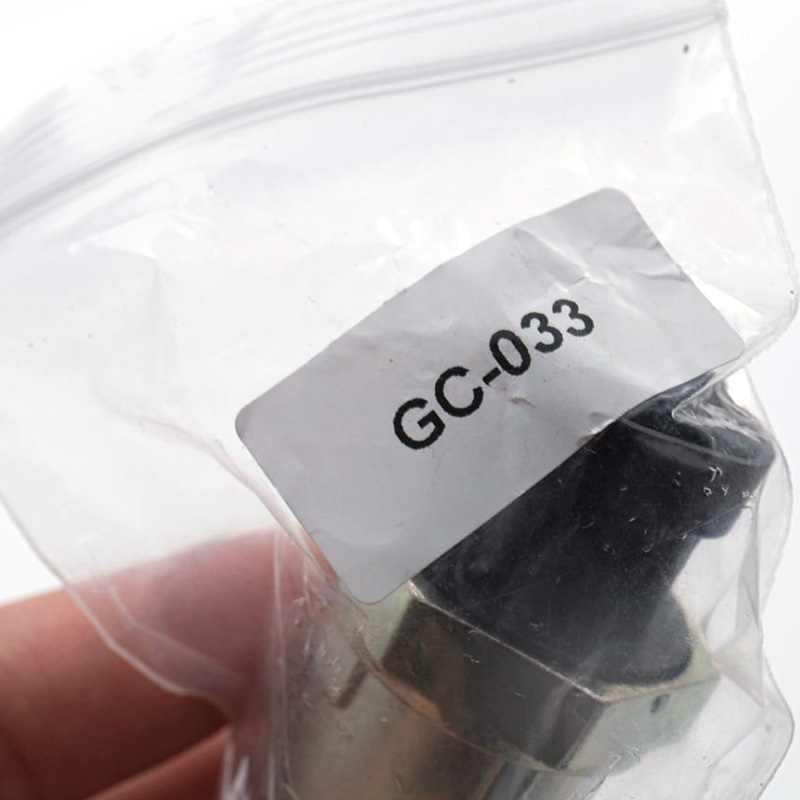
GC-033
REFERENCE OE:
WELLS:AC102 STD:AC1
GM:25527077
SUZU:8-17111460-0
WALKER:215-1003 17079256;
WELLS: AC4115;2H1293; AC102
APPLICATION:
Buick Century Sedan/Coupe(87-83);
Buick Regal Sedan/Coupe(87-86);
Buick Roadmaster(93-91);
Cadillac Fleetwood/Brougham(93-90);
Chevrolet Astro(94-85);
GMC Fullsize Pickup(95-87);
Oldsmobile;
Pontiac
Idle air control valve from China factory for Buick Regal Cadillac Chevrolet.
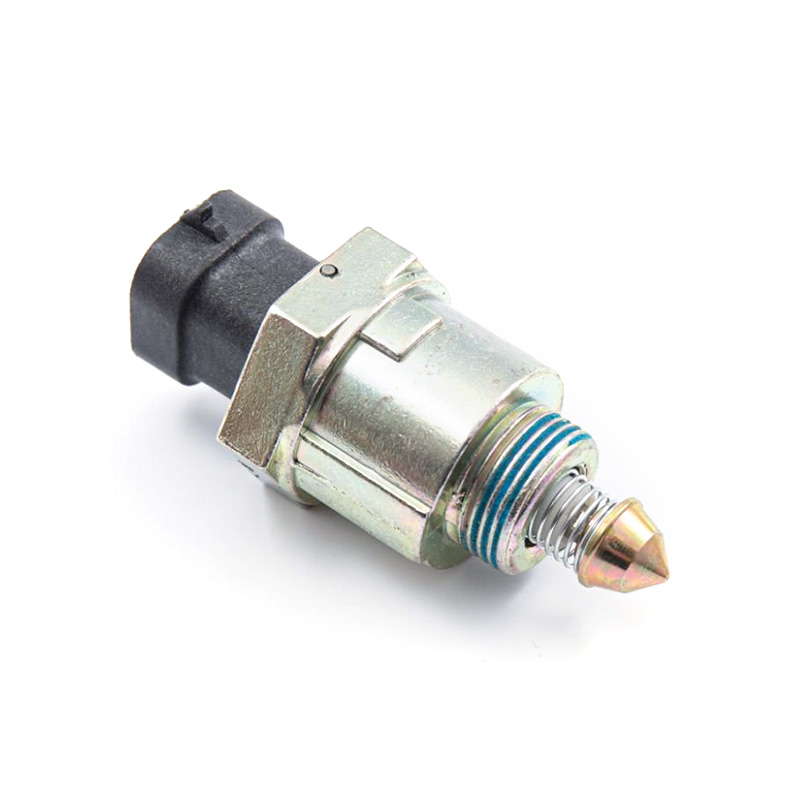
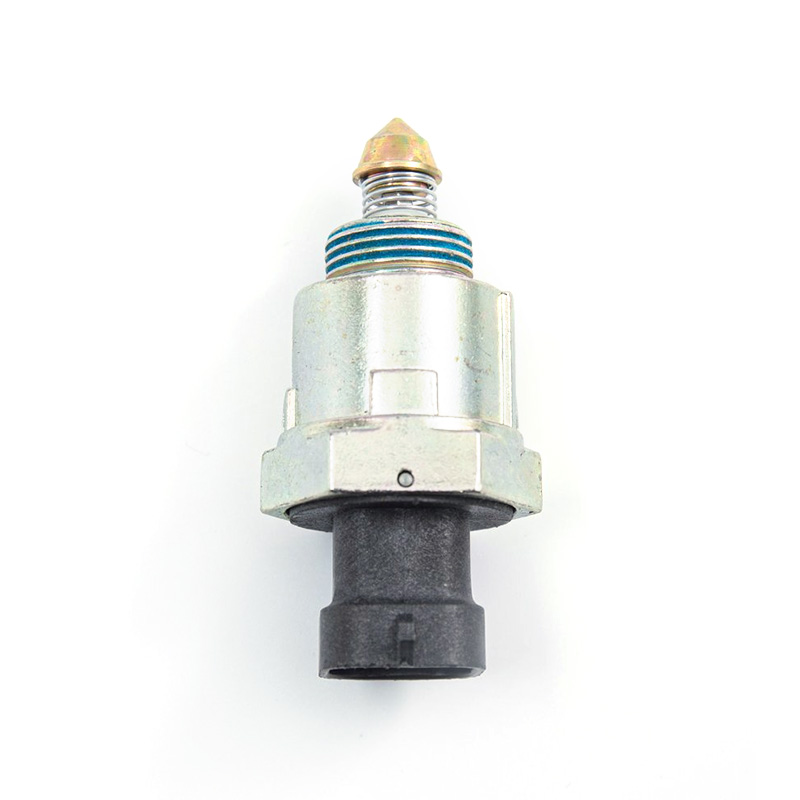
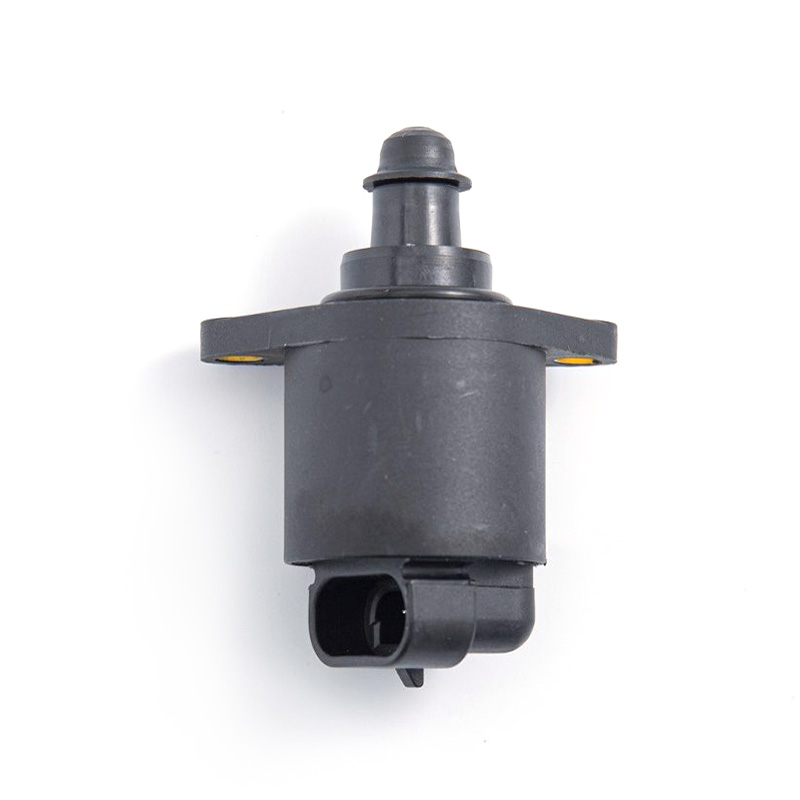
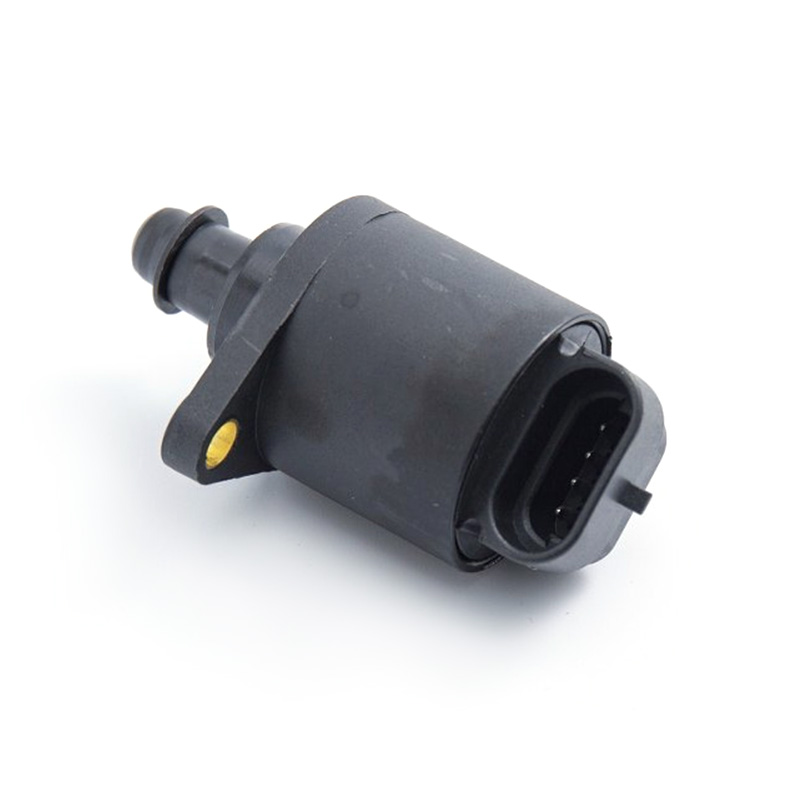
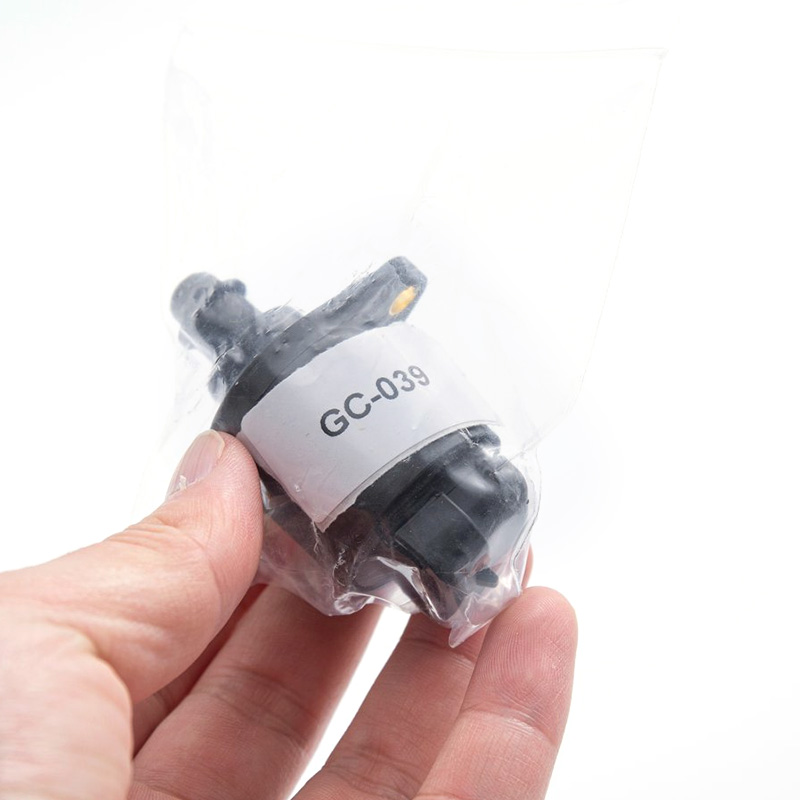
GC-039
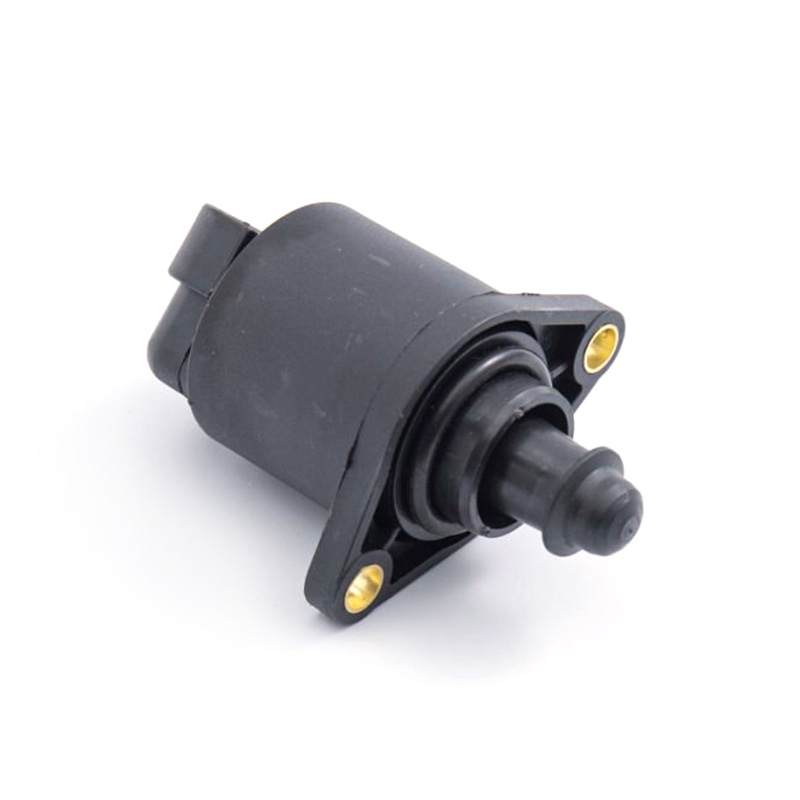
REFERENCE OE:
MARELLI:B35/00
MARELLI:801001185201
PSA:1920AH
APPLICATION:
PEUGEOT 206 1.1 EOBD
Idle air control valve from China factory for Peugeot 206.
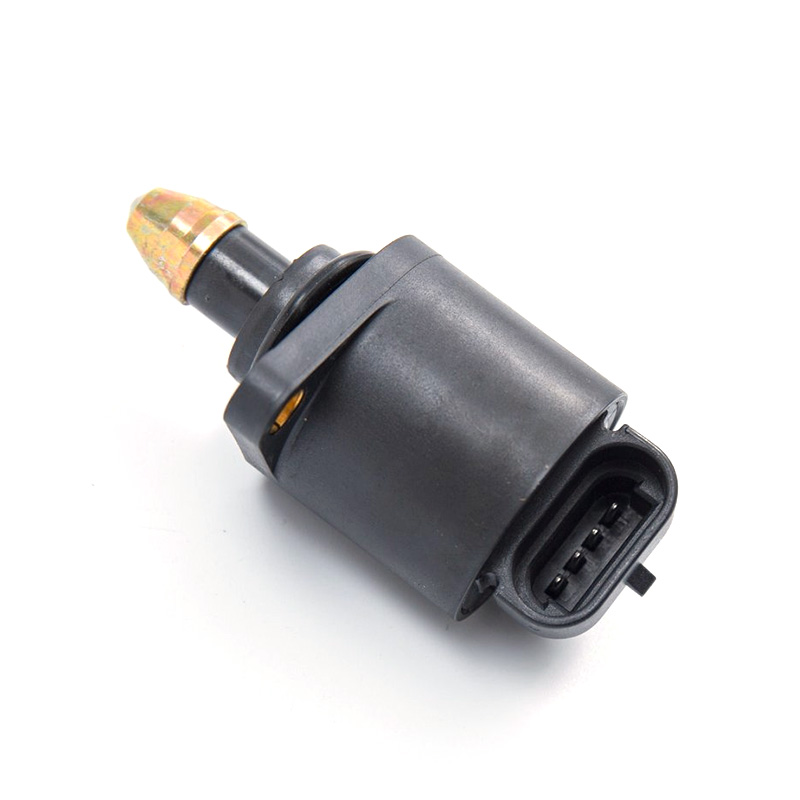
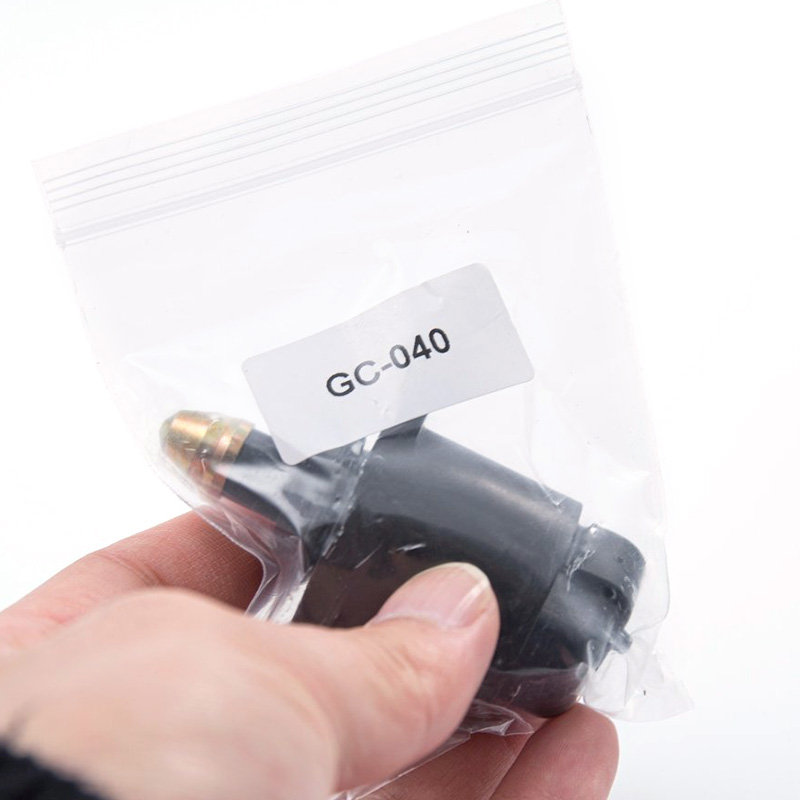
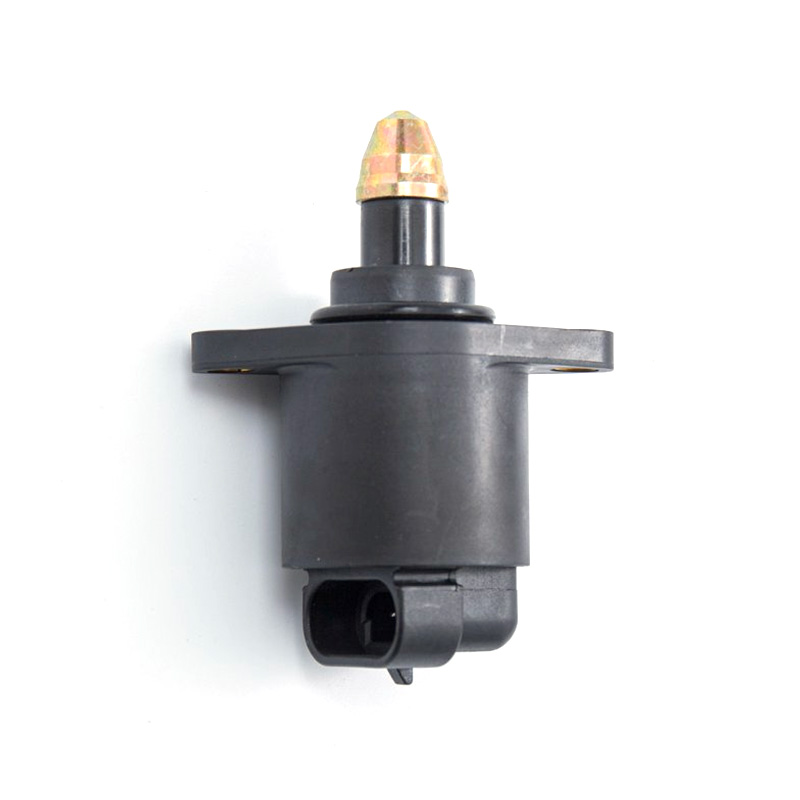
GC-040
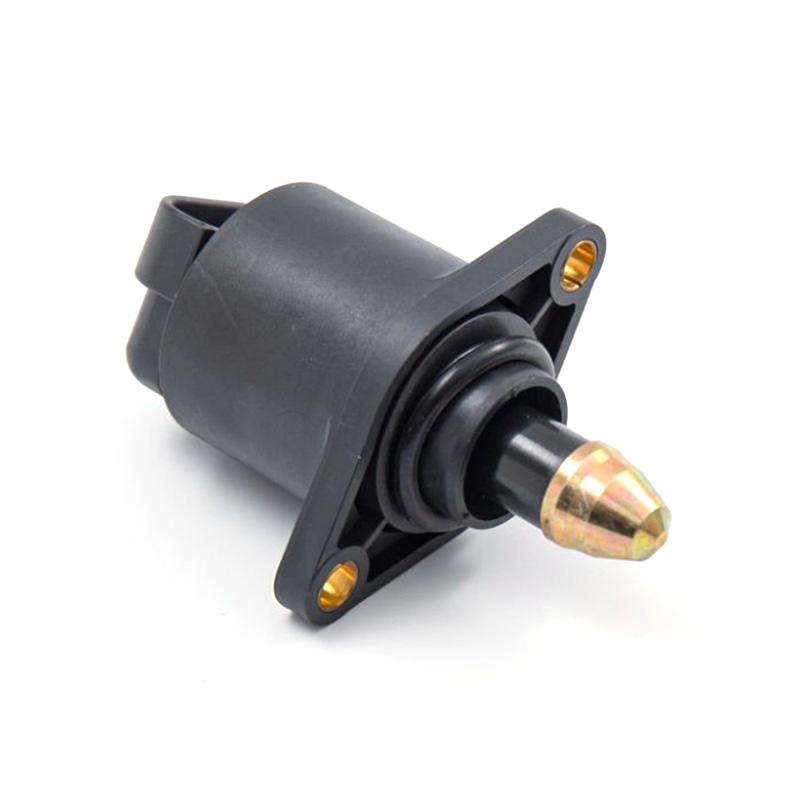
REFERENCE OE:
SHORT CODE:B04/01 D5131
MARELLI:230016079057
PEUGEOT:1920N1
SIMENCE:A95269
APPLICATION:
PEUGEOT 205 I Cabriolet(741B,20D)1.6CJ;
PEUGEOT 205 II(20A/C)1.6 Aut;
PEUGEOT 306(7B,N3,N5)1.8/2.0ST;
306 Break(7E,N3,N5)1.8;
PEUGEOT 306 Cabriolet(7B,N3,N5)1.8/2.0ST;
PG 306 Schraqheck(7A,7C,N3,N5)1.8/2.0 Xsi;
PG 309 II(3C,3A)1.6;
PG 405/Break(15B)1.6;
PG405 II(4B)1.6/1.8/2.0/2.0 X4;
PG 406;PG 806;PG BOXER Bus
Idle air control valve from China factory for Peugeot 205 306.
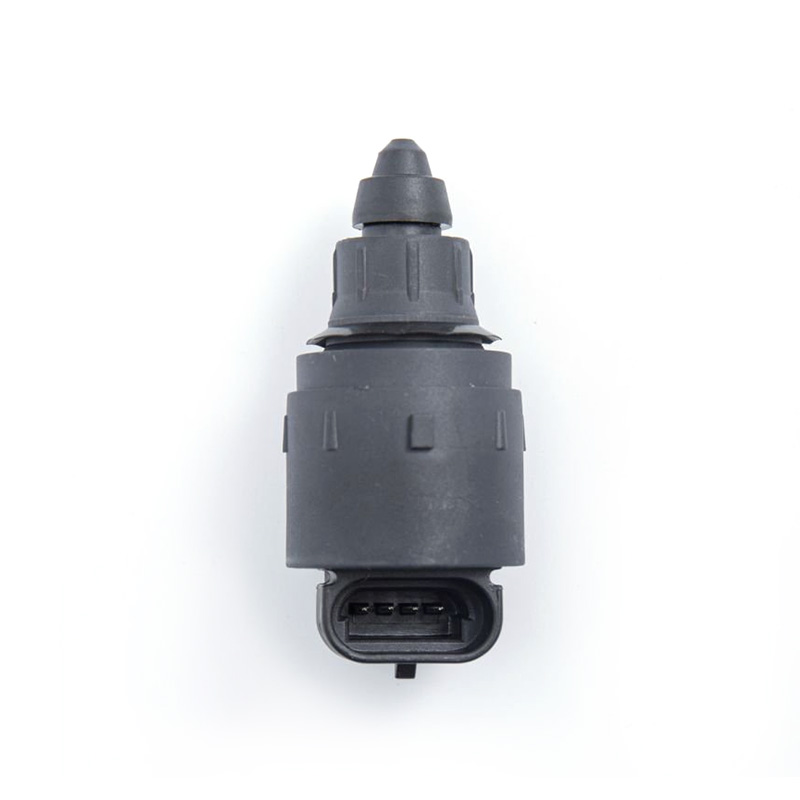
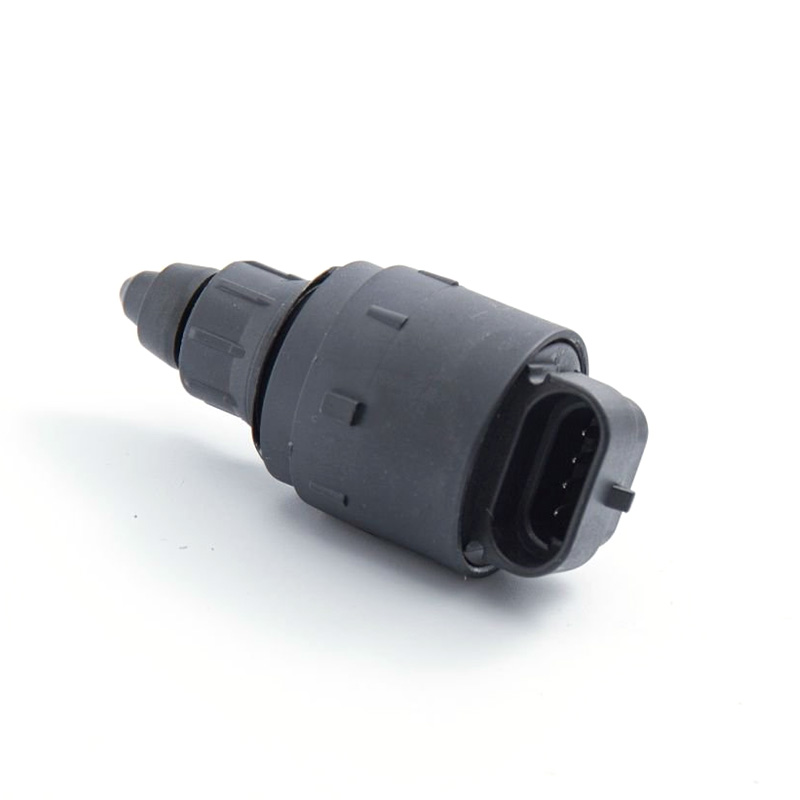
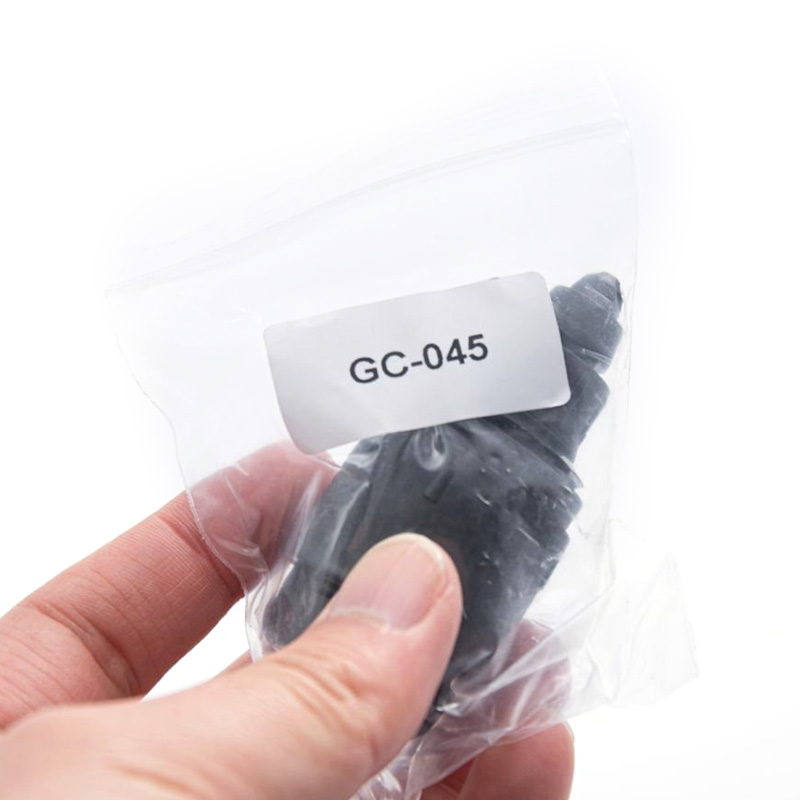
GC-045
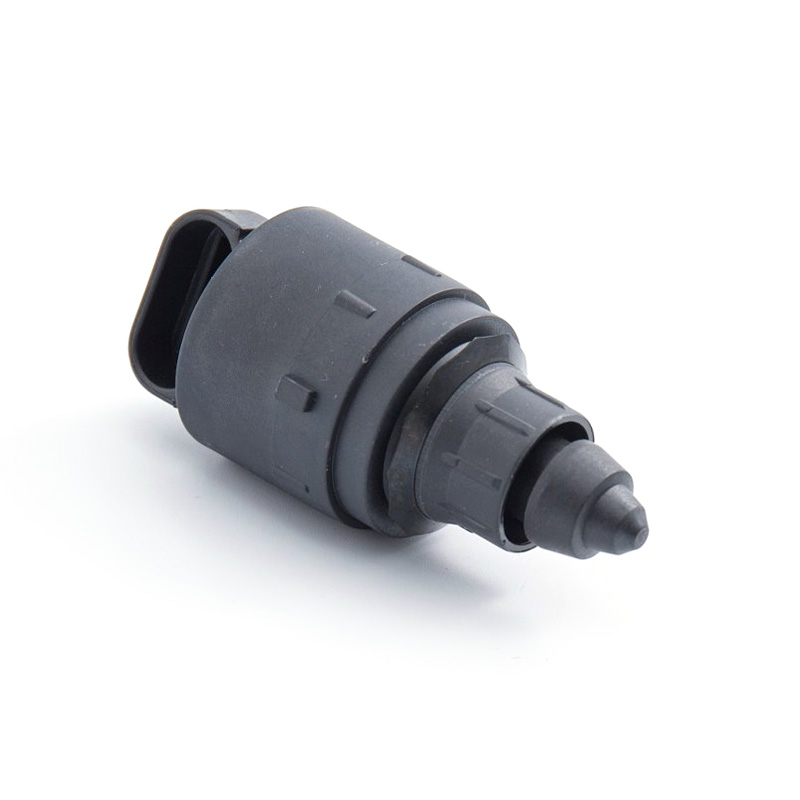
REFERENCE OE:
IB04/00
Delphi: 28222556
Marelli: 40481202
APPLICATION:
Renault Clio 1.0 8V MPI
Renault Kangoo 1.0 8V MPI
Idle air control valve from China factory for Renault Clio Kangoo.
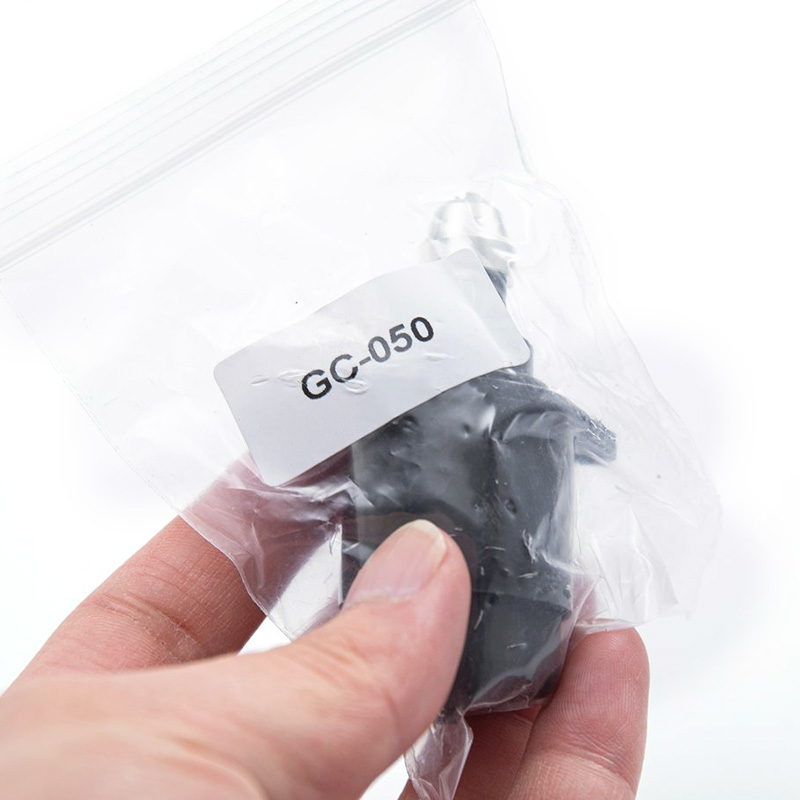
GC-050
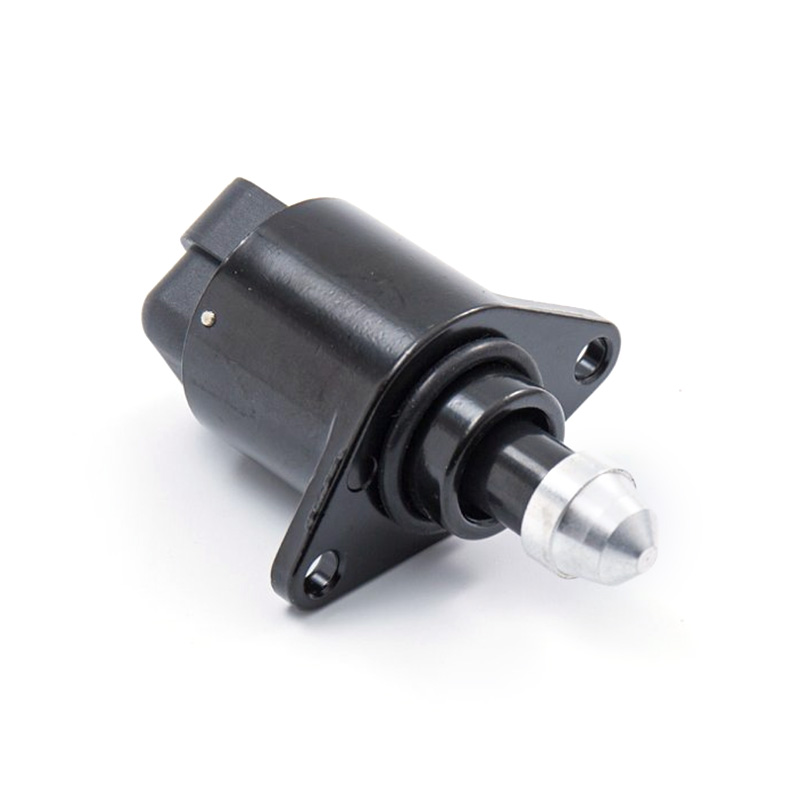
REFERENCE OE:
PEUGEOT:19202Q
B17/00
APPLICATION:
CITRO SAXO(S1,S1)1.6VTS;PEUGEOT 106II(1) 1.6 S16
Idle air control valve from China factory for Citroen Peugeot.
Contact Us
Let's start collaborating

Guocheng is specialized in the R&D and production of key engine components for the automotive and engineering machinery industries.
Product
Stay Connected
(+86) - 577 - 8582 0886 (Tel)
(+86) - 577 - 8582 8085 (Fax)
(+86) - 19730213059 (Phone)
sales@wz-gc.com
No. 205, Baiyu Road, 15th Road, Binhai Park, Wenzhou, Zhejiang, China
Mobile

ODM Engine Management System Components
 English
 русский
 Español
 عربى
عربى Deutsch