Date:Jul 31, 2026
A Toyota Tacoma that maintains a high idle speed after reaching normal operating temperature can be confusing for many owners. The engine may start normally, gradually warm up, and then continue running above the expected idle range instead of settling down. Some drivers notice RPM staying elevated at stoplights, delayed RPM drop after releasing the accelerator, or repeated idle fluctuations after driving.
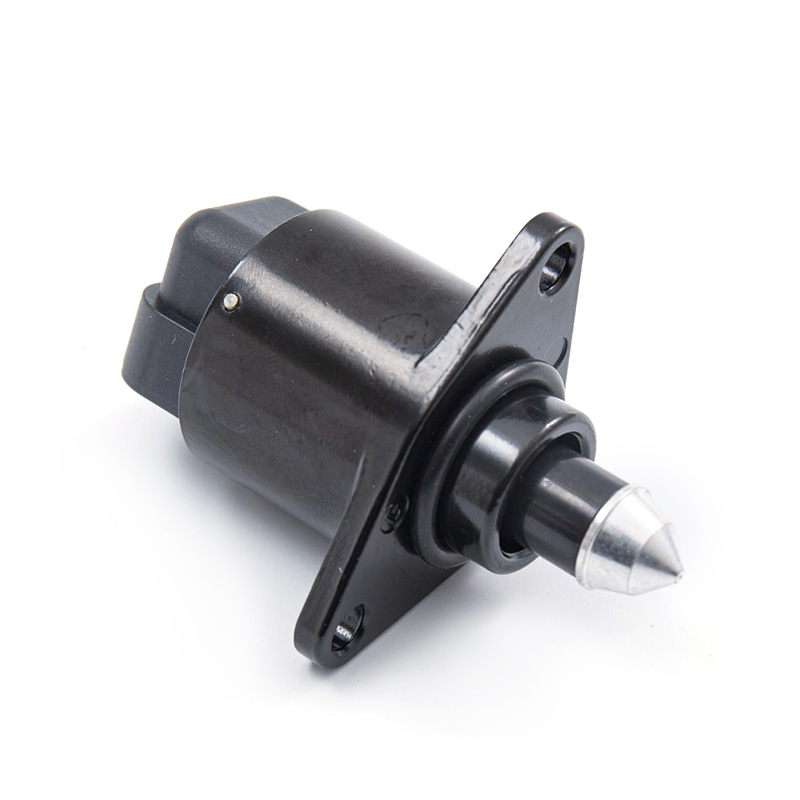
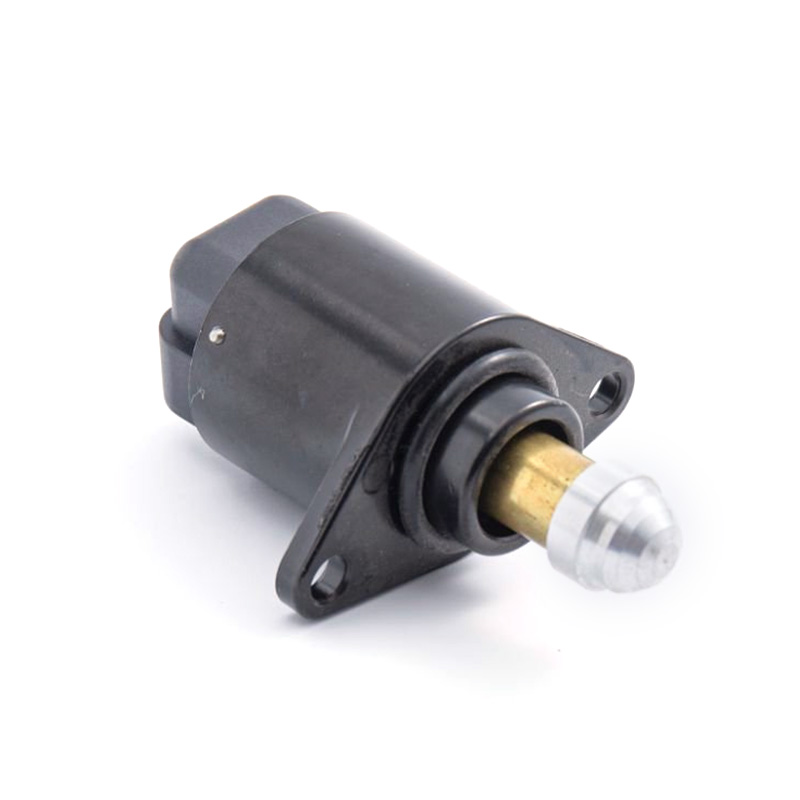
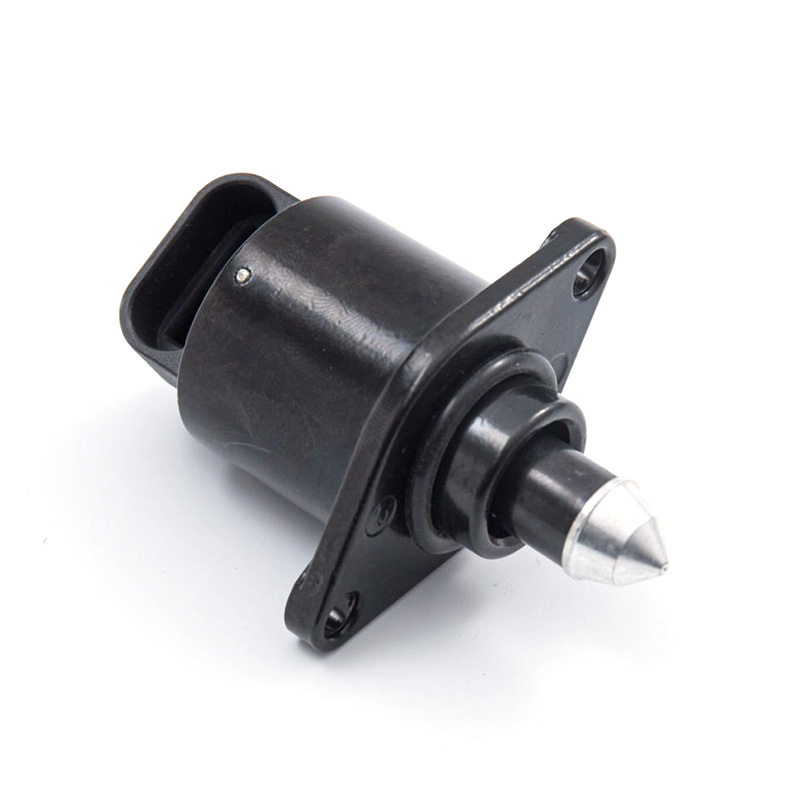
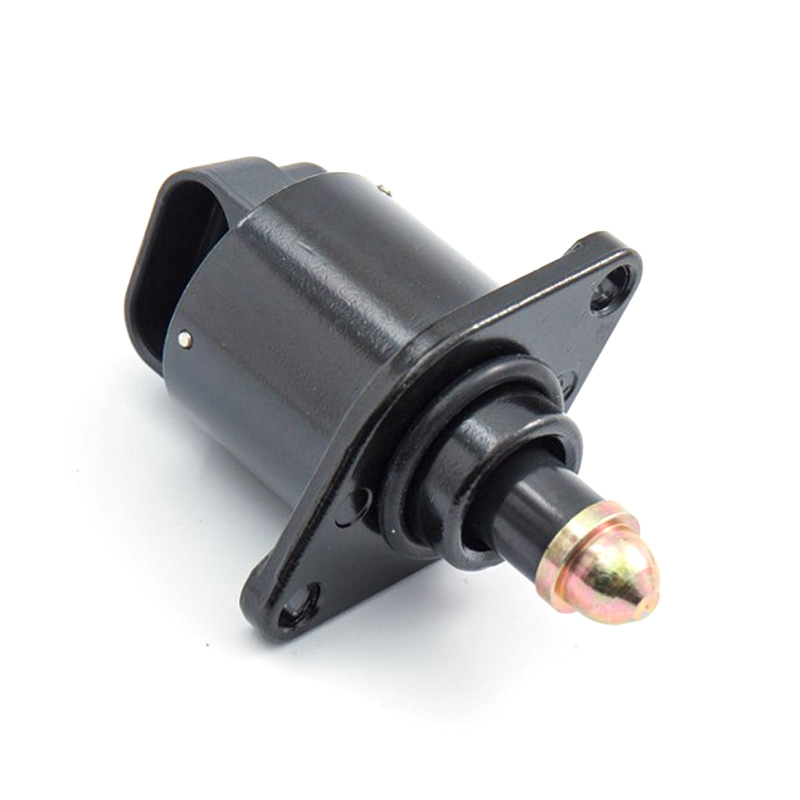
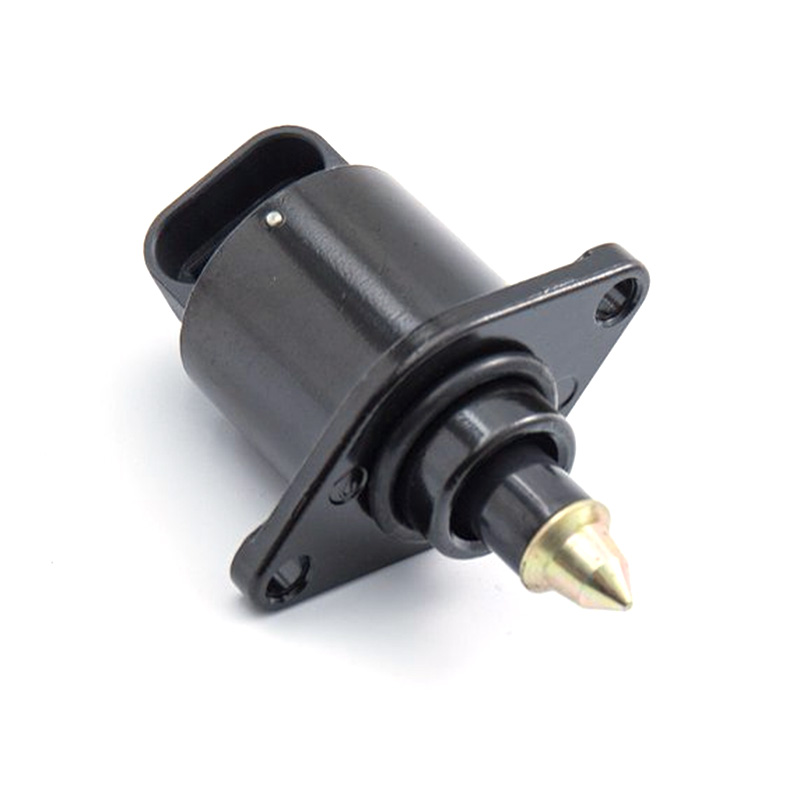
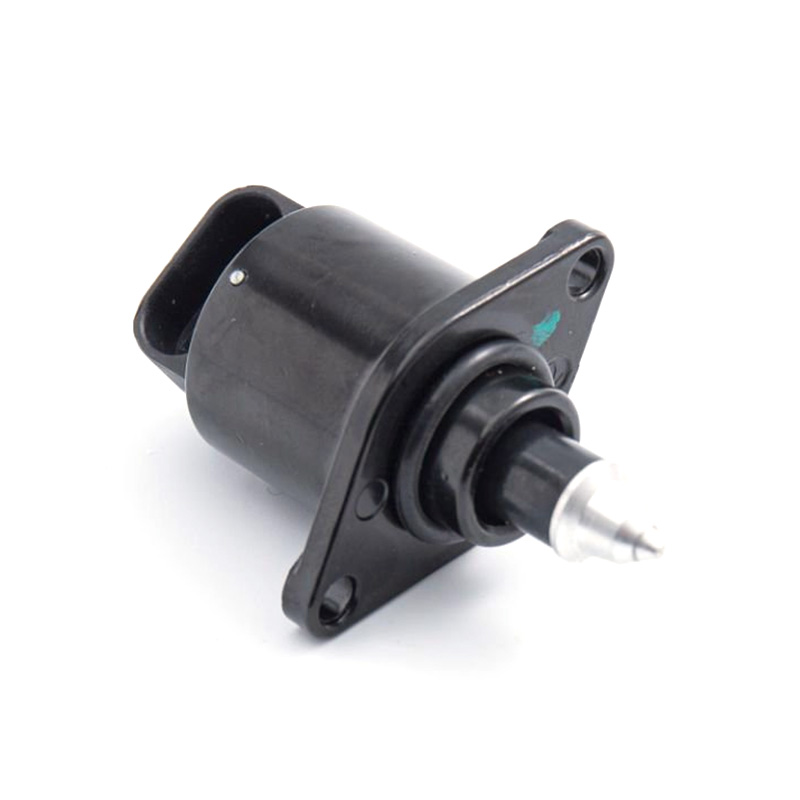
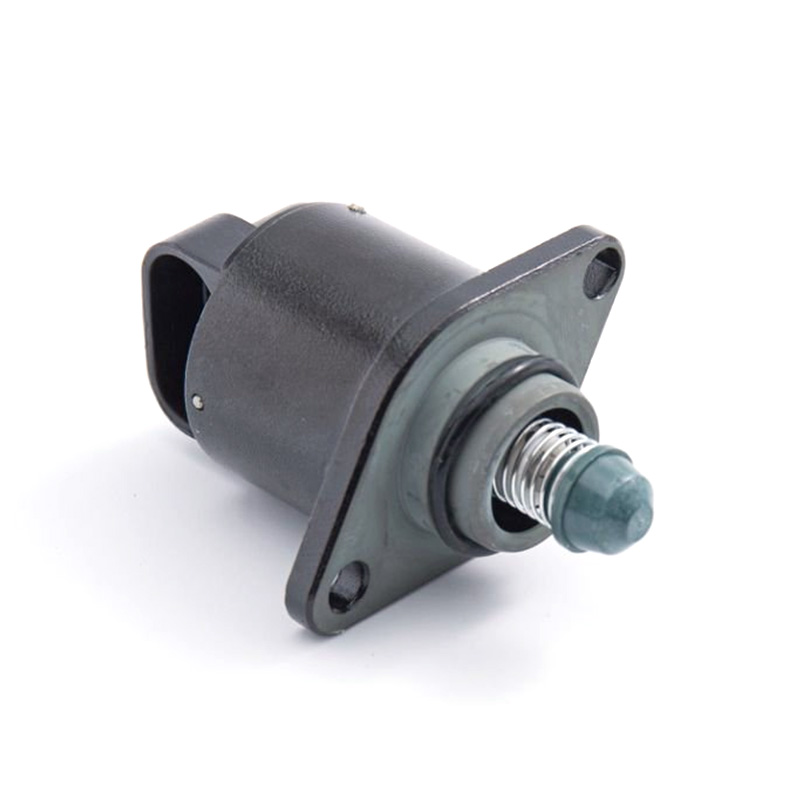
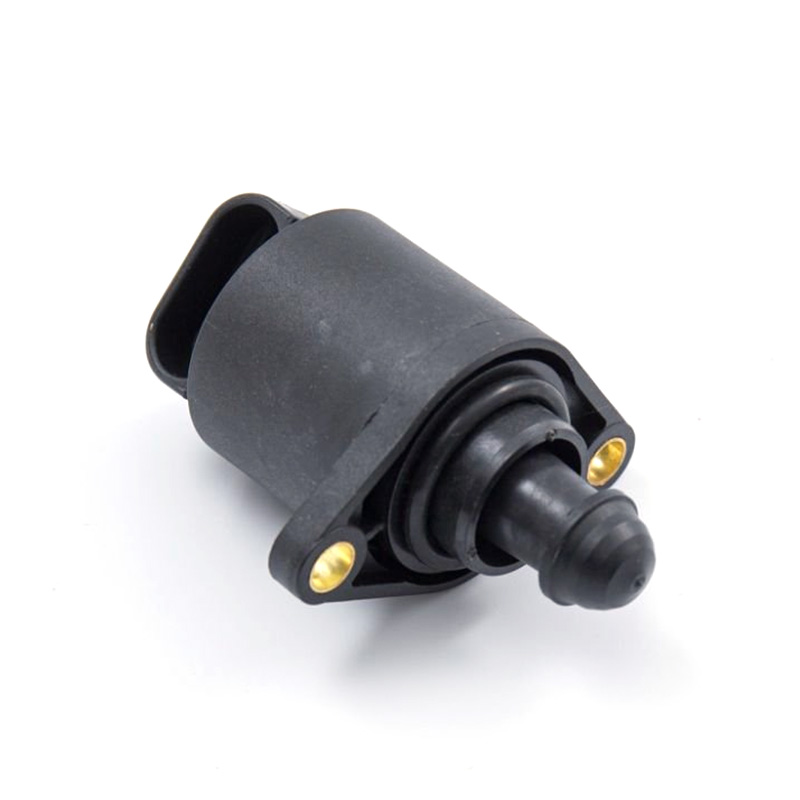
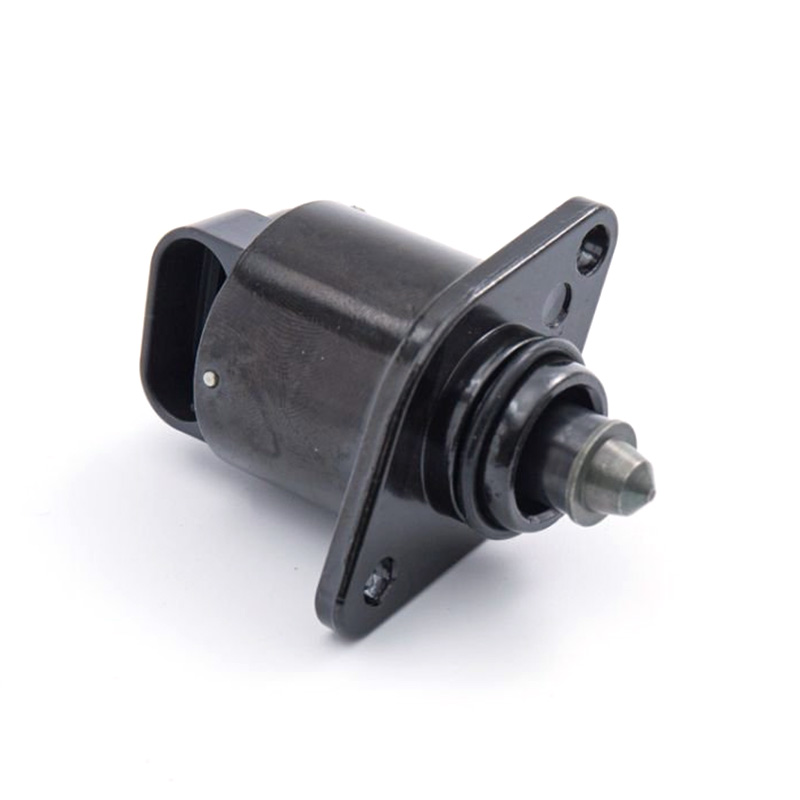
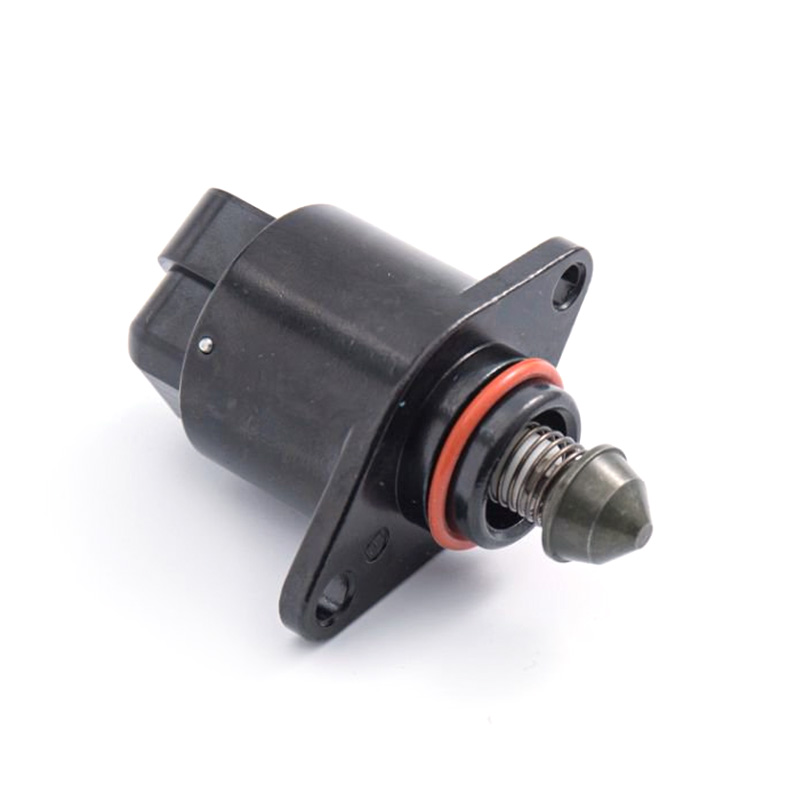
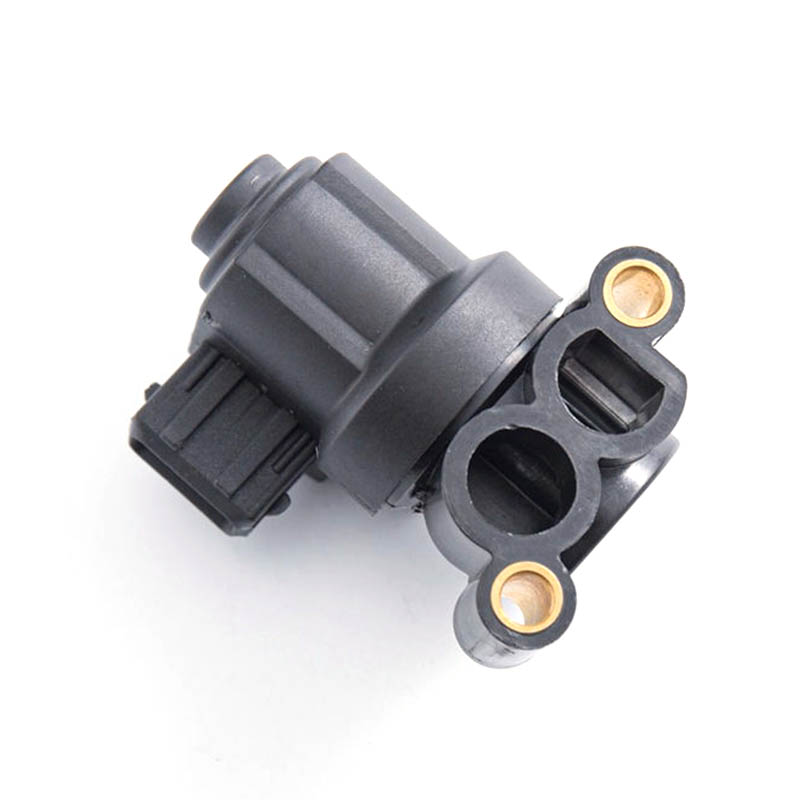
One component frequently inspected during this type of diagnosis is the 1999 Toyota Tacoma IAC valve. This valve controls the amount of air that bypasses the throttle plate, allowing the engine control module to maintain stable idle speed under different operating conditions. A valve that remains partially open because of internal sticking, contamination, or mechanical wear may supply excessive airflow after warm-up, causing elevated idle behavior. Toyota service information describes the rotary solenoid IAC system on the 1999 Tacoma as a device that regulates bypass air volume around the throttle valve to control engine speed.
Although IAC operation is a common area of investigation, high idle conditions can also involve vacuum leaks, throttle plate issues, coolant temperature signals, or incorrect sensor feedback. A complete inspection helps identify whether the airflow control system is actually responsible for the symptom.
A cold engine naturally operates with increased idle speed because additional airflow and fuel adjustment are required during warm-up. As coolant temperature rises, the engine management system gradually reduces idle compensation.
A sticking valve may behave correctly during startup but fail to close sufficiently after reaching operating temperature. This creates a situation where the engine continues receiving more bypass air than necessary.
Technical discussions regarding idle control systems explain that valves designed for cold-start airflow must gradually reduce airflow as temperature increases. A valve that remains open can create elevated or unstable idle conditions.
The idle control valve does not directly control engine power. Its main task is fine airflow adjustment while the throttle plate remains almost closed. Because the airflow opening is relatively small, even slight movement problems can affect engine speed.
Owners of first-generation Tacoma models have reported cases where the truck idles at elevated RPM even after warming up, with the IAC valve and throttle body among the components examined during troubleshooting.
High idle complaints usually appear in specific situations rather than during all driving conditions. Many owners notice the issue while stopped or during the transition from acceleration to idle.
| Observed Condition | Possible IAC-Related Cause |
| Idle remains high after engine warms up | Valve does not fully reduce bypass airflow |
| RPM hangs after releasing throttle | Slow valve response or airflow adjustment delay |
| Idle rises and falls repeatedly | Unstable valve position control |
| Engine runs normally while driving | Problem mainly appears during idle regulation |
| Idle changes after electrical loads activate | Slow compensation response |
The reason many vehicles drive normally despite idle problems is that the throttle plate becomes the main airflow source during acceleration. The idle control system has a much larger influence at closed throttle conditions.
The 1999 Tacoma uses an electronically controlled rotary solenoid-type idle air control valve. The valve receives commands from the engine control module and adjusts bypass airflow through a dedicated passage around the throttle valve.
| Component | Main Function |
| IAC valve | Controls bypass airflow during idle operation |
| Throttle body | Controls primary intake airflow |
| ECM | Calculates idle adjustment commands |
| Temperature sensor | Provides engine warm-up information |
| Vacuum system | Maintains correct intake pressure conditions |
The relationship between these components means that a high idle complaint requires checking the complete airflow system rather than focusing on one part immediately.
Long-term engine operation exposes the idle airflow system to oil vapor, combustion residue, and intake contamination. Deposits may accumulate around the bypass passage or moving components inside the valve.
Cleaning the throttle body and idle passages is a common maintenance approach. However, improvement depends on the condition of the internal mechanism. A valve with worn electrical or mechanical parts may continue producing abnormal idle behavior after cleaning.
Replacing an idle valve without confirming the fault can overlook other causes of high idle. Toyota diagnostic procedures include electrical resistance testing and valve operation checks for Tacoma applications.
| Inspection Item | Purpose |
| Valve resistance test | Checks internal coil condition |
| Valve movement test | Confirms mechanical operation |
| Throttle inspection | Checks airflow restriction or leakage |
| Vacuum inspection | Identifies unmetered air sources |
| Scan data review | Compares target idle with actual RPM |
For the 1999 Tacoma 2.7L application, service information lists IAC resistance checks with temperature-related ranges and operational testing procedures to verify valve function.
A high idle after warm-up does not automatically confirm an idle valve problem. Several other conditions may create similar engine behavior.
Some Tacoma owners have reported replacing or cleaning the IAC without solving the issue because other components, such as airflow sensors or intake-related parts, were involved.
A 1999 Tacoma has accumulated many years of operation, making airflow system maintenance increasingly important. Rubber hoses can age, electrical connectors may develop resistance, and deposits can gradually affect valve movement.
Maintaining stable idle performance requires cooperation between the IAC system, throttle body, sensors, and engine computer. A small airflow imbalance may become noticeable during warm idle because the engine operates with very limited throttle opening.
A Toyota Tacoma that remains at high RPM after warm-up often points toward an airflow regulation issue that deserves careful diagnosis. The idle control system has a direct influence on how much air enters the engine during closed-throttle operation.
A sticking 1999 Toyota Tacoma IAC valve may contribute to elevated idle speed by preventing proper airflow reduction after warm-up. However, confirming the condition requires checking valve operation, intake sealing, throttle movement, and related engine signals together. Understanding the interaction between these systems helps owners identify the actual source of idle problems and maintain reliable performance from older Tacoma engines.
Related Products
OE/Part Numbers: 1920AH A96157 B35/00
Compatible Brands: for Peugeot, Citroen
Compatible Vehicles & Years:
- for Citroen Saxo
- for Peugeot 106
- for Peugeot 206 (Schragheck /SW)
-for Peugeot 306 (Break / Schragheck)
-for Peugeot Partner (Combispace / Kasten)
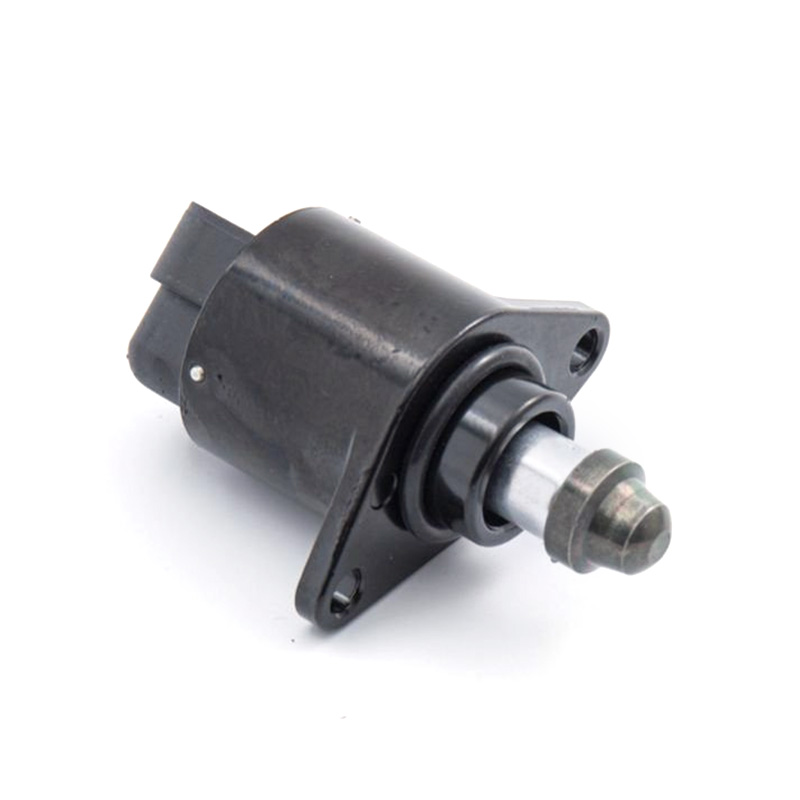
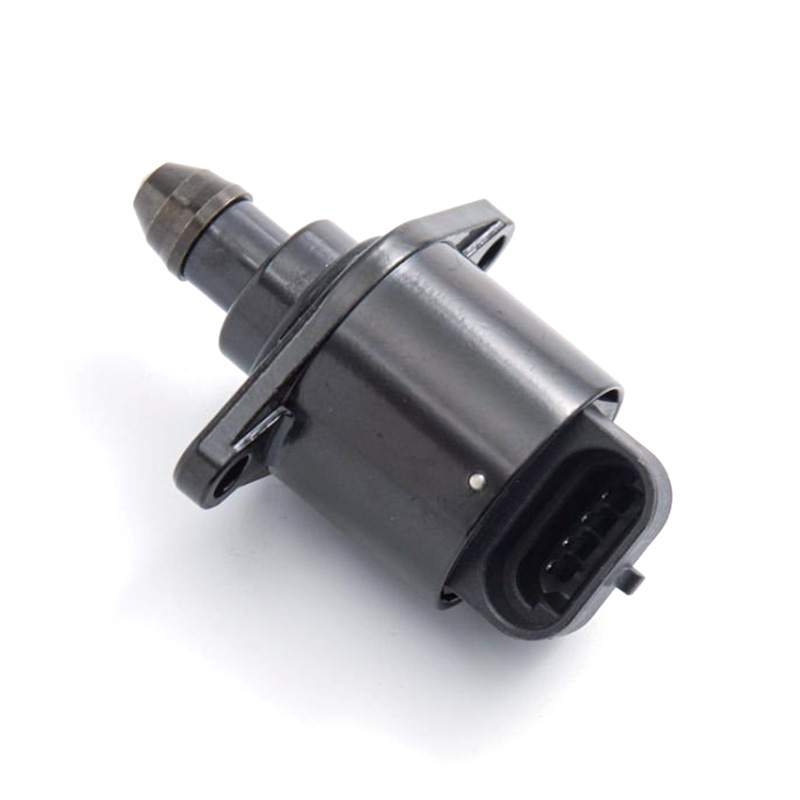
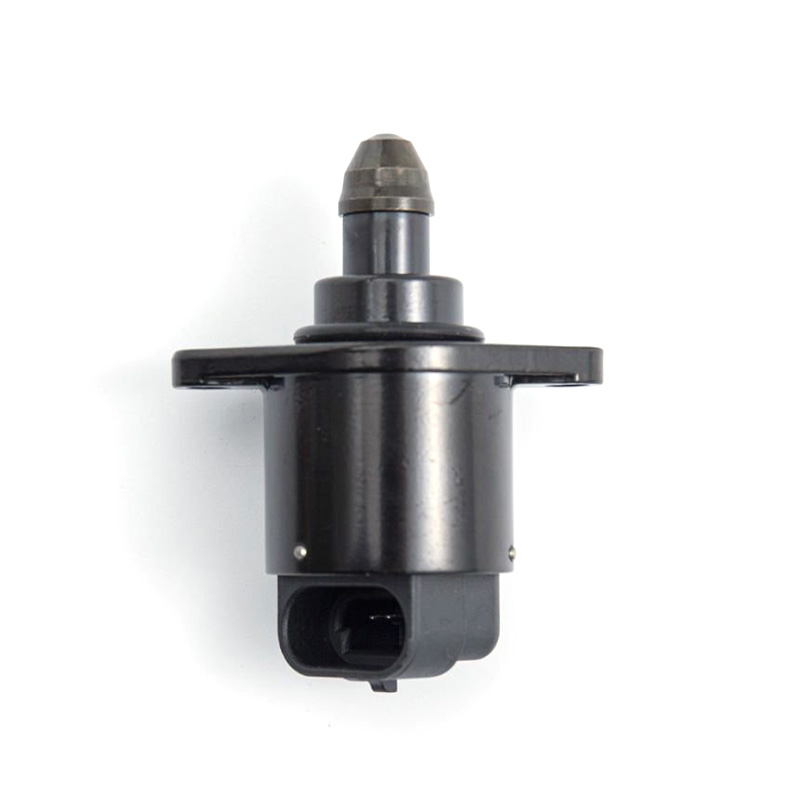
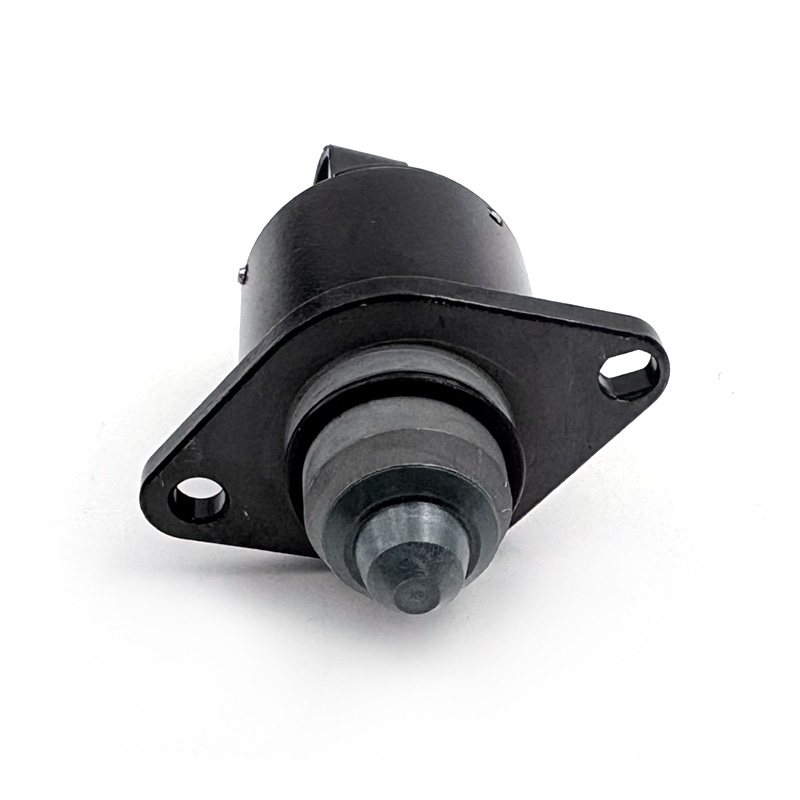
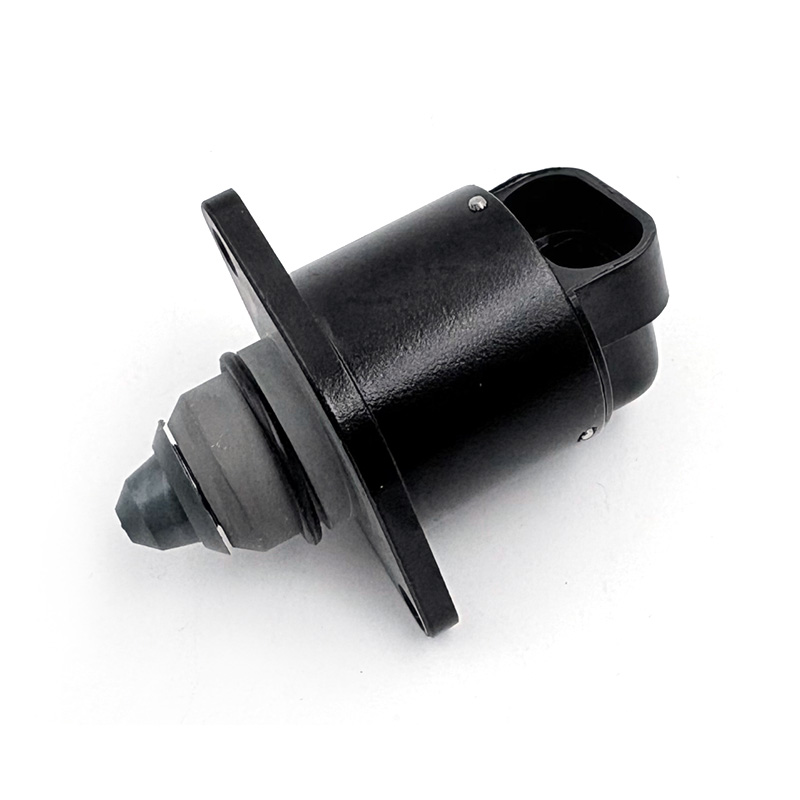
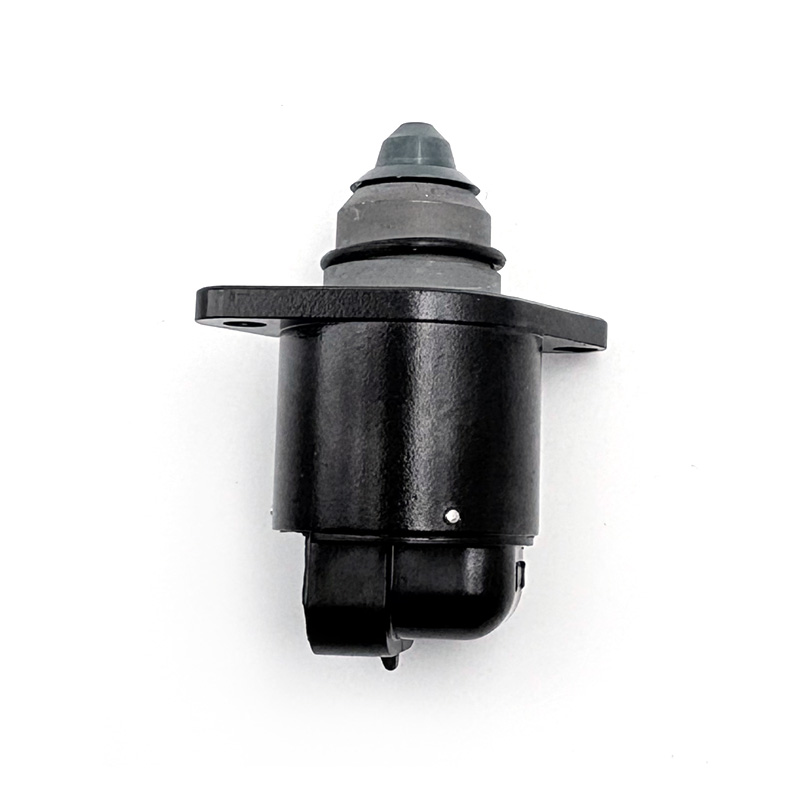
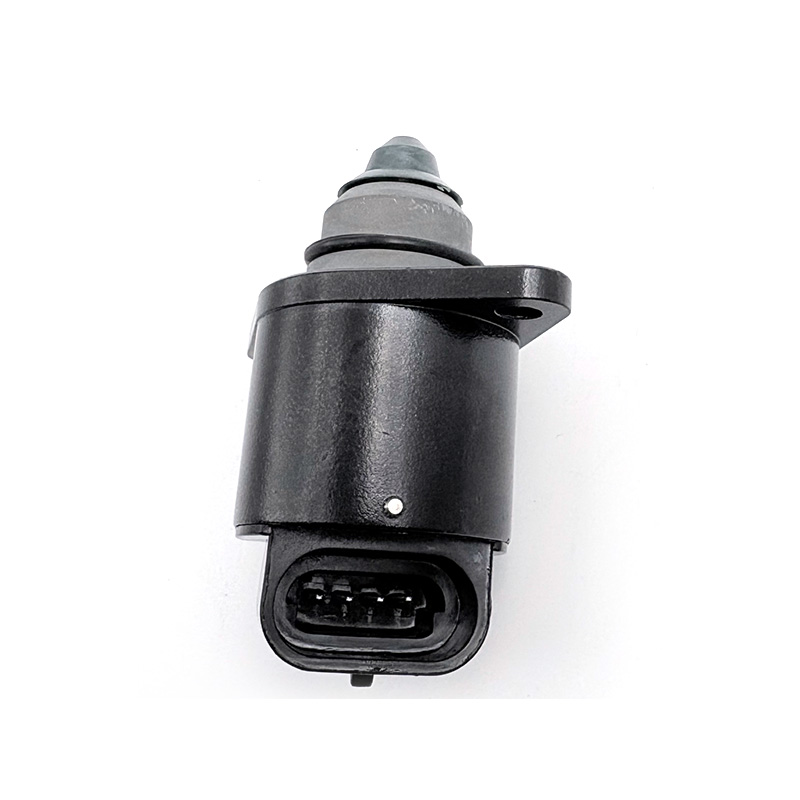
Key Functions: This idle stepper motor regulates engine idle speed, ensuring stable performance, smooth cold starts, and preventing stalling under varying loads.
Features & Advantages:
1. Direct OEM Fit & Function.
2. High-Quality Components for Reliability.
3. Rigors Quality Control.
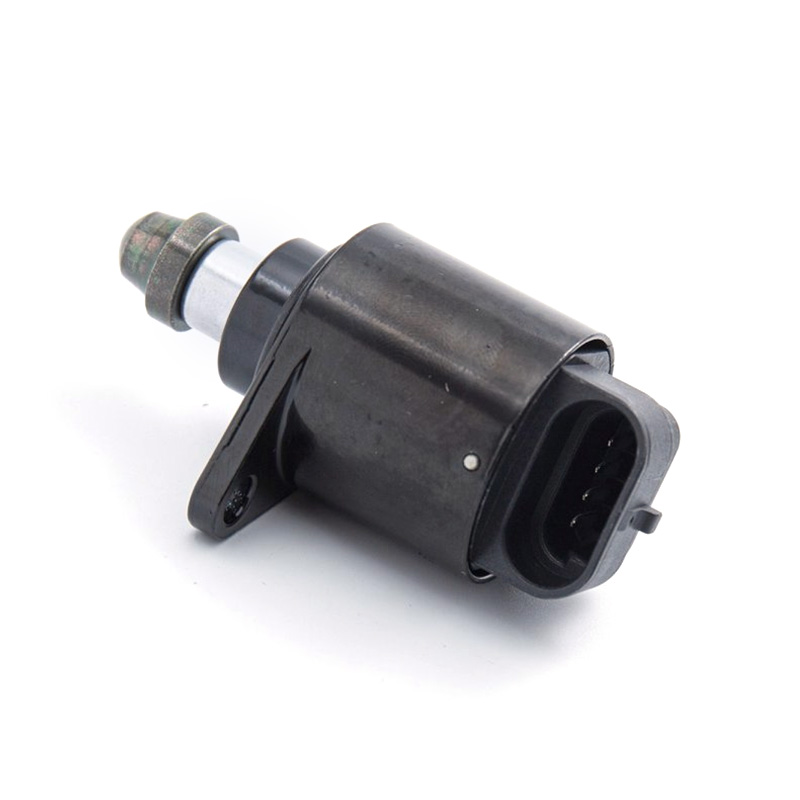
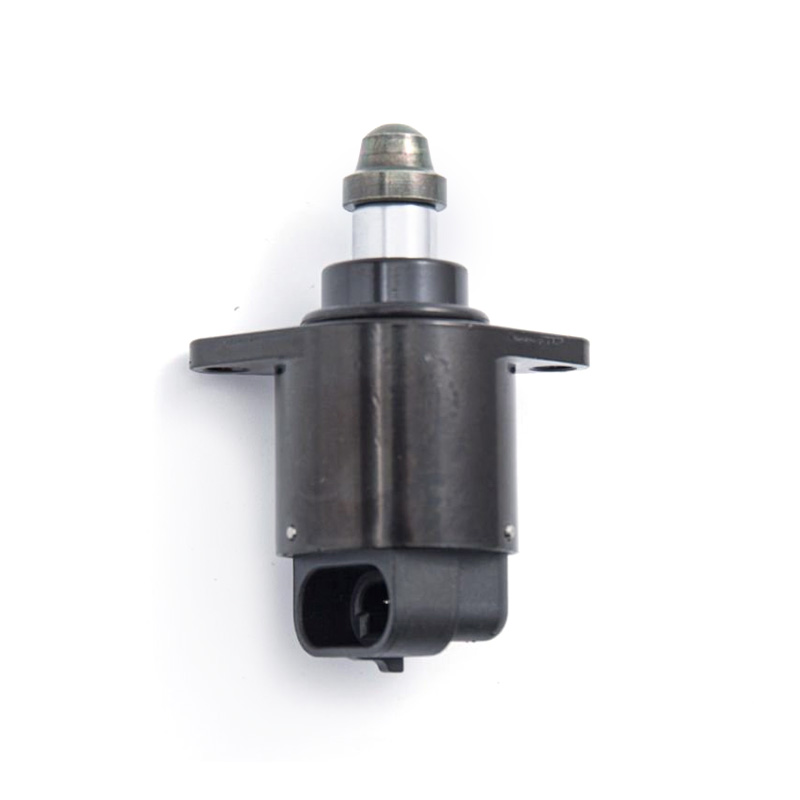
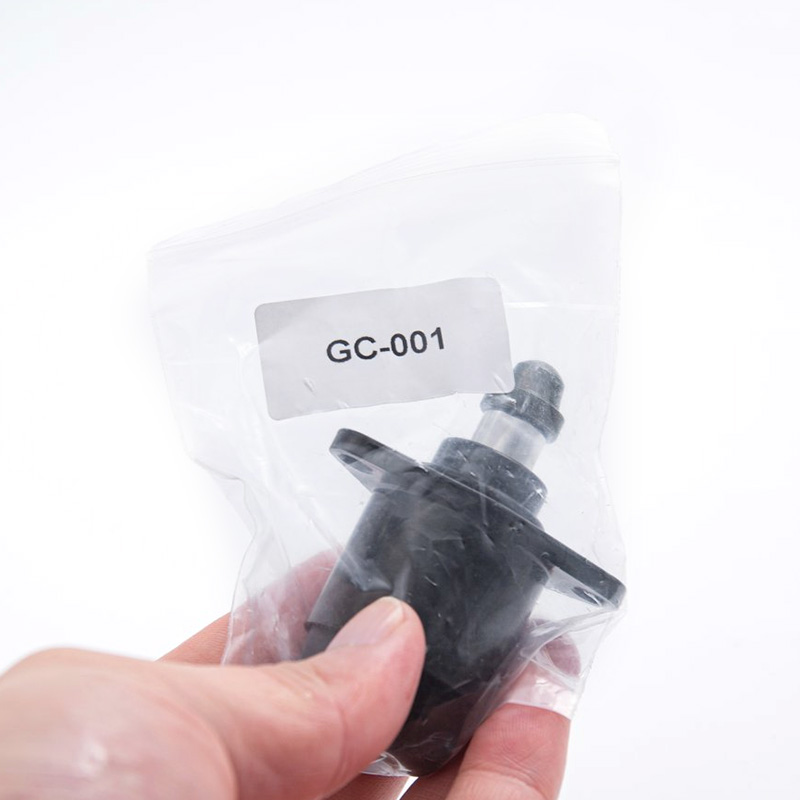
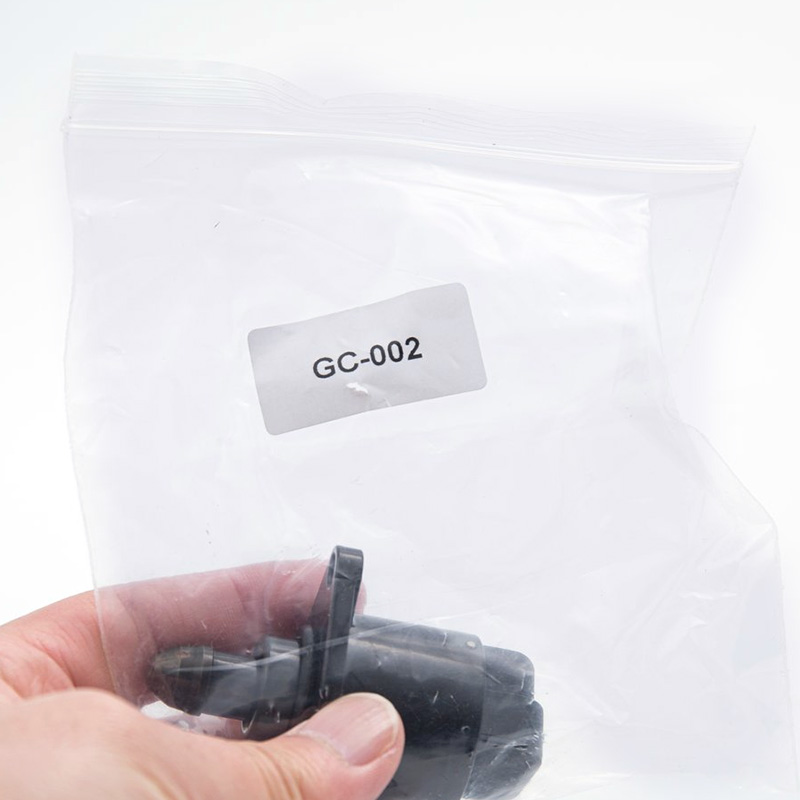
GC-002
REFERENCE OE:
SHORT CODE: B95/00
PEUGEOT: 1920X9 C95197
APPLICATION:
PEUGEOT 306 Break/Cabriolet/Schraqheck;PEUGEOT 405 II Break; PEUGEOT 406 Break/Coupe;
PEUGEOT 605 806;PEUGEOT BOXER Bus/Kasten/Pritsche/Fahrqestell
China original factory for idle air control valve and different kind of sensors with high quality and competitive price!
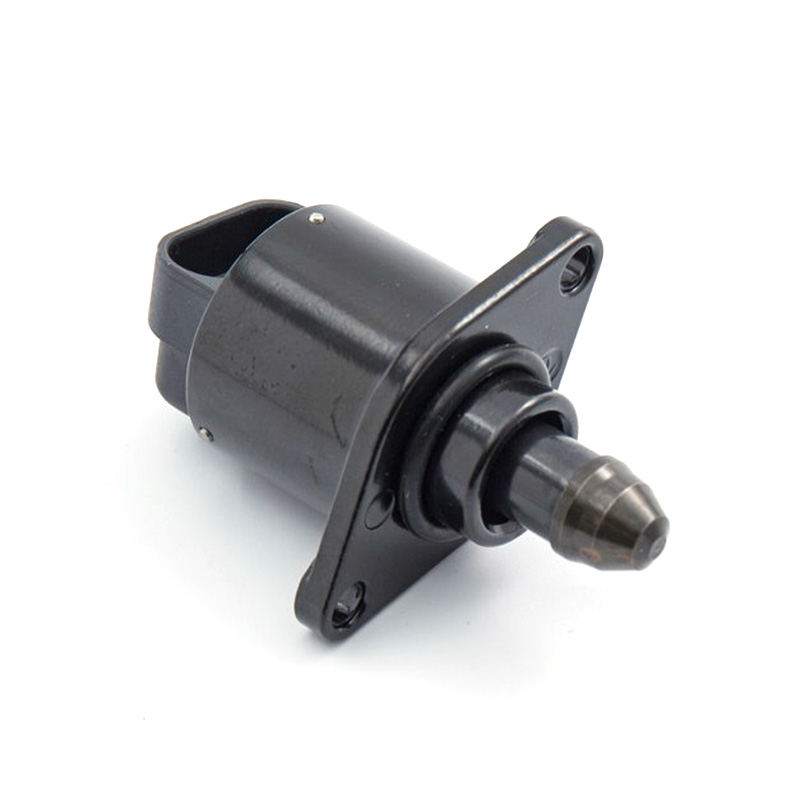
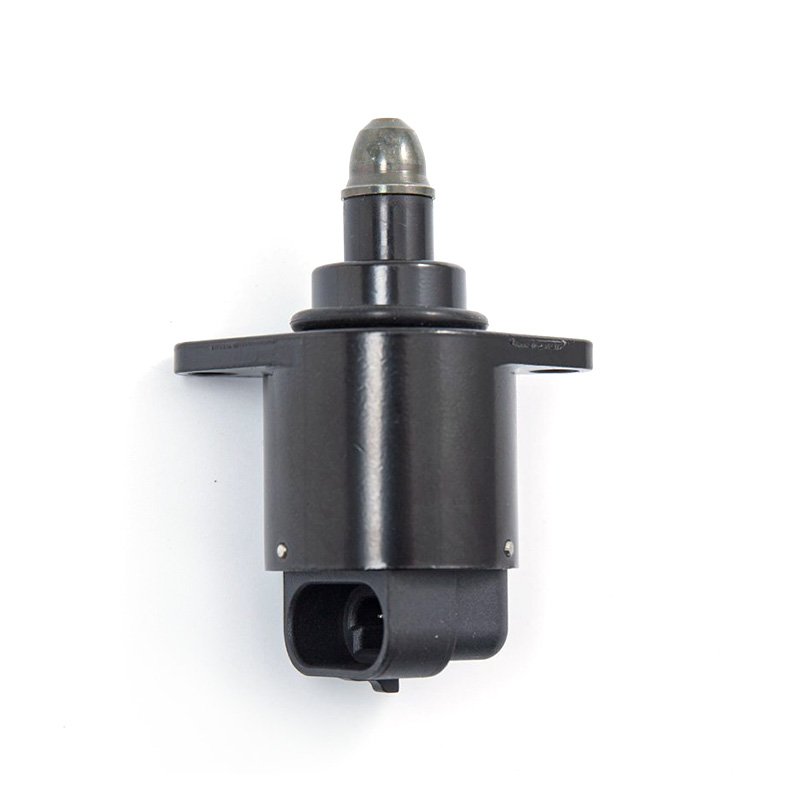
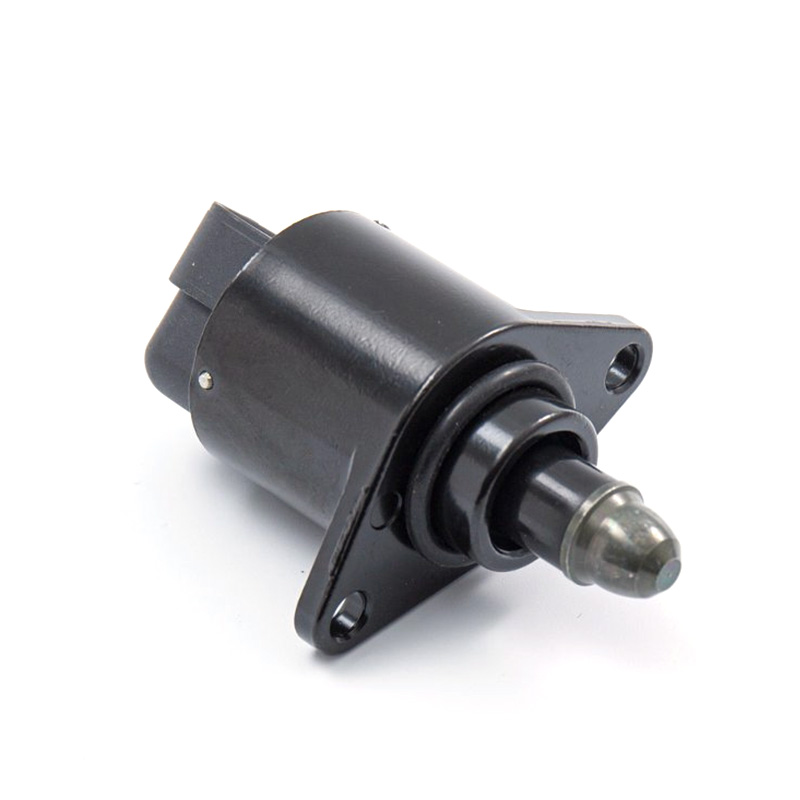
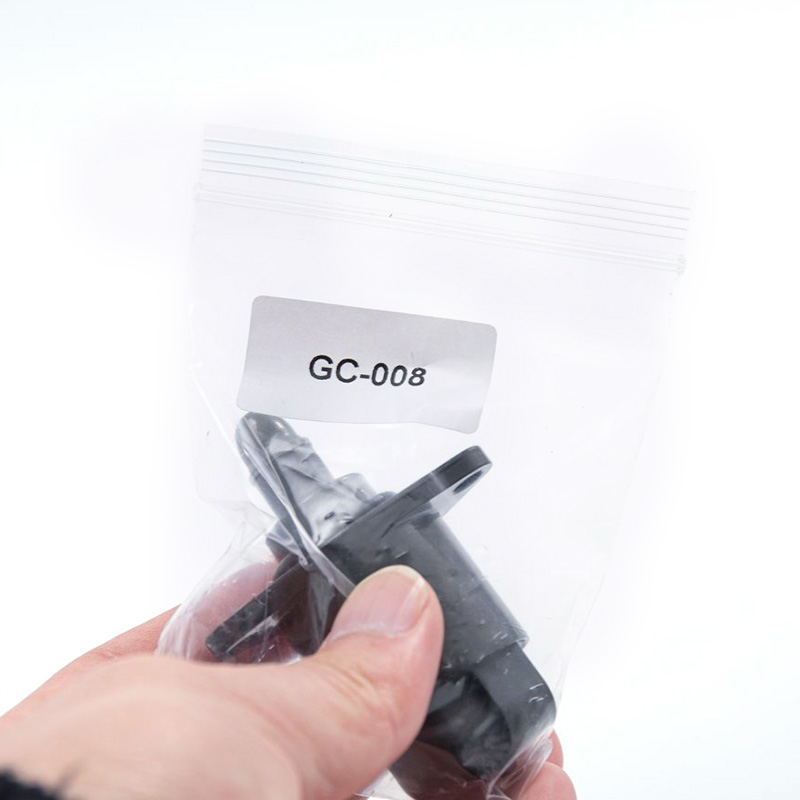
GC-008
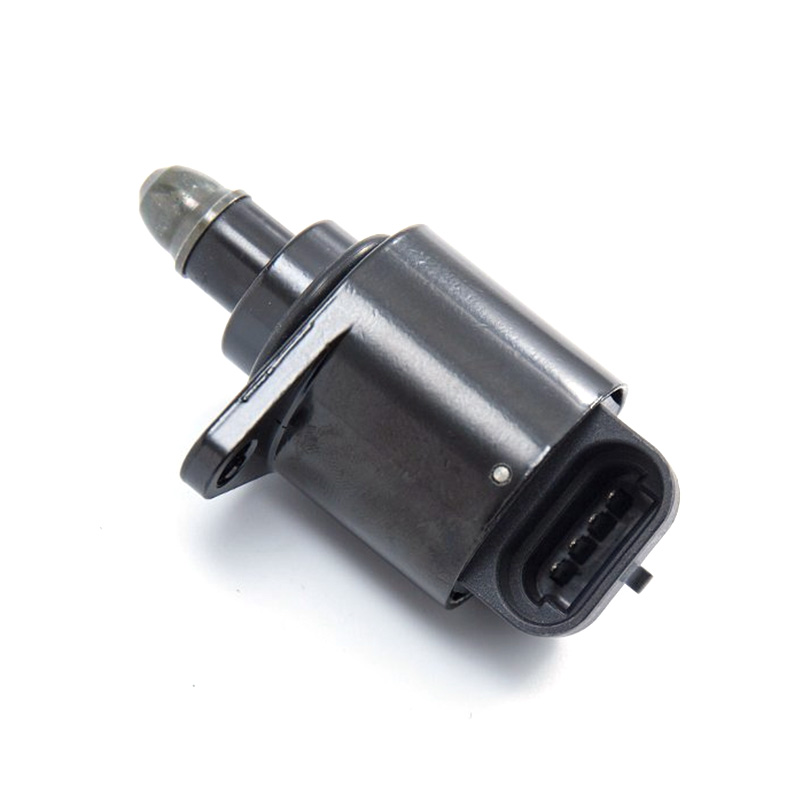
REF OE:
SHORT CODE:B20/01
VDO:AT-02001R
MARELLI:40415202 219244820500
FIAT:46451794
APPLICATION:
Punto 85 16V 1.2 97>MPI PALIO 98->1.3 MPI/SIENA 98->1.3,Palio 1.0,1.5,96 98,Siena 1.5 99,UNO 1.0 99;Weekend 1.5 97;Uno Furgoneta,
Fiorino 1.5 97 98,Palio 1.0 1.5 96 98 ,Siena 1.0, Strada 1.5
Idle air control valve from china manufacture,main market to US and south America.
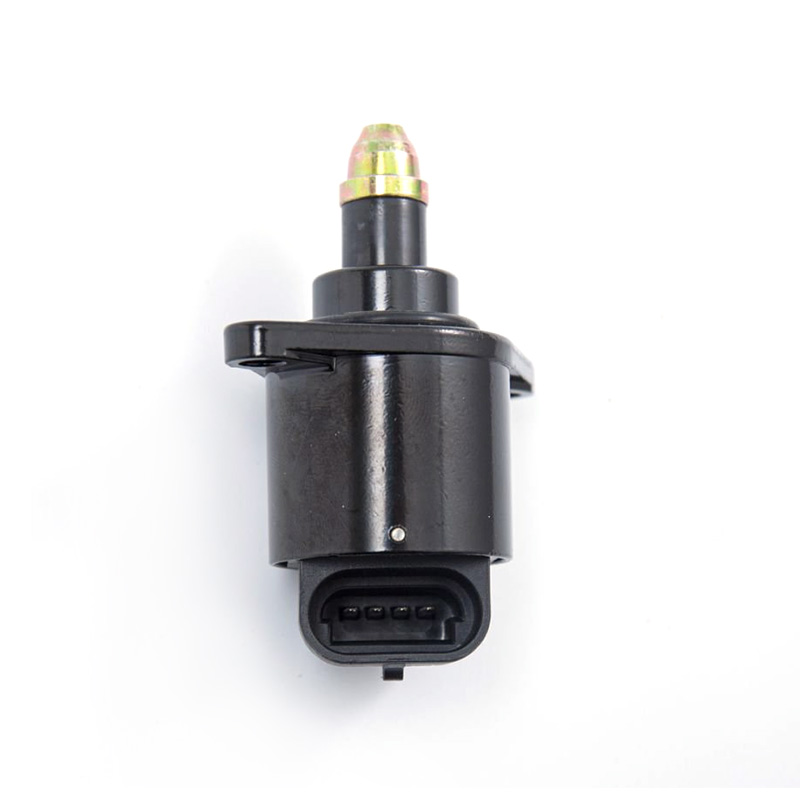
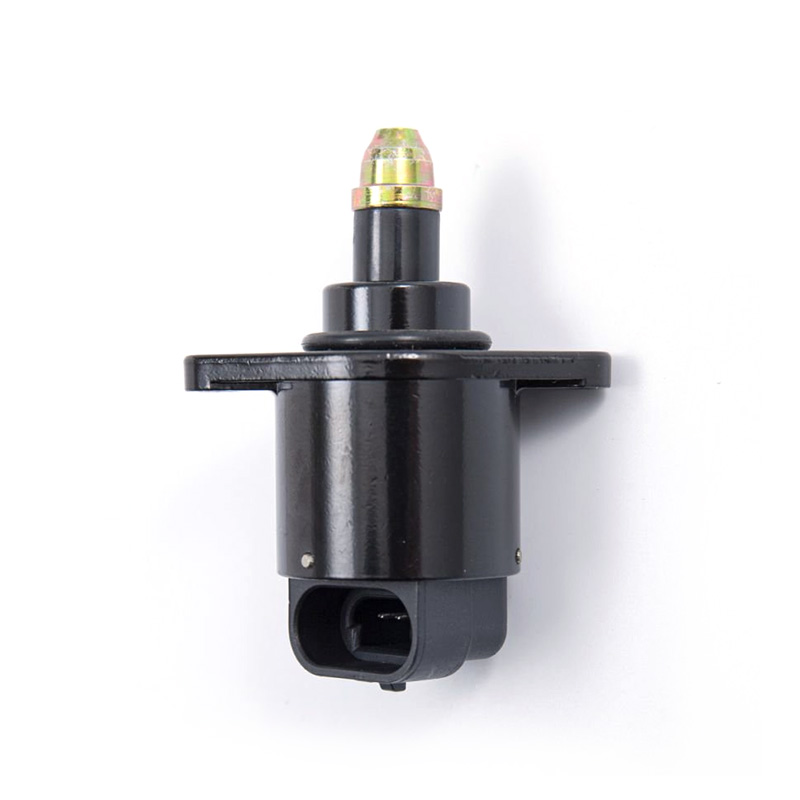
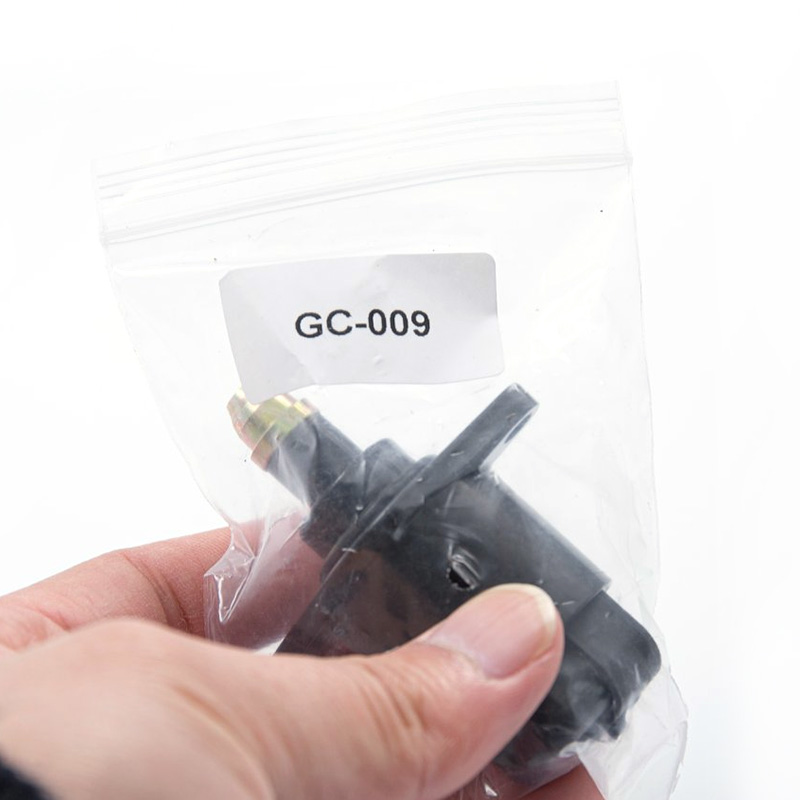
GC-009
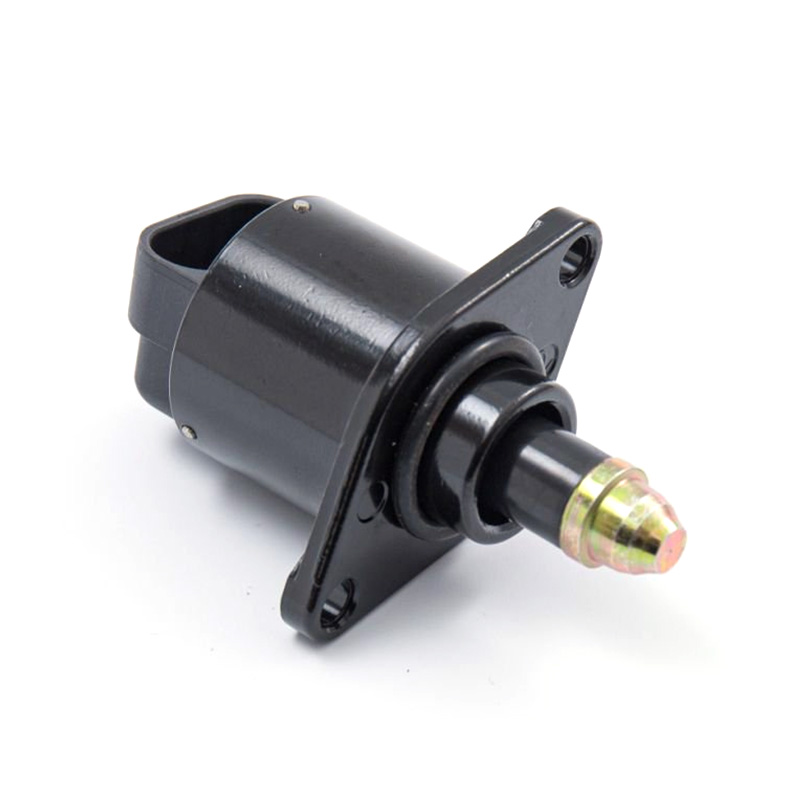
REF OE:
SHORT CODE:D5150
MARELLI:40430102 7079064
VW: 0279980491
VDO: AT-05150R
APPLICATION:
Gol/Parati/Quantum/Santana1.8/Saveiro 1.6,1.8 todos MPFI alcool 96>>
Gol/Parati/Polo Classic 1.8/Quantum/Santana 1.8,2.0/Saveiro 1.6,1.8,2.0/Van 1.6 todos MPFI gasolina 96>>
Idle air control valve whole sale price,direct from China factory.
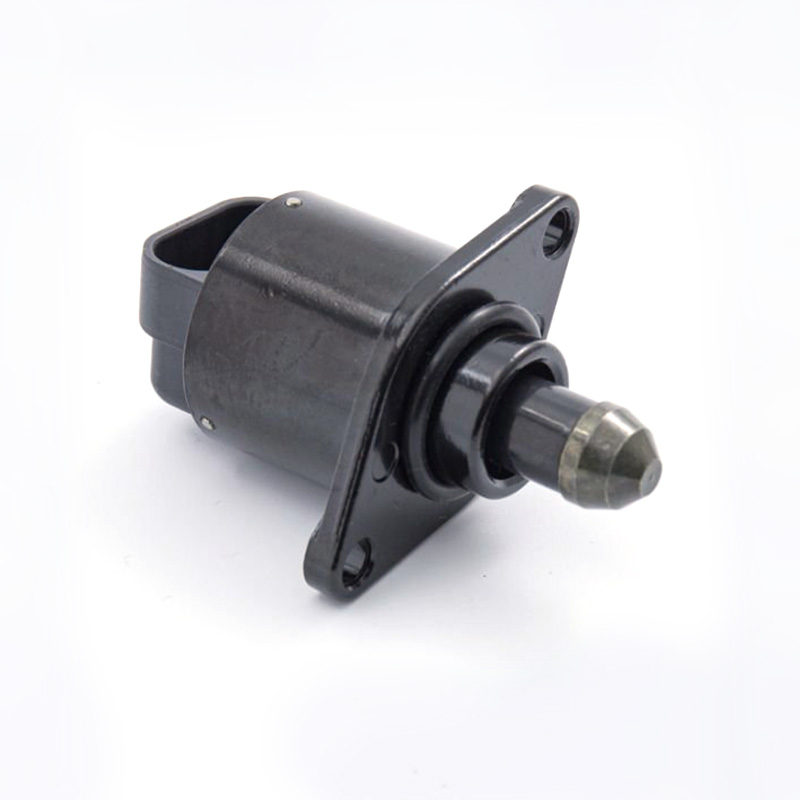
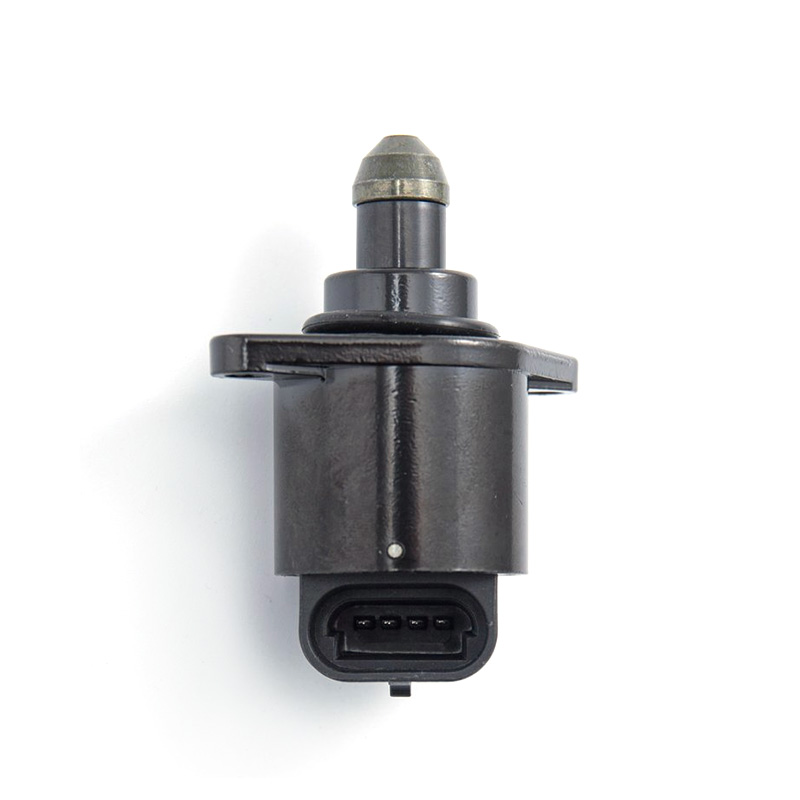
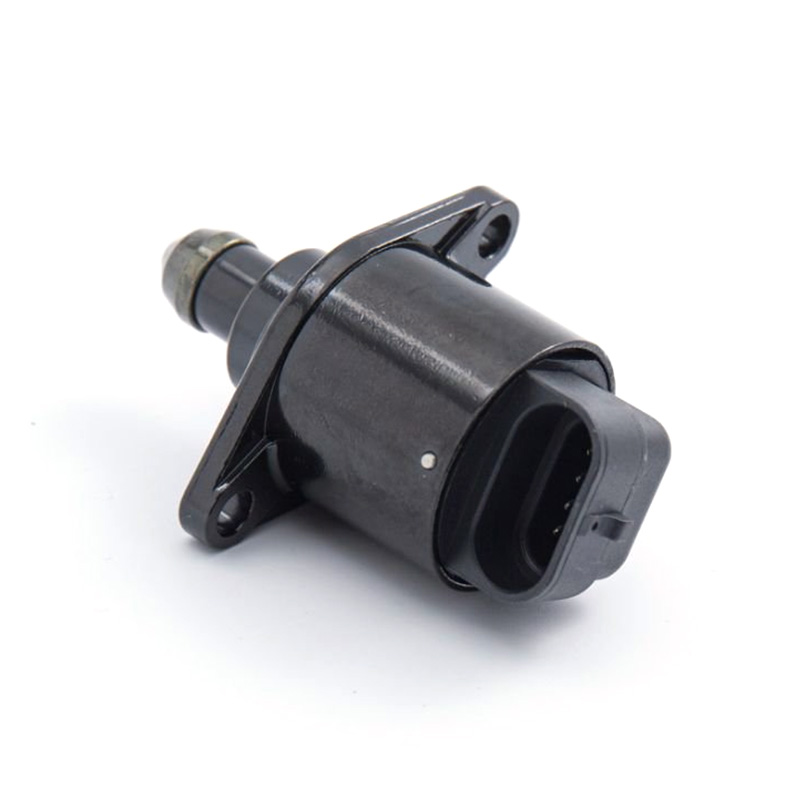
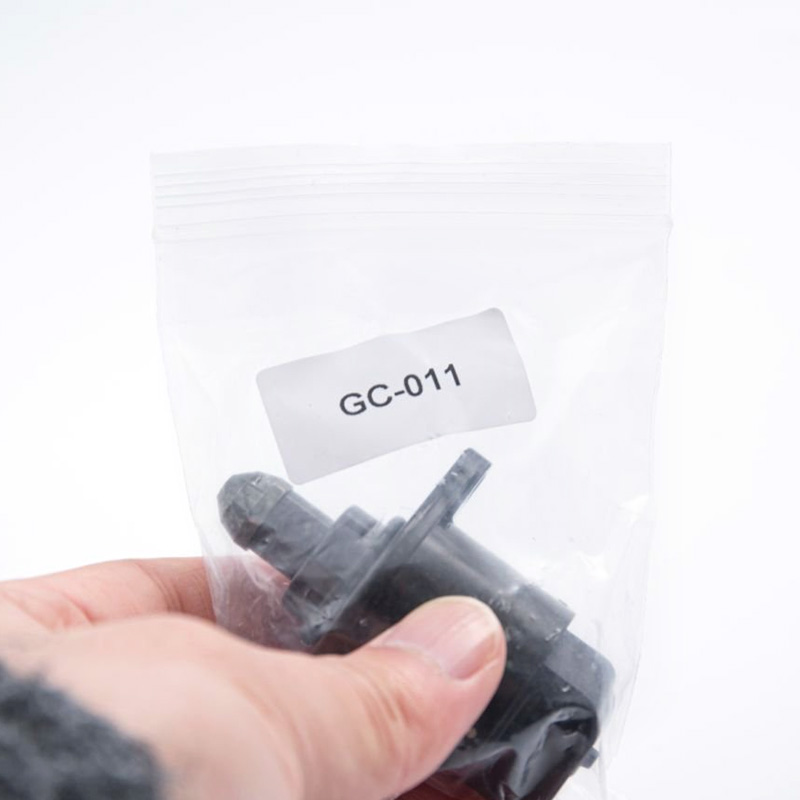
GC-011
REF OE:
SHORT CODE: B13/00
MARELLI: 230016079087 230016079247
SIMENCE: 19201F 1920V7 C95181
APPLICATION:
PEUGEOT 106I(1A,1C)1.3;
PEUGEOT 306/306 Cabriolet/Schraqheck;
PEUGEOT 406/406 Break
China factory for idle air control valve with high quality!
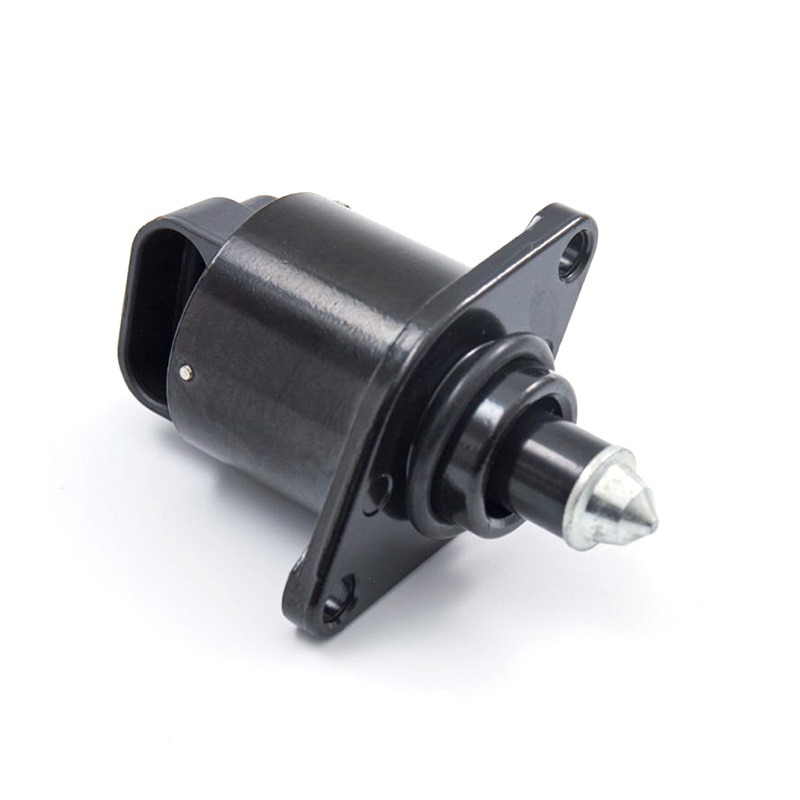
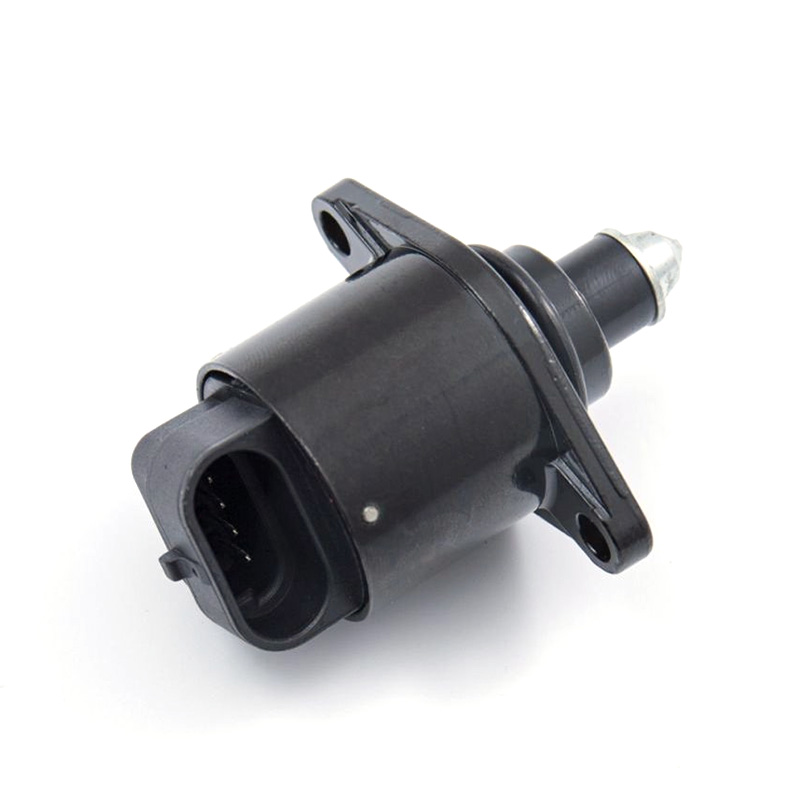
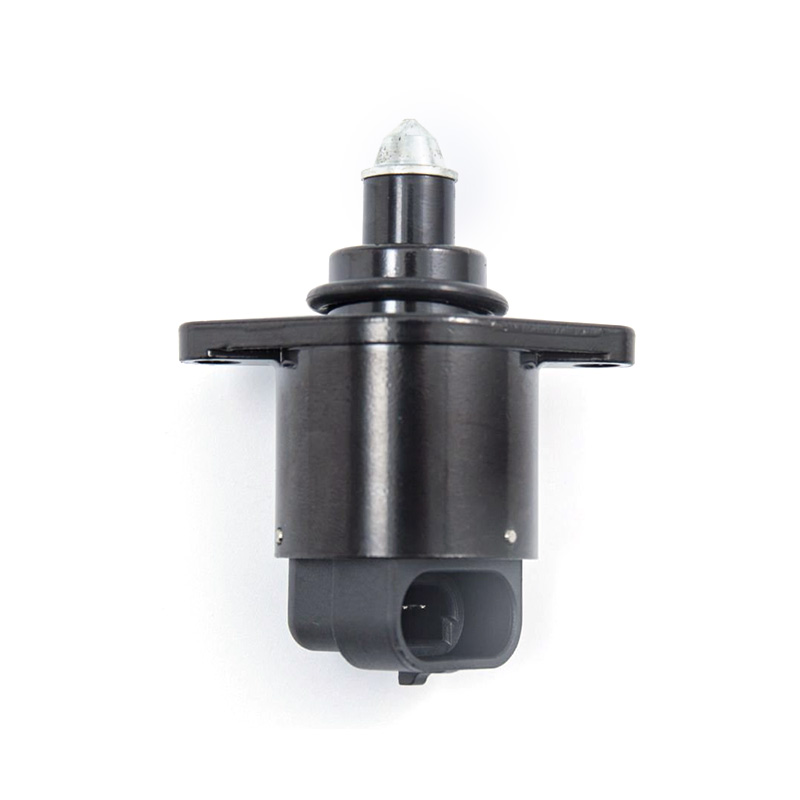
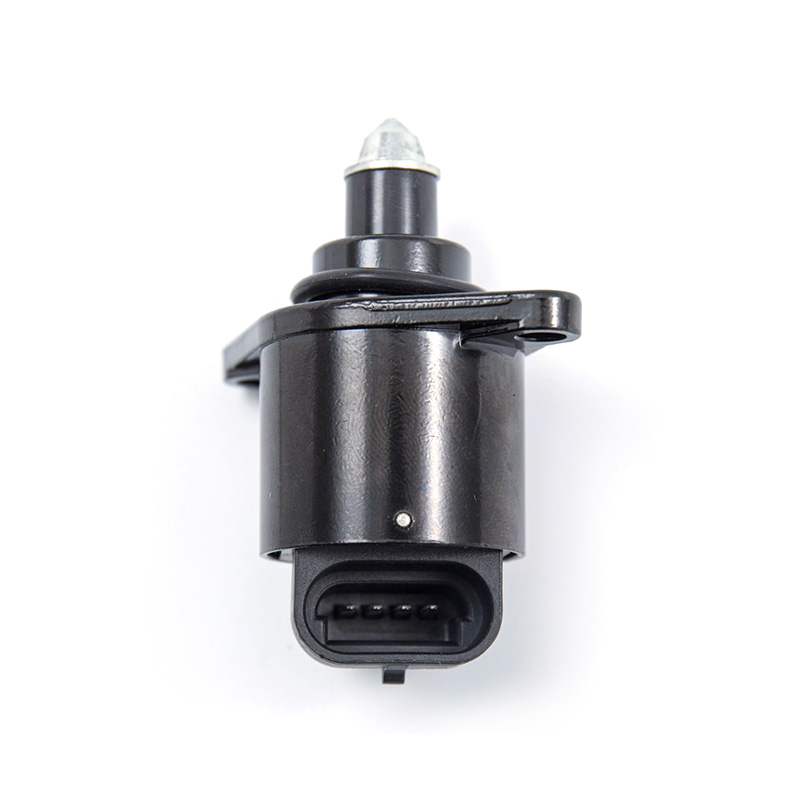
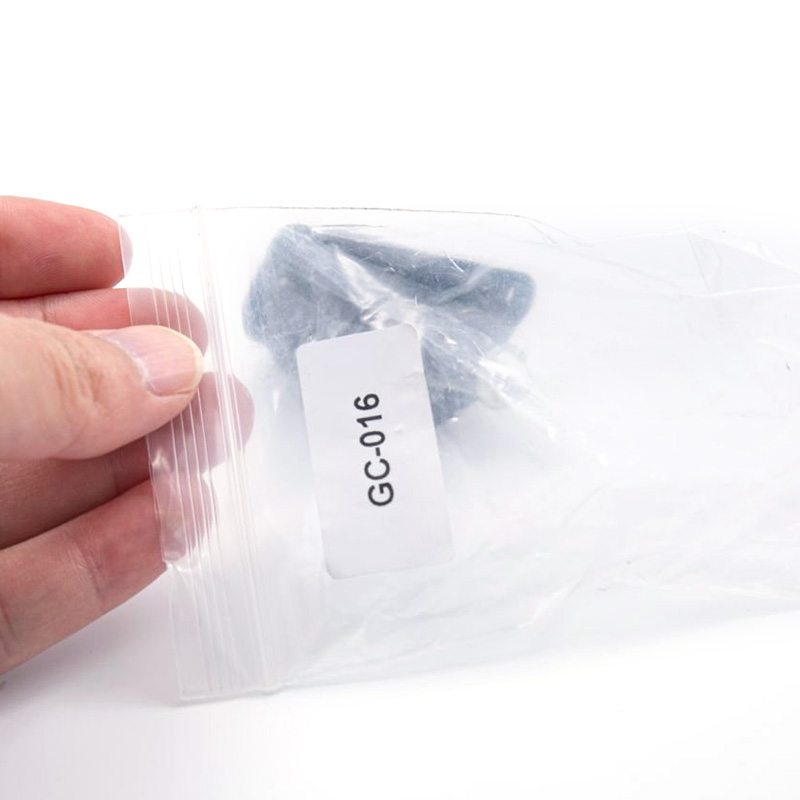
GC-016
REFERENCE OE:
MEAT DORIA:84037
SHORT CODE:B32/00 D95129
RENAULT: 7701042403 801000774001
APPLICATION:
RENAULT CLIO I;
RENAU CLIO II/II Kasten;
RENAU KANGOO/KANGOO Express;
RENAU TWINGO
Importing auto parts idle air control valve from China factory!
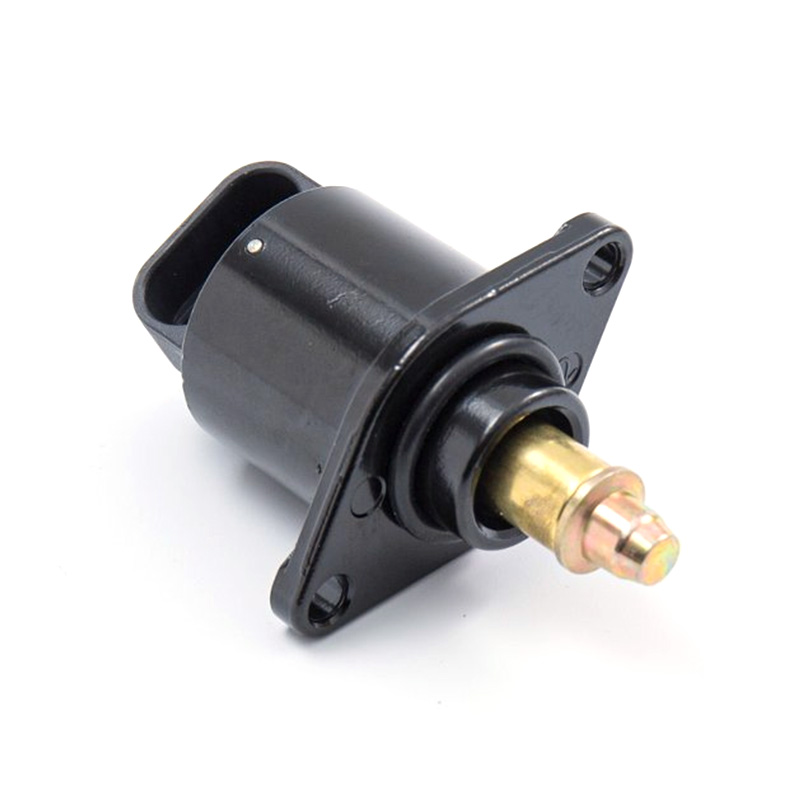
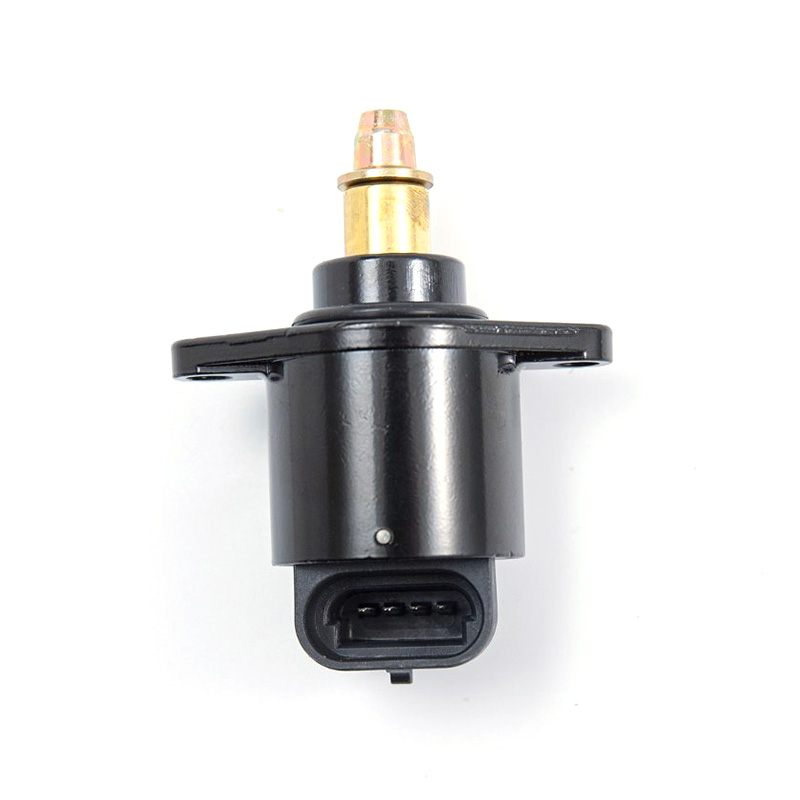
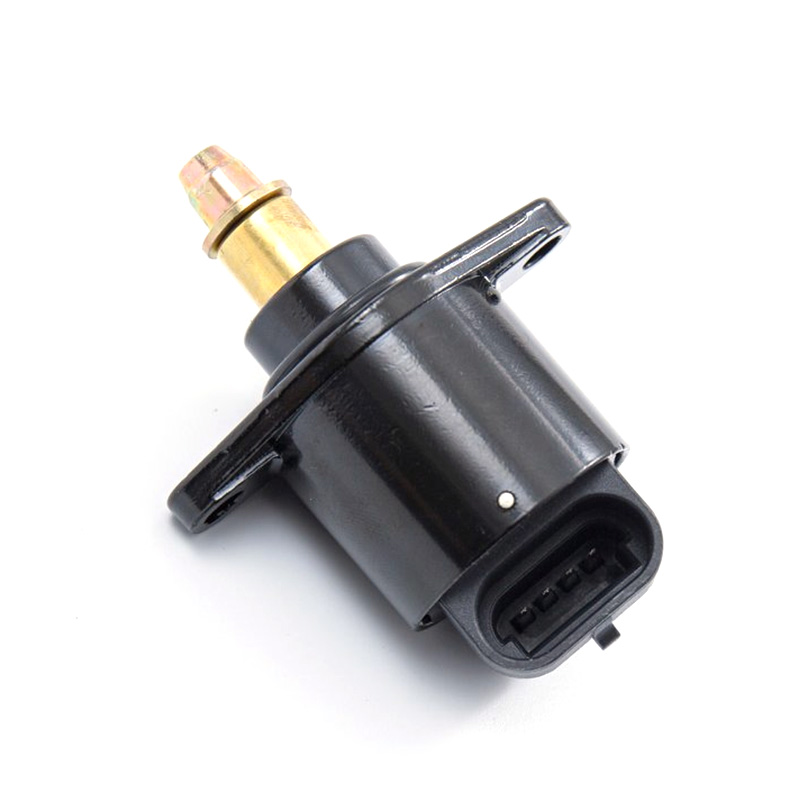
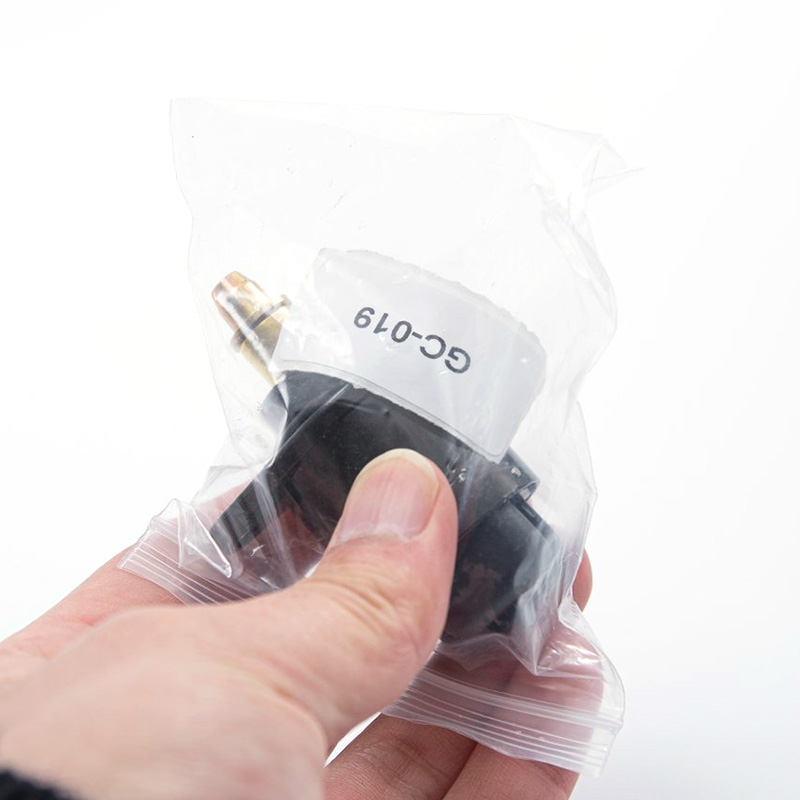
GC-019
REFERENCE OE:
SHORT CODE: D5104
MARELLI: 40396502
FIAT: 7078983 0269980492
VDO: AT-5104R
APPLICATION:
FIAT:Palio/Siena 1.6 98>99-EFI(gasolina) VW:Gol 1.08v94>>96-EFI(gasolina)
Idle air control valve with high quality and low price from China!
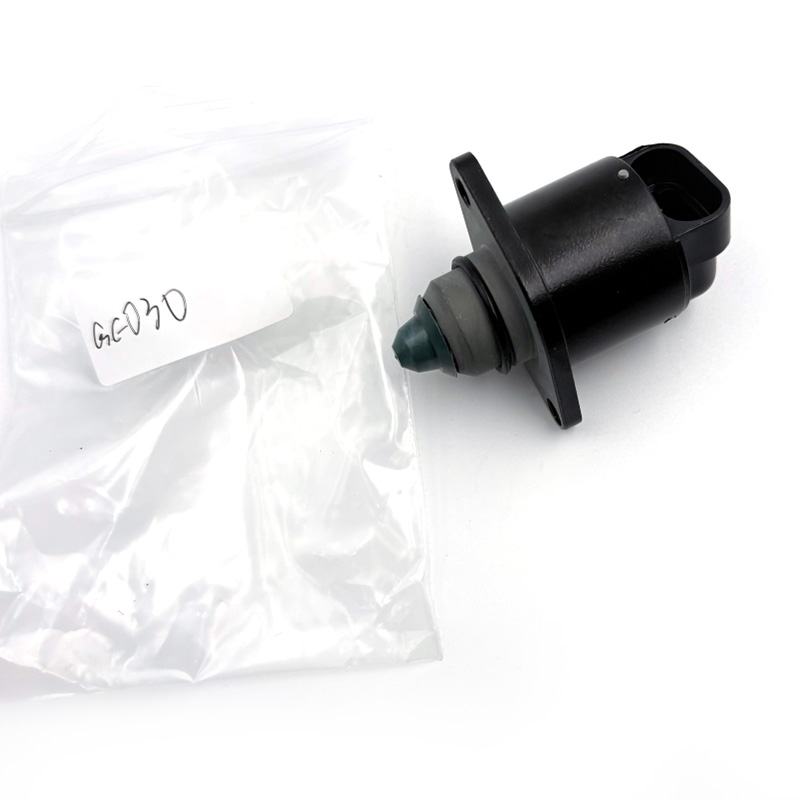
GC-030
REFERENCE OE:
21203-1148300-03
APPLICATION:
LADA
Idle air control valve from China factory for Lada.
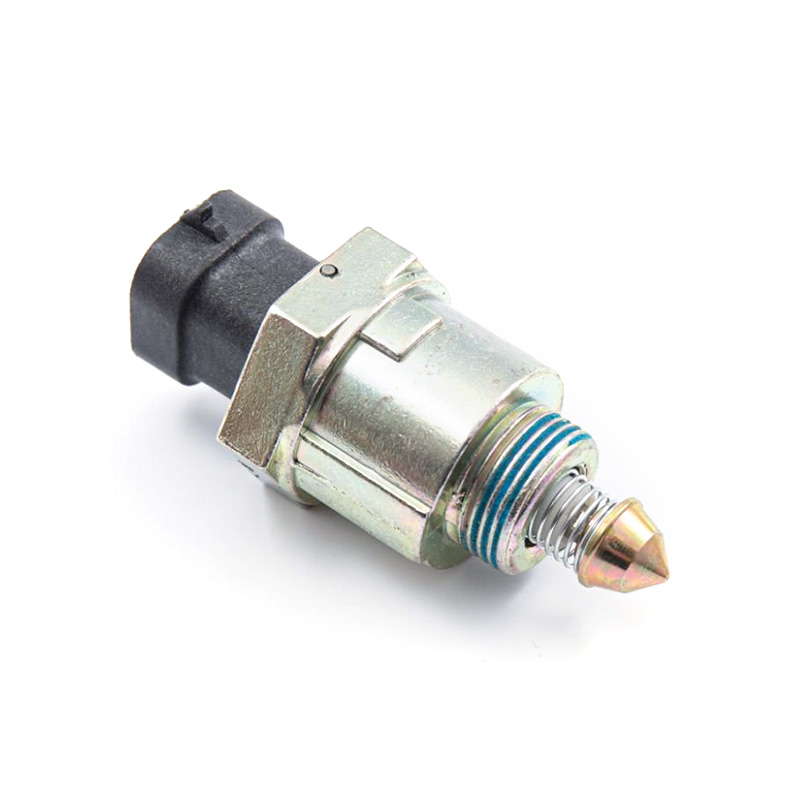
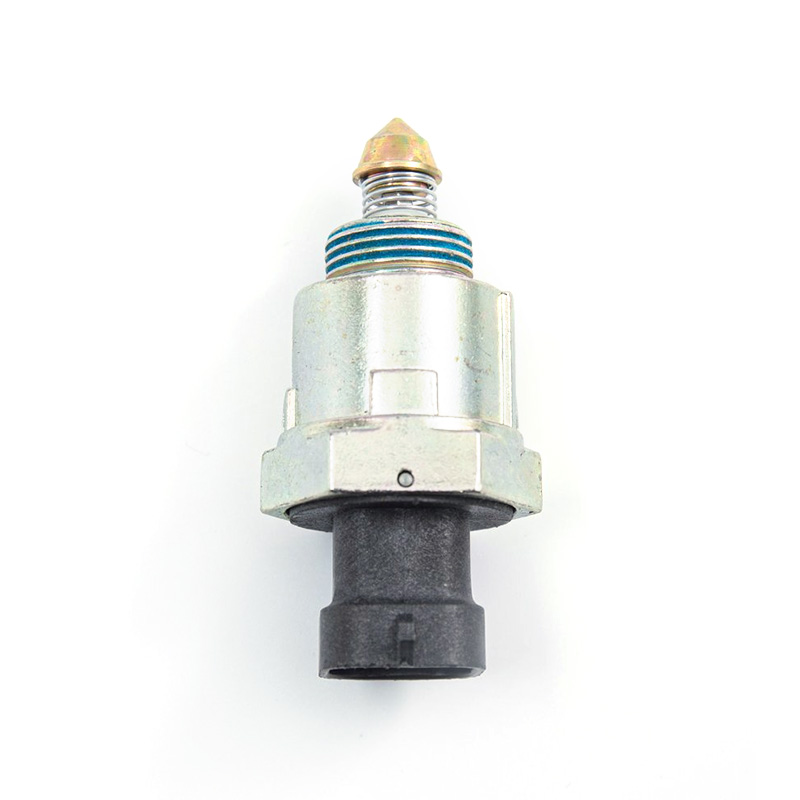
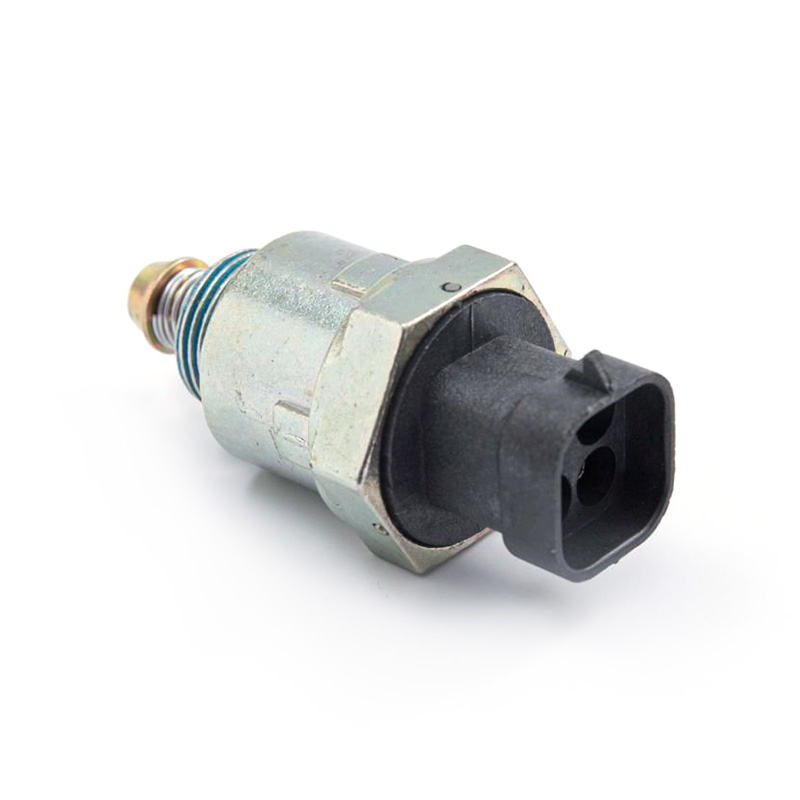
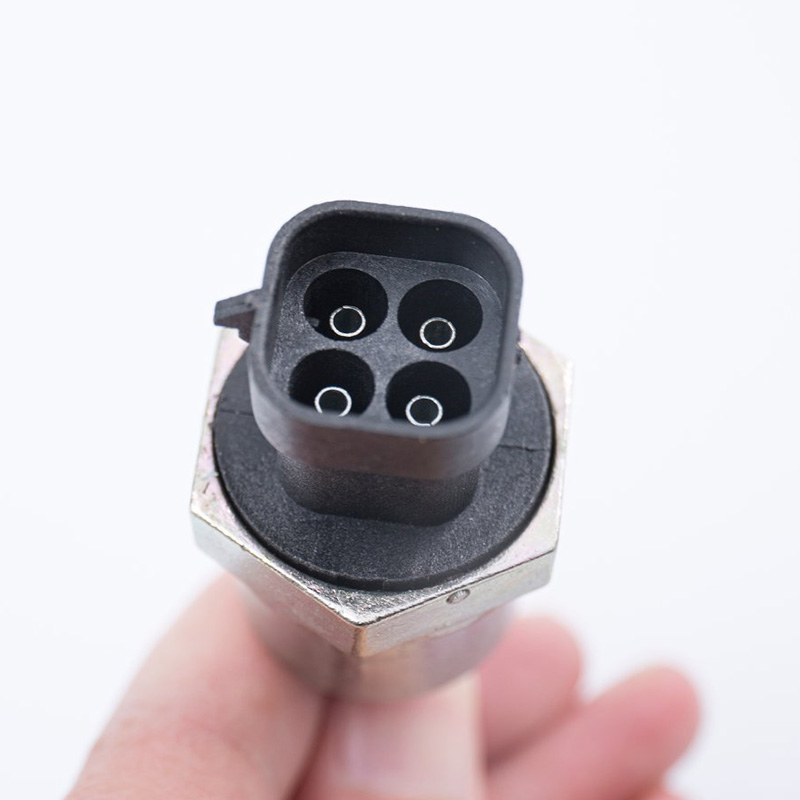
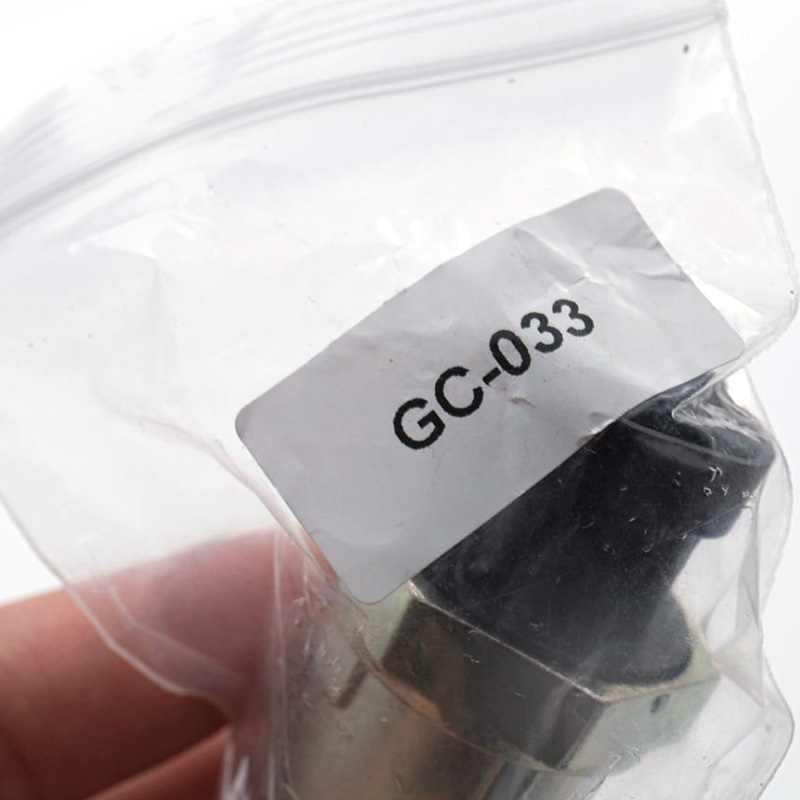
GC-033
REFERENCE OE:
WELLS:AC102 STD:AC1
GM:25527077
SUZU:8-17111460-0
WALKER:215-1003 17079256;
WELLS: AC4115;2H1293; AC102
APPLICATION:
Buick Century Sedan/Coupe(87-83);
Buick Regal Sedan/Coupe(87-86);
Buick Roadmaster(93-91);
Cadillac Fleetwood/Brougham(93-90);
Chevrolet Astro(94-85);
GMC Fullsize Pickup(95-87);
Oldsmobile;
Pontiac
Idle air control valve from China factory for Buick Regal Cadillac Chevrolet.
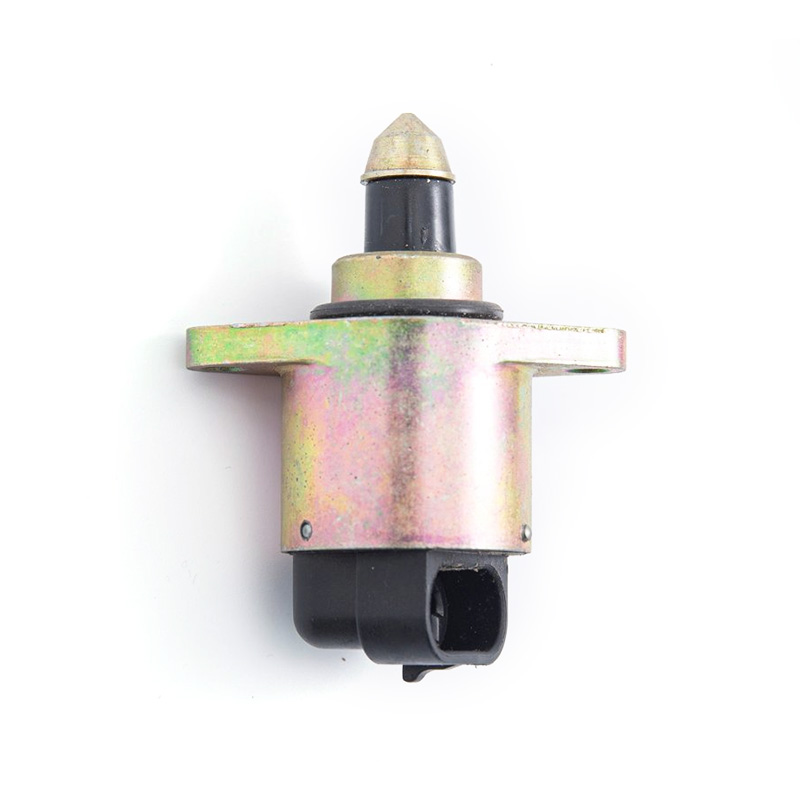
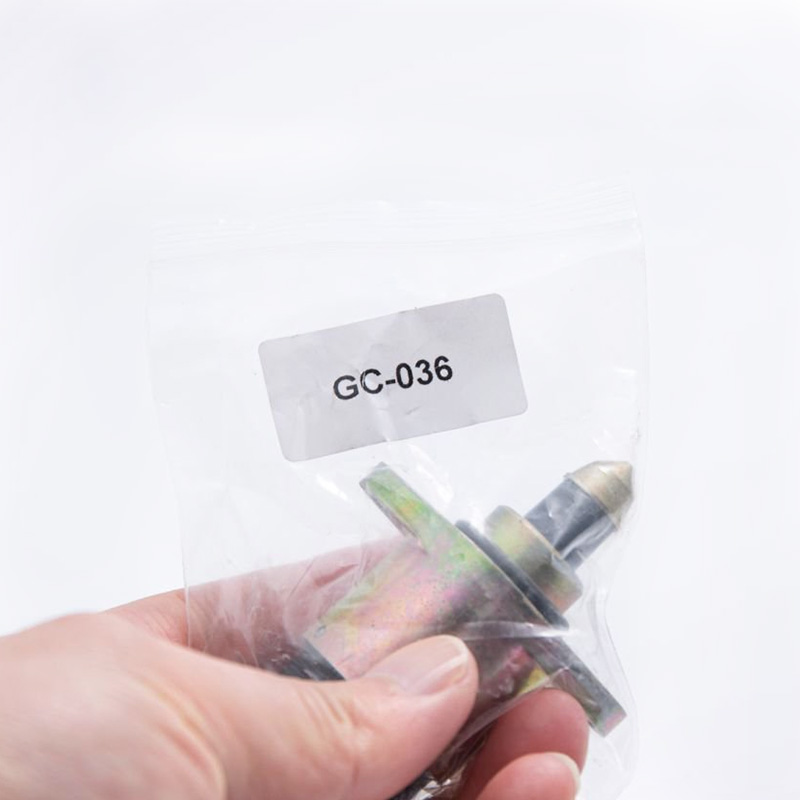
GC-036
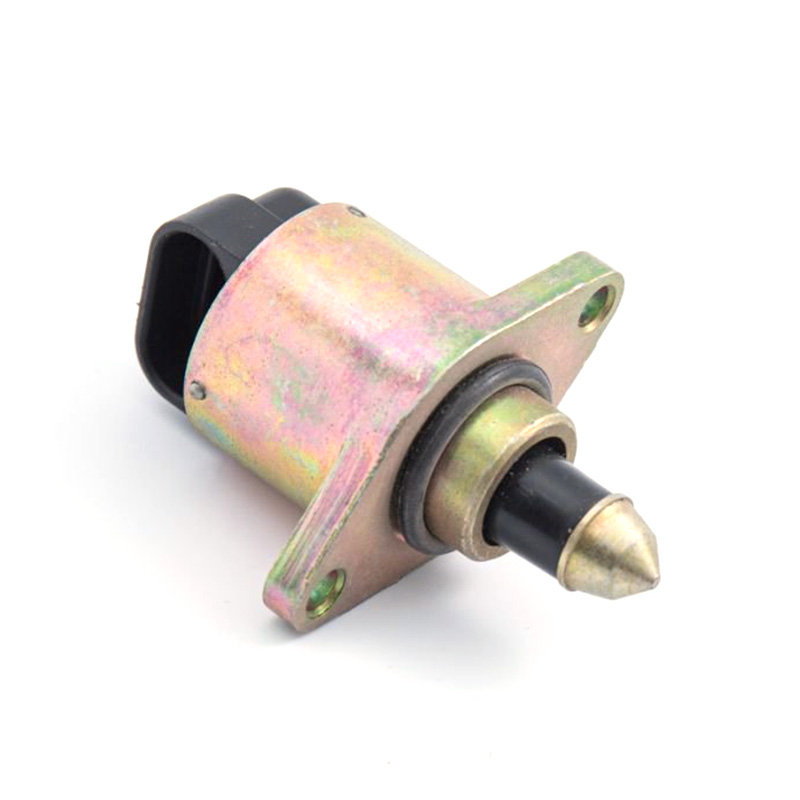
REFERENCE OE:
STD: AC10
WELLS: AC300 17119274, 17119279, 217200, 217206, 4288298, 4300264, 4307899, 4419639, 4458355, 4612453, 4612491, 4612749, 4861084, AC10T
APPLICATION:
Chrysler Cirrus(97-95);
Daytona(93-87);
Dynasty(93-88);
Lebaron(95-86);
Dodge Caravan/Grand Caravan(97-88);
Dokota(96-89);
Daytona(93-86);
Plymouth Caravelle(88-86);
Acclaim(95-89);Sundance(98-87)
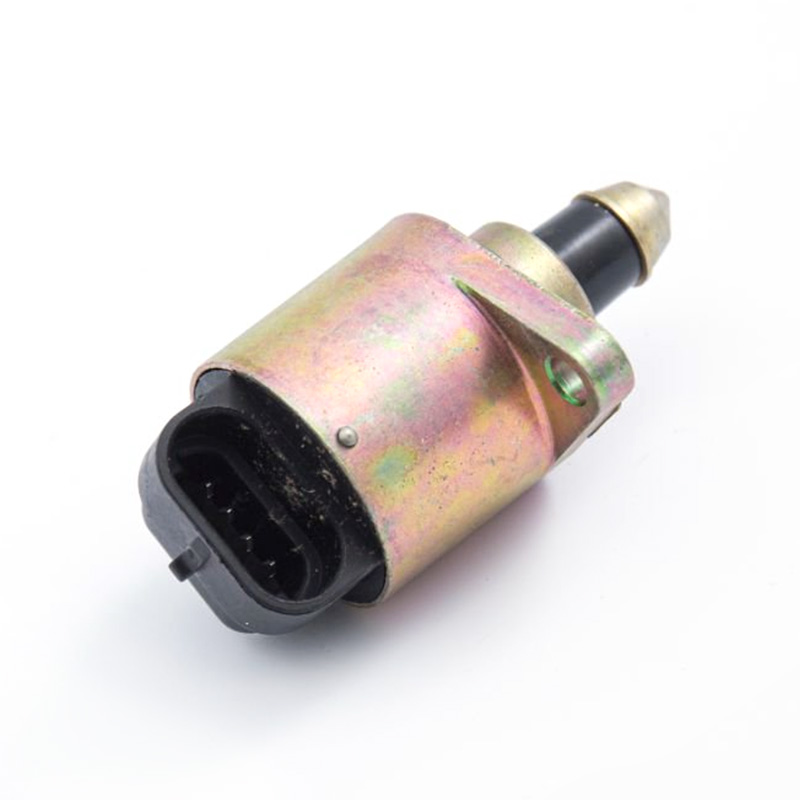
Idle air control valve from China factory for Chrysler.
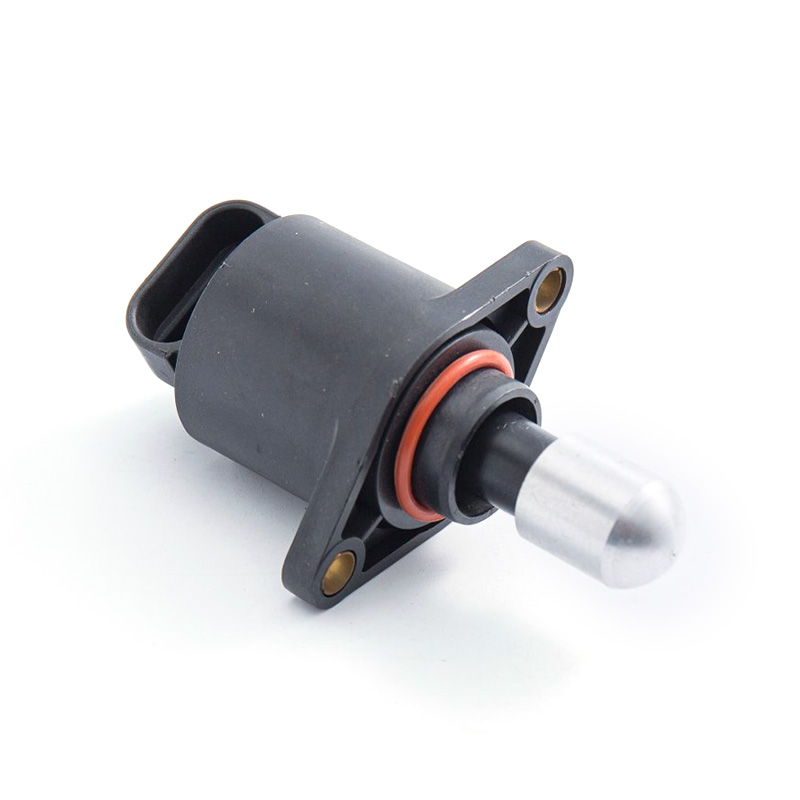
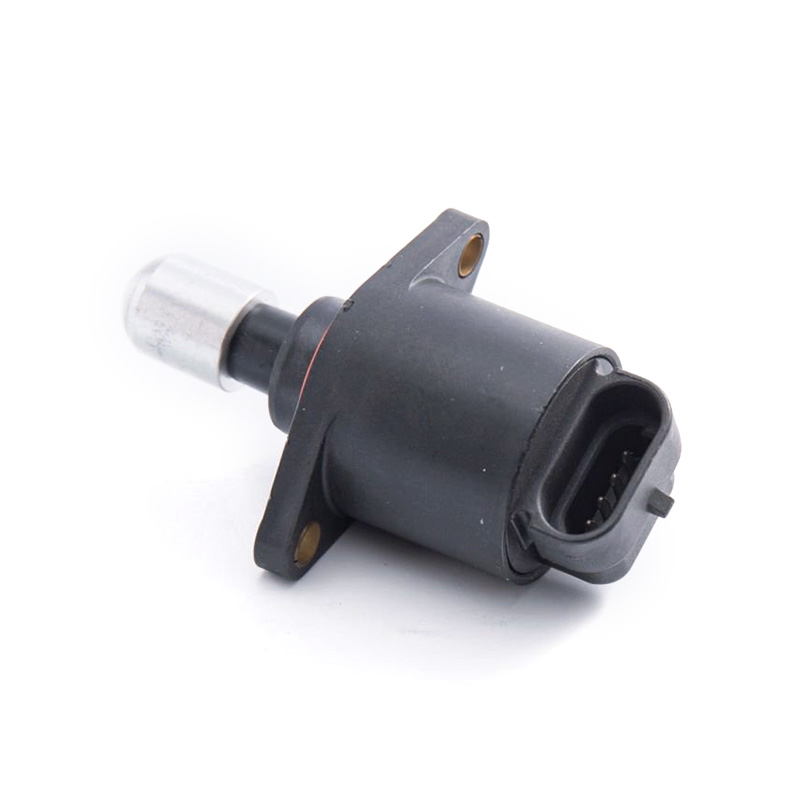
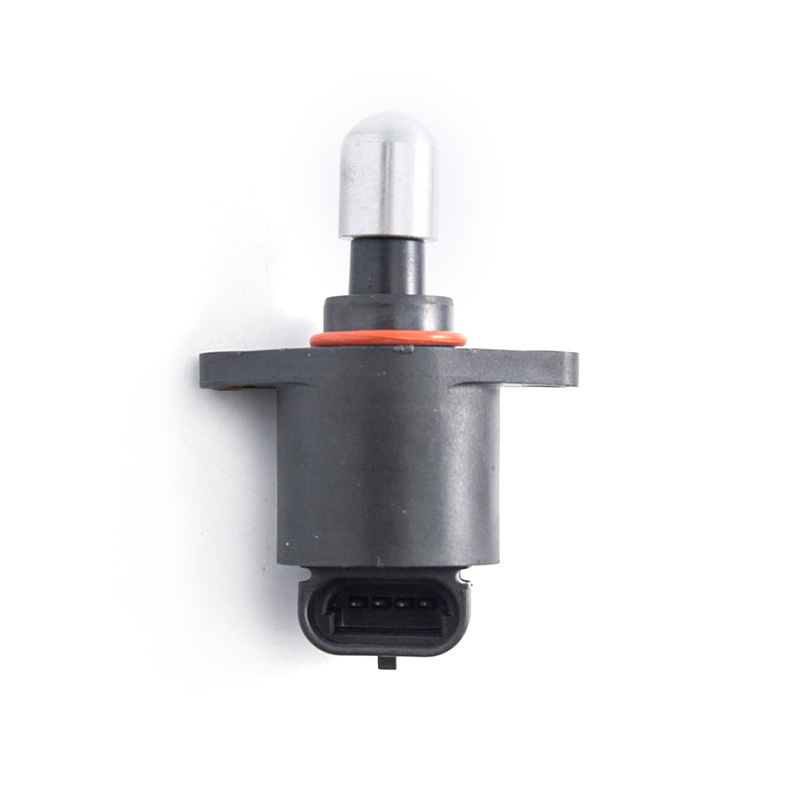
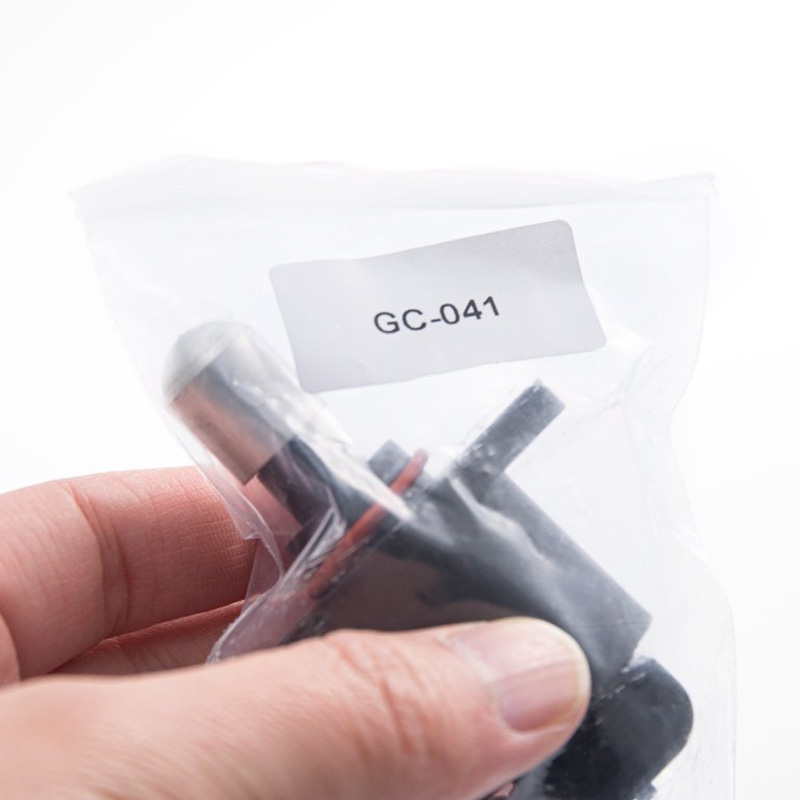
GC-041
REFERENCE OE:
R008/2243
APPLICATION:
KIA GAS
Idle air control valve from China factory for Kia.
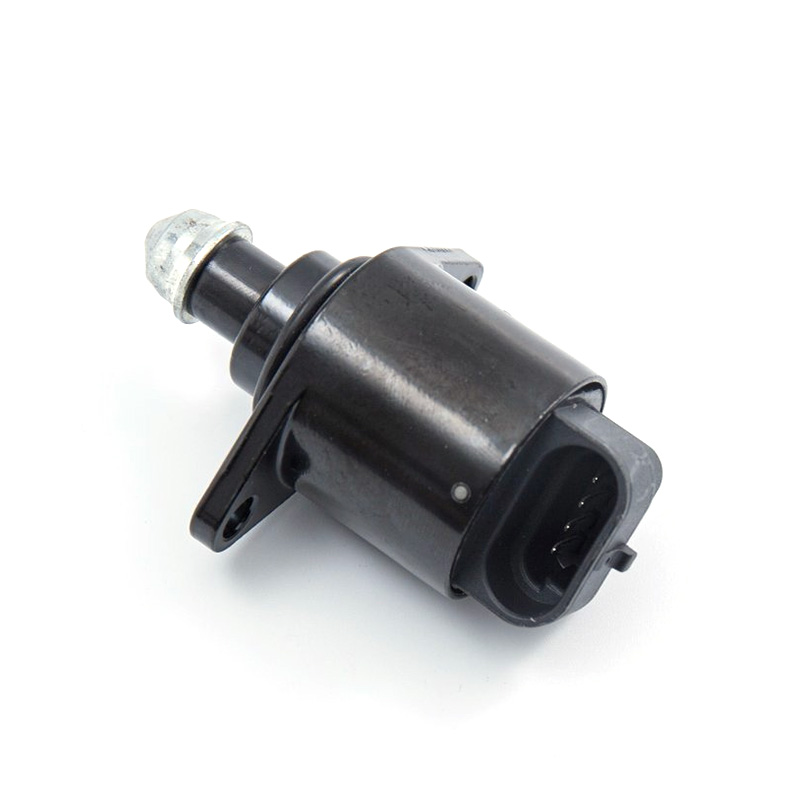
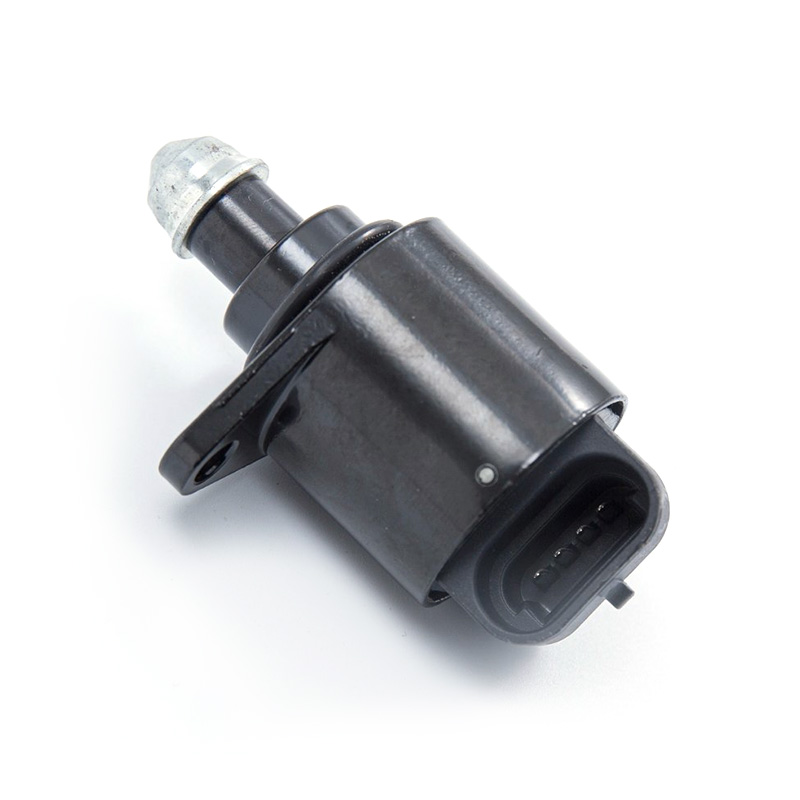
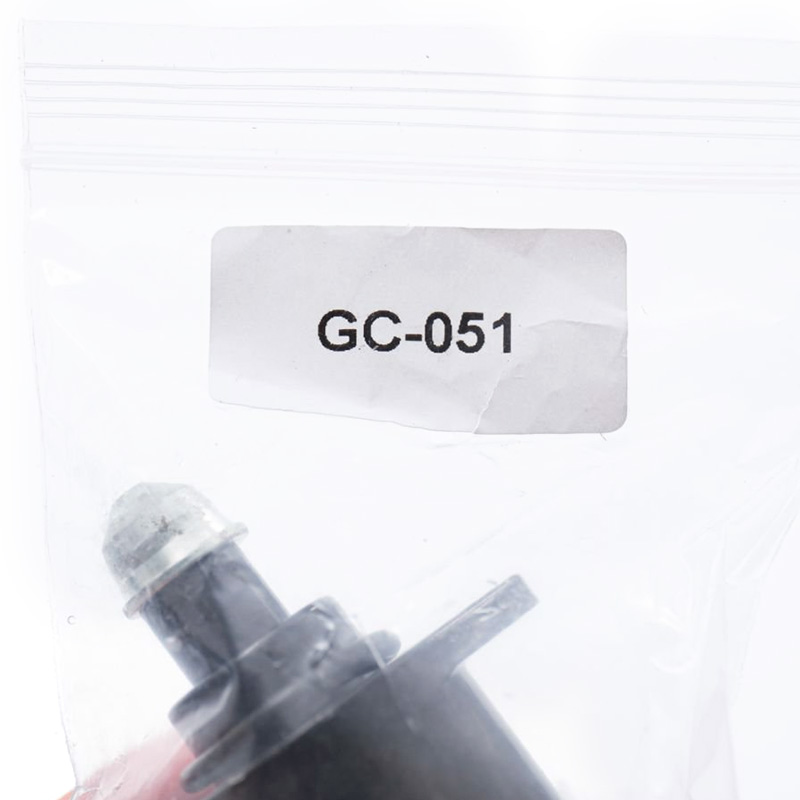
GC-051
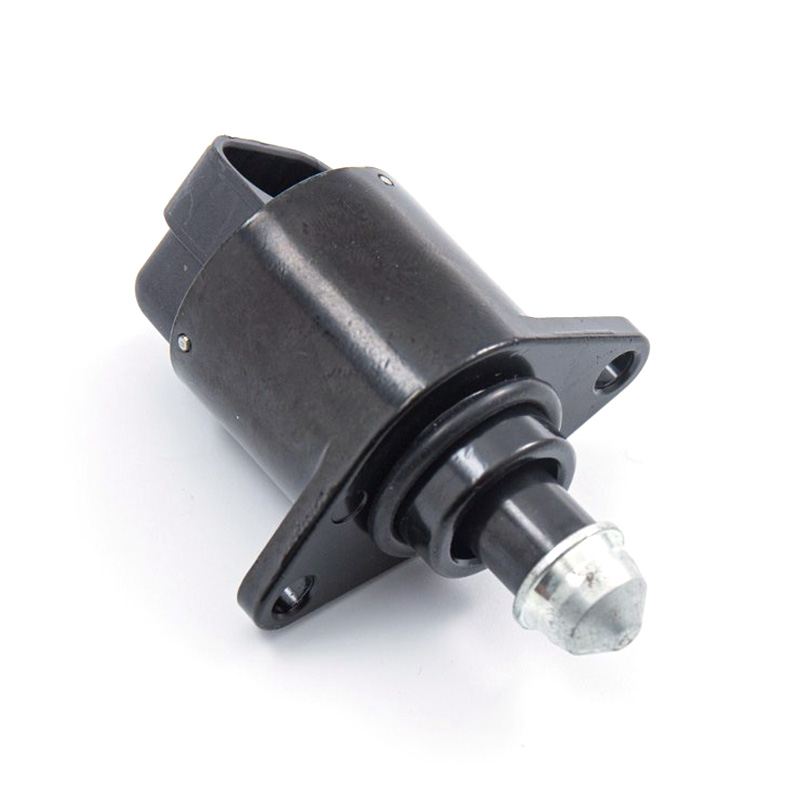
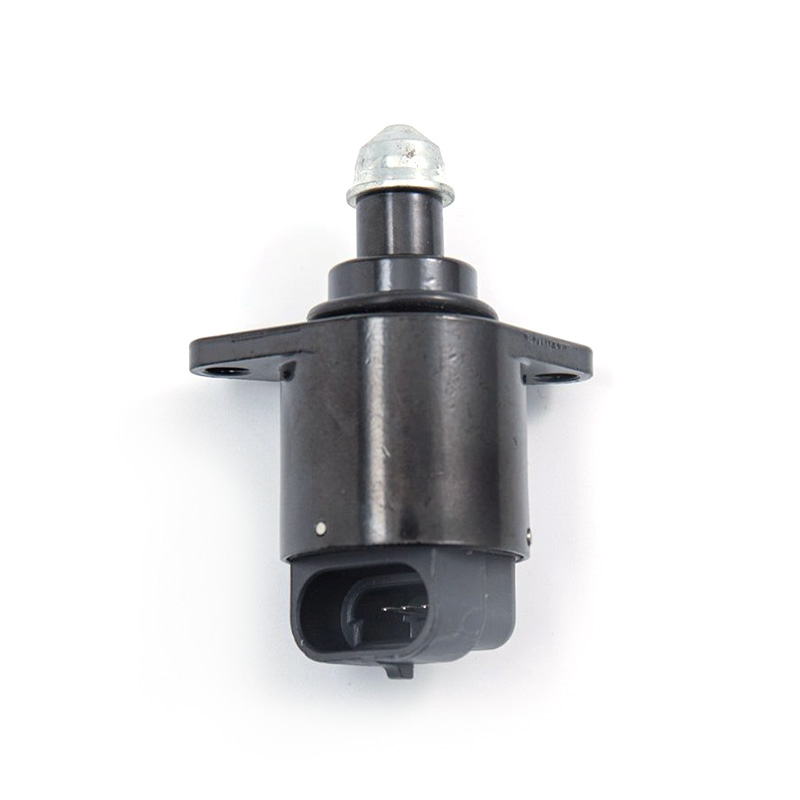
REFERENCE OE:
PEUGEOT:19205F
APPLICATION:
CITRO SAXO(S0,S1)1.4VTS 1.6VTS;PEUGEOT 106 II(1) 1.4i;206 Schraqheck(2A/C)1.4i
Idle air control valve from China factory for Citroen Saxo Peugeot 106 206.
Contact Us
Let's start collaborating

Guocheng is specialized in the R&D and production of key engine components for the automotive and engineering machinery industries.
Product
Stay Connected
(+86) - 577 - 8582 0886 (Tel)
(+86) - 577 - 8582 8085 (Fax)
(+86) - 19730213059 (Phone)
sales@wz-gc.com
No. 205, Baiyu Road, 15th Road, Binhai Park, Wenzhou, Zhejiang, China
Mobile

ODM Engine Management System Components
 English
 русский
 Español
 عربى
عربى Deutsch