Date:Oct 16, 2026
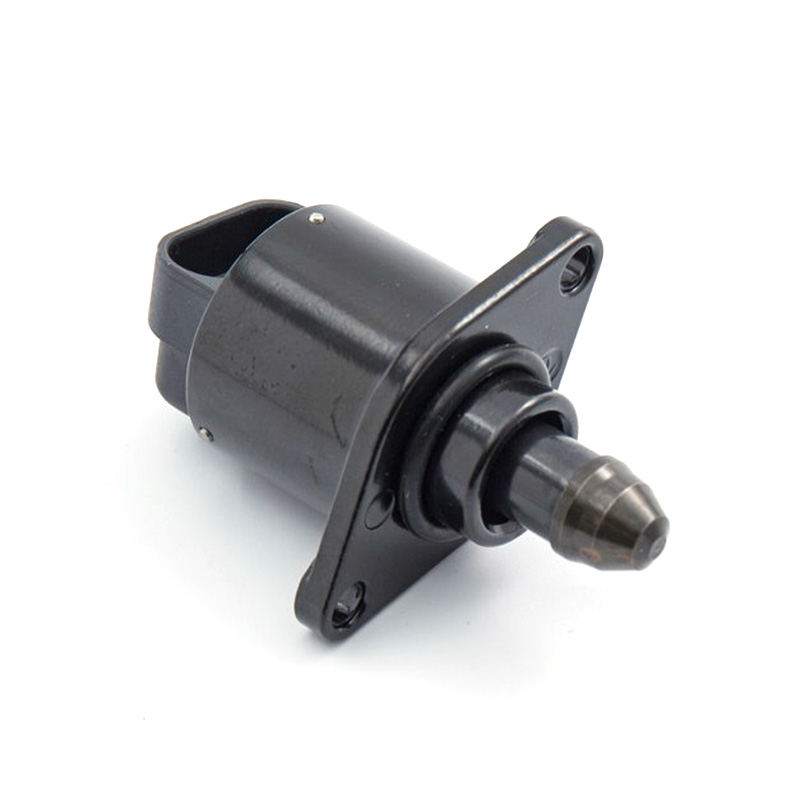
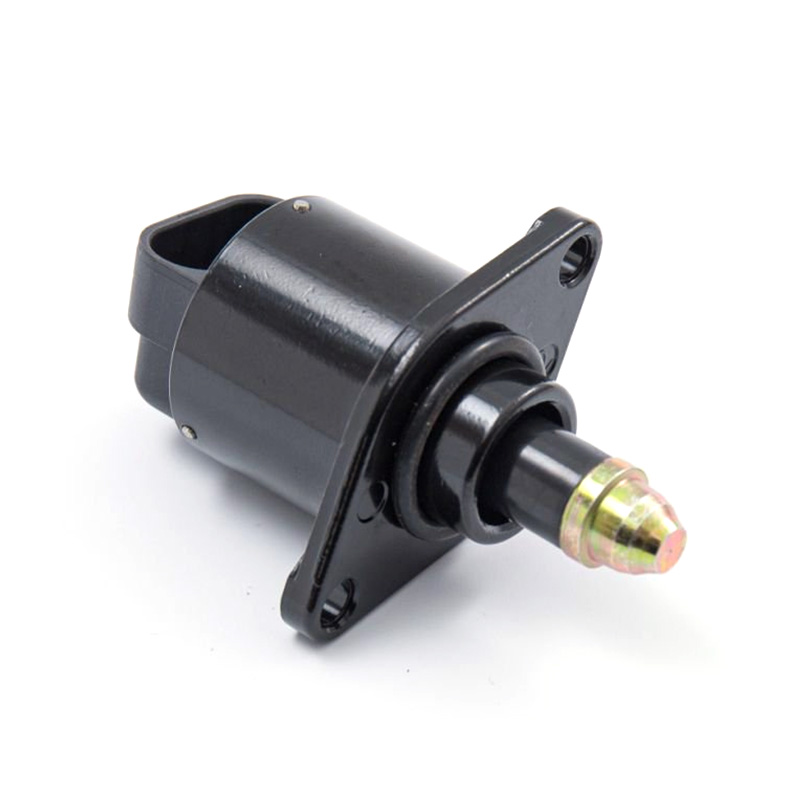
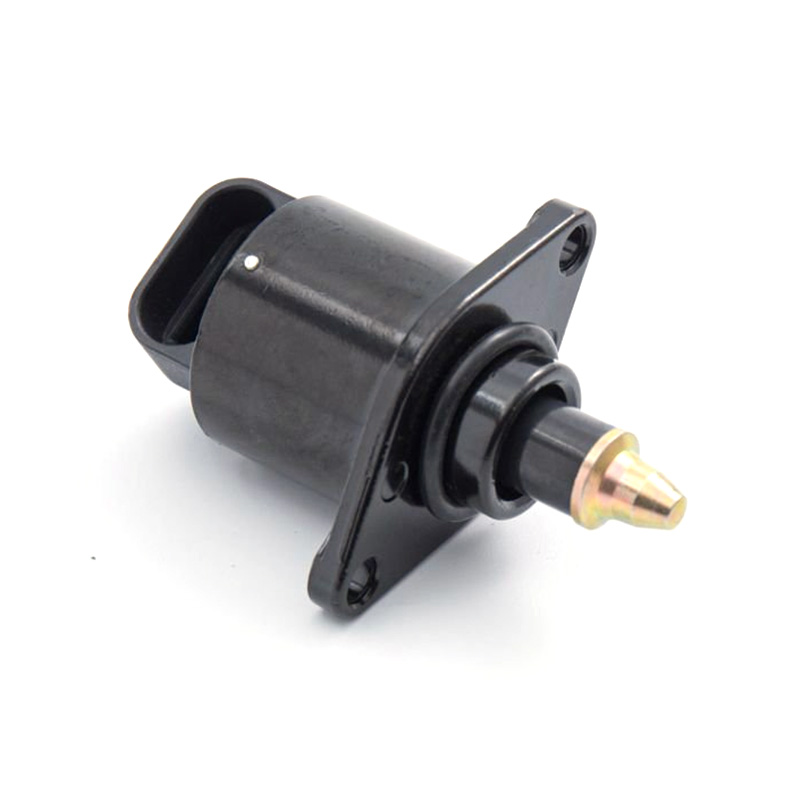
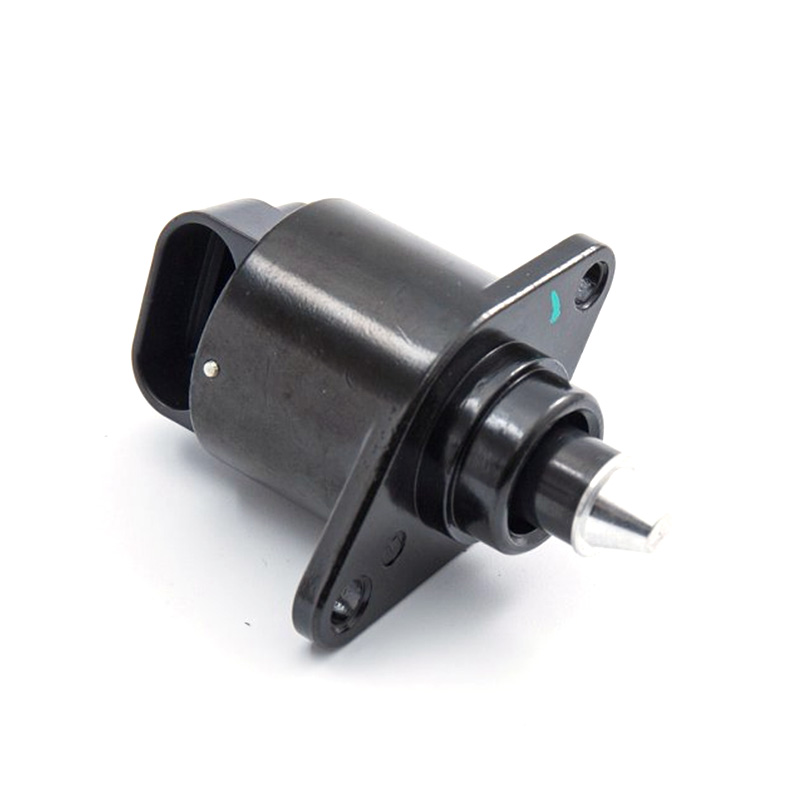
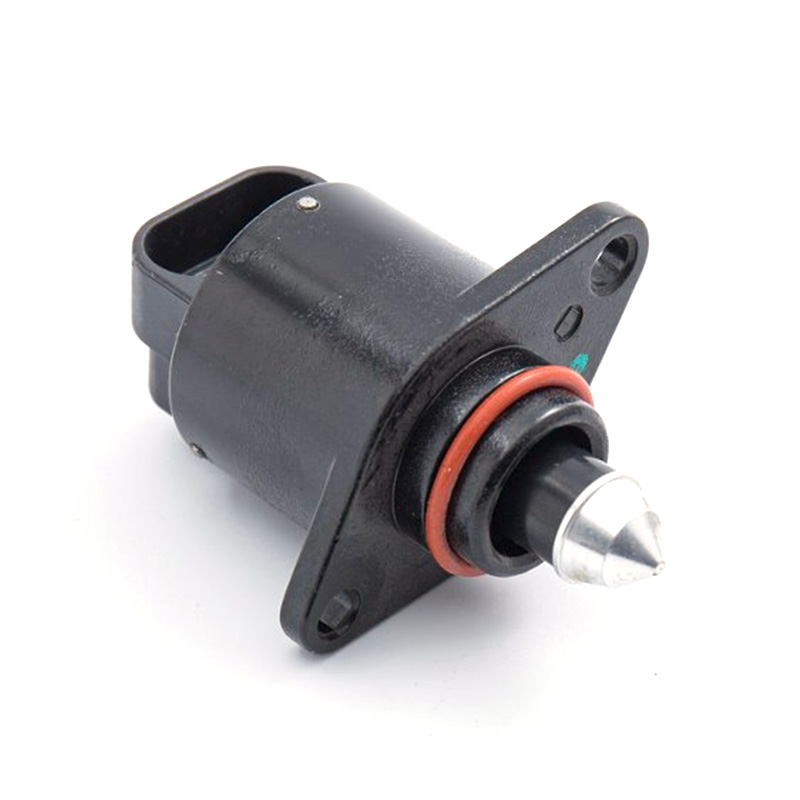
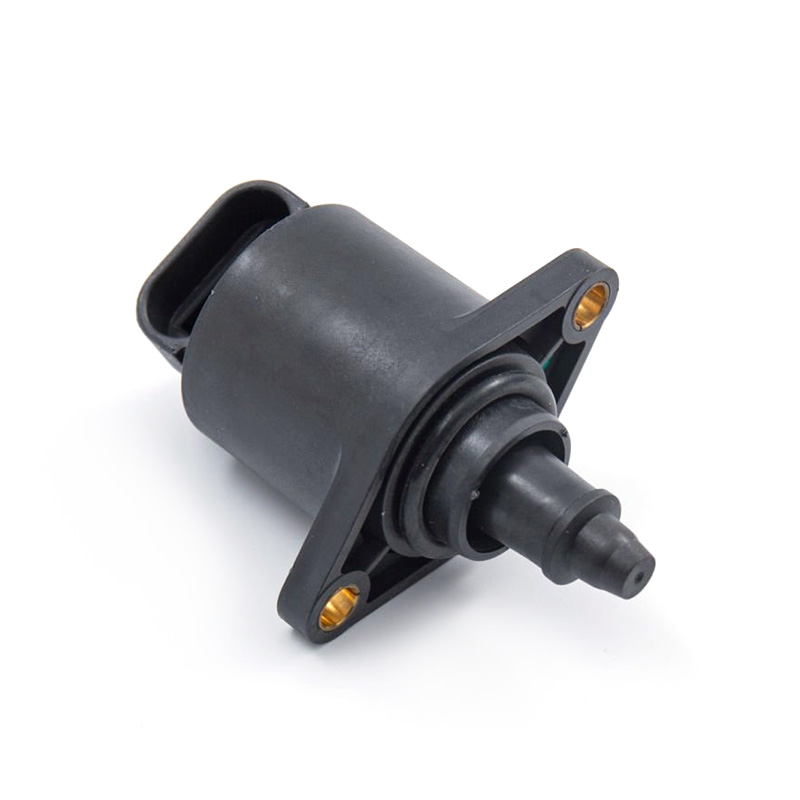
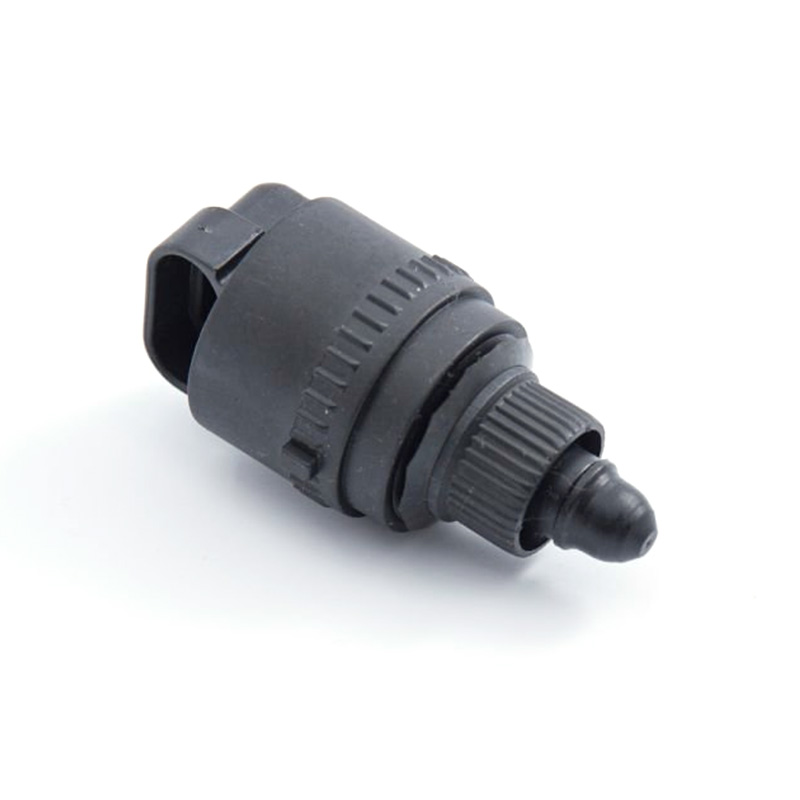
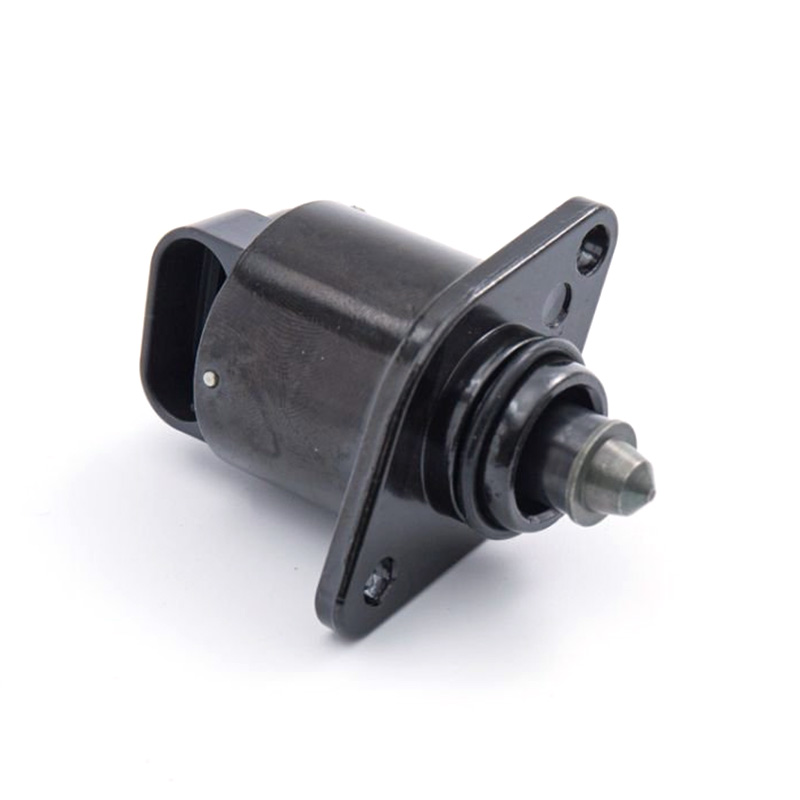
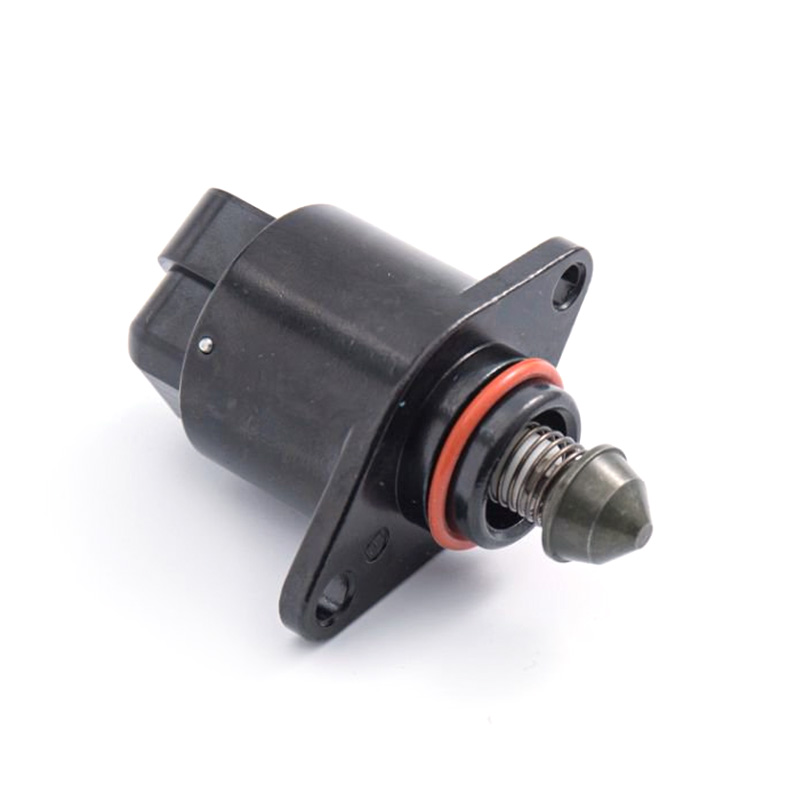
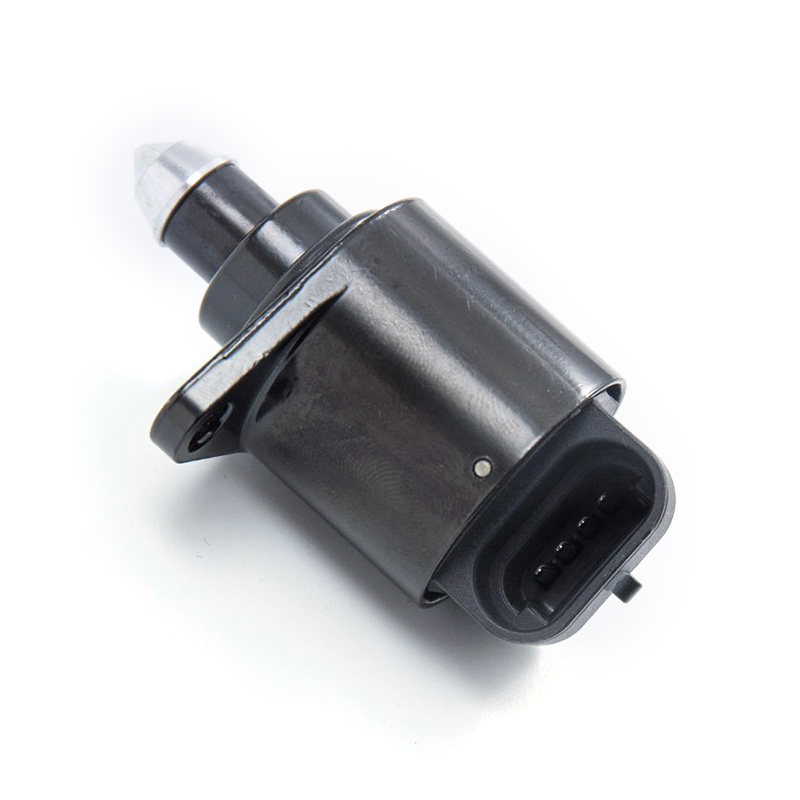
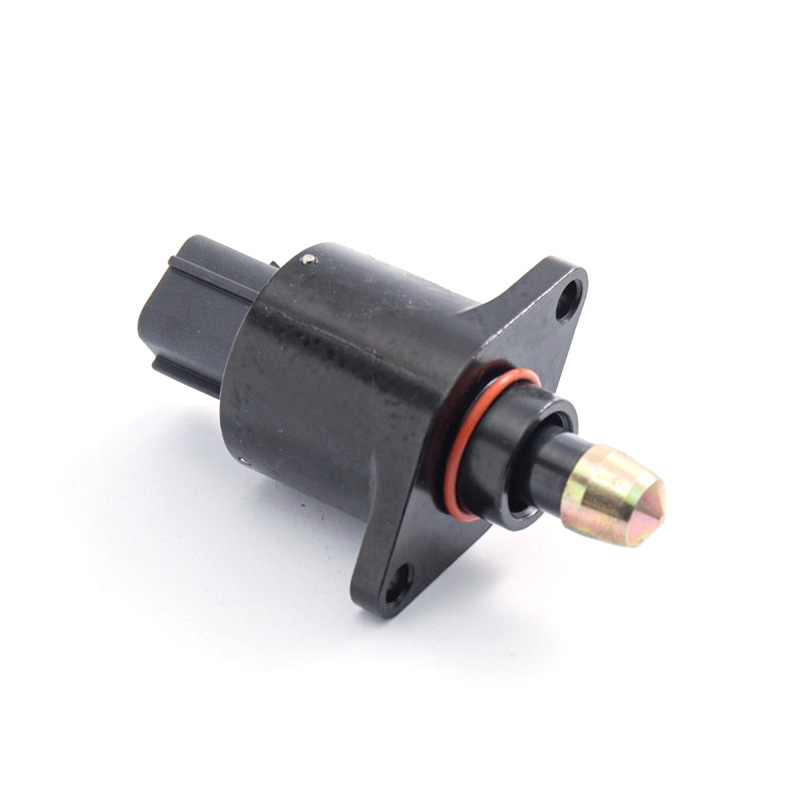
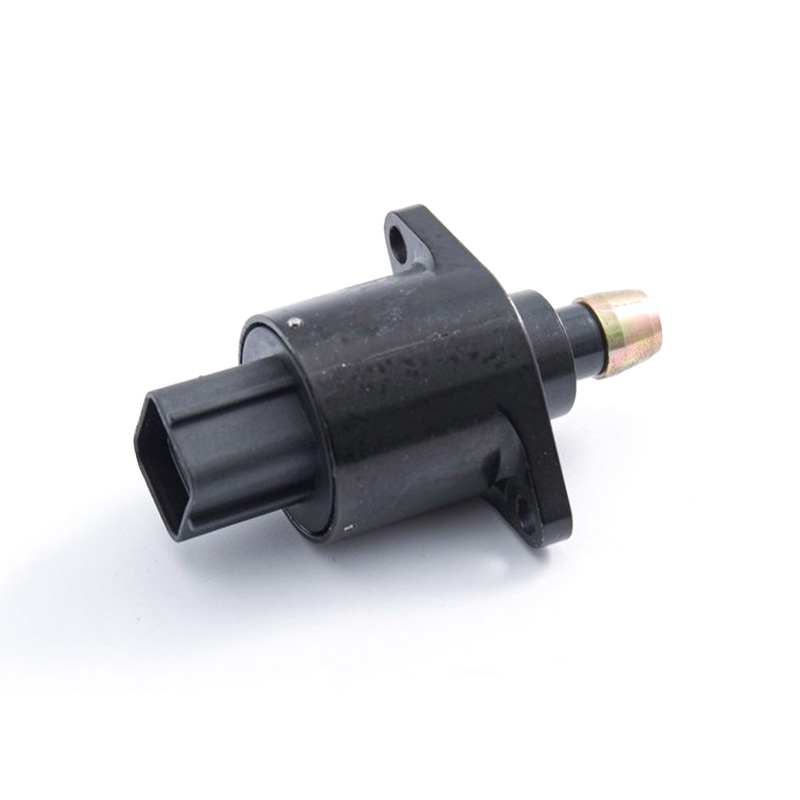
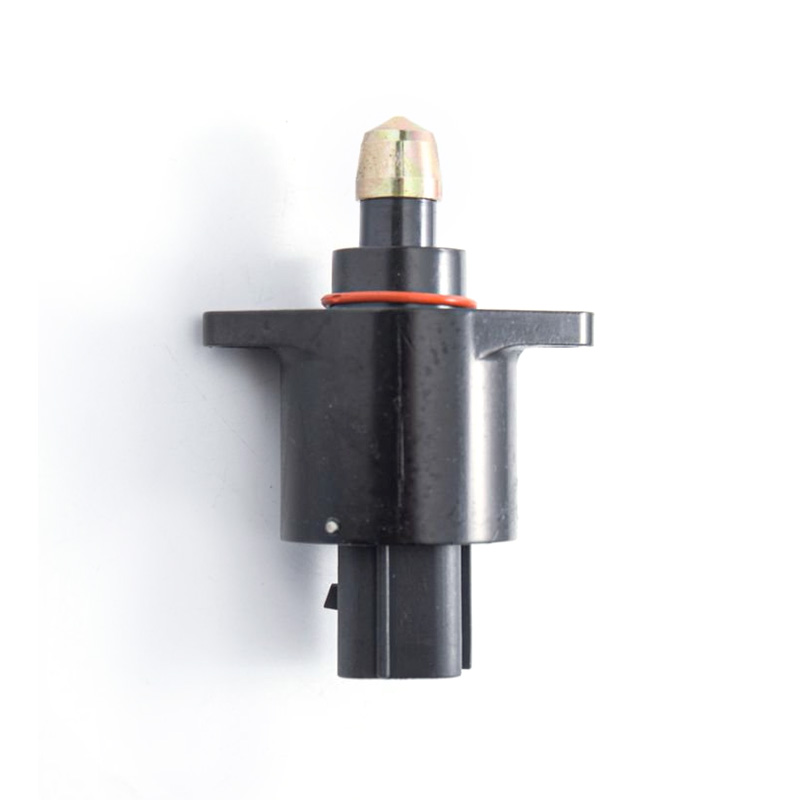
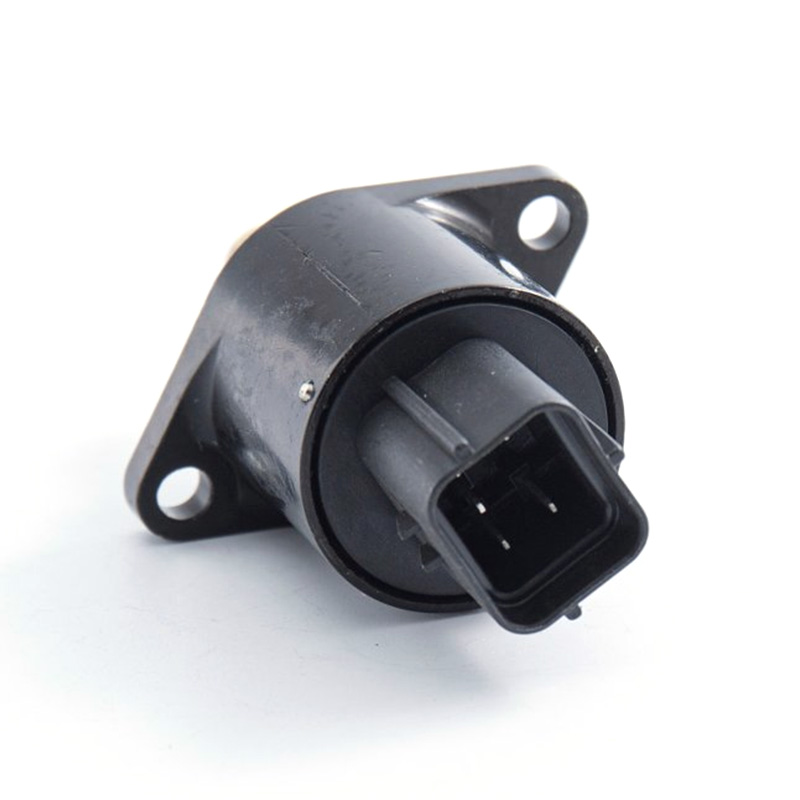
Two automotive air control valves may look almost identical, yet their electrical connectors can differ in terminal count, housing shape, pin arrangement, and locking design. For automotive parts distributors, overlooking these details can result in incorrect orders, installation delays, and avoidable after-sales claims.
At Wenzhou Guocheng Automobile Electrical Parts Co., Ltd., we specialize in automotive engine control components, including idle air control valves and throttle position sensors. We understand that accurate product identification is essential for distributors managing replacement parts across different vehicle models and engine configurations.
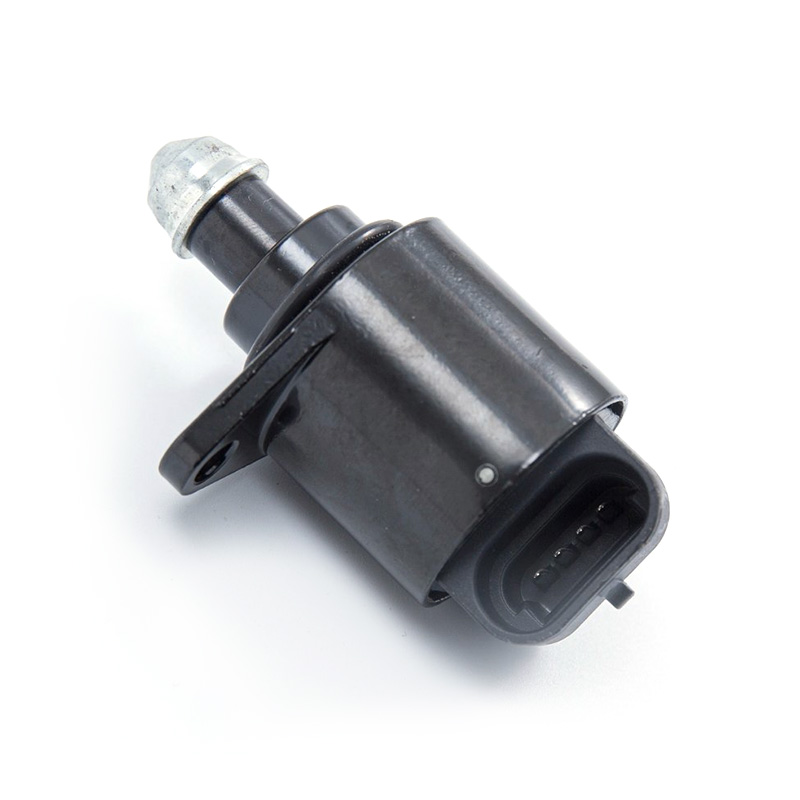
An electronic air control valve must match the intended application, including its mechanical installation and electrical control requirements. Checking connector compatibility before purchasing helps buyers reduce uncertainty and provide more accurate product information to their customers.
The connector establishes the electrical connection between the vehicle wiring harness and the air control valve. Depending on the design, the valve may use a solenoid or stepper motor to regulate airflow. Different control systems can require different electrical connections and operating signals.
A connector that cannot mate correctly with the vehicle harness may prevent installation. Even a connector that physically fits can be unsuitable if its terminal arrangement or electrical characteristics do not match the specified application.
Not every air control valve uses the same electrical operating principle. Some systems use a solenoid-controlled valve, while others use a stepper motor with multiple electrical phases. These designs may require different terminal arrangements and control strategies.
| Valve design | Connector considerations | Buyer verification |
| Solenoid-operated valve | Coil connections and specified control circuit | Confirm the correct terminal layout and electrical specifications |
| Four-wire stepper motor valve | Multiple motor windings and corresponding circuits | Verify the motor type and wiring diagram |
| Six-wire stepper motor valve | Additional winding connections or a different motor configuration | Confirm the specified pin assignments and control system |
| Electronic throttle body with integrated idle control | Connector may serve several throttle actuator and position-sensing circuits | Check the complete assembly and vehicle-specific application |
These configurations are examples rather than universal specifications. The actual terminal count and circuit arrangement must be confirmed using the relevant product documentation. A connector designed for one valve architecture should not be assumed to work with another simply because both components control airflow.
Vehicle make and model provide a useful starting point, but they may not identify every production variation. Engine options, manufacturing dates, regional specifications, and component revisions can affect replacement compatibility.
Distributors should not rely on visual similarity as the sole acceptance criterion. Electrical measurements and pin checks should follow the relevant manufacturer's service procedure and be performed by qualified personnel.
Incorrect connector matching creates commercial problems beyond the installation bay. A distributor may need to arrange returns, replace inventory, investigate customer complaints, and update product listings. Repeated errors can also reduce confidence in the distributor's catalog.
| Potential issue | Preventive action |
| Incorrect terminal count | Record terminal count and connector photographs in the product listing |
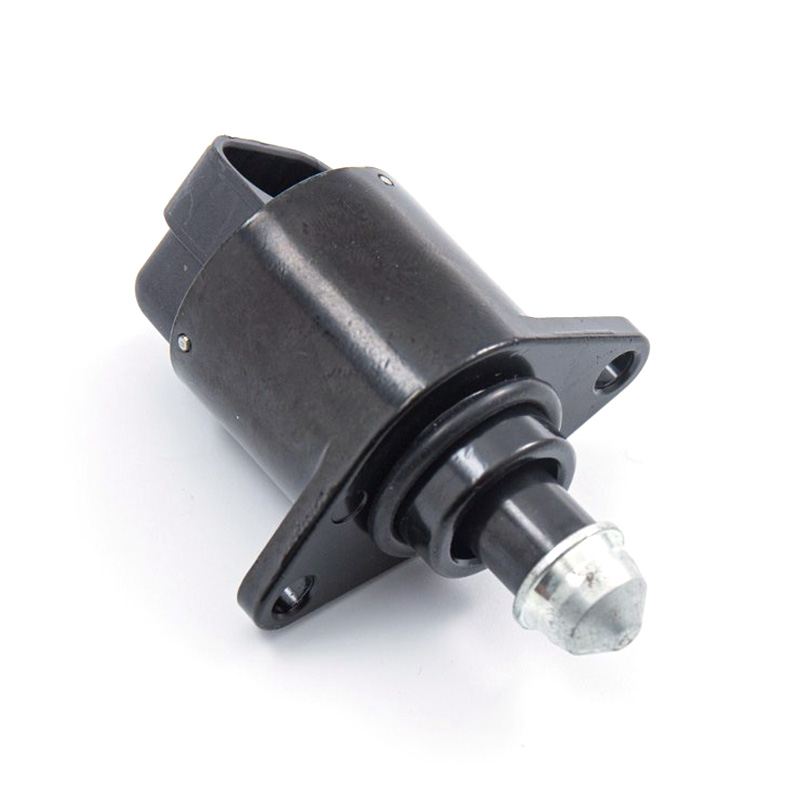
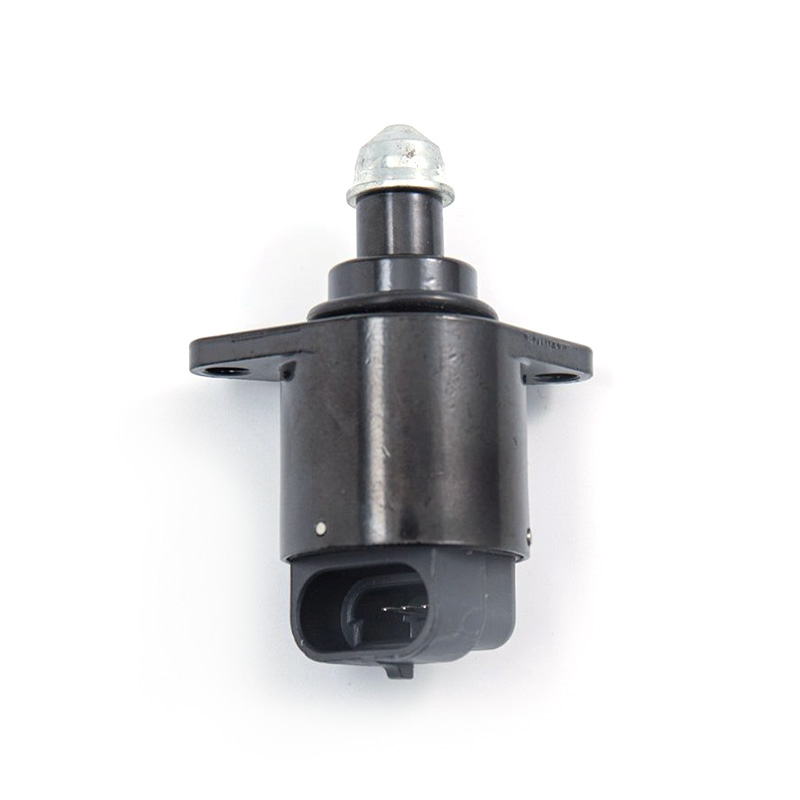
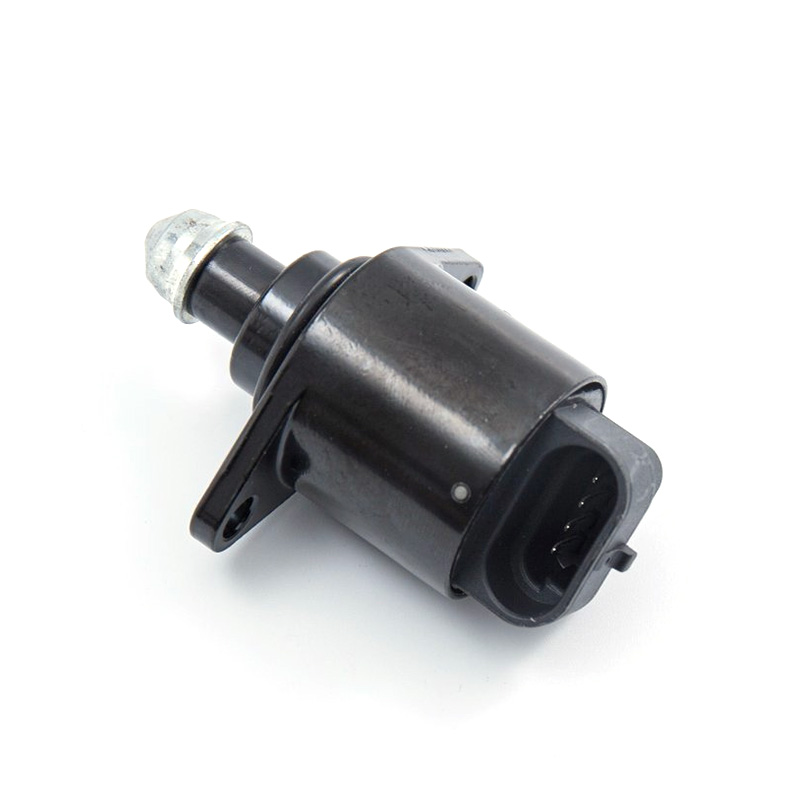
| Wrong housing profile | Compare the original connector with verified product images |
| Unclear vehicle application | Maintain cross-reference data and production-year notes |
| Uncertain electrical compatibility | Request technical specifications and confirm circuit assignments |
| Repeated return claims | Track complaint details by product reference and batch |
For wholesale buyers, a structured product database makes these checks easier to repeat. Keeping connector information alongside part numbers, vehicle applications, and inspection records helps purchasing and warehouse teams distinguish similar products.
Wenzhou Guocheng Automobile Electrical Parts Co., Ltd. was established in 1997 and specializes in the development, production, and sales of automotive electrical components. Our product range includes idle air control valves, idle speed motors, throttle position sensors, electronic accelerator pedal assemblies, and related sensor products.
We work with automotive parts importers, wholesalers, and distributors to clarify product requirements and coordinate purchasing details.
Our team encourages buyers to share original part numbers and clear photographs during the quotation process. This information helps establish whether the requested component corresponds to an available product reference before the order moves forward.
Connector compatibility is an important part of electronic air control valve replacement. Terminal count, housing geometry, pin assignments, locking features, and electrical design all deserve attention during product verification. Distributors who document these details can improve catalog accuracy, reduce avoidable returns, and make purchasing decisions with greater confidence.
At Guocheng, we welcome inquiries from automotive parts businesses seeking idle air control valves and related engine management components. Contact our team with your product references, vehicle applications, and technical requirements to discuss available options for your distribution business.
Related Products
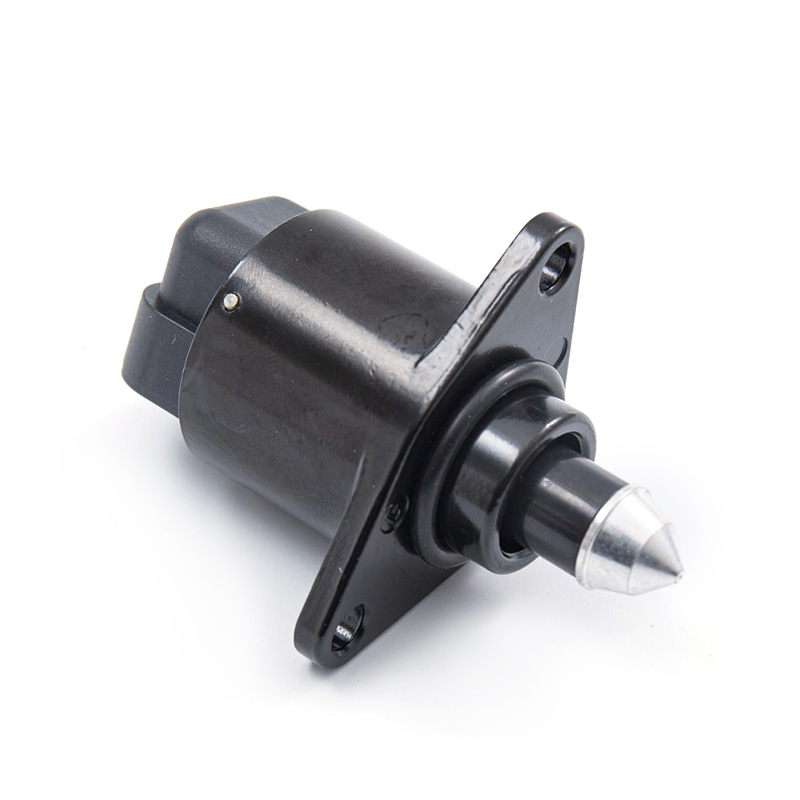
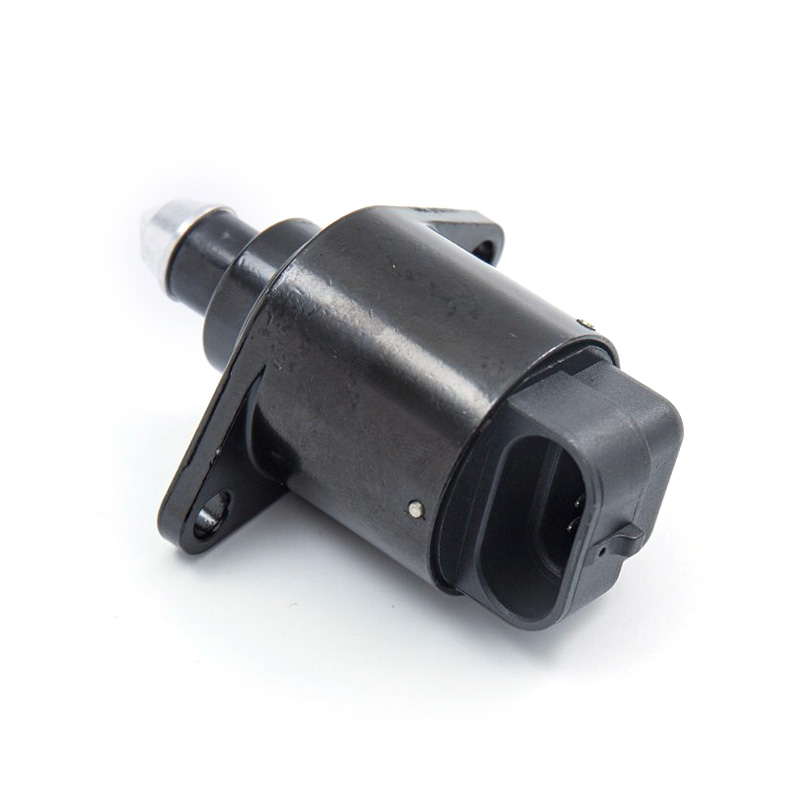
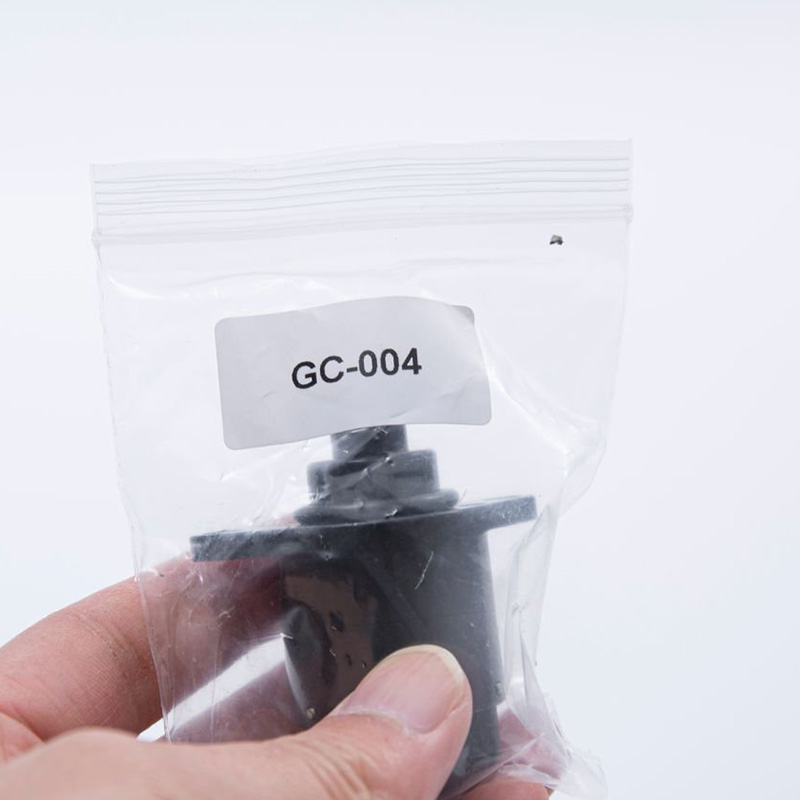
GC-004
REF OE:
SHORT CODE:B32/00
SIMENCE:A97115 19206W
APPLICATION:
CITROEN BERLINGO(MF)/Kasten(M_)1.4 i(MFKFX);CITRO SAXO(S0,S1) 1.4VTS,CITRO XSARA(N1)/Break(N2)/Coupe(N0)1.4i;
PEUGEOT 106 II(1)1.4i;PEUGEOT 206 Schraqheck(2A/C)1.4i/SW(2E/K)1.4;
PEUGEOT306(7B,N3,N5)1.4SL/Break(7E,N3,N5)1.4/Schraqheck(7A,7C,N3,N5)1.4;
PEUGEOT PARTNER Combispace(5F)1.4/Kasten(5)1.4
China manufacture for idle air control valve,high quality and competitive price!
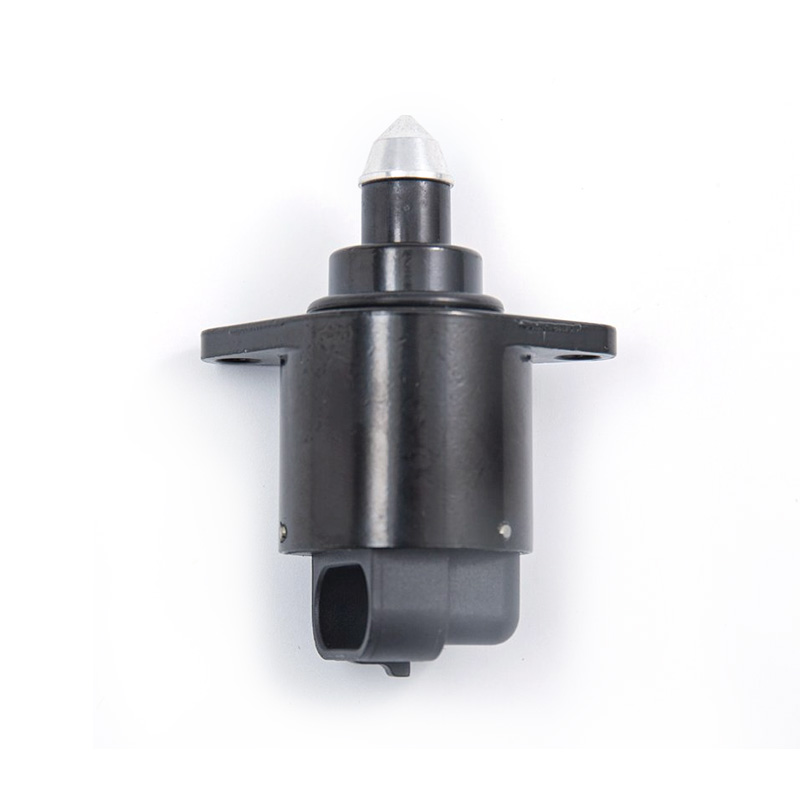
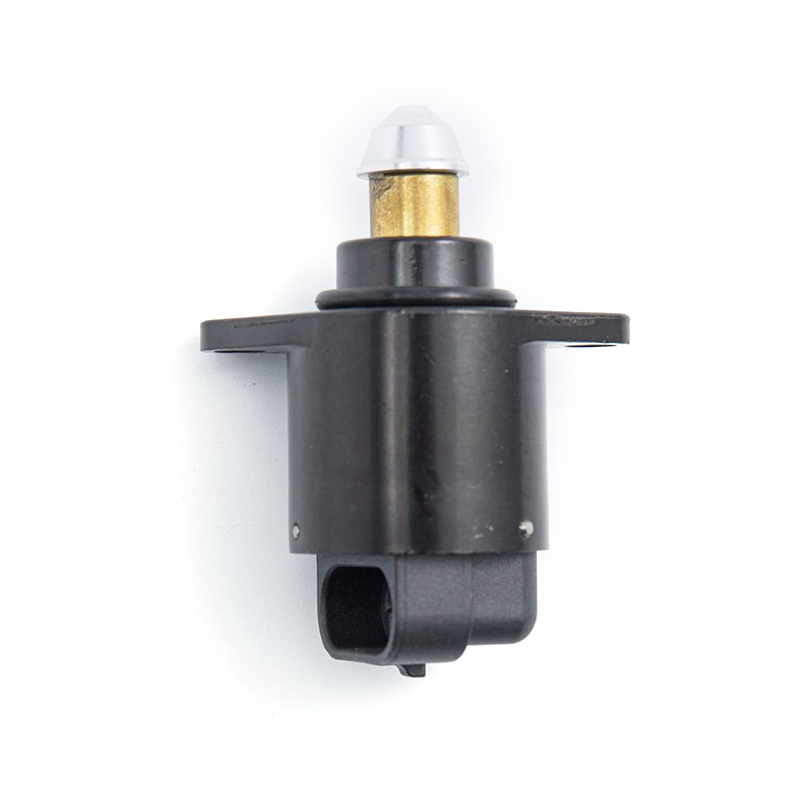
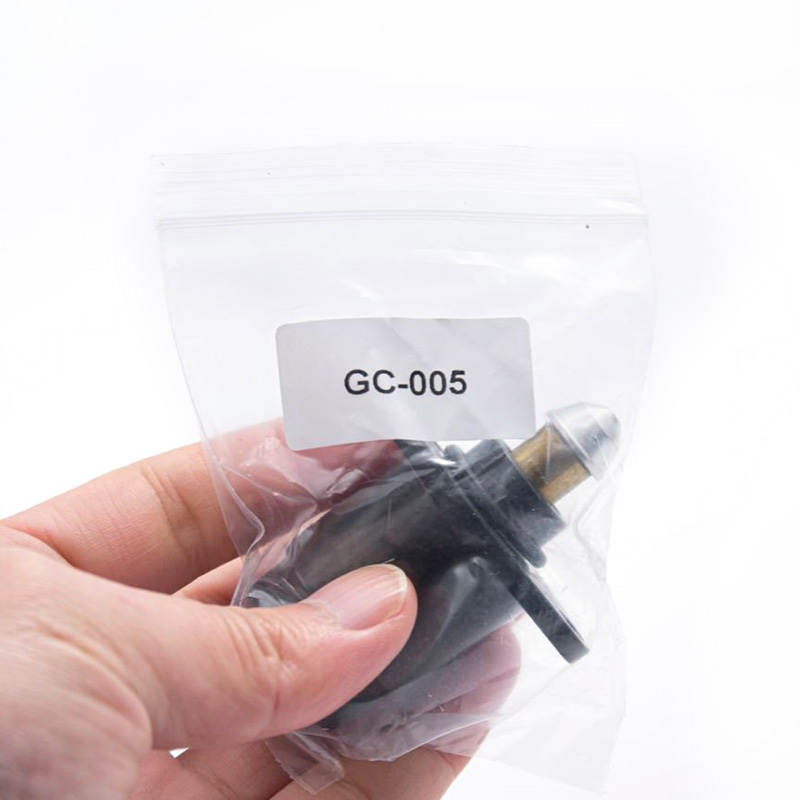
GC-005
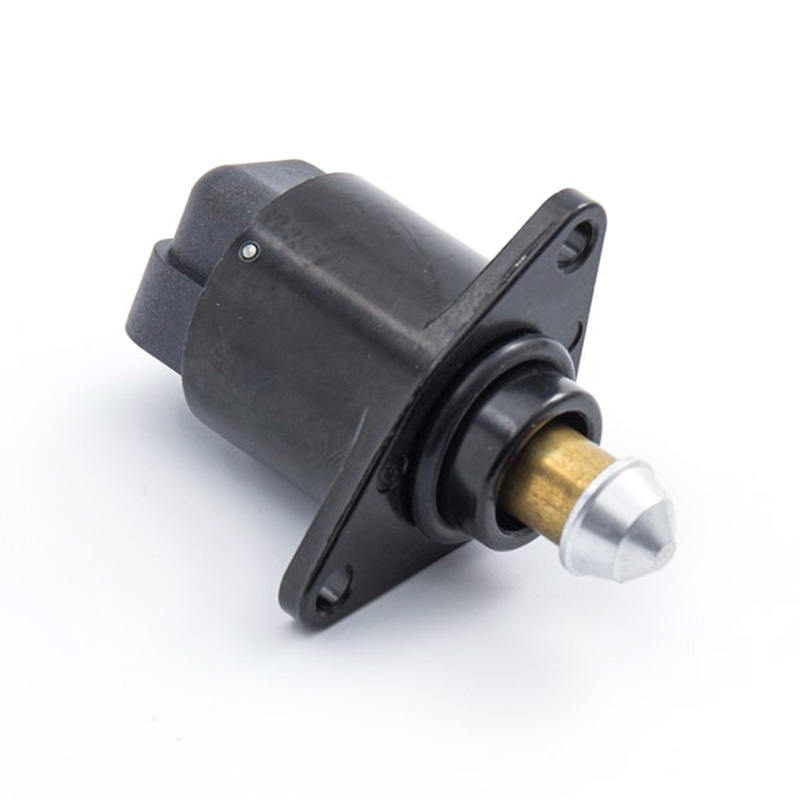
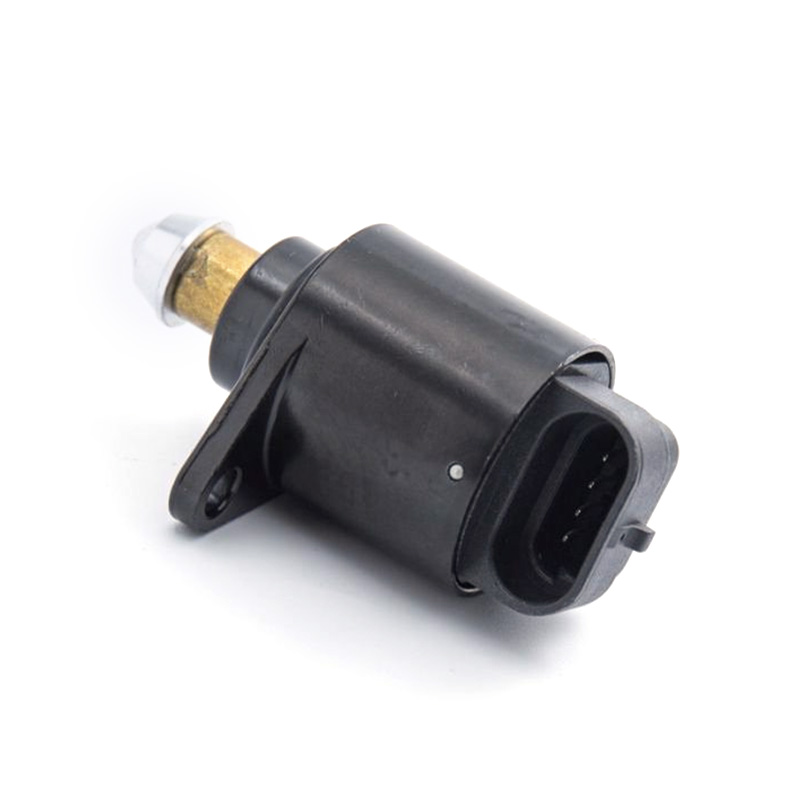
REF OE:
HOT-STAMP:B22/00 B22/01
PEUGEOT:19204X
SIMENCE:A97104 A97113 B22/00 B22/01 19204X A97104 A97113
APPLICATION:
CITROEN BERLINGO(MF)1.8i(MFLFX)4WD(MFLFX);CITRO XANTIA/Break(X1)/(X2)1.8i/1.8i 16V;CITRO XSARA(N1)1.8i/1.8i 16V;Break(N2) 1.8i/1.8i 16V;Coupe(N0)1.8i/1.8i 16V;
PICASSO(N68)1.8 16V;PEUGEOT 306/Break/Cabriolet/Schraqheck;PEUGEOT 406/Break;PEUGEOT PARTNER Combispace(5F)1.8
China Auto Parts Manufacture with Wholesale Price for Idle Air Control Valve,Crankshaft Position Sensor,Camshaft Position Sensor,Throttle Position Sensor.
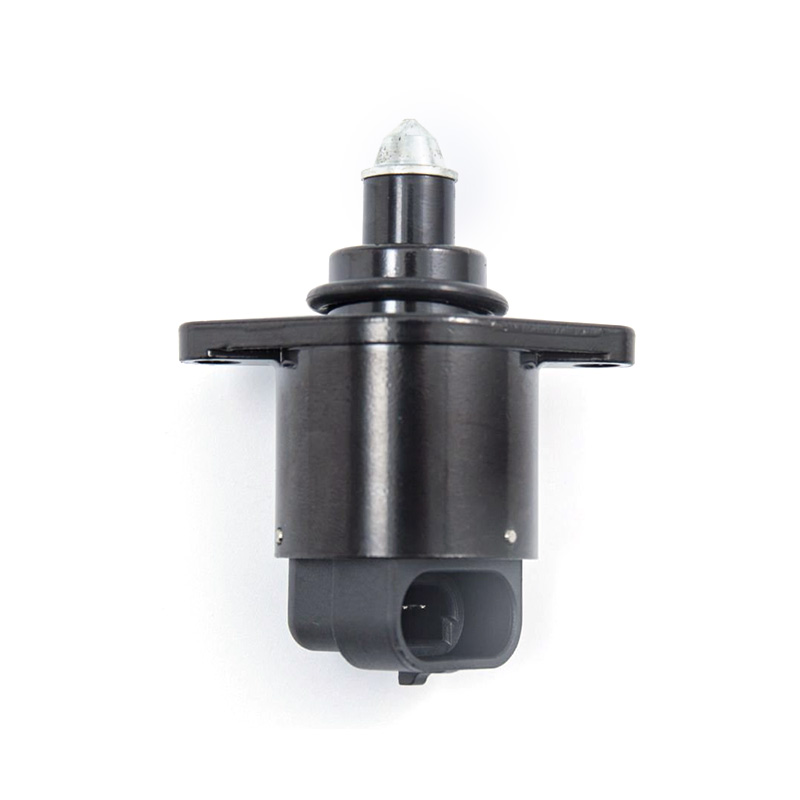
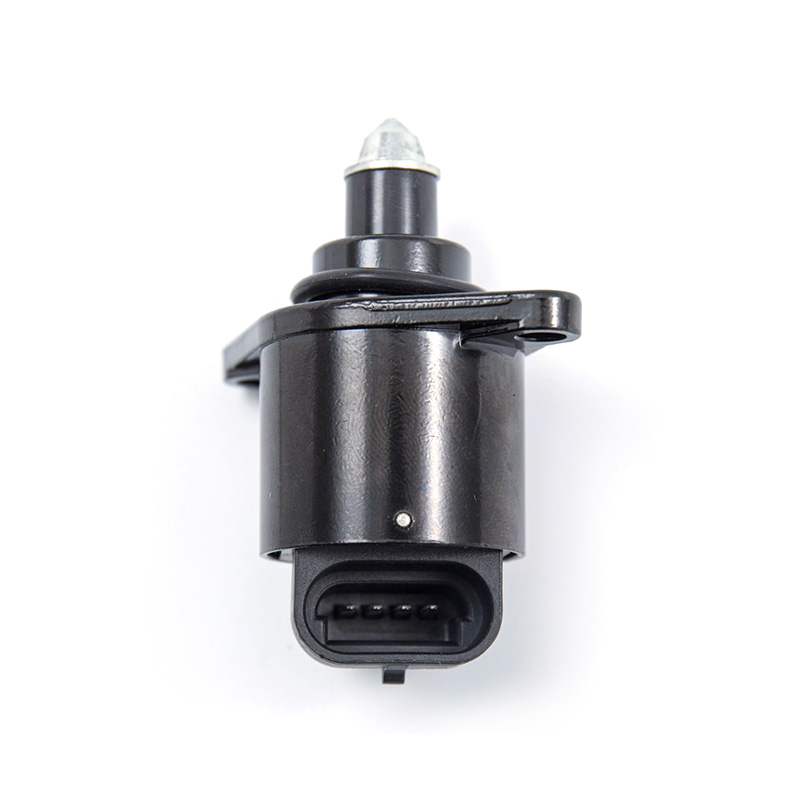
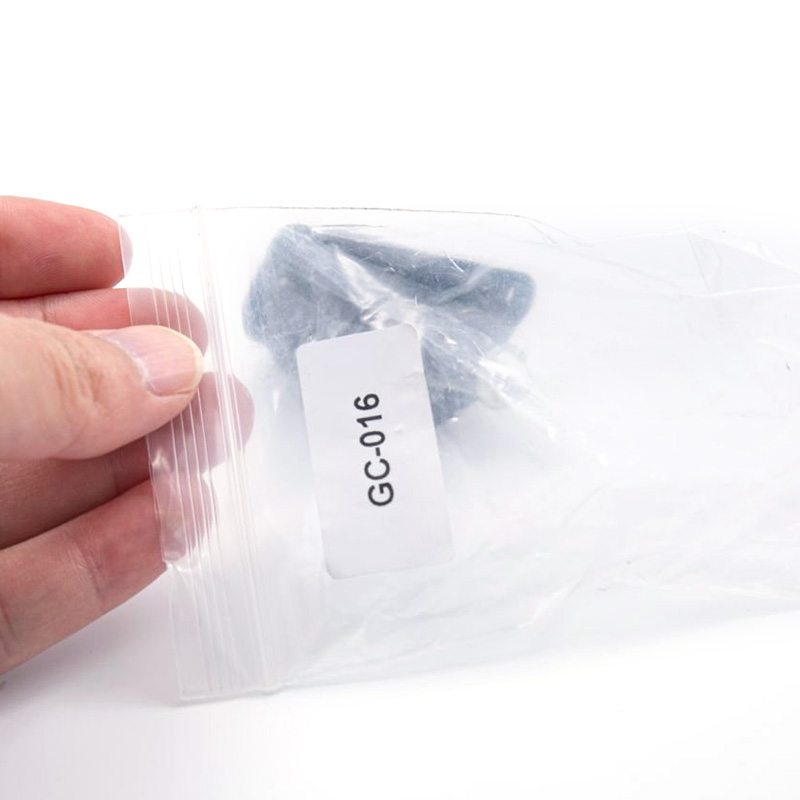
GC-016
REFERENCE OE:
MEAT DORIA:84037
SHORT CODE:B32/00 D95129
RENAULT: 7701042403 801000774001
APPLICATION:
RENAULT CLIO I;
RENAU CLIO II/II Kasten;
RENAU KANGOO/KANGOO Express;
RENAU TWINGO
Importing auto parts idle air control valve from China factory!
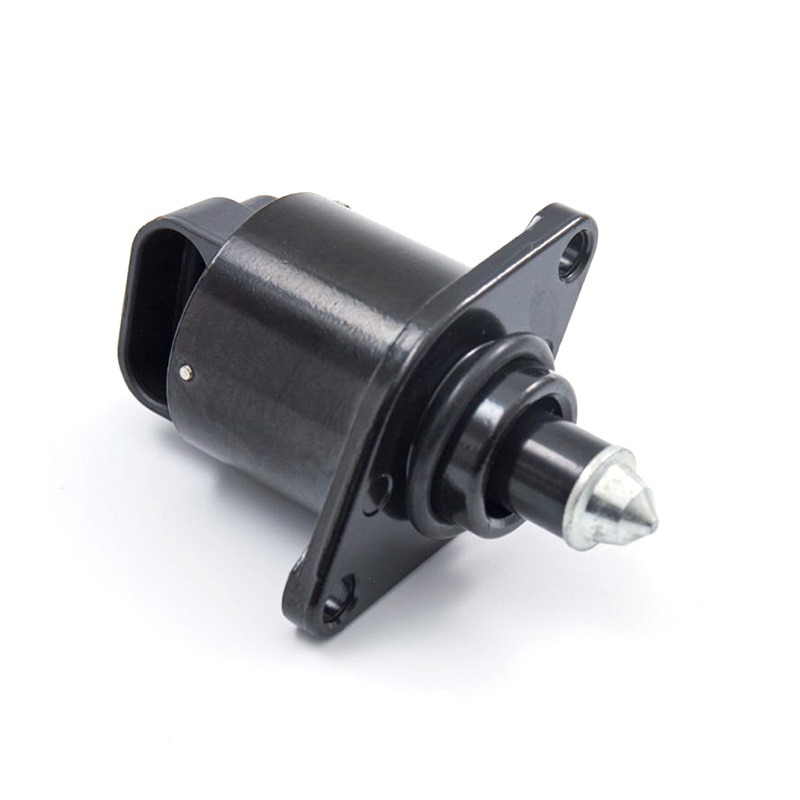
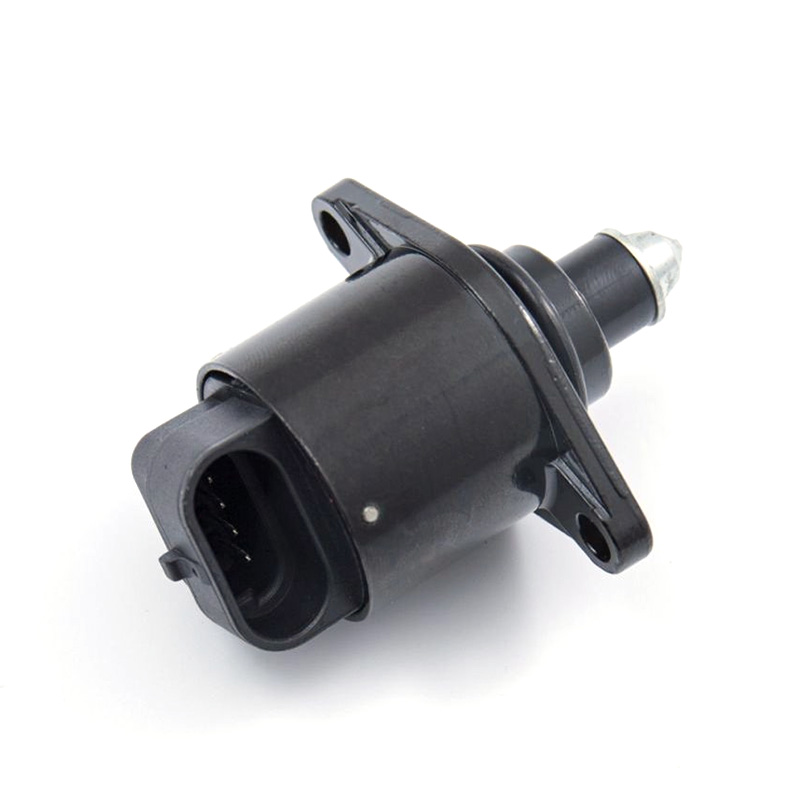
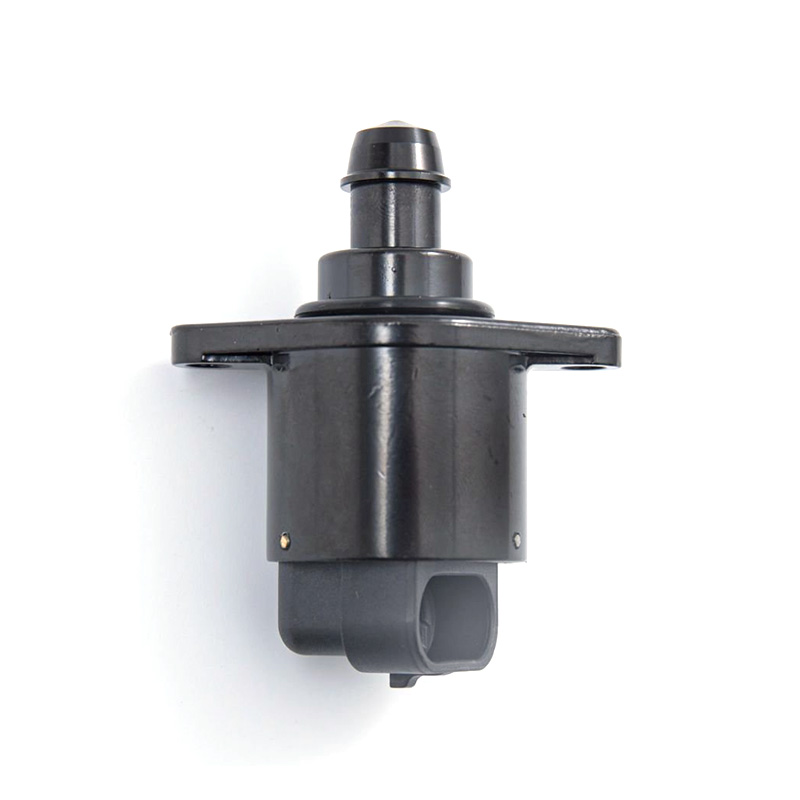
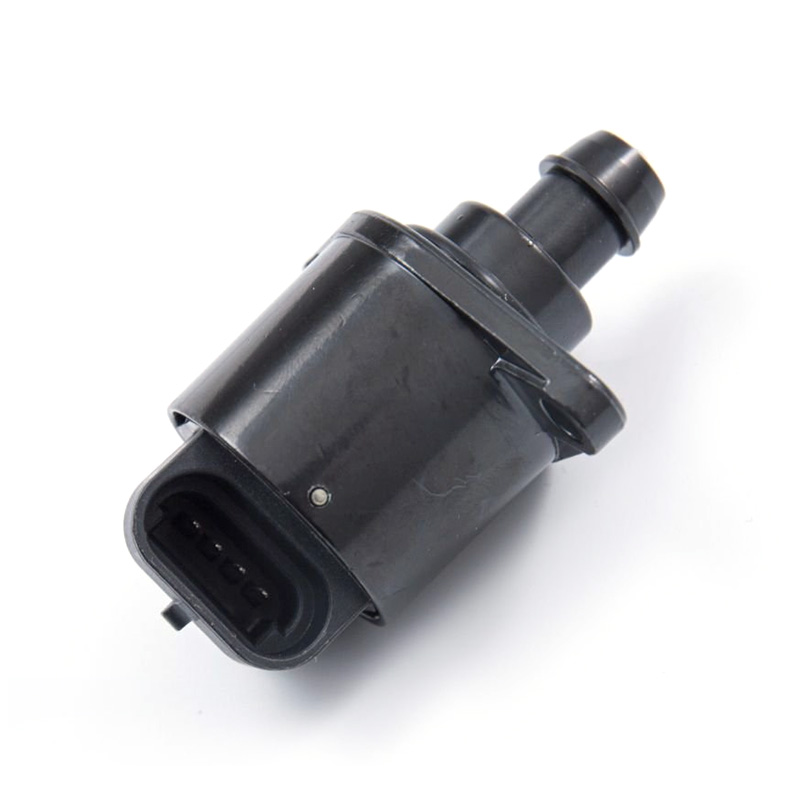
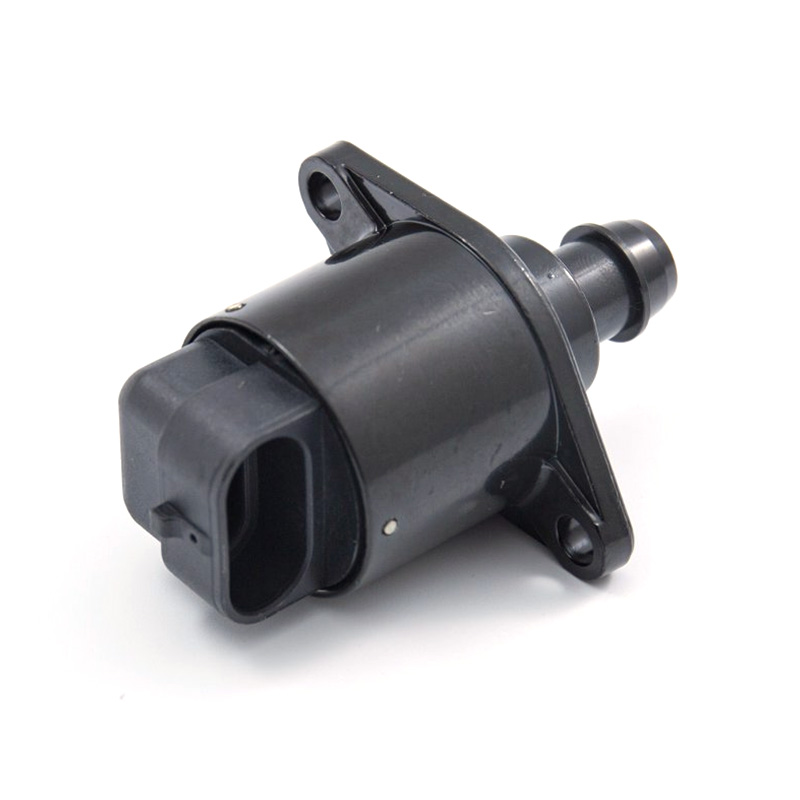
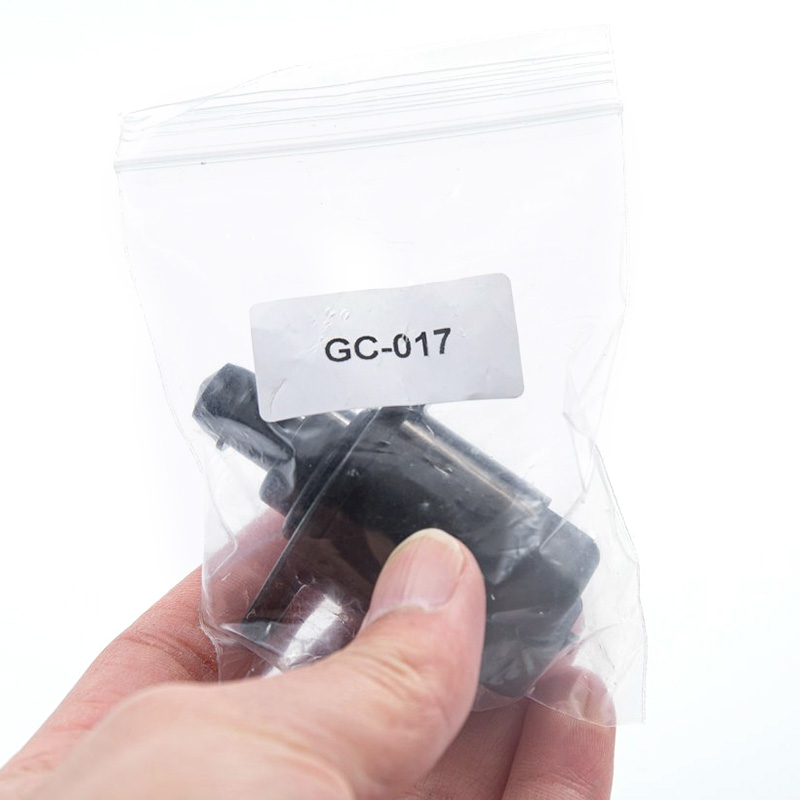
GC-017
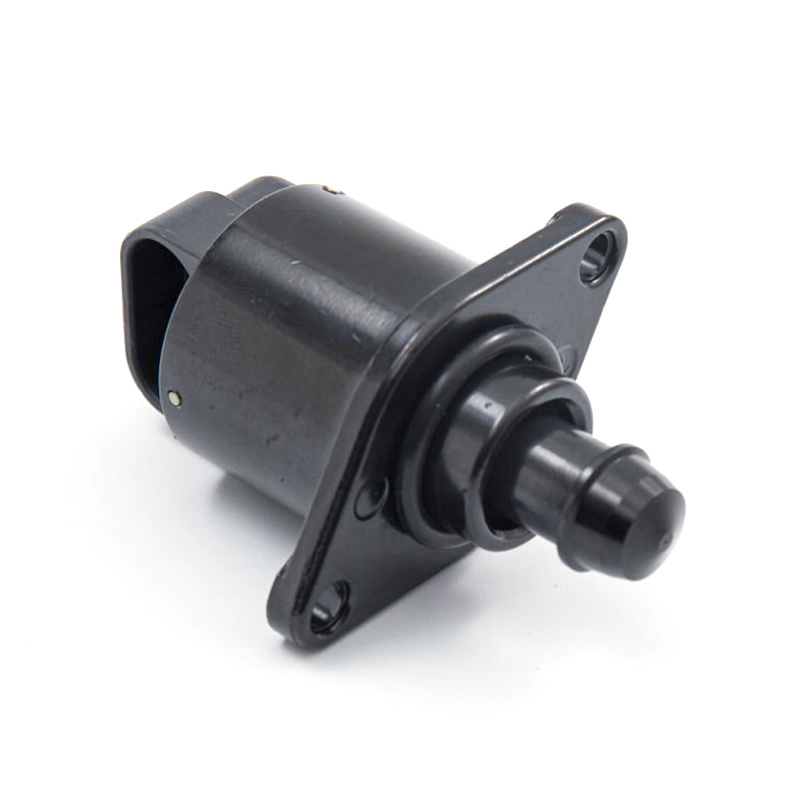
REFERENCE OE:
SHORT CODE:B28/00
RENAULT:8200299241 7700102539
SIMENCE:D95166 B28/00 8200299241 7700102539 D95166
APPLICATION:
OPEL VIVARO Combi/Kasten;
RENAU AVANTIME;
RENAU CLIO II/ESPACE III;
RENAU LAGUNA/LAGUNA II;
RENAU MEGANE Cabriolet/Classic/Coach/Grandtour;
RENAU SCENIC I/II
Idle air control valve for wholesale and retail from China!
GC-018
REFERENCE OE:
FIAT:0009943223
FIAT:0009949146
SIMENCE:A95140 00600
APPLICATION:
LANCI DEDRA;LANCI DEDRA SW
Idle air control valve for auto parts,China original factory direct!
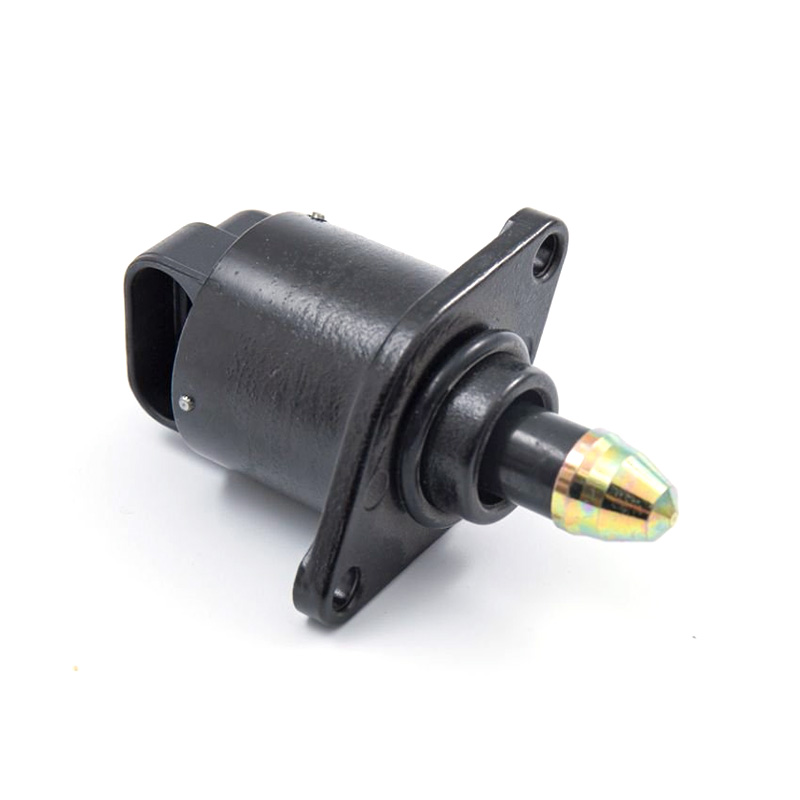
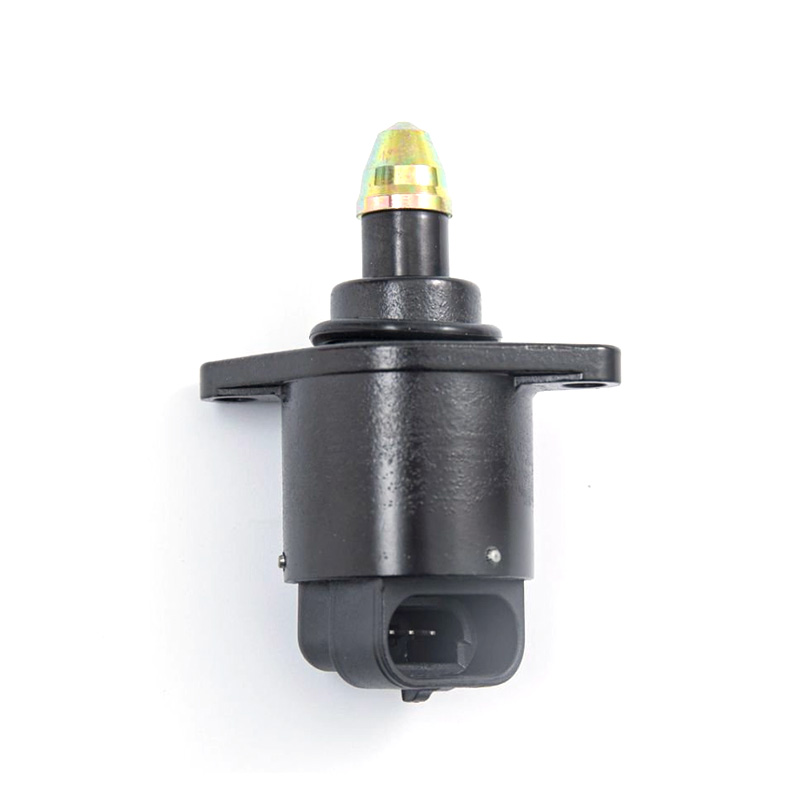
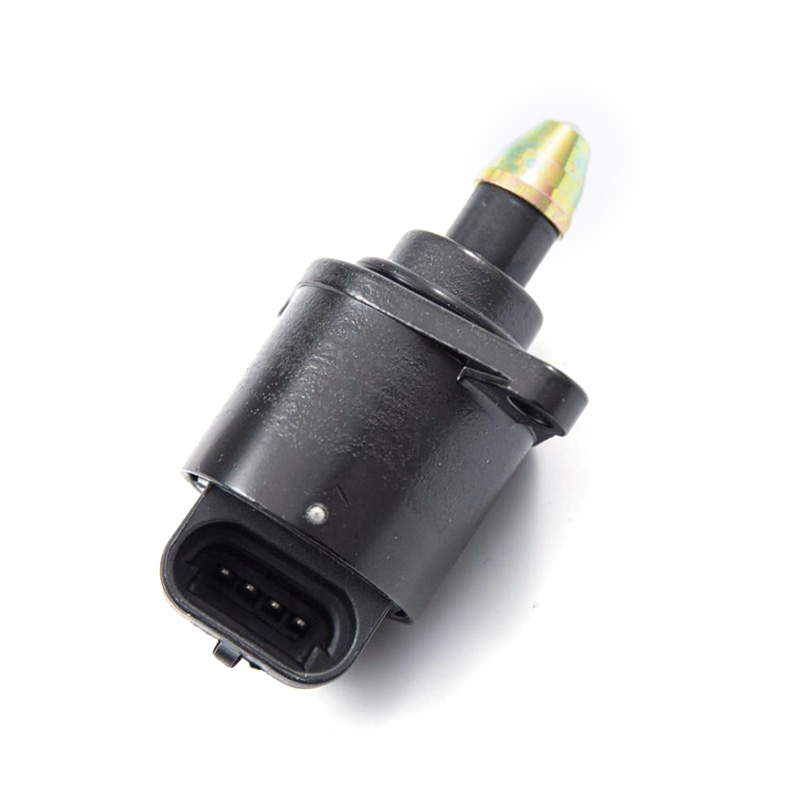
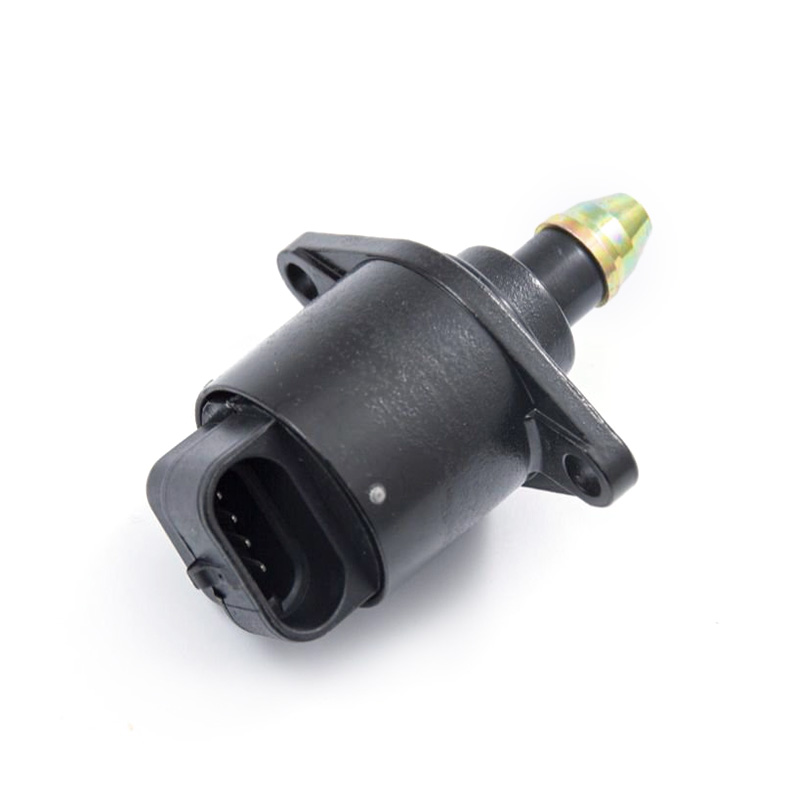
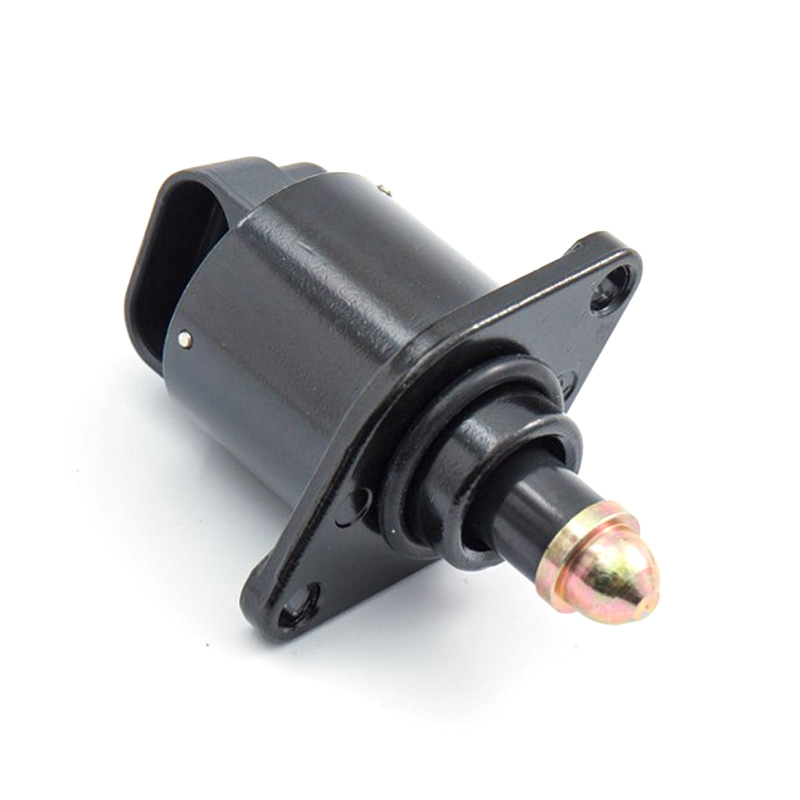
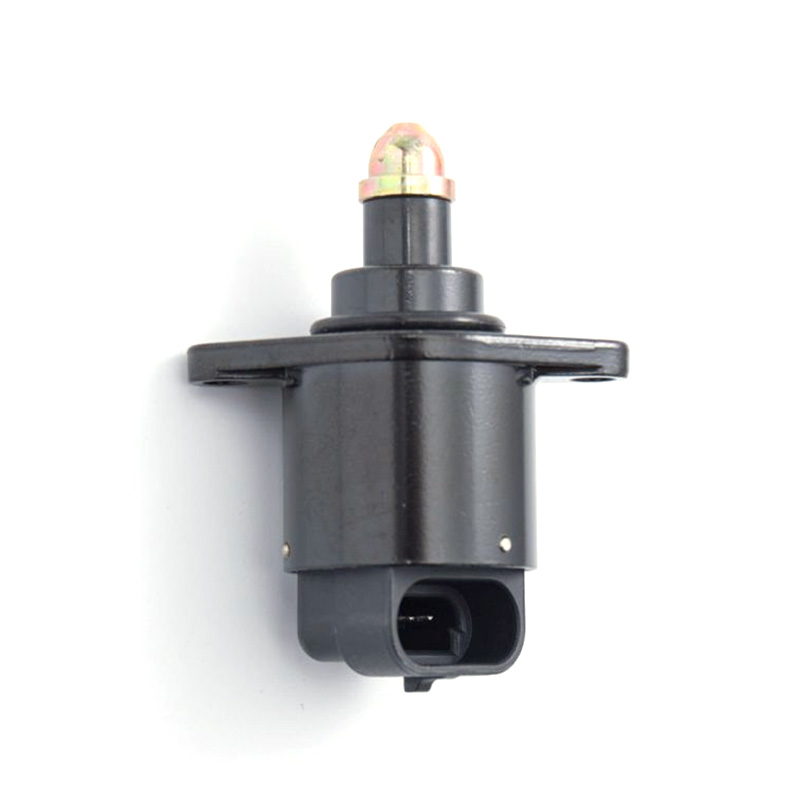
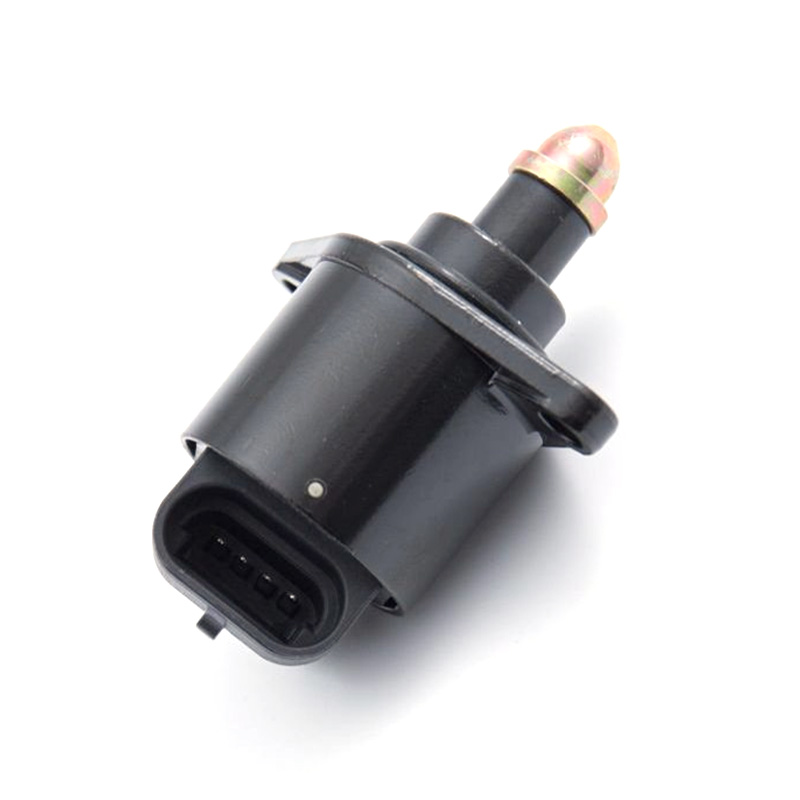
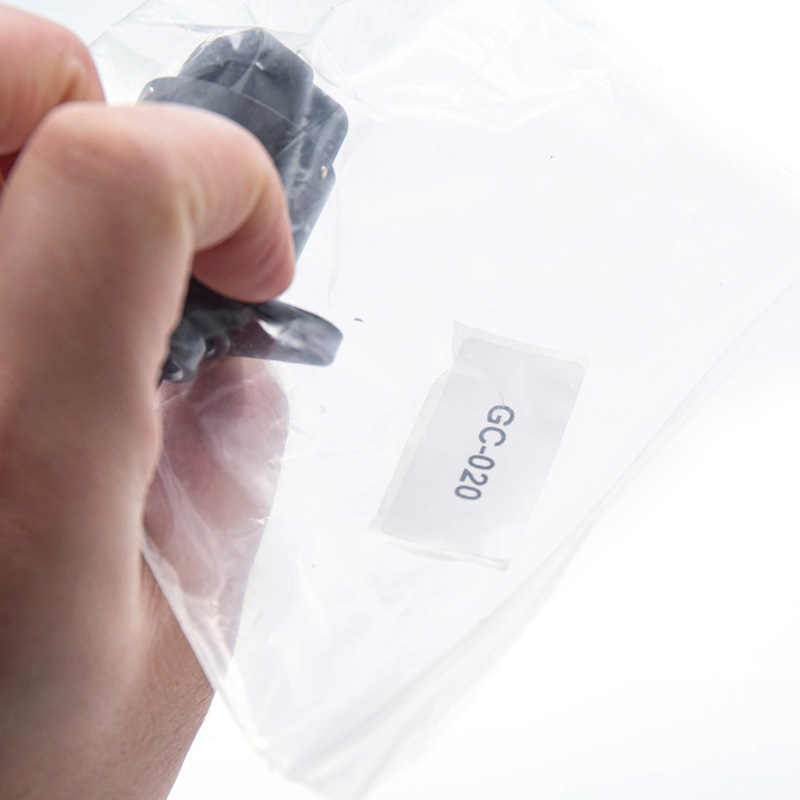
GC-020
REFERENCE OE:
SHORT CODE: B02/01
VDO: AT01200R C95128
FIAT: 9945635
OEM: 7766269 9950635
APPLICATION:
ALFA 145/146;FIAT BRAVA/FIAT BRAVO;FIAT MAREA/MAREA Weekend;FIAT PALIO/SIENA/TEMPRA/TIPO;LANCI DELTA II
Buy idle air control valve from China factory!
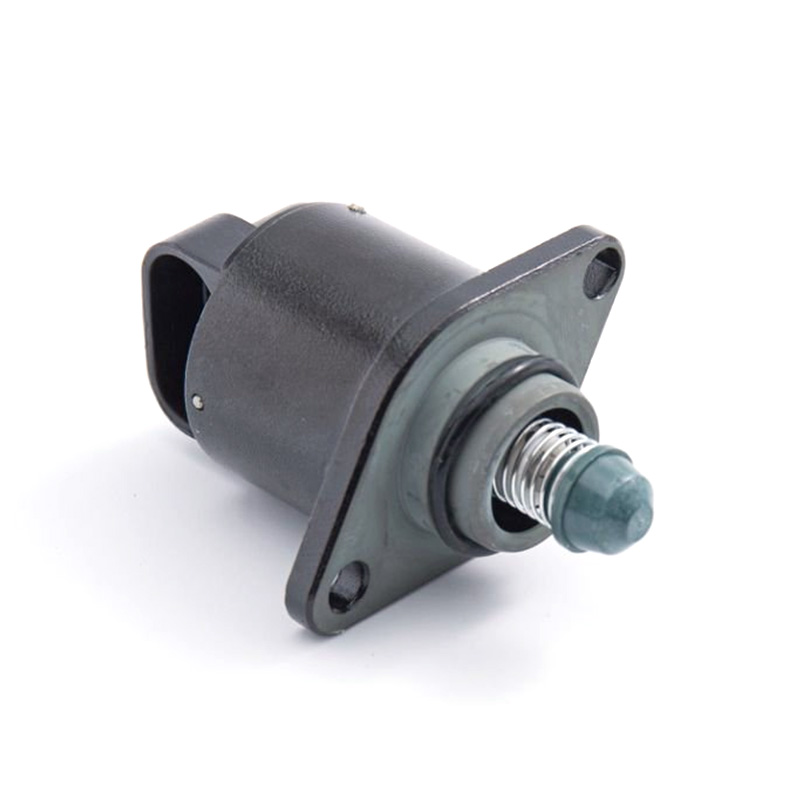
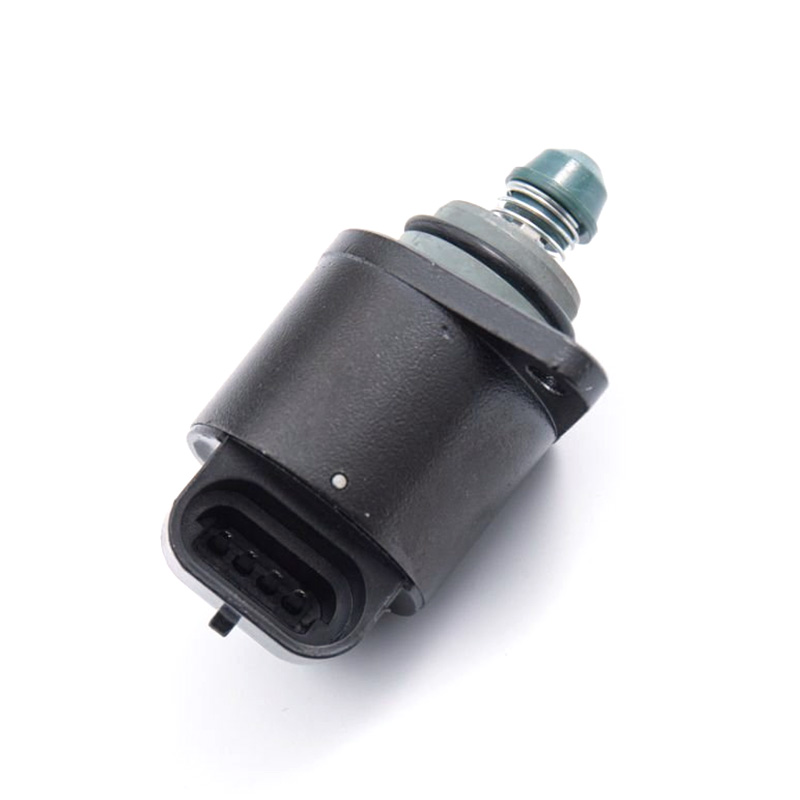
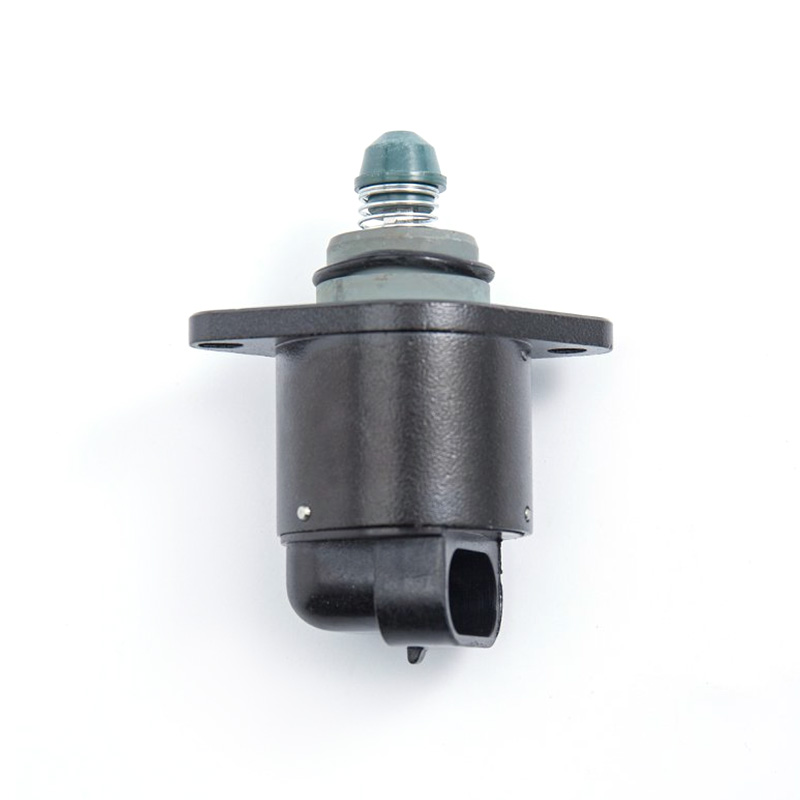
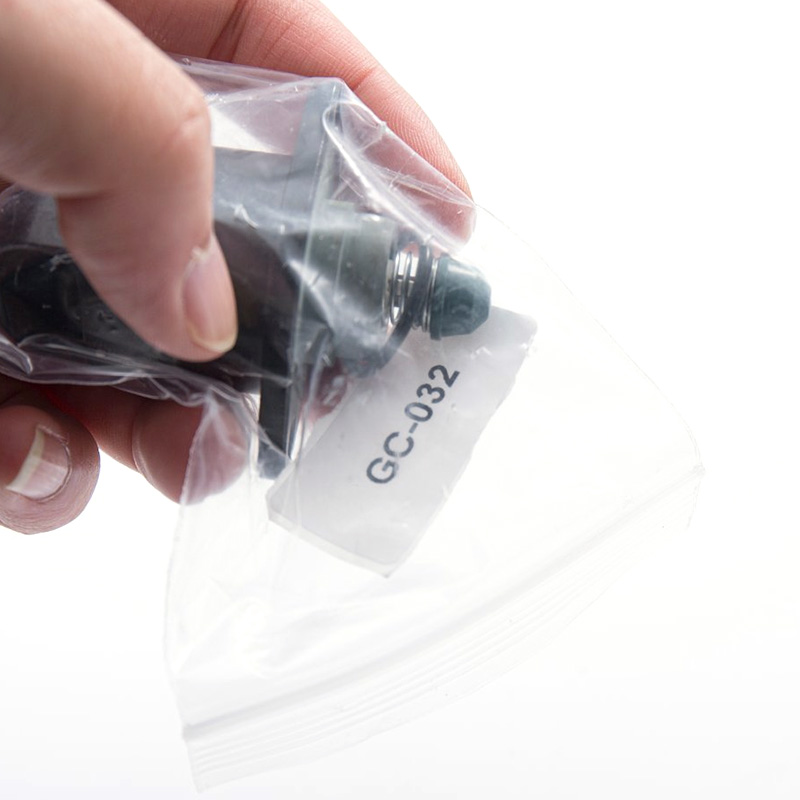
GC-032
REFERENCE OE:
21203-1148300
APPLICATION:
LADA
Idle air control valve from China factory for Lada.
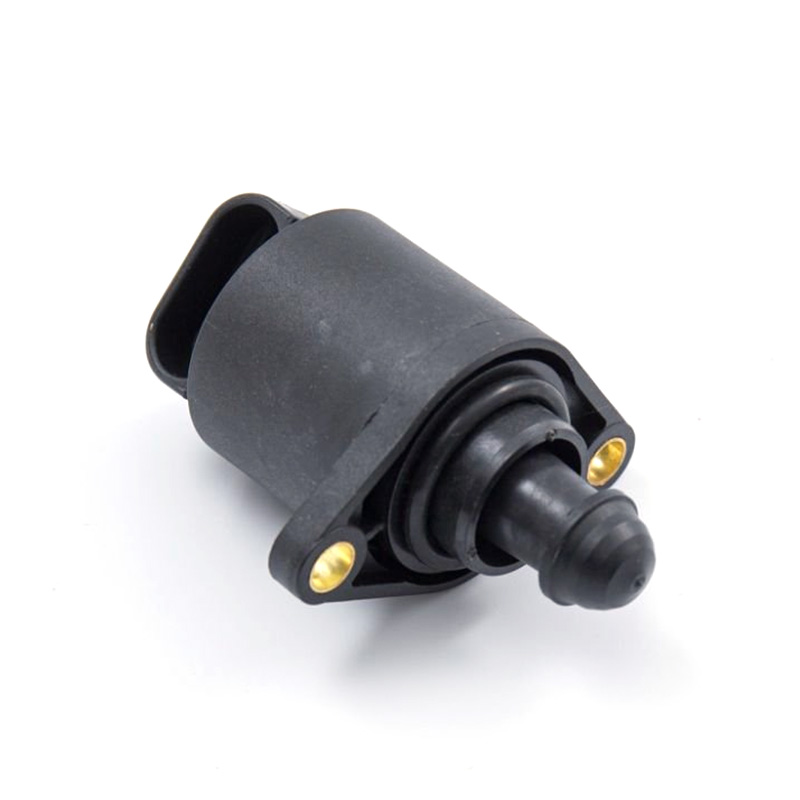
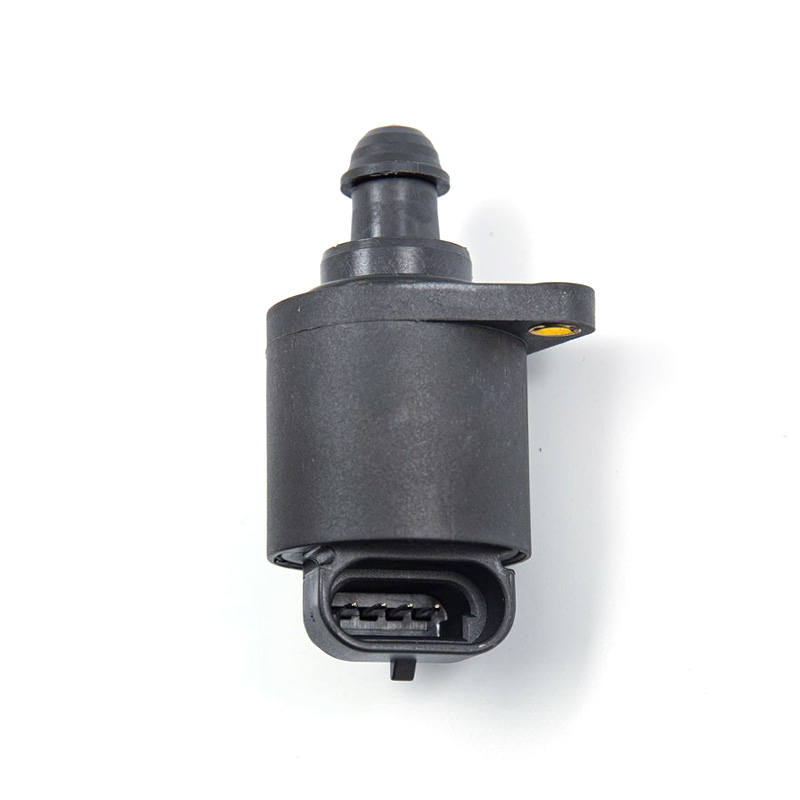
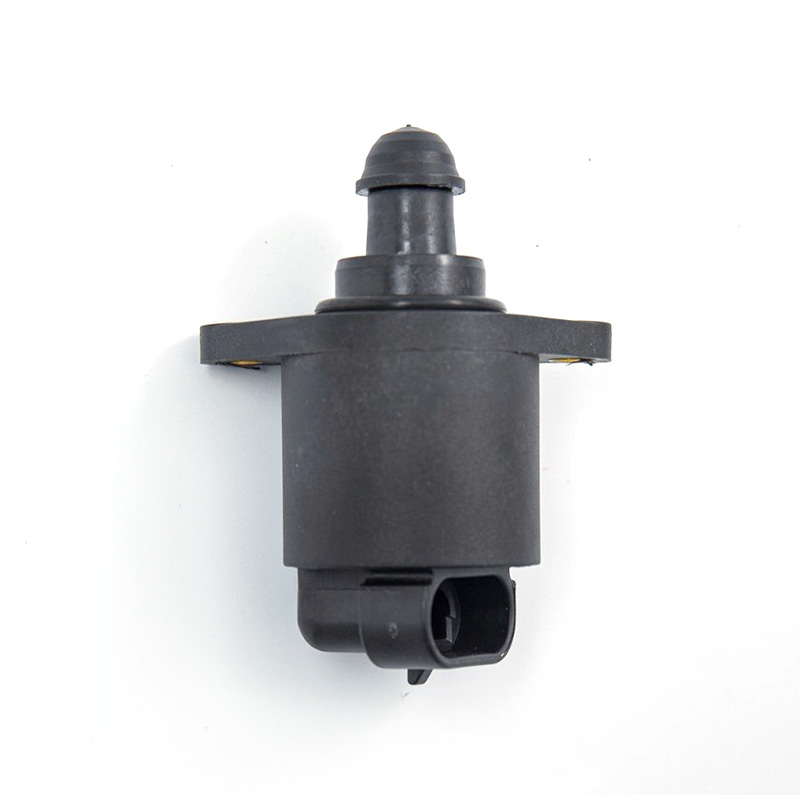
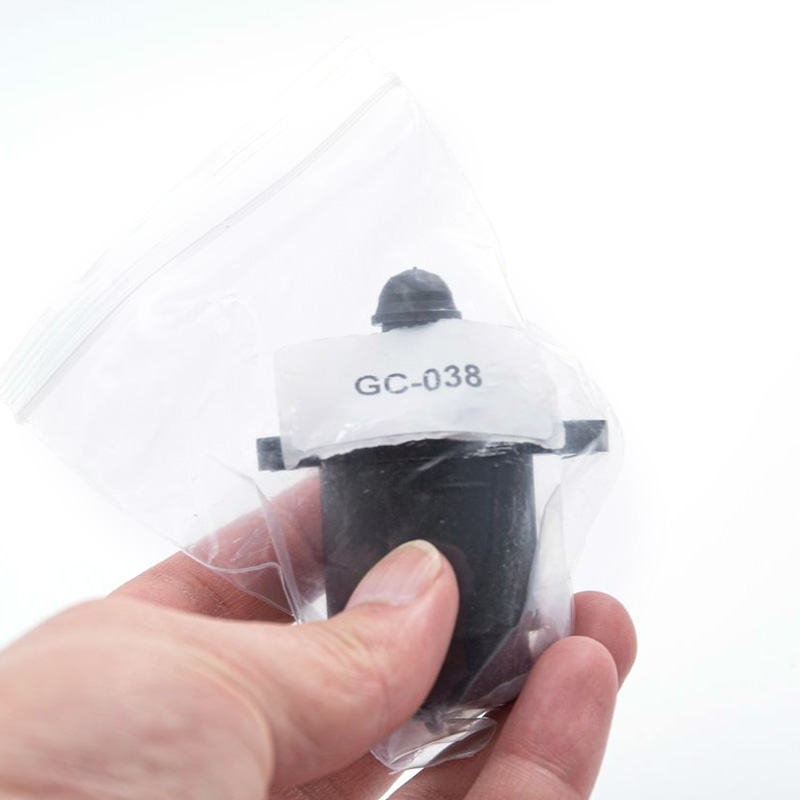
GC-038
REFERENCE OE:
SIMENCE:A96158 A97116
PEUGEOT:19208X
MARELLI:230016079217
APPLICATION:
PEUGEOT 206SW/CC;PEUGEOT 307SW;406;806;807;EXPERT(224)
Idle air control valve from China factory for Peugeot 206 307 406 806 807.
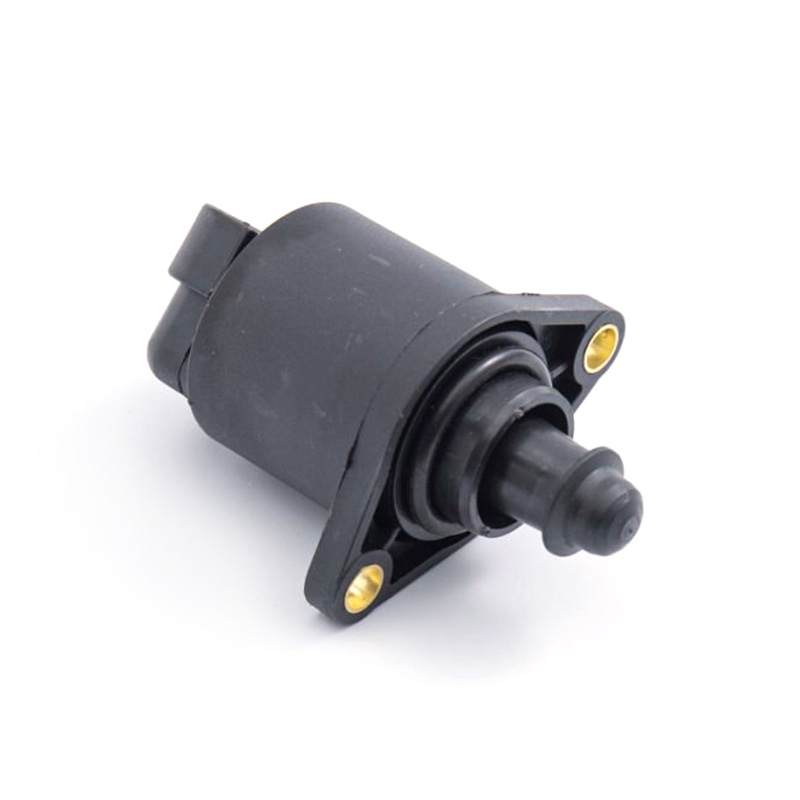
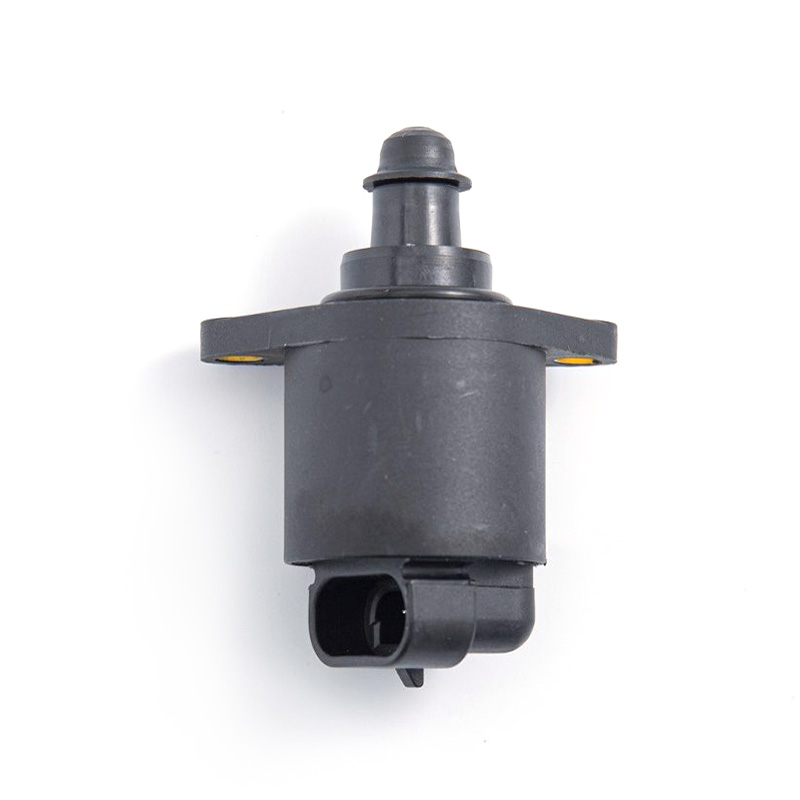
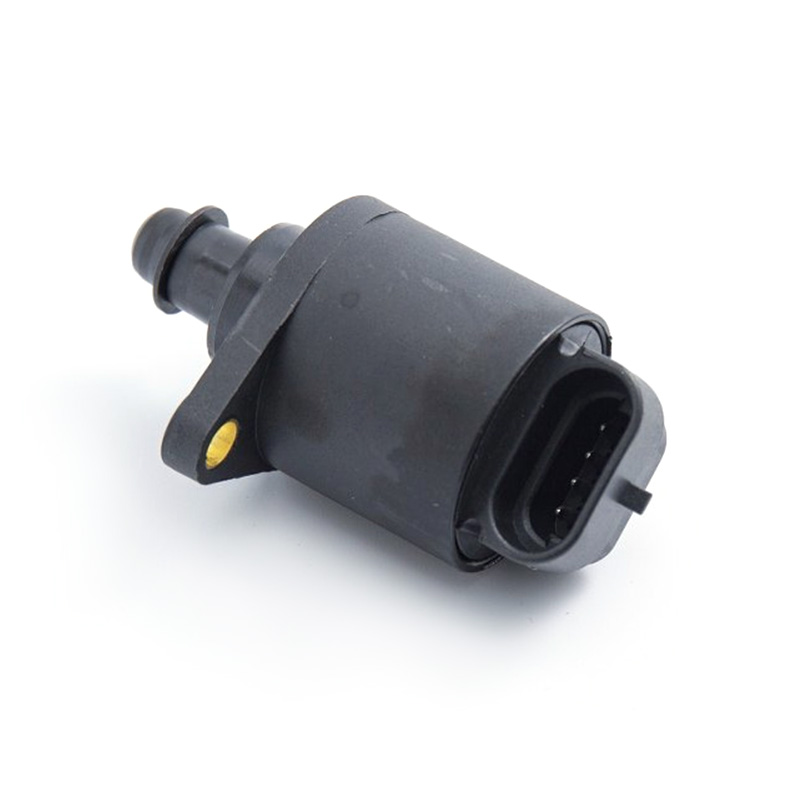
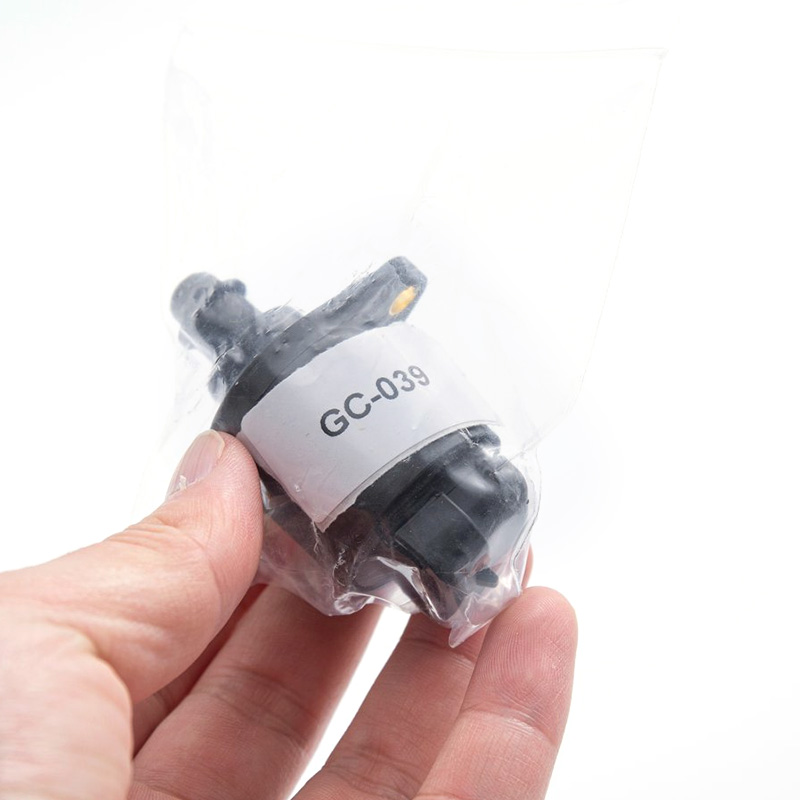
GC-039
REFERENCE OE:
MARELLI:B35/00
MARELLI:801001185201
PSA:1920AH
APPLICATION:
PEUGEOT 206 1.1 EOBD
Idle air control valve from China factory for Peugeot 206.
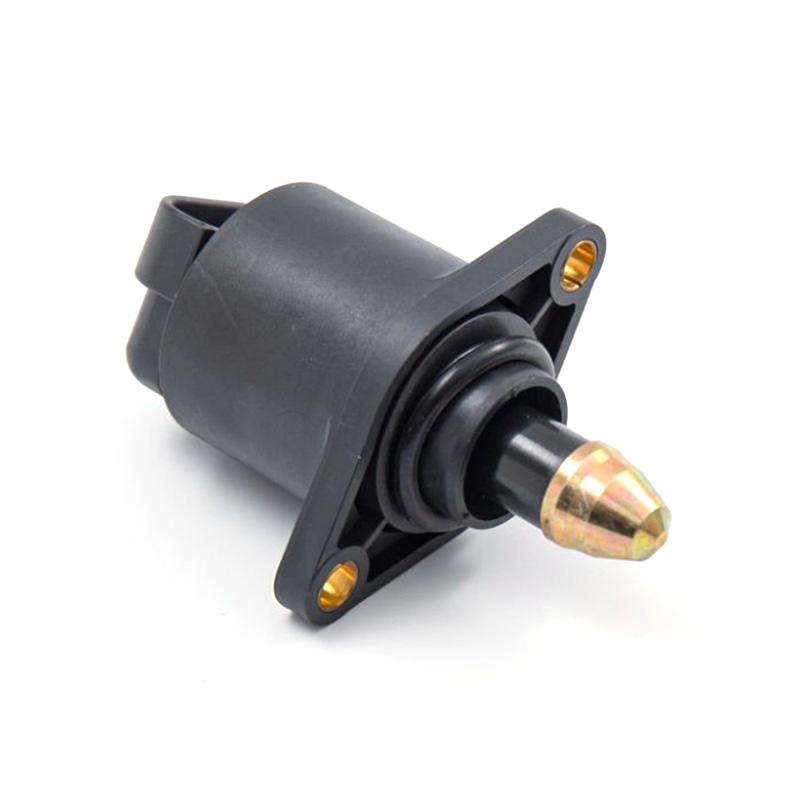
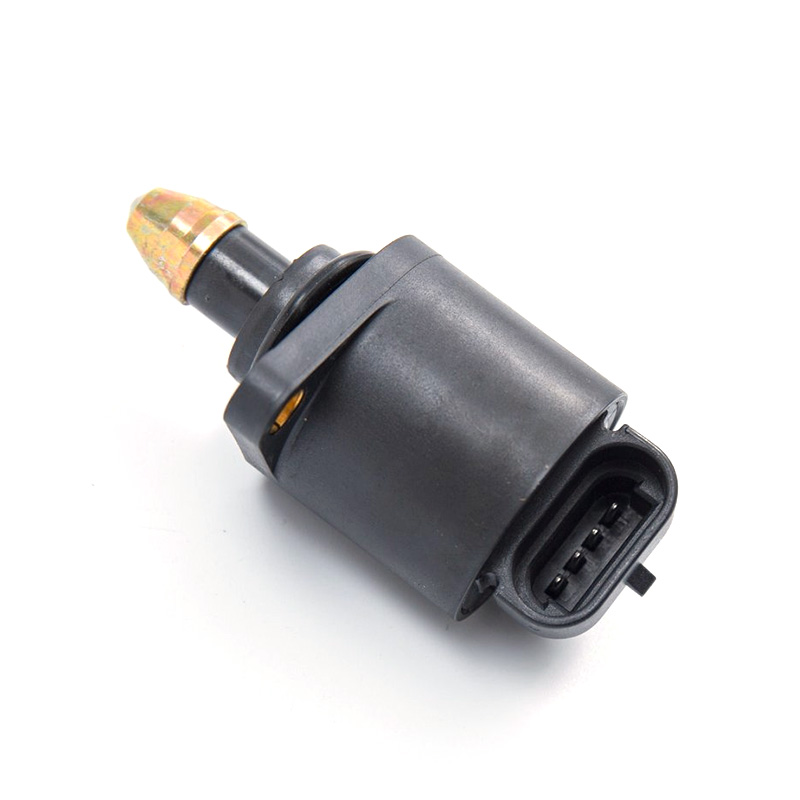
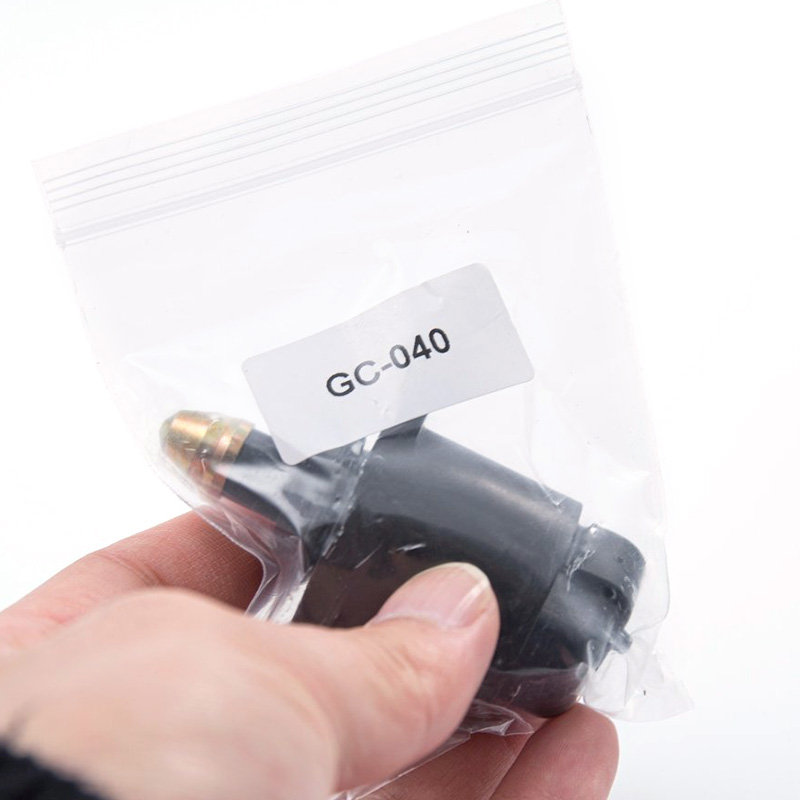
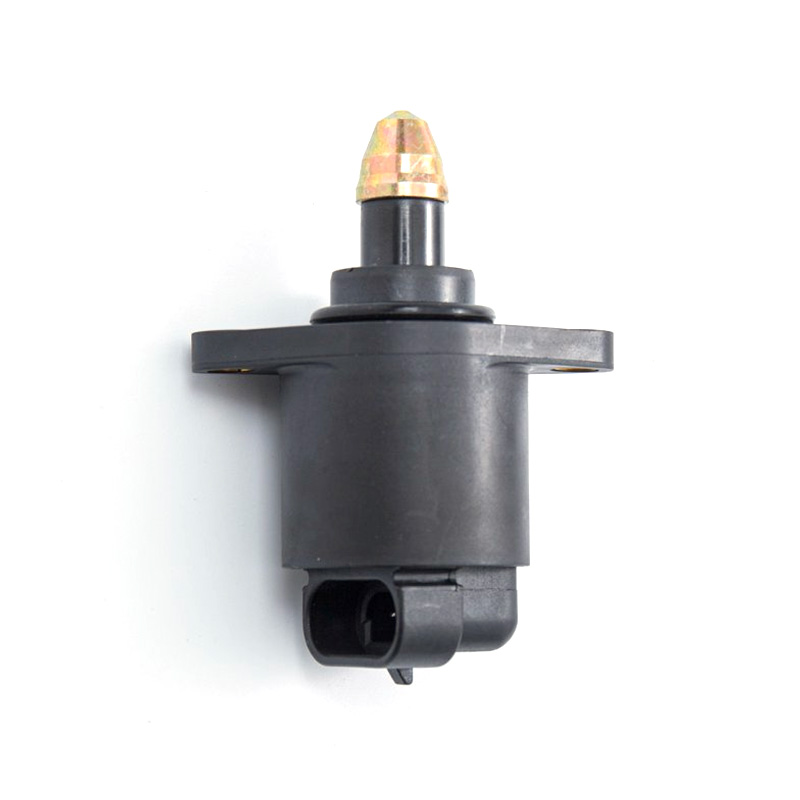
GC-040
REFERENCE OE:
SHORT CODE:B04/01 D5131
MARELLI:230016079057
PEUGEOT:1920N1
SIMENCE:A95269
APPLICATION:
PEUGEOT 205 I Cabriolet(741B,20D)1.6CJ;
PEUGEOT 205 II(20A/C)1.6 Aut;
PEUGEOT 306(7B,N3,N5)1.8/2.0ST;
306 Break(7E,N3,N5)1.8;
PEUGEOT 306 Cabriolet(7B,N3,N5)1.8/2.0ST;
PG 306 Schraqheck(7A,7C,N3,N5)1.8/2.0 Xsi;
PG 309 II(3C,3A)1.6;
PG 405/Break(15B)1.6;
PG405 II(4B)1.6/1.8/2.0/2.0 X4;
PG 406;PG 806;PG BOXER Bus
Idle air control valve from China factory for Peugeot 205 306.
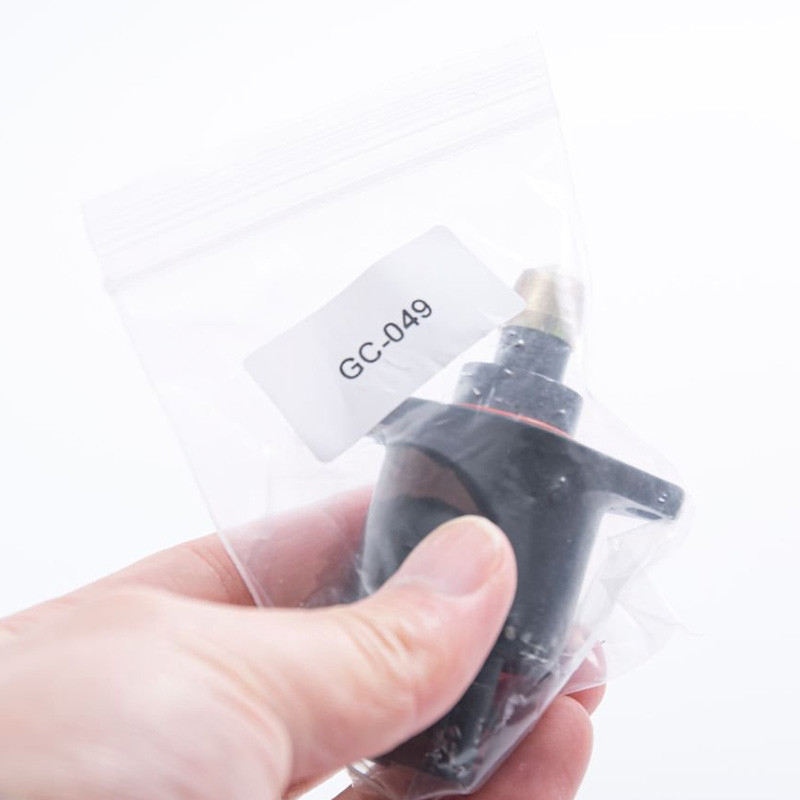
GC-049
REFERENCE OE:
MDQ100040
APPLICATION:
ROVER
Idle air control valve from China factory for Rover.
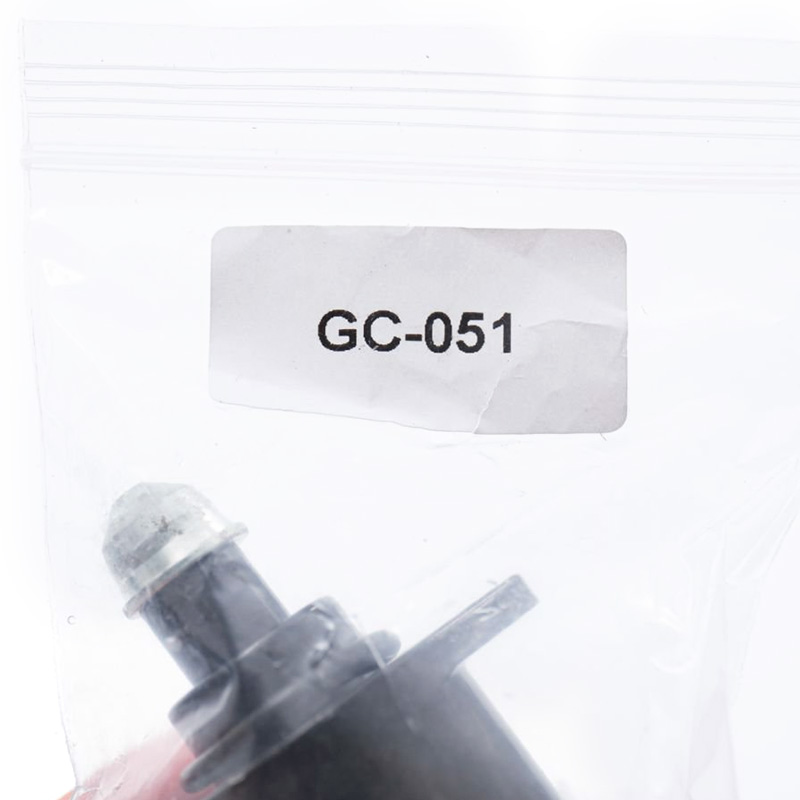
GC-051
REFERENCE OE:
PEUGEOT:19205F
APPLICATION:
CITRO SAXO(S0,S1)1.4VTS 1.6VTS;PEUGEOT 106 II(1) 1.4i;206 Schraqheck(2A/C)1.4i
Idle air control valve from China factory for Citroen Saxo Peugeot 106 206.
Contact Us
Let's start collaborating

Guocheng is specialized in the R&D and production of key engine components for the automotive and engineering machinery industries.
Product
Stay Connected
(+86) - 577 - 8582 0886 (Tel)
(+86) - 577 - 8582 8085 (Fax)
(+86) - 19730213059 (Phone)
sales@wz-gc.com
No. 205, Baiyu Road, 15th Road, Binhai Park, Wenzhou, Zhejiang, China
Mobile

ODM Engine Management System Components
 English
 русский
 Español
 عربى
عربى Deutsch