Date:Aug 21, 2026
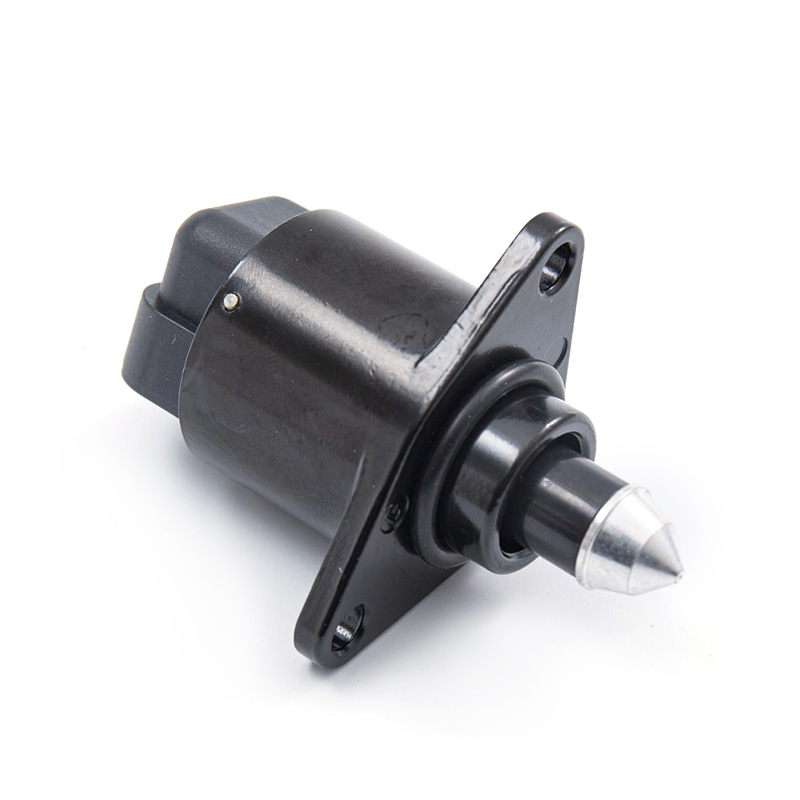
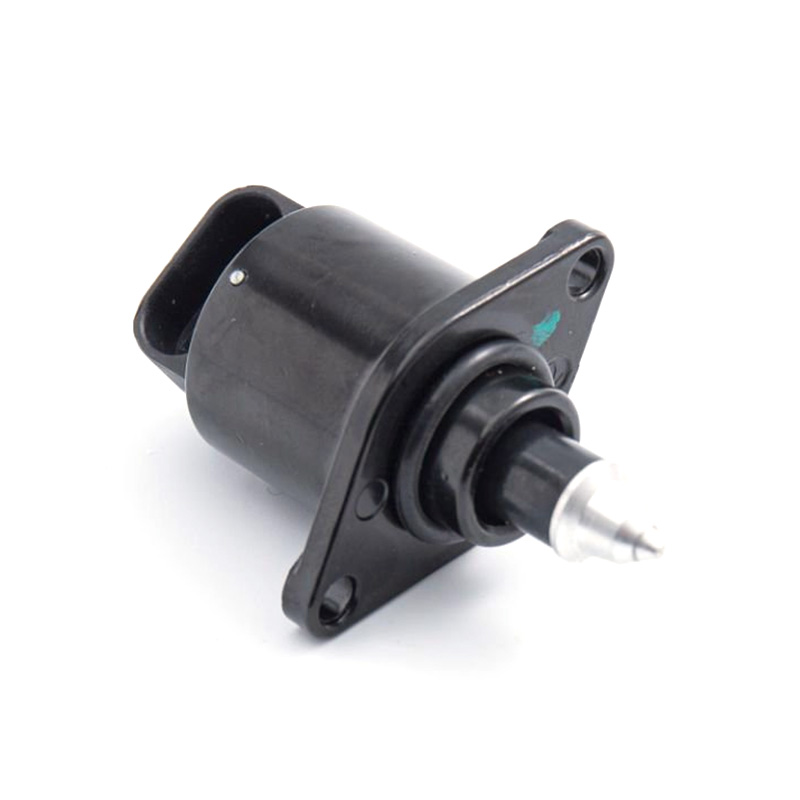
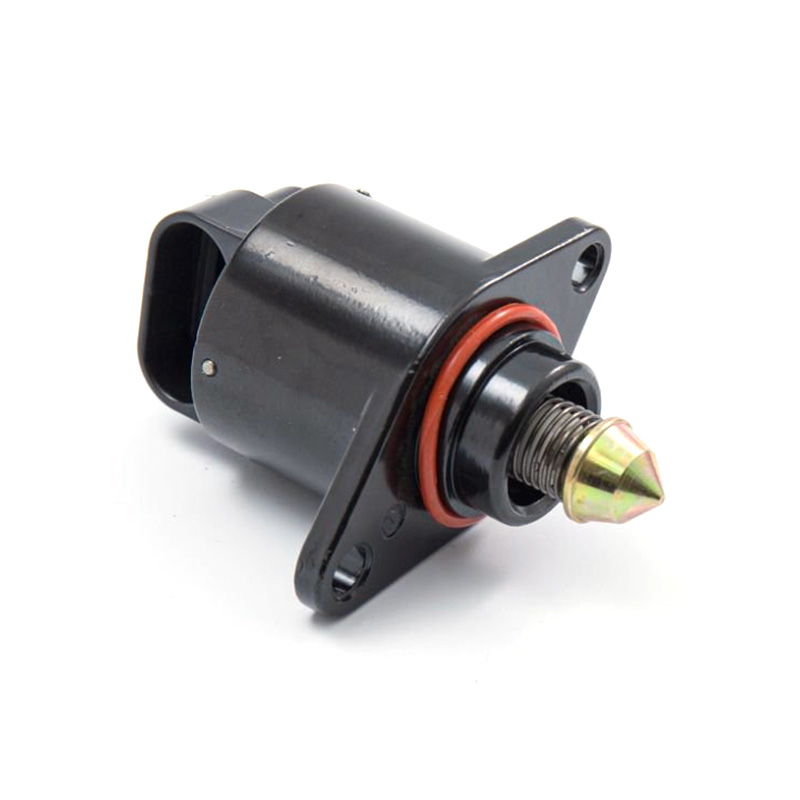
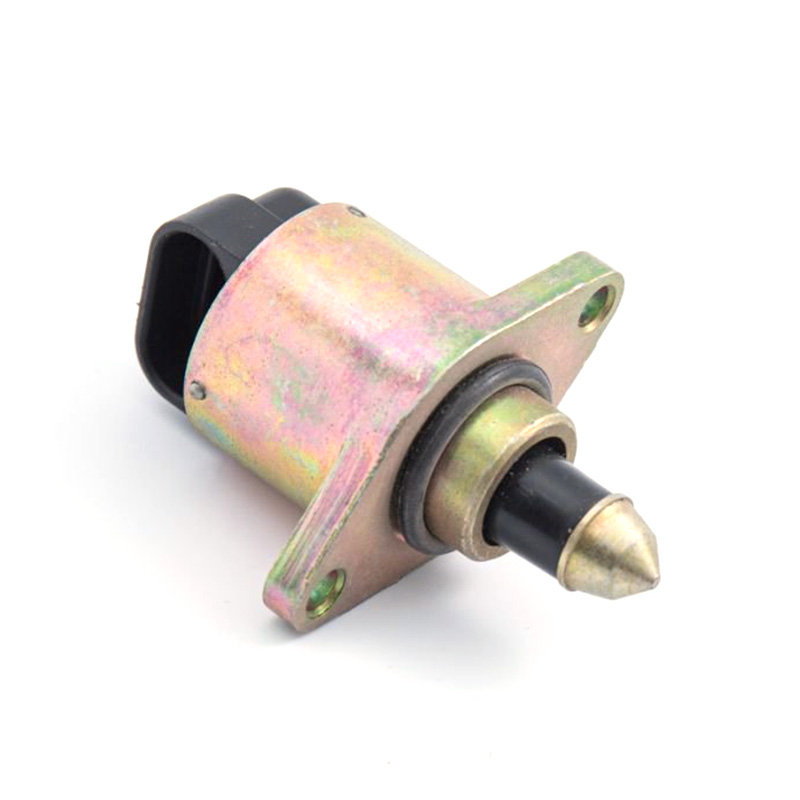
Modern drivers pay more attention to engine behavior than ever before, especially unusual changes during parking, traffic stops, or cold starts. One component often connected with these situations is the automatic idle speed valve. This small but important engine control part manages airflow during idle operation and helps maintain stable RPM without accelerator input.
Although many vehicle owners may not recognize the valve by name, they often notice its warning signs through daily driving experiences. Fluctuating engine speed, rough idling, unexpected stalling, and warning lights can all indicate that the idle control system needs inspection. The automatic idle speed valve, also known as an idle air control valve or idle speed control valve, regulates bypass air around the throttle plate according to ECU commands.
Traditional throttle systems rely on an idle control valve to manage additional air flow while the throttle remains closed. The engine control unit adjusts the valve position based on factors such as engine temperature, electrical demand, and operating conditions. This allows the engine to maintain a suitable idle speed during different situations.
The automatic idle speed valve has become a frequently searched replacement component because many older vehicles still use this system. Drivers often begin researching the part after experiencing idle-related symptoms rather than during routine maintenance.
Idle control problems usually develop gradually. Drivers may notice small changes before a complete malfunction occurs. Understanding these early signs can help identify the issue before other engine components are replaced unnecessarily.
One of the typical signs of an aging automatic idle speed valve is unstable RPM while the vehicle is stationary. The engine may repeatedly increase and decrease speed because the valve cannot adjust airflow smoothly.
Carbon deposits inside the valve passage are a common reason behind restricted movement. The actuator may still receive electrical signals, but physical movement can become slower or inconsistent. Automotive testing information also notes that carbon contamination can affect idle speed control valve operation even when electrical signals appear normal.
| Driver Observation | Possible Valve Condition | Recommended Inspection |
| RPM rises and falls repeatedly | Irregular airflow adjustment | Check valve movement and air passage |
| Engine shakes at idle | Unstable idle regulation | Inspect valve and throttle area |
| Engine stops after slowing down | Insufficient bypass air supply | Test idle control response |
Many drivers notice idle problems after turning on the air conditioner, headlights, or other electrical equipment. These systems increase engine load, requiring additional airflow compensation.
A healthy automatic idle speed valve responds by adjusting the bypass air volume so the engine can maintain stable operation. A slow or sticking valve may fail to provide enough adjustment, causing RPM drops or rough operation.
Cold engines require different airflow control compared with fully warmed engines. During startup, the idle valve helps increase airflow until normal operating conditions are reached.
Drivers may notice extended warm-up periods, uneven engine speed, or hesitation shortly after starting. These symptoms can appear gradually as internal valve components experience wear or contamination.
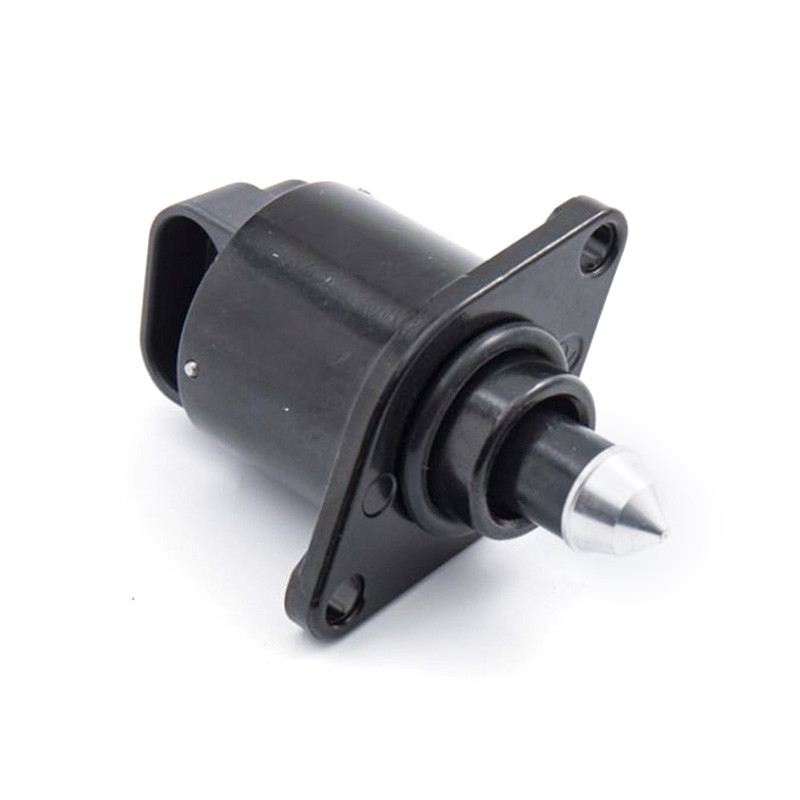
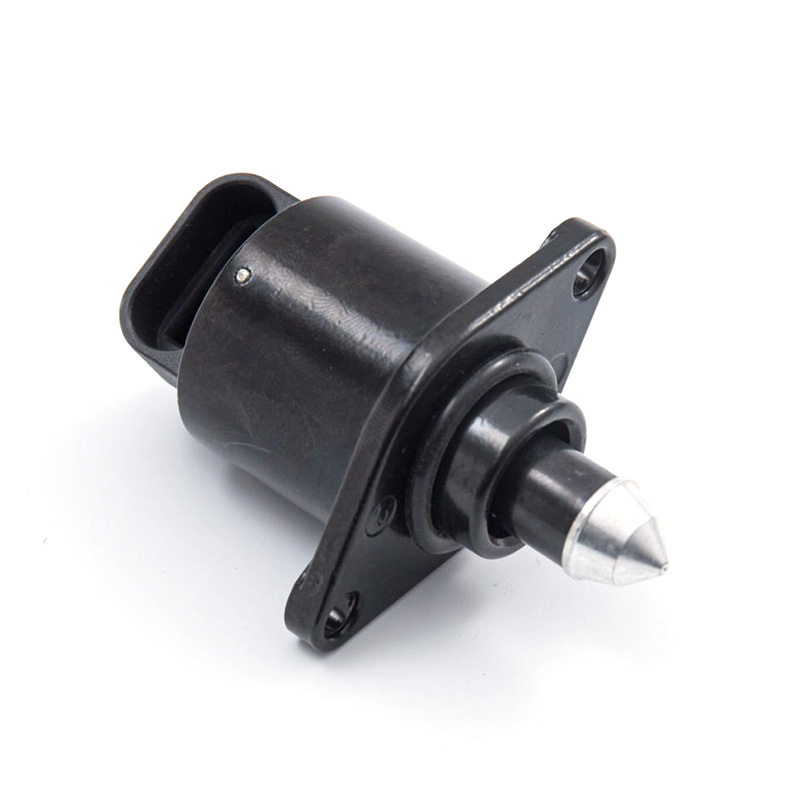
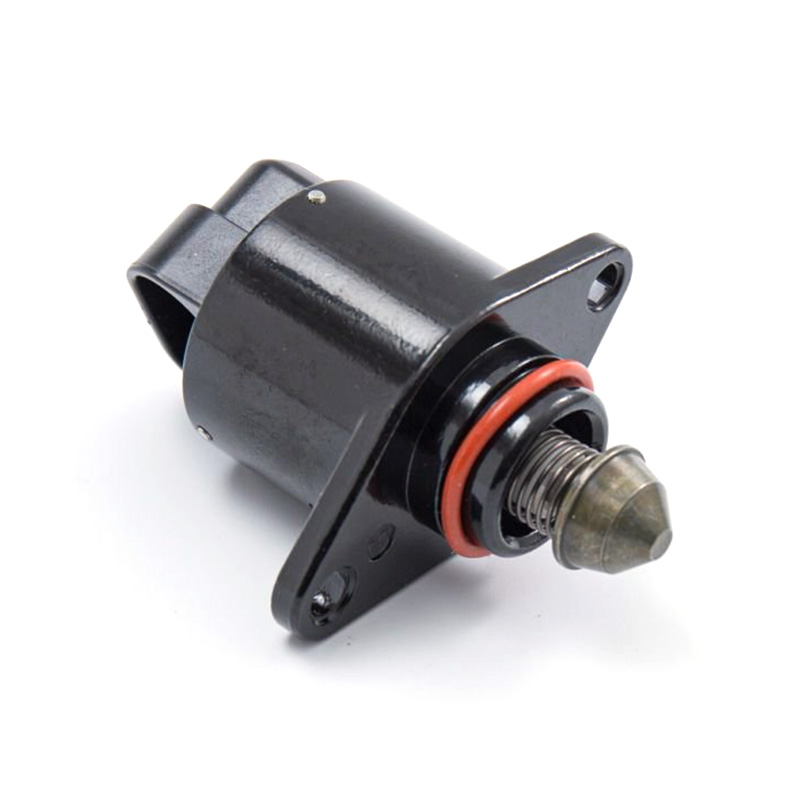
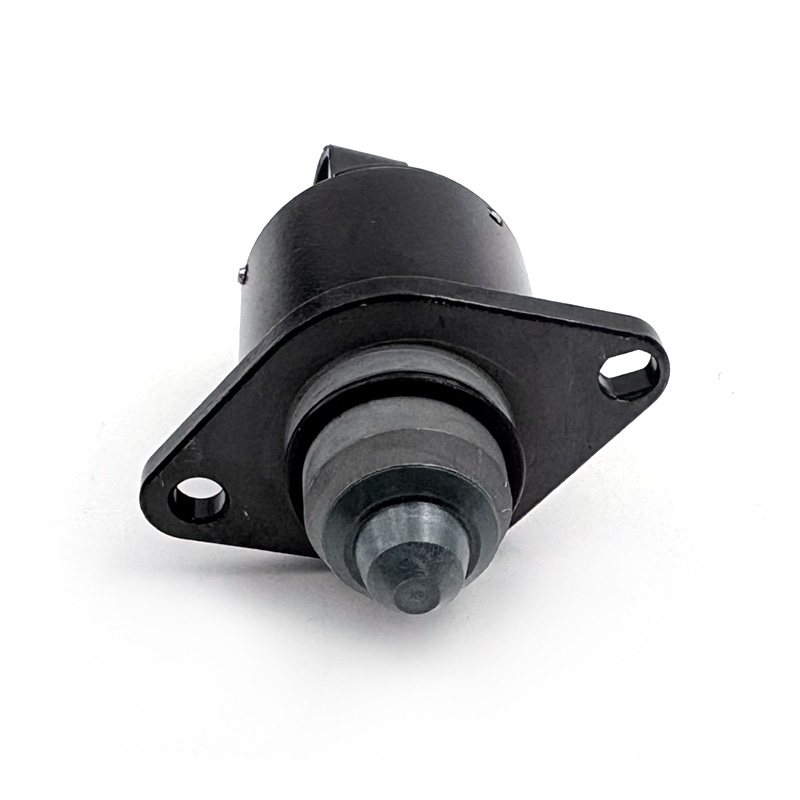
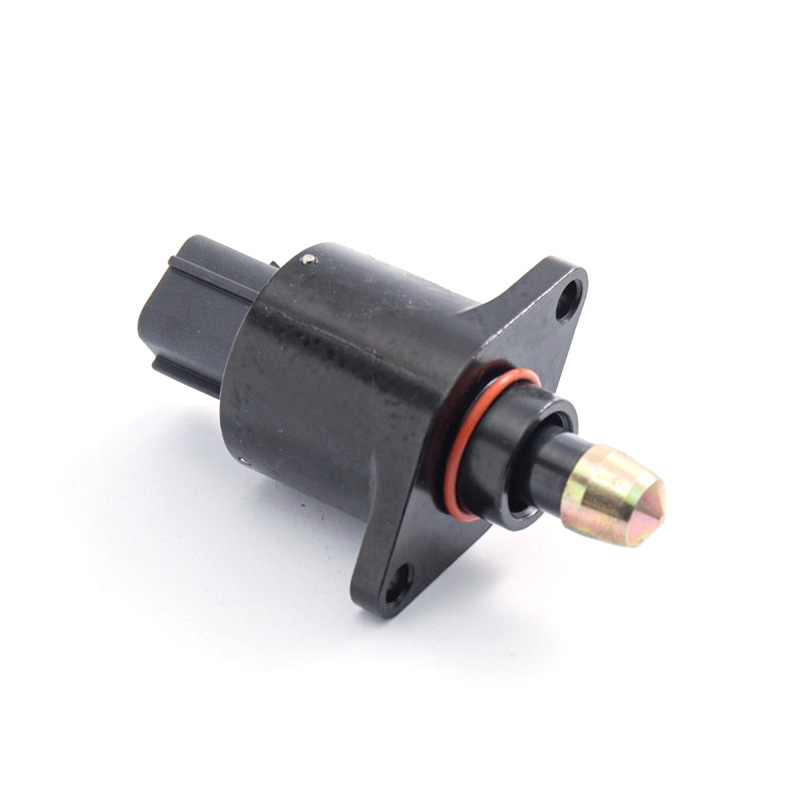
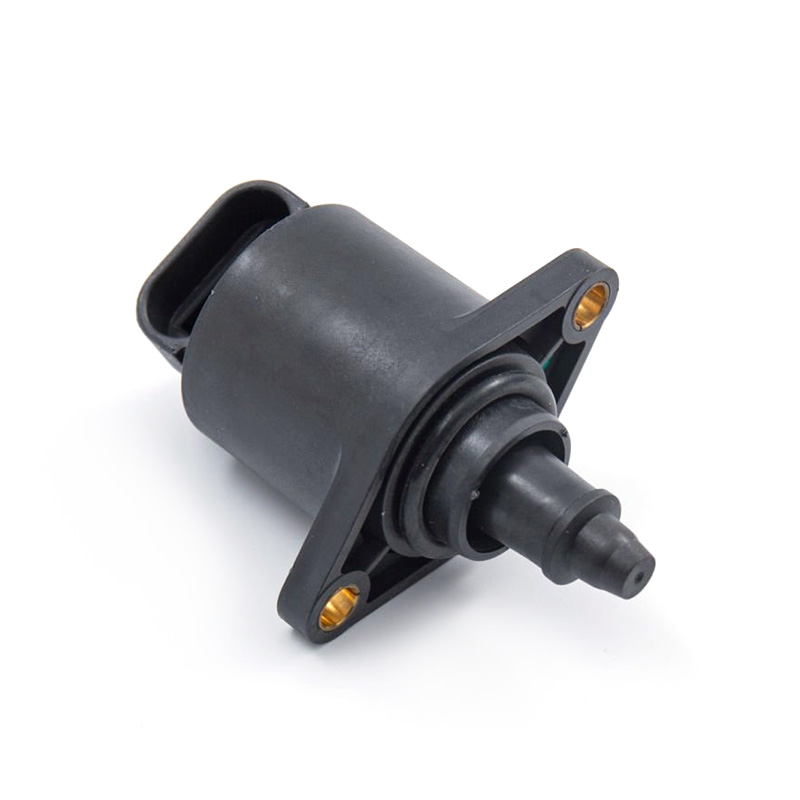
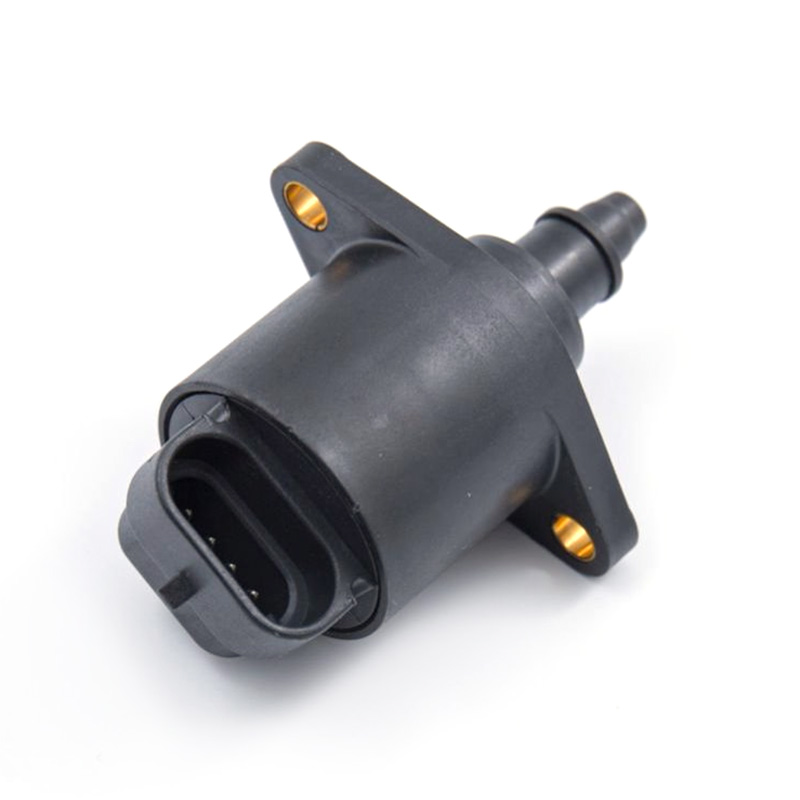
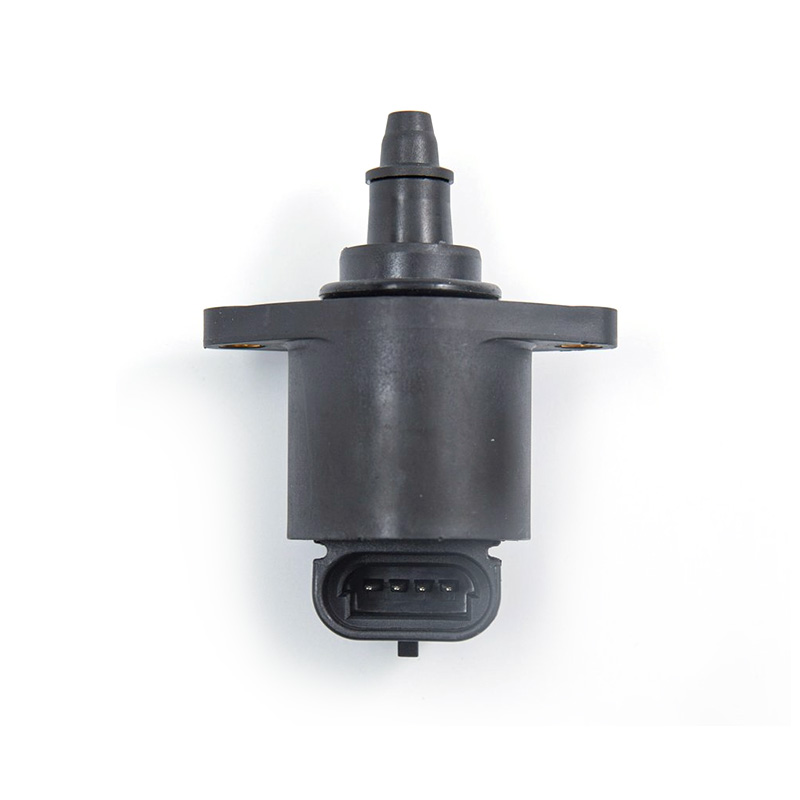
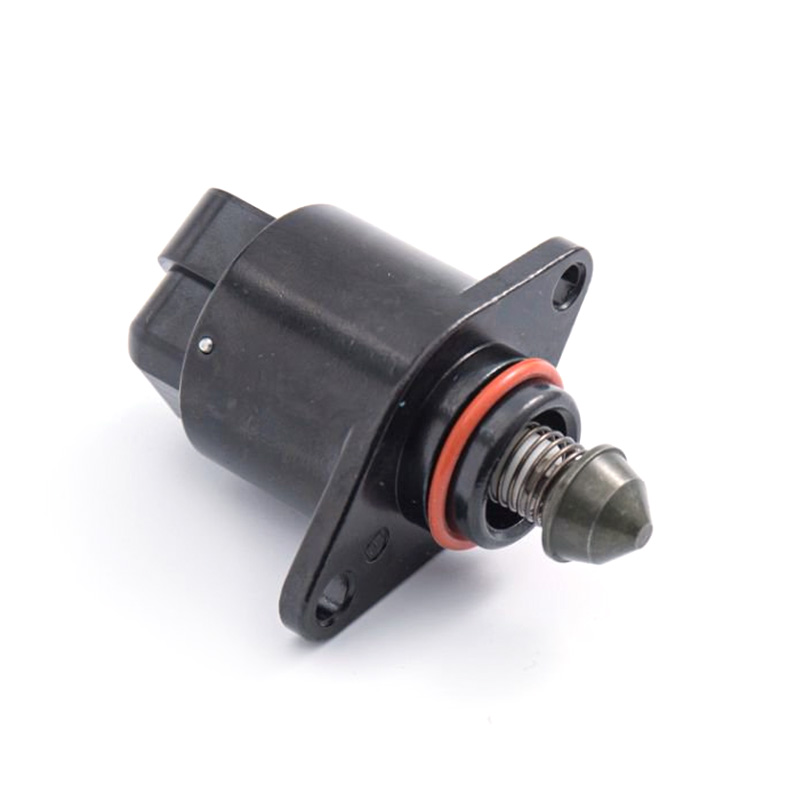
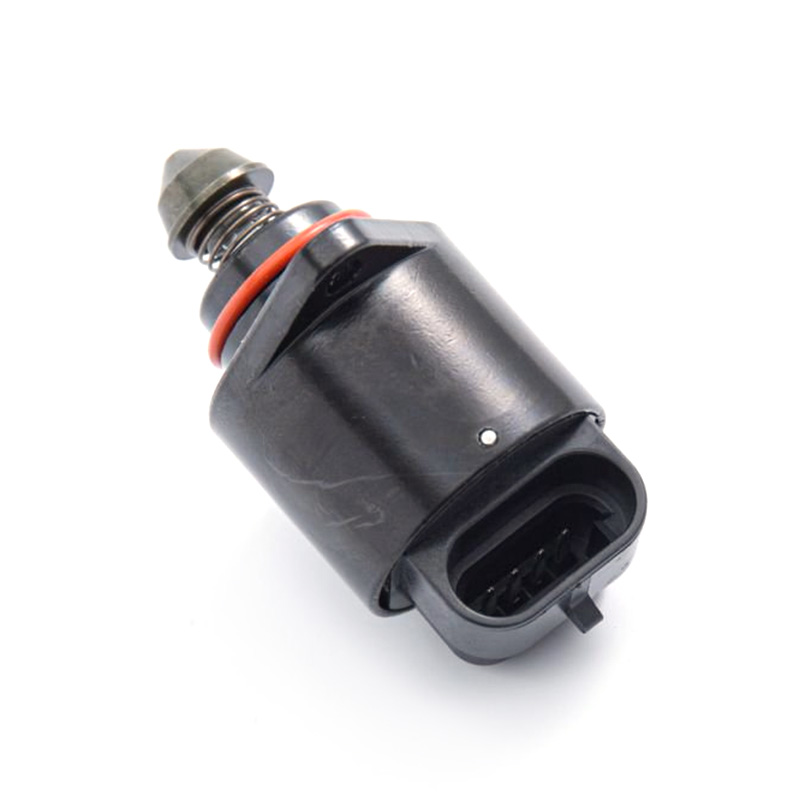
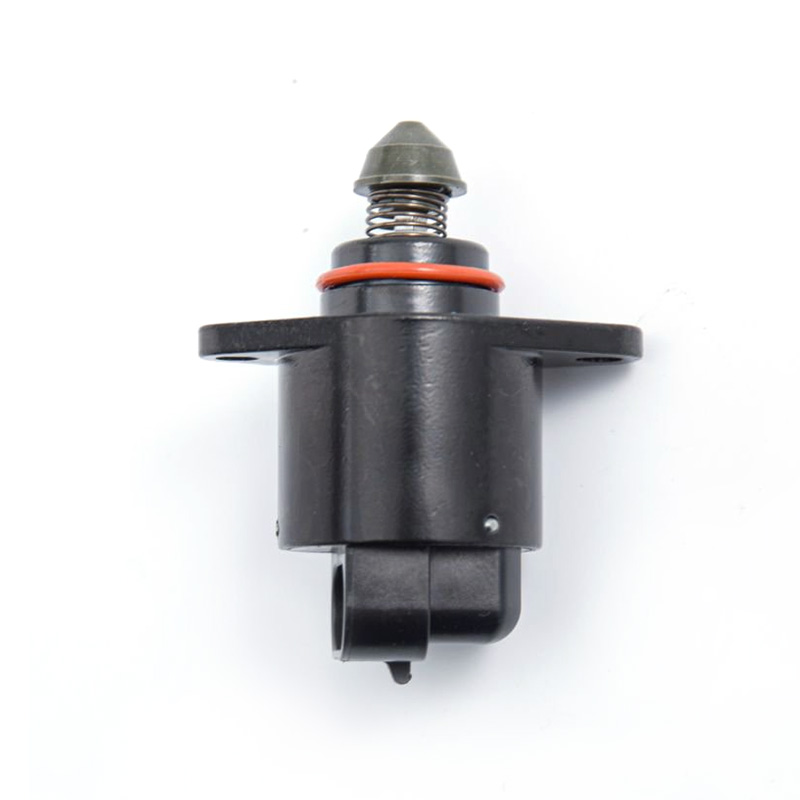
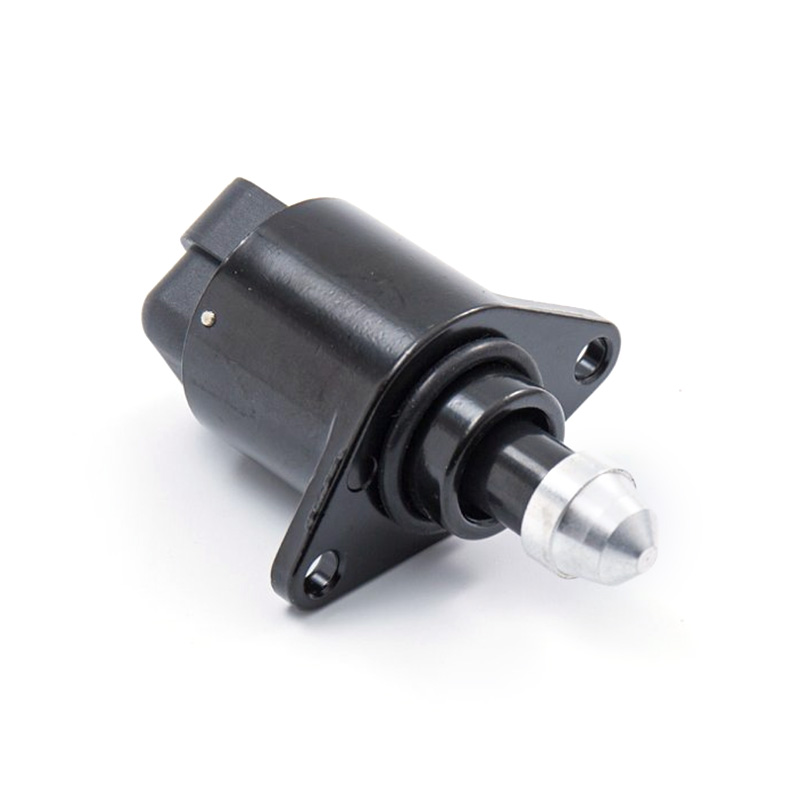
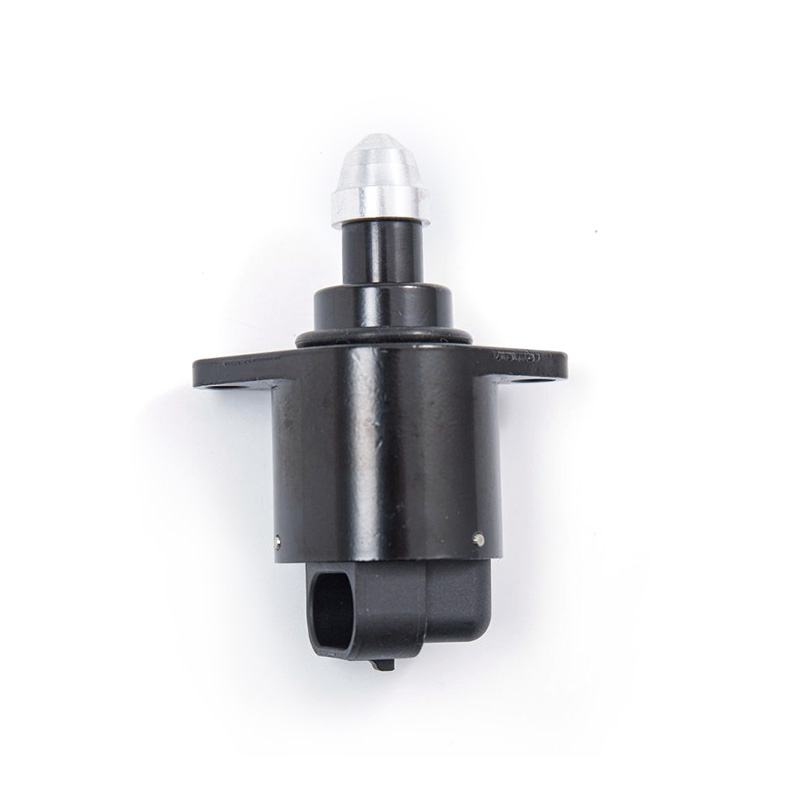
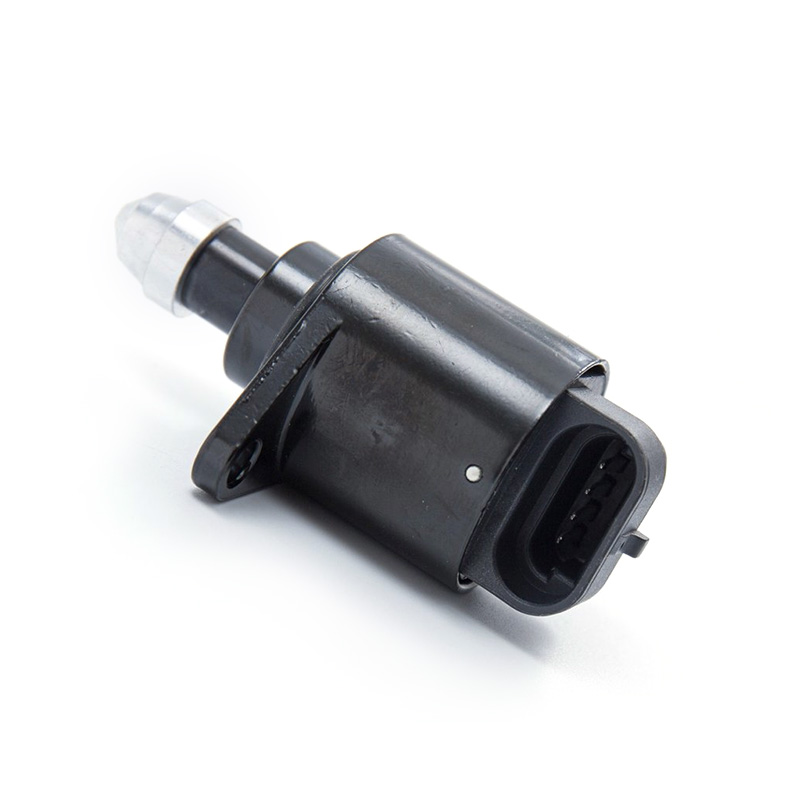
The design of an idle speed valve varies by vehicle manufacturer, but many units share similar operating principles. The component normally contains an electric actuator, valve mechanism, airflow channel, and connector assembly.
| Valve Section | Function |
| Electric actuator | Receives ECU signals and controls valve movement |
| Air bypass passage | Allows controlled air flow around throttle plate |
| Valve mechanism | Adjusts airflow volume according to engine demand |
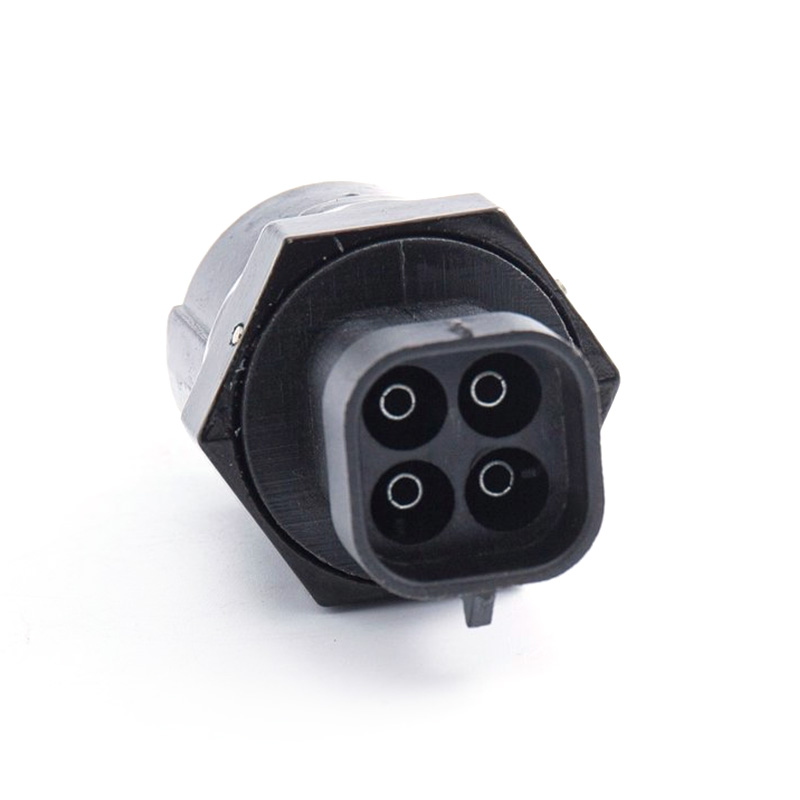
| Connector terminal | Transfers electrical signals between ECU and valve |
Replacing an automatic idle speed valve immediately may not always solve idle concerns. Several other engine conditions can create similar symptoms, making proper inspection important.
A diagnostic scanner can help identify related trouble codes. Idle control issues may appear with codes associated with idle regulation systems, such as P0505 series faults, although additional inspection is required because multiple problems can trigger similar warnings.
Drivers researching an automatic idle speed valve should consider more than appearance. Proper matching depends on vehicle application, connector design, airflow characteristics, and original operating requirements.
Automotive technology continues to change, and many newer vehicles use electronic throttle bodies instead of separate idle control valves. However, a large number of older vehicles still rely on automatic idle speed valve systems for engine speed management.
Replacement demand remains active because vehicle owners continue maintaining existing cars rather than replacing them. Improved manufacturing processes, better actuator designs, and more accurate airflow control continue shaping the aftermarket idle valve sector.
Small changes in engine behavior often provide early clues about idle control system conditions. Drivers who notice RPM fluctuation, unstable stops, or unusual startup behavior should inspect the idle airflow system before the issue becomes more difficult to diagnose.
The automatic idle speed valve plays an important role in maintaining smooth engine operation by controlling airflow during idle conditions. Understanding its function, common symptoms, and inspection points helps vehicle owners make better repair decisions and keep engine performance consistent.
Related Products
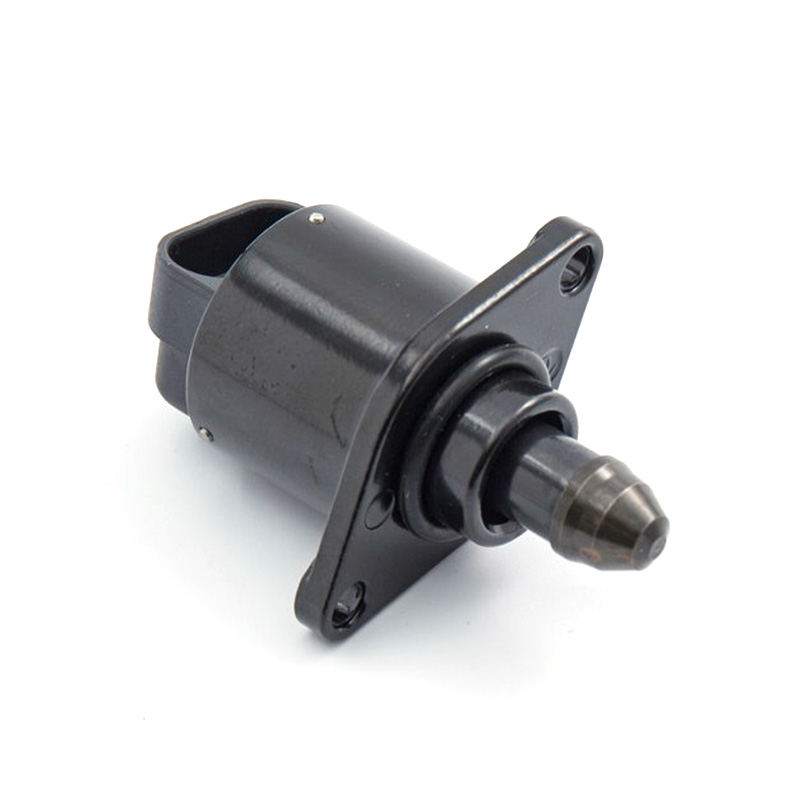
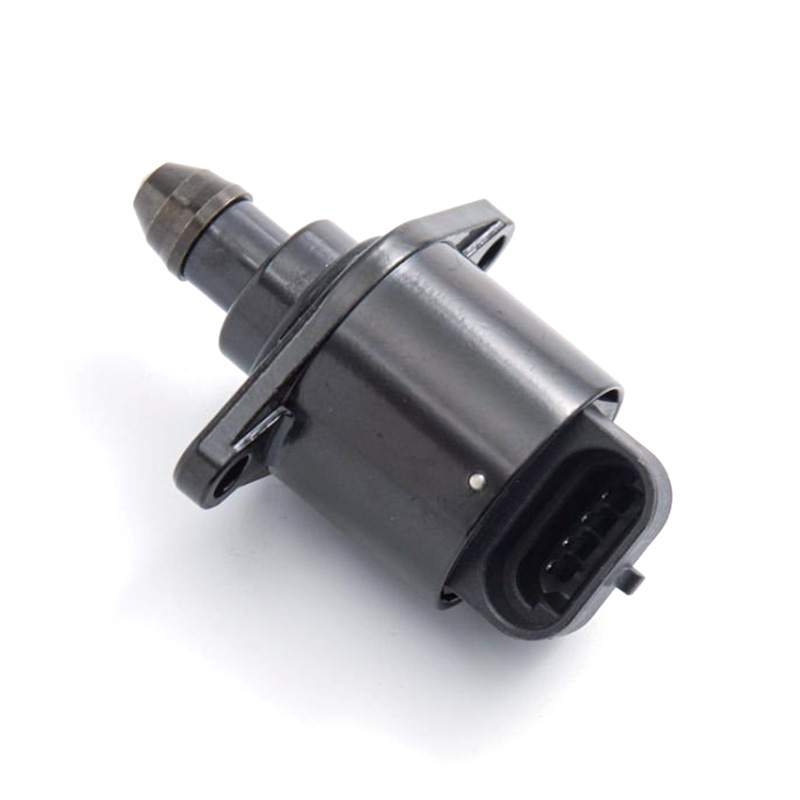
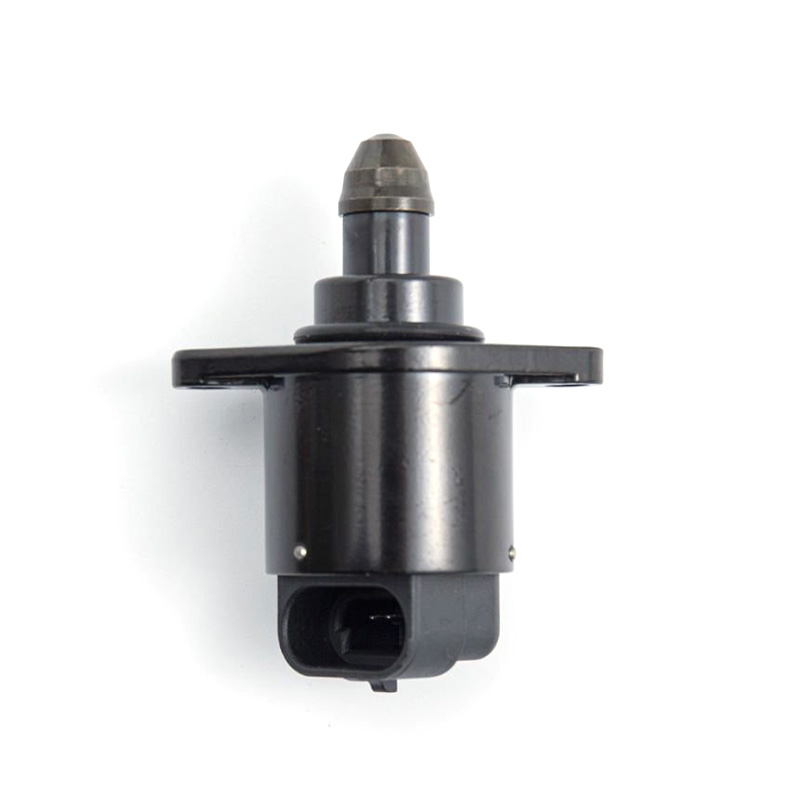
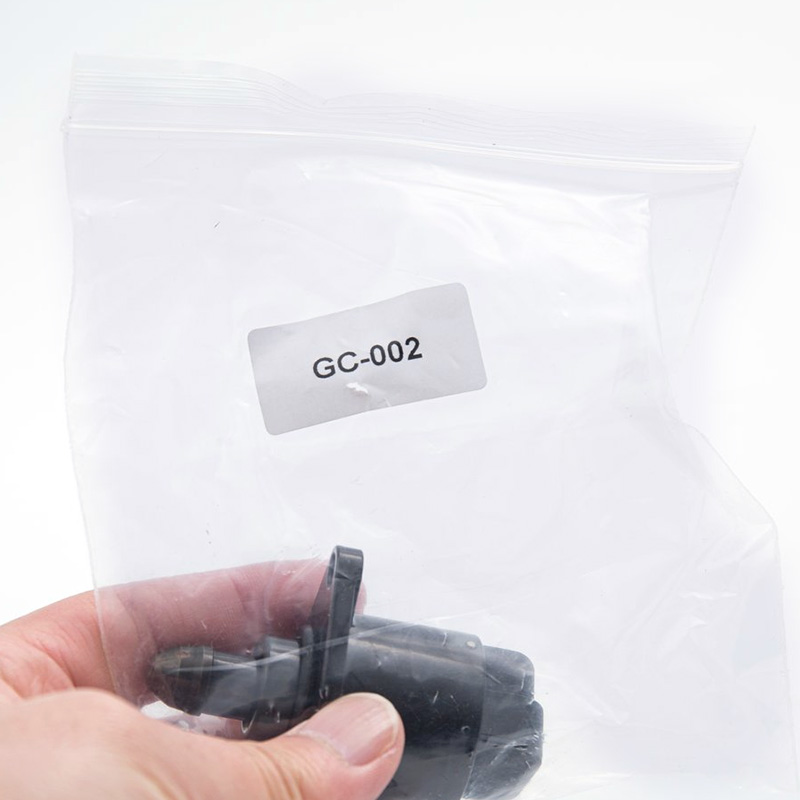
GC-002
REFERENCE OE:
SHORT CODE: B95/00
PEUGEOT: 1920X9 C95197
APPLICATION:
PEUGEOT 306 Break/Cabriolet/Schraqheck;PEUGEOT 405 II Break; PEUGEOT 406 Break/Coupe;
PEUGEOT 605 806;PEUGEOT BOXER Bus/Kasten/Pritsche/Fahrqestell
China original factory for idle air control valve and different kind of sensors with high quality and competitive price!
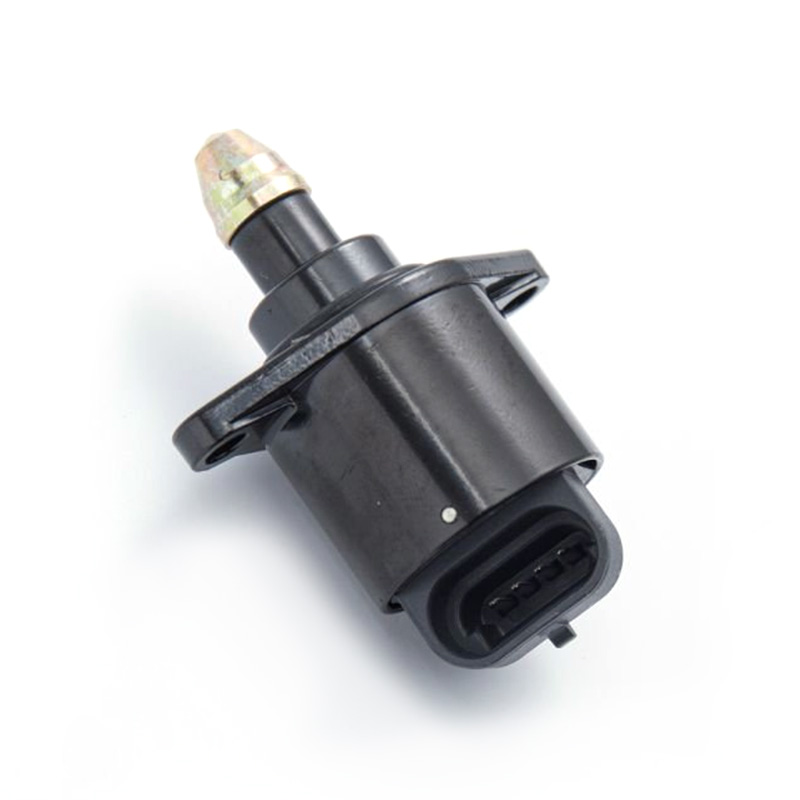
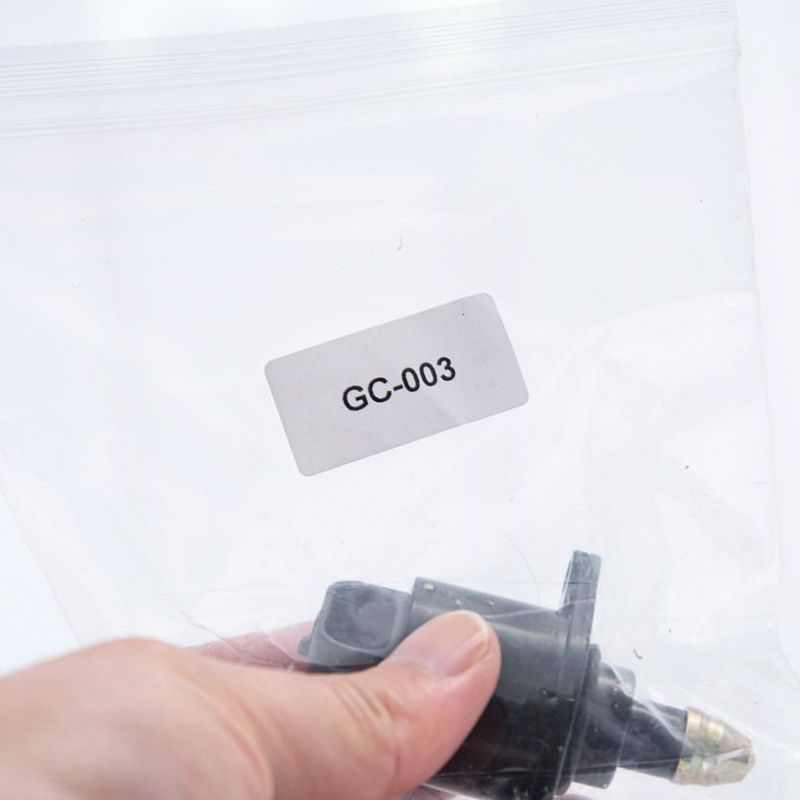
GC-003
REFERENCE OE:
SHORT CODE:B04/01 D5131
MARELLI:230016079057
PEUGEOT:1920N1
SIMENCE:A95269
APPLICATION:
PEUGEOT 306 Break/Cabriolet/Schraqheck;PEUGEOT 405 II Break; PEUGEOT 406 Break/Coupe;
PEUGEOT 605 806;PEUGEOT BOXER Bus/Kasten/Pritsche/Fahrqestell
China manufacture for wholesale and retail, idle air control, crankshaft valve, camshaft valve, Throttle position sensor, and many kind of sensors.
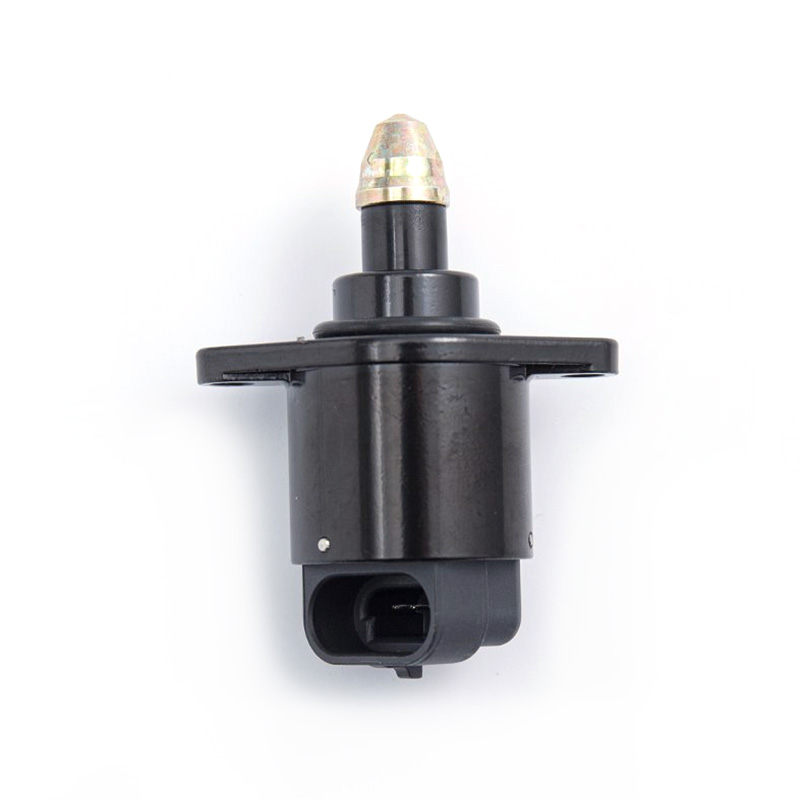
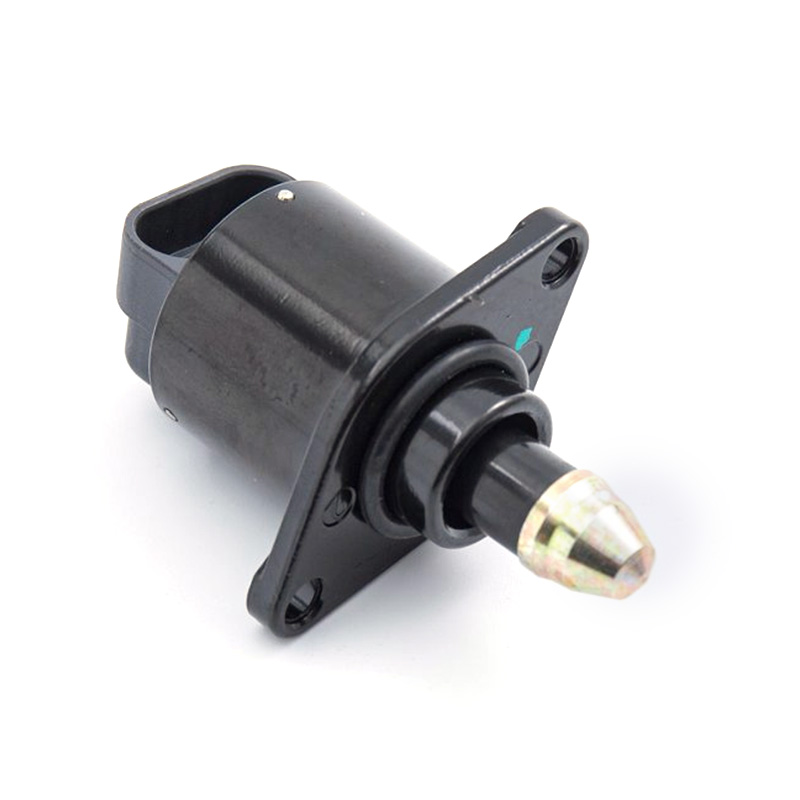
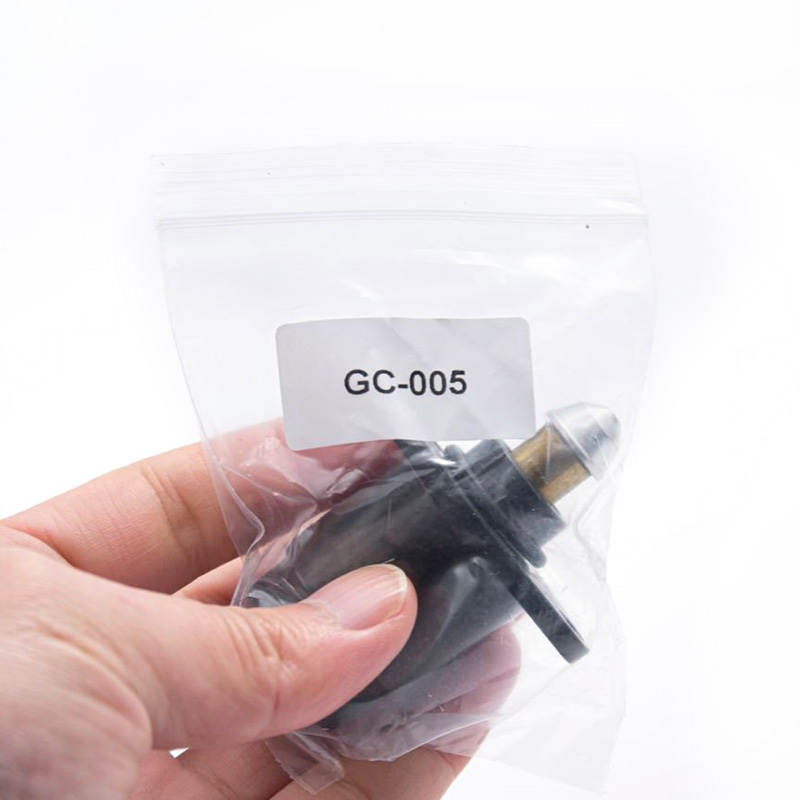
GC-005
REF OE:
HOT-STAMP:B22/00 B22/01
PEUGEOT:19204X
SIMENCE:A97104 A97113 B22/00 B22/01 19204X A97104 A97113
APPLICATION:
CITROEN BERLINGO(MF)1.8i(MFLFX)4WD(MFLFX);CITRO XANTIA/Break(X1)/(X2)1.8i/1.8i 16V;CITRO XSARA(N1)1.8i/1.8i 16V;Break(N2) 1.8i/1.8i 16V;Coupe(N0)1.8i/1.8i 16V;
PICASSO(N68)1.8 16V;PEUGEOT 306/Break/Cabriolet/Schraqheck;PEUGEOT 406/Break;PEUGEOT PARTNER Combispace(5F)1.8
China Auto Parts Manufacture with Wholesale Price for Idle Air Control Valve,Crankshaft Position Sensor,Camshaft Position Sensor,Throttle Position Sensor.
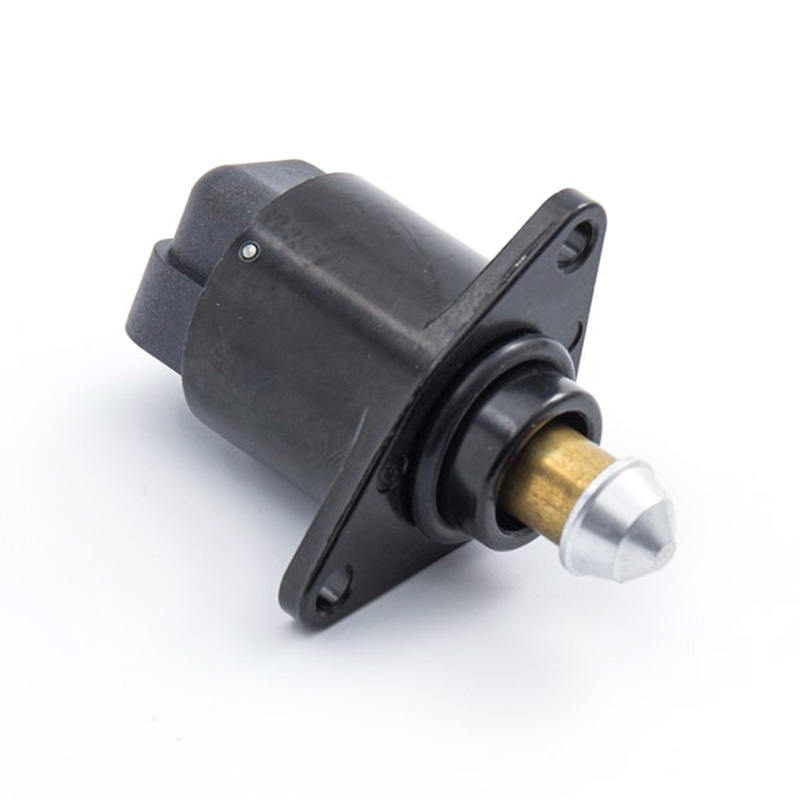
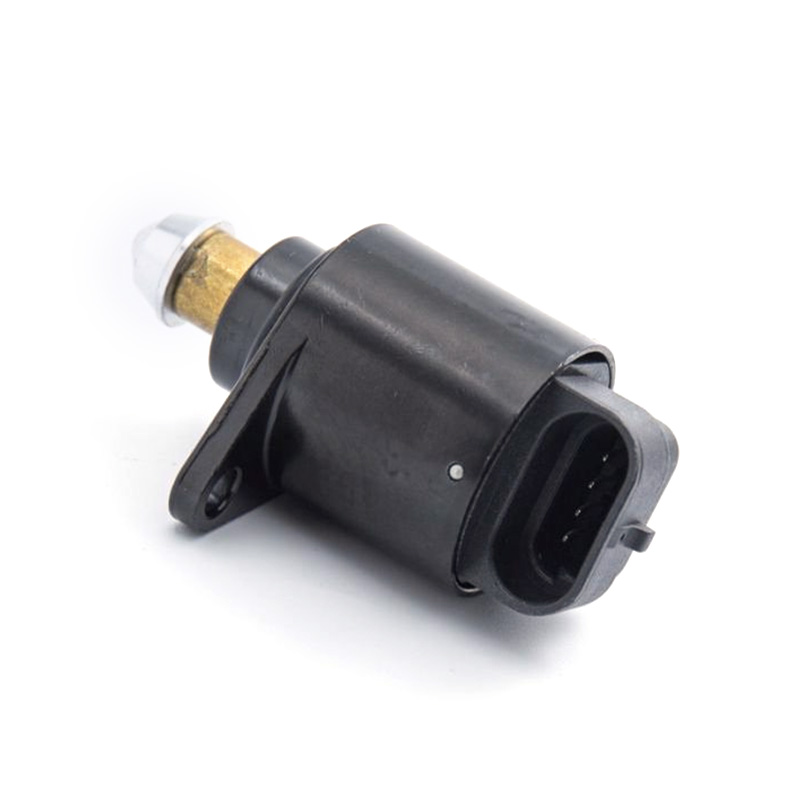
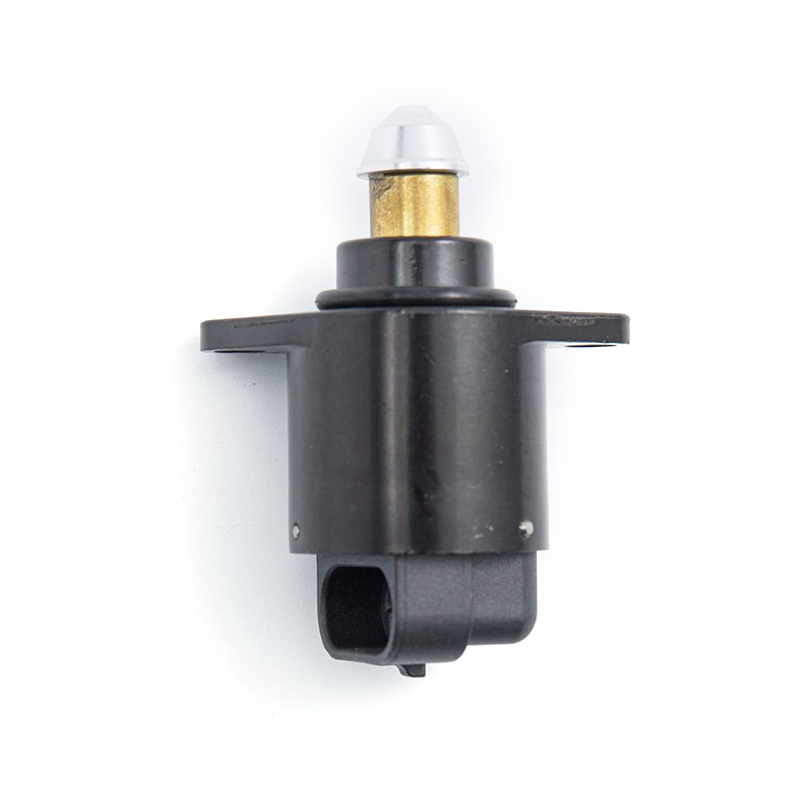
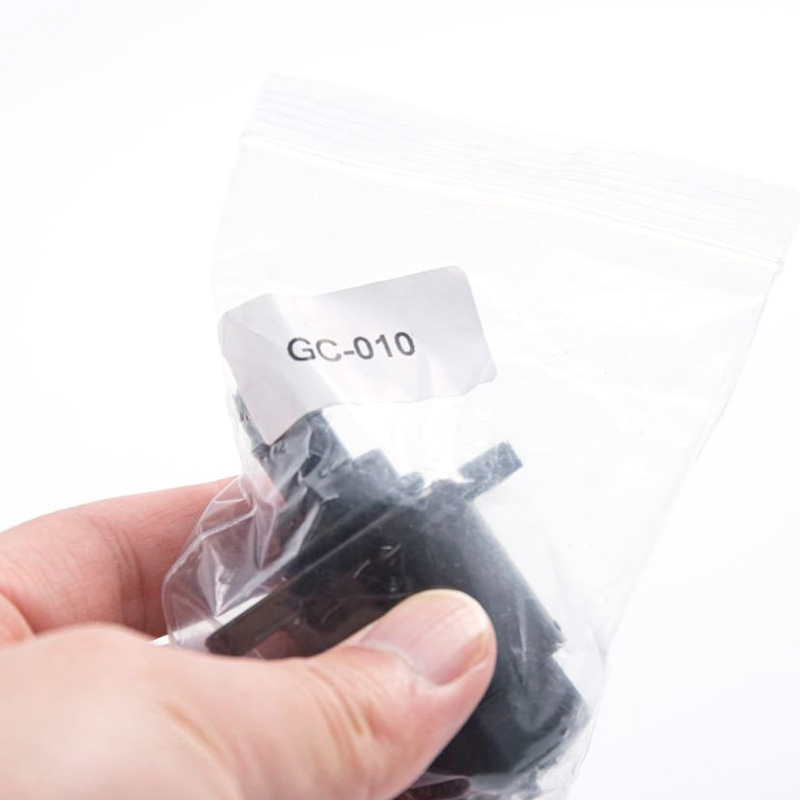
GC-010
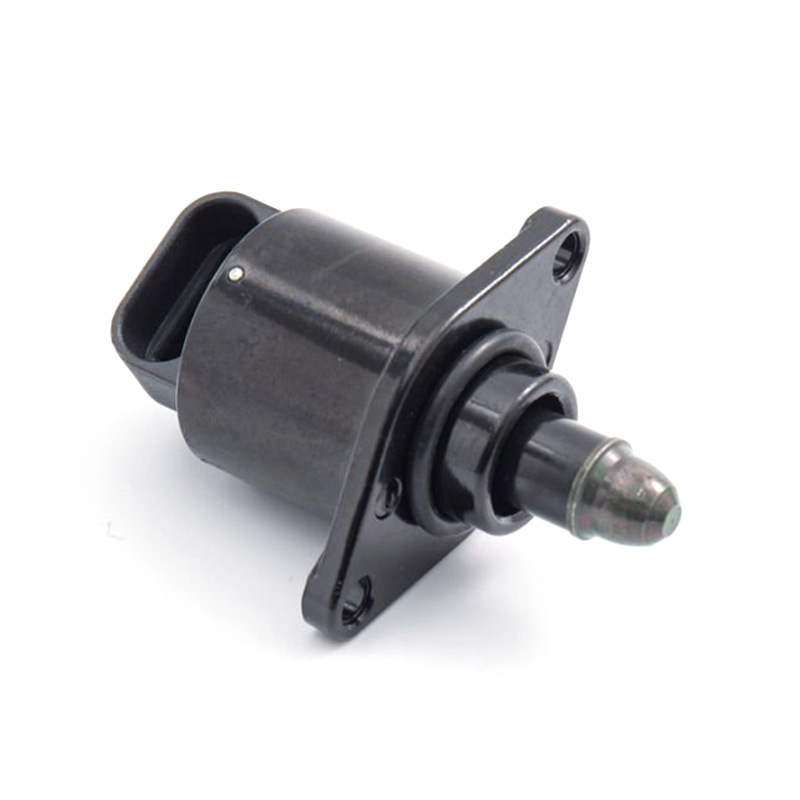
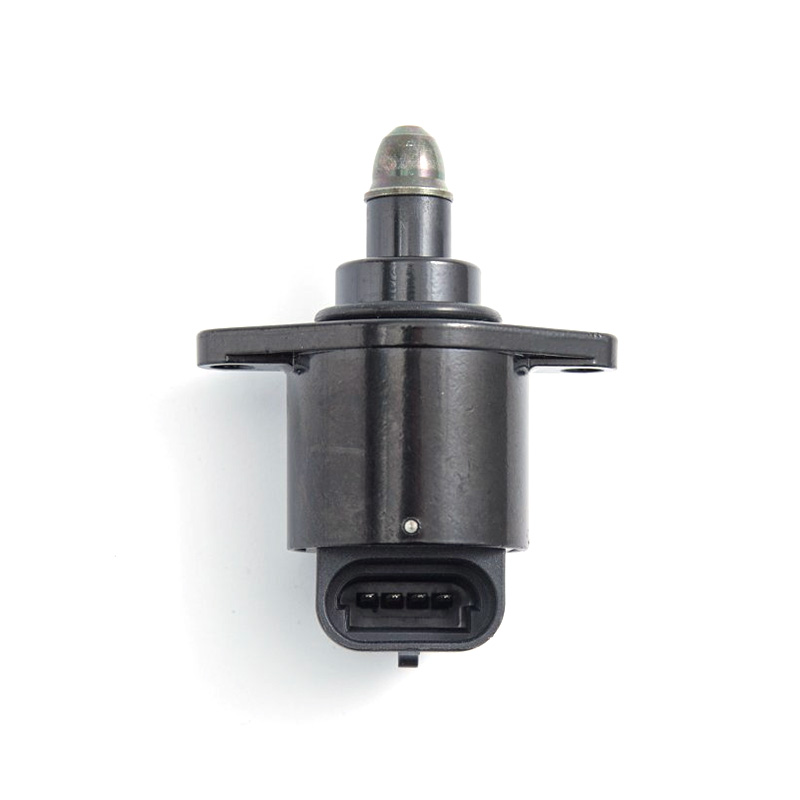
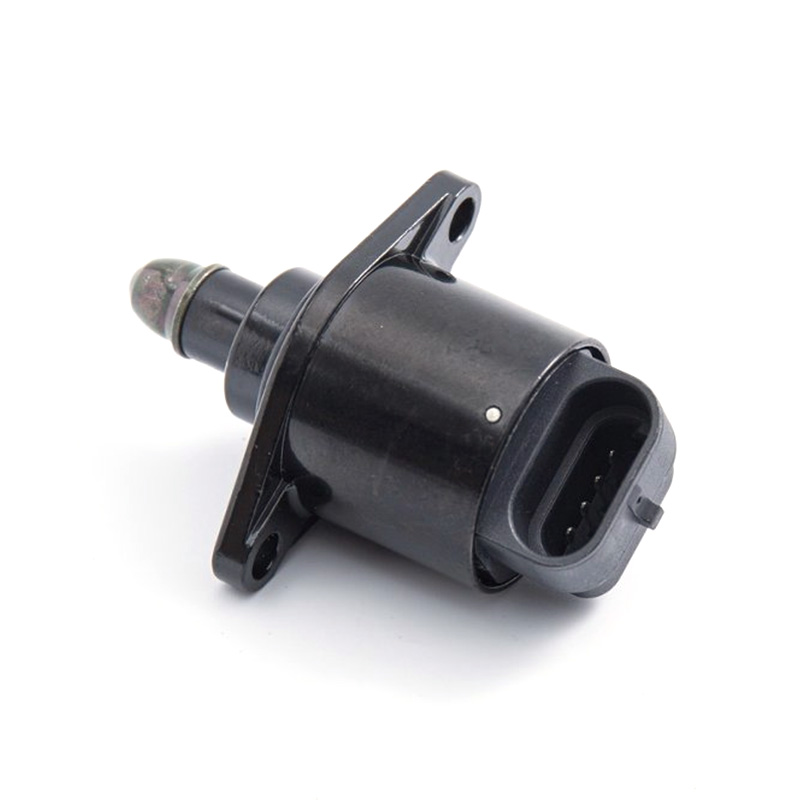
REF OE:
SHORT CODE: D5184
APPLICATION:
FIAT PALIO/SIENA-VW GOL 1000,TEMPRA;
VALVE IACV CHEV N300
Factory direct from China for idle air control valve,first choice to buying.
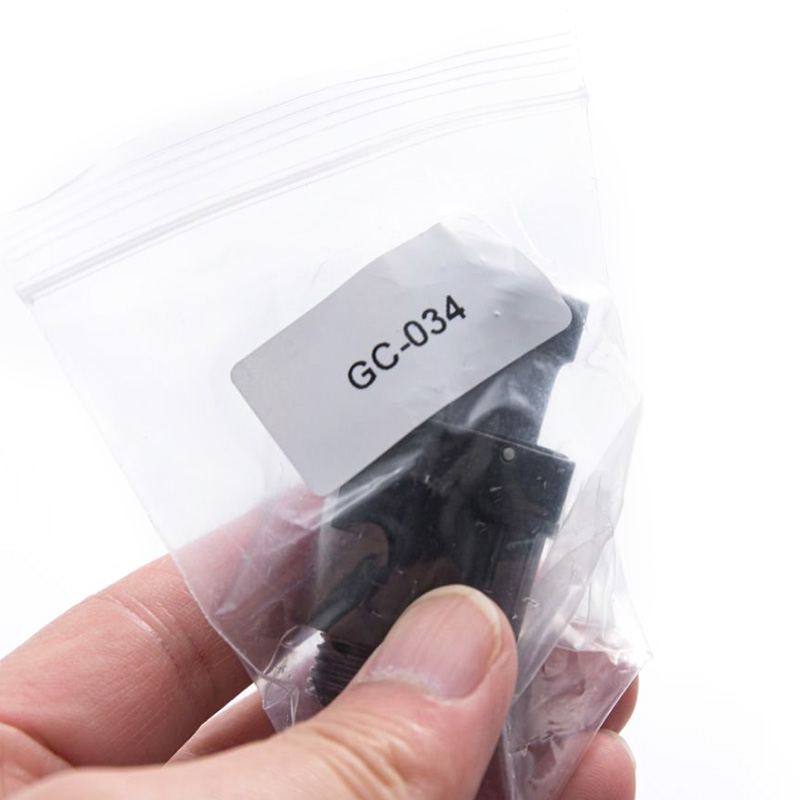
GC-034
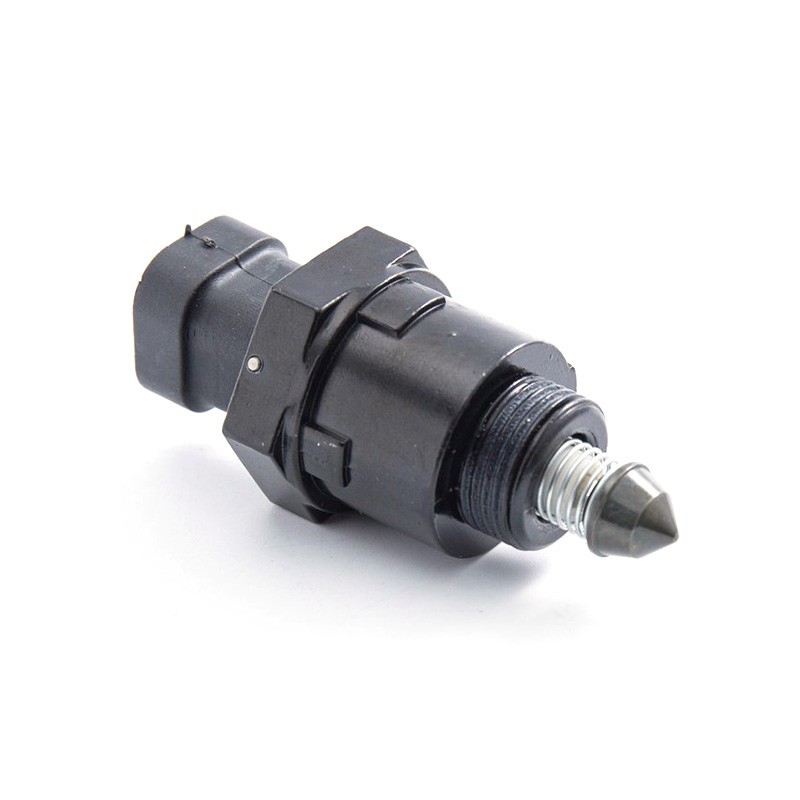
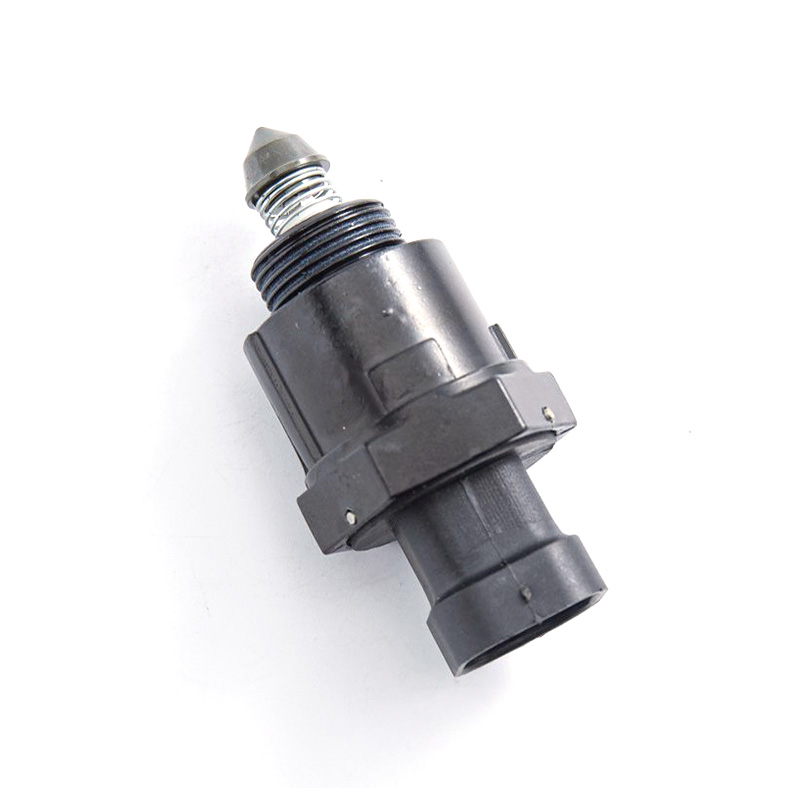
REFERENCE OE:
STD:AC16 WELLS:AC114 OEM:C403056730 17112193, 217415
APPLICATION:
LAND ROVER;
1985-1994 Astro)
1992-1995 Suburban
1988-1995y C1500 pickup
1988-1995y K1500 pickup
Idle air control valve from China factory for Land Rover.
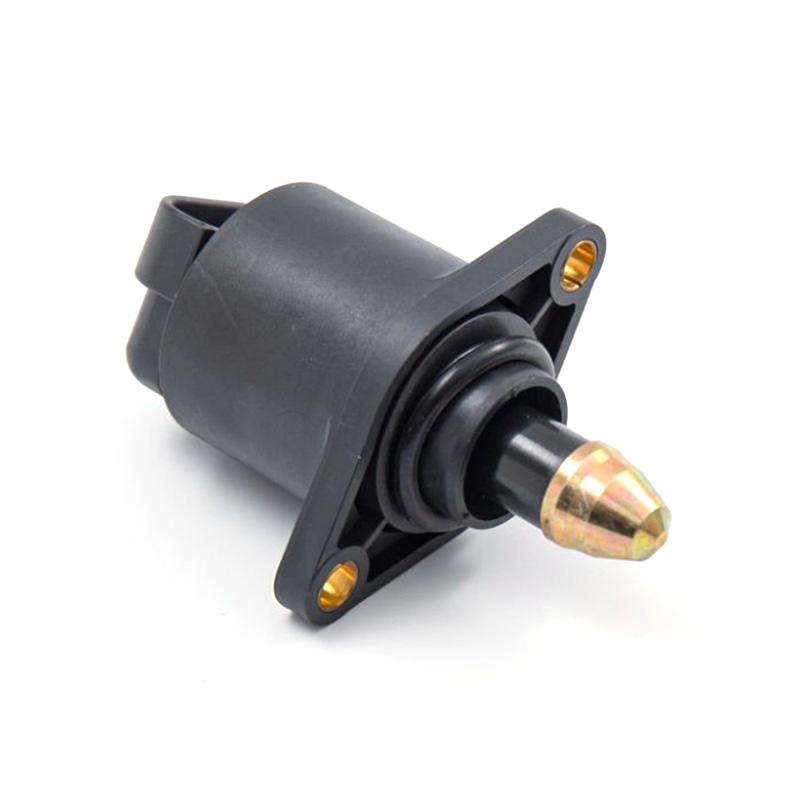
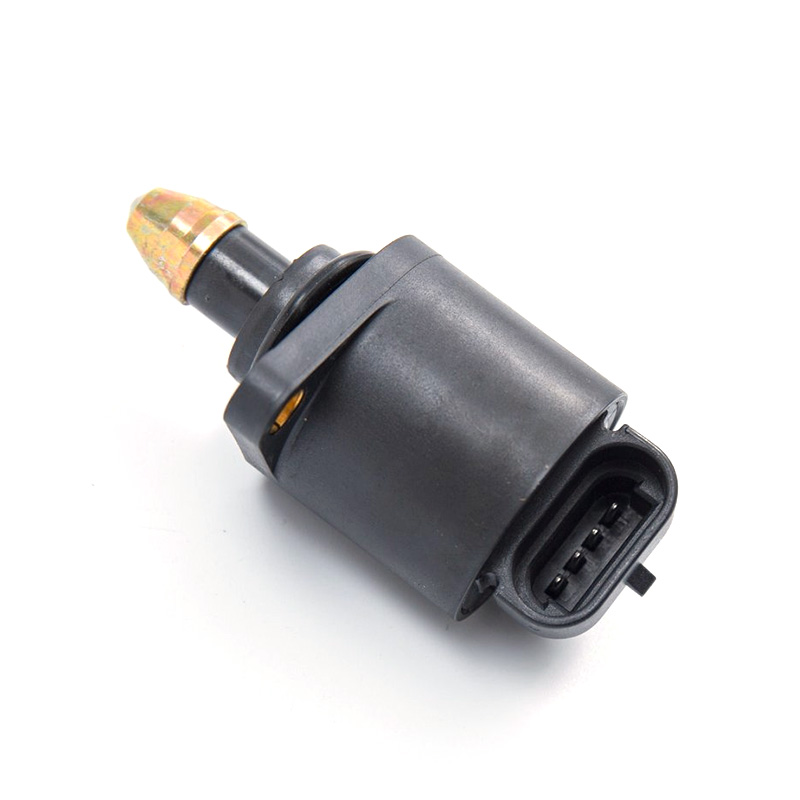
GC-040
REFERENCE OE:
SHORT CODE:B04/01 D5131
MARELLI:230016079057
PEUGEOT:1920N1
SIMENCE:A95269
APPLICATION:
PEUGEOT 205 I Cabriolet(741B,20D)1.6CJ;
PEUGEOT 205 II(20A/C)1.6 Aut;
PEUGEOT 306(7B,N3,N5)1.8/2.0ST;
306 Break(7E,N3,N5)1.8;
PEUGEOT 306 Cabriolet(7B,N3,N5)1.8/2.0ST;
PG 306 Schraqheck(7A,7C,N3,N5)1.8/2.0 Xsi;
PG 309 II(3C,3A)1.6;
PG 405/Break(15B)1.6;
PG405 II(4B)1.6/1.8/2.0/2.0 X4;
PG 406;PG 806;PG BOXER Bus
Idle air control valve from China factory for Peugeot 205 306.
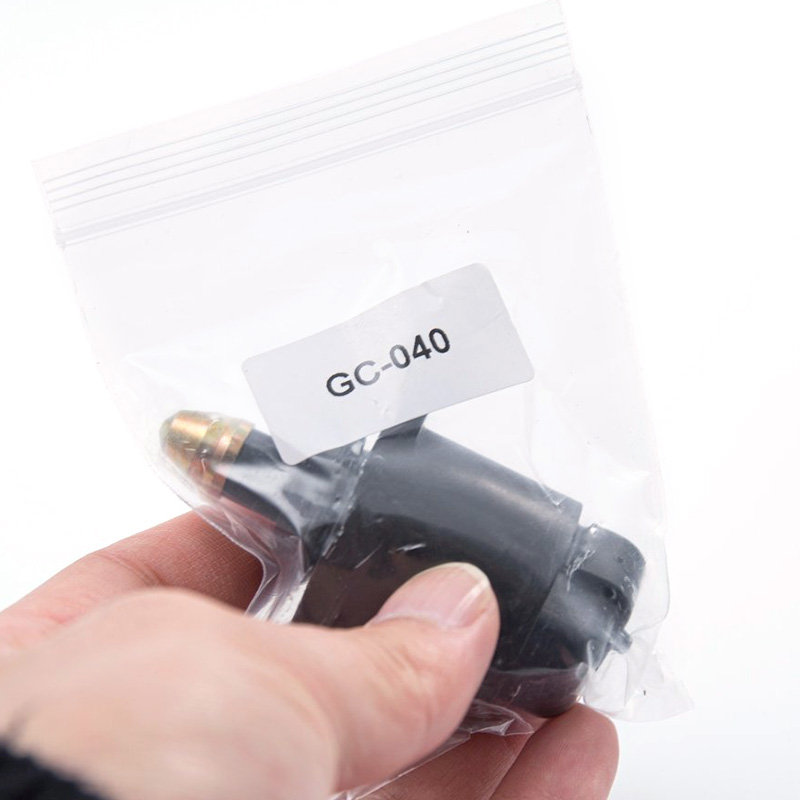
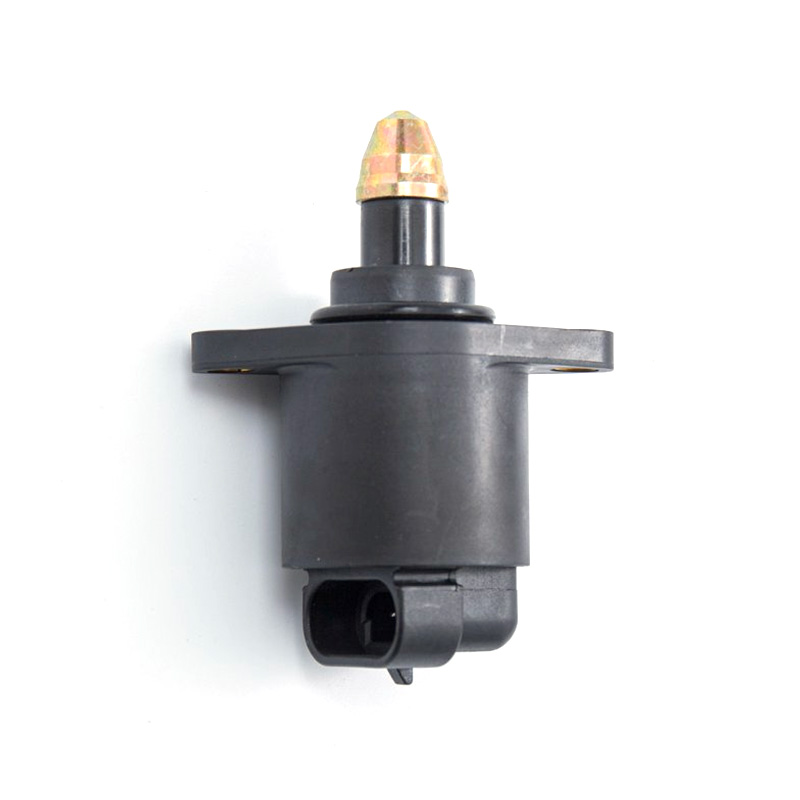
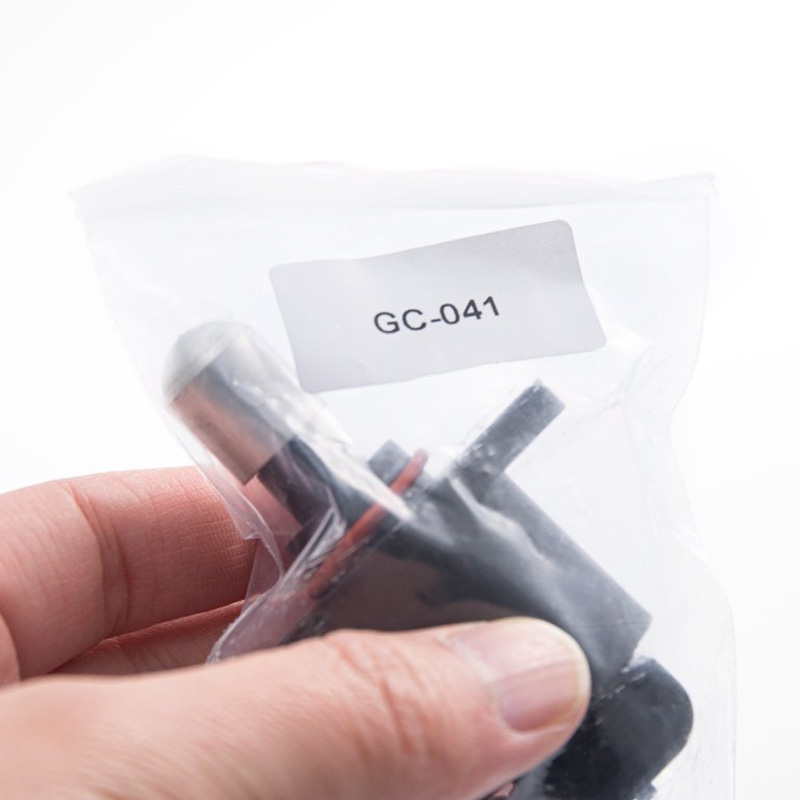
GC-041
REFERENCE OE:
R008/2243
APPLICATION:
KIA GAS
Idle air control valve from China factory for Kia.
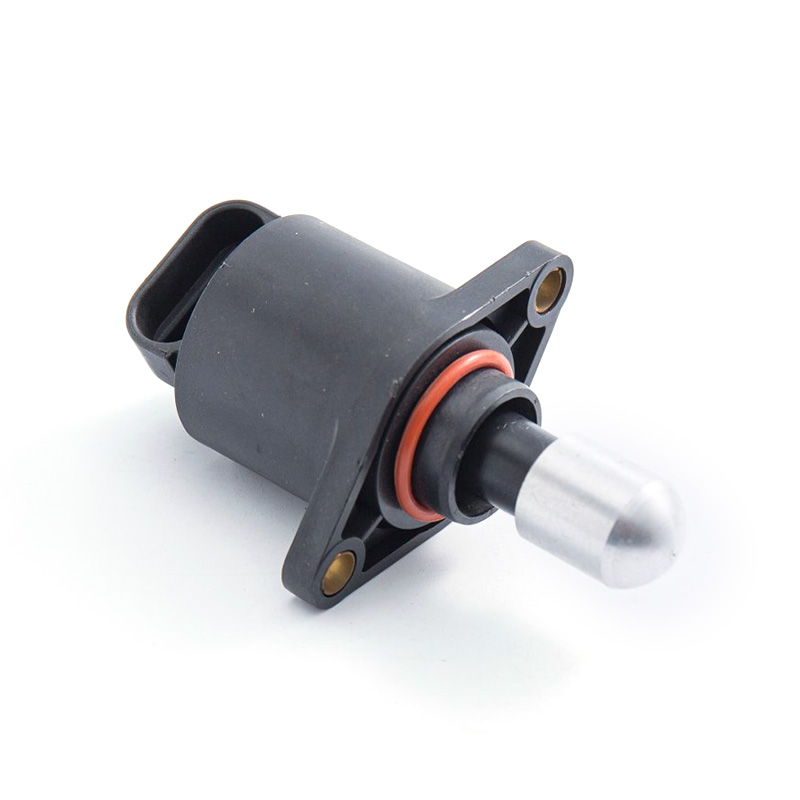
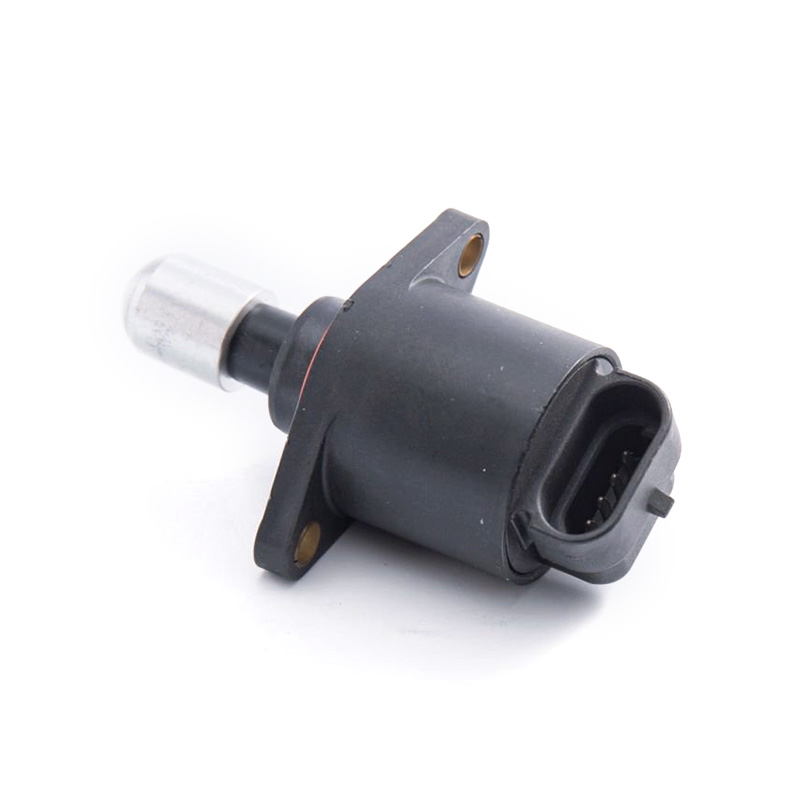
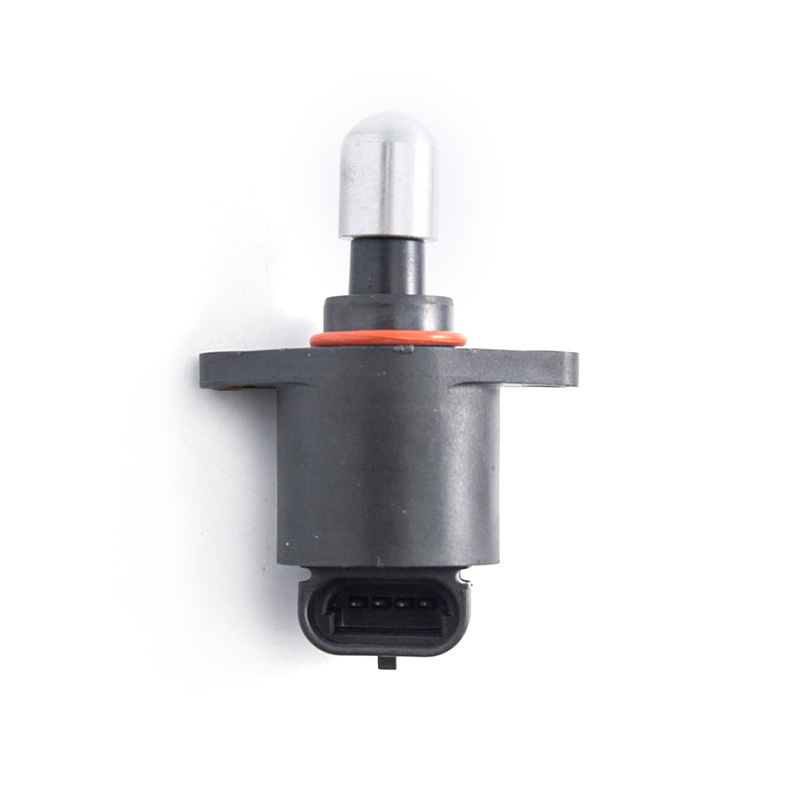
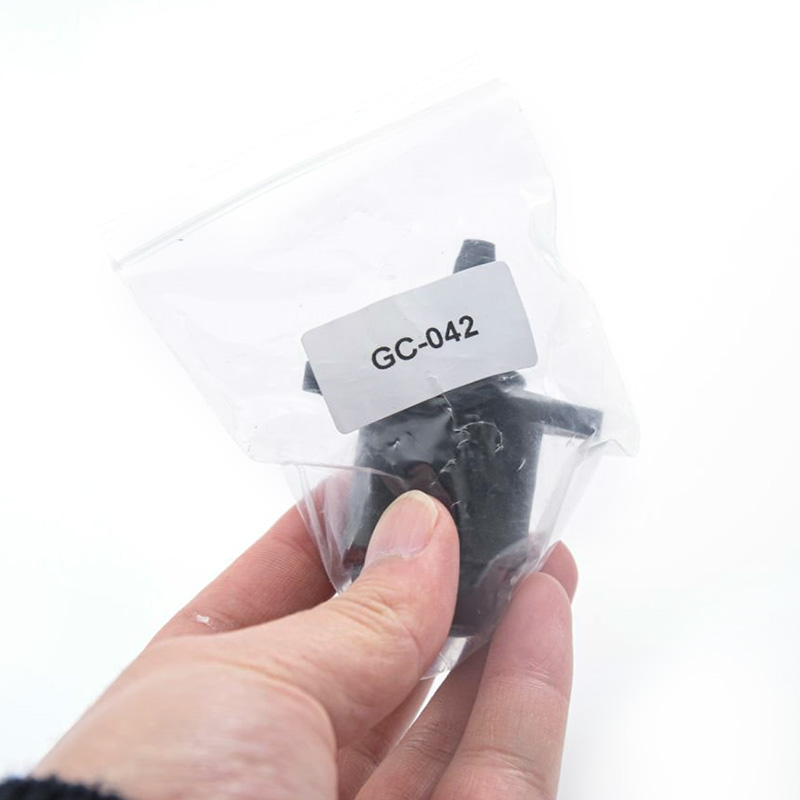
GC-042
REFERENCE OE:
SHORT CODE: D5104
FIAT: 7078983 0269980492
VDO: AT-5104R ;
APPLICATION:
PALIO 99->1.6 SPI/SIENA 99->1.6SPI/STRADA 99->1.6SPI/GOL99->1.0 SPI
Idle air control valve from China factory for Fiat Palio.
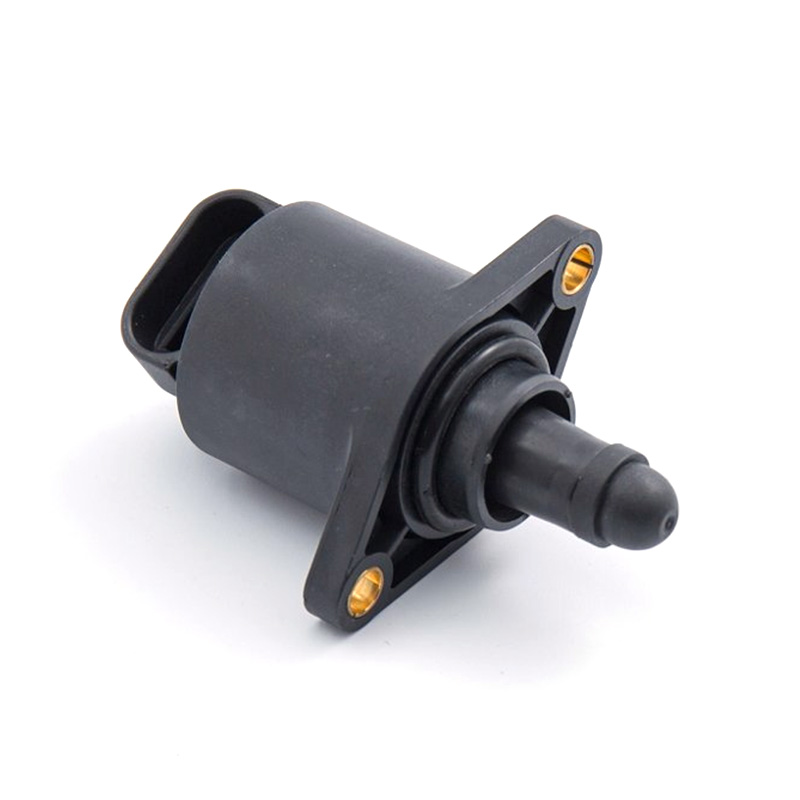
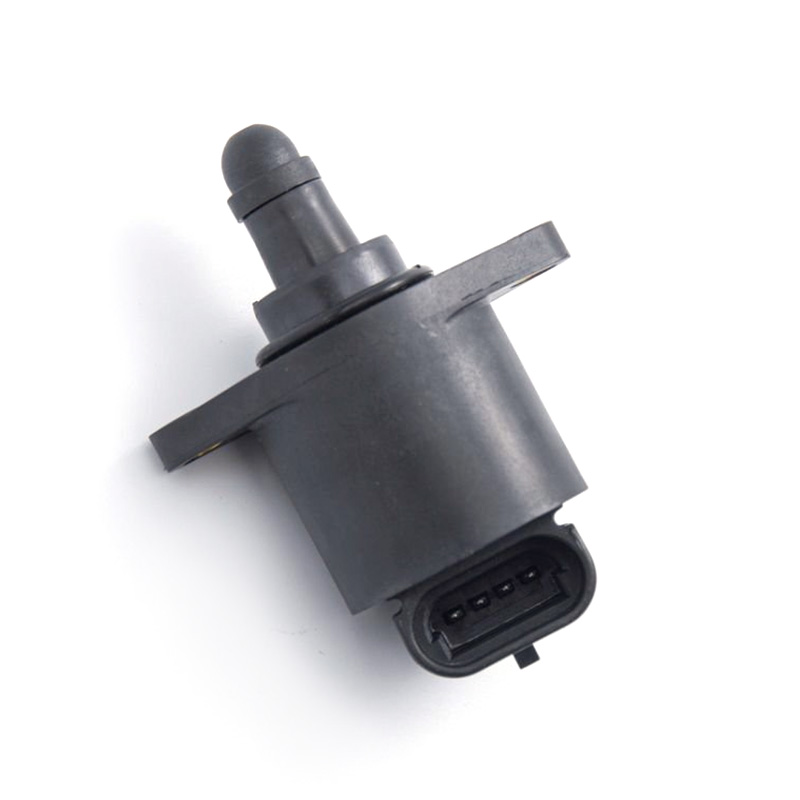
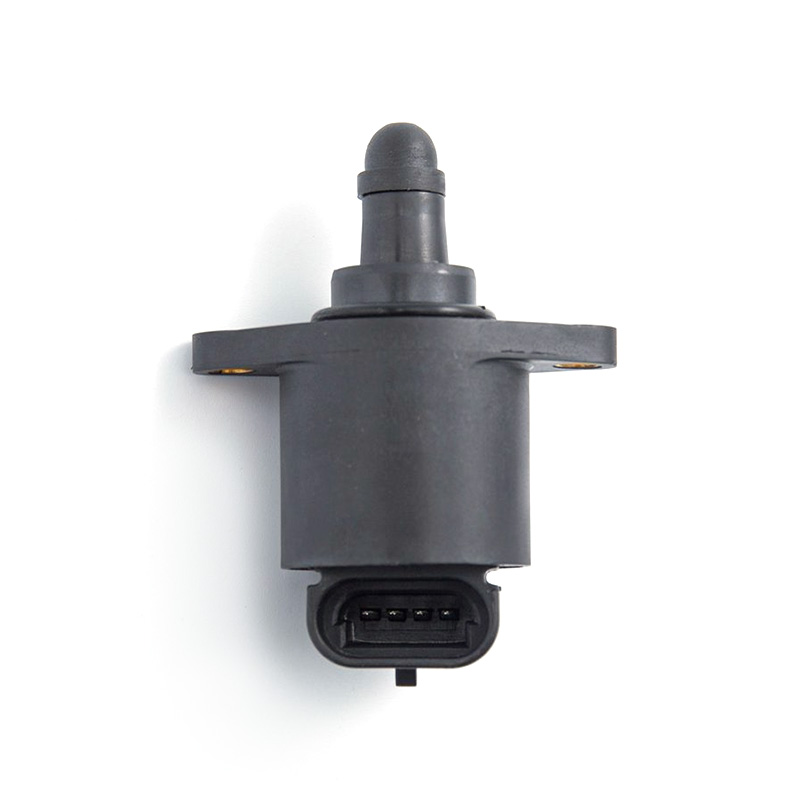
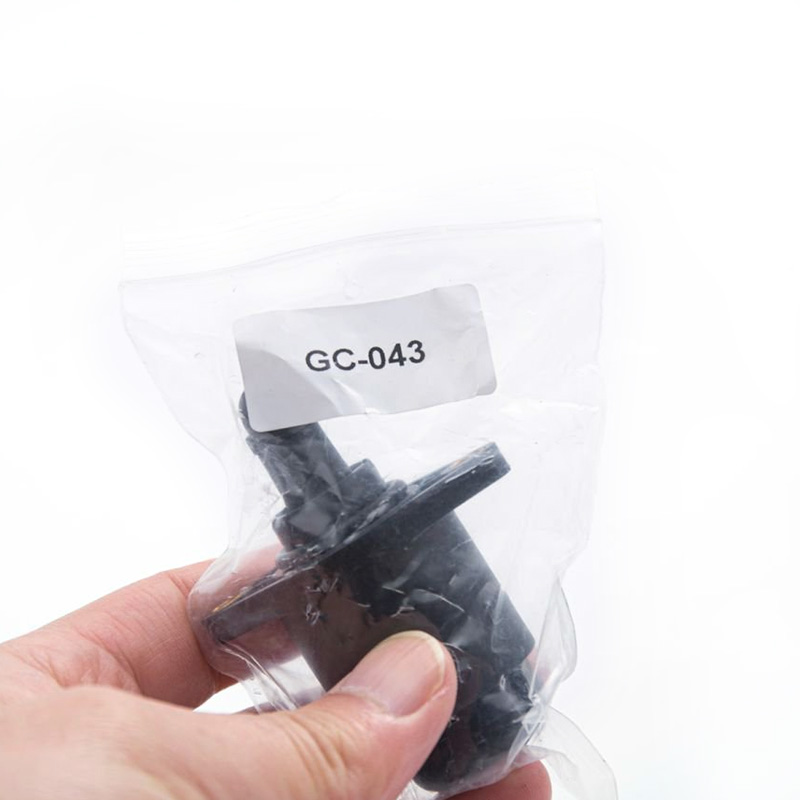
GC-043
REFERENCE OE:
SHORT CODE: B12/00
MARELLI:21924470500
OEM:9945035
APPLICATION:
FIAT PANDA(141A_)1000; Punto(176)55 1.1; Uno(146A/E) 45 i.e. 1.0; Lanci Y10(156)1.0 Fire(156e) KAT
Idle air control valve from China factory for Fiat Punto.
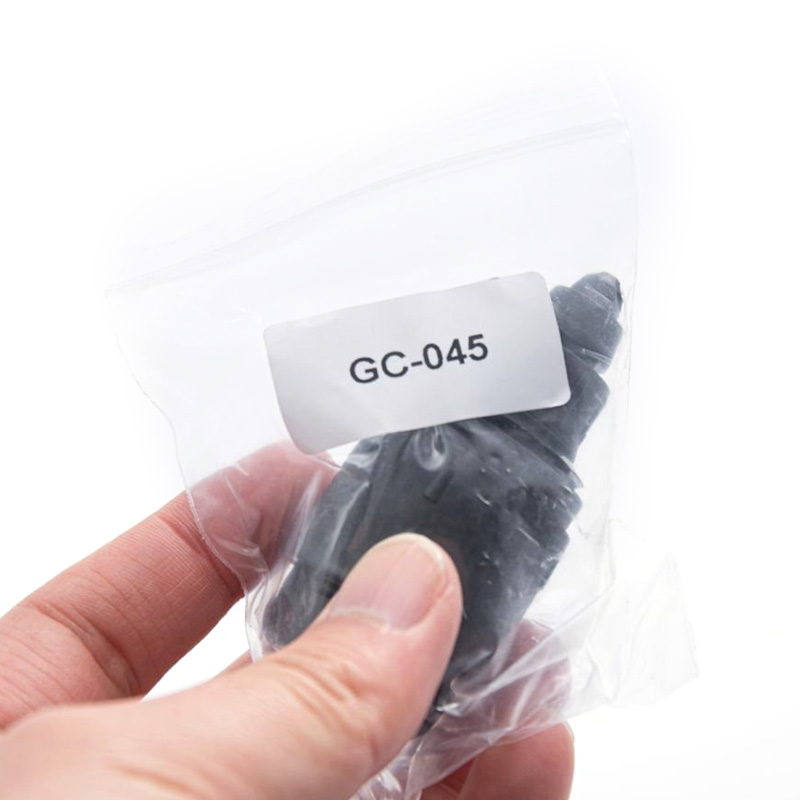
GC-045
REFERENCE OE:
IB04/00
Delphi: 28222556
Marelli: 40481202
APPLICATION:
Renault Clio 1.0 8V MPI
Renault Kangoo 1.0 8V MPI
Idle air control valve from China factory for Renault Clio Kangoo.
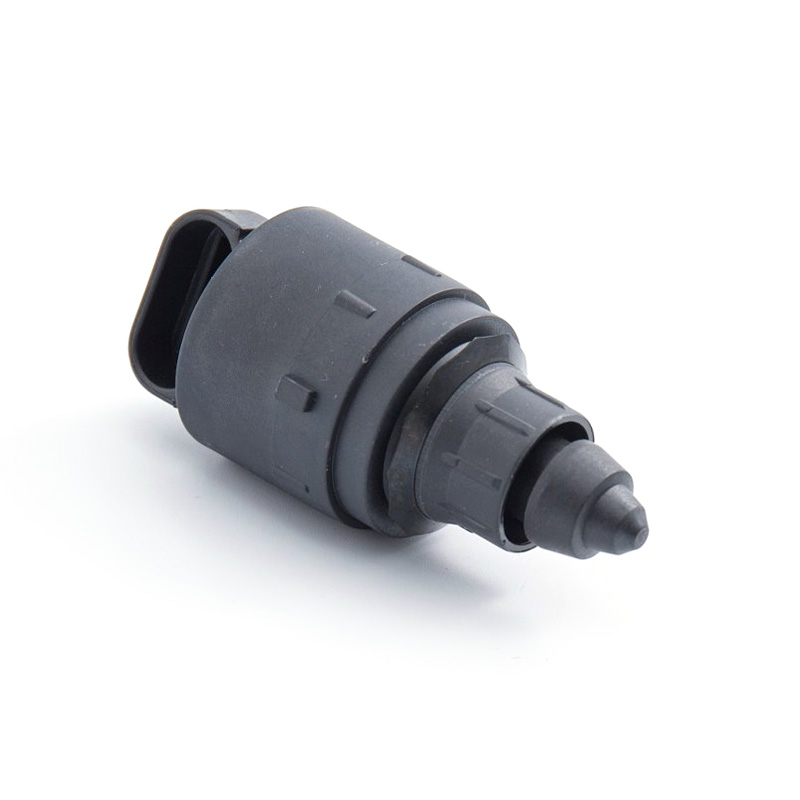
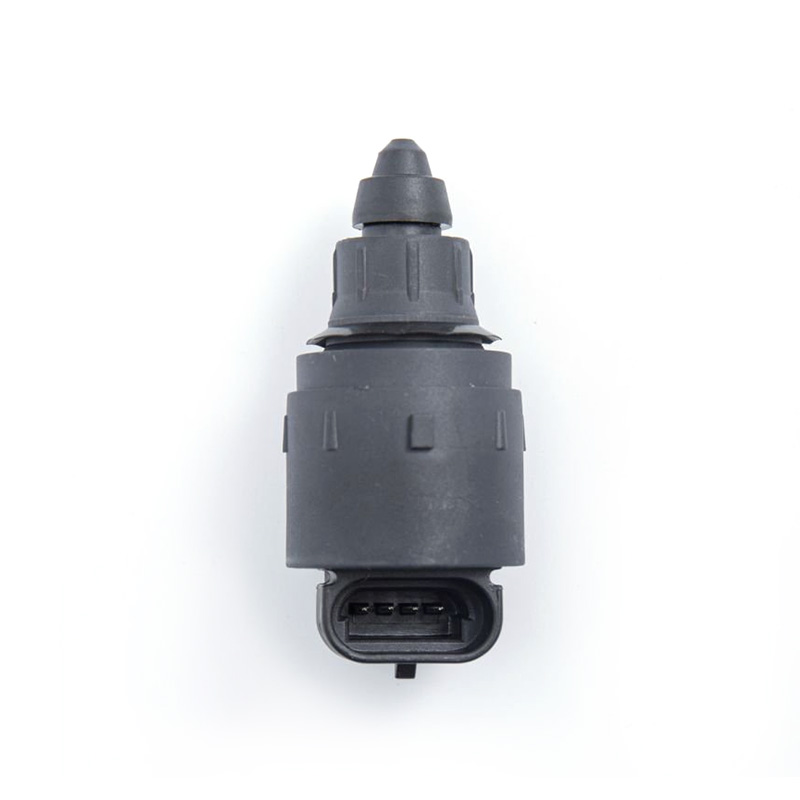
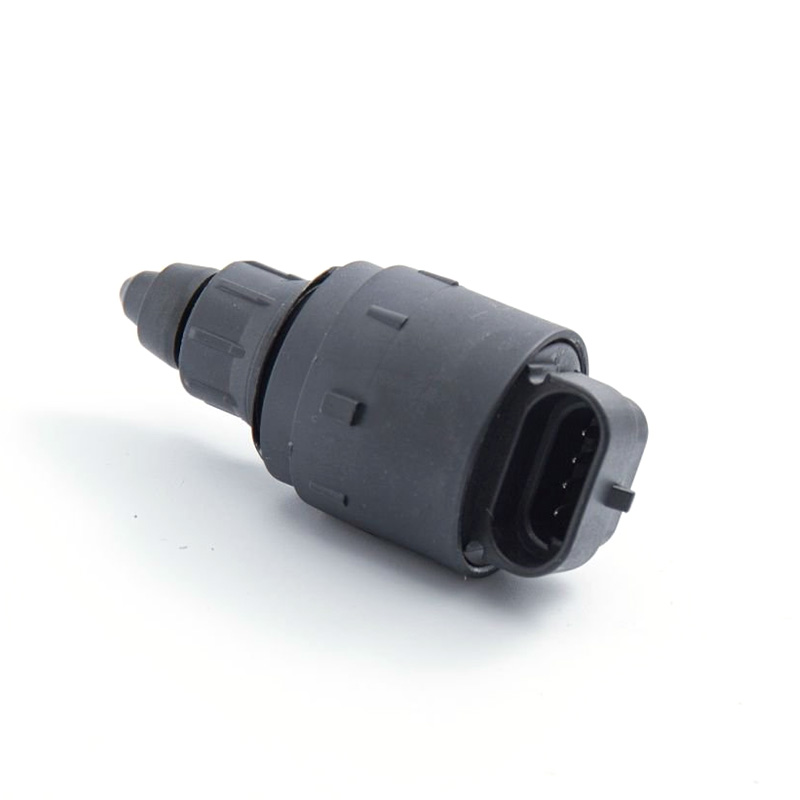
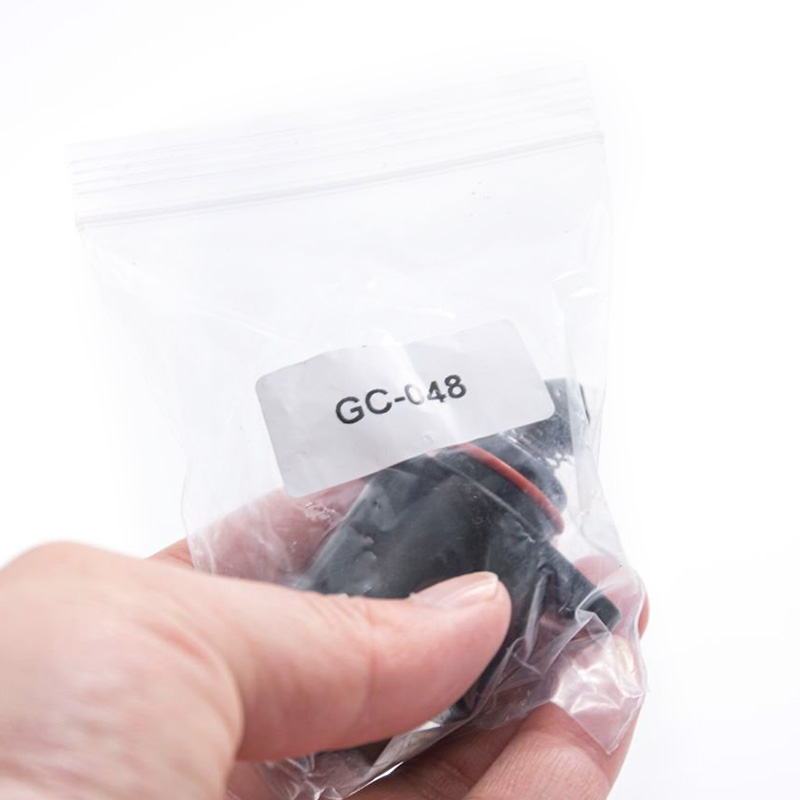
GC-048
REFERENCE OE:
SHORT COD:02851
GM: 17102851
GM: 17112966
GM: 17112967
VDO: A95267
SMW299933
BUICK: D0016,C2177
2151025, AC124, AC130
217428,2H1058
APPLICATION:
Delica Van
Idle air control valve from China factory for Delica Van.
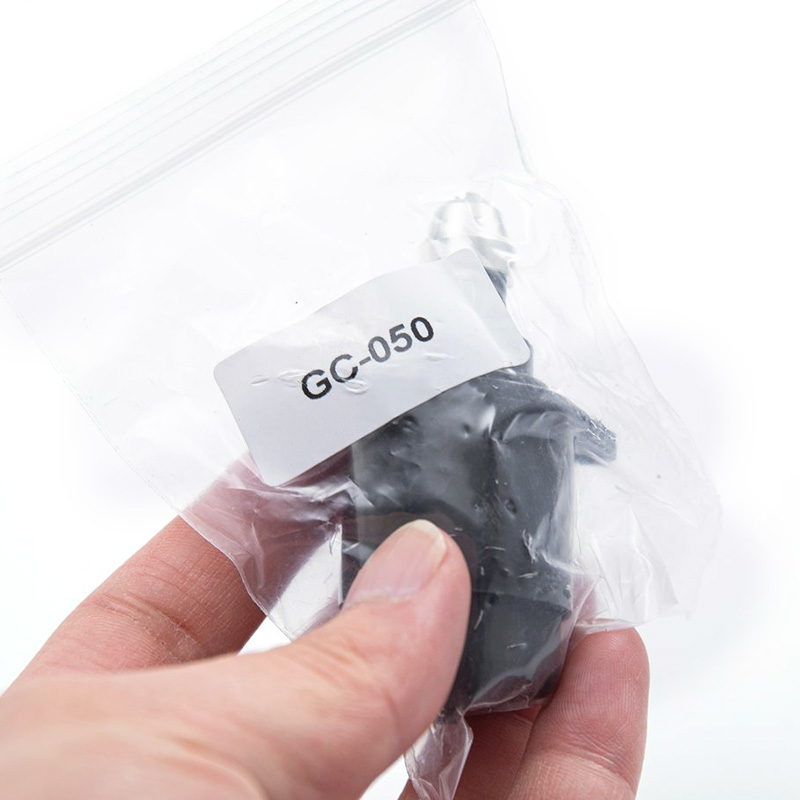
GC-050
REFERENCE OE:
PEUGEOT:19202Q
B17/00
APPLICATION:
CITRO SAXO(S1,S1)1.6VTS;PEUGEOT 106II(1) 1.6 S16
Idle air control valve from China factory for Citroen Peugeot.
Contact Us
Let's start collaborating

Guocheng is specialized in the R&D and production of key engine components for the automotive and engineering machinery industries.
Product
Stay Connected
(+86) - 577 - 8582 0886 (Tel)
(+86) - 577 - 8582 8085 (Fax)
(+86) - 19730213059 (Phone)
sales@wz-gc.com
No. 205, Baiyu Road, 15th Road, Binhai Park, Wenzhou, Zhejiang, China
Mobile

ODM Engine Management System Components
 English
 русский
 Español
 عربى
عربى Deutsch