Date:Aug 28, 2026
Many Honda Civic owners associate engine idle problems with obvious symptoms such as fluctuating RPM or unexpected stalling. However, issues related to the air control valve Honda Civic system can appear in less noticeable ways before a complete failure occurs. Understanding these early signs helps drivers identify airflow control problems and avoid replacing unrelated engine components.
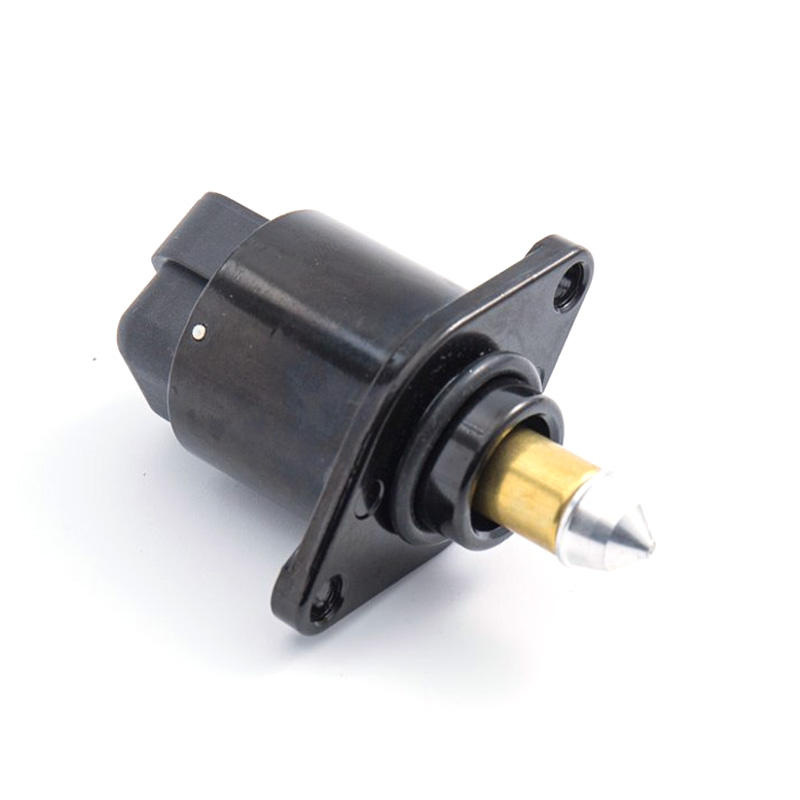
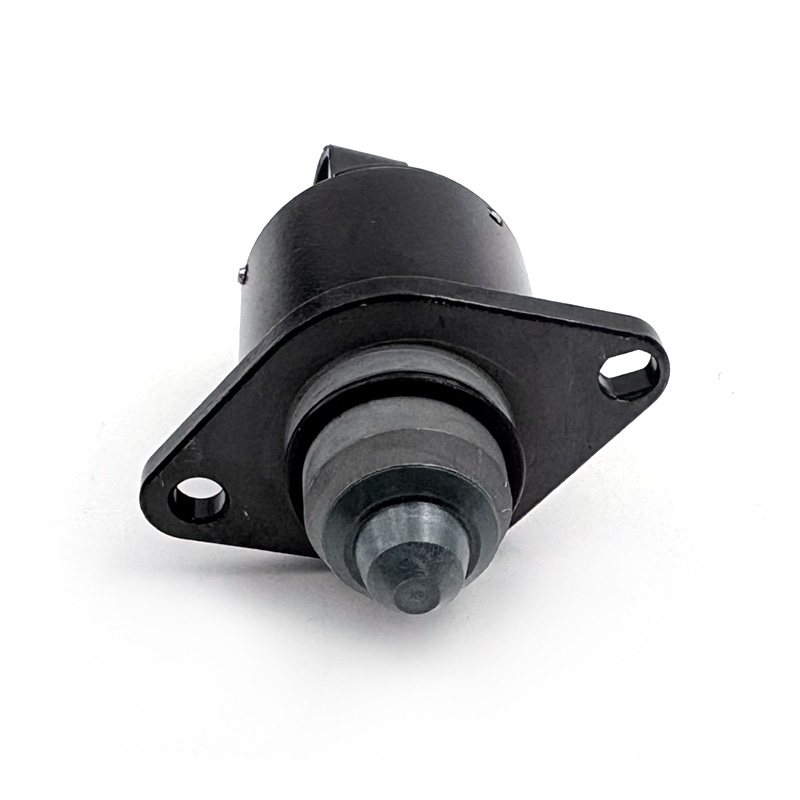
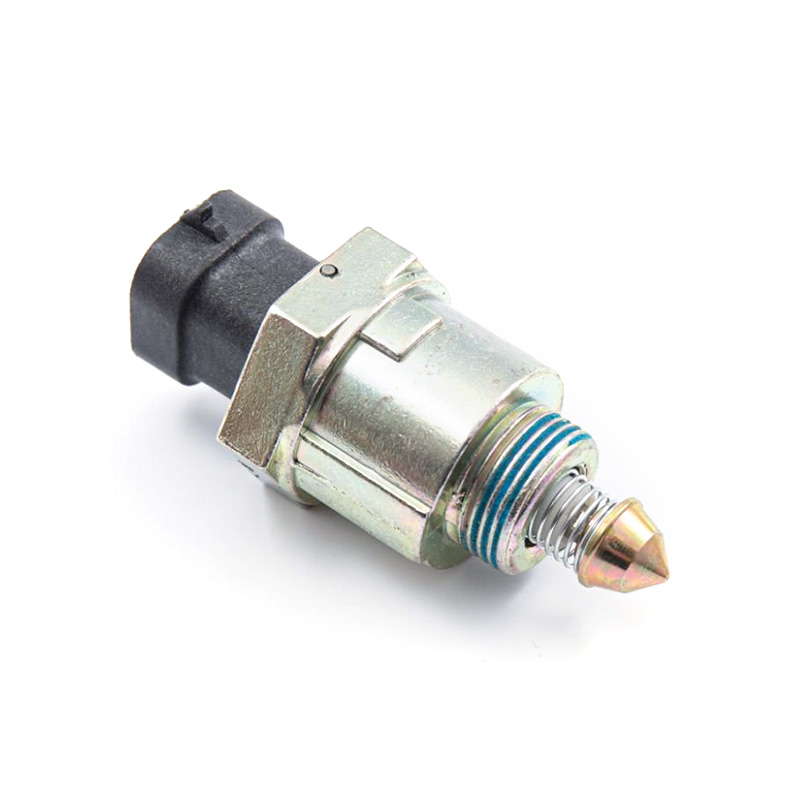
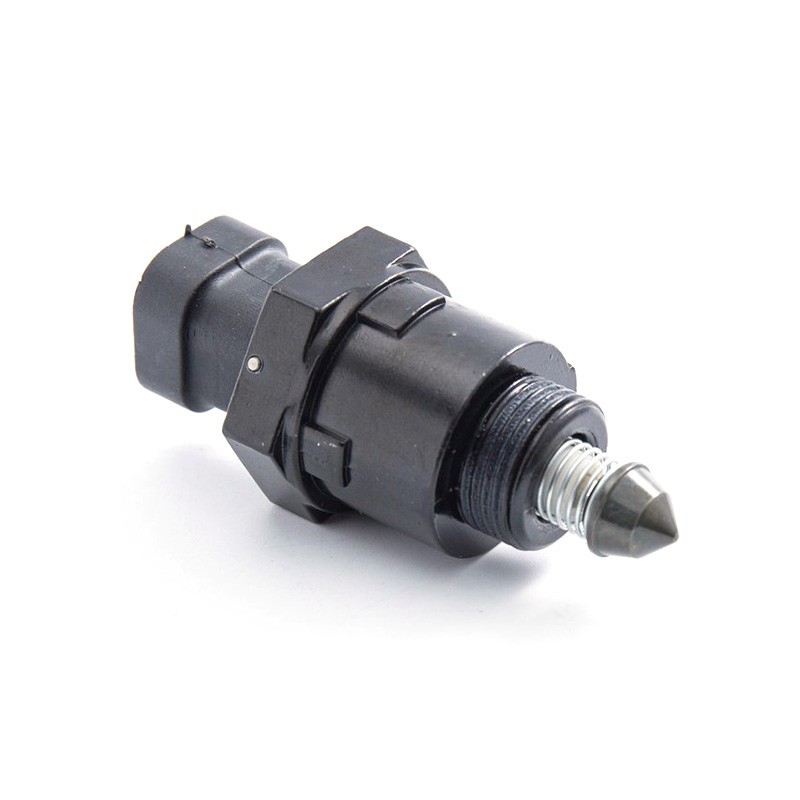
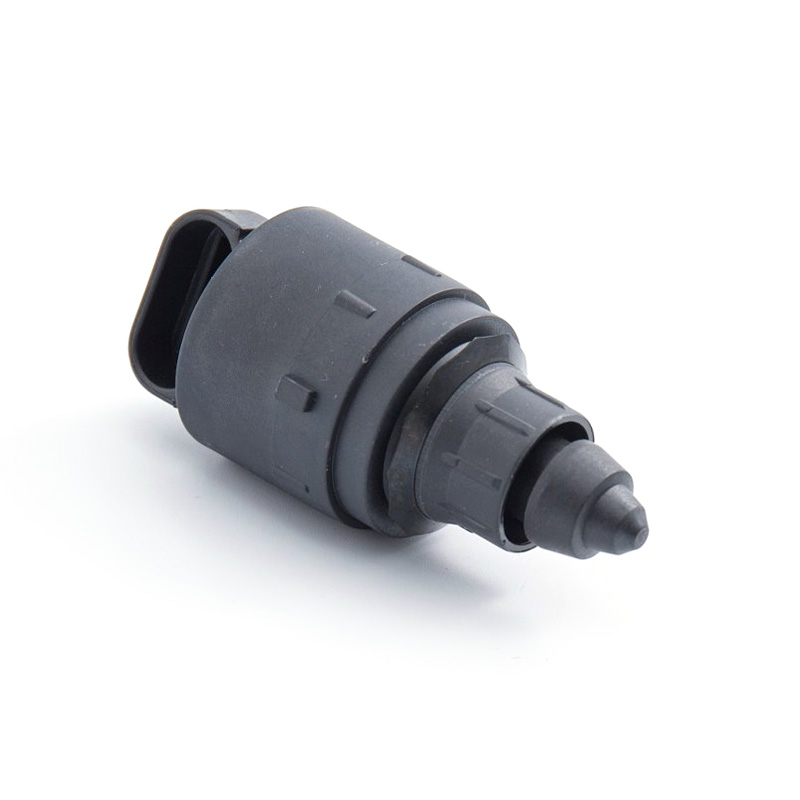
The air control valve, commonly known as the Idle Air Control Valve (IACV), regulates the amount of air entering the engine while the throttle plate remains closed. The ECU adjusts the valve position according to engine temperature, electrical load, and driving conditions. For many Honda Civic models, especially vehicles from the 1990s and early 2000s, a damaged or contaminated idle control valve is a common reason behind unstable idle performance.
The throttle body controls airflow during acceleration, but the engine still needs a small amount of air during idle operation. The air control valve Honda Civic creates an additional bypass route around the throttle plate, allowing the engine computer to fine-tune idle speed.
The valve operates through an electronic actuator that receives signals from the ECU. Based on engine requirements, it opens or closes the internal air passage to maintain stable combustion. A properly functioning valve helps the Civic maintain smooth operation during cold starts, braking, gear changes, and accessory usage.
Many drivers only search for an air control valve Honda Civic after experiencing serious idle problems. However, some warning signs appear earlier and may be easier to identify during daily driving.
A healthy idle control system quickly adjusts airflow after the accelerator pedal is released. A weak or dirty valve may respond slowly, causing the engine speed to remain higher than expected before returning to normal.
Drivers may notice this behavior during city driving, especially after accelerating from a stop and releasing the throttle. The engine may feel like it takes extra time to settle into a stable idle condition.
The engine requires additional compensation when systems such as air conditioning, headlights, or electrical accessories increase load. The air control valve helps maintain idle balance by adjusting airflow.
A valve with restricted movement may struggle to react quickly enough. This can create vibration, lower RPM, or a temporary feeling that the engine is under stress while stationary.
| Driving Situation | Possible Air Control Valve Effect | Driver Feeling |
| Air conditioner activated | Slow airflow adjustment | RPM drop or engine vibration |
| Stopping at traffic lights | Unstable idle control | Engine feels uneven |
| Cold engine startup | Incorrect bypass airflow | Rough warm-up operation |
| Electrical load changes | Delayed ECU compensation | Idle speed fluctuation |
One of the frequently reported causes of Honda Civic idle control issues is carbon accumulation inside the valve passage. Over time, oil vapor and combustion residue can collect around the airflow channel and internal moving parts.
The buildup may prevent the valve from opening or closing smoothly. As a result, the ECU continues sending adjustment signals, but the actual airflow response becomes inconsistent. Honda Civic technical discussions commonly mention dirty IACV components as a reason behind hunting idle conditions, where engine RPM rises and falls without accelerator input.
Idle-related symptoms do not always come directly from the valve itself. Several other engine conditions can create similar behavior, making inspection an important step before replacement.
A damaged vacuum hose or intake sealing problem allows uncontrolled air into the engine. The ECU may attempt to compensate, creating symptoms similar to a faulty idle valve.
The throttle body and idle passage work together with the air control valve. Heavy deposits around these areas may affect airflow balance and create unstable idle performance.
The valve depends on proper communication between the actuator and ECU. Loose connectors, damaged wiring, or poor electrical contact may interrupt normal operation.
| Possible Cause | Similar Symptom | Inspection Method |
| Air control valve contamination | RPM fluctuation | Check valve passage condition |
| Vacuum leak | High or unstable idle | Inspect hoses and intake seals |
| Throttle deposits | Slow idle recovery | Clean throttle area |
| Connector fault | Valve response failure | Test electrical signals |
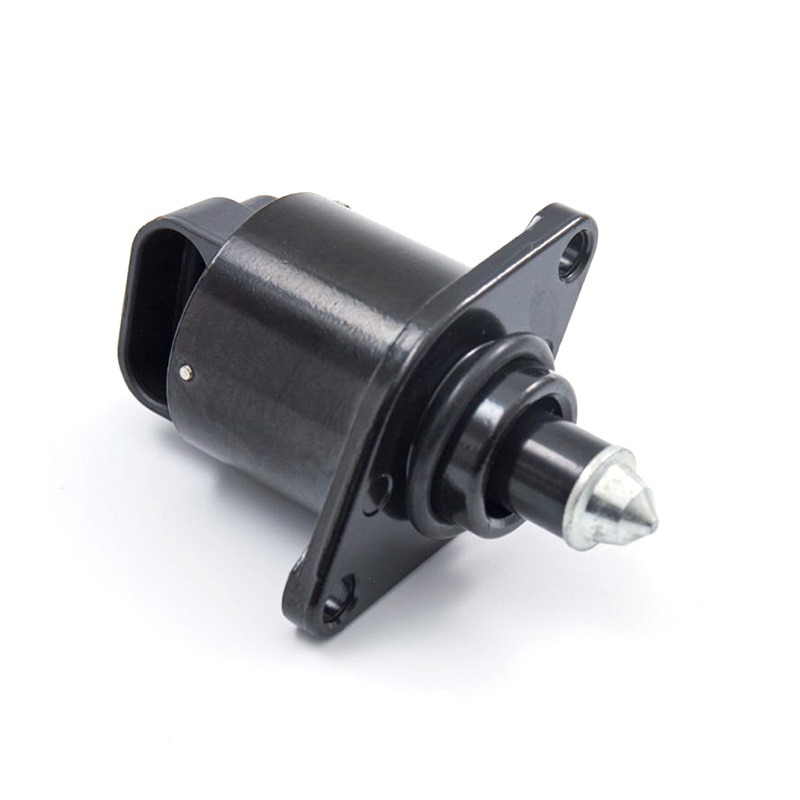
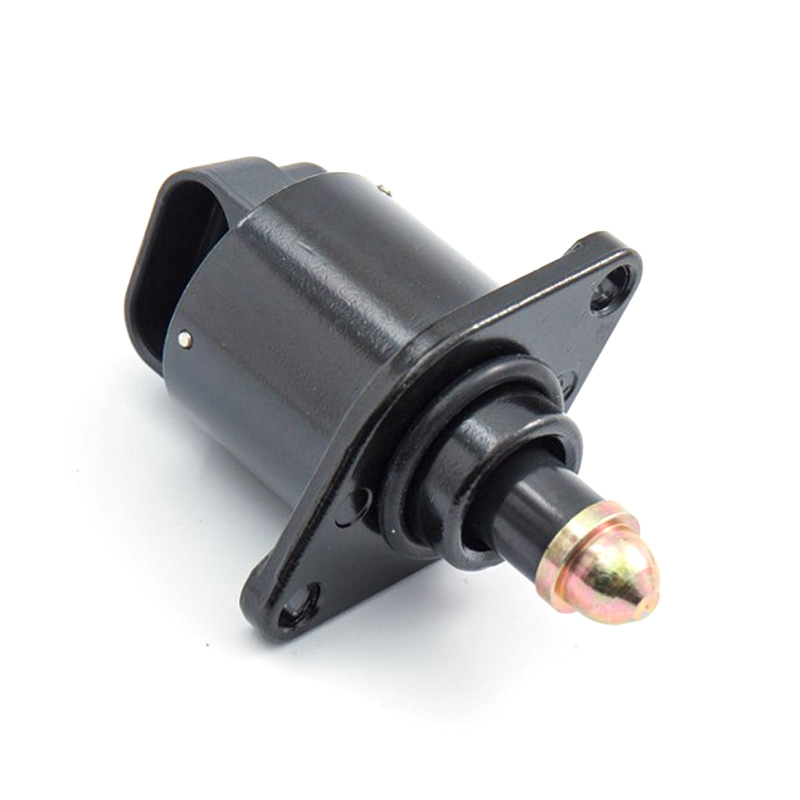
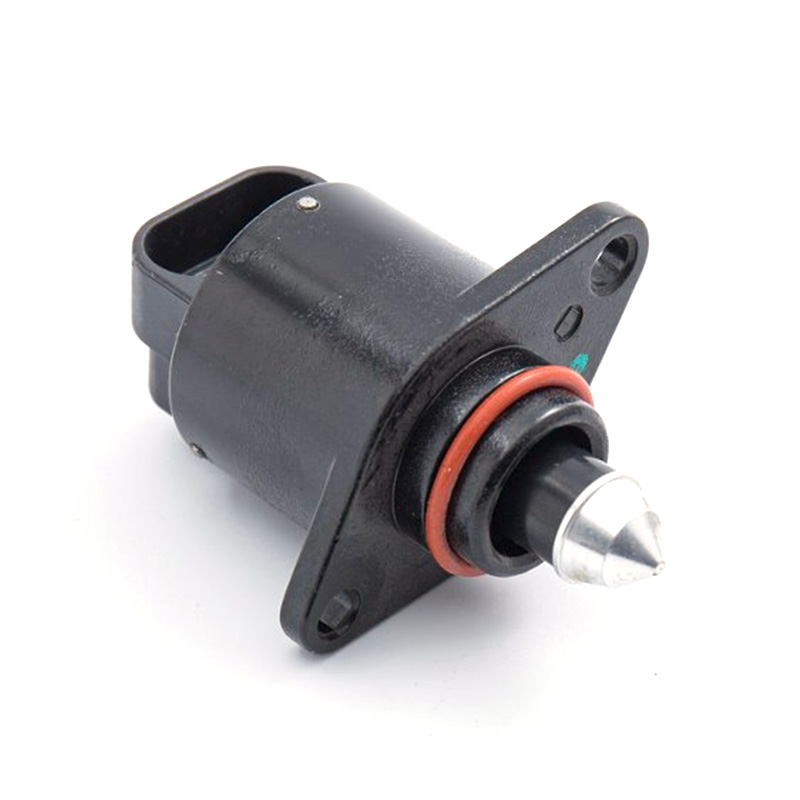
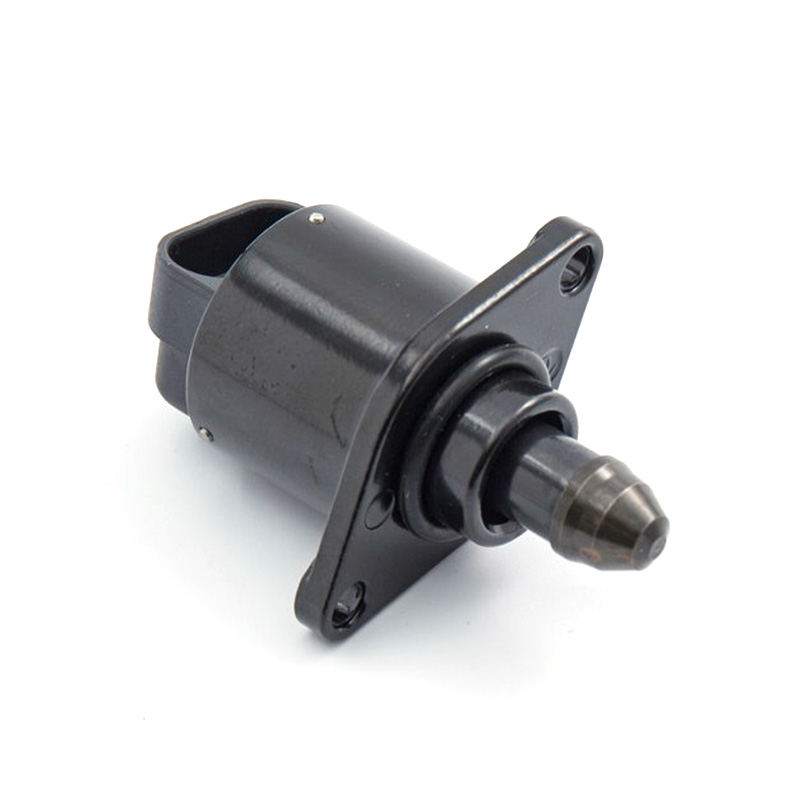
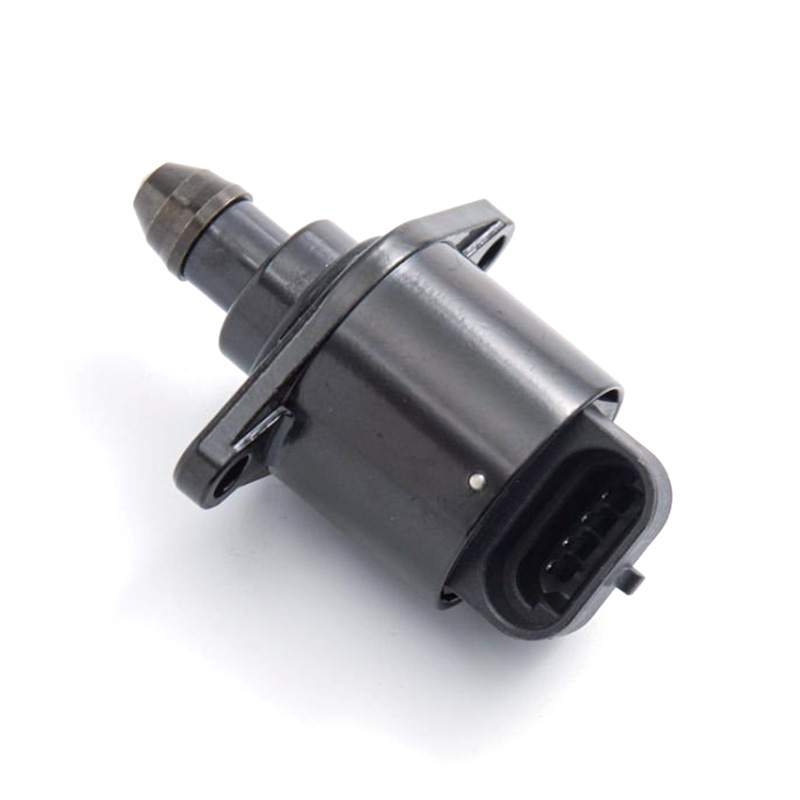
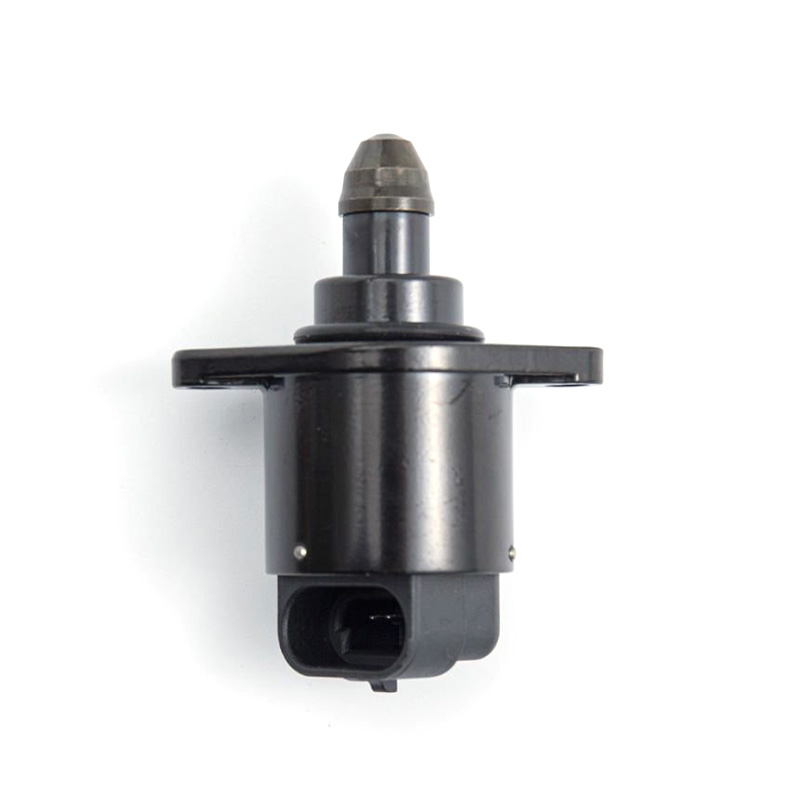
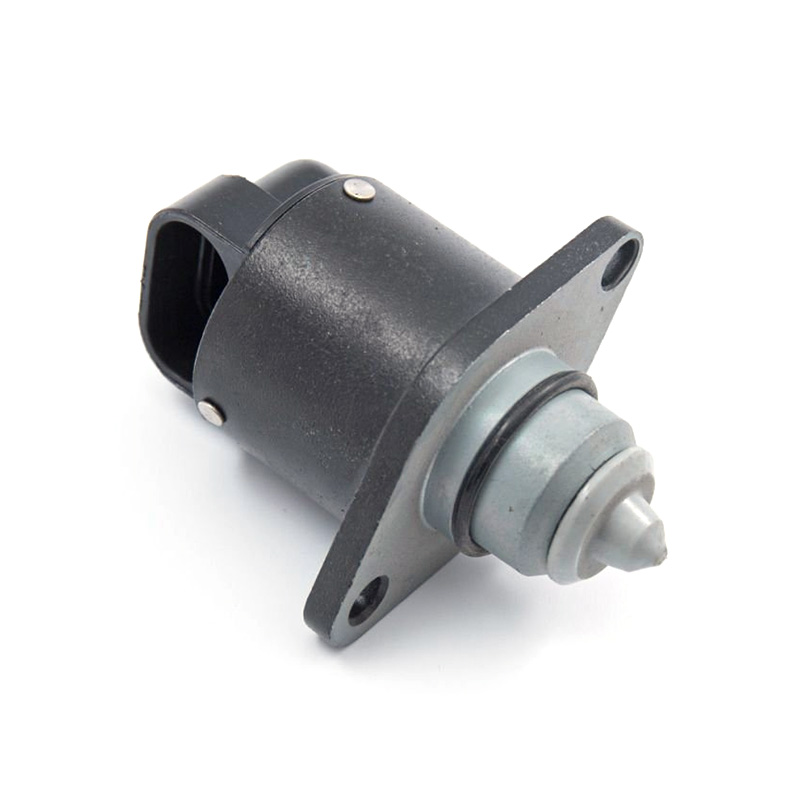
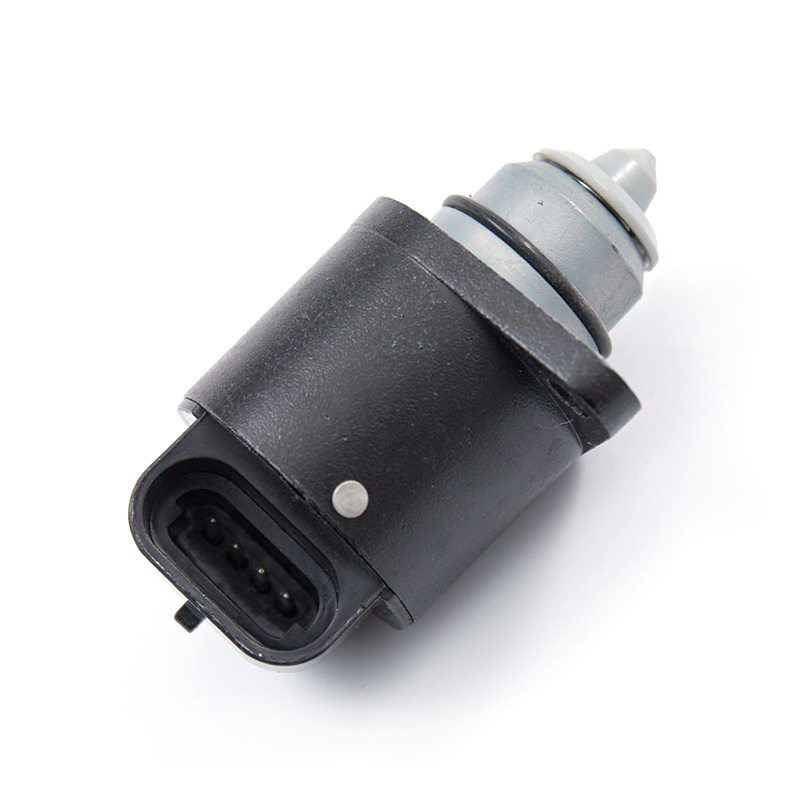
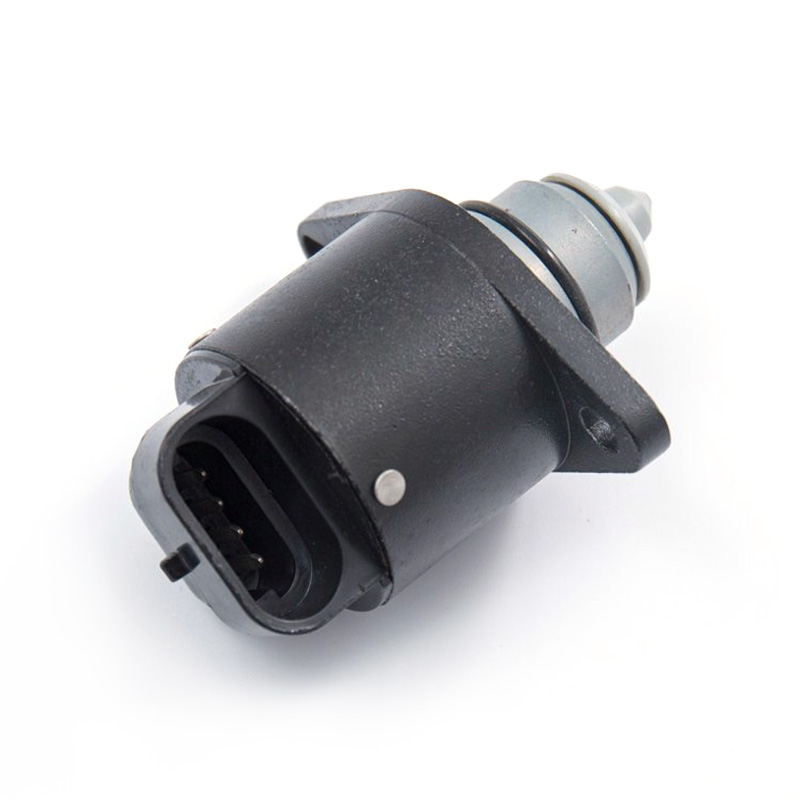
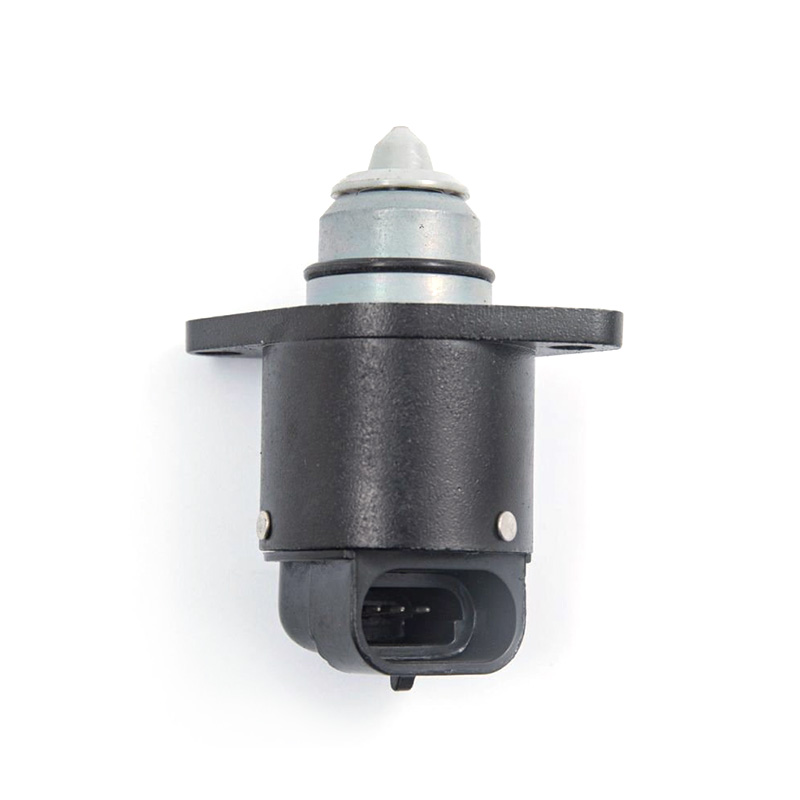
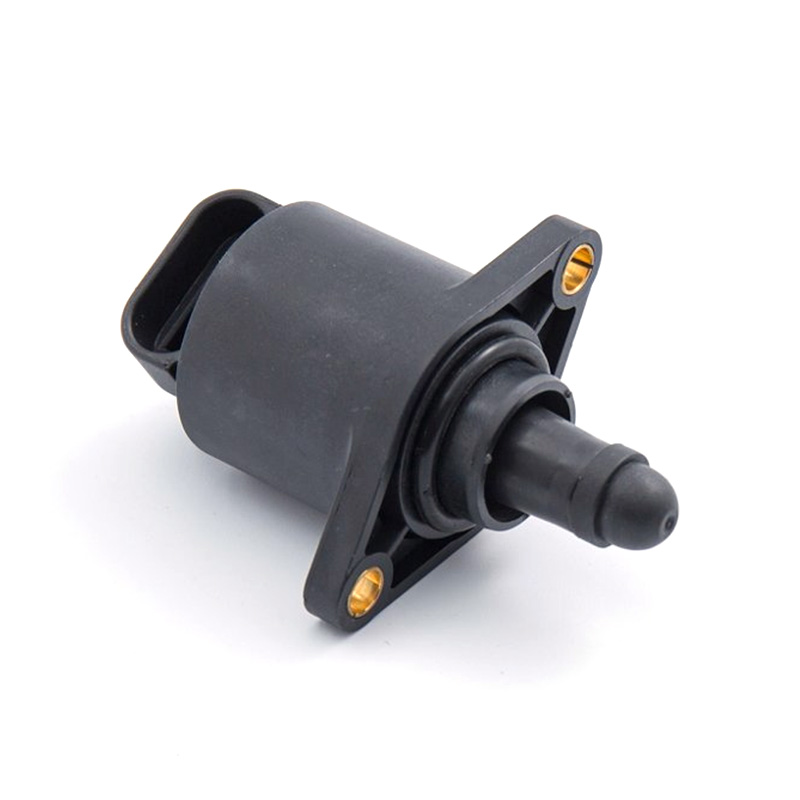
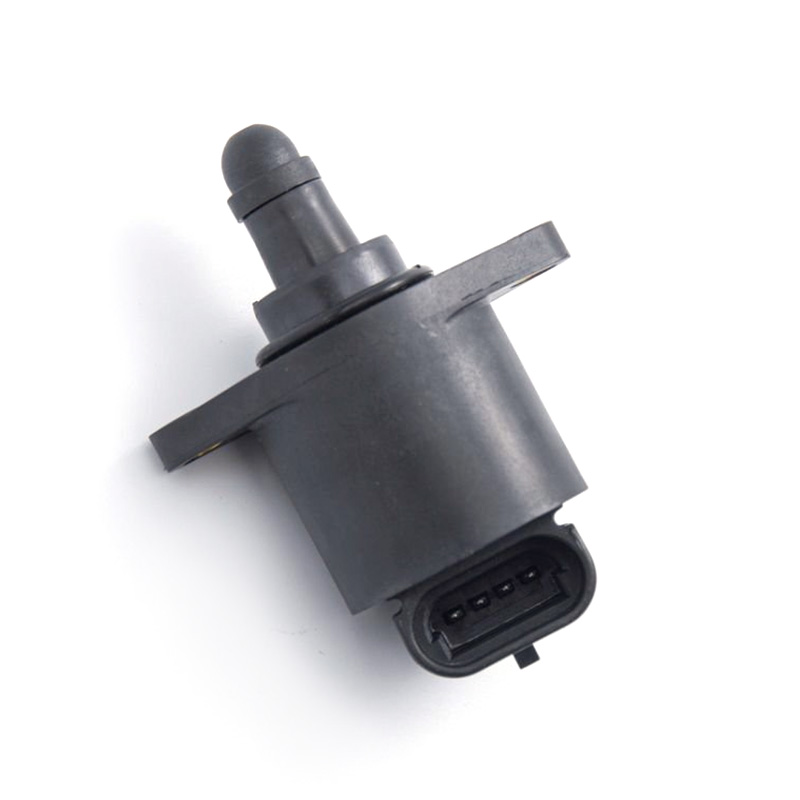
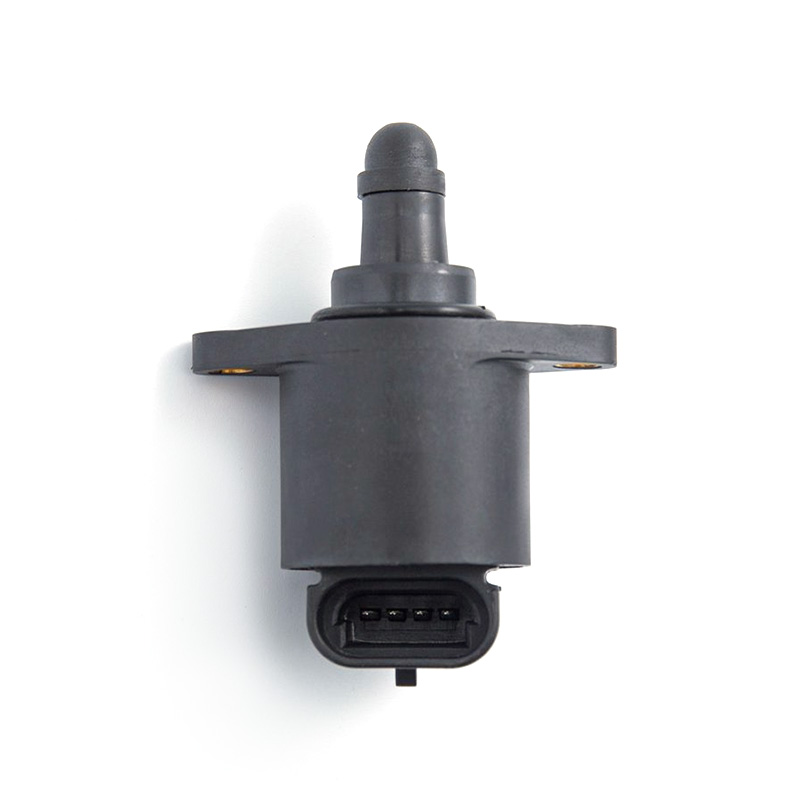
Although designs vary between Civic generations, most idle control valves share similar structural elements. These parts are designed for precise airflow management rather than simple mechanical opening and closing.
Replacing an air control valve Honda Civic requires checking vehicle specifications rather than relying only on appearance. Different Civic engines may use different valve designs, connectors, and airflow settings.
Regular inspection of the intake system can help reduce idle control problems. Keeping airflow passages clean and addressing vacuum issues early supports stable engine operation.
Cleaning may restore operation in some cases where contamination affects movement. However, valves with internal electrical or mechanical damage usually require replacement. A complete inspection helps determine the correct solution rather than relying on symptom-based replacement alone.
Idle problems are not always limited to obvious RPM changes. Small signs such as delayed idle recovery, vibration during accessory use, or unusual cold-start behavior may indicate airflow control concerns.
The air control valve Honda Civic remains an important component for maintaining engine balance at low speeds. Understanding how the valve works, recognizing hidden symptoms, and checking related systems can help Civic owners diagnose problems more accurately and maintain reliable engine performance.
Related Products
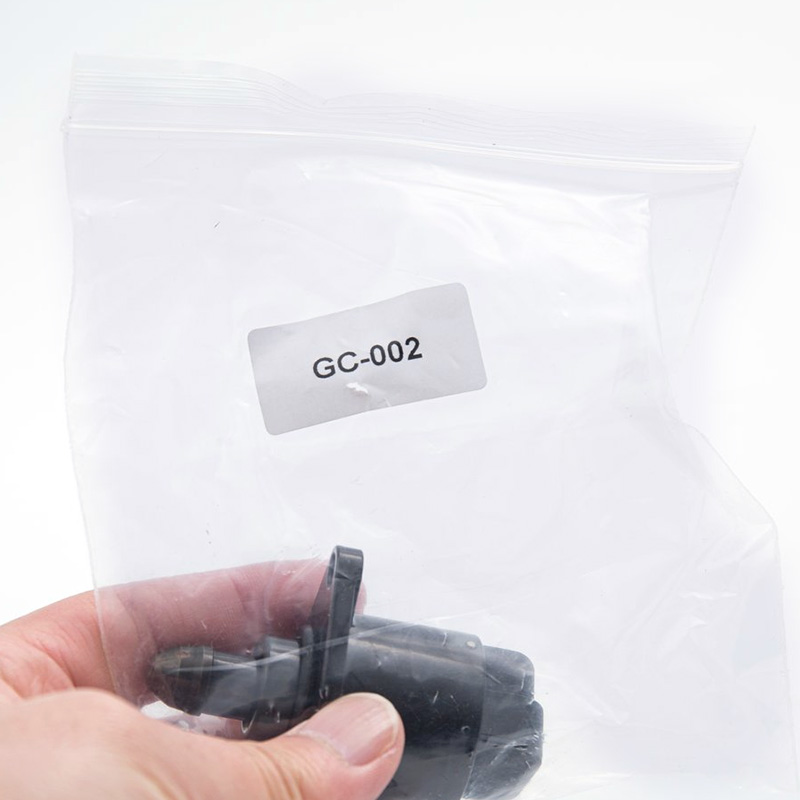
GC-002
REFERENCE OE:
SHORT CODE: B95/00
PEUGEOT: 1920X9 C95197
APPLICATION:
PEUGEOT 306 Break/Cabriolet/Schraqheck;PEUGEOT 405 II Break; PEUGEOT 406 Break/Coupe;
PEUGEOT 605 806;PEUGEOT BOXER Bus/Kasten/Pritsche/Fahrqestell
China original factory for idle air control valve and different kind of sensors with high quality and competitive price!
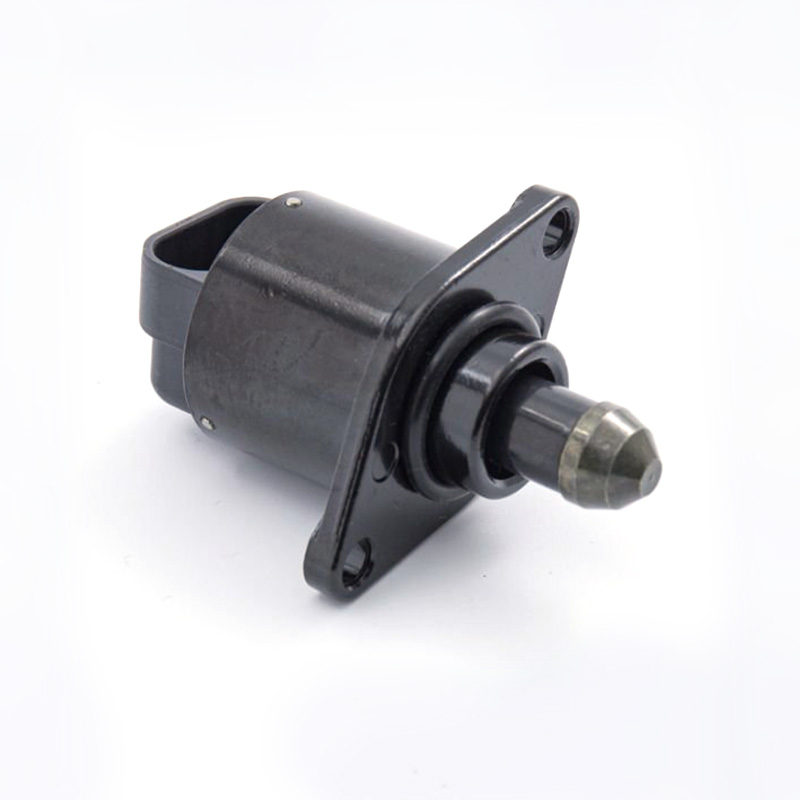
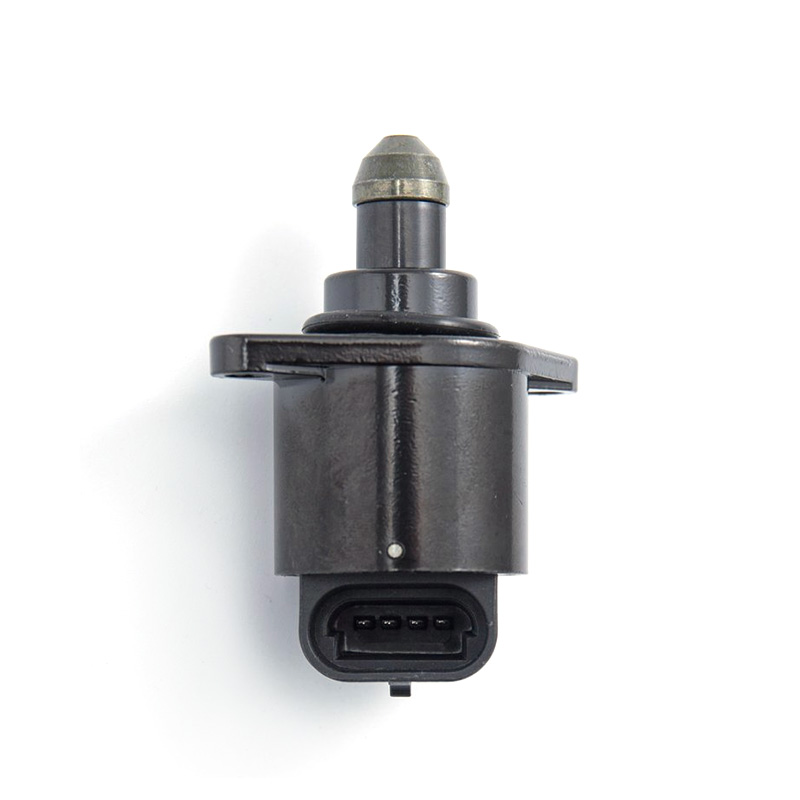
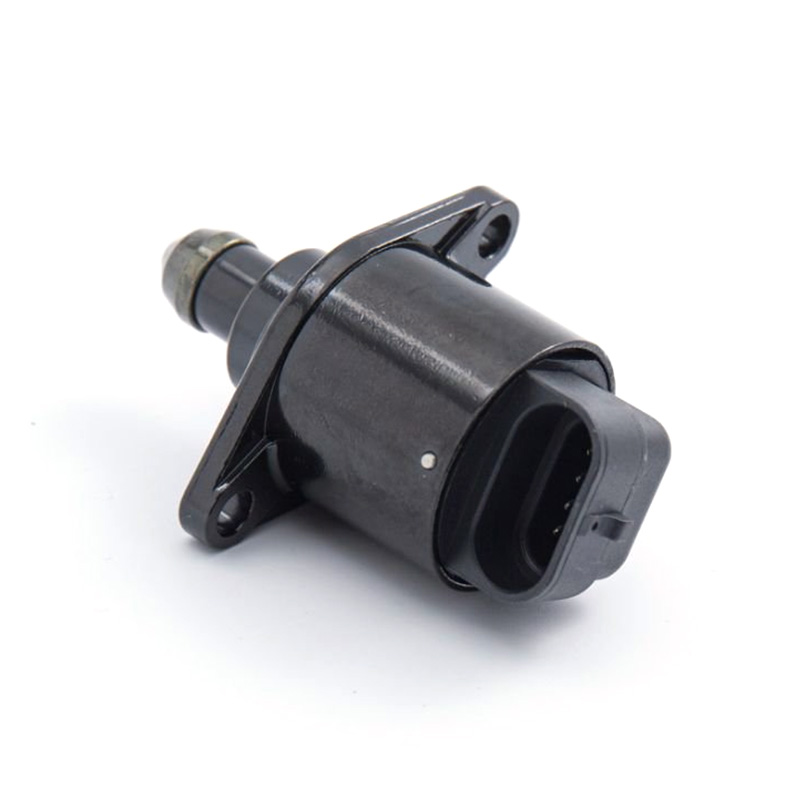
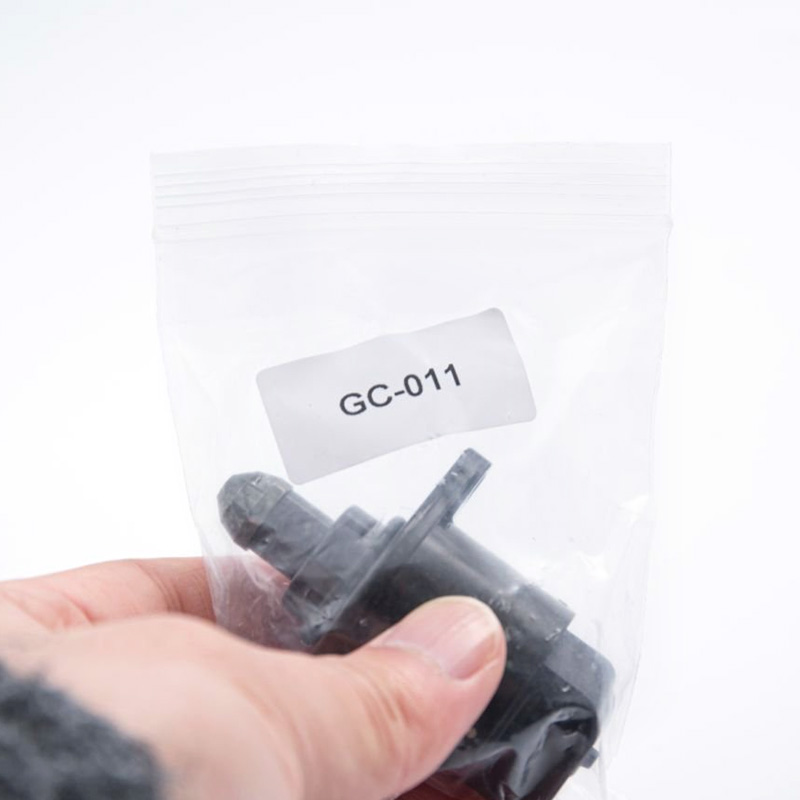
GC-011
REF OE:
SHORT CODE: B13/00
MARELLI: 230016079087 230016079247
SIMENCE: 19201F 1920V7 C95181
APPLICATION:
PEUGEOT 106I(1A,1C)1.3;
PEUGEOT 306/306 Cabriolet/Schraqheck;
PEUGEOT 406/406 Break
China factory for idle air control valve with high quality!
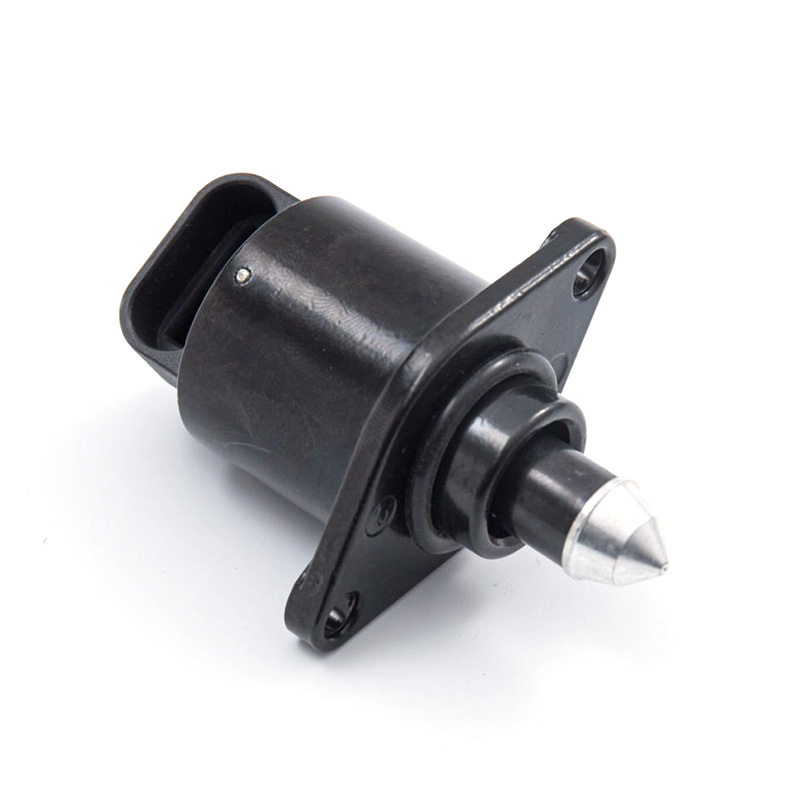
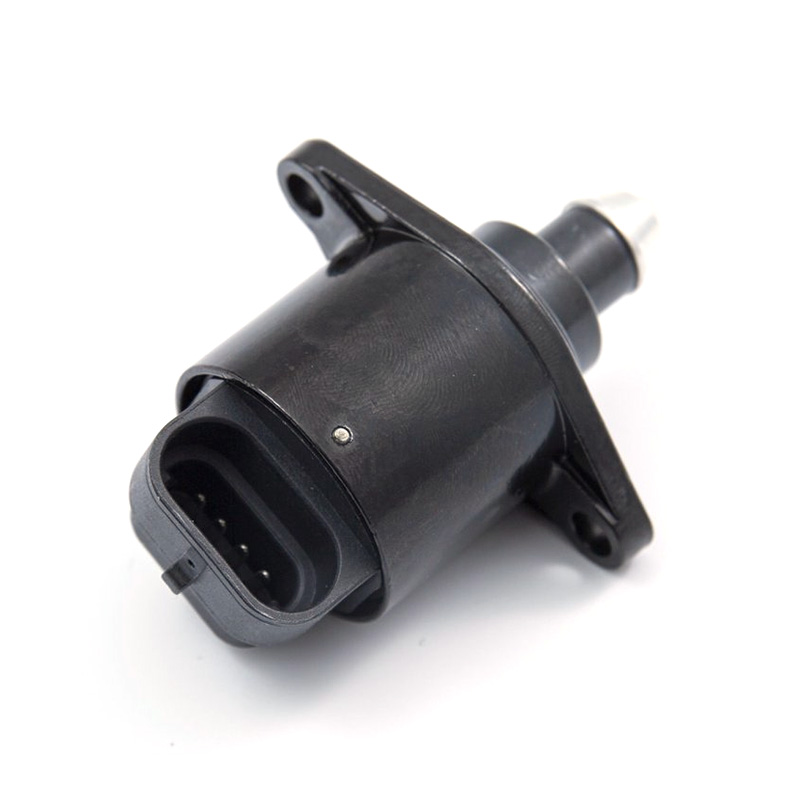
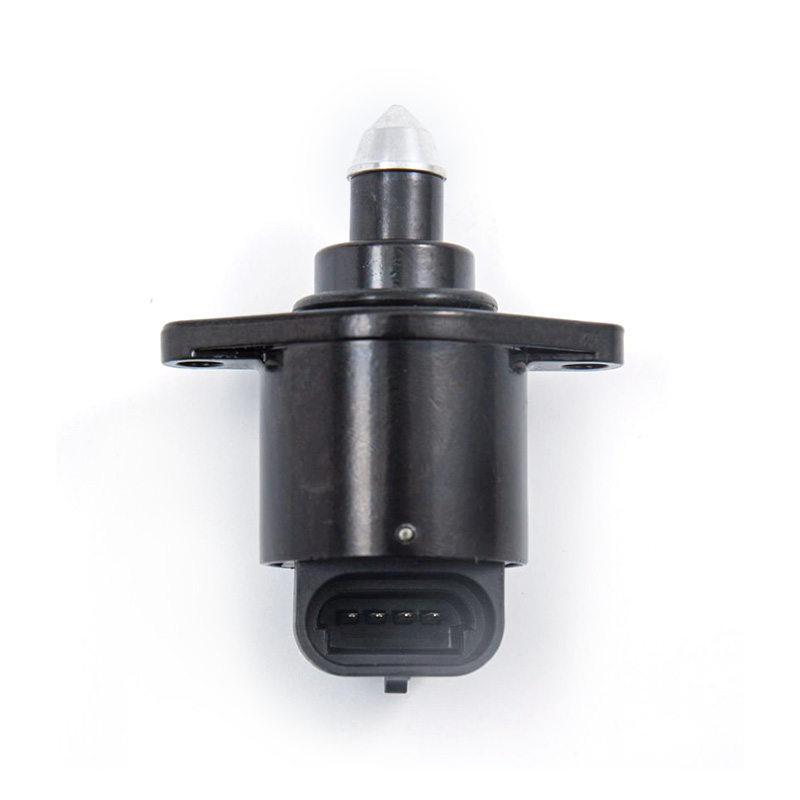
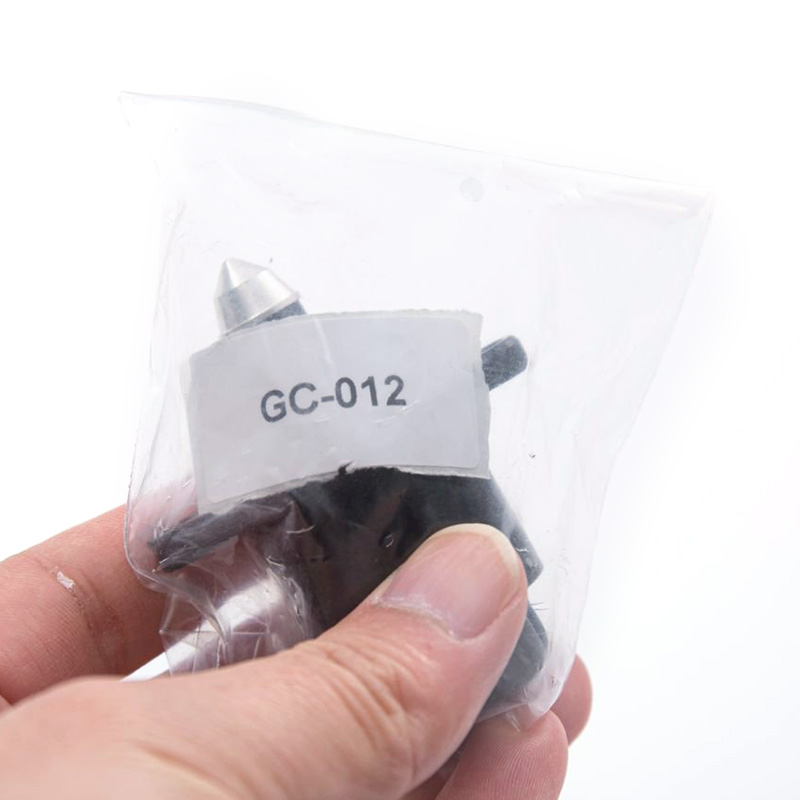
GC-012
REF OE:
HOT-STAMP:D5174
RENAULT:7701047909
APPLICATION:
RENAULT MEGANE Cabriolet/Classic/Coach/Grandtour;RENAU MEGANE I/Scenic
China auto parts wholesale,idle air control valve high quality with competitive price!
GC-018
REFERENCE OE:
FIAT:0009943223
FIAT:0009949146
SIMENCE:A95140 00600
APPLICATION:
LANCI DEDRA;LANCI DEDRA SW
Idle air control valve for auto parts,China original factory direct!
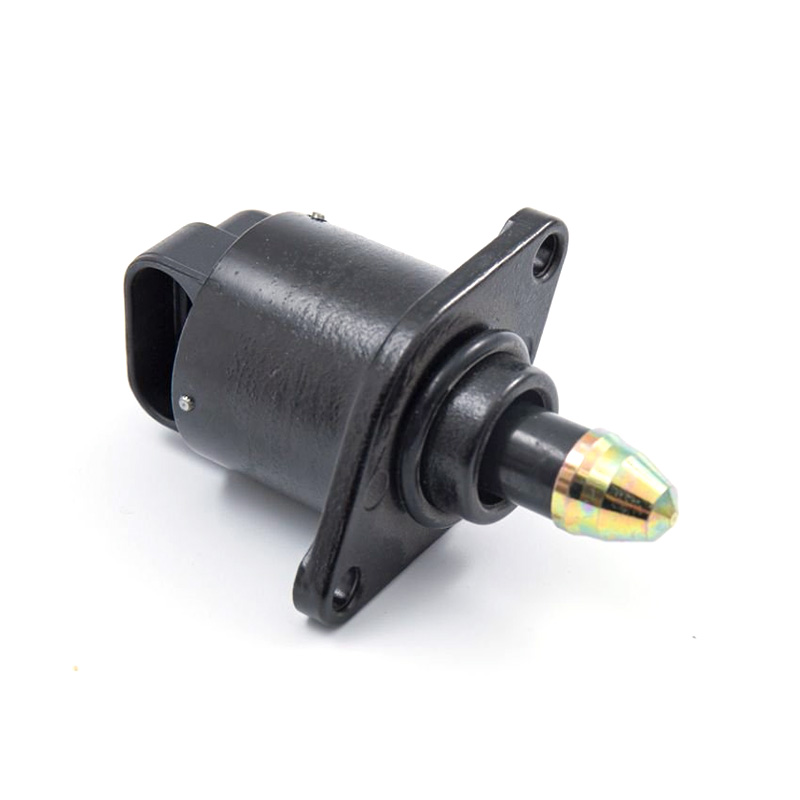
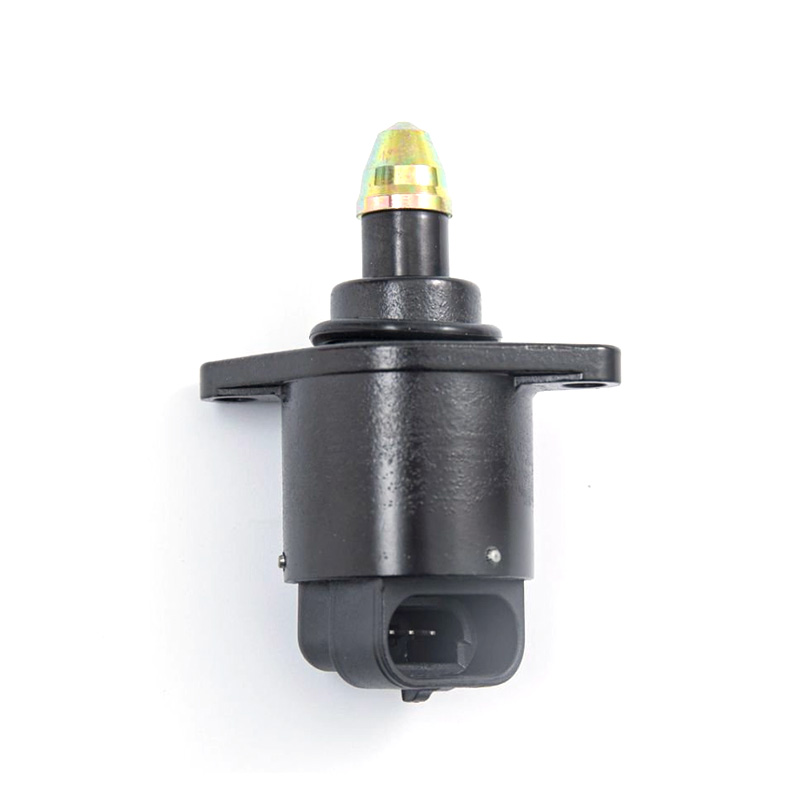
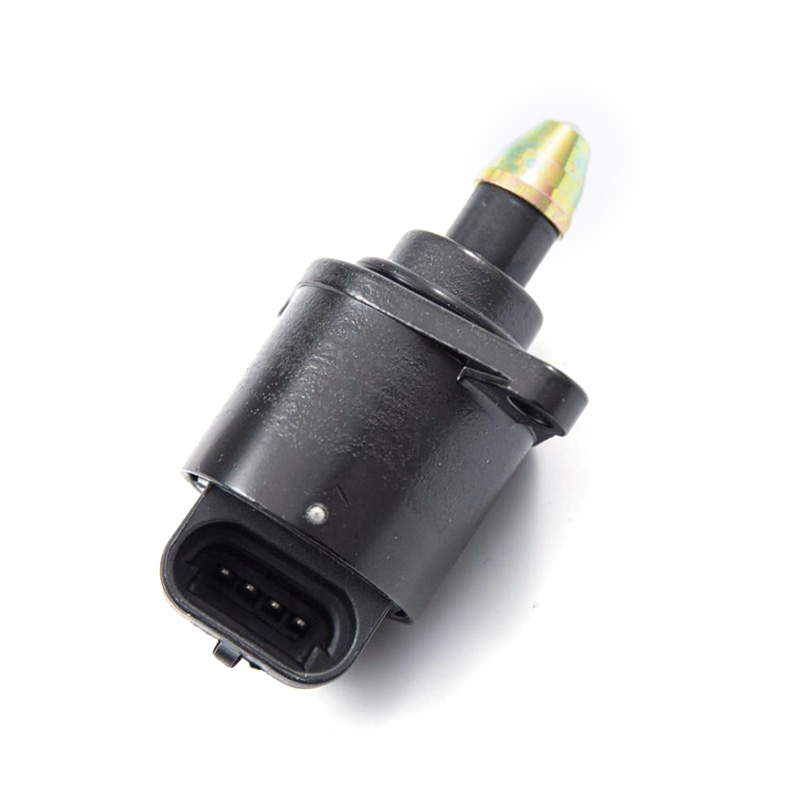
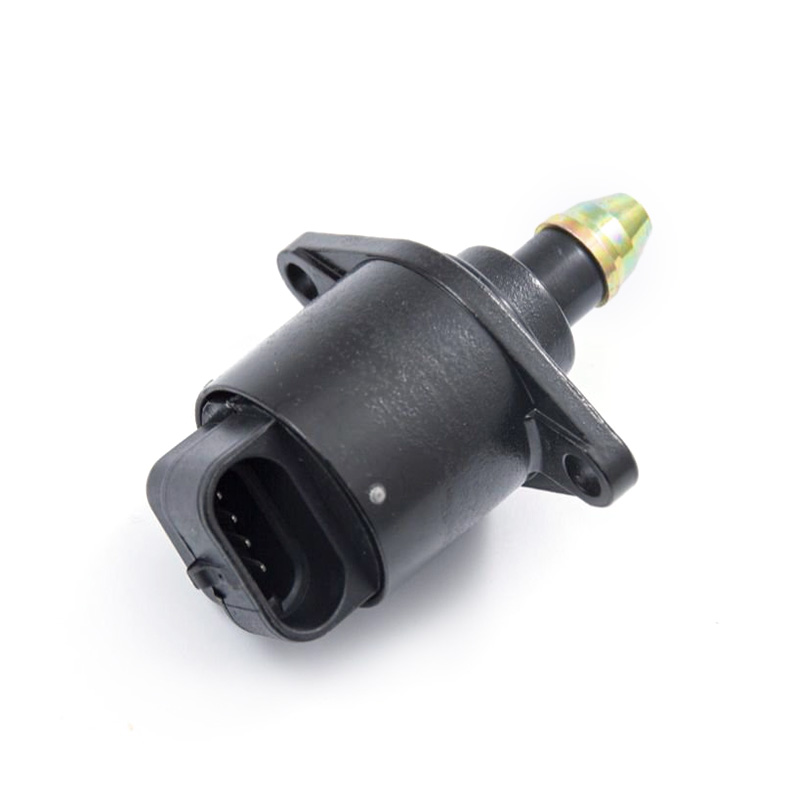
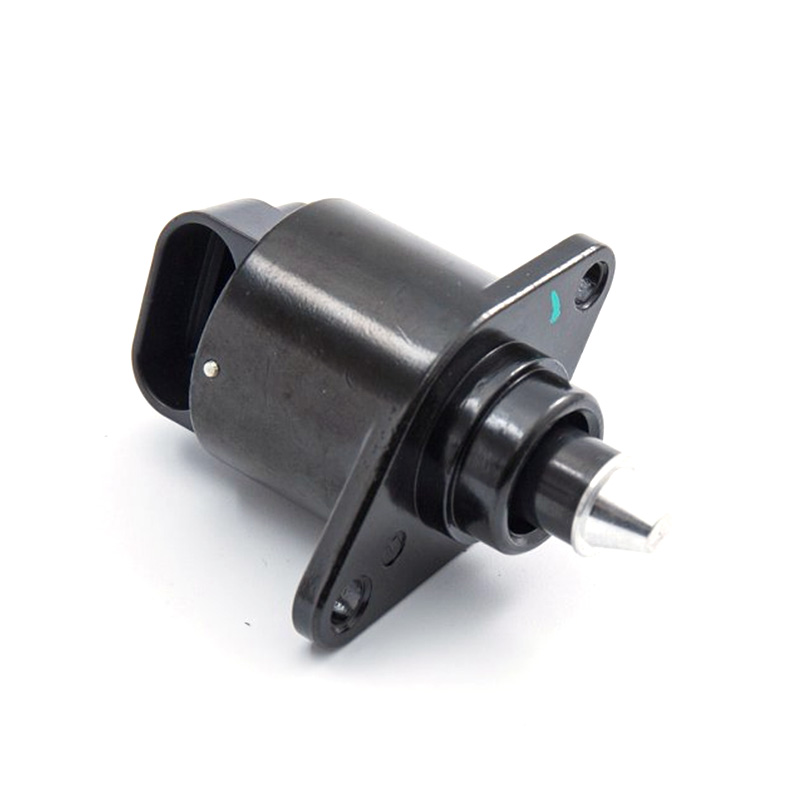
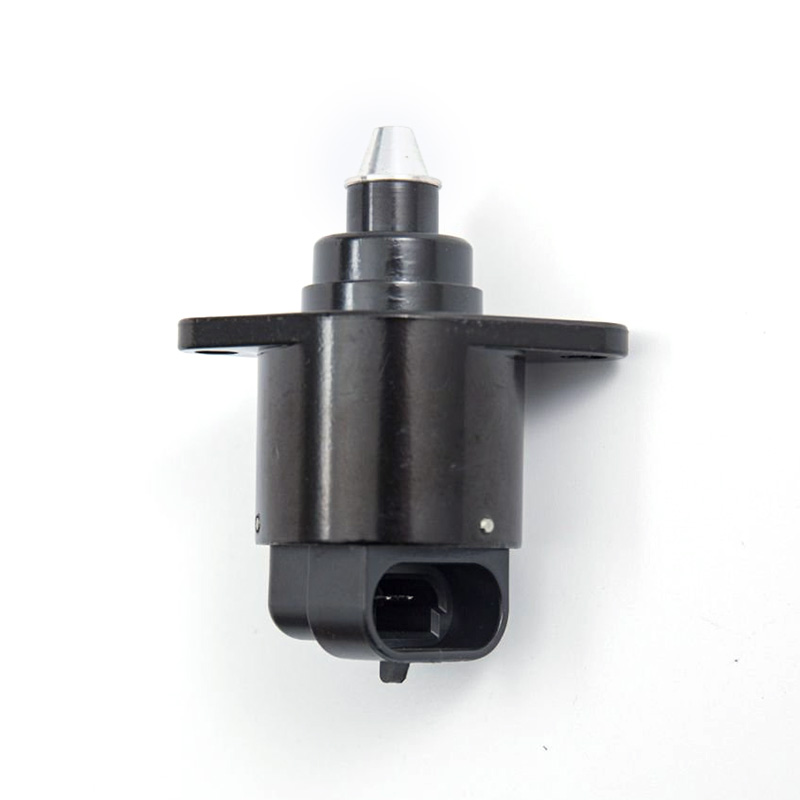
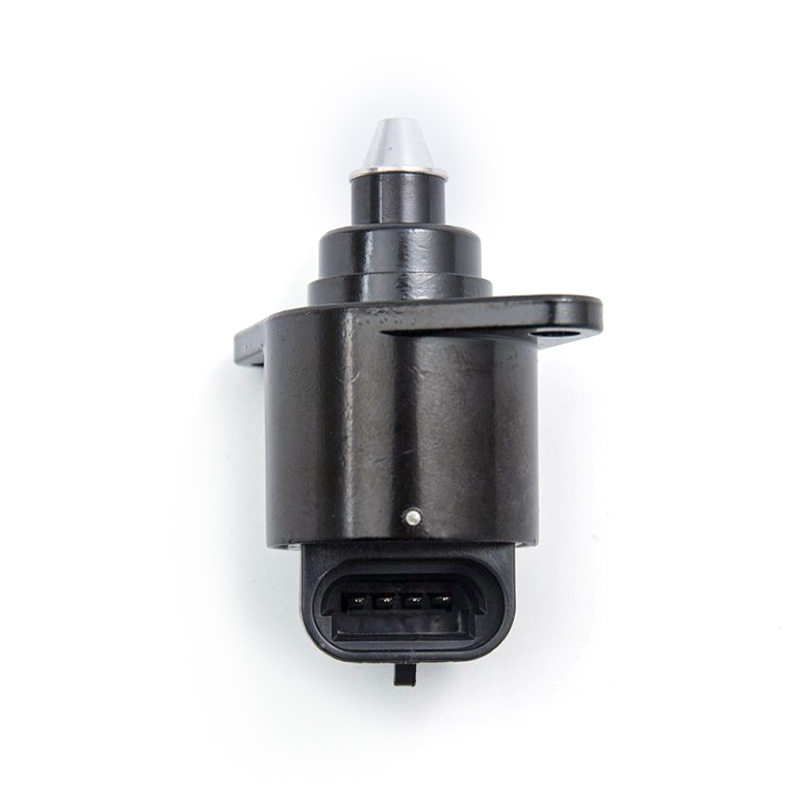
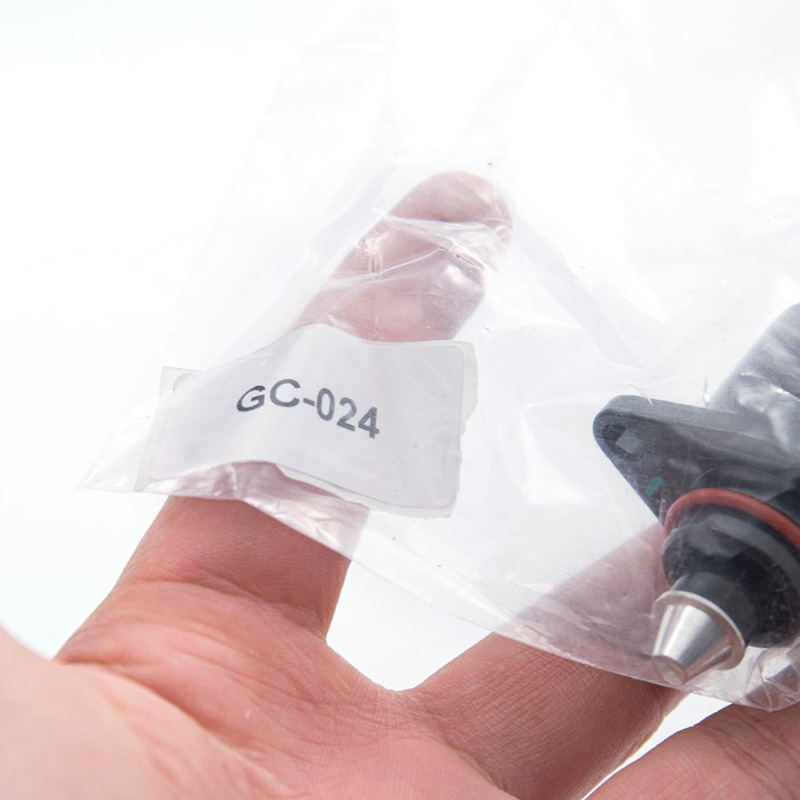
GC-024
REFERENCE OE:
SHORT CODE: C1351
OPEL: 817254 17112027
SIMENCE: A95160
DELPHI:ICD 00127
VDO: AT-59524R
HELLA:6NW009141121;0817254; 93227674
APPLICATION:
OPEL ASTRA F CLASSIC Kombi/Schraqheck;
OPEL COMBO;
OPEL CORSA A Schraqheck/TR;
OPEL CORSA B;
OPEL KADETT E;
OPEL TIGRA
Idle air control valve from China factory for Opel, IACV.
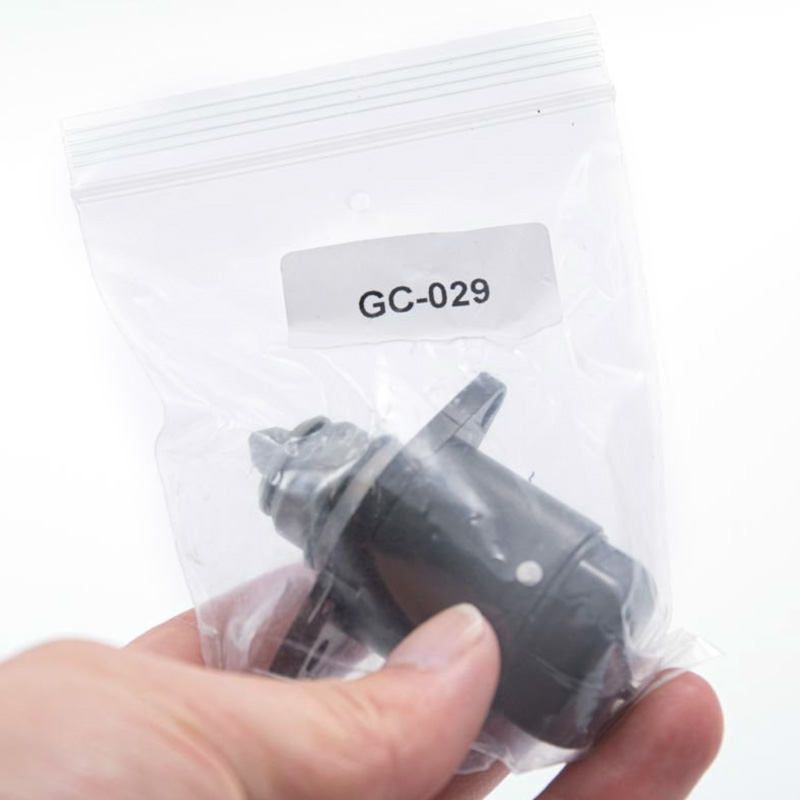
GC-029
REFERENCE OE:
2112-1148300-04
APPLICATION:
LADA
Idle air control valve from China factory for Lada.
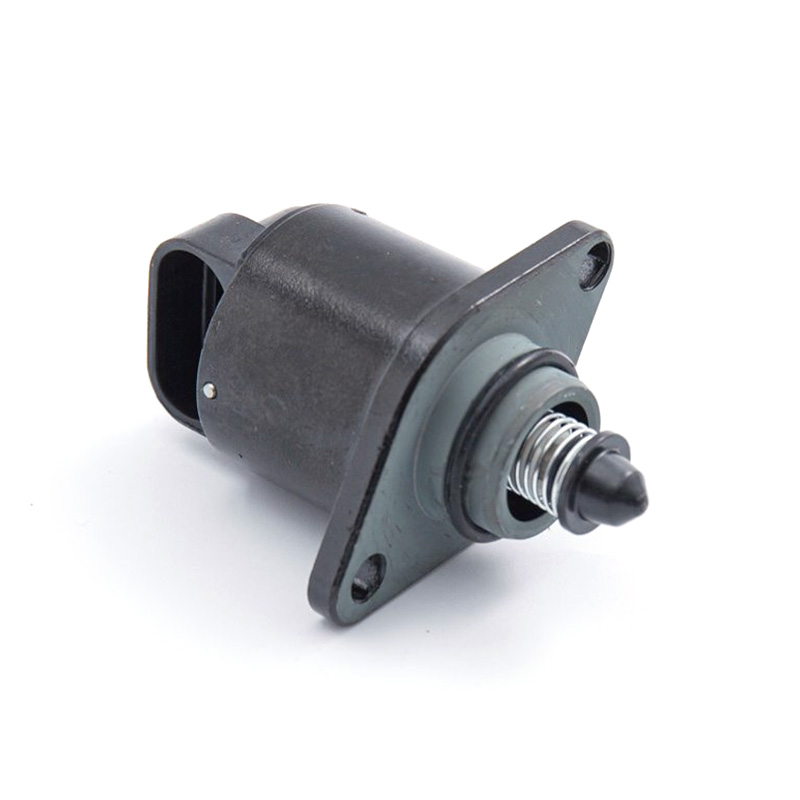
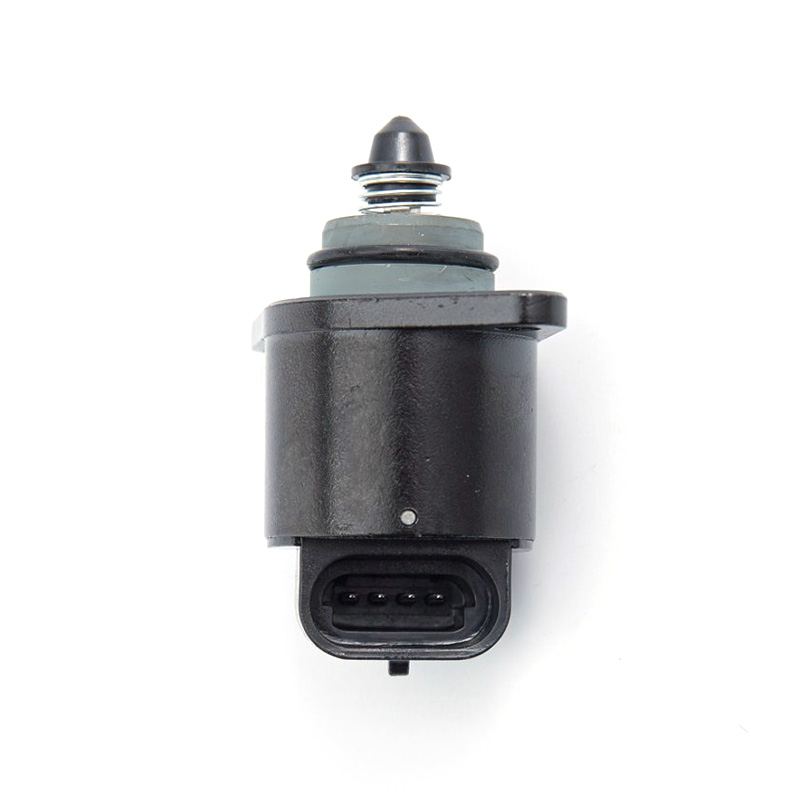
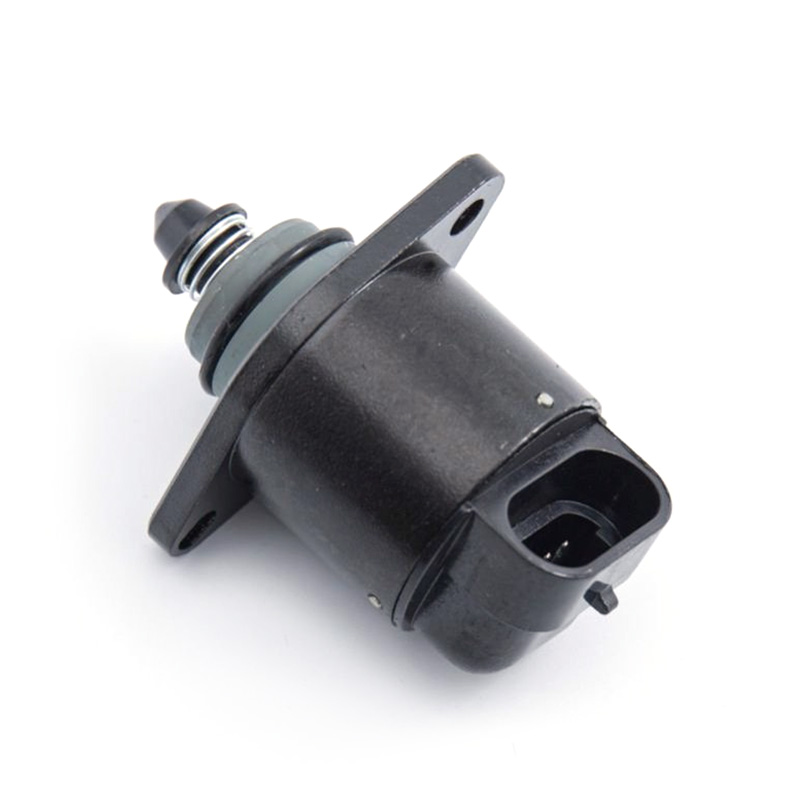
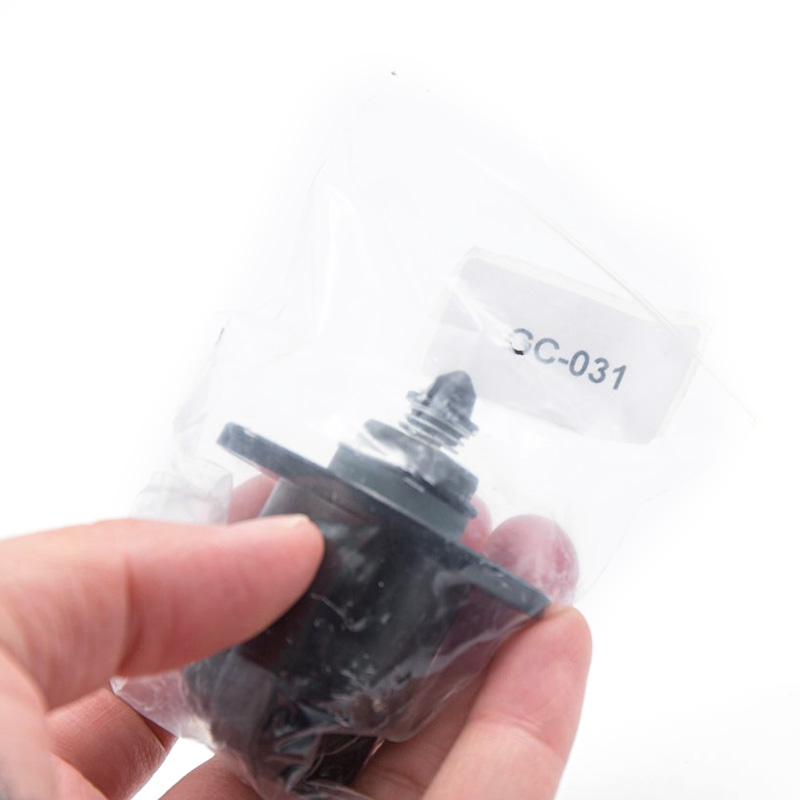
GC-031
REFERENCE OE:
2112-148300-02
APPLICATION:
LADA
Idle air control valve from China factory for Lada.
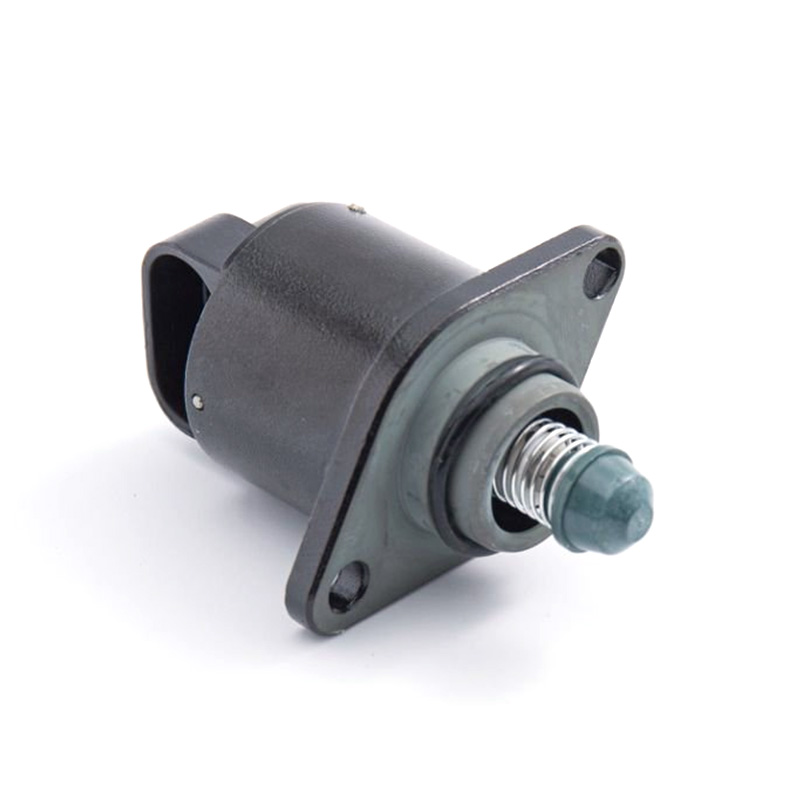
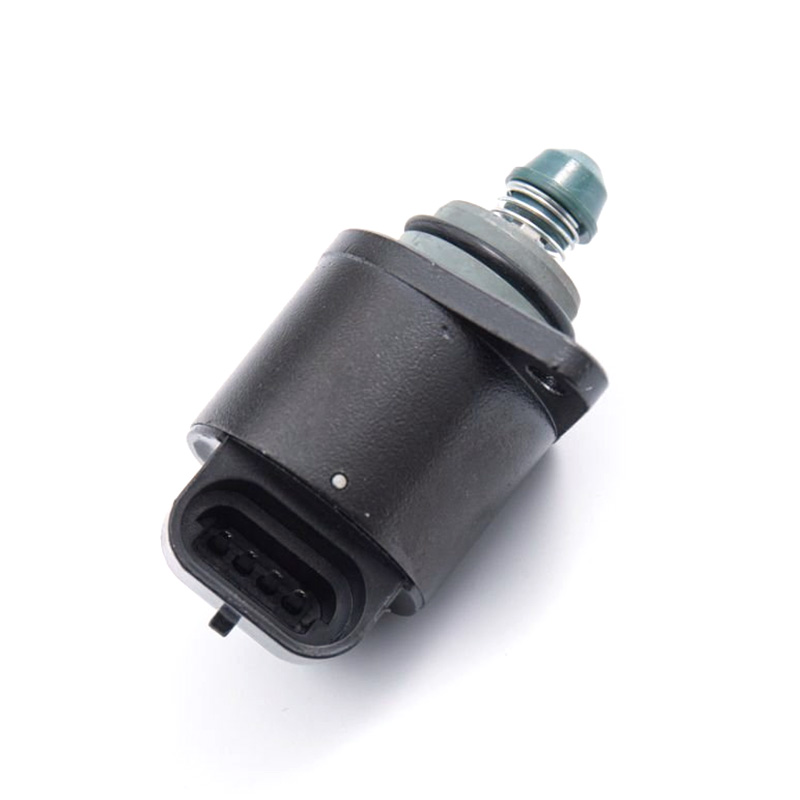
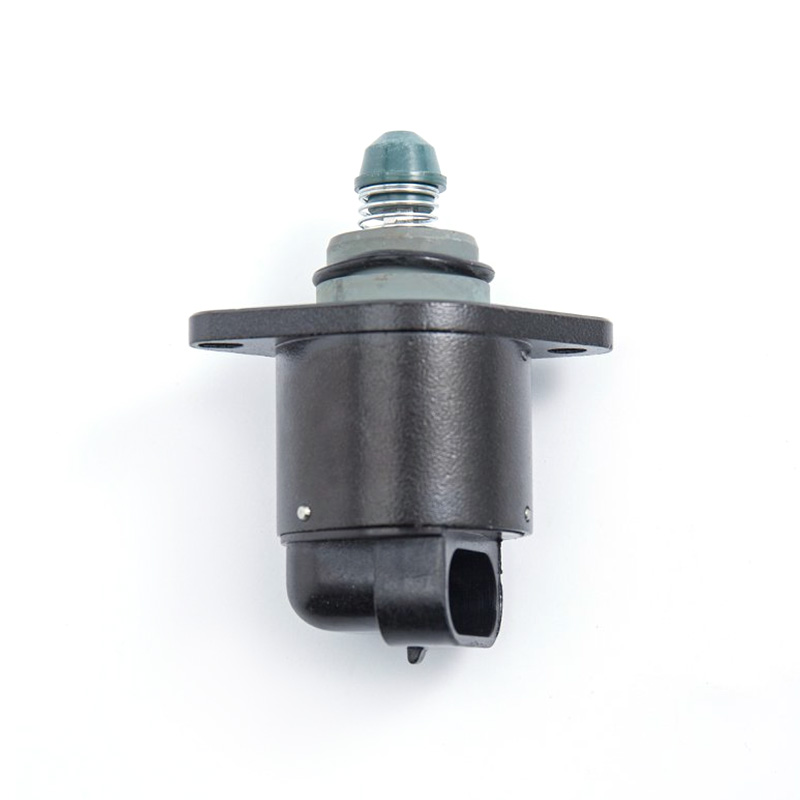
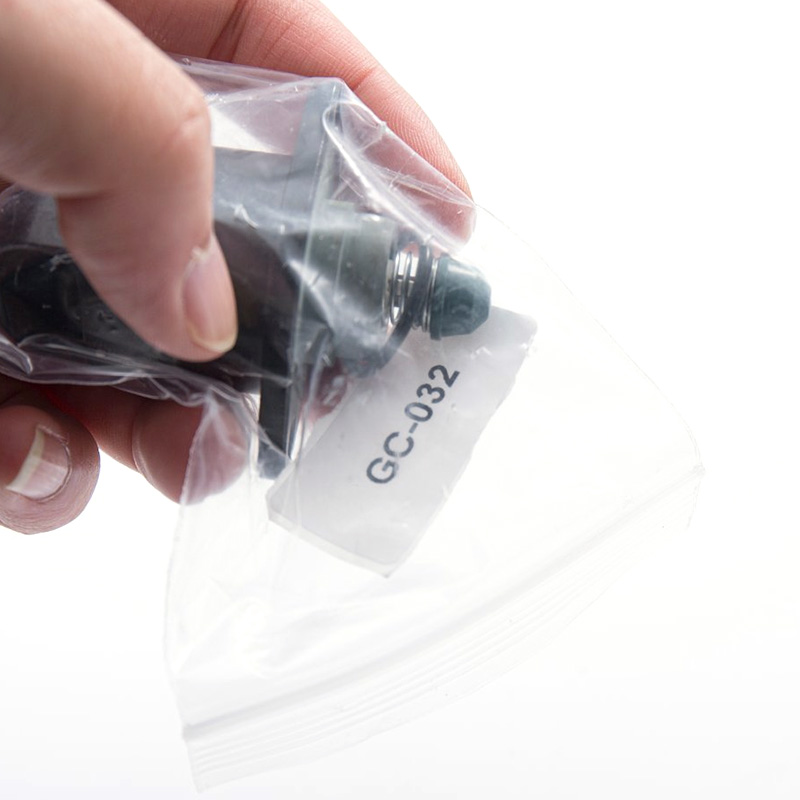
GC-032
REFERENCE OE:
21203-1148300
APPLICATION:
LADA
Idle air control valve from China factory for Lada.
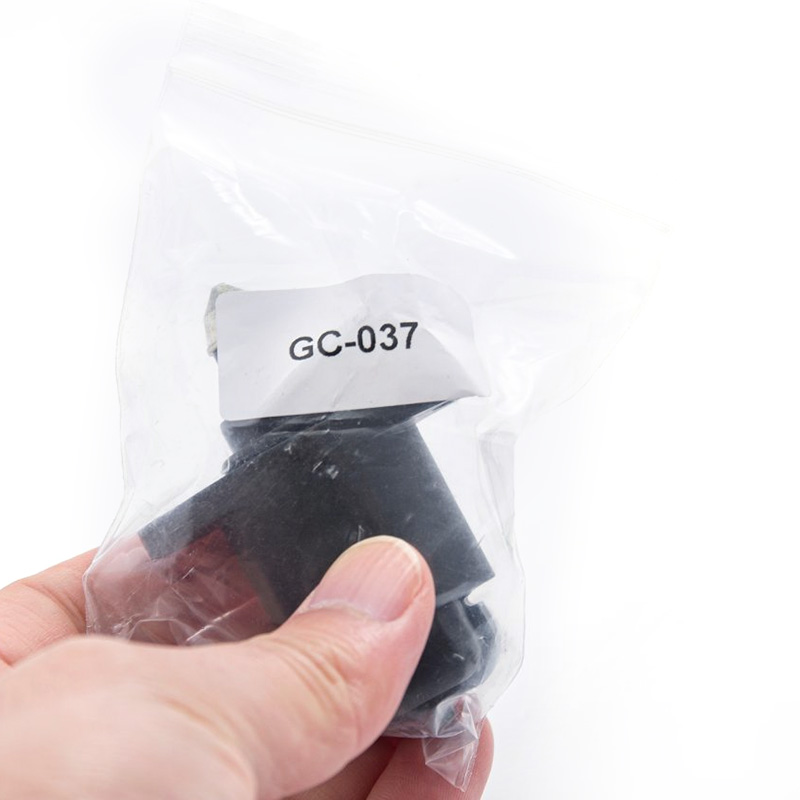
GC-037
REFERENCE OE:
HOT-STAMP:D5174
RENAULT:7701047909
APPLICATION:
RENAULT CLIO MkII;MEGANE I(BA);MEGANE Grandtour(KA);MEGANE Coach(DA0/1)/Cabriolet(EA0_)/Scenic(JA0_);PAYKAN;KIA
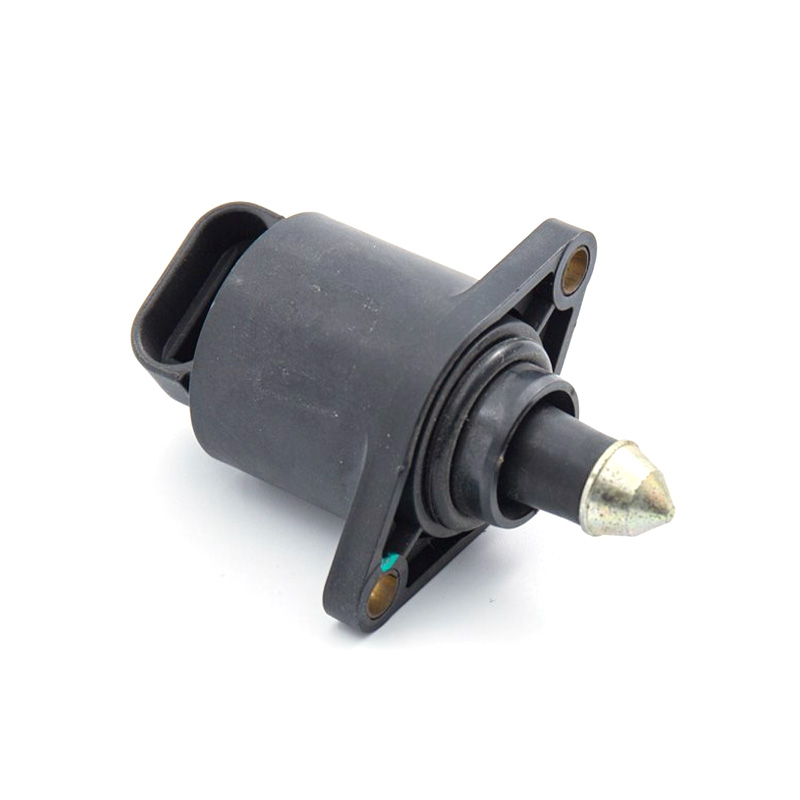
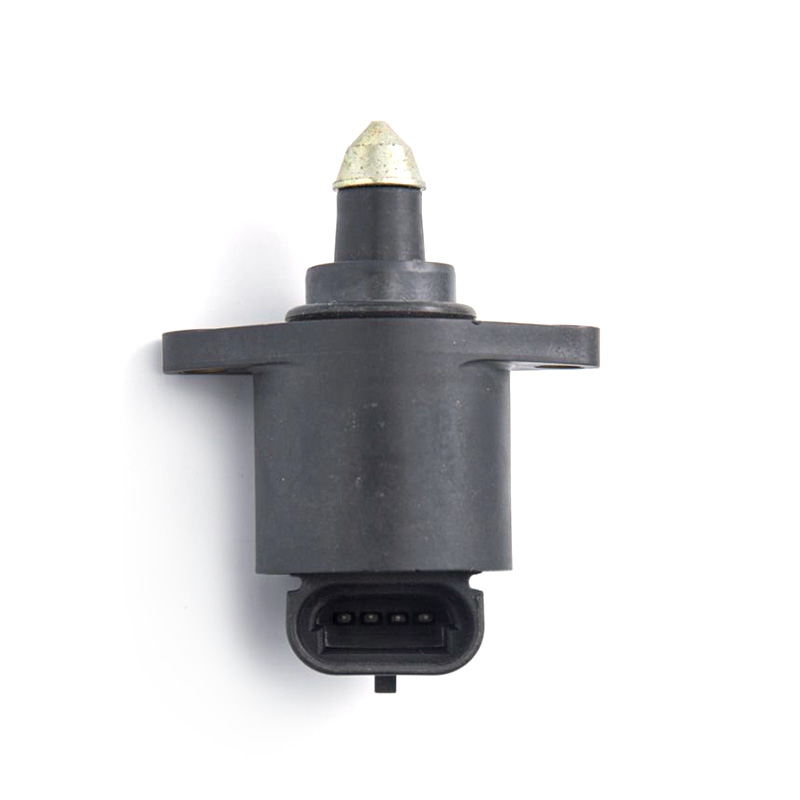
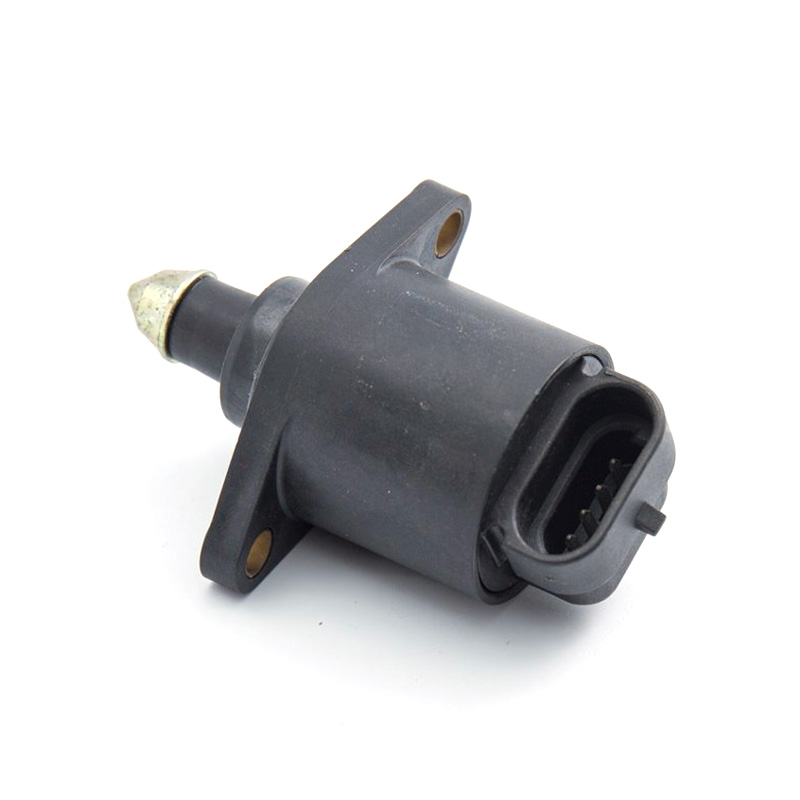
Idle air control valve from China factory for Renault Clio Megane Scenic.
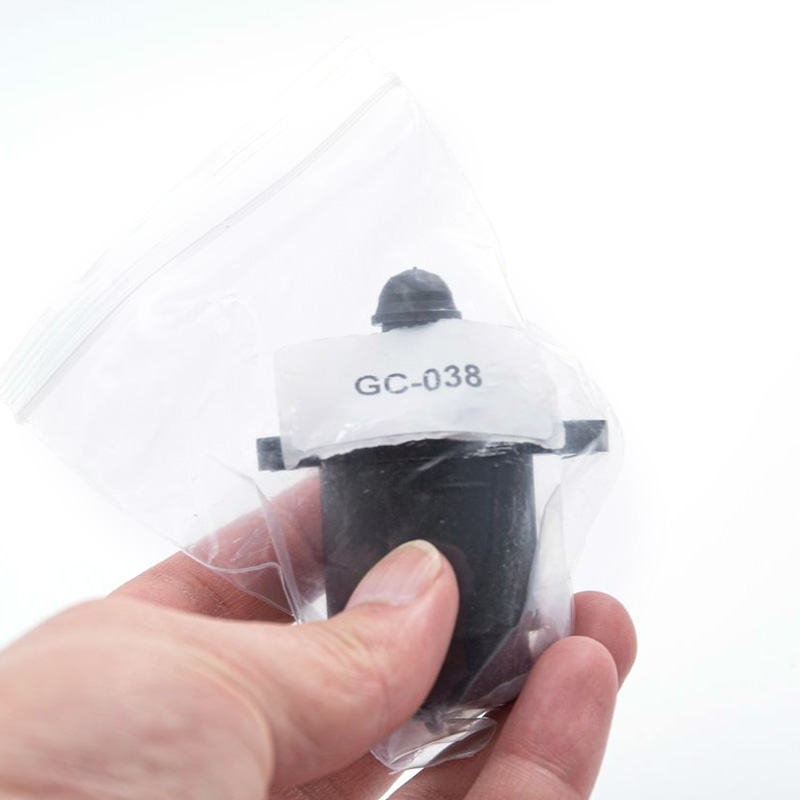
GC-038
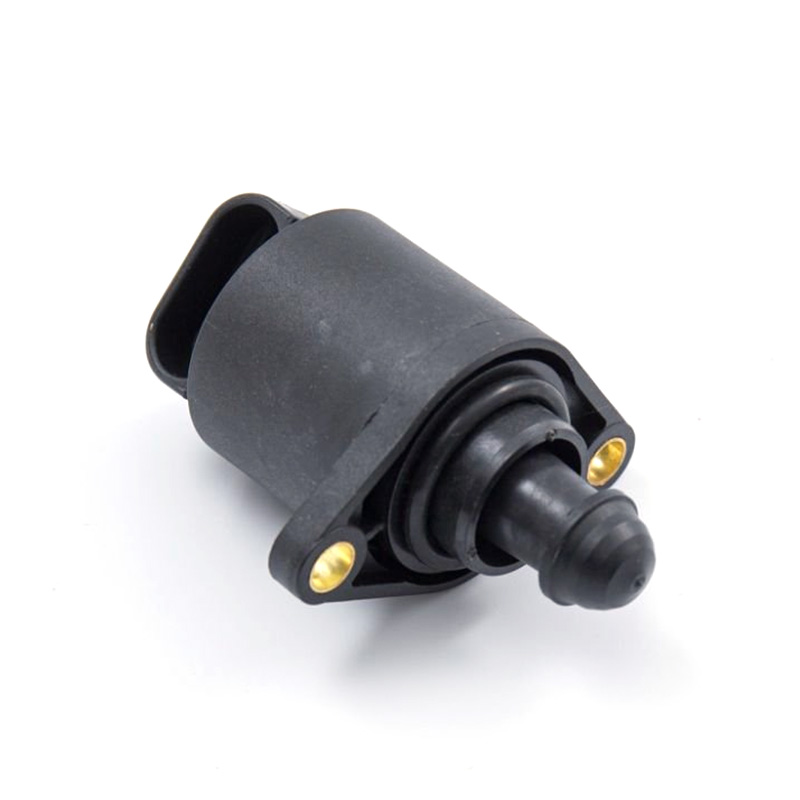
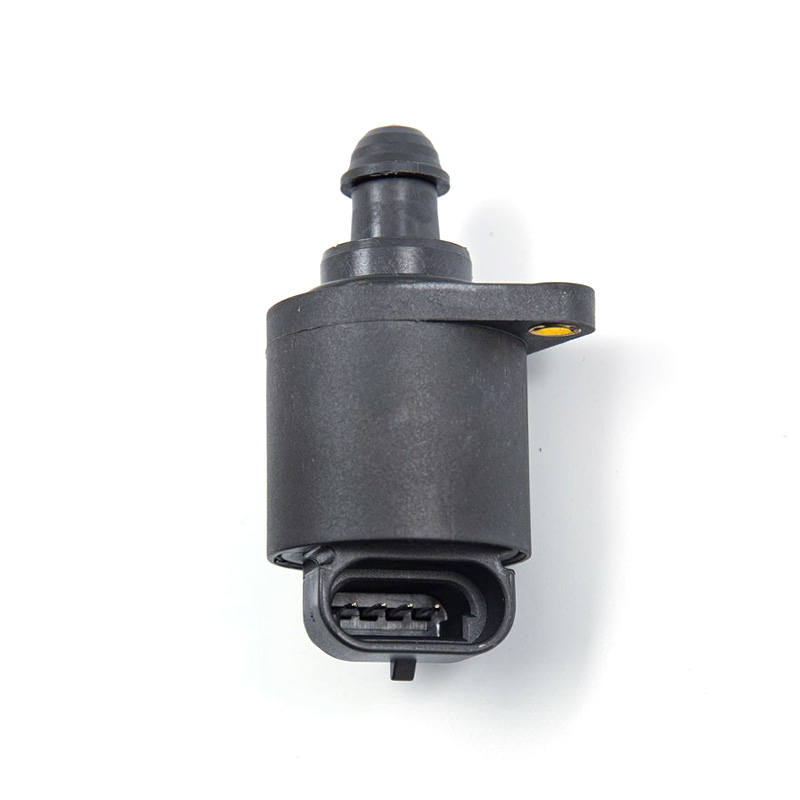
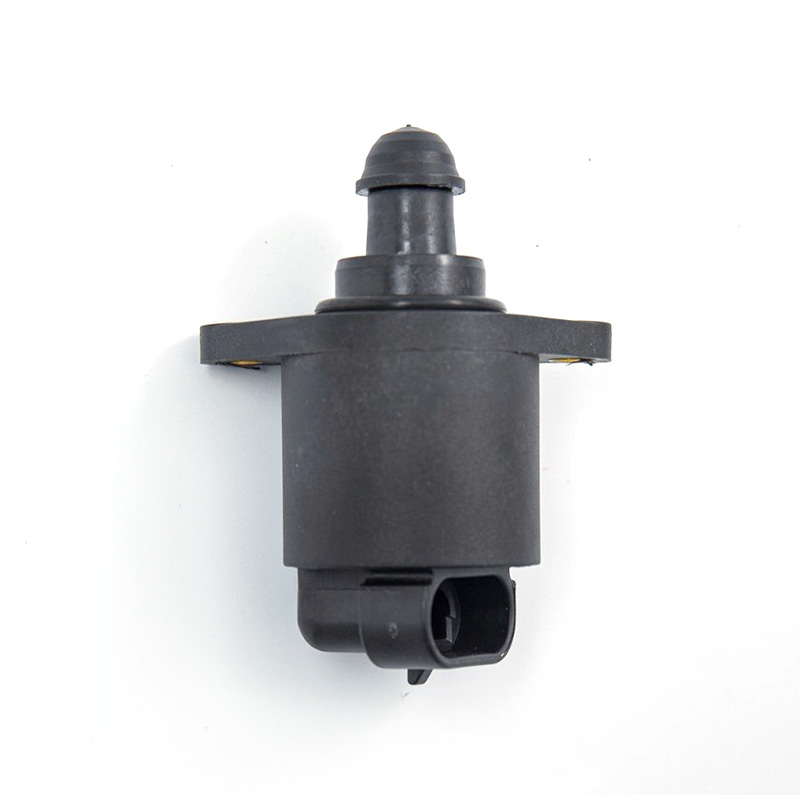
REFERENCE OE:
SIMENCE:A96158 A97116
PEUGEOT:19208X
MARELLI:230016079217
APPLICATION:
PEUGEOT 206SW/CC;PEUGEOT 307SW;406;806;807;EXPERT(224)
Idle air control valve from China factory for Peugeot 206 307 406 806 807.
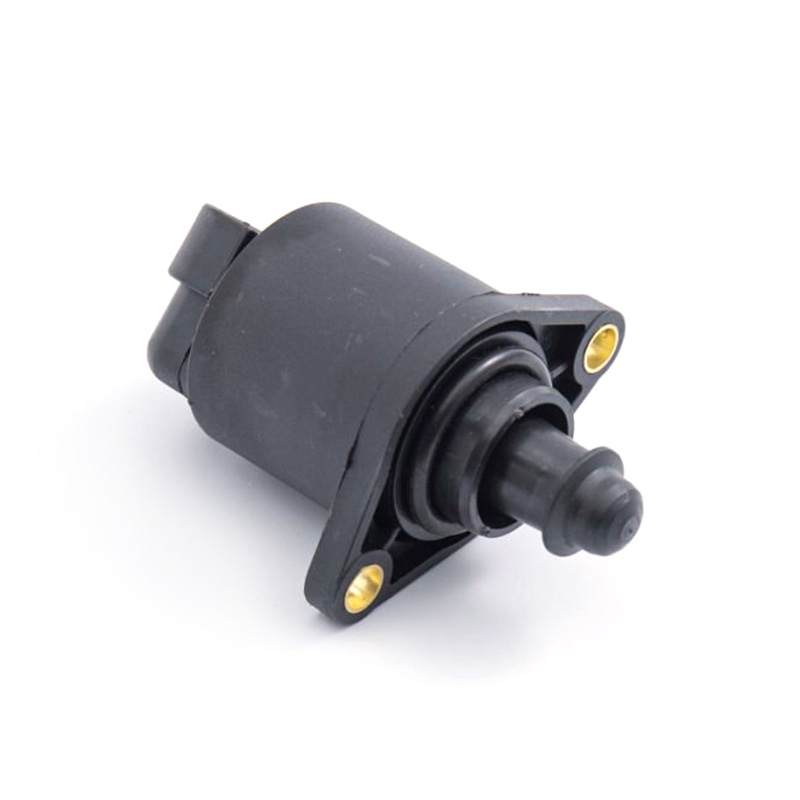
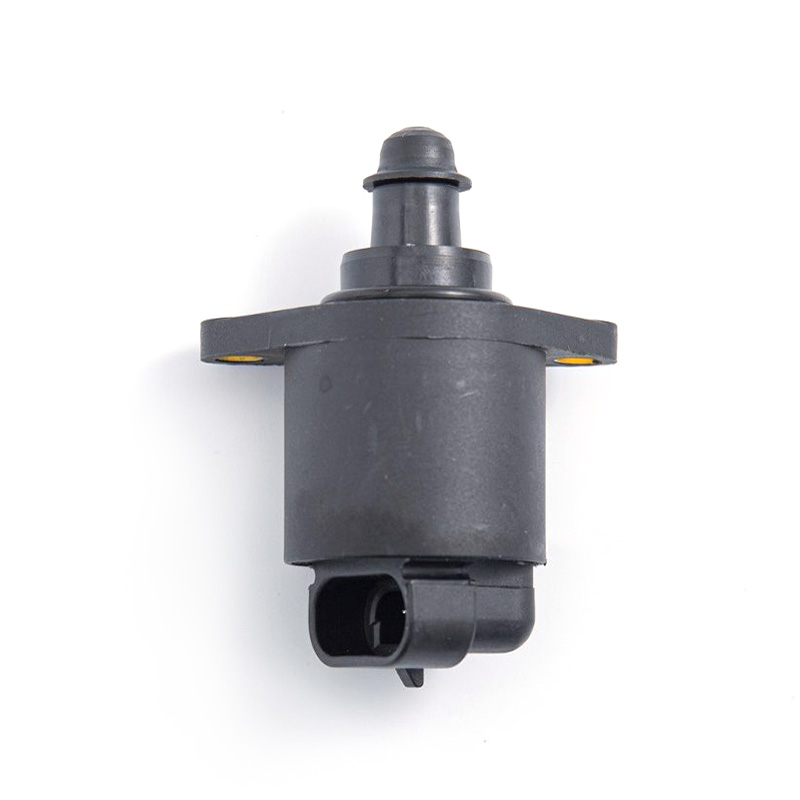
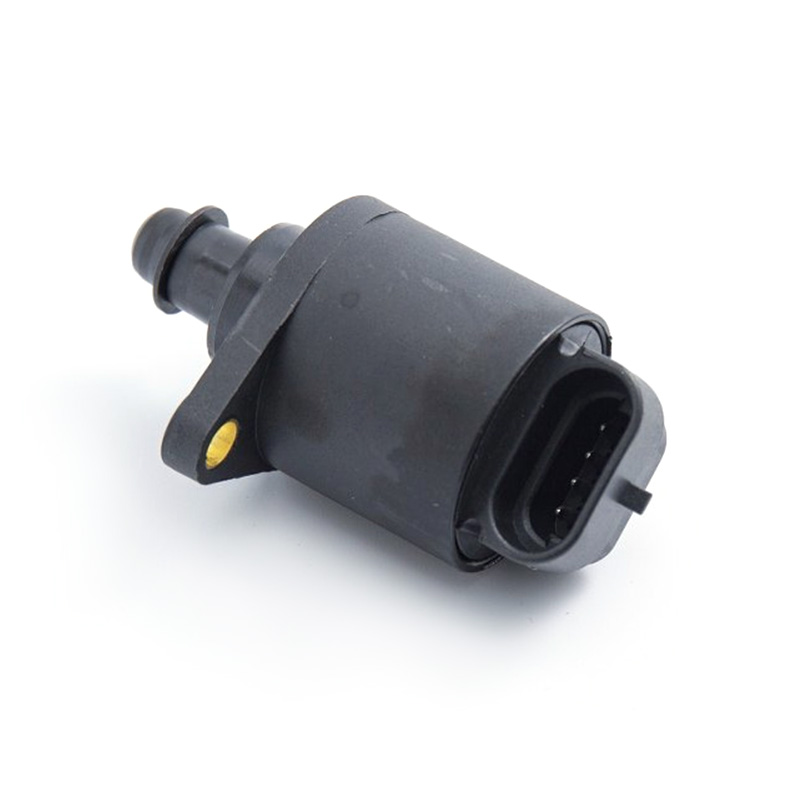
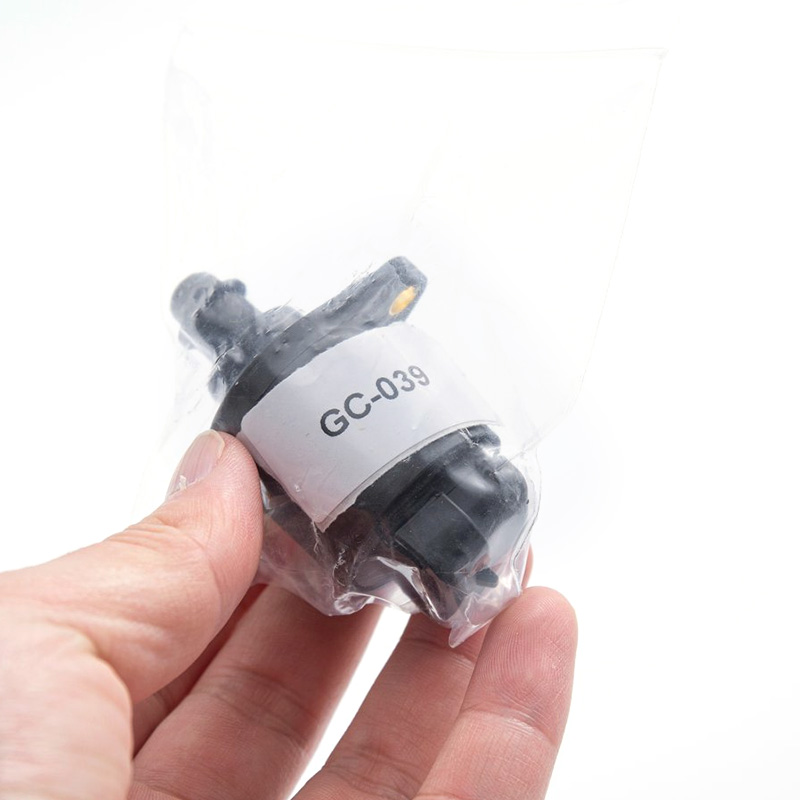
GC-039
REFERENCE OE:
MARELLI:B35/00
MARELLI:801001185201
PSA:1920AH
APPLICATION:
PEUGEOT 206 1.1 EOBD
Idle air control valve from China factory for Peugeot 206.
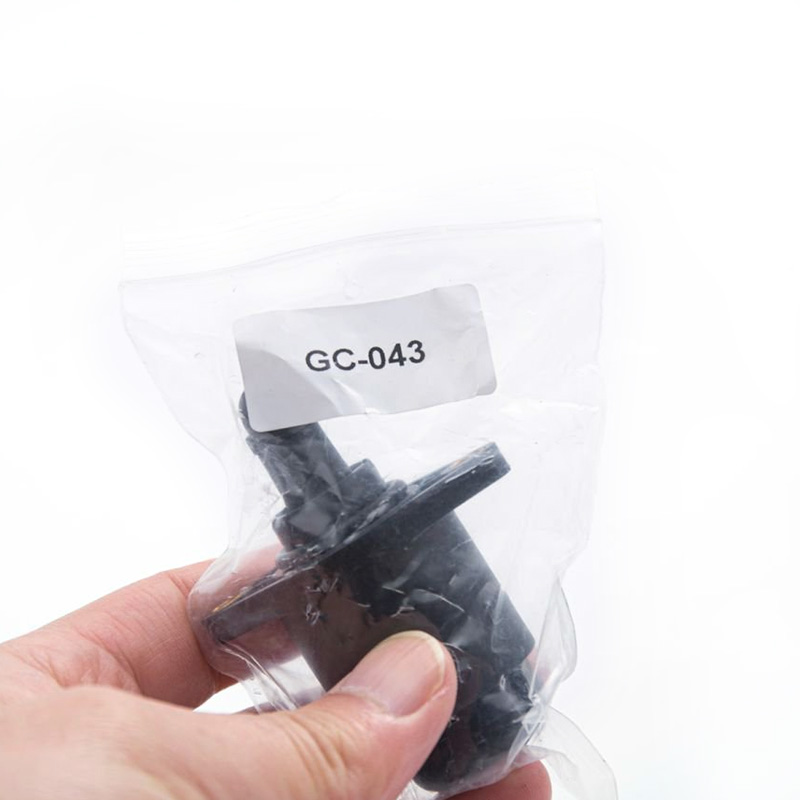
GC-043
REFERENCE OE:
SHORT CODE: B12/00
MARELLI:21924470500
OEM:9945035
APPLICATION:
FIAT PANDA(141A_)1000; Punto(176)55 1.1; Uno(146A/E) 45 i.e. 1.0; Lanci Y10(156)1.0 Fire(156e) KAT
Idle air control valve from China factory for Fiat Punto.
Contact Us
Let's start collaborating

Guocheng is specialized in the R&D and production of key engine components for the automotive and engineering machinery industries.
Product
Stay Connected
(+86) - 577 - 8582 0886 (Tel)
(+86) - 577 - 8582 8085 (Fax)
(+86) - 19730213059 (Phone)
sales@wz-gc.com
No. 205, Baiyu Road, 15th Road, Binhai Park, Wenzhou, Zhejiang, China
Mobile

ODM Engine Management System Components
 English
 русский
 Español
 عربى
عربى Deutsch