Date:Jul 03, 2026
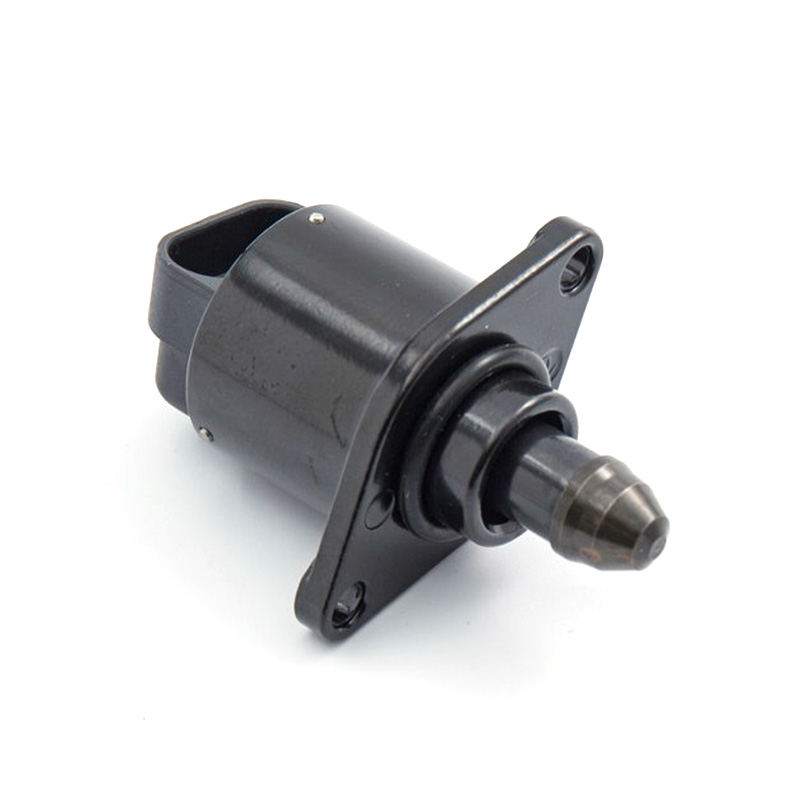
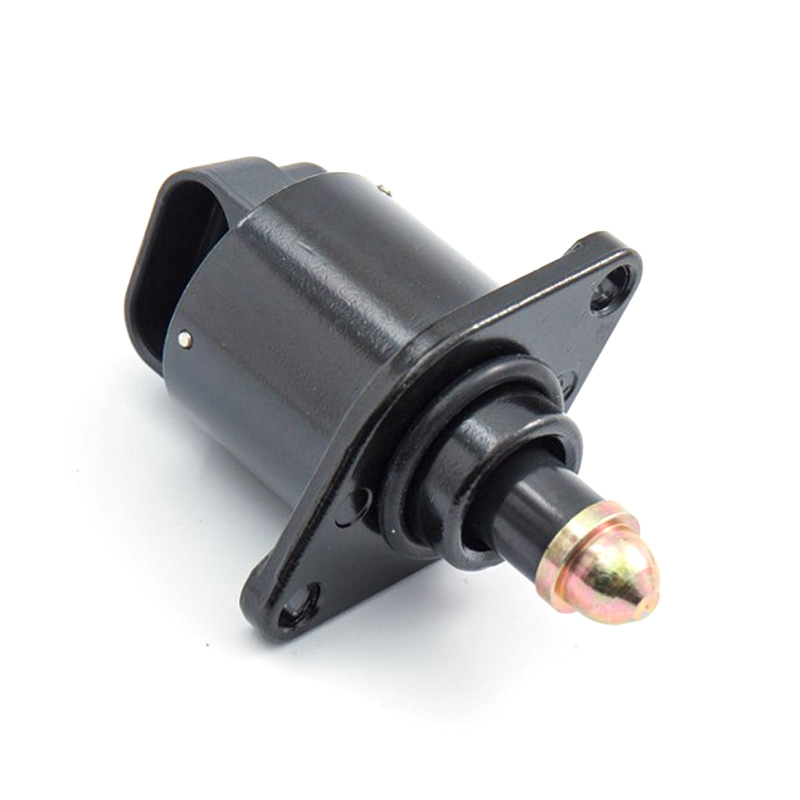
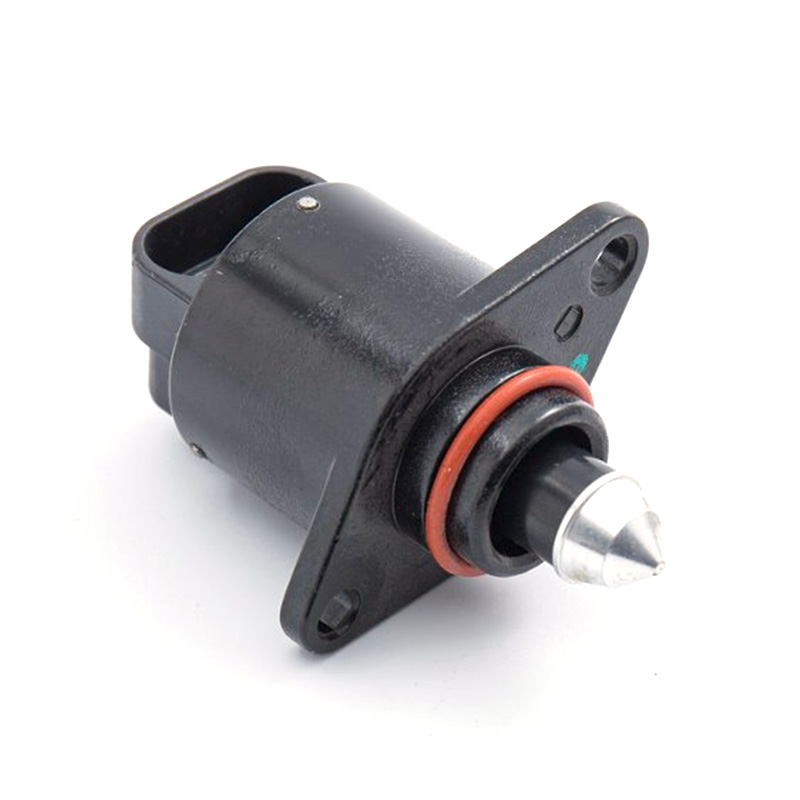
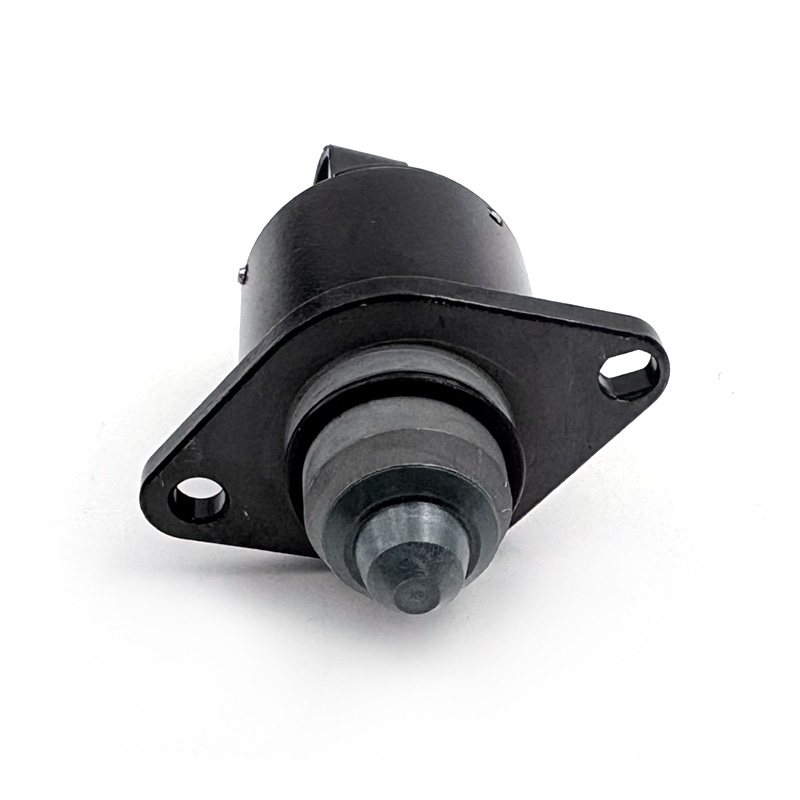
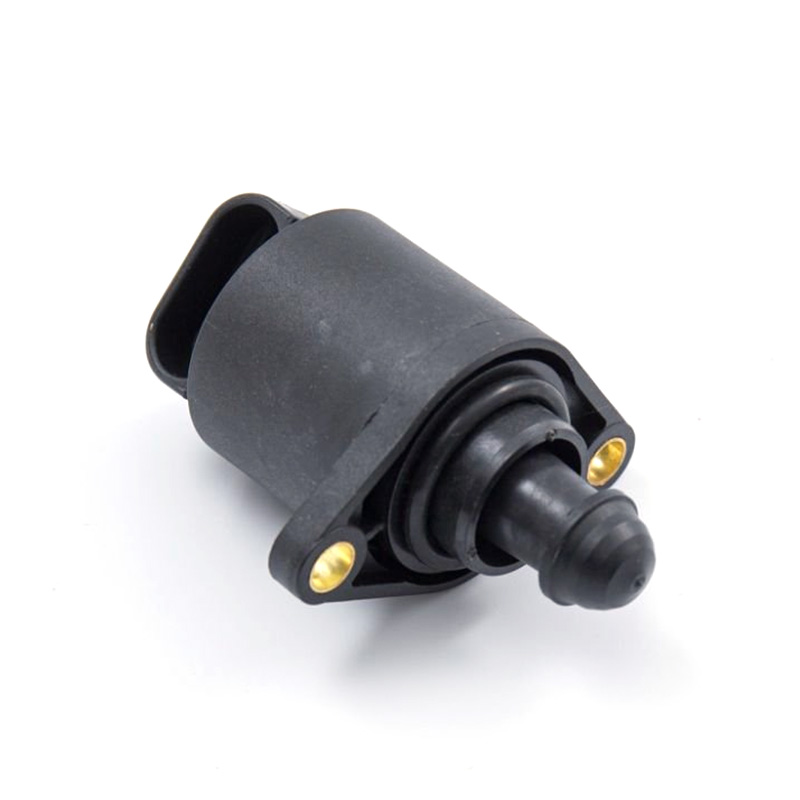
A noticeable shake at idle on an older BMW E30 often triggers suspicion toward airflow regulation components. Among them, the BMW E30 idle control valve frequently appears in diagnostic discussions because it governs bypass air during closed-throttle operation. Engine behavior such as fluctuating RPM, uneven combustion rhythm, or intermittent stalling tends to cluster around this small but active component.
Reports from long-term owners and repair logs show that idle instability rarely comes from a single cause. The idle control system interacts with intake sealing, throttle position signals, and ECU modulation. A malfunctioning or contaminated valve can distort airflow balance, producing symptoms that mimic fuel delivery or ignition faults.
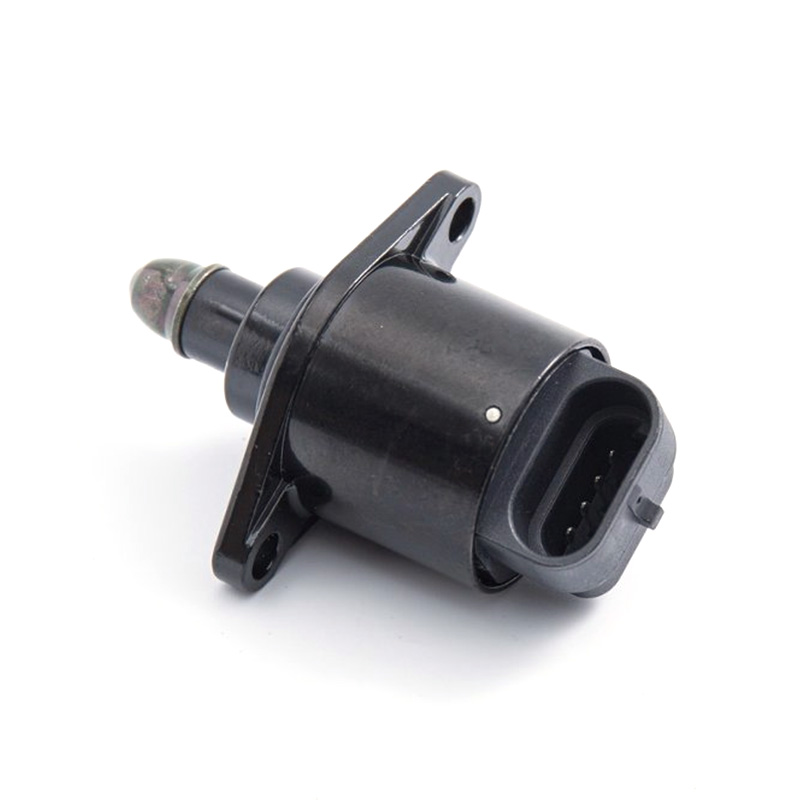
The E30 platform uses an electronically regulated bypass system. Air bypasses the throttle plate through a controlled passage, adjusted continuously by the ECU.
Technical overview of the system:
The valve behaves like a dynamic air gate, opening and closing in response to engine load variations such as electrical demand or air conditioning engagement. Data from BMW technical references indicates that even small airflow deviations can shift idle stability noticeably.
Idle fluctuation rarely originates from a single fault point. Instead, multiple small inefficiencies combine into unstable combustion at low RPM.
Field reports often describe a transition phase where the engine behaves normally on cold start, then becomes unstable after reaching operating temperature. This pattern aligns with ECU switching logic and airflow compensation changes.
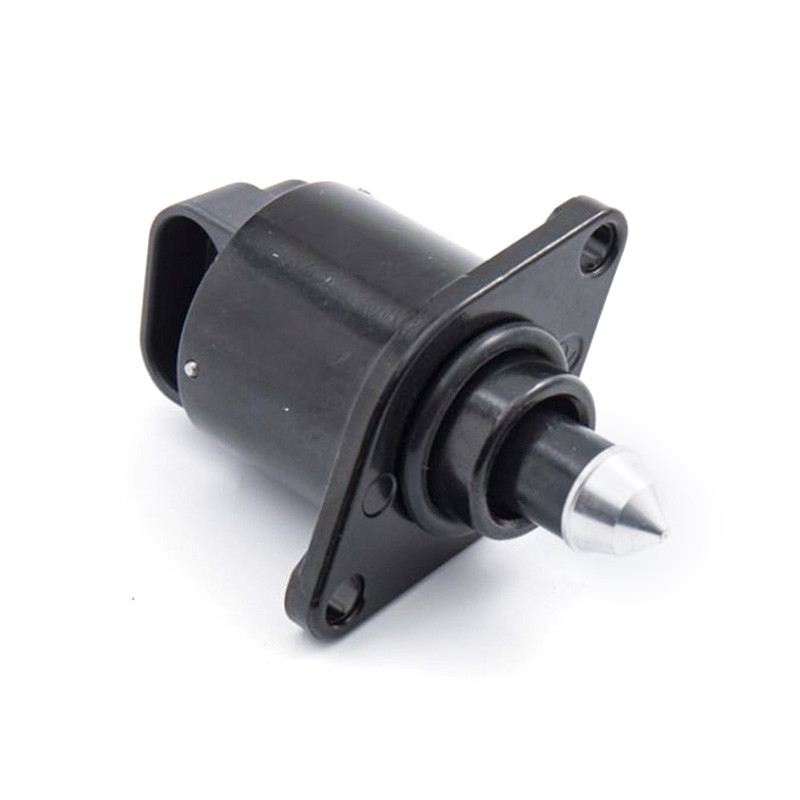
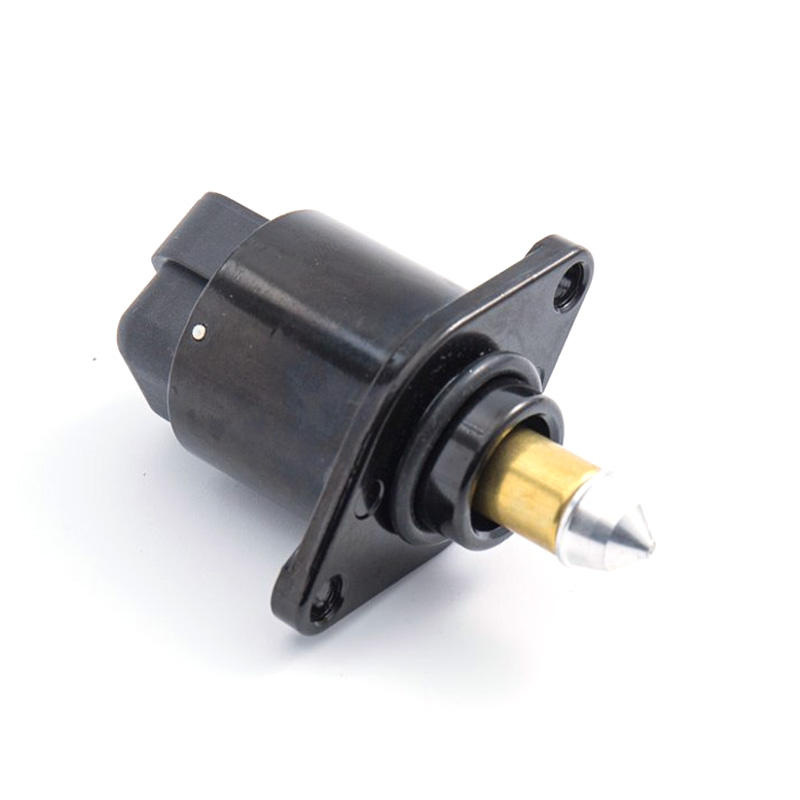
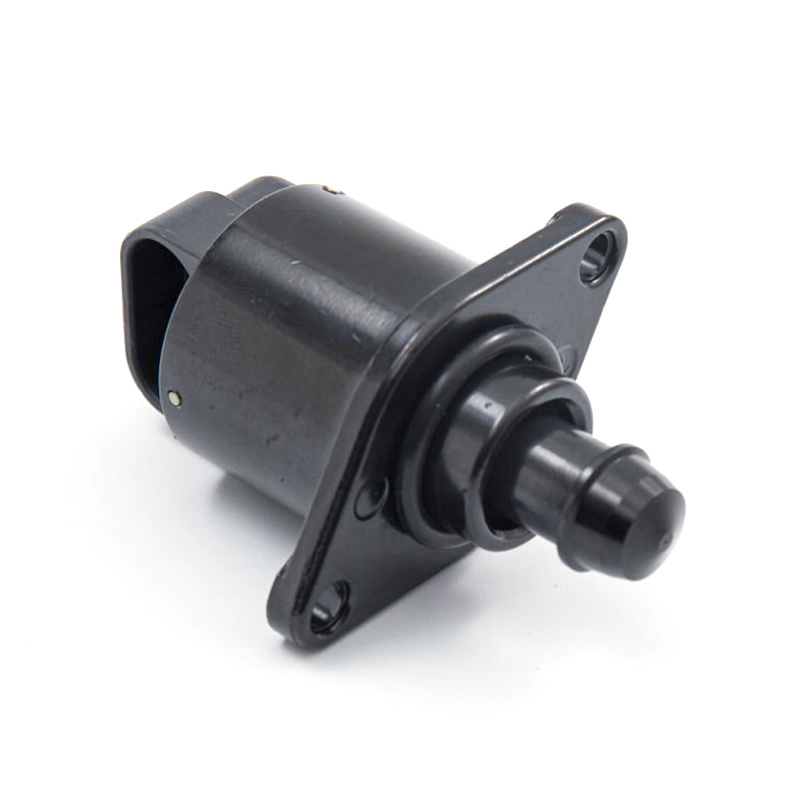
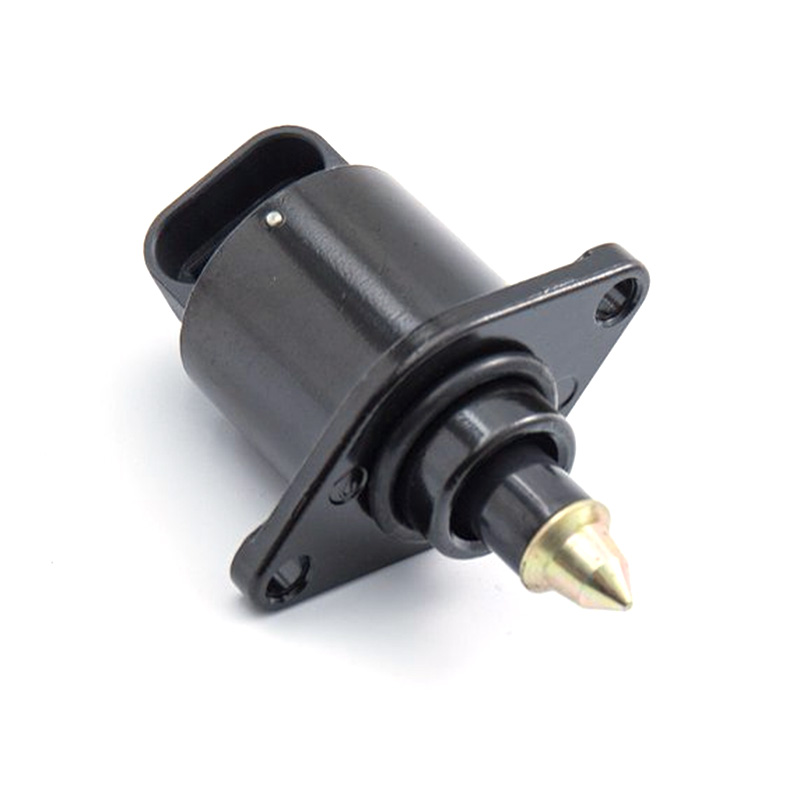
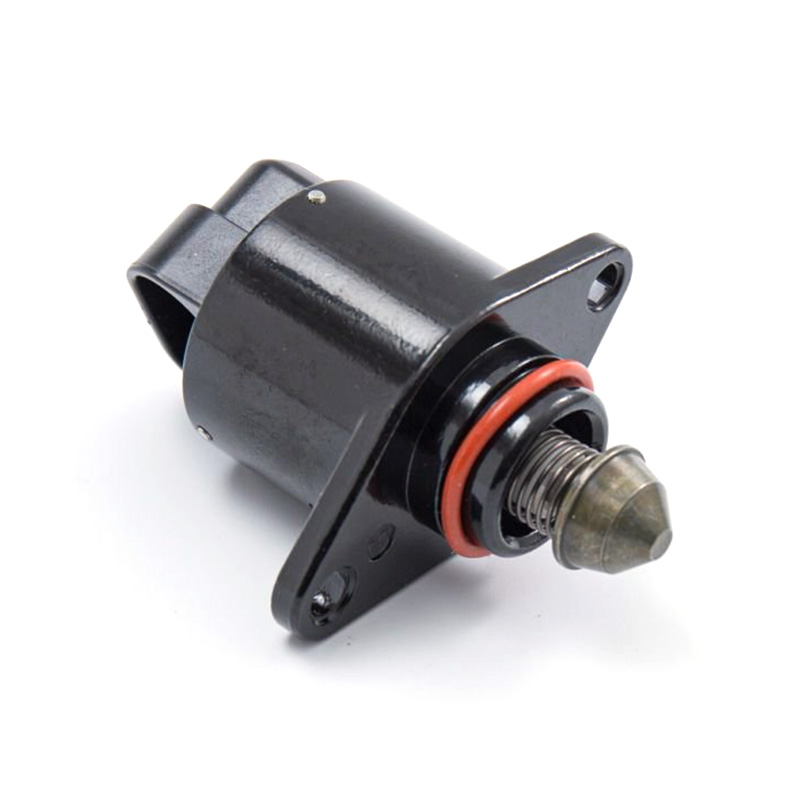
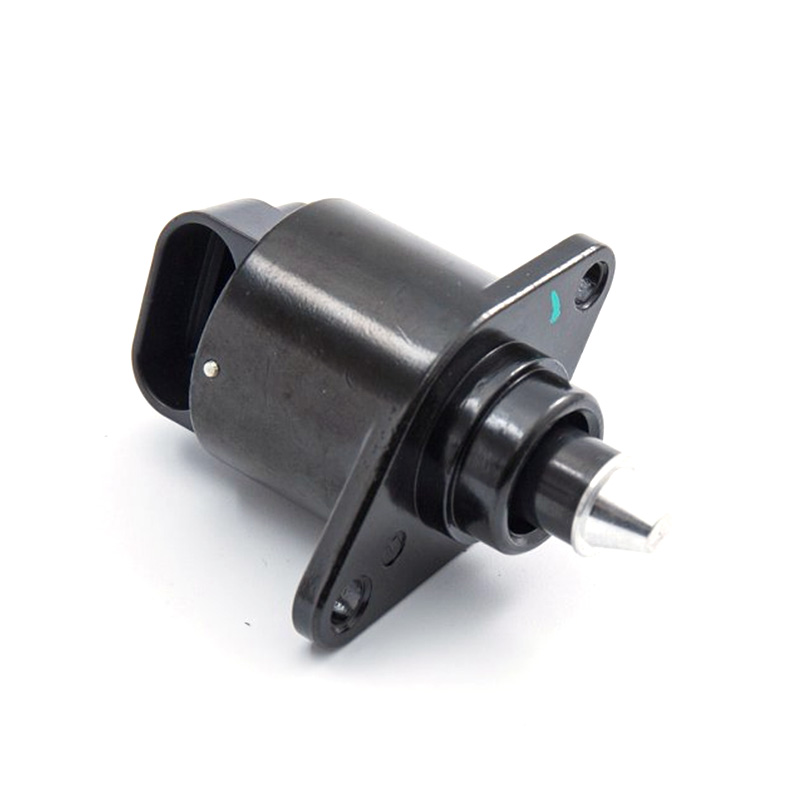
The valve used in the E30 system is typically a rotary or linear bypass unit depending on engine variant. It contains a solenoid-driven mechanism that adjusts an internal air channel.
Basic technical parameters (typical Bosch-style unit):
| Parameter | Typical Range |
| Operating voltage | 12V PWM-controlled |
| Control type | Pulse width modulation signal |
| Idle airflow design | Bypass channel with adjustable opening |
| Housing material | Aluminum or reinforced polymer |
| Response time | Milliseconds-level adjustment cycle |
Observations from repair documentation show that the valve rarely suffers complete electrical failure. Instead, mechanical sticking due to carbon or oil vapor buildup creates delayed response or partial blockage.
A malfunctioning airflow regulator produces a recognizable pattern across multiple driving conditions. These symptoms often overlap with intake leaks or fuel mixture inconsistencies.
In several diagnostic cases, airflow irregularity only appears after the engine transitions from enrichment phase to closed-loop regulation. This shift exposes weak idle compensation.
Proper diagnosis requires separating airflow control faults from fuel or ignition issues. Idle instability is often misattributed, which leads to unnecessary part replacement.
Technical forums often highlight that intake leakage produces similar symptoms to a sticky idle valve. A combined fault scenario is also common in high-mileage engines.
The ECU continuously adjusts airflow using feedback from engine speed and throttle position sensors. Idle stabilization is not a fixed setting but a constantly corrected variable.
Control logic behavior:
Small delays in valve response create noticeable RPM hunting because correction cycles overlap rather than stabilize.
Long-term exposure to fuel vapors and crankcase gases contributes to internal contamination. Even minor buildup affects airflow precision at low throttle positions.
Cleaning procedures typically involve solvent flushing that restores free movement of internal components. However, mechanical wear inside the housing may still reduce long-term accuracy even after cleaning.
Field experience indicates that restored valves often improve idle smoothness immediately, although persistent vacuum or sensor issues can still reproduce symptoms.
Idle instability on BMW E30 engines cannot be attributed solely to one component without verification. The idle control valve remains a central element in airflow management, yet its performance depends heavily on surrounding system integrity.
A balanced idle condition emerges only when intake sealing, sensor accuracy, and bypass airflow all operate within expected tolerances. A deviation in any single area can create the rough idle behavior commonly reported in aging E30 platforms.
Related Products
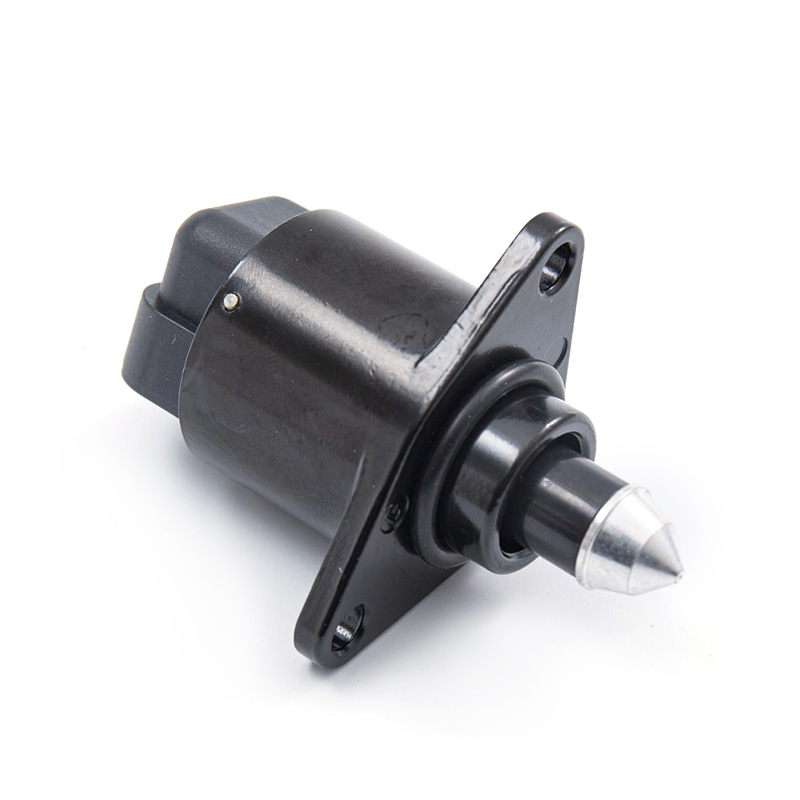
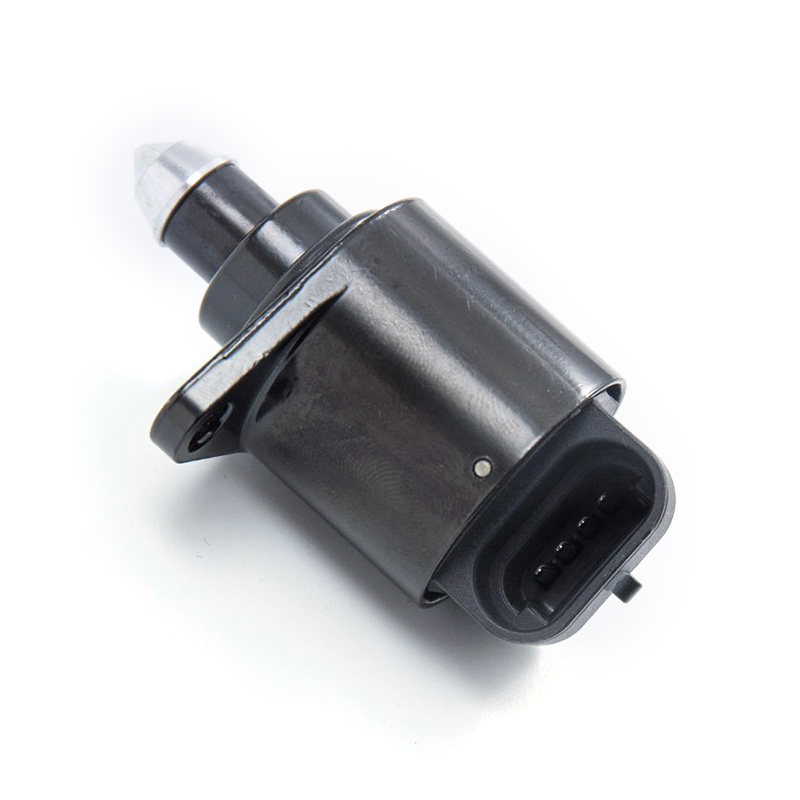
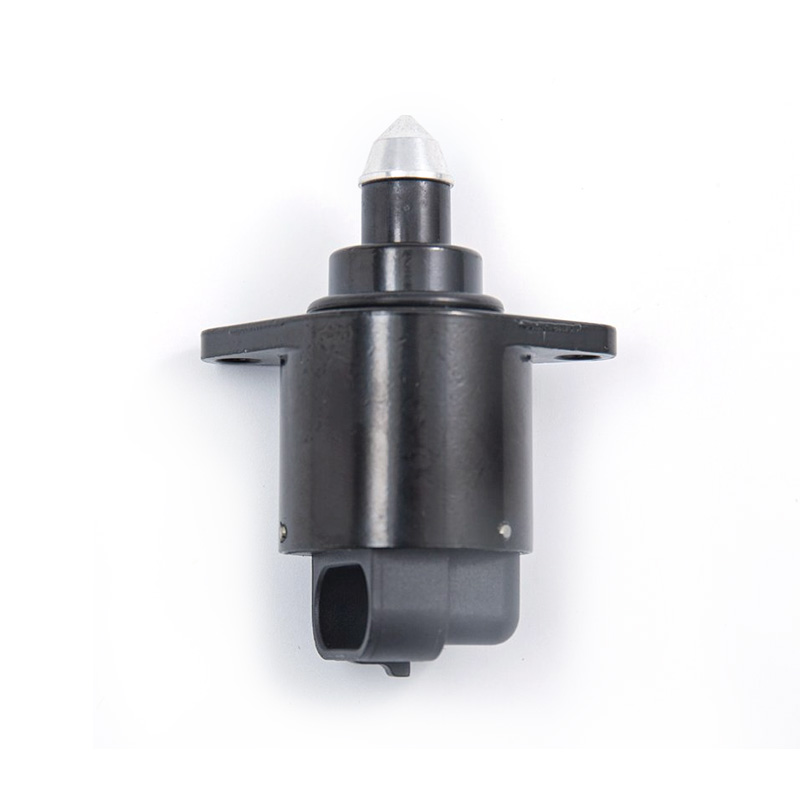
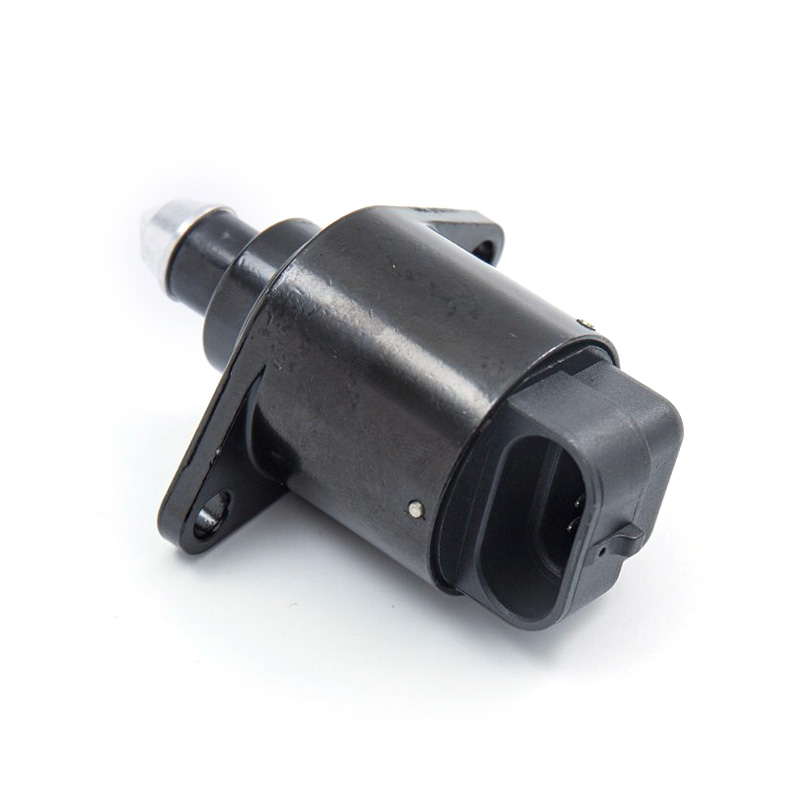
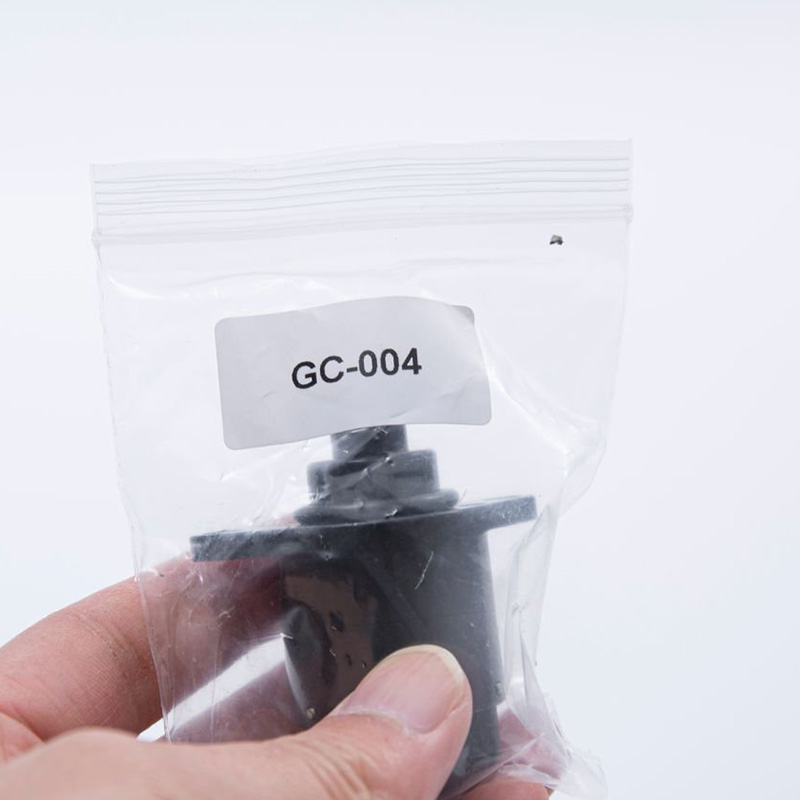
GC-004
REF OE:
SHORT CODE:B32/00
SIMENCE:A97115 19206W
APPLICATION:
CITROEN BERLINGO(MF)/Kasten(M_)1.4 i(MFKFX);CITRO SAXO(S0,S1) 1.4VTS,CITRO XSARA(N1)/Break(N2)/Coupe(N0)1.4i;
PEUGEOT 106 II(1)1.4i;PEUGEOT 206 Schraqheck(2A/C)1.4i/SW(2E/K)1.4;
PEUGEOT306(7B,N3,N5)1.4SL/Break(7E,N3,N5)1.4/Schraqheck(7A,7C,N3,N5)1.4;
PEUGEOT PARTNER Combispace(5F)1.4/Kasten(5)1.4
China manufacture for idle air control valve,high quality and competitive price!
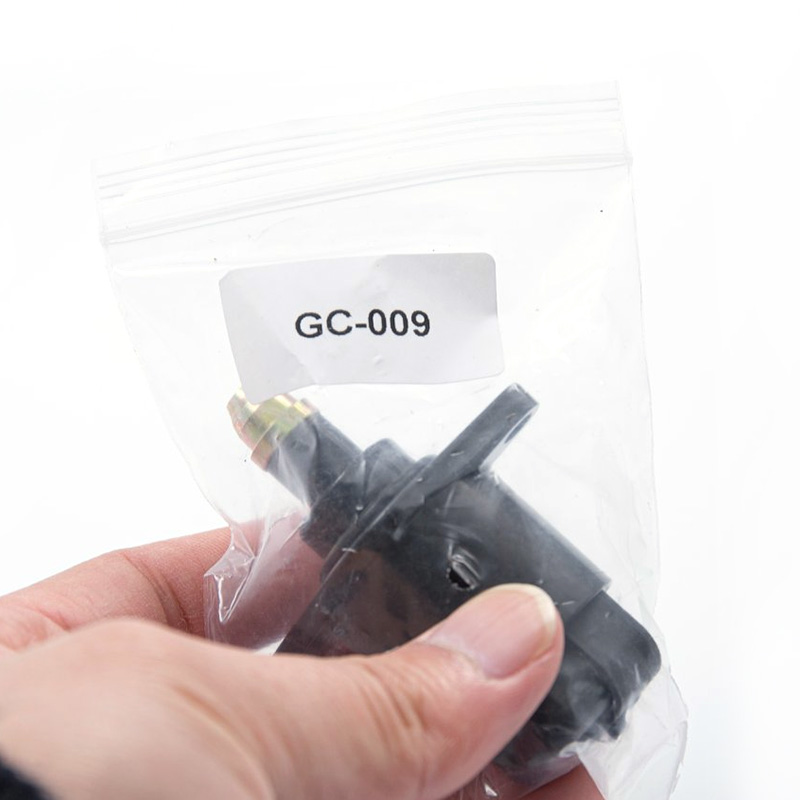
GC-009
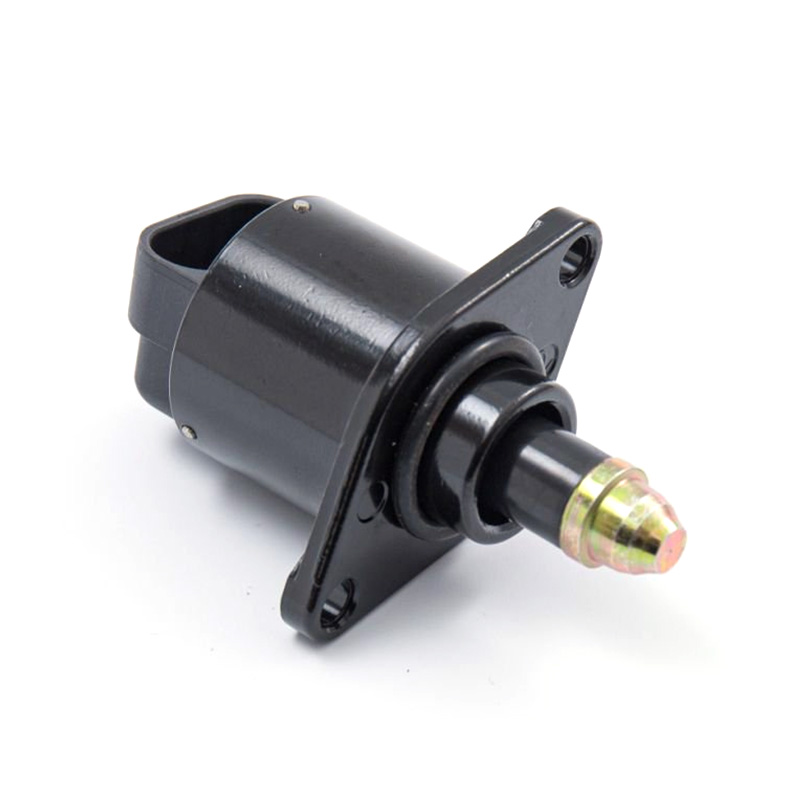
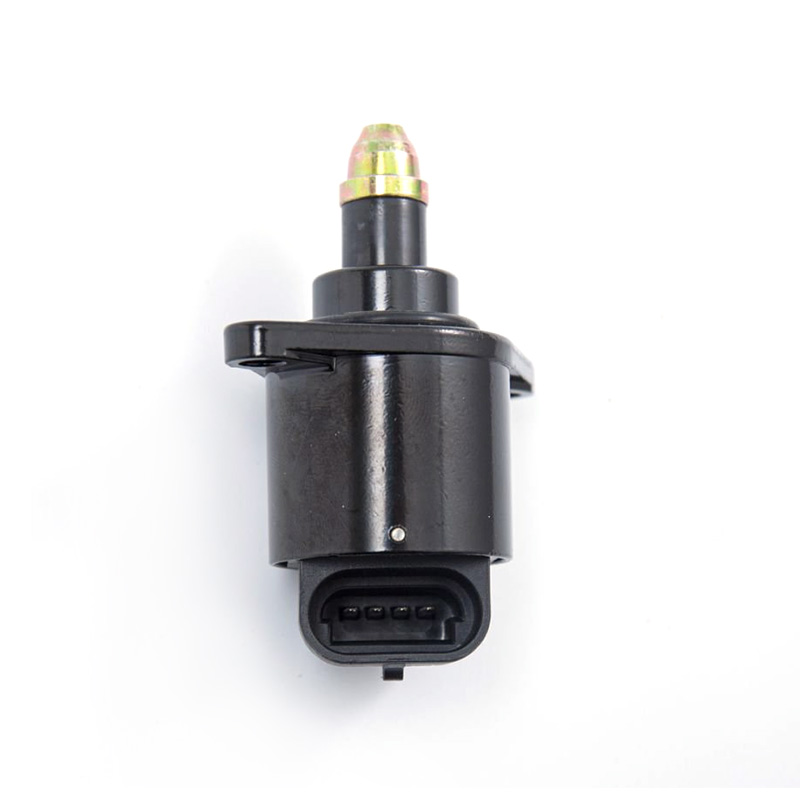
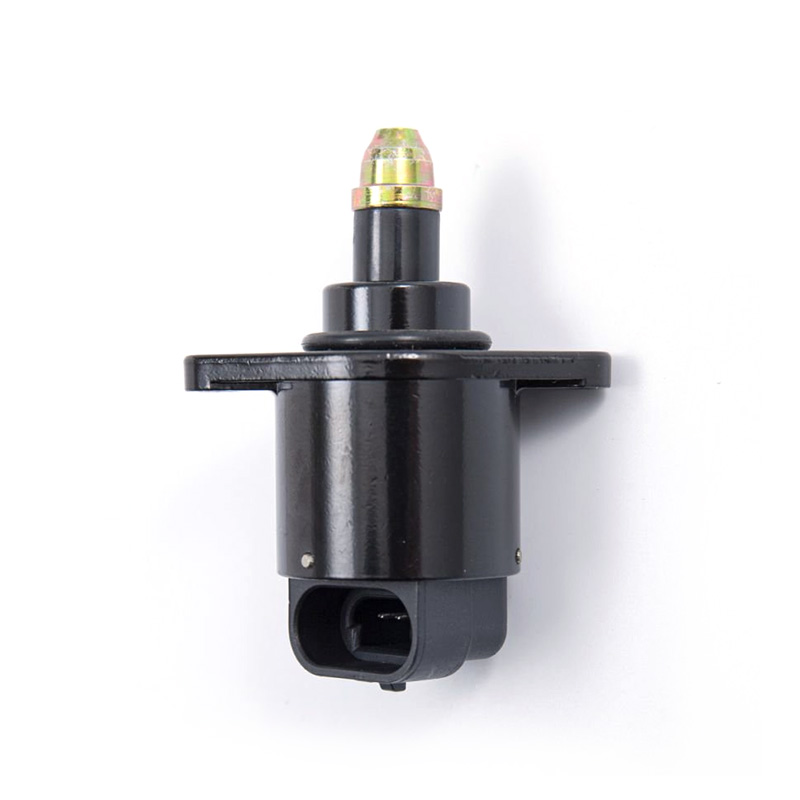
REF OE:
SHORT CODE:D5150
MARELLI:40430102 7079064
VW: 0279980491
VDO: AT-05150R
APPLICATION:
Gol/Parati/Quantum/Santana1.8/Saveiro 1.6,1.8 todos MPFI alcool 96>>
Gol/Parati/Polo Classic 1.8/Quantum/Santana 1.8,2.0/Saveiro 1.6,1.8,2.0/Van 1.6 todos MPFI gasolina 96>>
Idle air control valve whole sale price,direct from China factory.
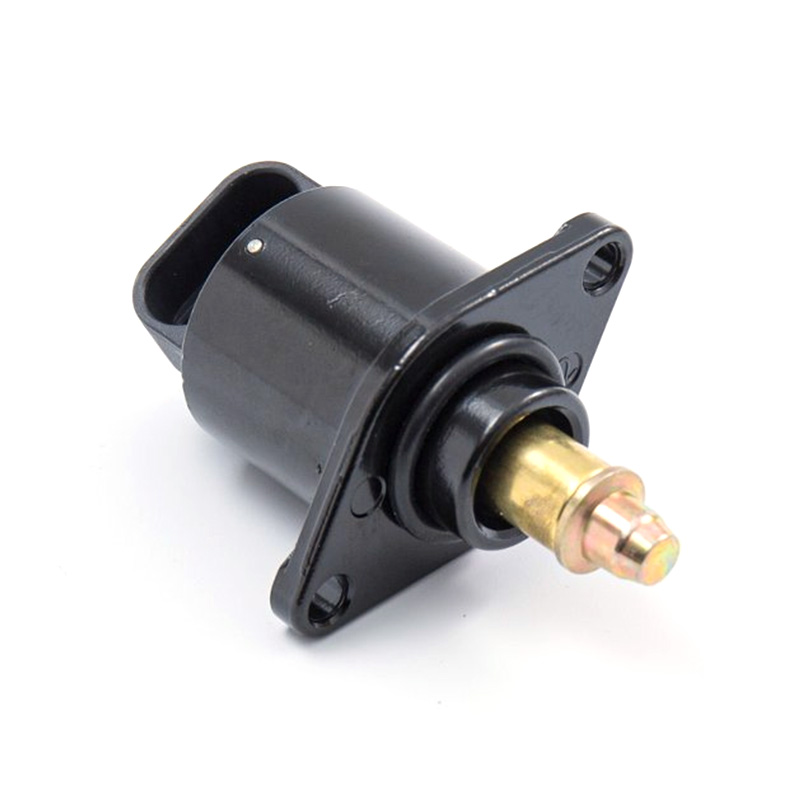
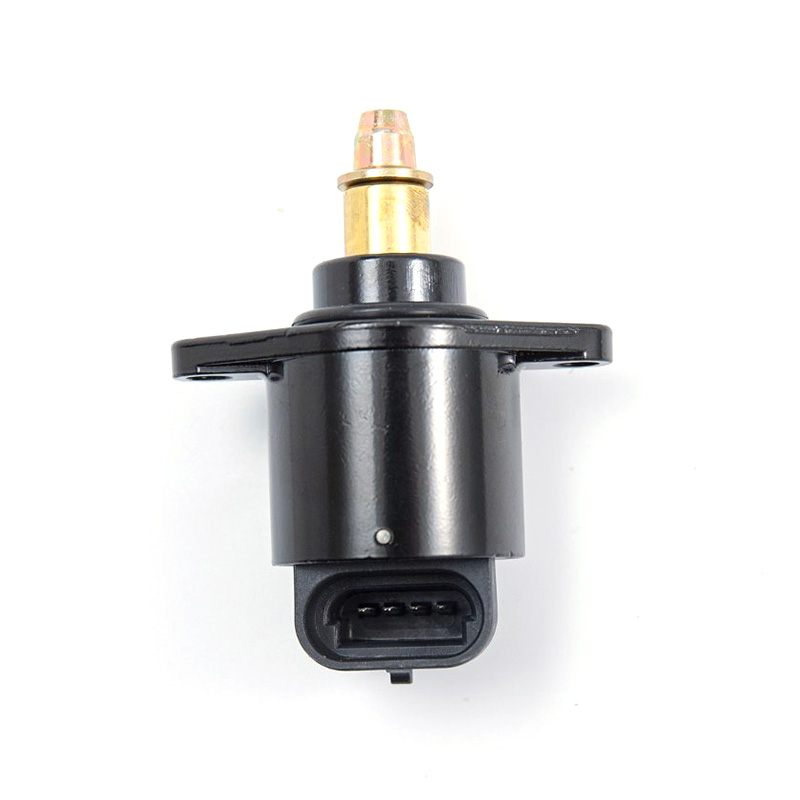
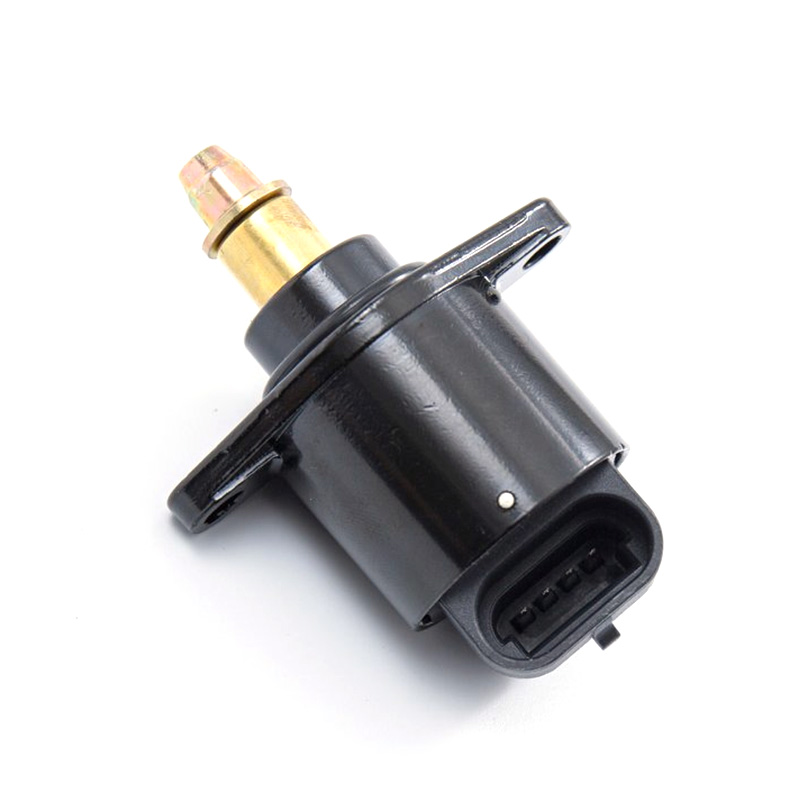
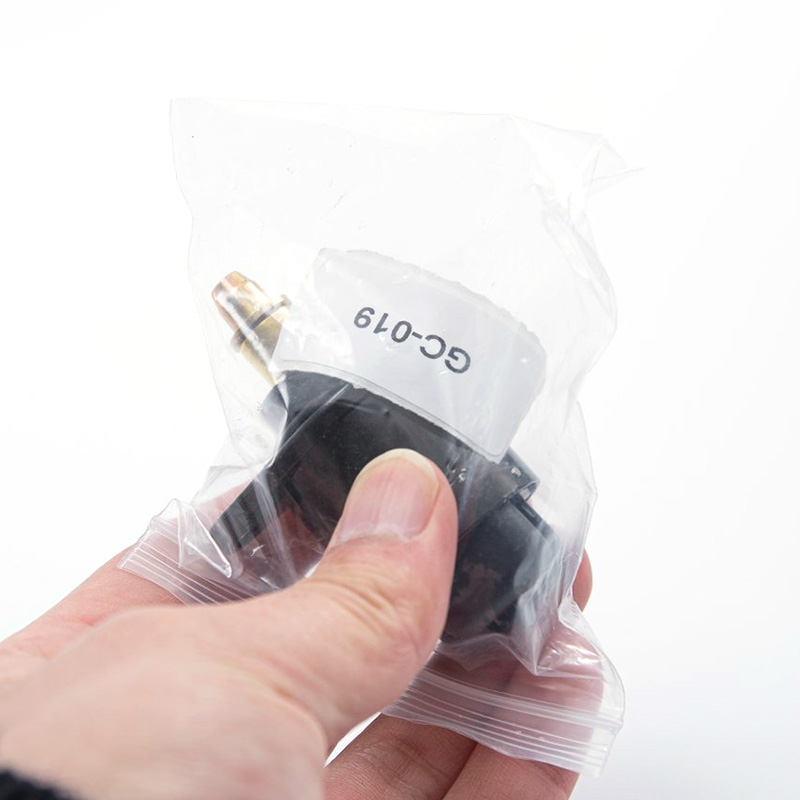
GC-019
REFERENCE OE:
SHORT CODE: D5104
MARELLI: 40396502
FIAT: 7078983 0269980492
VDO: AT-5104R
APPLICATION:
FIAT:Palio/Siena 1.6 98>99-EFI(gasolina) VW:Gol 1.08v94>>96-EFI(gasolina)
Idle air control valve with high quality and low price from China!
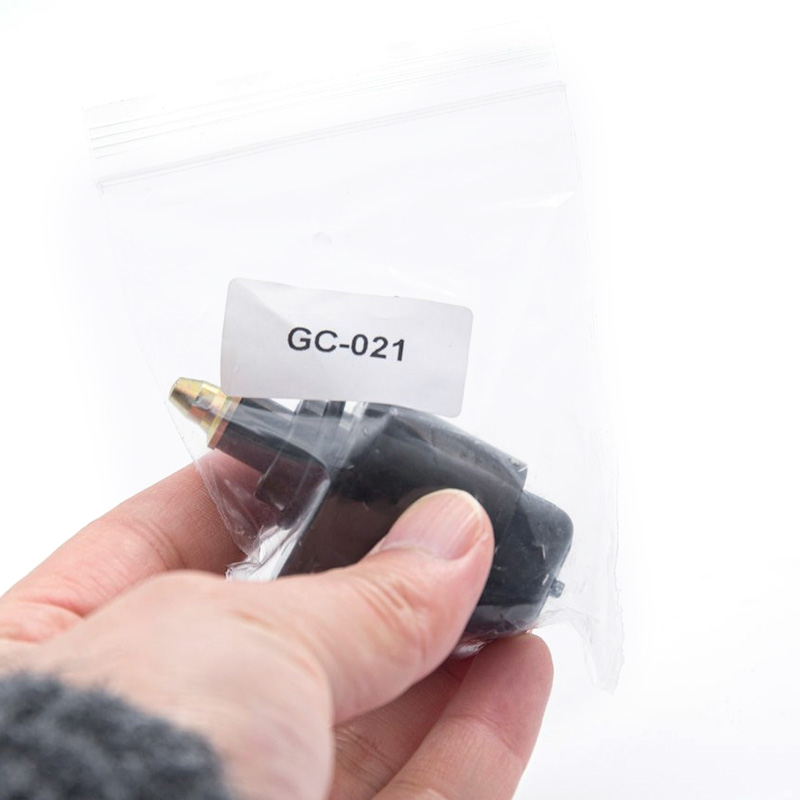
GC-021
REFERENCE OE:
MARELLI:230016079047
SIMENCE:A95262 1920Q8
CITRO NO:95644634
RENAULT:7701204054
APPLICATION:
CITROEN AX;PEUGEOT 106I/II;PEUGEOT 205 I/II;PEUGEOT 306/306 Schraqheck;RENAULT TWINGO
Idle air control valve selling,China manufacture quality!
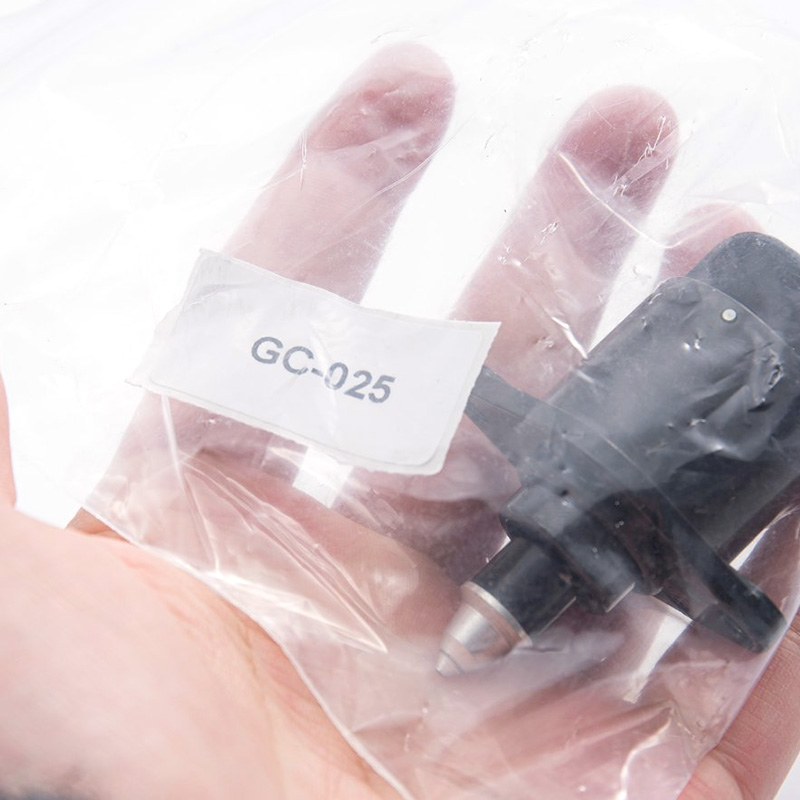
GC-025
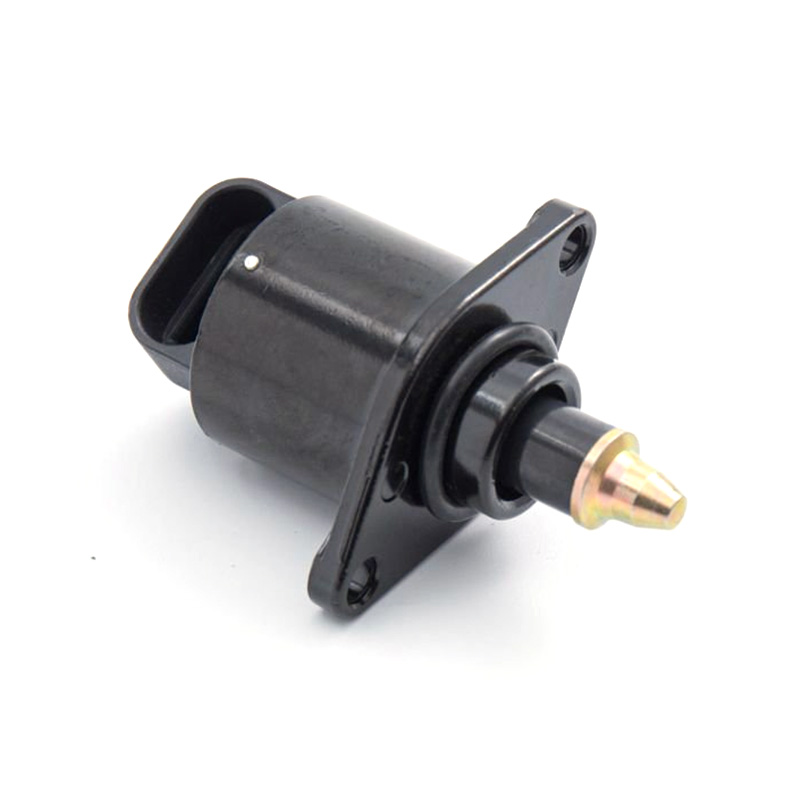
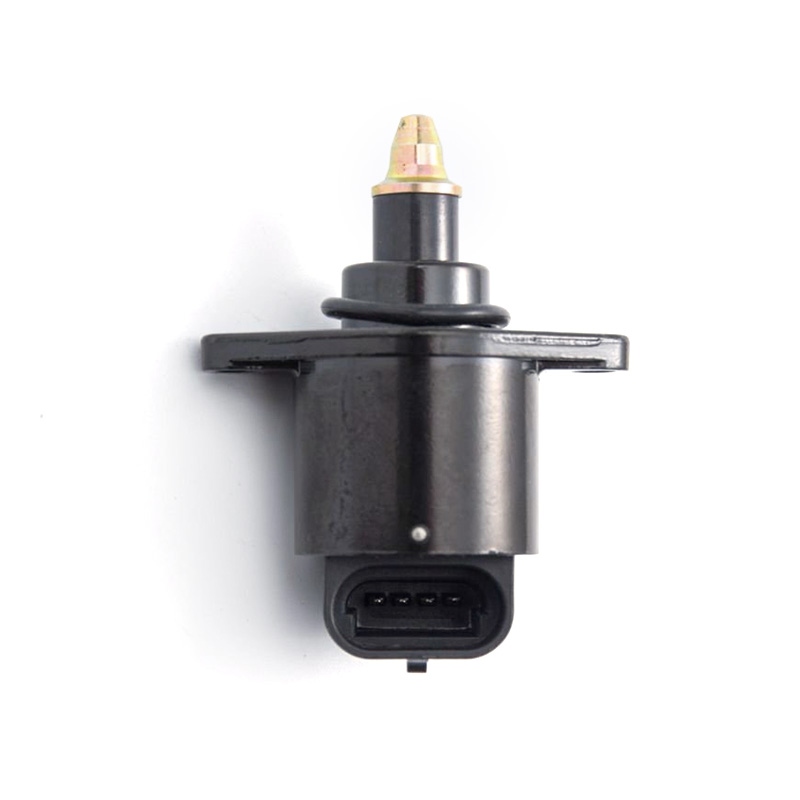
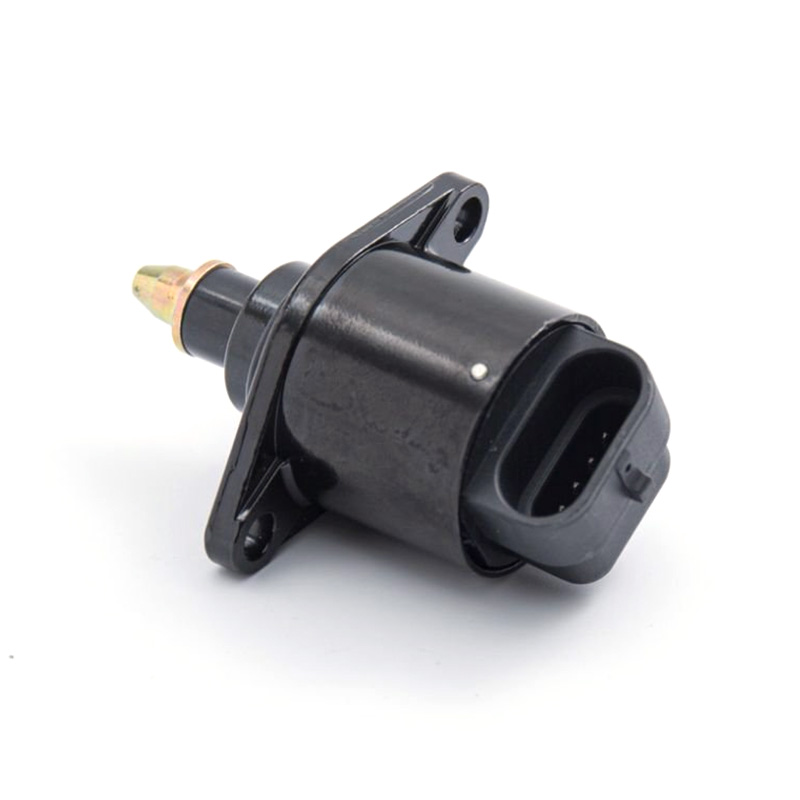
REFERENCE OE:
STD: AC495 SHORT CODE:59602
DELPHI: ICD00120
GM: 17059602
VDO: AT-59602R
WELLS: AC167; 93744675; 96434613; 17059602
APPLICATION:
CHEVR AVEO Stufenheck;
DAEWOO KALOS/LANOS/NUBIRA/NUBIRA Stufenheck;
GENTRA 06-07
Idle air control valve from China factory for Chevrolet Aveo Daewoo.
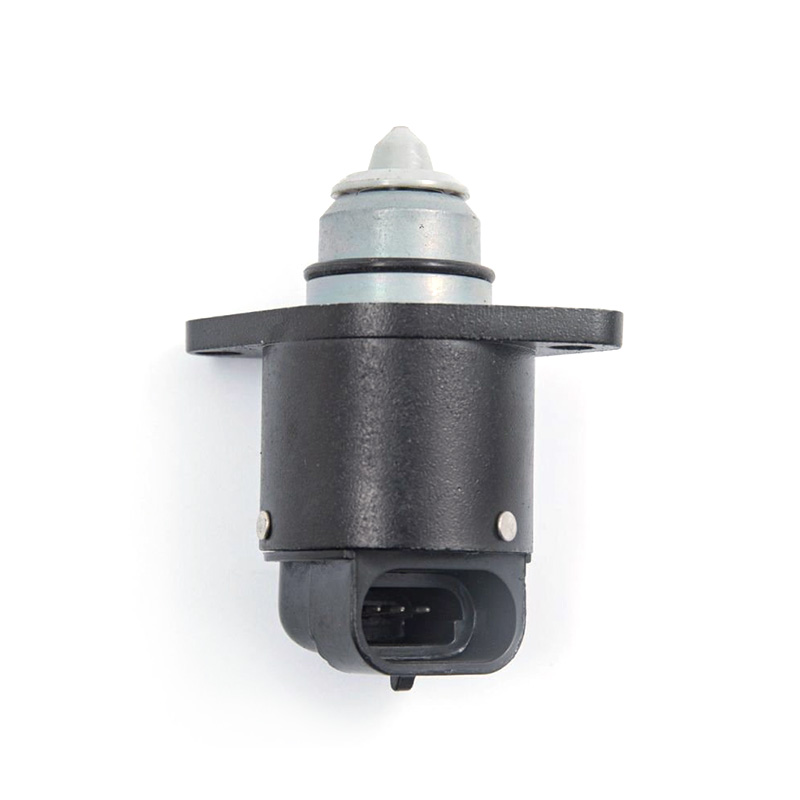
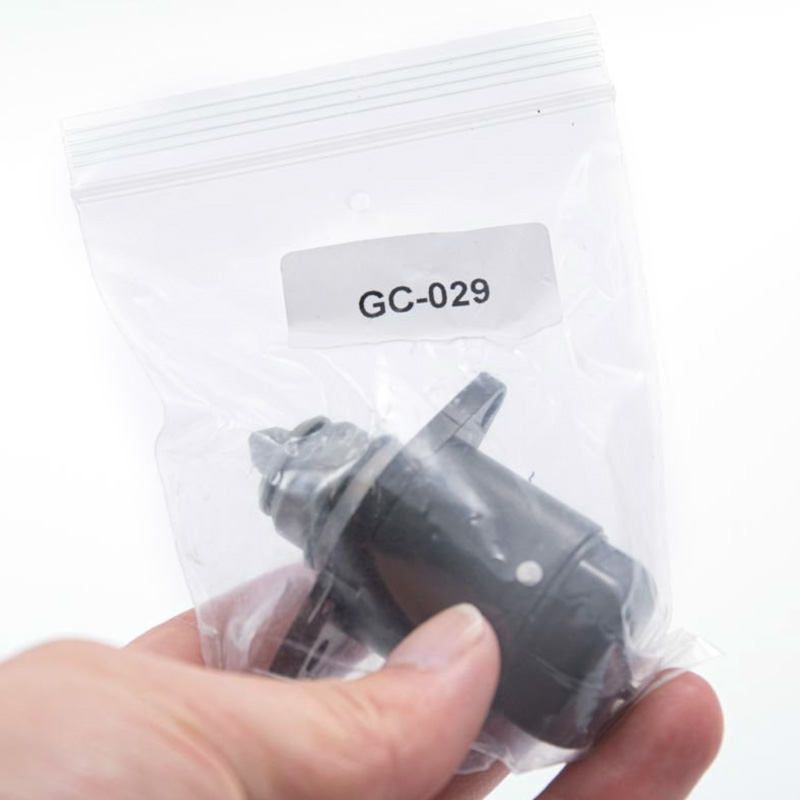
GC-029
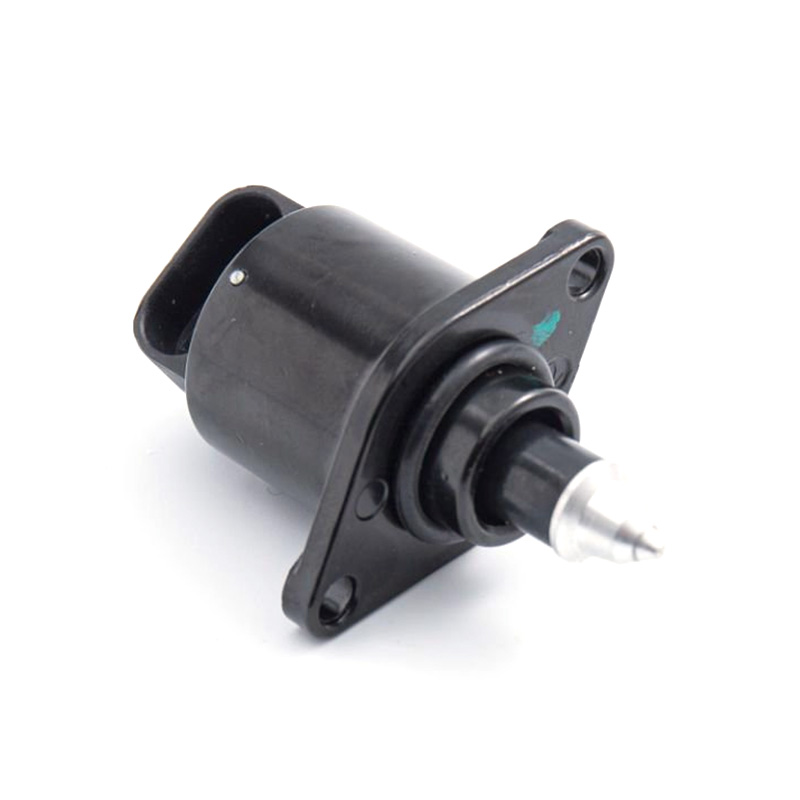
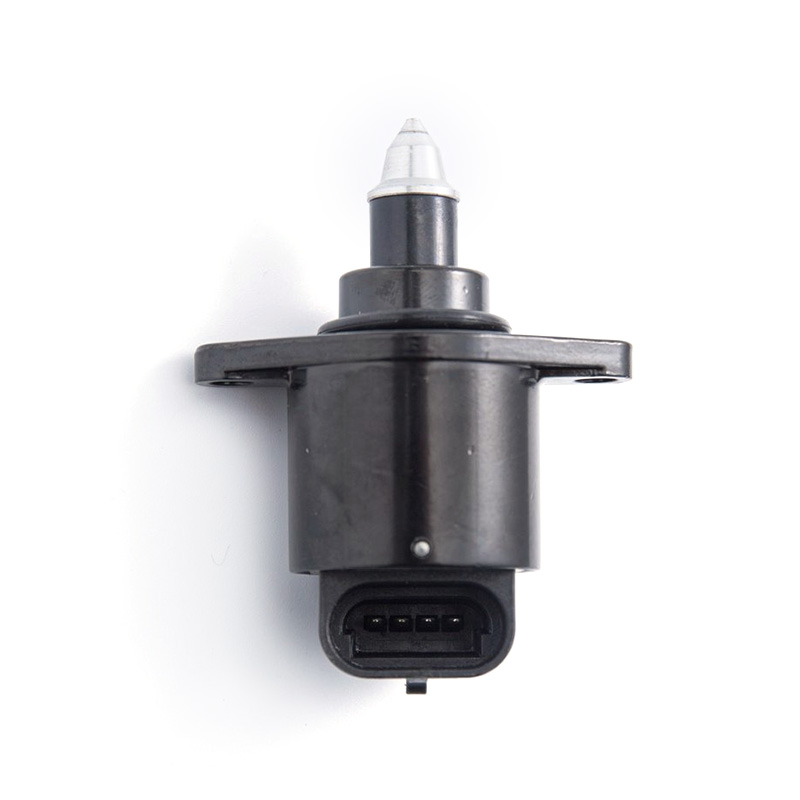
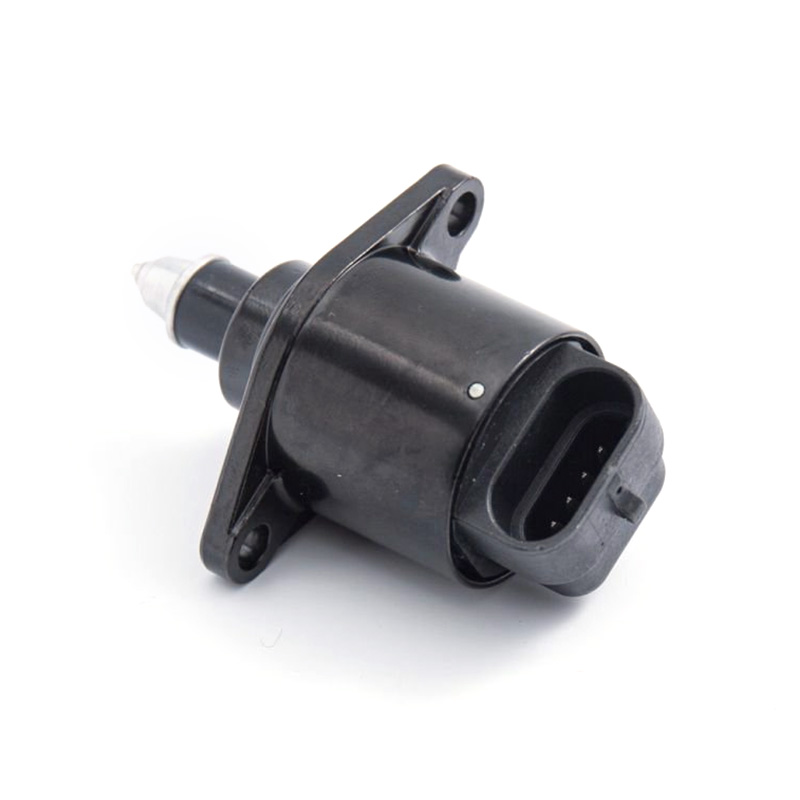
REFERENCE OE:
2112-1148300-04
APPLICATION:
LADA
Idle air control valve from China factory for Lada.
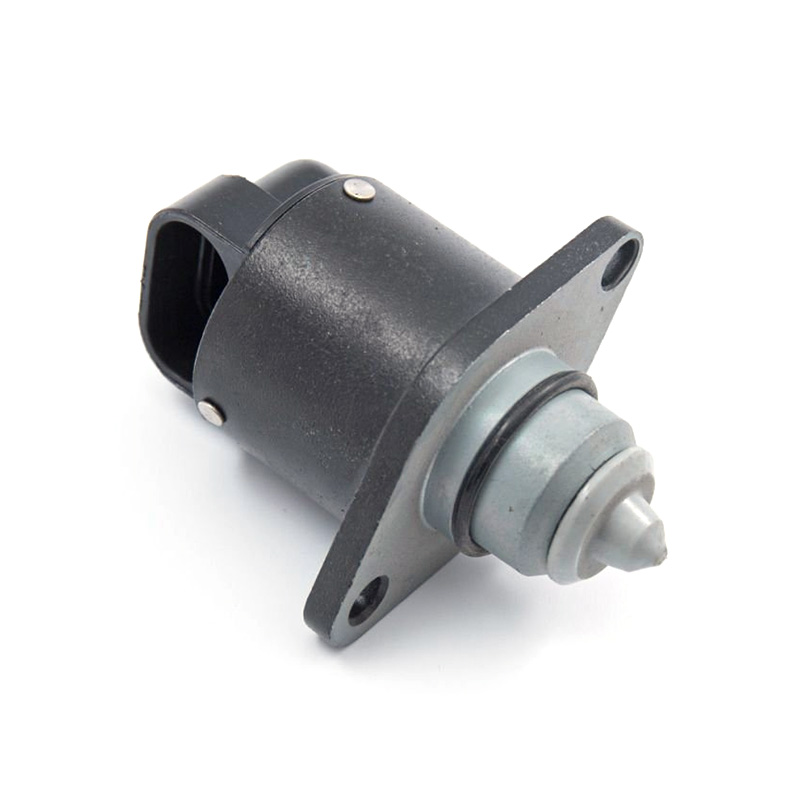
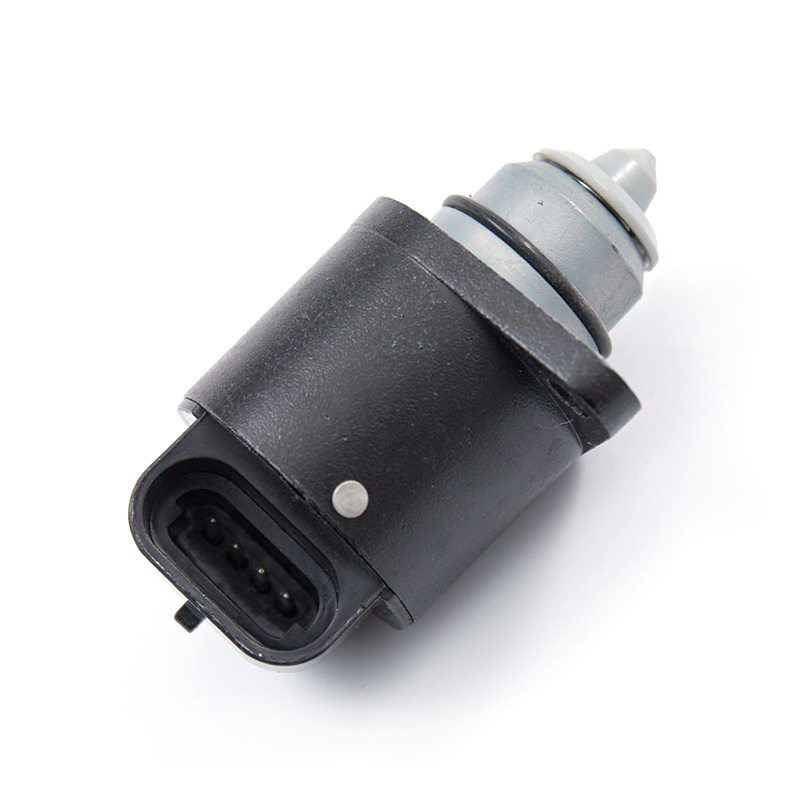
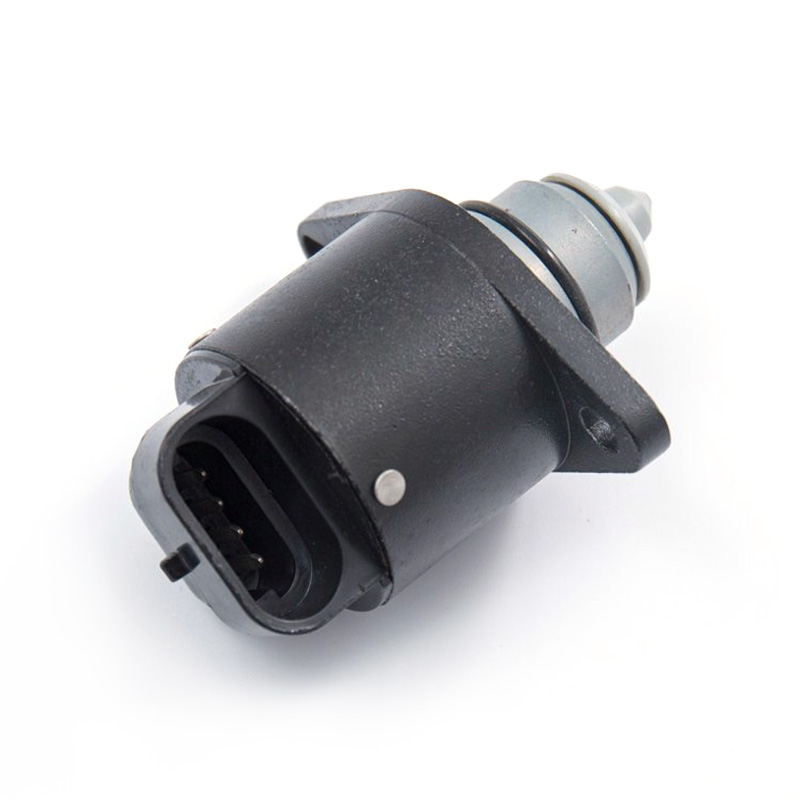
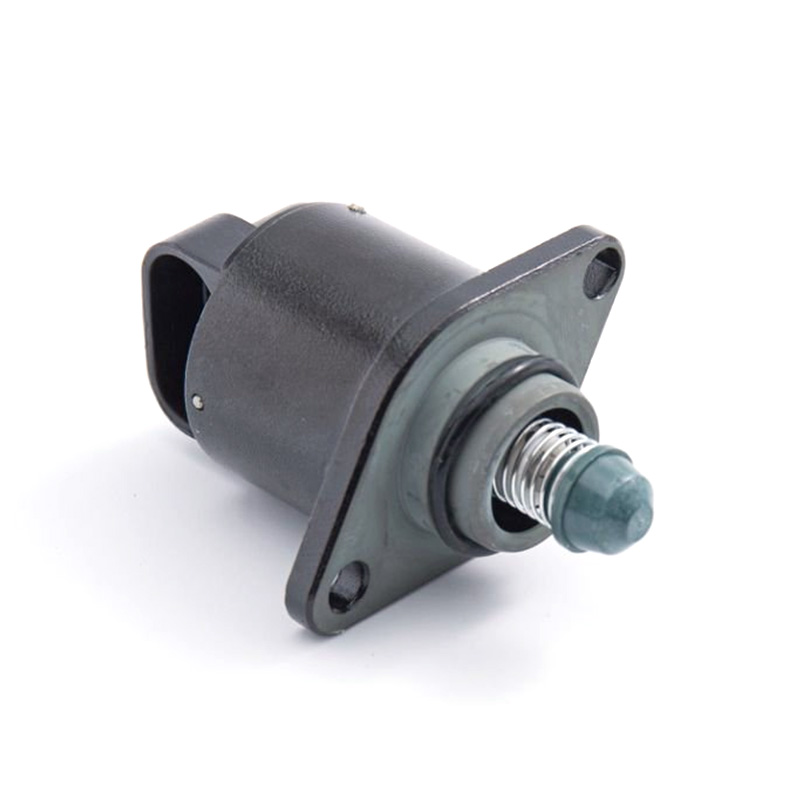
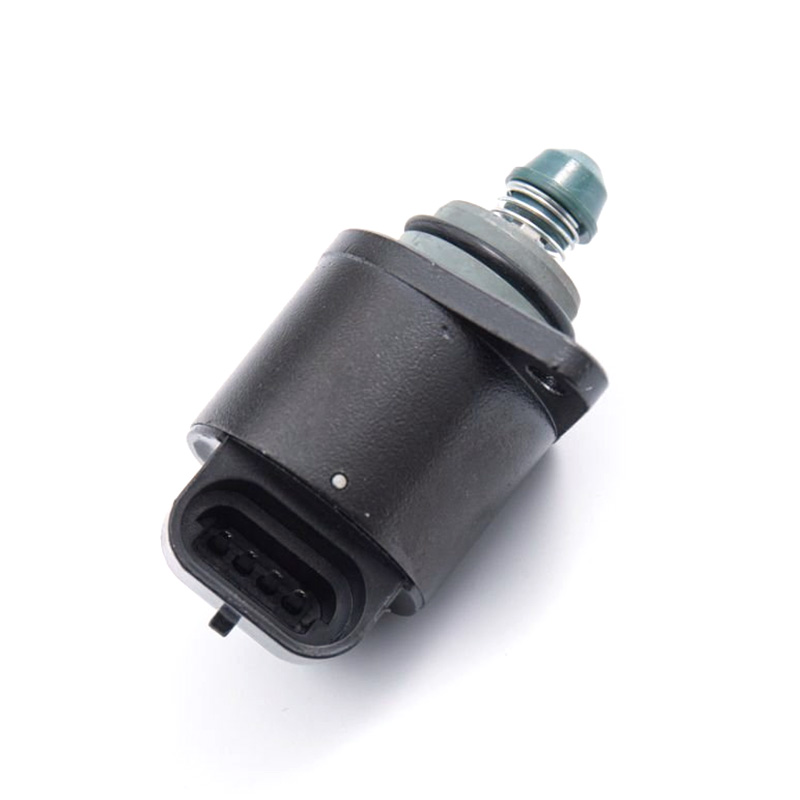
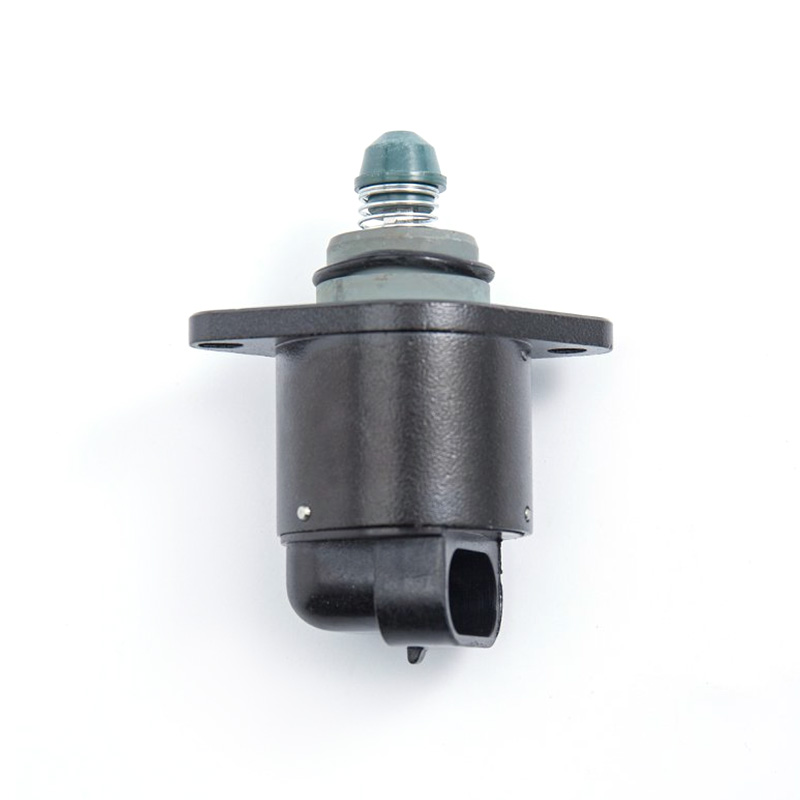
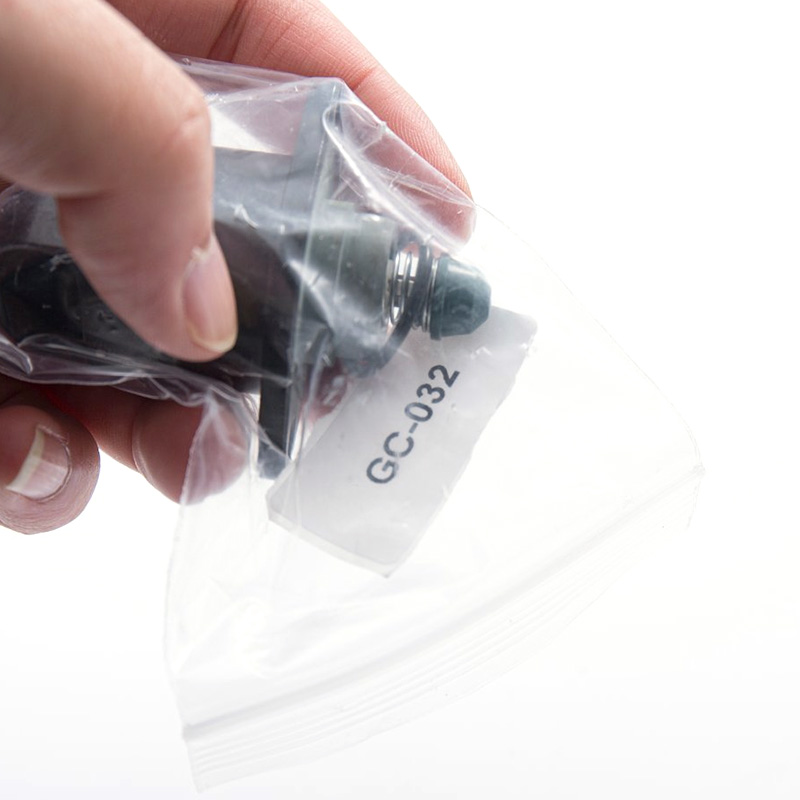
GC-032
REFERENCE OE:
21203-1148300
APPLICATION:
LADA
Idle air control valve from China factory for Lada.
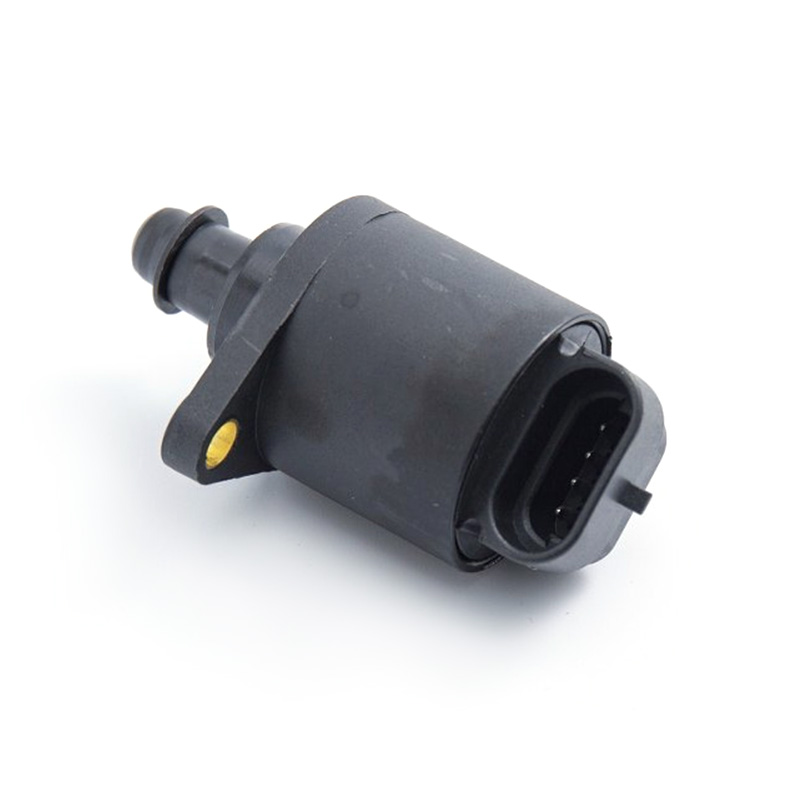
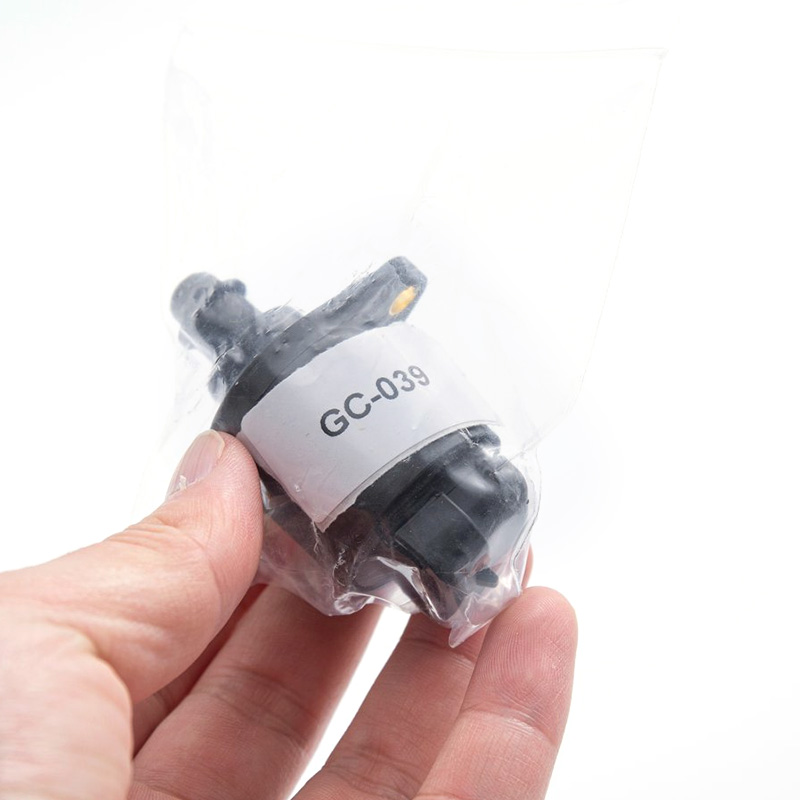
GC-039
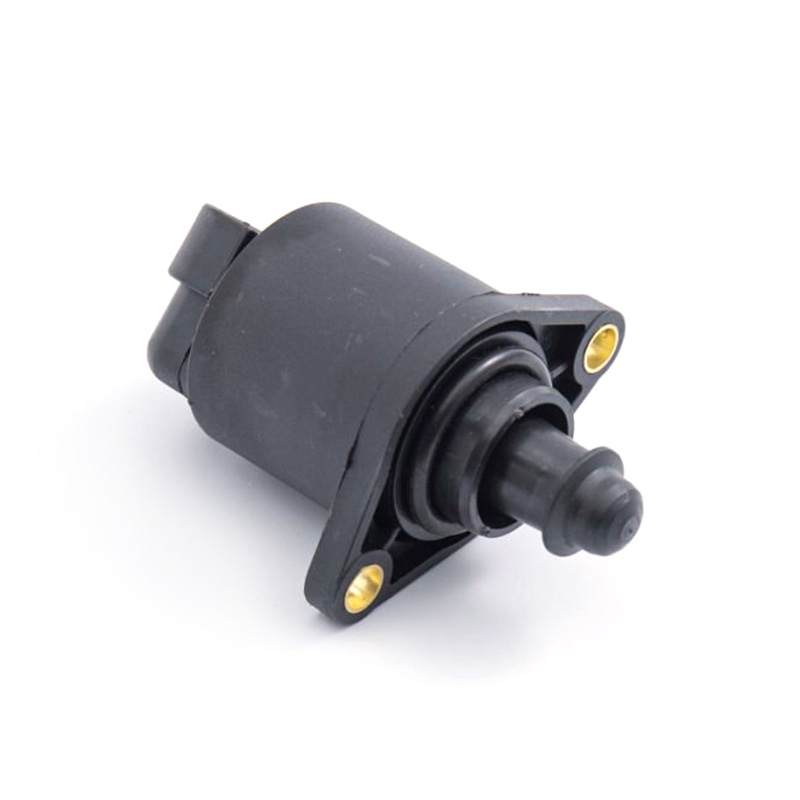
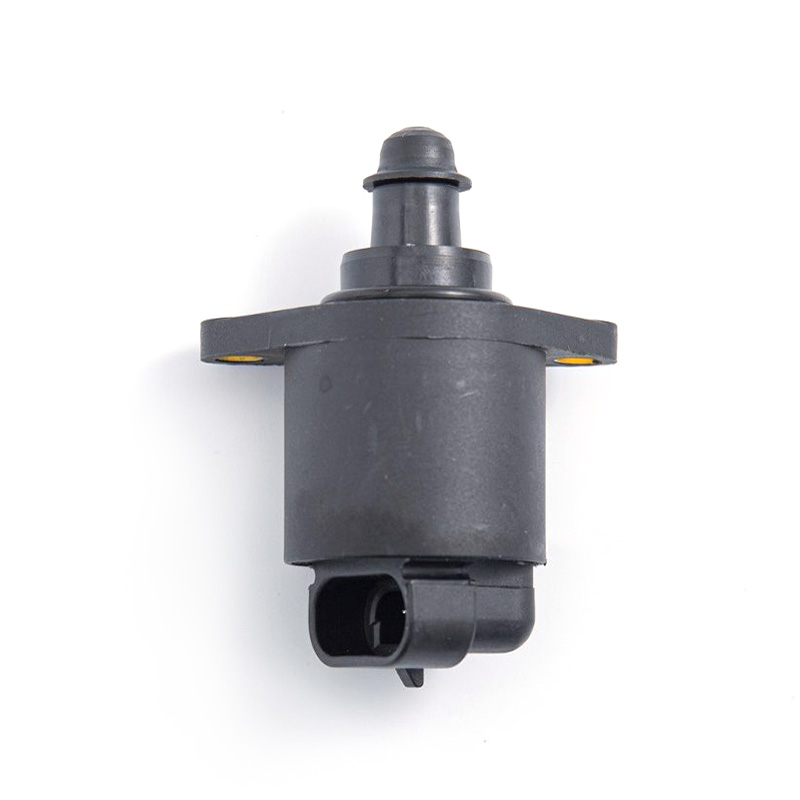
REFERENCE OE:
MARELLI:B35/00
MARELLI:801001185201
PSA:1920AH
APPLICATION:
PEUGEOT 206 1.1 EOBD
Idle air control valve from China factory for Peugeot 206.
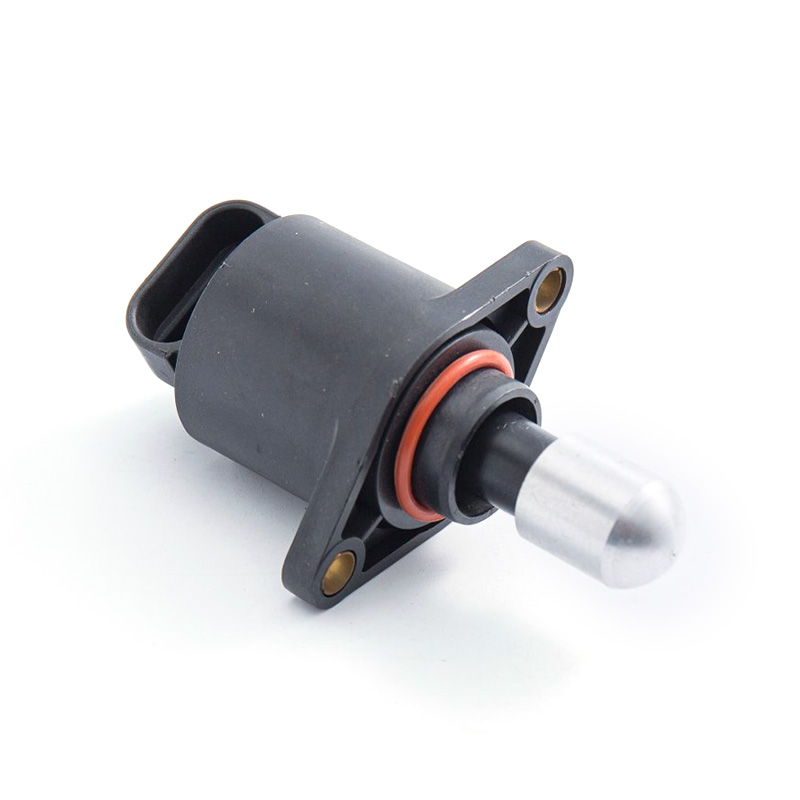
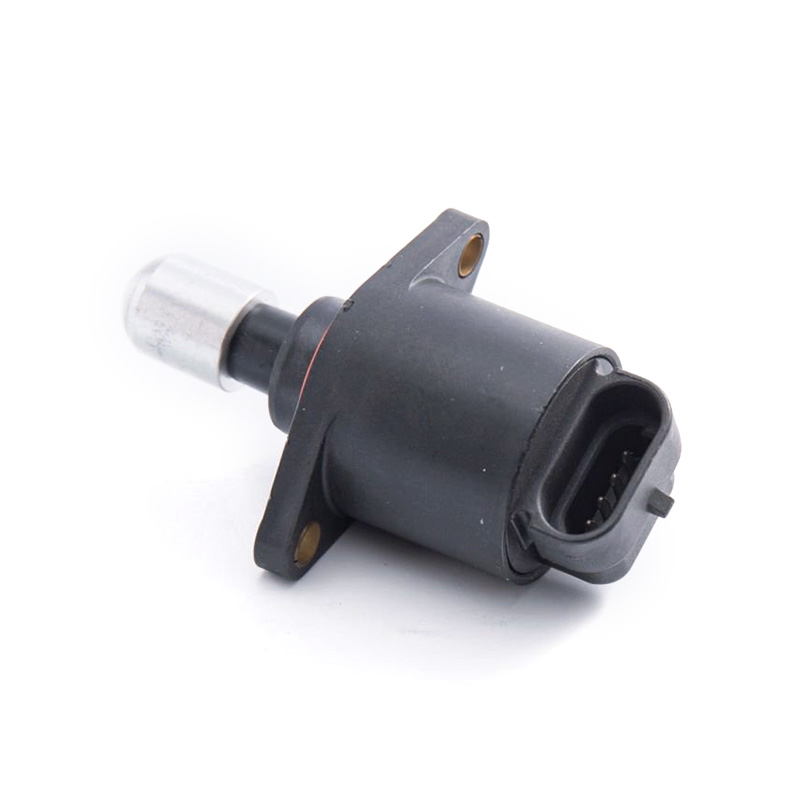
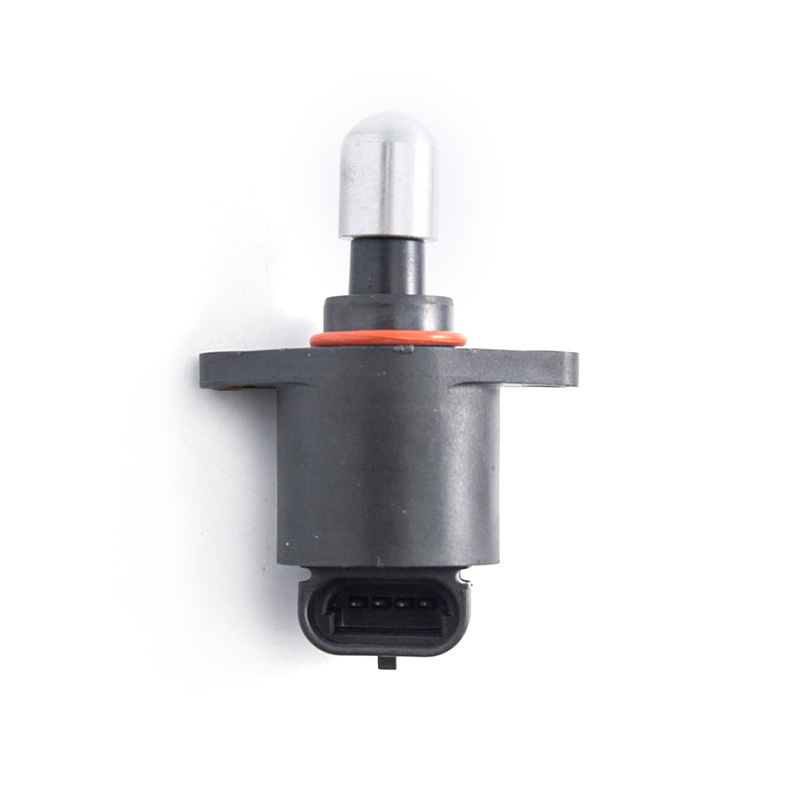
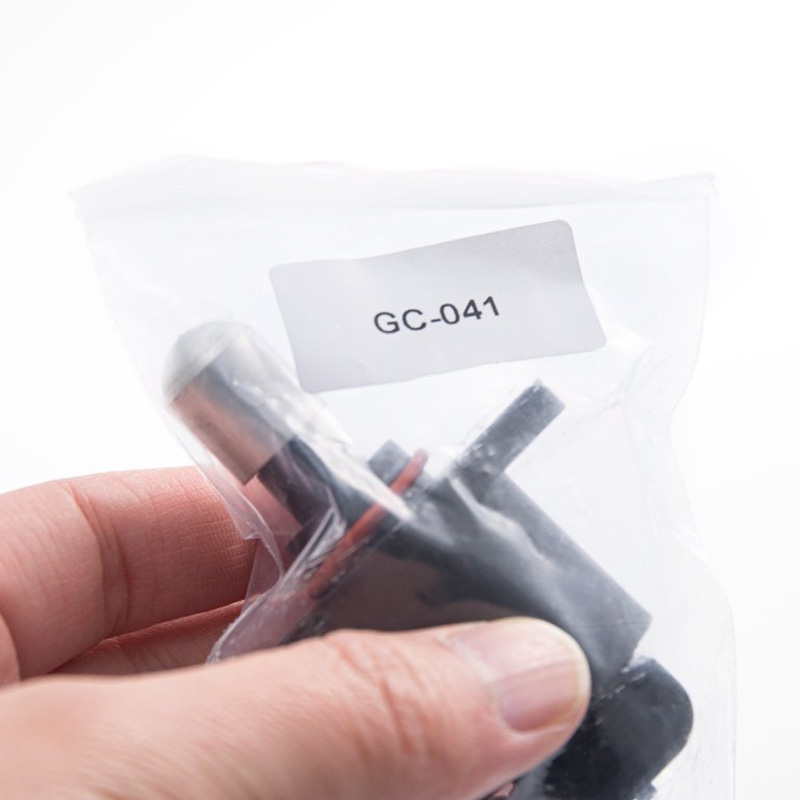
GC-041
REFERENCE OE:
R008/2243
APPLICATION:
KIA GAS
Idle air control valve from China factory for Kia.
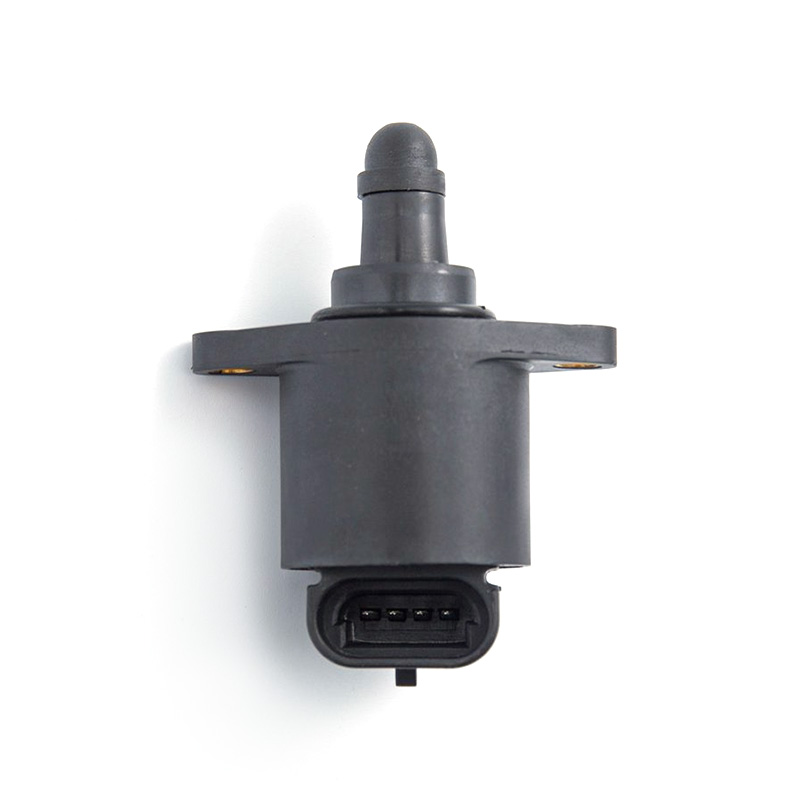
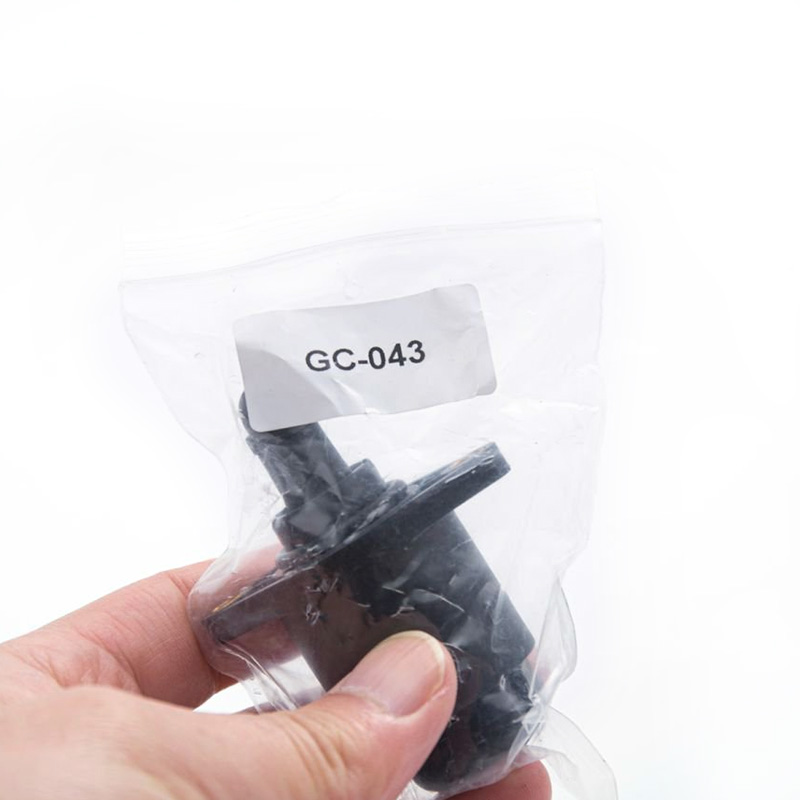
GC-043
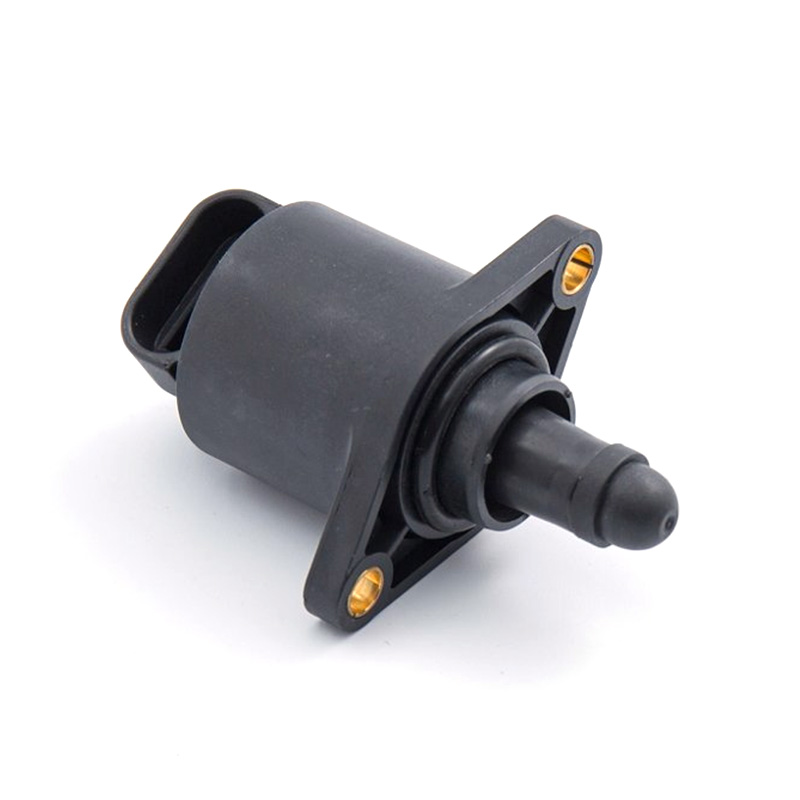
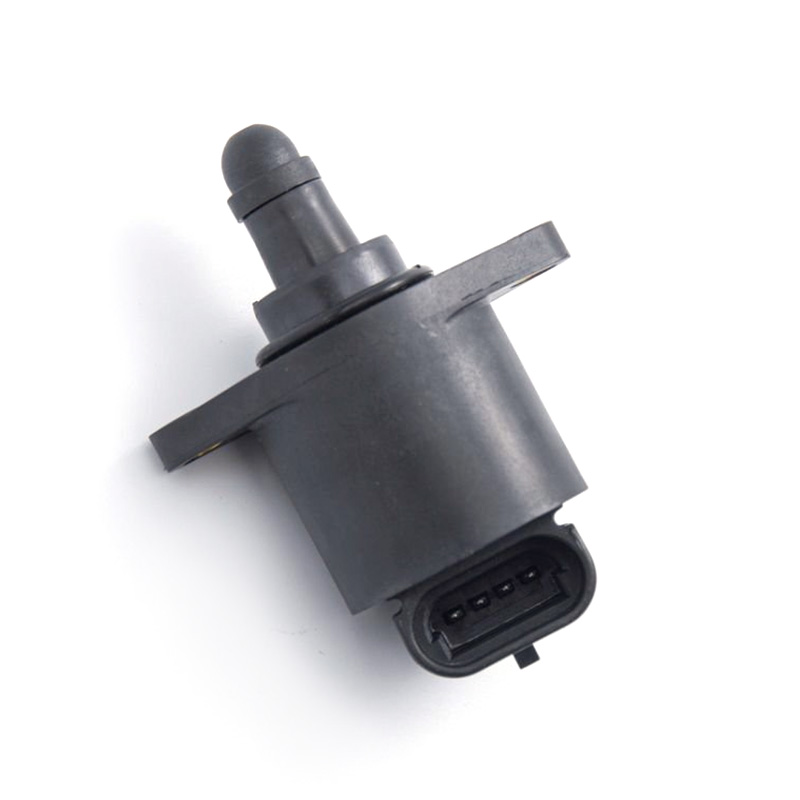
REFERENCE OE:
SHORT CODE: B12/00
MARELLI:21924470500
OEM:9945035
APPLICATION:
FIAT PANDA(141A_)1000; Punto(176)55 1.1; Uno(146A/E) 45 i.e. 1.0; Lanci Y10(156)1.0 Fire(156e) KAT
Idle air control valve from China factory for Fiat Punto.
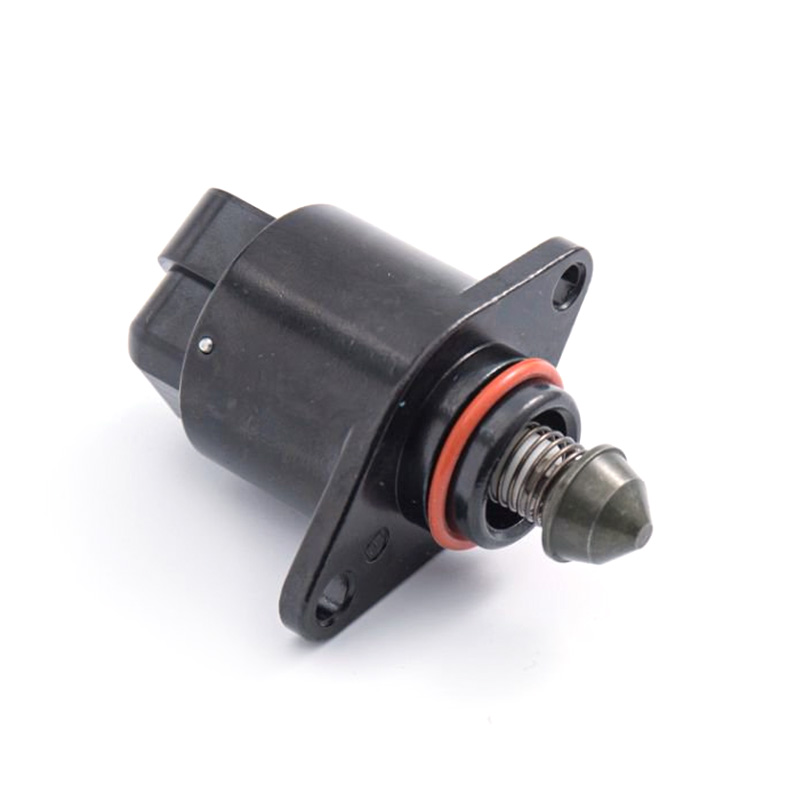
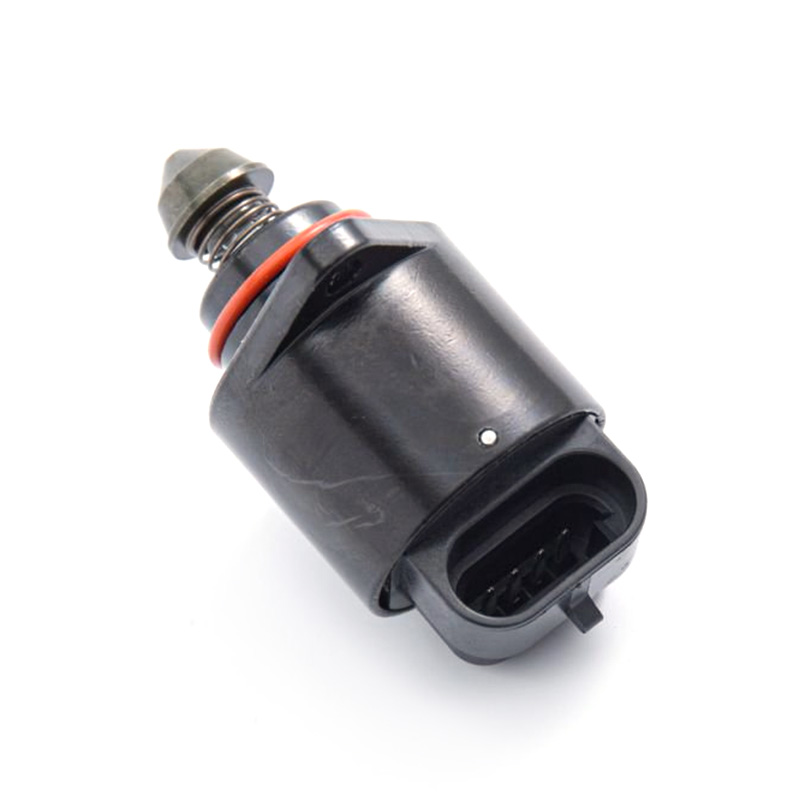
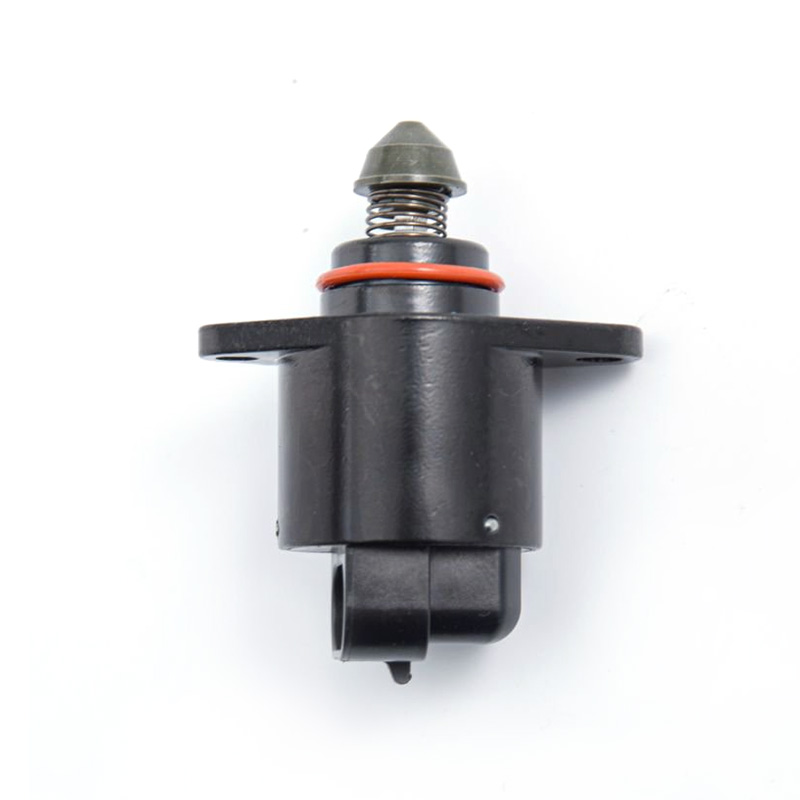
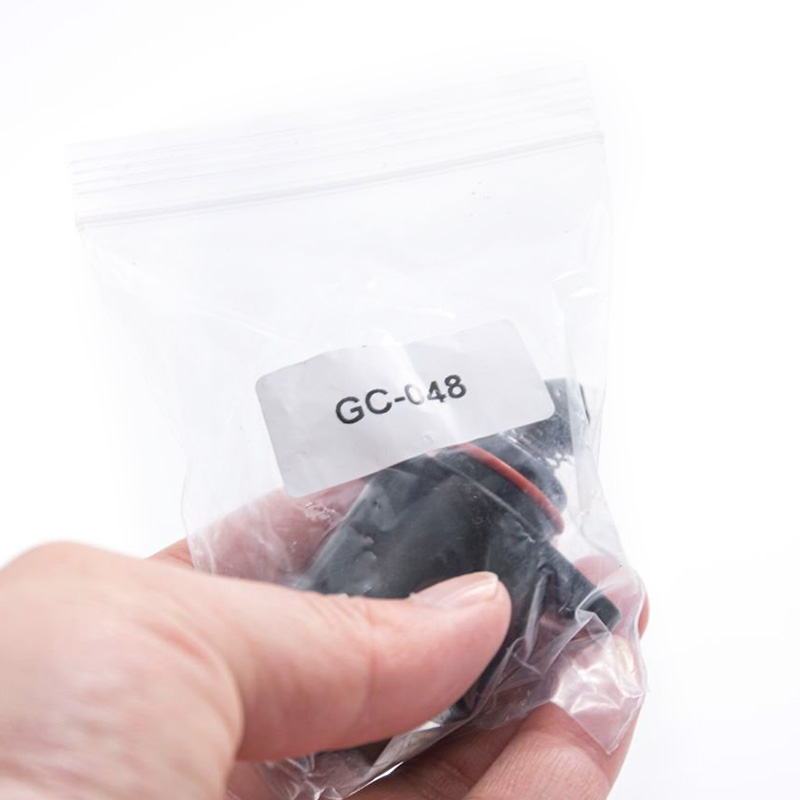
GC-048
REFERENCE OE:
SHORT COD:02851
GM: 17102851
GM: 17112966
GM: 17112967
VDO: A95267
SMW299933
BUICK: D0016,C2177
2151025, AC124, AC130
217428,2H1058
APPLICATION:
Delica Van
Idle air control valve from China factory for Delica Van.
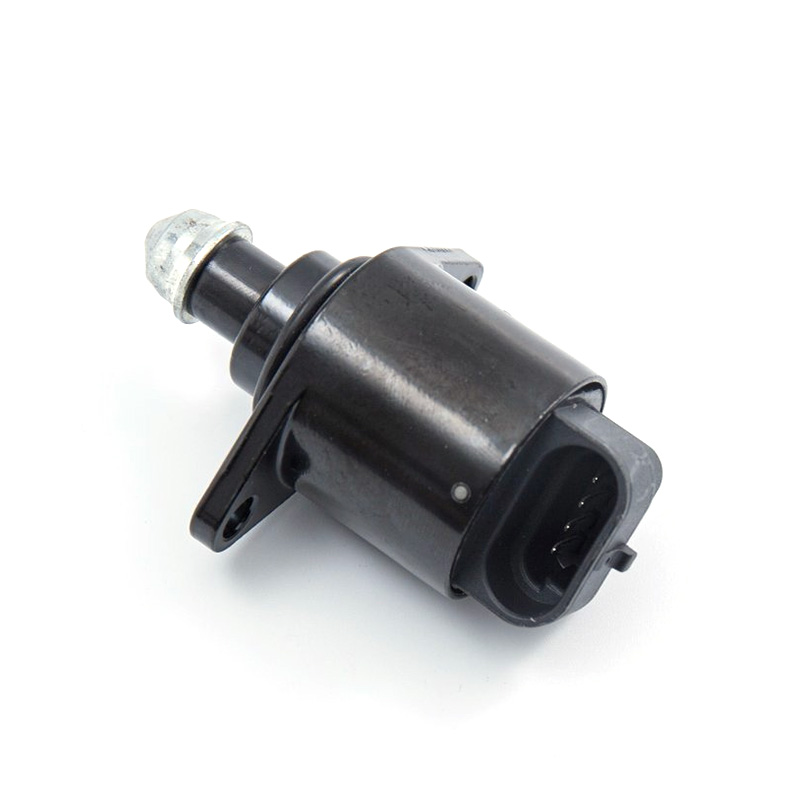
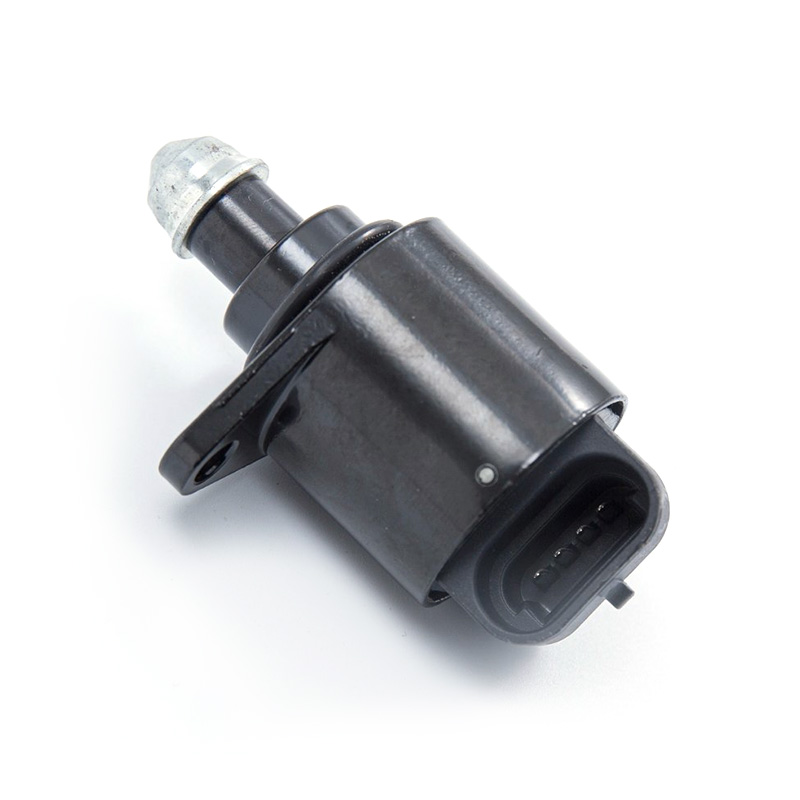
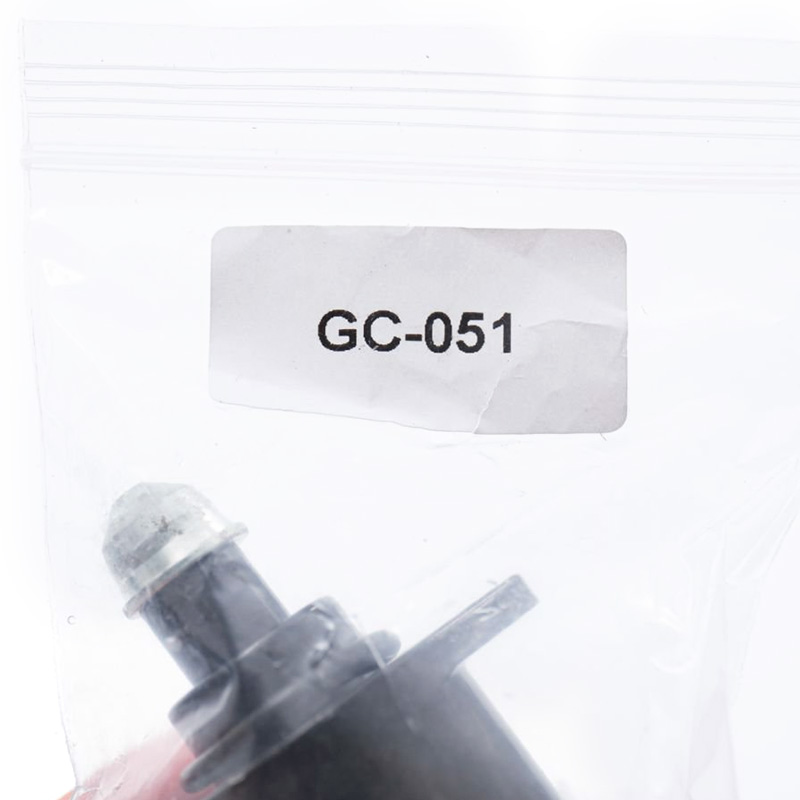
GC-051
REFERENCE OE:
PEUGEOT:19205F
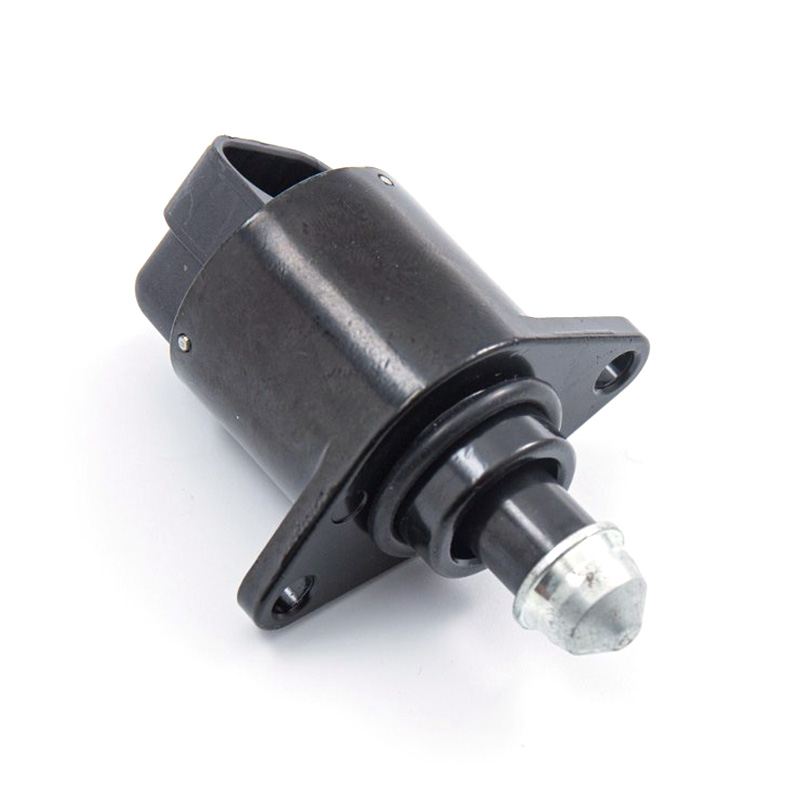
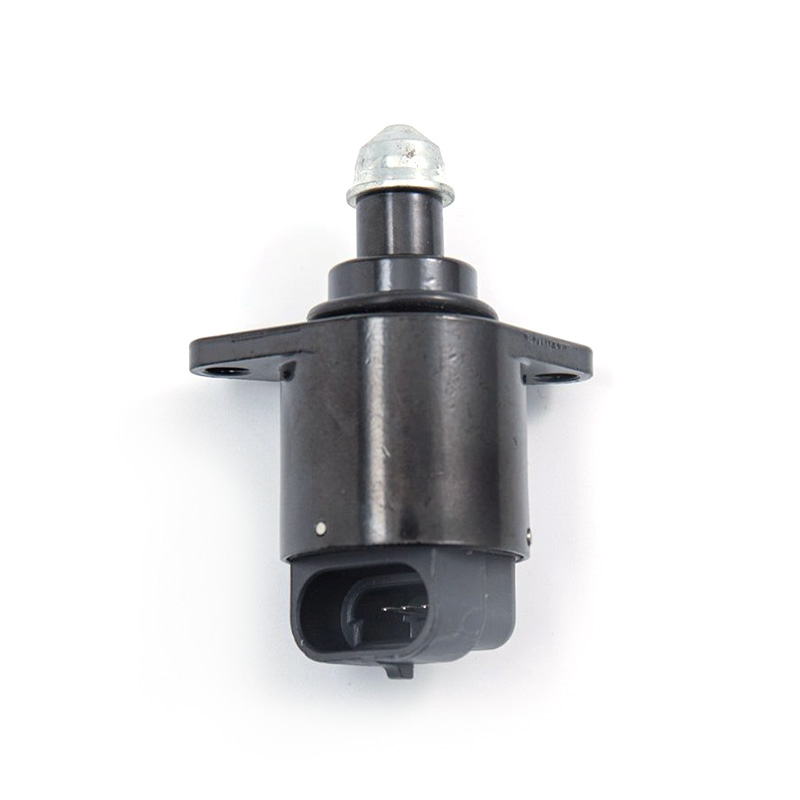
APPLICATION:
CITRO SAXO(S0,S1)1.4VTS 1.6VTS;PEUGEOT 106 II(1) 1.4i;206 Schraqheck(2A/C)1.4i
Idle air control valve from China factory for Citroen Saxo Peugeot 106 206.
Contact Us
Let's start collaborating

Guocheng is specialized in the R&D and production of key engine components for the automotive and engineering machinery industries.
Product
Stay Connected
(+86) - 577 - 8582 0886 (Tel)
(+86) - 577 - 8582 8085 (Fax)
(+86) - 19730213059 (Phone)
sales@wz-gc.com
No. 205, Baiyu Road, 15th Road, Binhai Park, Wenzhou, Zhejiang, China
Mobile

ODM Engine Management System Components
 English
 русский
 Español
 عربى
عربى Deutsch