Date:Jun 26, 2026
Buick vehicles have undergone significant evolution in idle control technology over the past two decades. While older models rely on traditional idle air control (IAC) valves to regulate airflow at closed throttle, many newer models use integrated electronic throttle control, eliminating the separate IAC component. This variation often confuses owners and DIY enthusiasts trying to understand idle behavior in different Buick platforms.
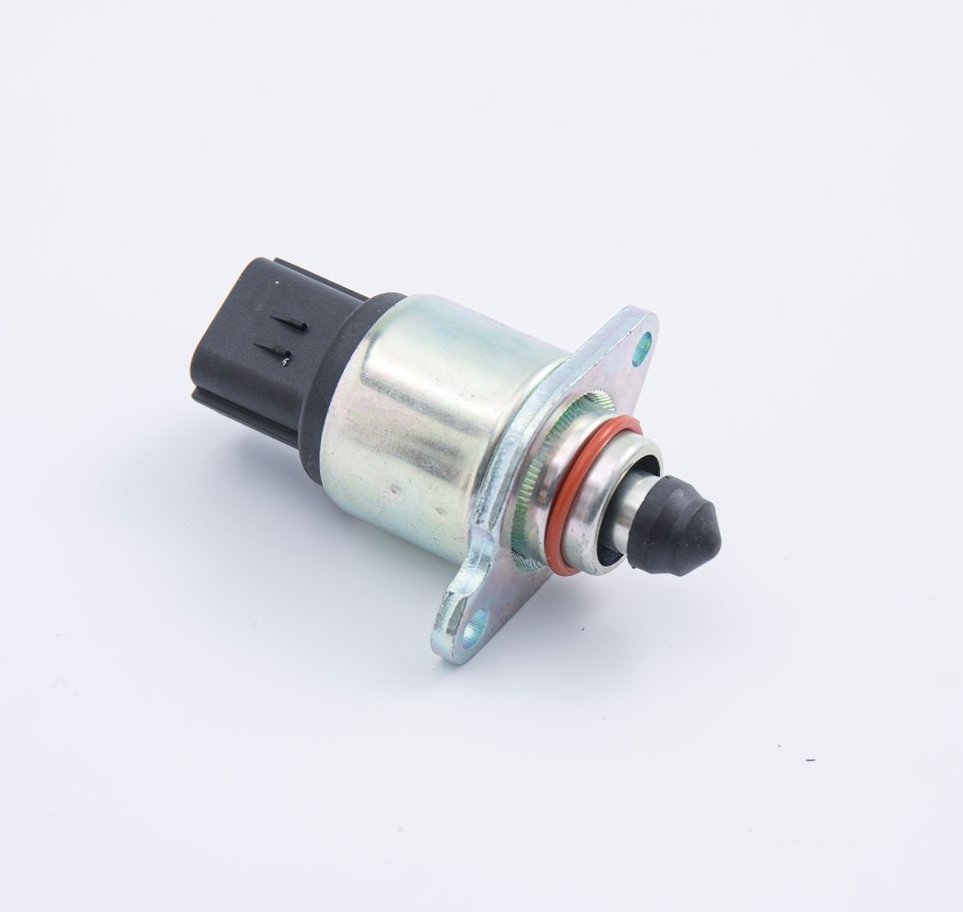
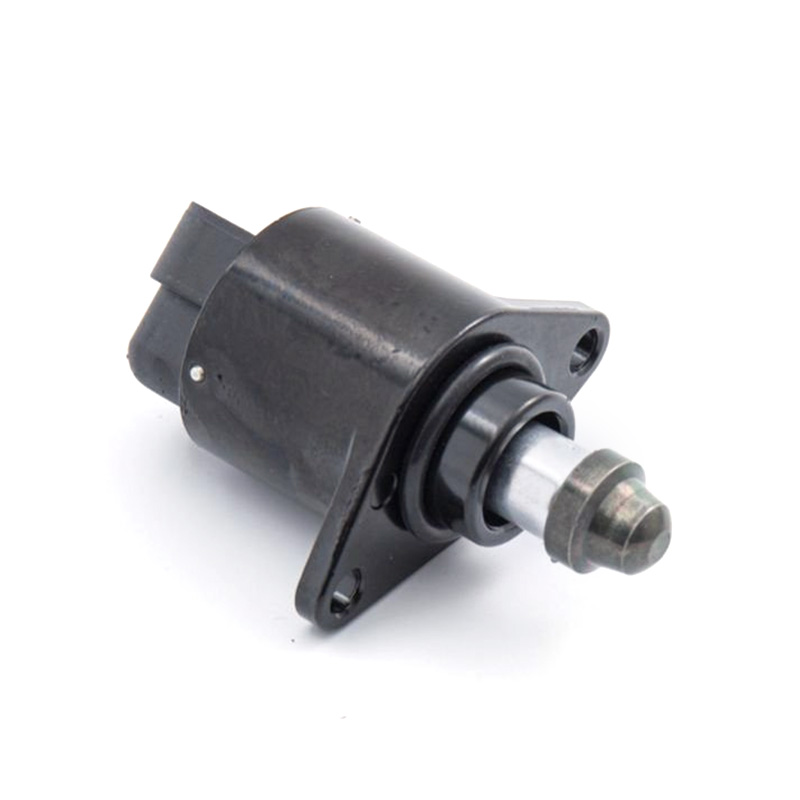
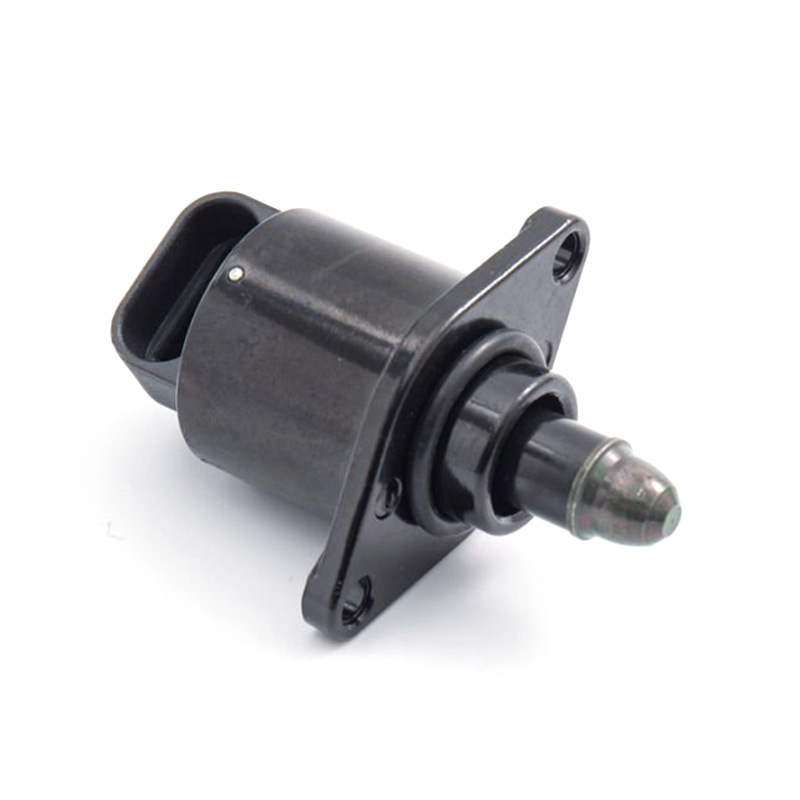
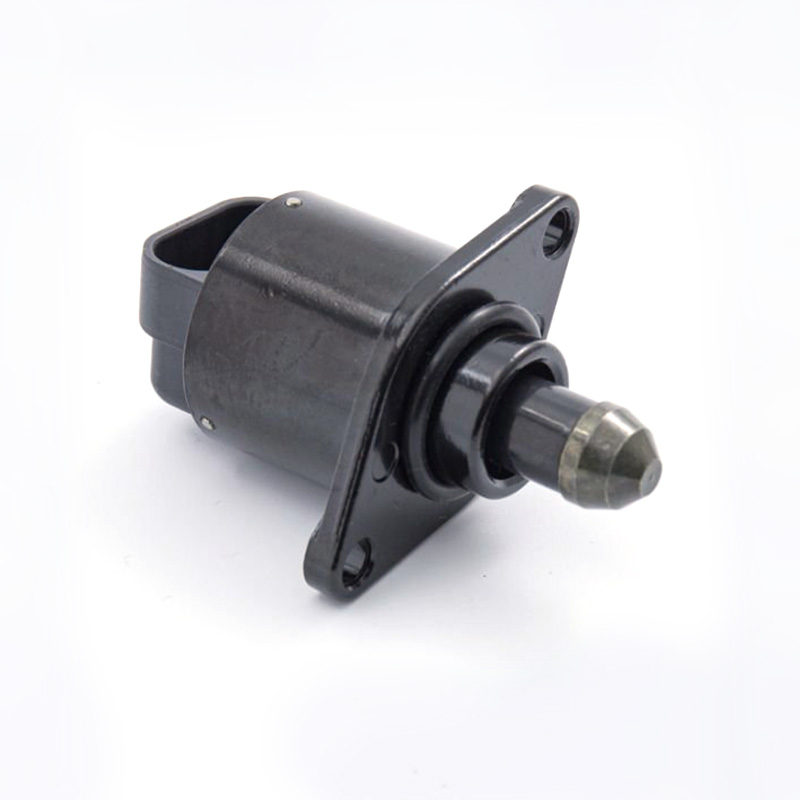
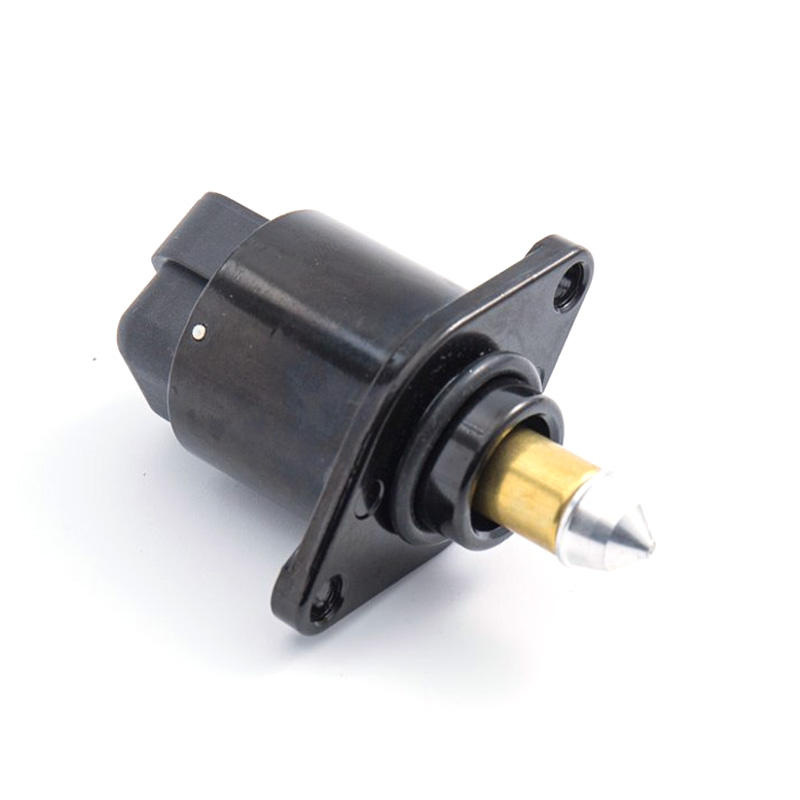
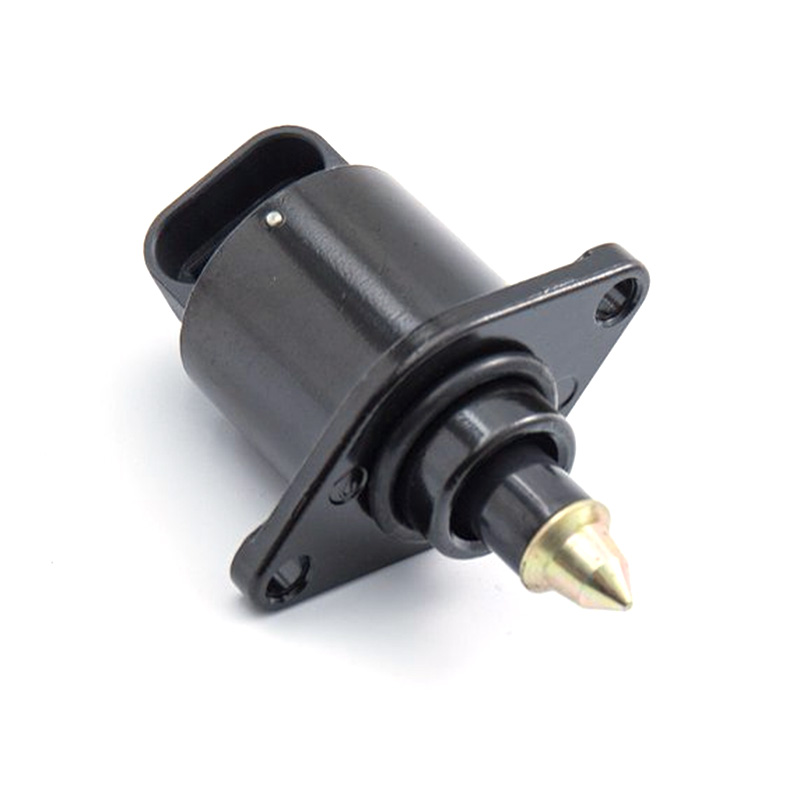
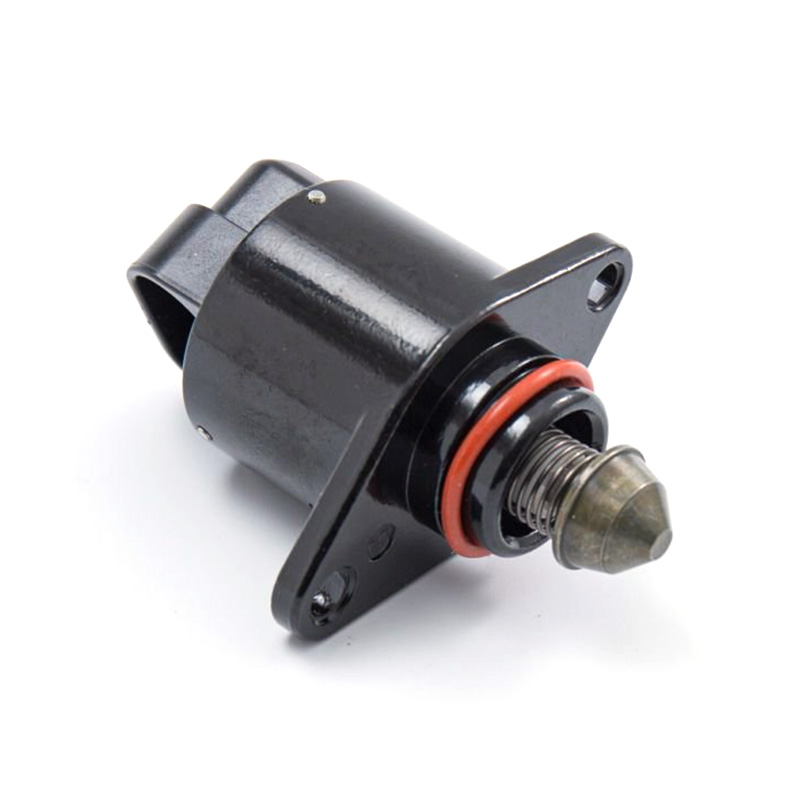
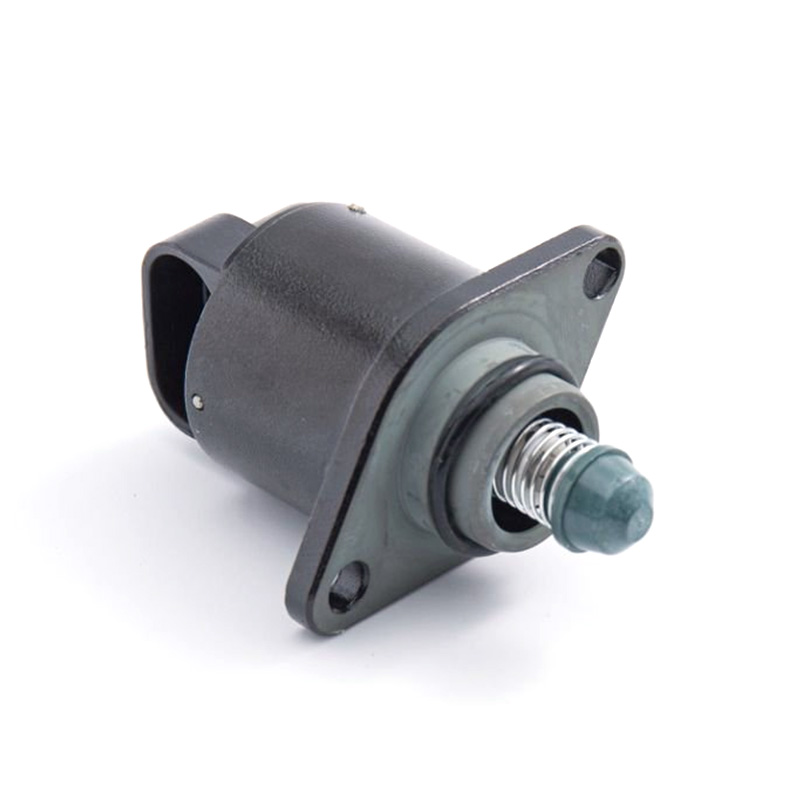
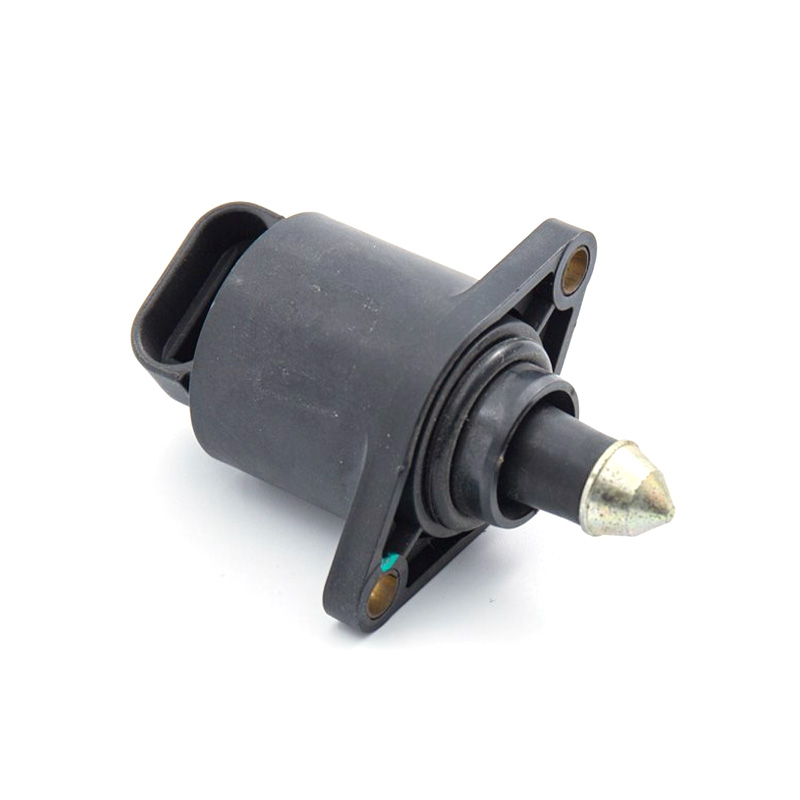
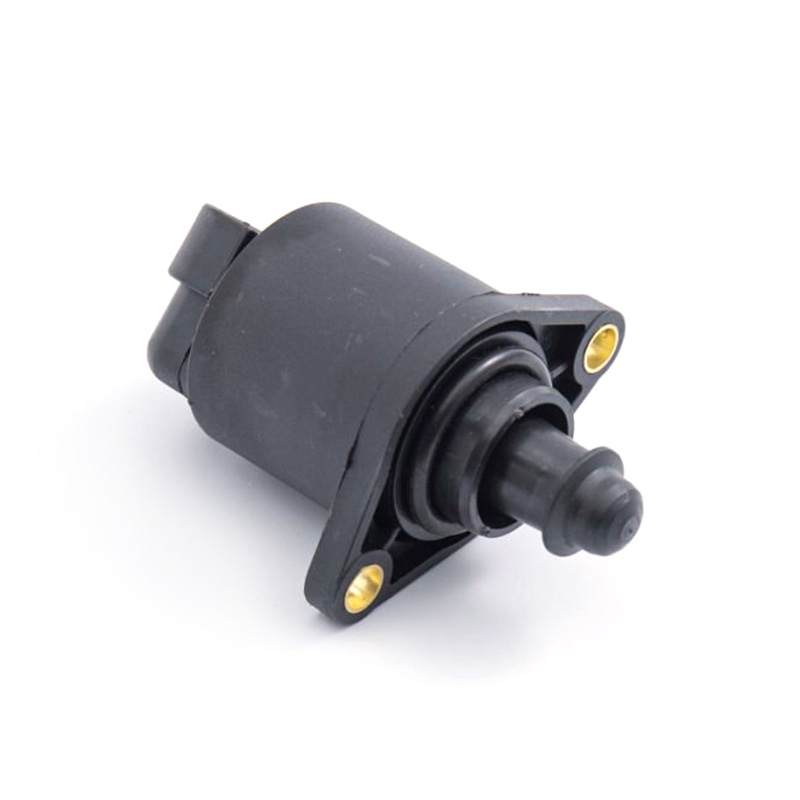
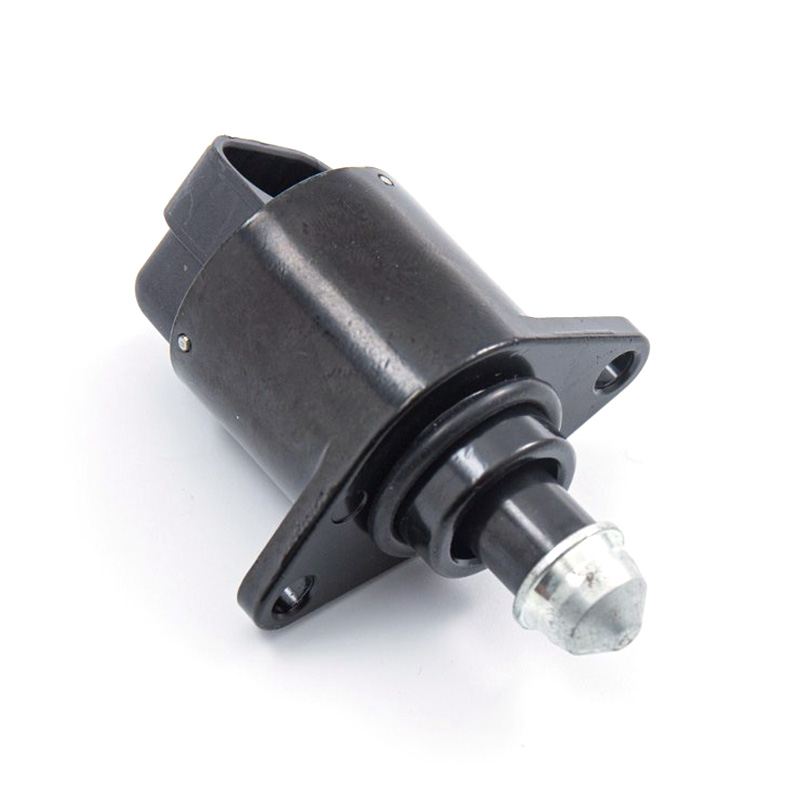
The traditional Buick idle air control valve consists of a pintle actuator driven by a stepper motor or solenoid, mounted on the throttle body. Electronic throttle control (ETC) systems, more common in post-2010 models, replace the standalone valve with a software-controlled throttle plate that manages both idle and acceleration airflow.
The shift to ETC eliminates many failure points associated with mechanical IACs but introduces a reliance on sensor accuracy and software calibration.
Despite engineering improvements, certain Buick models still experience idle instability or stalling. Many reports indicate that older stepper motor IACs fail due to carbon buildup, corrosion, or electrical faults. On newer ETC-equipped vehicles, idle problems are often traced to software calibration or throttle body contamination rather than a discrete valve failure.
Understanding the underlying technology is crucial for correct diagnosis and repair.
Buick IAC valves often differ in housing materials, pintle design, and actuator configuration compared to other brands. These differences influence thermal tolerance, response speed, and durability.
| Feature | Buick IAC | Generic IAC |
| Housing Material | Die-cast aluminum with corrosion-resistant coating | Standard aluminum or plastic housing |
| Actuator Type | Stepper motor with integrated position feedback | Stepper or PWM solenoid, feedback optional |
| Airflow Path | Direct bypass with coated pintle for smooth flow | Uncoated pintle or basic flow design |
| Electronic Integration | ECU-guided with adaptive learning | Basic duty cycle or fixed mapping |
| Thermal Resistance | Withstands 140°C+ without degradation | Often fails above 120°C |
These design features explain why Buick IAC valves may last longer under heavy thermal cycles and offer smoother idle regulation compared to generic components.
Routine inspection of older stepper-type Buick IACs can prevent premature failure. Cleaning carbon deposits, checking electrical resistance of actuator coils, and ensuring secure wiring connections are common preventive measures. For ETC systems, software updates and throttle body cleaning remain the main interventions.
Regular preventive care can significantly reduce complaints about fluctuating idle or stalling.
Buick idle valves emphasize durability, thermal resistance, and gradual transition toward fully electronic throttle systems. Unlike generic IAC valves, Buick designs integrate actuator feedback and adaptive control, ensuring that idle behavior remains stable even with changing load conditions and varying environmental factors. Many owners report that these valves tolerate high-mileage usage better, especially in regions with extreme temperature fluctuations.
As newer Buick models fully adopt drive-by-wire systems, traditional IAC valves are disappearing. Adaptive ECU algorithms increasingly handle idle control by coordinating throttle position, ignition timing, and fuel delivery. This integration allows more precise idle management, reduces mechanical failure points, and supports stricter emission standards. For aftermarket support, replacement parts now focus on high-precision stepper motors, reinforced housings, and enhanced electronic feedback for legacy vehicles.
Recommended Articles
Related Products
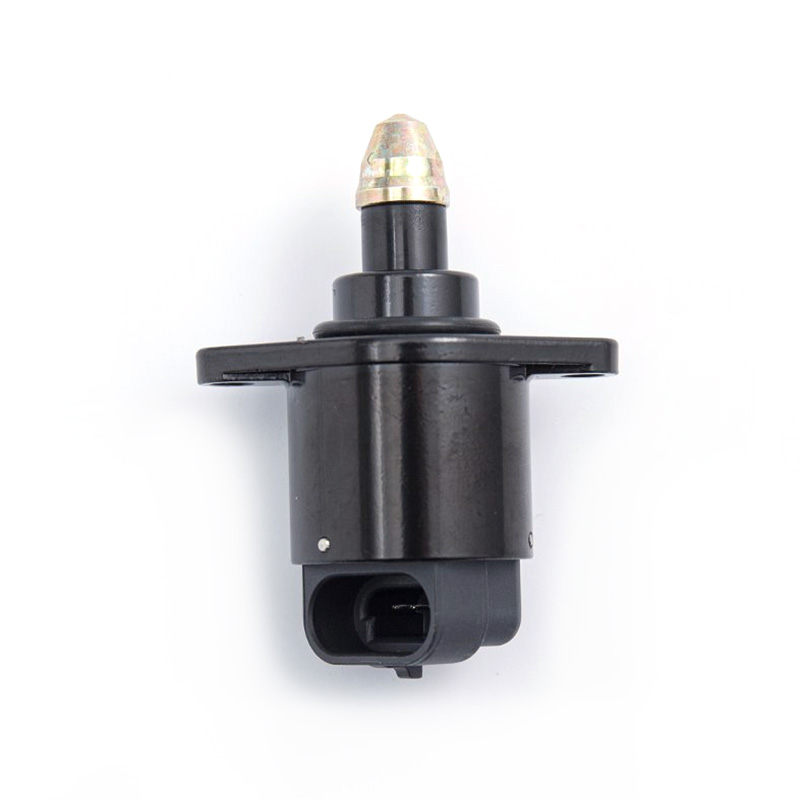
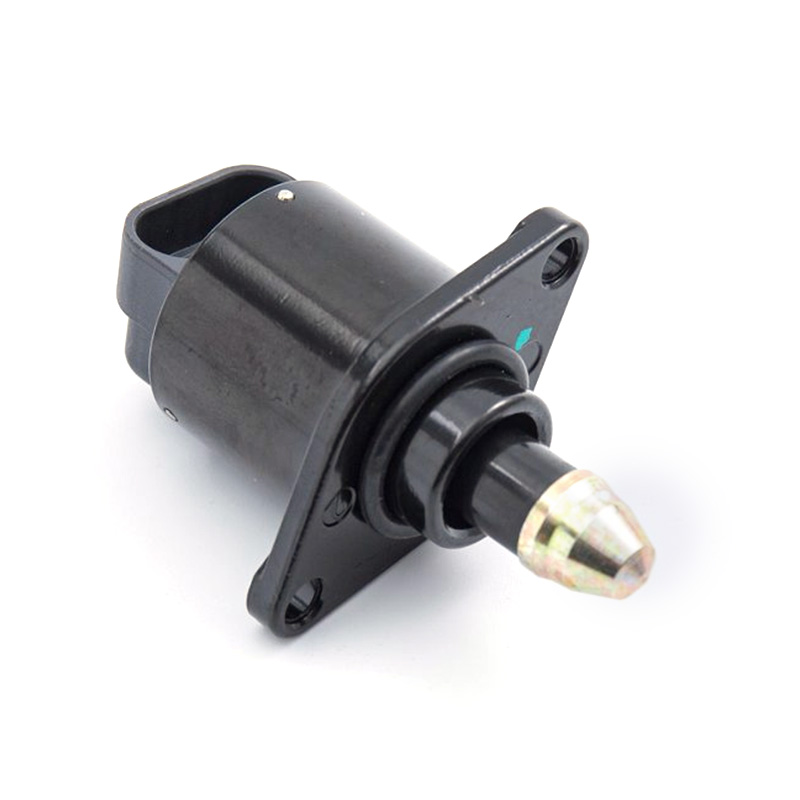
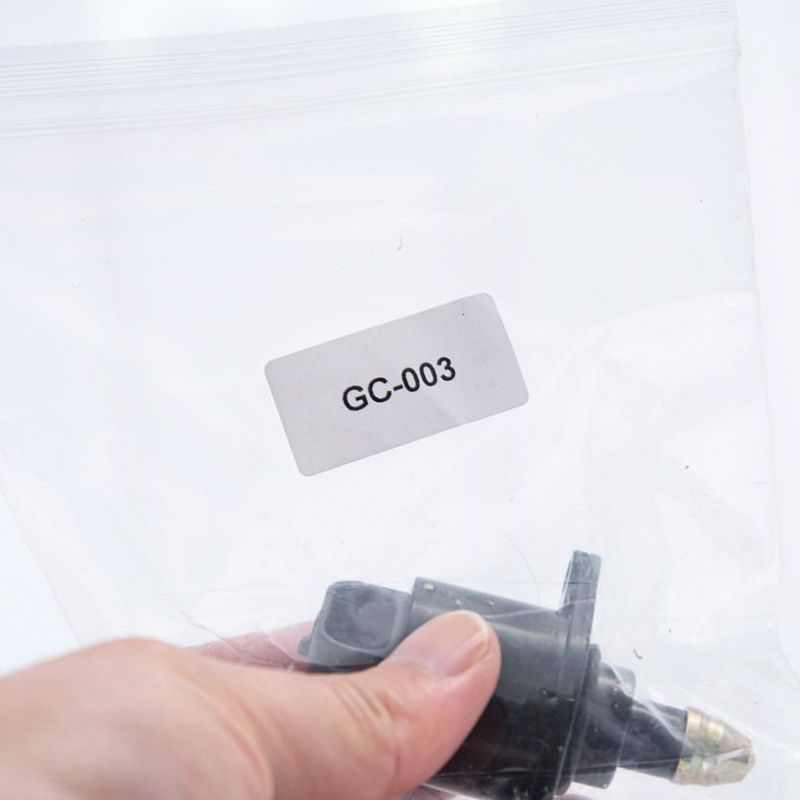
GC-003
REFERENCE OE:
SHORT CODE:B04/01 D5131
MARELLI:230016079057
PEUGEOT:1920N1
SIMENCE:A95269
APPLICATION:
PEUGEOT 306 Break/Cabriolet/Schraqheck;PEUGEOT 405 II Break; PEUGEOT 406 Break/Coupe;
PEUGEOT 605 806;PEUGEOT BOXER Bus/Kasten/Pritsche/Fahrqestell
China manufacture for wholesale and retail, idle air control, crankshaft valve, camshaft valve, Throttle position sensor, and many kind of sensors.
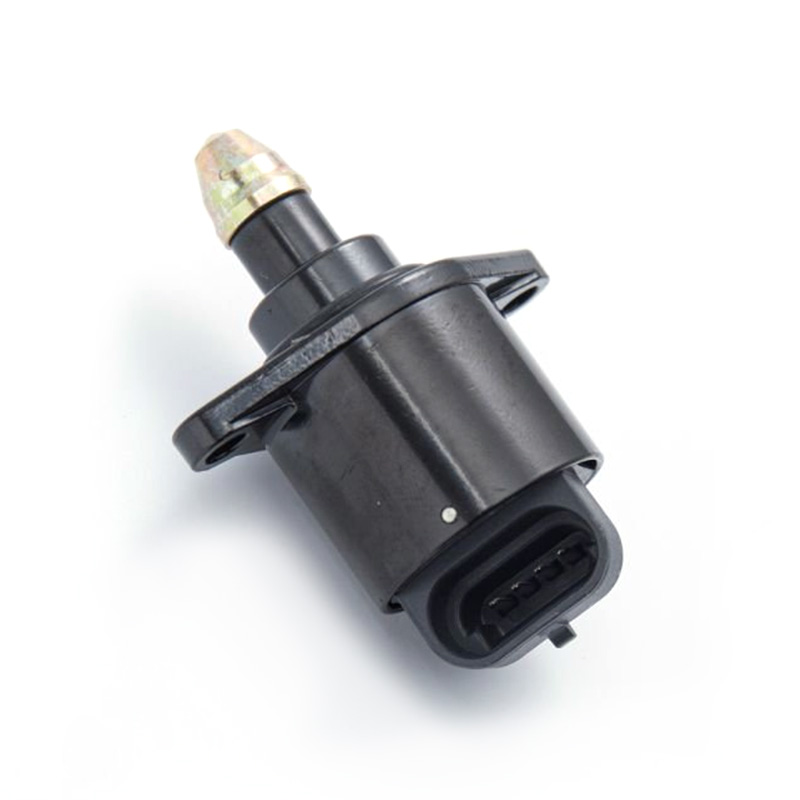
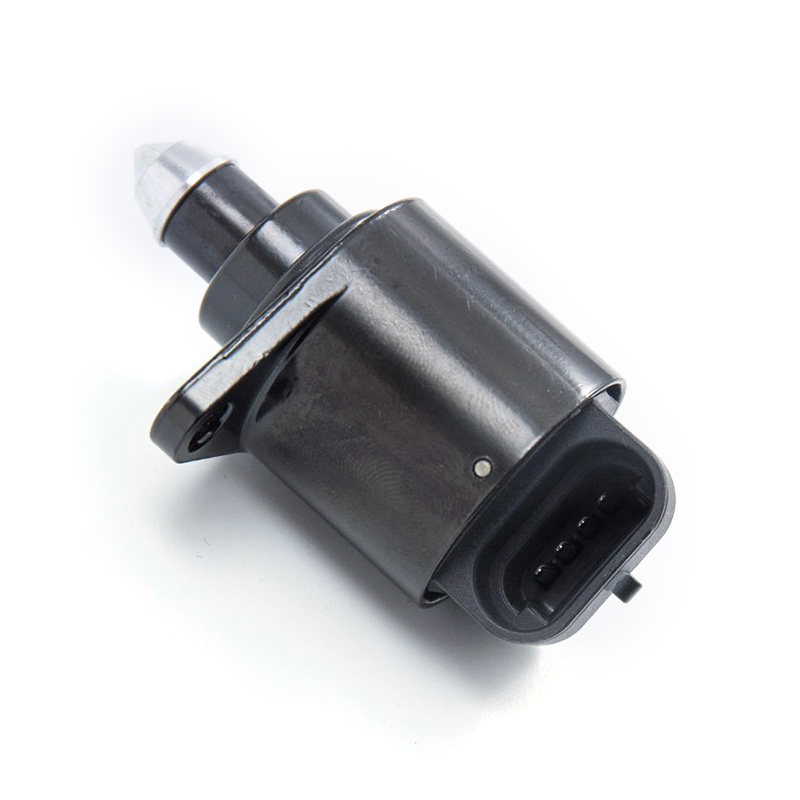
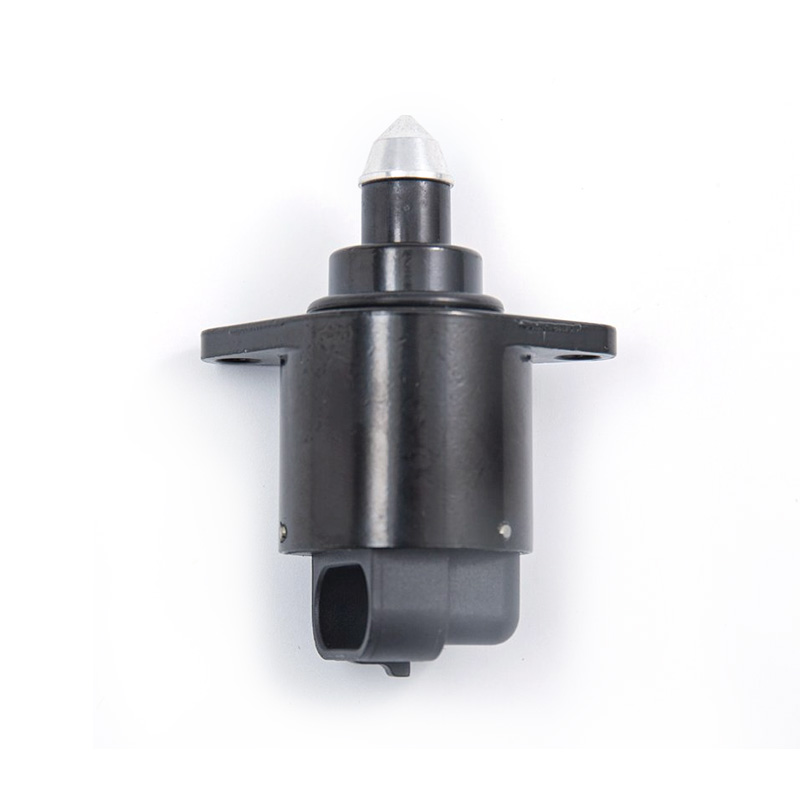
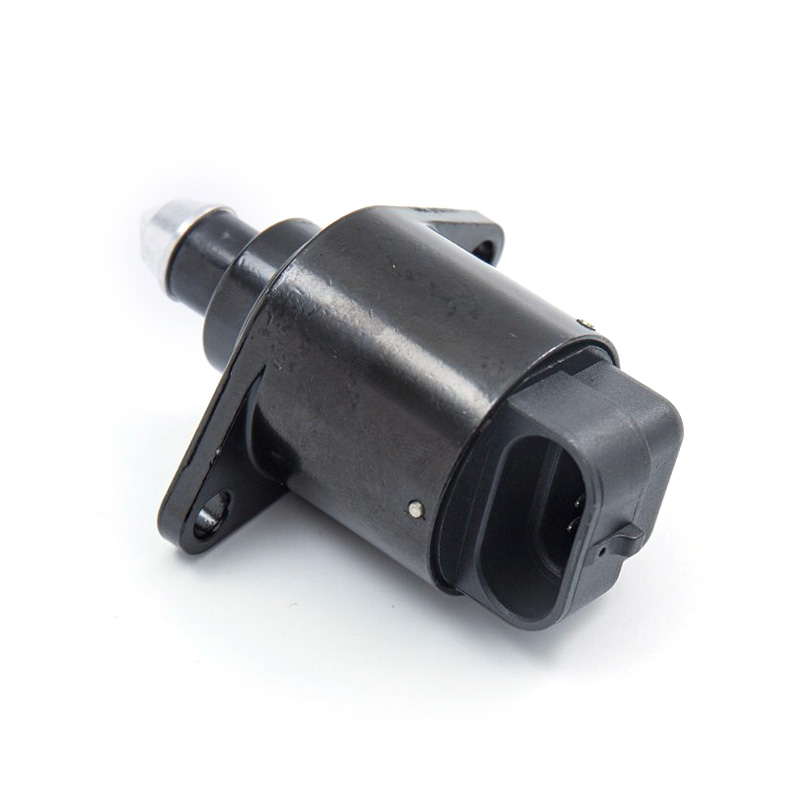
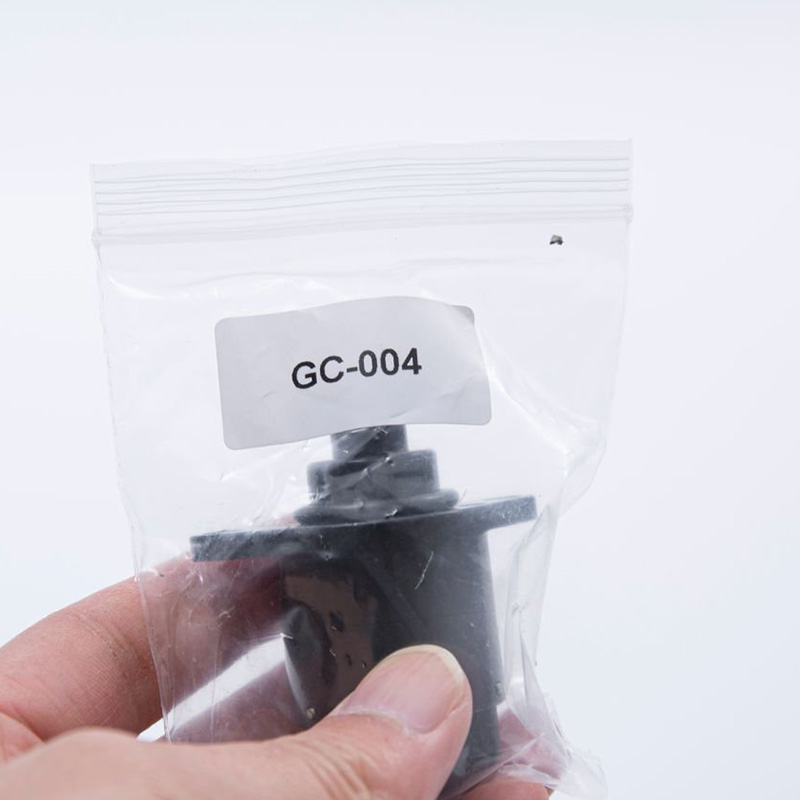
GC-004
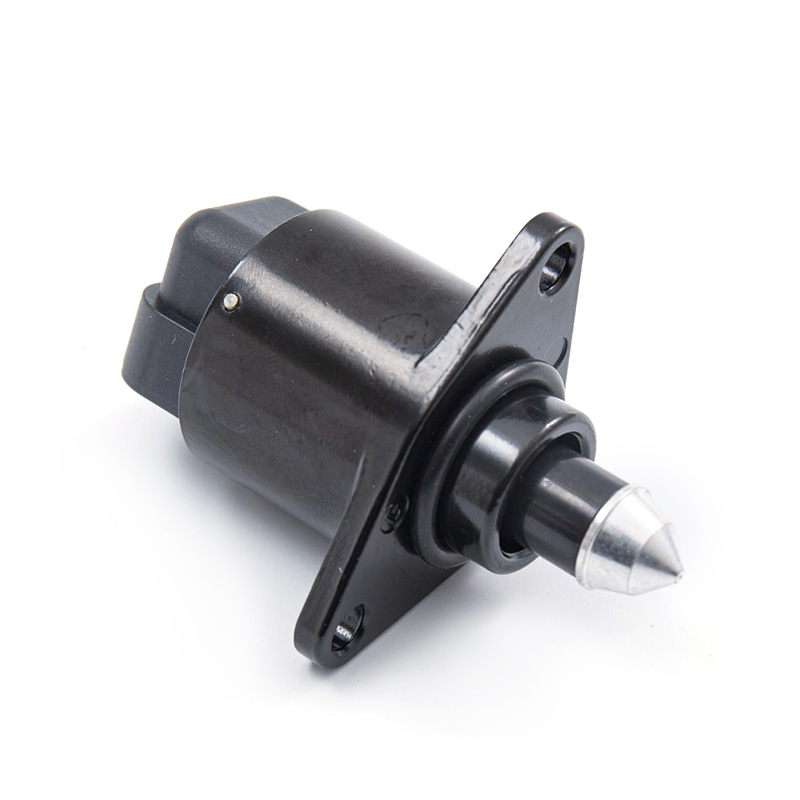
REF OE:
SHORT CODE:B32/00
SIMENCE:A97115 19206W
APPLICATION:
CITROEN BERLINGO(MF)/Kasten(M_)1.4 i(MFKFX);CITRO SAXO(S0,S1) 1.4VTS,CITRO XSARA(N1)/Break(N2)/Coupe(N0)1.4i;
PEUGEOT 106 II(1)1.4i;PEUGEOT 206 Schraqheck(2A/C)1.4i/SW(2E/K)1.4;
PEUGEOT306(7B,N3,N5)1.4SL/Break(7E,N3,N5)1.4/Schraqheck(7A,7C,N3,N5)1.4;
PEUGEOT PARTNER Combispace(5F)1.4/Kasten(5)1.4
China manufacture for idle air control valve,high quality and competitive price!
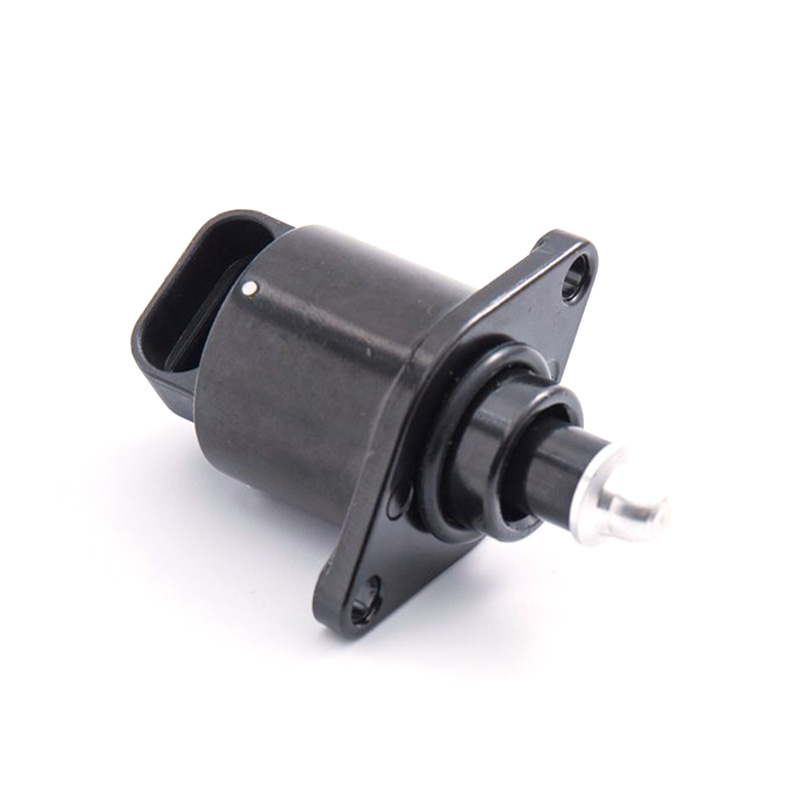
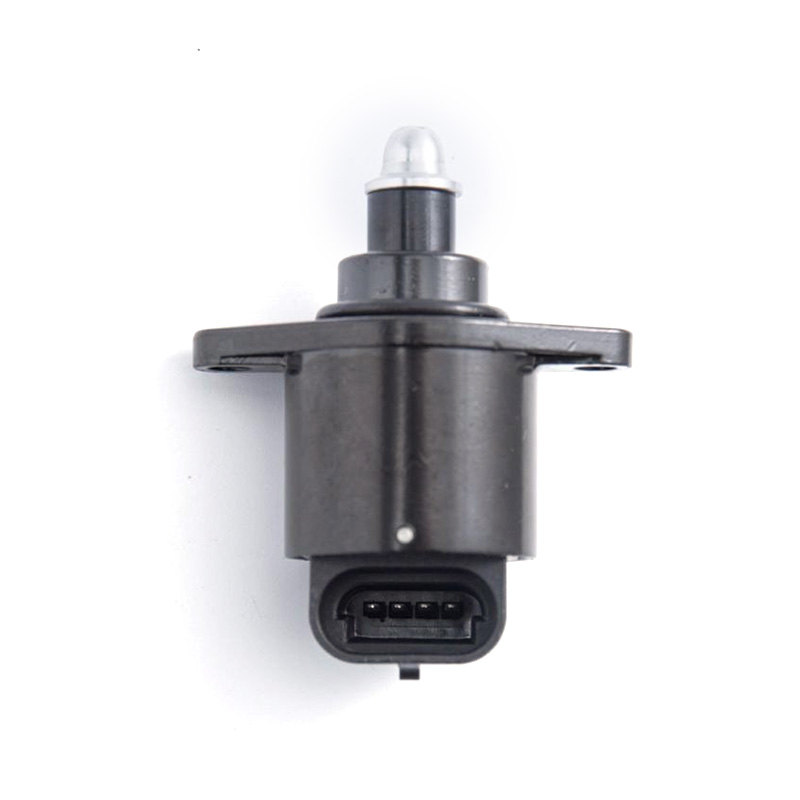
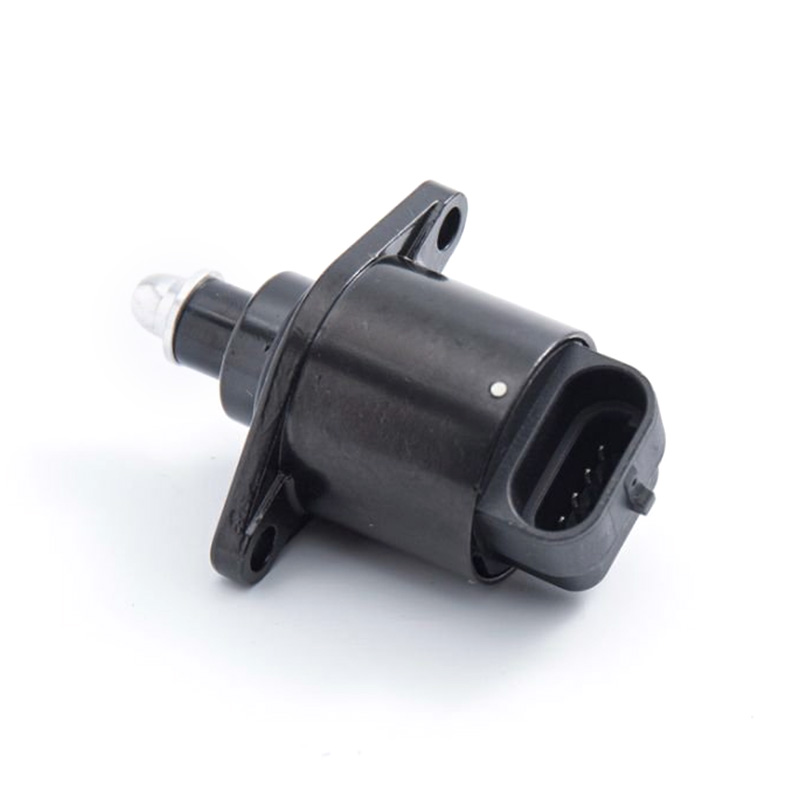
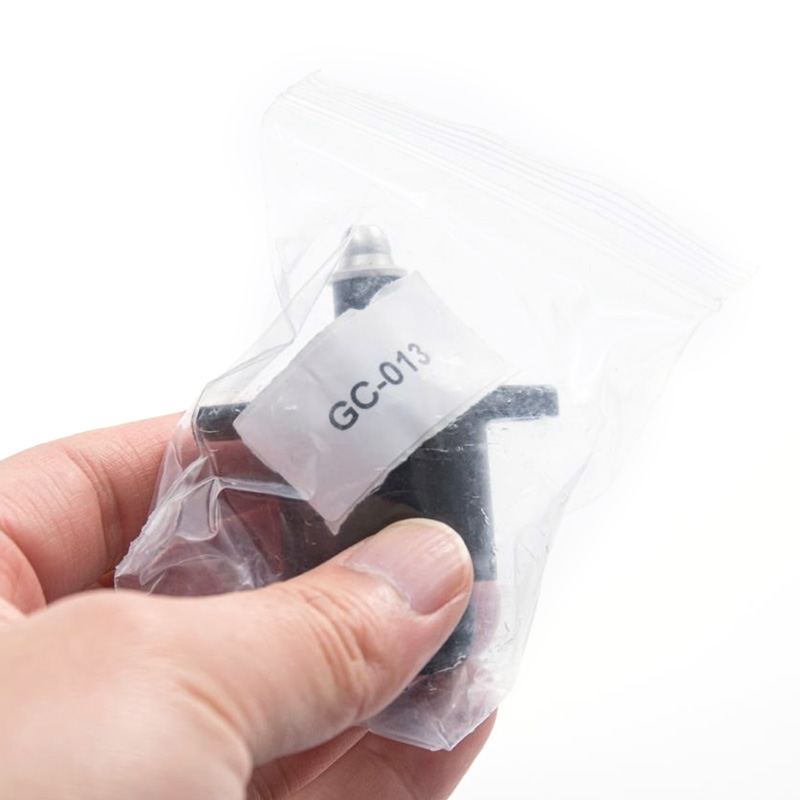
GC-013
REFERENCE OE:
SHORT CODE: D5103
MARELLI: 40397102
VDO: AT-05103R
FIAT: 7077213
RENAULT: 7702217296
APPLICATION:
RENAULT MEGANE Classic/Grandtour(KA0/1_)I(BA0/1_);
RENAU SCENIC I(JA0/1_)1.8 16V
Idle air control valve from China manufacture!
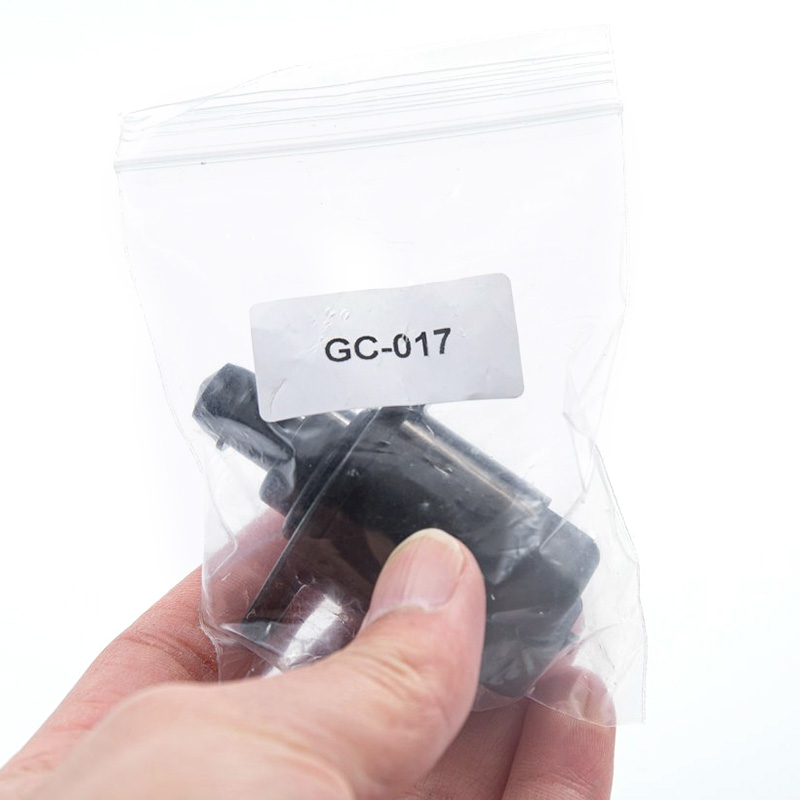
GC-017
REFERENCE OE:
SHORT CODE:B28/00
RENAULT:8200299241 7700102539
SIMENCE:D95166 B28/00 8200299241 7700102539 D95166
APPLICATION:
OPEL VIVARO Combi/Kasten;
RENAU AVANTIME;
RENAU CLIO II/ESPACE III;
RENAU LAGUNA/LAGUNA II;
RENAU MEGANE Cabriolet/Classic/Coach/Grandtour;
RENAU SCENIC I/II
Idle air control valve for wholesale and retail from China!
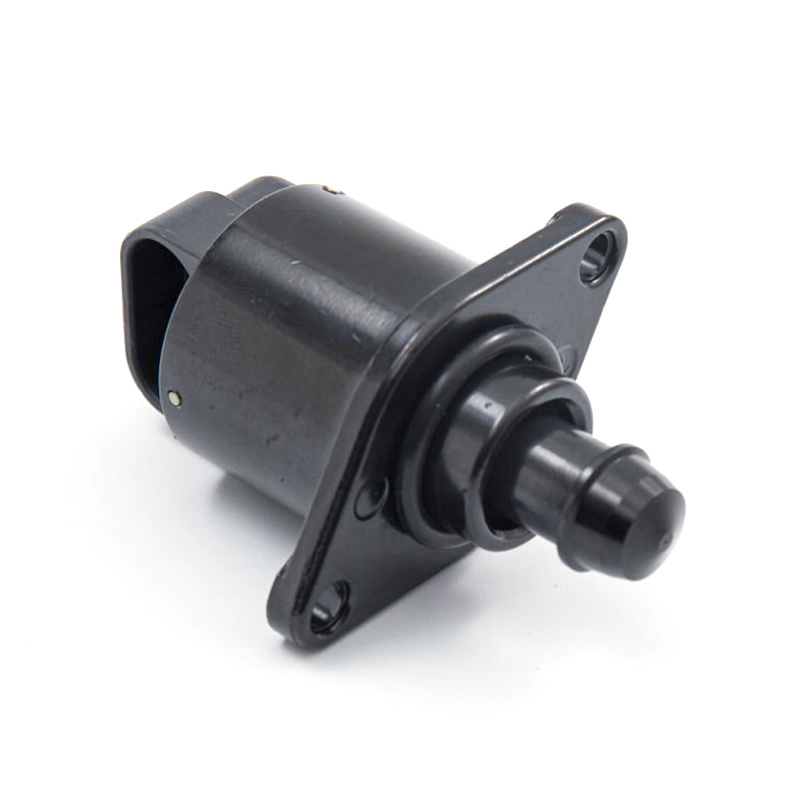
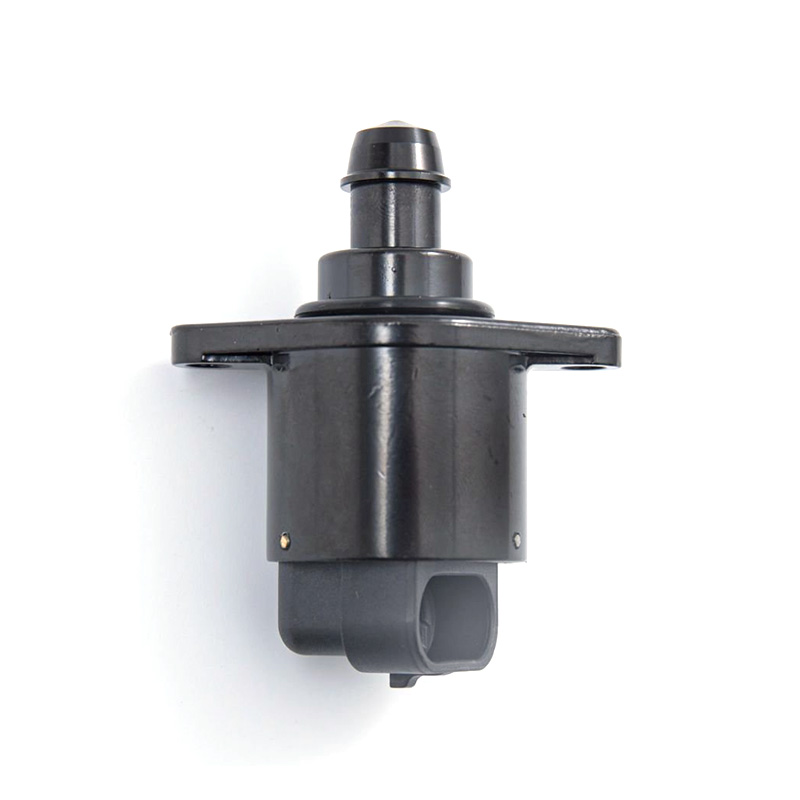
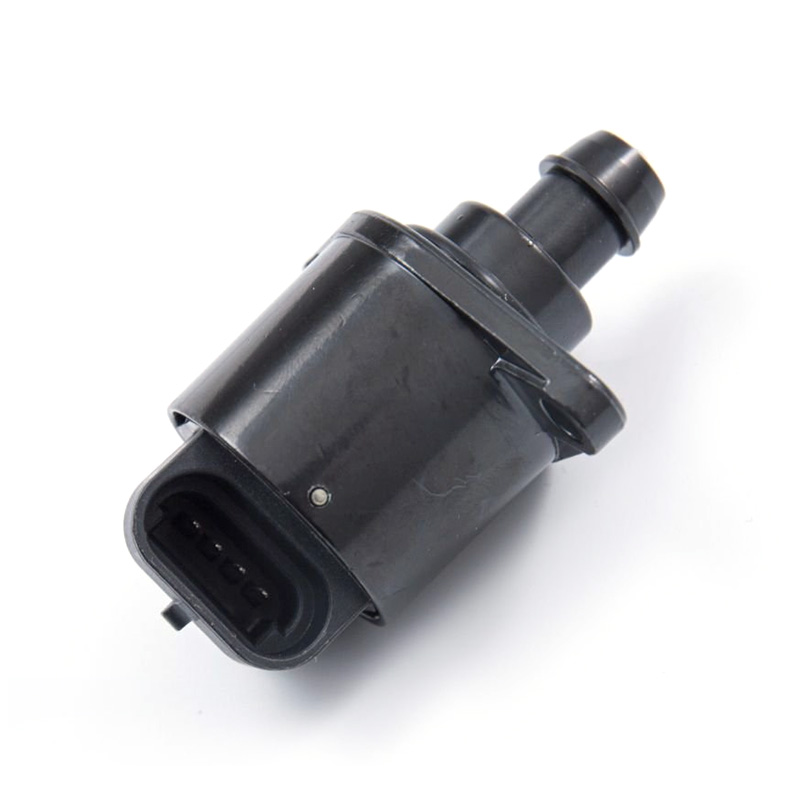
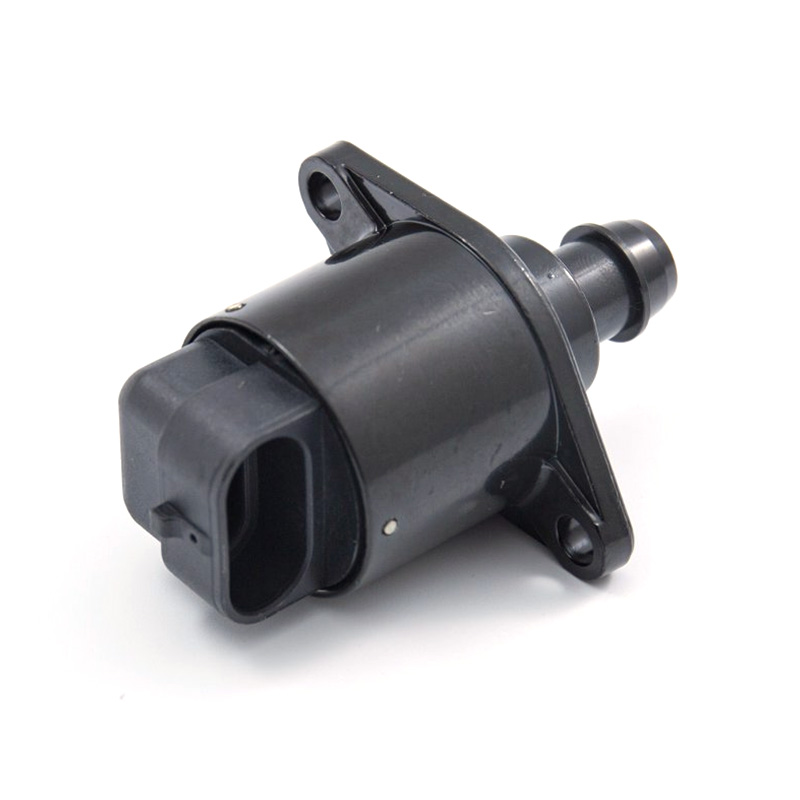
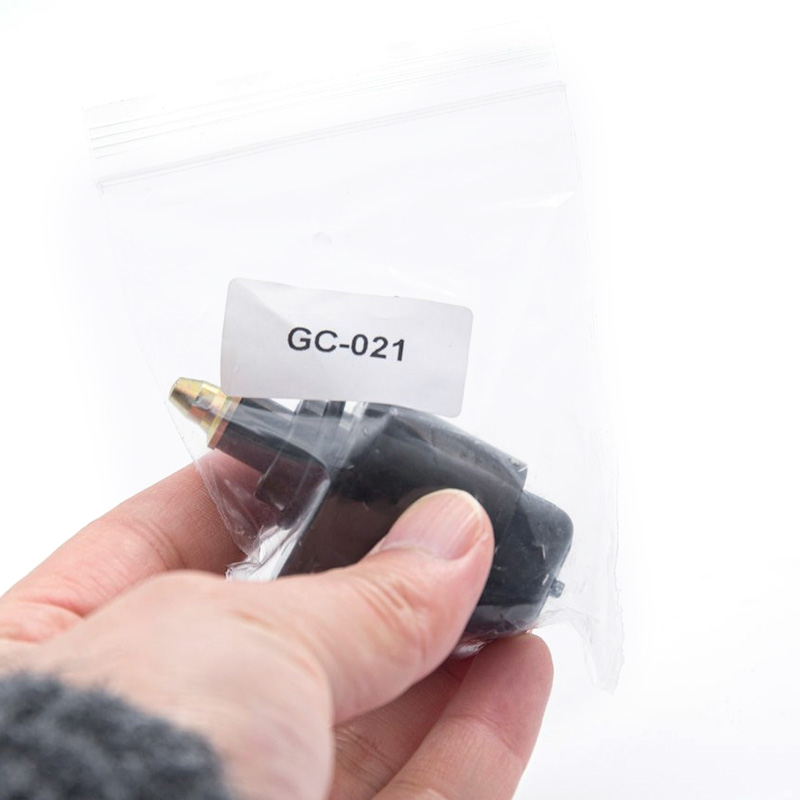
GC-021
REFERENCE OE:
MARELLI:230016079047
SIMENCE:A95262 1920Q8
CITRO NO:95644634
RENAULT:7701204054
APPLICATION:
CITROEN AX;PEUGEOT 106I/II;PEUGEOT 205 I/II;PEUGEOT 306/306 Schraqheck;RENAULT TWINGO
Idle air control valve selling,China manufacture quality!
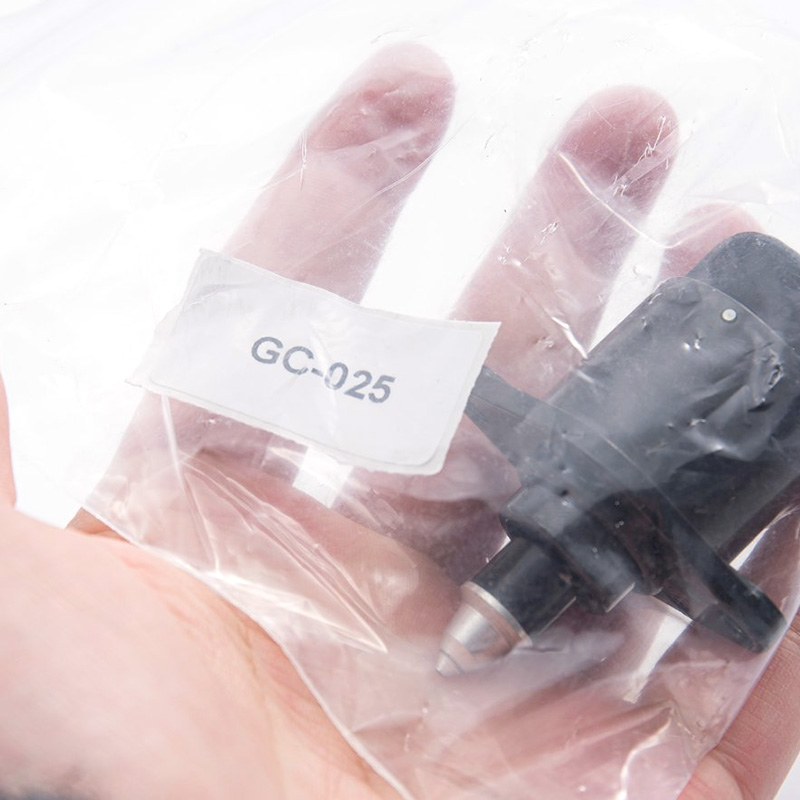
GC-025
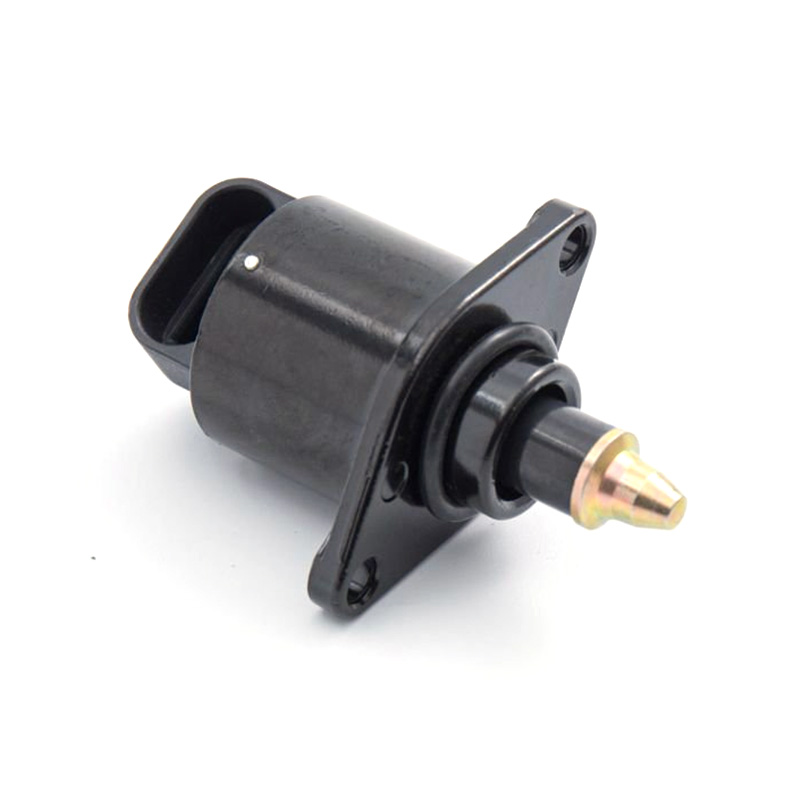
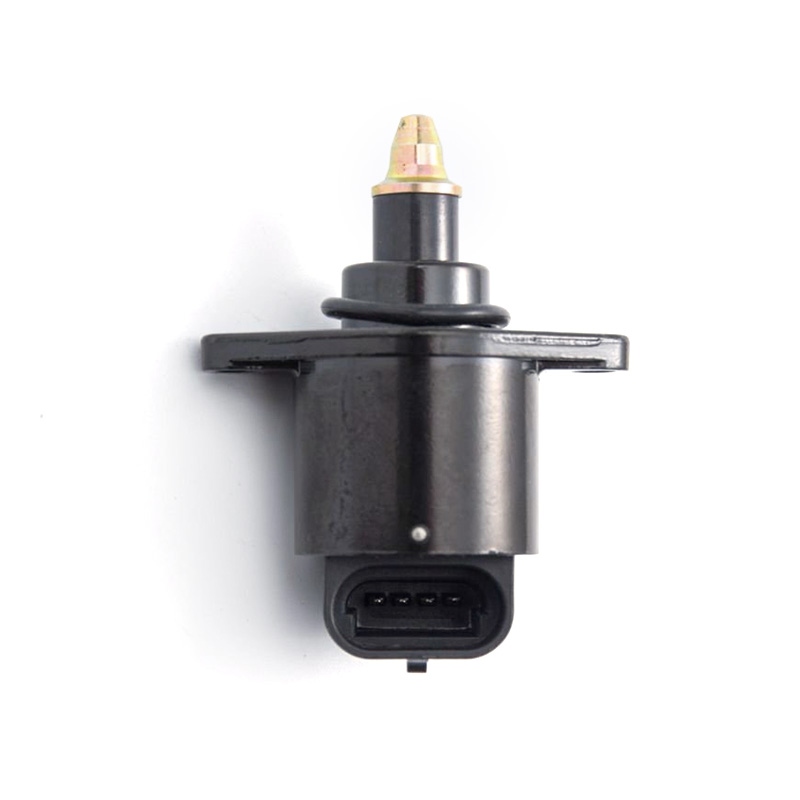
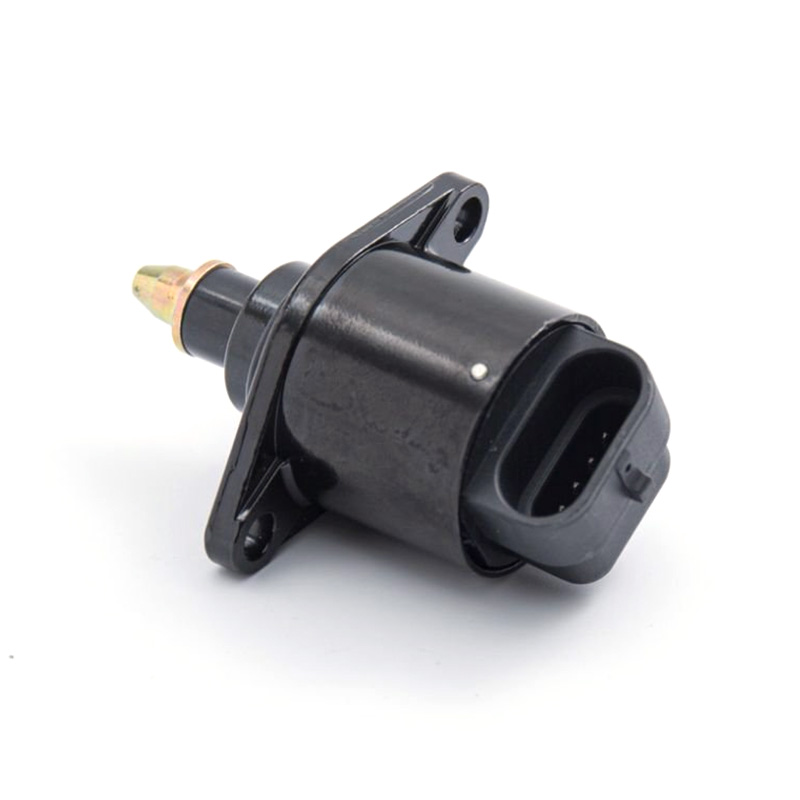
REFERENCE OE:
STD: AC495 SHORT CODE:59602
DELPHI: ICD00120
GM: 17059602
VDO: AT-59602R
WELLS: AC167; 93744675; 96434613; 17059602
APPLICATION:
CHEVR AVEO Stufenheck;
DAEWOO KALOS/LANOS/NUBIRA/NUBIRA Stufenheck;
GENTRA 06-07
Idle air control valve from China factory for Chevrolet Aveo Daewoo.
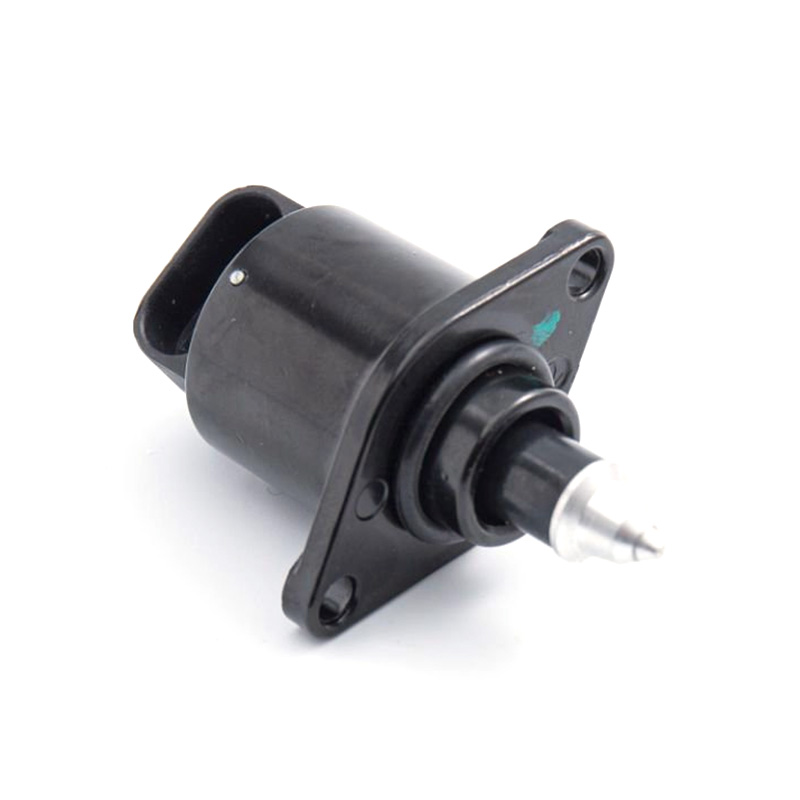
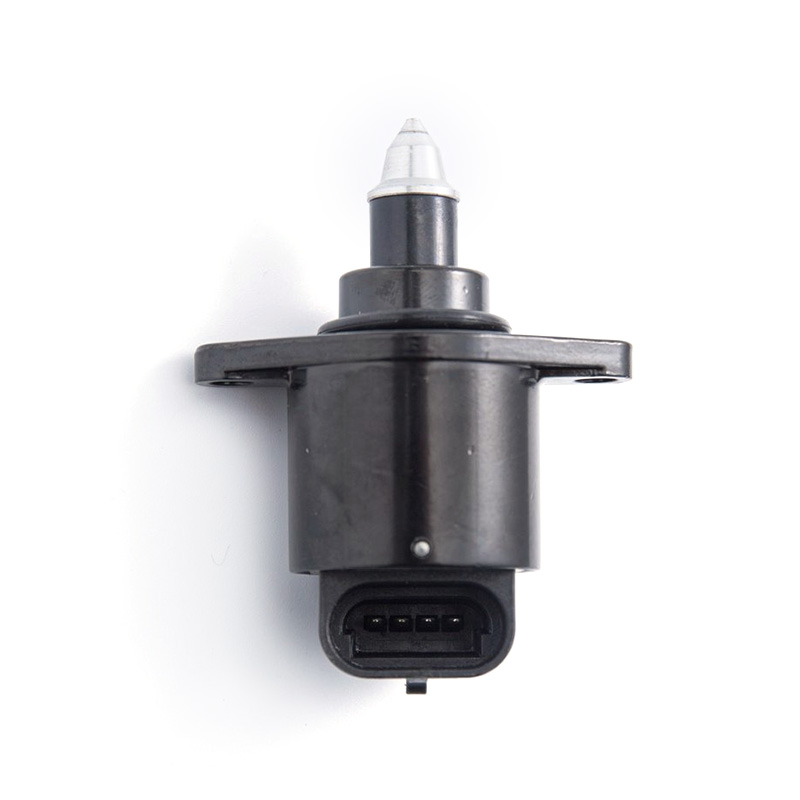
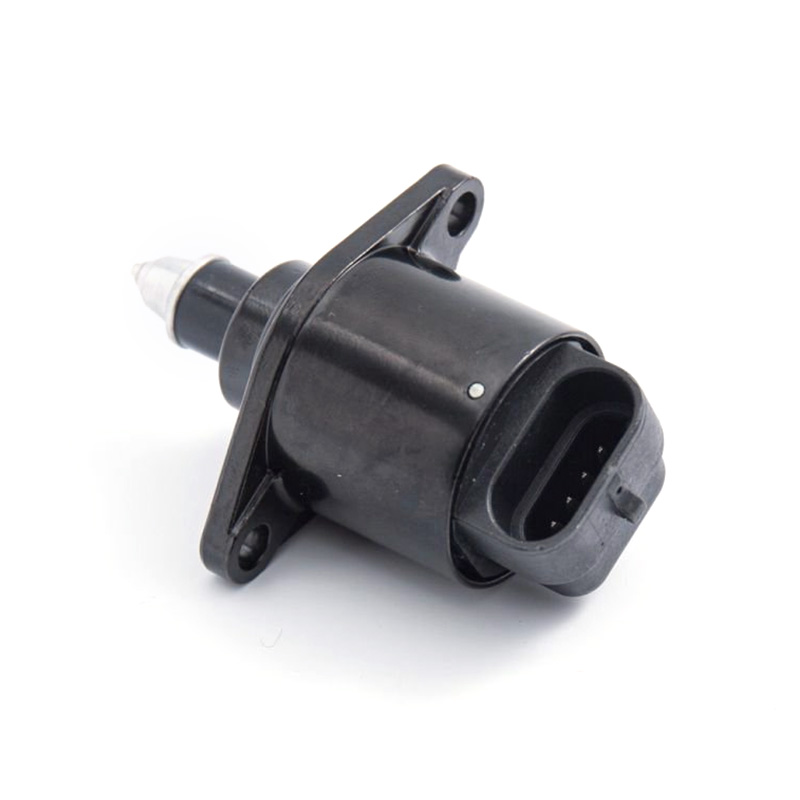
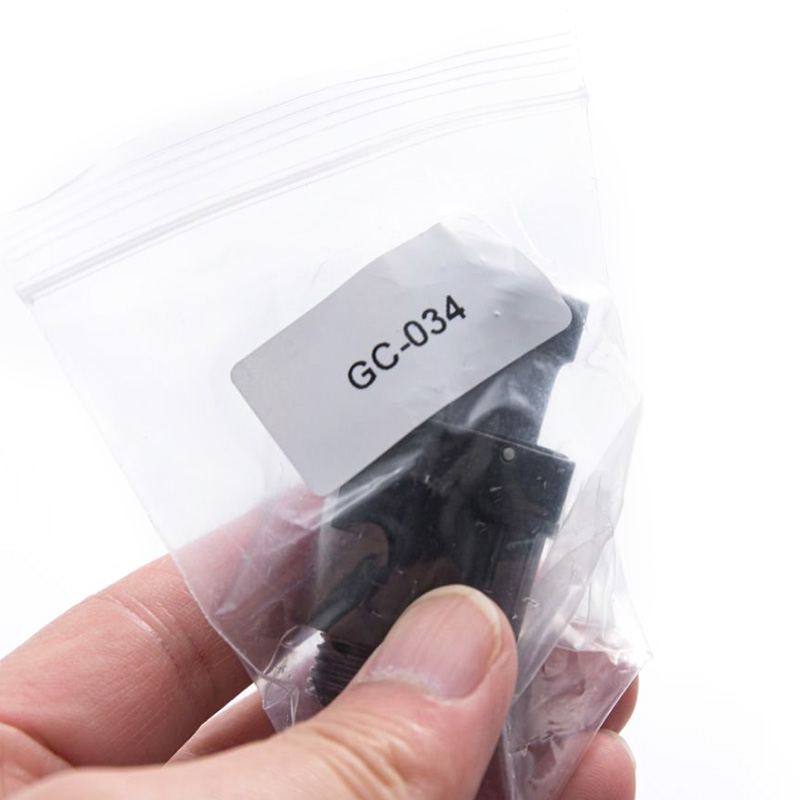
GC-034
REFERENCE OE:
STD:AC16 WELLS:AC114 OEM:C403056730 17112193, 217415
APPLICATION:
LAND ROVER;
1985-1994 Astro)
1992-1995 Suburban
1988-1995y C1500 pickup
1988-1995y K1500 pickup
Idle air control valve from China factory for Land Rover.
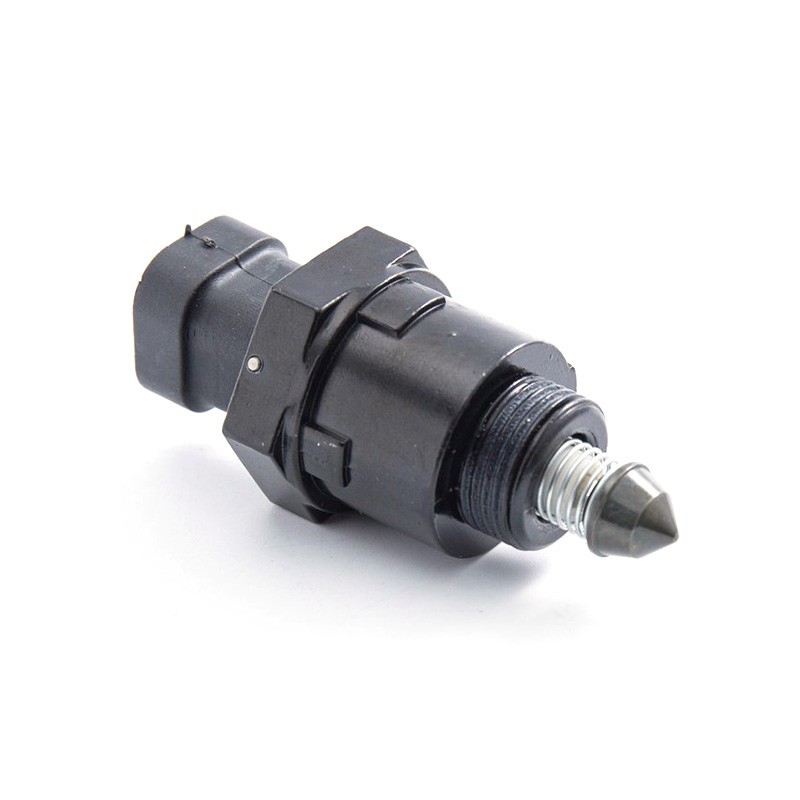
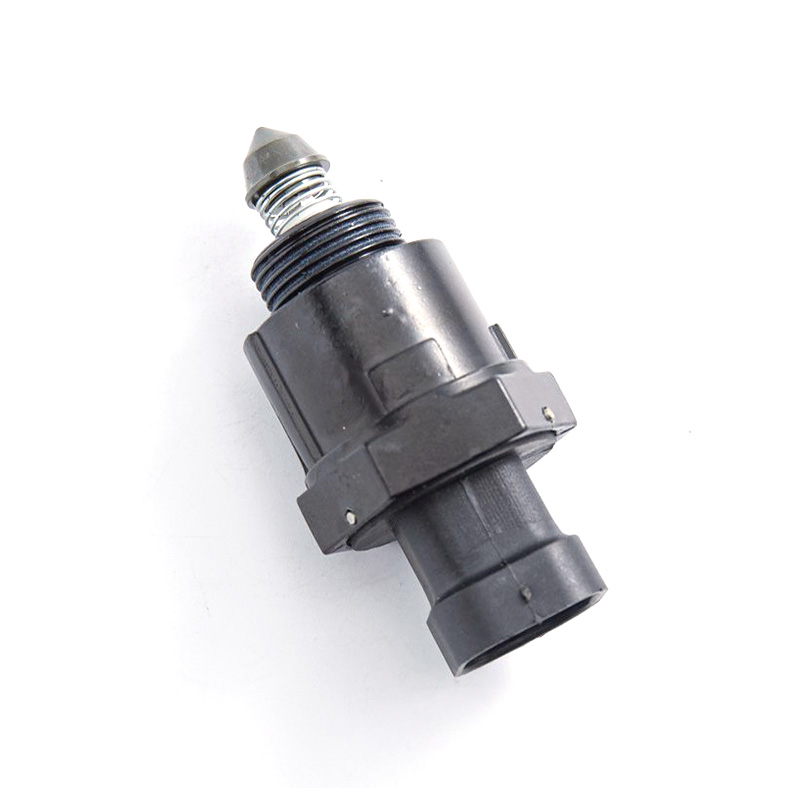
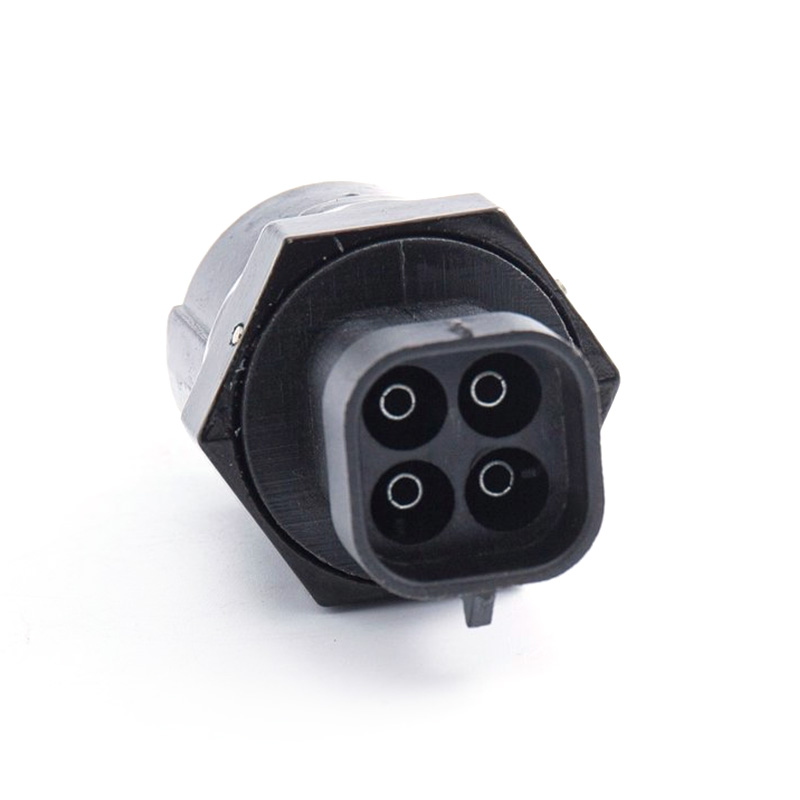
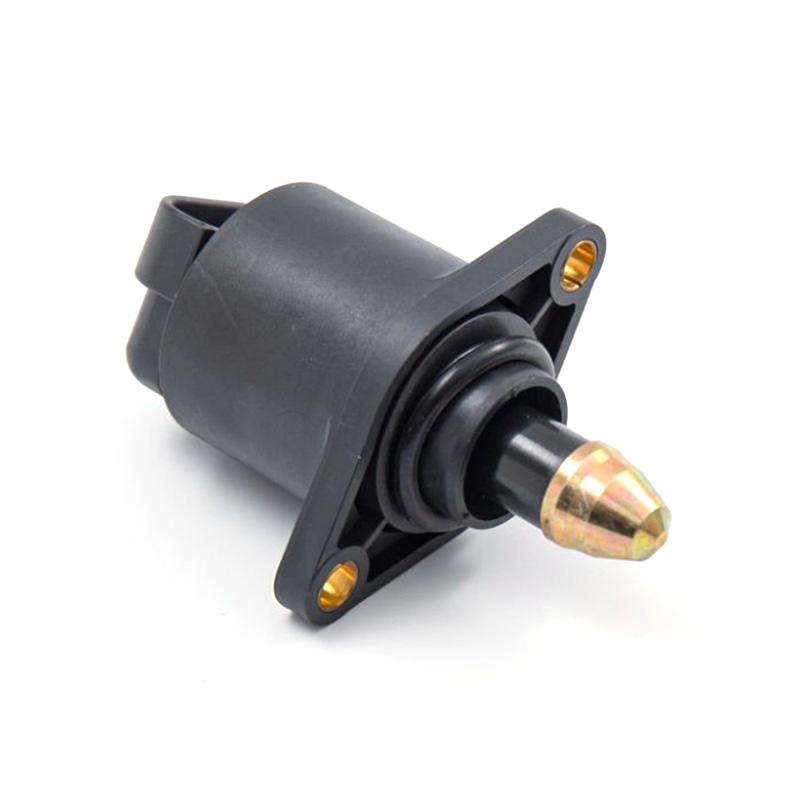
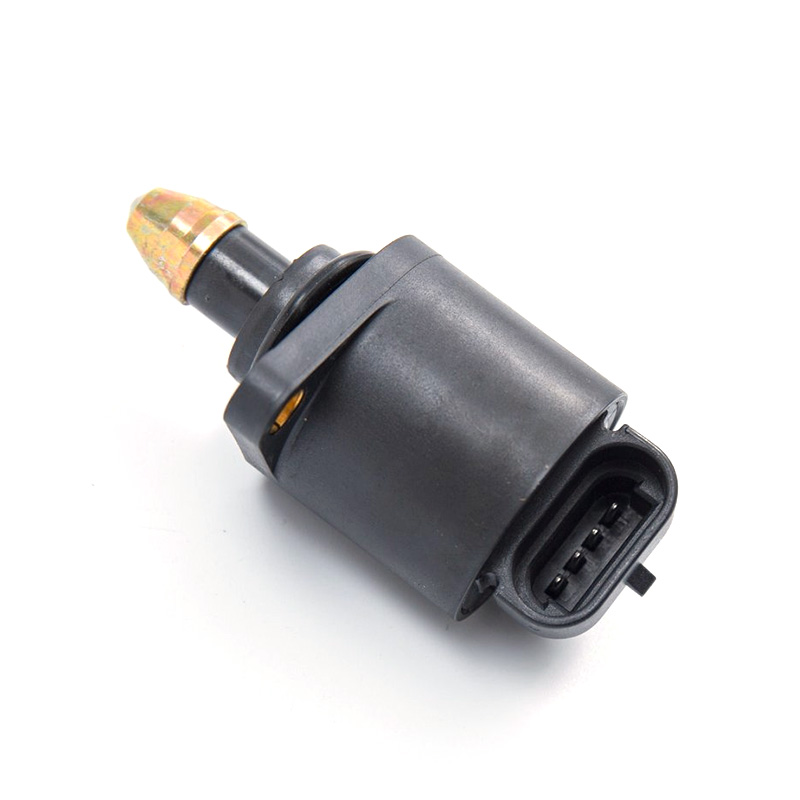
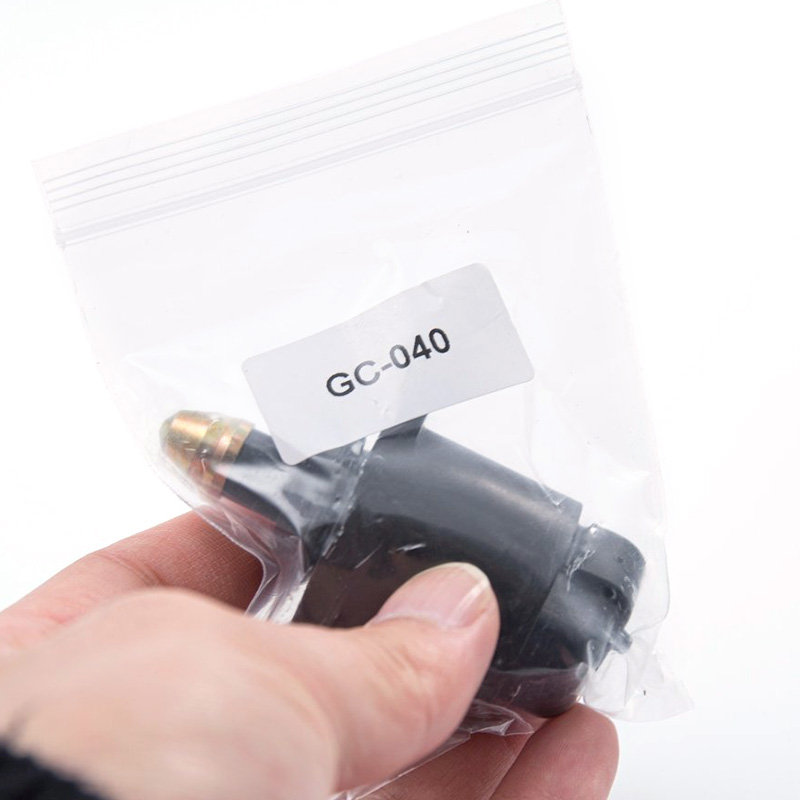
GC-040
REFERENCE OE:
SHORT CODE:B04/01 D5131
MARELLI:230016079057
PEUGEOT:1920N1
SIMENCE:A95269
APPLICATION:
PEUGEOT 205 I Cabriolet(741B,20D)1.6CJ;
PEUGEOT 205 II(20A/C)1.6 Aut;
PEUGEOT 306(7B,N3,N5)1.8/2.0ST;
306 Break(7E,N3,N5)1.8;
PEUGEOT 306 Cabriolet(7B,N3,N5)1.8/2.0ST;
PG 306 Schraqheck(7A,7C,N3,N5)1.8/2.0 Xsi;
PG 309 II(3C,3A)1.6;
PG 405/Break(15B)1.6;
PG405 II(4B)1.6/1.8/2.0/2.0 X4;
PG 406;PG 806;PG BOXER Bus
Idle air control valve from China factory for Peugeot 205 306.
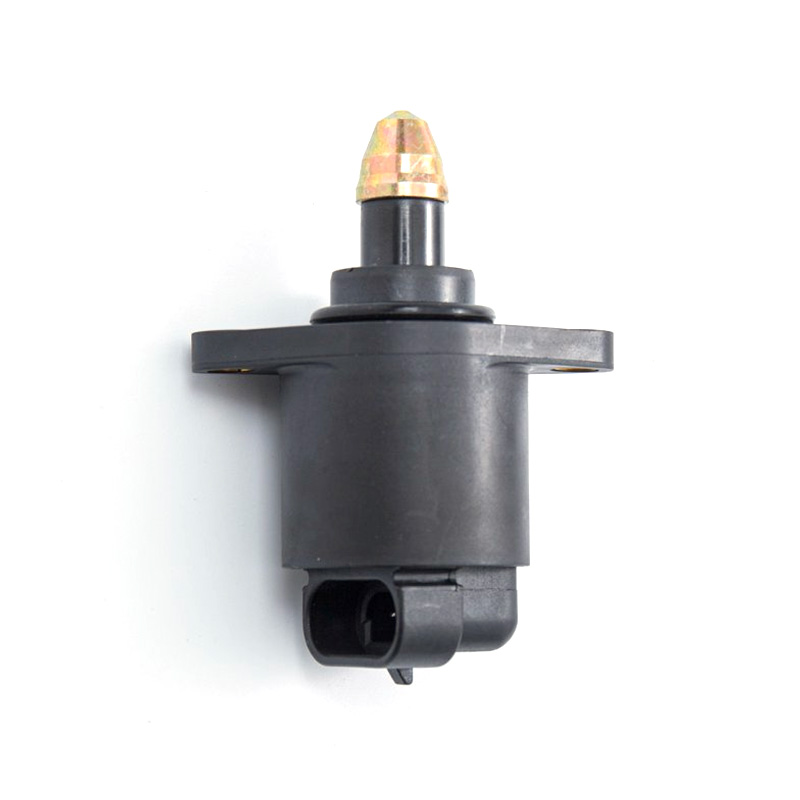
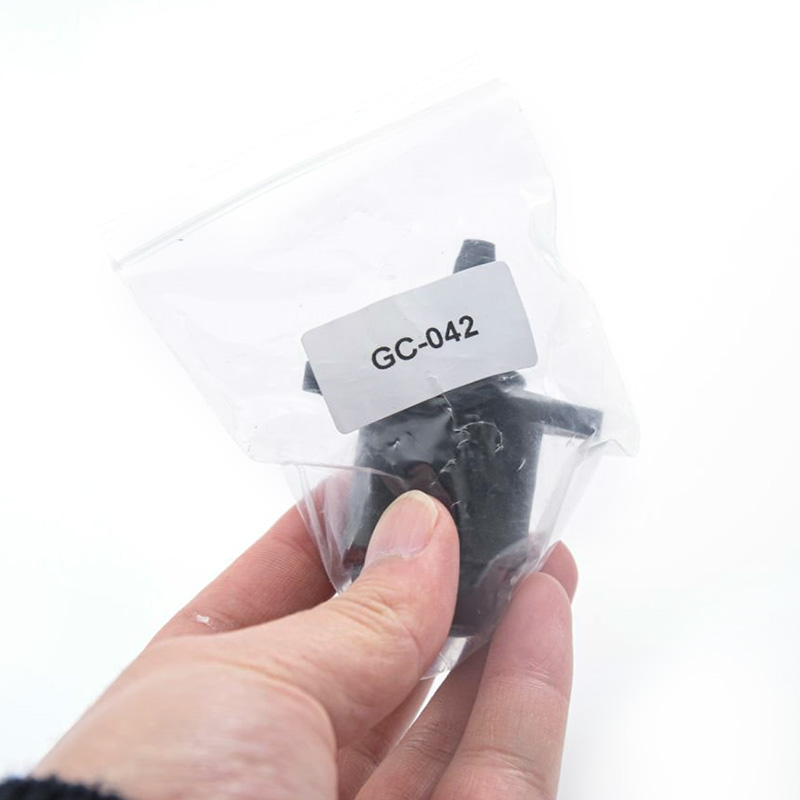
GC-042
REFERENCE OE:
SHORT CODE: D5104
FIAT: 7078983 0269980492
VDO: AT-5104R ;
APPLICATION:
PALIO 99->1.6 SPI/SIENA 99->1.6SPI/STRADA 99->1.6SPI/GOL99->1.0 SPI
Idle air control valve from China factory for Fiat Palio.
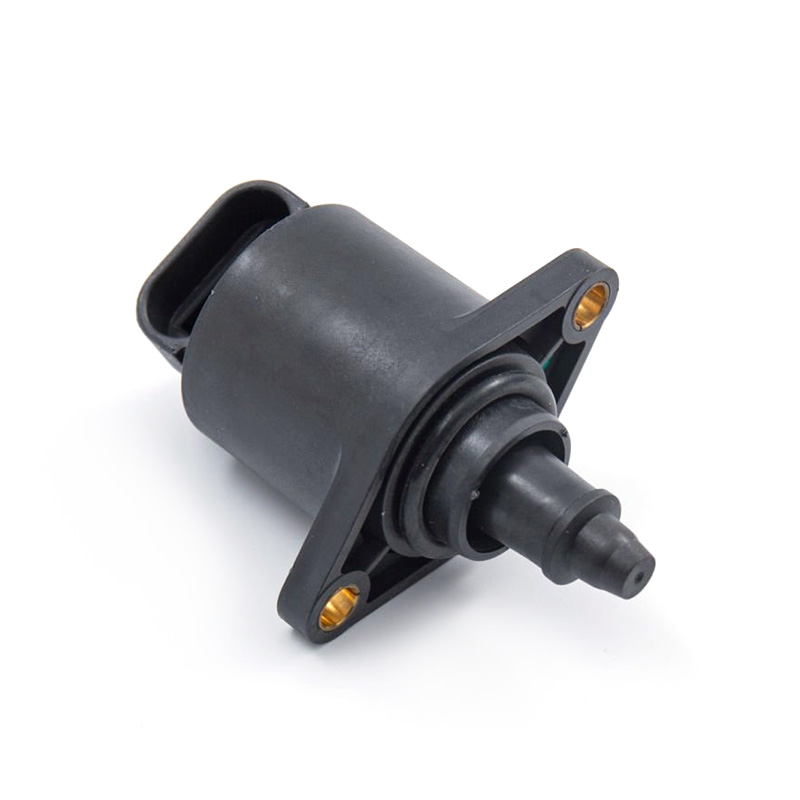
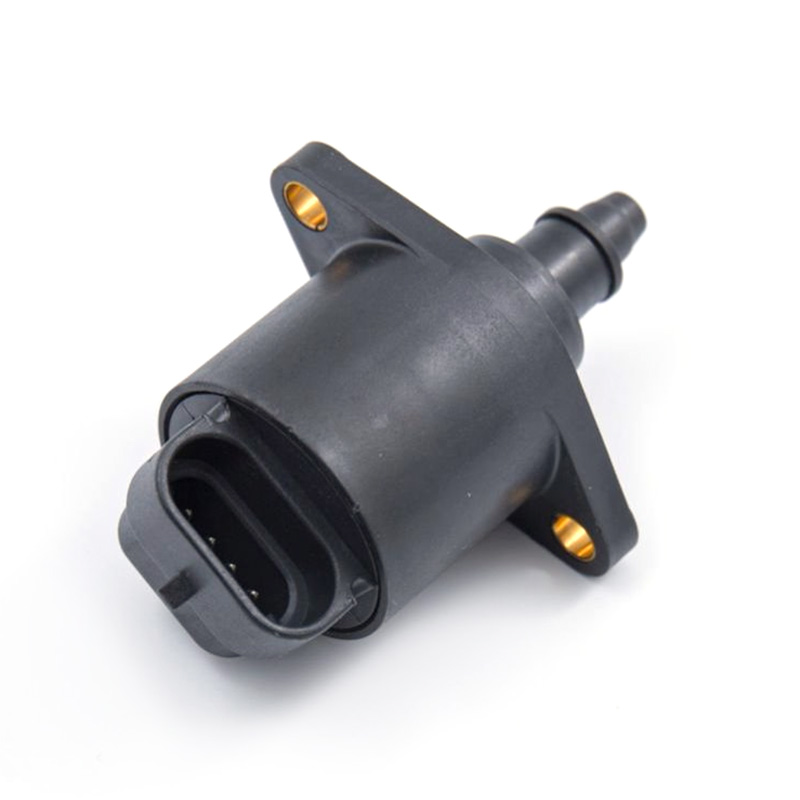
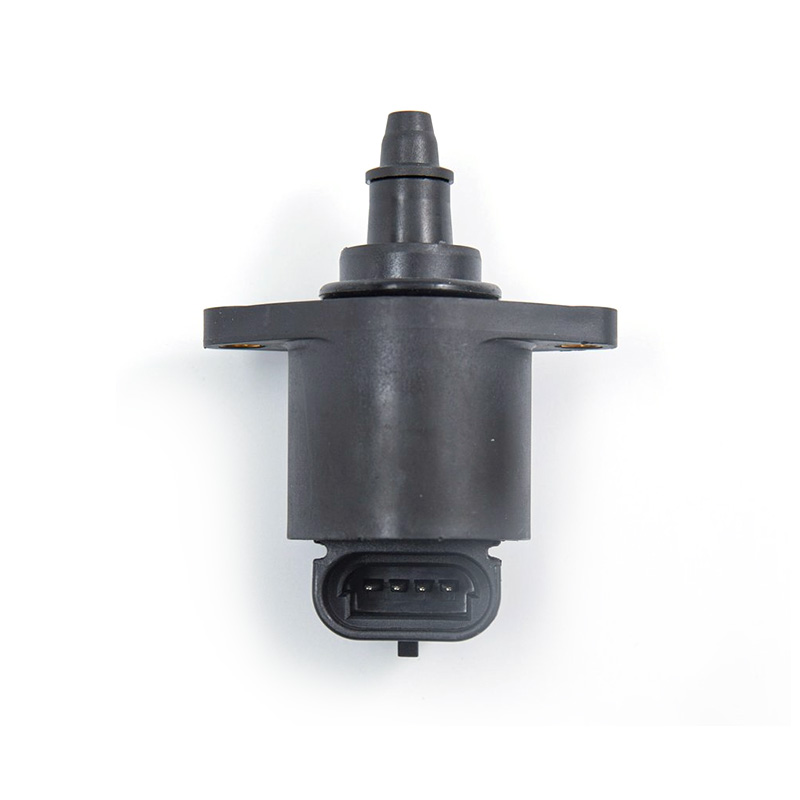
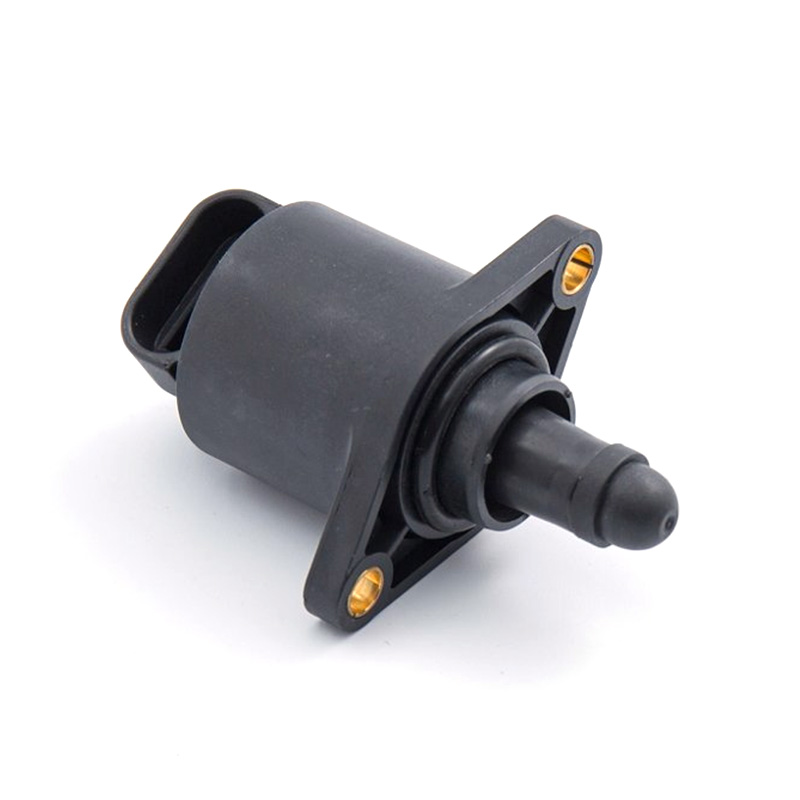
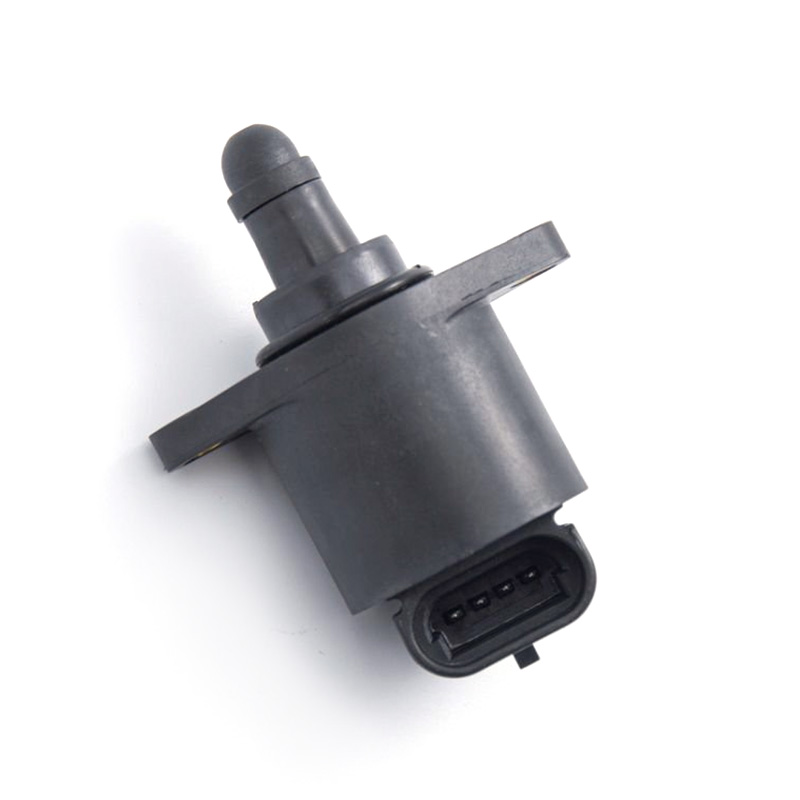
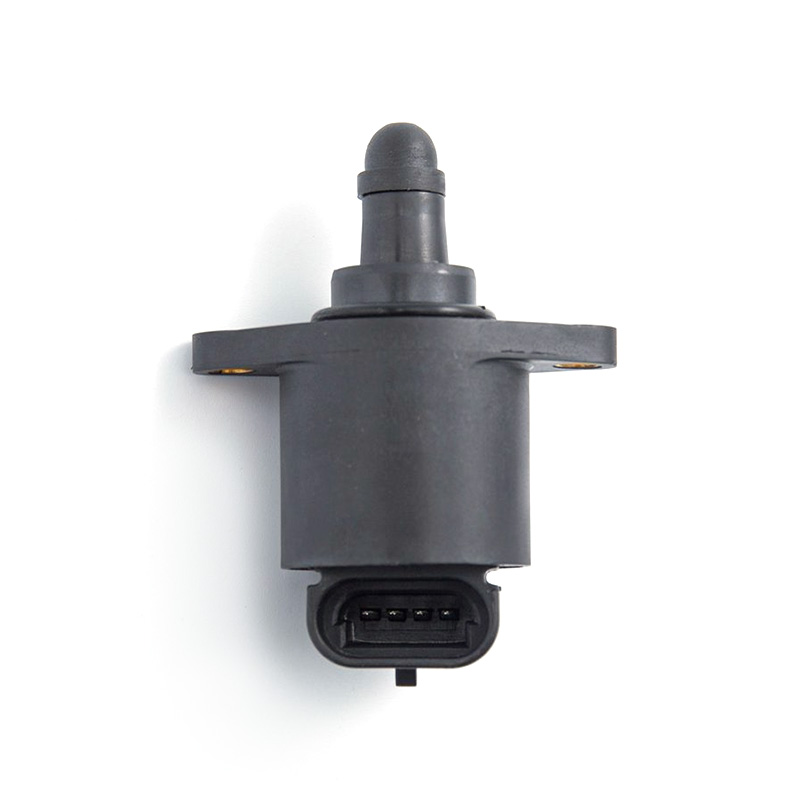
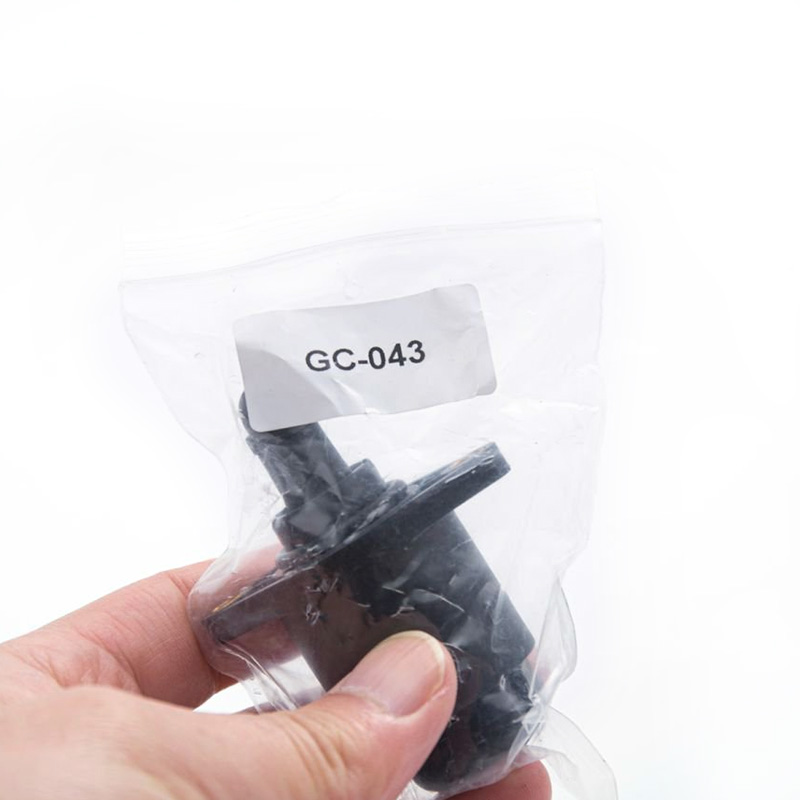
GC-043
REFERENCE OE:
SHORT CODE: B12/00
MARELLI:21924470500
OEM:9945035
APPLICATION:
FIAT PANDA(141A_)1000; Punto(176)55 1.1; Uno(146A/E) 45 i.e. 1.0; Lanci Y10(156)1.0 Fire(156e) KAT
Idle air control valve from China factory for Fiat Punto.
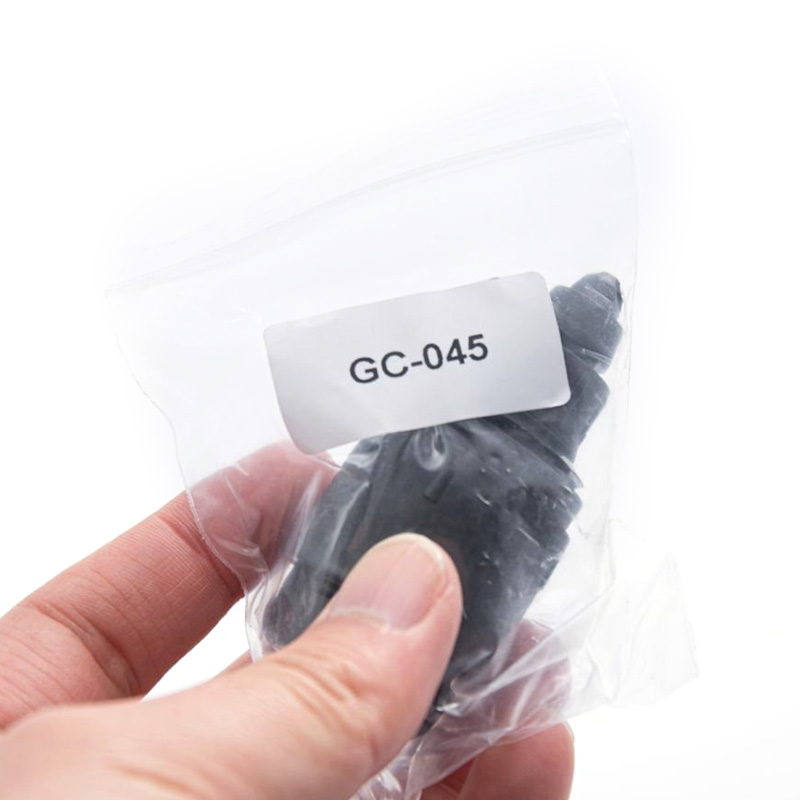
GC-045
REFERENCE OE:
IB04/00
Delphi: 28222556
Marelli: 40481202
APPLICATION:
Renault Clio 1.0 8V MPI
Renault Kangoo 1.0 8V MPI
Idle air control valve from China factory for Renault Clio Kangoo.
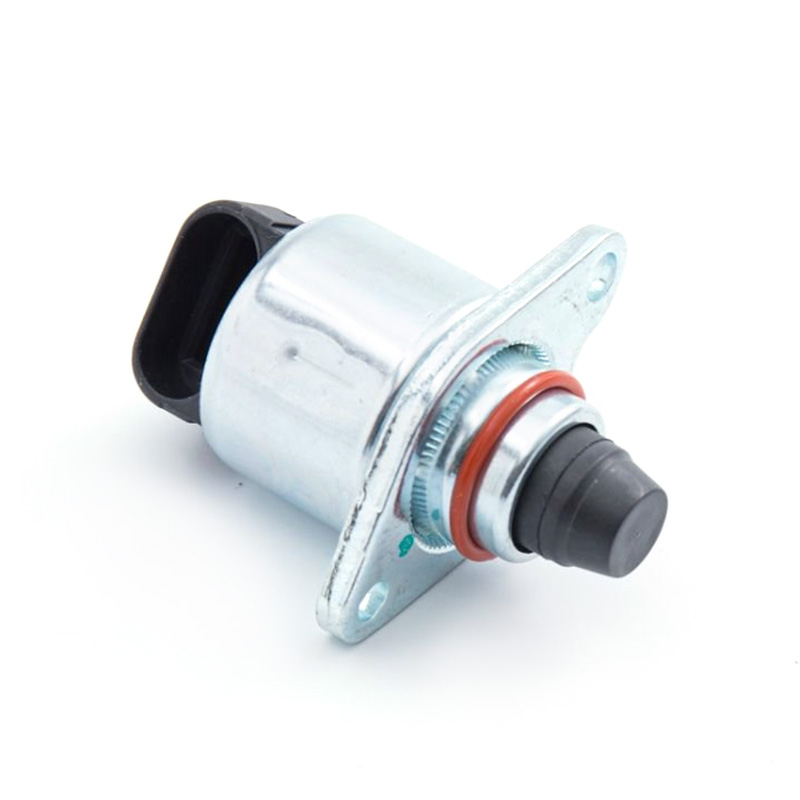
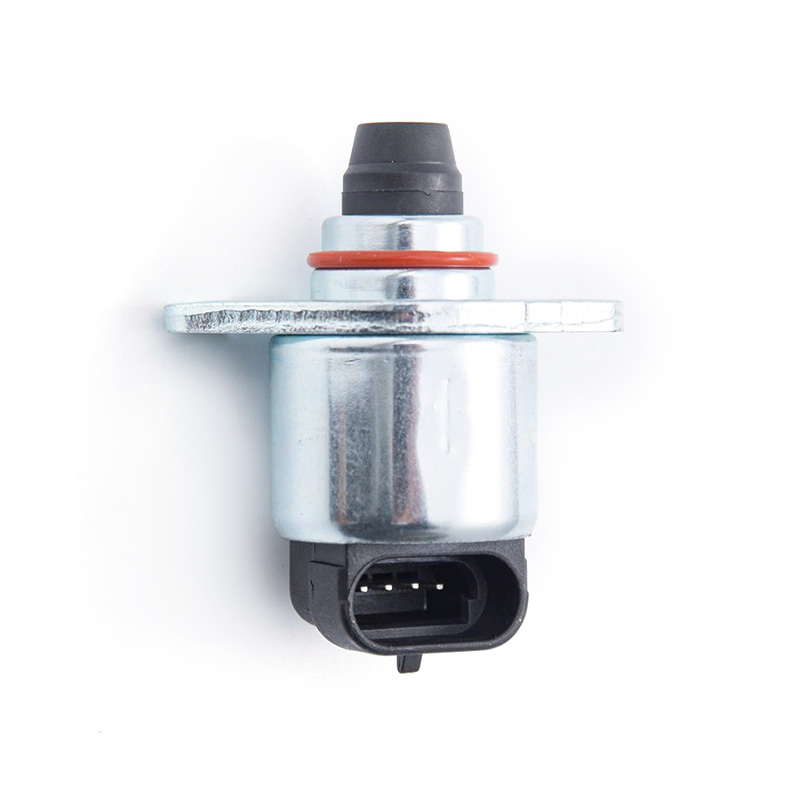
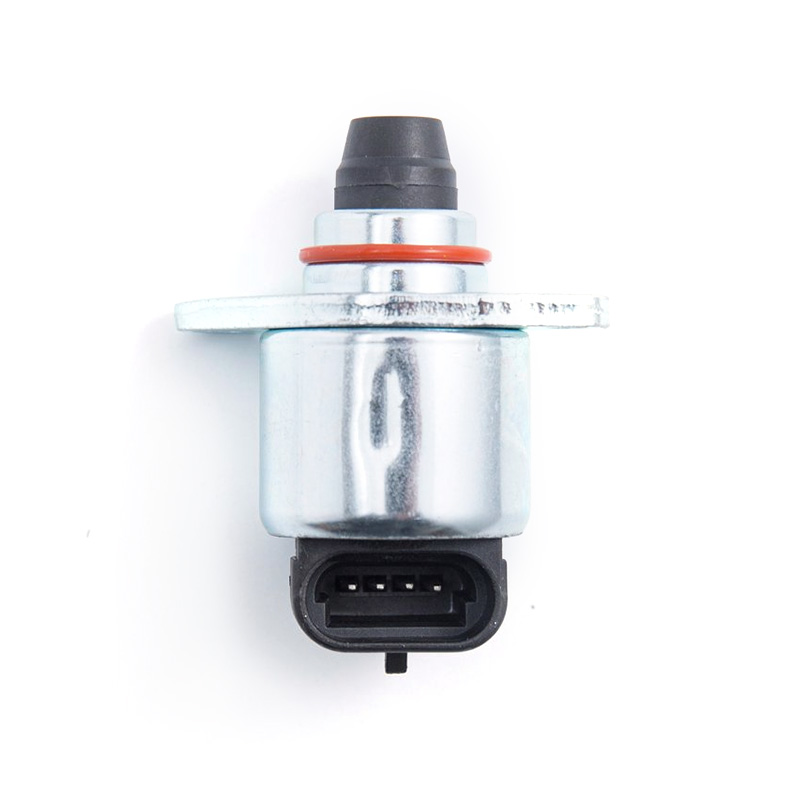
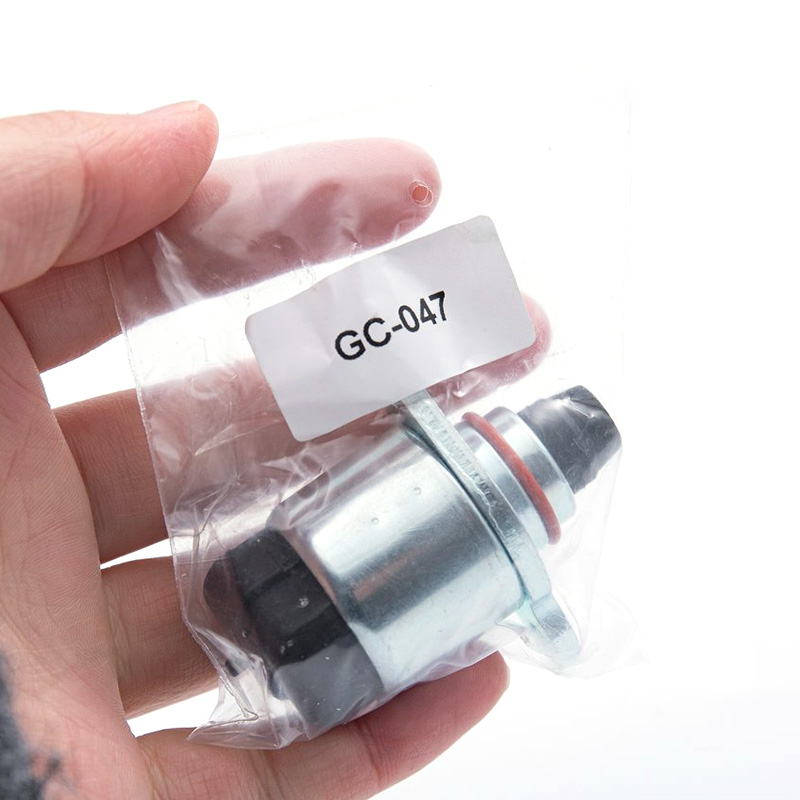
GC-047
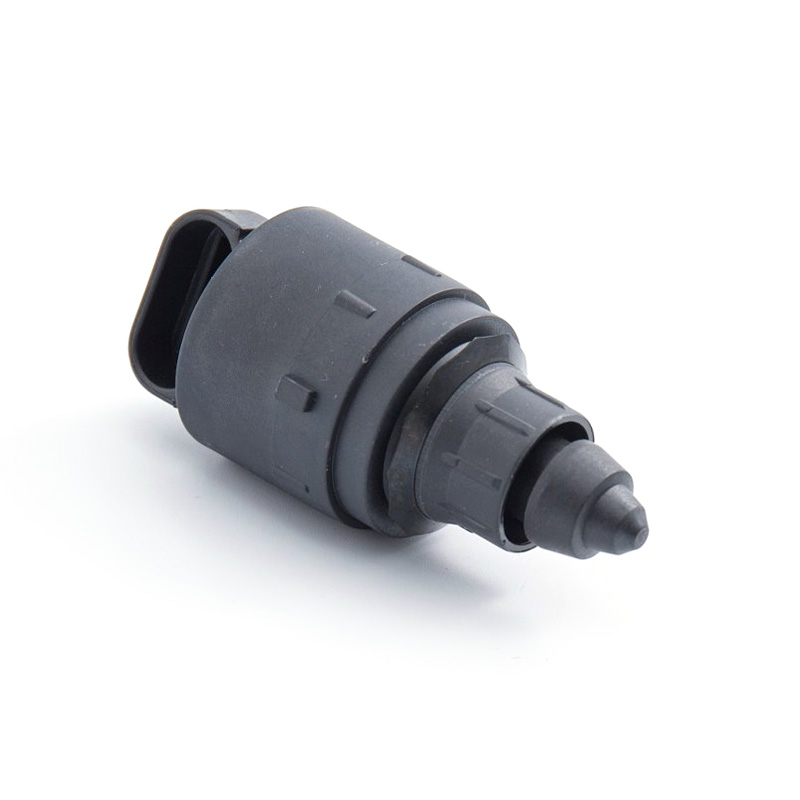
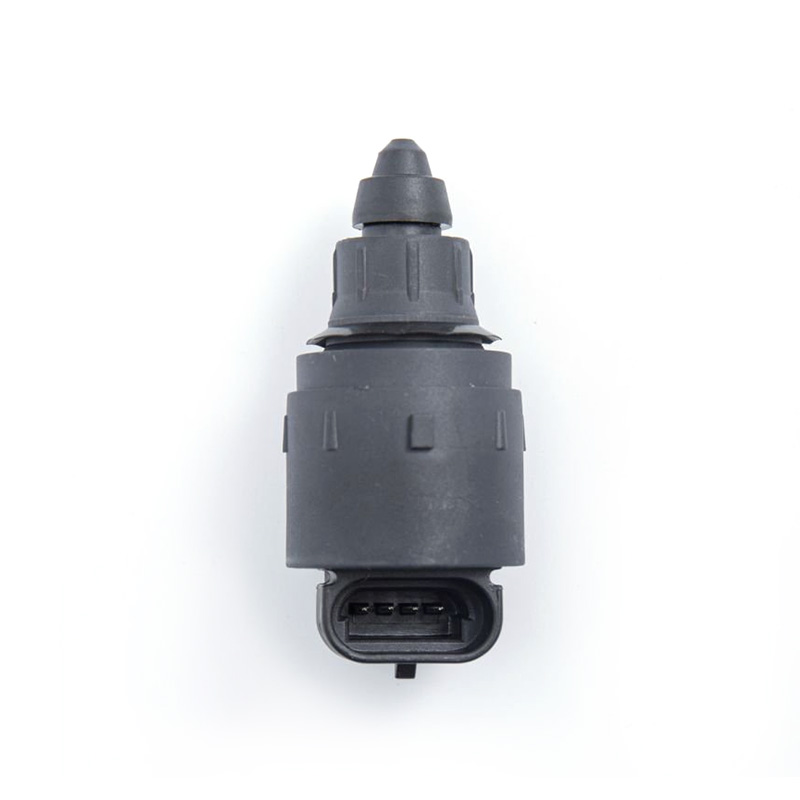
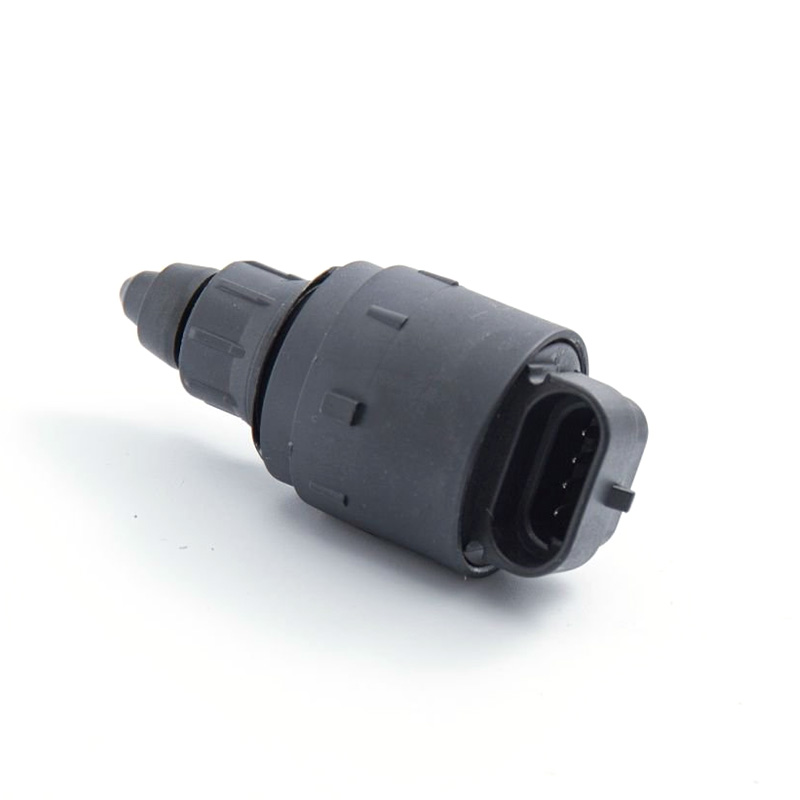
REFERENCE OE:
STD:AC160
OEM: 12482707, 217436, 8124827070
OEM: 17113167, 2H1048;12482707;
APPLICATION:
Buick Skylarkx/Chevrolet Cavalier, Malibu, S10/GMC Sonoma/Isuzu Hombre/Oldsmobile Achieva, Alero/Pontiac Grand Am, Sunfire
Idle air control valve from China factory for Buick Chevrolet Malibu.
Contact Us
Let's start collaborating

Guocheng is specialized in the R&D and production of key engine components for the automotive and engineering machinery industries.
Product
Stay Connected
(+86) - 577 - 8582 0886 (Tel)
(+86) - 577 - 8582 8085 (Fax)
(+86) - 19730213059 (Phone)
sales@wz-gc.com
No. 205, Baiyu Road, 15th Road, Binhai Park, Wenzhou, Zhejiang, China
Mobile

ODM Engine Management System Components
 English
 русский
 Español
 عربى
عربى Deutsch