Date:Jun 19, 2026
Engine idle stability in Acura vehicles depends heavily on the idle air control (IAC) valve’s ability to operate consistently across wide temperature ranges. This component sits close to the intake system, exposing it to rapid thermal changes during cold starts, traffic congestion, and highway driving. Questions around thermal endurance often arise because performance degradation tends to appear after repeated heat cycling rather than sudden failure.
Acura idle air control valves operate under a constantly shifting thermal environment influenced by combustion heat and intake airflow. Cold starts may begin near ambient temperatures, while normal operation quickly pushes surrounding intake components beyond 100°C.
Repeated expansion and contraction cycles place stress on seals, coil windings, and actuator alignment inside the valve body.
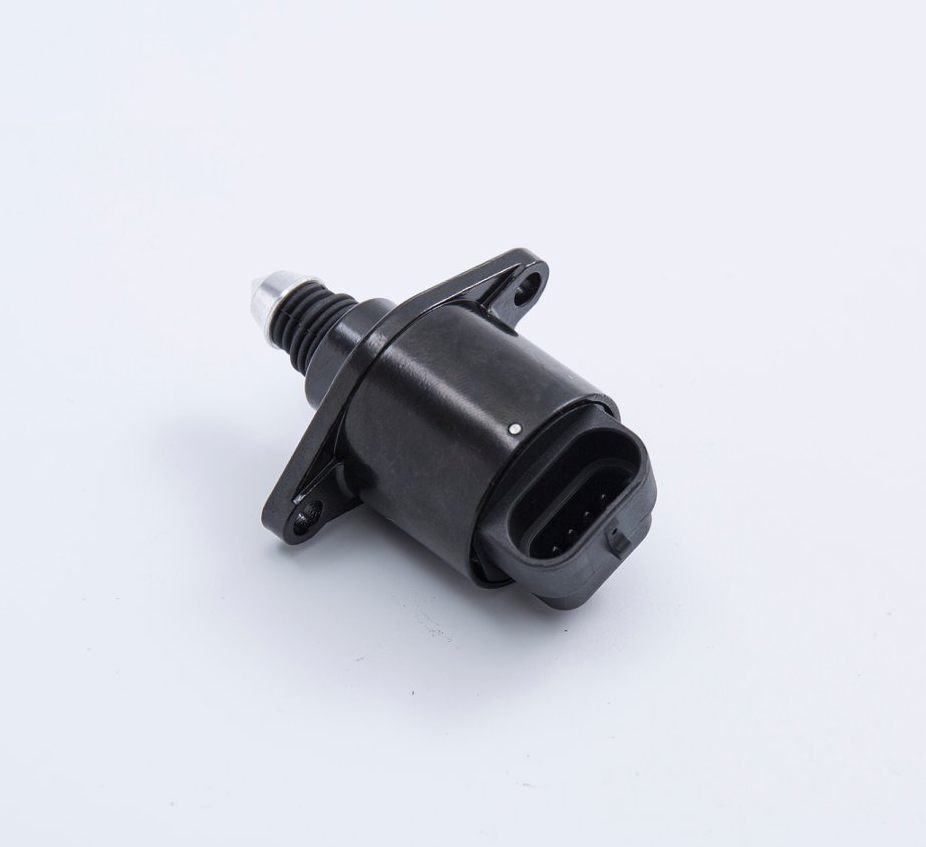
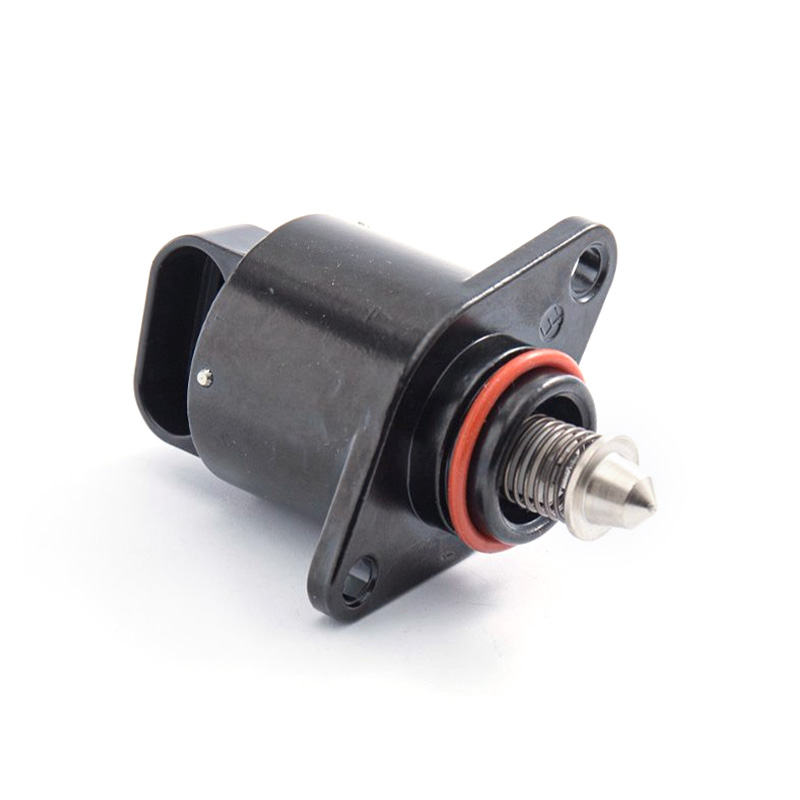
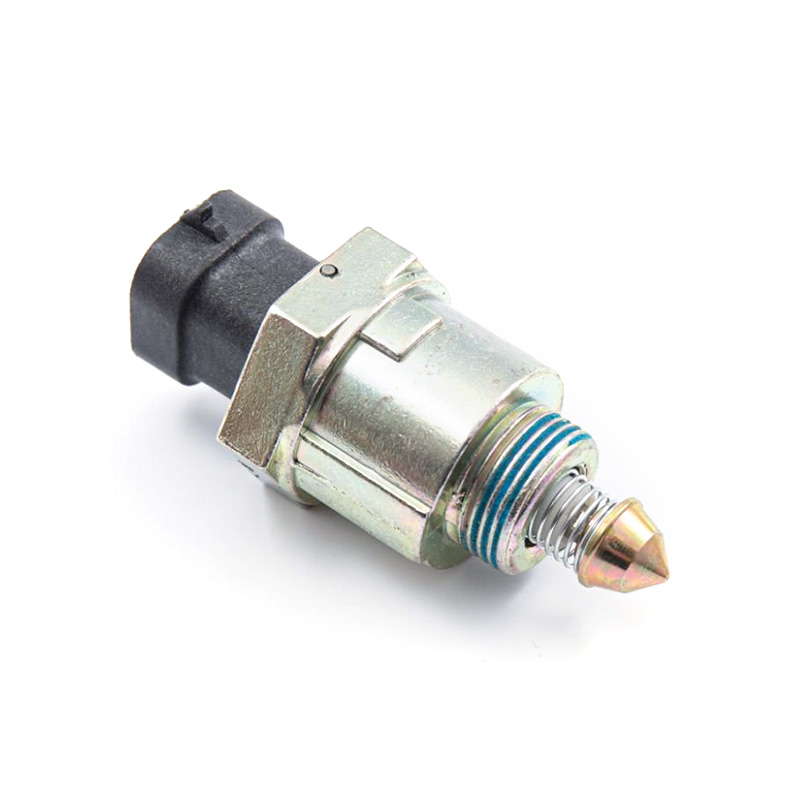
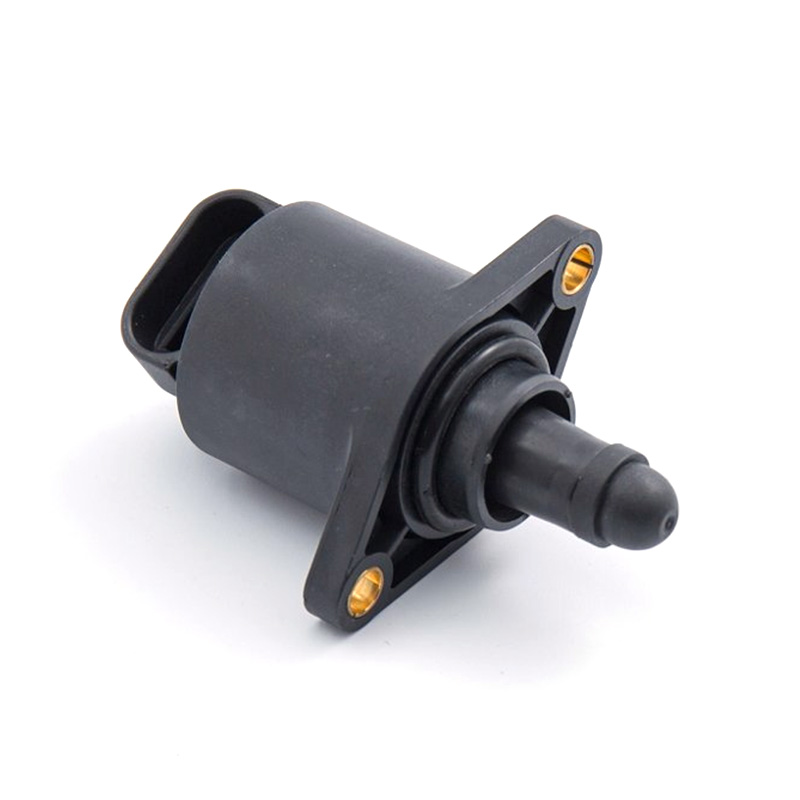
Acura IAC valves commonly use aluminum housings combined with polymer electrical connectors and copper coil windings. Each material responds differently under thermal load, creating gradual wear patterns rather than immediate failure.
Thermal fatigue often shows up as inconsistent idle speed, delayed response to ECU commands, or intermittent stalling at traffic stops.
Temperature stress does not typically destroy the valve in a single event. Instead, performance drift develops gradually as internal tolerances shift.
These conditions often result in fluctuating idle RPM, especially during AC compressor engagement or electrical load increases.
Real-world usage patterns show that Acura IAC valves are generally stable under moderate climates but become more sensitive in environments with frequent temperature swings. Short-trip driving patterns also increase thermal cycling frequency, reducing long-term consistency.
| Condition | Thermal Impact | Idle Behavior Effect |
| Cold start in low temperature | High thermal shock | Delayed idle stabilization |
| Stop-and-go traffic | Repeated heat cycling | RPM fluctuation and hunting |
| Highway exit with heat soak | Peak temperature retention | Temporary stalling risk |
These patterns show that thermal behavior is closely linked with driving style rather than a single operating condition.
Modern Acura-compatible idle air control systems and aftermarket replacements increasingly focus on improving heat resilience. Design adjustments target both airflow consistency and electronic durability.
Some updated systems also integrate ECU compensation strategies that adjust idle airflow based on real-time temperature feedback, reducing mechanical stress on the valve itself.
Under sustained high-temperature exposure, Acura IAC valves may exhibit slower response times rather than complete failure. The ECU attempts to compensate by adjusting fuel delivery and ignition timing, but airflow limitations at idle still create noticeable instability. Long-term reliability depends on balancing thermal exposure with maintenance of intake cleanliness and electrical integrity. Carbon accumulation combined with heat remains one of the strongest contributors to performance decline in idle control systems.
Recommended Articles
Related Products
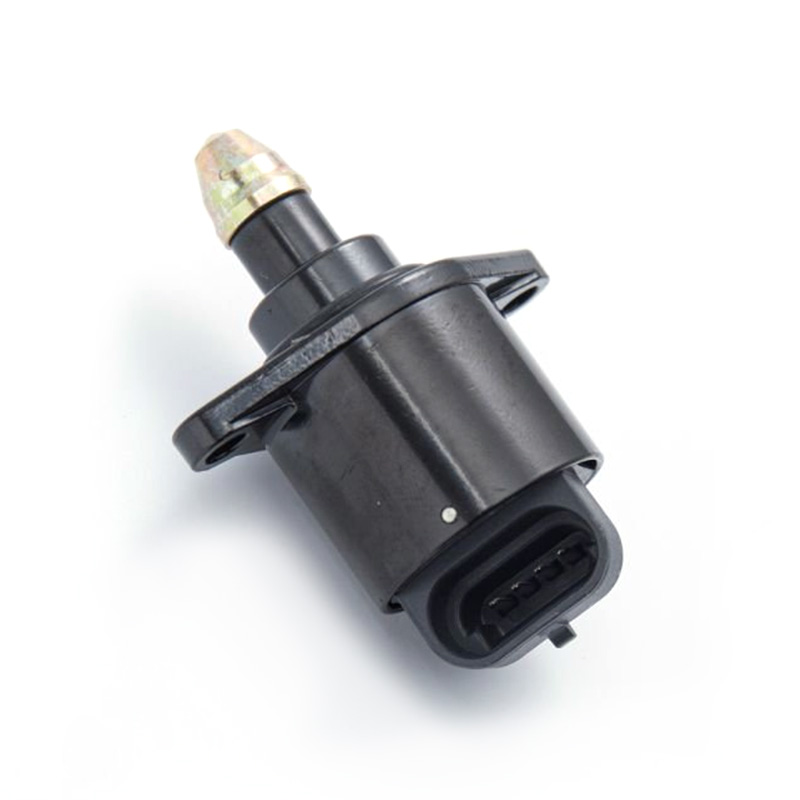
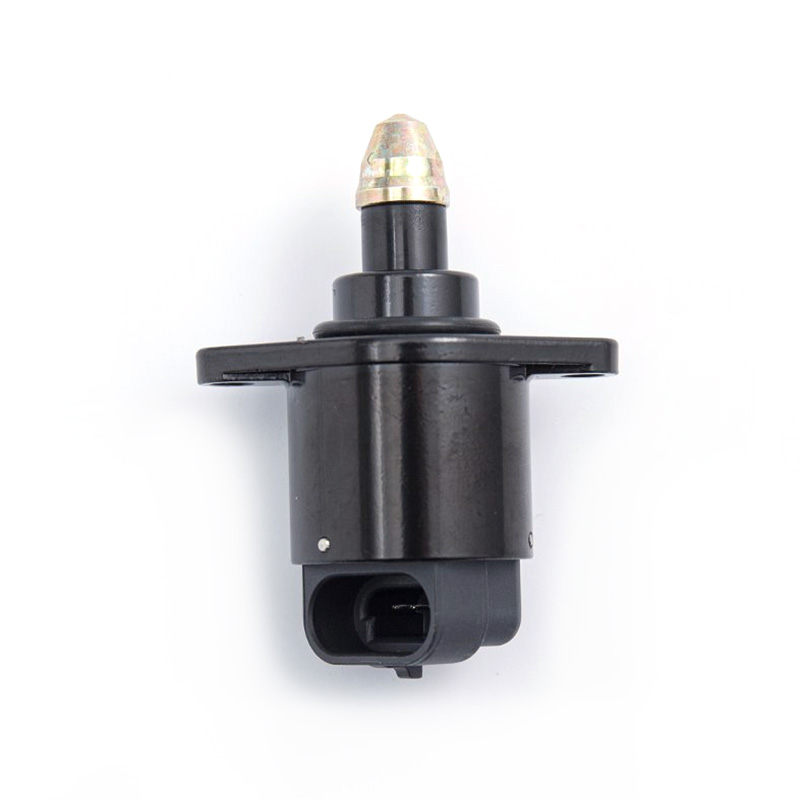
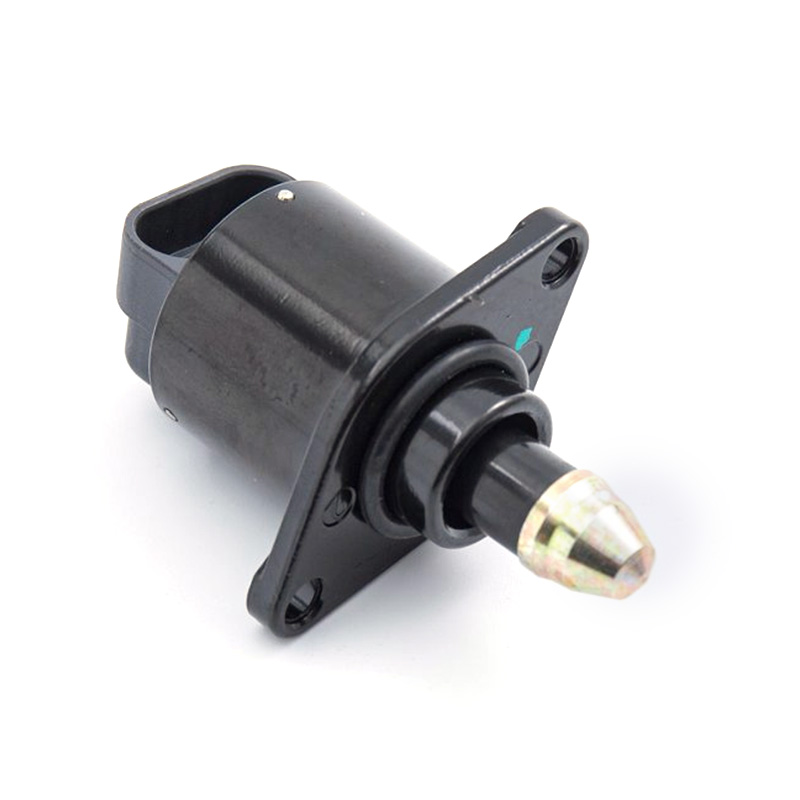
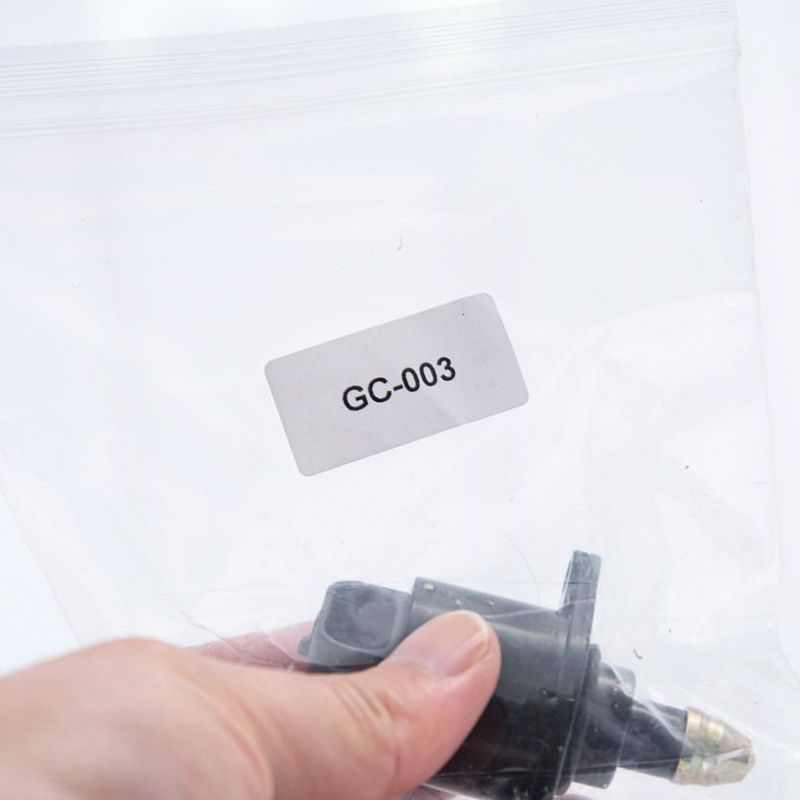
GC-003
REFERENCE OE:
SHORT CODE:B04/01 D5131
MARELLI:230016079057
PEUGEOT:1920N1
SIMENCE:A95269
APPLICATION:
PEUGEOT 306 Break/Cabriolet/Schraqheck;PEUGEOT 405 II Break; PEUGEOT 406 Break/Coupe;
PEUGEOT 605 806;PEUGEOT BOXER Bus/Kasten/Pritsche/Fahrqestell
China manufacture for wholesale and retail, idle air control, crankshaft valve, camshaft valve, Throttle position sensor, and many kind of sensors.
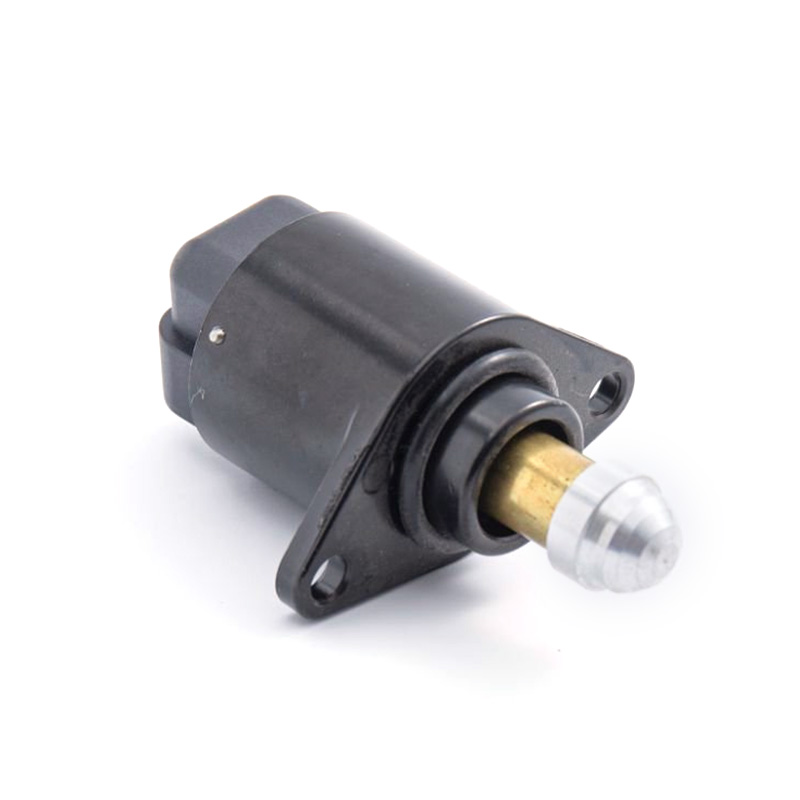
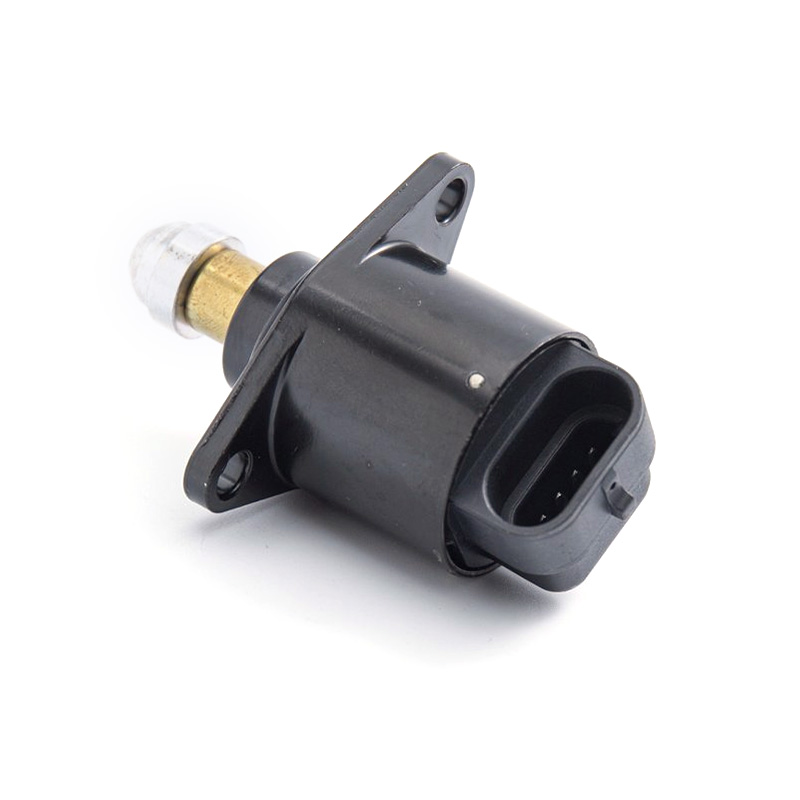
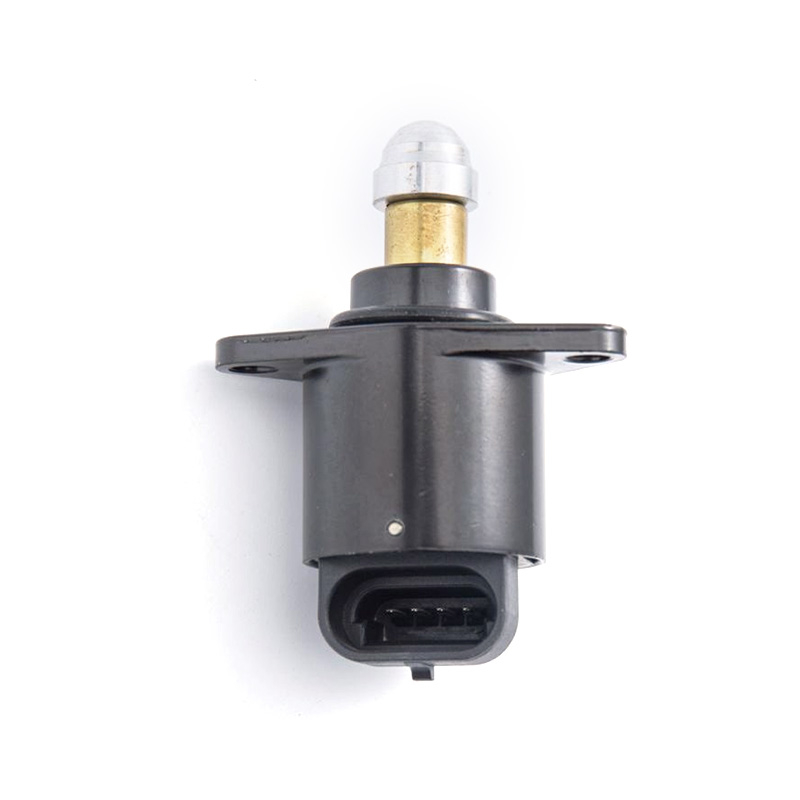
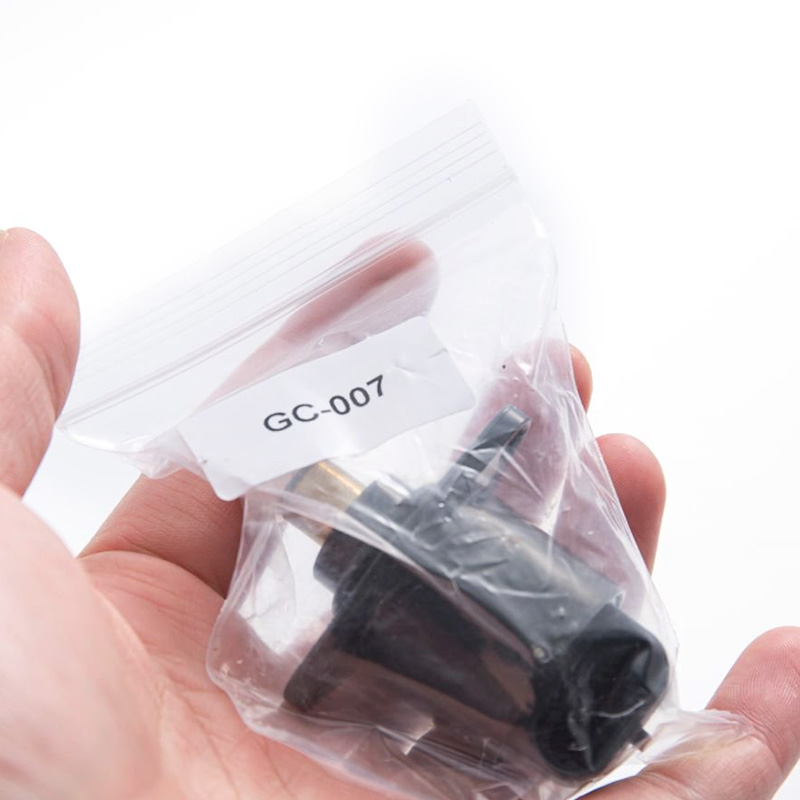
GC-007
REF OE:
SIMENCE:A96158 A97116
PEUGEOT:19208X;1920.8X
MARELLI:230016079217
APPLICATION:
PEUGEOT 206 CC(2D)2.0 S16;PEUGEOT 206 SW(2E/K)2.0 16V;PEUGEOT 307;
PEUGE 406/Break/Coupe;PEUGE 806/807;PEUGE EXPERT(224)2.0
China auto parts factory for idle air control valve and many kind of sensor imprting and exporting.
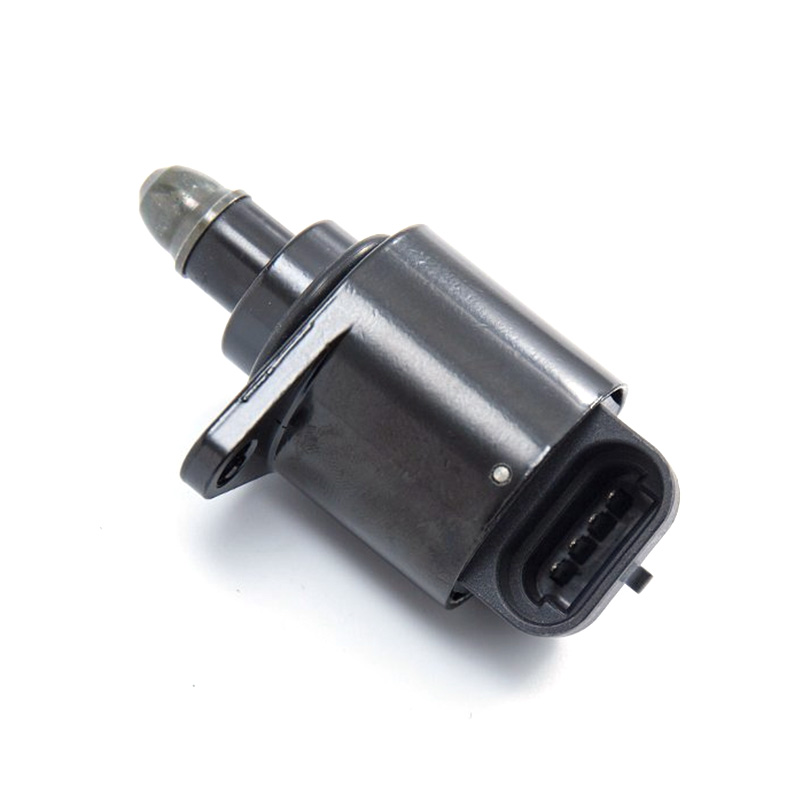
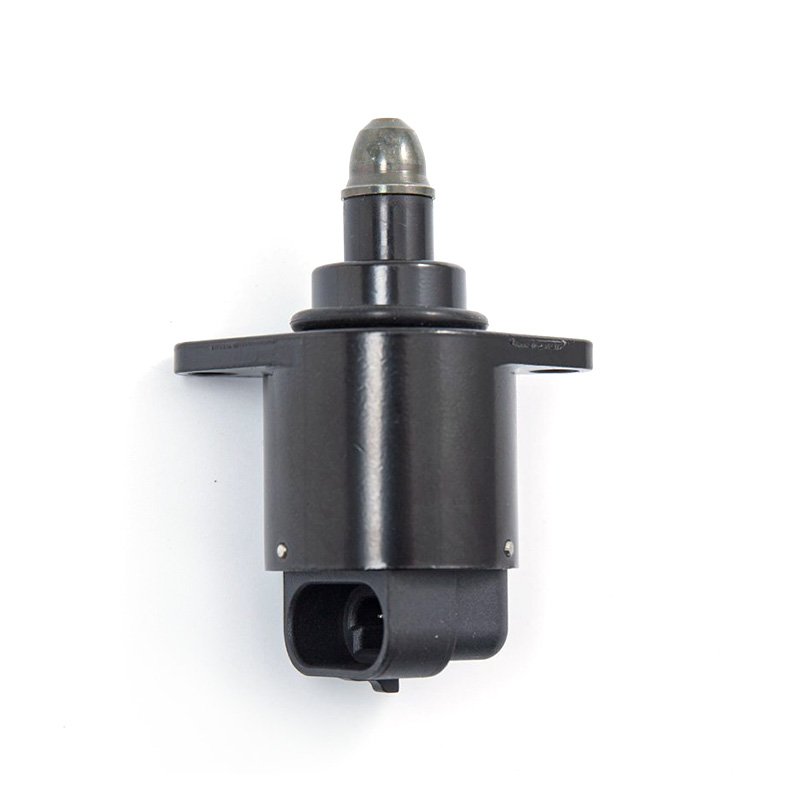
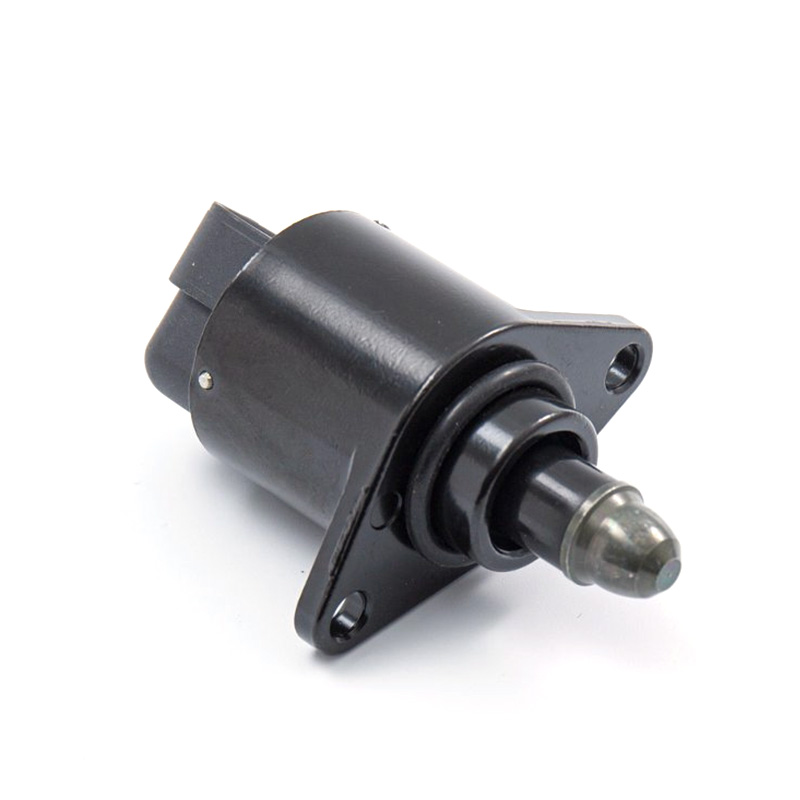
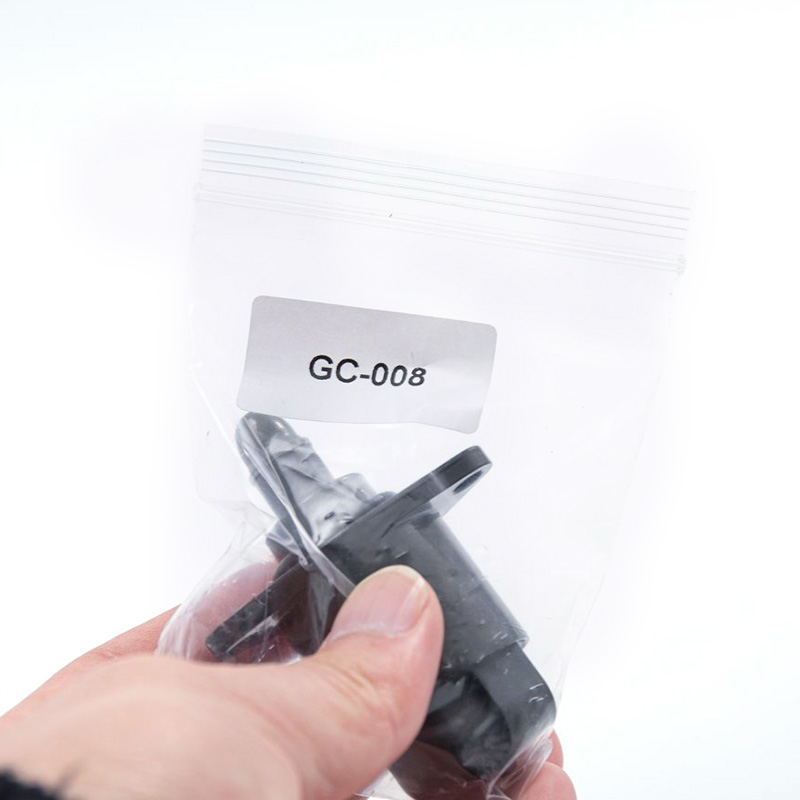
GC-008
REF OE:
SHORT CODE:B20/01
VDO:AT-02001R
MARELLI:40415202 219244820500
FIAT:46451794
APPLICATION:
Punto 85 16V 1.2 97>MPI PALIO 98->1.3 MPI/SIENA 98->1.3,Palio 1.0,1.5,96 98,Siena 1.5 99,UNO 1.0 99;Weekend 1.5 97;Uno Furgoneta,
Fiorino 1.5 97 98,Palio 1.0 1.5 96 98 ,Siena 1.0, Strada 1.5
Idle air control valve from china manufacture,main market to US and south America.
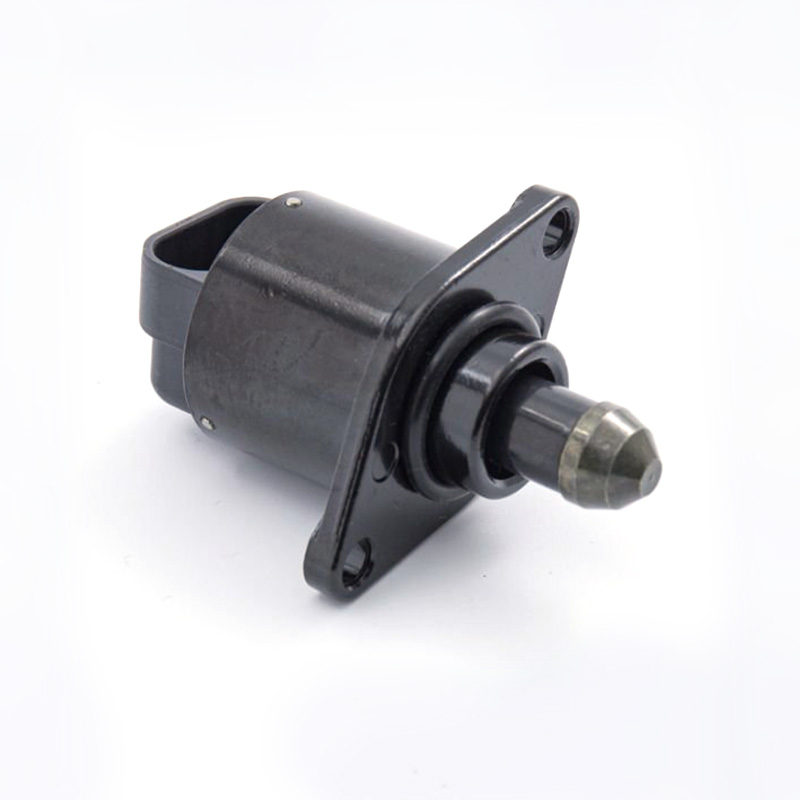
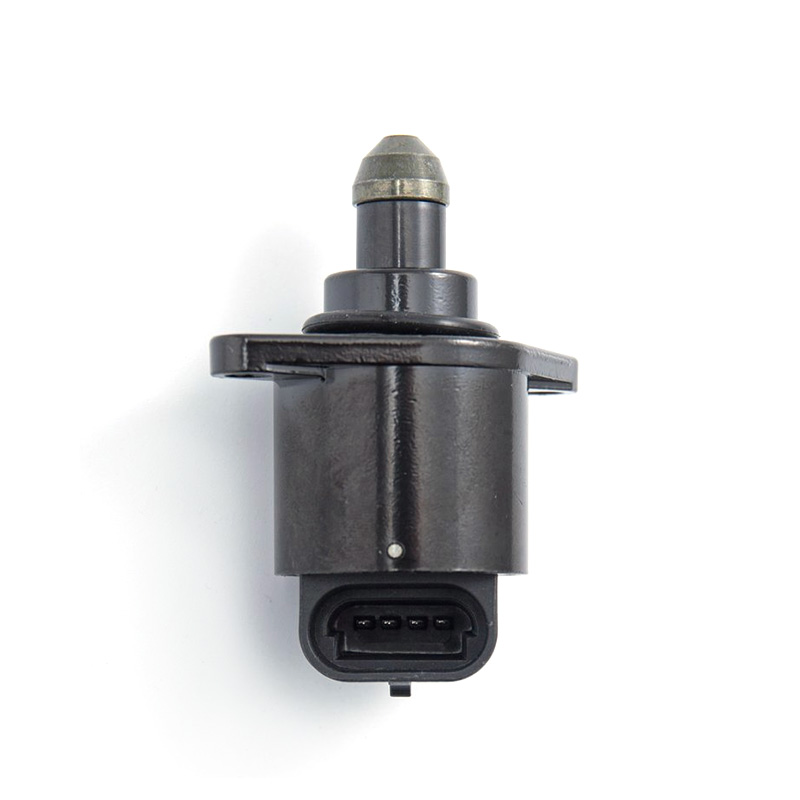
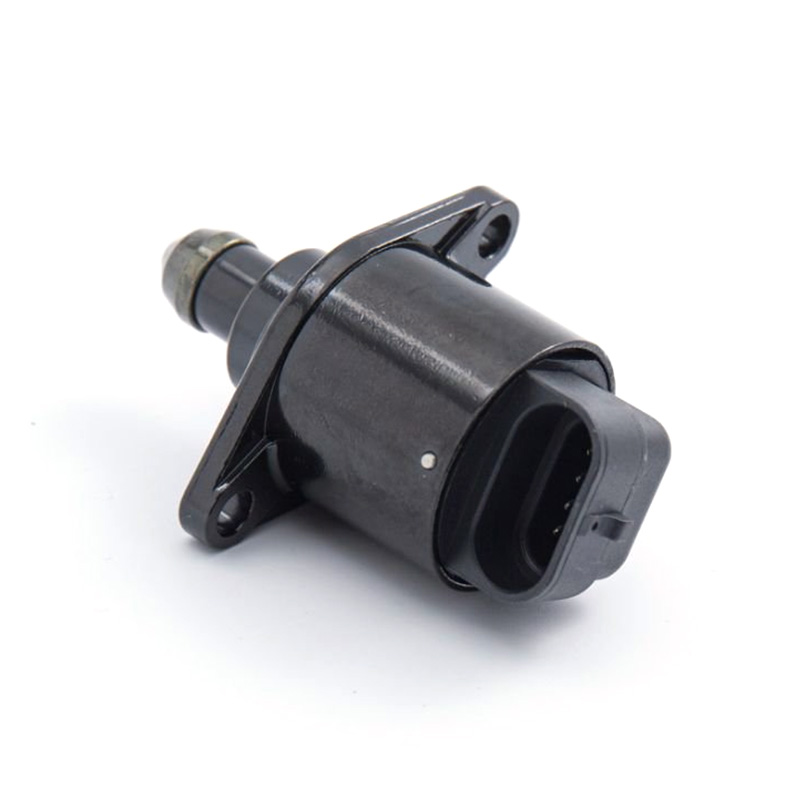
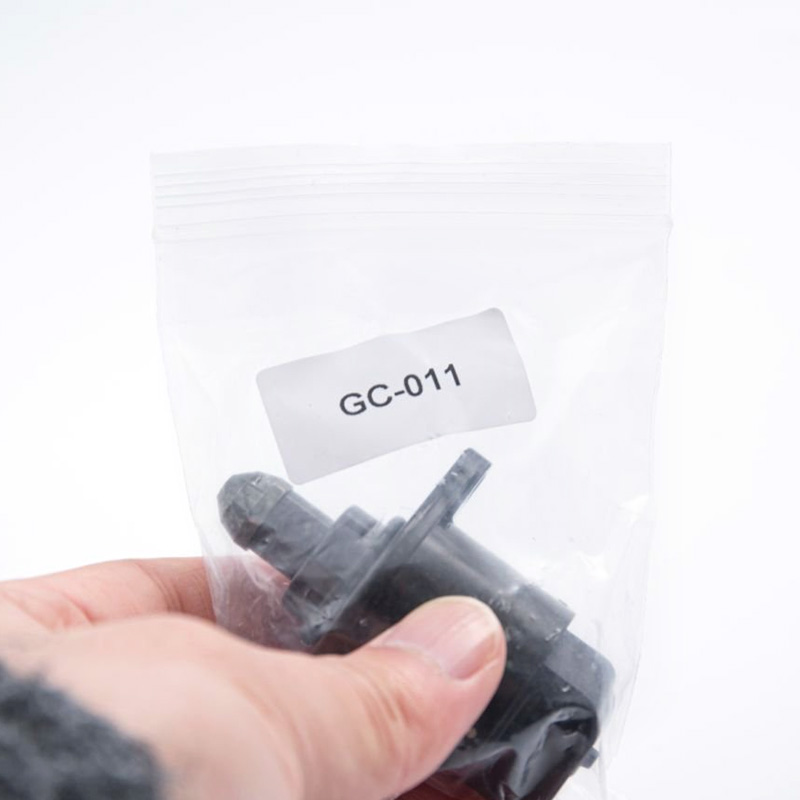
GC-011
REF OE:
SHORT CODE: B13/00
MARELLI: 230016079087 230016079247
SIMENCE: 19201F 1920V7 C95181
APPLICATION:
PEUGEOT 106I(1A,1C)1.3;
PEUGEOT 306/306 Cabriolet/Schraqheck;
PEUGEOT 406/406 Break
China factory for idle air control valve with high quality!
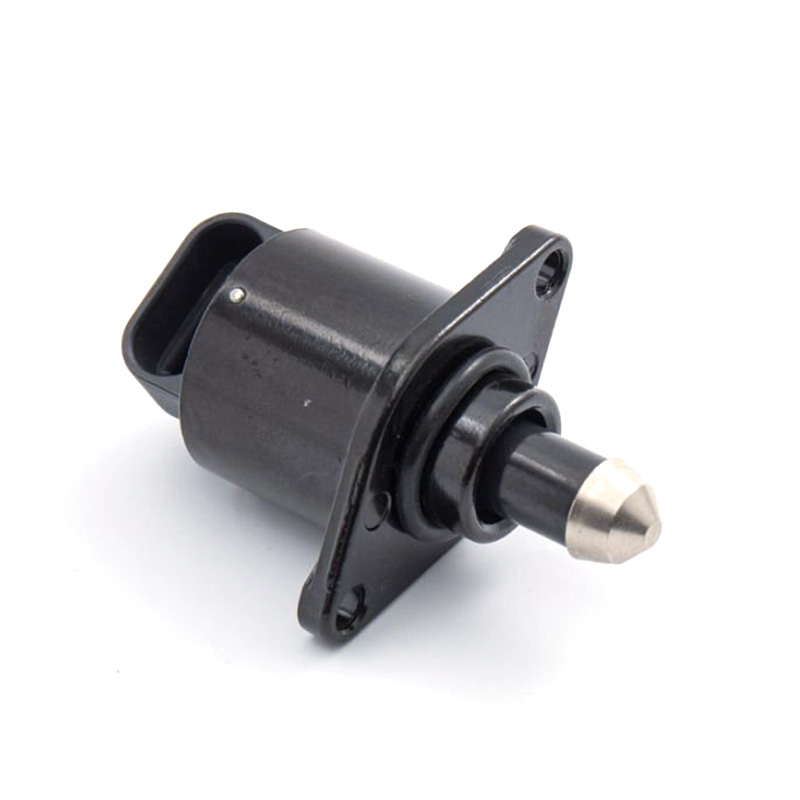
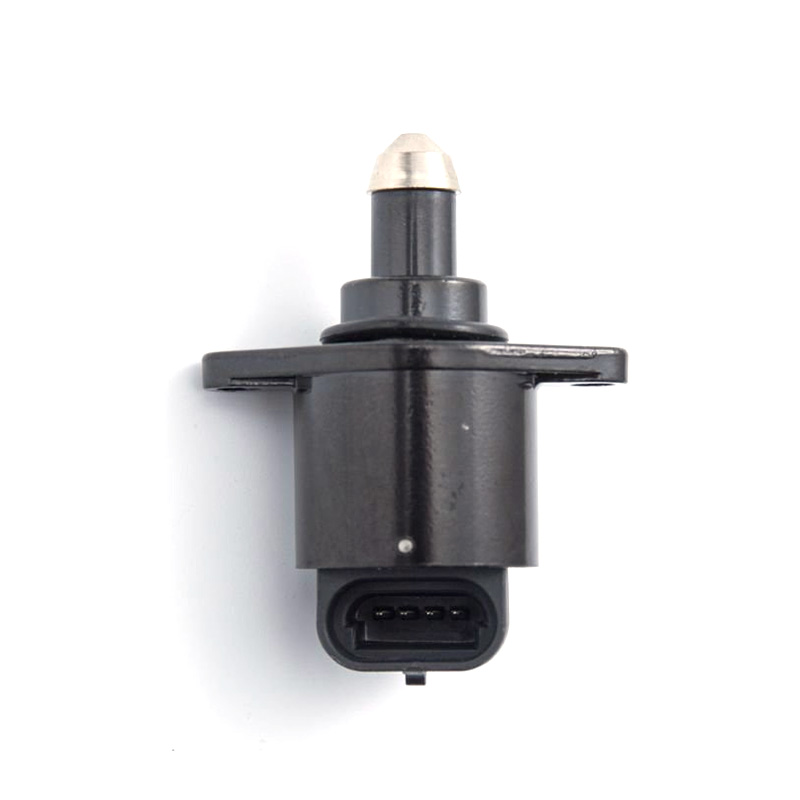
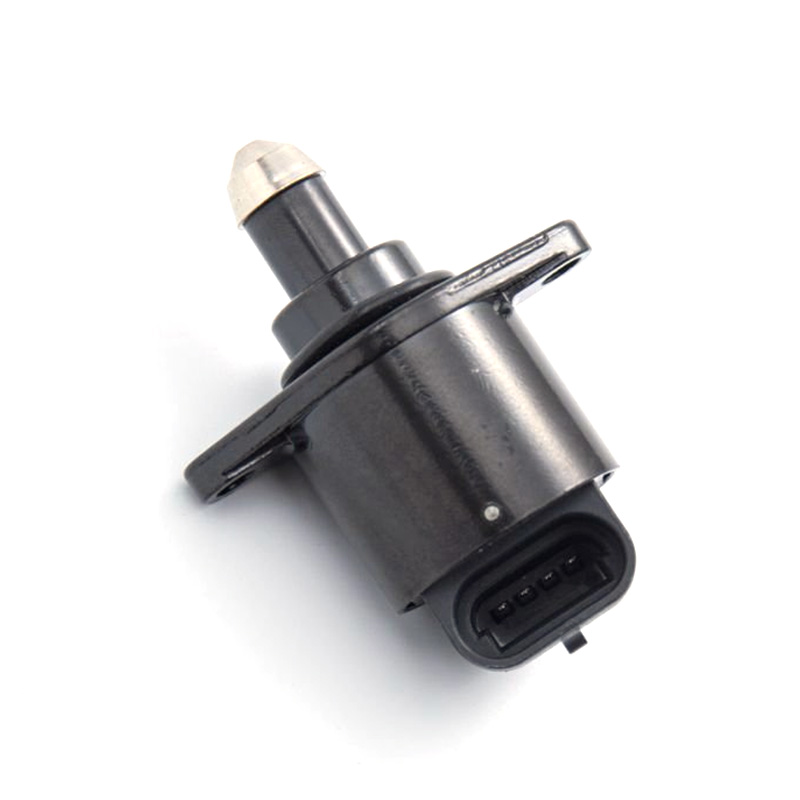
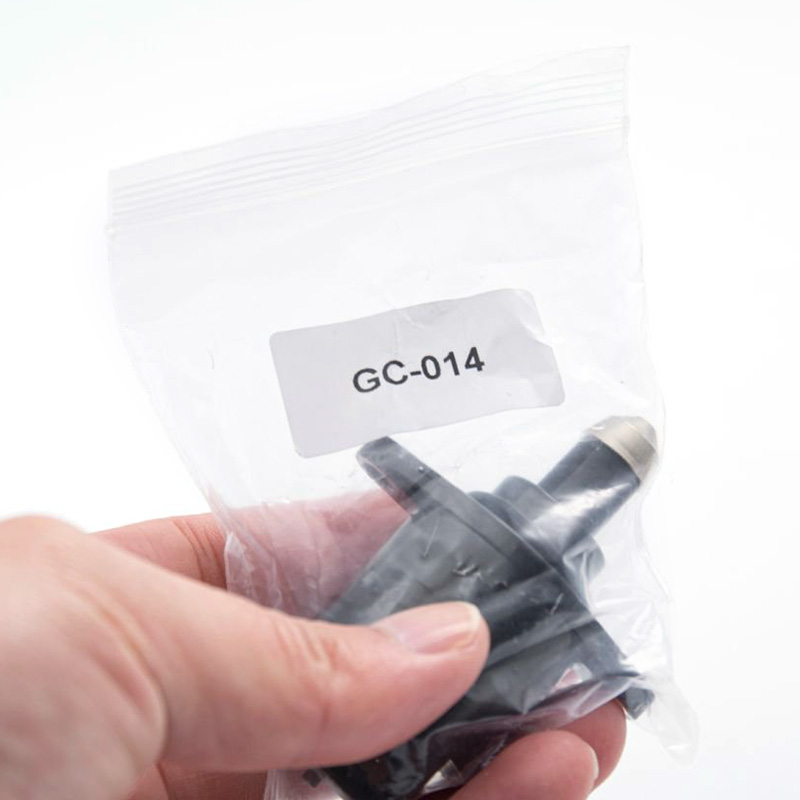
GC-014
REFERENCE OE:
MEAT DORIA:84048; 078133455;
APPLICATION:
AUDI 100/100 Avant;AUDI 80/80 Avant;AUDI A4/A4 Avant;AUDI A6/A6 Avant;AUDI CABRIOLET/COUPE
Idle air control valve for Audi,from China factory for wholesale and retail.
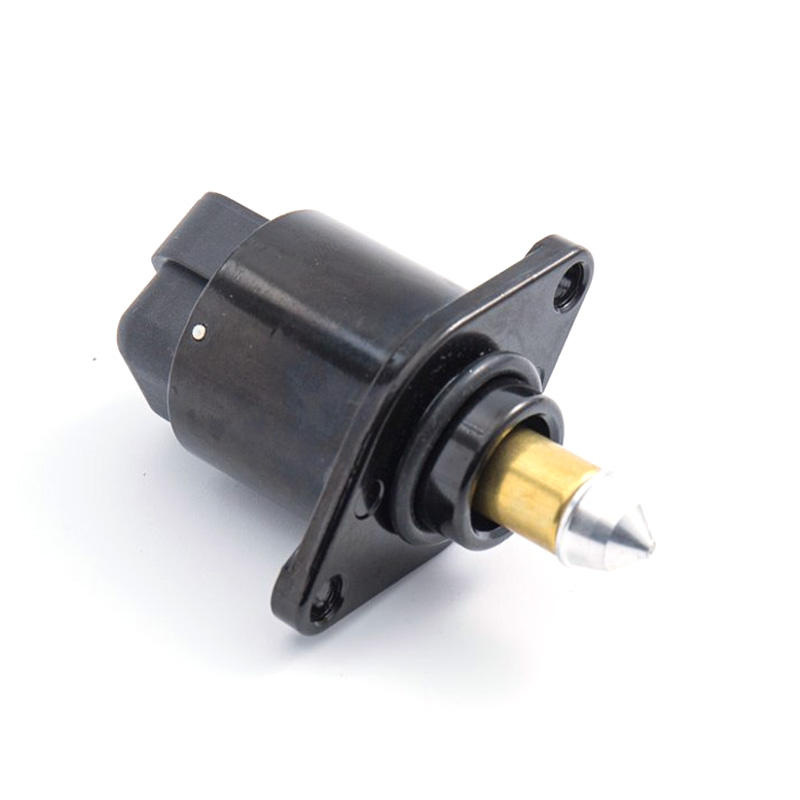
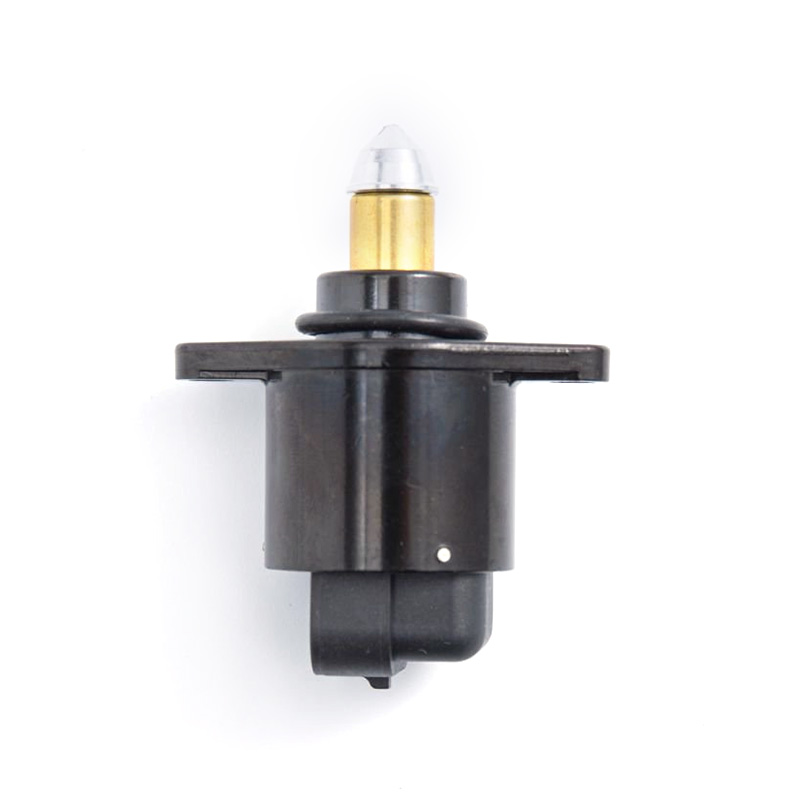
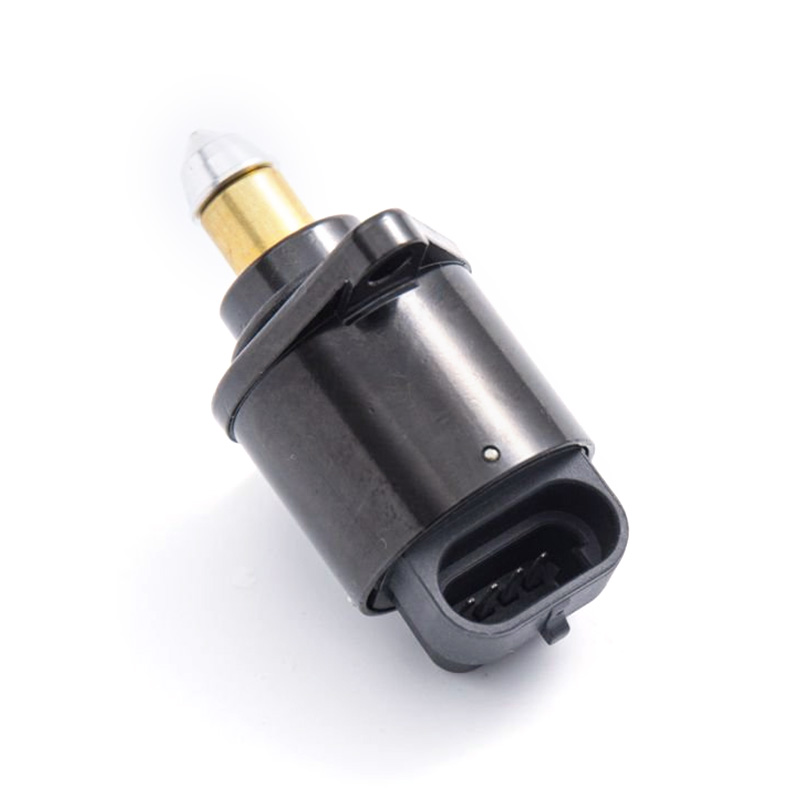
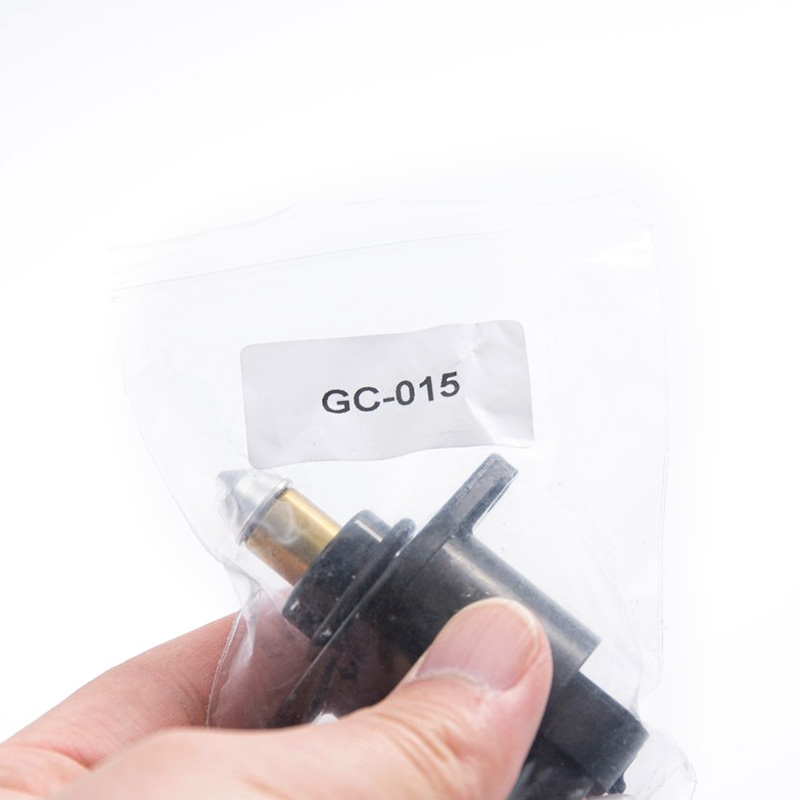
GC-015
REFERENCE OE:
SHORT CODE:D95177
RENAULT:7701206370
APPLICATION:
RENAULT 19II/19II Chamade;
RENAULT MEGANE Classic/Grandtour;
RENAU MEGANE I/Scenic;
RENAULT RAPID Kasten
Buy idle air control valve from China factory!
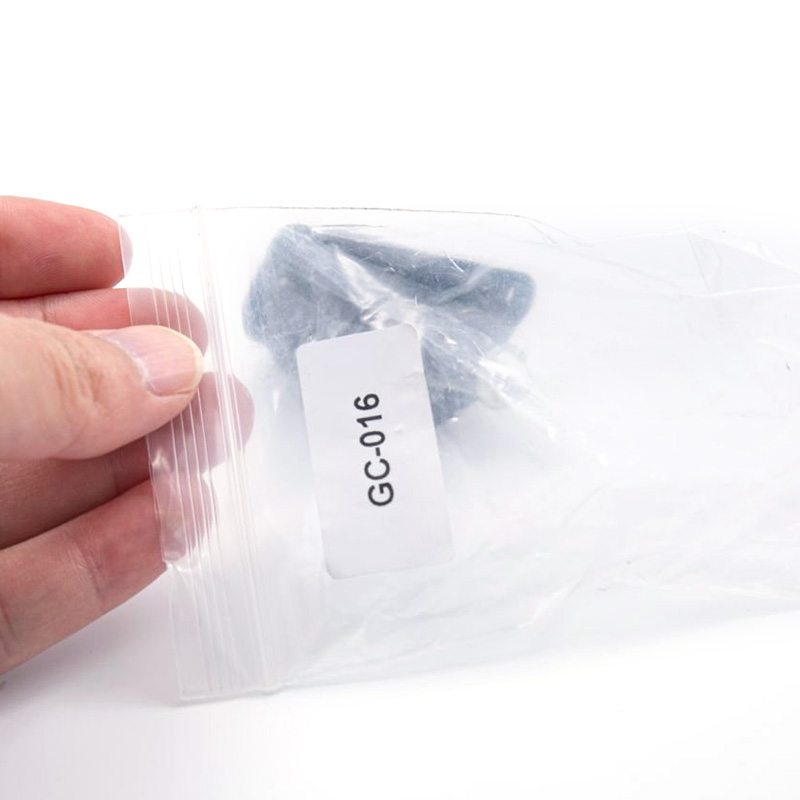
GC-016
REFERENCE OE:
MEAT DORIA:84037
SHORT CODE:B32/00 D95129
RENAULT: 7701042403 801000774001
APPLICATION:
RENAULT CLIO I;
RENAU CLIO II/II Kasten;
RENAU KANGOO/KANGOO Express;
RENAU TWINGO
Importing auto parts idle air control valve from China factory!
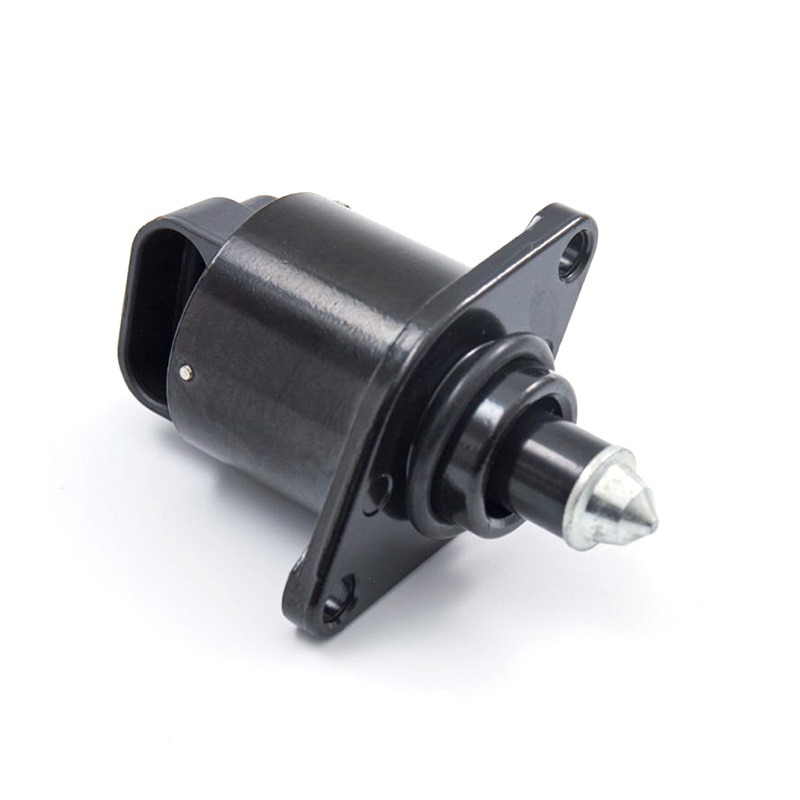
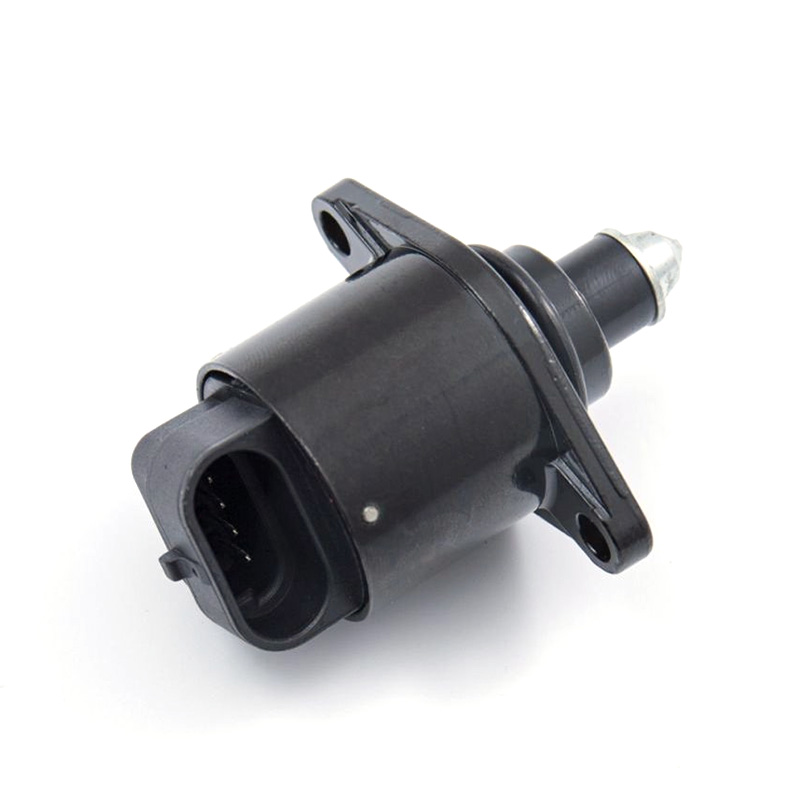
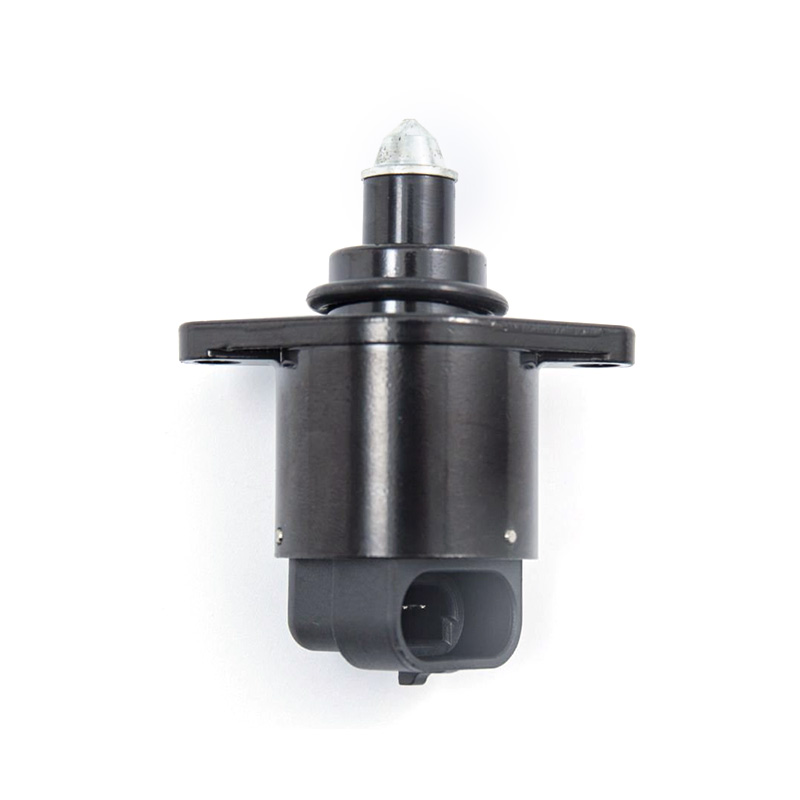
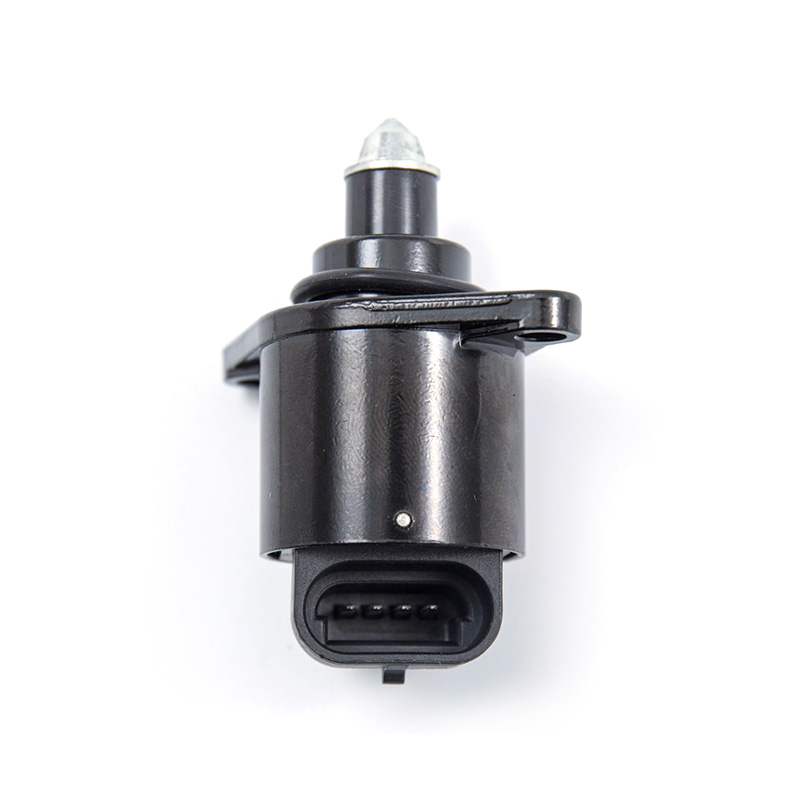
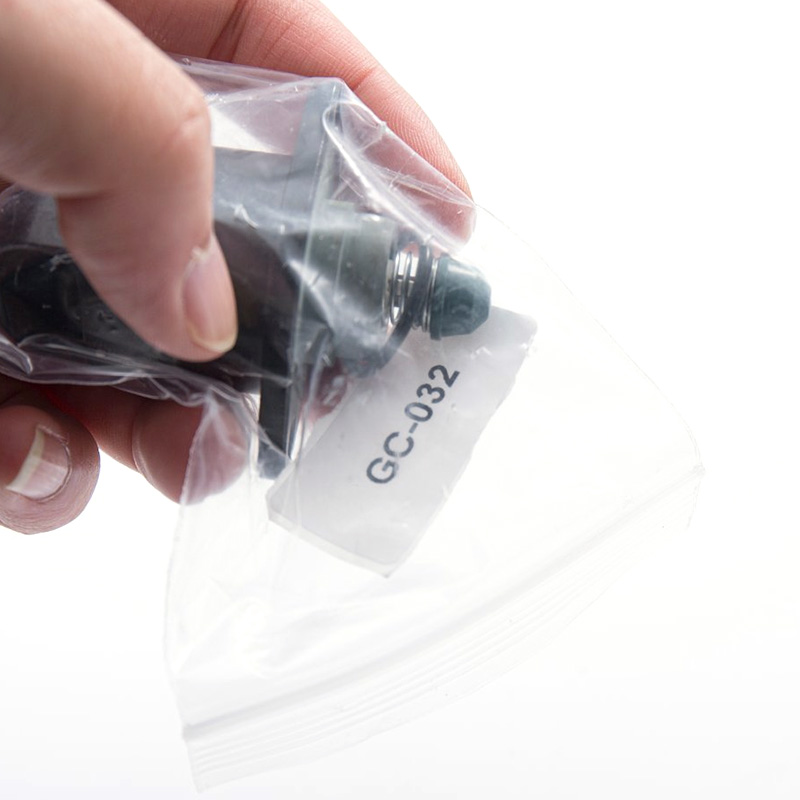
GC-032
REFERENCE OE:
21203-1148300
APPLICATION:
LADA
Idle air control valve from China factory for Lada.
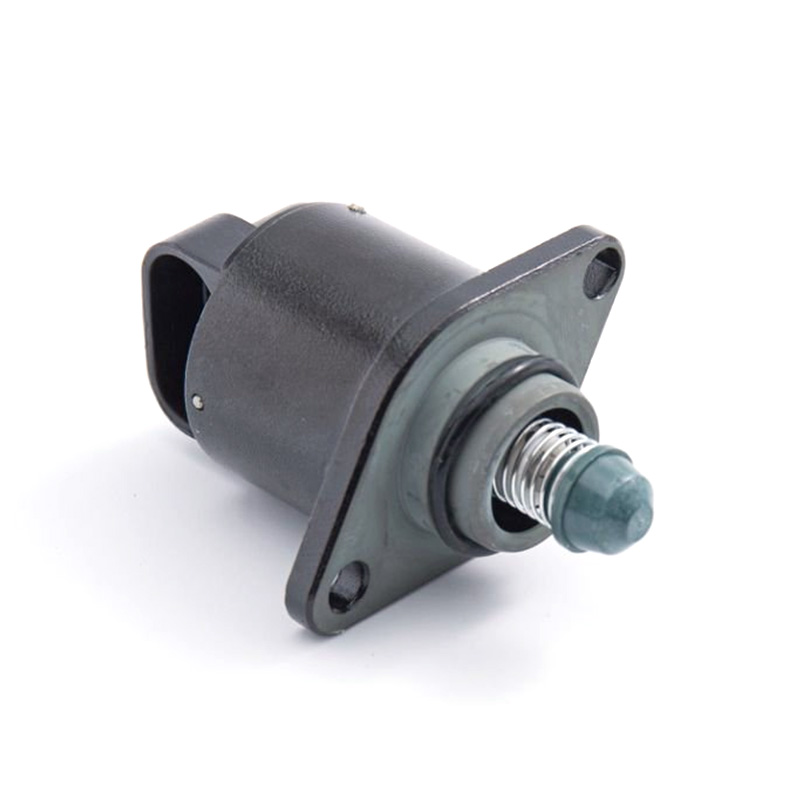
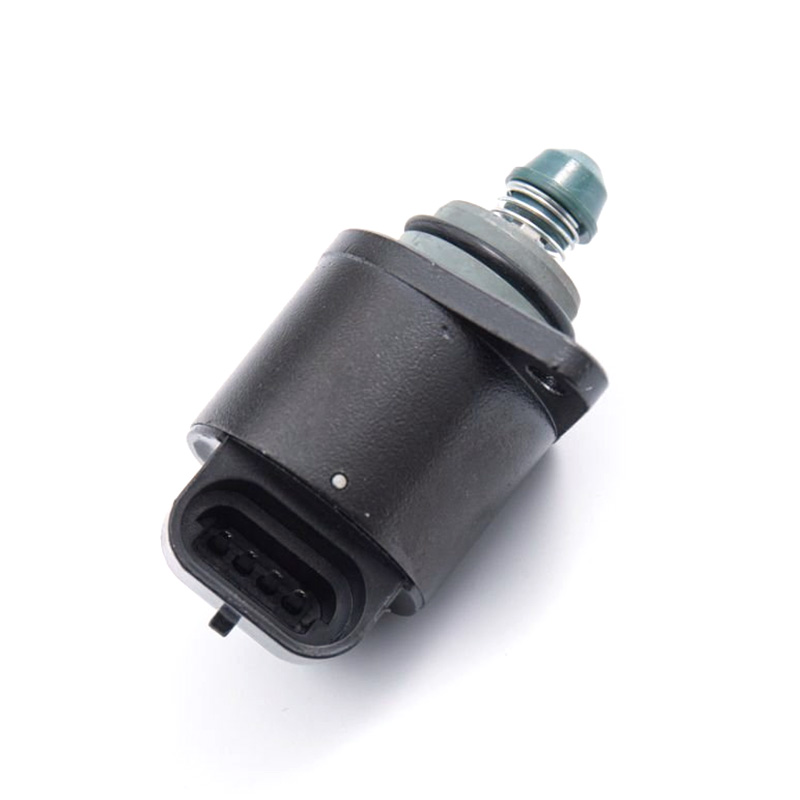
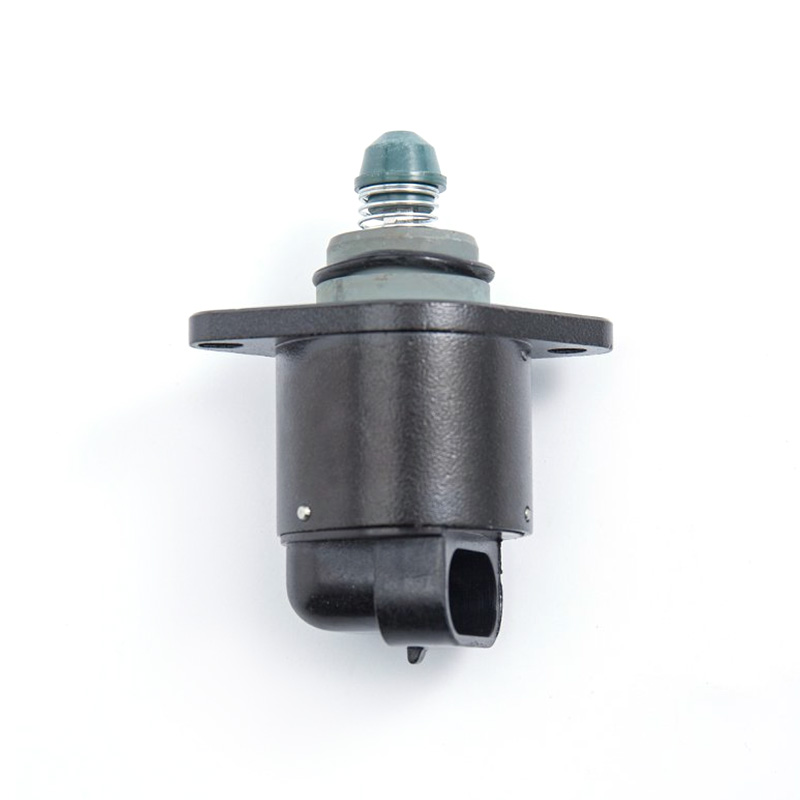
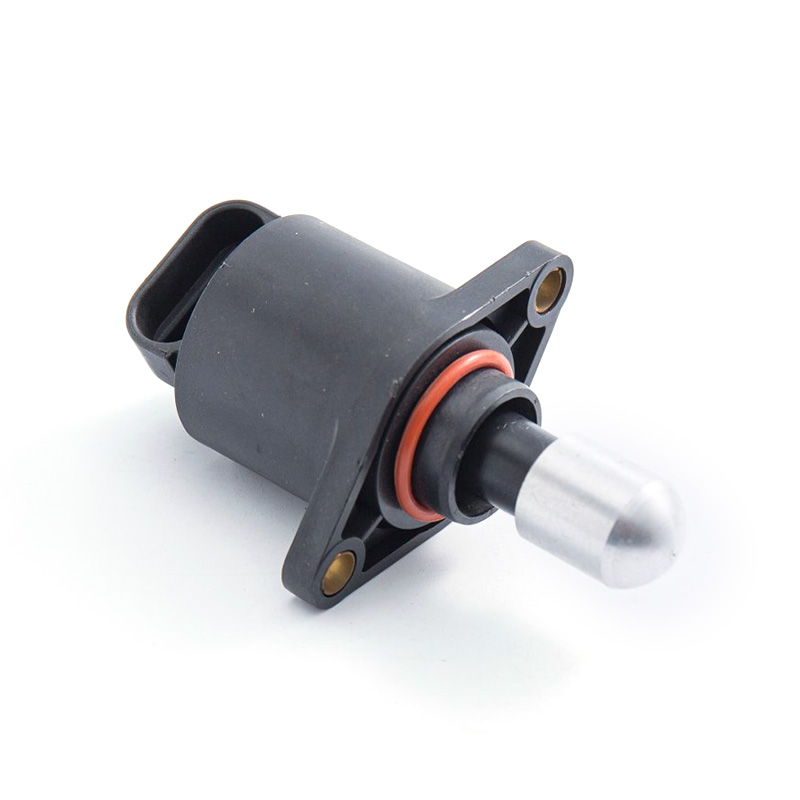
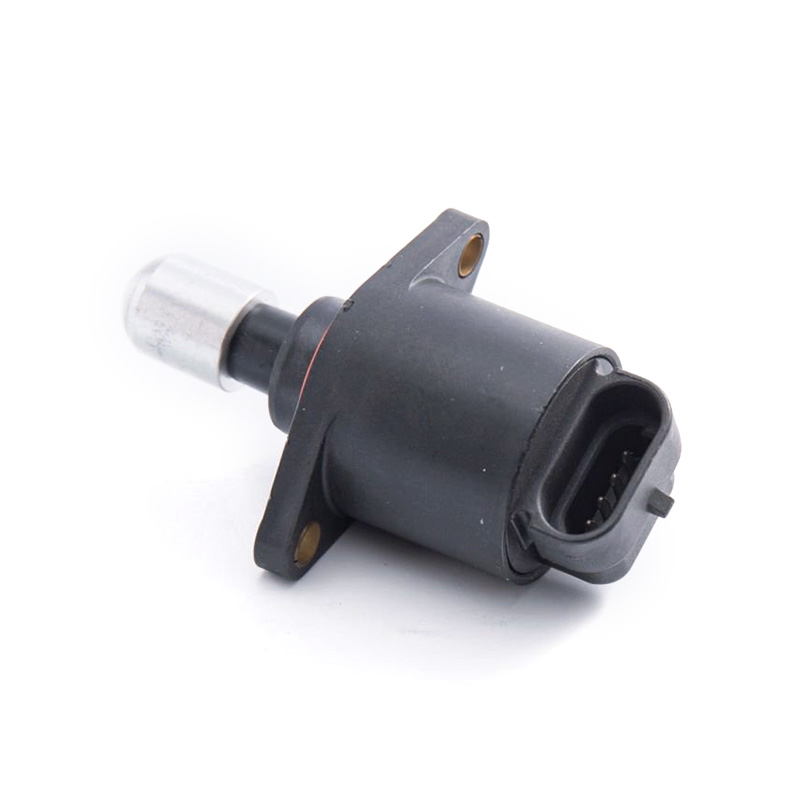
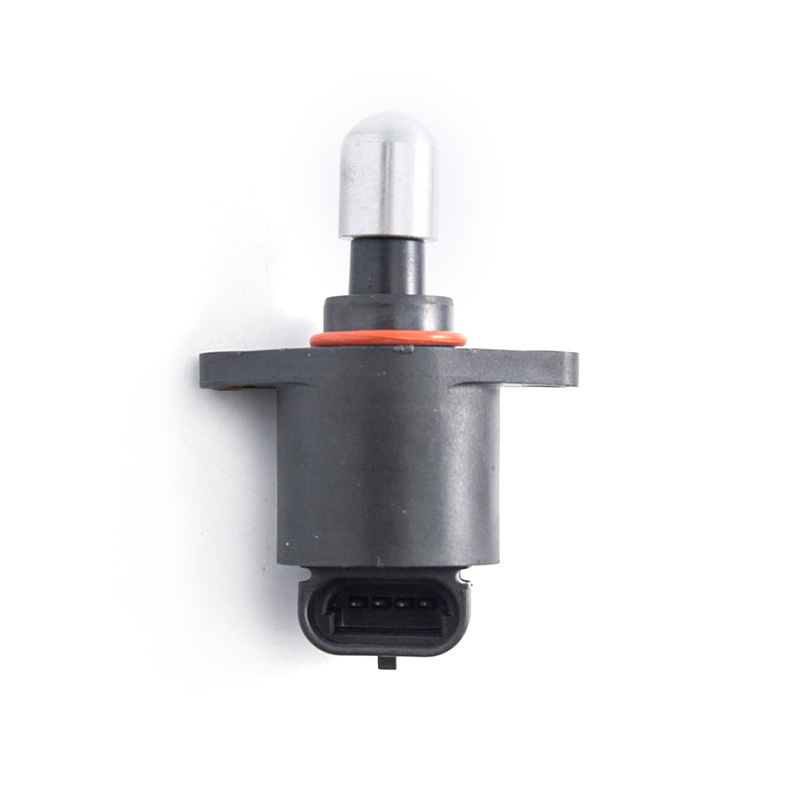
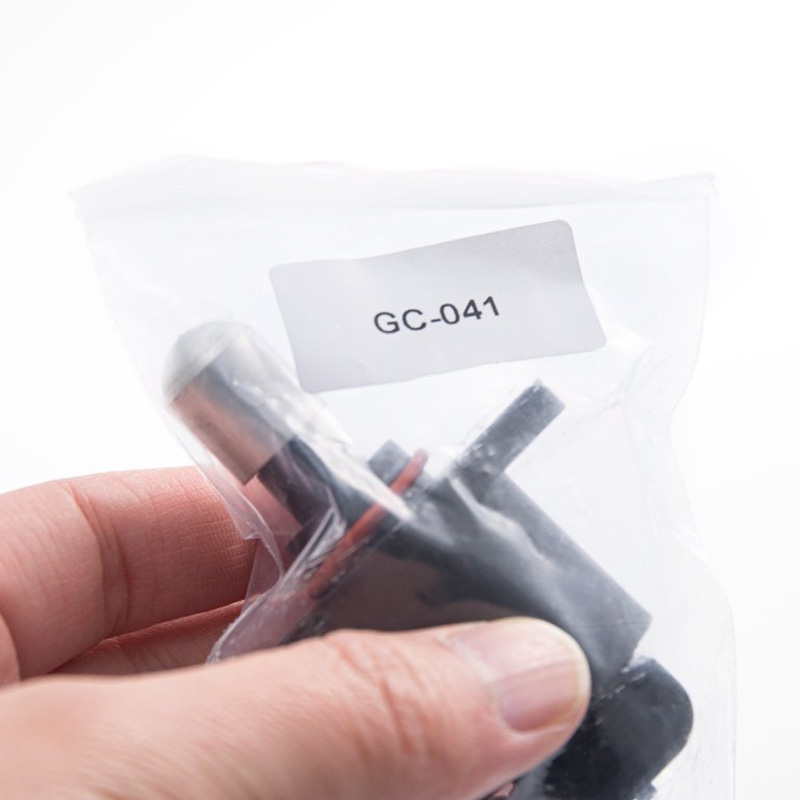
GC-041
REFERENCE OE:
R008/2243
APPLICATION:
KIA GAS
Idle air control valve from China factory for Kia.
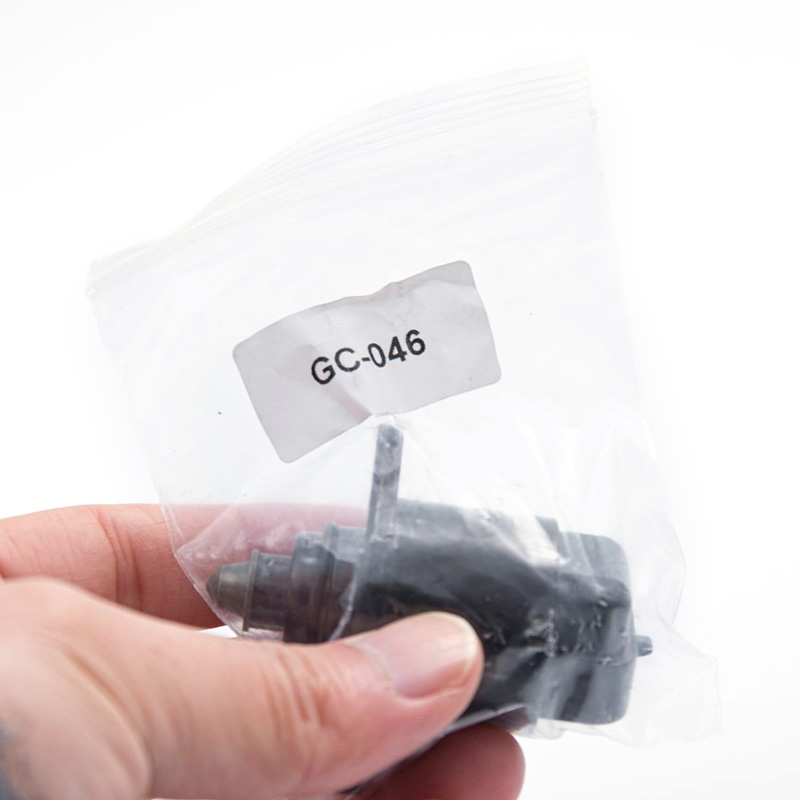
GC-046
REFERENCE OE:
2112-1148300
APPLICATION:
LADA
Idle air control valve from China factory for Lada.
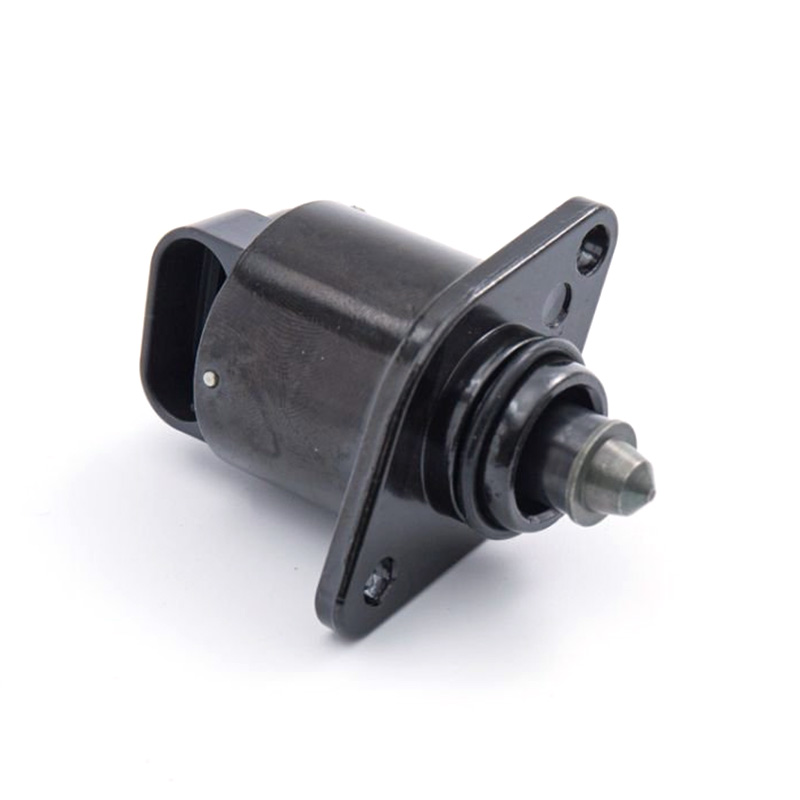
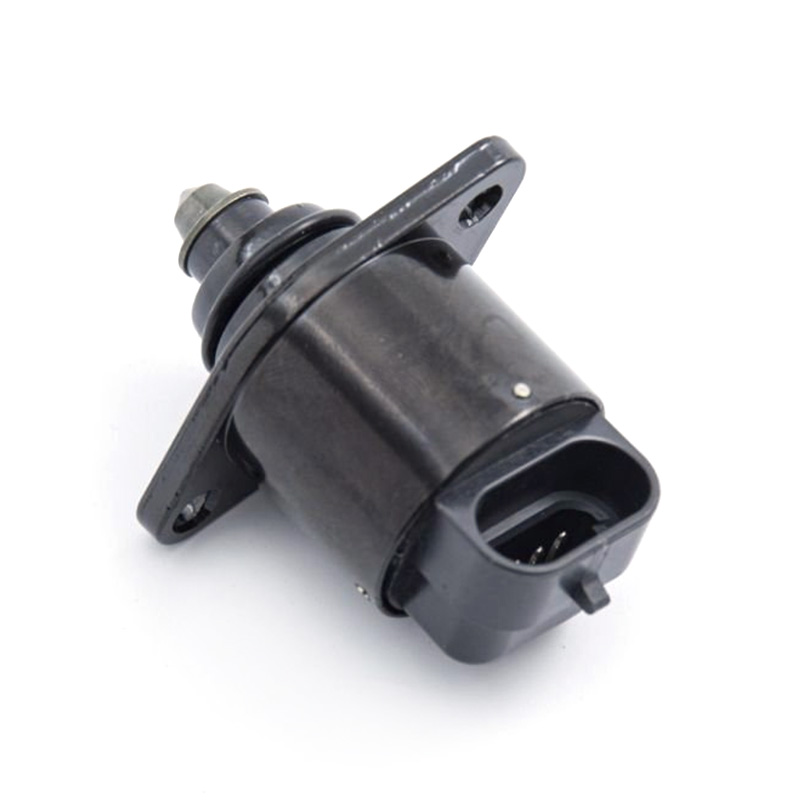
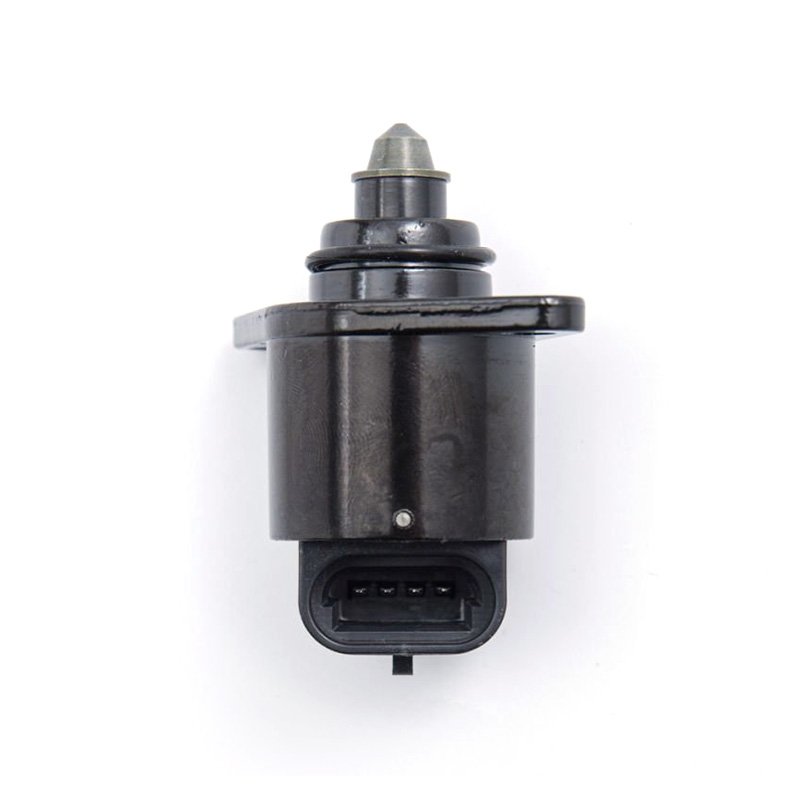
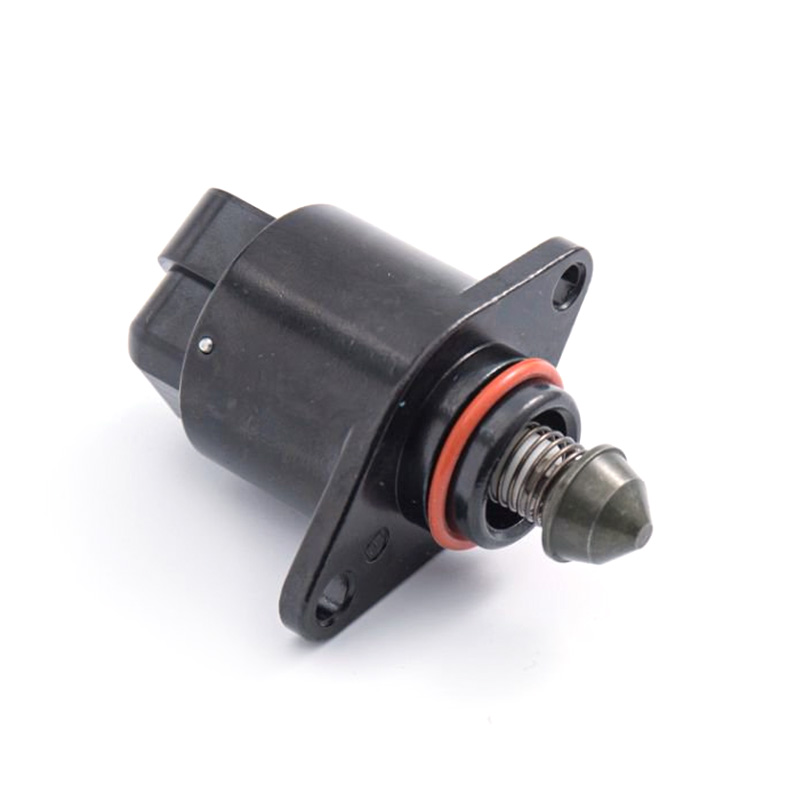
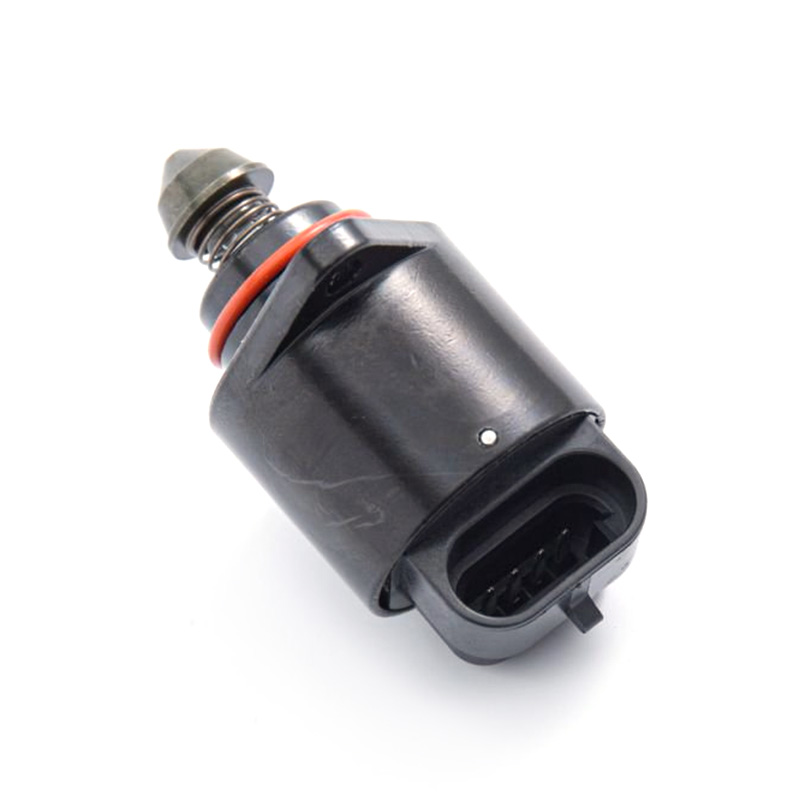
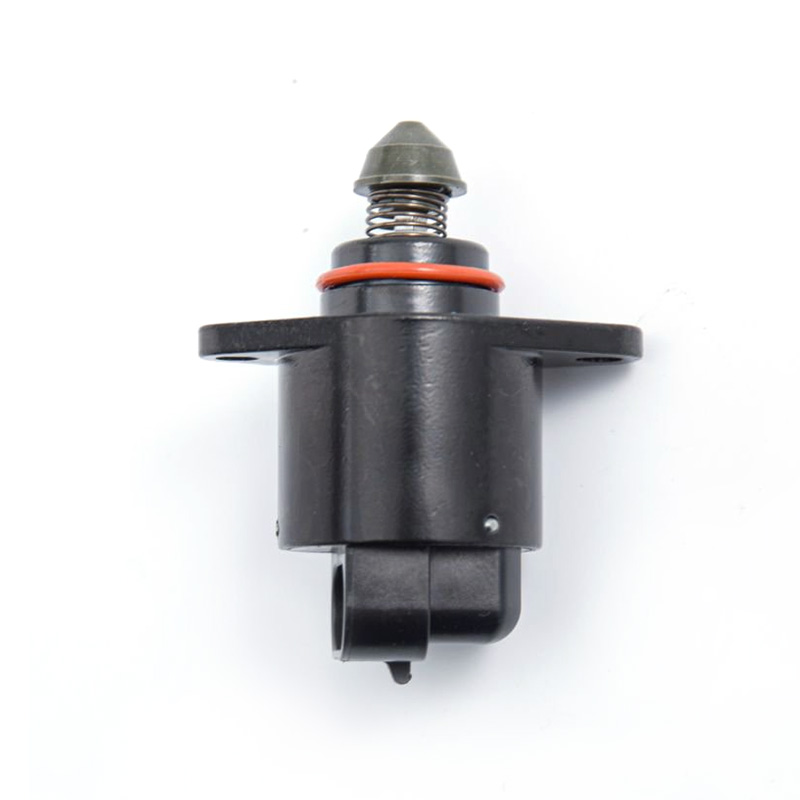
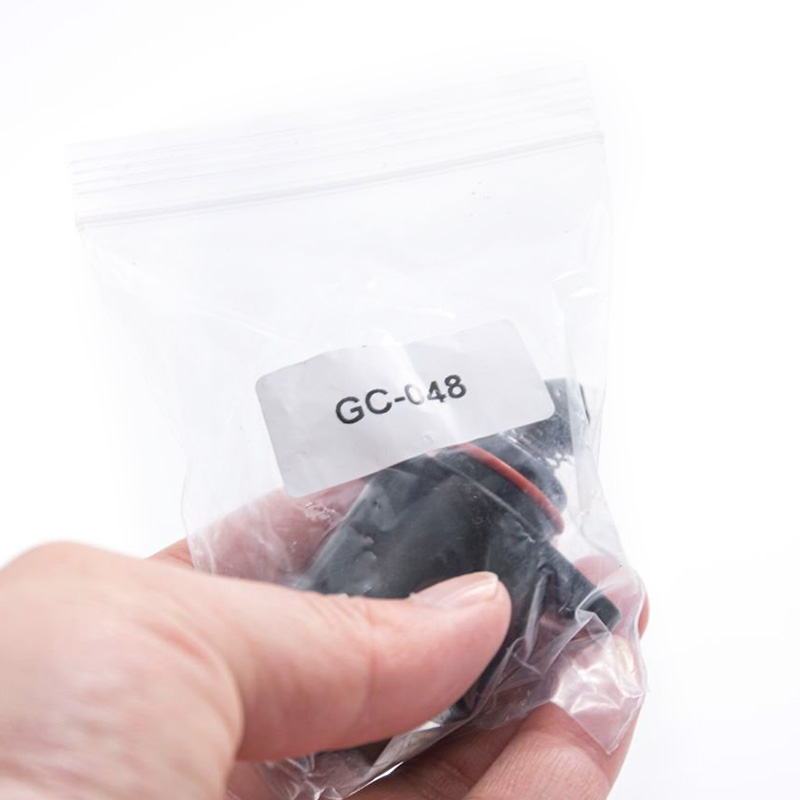
GC-048
REFERENCE OE:
SHORT COD:02851
GM: 17102851
GM: 17112966
GM: 17112967
VDO: A95267
SMW299933
BUICK: D0016,C2177
2151025, AC124, AC130
217428,2H1058
APPLICATION:
Delica Van
Idle air control valve from China factory for Delica Van.
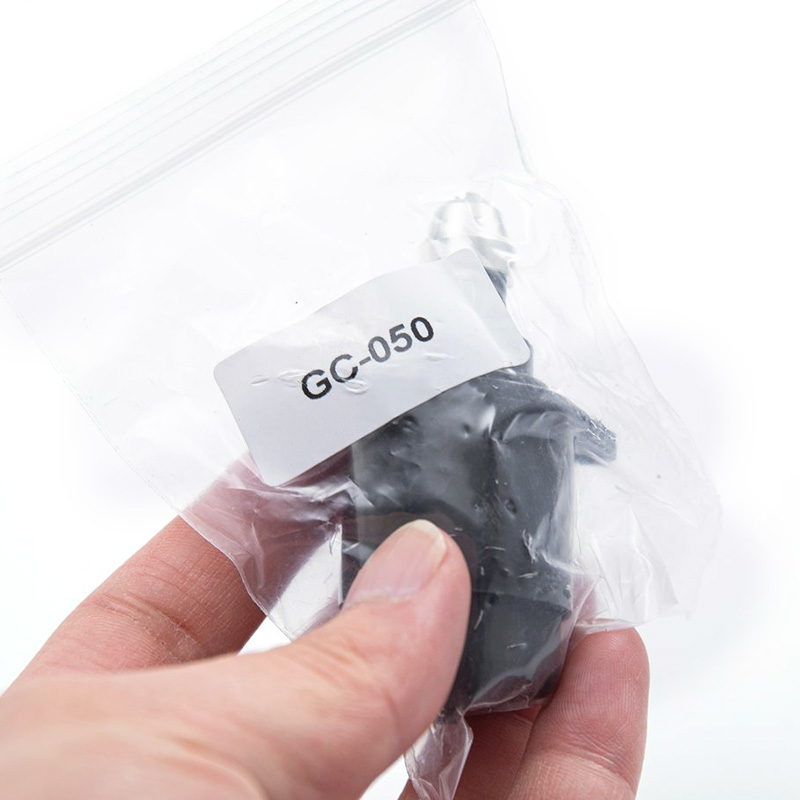
GC-050
REFERENCE OE:
PEUGEOT:19202Q
B17/00
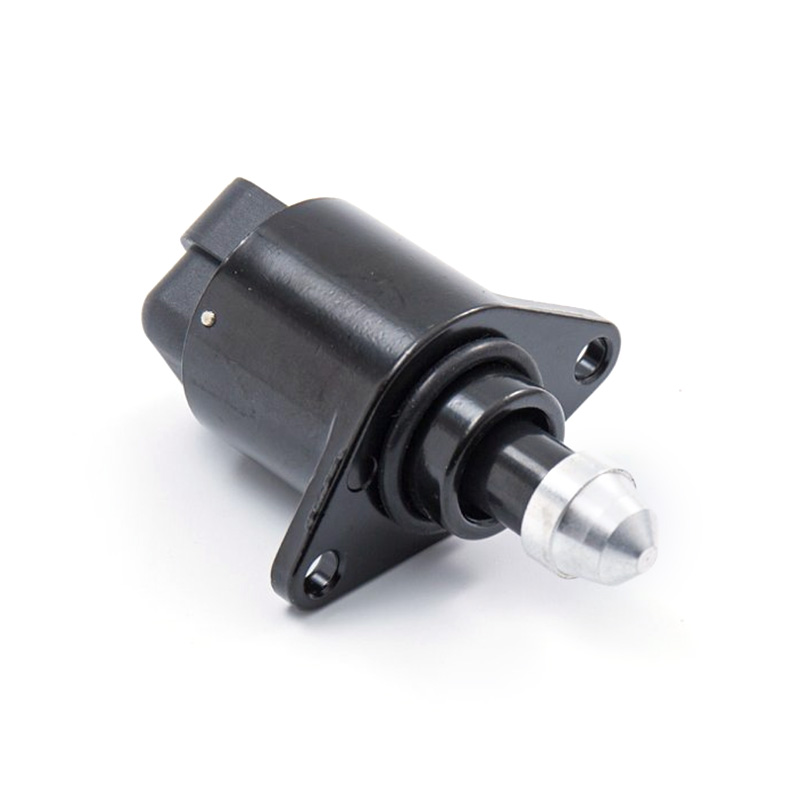
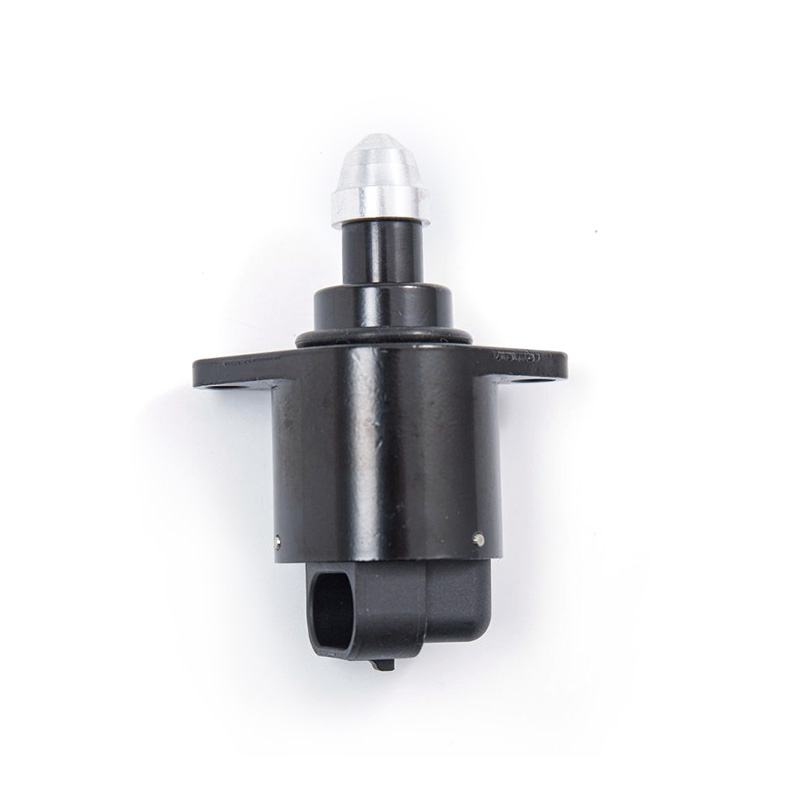
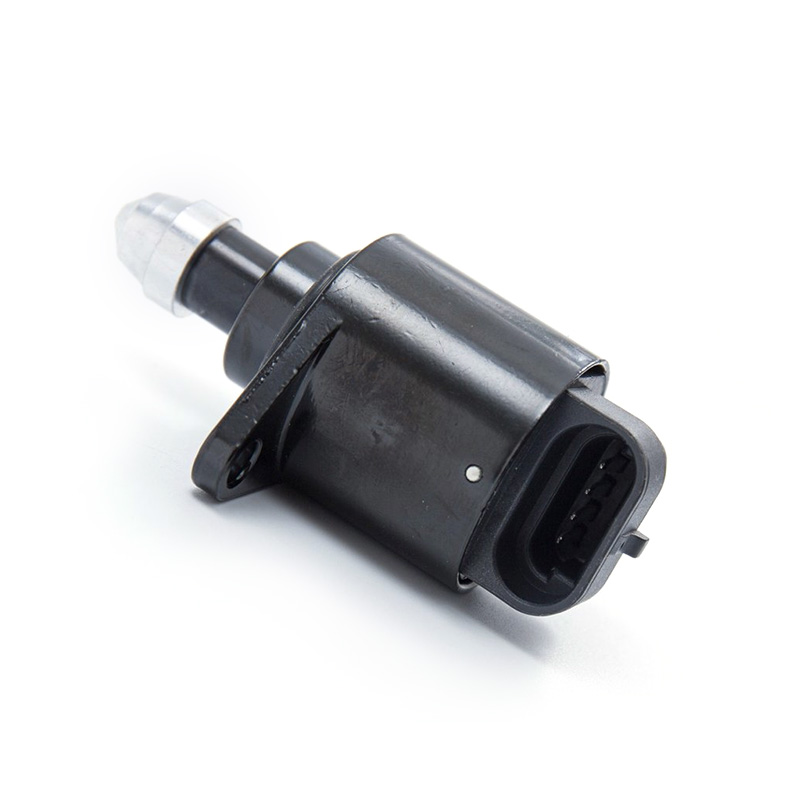
APPLICATION:
CITRO SAXO(S1,S1)1.6VTS;PEUGEOT 106II(1) 1.6 S16
Idle air control valve from China factory for Citroen Peugeot.
Contact Us
Let's start collaborating

Guocheng is specialized in the R&D and production of key engine components for the automotive and engineering machinery industries.
Product
Stay Connected
(+86) - 577 - 8582 0886 (Tel)
(+86) - 577 - 8582 8085 (Fax)
(+86) - 19730213059 (Phone)
sales@wz-gc.com
No. 205, Baiyu Road, 15th Road, Binhai Park, Wenzhou, Zhejiang, China
Mobile

ODM Engine Management System Components
 English
 русский
 Español
 عربى
عربى Deutsch