Date:May 22, 2026
Automotive technology is evolving far beyond traditional mechanical engineering. Today’s vehicles are expected to deliver smoother acceleration, lower emissions, better fuel efficiency, and more intelligent driving feedback at the same time. As automakers continue integrating electronic control systems into both passenger and commercial vehicles, demand for high-precision engine management components is rising across global markets. For suppliers and procurement teams, this shift is changing how control components are evaluated, manufactured, and integrated into next-generation vehicle platforms.
One of the biggest pressures facing automotive manufacturers is the tightening of global emissions regulations. Governments across Europe, North America, and Asia continue introducing stricter fuel economy and emission standards, forcing automakers to improve airflow management and throttle response precision.
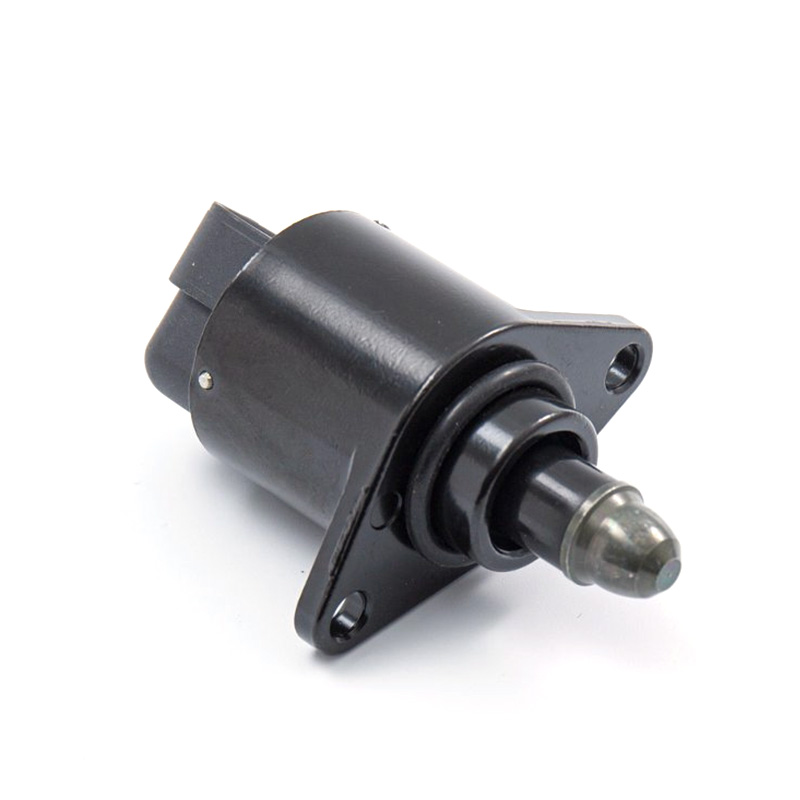
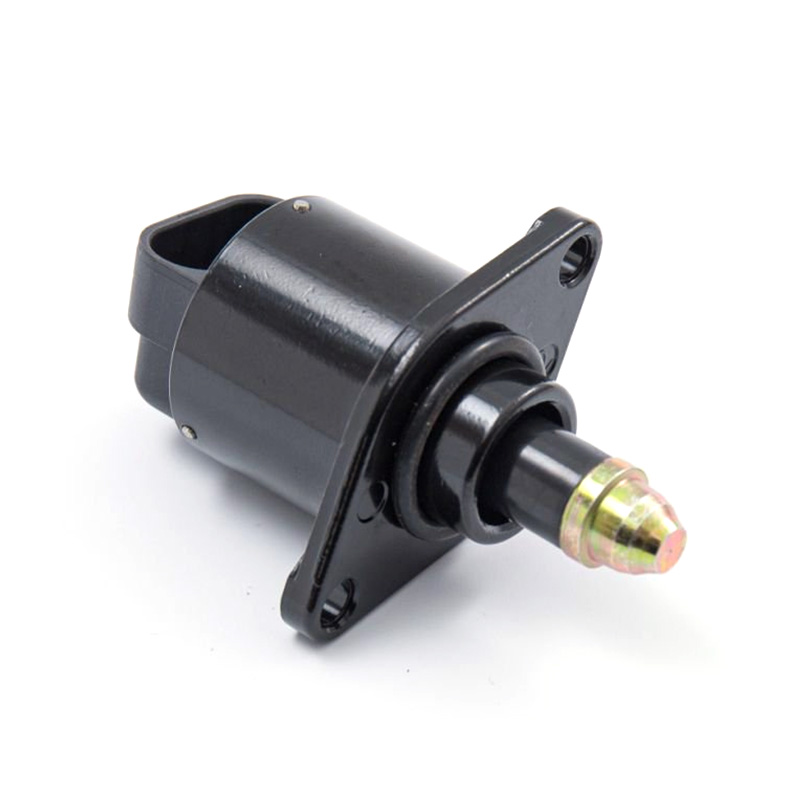
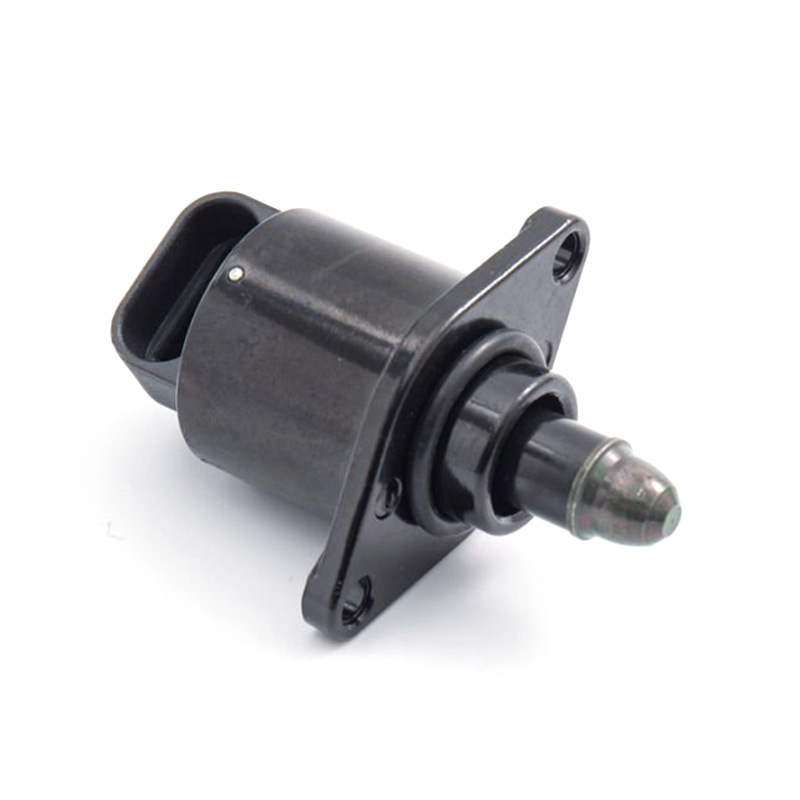
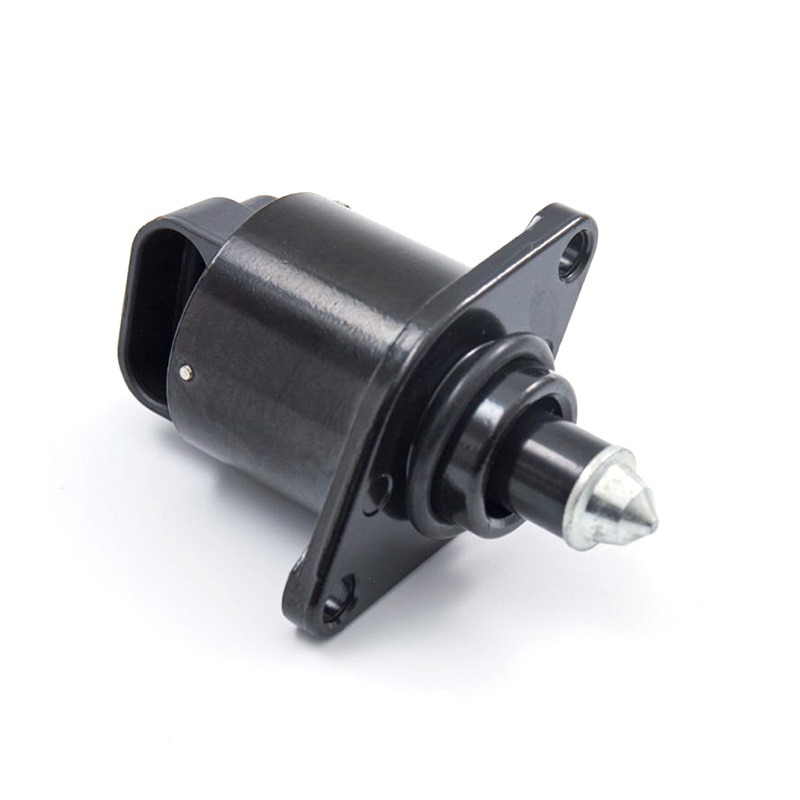
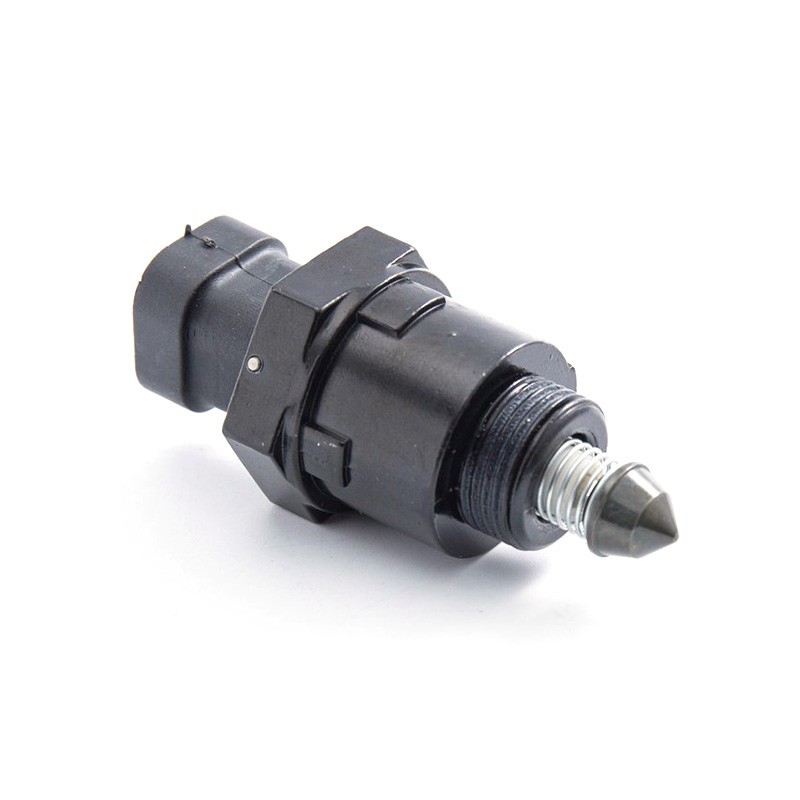
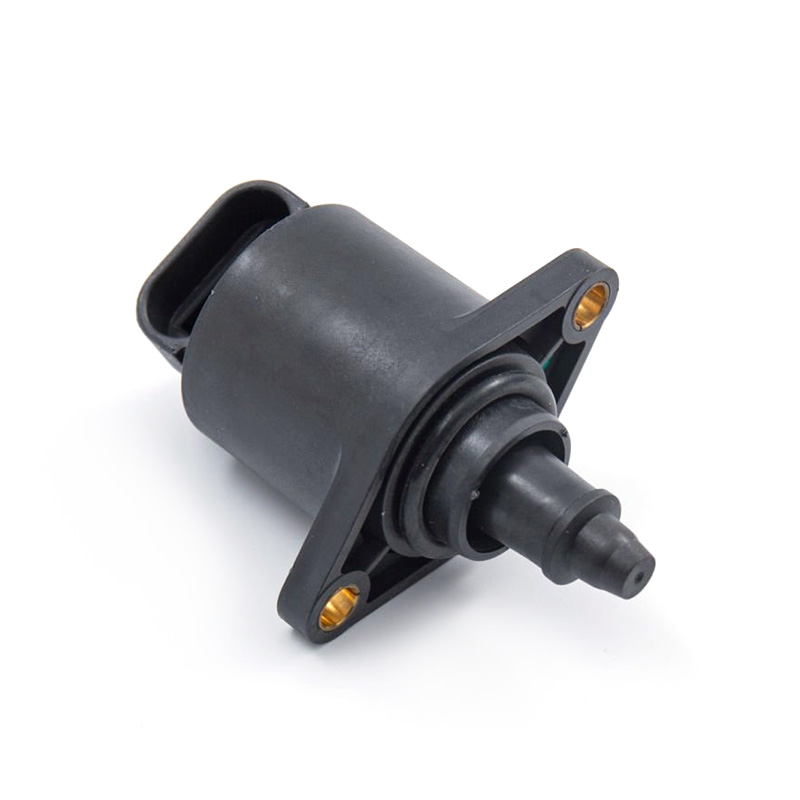
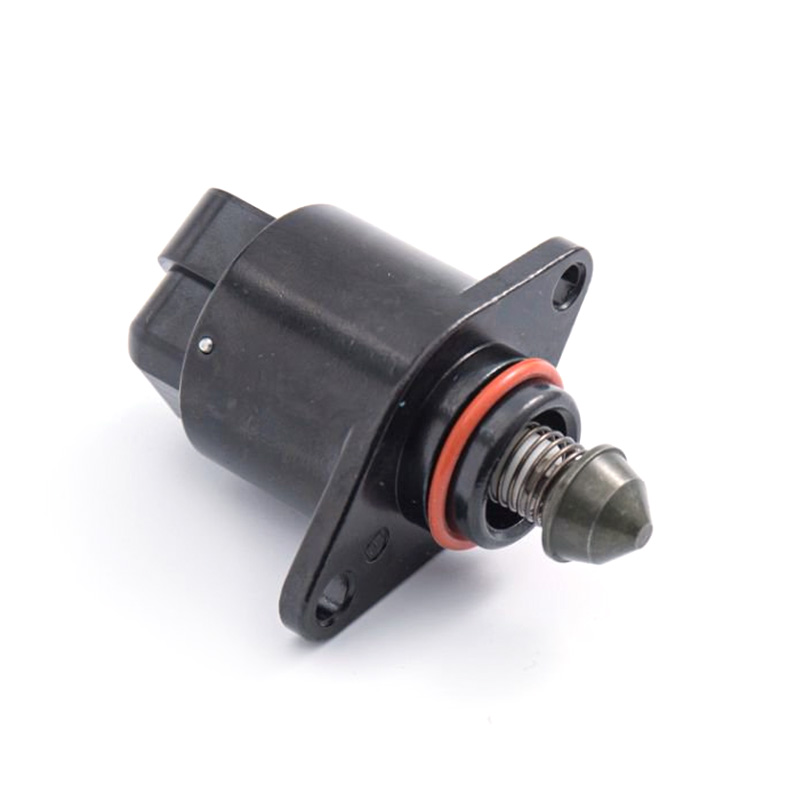
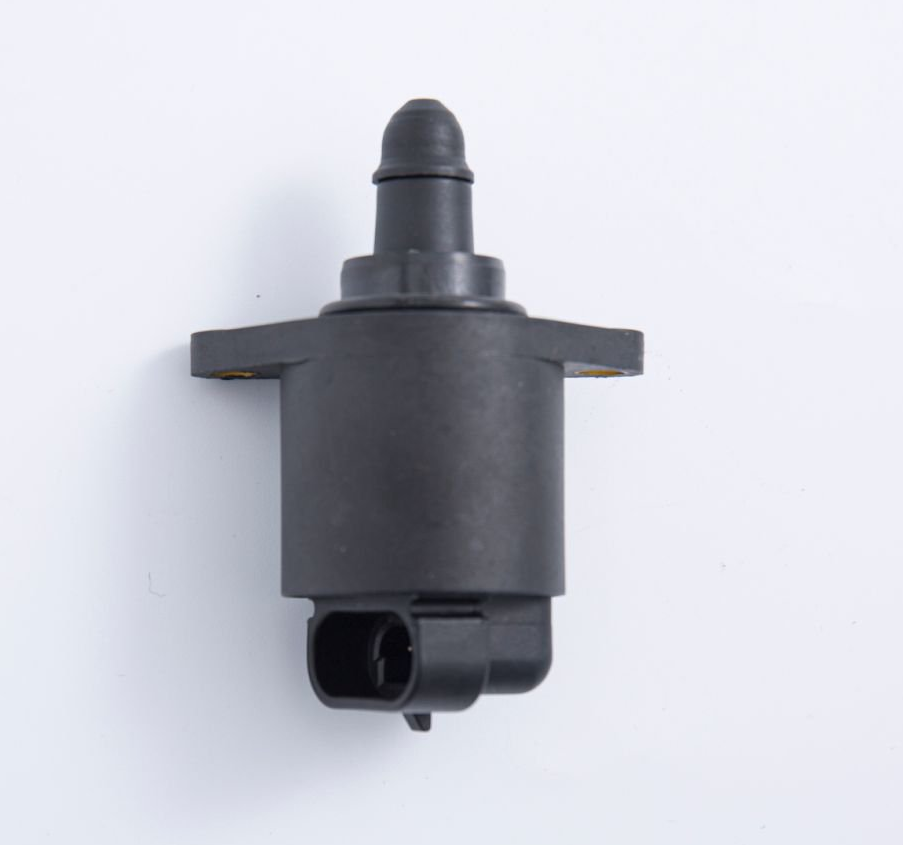
This trend has increased attention on components such as the Idle Air Control Valve, which helps regulate airflow during idle conditions and supports smoother engine stability under varying loads. In modern engine systems, stable idle control is no longer just a comfort feature—it directly affects fuel efficiency and emissions performance.
At the same time, vehicle manufacturers are demanding components capable of maintaining reliable operation under increasingly complex ECU-controlled environments.
Modern vehicle platforms no longer treat throttle control as a standalone mechanical action. Instead, throttle systems are now deeply integrated into broader vehicle electronics architecture.
Recent industry discussions show that electronic control components are increasingly expected to work alongside:
As vehicle electronics become more interconnected, sensor accuracy and signal stability have become essential engineering priorities.
For manufacturers, this means a modern Automotive Accelerator Pedal must deliver precise electronic feedback while maintaining long-term durability under varying environmental conditions.
As vehicle control systems become more electronically dependent, manufacturing tolerances and sensor consistency are becoming critical quality indicators.
For automotive control component production, engineering focus now includes:
At the manufacturing level, even minor variations in assembly precision can influence throttle response and system communication behavior.
Because of this, overseas buyers are paying more attention to supplier testing capability and production consistency instead of evaluating products only by price.
Global automotive buyers are increasingly cautious when selecting suppliers for engine management components. Compatibility with modern ECU systems and electronic architectures has become a major evaluation factor.
Important procurement considerations now include:
For aftermarket distributors and OEM procurement teams alike, long-term reliability is becoming just as important as initial product specifications.
The automotive industry is continuing its transition toward software-defined vehicle architecture. In future vehicle platforms, electronic throttle systems and airflow management components will likely become even more integrated with intelligent driving systems and predictive diagnostics.
As this shift continues, manufacturers capable of combining precision engineering with stable electronic control technology will remain essential partners for global automotive supply chains.
For suppliers operating in this evolving market, adapting to electronic integration trends is no longer optional—it is becoming a core requirement for long-term competitiveness.
Related Products
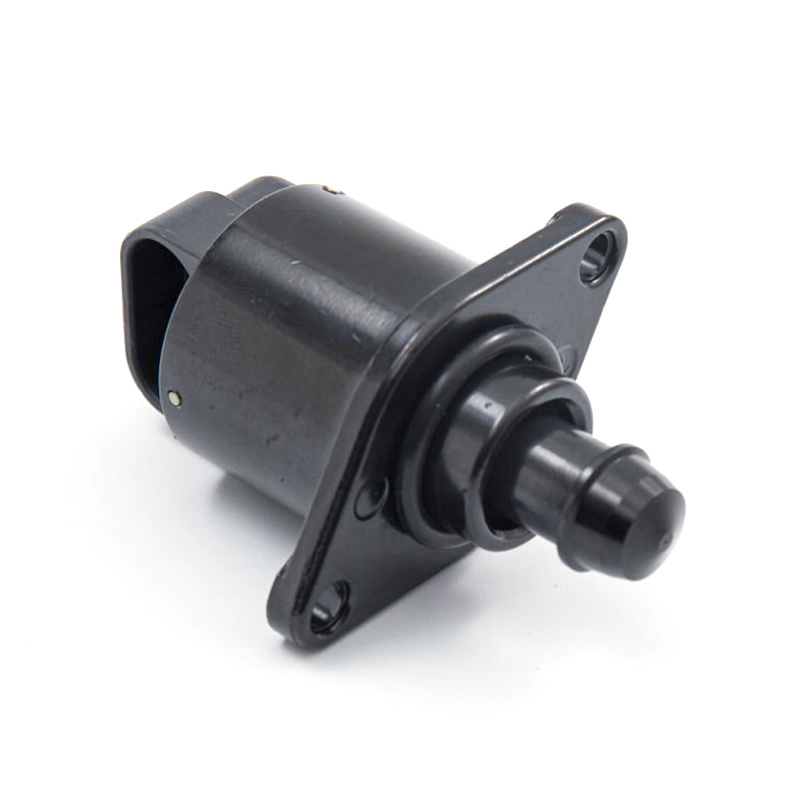
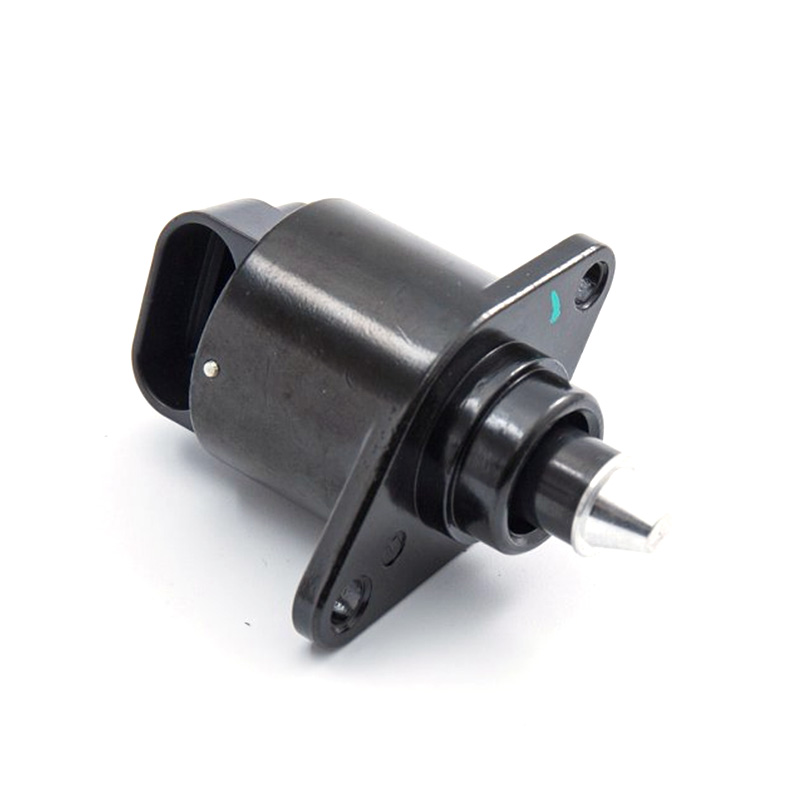
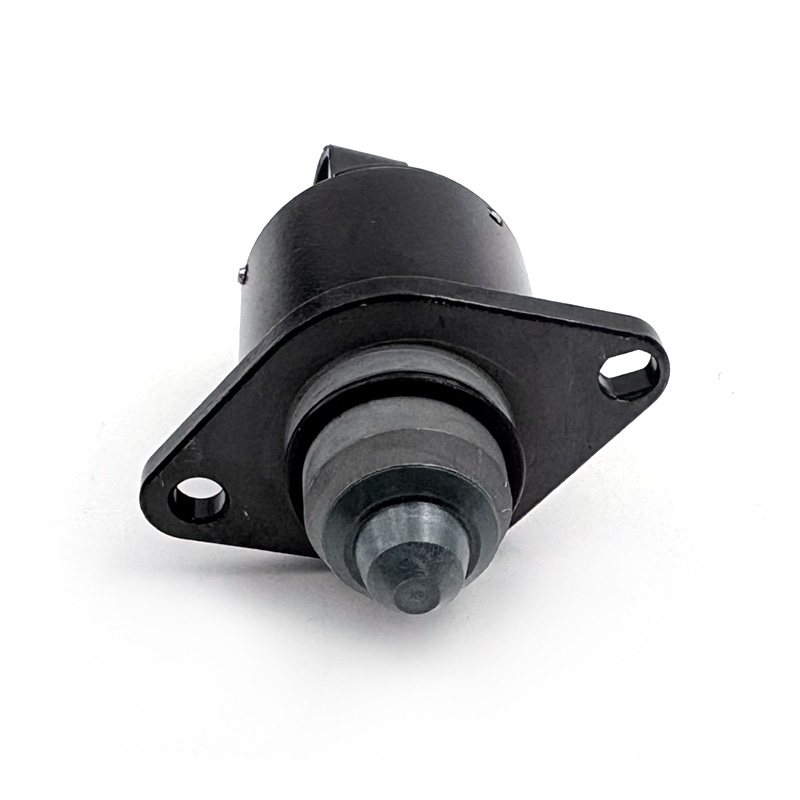
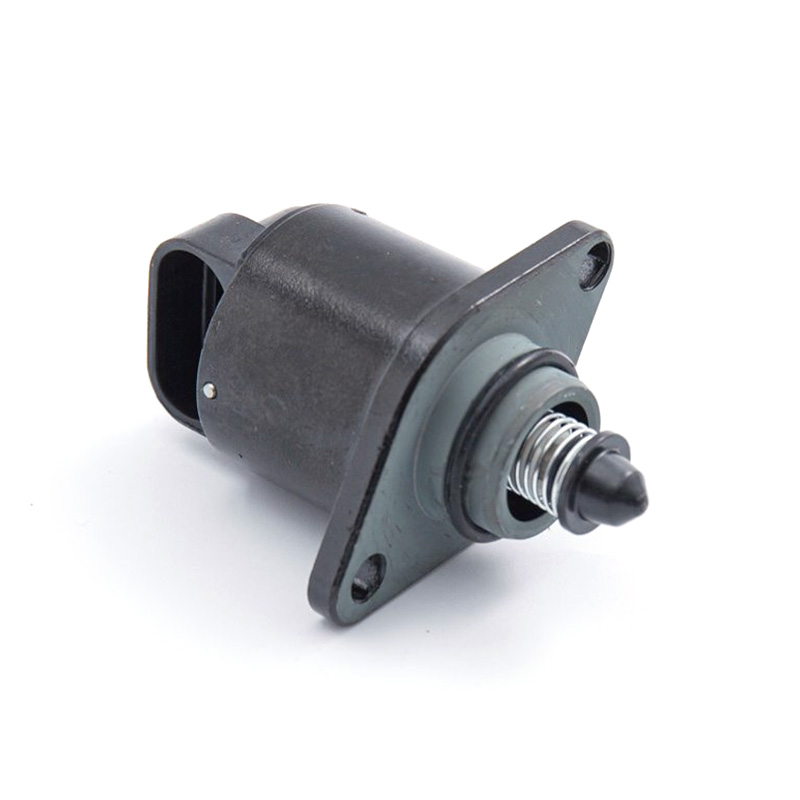
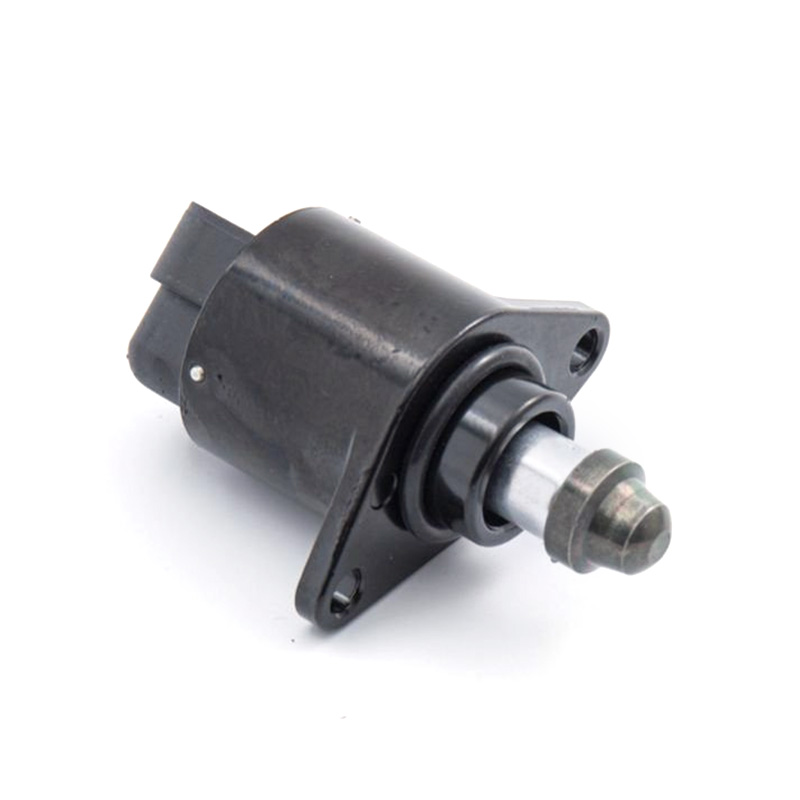
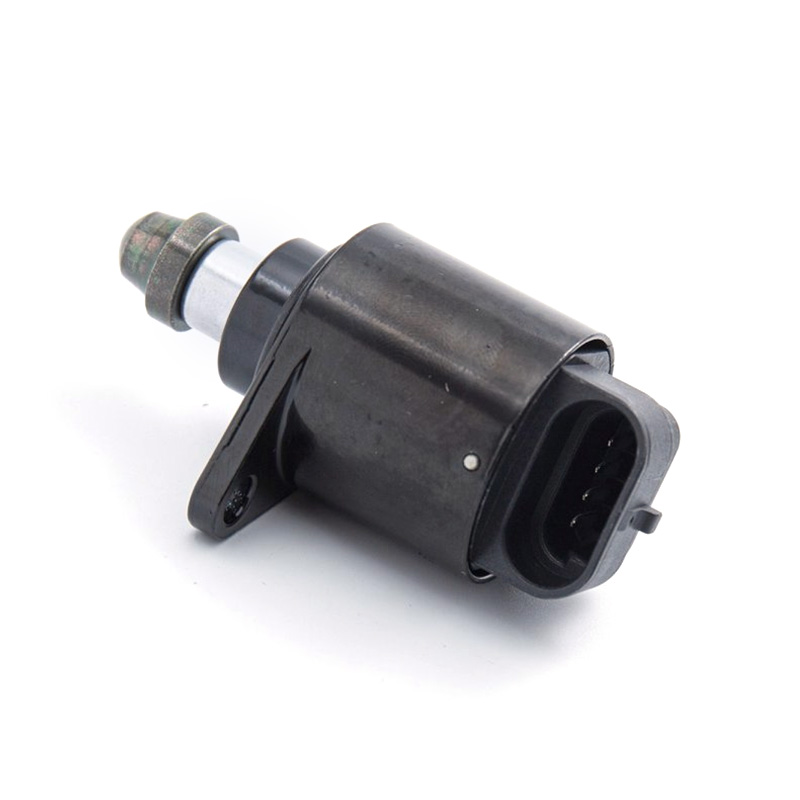
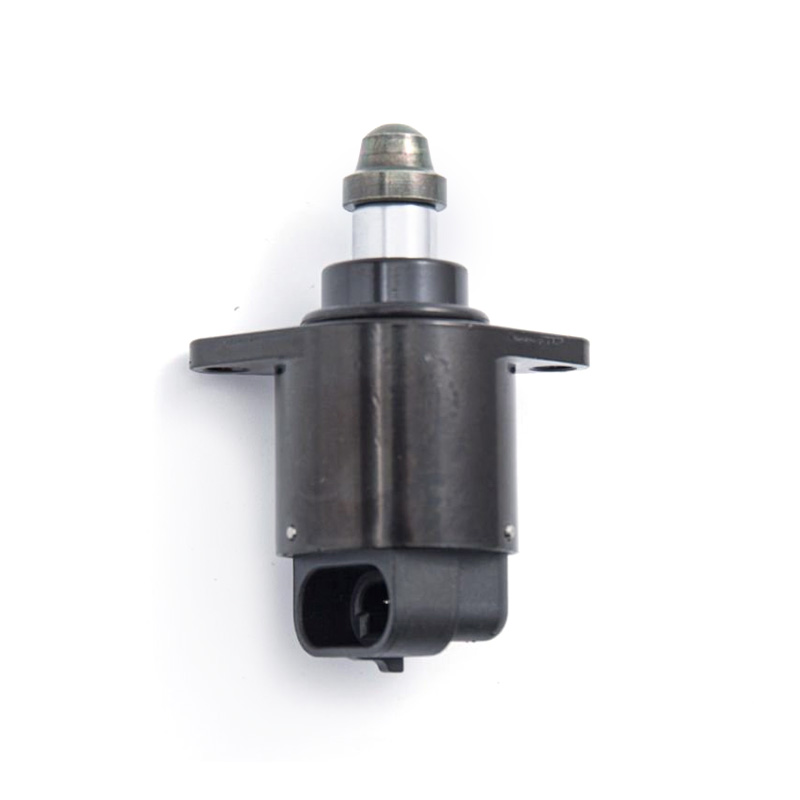
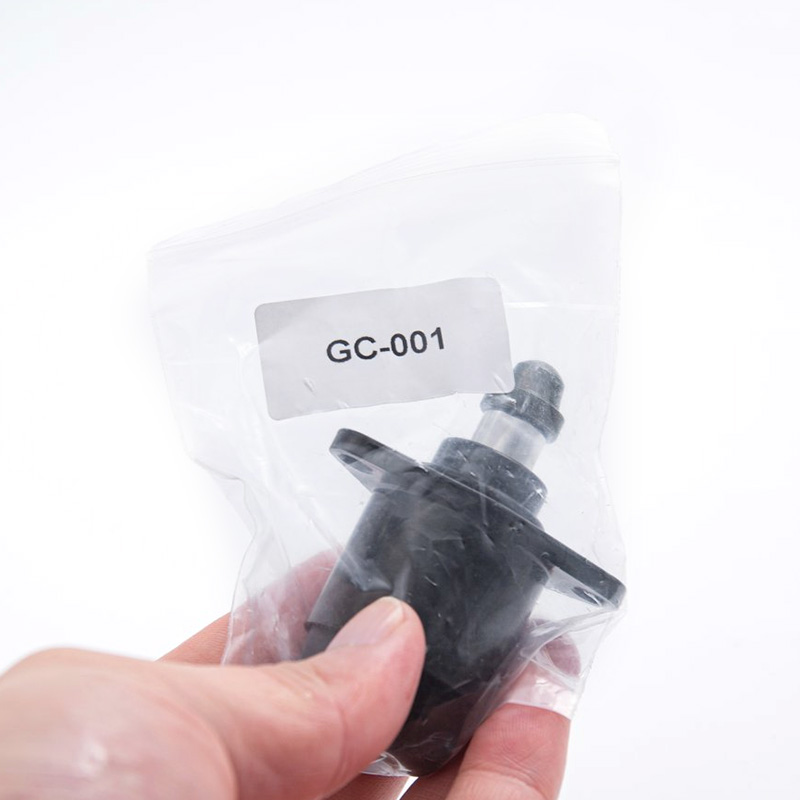
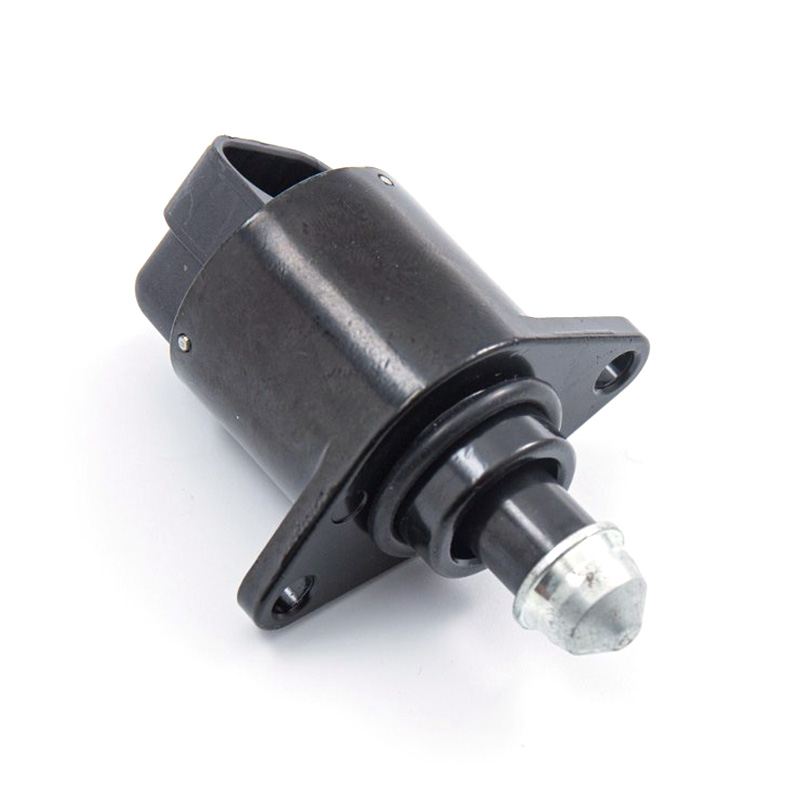
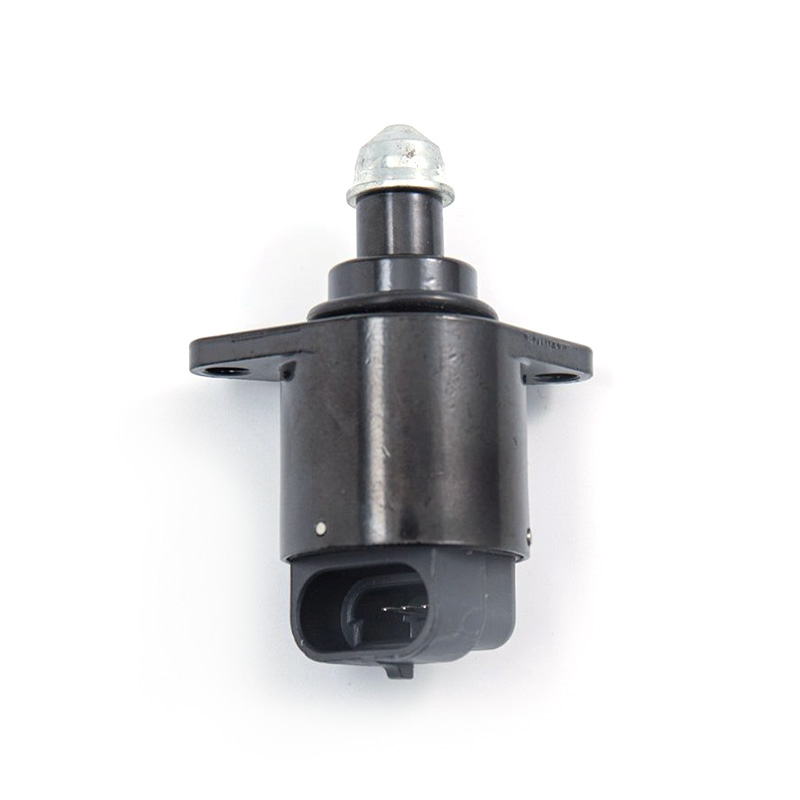
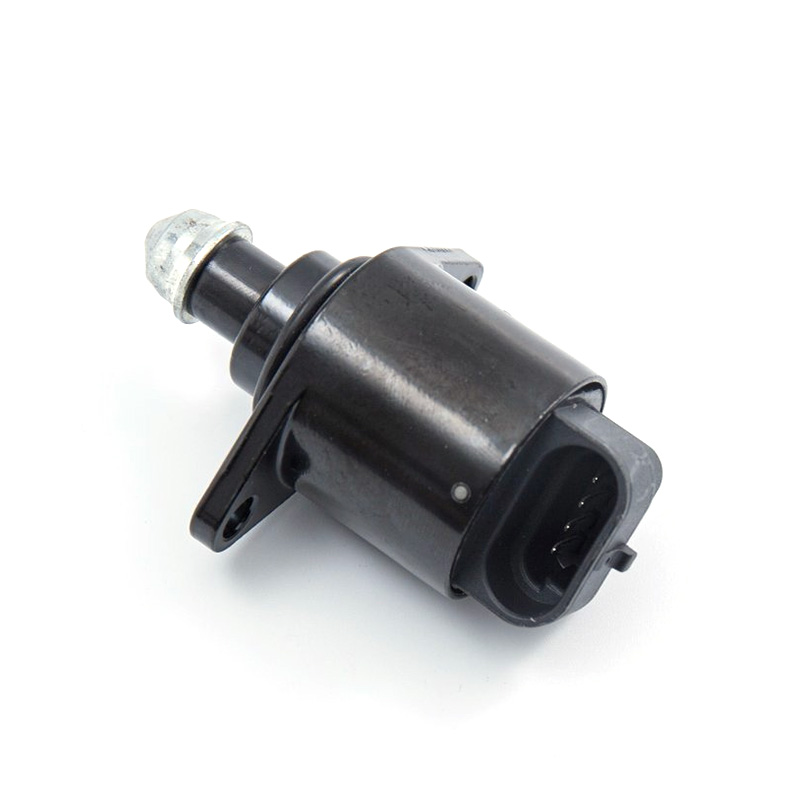
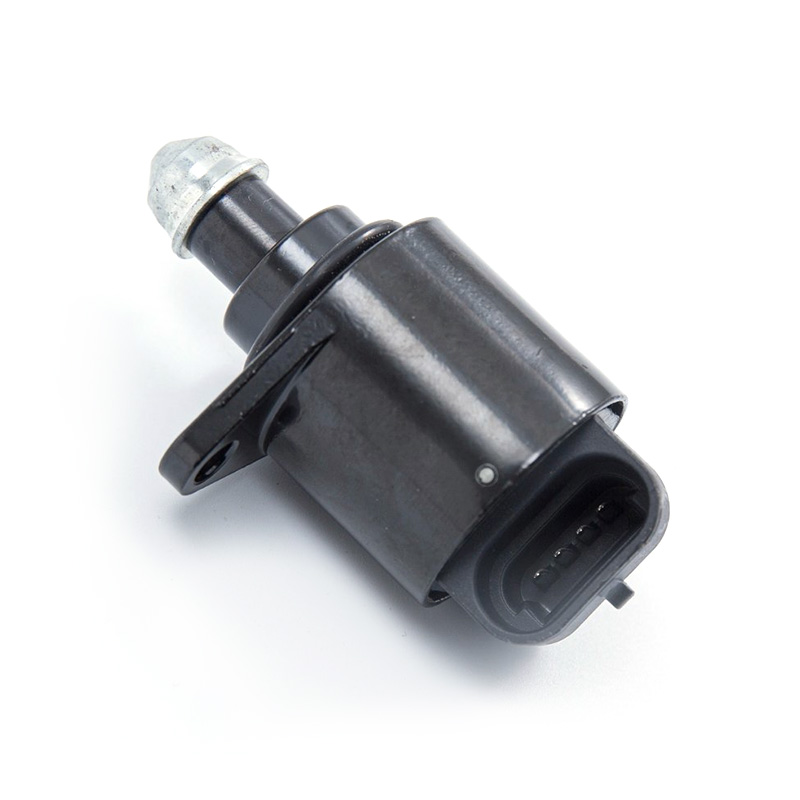
OE/Part Numbers: 1920AH A96157 B35/00
Compatible Brands: for Peugeot, Citroen
Compatible Vehicles & Years:
- for Citroen Saxo
- for Peugeot 106
- for Peugeot 206 (Schragheck /SW)
-for Peugeot 306 (Break / Schragheck)
-for Peugeot Partner (Combispace / Kasten)
Key Functions: This idle stepper motor regulates engine idle speed, ensuring stable performance, smooth cold starts, and preventing stalling under varying loads.
Features & Advantages:
1. Direct OEM Fit & Function.
2. High-Quality Components for Reliability.
3. Rigors Quality Control.
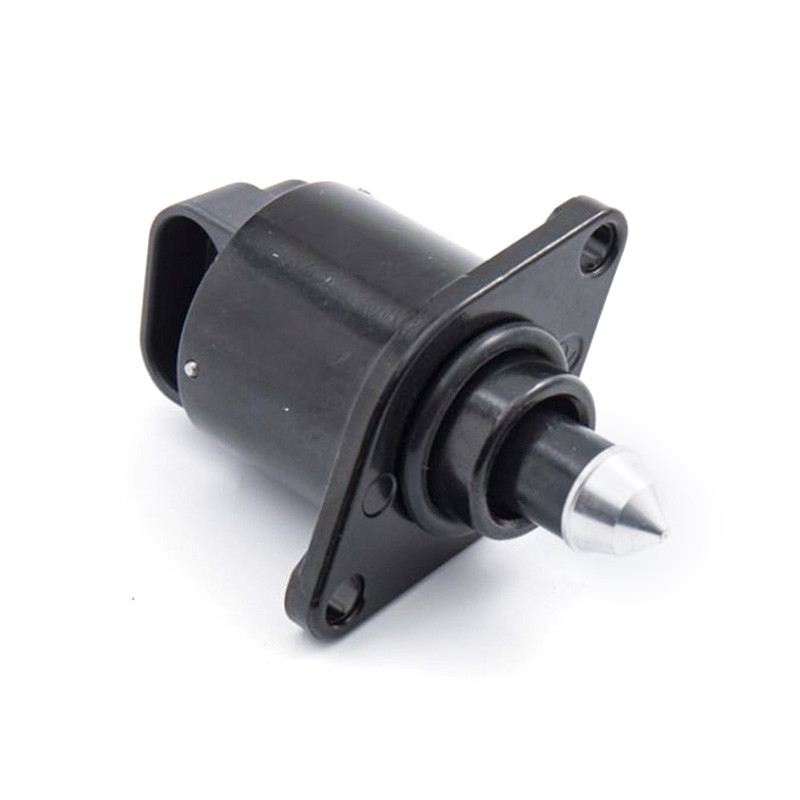
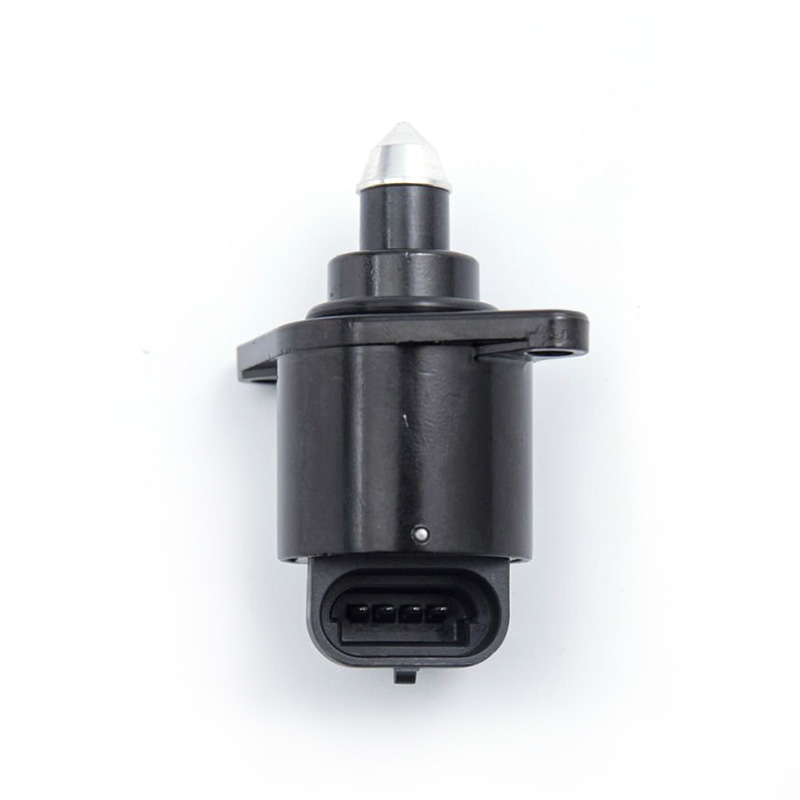
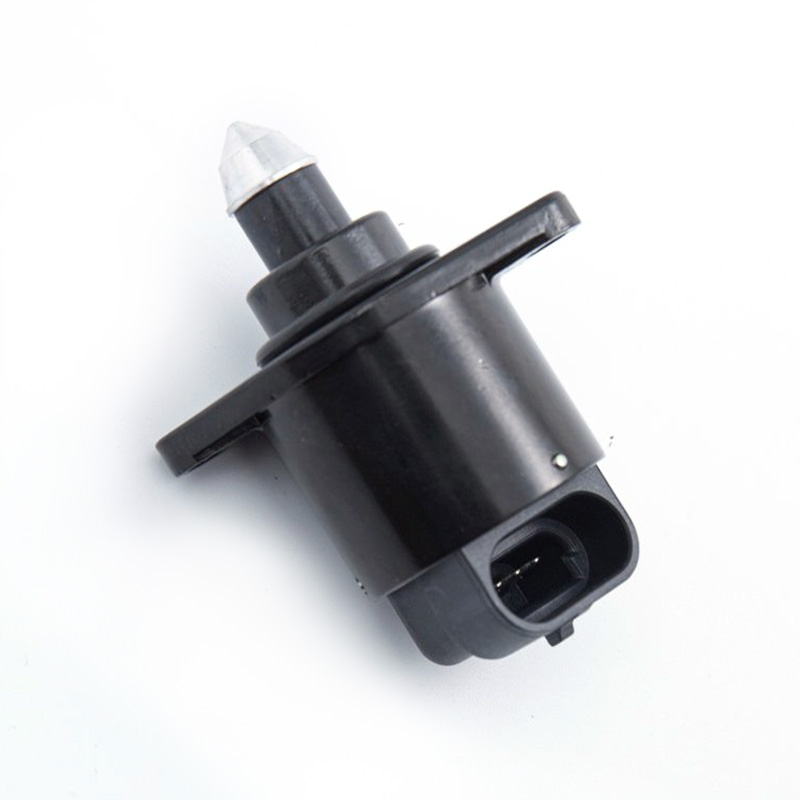
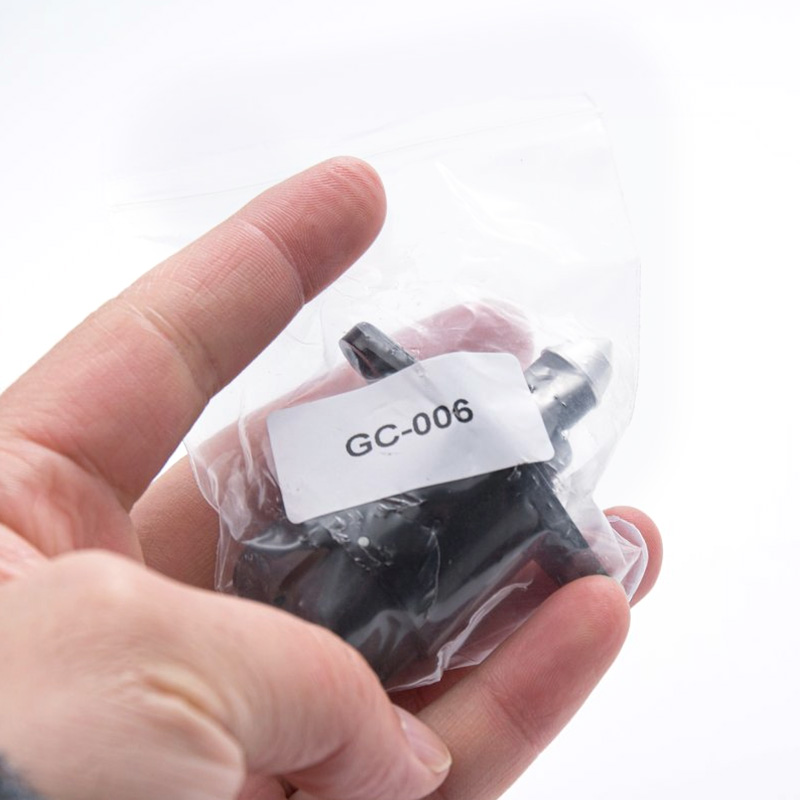
GC-006
REF OE:
SHORT CODE:D5134
VDO:D95134
RENAULT:7701044401
APPLICATION:
RENAULT CLIO I(B/C57_,5/357)1.4/II(BB0/1/2_,CB0/1/2_)1.4;RENAULT KANGOO(KC0/1)1.4/Express(FC0/1_)1.4;
RENAULT MEGANE Grandtour(KA0/1_)1.4e/I(BA0/1_)1.4e
Low price and good quality idle air control valve (IACV) from China,buying and purchasing from China auto parts factory direct!
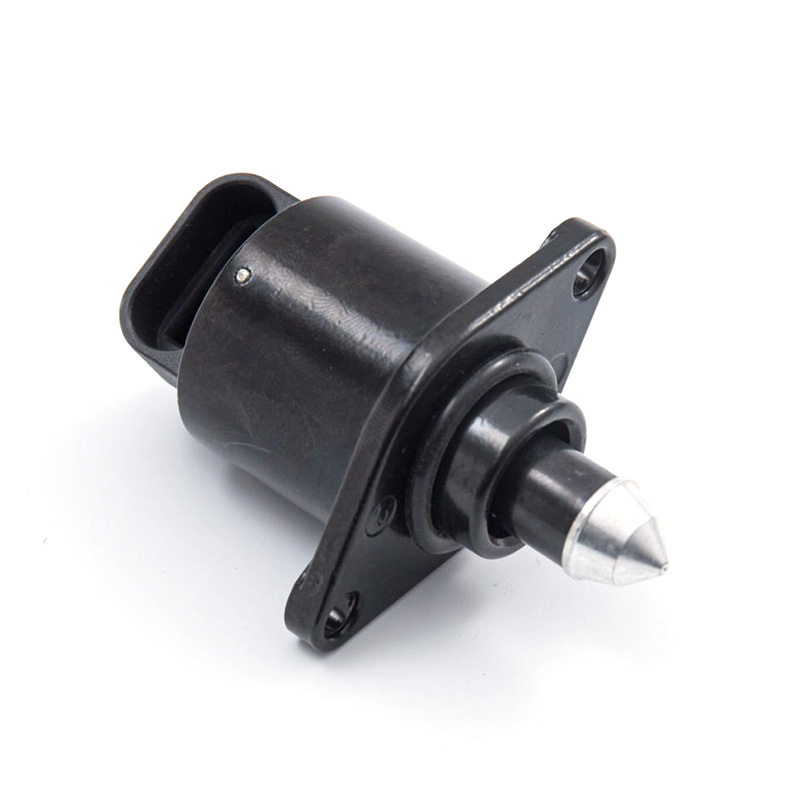
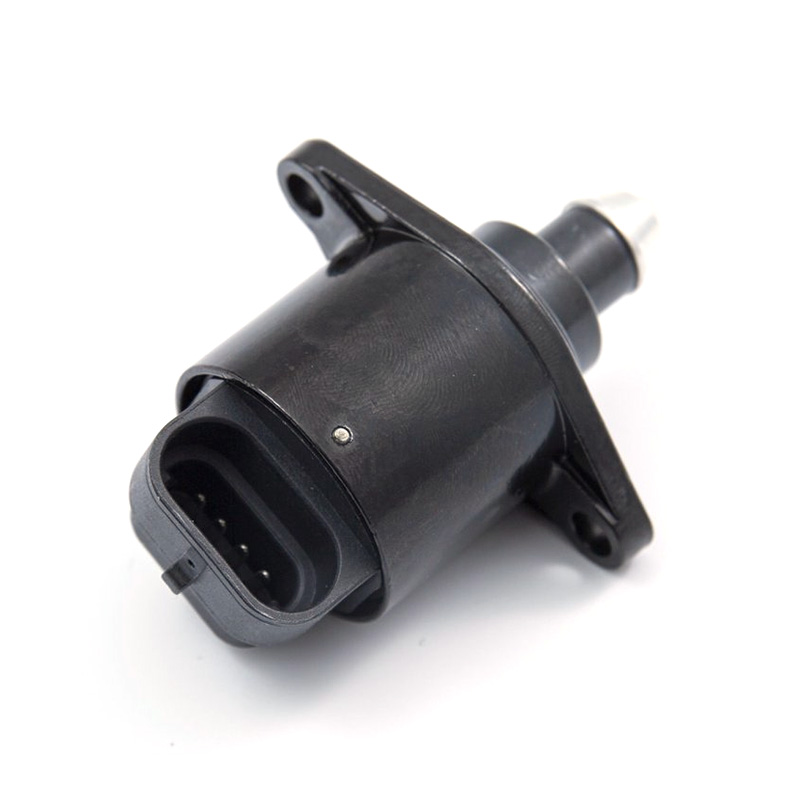
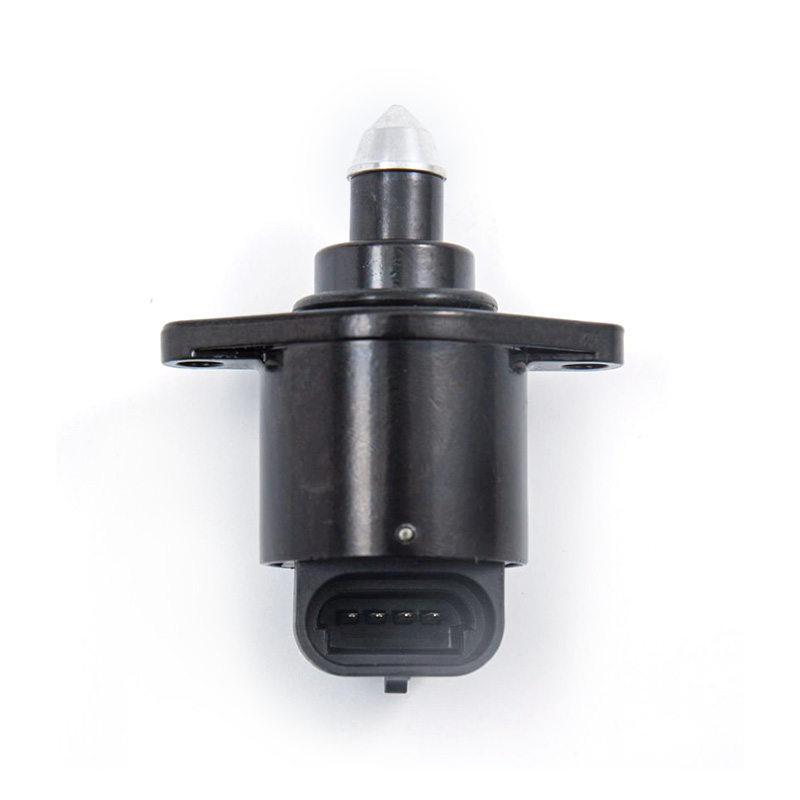
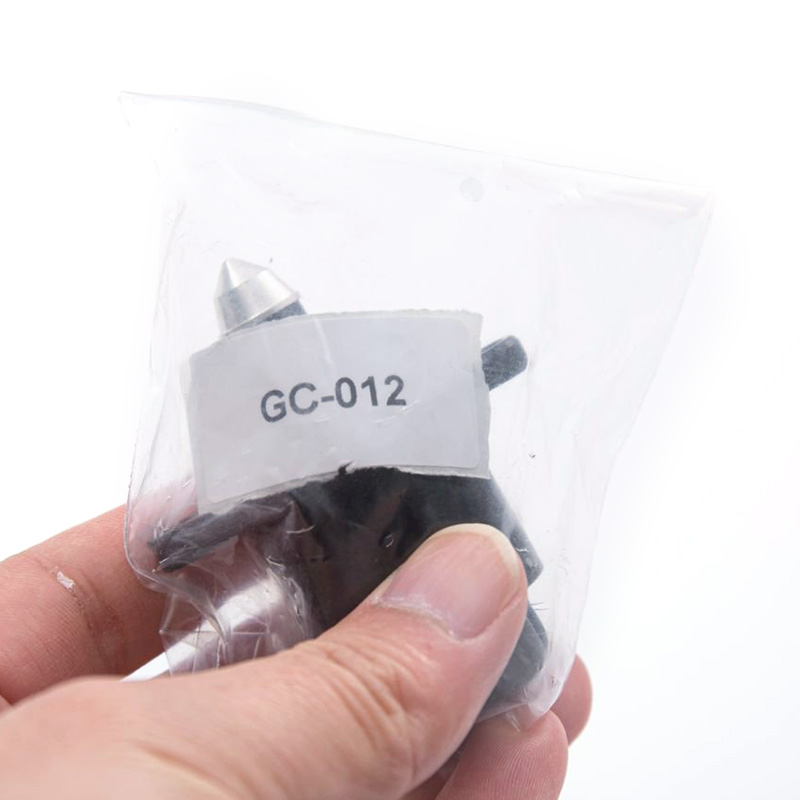
GC-012
REF OE:
HOT-STAMP:D5174
RENAULT:7701047909
APPLICATION:
RENAULT MEGANE Cabriolet/Classic/Coach/Grandtour;RENAU MEGANE I/Scenic
China auto parts wholesale,idle air control valve high quality with competitive price!
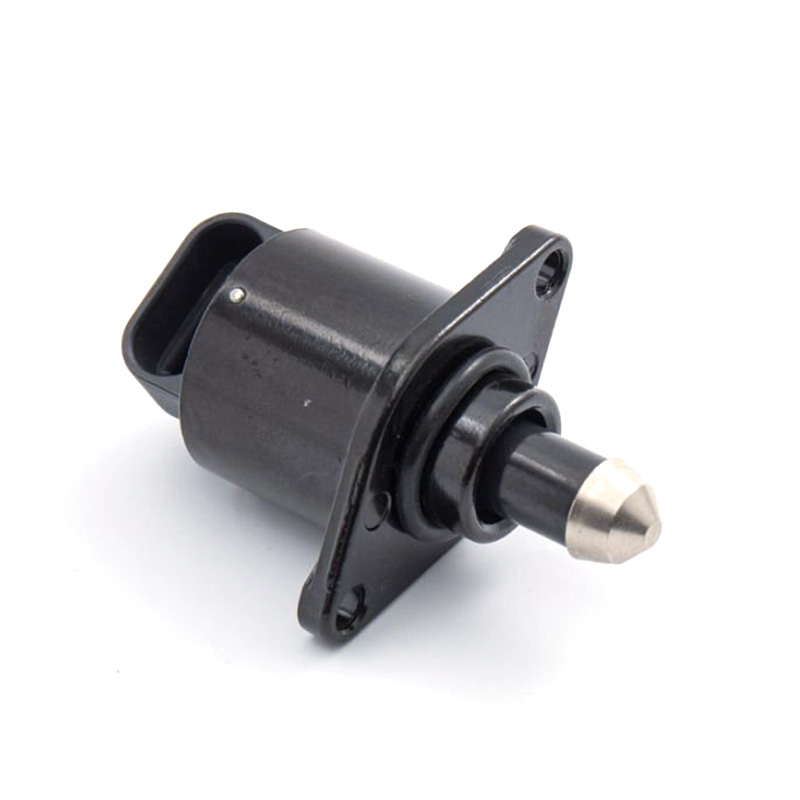
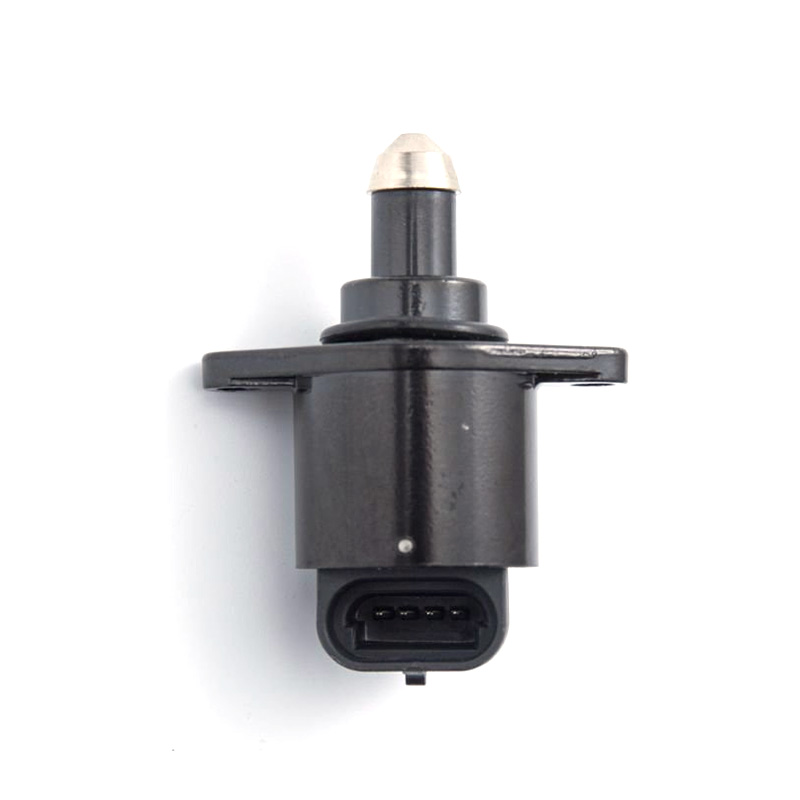
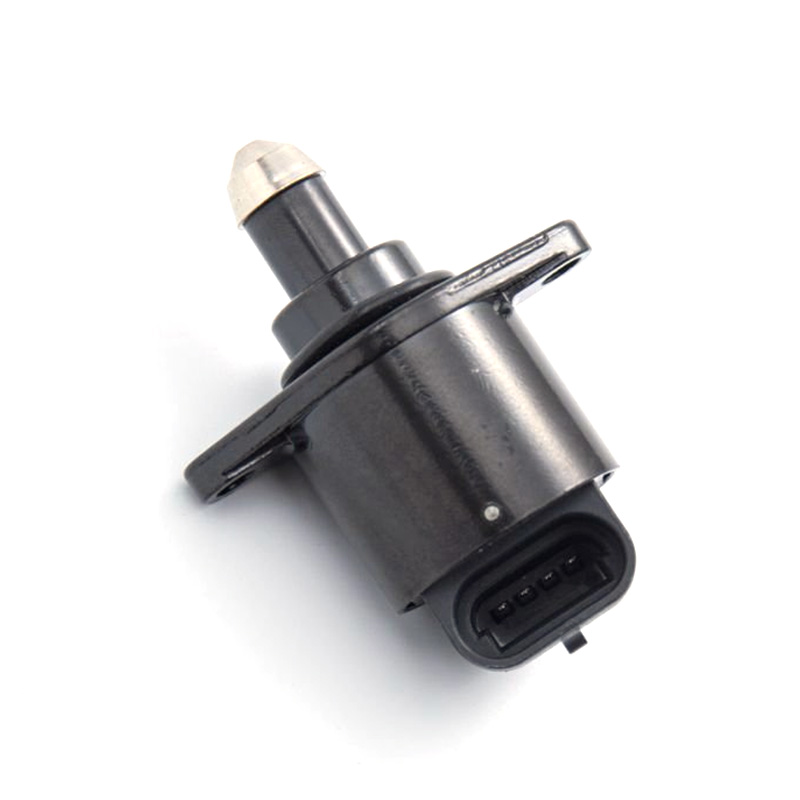
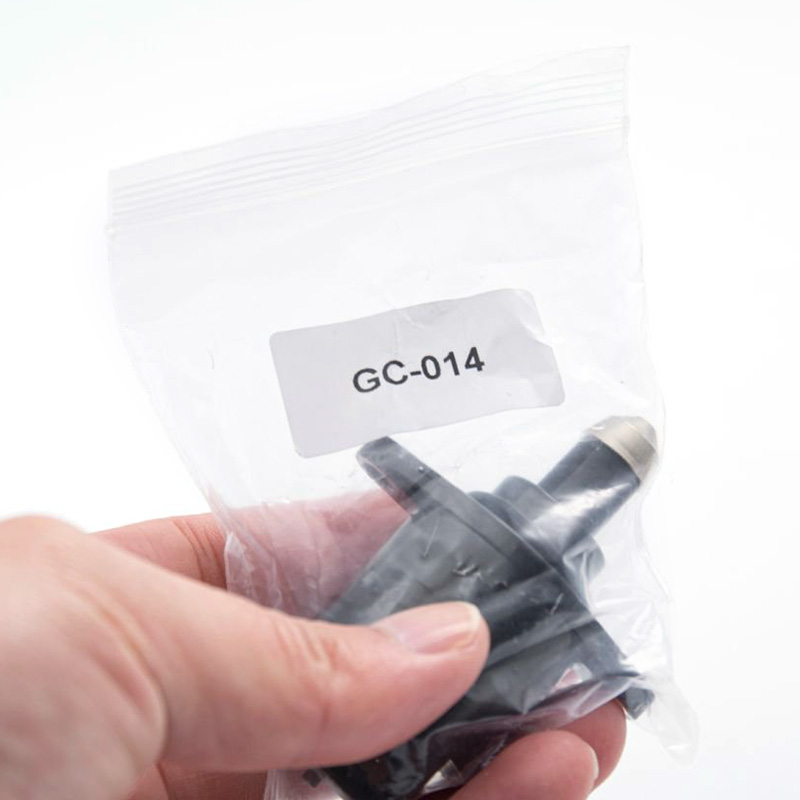
GC-014
REFERENCE OE:
MEAT DORIA:84048; 078133455;
APPLICATION:
AUDI 100/100 Avant;AUDI 80/80 Avant;AUDI A4/A4 Avant;AUDI A6/A6 Avant;AUDI CABRIOLET/COUPE
Idle air control valve for Audi,from China factory for wholesale and retail.
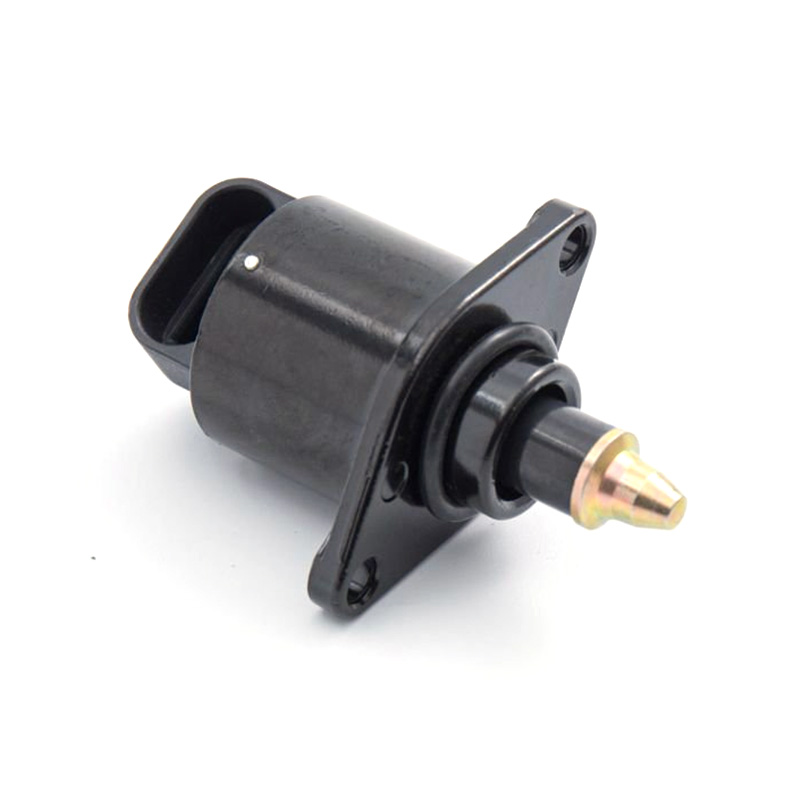
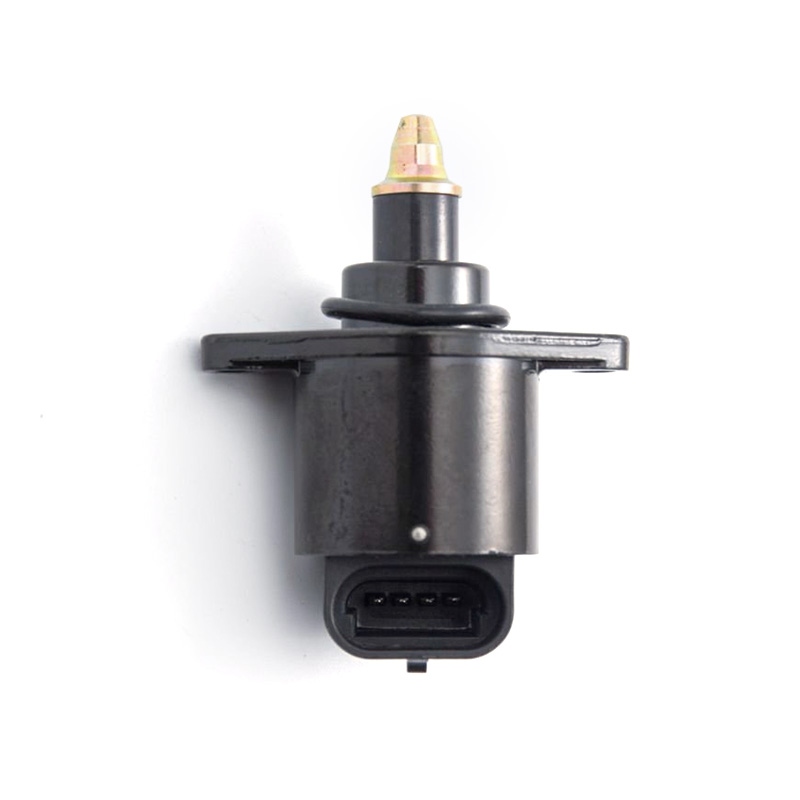
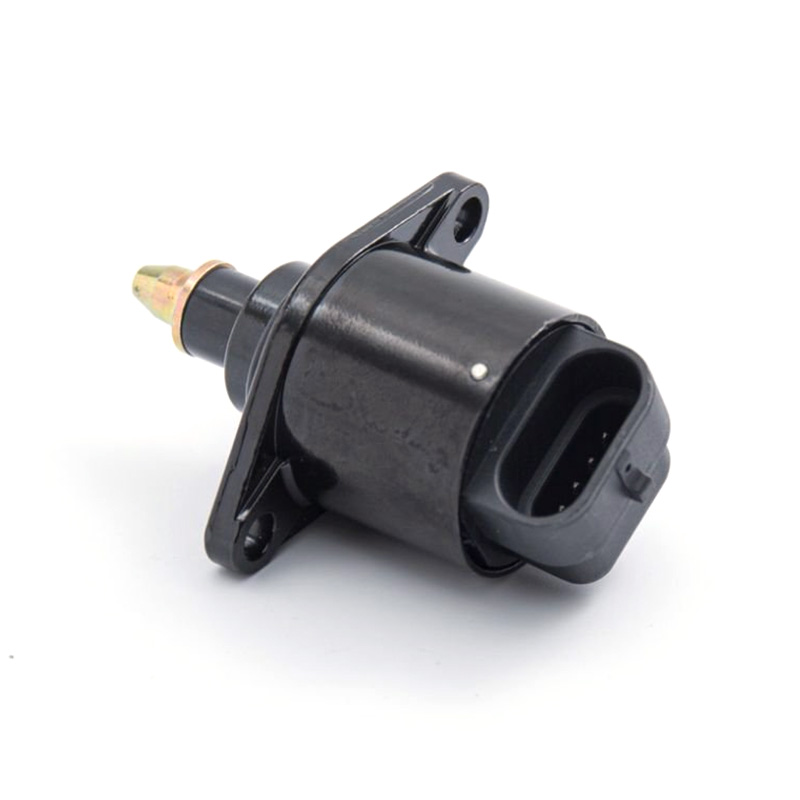
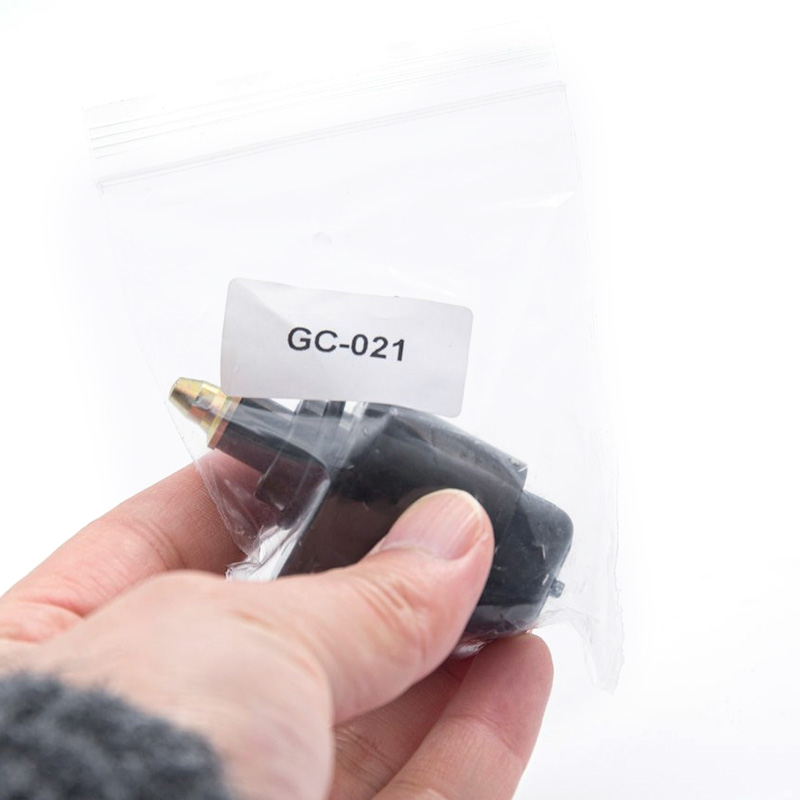
GC-021
REFERENCE OE:
MARELLI:230016079047
SIMENCE:A95262 1920Q8
CITRO NO:95644634
RENAULT:7701204054
APPLICATION:
CITROEN AX;PEUGEOT 106I/II;PEUGEOT 205 I/II;PEUGEOT 306/306 Schraqheck;RENAULT TWINGO
Idle air control valve selling,China manufacture quality!
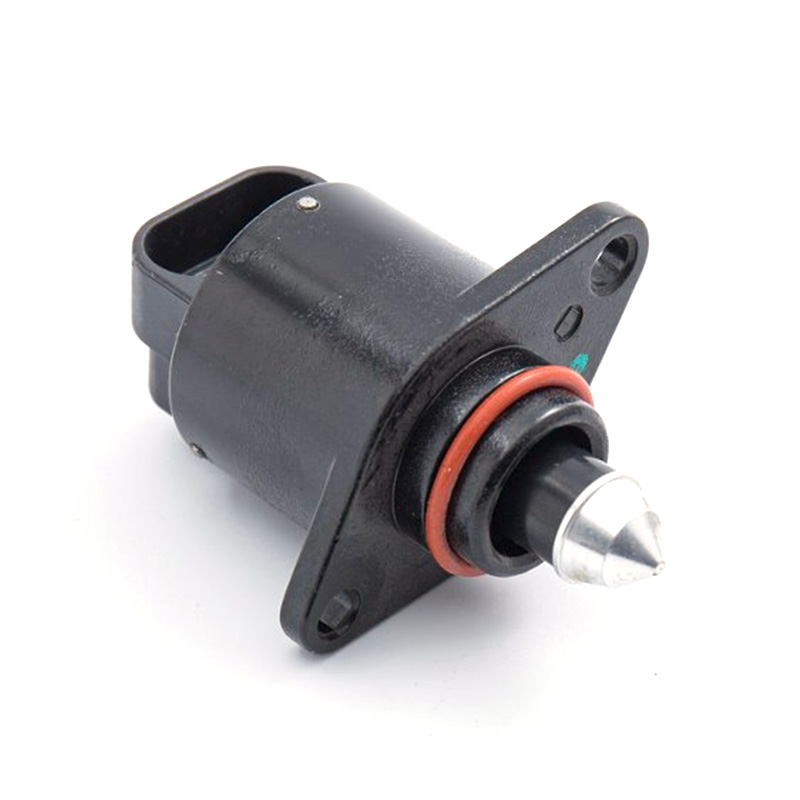
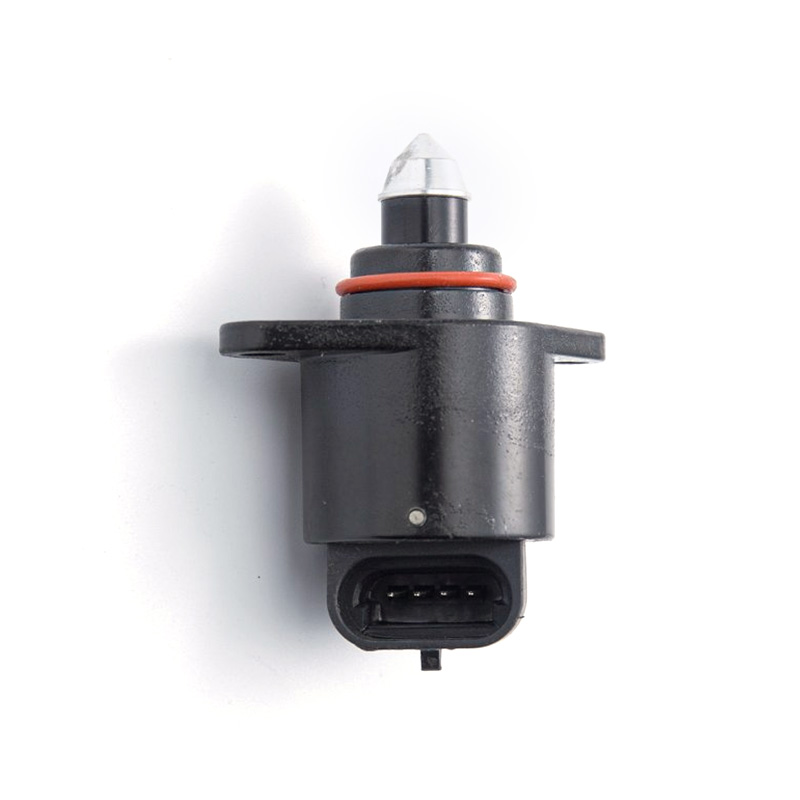
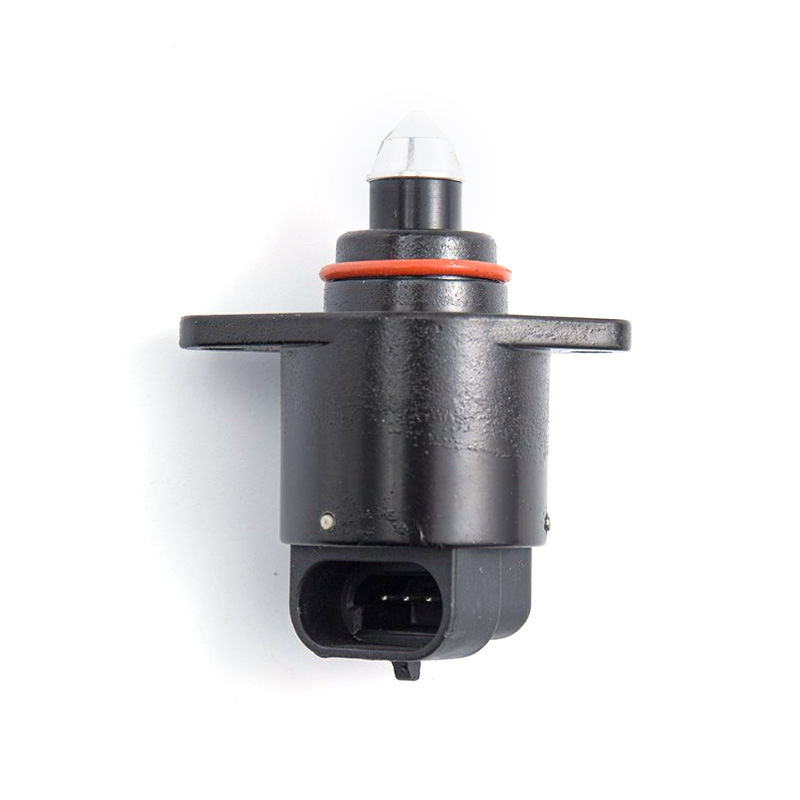
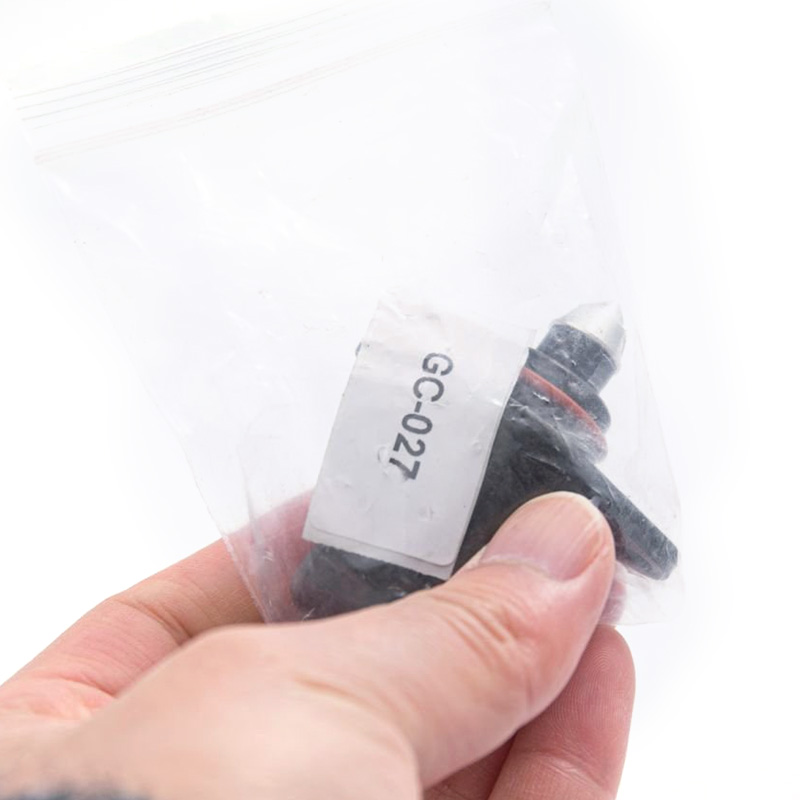
GC-027
REFERENCE OE:
STD: AC64 WELLS:AC132
DELPHI: ICD00126
GM:17059600; 17112898
APPLICATION:
IPANEMA 1.8/2.0 EF191>,KADETT1.8/2.0 EF191>,MONZA 1.8/2.0 Ef191>
Idle air control valve from China factory for Ipanema Kadett Monza.
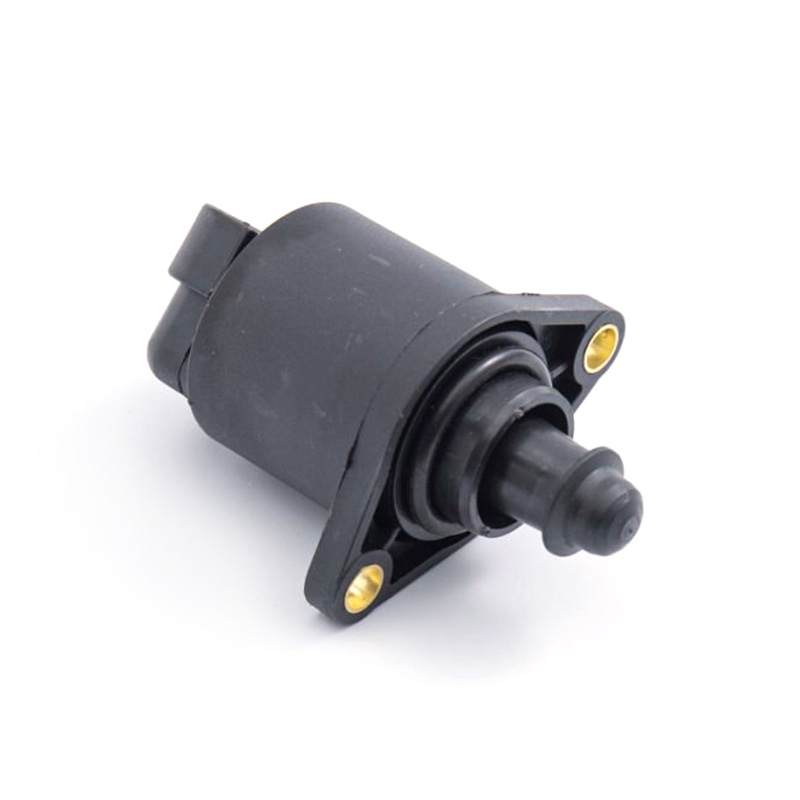
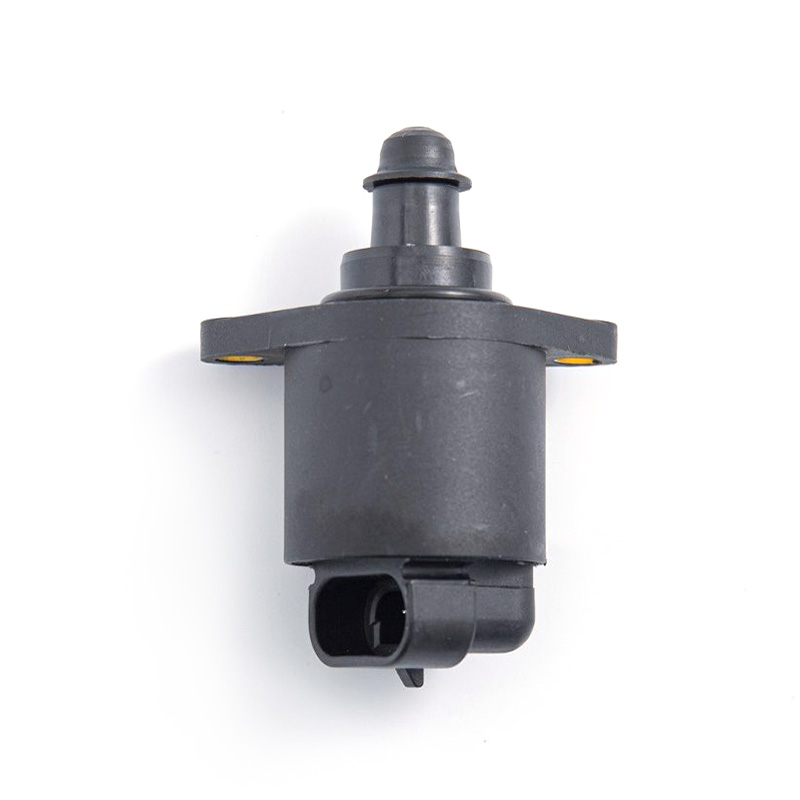
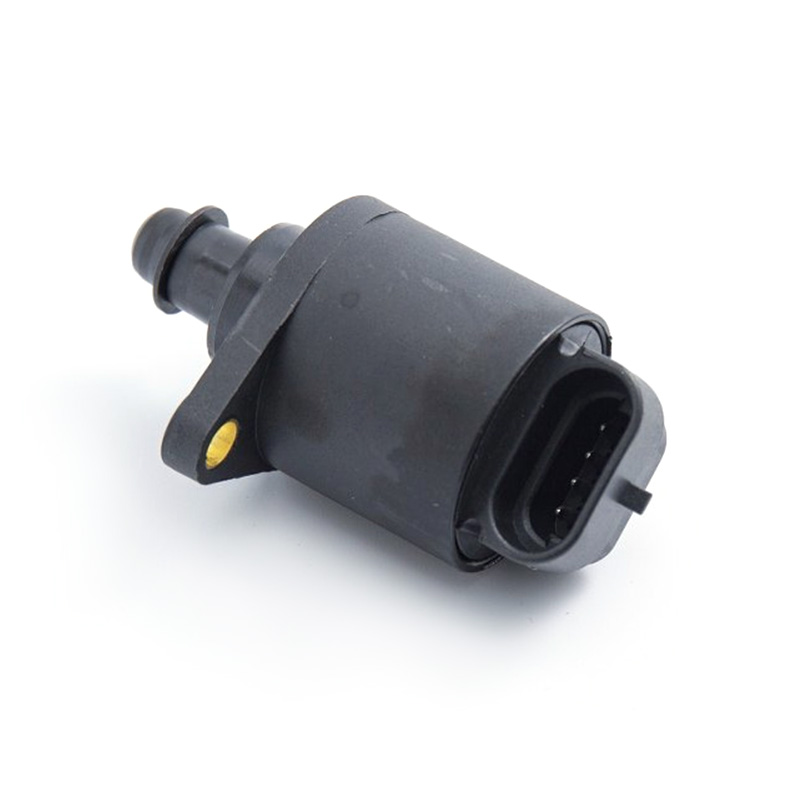
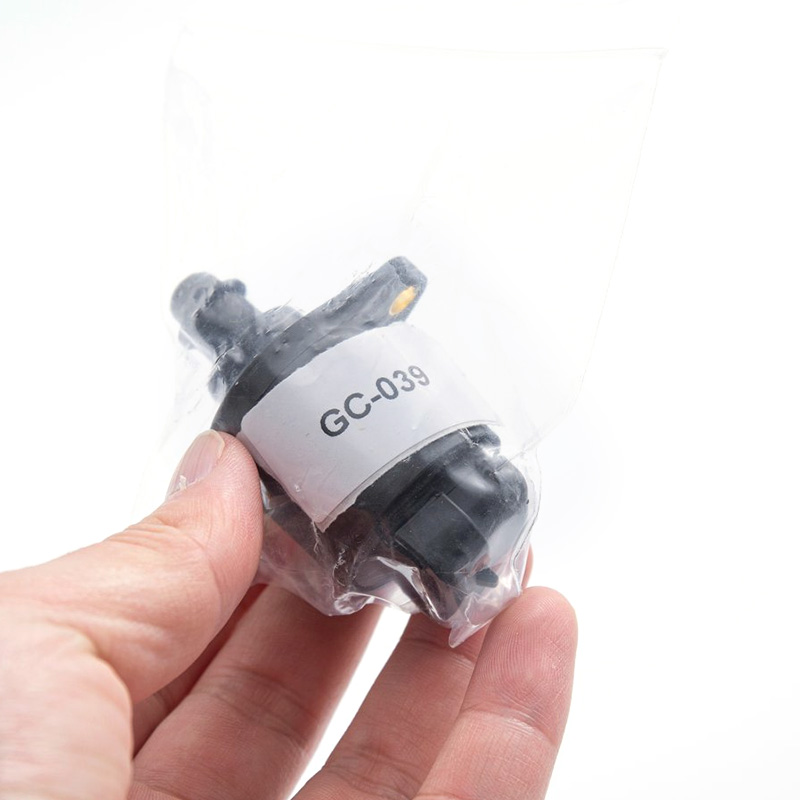
GC-039
REFERENCE OE:
MARELLI:B35/00
MARELLI:801001185201
PSA:1920AH
APPLICATION:
PEUGEOT 206 1.1 EOBD
Idle air control valve from China factory for Peugeot 206.
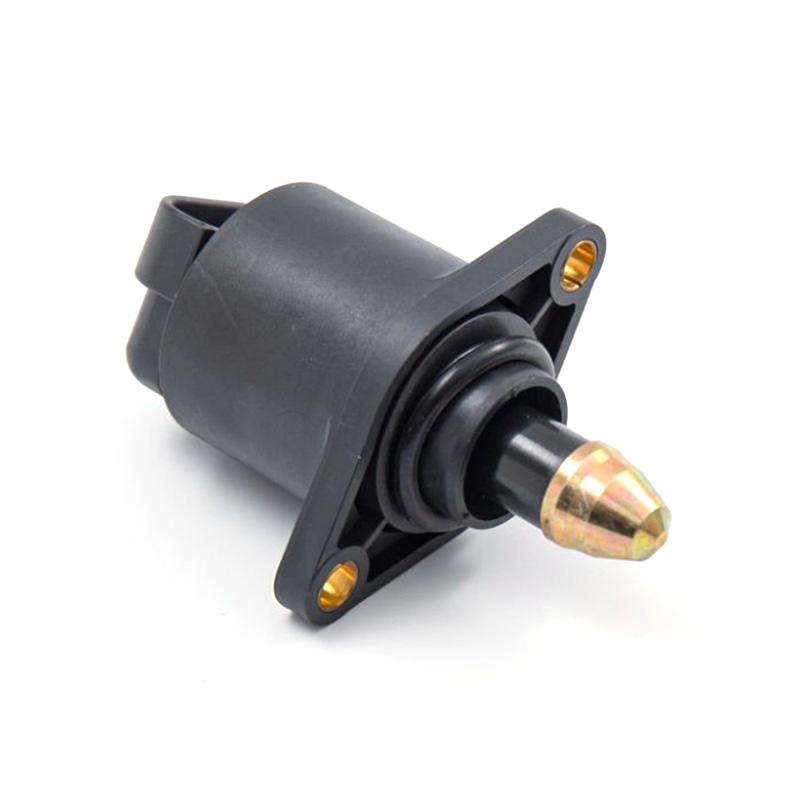
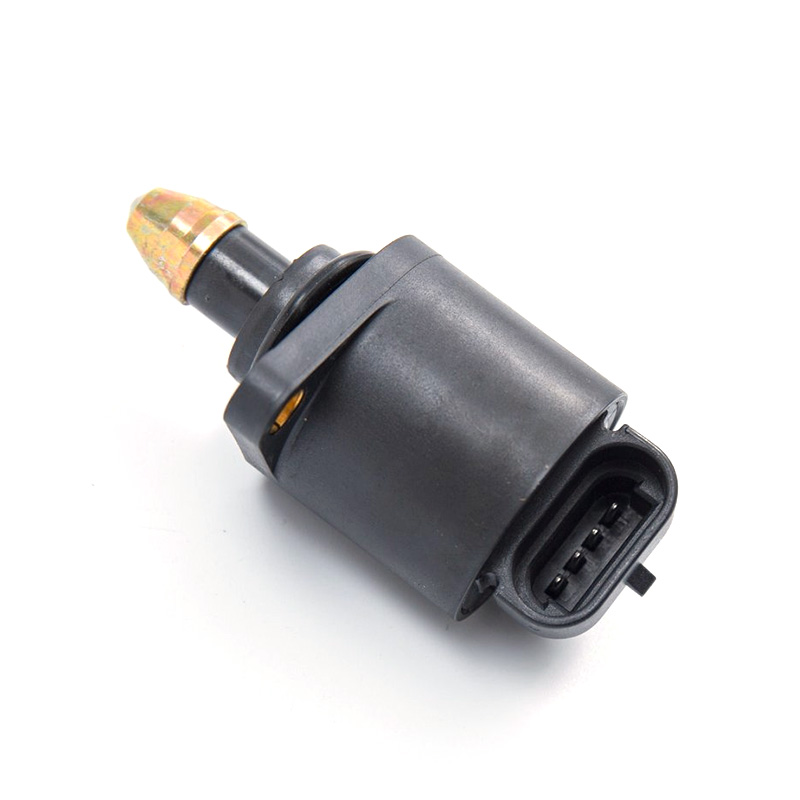
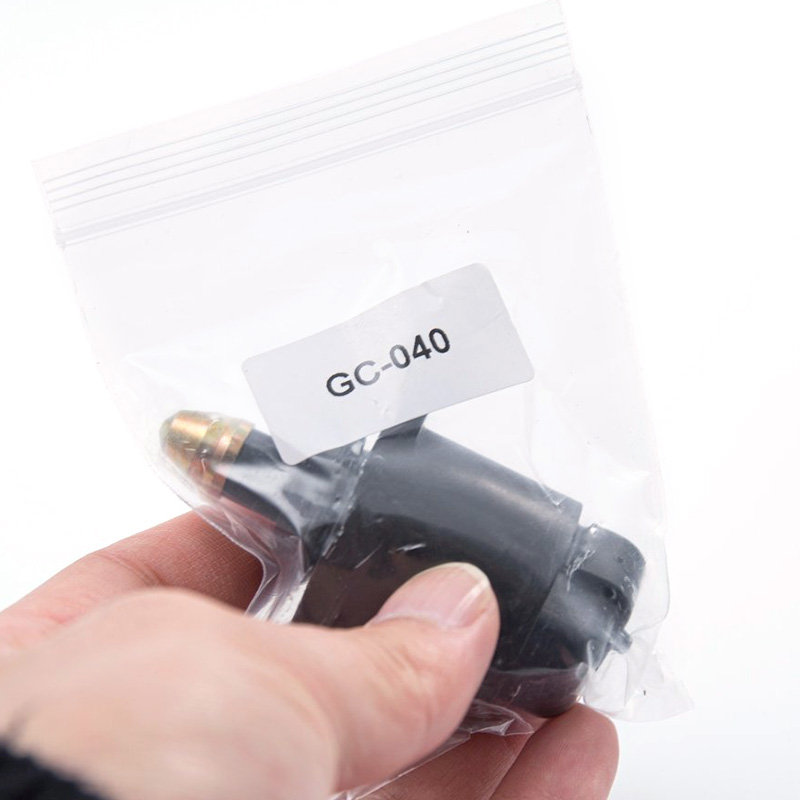
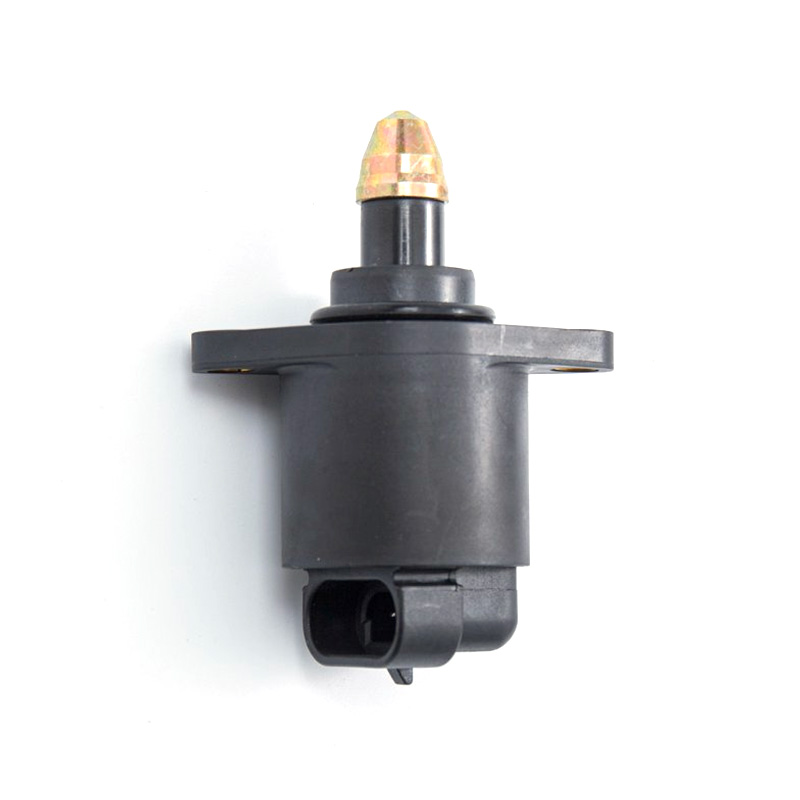
GC-040
REFERENCE OE:
SHORT CODE:B04/01 D5131
MARELLI:230016079057
PEUGEOT:1920N1
SIMENCE:A95269
APPLICATION:
PEUGEOT 205 I Cabriolet(741B,20D)1.6CJ;
PEUGEOT 205 II(20A/C)1.6 Aut;
PEUGEOT 306(7B,N3,N5)1.8/2.0ST;
306 Break(7E,N3,N5)1.8;
PEUGEOT 306 Cabriolet(7B,N3,N5)1.8/2.0ST;
PG 306 Schraqheck(7A,7C,N3,N5)1.8/2.0 Xsi;
PG 309 II(3C,3A)1.6;
PG 405/Break(15B)1.6;
PG405 II(4B)1.6/1.8/2.0/2.0 X4;
PG 406;PG 806;PG BOXER Bus
Idle air control valve from China factory for Peugeot 205 306.
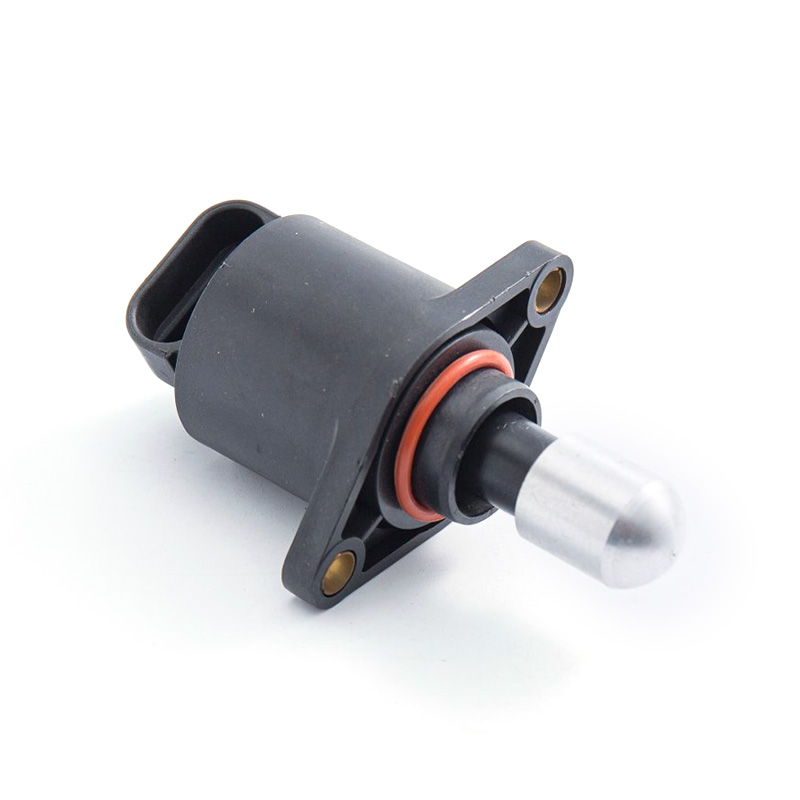
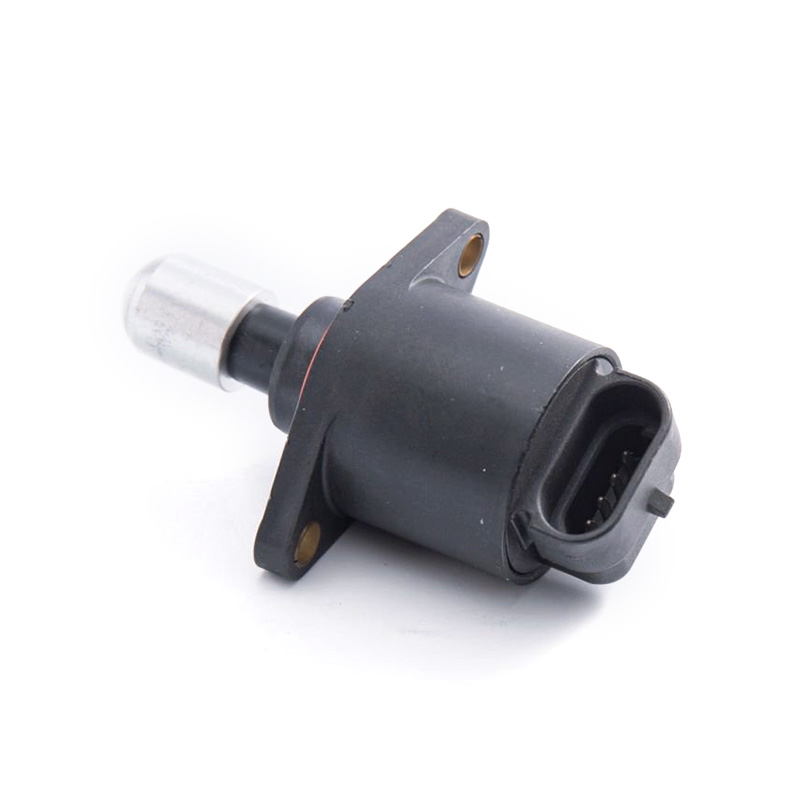
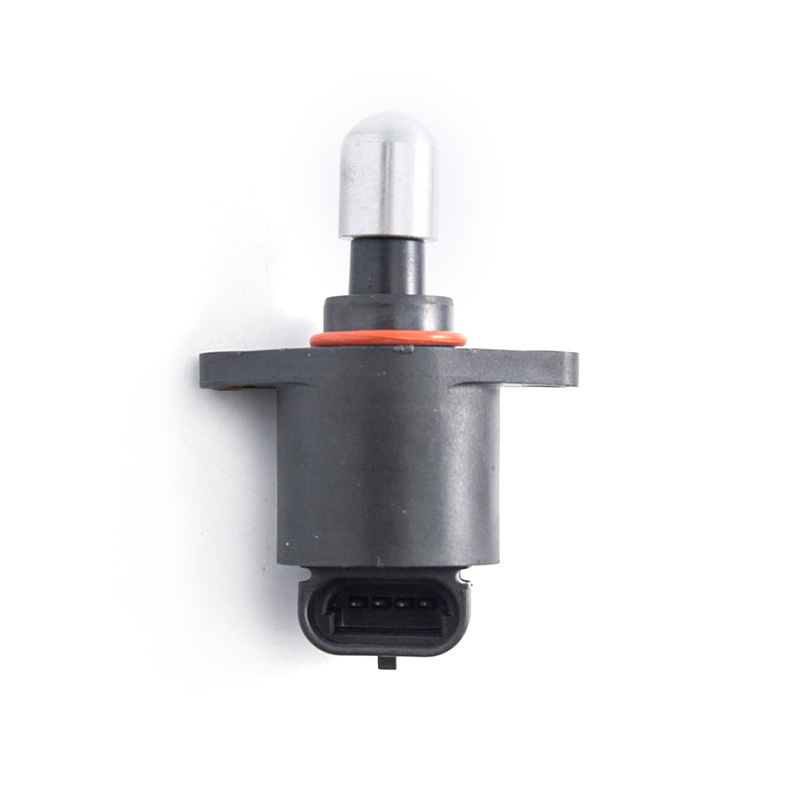
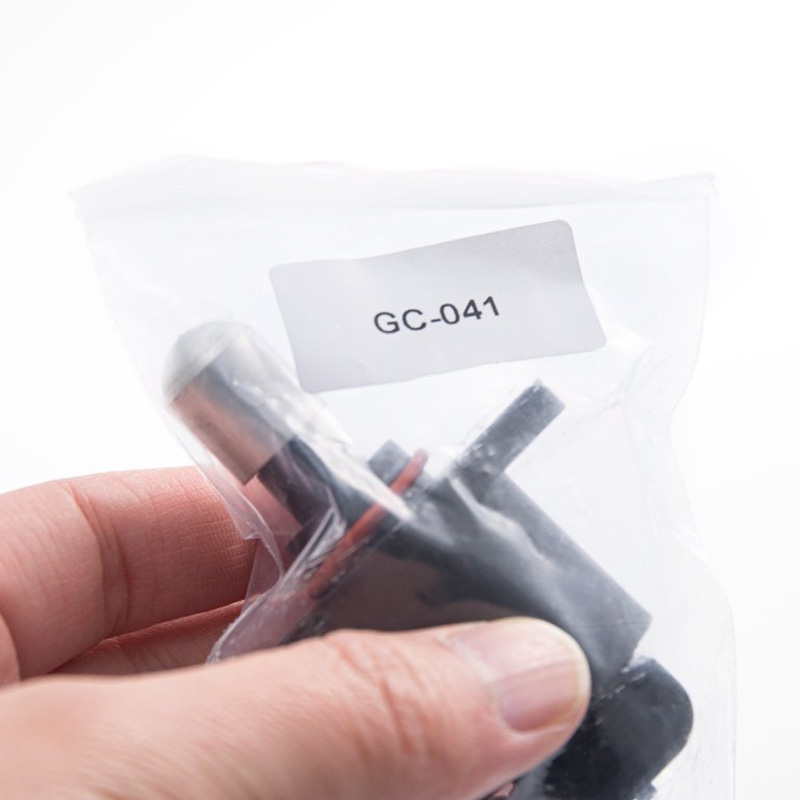
GC-041
REFERENCE OE:
R008/2243
APPLICATION:
KIA GAS
Idle air control valve from China factory for Kia.
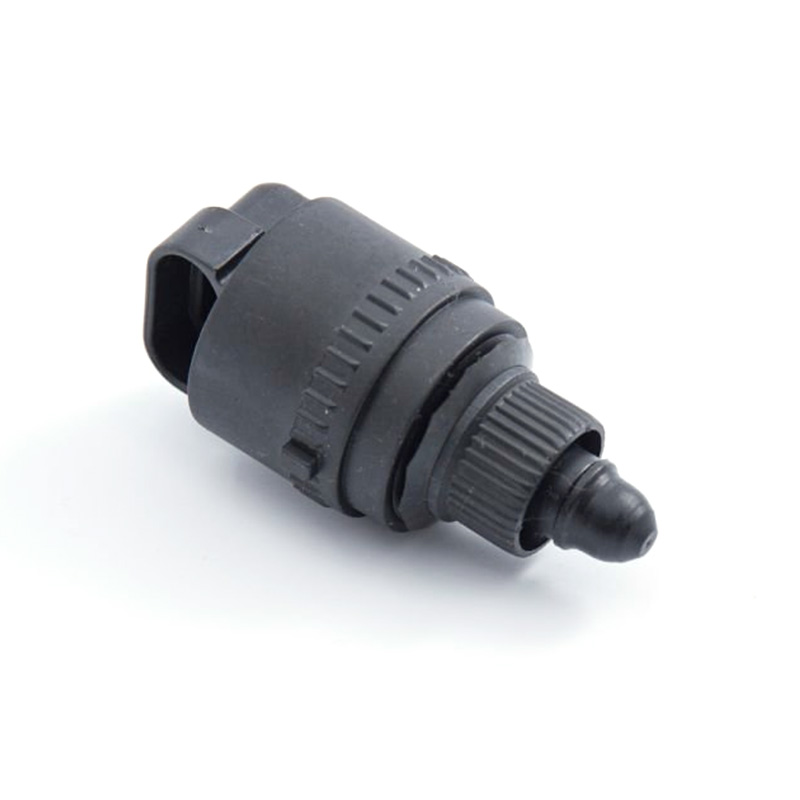
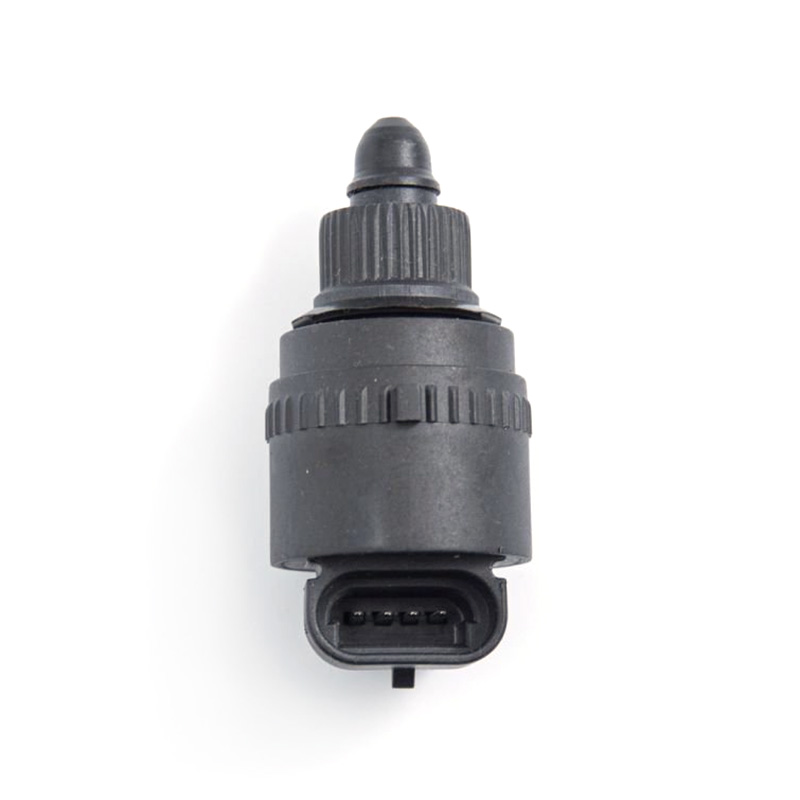
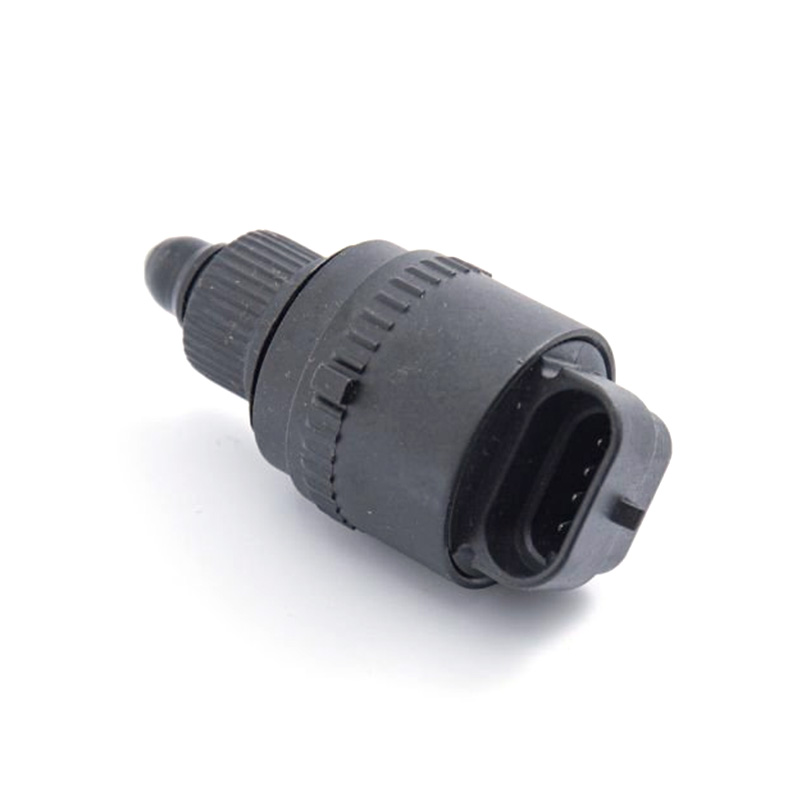
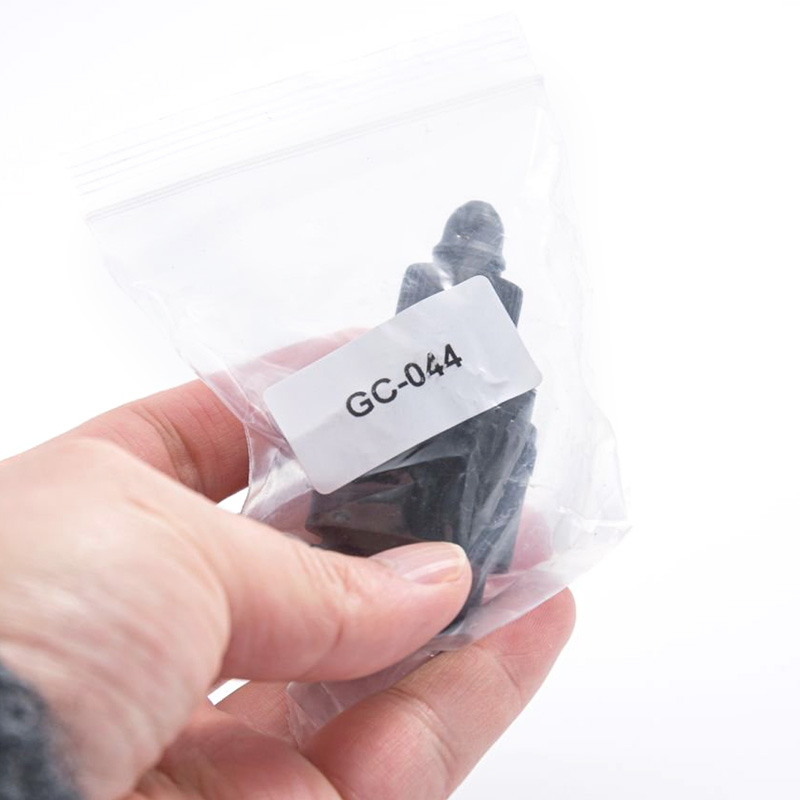
GC-044
REFERENCE OE:
IB01/00
40442902
71718105
APPLICATION:
FIAT 500 1.2;Boblo;Grande Punto;Idea 1.4;Linea 1.4;Palio(178BX)1.2;Panda;Punto;Lanci Musa 1.4;Y(840A)1.2;Ypsilon 1.2 1.4
Idle air control valve from China factory for Fiat Palio.
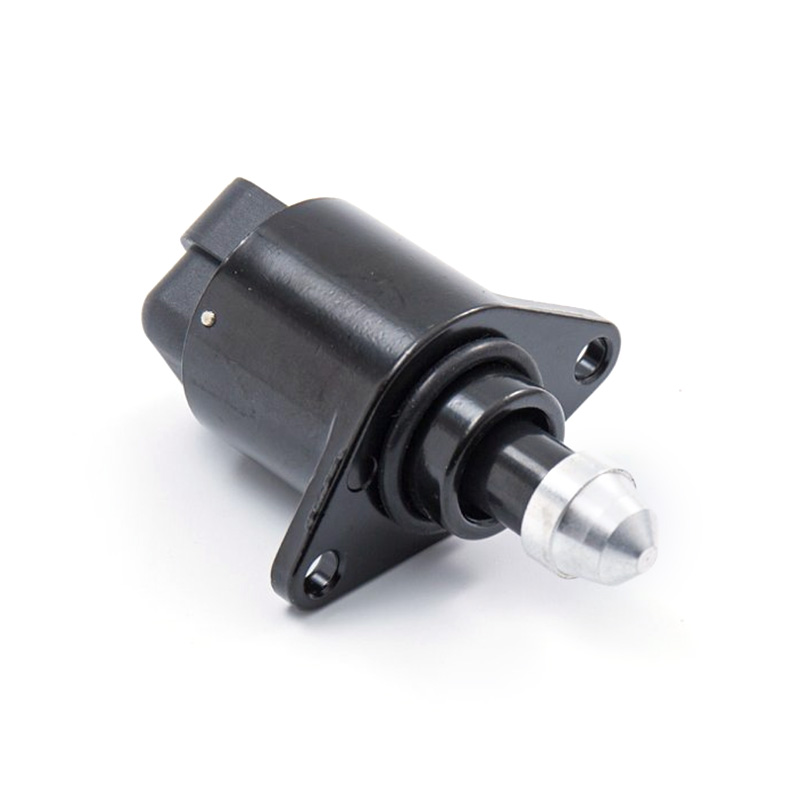
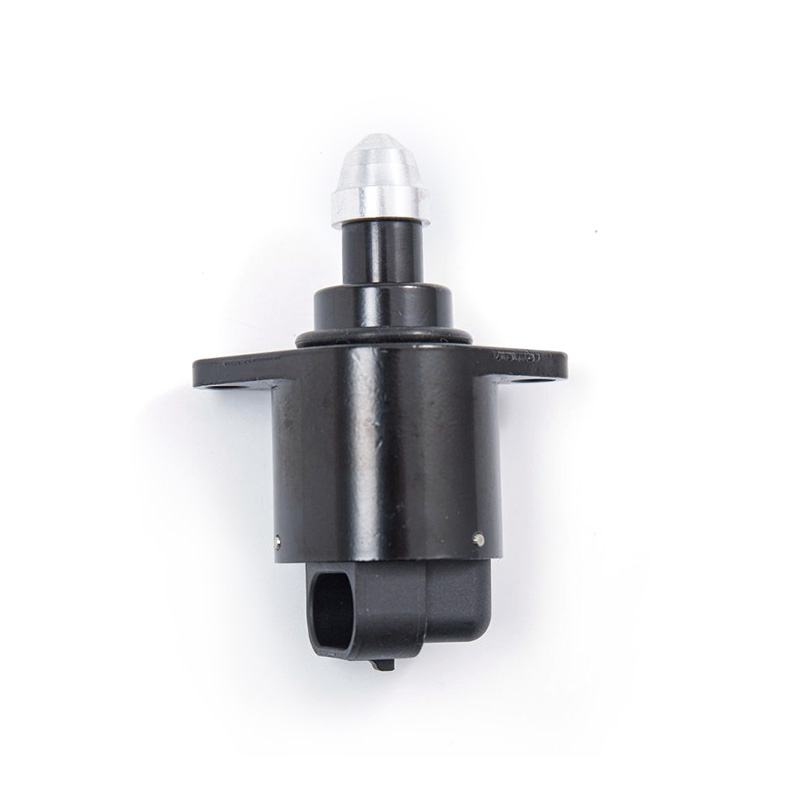
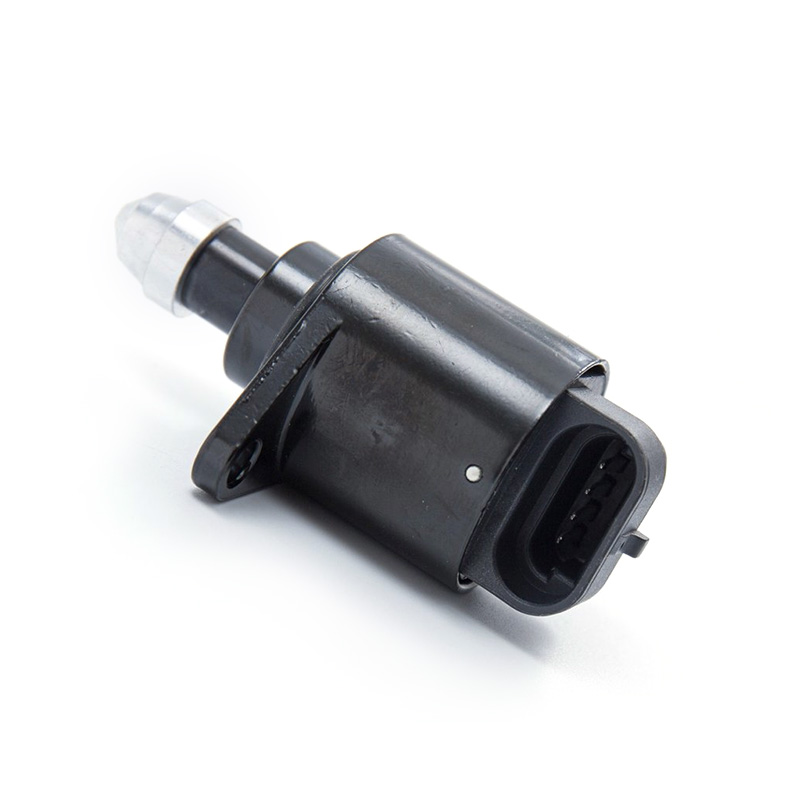
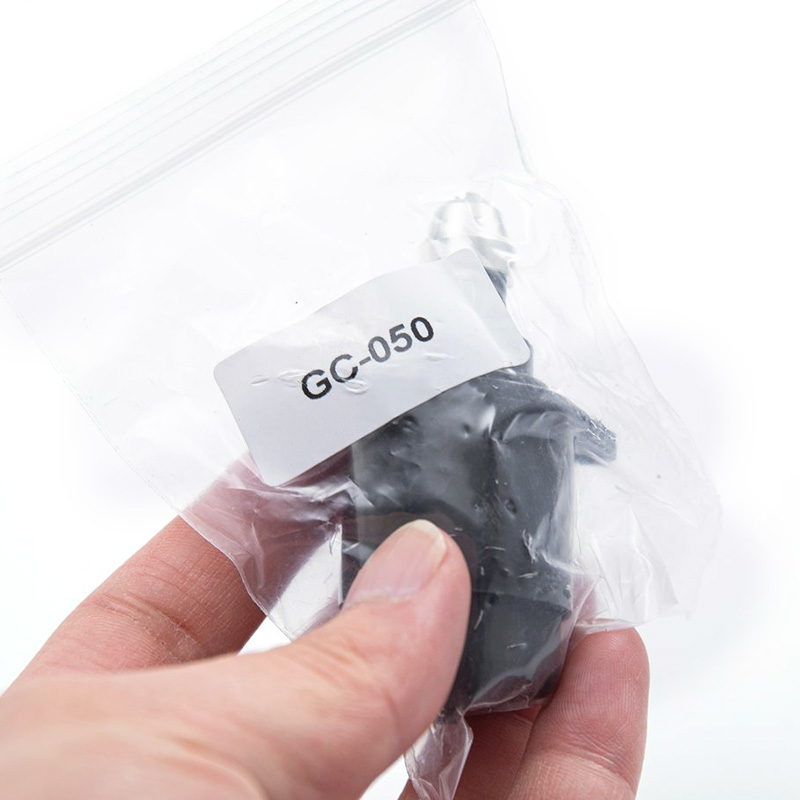
GC-050
REFERENCE OE:
PEUGEOT:19202Q
B17/00
APPLICATION:
CITRO SAXO(S1,S1)1.6VTS;PEUGEOT 106II(1) 1.6 S16
Idle air control valve from China factory for Citroen Peugeot.
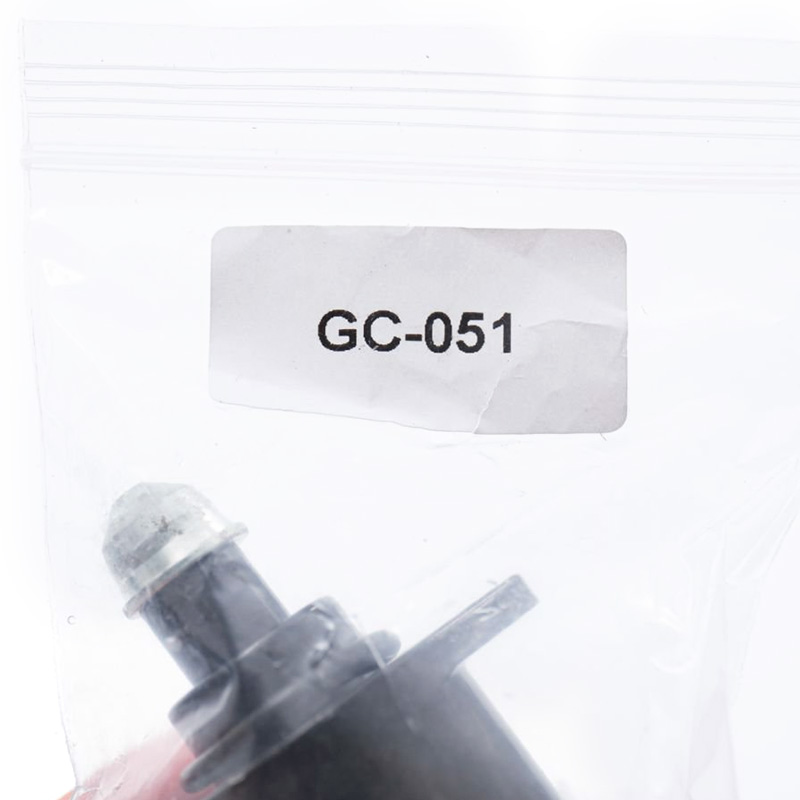
GC-051
REFERENCE OE:
PEUGEOT:19205F
APPLICATION:
CITRO SAXO(S0,S1)1.4VTS 1.6VTS;PEUGEOT 106 II(1) 1.4i;206 Schraqheck(2A/C)1.4i
Idle air control valve from China factory for Citroen Saxo Peugeot 106 206.
Contact Us
Let's start collaborating

Guocheng is specialized in the R&D and production of key engine components for the automotive and engineering machinery industries.
Product
Stay Connected
(+86) - 577 - 8582 0886 (Tel)
(+86) - 577 - 8582 8085 (Fax)
(+86) - 19730213059 (Phone)
sales@wz-gc.com
No. 205, Baiyu Road, 15th Road, Binhai Park, Wenzhou, Zhejiang, China
Mobile

ODM Engine Management System Components
 English
 русский
 Español
 عربى
عربى Deutsch