Date:Oct 09, 2026
Choosing an automotive sensor supplier involves more than comparing unit prices. Importers must assess product compatibility, electrical performance, manufacturing consistency, documentation, and after-sales support before committing to a purchasing agreement. A supplier's ability to provide verifiable technical information can make a significant difference to inventory management and customer satisfaction.
At Wenzhou Guocheng Automobile Electrical Parts Co., Ltd., we manufacture automotive electronic components, including throttle position sensors, idle air control valves, and related engine management products. We understand the practical requirements of distributors serving different vehicle applications and believe that clear specifications and consistent quality processes are essential to long-term supply relationships.
An electronic throttle position sensor measures throttle position and sends corresponding signals to the engine control unit (ECU). Depending on the vehicle design, these signals help the control system determine throttle opening and coordinate engine operation. Importers should therefore evaluate both the physical component and its electrical characteristics before approving a supplier.
Throttle position sensors are not universally interchangeable. Differences in mounting dimensions, connector configurations, output characteristics, and throttle body designs can affect compatibility.
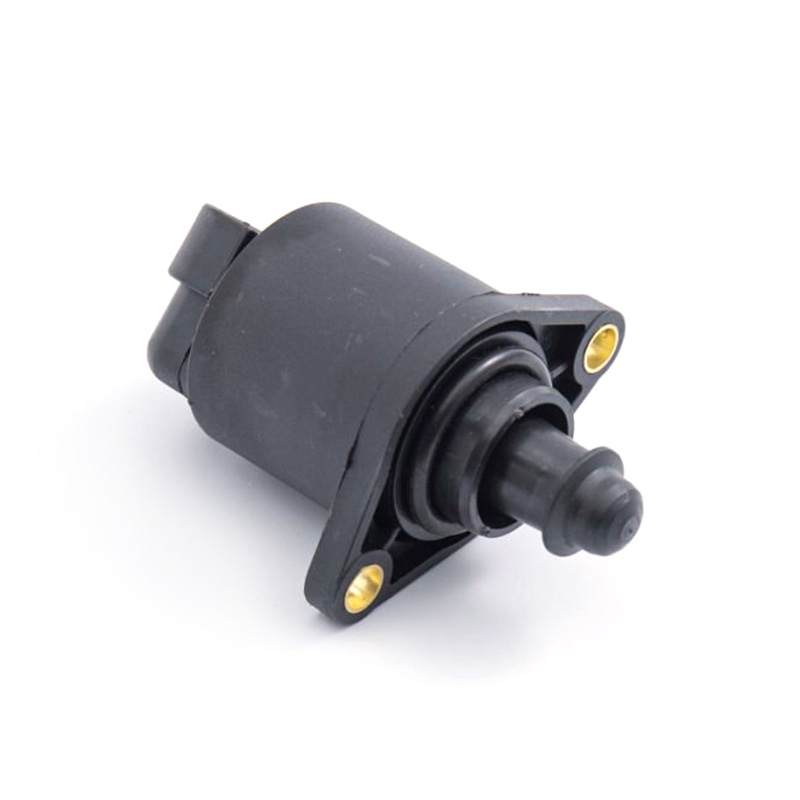
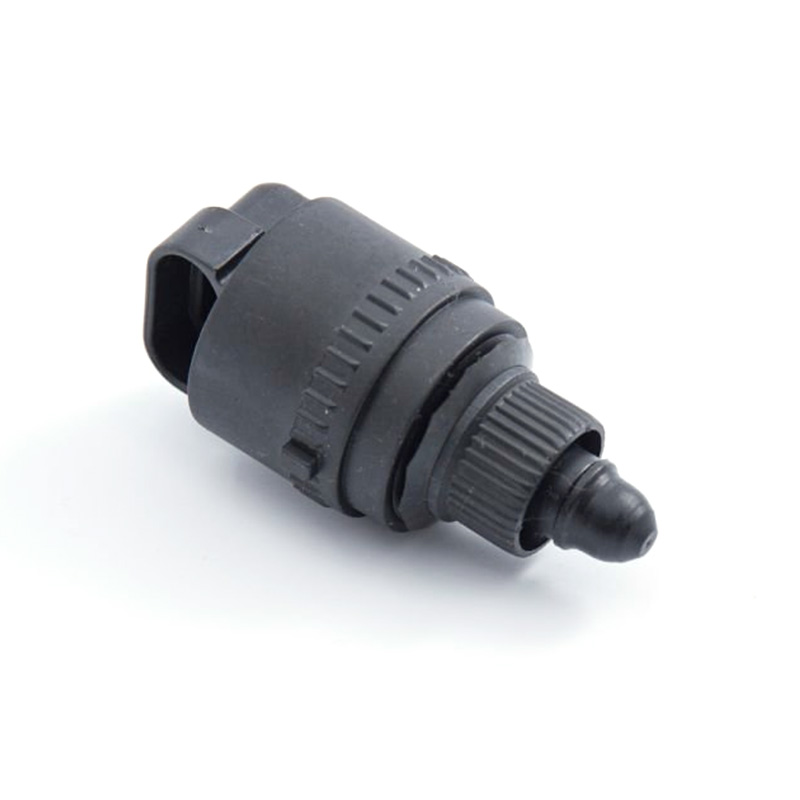
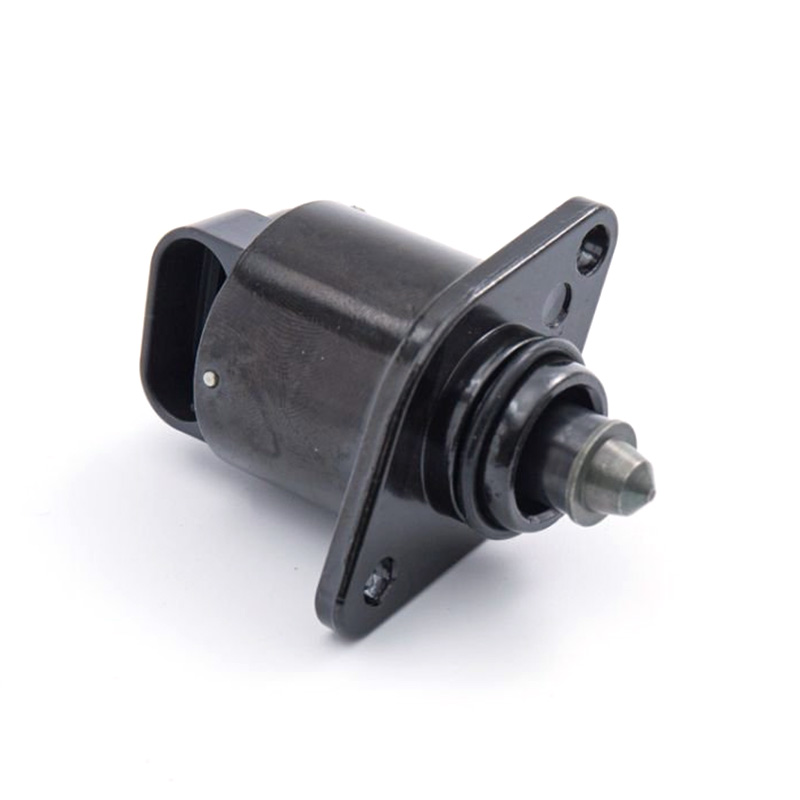
Importers should request clear product photographs and available technical drawings rather than relying exclusively on catalog descriptions. Accurate application records also help purchasing teams reduce incorrect shipments and organize replacement inventories.
Physical compatibility does not guarantee that a sensor will provide the correct signal. Depending on the design, a throttle position sensor may use a potentiometric element or contactless sensing technology, such as a Hall-effect arrangement. Different applications can require different output curves, voltage ranges, and electrical interfaces.
| Evaluation item | Evidence to request |
| Signal output | Applicable output range, response characteristics, and acceptance limits |
| Electrical specifications | Specified supply voltage, terminal assignments, and relevant resistance data |
| Dimensional accuracy | Inspection results compared with approved drawings |
| Environmental durability | Applicable temperature, vibration, and moisture-resistance test information |
| Functional consistency | Production test procedures and documented acceptance criteria |
At Guocheng, we encourage buyers to discuss the technical requirements of their intended applications before placing orders. Test values should always correspond to the specific sensor design; a generic voltage range or resistance figure cannot be applied to every product.
Importers need confidence that repeat shipments maintain the agreed specifications. A supplier should be able to explain its inspection procedures and identify how production batches are recorded.
Buyers can also request samples for evaluation before approving a larger order. Sample testing should cover the agreed application, connector fit, electrical output, and other characteristics relevant to the purchasing specification.
A competitive quotation should be evaluated alongside the supplier's communication, packaging arrangements, and warranty conditions. Unclear commercial terms can create additional expenses during importation and distribution.
These details help importers compare suppliers on the basis of total purchasing requirements rather than unit price alone.
Wenzhou Guocheng Automobile Electrical Parts Co., Ltd. was established in 1997 and specializes in the development, production, and sales of automotive electrical components. Our product range includes throttle position sensors, idle air control valves, idle speed motors, electronic accelerator pedal assemblies, and related sensor products.
We work with automotive parts buyers to clarify application references, review available product specifications, discuss OEM and ODM requirements, and coordinate packaging and shipment arrangements. Customers can provide OE numbers, vehicle details, or product photographs to help our team review their requirements.
Our approach focuses on clear communication and practical product information. Specific testing records, certifications, customization services, and application coverage should be confirmed for the requested product before an order is finalized.
Evaluating a throttle position sensor supplier requires a structured review of application compatibility, electrical performance, quality controls, traceability, and commercial support. Importers who verify these details before purchasing can make more informed sourcing decisions and manage their automotive parts inventories with greater confidence.
At Guocheng, we welcome inquiries from automotive parts importers, wholesalers, and distributors seeking throttle position sensors and related engine control components. Contact our team with your part numbers, target vehicle applications, and purchasing requirements to discuss suitable products and supply arrangements.
Related Products
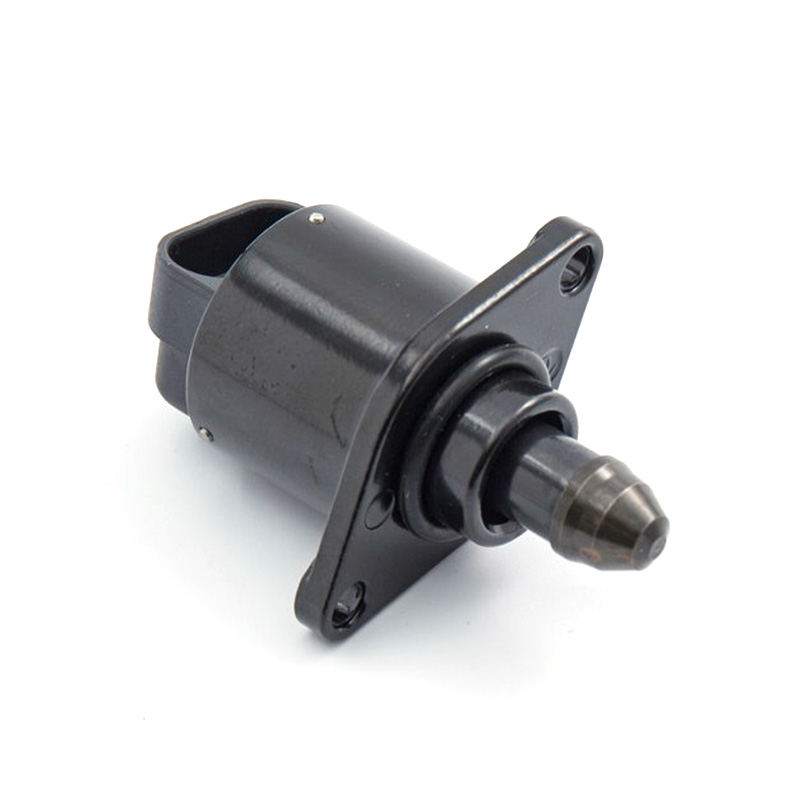
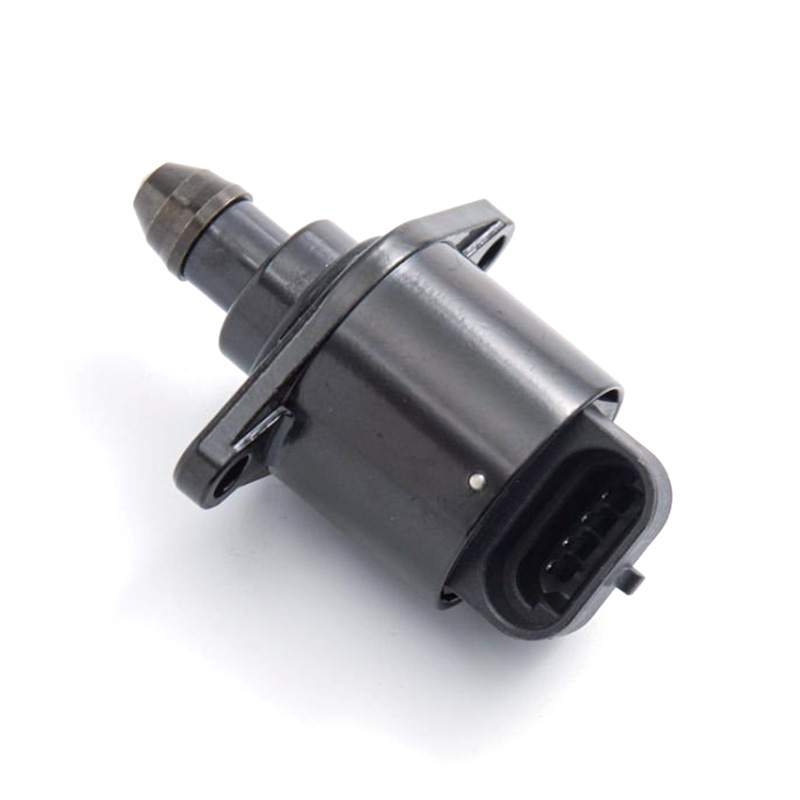
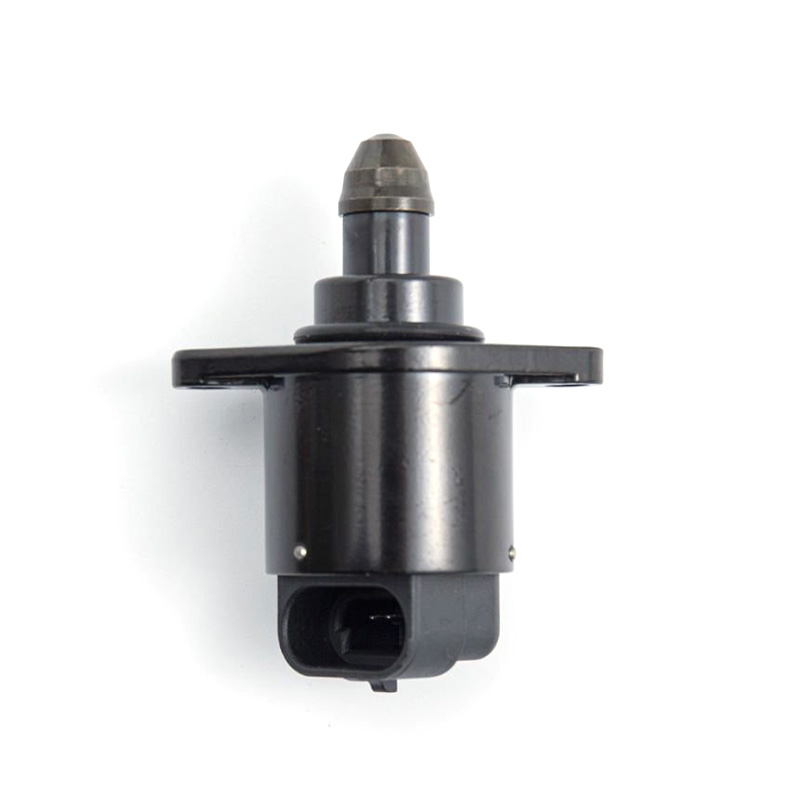
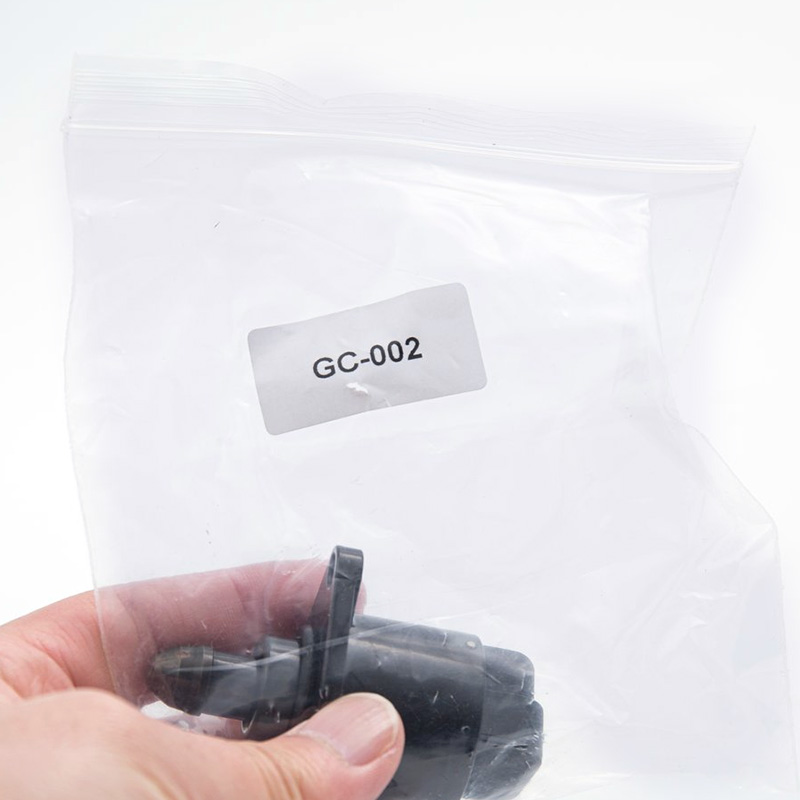
GC-002
REFERENCE OE:
SHORT CODE: B95/00
PEUGEOT: 1920X9 C95197
APPLICATION:
PEUGEOT 306 Break/Cabriolet/Schraqheck;PEUGEOT 405 II Break; PEUGEOT 406 Break/Coupe;
PEUGEOT 605 806;PEUGEOT BOXER Bus/Kasten/Pritsche/Fahrqestell
China original factory for idle air control valve and different kind of sensors with high quality and competitive price!
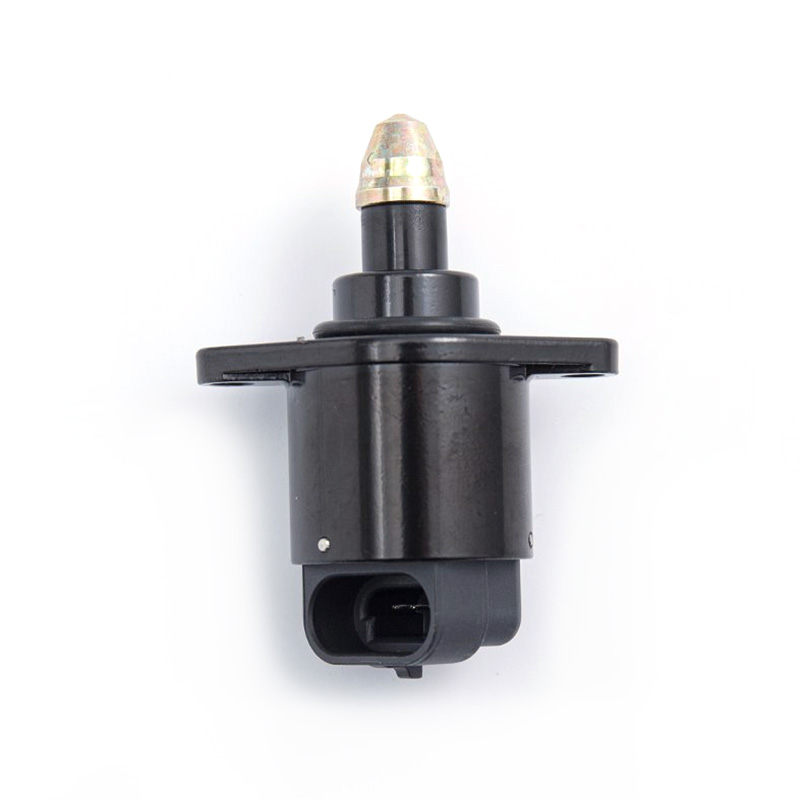
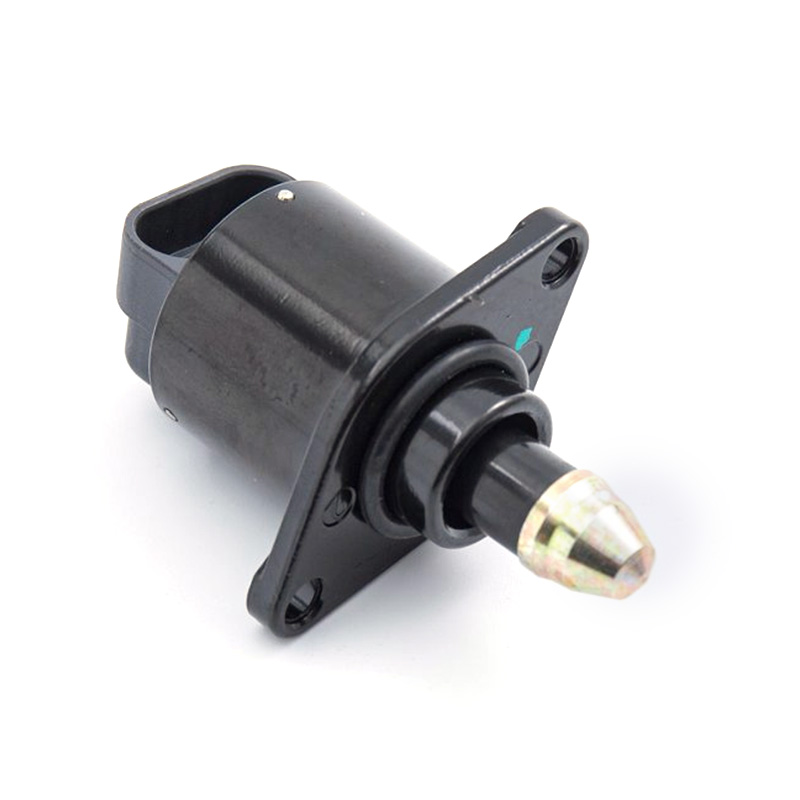
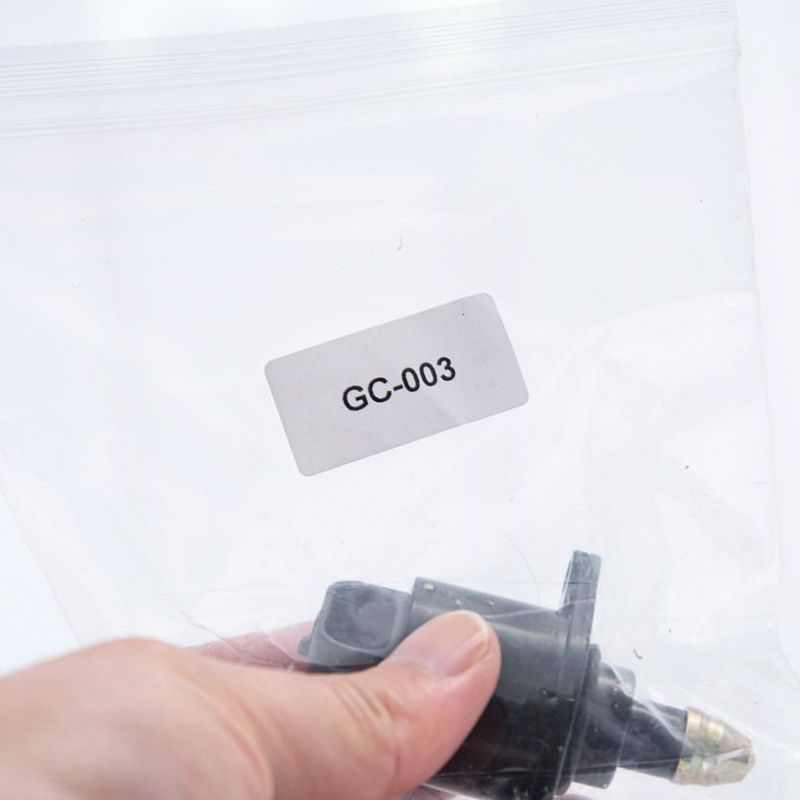
GC-003
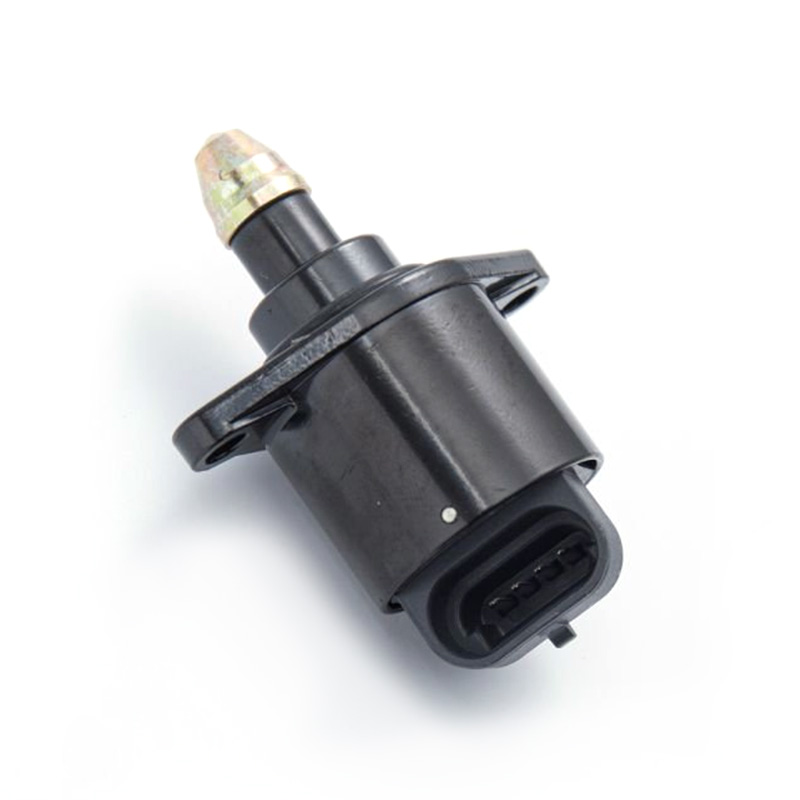
REFERENCE OE:
SHORT CODE:B04/01 D5131
MARELLI:230016079057
PEUGEOT:1920N1
SIMENCE:A95269
APPLICATION:
PEUGEOT 306 Break/Cabriolet/Schraqheck;PEUGEOT 405 II Break; PEUGEOT 406 Break/Coupe;
PEUGEOT 605 806;PEUGEOT BOXER Bus/Kasten/Pritsche/Fahrqestell
China manufacture for wholesale and retail, idle air control, crankshaft valve, camshaft valve, Throttle position sensor, and many kind of sensors.
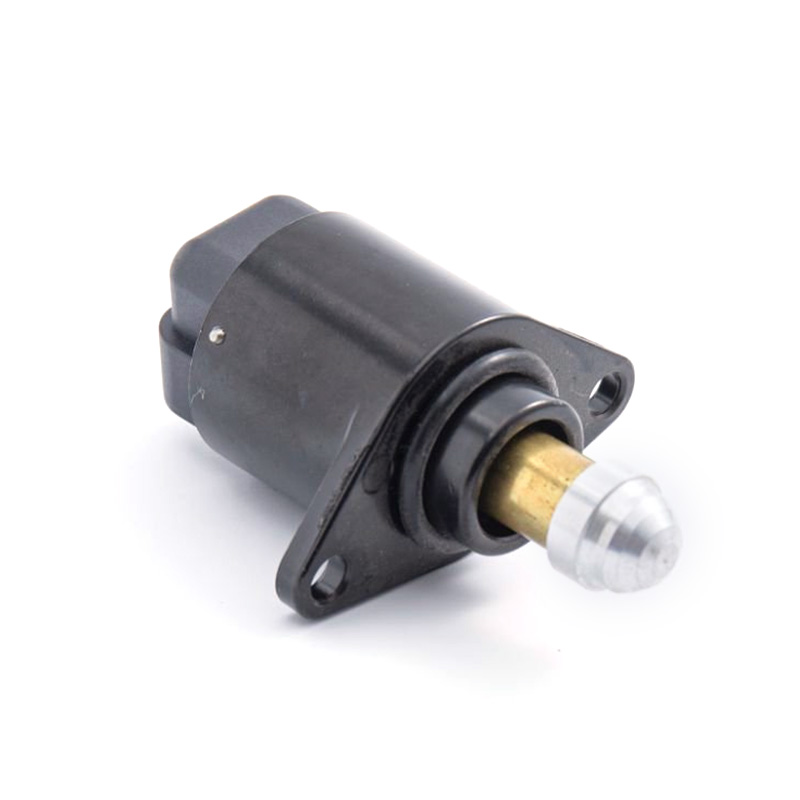
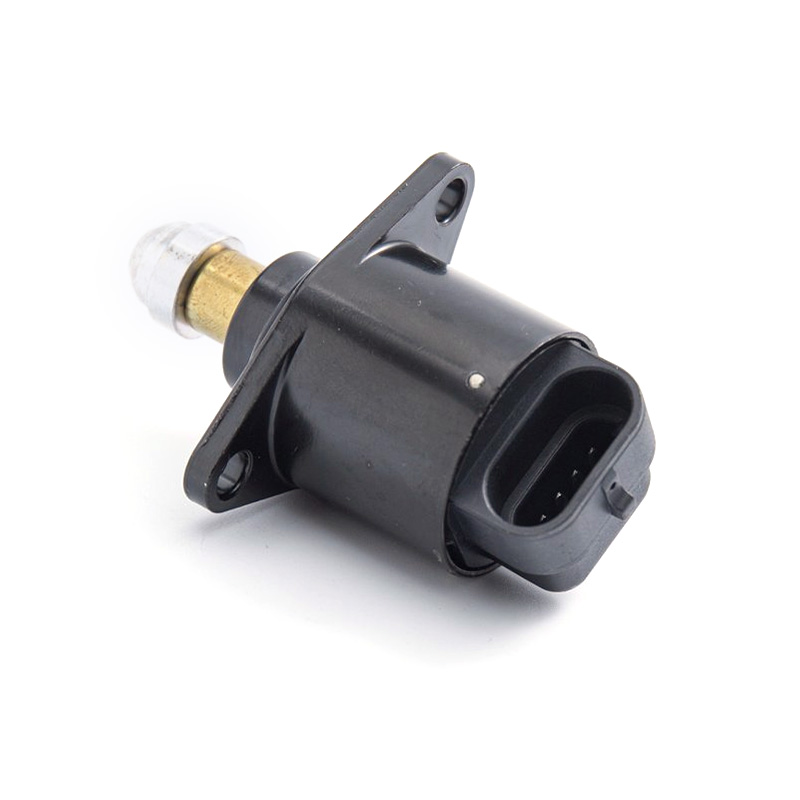
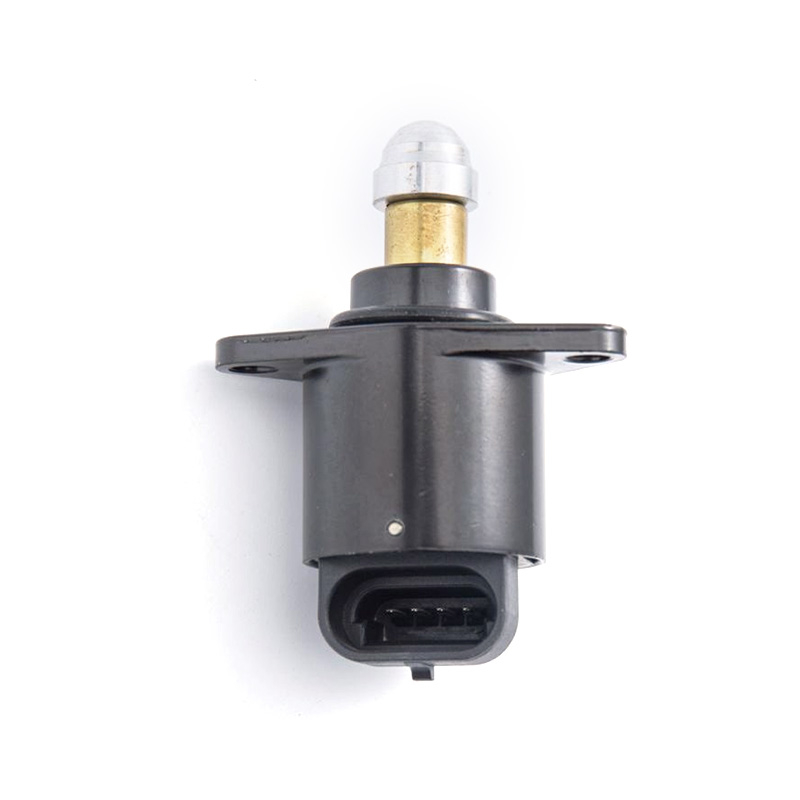
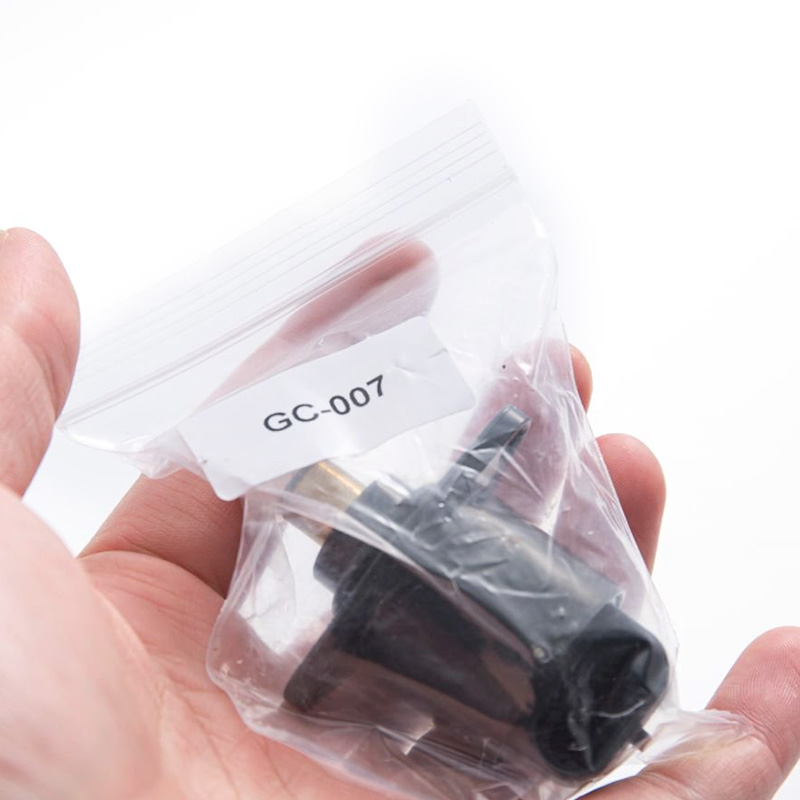
GC-007
REF OE:
SIMENCE:A96158 A97116
PEUGEOT:19208X;1920.8X
MARELLI:230016079217
APPLICATION:
PEUGEOT 206 CC(2D)2.0 S16;PEUGEOT 206 SW(2E/K)2.0 16V;PEUGEOT 307;
PEUGE 406/Break/Coupe;PEUGE 806/807;PEUGE EXPERT(224)2.0
China auto parts factory for idle air control valve and many kind of sensor imprting and exporting.
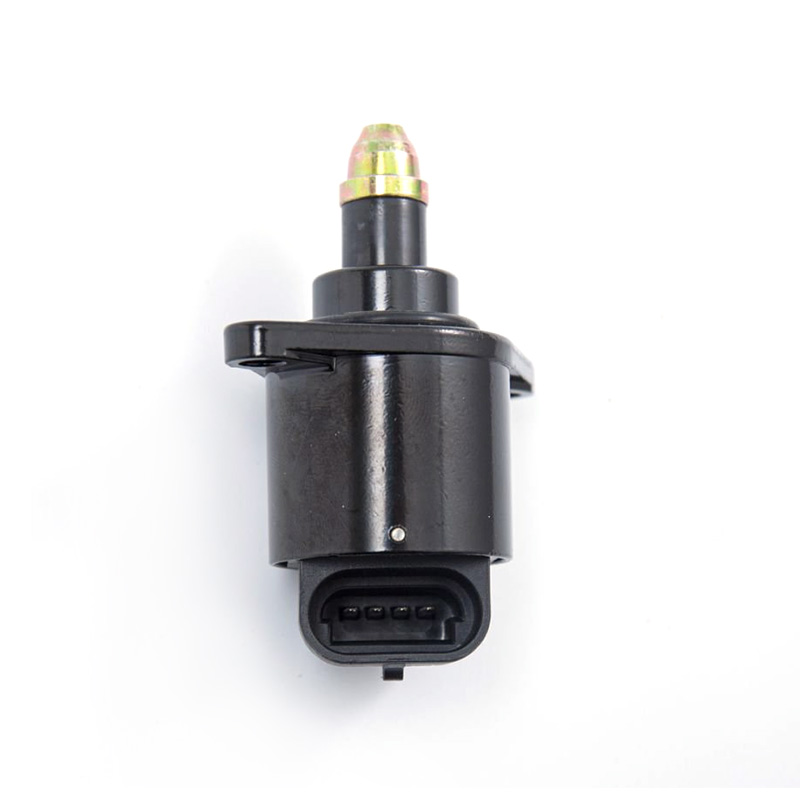
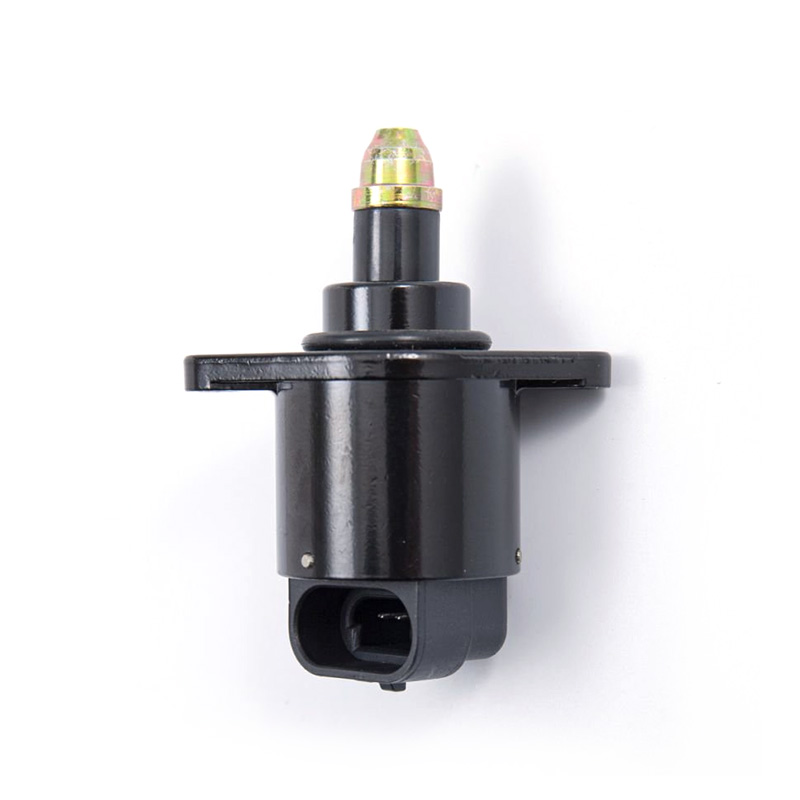
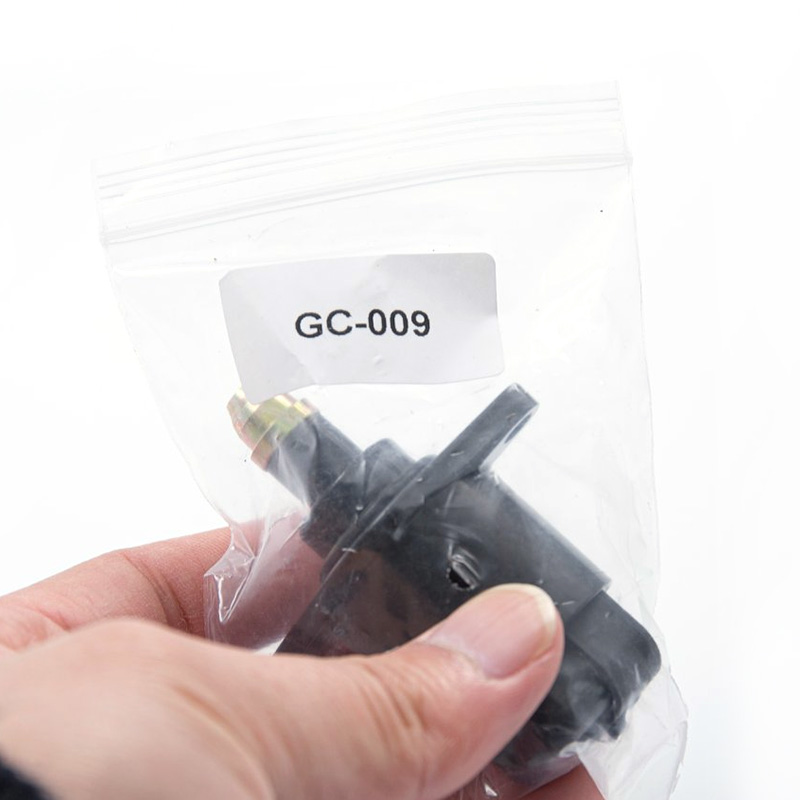
GC-009
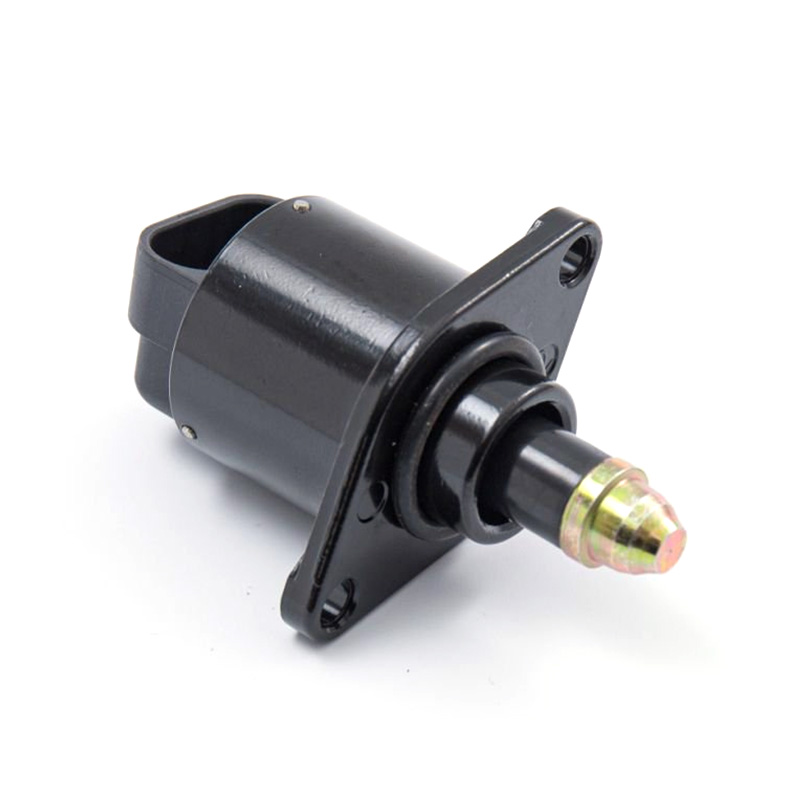
REF OE:
SHORT CODE:D5150
MARELLI:40430102 7079064
VW: 0279980491
VDO: AT-05150R
APPLICATION:
Gol/Parati/Quantum/Santana1.8/Saveiro 1.6,1.8 todos MPFI alcool 96>>
Gol/Parati/Polo Classic 1.8/Quantum/Santana 1.8,2.0/Saveiro 1.6,1.8,2.0/Van 1.6 todos MPFI gasolina 96>>
Idle air control valve whole sale price,direct from China factory.
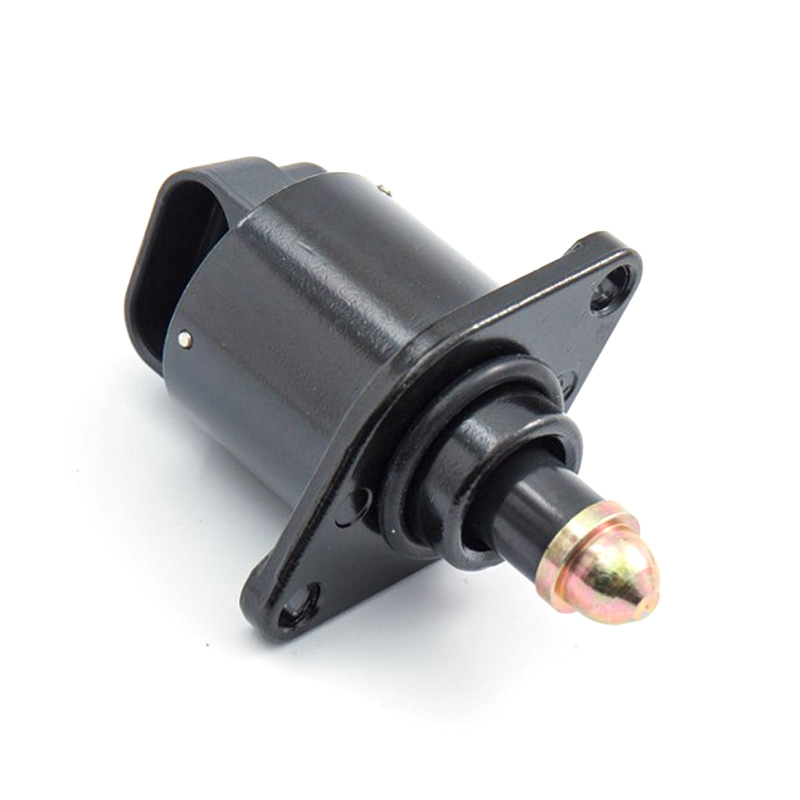
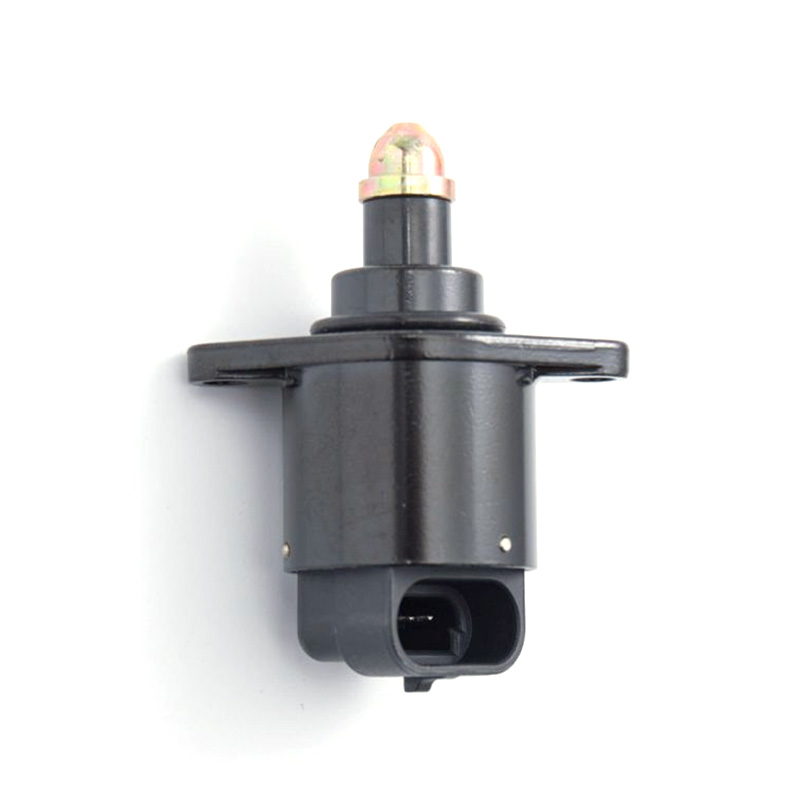
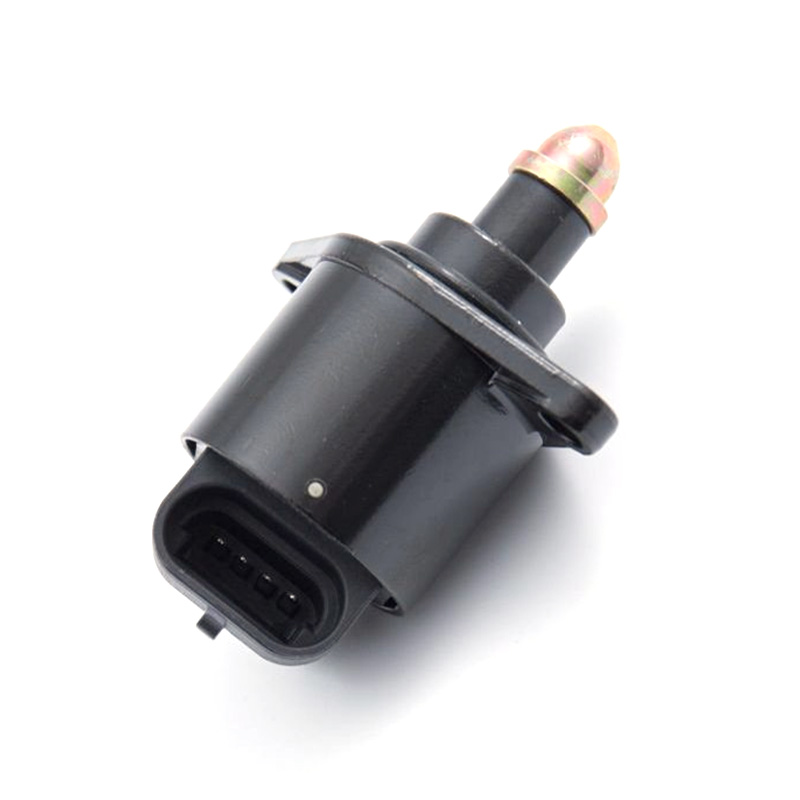
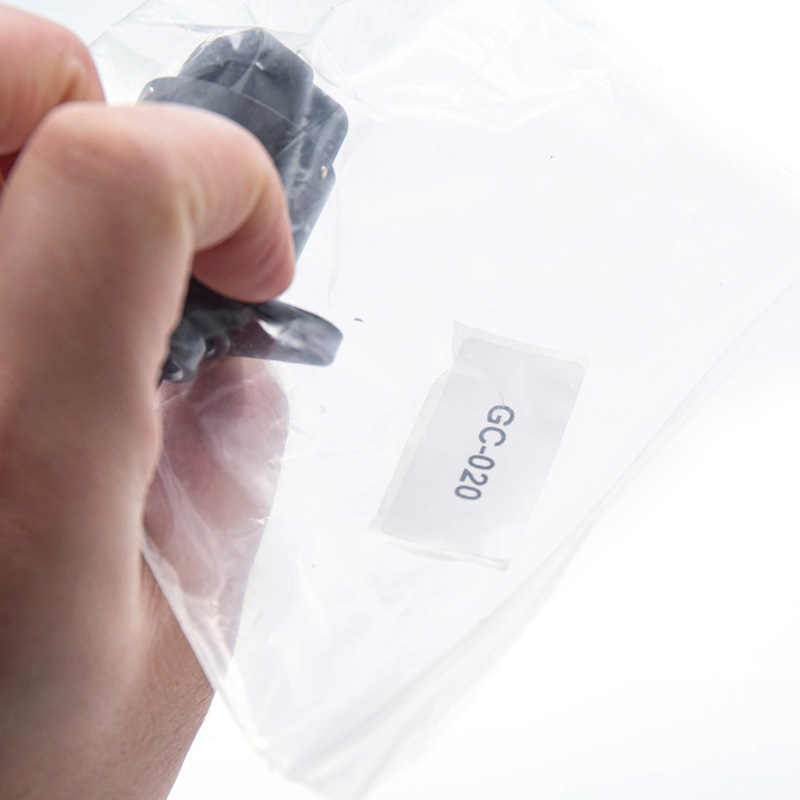
GC-020
REFERENCE OE:
SHORT CODE: B02/01
VDO: AT01200R C95128
FIAT: 9945635
OEM: 7766269 9950635
APPLICATION:
ALFA 145/146;FIAT BRAVA/FIAT BRAVO;FIAT MAREA/MAREA Weekend;FIAT PALIO/SIENA/TEMPRA/TIPO;LANCI DELTA II
Buy idle air control valve from China factory!
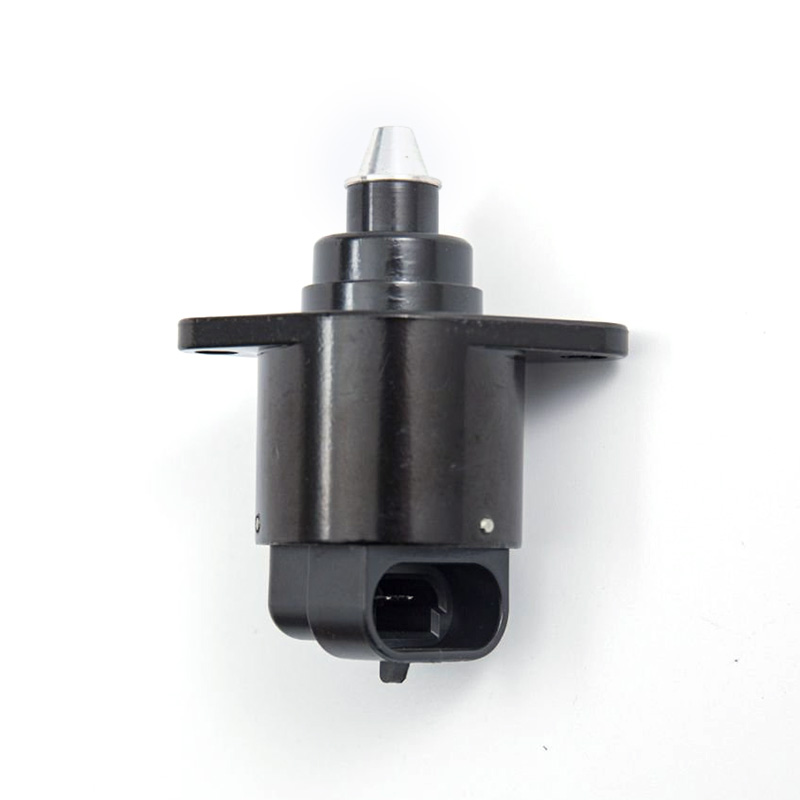
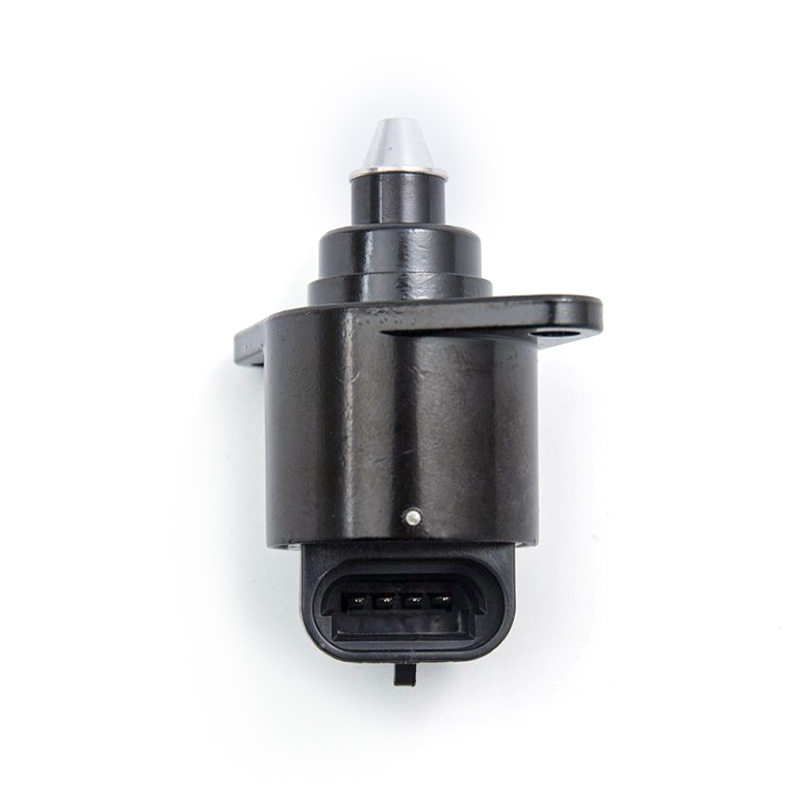
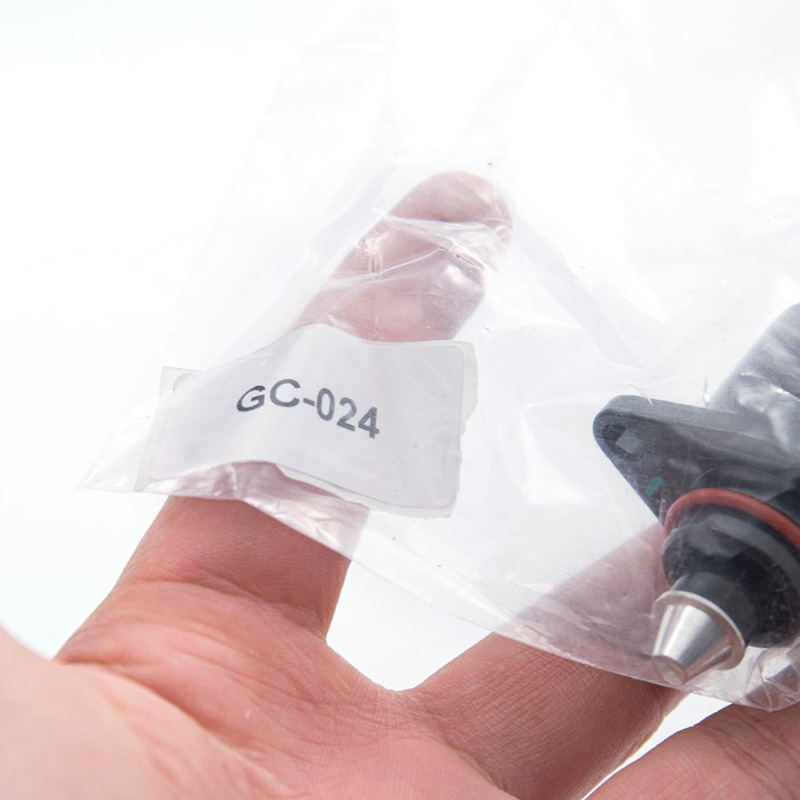
GC-024
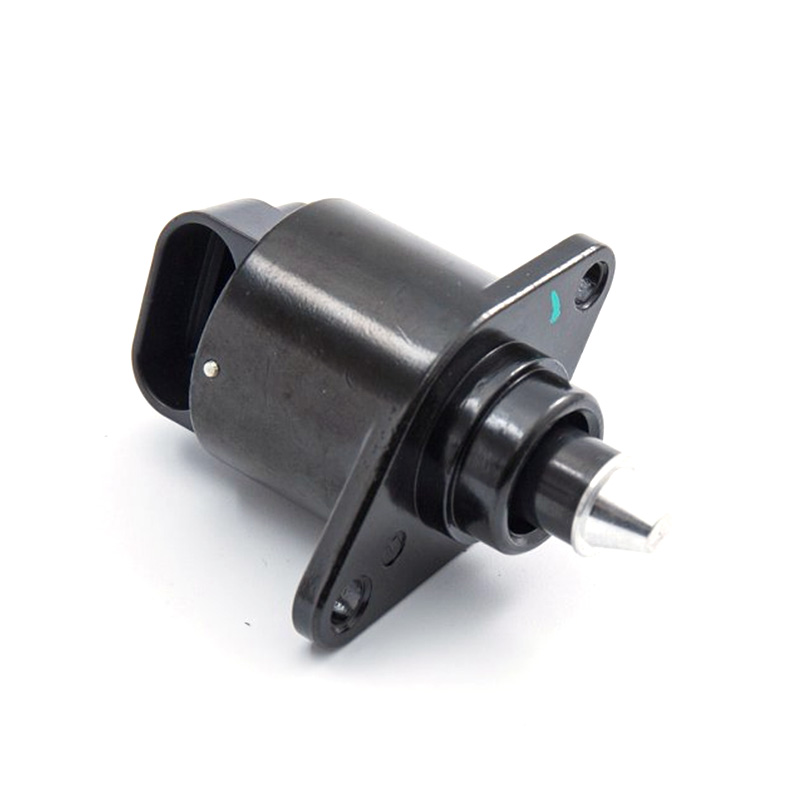
REFERENCE OE:
SHORT CODE: C1351
OPEL: 817254 17112027
SIMENCE: A95160
DELPHI:ICD 00127
VDO: AT-59524R
HELLA:6NW009141121;0817254; 93227674
APPLICATION:
OPEL ASTRA F CLASSIC Kombi/Schraqheck;
OPEL COMBO;
OPEL CORSA A Schraqheck/TR;
OPEL CORSA B;
OPEL KADETT E;
OPEL TIGRA
Idle air control valve from China factory for Opel, IACV.
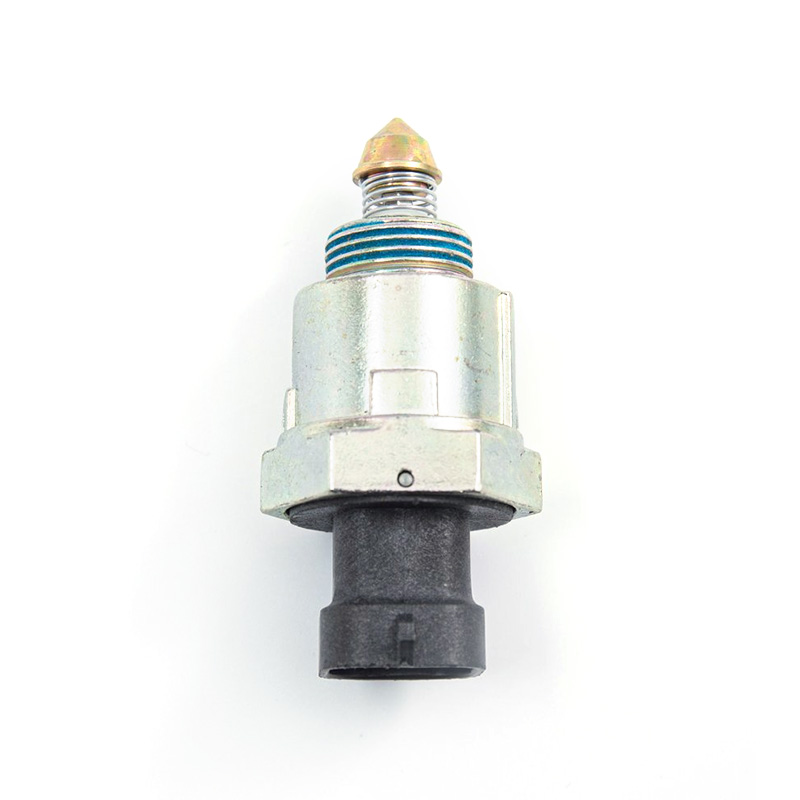
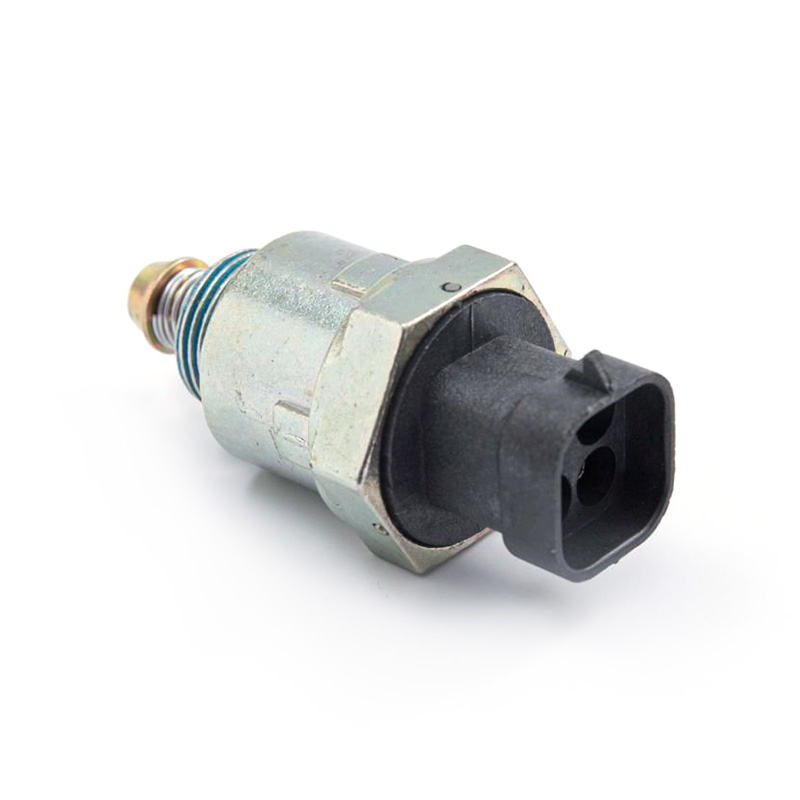
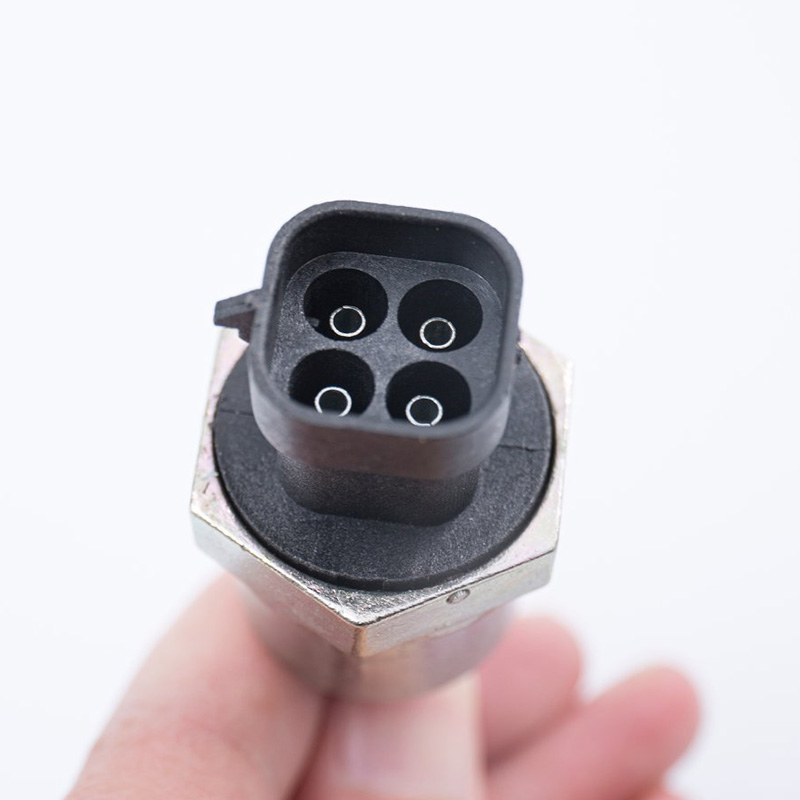
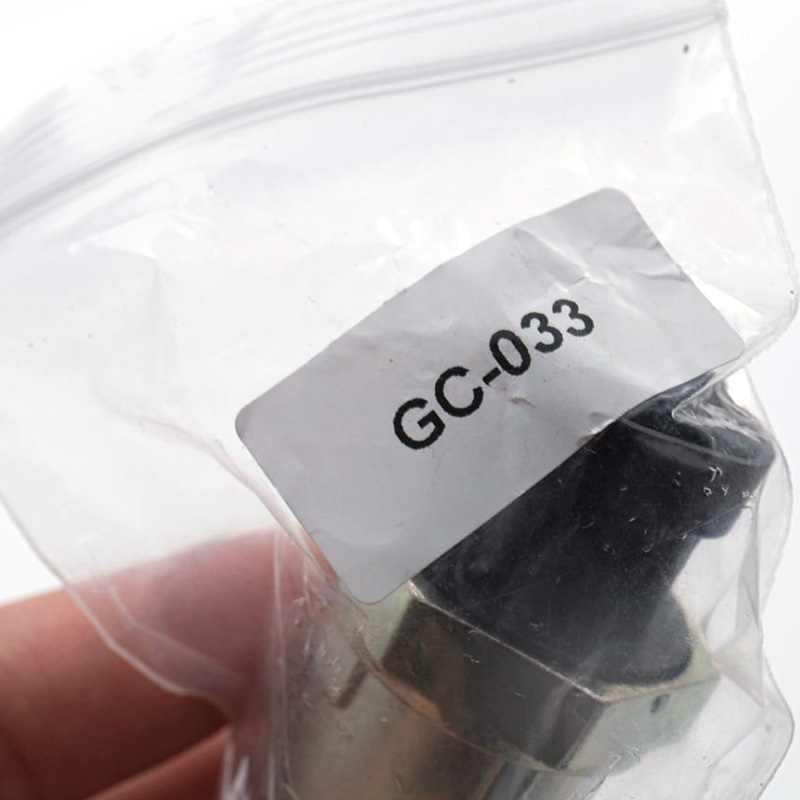
GC-033
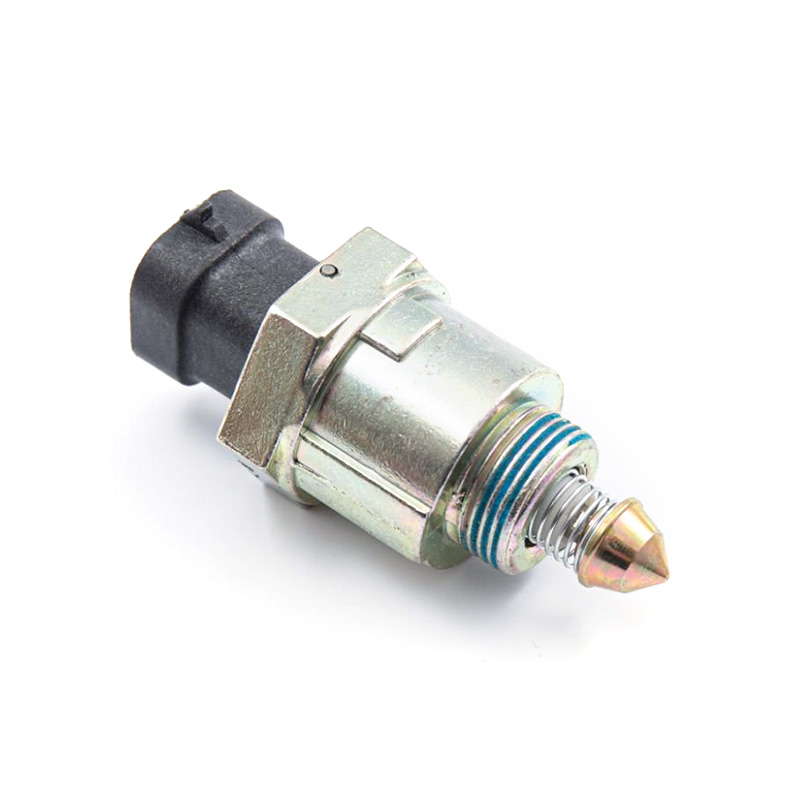
REFERENCE OE:
WELLS:AC102 STD:AC1
GM:25527077
SUZU:8-17111460-0
WALKER:215-1003 17079256;
WELLS: AC4115;2H1293; AC102
APPLICATION:
Buick Century Sedan/Coupe(87-83);
Buick Regal Sedan/Coupe(87-86);
Buick Roadmaster(93-91);
Cadillac Fleetwood/Brougham(93-90);
Chevrolet Astro(94-85);
GMC Fullsize Pickup(95-87);
Oldsmobile;
Pontiac
Idle air control valve from China factory for Buick Regal Cadillac Chevrolet.
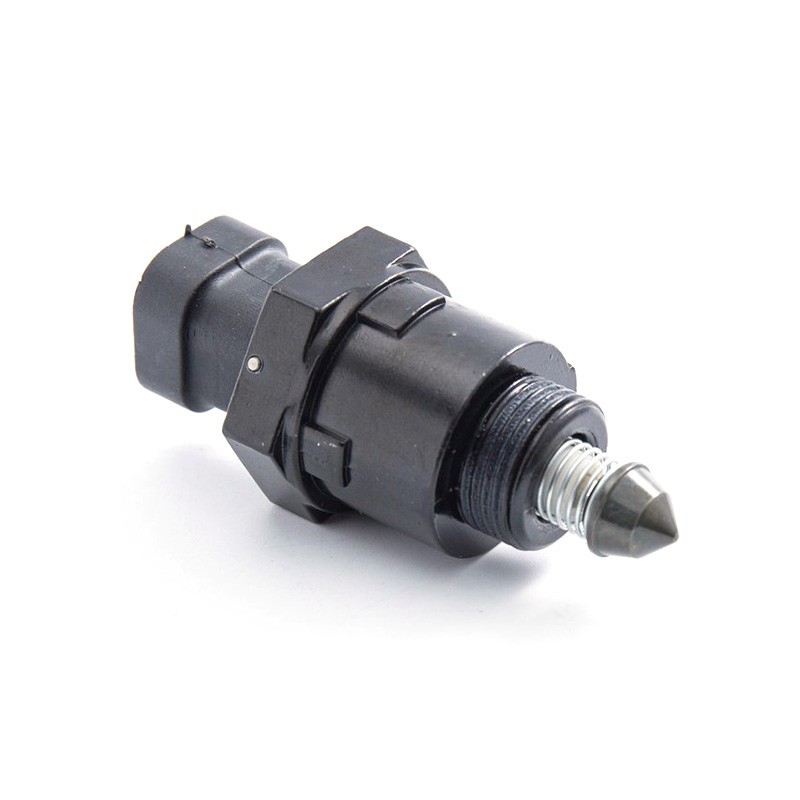
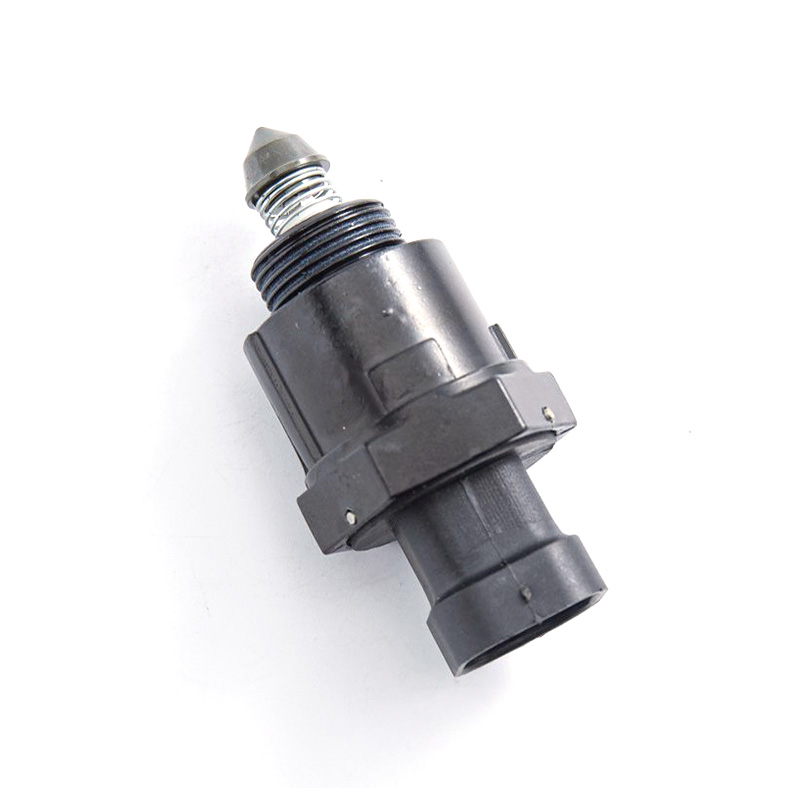
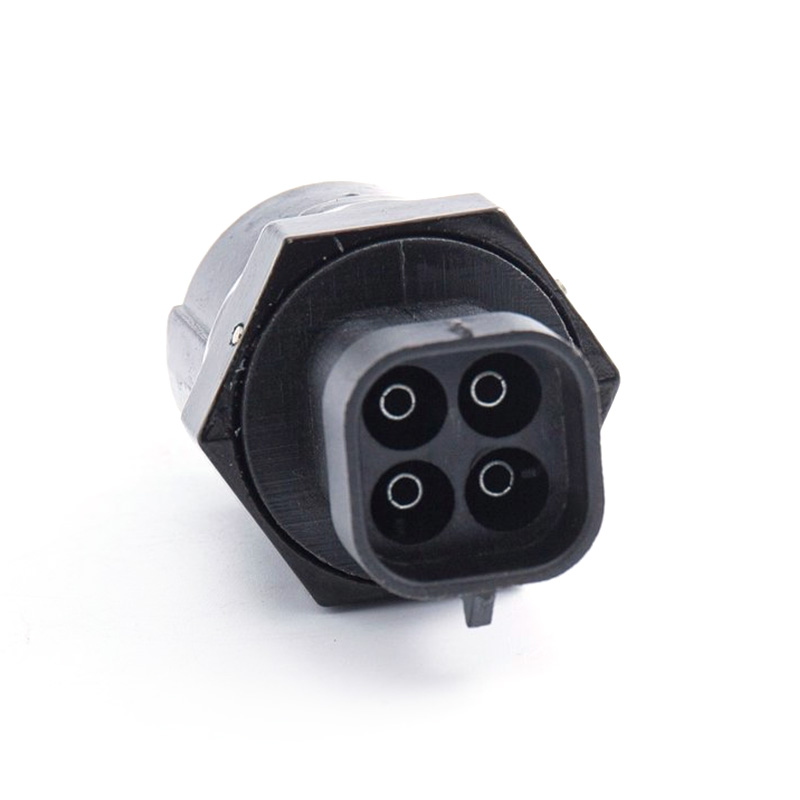
GC-034
REFERENCE OE:
STD:AC16 WELLS:AC114 OEM:C403056730 17112193, 217415
APPLICATION:
LAND ROVER;
1985-1994 Astro)
1992-1995 Suburban
1988-1995y C1500 pickup
1988-1995y K1500 pickup
Idle air control valve from China factory for Land Rover.
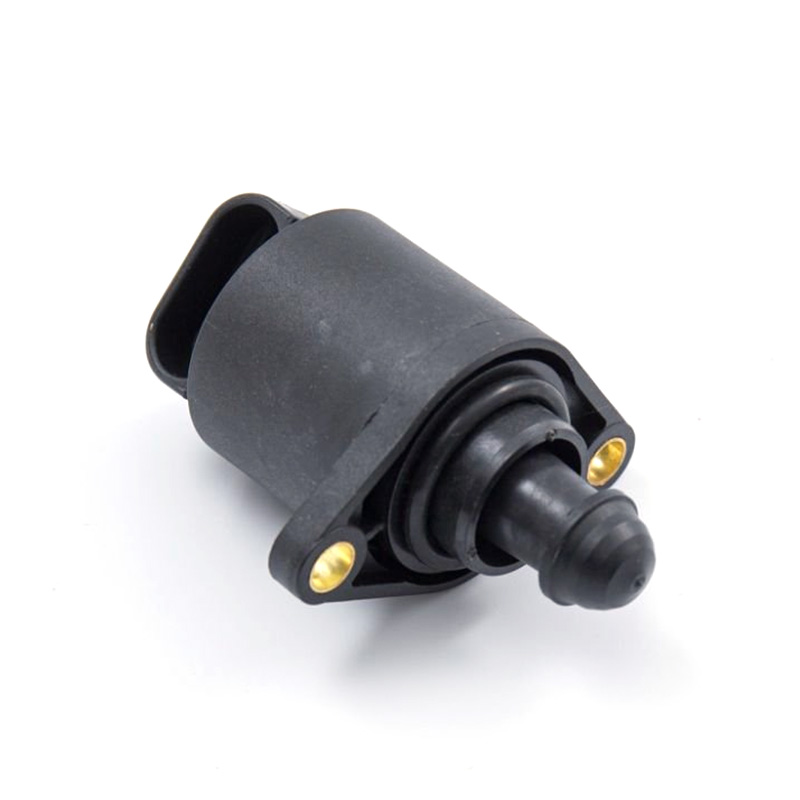
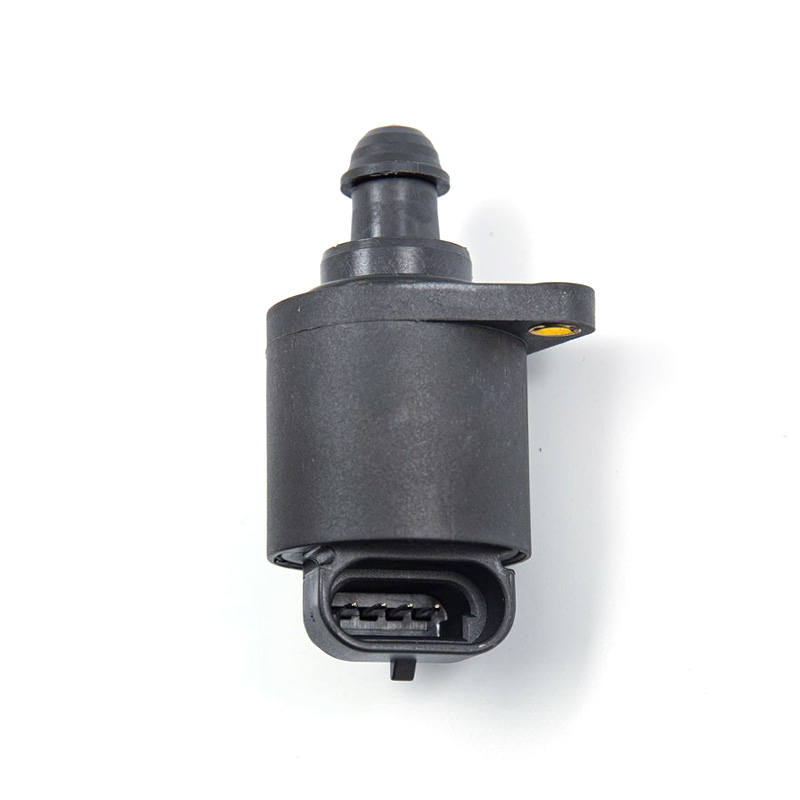
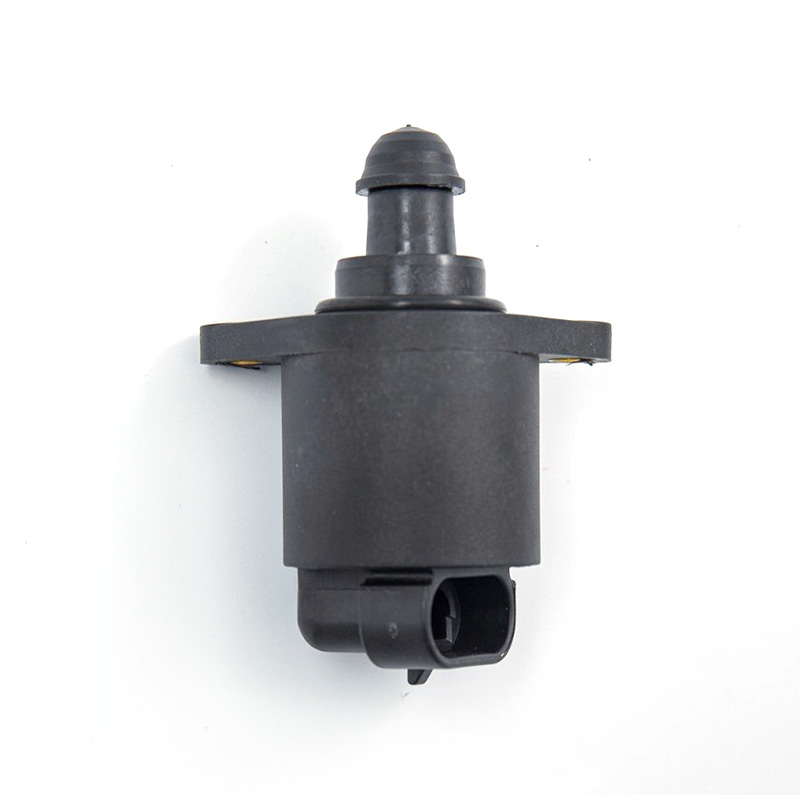
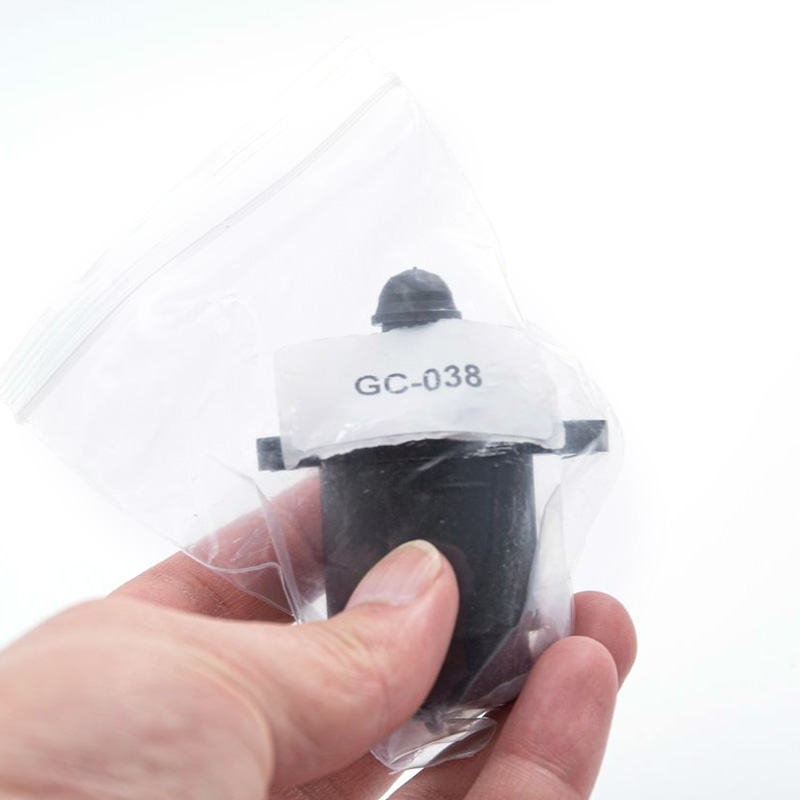
GC-038
REFERENCE OE:
SIMENCE:A96158 A97116
PEUGEOT:19208X
MARELLI:230016079217
APPLICATION:
PEUGEOT 206SW/CC;PEUGEOT 307SW;406;806;807;EXPERT(224)
Idle air control valve from China factory for Peugeot 206 307 406 806 807.
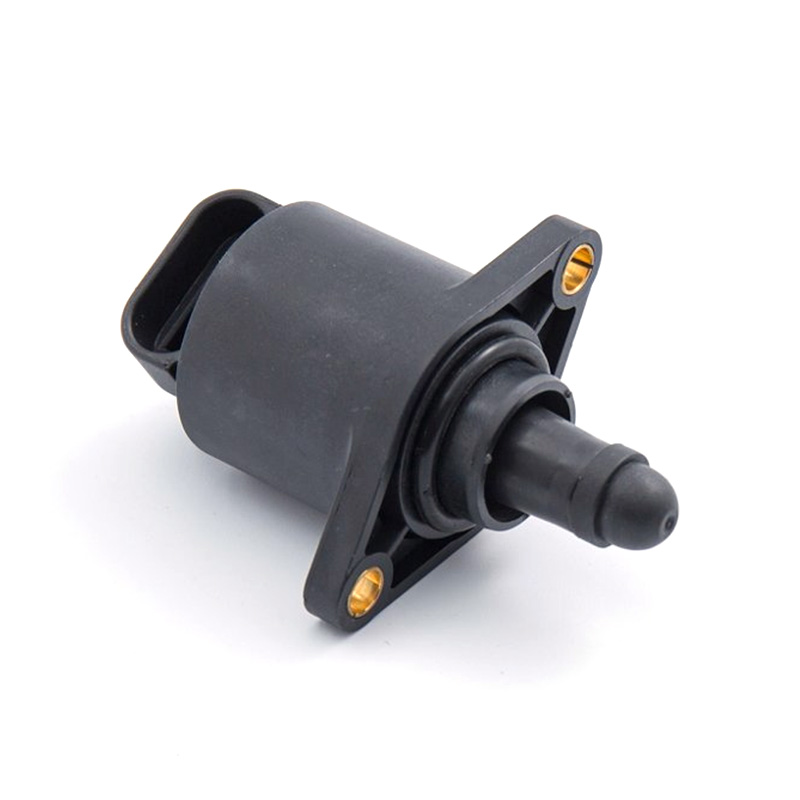
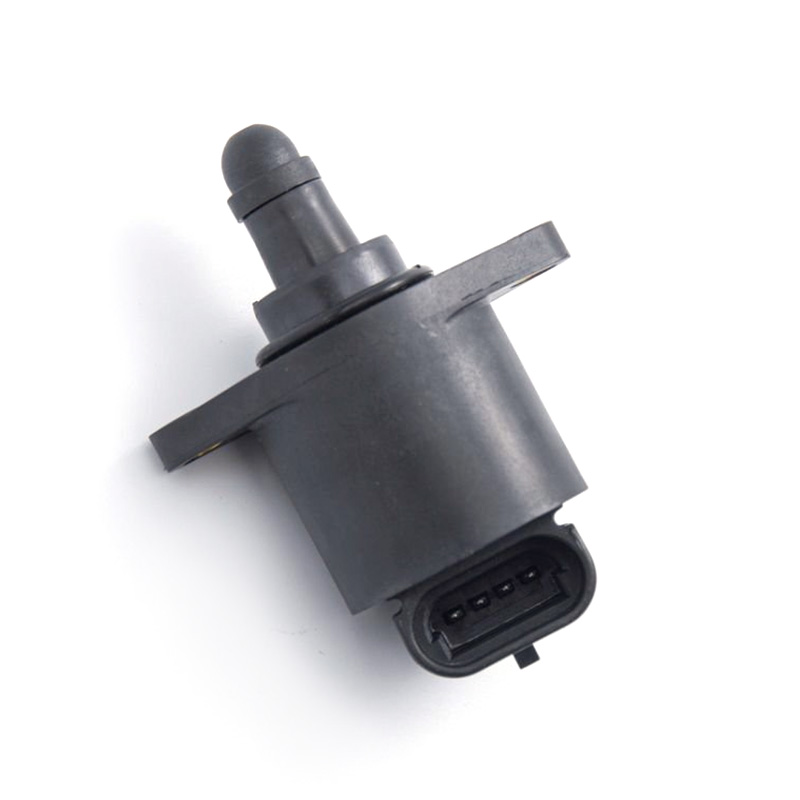
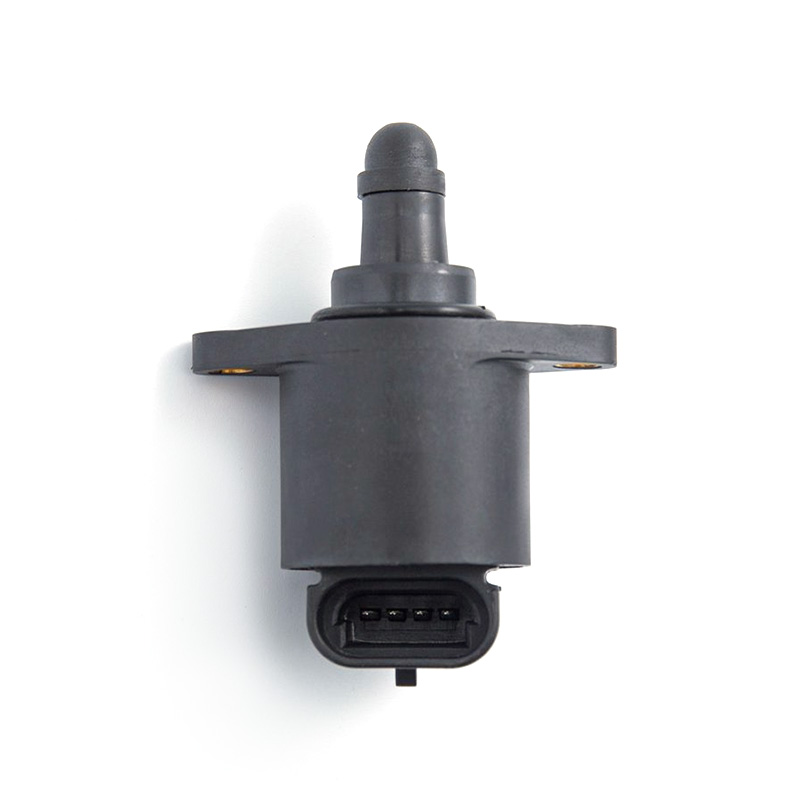
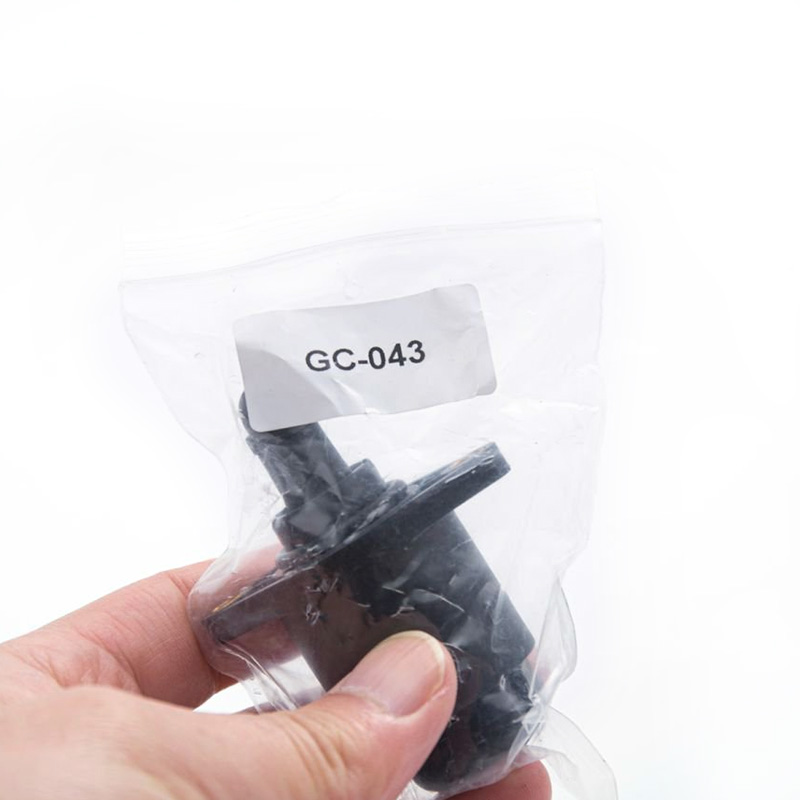
GC-043
REFERENCE OE:
SHORT CODE: B12/00
MARELLI:21924470500
OEM:9945035
APPLICATION:
FIAT PANDA(141A_)1000; Punto(176)55 1.1; Uno(146A/E) 45 i.e. 1.0; Lanci Y10(156)1.0 Fire(156e) KAT
Idle air control valve from China factory for Fiat Punto.
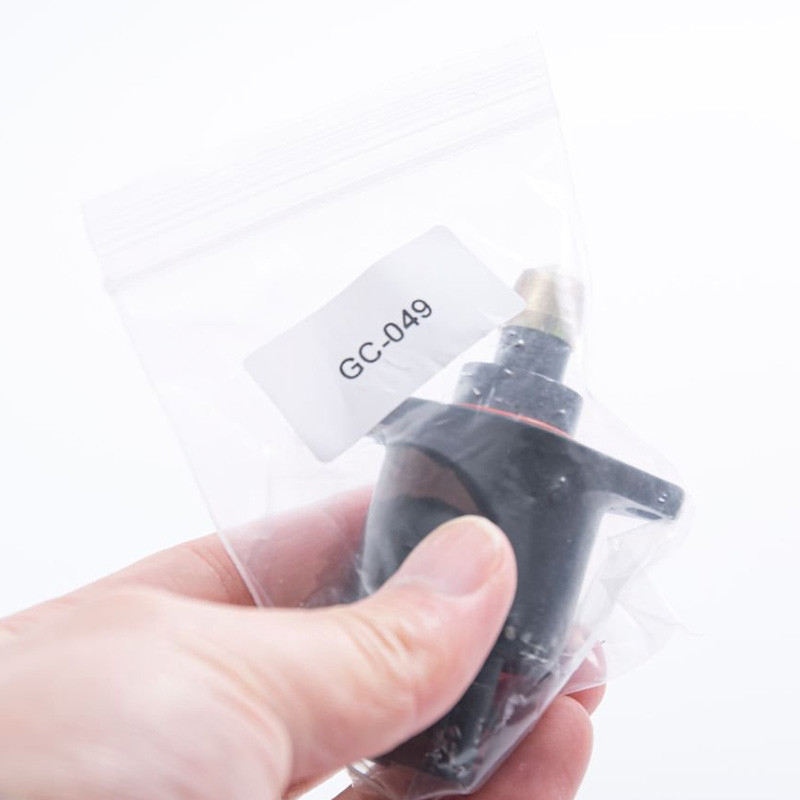
GC-049
REFERENCE OE:
MDQ100040
APPLICATION:
ROVER
Idle air control valve from China factory for Rover.
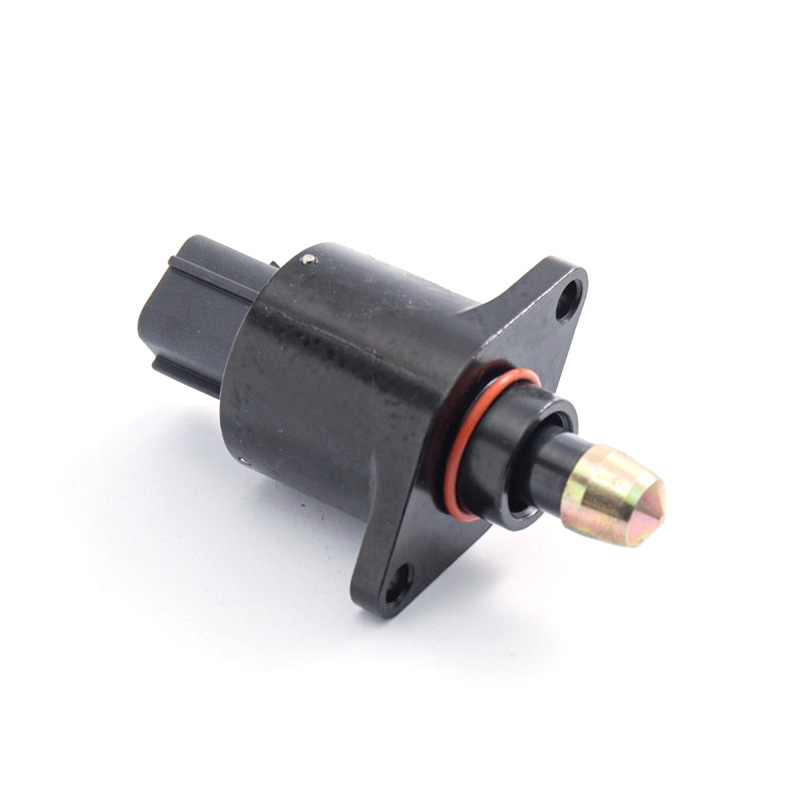
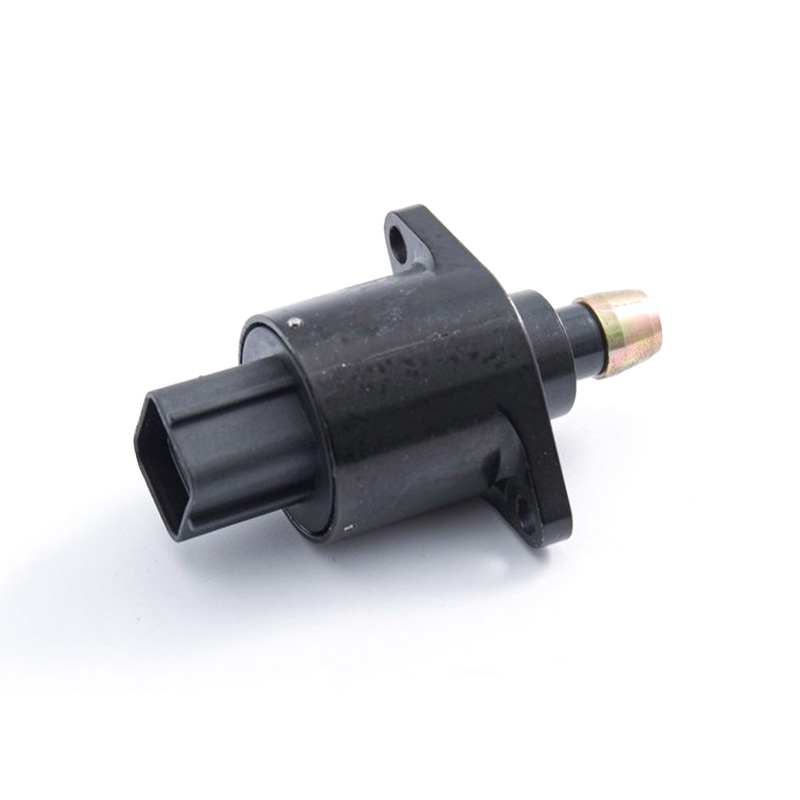
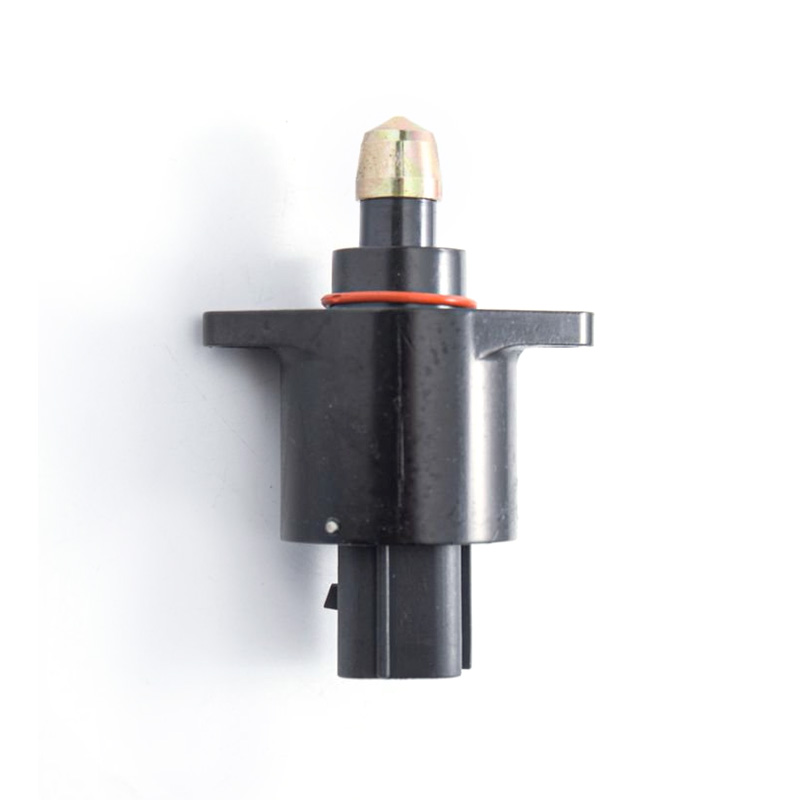
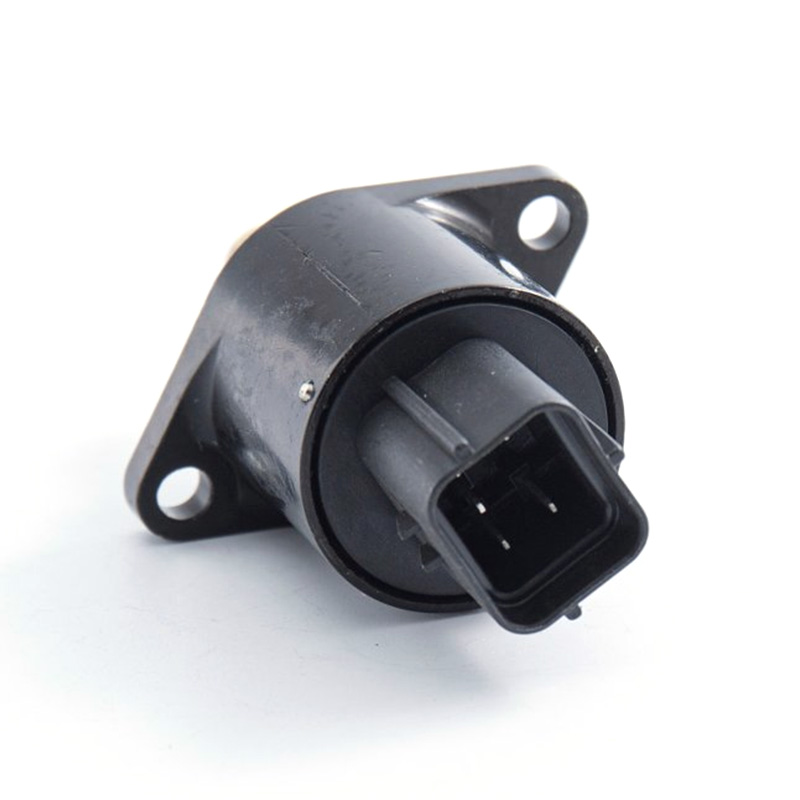
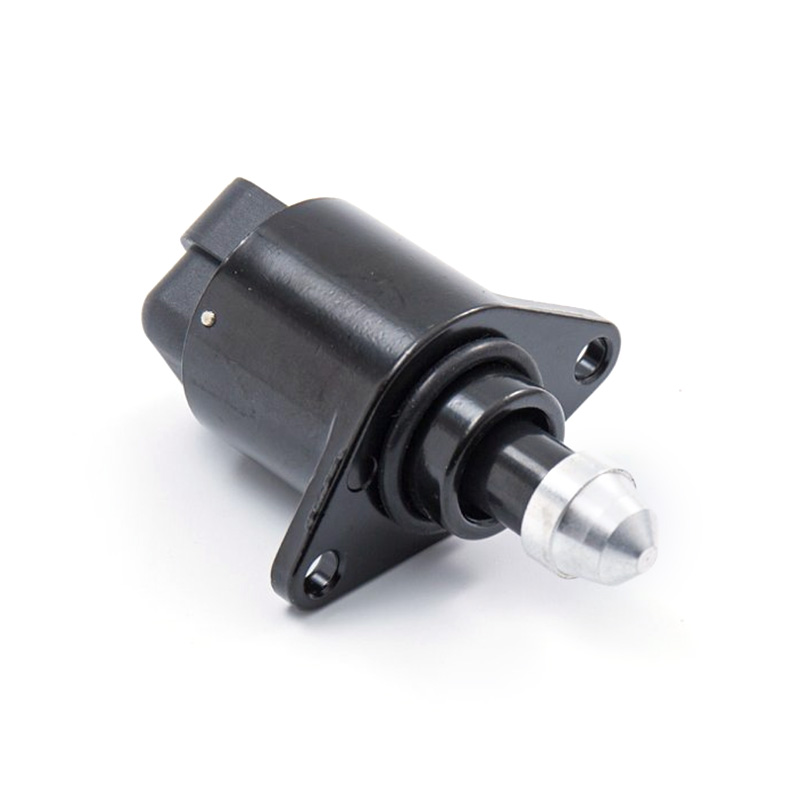
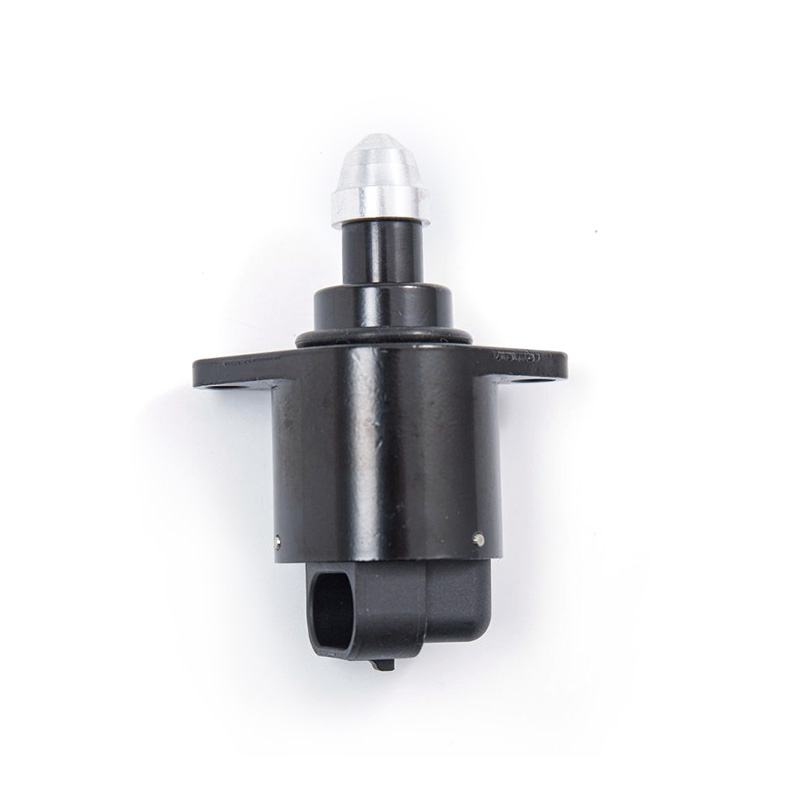
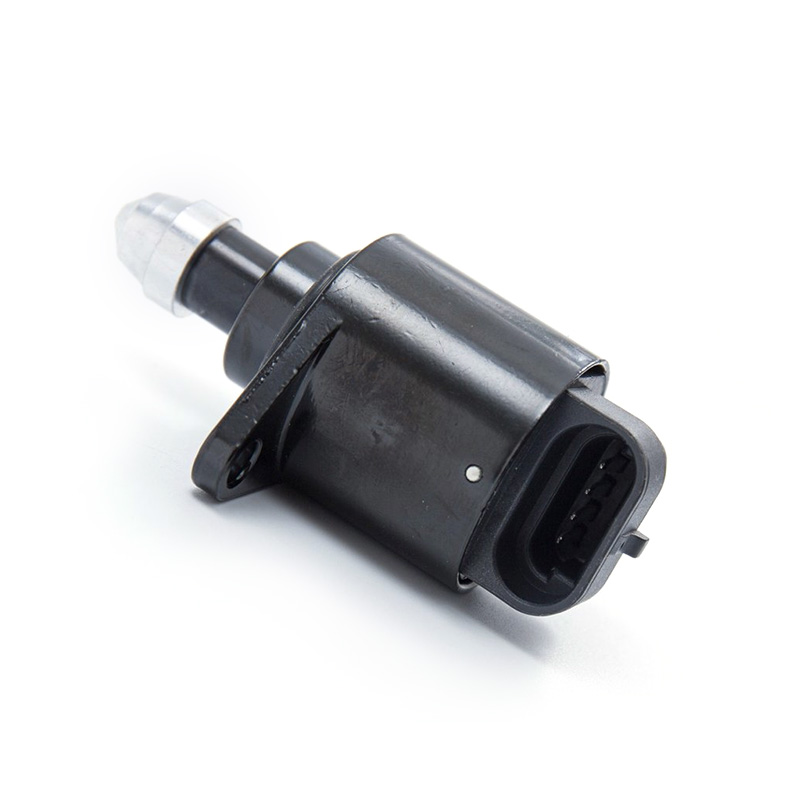
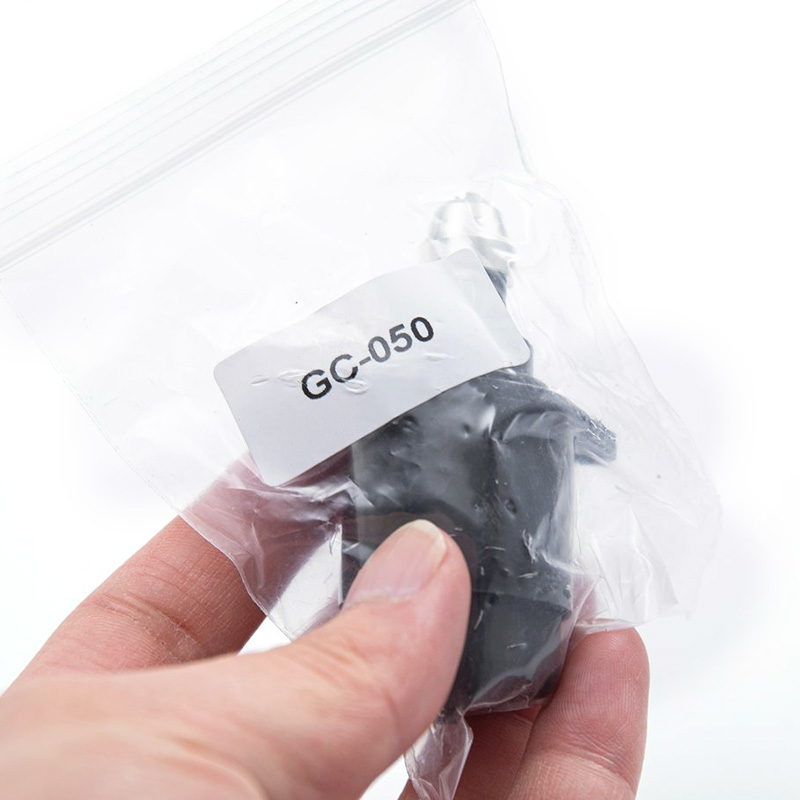
GC-050
REFERENCE OE:
PEUGEOT:19202Q
B17/00
APPLICATION:
CITRO SAXO(S1,S1)1.6VTS;PEUGEOT 106II(1) 1.6 S16
Idle air control valve from China factory for Citroen Peugeot.
Contact Us
Let's start collaborating

Guocheng is specialized in the R&D and production of key engine components for the automotive and engineering machinery industries.
Product
Stay Connected
(+86) - 577 - 8582 0886 (Tel)
(+86) - 577 - 8582 8085 (Fax)
(+86) - 19730213059 (Phone)
sales@wz-gc.com
No. 205, Baiyu Road, 15th Road, Binhai Park, Wenzhou, Zhejiang, China
Mobile

ODM Engine Management System Components
 English
 русский
 Español
 عربى
عربى Deutsch