Date:Oct 02, 2026
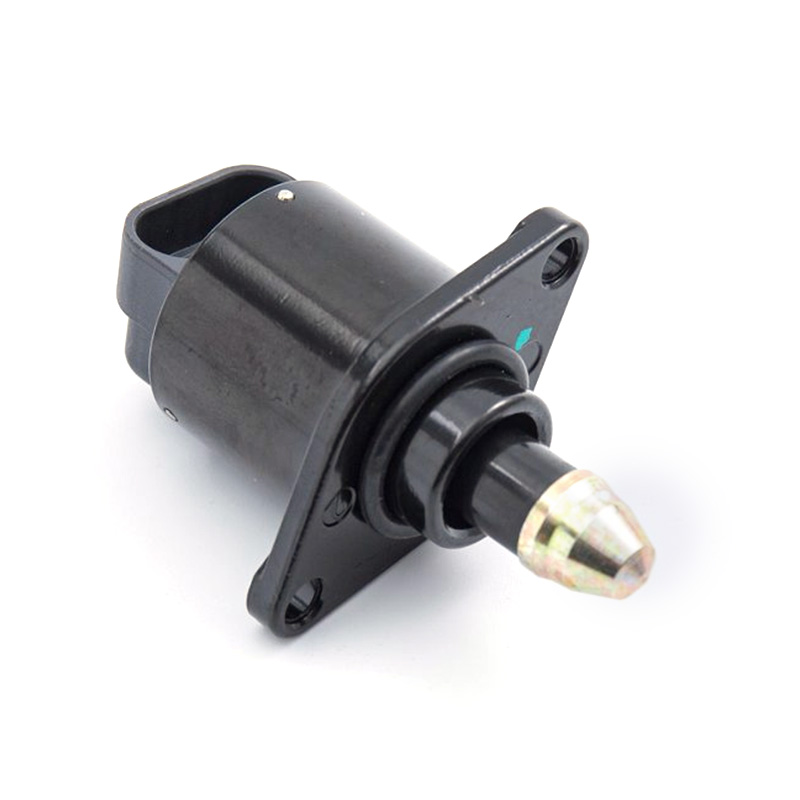
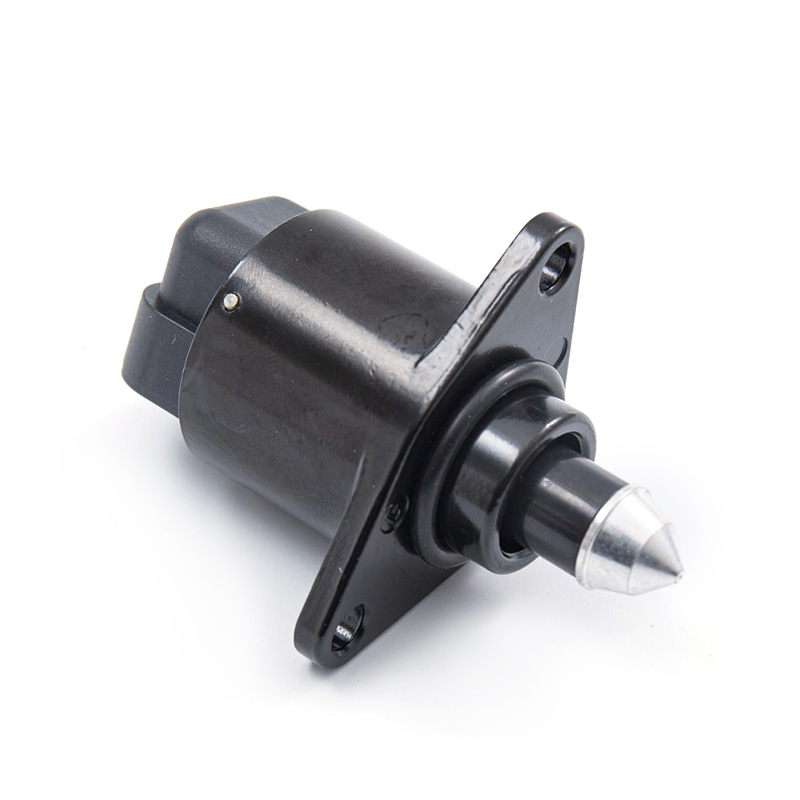
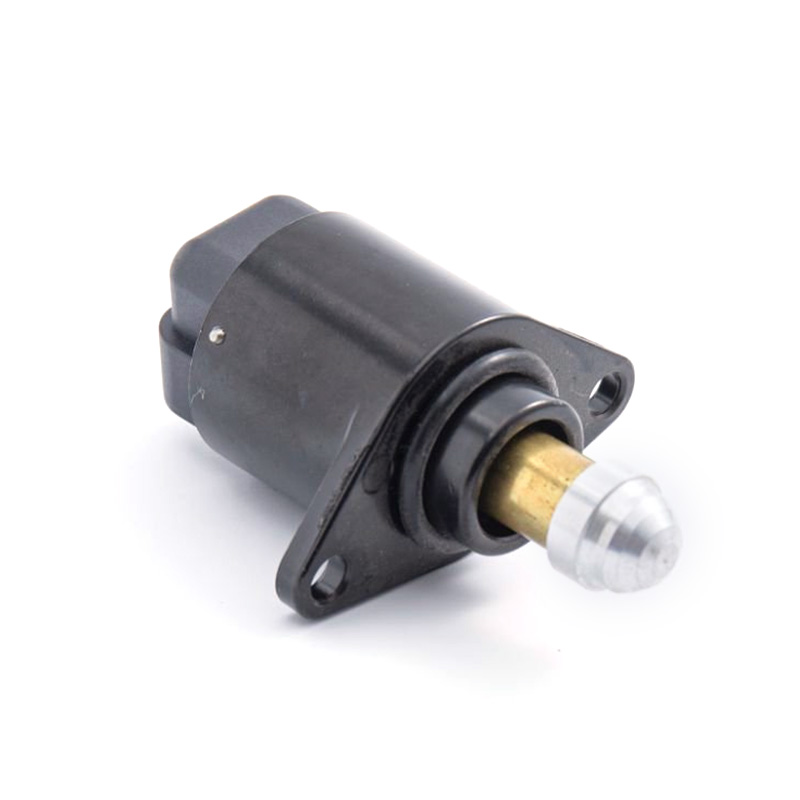
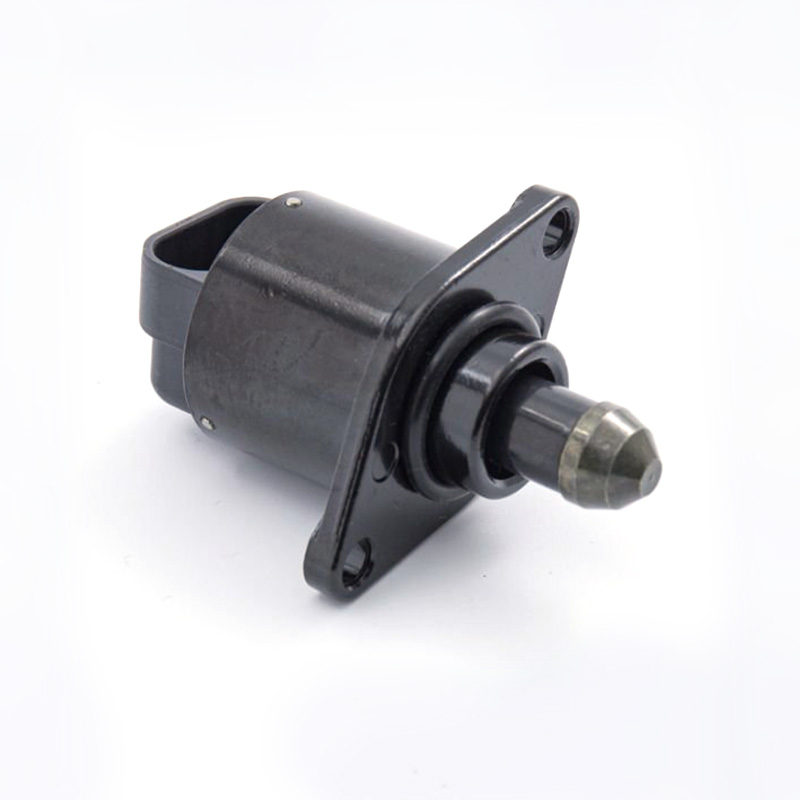
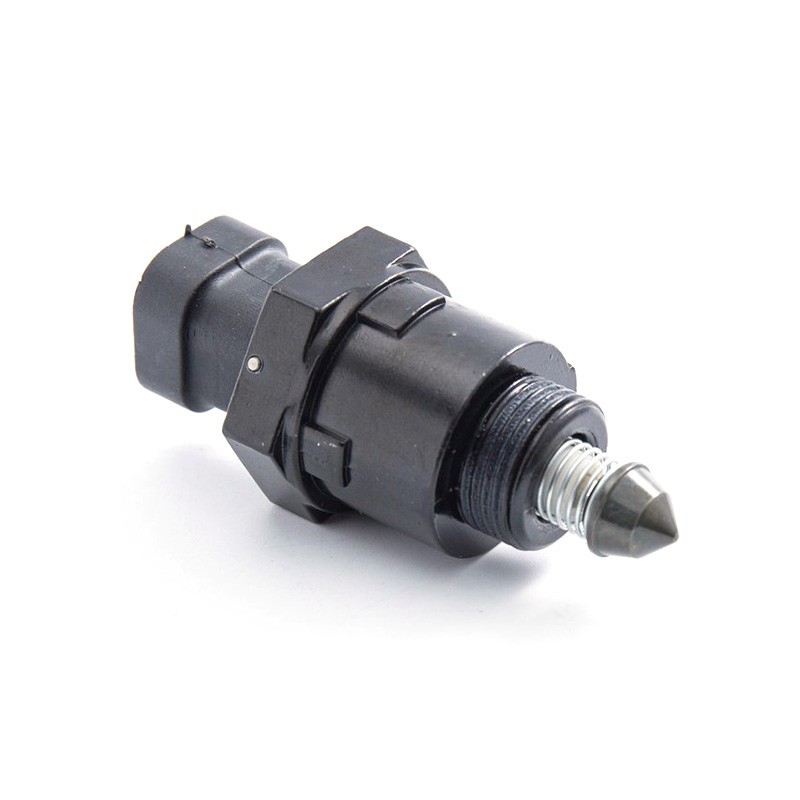
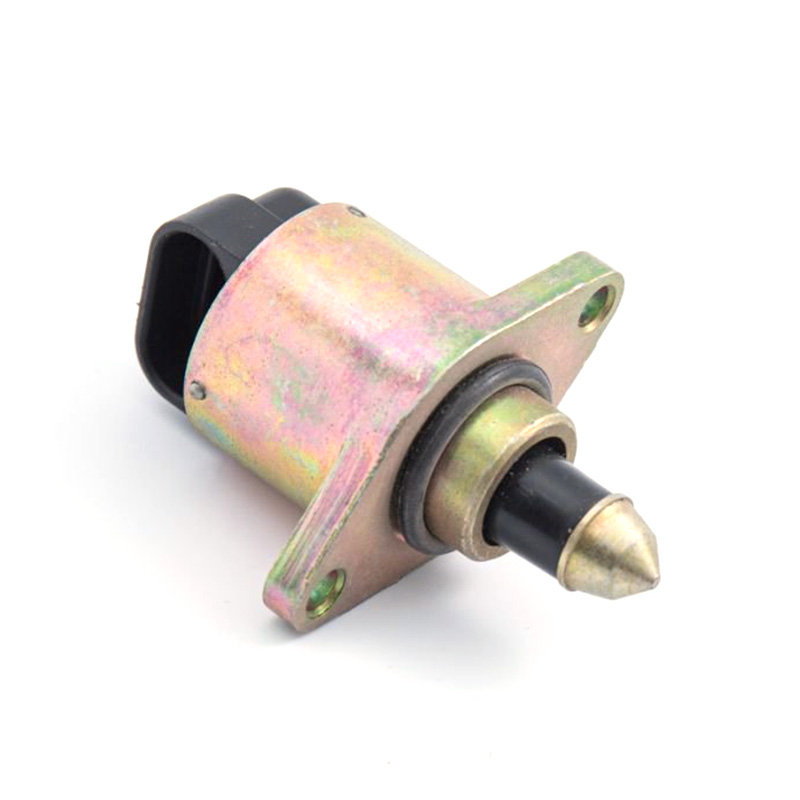
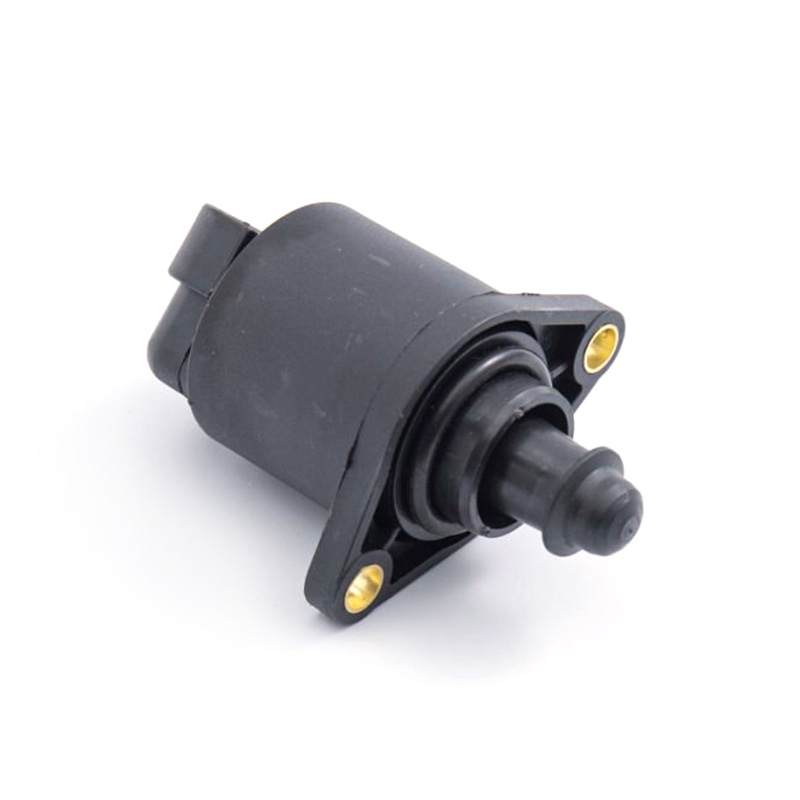
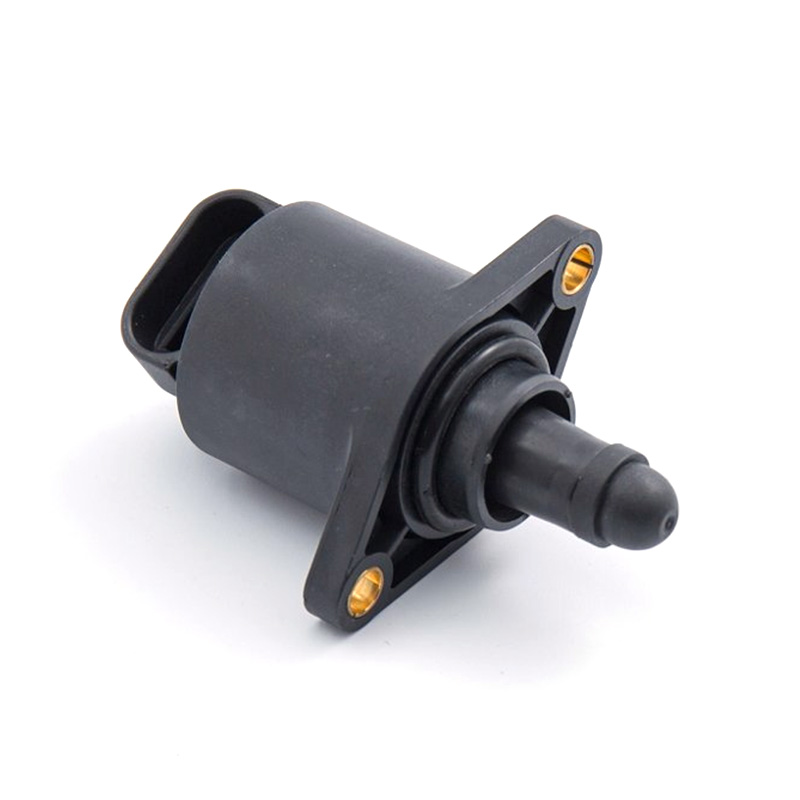
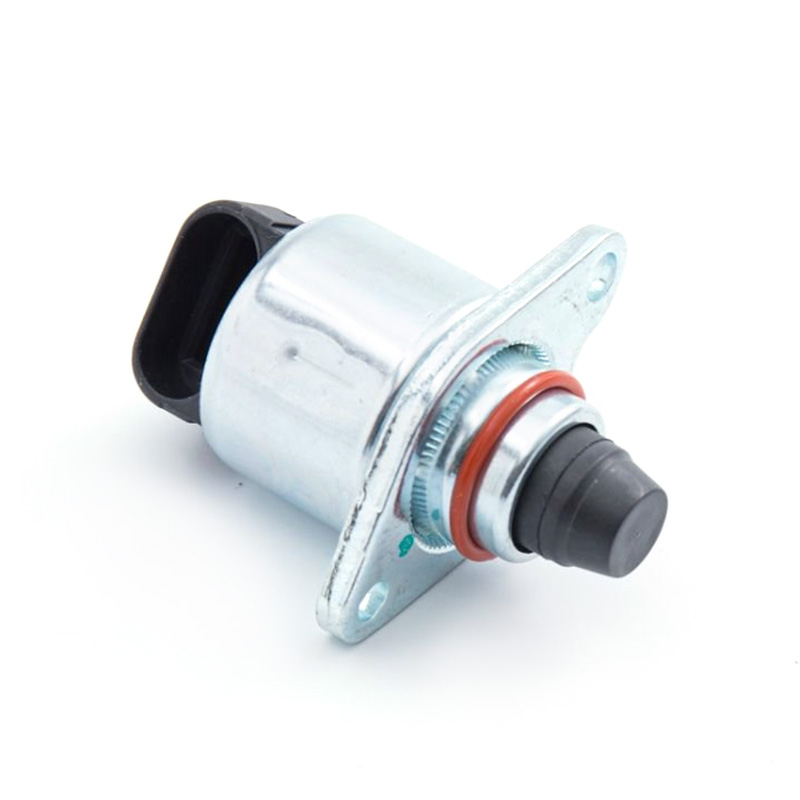
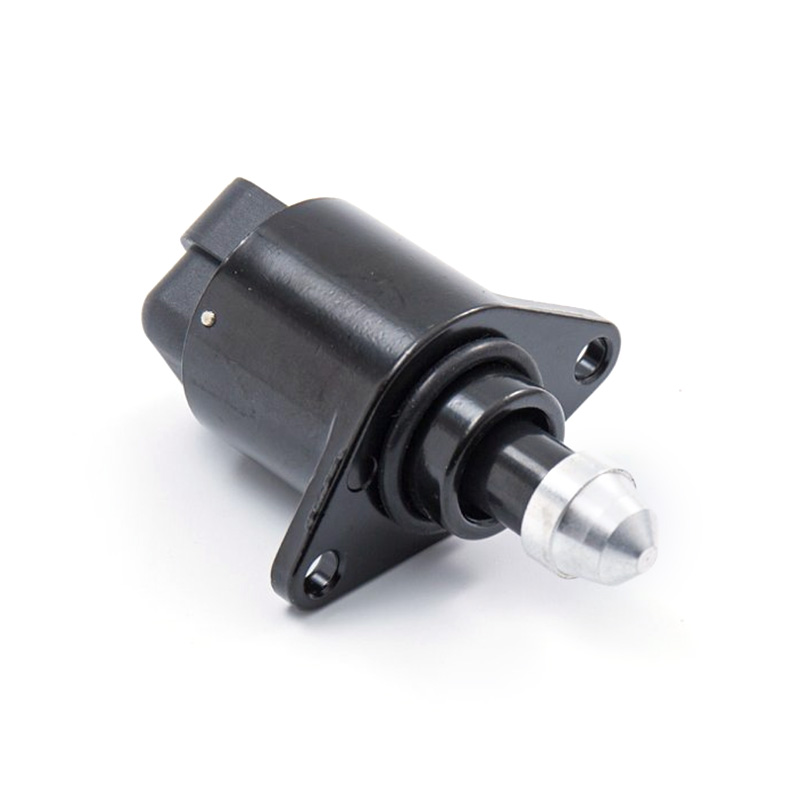
An idle air control valve is often described as a component that keeps engine speed within a specified RPM range. That description is technically correct, but it does not capture the full role of the valve. In vehicles using a conventional throttle body, the engine idle air control valve can influence how the engine reacts to changing loads, cold starts, accessory activation and transitions between operating conditions.
The valve manages a controlled amount of air through a bypass passage around the closed throttle plate. The ECU or PCM adjusts this airflow according to engine conditions, allowing the engine to receive the air required to maintain stable combustion.
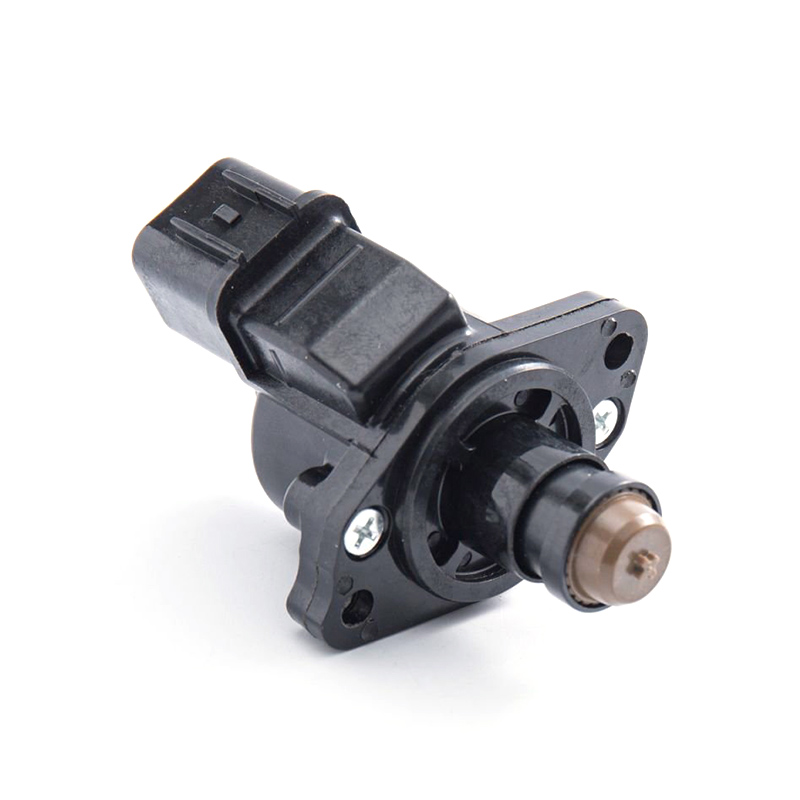
RPM is the value drivers can see, but it is only the visible result of a larger control process. The ECU continuously considers engine speed, temperature and load before determining the required idle-air flow.
| Operating Condition | IACV Response | Potential Effect |
| Cold start | More bypass air | Higher initial idle speed |
| A/C compressor engagement | Additional airflow | Compensates for added engine load |
| Electrical load | Airflow adjustment | Helps stabilize engine speed |
| Transmission engagement | Control response changes | Reduces idle-speed drop |
| Throttle closing | Bypass airflow remains controlled | Supports smoother return to idle |
Technical descriptions of idle-speed control show that accessory loads such as air-conditioning compressors and alternators can disturb engine speed. The control system responds by adjusting bypass airflow and, depending on the engine architecture, other control parameters.
A cold engine does not behave like a fully warmed engine. Coolant temperature is therefore an important input for many IAC systems. A greater amount of bypass air can be supplied during warm-up, allowing the engine to operate at a higher fast-idle speed before settling toward its normal operating range.
Honda service information provides a useful example. Certain Honda systems open the IAC valve after starting and increase idle speed by approximately 150–300 RPM. As coolant temperature rises, the amount of bypassed air changes accordingly.
This means an engine idle air control valve can influence the character of the engine during the entire warm-up process rather than simply maintaining a stationary RPM value.
Turning on the air conditioner introduces an additional mechanical load through the compressor. Without compensation, engine speed can temporarily fall. The idle-control system responds by increasing the available airflow so the engine can produce the torque required to handle the additional load.
Honda service documentation specifically lists A/C compressor operation among the conditions under which the ECM/PCM controls IAC valve current. Other listed conditions include transmission engagement, power-steering load and alternator charging.
This creates an interesting product-performance relationship: an IAC valve does not simply need to open and close. It needs to respond appropriately to ECU commands across changing operating conditions.
Idle control becomes particularly noticeable during short transitions. Imagine an engine idling at a traffic light while the A/C compressor switches on. The additional load can produce a temporary reduction in engine speed. The controller detects the change and adjusts the idle-air path.
A properly coordinated system can therefore respond before the RPM drop becomes severe. Technical literature describes transient idle-speed correction as a way to counter disturbances caused by auxiliary loads.
An IAC valve is not simply an interchangeable air door. Its internal airflow capacity and actuator characteristics need to correspond with the engine and control strategy.
Technical guidance for stepper-motor idle systems notes that an excessively large idle-air valve can create poor idle control and potentially excessive engine RPM, particularly on smaller engines.
| Product Detail | Why It Matters |
| Airflow capacity | Determines the amount of bypass air available |
| Actuator type | Defines how ECU commands are converted into valve movement |
| Electrical characteristics | Need to correspond with the vehicle's control circuit |
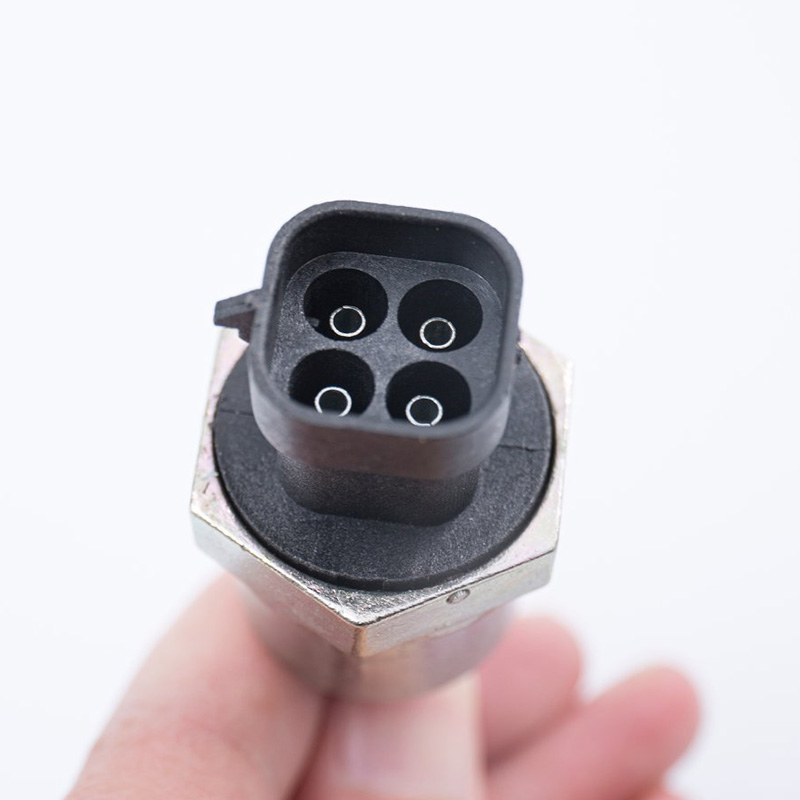
| Connector configuration | Provides the required electrical interface |
| Mounting geometry | Ensures correct integration with the throttle body |
A malfunctioning IAC system may therefore produce symptoms that drivers do not immediately associate with an air-control valve. Technical references identify fluctuating idle, engine stalling and stalling after additional consumers are activated among possible failure symptoms.
These symptoms do not automatically confirm an IACV failure. Honda service procedures, for example, also call for checking signals and conditions associated with A/C operation, alternator load, transmission position, power steering, brake input, hoses and connections before replacing the valve.
Another important product detail is that not every modern vehicle uses a separate idle air control valve. Astemo notes that conventional cable-operated throttle systems commonly use an idle-speed control valve, while newer vehicles equipped with electronic throttle bodies can control idle speed directly through the electronic throttle system.
This distinction matters for automotive parts buyers. A product described as an engine idle air control valve needs to be matched to the correct throttle architecture, engine application and control system rather than treated as a universal engine component.
The significance of an IAC valve becomes clearer once idle control is viewed as a dynamic process. RPM is the final measurement, while airflow regulation is part of the mechanism that helps the engine handle cold starts, accessory loads and rapid changes in operating conditions.
For automotive parts professionals, this broader perspective also provides useful criteria for evaluating IAC products: actuator design, airflow capacity, electrical configuration, mounting dimensions and vehicle compatibility all deserve attention. The engine idle air control valve may be physically small, but its role extends well beyond keeping a number on the tachometer within a certain range.
Related Products
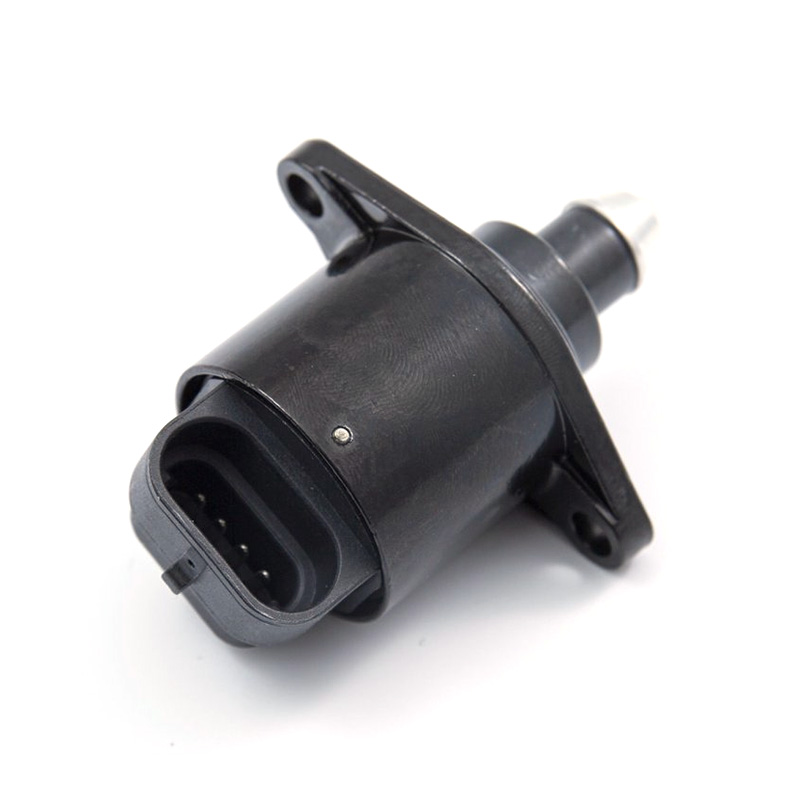
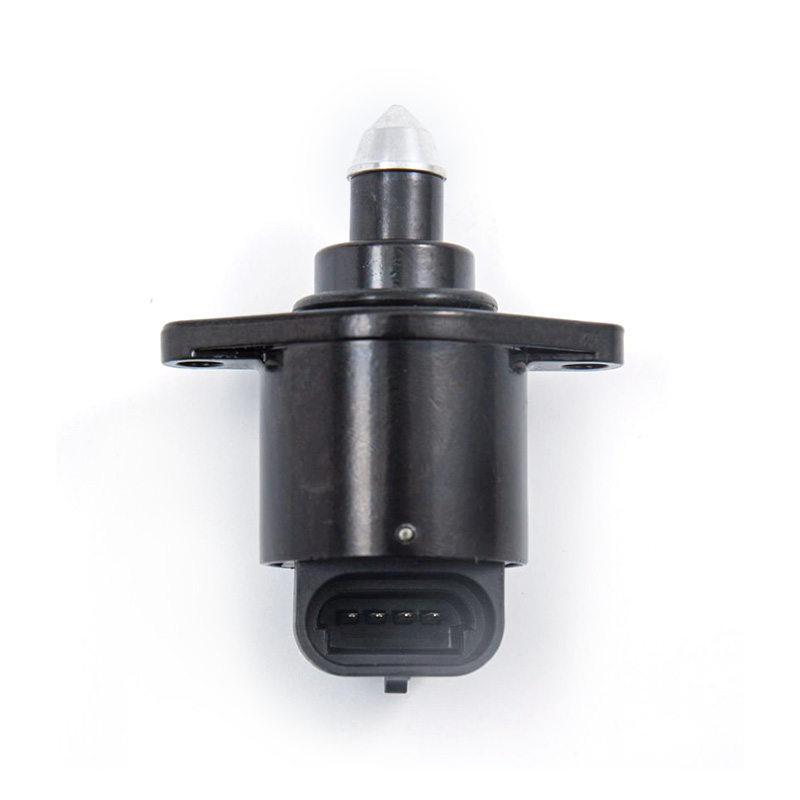
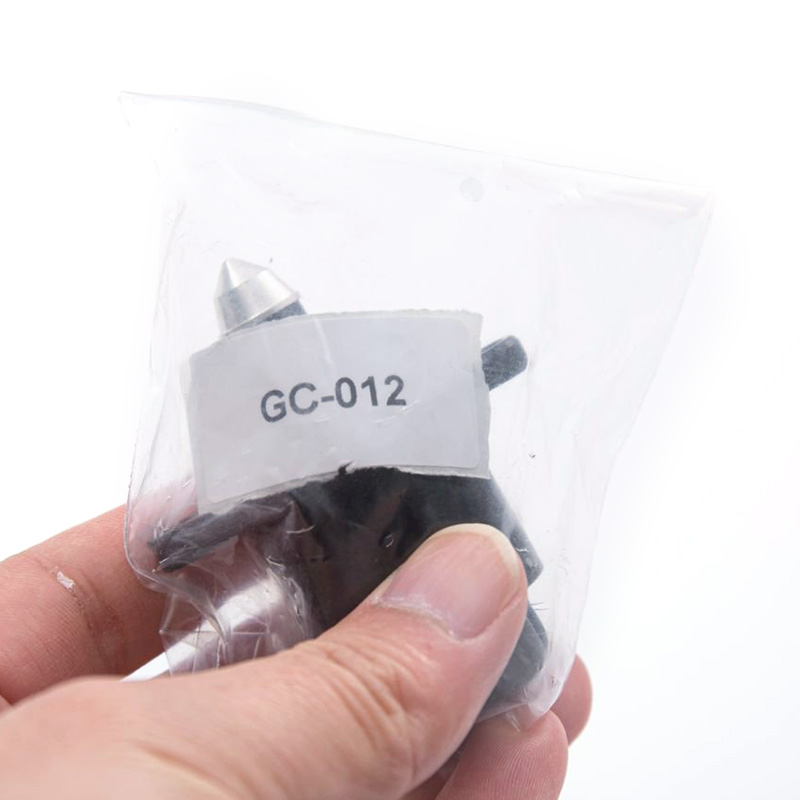
GC-012
REF OE:
HOT-STAMP:D5174
RENAULT:7701047909
APPLICATION:
RENAULT MEGANE Cabriolet/Classic/Coach/Grandtour;RENAU MEGANE I/Scenic
China auto parts wholesale,idle air control valve high quality with competitive price!
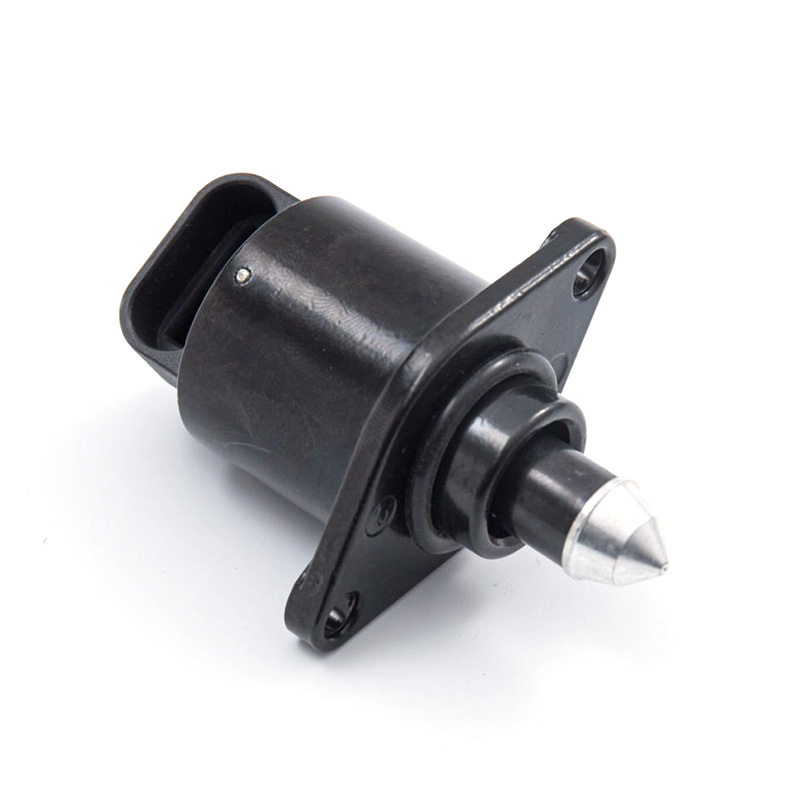
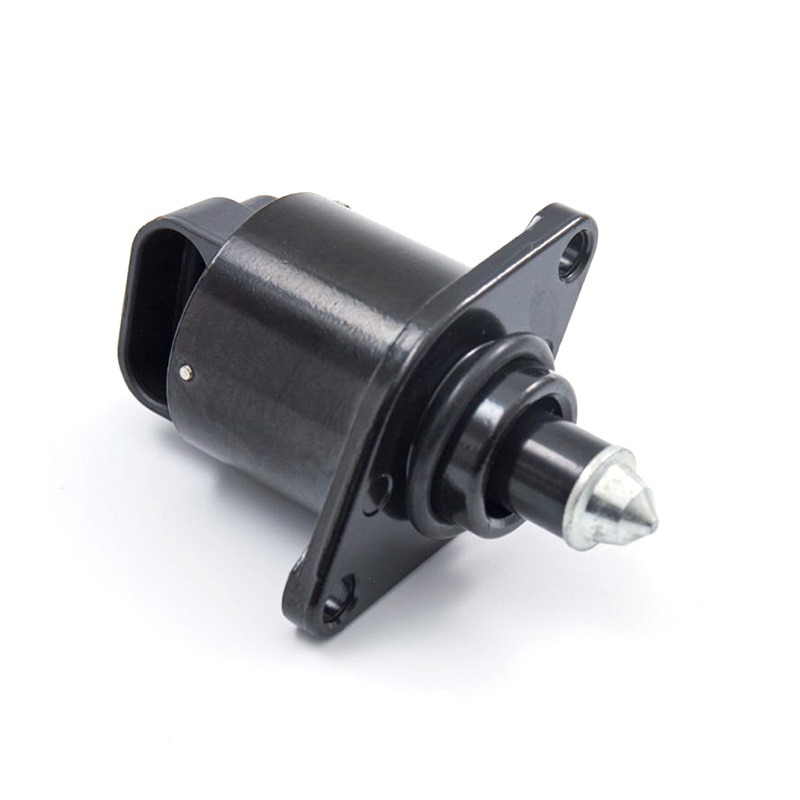
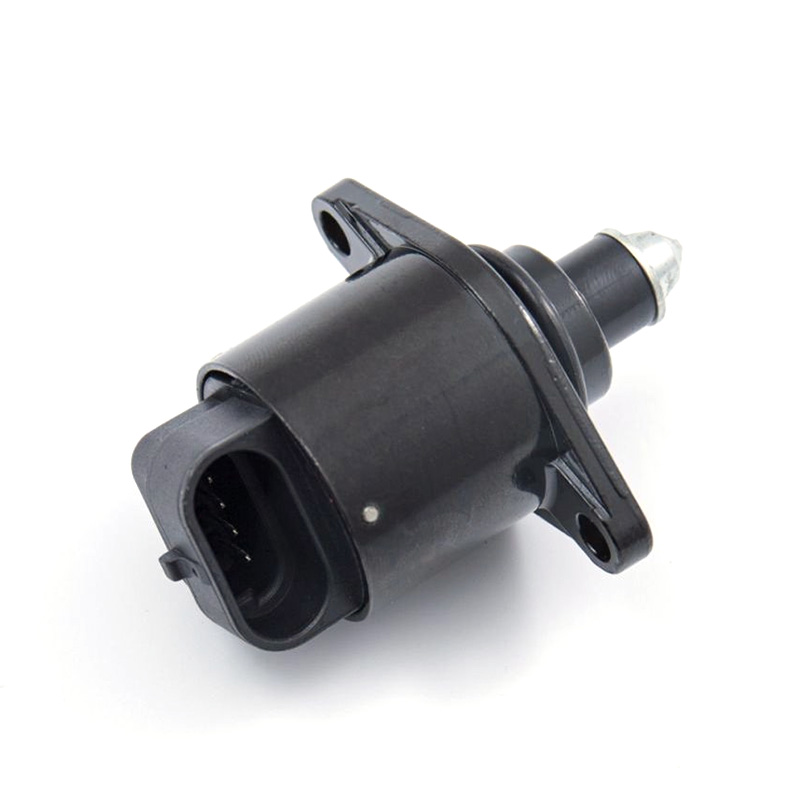
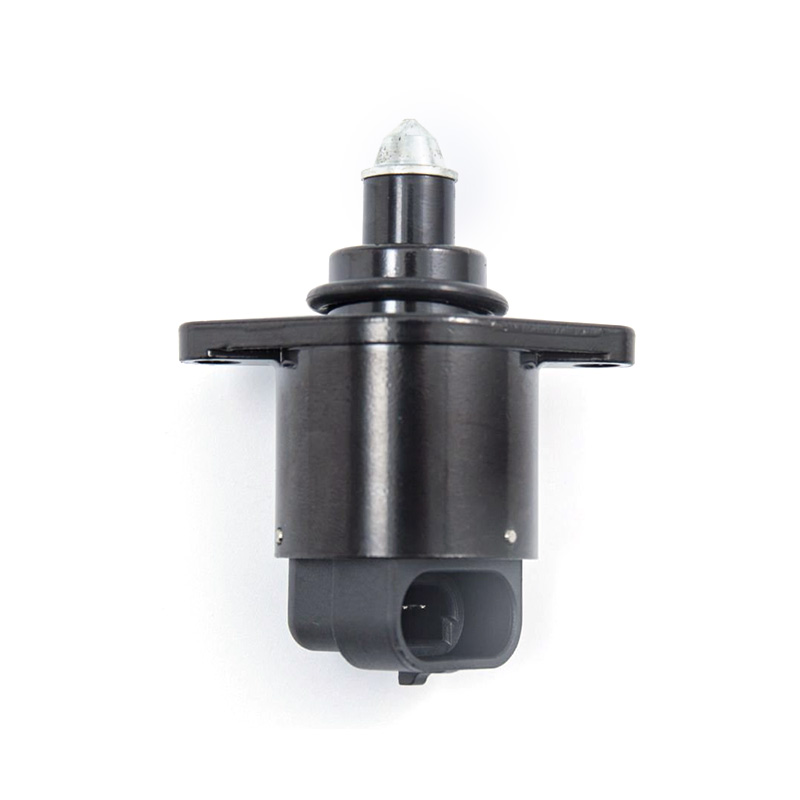
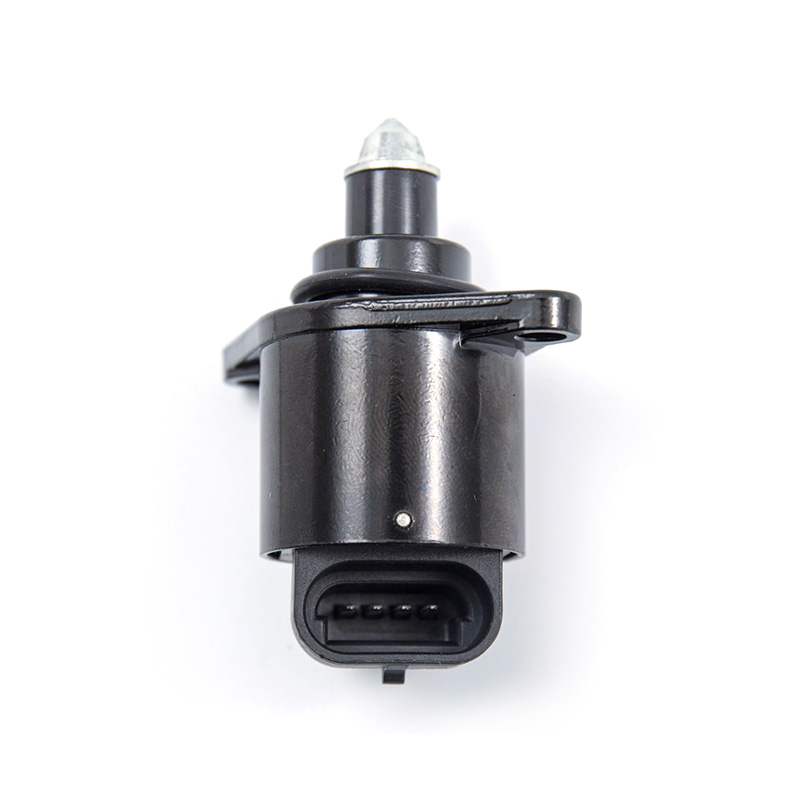
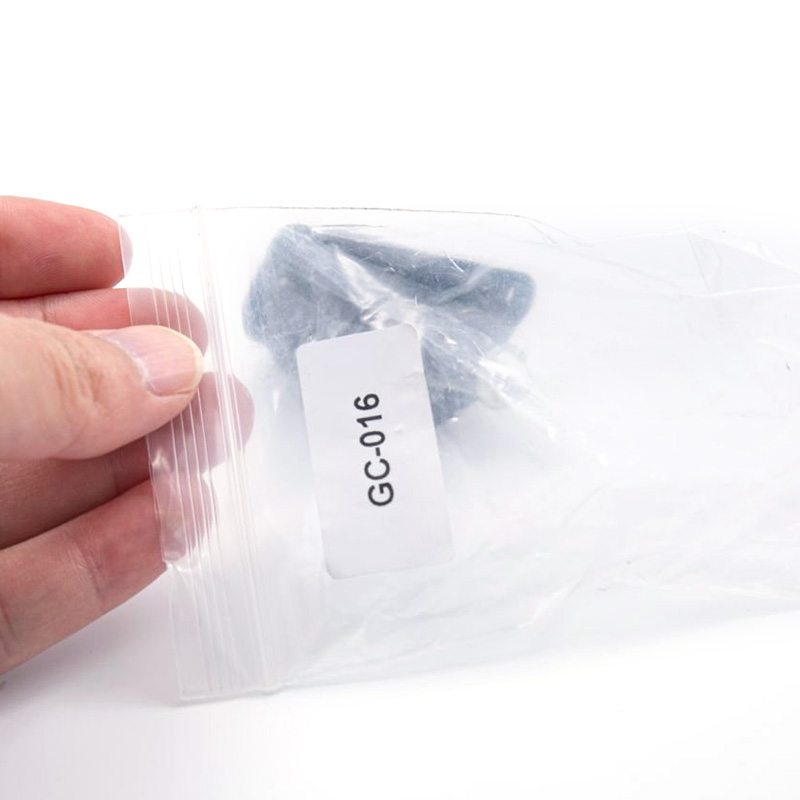
GC-016
REFERENCE OE:
MEAT DORIA:84037
SHORT CODE:B32/00 D95129
RENAULT: 7701042403 801000774001
APPLICATION:
RENAULT CLIO I;
RENAU CLIO II/II Kasten;
RENAU KANGOO/KANGOO Express;
RENAU TWINGO
Importing auto parts idle air control valve from China factory!
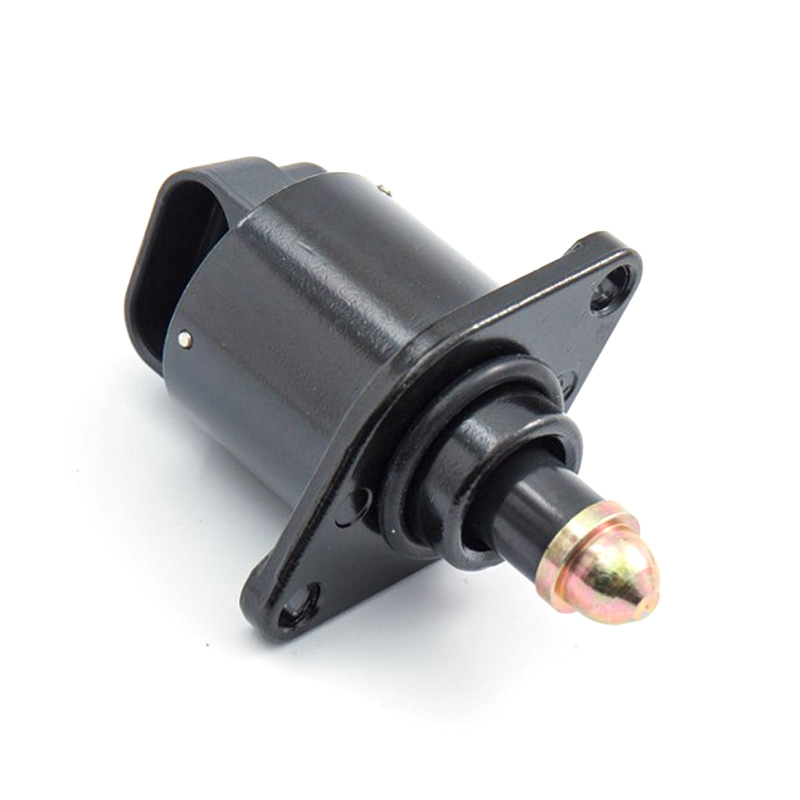
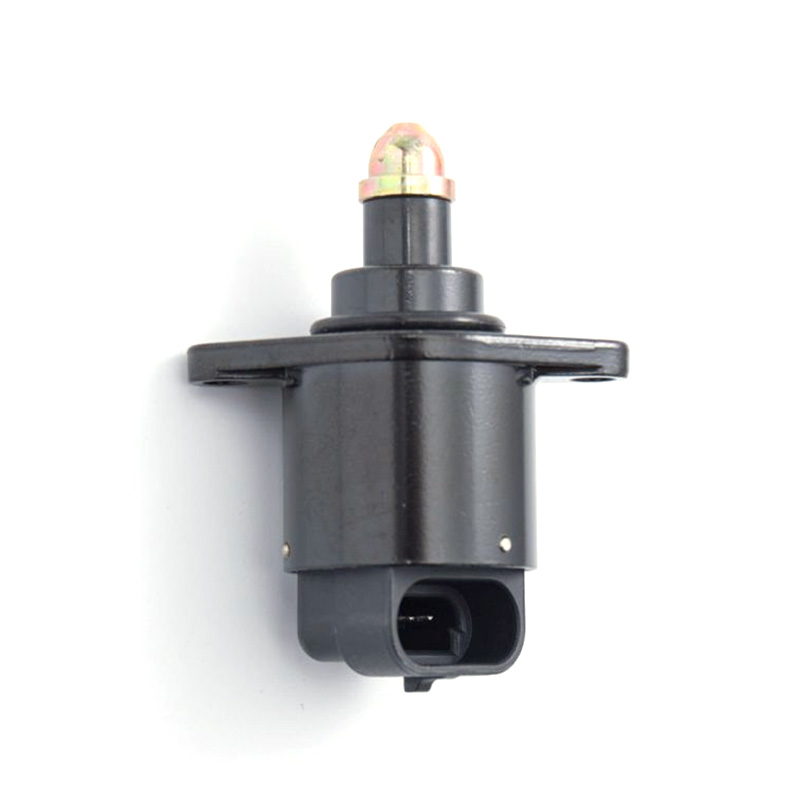
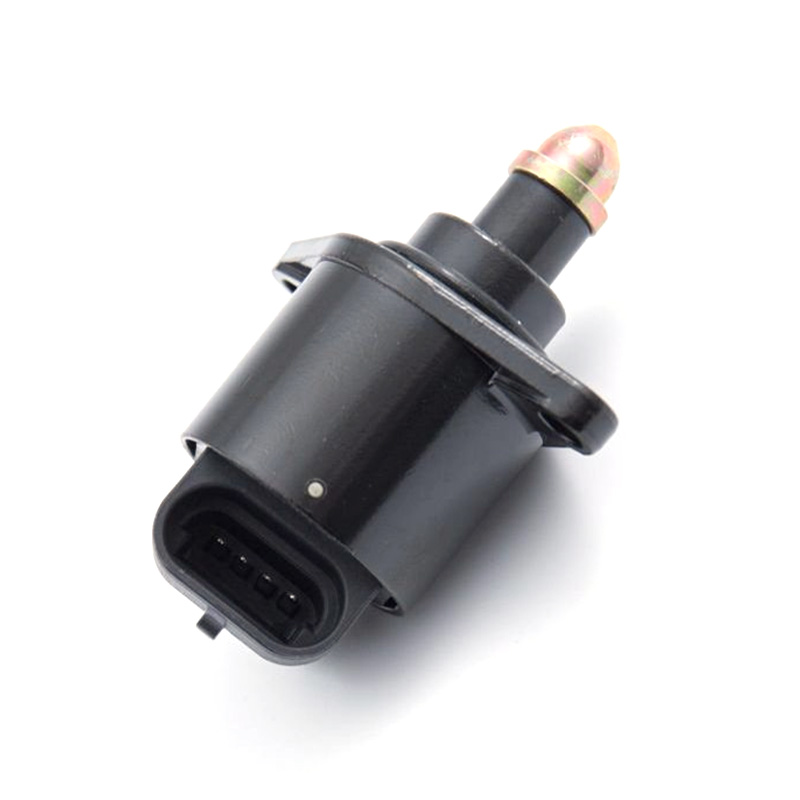
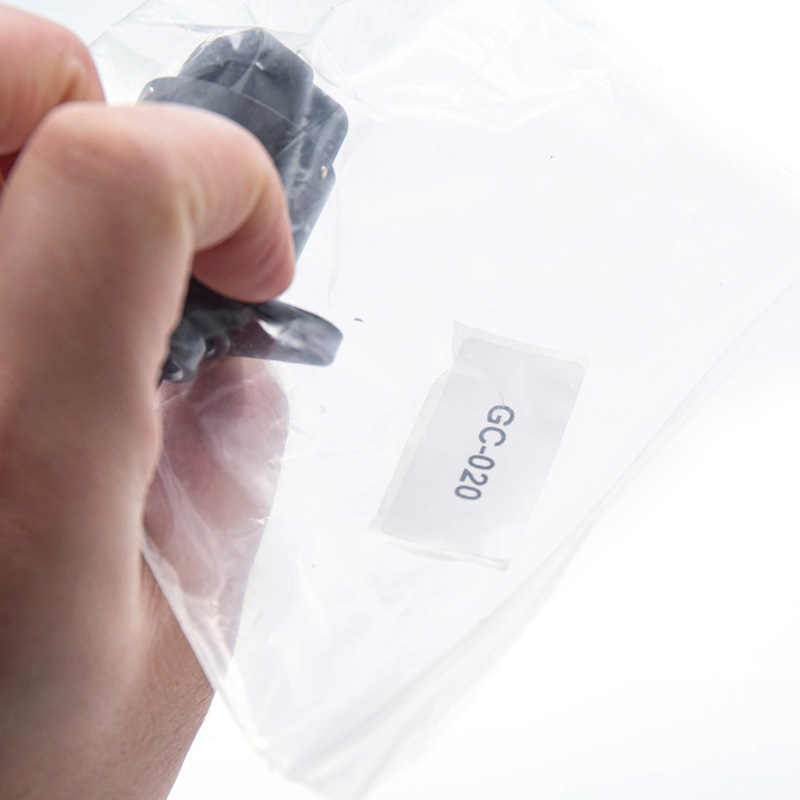
GC-020
REFERENCE OE:
SHORT CODE: B02/01
VDO: AT01200R C95128
FIAT: 9945635
OEM: 7766269 9950635
APPLICATION:
ALFA 145/146;FIAT BRAVA/FIAT BRAVO;FIAT MAREA/MAREA Weekend;FIAT PALIO/SIENA/TEMPRA/TIPO;LANCI DELTA II
Buy idle air control valve from China factory!
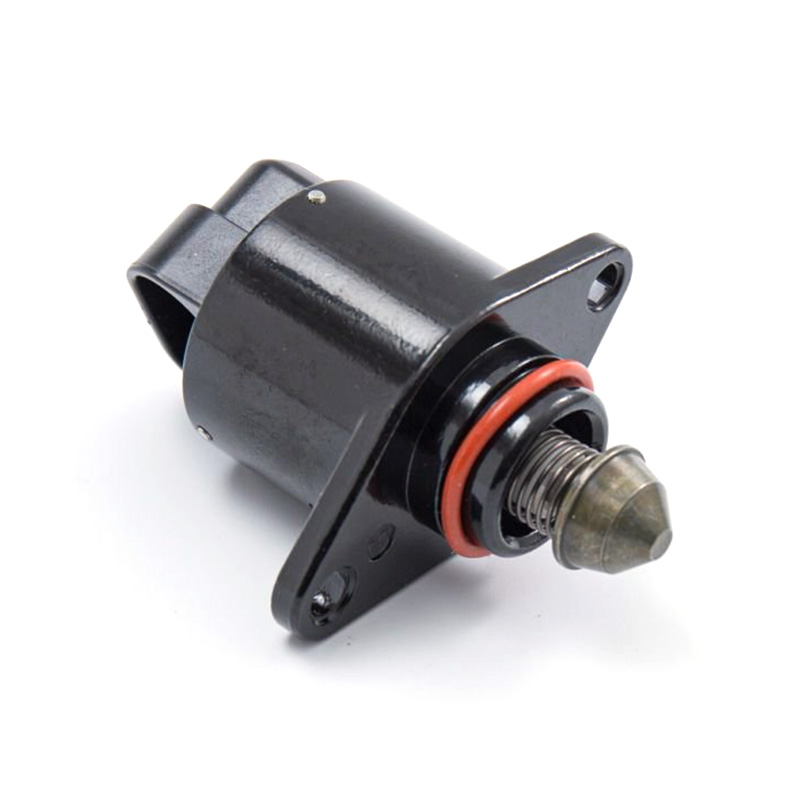
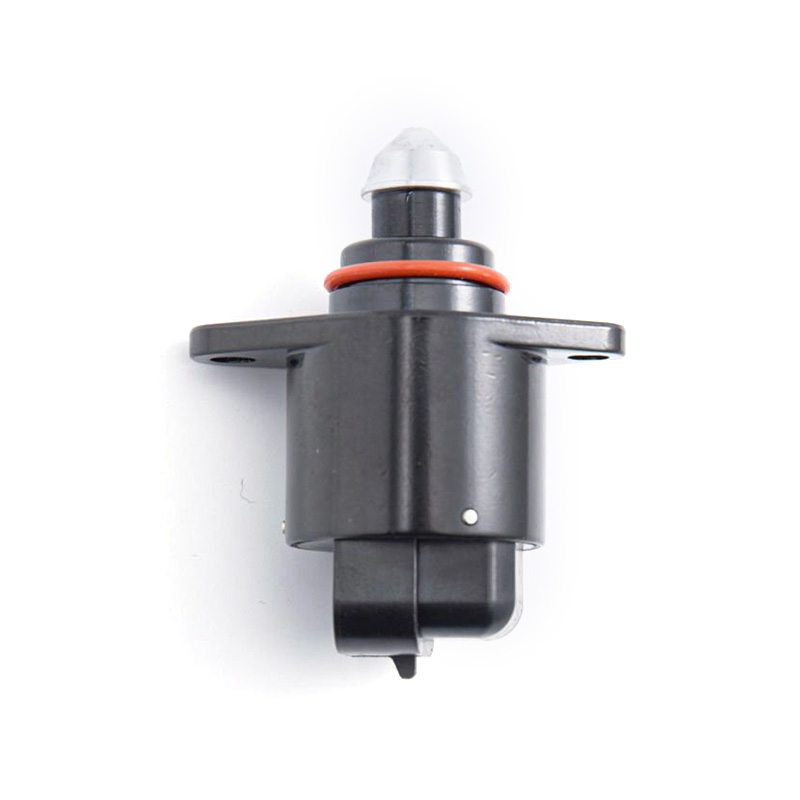
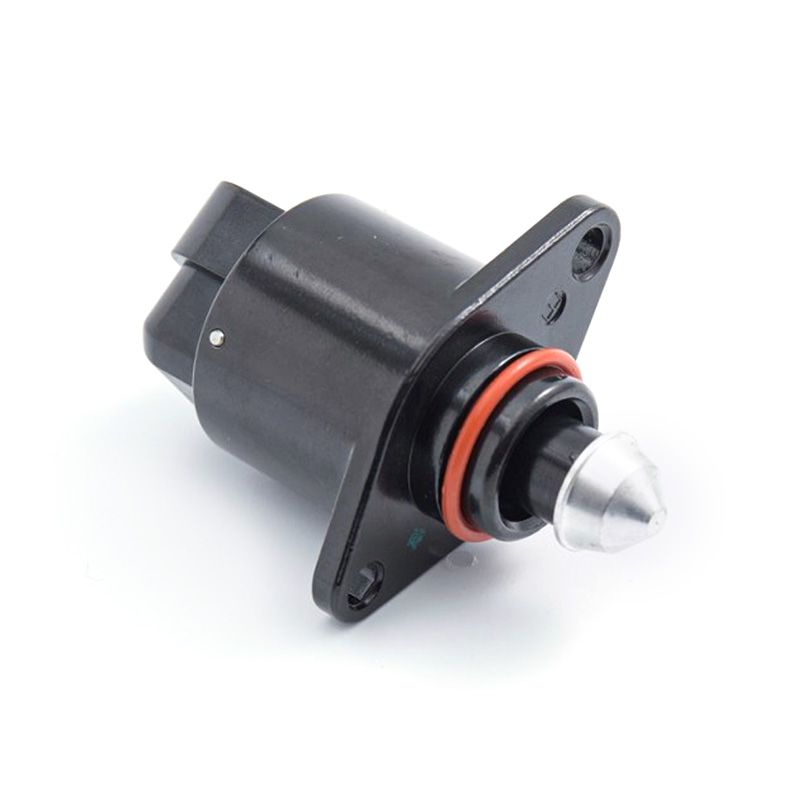
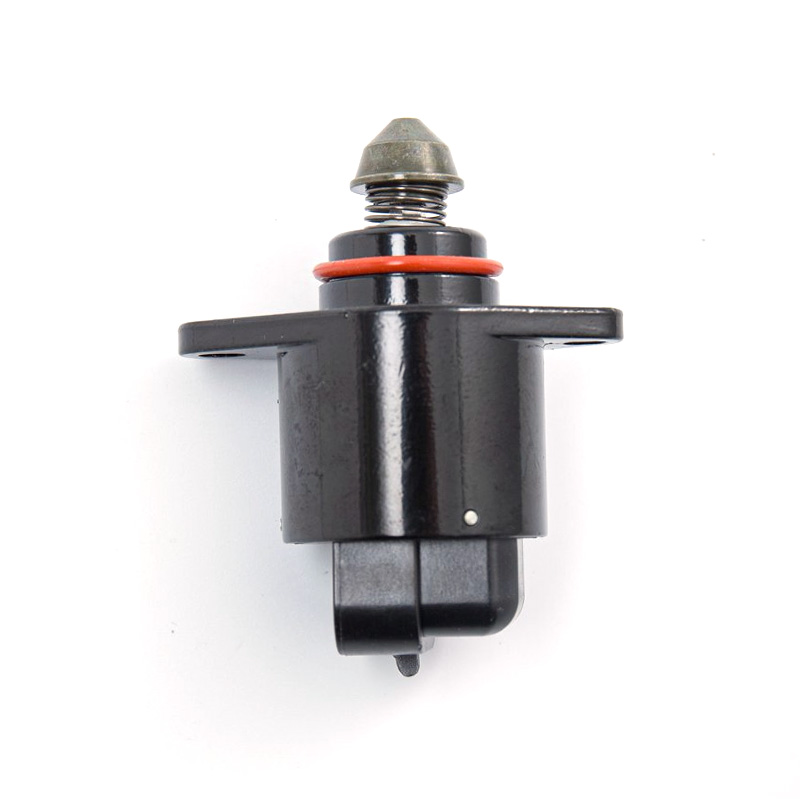
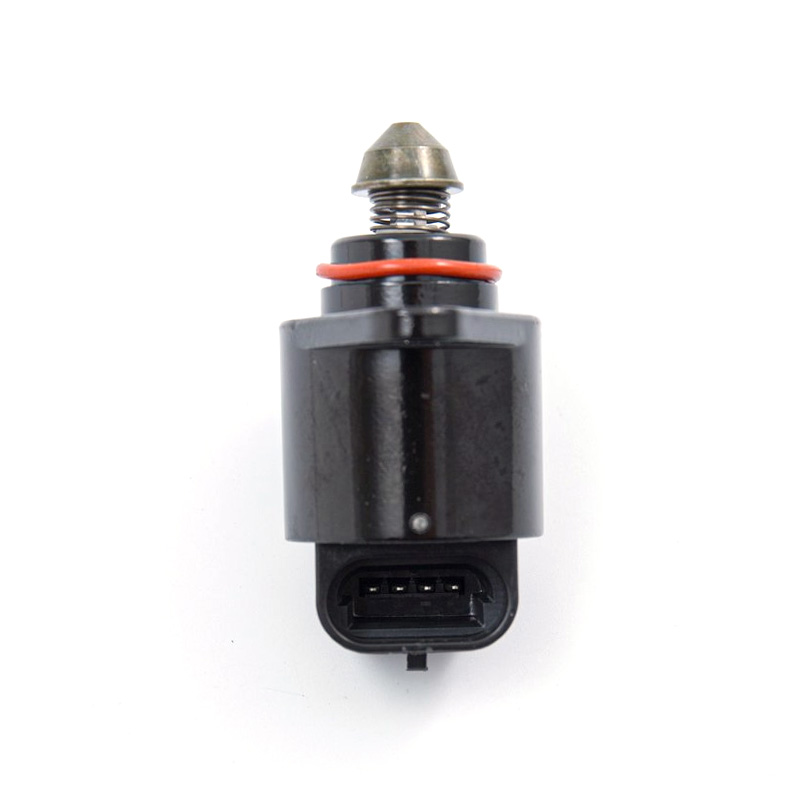
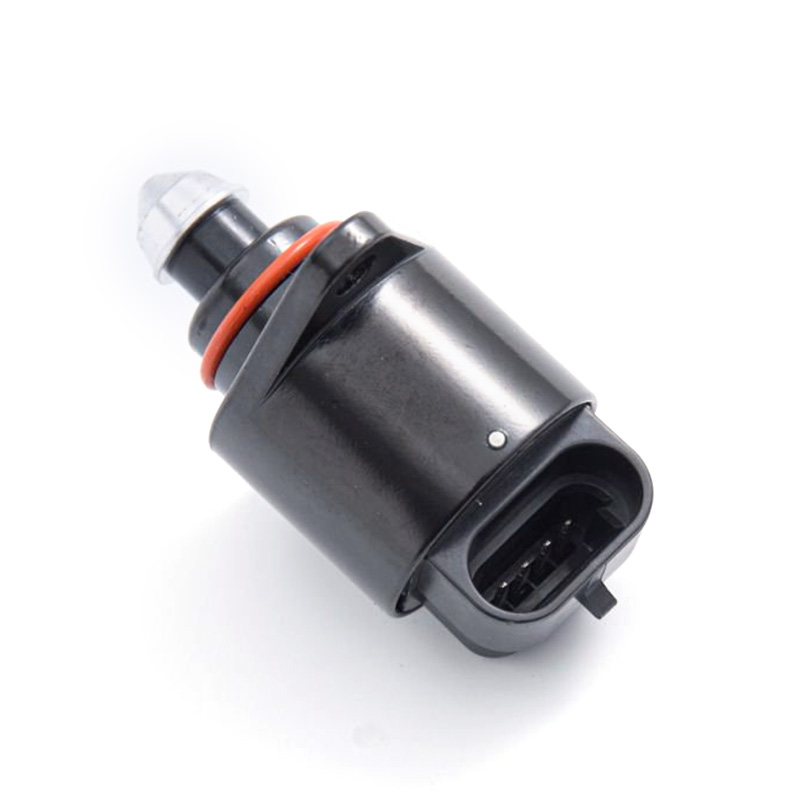
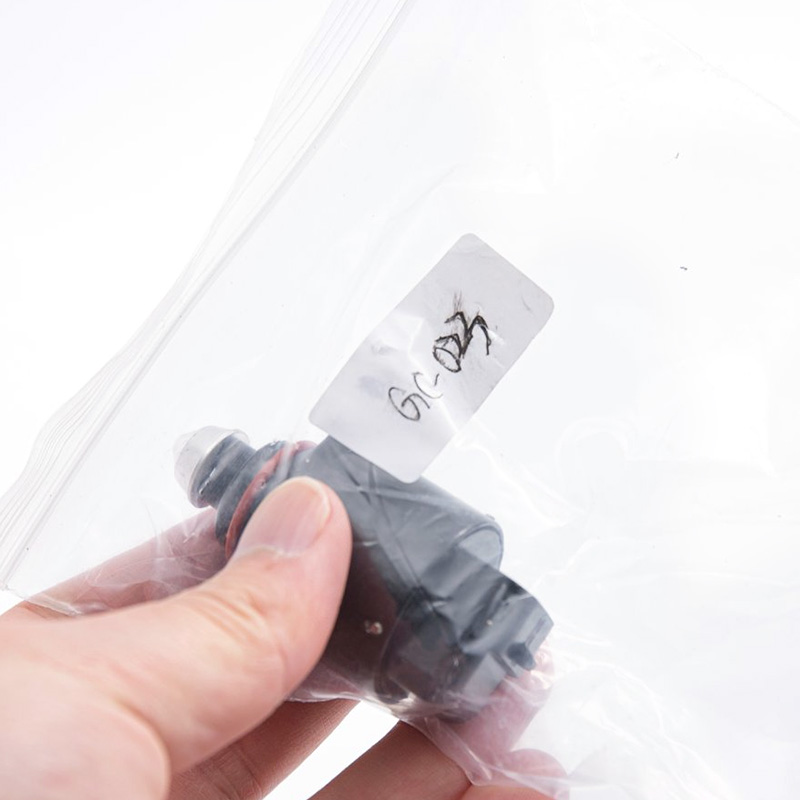
GC-023
REFERENCE OE:
GM 17112350 STD:AC5 17111808; WELLS:AC107;
APPLICATION:
Buick Century Sedan/Coupe(05-87);
Buick Lacrosse(05);
Buick Regal Sedan/Coupe(96-88)
Cadillac, chevrolet, pontiac, oldsmobile;
Idle air control valve from China manufacture for Buick!
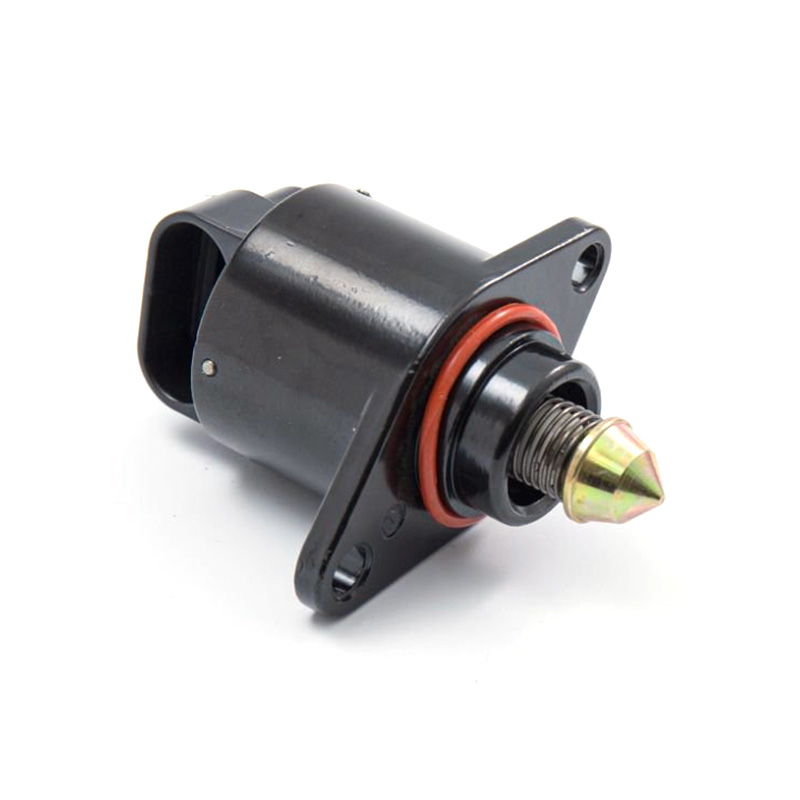
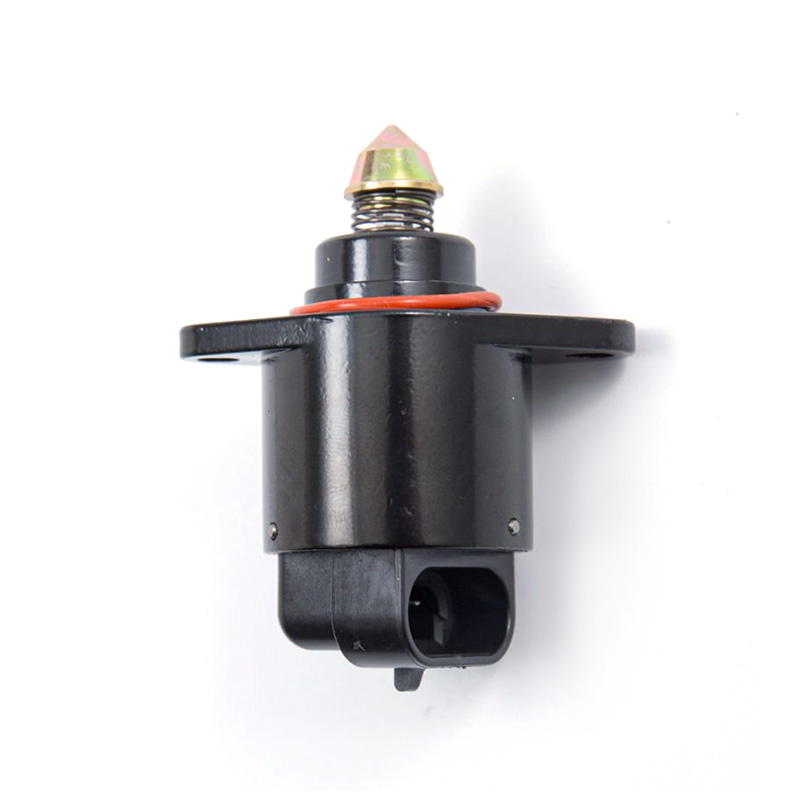
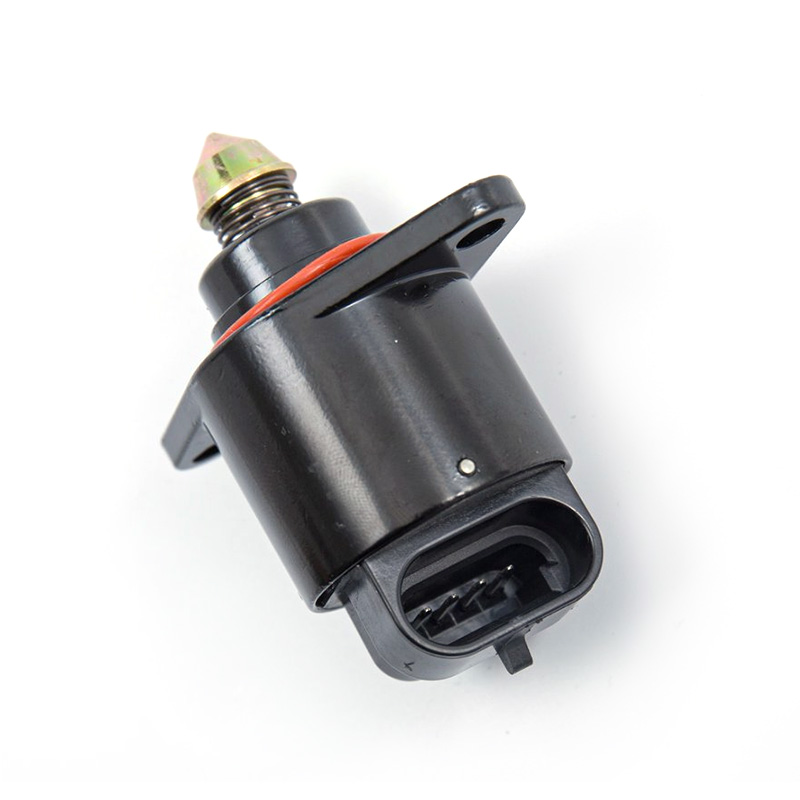
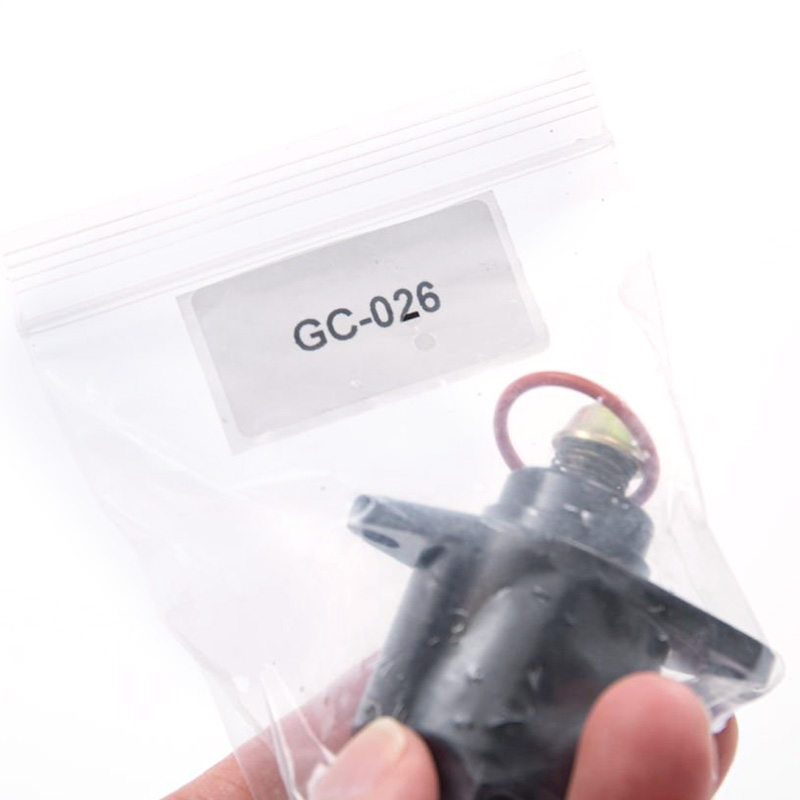
GC-026
REFERENCE OE:
SHORT CODE: 59603; 17059603
DELPHI: ICD00125
GM: 817253 817255 17112031 17112023
SIMENCE: A95214
VDO: AT-59603R STD: AC15
APPLICATION:
OPEL ASCONA C;
OPEL ASTRA F;
OPEL ASTRA F Cabriolet/Kombi/Schraqheck/Van;
OPEL KADETT E;
OPEL KADETT E Cabriolet/Kombi/Schraqheck
Idle air control valve from China manufacture for Opel.
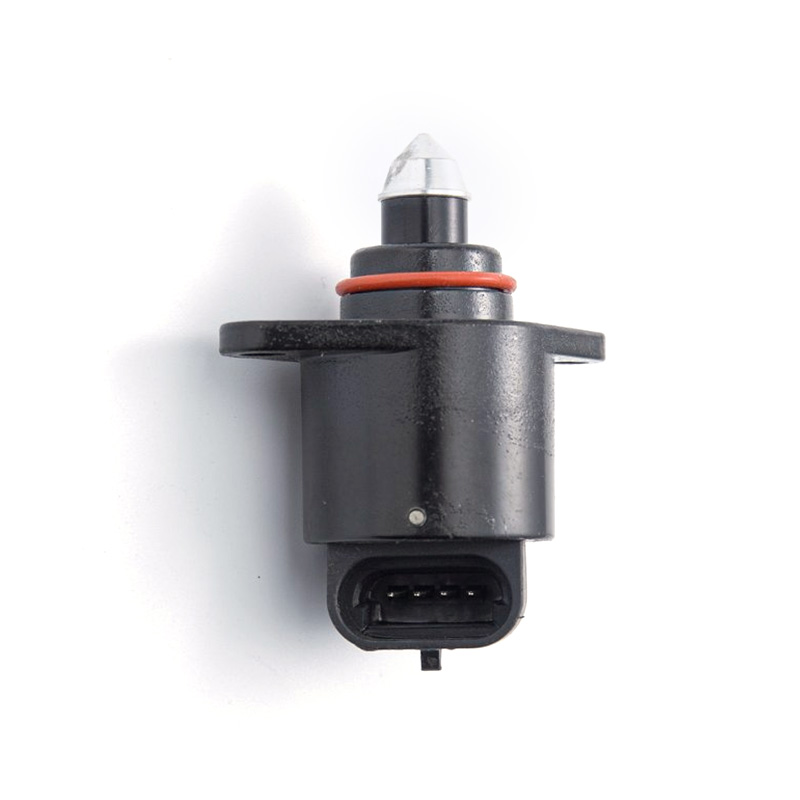
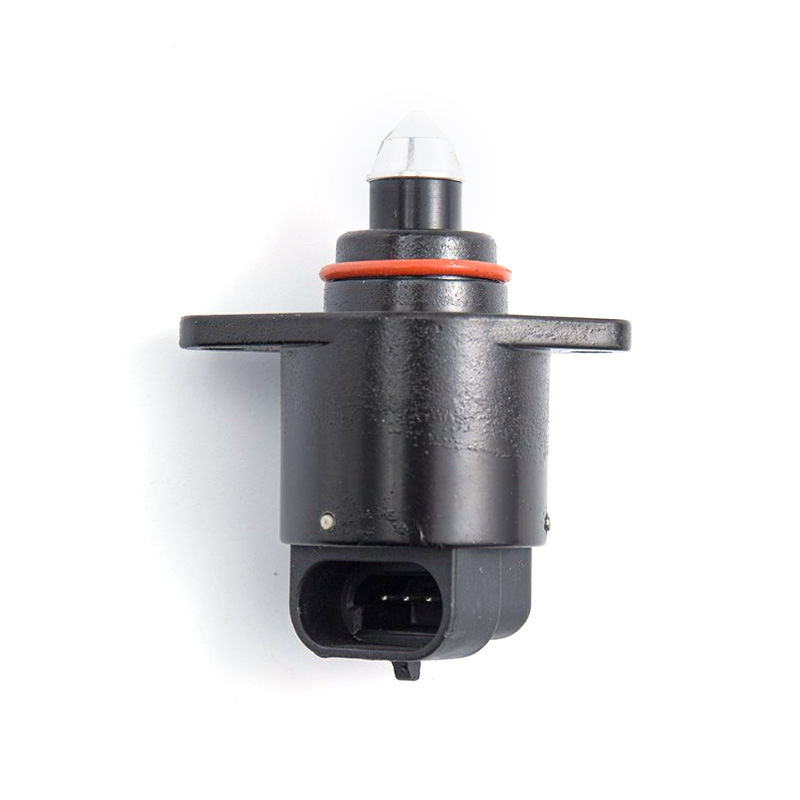
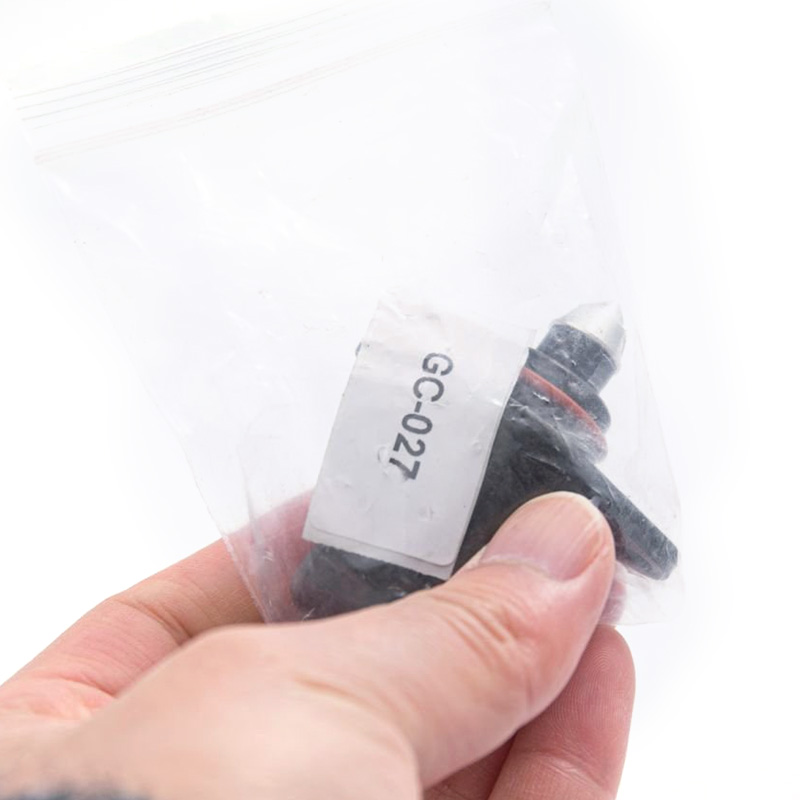
GC-027
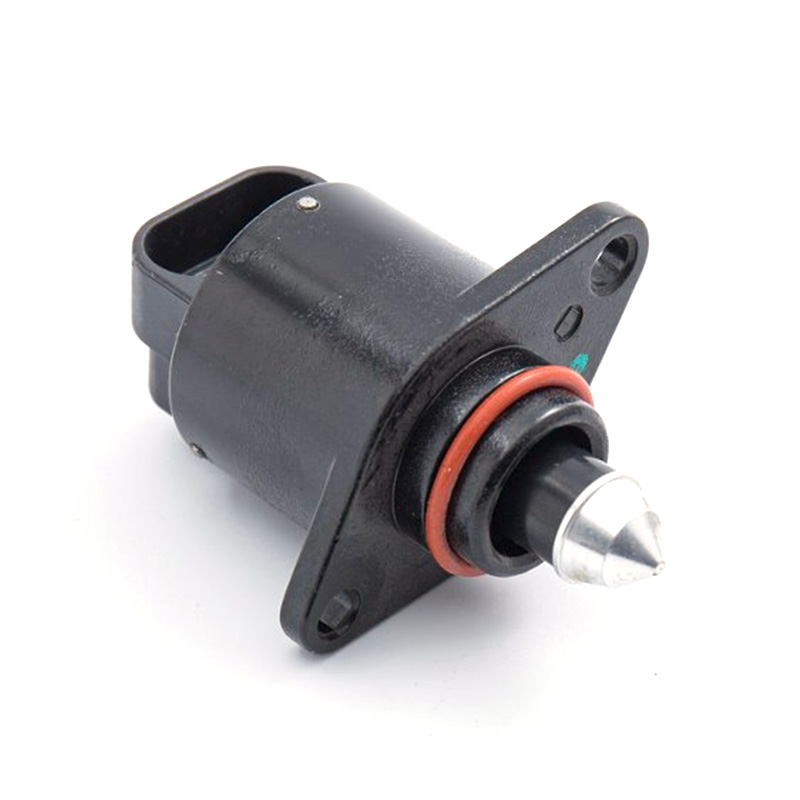
REFERENCE OE:
STD: AC64 WELLS:AC132
DELPHI: ICD00126
GM:17059600; 17112898
APPLICATION:
IPANEMA 1.8/2.0 EF191>,KADETT1.8/2.0 EF191>,MONZA 1.8/2.0 Ef191>
Idle air control valve from China factory for Ipanema Kadett Monza.
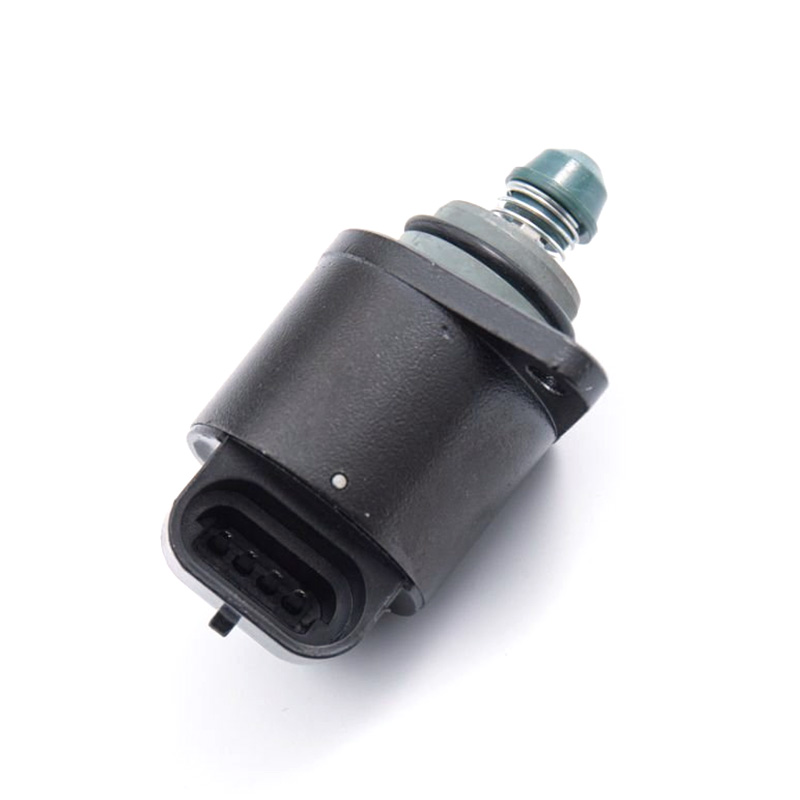
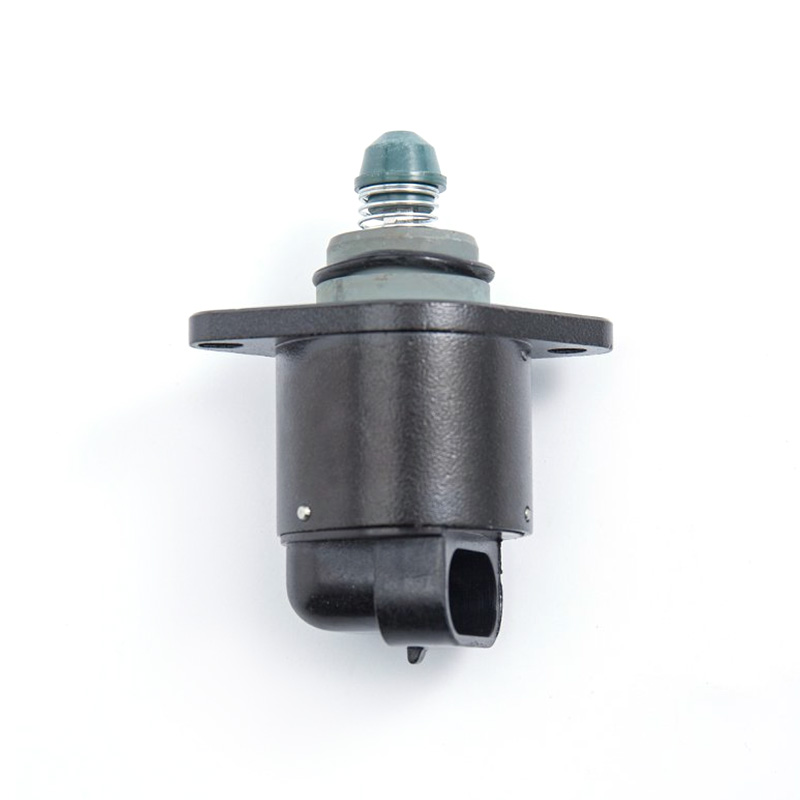
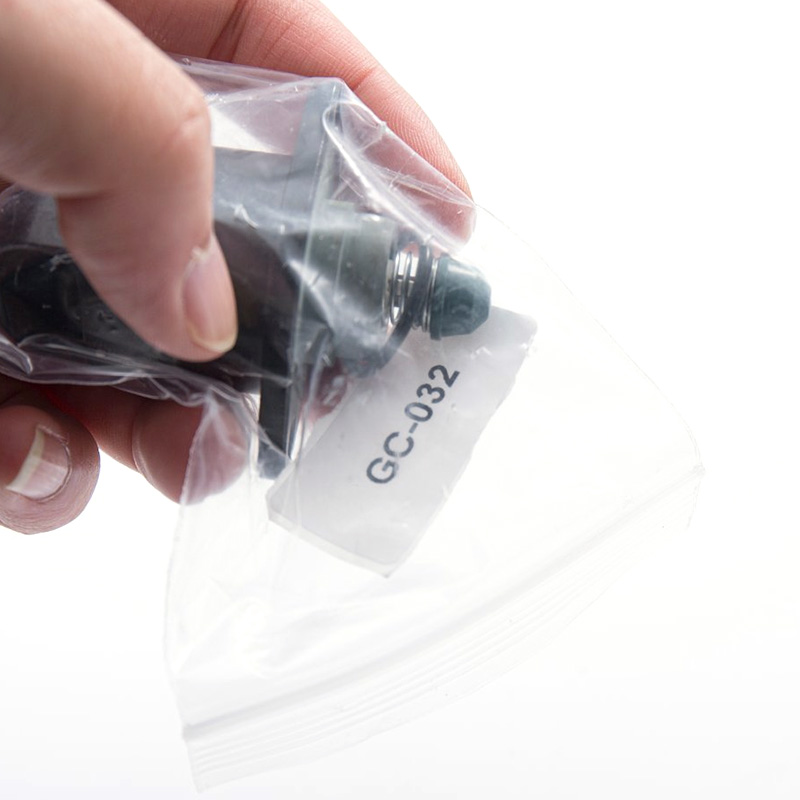
GC-032
REFERENCE OE:
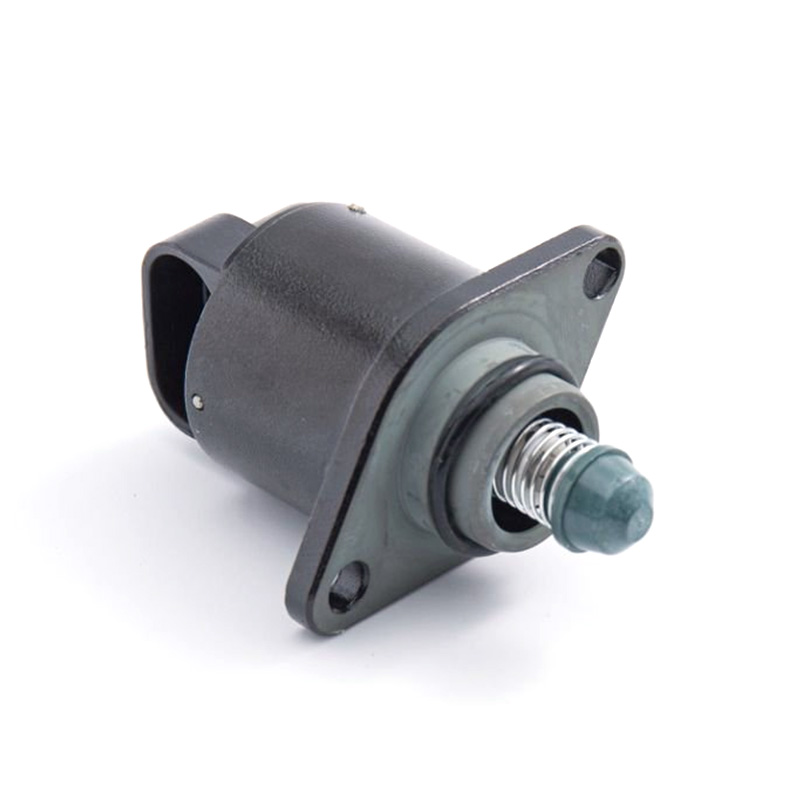
21203-1148300
APPLICATION:
LADA
Idle air control valve from China factory for Lada.
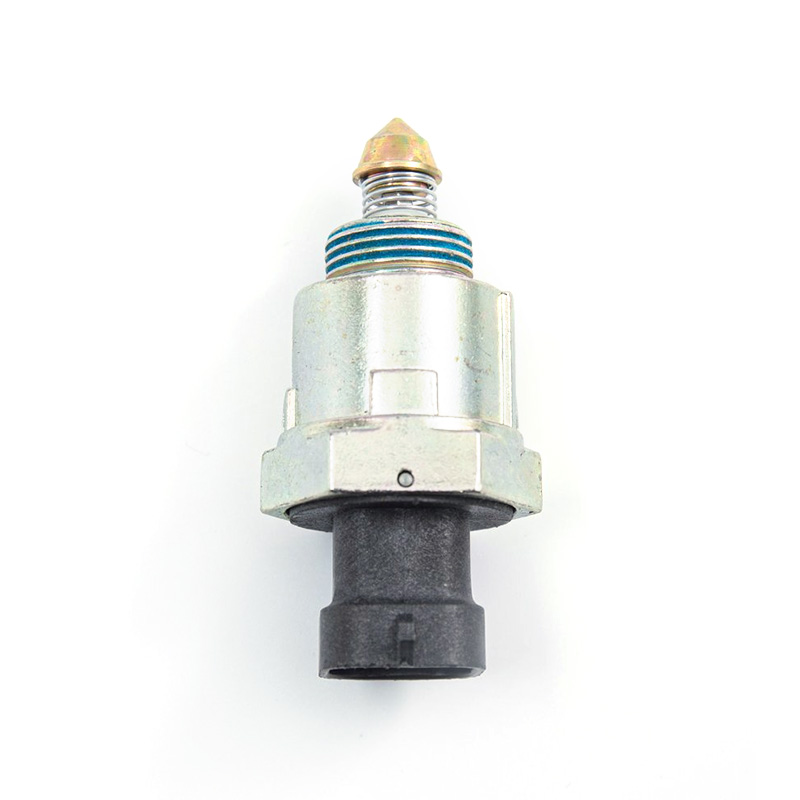
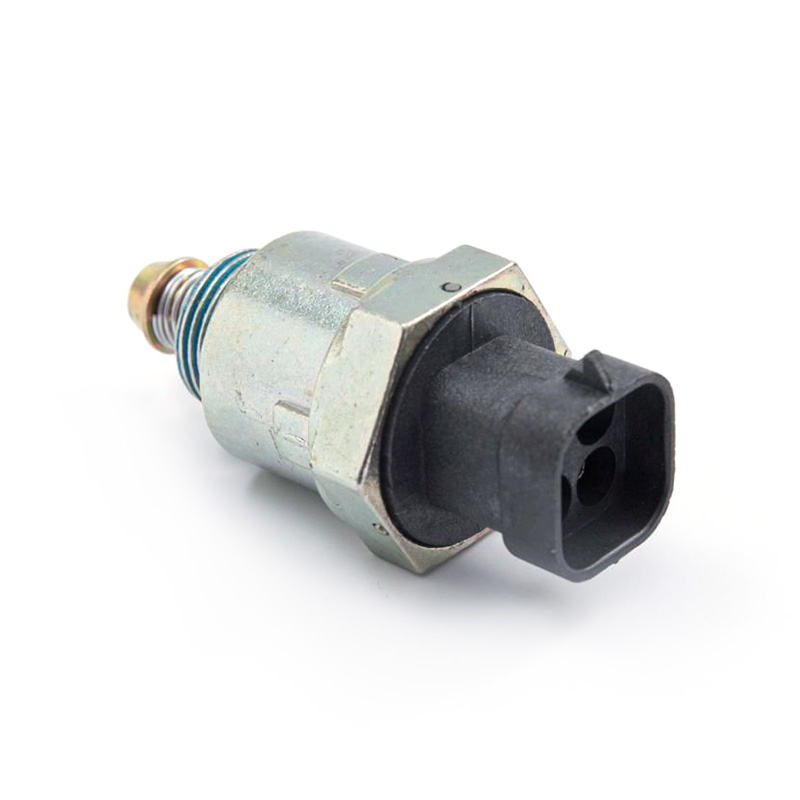
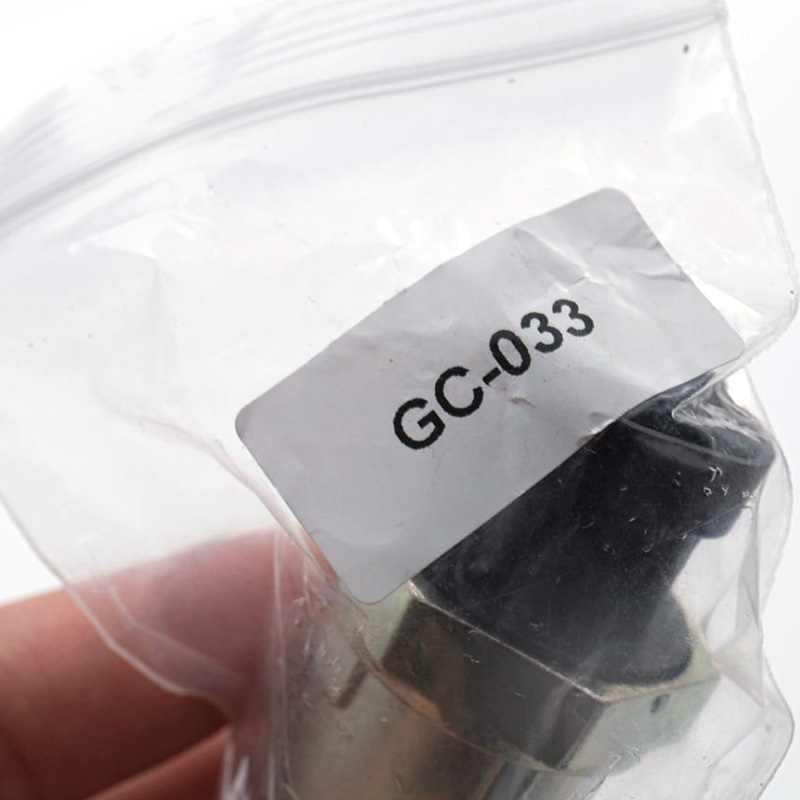
GC-033
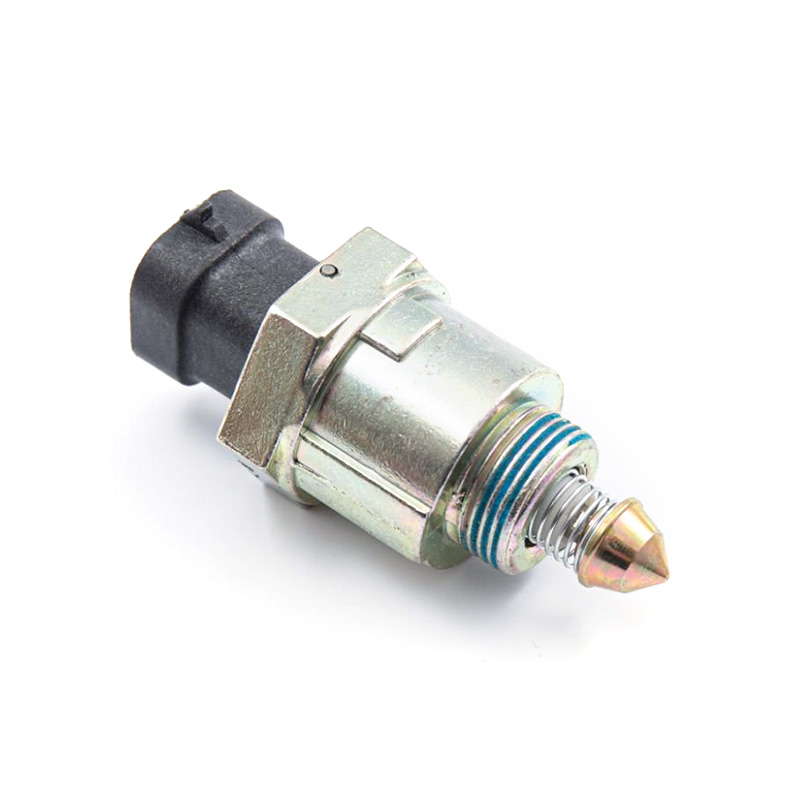
REFERENCE OE:
WELLS:AC102 STD:AC1
GM:25527077
SUZU:8-17111460-0
WALKER:215-1003 17079256;
WELLS: AC4115;2H1293; AC102
APPLICATION:
Buick Century Sedan/Coupe(87-83);
Buick Regal Sedan/Coupe(87-86);
Buick Roadmaster(93-91);
Cadillac Fleetwood/Brougham(93-90);
Chevrolet Astro(94-85);
GMC Fullsize Pickup(95-87);
Oldsmobile;
Pontiac
Idle air control valve from China factory for Buick Regal Cadillac Chevrolet.
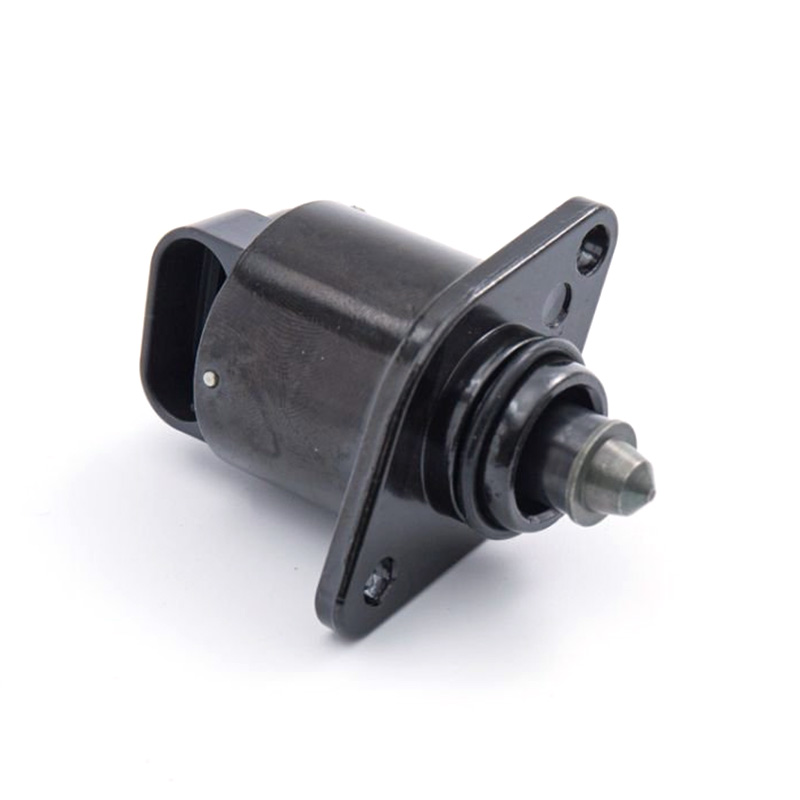
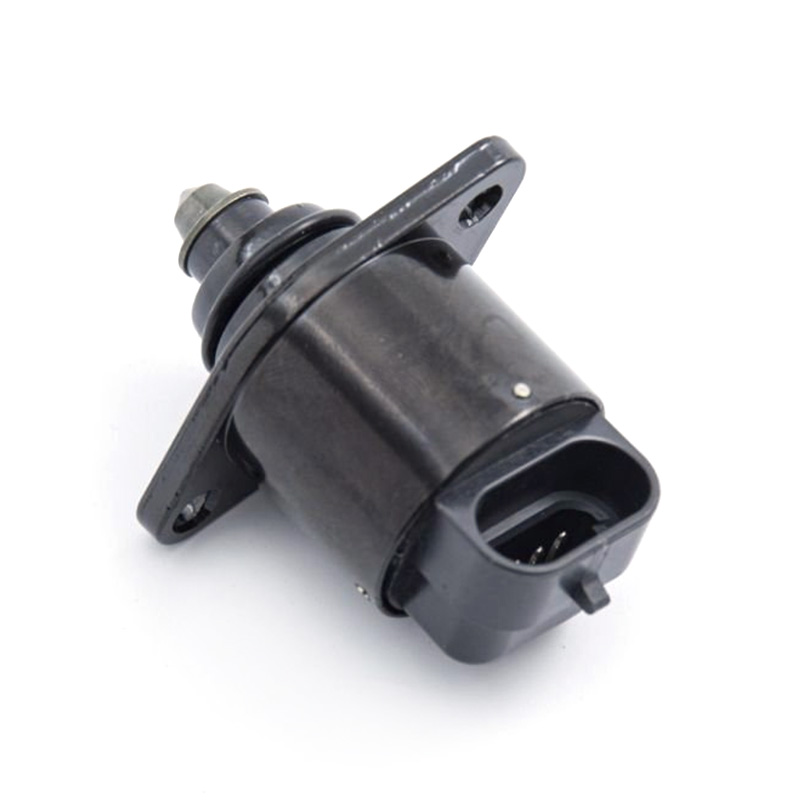
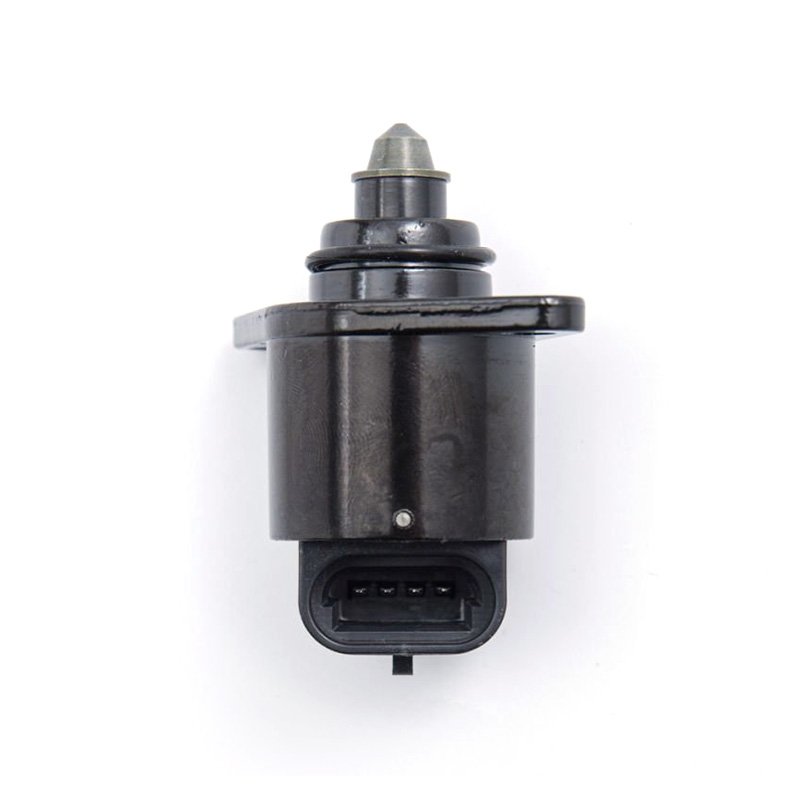
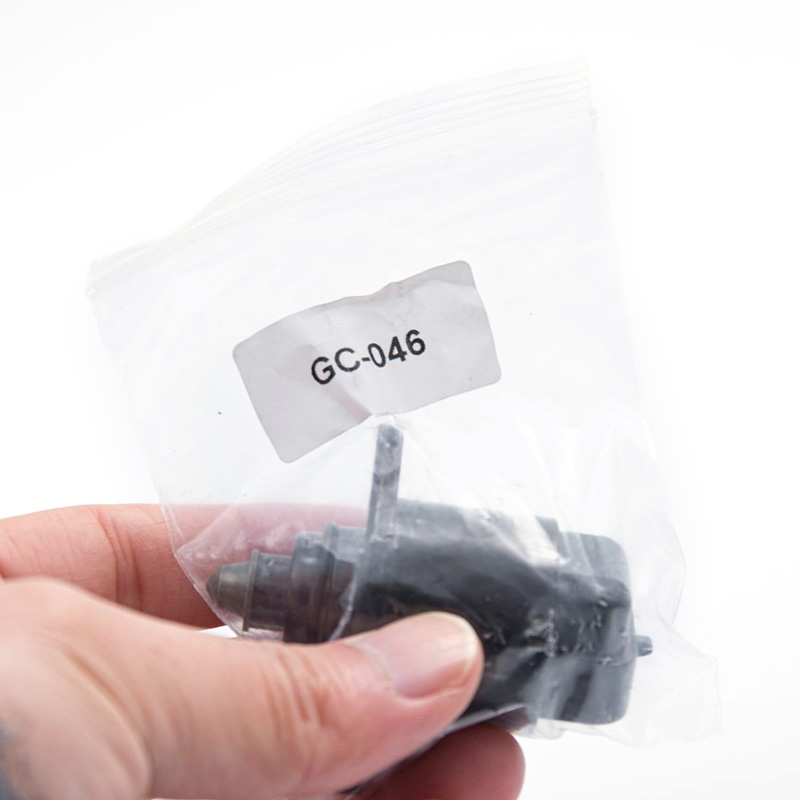
GC-046
REFERENCE OE:
2112-1148300
APPLICATION:
LADA
Idle air control valve from China factory for Lada.
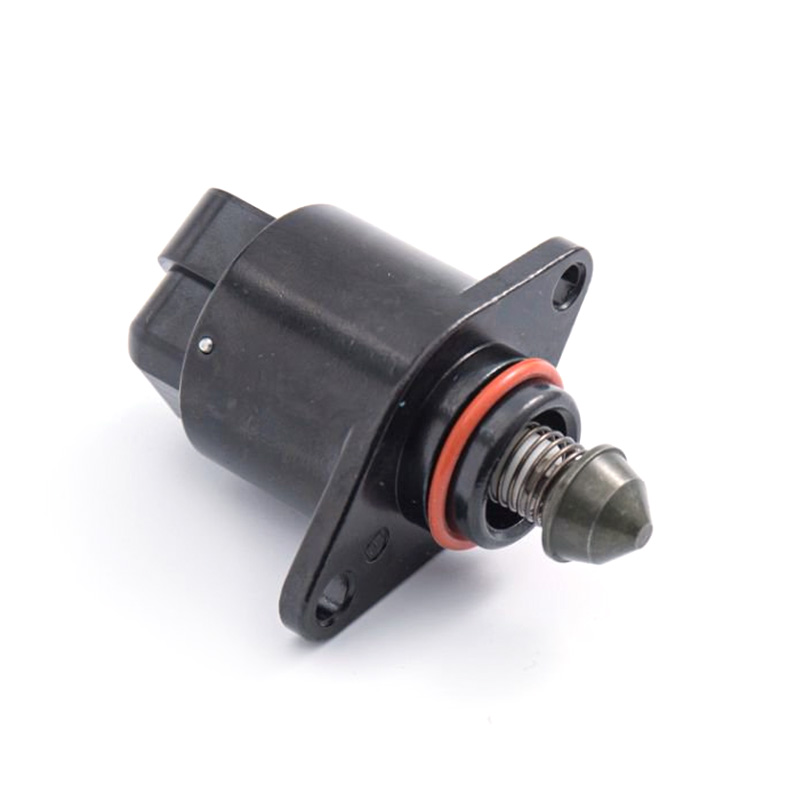
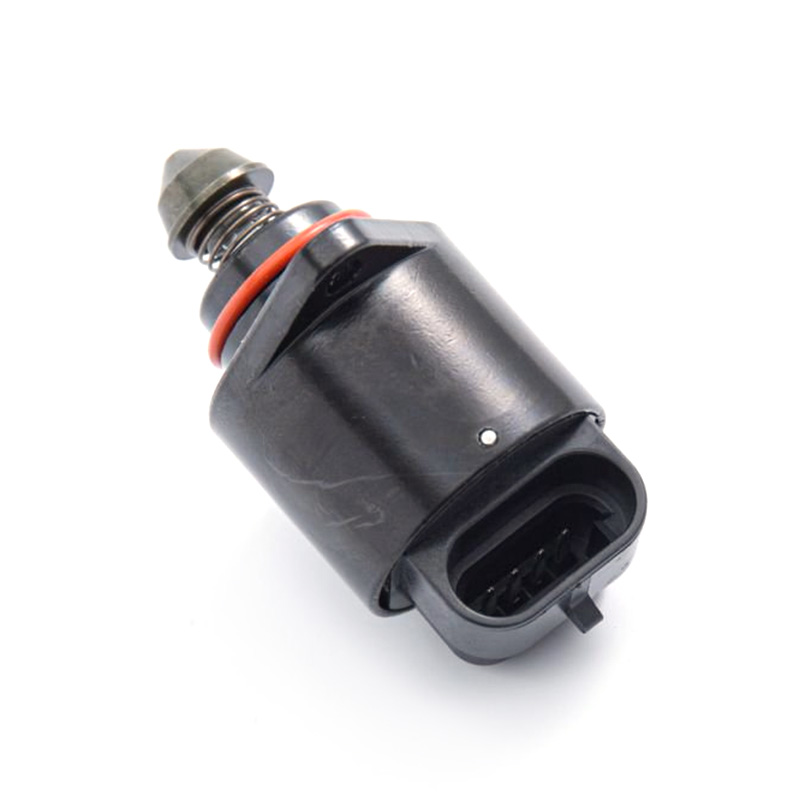
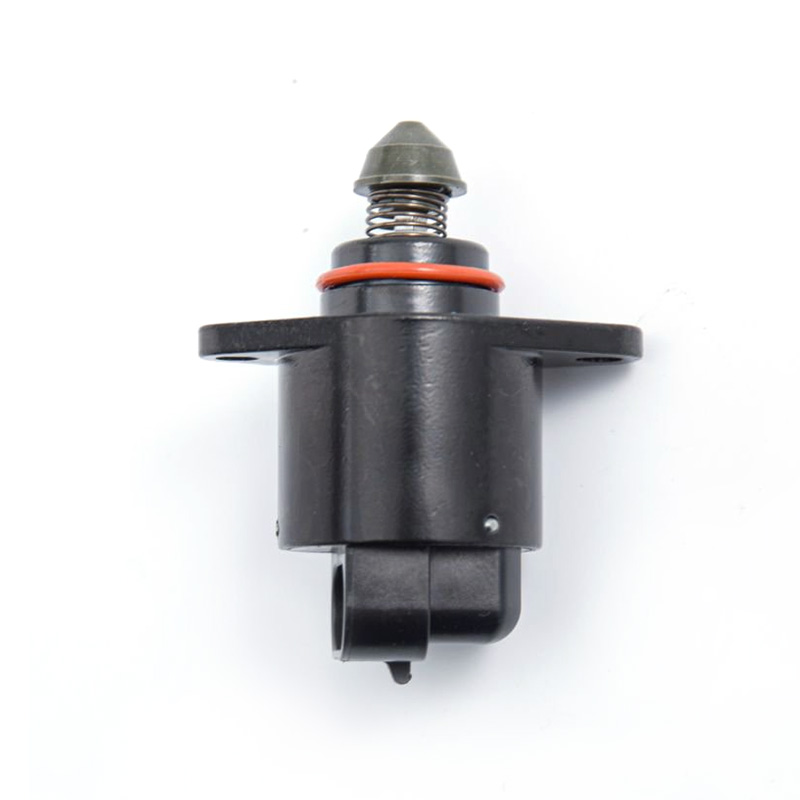
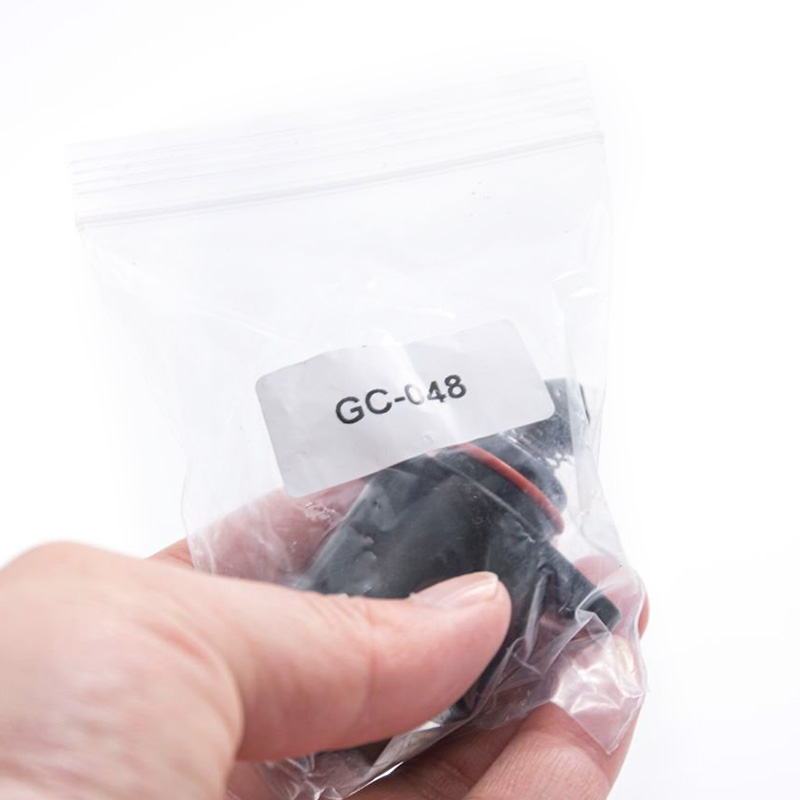
GC-048
REFERENCE OE:
SHORT COD:02851
GM: 17102851
GM: 17112966
GM: 17112967
VDO: A95267
SMW299933
BUICK: D0016,C2177
2151025, AC124, AC130
217428,2H1058
APPLICATION:
Delica Van
Idle air control valve from China factory for Delica Van.
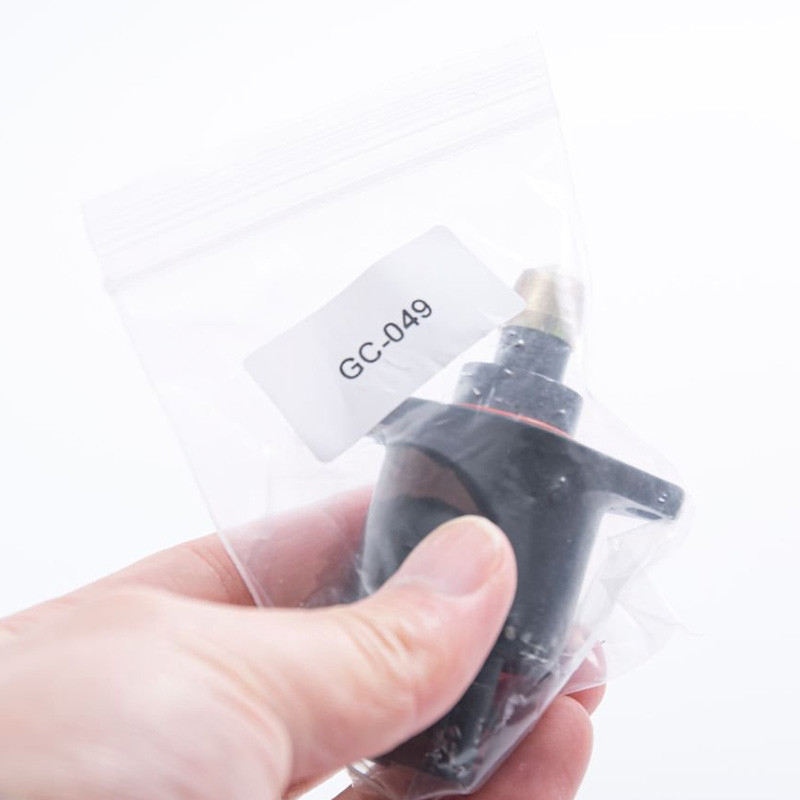
GC-049
REFERENCE OE:
MDQ100040
APPLICATION:
ROVER
Idle air control valve from China factory for Rover.
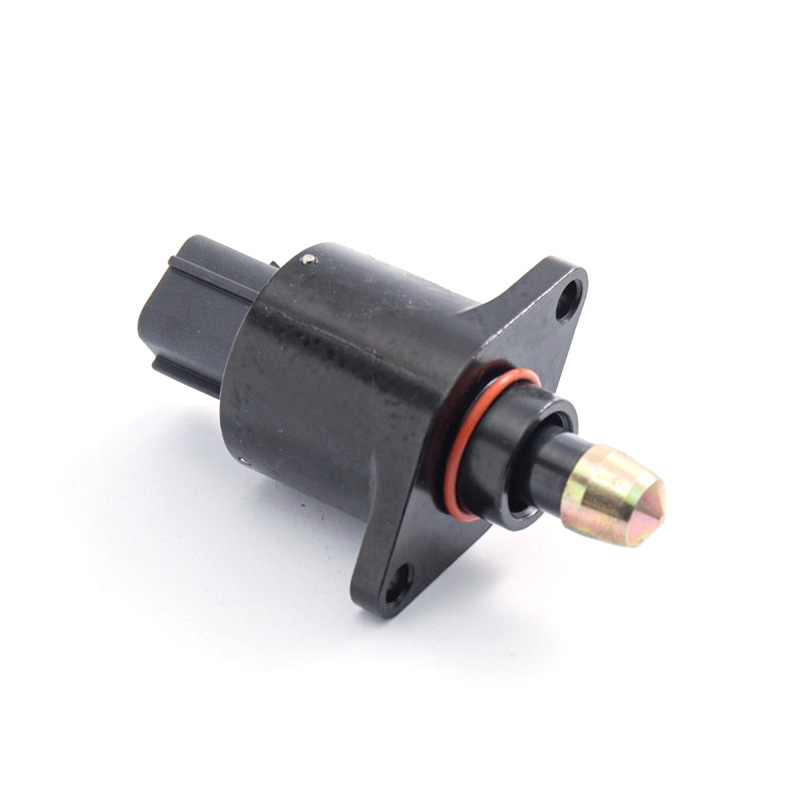
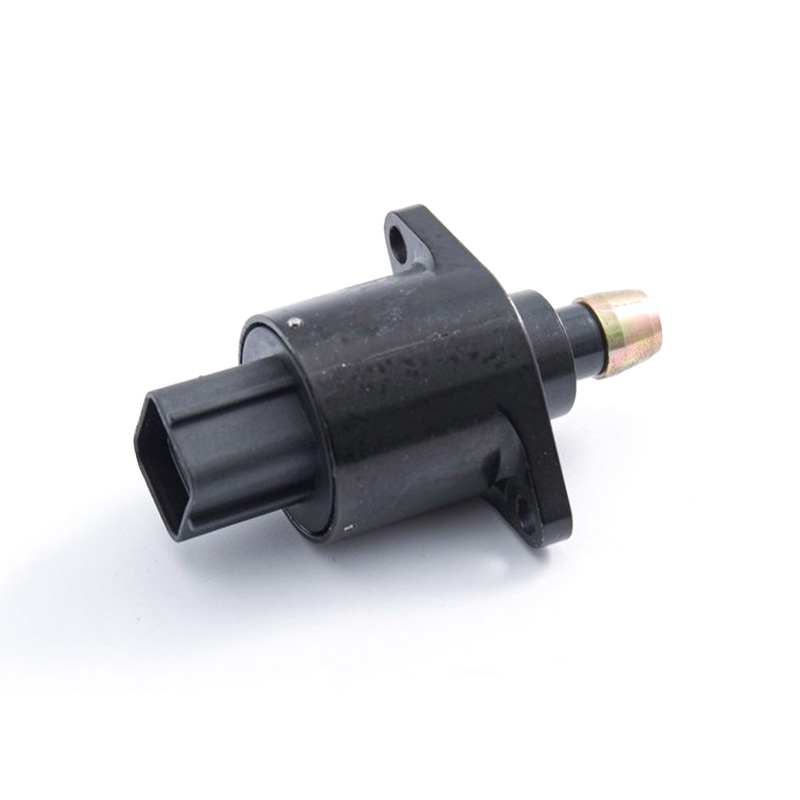
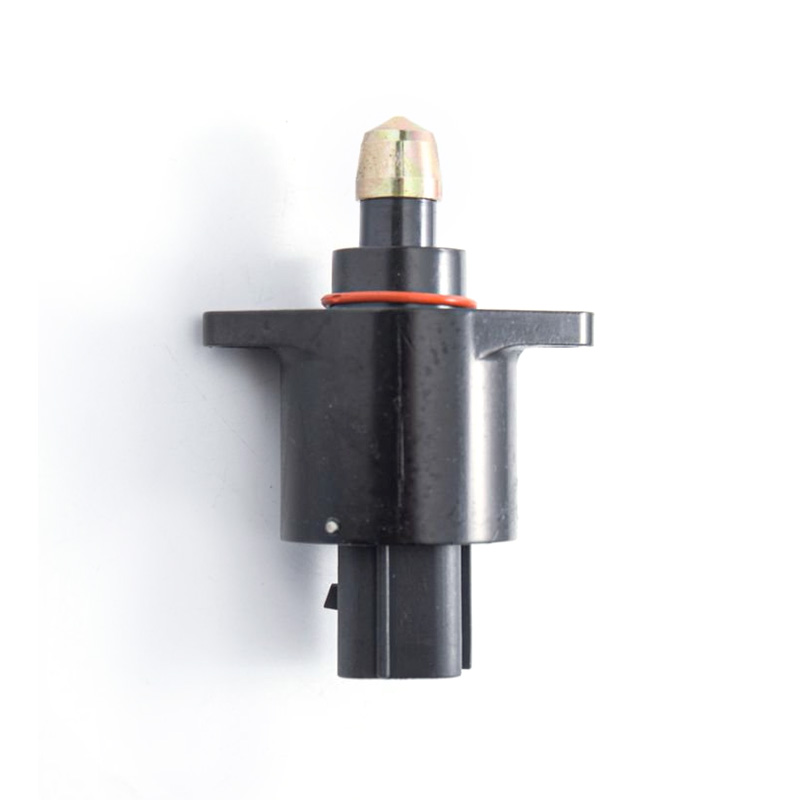
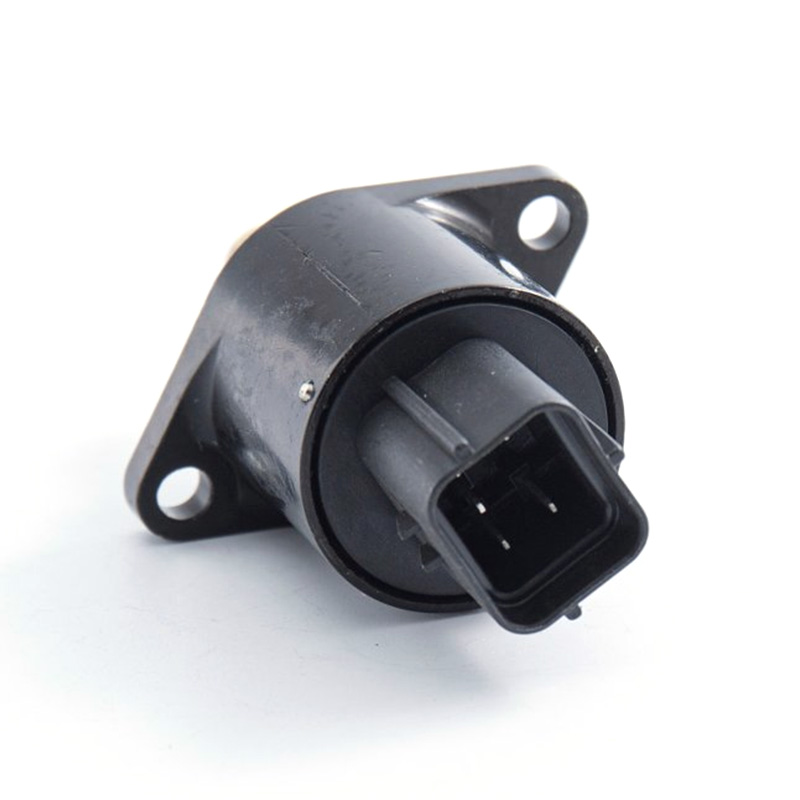
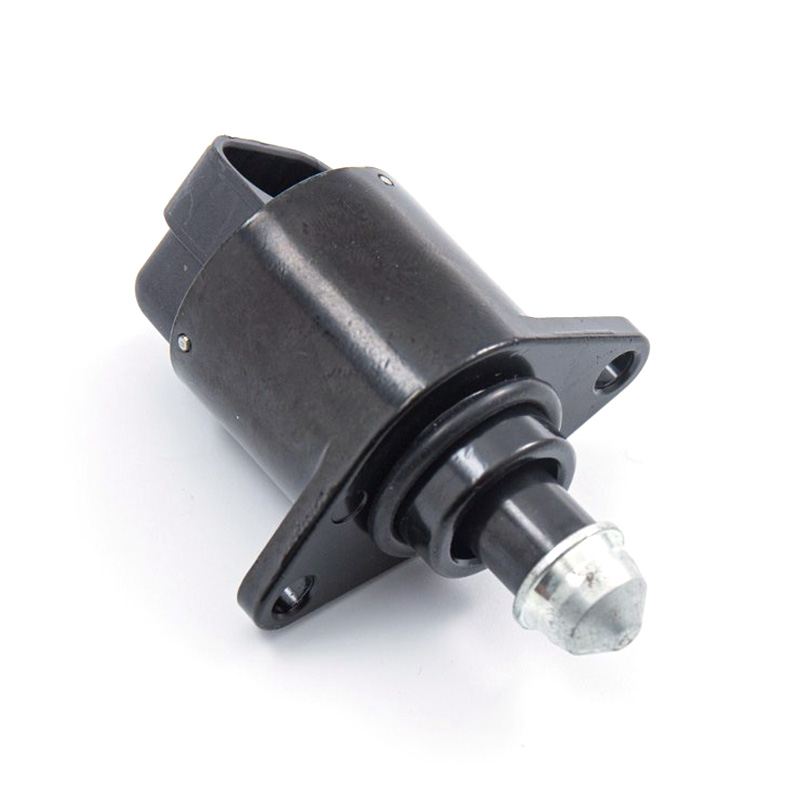
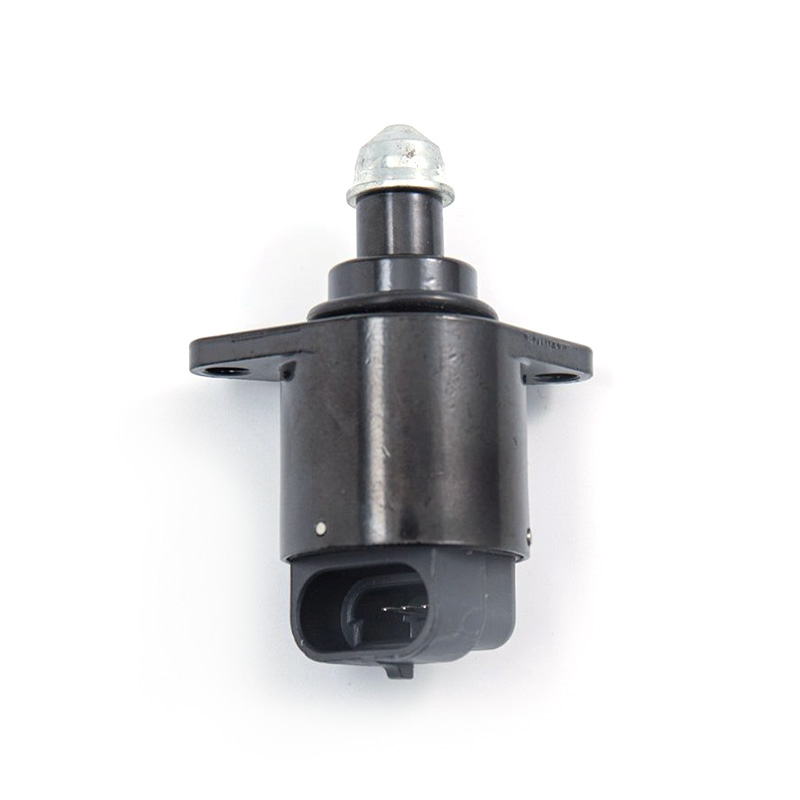
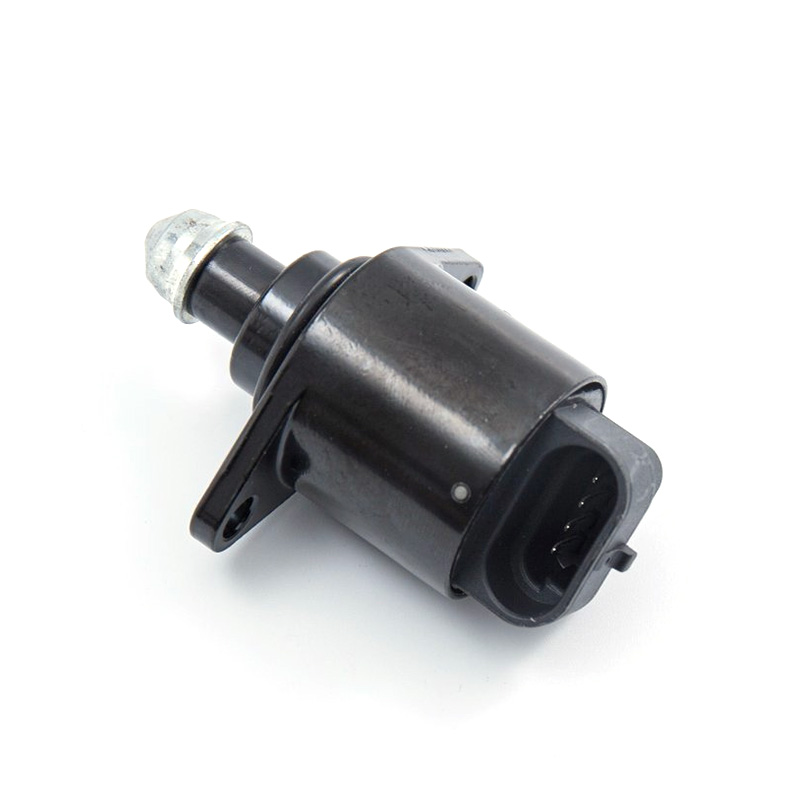
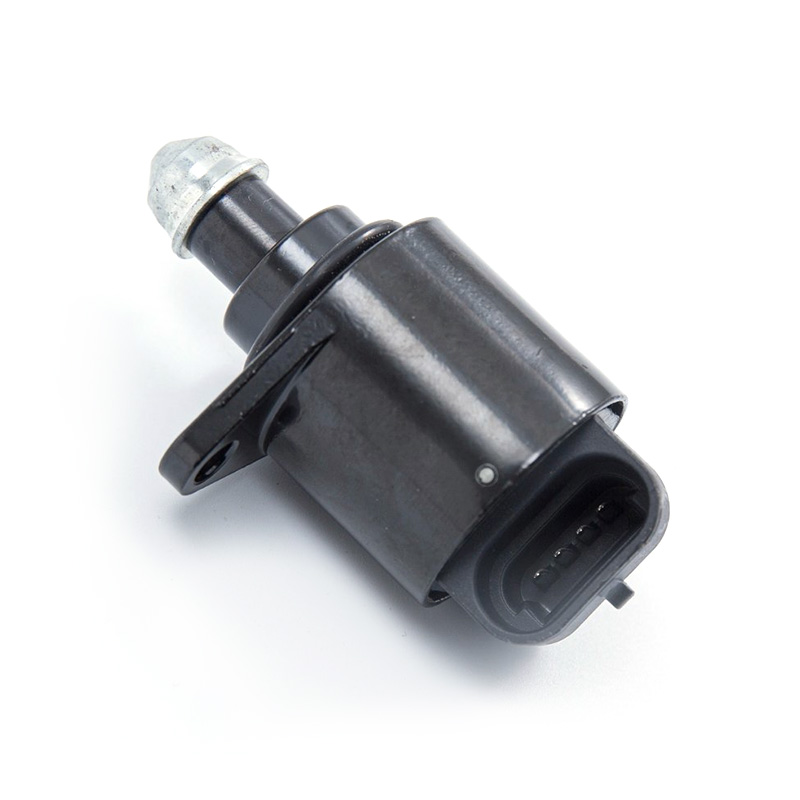
GC-051
REFERENCE OE:
PEUGEOT:19205F
APPLICATION:
CITRO SAXO(S0,S1)1.4VTS 1.6VTS;PEUGEOT 106 II(1) 1.4i;206 Schraqheck(2A/C)1.4i
Idle air control valve from China factory for Citroen Saxo Peugeot 106 206.
Contact Us
Let's start collaborating

Guocheng is specialized in the R&D and production of key engine components for the automotive and engineering machinery industries.
Product
Stay Connected
(+86) - 577 - 8582 0886 (Tel)
(+86) - 577 - 8582 8085 (Fax)
(+86) - 19730213059 (Phone)
sales@wz-gc.com
No. 205, Baiyu Road, 15th Road, Binhai Park, Wenzhou, Zhejiang, China
Mobile

ODM Engine Management System Components
 English
 русский
 Español
 عربى
عربى Deutsch