Date:Mar 13, 2026
In today’s fast-moving automotive market, manufacturers and consumers alike are prioritizing components that enhance both vehicle performance and safety. Modern vehicles rely heavily on intelligent systems where accurate feedback and control are essential. Products such as the Odometer Sensor play a critical role in tracking distance and supporting vehicle diagnostics, while the Automotive Accelerator Pedal ensures precise control over engine response. Observing global discussions across social media and automotive forums, we notice growing awareness of component quality, reliability, and integration capabilities in both passenger and commercial vehicles.
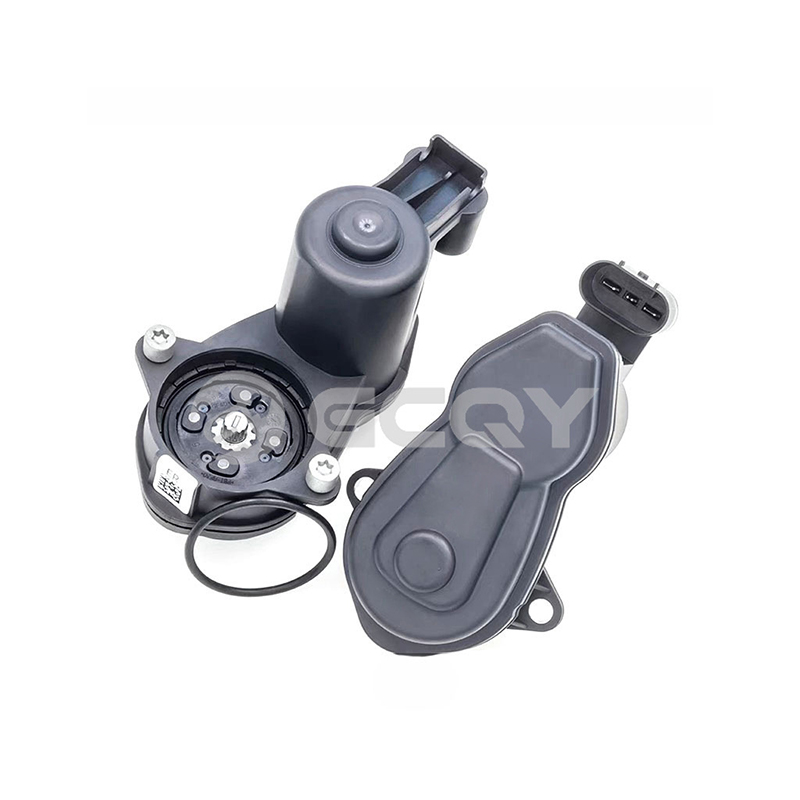
Odometer sensors have evolved from simple mechanical devices to sophisticated electronic components. Their precision impacts more than just mileage recording—it directly affects fuel consumption calculations, maintenance schedules, and even vehicle resale value.
Professionals in automotive communities often discuss how sensor accuracy under different conditions—temperature variations, vibrations, and high mileage—affects overall vehicle reliability. Manufacturers are responding by designing sensors that meet stringent testing standards and maintain long-term performance consistency.
Modern accelerator pedals are key interfaces between drivers and vehicle powertrains. Advanced designs integrate electronic sensors to communicate with the engine control unit (ECU), ensuring smoother throttle response, optimized fuel efficiency, and improved driving comfort.
Automotive enthusiasts and professional drivers emphasize ergonomics and pedal responsiveness as essential factors. Well-designed pedals reduce driver fatigue while providing precise control, which is especially important in high-performance and commercial vehicles.
Global automotive trends are shifting toward smarter, more durable components. The following trends have emerged as central in recent discussions:
By focusing on these trends, manufacturers ensure their components meet evolving customer expectations and industry standards.
Reliable sensors and pedals are directly linked to vehicle safety. Accurate odometer readings help ensure timely maintenance, reducing the risk of component failure, while responsive accelerator pedals allow drivers to adjust power smoothly in varied driving conditions.
Discussions on professional forums highlight how reliable components contribute to safer, more predictable driving experiences. Incorporating these insights into design enhances both vehicle safety and user confidence.
Environmental concerns are increasingly influencing manufacturing decisions. Industry leaders are exploring ways to minimize energy use and material waste while maintaining component reliability.
Sustainable practices include using recyclable materials, optimizing manufacturing processes, and extending component life spans. Reliable odometer sensors and accelerator pedals designed for longevity reduce replacement frequency, aligning with eco-conscious strategies.
Automotive manufacturers, suppliers, and aftermarket distributors worldwide demand components that are dependable and high-quality. Odometer sensors and accelerator pedals remain fundamental to modern vehicle systems, impacting engine performance, safety, and operational efficiency.
By maintaining strict quality control, leveraging technological advancements, and adapting to market trends, manufacturers provide components that satisfy both OEMs and aftermarket clients globally.
As the automotive sector continues to embrace smarter, safer, and more efficient technologies, the Odometer Sensor and Automotive Accelerator Pedal will remain essential components. Their precision, durability, and reliability ensure vehicles perform optimally while giving drivers the control and confidence they expect in modern transportation systems.
Related Products
OE/Part Numbers: 1920AH A96157 B35/00
Compatible Brands: for Peugeot, Citroen
Compatible Vehicles & Years:
- for Citroen Saxo
- for Peugeot 106
- for Peugeot 206 (Schragheck /SW)
-for Peugeot 306 (Break / Schragheck)
-for Peugeot Partner (Combispace / Kasten)
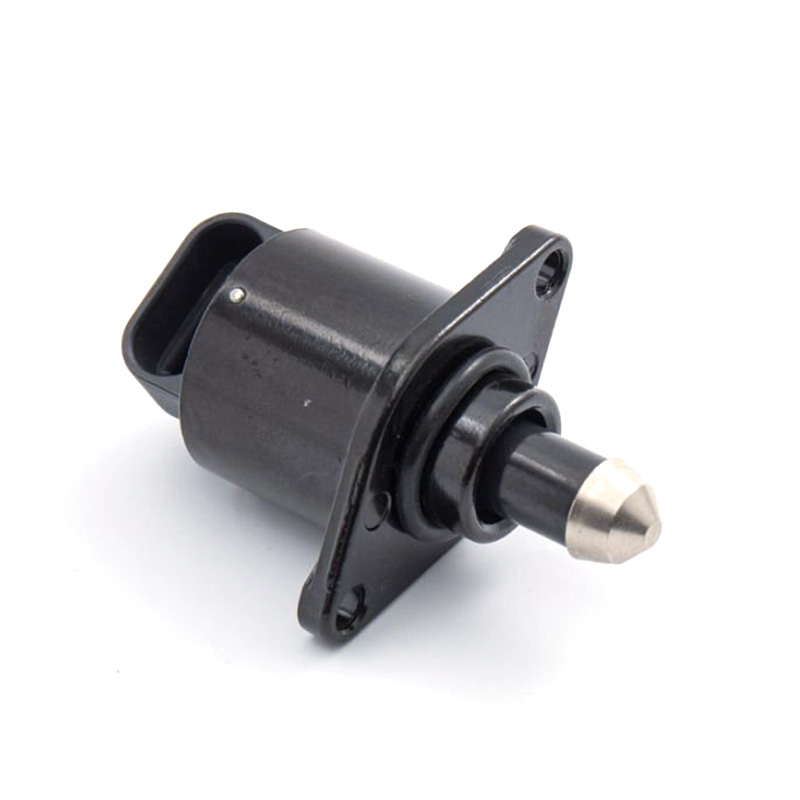
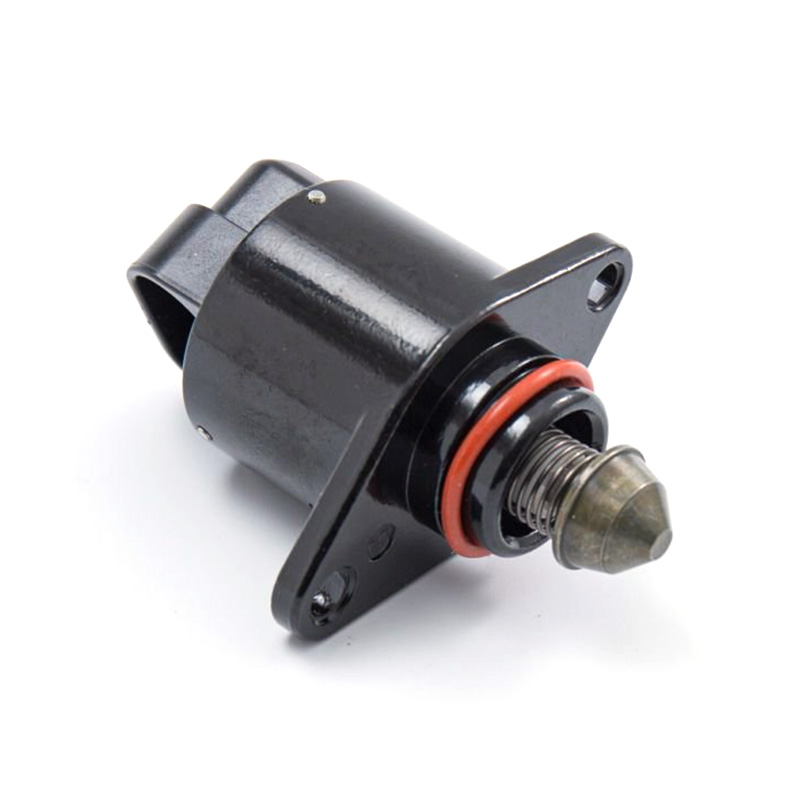
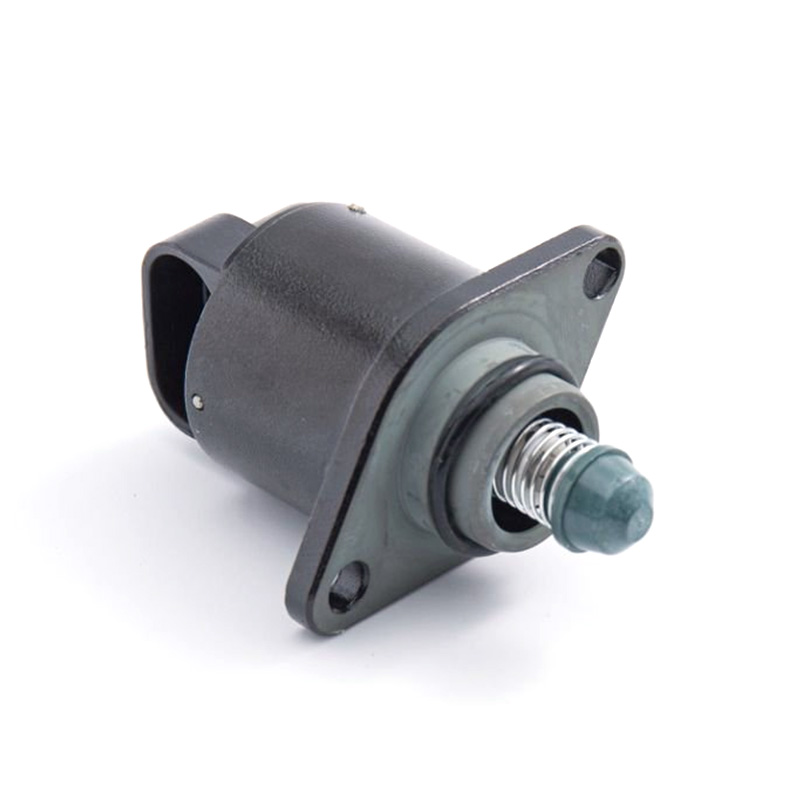
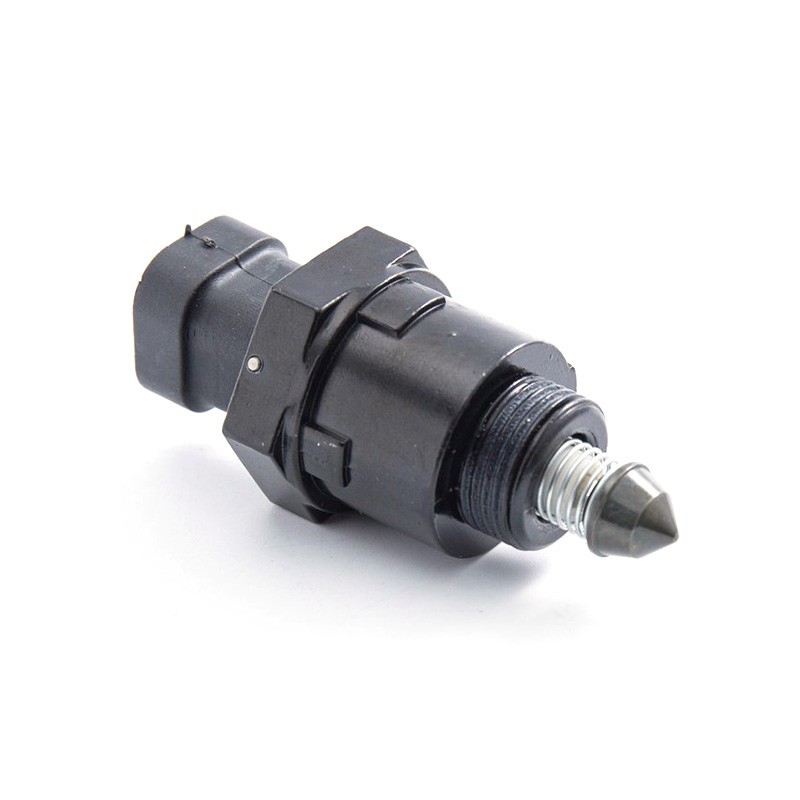
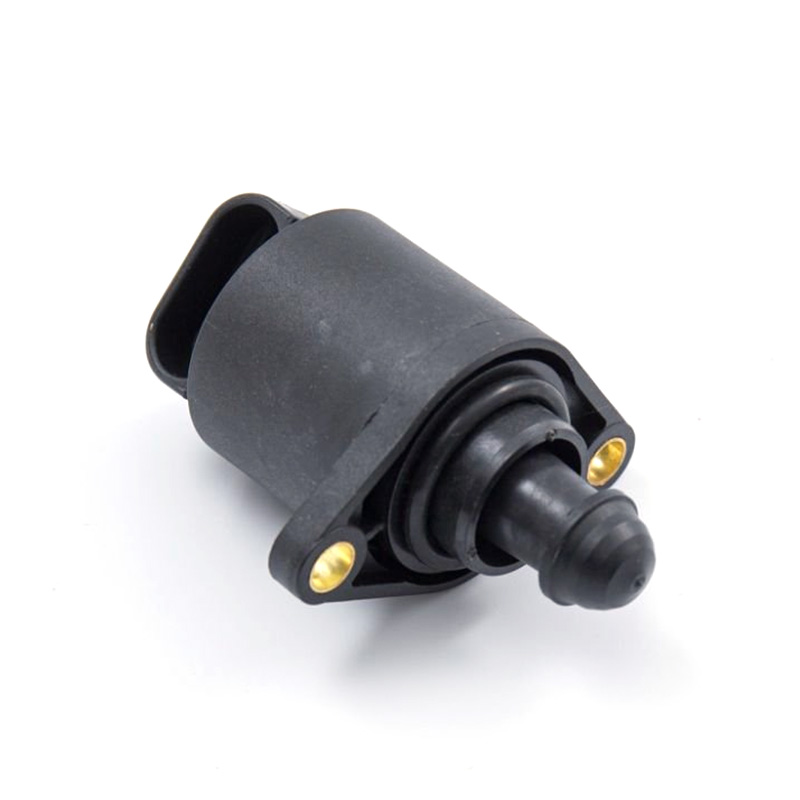
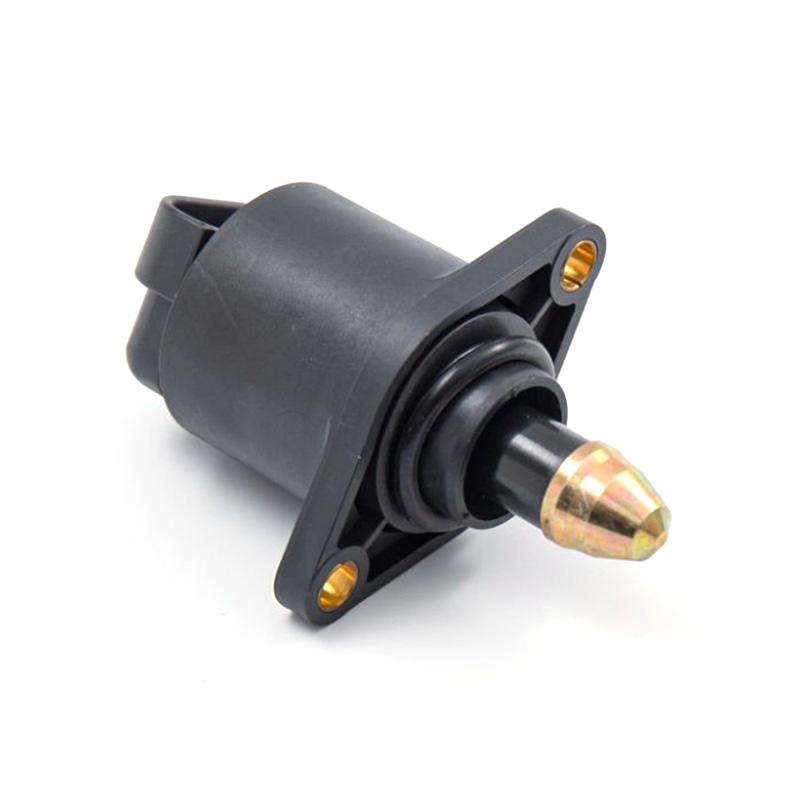
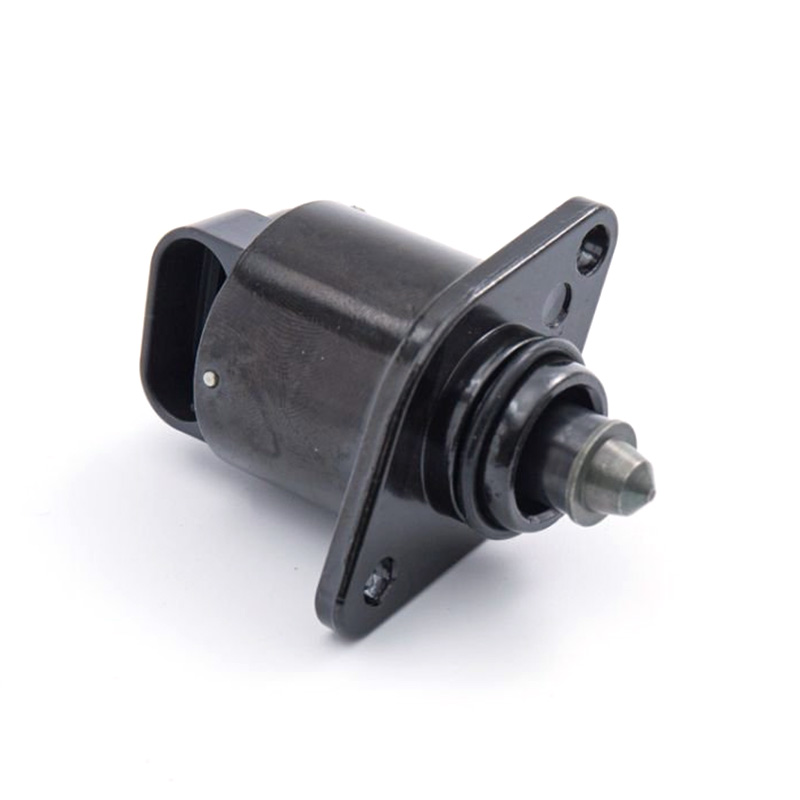
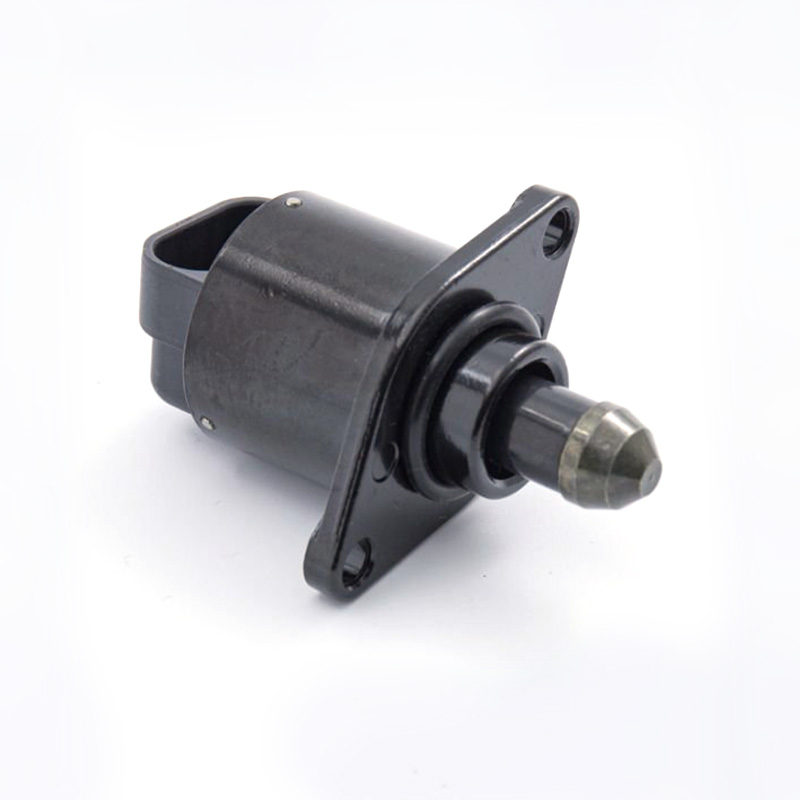
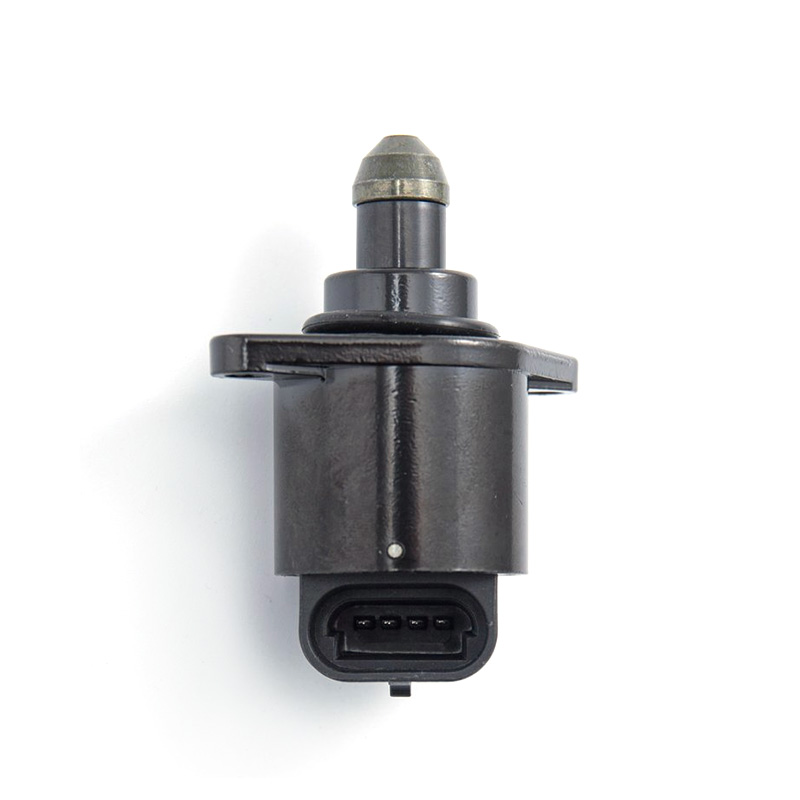
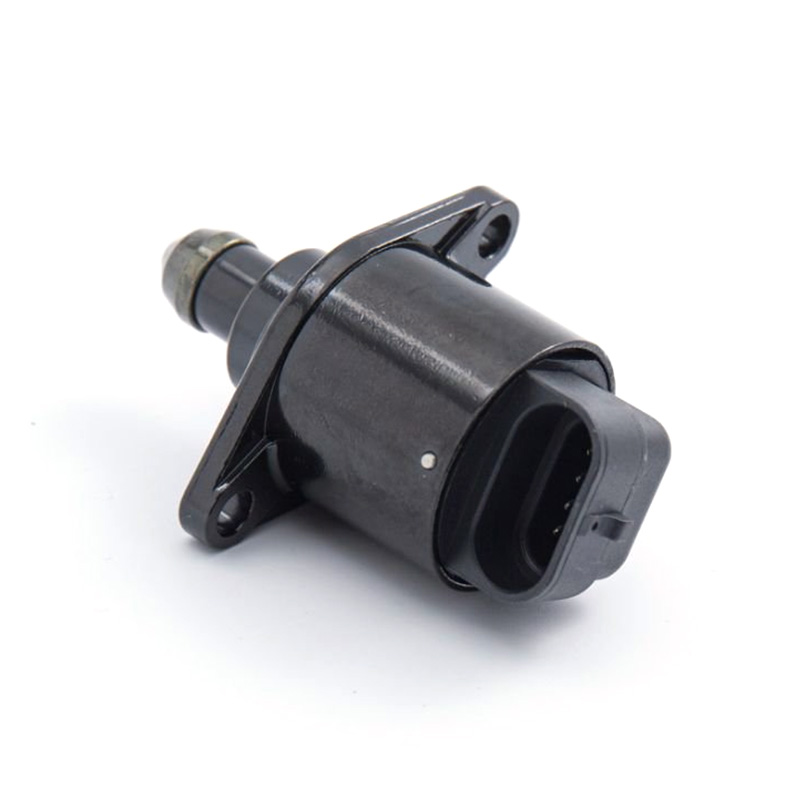
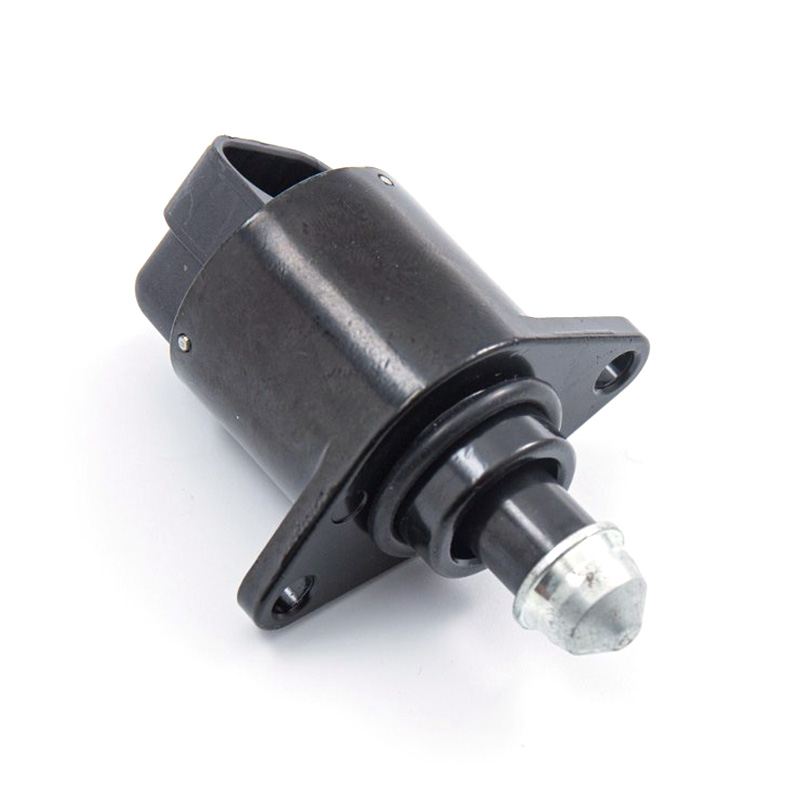
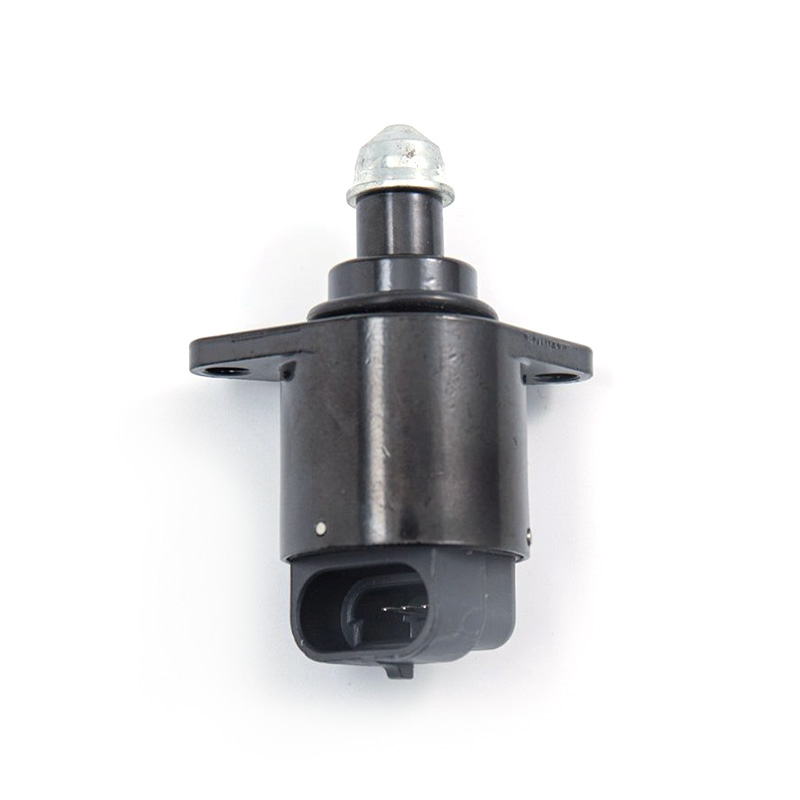
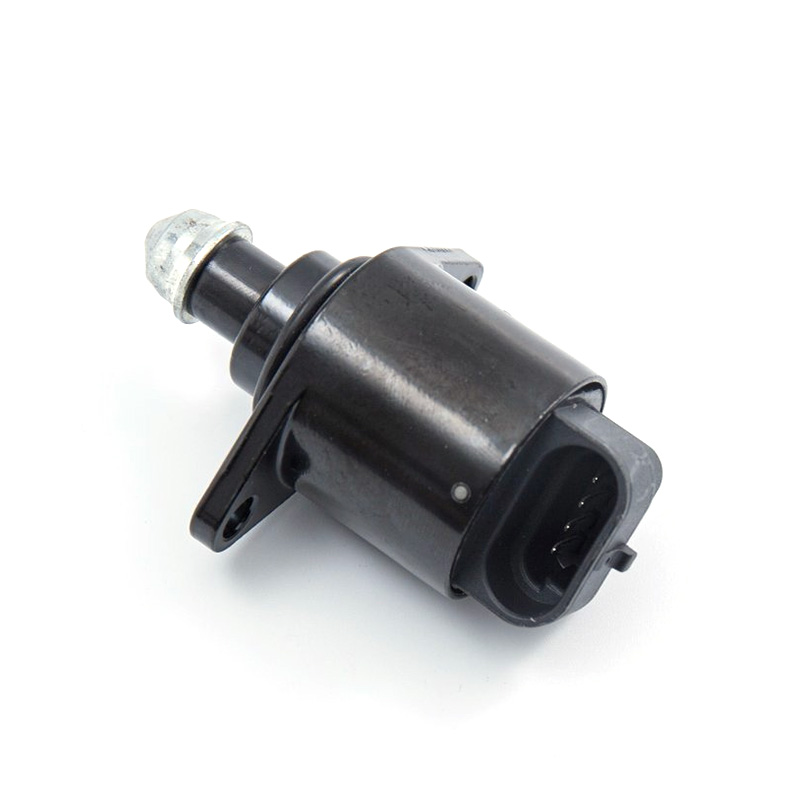
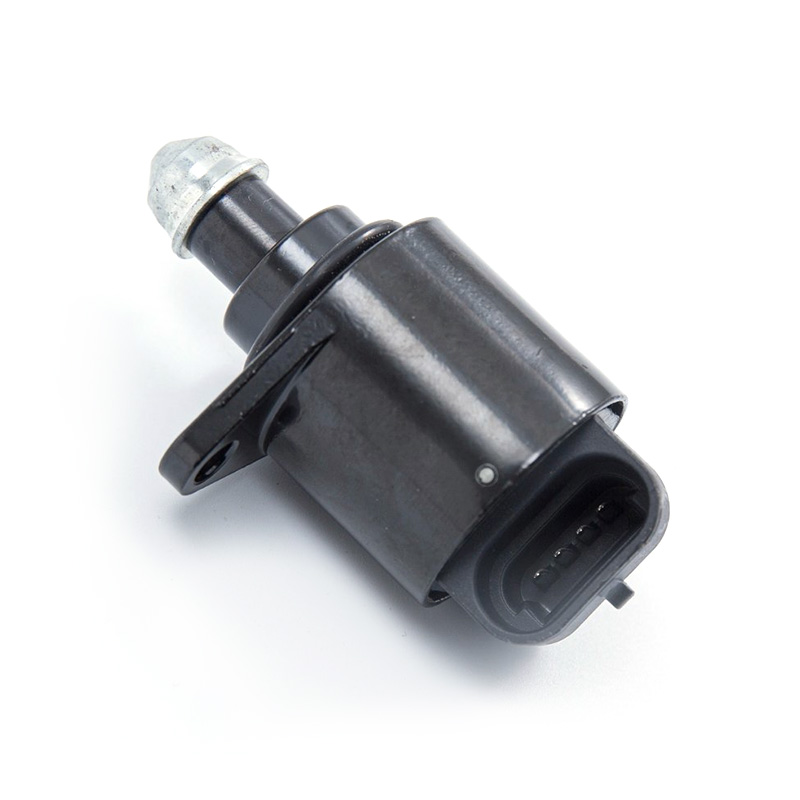
Key Functions: This idle stepper motor regulates engine idle speed, ensuring stable performance, smooth cold starts, and preventing stalling under varying loads.
Features & Advantages:
1. Direct OEM Fit & Function.
2. High-Quality Components for Reliability.
3. Rigors Quality Control.
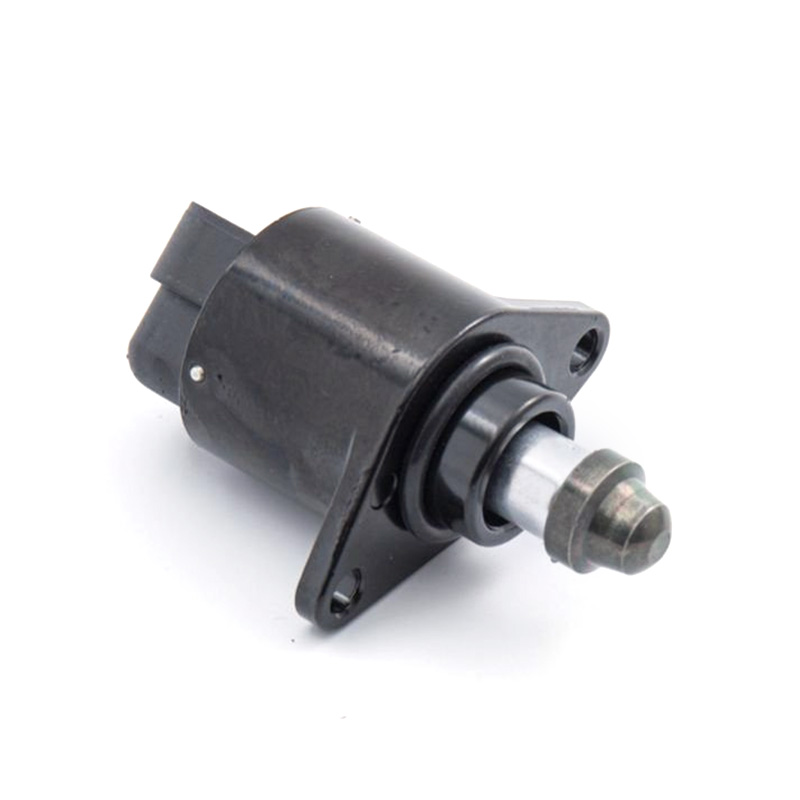
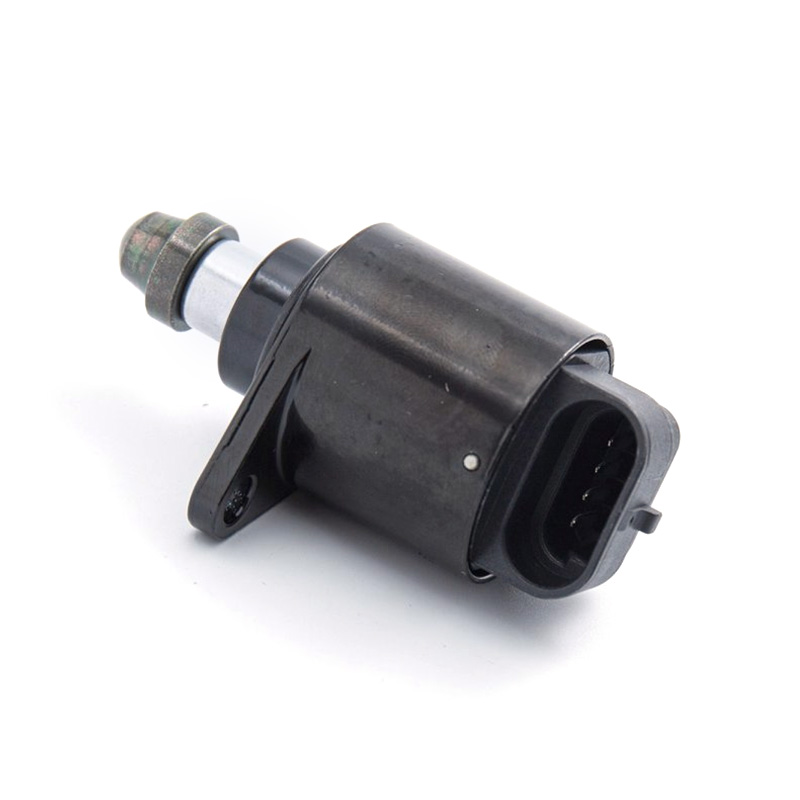
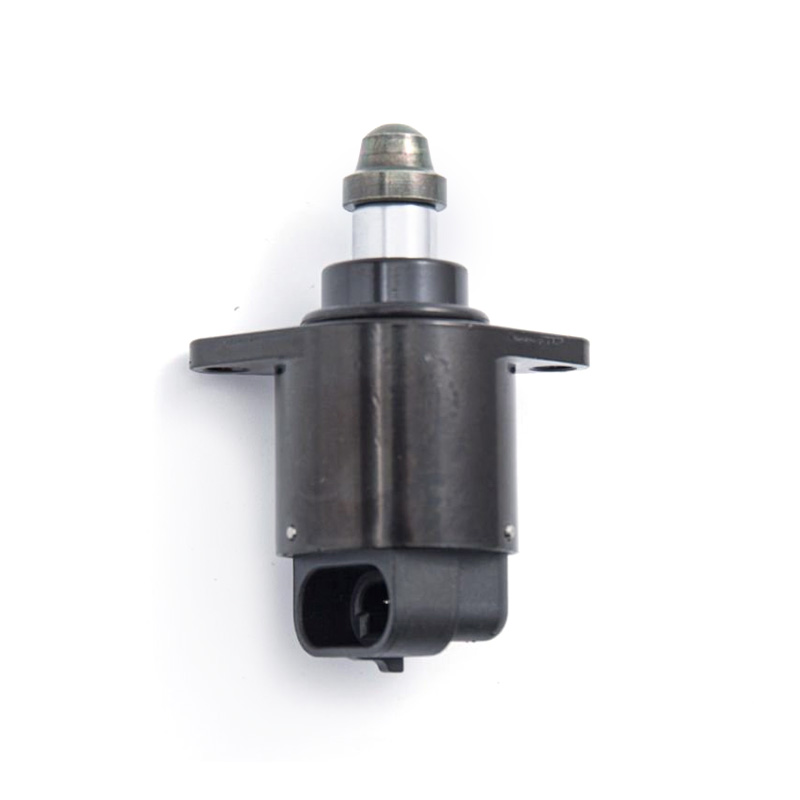
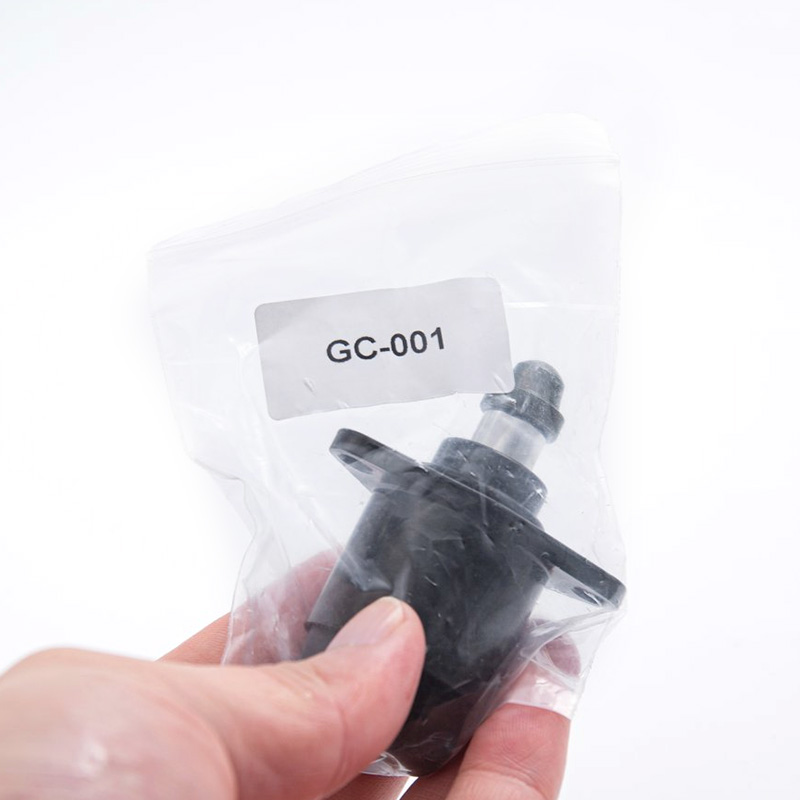
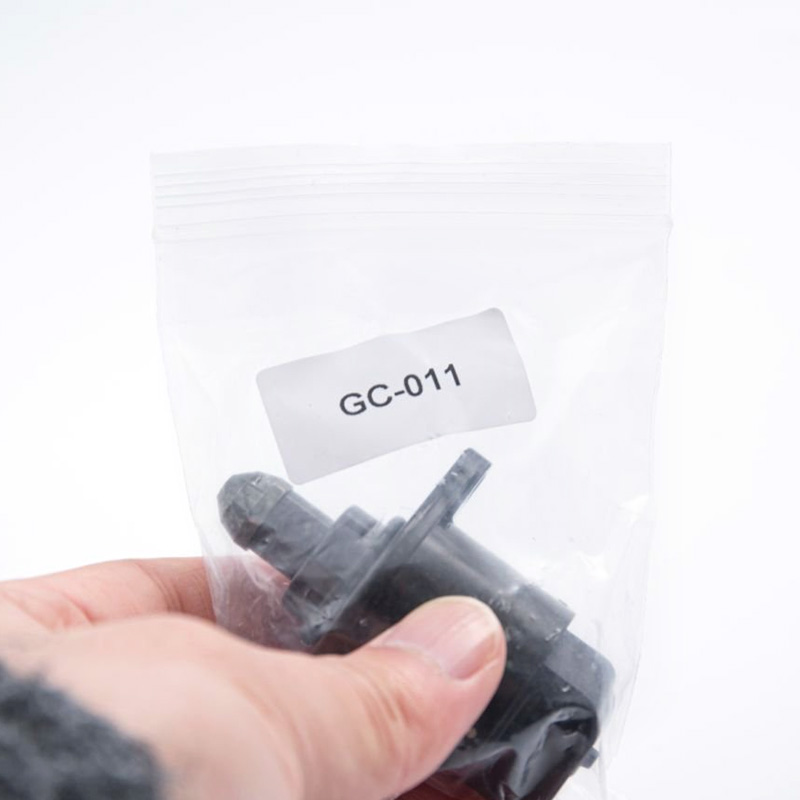
GC-011
REF OE:
SHORT CODE: B13/00
MARELLI: 230016079087 230016079247
SIMENCE: 19201F 1920V7 C95181
APPLICATION:
PEUGEOT 106I(1A,1C)1.3;
PEUGEOT 306/306 Cabriolet/Schraqheck;
PEUGEOT 406/406 Break
China factory for idle air control valve with high quality!
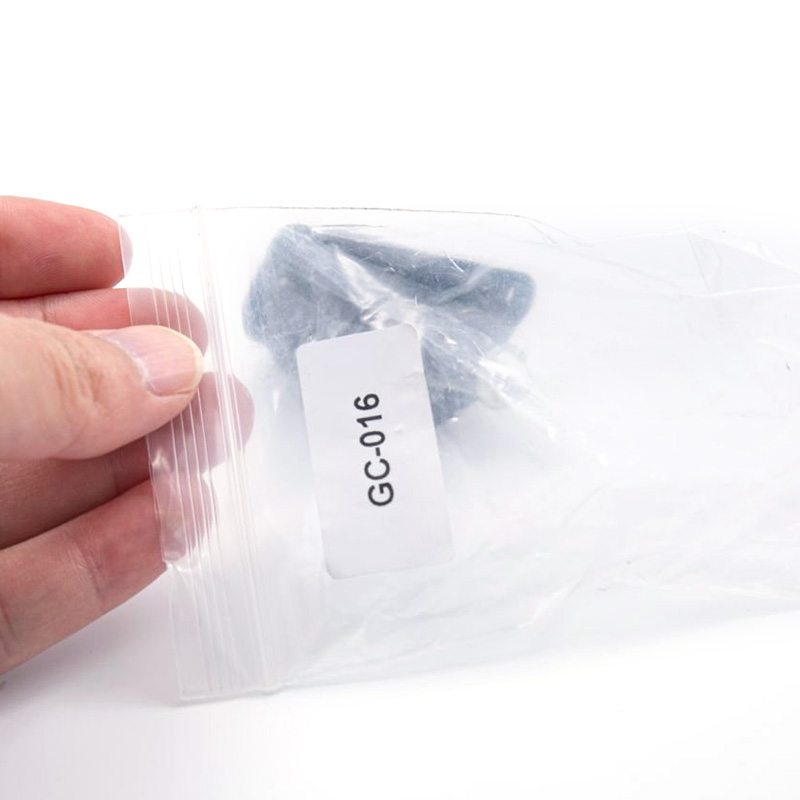
GC-016
REFERENCE OE:
MEAT DORIA:84037
SHORT CODE:B32/00 D95129
RENAULT: 7701042403 801000774001
APPLICATION:
RENAULT CLIO I;
RENAU CLIO II/II Kasten;
RENAU KANGOO/KANGOO Express;
RENAU TWINGO
Importing auto parts idle air control valve from China factory!
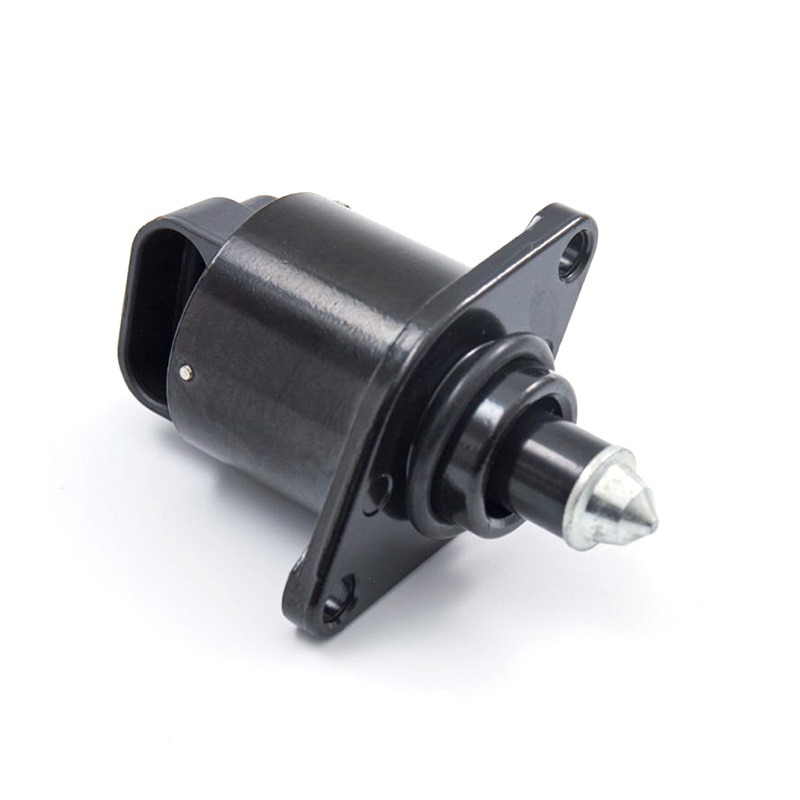
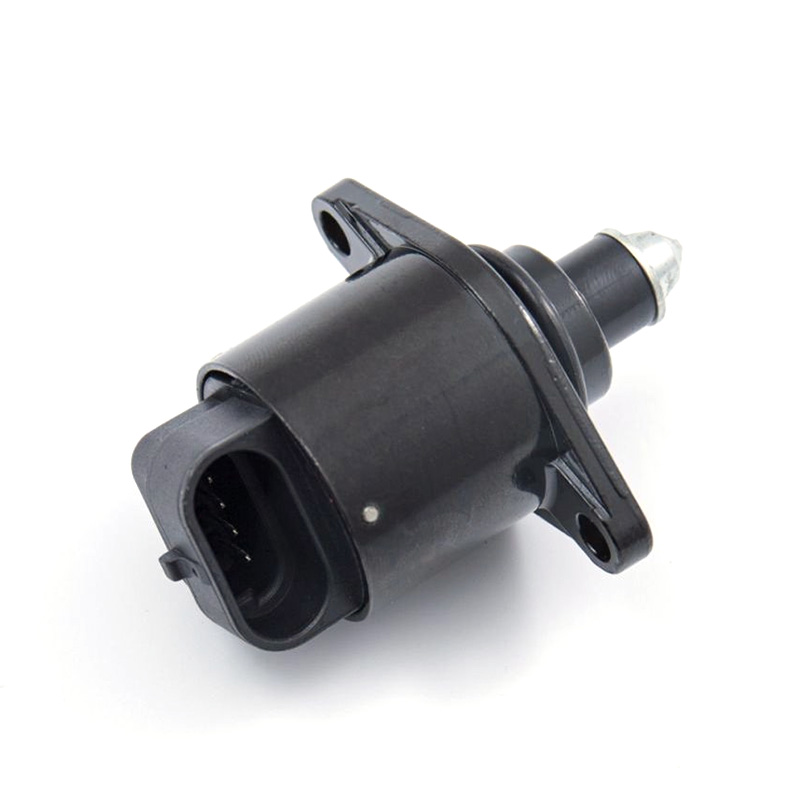
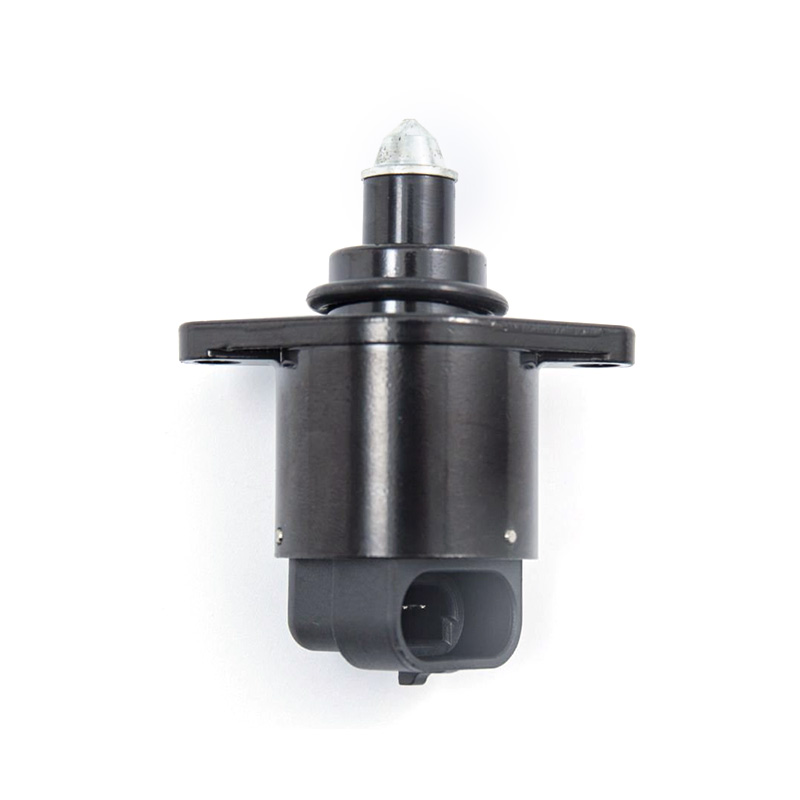
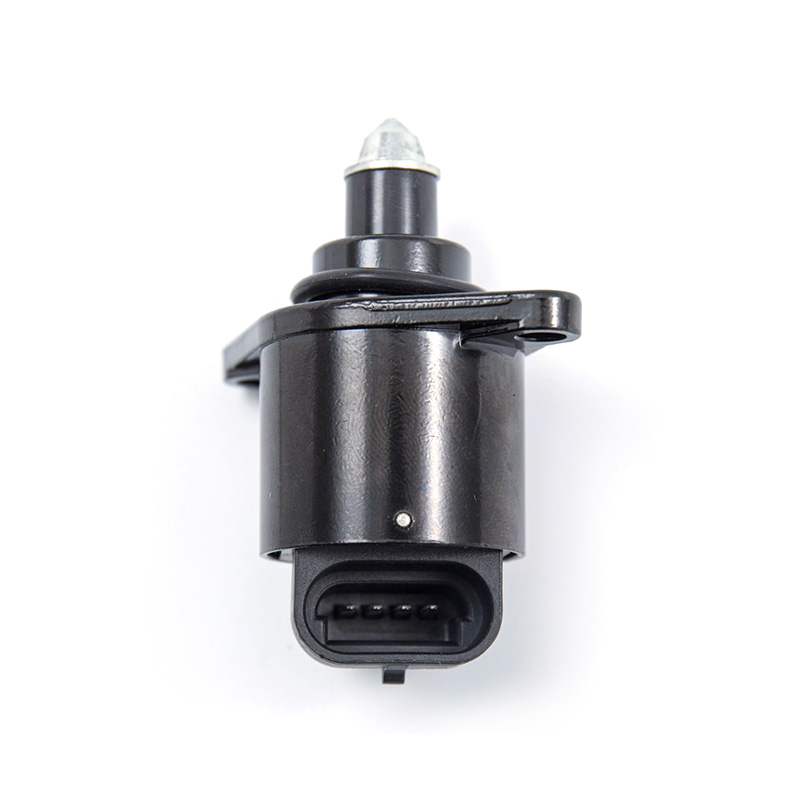
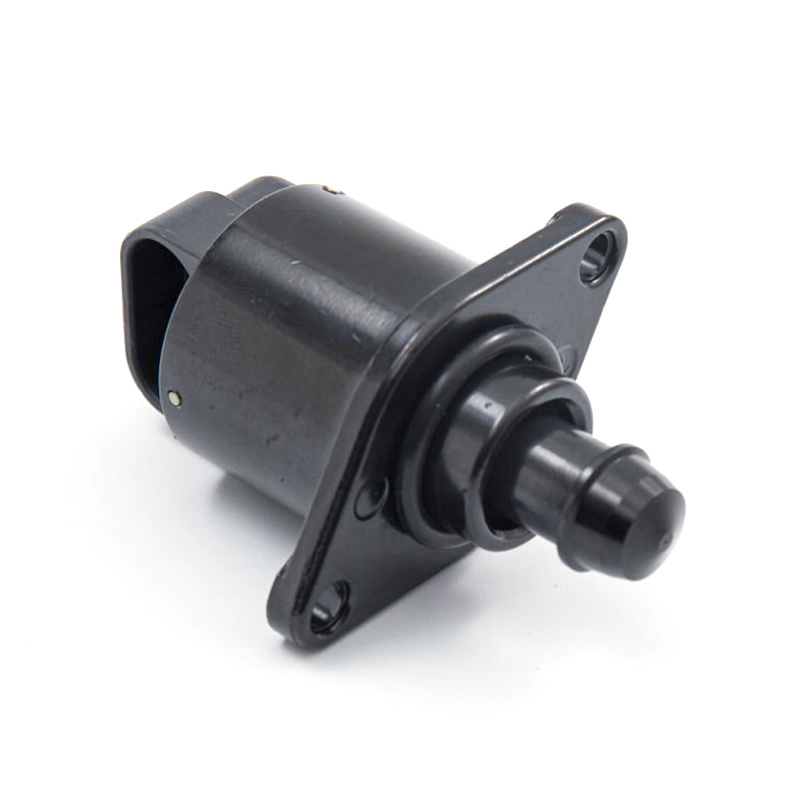
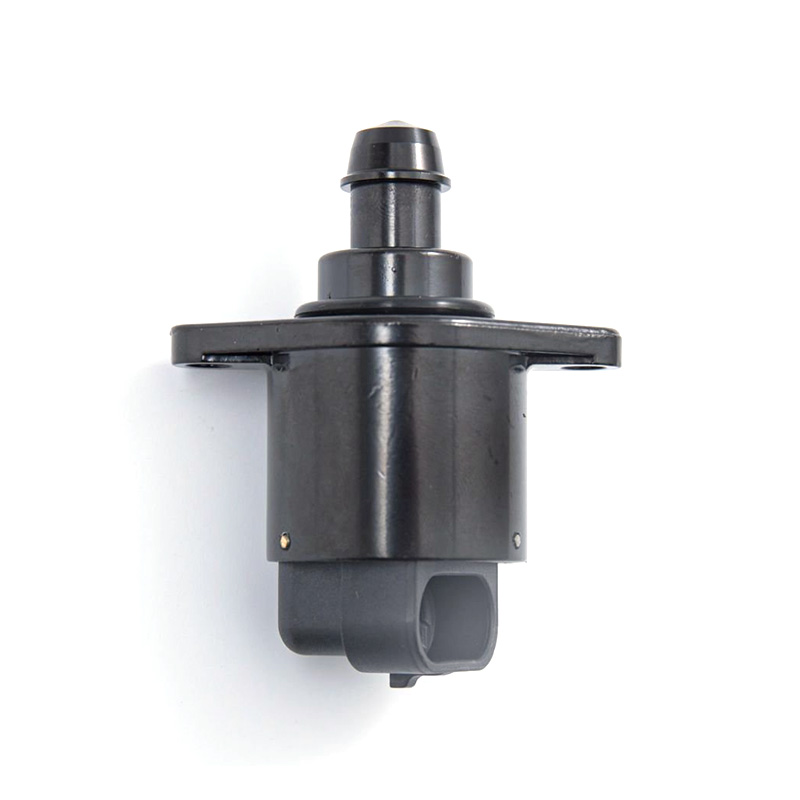
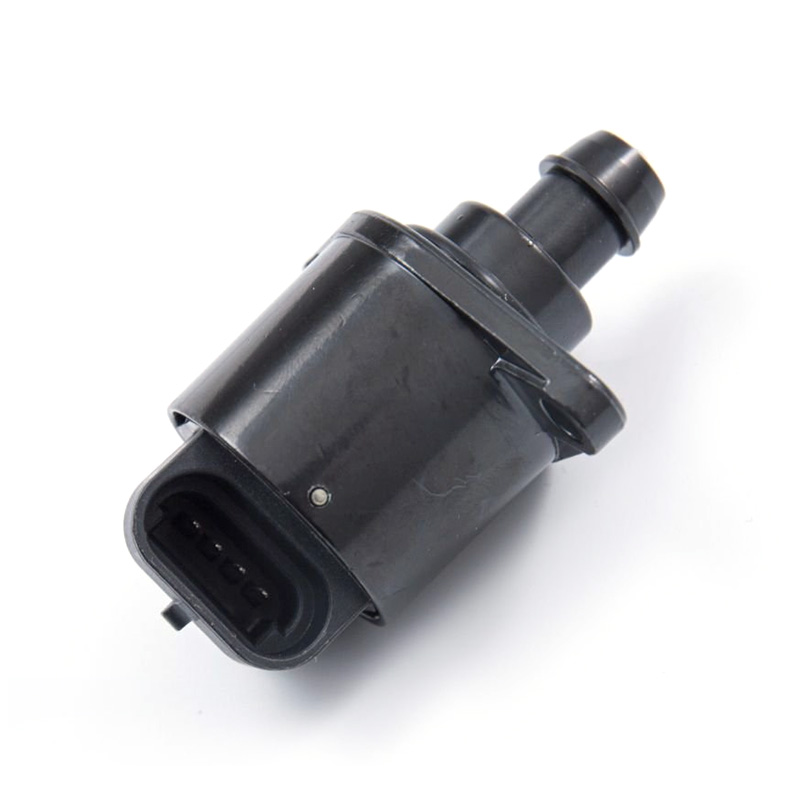
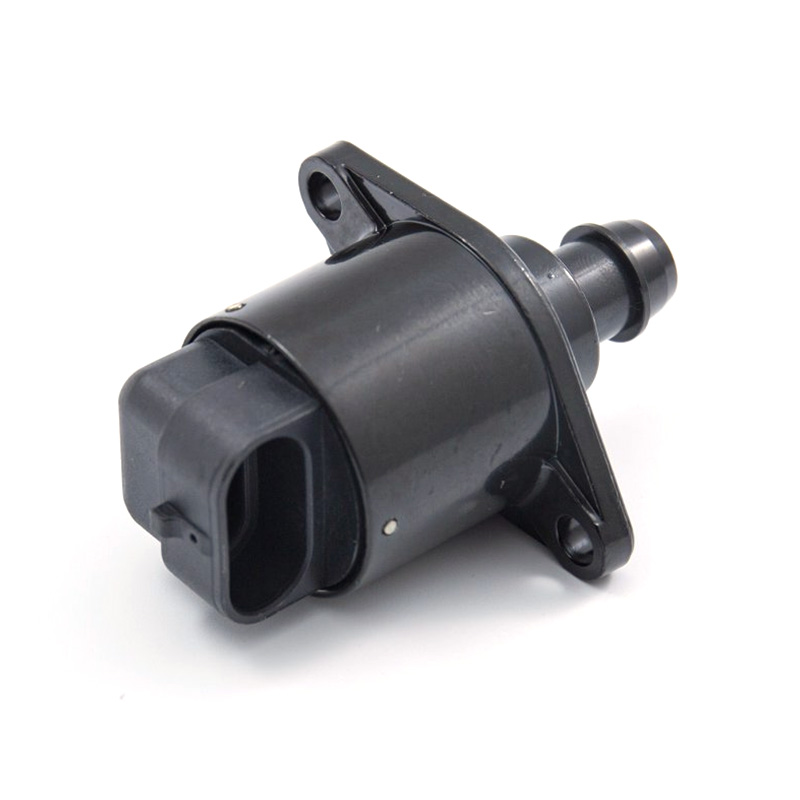
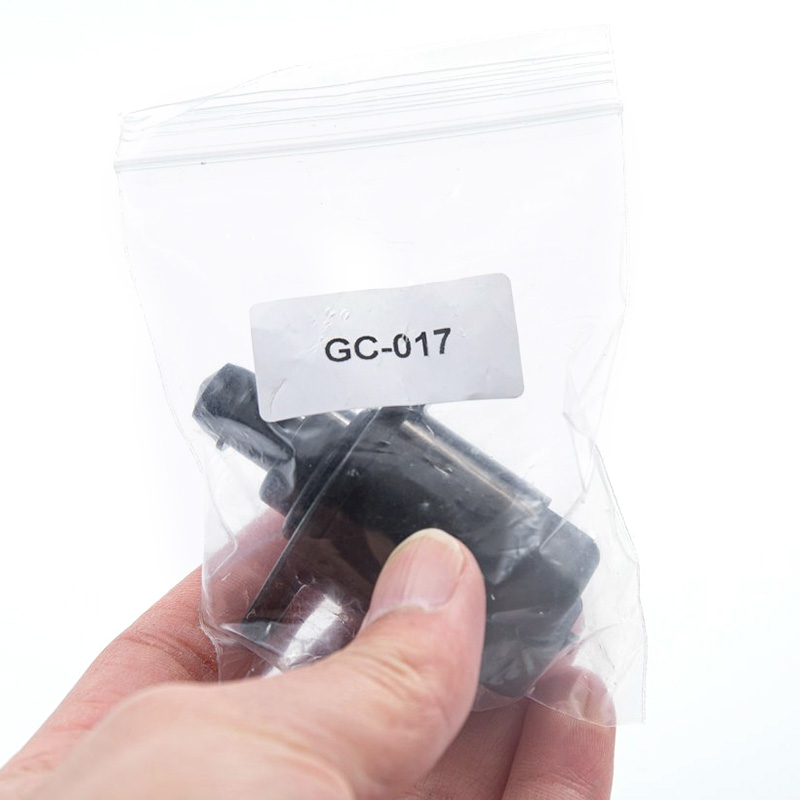
GC-017
REFERENCE OE:
SHORT CODE:B28/00
RENAULT:8200299241 7700102539
SIMENCE:D95166 B28/00 8200299241 7700102539 D95166
APPLICATION:
OPEL VIVARO Combi/Kasten;
RENAU AVANTIME;
RENAU CLIO II/ESPACE III;
RENAU LAGUNA/LAGUNA II;
RENAU MEGANE Cabriolet/Classic/Coach/Grandtour;
RENAU SCENIC I/II
Idle air control valve for wholesale and retail from China!
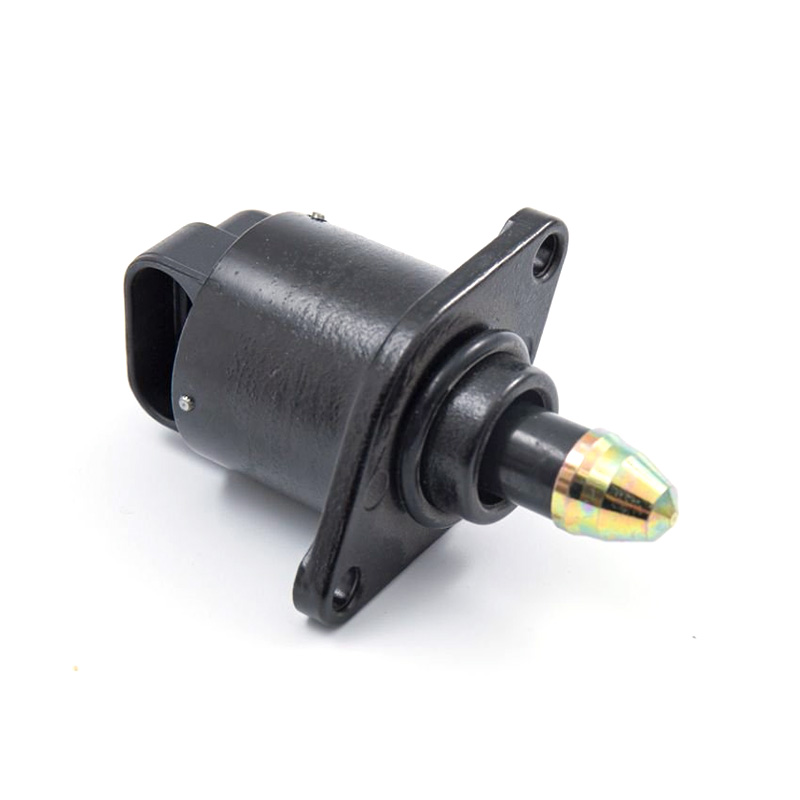
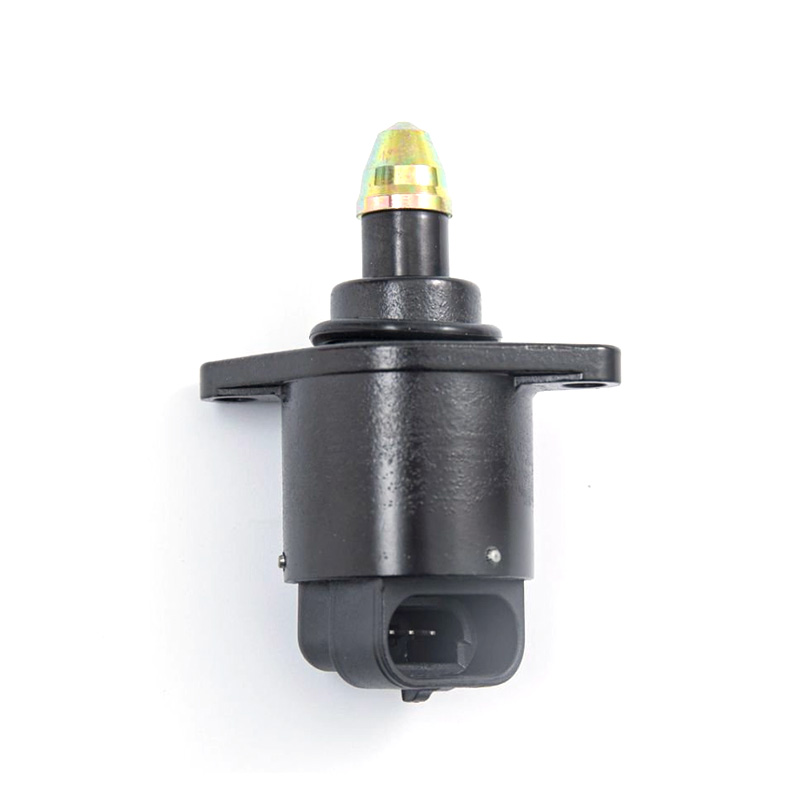
GC-018
REFERENCE OE:
FIAT:0009943223
FIAT:0009949146
SIMENCE:A95140 00600
APPLICATION:
LANCI DEDRA;LANCI DEDRA SW
Idle air control valve for auto parts,China original factory direct!
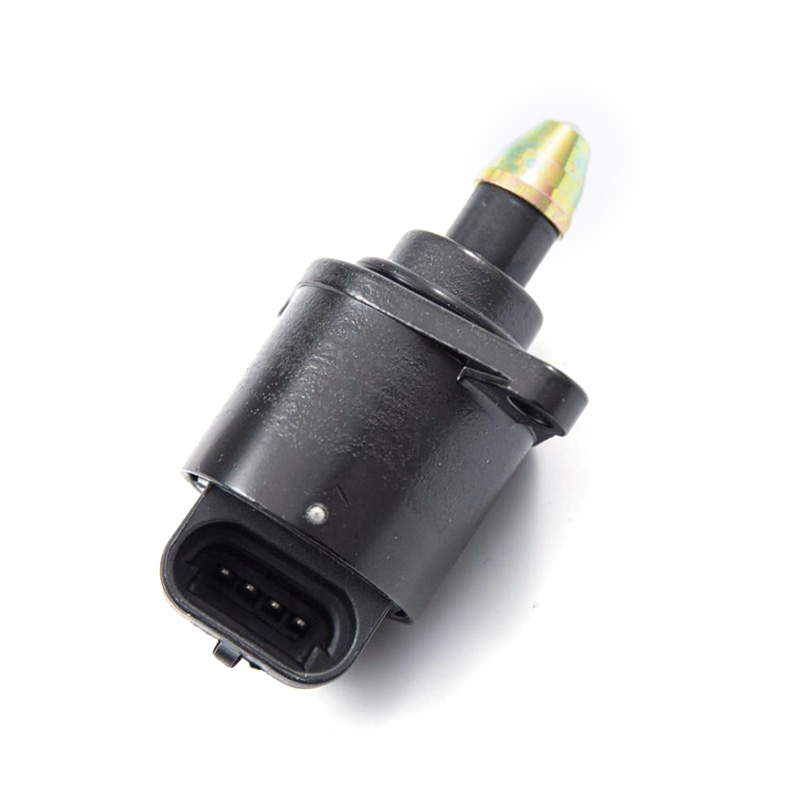
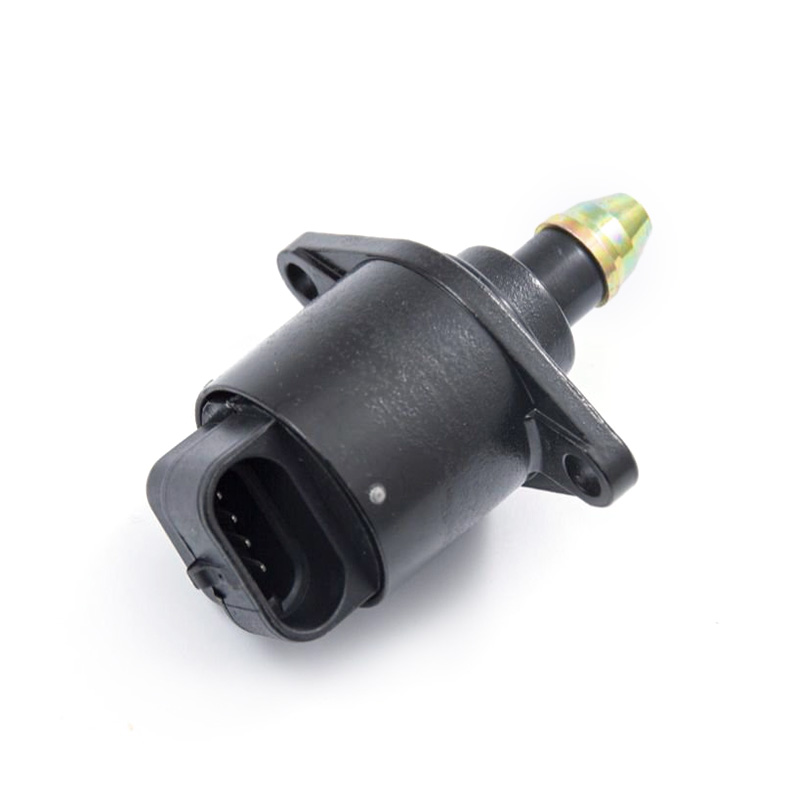
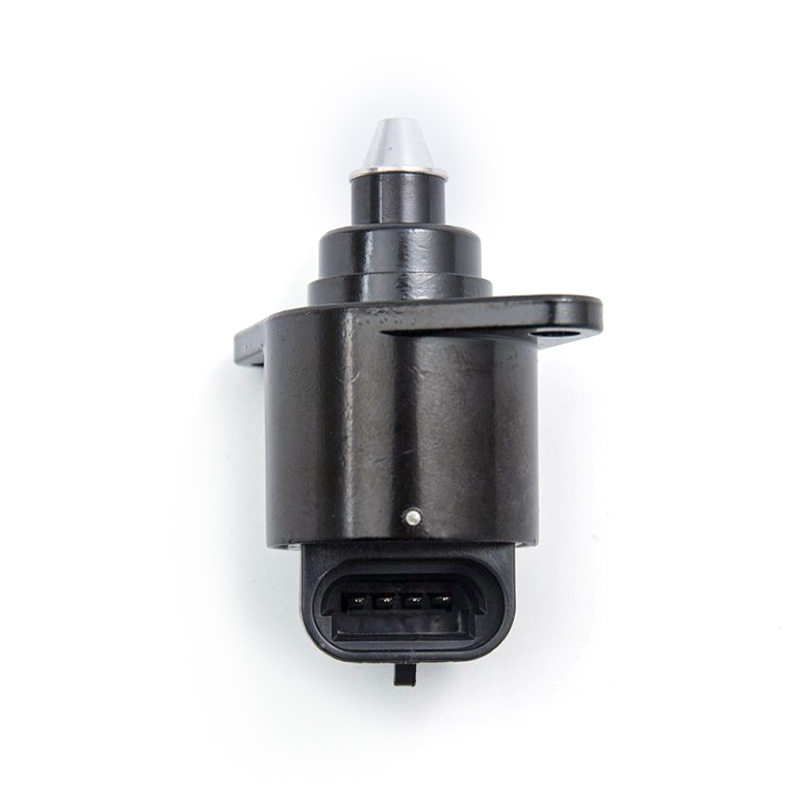
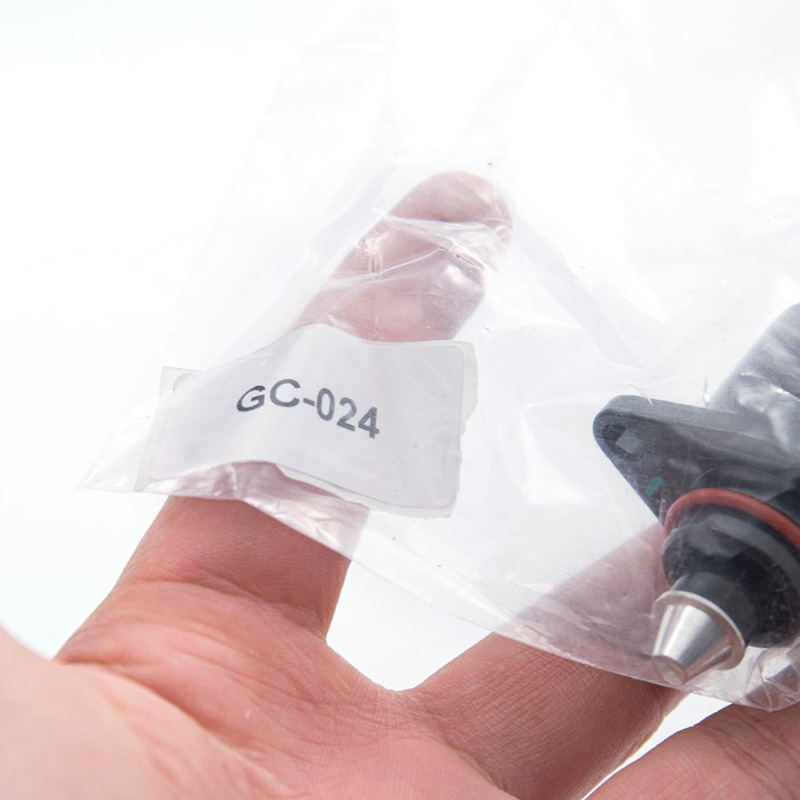
GC-024
REFERENCE OE:
SHORT CODE: C1351
OPEL: 817254 17112027
SIMENCE: A95160
DELPHI:ICD 00127
VDO: AT-59524R
HELLA:6NW009141121;0817254; 93227674
APPLICATION:
OPEL ASTRA F CLASSIC Kombi/Schraqheck;
OPEL COMBO;
OPEL CORSA A Schraqheck/TR;
OPEL CORSA B;
OPEL KADETT E;
OPEL TIGRA
Idle air control valve from China factory for Opel, IACV.
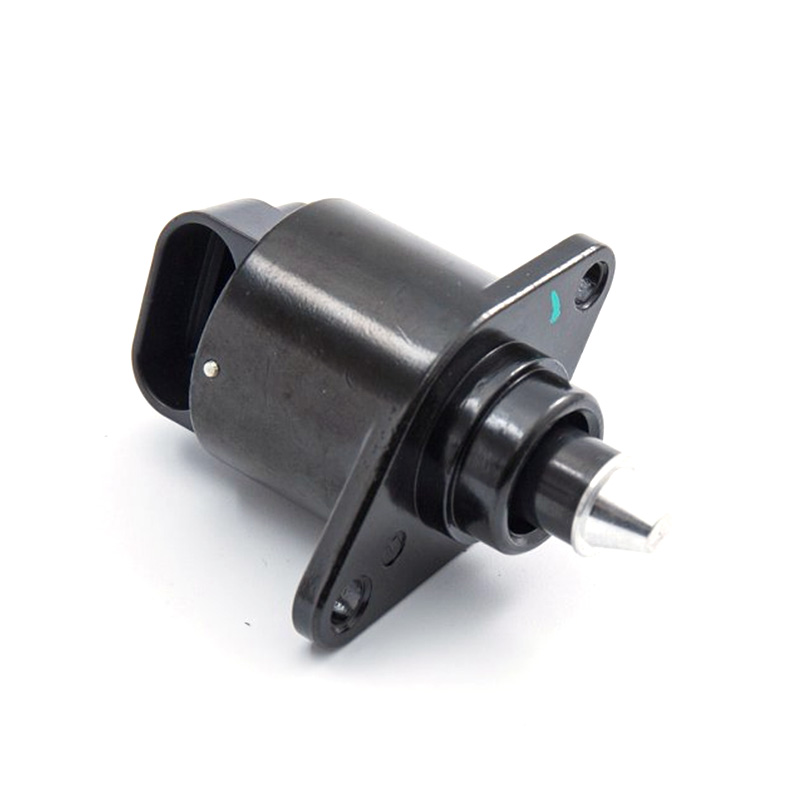
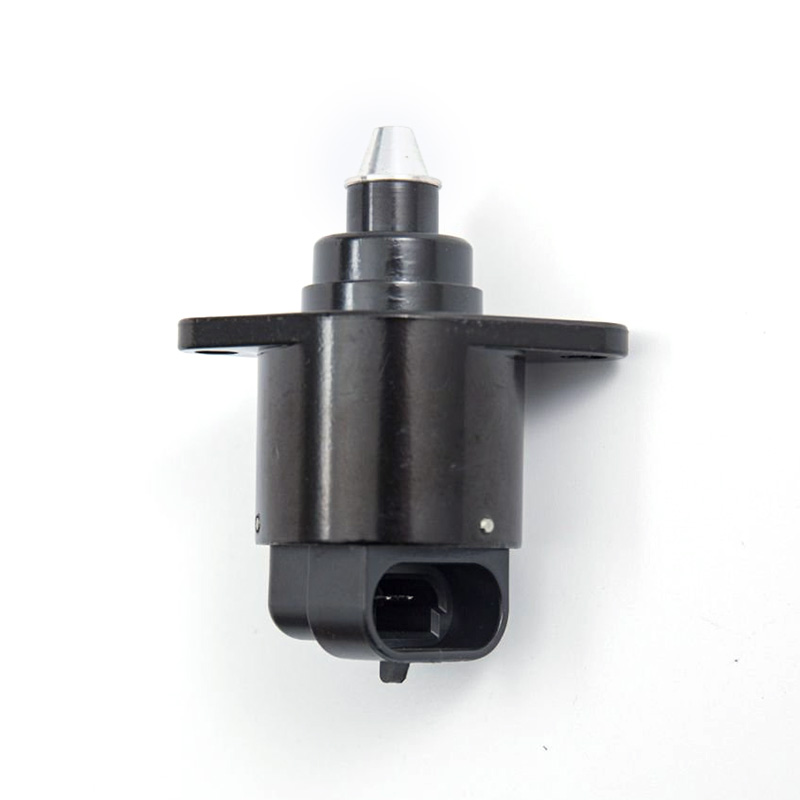
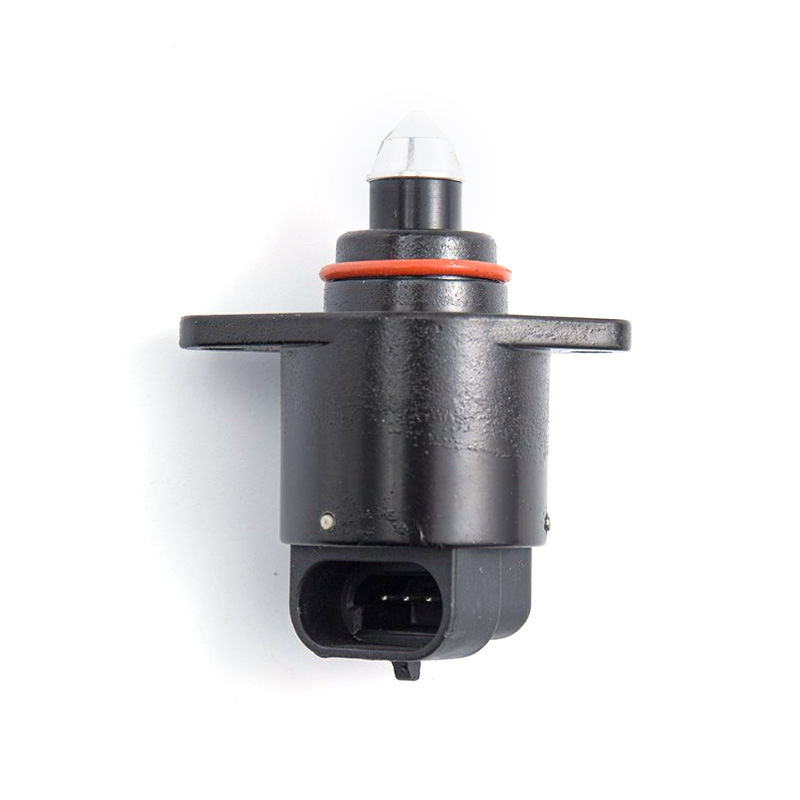
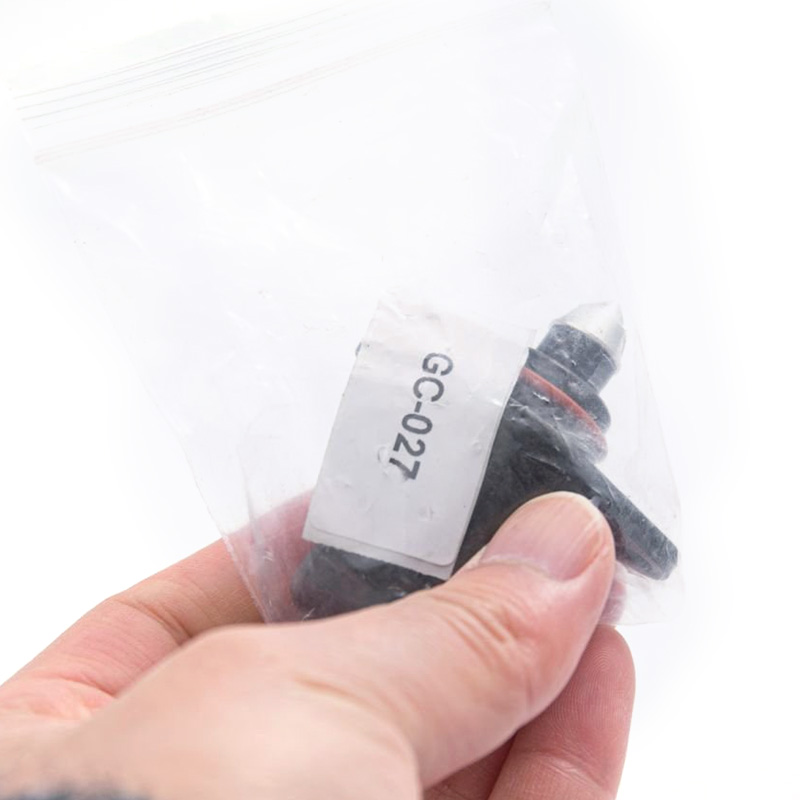
GC-027
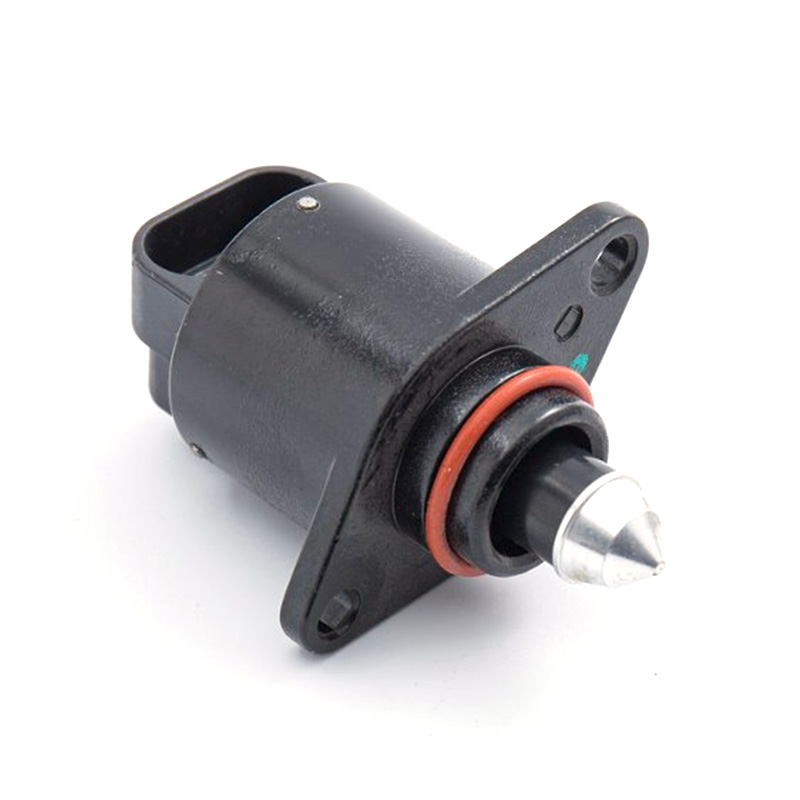
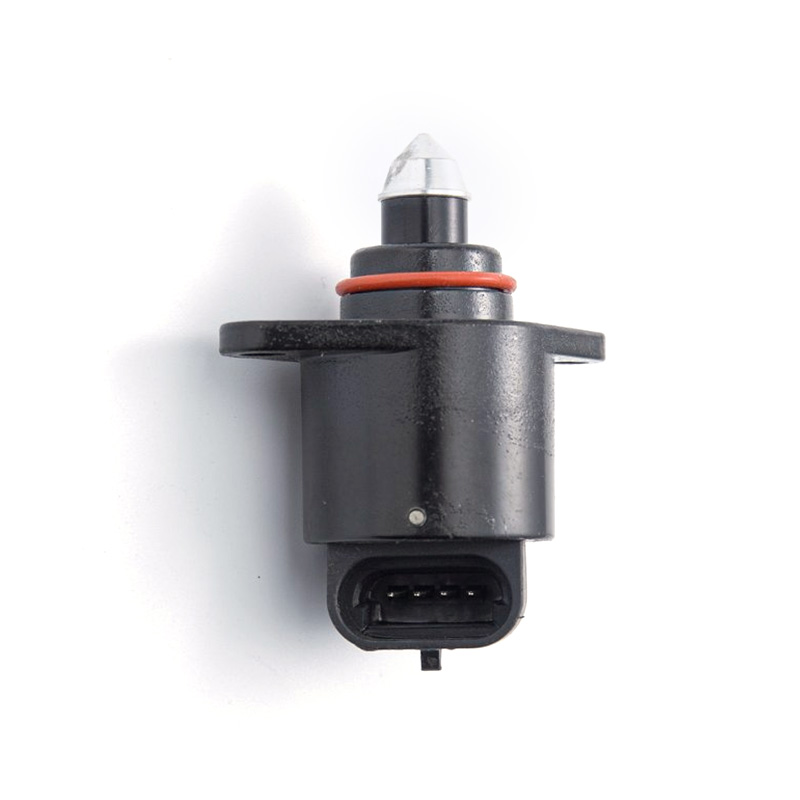
REFERENCE OE:
STD: AC64 WELLS:AC132
DELPHI: ICD00126
GM:17059600; 17112898
APPLICATION:
IPANEMA 1.8/2.0 EF191>,KADETT1.8/2.0 EF191>,MONZA 1.8/2.0 Ef191>
Idle air control valve from China factory for Ipanema Kadett Monza.
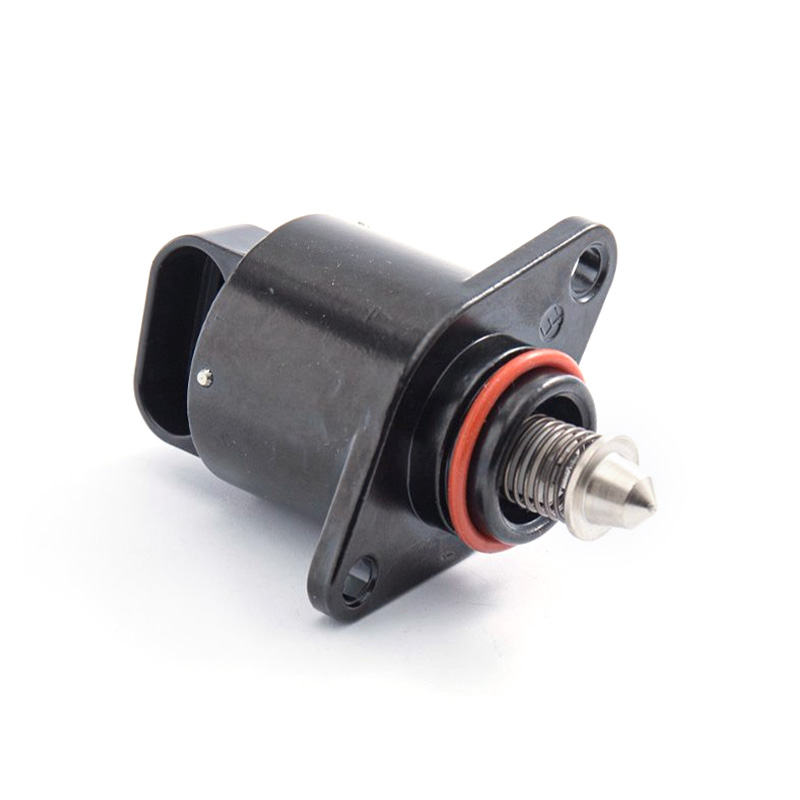
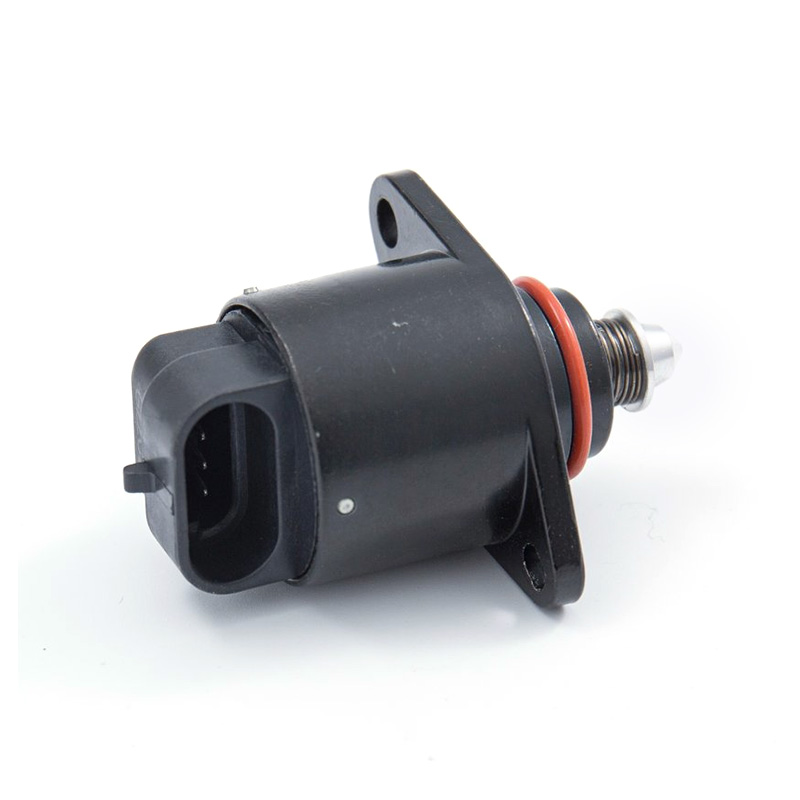
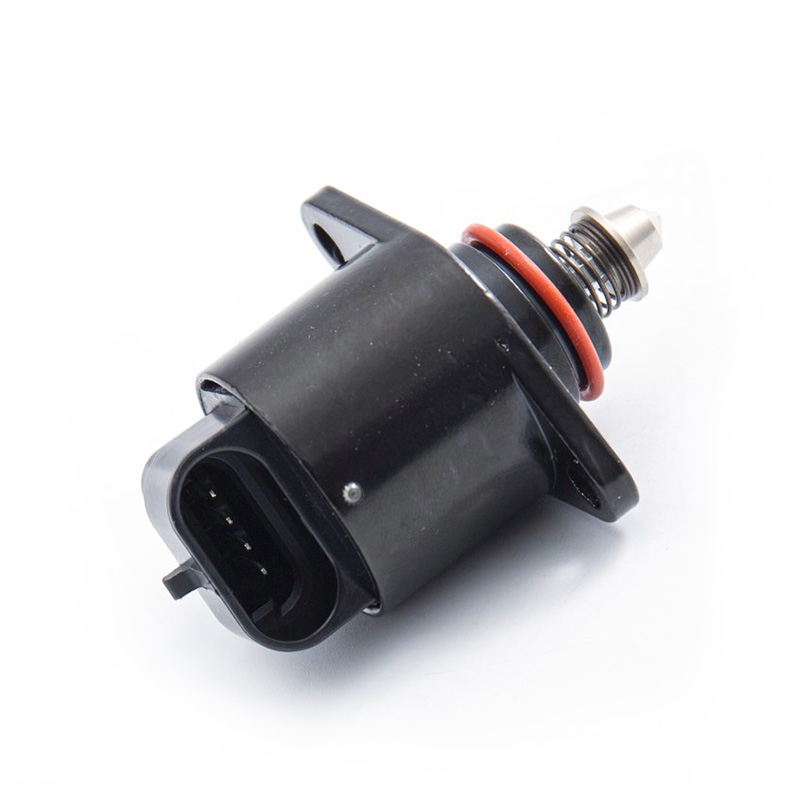
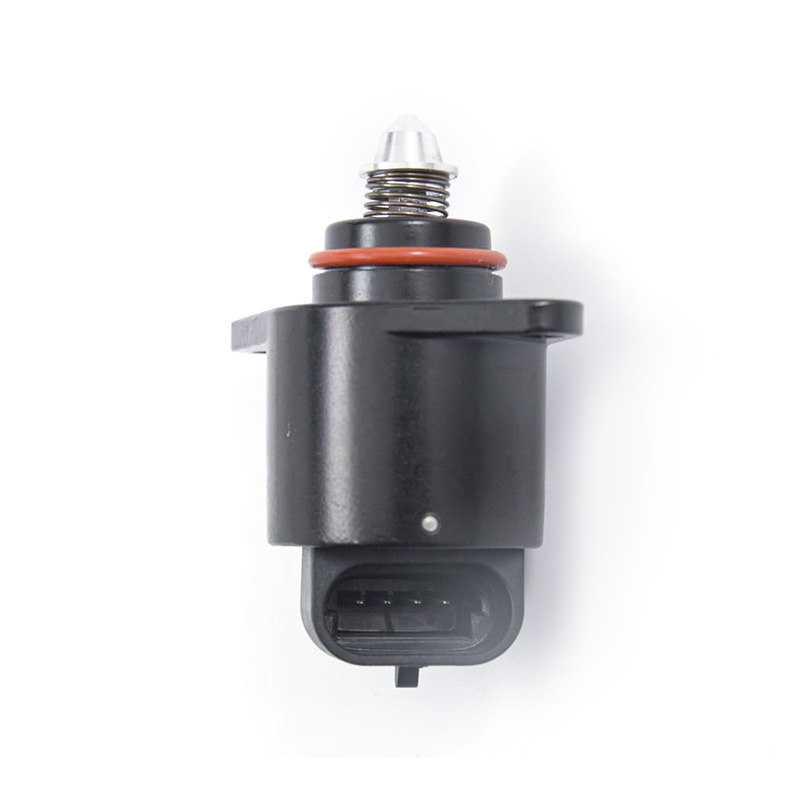
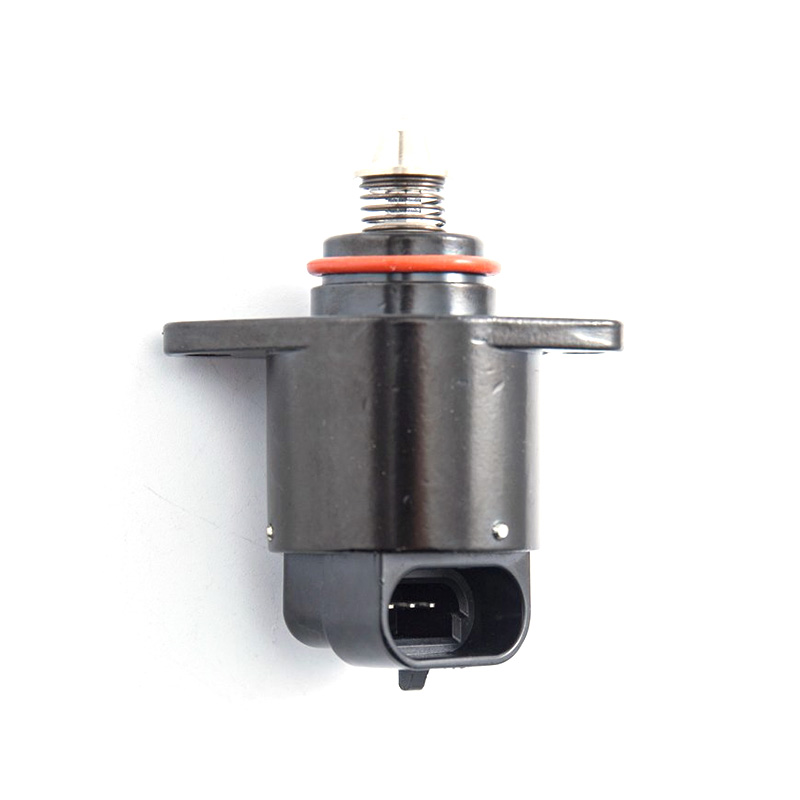
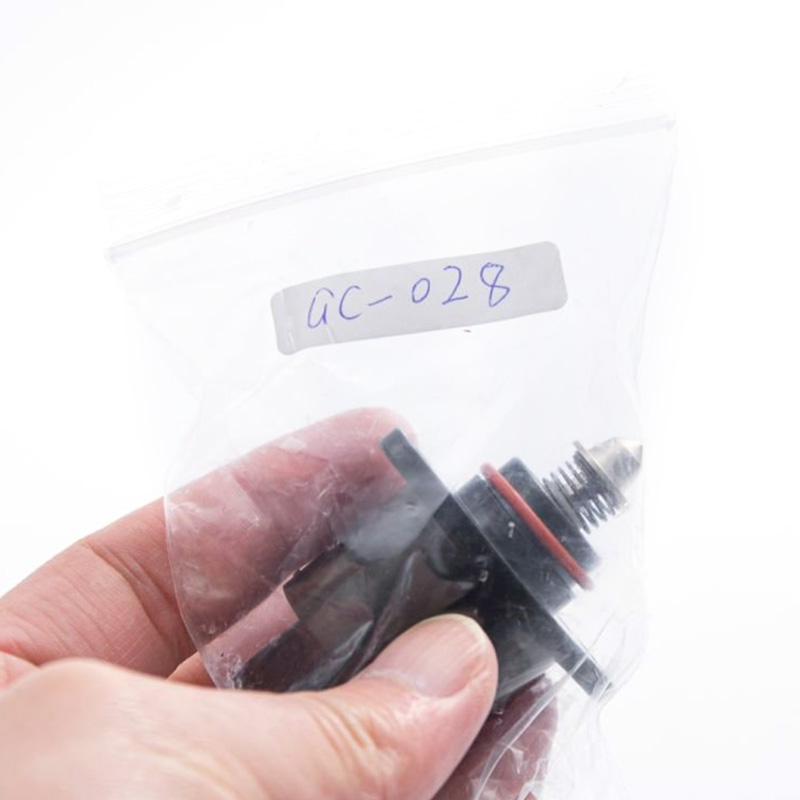
GC-028
REFERENCE OE:
SHORT VDO:A95278
TRADE NUMBER:02739
SHORT CODE:C0973
APPLICATION:
LADA
Idle air control valve from China factory for Lada.
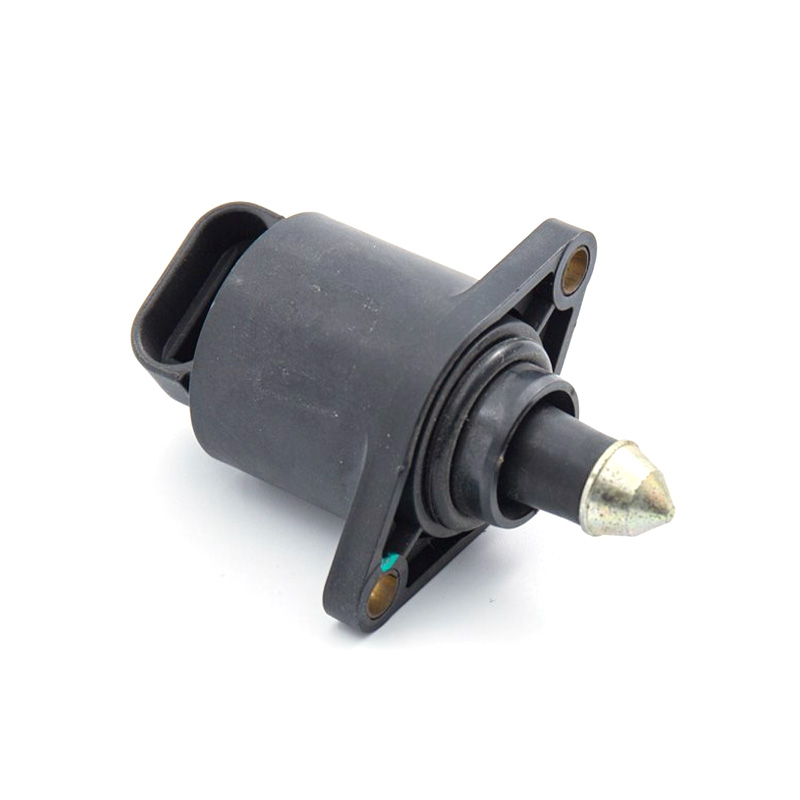
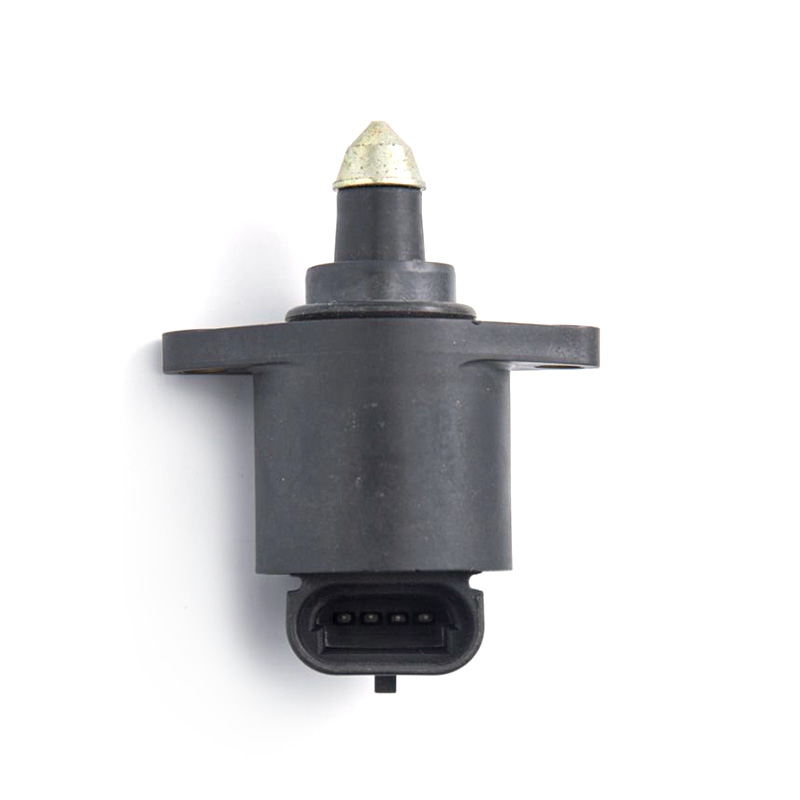
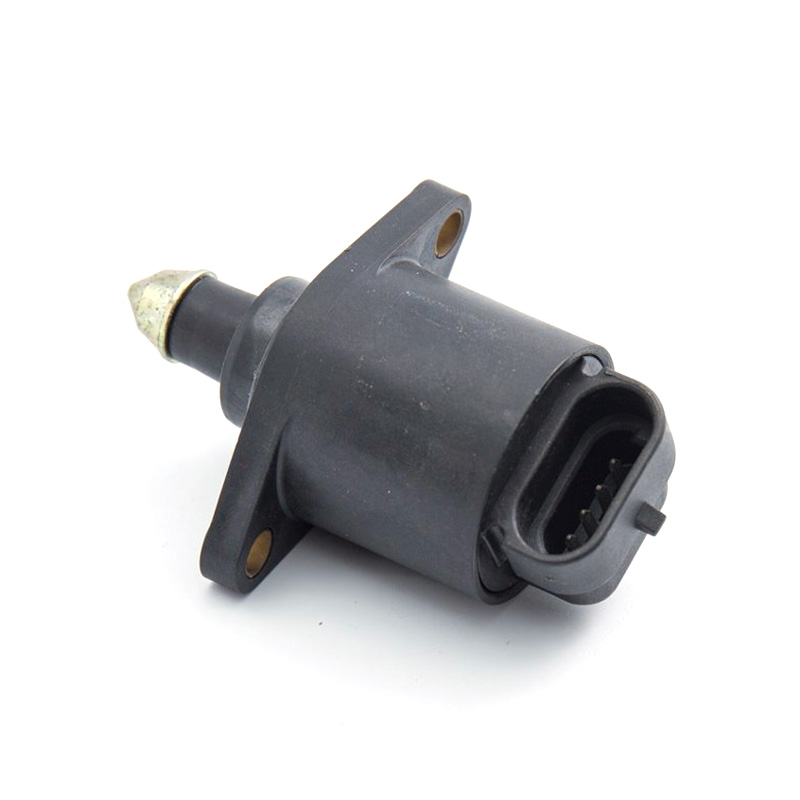
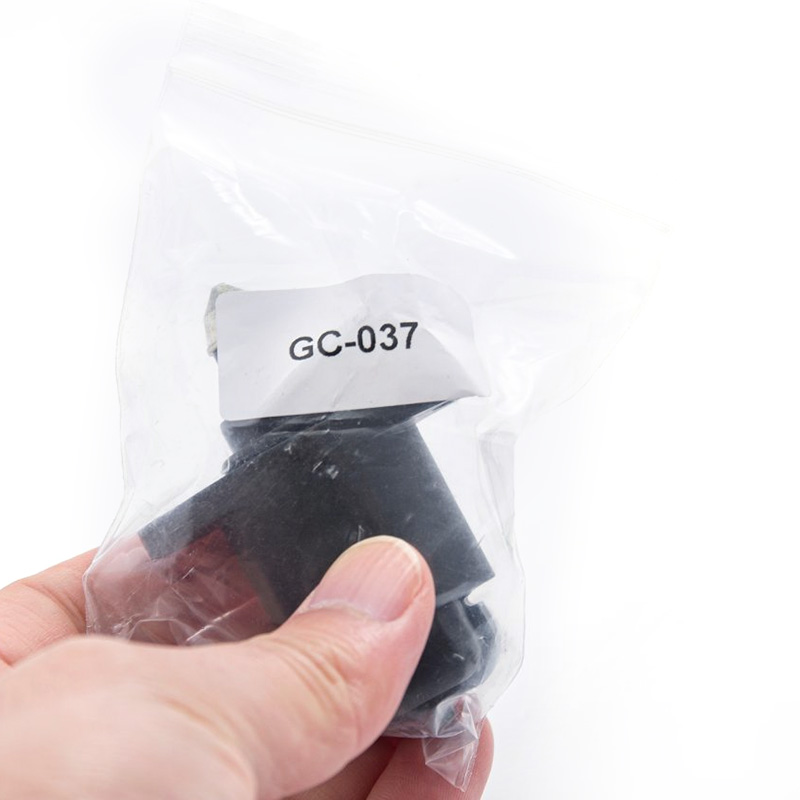
GC-037
REFERENCE OE:
HOT-STAMP:D5174
RENAULT:7701047909
APPLICATION:
RENAULT CLIO MkII;MEGANE I(BA);MEGANE Grandtour(KA);MEGANE Coach(DA0/1)/Cabriolet(EA0_)/Scenic(JA0_);PAYKAN;KIA
Idle air control valve from China factory for Renault Clio Megane Scenic.
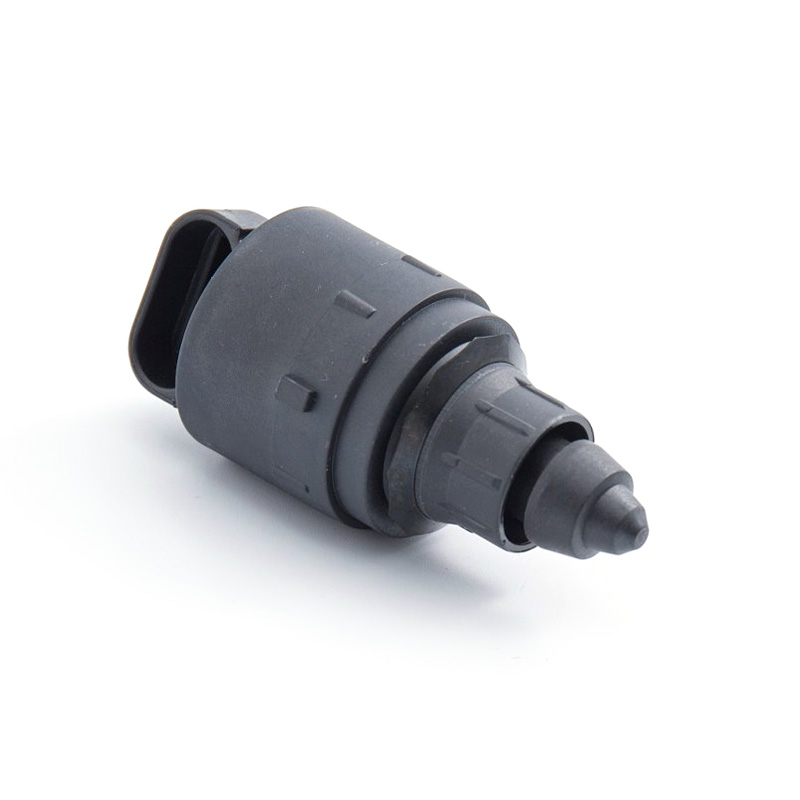
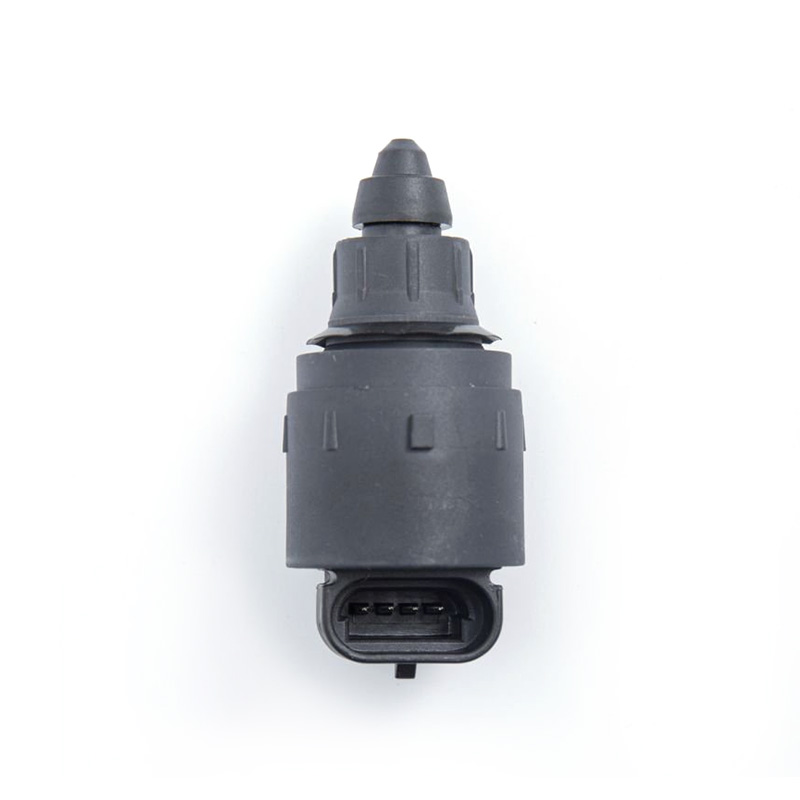
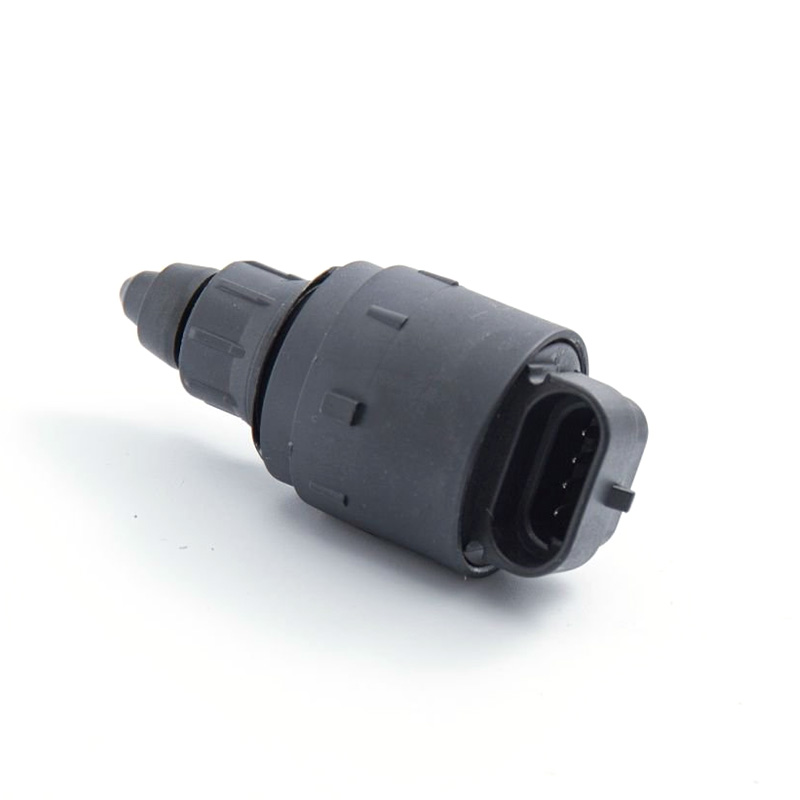
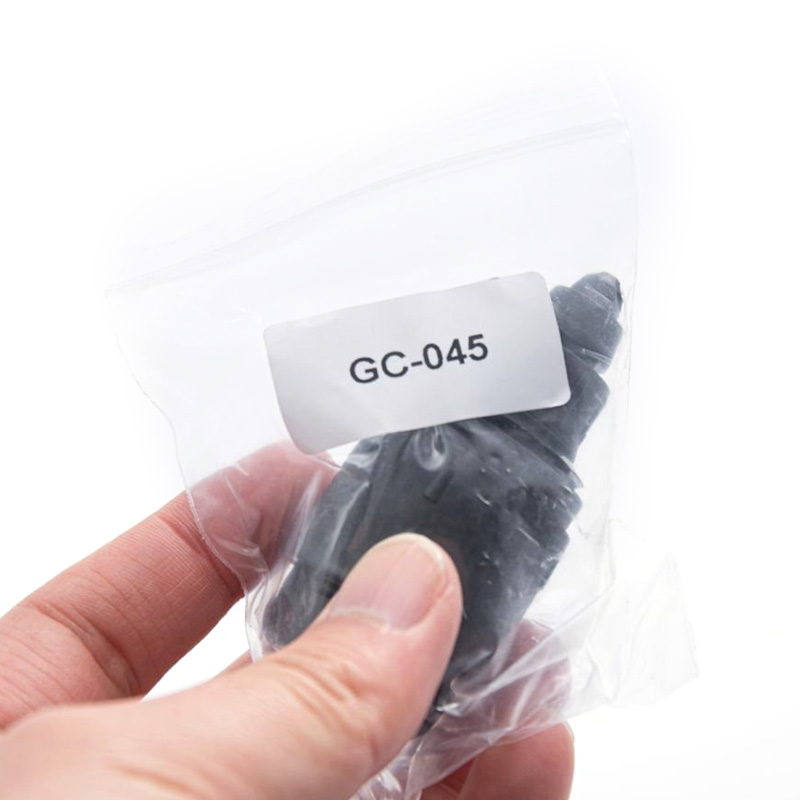
GC-045
REFERENCE OE:
IB04/00
Delphi: 28222556
Marelli: 40481202
APPLICATION:
Renault Clio 1.0 8V MPI
Renault Kangoo 1.0 8V MPI
Idle air control valve from China factory for Renault Clio Kangoo.
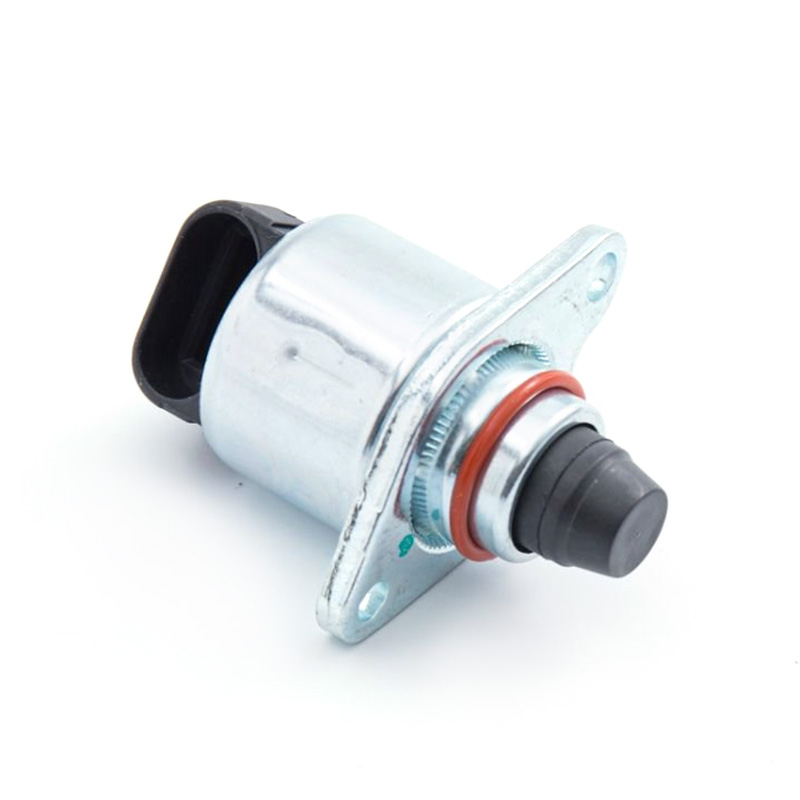
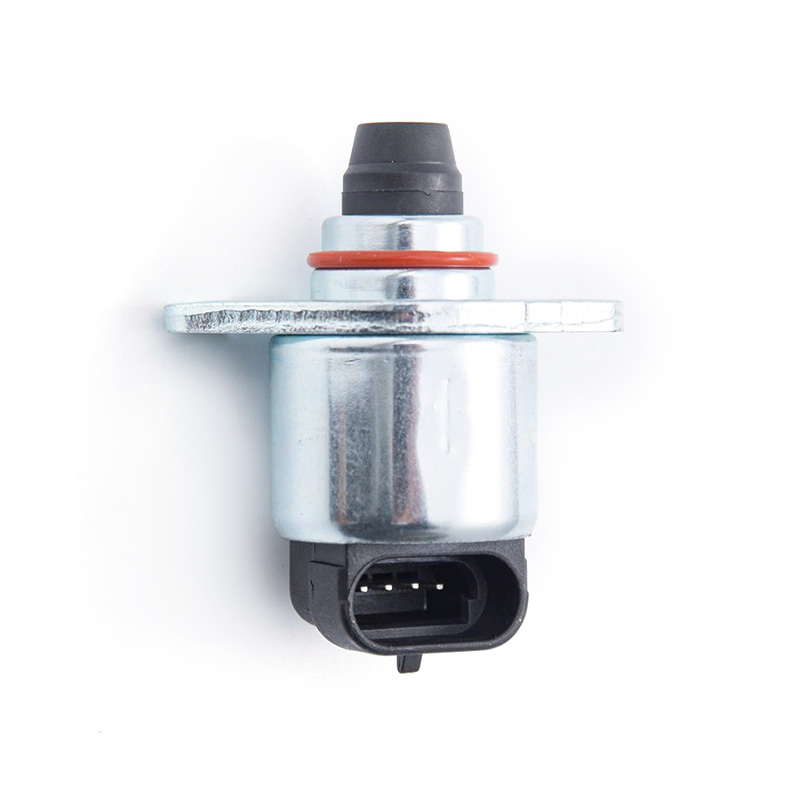
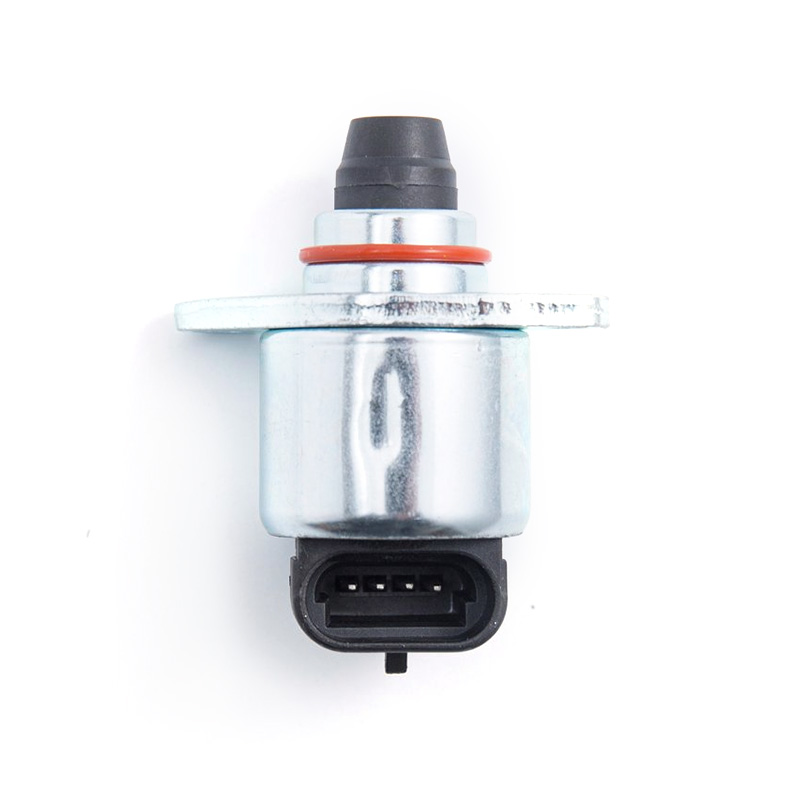
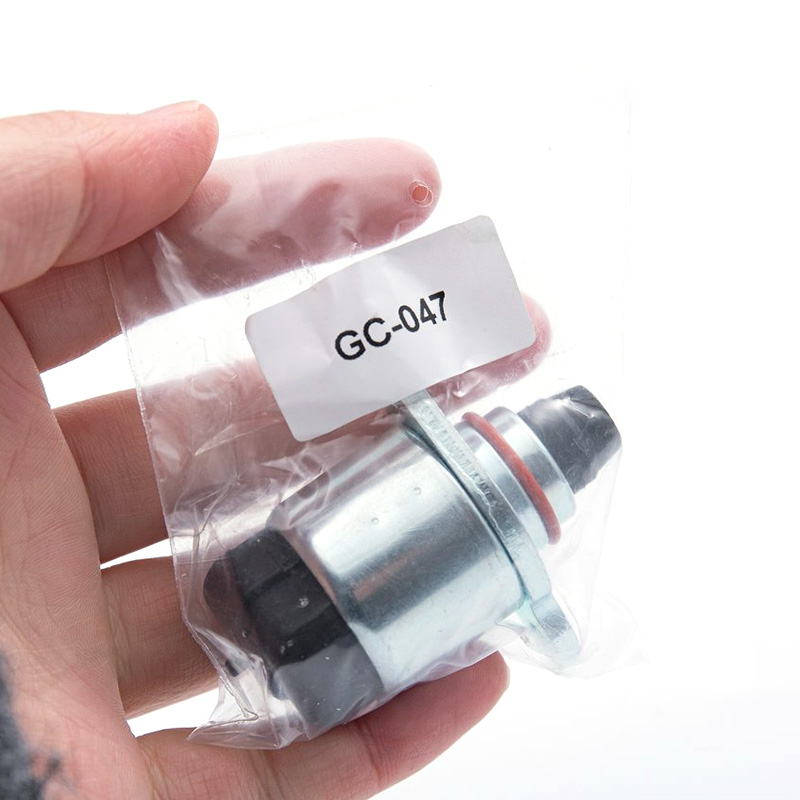
GC-047
REFERENCE OE:
STD:AC160
OEM: 12482707, 217436, 8124827070
OEM: 17113167, 2H1048;12482707;
APPLICATION:
Buick Skylarkx/Chevrolet Cavalier, Malibu, S10/GMC Sonoma/Isuzu Hombre/Oldsmobile Achieva, Alero/Pontiac Grand Am, Sunfire
Idle air control valve from China factory for Buick Chevrolet Malibu.
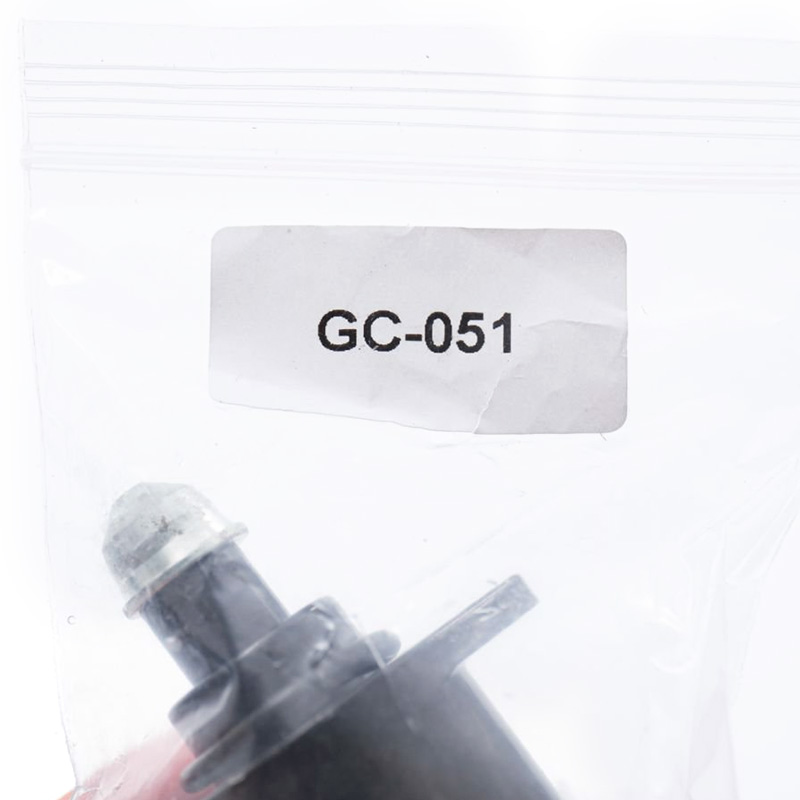
GC-051
REFERENCE OE:
PEUGEOT:19205F
APPLICATION:
CITRO SAXO(S0,S1)1.4VTS 1.6VTS;PEUGEOT 106 II(1) 1.4i;206 Schraqheck(2A/C)1.4i
Idle air control valve from China factory for Citroen Saxo Peugeot 106 206.
Contact Us
Let's start collaborating

Guocheng is specialized in the R&D and production of key engine components for the automotive and engineering machinery industries.
Product
Stay Connected
(+86) - 577 - 8582 0886 (Tel)
(+86) - 577 - 8582 8085 (Fax)
(+86) - 19730213059 (Phone)
sales@wz-gc.com
No. 205, Baiyu Road, 15th Road, Binhai Park, Wenzhou, Zhejiang, China
Mobile

ODM Engine Management System Components
 English
 русский
 Español
 عربى
عربى Deutsch