Date:Mar 06, 2026
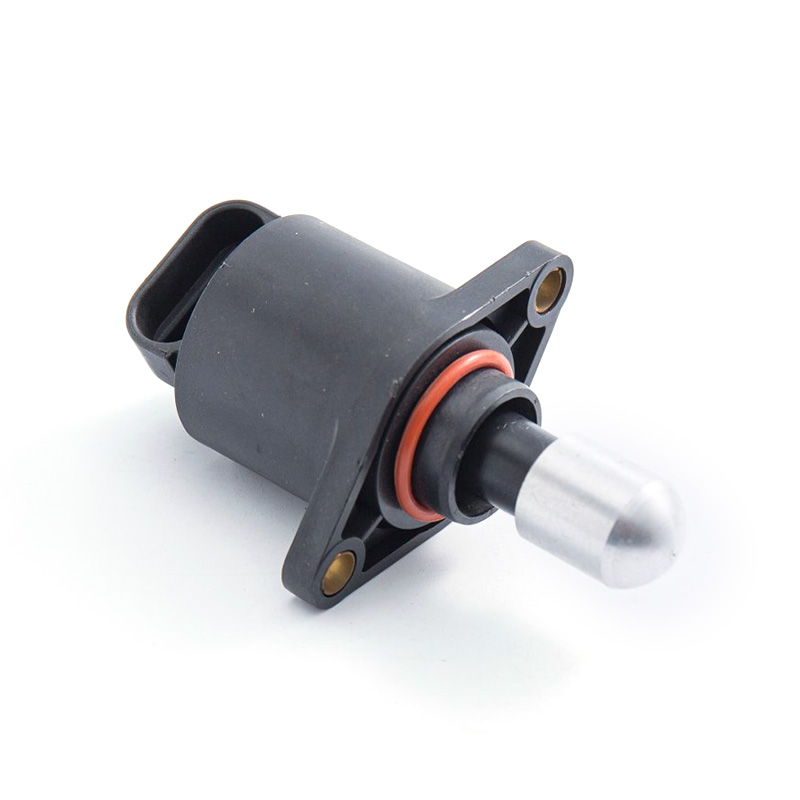
In the rapidly evolving automotive industry, precision and reliability have become crucial for both vehicle safety and efficiency. Professionals, engineers, and car enthusiasts are increasingly focused on components that directly influence driving experience and vehicle diagnostics. Products such as the Odometer Sensor are receiving heightened attention for their accuracy in measuring distance and supporting modern vehicle systems, while the Automotive Accelerator Pedal continues to play a pivotal role in performance and driver control. As manufacturers, we observe these trends shaping global discussions across social media and professional automotive forums, emphasizing both innovation and durability in automotive components.
Odometer sensors serve as the backbone for accurate mileage recording, which affects everything from fuel efficiency calculations to maintenance schedules. Beyond traditional distance tracking, these sensors now often integrate with digital dashboards and telematics systems. Users and industry professionals are increasingly evaluating sensor accuracy, responsiveness, and long-term reliability as key performance indicators.
For automotive manufacturers, producing high-precision odometer sensors requires strict calibration standards and advanced testing procedures to ensure consistent functionality under varying operational conditions.
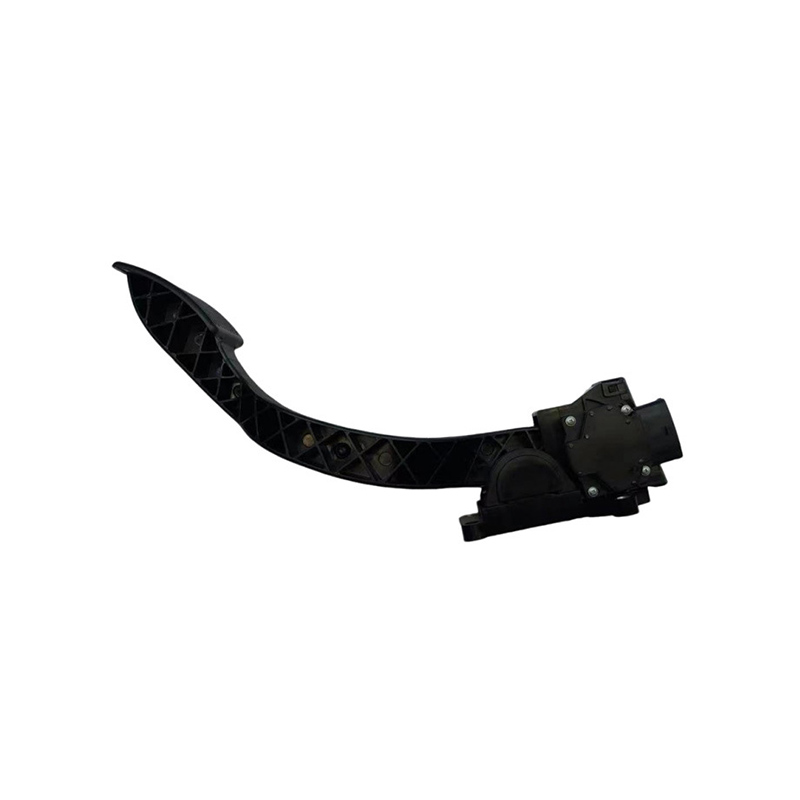
The automotive accelerator pedal is more than just a simple input device—it is a core interface between the driver and the vehicle’s powertrain. Modern accelerator pedals often incorporate electronic sensors that communicate with engine control units (ECUs) to optimize fuel delivery, throttle response, and overall vehicle efficiency.
Industry forums frequently discuss how pedal responsiveness, travel smoothness, and ergonomic design influence driver comfort and performance. By investing in research and design, manufacturers ensure that accelerator pedals meet the expectations of both high-performance and everyday vehicles.
Global automotive production increasingly emphasizes components that combine precision with durability. Key trends affecting odometer sensors and accelerator pedals include:
Manufacturers who adapt to these trends are more likely to satisfy OEMs and aftermarket customers alike.
Reliable sensors and pedals contribute directly to vehicle safety. Accurate odometer readings allow maintenance schedules to be followed precisely, preventing wear-related issues, while responsive accelerator pedals help maintain better control during acceleration and deceleration.
Safety considerations are often highlighted in automotive communities and social media discussions, reflecting growing consumer awareness of component performance beyond mere aesthetics or brand reputation.
Another focus area is sustainability. Automotive companies are exploring designs that minimize environmental impact while maximizing component life span. This includes using recyclable materials, improving manufacturing efficiency, and ensuring components maintain accuracy over many years of use.
Manufacturers committed to high-quality production processes can provide products that remain reliable across millions of kilometers, reducing waste and supporting eco-conscious automotive practices.
Automotive manufacturers, distributors, and aftermarket suppliers around the world seek dependable, high-quality components that improve vehicle performance and driver experience. Both odometer sensors and accelerator pedals are integral to modern vehicles, influencing everything from engine efficiency to diagnostic precision.
By maintaining strict quality control, leveraging advanced manufacturing technology, and responding to global industry trends, manufacturers ensure that vehicles equipped with our components meet the performance expectations of customers worldwide.
As the automotive industry continues to evolve toward smarter, safer, and more efficient vehicles, components like the Odometer Sensor and the Automotive Accelerator Pedal remain critical. Their reliability, precision, and performance directly affect not only vehicle operation but also driver confidence and satisfaction, making them essential for any modern automotive system.
Related Products
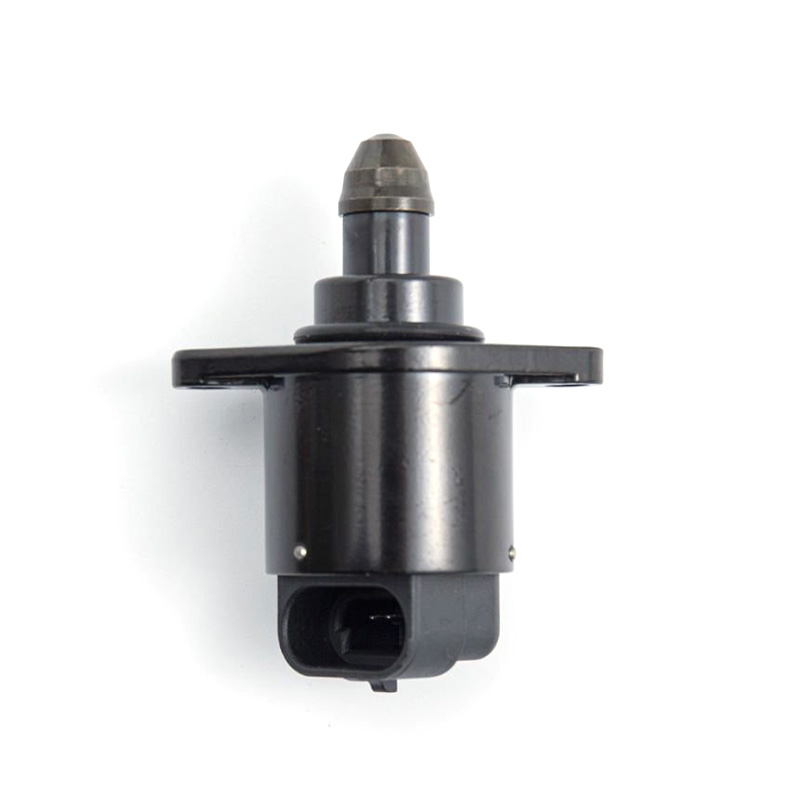
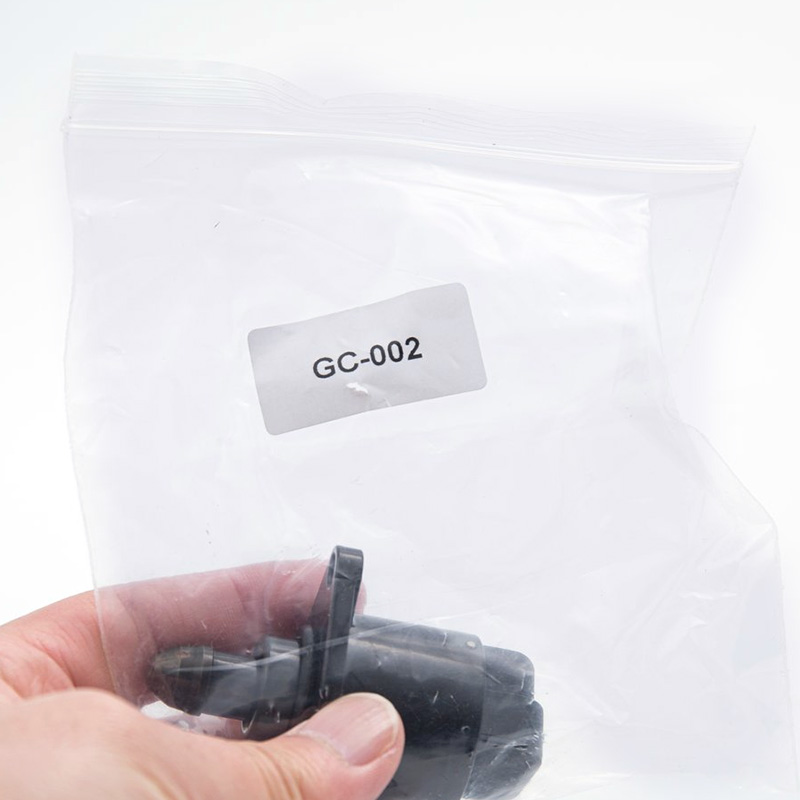
GC-002
REFERENCE OE:
SHORT CODE: B95/00
PEUGEOT: 1920X9 C95197
APPLICATION:
PEUGEOT 306 Break/Cabriolet/Schraqheck;PEUGEOT 405 II Break; PEUGEOT 406 Break/Coupe;
PEUGEOT 605 806;PEUGEOT BOXER Bus/Kasten/Pritsche/Fahrqestell
China original factory for idle air control valve and different kind of sensors with high quality and competitive price!
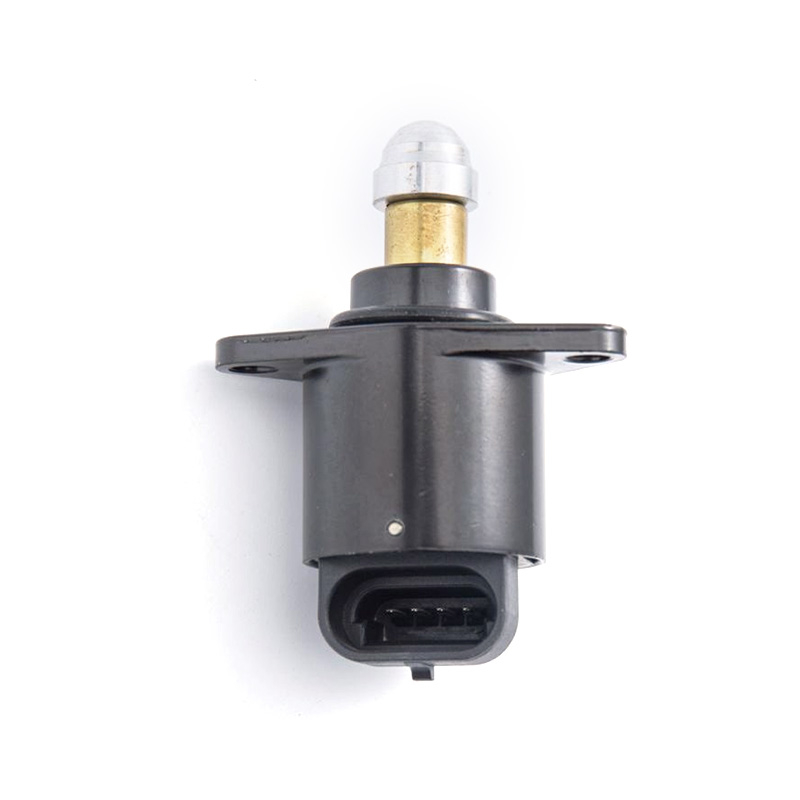
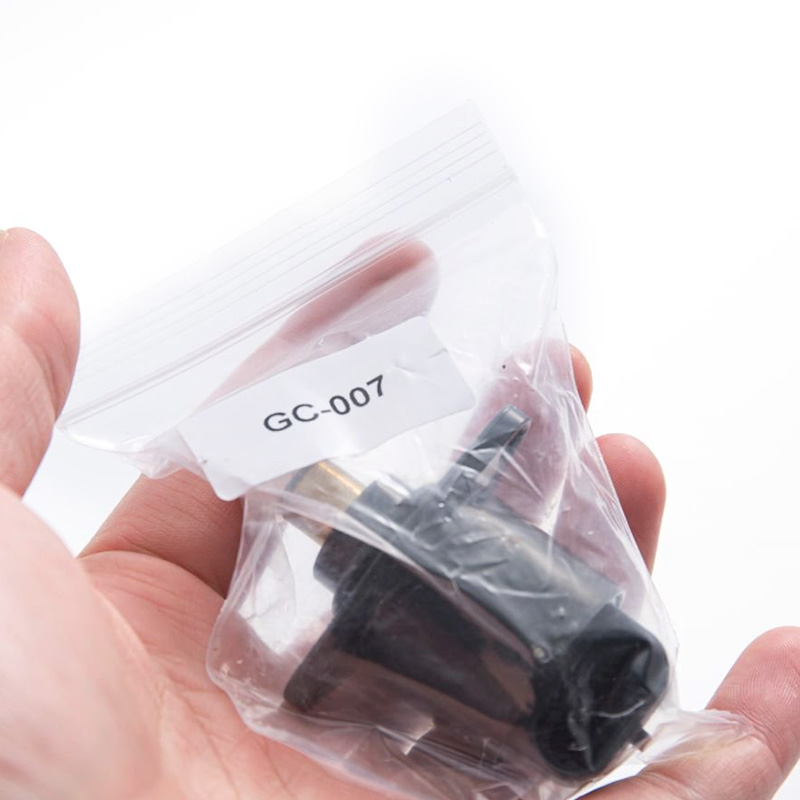
GC-007
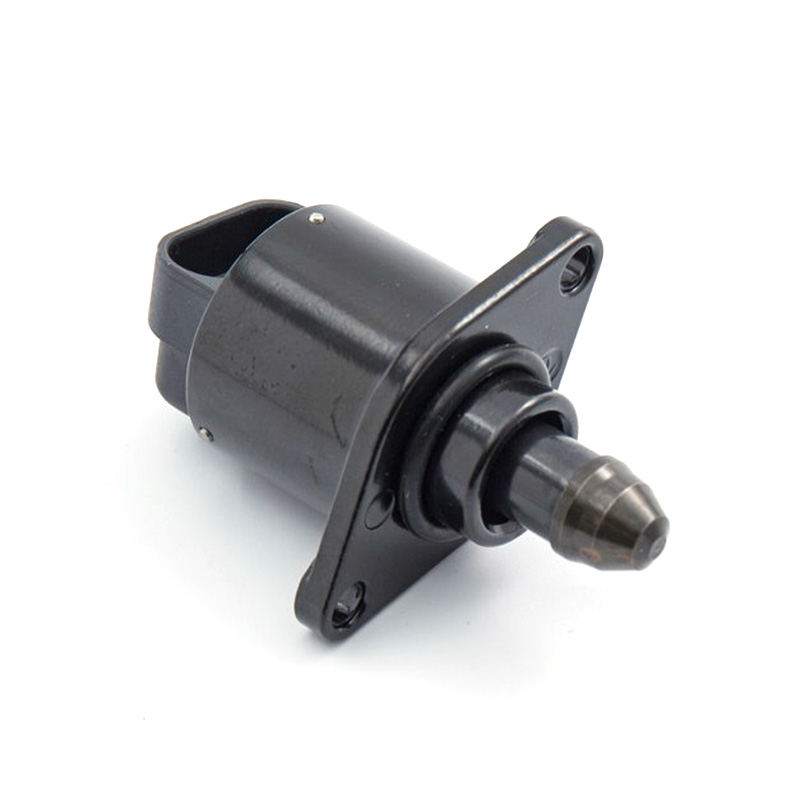
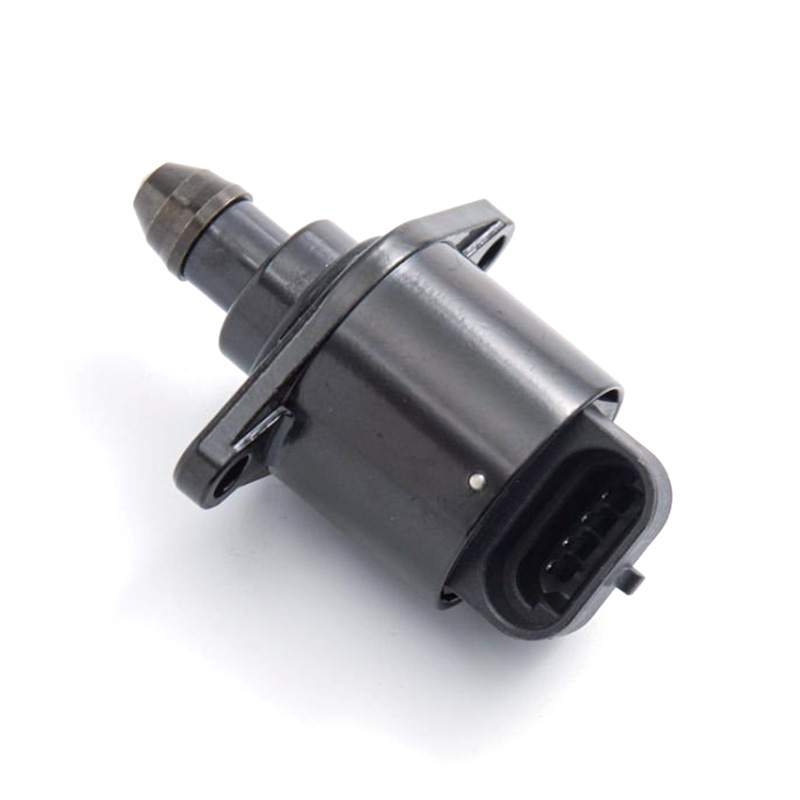
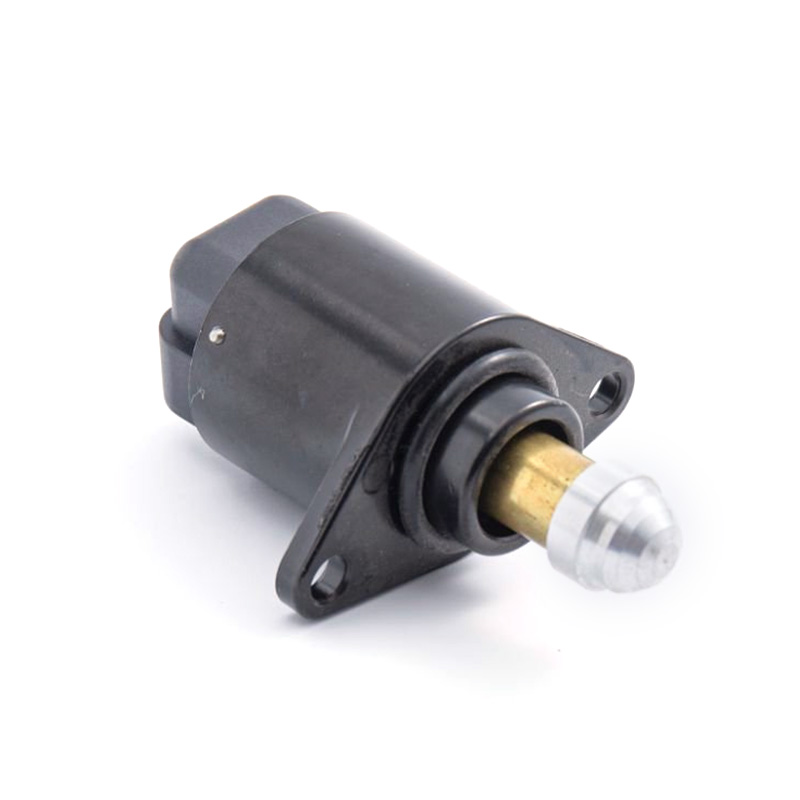
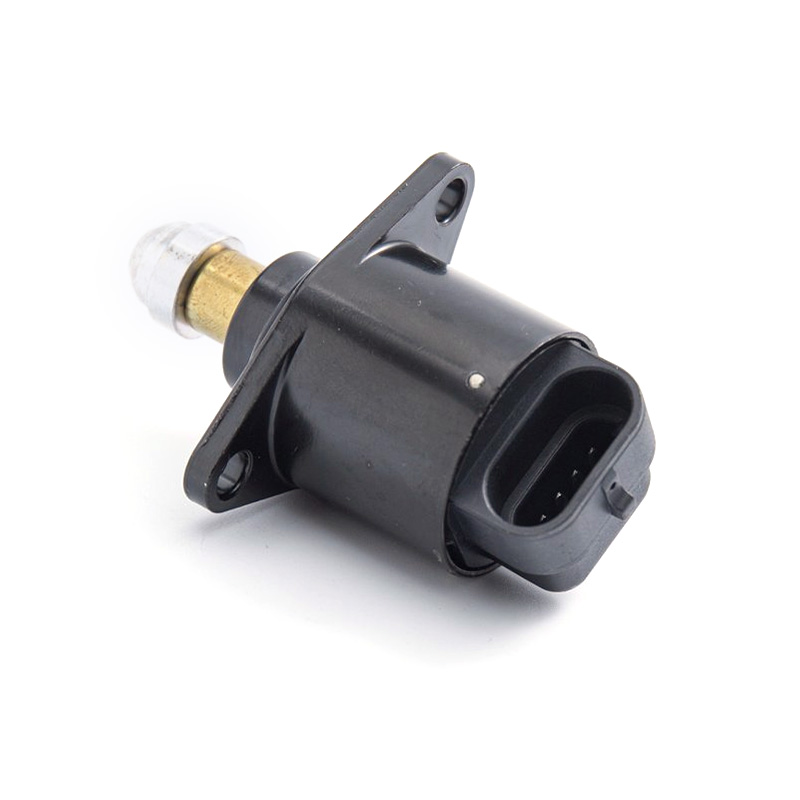
REF OE:
SIMENCE:A96158 A97116
PEUGEOT:19208X;1920.8X
MARELLI:230016079217
APPLICATION:
PEUGEOT 206 CC(2D)2.0 S16;PEUGEOT 206 SW(2E/K)2.0 16V;PEUGEOT 307;
PEUGE 406/Break/Coupe;PEUGE 806/807;PEUGE EXPERT(224)2.0
China auto parts factory for idle air control valve and many kind of sensor imprting and exporting.
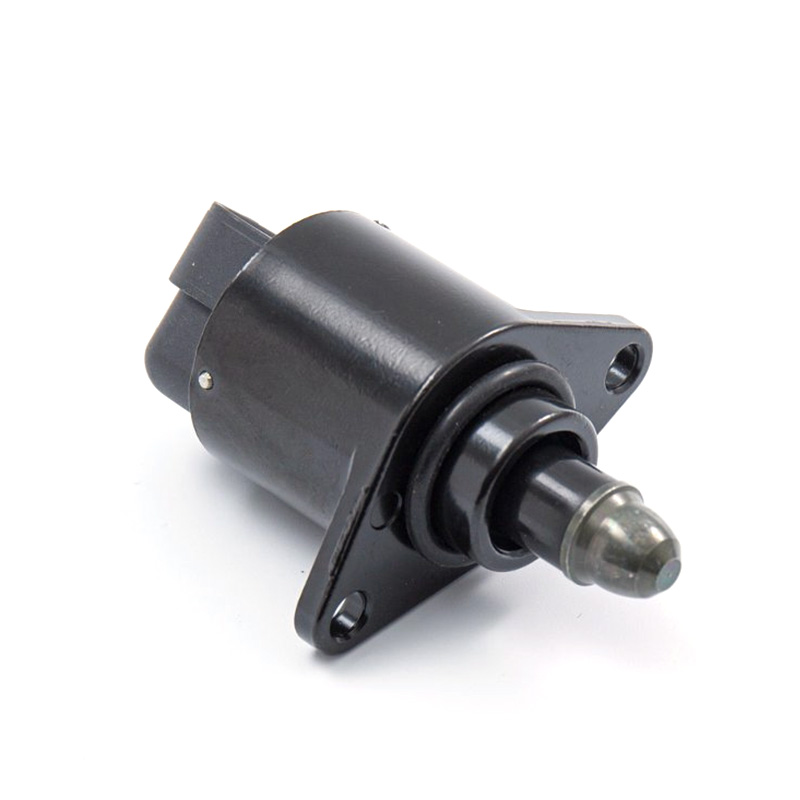
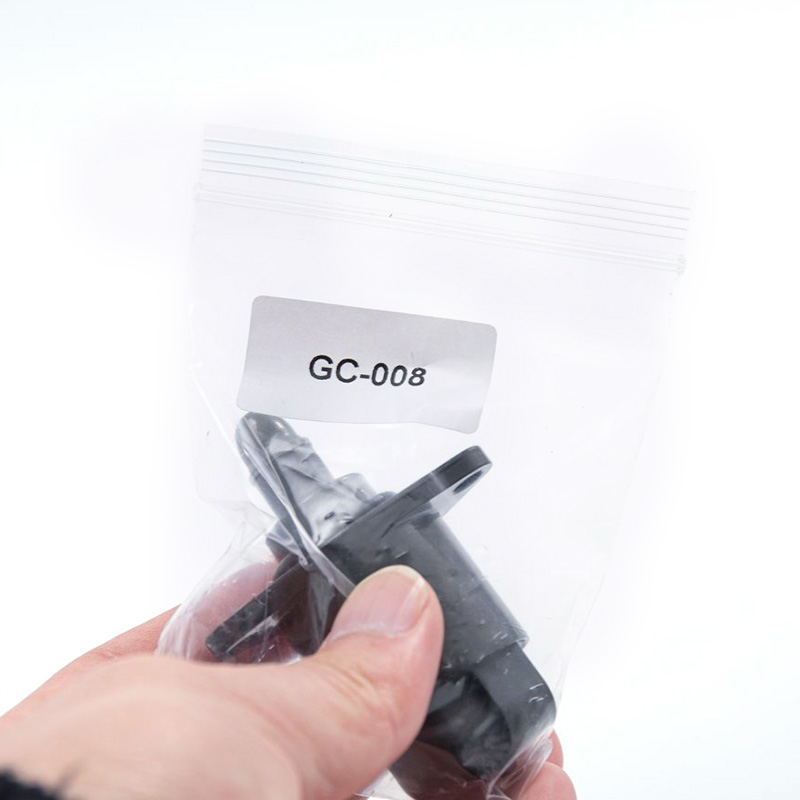
GC-008
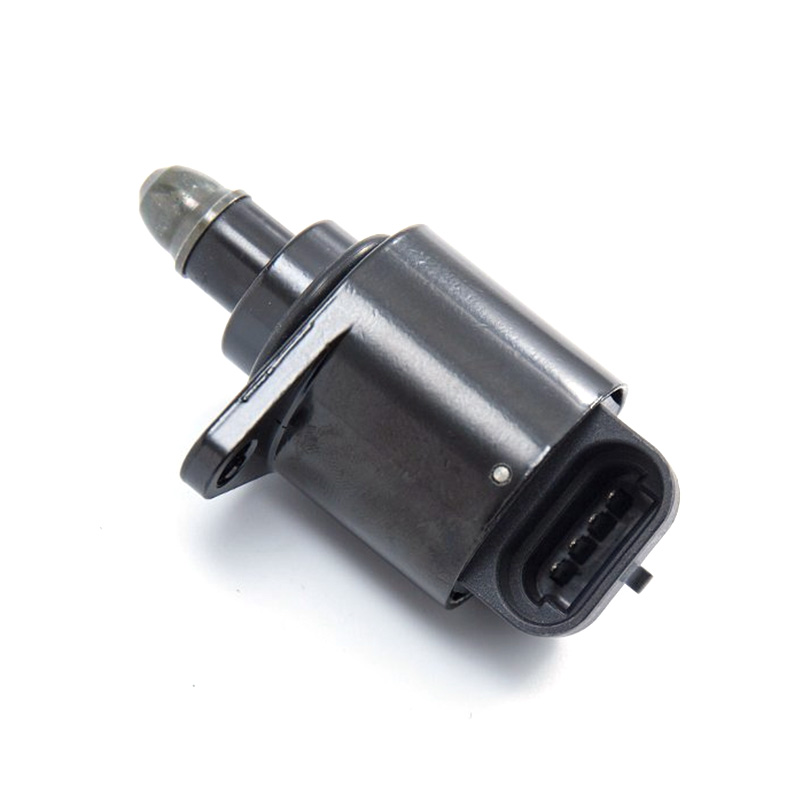
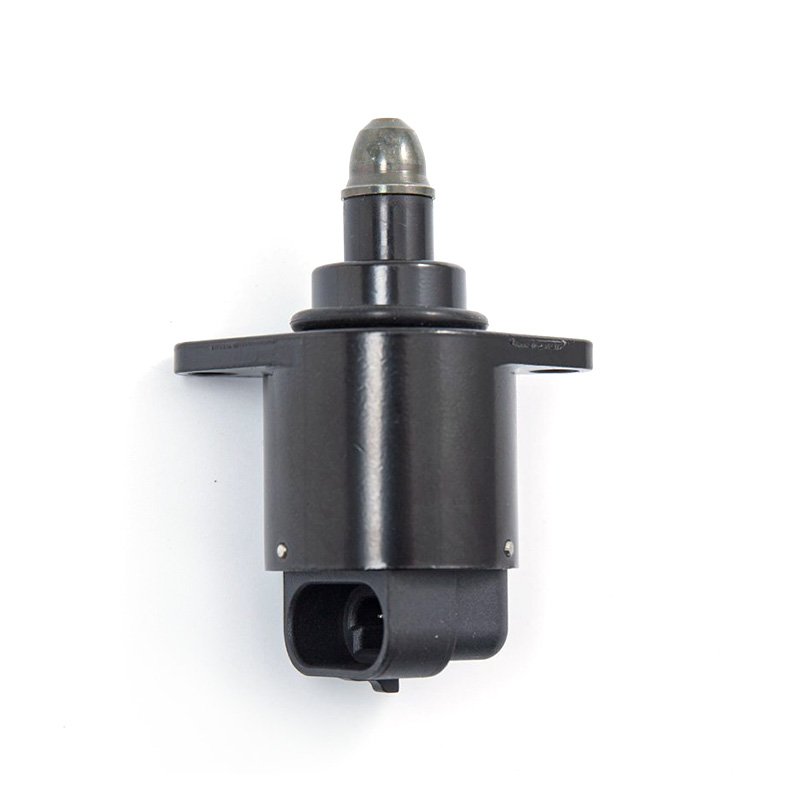
REF OE:
SHORT CODE:B20/01
VDO:AT-02001R
MARELLI:40415202 219244820500
FIAT:46451794
APPLICATION:
Punto 85 16V 1.2 97>MPI PALIO 98->1.3 MPI/SIENA 98->1.3,Palio 1.0,1.5,96 98,Siena 1.5 99,UNO 1.0 99;Weekend 1.5 97;Uno Furgoneta,
Fiorino 1.5 97 98,Palio 1.0 1.5 96 98 ,Siena 1.0, Strada 1.5
Idle air control valve from china manufacture,main market to US and south America.
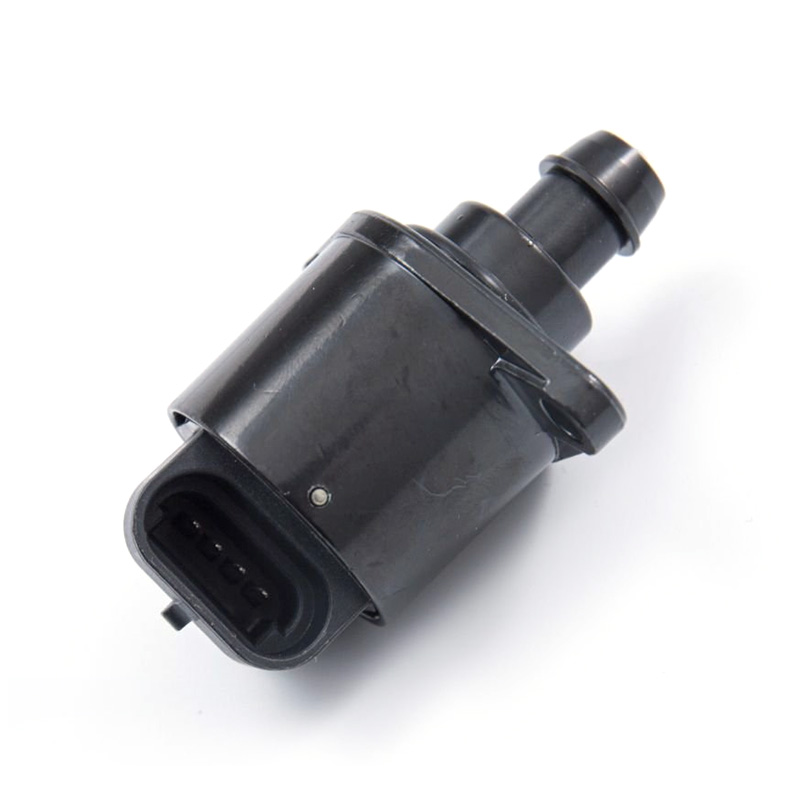
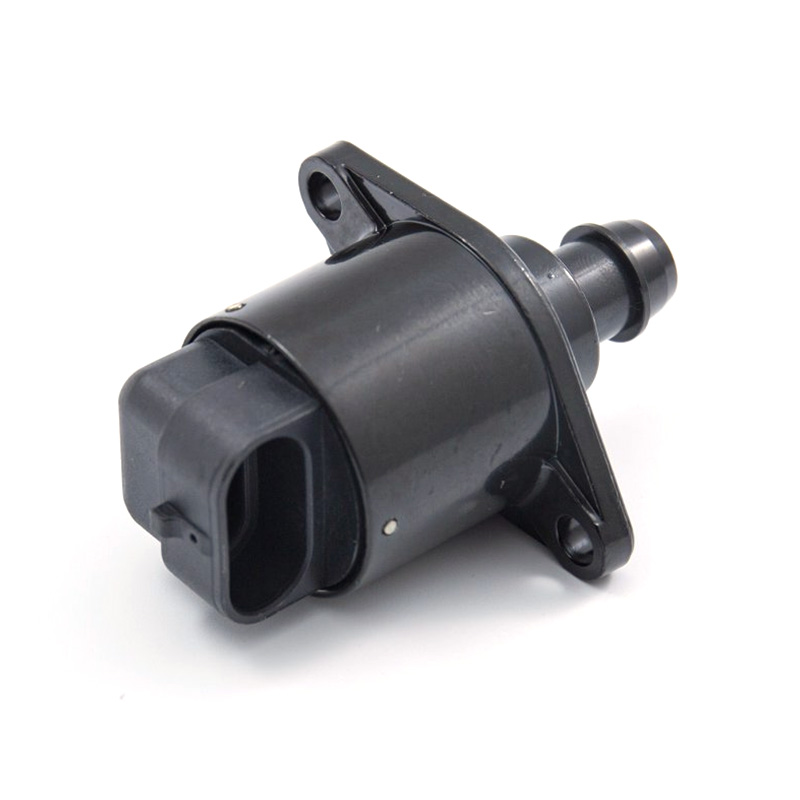
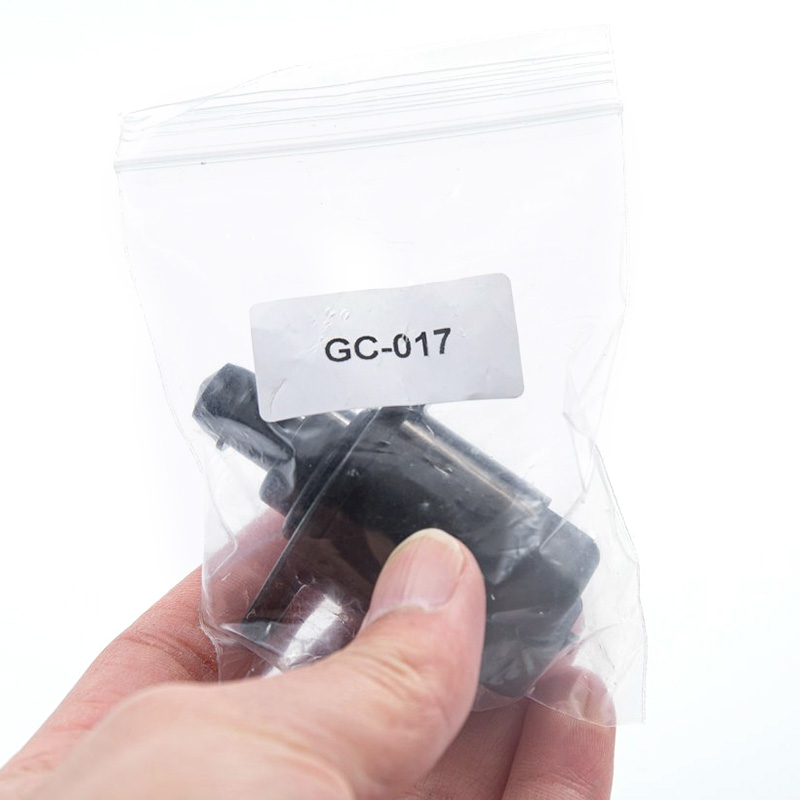
GC-017
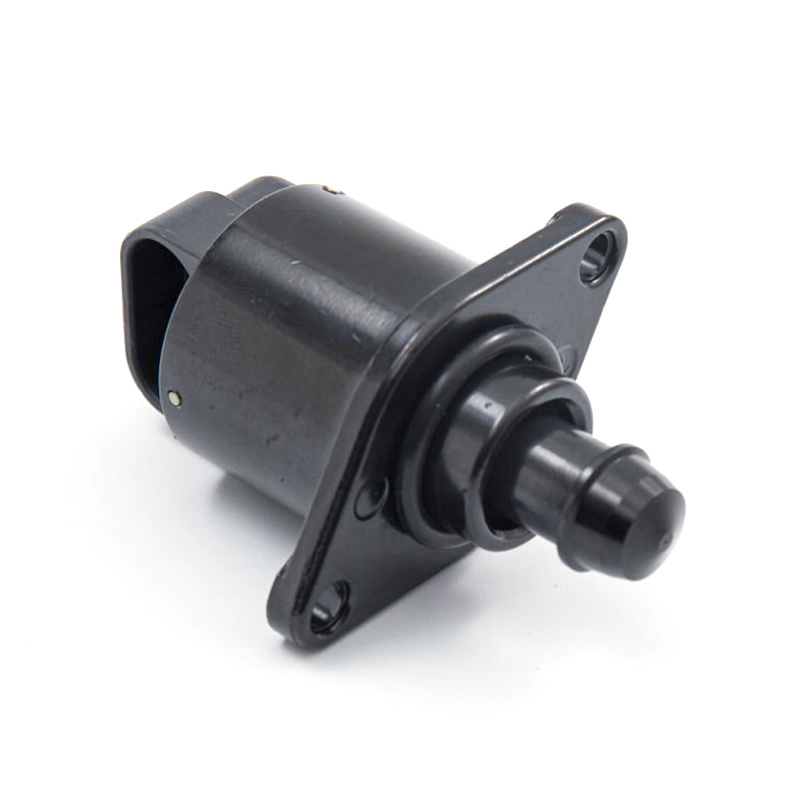
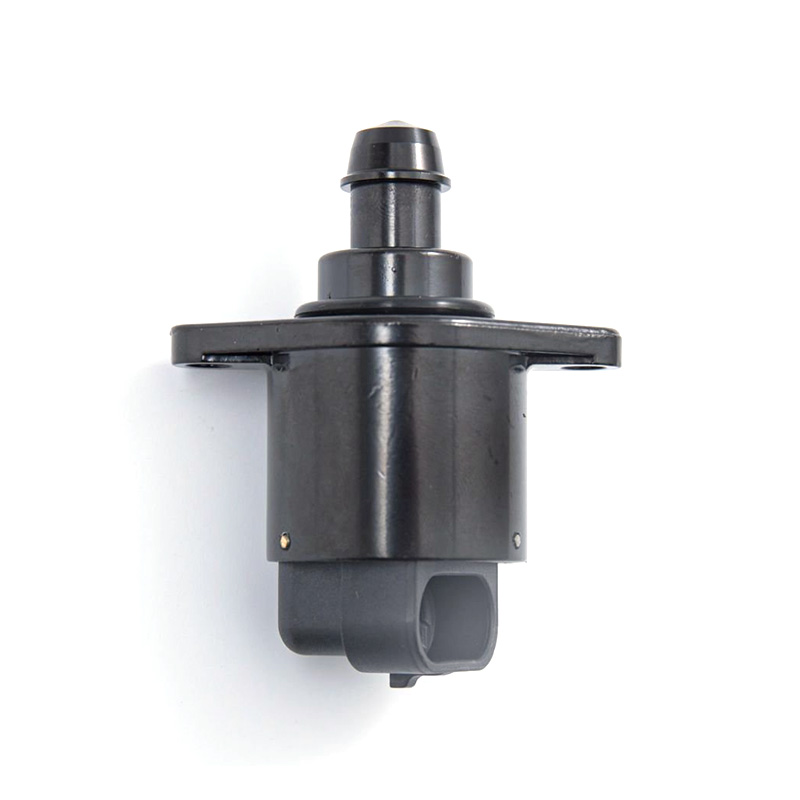
REFERENCE OE:
SHORT CODE:B28/00
RENAULT:8200299241 7700102539
SIMENCE:D95166 B28/00 8200299241 7700102539 D95166
APPLICATION:
OPEL VIVARO Combi/Kasten;
RENAU AVANTIME;
RENAU CLIO II/ESPACE III;
RENAU LAGUNA/LAGUNA II;
RENAU MEGANE Cabriolet/Classic/Coach/Grandtour;
RENAU SCENIC I/II
Idle air control valve for wholesale and retail from China!
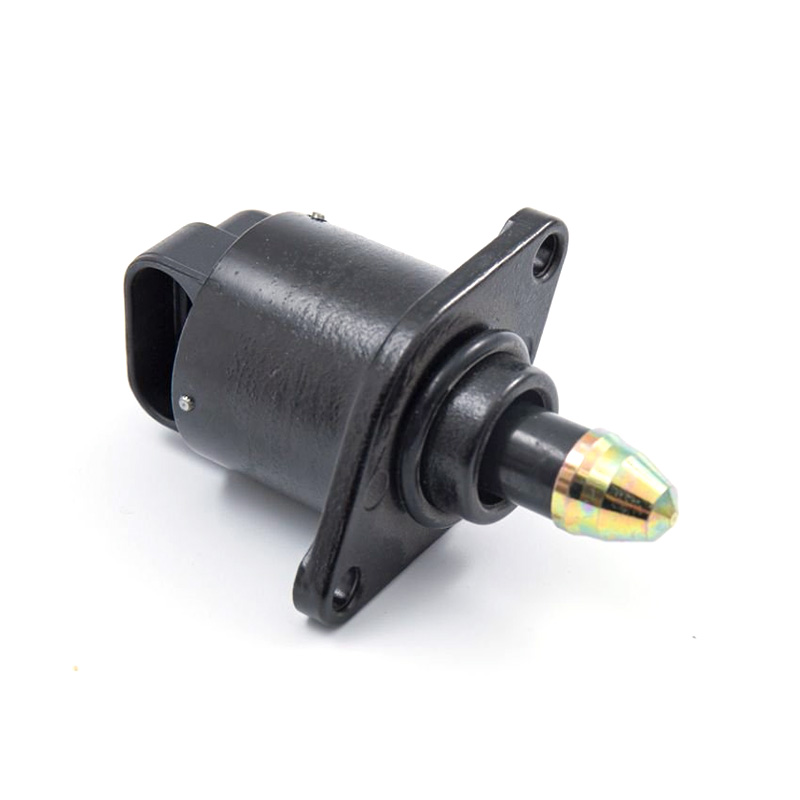
GC-018
REFERENCE OE:
FIAT:0009943223
FIAT:0009949146
SIMENCE:A95140 00600
APPLICATION:
LANCI DEDRA;LANCI DEDRA SW
Idle air control valve for auto parts,China original factory direct!
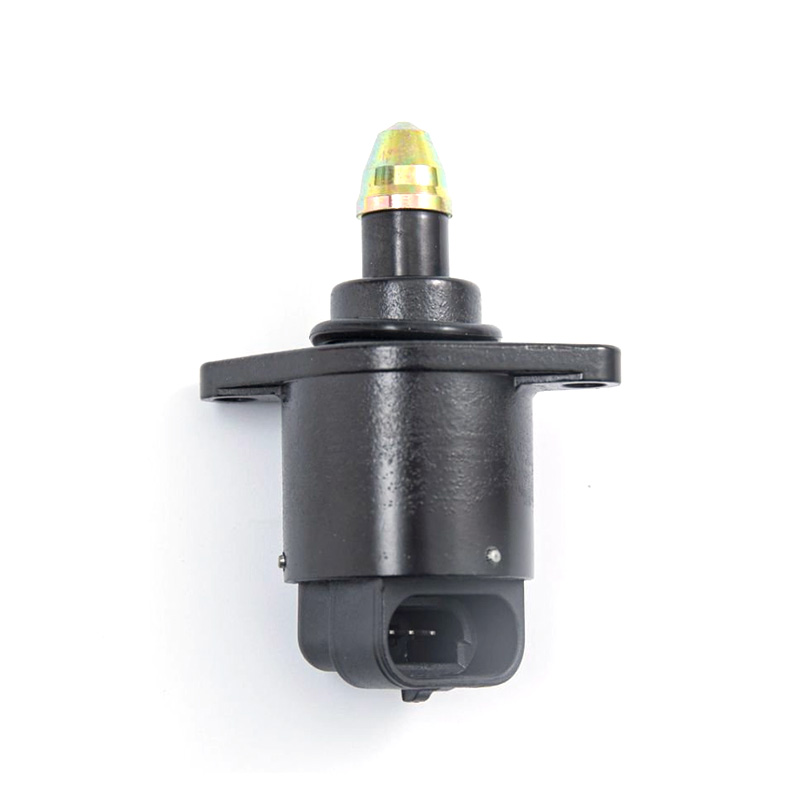
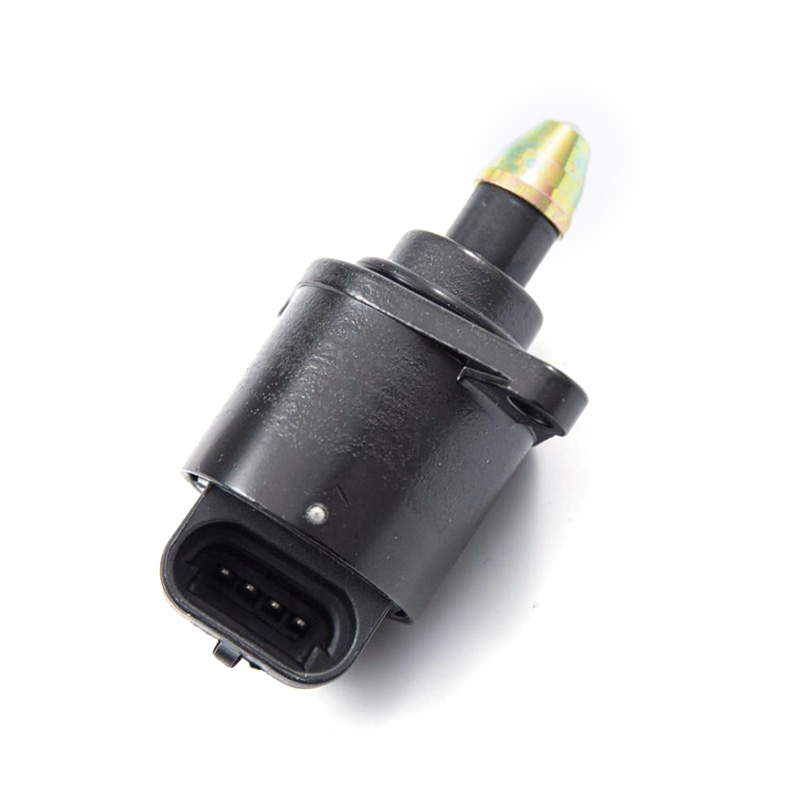
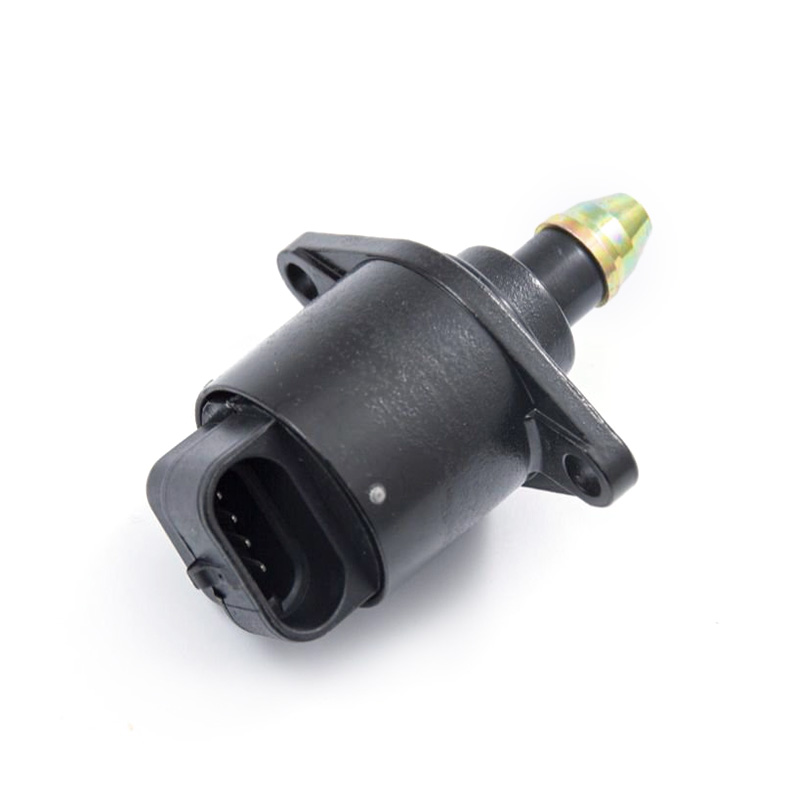
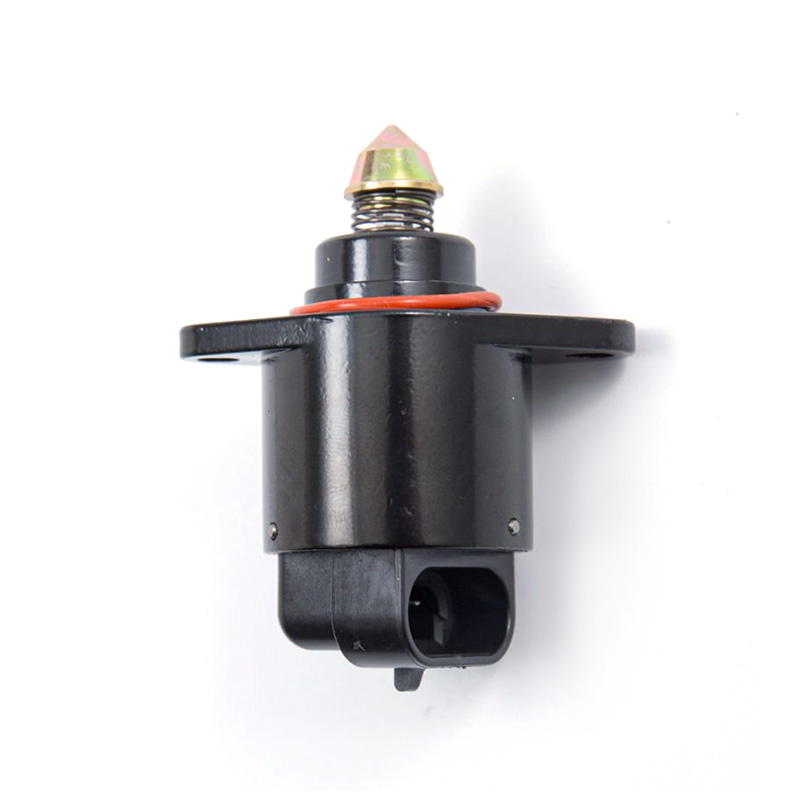
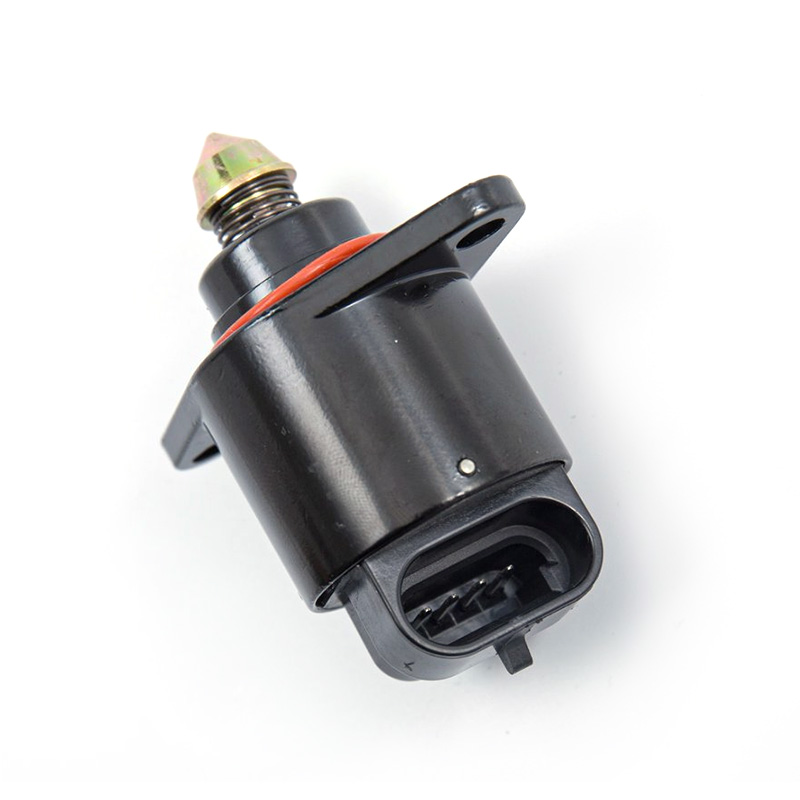
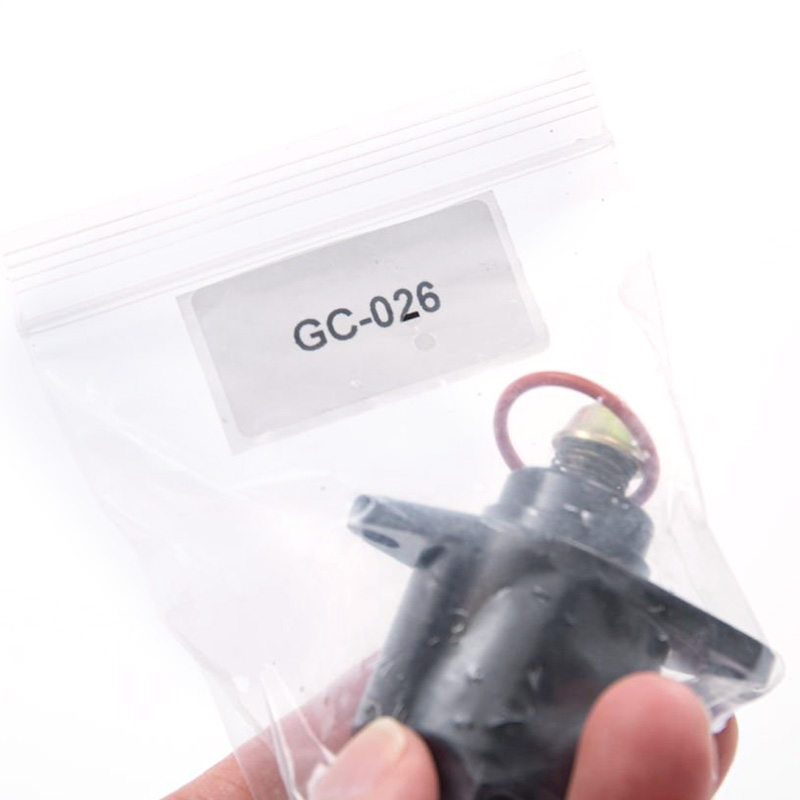
GC-026
REFERENCE OE:
SHORT CODE: 59603; 17059603
DELPHI: ICD00125
GM: 817253 817255 17112031 17112023
SIMENCE: A95214
VDO: AT-59603R STD: AC15
APPLICATION:
OPEL ASCONA C;
OPEL ASTRA F;
OPEL ASTRA F Cabriolet/Kombi/Schraqheck/Van;
OPEL KADETT E;
OPEL KADETT E Cabriolet/Kombi/Schraqheck
Idle air control valve from China manufacture for Opel.
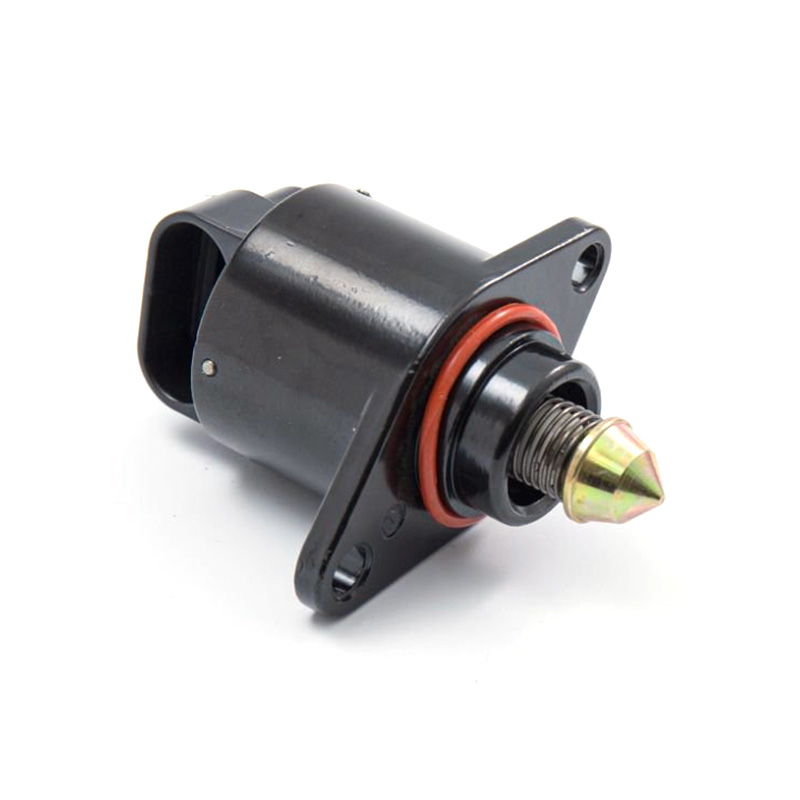
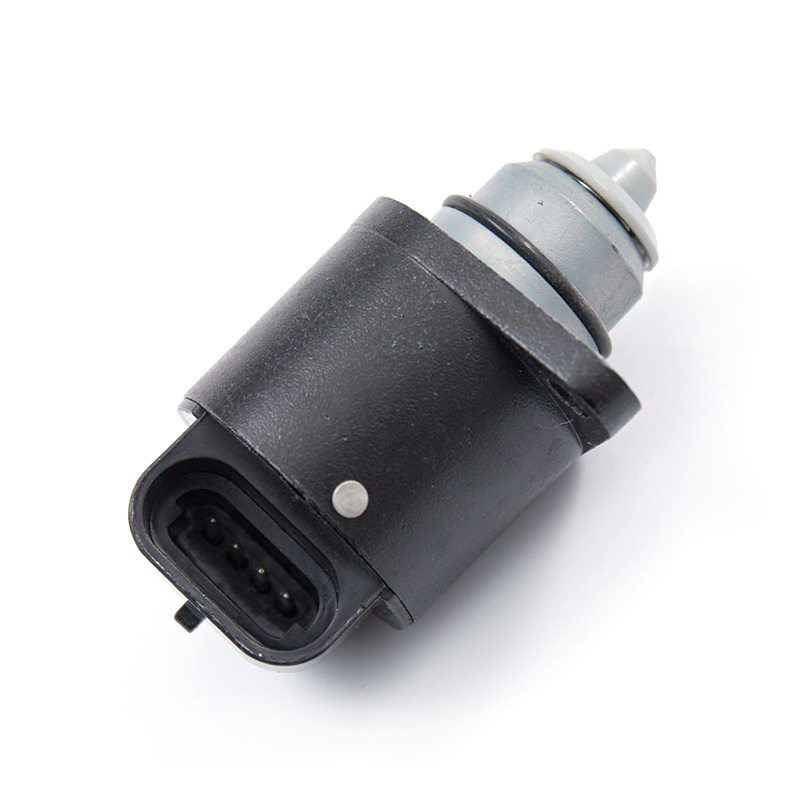
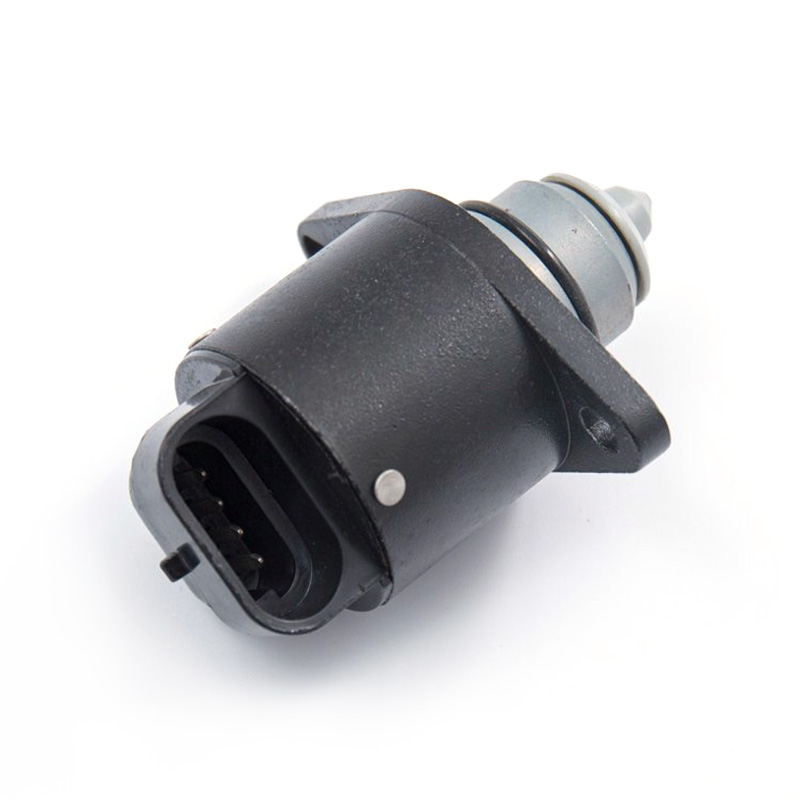
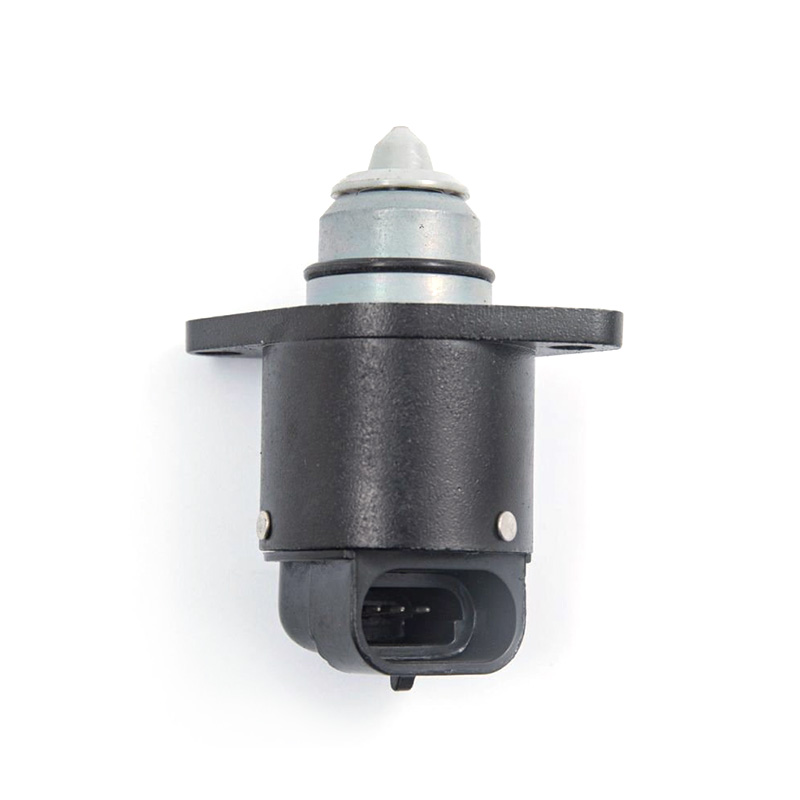
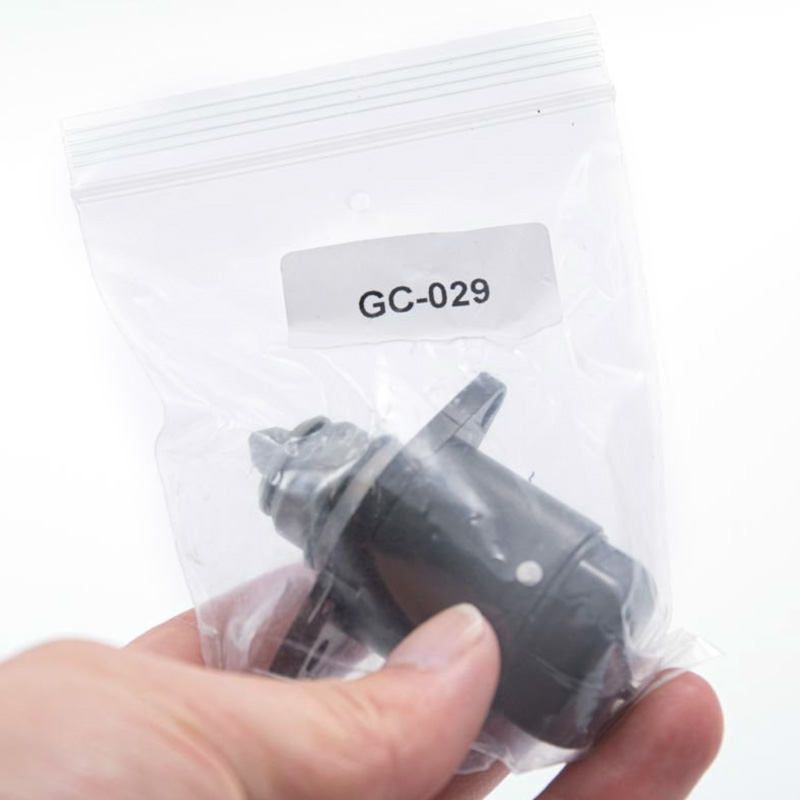
GC-029
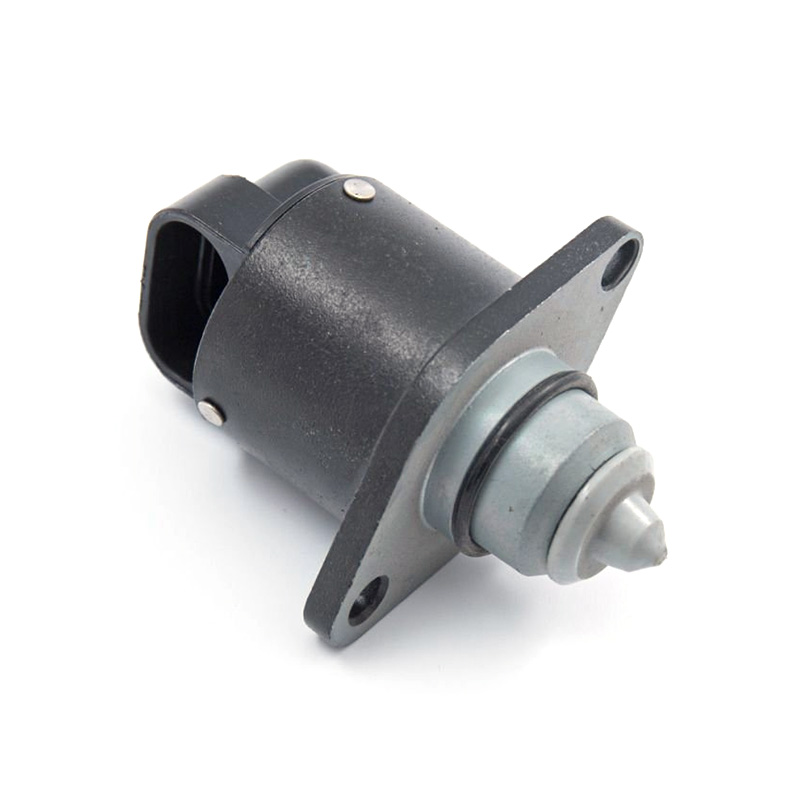
REFERENCE OE:
2112-1148300-04
APPLICATION:
LADA
Idle air control valve from China factory for Lada.
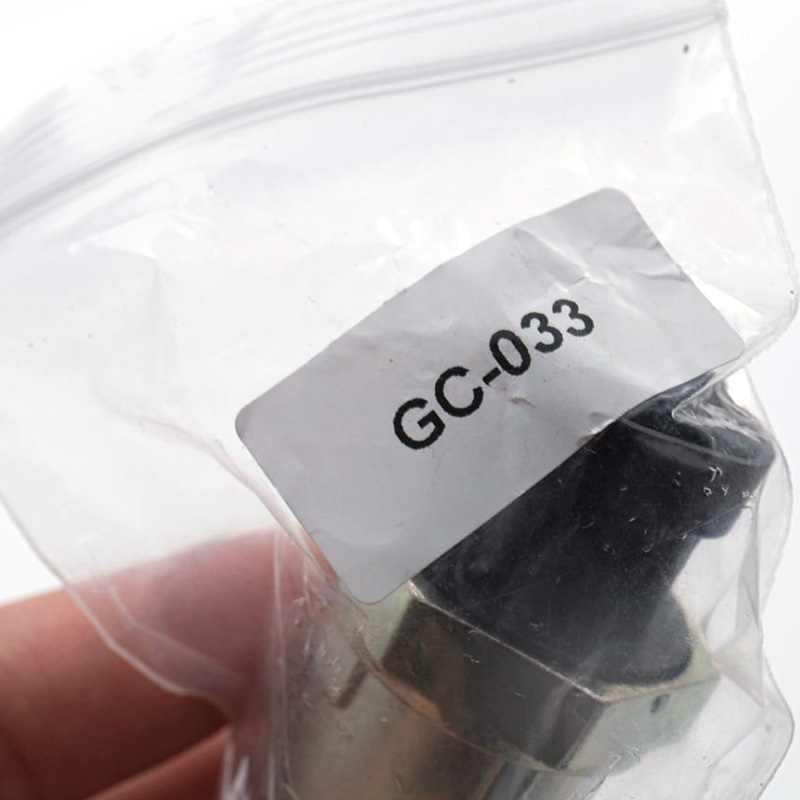
GC-033
REFERENCE OE:
WELLS:AC102 STD:AC1
GM:25527077
SUZU:8-17111460-0
WALKER:215-1003 17079256;
WELLS: AC4115;2H1293; AC102
APPLICATION:
Buick Century Sedan/Coupe(87-83);
Buick Regal Sedan/Coupe(87-86);
Buick Roadmaster(93-91);
Cadillac Fleetwood/Brougham(93-90);
Chevrolet Astro(94-85);
GMC Fullsize Pickup(95-87);
Oldsmobile;
Pontiac
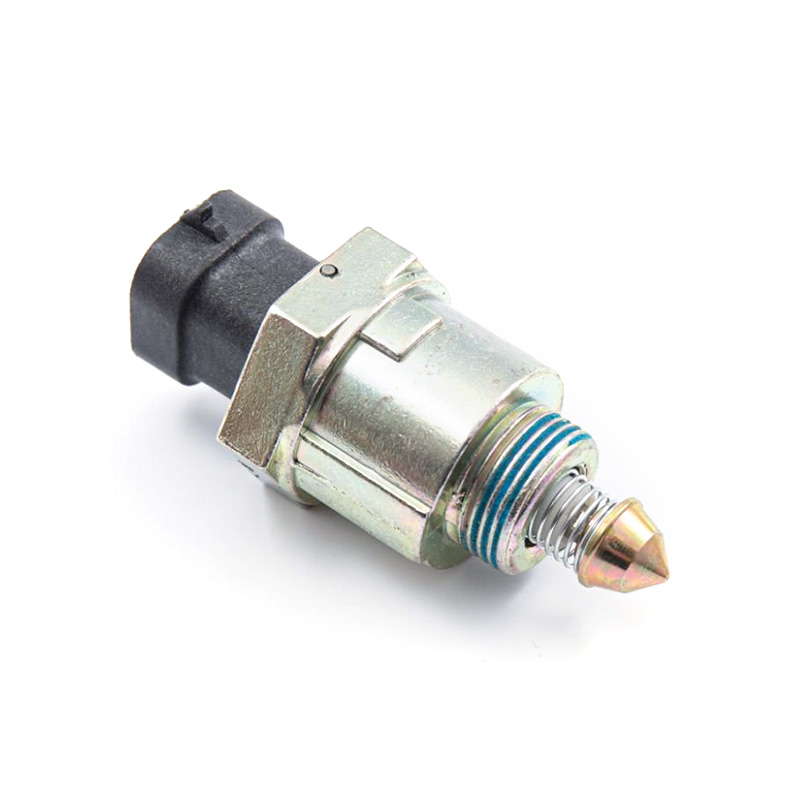
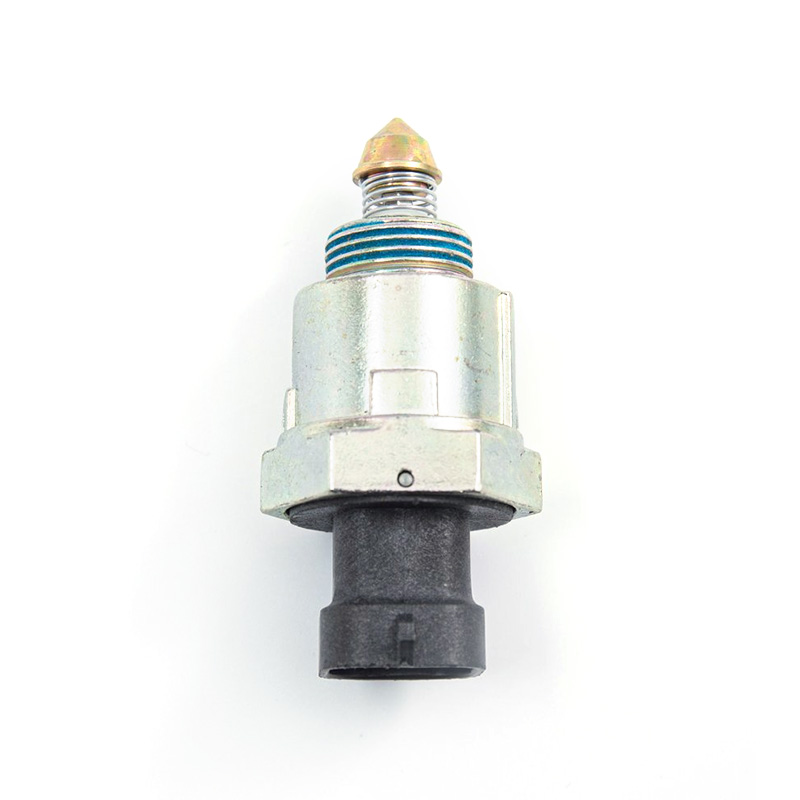
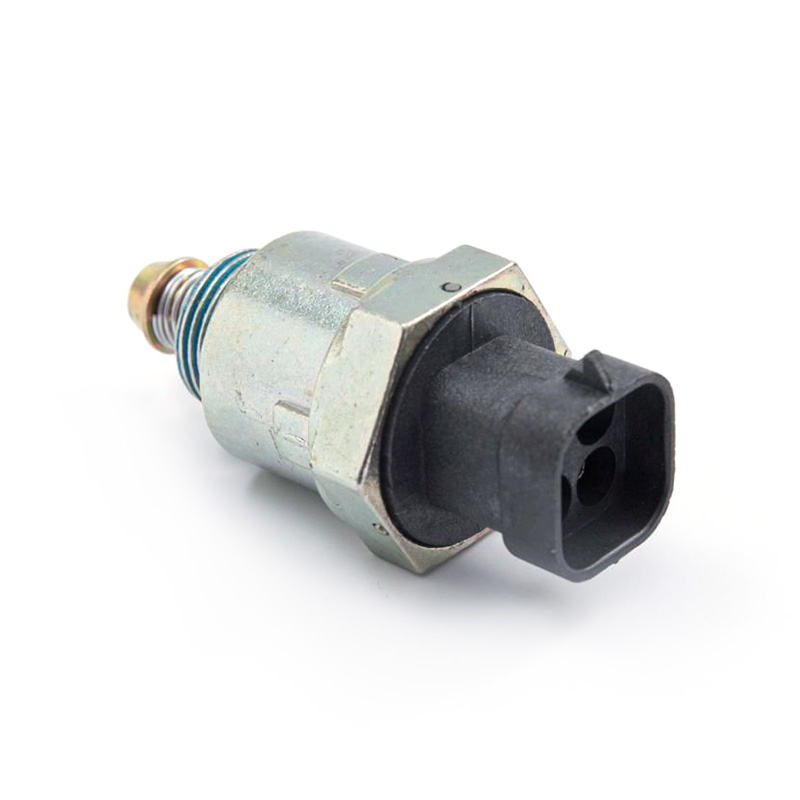
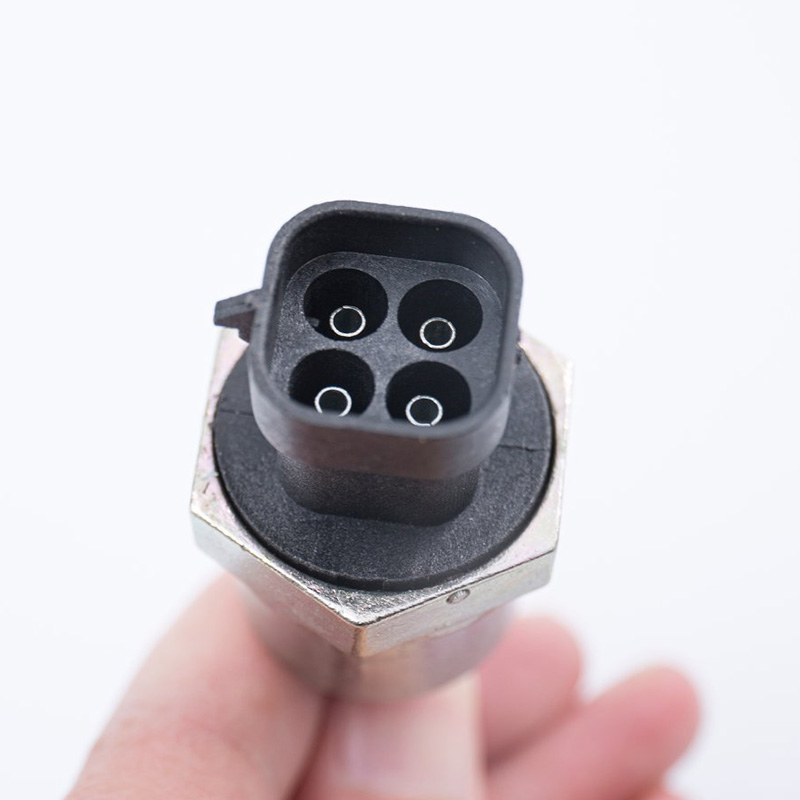
Idle air control valve from China factory for Buick Regal Cadillac Chevrolet.
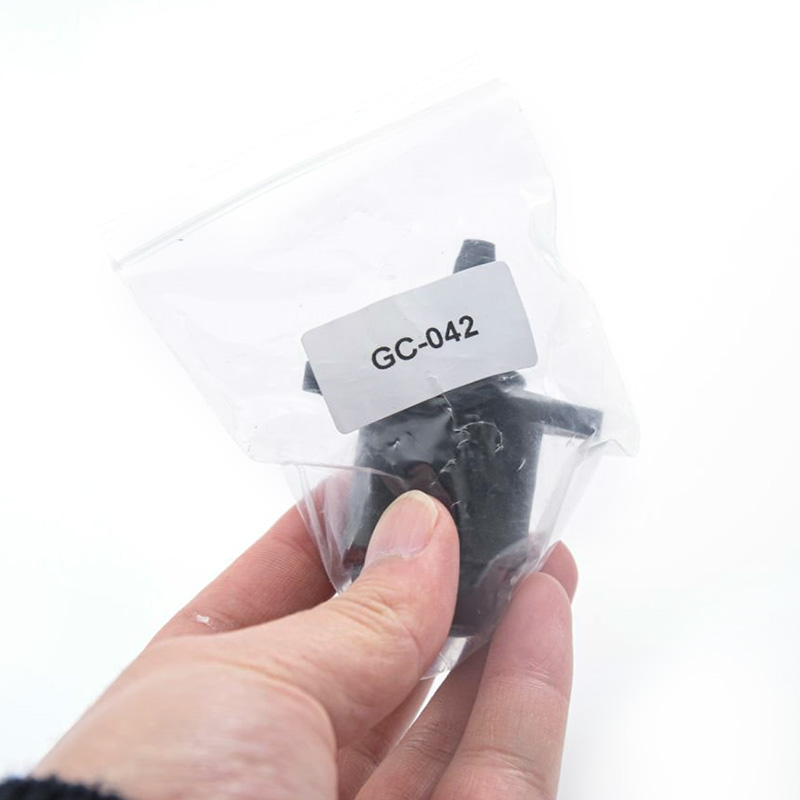
GC-042
REFERENCE OE:
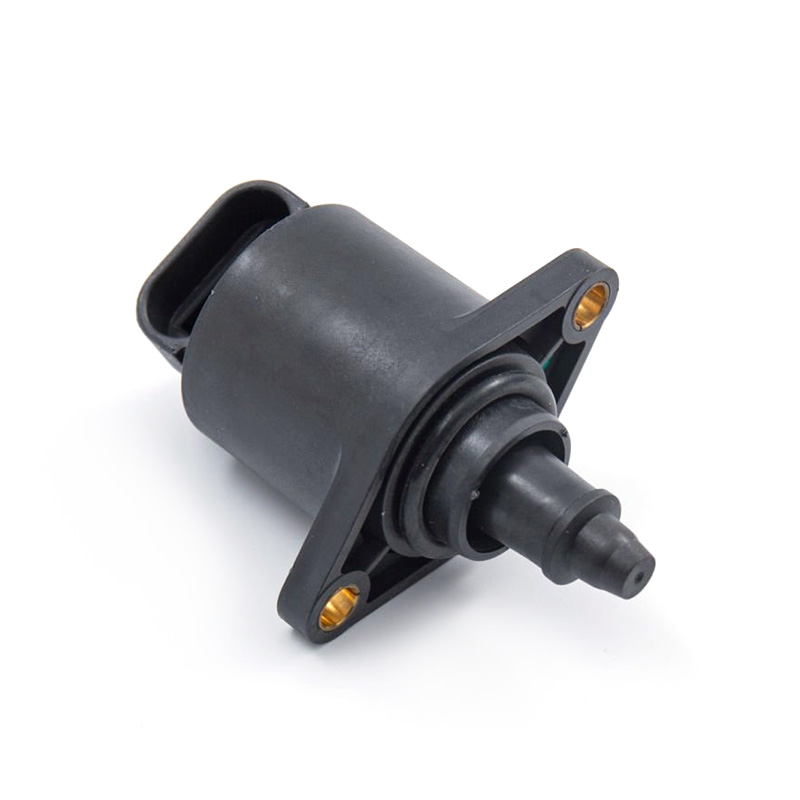
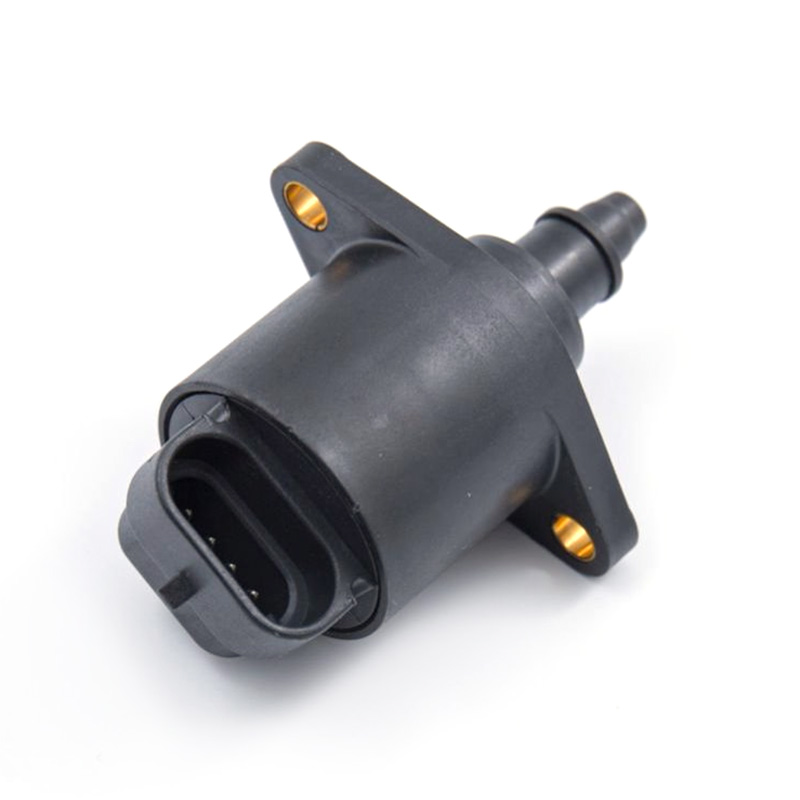
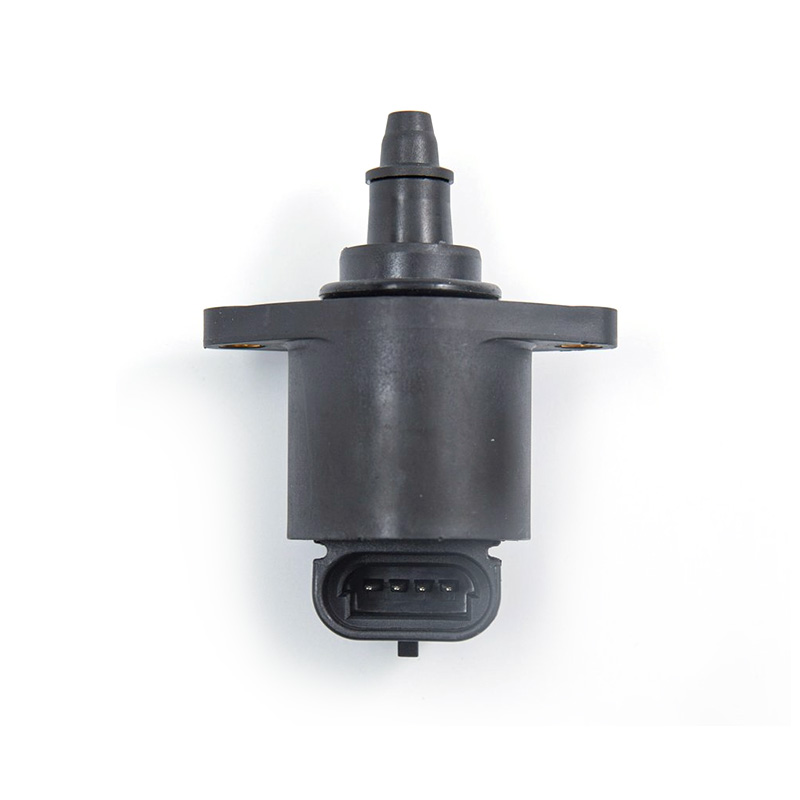
SHORT CODE: D5104
FIAT: 7078983 0269980492
VDO: AT-5104R ;
APPLICATION:
PALIO 99->1.6 SPI/SIENA 99->1.6SPI/STRADA 99->1.6SPI/GOL99->1.0 SPI
Idle air control valve from China factory for Fiat Palio.
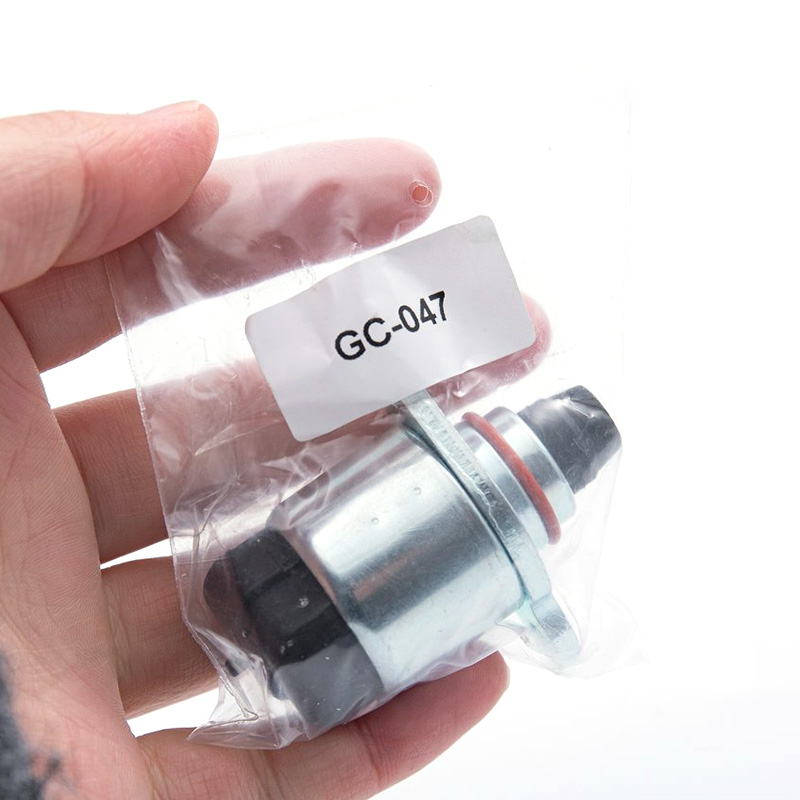
GC-047
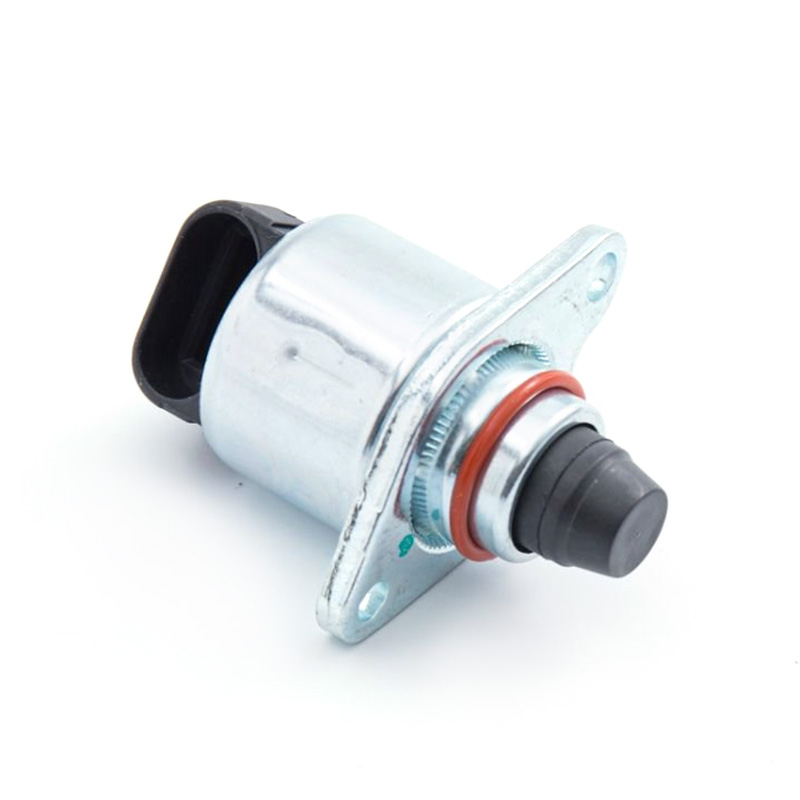
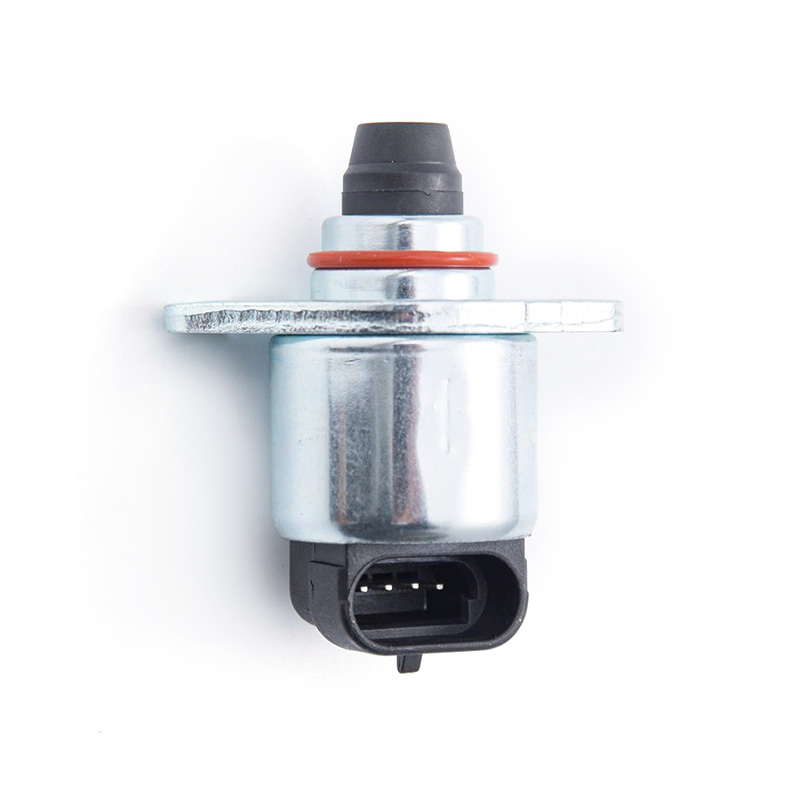
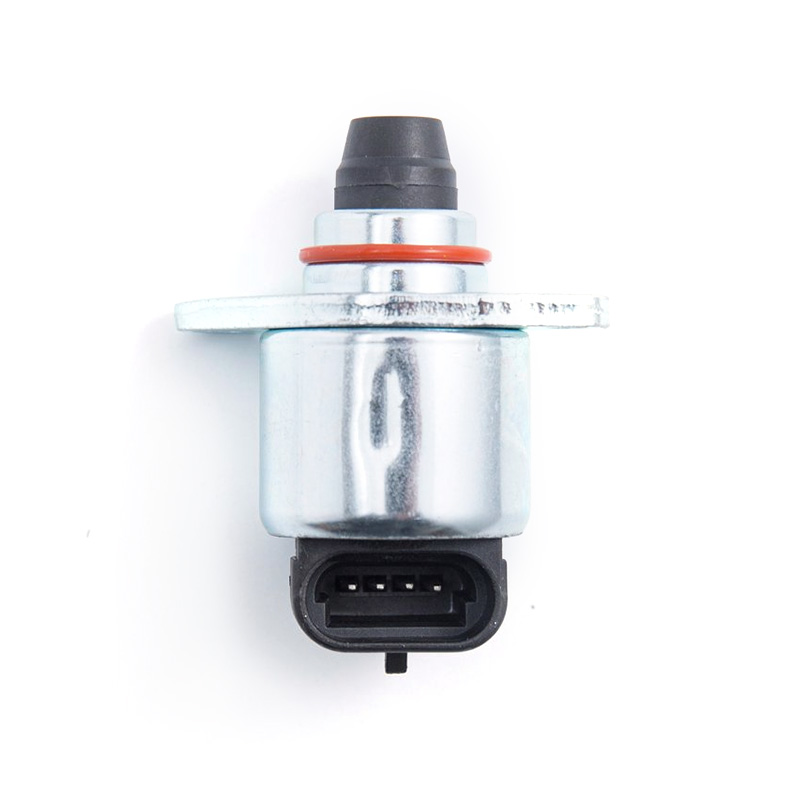
REFERENCE OE:
STD:AC160
OEM: 12482707, 217436, 8124827070
OEM: 17113167, 2H1048;12482707;
APPLICATION:
Buick Skylarkx/Chevrolet Cavalier, Malibu, S10/GMC Sonoma/Isuzu Hombre/Oldsmobile Achieva, Alero/Pontiac Grand Am, Sunfire
Idle air control valve from China factory for Buick Chevrolet Malibu.
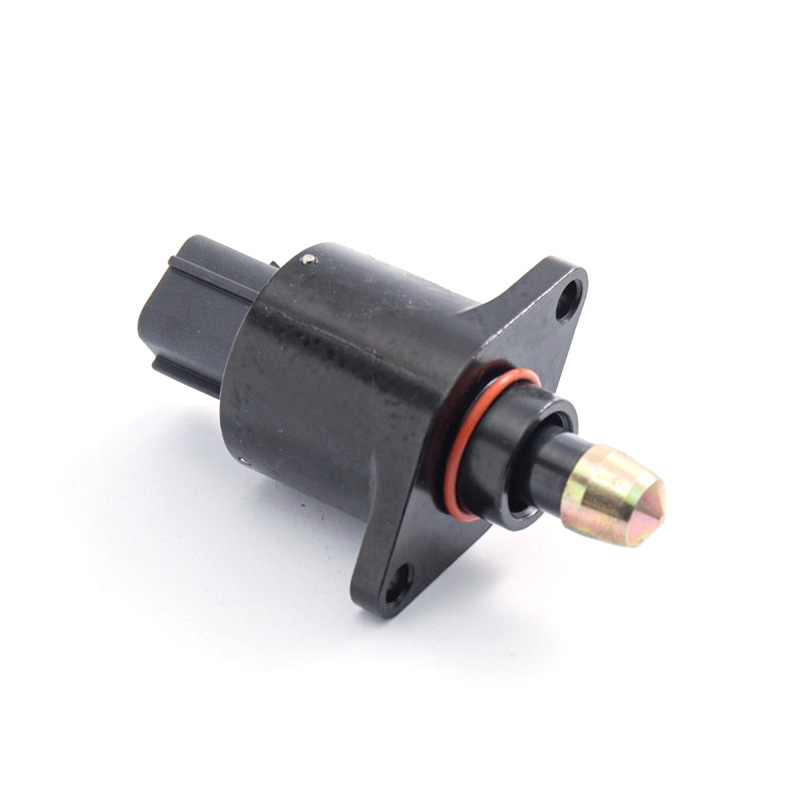
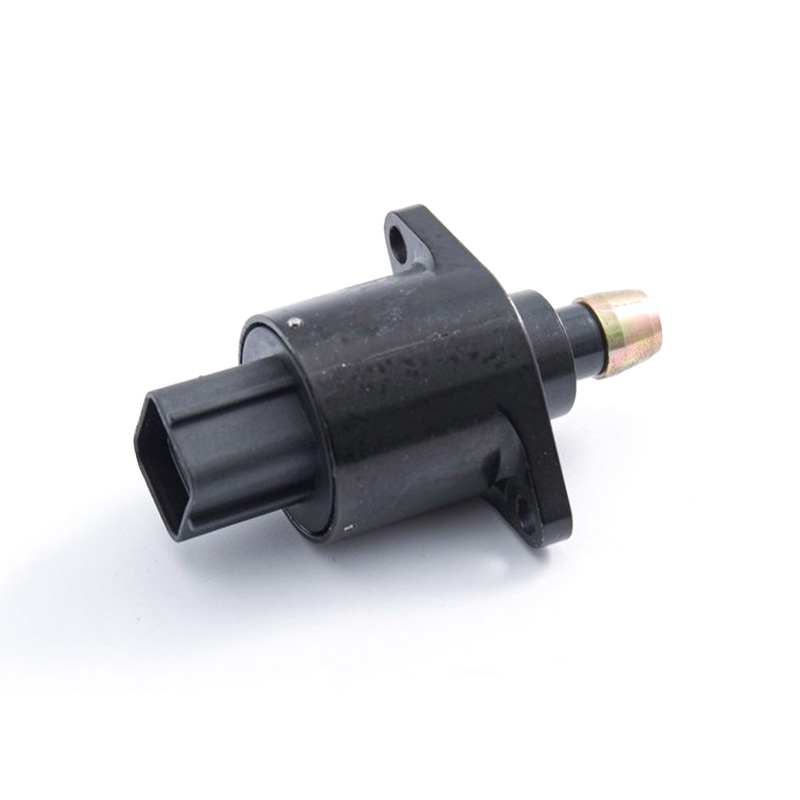
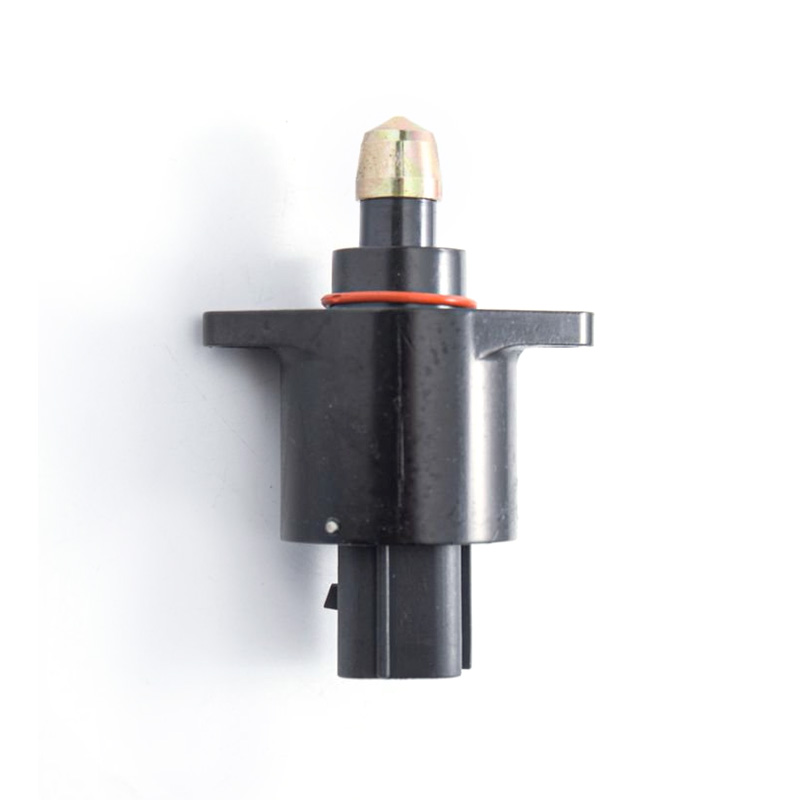
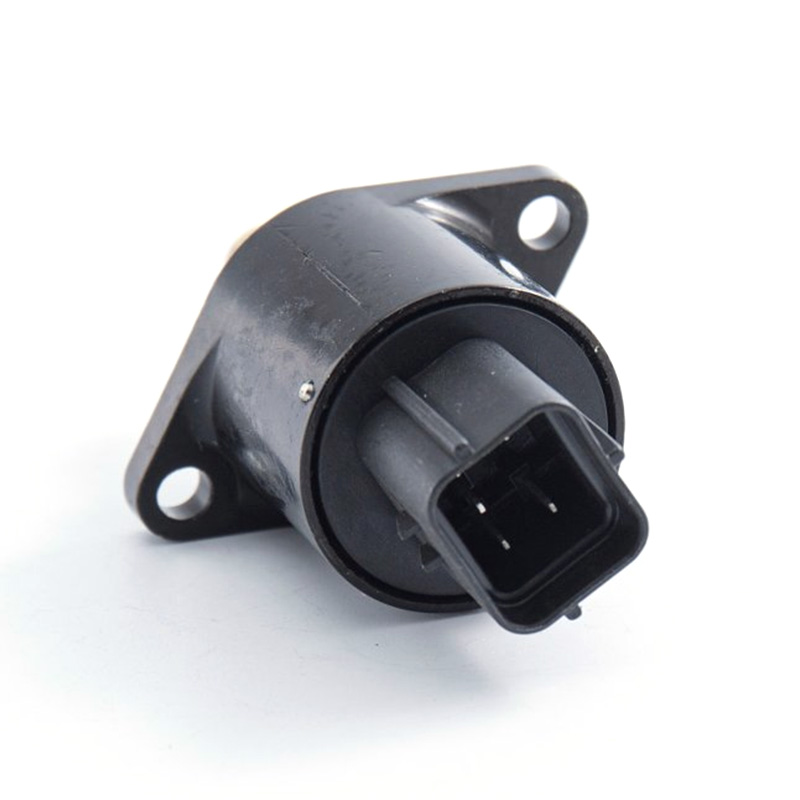
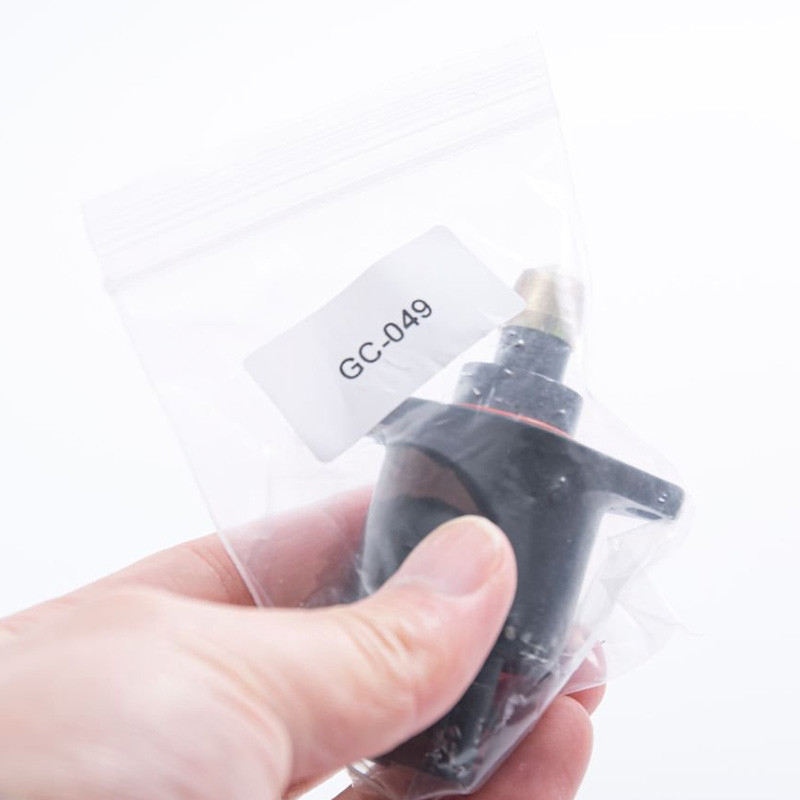
GC-049
REFERENCE OE:
MDQ100040
APPLICATION:
ROVER
Idle air control valve from China factory for Rover.
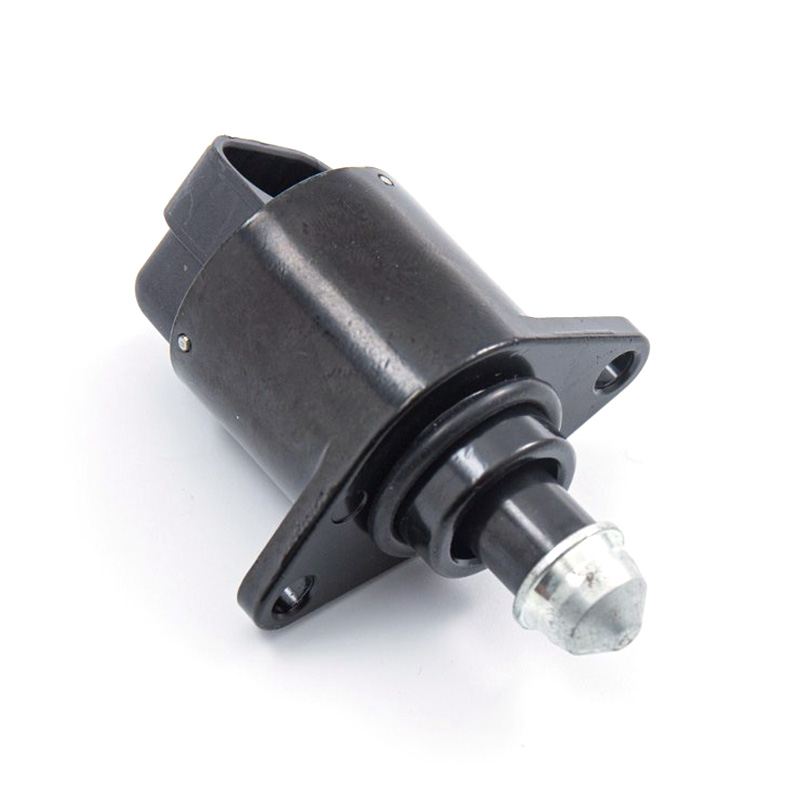
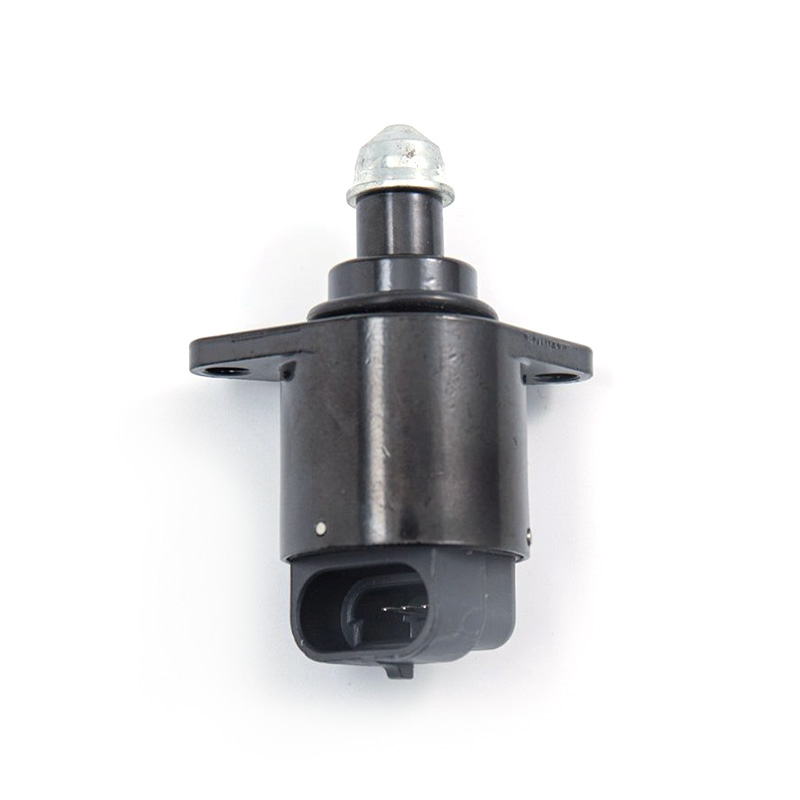
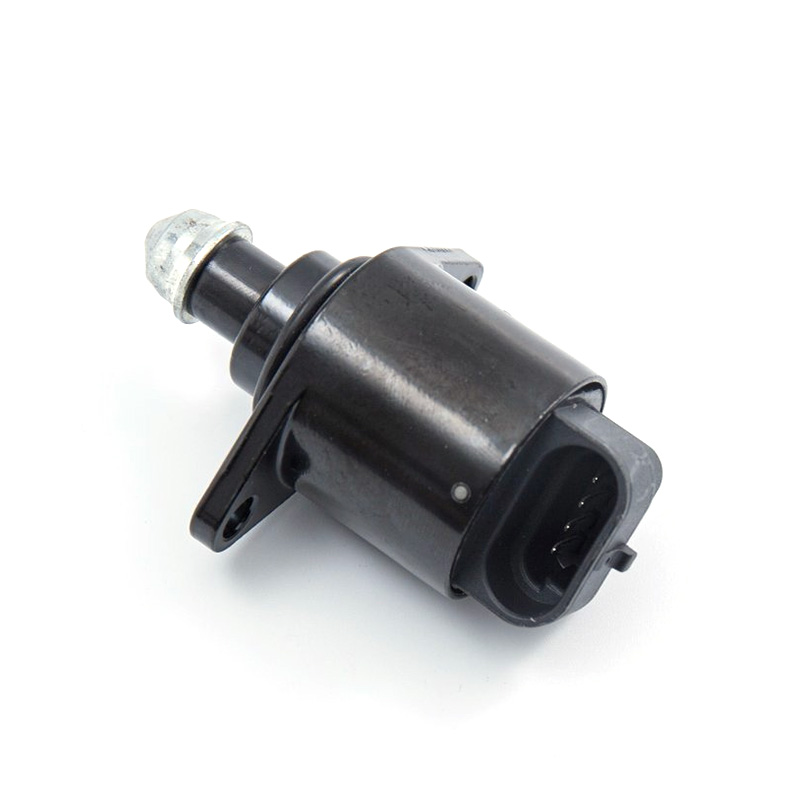
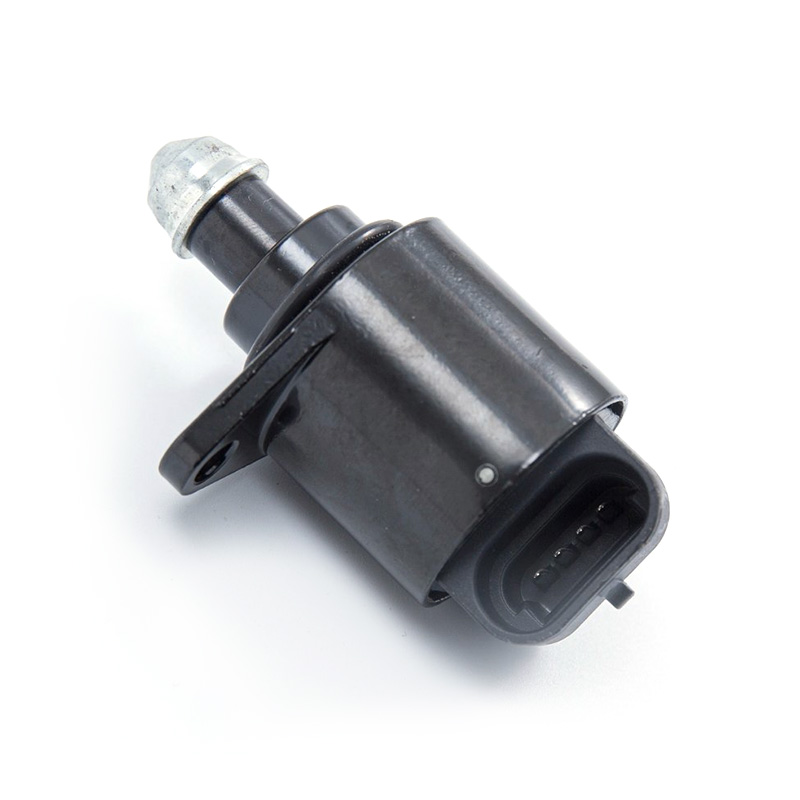
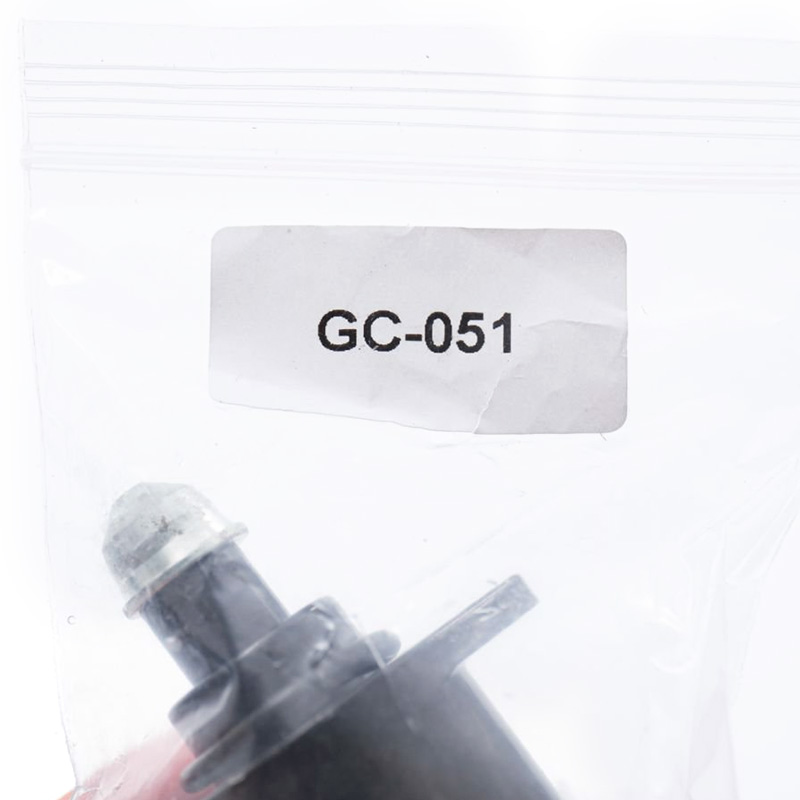
GC-051
REFERENCE OE:
PEUGEOT:19205F
APPLICATION:
CITRO SAXO(S0,S1)1.4VTS 1.6VTS;PEUGEOT 106 II(1) 1.4i;206 Schraqheck(2A/C)1.4i
Idle air control valve from China factory for Citroen Saxo Peugeot 106 206.
Contact Us
Let's start collaborating

Guocheng is specialized in the R&D and production of key engine components for the automotive and engineering machinery industries.
Product
Stay Connected
(+86) - 577 - 8582 0886 (Tel)
(+86) - 577 - 8582 8085 (Fax)
(+86) - 19730213059 (Phone)
sales@wz-gc.com
No. 205, Baiyu Road, 15th Road, Binhai Park, Wenzhou, Zhejiang, China
Mobile

ODM Engine Management System Components
 English
 русский
 Español
 عربى
عربى Deutsch