Date:Sep 18, 2026
Engine idle may look like a simple matter of keeping the crankshaft turning at a steady speed. Inside a Honda vehicle, however, idle control is connected to several parts of the electronic control system. The Honda engine management system combines sensor information, ECU calculations and actuator commands to respond to changes in engine condition.
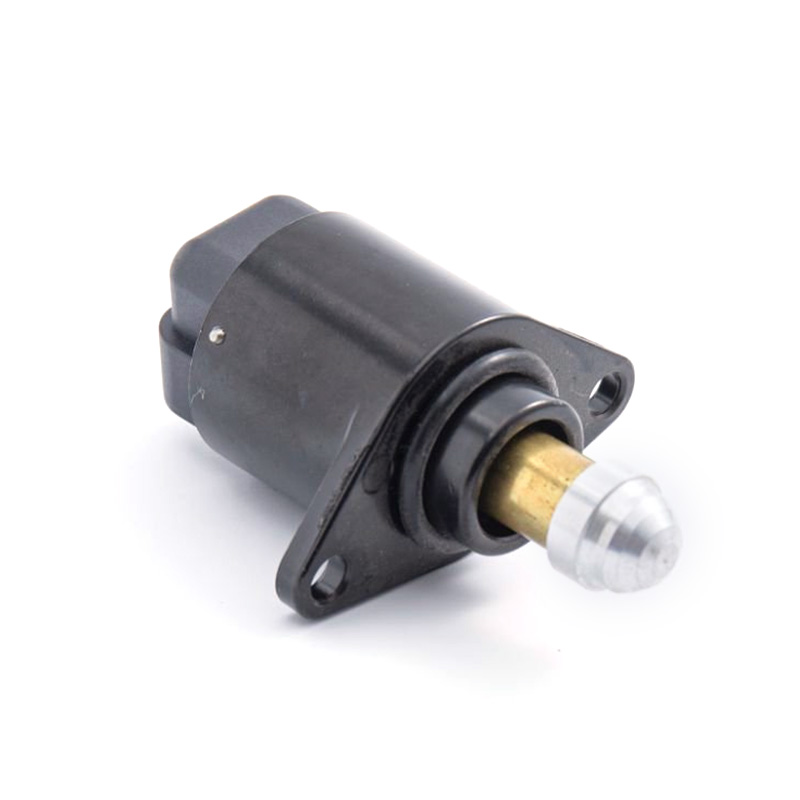
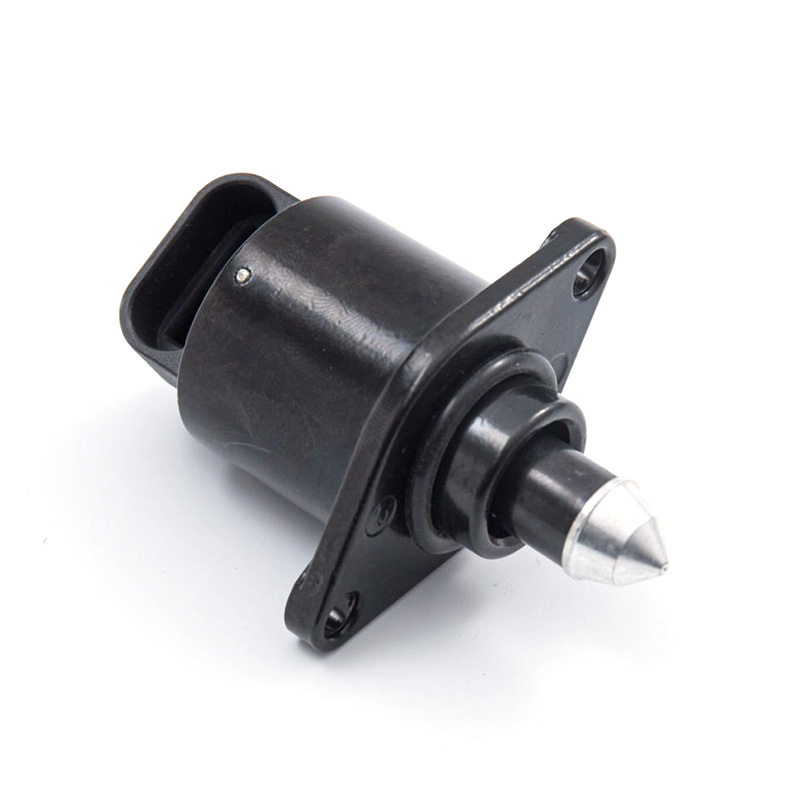
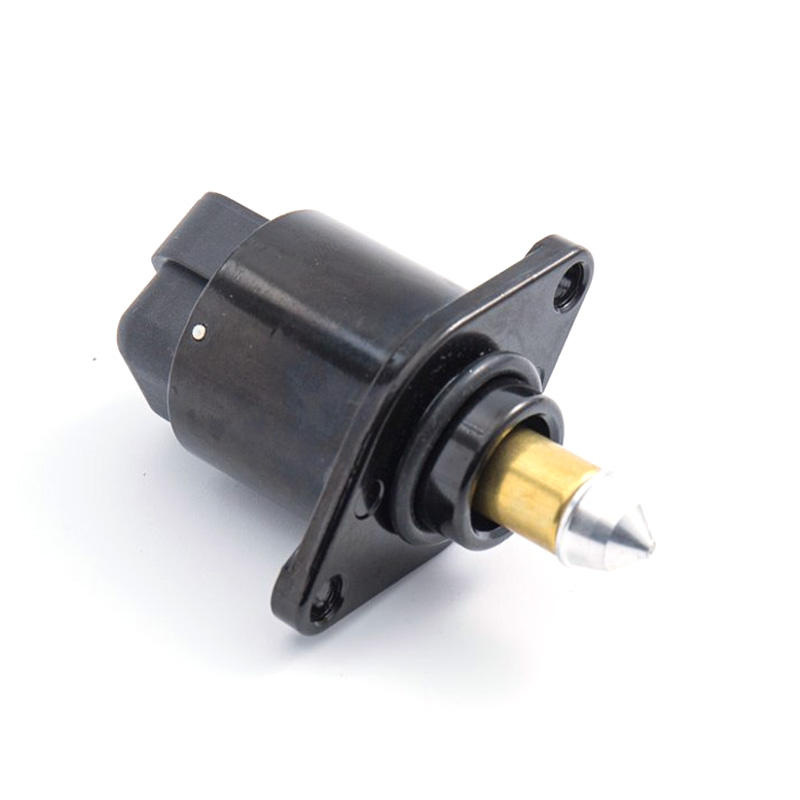
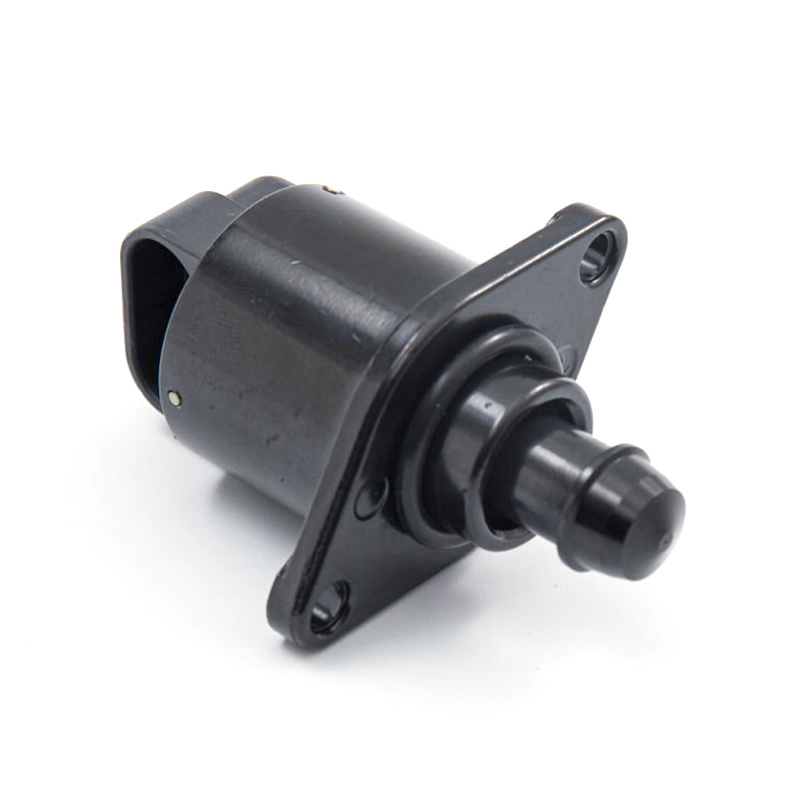
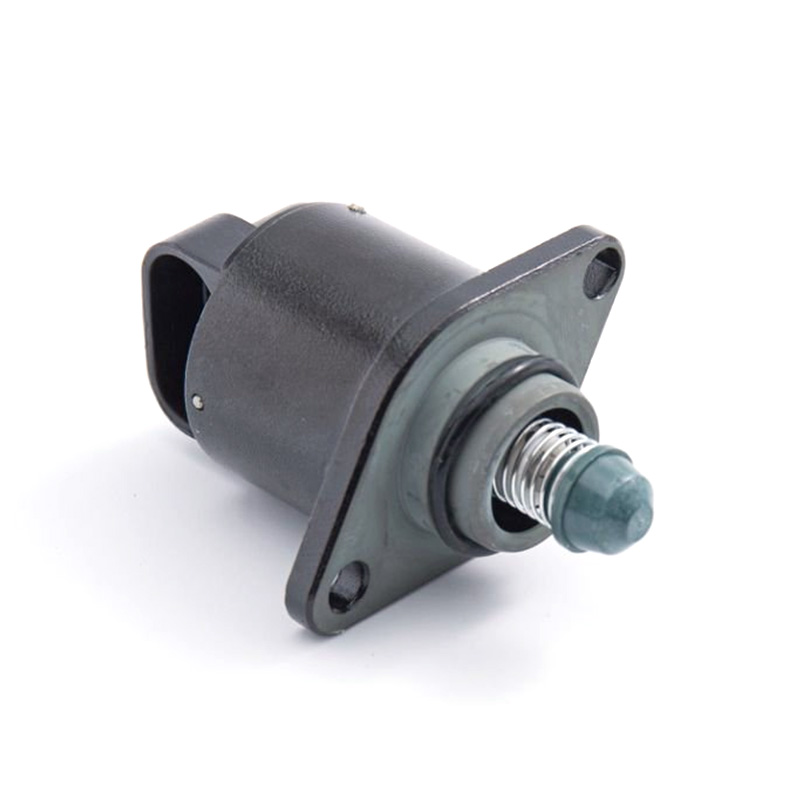
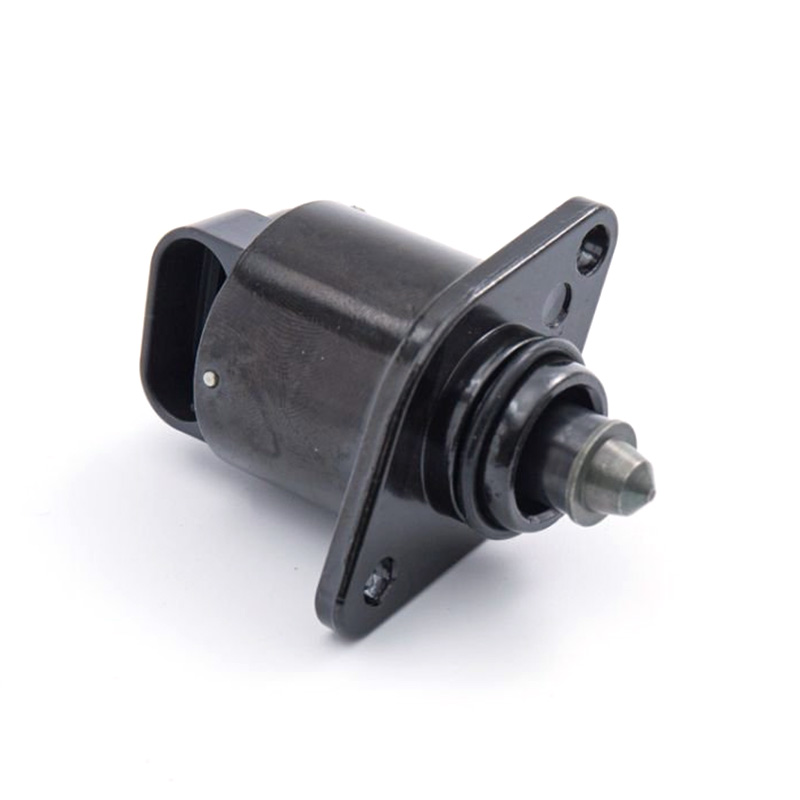
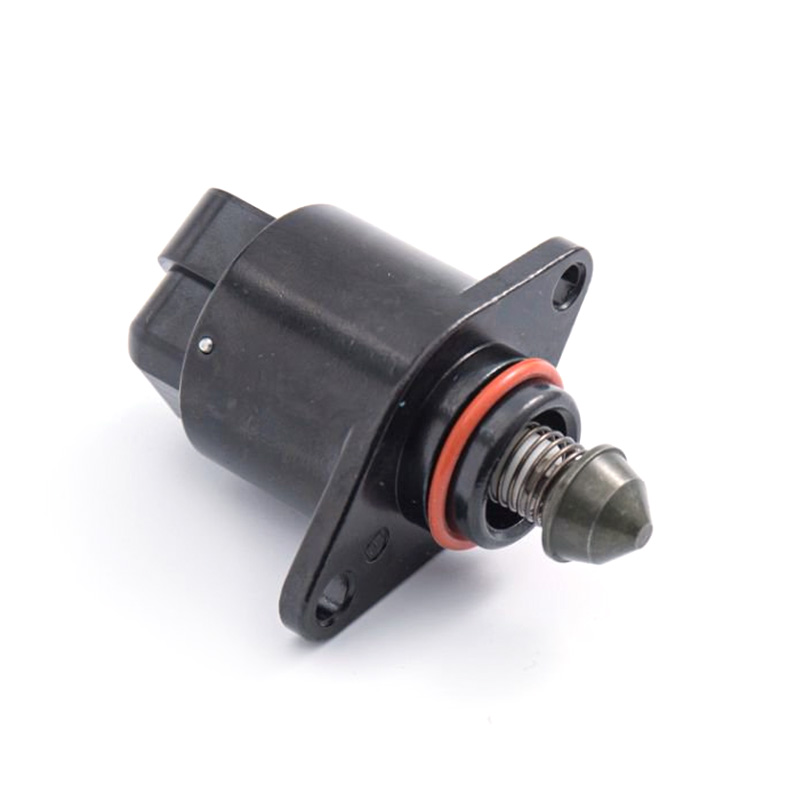
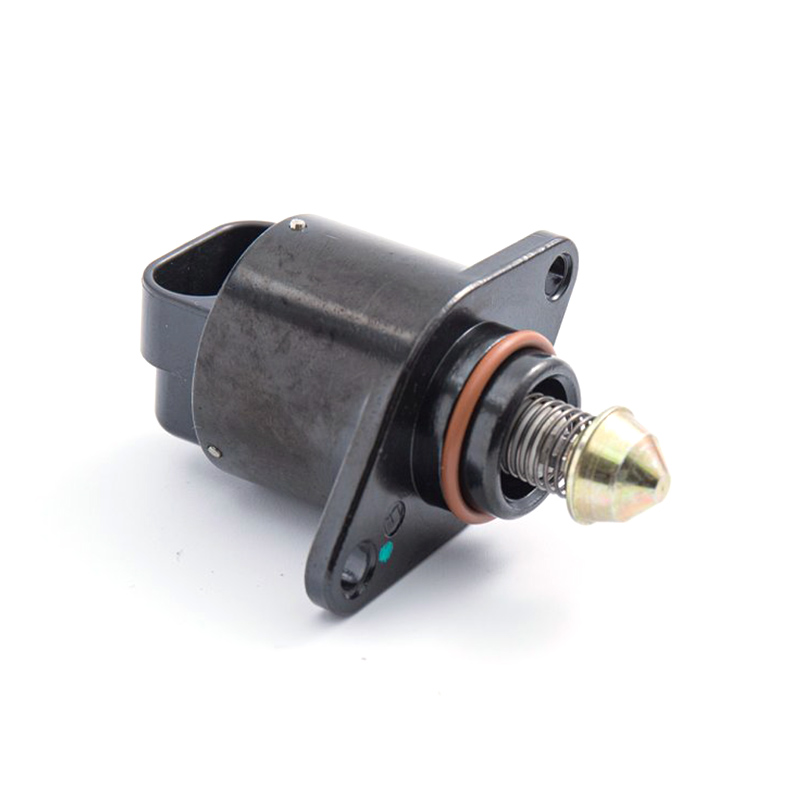
The idle air control valve plays an important role on Honda engines equipped with a separate IACV. Yet the control process does not begin at the valve itself. It starts with the signals collected by the engine control module.
The ECU needs a picture of the engine's current operating condition before it can determine how much idle air is required. Honda PGM-FI systems use several sensors to provide this information.
Honda documentation describes the TP sensor as a device that changes its signal voltage according to throttle position. The ECU uses this information as part of its engine-control calculations.
A closed throttle does not simply mean that the engine should receive zero air. The controller needs to recognize the throttle condition and coordinate airflow, fuel delivery and ignition-related strategies. Honda technical documentation identifies TPS information as a factor in determining the idle position and IACV setting.
This creates an important connection between the throttle position sensor and idle air control valve. A problem with the TPS signal can therefore appear as an idle-control problem even though the IACV itself may still be functioning.
The basic control sequence can be viewed as a continuous feedback loop:
| Stage | Component | Function |
| 1 | Engine Sensors | Collect operating-condition data |
| 2 | ECU / ECM | Processes sensor signals and determines control requirements |
| 3 | IACV / EACV | Adjusts bypass airflow on applicable systems |
| 4 | Engine | Responds through changes in airflow and combustion |
| 5 | Sensors | Report updated operating conditions |
Honda service information describes the IAC valve as controlling the amount of air bypassing the throttle body in response to an electrical signal from the ECM/PCM. This makes the IACV an actuator within the larger control loop rather than an independent idle-speed device.
A stationary engine does not always operate under the same load. Switching on the air-conditioning compressor, activating electrical equipment, engaging a transmission or increasing alternator demand can change the conditions that the ECU needs to manage.
Honda service information specifically describes idle-control responses to conditions such as cold starts, A/C compressor operation, transmission engagement, power-steering load and alternator charging. The ECM/PCM adjusts current to the IAC valve to maintain the required idle speed.
Coolant temperature is particularly relevant during warm-up. Honda documentation indicates that the IAC valve can open farther during cold operation to provide additional bypass air. As the engine approaches operating temperature, the control strategy changes accordingly.
Some older Honda ECU references provide useful numerical examples. A PM7 ECU reference lists a typical operating-temperature idle target around 750–800 RPM, while cold idle may reach approximately 1,200–1,500 RPM. These figures are application-specific rather than universal Honda specifications.
Honda engine management has changed across vehicle generations. Older systems commonly used a separate IACV or EACV to regulate bypass air around a mechanically controlled throttle plate. Newer vehicles may use an electronic throttle body, allowing the PCM to control throttle-valve position directly.
| System Type | Idle Air Control Method | Typical Control Element |
| Older mechanical throttle | Bypass airflow around throttle plate | IACV / EACV |
| Integrated throttle body | Dedicated electronic air-control strategy | IACV or integrated actuator |
| Electronic throttle | Throttle plate position controlled electronically | Throttle actuator |
Honda service information for vehicles using electronic throttle control states that the PCM controls the throttle actuator during idle according to engine loads. This represents a different architecture from older systems that rely on a separate IAC valve.
A useful diagnostic approach is to view the honda engine management system as a chain rather than immediately focusing on the valve.
Honda diagnostic references also associate idle-related faults with several different components, including MAP, ECT, TPS and IAC circuits. This reinforces the idea that an unstable idle should not automatically be attributed to the IACV.
The starting point of Honda idle control is not simply the idle air control valve. It begins with the collection of operating data, continues through ECU processing and ends with actuator control and feedback.
Understanding this architecture gives buyers, technicians and automotive-parts professionals a more useful way to evaluate engine-control components. An IACV, TPS or MAP sensor may be sold as an individual part, but its actual role is defined by its relationship with the complete honda engine management system.
Recommended Articles
Related Products
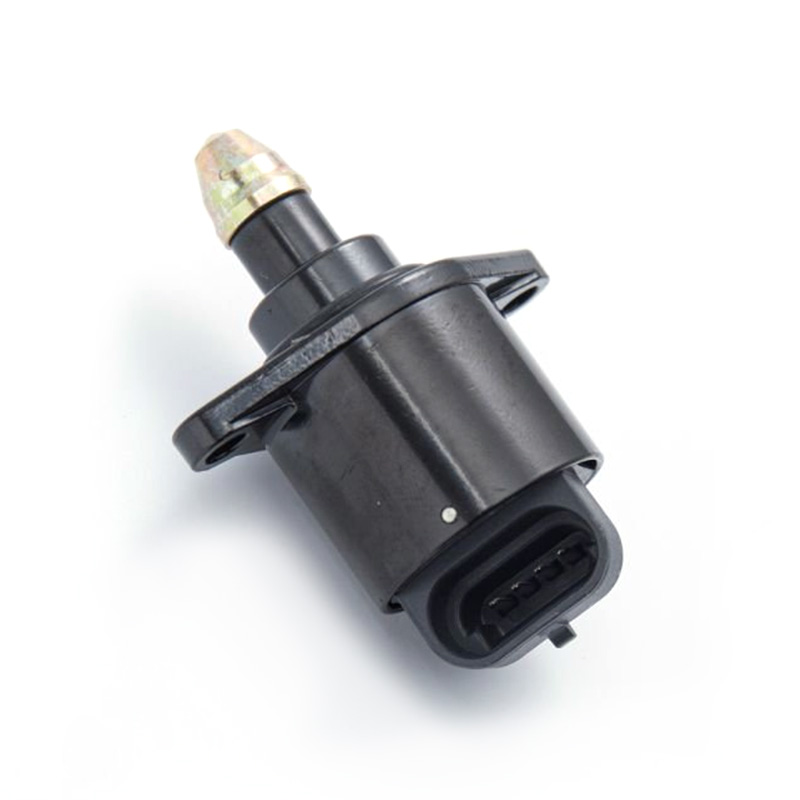
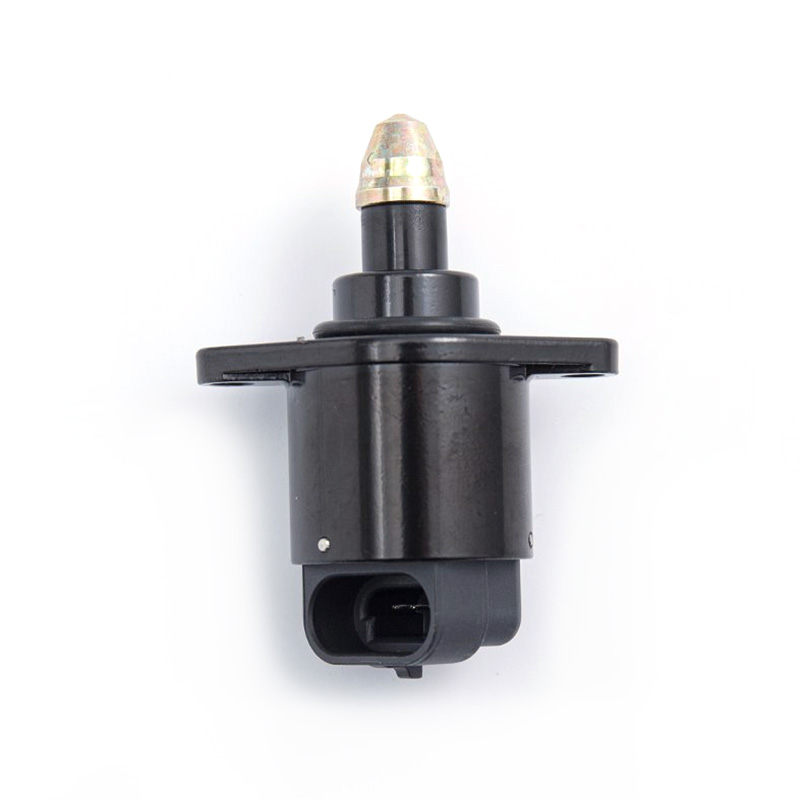
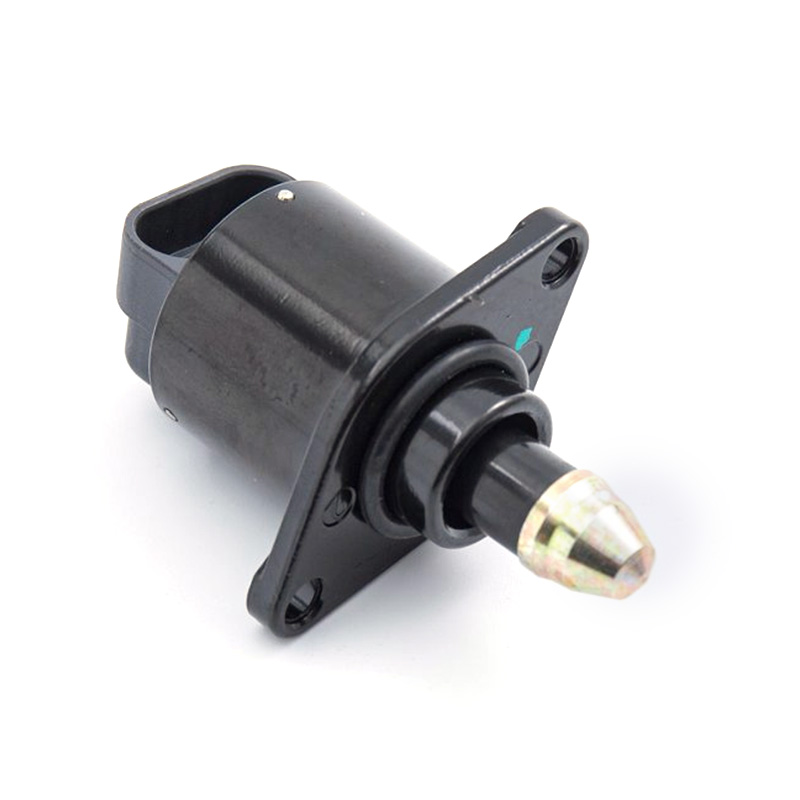
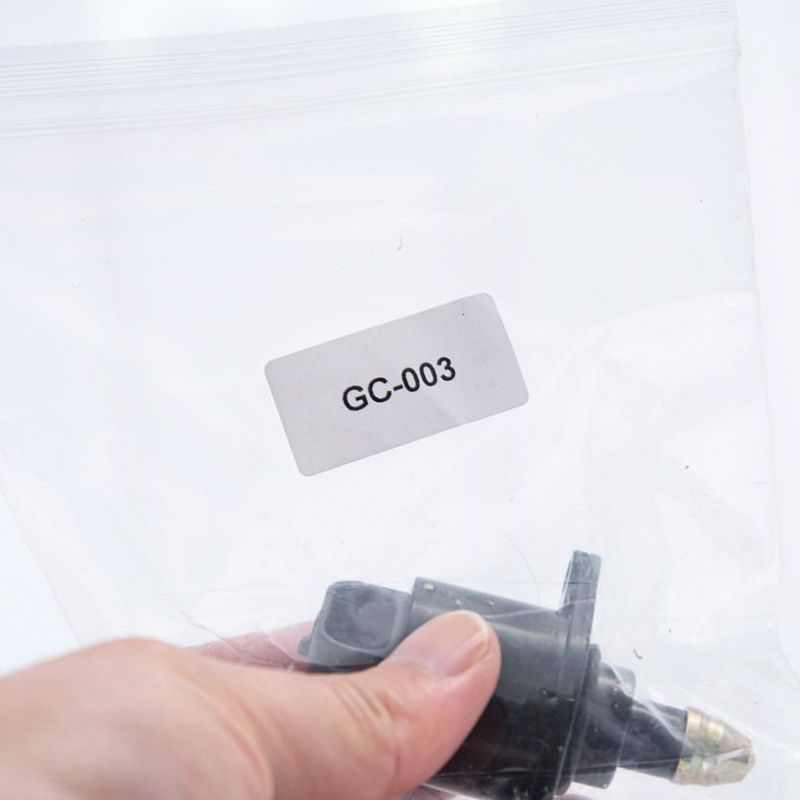
GC-003
REFERENCE OE:
SHORT CODE:B04/01 D5131
MARELLI:230016079057
PEUGEOT:1920N1
SIMENCE:A95269
APPLICATION:
PEUGEOT 306 Break/Cabriolet/Schraqheck;PEUGEOT 405 II Break; PEUGEOT 406 Break/Coupe;
PEUGEOT 605 806;PEUGEOT BOXER Bus/Kasten/Pritsche/Fahrqestell
China manufacture for wholesale and retail, idle air control, crankshaft valve, camshaft valve, Throttle position sensor, and many kind of sensors.
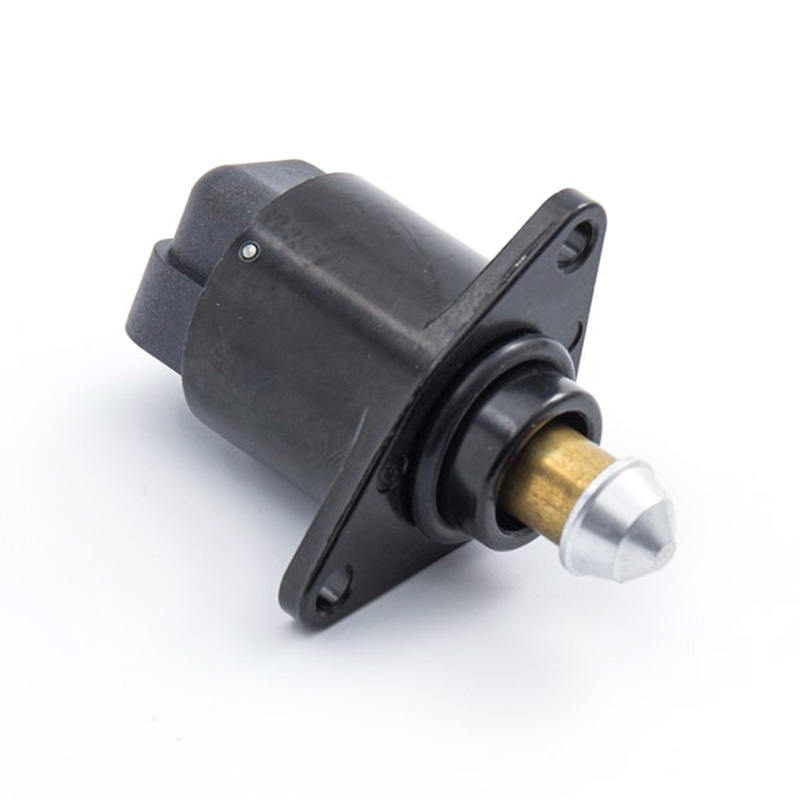
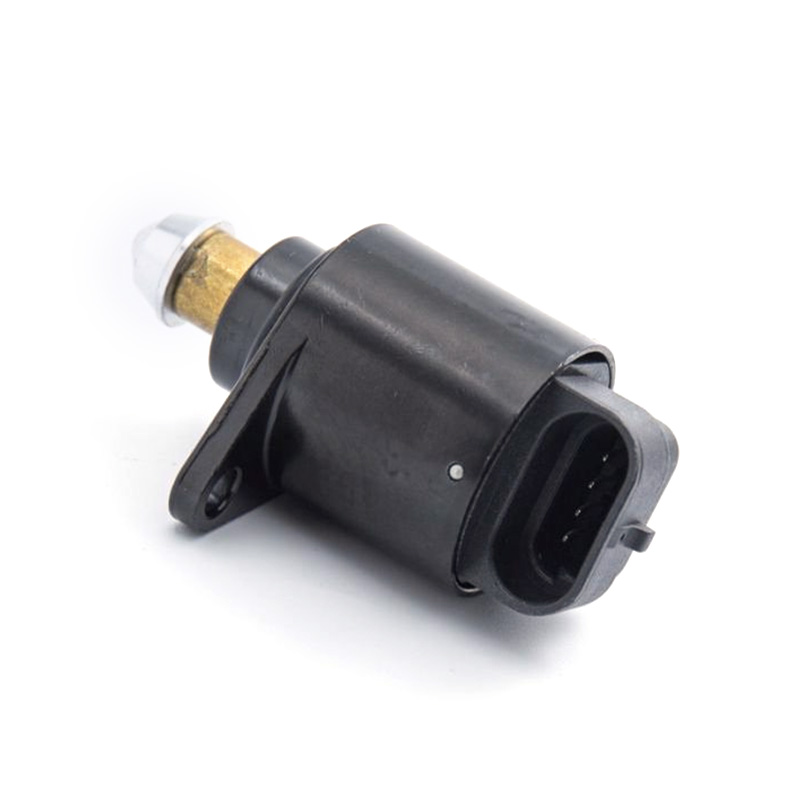
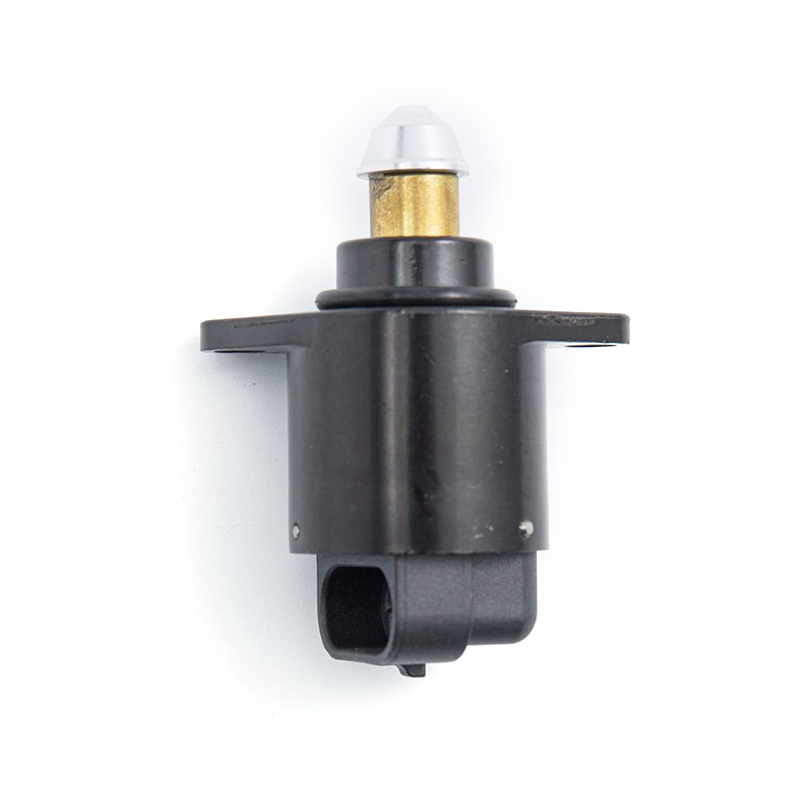
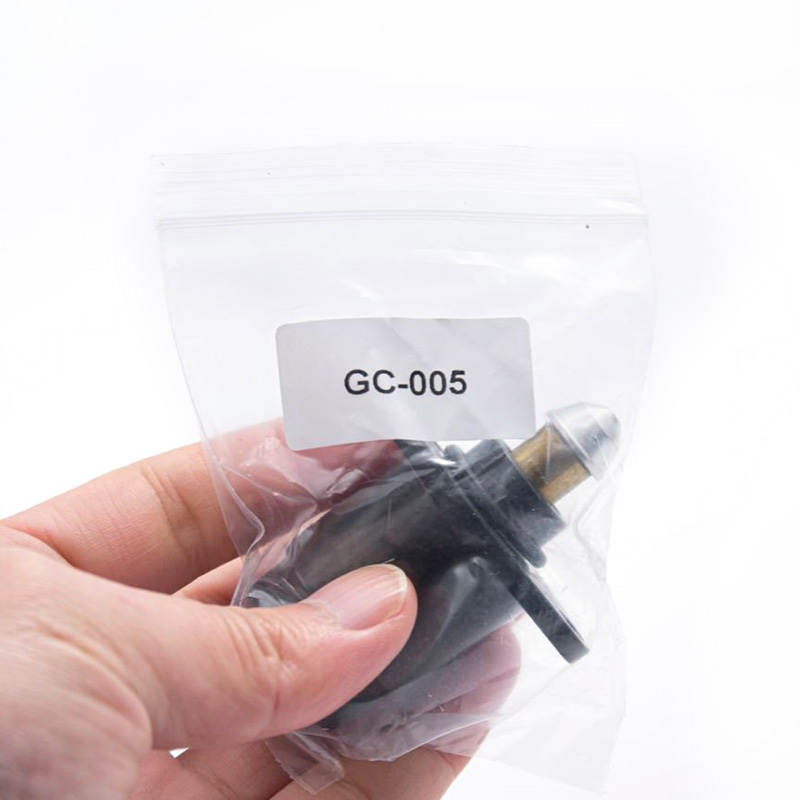
GC-005
REF OE:
HOT-STAMP:B22/00 B22/01
PEUGEOT:19204X
SIMENCE:A97104 A97113 B22/00 B22/01 19204X A97104 A97113
APPLICATION:
CITROEN BERLINGO(MF)1.8i(MFLFX)4WD(MFLFX);CITRO XANTIA/Break(X1)/(X2)1.8i/1.8i 16V;CITRO XSARA(N1)1.8i/1.8i 16V;Break(N2) 1.8i/1.8i 16V;Coupe(N0)1.8i/1.8i 16V;
PICASSO(N68)1.8 16V;PEUGEOT 306/Break/Cabriolet/Schraqheck;PEUGEOT 406/Break;PEUGEOT PARTNER Combispace(5F)1.8
China Auto Parts Manufacture with Wholesale Price for Idle Air Control Valve,Crankshaft Position Sensor,Camshaft Position Sensor,Throttle Position Sensor.
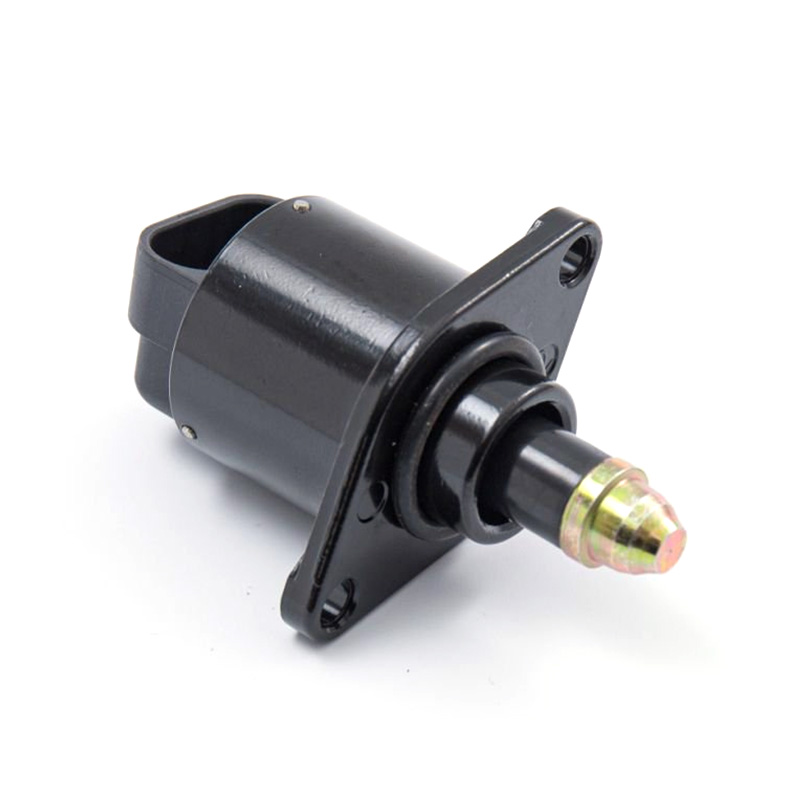
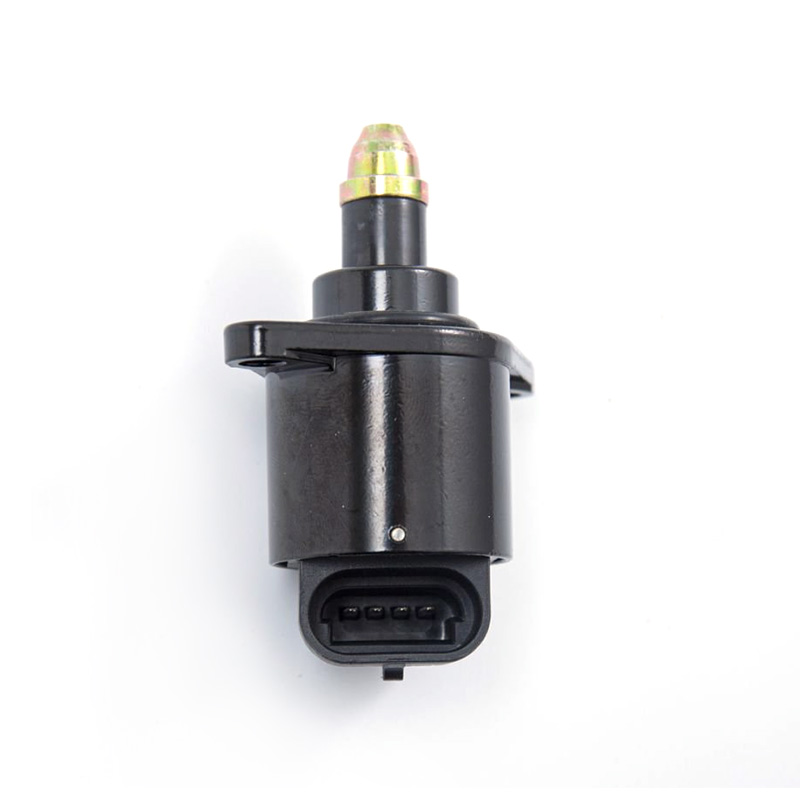
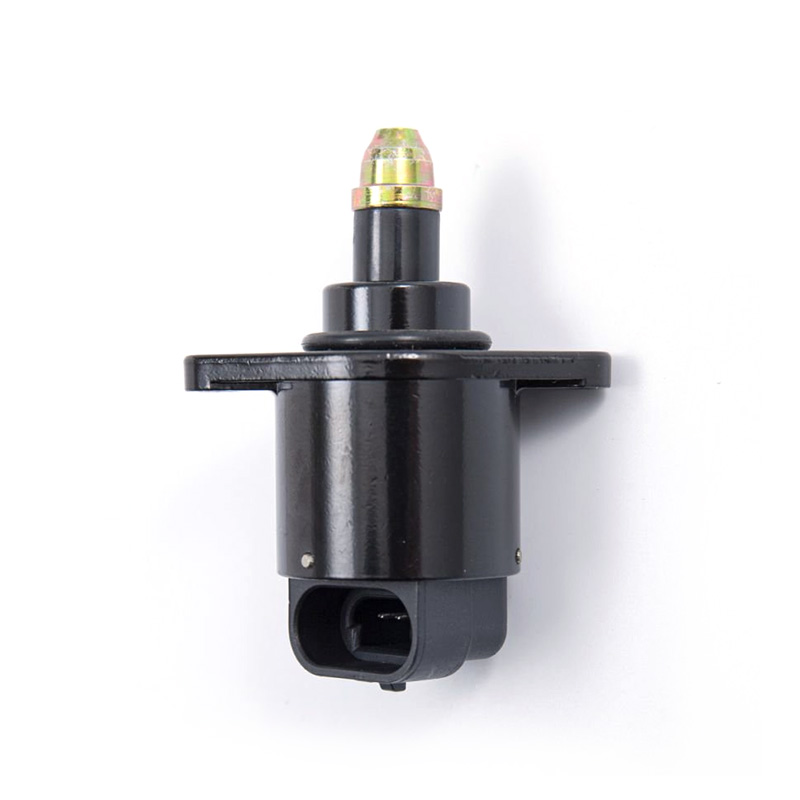
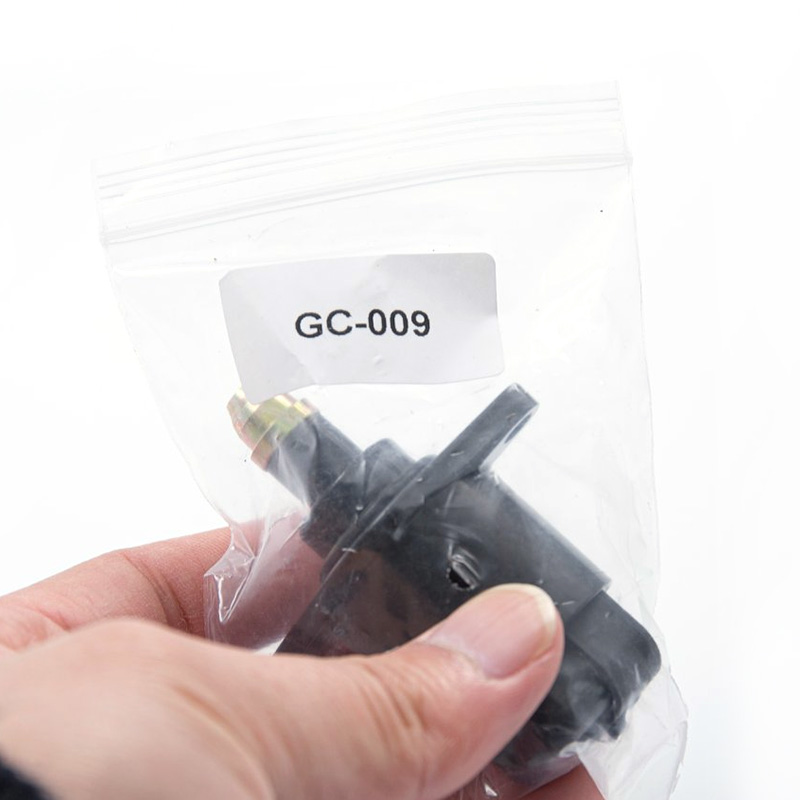
GC-009
REF OE:
SHORT CODE:D5150
MARELLI:40430102 7079064
VW: 0279980491
VDO: AT-05150R
APPLICATION:
Gol/Parati/Quantum/Santana1.8/Saveiro 1.6,1.8 todos MPFI alcool 96>>
Gol/Parati/Polo Classic 1.8/Quantum/Santana 1.8,2.0/Saveiro 1.6,1.8,2.0/Van 1.6 todos MPFI gasolina 96>>
Idle air control valve whole sale price,direct from China factory.
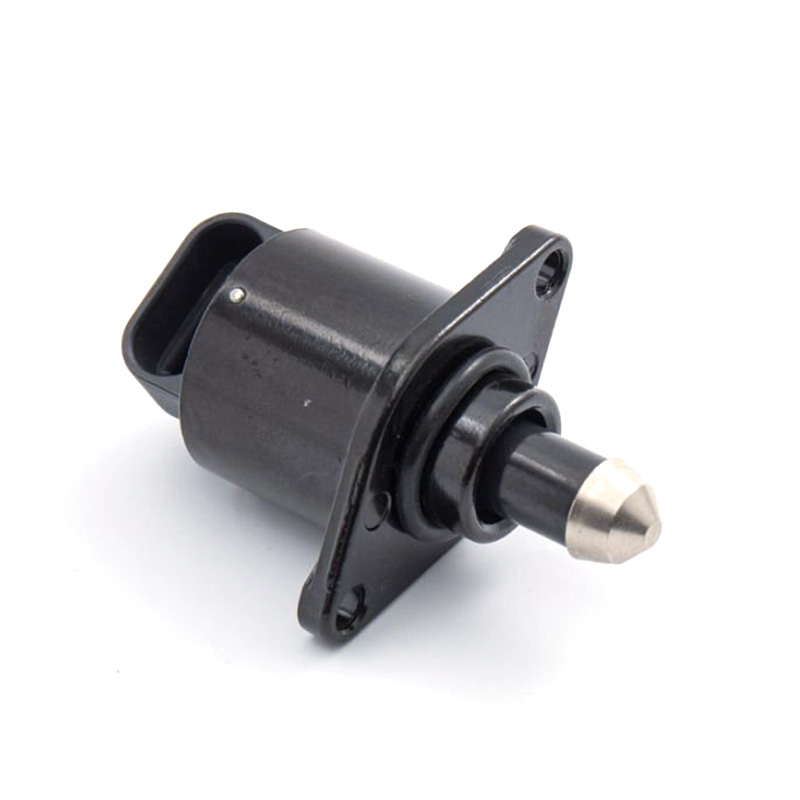
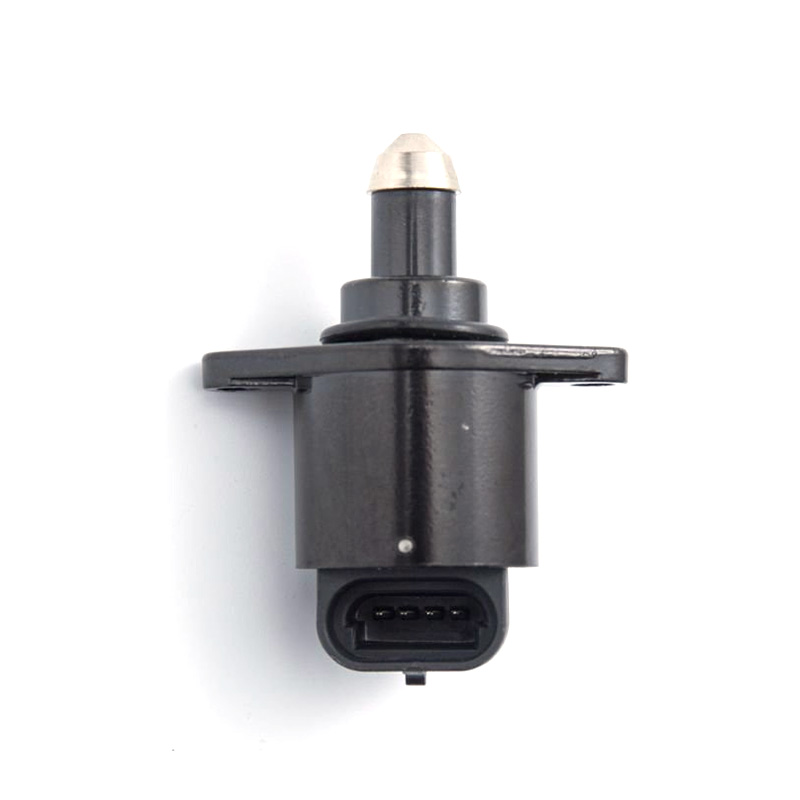
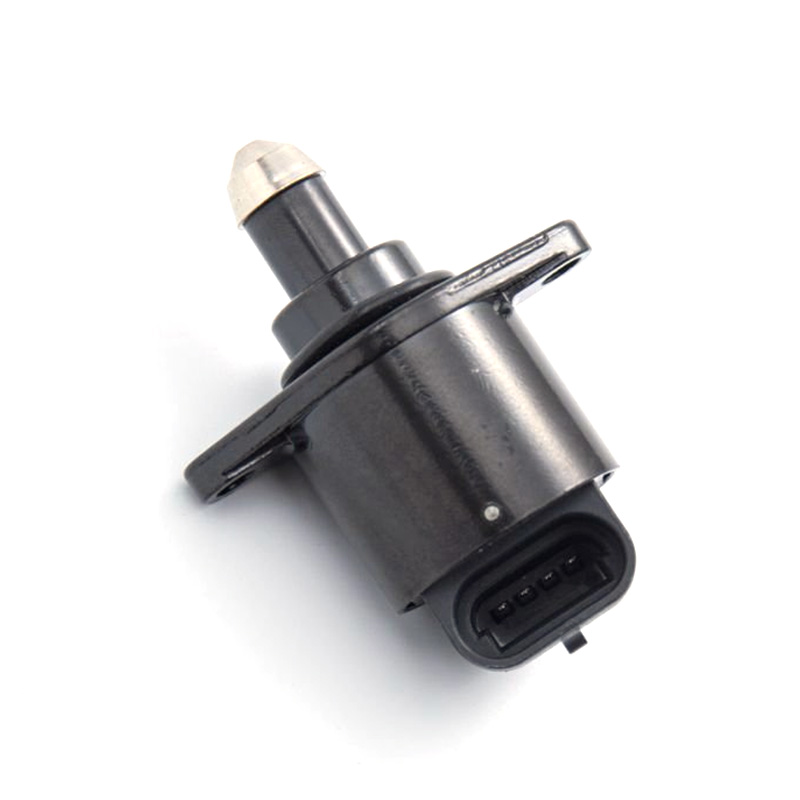
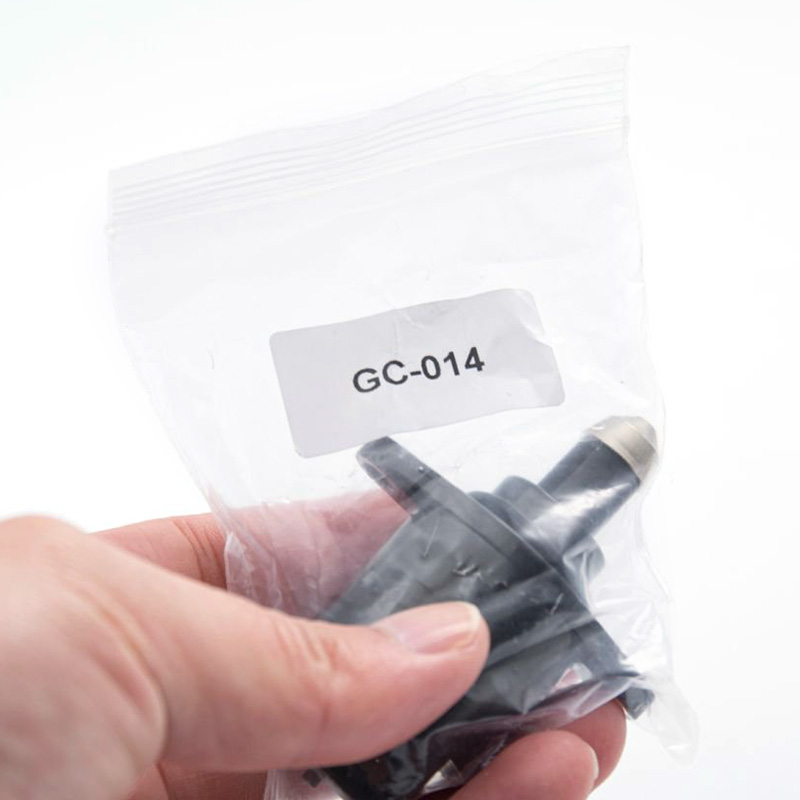
GC-014
REFERENCE OE:
MEAT DORIA:84048; 078133455;
APPLICATION:
AUDI 100/100 Avant;AUDI 80/80 Avant;AUDI A4/A4 Avant;AUDI A6/A6 Avant;AUDI CABRIOLET/COUPE
Idle air control valve for Audi,from China factory for wholesale and retail.
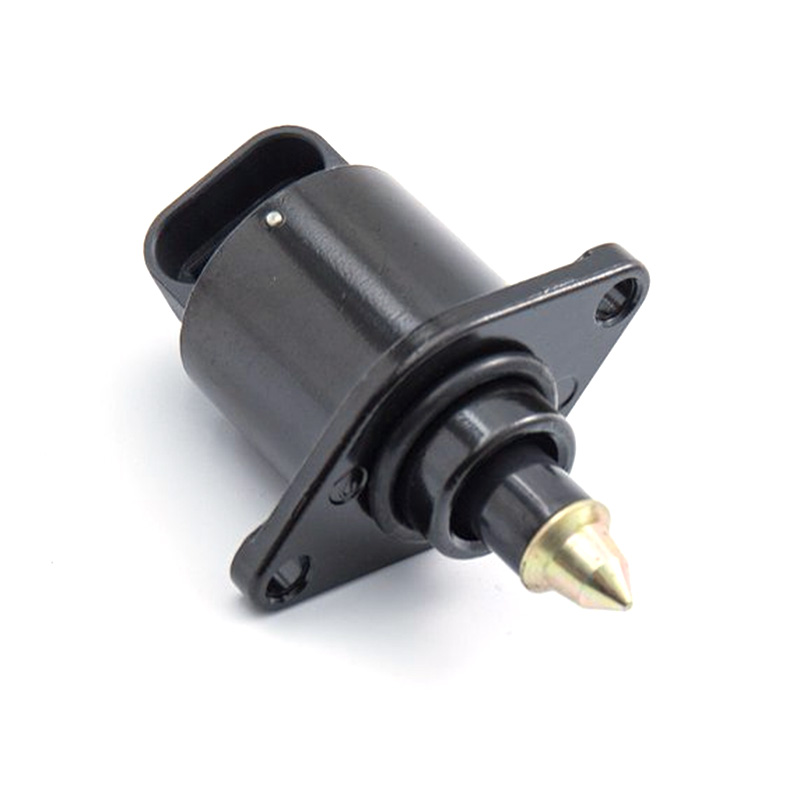
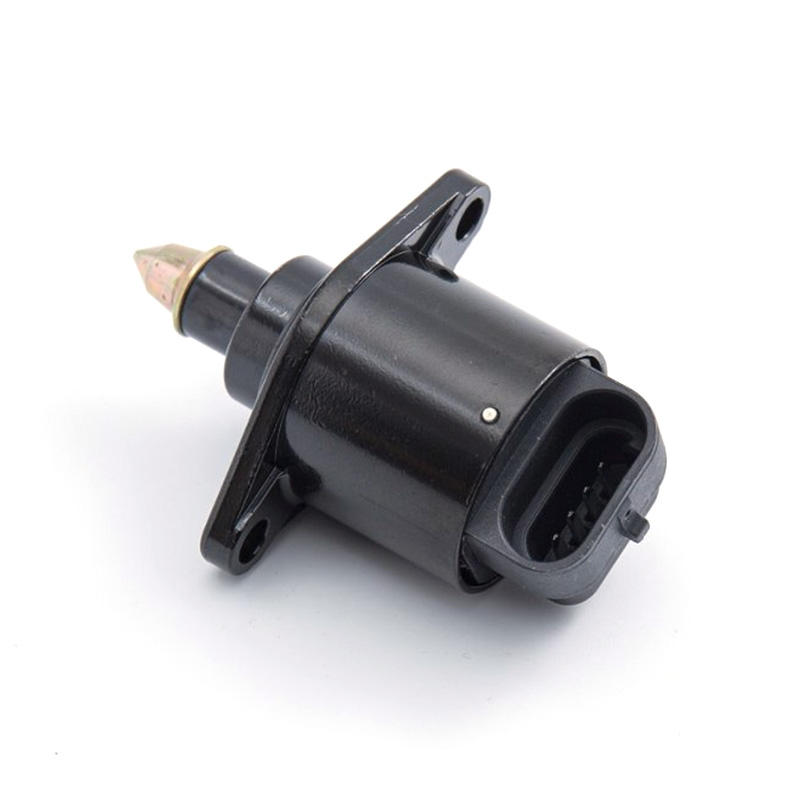
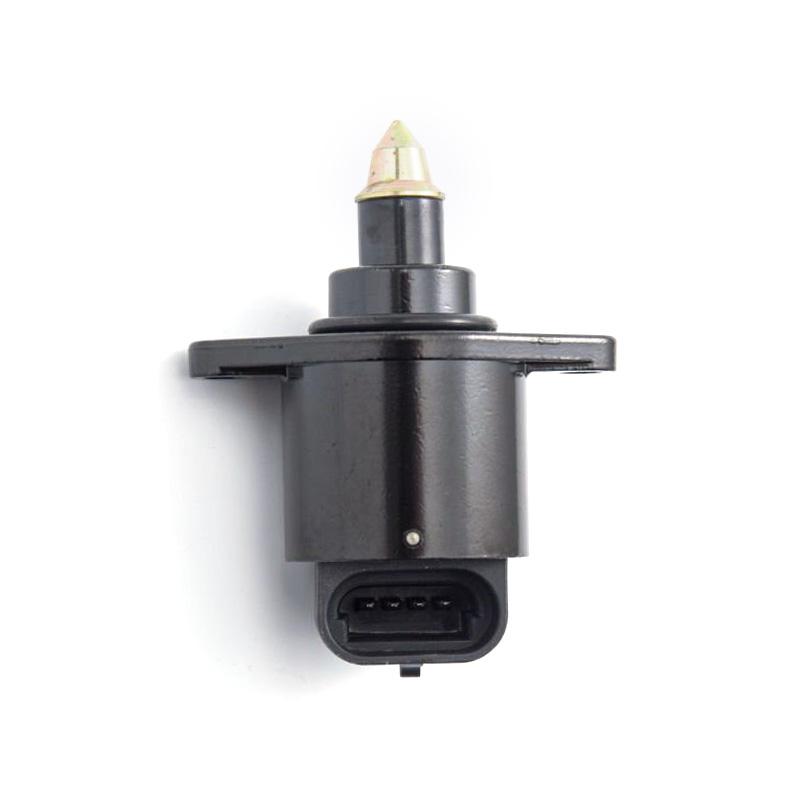
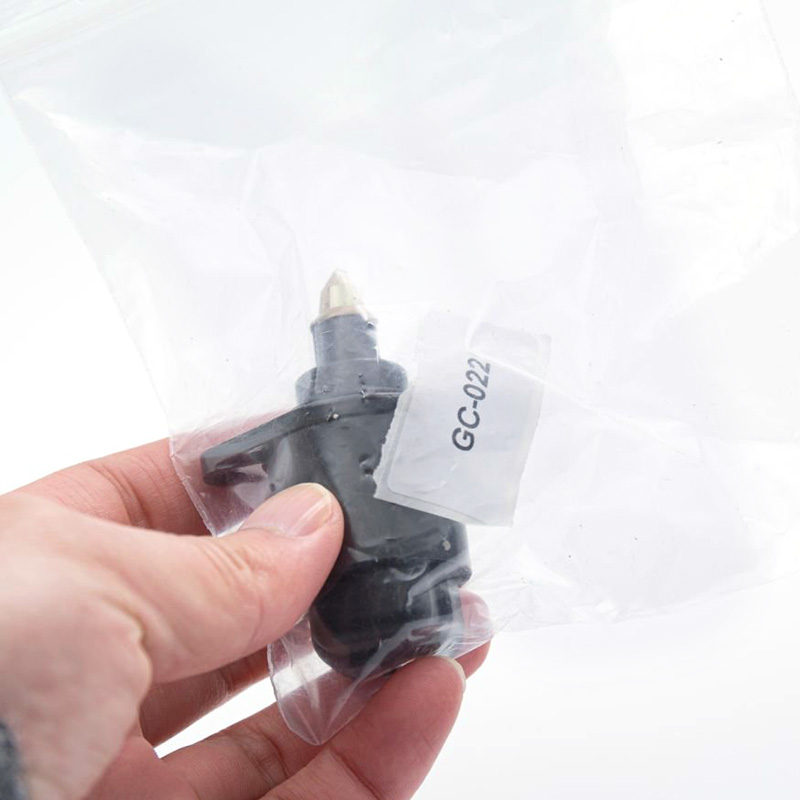
GC-022
REFERENCE OE:
SHORT CODE:B08/01
MARELLI:40380202
VDO:AT-00801R
VW:0269060491
FIAT:7076356
FORD:F5PF.9N825 .AA
APPLICATION:
VW,FIAT,FORD
Idle air control valve wholesale and retail,China manufacture direct!
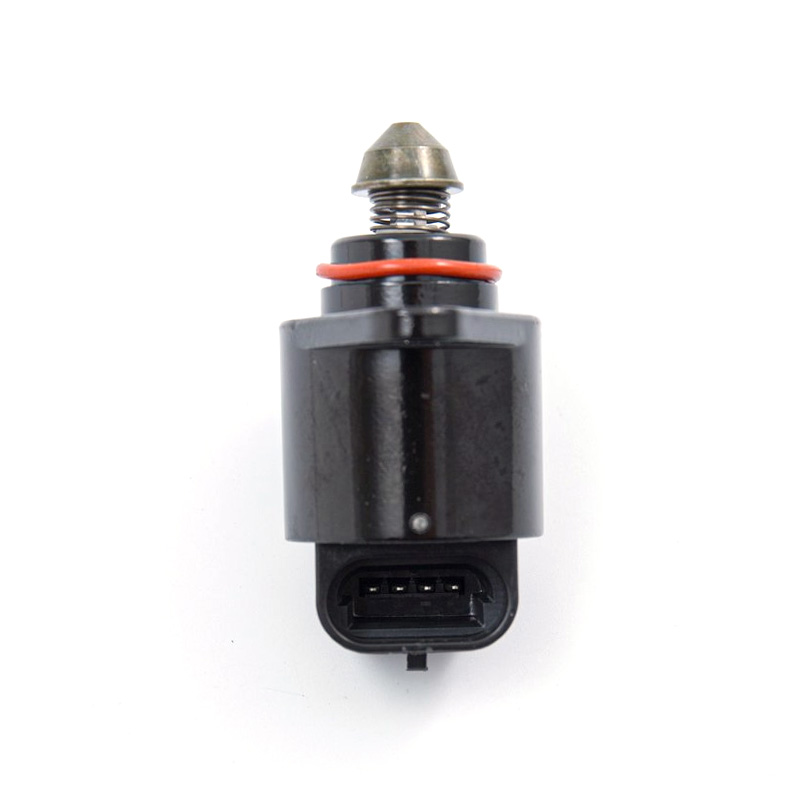
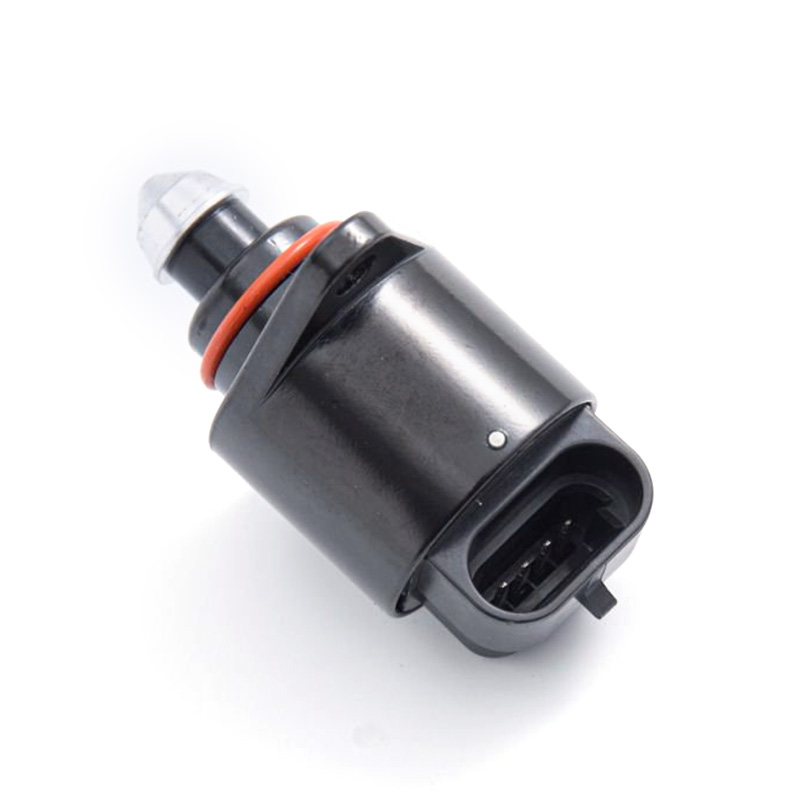
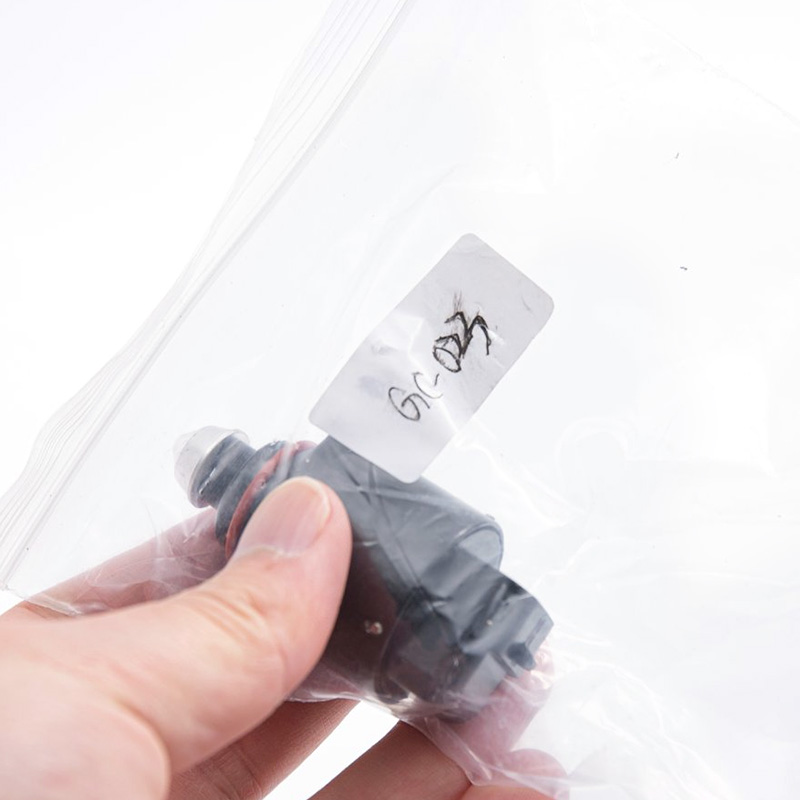
GC-023
REFERENCE OE:
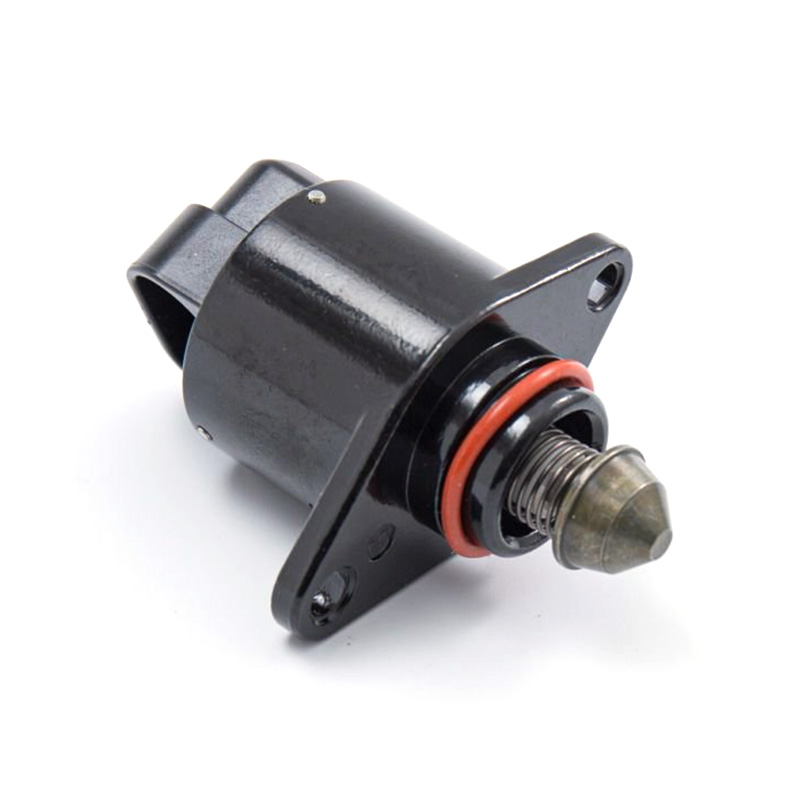
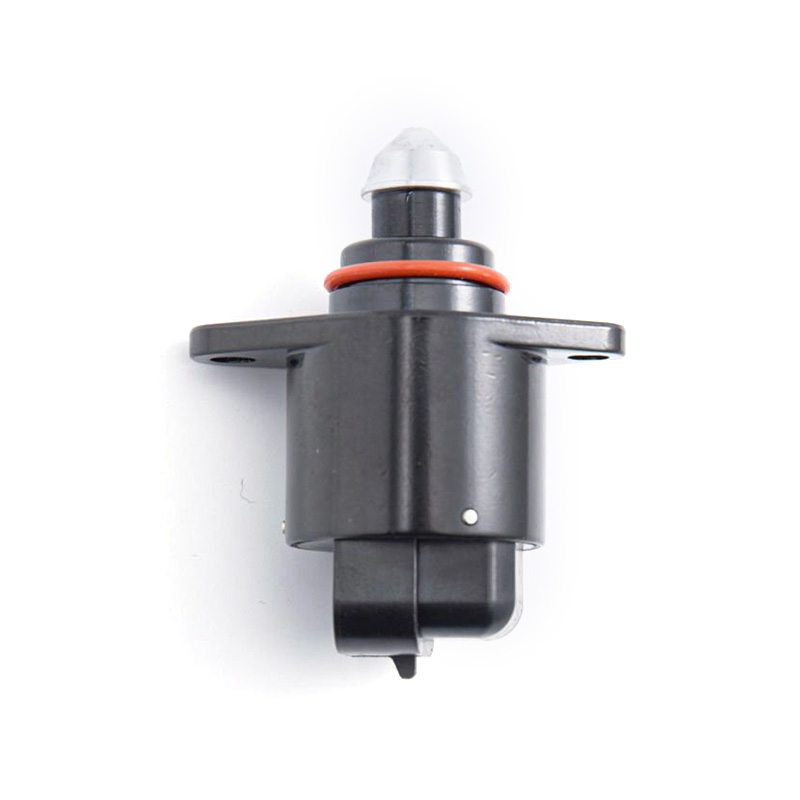
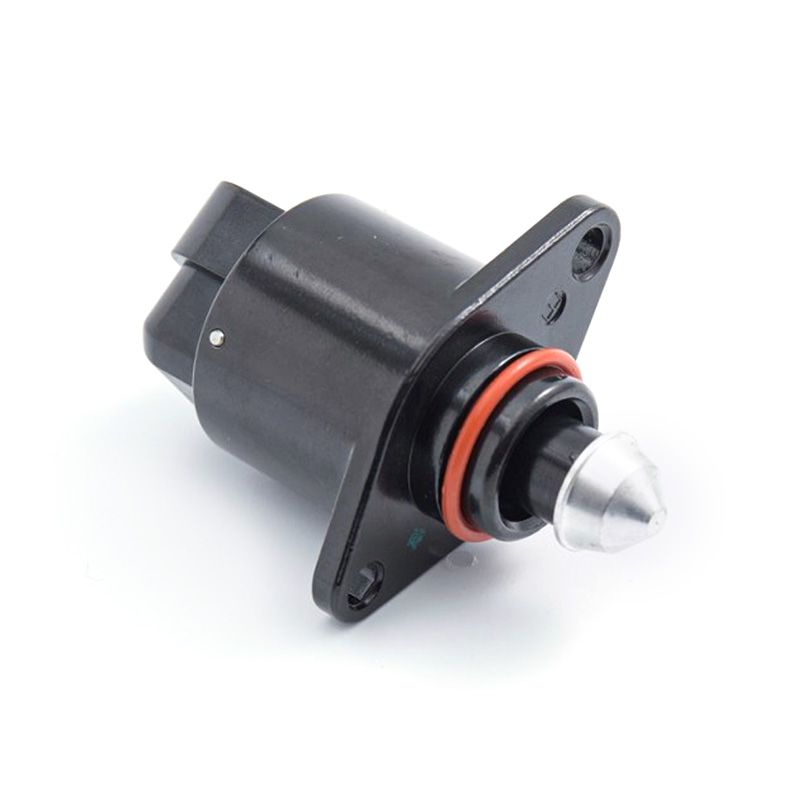
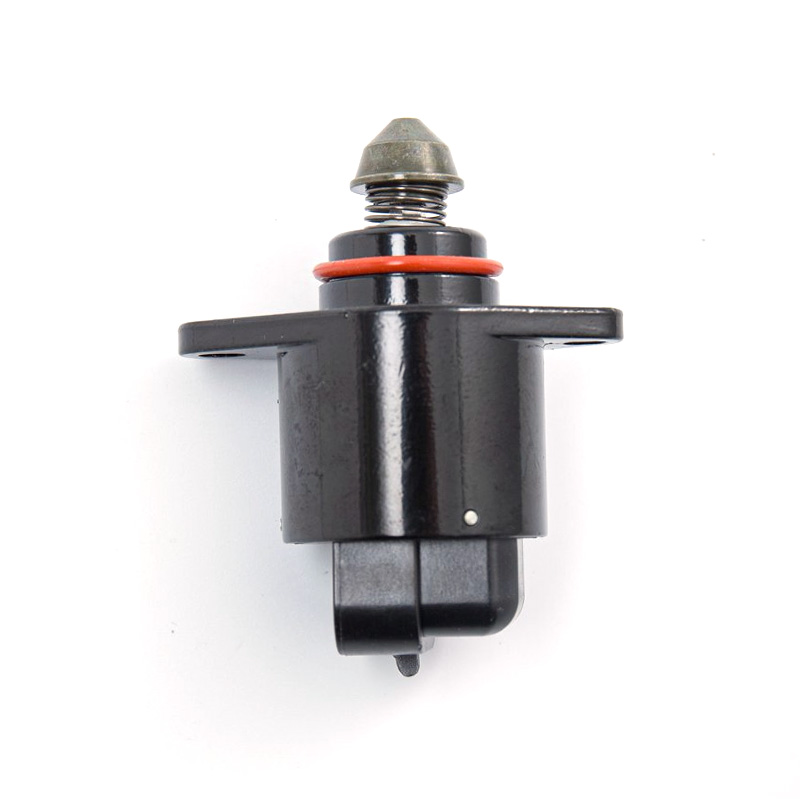
GM 17112350 STD:AC5 17111808; WELLS:AC107;
APPLICATION:
Buick Century Sedan/Coupe(05-87);
Buick Lacrosse(05);
Buick Regal Sedan/Coupe(96-88)
Cadillac, chevrolet, pontiac, oldsmobile;
Idle air control valve from China manufacture for Buick!
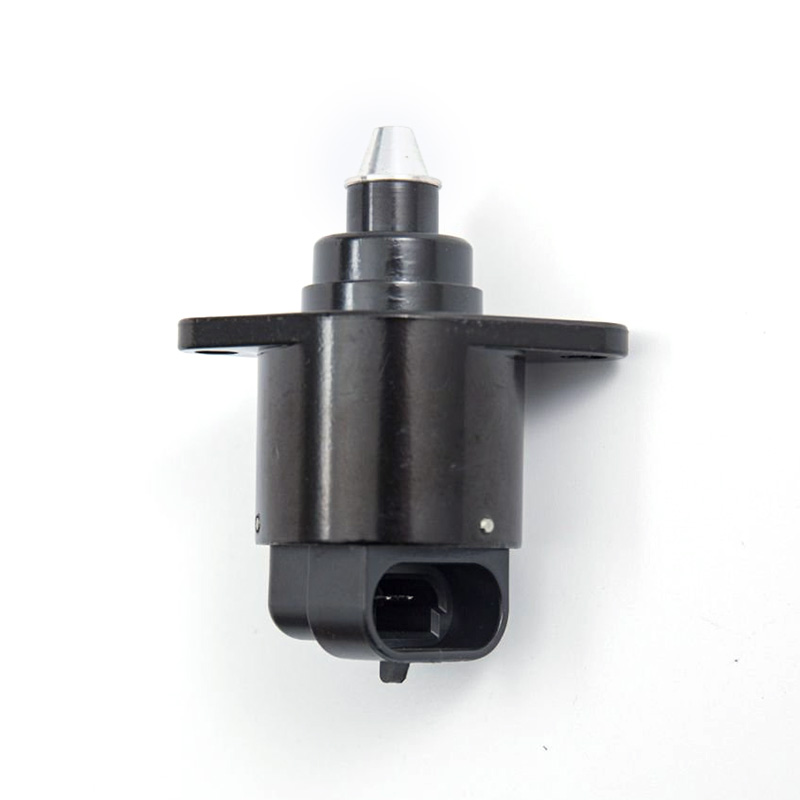
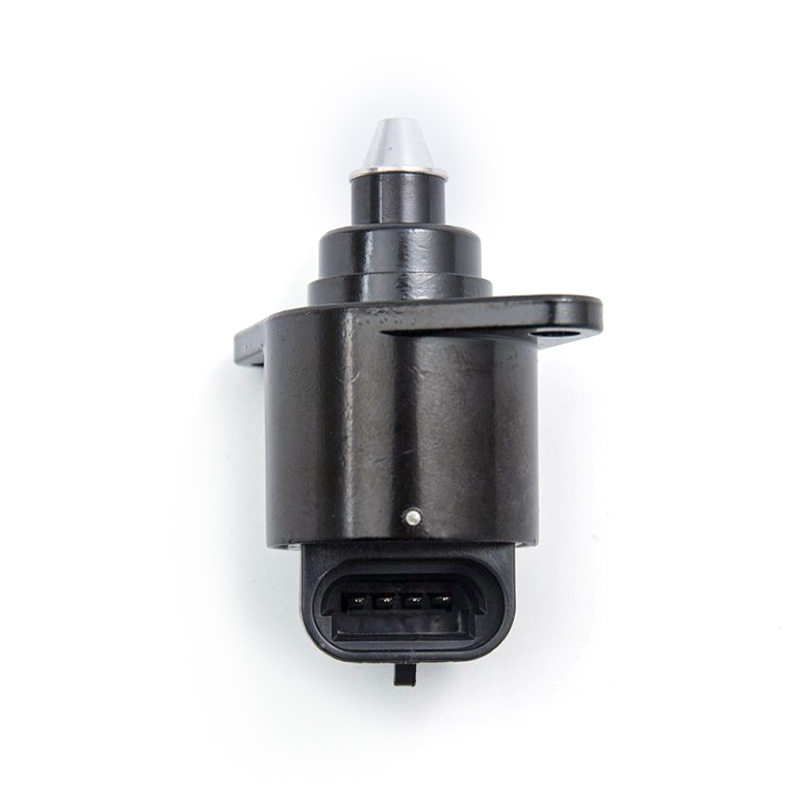
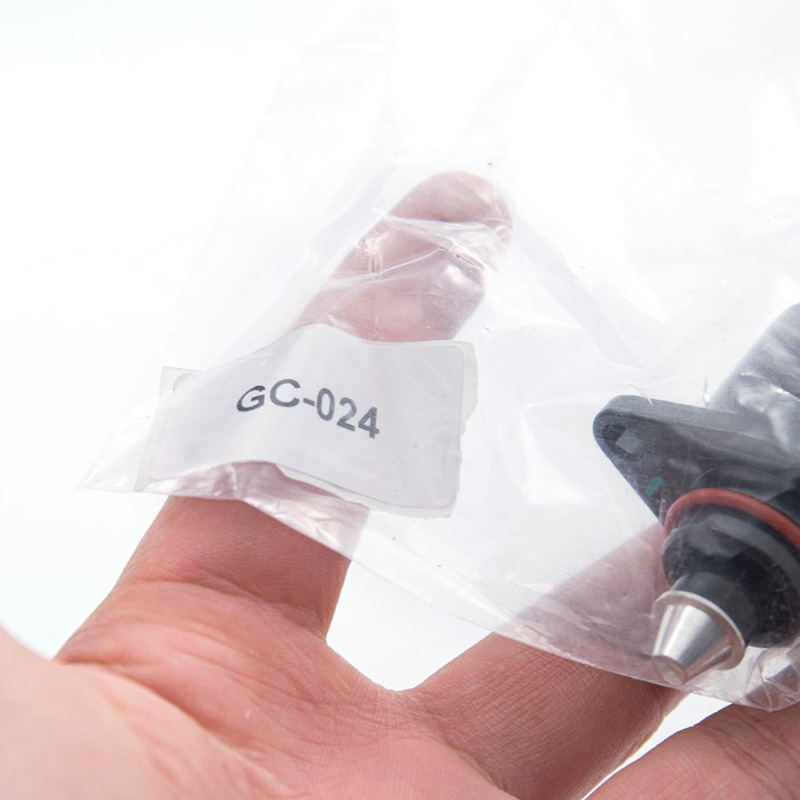
GC-024
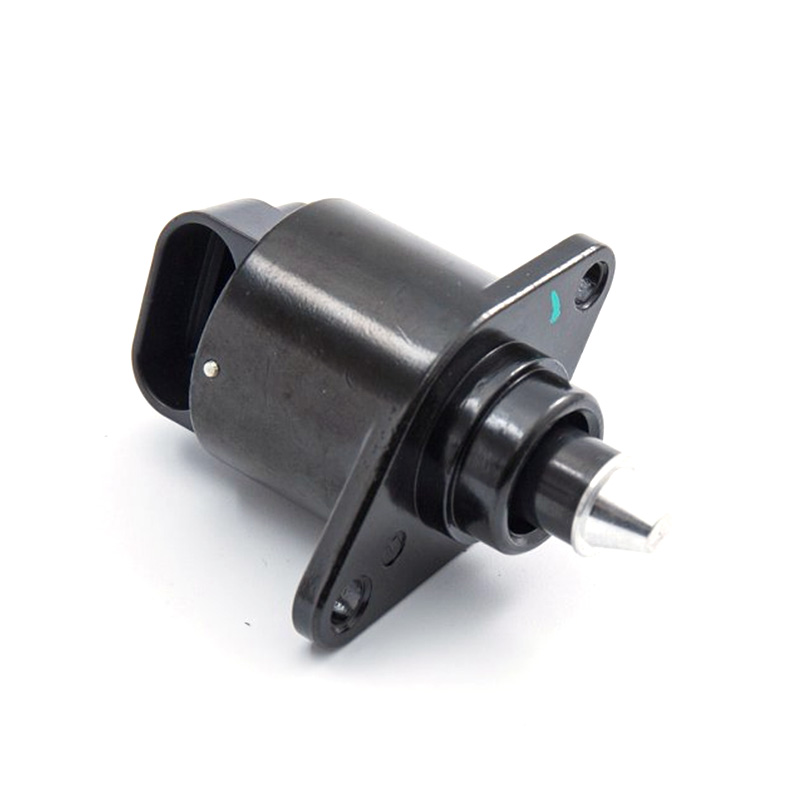
REFERENCE OE:
SHORT CODE: C1351
OPEL: 817254 17112027
SIMENCE: A95160
DELPHI:ICD 00127
VDO: AT-59524R
HELLA:6NW009141121;0817254; 93227674
APPLICATION:
OPEL ASTRA F CLASSIC Kombi/Schraqheck;
OPEL COMBO;
OPEL CORSA A Schraqheck/TR;
OPEL CORSA B;
OPEL KADETT E;
OPEL TIGRA
Idle air control valve from China factory for Opel, IACV.
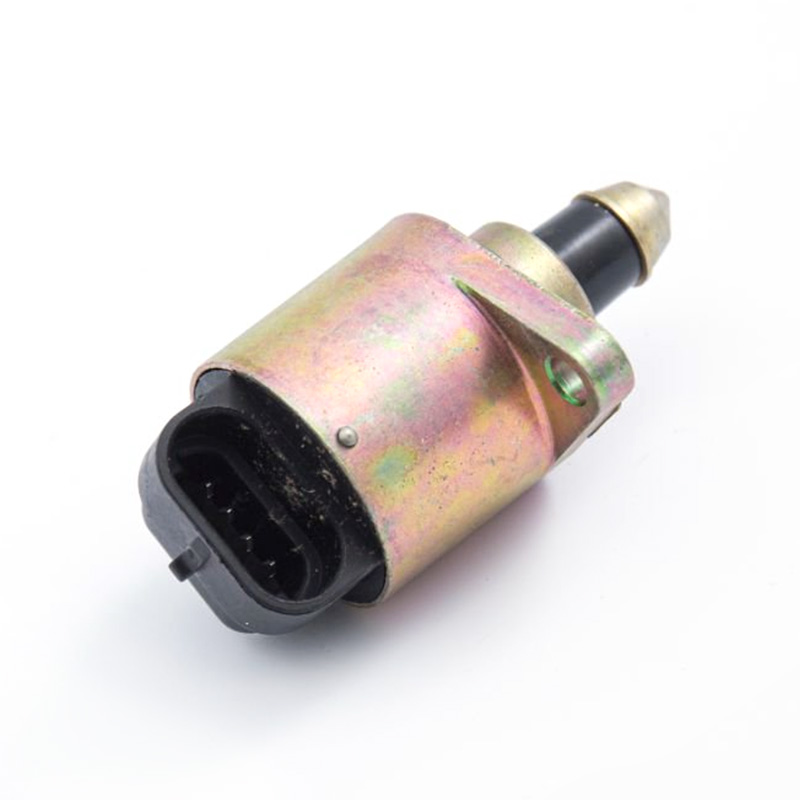
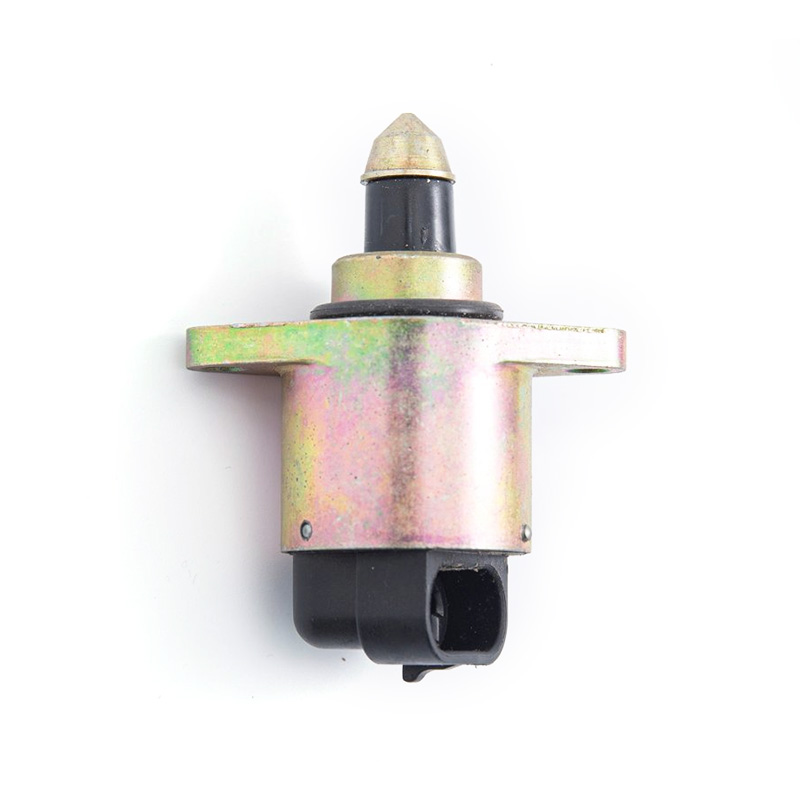
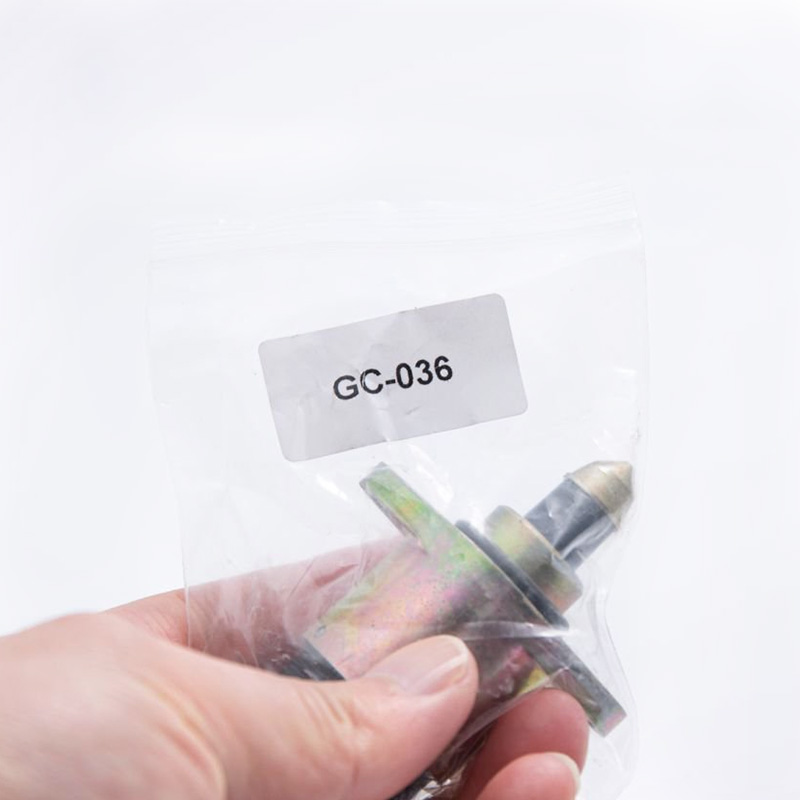
GC-036
REFERENCE OE:
STD: AC10
WELLS: AC300 17119274, 17119279, 217200, 217206, 4288298, 4300264, 4307899, 4419639, 4458355, 4612453, 4612491, 4612749, 4861084, AC10T
APPLICATION:
Chrysler Cirrus(97-95);
Daytona(93-87);
Dynasty(93-88);
Lebaron(95-86);
Dodge Caravan/Grand Caravan(97-88);
Dokota(96-89);
Daytona(93-86);
Plymouth Caravelle(88-86);
Acclaim(95-89);Sundance(98-87)
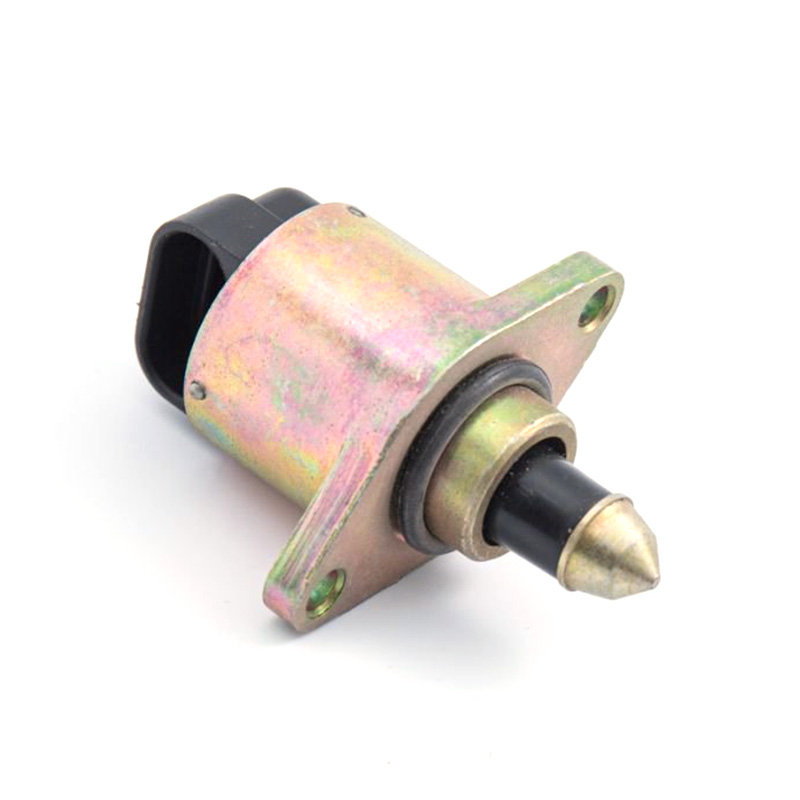
Idle air control valve from China factory for Chrysler.
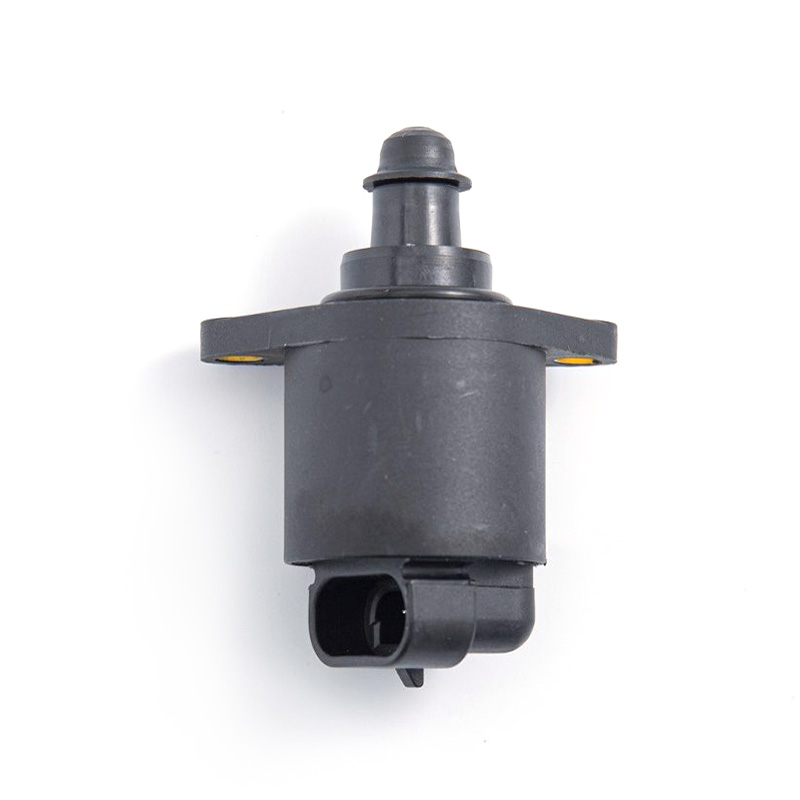
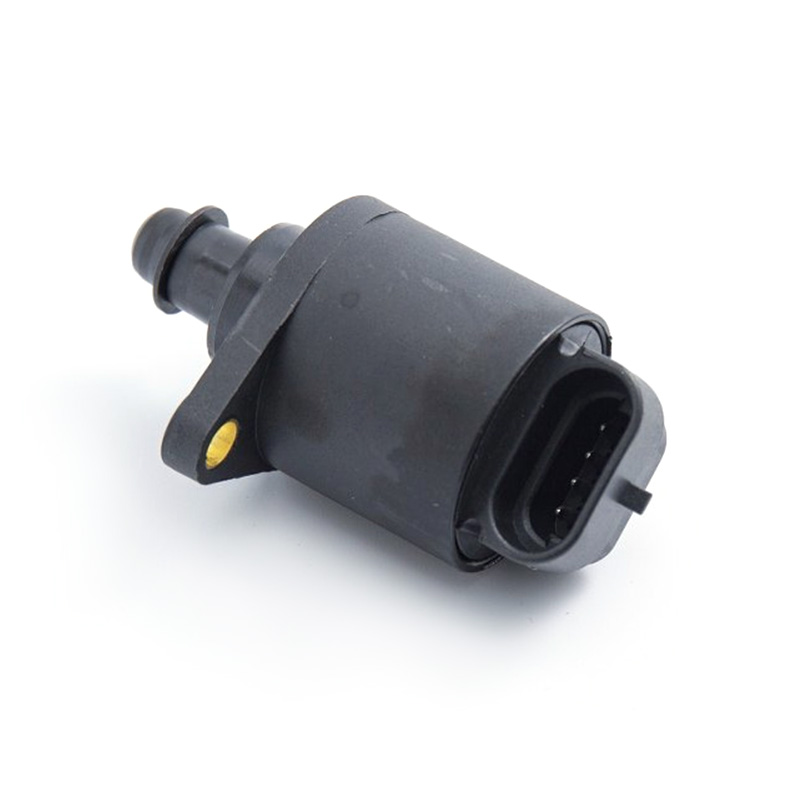
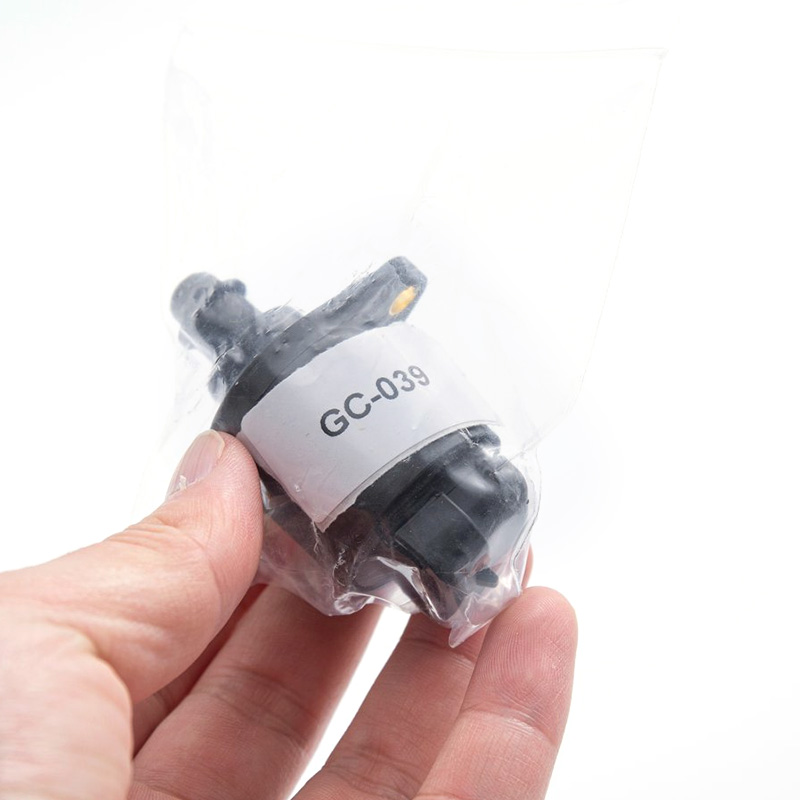
GC-039
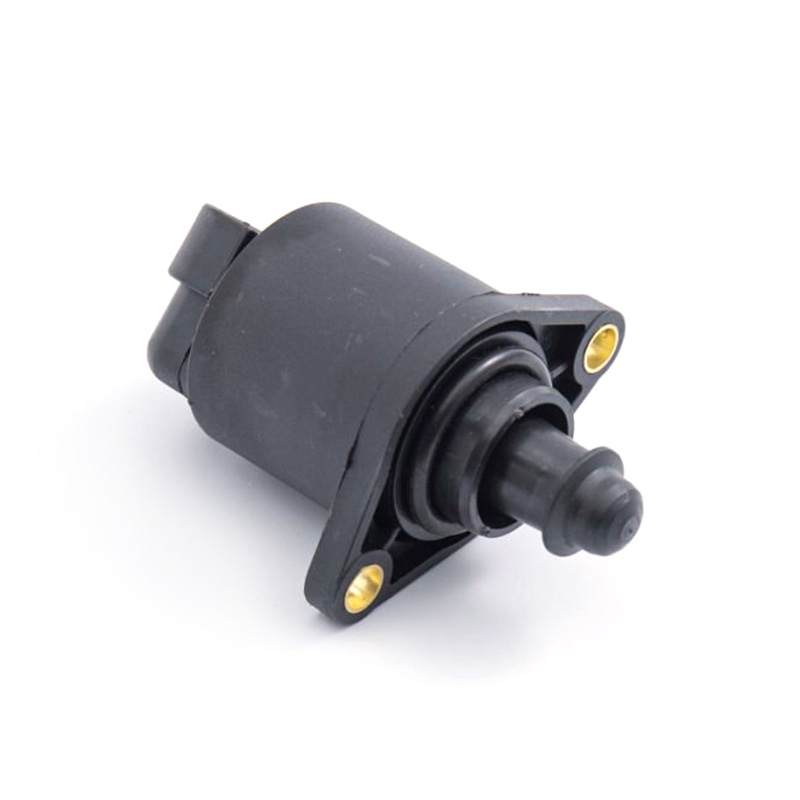
REFERENCE OE:
MARELLI:B35/00
MARELLI:801001185201
PSA:1920AH
APPLICATION:
PEUGEOT 206 1.1 EOBD
Idle air control valve from China factory for Peugeot 206.
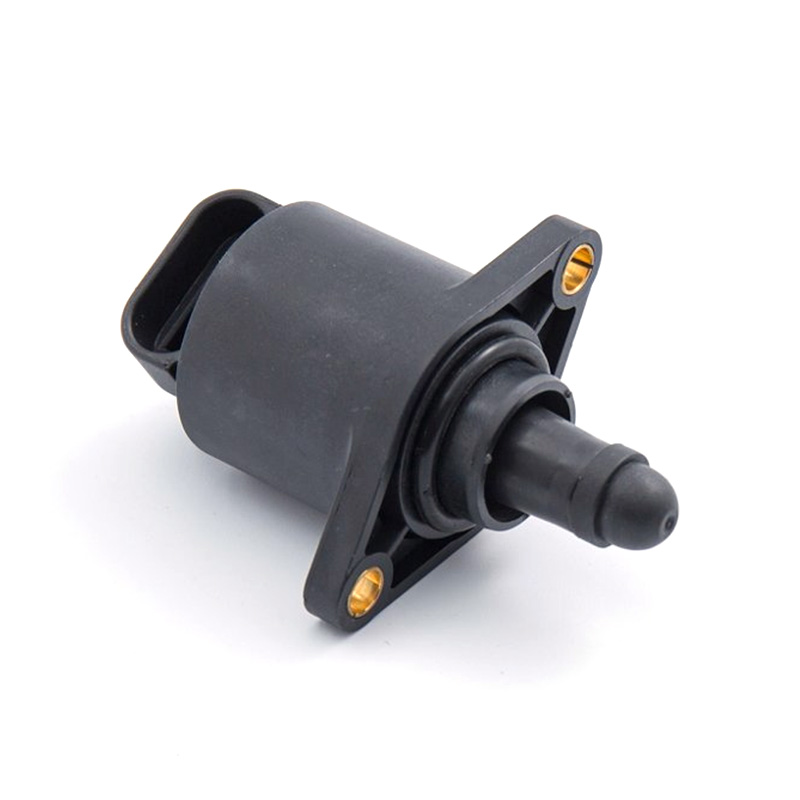
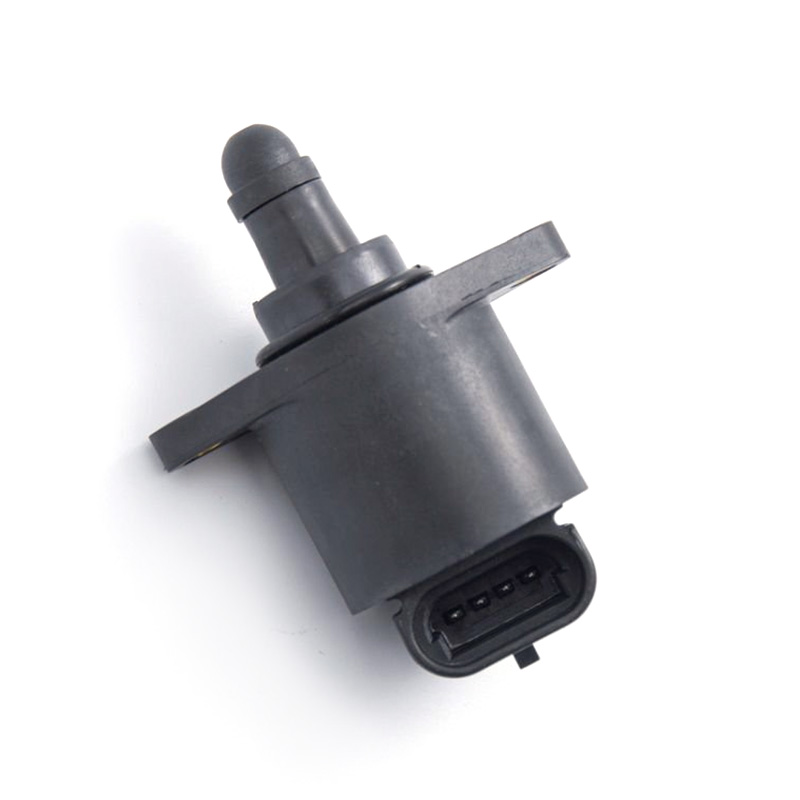
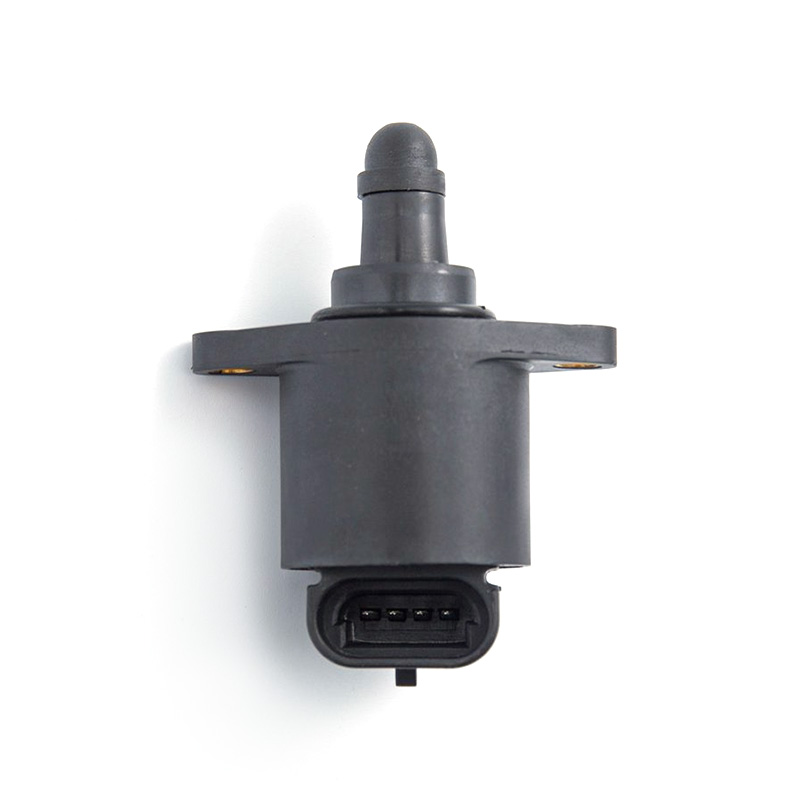
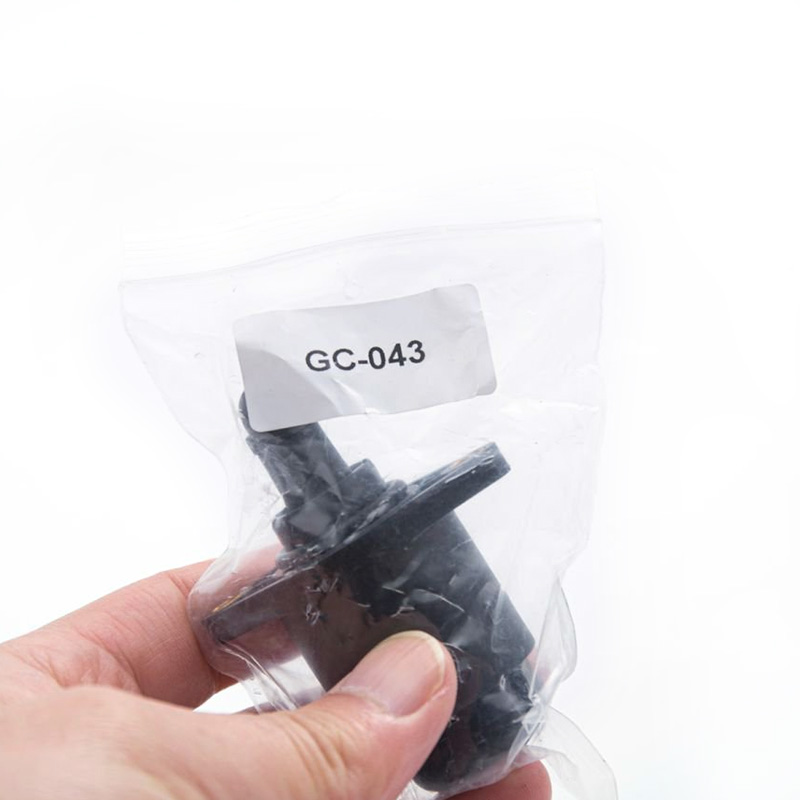
GC-043
REFERENCE OE:
SHORT CODE: B12/00
MARELLI:21924470500
OEM:9945035
APPLICATION:
FIAT PANDA(141A_)1000; Punto(176)55 1.1; Uno(146A/E) 45 i.e. 1.0; Lanci Y10(156)1.0 Fire(156e) KAT
Idle air control valve from China factory for Fiat Punto.
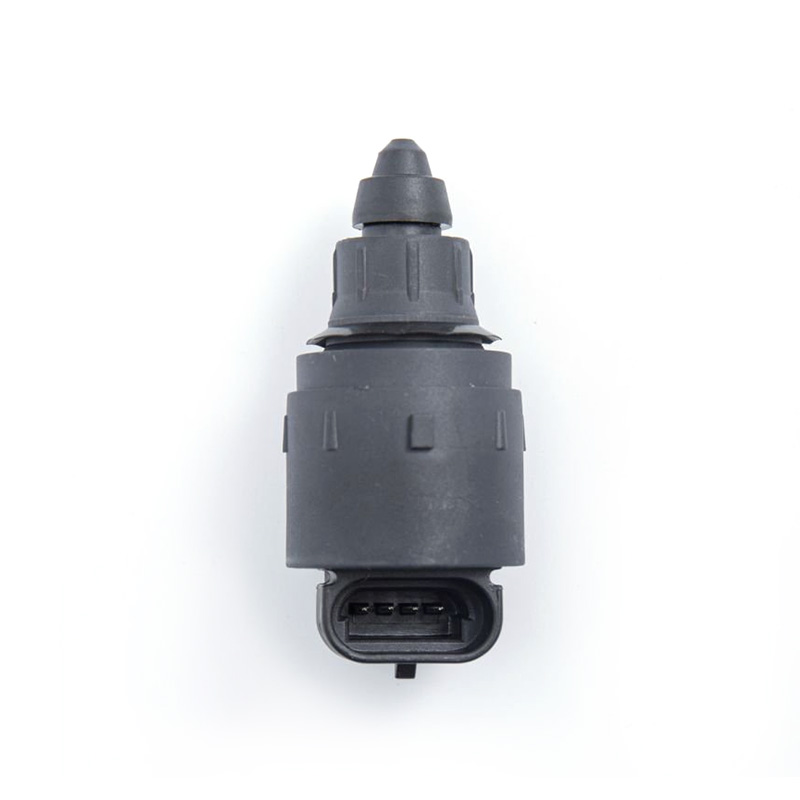
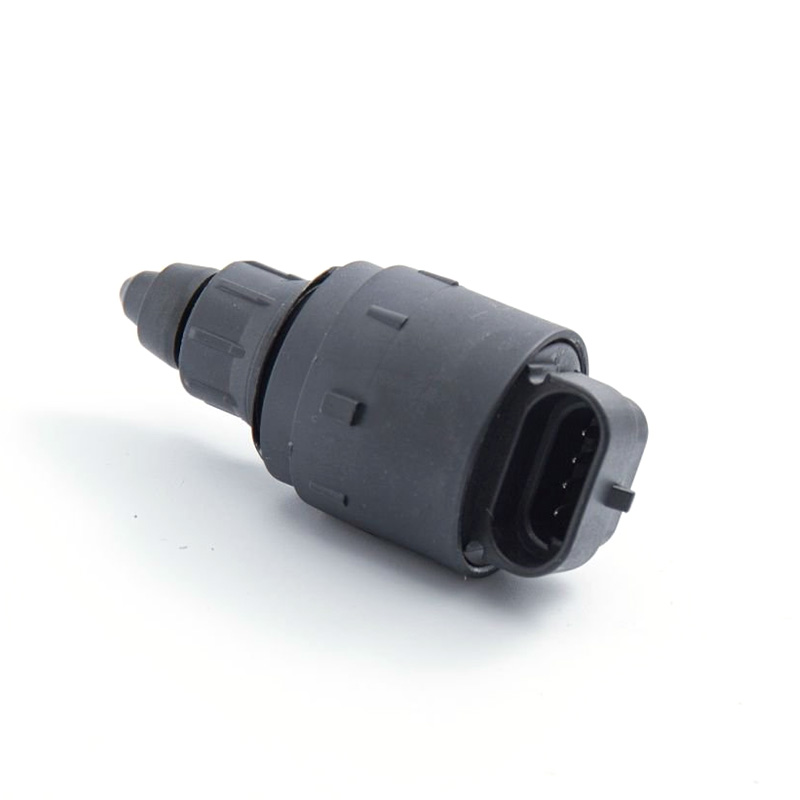
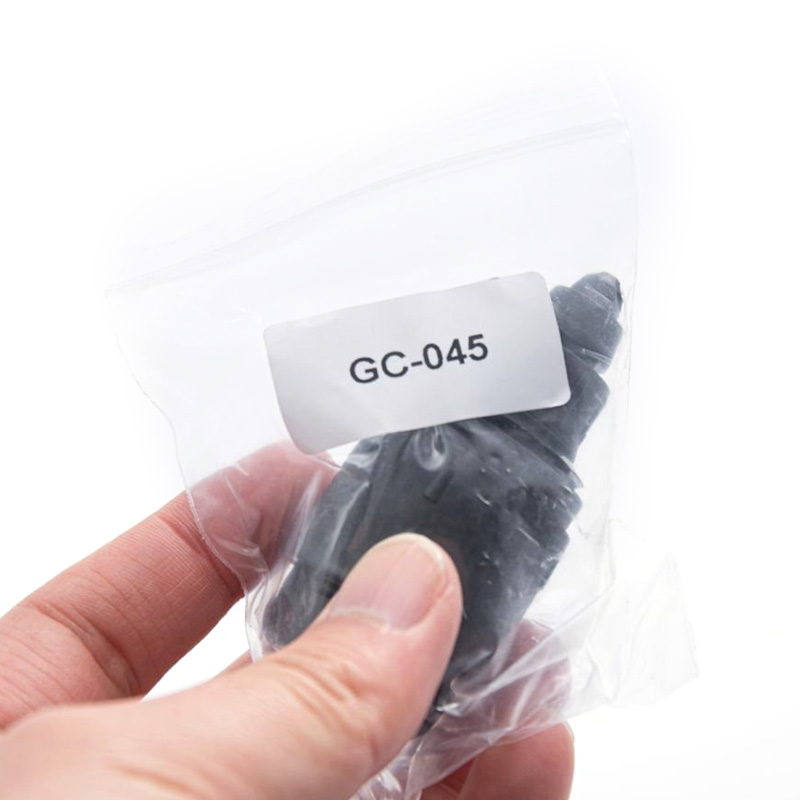
GC-045
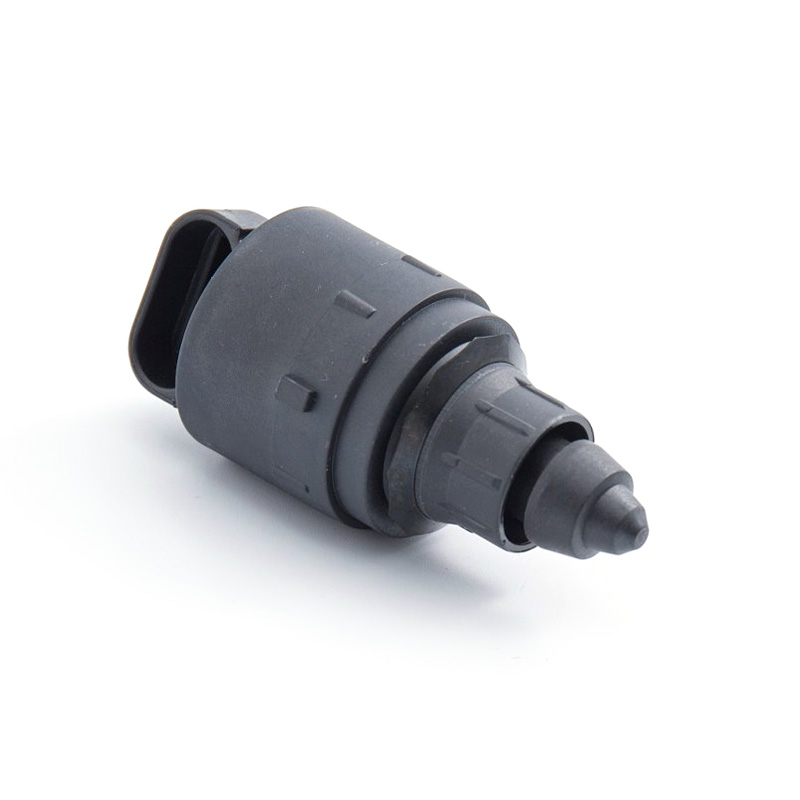
REFERENCE OE:
IB04/00
Delphi: 28222556
Marelli: 40481202
APPLICATION:
Renault Clio 1.0 8V MPI
Renault Kangoo 1.0 8V MPI
Idle air control valve from China factory for Renault Clio Kangoo.
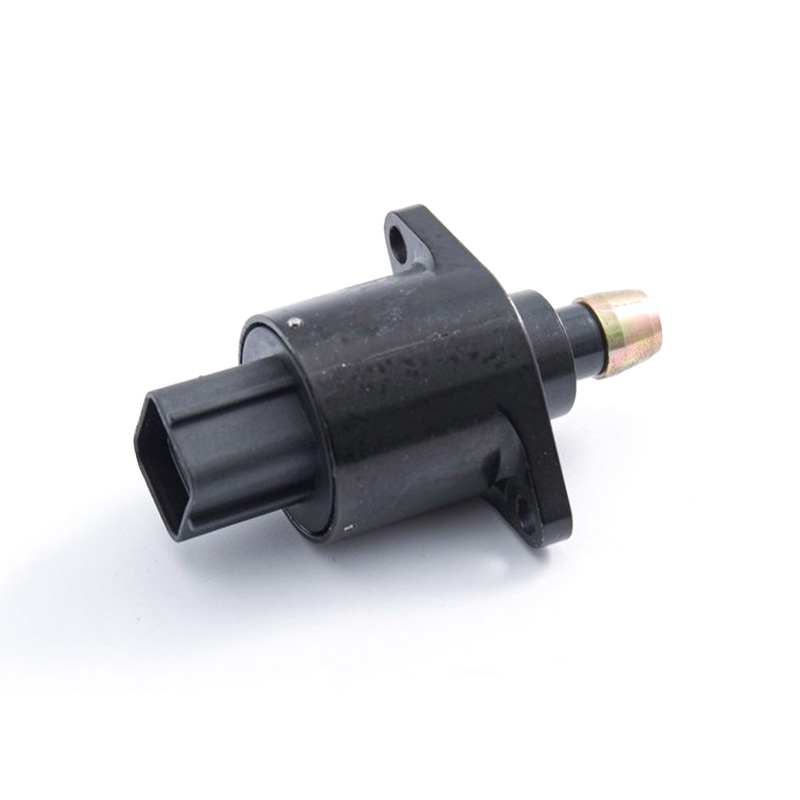
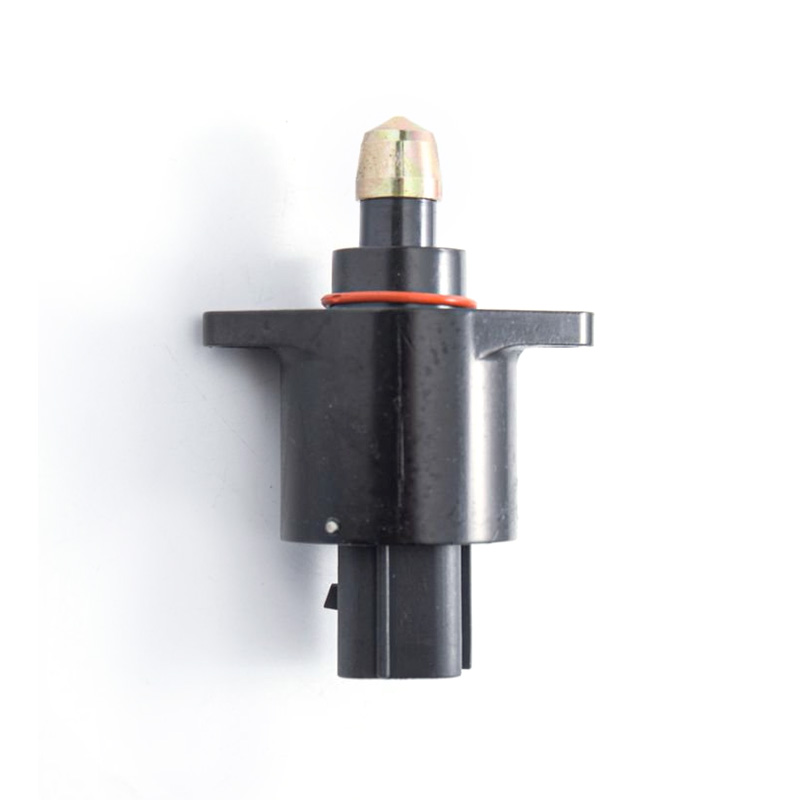
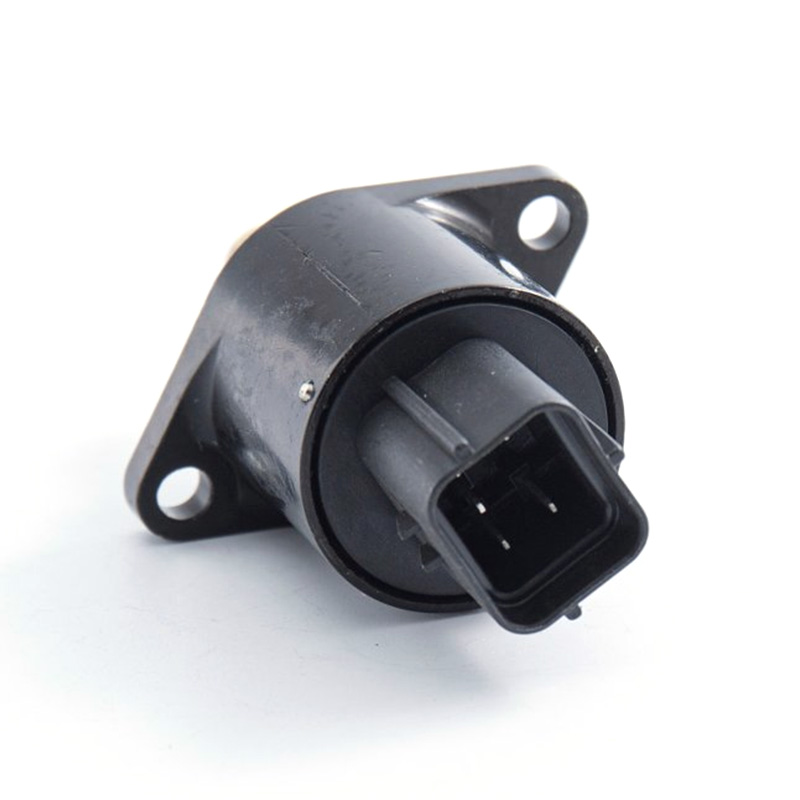
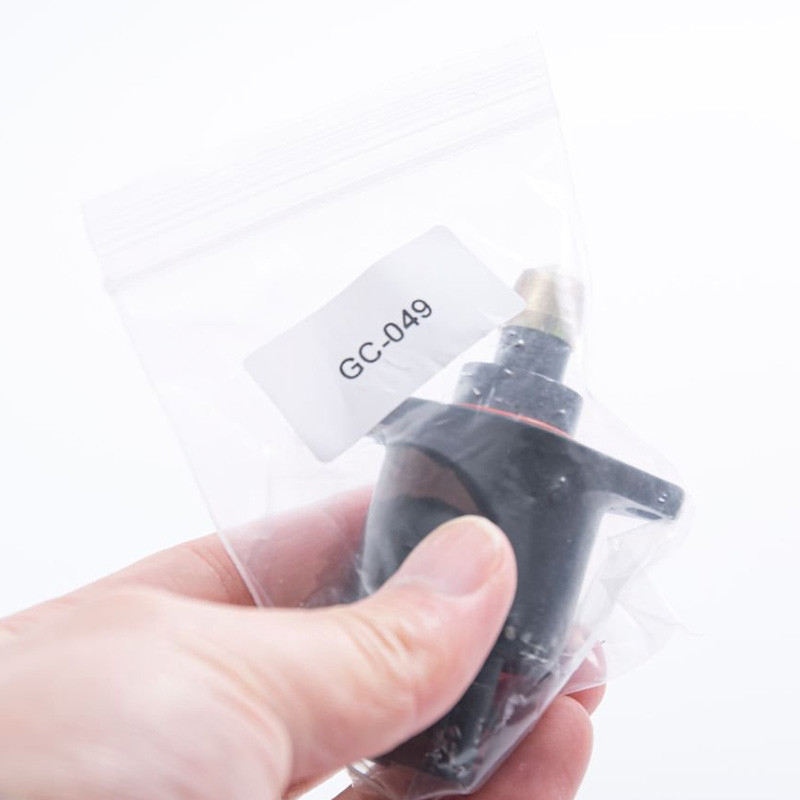
GC-049
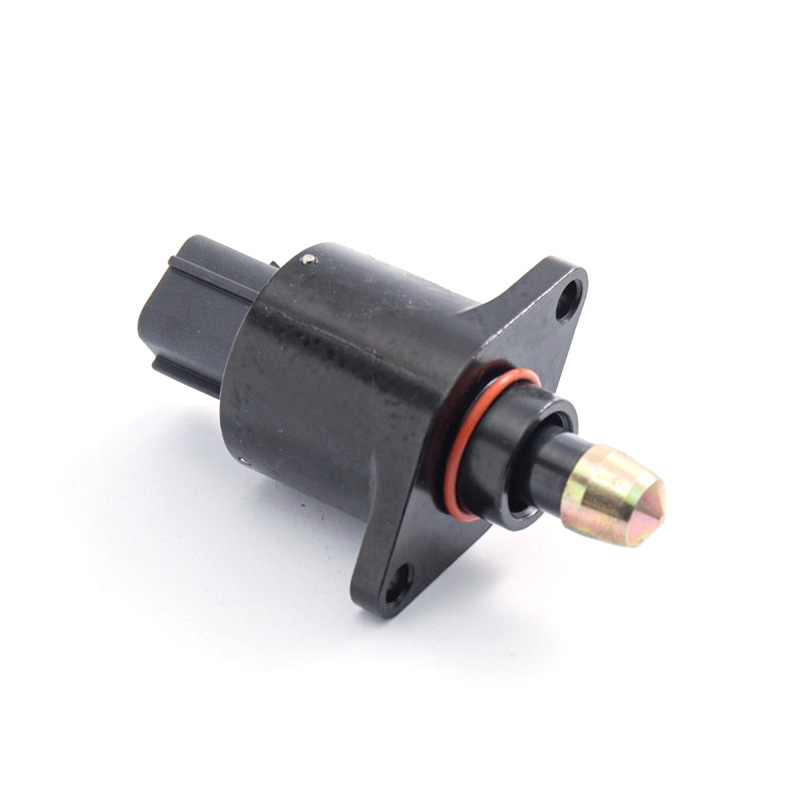
REFERENCE OE:
MDQ100040
APPLICATION:
ROVER
Idle air control valve from China factory for Rover.
Contact Us
Let's start collaborating

Guocheng is specialized in the R&D and production of key engine components for the automotive and engineering machinery industries.
Product
Stay Connected
(+86) - 577 - 8582 0886 (Tel)
(+86) - 577 - 8582 8085 (Fax)
(+86) - 19730213059 (Phone)
sales@wz-gc.com
No. 205, Baiyu Road, 15th Road, Binhai Park, Wenzhou, Zhejiang, China
Mobile

ODM Engine Management System Components
 English
 русский
 Español
 عربى
عربى Deutsch