Date:Jul 10, 2026
Boat owners often notice a frustrating pattern: the engine starts normally, runs smoothly at cruising speed, but suddenly struggles or shuts down while approaching a dock. This low-speed situation places the engine control system under greater pressure because the throttle closes and the engine depends heavily on precise idle airflow management.
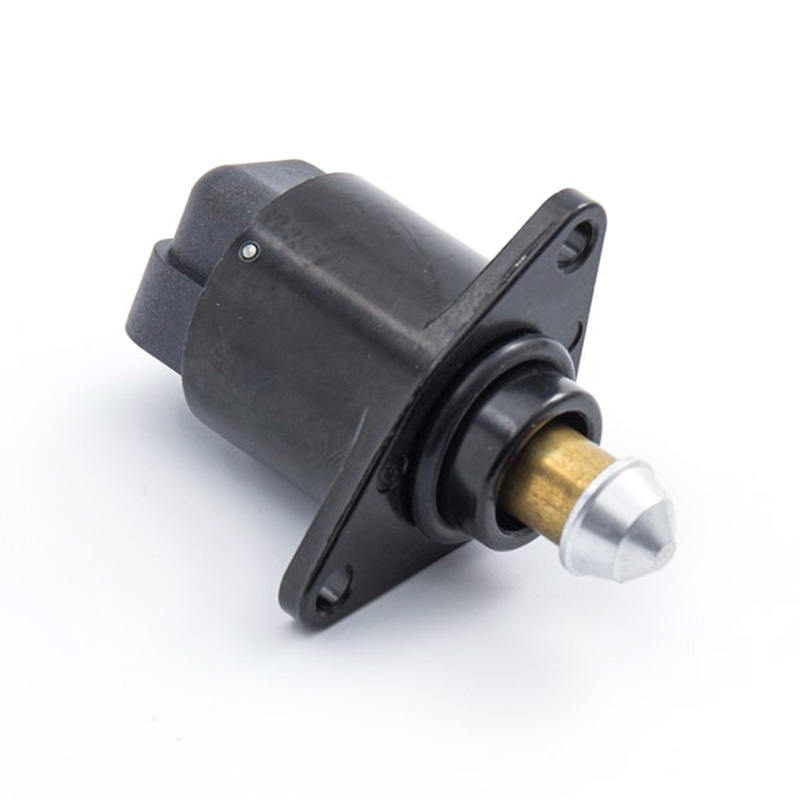
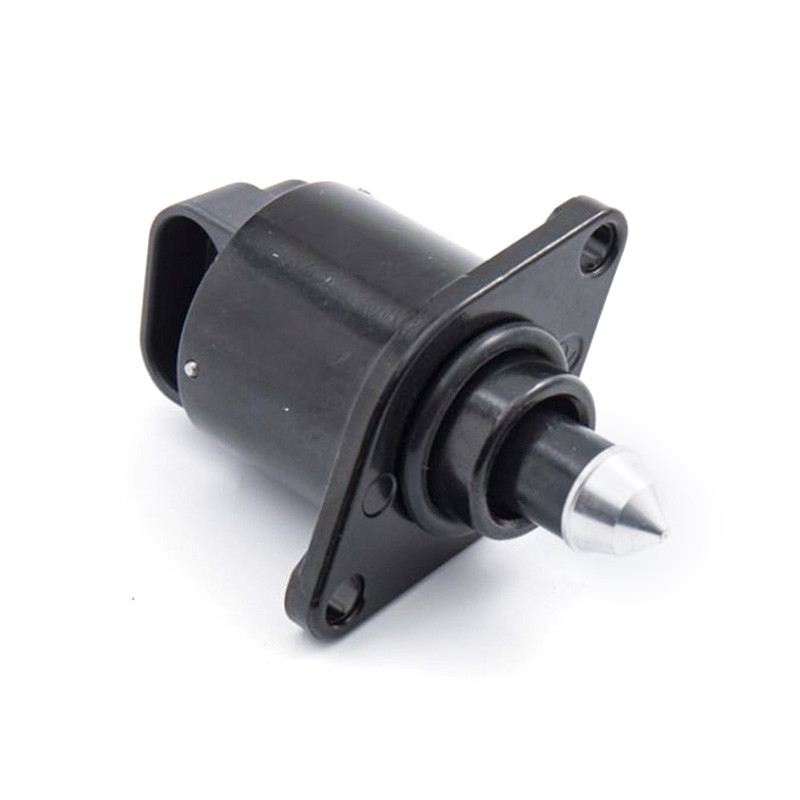
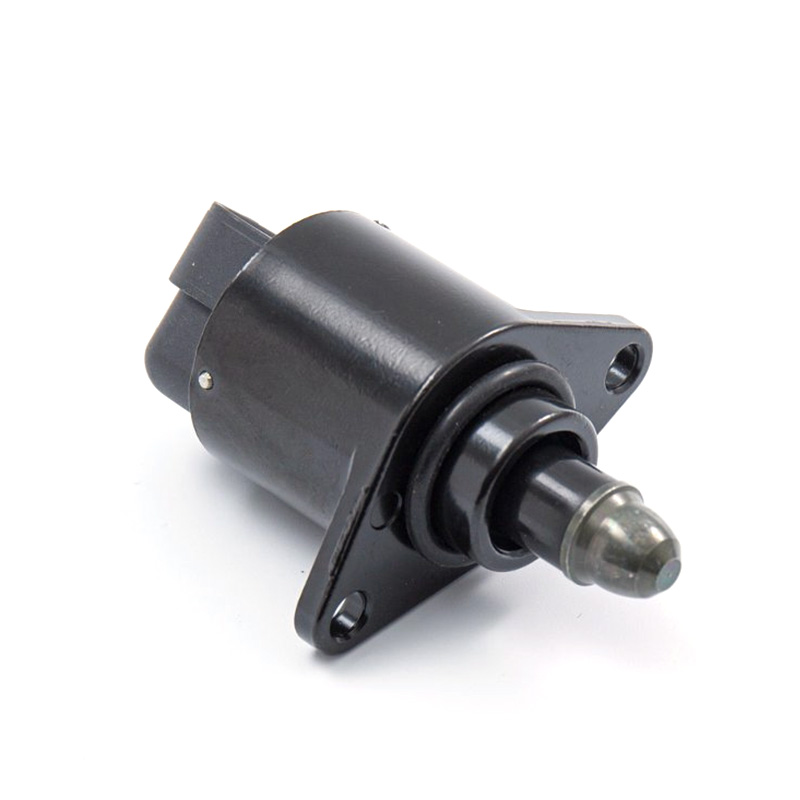
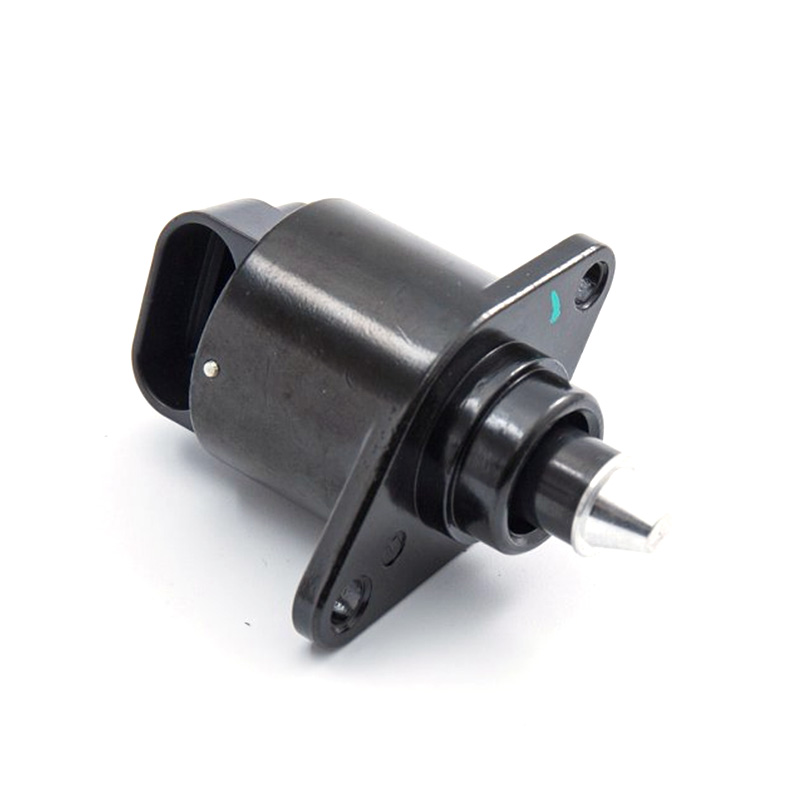
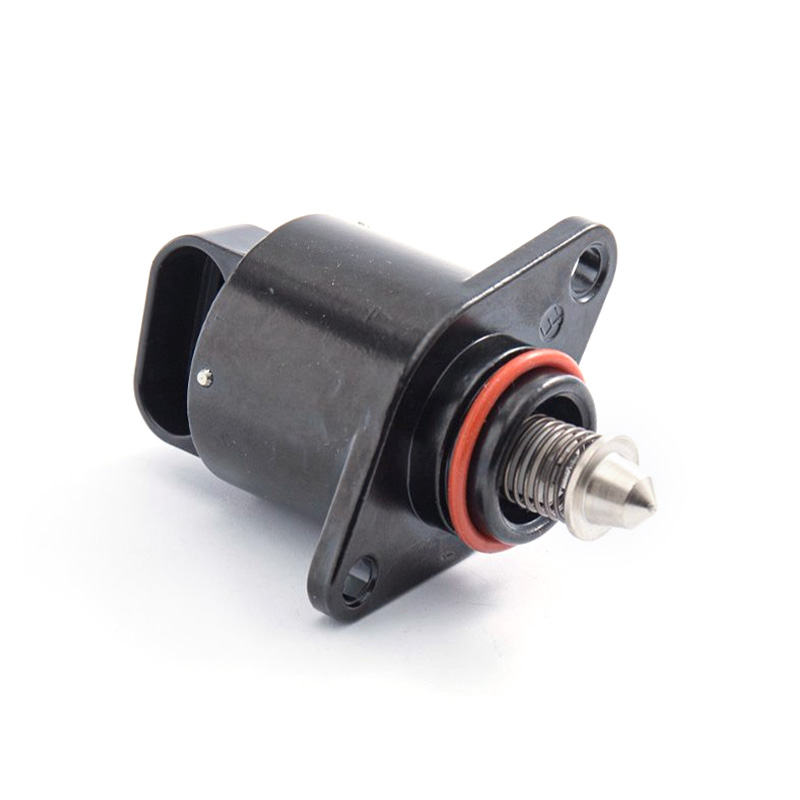
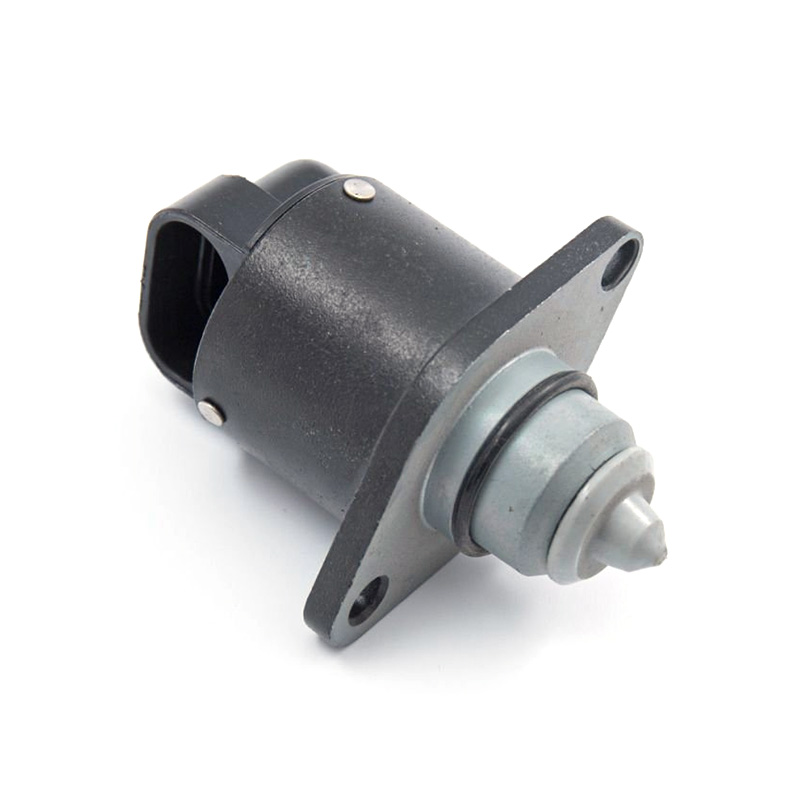
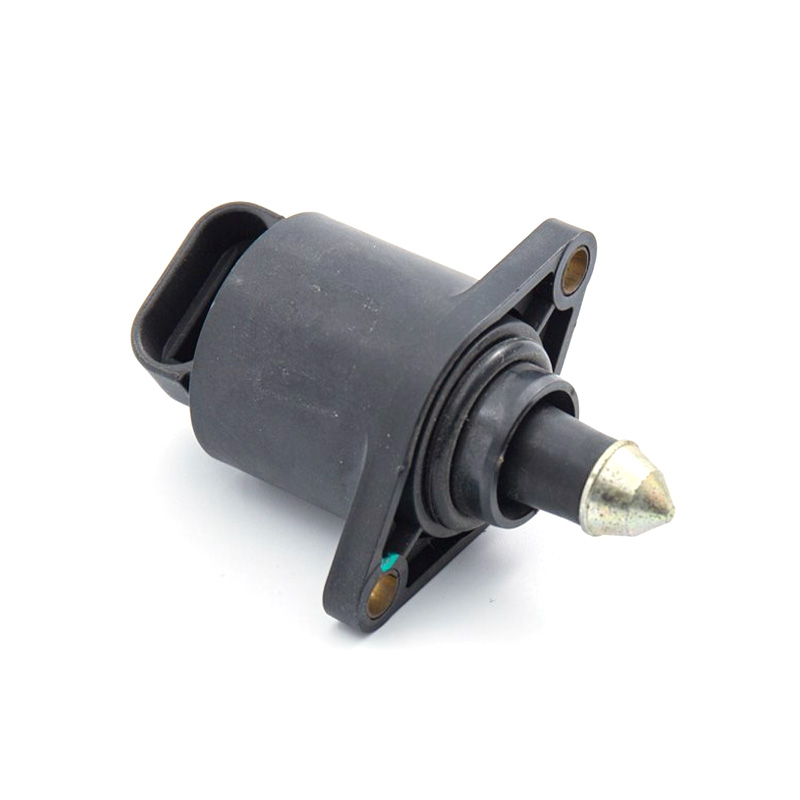
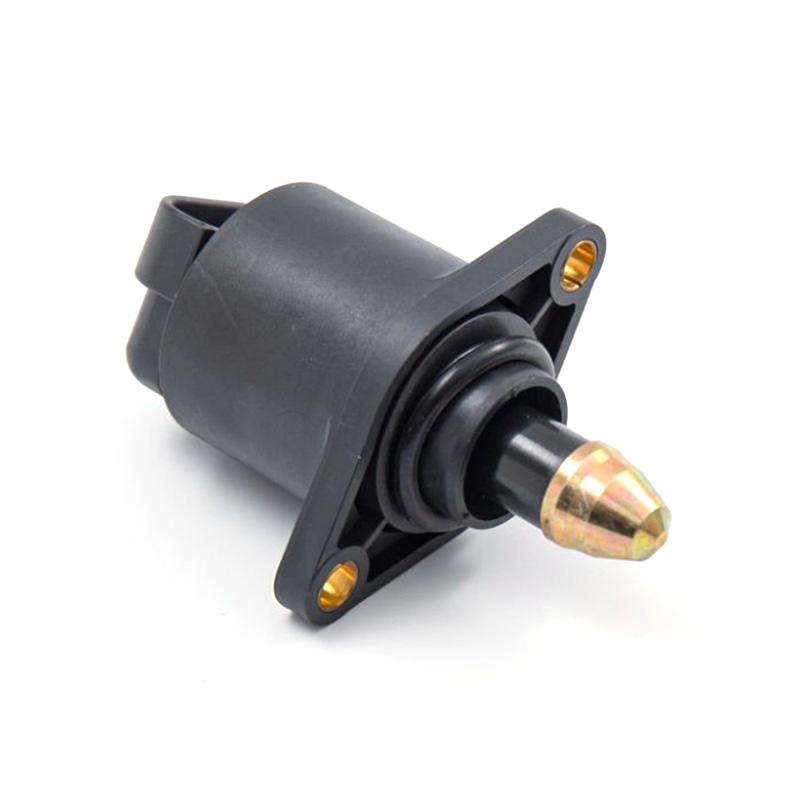
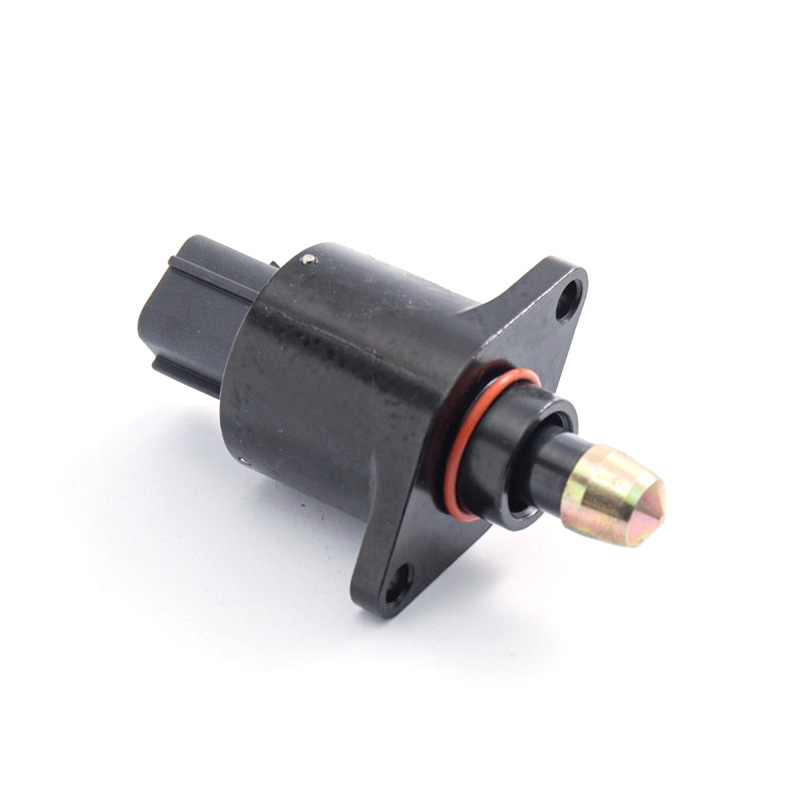
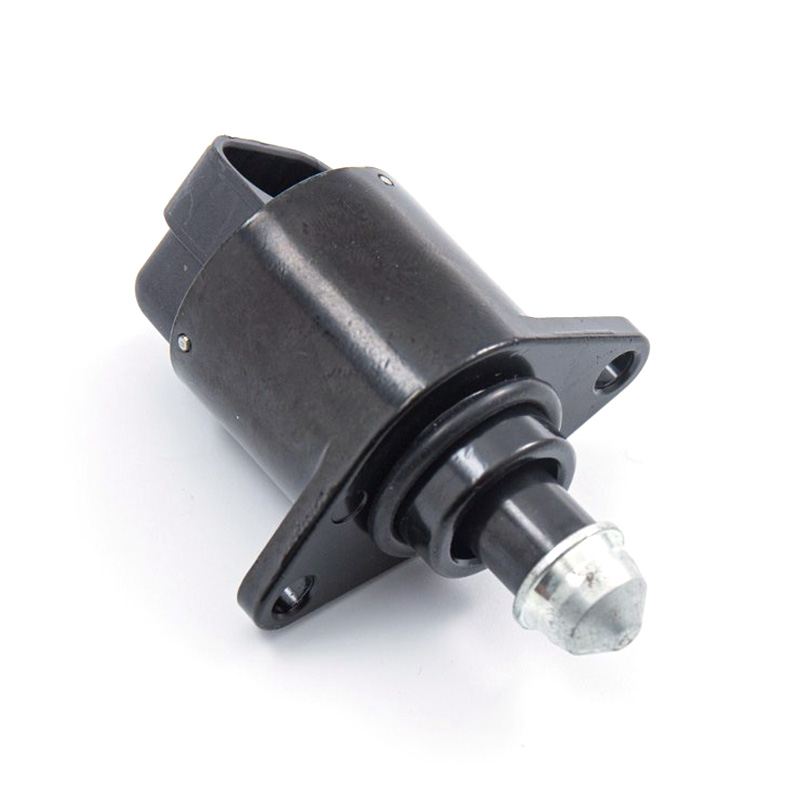
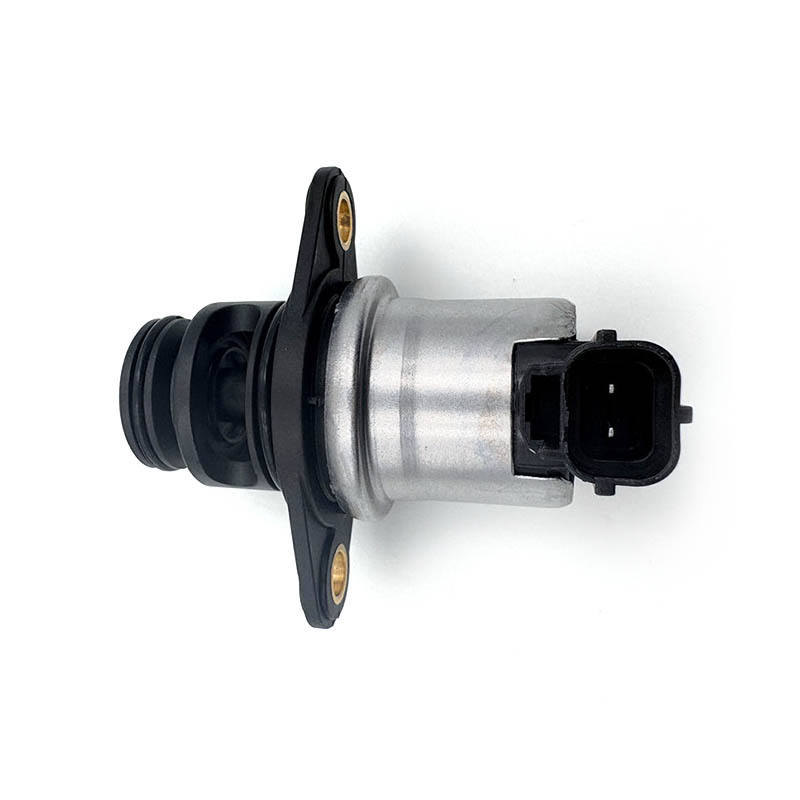
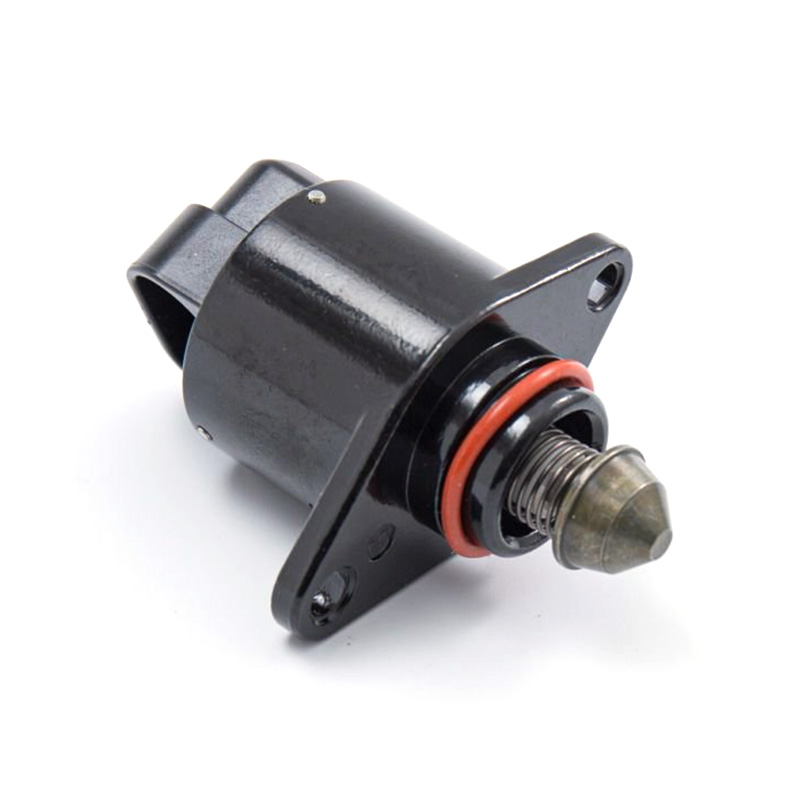
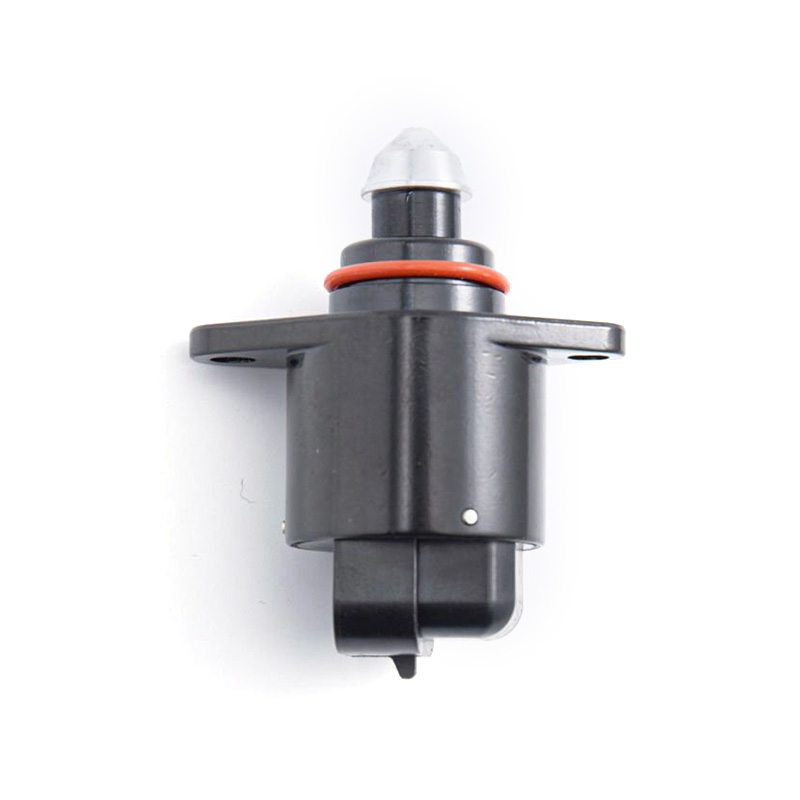
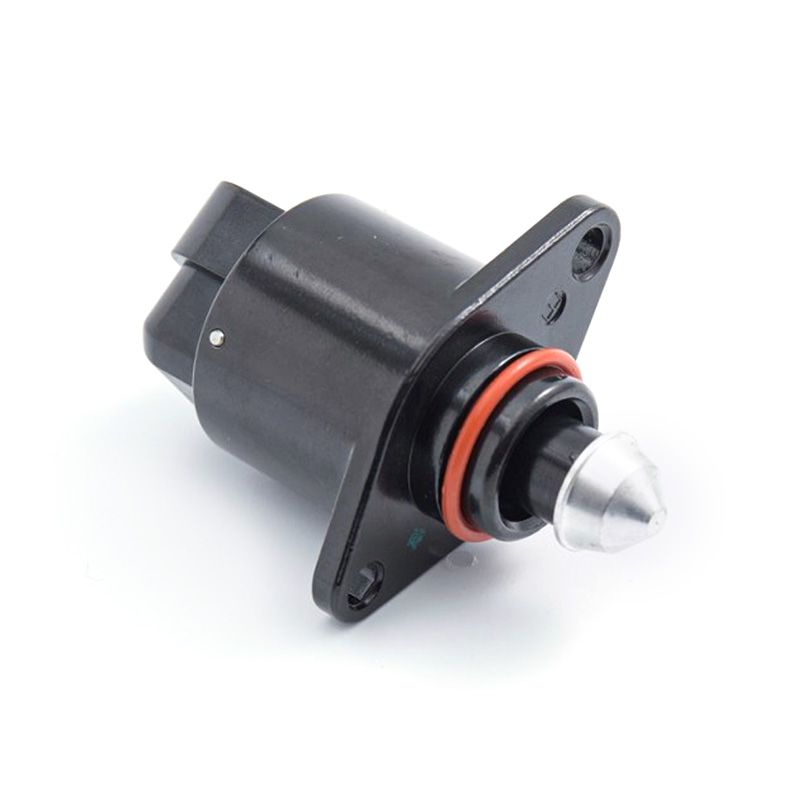
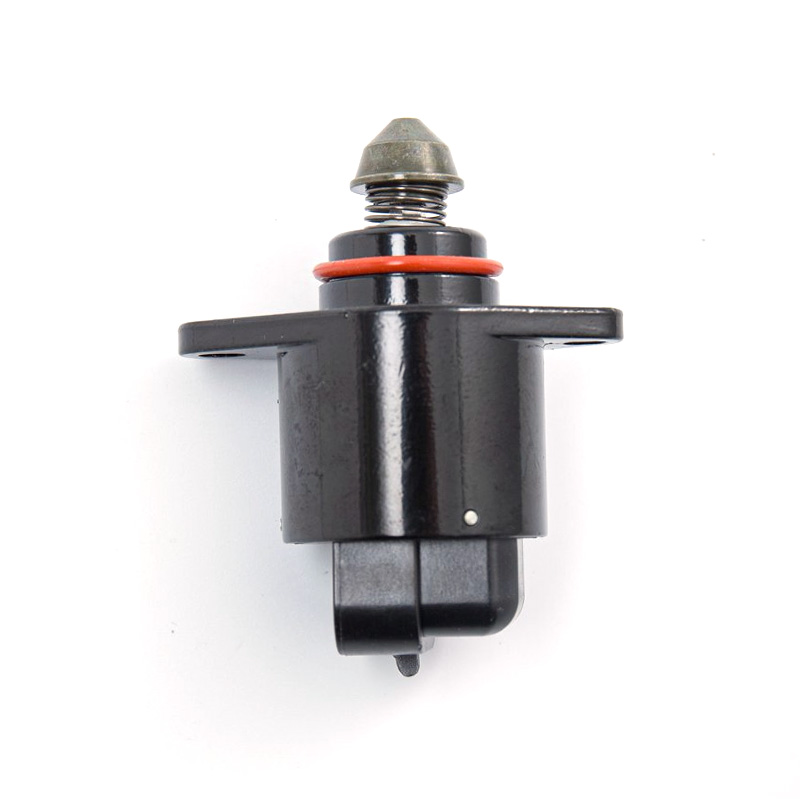
Among the components involved, the Volvo Penta IAC valve plays an important role in maintaining stable idle operation. A delayed response, internal contamination, or electrical inconsistency inside the valve may affect the amount of bypass air entering the engine, creating unstable RPM during docking maneuvers.
Marine repair discussions frequently mention cases where Volvo Penta engines operate normally above idle speed but stall at low RPM. This behavior is often associated with idle air control problems, although vacuum leaks, sensor signals, fuel conditions, and wiring faults should also be examined during diagnosis.
Docking requires precise throttle adjustments. Unlike open-water cruising, the engine repeatedly moves between idle, low acceleration, and deceleration ranges.
During cruising, the throttle plate provides the majority of airflow. At idle, the throttle closes and the engine relies on the idle air passage to maintain combustion. A valve that reacts slowly may not provide enough air during sudden RPM drops, allowing the engine speed to fall below a stable operating range.
The idle air control system functions as an electronic bypass mechanism. The engine control module sends commands to adjust the valve opening based on operating conditions.
The control process generally includes:
Some Volvo Penta marine systems use an electronically controlled idle valve that works together with the throttle body. At idle, the bypass circuit supplies the additional air required to maintain combustion stability. Technical discussions from marine owners describe situations where the engine stalls during rapid RPM reduction because the idle valve cannot adjust airflow quickly enough.
A failing valve does not always create the same symptom pattern. Marine environments add additional challenges because moisture, vibration, and long storage periods influence electrical and mechanical components.
| Observed Symptom | Possible Idle Control Issue |
| Engine stalls during docking | Insufficient bypass air after throttle closing |
| RPM drops suddenly after shifting | Slow valve response to load change |
| Idle speed rises and falls repeatedly | Unstable airflow adjustment |
| Engine runs normally at cruising speed | Problem appears mainly in idle control range |
| Hard restart after stall | Incorrect idle airflow compensation |
A common diagnostic clue is that the engine performs well once the throttle opens further. Since the valve mainly manages airflow during low-speed operation, higher RPM operation may hide the issue.
Marine engines experience operating patterns different from many automotive applications. Short trips, extended idle periods, and seasonal storage can contribute to deposits inside airflow passages.
Deposits may restrict internal movement, preventing the valve from reaching the commanded position. The engine computer may continue adjusting signals, but mechanical resistance can create delayed airflow changes.
Marine technicians usually combine mechanical inspection with electrical testing. Exact specifications vary by engine model, but several key areas are commonly evaluated.
| Inspection Item | Purpose |
| Valve resistance measurement | Checks internal electrical condition |
| Connector inspection | Identifies corrosion or loose terminals |
| Air passage cleaning | Removes contamination affecting movement |
| Throttle body inspection | Rules out airflow restriction |
| Diagnostic scanner data | Reviews ECU commands and idle response |
Cleaning is often considered during early diagnosis because contamination is a frequent cause of restricted movement. However, improvement after cleaning depends on the internal condition of the valve.
Marine owners have reported cases where cleaning restored operation temporarily, while other situations required further testing of wiring, sensors, or replacement components.
A stalled engine near the dock creates pressure to replace components quickly, but accurate diagnosis prevents unnecessary repairs.
Air leaks can produce symptoms similar to a malfunctioning idle valve because unmetered air changes the engine control calculation. A complete inspection should separate airflow leaks from valve response problems.
A boat engine that stalls during docking is more than an inconvenience; it affects maneuvering confidence and operational safety. Idle airflow control becomes especially important during low-speed movement because the engine has little RPM reserve to absorb sudden changes.
The Volvo Penta IAC valve remains a key component in this process, regulating bypass air during idle conditions and helping maintain consistent engine speed. Proper inspection of valve operation, airflow passages, electrical connections, and related systems provides a clearer path toward restoring stable marine engine performance.
Related Products
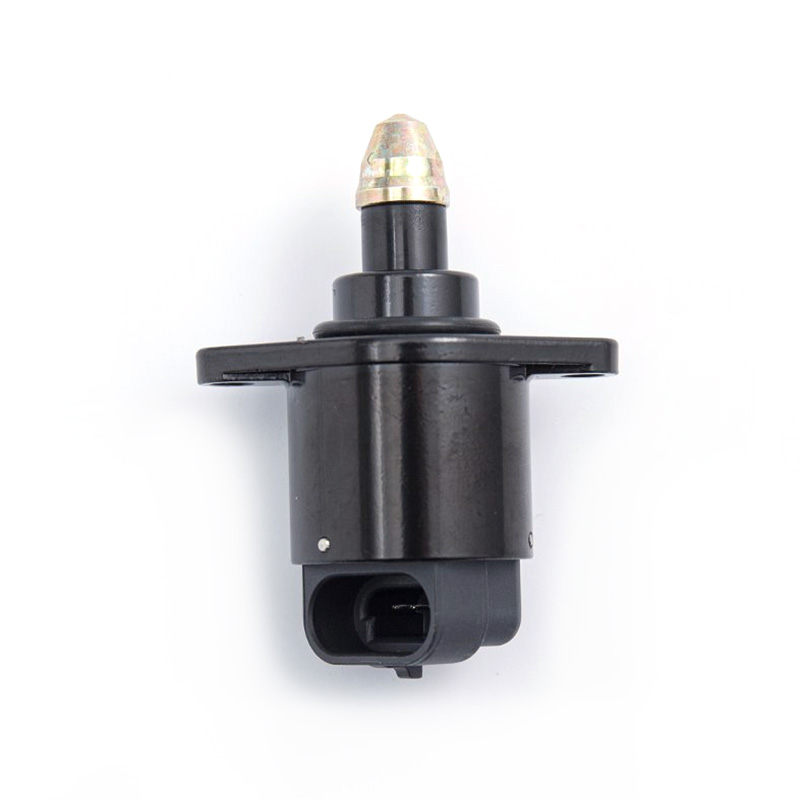
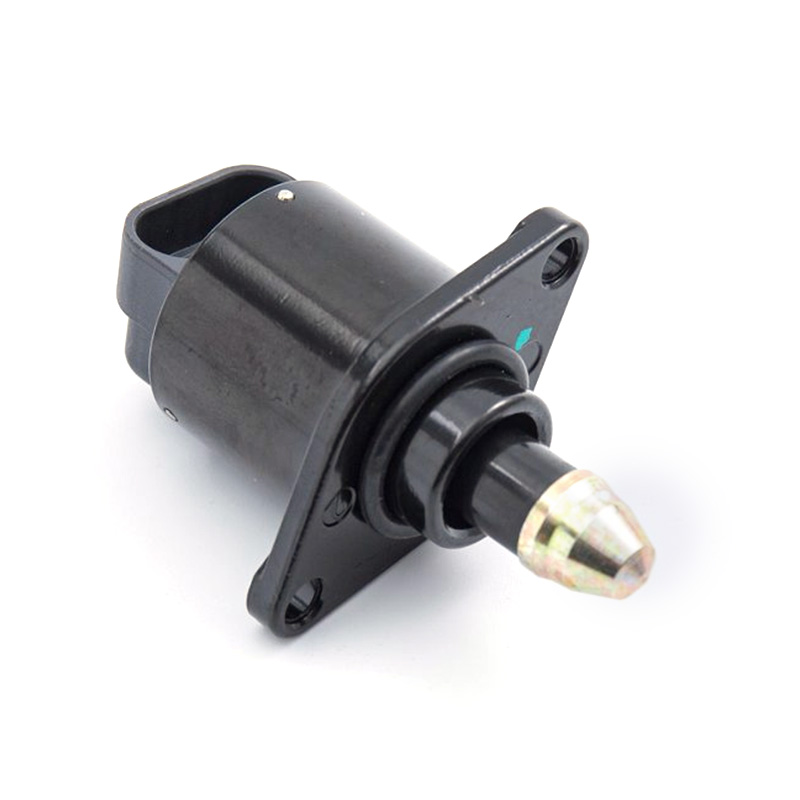
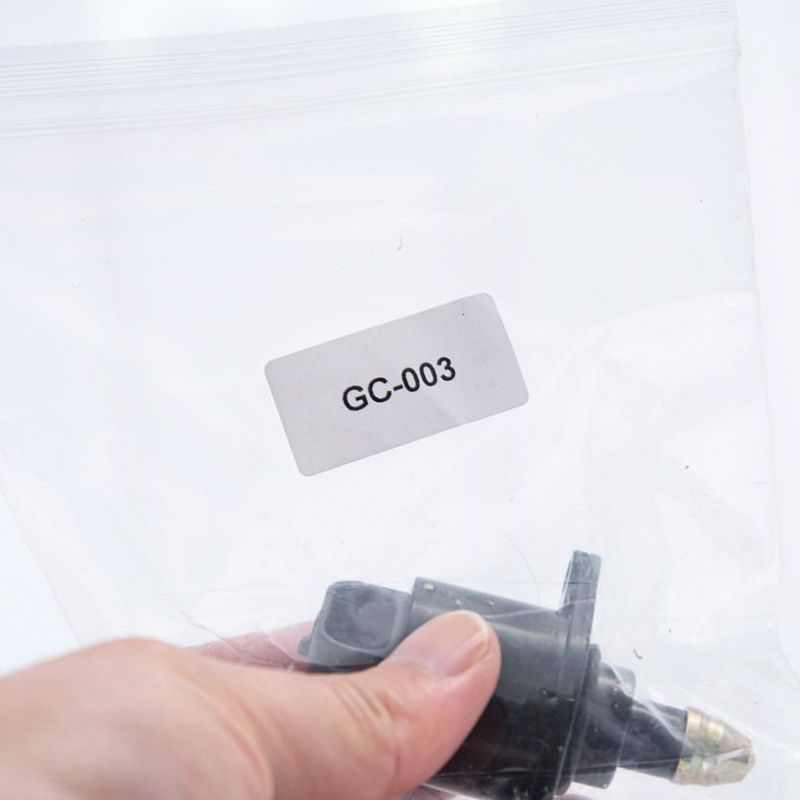
GC-003
REFERENCE OE:
SHORT CODE:B04/01 D5131
MARELLI:230016079057
PEUGEOT:1920N1
SIMENCE:A95269
APPLICATION:
PEUGEOT 306 Break/Cabriolet/Schraqheck;PEUGEOT 405 II Break; PEUGEOT 406 Break/Coupe;
PEUGEOT 605 806;PEUGEOT BOXER Bus/Kasten/Pritsche/Fahrqestell
China manufacture for wholesale and retail, idle air control, crankshaft valve, camshaft valve, Throttle position sensor, and many kind of sensors.
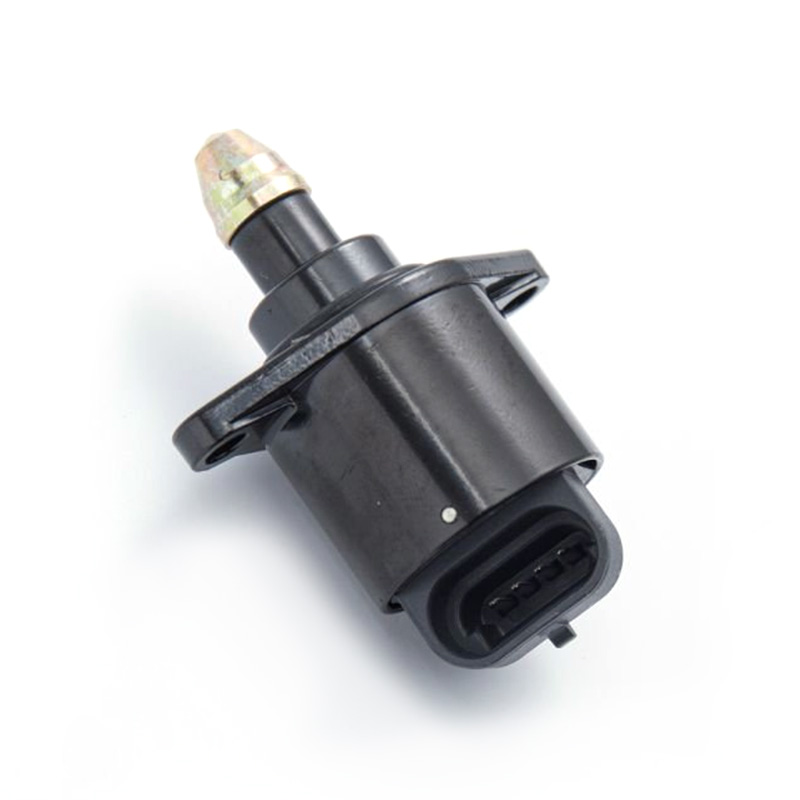
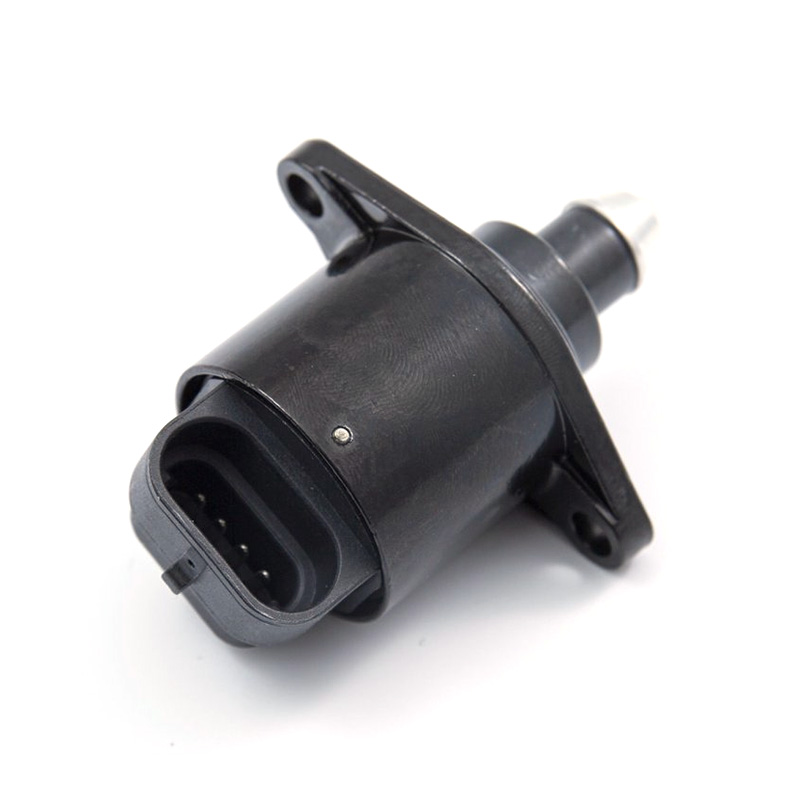
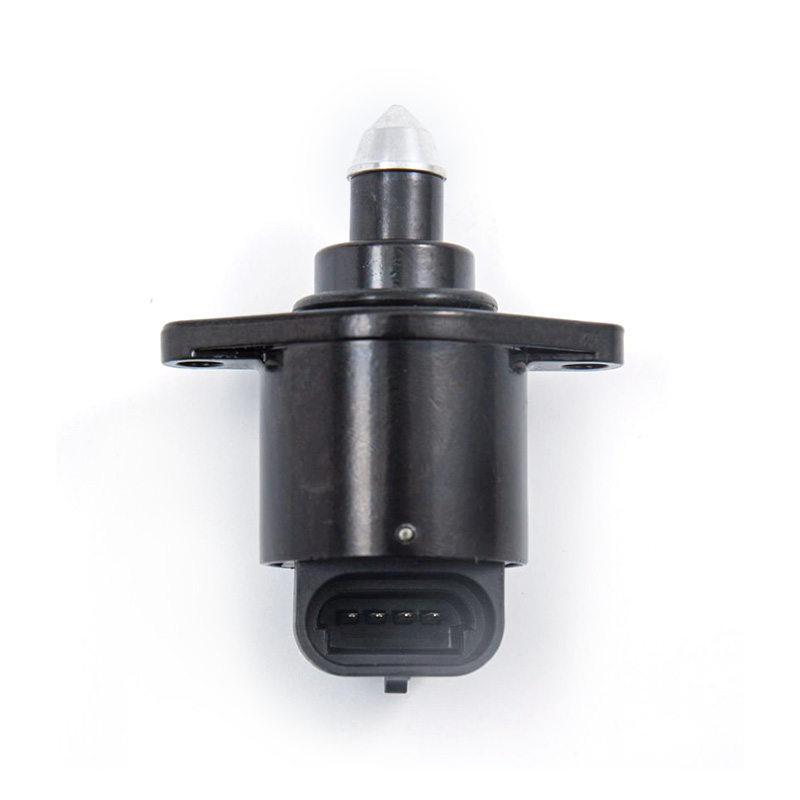
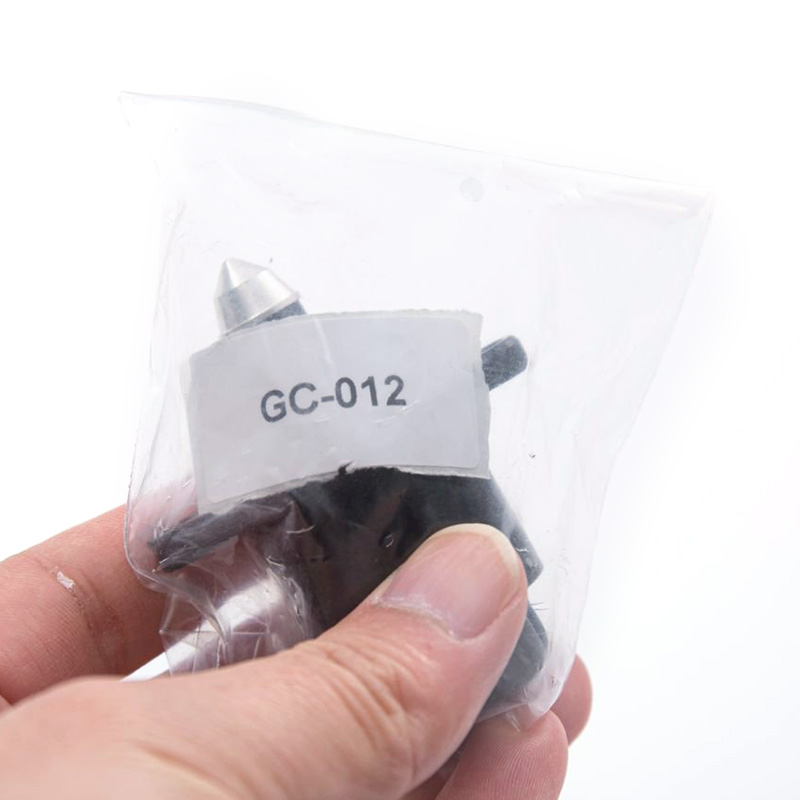
GC-012
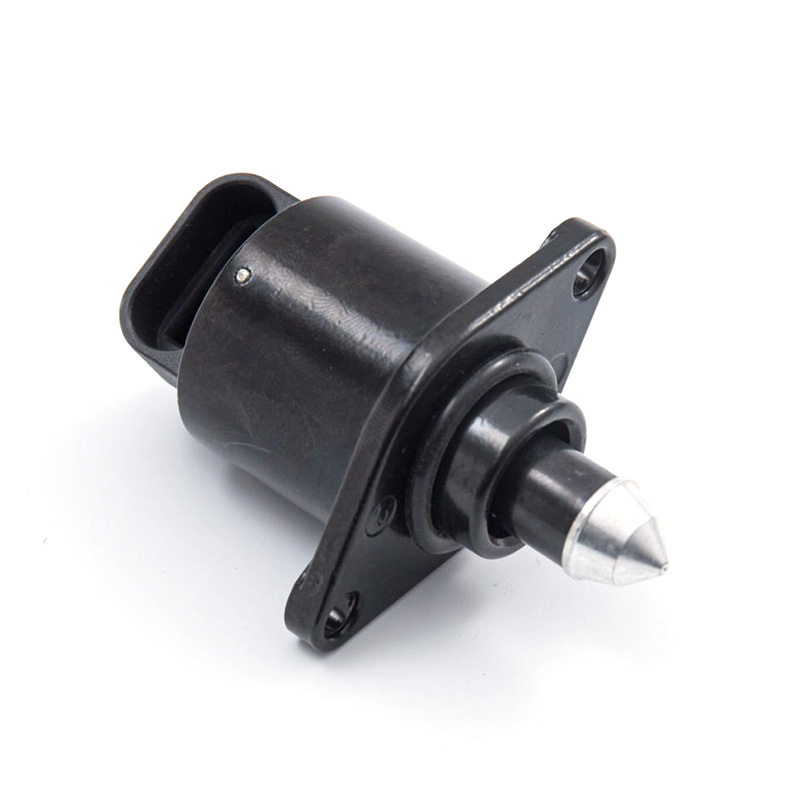
REF OE:
HOT-STAMP:D5174
RENAULT:7701047909
APPLICATION:
RENAULT MEGANE Cabriolet/Classic/Coach/Grandtour;RENAU MEGANE I/Scenic
China auto parts wholesale,idle air control valve high quality with competitive price!
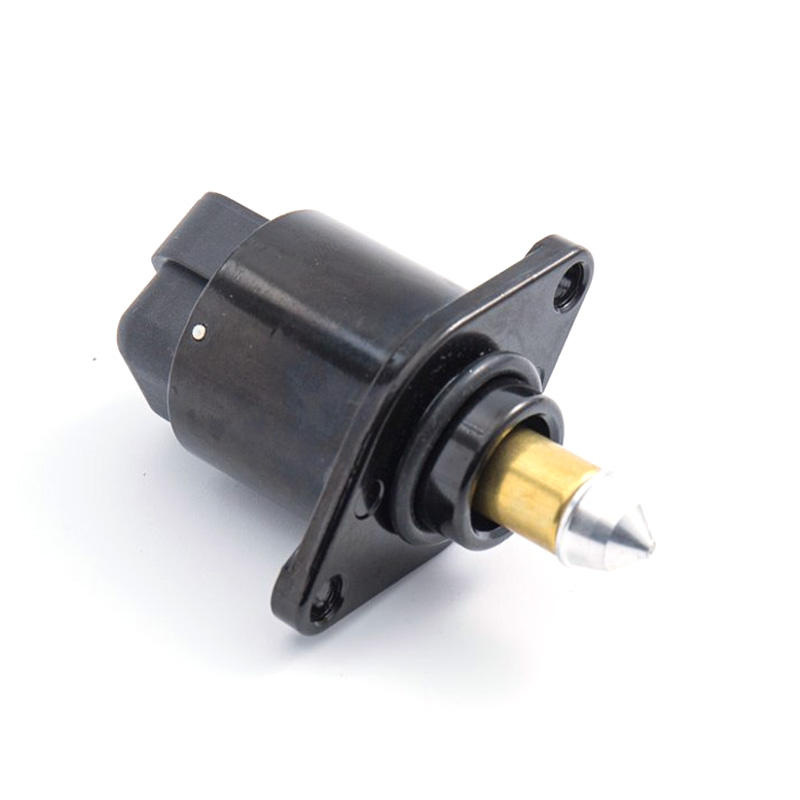
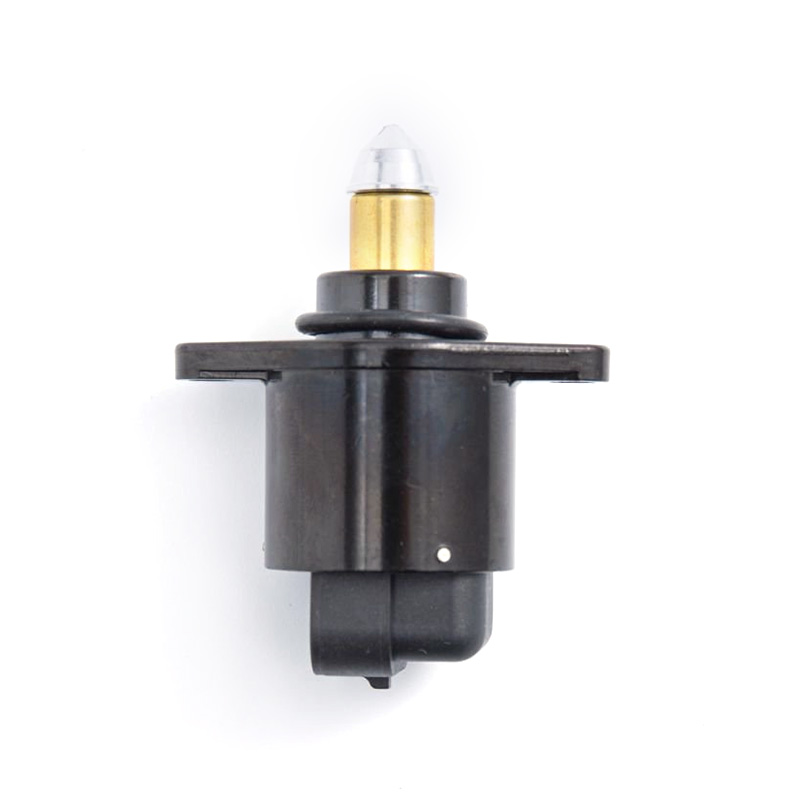
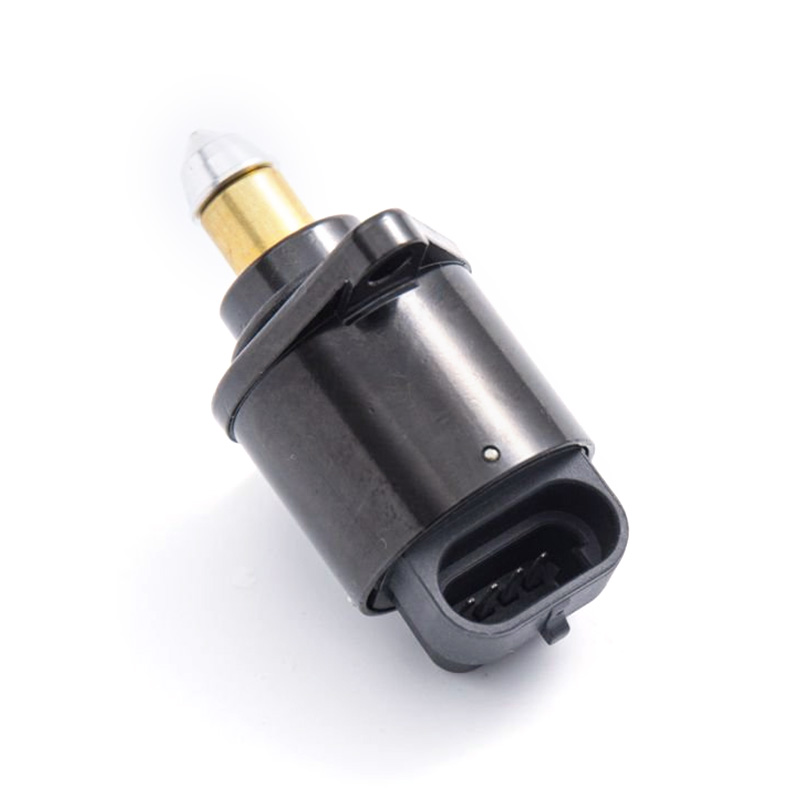
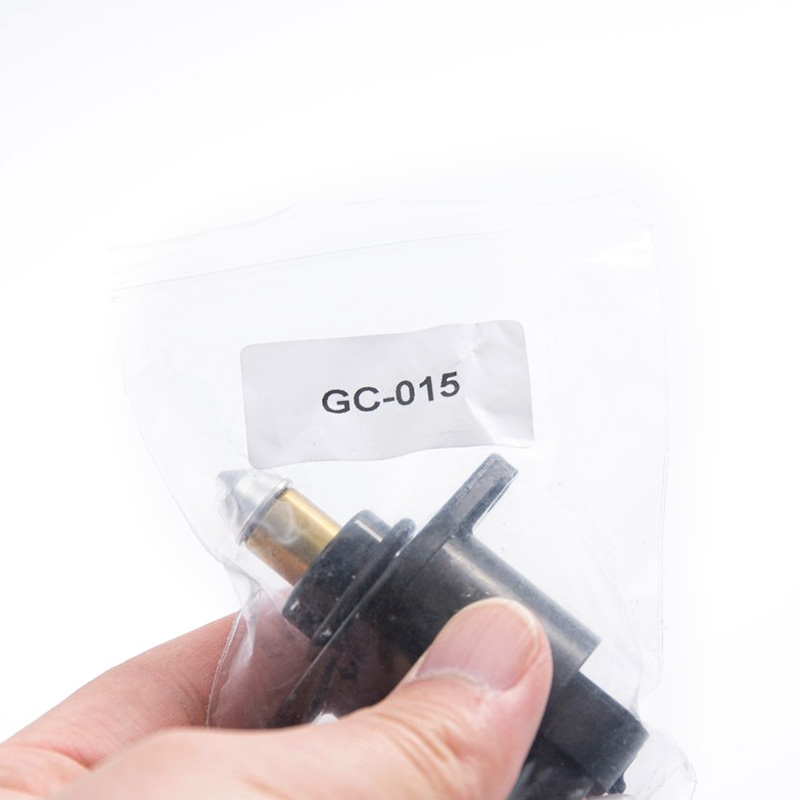
GC-015
REFERENCE OE:
SHORT CODE:D95177
RENAULT:7701206370
APPLICATION:
RENAULT 19II/19II Chamade;
RENAULT MEGANE Classic/Grandtour;
RENAU MEGANE I/Scenic;
RENAULT RAPID Kasten
Buy idle air control valve from China factory!
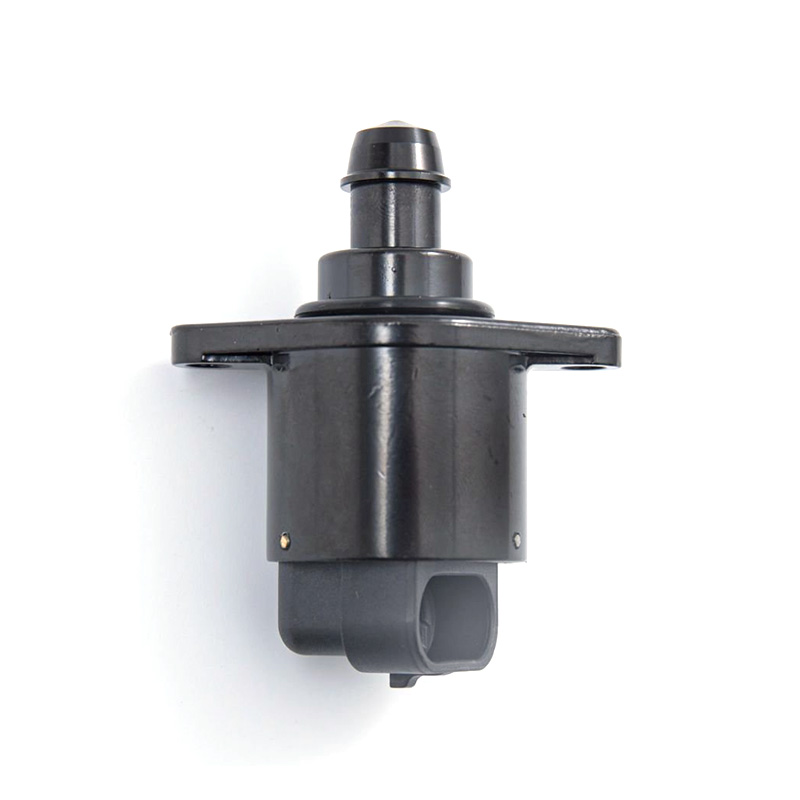
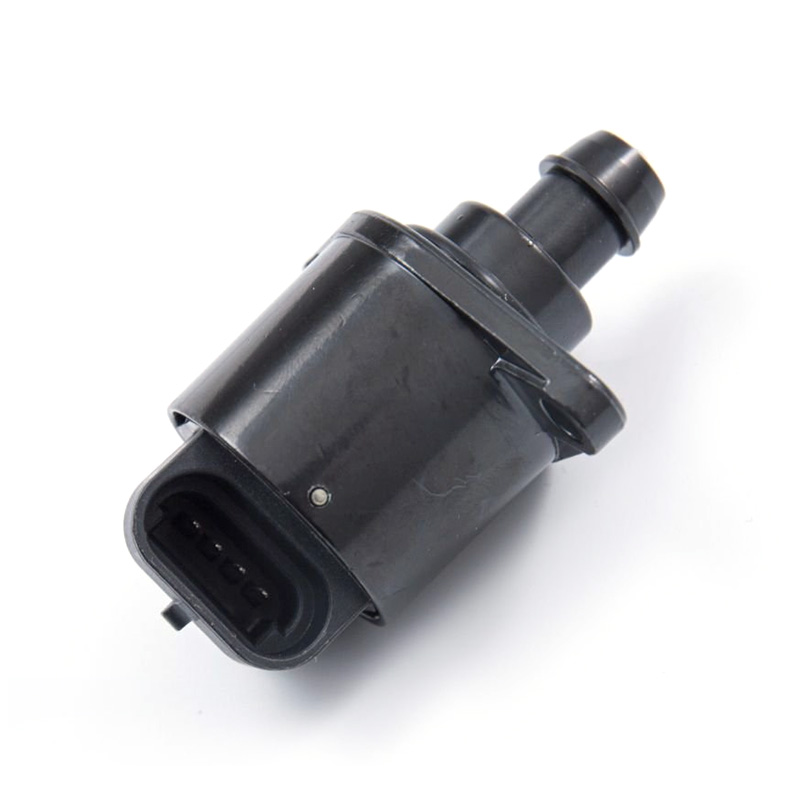
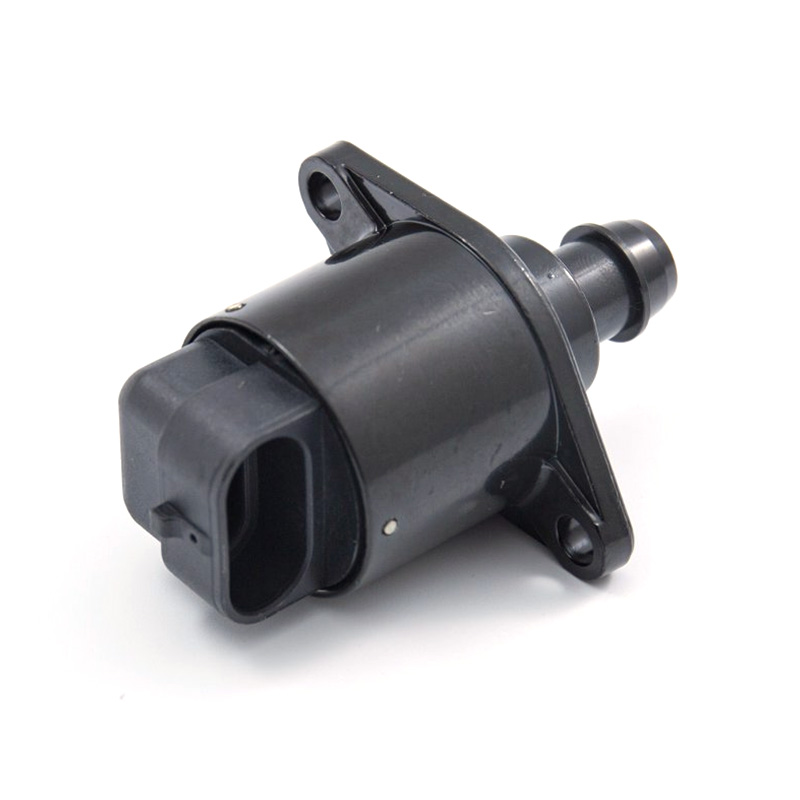
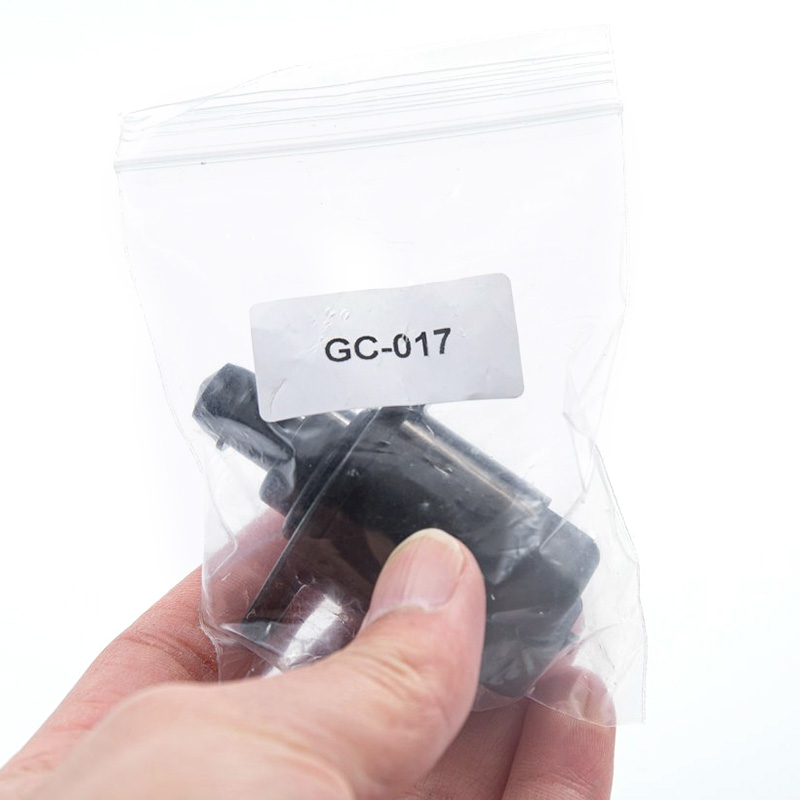
GC-017
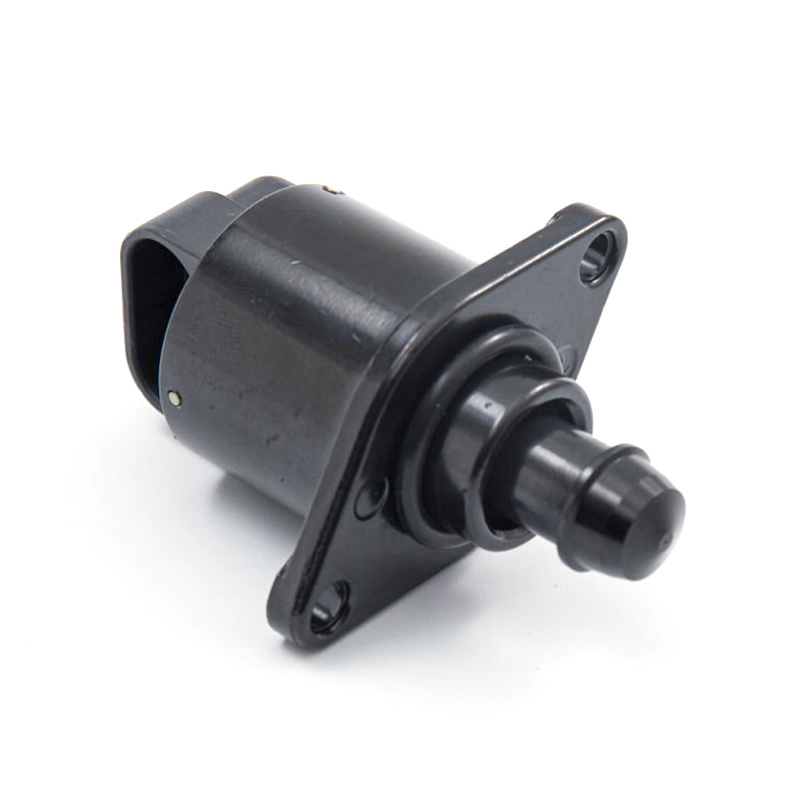
REFERENCE OE:
SHORT CODE:B28/00
RENAULT:8200299241 7700102539
SIMENCE:D95166 B28/00 8200299241 7700102539 D95166
APPLICATION:
OPEL VIVARO Combi/Kasten;
RENAU AVANTIME;
RENAU CLIO II/ESPACE III;
RENAU LAGUNA/LAGUNA II;
RENAU MEGANE Cabriolet/Classic/Coach/Grandtour;
RENAU SCENIC I/II
Idle air control valve for wholesale and retail from China!
GC-018
REFERENCE OE:
FIAT:0009943223
FIAT:0009949146
SIMENCE:A95140 00600
APPLICATION:
LANCI DEDRA;LANCI DEDRA SW
Idle air control valve for auto parts,China original factory direct!
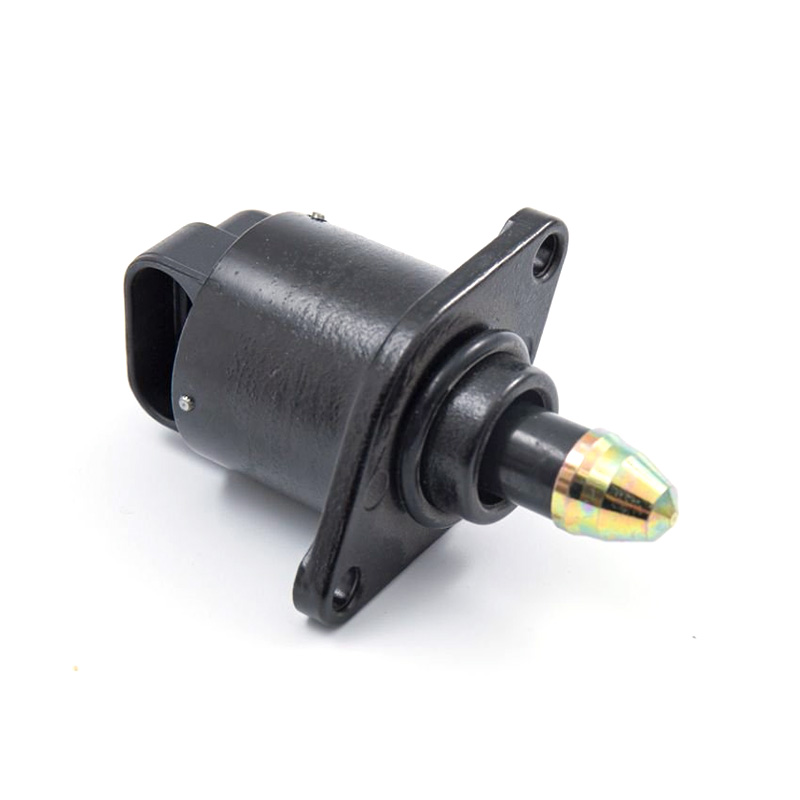
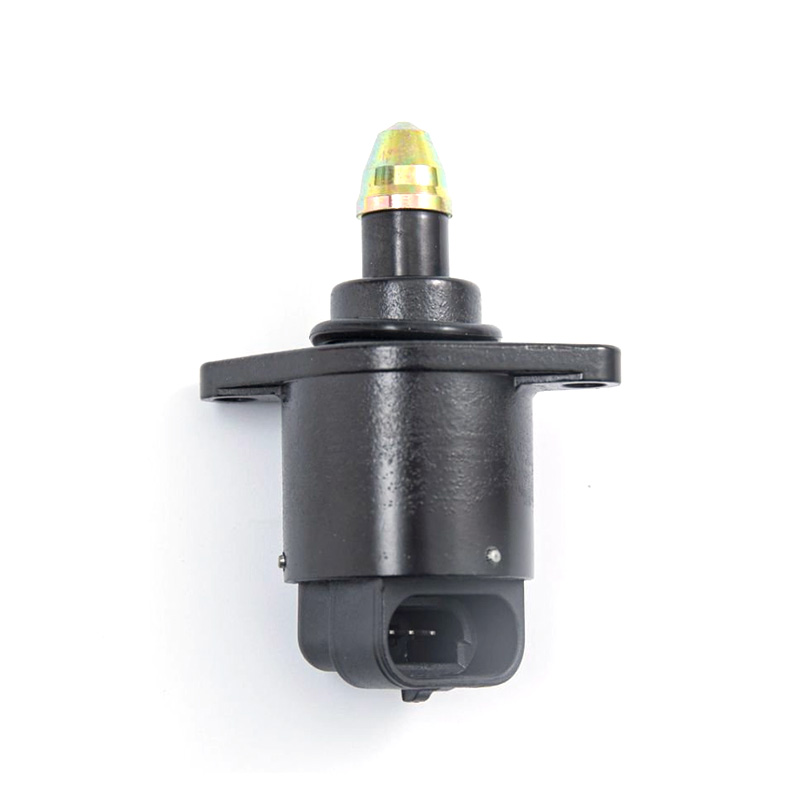
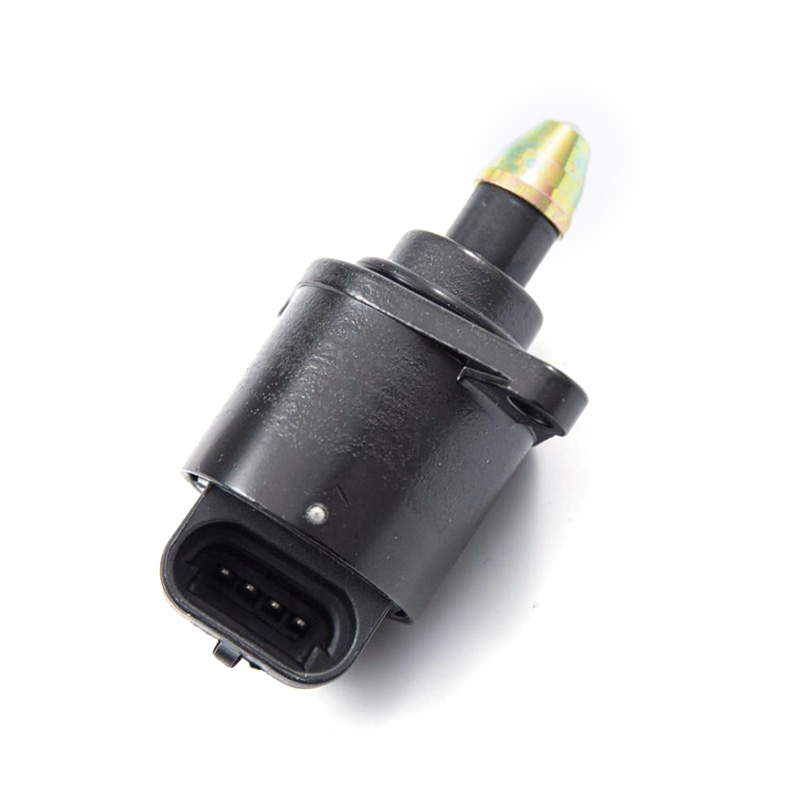
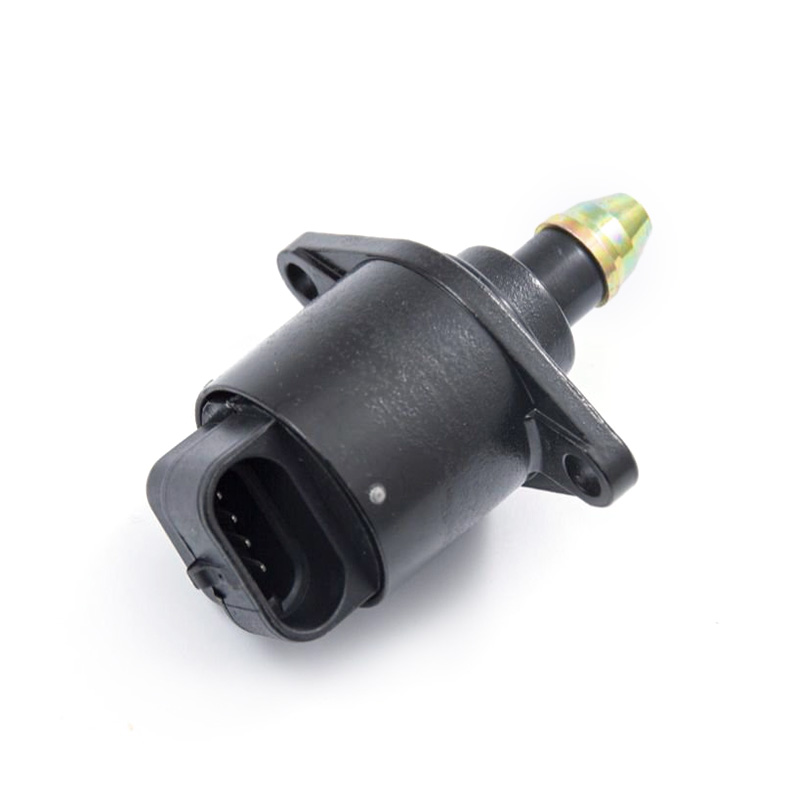
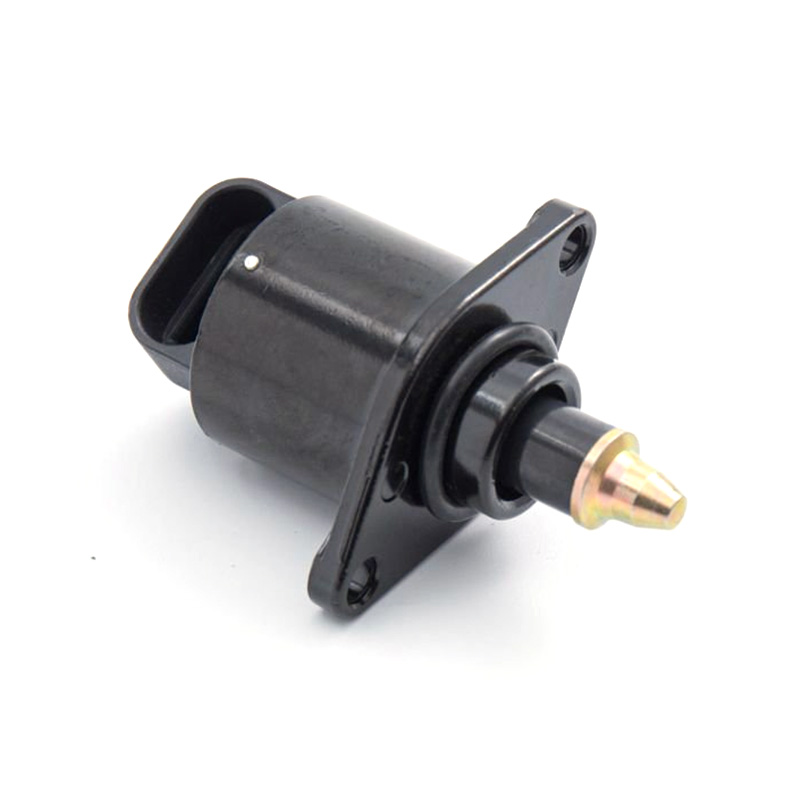
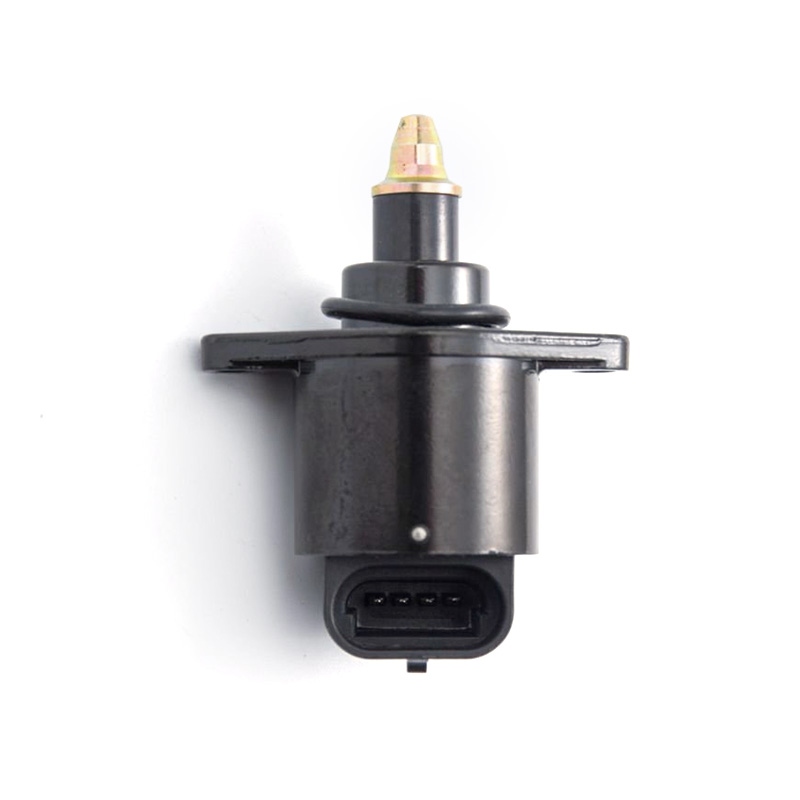
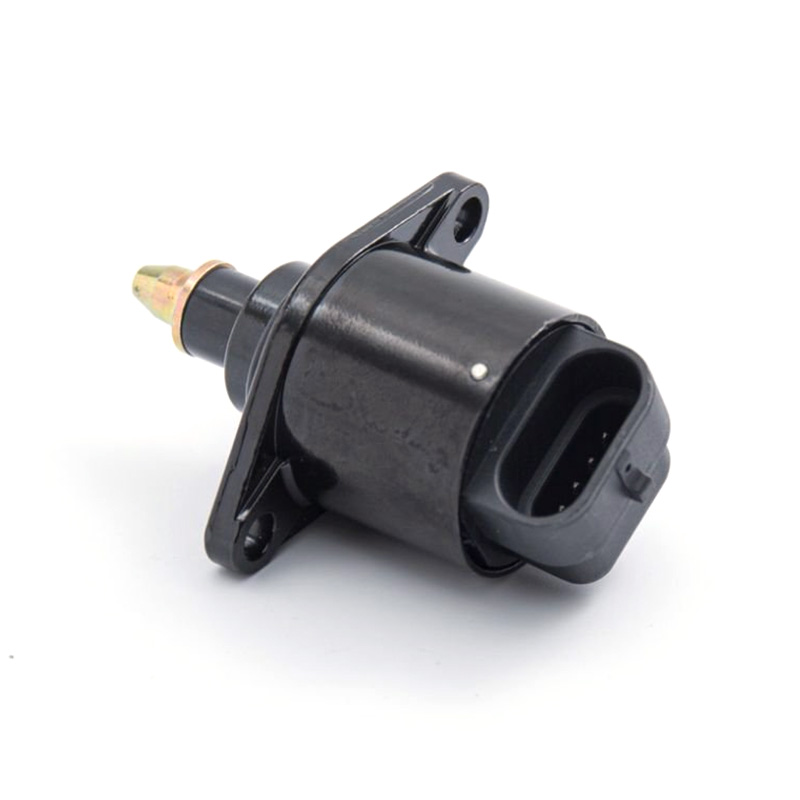
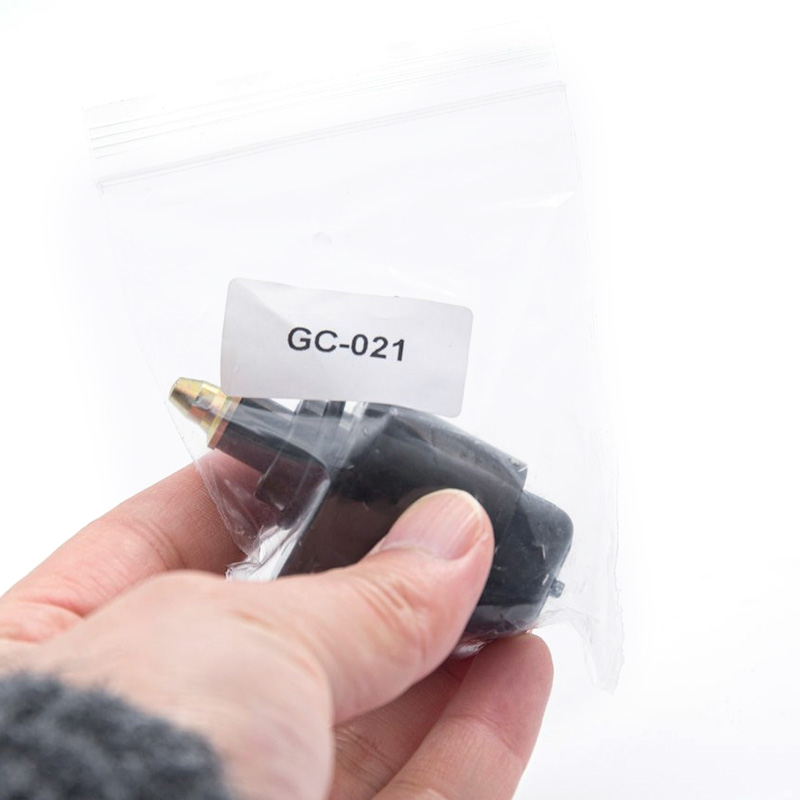
GC-021
REFERENCE OE:
MARELLI:230016079047
SIMENCE:A95262 1920Q8
CITRO NO:95644634
RENAULT:7701204054
APPLICATION:
CITROEN AX;PEUGEOT 106I/II;PEUGEOT 205 I/II;PEUGEOT 306/306 Schraqheck;RENAULT TWINGO
Idle air control valve selling,China manufacture quality!
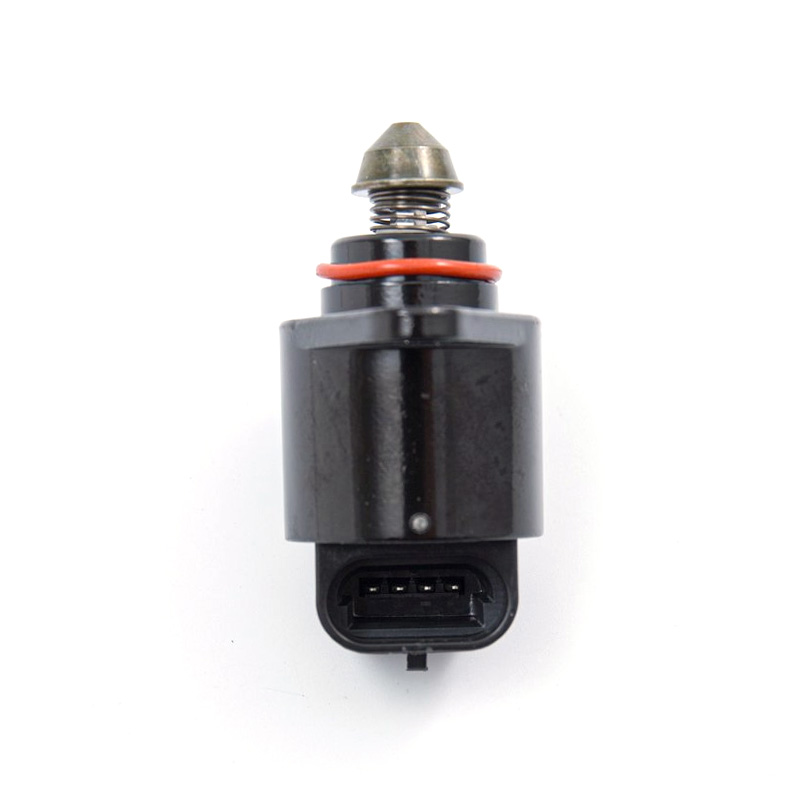
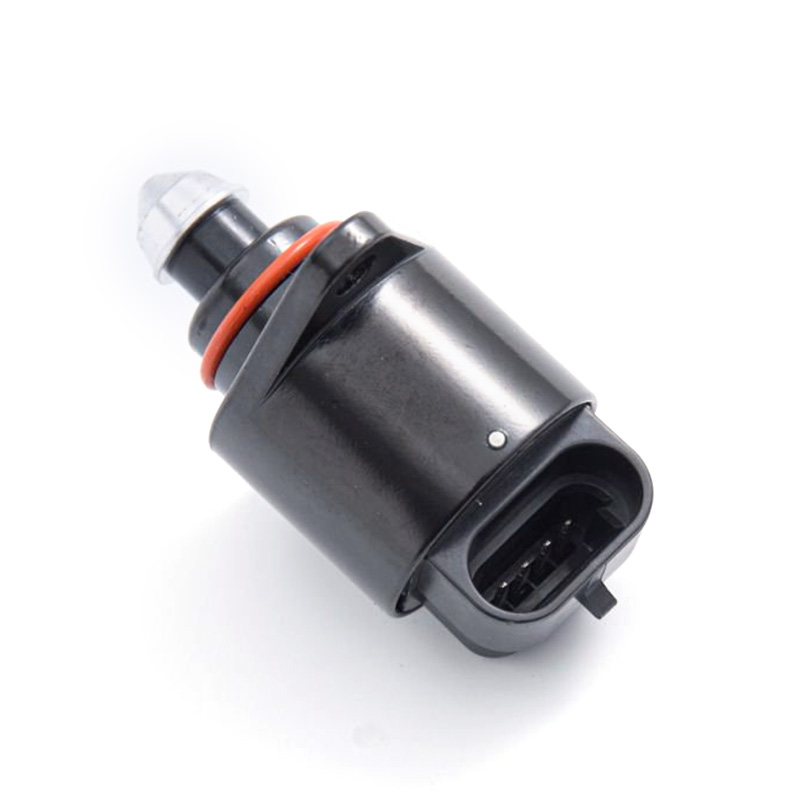
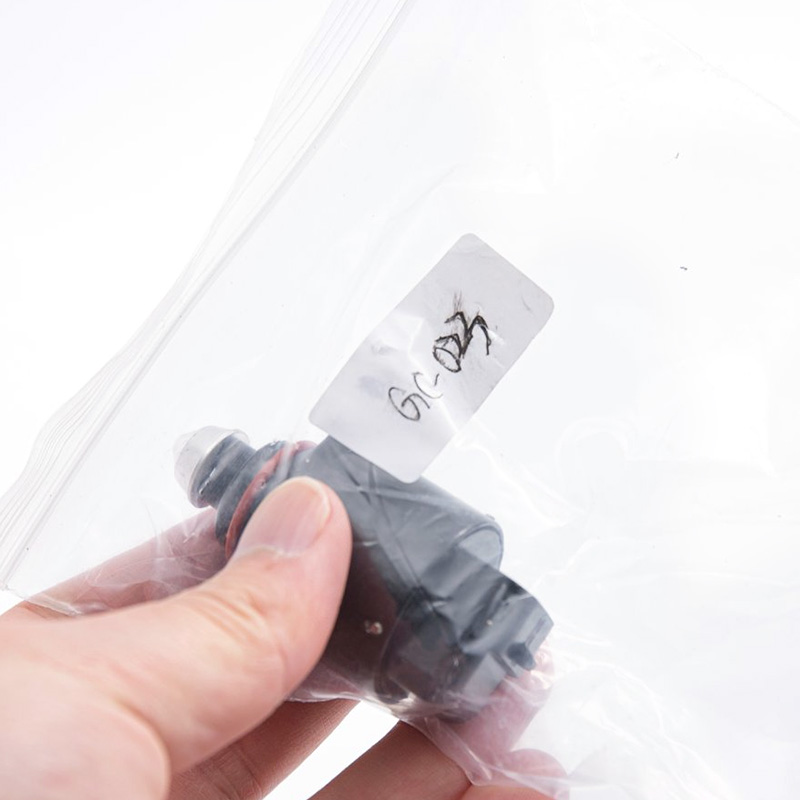
GC-023
REFERENCE OE:
GM 17112350 STD:AC5 17111808; WELLS:AC107;
APPLICATION:
Buick Century Sedan/Coupe(05-87);
Buick Lacrosse(05);
Buick Regal Sedan/Coupe(96-88)
Cadillac, chevrolet, pontiac, oldsmobile;
Idle air control valve from China manufacture for Buick!
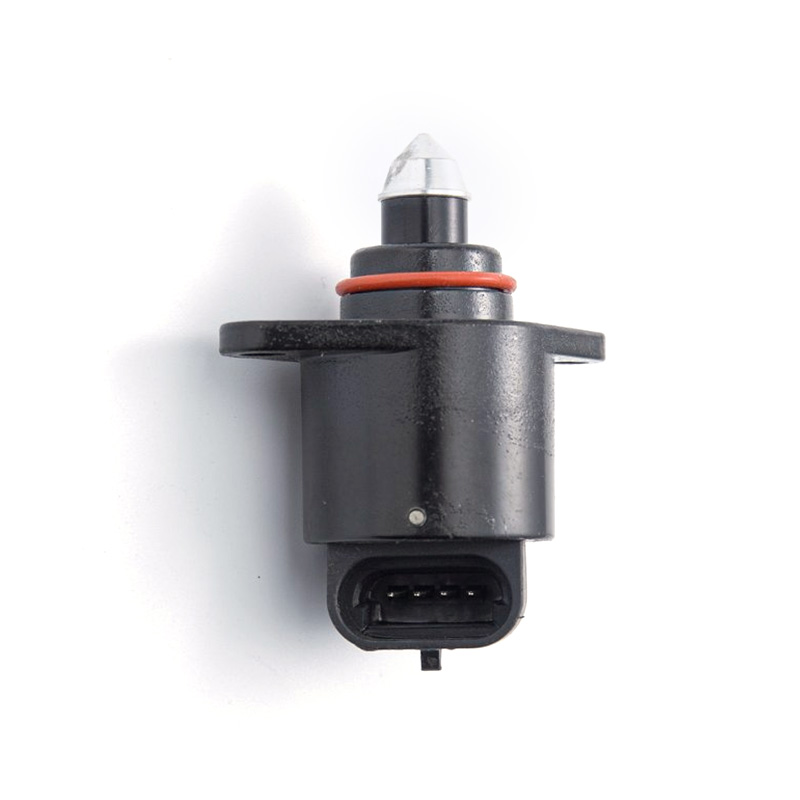
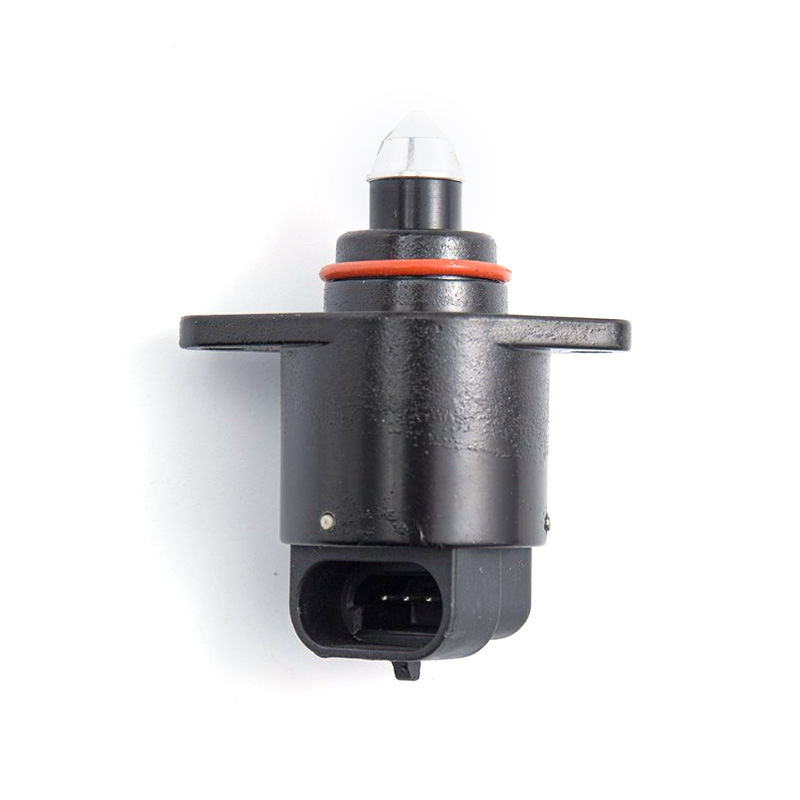
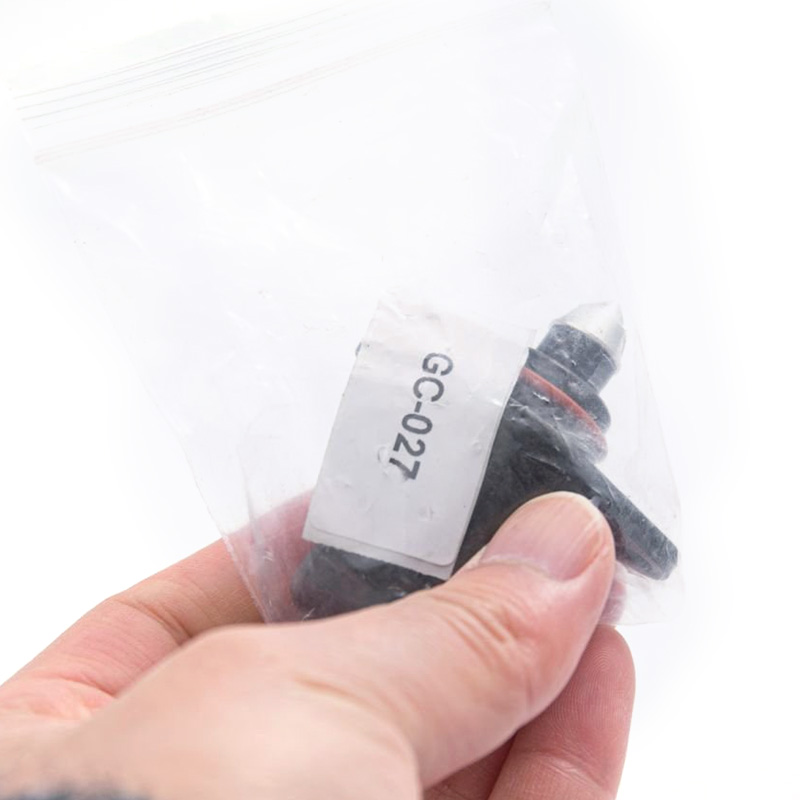
GC-027
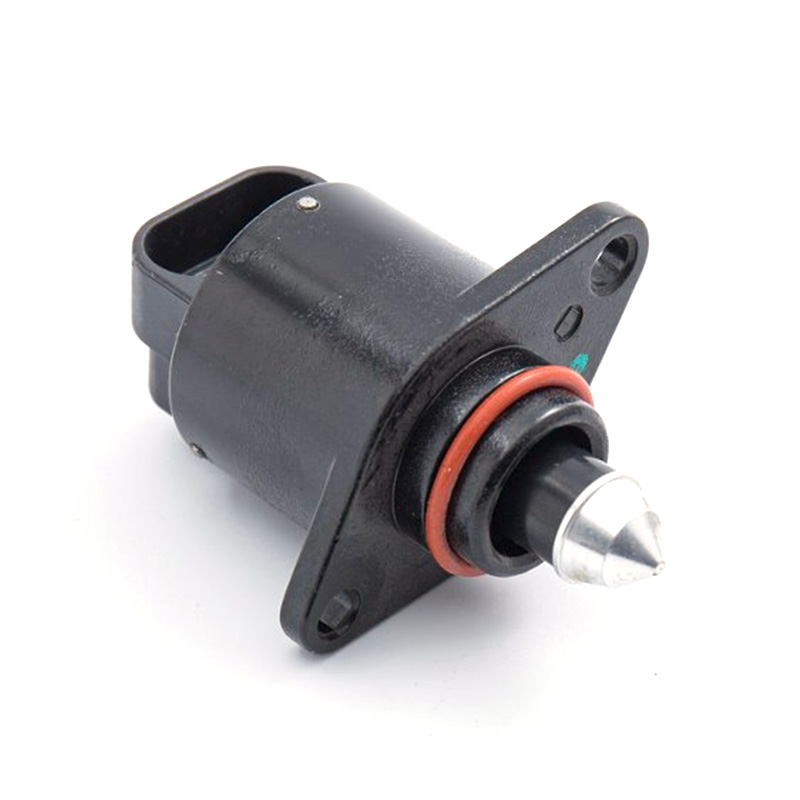
REFERENCE OE:
STD: AC64 WELLS:AC132
DELPHI: ICD00126
GM:17059600; 17112898
APPLICATION:
IPANEMA 1.8/2.0 EF191>,KADETT1.8/2.0 EF191>,MONZA 1.8/2.0 Ef191>
Idle air control valve from China factory for Ipanema Kadett Monza.
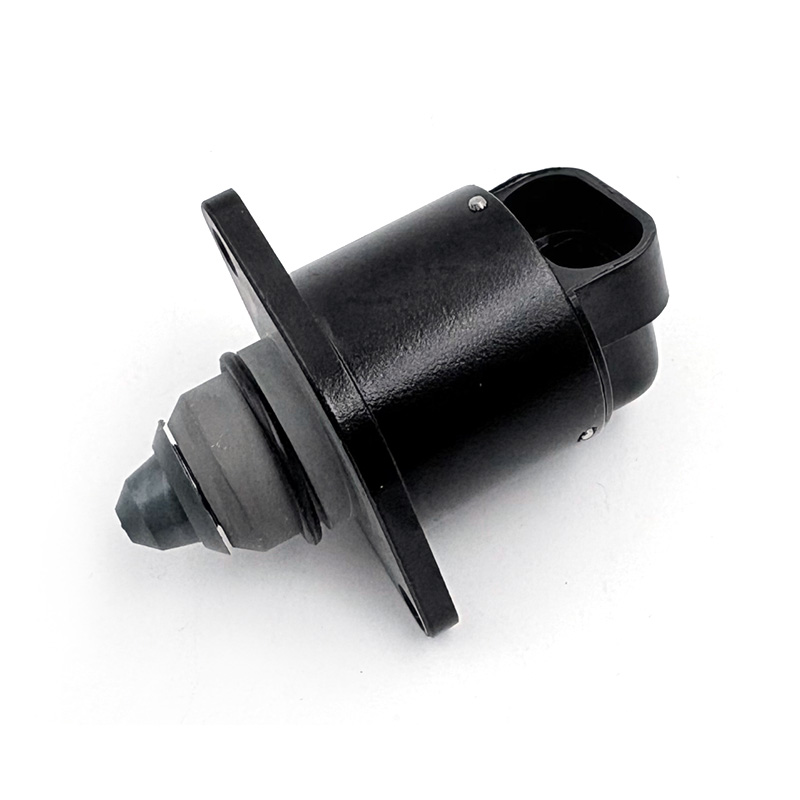
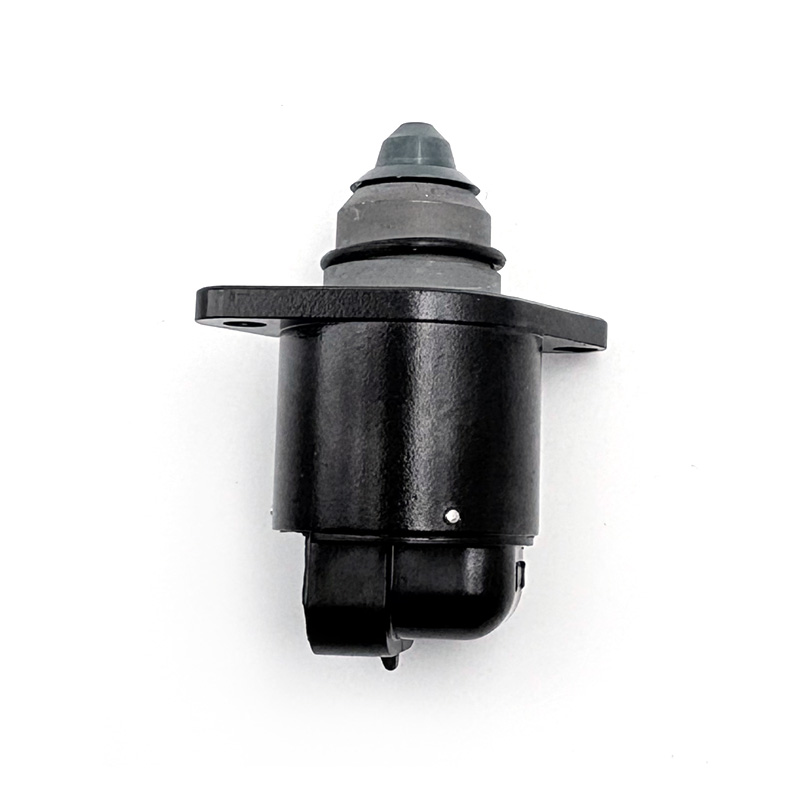
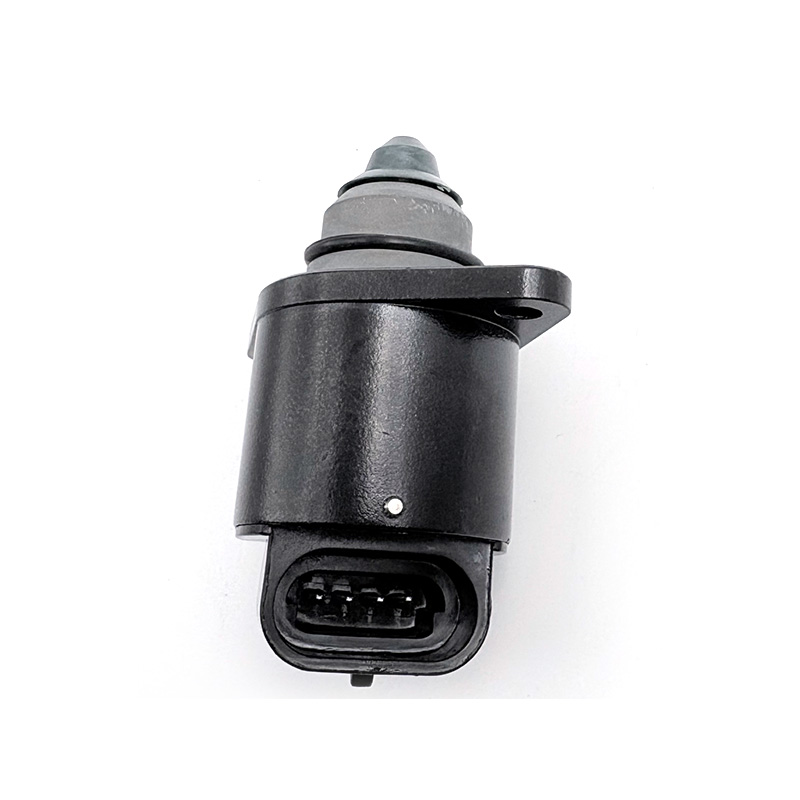
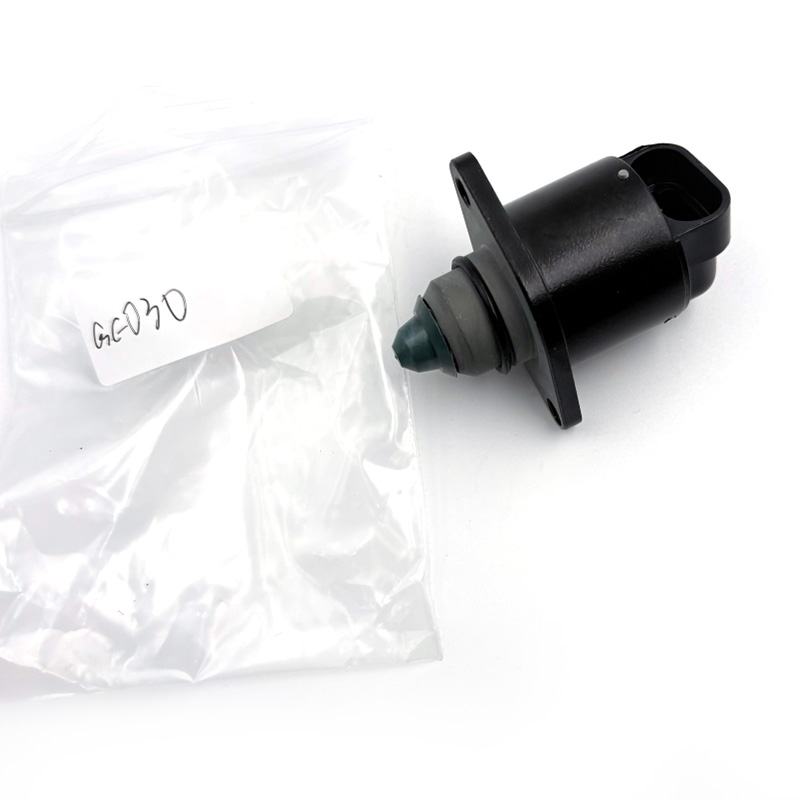
GC-030
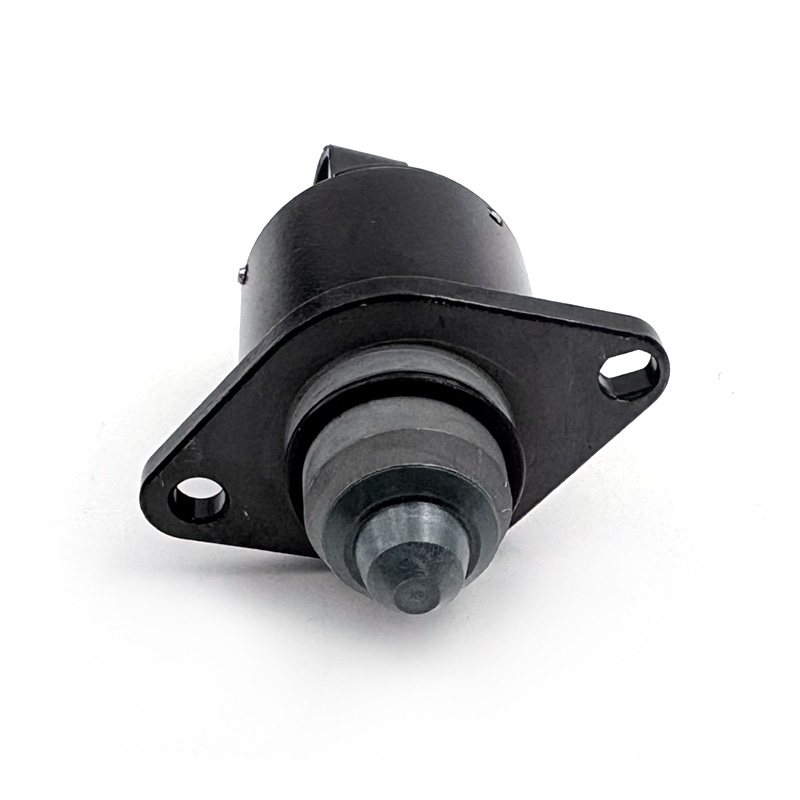
REFERENCE OE:
21203-1148300-03
APPLICATION:
LADA
Idle air control valve from China factory for Lada.
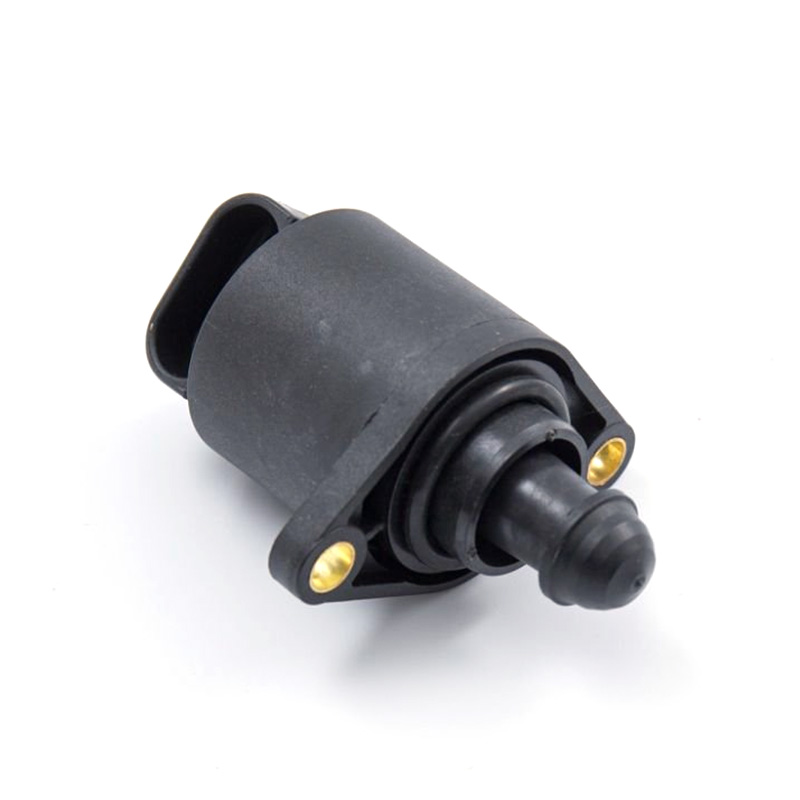
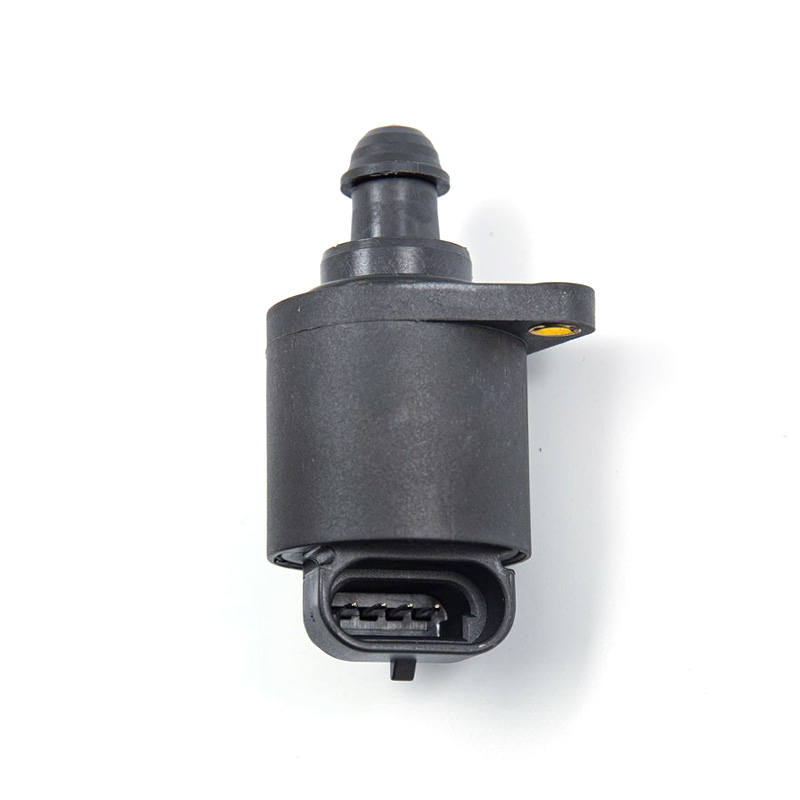
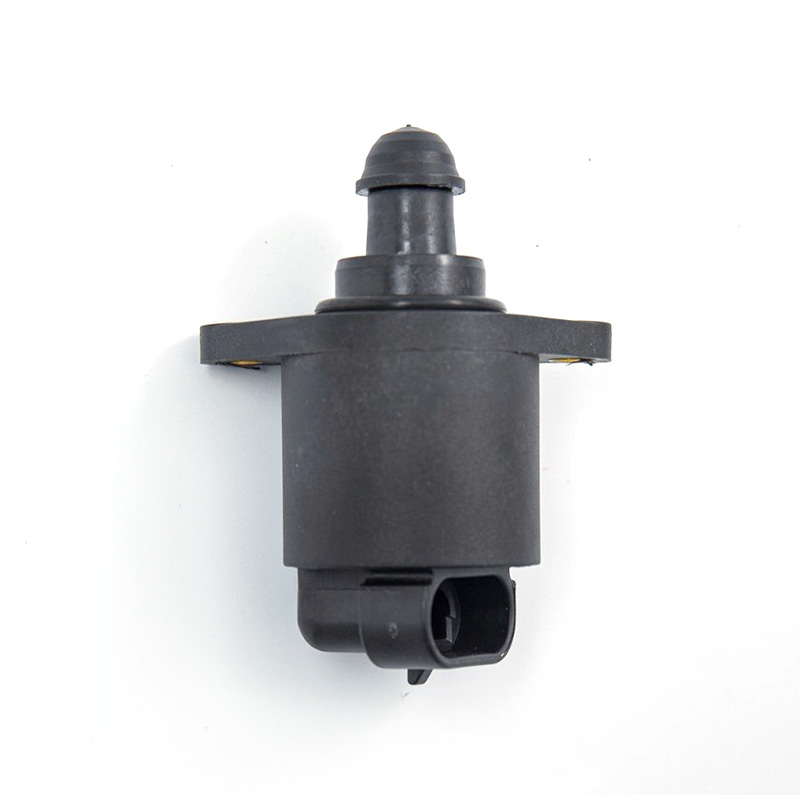
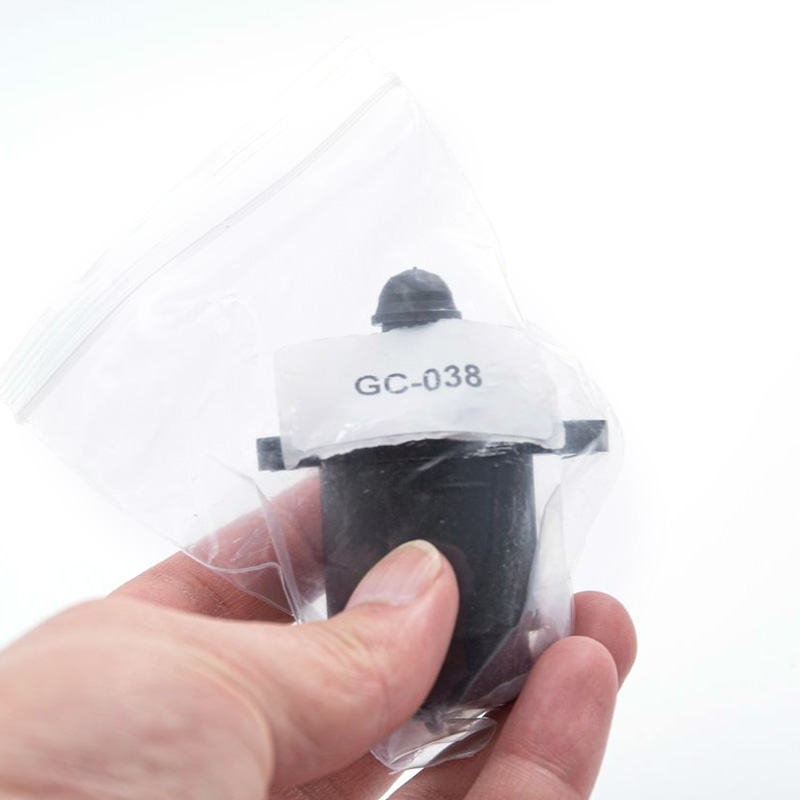
GC-038
REFERENCE OE:
SIMENCE:A96158 A97116
PEUGEOT:19208X
MARELLI:230016079217
APPLICATION:
PEUGEOT 206SW/CC;PEUGEOT 307SW;406;806;807;EXPERT(224)
Idle air control valve from China factory for Peugeot 206 307 406 806 807.
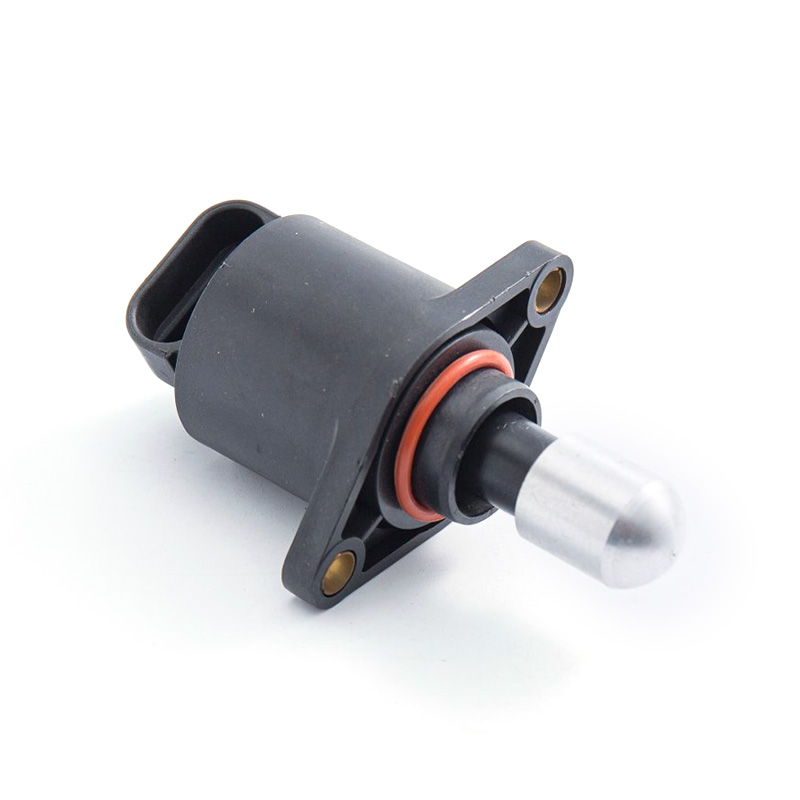
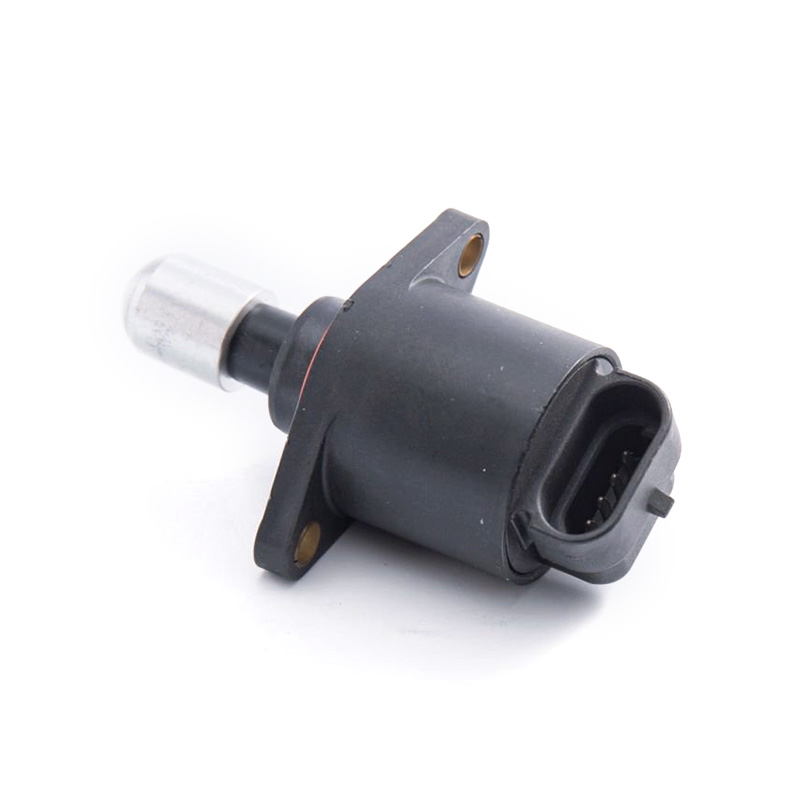
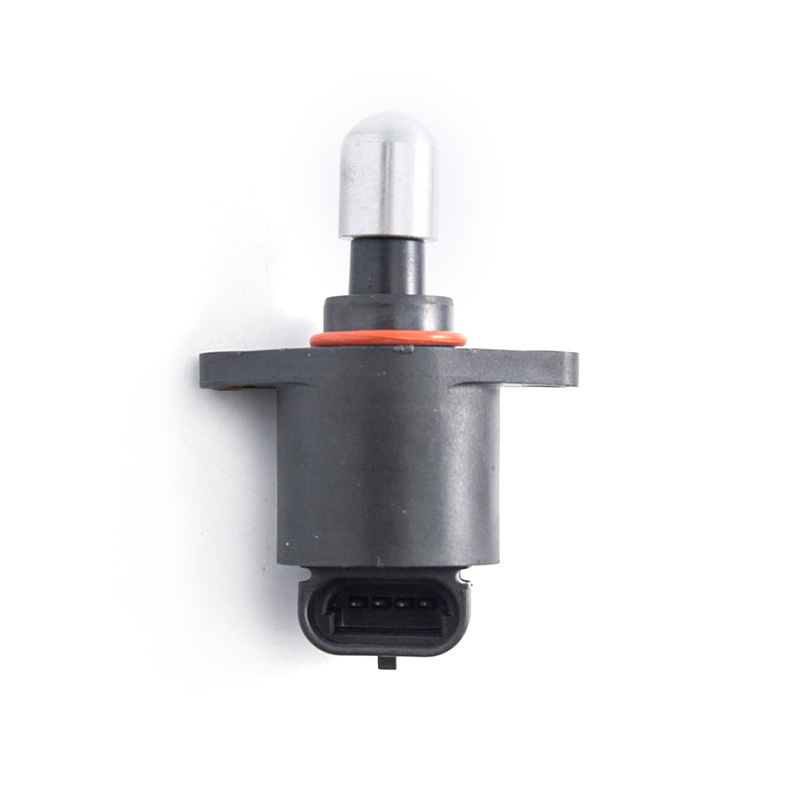
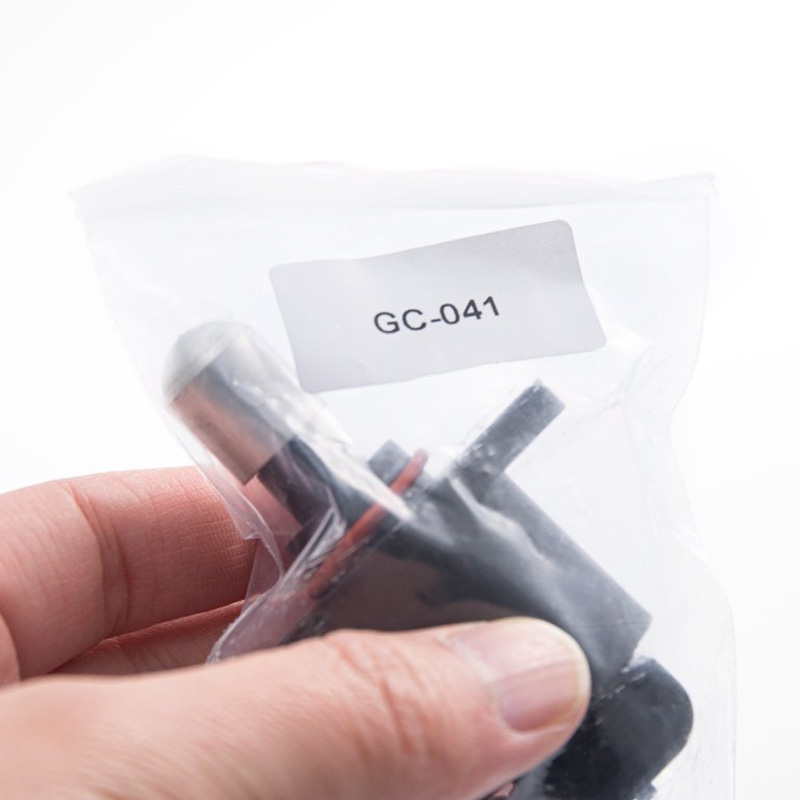
GC-041
REFERENCE OE:
R008/2243
APPLICATION:
KIA GAS
Idle air control valve from China factory for Kia.
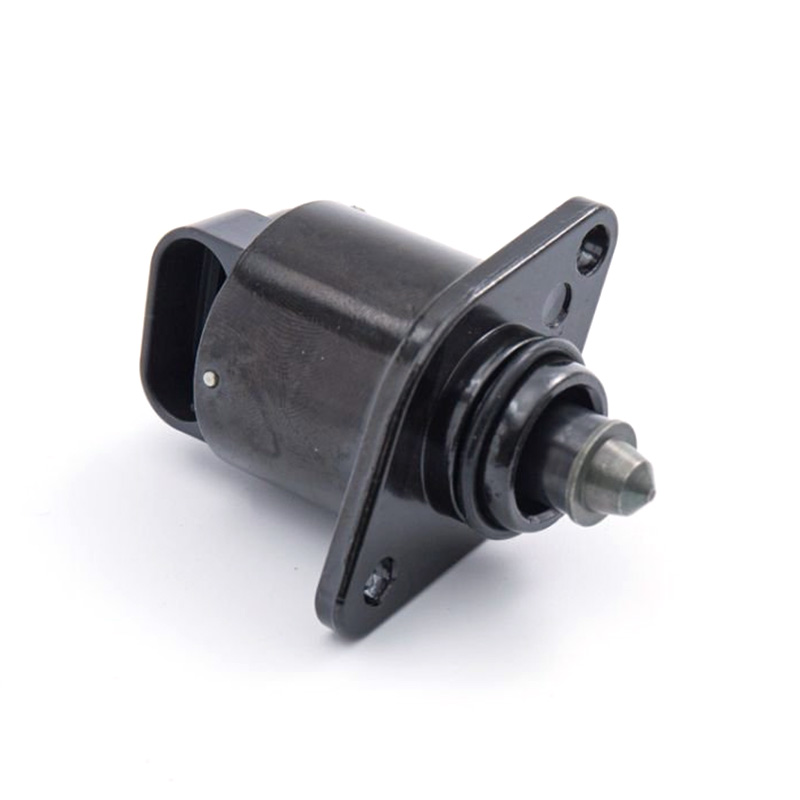
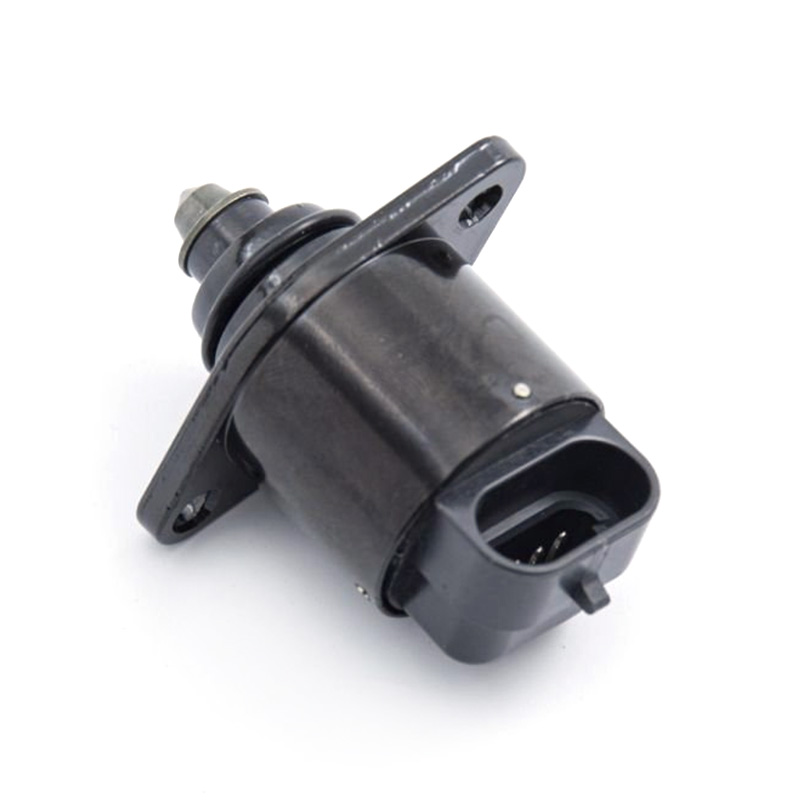
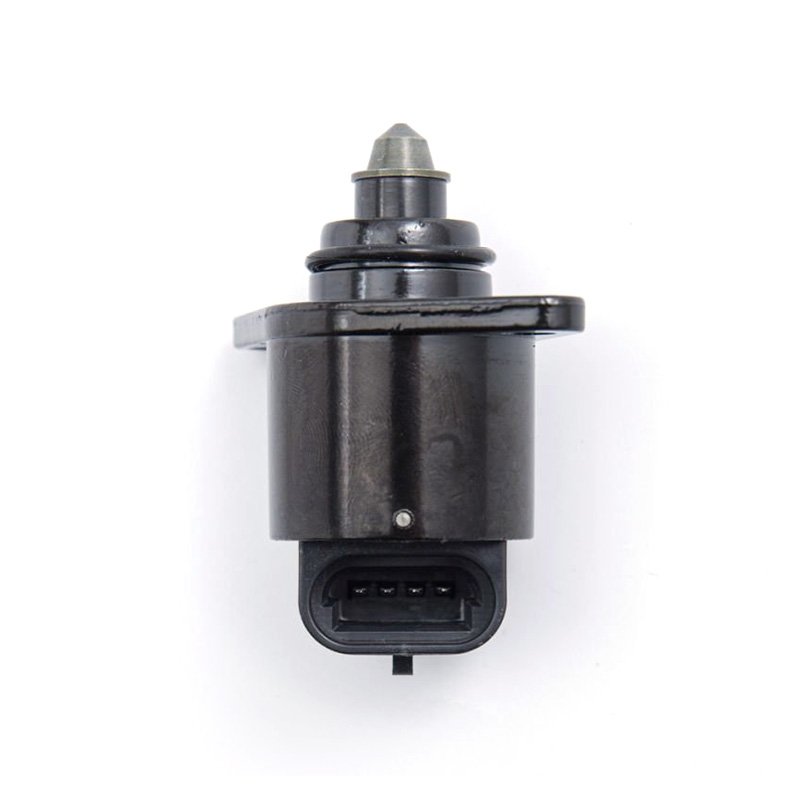
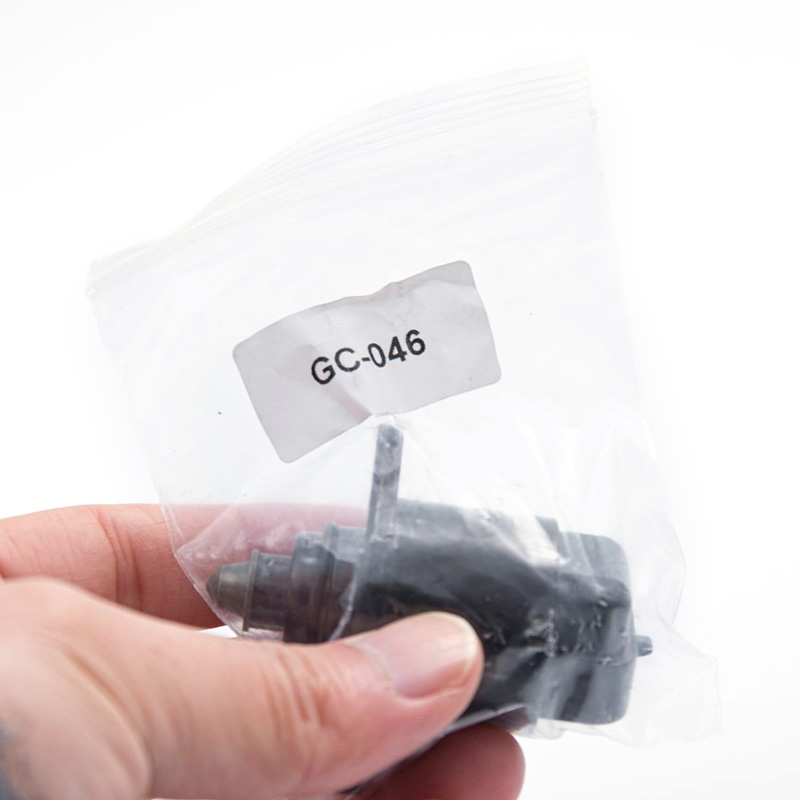
GC-046
REFERENCE OE:
2112-1148300
APPLICATION:
LADA
Idle air control valve from China factory for Lada.
Contact Us
Let's start collaborating

Guocheng is specialized in the R&D and production of key engine components for the automotive and engineering machinery industries.
Product
Stay Connected
(+86) - 577 - 8582 0886 (Tel)
(+86) - 577 - 8582 8085 (Fax)
(+86) - 19730213059 (Phone)
sales@wz-gc.com
No. 205, Baiyu Road, 15th Road, Binhai Park, Wenzhou, Zhejiang, China
Mobile

ODM Engine Management System Components
 English
 русский
 Español
 عربى
عربى Deutsch