Date:Sep 04, 2026
Modern engines contain a large network of sensors, actuators, valves and control modules. From the outside, an auto engine components catalog may look like a collection of separate replacement parts. Inside the vehicle, however, these components operate as connected elements within an engine management system.
A throttle position sensor does not simply report throttle movement. An idle air control valve does not simply adjust idle RPM. Their signals and actions can interact through the ECU, together with information from MAP, coolant temperature, crankshaft position and other inputs.
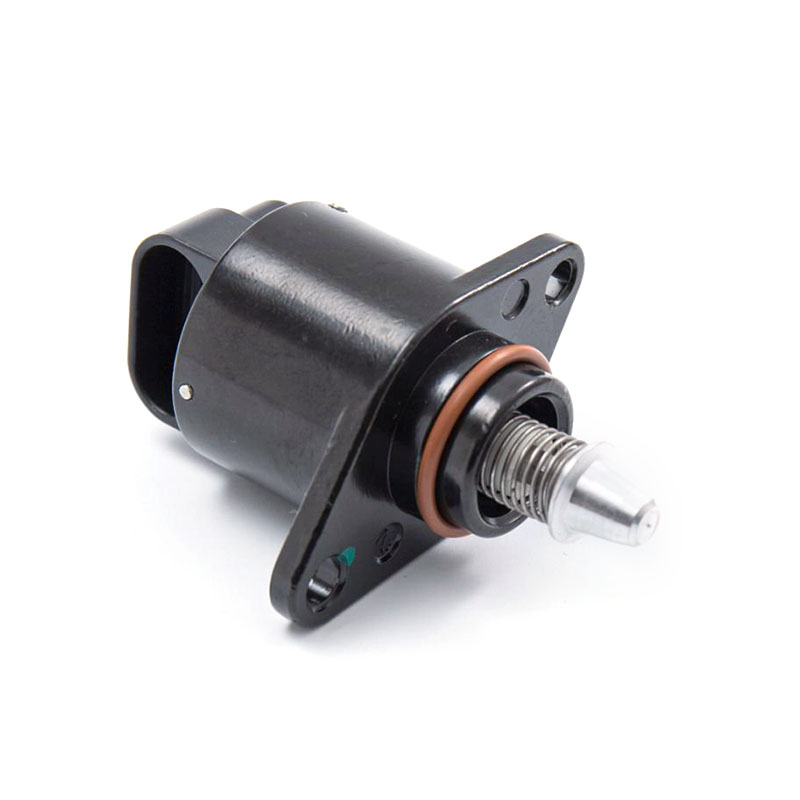
The throttle position sensor, or TPS, monitors the angular position of the throttle plate and sends a corresponding electrical signal to the engine controller. A conventional TPS commonly works with a reference supply around 5 V, while its output changes according to throttle movement. The ECU can use this information to determine driver demand and recognize closed-throttle conditions.
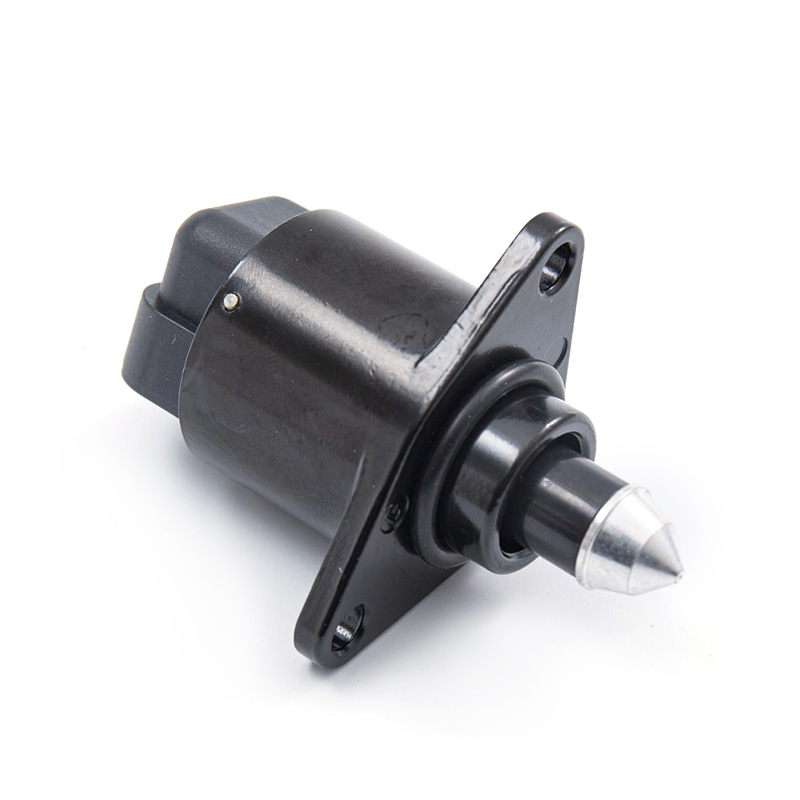
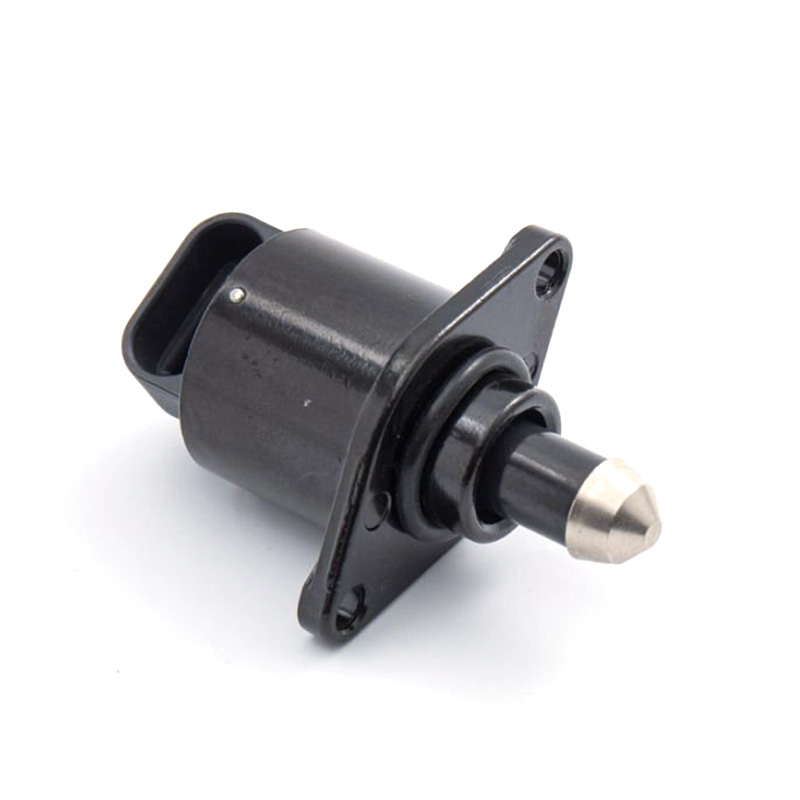
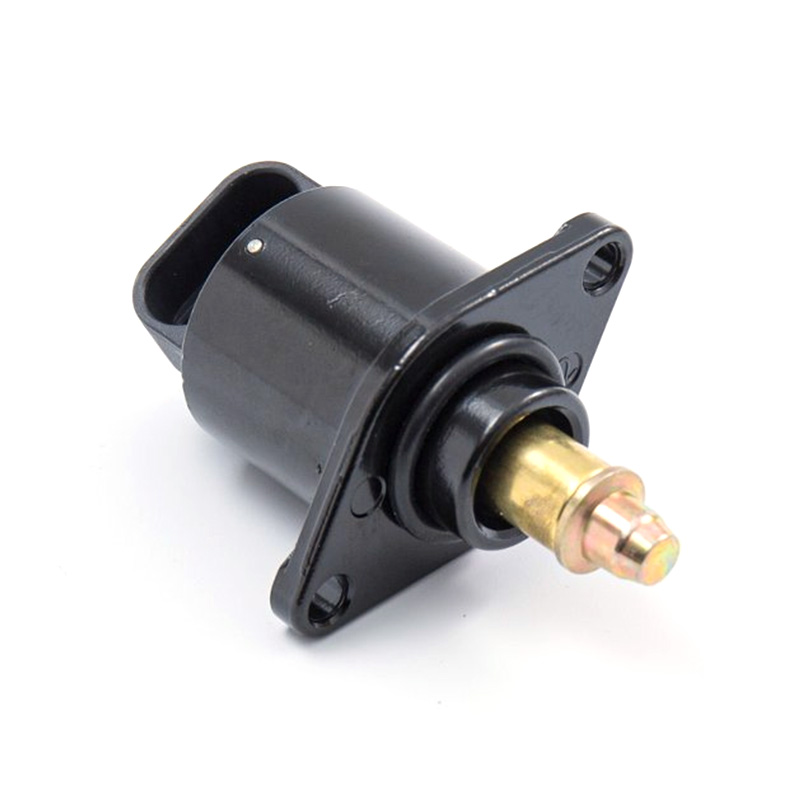
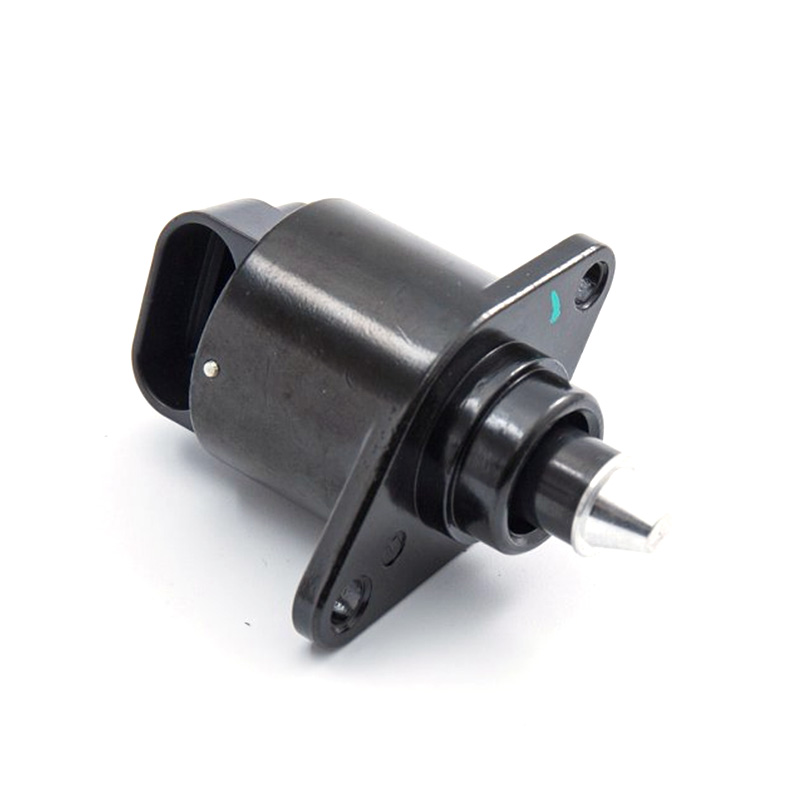
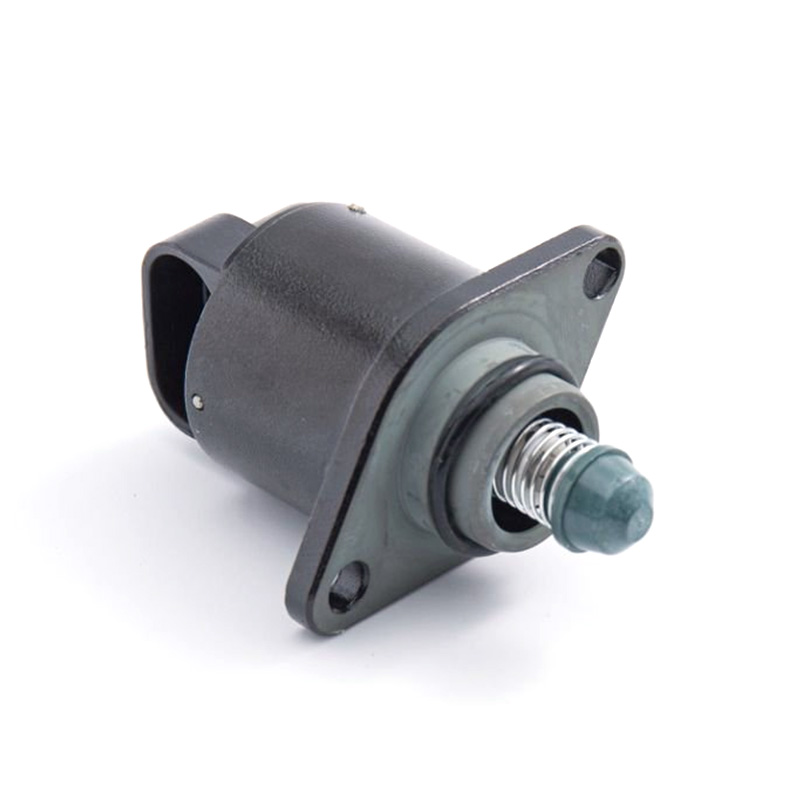
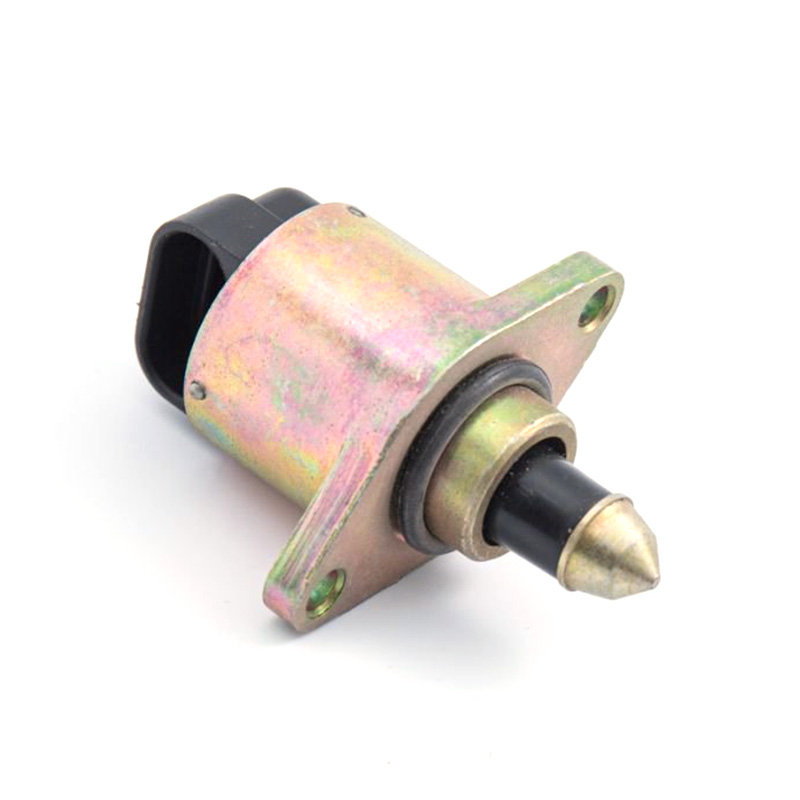
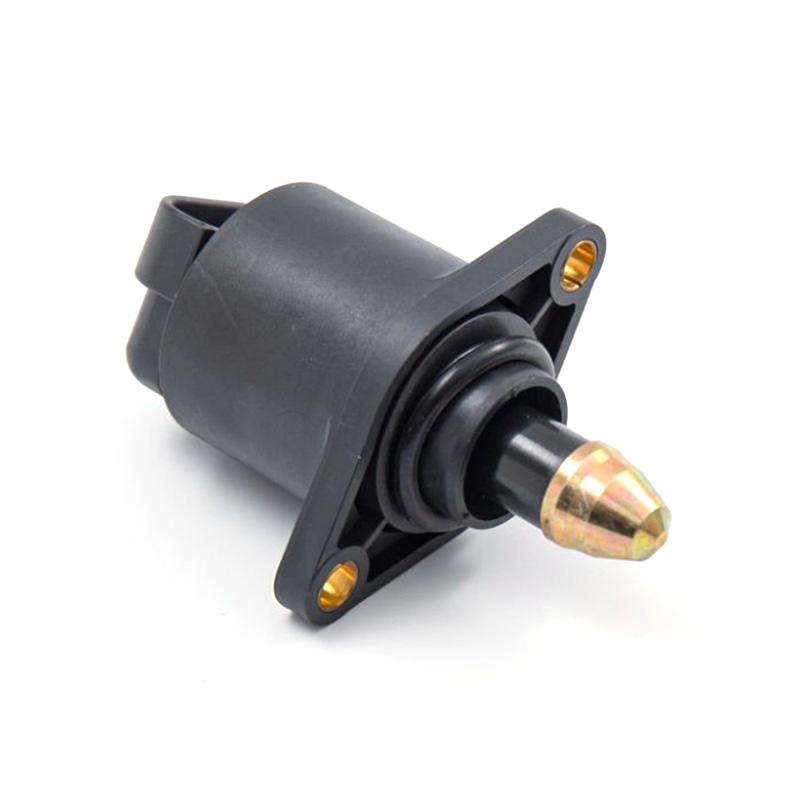
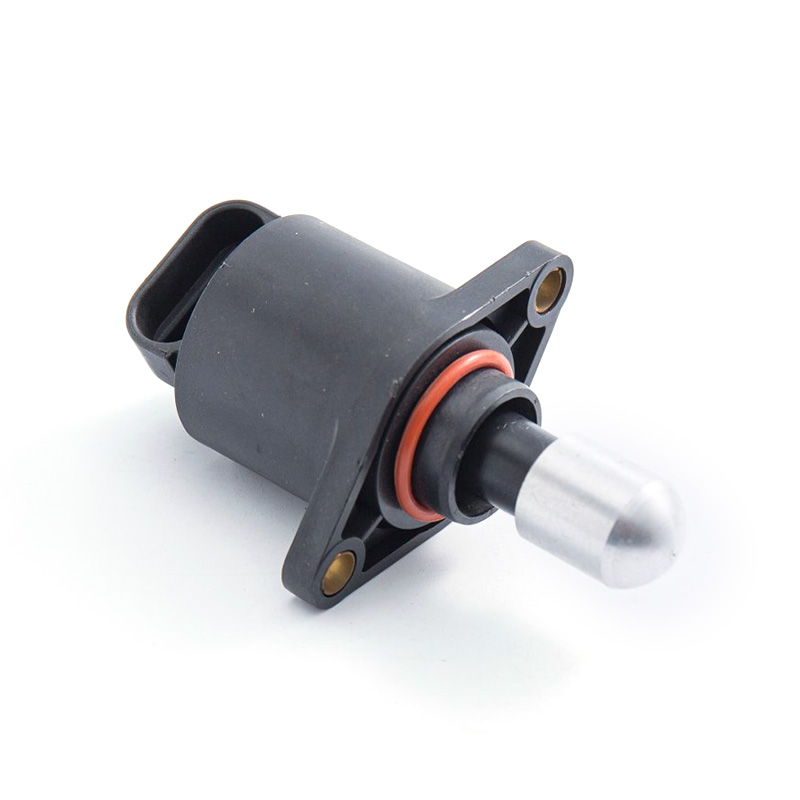
On cable-operated throttle systems, the engine still needs a controlled amount of air with the throttle plate closed. The idle air control valve manages this bypass airflow under ECU command. Depending on the design, an IAC valve can use a solenoid or stepper-motor mechanism to alter the airflow passage.
Some service systems specify an IAC position using step counts rather than a simple open/closed measurement. A published engine management example specifies a normal warm-idle range of approximately 20–40 steps, illustrating how valve position can become a measurable control parameter. Actual specifications remain vehicle-dependent.
| Component | Primary Role | Connection With Engine Control |
| TPS | Detects throttle position | Provides throttle-angle data to ECU |
| MAP Sensor | Measures intake manifold pressure | Helps calculate engine load |
| ECT Sensor | Measures coolant temperature | Supports temperature-related control strategies |
| CKP Sensor | Detects crankshaft position and speed | Supports ignition, injection and speed calculations |
| IAC Valve | Regulates bypass air | Receives commands from ECU/ECM |
This arrangement explains why a symptom associated with one component does not automatically prove that component is defective. A control module evaluates multiple signals before commanding an actuator. Engine management references describe sensors as information sources and actuators as devices that carry out the controller's commands.
Different auto engine components can look almost identical while having different electrical characteristics, mounting dimensions or control behavior. An IAC valve, for example, may use a particular pintle shape, spring arrangement or stepper-motor configuration. Compatibility with the throttle body and ECU strategy therefore matters beyond physical fitment.
The growing complexity of engine electronics changes the way auto engine components should be viewed. A TPS, IAC valve, MAP sensor or crankshaft sensor may have a distinct physical function, yet its value depends partly on how it communicates with the rest of the control system.
That system perspective is particularly relevant for replacement parts, aftermarket applications and OEM-equivalent components. Rather than evaluating a component only by appearance, buyers and technicians can consider its signal characteristics, actuator design, ECU compatibility and intended engine application. This approach provides a clearer picture of how individual parts contribute to the complete engine control architecture.
Related Products
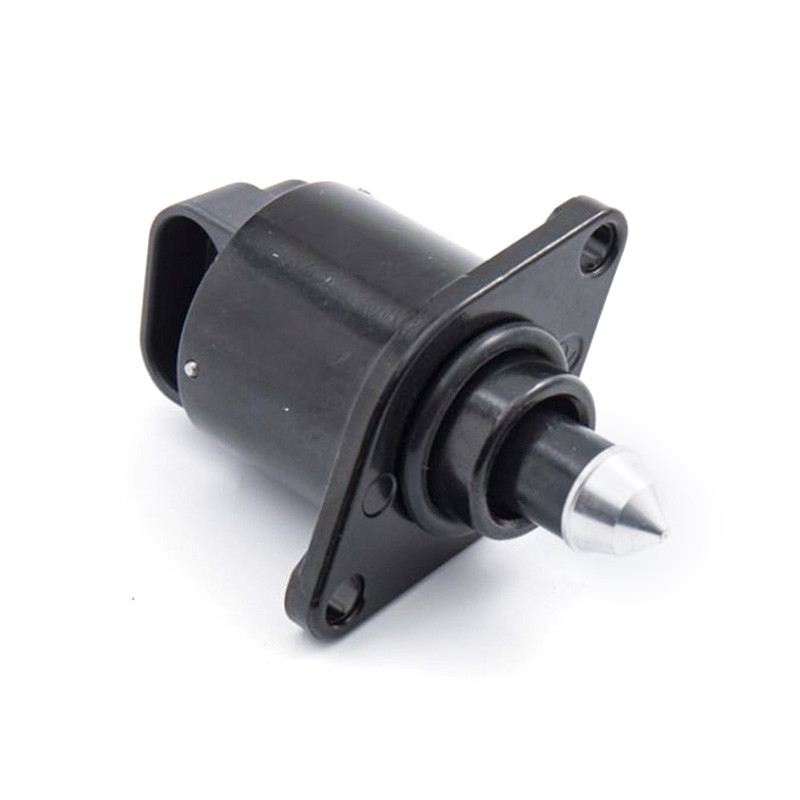
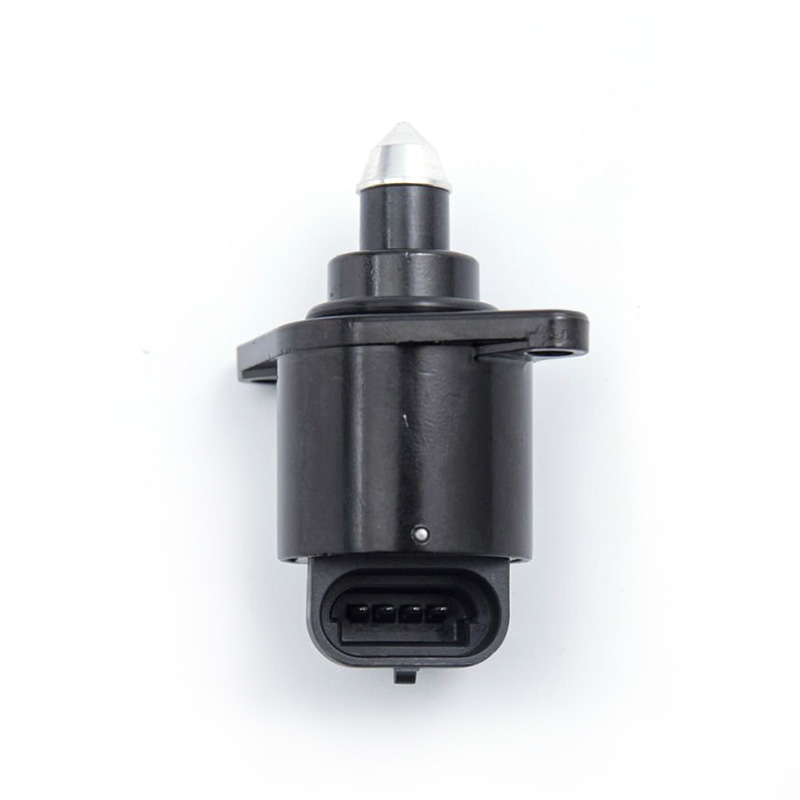
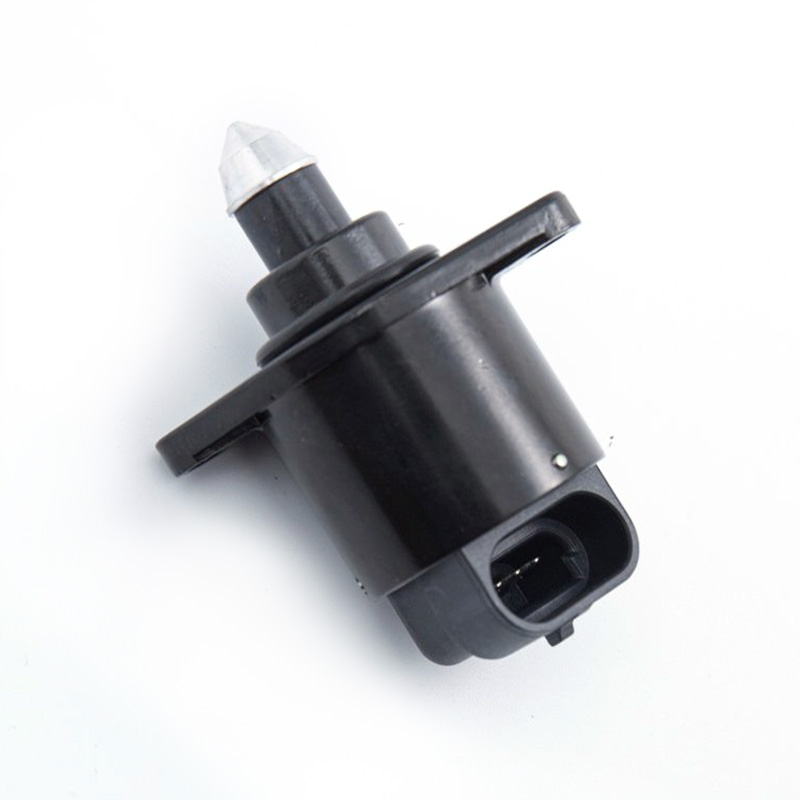
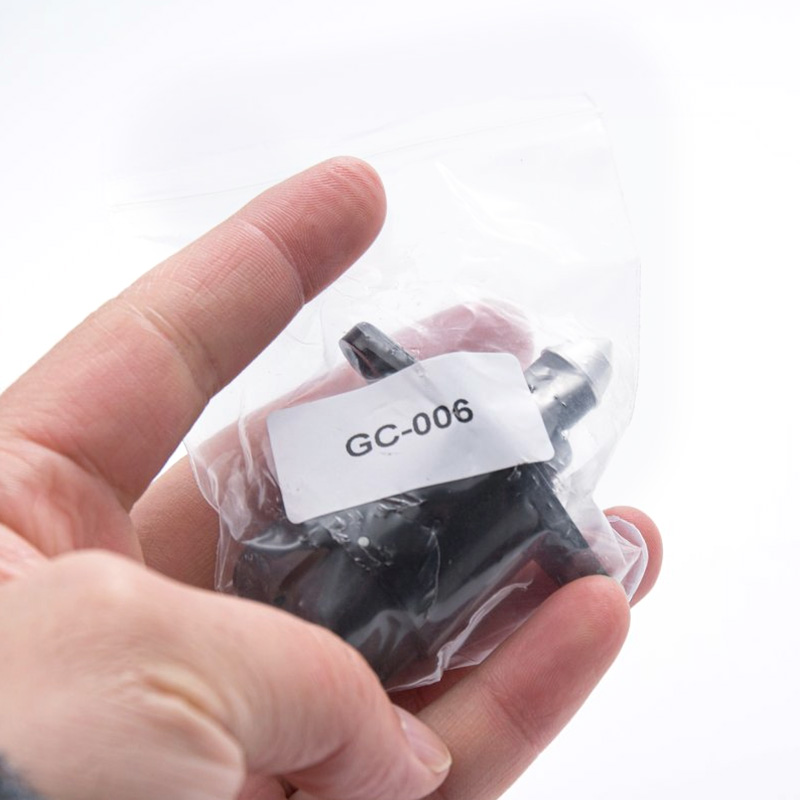
GC-006
REF OE:
SHORT CODE:D5134
VDO:D95134
RENAULT:7701044401
APPLICATION:
RENAULT CLIO I(B/C57_,5/357)1.4/II(BB0/1/2_,CB0/1/2_)1.4;RENAULT KANGOO(KC0/1)1.4/Express(FC0/1_)1.4;
RENAULT MEGANE Grandtour(KA0/1_)1.4e/I(BA0/1_)1.4e
Low price and good quality idle air control valve (IACV) from China,buying and purchasing from China auto parts factory direct!
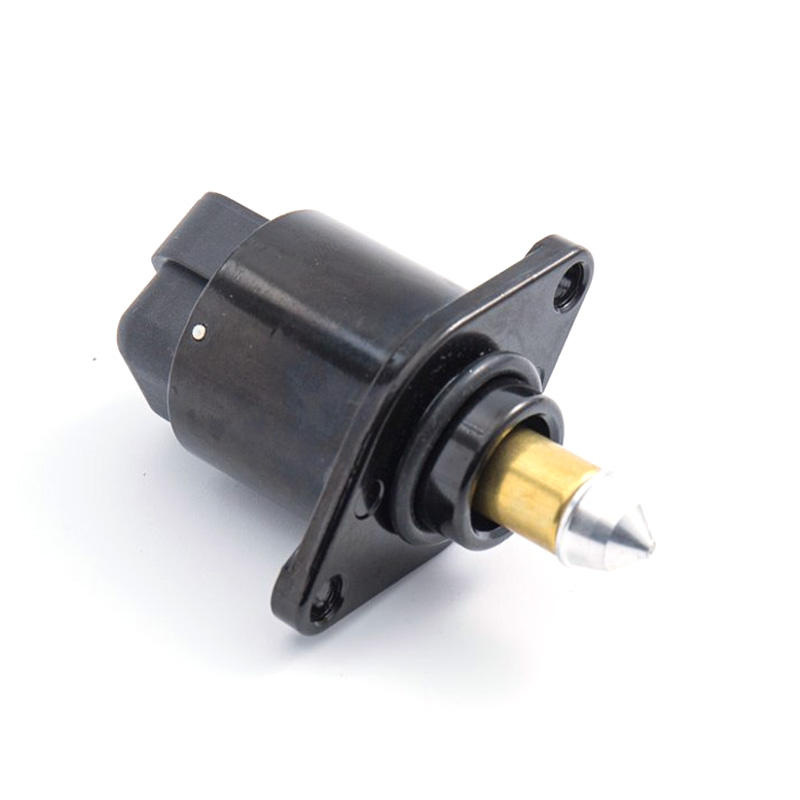
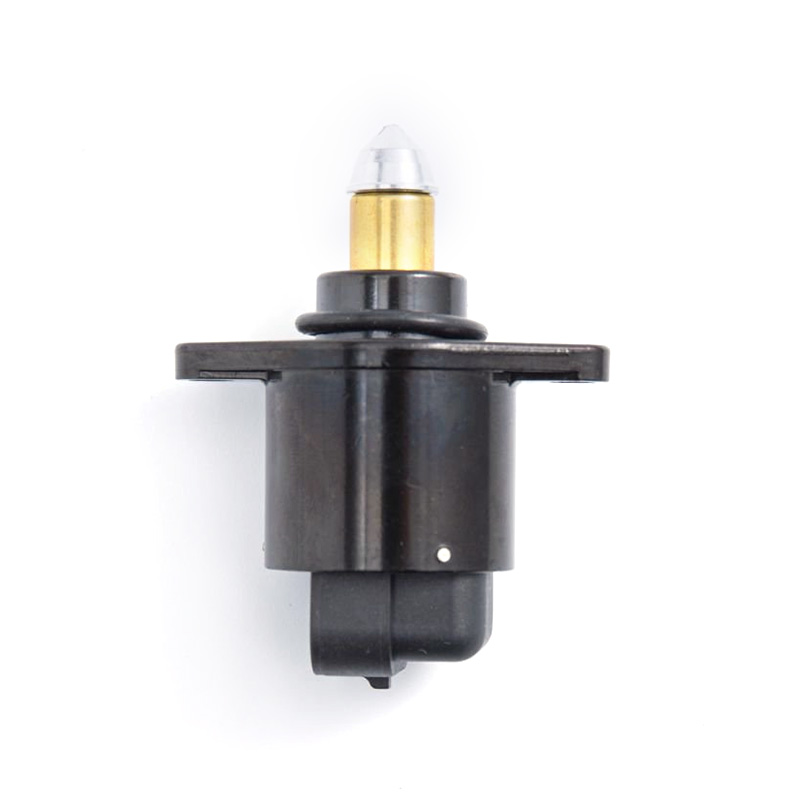
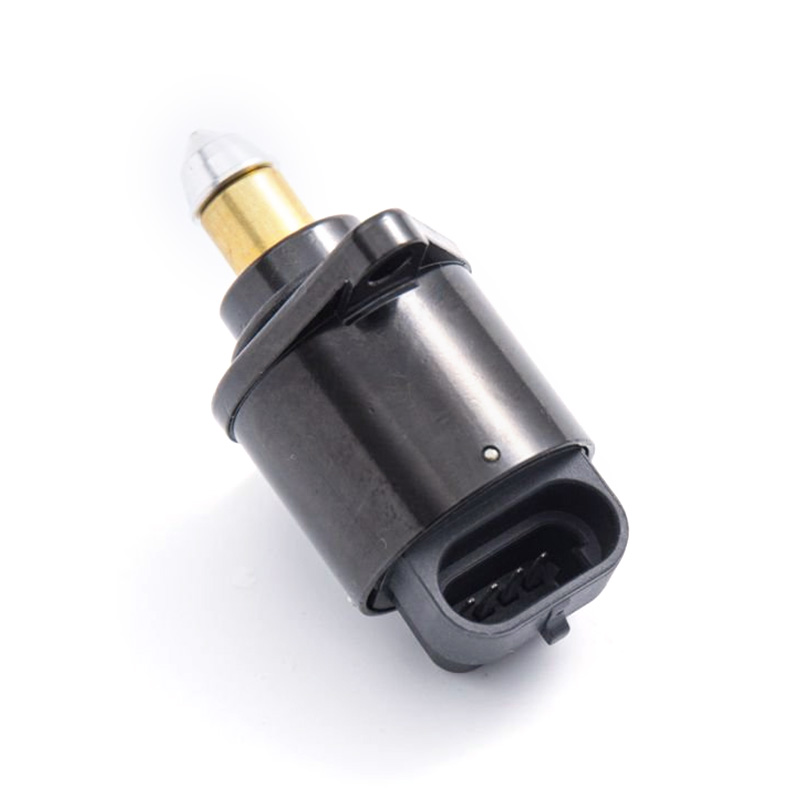
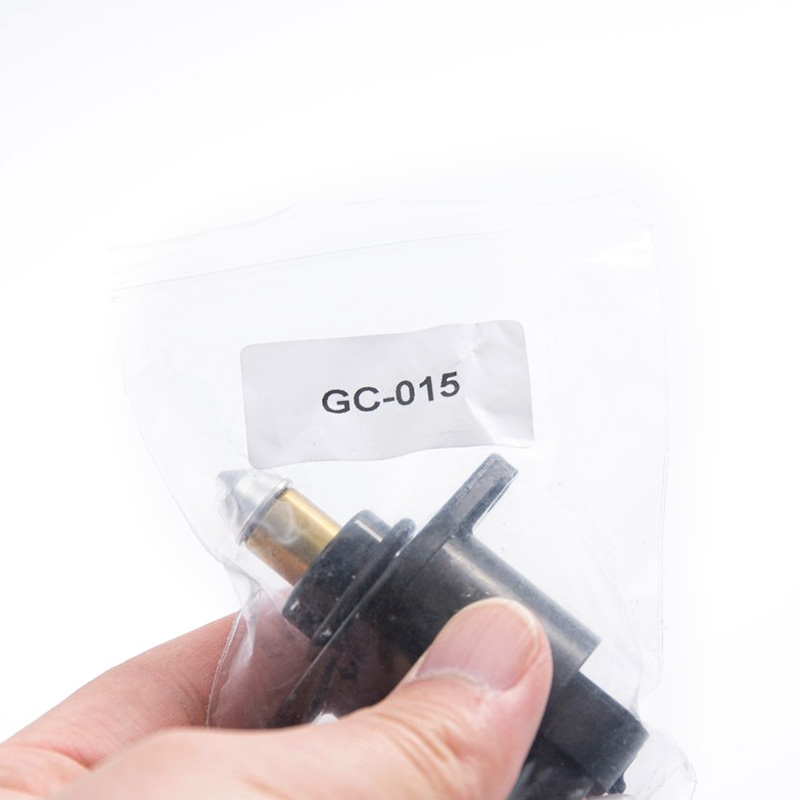
GC-015
REFERENCE OE:
SHORT CODE:D95177
RENAULT:7701206370
APPLICATION:
RENAULT 19II/19II Chamade;
RENAULT MEGANE Classic/Grandtour;
RENAU MEGANE I/Scenic;
RENAULT RAPID Kasten
Buy idle air control valve from China factory!
GC-018
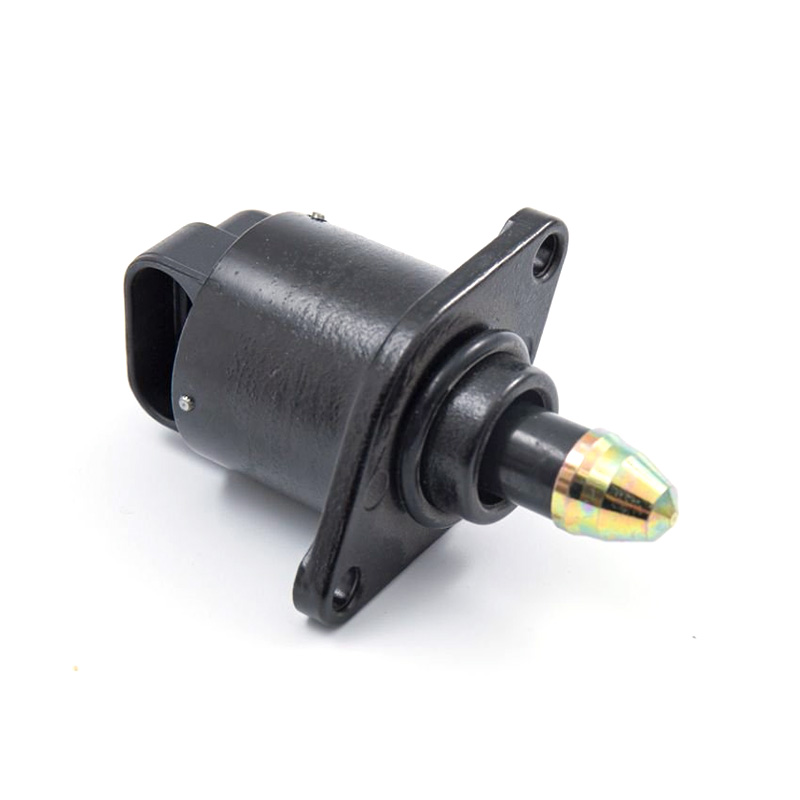
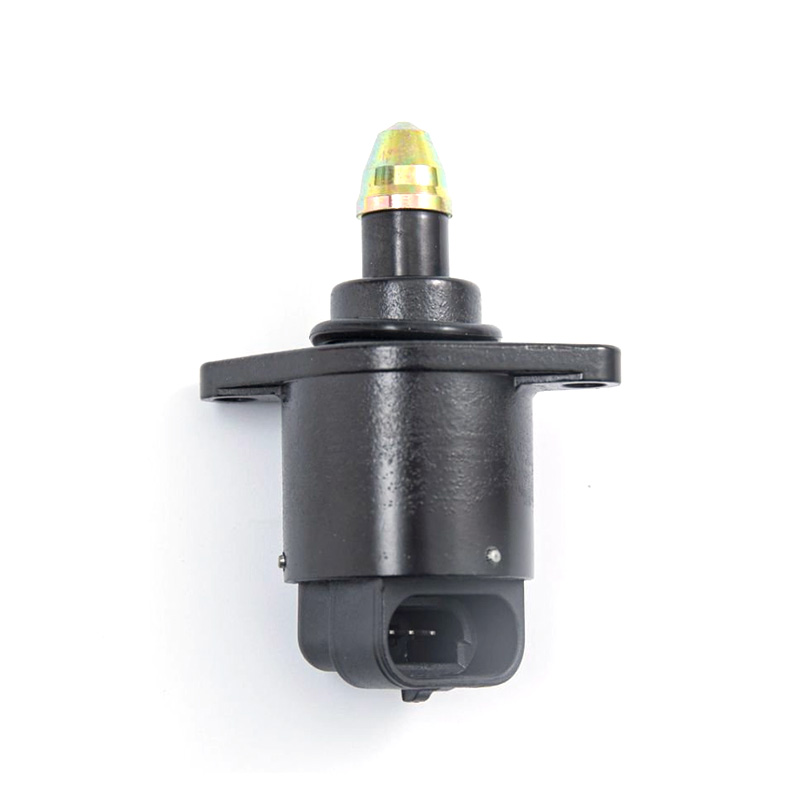
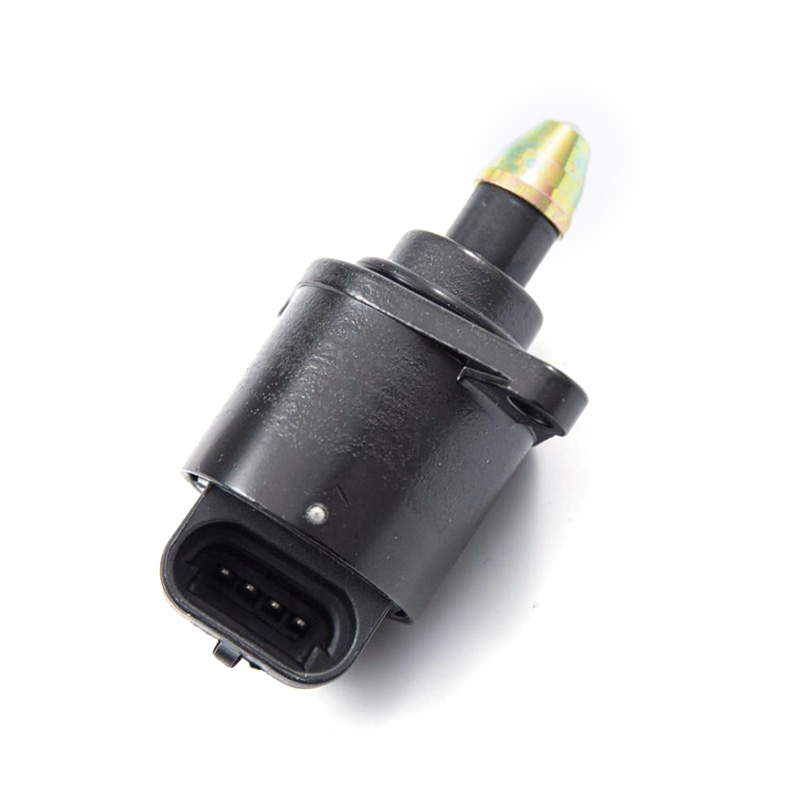
REFERENCE OE:
FIAT:0009943223
FIAT:0009949146
SIMENCE:A95140 00600
APPLICATION:
LANCI DEDRA;LANCI DEDRA SW
Idle air control valve for auto parts,China original factory direct!
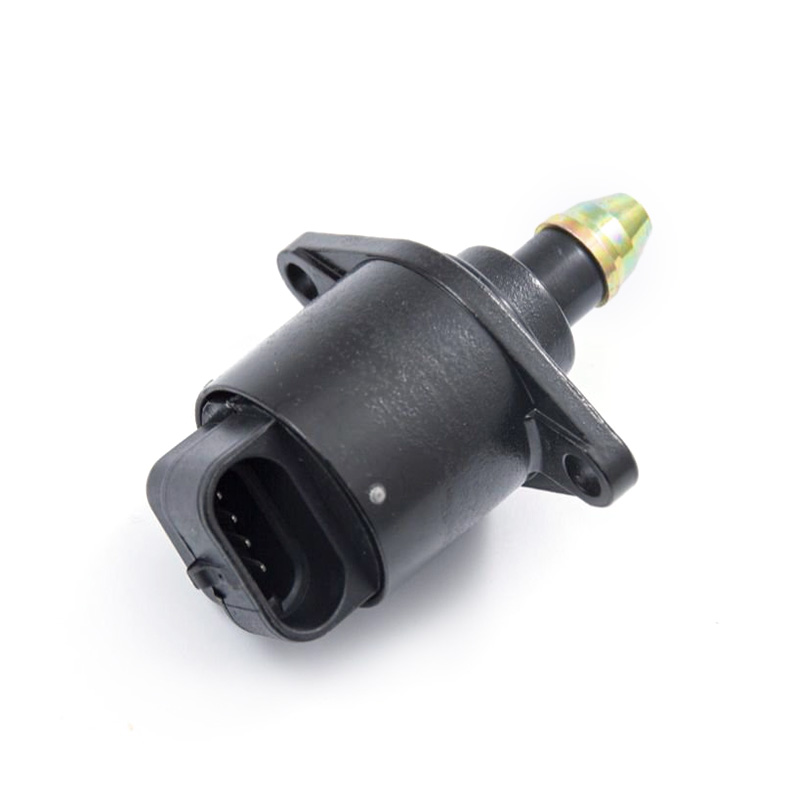
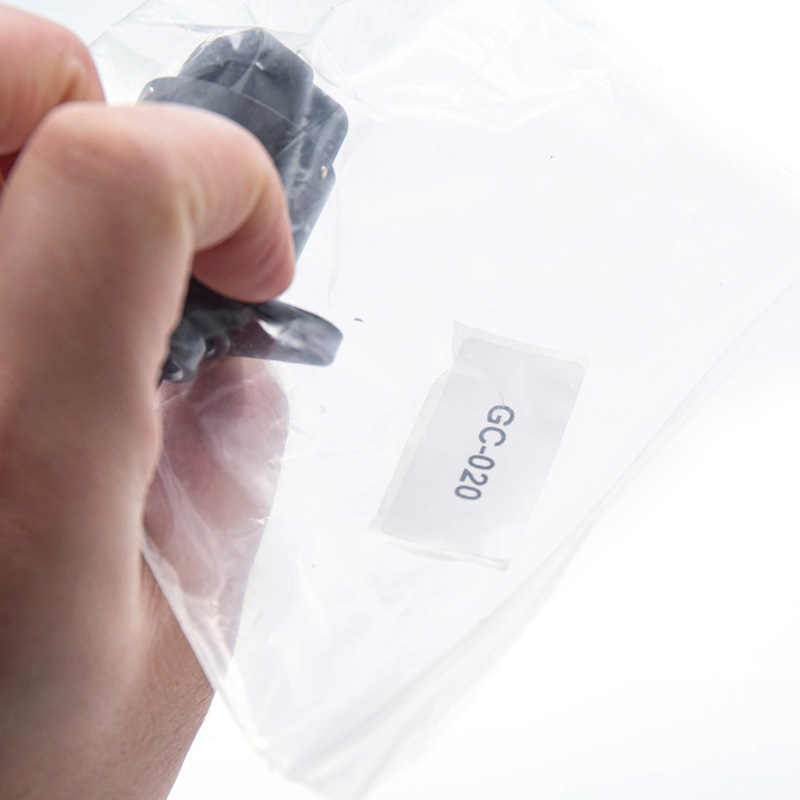
GC-020
REFERENCE OE:
SHORT CODE: B02/01
VDO: AT01200R C95128
FIAT: 9945635
OEM: 7766269 9950635
APPLICATION:
ALFA 145/146;FIAT BRAVA/FIAT BRAVO;FIAT MAREA/MAREA Weekend;FIAT PALIO/SIENA/TEMPRA/TIPO;LANCI DELTA II
Buy idle air control valve from China factory!
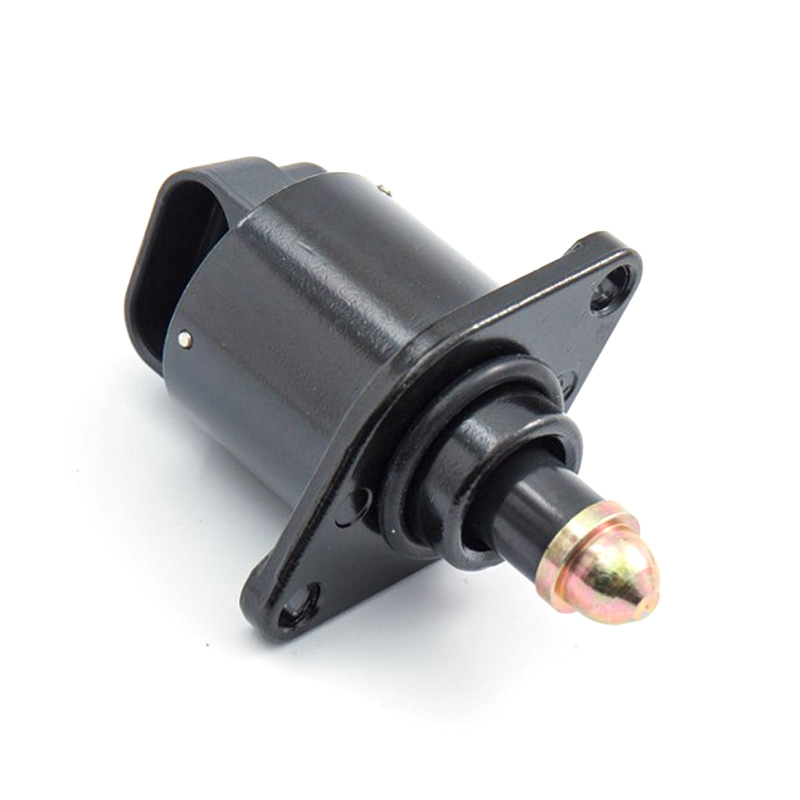
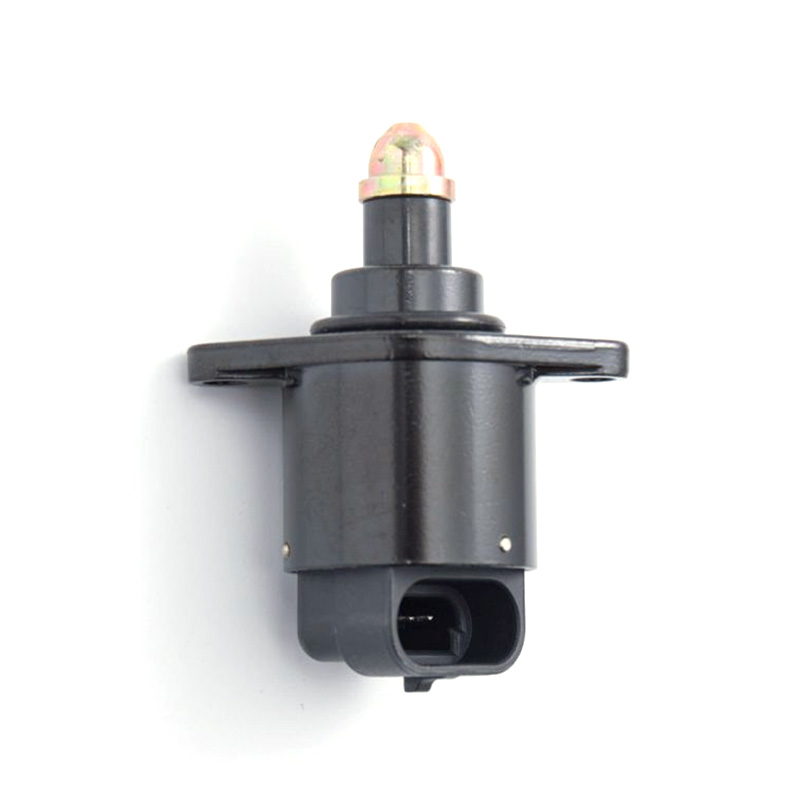
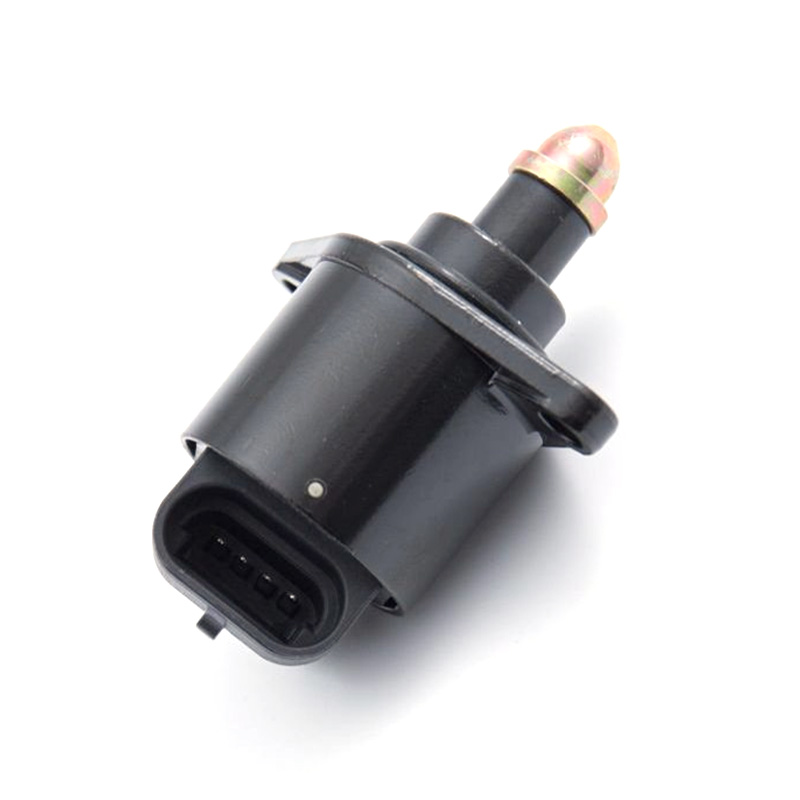
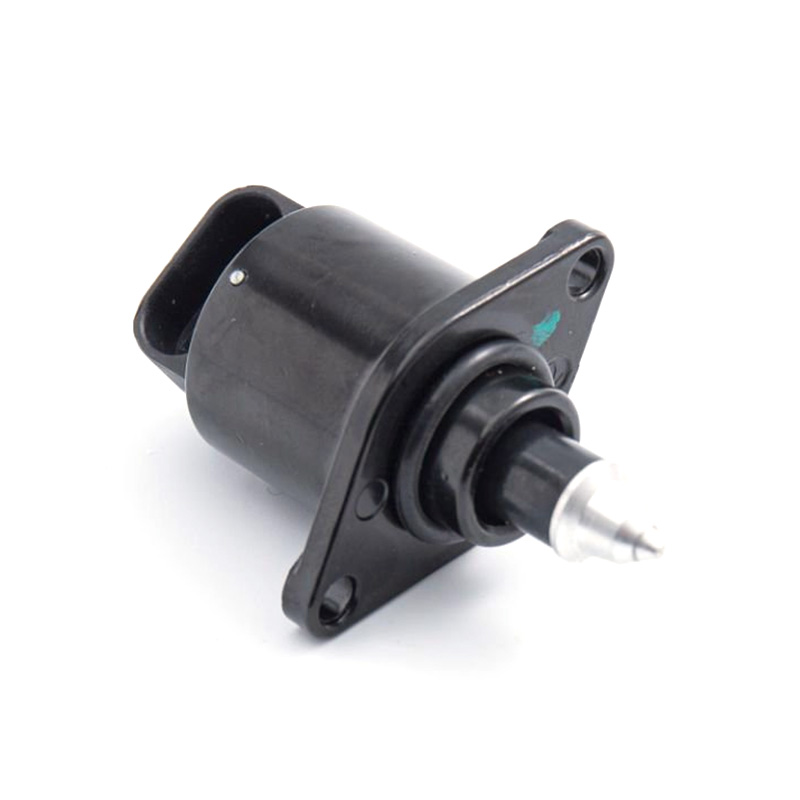
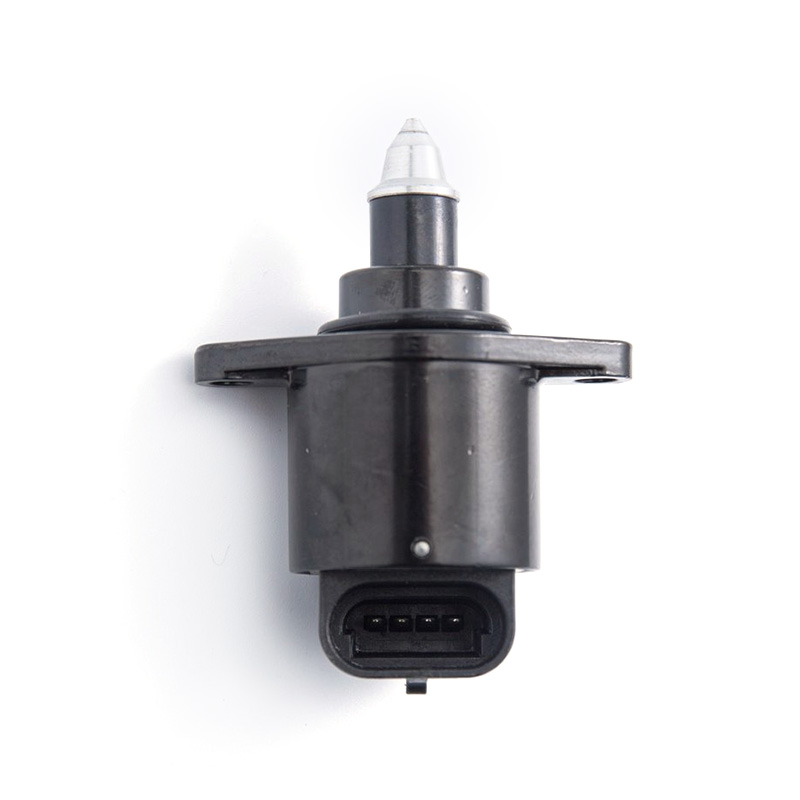
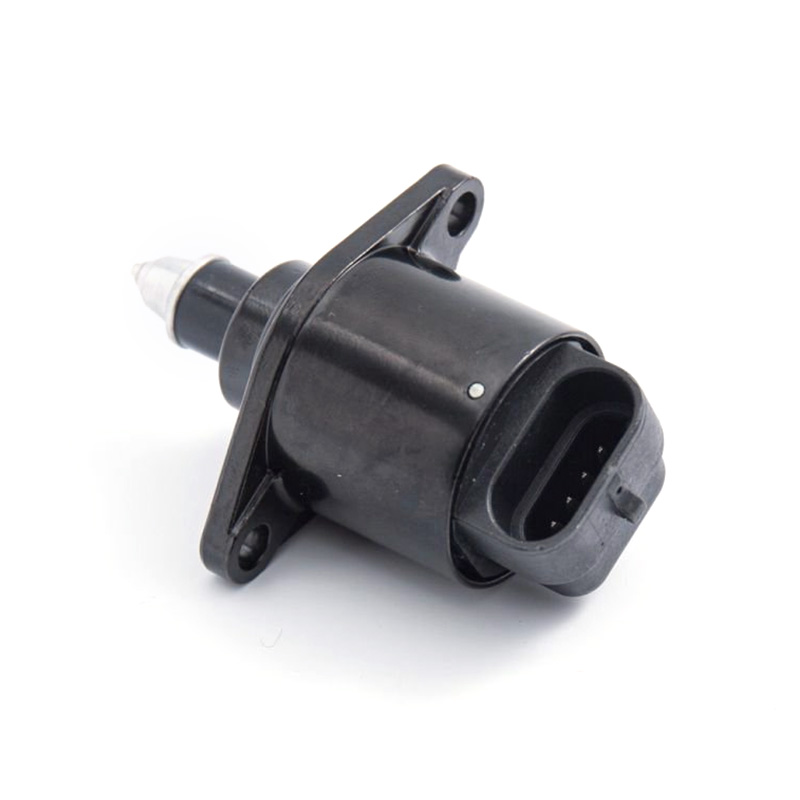
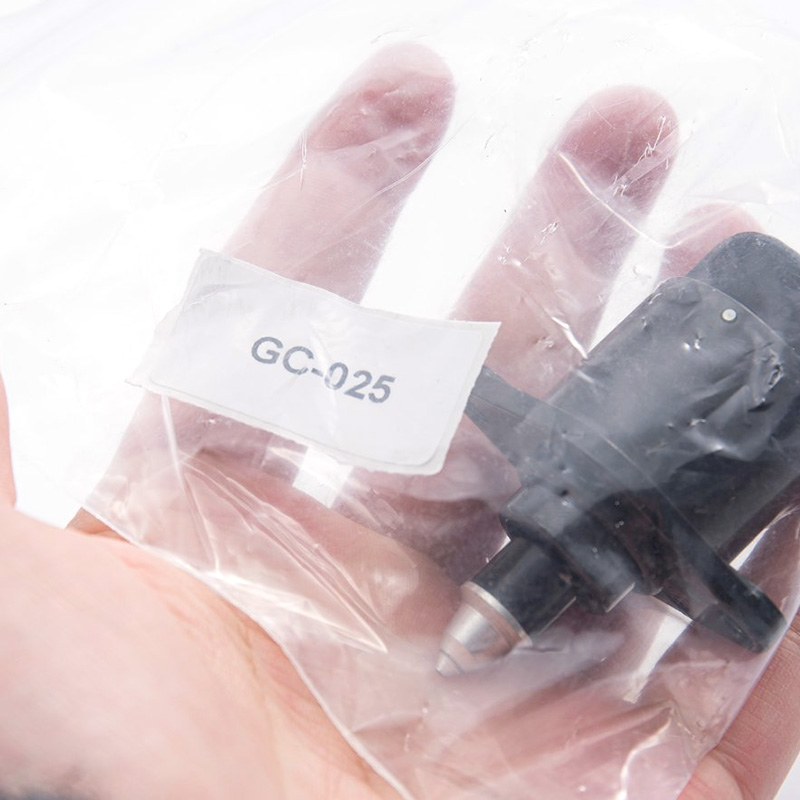
GC-025
REFERENCE OE:
STD: AC495 SHORT CODE:59602
DELPHI: ICD00120
GM: 17059602
VDO: AT-59602R
WELLS: AC167; 93744675; 96434613; 17059602
APPLICATION:
CHEVR AVEO Stufenheck;
DAEWOO KALOS/LANOS/NUBIRA/NUBIRA Stufenheck;
GENTRA 06-07
Idle air control valve from China factory for Chevrolet Aveo Daewoo.
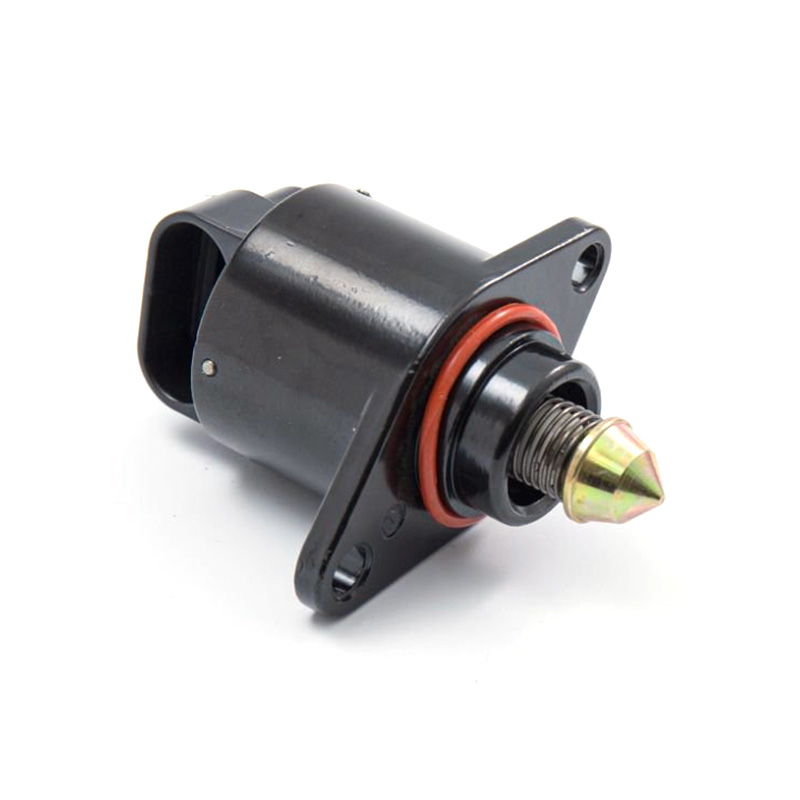
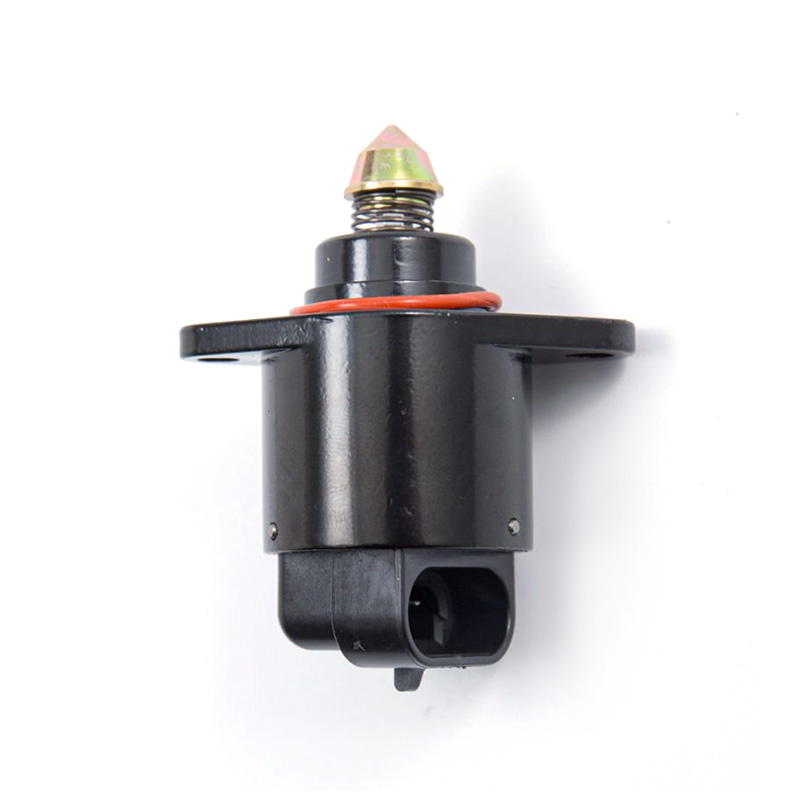
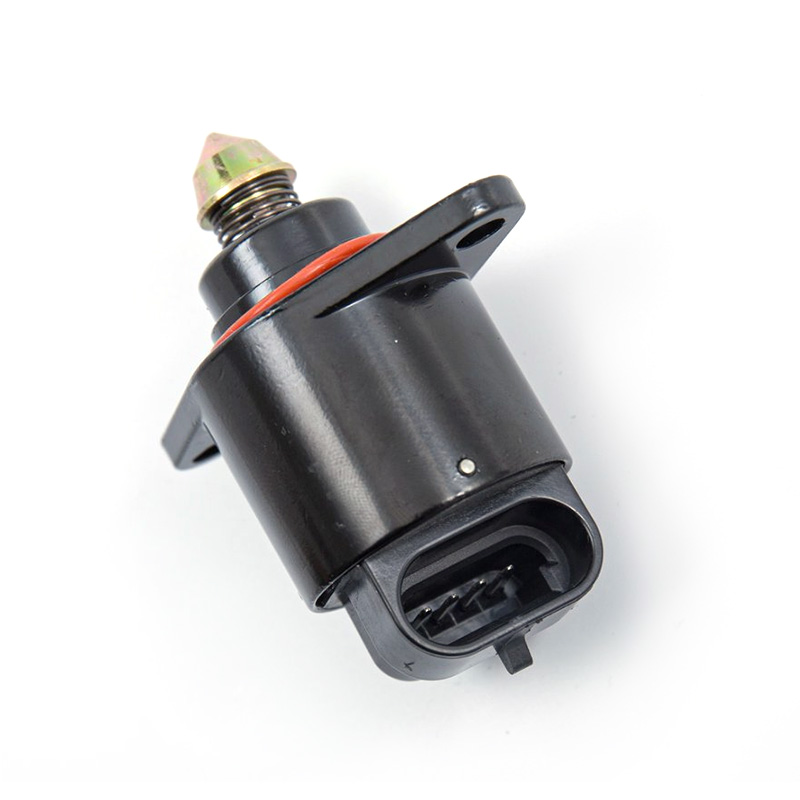
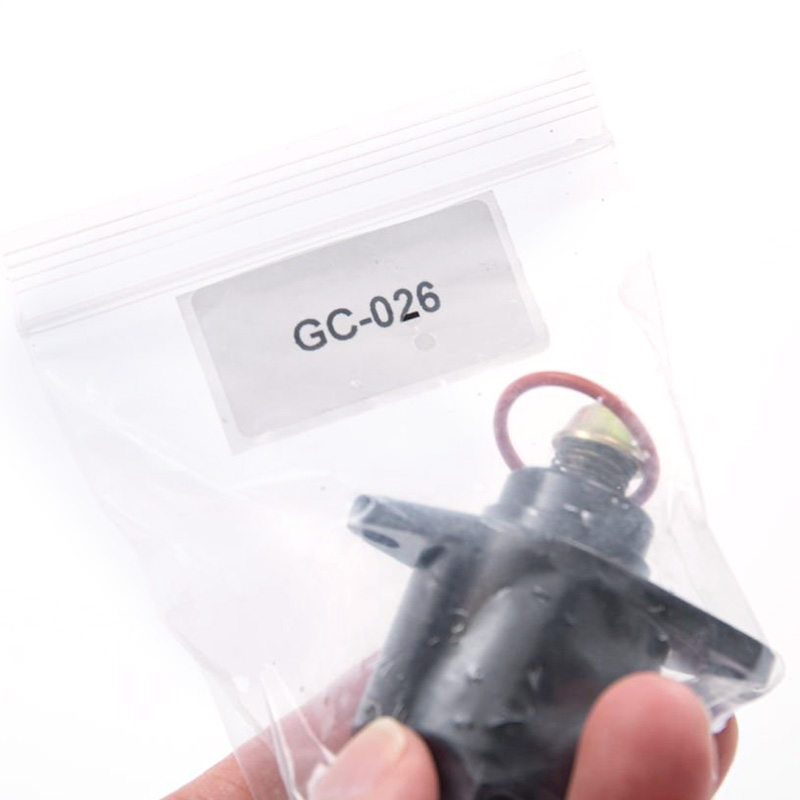
GC-026
REFERENCE OE:
SHORT CODE: 59603; 17059603
DELPHI: ICD00125
GM: 817253 817255 17112031 17112023
SIMENCE: A95214
VDO: AT-59603R STD: AC15
APPLICATION:
OPEL ASCONA C;
OPEL ASTRA F;
OPEL ASTRA F Cabriolet/Kombi/Schraqheck/Van;
OPEL KADETT E;
OPEL KADETT E Cabriolet/Kombi/Schraqheck
Idle air control valve from China manufacture for Opel.
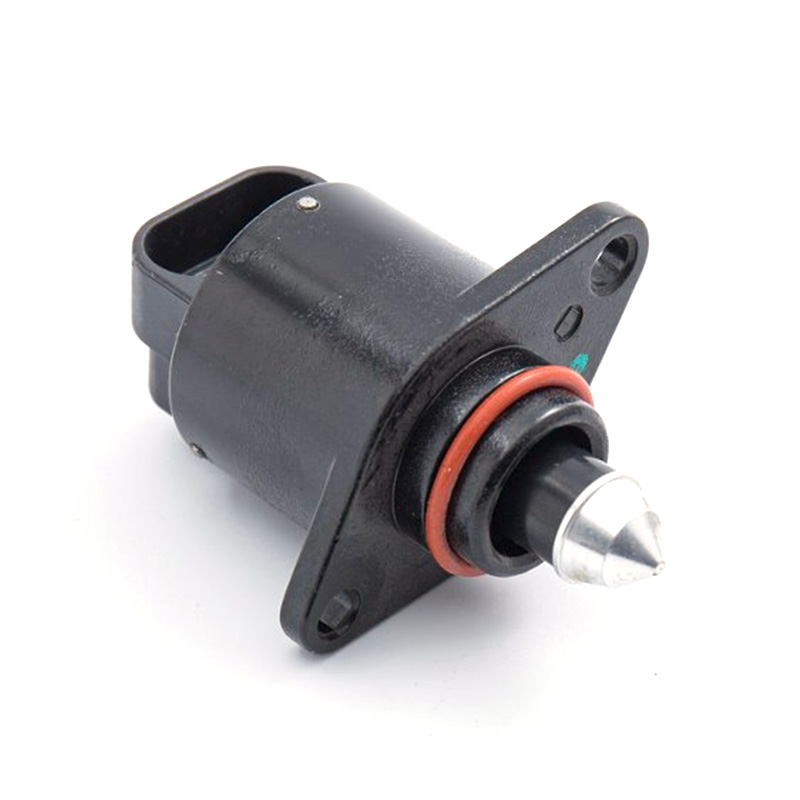
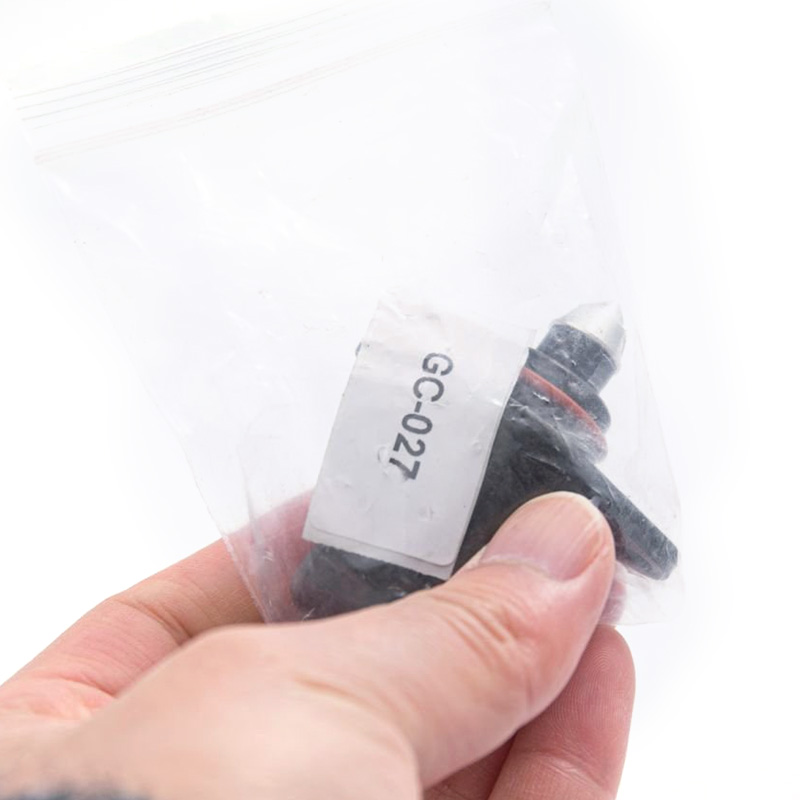
GC-027
REFERENCE OE:
STD: AC64 WELLS:AC132
DELPHI: ICD00126
GM:17059600; 17112898
APPLICATION:
IPANEMA 1.8/2.0 EF191>,KADETT1.8/2.0 EF191>,MONZA 1.8/2.0 Ef191>
Idle air control valve from China factory for Ipanema Kadett Monza.
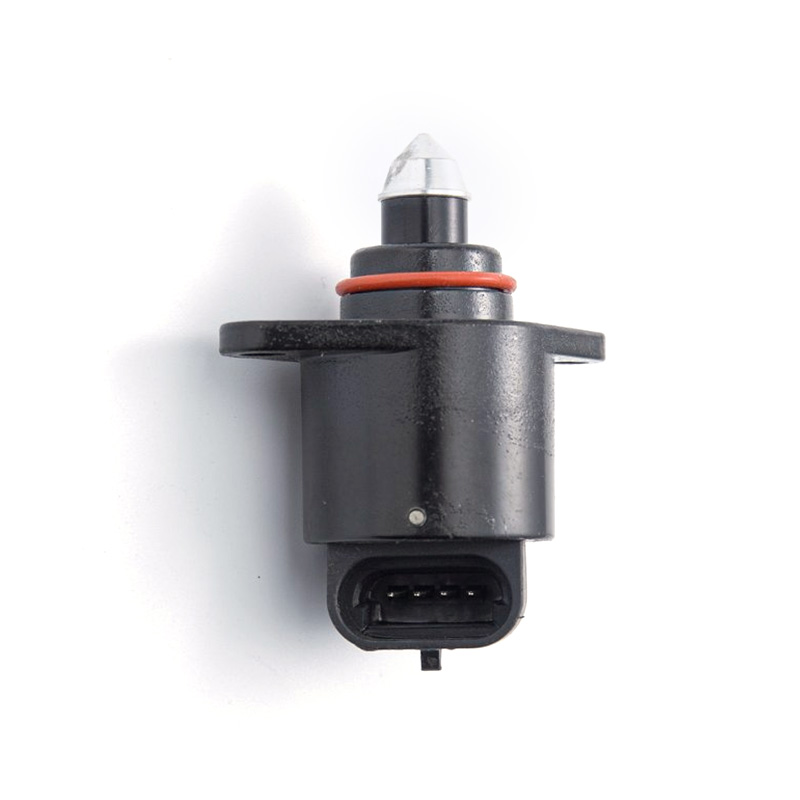
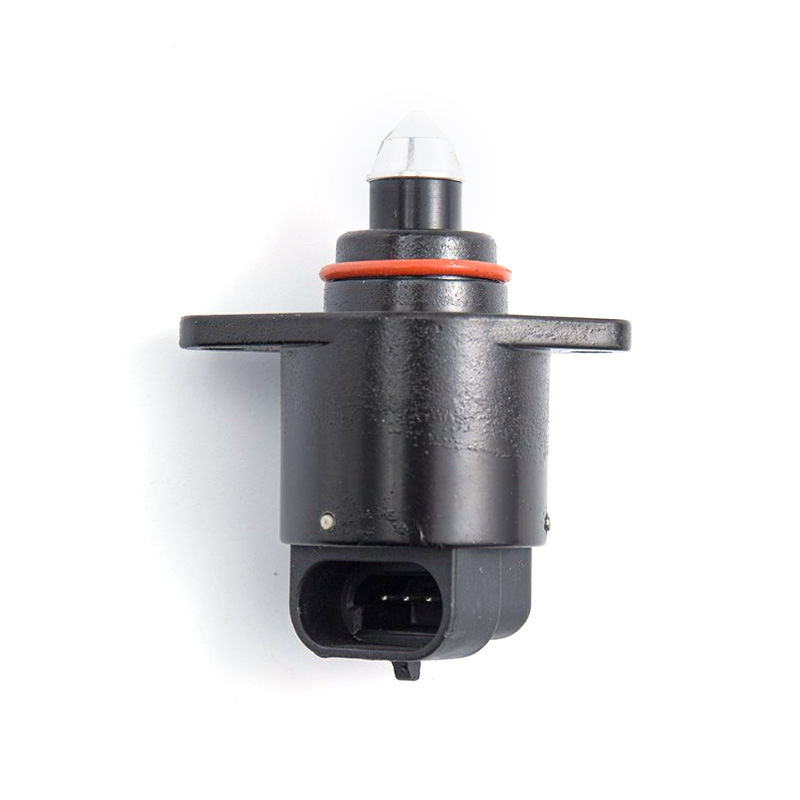
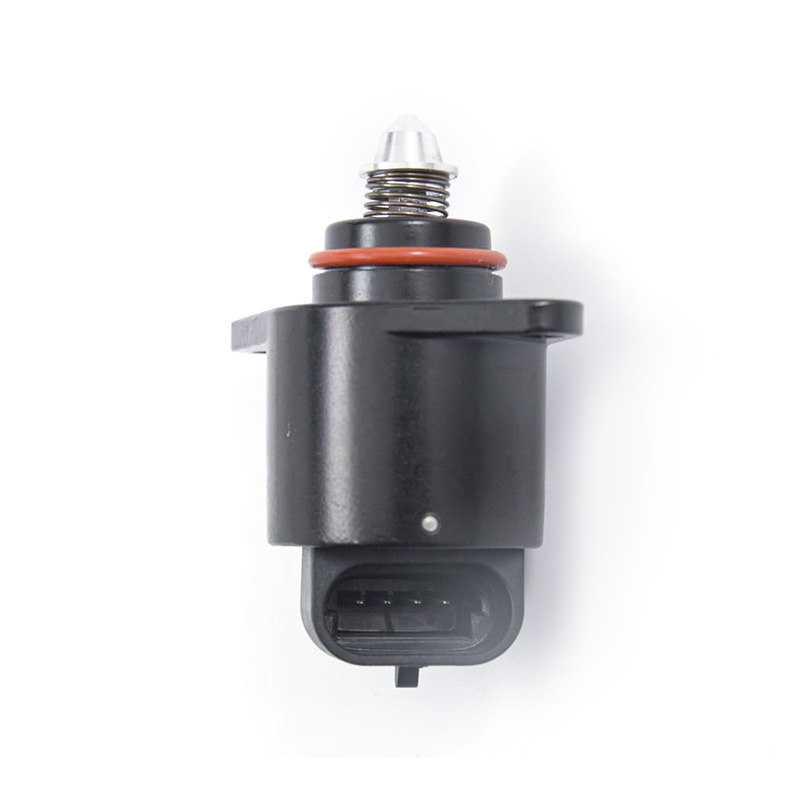
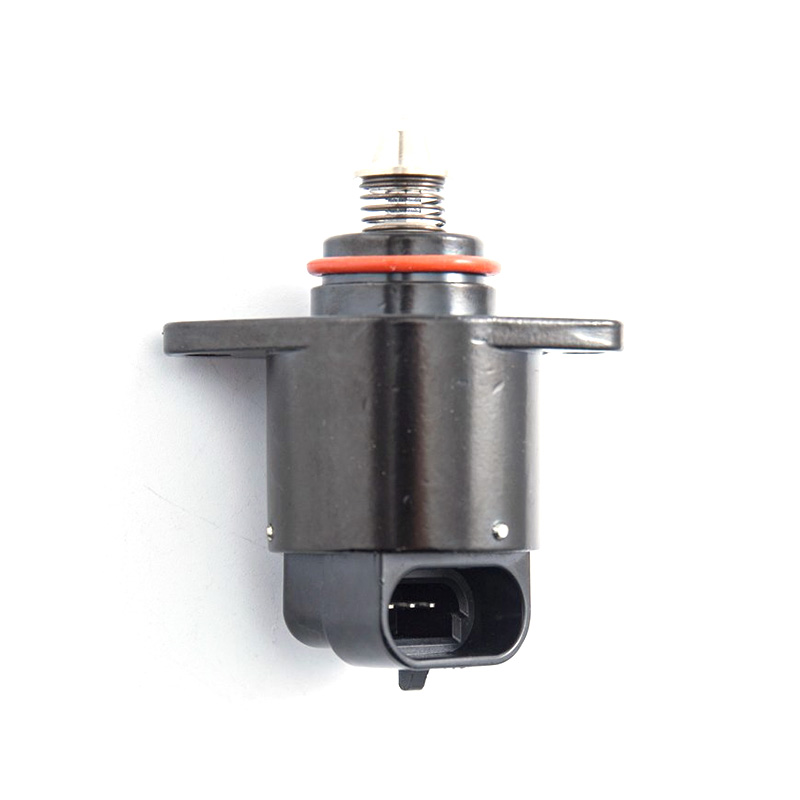
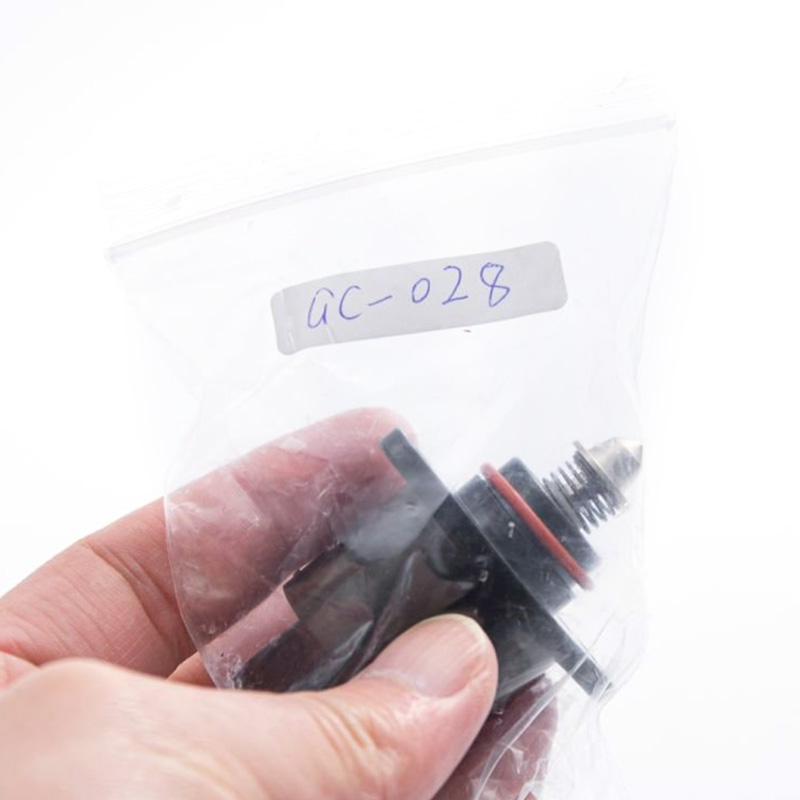
GC-028
REFERENCE OE:
SHORT VDO:A95278
TRADE NUMBER:02739
SHORT CODE:C0973
APPLICATION:
LADA
Idle air control valve from China factory for Lada.
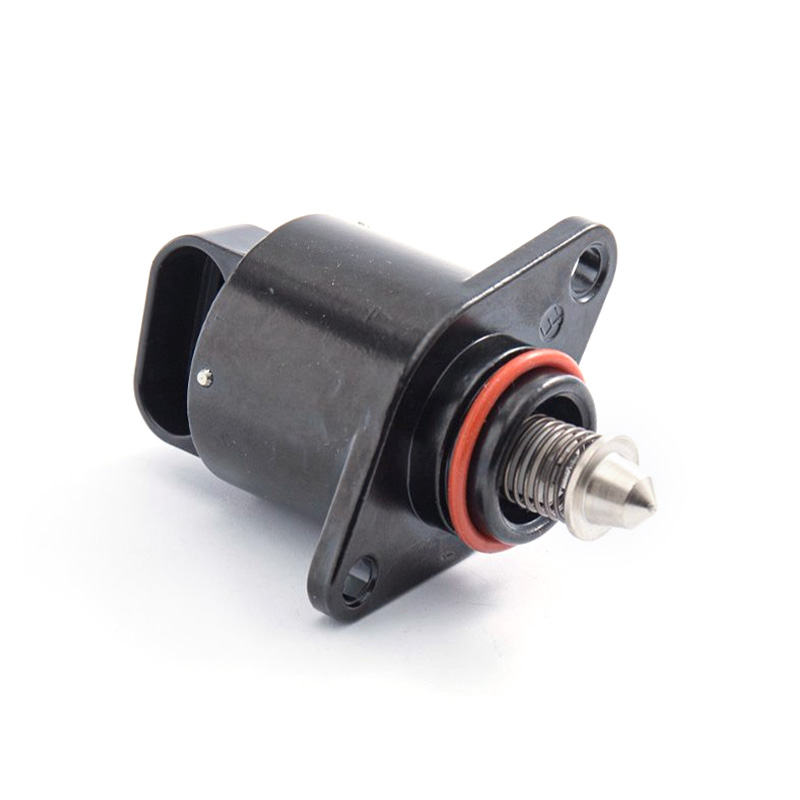
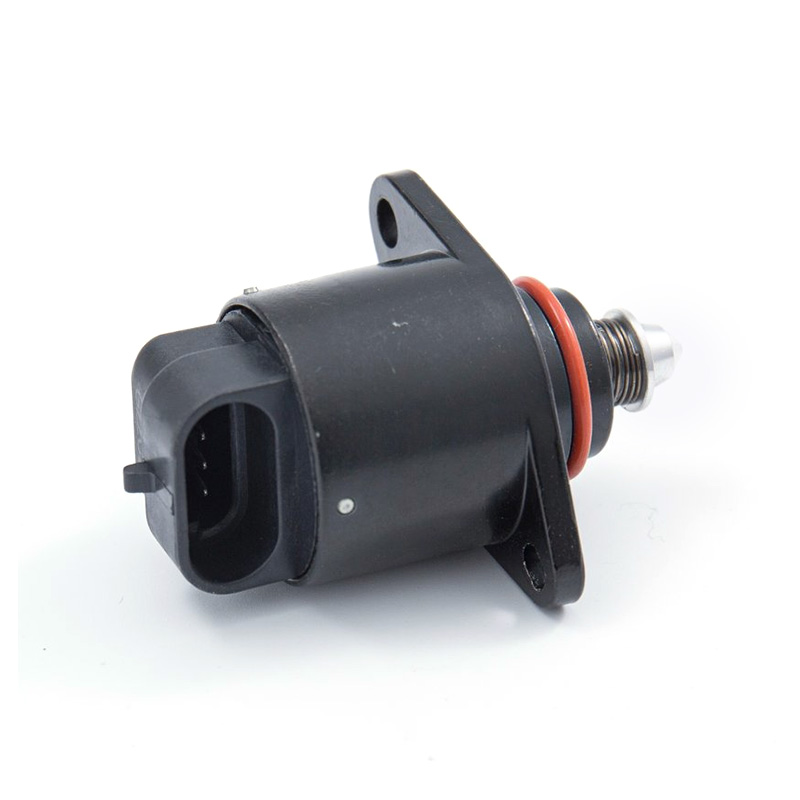
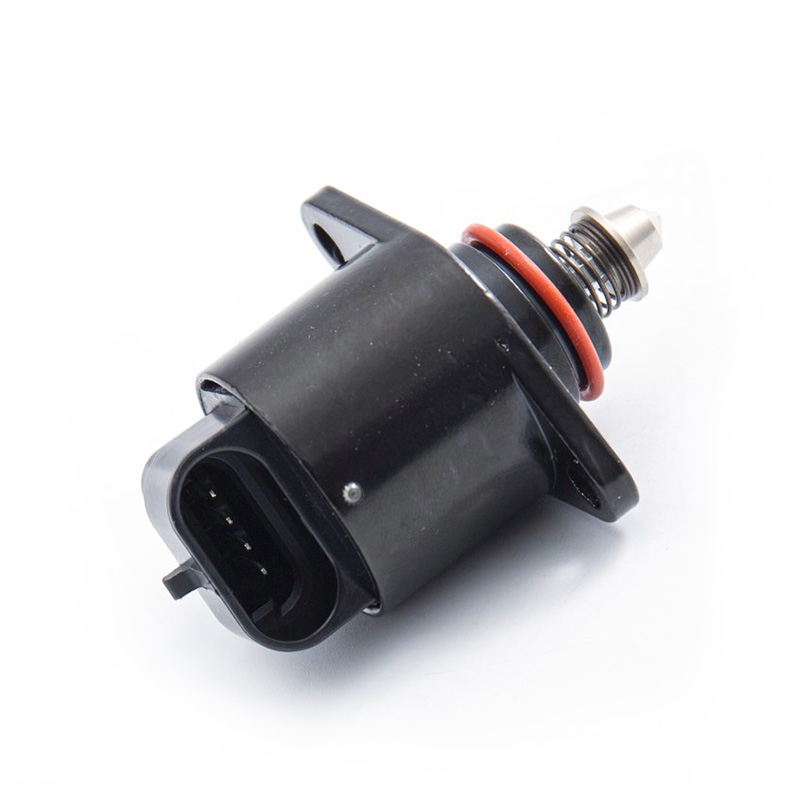
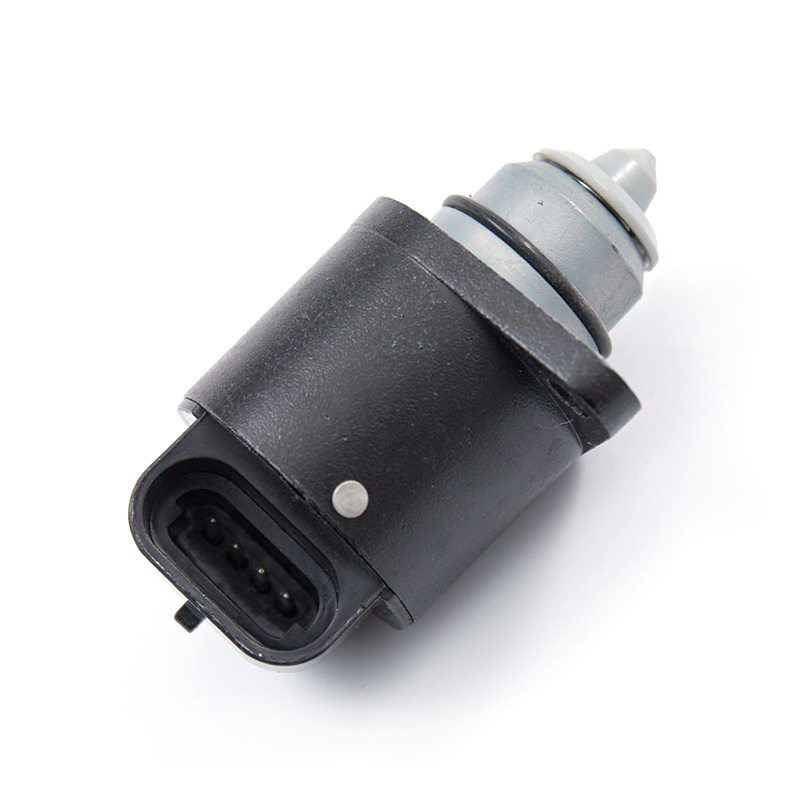
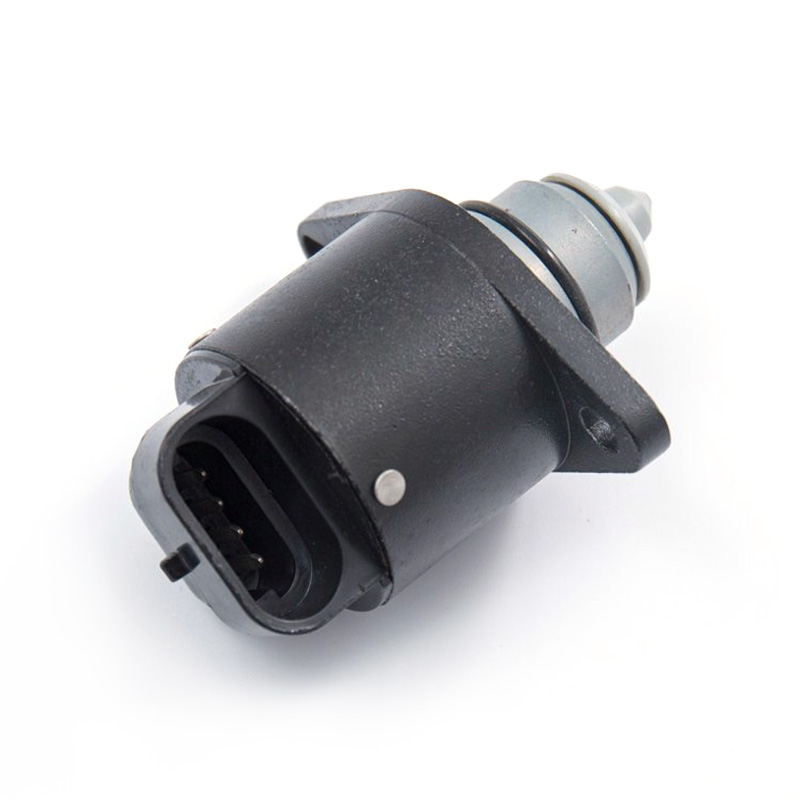
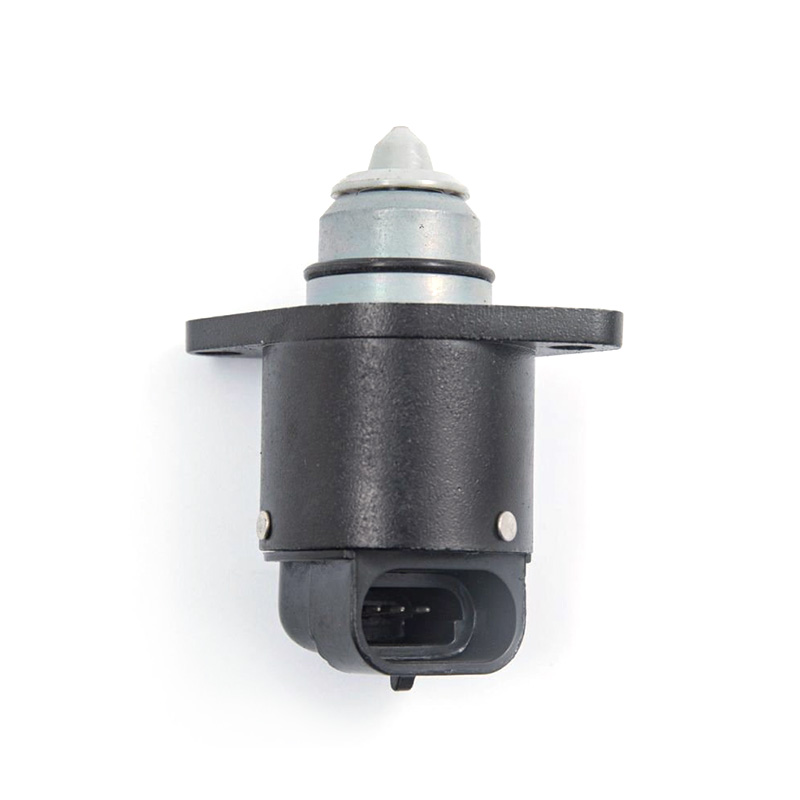
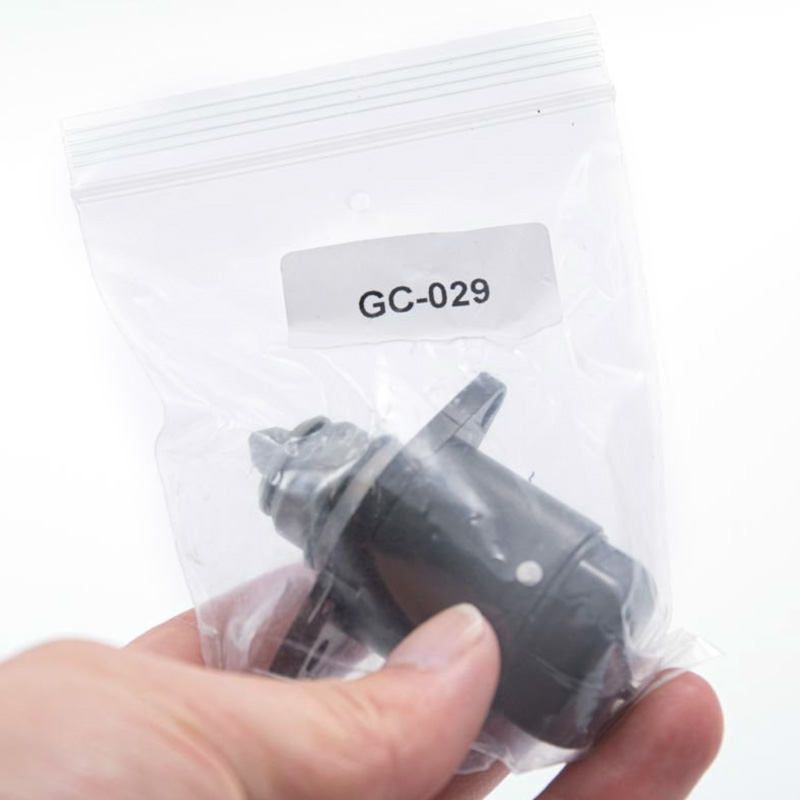
GC-029
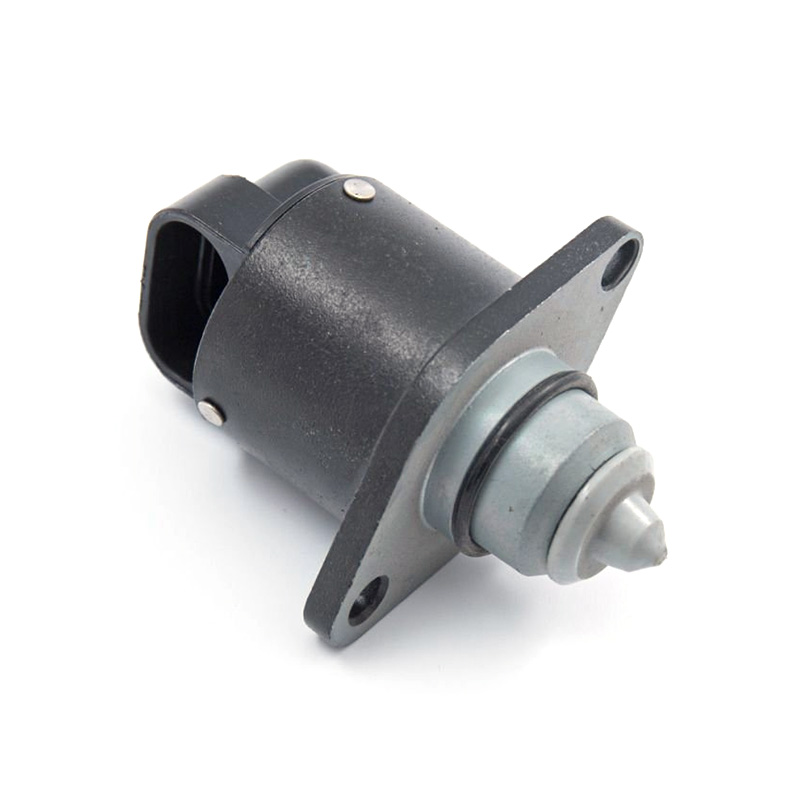
REFERENCE OE:
2112-1148300-04
APPLICATION:
LADA
Idle air control valve from China factory for Lada.
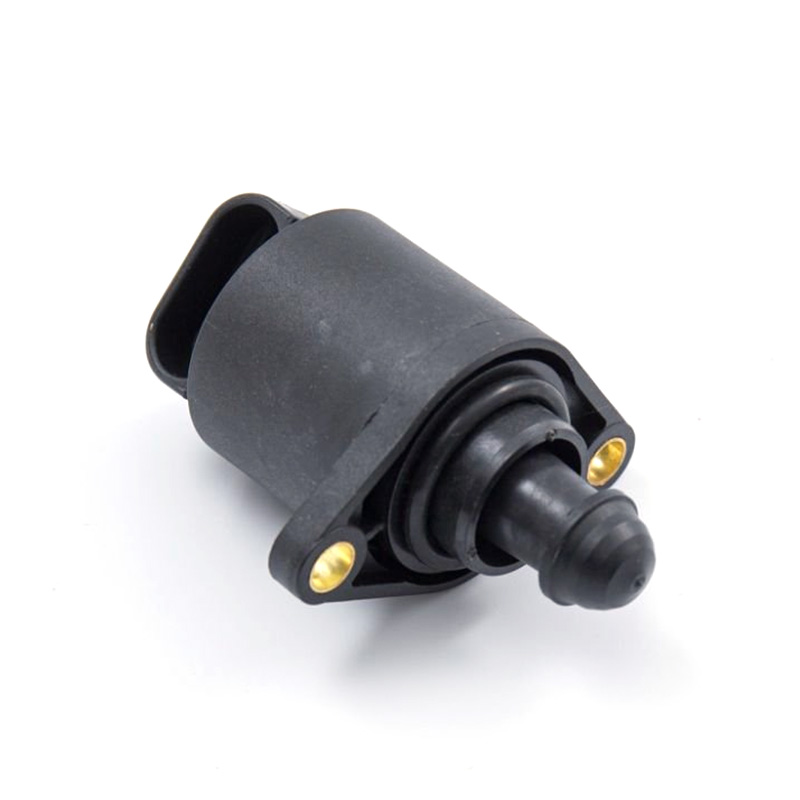
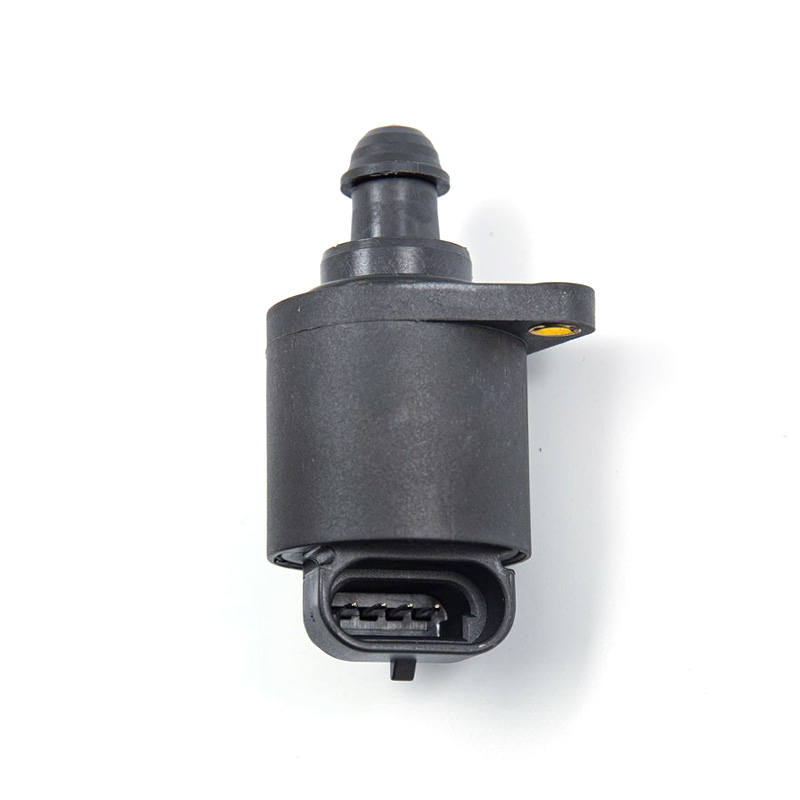
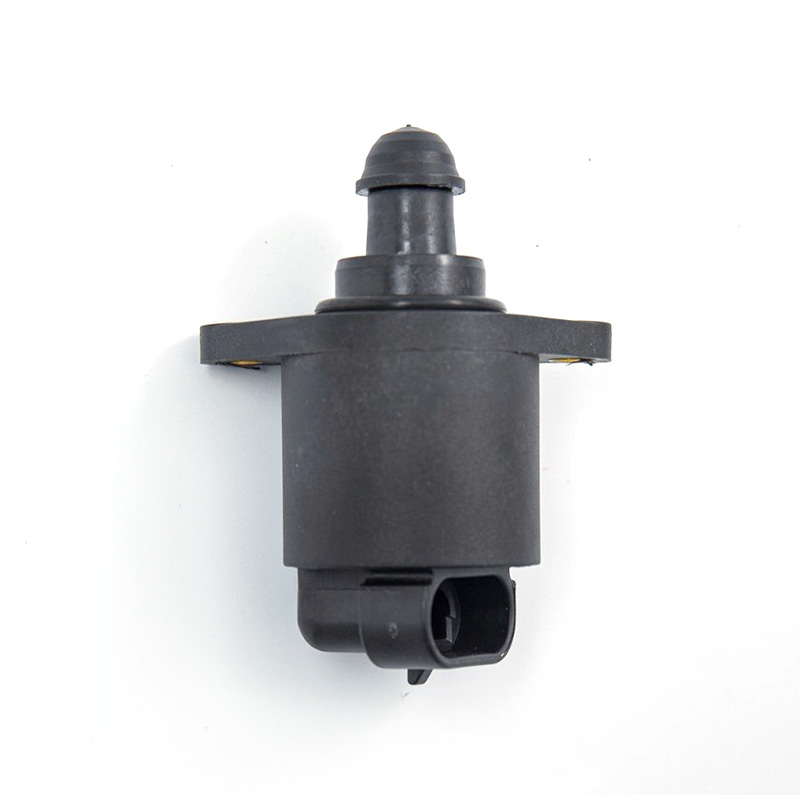
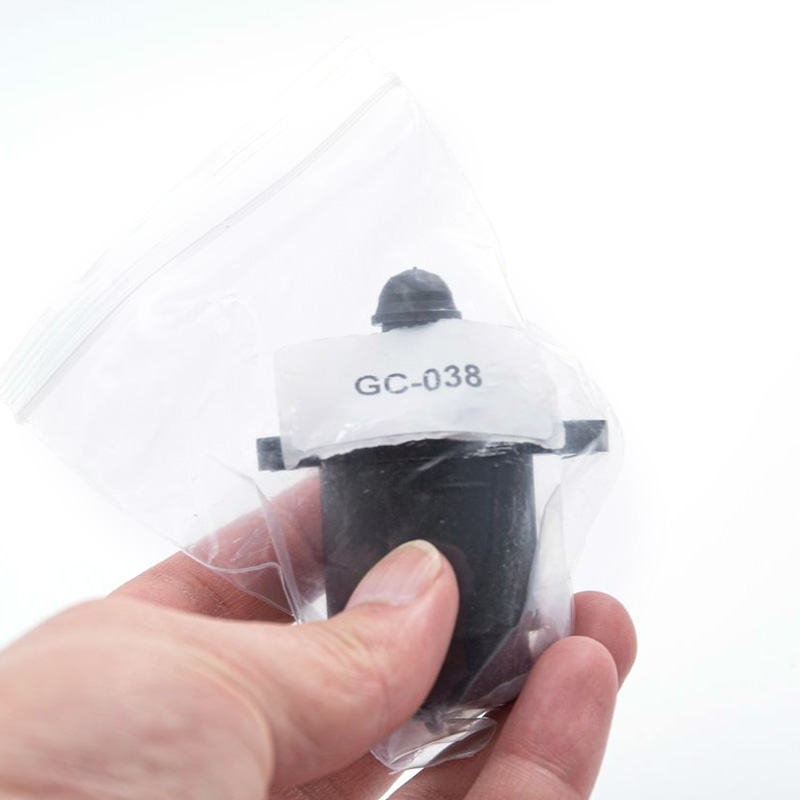
GC-038
REFERENCE OE:
SIMENCE:A96158 A97116
PEUGEOT:19208X
MARELLI:230016079217
APPLICATION:
PEUGEOT 206SW/CC;PEUGEOT 307SW;406;806;807;EXPERT(224)
Idle air control valve from China factory for Peugeot 206 307 406 806 807.
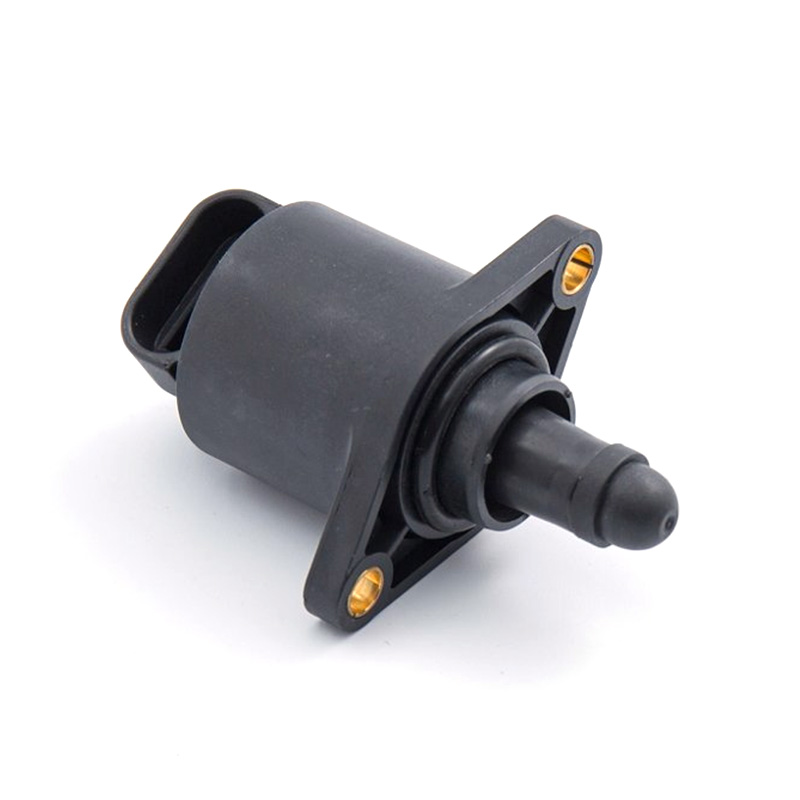
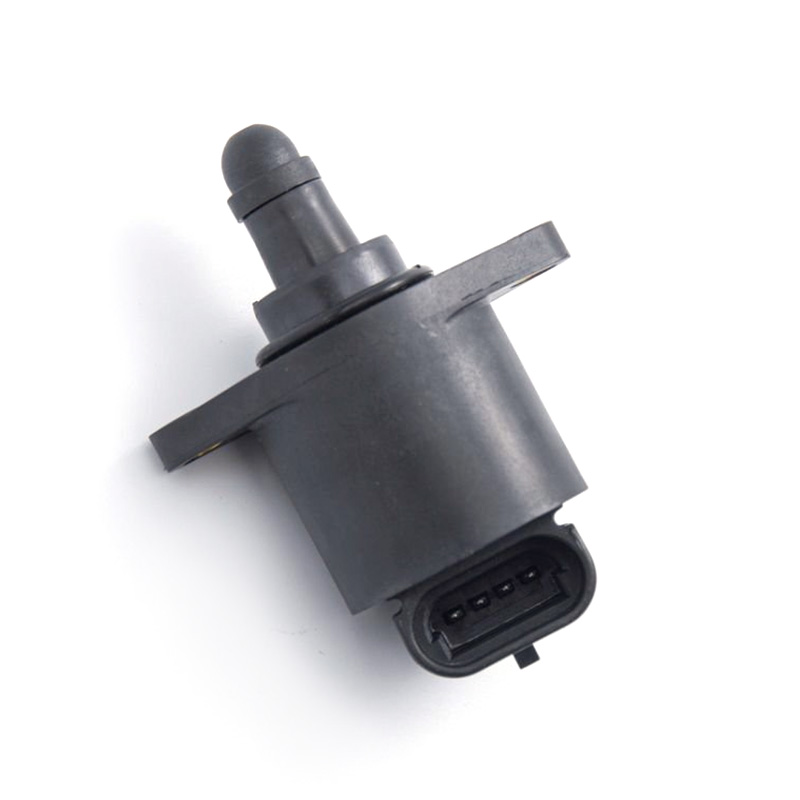
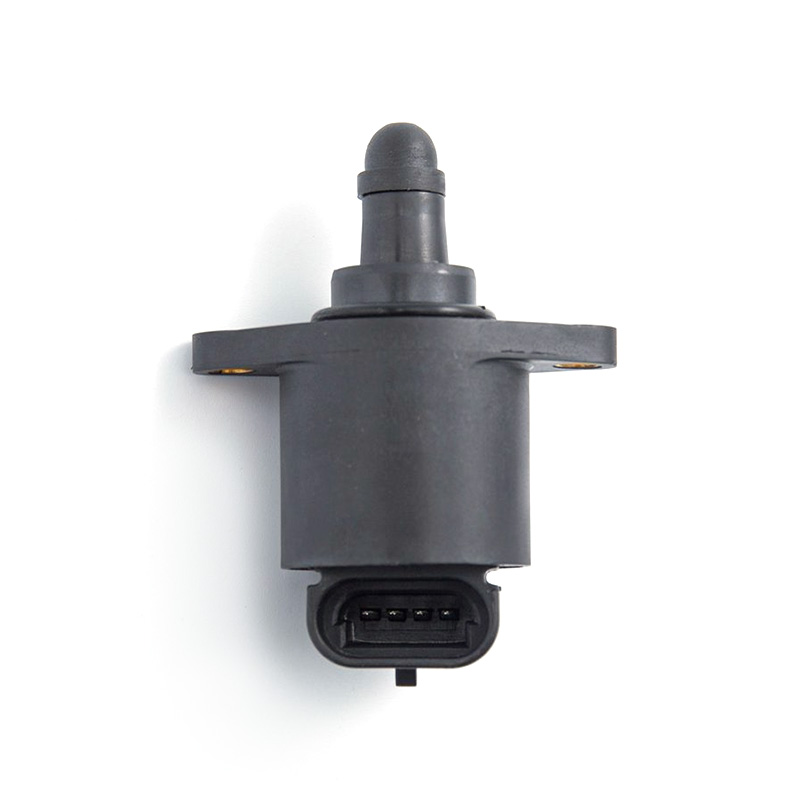
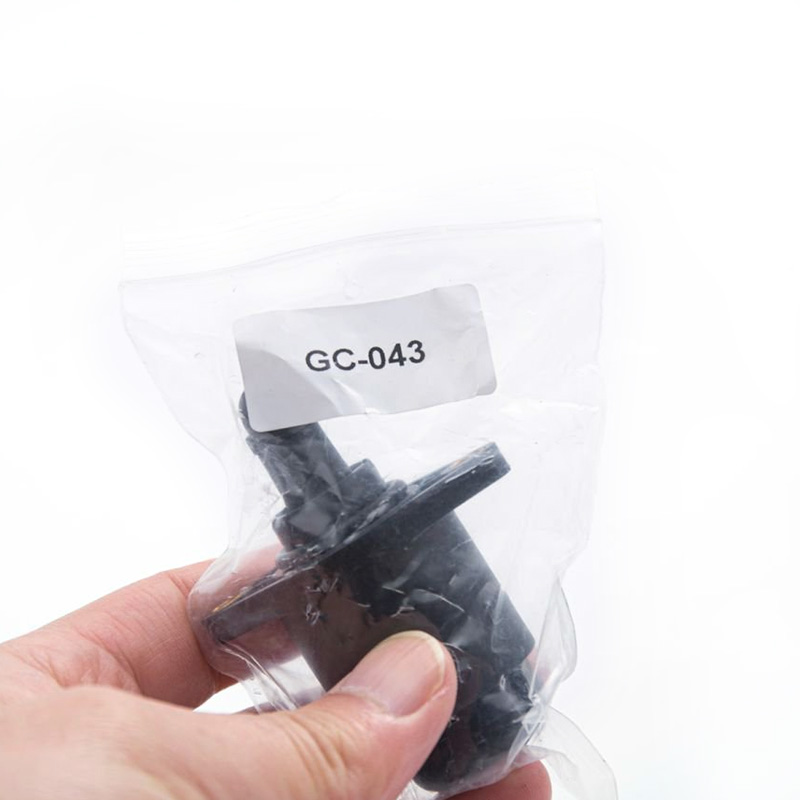
GC-043
REFERENCE OE:
SHORT CODE: B12/00
MARELLI:21924470500
OEM:9945035
APPLICATION:
FIAT PANDA(141A_)1000; Punto(176)55 1.1; Uno(146A/E) 45 i.e. 1.0; Lanci Y10(156)1.0 Fire(156e) KAT
Idle air control valve from China factory for Fiat Punto.
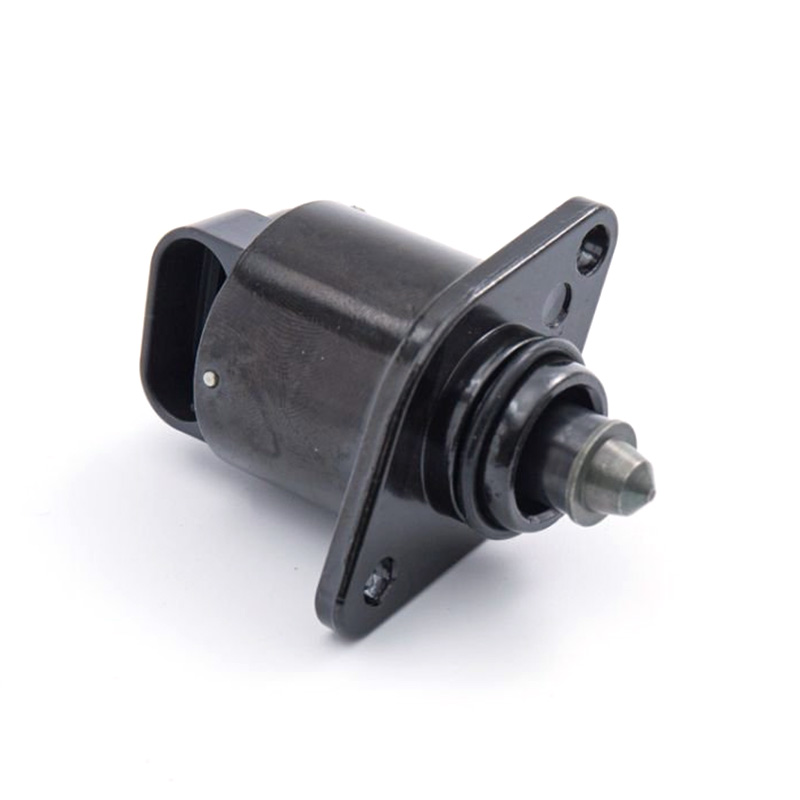
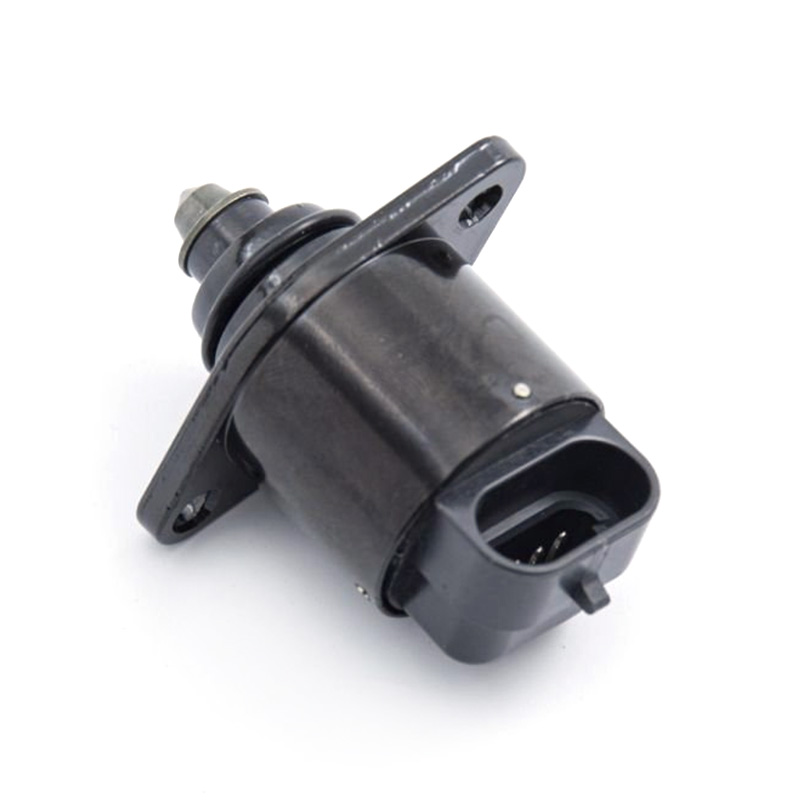
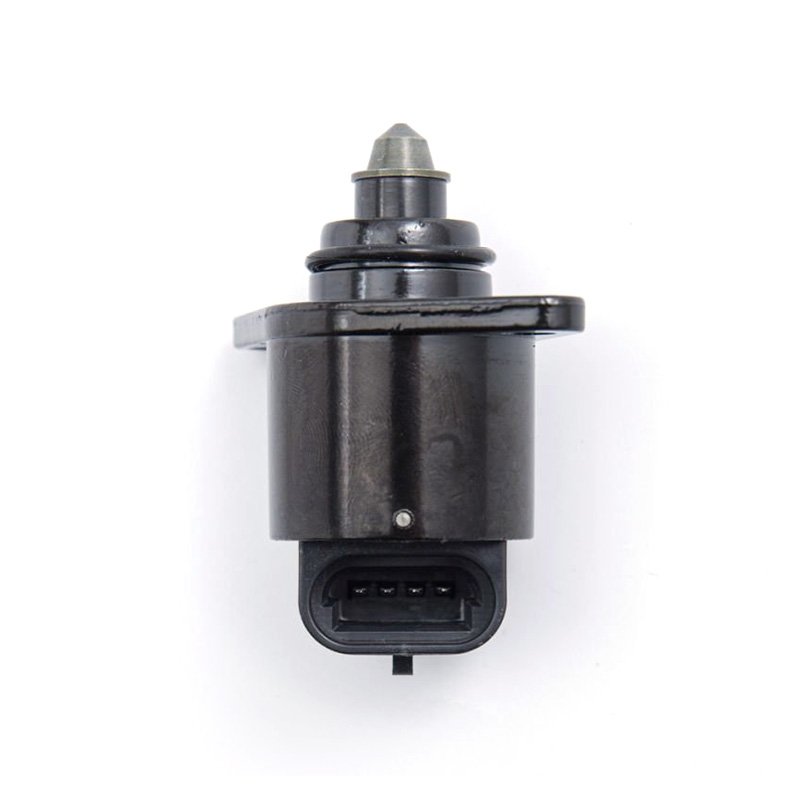
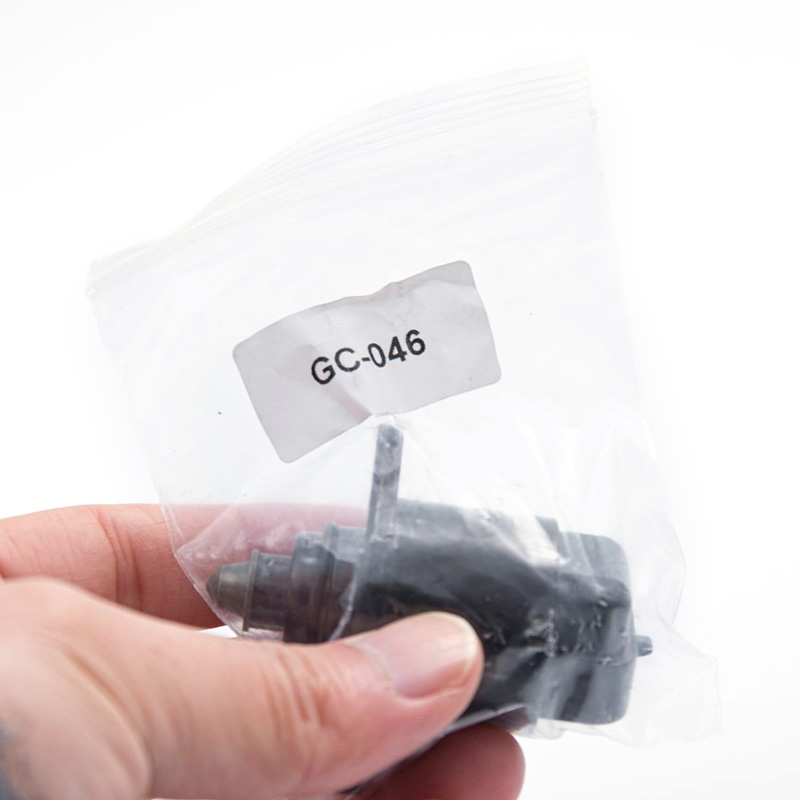
GC-046
REFERENCE OE:
2112-1148300
APPLICATION:
LADA
Idle air control valve from China factory for Lada.
Contact Us
Let's start collaborating

Guocheng is specialized in the R&D and production of key engine components for the automotive and engineering machinery industries.
Product
Stay Connected
(+86) - 577 - 8582 0886 (Tel)
(+86) - 577 - 8582 8085 (Fax)
(+86) - 19730213059 (Phone)
sales@wz-gc.com
No. 205, Baiyu Road, 15th Road, Binhai Park, Wenzhou, Zhejiang, China
Mobile

ODM Engine Management System Components
 English
 русский
 Español
 عربى
عربى Deutsch