Date:Jul 24, 2026
A 1997 Ford Ranger may feel completely normal during acceleration but become frustrating during low-speed operation. Many owners describe a repeating pattern: the engine speed rises and falls at a stoplight, RPM drops sharply after releasing the throttle, or the truck nearly stalls during parking and idle conditions.
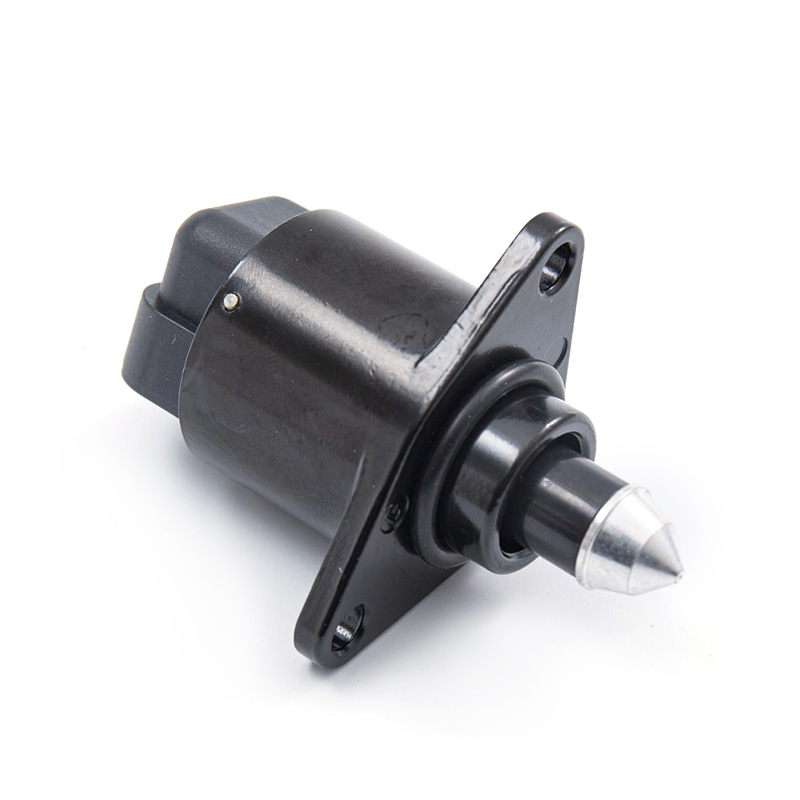
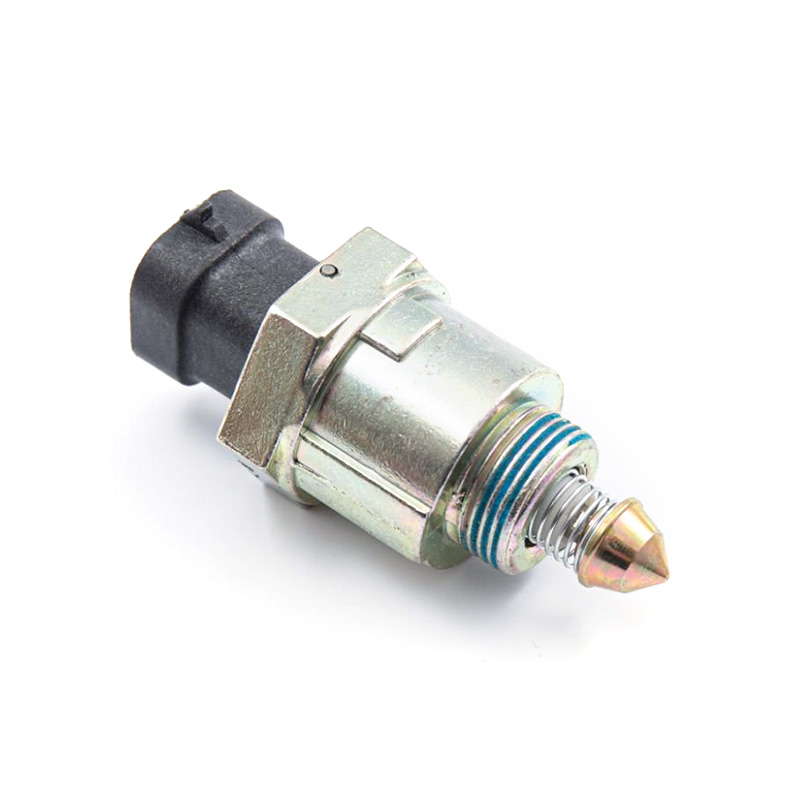
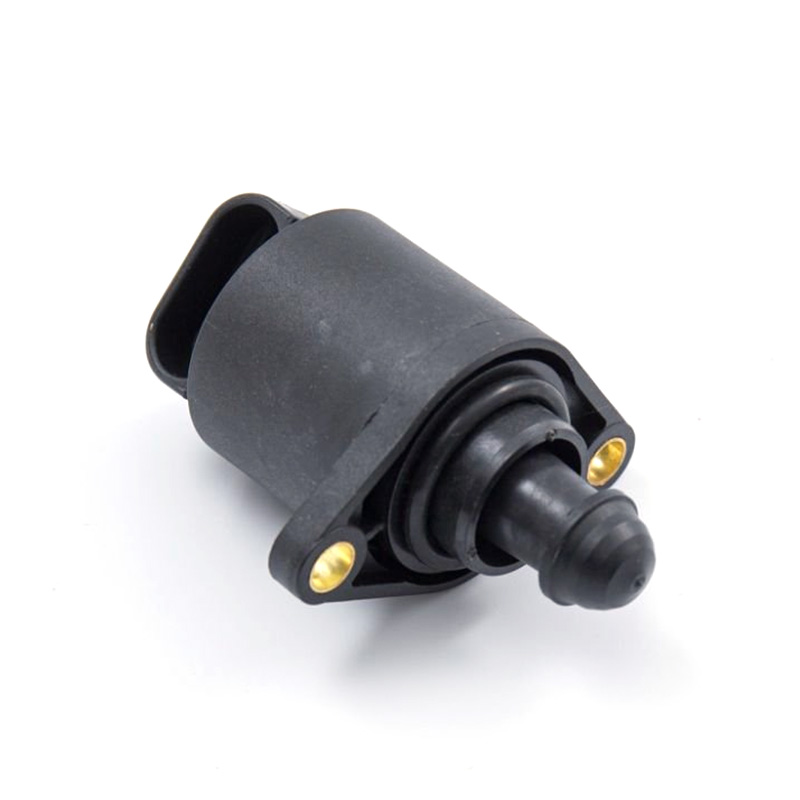
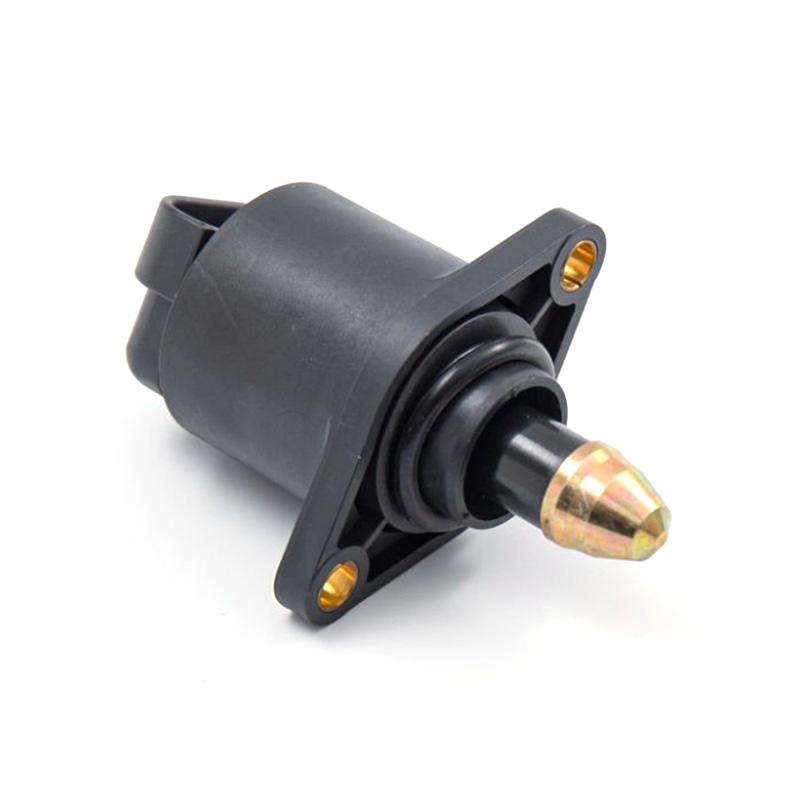
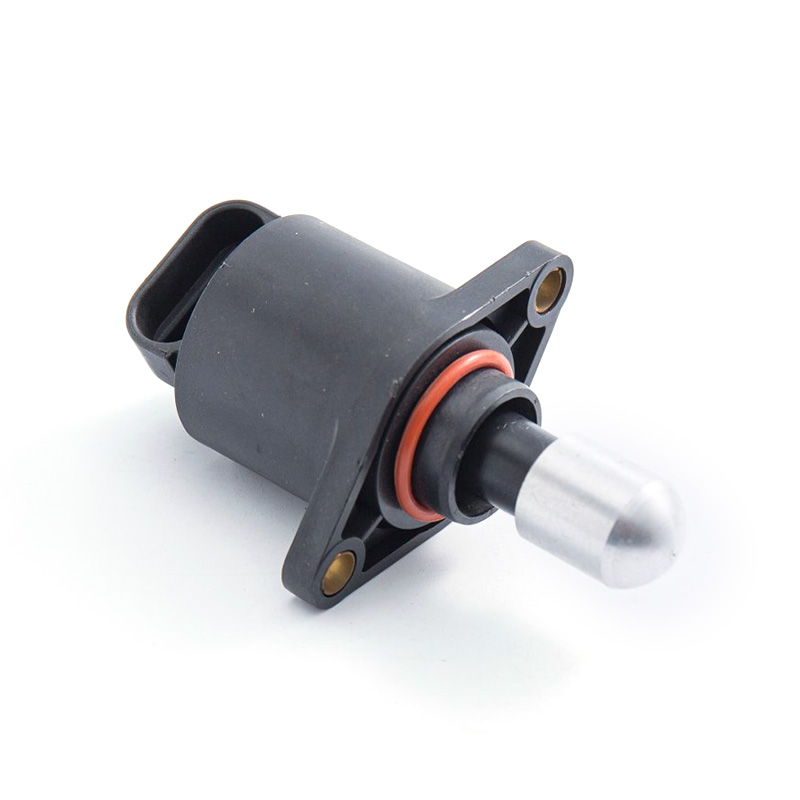
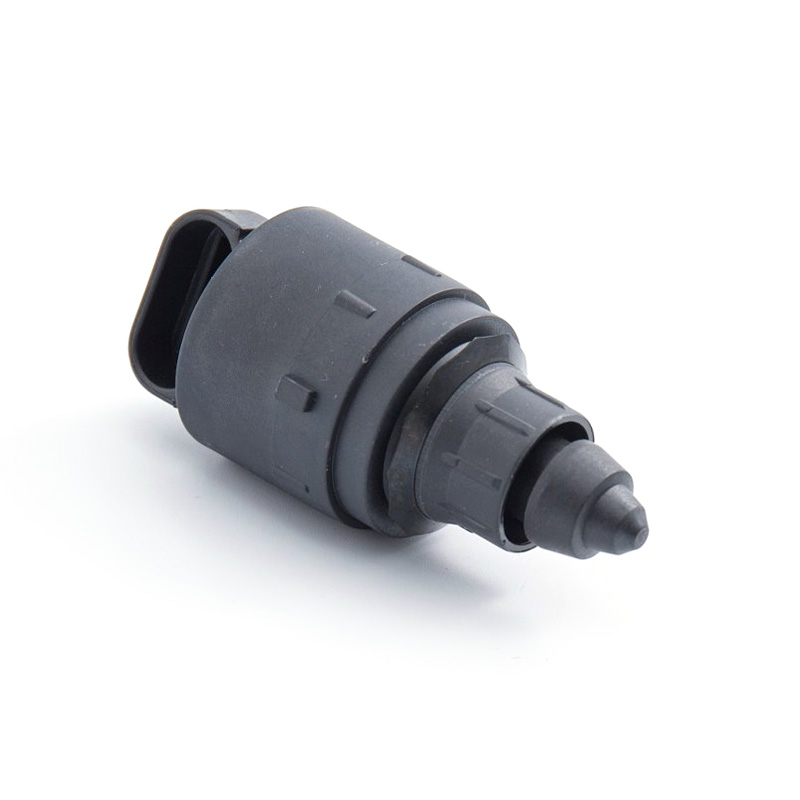
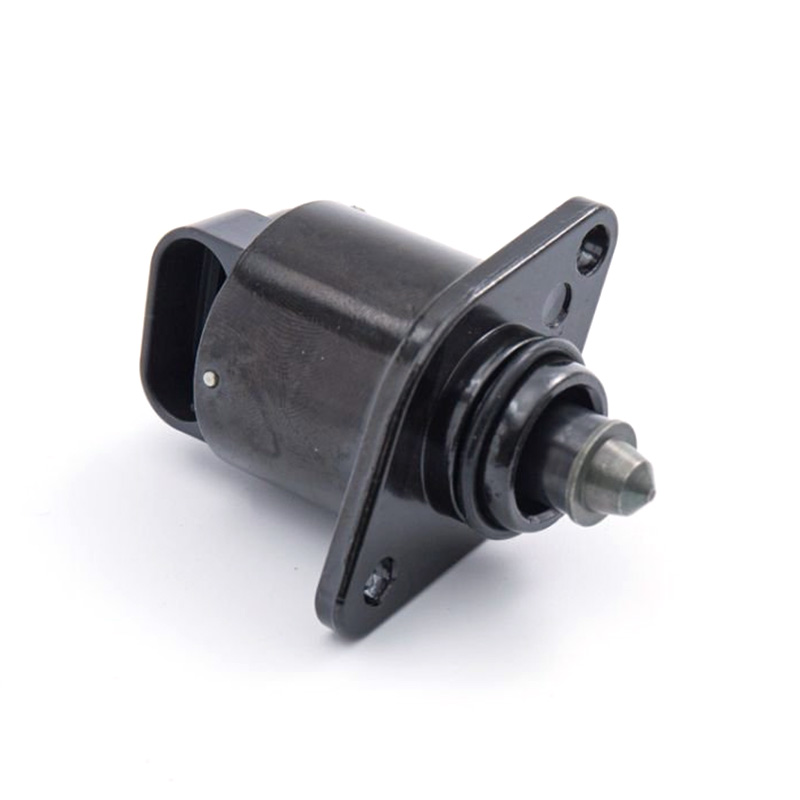
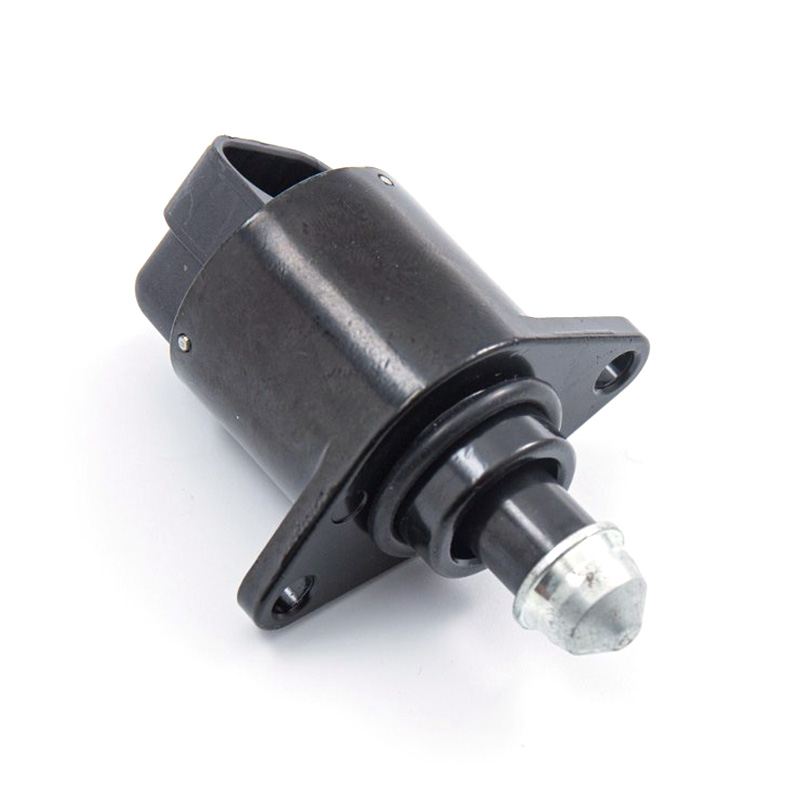
One commonly inspected component behind these symptoms is the 1997 Ford Ranger IAC valve. The idle air control system manages bypass airflow around the throttle plate, allowing the engine computer to maintain stable idle speed. Carbon deposits inside the valve or airflow passage can restrict movement, causing delayed air adjustment and unstable RPM behavior. Diagnostic references for 1997 Ranger models associate idle control faults with symptoms such as low idle speed, rough idle, and stalling during idle conditions.
However, RPM fluctuation is not always caused by the valve alone. Vacuum leaks, throttle body contamination, sensor issues, and electrical problems may create similar driving complaints. A complete inspection helps separate airflow control problems from other engine management concerns.
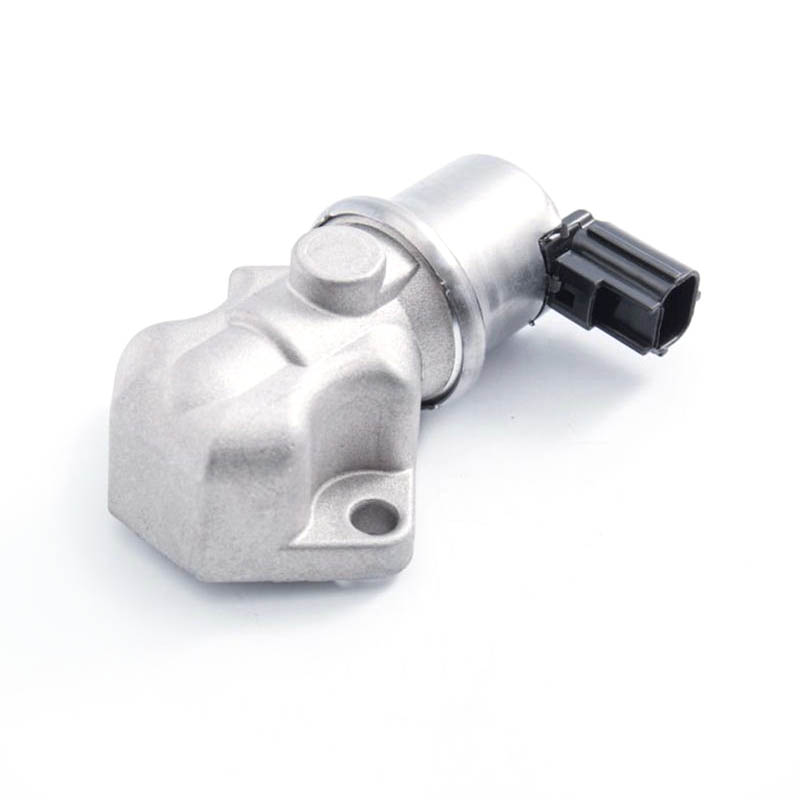
Idle operation places unique demands on the engine management system. At cruising speed, the throttle plate supplies a large volume of incoming air. During idle, the throttle remains almost closed, meaning the engine depends on the idle bypass circuit for precise airflow control.
The result can appear as RPM bouncing between high and low values instead of settling at a stable idle speed.
The idle air control valve operates in an environment containing oil vapor, combustion residue, and airborne contaminants. Over years of operation, deposits may accumulate around the valve opening or internal moving parts.
Technical discussions about Ranger idle problems frequently mention carbon accumulation as a factor that can cause the valve to stick and disturb idle regulation.
A contaminated valve may still operate electrically, but mechanical movement becomes less predictable. The engine computer continues sending adjustment commands, while the valve responds slower than expected.
Owners usually notice idle control issues under specific driving situations rather than during normal acceleration.
| Vehicle Behavior | Possible Idle Air Control Condition |
| RPM rises and falls repeatedly while parked | Unstable bypass airflow adjustment |
| Engine nearly stalls after stopping | Insufficient airflow correction after throttle closing |
| Idle changes after turning on A/C | Slow response to additional engine load |
| High idle speed remains after warm-up | Valve stuck open or incorrect airflow control |
| Rough vibration at idle | Uneven air supply at low engine speed |
Ranger repair discussions commonly describe bouncing RPM, stalling near stops, and idle instability as signs associated with idle air control problems.
The 1997 Ranger uses an electronic idle speed control strategy. The powertrain control module monitors operating conditions and adjusts the idle air valve position to maintain engine speed.
| Component | Function |
| IAC valve | Controls bypass air around throttle plate |
| Throttle body | Controls primary engine airflow |
| PCM | Calculates idle correction commands |
| Engine sensors | Provide temperature, load, and operating data |
| Vacuum system | Maintains proper intake pressure balance |
Ford service documentation for 1997 Ranger applications describes the IAC valve as an electronic idle speed control component mounted with the throttle system. During service procedures, the PCM may require a relearning period after power is disconnected because stored idle values are cleared.
Carbon deposits do not always remain inside the valve itself. The surrounding throttle body and bypass channels can also collect residue that affects airflow accuracy.
Some Ranger owners report improved idle behavior after cleaning airflow-related components, especially in vehicles with long service histories.
Cleaning results depend on the internal condition of the valve. Light contamination may affect movement, while electrical failure or mechanical wear may require component replacement.
Replacing parts without confirmation can overlook other causes of idle fluctuation. A structured diagnosis usually produces better results.
A vacuum leak can create symptoms similar to an idle valve problem because additional unmetered air changes the engine control calculation. Ranger troubleshooting resources also highlight intake leaks, throttle components, and airflow sensors as possible contributors to rough idle conditions.
| Inspection Item | Purpose |
| Electrical resistance | Checks internal solenoid condition |
| Valve movement | Confirms mechanical response |
| Air passage condition | Identifies restriction caused by deposits |
| PCM data | Compares target idle with actual operation |
| Vacuum condition | Rules out external airflow problems |
A 1997 Ford Ranger has accumulated years of operating cycles, making airflow system maintenance increasingly important. Aging hoses, residue buildup, and connector oxidation may gradually affect idle control accuracy.
Stable idle performance depends on cooperation between the valve, throttle system, sensors, and engine computer. Addressing only one component may not resolve the issue if multiple small problems exist together.
Idle hunting and RPM bounce on a 1997 Ford Ranger often point toward airflow regulation problems that become more visible during low-speed operation. A restricted or slow-reacting idle air control valve can affect the engine’s ability to maintain consistent speed after throttle changes.
The 1997 Ford Ranger IAC valve remains an important part of the idle management system, but accurate diagnosis should include surrounding airflow components and engine control signals. Understanding how carbon buildup, valve response, and intake conditions interact helps owners identify the real source of unstable idle behavior.
Related Products
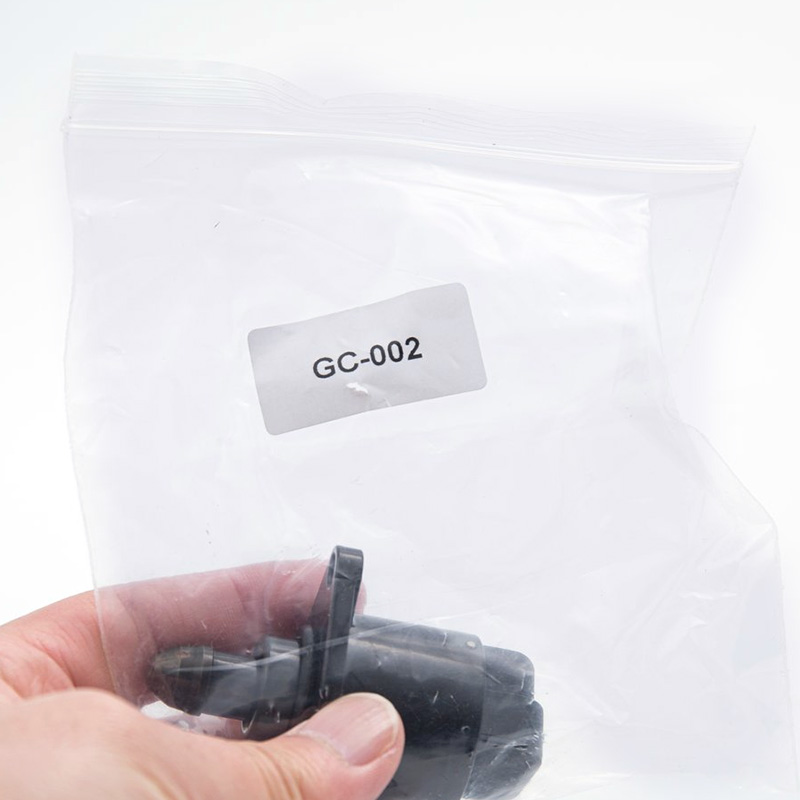
GC-002
REFERENCE OE:
SHORT CODE: B95/00
PEUGEOT: 1920X9 C95197
APPLICATION:
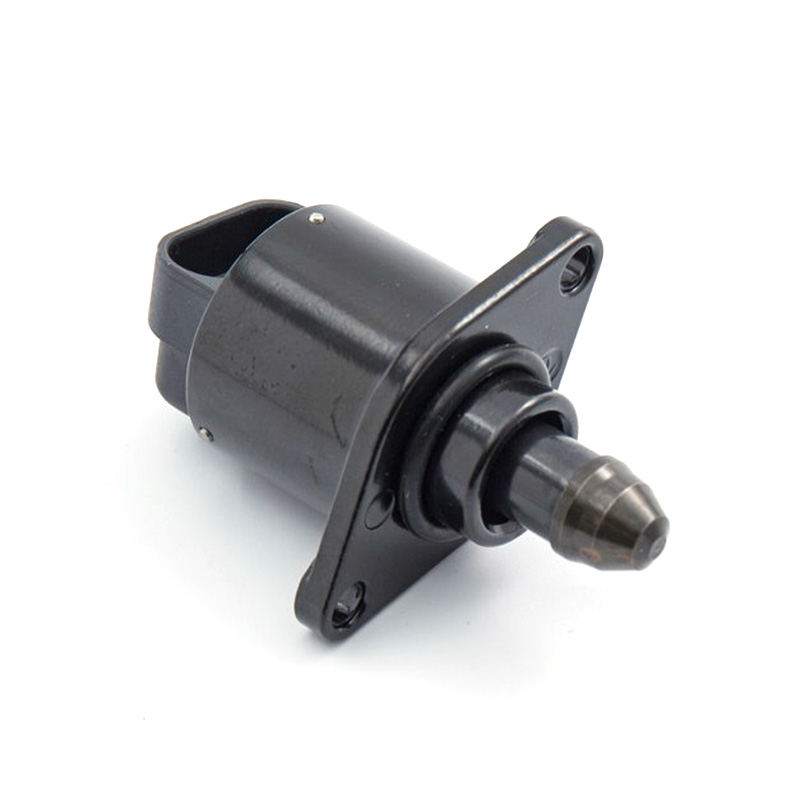
PEUGEOT 306 Break/Cabriolet/Schraqheck;PEUGEOT 405 II Break; PEUGEOT 406 Break/Coupe;
PEUGEOT 605 806;PEUGEOT BOXER Bus/Kasten/Pritsche/Fahrqestell
China original factory for idle air control valve and different kind of sensors with high quality and competitive price!
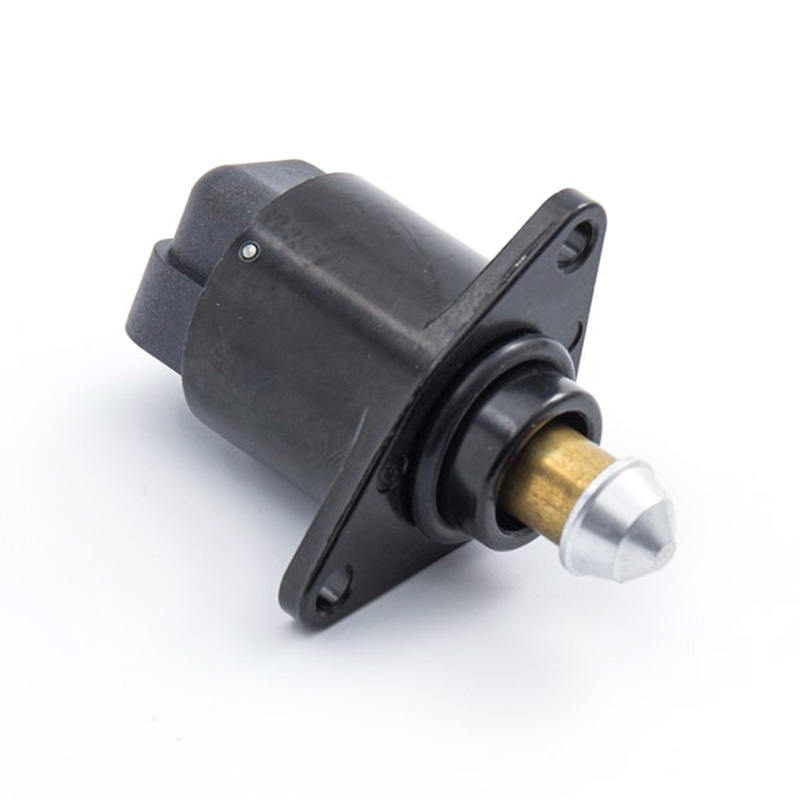
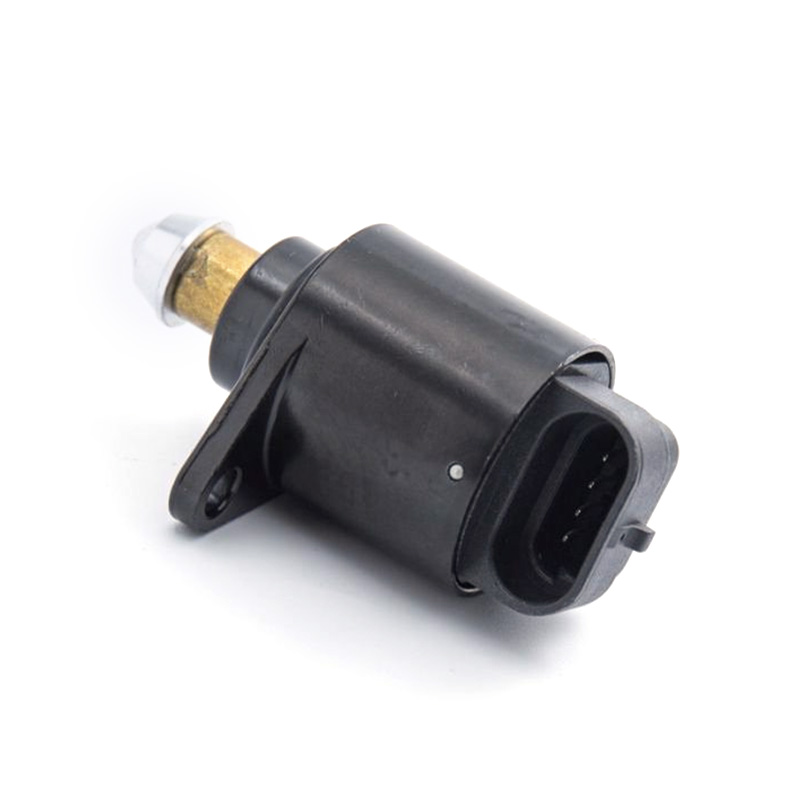
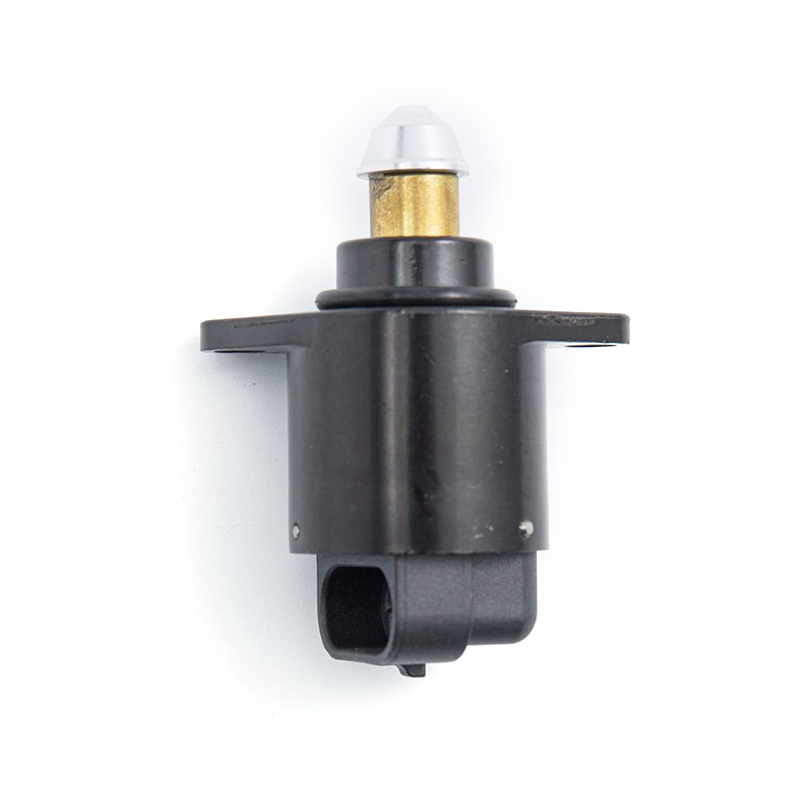
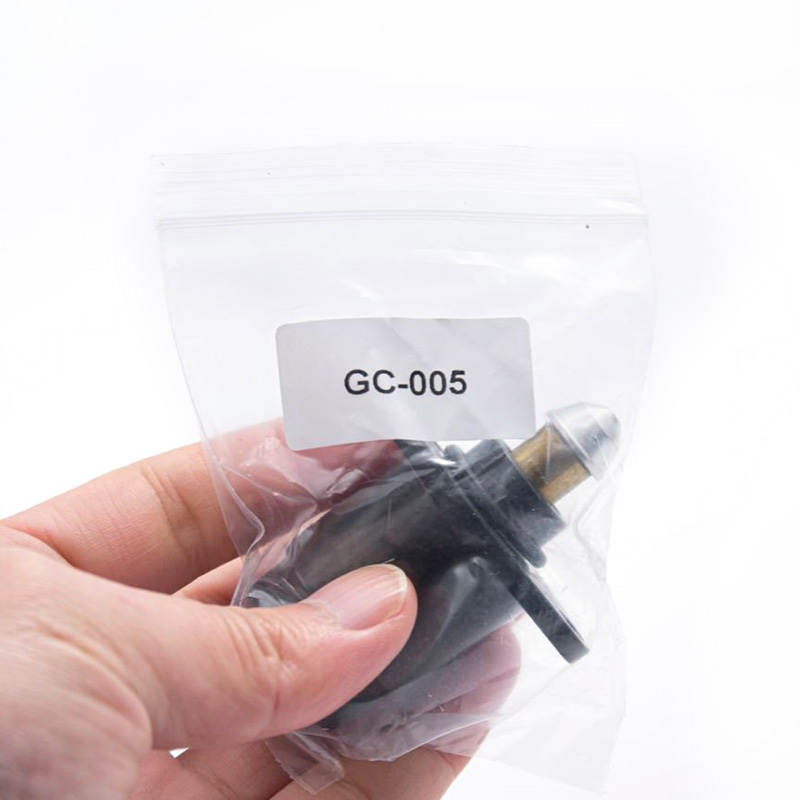
GC-005
REF OE:
HOT-STAMP:B22/00 B22/01
PEUGEOT:19204X
SIMENCE:A97104 A97113 B22/00 B22/01 19204X A97104 A97113
APPLICATION:
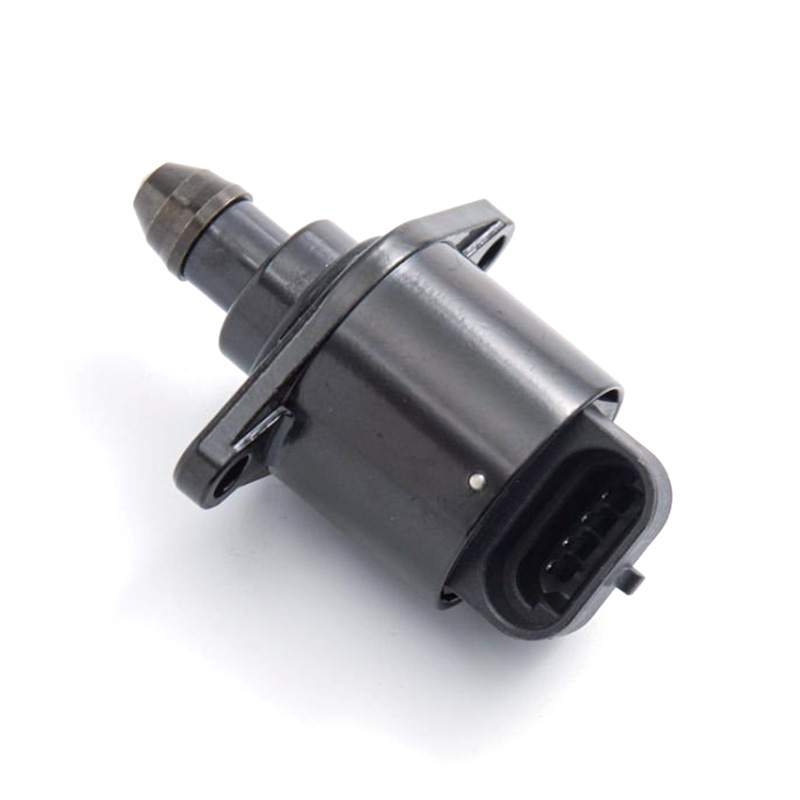
CITROEN BERLINGO(MF)1.8i(MFLFX)4WD(MFLFX);CITRO XANTIA/Break(X1)/(X2)1.8i/1.8i 16V;CITRO XSARA(N1)1.8i/1.8i 16V;Break(N2) 1.8i/1.8i 16V;Coupe(N0)1.8i/1.8i 16V;
PICASSO(N68)1.8 16V;PEUGEOT 306/Break/Cabriolet/Schraqheck;PEUGEOT 406/Break;PEUGEOT PARTNER Combispace(5F)1.8
China Auto Parts Manufacture with Wholesale Price for Idle Air Control Valve,Crankshaft Position Sensor,Camshaft Position Sensor,Throttle Position Sensor.
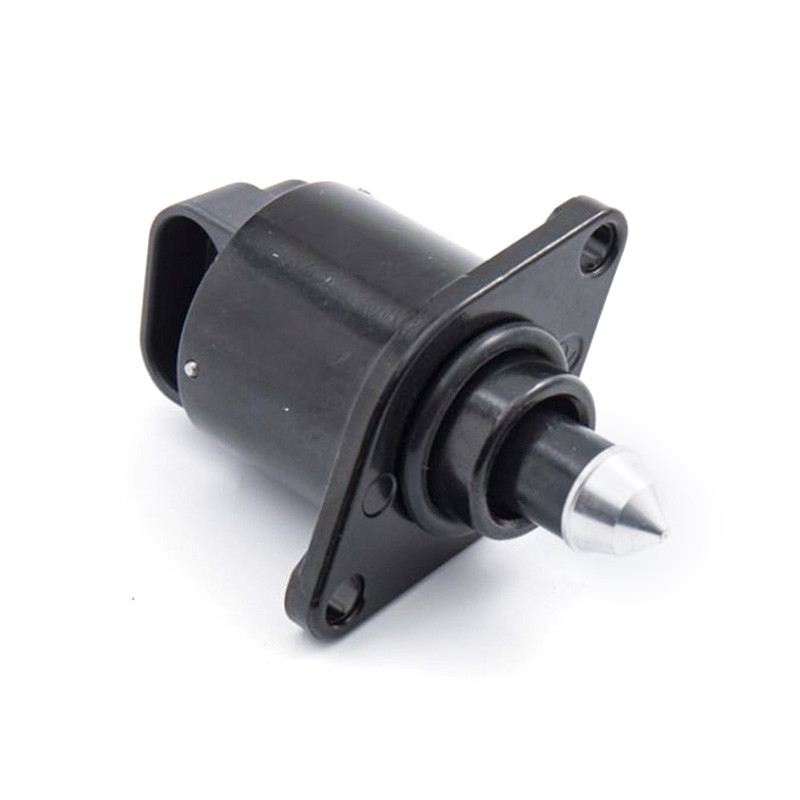
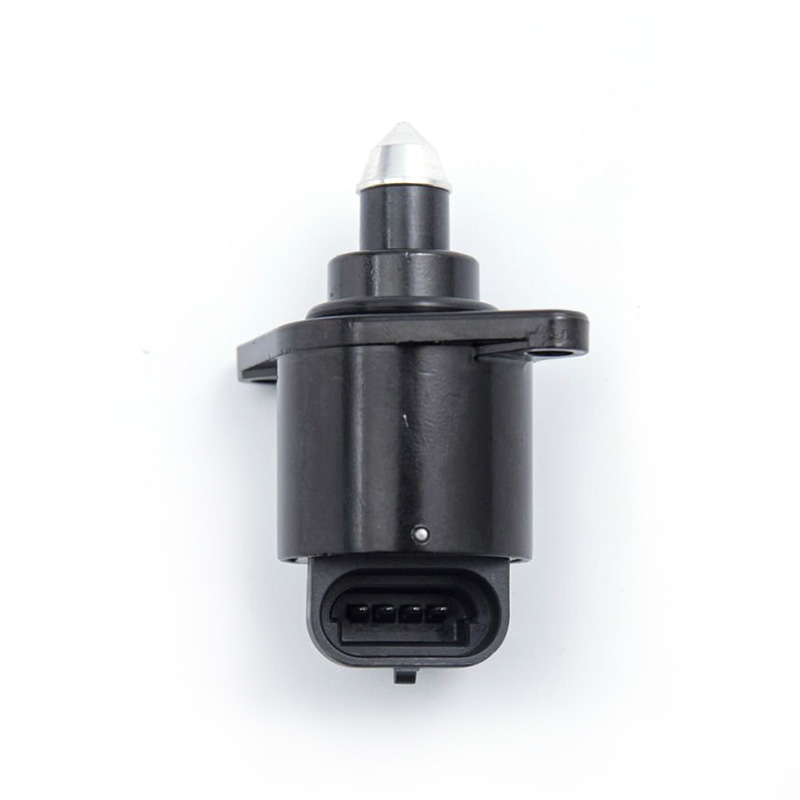
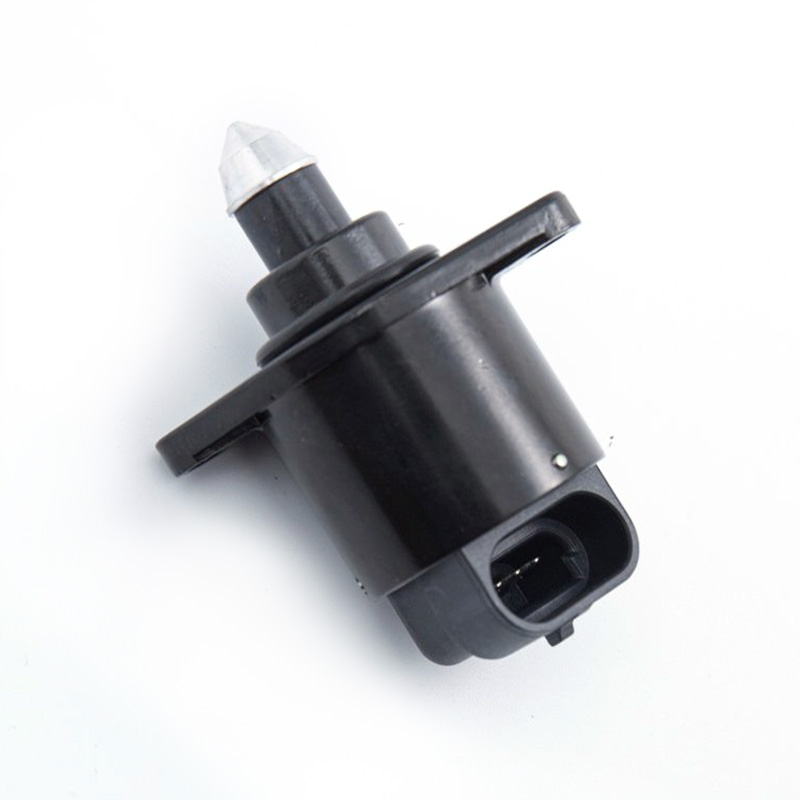
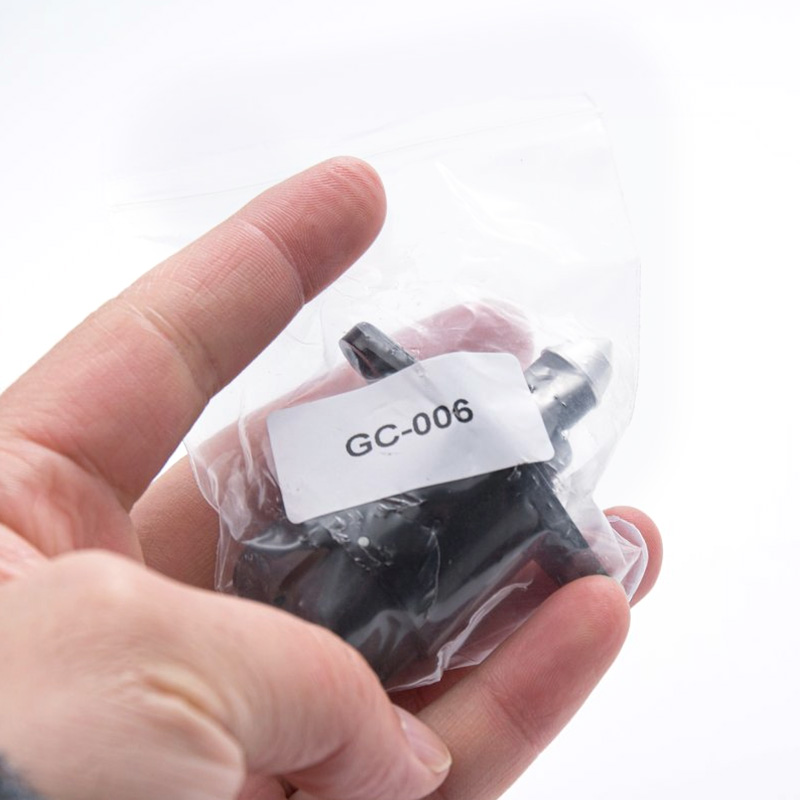
GC-006
REF OE:
SHORT CODE:D5134
VDO:D95134
RENAULT:7701044401
APPLICATION:
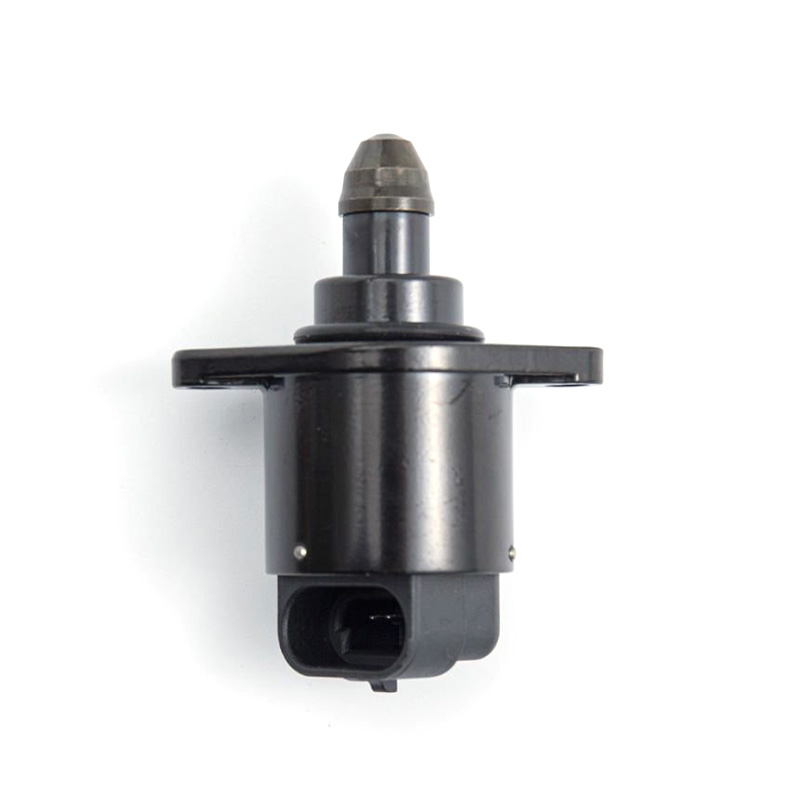
RENAULT CLIO I(B/C57_,5/357)1.4/II(BB0/1/2_,CB0/1/2_)1.4;RENAULT KANGOO(KC0/1)1.4/Express(FC0/1_)1.4;
RENAULT MEGANE Grandtour(KA0/1_)1.4e/I(BA0/1_)1.4e
Low price and good quality idle air control valve (IACV) from China,buying and purchasing from China auto parts factory direct!
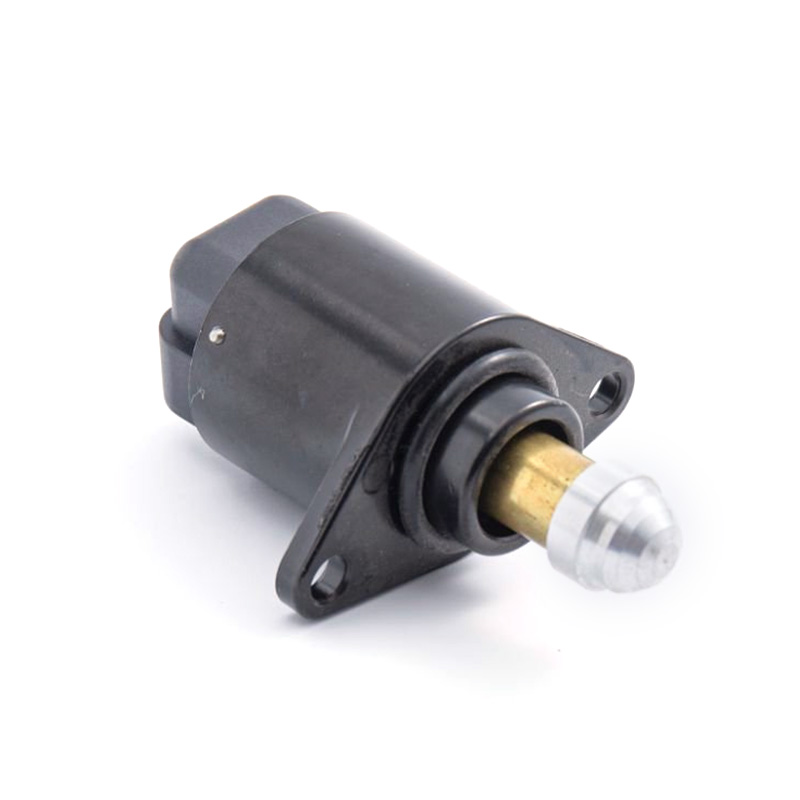
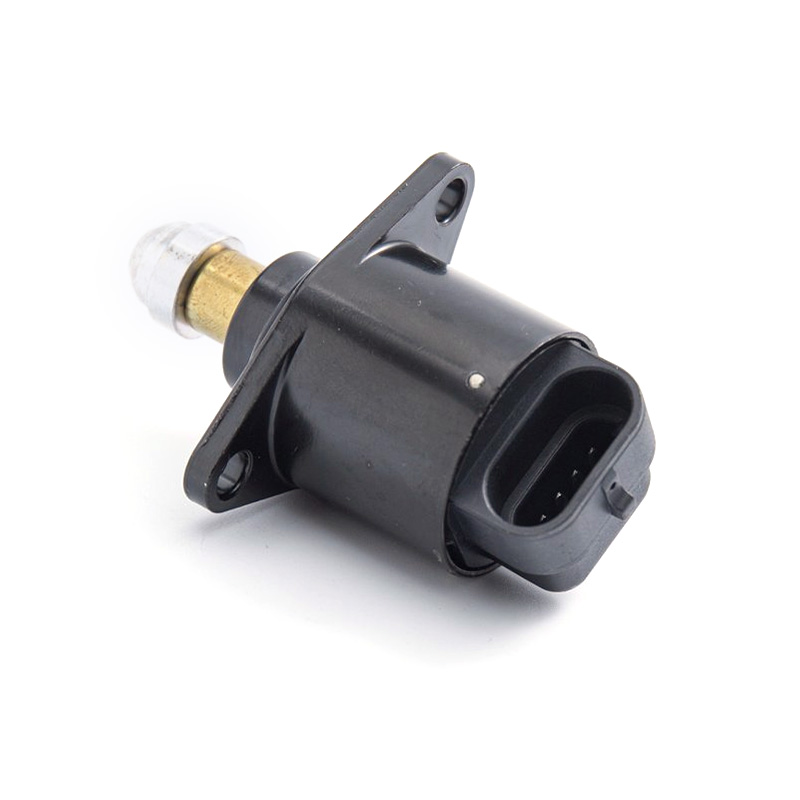
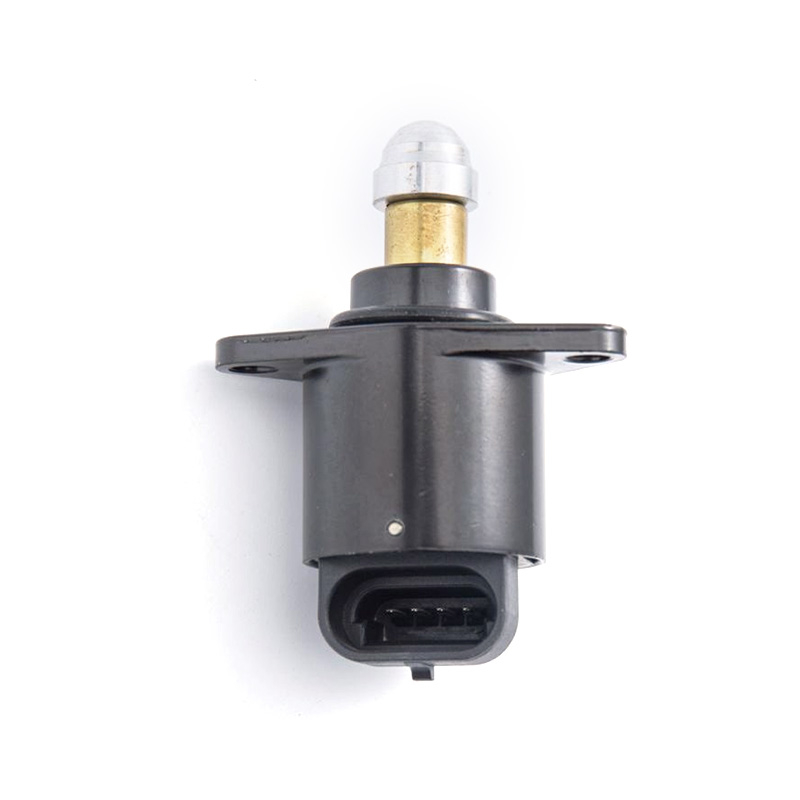
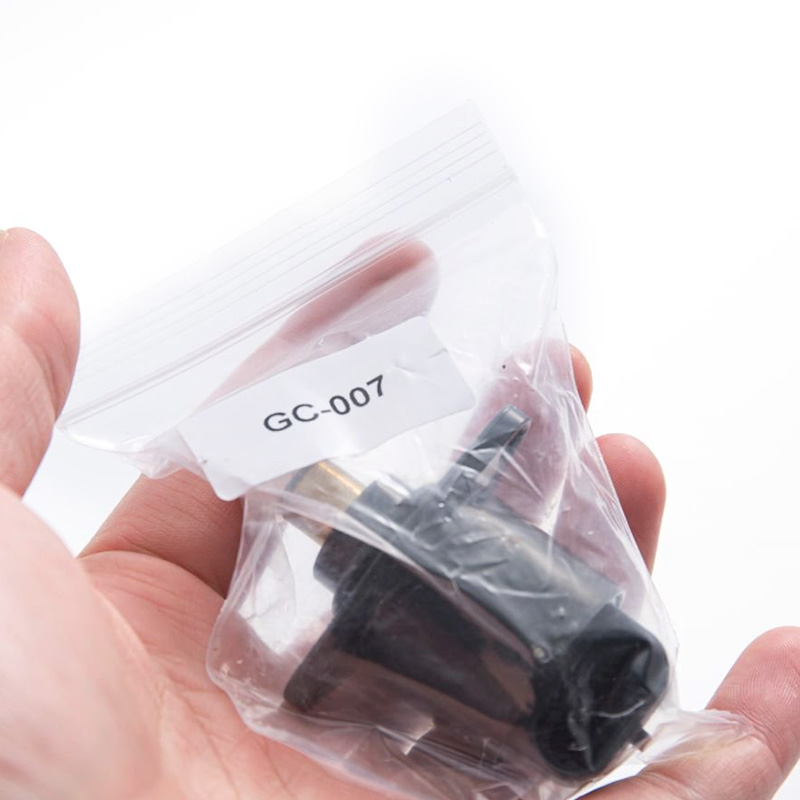
GC-007
REF OE:
SIMENCE:A96158 A97116
PEUGEOT:19208X;1920.8X
MARELLI:230016079217
APPLICATION:
PEUGEOT 206 CC(2D)2.0 S16;PEUGEOT 206 SW(2E/K)2.0 16V;PEUGEOT 307;
PEUGE 406/Break/Coupe;PEUGE 806/807;PEUGE EXPERT(224)2.0
China auto parts factory for idle air control valve and many kind of sensor imprting and exporting.
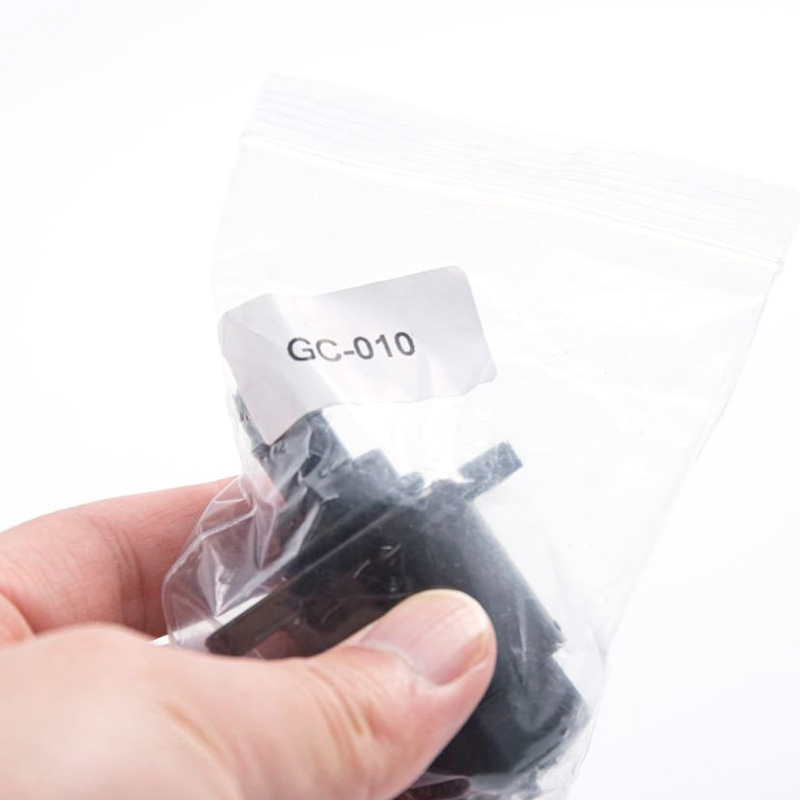
GC-010
REF OE:
SHORT CODE: D5184
APPLICATION:
FIAT PALIO/SIENA-VW GOL 1000,TEMPRA;
VALVE IACV CHEV N300
Factory direct from China for idle air control valve,first choice to buying.
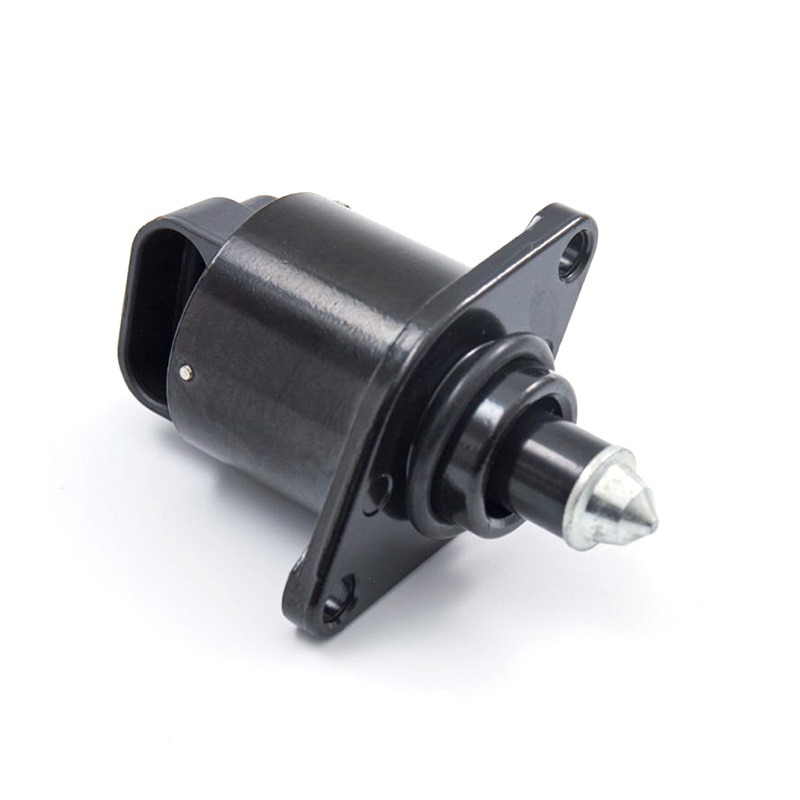
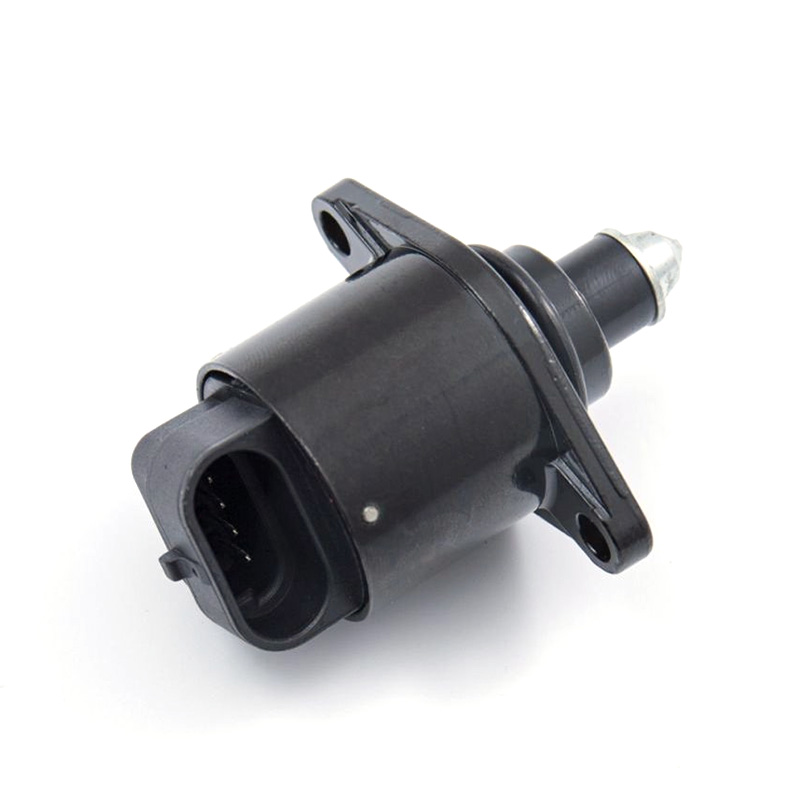
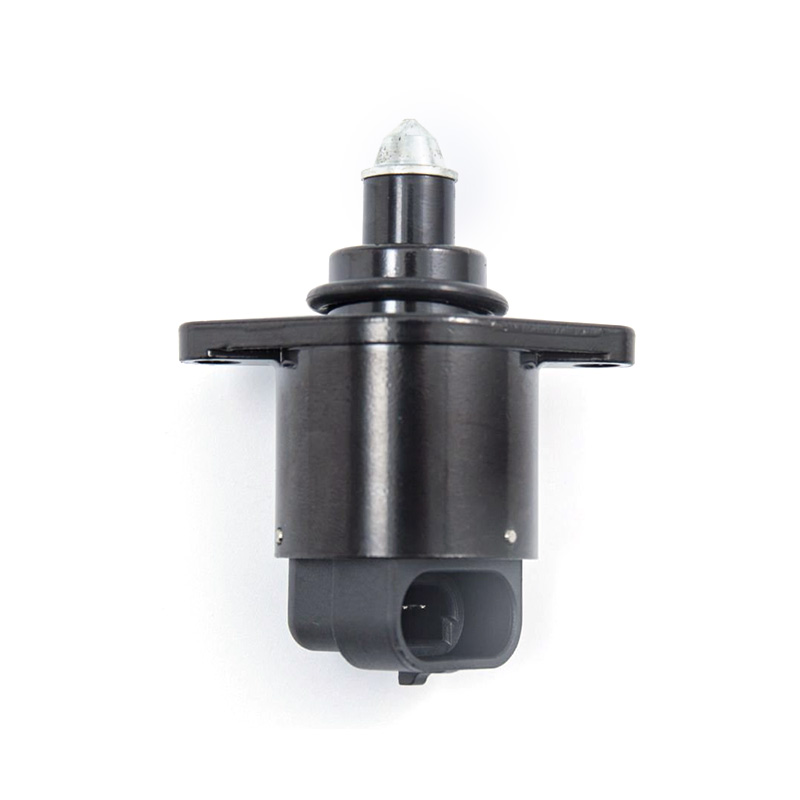
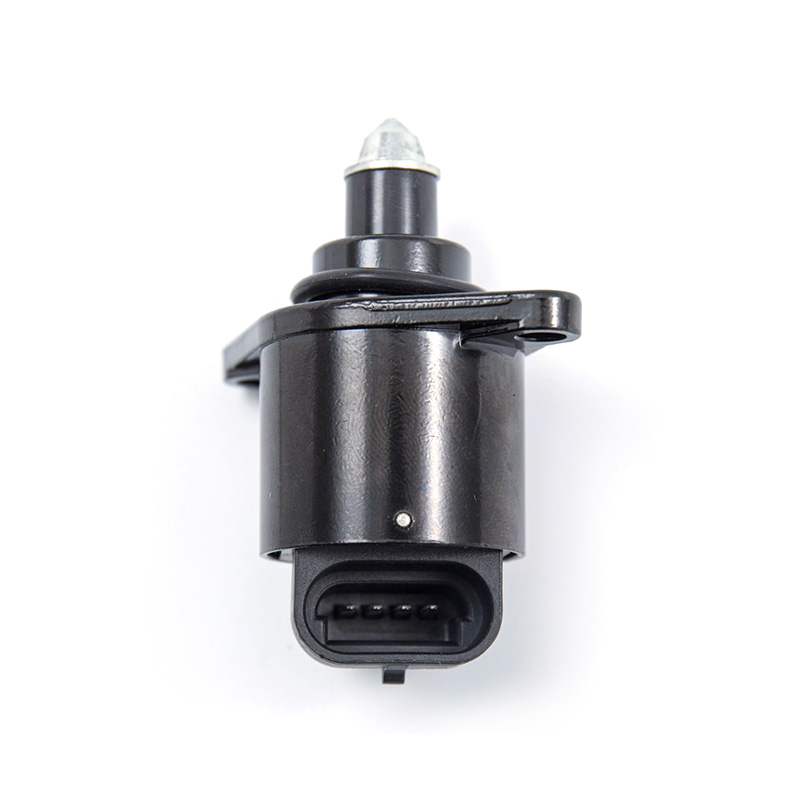
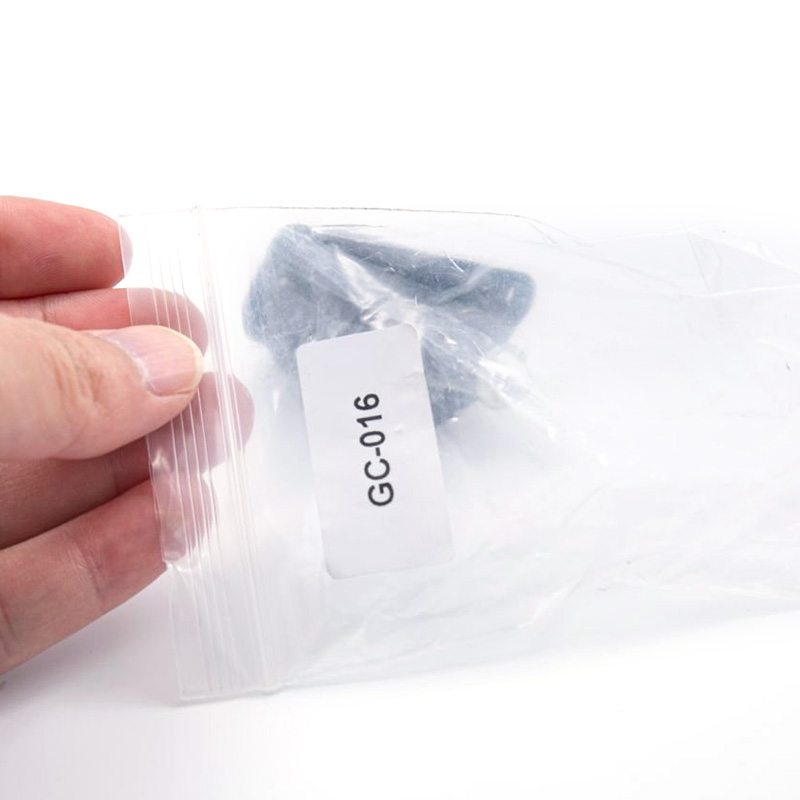
GC-016
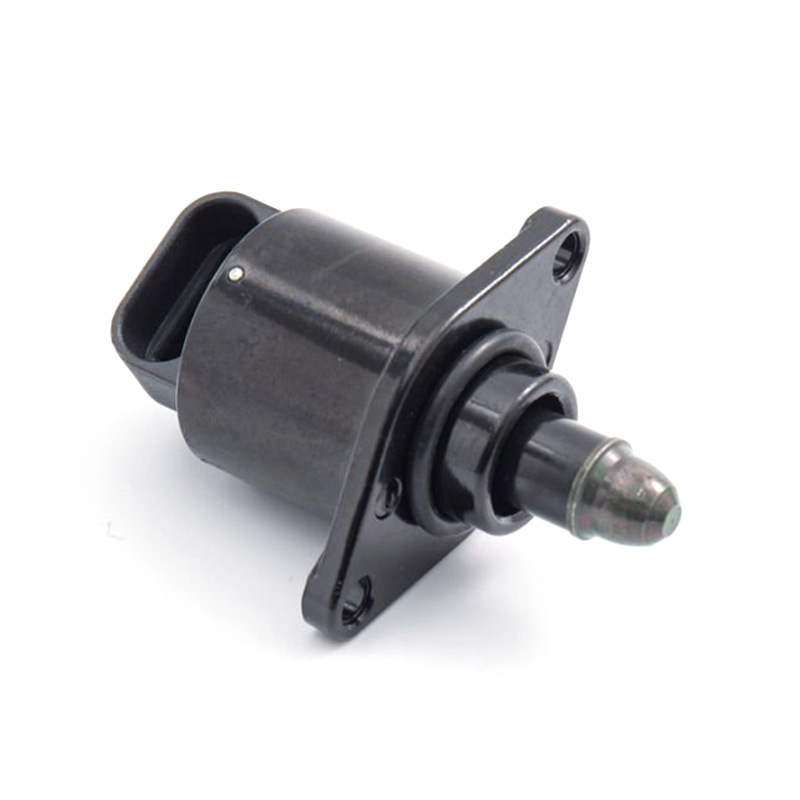
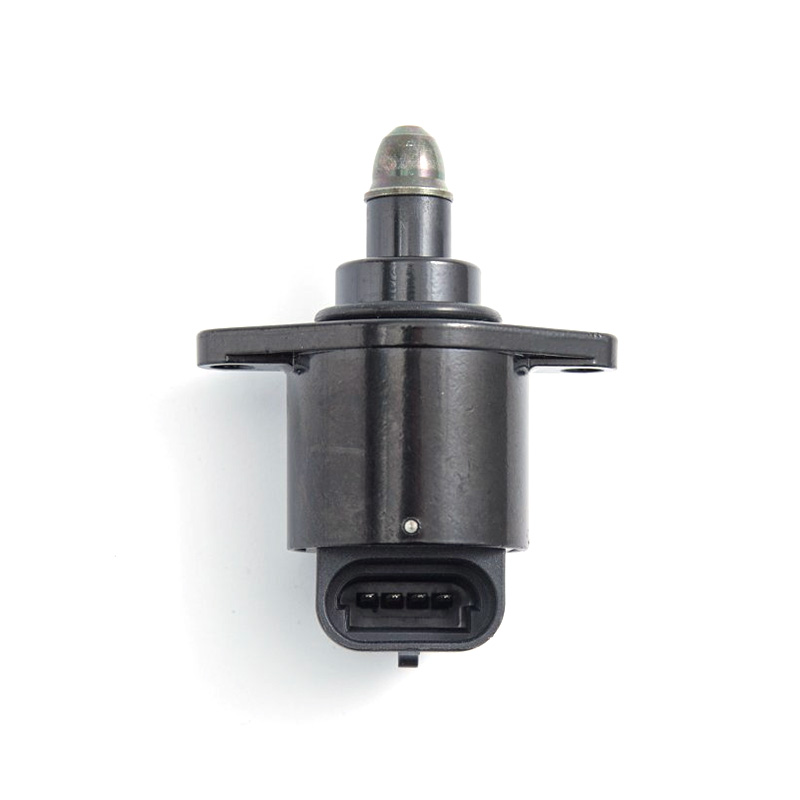
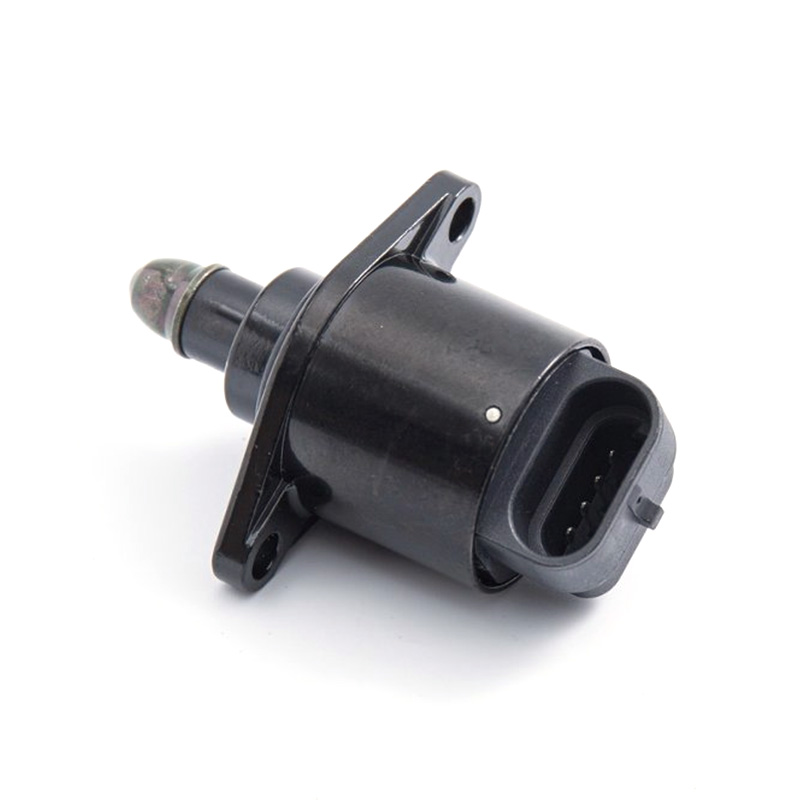
REFERENCE OE:
MEAT DORIA:84037
SHORT CODE:B32/00 D95129
RENAULT: 7701042403 801000774001
APPLICATION:
RENAULT CLIO I;
RENAU CLIO II/II Kasten;
RENAU KANGOO/KANGOO Express;
RENAU TWINGO
Importing auto parts idle air control valve from China factory!
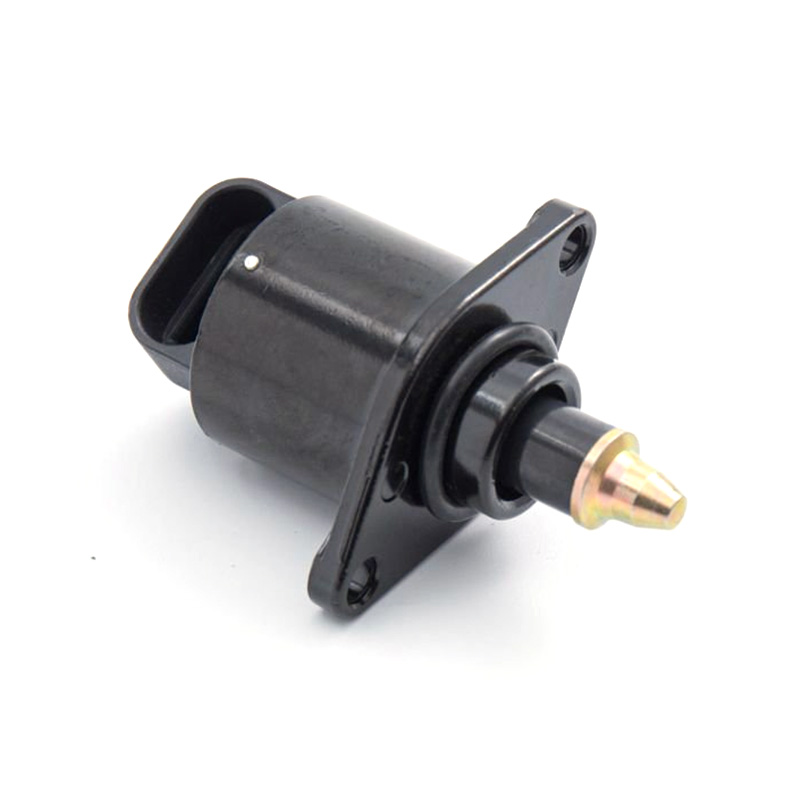
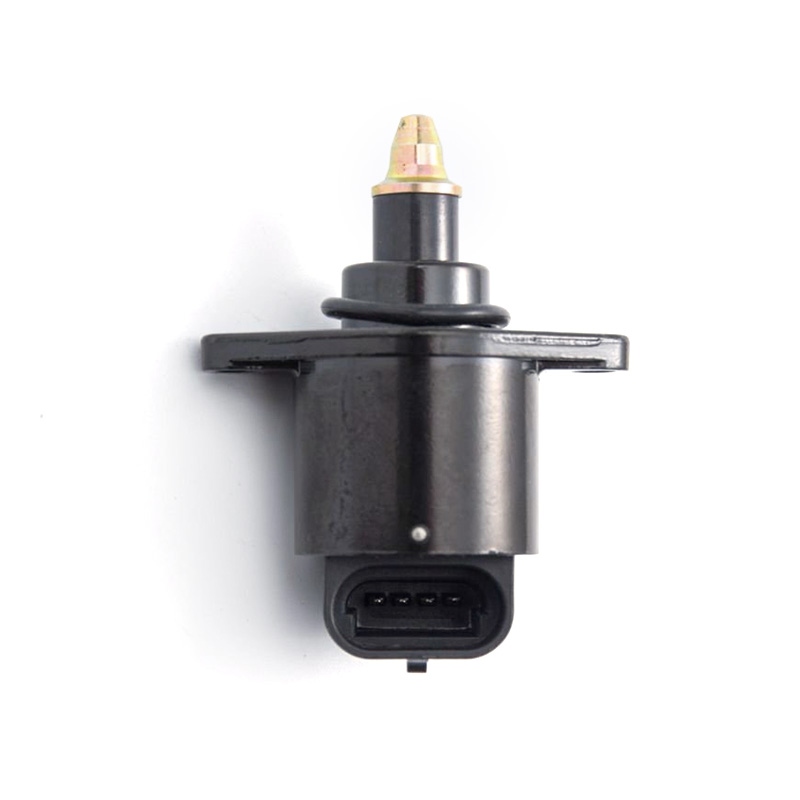
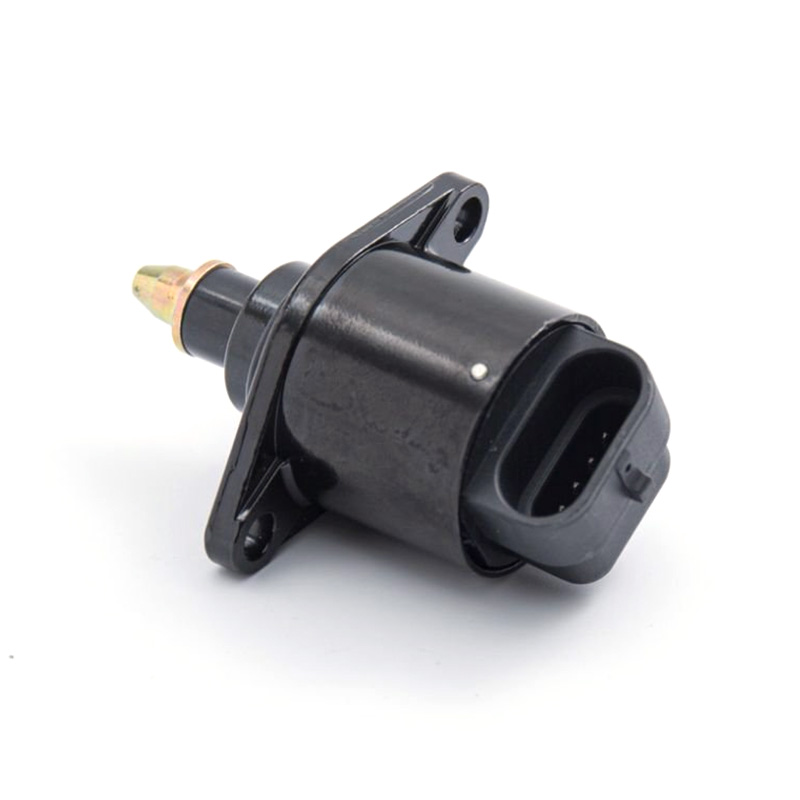
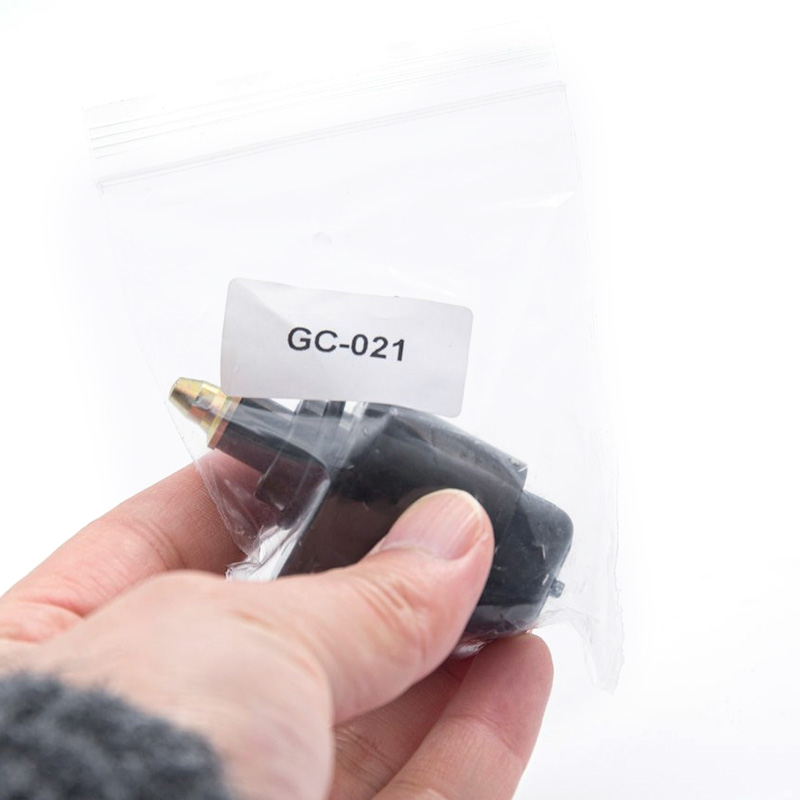
GC-021
REFERENCE OE:
MARELLI:230016079047
SIMENCE:A95262 1920Q8
CITRO NO:95644634
RENAULT:7701204054
APPLICATION:
CITROEN AX;PEUGEOT 106I/II;PEUGEOT 205 I/II;PEUGEOT 306/306 Schraqheck;RENAULT TWINGO
Idle air control valve selling,China manufacture quality!
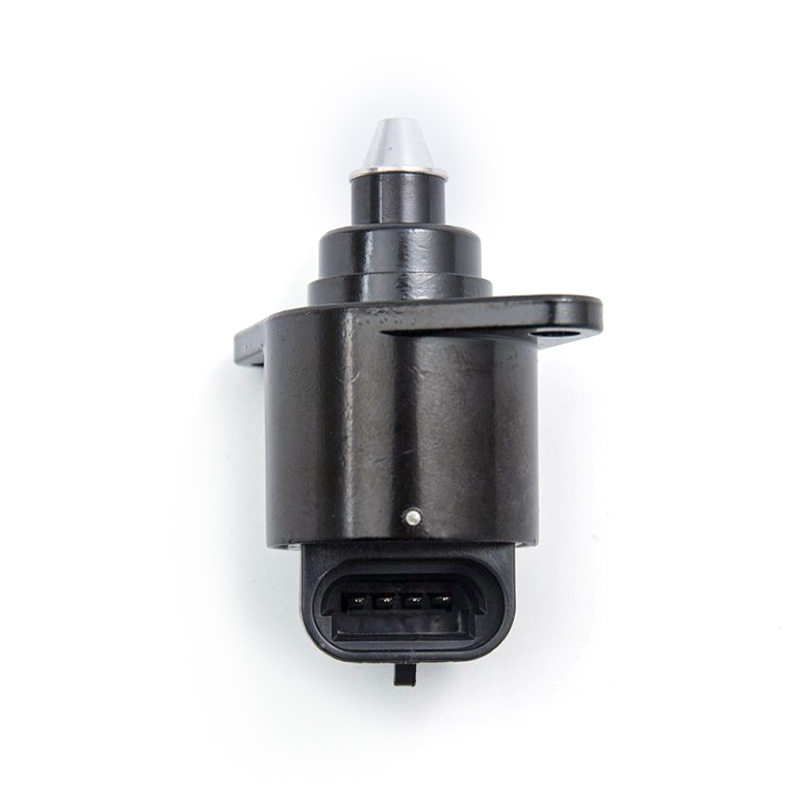
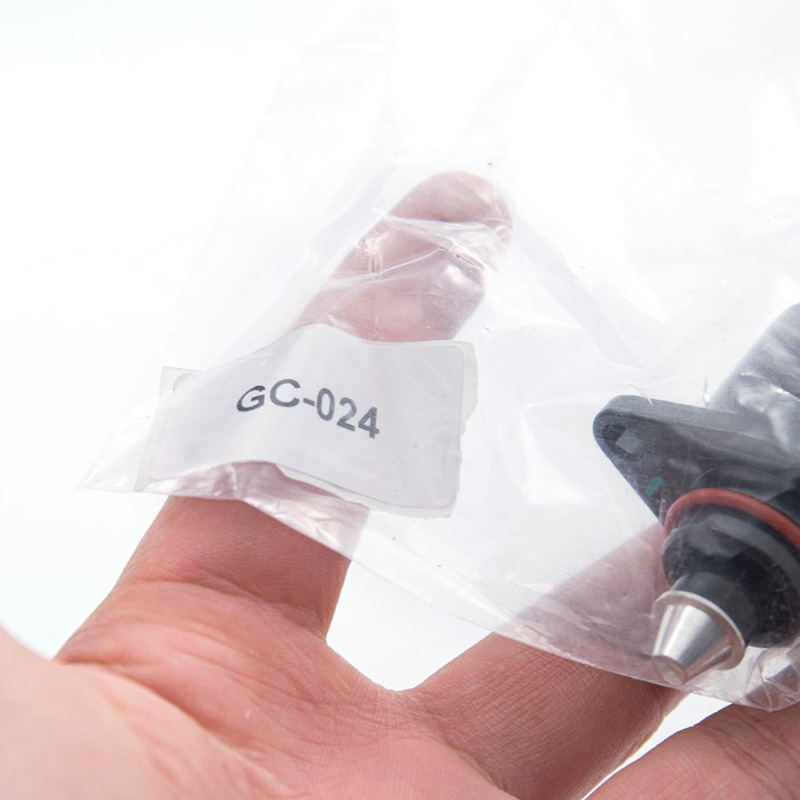
GC-024
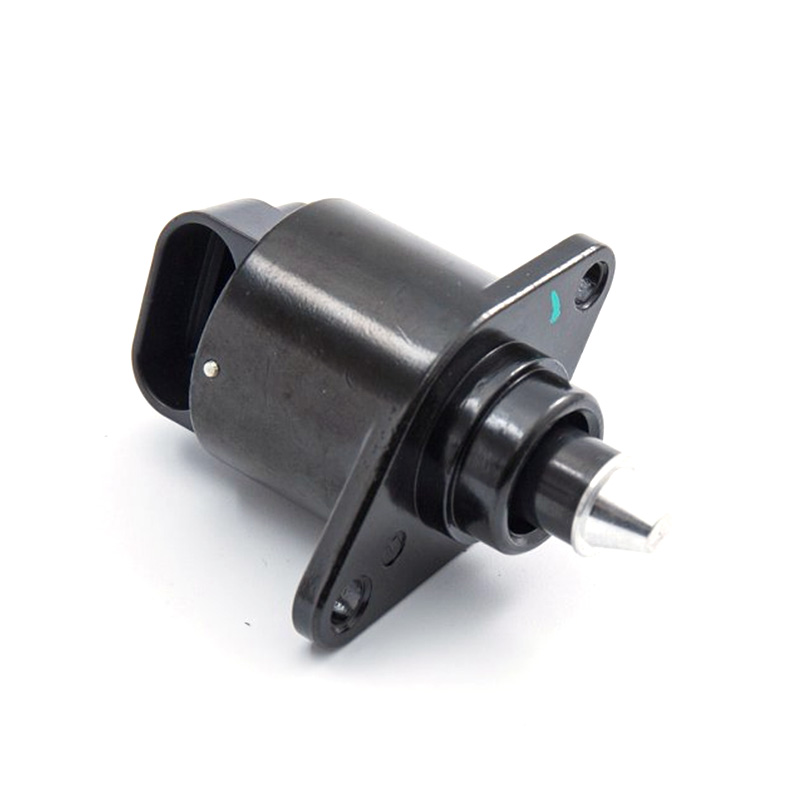
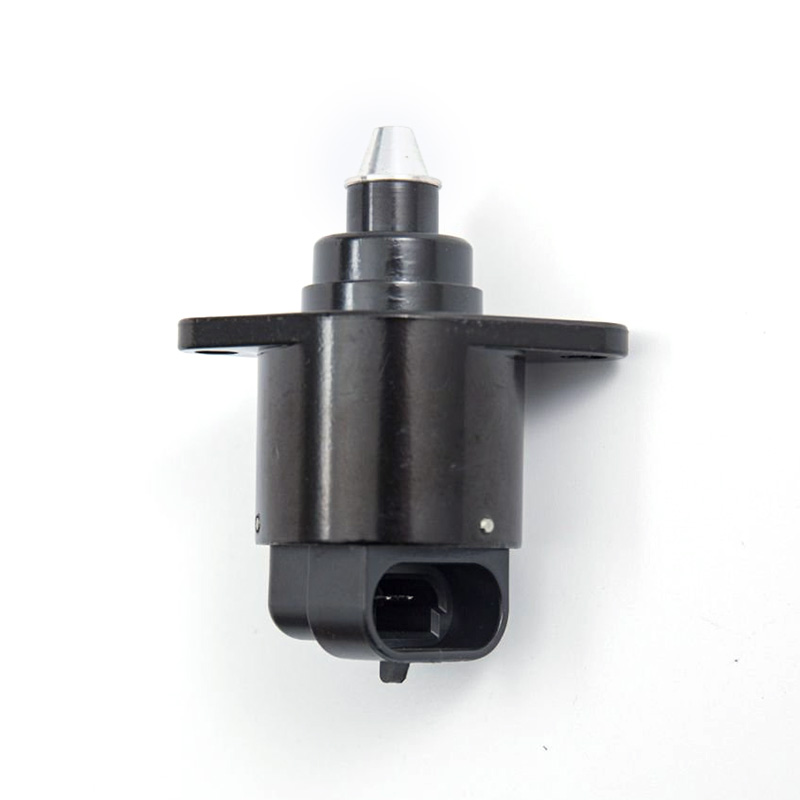
REFERENCE OE:
SHORT CODE: C1351
OPEL: 817254 17112027
SIMENCE: A95160
DELPHI:ICD 00127
VDO: AT-59524R
HELLA:6NW009141121;0817254; 93227674
APPLICATION:
OPEL ASTRA F CLASSIC Kombi/Schraqheck;
OPEL COMBO;
OPEL CORSA A Schraqheck/TR;
OPEL CORSA B;
OPEL KADETT E;
OPEL TIGRA
Idle air control valve from China factory for Opel, IACV.
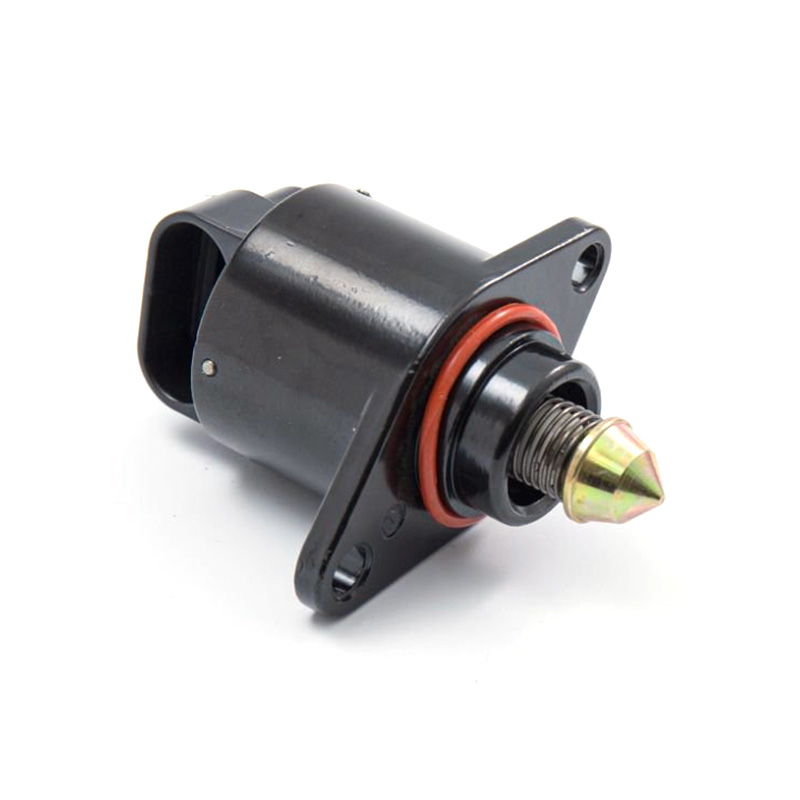
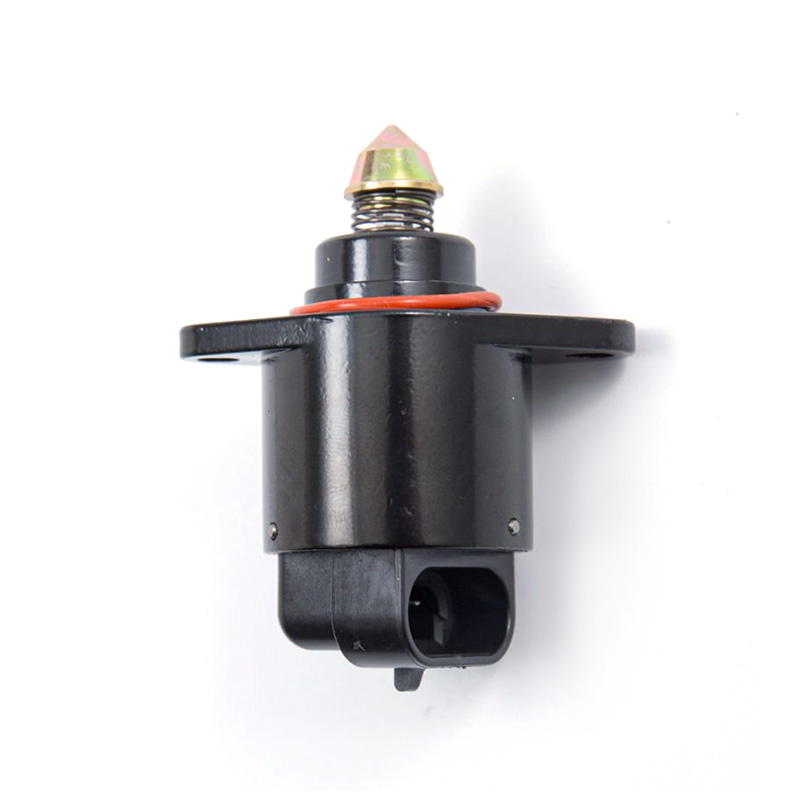
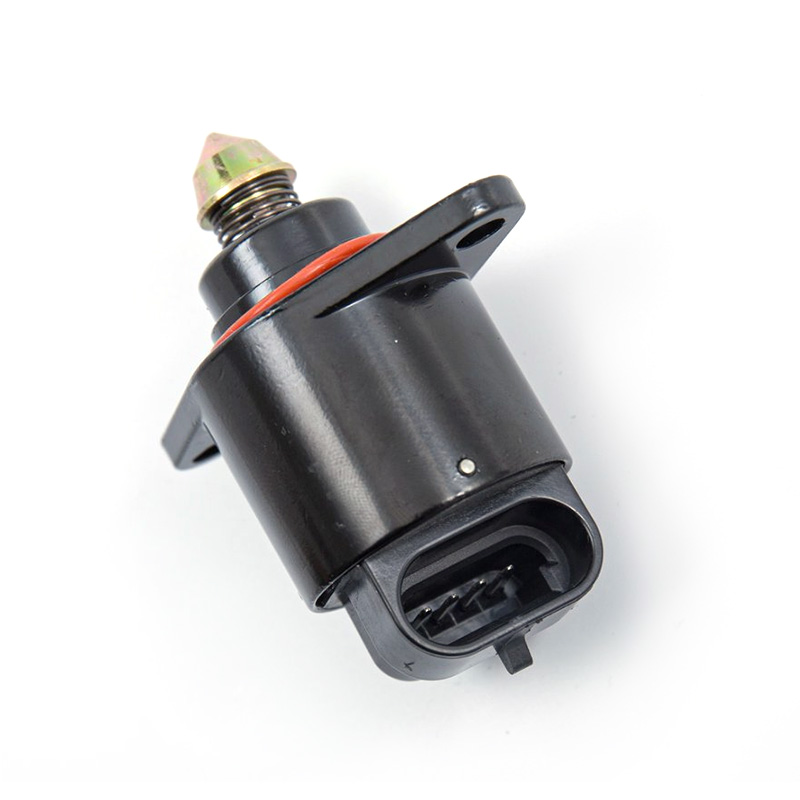
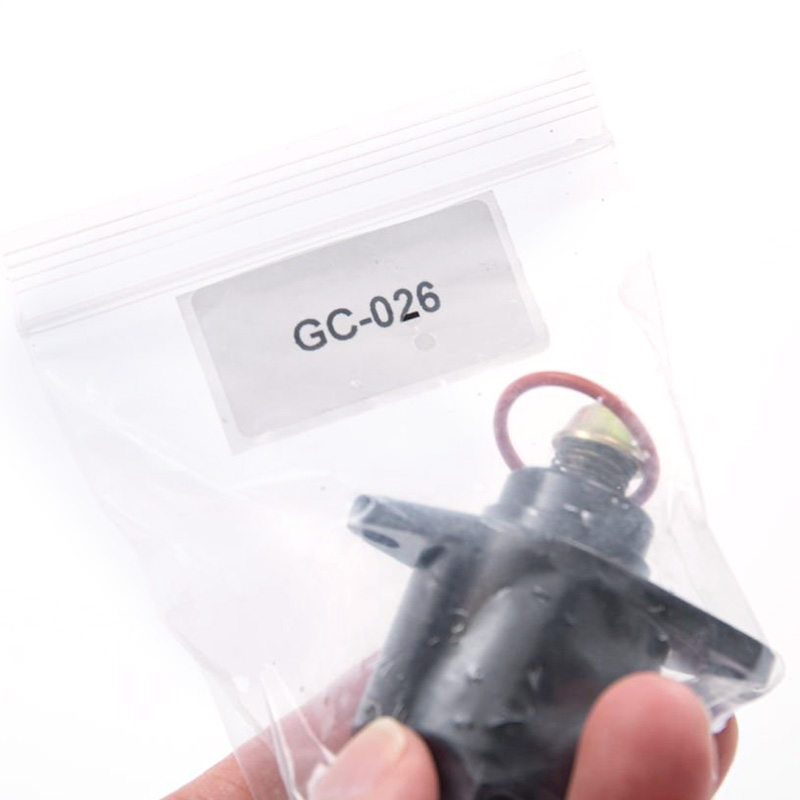
GC-026
REFERENCE OE:
SHORT CODE: 59603; 17059603
DELPHI: ICD00125
GM: 817253 817255 17112031 17112023
SIMENCE: A95214
VDO: AT-59603R STD: AC15
APPLICATION:
OPEL ASCONA C;
OPEL ASTRA F;
OPEL ASTRA F Cabriolet/Kombi/Schraqheck/Van;
OPEL KADETT E;
OPEL KADETT E Cabriolet/Kombi/Schraqheck
Idle air control valve from China manufacture for Opel.
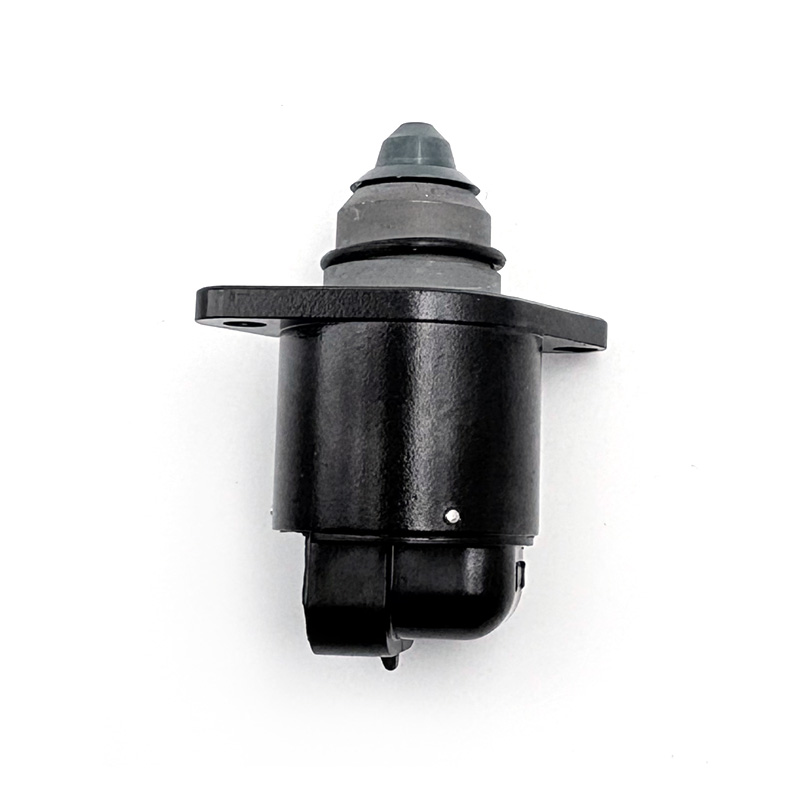
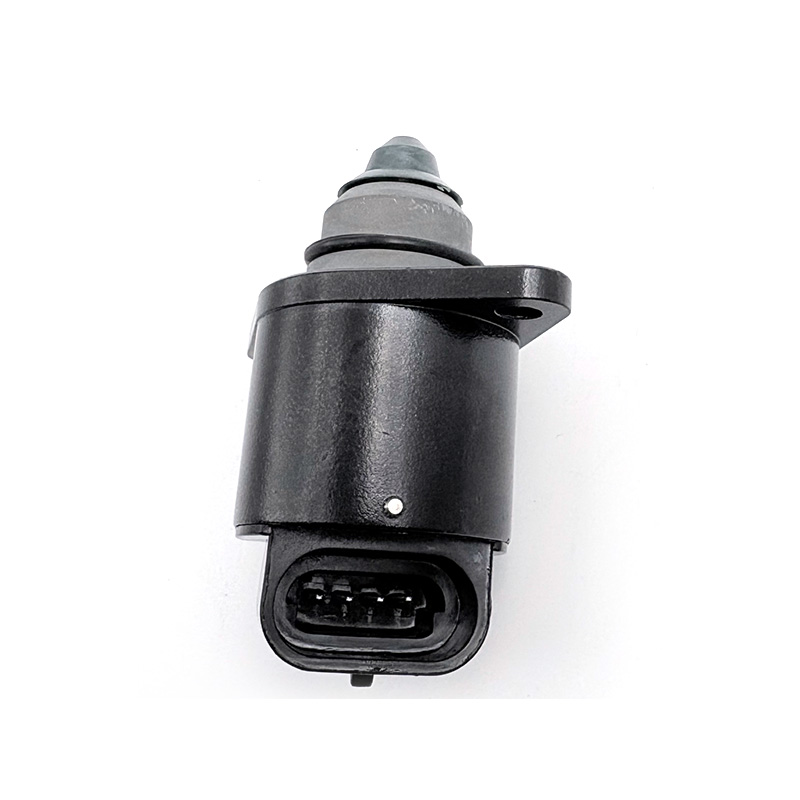
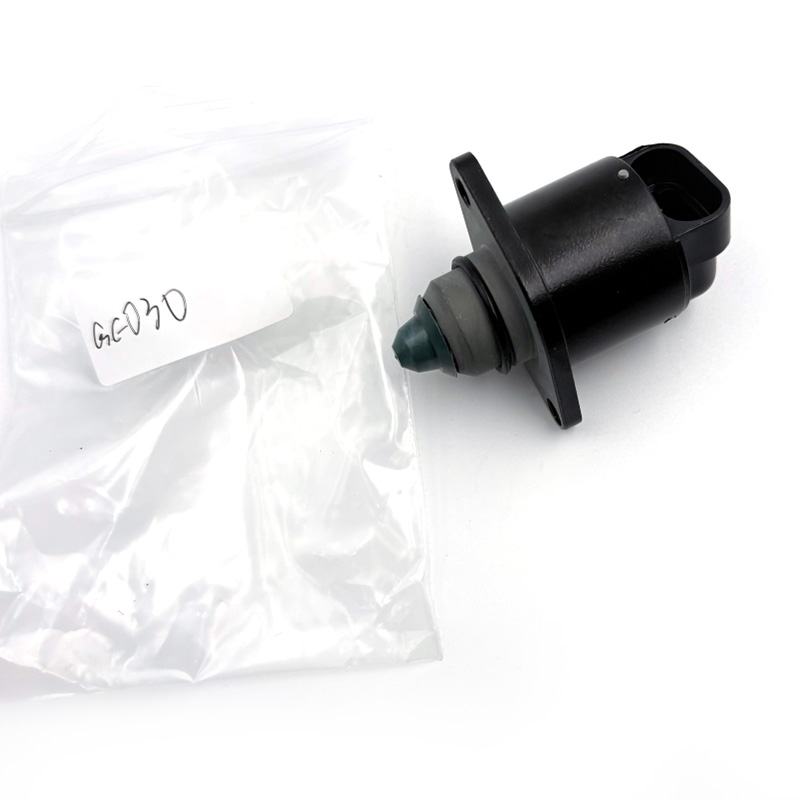
GC-030
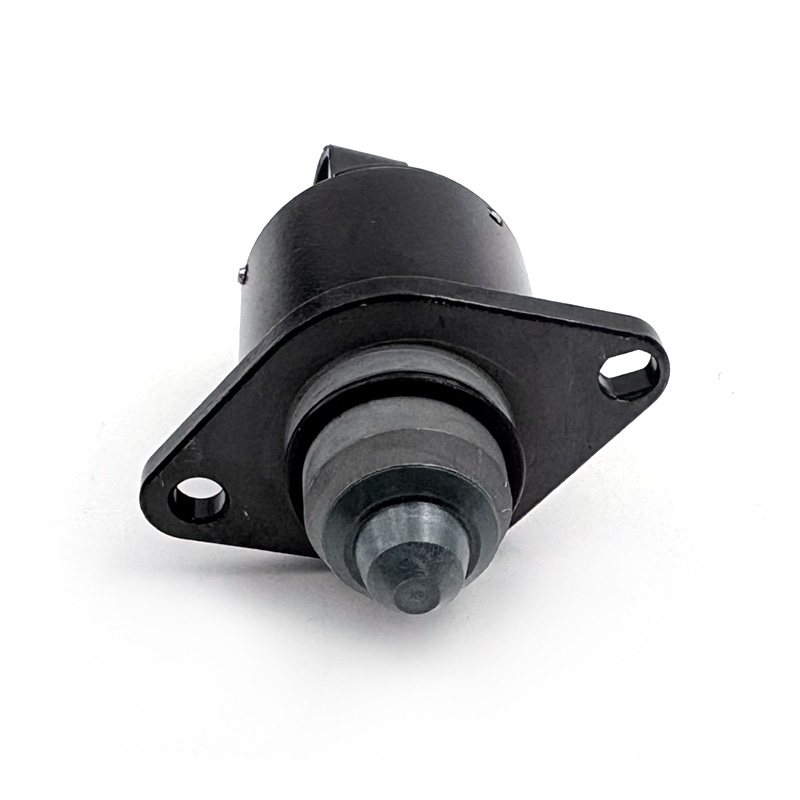
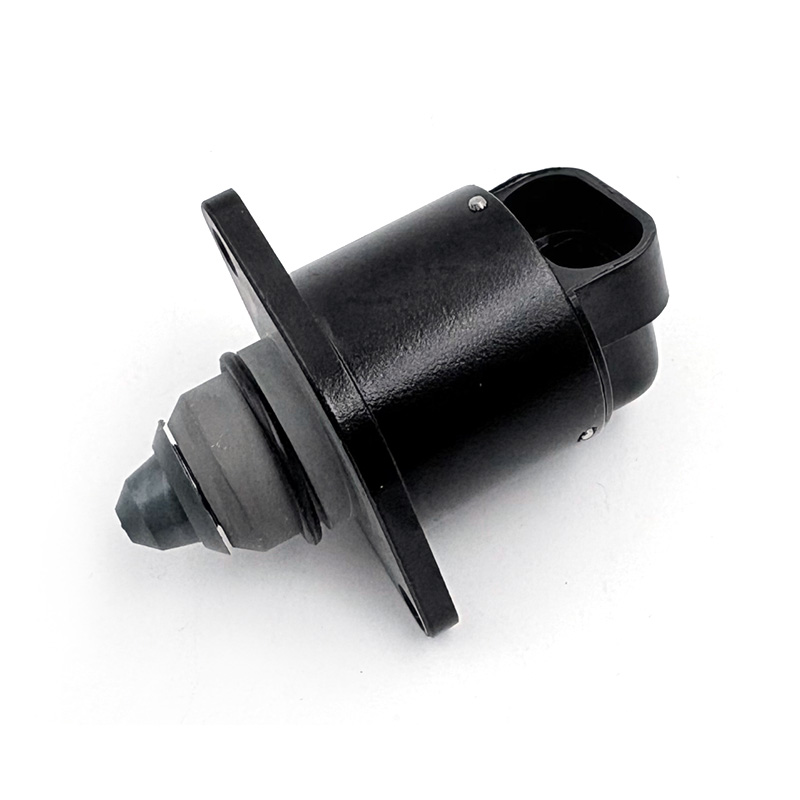
REFERENCE OE:
21203-1148300-03
APPLICATION:
LADA
Idle air control valve from China factory for Lada.
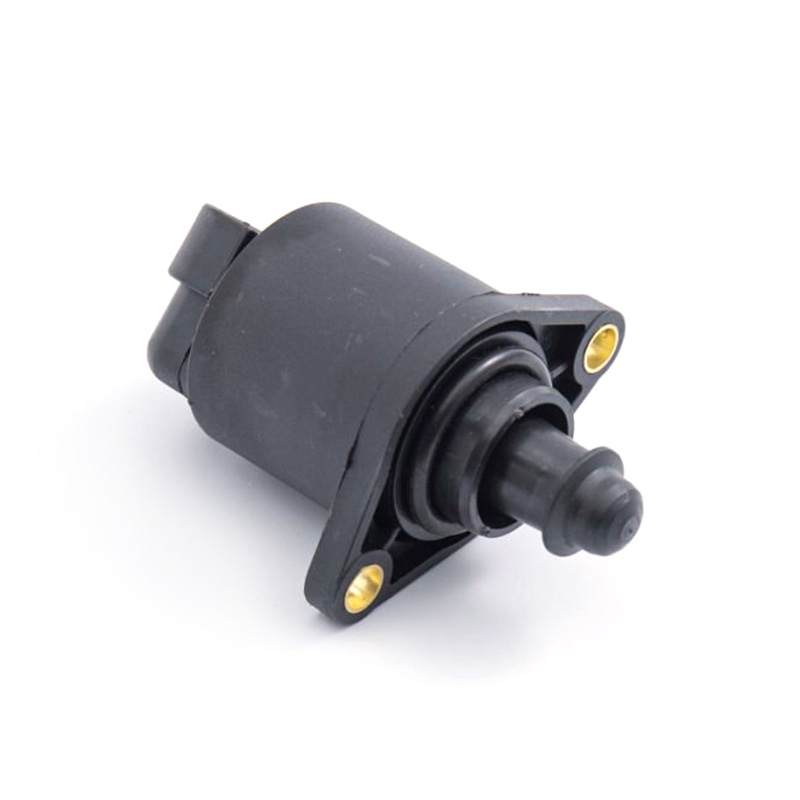
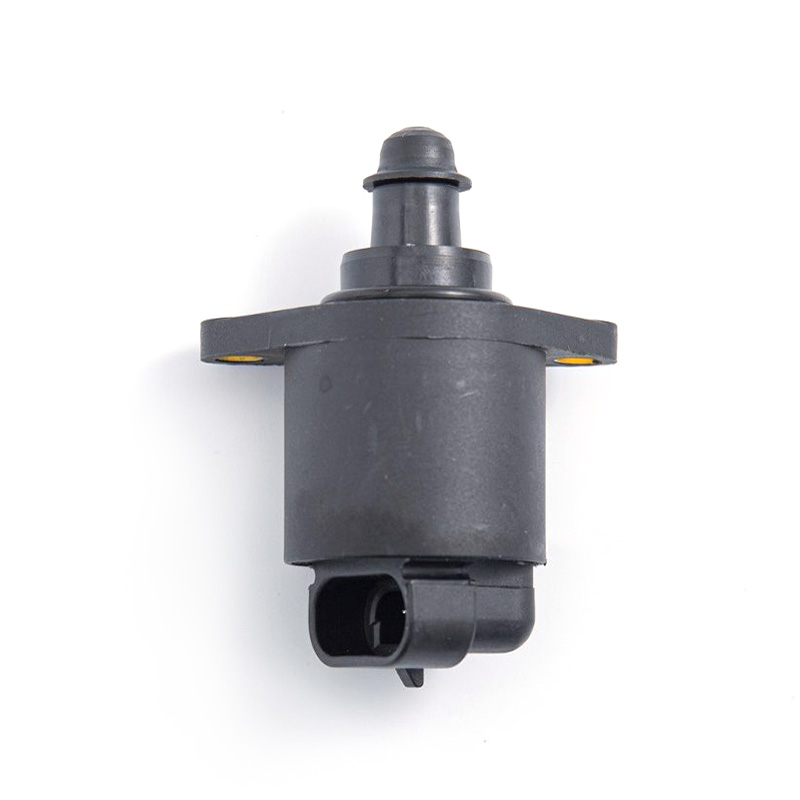
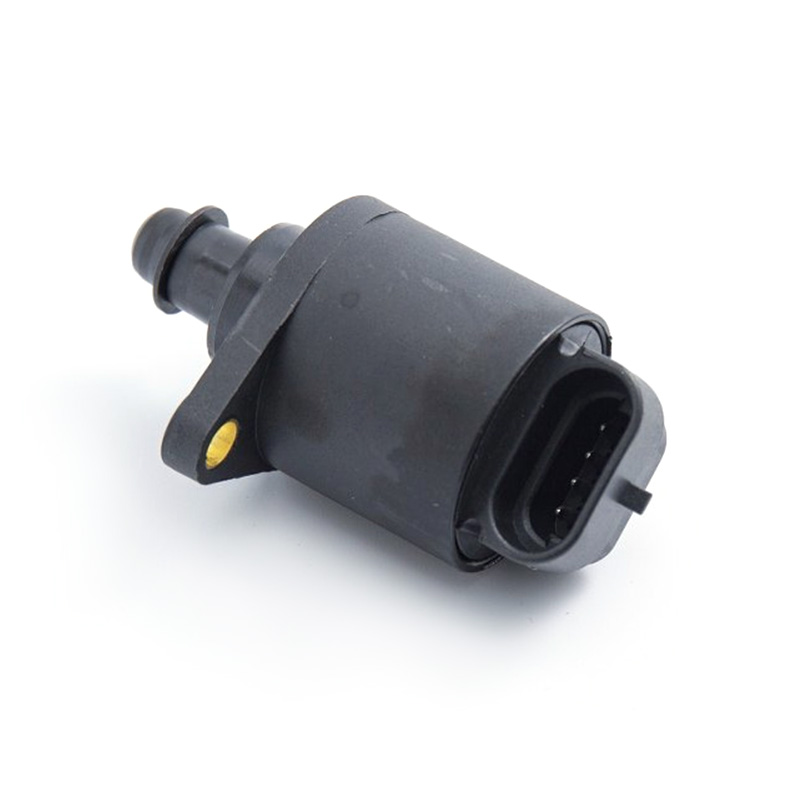
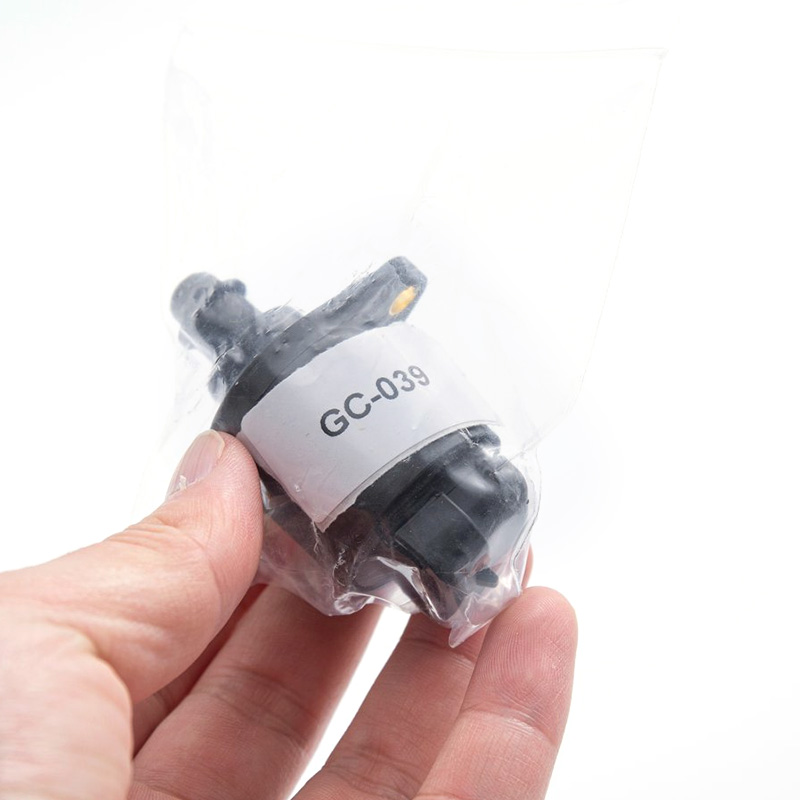
GC-039
REFERENCE OE:
MARELLI:B35/00
MARELLI:801001185201
PSA:1920AH
APPLICATION:
PEUGEOT 206 1.1 EOBD
Idle air control valve from China factory for Peugeot 206.
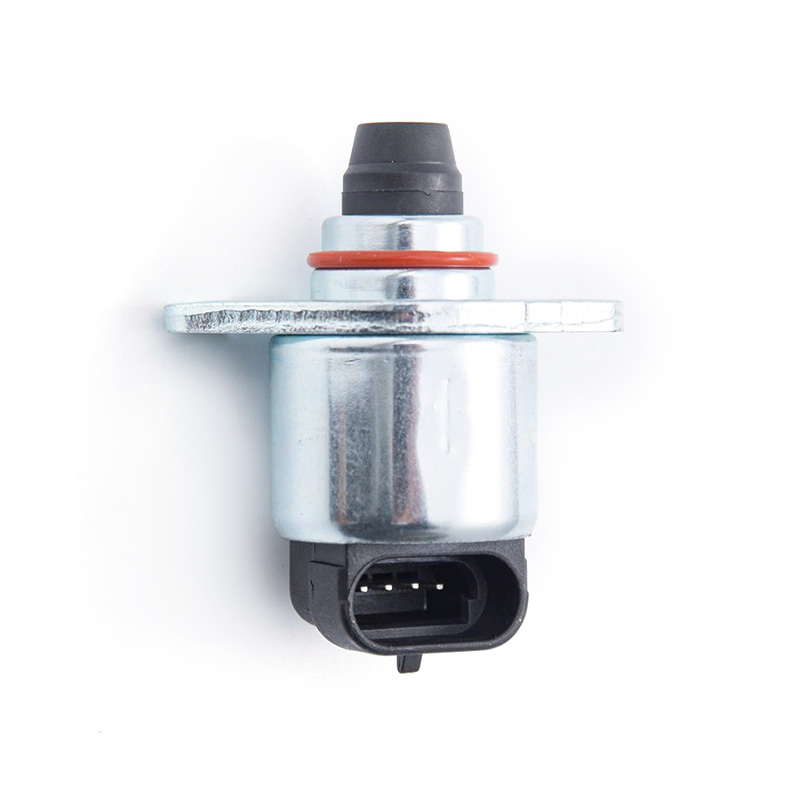
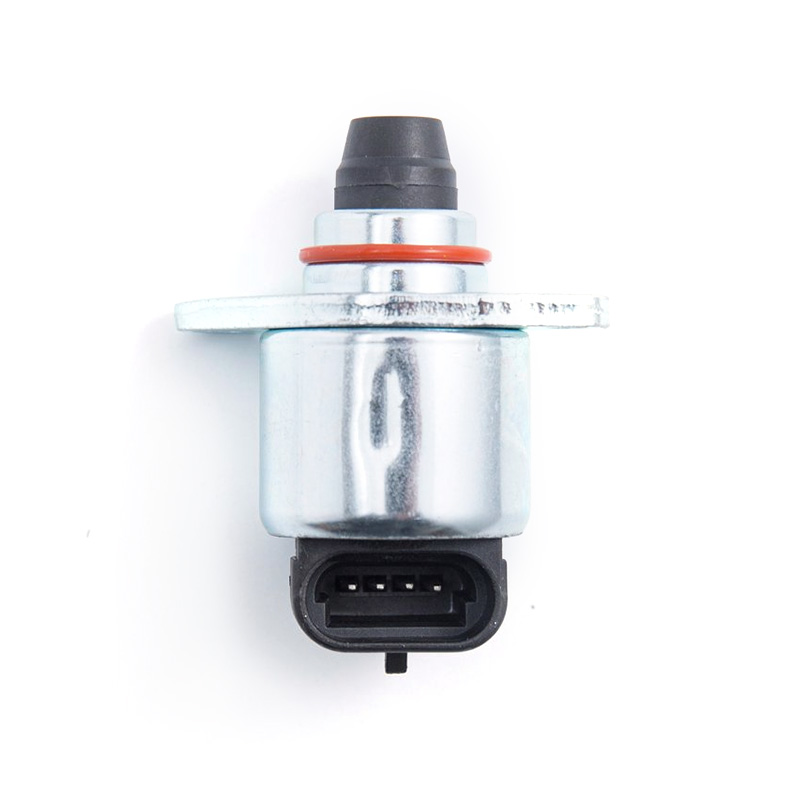
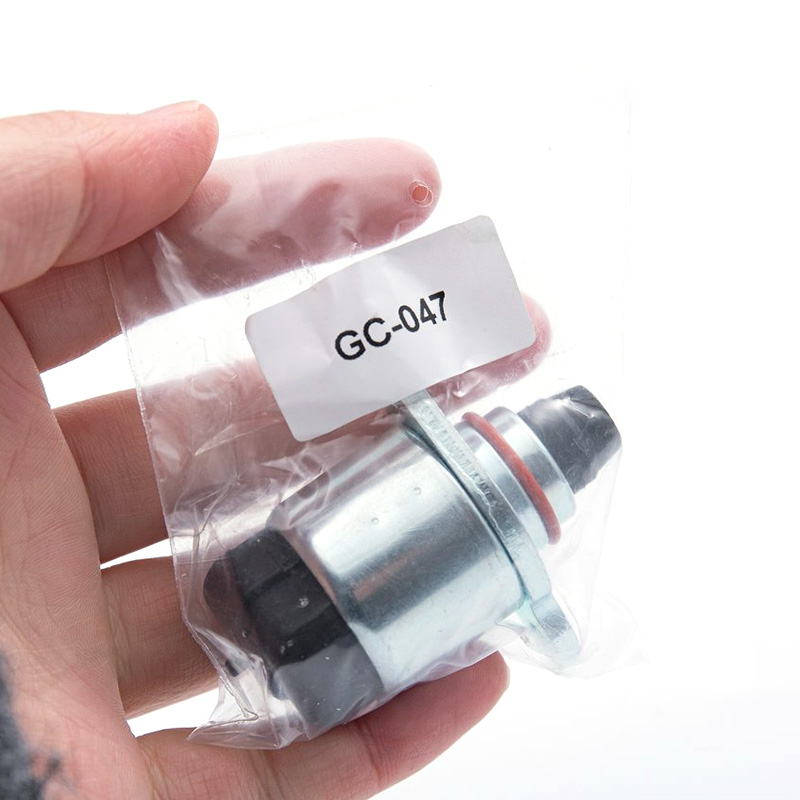
GC-047
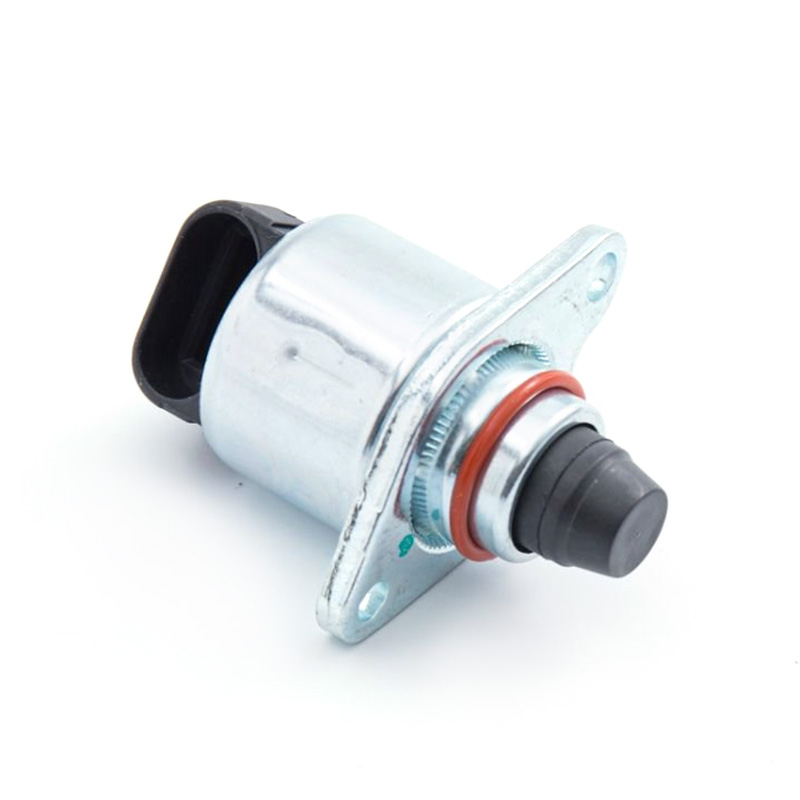
REFERENCE OE:
STD:AC160
OEM: 12482707, 217436, 8124827070
OEM: 17113167, 2H1048;12482707;
APPLICATION:
Buick Skylarkx/Chevrolet Cavalier, Malibu, S10/GMC Sonoma/Isuzu Hombre/Oldsmobile Achieva, Alero/Pontiac Grand Am, Sunfire
Idle air control valve from China factory for Buick Chevrolet Malibu.
Contact Us
Let's start collaborating

Guocheng is specialized in the R&D and production of key engine components for the automotive and engineering machinery industries.
Product
Stay Connected
(+86) - 577 - 8582 0886 (Tel)
(+86) - 577 - 8582 8085 (Fax)
(+86) - 19730213059 (Phone)
sales@wz-gc.com
No. 205, Baiyu Road, 15th Road, Binhai Park, Wenzhou, Zhejiang, China
Mobile

ODM Engine Management System Components
 English
 русский
 Español
 عربى
عربى Deutsch