Date:Apr 17, 2026
As the automotive and two-wheeler industries accelerate toward electrification and intelligent control, the role of core components is becoming increasingly significant. Products like the Motorcycle Sensor are essential for accurate data collection and real-time system response, supporting smoother and safer vehicle operation. At the same time, evolving driving systems demand higher precision and durability from control components, pushing manufacturers to refine both design and production processes.
Modern vehicles are shifting from purely mechanical systems to electronically controlled architectures. This transition is driven by:
As a result, components such as sensors and accelerator pedals are no longer isolated parts—they are integral to the overall vehicle control system.
The Motorcycle Sensor plays a vital role in monitoring parameters such as position, speed, and engine conditions. These sensors feed data to the vehicle’s control unit, enabling precise adjustments during operation.
Key functional benefits include:
High sensitivity for accurate signal detection
Fast response time for real-time system adjustments
Stable performance under varying environmental conditions
Compact design suitable for modern vehicle layouts
These characteristics contribute to improved engine efficiency and a more responsive riding experience.
With the widespread use of electronic throttle systems, the accelerator pedal has evolved into a sophisticated electronic component. It translates driver input into electrical signals that control engine output.
Core Features:
This evolution enhances both driving comfort and system reliability.
Sensors and accelerator pedals are widely used across different types of vehicles:
Motorcycles and scooters: supporting compact and efficient control systems
Passenger vehicles: enabling smoother acceleration and fuel efficiency
Commercial vehicles: ensuring consistent performance under heavy loads
Electric vehicles (EVs): integrating with advanced control systems
Their versatility makes them essential components in modern mobility solutions.
From a manufacturer’s perspective, producing reliable automotive components requires strict quality control and advanced production capabilities. This includes:
Such practices help ensure that products meet the expectations of global buyers and comply with international standards.
When selecting sensors and pedal systems, procurement professionals should evaluate:
Signal accuracy and response time
Durability under temperature and vibration conditions
Compatibility with vehicle control systems
Certification requirements for target markets
A well-informed selection process helps ensure optimal system integration and long-term reliability.
Proper installation and maintenance are essential to maximize product performance:
These steps help maintain consistent performance and reduce potential operational issues.
As the automotive industry continues to evolve, the integration of sensors and electronic control components will become even more advanced. Future developments are expected to focus on higher precision, improved durability, and seamless integration with smart vehicle systems.
For global buyers and manufacturers, investing in high-quality components is a strategic decision. By incorporating reliable solutions such as the Motorcycle Sensor and advanced control elements like the Automotive Accelerator Pedal, businesses can enhance vehicle performance while meeting the growing demands of modern transportation technologies.
Related Products
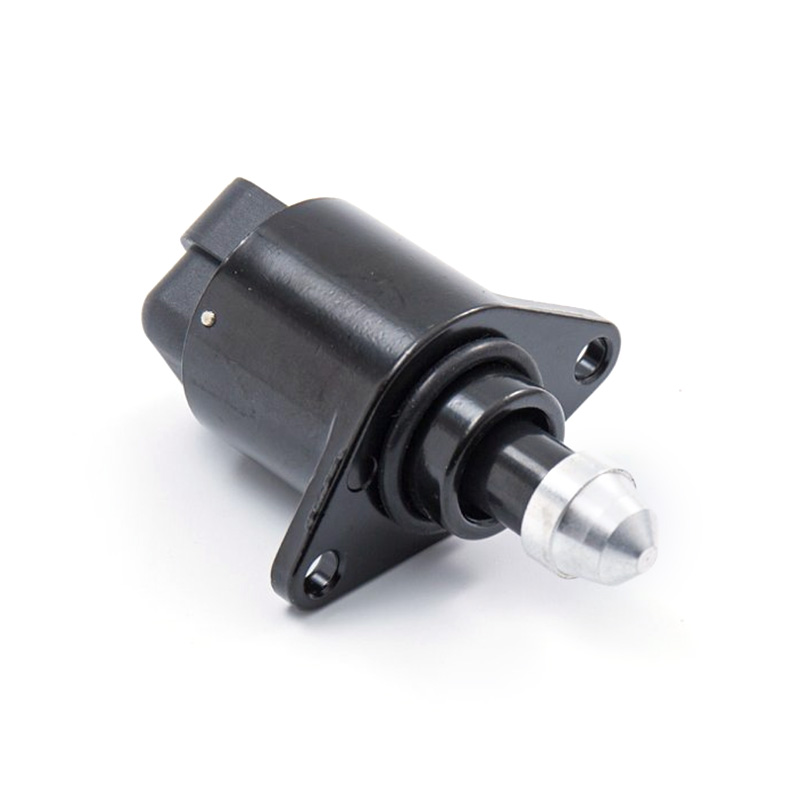
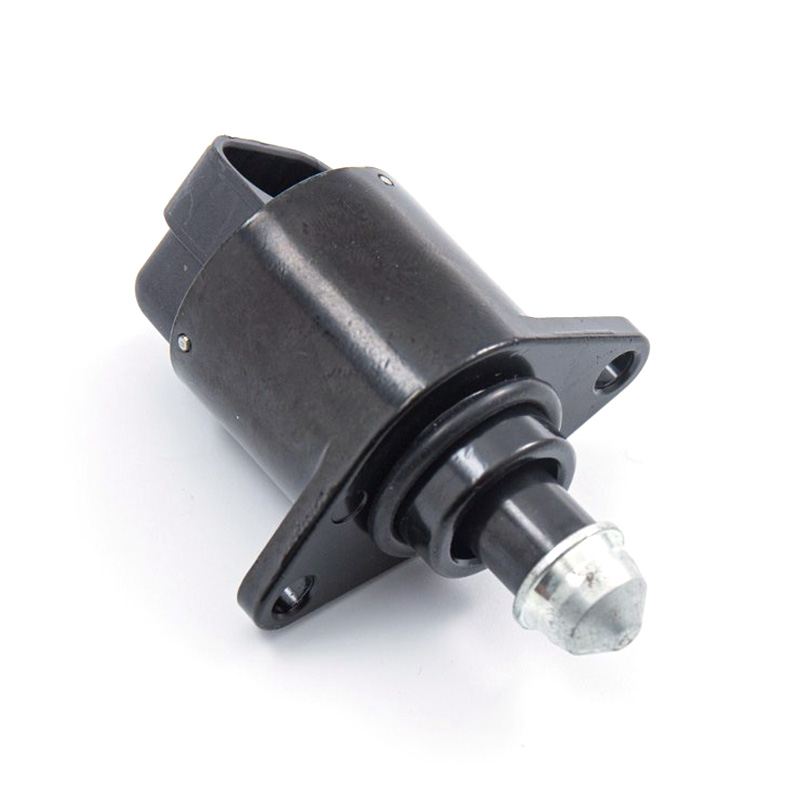
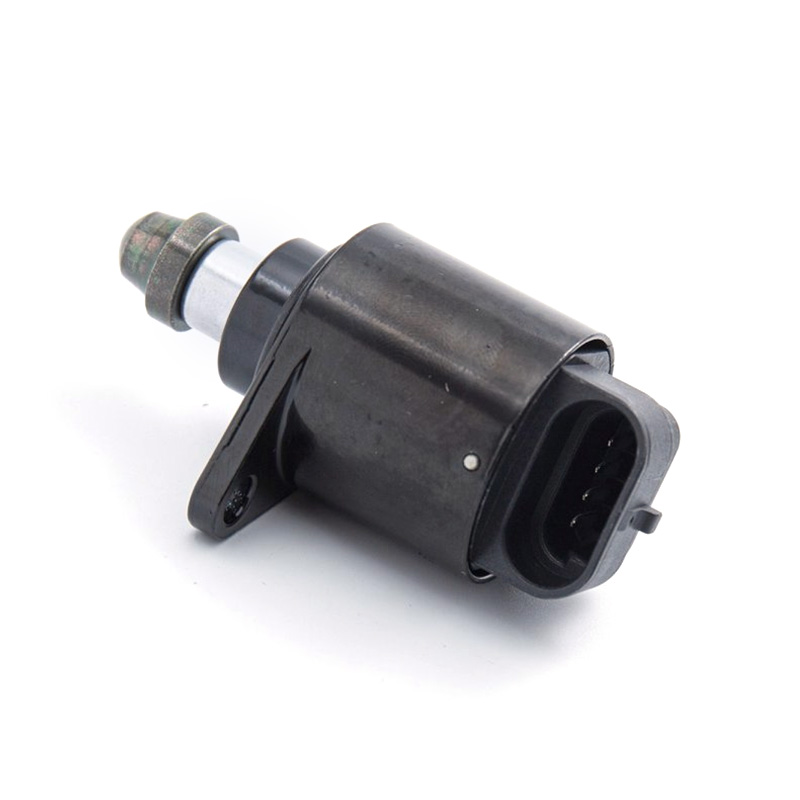
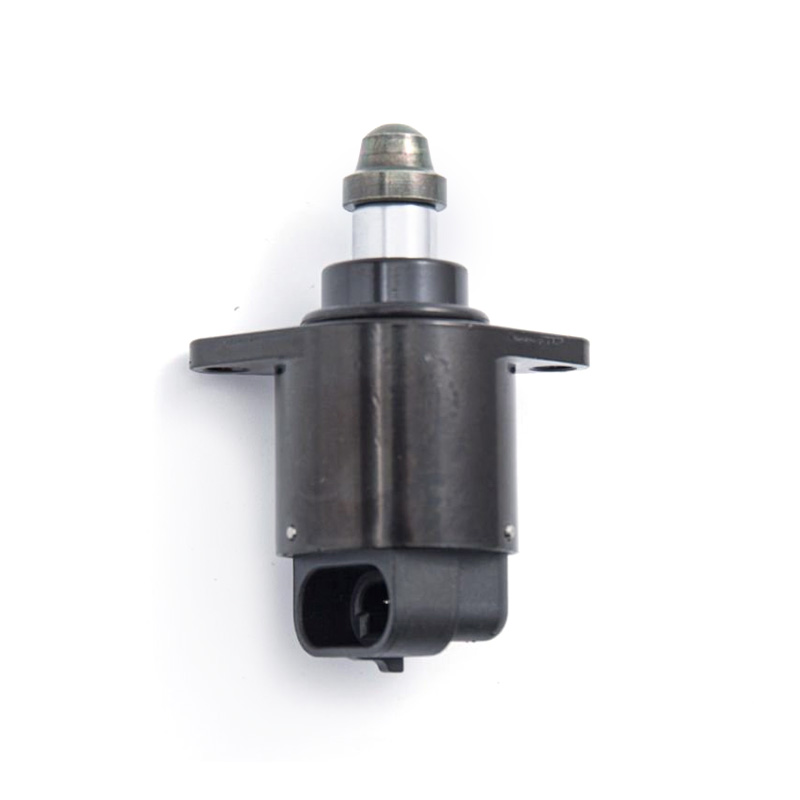
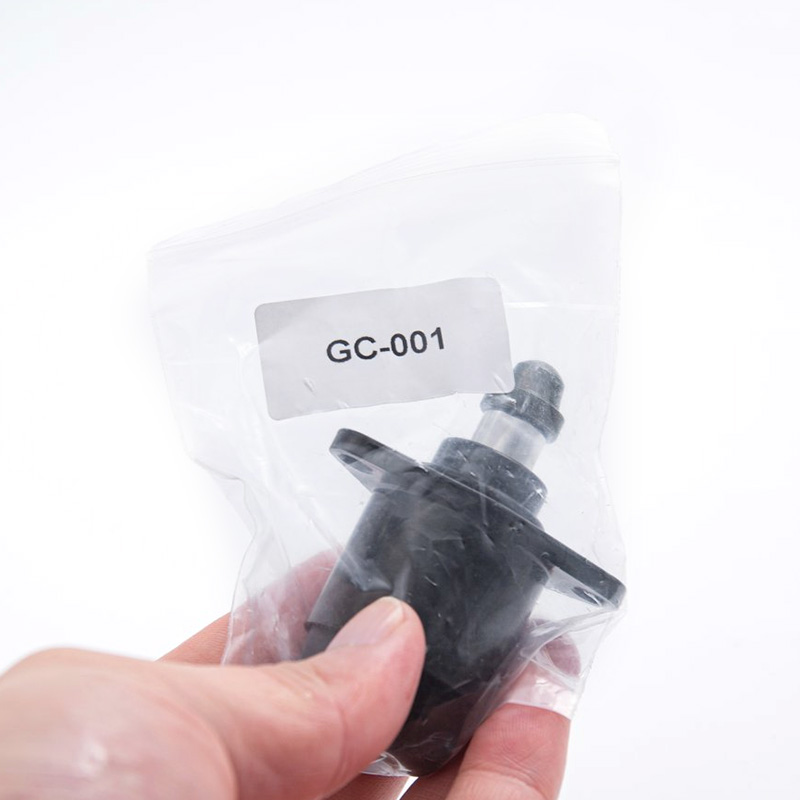
OE/Part Numbers: 1920AH A96157 B35/00
Compatible Brands: for Peugeot, Citroen
Compatible Vehicles & Years:
- for Citroen Saxo
- for Peugeot 106
- for Peugeot 206 (Schragheck /SW)
-for Peugeot 306 (Break / Schragheck)
-for Peugeot Partner (Combispace / Kasten)
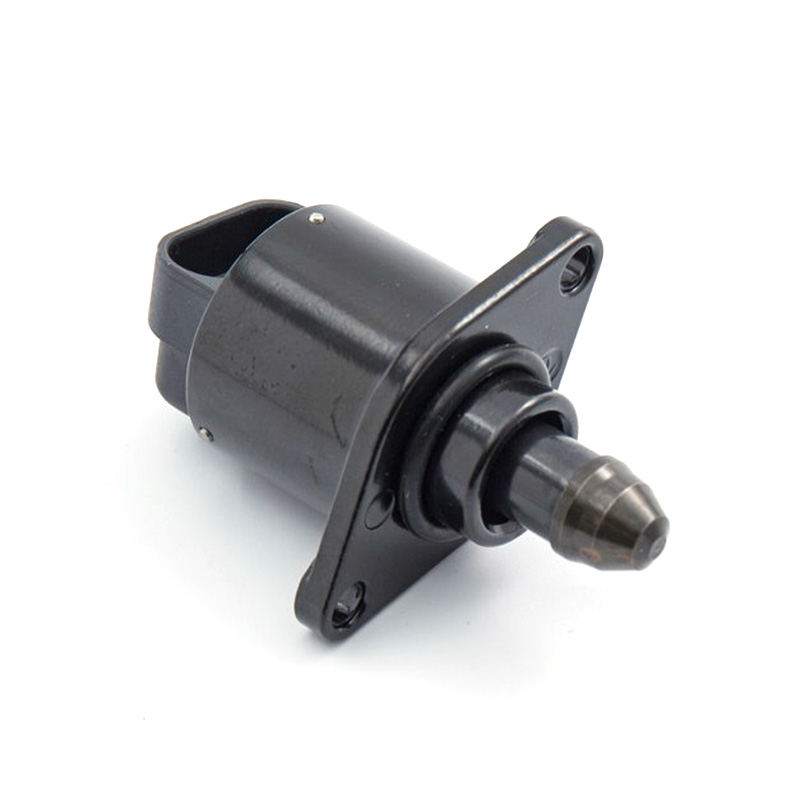
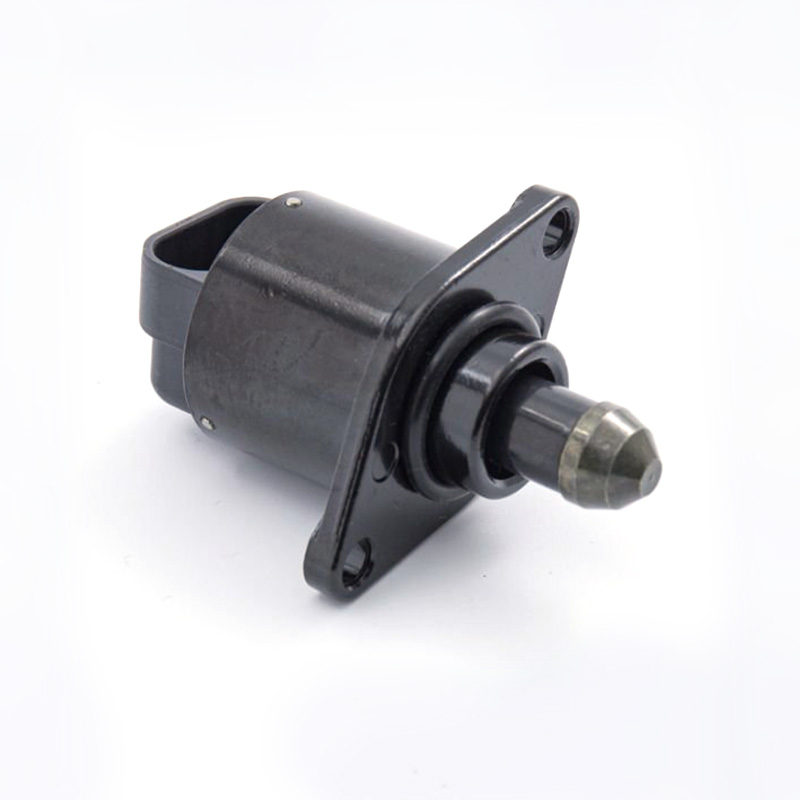
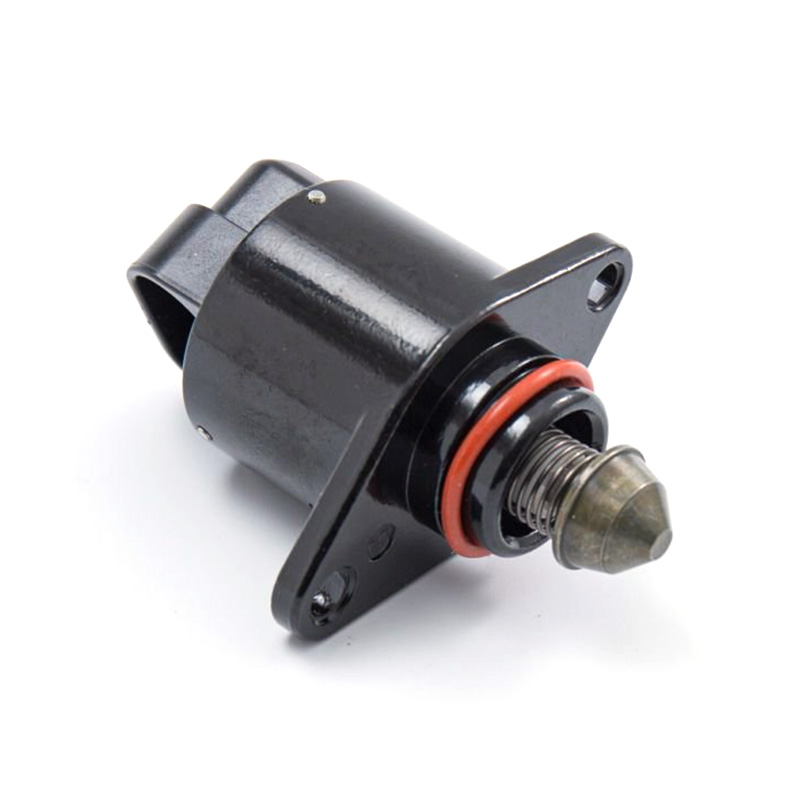
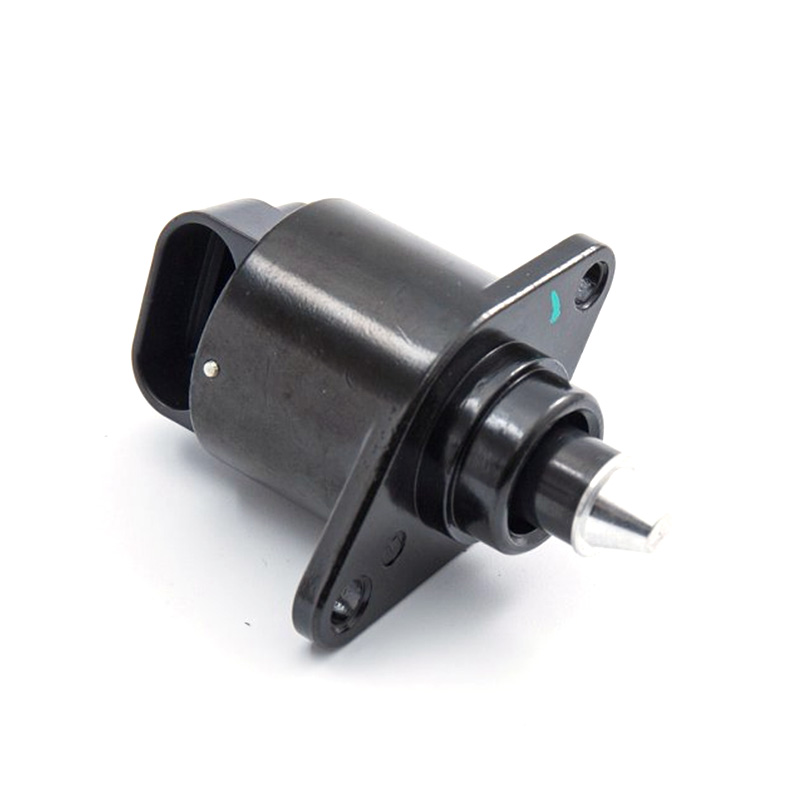
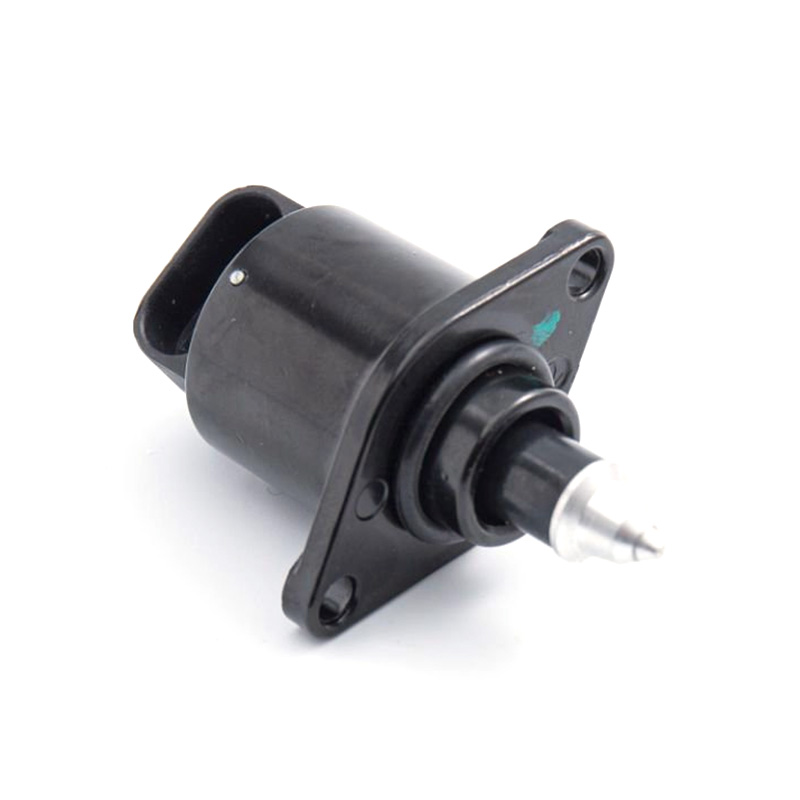
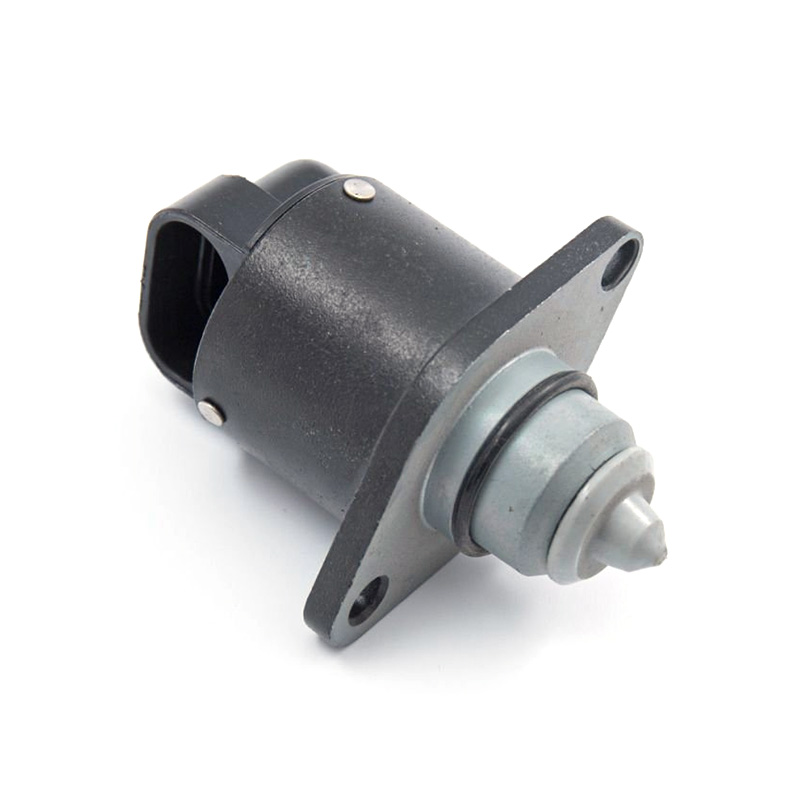
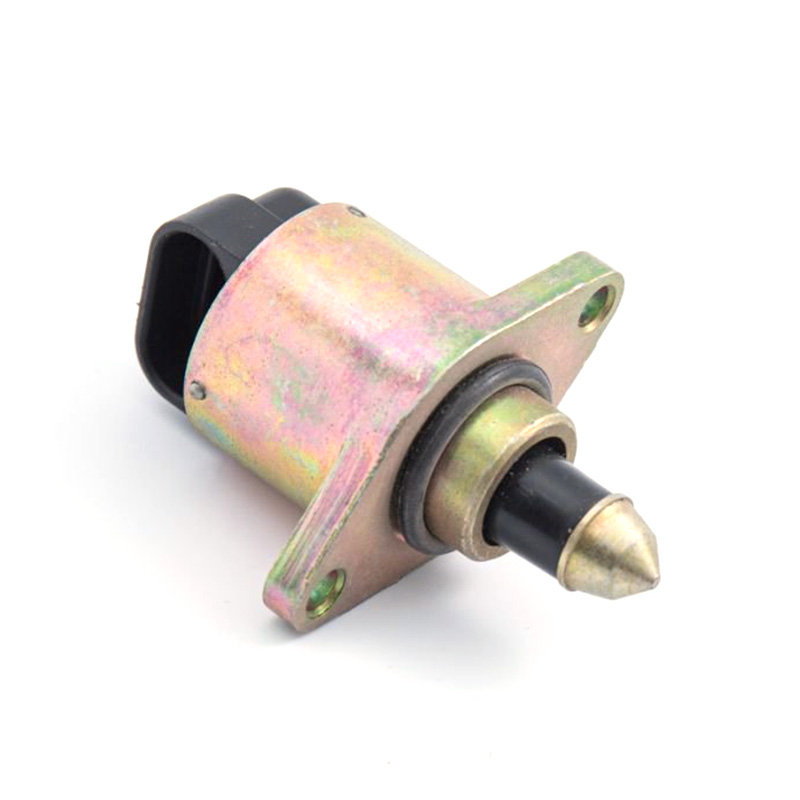
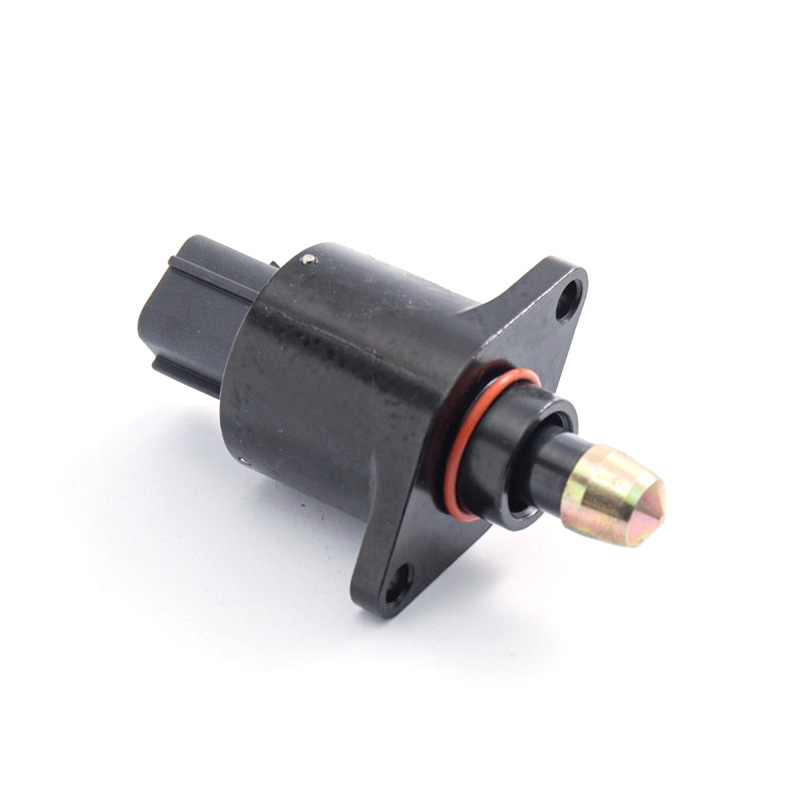
Key Functions: This idle stepper motor regulates engine idle speed, ensuring stable performance, smooth cold starts, and preventing stalling under varying loads.
Features & Advantages:
1. Direct OEM Fit & Function.
2. High-Quality Components for Reliability.
3. Rigors Quality Control.
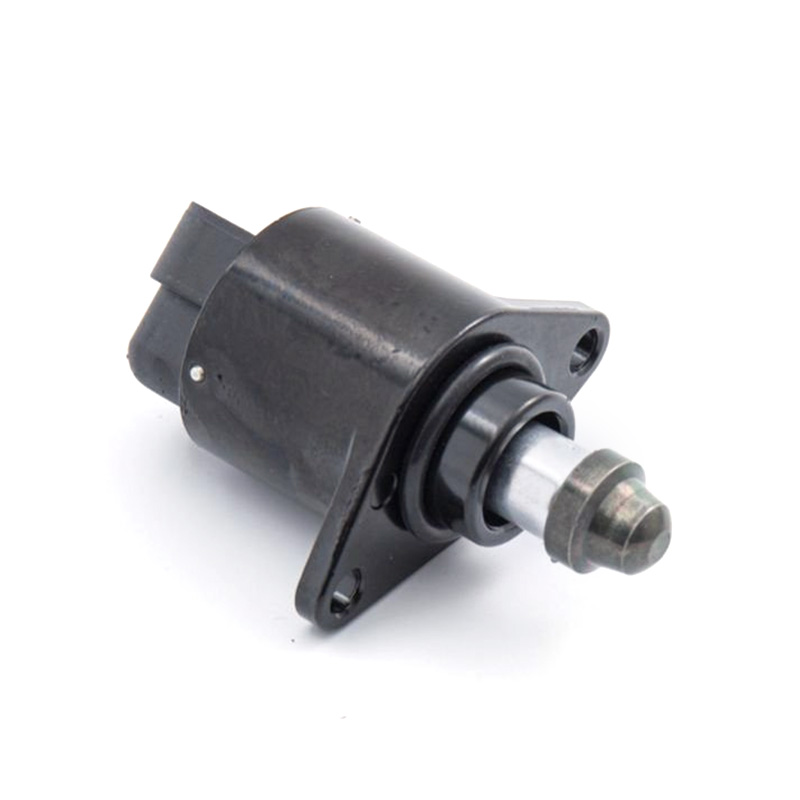
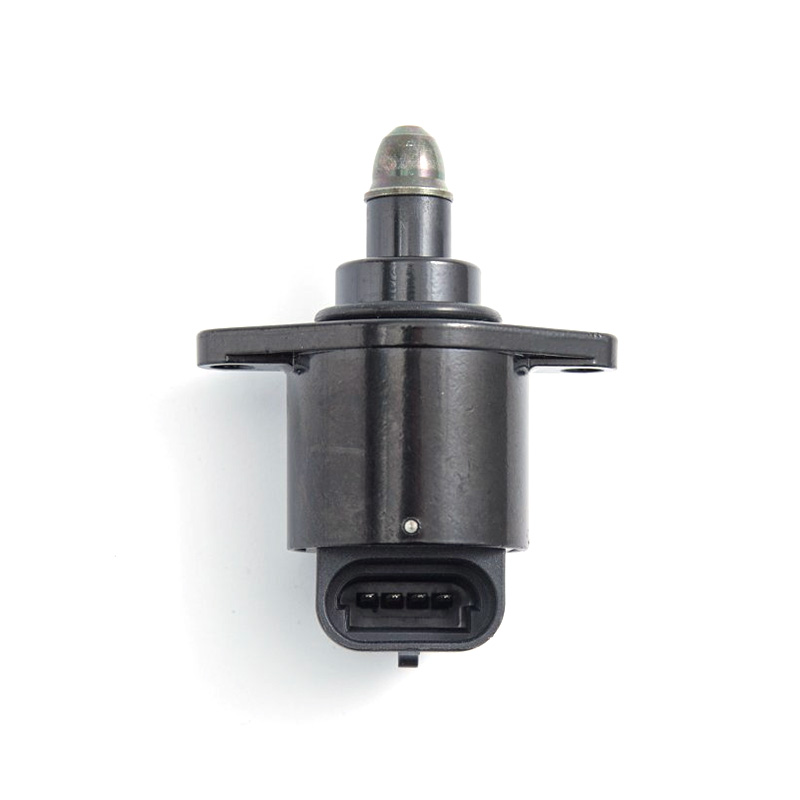
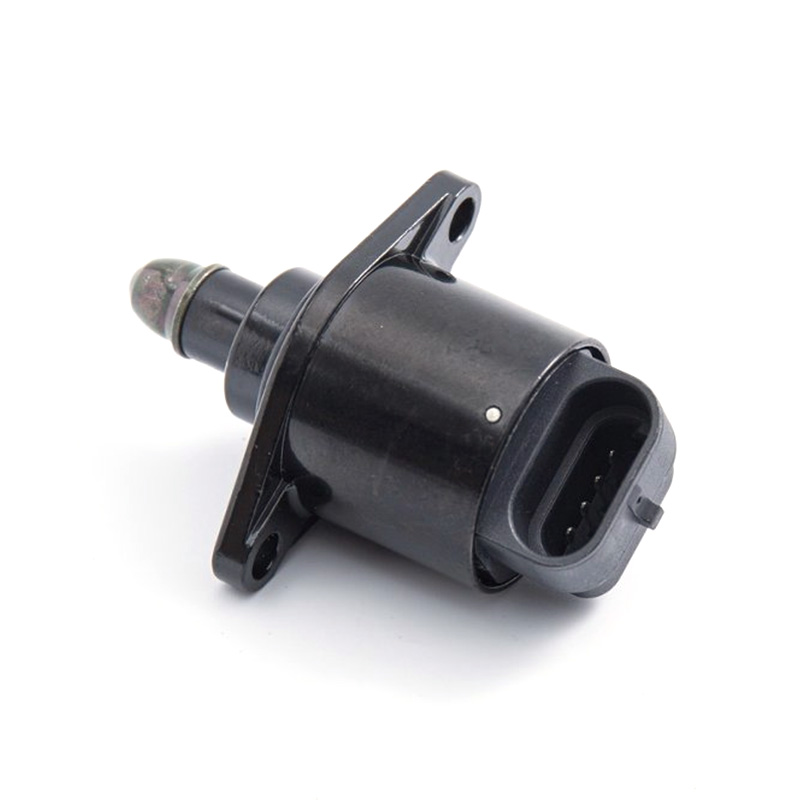
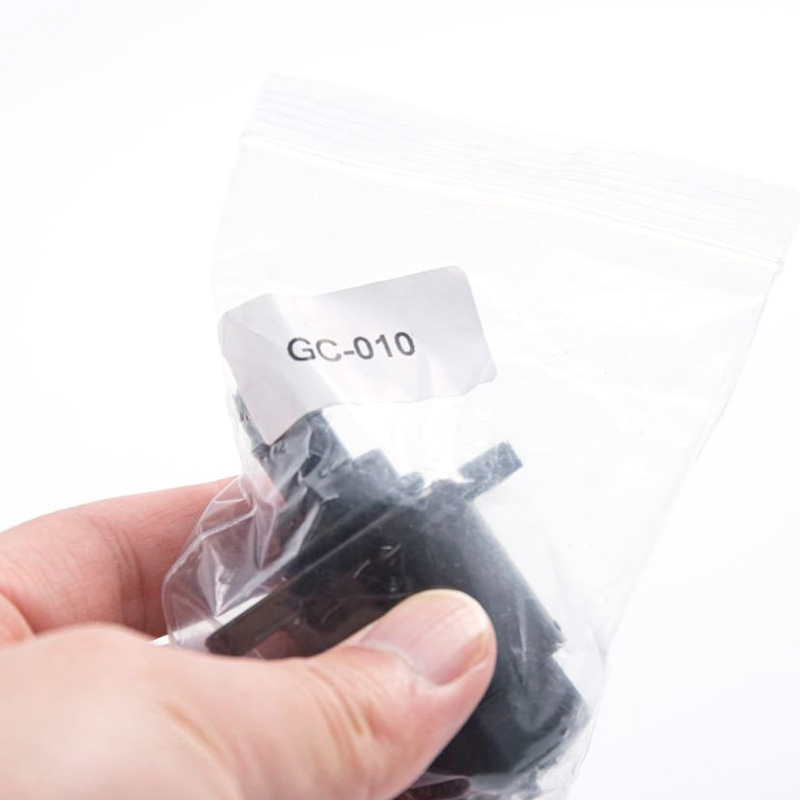
GC-010
REF OE:
SHORT CODE: D5184
APPLICATION:
FIAT PALIO/SIENA-VW GOL 1000,TEMPRA;
VALVE IACV CHEV N300
Factory direct from China for idle air control valve,first choice to buying.
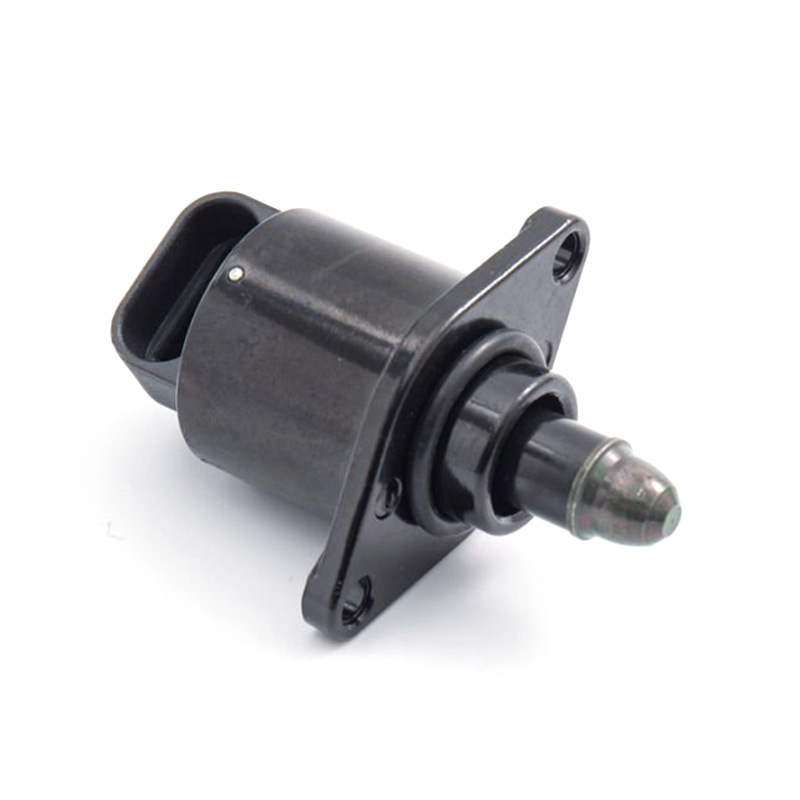
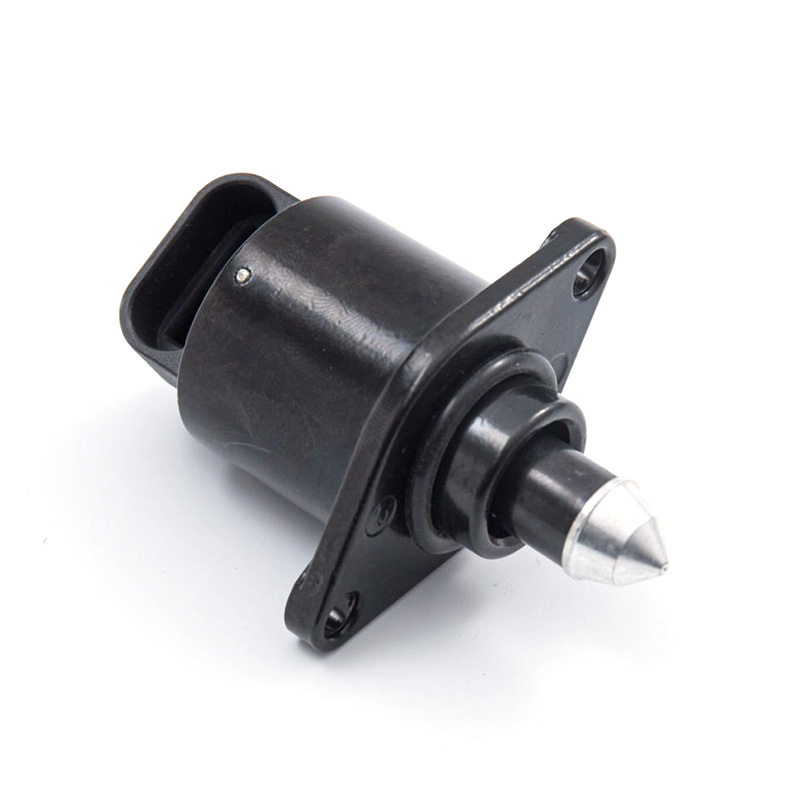
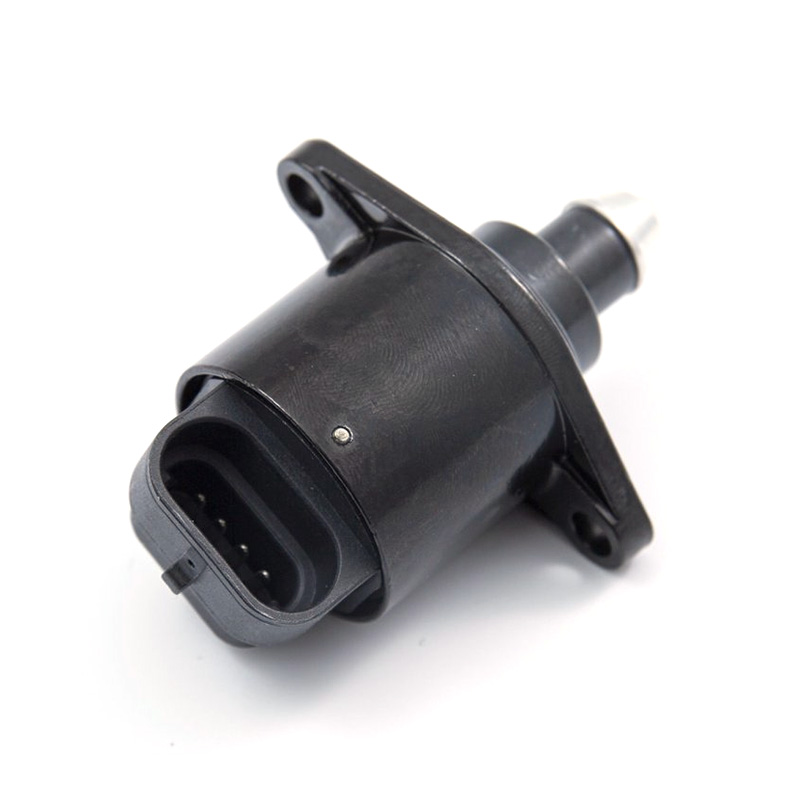
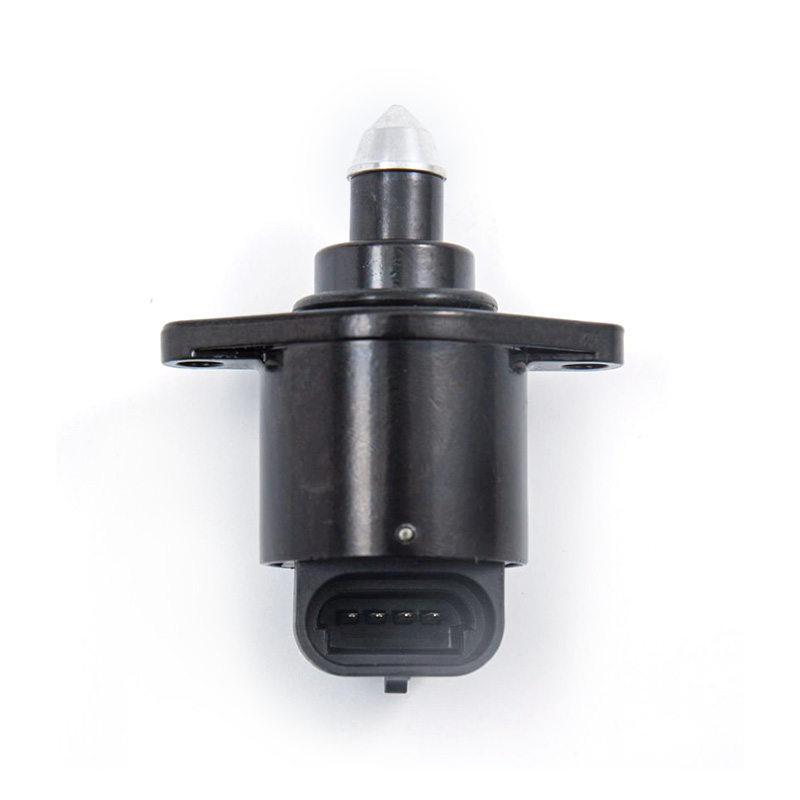
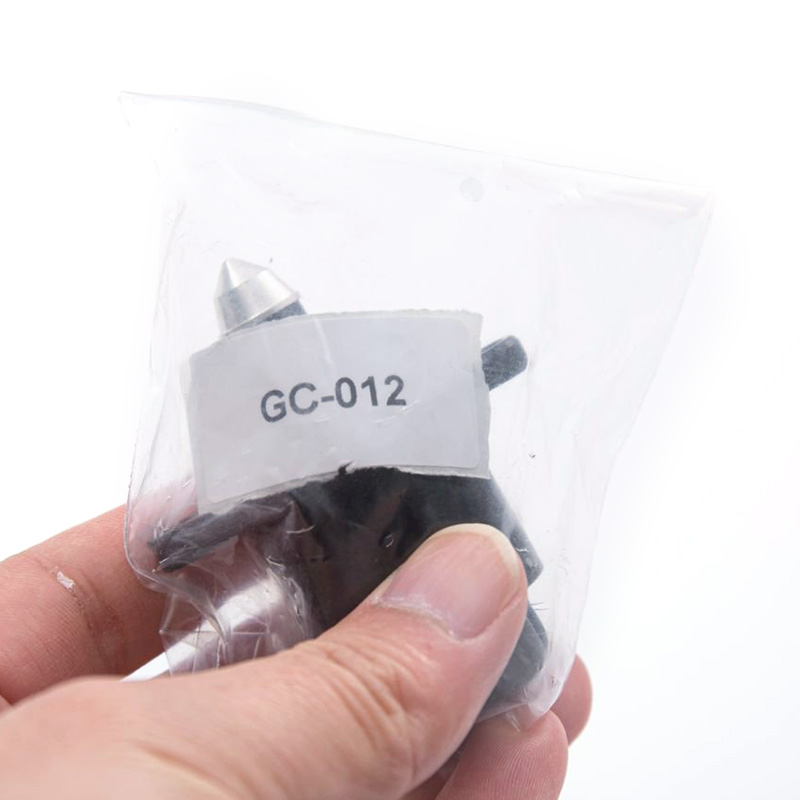
GC-012
REF OE:
HOT-STAMP:D5174
RENAULT:7701047909
APPLICATION:
RENAULT MEGANE Cabriolet/Classic/Coach/Grandtour;RENAU MEGANE I/Scenic
China auto parts wholesale,idle air control valve high quality with competitive price!
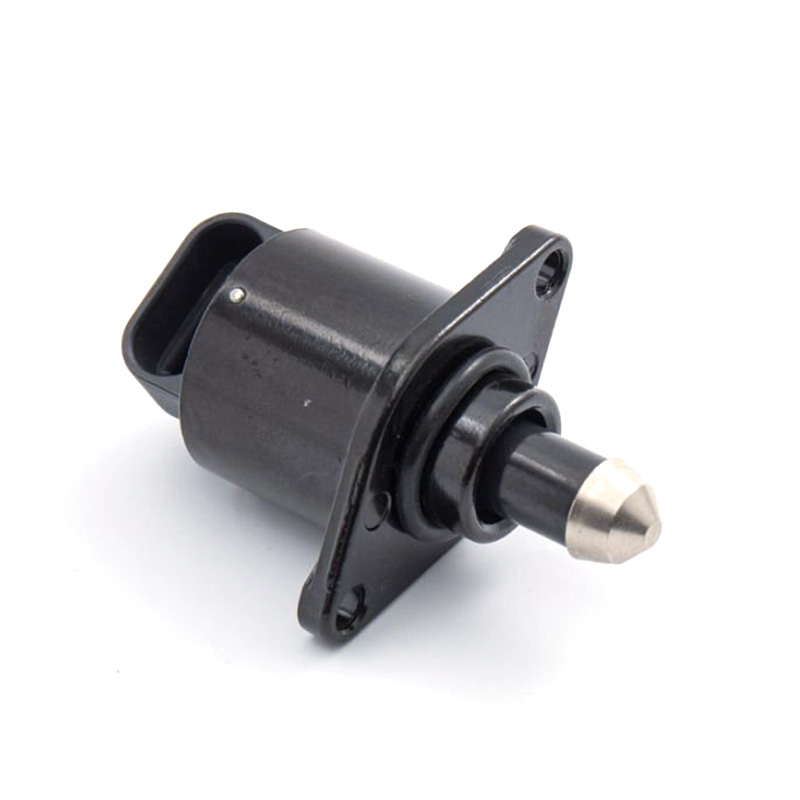
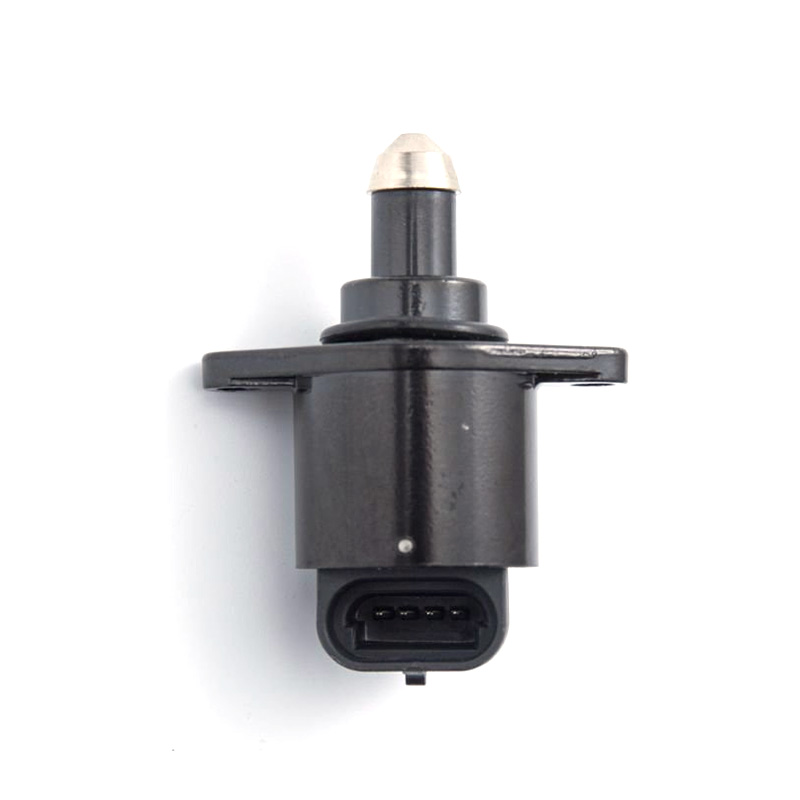
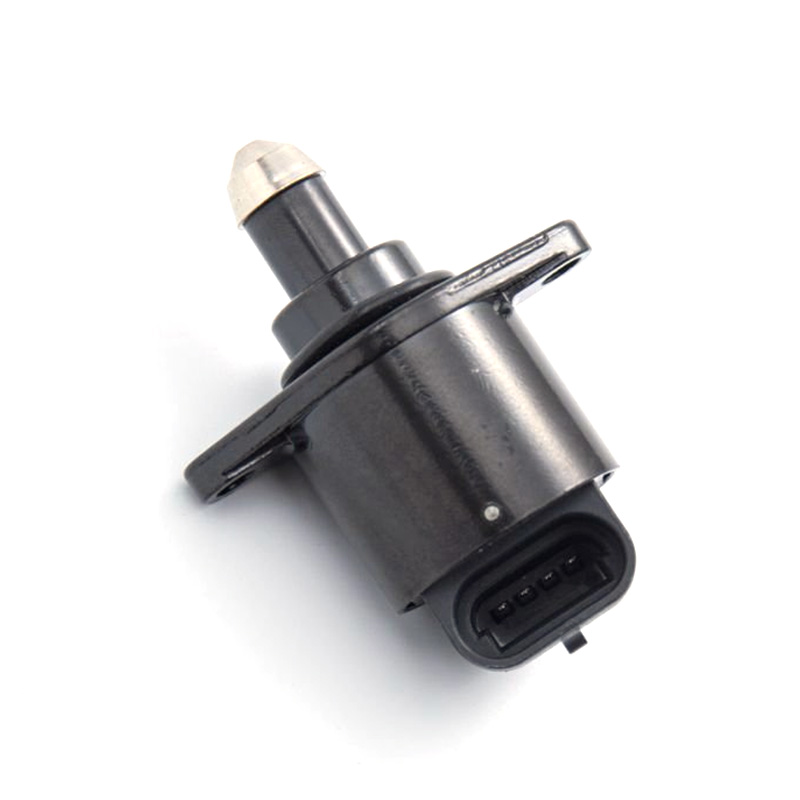
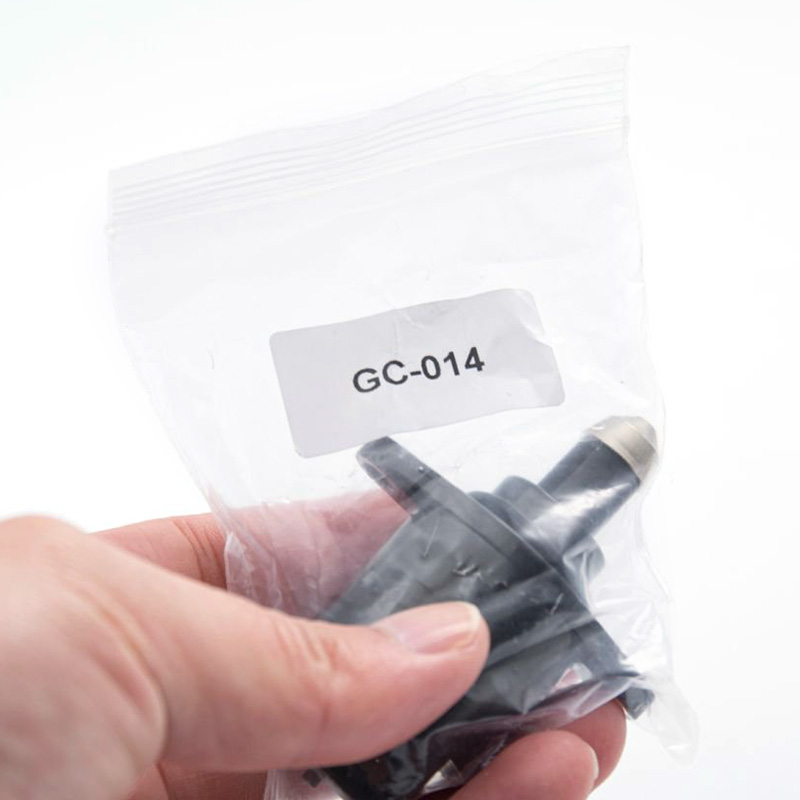
GC-014
REFERENCE OE:
MEAT DORIA:84048; 078133455;
APPLICATION:
AUDI 100/100 Avant;AUDI 80/80 Avant;AUDI A4/A4 Avant;AUDI A6/A6 Avant;AUDI CABRIOLET/COUPE
Idle air control valve for Audi,from China factory for wholesale and retail.
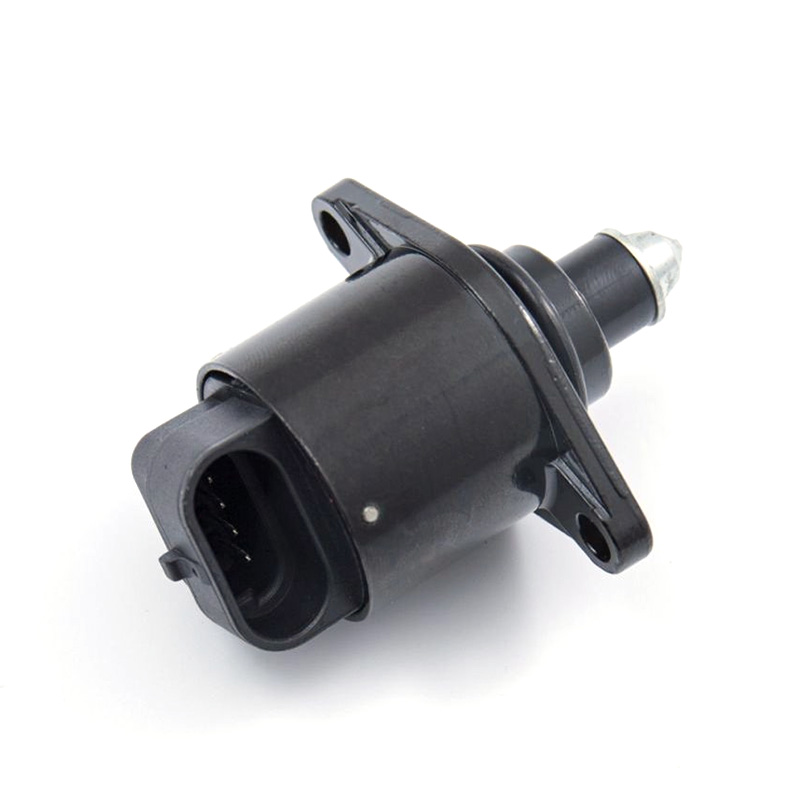
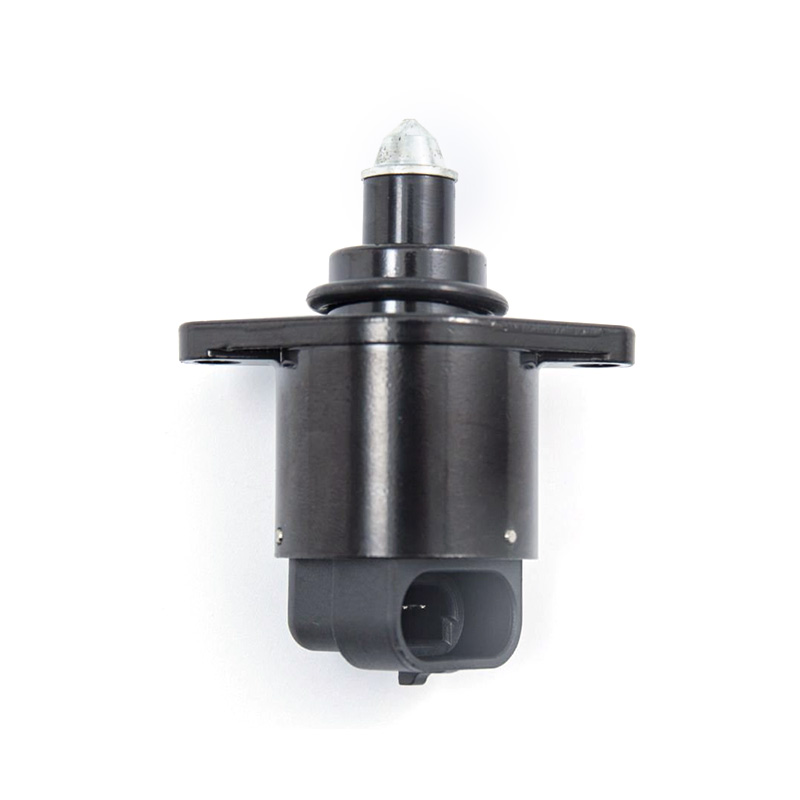
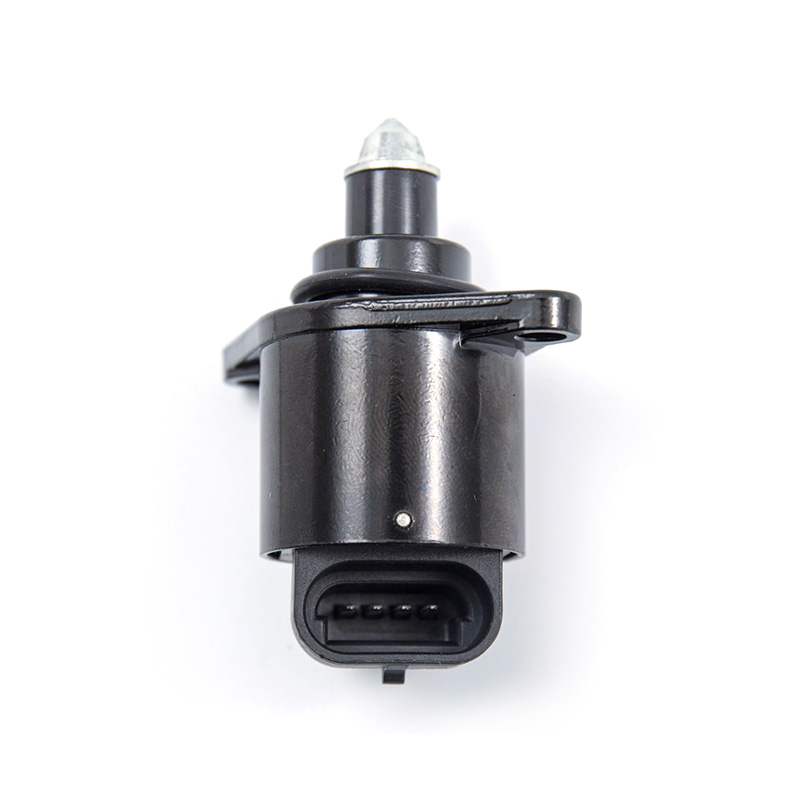
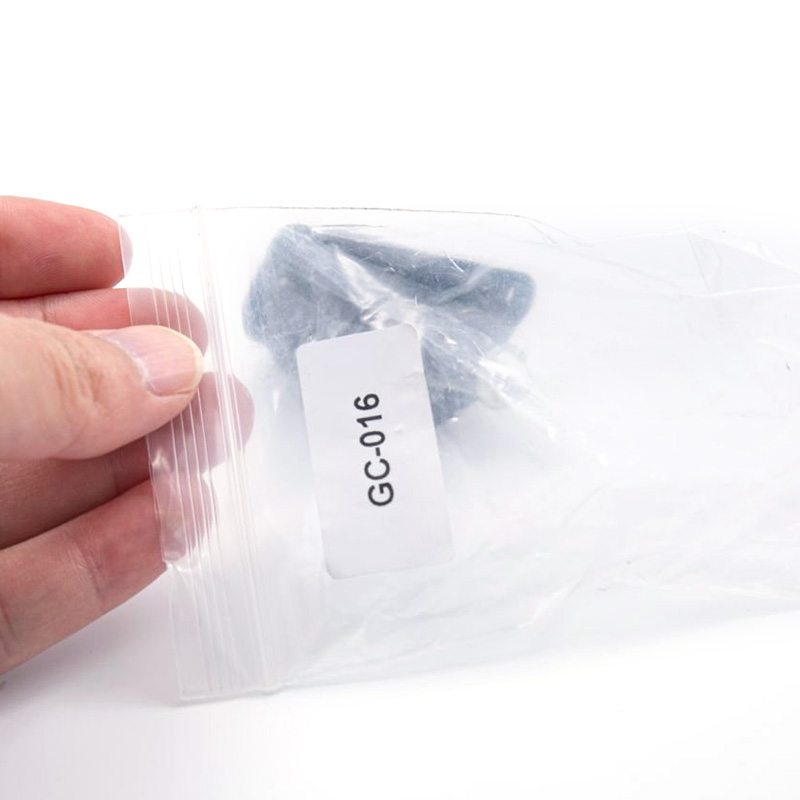
GC-016
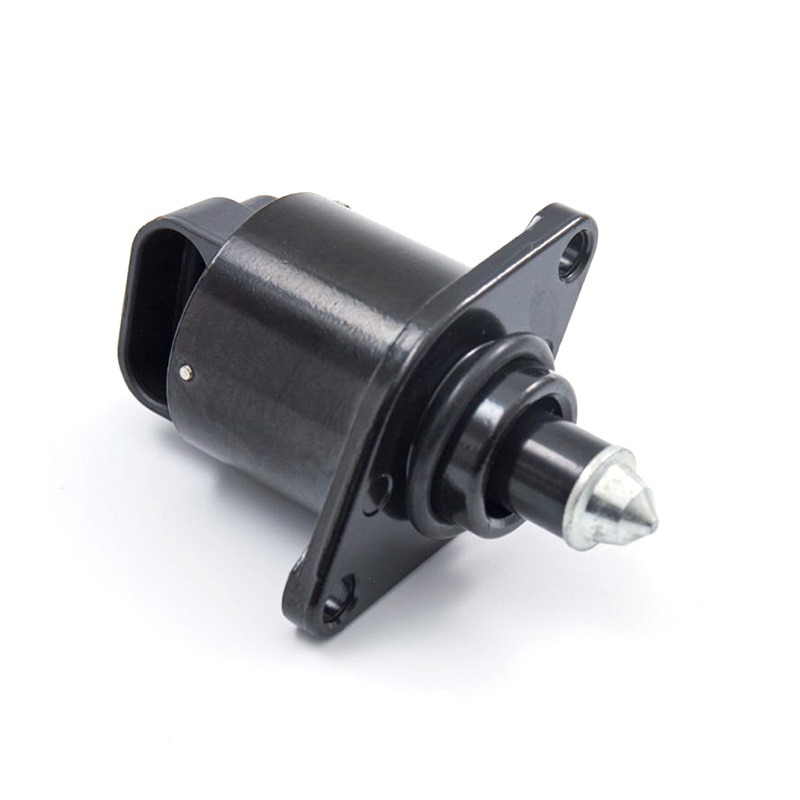
REFERENCE OE:
MEAT DORIA:84037
SHORT CODE:B32/00 D95129
RENAULT: 7701042403 801000774001
APPLICATION:
RENAULT CLIO I;
RENAU CLIO II/II Kasten;
RENAU KANGOO/KANGOO Express;
RENAU TWINGO
Importing auto parts idle air control valve from China factory!
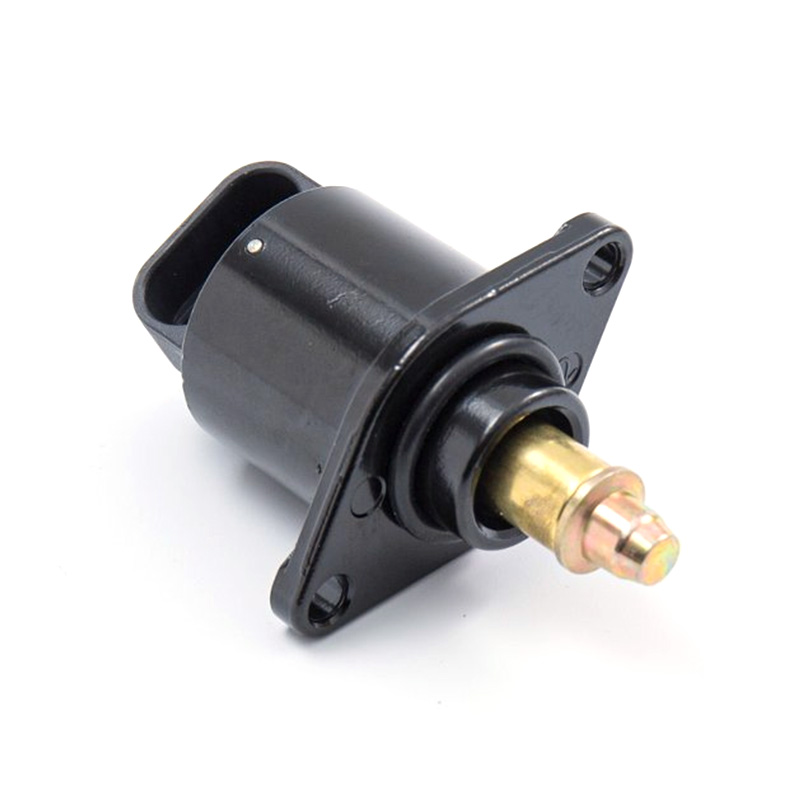
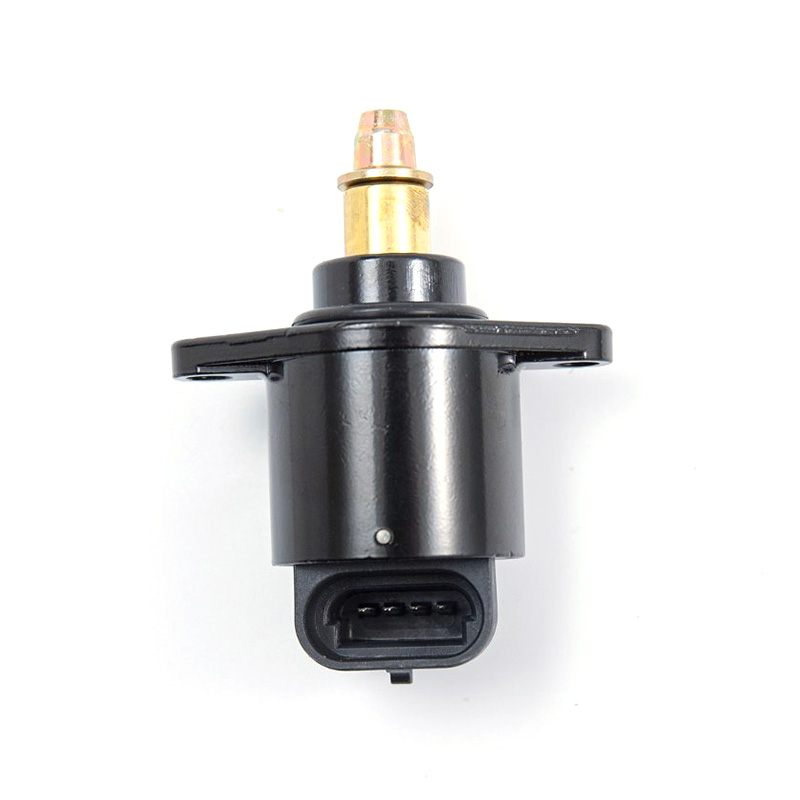
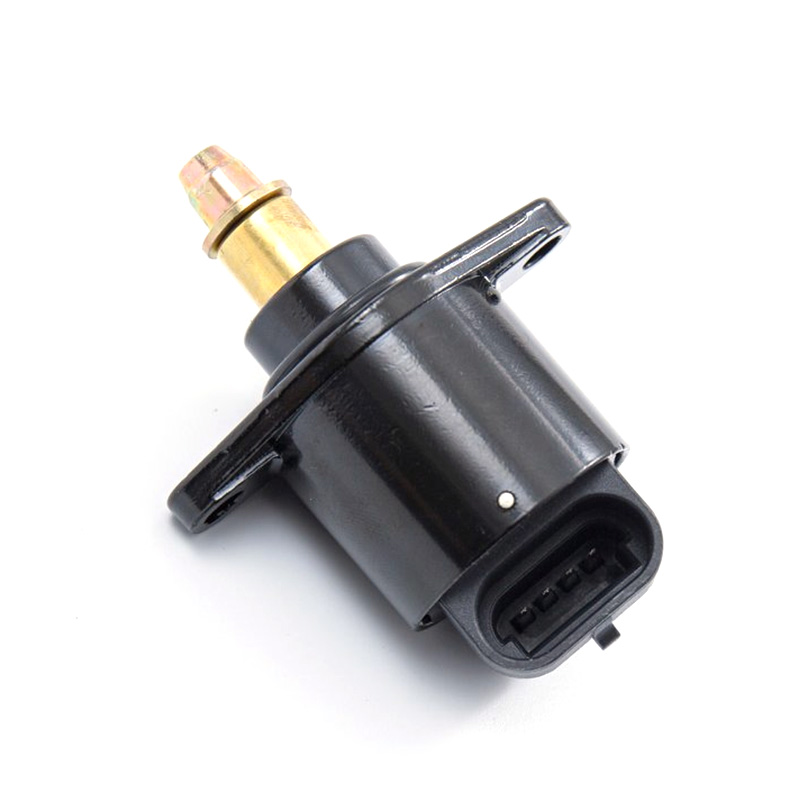
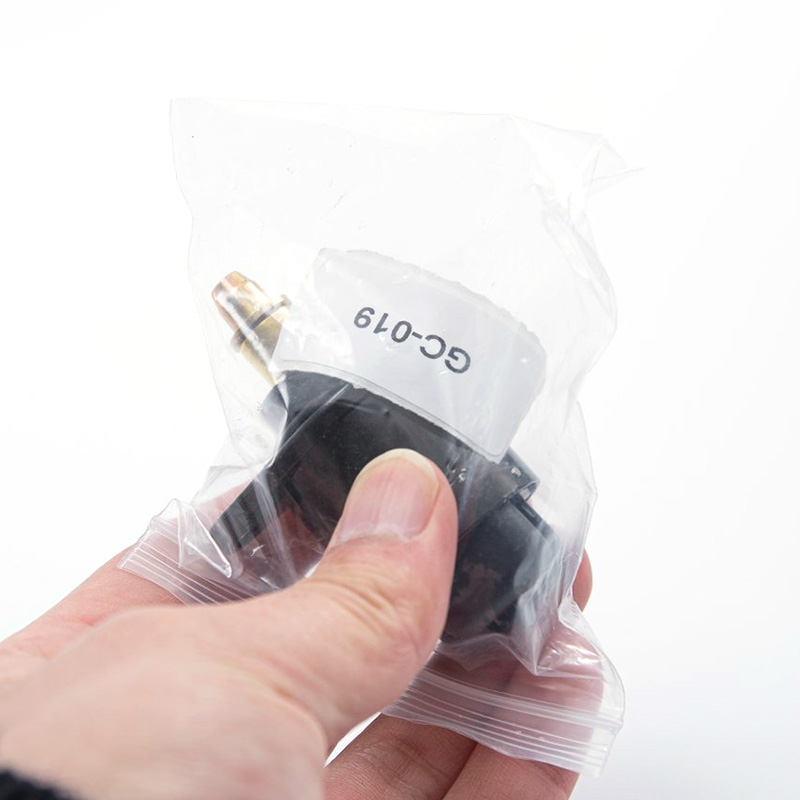
GC-019
REFERENCE OE:
SHORT CODE: D5104
MARELLI: 40396502
FIAT: 7078983 0269980492
VDO: AT-5104R
APPLICATION:
FIAT:Palio/Siena 1.6 98>99-EFI(gasolina) VW:Gol 1.08v94>>96-EFI(gasolina)
Idle air control valve with high quality and low price from China!
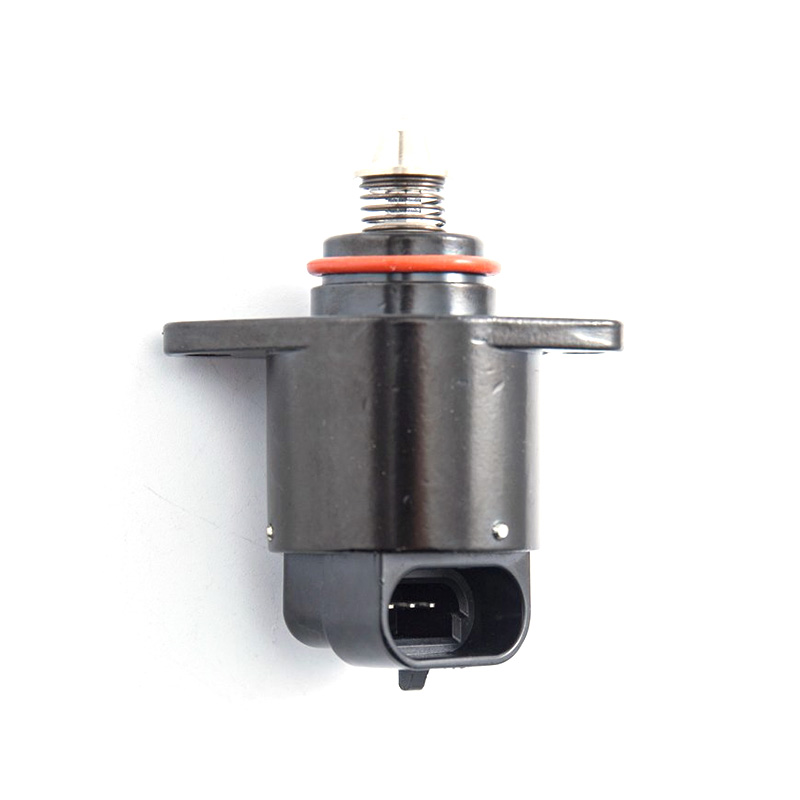
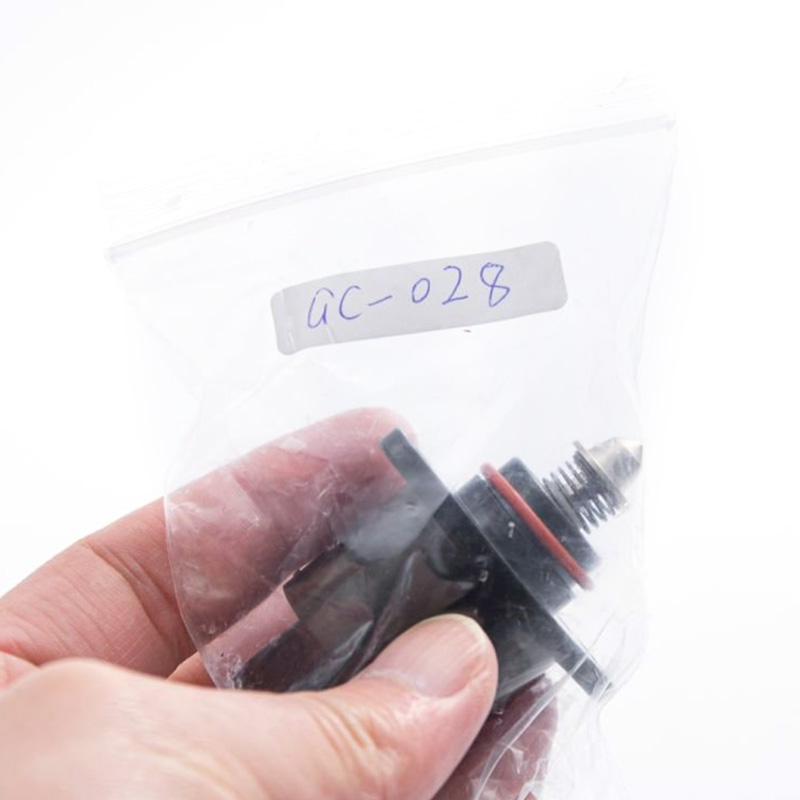
GC-028
REFERENCE OE:
SHORT VDO:A95278
TRADE NUMBER:02739
SHORT CODE:C0973
APPLICATION:
LADA
Idle air control valve from China factory for Lada.
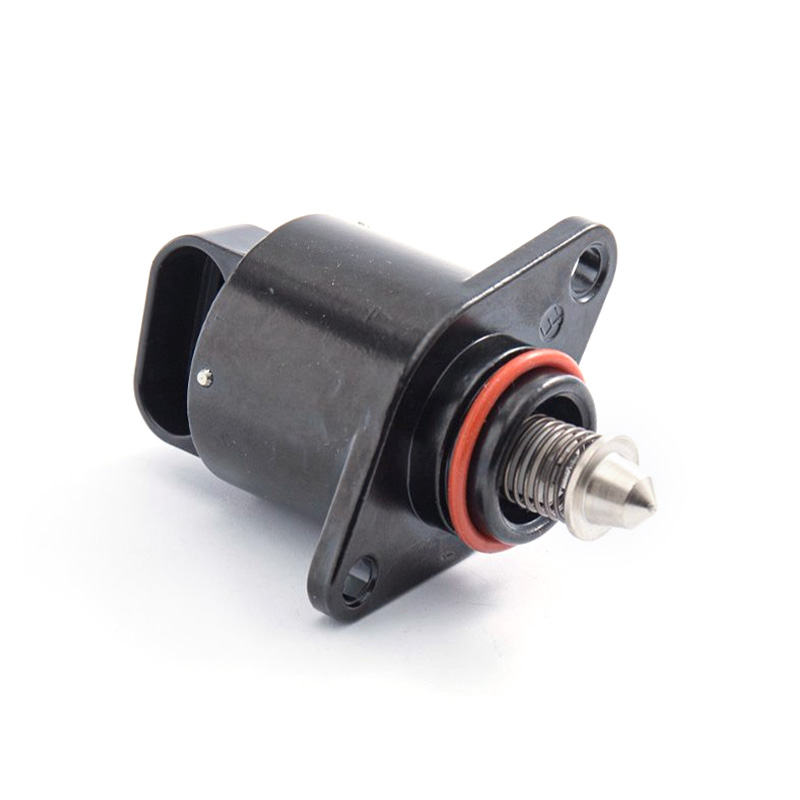
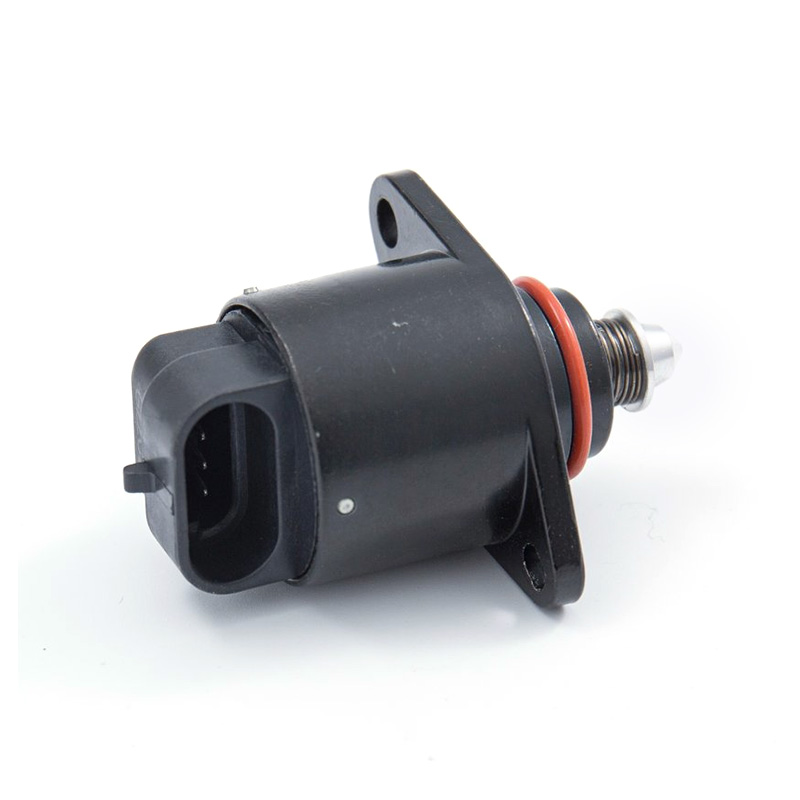
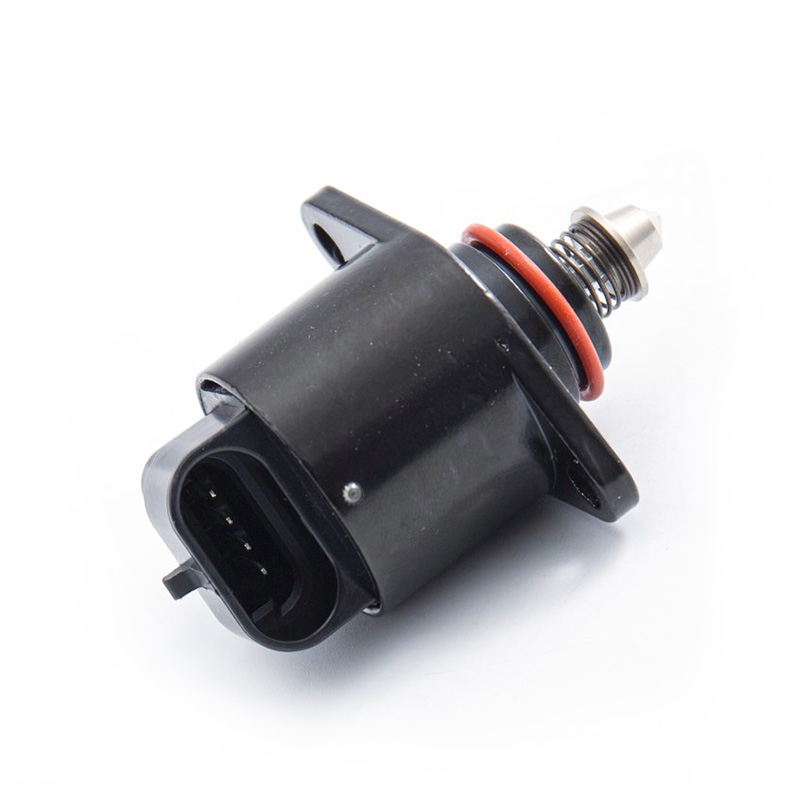
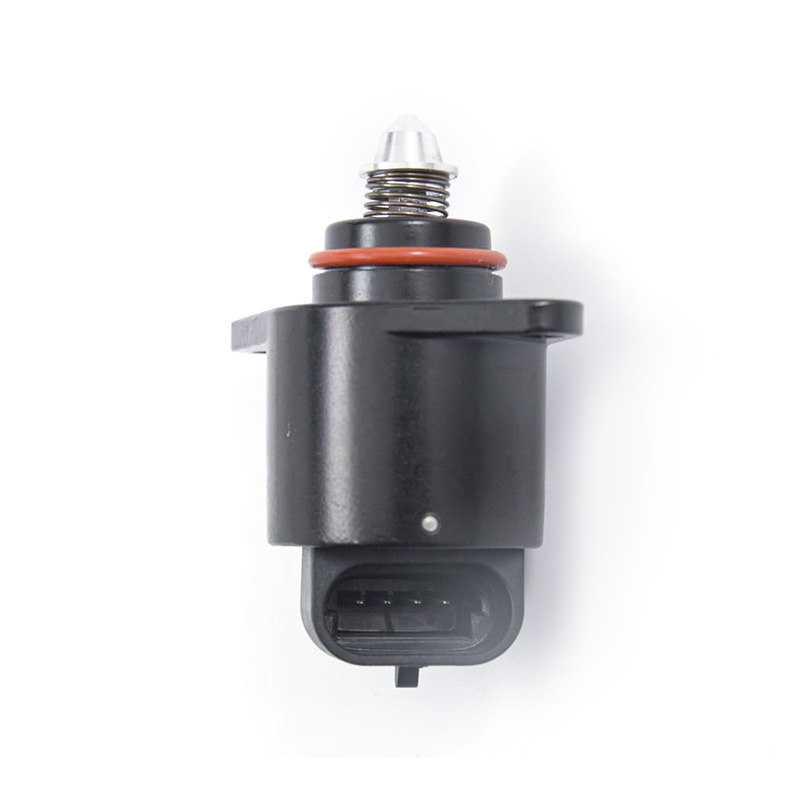
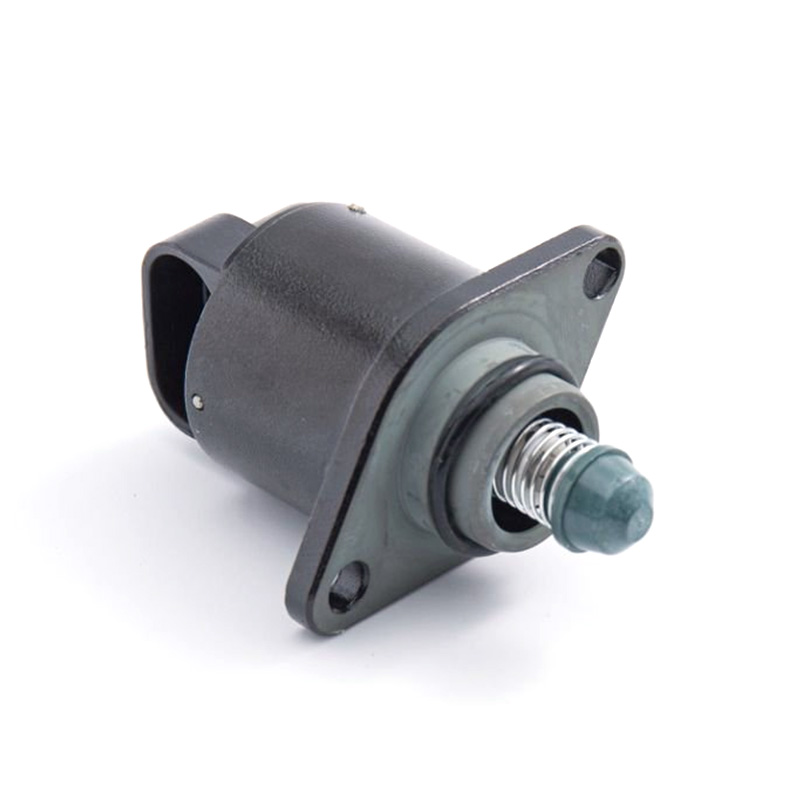
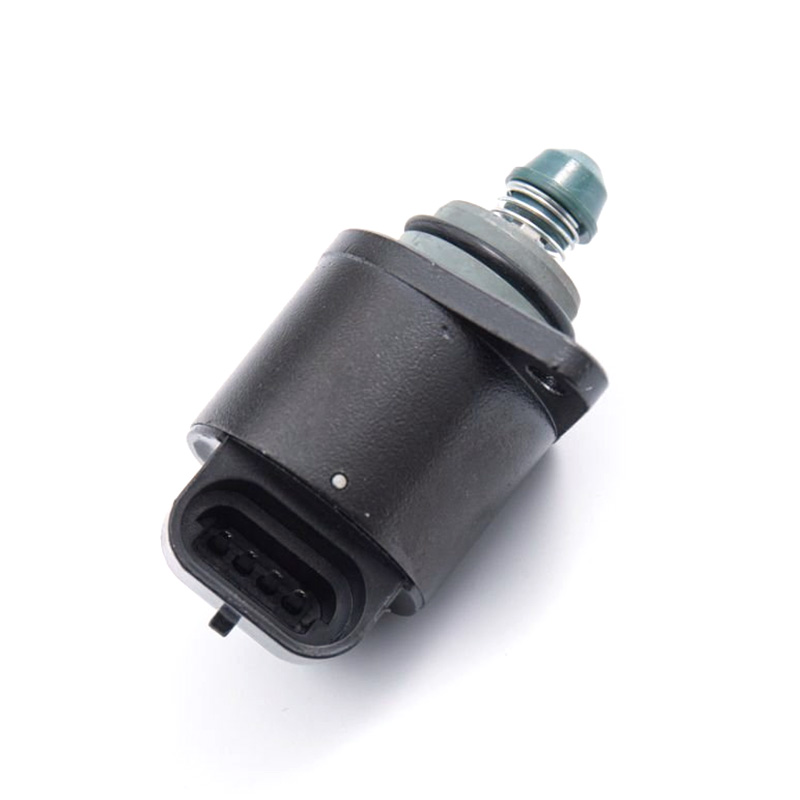
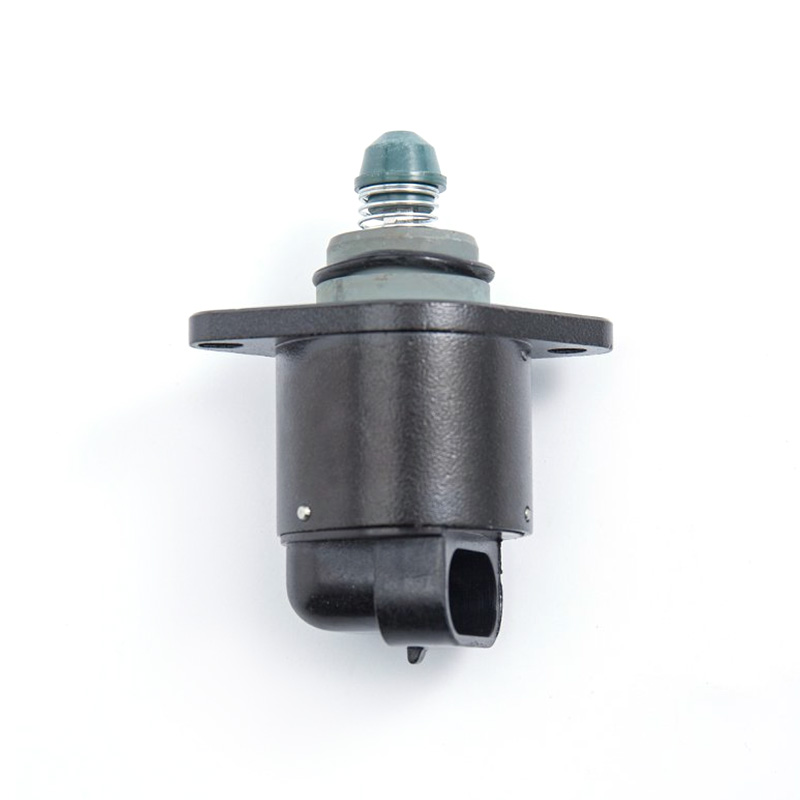
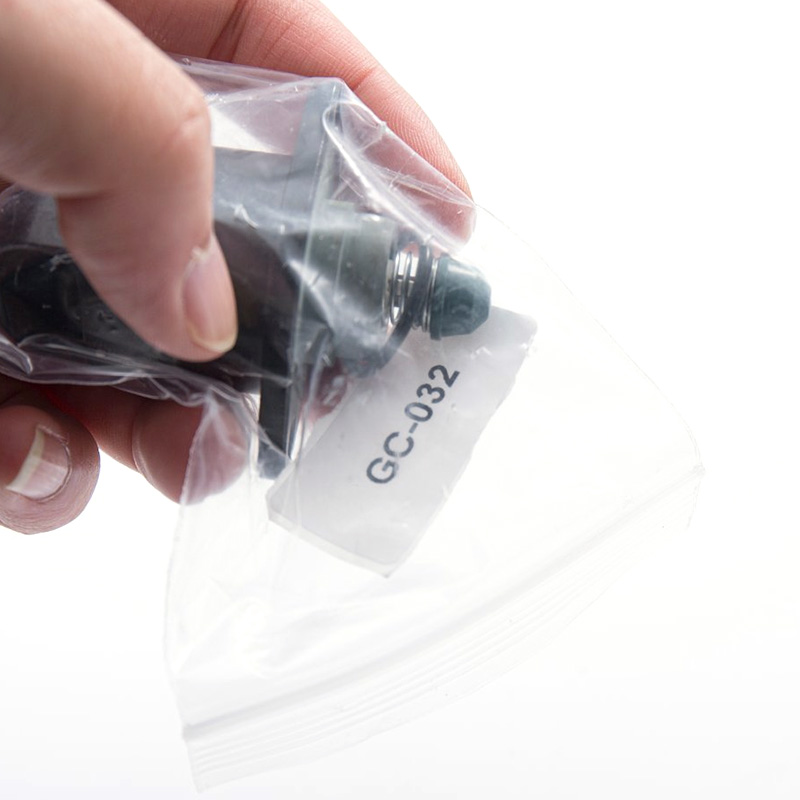
GC-032
REFERENCE OE:
21203-1148300
APPLICATION:
LADA
Idle air control valve from China factory for Lada.
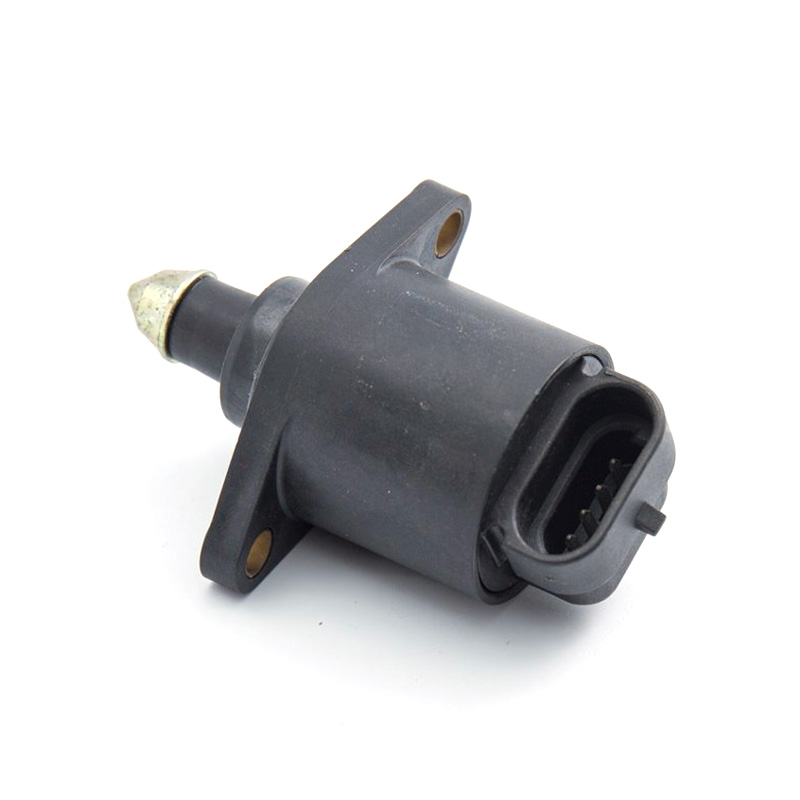
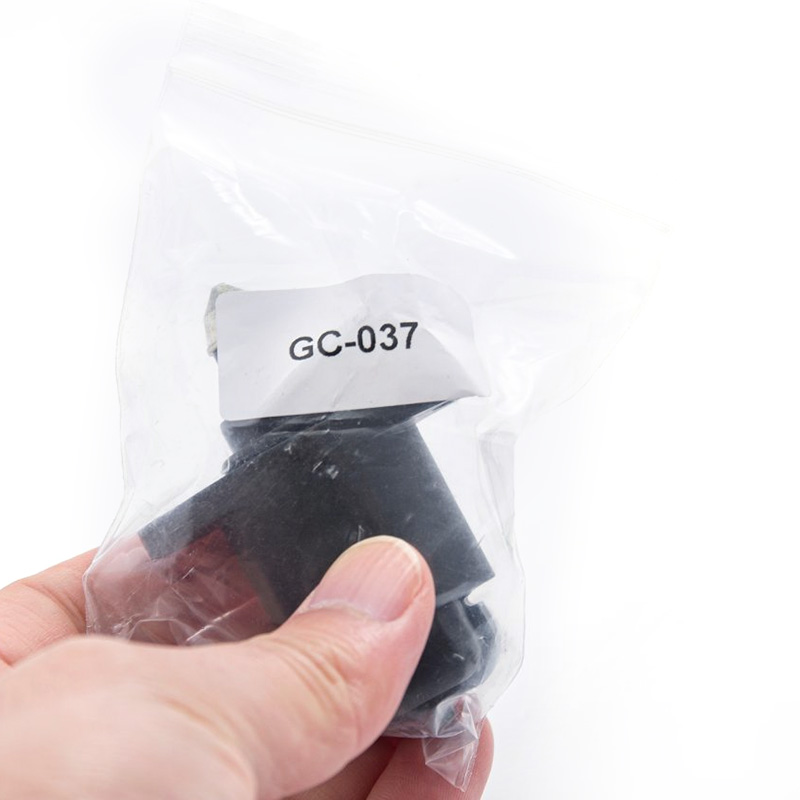
GC-037
REFERENCE OE:
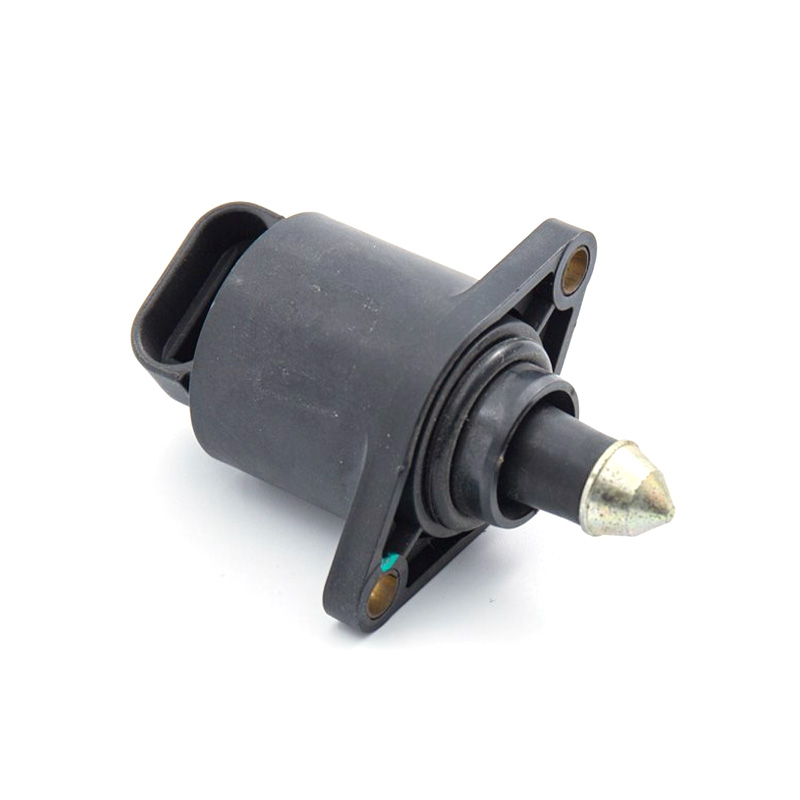
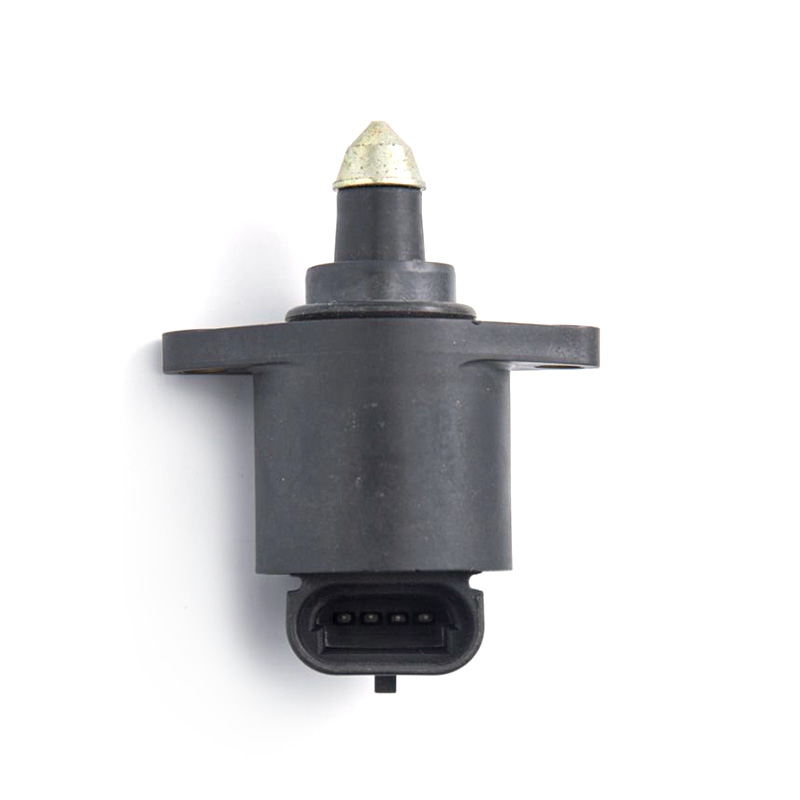
HOT-STAMP:D5174
RENAULT:7701047909
APPLICATION:
RENAULT CLIO MkII;MEGANE I(BA);MEGANE Grandtour(KA);MEGANE Coach(DA0/1)/Cabriolet(EA0_)/Scenic(JA0_);PAYKAN;KIA
Idle air control valve from China factory for Renault Clio Megane Scenic.
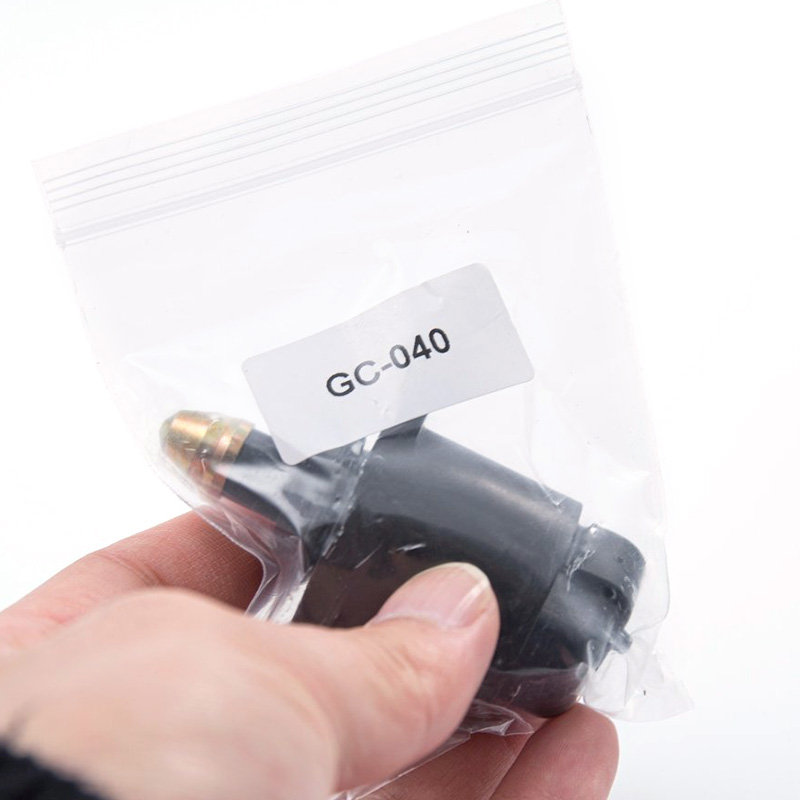
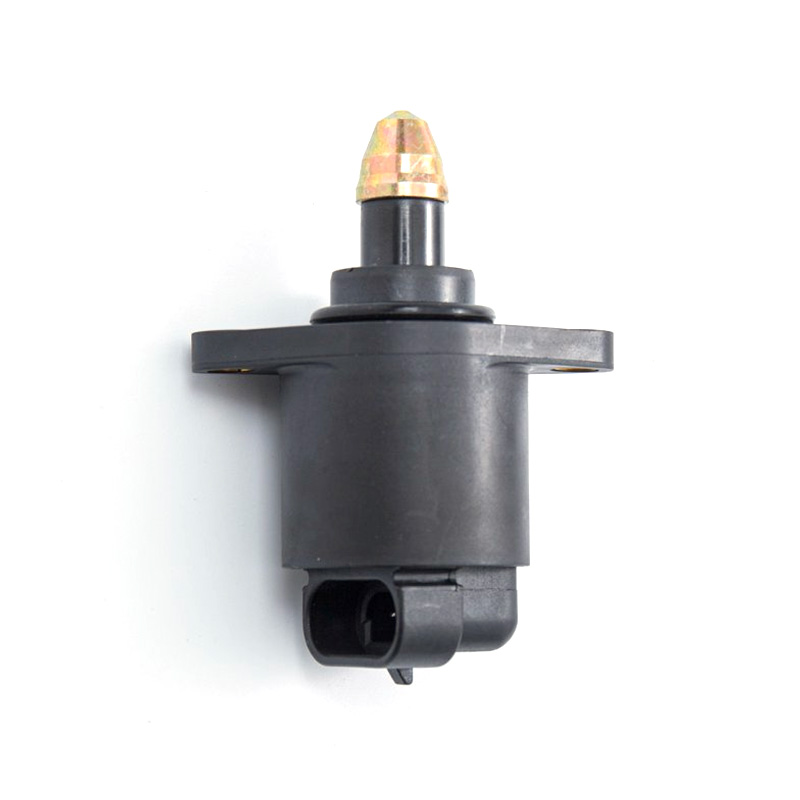
GC-040
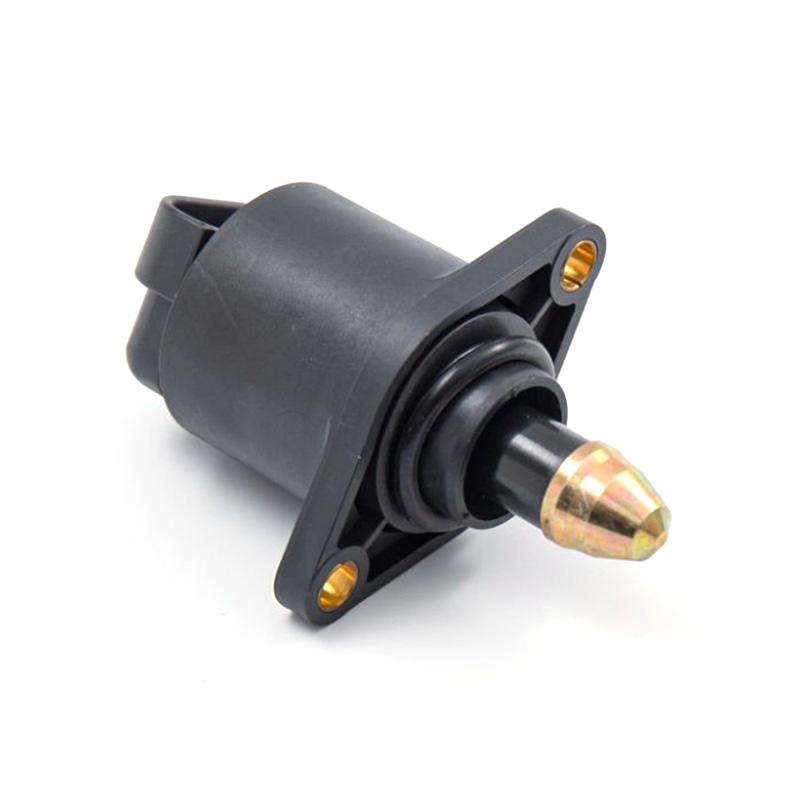
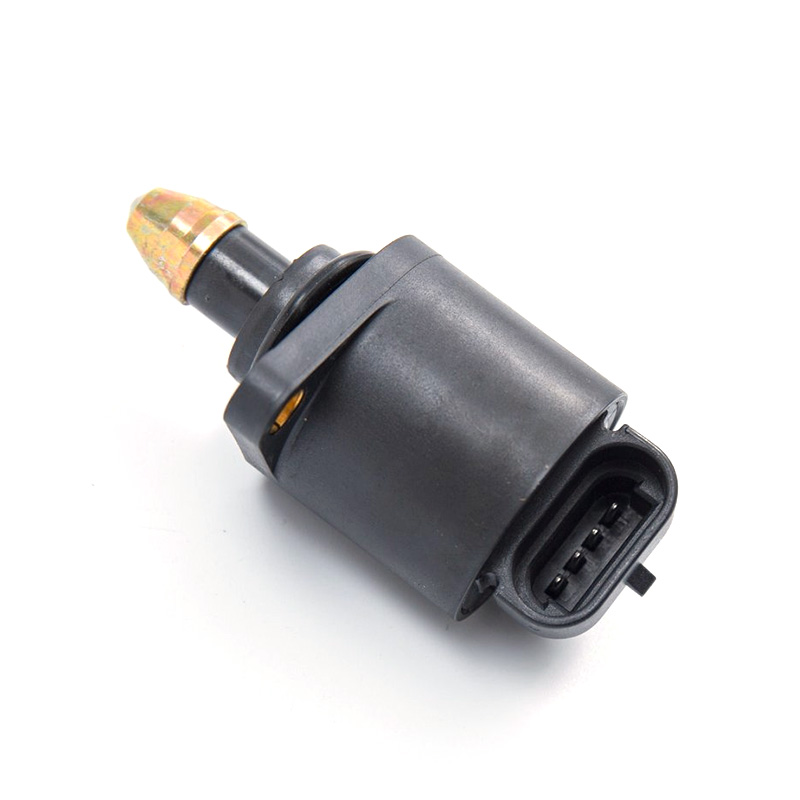
REFERENCE OE:
SHORT CODE:B04/01 D5131
MARELLI:230016079057
PEUGEOT:1920N1
SIMENCE:A95269
APPLICATION:
PEUGEOT 205 I Cabriolet(741B,20D)1.6CJ;
PEUGEOT 205 II(20A/C)1.6 Aut;
PEUGEOT 306(7B,N3,N5)1.8/2.0ST;
306 Break(7E,N3,N5)1.8;
PEUGEOT 306 Cabriolet(7B,N3,N5)1.8/2.0ST;
PG 306 Schraqheck(7A,7C,N3,N5)1.8/2.0 Xsi;
PG 309 II(3C,3A)1.6;
PG 405/Break(15B)1.6;
PG405 II(4B)1.6/1.8/2.0/2.0 X4;
PG 406;PG 806;PG BOXER Bus
Idle air control valve from China factory for Peugeot 205 306.
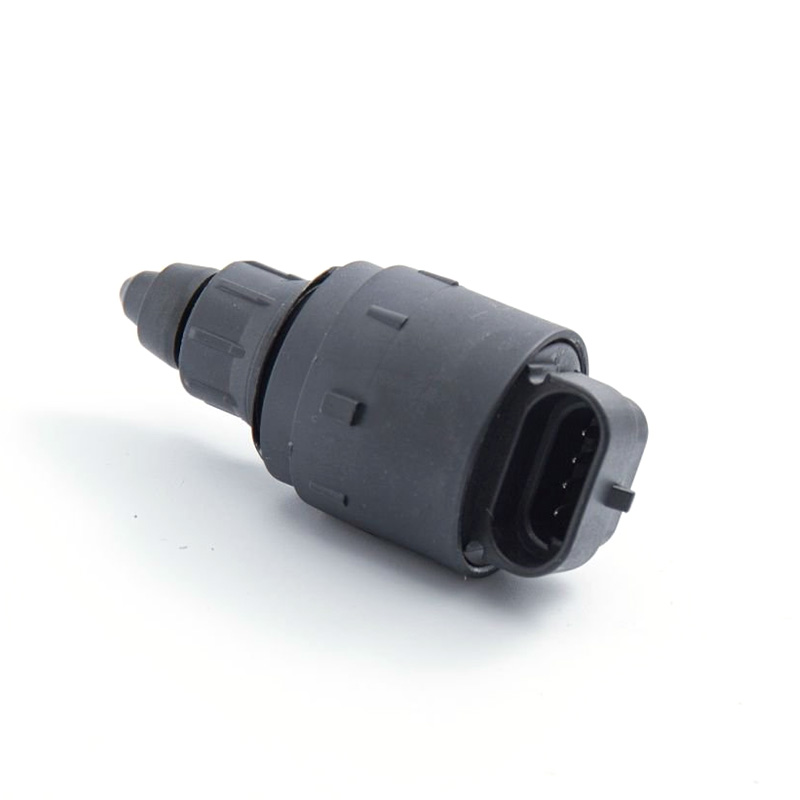
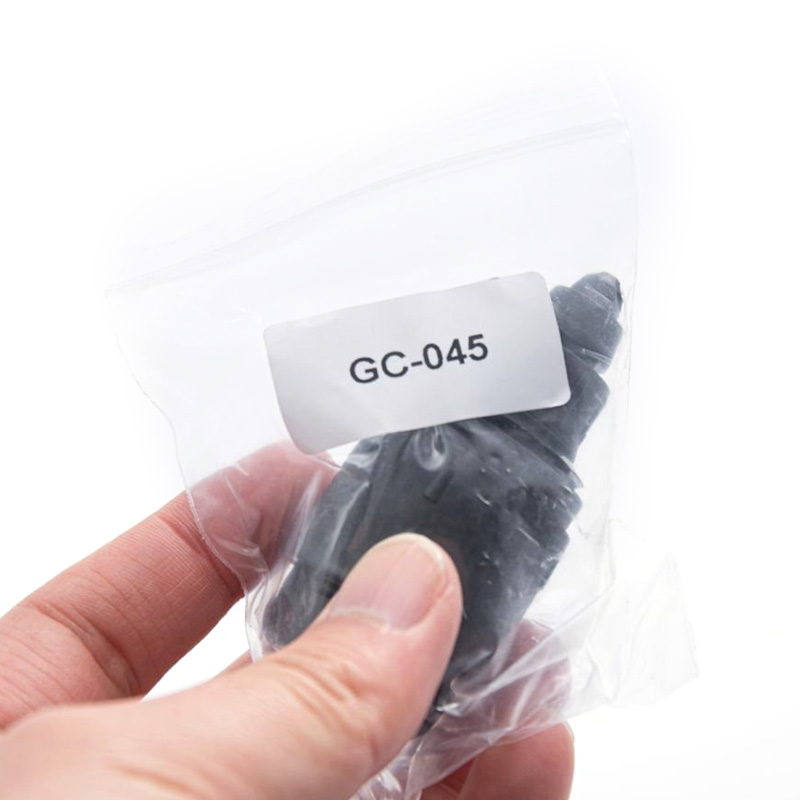
GC-045
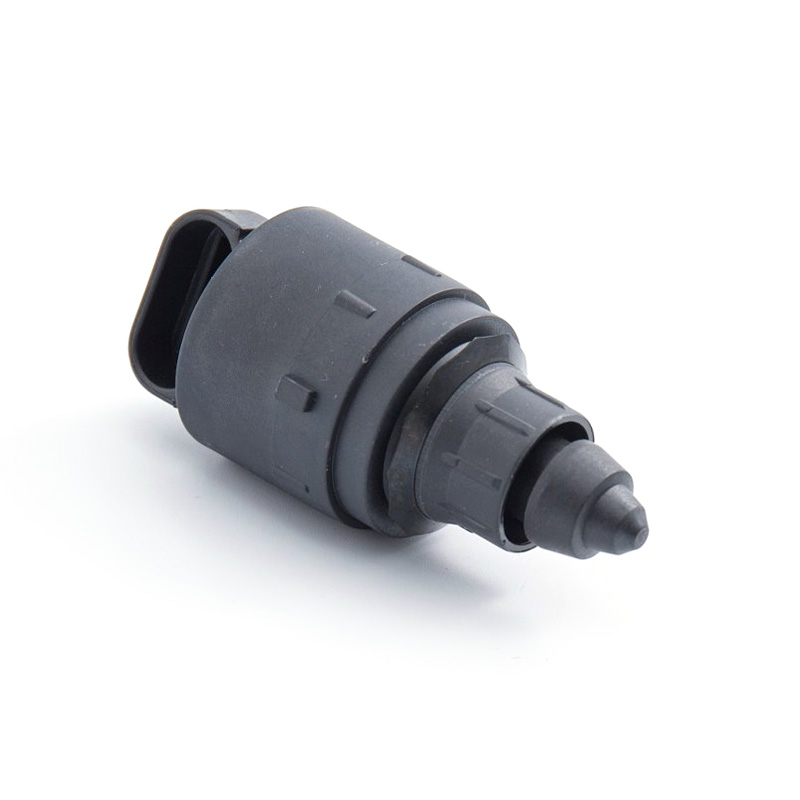
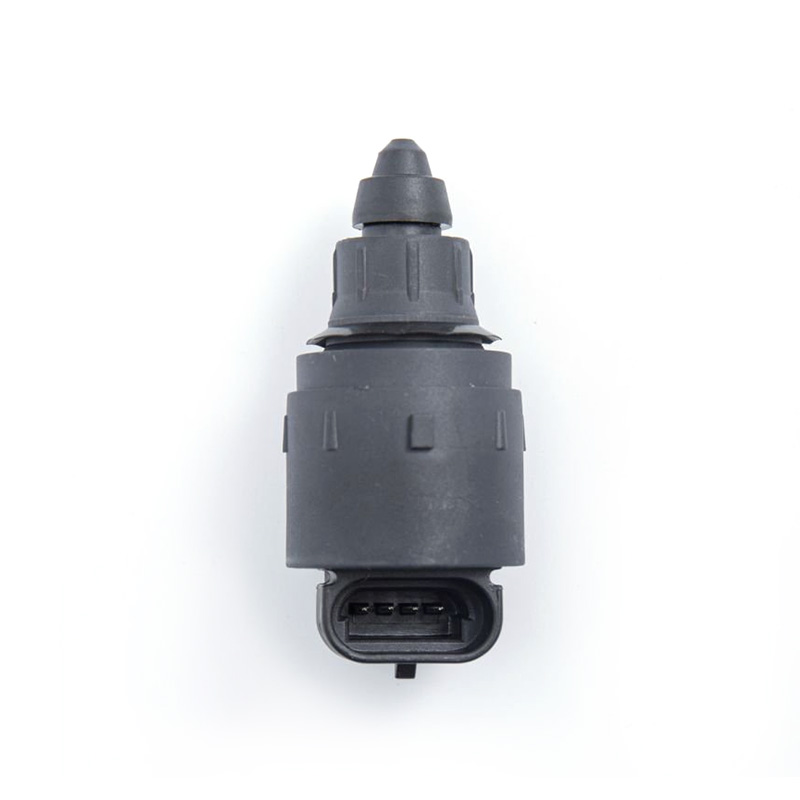
REFERENCE OE:
IB04/00
Delphi: 28222556
Marelli: 40481202
APPLICATION:
Renault Clio 1.0 8V MPI
Renault Kangoo 1.0 8V MPI
Idle air control valve from China factory for Renault Clio Kangoo.
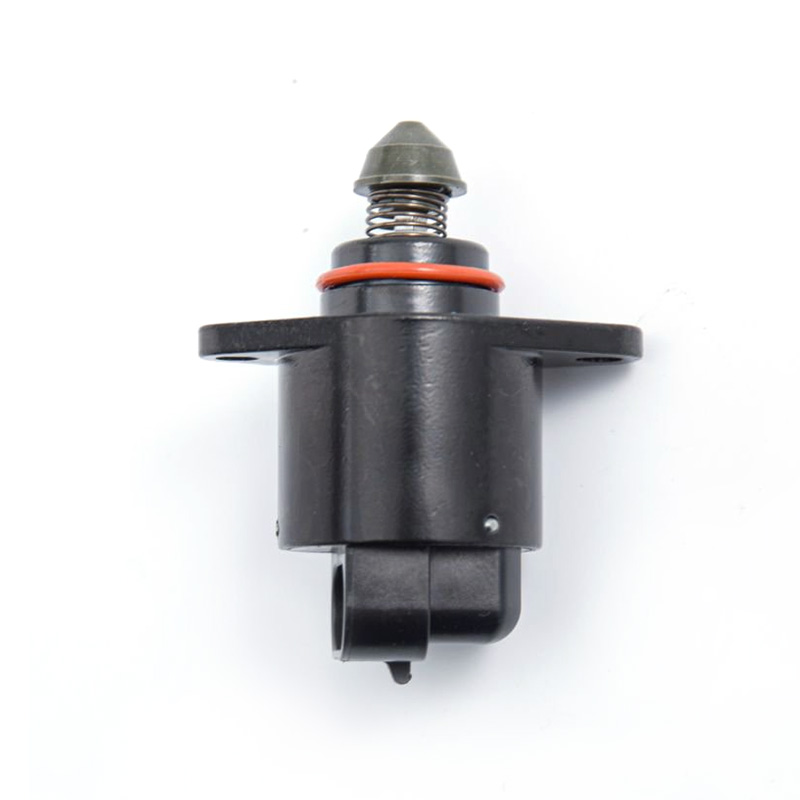
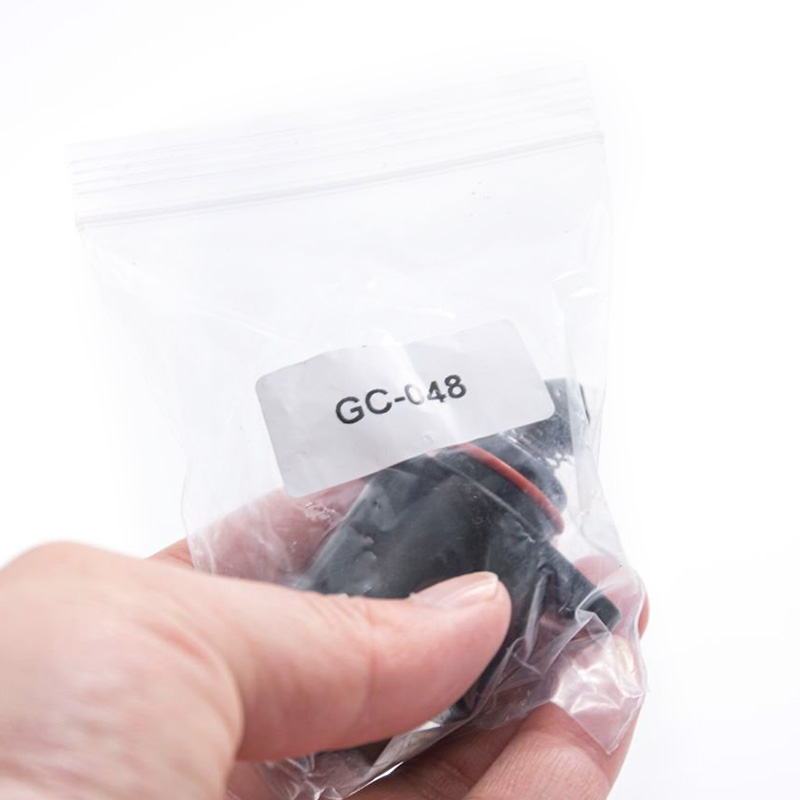
GC-048
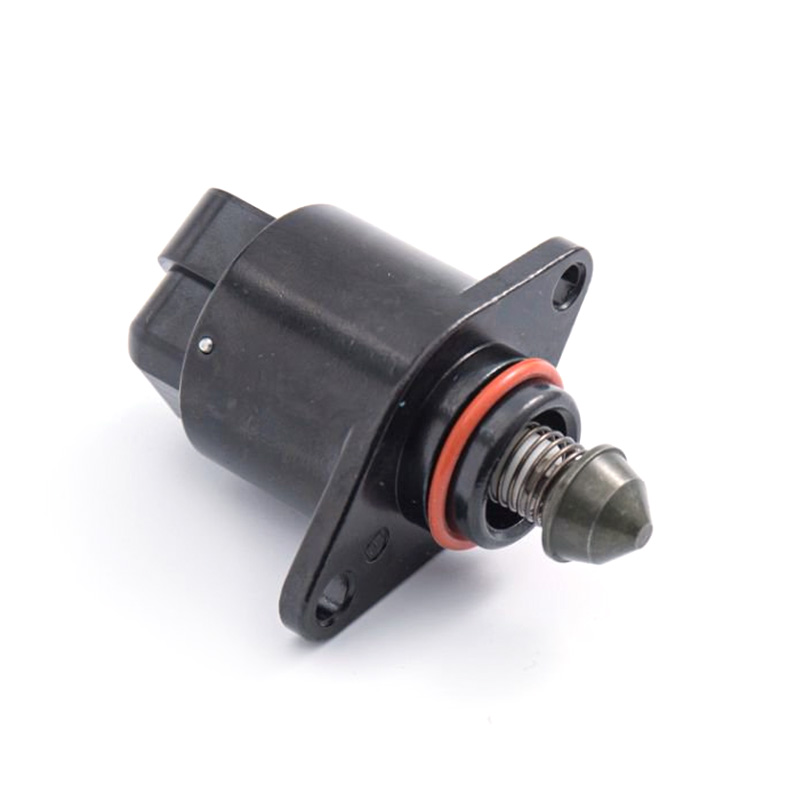
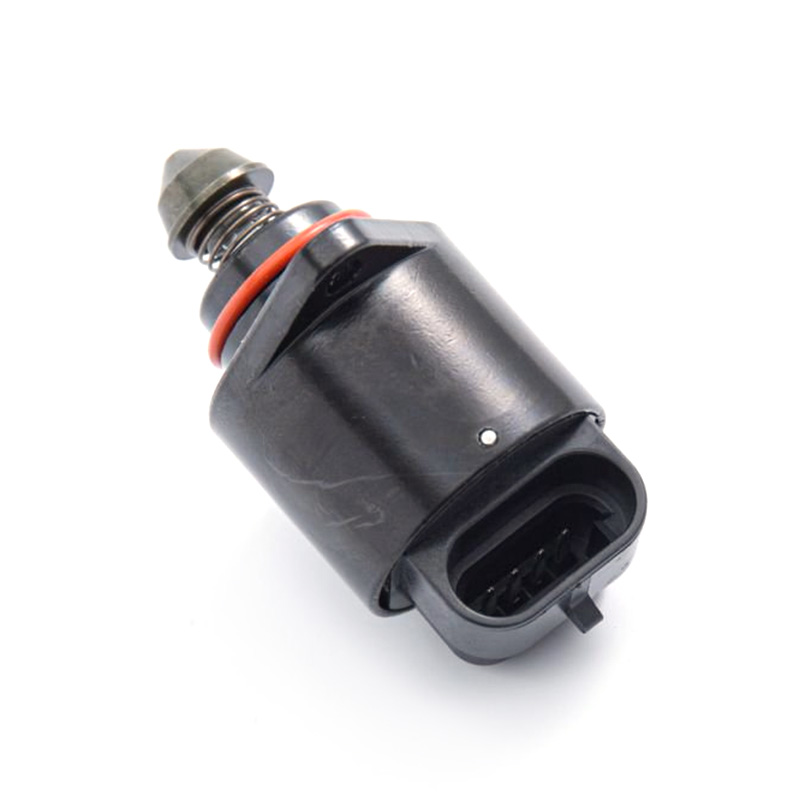
REFERENCE OE:
SHORT COD:02851
GM: 17102851
GM: 17112966
GM: 17112967
VDO: A95267
SMW299933
BUICK: D0016,C2177
2151025, AC124, AC130
217428,2H1058
APPLICATION:
Delica Van
Idle air control valve from China factory for Delica Van.
Contact Us
Let's start collaborating

Guocheng is specialized in the R&D and production of key engine components for the automotive and engineering machinery industries.
Product
Stay Connected
(+86) - 577 - 8582 0886 (Tel)
(+86) - 577 - 8582 8085 (Fax)
(+86) - 19730213059 (Phone)
sales@wz-gc.com
No. 205, Baiyu Road, 15th Road, Binhai Park, Wenzhou, Zhejiang, China
Mobile

ODM Engine Management System Components
 English
 русский
 Español
 عربى
عربى Deutsch