Date:Jun 12, 2026
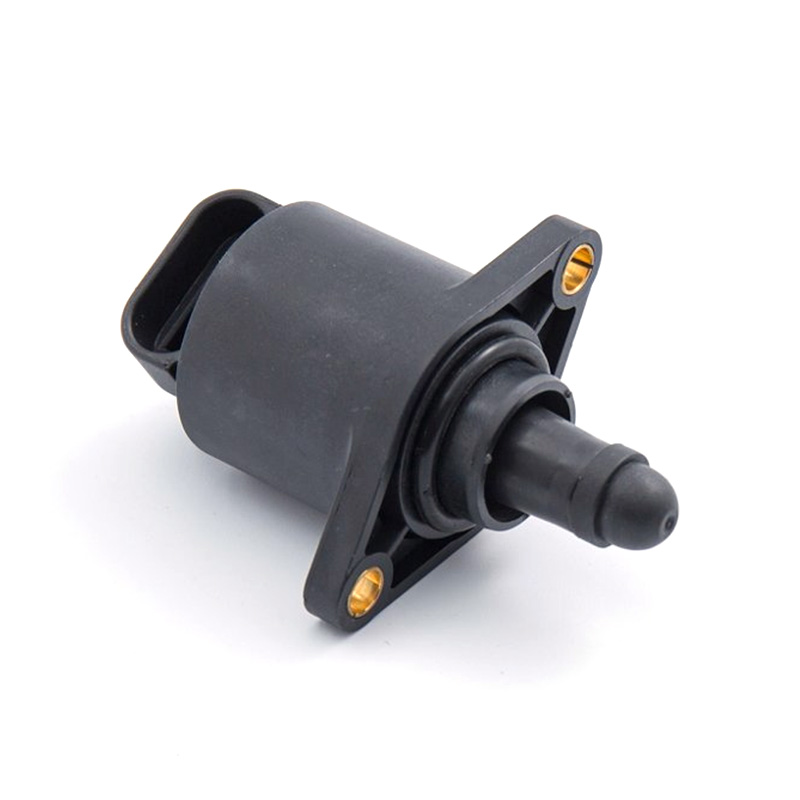
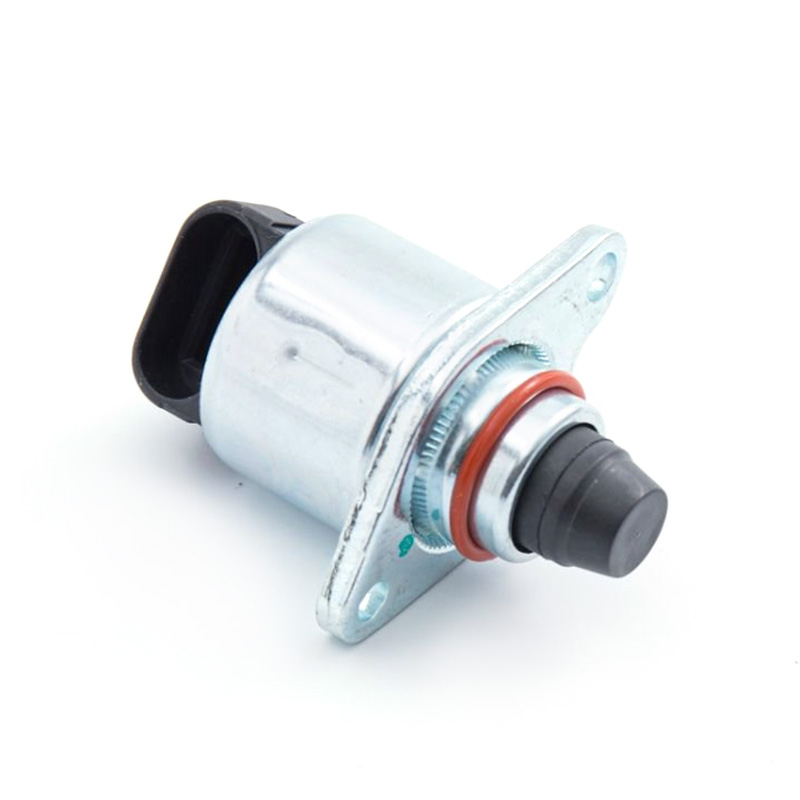
Owners of Honda Accord vehicles frequently report issues with idling irregularities, often traced back to the idle air control (IAC) valve. This component, responsible for regulating airflow when the throttle plate is closed, plays a pivotal role in maintaining stable engine speed. Understanding why these valves fail requires examining design factors, operating environments, and common mechanical stresses.
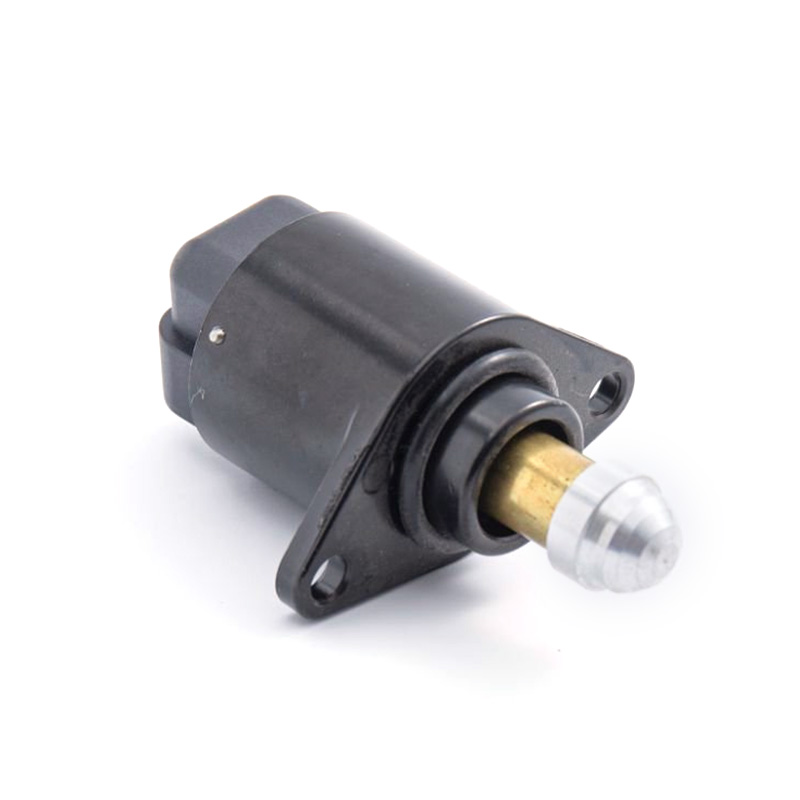
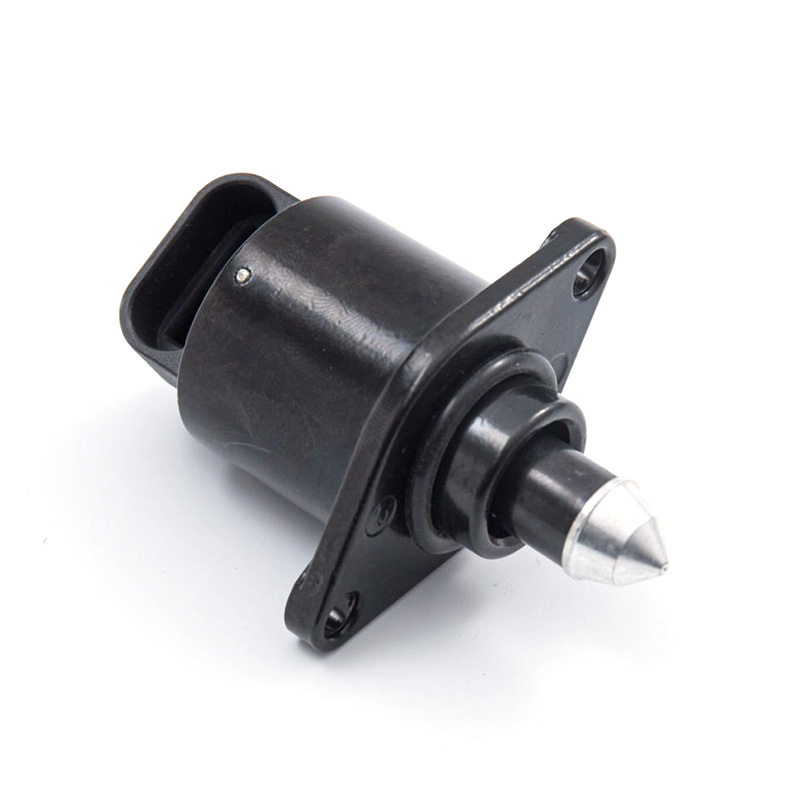
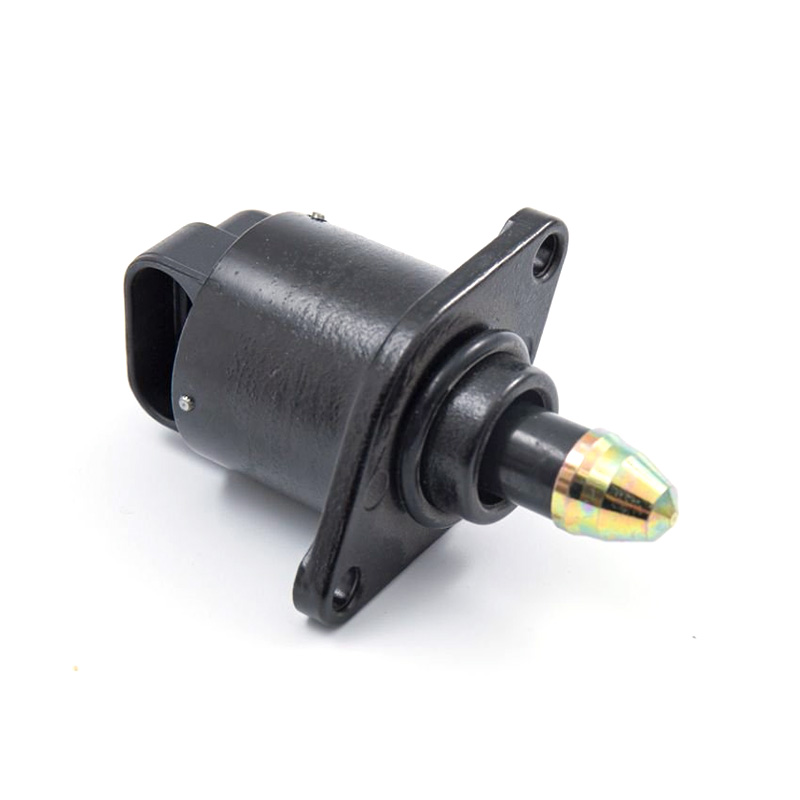
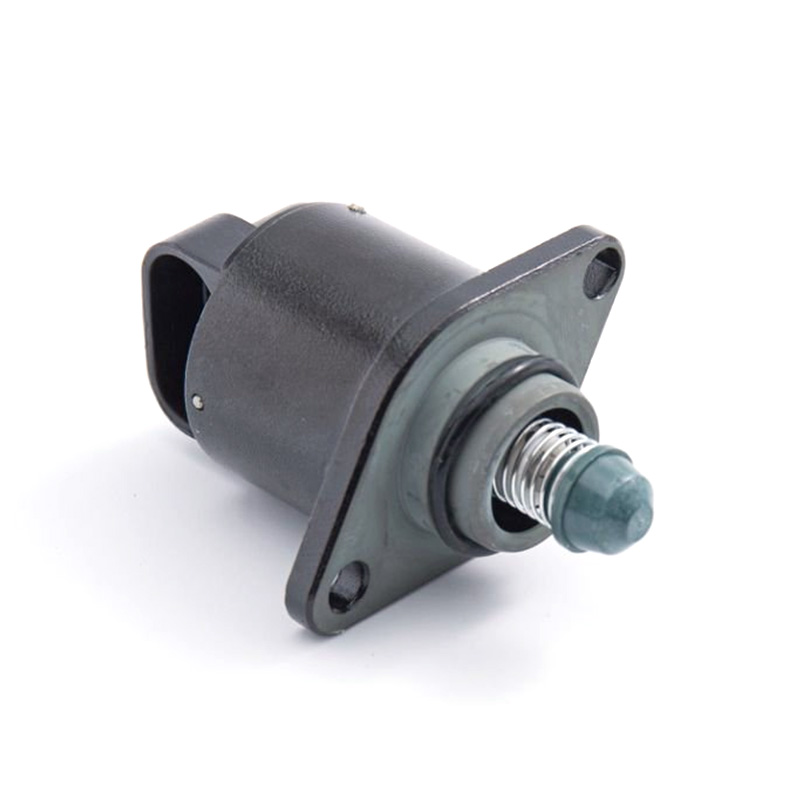
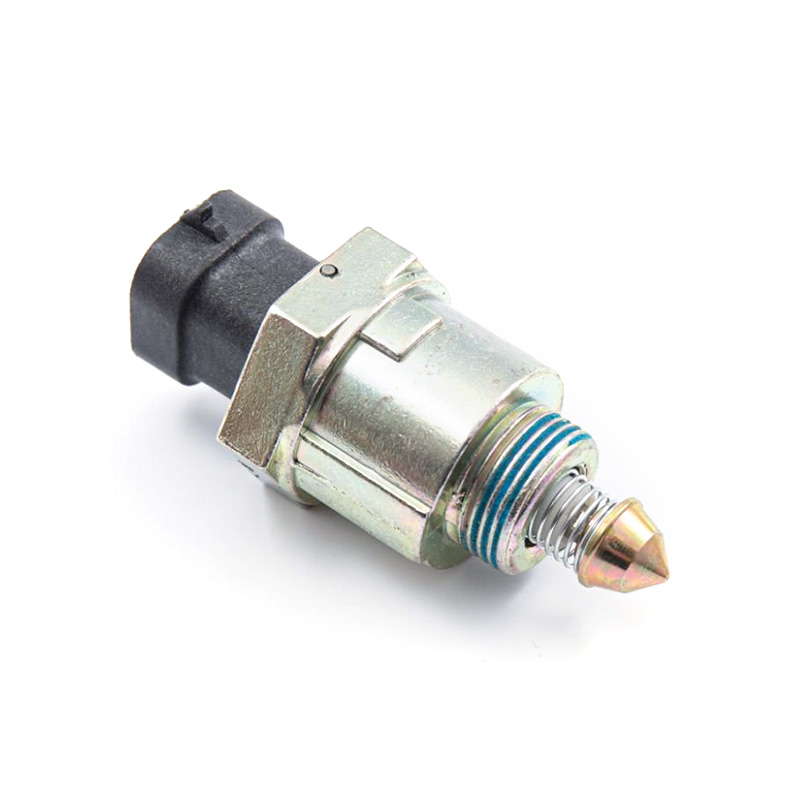
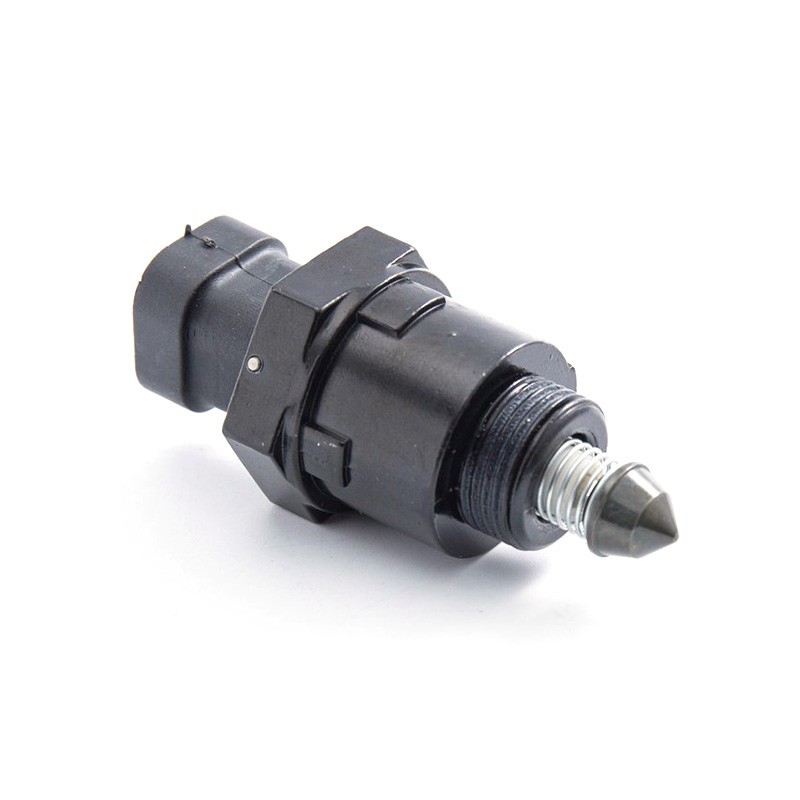
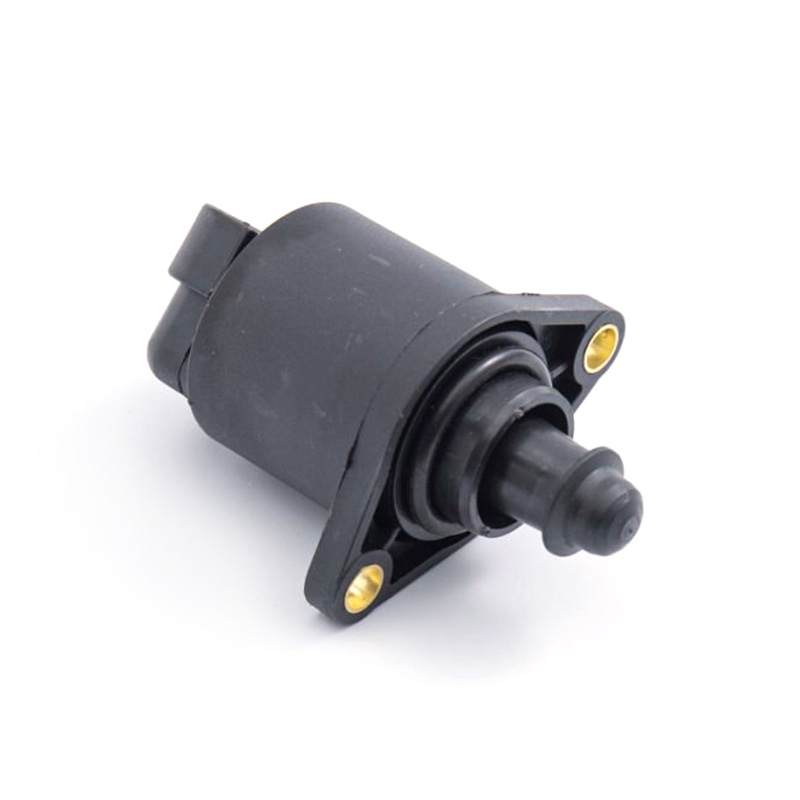
Accord idle air control valves typically use stepper motor or PWM solenoid actuators. Stepper motor systems incrementally move a pintle shaft to adjust air bypass, providing smooth idle regulation. PWM solenoids, on the other hand, rely on duty cycle modulation to vary airflow.
Failures can occur when the pintle becomes sticky, the solenoid coil overheats, or electronic feedback from the ECU is interrupted.
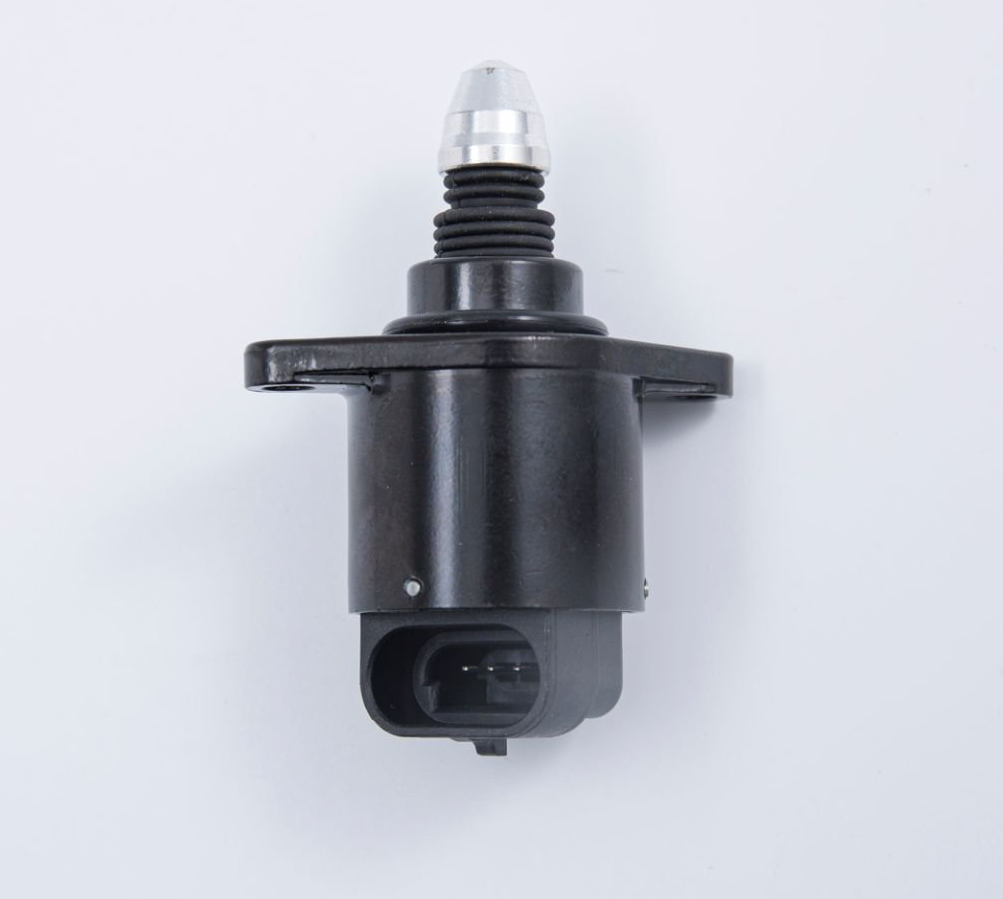
The IAC valve in an Accord is mounted directly on the throttle body, which exposes it to extreme temperature variations, carbon buildup, and humidity. Repeated thermal cycling can cause plastic housings to warp or metal components to expand, compromising the tight tolerances required for accurate airflow.
Such conditions contribute to intermittent stalling, rough idle, and increased risk of valve failure.
Electronic control signals from the engine control unit (ECU) dictate pintle movement. Wiring faults, corroded connectors, or damaged stepper motor windings may prevent proper actuation.
Failures of this type often manifest as sudden idle drops or engine stalling under accessory load.
Material choices influence longevity. Common valve housings use PBT, PPS, or aluminum, while internal shafts often employ stainless steel or hardened alloys. Actuator windings require high-temperature insulation to withstand prolonged exposure.
| Component | Material | Failure Mode |
| Valve Housing | Aluminum, PBT, PPS | Warping, corrosion, cracking |
| Pintle Shaft | Stainless Steel | Sticking due to carbon buildup |
| Actuator Coils | Copper with high-temp insulation | Overheating, shorting |
Awareness of these material characteristics can guide troubleshooting and selection of replacement valves.
Periodic cleaning of the throttle body and pintle assembly can significantly reduce the risk of premature valve failure. Using fuel system cleaners compatible with IAC components helps remove soot deposits and carbon buildup. Proper gasket installation and monitoring coolant passages reduce the likelihood of electrical shorting caused by fluid leaks.
By addressing environmental, mechanical, and electronic stressors, vehicle owners can extend the functional life of Accord idle air control valves.
Aftermarket and OEM suppliers have introduced valves with reinforced housings, improved solenoid windings, and better dust and carbon resistance. These valves aim to reduce the frequency of replacements and mitigate idle irregularities under heavy usage or extreme climate conditions. Manufacturers also offer pre-calibrated valves, reducing the need for ECU relearn procedures after installation.
Related Products
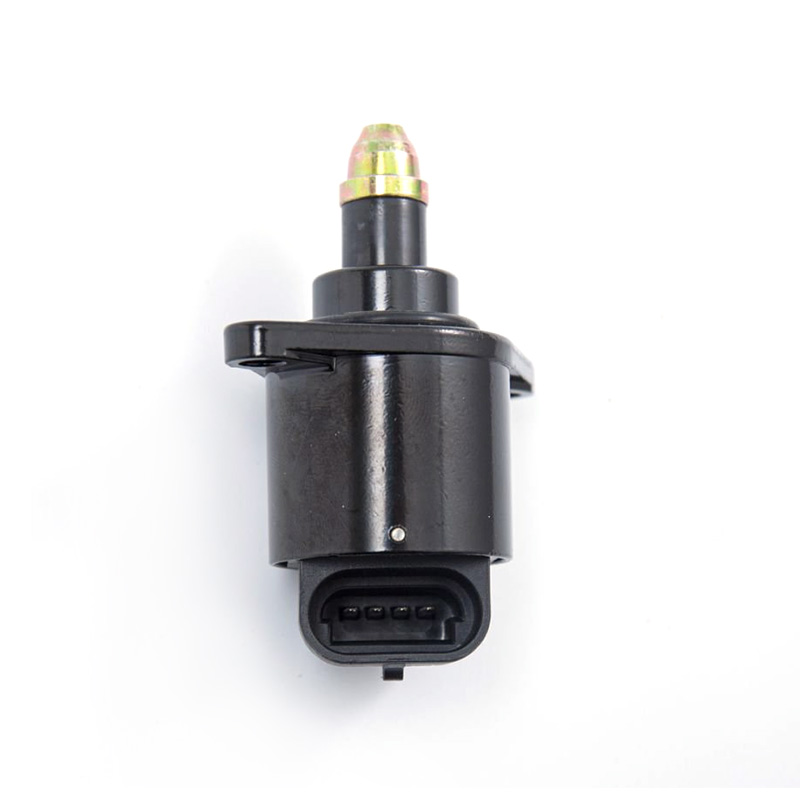
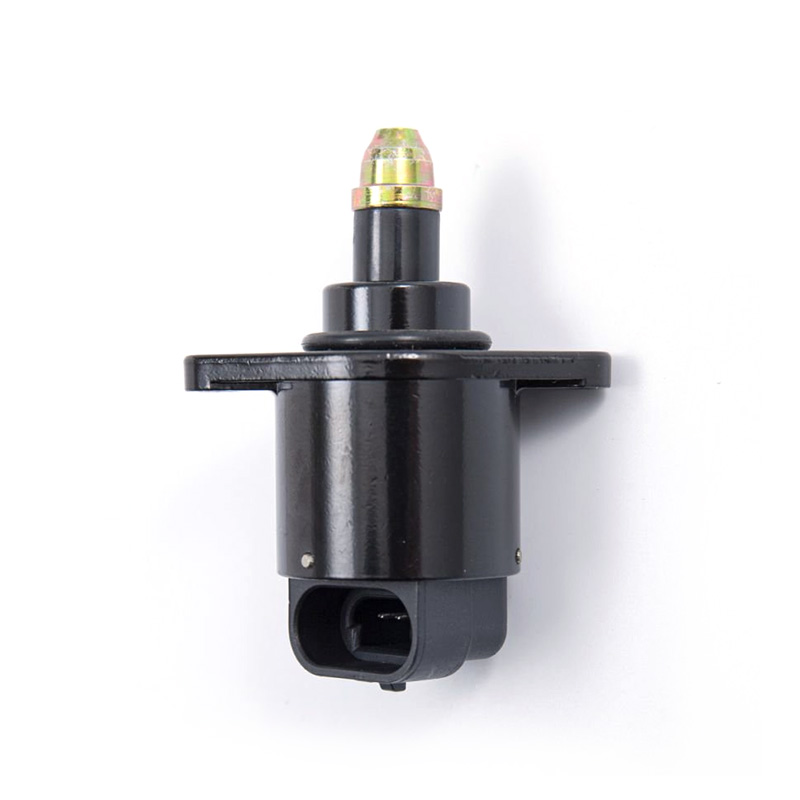
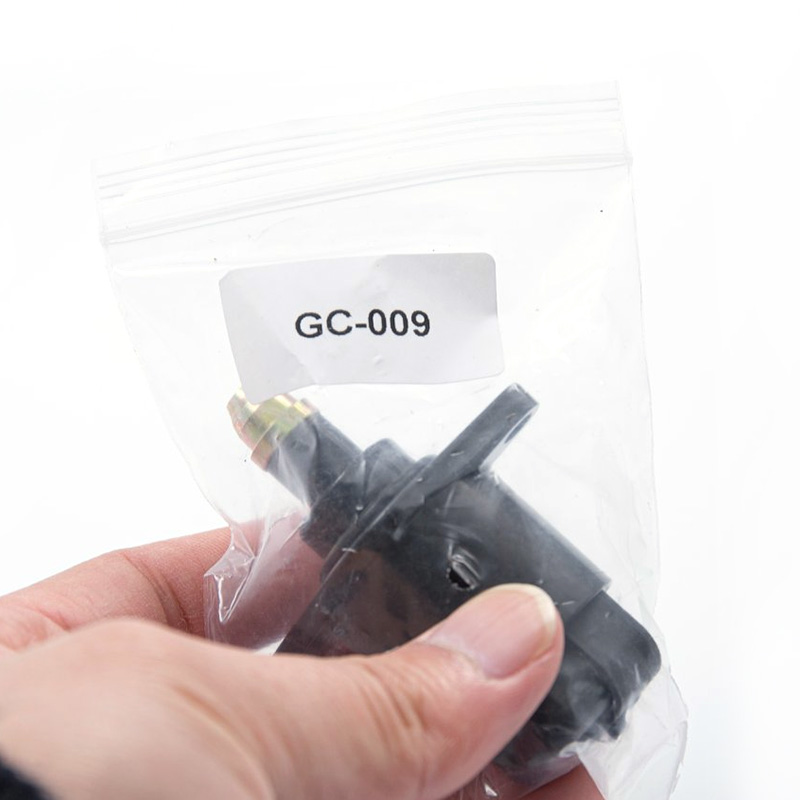
GC-009
REF OE:
SHORT CODE:D5150
MARELLI:40430102 7079064
VW: 0279980491
VDO: AT-05150R
APPLICATION:
Gol/Parati/Quantum/Santana1.8/Saveiro 1.6,1.8 todos MPFI alcool 96>>
Gol/Parati/Polo Classic 1.8/Quantum/Santana 1.8,2.0/Saveiro 1.6,1.8,2.0/Van 1.6 todos MPFI gasolina 96>>
Idle air control valve whole sale price,direct from China factory.
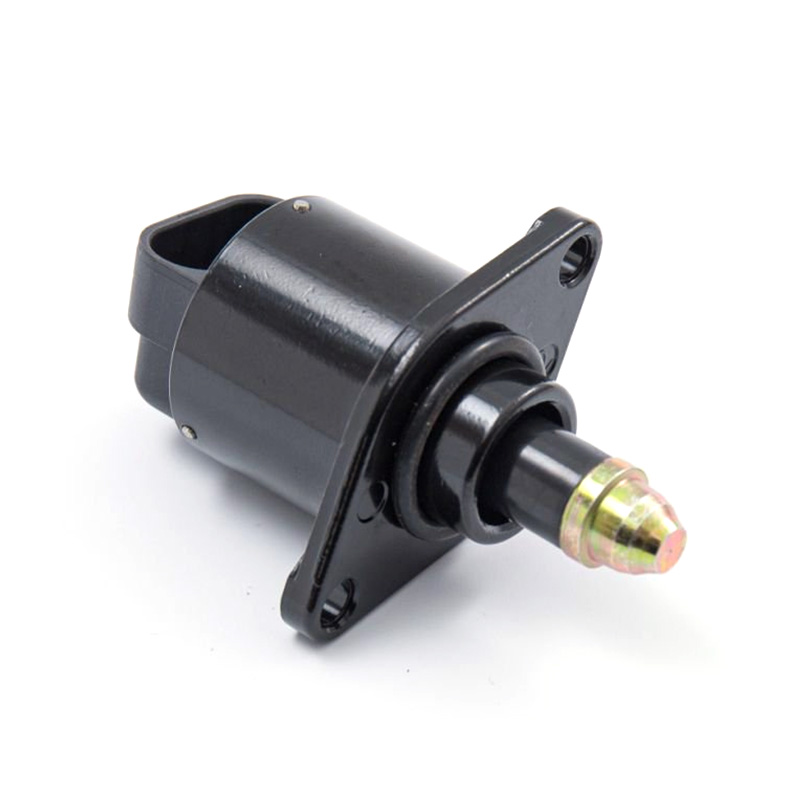
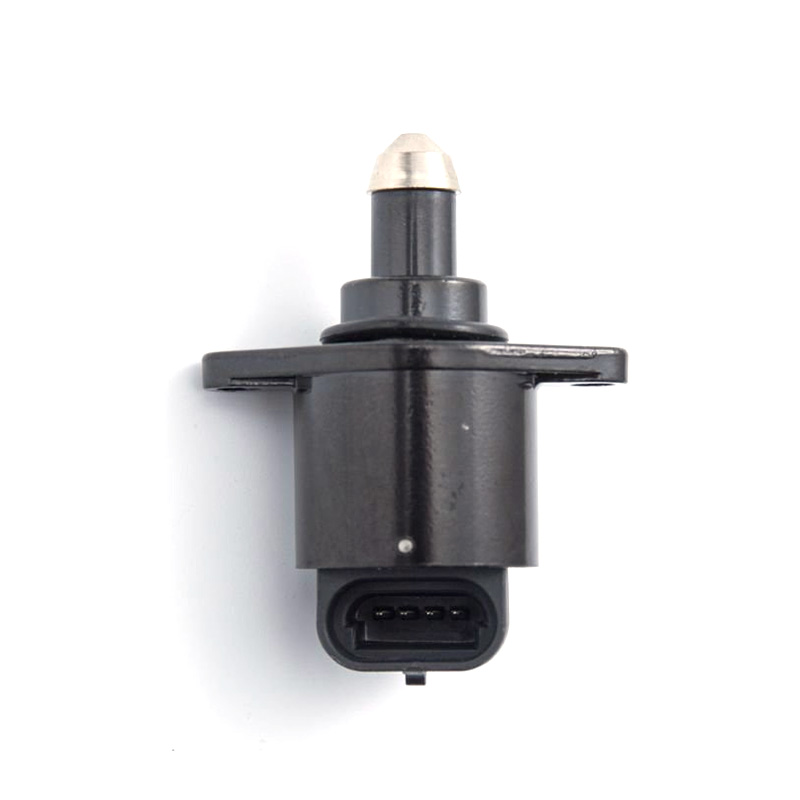
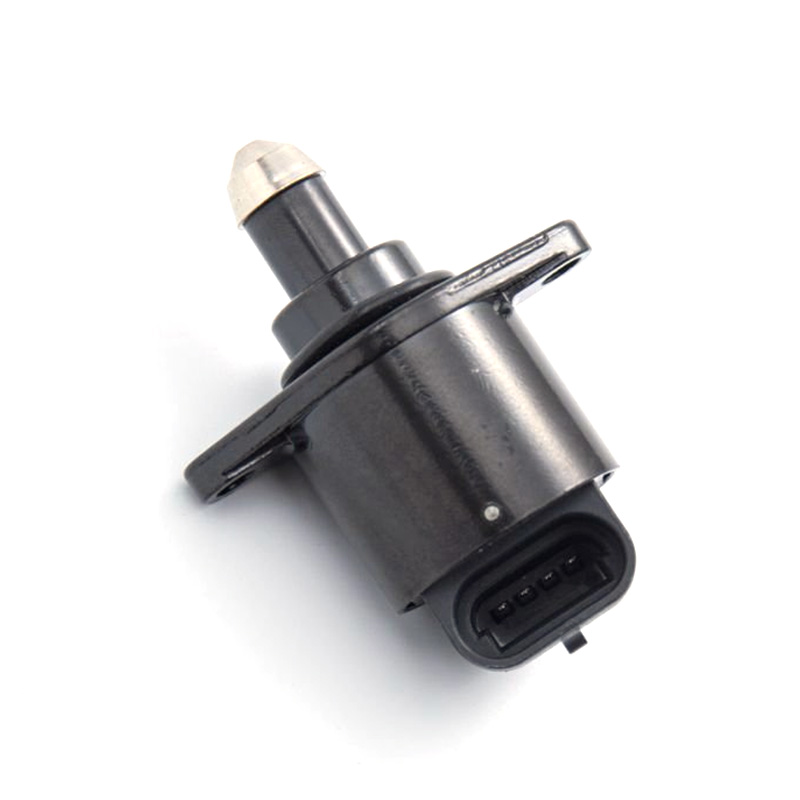
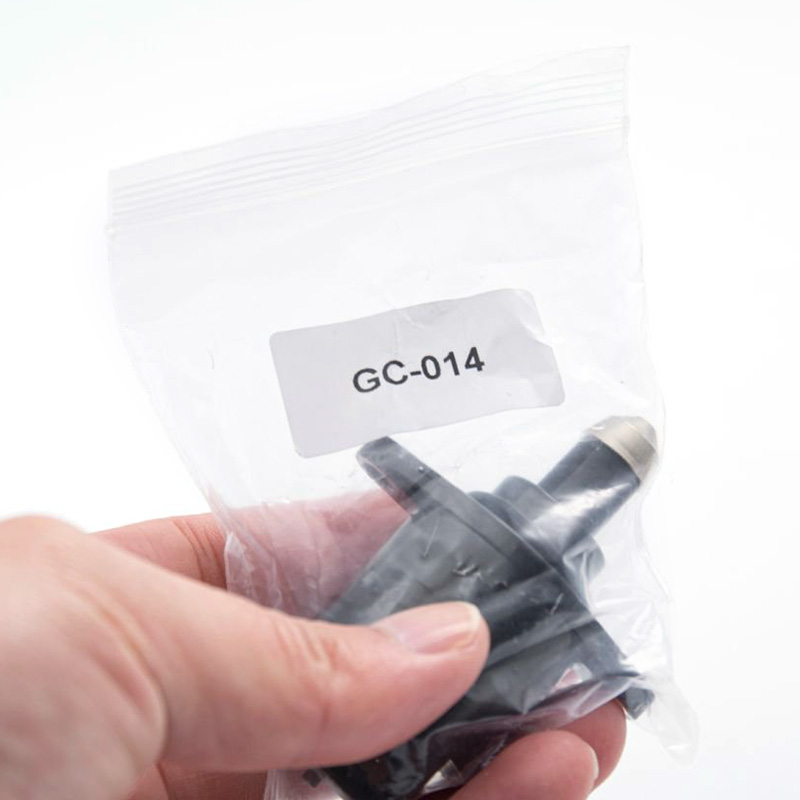
GC-014
REFERENCE OE:
MEAT DORIA:84048; 078133455;
APPLICATION:
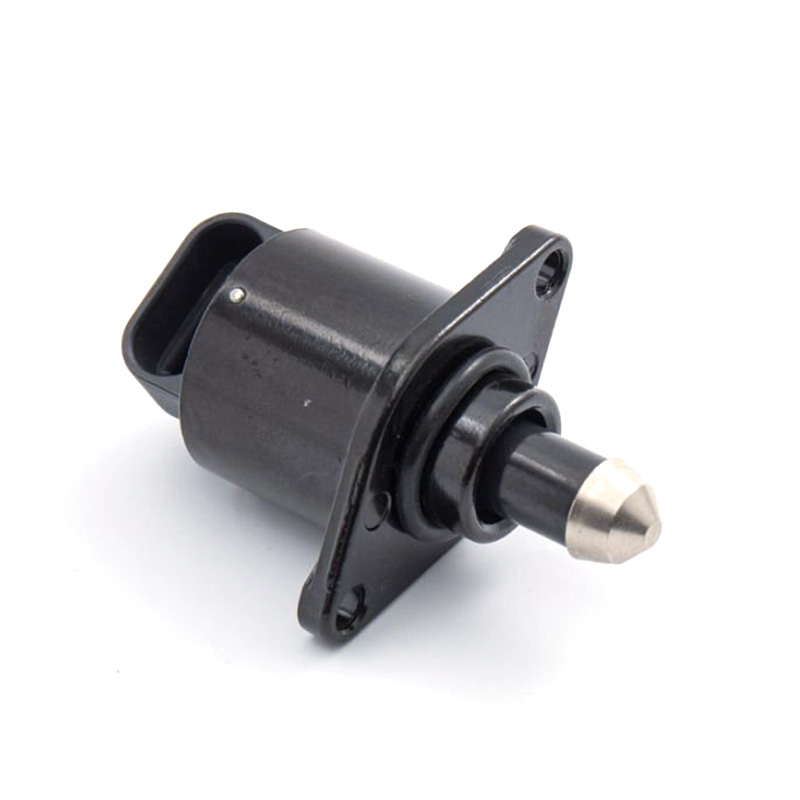
AUDI 100/100 Avant;AUDI 80/80 Avant;AUDI A4/A4 Avant;AUDI A6/A6 Avant;AUDI CABRIOLET/COUPE
Idle air control valve for Audi,from China factory for wholesale and retail.
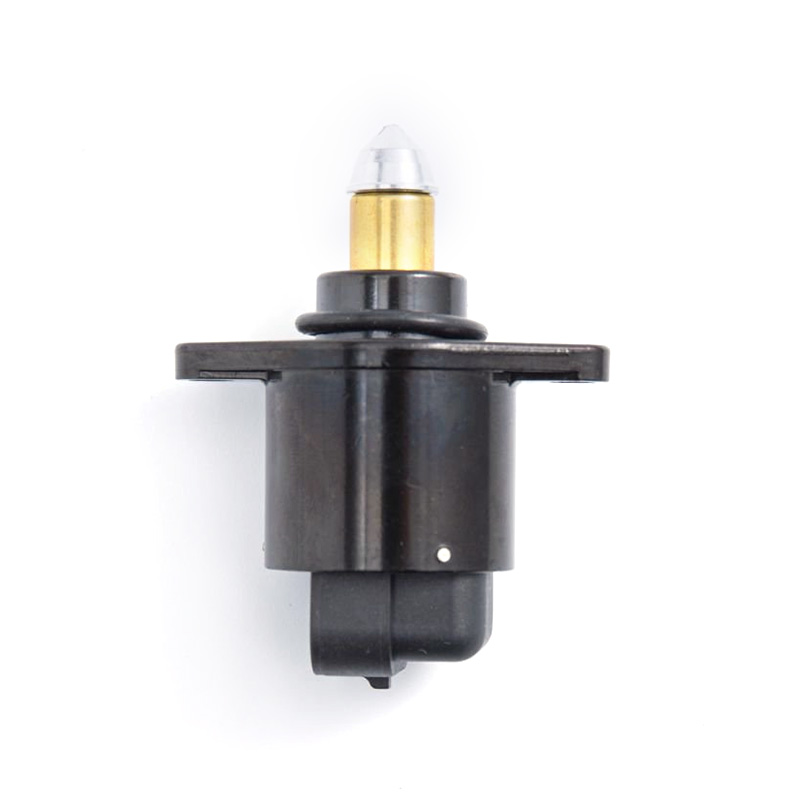
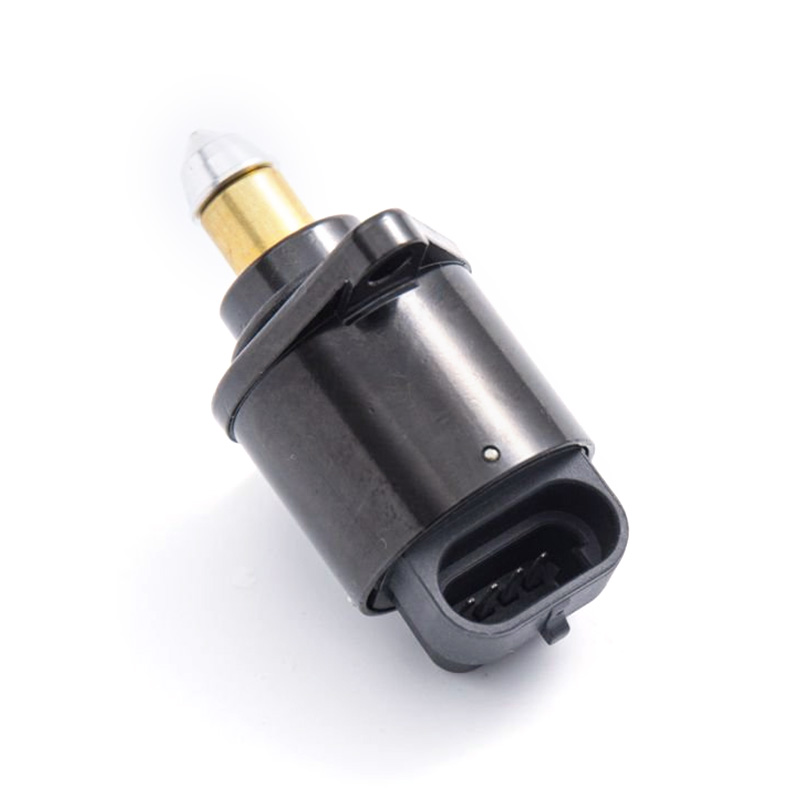
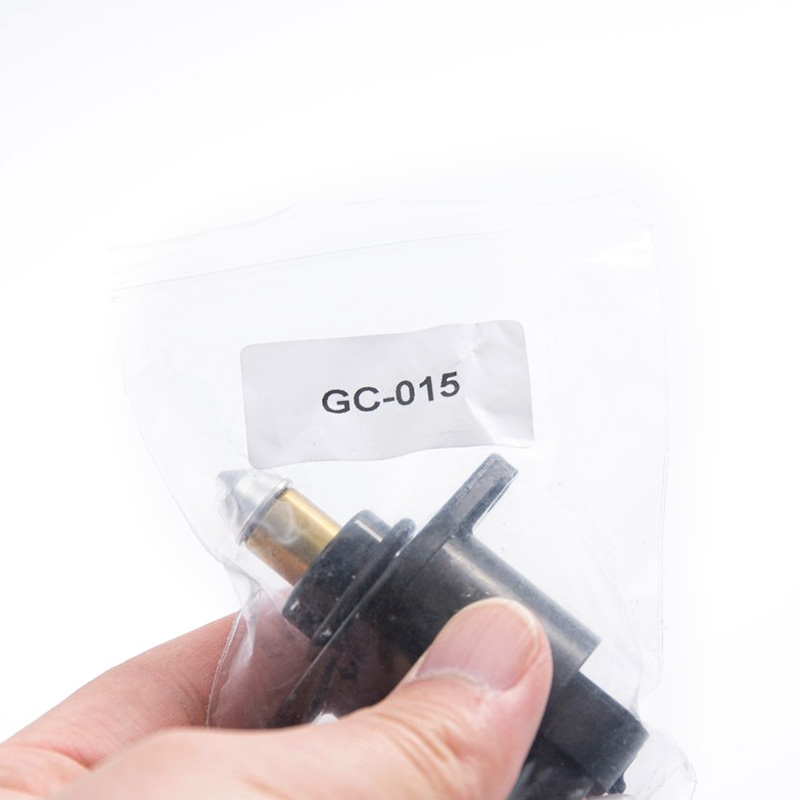
GC-015
REFERENCE OE:
SHORT CODE:D95177
RENAULT:7701206370
APPLICATION:
RENAULT 19II/19II Chamade;
RENAULT MEGANE Classic/Grandtour;
RENAU MEGANE I/Scenic;
RENAULT RAPID Kasten
Buy idle air control valve from China factory!
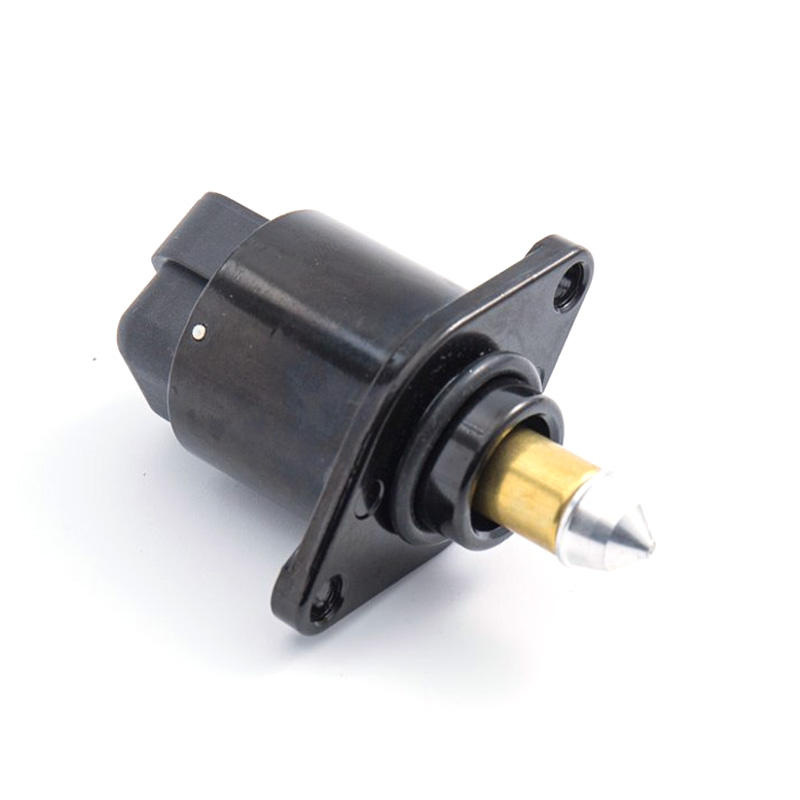
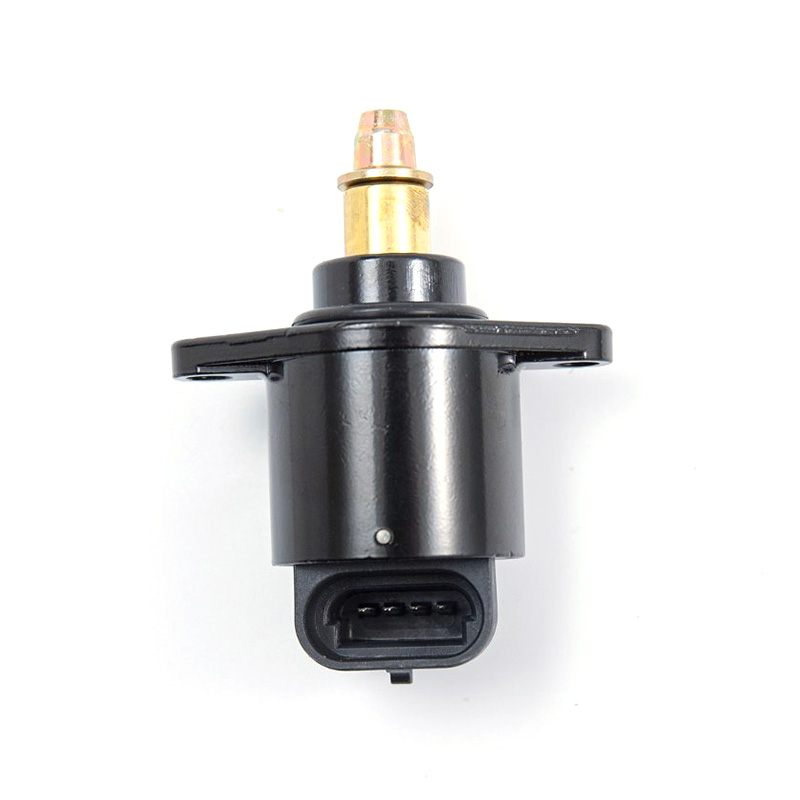
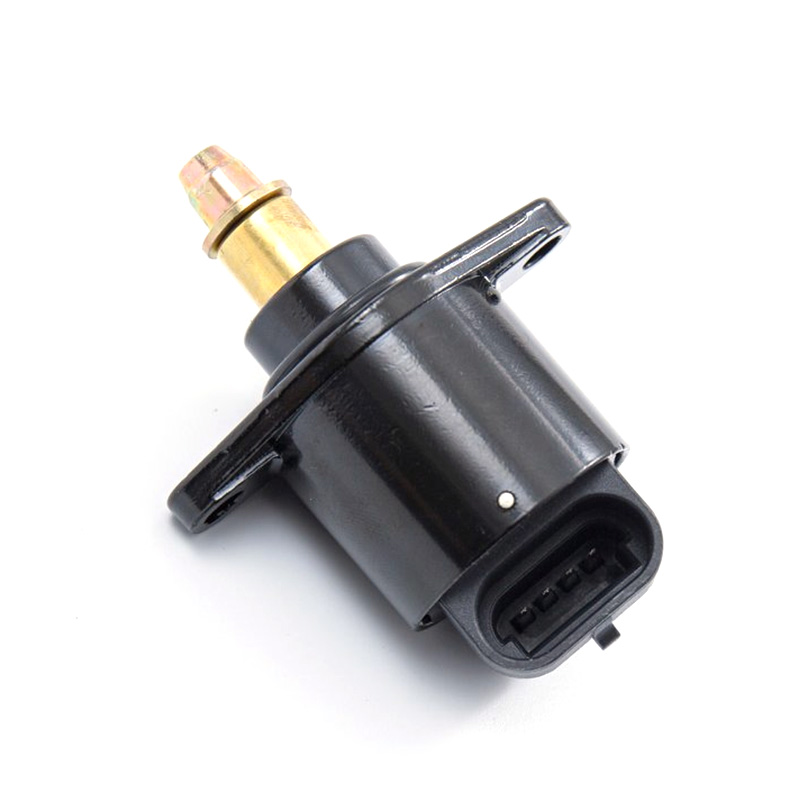
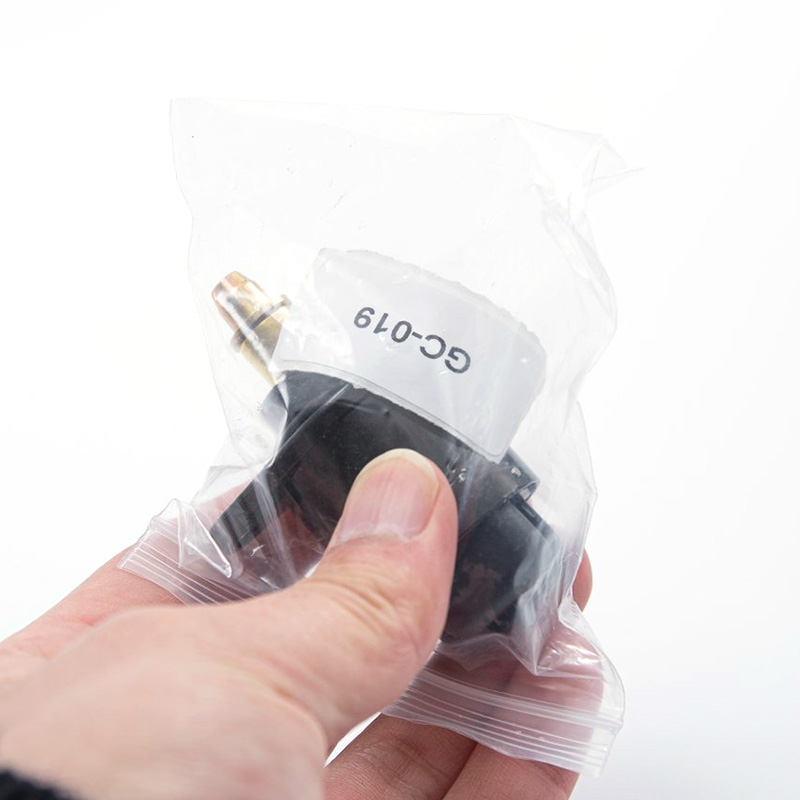
GC-019
REFERENCE OE:
SHORT CODE: D5104
MARELLI: 40396502
FIAT: 7078983 0269980492
VDO: AT-5104R
APPLICATION:
FIAT:Palio/Siena 1.6 98>99-EFI(gasolina) VW:Gol 1.08v94>>96-EFI(gasolina)
Idle air control valve with high quality and low price from China!
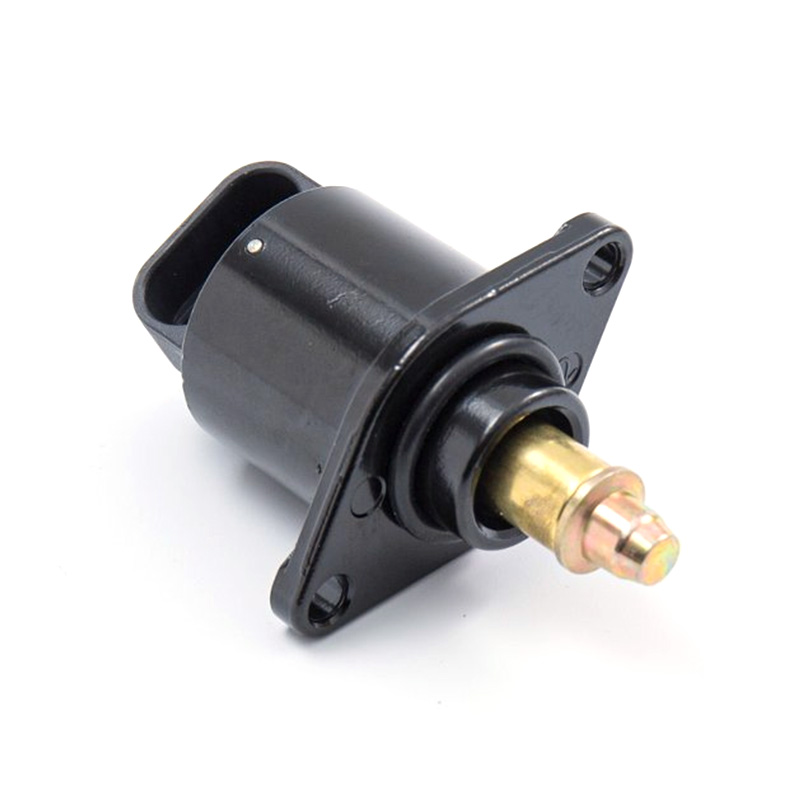
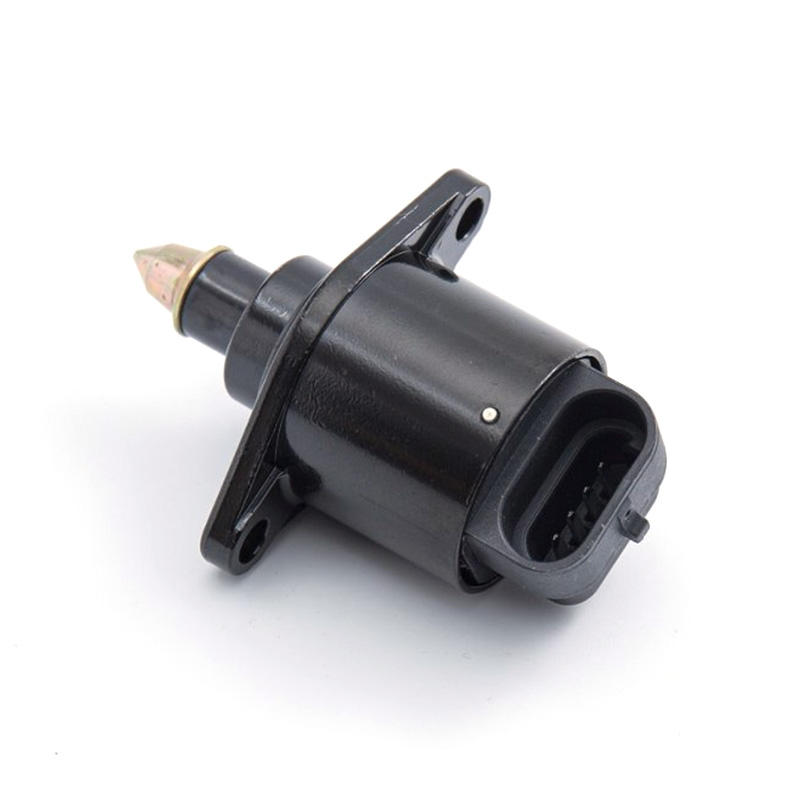
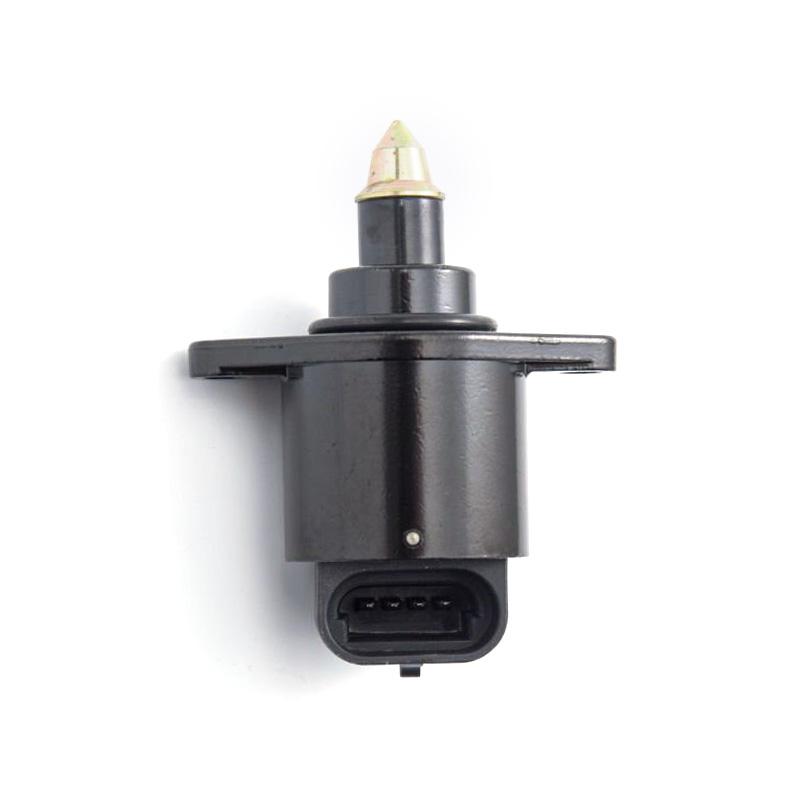
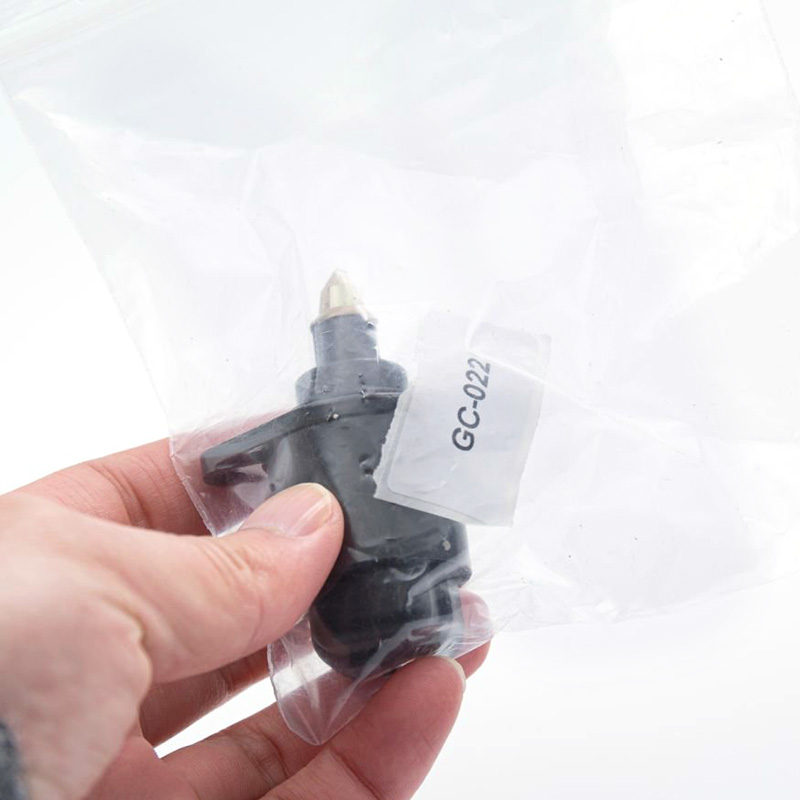
GC-022
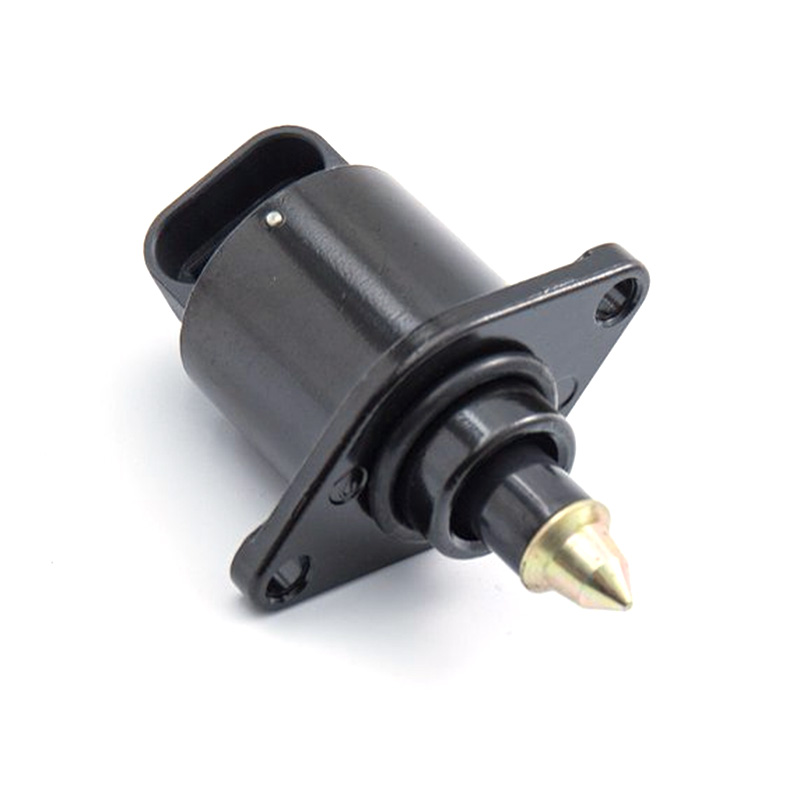
REFERENCE OE:
SHORT CODE:B08/01
MARELLI:40380202
VDO:AT-00801R
VW:0269060491
FIAT:7076356
FORD:F5PF.9N825 .AA
APPLICATION:
VW,FIAT,FORD
Idle air control valve wholesale and retail,China manufacture direct!
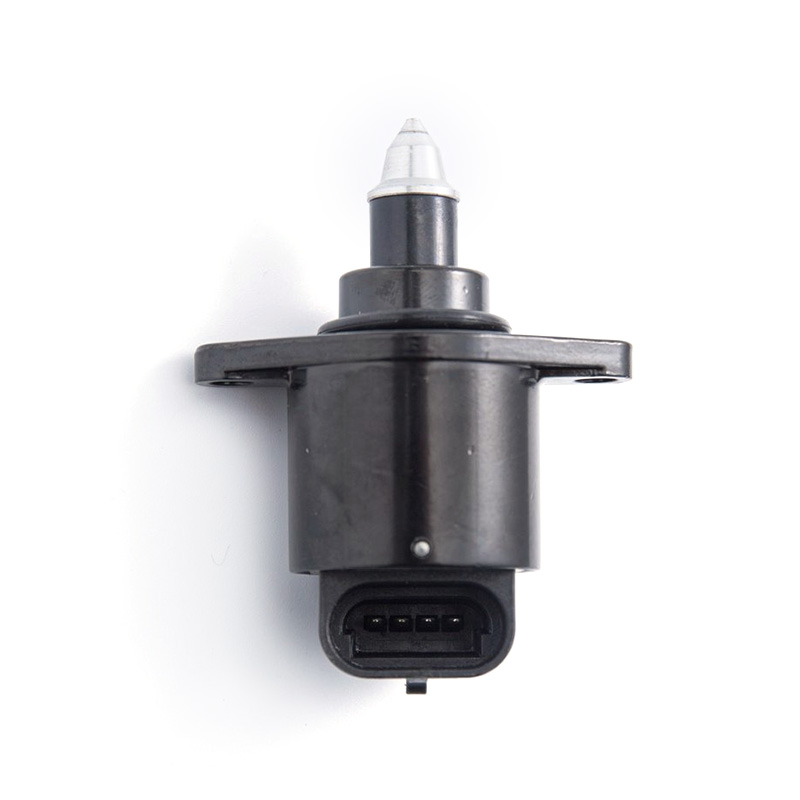
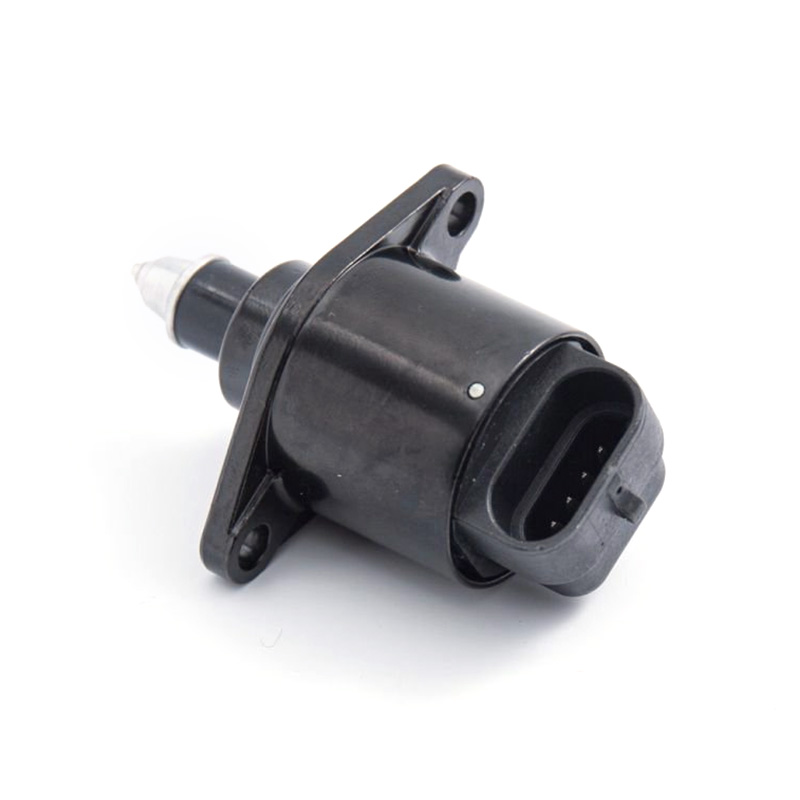
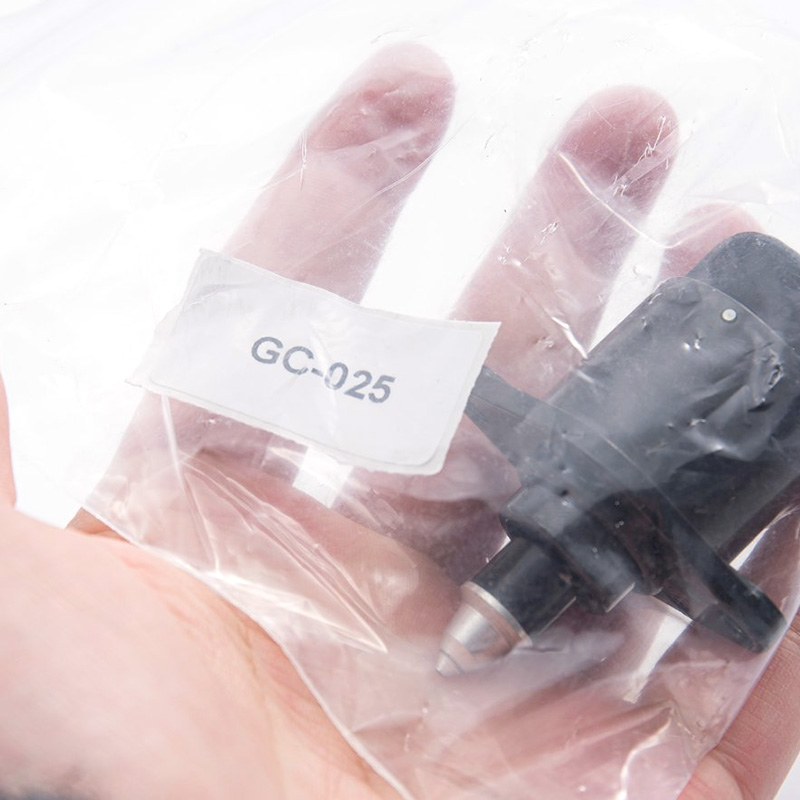
GC-025
REFERENCE OE:
STD: AC495 SHORT CODE:59602
DELPHI: ICD00120
GM: 17059602
VDO: AT-59602R
WELLS: AC167; 93744675; 96434613; 17059602
APPLICATION:
CHEVR AVEO Stufenheck;
DAEWOO KALOS/LANOS/NUBIRA/NUBIRA Stufenheck;
GENTRA 06-07
Idle air control valve from China factory for Chevrolet Aveo Daewoo.
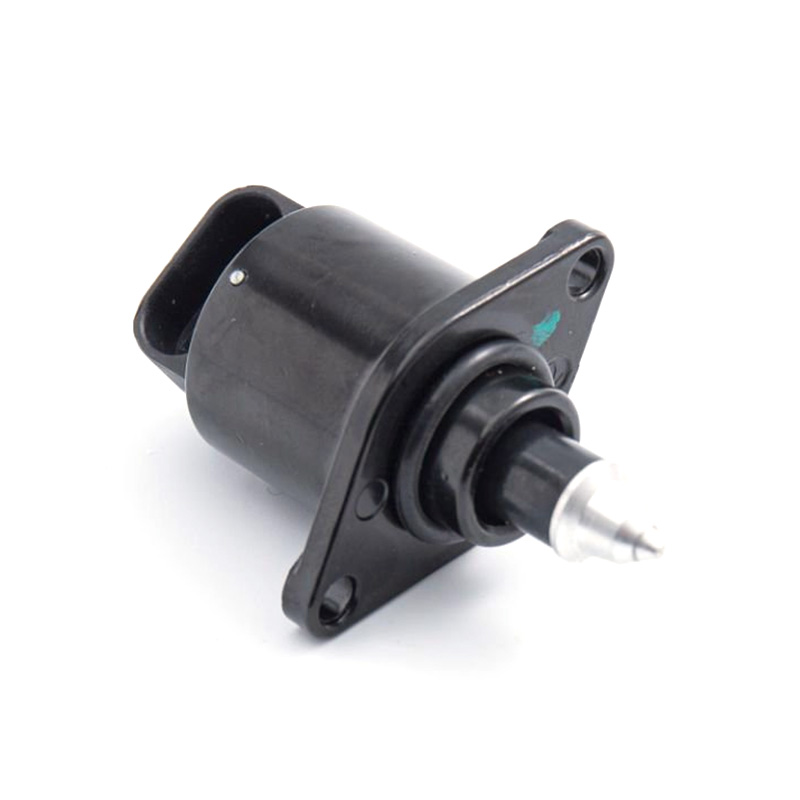
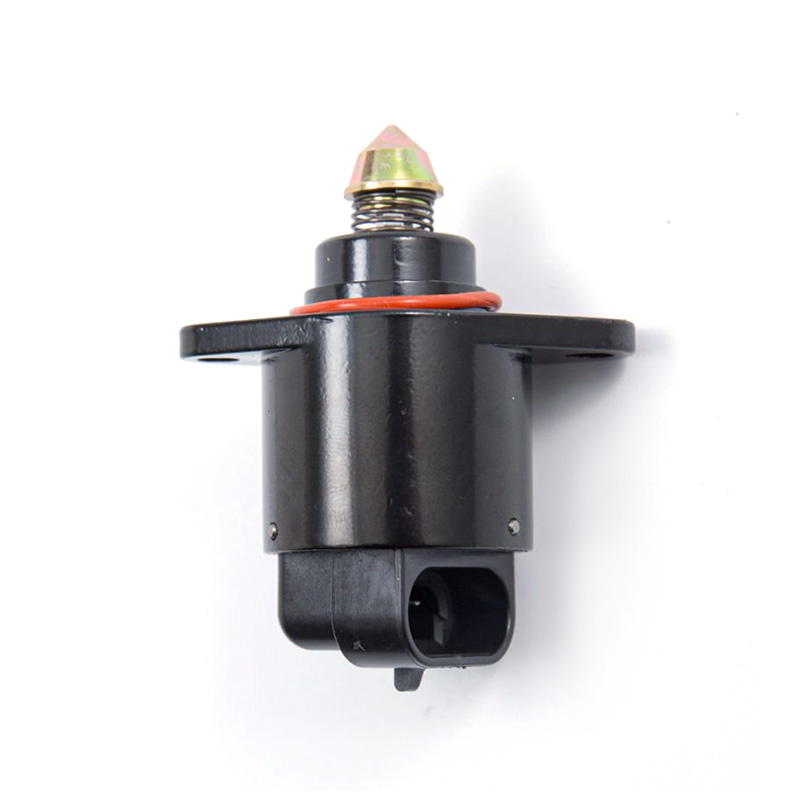
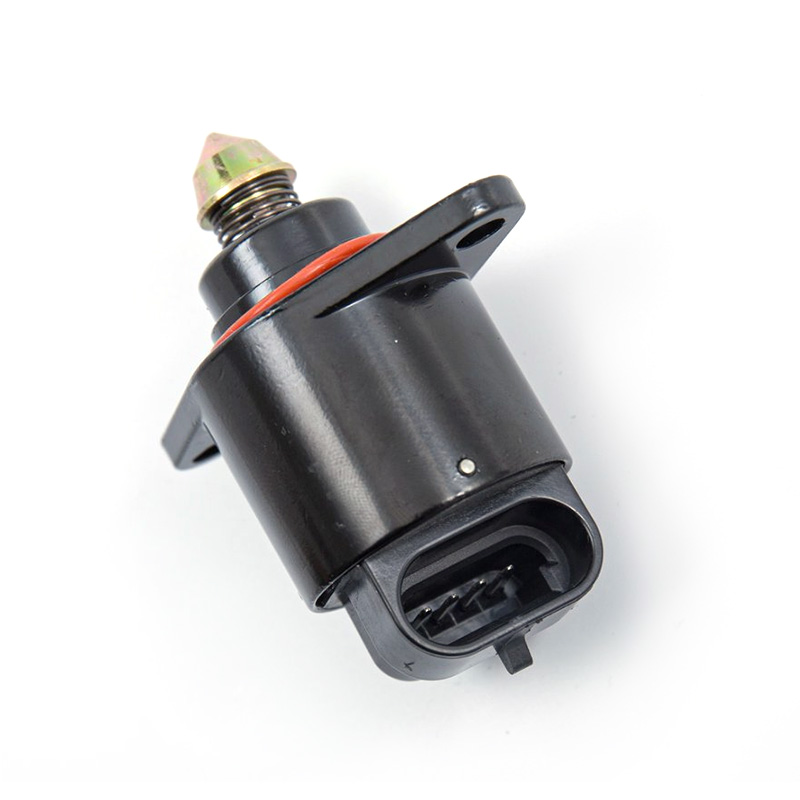
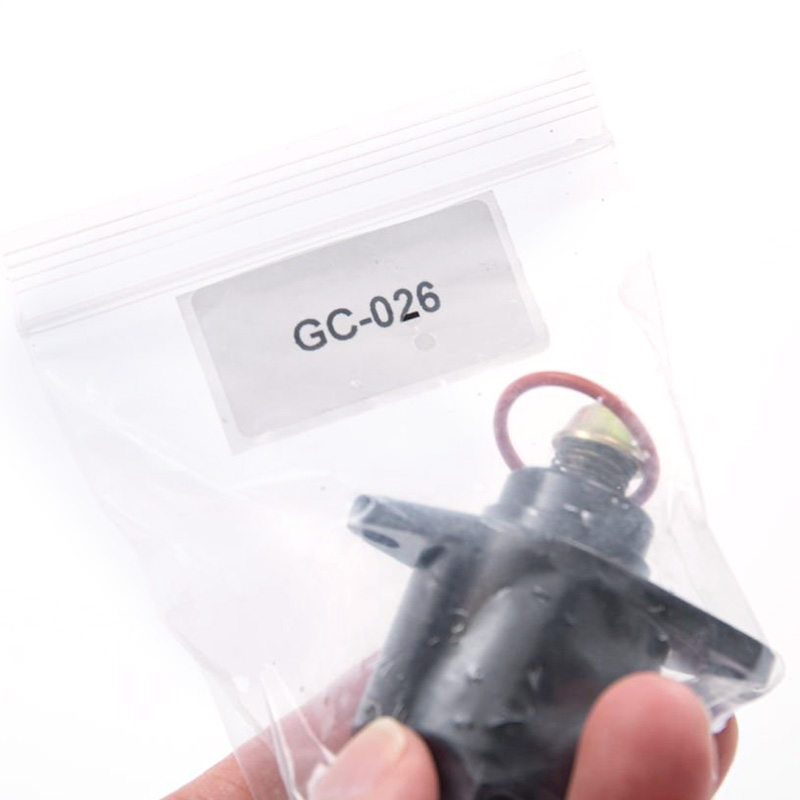
GC-026
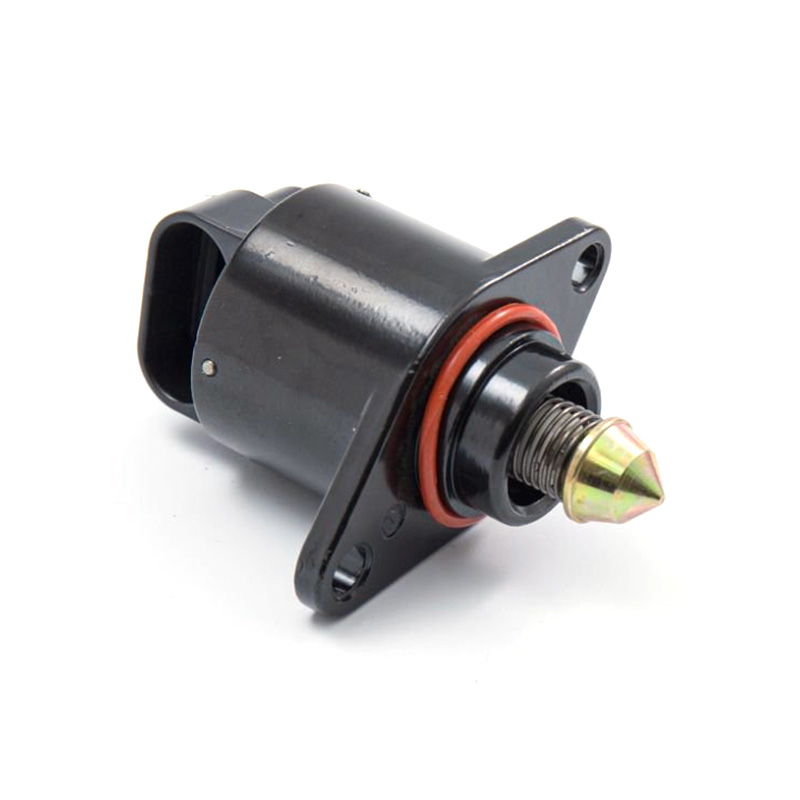
REFERENCE OE:
SHORT CODE: 59603; 17059603
DELPHI: ICD00125
GM: 817253 817255 17112031 17112023
SIMENCE: A95214
VDO: AT-59603R STD: AC15
APPLICATION:
OPEL ASCONA C;
OPEL ASTRA F;
OPEL ASTRA F Cabriolet/Kombi/Schraqheck/Van;
OPEL KADETT E;
OPEL KADETT E Cabriolet/Kombi/Schraqheck
Idle air control valve from China manufacture for Opel.
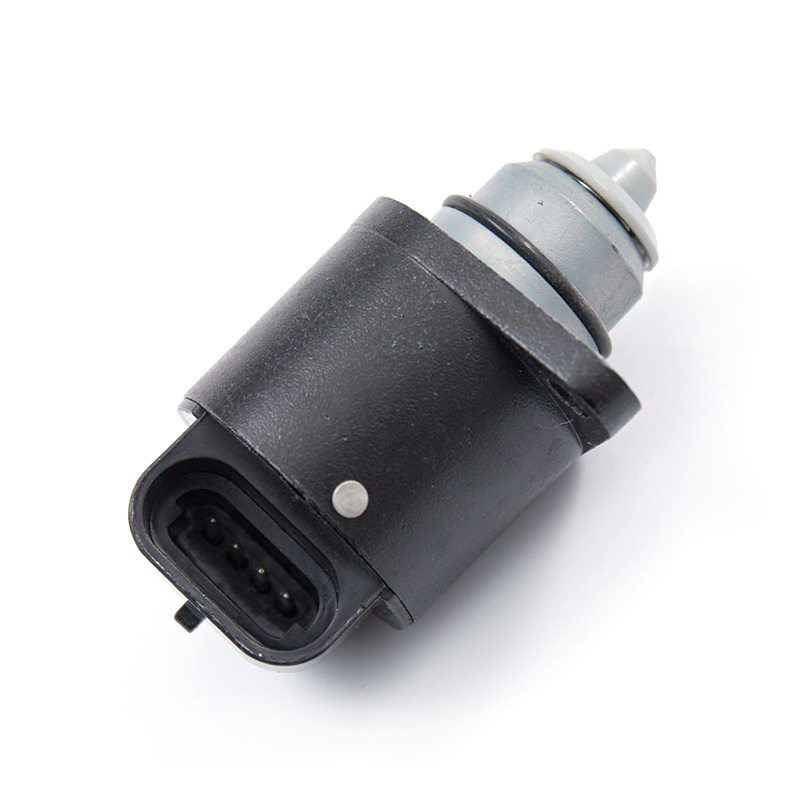
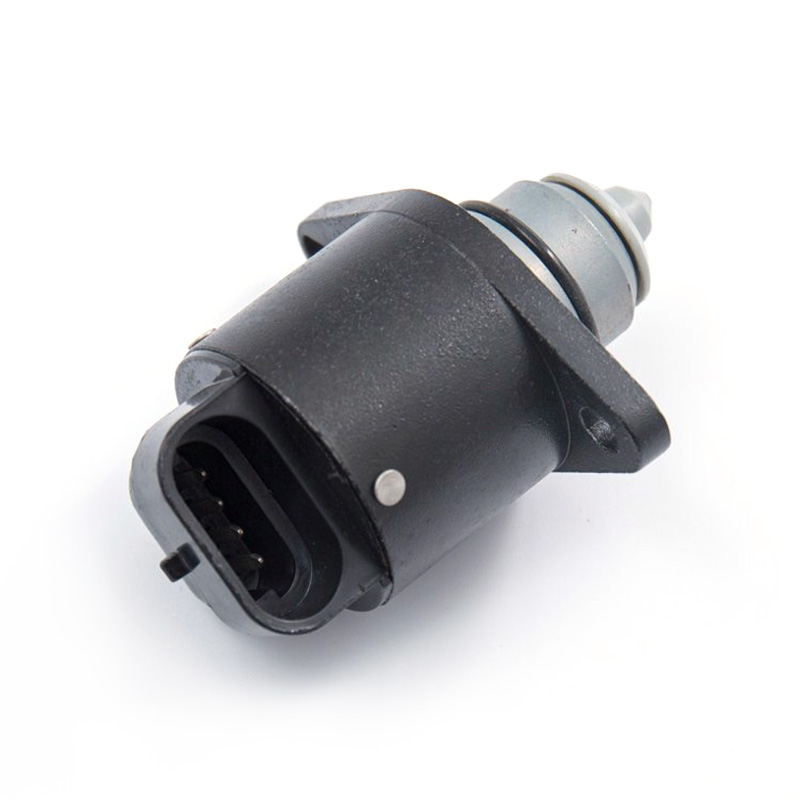
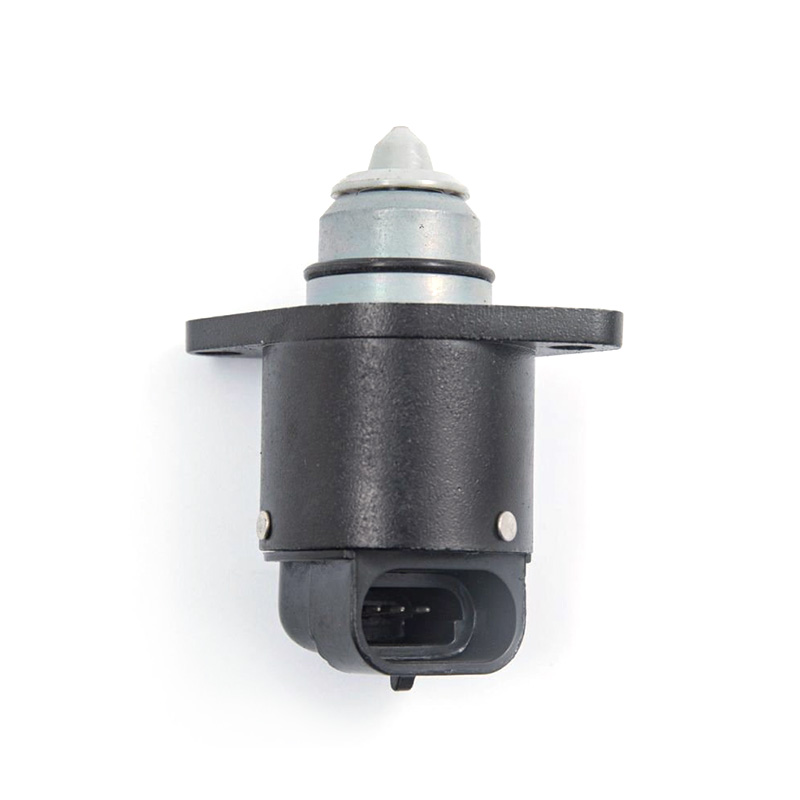
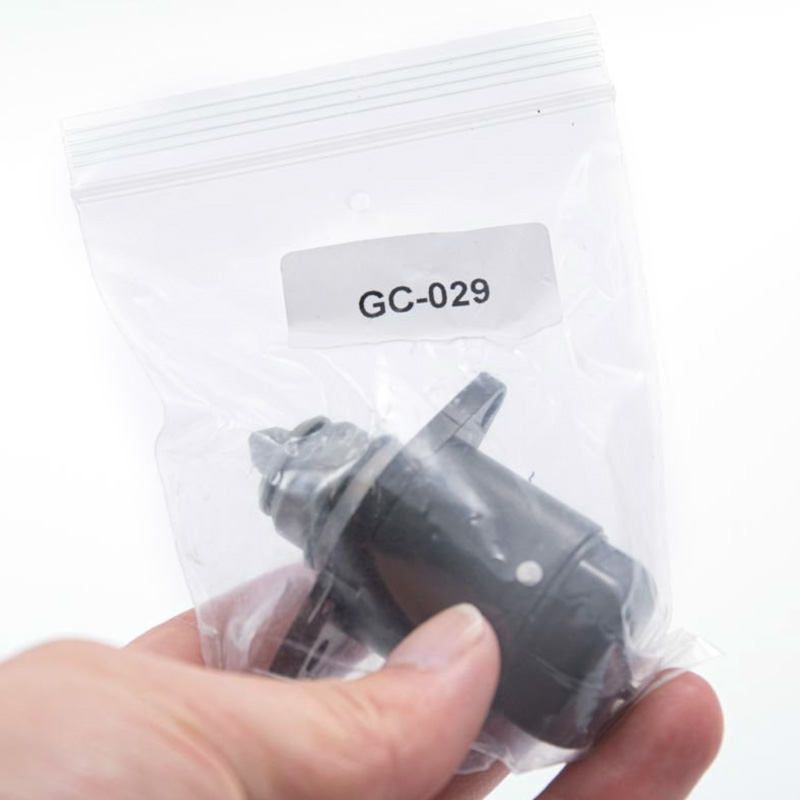
GC-029
REFERENCE OE:
2112-1148300-04
APPLICATION:
LADA
Idle air control valve from China factory for Lada.
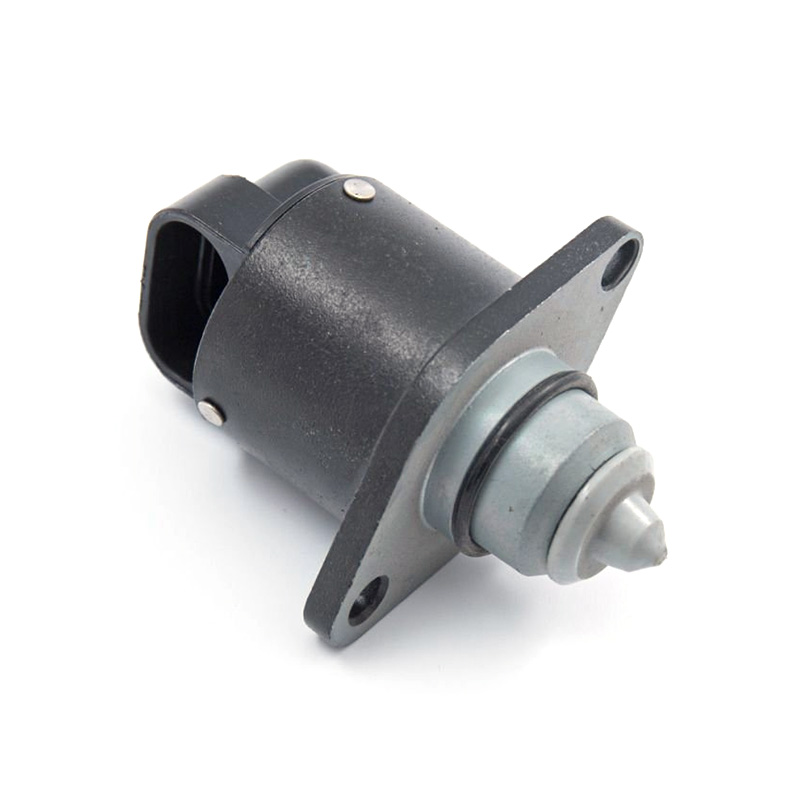
GC-030
REFERENCE OE:
21203-1148300-03
APPLICATION:
LADA
Idle air control valve from China factory for Lada.
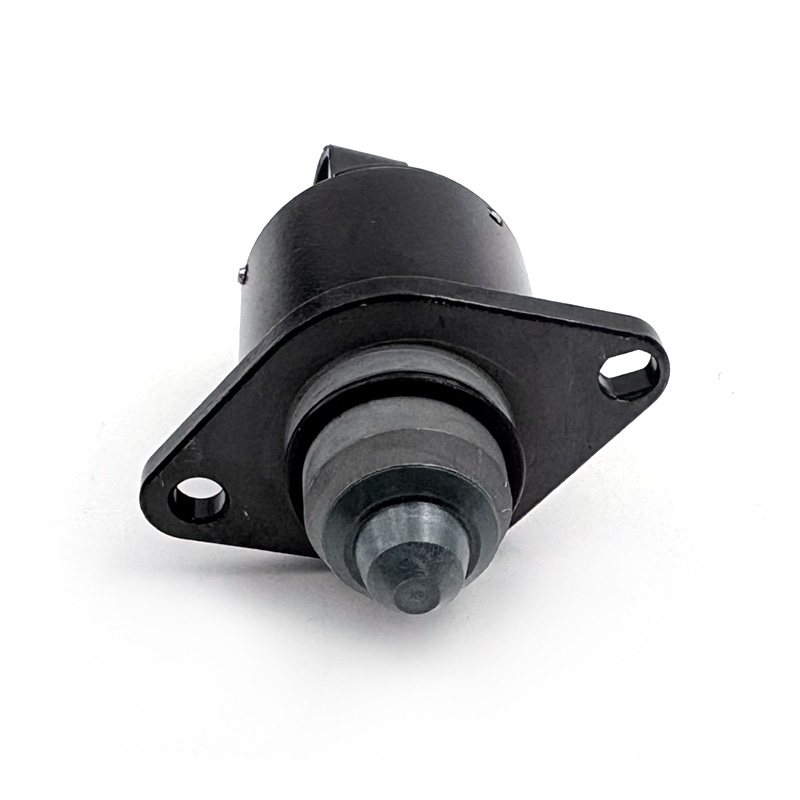
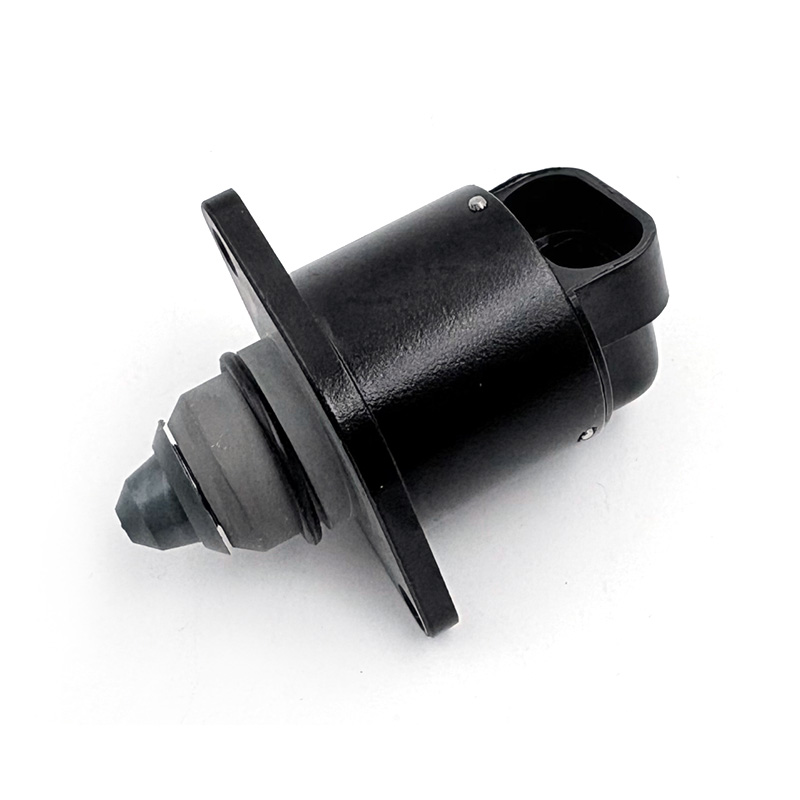
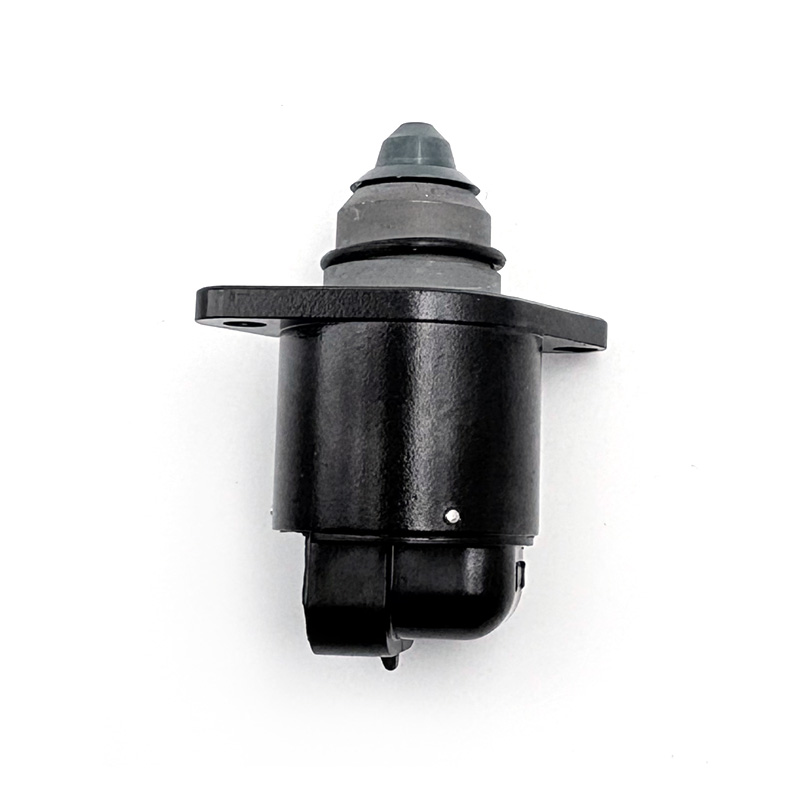
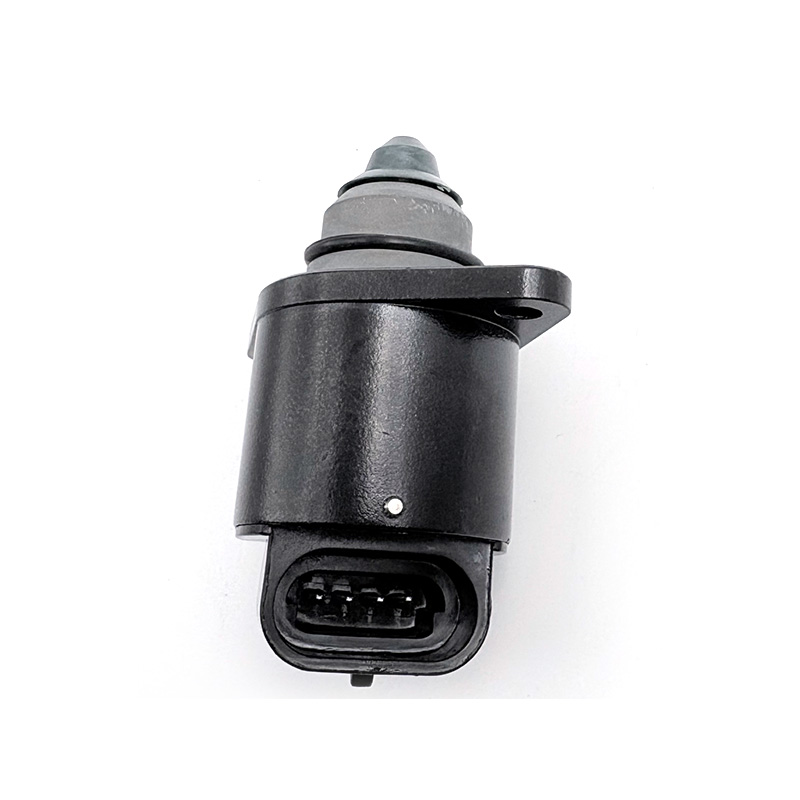
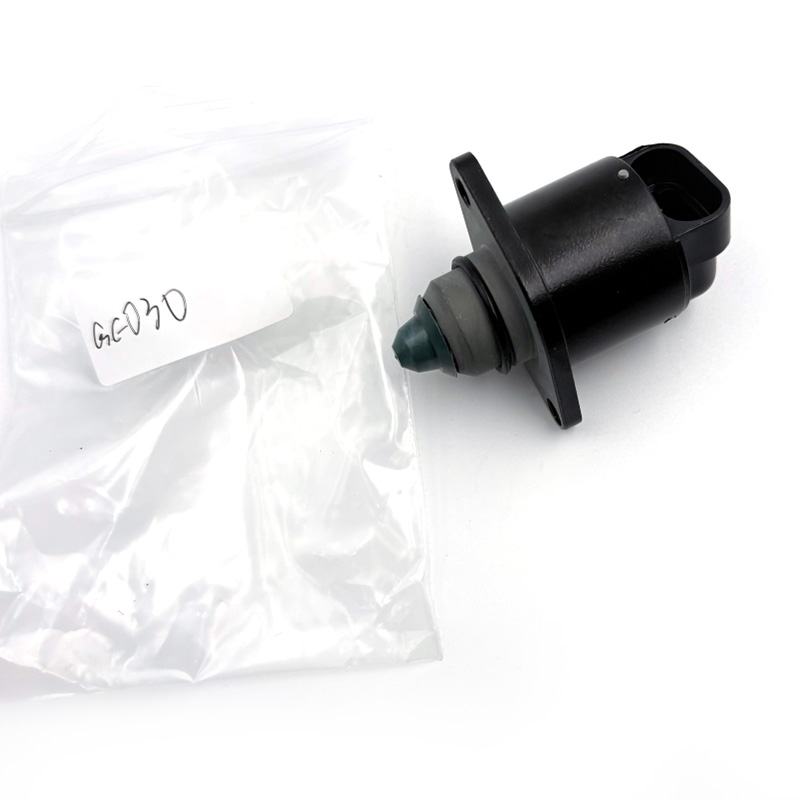
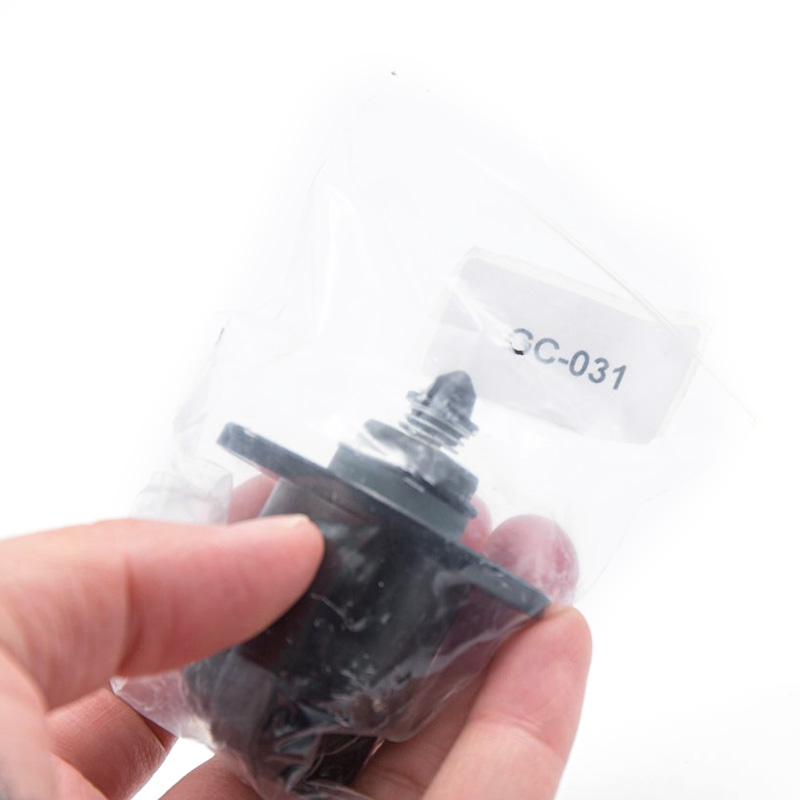
GC-031
REFERENCE OE:
2112-148300-02
APPLICATION:
LADA
Idle air control valve from China factory for Lada.
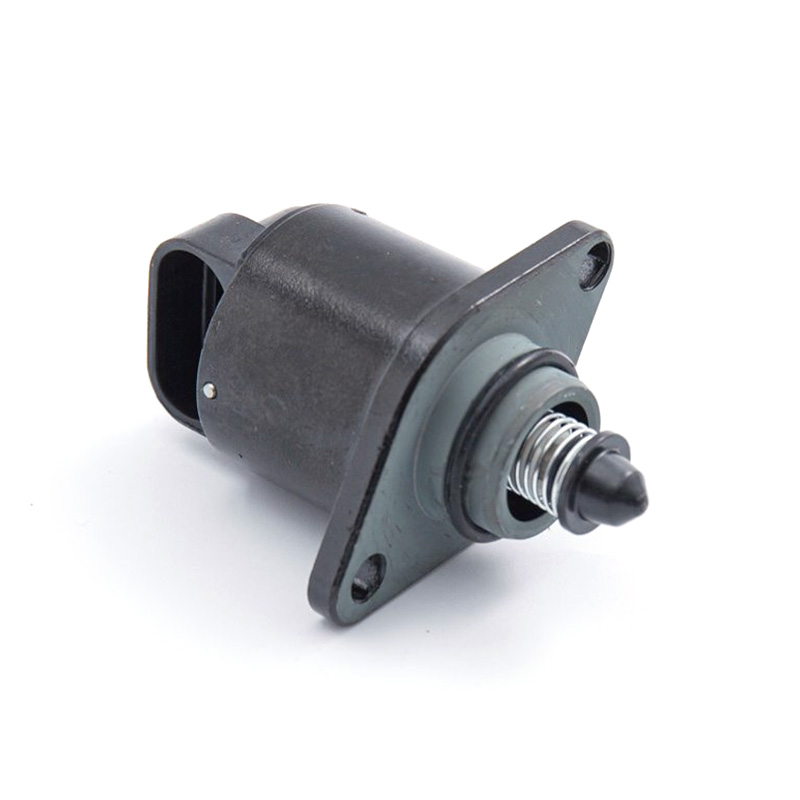
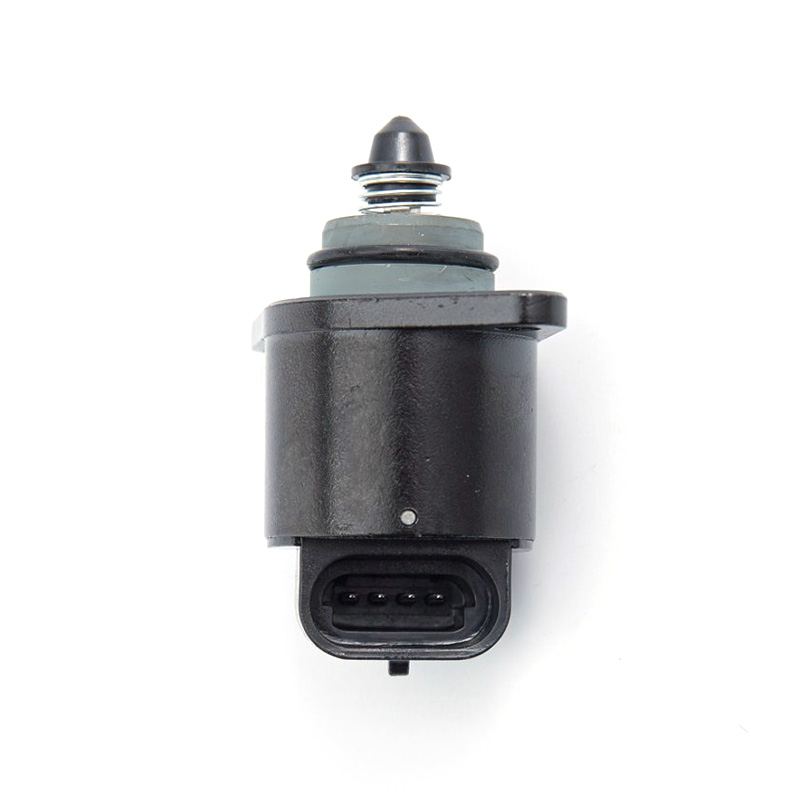
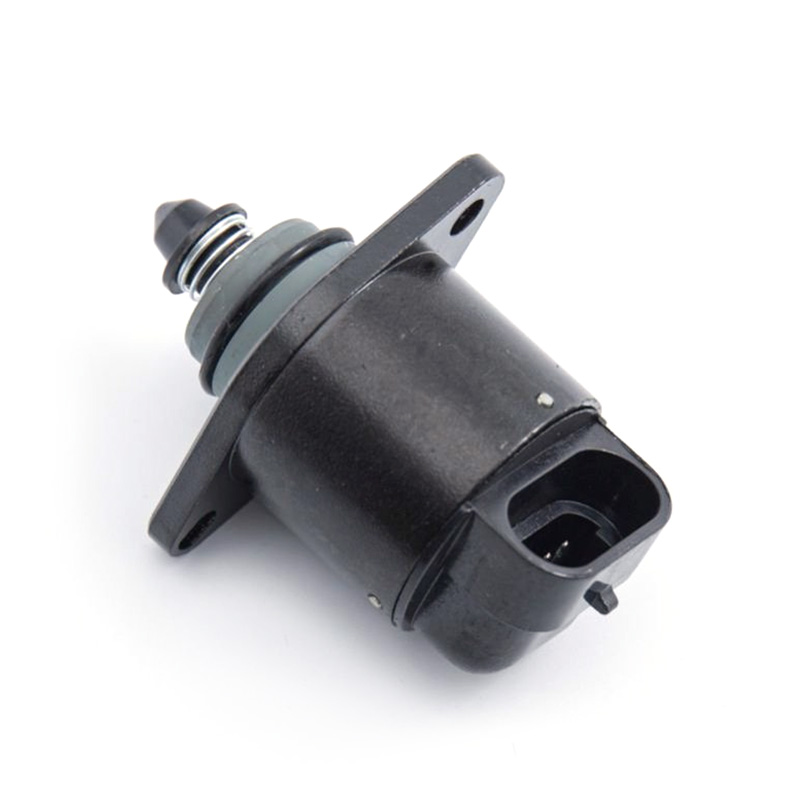
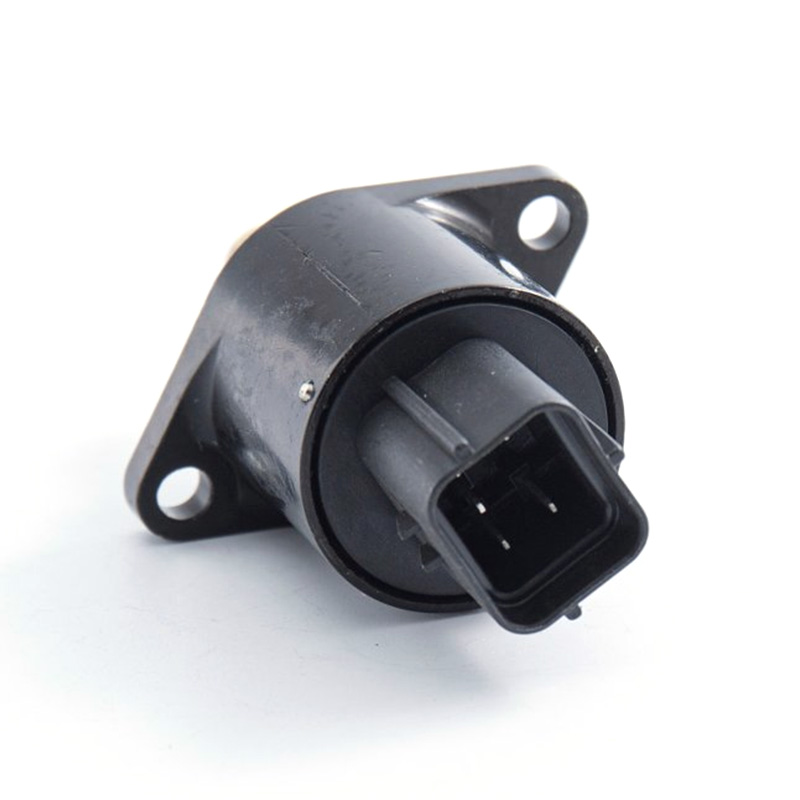
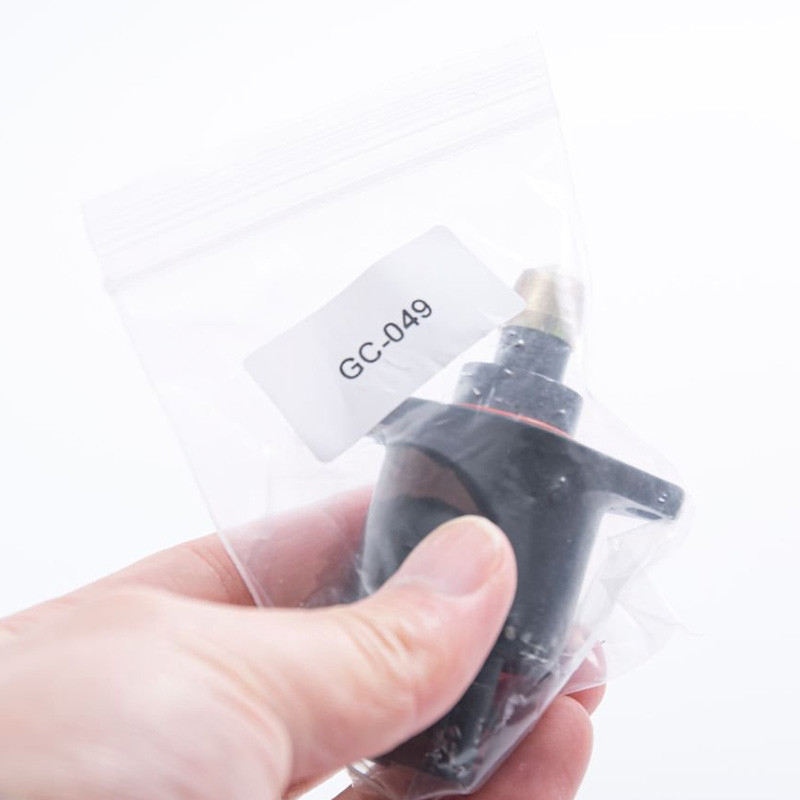
GC-049
REFERENCE OE:
MDQ100040
APPLICATION:
ROVER
Idle air control valve from China factory for Rover.
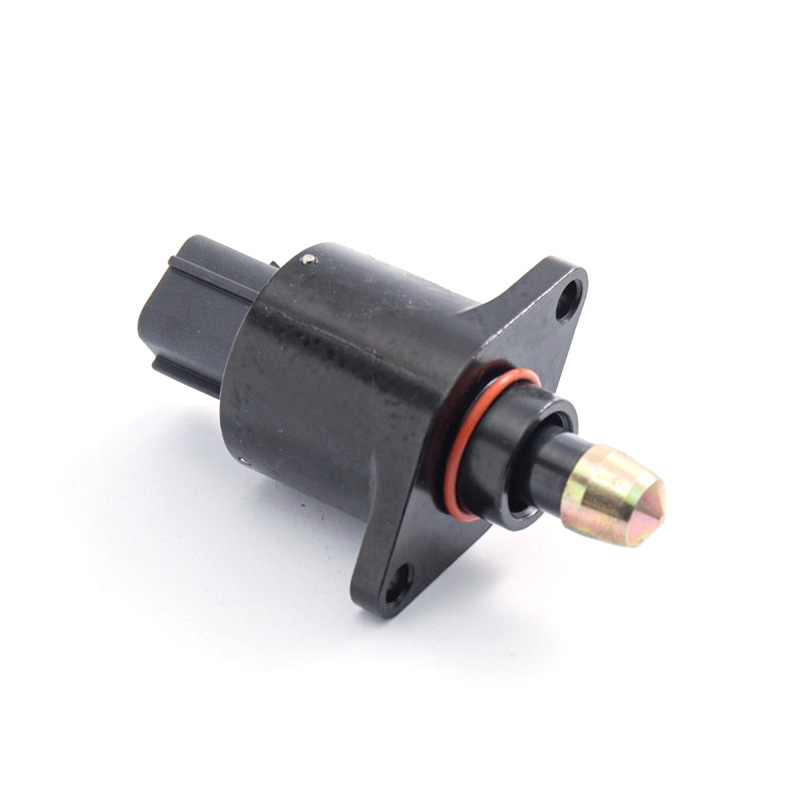
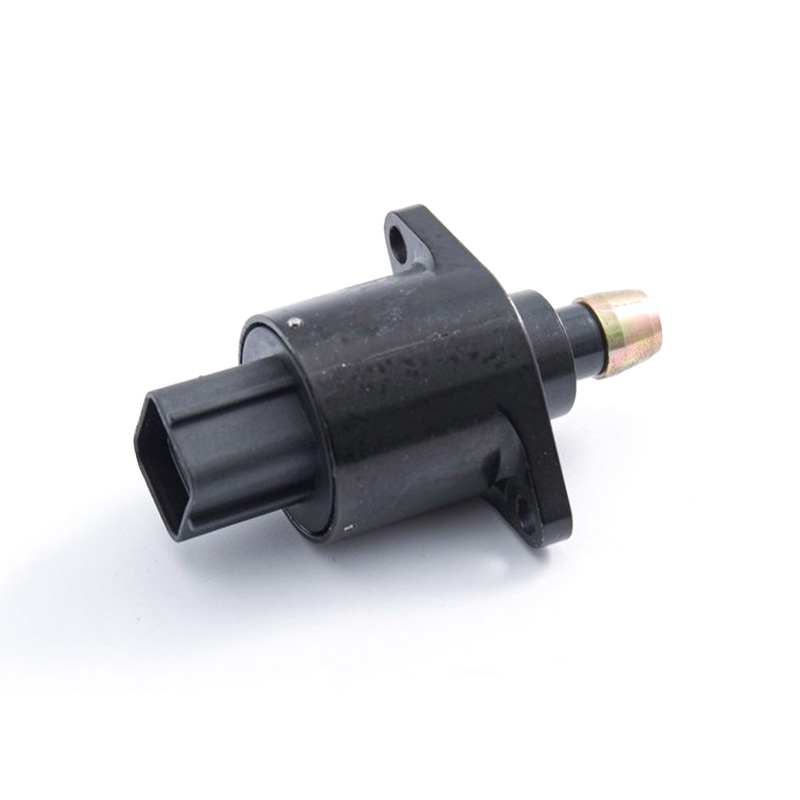
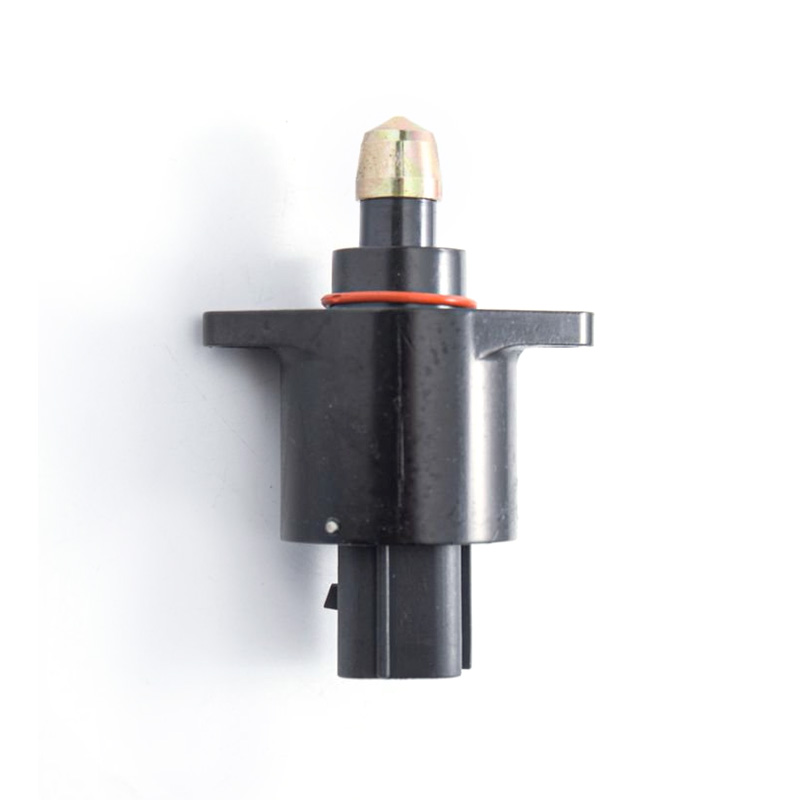
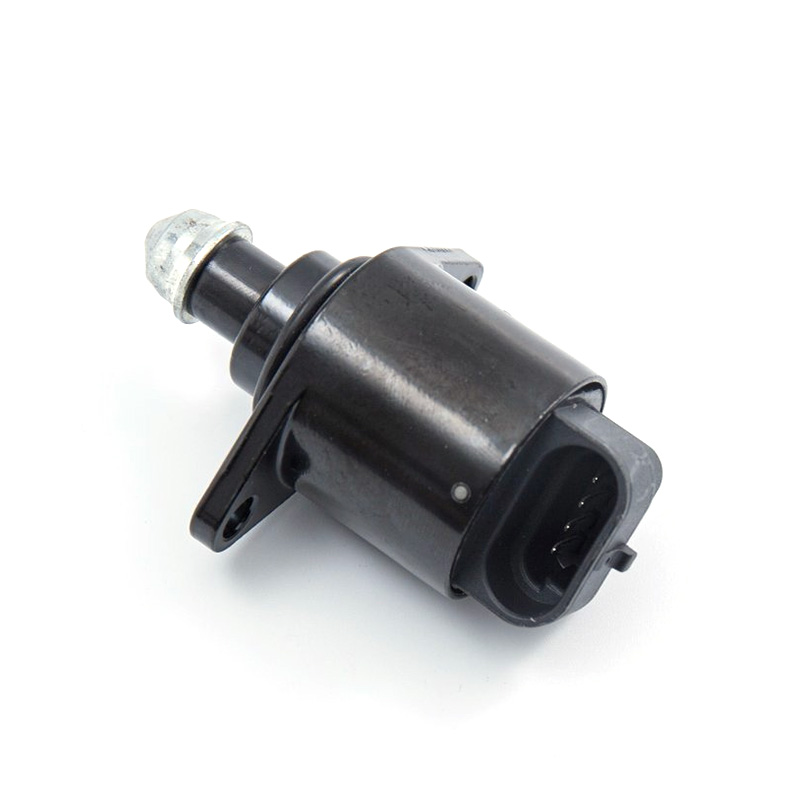
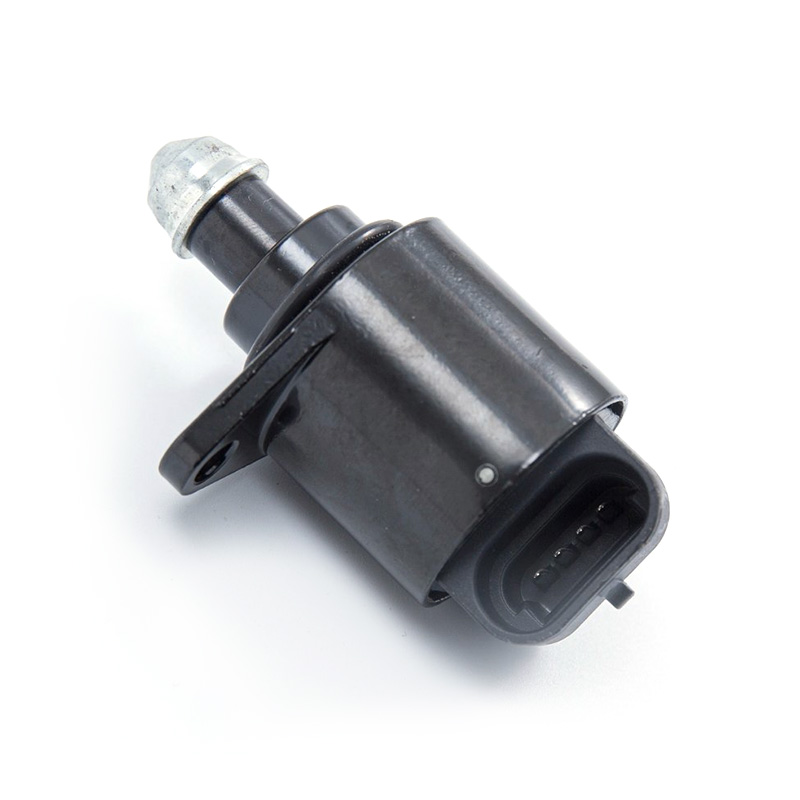
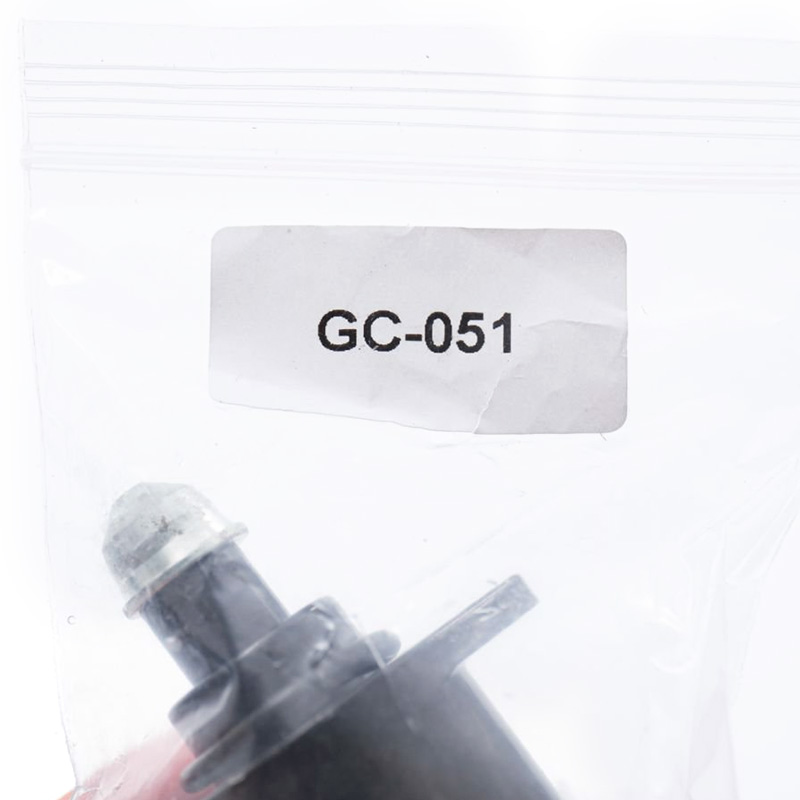
GC-051
REFERENCE OE:
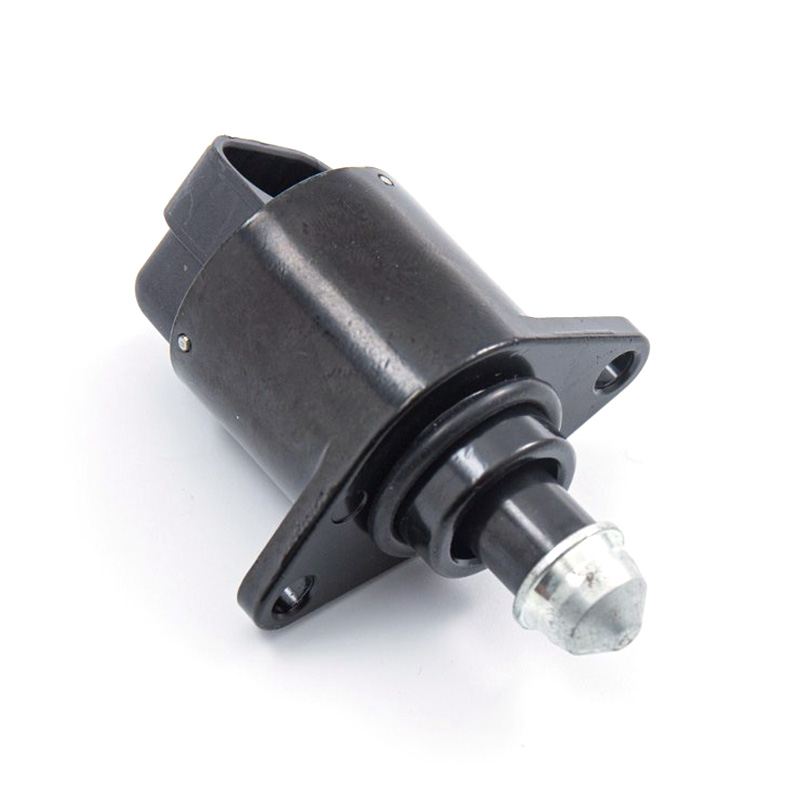
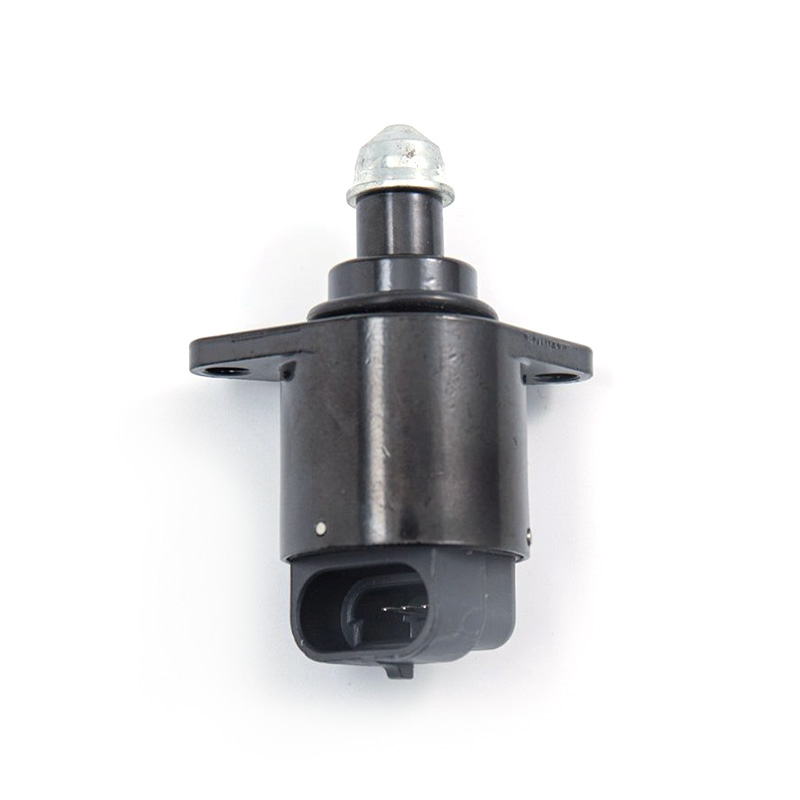
PEUGEOT:19205F
APPLICATION:
CITRO SAXO(S0,S1)1.4VTS 1.6VTS;PEUGEOT 106 II(1) 1.4i;206 Schraqheck(2A/C)1.4i
Idle air control valve from China factory for Citroen Saxo Peugeot 106 206.
Contact Us
Let's start collaborating

Guocheng is specialized in the R&D and production of key engine components for the automotive and engineering machinery industries.
Product
Stay Connected
(+86) - 577 - 8582 0886 (Tel)
(+86) - 577 - 8582 8085 (Fax)
(+86) - 19730213059 (Phone)
sales@wz-gc.com
No. 205, Baiyu Road, 15th Road, Binhai Park, Wenzhou, Zhejiang, China
Mobile

ODM Engine Management System Components
 English
 русский
 Español
 عربى
عربى Deutsch