Date:Jun 05, 2026
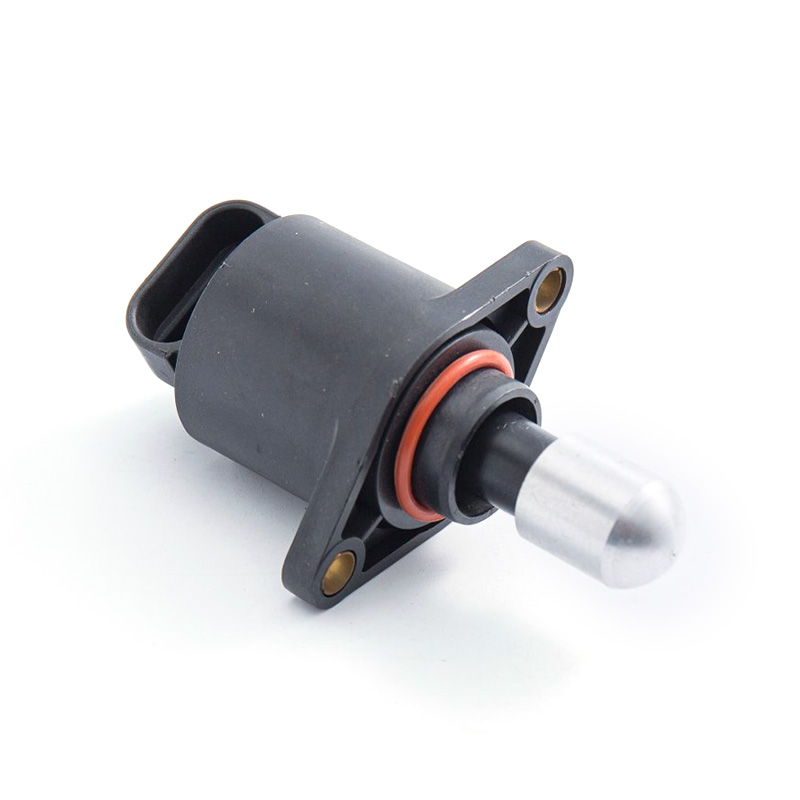
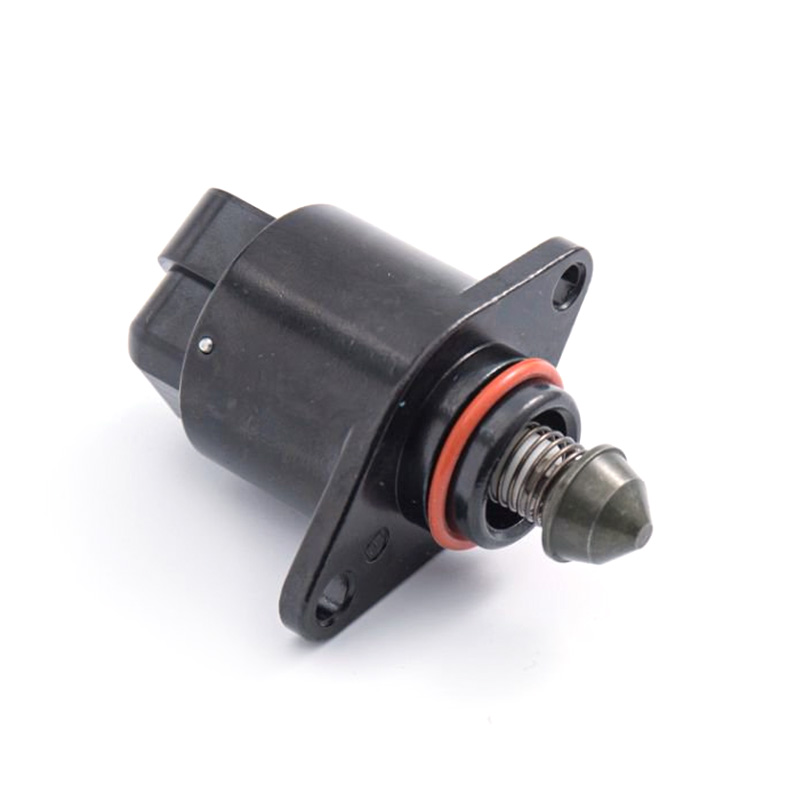
Modern engine management systems place increasing pressure on idle stability, and the idle air control valve sits at the center of this demand. Continuous upgrades in materials science, electronic control, and precision machining have reshaped how these components are engineered and validated. The evolution of idle air control valve manufacturers reflects a shift toward tighter tolerances, smarter actuation systems, and higher durability expectations across passenger and light-duty vehicles.
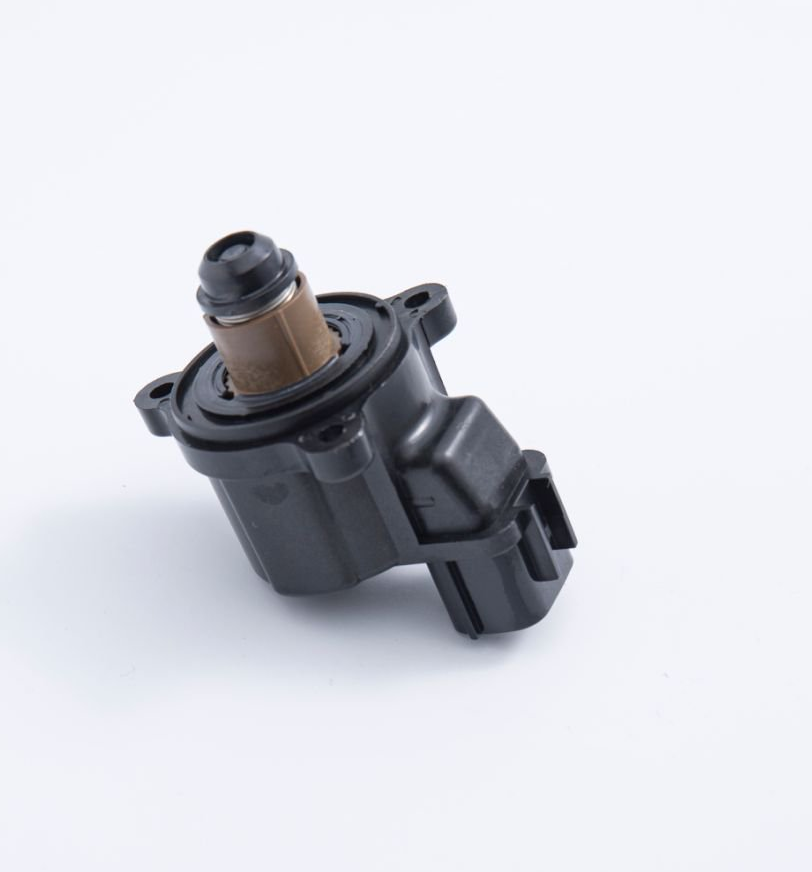
Idle regulation depends heavily on communication between the ECU and the valve actuator. Recent designs rely on stepper motors and PWM-driven solenoids that respond to digital signals with high resolution. Some stepper systems operate with 4-wire or 6-wire configurations, allowing incremental pintle movement for airflow adjustment.
These advancements reduce idle fluctuation during electrical load changes such as air conditioning activation or alternator demand spikes. ECU-driven logic now treats idle control as a continuously adaptive process rather than a static airflow adjustment.
Material selection has become a defining factor in modern idle air control valve production. Traditional aluminum housings have evolved into anodized or coated structures that resist corrosion from fuel vapor and moisture exposure inside the throttle body environment.
Thermal cycling between cold starts (around -30°C) and operating heat near 130–150°C requires structural consistency. Modern coatings reduce carbon adhesion, which helps prevent pintle sticking and airflow blockage over time.
Manufacturing improvements have shifted toward CNC-driven micro-machining of valve seats and pintle assemblies. Airflow regulation depends on extremely small clearance variations, often measured in microns.
This level of precision reduces idle hunting behavior and stabilizes engine RPM transitions under varying load conditions.
Durability testing has become more rigorous due to the high failure sensitivity of idle control systems. Production lines now integrate automated cycling systems and environmental chambers that simulate long-term vehicle usage.
Such testing ensures stable performance even in engines exposed to frequent short trips, where carbon buildup tends to accumulate faster around throttle bodies.
| Technology Type | Control Method | Response Characteristics | Typical Application |
| Stepper Motor IAC | Incremental digital steps | High positional accuracy, smooth idle correction | Multi-port fuel injection systems |
| PWM Solenoid IAC | Duty cycle modulation | Fast response, moderate precision | Cost-sensitive engine platforms |
| Integrated Electronic Throttle | Throttle plate control via ECU | Eliminates separate bypass valve | Drive-by-wire modern engines |
| Rotary Motor IAC | Gear-driven airflow flap | Balanced torque and airflow stability | Heavy-duty or older engine designs |
Each configuration reflects a different balance between cost, control accuracy, and system complexity. Stepper-based designs dominate applications requiring fine idle modulation, while integrated throttle systems gradually reduce the need for standalone idle control hardware.
Production lines are increasingly adopting robotic assembly for coil winding, sensor alignment, and housing sealing. Compact actuator designs reduce overall valve footprint while maintaining airflow capacity. This supports tighter engine bay layouts without sacrificing idle stability performance.
Automation also reduces human-induced variation, improving batch-to-batch consistency across large-scale production.
Idle control is increasingly viewed as part of a broader torque management system rather than an isolated component. ECU algorithms coordinate idle air control with ignition timing, fuel injection, and electronic throttle input to maintain stable RPM under dynamic conditions. This system-level integration reduces dependency on mechanical compensation and allows finer control during cold starts, accessory load changes, and transient engine states. Overall industry direction continues to move toward electronically unified airflow control architectures, where idle regulation becomes a software-driven function embedded within the ECU rather than a standalone mechanical subsystem.
Related Products
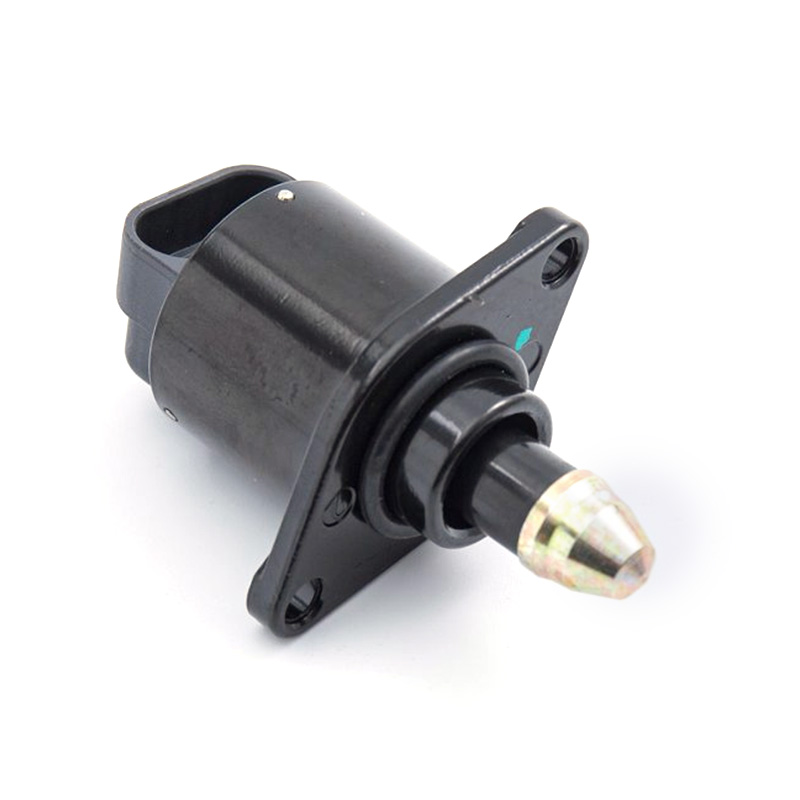
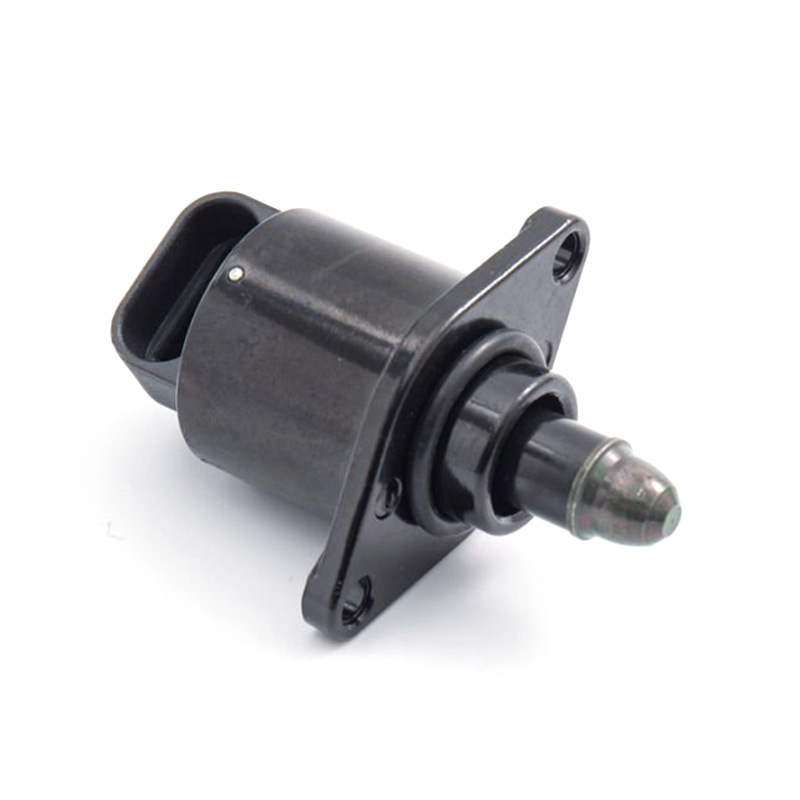
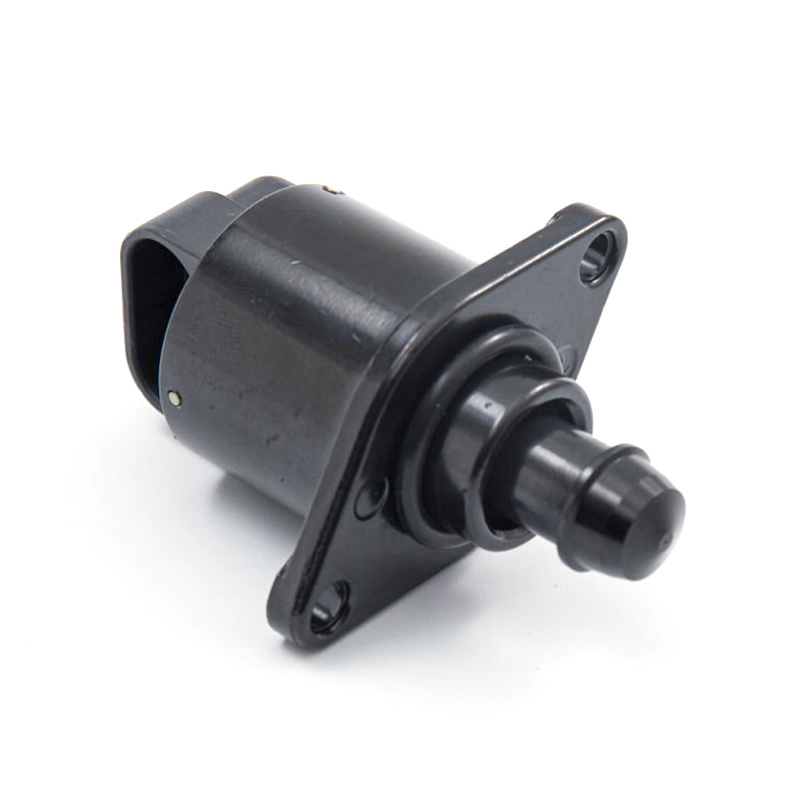
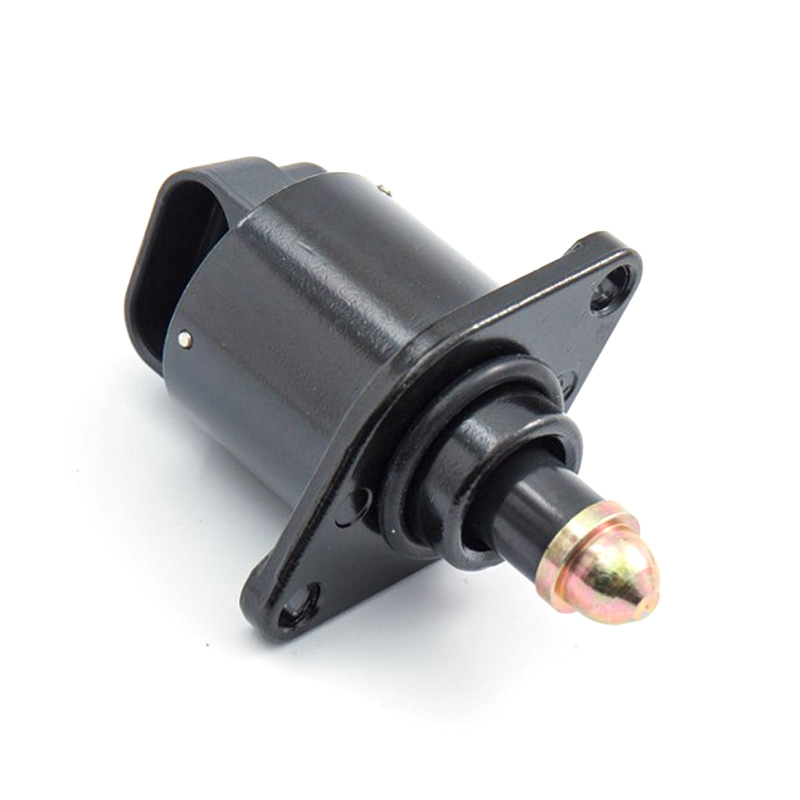
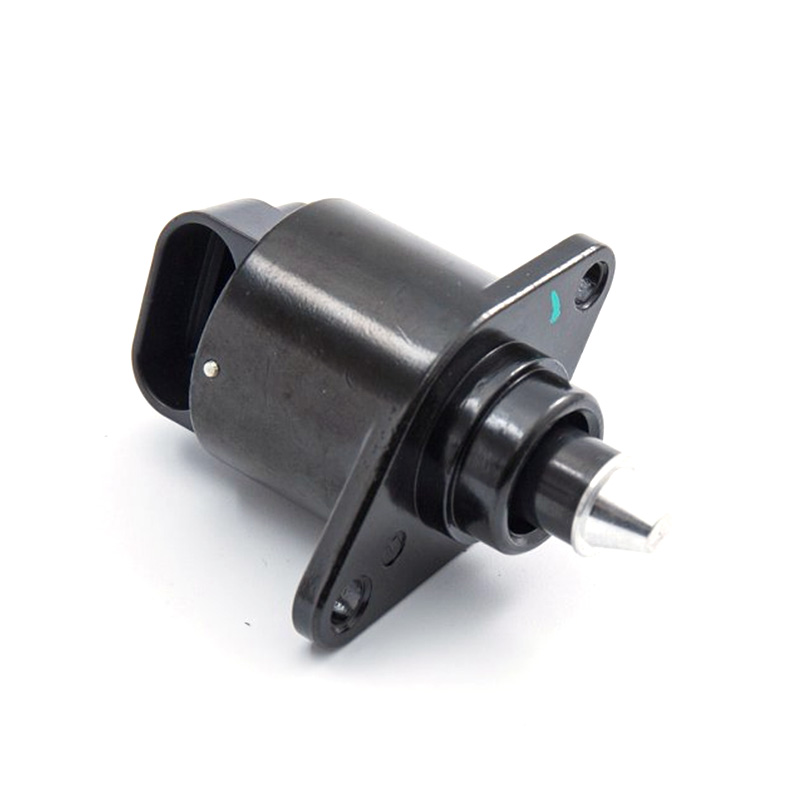
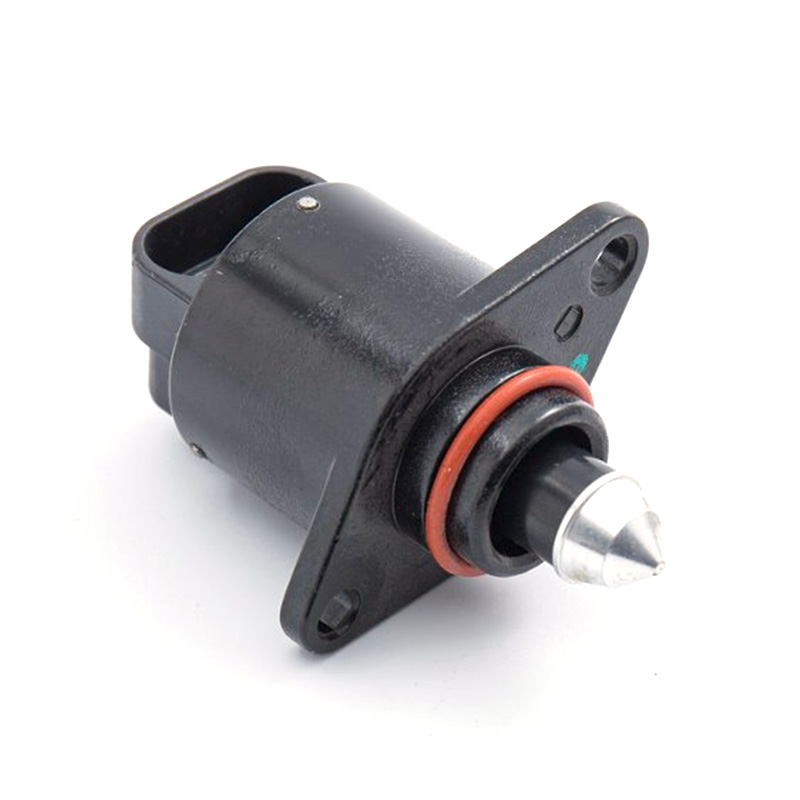
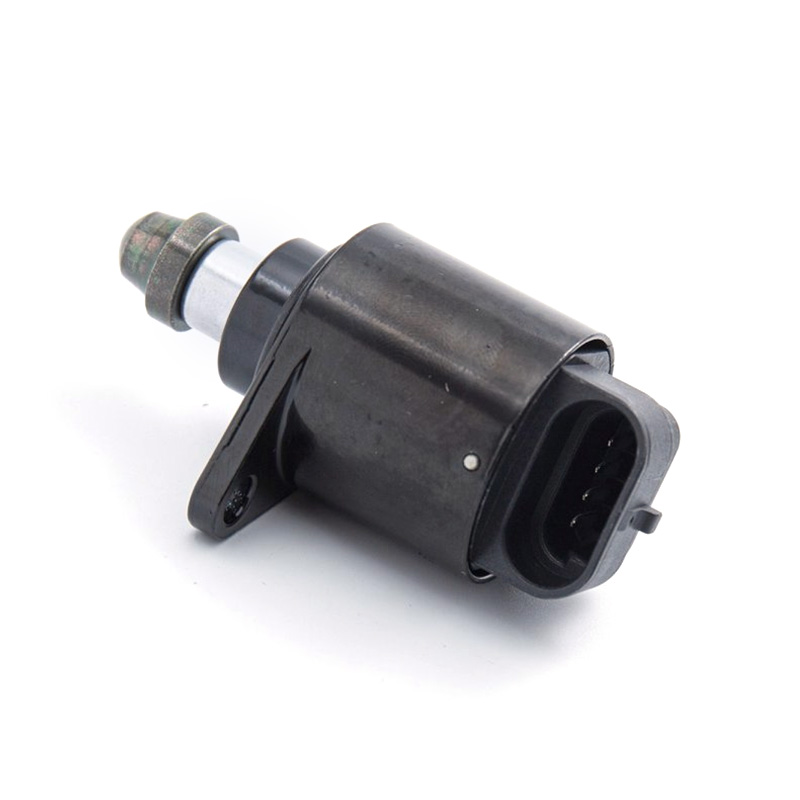
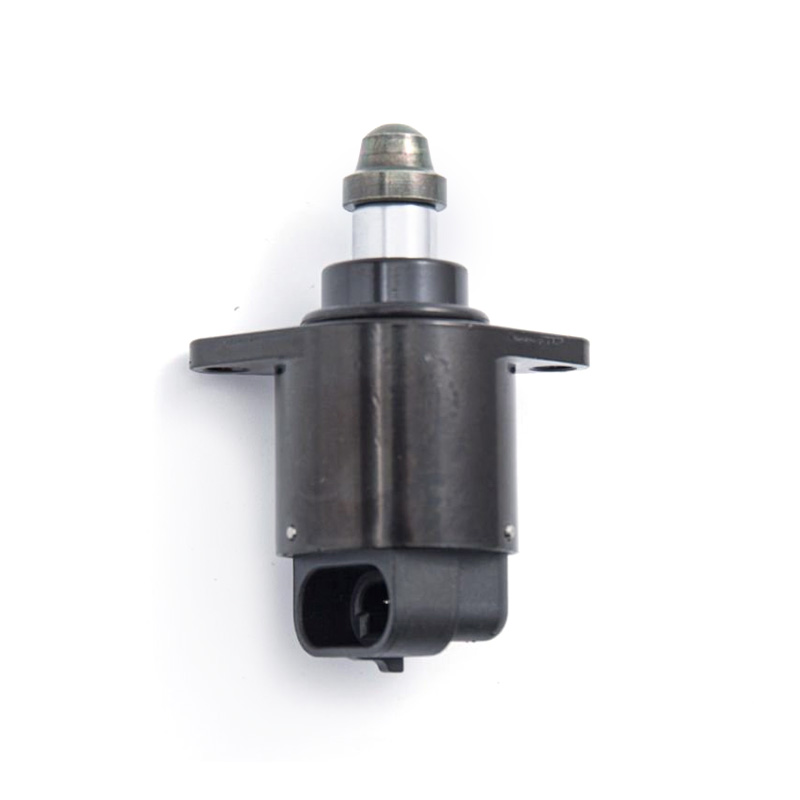
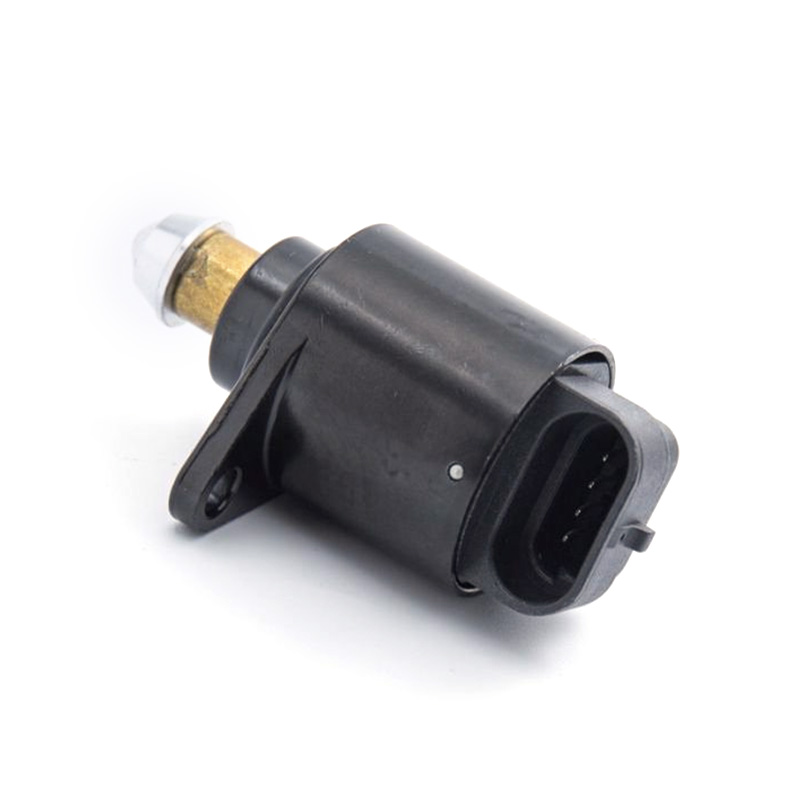
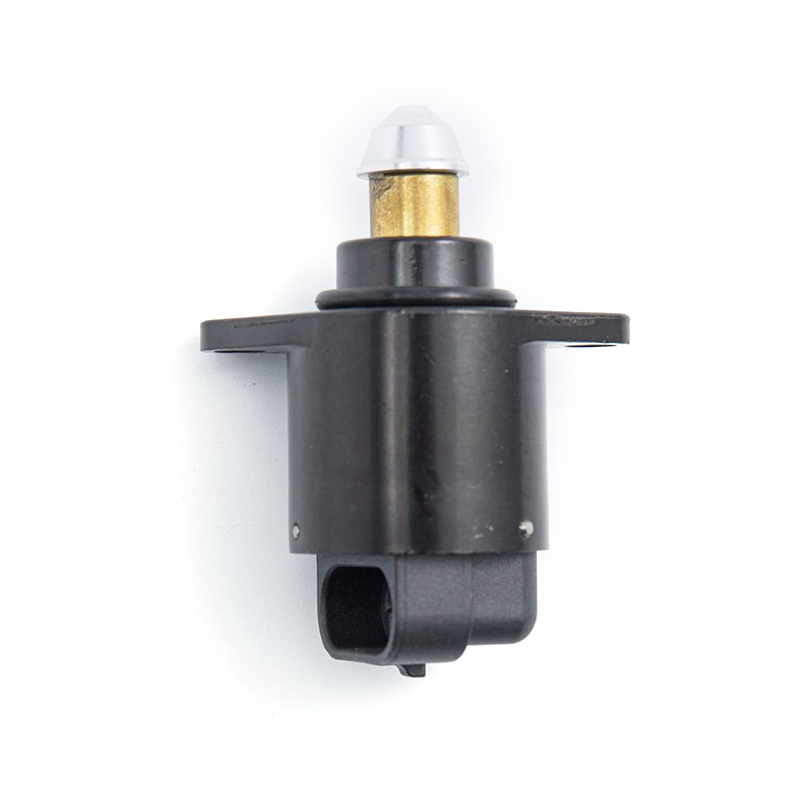
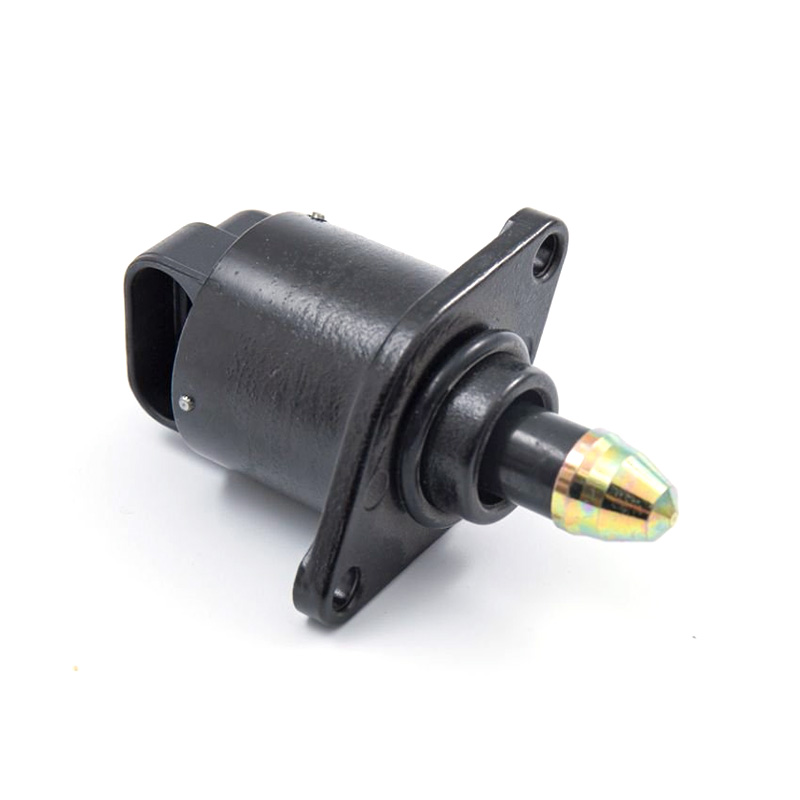
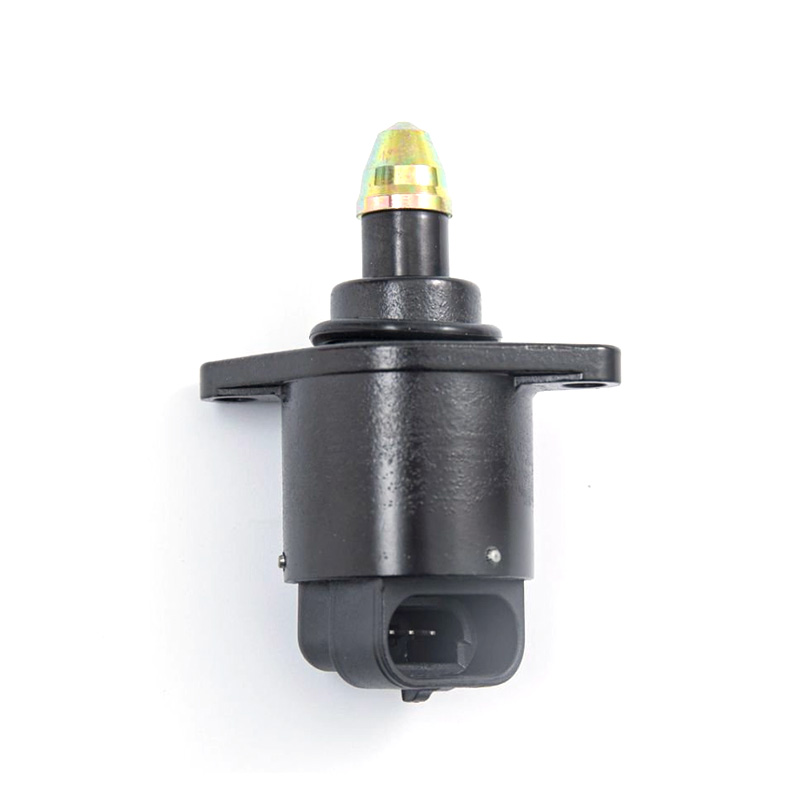
OE/Part Numbers: 1920AH A96157 B35/00
Compatible Brands: for Peugeot, Citroen
Compatible Vehicles & Years:
- for Citroen Saxo
- for Peugeot 106
- for Peugeot 206 (Schragheck /SW)
-for Peugeot 306 (Break / Schragheck)
-for Peugeot Partner (Combispace / Kasten)
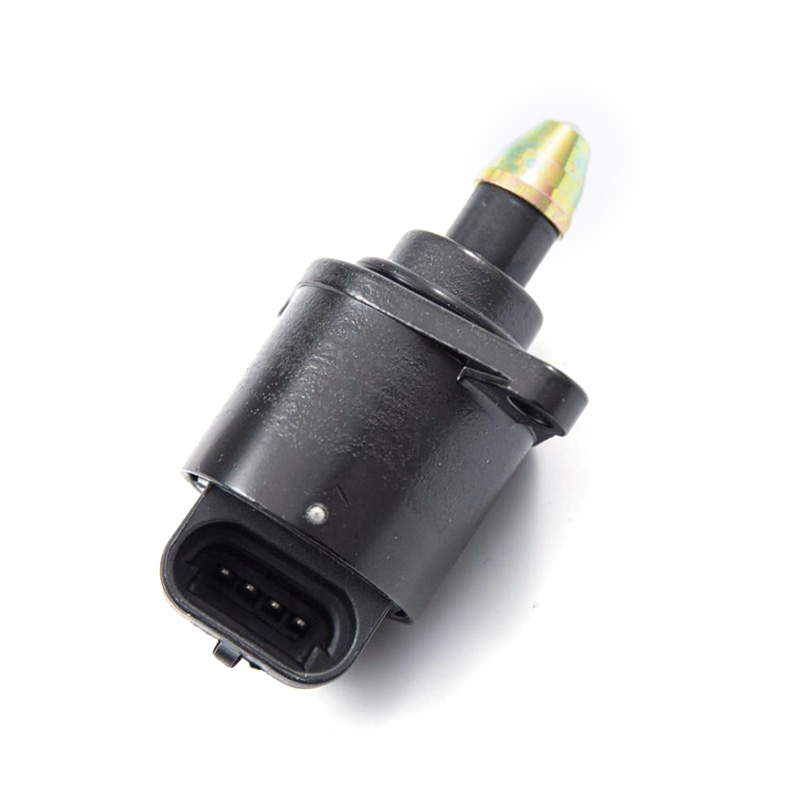
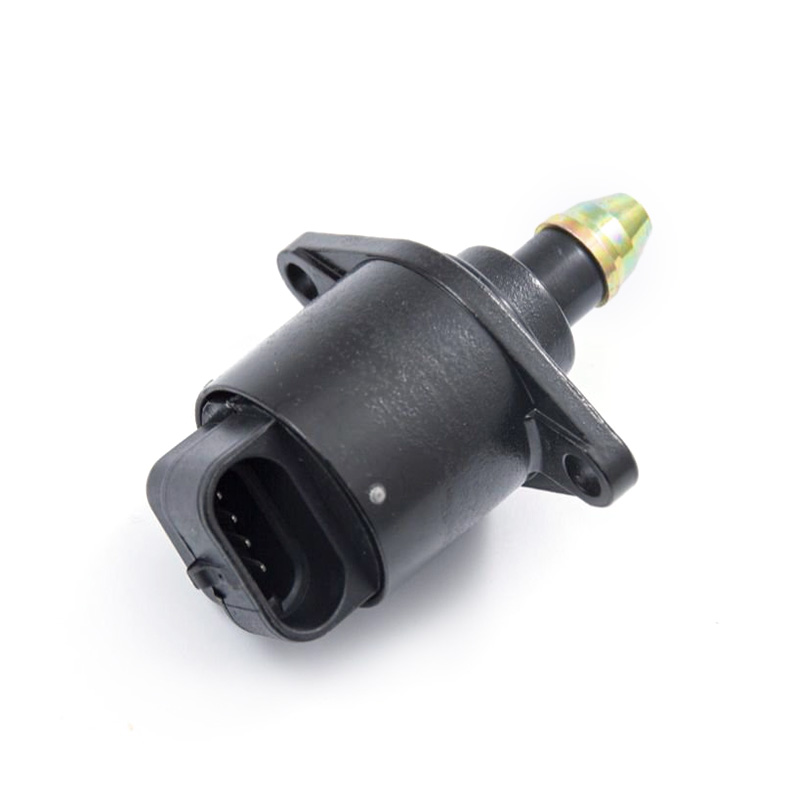
Key Functions: This idle stepper motor regulates engine idle speed, ensuring stable performance, smooth cold starts, and preventing stalling under varying loads.
Features & Advantages:
1. Direct OEM Fit & Function.
2. High-Quality Components for Reliability.
3. Rigors Quality Control.
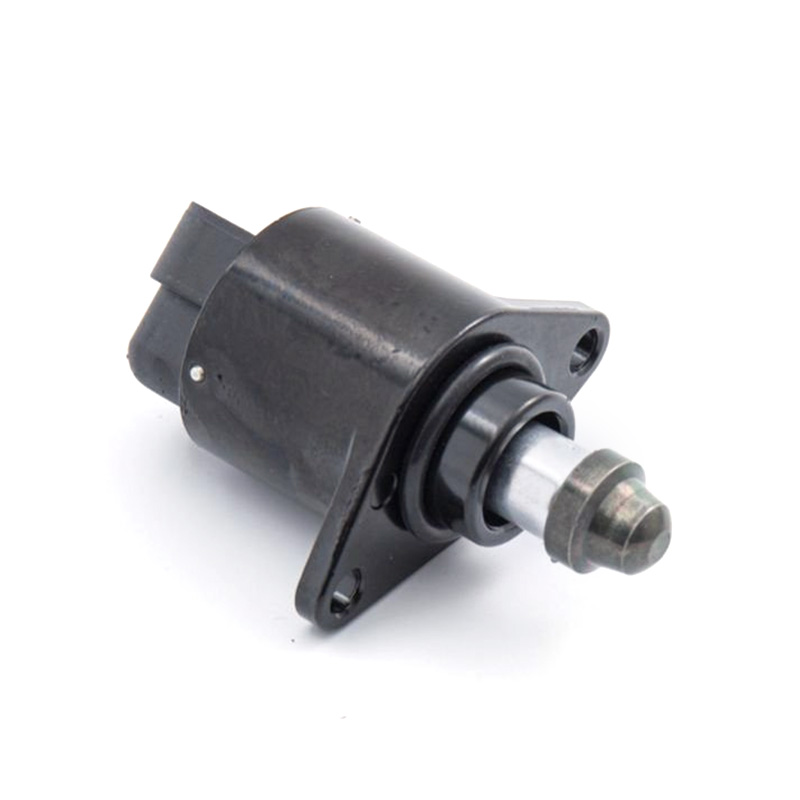
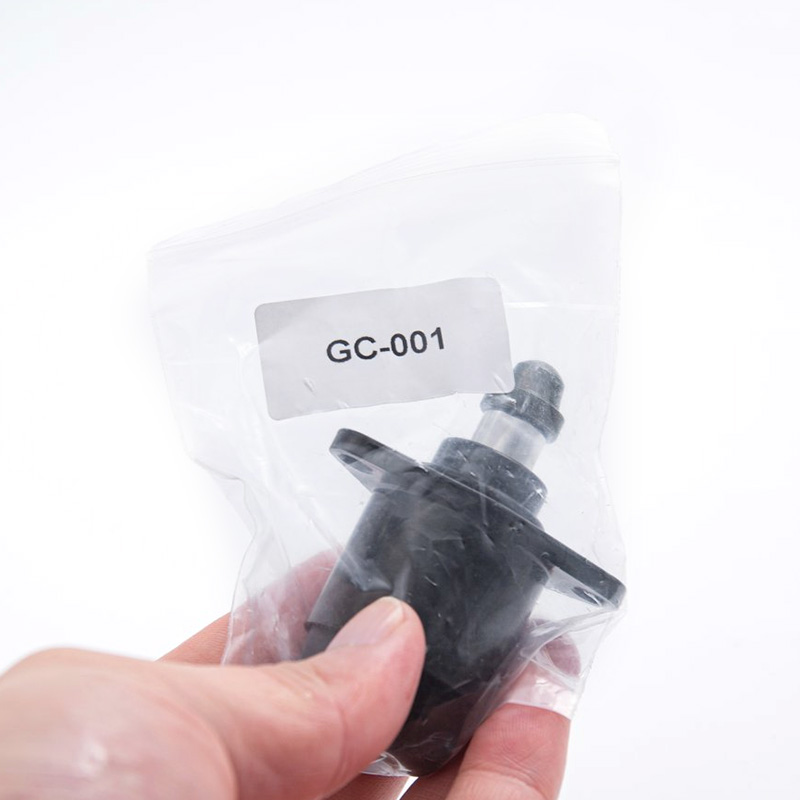
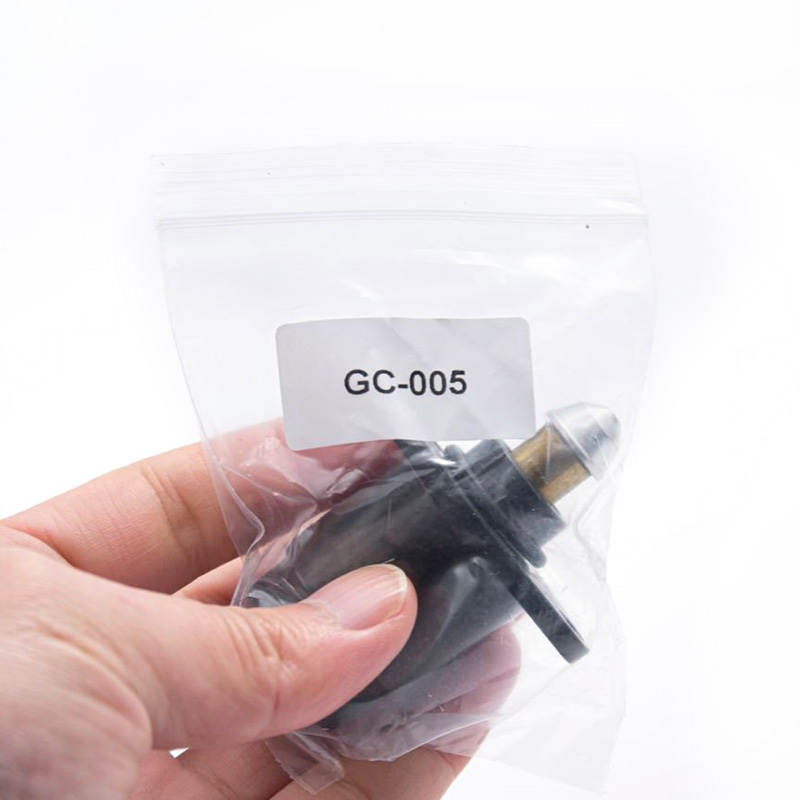
GC-005
REF OE:
HOT-STAMP:B22/00 B22/01
PEUGEOT:19204X
SIMENCE:A97104 A97113 B22/00 B22/01 19204X A97104 A97113
APPLICATION:
CITROEN BERLINGO(MF)1.8i(MFLFX)4WD(MFLFX);CITRO XANTIA/Break(X1)/(X2)1.8i/1.8i 16V;CITRO XSARA(N1)1.8i/1.8i 16V;Break(N2) 1.8i/1.8i 16V;Coupe(N0)1.8i/1.8i 16V;
PICASSO(N68)1.8 16V;PEUGEOT 306/Break/Cabriolet/Schraqheck;PEUGEOT 406/Break;PEUGEOT PARTNER Combispace(5F)1.8
China Auto Parts Manufacture with Wholesale Price for Idle Air Control Valve,Crankshaft Position Sensor,Camshaft Position Sensor,Throttle Position Sensor.
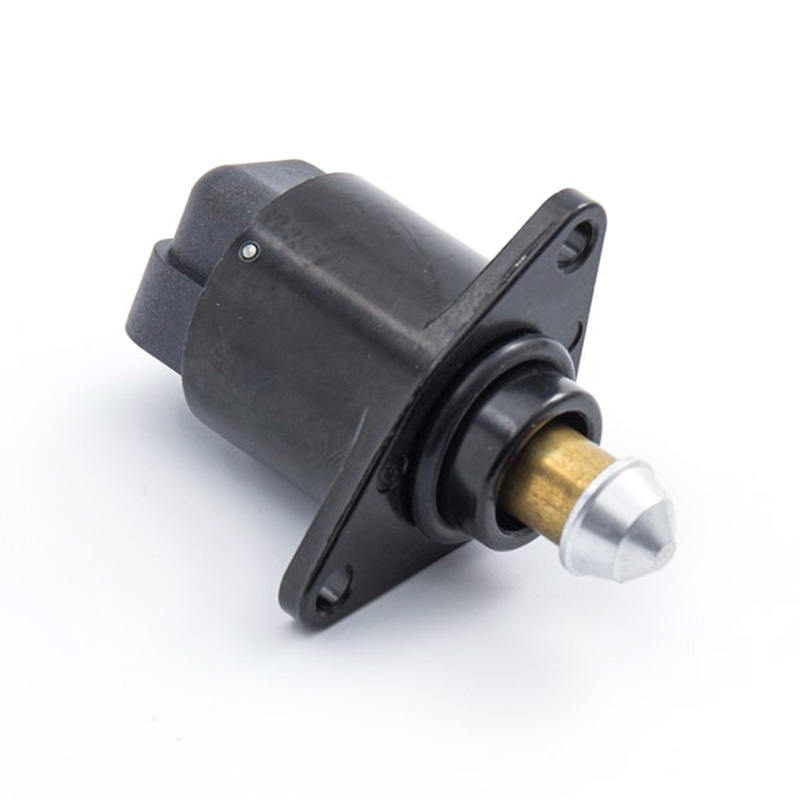
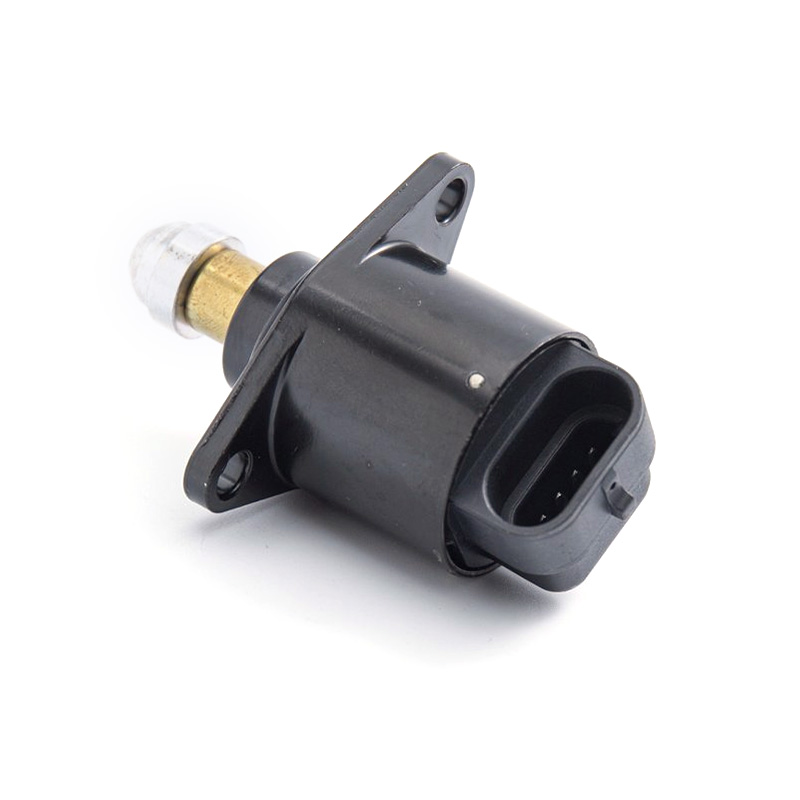
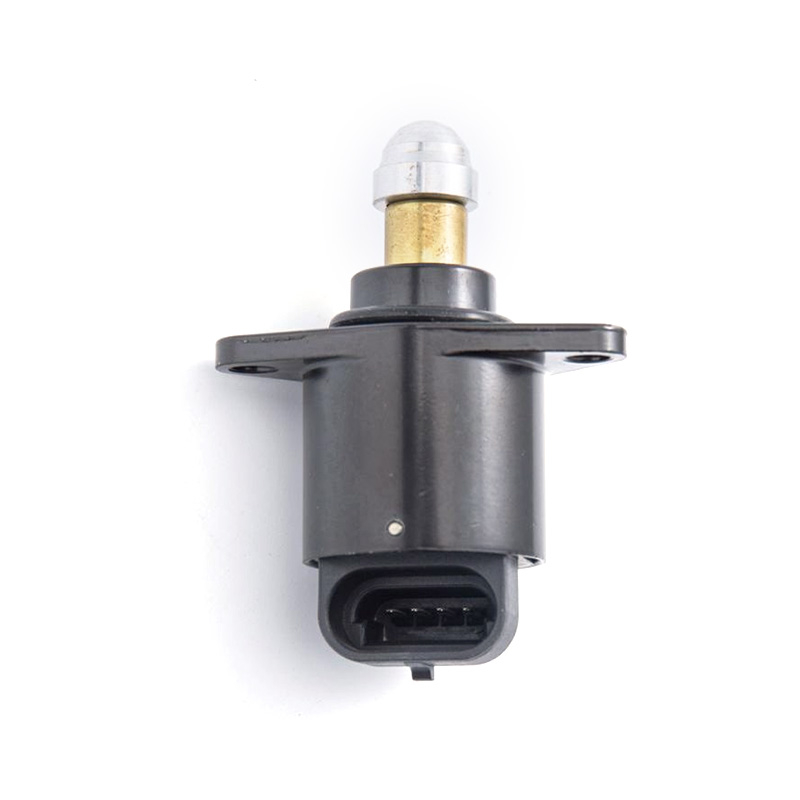
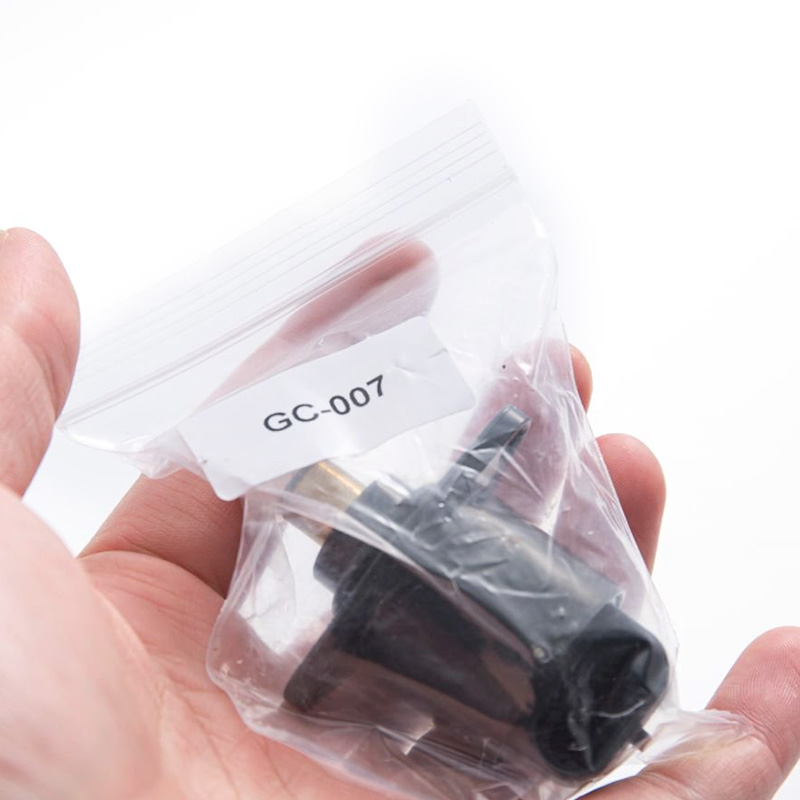
GC-007
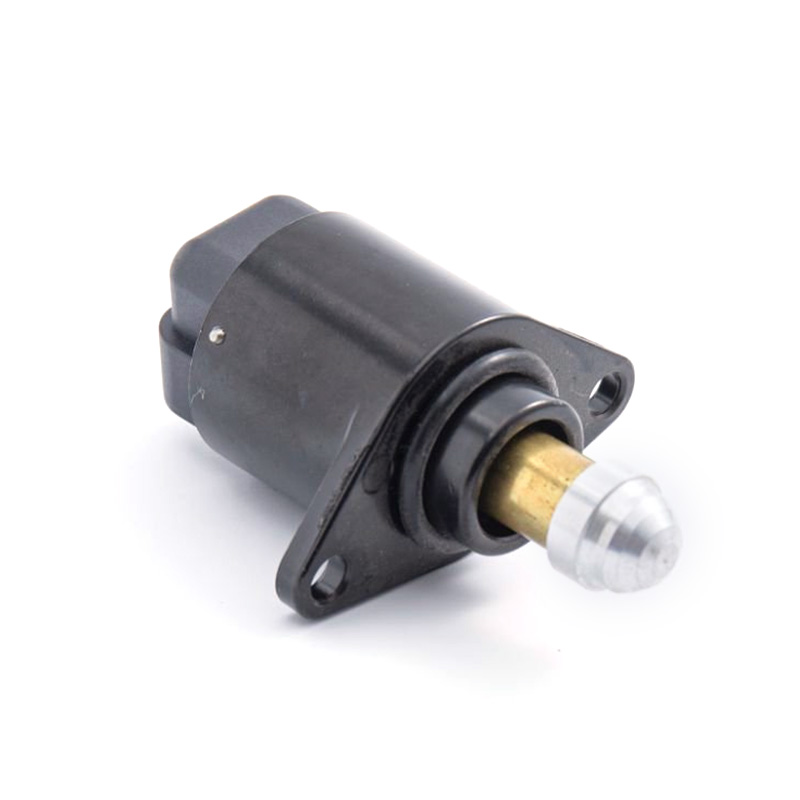
REF OE:
SIMENCE:A96158 A97116
PEUGEOT:19208X;1920.8X
MARELLI:230016079217
APPLICATION:
PEUGEOT 206 CC(2D)2.0 S16;PEUGEOT 206 SW(2E/K)2.0 16V;PEUGEOT 307;
PEUGE 406/Break/Coupe;PEUGE 806/807;PEUGE EXPERT(224)2.0
China auto parts factory for idle air control valve and many kind of sensor imprting and exporting.
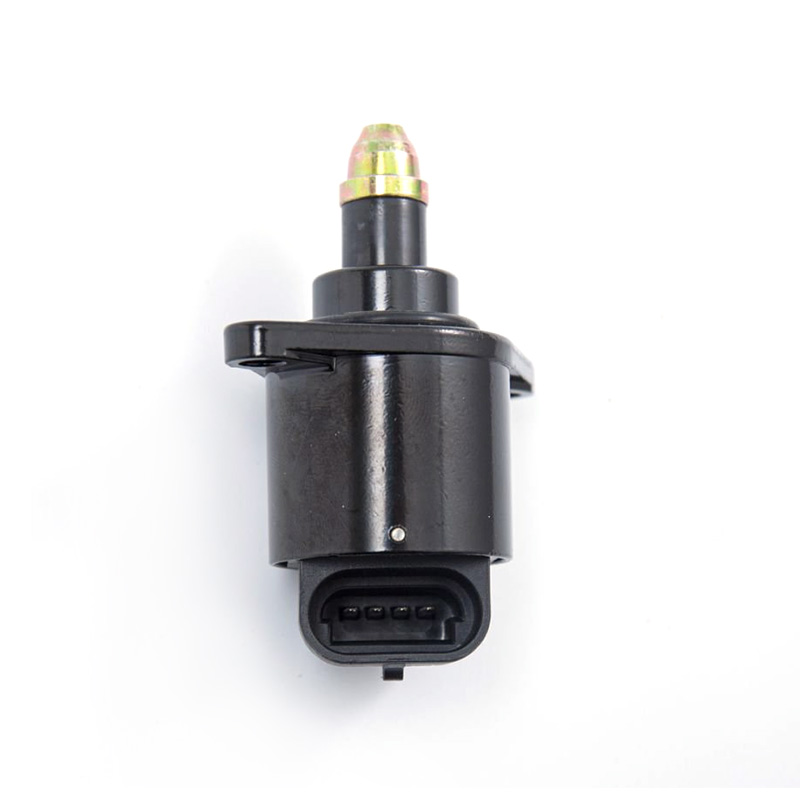
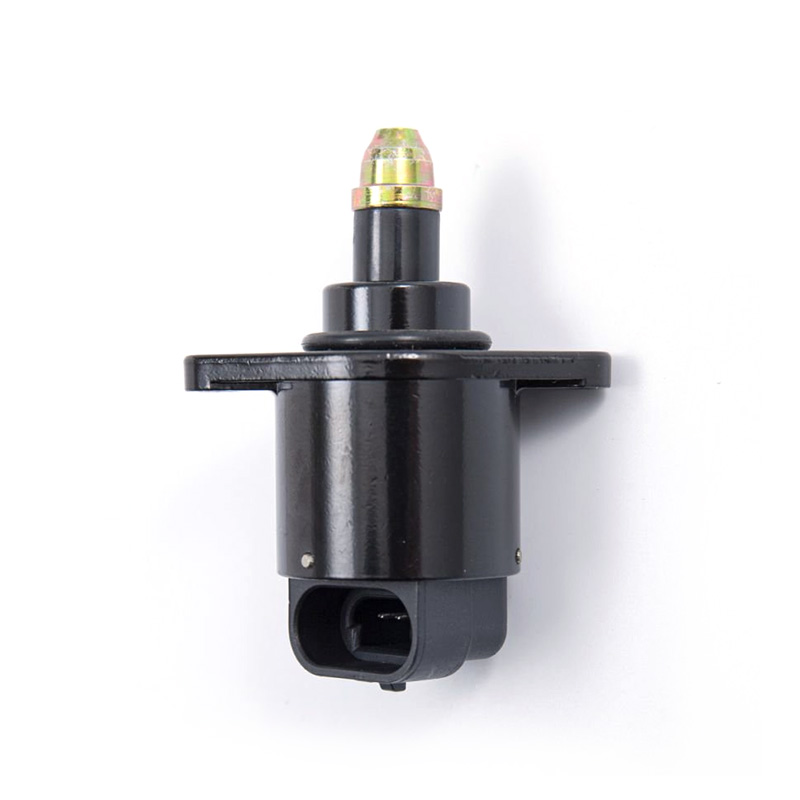
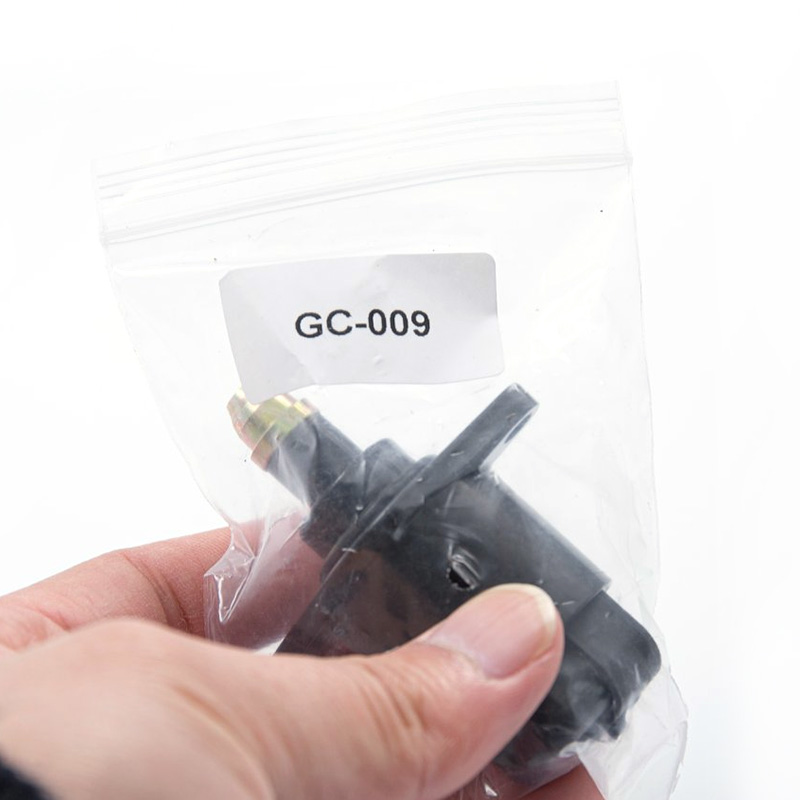
GC-009
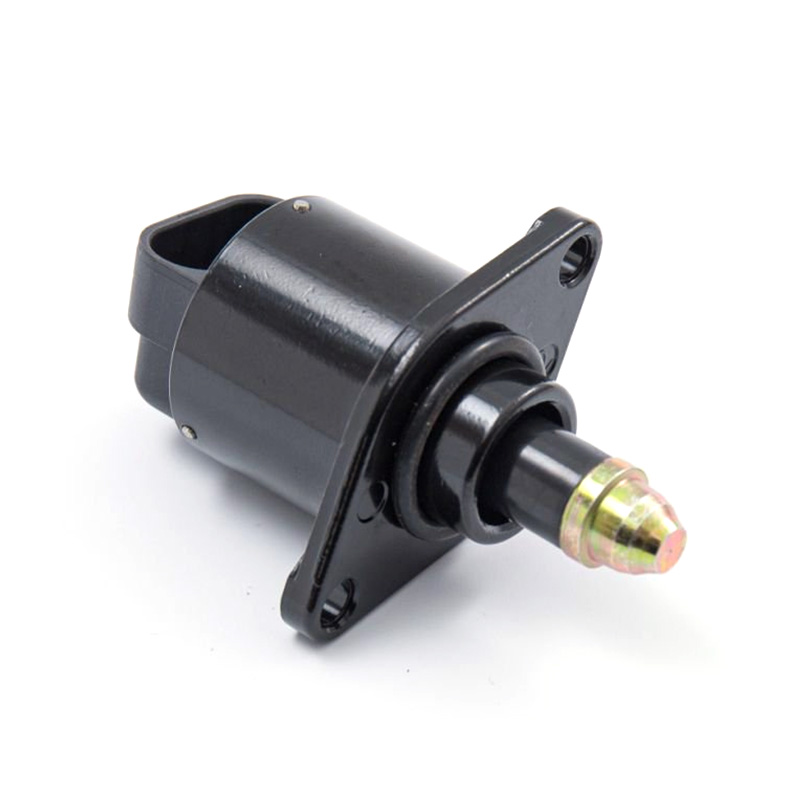
REF OE:
SHORT CODE:D5150
MARELLI:40430102 7079064
VW: 0279980491
VDO: AT-05150R
APPLICATION:
Gol/Parati/Quantum/Santana1.8/Saveiro 1.6,1.8 todos MPFI alcool 96>>
Gol/Parati/Polo Classic 1.8/Quantum/Santana 1.8,2.0/Saveiro 1.6,1.8,2.0/Van 1.6 todos MPFI gasolina 96>>
Idle air control valve whole sale price,direct from China factory.
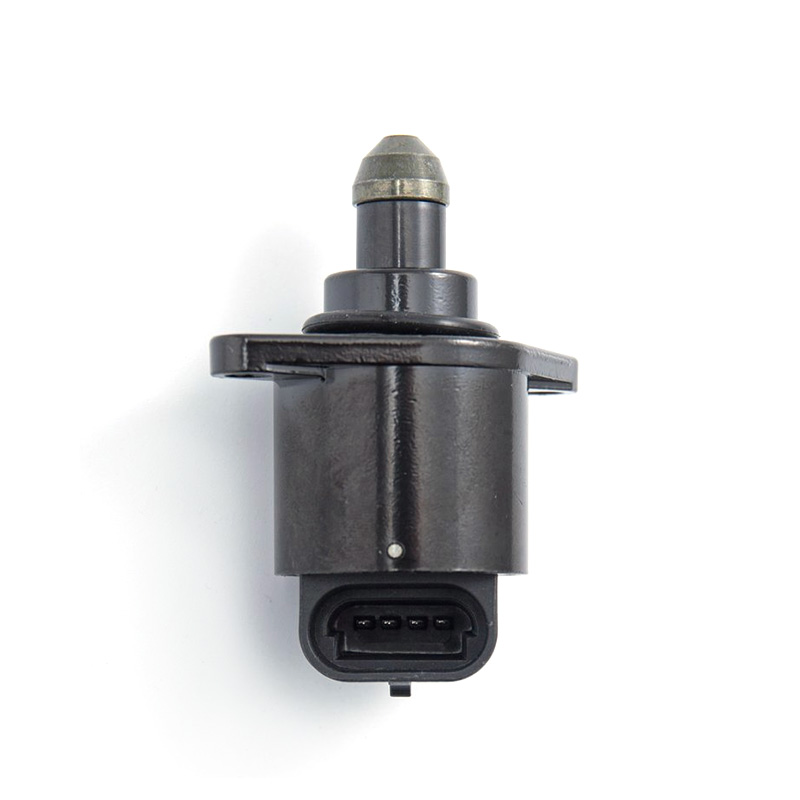
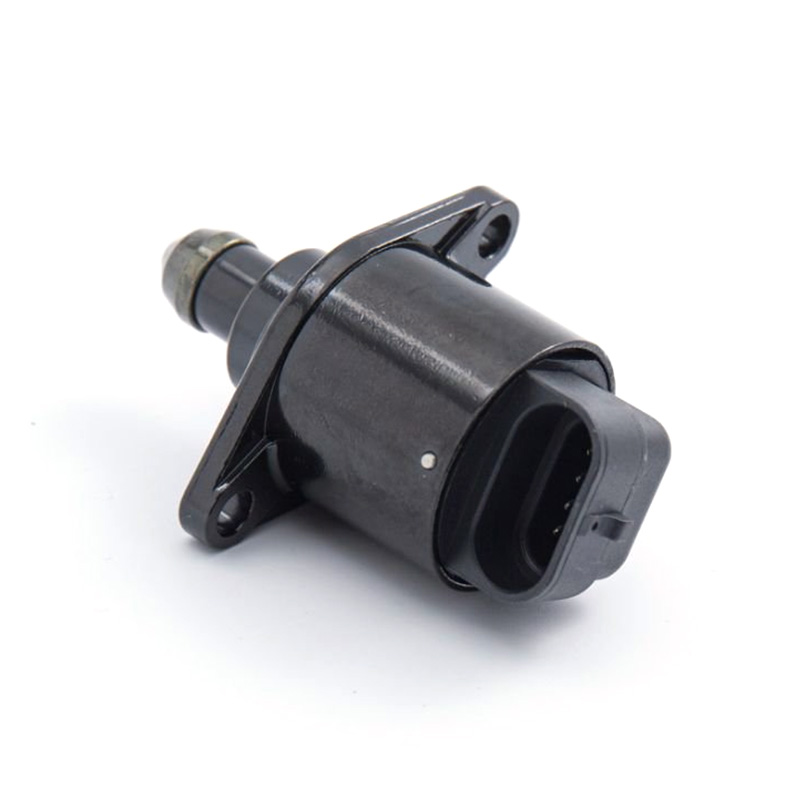
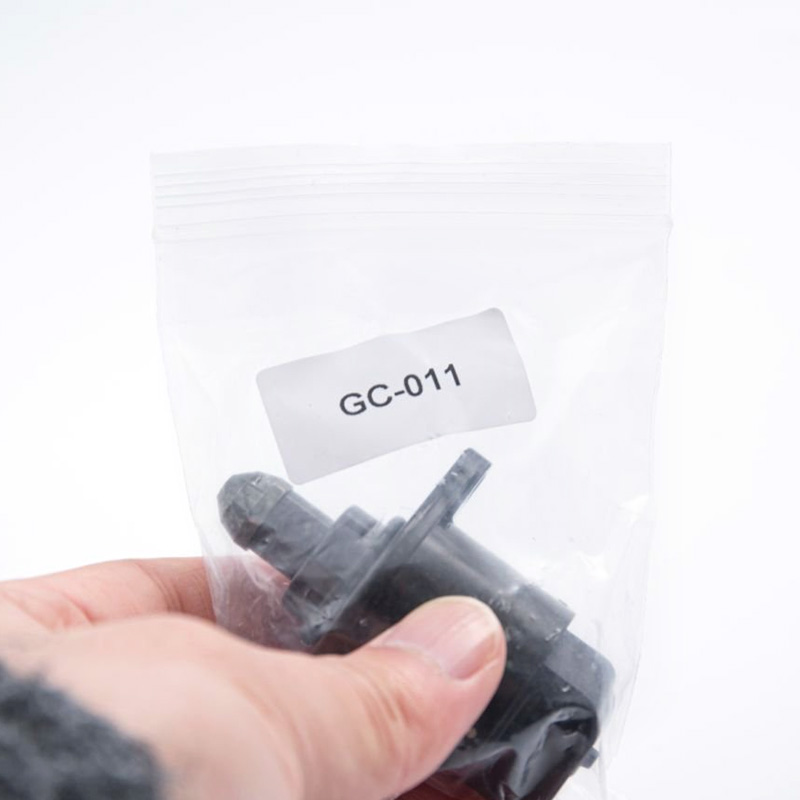
GC-011
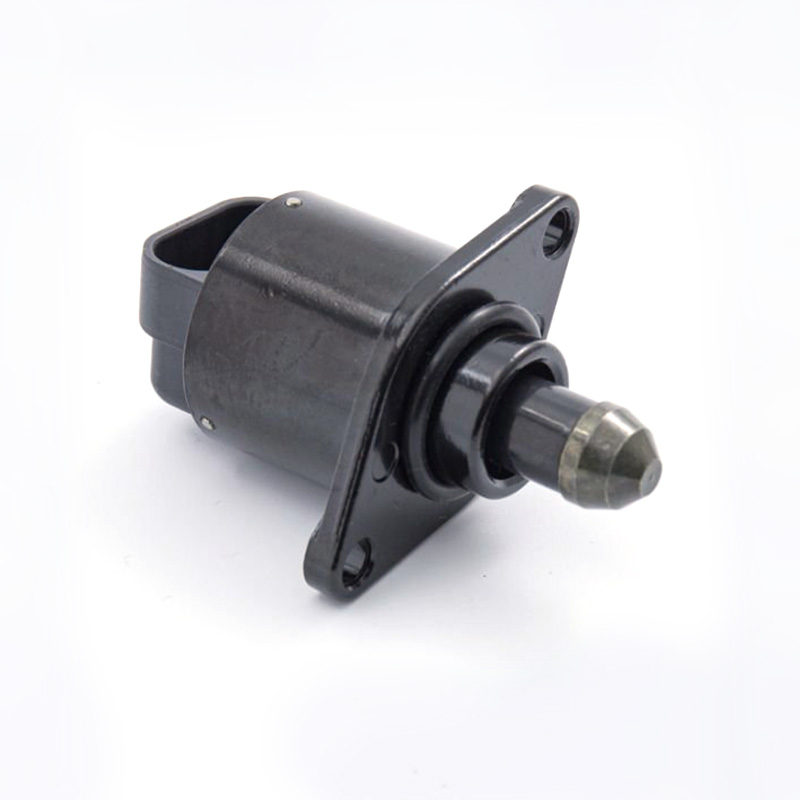
REF OE:
SHORT CODE: B13/00
MARELLI: 230016079087 230016079247
SIMENCE: 19201F 1920V7 C95181
APPLICATION:
PEUGEOT 106I(1A,1C)1.3;
PEUGEOT 306/306 Cabriolet/Schraqheck;
PEUGEOT 406/406 Break
China factory for idle air control valve with high quality!
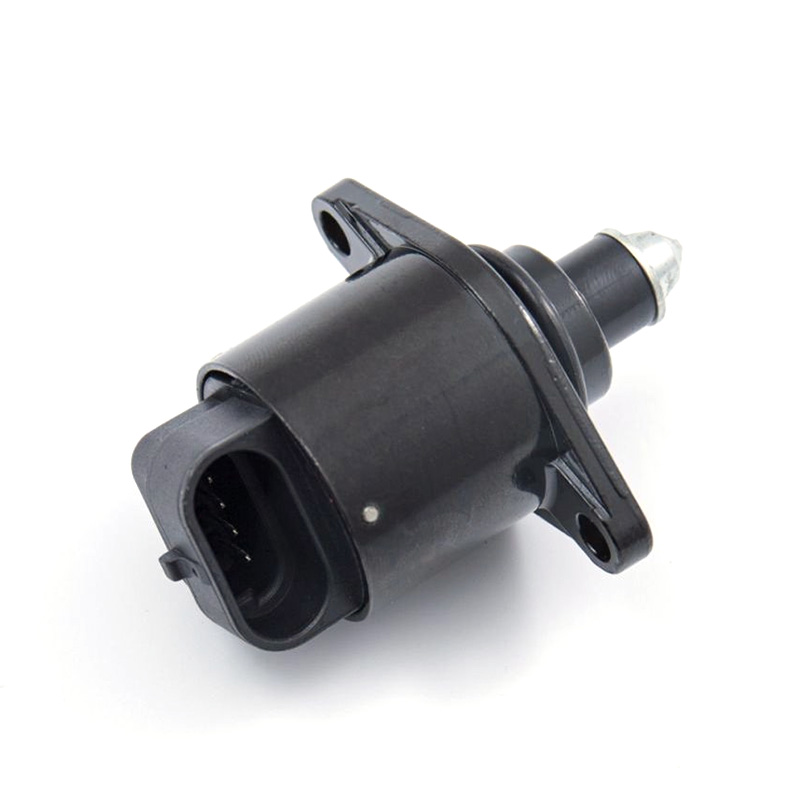
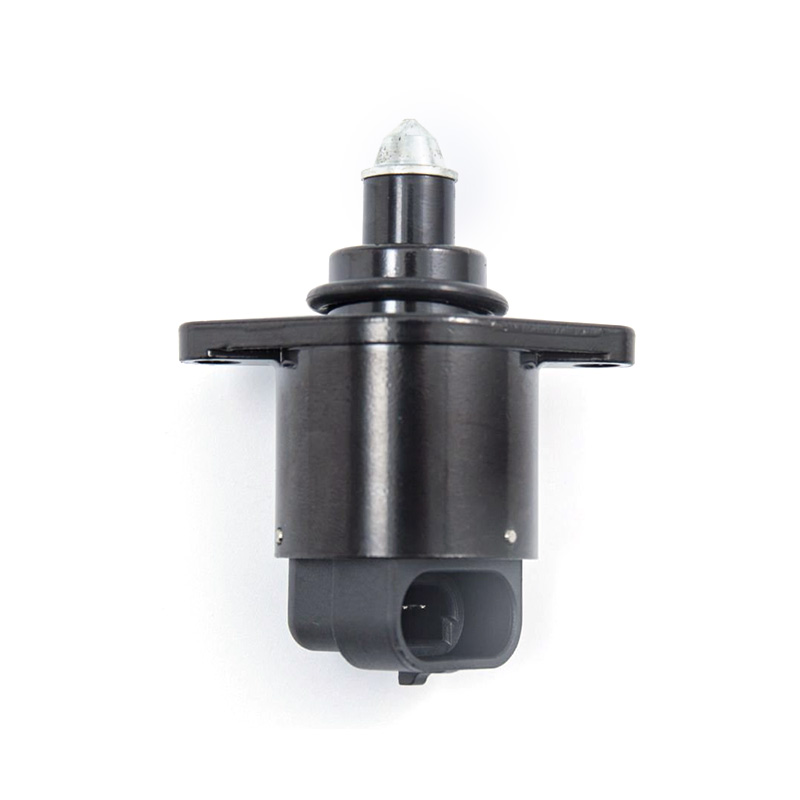
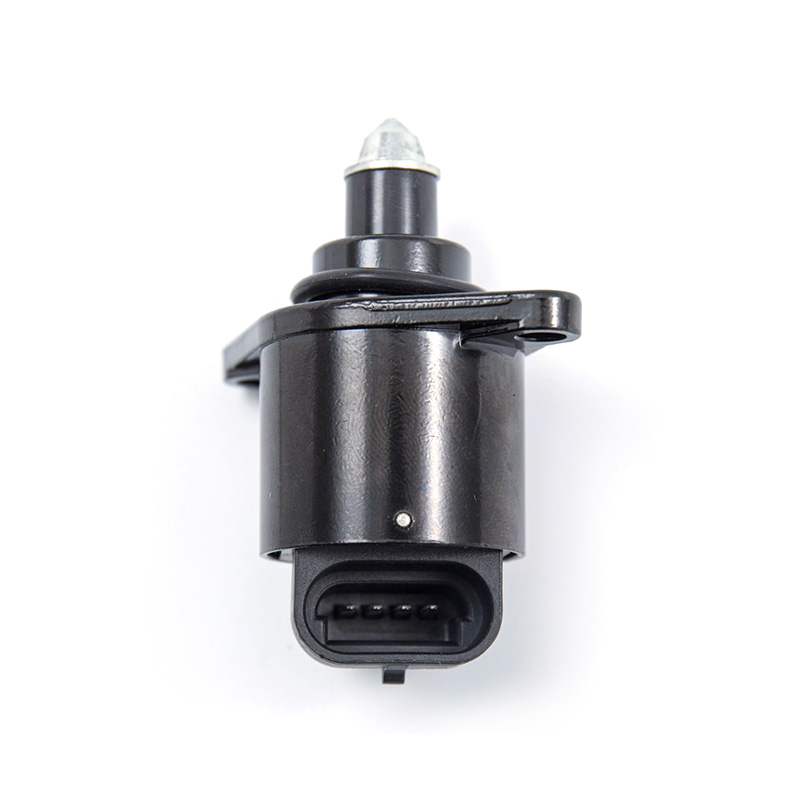
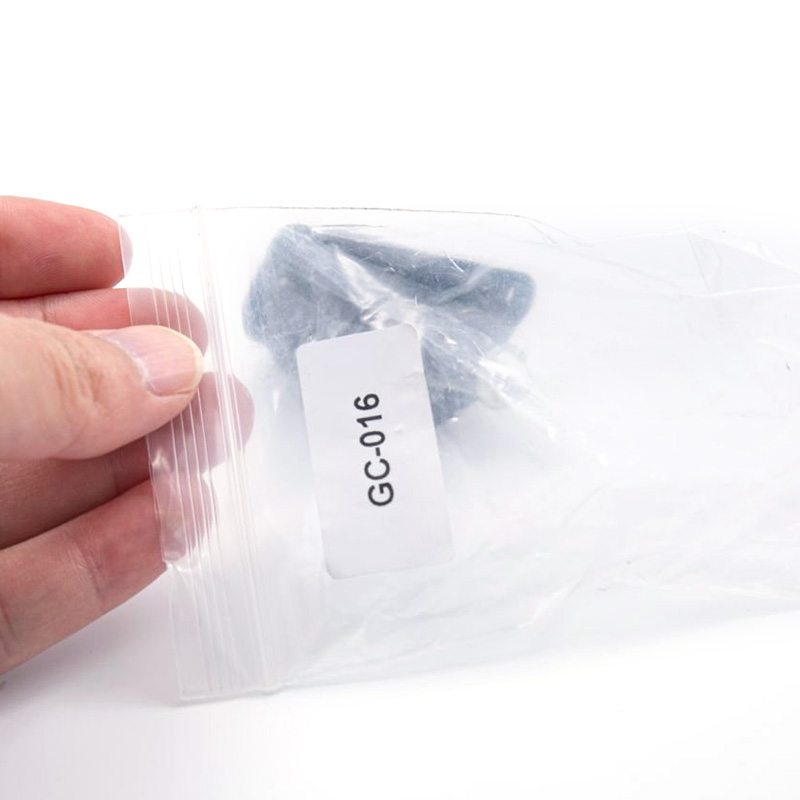
GC-016
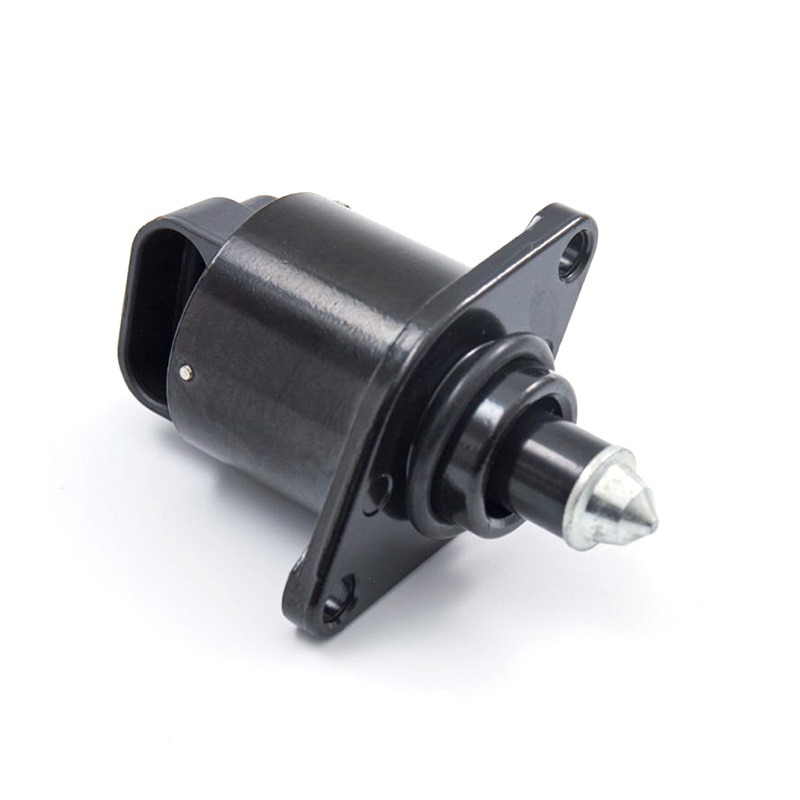
REFERENCE OE:
MEAT DORIA:84037
SHORT CODE:B32/00 D95129
RENAULT: 7701042403 801000774001
APPLICATION:
RENAULT CLIO I;
RENAU CLIO II/II Kasten;
RENAU KANGOO/KANGOO Express;
RENAU TWINGO
Importing auto parts idle air control valve from China factory!
GC-018
REFERENCE OE:
FIAT:0009943223
FIAT:0009949146
SIMENCE:A95140 00600
APPLICATION:
LANCI DEDRA;LANCI DEDRA SW
Idle air control valve for auto parts,China original factory direct!
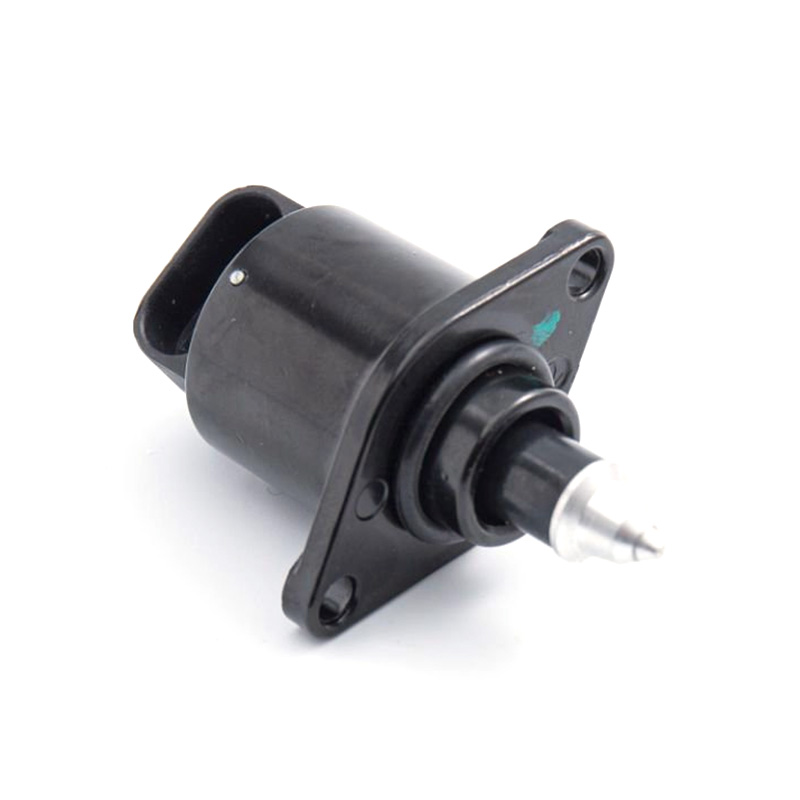
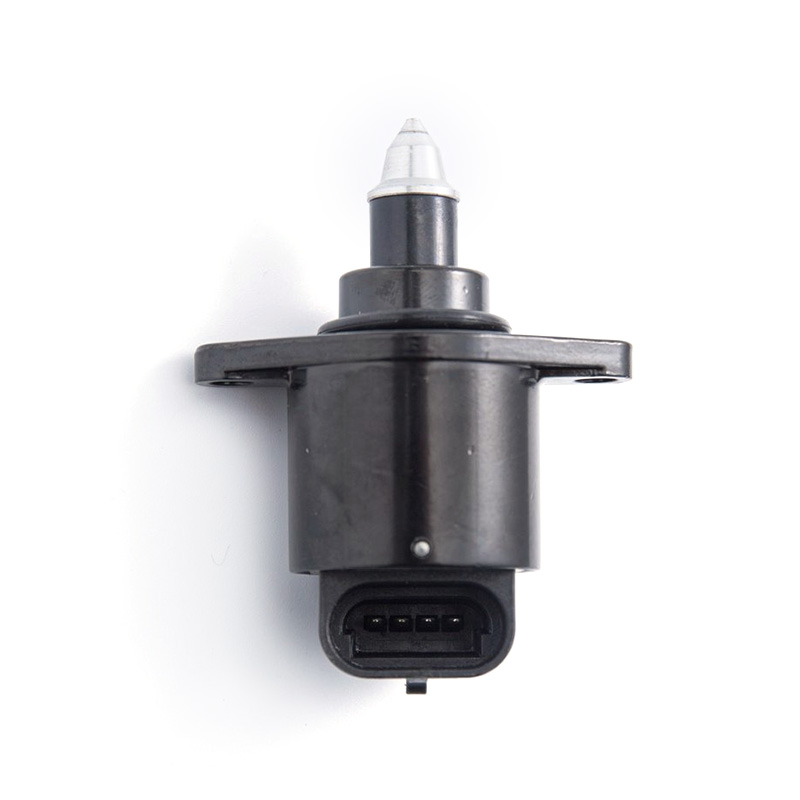
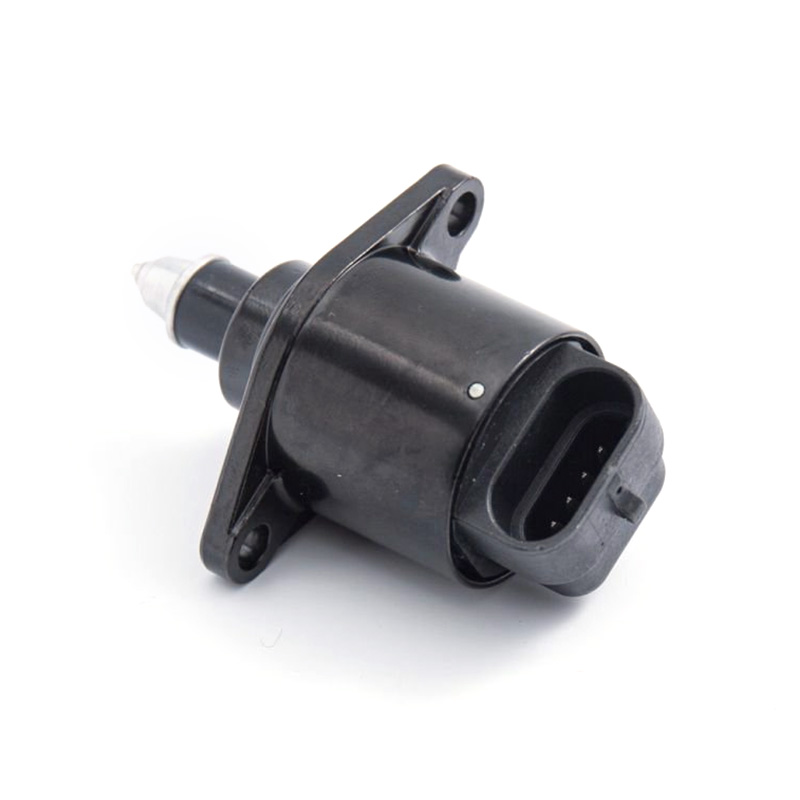
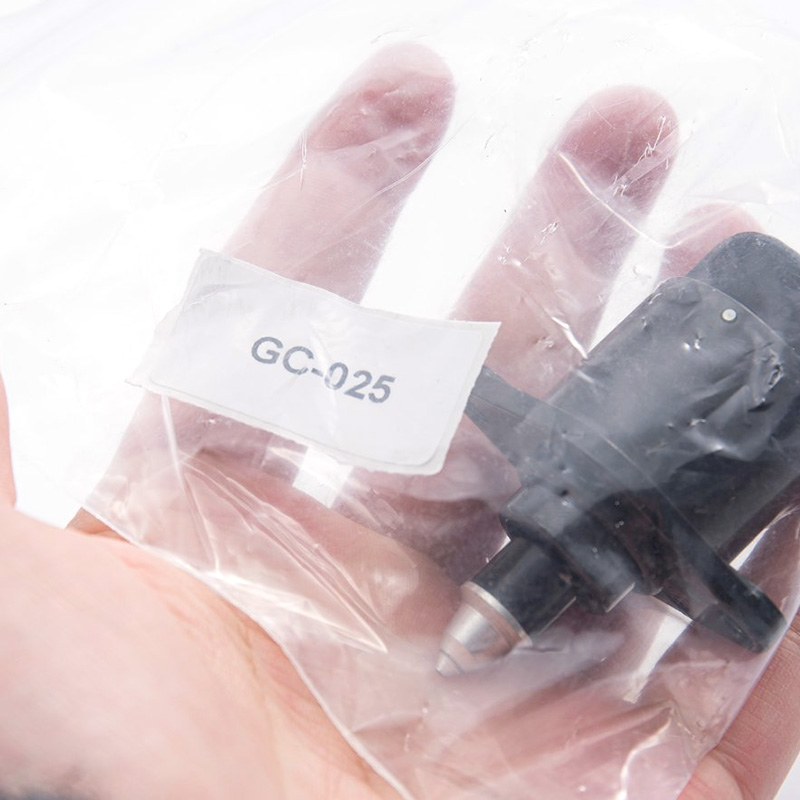
GC-025
REFERENCE OE:
STD: AC495 SHORT CODE:59602
DELPHI: ICD00120
GM: 17059602
VDO: AT-59602R
WELLS: AC167; 93744675; 96434613; 17059602
APPLICATION:
CHEVR AVEO Stufenheck;
DAEWOO KALOS/LANOS/NUBIRA/NUBIRA Stufenheck;
GENTRA 06-07
Idle air control valve from China factory for Chevrolet Aveo Daewoo.
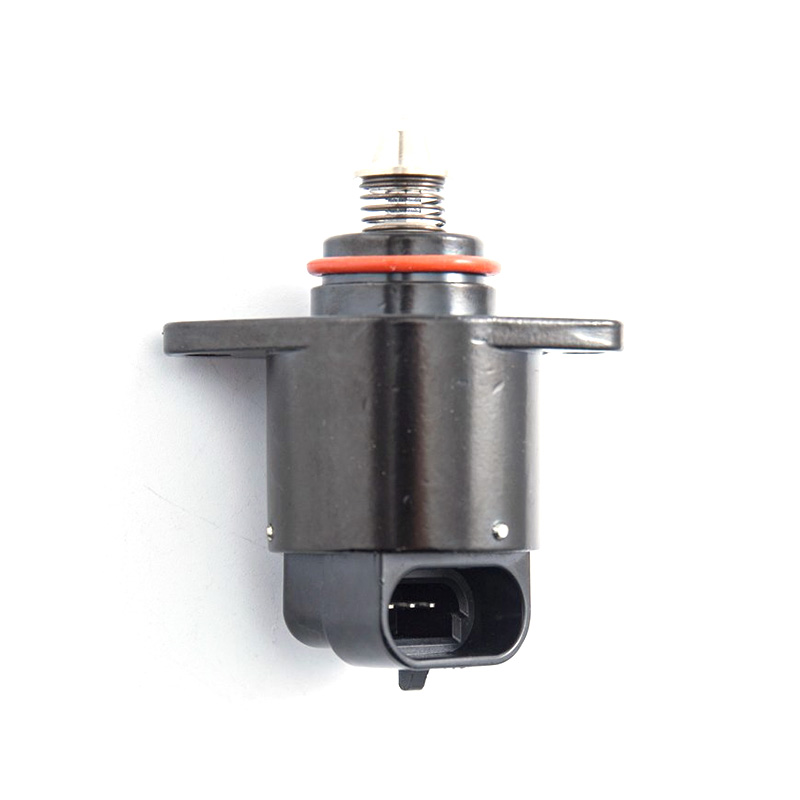
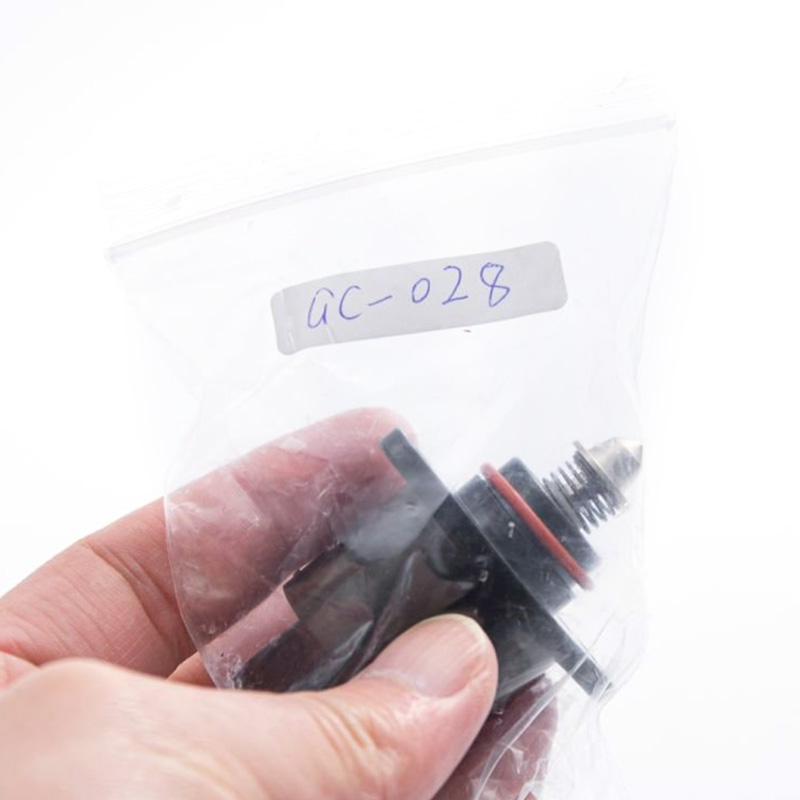
GC-028
REFERENCE OE:
SHORT VDO:A95278
TRADE NUMBER:02739
SHORT CODE:C0973
APPLICATION:
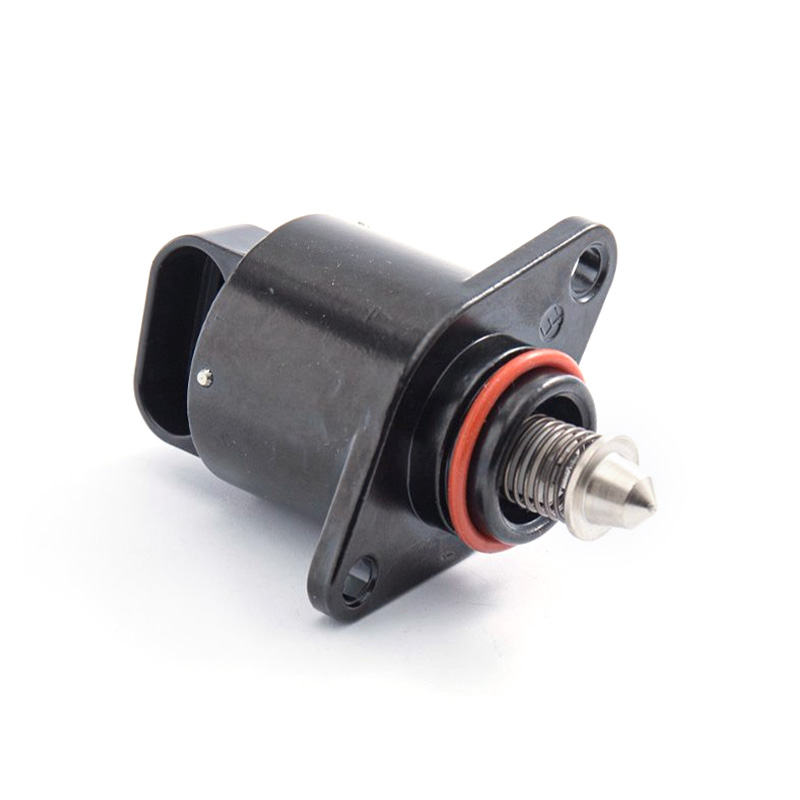
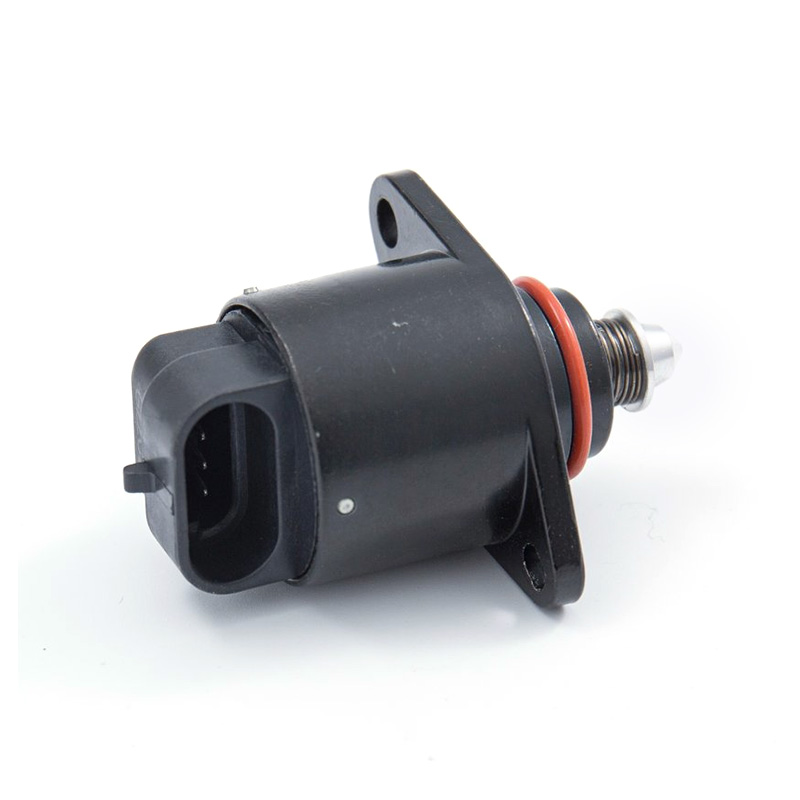
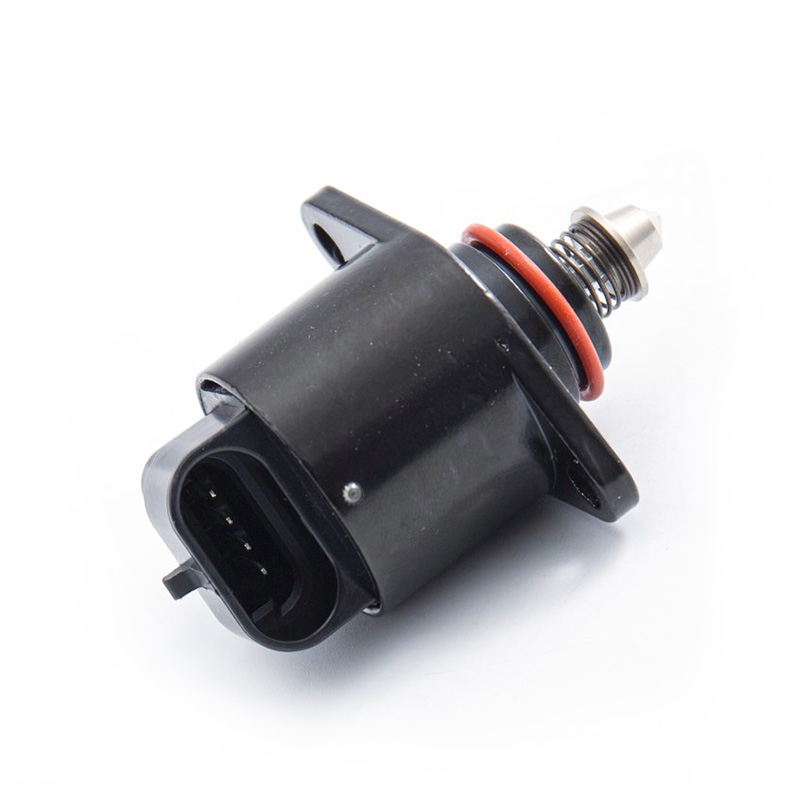
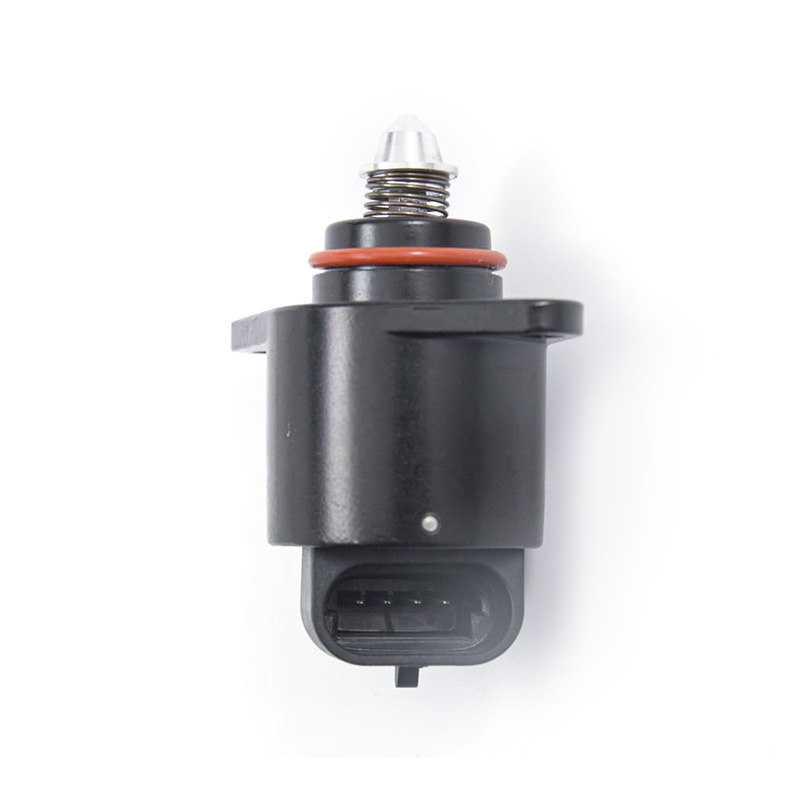
LADA
Idle air control valve from China factory for Lada.
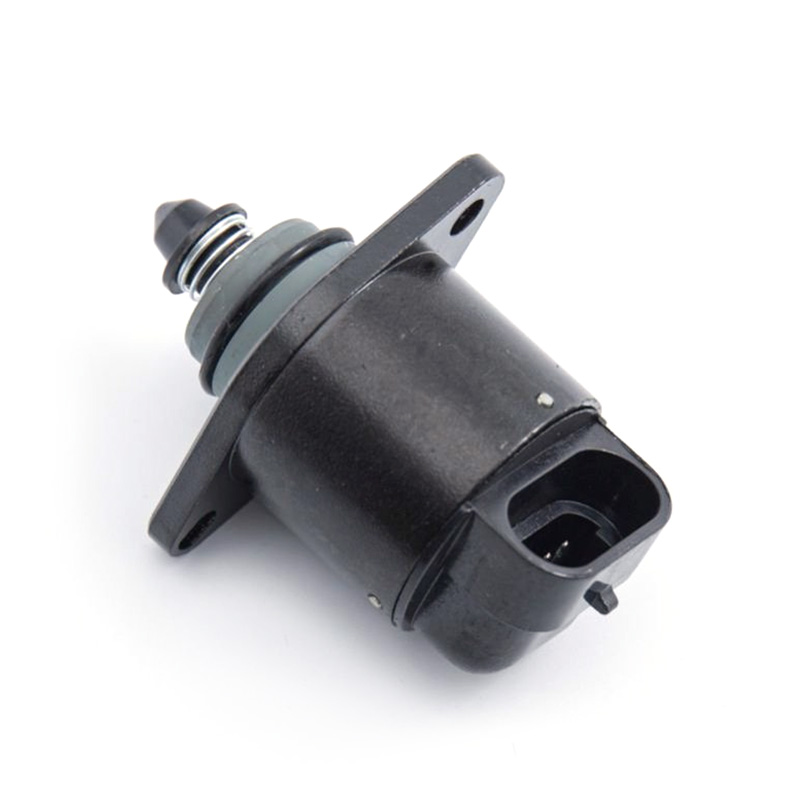
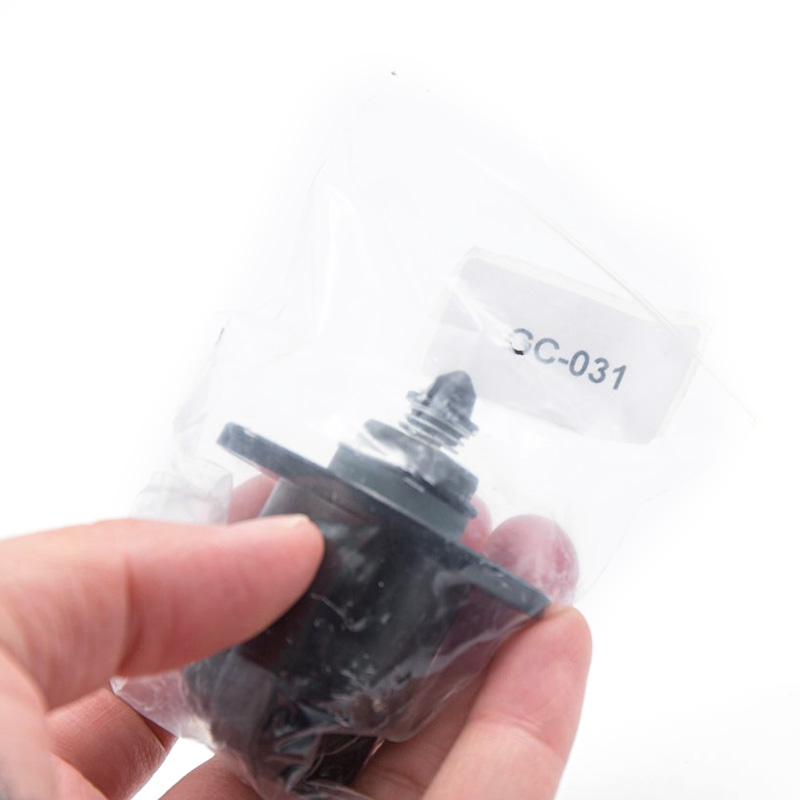
GC-031
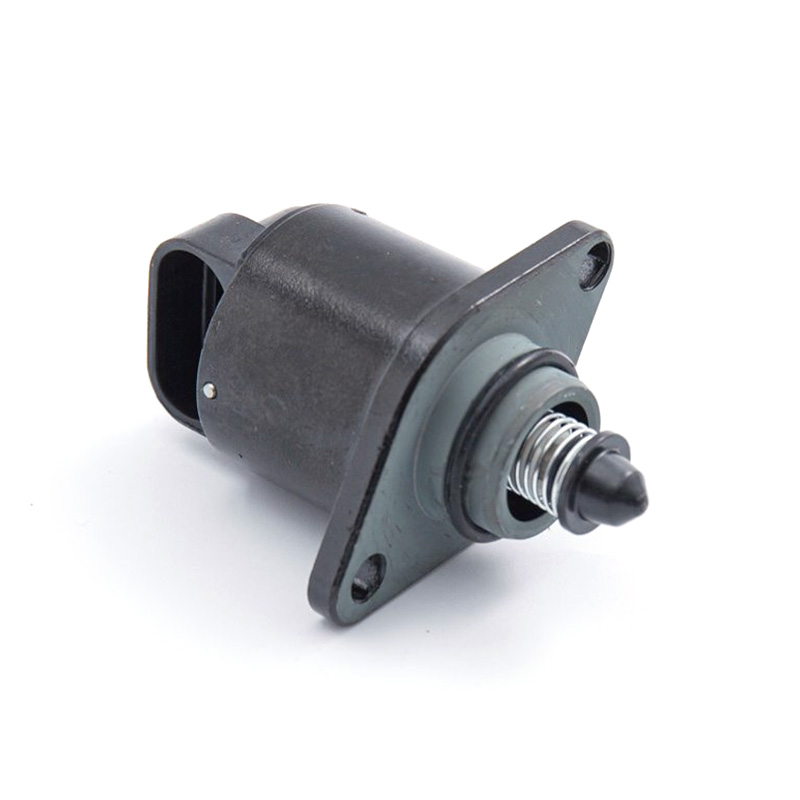
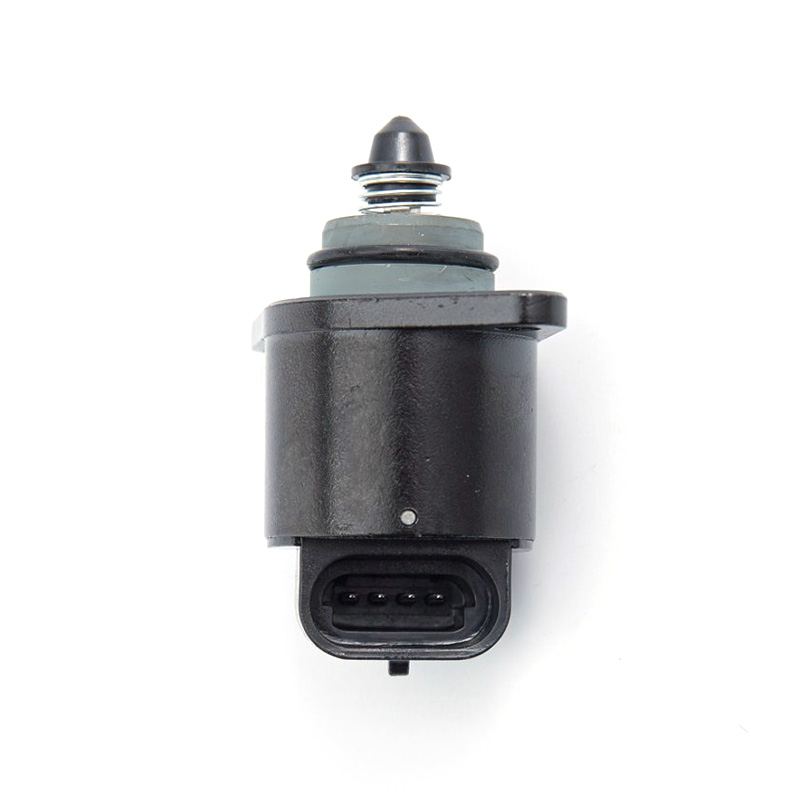
REFERENCE OE:
2112-148300-02
APPLICATION:
LADA
Idle air control valve from China factory for Lada.
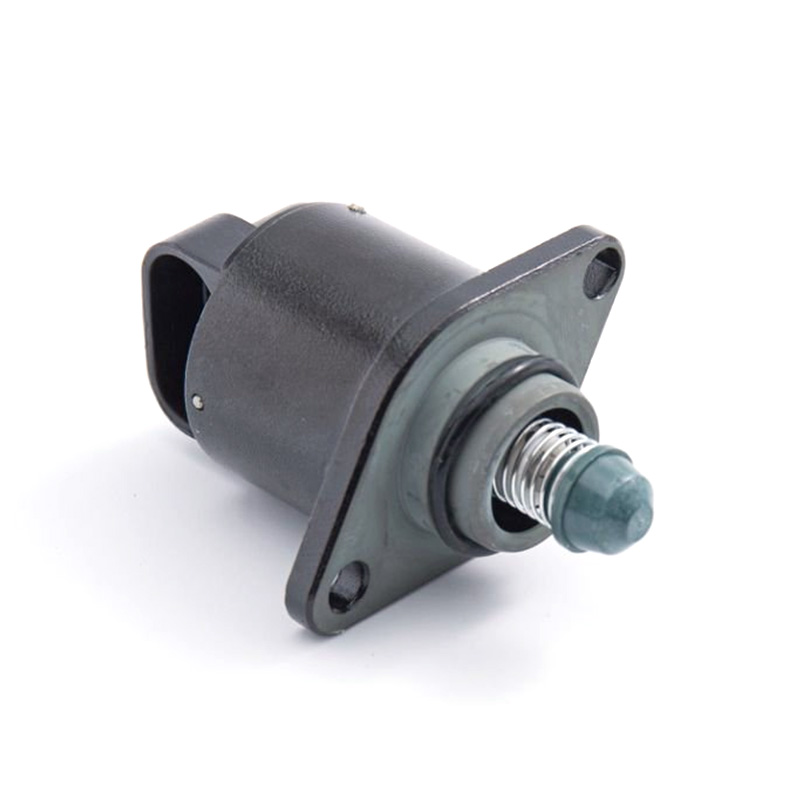
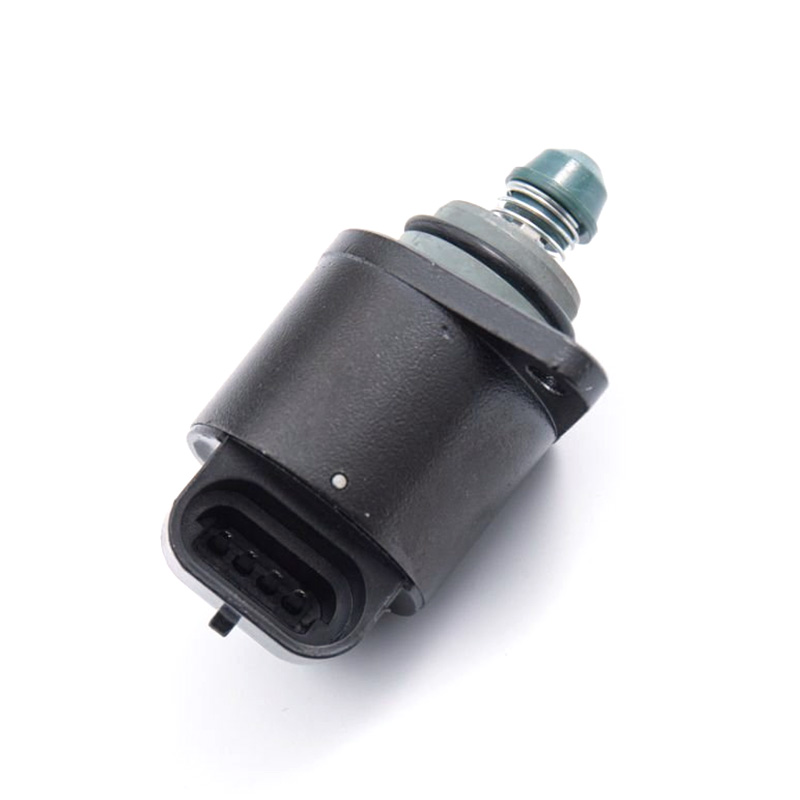
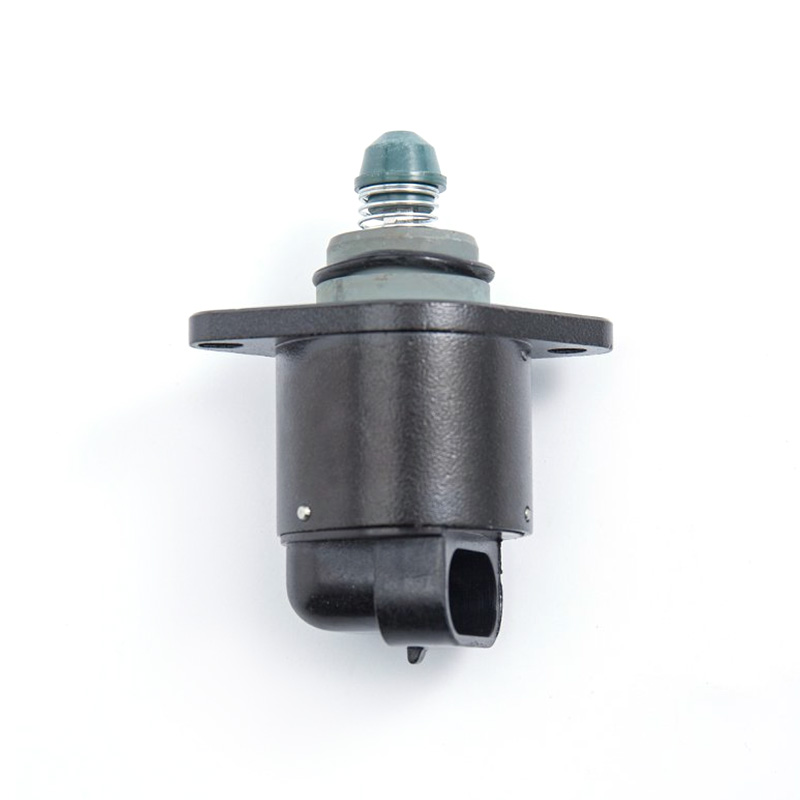
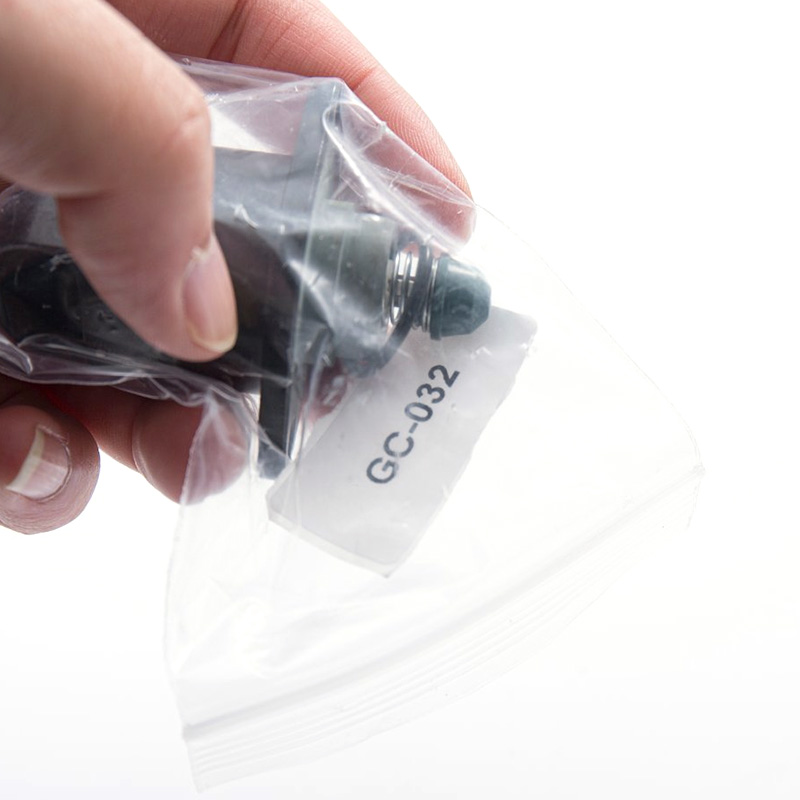
GC-032
REFERENCE OE:
21203-1148300
APPLICATION:
LADA
Idle air control valve from China factory for Lada.
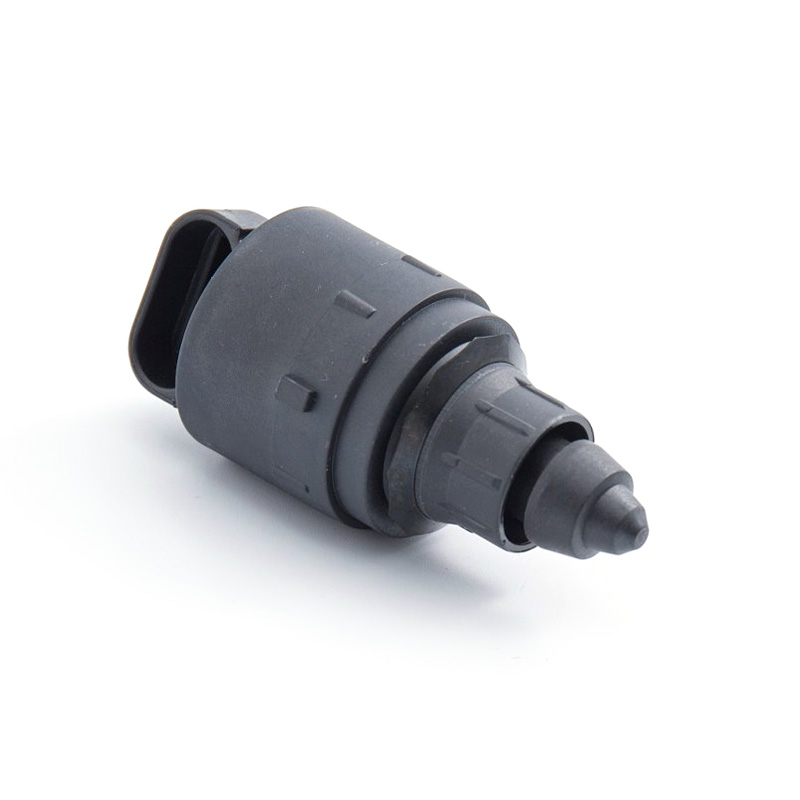
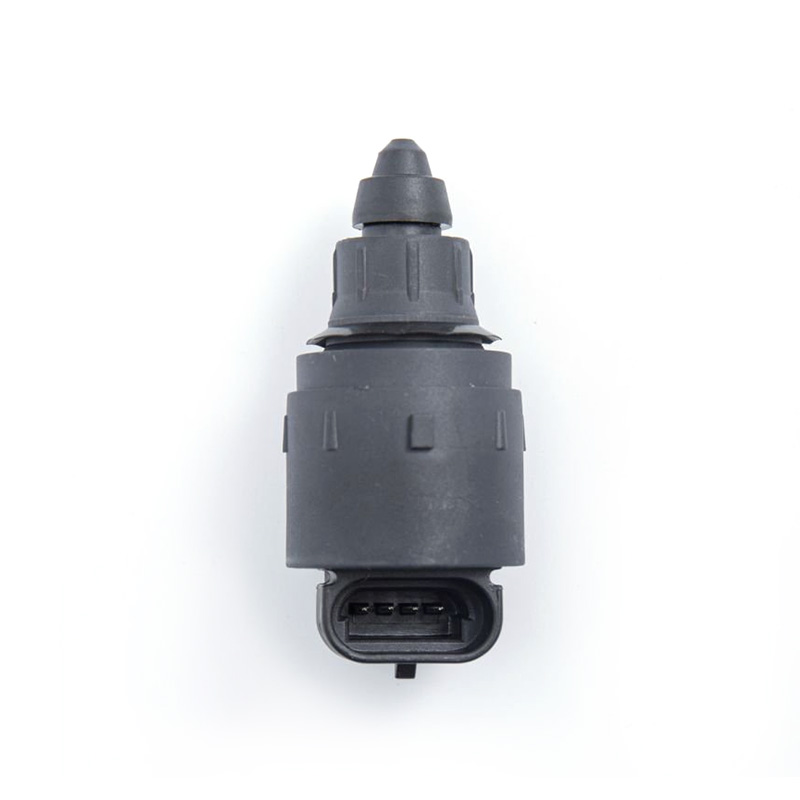
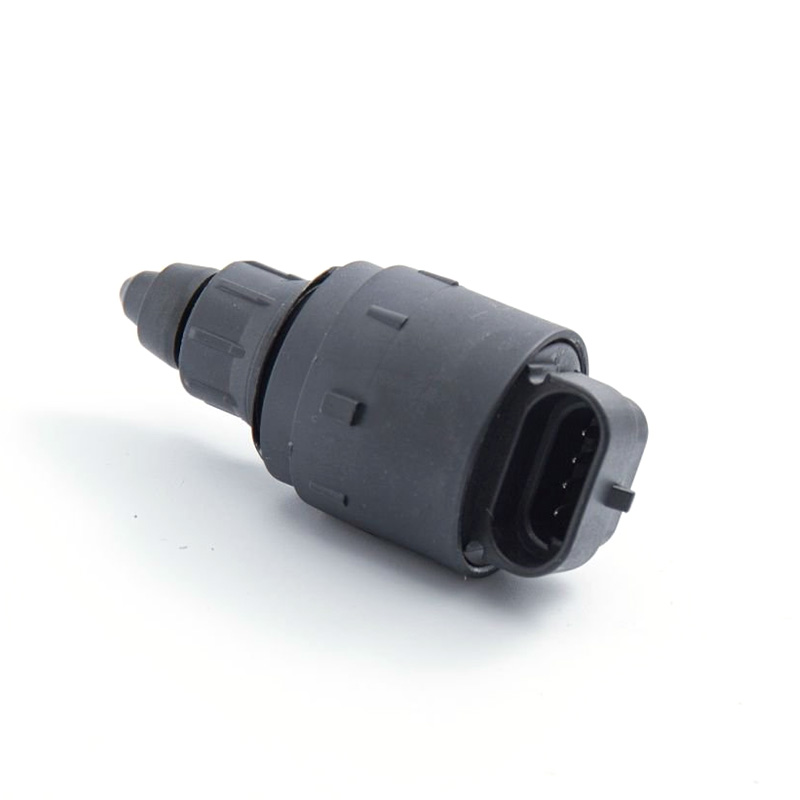
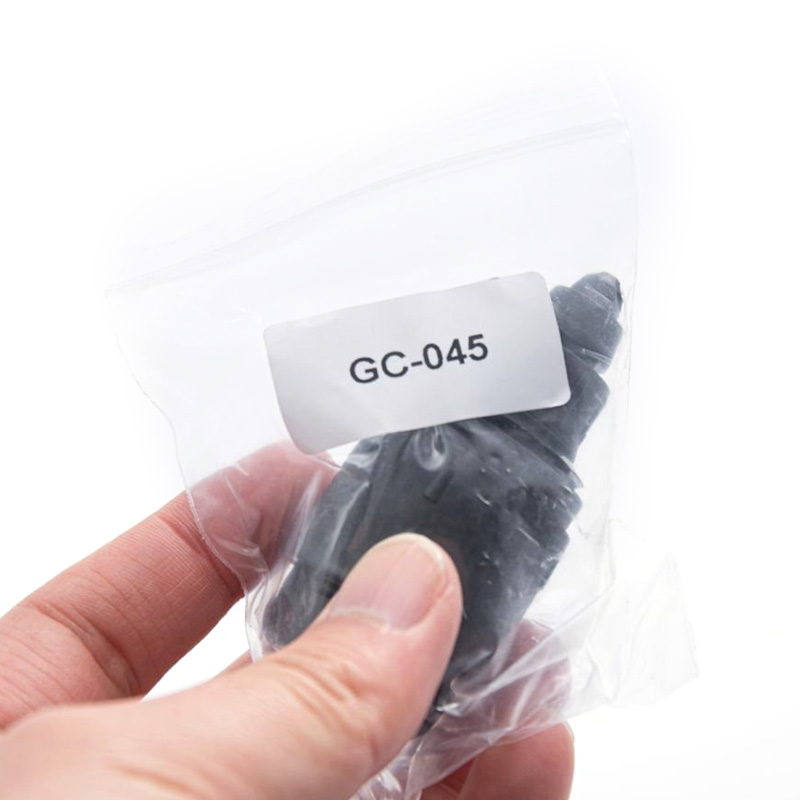
GC-045
REFERENCE OE:
IB04/00
Delphi: 28222556
Marelli: 40481202
APPLICATION:
Renault Clio 1.0 8V MPI
Renault Kangoo 1.0 8V MPI
Idle air control valve from China factory for Renault Clio Kangoo.
Contact Us
Let's start collaborating

Guocheng is specialized in the R&D and production of key engine components for the automotive and engineering machinery industries.
Product
Stay Connected
(+86) - 577 - 8582 0886 (Tel)
(+86) - 577 - 8582 8085 (Fax)
(+86) - 19730213059 (Phone)
sales@wz-gc.com
No. 205, Baiyu Road, 15th Road, Binhai Park, Wenzhou, Zhejiang, China
Mobile

ODM Engine Management System Components
 English
 русский
 Español
 عربى
عربى Deutsch