Date:Jul 17, 2026
Starting a classic 1991 Honda Accord on a cold morning should normally bring a temporary increase in idle speed before the engine settles into a stable rhythm. However, some owners experience a different scenario: the engine starts, RPM fluctuates, the idle becomes unstable, or the vehicle shuts down shortly after ignition.
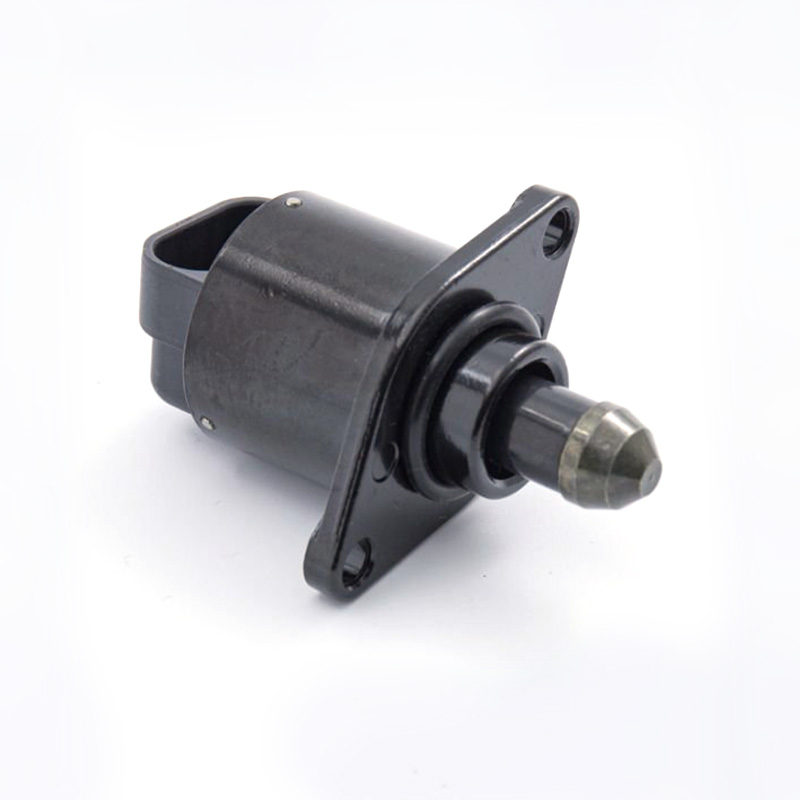
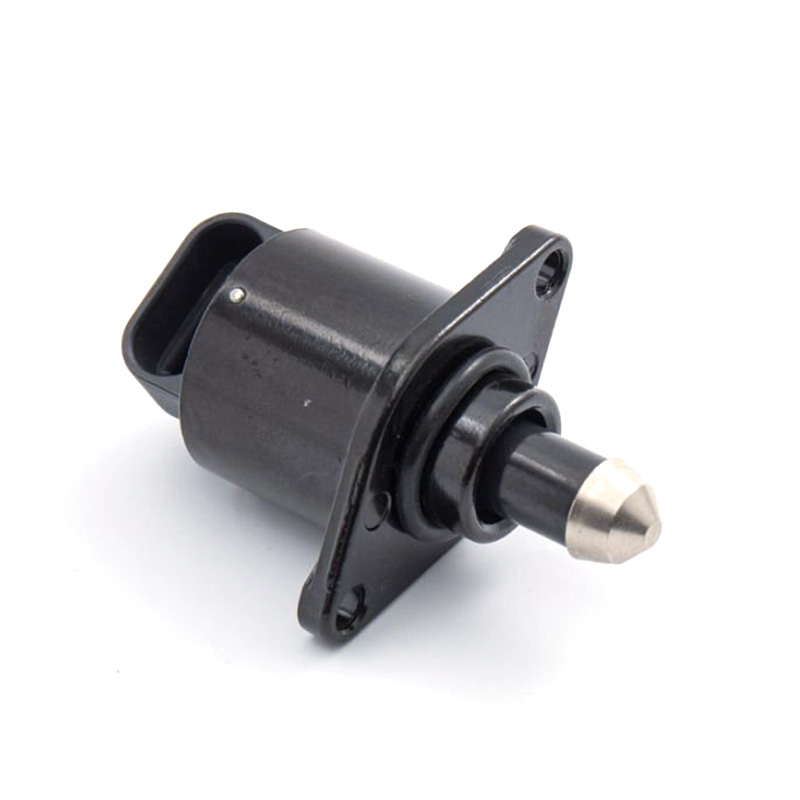
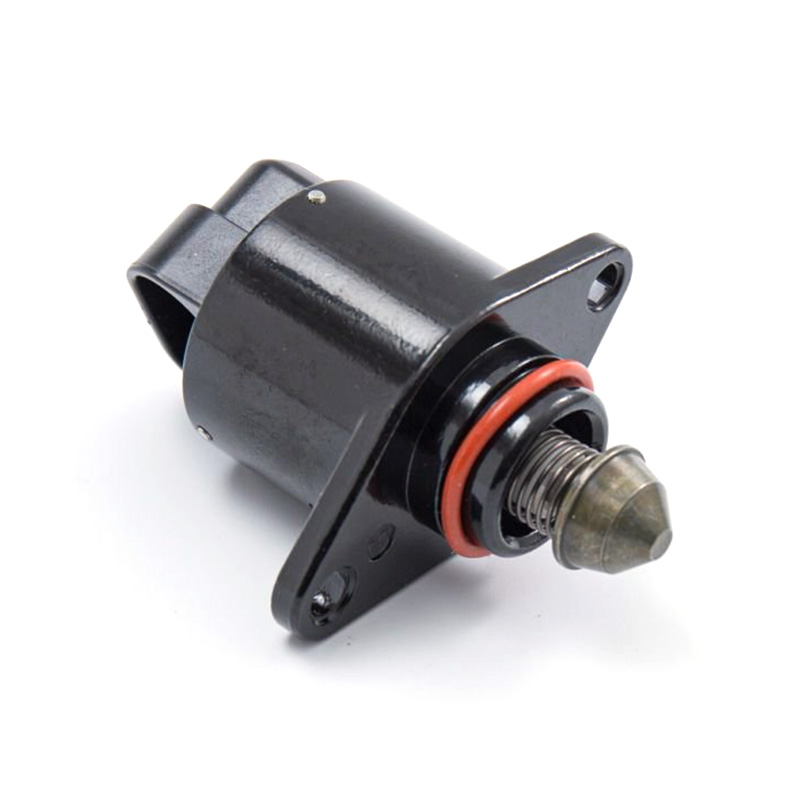
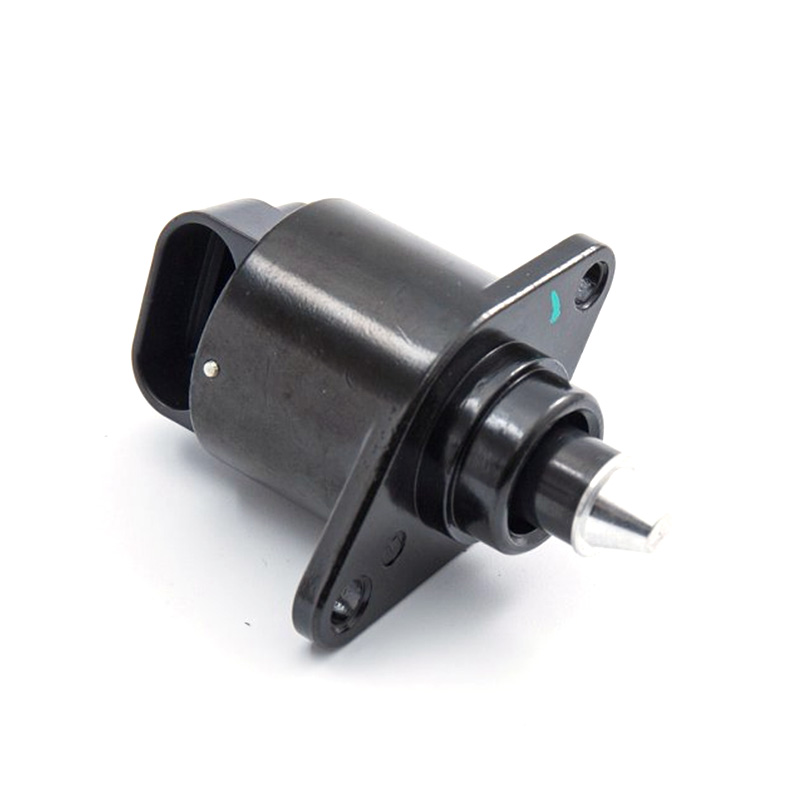
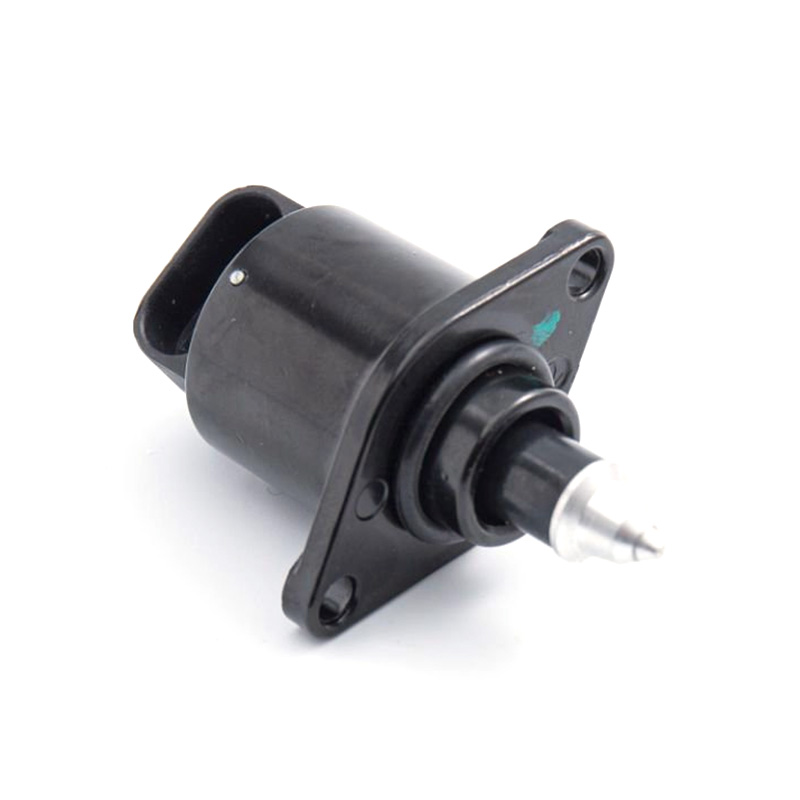
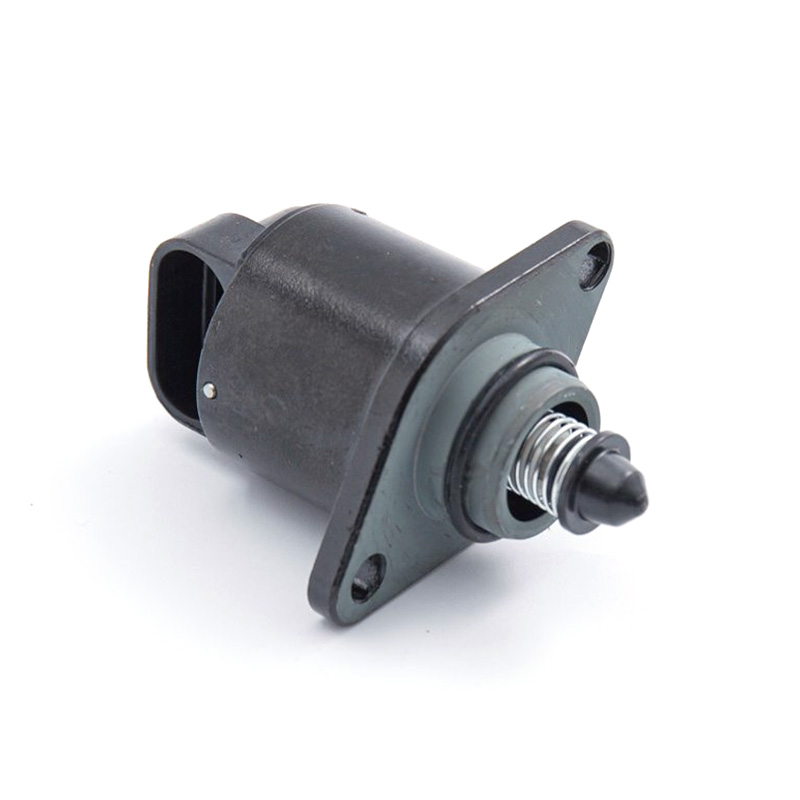
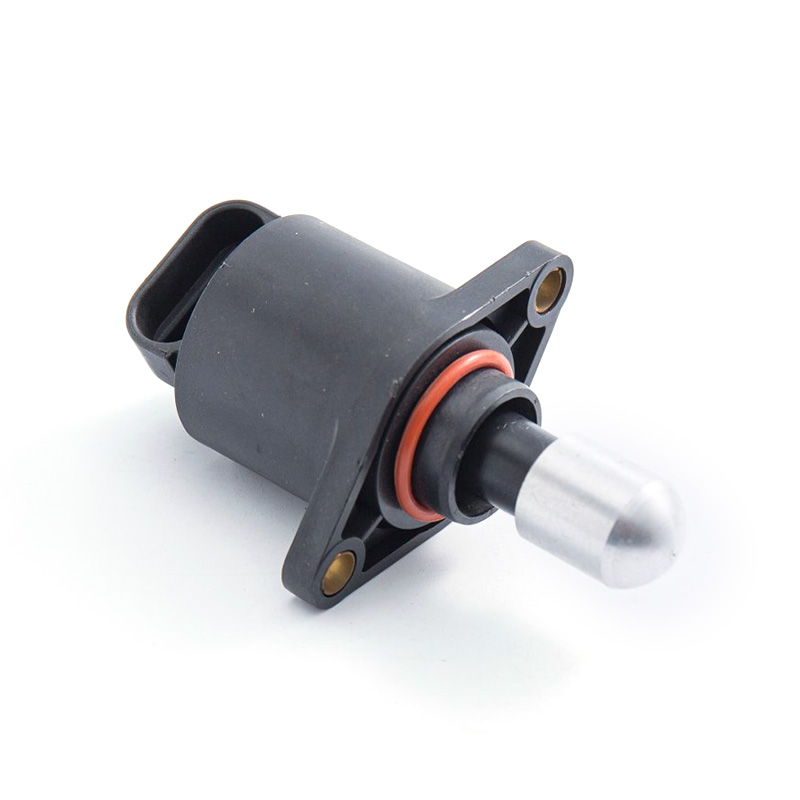
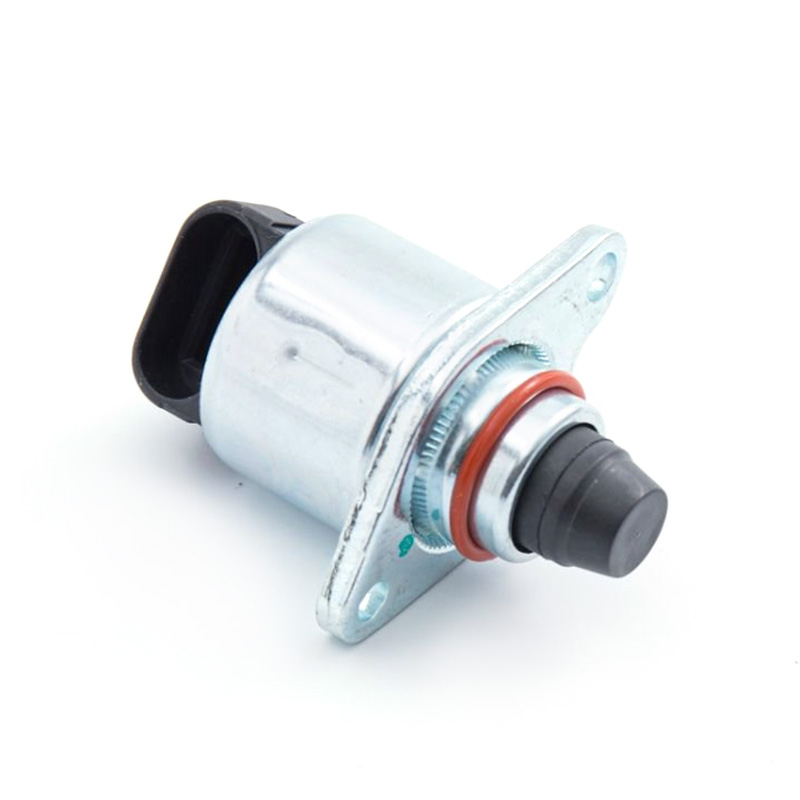
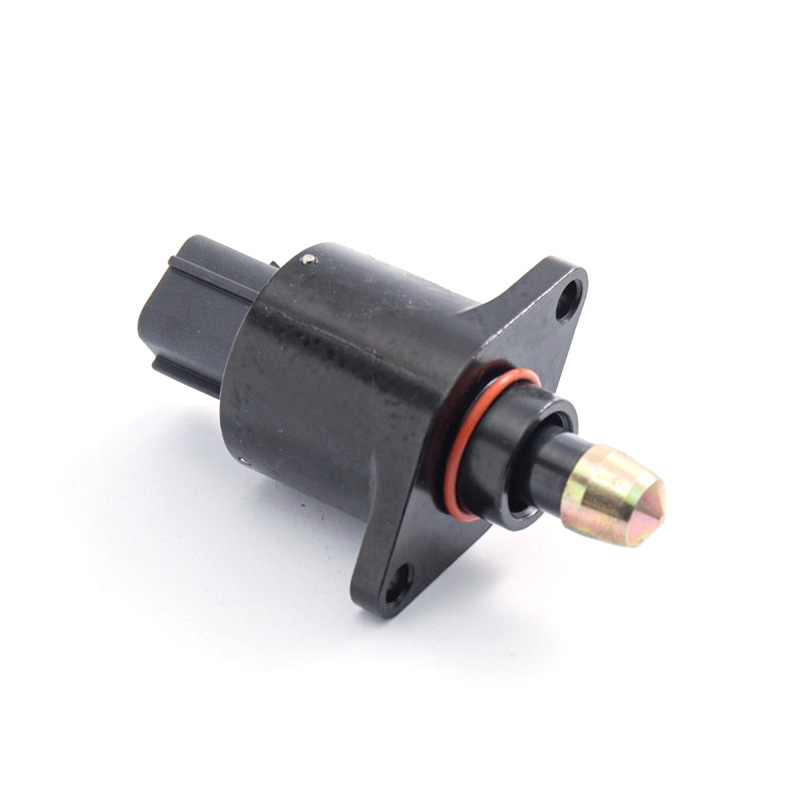
One component often examined during this type of diagnosis is the 1991 Honda Accord IAC valve. Responsible for regulating bypass airflow during idle operation, the valve helps maintain engine speed under changing conditions. Carbon deposits, restricted airflow passages, or delayed valve response may disturb the air-fuel balance during cold operation.
Owners of 1990–1994 Honda Accord models have frequently reported symptoms such as idle hunting, unstable RPM, and stalling, with the idle air control system among the components commonly inspected. However, cooling system air pockets, vacuum leaks, and other idle control components can create similar behavior and should also be considered during diagnosis.
A cold engine requires different operating conditions compared with a fully warmed engine. Fuel atomization, combustion efficiency, and airflow demand change significantly during the warm-up period.
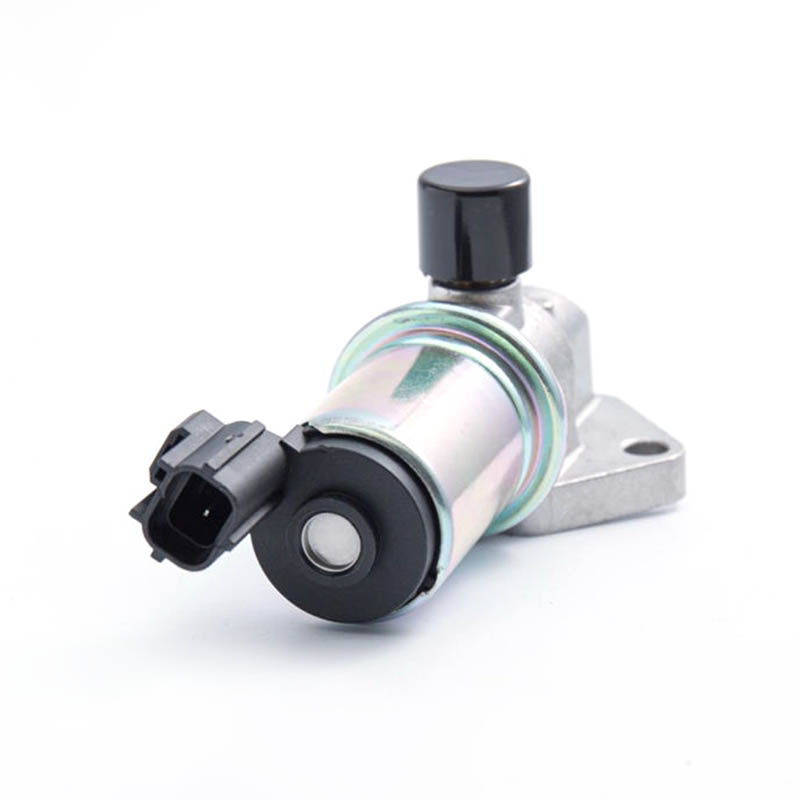
The 1991 Accord uses several idle-related components. The fast idle system increases airflow during cold operation, while the electronically controlled idle system manages engine speed under normal idle conditions. Service information for the 1991 Accord describes the fast idle valve as a component that opens a bypass air path during cold coolant conditions and gradually closes as temperature rises.
The idle air pathway is designed for precise airflow control. A small restriction can have a noticeable impact because the throttle plate remains almost closed during idle.
A restricted valve may not provide enough bypass air during cold operation. The engine may start normally but struggle to maintain RPM after the initial combustion phase, creating symptoms such as shaking, hesitation, or sudden shutdown.
Cold-start problems are not limited to one specific symptom. Different levels of airflow restriction can create different driving experiences.
| Symptom | Possible Idle Air Control Related Cause |
| Engine stalls shortly after startup | Insufficient bypass air during warm-up |
| RPM rises and falls repeatedly | Unstable airflow adjustment |
| Rough idle vibration | Uneven air supply at low engine speed |
| Idle improves after warming up | Temperature changes reduce airflow demand |
| Engine runs normally while driving | Problem mainly appears during idle operation |
Several 1991 Accord owners have described cold-only idle surging where RPM fluctuates shortly after startup but becomes smoother after reaching operating temperature.
The fourth-generation Accord uses an engine management system that combines electronic control with mechanical idle assistance components. Understanding the relationship between these parts helps avoid incorrect diagnosis.
| Component | Function |
| IAC valve | Adjusts bypass airflow during idle conditions |
| Fast idle valve | Provides additional airflow during cold engine operation |
| Throttle body | Controls primary intake airflow |
| Coolant temperature signal | Provides warm-up condition information |
| ECU | Controls idle correction strategy |
A problem in one area may appear similar to a failure in another. For example, a malfunctioning fast idle valve or trapped air in the cooling system may imitate idle air control issues. Accurate testing helps separate these conditions.
Replacing parts immediately may not solve the underlying cause. A structured inspection provides clearer results.
Technicians often begin with airflow-related checks because vacuum leaks and cooling system issues can generate symptoms similar to a faulty idle valve.
Cleaning is commonly considered during early troubleshooting because contamination is a frequent reason for restricted movement. A valve covered with deposits may regain normal movement after proper cleaning.
Many repair discussions recommend checking the original valve condition before purchasing a replacement because the surrounding idle system may be responsible for the symptom.
A 1991 Honda Accord has decades of service history, meaning age-related factors deserve attention. Rubber hoses harden, electrical connectors oxidize, and intake components accumulate deposits over time.
Maintaining stable idle performance requires cooperation between airflow components, sensors, and mechanical parts. Regular inspection of intake passages, vacuum connections, and idle control components helps preserve predictable startup behavior.
Cold-start stalling on a 1991 Honda Accord is often connected with airflow management challenges rather than a single isolated failure. The idle control system plays an important role because it manages the small amount of air required during low-speed operation.
A restricted 1991 Honda Accord IAC valve can contribute to unstable startup behavior, but proper diagnosis should also include related components such as vacuum lines, fast idle control, and cooling system conditions. A complete inspection provides a clearer solution path and helps keep these classic Honda engines running smoothly.
Related Products
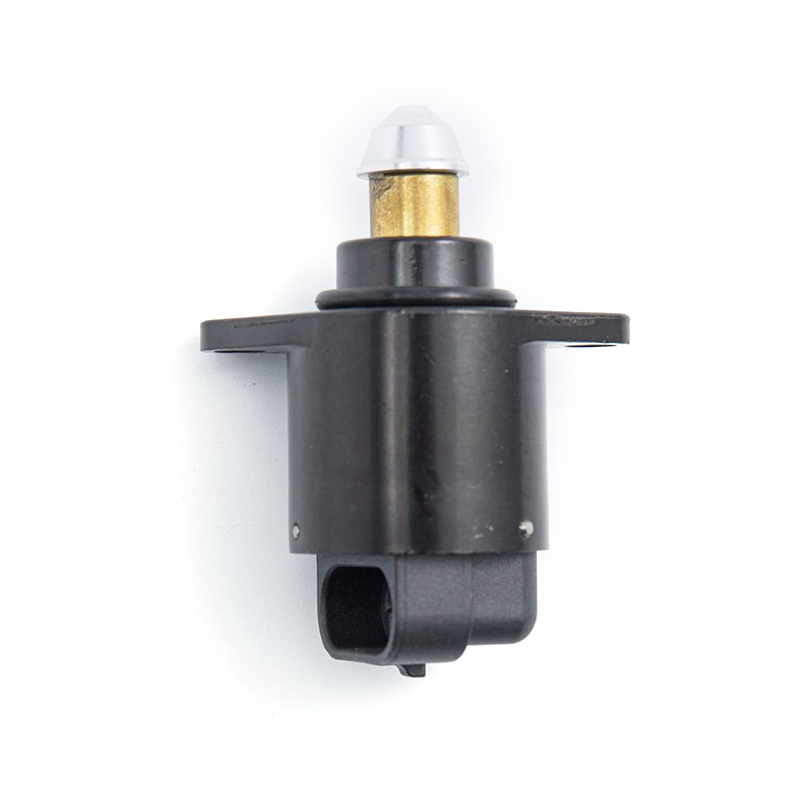
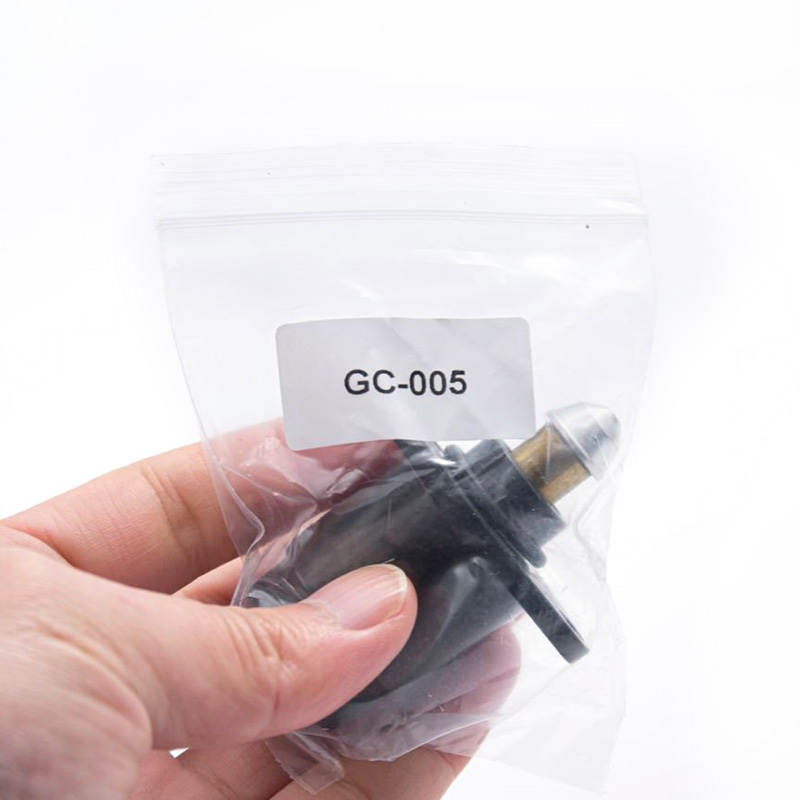
GC-005
REF OE:
HOT-STAMP:B22/00 B22/01
PEUGEOT:19204X
SIMENCE:A97104 A97113 B22/00 B22/01 19204X A97104 A97113
APPLICATION:
CITROEN BERLINGO(MF)1.8i(MFLFX)4WD(MFLFX);CITRO XANTIA/Break(X1)/(X2)1.8i/1.8i 16V;CITRO XSARA(N1)1.8i/1.8i 16V;Break(N2) 1.8i/1.8i 16V;Coupe(N0)1.8i/1.8i 16V;
PICASSO(N68)1.8 16V;PEUGEOT 306/Break/Cabriolet/Schraqheck;PEUGEOT 406/Break;PEUGEOT PARTNER Combispace(5F)1.8
China Auto Parts Manufacture with Wholesale Price for Idle Air Control Valve,Crankshaft Position Sensor,Camshaft Position Sensor,Throttle Position Sensor.
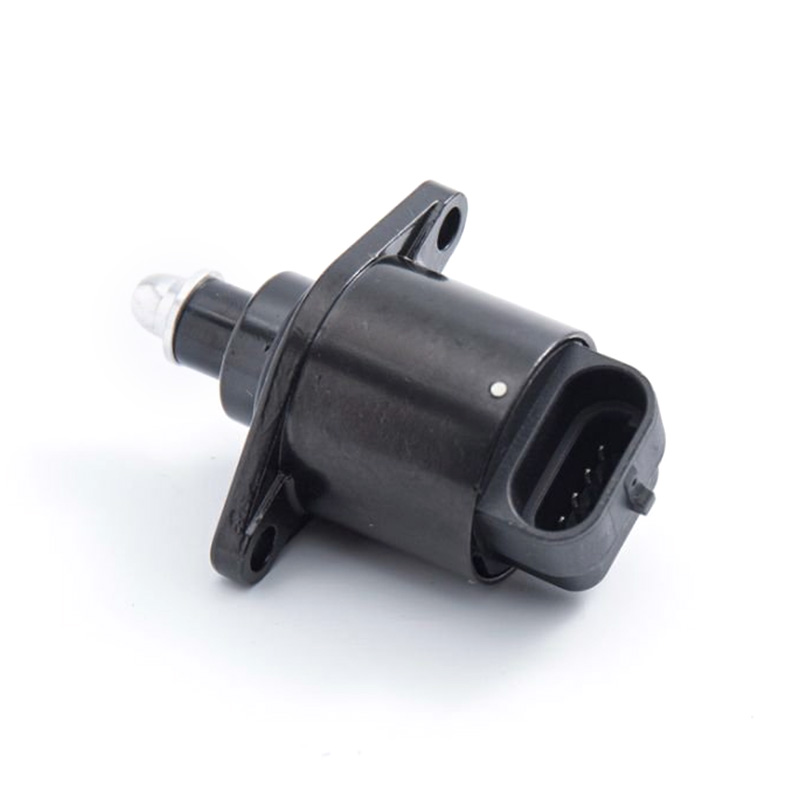
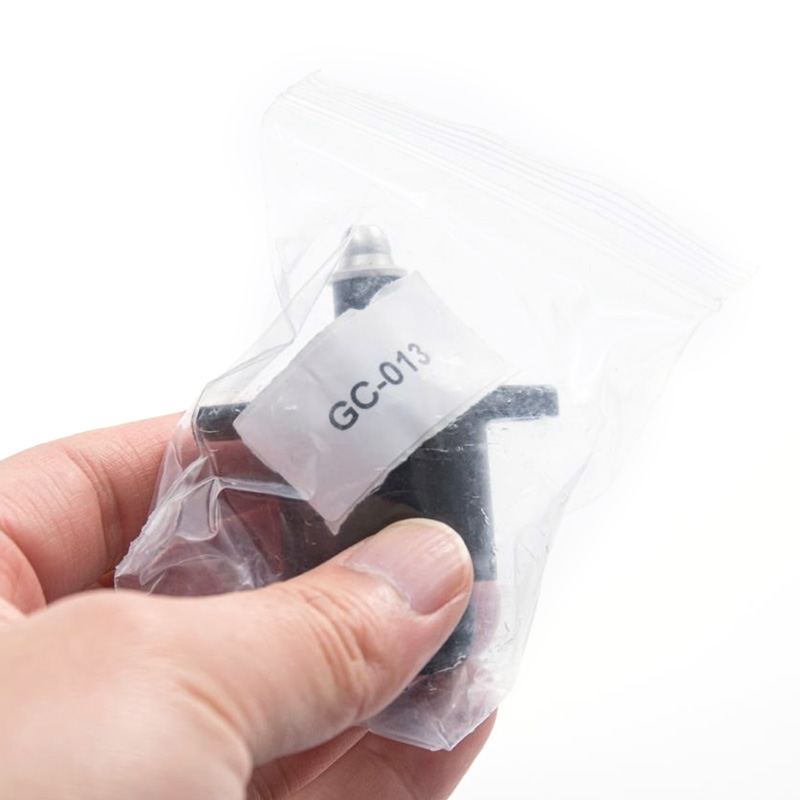
GC-013
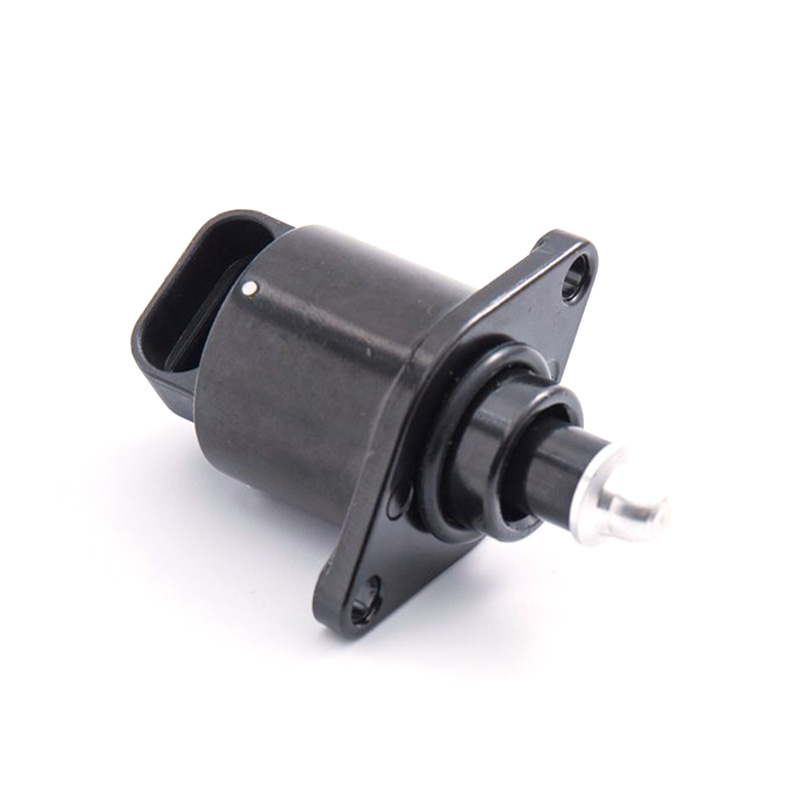
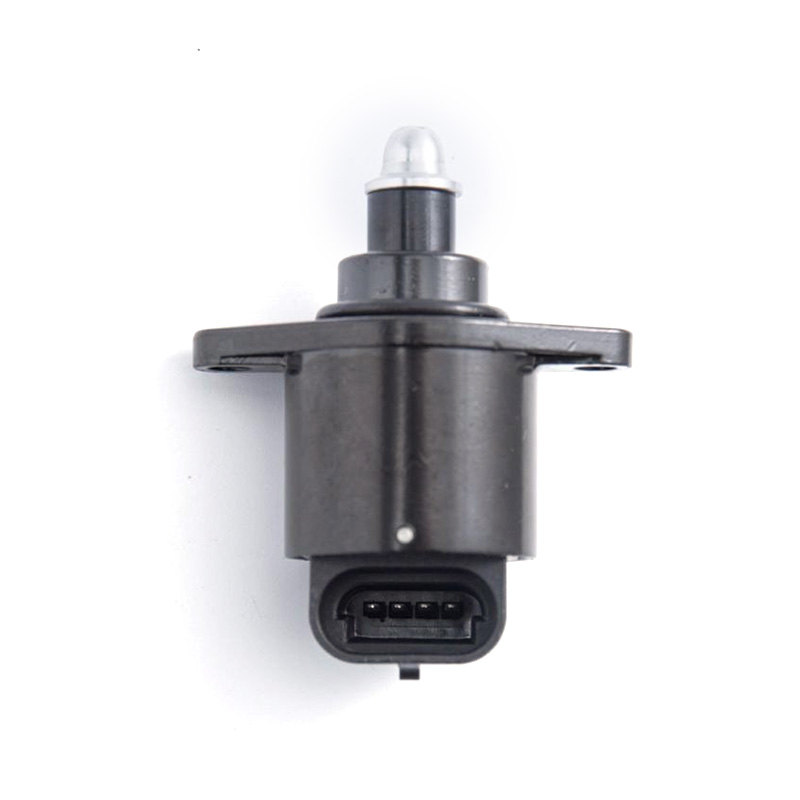
REFERENCE OE:
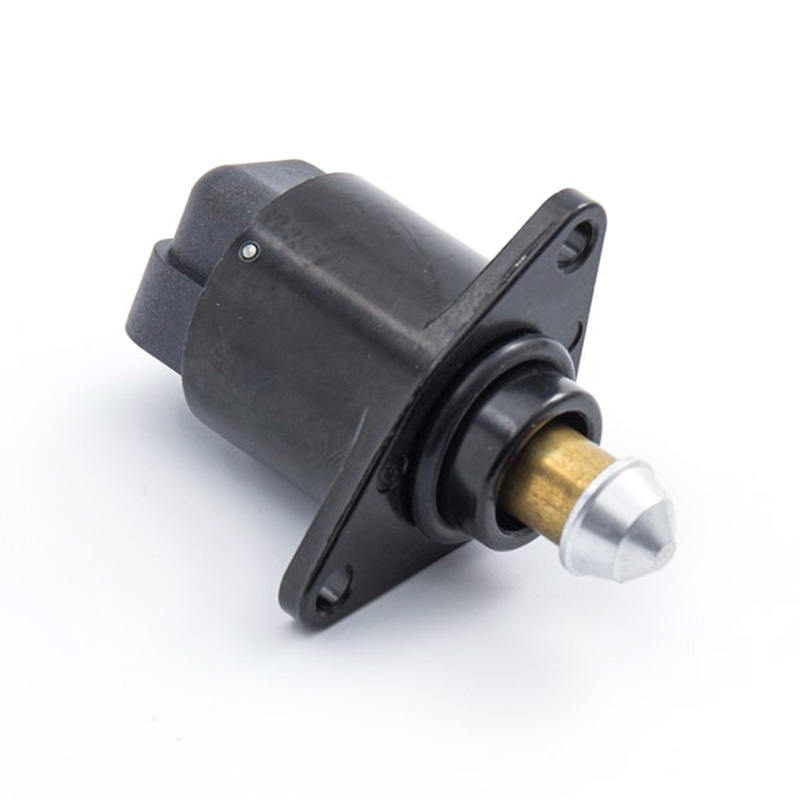
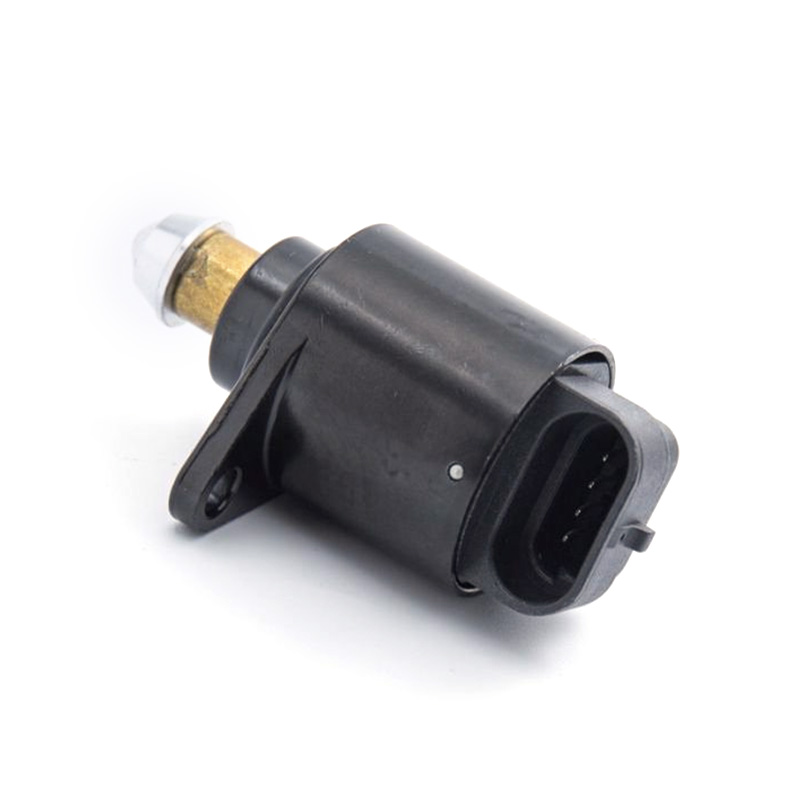
SHORT CODE: D5103
MARELLI: 40397102
VDO: AT-05103R
FIAT: 7077213
RENAULT: 7702217296
APPLICATION:
RENAULT MEGANE Classic/Grandtour(KA0/1_)I(BA0/1_);
RENAU SCENIC I(JA0/1_)1.8 16V
Idle air control valve from China manufacture!
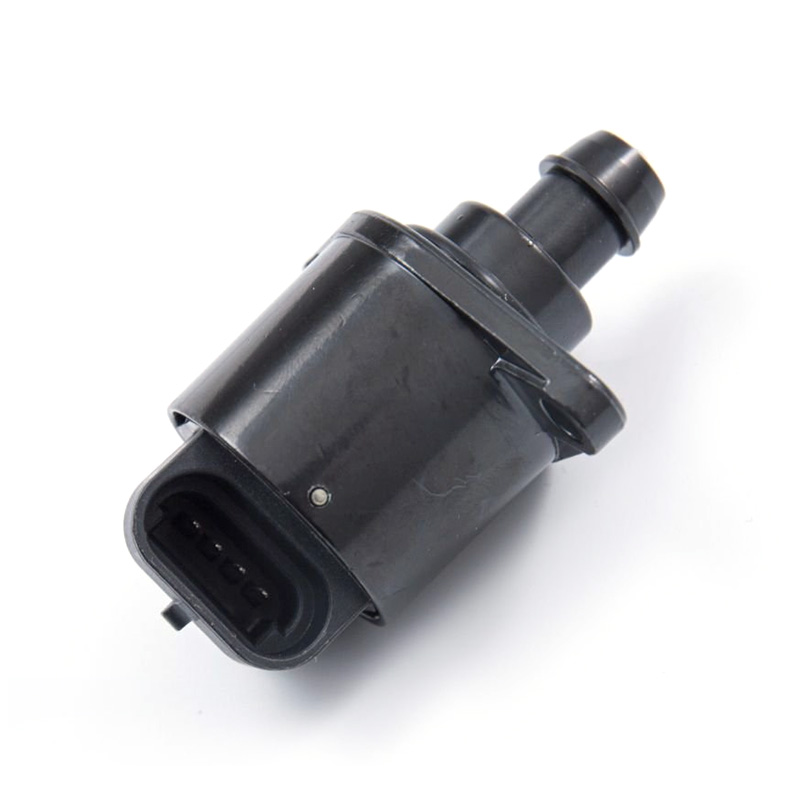
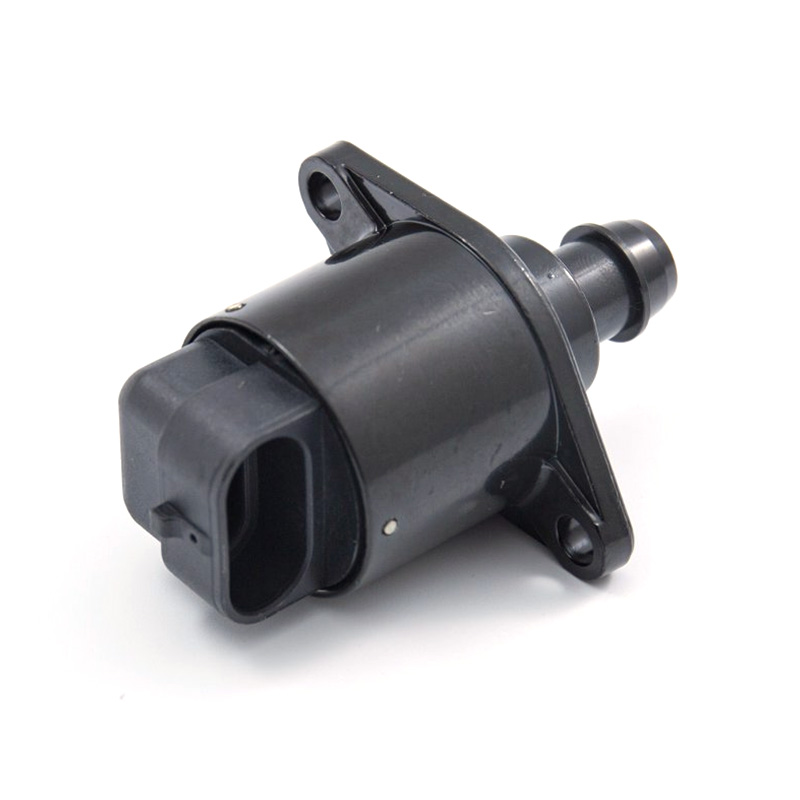
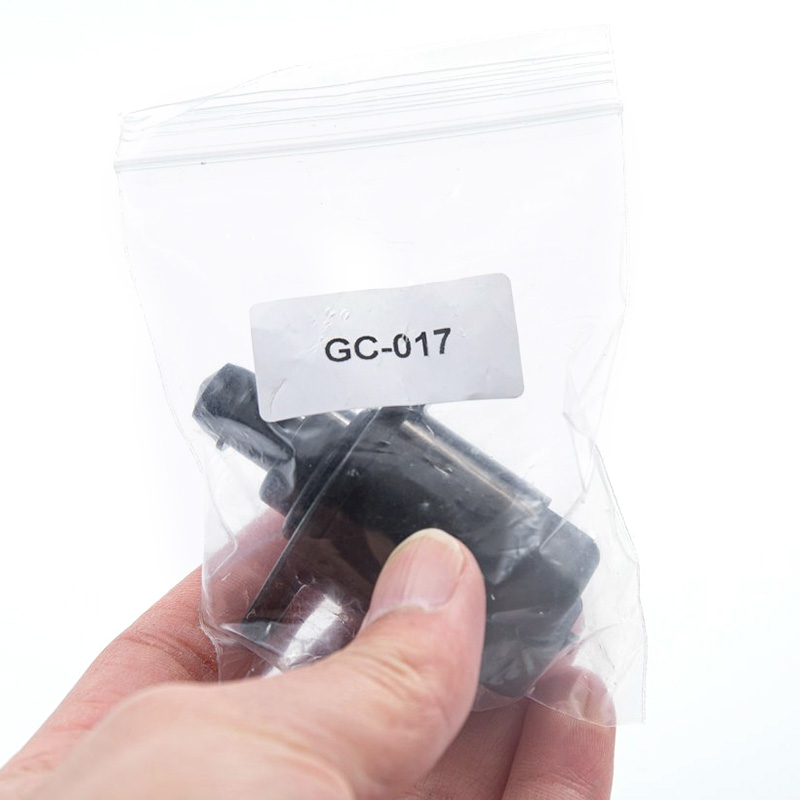
GC-017
REFERENCE OE:
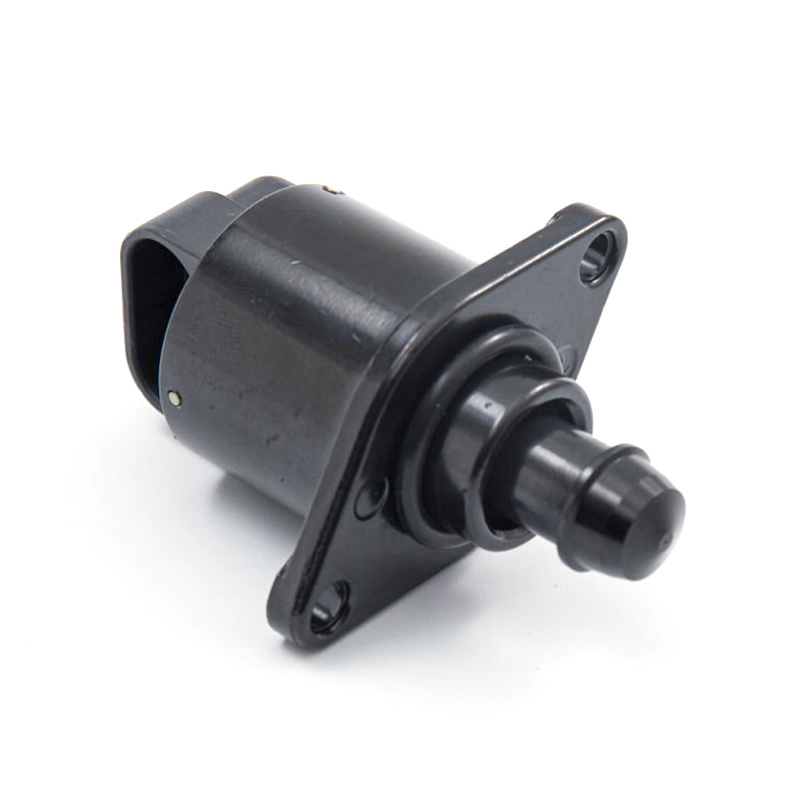
SHORT CODE:B28/00
RENAULT:8200299241 7700102539
SIMENCE:D95166 B28/00 8200299241 7700102539 D95166
APPLICATION:
OPEL VIVARO Combi/Kasten;
RENAU AVANTIME;
RENAU CLIO II/ESPACE III;
RENAU LAGUNA/LAGUNA II;
RENAU MEGANE Cabriolet/Classic/Coach/Grandtour;
RENAU SCENIC I/II
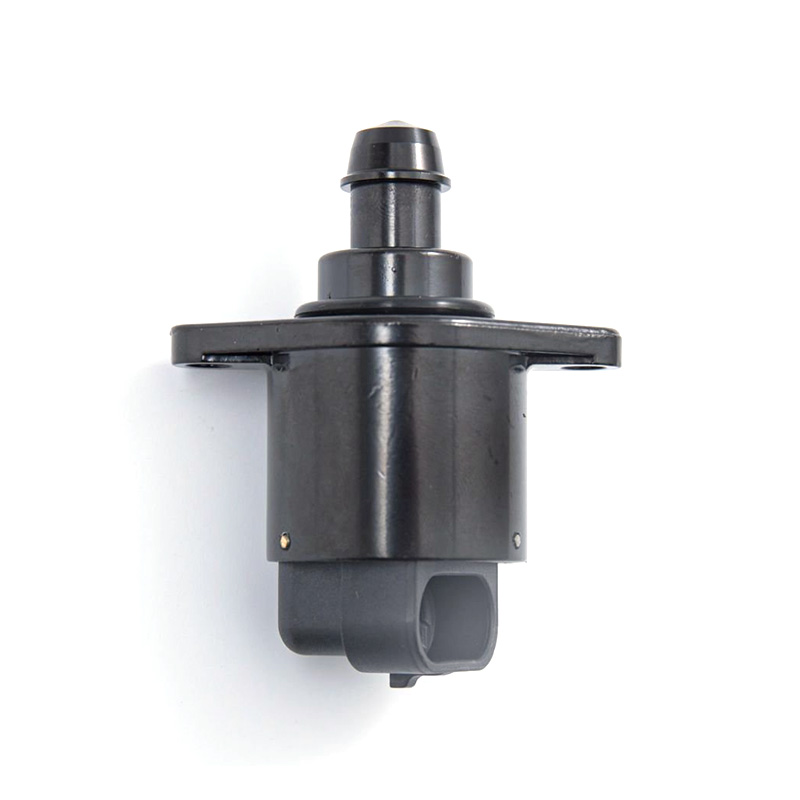
Idle air control valve for wholesale and retail from China!
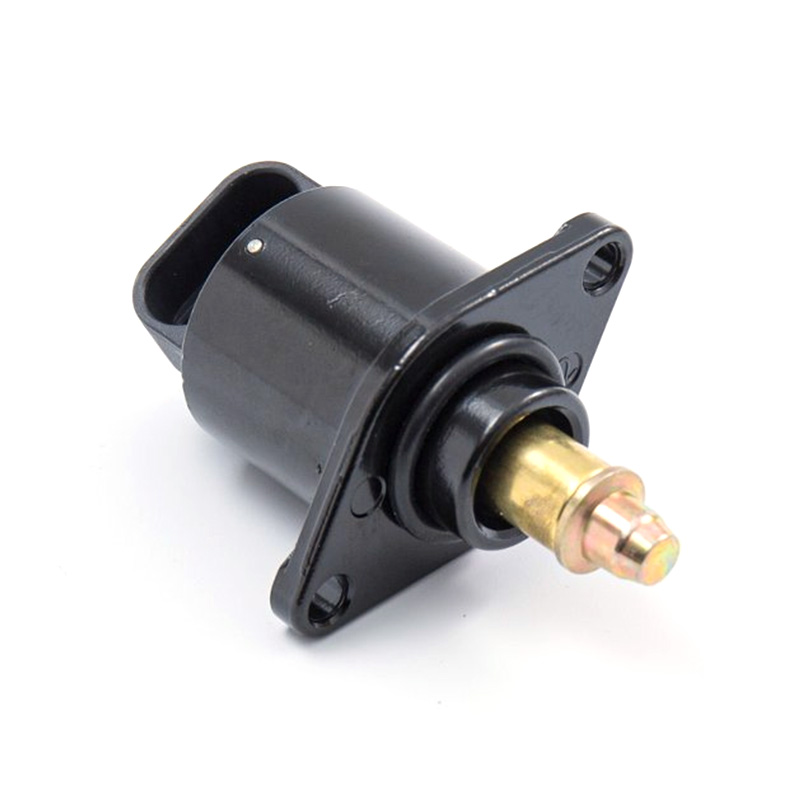
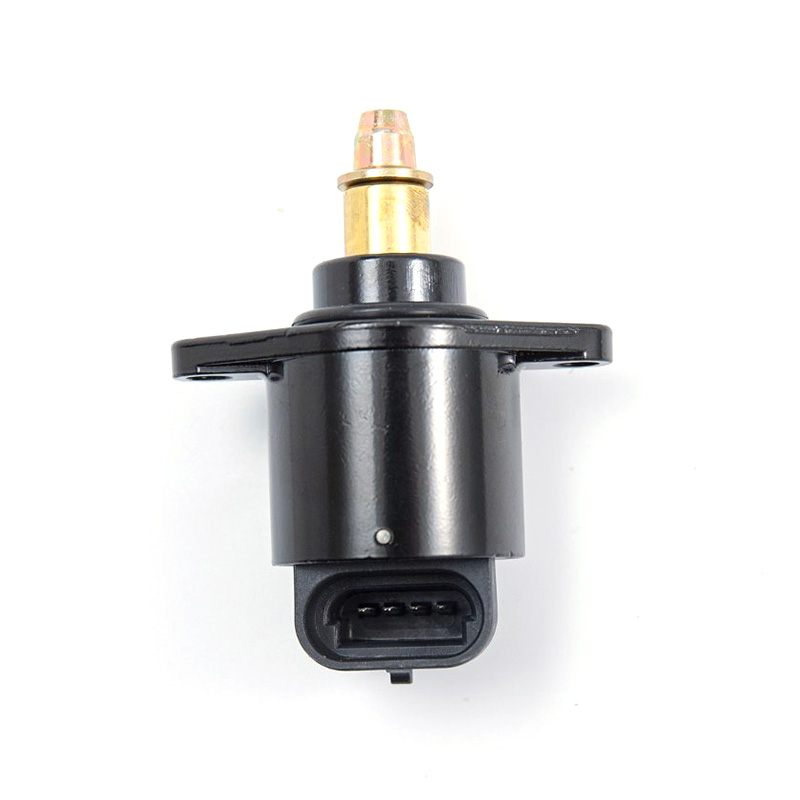
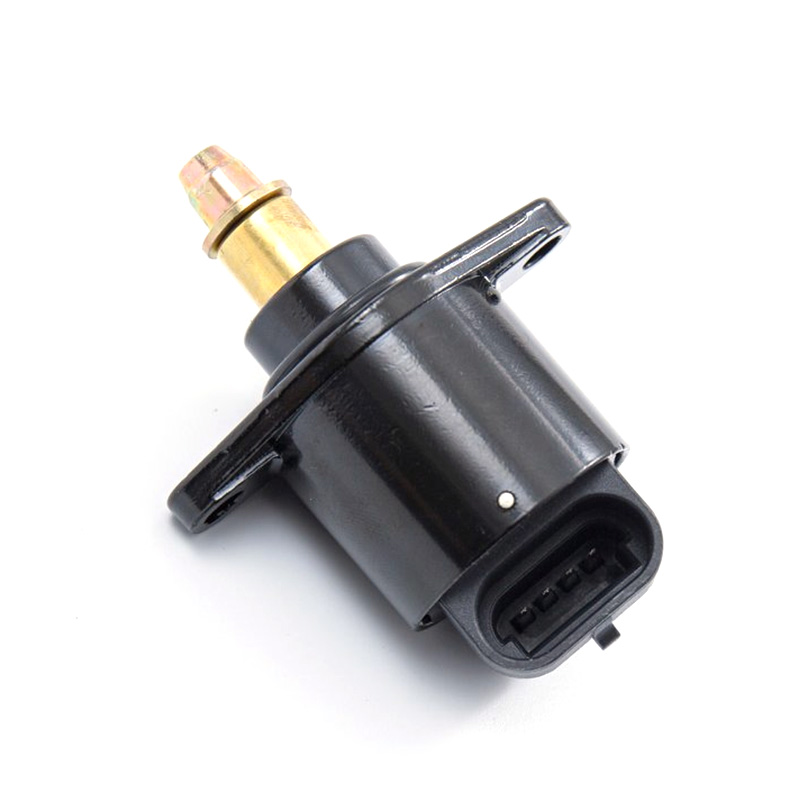
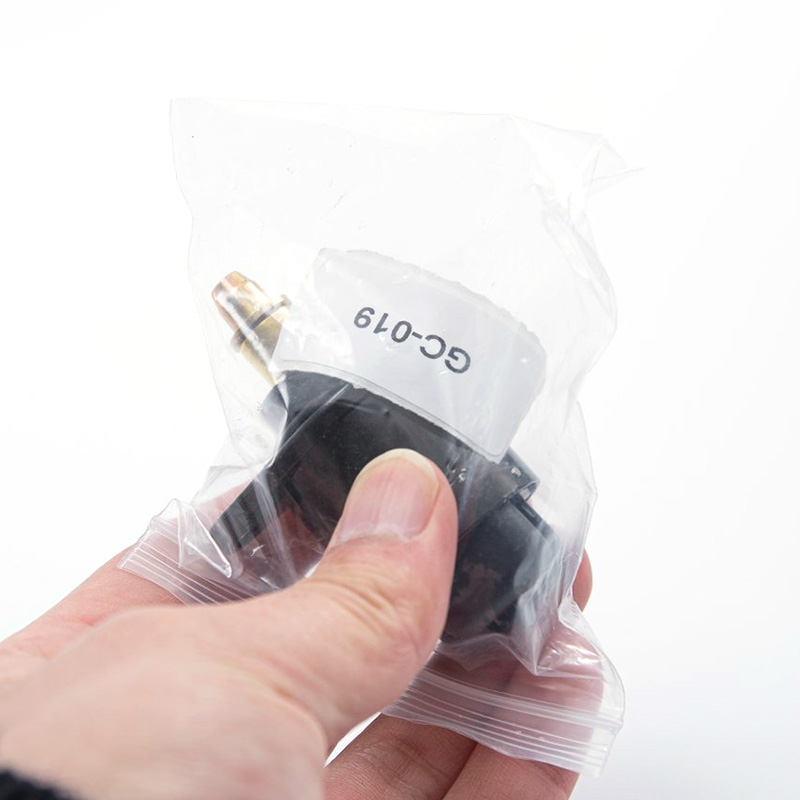
GC-019
REFERENCE OE:
SHORT CODE: D5104
MARELLI: 40396502
FIAT: 7078983 0269980492
VDO: AT-5104R
APPLICATION:
FIAT:Palio/Siena 1.6 98>99-EFI(gasolina) VW:Gol 1.08v94>>96-EFI(gasolina)
Idle air control valve with high quality and low price from China!
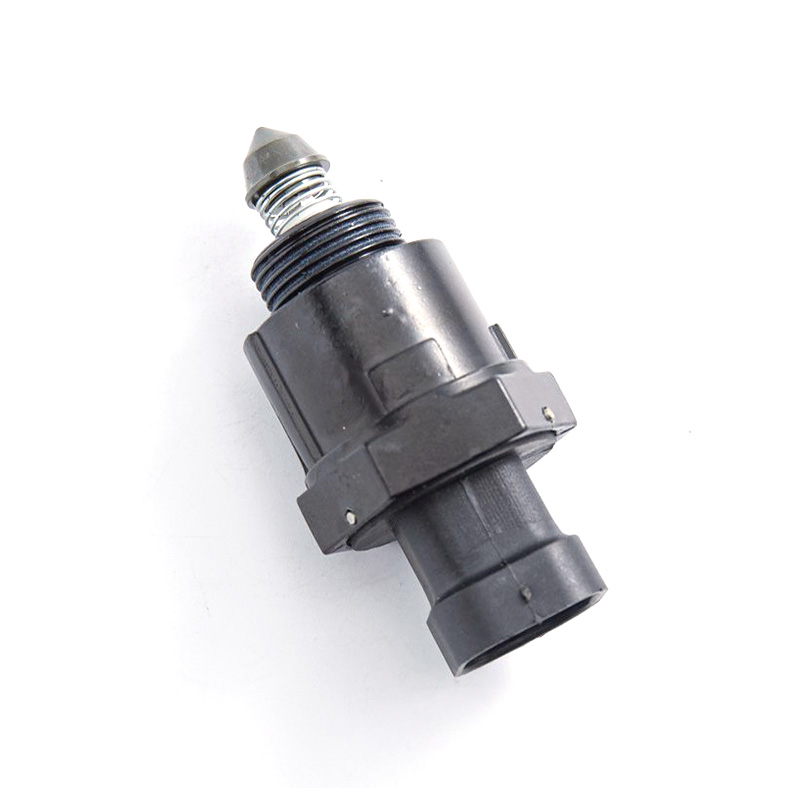
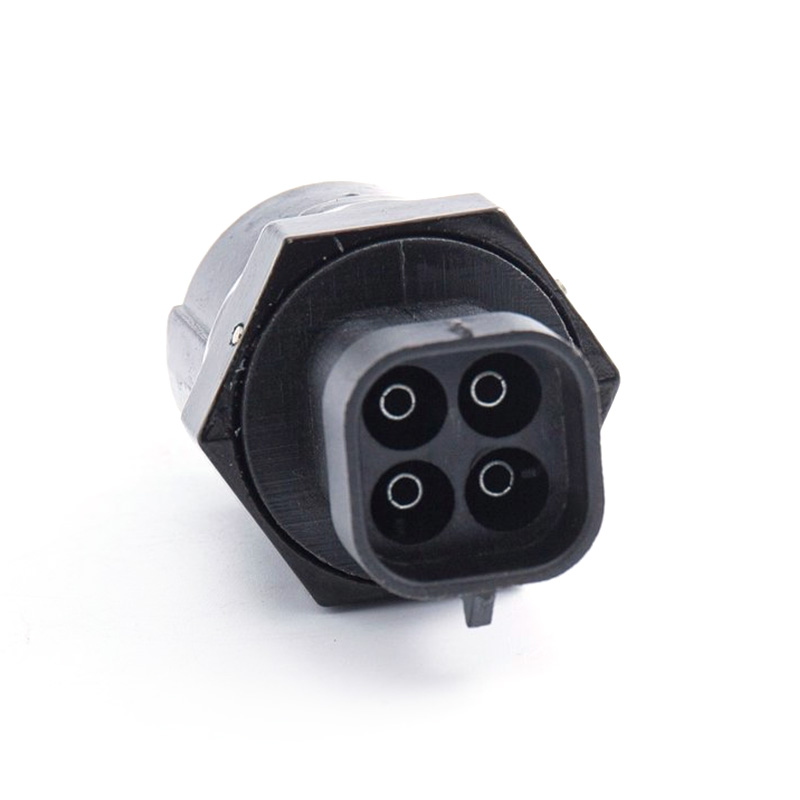
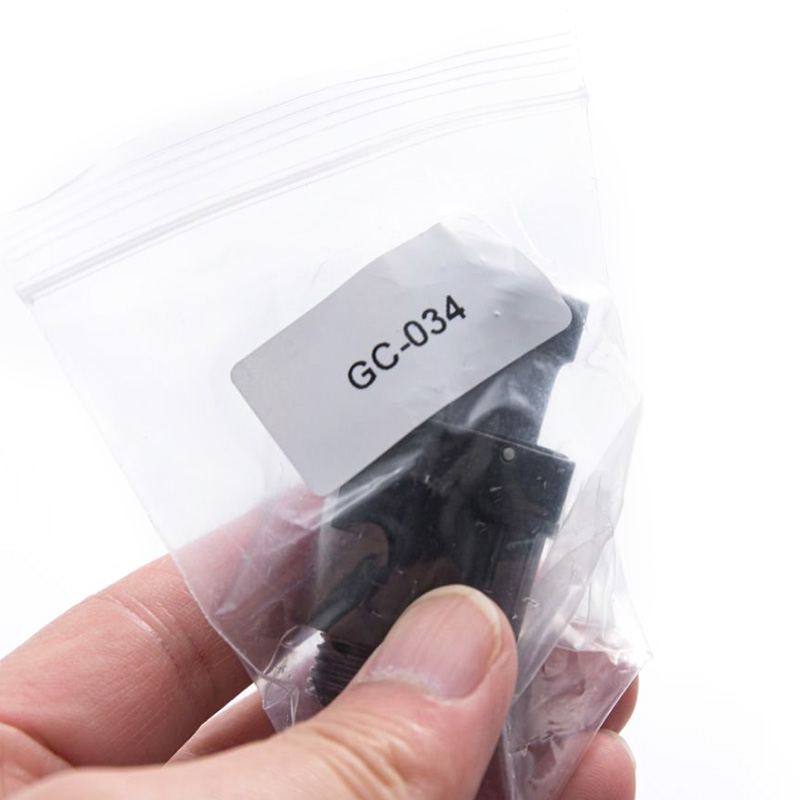
GC-034
REFERENCE OE:
STD:AC16 WELLS:AC114 OEM:C403056730 17112193, 217415
APPLICATION:
LAND ROVER;
1985-1994 Astro)
1992-1995 Suburban
1988-1995y C1500 pickup
1988-1995y K1500 pickup
Idle air control valve from China factory for Land Rover.
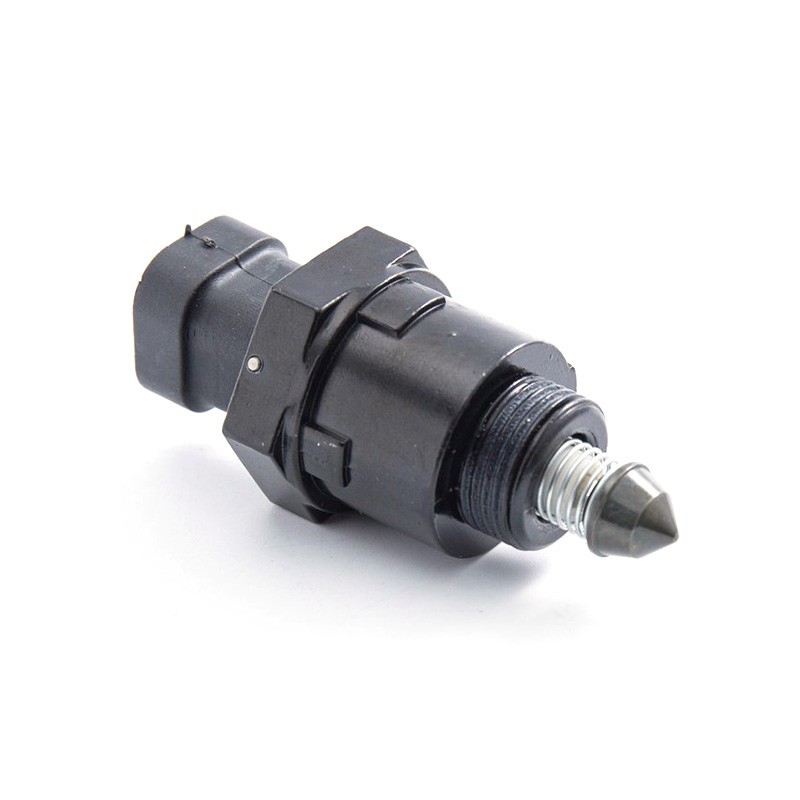
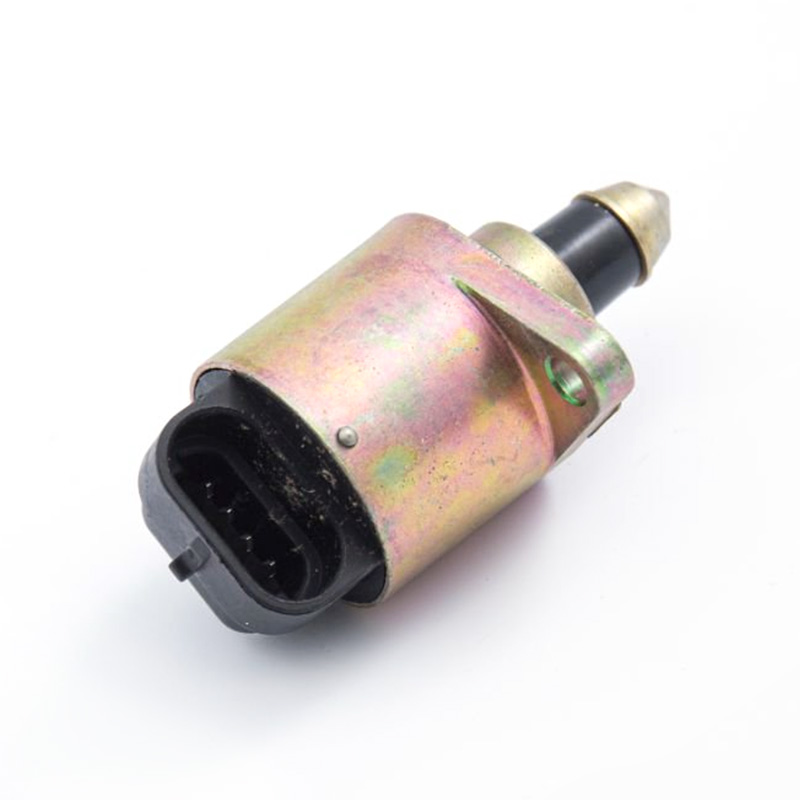
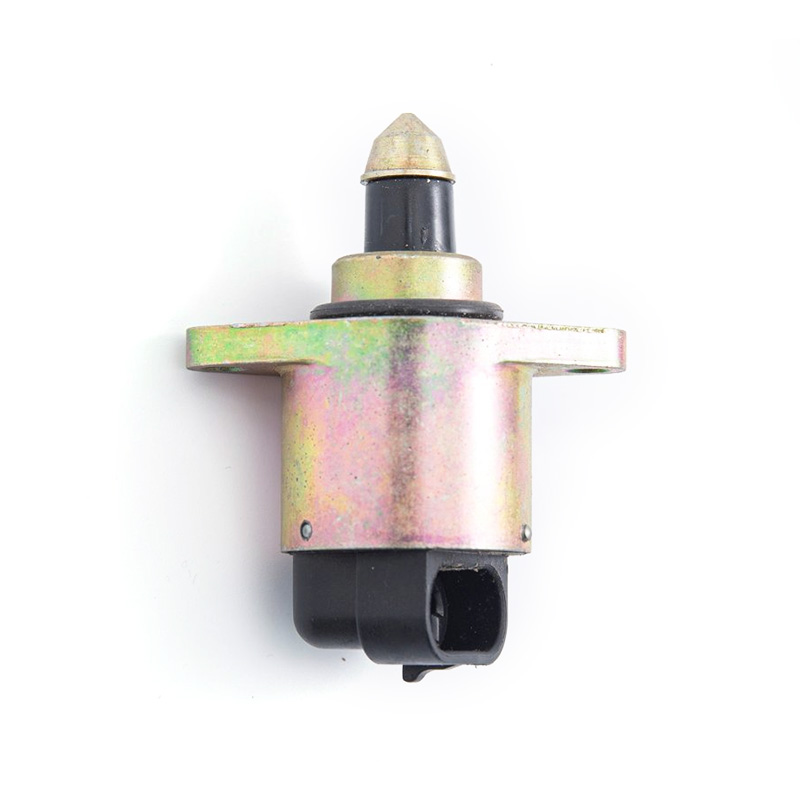
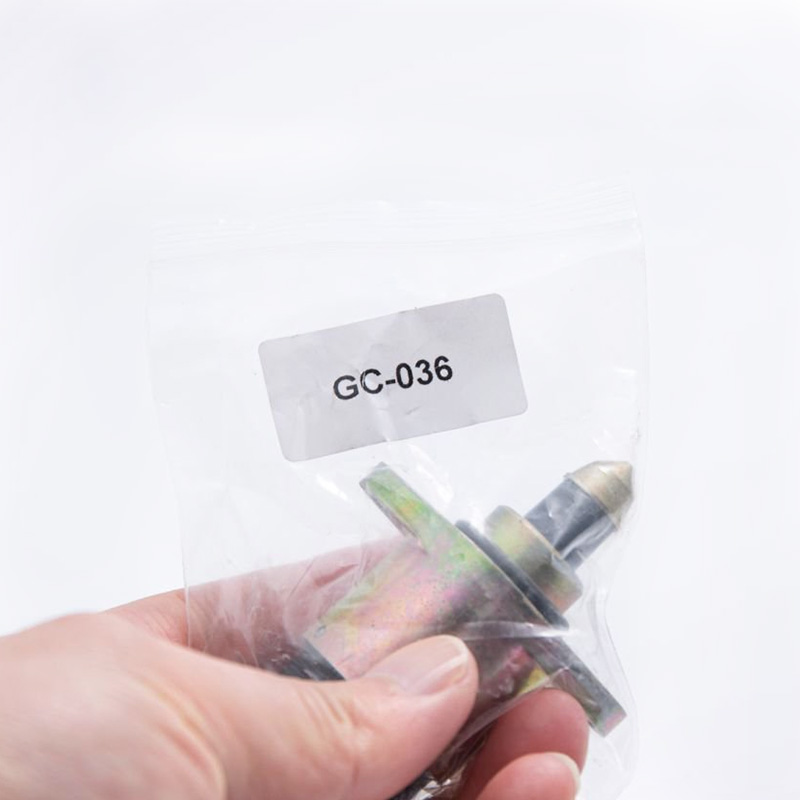
GC-036
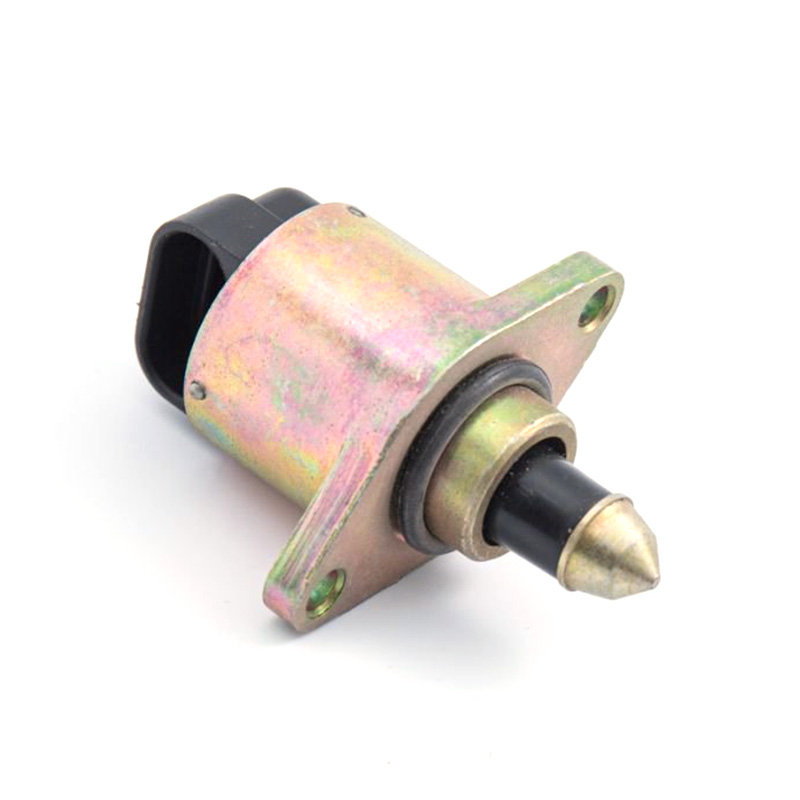
REFERENCE OE:
STD: AC10
WELLS: AC300 17119274, 17119279, 217200, 217206, 4288298, 4300264, 4307899, 4419639, 4458355, 4612453, 4612491, 4612749, 4861084, AC10T
APPLICATION:
Chrysler Cirrus(97-95);
Daytona(93-87);
Dynasty(93-88);
Lebaron(95-86);
Dodge Caravan/Grand Caravan(97-88);
Dokota(96-89);
Daytona(93-86);
Plymouth Caravelle(88-86);
Acclaim(95-89);Sundance(98-87)
Idle air control valve from China factory for Chrysler.
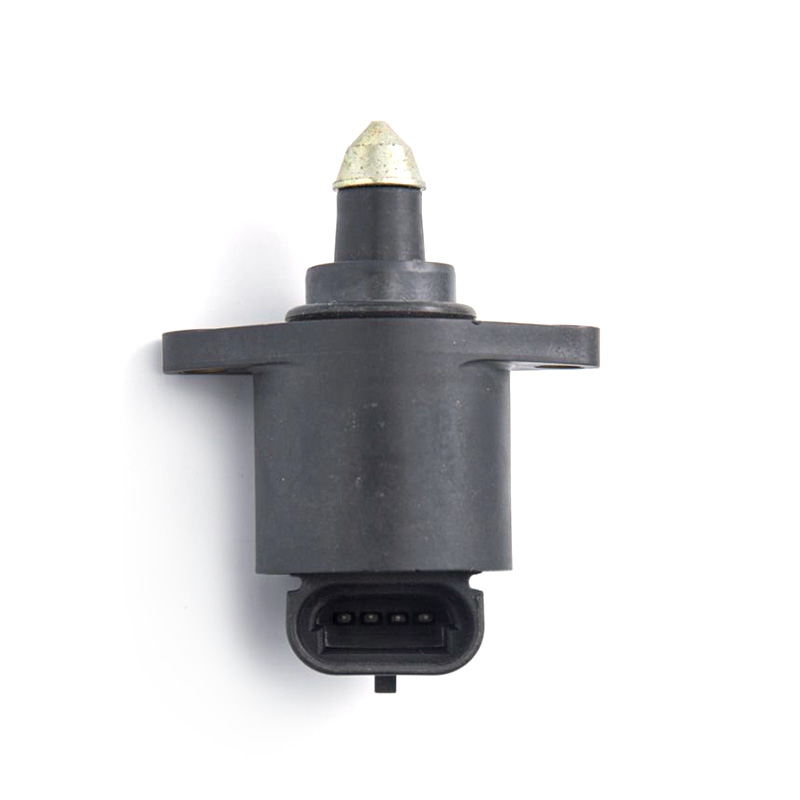
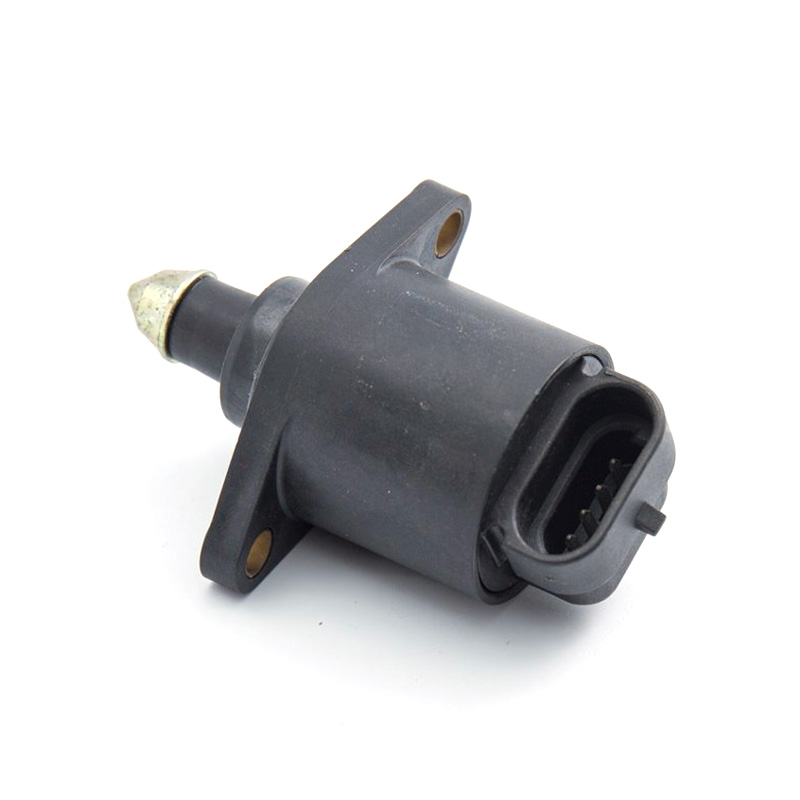
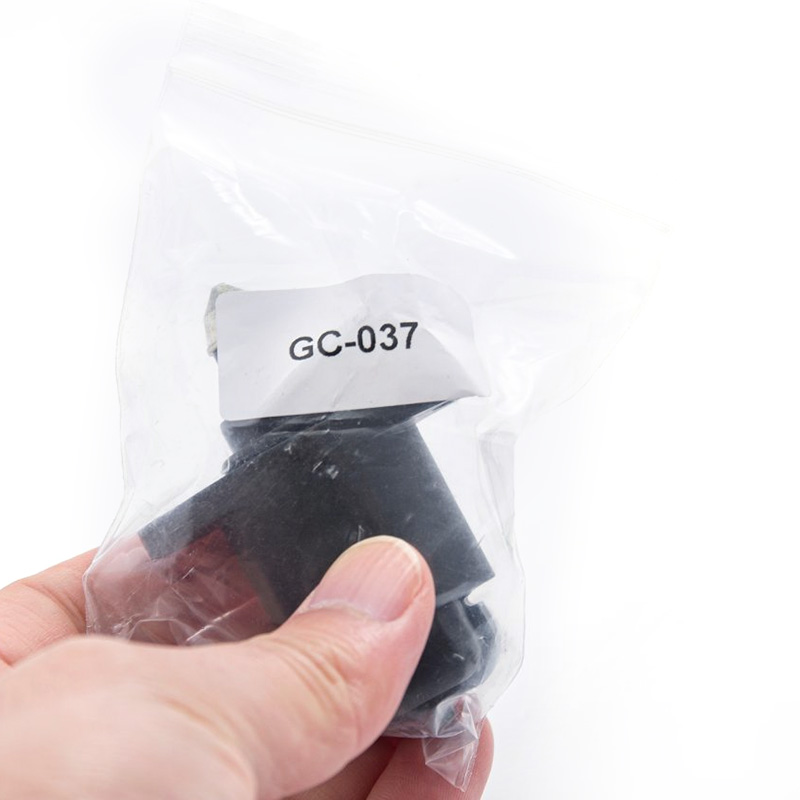
GC-037
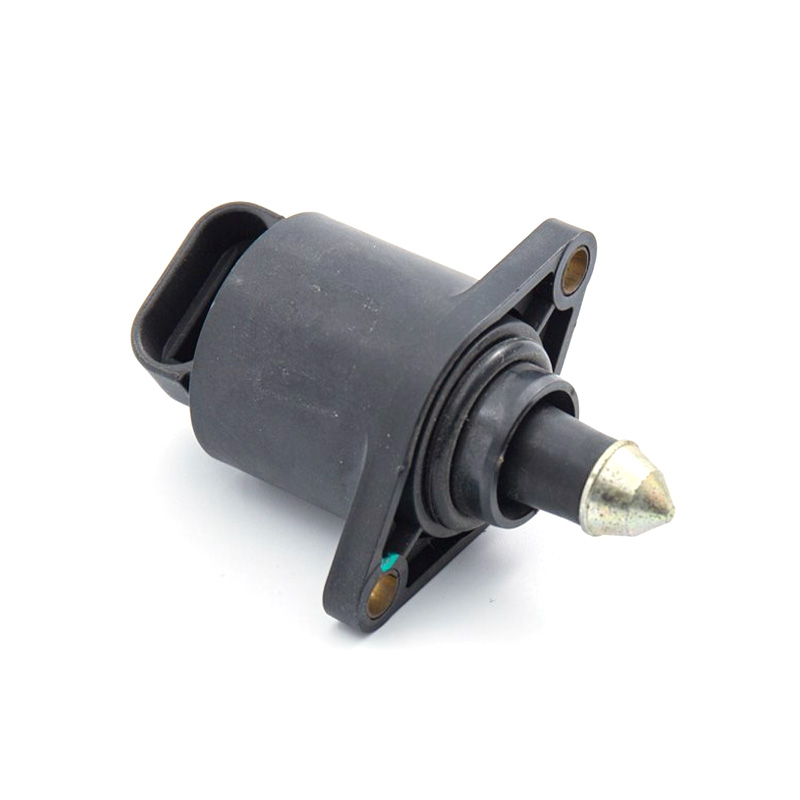
REFERENCE OE:
HOT-STAMP:D5174
RENAULT:7701047909
APPLICATION:
RENAULT CLIO MkII;MEGANE I(BA);MEGANE Grandtour(KA);MEGANE Coach(DA0/1)/Cabriolet(EA0_)/Scenic(JA0_);PAYKAN;KIA
Idle air control valve from China factory for Renault Clio Megane Scenic.
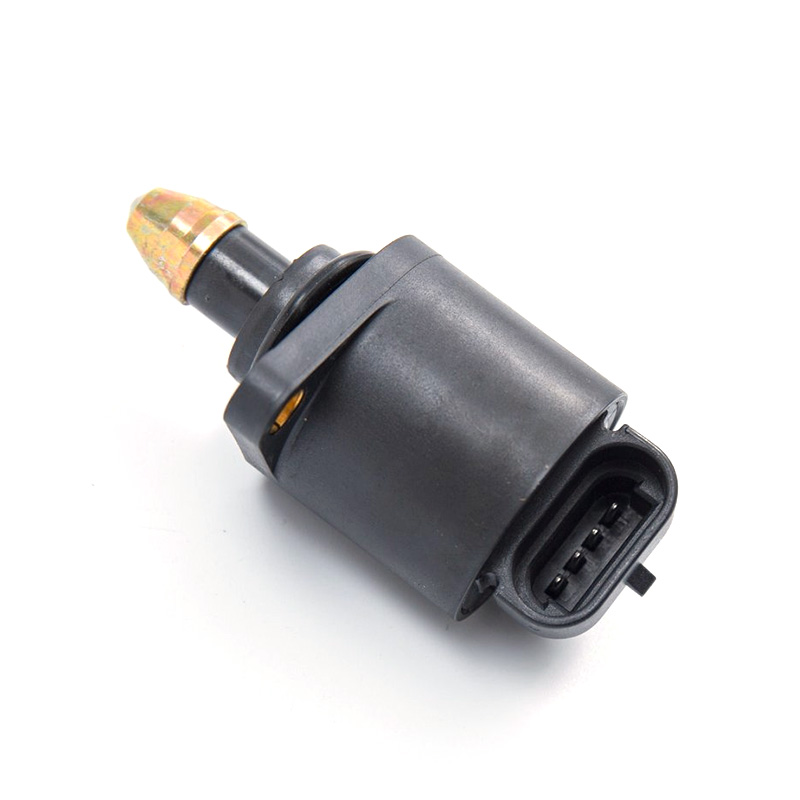
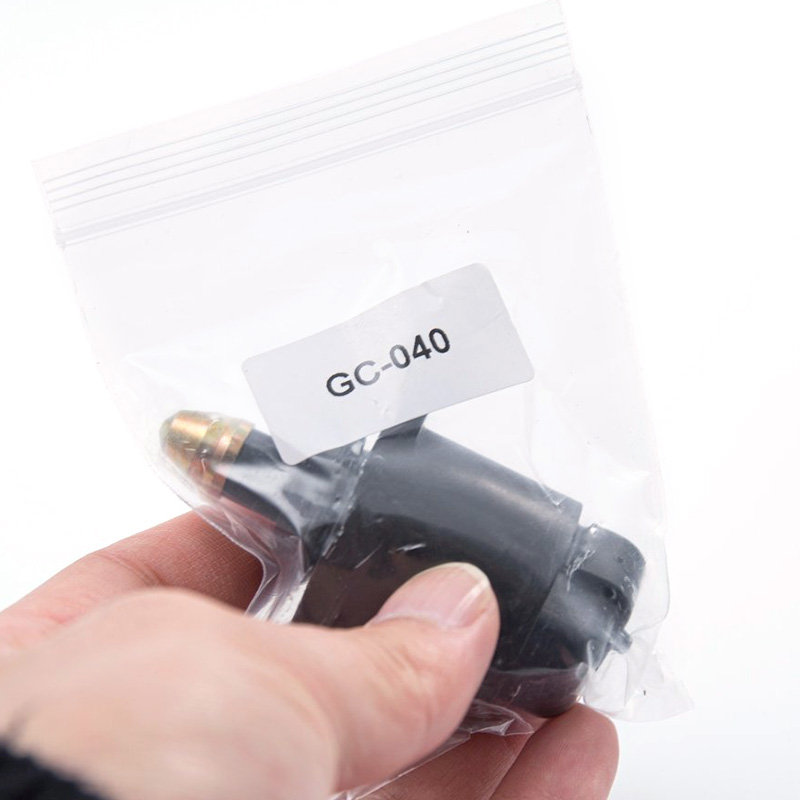
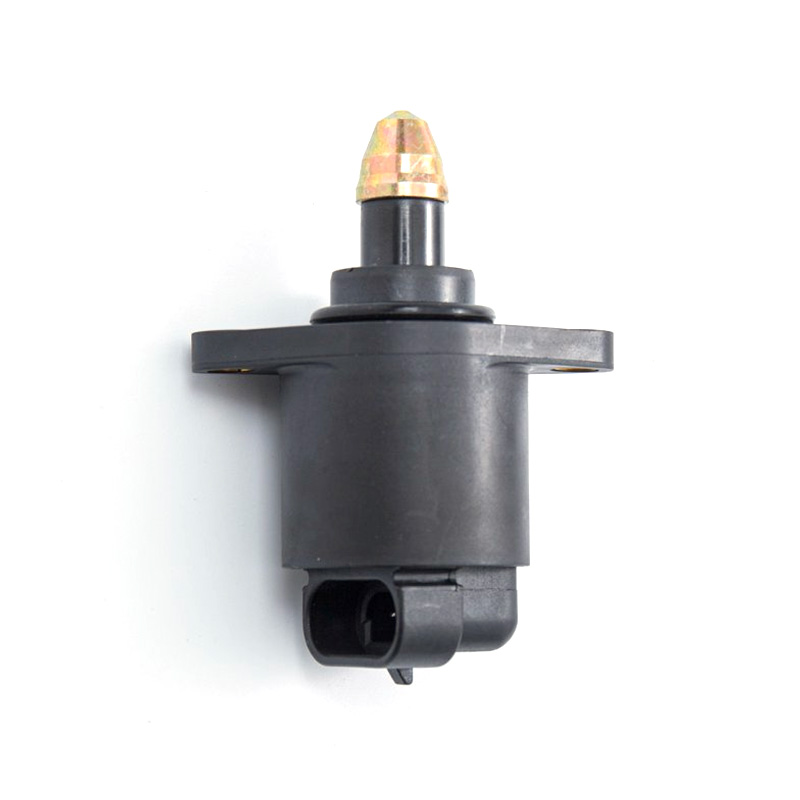
GC-040
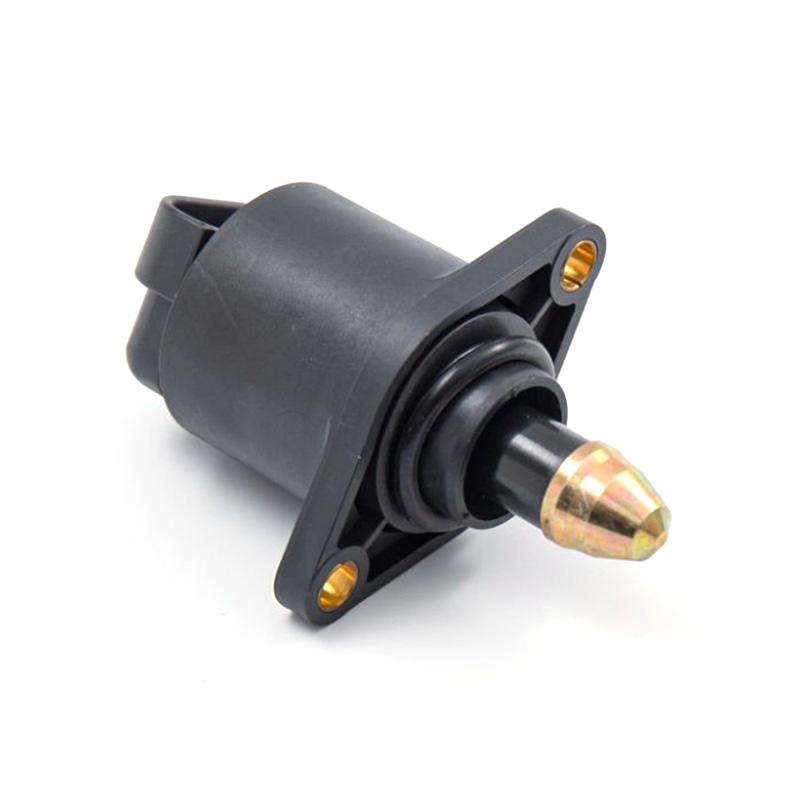
REFERENCE OE:
SHORT CODE:B04/01 D5131
MARELLI:230016079057
PEUGEOT:1920N1
SIMENCE:A95269
APPLICATION:
PEUGEOT 205 I Cabriolet(741B,20D)1.6CJ;
PEUGEOT 205 II(20A/C)1.6 Aut;
PEUGEOT 306(7B,N3,N5)1.8/2.0ST;
306 Break(7E,N3,N5)1.8;
PEUGEOT 306 Cabriolet(7B,N3,N5)1.8/2.0ST;
PG 306 Schraqheck(7A,7C,N3,N5)1.8/2.0 Xsi;
PG 309 II(3C,3A)1.6;
PG 405/Break(15B)1.6;
PG405 II(4B)1.6/1.8/2.0/2.0 X4;
PG 406;PG 806;PG BOXER Bus
Idle air control valve from China factory for Peugeot 205 306.
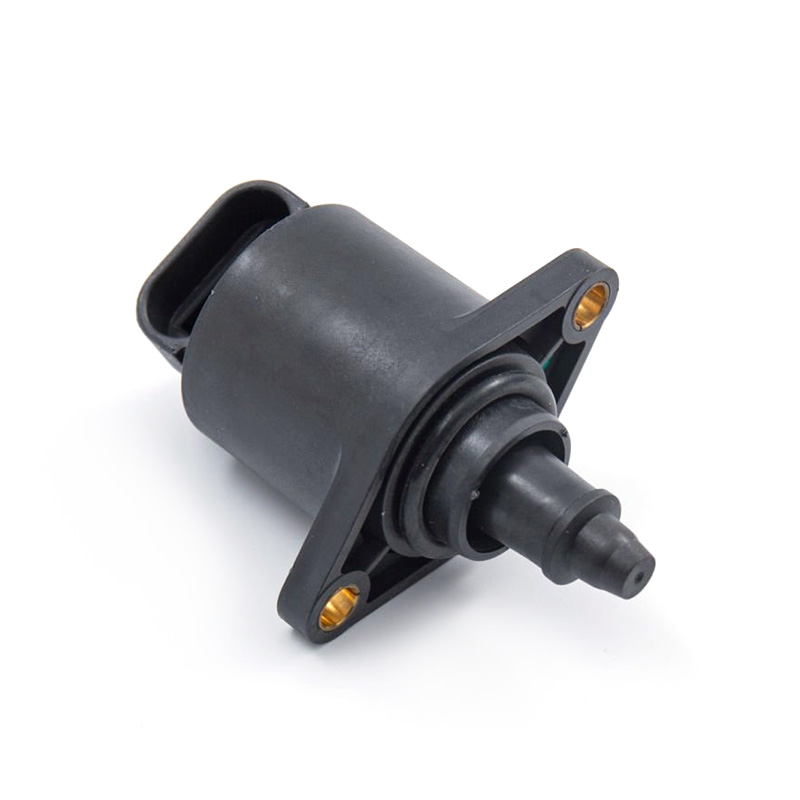
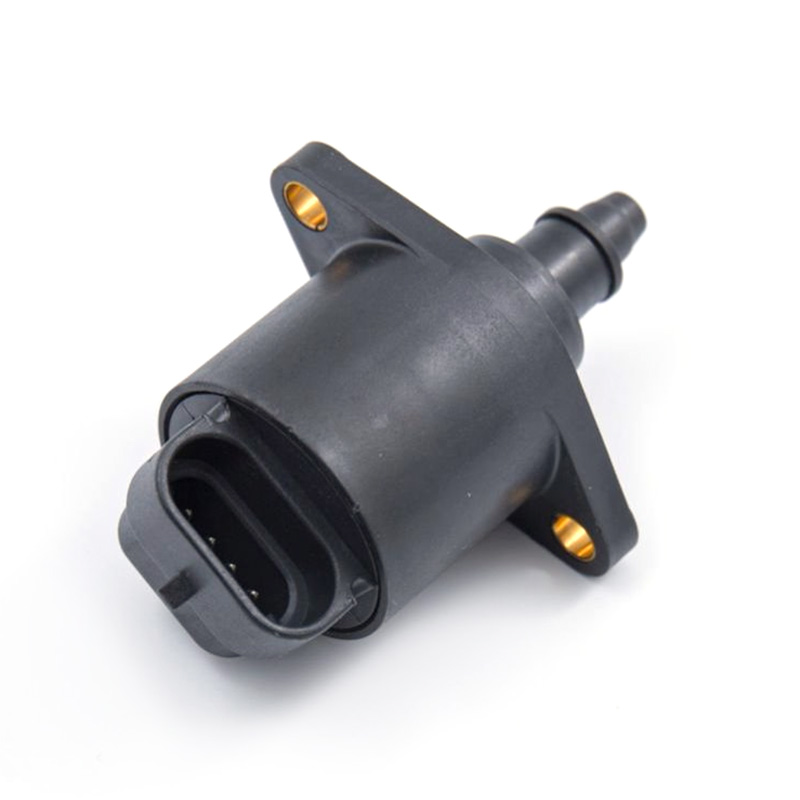
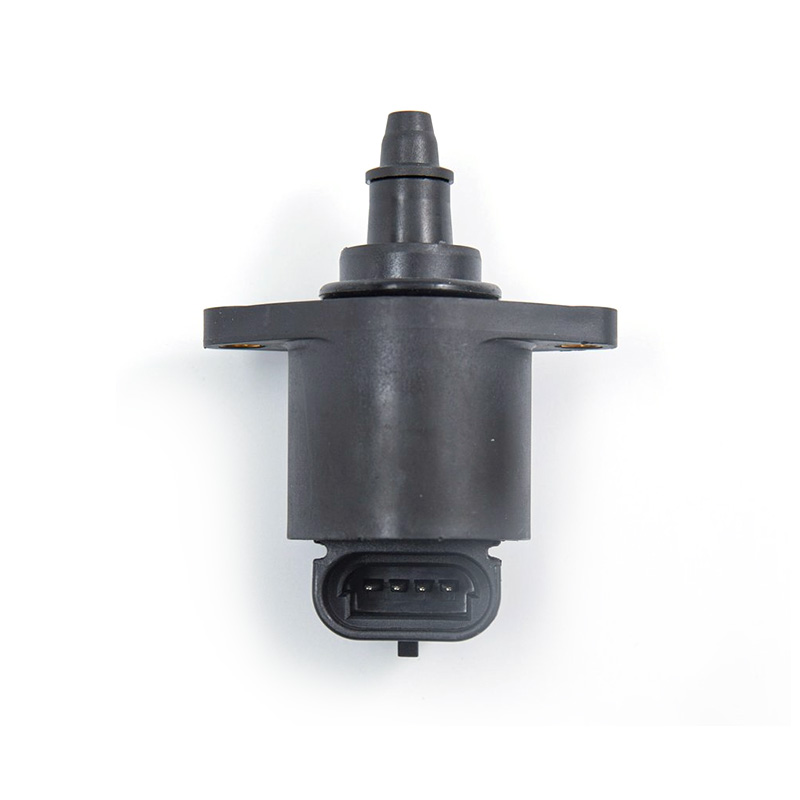
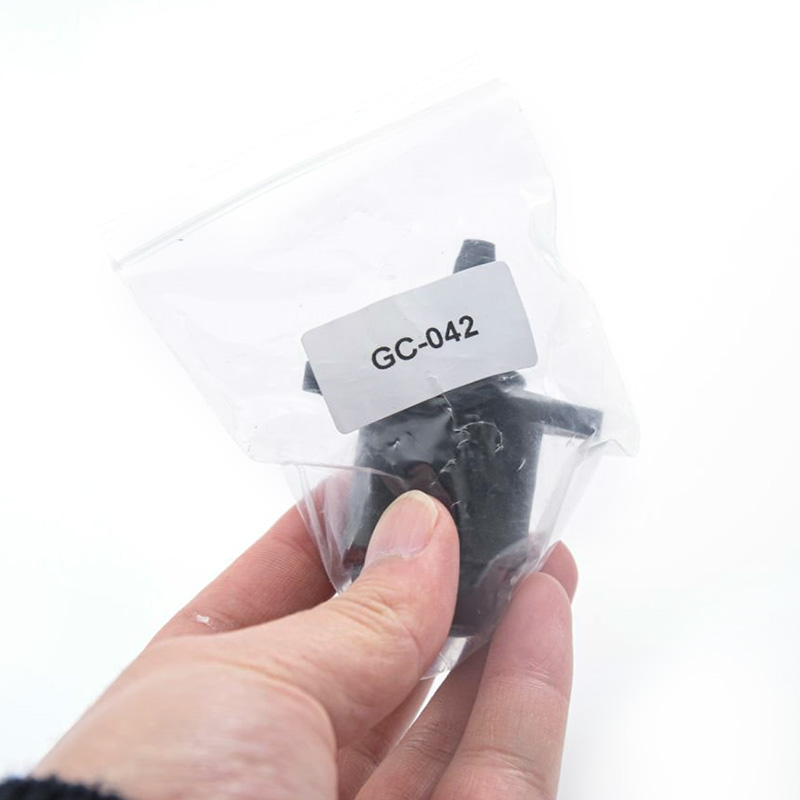
GC-042
REFERENCE OE:
SHORT CODE: D5104
FIAT: 7078983 0269980492
VDO: AT-5104R ;
APPLICATION:
PALIO 99->1.6 SPI/SIENA 99->1.6SPI/STRADA 99->1.6SPI/GOL99->1.0 SPI
Idle air control valve from China factory for Fiat Palio.
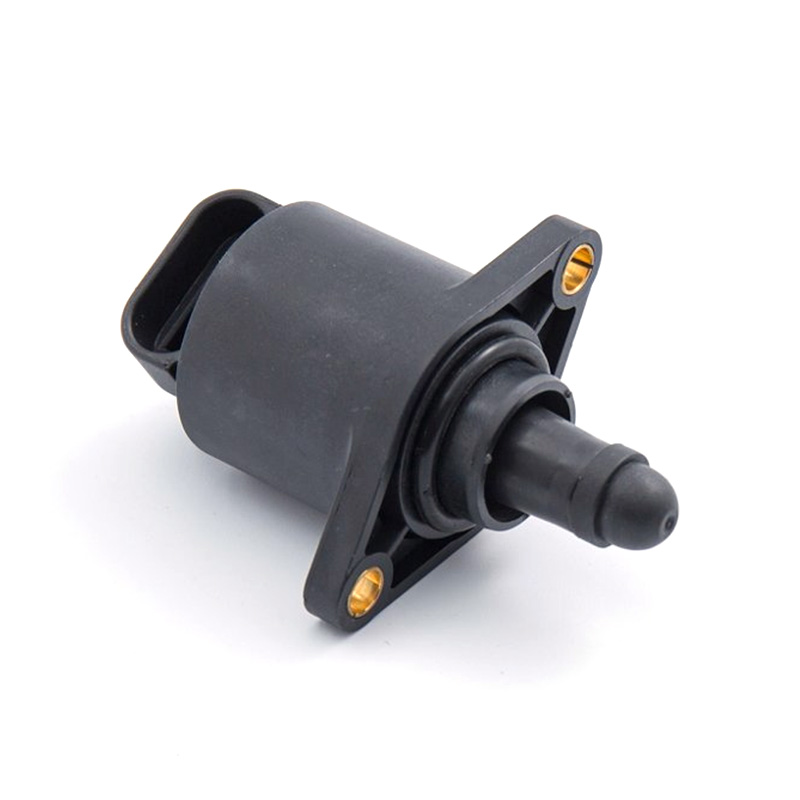
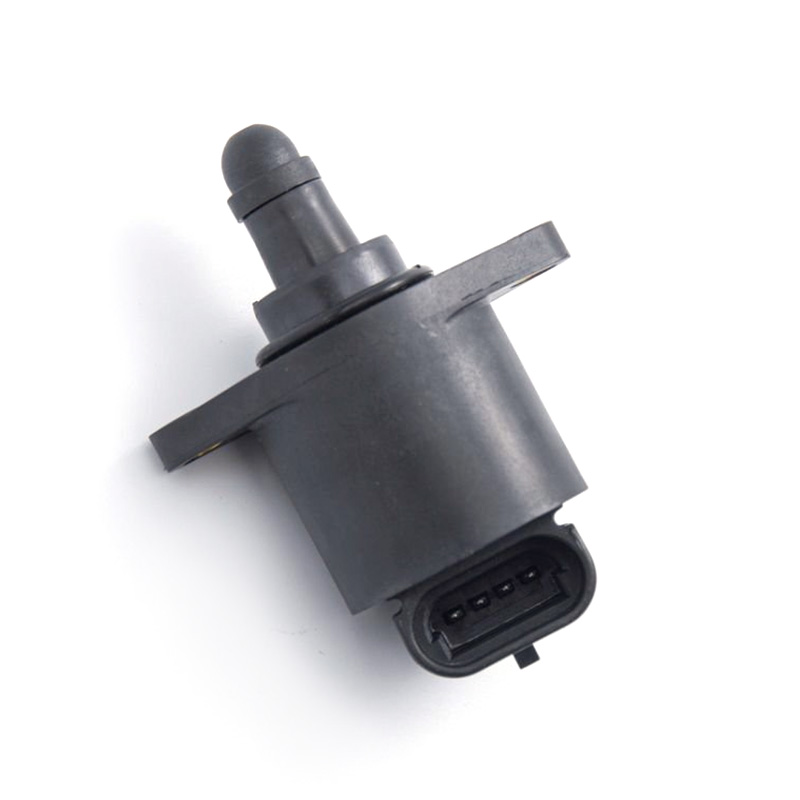
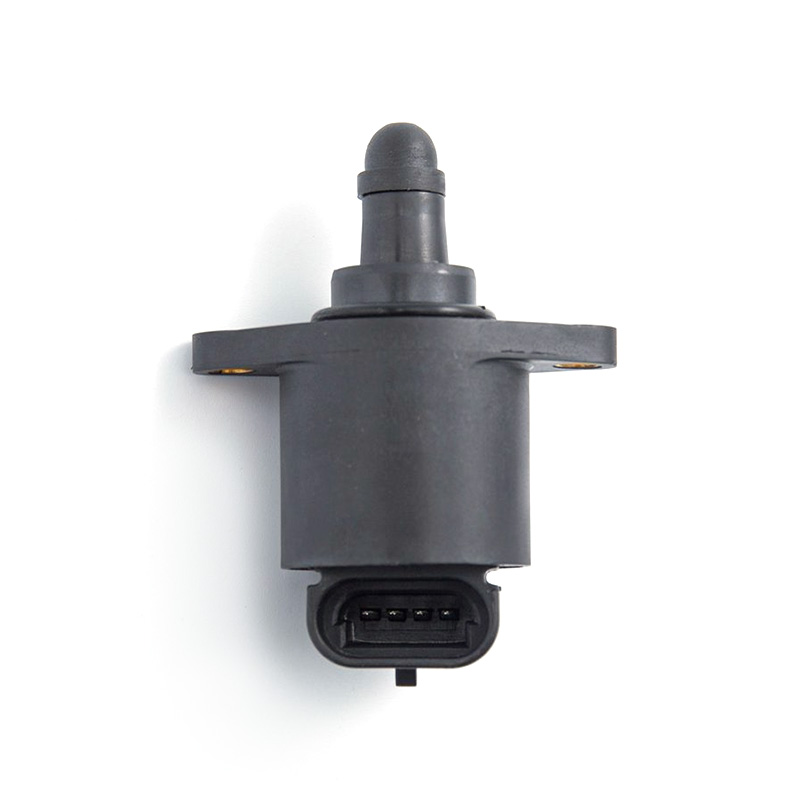
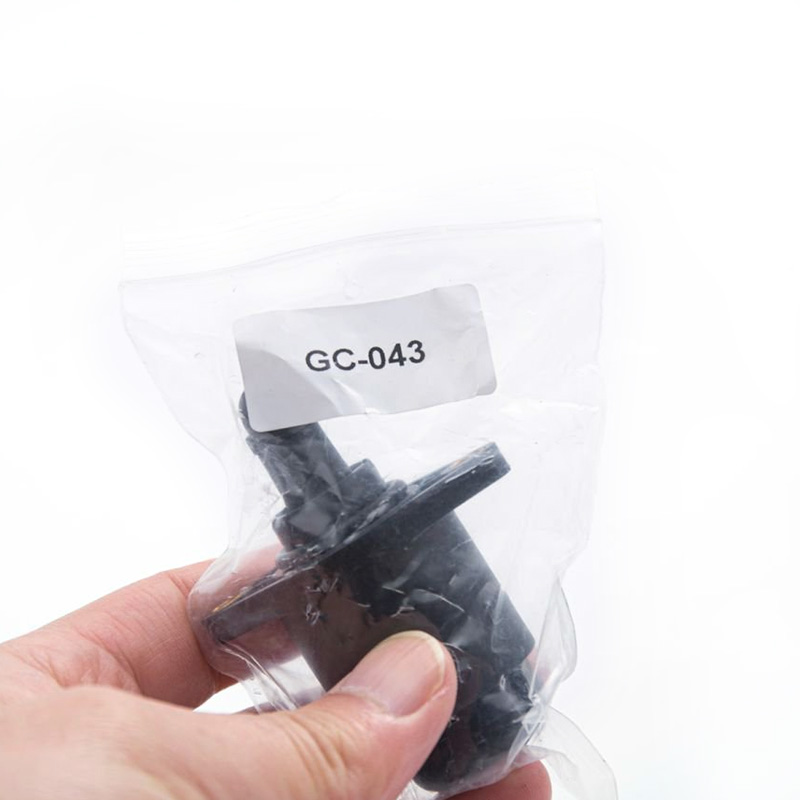
GC-043
REFERENCE OE:
SHORT CODE: B12/00
MARELLI:21924470500
OEM:9945035
APPLICATION:
FIAT PANDA(141A_)1000; Punto(176)55 1.1; Uno(146A/E) 45 i.e. 1.0; Lanci Y10(156)1.0 Fire(156e) KAT
Idle air control valve from China factory for Fiat Punto.
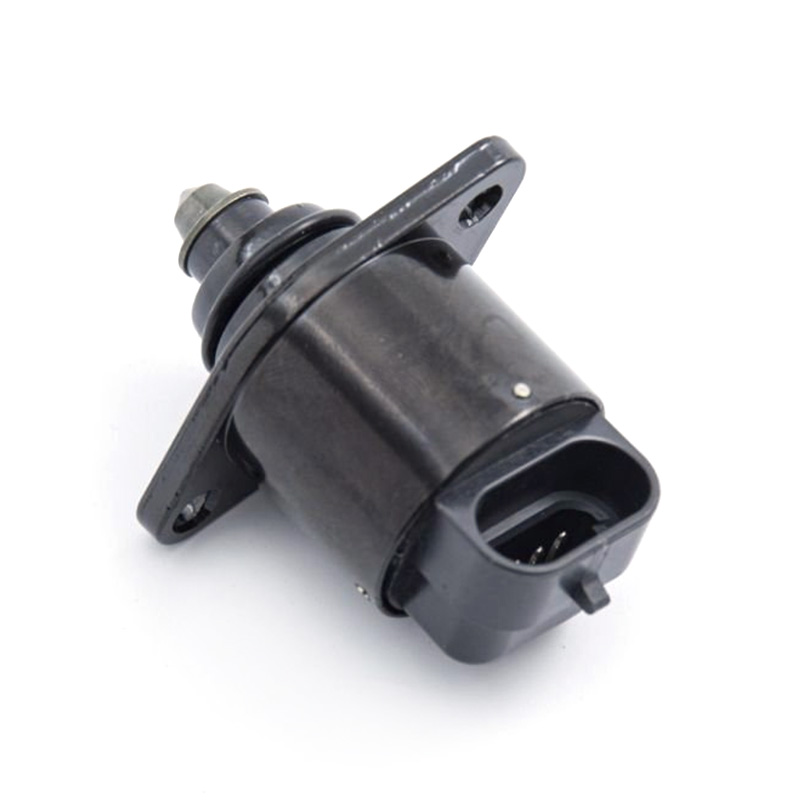
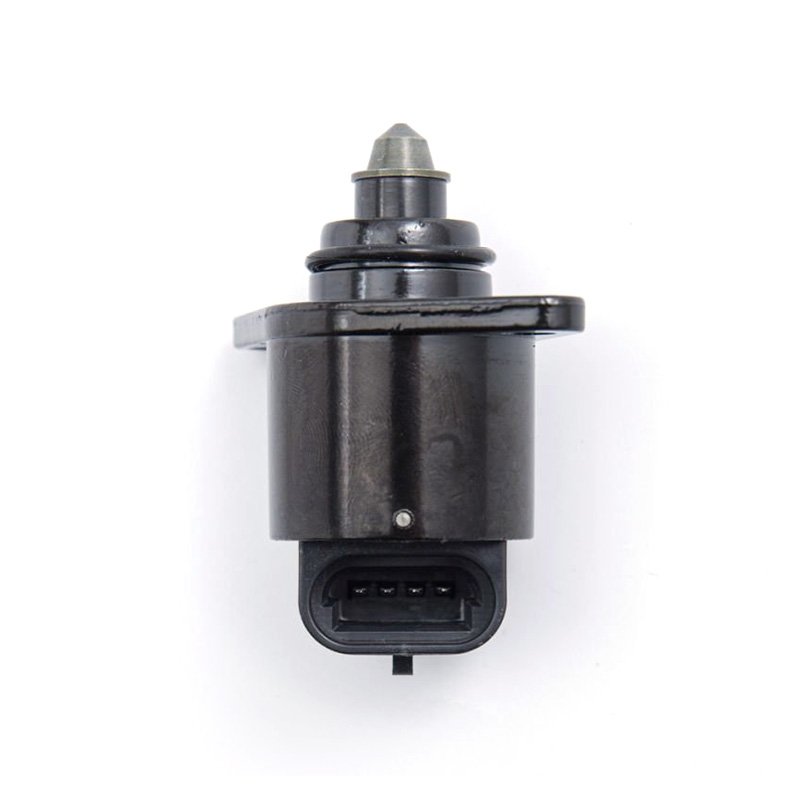
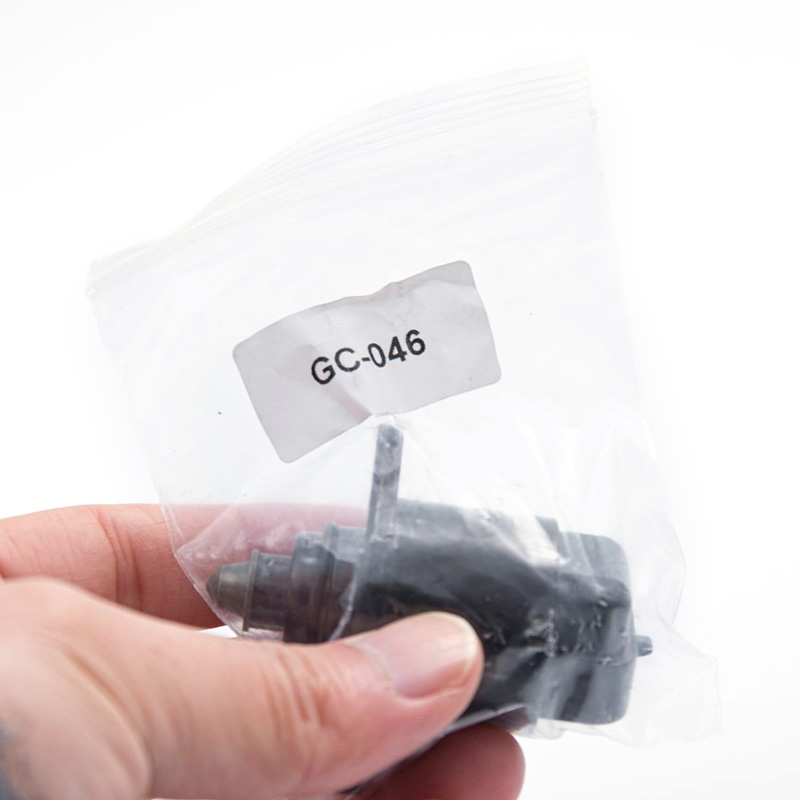
GC-046
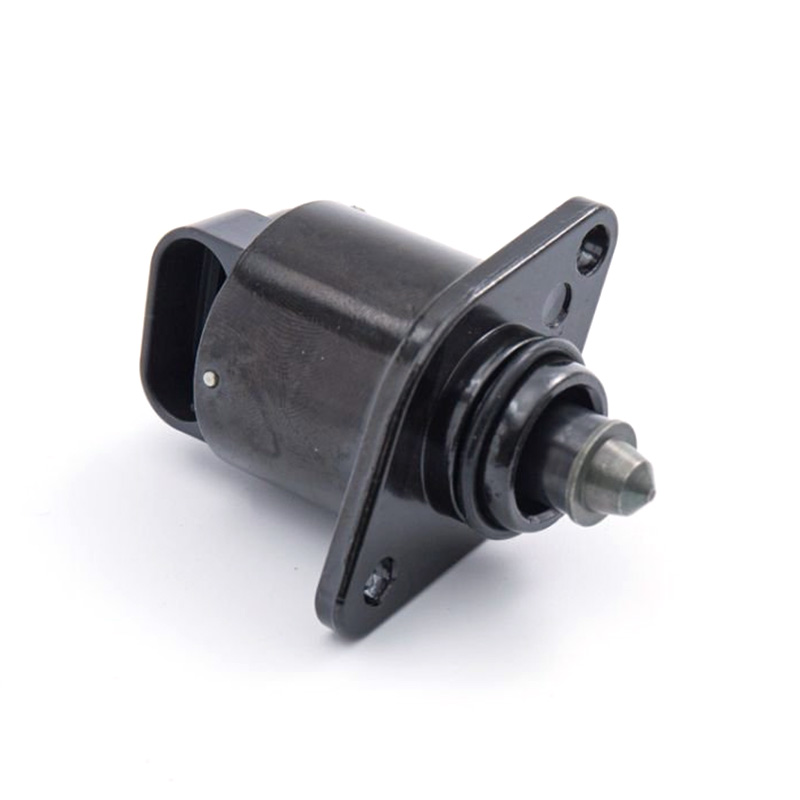
REFERENCE OE:
2112-1148300
APPLICATION:
LADA
Idle air control valve from China factory for Lada.
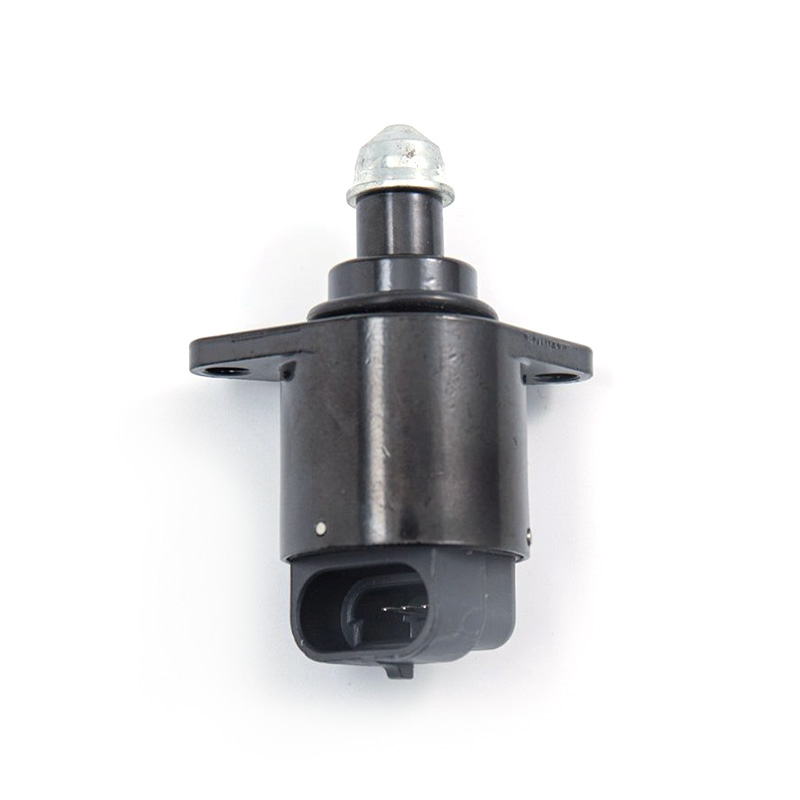
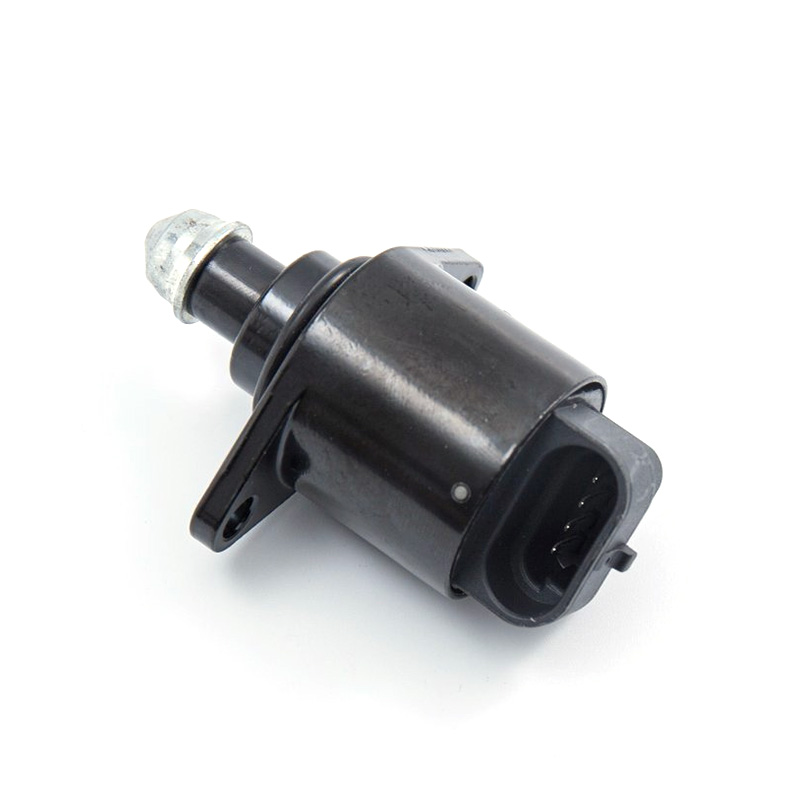
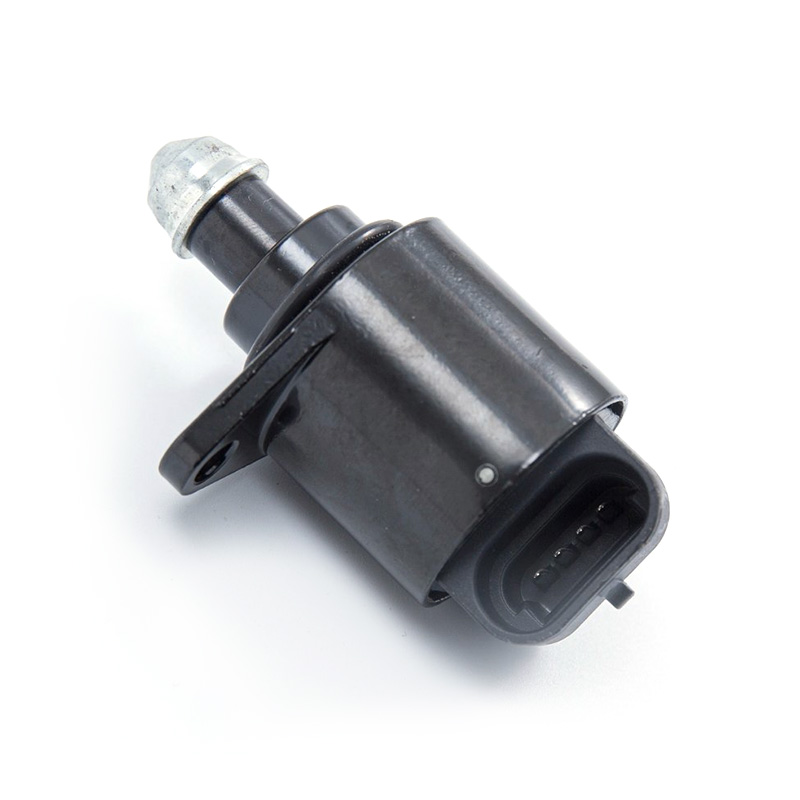
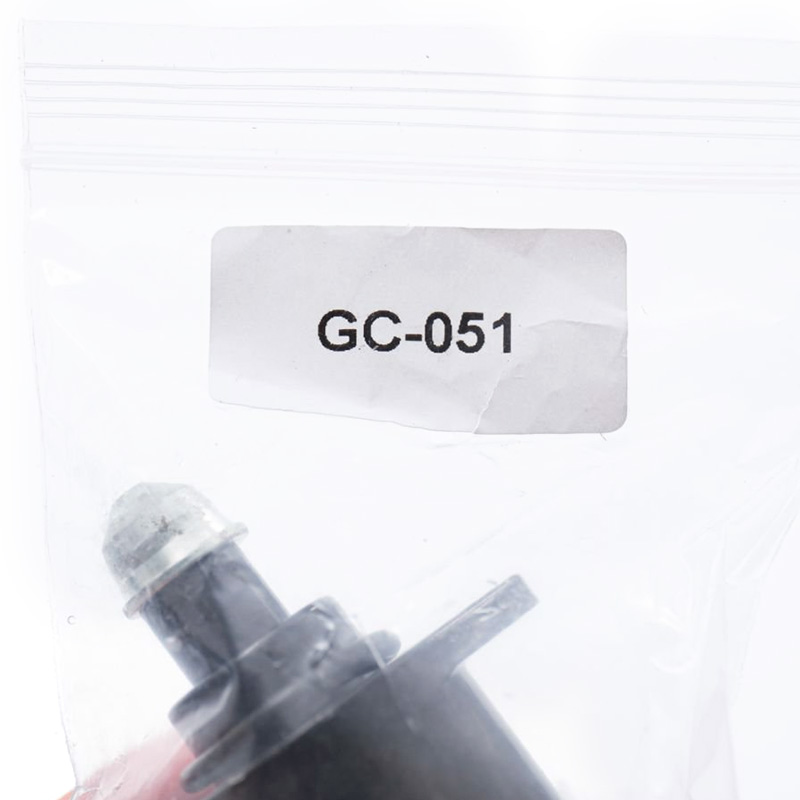
GC-051
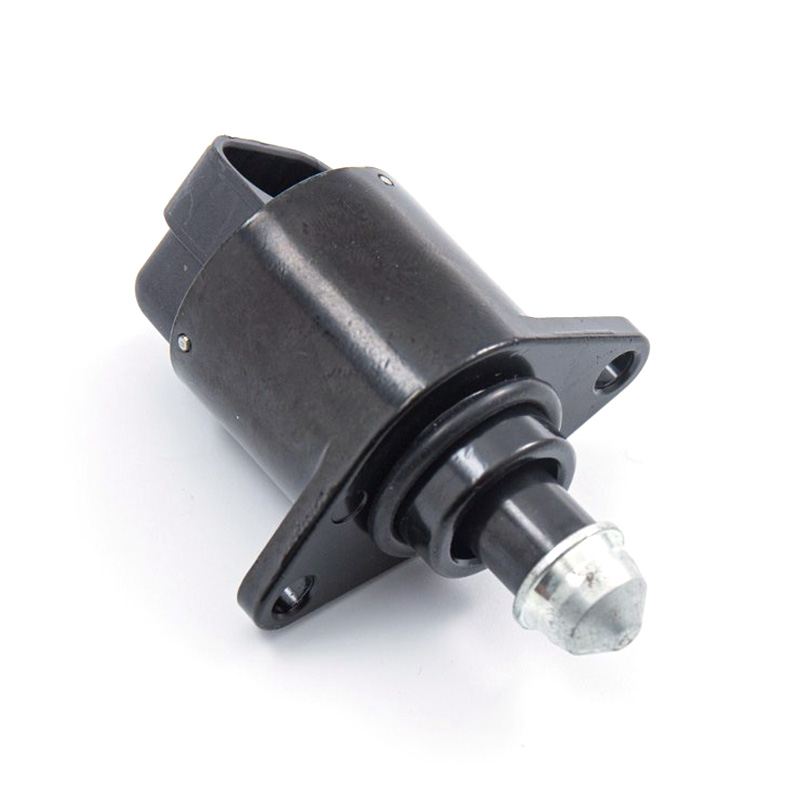
REFERENCE OE:
PEUGEOT:19205F
APPLICATION:
CITRO SAXO(S0,S1)1.4VTS 1.6VTS;PEUGEOT 106 II(1) 1.4i;206 Schraqheck(2A/C)1.4i
Idle air control valve from China factory for Citroen Saxo Peugeot 106 206.
Contact Us
Let's start collaborating

Guocheng is specialized in the R&D and production of key engine components for the automotive and engineering machinery industries.
Product
Stay Connected
(+86) - 577 - 8582 0886 (Tel)
(+86) - 577 - 8582 8085 (Fax)
(+86) - 19730213059 (Phone)
sales@wz-gc.com
No. 205, Baiyu Road, 15th Road, Binhai Park, Wenzhou, Zhejiang, China
Mobile

ODM Engine Management System Components
 English
 русский
 Español
 عربى
عربى Deutsch