Date:May 29, 2026
The automotive market is changing in ways that go far beyond exterior styling or powertrain upgrades. Drivers today expect vehicles to feel smoother, react faster, and operate more efficiently in daily traffic conditions. Whether in compact passenger cars, commercial fleets, or hybrid platforms, response consistency has become an important part of overall driving quality. Behind this shift is a growing reliance on electronically controlled engine management systems that help vehicles balance performance, fuel efficiency, and emissions compliance more precisely than older mechanical setups ever could.
Modern vehicles spend far more time operating in congested traffic environments than in constant high-speed conditions. Frequent stopping, idling, and low-speed acceleration place additional pressure on engine management systems to maintain stable operation without unnecessary fuel consumption.
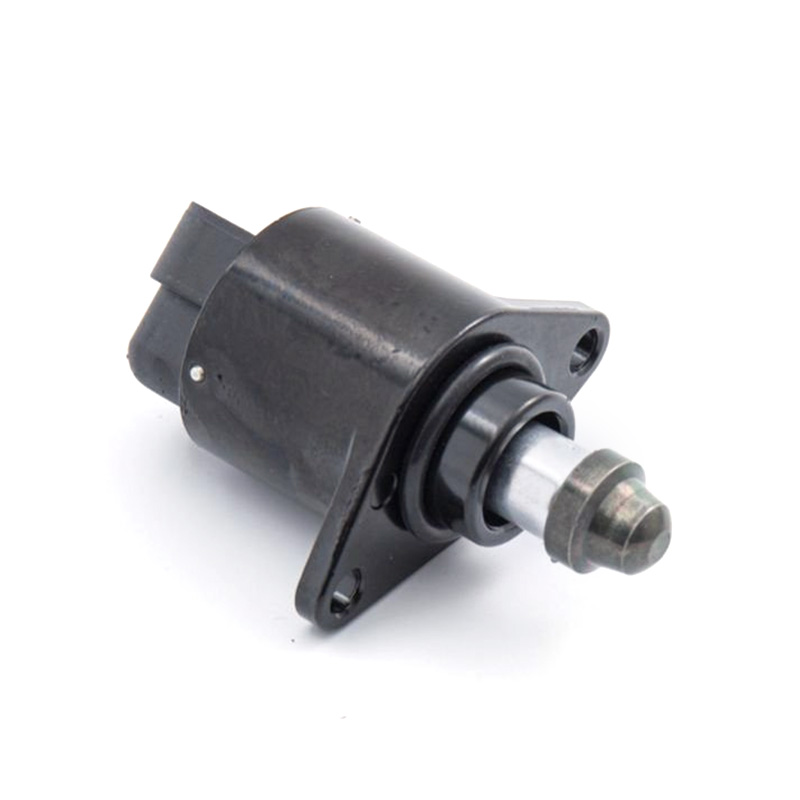
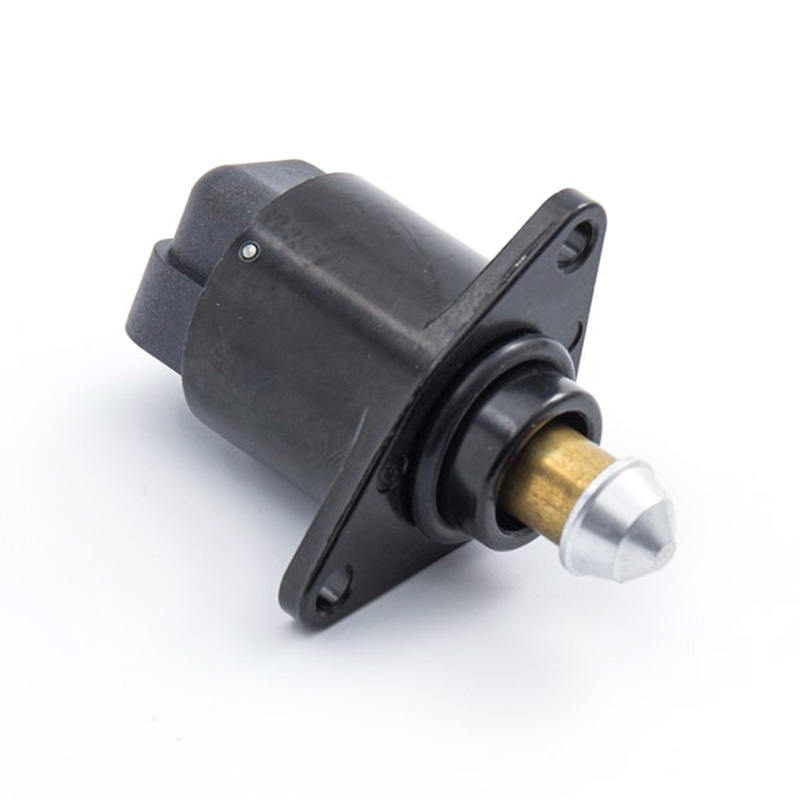
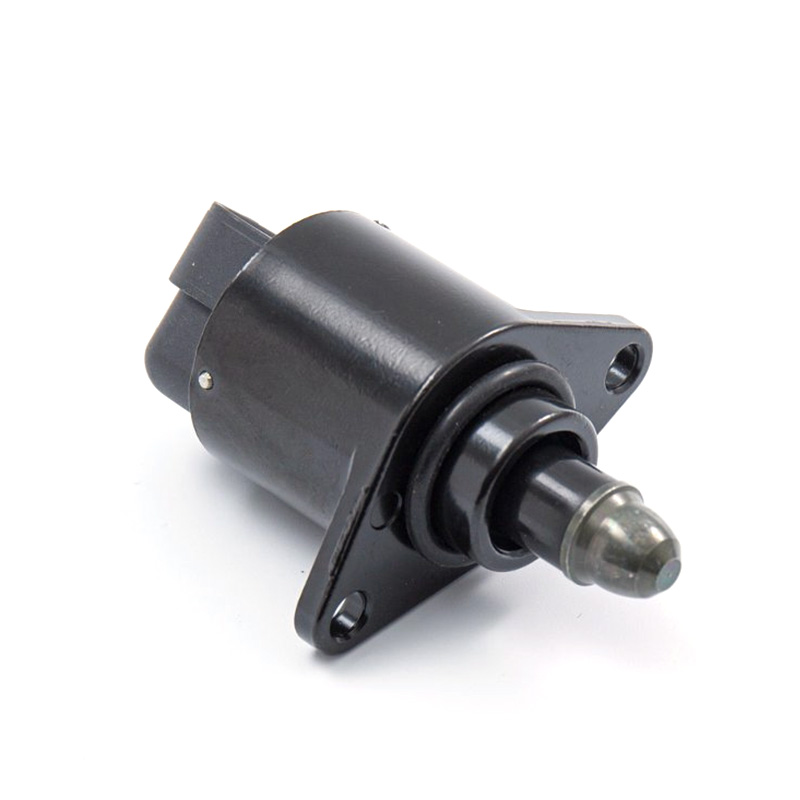
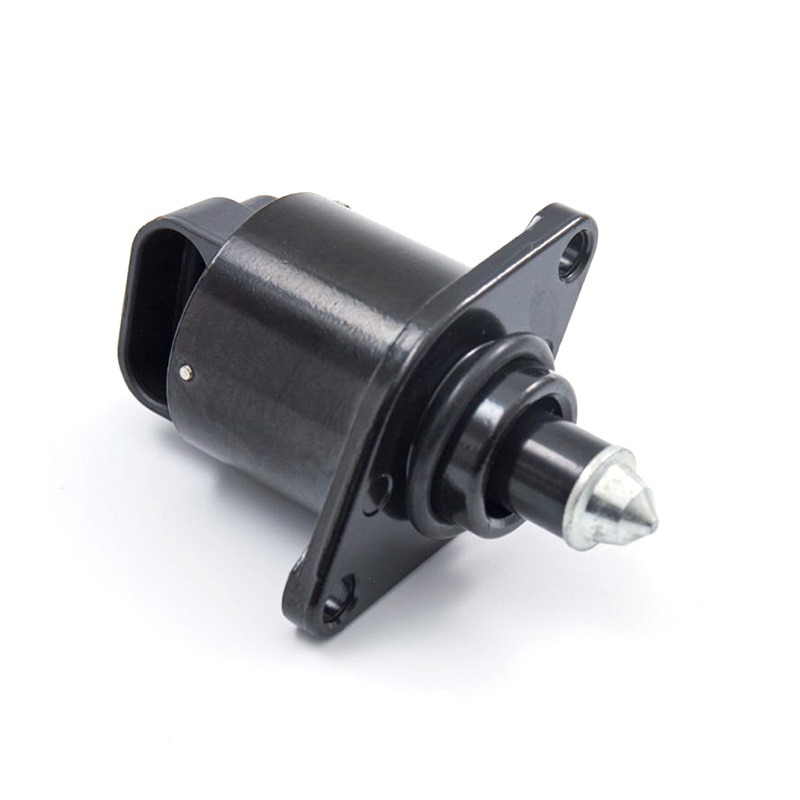
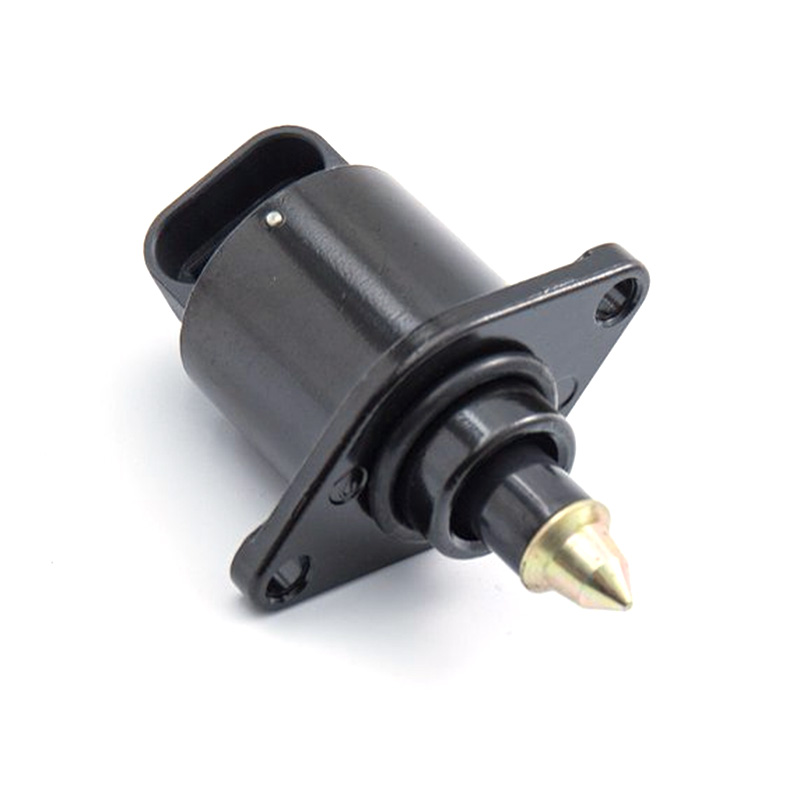
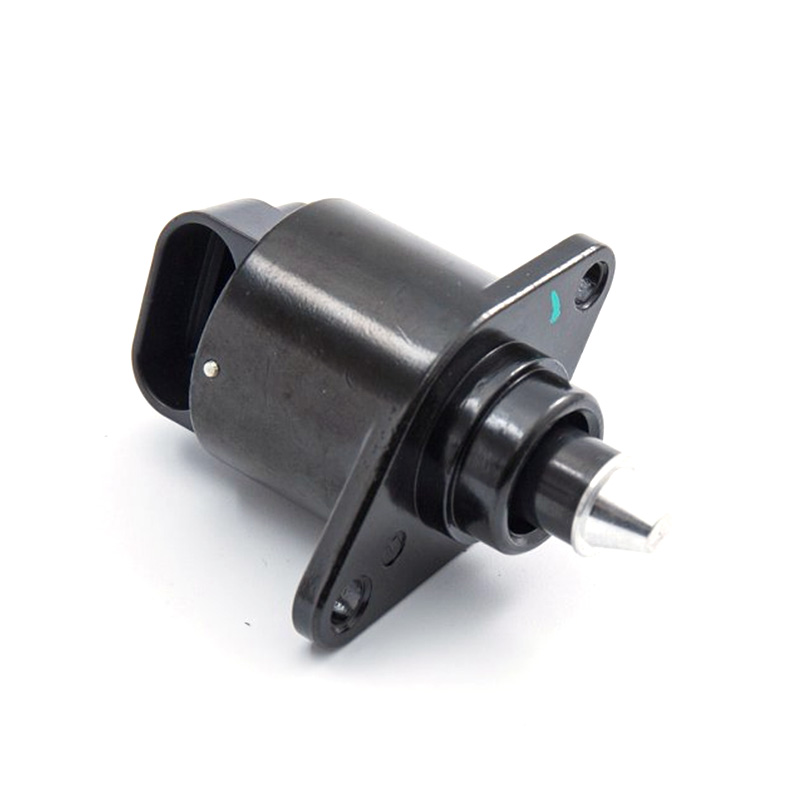
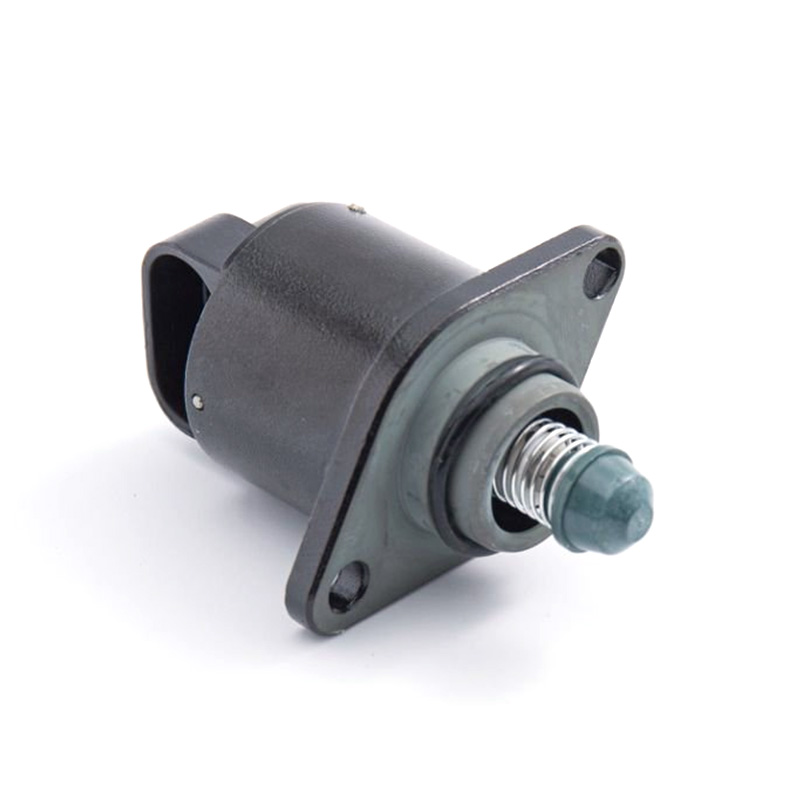
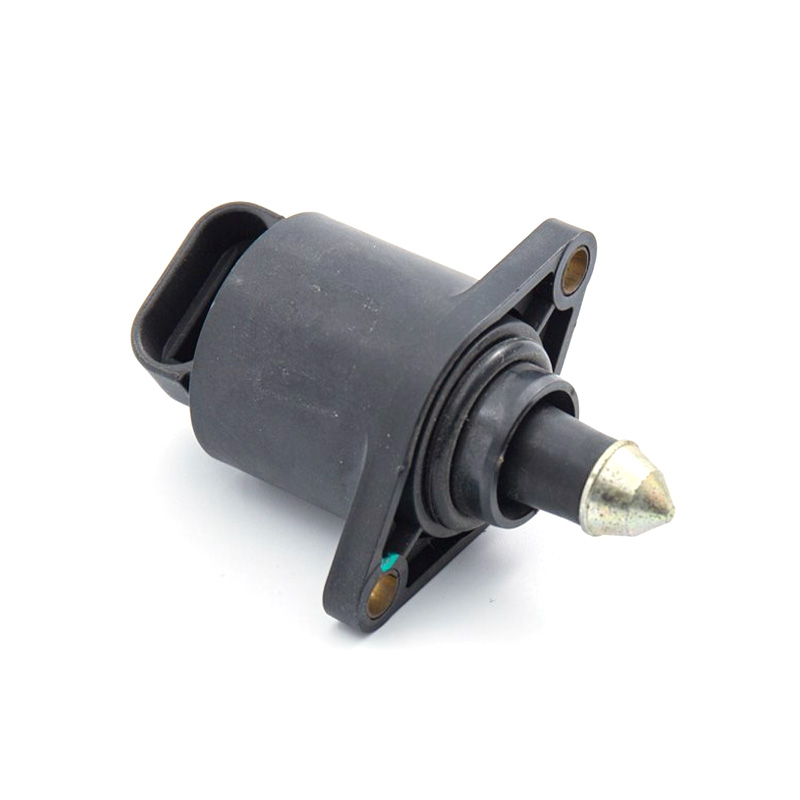
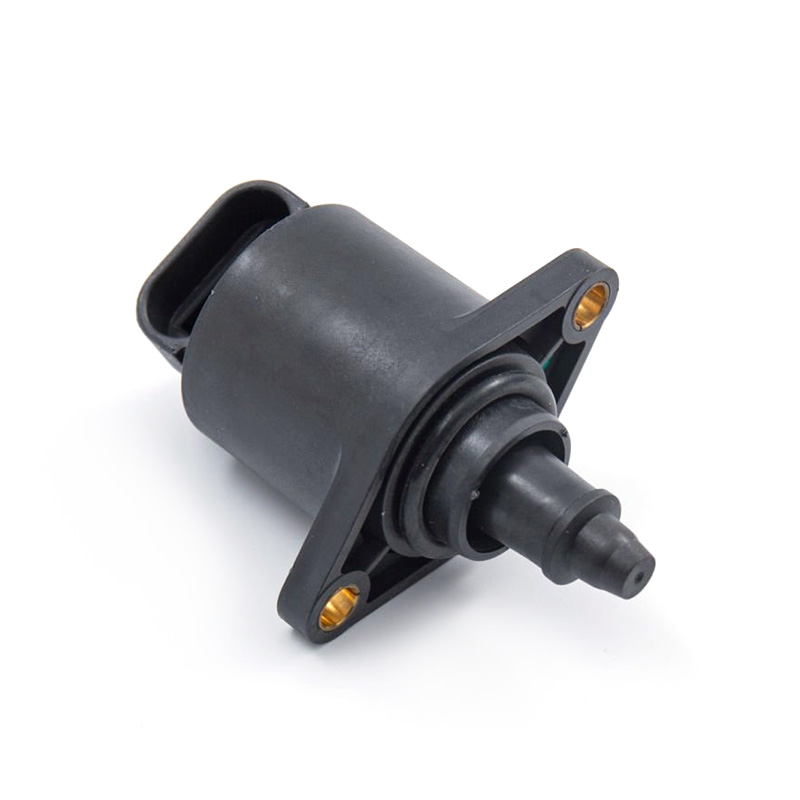
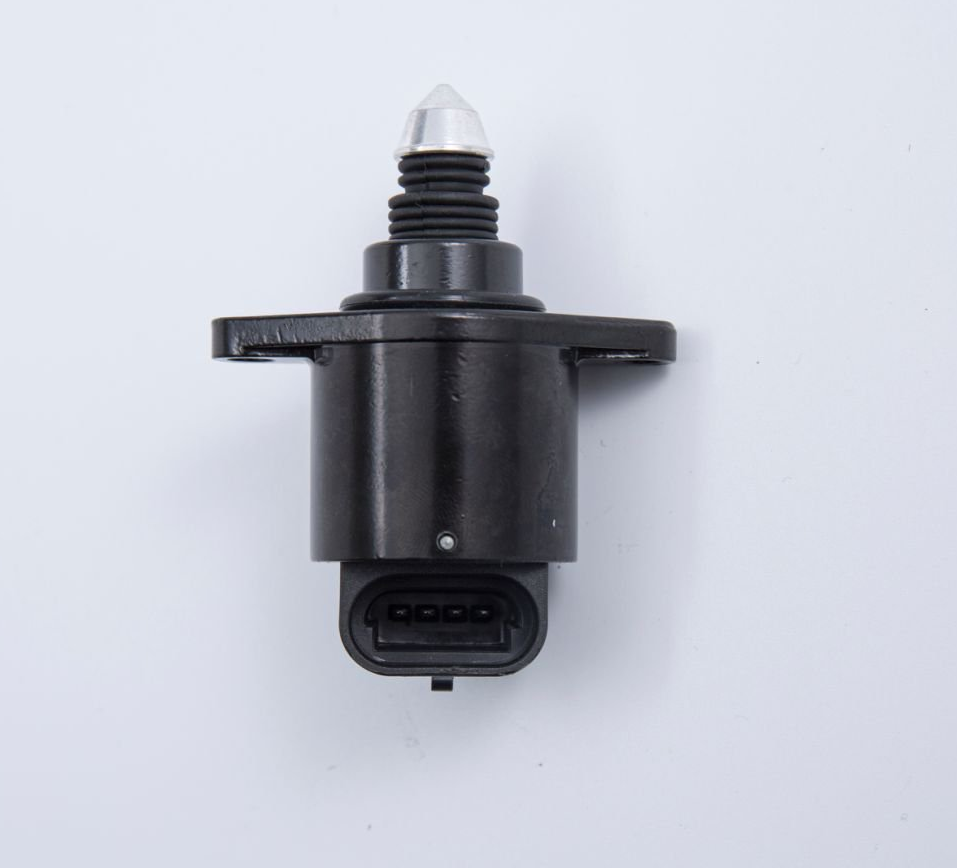
This is one reason why components such as the Idle Air Control Valve and Automotive Accelerator Pedal continue to play an important role in many vehicle platforms. During idle conditions, airflow regulation directly affects engine smoothness, restart behavior, and low-speed drivability.
As urban traffic density increases globally, automakers are placing greater emphasis on stable idle performance and responsive throttle behavior, especially in vehicles designed for city commuting and commercial delivery applications.
Fuel economy regulations continue tightening across major automotive markets. As a result, vehicle manufacturers are paying closer attention to how airflow and throttle systems influence combustion efficiency.
Modern engine control strategies depend on accurate communication between throttle position sensors, airflow regulation systems, and ECU software. Small improvements in airflow stability can contribute to smoother combustion and more controlled fuel delivery.
In practical terms, a well-designed Idle Air Control Valve helps maintain stable airflow during low-load operating conditions, reducing unnecessary engine fluctuation and improving idle consistency.
At the same time, electronically controlled pedal systems help optimize throttle mapping under different driving modes, allowing more refined acceleration control.
As vehicle systems become increasingly electronic, component manufacturing standards are becoming stricter. Small inconsistencies in sensor calibration or airflow regulation can affect overall vehicle behavior.
Manufacturers now focus heavily on:
For suppliers, maintaining stable production quality is critical because modern automotive systems rely heavily on accurate data communication between components.
This is particularly important for export-oriented automotive manufacturers serving multiple regional markets with different regulatory requirements.
Global automotive buyers are becoming more cautious when selecting engine management component suppliers. Instead of focusing only on pricing, procurement teams are increasingly evaluating long-term operational stability and technical compatibility.
Important considerations now include:
These factors are becoming essential for companies supplying both OEM and aftermarket automotive channels.
The automotive industry is steadily moving toward deeper electronic integration, where airflow management, throttle response, and intelligent control systems work together as part of unified vehicle software architecture.
As hybrid systems, connected vehicles, and intelligent driving technologies continue developing, demand for precise and stable engine control components will likely keep increasing.
Manufacturers capable of combining electronic engineering expertise with reliable production capability will remain important partners in the evolving global automotive supply chain.
Related Products
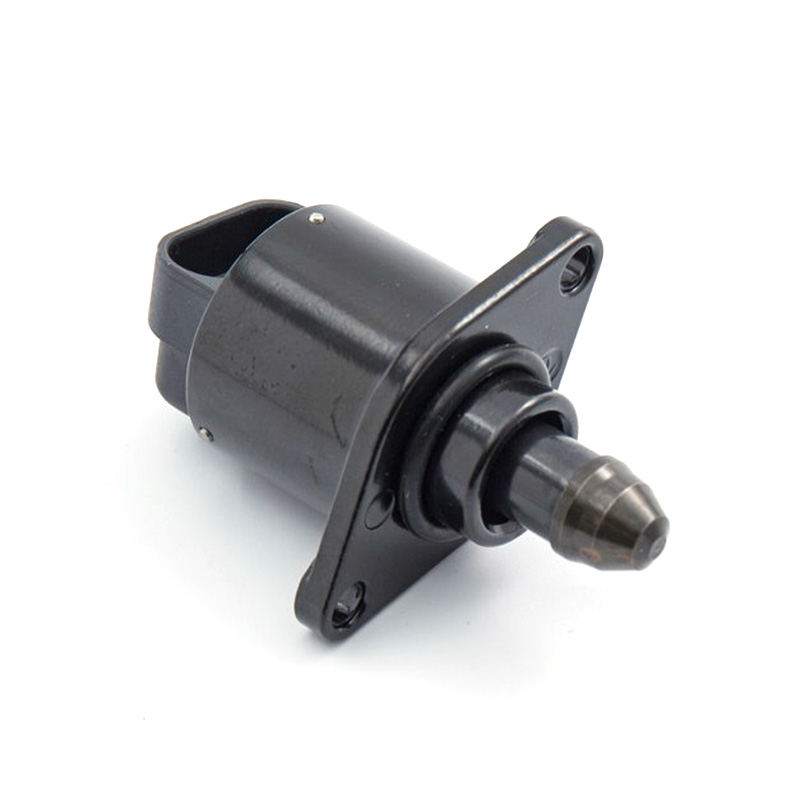
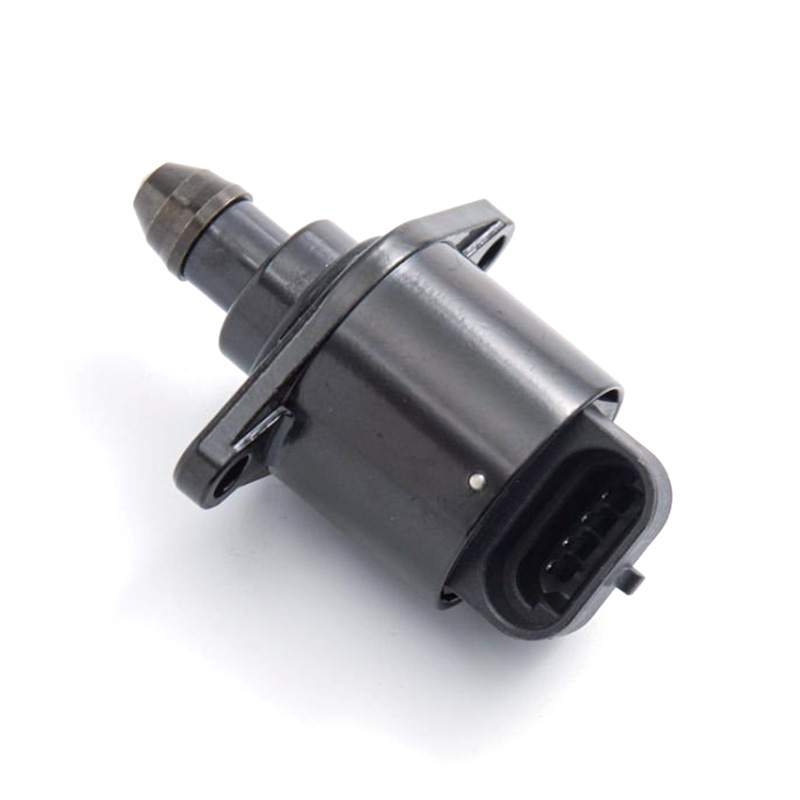
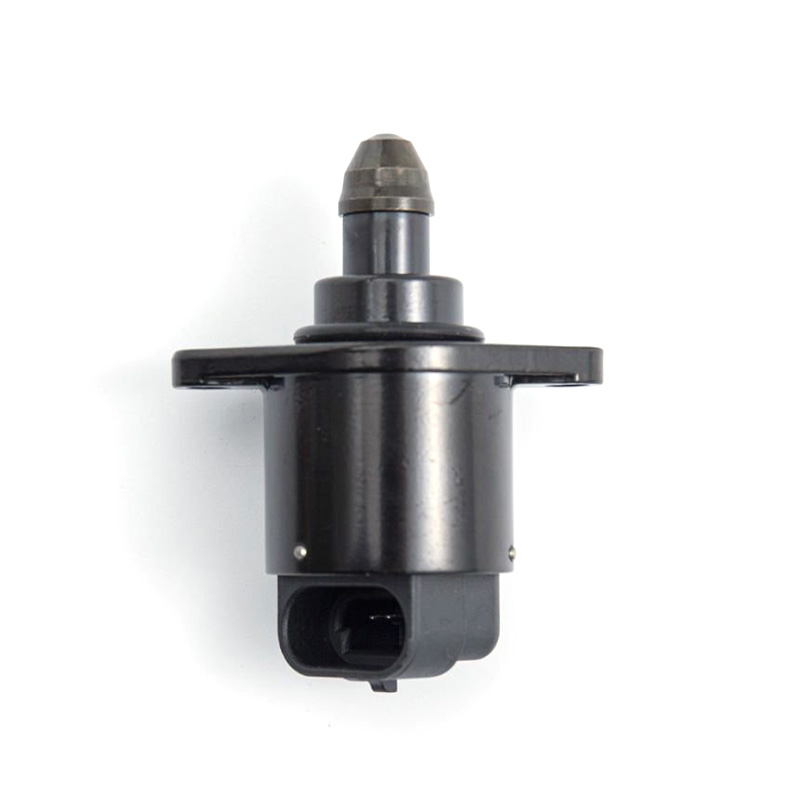
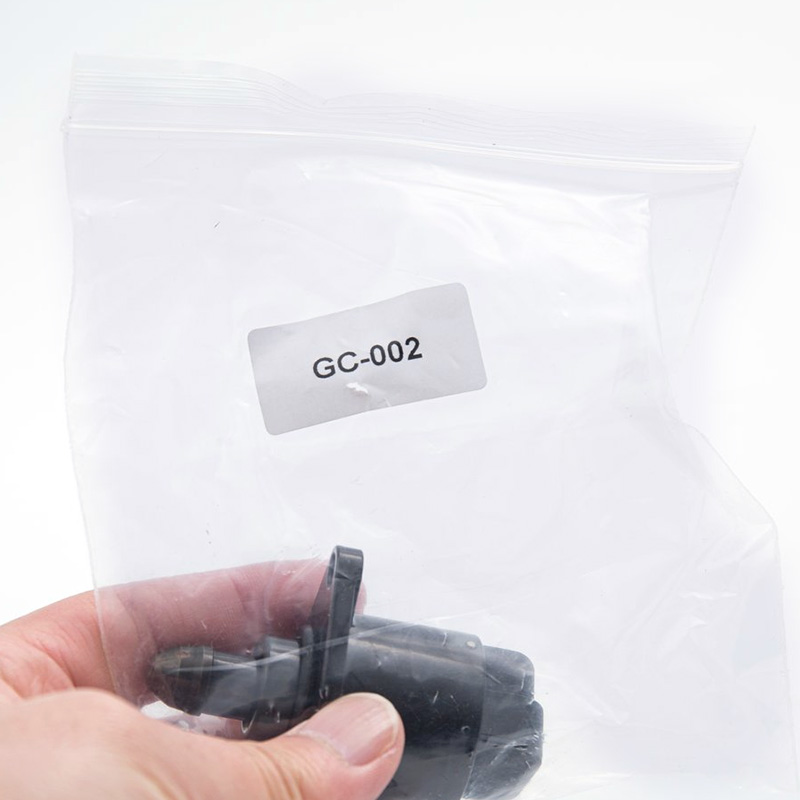
GC-002
REFERENCE OE:
SHORT CODE: B95/00
PEUGEOT: 1920X9 C95197
APPLICATION:
PEUGEOT 306 Break/Cabriolet/Schraqheck;PEUGEOT 405 II Break; PEUGEOT 406 Break/Coupe;
PEUGEOT 605 806;PEUGEOT BOXER Bus/Kasten/Pritsche/Fahrqestell
China original factory for idle air control valve and different kind of sensors with high quality and competitive price!
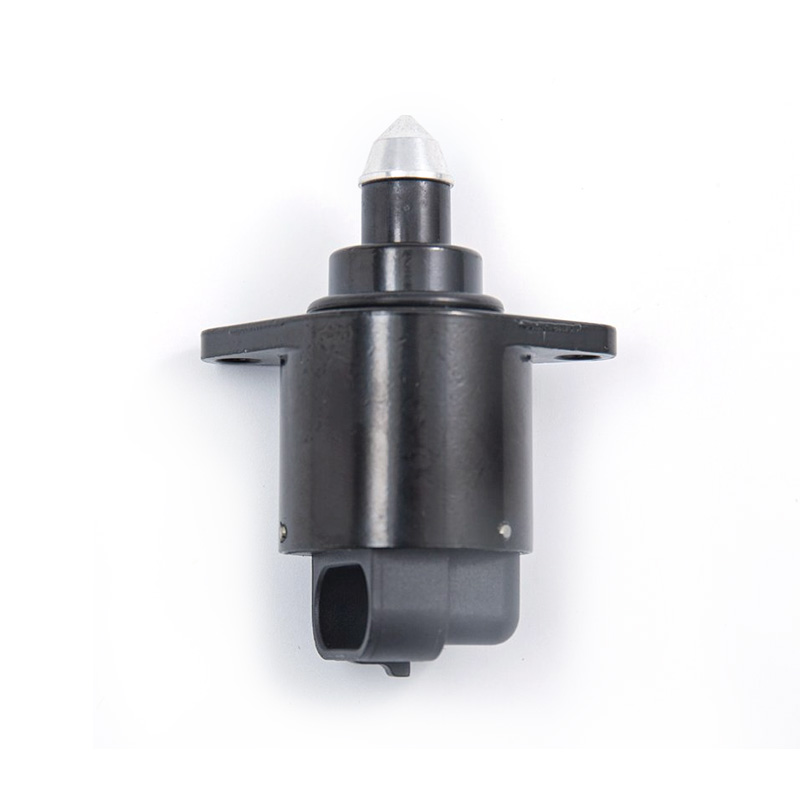
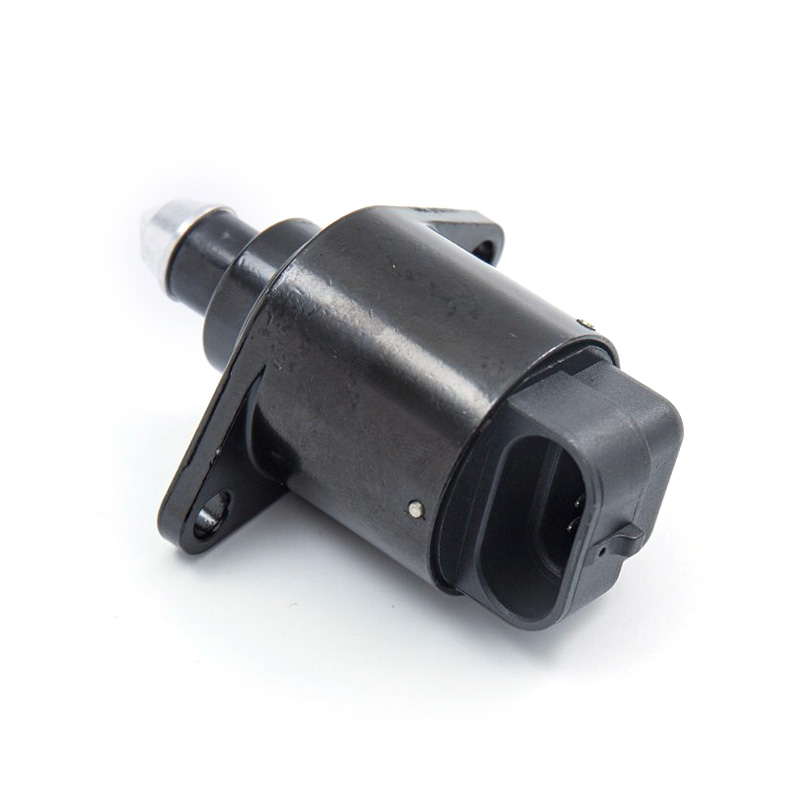
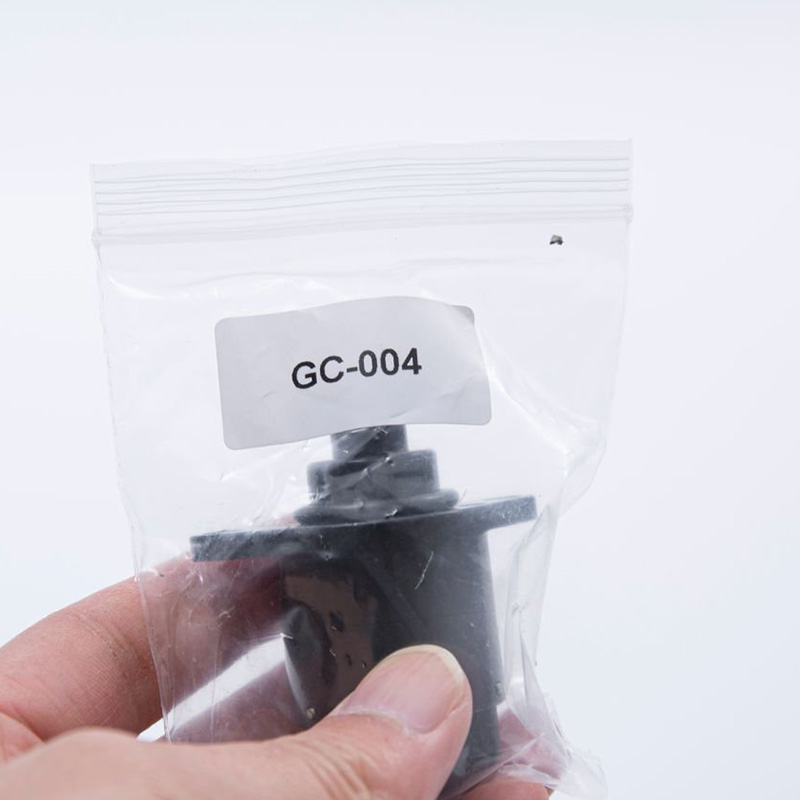
GC-004
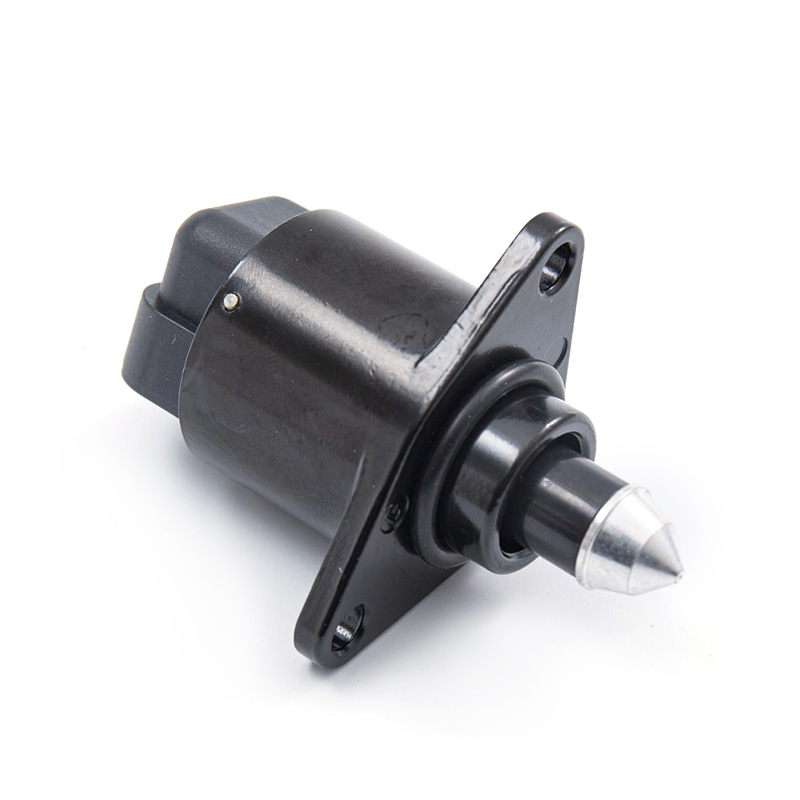
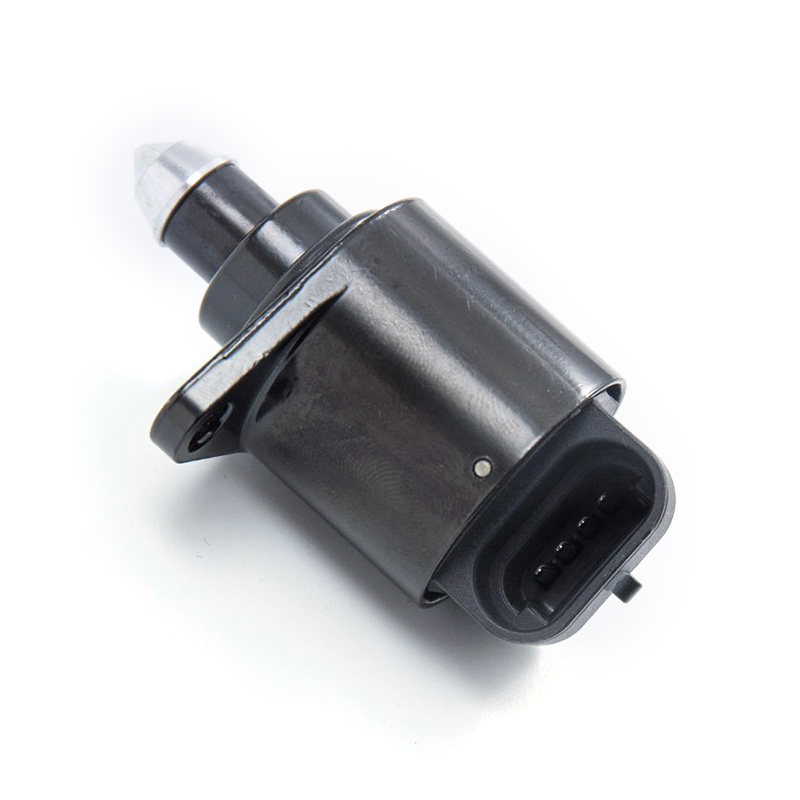
REF OE:
SHORT CODE:B32/00
SIMENCE:A97115 19206W
APPLICATION:
CITROEN BERLINGO(MF)/Kasten(M_)1.4 i(MFKFX);CITRO SAXO(S0,S1) 1.4VTS,CITRO XSARA(N1)/Break(N2)/Coupe(N0)1.4i;
PEUGEOT 106 II(1)1.4i;PEUGEOT 206 Schraqheck(2A/C)1.4i/SW(2E/K)1.4;
PEUGEOT306(7B,N3,N5)1.4SL/Break(7E,N3,N5)1.4/Schraqheck(7A,7C,N3,N5)1.4;
PEUGEOT PARTNER Combispace(5F)1.4/Kasten(5)1.4
China manufacture for idle air control valve,high quality and competitive price!
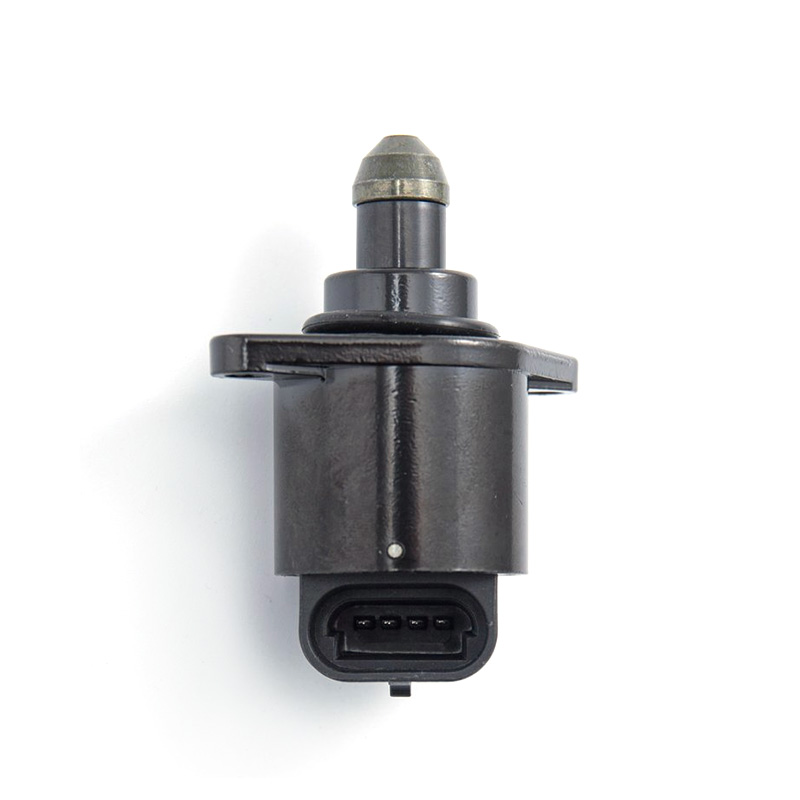
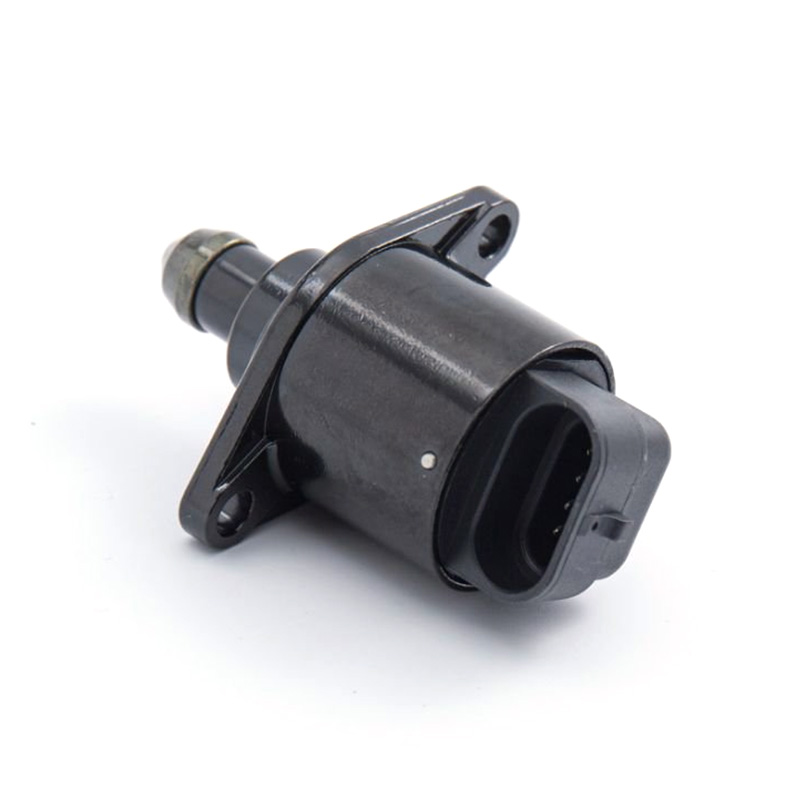
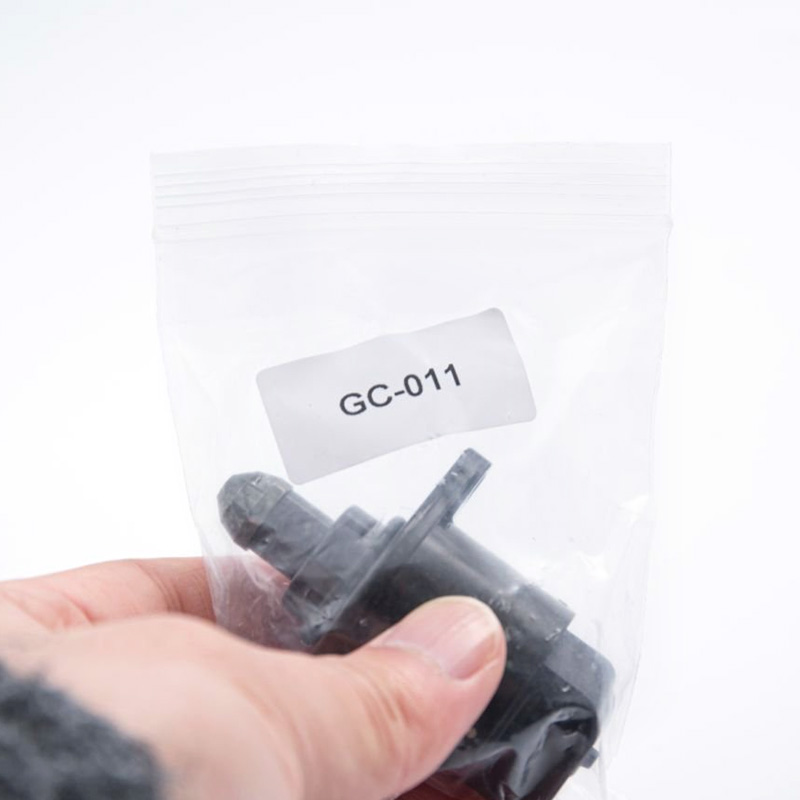
GC-011
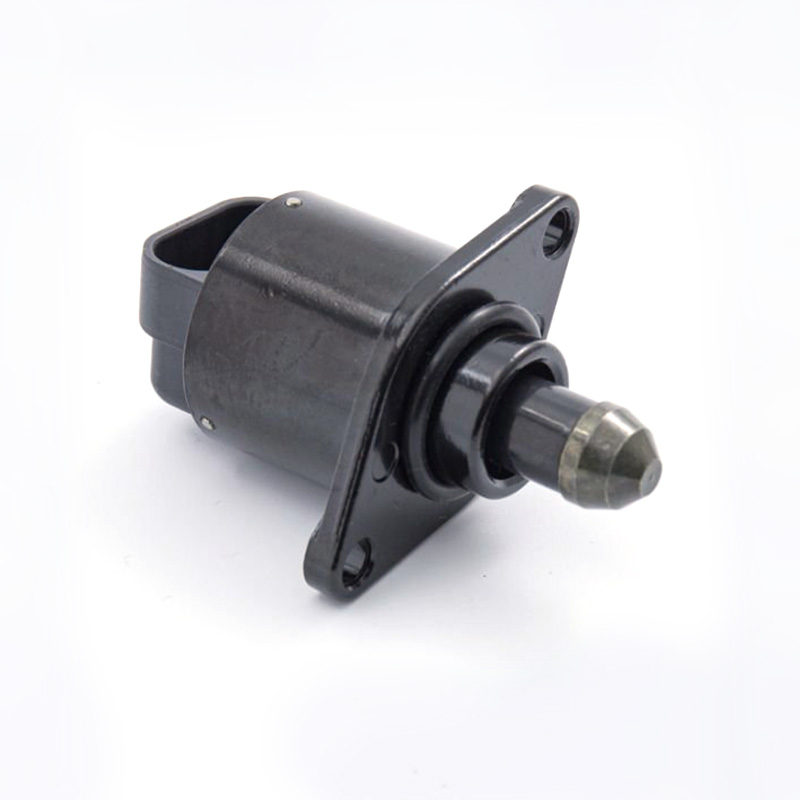
REF OE:
SHORT CODE: B13/00
MARELLI: 230016079087 230016079247
SIMENCE: 19201F 1920V7 C95181
APPLICATION:
PEUGEOT 106I(1A,1C)1.3;
PEUGEOT 306/306 Cabriolet/Schraqheck;
PEUGEOT 406/406 Break
China factory for idle air control valve with high quality!
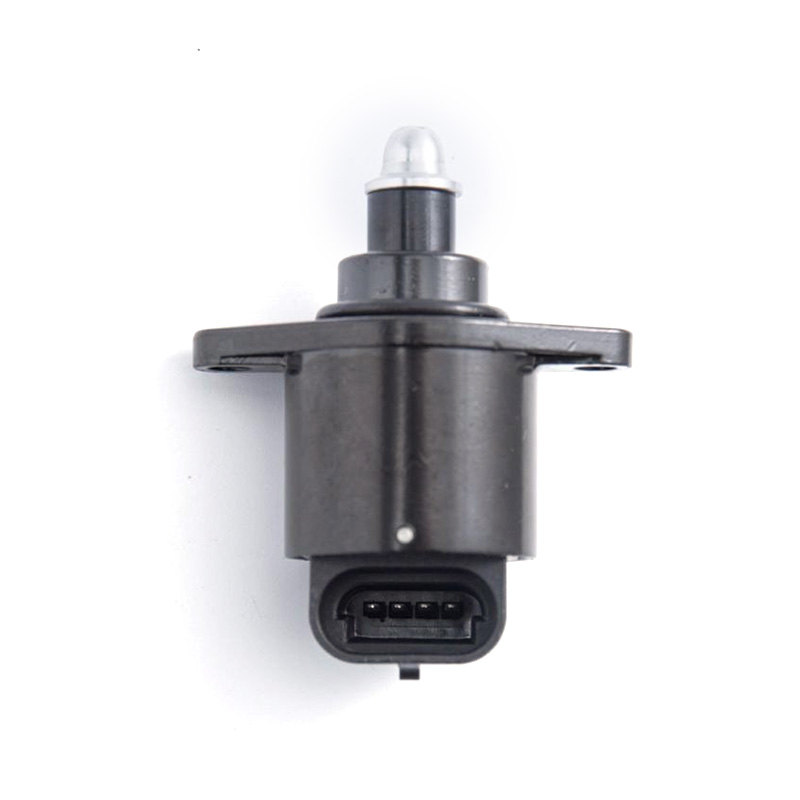
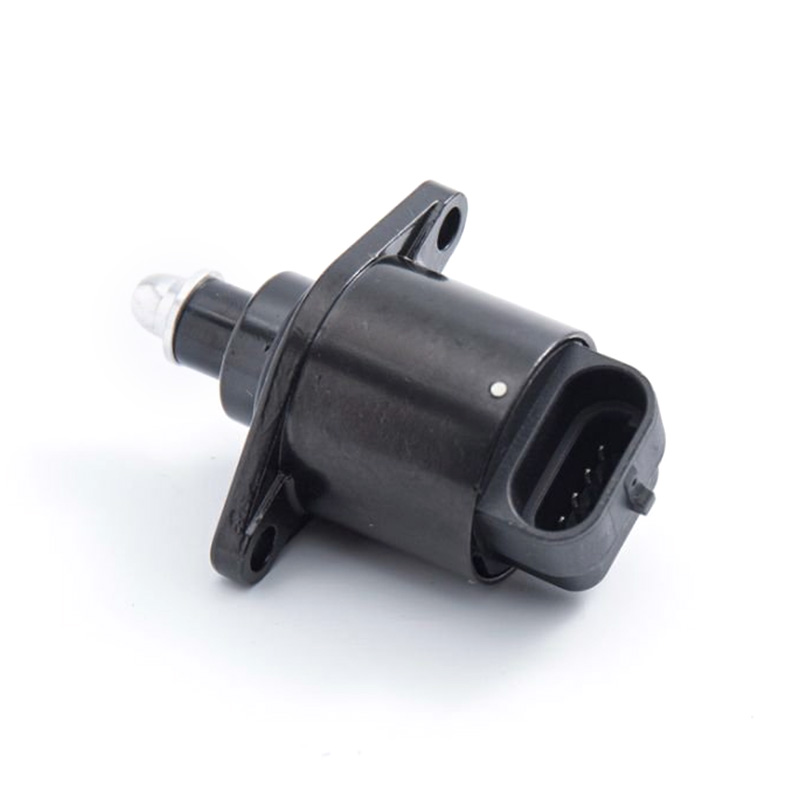
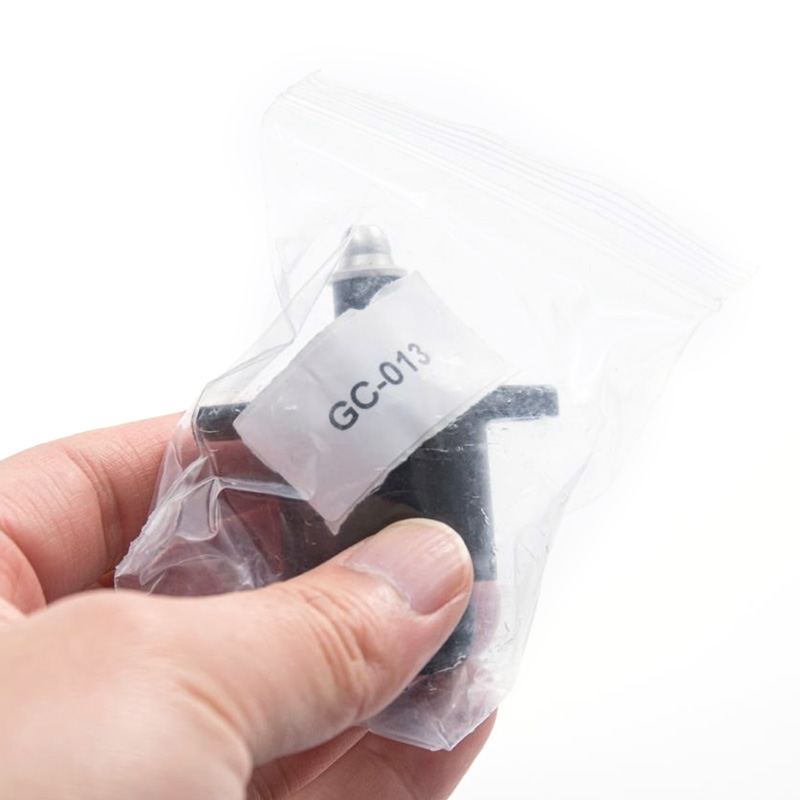
GC-013
REFERENCE OE:
SHORT CODE: D5103
MARELLI: 40397102
VDO: AT-05103R
FIAT: 7077213
RENAULT: 7702217296
APPLICATION:
RENAULT MEGANE Classic/Grandtour(KA0/1_)I(BA0/1_);
RENAU SCENIC I(JA0/1_)1.8 16V
Idle air control valve from China manufacture!
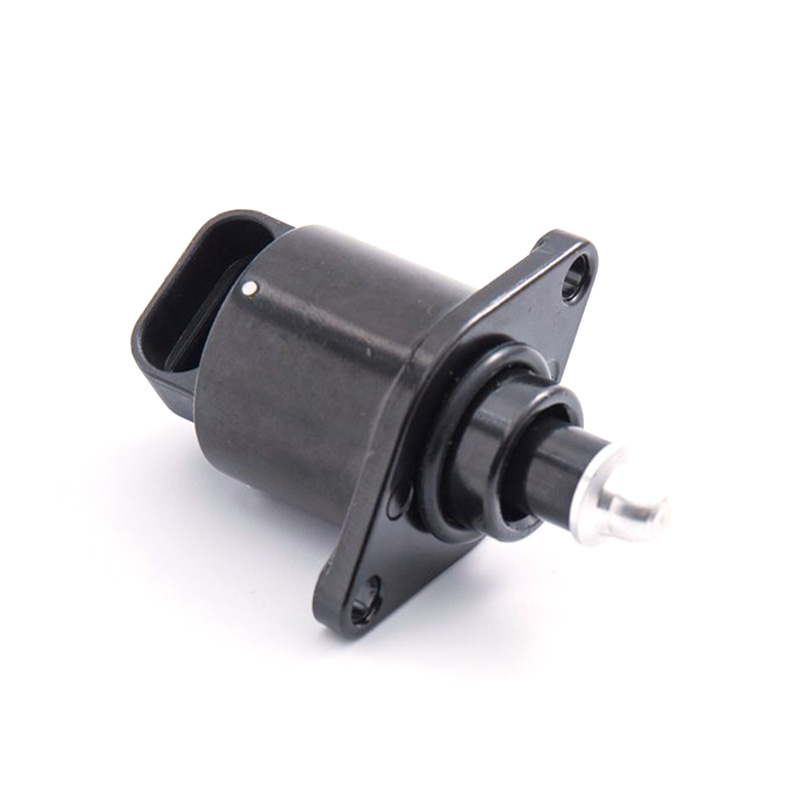
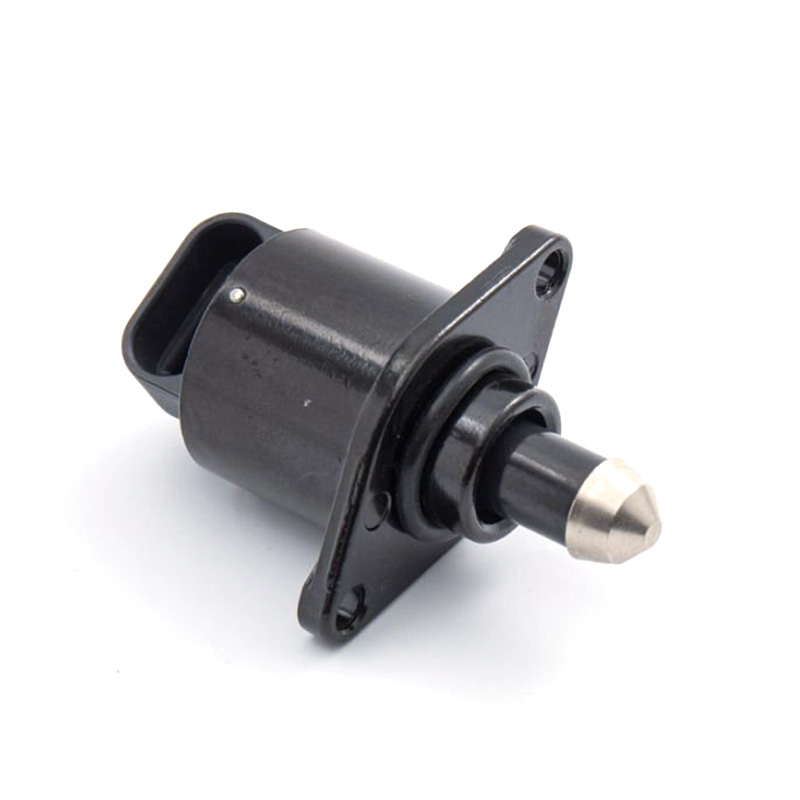
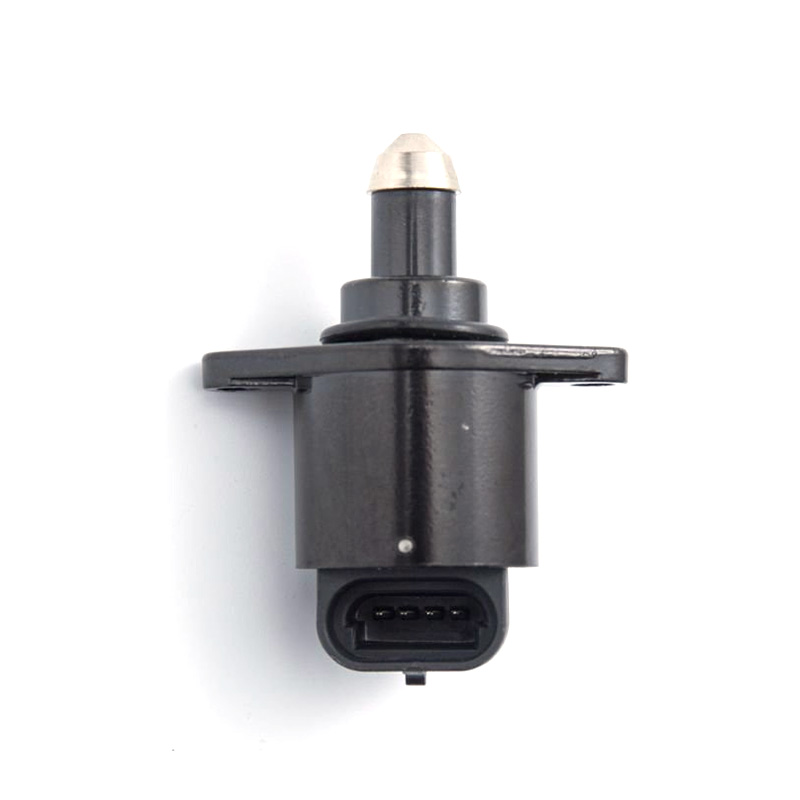
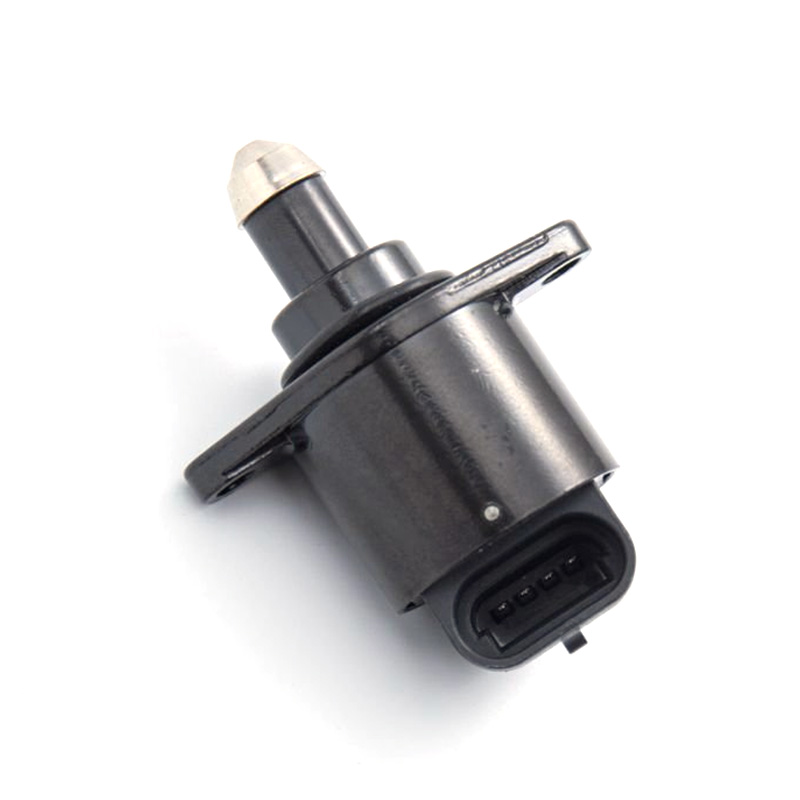
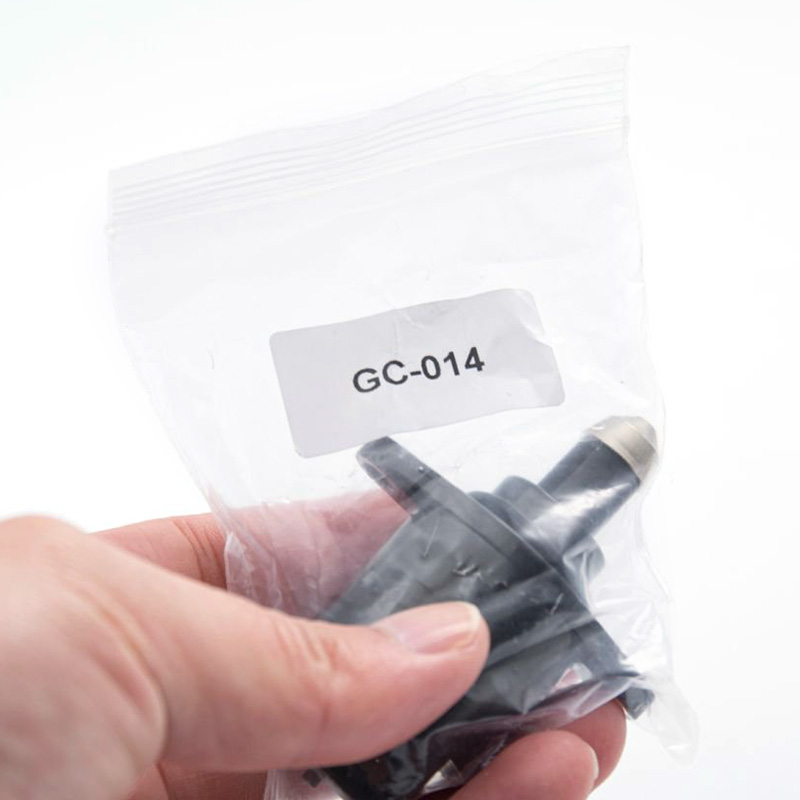
GC-014
REFERENCE OE:
MEAT DORIA:84048; 078133455;
APPLICATION:
AUDI 100/100 Avant;AUDI 80/80 Avant;AUDI A4/A4 Avant;AUDI A6/A6 Avant;AUDI CABRIOLET/COUPE
Idle air control valve for Audi,from China factory for wholesale and retail.
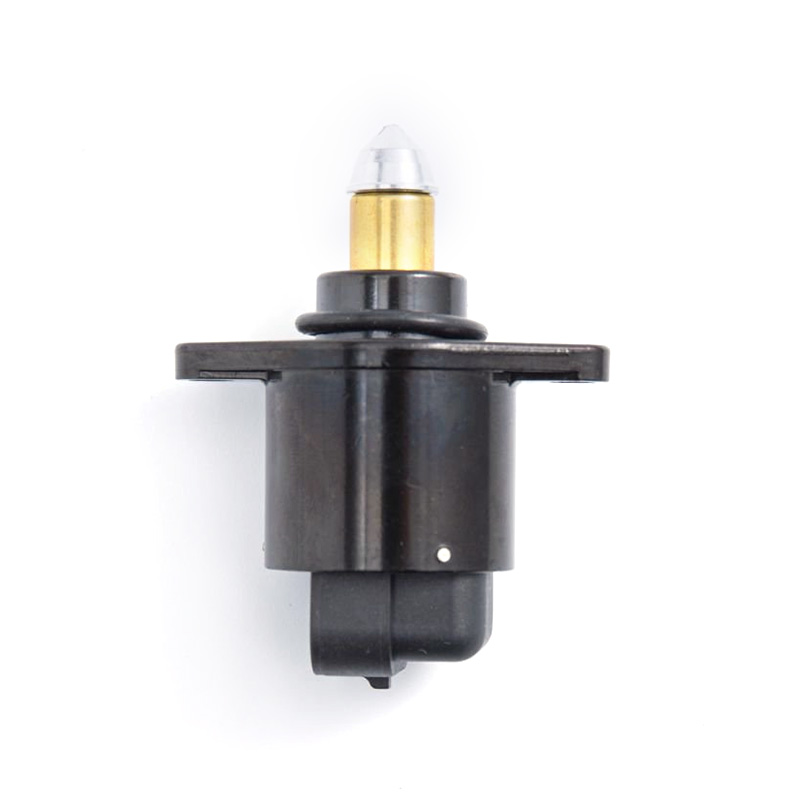
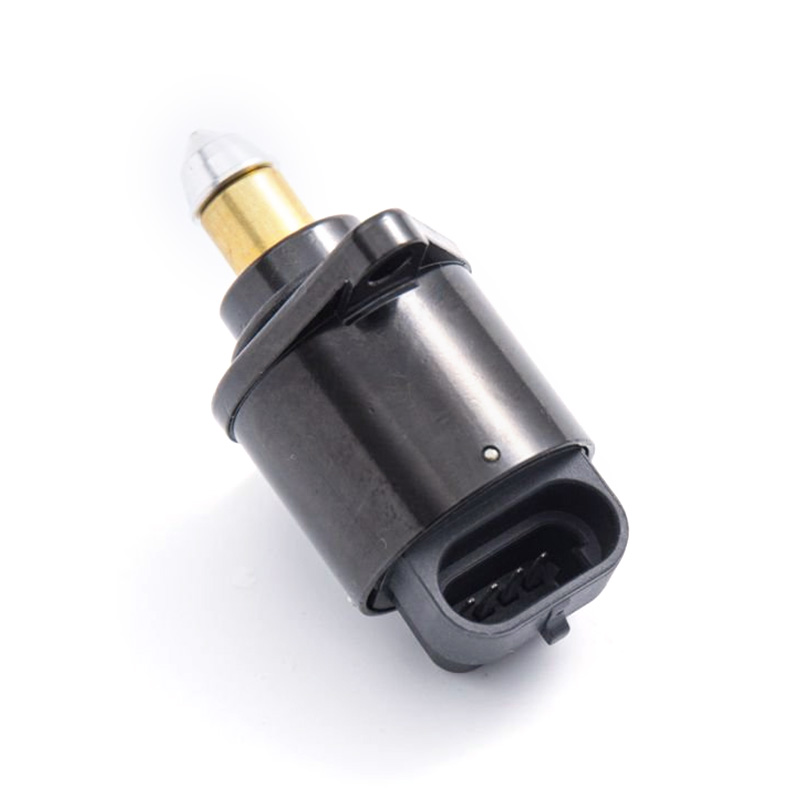
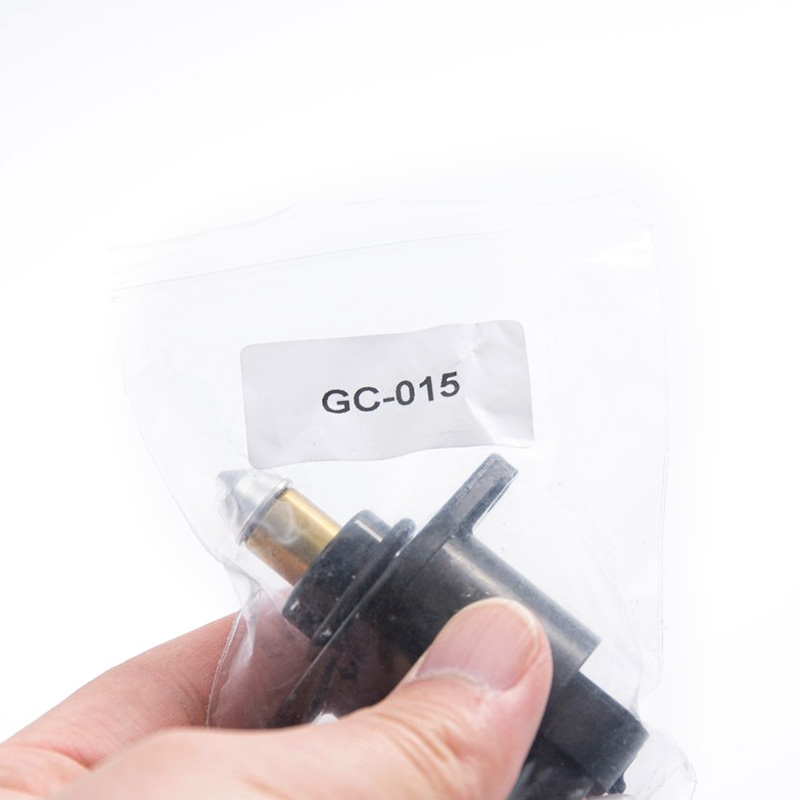
GC-015
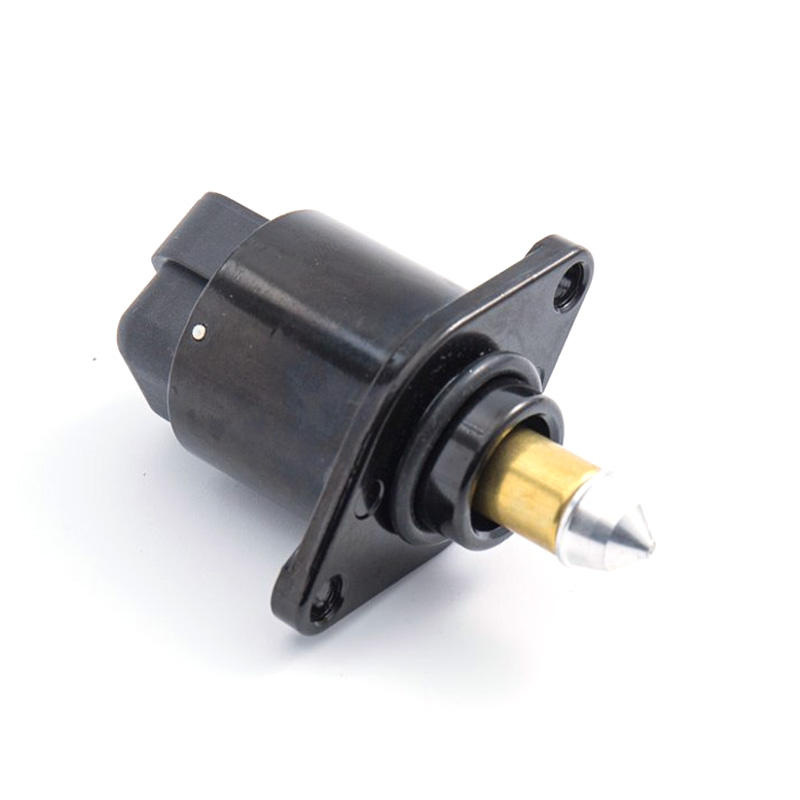
REFERENCE OE:
SHORT CODE:D95177
RENAULT:7701206370
APPLICATION:
RENAULT 19II/19II Chamade;
RENAULT MEGANE Classic/Grandtour;
RENAU MEGANE I/Scenic;
RENAULT RAPID Kasten
Buy idle air control valve from China factory!
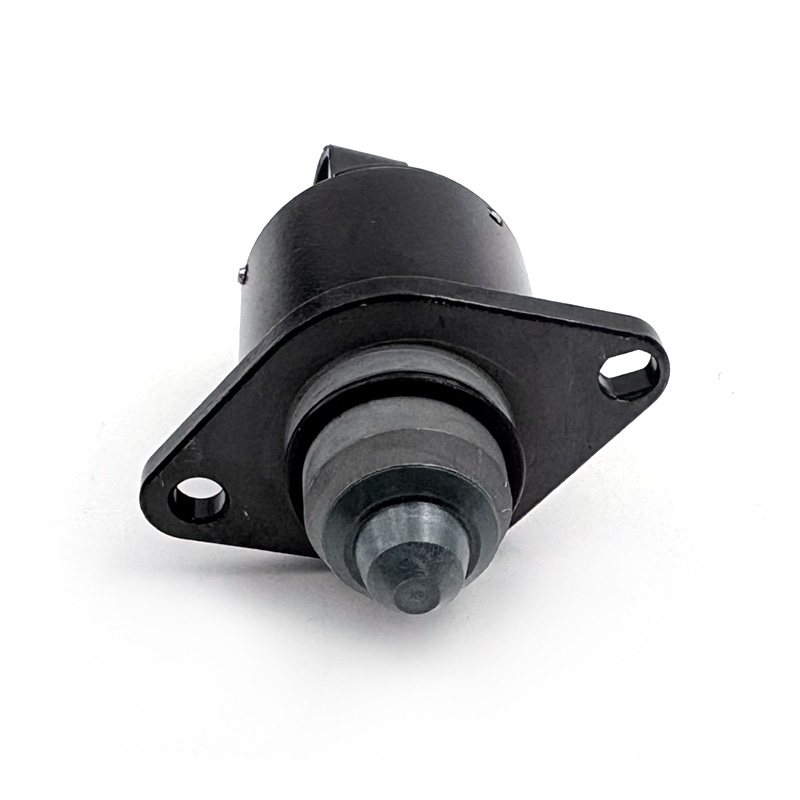
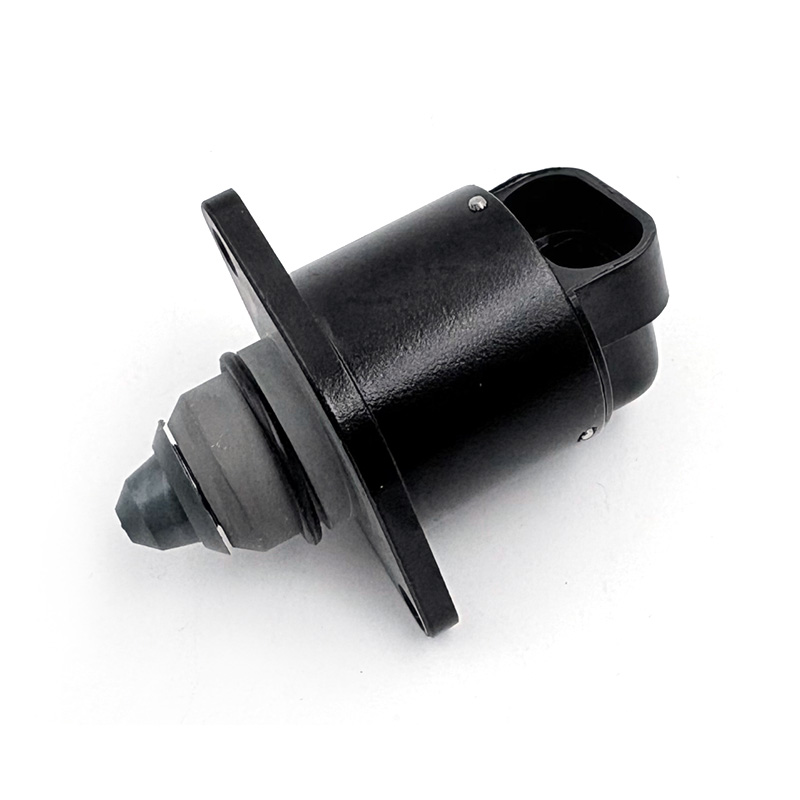
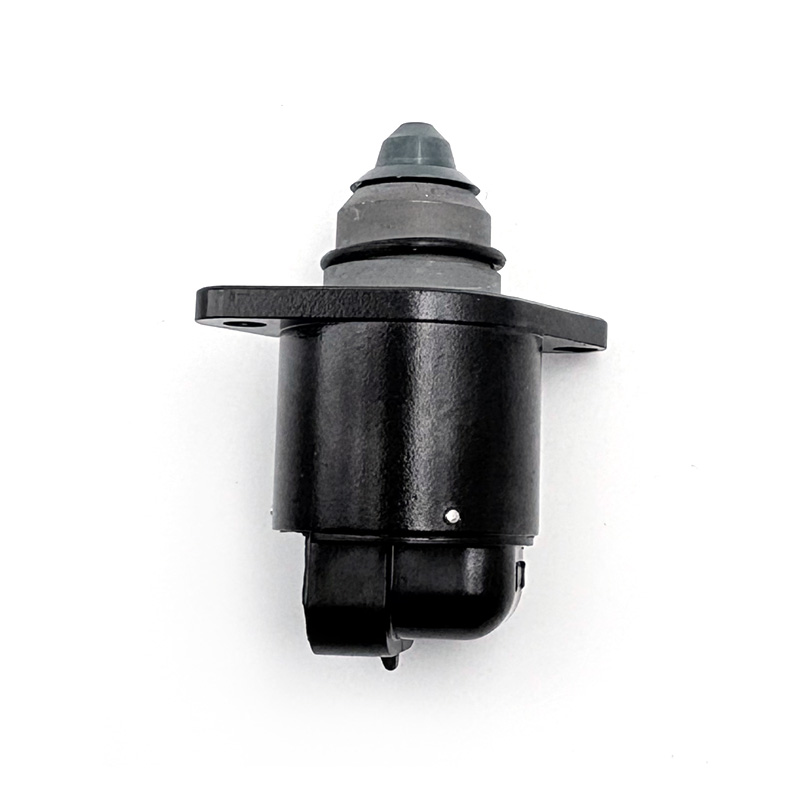
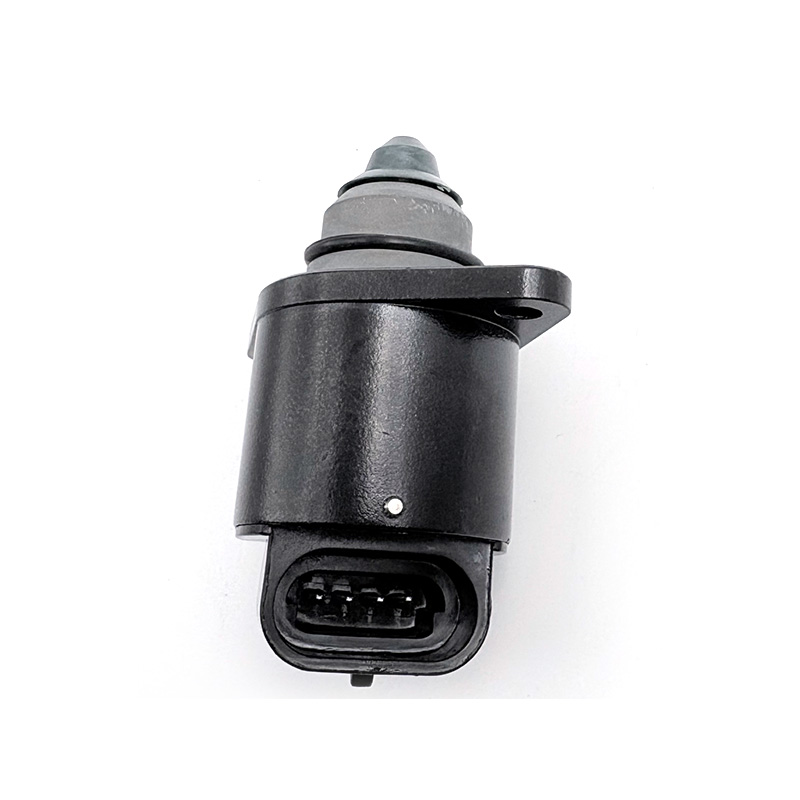
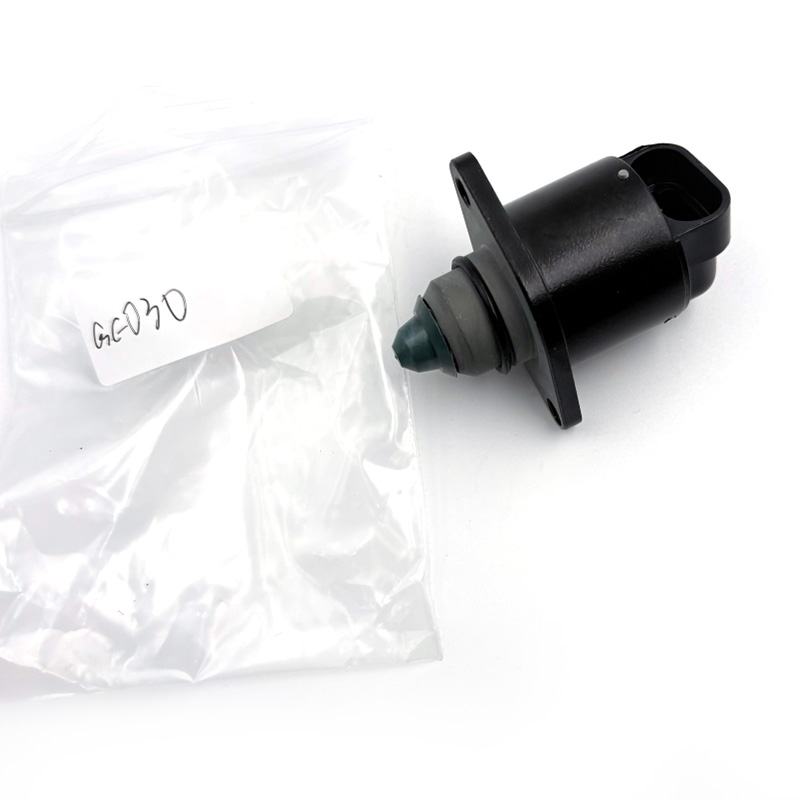
GC-030
REFERENCE OE:
21203-1148300-03
APPLICATION:
LADA
Idle air control valve from China factory for Lada.
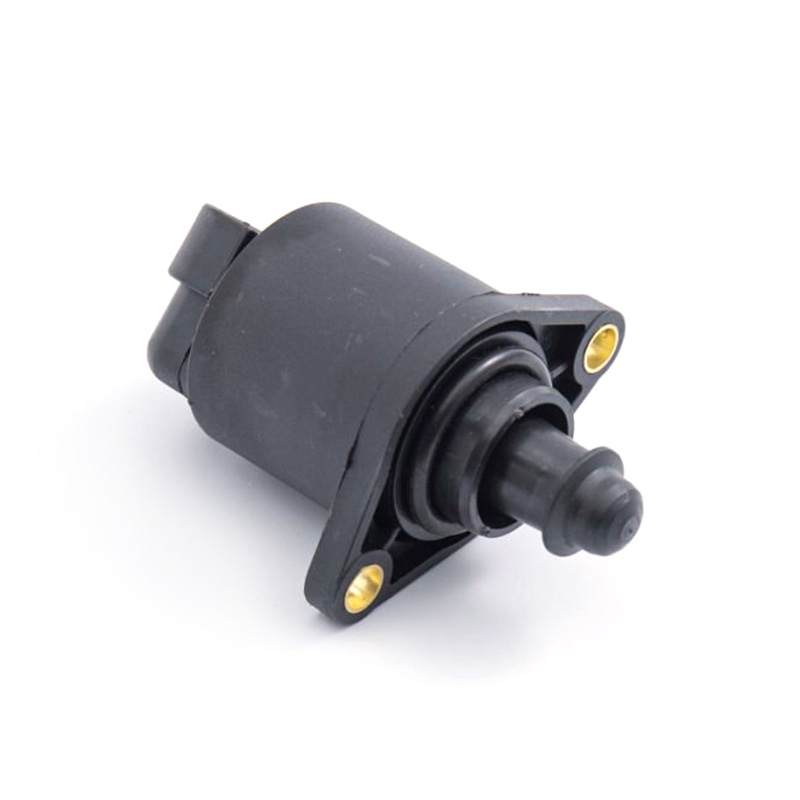
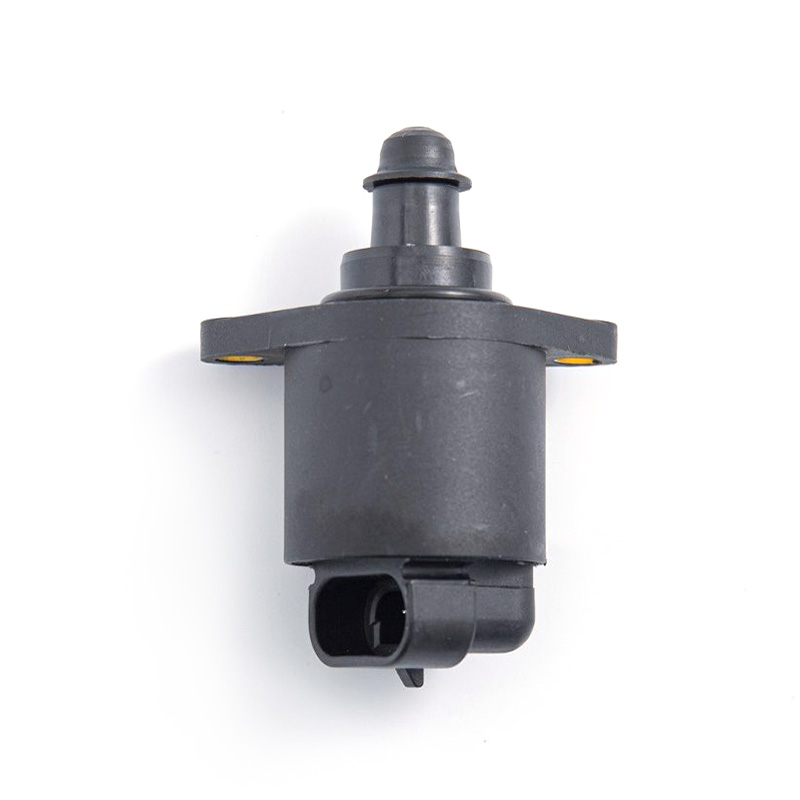
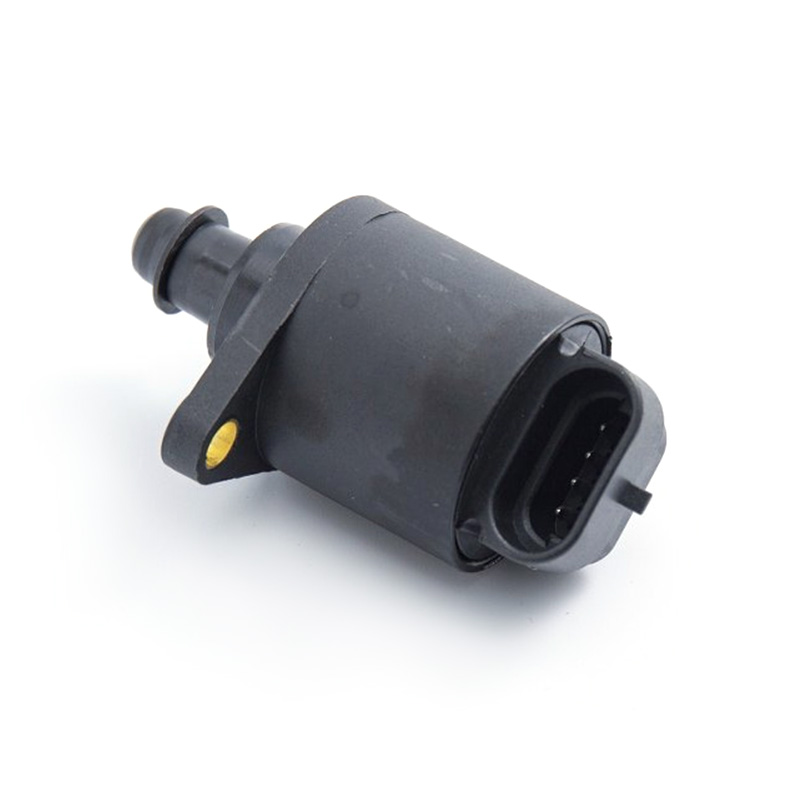
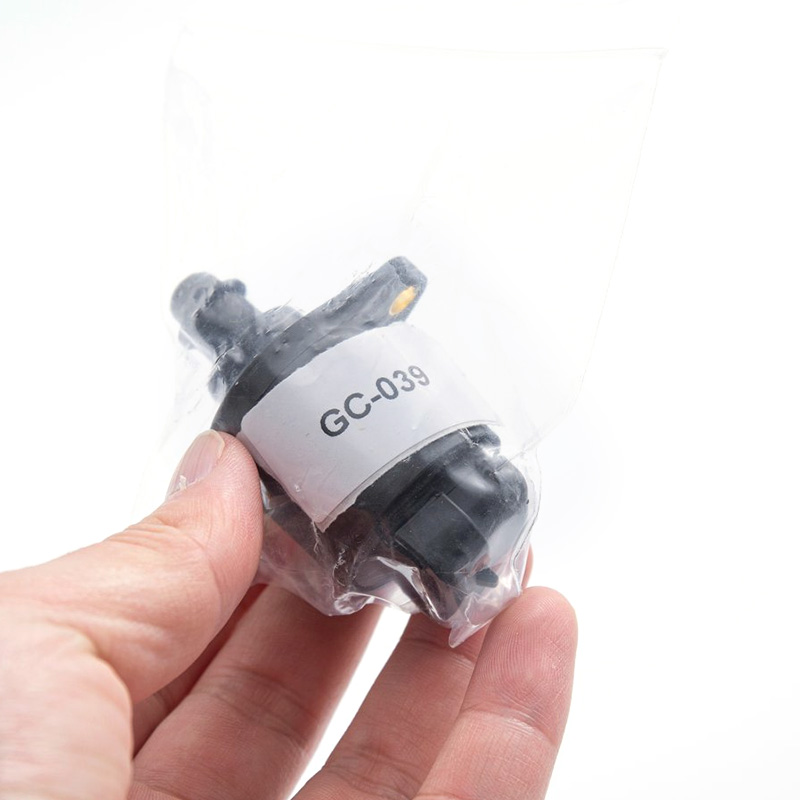
GC-039
REFERENCE OE:
MARELLI:B35/00
MARELLI:801001185201
PSA:1920AH
APPLICATION:
PEUGEOT 206 1.1 EOBD
Idle air control valve from China factory for Peugeot 206.
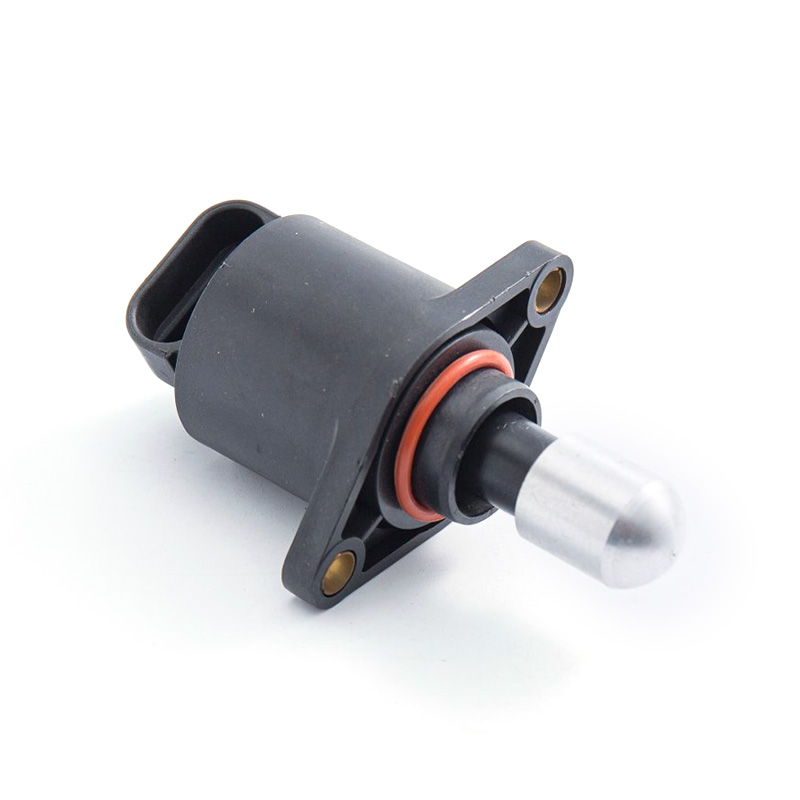
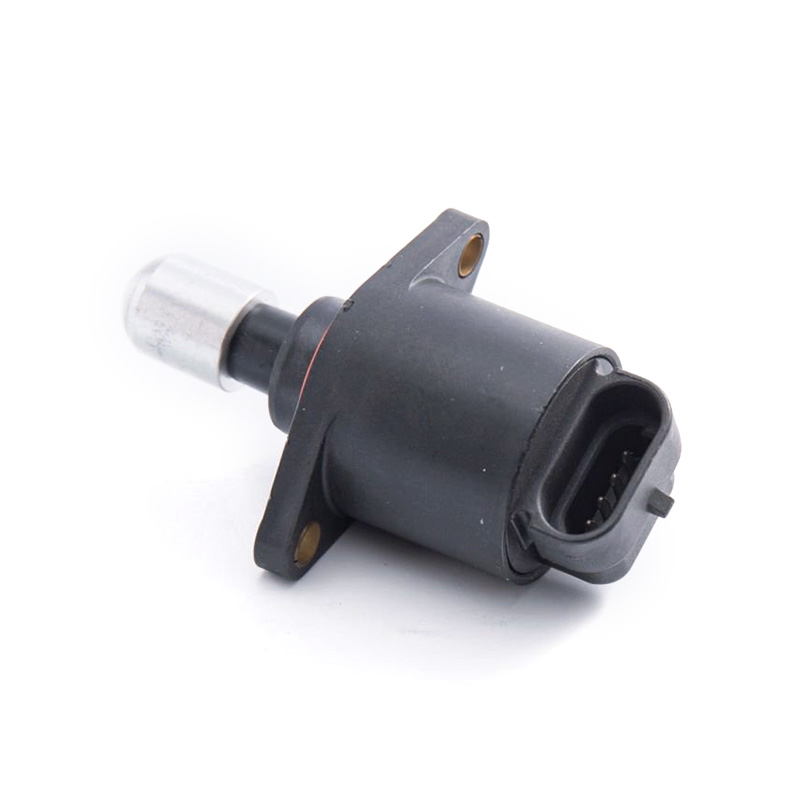
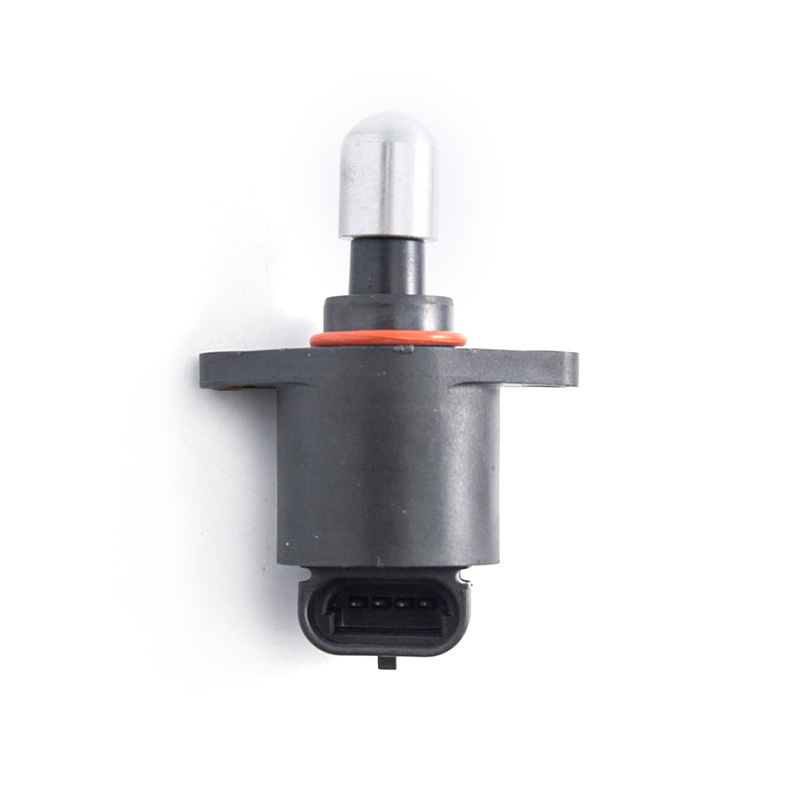
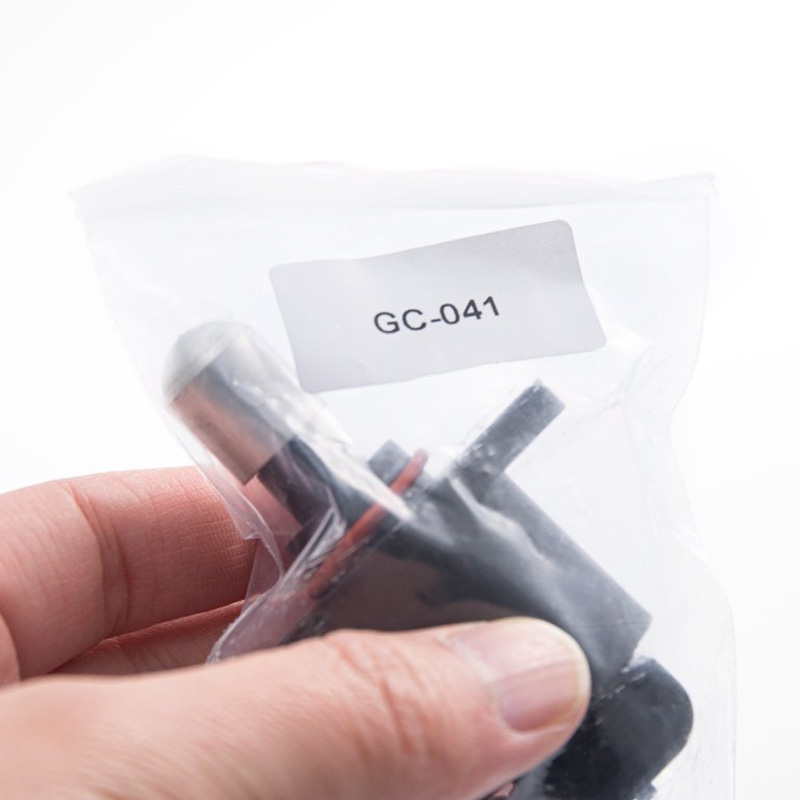
GC-041
REFERENCE OE:
R008/2243
APPLICATION:
KIA GAS
Idle air control valve from China factory for Kia.
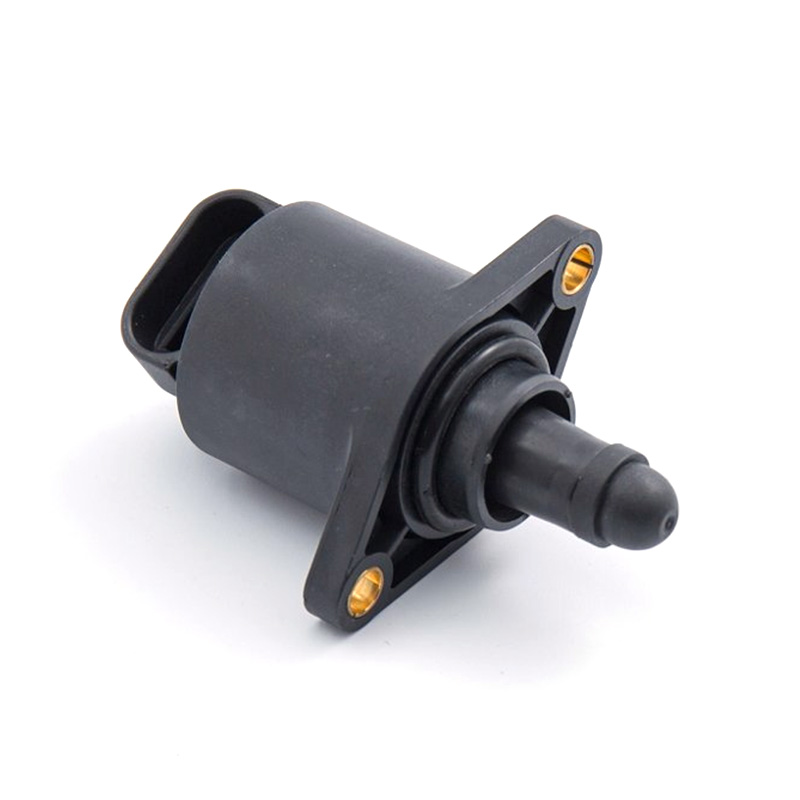
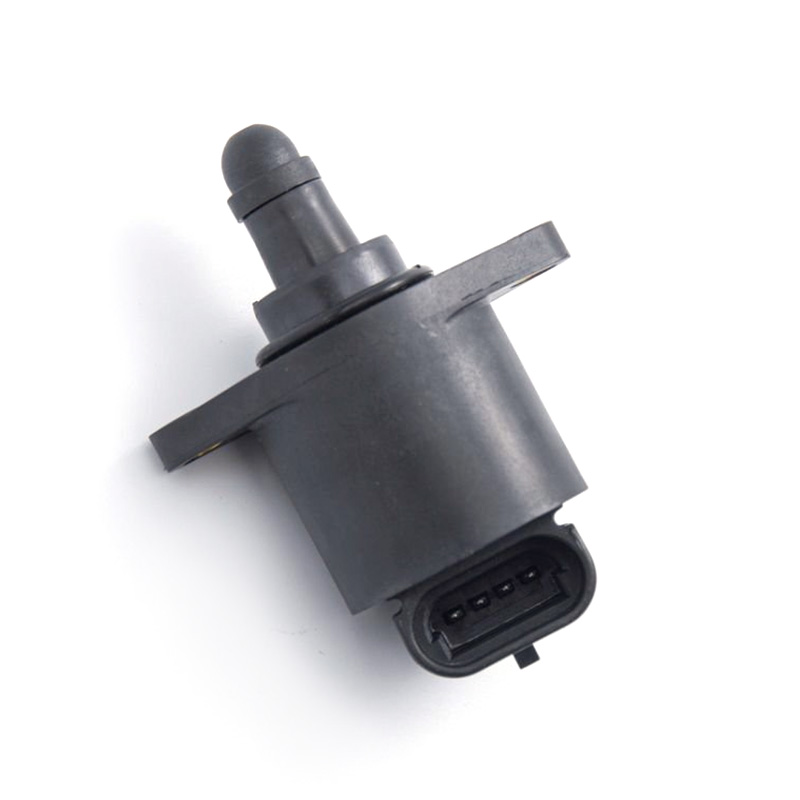
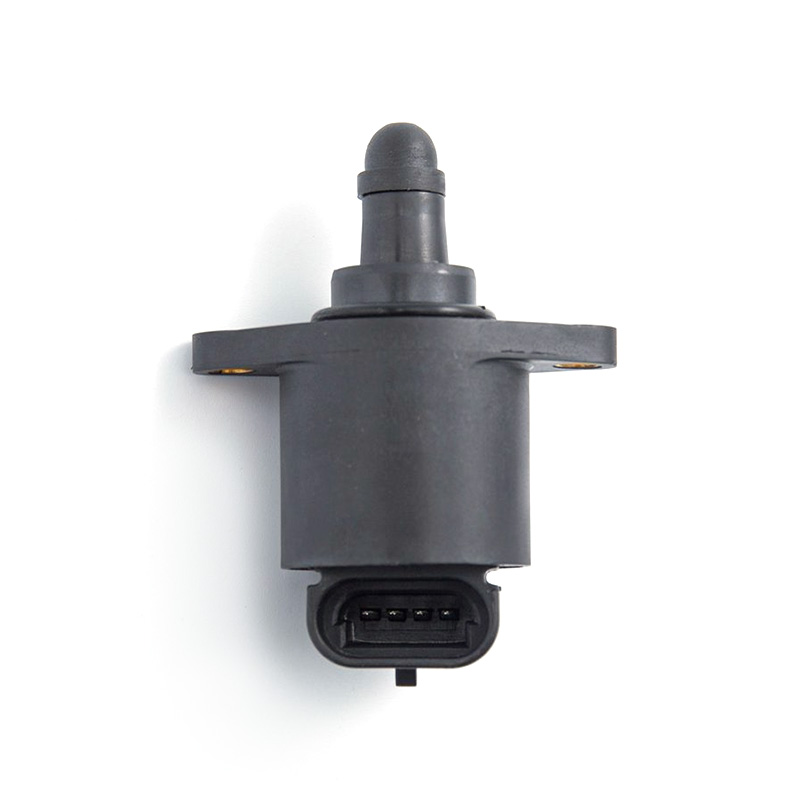
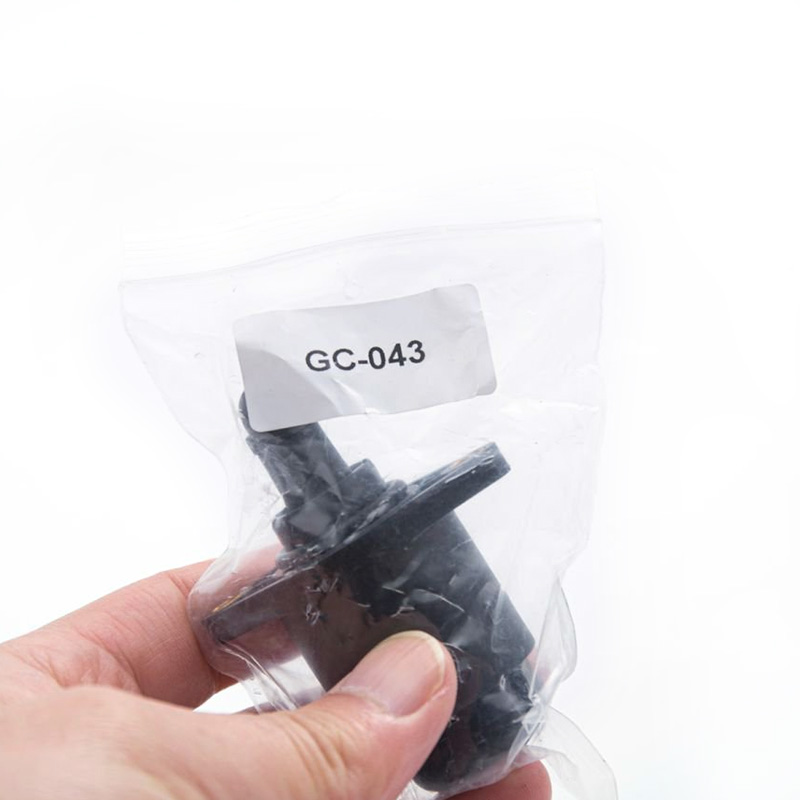
GC-043
REFERENCE OE:
SHORT CODE: B12/00
MARELLI:21924470500
OEM:9945035
APPLICATION:
FIAT PANDA(141A_)1000; Punto(176)55 1.1; Uno(146A/E) 45 i.e. 1.0; Lanci Y10(156)1.0 Fire(156e) KAT
Idle air control valve from China factory for Fiat Punto.
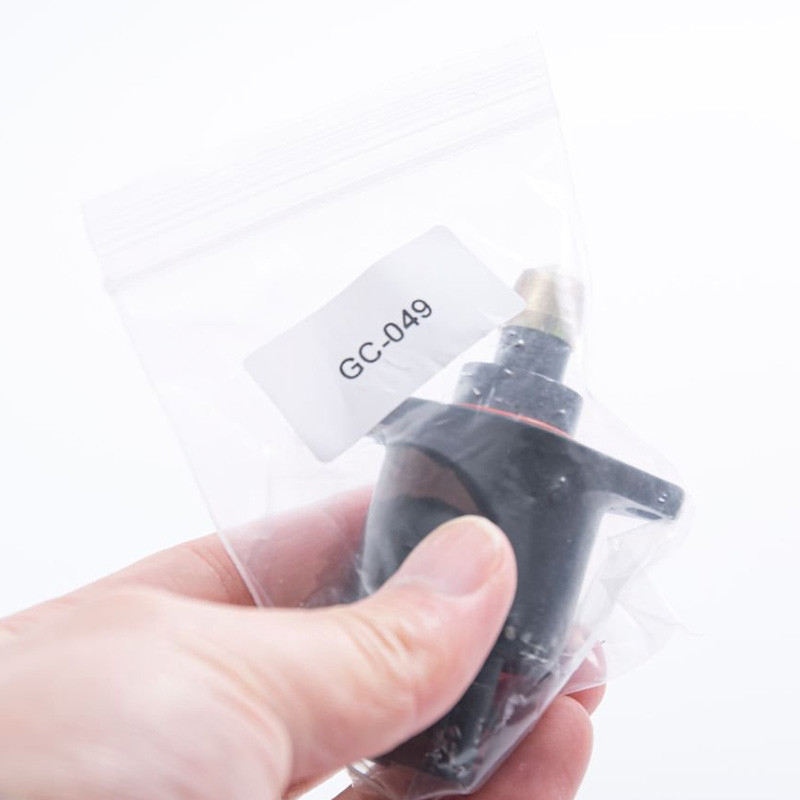
GC-049
REFERENCE OE:
MDQ100040
APPLICATION:
ROVER
Idle air control valve from China factory for Rover.
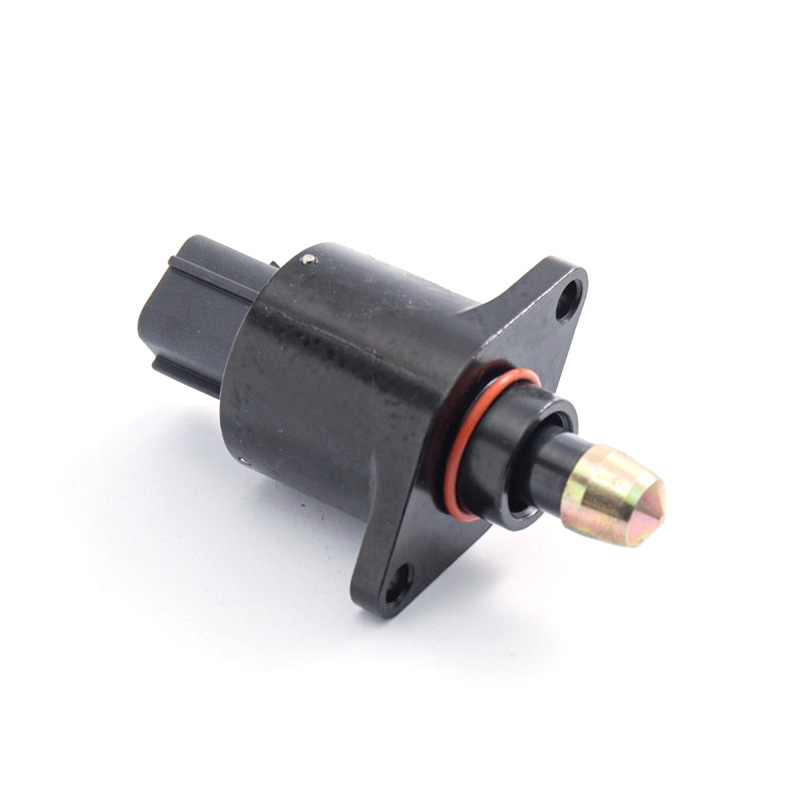
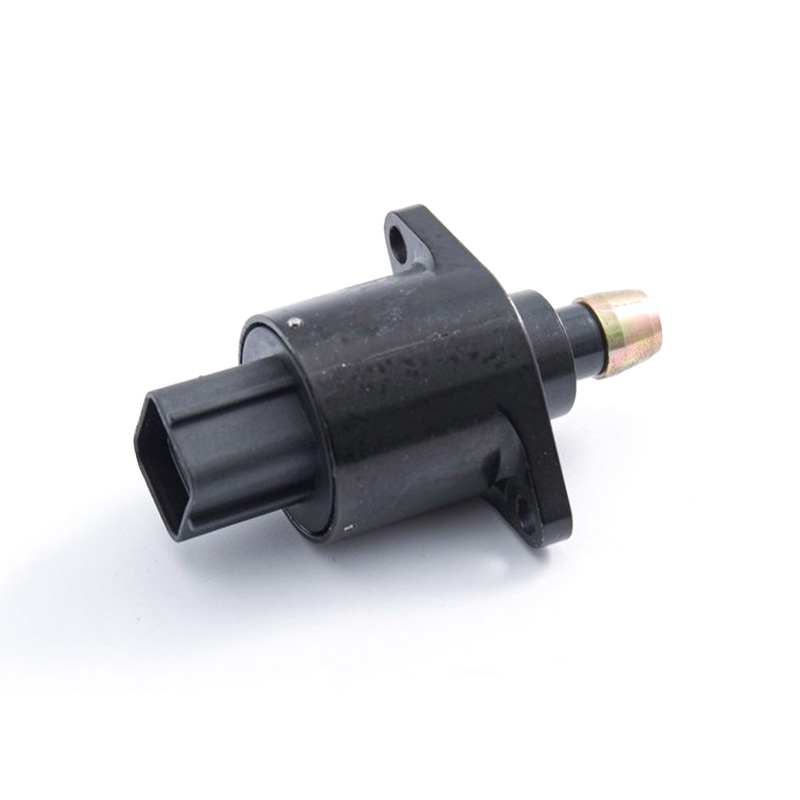
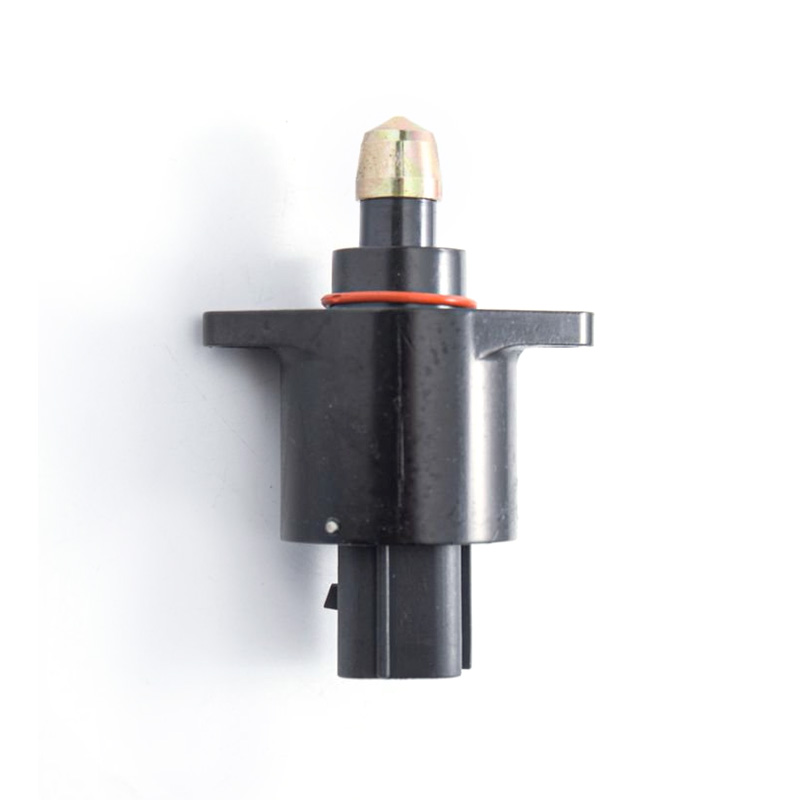
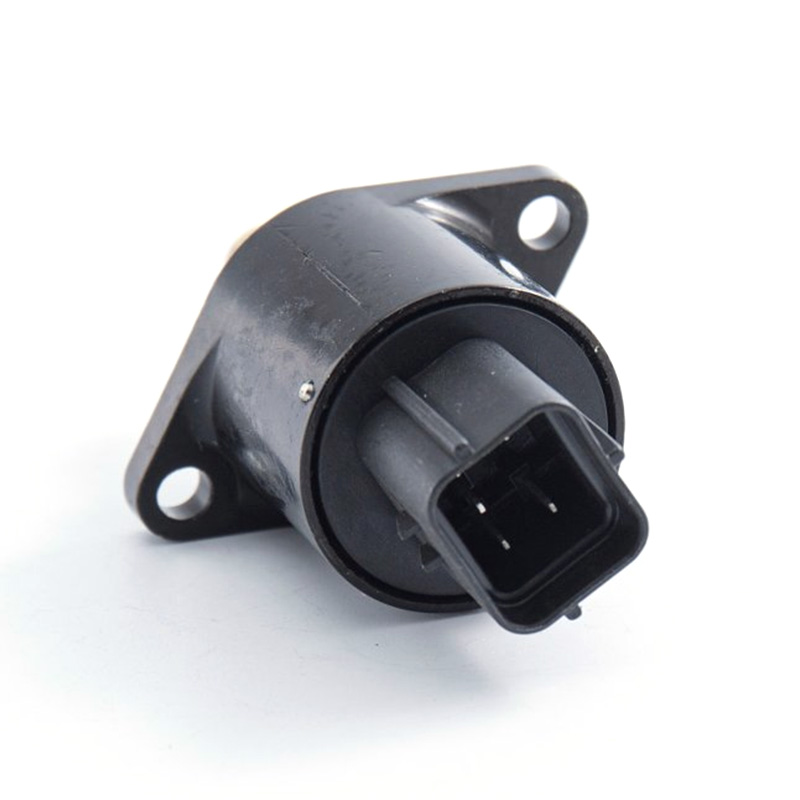
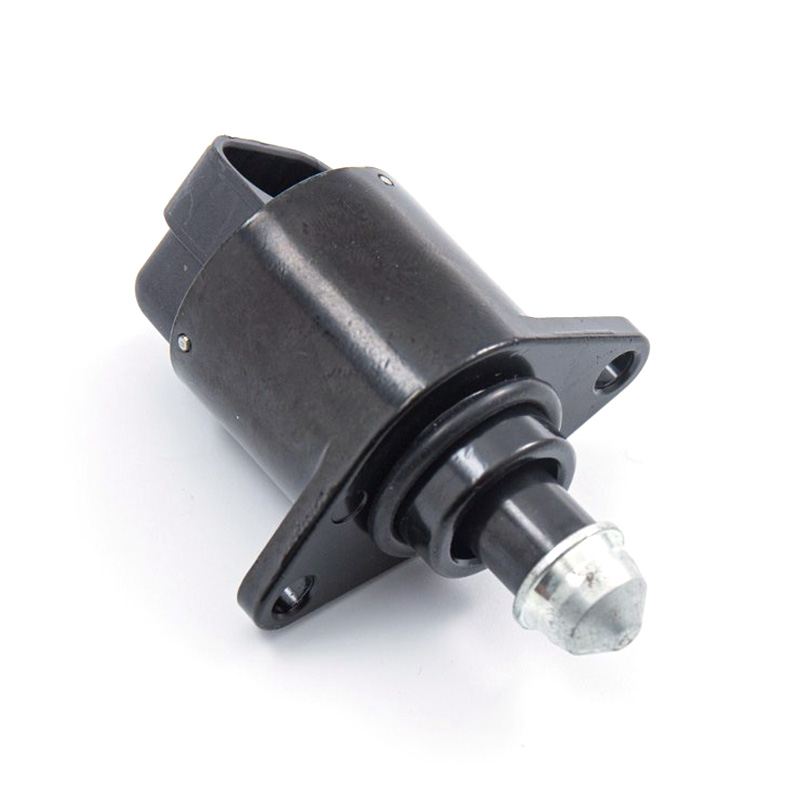
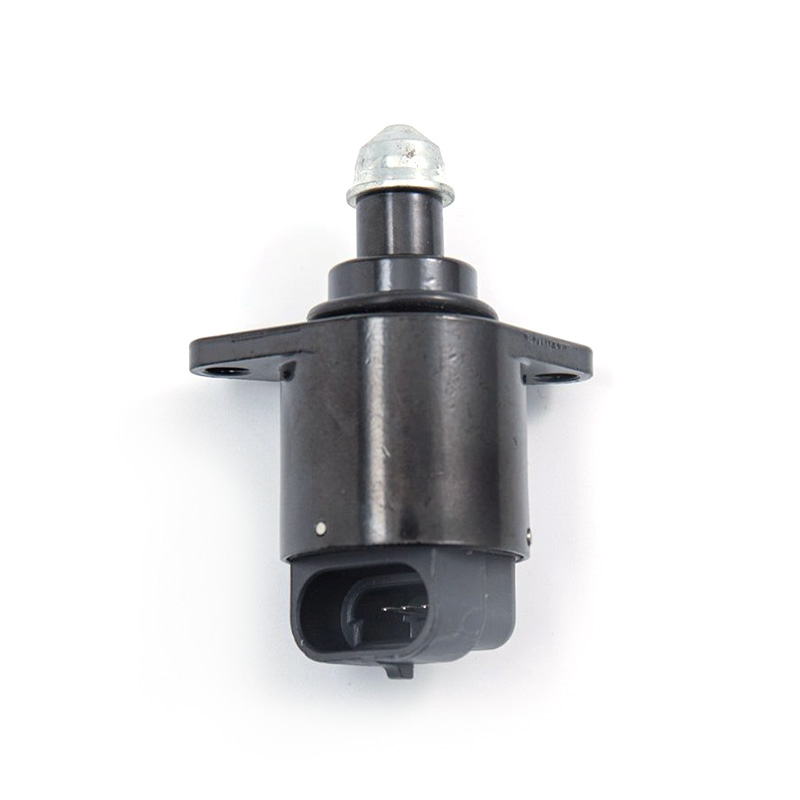
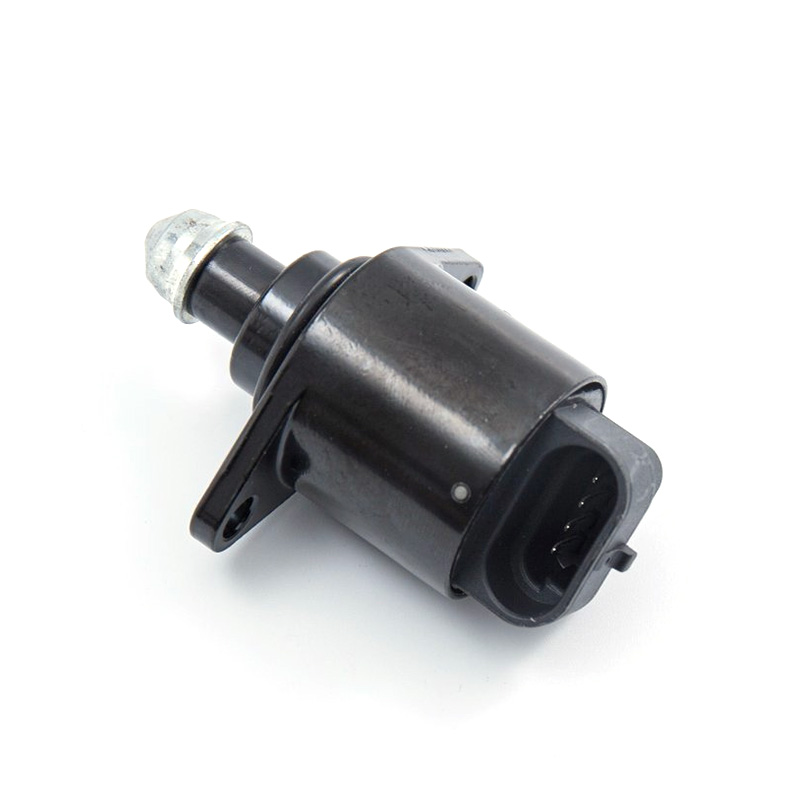
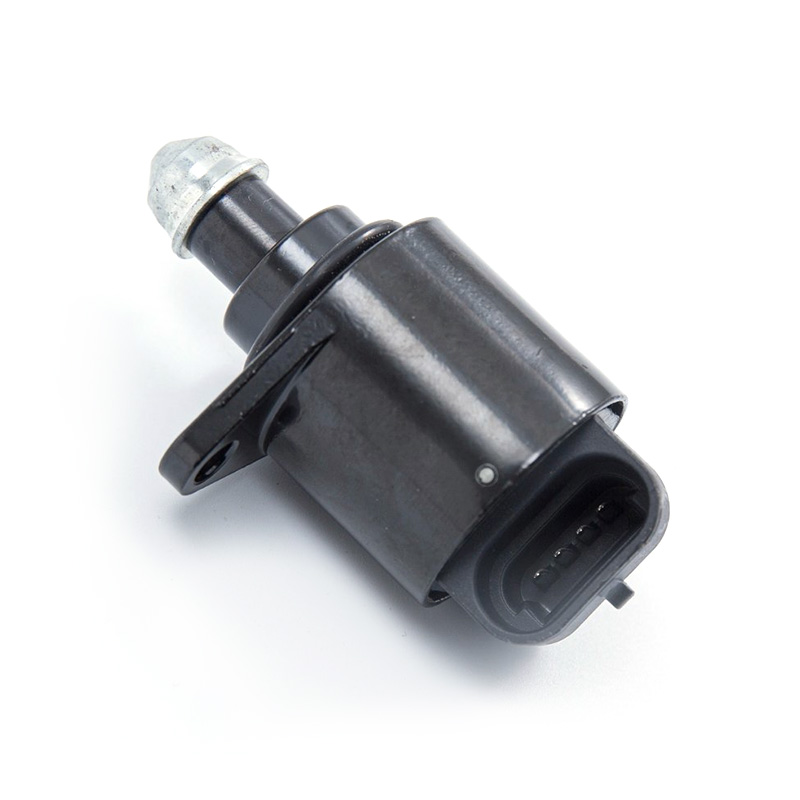
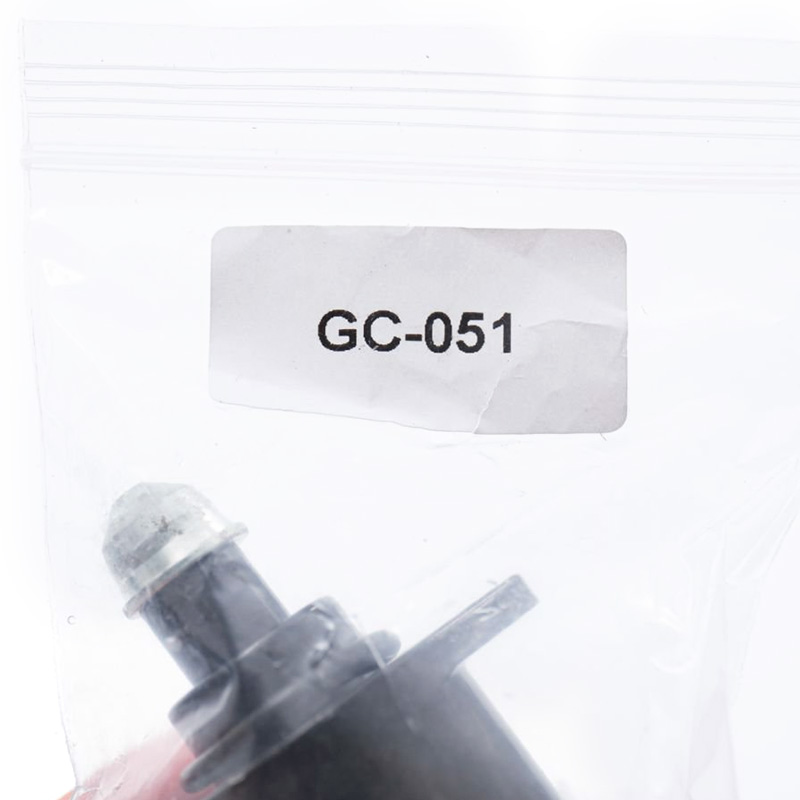
GC-051
REFERENCE OE:
PEUGEOT:19205F
APPLICATION:
CITRO SAXO(S0,S1)1.4VTS 1.6VTS;PEUGEOT 106 II(1) 1.4i;206 Schraqheck(2A/C)1.4i
Idle air control valve from China factory for Citroen Saxo Peugeot 106 206.
Contact Us
Let's start collaborating

Guocheng is specialized in the R&D and production of key engine components for the automotive and engineering machinery industries.
Product
Stay Connected
(+86) - 577 - 8582 0886 (Tel)
(+86) - 577 - 8582 8085 (Fax)
(+86) - 19730213059 (Phone)
sales@wz-gc.com
No. 205, Baiyu Road, 15th Road, Binhai Park, Wenzhou, Zhejiang, China
Mobile

ODM Engine Management System Components
 English
 русский
 Español
 عربى
عربى Deutsch